
Compost Tea. Literature review on production, application and plant disease management
|
|
|
- Jennifer Casey
- 9 years ago
- Views:
Transcription
1 Compost Tea Literature review on production, application and plant disease management Prepared for San Francisco Department of Environment Toxic Reduction Program: IPM Task Order # 3 18 Prepared by: Yeggie Dearborn, Ph.D. EnviroSurvey, Inc. 82 Mary Street San Francisco, CA. (415) x 202 (415) Fax

2 Table of Content 1. Introduction & Overview 1.1 Definition of Terms 2. Compost Brewing Methods 2.1 Suppliers & Manufacturers 3. Compost Tea Quality 3.1 Production process 3.2 Application process 4. Benefits of Compost Tea 4.1 Plant disease Suppression 4.2 Soil Structure and Plant Vitality 5. Potential Problems Associated with Compost Tea 5.1 Contamination with Human Pathogens 5.2 Contamination with Plant Pathogens 5.3 Chemical Contaminant 6. Conclusion Tables: Table 1: Aerated & Non aerated Compost tea Production Processes (review findings) Table 2: Compost tea & Disease suppression (review findings) Table 3: USDA NOPS Recommendation for Compost Tea Quality

3 1. INTRODUCTION AND OVERVIEW Compost tea is a liquid extract made by steeping compost in water using a variety of preparation methods (Scheuerell 2002, Ingham 2005). Historically, home made brews were prepared by suspending a bag of compost in a container of water for up to 14 days to extract nutrients that when applied to plant promotes health and vitality. This type of brewing practice is call passive or Non aerated Compost Tea (NCT) and has been practiced for centuries. More recently, compost tea has been brewed in large scale mechanized systems for shorter periods of time and often supplemented with oxygen, nutrients, and microbial starter cultures to enhance the biological activity of the tea (Scheuerell 2004; Ingham, 2005, Naidu 2010). This type of brewing technique is referred to as Aerated Compost Tea (ACT). ACT has become more popular than non aerated Compost Tea, as an alternative to chemical fertilizers, pesticides and fungicides. It is used by organic farming communities, golf course managers, municipalities, and park and recreation facilities as part of an integrated pest management (IPM) practice. Benefits of ACT such as healthy soil, better plant vitality and disease suppression are reported by some users and advertized by the manufacturers of compost tea. Research on compost tea technology began in 1980 s, but field trials comparing the brewing methods are scarce. The majority of studies to date have focused on plant disease and suppressive ability of compost tea. There is evidence that some plant diseases have been partially suppressed by application of compost tea (Scheuerell 2002, and Brinton 2005), while in other studies, suppression has been highly variable between different batches batch preparations (Hoitink 2003, Scheuerell 2005, Scheuerell 2006). Potential problems such as pathogen or chemical contamination of crops by application of compost tea have also been documented in recent scientific studies (Ingram 2007, Brändli 2006). This review summarizes some of the current research on compost tea, with emphasis on: a) Brewing methods b) Factors affecting compost tea production and its quality c) Application methods d) Benefits of Compost tea (suppressive effects, growth simulating effects) e) Potential problems f) Recommendations for Compost tea users and IPM managers This report is not an attempt to cover all the research on Compost Tea or compost tea additives. Instead, the few major studies that have been peer reviewed are cited. References to organizations or publications on the internet are also included in this report. The peer reviewed citations are clearly identified by the first author s name and date of publication throughout the document, with details provided in references under section 7. IPM Task Order /29/2011 3

4 1.1 Definition of terms Composts Compost Tea: Amended Extract: Vermicompost Extract Organic rich soil amendments are made primarily from yard waste, food waste, manure and biosolids. Yard waste includes organic waste from lawns and gardens, such as grass, leaves, and twigs. Food waste is similarly comprised of fruit and vegetable trimmings and kitchen preparation residuals. Biosolids are nutrient rich organic materials resulting from the treatment of sewage sludge. Manure, an agricultural waste, can offer multiple beneficial uses including nutrients for crop production and organic matter to improve soil properties. A term used interchangeably with Watery Fermented Compost Extracts, Compost steepage, Organic Tea and Compost leachate to define waterbased compost preparations. The term does not distinguish between the productions methods (Scheuerell 2002). Compost extracts that have been fermented or brewed with the addition of nutrients, or extracts supplemented with specific beneficial microbes before application (Scheuerell 2002,). Extract of composting or end product of the breakdown of organic matter by various species of earthworm. Worms are very efficient at breaking down food scraps and are sometimes used in a composting process, known as vermicompost (Allison L. H. Jack 2010). Beneficial Microbes: Natural microorganisms that live in healthy soil can increase plants health and vitality by variety of mechanisms (Haas and Défago, 2005) such as: i. direct association with roots; ii. breakdown and release of minerals from organic matter to increase nutrient uptake in plants; iii. parasitizing harmful or disease causing microorganisms or; iv. suppressing growth, or activity of harmful disease causing microorganisms through other interactions such as production of antibiotics or other chemical inhibitors. Predominant classes of beneficial microbes include bacteria and fungi, protozoa and nematodes. 2.0 COMPOST TEA BREWING METHODS IPM Task Order /29/2011 4

5 Compost Tea is made by two brewing methods: Non Aerated Compost Tea (NCT): The traditional method involves a passive brewing process where no oxygen input is required. This method produces Non aerated Compost Tea (NCT). NCT relies on the use of stable compost without sugar additives, under low oxygen with occasional stirring of the extract. The term anaerobic (no oxygen) has been used to refer to NCT in some recent literature. However, since the process occurs in an open fermentation vessel, the term anaerobic does not accurately define this brewing method. Average NCT brewing period is 14 days. Aerated Compost Tea (ACT): A more recent approach adopted by compost tea brewers involves an active process which relies on the use of an aerator to oxygenate the mixture during the fermentation process, thereby producing Aerated Compost Tea (ACT) in a shorter brewing time ranging from 12 hrs to 3 days. Often, nutrient additives and fermentation products rich in microorganisms are added during the brewing process to increase the beneficial microbes concentration in the brew. Both brewing techniques can be adopted for small backyard home brew or a large production scale. 2.1 Compost Tea Supplies and Manufacturers Limited supplies are required for the non aerated compost tea production. The passive brewing method is simple, inexpensive and requires primarily a good grade of compost, and a container to brew the tea with occasional stirring. In contrast, there are a growing number of suppliers who provide equipment such as specialized containers, pumps and tubing and a variety of nutrient additives and microbial supplements such as Effective Microorgamism or EM 1 for brewing and application of the aerated compost tea. In addition, ready to use compost tea is available from large scale manufacturers. Some of these major suppliers & manufacturers include: Nature Solution technologies.com Growing Solutions Inc. Malibu Compost Biodynamics Rittenhouse Soil Soup, Inc. a registered trade mark of Microbial Magic Sustainable Agricultural Technologies, Inc. Teragenix Effective Microorganisms Distributor in US COMPOST TEA QUALITY 3.1 Production Process The brewing or fermentation process refers to the process of steeping compost in water at a constant temperature and for a defined period of time whereby nutrients and microorganisms from the compost source are extracted. Microorganisms convert insoluble nutrients into available nutrients during the brewing process. Soluble nutrients in turn promote growth of diverse community of organisms in the tea. There is little data in scientific literature that directly compares compost tea production processes (Scheuerell 2006). However, available data suggests that both aerated and non aerated compost tea can be inconsistent from batch to batch. The inconsistency has been associated with to a number of factors IPM Task Order /29/2011 5

6 that affect the production process [(Ingham 2005, (Ingram 2007), (Scheuerell 2006), (Hsiang 2007)]. These factors include: Compost Grade Compost to water ratio Brewing time Fermentation nutrients Microbial Supplements Aeration Filtration and dilution before application Each of these factors is described below with major differences and similarities between ACT and NCT production processes outlined in Table I. Compost Grade The organic ingredients or feedstocks that make up the mature compost include animal manure, landscape and agricultural plant material, biosolids and food waste. Each has characteristics that influence the quality of the mature compost (Scheuerell 2002). Some research suggests composition of microgoranisms in compost depends on the feedstock. For example, carbon rich feedstocks (e.g. dry leaves, sawdust, wood chips, shredded newspaper), produce a compost with a higher fungal content while nitrogen rich feedstock (hay weeds, coffee grounds, herbaceous material and manures) produce compost with higher bacterial content (Scheuerell 2006). Similarly, vermicompost is used as an ingredient in many compost tea recipes. This compost is typically the highest in available nutrients. Therefore selection of compost regardless of the production method depends on its intended use. Mature Compost should be stable and free of pathogens. Research at Wood Ends Laboratory indicated that many immature types of compost are available on the market, with little or no quality testing behind them (Brinton 2004). The immature compost is less stable and may harbor pathogens. In California, commercial composters are required to meet specific regulatory requirements on the compost process itself that protect health and safety. The most important indicators of compost stability are the temperature cycles in composting process and the carbon to nitrogen content (C: N). The C: N ratio decreases as compost becomes more mature or stable (Noble 2005). Calrecylce.org has published quality standards for finish compost that can be accessed at Compost to water ratio According to published studies, ratio of compost to water (volume: volume) tend to vary for each production method. For NCT, the majority of studies use a 1:3 1:10 ratios (Scheuerell et al., 2002). For ACT, the ratio depends on type of equipment and is usually suggested by the compost tea equipment suppliers. Potable water that is free of chlorine or chloramines is recommended for making compost tea or any dilution thereof regardless of the production method. Chlorine or chloramines are added to potable water as a sanitizing agent(s); when present in the water, these chemicals can inhibit growth and propagation of microorganisms during the brewing process. IPM Task Order /29/2011 6

7 Brewing time Several studies on disease suppression properties of NCT have indicated that NCT brewing time of 8 16 days is optimal fermentation time for any level of disease control (Scheuerell 2002). It has been proposed that the longer brewing period promotes greater amount of nutrients to be extracted from the compost and enables accumulation of antibiotics that activate natural plant defense responses and help in disease suppression (Scheuerell 2003). A significant advantage reported by the manufacturers and the users of ACT is the short brewing time of 18 hrs to 3 days which makes the tea readily available. It has been proposed that that optimal brew time of hours coincides with maximum activity of microbial population in the tea (Ingham 2005). Nutrient supplements Nutrients such as kelp, fish hydrolysate, molasses, and humic acid are added as catalysts or microbial starter (Naidu 2010, Scheuerell 2002) during brewing process to promote selective enrichment of microorganisms. Several manufacturer of compost tea also provide ready use pre packaged nutrients with similar compositions. For both ACT and NCT, fermentation nutrients have the ability to inhibit or increase growth rates for different types of organisms (Scheuerell 2004). However, nutrients should be added with extreme caution (Scheuerell 2004, Ingham 2005). Recent studies show that compost tea supplemented with molasses or other simple sugars, tends to promote growth of human pathogens such as Salmonella and E. coli, when residual levels of these organisms are present in the compost source (Ingram 2007). Microbial supplements It is well established that compost contains a diverse group of organisms dominated by bacteria and fungi participating in decomposition of organic matter (Droffner 1995, Brinton 2000,). Bacteria can grow and multiply in both oxygen rich Aerobic and low or no oxygen Anaerobic environments. Bacteria from genera such as Enterobacteria, Serratia, Nitrobacter, Pseudomonads, Bacillus, Staphylococcus and various Actinomycetes as well as fungi such as Trichoderma spp. have been isolated from mature composts (Droffner 1995). Subsets of these species known as facultative anaerobes thrive in low oxygen environment but are able to grow under aerobic conditions. It is proposed that presence of facultative anaerobes in mature compost is likely associated with disease suppressive traits. Studies have shown various fungal root rot diseases have been suppressed by incorporating compost into soil or soil less growing media (Hoitink 1993). Similarly, the microbial populations of NCT (Weltzien, 1991) and ACT (Ingham, 2005) have been described as being dominated by bacteria. It is stated that with ACT aerobic bacteria predominate (Ingham 2005), while with NCT the population of bacteria is mainly facultative anaerobes (Weltzien 1991, Scheueller 2004). There is considerable interest among growers, producers and scientific community in manipulating the brewing processes to obtain optimum composition of beneficial microbes that include both aerobic and facultative anaerobic groups. To date, populations of organisms have been variable with both NCT and IPM Task Order /29/2011 7

8 ACT making any comparison of available scientific experimental results difficult (Scheuerell 2004). In addition, lack of a uniform standard method for reporting the compost tea microbiology adds to complexity of the brewing process. Commercial suppliers advertize prepackaged microbial inoculums that can be brewed on its own, added to the compost source or to ACT following the brewing process. One of the popular microbial inoculums is Effective Microorganisms EM 1 developed by Dr. Teru Higa in Japan. EM 1 is a cocktail comprised of large population of facultative bacteria, yeast, enzymes, trace minerals, vitamins and organic acids. Many of the claims made for Compost tea such as plant promoting growth, and disease suppressive traits are also made for EM 1. The groups of organisms present in the EM 1 include Lactic Acid Bacteria, Phototrophic or photosynthetic bacteria and yeast, with the diversity of species within each organism group. Material Safety Data Sheet provided by suppliers does not identify exact species or supplements included in the cocktail. There is considerable evidence in microbiology books on benefits of lactic acid bacteria and yeast in fermentation and decomposition processes. Photosynthetic bacteria can assist in converting energy into food sources for plants. However, claims supporting of roles of these beneficial microbes in plant disease suppression remain elusive. Equally unknown is effectiveness of balance of species in compost tea amended with EM 1. Other microbial formulations include Fungi in the genus Trichoderma that have been known since at least the 1920s for their ability to act as biocontrol agents (a term coined for beneficial organisms with ability to suppress pathogens) with successful results in maize (Harman 2006). Trichoderma species grow naturally around the plant roots and feed or parasitize on pathogenic fungi. However, if pathogenic fungi are not present in the soil, addition of Trichoderma can have little or no benefits as they will die off without feeding on pathogens (Ingham 2005, Sullivan 2004). Increasing the microbial diversity without understanding the role of each species in the context of the plant s natural environment can be risky, but is a power concept that needs to be explored further under controlled scientific experiments in the field. Aeration It has been suggested that aeration or oxygenation during ACT brewing process encourages growth and propagation of diverse group of good microbes extracted from the compost (Ingham, 2005), while limited or lack of oxygen during NCT brewing process may support growth of human and plant pathogens (Ingham, 2005; Scheuerell, 2004, Brinton 2004). However, there is no available scientific data that support the popular claim that only low oxygen conditions are ideal for most pathogens to grow or only aerobic condition encourages growth of beneficial microbes (Scheueller 2002). Early studies with non aerated compost teas (NCTs)indicated that brewing conditions that favor a brief period of low oxygen may in fact increase diversity of active microorganisms and disease suppressive properties of NCT (Scheuerell, 2004) while sterilization of NCT eliminates the microbial population and disease suppression observed in the laboratory studies (Scheueller 2002). In a more recent study, NCT and ACT brewing techniques were compared with or without aeration, and in presence or absence of nutrient additive for suppression of fungus Phythium damping off of cucumber seedling. The study showed that no significant correlation could be drawn between the microbial population in the compost tea brewed under continuous aeration, and disease suppression. However, addition of nutrients to ACT IPM Task Order /29/2011 8

9 during the brewing process showed the most consistent suppression of Pythium damping off, suggesting nutrient and not necessarily aeration support the microbial activity in ACT (Scheuerell 2006). Aeration during compost tea production process produces fewer foul odors than the non aerated production process. For NCT, foul odor has been reported only under conditions where nutrient additives were added during the fermentation process (Scheuerell 2006, 2002). It remains unclear whether it s necessary to aerate during compost tea production. It should be noted that aerated compost tea or oxygenated tea in practice becomes non aerated if not used immediately. The producers and users of ACT must take into consideration the added cost of the brewing process. 3.2 Application Process Filtration and dilution are often necessary when the tea is applied through irrigation system or sprayers to avoid clogging the nozzle. For both NCT and ACT, filtration may remove suspended particles in the compost tea that contain beneficial microbes (Scheueller 2002). Similarly, dilution of the tea prior to foliar application may reduce the nutrients and microbial population. For soil application, is has been recommended to use a volume sufficient to reach the root area (Brinton 1995, Scheueller 2002, Ingham 2005). Soil application is thought to protect the roots from potential colonization of root pathogens and promote healthier plants. For foliar application, compost tea is diluted 1:4 or 1:6 with water prior to application. It has been proposed that maximum coverage of leaf surface area may necessary for the beneficial microbes in the tea to outcompete colonization by plant pathogens, however, frequent and repeated applications are needed to maintain the surface coverage (Ingham 2005). Brinton (1995) suggests addition of non ionic surfactant such as sulfur containing formulation to compost tea prior to application can potentially decrease the frequency of application, by increasing the proportion of leaf surface area covered and prolong survival of beneficial organism in the tea against harmful UV rays. Non ionic surfactants and wetting agents, have been used extensively in pesticide/fungicide formulations for better coverage. Scheueller (2006) tested the following adjuvant in small scale compost tea trials with some success in promoting ACT mediated suppression of Botrytis cinerea: Nu Film 17 Foliar Spray Extender (a propriety blend derived from pine), Karaya Guma propriety blend of a nitrogen and polysaccharides, Lantron B, a surfactant manufactured by Dow Chemical Company, with following composition: 77% modified phthalic/glycerol alkyl resin and 23% butyl alcohol, THERMX 70 composed of 70% concentrated yucca extract which is advertized as an organic sticking agent. There are number of other natural surfactants such as coconut oils, palm oils, castor oils, lanolin, wheat and amino acids advertized in the market for organic producers. However, research on the effectiveness of chemical or natural formulation added to compost tea remains very limited. IPM Task Order /29/2011 9

10 Table 1: Review of findings on NCT & ACT Production & Application Processes [Scheuerell & Mahafee, (2002), David Ingram (2005), Elaine Ingham, (2005), Brinton (2006)] Compost Tea Brewing technique / Aerated Compost Tea Non Aerated Compost Tea Issues with ACT & NCT Compost Source Typically held in perforated container within the vessel Purchased from manufacturers Mixed with water in an open container Source of compost is not always free of human & plant pathogens. Compost to Water ratio Ratios of 1:10 to 1:50 or as recommended by Suppliers Compost: water ratio 1:3 to 1:10 Water must be free of disinfecting agents such as chlorine or chloramines Optimum ph is between 6.5 and 7.5. ph below 5.0 inhibits some beneficial microbes Aeration Continuous aeration requires input of energy to deliver oxygen Aeration is not required only occasional stirring during the process ACT: does not have a long shelf life. Aeration adds to cost and effort Brewing Time Typical brewing time is 24hrs. However, range from 18hrs to 7 days have been reported depending on the technology recommend by manufacturers Up to two weeks but Optimum must be determined experimentally NCT: longer brewing times prevent scheduling flexibility. ACT: shorter brewing time may result in residual nutrients that stimulate pathogen growth. Fermentation Nutrients & Microbial inoculums Nutrients such as kelp, fish hydolysate, molasses, and humic acid are often added to promote growth of beneficial organisms Addition of microbial inoculums recommended prior to application Both Nutrient and microbial inoculums may be added but not required Nutrients such as molasses and other simple sugars may favor growth of human pathogens such as E. coli and Salmonella if present in the compost source at residual level (David Ingram 2005/ NOP Compost tea task force 2004). Some formulation of microbial inoculums are proprietary and specify only the generic group of organisms in the mix Filtration/Dilution Filtered and diluted when applied through irrigation or sprayers to prevent clogging. Filtration is not required when applied directly to soil but diluted prior to application Filtered when applied through irrigation or sprayers to prevent clogging. Filtration or dilution is not required when applied directly to soil Filtration may remove suspended particles that contain nutrients & microbes Addition of adjuvant (surfactants, wetting agents/ UV stabilizers) before application Addition of adjuvant is thought to increase surface coverage for foliar application and may reduce frequency of repeated application Chemical adjuvant have been used in pesticide formulations Research on compost tea with added surfactants is very limited IPM Task Order /29/

11 4.0 BENEFITS OF COMPOST TEA 4.1 Plant disease Suppression Biological interactions that result in disease suppression of plant and soilborne pathogens are complex because diseases caused by pathogens occur in a dynamic environment. These interactions are thought to occur through the following mechanisms, which are not necessarily mutually exclusive. Antibiosis: Some beneficial organisms can produce antibiotics or other substances that are toxic to the pathogenic organisms. For example, bacteria Pseudomonas fluorescens strain CHAO produces hydrogen cyanide, 2,4 diacetylphloroglucinol, and pyoluteorin, which directly interfere with growth of various pathogens. Other bacteria including Bacillus, Serrantia and fungi such as Thrichoderma and Gliocladium can produce antimicrobial compounds effective against plant root pathogens (Handelsman, 1996, Haas & Defago 2005, Weltzien 1991)). Competition When beneficial microorganisms are present in a growing medium they tend to outcompete pathogenic bacteria or fungi for food source (Hoitink 1993). Induced Resistance: Some Beneficial microbes colonizing on plant roots or foliage are documented to confer resistance to plant by turning on genes that increase plant tolerance to infection by pathogens (Haas & Defago 2005). Parasitism: Certain beneficial microbes can feed on specific pathogens. For example, Trichoderma species are shown in various studies to secrete enzymes that digest the cell wall of some fungal root pathogens (Handelsman, 1996). The available literature suggests these mechanisms may be involved in compost or NCT mediated suppression, but the mechanisms of suppression are not yet determined with ACT. Review by Scheueller (2002) lists number of research studies conducted in laboratory, green house and field trials that suggest reducing microbial component of NCT through filtration or heat sterilization resulted in loss of NCT mediated suppression of foliar plant diseases. However, whether suppression occurs through induced resistance, antibiosis and/or competition with plant pathogens is not clearly understood. Fewer control studies are available on ACT or in direct comparison with NCT. In 2002, Conforti et al,, conducted a field trial at Presidio Golf Course, to assess the efficacy of ACT on turf growth and in suppressions of a common fungal disease (Michrodocium Patch/Fusarium Patch) caused by Michrodocium Nivale. Compost was prepared on site from vermicompost, woodchips, grass clippings, horse manure and horse bedding in equal parts and cured for minimum of 4 months, before use in preparation of the tea. Nutrient supplements such as molasses, sea kelp, cane sugar, rock dust and yeast were added to ACT during the brewing process. The resulting tea was sprayed onto greens at a rate of one gallon of compost tea per 1000 ft 2 for twelve months. Applications occurred weekly during times of high disease pressure and bi weekly during times of moderate or low disease pressure. The study showed treated turf had substantially longer root length when compared to untreated turf. However, only limited suppression of fungal disease was observed with application of ACT. Despite limited suppression of the fugal pathogen, the treatment was considered an important improvement in golf course management. IPM Task Order /29/

12 In a more recent field trial conducted in 2007 in Ontario Canada (Hsiang 2007), ACT was prepared from a variety of commercially available composted materials such as Cattle manure, Sheep manure, Organic turkey and Mushroom compost. Field trials were conducted from August to September for suppression of visible dollar spots caused by the fungus Sclerotinia homoeocarpa in plots of creeping bent grass. Fungicide trials were conducted on adjacent plot and results were compared. Application of ACTs showed some disease suppression, ranging from 49 to 86% and variation was attributed to nutrients and the compost source used. The highest level of suppression (86%) was observed when mushroom compost was used to prepare ACT. 100% disease suppression was reported with the application of fungicide in adjacent plots. ACT and NCT were directly compared in a control experiment for suppression of gray mold (Botrytis cinerea) on geranium (Scheueller 2006). Many of the practices for commercial compost storage, tea production, and plant management were simulated at a smaller scale. Twenty nine (29) separate compost samples including the major types of commercially available composts in Oregon and Washington were used to produce ACT and NCT extracts. The majority of compost teas (ACT or NCT preparations) did not significantly suppress gray mold of geranium, although, anecdotal suppressions were observed by both methods. With non aerated compost tea (NCT), the most consistent disease suppression was associated with particular compost samples and increased production time, with little effect of periodic stirring or the addition of nutrients at the onset of production. Continuously aerating compost tea did not significantly increase disease suppression compared with non aerated compost teas. Preparing aerated compost tea (ACT) with nutrient additives did not consistently increase disease suppression; when significant difference were detected, it indicated that treatment with NCT had less disease than ACT. The authors recommend a cautious approach when using additive in compost tea as there is concern for pathogen propagation. Applying ACT with spray adjuvant significantly reduced disease when compared to ACT with no adjuvant (see section 3.2 for the list of adjuvant used in this study). The authors suggest addition of adjuvant may increase the stability microbial population in ACT. The variability in gray mold suppression from NCT and ACT applications indicated that disease control would not be commercially acceptable. Table 2 summarizes the findings from selected studies on ACT and NCT with regard to plant disease suppression. It should be emphasized that the mechanism (s) of compost tea mediated suppression and the role of microbial population in NCT or ACT whether is competition, antagonism and/or parasitism remains to be delineated. 4.2 Improve Soil Structure and Plant Vitality Compost is comprised of a large and diverse community of microbes, humic acids and other chemical nutrients such as carbon & nitrogen that support soil and healthy plant growth. Although not a fertilizer (compost feed the soil, fertilizers feed the plant), good quality compost as an organic rich soil amendment can improve soil porosity, density and improve nutrient uptake by the plant. Reviews of literature suggest compost tea may retain to varying degrees some of the same beneficial attributes of compost. IPM Task Order /29/

13 Primary interest in application of compost tea versus compost is due to the fact that composts act more slowly over a long period of time and much larger amount is required. On golf greens organic matter is undesirable, and composts are typically not recommended. Part of the reason is that they encourage earthworms. Compost tea can be prepared in a shorter period of time and can be applied directly onto plant surface. However, effects of compost tea are short lived and frequent and repeat applications are required to replenish plant or soil surface with nutrient and/or beneficial microbes (Brinton 1995, Scheueller 2002, Ingham 2005). IPM Task Order /29/

14 Table 2. Compost Tea and Disease Suppression Fungal Pathogens Michrodocium Patches Microdochium nivale Seedling dampingoff caused by Pythium ultimum Gray mold (Botrytis cinerea) Foliage/Turf /Soil Application Golf Course Green Soilless container medium drenched, planted with cucumber seedling Foliage (geranium) application Compost Source Vermicompost, woodchips, grass clippings, horse manure and horse bedding composted for minimum of 4 months Ground landscape cured for 3 years, vermicompost produced from mixed vegetation, cured for 3 month 29 separate compost sources Compost Tea Preparation Method ACT supplemented with nutrients: ACT & NCT with or without nutrients: ACT & NCT, with and without additives Effect on Disease Suppression Partial suppression 13 out of 13 trials showed consistent suppression when ACT supplemented with kelp and humic acid Highly variable with both ACT and NCT; ACT Enhancement of disease suppression observed by mixing adjuvant with (ACT) prior to application when compared to adjuvant alone NCT compost class affected disease suppression Roots/Foliar Growth/Microbial Biomass Treated Green showed significantly longer roots than untreated turf no change observed in soil bacteria or fungal biomass No correlation found between total population of microbes and disease suppression Source Conforti et, al., Scheuerell, S. and W. Mahaffee, Not addressed Scheuerell, S. and W. Mahaffee Dollar Spot (Sclerotinia homoeocarpa) Turf Green Commercially available composted materials in Ontario, Canada (Cattle manure, Sheep manure Organic turkey, manure Organic mushroom compost) ACT with nutrient additive ACT Disease suppression ranging from 49 to 86%. Fingicides 100% suppression observed with application on adjacent plots Not addressed T. Hsiang and L. Tian, IPM Task Order /29/

15 5.0 POTENTIAL PROBLEMS ASSOCIATED WITH COMPOST TEA 5.1 Contamination with Human Pathogens Conflicting reports of compost tea preparations containing E. coli, and public concern about risk of contamination of food crops prompted the United State Department of Agriculture National Organic Standard Program (NOSP) to establish a Compost Tea Task Force in The task force reviewed available science and testimonial from growers and producers and published a final set of standards in 2004 that can be applied for the use of compost tea in organic farming. The summary of the USDA NOSP recommended standard is presented in Table 3. In general, the task force restricts the use of manure based compost tea or the use of nutrient additives in the compost tea for application on edible crops. While these restrictions are not imposed for application on turf and ornamental plants, the task force findings provide a starting point to evaluate systematically the compost tea production processes and consider approaches that can reduce the potential risk for introduction of pathogens in a given ecosystem. ACT and NCT production methods were compared on growth and survival of food borne pathogens such as E. Coli and Salmonella (P3). Several commercially available nutrients, used to supplement compost tea, were tested. Compost source containing residual level of these pathogens were used to assess their growth and survival during compost tea production. Nutrient supplements used in the study included Kelp, humic acid and rock dust (fungal nutrients) or bacterial nutrient solution containing molasses, bat guano, sea bird guano, soluble kelp, Epsom salts, seabed minerals and calcium. The findings showed that when residual levels of pathogens were present in the starting compost, the addition of nutrient supplements to both NCT and ACT supported the growth of E. coli and Salmonella. Further, concentrations of these pathogens were always greater in aerated compost tea supplemented with nutrients as opposed to non aerated tea. 5.2 Contamination with Plant Pathogens Reviews published by Nobel & Robert (2004 & 2009), suggests that temperature during the active phase of the composting process (although not the only determinant factor), is an important factor in elimination of most plant pathogens. For (27) out of (32) pathogenic fungi, seven (7) bacterial pathogens and nine (9) nematodes, and three (3) out of nine (9) plant viruses, a peak temperature of C and duration of 21 days was sufficient to reduce numbers to below, or close to the detection limits of the tests used. Therefore, it is essential that the source compost is of good quality and meets the NOSP guidelines to avoid recurrent growth of all pathogens. IPM Task Order /29/

16 5.3 Chemical Contamination In the United State compost, and compost extracts are not subject to any systematic rules for reporting its content, its qualities or potential risks (16,10 ). Further, there are no standards in place to distinguish compost generated plant based materials or recycled waste. As such, there is limited data in support of potential chemical contaminants in Compost tea. In one published study in Switzerland (9 ) 13 composts and 5 extracts derived from crude organic kitchen waste and green waste were tested for chemical contaminants. The study showed presence of organic pollutants, such as Brominated Flame Retardants (BFR), Perfluorinated Alkyl Substances (PFAS), Chlorinated Paraffin (CP) and Poly Chlorinated Biphenyls (PCBs) in some of the composts and extracts derived from recycling crude wastes. The concentrations of these contaminants were at or above the levels found in background soils, which were the main recipient of compost and digestate. The authors recommended that due the persistent and bioaccumulative properties of these pollutants composts or compost extracts derived from recycling waste should be tested for these chemical contaminants. 6.0 CONCLUDING REMARKS Review of the literature indicates the need to conduct further control field trials to better understand the brewing techniques, the application process and the benefits claimed for compost tea and compost tea additives. There are data gaps on compost quality, the role of fermentation nutrients, the need for aeration and the impact of a shorter brewing process on the quality and efficacy of the finished compost tea. Furthermore little is known about composition of microbes in the tea or microbial additives and their interaction with plant pathogens in their natural environment. Together with concerns over regrowth of pathogens in compost tea, there is a pressing need to identify the active microbes that make up the compost tea and their survival rate following field application. Finally, with new data emerging on chemical contaminants in some compost or compost extract derived for recycled waste, there is a need for establishing standards for compost quality regardless of the brewing process. IPM Task Order /29/

17 7.0 REFERENCES & WORKS CITED 1. Conforti, C. B. Marney, K. Hutchins, and J. Koch (2002): The Effects of Compost Tea on Golf Course Greens Turf and Soil. Publication by Presidio Golf Course and Arnold Palmer Golf Management Company, San Francisco, California, USA 2. Gary E. Harman (2006):Overview of Mechanisms and Uses of Trichoderma spp. Phythopathology Vol. 96, No. 2, Ingram D.T., Millner P.D (2007): Factors Affecting Compost Tea as a Potential Source ofescherichia coli and Salmonella on Fresh Produce J. Food Prot., Vol. 70, No. 4 Food Safety Implications of a Popular Farming Practice: Compost Tea 4. Dr. Elaine Ingham s Compost Tea Brewing Manual (2005) can be accessed from Soil Foodweb Inc., Corvallis, OR National Organic Standards Board, (2004). Compost Tea Task Force Report. Available at: 6. Naidu, Y., S. Meon, J. Kadir and Y. Siddiqui, (2010): Microbial Starter for the Enhancement of Biological Activity of compost tea. Int. J.Agric. Biol., 12: Rahel C. Brändli Thomas Kupper, Thomas D. Bucheli, Markus Zennegg, Sandra Huber, Didier Ortelli, Josef Mu ller, Christian Schaffner, Saverio Iozza, Peter Schmid, Urs Berger, Patrick Edder, Michael Oehme,h Franz X. Stadelmann and Joseph Tarradellasa (2007): Organic pollutants in compost and digestate.part 2. Polychlorinated dibenzo p dioxins, and furans, dioxin like polychlorinated biphenyls, brominated flame retardants, perfluorinated alkyl substances, pesticides, and other compound. J. Environ. Monit.9, Noble, R., J.G. Elphinstone C.E. Sansford G.E. Budge C.M. Henry, (2009) Management of Plant Health Risks Associated with Processing of Plant based Wastes: Bioresource Technology (review) 9. Scheuerell, S.J. and Mahaffee, W.F. (2002). Compost Tea Principals and Prospects for Plant Disease Control. Compost Science and Utilization 10:4: (Review) 10. Scheuerell, S.J. and Mahaffee, W.F Compost Tea as a Container Medium Drench for Suppressing Seedling Damping Off Caused by Pythium ultimum. Phytopathology. 94: Scheuerell, S.J. and Mahaffee, W.F Variability Associated with Suppression of Gray Mold (Botrytis cinerea) on Geranium by Foliar Applications of Non aerated and Aerated Compost Teas. Plant Disease 90: IPM Task Order /29/

18 12. Hsiang, T., and L. Tian, (2007): Compost Tea for Control of Dollar Spot Department of Environmental Biology, University of Guelph GTI Annual Research Report 13. U.S. Environmental Protection Agency Office of Water (4305T) Bacterial Water Quality Standards for recreational waters Status report June 2003 EPA 823 R William F. Brinton (2000): Compost Quality Standards and Guidelines. Woods End Research Laboratory, Inc. 15. Allison L. H. Jack (2010): Chapter 12. The Suppression of Plant Pathogens by Vermicomposts. Vermiculture Technology Book, edited by Clive A. Edwards. 18. Brinton W., P. Storms, E. Evans, and J. Hill (2004): Compost Teas Microbial Hygiene and Quality In Relation to Method of Preparation. Woods End Research Laboratory reprint from Journal of Biocycle. 19. Droffner, M.L, W. F. Brinton and E. Evans (1995). Evidence for the Prominence of Well Characterized Mesophyllic Bacteria in Thermophilic (50 70 o C) Composting Environments. Biomass Bioenergy 8: Brinton, W., and M. Droffner (1995). The control of plant pathogenic fungi by use of compost teas. Biodynamics 197: Haas, D. and G. Défago (2005); Biological Control of Soil Borne Pathogens by Fluorescent Pseudomonads Nature Review Microbiology. 22. Weltzien, H. C. (1991). Biocontrol of foliar fungal disease with compost extracts. p , In: J. H. Andrews and S. S. Hirano (eds.), Microbial Ecology of Leaves. Springer Verlag, New York. 23. Handelsman, J. and E Stabb, Biocontrol of Soilborne Plant Pathogens 1996; Plant Cell, Vol. 8, p Noble R., (2004) Eradication of plant pathogens and nematodes during composting (review). Plant Pathology, Volume 53, Issue Further information on Composting process: IPM Task Order /29/

COMPOST TEA PRODUCTION PRACTICES, MICROBIAL PROPERTIES, AND PLANT DISEASE SUPPRESSION
 I International Conference SOIL AND COMPOST ECO-BIOLOGY September 15th 17th 2004, León - Spain COMPOST TEA PRODUCTION PRACTICES, MICROBIAL PROPERTIES, AND PLANT DISEASE SUPPRESSION Steven J. Scheuerell
COMPOST AND PLANT GROWTH EXPERIMENTS
 6y COMPOST AND PLANT GROWTH EXPERIMENTS Up to this point, we have concentrated primarily on the processes involved in converting organic wastes to compost. But, in addition to being an environmentally
COMPOST A USER'S GUIDE TO. The Beauty of Your Lawn & Garden Blossoms from the Soil
 A USER'S GUIDE TO COMPOST The Beauty of Your Lawn & Garden Blossoms from the Soil Compost adds organic material and nutrients to the soil, increases water-holding capacity and biological activity, and
What Is Humic Acid? Where Does It Come From?
 What Is Humic Acid? Humic and Fulvic acids are the final break-down constituents of the natural decay of plant and animal materials. These organic acids are found in pre-historic deposits. Humic matter
Bioremediation of Petroleum Contamination. Augustine Ifelebuegu GE413
 Bioremediation of Petroleum Contamination Augustine Ifelebuegu GE413 Bioremediation Bioremediation is the use of living microorganisms to degrade environmental contaminants in the soil and groundwater
Composting is one of the healthiest means of Organic Gardening.
 Master Gardeners Nearly 30 years ago Washington State University began a program of training volunteers to help instruct members of their communities about proper gardening practices. That program has
SOIL FERTILITY MANAGEMENT BASICS. Organic Soil Amendments and Fertilizers
 SOIL FERTILITY MANAGEMENT BASICS Organic Soil Amendments and Fertilizers What are Your Objectives for Soil and Crops? Increase soil organic matter Improve soil tilth Enhance nitrogen availability Increase
EFFECT OF A MICROBIAL INOCULANT ON GROWTH AND CHLOROPHYLL LEVEL OF LETTUCE AND RADISH SEEDLINGS: A PRELIMINARY STUDY
 EFFECT OF A MICROBIAL INOCULANT ON GROWTH AND CHLOROPHYLL LEVEL OF LETTUCE AND RADISH SEEDLINGS: A PRELIMINARY STUDY Susan Carrodus Lincoln University 2002 INTRODUCTION Microorganisms are often used in
LIFETIME COMPOST TUMBLER HOW TO INSTRUCTIONS
 LIFETIME COMPOST TUMBLER HOW TO INSTRUCTIONS LIFETIME COMPOST TUMBLER COMPOSTING - ACCELERATING NATURE S PROCESS In nature, such as grasslands or forests, plants die or shed their foliage which returns
The Basic Humic Acid Products
 The Basic Humic Acid Products Over at least twelve years of actual field experience with an ample variety of humic acid formulations (some of them developed many years before) have given us a singular
Nitrogen Fixing Bacteria in Agriculture Now a Real Option Guy Webb B.Sc. REM Agricultural Consultant
 Nitrogen Fixing Bacteria in Agriculture Now a Real Option Guy Webb B.Sc. REM Agricultural Consultant The Pursuit of Protein and Profit All agricultural enterprises, in essence, are based on the pursuit
are free from GMOs, pesticides, sewage sludge, growth hormones, & synthetic chemicals reduce water requirements are full of microbial diversity
 catalog of products The Dirt on Us Our products... are free from GMOs, pesticides, sewage sludge, growth hormones, & synthetic chemicals reduce the need for additional fertilizers or amendments reduce
Potting Mix Choices and Recommendations
 Potting Mix Choices and Recommendations Ted Bilderback Nursery Crops Specialist North Carolina State University There are no "one size fits all" recipes for growing containerized ornamental plants. However,
GUIDELINES FOR THE REGISTRATION OF BIOLOGICAL PEST CONTROL AGENTS FOOD AND AGRICULTURE ORGANIZATION OF THE UNITED NATIONS
 GUIDELINES FOR THE REGISTRATION OF BIOLOGICAL PEST CONTROL AGENTS FOOD AND AGRICULTURE ORGANIZATION OF THE UNITED NATIONS -ii- GUIDELINES ON THE REGISTRATION OF BIOLOGICAL PEST CONTROL AGENTS FOOD AND
FUTURE CHALLENGES OF PROVIDING HIGH-QUALITY WATER - Vol. II - Environmental Impact of Food Production and Consumption - Palaniappa Krishnan
 ENVIRONMENTAL IMPACT OF FOOD PRODUCTION AND CONSUMPTION Palaniappa Krishnan Bioresources Engineering Department, University of Delaware, USA Keywords: Soil organisms, soil fertility, water quality, solar
NUTRIENT SPECIFICATIONS OF TURKEY WASTE MATERIAL
 UTILIZATION OF TURKEY WASTE MATERIAL IN BEEF CATTLE DIETS Dale R. ZoBell, PhD, Beef Cattle Specialist Gary Anderson, Sanpete County Agent Clell Bagley, DVM, Extension Veterinarian July 1999 AG504 INTRODUCTION
Ways of Making Terra Preta: Biochar Activation
 Ways of Making Terra Preta: Biochar Activation by Hans-Peter Schmidt (Delinat-Institute) Biochar is not a fertilizer, but rather a nutrient carrier and a habitat for microorganisms. First of all it has
Bioremediation. Introduction
 Bioremediation Introduction In the twentieth century, the ever increase in the global human population and industrialization led to the exploitation of natural resources. The increased usage of heavy metals
WASTEWATER TREATMENT OBJECTIVES
 WASTEWATER TREATMENT OBJECTIVES The student will do the following: 1. Define wastewater and list components of wastewater. 2. Describe the function of a wastewater treatment plant. 3. Create a wastewater
Testing Water for Gardening and Lawn Irrigation
 wellcare information for you about Testing Water for Gardening and Lawn Irrigation Within a household, water may serve many functions beyond everyday household uses such as drinking, cooking, laundry,
Introduction to Microbiology The Microbial World and You (Chapter 1) Lecture Materials for Amy Warenda Czura, Ph.D. Suffolk County Community College
 Introduction to Microbiology The Microbial World and You (Chapter 1) Lecture Materials for Amy Warenda Czura, Ph.D. Suffolk County Community College Primary Source for figures and content: Eastern Campus
WHY IS THIS IMPORTANT?
 CHAPTER 1 WHAT IS MICROBIOLOGY AND WHY IS IT IMPORTANT? WHO / TDR / Crump WHY IS THIS IMPORTANT? Microbiology is more relevant than ever in today s world. Infectious diseases are a leading health-related
AP ENVIRONMENTAL SCIENCE 2007 SCORING GUIDELINES
 AP ENVIRONMENTAL SCIENCE 2007 SCORING GUIDELINES Question 1 Read the Fremont Examiner article below and answer the questions that follow. (a) Identify ONE component of the sewage that is targeted for removal
BROWN PATCH and TAKE-ALL PATCH - Warning Signs
 BROWN PATCH and TAKE-ALL PATCH - Warning Signs It is extremely well documented that Brown Patch is caused by the soil borne fungus (Rhizoctonia solani) and Take-All Patch is caused by the fungus Gaeumannomyces
Fertility Guidelines for Hops in the Northeast Dr. Heather Darby, University of Vermont Extension Agronomist
 Fertility Guidelines for Hops in the Northeast Dr. Heather Darby, University of Vermont Extension Agronomist The increasing acreage of hops in the Northeast has prompted the need for fertility guidelines
Formulation of bio-pesticides and mass culture of natural enemies for pest management. D. Ahangama
 Formulation of bio-pesticides and mass culture of natural enemies for pest management D. Ahangama Bio-pesticides Microbial pesticides Fungi, Bacteria, Viruses, Protozoa, Nematodes Biochemical Substances
SECTION 6. The Codex code of practice on good animal feeding
 SECTION 6 The Codex code of practice on good animal feeding 60 The Codex code of practice on good animal feeding SECTION 6 61 CODE OF PRACTICE ON GOOD ANIMAL FEEDING CAC/RCP 54-2004 SECTION 1. INTRODUCTION
Fungal Entomopathogens: An Enigmatic Pest Control Alternative
 Fungal Entomopathogens: An Enigmatic Pest Control Alternative Nicole Rusconi $ and Cerruti R 2 Hooks! $ Student Research Assistant and 1 Associate Professor and Extension Specialist, University of Maryland
CONTROLLING MICROBIAL GROWTH IN WINE
 CONTROLLING MICROBIAL GROWTH IN WINE Learning Outcome. This chapter reviews the many practical features of importance involved in understanding wine microbiology. The student will gain an understanding
2014 Product Catalogue
 Works 2014 Product Catalogue Creating Sustaining Soils Baltimore, Maryland chesapeakecompost.com 410-355-1730 Complete Sustenance For Your Soil Our compost is made from recycled food scraps, resulting
Principles and Applications of Soil Microbiology
 Principles and Applications of Soil Microbiology Edited by David M. Sylvia JefFry J. Fuhrmann Peter G. Hartel David A. Zuberer Technische Universitat Darmstadt FACHBEREICH 10 BIOLOGIE B i b I : o t h e
Cleaning. By the end of this chapter, you will be able to: Introduction. Definitions. Chapter 9
 Chapter 9 By the end of this chapter, you will be able to: l Define the terms cleaning, decontamination, disinfection l List the factors that affect disinfection l Describe the aims of a cleaning schedule
Norit Activated Carbon for Purification of Edible Oils
 Infosheet Food Norit Activated Carbon for Purification of Edible Oils 1. Introduction Crude vegetable oils and marine oils can be polluted by carcinogenic Polycyclic Aromatic Hydrocarbons (PAH) and/or
NITROGEN IN SOIL AND FERTILIZERS James J. Camberato
 1 NITROGEN IN SOIL AND FERTILIZERS James J. Camberato Nitrogen influences turf health and quality more than any other nutrient. Nitrogen is present in grass plants in greater quantities than any other
Bioremediation of contaminated soil. Dr. Piyapawn Somsamak Department of Environmental Science Kasetsart University
 Bioremediation of contaminated soil Dr. Piyapawn Somsamak Department of Environmental Science Kasetsart University Outline Process description In situ vs ex situ bioremediation Intrinsic biodegradation
Phosphorus. Phosphorus Lake Whatcom Cooperative Management. www.ecy.wa.gov/programs/wq/nonpoint/phosphorus/phosphorusban.html
 Phosphorus Phosphorus Brochure Lake Whatcom Cooperative Management Reducing Phosphorus Website Washington State Department of Ecology www.ecy.wa.gov/programs/wq/nonpoint/phosphorus/phosphorusban.html Nutrients
UTAH CERTIFIED NURSEY PROFESSIONAL UCNP TEST SYLLABUS
 UTAH CERTIFIED NURSEY PROFESSIONAL UCNP TEST SYLLABUS Contact Information: Utah Green-UNLA 1174 E 2760 S #16 Salt Lake City UT 84152 801-484-4426 or [email protected] UCNP Program Description: The
Garden Journal 2012. www.arbico-organics.com. Natural Products for Your Organic Home, Lawn, Garden, Farm and Pets.
 Natural Products for Your Organic Home, Lawn, Garden, Farm and Pets. www.arbico-organics.com Garden Journal 2012 1 Spring Garden Plot Plan Use this grid to make a rough layout of your garden. Be sure you
NO-TILL AND NITROGEN FIXING INOCULANTS
 NO-TILL AND NITROGEN FIXING INOCULANTS Tom Wacek R & D Director for Urbana Laboratories St. Joseph, Missouri Nitrogen fixation is the utilization of the free gaseous nitrogen in the air by soil bacteria
INTEGRATED PEST MANAGEMENT SYSTEM FOR KENNESAW STATE UNIVERSITY
 INTEGRATED PEST MANAGEMENT SYSTEM FOR KENNESAW STATE UNIVERSITY KENNESAW, GEORGIA PREPARED JANUARY 1997 REVISED NOVEMBER 2006 TABLE OF CONTENTS Introduction and Principles of Integrated Pest Management
NQF Level: 2 US No: 116119
 NQF Level: 2 US No: 116119 Assessment Guide Primary Agriculture Plant Propagation Assessor:.......................................... Workplace / Company:................................. Commodity:...................
This Questionnaire is divided into 8 sections referring to different capacity areas on the safe use of wastewater in agriculture:
 Annex - II Questionnaire to support the Capacity Development Needs Assessment In the framework of the Capacity Development Project on Safe Use of Wastewater 1 in Agriculture Phase I The Food and Agriculture
The Compost Tea Brewing Manual
 The Compost Tea Brewing Manual Fifth Edition By Elaine R. Ingham, PhD Soil Foodweb Incorporated 728 SW Wake Robin Ave Corvallis, Oregon 97333 When grown in healthy soil, roots extend much deeper than
DOE Office of Biological & Environmental Research: Biofuels Strategic Plan
 DOE Office of Biological & Environmental Research: Biofuels Strategic Plan I. Current Situation The vast majority of liquid transportation fuel used in the United States is derived from fossil fuels. In
WHY IS THIS IMPORTANT?
 CHAPTER 10 BACTERIAL GROWTH Eye of Science / Science Photo Library WHY IS THIS IMPORTANT? Increase in numbers is one of the requirements for infection. This increase is dependent upon bacterial growth.
HOW TO IMPORT FOREIGN SOIL and HOW TO MOVE SOIL within the UNITED STATES
 Circular Q-330.300-2 Soil (01/2001) U.S. Department of Agriculture Animal and Plant Health Inspection Service Plant Protection and Quarantine 4700 River Road, Unit 133 Riverdale, Maryland 20737-1228 HOW
GUIDELINES FOR LEACHATE CONTROL
 GUIDELINES FOR LEACHATE CONTROL The term leachate refers to liquids that migrate from the waste carrying dissolved or suspended contaminants. Leachate results from precipitation entering the landfill and
How To Plan A Buffer Zone
 Backyard Buffers Protecting Habitat and Water Quality What is a buffer? A buffer (also called a riparian buffer area or zone) is the strip of natural vegetation along the bank of a stream, lake or other
BACTERIA COUNTS IN RAW MILK
 BACTERIA COUNTS IN RAW MILK Richard L. Wallace TAKE HOME MESSAGES Bacterial contamination of raw milk can generally occur from three main sources; within the udder, outside the udder, and from the surface
AIJN Guideline for Vegetable Juices and Nectars
 AIJN Guideline for Vegetable Juices and Nectars 1. INTRODUCTION This guideline is applicable without prejudice to the national legislation of each Member State and/or Code of Practice and cannot be used
Pest Control Products Board Nairobi, Kenya PESTICIDE REGISTRATION IN KENYA - BIOPESTICIDES. by P. N. Ngaruiya (Dr)
 Pest Control Products Board Nairobi, Kenya PESTICIDE REGISTRATION IN KENYA - BIOPESTICIDES by P. N. Ngaruiya (Dr) Introduction Pesticides, an indispensable tool in farming Chemical pesticides such as the
BENEFITS OF USING IPM
 Edward J. Bechinski and William H. Bohl Potato growers who use IPM consider all available pest control tools. Alternatives to conventional pesticides are the foundation of every IPM plan. Pesticides play
Subject: Life Science- Advanced Biology 2 Standard: Cellular Processes
 Subject: Life Science- Advanced Biology 2 Standard: Cellular Processes Grade Level: 11 th -12 th Lesson Name: Building Your Own Biodigester Time: 43 minute period Clear Learning Target: By the end of the
Landscape Maintenance
 Landscape Maintenance SC-73 Objectives Contain Educate Reduce/Minimize Product Substitution Description Landscape maintenance activities include vegetation removal; herbicide and insecticide application;
Introduction. Introduction Nutritional Requirements. Six Major Classes of Nutrients. Water 12/1/2011. Regional Hay School -- Bolivar, MO 1
 Cattle and Horse Nutrition Dona Goede Livestock Specialist Introduction Many health, reproductive and production problems can be prevented with good nutrition. Poor nutrition results in: Poor conception
UTILIZATION of PLASMA ACTIVATED WATER in Biotechnology, Pharmacology and Medicine. JSC TECHNOSYSTEM-ECO Moscow, Russia April, 2009
 UTILIZATION of PLASMA ACTIVATED WATER in Biotechnology, Pharmacology and Medicine JSC TECHNOSYSTEM-ECO Moscow, Russia April, 2009 METHOD of WATER ACTIVATION with PLASMA of GAS DISCHARGE ANODE VACUUM WATER
AFDO 2010, Norfolk, VA James Marsden Regents Distinguished Professor Jasdeep Saini Kansas State University
 Strategies for Control of Listeria monocytogenes AFDO 2010, Norfolk, VA James Marsden Regents Distinguished Professor Jasdeep Saini Kansas State University Listeria monocytogenes Small Gram + rod, facultative
OSU Extension Service Master Gardener Program. Organic Pest Control. Weston Miller OSU Extension Service Community and Urban Horticulture faculty
 Organic Pest Control Weston Miller OSU Extension Service Community and Urban Horticulture faculty Audience Question What does the term organic pest control mean to you? Preview of Presentation Organic
ROVRAL GREEN GT FLOWABLE FUNGICIDE
 2008-2599 19-MAR-2009 ROVRAL GREEN GT FLOWABLE FUNGICIDE GROUP 2 FUNGICIDE For control of Brown patch, fusarium patch, dollar spot, leaf spot, Snow moulds and melting out in turf COMMERCIAL: READ THE LABEL
CONTROLLING MICROBIAL GROWTH IN WINE
 CONTROLLING MICROBIAL GROWTH IN WINE Section 3. Alcohol The alcohol content of wines is an important parameter in limiting microbial growth for only some of the enologically important organisms. The relative
Earthworms and vermi-composting
 Women in Agriculture Training manual for female extension educators Earthworms and vermi-composting Introduction Earthworms play a very important role in soil fertility. Although they are often confused
Orange County Sanitation District
 Orange County Sanitation District The Orange County Sanitation District operates large wastewater treatment plants in Fountain Valley and Huntington Beach, CA. These plants treat about 230 million gallons
Treatment options for hydrogen sulfide. Testing for hydrogen sulfide
 Sometimes hot water will have a sour smell, similar to that of an old damp rag. This smell often develops when the thermostat has been lowered to save energy or reduce the potential for scalding. Odor-causing
Tree Integrated Pest Management. Dan Nortman Virginia Cooperative Extension, York County
 Tree Integrated Pest Management Dan Nortman Virginia Cooperative Extension, York County IPM Refresher Definition: The use of a combination of appropriate pest control tactics to reduce pest population
Poultry manure as a substrate for methane fermentation: problems and solutions
 Poultry manure as a substrate for methane fermentation: problems and solutions Robert Mazur Ph.D., Jakbu Mazurkiewicz M.Sc. eng. Andrzej Lewicki M.Sc. Eng, Sebastian Kujawiak M.Sc. Eng Poznan University
Water Treatment Filtration Lab. discharged into an aquatic ecosystem? We had to build a water filtration system with
 Water Treatment Filtration Lab Brandon Lyons P.5 APES Abstract: How could polluted water be remediated so that it could support life when it is discharged into an aquatic ecosystem? We had to build a water
1. COMMERCIAL COMPOSTING OVERVIEW 2. COMPOSTABLE VS. BIODEGRADABLE 3. ECO LABELS WHAT TO LOOK FOR
 1 COMMERCIAL COMPOSTING, GREEN-WASHING AND ECO LABELS 1. COMMERCIAL COMPOSTING OVERVIEW 2. COMPOSTABLE VS. BIODEGRADABLE 3. ECO LABELS WHAT TO LOOK FOR 2 Commercial Composting What is it? Commercial composting
Section 5.1 Food chains and food webs
 Section 5.1 Food chains and food webs The ultimate source of energy in an ecosystem comes from sunlight This energy is converted to an organic form using photosynthesis which is then passed between organisms
Ecology 1 Star. 1. Missing from the diagram of this ecosystem are the
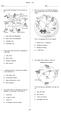 Name: ate: 1. Missing from the diagram of this ecosystem are the 5. ase your answer(s) to the following question(s) on the diagram below and on your knowledge of biology.. biotic factors and decomposers.
GOLDEN ENVIRO HERBA- EXTRACT DRAIN CLOG FREE. Pleasant lemon fragrance provides instant freshness Patented microbial technology
 GOLDEN ENVIRO HERBA- EXTRACT DRAIN CLOG FREE Application Sheet A clogged drain can stop kitchen operations - whether it is a busy restaurant or a dinner for two at home. Drain Clog Free combines fast-
Grade 10 - Sustainability of Ecosystems - Pre-Assessment. Grade 7 - Interactions Within Ecosystems. Grade 10 - Sustainability of Ecosystems
 Purpose: This document is for grade 10 teachers to use as a pre-assessment for the Sustainability of Ecosystems unit. It assesses students understanding of the of the end of unit knowledge outcomes from
Human Health, the Nutritional Quality of Harvested Food and Sustainable Farming Systems
 Human Health, the Nutritional Quality of Harvested Food and Sustainable Farming Systems by John B. Marler and Jeanne R. Wallin The alarming fact is that foods fruits, vegetables and grains now being raised
Uniform Voluntary Product Guidelines for Horticultural Mulches, Growing Media and Landscape Soils
 Uniform Voluntary Product Guidelines for Horticultural Mulches, Growing Media and Landscape Soils October 2015 1 Mulch & Soil Council Uniform Voluntary Product Guidelines Revised October 2015 These Uniform
1. THE GROWER 2. GREENHOUSE STRUCTURE FEATURED 3. CROPS GROWN. Hung Nguyen: 0408 696 949, [email protected]
 1. THE GROWER Hung Nguyen: 0408 696 949, [email protected] Hung is a new grower in his third year of independent farm management. He completed a Diploma in Horticulture while working on his parent
Quality requirements and quality assurance of digestion residuals in Germany
 Quality requirements and quality assurance of digestion residuals in Germany DR. STEFANIE SIEBERT Bundesgütegemeinschaft Kompost e.v., Germany Biowaste, digestate products, manure, quality label, renewable
Bioremediation Technology
 Oil Spill Cleanup Projects Summary BioWorld Advantages Bioremediation Technology Sophisticated technology easy to use Effective-fast cleanup versus natural attenuation Environmentally safe and natural
Sustainable Landscape Solutions Compost Marketing Workshop. www.groundscapesexpress.com 2011 Groundscapes Express, Inc. All Rights Reserved
 Sustainable Landscape Solutions Compost Marketing Workshop www.groundscapesexpress.com 2011 Groundscapes Express, Inc. All Rights Reserved Mixing Feedstocks Windrow Turner in motion Attention to Details
LAB 4. Cultivation of Bacteria INTRODUCTION
 LAB 4. Cultivation of Bacteria Protocols for use of cultivation of bacteria, use of general growth, enriched, selective and differential media, plate pouring, determination of temperature range for growth
ENERGY IN FERTILIZER AND PESTICIDE PRODUCTION AND USE
 Farm Energy IQ Conserving Energy in Nutrient Use and Pest Control INTRODUCTION Fertilizers and pesticides are the most widely used sources of nutrients and pest control, respectively. Fertilizer and pesticides
Which of the following can be determined based on this model? The atmosphere is the only reservoir on Earth that can store carbon in any form. A.
 Earth s Cycles 1. Models are often used to explain scientific knowledge or experimental results. A model of the carbon cycle is shown below. Which of the following can be determined based on this model?
Ecosystems and Food Webs
 Ecosystems and Food Webs How do AIS affect our lakes? Background Information All things on the planet both living and nonliving interact. An Ecosystem is defined as the set of elements, living and nonliving,
Septic System Care & Maintenance
 Septic System Care & Maintenance A User s Guide for Home/Cottage Owners Spring 2003 Preventing Septic Failure & Malfunction How many of us know how our septic system works, or think we know? We expect
Biodiversity Concepts
 Biodiversity Concepts WHAT IS BIODIVERSITY? Biodiversity is the variety of life on Earth. For any kind of animal or plant each individual is not exactly the same as any other; nor are species or ecosystems.
Understanding the. Soil Test Report. Client and Sample Identification
 Understanding the Soil Test Report Page 1 of 7 Crops absorb the nutrients required from soil in order to grow, so ensuring that your soil is meeting the crops needs is critical. Having the proper level
AP ENVIRONMENTAL SCIENCE 2012 SCORING GUIDELINES
 AP ENVIRONMENTAL SCIENCE 2012 SCORING GUIDELINES Question 3 The active ingredients in many pesticides are chemical compounds that kill organisms such as insects, molds, and weeds. Proponents claim that
Respiration Worksheet. Respiration is the controlled release of energy from food. Types of Respiration. Aerobic Respiration
 Respiration Worksheet Respiration is the controlled release of energy from food The food involved in respiration is usually Internal respiration is controlled by which allow energy to be released in The
Beer Styles for the Novice Your Brew Day Sanitation
 Concepts for Novice Brewers Curtis Eulberg 4/2013 Beer Beer is a fermented beverage made most commonly from water, malted barley, hops, and yeast. These items when skillfully combined with proper time
Four easy ways to recycle your food scraps
 Four easy ways to recycle your food scraps 1. Wrap your scraps 2. Kitchen caddy with compostable bags 3. Worm farms 4. Compost at home Food scrap composting VOUCHER and CASH-BACK details inside. Offer
III. THE MICROBIAL BIOMASS
 III. THE MICROBIAL BIOMASS Required Readings: Ley, R.E., D.A. Lipson and S.K. Schmidt. 2001. Microbial biomass levels in barren and vegetated high altitude talus soils. Soil Sci. Soc. Am. J. 65:111 117.
Environmental Science 101 Waste. Fall 2012. Lecture Outline: Terms You Should Know: Learning Objectives: Reading Assignment: Chlorinated.
 Environmental Science 101 Waste Fall 2012 1 Lecture Outline: 17. SEWAGE DISPOSAL A. Sewage Handling B. Raw Sewage C. Wastewater Treatment Steps D. Individual Septic Systems E. Taking Stock Learning Objectives:
Integrated Pest Management Policy for City-Owned Facilities
 Page 1 of 6 ARTICLE XII Integrated Pest Management Policy for City-Owned Facilities Section 1 Background The City s National Pollutant Discharge Elimination System (NPDES) permit from the California Regional
Biogas. Biology Teams of 2 or 3. Grade 10-12 LEARNING OUTCOMES DESCRIPTION MATERIALS READINESS ACTIVITIES. Science
 Science Grade 10-12 Lab Teams of 2 or 3 DESCRIPTION Biogas is a fuel which is produced from the breakdown of organic matter. Students will have an opportunity to create their own biogas generators. At
Food Safety Challenges Facing the Pistachio Industry. Bob Klein, Manager Advisory Committee of Pistachios California Pistachio Research Board
 Food Safety Challenges Facing the Pistachio Industry Bob Klein, Manager Advisory Committee of Pistachios California Pistachio Research Board QUALITY PRODUCT = SAFE PRODUCT Safety part science, part consumer
Water Quality For Poultry
 Water Quality For Poultry Amy E. Halls, M.Sc. Monogastric Nutritionist Shur-Gain, Nutreco Canada Inc. January 2008 Water Quality For Poultry Amy E. Halls, M.Sc. Monogastric Nutritionist Shur-Gain, Nutreco
Integrated Pest Management
 Chapter 2 Integrated Pest Management In This Chapter Keywords After learning the information in this chapter, you will be able to: 1. Define Integrated Pest Management (IPM). 2. List and describe the 5
Chapter 3: Separating Mixtures (pg. 54 81)
 Chapter 3: Separating Mixtures (pg. 54 81) 3.2: Separating Mechanical Mixtures (PB Pg. 40 5 & TB Pg. 58 61): Name: Date: Check Your Understanding & Learning (PB pg. 40 & TB pg. 61): 1. What are four methods