
Preventing Travellers' Diarrhoea: How to Make Drinking Water Safe
|
|
|
- Patience Willis
- 9 years ago
- Views:
Transcription
1 Sustainable Development and Healthy Environments Water, Sanitation and Health WHO/SDE/WSH/05.07 Distr.: General English onl Preventing Travellers' Diarrhoea: How to Make Drinking Water Safe Geneva 2005

2 WHO information products on water, sanitation, hygiene and health can be freely downloaded at: World Health Organization 2005 This document may be freely reviewed, abstracted, reproduced and translated in part or in whole but not for sale or for use in conjunction with commercial purposes. Inquiries should be addressed to: The designations employed and the presentation of the material in this document do not imply the expression of any opinion whatsoever on the part of the World Health Organization concerning the legal status of any country, territory, city or area or of its authorities, or concerning the delimitation of its frontiers or boundaries. The mention of specific companies or of certain manufacturers products does not imply that they are endorsed or recommended by the World Health Organization in preference to others of a similar nature that are not mentioned. Errors and omissions excepted, the names of proprietary products are distinguished by initial capital letters. The World Health Organization does not warrant that the information contained in this publication is complete and correct and shall not be liable for any damages incurred as a result of its use.

3 PREVENTING TRAVELLERS' DIARRHOEA: HOW TO MAKE DRINKING WATER SAFE Waterborne disease is common in all parts of the world where there is poor hygiene and sanitation. Traveller's diarrhoea alone, whose principal causes are contaminated food and water, is estimated to affect 20-50% of travellers - or approximately 10 million people per year 1. The most common source of exposure to disease-causing organisms for travellers is ingestion of contaminated drinking water and food. An estimated 80% of TD cases are caused by bacterial pathogens 2 (e.g., E.coli, Shigella, Salmonella, Vibrio cholerae). Other pathogens are viruses (e.g. hepatitis A & E viruses, caliciviruses, rotaviruses) and protozoa (Giardia lamblia, Cryptosporidium parvum, Entamoeba histolytica, and Cyclospora). Appearance can be deceiving. In some parts of the world, tap or bottled water may not be safe. The information below aims to assist travellers in making sure that the water they drink is safe. What to do before travelling? Check with your local disease prevention agency or your physician for recommended vaccines and medications for the countries which you plan to visit several weeks before you leave. Your physician could also recommend that you visit a specialized travel medicine clinic, if one exists nearby. For more detailed advice, please refer to WHO's International Travel and Health: This guide gives helpful tips on the full range of health risks likely to be encountered at specific destinations and associated with different types of travel from business, humanitarian and leisure travel to backpacking and adventure tours. Take along a medical kit containing water disinfectant agents such as iodine tablets or solution, chlorinating-flocculating products, and/or chlorine bleach tablets. Most of these chemicals can be obtained from local pharmacies or at 1 CDC 2 CDC

4 stores selling outdoor sports equipment. They are potentially hazardous if used incorrectly and should be used according to manufacturers' instructions. If you use a water treatment device, be sure that it has been tested and certified to remove protozoa (Giardia and Cryptosporidium) by a credible organization, and if a filter, that it has a filter media pore size of 1-micron or less. Treating Water of Questionable Quality Bringing water to a rolling boil is the most effective way to kill all disease-causing pathogens. Let the hot water cool down on its own without adding ice (as one cannot be sure if the ice itself is safe). If it is not possible to boil water, chemical disinfection of clear, non-turbid water is effective for killing bacteria and viruses and some protozoa (but not, for example, Cryptosporidium). Chlorine and iodine are the chemicals most commonly used for disinfection. A product that combines chlorine disinfection with coagulationflocculation (i.e., chemical precipitation) should be used, when available, as these products remove significant numbers of protozoa, in addition to killing bacteria and viruses. If turbid water (i.e., not clear, or with suspended solid matter) is to be disinfected with chemicals, it should be cleared beforehand by, for example, letting the impurities settle, or by filtering. Portable point-of-use (POU) devices tested and rated to remove protozoa and some bacteria are also available. Ceramic, membrane and carbon-block filters are the most common types. Selecting the most appropriate filter pore size is crucial; a size of 1 micron or less for the filter media pore is recommended to ensure removal of Cryptosporidium in clear water. Unless water is boiled, a combination of technologies (e.g., filtration followed by chemical disinfection or boiling) is recommended, since most POU filtration devices do not remove nor kill viruses. Reverse osmosis (very fine pore filtration that holds back dissolved salts in the water) and ultrafiltration (fine pore filtration that passes dissolved salts but holds back viruses and other microbes) devices can theoretically remove all pathogens. Often, after chemical treatment, a carbon filter is used to improve taste and, in the case of iodine treatment, to remove excess iodine. See Annex for a table of disinfection methods and their advantages and shortcomings. Silver, contrary to widespread perception, is not an effective disinfectant (biocide) and is thus not recommended for water disinfection. Its presence in some filters

5 is intended only to extend the life of the filter by retarding growth of non-disease causing bacteria that may plug filter pores. General preventive measures while travelling Drink bottled water provided in sealed, tamper-proof containers and bottled by known brands (which, preferably, have been certified by responsible authorities). Hotel personnel and/or host families are often good sources of information about which local brands are safe. Hot beverages such as coffee and tea are often made with boiled water and are therefore usually safe. Other beverages should be prepared with safe water (as per above). Avoid consumption of homemade or non commercial, unpasteurized juices. Carbonated bottled beverages (sodas) and pasteurized or canned juice, sports beverages and pasteurized, boiled or sterilized milk (without ice) are normally free from microorganisms which could cause TD. Bottled beer, wine and other alcoholic beverages are also normally safe, although drinking alcoholic beverages may in fact, especially in hot climates, contribute to dehydration unless other safe liquids are consumed. Do not eat salads or other uncooked dishes that may have been washed or prepared with unsafe water. All food which has not been prepared using proper hygiene practices (c.f. WHO's Five Keys to Safer Food: will increase the risk of travellers contracting diarrhoea - and other foodborne diseases. Symptoms if one does fall ill Waterborne disease symptoms vary. Typically, people have one or more of the following: diarrhoea, nausea, vomiting, fever, chills, and aches. Besides mild diarrhoea, other diseases may include typhoid (enteric) fever, amoebic and bacillary dysentery, hepatitis A and E, hemolytic uremic syndrome and others. Symptoms may last for a few hours to several weeks depending on the infectious agent and type of medical intervention. These same signs and symptoms can occur early in the course of many diseases, some of which can be life threatening. If signs and symptoms are severe or get progressively worse, medical attention should be sought.

6 Treatment Most diarrhoeal episodes are self-limiting and clear up in a few days. The important thing is to avoid becoming dehydrated. As soon as diarrhoea starts, drink more fluids, such as boiled, bottled or treated water, sports beverages or any other safe fluids like carbonated drinks. Oral rehydration salts may also be used to help the body retain fluids. While it is always risky drinking water of questionable purity, if a traveller becomes sick with severe diarrhoea and/or vomiting and a safe source of fluids can not be obtained, it is better to drink the best available fluids, even if of questionable purity, than to drink nothing at all. Anti-diarrhoeal preparations can provide symptomatic relief; however, they do not treat cholera, bacterial dysentery, protozoal, viral and other serious diseases that require specific treatment from a physician. Special indications for individuals "at risk" People with weakened immune systems, pregnant women and infants are groups especially at-risk from water-borne disease. Cryptosporidium, for example, is a special danger to people with weakened immune systems. Travellers who fall into this group should make a special effort to boil water and store it in a clean container. This is the surest way to avoid waterborne disease and may be the only reliable source of Cryptosporidium-free water. Bottled water certified under national and international water quality standards are generally considered nearly as safe as boiled water. Iodine use (to disinfect water) over a long period of time is not recommended for pregnant women, those with a history of thyroid disease, and those with known hypersensitivity to iodine. Excess iodine can interfere with the functioning of the thyroid gland. Travellers intending to use iodine daily for all water consumed for more than 3-4 weeks should consult their physician beforehand, and not use it in excessive amounts when treating drinking water.

7 Method DISINFECTION METHODS Recommendation (1 L or 1 Qt of water) Boiling Bring water to a rolling boil and allow to cool Chlorine compounds For typical room temperature and water Household bleach temperature of 25 C (77 F), minimum (sodium ypochlorite) contact time should be 30 minutes; Sodium dichloroisocyanurate increase contact time for colder water; e.g. tablet one hour at less than 10 C Calcium Hypochlorite Prepare according to package instructions Should be added to clear water or after settling or clarification to be most effective Type and typical dosage: Household Bleach (5%) 4 drops Sodium dichloroisocyanurate 1 tablet (per package directions)-15 mg per liter of clear water Calcium Hypochlorite (1% stock solution) 4 drops Chlorinating-flocculating tablets or sachets Iodine Tincture of iodine (2% solution) Iodine (10% solution ) Iodine tablet Iodinated resin Caution: For pregnant women who may be more sensitive, a carbon filter should be used to remove excess iodine after iodine treatment Portable filtering devices Ceramic filters Carbon filters. Some carbon block filters will remove cryptosporidia only if tested and certified for cyst removal. Reverse osmosis and ultrafilter type devices Membrane filter devices Chlorinating-flocculating tablet or sachet (per package directions) 25 C (77 F) minimum contact for 30 minutes; increase contact time for colder water not recommended for pregnant women, people with thyroid problems, or for more than a few months continuous use Prepare according to package instructions Type and typical dosage: Tincture of iodine 2% solution 5 drops Iodine 10% Solution 8 drops Iodine Tablets 1 or 2 tablets Triiodide or pentaiodide resin room temperature according to directions and stay within rated capacity Filter media pore size must be rated at 1 micron (absolute) or less for filtration of clear unsafe water. What it DOES What it does NOT do Kills all pathogens Does not remove turbidity/cloudiness Very effective for Not effective against killing most Cryptosporidium or some bacteria and other parasites; not as viruses. effective as iodine when Longer contact using turbid water. time required to kill Giardia cysts especially when water is cold. Very effective for killing or removing all waterborne pathogens Kills most pathogens; Longer contact time is required to kill Giardia cysts especially when water is cold. Carbon filtration after an iodine resin will remove excess iodine from the water, replace the carbon filter regularly. 1-micron or less filter pore size will remove Giardia lamblia, Cryptosporidium and other protozoa. Reverse osmosis and ultrafilter devices can remove almost all pathogens To make a 1% stock solution of calcium hypochlorite, add to one liter of water, 28 grams if chlorine content is 35%, or 15.4 gram if 65%, or 14.3 grams if 70%. Flocculated water must be decanted into a clean container, preferably through a simple fabric filter Not effective against Cryptosporidium. Most bacteria and viruses will not be removed. Many carbon-block filters do not remove pathogens, other than possibly protozoa, even if carbon is impregnated with silver. They must have a a specified pore size and be certified for microbe removal

Division of Epidemiology, Environmental and Occupational Health Consumer and Environmental Health Services
 Division of Epidemiology, Environmental and Occupational Health Consumer and Environmental Health Services FACTS Cryptosporidium in Drinking Water What Is Cryptosporidium? 3 Why Is Cryptosporidium a Concern
Precautionary Boil Water Notices: Frequently Asked Questions
 Precautionary Boil Water Notices: Frequently Asked Questions QUICK TIPS: Boil Water For: Drinking Brushing Teeth Washing fruits & vegetables Preparing food Mixing baby formula Making ice Giving water to
FACT SHEET. Users That Must Take Particular Precautions During A Boil Advisory
 FACT SHEET Users That Must Take Particular Precautions During A Boil Advisory a) Commercial Establishments (Restaurants, Hotels, Convenience Stores, etc.) - All water that is to be provided directly to
Diarrhea National Digestive Diseases Information Clearinghouse
 Diarrhea National Digestive Diseases Information Clearinghouse National Institute of Diabetes and Digestive and Kidney Diseases NATIONAL INSTITUTES OF HEALTH Diarrhea Diarrhea loose, watery stools occurring
Cholera Prevention and Control: Introduction and Community Engagement. Module 1
 Cholera Prevention and Control: Introduction and Community Engagement Module 1 Introduction This guide instructs how to prevent cholera illnesses and deaths in your communities. These slides and modules
ABU DHABI FOOD CONTROL AUTHORITY. Food Poisoning. www.facebook.com/adfca1. www.twitter.com/adfca. www.youtube.com/adfcamedia
 Food Poisoning جهاز أبوظبي للرقابة الغذائية ABU DHABI FOOD CONTROL AUTHORITY Food Poisoning www.facebook.com/adfca1 www.twitter.com/adfca www.youtube.com/adfcamedia Creating awareness among the consumers
Understanding Foodborne Illness (Food Poisoning)
 Understanding Foodborne Illness (Food Poisoning) 9 Costs of Foodborne Illness (Food Poisoning) possible law suits from customers who are ill There have been numerous cases where restaurants have been sued
Food Poisoning Facts By Dr Yunes Teinaz Acting Head of Environmental Health London Borough of Hackney
 Food Poisoning Facts By Dr Yunes Teinaz Acting Head of Environmental Health London Borough of Hackney The World Health Organization (WHO) reports that each year two billion illnesses are caused by unsafe
Bacteria vs. Virus: What s the Difference? Grade 11-12
 Bacteria vs. Virus: What s the Difference? Grade 11-12 Subject: Biology Topic: Bacteria, viruses, and the differences between them. The role that water plays in spreading bacteria and viruses, and the
SCRIPT NUMBER 88 FOOD POISONING (ONE SPEAKER)
 SCRIPT NUMBER 88 FOOD POISONING (ONE SPEAKER) PROGRAM NAME: HEALTH NUGGETS PROGRAM TITLE: FOOD POISONING PROGRAM NUMBER: 88 SUBJECT: CAUSES, DIAGNOSIS, TREATMENT, PREVENTION OF FOOD POISONING KEY WORDS:
Ultra Violet Disinfection 01422 833121 [email protected]
 [email protected] Applications Overview Ultraviolet (UV) disinfection is used to treat three billion litres of water every day around the world as it is a highly effective treatment method
BOIL WATER NOTICE FREQUENTLY ASKED QUESTIONS
 Nick Fish, Commissioner David G. Shaff, Administrator 1120 SW 5 th Avenue, Room 600 Portland, Oregon 97204-1926 Information: 503-823-7404 www.portlandoregon.gov/water About the Event: BOIL WATER NOTICE
WATER AND HEALTH Vol. I - Goals of Water Treatment And Disinfection: Reduction In Morbidity and Mortality - Pierre Payment
 GOALS OF WATER TREATMENT AND DISINFECTION: REDUCTION IN MORBIDITY AND MORTALITY Pierre INRS- Institut Armand-Frappier, Institut National de la recherche scientifique, Canada Keywords: drinking water, treatment
Ear Infections Gastroenteritis gastroenteritis
 Ear Gastroenteritis Infections gastroenteritis Gastroenteritis can be caused by many different germs, and the effects of gastro on babies and children depend on several things including: the age of the
FACT SHEET: Sewage Spills
 FACT SHEET: Sewage Spills Raw sewage contains biological agents such as bacteria, viruses, fungi and parasites that can cause serious illness and even death. There is also a risk from contamination with
FOOD POISONING. Information Leaflet. Your Health. Our Priority. Infection Prevention Stepping Hill Hospital
 FOOD POISONING Information Leaflet Your Health. Our Priority. Page 2 of 5 What is Food Poisoning? Food poisoning is an illness that occurs after eating or drinking anything that is contaminated. Usually
Innovation and Progress in Water Treatment Technology
 Innovation and Progress in Water Treatment Technology Degree of separation of ultrafiltration Summary of the various processes The water will be pressed through the between the raw water side and the filtrate
Personal Injury TYPES OF HOLIDAY ILLNESSES. www.simpsonmillar.co.uk Telephone 0844 858 3200
 TYPES OF HOLIDAY ILLNESSES Whilst on holiday many different contractable illnesses exist, the list below contains the most common. This list is by no means exhaustive and if you have suffered from an illness
How to Prepare Powdered Infant Formula in Care Settings
 How to Prepare Powdered Infant Formula in Care Settings This booklet contains new information to help you prepare powdered infant formula for bottle-feeding and cup-feeding as safely as possible. Powdered
How to Use Water Safely in Your Food Establishment During a Boil Water Advisory
 How to Use Water Safely in Your Food Establishment During a Boil Water Advisory Food service establishments are allowed to operate during the boil water advisory as long as the conditions outlined below
National Digestive Diseases Information Clearinghouse
 Diarrhea National Digestive Diseases Information Clearinghouse National Institute of Diabetes and Digestive and Kidney Diseases NATIONAL INSTITUTES OF HEALTH U.S. Department of Health and Human Services
Cholera / Response / 1. Response to an Epidemic of Cholera
 Cholera / Response / 1 Response to an Epidemic of Cholera Goal of Response Activities Reduce deaths good case management mobilizing staff and supplies increasing access to care Prevent new cases intensive
FIVE KEYS TO SAFER FOOD MANUAL
 FIVE KEYS TO SAFER FOOD MANUAL DEPARTMENT OF FOOD SAFETY, ZOONOSES AND FOODBORNE DISEASES FIVE KEYS TO SAFER FOOD MANUAL DEPARTMENT OF FOOD SAFETY, ZOONOSES AND FOODBORNE DISEASES INTRODUCTION Food safety
Membrane Filtration Technology: Meeting Today s Water Treatment Challenges
 Membrane Filtration Technology: Meeting Today s Water Treatment Challenges Growing global demand for clean water and increasing environmental concerns make membrane filtration the technology of choice
Agricultural and Veterinary Chemicals Code (Listed Chemical Product Home Swimming Pool and Spa Products) Standard 2014
 Agricultural and Veterinary Chemicals Code (Listed Chemical Product Home Swimming Pool and Spa Products) Standard 2014 I, Kareena Arthy, Chief Executive Officer of the Australian Pesticides and Veterinary
What Is. Norovirus? Learning how to control the spread of norovirus. Web Sites
 Web Sites Centers for Disease Control and Prevention (CDC) http://www.cdc.gov/norovirus/index.html Your Local Health Department http://www.azdhs.gov/diro/lhliaison/countymap.htm What Is Ocument dn Norovirus?
What To Do When Your Well is Flooded. Common Sense Steps To Take If Your Well Is Covered by Flood Water
 What To Do When Your Well is Flooded Common Sense Steps To Take If Your Well Is Covered by Flood Water Courtesy of CleanWaterStore.com 2016 Contents 1. What To Do If Your Well Is Covered by Flood Water...
Treatment options for hydrogen sulfide. Testing for hydrogen sulfide
 Sometimes hot water will have a sour smell, similar to that of an old damp rag. This smell often develops when the thermostat has been lowered to save energy or reduce the potential for scalding. Odor-causing
Don t let food make you sick:
 * Although America has some of the safest food in the world, an average of one in six Americans has some type of food borne illness each year. When you are immune suppressed, it is even easier for you
Food Safety Guide for Family Day Care Educators
 Food Safety Guide for Family Day Care Educators Department of Health and Human Services About this Guide This Guide is designed to help Family Day Care (FDC) Educators make safe and healthy meals for the
Vaccine-Preventable Diseases
 1 of 5 11/18/2007 2:52 PM On This Page Travel Notices in Effect Safety and Security Abroad Preparing for Your Trip to Russia Other Diseases Found in Eastern Europe and Northern Asia Staying Healthy During
TEACHER ACTIVITY GUIDE
 Page 1/5 EXPECTED OUTCOMES TEACHER ACTIVITY GUIDE ROOT BEER PRODUCTION Taken from IFT Experiments in Food Science Series This activity will allow student an opportunity to explore yeast fermentation by
Complete. Water Solutions. for Rural India
 Complete Water Solutions for Rural India More precious than gold. That s what safe drinking water is to India s rural population. Arsenic, iron, fluoride, nitrate, brackishness and pathogens in ground
READ THIS LEAFLET VERY CAREFULLY, AND KEEP IT IN A SAFE PLACE. FLU IS SPREADING IN IRELAND, AND THIS INFORMATION IS IMPORTANT FOR YOU AND YOUR FAMILY.
 READ THIS LEAFLET VERY CAREFULLY, AND KEEP IT IN A SAFE PLACE. FLU IS SPREADING IN IRELAND, AND THIS INFORMATION IS IMPORTANT FOR YOU AND YOUR FAMILY. Information and medical advice for the public on Pandemic
MICROBIAL HAZARDS. Eating food contaminated with harmful microorganisms. These
 MICROBIAL HAZARDS Microorganisms are everywhere. They can be found in the air, in water, in soil, on animals, and even on humans. Some are beneficial, such as those used to make fermented dairy and meat
Keeping Your Swimming Pool and Spa Healthy Environmental Health Guide
 Keeping Your Swimming Pool and Spa Healthy Environmental Health Guide A swimming pool or spa can be an asset to your home, and provide the opportunity to take part in healthy relaxing activities. However,
Basics of UV Disinfection
 Local Section Seminar Basics of UV Disinfection April 17, 2014 Joseph Moore, P.E. DuBois-Cooper Associates, Inc. 1 Presentation Outline Basics of Ultraviolet (UV) Disinfection Components of UV Disinfection
FACTS Private Well Testing
 FACTS Private Well Testing Introduction 3 Why Should You Test Your Well Water? 4 What Are the Most Common Sources of Well Water Contamination? 6 What Health Effects Are Associated with Well Water Contaminants?
Kingdom of Bahrain Ministry of Health HEALTH GUIDE FOR TRAVELERS
 Kingdom of Bahrain Ministry of Health HEALTH GUIDE FOR TRAVELERS H.R.H. Prince Khalifa Bin Salman Al Khalifa The Prime Minister H.M. King Hamad Bin Isa Al Khalifa The King of Kingdom of Bahrain H.R.H.
Microbiological Testing of the Sawyer Mini Filter. 16 December 2013. Summary
 Microbiological Testing of the Sawyer Mini Filter 16 December 2013 Summary The Sawyer Mini Filter was tested for its ability to remove three microorganisms Raoultella terrigena, Bacillus subtilis, and
Multiple Choice Questions
 C hapter 13 WHY DO WE FALL ILL Multiple Choice Questions 1. Which one of the following is not a viral disease? (a) Dengue (b) AIDS (c) Typhoid (d) Influenza 2. Which one of the following is not a bacterial
Childhood Diseases and potential risks during pregnancy: (All information available on the March of Dimes Web Site.) http://www.modimes.
 Childhood Diseases and potential risks during pregnancy: (All information available on the March of Dimes Web Site.) http://www.modimes.org/ Fifth disease (erythema infectiosum) is a common, mild, childhood
Chlorine Residual Testing Fact Sheet
 Chlorine Residual Testing Fact Sheet The presence of free chlorine residual in drinking water indicates that: 1) a sufficient amount of chlorine was added to the water to inactivate most of the bacteria
Clean-Up in Aisle 5. Noroviruses are a group of viruses that cause FOOD PROTECTION CONNECTION
 FOOD PROTECTION CONNECTION 1 HOUR SAN Clean-Up in Aisle 5 by Melissa Vaccaro, MS, CHO Noroviruses are a group of viruses that cause acute gastroenteritis in humans. You may hear people refer to this as
Public Water System. Consumer Confidence Report Template
 Public Water System Consumer Confidence Report Template Ohio Environmental Protection Agency Division of Drinking and Ground Waters www.epa.ohio.gov/ddagw Updated March 2015 Section 1: Title {Water System
Pneumonia. Pneumonia is an infection that makes the tiny air sacs in your lungs inflamed (swollen and sore). They then fill with liquid.
 Pneumonia Pneumonia is an infection that makes the tiny air sacs in your lungs inflamed (swollen and sore). They then fill with liquid. People with mild (not so bad) pneumonia can usually be treated at
Collection and disposal of wastewater
 10 Collection and disposal of wastewater 10.1 Characteristics and hazards of wastewater from health-care establishments Wastewater from health-care establishments is of a similar quality to urban wastewater,
Biohazard and Biosafety
 Biohazard and Biosafety Topics covered Quick Introduction Some definitions Pathogens and biosafety levels Good microbiological techniques Helpful equipment Introduction Why do we care about biosafety?
Bottled Water vs. Tap Water
 Goodson Bottled Water 1 Bottled Water vs. Tap Water March 11, 2012 by Darrell L. Goodson Reprinted 2012 By Aquosus Potentia www.aquopotent.net Goodson Bottled Water 2 Bottled water vs. tap water which
Iodine Disinfection in the Use of Individual Water Purification Devices
 Iodine Disinfection in the Use of Individual Water Purification Devices Technical Information Paper #-31-005-0211 PURPOSE This information paper provides an in-depth review of iodine as a disinfectant
Blood borne Pathogens
 Blood borne Pathogens What Are Blood borne Pathogens? Blood borne pathogens are microorganisms such as viruses or bacteria that are carried in blood and can cause disease in people. Types of Blood borne
Water Treatment. Session Objectives
 Water Treatment Session Objectives To demonstrate the need for treatment of surface waters and some groundwaters for drinking purposes. To introduce the concept of the multiple barrier principle and to
Name Date Class. This section explains what kinds of organisms cause infectious disease and how infectious diseases are spread.
 Fighting Disease Name Date Class Infectious Disease This section explains what kinds of organisms cause infectious disease and how infectious diseases are spread. Use Target Reading Skills Before you read,
Emergency Drinking Water Supply
 Emergency Drinking Water Supply Seb Fisher Managing Director, Groundwater Engineering February 2014 Company Profile Groundwater Engineering is an international company specializing in water well engineering,
Iron and manganese are two similar elements
 L-5451 2-04 Drinking Water Problems: Iron and Manganese Mark L. McFarland, Associate Professor and Extension Soil Fertility Specialist Monty C. Dozier, Assistant Professor and Extension Water Resources
BROADFIELD SECURITY SERVICES WATER FILTRATION AND PURIFICATION SOLUTIONS
 BROADFIELD SECURITY SERVICES WATER FILTRATION AND PURIFICATION SOLUTIONS BSS Holland water filtration and purification products BSS is a distributor of several water filtration and purification products
General food hygiene rules
 General food hygiene rules Why food hygiene is important? Good food hygiene is essential to ensure that the food you and your family eats is safe. Poor hygiene procedures in your home can put you at risk.
A little information goes a long way
 Wastewater Pathogens What s In There? Steve Barnard Muskegon County Wastewater Management System Afraid? A little information goes a long way Complex Issue Pathogen: Organism that causes disease Bacteria
Community Health Worker Training Materials for Cholera Prevention and Control
 Community Health Worker Training Materials for Cholera Prevention and Control U.S. Department of Health and Human Services Centers for Disease Control and Prevention v2.0 CS218556 Table of Contents Community
Ebola Virus Disease: Waste Management Guidance. UNICEF Supply Division
 Ebola Virus Disease: Waste Management Guidance 26 September 2014 0 Ebola Virus Disease (EVD): Waste Management Guidance In addition to the need to break the transmission of EVD between HCWs and their surrounding
FACTS. Nitrate and Nitrite in Drinking Water. What Are Nitrate and Nitrite? 3. How Can These Chemicals Get into Your Drinking Water?
 FACTS Nitrate and Nitrite in Drinking Water What Are Nitrate and Nitrite? 3 How Can These Chemicals Get into Your Drinking Water? 3 How Can You Find Out If These Chemicals Are in Your Drinking Water? 4
Parasitic Diseases. There are three main classes of parasites that cause disease in humans: Protozoa. Helminths. Ectoparasites.
 Parasitic Diseases Introduction Parasites are living things that use other living things, like your body, for food and a place to live. You can get them from contaminated food or water, a bug bite or sexual
WHY IS THIS IMPORTANT?
 CHAPTER 1 WHAT IS MICROBIOLOGY AND WHY IS IT IMPORTANT? WHO / TDR / Crump WHY IS THIS IMPORTANT? Microbiology is more relevant than ever in today s world. Infectious diseases are a leading health-related
The CIWEC Clinic Health News
 Immunizations Recommended for Travel in Nepal Name of vaccine Dosage Booster Comment Hepatitis A - brand names (Havrix, Vaqta, Avaxim) or Twinrix (combined A&B) Hepatitis B - Engerix, Recombivax or Twinrix
3.0 Treatment of Infection
 3.0 Treatment of Infection Antibiotics and Medicine National Curriculum Link SCN 3-13b SCN 3-20b HWB 3-15a HWB 3-16a HWB 3-17a Learning Outcomes All students will know: Most common infections will get
Swine Flu and Common Infections to Prepare For. Rochester Recreation Club for the Deaf October 15, 2009
 Swine Flu and Common Infections to Prepare For Rochester Recreation Club for the Deaf October 15, 2009 Supporters Deaf Health Community Committee Members Julia Aggas Cathie Armstrong Michael McKee Mistie
SAFE HEALTHY CHILDREN A Health and Safety Manual for Childcare Providers
 TABLE OF CONTENTS Chapter 7: Food Storage and Preparation Safe Food: Food Storage and Preparation 7.1 Requirements of the Day Nurseries Act... 7.2 Recommendations of the Medical Officer of Health... 7.2
FLOOD EMERGENCY CLEANUP HANDBOOK
 COUNTY OF BERGEN FLOOD EMERGENCY CLEANUP HANDBOOK KATHLEEN A. DONOVAN County Executive BOARD OF CHOSEN FREEHOLDERS 327 E. Ridgewood Avenue Paramus, NJ 07652-4895 201-634-2600 FAX: 201-986-1968 www.bergenhealth.org
THIS IS AN OFFICIAL NH DHHS HEALTH ALERT
 THIS IS AN OFFICIAL NH DHHS HEALTH ALERT Distributed by the NH Health Alert Network [email protected] December 11, 2014; 1030 EST (10:30 AM EST) NH-HAN 20141211 Start of Norovirus Season in New Hampshire
This Questionnaire is divided into 8 sections referring to different capacity areas on the safe use of wastewater in agriculture:
 Annex - II Questionnaire to support the Capacity Development Needs Assessment In the framework of the Capacity Development Project on Safe Use of Wastewater 1 in Agriculture Phase I The Food and Agriculture
Chapter 7 Equipment and Utensil Cleaning and Sanitization
 Chapter 7 Equipment and Utensil Cleaning and Sanitization The importance of proper cleaning can be appreciated when one realizes that contaminated equipment (equipment and utensils which are not clean)
Professional Certification in Biological Waste Management Examination Content, Sample Questions & References
 Professional Certification in Biological Waste Management Examination Content, Sample Questions & References The IFBA s Professional Certification (PC) in Biological Waste Management identifies individuals
Learning about Hepatitis C and Chronic Kidney Disease
 Learning about Hepatitis C and Chronic Kidney Disease Hepatitis C and Chronic Kidney Disease If you have chronic kidney disease (CKD), you want to learn all you can about your disease and what you can
REQUIREMENTS FOR TRADE SHOWS
 REQUIREMENTS FOR TRADE SHOWS All Trade Show Booth operators who give out food samples must be approved before the event and licensed by Regina Qu Appelle Health Region prior to opening. Food sold for immediate
You are planning to travel on vacation or business does your destination require a vaccination?
 Disease, travel and vaccinations You are planning to travel on vacation or business does your destination require a vaccination? If you are planning to stay in a resort or a city and you are in good health,
How To Care For A Sick Person
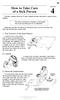 39 How to Take Care of a Sick Person Sickness weakens the body. To gain strength and get well quickly, special care is needed. Medicines are often not necessary. But good care is always important. The
Use of Chlorine in the Food Industry
 Use of Chlorine in the Food Industry Chlorine compounds are widely used in the food industry to kill bacteria and disinfect. Examples include treating pasteurizer cooling water, washing fruit and vegetables
Drinking optimally fluoridated water is a safe, simple and effective way to help prevent and reduce tooth decay in the whole population.
 1 Water Fluoridation Water Fluoridation What is fluoride? Fluoride is a common natural element found in air, soil, fresh water, sea water, plants and lots of foods. It is known to have a protective effect
Lesson 1 Understanding the Epidemiologic Triangle through Infectious Disease
 Lesson 1 Understanding the Epidemiologic Triangle through Infectious Disease Section Diseases Investigative Questions What is our experience with infectious diseases and what do we know about them? What
Drinking Water Treatment Systems
 Drinking Water Treatment Systems By Barbara Daniels and Nancy Mesner June, 2005 NR/WQ/2005-24 If your home water comes from a public water supply, it has been tested and meets EPA standards for drinking
HOW TO BUILD YOUR OWN BIO- FILTER
 1 HOW TO BUILD YOUR OWN BIO- FILTER BY ALEC DEACON V2.0 2 LEGAL DISCLAIMER: The information contained in Backyard Liberty, and its several complementary guides, is meant to serve as a comprehensive collection
C. difficile Infections
 C. difficile Infections Introduction C. difficile is a type of bacteria that can cause diarrhea and infection of the colon. This bacterium is more likely to infect patients at hospitals and other healthcare
CLEAN UP FOR VOMITING & DIARRHEAL EVENT IN RETAIL FOOD FACILITIES
 CLEAN UP FOR VOMITING & DIARRHEAL EVENT IN RETAIL FOOD FACILITIES GENERAL INFORMATION Noroviruses are a group of viruses that cause gastroenteritis [gas-trō-en-ter-ī-tis] in people. Gastroenteritis is
Heat Illnesses. Common Heat Rash Sites
 Heat Illnesses Introduction Heat illnesses happen when the body becomes too hot and cannot cool itself. There are several different types of heat-related illnesses. This includes heat cramps, heat exhaustion,
WATER CHEMISTRY AND POOL WATER BALANCE
 C R6 H A PT E WATER CHEMISTRY AND POOL WATER BALANCE LEARNING OBJECTIVES After completely studying this chapter, you should be able to: Understand and list the parameters upon which water balance is based.