
BREASTFEEDING: FOUNDATION FOR A HEALTHY FUTURE. UNICEF/ /Lemoyne
|
|
|
- Lynn Elliott
- 9 years ago
- Views:
Transcription
1 BREASTFEEDING: FOUNDATION FOR A HEALTHY FUTURE UNICEF/ /Lemoyne

2 UNICEF/5777/Z92/Mera A family affair: A father admires his newborn in a New York City hospital, where the 'rooming-in' policy encourages breastfeeding on demand.

3 THE BEST START TO LIFE UNICEF/ /Pirozzi A mother breastfeeds her child under the protection of a mosquito net in Zambia, where about 43 per cent of children are still breastfeeding at the age of 20 to 23 months. If every baby were exclusively breastfed from birth, an estimated 1.5 million lives would be saved each year. And not just saved, but enhanced, because breastmilk is the perfect food for a baby s first six months of life no manufactured product can equal it. Virtually all children benefit from breastfeeding, regardless of where they live. Breastmilk has all the nutrients babies need to stay healthy and grow. It protects them from diarrhoea and acute respiratory infections two leading causes of infant death. It stimulates their immune systems and response to vaccinations. It contains hundreds of health-enhancing antibodies and enzymes. It requires no mixing, sterilization or equipment. And it is always the right temperature. Children who are breastfed have lower rates of childhood cancers, including leukaemia and lymphoma. They are less susceptible to pneumonia, asthma, allergies, childhood diabetes, gastrointestinal illnesses and infections that can damage their hearing. Studies suggest that breastfeeding is good for neurological development. And breastfeeding offers a benefit that cannot be measured: a natural opportunity to communicate love at the very beginning of a child s life. Breastfeeding provides hours of closeness and nurturing every day, laying the foundation for a caring and trusting relationship between mother and child.

4 2 BREASTFEEDING: UNICEF/ /Lemoyne Even in emergencies, children have a right to the good nutrition breastfeeding provides, and maintaining breastfeeding in times of crisis helps babies survive. After fleeing the violence in Kosovo, two women tend their newborns in Albania. Supports the right to nutrition Children have a right to good nutrition. The Convention on the Rights of the Child, ratified by all but two nations, specifically calls for informing all segments of society about child health and nutrition, including the advantages of breastfeeding (article 24). The Convention on the Elimination of All Forms of Discrimination against Women (CEDAW) specifies that States parties must ensure appropriate services in connection with pregnancy, confinement and the post-natal period... as well as adequate nutrition during pregnancy and lactation (article 12). As of July 1999, 163 countries had ratified CEDAW. Saves money Breastfeeding saves money. It eliminates the expense of infant formula and the incalculable cost in money, time, energy and suffering caused by illness and death resulting from artificial feeding. The cost of commercial breastmilk substitutes is unaffordable for the vast majority of families in the developing world: In Uganda, the average annual cost of formula for one child is more than the average annual income of a village family. In Peru, the cost of one year s worth of breastmilk substitutes exceeds the household income of more than half of the country s population.

5 3 In Viet Nam, the cost of a year s supply of breastmilk substitutes is $257 compared to the country s per capita gross national product (GNP) of $320. Mothers who breastfeed, however, need only about 500 additional calories a day the equivalent of a teaspoon of oil, some extra beans and half a banana. And breastfeeding mothers have more time to spend with their children. Reduces health care spending The purchase of breastmilk substitutes is especially damaging to the economies of developing countries. Imported breastmilk substitutes are bought with scarce foreign exchange, siphoning it away from vital priorities. In Pakistan, for example, expenditures on imported formula grew from $4 million in to almost $44 million by Breastfeeding helps cut costs for families and countries, by eliminating the expense of infant formula and saving health care and other costs: José Fabella Hospital in the Philippines saved more than $100,000 8 per cent of its annual budget within one year after initiating promotion of exclusive breastfeeding for newborns. In north-eastern Brazil, administrators at Acari Hospital estimated that, less than two years after initiating breastfeeding promotion, it had saved $20,000. In the Netherlands, a study by the University of Amsterdam showed that a 5 per cent increase in breastfeeding would save almost $850,000 annually. UNICEF/ /Horner The perfect food for babies, always available a mother breastfeeds her child in a field in Peru, where the cost of breastmilk substitutes exceeds the household income of half the population.

6 4 A RISE IN EXCLUSIVE BREASTFEEDING Babies should be exclusively breastfed meaning that they receive nothing but breastmilk, not even water for about the first six months of life. Except in the rarest cases, no additional foods or fluids are necessary, and they can be harmful introducing germs, triggering allergies and filling the stomach so that the infant takes less breastmilk. Breastfeeding should be sustained until the baby is at least two years old, but beginning at about six months breastmilk should be complemented with appropriate solid foods. Surveys in 35 developing countries reveal that the percentage of infants exclusively breastfed for the first four months of life is on the rise. Rates of exclusive breastfeeding have increased in 21 countries, declined in 6 countries and stayed the same in 8 countries. Saves resources Breastfeeding preserves valuable resources, including safe water, fuel and time. Artificially feeding a baby requires three litres of water per day one litre to mix with formula and two litres to sterilize the bottles and teats. If water is boiled over a wood fire once a day, more than 73 kg of wood are required during the course of a year. The burden of collecting wood and water and preparing the formula typically falls on women, further cutting into the time available to care for their children and for other activities. Helps families with child spacing Acceptable to all religions, exclusive breastfeeding prevents many pregnancies and in some settings is the principal means of child spacing. By delaying the resumption of ovulation after childbirth, frequent and vigorous suckling provides more than 98 per cent protection from pregnancy during the first six months of breastfeeding. The lives of countless children have been saved as a result, because those born soon after a previous birth are at greater risk of dying before the age of five. Breastfeeding: Top 10 countries* Mongolia Rwanda Burundi Nepal Chile Cuba Papua New Guinea Ethiopia Uganda Eritrea 93% 90% 89% 83% 77% 76% 75% 74% 70% 66% *Per cent of babies exclusively breastfed (under four months old).

7 5 THE BABY-FRIENDLY HOSPITAL INITIATIVE Hospitals and maternity units set a powerful example. The Baby-Friendly Hospital Initiative (BFHI), launched in 1992, is an effort by UNICEF and the World Health Organization (WHO) to ensure that all hospitals become centres of breastfeeding support. A hospital is designated baby-friendly when it has agreed not to accept free or low-cost breastmilk substitutes, feeding bottles or teats, and to implement 10 specific steps to support breastfeeding. (See box, Ten Steps to Successful Breastfeeding.) Since the Initiative began, nearly 15,000 hospitals in 128 developing and industrialized countries have been awarded baby-friendly status. In many areas where hospitals have been designated baby-friendly, more mothers are breastfeeding their infants, and child health has improved. In Cuba, where 49 of the country s 56 hospitals and maternity facilities are baby-friendly, the rate of exclusive breastfeeding at four months almost tripled in six years from 25 per cent in 1990 to 72 per cent in In the first two years of BFHI implementation at the Central Hospital of Libreville in Gabon, officials estimated that cases of neonatal diarrhoea fell by 15 per cent, diarrhoeal dehydration declined by 14 per cent and mortality fell by 8 per cent. In China, which now has more than 6,000 Baby- Friendly Hospitals, exclusive breastfeeding in rural areas rose from 29 per cent in 1992 to 68 per cent in 1994; in urban areas, the increase was from 10 per cent to 48 per cent. UNICEF/ /Lemoyne Trained with UNICEF assistance, a nurse in Shanghai (China) helps a mother learn breastfeeding technique at the International Peace, Maternity and Child Hospital.

8 6 TEN STEPS TO SUCCESSFUL BREASTFEEDING UNICEF/5479/Lemoyne Images cut across language barriers. In keeping with the 'Ten Steps', this sign declares a Thai maternity ward to be a 'milk powder-free zone. Every facility providing maternity services and care for newborn infants should: 1. Have a written breastfeeding policy that is routinely communicated to all health care staff. 2. Train all health care staff in skills necessary to implement this policy. 3. Inform all pregnant women about the benefits and management of breastfeeding. 4. Help mothers initiate breastfeeding within one half-hour of birth. 5. Show mothers how to breastfeed and maintain lactation, even if they should be separated from their infants. 6. Give newborn infants no food or drink other than breastmilk, unless medically indicated. 7. Practise rooming in that is, allow mothers and infants to remain together 24 hours a day. 8. Encourage breastfeeding on demand. 9. Give no artificial teats or pacifiers (also called dummies or soothers) to breastfeeding infants. 10. Foster the establishment of breastfeeding support groups and refer mothers to them on discharge from the hospital or clinic. A Baby-Friendly Hospital does not accept free or low-cost breastmilk substitutes, feeding bottles or teats, and implements these Ten Steps to support breastfeeding.

9 7 PROTECTING BREASTFEEDING Breastmilk substitutes are an expensive, inferior and often dangerous substitute for breastmilk, but formula manufacturers have nonetheless aggressively advertised and marketed them. Recognizing the need to regulate these practices, in 1981 the World Health Assembly (WHA) adopted the International Code of Marketing of Breast-milk Substitutes. It sets out the responsibilities of companies, health workers, governments and concerned organizations with regard to the marketing of breastmilk substitutes, feeding bottles or teats. The Code stipulates that there should be absolutely no promotion of breastmilk substitutes, bottles and teats to the general public; neither health facilities nor health professionals should ever have a role in promoting breastmilk substitutes; and free samples should not be provided to pregnant women, new mothers or their families. The Code, along with subsequent WHA resolutions, is considered a minimum standard and is meant to be implemented through national legislation, regulations or other suitable measures. Here are some of the innovative strategies developed to implement the Code: UNICEF/ /Davies In Iran, the Government has taken control of the import and sale of breastmilk substitutes. Formula is available only by prescription, and the tins must carry a generic label no brand names, pictures or promotional messages are allowed. In India, legislation requires that tins of infant formula carry a conspicuous warning about the potential harm caused by artificial feeding, placed on the central panel of the label. In Papua New Guinea, the sale of feeding bottles, cups, teats and dummies is strictly controlled, and there is a ban on advertising these products as well as breastmilk substitutes. Breastfeeding stimulates a child's immune system and response to immunization. A mother breastfeeds her child while a nurse vaccinates him in a UNICEF-assisted health centre in Burundi.

10 8 HIV AND INFANT FEEDING UNICEF/ /Lemoyne Cup feeding is safer than bottle feeding for babies who cannot breastfeed. In a hospital in China, which has more than 6,000 Baby-Friendly Hospitals, a nurse feeds breastmilk in a cup to a premature infant in an incubator. By the turn of the century, scientists estimate that 4 million to 5 million children under 15 will be infected with HIV, most of them in sub-saharan Africa. About 90 per cent of them will contract the virus through pregnancy, childbirth or breastfeeding. Studies show that between one quarter and one third of babies born to women who are HIV positive will be infected with the virus. While most will be infected during late pregnancy or delivery, about 1 in 7 infants will contract the virus through breastmilk. But the risk of infection needs to be weighed against the possibly greater dangers posed by artificial feeding. Both parents have responsibility for the health and welfare of their children, so mothers and fathers should be encouraged to decide jointly about how to feed their baby. If that is not possible, the baby s mother is the person best qualified to assess the circumstances that will affect her ability to feed and nurture her child. However, in order for her to make a decision, she must have access to voluntary and confidential testing and counselling, so she can find out her HIV status, as well as to information about feeding options and the risks associated with them. These are her rights and they must be supported in every way. The Joint United Nations Programme on HIV/AIDS (UNAIDS), UNICEF and WHO have issued guidelines on HIV and infant feeding one set to help decision makers establish national policies, and another to aid health care managers in organizing health care services.

11 9 TIME OFF FOR PARENTHOOD UNICEF/ /Toutounji The immeasurable benefit: Breastfeeding provides a natural opportunity to communicate love at the beginning of a child's life, laying the foundation for a trusting relationship between mother and child. In Sweden, parental birth leave, which may be shared by mothers and fathers, is 18 months, with 90 per cent of salary paid through national insurance for 15 months. In Norway, the Government provides 42 weeks at full pay (or 52 weeks at 80 per cent pay), which can be divided between mother and father. The mother is required to take off the three weeks before her due date. The first six weeks post-partum are reserved for the mother and the final four weeks for the father. Brazil ensures four months of maternity leave paid through the social insurance system. In addition, two half-hour feeding breaks per day must be permitted for six months once the mother returns to the workplace. In the Czech Republic, maternity leave of 28 weeks is paid at 69 per cent of the mother s salary. If she already has one or more children or is a single mother, the leave is 37 weeks. The employer must guarantee the mother s original job and salary. For up to three years after the birth, the employer must guarantee employment in the same organization and at the same salary level.

12 10 A BLUEPRINT FOR POLICY MAKERS 1. Establish national breastfeeding committees. These committees can help develop countrywide policies and secure funding to implement them. 2. Promote the Baby-Friendly Hospital Initiative. All hospitals and maternity facilities should implement the Ten Steps to becoming baby-friendly and eliminate breastmilk substitutes, except when medically necessary. 3. Implement and enforce the Code. Governments must pass and enforce legislation and regulations that fulfil the International Code of Marketing of Breast-milk Substitutes and subsequent WHA resolutions. At the same time, NGOs need support to monitor compliance with the Code s provisions and to report any infractions to the companies and governments concerned. UNICEF/ /Lemoyne As a thick blanket shields this baby from the cold, breastfeeding offers protection against illnesses and infections that could prove life-threatening. 4. Establish maternity protection. National laws, collective bargaining agreements and company policies must support breastfeeding in the workplace. Guaranteed paid maternity leave and breastfeeding breaks, access to infants during working hours, flexible working hours, job-sharing, safe working conditions and a comfortable, private place to breastfeed and express milk these are all means of supporting and protecting breastfeeding. 5. Train medical personnel and health workers. Doctors, nurses and other health care workers need to be informed about the superiority of breastfeeding and trained to help and support mothers to breastfeed exclusively for the first six months and to sustain breastfeeding with complementary feeding for two years and beyond.

13 11 6. Support exclusive and sustained breastfeeding throughout the community. There are many creative ways for families and communities to support breastfeeding mothers for instance, by making sure the mother receives extra food during the breastfeeding period; sharing her workload; welcoming breastfeeding at public events, including religious services; providing workplace childcare so babies can be breastfed during the work day; and developing a buddy system that links new mothers with those who have breastfeeding experience. 7. Provide resources for support groups. Mother-tomother support groups and community-based counsellors help mothers resolve problems and maintain breastfeeding after leaving the hospital. 8. Promote breastfeeding campaigns. Mass media can play a crucial role in creating a social climate that supports breastfeeding. Radio shows, television dramas, plays and puppet shows, bus placards, commercial food packages these and many other media can disseminate useful information about breastfeeding. UNICEF/ /Gutierrez 9. Integrate breastfeeding messages into child health activities. Breastfeeding can be promoted in programmes including diarrhoea prevention, growth monitoring and family planning. 10. Improve women s social and economic status. When the social and economic roles of women are respected, it is easier for them to receive the extra rest and food, household help and emotional support they need after childbirth and throughout the period of breastfeeding. Policies to improve women s social welfare should emphasize women s productive and reproductive roles and the many ways in which these roles are complementary. This woman in Bogotá carries her baby 'kangaroo' style, in which premature infants are kept skin-to-skin with their mothers, where they stay warm and can breastfeed on demand.

14 12 FOUNDATION FOR A HEALTHY FUTURE Protecting and investing in the physical, mental and emotional development of all children lays the foundation for a better future. Breastfeeding available to almost every child is key to that future. It offers one of the earliest opportunities to ensure that a child will not only survive, but thrive. Promoting breastfeeding is the simplest and wisest investment a nation can make. But to ensure that all children receive a chance to grow and develop to their fullest potential, it is not enough simply to make breastfeeding possible; it must be vigorously protected and promoted by appropriate public policies and supported by health systems and families. Then breastfeeding becomes easy, desirable, enjoyable and valued in society. And only then will the conditions exist that make it simple for mothers to offer their infants the best foundation for a healthy future. UNICEF/ /Lemoyne UNICEF/ /Lemoyne UNICEF/ /Lemoyne A day in the life of a Baby-Friendly Hospital in Tbilisi (Georgia): A woman in labour grimaces as the midwife listens to the heartbeat of her foetus. Moments after birth, the midwife places the newborn baby girl on her mother's breast. Off to a healthy start, the infant has her first meal of breastmilk.

15 UNICEF/ /Press In emergencies, such as the 1994 civil conflict in Rwanda, breastfeeding is a lifesaving resource.

16 UNICEF/ /Lemoyne UNICEF Division of Communication 3 United Nations Plaza, H-9F New York, NY 10017, USA [email protected] Web site: Celebrating the Tenth Anniversary of the Convention on the Rights of the Child August 1999 Printed on recycled paper

CENTRAL SURREY HEALTH BREASTFEEDING POLICY
 CENTRAL SURREY HEALTH BREASTFEEDING POLICY PRINCIPLES To ensure that all children receive a chance to grow and develop to their fullest potential, it is not enough simply to make breastfeeding possible;
Sample Breastfeeding Policy for Health Services in the Community
 Sample Breastfeeding Policy for Health Services in the Community Overview: This sample policy covers The Seven Point Plan for the Protection, Promotion and Support of Breastfeeding in the Community. It
Social Marketing and Breastfeeding
 Global Journal of Management and Business Studies. ISSN 2248-9878 Volume 3, Number 3 (2013), pp. 303-308 Research India Publications http://www.ripublication.com/gjmbs.htm Social Marketing and Breastfeeding
BENEFITS OF BREASTFEEDING
 BENEFITS OF BREASTFEEDING There are many benefits to breastfeeding. Even if you are able to do it for only a short time, your baby's immune system can benefit from breast milk. Here are many other benefits
World Health Day Diabetes and RMNCAH in Africa: R for Reproductive Health
 World Health Day Diabetes and RMNCAH in Africa: R for Reproductive Health Managing diabetes and reproductive health in developing contexts. The 2016 World Health Day theme to scale up prevention, strengthen
cambodia Maternal, Newborn AND Child Health and Nutrition
 cambodia Maternal, Newborn AND Child Health and Nutrition situation Between 2000 and 2010, Cambodia has made significant progress in improving the health of its children. The infant mortality rate has
Promoting Family Planning
 Promoting Family Planning INTRODUCTION Voluntary family planning has been widely adopted throughout the world. More than half of all couples in the developing world now use a modern method of contraception
Position Statement on Breastfeeding
 ABN 64 005 081 523 RTO 21659 Applies to All ABA staff and volunteers Position statement The Australian Breastfeeding Association (ABA) endorses the following statement from the Joint WHO/ UNICEF Meeting
Breastfeeding. Nursing Education
 Breastfeeding AWHONN supports breastfeeding as the optimal method of infant nutrition. AWHONN believes that women should be encouraged to breastfeed and receive instruction and support from the entire
66% Breastfeeding. Early initiation of breastfeeding (within one hour of birth) Exclusive breastfeeding rate (4-5 months)
 56% Early initiation of breastfeeding (within one hour of birth) 29% Exclusive breastfeeding rate (4-5 months) 66% Timely complementary feeding rate (6-9 months) Egypt Demographic and Health Survey 2008
Maternal and Neonatal Health in Bangladesh
 Maternal and Neonatal Health in Bangladesh KEY STATISTICS Basic data Maternal mortality ratio (deaths per 100,000 births) 320* Neonatal mortality rate (deaths per 1,000 births) 37 Births for women aged
Breastfeeding and Work. A Guide for Working Mothers
 Breastfeeding and Work A Guide for Working Mothers Inside This Booklet... Facts About Breastfeeding.p.3 Planning During Pregnancy p.5 Talking to Your Employer...p.7 During Your Maternity Leave...p.9 Choosing
Routine care of a newborn baby
 Routine care of a newborn baby Slide NC-l,2 Introduction All mothers need help, support, and advice in the first few days after delivery to ensure proper care of their newly born babies. The care and help
30% Opening Prayer. Introduction. About 85% of women give birth at home with untrained attendants; the number is much higher in rural areas.
 This is the second of four studies on maternal health M AT E R N A L a n d C H I L D H E A LT H : A f g h a n i s t a n b y K a r e n B o k m a About 85% of women give birth at home with untrained attendants;
A guide to infant formula for parents who are bottle feeding
 A guide to infant formula for parents who are bottle feeding Introduction This document is designed to help parents who are not breastfeeding decide which infant formula to use to feed their baby. There
GSCE CHILD DEVELOPMENT: REVISION TIPS!
 GSCE CHILD DEVELOPMENT: REVISION TIPS! Assessment. There is a choice between two levels of entry: Foundation and Higher. At Foundation level (paper 1) the grades available are G to C and the Higher level
Home visits for the newborn child: a strategy to improve survival
 WHO/UNICEF Joint Statement Home visits for the newborn child: a strategy to improve survival Every year, about 3.7 million babies die in the first four weeks of life (2004 estimates). Most of these newborns
Maternity Leave Guidelines
 Version 3 of 3 Date: 1 April 2007 Maternity Leave Guidelines Purpose and Scope of the Procedure The purpose of this policy is to outline the employment rights of expectant mothers including maternity leave,
2014-2017. UNICEF/NYHQ2012-1868/Noorani
 UNICEF STRATEGIC PLAN 2014-2017 UNICEF/NYHQ2012-1868/Noorani UNICEF s Strategic Plan 2014-2017 is a road map for the realization of the rights of every child. The equity strategy, emphasizing the most
Caring for your baby at night A guide for parents
 Caring for your baby at night A guide for parents Caring for your baby at night Becoming a parent is a very special time and can be one of the most rewarding experiences of your life as you get to know
SUPPORT OF BREASTFEEDING FAMILIES IN NICU THE WOMEN S HOSPITAL AT JACKSON MEMORIAL
 SUPPORT OF BREASTFEEDING FAMILIES IN NICU THE WOMEN S HOSPITAL AT JACKSON MEMORIAL OBJECTIVES To verbalize the benefits of breast milk for preterm and critical ill infants To recognize how to assist mother
BREAST FEEDING AND BOTTLE FEEDING
 BREAST FEEDING AND BOTTLE FEEDING Choosing whether to breastfeed or formula feed your baby is one of the first decisions expectant parents will make. Although there's no right or wrong choice, the American
HIV/AIDS: AWARENESS AND BEHAVIOUR
 ST/ESA/SER.A/209/ES DEPARTMENT OF ECONOMIC AND SOCIAL AFFAIRS POPULATION DIVISION HIV/AIDS: AWARENESS AND BEHAVIOUR EXECUTIVE SUMMARY UNITED NATIONS NEW YORK 200 1 2 HIV/AIDS: AWARENESS AND BEHAVIOUR Executive
Breastfeeding Welcome Here. Helping to bridge the Gap between you, and one of your biggest potential customer bases nursing mothers
 Helping to bridge the Gap between you, and one of your biggest potential customer bases nursing mothers Breastfeeding Welcome Here The Breastfeeding Welcome Here Project is focused on helping nursing mothers
Healthy Start FAQ: How to Talk with Moms about Breastfeeding: Starting the Conversation
 Healthy Start FAQ: How to Talk with Moms about Breastfeeding: Starting the Conversation On May 12, 2015, Cathy Carothers facilitated the first part of a three-part webinar on breastfeeding. This first
Common Concerns About Breastfeeding
 Patient Education Page 51 Caring for Yourself and Your New Baby Common Concerns About Breastfeeding Breastfeeding is healthy and natural. So are the questions and concerns that come with it. Whether you
Supporting the Breastfeeding Mom in Child Care. Gwen Marshall RD, IBCLC Washington State WIC Nutrition Program September 25, 2013
 Supporting the Breastfeeding Mom in Child Care Gwen Marshall RD, IBCLC Washington State WIC Nutrition Program September 25, 2013 At the end of this presentation participants will be able to: 1. State the
Baby Friendly Hospital Initiative in Neonatal Units Expansion of the original WHO/UNICEF BFHI program
 Baby Friendly Hospital Initiative in Neonatal Units Expansion of the original WHO/UNICEF BFHI program A developmentally supportive family centered breastfeeding strategy Soins de développement en néonatologie.
CODE OF CONDUCT April 2014
 All correspondence to: The Breastfeeding Network PO Box 11126, Paisley PA2 8YB Tel: 0844 412 0995 e-mail: [email protected] www.breastfeedingnetwork.org.uk PURPOSE CODE OF CONDUCT April
UNICEF in South Africa
 UNICEF in South Africa A message from the Representative 47,900,000 people live in South Africa 20,200,000 are children 294,000 children are HIV-positive 1 in 17 children die before their fifth birthday
Introduction to WIC. Objectives
 Objectives Introduction to WIC After completing this lesson, you will be able to: Describe the participants served by WIC. Describe how WIC improves the health of participants. Identify the history and
How To Be A Breastfeeding Hospital
 Implementing Evidence Based Maternity Care in the Hospital Maureen Freedman, RNC- MNN, MSN, CLC Clinical Nurse Specialist - Strong Memorial Hospital Rochester, New York February 20, 2014 Strong Memorial
A guide for parents of babies at risk of Neonatal Abstinence Syndrome Planning care for you and your baby
 A guide for parents of babies at risk of Neonatal Abstinence Syndrome Planning care for you and your baby Reading this booklet can help you: learn how certain drugs can affect your baby during pregnancy
117 4,904,773 -67-4.7 -5.5 -3.9. making progress
 Per 1 LB Eastern Mediterranean Region Maternal and Perinatal Health Profile Department of Maternal, Newborn, Child and Adolescent Health (MCA/WHO) Demographics and Information System Health status indicators
Breastfed Babies in Child Care. Breastfeeding Works! How to Meet the Needs of
 Breastfeeding Works! How to Meet the Needs of Breastfed Babies in Child Care Massachusetts Department of Public Health Bureau of Family and Community Health Nutrition and Physical Activity Unit WIC Nutrition
Health for learning: the Care for Child Development package
 Health for learning: the Care for Child Development package Charlotte Sigurdson Christiansen, Technical Officer, Chiara Servili, Technical Officer, Tarun Dua, Medical Officer, and Bernadette Daelmans,
Discussion Paper: Clarification and Guidance on Inappropriate Promotion of Foods for Infants and Young Children
 BACKGROUND Discussion Paper: Clarification and Guidance on Inappropriate Promotion of Foods for Infants and Young Children 1. Appropriate feeding of infants and young children is central to health and
Pregnancy and Human Rights In the Workplace. A Guide for Employers
 Pregnancy and Human Rights In the Workplace A Guide for Employers Pregnancy and Human Rights In the Workplace A Guide for Employers For more information about this guide, contact: Canadian Human Rights
MALARIA A MAJOR CAUSE OF CHILD DEATH AND POVERTY IN AFRICA
 MALARIA A MAJOR CAUSE OF CHILD DEATH AND POVERTY IN AFRICA CONTROLLING THE MALARIA BURDEN IN AFRICA KEY ACTIONS FOR UNICEF Strengthen UNICEF input to evidence-based antenatal services Forge partnership
American Academy of Pediatrics Section on Breastfeeding. Ten Steps to Support Parents Choice to Breastfeed Their Baby
 American Academy of Pediatrics Section on Breastfeeding 1 2 3 4 5 6 7 8 9 10 Ten Steps to Support Parents Choice to Breastfeed Their Baby This practice enthusiastically supports parents plans to breastfeed
Krystal Revai, MD, FAAP. Written Testimony. Breastfeeding as Primary Obesity Prevention. Obesity Prevention Initiative Act Public Hearings
 Written Testimony Breastfeeding as Primary Obesity Prevention Obesity Prevention Initiative Act Public Hearings on behalf of the ILLINOIS CHAPTER, AMERICAN ACADEMY OF PEDIATRICS Submitted March 15, 2010
Important Information About PRAMS Please Read Before Starting the Survey
 Important Information About PRAMS Please Read Before Starting the Survey The Pregnancy Risk Assessment Monitoring System (PRAMS) is a research project conducted by the Bloustein Center for Survey Research
A Guide to Your Baby s Care The First Year
 A Guide to Your Baby s Care The First Year A Guide to Your Baby s Care The First Year What s Inside Congratulations! Your baby is finally here. Having a baby is a special gift. You ll want to take good
SRI LANKA SRI LANKA 187
 SRI LANKA 187 List of Country Indicators Selected Demographic Indicators Selected demographic indicators Child Mortality and Nutritional Status Neonatal, infant and under-five mortality rates: trends Distribution
Is there a baby in your future? Plan for it.
 Is there a baby in your future? Plan for it. You plan for school, work, holidays and even your retirement. What about your baby? Parenting begins long before your baby is conceived. Babies begin to develop
Republika e Kosovës Republika Kosovo - Republic of Kosovo Kuvendi - Skupština - Assembly
 Republika e Kosovës Republika Kosovo - Republic of Kosovo Kuvendi - Skupština - Assembly Law No. 05/L -023 ON THE PROTECTION OF BREASTFEEDING The Assembly of the Republic of Kosovo, Based on Article 65
Off to the best start
 Off to the best start Important information about feeding your baby existing In this leaflet What is Start4Life? 3 The best start for your baby 4 What does breastfeeding help protect against? 5 After your
150 7,114,974 75.8 -53-3.2 -3.6 -2.9. making progress
 Per 1 LB African Region Maternal and Perinatal Health Profile Department of Maternal, Newborn, Child and Adolescent Health (MCA/WHO) Demographics and Information System Health status indicators - Maternal
Make Breastfeeding Your Business: An Action Support Kit
 Make Breastfeeding Your Business: An Action Support Kit Acknowledgement This toolkit was created by Sarah Frittenburg, 4 th year Dalhousie Nursing student, in collaboration with the Lunenburg & Queens
Pakistan Demographic and Health Survey 2006-07
 Education Most Pakistani Women Lack Any Education Only one in three ever-married women ages 15-49 in Pakistan has any education. Most women never learn how to read. The new Demographic and Health Survey
How to Prepare Powdered Infant Formula in Care Settings
 How to Prepare Powdered Infant Formula in Care Settings This booklet contains new information to help you prepare powdered infant formula for bottle-feeding and cup-feeding as safely as possible. Powdered
Exclusive breastfeeding: The only water source young infants need
 Benefits of breastfeeding Handout 2.3 Exclusive breastfeeding: The only water source young infants need FA Sheet 5 Frequently Asked uestions (FA) October 2002 Healthy newborns enter the world well hydrated
Thinking of getting pregnant?
 Thinking of getting pregnant? Make sure you re protected against German measles the safest way to protect the health of you and your baby Catching German measles (rubella) can be very serious for your
EVERY MONGOLIAN CHILD HAS THE RIGHT ÒO HEALTHY GROWTH
 ÞÍÈÑÅÔ IECD project, Health and Nutrition, UNICEF EVERY MONGOLIAN CHILD HAS THE RIGHT ÒO HEALTHY GROWTH FACTS AND FIGURES Inside: Infant and Under-Five Mortality Child Malnutrition Vitamin A Deficiency
Preventable mortality and morbidity of children under 5 years of age as a human rights concern
 Preventable mortality and morbidity of children under 5 years of age as a human rights concern 1. Has your government developed a national policy/strategy/action plan aimed at reducing mortality and morbidity
My Birth Experience at Mercy
 My Birth Experience at Mercy This booklet provides information about labor and birth practices at Mercy and includes an optional birth plan that you can complete prior to your baby s birth. Discuss your
BABY-FRIENDLY HOSPITAL INITIATIVE Revised Updated and Expanded for Integrated Care SECTION 4 HOSPITAL SELF-APPRAISAL AND MONITORING
 BABY-FRIENDLY HOSPITAL INITIATIVE Revised Updated and Expanded for Integrated Care SECTION 4 HOSPITAL SELF-APPRAISAL AND MONITORING 2009 Original BFHI Course developed 1992 WHO Library Cataloguing-in-Publication
Caring for your baby in the NICU: feeding
 C1 At birth, all newborns need a great deal of energy and nutrients from food to help their bodies grow, and to adjust to life outside the womb. Babies who are born early (premature) and/or with a very
The Role of International Law in Reducing Maternal Mortality
 The Role of International Law in Reducing Maternal Mortality K. Madison Burnett * Safe motherhood is a human rights issue The death of a woman during pregnancy or childbirth is not only a health issue
Populations With Lower Rates of Breastfeeding. Background Information
 Populations With Lower Rates of Breastfeeding Background Information Revised July 2014 Benefits of Breastfeeding Breastfeeding is the natural way to feed a baby, providing a wide range of benefits to the
Infant Feeding Survey 2010: Summary
 Infant Feeding Survey 2010: Summary Authors: Fiona McAndrew, Jane Thompson, Lydia Fellows, Alice Large, Mark Speed and Mary J. Renfrew A survey carried out on behalf of the Health and Social Care Information
Breastfeeding Friendly Business A Tool Kit
 Breastfeeding Friendly Business A Tool Kit justfood.ca/bfb Breastfeeding Friendly Business (BFB) Contents Welcome Thank you for becoming a Breastfeeding Friendly Business... 2 About the Just Food Breastfeeding
Health and Longevity. Global Trends. Which factors account for most of the health improvements in the 20th century?
 8 Health and Longevity The health of a country s population is often monitored using two statistical indicators: life expectancy at birth and the under-5 mortality rate. These indicators are also often
Breastfeeding WORKS for Working Women! Here s HoW
 E m p l o y E E s G u i d E t o B r E a s t f E E d i n G a n d W o r k i n G B o t t o m l i n E B E n E f i t s Breastfeeding WORKS for Working Women! Here s HoW Breastfeeding is the most precious gift
Brief Overview of MIRA Channel (Women Mobile Lifeline Channel)
 Brief Overview of MIRA Channel (Women Mobile Lifeline Channel) MIRA Channel or Women Mobile Lifeline Channel - is an integrated mobile phone channel to provide healthcare information and services to rural
Having a companion you can lean on and who can support you during your labour can be helpful. It has been shown to reduce the need for pain relief.
 The pregnancy care planner Your NHS guide to having a baby www.nhs.uk/pregnancy My birth plan Name: Due date: Where to give birth You will have a choice about where to have your baby. Your midwife or doctor
Off to the best start. Important information about feeding your baby
 Off to the best start Important information about feeding your baby mum s milk the best start for your baby What happens in your baby s first years has a big effect on how healthy he or she will be in
Breastfeeding vs. Formula Feeding
 KidsHealth.org The most-visited site devoted to children's health and development Breastfeeding vs. Formula Feeding A Personal Decision Choosing whether to breastfeed or formula feed your baby is one of
Income is the most common measure
 Income Goal A healthy standard of living for all Income is the most common measure of socioeconomic status, and a strong predictor of the health of an individual or community. When assessing the health
TRACKING PROGRESS ON CHILD AND MATERNAL NUTRITION. A survival and development priority
 TRACKING PROGRESS ON CHILD AND MATERNAL NUTRITION A survival and development priority United Nations Children s Fund (UNICEF) November 29 Permission to reproduce any part of this publication is required.
Scottish Parliament Health and Sport Committee s Inquiry into Teenage Pregnancy in Scotland Evidence from CHILDREN 1 ST
 Scottish Parliament Health and Sport Committee s Inquiry into Teenage Pregnancy in Scotland Evidence from CHILDREN 1 ST February 2013 For over 125 years CHILDREN 1 ST has been working to build a better
INDICATOR REGION WORLD
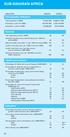 SUB-SAHARAN AFRICA INDICATOR REGION WORLD Demographic indicators Total population (2005) 713,457,000 6,449,371,000 Population under 18 (2005) 361,301,000 2,183,143,000 Population under 5 (2005) 119,555,000
Education is the key to lasting development
 Education is the key to lasting development As world leaders prepare to meet in New York later this month to discuss progress on the Millennium Development Goals, UNESCO s Education for All Global Monitoring
QMC campus Virtual Tour Script for DVD
 QMC campus Virtual Tour Script for DVD Welcome to the Nottingham University Hospital NHS Trust maternity unit at Queen s Medical Centre Hospital campus This film has been made to provide you with information
Effect of Baby-Friendly Hospital Initiative Breast Feeding Program on Maternity Nurses, Mothers and Infants Outcomes
 Effect of Baby-Friendly Hospital Initiative Breast Feeding Program on Maternity Nurses, Mothers and Infants Outcomes Fatma Ahmed Elsobkey 1, Marwa Ahmed Shahin 2 Lecturer in Pediatric Nursing Department,
CDC National Survey of Maternity Practices in Infant Nutrition and Care (mpinc)
 OMB #0920-0743 EXP. DATE: 10/31/2010 CDC National Survey of Maternity Practices in Infant Nutrition and Care (mpinc) Hospital Survey Conducted for Centers for Disease Control and Prevention National Center
35-40% of GBS disease occurs in the elderly or in adults with chronic medical conditions.
 What is Group B Strep (GBS)? Group B Streptococcus (GBS) is a type of bacteria that is found in the lower intestine of 10-35% of all healthy adults and in the vagina and/or lower intestine of 10-35% of
The State of the World s Children 2001: Early Childhood
 The State of the World s Children 2001: Early Childhood Television News B-roll: 3 minutes Television Feature B-roll: 12 minutes Includes the following footage: Cuba: children in government child-development
Premature Infant Care
 Premature Infant Care Introduction A premature baby is born before the 37th week of pregnancy. Premature babies are also called preemies. Premature babies may have health problems because their organs
The National Survey of Children s Health 2011-2012 The Child
 The National Survey of Children s 11-12 The Child The National Survey of Children s measures children s health status, their health care, and their activities in and outside of school. Taken together,
Guide to the Baby Friendly Initiative standards. The. The. Baby Friendly Initiative. Baby Friendly Initiative. Baby Friendly Initiative.
 The Baby Friendly Initiative The Baby Friendly Initiative Baby Friendly Initiative Guide to the Baby Friendly Initiative standards The Baby Friendly Initiative For all babies 1 Guide to the Baby Friendly
THE READING HOSPITAL SPEAKERS BUREAU. Permit No. 203. Non-Profit Org. U.S. Postage PAID. Reading, PA
 Non-Profit Org. U.S. Postage PAID Reading, PA Permit No. 203 THE READING HOSPITAL SPEAKERS BUREAU Knowledge can be a powerful tool in maintaining your health. We re committed to improving the health of
Part 4 Burden of disease: DALYs
 Part Burden of disease:. Broad cause composition 0 5. The age distribution of burden of disease 6. Leading causes of burden of disease 7. The disease and injury burden for women 6 8. The growing burden
MATARA. Geographic location 4 (2006-07) Distribution of population by wealth quintiles (%), 2006-07 27.3 21.4 12.9 23.7 14.8. Source: DHS 2006-07
 Ministry of Health MATARA DEMOGRAPHICS Total population 822, (28) L and area (Sq. Km) 1,27 (26) under-five (%) 9.2 (26-7) 1 Females in reproductive age group (%) 2 5.1 (26-7) 1 Estimated housing units
GENDER AND DEVELOPMENT. Uganda Case Study: Increasing Access to Maternal and Child Health Services. Transforming relationships to empower communities
 GENDER AND DEVELOPMENT Uganda Case Study: Increasing Access to Maternal and Child Health Services The Context World Vision has been active in working with local communities to increase access to health
Ear Infections Gastroenteritis gastroenteritis
 Ear Gastroenteritis Infections gastroenteritis Gastroenteritis can be caused by many different germs, and the effects of gastro on babies and children depend on several things including: the age of the
pregnant pregnant pregnant pregnant pregnan pregnant ant pregnant pregnant pregnant egnant pregnant pregnant pregnant pregnant pregna
 Pregnant and don t know what to do? A guide to your options pregna regnant ant pregnan egnant 2 3 Are you but not sure you want to have the baby? Do you need more information about the options available
MDG 4: Reduce Child Mortality
 143 MDG 4: Reduce Child Mortality The target for Millennium Development Goal (MDG) 4 is to reduce the mortality rate of children under 5 years old (under-5 mortality) by two-thirds between 1990 and 2015.
Breast milk is the best food for babies.
 Breast milk is the best food for babies. The first years of life are a period of rapid development, and good nutrition is essential. The American Academy of Pediatrics (AAP) and the American Dietetic Association