
What is Cirrhosis of the Liver?
|
|
|
- Kerry Harrington
- 9 years ago
- Views:
Transcription
1 Liver Transplant Workup: Introduction What is Cirrhosis of the Liver? Cirrhosis of the liver is the end result of chronic injury to the liver from various causes. A cirrhotic liver is shrunken and fibrosed and thus loses its ability secrete bilirubin; make various proteins (i.e., coagulation proteins, albumin, immune antibodies), and clear toxins from the blood like ammonia. Many patients with cirrhosis develop portal hypertension, which is elevated pressure in the portal venous system (a major vein that leads into the liver). Portal hypertension leads to additional complications in a patient with cirrhosis including, an enlarged spleen, ascites (fluid accumulation within the abdominal cavity) and life threatening bleeding into intestinal tract and death. In addition, patients with cirrhosis of liver can develop cancer in the liver hepatocellular carcinoma (HCC). Location of the liver in the body. Figure 1. Normal Liver Anatomy and Histology Figure 2. Cirrhotic Liver Anatomy and Histology What are the stages of cirrhosis? 1. Latent phase (well compensated stage) 2. Advanced phase (decompensated stage) What are the clinical manifestations and complications of decompensated cirrhosis? The manifestations of decompensated cirrhosis are usually caused by the development of portal hypertension and include: 1) Gastroesophageal varices and bleeding Esophageal varices are often managed by sclerotherapy or endoscopic variceal band ligation (EVBL). Gastric varices also cause upper GI bleeding but it is usually difficult to stop them bleeding by endoscopic means. Patients with refractory Gastroesophageal bleeding often require a Transjugular intrahepatic Portosystemic Shunt (TIPS) placement for the control of their bleeding. Patients might also bleed from portal hypertensive gastropathy (PHG), which is diffuse bleeding from the surface of the stomach. TIPS is indicated in these patients as well.

2 Figure 3. Esophageal and Gastric Varices Figure 4. Sclerotherapy for esophageal varices. Figure 5. Endoscopic variceal band ligation of esophageal varices Transjugular intrahepatic portosystemic shunting (TIPS) is indicated in some selected cases not responding to EVBL. TIPS is placed by an interventional radiologist between the hepatic vein and portal vein. In some instances, a shunt may have to be created surgically by a liver transplant surgeon, who also specializes in these types of shunt procedures. 2) Ascites Ascites is the presence of excess fluid in the abdominal cavity and frequently develops in patients with chronic liver disease. Ascites is sometimes seen in association with collateral venous return (caput medusae) and abdominal wall hernia. The fluid collection in the abdominal and thoracic cavity is usually managed with salt restriction to 2 Grams of Sodium a day and in addition to diuretics. Fluid restriction is especially necessary in patients who develop hyponatremia (low serum Sodium levels).

3 Figure 7. Ascites Figure 8. Large volume paracentesis Large volume paracentesis with albumin infusions are usually effective. TIPS can be considered in selected patients, refractory to the above interventions. 3) Spontaneous Bacterial Peritonitis (SBP) SBP is often seen in patients with cirrhosis and ascites and refers to bacterial infection of the ascitic fluid without the presence of a surgically treatable cause. Patients with SBP are treated with antibiotics and may require antibiotic prophylaxis to prevent recurrent infections. 4) Encephalopathy Hepatic Encephalopathy (HE) refers to the state of confusion induced by high serum Ammonia levels. Signs of the buildup of toxins in the brain include neglect of personal appearance, slow in responsiveness, forgetfulness, trouble concentrating or even changes in sleep habits. In advanced stages, hepatic encephalopathy can induce coma (Hepatic Coma -HE). HE is managed by changing the intestinal flora by addition of Lactulose as a stool softener. Antibiotics like Rifaximine can be useful.1 gram /kg body weight of protein intake is essential in these patients to avoid malnutrition. 5) Hepatorenal Syndrome Hepatorenal Syndrome (HRS) is decreased renal function as a consequence of cirrhosis and reflects the severity of the liver disease and the urgency for liver transplant consideration. 6) Hepatopulmonary Syndrome Hepatopulmonary Syndrome (HPS) patients usually present with cyanosis (bluish discoloration of skin) and clubbing (enlargement of the finger tips). Home oxygen therapy is required prior to liver transplant since blood oxygen levels are decreased due to effects of cirrhosis on the lungs. HPS is often reversible following liver transplantation. 7) Porto pulmonary Hypertension Porto pulmonary Hypertension (PPHTN) is a pulmonary vascular disorder seen in patients with portal hypertension. In mild to moderate cases, urgent liver transplant is required to avoid further cardiopulmonary complications. Patients might be required to be on continuous drip of epoprostenol (prostaglandin) at home, or some other oral medications, in preparation for the liver transplant. Severe cases usually are not offered liver transplantation because of significantly increased morbidity and mortality. 8) Hypersplenism

4 Enlargement of the spleen due to portal hypertension can cause decreased platelets and white blood cells in the peripheral blood, making the cirrhotic patient prone to easy bleeding and some infections. Clinical manifestations of cirrhosis unrelated to portal hypertension include: 9) Coagulopathy This is caused by deficient production of blood coagulation factors by the cirrhotic liver. Patients are usually prone to spontaneous bleeding and easy bruising. The PT/INR is used to follow the hypocoagulable state in a cirrhotic patient. 10) Jaundice Jaundice is a yellowish discoloration of the skin and eyes that occurs when the diseased liver does not secrete enough bilirubin. This signifies a major secretory dysfunction of the liver and is followed by serum total bilirubin (TB) levels. 11) Itching Itching usually becomes a significant problem in patients with cholestatic liver diseases i.e., PBC, PSC. 12) Edema Accumulation of fluid in the arms and legs occurs when the liver loses its ability to make the protein albumin. 13) Hepatocellular Carcinoma Hepatocellular carcinoma HCC is a primary liver tumor commonly caused by cirrhosis usually in the setting of Hepatitis B and C, although it can occur in cirrhosis from any cause. It has a high mortality rate. 14) Sensitivity to medication Cirrhosis decreases liver's ability to metabolize medications from the blood. This cause some medications act longer than expected and build up in the body. This causes a person to be more sensitive to medications and their side effects. Copyright All Rights Reserved. 600 North Wolfe Street, Baltimore, Maryland 21287

5 Liver Transplant Workup: Anatomy Anatomy The liver is the largest organ in the abdominal cavity and the most complex (Figure 7). It consists of a myriad of individual microscopic functional units called lobules. The liver performs a variety of functions including the removal of endogenous and exogenous materials from the blood, complex metabolic processes including bile production, carbohydrate homeostasis, lipid metabolism, urea formation, and immune functions. The liver is located in the right upper quadrant, between the fifth intercostal space in the midclavicular line down and the right costal margin. It weighs approximately 1800 grams in men and 1400 grams in women. The surfaces of the liver are smooth and convex in the superior, anterior and right lateral regions. Indentations from the colon, right kidney, duodenum and stomach are apparent on the posterior surface. 1 Anatomy of the liver; A, gross view; B, histological (microscopic) view. The line between the vena cava and gallbladder divides the liver into right and left lobes. Each lobe has an independent vascular and duct supply. The lobes are divided into eight segments each containing a pedicle of portal vessels, ducts, and hepatic veins. The portal venous system extends from the intestinal capillaries to the hepatic sinusoids (Figure 8). This system carries blood from the abdominal gastrointestinal tract, the pancreas, the gallbladder and the spleen back to the heart (coursing through the liver). The largest vessel in this system is the portal vein, which is formed by the union of the splenic vein and superior mesenteric veins. The left gastric and right gastric veins and the posterior superior pancreaticoduodenal vein drain directly into the portal vein. The portal vein runs posterior to the pancreas and its extrahepatic length is anywhere from 5 to 9 centimeters. At the porta hepatis, it divides into the right and left portal veins within the liver, and the cystic vein typically drains into the right hepatic branch. 1 Anatomy of the portal venous system. The portal vein supplies 70% of the blood flow to the normal liver, but only 40% of the liver oxygen supply. The remainder of the blood comes from the hepatic artery, and blood from both vessels mixes in the sinusoids. The liver receives a tremendous volume of blood, on the order of 1.5 liters per minute. This dual blood supply from the portal vein and hepatic artery allows the liver to be relatively resistant to hypoxemia. Unlike the systemic vasculature, the hepatic vascular system is less influenced by vasodilation and vasoconstriction. This is due to the fact that sinusoidal pressures remain relatively constant in spite of changes in blood flow. A classic example is hepatic vein occlusion resulting in high sinusoidal pressure and extracellular extravasation of fluid. To maintain a constant inflow of blood, hepatic artery blood flow is inversely related to portal vein flow. This appears to be hormonally mediated rather than neurally mediated, since it persists even in the transplanted liver. Copyright All Rights Reserved. 600 North Wolfe Street, Baltimore, Maryland 21287

6 Liver Transplant Workup: Causes What causes cirrhosis of the liver? Alcoholic Liver Disease Infections Chronic Hepatitis B virus infection (with delta hepatitis in some cases) Chronic Hepatitis C virus infection Autoimmune diseases Autoimmune hepatitis (AIH) Metabolic diseases Hemochromatosis which is an iron metabolism abnormality leading to iron deposition within the liver. Wilson s Disease which is a copper metabolism abnormality leading to copper deposition within the liver (Can also present as acute liver failure) Cholestatic Liver Disease Primary biliary cirrhosis (PBC) Primary sclerosing cholangitis (PSC) Secondary biliary cirrhosis (extrahepatic biliary obstruction) Biliary atresia (in children) Non Alcoholic Fatty Liver Disease (NAFLD) / Non Alcoholic Steohepatitis (NASH) Drugs i.e. Methotrexate and Amiodarone Vascular disease of the liver eg. Budd-Chiari Syndrome Cryptogenic Cirrhosis (unidentifiable cause but may include several cases of NAFLD) Miscellaneous causes Alpha 1 antitrypsin deficiency Glycogen Storage Diseases Severe heart failure with congestion of the liver Parasitic infestation like schistosomiasis Copyright All Rights Reserved. 600 North Wolfe Street, Baltimore, Maryland 21287

7 Liver Transplant Workup: Therapy What is Liver Transplantation? Orthotopic liver transplantation (OLT) has become the definitive treatment for end stage liver disease (ESLD) and its complications as well as acute liver failure (ALF), primary liver cancer (hepatocellular carcinoma-hcc) and some metabolic diseases. Figure 9. Liver transplantation; A, before, diseased liver; B, after, donor liver in place. What are the types of liver transplant? There are two types of liver transplant: 1) Cadaveric: Here the organ is harvested from a brain dead individual who was an organ tissue donor. 2) Live Donor: Here a portion of the liver is taken from the healthy relative of the recipient who had undergone extensive workup for suitability prior to the surgery. Who allocates organs for liver transplant? In the United States, cadveric organs are allocated by the United Network for Organ Sharing (UNOS). How does UNOS allocate organs? UNOS allocates organs based on the MELD (Model for End stage Liver Disease) scoring system. MELD is a liver disease severity scoring system that uses three major biochemical parameters of a patient, i.e., Prothrombin Time/INR, Total Bilirubin and Creatinine in a logarithmic formula to predict survival. The MELD score was implemented by UNOS on Feb. 27, 2002 in an effort to prioritize organ allocation, since it is highly predictive of three-month mortality from cirrhosis. Transplant work up is usually initiated when the MELD score reaches around 15 or a major complication of cirrhosis is encountered. MELD score emphasis is on the acuity of the patient rather than the time spent on the waiting list. For MELD score calculation please visit What are the indications for a liver transplant? The indications for liver transplantation can be either acute (fulminant) liver failure from medication toxicity (most commonly acetominophen) or other toxic ingestions. Rarely acute viral hepatitis B cause fulminant hepatic failure necessitating a liver transplant. Most cases of liver transplants are offered for end stage liver disease from any cause. In the United State, the most common indications for OLT are Cirrhosis from Hepatitis C, Alcohol, NASH, PBC and PSC. Less common causes are cirrhosis from Hepatitis B and metabolic diseases like hemochromatosis and Wilson s disease. Patients with Hepatocellular Carcinoma (HCC) are considered for liver transplantation if they meet certain criteria (Milan Criteria) which have been adopted by UNOS. This criteria state that there must be single tumor of less than 5cm or 3 tumors each measuring less than 3 cm. Rare causes for a liver transplant are Alagille s Syndrome, amyloidosis, sarcoidosis, polycystic liver disease (with or without simultaneous kidney transplantation), selected cases of neuroendocrine tumors, secondary biliary cirrhosis developing on the basis of previous common bile duct injuries. What are the contraindications for a liver transplant? Absolute Contraindications Active alcohol and or substance abuse Severe cardiopulmonary or other comorbid conditions that would preclude meaningful recovery after transplant Active extrahepatic malignancy Hepatic malignancy with macrovascular or diffuse tumor invasion and extrahepatic metastasis Active and uncontrolled infection outside of the hepatobiliary system Technical and/or anatomical barriers: i.e. prior major abdominal surgery

8 Psychosocial factors that would likely preclude recovery after liver transplantation Brain death Relative Contraindications: Advanced Age Cholangiocarcinoma (Cholangiocarcinoma developing on the basis of PSC can be considered for transplantation under strict protocols) Chronic or refractory infections Human immunodeficiency virus infection (with advances in HIV Medications, some patients are considered suitable for liver transplant) Previous malignancy Portal vein thrombosis Active psychiatric illness Poor social support What are the components of a liver transplant workup? A liver transplant workup is performed by a well trained team of physicians, nurses, social workers, dieticians and also includes consultation with various specialists based on each individual patient s need, several imaging studies and a battery of laboratory tests. Prior to presentation to the Liver Transplant Selection Committee, all patients are expected to undergo the following procedures: A) Consultations Once the transplant hepatologist (Liver Transplant Medical Specialist) identifies a liver transplant candidate patient, work up is initiated in coordination with the liver transplant surgical team. All patients and their immediate family members are interviewed by the transplant social worker. In the absence of psychosocial contraindications, work up is pursued with other essential consultations. All patients undergo cardiac work, usually with a stress echocardiogram. Also, pulmonary function tests are obtained. Patients with certain risk factors might also be required to be evaluated by a neurologist. Renal, pulmonary, psychiatric consultations are obtained on an as needed basis. Patients with hepatocellular carcinoma HCC are usually required to be seen in consultation with an oncologist and an interventional radiology specialist, in preparation for pre OLT treatment, i.e., transarterial chemoembolization (TACE) or radiofrequency ablation (RFA). B) Radiology All patients undergo radiological evaluation by ultra sound (US) and CT scan of the abdomen. US exam also involves Doppler study of the portal vein, to check for its patency. CT scan with three phasic IV contrast is usually a reliable way of searching for HCC. MRI of the liver can be ordered for further evaluation, if suspicious lesions are identified on CT/US exams. Patients with HCC are also worked up with CT of lungs and brain as well as nuclear bone scans to look for potential metastatic disease. Chest X Ray, sinus X-Ray, and Panorex (X Ray of teeth) are also obtained. Occasionally MR angiography and cholangiography might be needed. C) Laboratory Studies Blood type and antibody screen, A viral hepatitis profile, to include serum HCV-RNA titers, HCV genotype, HBV-DNA, hep B e antigen and antibody Autoimmune markers as well as iron and copper studies, immune protein electrophoresis Cancer markers, i.e. alpha fetoprotein (AFP), CEA, PSA (prostate specific antigen), CA 19-9 Complete blood count (CBC), complete metabolic panel (CMP) to include magnesium and phosphate Coagulation studies, i.e., PT/INR, fibrinogen levels Cytomegalovirus (CMV) status, varicella titers, cryptococcal antibodies D) Miscellaneous Procedures and Cancer Screening 1. Esophago-gastro-duodenoscopy (EGD): to screen for esophageal/gastric varices and to determine the extent of portal hypertensive gastropathy (PHG). This is important for bleeding risk stratification while the patient is on the waiting list. Usually the esophageal varices are endoscopically ligated with rubber bands. Figure 10. Esophago-gastro-duodenoscopy (EGD) 2. Colonoscopy: All patients with cirrhosis older than age 40, or younger patients with higher risk (history of colitis or family history of early colon cancer), undergo screening colonoscopy with prostate digital exam being performed in men at the same time. Polyps are identified and endoscopically removed. Patients with precancerous polyps and with history of colitis or PSC, will require further screening colonoscopies every few years following liver transplant.

9 Figure 11. Colonoscopy 3. Endocopic retrograde cholangio-pancreatography (ERCP): Patients with PSC or history of colitis will require this procedure to identify the biliary strictures and potential cholangiocarcinoma. Biliary brushings are routinely obtained to rule out malignancy, although the yield is generally low. These procedures are performed by your transplant hepatologist who also coordinates the rest of the workup. Liver biopsy is not required for the work up. In rare instances, if it is indicated (i.e., cryptogenic cirrhosis, tumor), it will be performed by your hepatologist or the intreventional radiologist. In cases of acute liver failure, transjugular approach (neck vein) can be used to obtain a liver biopsy. Other tests prior to liver transplant are: 4. Mammogram and pap smear for female patients 5. Nuclear cardiac stress testing or coronary arteriogram, if recommended by the cardiology consultant. E) Vaccinations: Hep A and B vaccination, if there is no evidence of prior immunity. Pneumovax (pneumonia vaccine, needs to be repeated every five years). Flu vaccination once a year. PPD skin test for TB screening is also applied. After the full preparation period, patient is evaluated by the liver transplant surgeon, before being officially presented to the selection committee. The selection committee consists of the above mentioned group of physicians and Liver transplant Anesthesiologists, as well as the social workers, pre and post liver transplant nurse practitioners (NP) and nurse coordinators (RN), financial coordinators and a secretary recording the minutes. For more information, you can also visit the Comprehensive Transplant Center at: Copyright All Rights Reserved. 600 North Wolfe Street, Baltimore, Maryland 21287

Evaluation and Prognosis of Patients with Cirrhosis
 Evaluation and Prognosis of Patients with Cirrhosis Marion G. Peters, MD John V. Carbone, MD, Endowed Chair Professor of Medicine Chief of Hepatology Research University of California San Francisco Recorded
MANAGEMENT OF LIVER CIRRHOSIS
 MANAGEMENT OF LIVER CIRRHOSIS Information Leaflet Your Health. Our Priority. Page 2 of 6 What is cirrhosis? Cirrhosis is a result of long-term, continuous damage to the liver and may be due to many different
Approach to Abnormal Liver Tests
 Approach to Abnormal Liver Tests Naga P. Chalasani, MD, FACG Professor of Medicine and Cellular & Integrative Physiology Director, Division of Gastroenterology and Hepatology Indiana University School
190.25 - Alpha-fetoprotein
 Other Names/Abbreviations AFP 190.25 - Alpha-fetoprotein Alpha-fetoprotein (AFP) is a polysaccharide found in some carcinomas. It is effective as a biochemical marker for monitoring the response of certain
Liver Function Essay
 Liver Function Essay Name: Quindoline Ntui Date: April 20, 2009 Professor: Dr. Danil Hammoudi Class: Anatomy and Physiology 2 Liver function The human body consist of many highly organize part working
NP/PA Clinical Hepatology Fellowship Summary of Year-Long Curriculum
 OVERVIEW OF THE FELLOWSHIP The goal of the AASLD NP/PA Fellowship is to provide a 1-year postgraduate hepatology training program for nurse practitioners and physician assistants in a clinical outpatient
LIVER CANCER AND TUMOURS
 LIVER CANCER AND TUMOURS LIVER CANCER AND TUMOURS Healthy Liver Cirrhotic Liver Tumour What causes liver cancer? Many factors may play a role in the development of cancer. Because the liver filters blood
COMPLICATIONS OF CIRRHOSIS COMPLICATIONS OF CIRRHOSIS OBSERVATIONS OF AN AGING HEPATOLOGIST. Philip C. Delich, M.D.
 1 COMPLICATIONS OF CIRRHOSIS OBSERVATIONS OF AN AGING HEPATOLOGIST COMPLICATIONS OF CIRRHOSIS Philip C. Delich, M.D. Faculty Disclosure Dr. Delich has indicated that he does not have any relevant financial
Liver Diseases. An Essential Guide for Nurses and Health Care Professionals
 Brochure More information from http://www.researchandmarkets.com/reports/1047385/ Liver Diseases. An Essential Guide for Nurses and Health Care Professionals Description: Liver disease is a rapidly growing
Patterns of abnormal LFTs and their differential diagnosis
 Patterns of abnormal LFTs and their differential diagnosis Professor Matthew Cramp South West Liver Unit and Peninsula Schools of Medicine and Dentistry, Plymouth Summary liver function / liver function
Bile Duct Diseases and Problems
 Bile Duct Diseases and Problems Introduction A bile duct is a tube that carries bile between the liver and gallbladder and the intestine. Bile is a substance made by the liver that helps with digestion.
After the Cure: Long-Term Management of HCV Liver Disease Norah A. Terrault, MD, MPH
 After the Cure: Long-Term Management of HCV Liver Disease Norah A. Terrault, MD, MPH Professor of Medicine Department of Gastroenterology Director, Viral Hepatitis Center University of California San Francisco
Recanalized Umbilical Vein in the Presence of Cirrhosis-Induced Portal Hypertension
 Recanalized Umbilical Vein in the Presence of Cirrhosis-Induced Portal Hypertension Audrey Galey RDMS, RVT, Mary Grace Renfro RDSM, RVT, Lindsey Simon, RVT March 22, 2013 2 Abstract A recanalized umbilical
LCD for Viral Hepatitis Serology Tests
 LCD for Viral Hepatitis Serology Tests Applicable CPT Code(s): 86692 Antibody; Hepatitis, Delta Agent 86704 Hepatitis B Core Antibody (HBcAb); Total 86705 Hepatitis B Core Antibody (HBcAb); IgM Antibody
NUTRITION IN LIVER DISEASES
 NUTRITION IN LIVER DISEASES 1. HEPATITIS: Definition: - Viral inflammation of liver cells. Types: a. HAV& HEV, transmitted by fecal-oral route. b. HBV & HCV, transmitted by blood and body fluids. c. HDV
PATIENT CONSENT TO PROCEDURE - ROUX-EN-Y GASTRIC BYPASS
 As a patient you must be adequately informed about your condition and the recommended surgical procedure. Please read this document carefully and ask about anything you do not understand. Please initial
4/25/2016. Transplant Journey. Objectives. Reason for Transplantation at Mayo Clinic. Mayo Clinic Model of Care
 Transplant Journey Lynette Fix, RN, BAN, CCTC Objectives Identify key components of transplant evaluation process Identify the patient follow-up process Describe diseases indicated for transplantation
Hepatocellular Carcinoma (HCC)
 Abhishek Vadalia Introduction Chemoembolization is being used with increasing frequency in the treatment of solid hepatic tumors such as Hepatocellular Carinoma (HCC) & rare Cholangiocellular Carcinoma
June 11, 2015 Tim Halterman
 June 11, 2015 Tim Halterman Defini&on Histologic change + loss of liver function Derives from Greek word kirrhos meaning yellow, tawny First named by Rene Laennec in 1819 Laennec s cirrhosis=alcoholic
Saint Francis Kidney Transplant Program Issue Date: 6/9/15
 Kidney Transplant Candidate Informed Consent Education Here are educational materials about Kidney Transplant. Please review and read these before your evaluation visit. The RN Transplant Coordinator will
PRINCESS MARGARET CANCER CENTRE CLINICAL PRACTICE GUIDELINES
 PRINCESS MARGARET CANCER CENTRE CLINICAL PRACTICE GUIDELINES GASTROINTESTINAL HEPATOCELLULAR CARCINOMA GI Site Group Hepatocellular Carcinoma Authors: Dr. Jennifer Knox, Dr. Mairead McNamara 1. INTRODUCTION
UCLA Asian Liver Program
 CLA Program Update Program Faculty Myron J. Tong, PhD, MD Professor of Medicine Hepatology Director, Asian Liver Program Surgery Ronald W. Busuttil, MD, PhD Executive Chair Department of Surgery Director,
GASTROENTEROLOGY FELLOWSHIP HEPATOLOGY ROTATION GOALS AND OBJECTIVES University of Toledo
 GASTROENTEROLOGY FELLOWSHIP HEPATOLOGY ROTATION GOALS AND OBJECTIVES University of Toledo Educational Purpose: The Hepatology Rotation introduces the fellow to the management of outpatients and inpatients
Service Definition with all Clinical Terms Service: Laprascopic Cholecystectomy Clinic (No Gallstones in bile duct)
 Service Definition with all Clinical Terms Service: Laprascopic Cholecystectomy Clinic (No Gallstones in bile duct) Section 1 Service Details Service ID: 7540540 Service Comments: Referrer Alert: Service
End Stage Liver Disease: What is New? Marion Peters MD UCSF Berlin 2012
 End Stage Liver Disease: What is New? Marion Peters MD UCSF Berlin 2012 Natural History of ESLD Increasing liver fibrosis Development of HCC Chronic liver disease Compensated cirrhosis Decompensated cirrhosis
Figure 1. Location of liver in the body. Figure 2. Clinical manifestations of portal hypertension
 Portal Hypertension: Introduction As early as the 17th century, it was realized that structural changes in the portal circulation could cause gastrointestinal bleeding. In 1902, Gilbert and Carnot introduced
Indications in Hepatology and Liver Diseases
 exclusively working in Health Care sananet GmbH Tilo Stolzke Breite Str. 6-8 23562 Lübeck Germany Telefon : +49 451 400 8301 Telefax : +49 451 400 8302 E-Mail : [email protected] Internet : www.sananet.com
CLINICAL CONSEQUENCES OF PORTAL HYPERTENSION
 Página 1 de 10 CLINICAL CONSEQUENCES OF PORTAL HYPERTENSION Part of "11 - PORTAL HYPERTENSION" The portal hypertensive syndrome is responsible for many of the manifestations of advanced, decompensated
Approach to Abnormal Liver Tests
 This Morning s Presentation Approach to Abnormal Liver Tests Hal F. Yee, Jr., M.D., Ph.D. Rice Distinguished Professor, UCSF Chief of Gastroenterology, SFGH [email protected] Clinical vignettes representing
Group Critical Illness Insurance Provides lump-sum cash benefits that can help with daily expenses
 What can living with a critical illness mean to you? Daily out-of-pocket expenses for fighting the disease while still paying your bills! GROCERIES CAR HOME PRESCRIPTIONS Benefit coverage for A Plus Benefits
Leading the Way to Treat Liver Cancer
 Leading the Way to Treat Liver Cancer Guest Expert: Sukru, MD Professor of Transplant Surgery Mario Strazzabosco, MD Professor of Internal Medicine www.wnpr.org www.yalecancercenter.org Welcome to Yale
HEPATOLOGY CLERKSHIP
 College of Osteopathic Medicine HEPATOLOGY CLERKSHIP Office for Clinical Affairs 515-271-1629 FAX 515-271-1727 Elective Rotation General Description This elective rotation is a four (4) week introductory,
The child with abnormal liver function tests
 The child with abnormal liver function tests Dr Jane Hartley Consultant Paediatric Hepatologist Birmingham Children s Hospital, UK 1 st Global Congress CIP, Paris 2011 Contents Over view of liver anatomy,
Liver Failure. Nora Aziz. www.3bv.org. Bones, Brains & Blood Vessels
 Liver Failure Nora Aziz www.3bv.org Bones, Brains & Blood Vessels Severe deterioration in liver function Looses ability to regenerate/repair decompensated Liver extensively damaged before it fails Equal
Fast Facts. Fast Facts: Liver Disorders. Thomas Mahl and John O Grady. 2006 Health Press Ltd. www.fastfacts.com
 Fast Facts Fast Facts: Liver Disorders Thomas Mahl and John O Grady 2006 Health Press Ltd. www.fastfacts.com Fast Facts Fast Facts: Liver Disorders Thomas Mahl MD University at Buffalo School of Medicine
The University of Hong Kong Department of Surgery Division of Esophageal and Upper Gastrointestinal Surgery
 Program Overview The University of Hong Kong Department of Surgery Division of Esophageal and Upper Gastrointestinal Surgery Weight Control and Metabolic Surgery Program The Weight Control and Metabolic
CANCER OF THE LIVER HEPATOCELLULAR CARCINOMA
 CANCER OF THE LIVER HEPATOCELLULAR CARCINOMA WHAT IS CANCER OF THE LIVER? Hepatocellular carcinoma is the most common form and it comes from the main type of liver cell, the hepatocyte. About 3 out 4
AASLD PRACTICE GUIDELINE AASLD Practice Guidelines: Evaluation of the Patient for Liver Transplantation
 AASLD PRACTICE GUIDELINE AASLD Practice Guidelines: Evaluation of the Patient for Liver Transplantation Karen F. Murray and Robert L. Carithers, Jr. Preamble These recommendations provide a data-supported
Geir Folvik, MD Division of Gastroenterology Department of Medicine, Haukeland University Hospital Bergen, Norway 30.11.2015
 Benign liver diseases Geir Folvik, MD Division of Gastroenterology Department of Medicine, Haukeland University Hospital Bergen, Norway 30.11.2015 1 Agenda Benign focal liver lesions Fatty liver disease
Surveillance for Hepatocellular Carcinoma
 Surveillance for Hepatocellular Carcinoma Marion G. Peters, MD John V. Carbone, MD, Endowed Chair Professor of Medicine Chief of Hepatology Research University of California San Francisco Recorded on April
The most serious symptoms of this stage are:
 The Natural Progression of Hepatitis C The natural history of hepatitis C looks at the likely outcomes for people infected with the virus if there is no medical intervention. However, the process of trying
Group Critical Illness Insurance Provides lump-sum cash benefits that can help with daily expenses
 What can living with a critical illness mean to you? Daily out-of-pocket expenses for fighting the disease while still paying your bills! GROCERIES CAR HOME PRESCRIPTIONS Benefit coverage for Catholic
GI Bleeding. Thomas S.Foster,Pharm.D. PHR 961 Integrated Therapeutics
 GI Bleeding Thomas S.Foster,Pharm.D. PHR 961 Integrated Therapeutics Overview Because GI bleeding is internal, it is possible for a person to have GI bleeding without symptoms. Important to recognize
Liver Function Tests. Dr Stephen Butler Paediatric Advance Trainee TDHB
 Liver Function Tests Dr Stephen Butler Paediatric Advance Trainee TDHB Introduction Case presentation What is the liver? Overview of tests used to measure liver function RJ 10 month old European girl
Adams Memorial Hospital Decatur, Indiana EXPLANATION OF LABORATORY TESTS
 Adams Memorial Hospital Decatur, Indiana EXPLANATION OF LABORATORY TESTS Your health is important to us! The test descriptions listed below are for educational purposes only. Laboratory test interpretation
HEPATOCELLULAR CARCINOMA (HCC) RESECTION VERSUS TRANSPLANTATION. Francis Yao, M.D.
 UCSF TRANSPLANT CONFERENCE - 9/28/2012 HEPATOCELLULAR CARCINOMA (HCC) RESECTION VERSUS TRANSPLANTATION Francis Yao, M.D. Professor of Clinical Medicine and Surgery Medical Director, Liver Transplantation
Lenox Hill Hospital Department of Surgery General Surgery Goals and Objectives
 Lenox Hill Hospital Department of Surgery General Surgery Goals and Objectives Medical Knowledge and Patient Care: Residents must demonstrate knowledge and application of the pathophysiology and epidemiology
WHAT S WRONG WITH MY GALL BLADDER? GALL BLADDER POLYPS
 WHAT S WRONG WITH MY GALL BLADDER? GALL BLADDER POLYPS This is a patient information booklet providing specific practical information about gall bladder polyps in brief. Its aim is to provide the patient
Diagnosis and Prognosis of Pancreatic Cancer
 Main Page Risk Factors Reducing Your Risk Screening Symptoms Diagnosis Treatment Overview Chemotherapy Radiation Therapy Surgical Procedures Lifestyle Changes Managing Side Effects Talking to Your Doctor
Kidney Cancer OVERVIEW
 Kidney Cancer OVERVIEW Kidney cancer is the third most common genitourinary cancer in adults. There are approximately 54,000 new cancer cases each year in the United States, and the incidence of kidney
LYMPHOMA IN DOGS. Diagnosis/Initial evaluation. Treatment and Prognosis
 LYMPHOMA IN DOGS Lymphoma is a relatively common cancer in dogs. It is a cancer of lymphocytes (a type of white blood cell) and lymphoid tissues. Lymphoid tissue is normally present in many places in the
National Digestive Diseases Information Clearinghouse
 Cirrhosis National Digestive Diseases Information Clearinghouse What is cirrhosis? Cirrhosis is a condition in which the liver slowly deteriorates and is unable to function normally due to chronic, or
Liver, Gallbladder and Pancreas diseases. Premed 2 Pathophysiology
 Liver, Gallbladder and Pancreas diseases Premed 2 Pathophysiology Pancreas Pancreatitis Acute Pancreatitis Autodigestion of the pancreas due to activation of the enzymes Hemorrhagic fat necrosis, calcium
Kaiser Permanente 2016 Sample Fee List *
 Kaiser Permanente 2016 Sample Fee List * NORTHWEST What s a Sample Fee List? Knowing how much you can expect to pay for care and services can help give you peace of mind. As a deductible plan member, you
Informed Consent for Laparoscopic Vertical Sleeve Gastrectomy. Patient Name
 Informed Consent for Laparoscopic Vertical Sleeve Gastrectomy Patient Name Please read this form carefully and ask about anything you may not understand. I consent to have a laparoscopic Vertical Sleeve
Liver Transplantation for Hepatocellular Carcinoma. John P. Roberts, MD Chief, Division of Transplant Service University of California, San Francisco
 Liver Transplantation for Hepatocellular Carcinoma John P. Roberts, MD Chief, Division of Transplant Service University of California, San Francisco Hepatocellular Carcinoma HCC is the 5th most common
Influenza (Flu) Influenza is a viral infection that may affect both the upper and lower respiratory tracts. There are three types of flu virus:
 Respiratory Disorders Bio 375 Pathophysiology General Manifestations of Respiratory Disease Sneezing is a reflex response to irritation in the upper respiratory tract and is associated with inflammation
The digestive system. Medicine and technology. Normal structure and function Diagnostic methods Example diseases and therapies
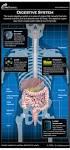 The digestive system Medicine and technology Normal structure and function Diagnostic methods Example diseases and therapies The digestive system An overview (1) Oesophagus Liver (hepar) Biliary system
Albumin. Prothrombin time. Total protein
 Hepatitis C Fact Sheet February 2016 www.hepatitis.va.gov Laboratory Tests and Hepatitis If you have hepatitis C, your doctor will use laboratory tests to about learn more about your individual hepatitis
Hepatitis C. Laboratory Tests and Hepatitis C
 Hepatitis C Laboratory Tests and Hepatitis C If you have hepatitis C, your doctor will use laboratory tests to check your health. This handout will help you understand what the major tests are and what
Evaluation of a Child with Elevated Transaminases. Linda V. Muir, M.D. April 11, 2008 Northwest Pediatric Liver Disease Symposium
 Evaluation of a Child with Elevated Transaminases Linda V. Muir, M.D. April 11, 2008 Northwest Pediatric Liver Disease Symposium Disclosures I do not have a financial interest, arrangement or affiliation
YTTRIUM 90 MICROSPHERES THERAPY OF LIVER TUMORS
 YTTRIUM 90 MICROSPHERES THERAPY OF LIVER TUMORS The information regarding placement of Yttrium 90 microsphres for the management of liver tumors on the next several pages includes questions commonly asked
INTRAPERITONEAL HYPERTHERMIC CHEMOTHERAPY (IPHC) FOR PERITONEAL CARCINOMATOSIS AND MALIGNANT ASCITES. INFORMATION FOR PATIENTS AND FAMILY MEMBERS
 INTRAPERITONEAL HYPERTHERMIC CHEMOTHERAPY (IPHC) FOR PERITONEAL CARCINOMATOSIS AND MALIGNANT ASCITES. INFORMATION FOR PATIENTS AND FAMILY MEMBERS Description of Treatment A major difficulty in treating
Managing LFT s in General Practice
 Managing LFT s in General Practice Sulleman Moreea FRCP(Edin Edin) ) FRCS(Glasg Glasg) Consultant Gastroenterologist/Hepatologist Bradford Hospitals Trust The normal liver Managing LFT s History and examination
Biliary Stone Disease
 Biliary Stone Disease Delivering the best in care UHB is a no smoking Trust To see all of our current patient information leaflets please visit www.uhb.nhs.uk/patient-information-leaflets.htm You have
CARDIOVASCULAR DYSFUNCTION IN LIVER CIRRHOSIS
 LUCIAN BLAGA UNIVERSITY OF SIBIU VICTOR PAPILIAN FACULTY OF MEDICINE CARDIOVASCULAR DYSFUNCTION IN LIVER CIRRHOSIS Ph.D. THESIS SUMMARY COORDINATOR: PROF.DR. MANIŢIU IOAN Ph.D. STUDENT: LORENA MĂRIEŞ SIBIU
Hepatocellular Carcinoma (Liver Cancer):
 Hepatocellular Carcinoma (Liver Cancer): Introduction Headed by Dr. Ahmet Gurakar, our team of full-time faculty members specializing in liver cancer includes: Ahmet Gurakar, M.D. James P. Hamilton, M.D.
The degree of liver inflammation or damage (grade) Presence and extent of fatty liver or other metabolic liver diseases
 ilearning about your health Liver Biopsy www.cpmc.org/learning What is a Liver Biopsy? A liver biopsy is a procedure where a specially trained doctor (typically a hepatologist, radiologist, or gastroenterologist)
BACKGROUND MEDIA INFORMATION Fast facts about liver disease
 BACKGROUND MEDIA INFORMATION Fast facts about liver disease Liver, or hepatic, disease comprises a wide range of complex conditions that affect the liver. Liver diseases are extremely costly in terms of
COMPLICATIONS OF CIRRHOSIS: CASES. Anil Seetharam, MD [email protected]
 COMPLICATIONS OF CIRRHOSIS: CASES Anil Seetharam, MD [email protected] Defining Cirrhosis Histological diagnosis Nodules of regenerating hepatocytes surrounded by fibrous tissue Common final
Group Critical Illness Insurance
 What can living with a critical illness mean to you? Daily out-of-pocket expenses for fighting the disease while still paying your bills! GROCERIES CAR HOME PRESCRIPTIONS Group Critical Illness Insurance
A PATIENT S GUIDE TO ABLATION THERAPY
 A PATIENT S GUIDE TO ABLATION THERAPY THE DIVISION OF VASCULAR/INTERVENTIONAL RADIOLOGY THE ROBERT WOOD JOHNSON UNIVERSITY HOSPITAL Treatment options for patients with cancer continue to expand, providing
Diseases of peritoneum Lect. Al Qassim University, Faculty of Medicine Phase II Year III, CMD 332 Pathology Department 31-32
 Diseases of peritoneum Lect Al Qassim University, Faculty of Medicine Phase II Year III, CMD 332 Pathology Department 31-32 Describe the etiology, pathogenesis and types of peritonitis Define ascites and
PRIOR AUTHORIZATION PROTOCOL FOR HEPATITIS C TREATMENT
 PRIOR AUTHORIZATION PROTOCOL FOR HEPATITIS C TREATMENT HARVONI (90mg ledipasvir/400mg sofosbuvir): tablet (PREFERRED AGENT) SOVALDI (sofosbuvir ): 400mg tablets (PREFERRED AGENT ) OLYSIO (simeprivir) PEG-INTRON
Gastrointestinal Bleeding
 Gastrointestinal Bleeding Introduction Gastrointestinal bleeding is a symptom of many diseases rather than a disease itself. A number of different conditions can cause gastrointestinal bleeding. Some causes
Group Critical Illness Insurance Provides lump-sum cash benefits that can help with daily expenses
 What can living with a critical illness mean to you? Daily out-of-pocket expenses for fighting the disease while still paying your bills! GROCERIES CAR HOME PRESCRIPTIONS Group Critical Illness Insurance
Sovaldi (sofosbuvir) Prior Authorization Criteria
 INITIAL REVIEW CRITERIA Sovaldi (sofosbuvir) Prior Authorization Criteria 1. Adult patient age 18 years old; AND 2. Prescribed by a hepatologist, gastroenterologist, infectious disease specialist, transplant
88 percent of heart attack victims under the age of 65 are able to return to their usual work. 1. solutions GROUP CRITICAL ILLNESS INSURANCE
 PROTECTION solutions 88 percent of heart attack victims under the age of 65 are able to return to their usual work. 1 1 2009 Heart and Stroke Statistical Update, American Heart Association GVCIP2 GROUP
Your Guide to Express Critical Illness Insurance Definitions
 Your Guide to Express Critical Illness Insurance Definitions Your Guide to EXPRESS Critical Illness Insurance Definitions This guide to critical illness definitions will help you understand the illnesses
.org. Metastatic Bone Disease. Description
 Metastatic Bone Disease Page ( 1 ) Cancer that begins in an organ, such as the lungs, breast, or prostate, and then spreads to bone is called metastatic bone disease (MBD). More than 1.2 million new cancer
TA L K I N G A B O U T T R A N S P L A N TAT I O N
 TA L K I N G A B O U T T R A N S P L A N TAT I O N UNITED NETWORK FOR ORGAN SHARING United Network for Organ Sharing (UNOS) is a private non-profit 501(c)(3) organization that operates the Organ Procurement
Hepatocellular Carcinoma: A Guide to Screening and Diagnosis
 February 2012 Hepatocellular Carcinoma: A Guide to Screening and Diagnosis Reid Merryman, Harvard Medical School Year III Agenda Hepatocellular carcinoma (HCC) introduction Index patient: clinical presentation
Amylase and Lipase Tests
 Amylase and Lipase Tests Also known as: Amy Formal name: Amylase Related tests: Lipase The Test The blood amylase test is ordered, often along with a lipase test, to help diagnose and monitor acute or
Liver, Gallbladder, Exocrine Pancreas KNH 406
 Liver, Gallbladder, Exocrine Pancreas KNH 406 2007 Thomson - Wadsworth LIVER Anatomy - functions With disease blood flow becomes obstructed Bile All bile drains into common hepatic duct Liver Bile complex
Carbohydrate antigen 19 9 (CA 19 9) (serum, plasma)
 Carbohydrate antigen 19 9 (CA 19 9) (serum, plasma) 1 Name and description of analyte 1.1 Name of analyte Carbohydrate antigen 19 9 (CA 19 9) 1.2 Alternative names Cancer antigen 19 9, cancer antigen GI