
FEMALE GENITAL MUTILATION/CUTTING
|
|
|
- Gary Spencer
- 9 years ago
- Views:
Transcription
1 FEMALE GENITAL MUTILATION/CUTTING A STATISTICAL EXPLORATION A STATISTICAL EXPLORATION fci

2 ACKNOWLEDGEMENTS Female genital mutilation/cutting (FGM/C) is a traditional practice with severe health consequences for girls and women. It occurs mainly in countries along a belt stretching from Senegal in West Africa to Somalia in East Africa and to Yemen in the Middle East, but it is also practised in some parts of South-East Asia. Reports from Europe, North America and Australia indicate that it is practised among immigrant communities as well. As with many ancient practices, FGM/C is carried out by communities as a heritage of the past and is often associated with ethnic identity. Communities may not even question the practice or may have long forgotten the reasons for it. Since the early 1990s, data on FGM/C have been collected through a separate module of the Demographic and Health Surveys (DHS) implemented by Macro International. The FGM/C module has yielded a rich base of data comparable over 19 countries. We wish to thank the DHS project for making these data available. Data have also been collected through the Multiple Cluster Indicator Surveys (MICS) using a module similar to that of DHS. The MICS FGM/C module has been adjusted to the DHS module and will be implemented during the third round of surveys (MICS-3) in The prime objective of this publication is to improve an understanding of issues relating to FGM/C in the wider framework of gender equality and social change. FGM/C is a manifestation of structural inequality and violates universally recognized human-rights principles of equality and non-discrimination. By providing a statistical analysis and background, this publication also complements the November 2005 Innocenti Digest on FGM/C. The publication of Female Genital Mutilation/ Cutting: A Statistical Exploration is the result of a cooperative effort between UNICEF s Strategic Information Section (SIS/DPP) and its Child Protection Section (CP/PDF). The study was coordinated by Edilberto Loaiza (SIS/DPP). Rada Noeva (SIS/DPP consultant) researched and prepared a first draft of this paper, and Claudia Cappa actively participated in the final stages (SIS/DPP). Diakathe Ngagne (SIS/DPP) provided support for data processing and tabulations. Valuable insight and comments were provided by Maria Gabriella De Vita (CP/PD). Special thanks to Catherine Langevin-Falcon, the editor. For further information or to download these and other publications, please visit the website at Extracts from this publication may be freely reproduced, provided that due acknowledgement is given to the source and to UNICEF. The Strategic Information Section and Child Protection Section (UNICEF, New York) invite comments on the content and suggestions on how it could be improved as an informational tool. ISBN-13: ISBN-10: Cover photo: UNICEF/HQ /Stevie Mann Text: The United Nations Children s Fund (UNICEF), 2005

3 FEMALE GENITAL MUTILATION/CUTTING 2005 A STATISTICAL EXPLORATION

4 FEMALE GENITAL MUTILATION/CUTTING A Statistical Exploration 2005 CONTENTS I. INTRODUCTION A violation of rights Legal instruments: International and domestic.. 2 UNICEF and FGM/C II. OBJECTIVE AND DATA SOURCES III. GLOBAL PREVALENCE RATES Generational trends IV. SOCIO-ECONOMIC AND DEMOGRAPHIC DIFFERENTIALS AFFECTING FGM/C PREVALENCE RATES Age Education Place of residence Religion Ethnicity Household wealth V. ANALYSIS BY TYPE OF PRACTITIONER VI. ANALYSIS BY TYPE OF FGM/C VII UNDERLYING CAUSES AND ATTITUDES Beliefs vs. practice: Support of FGM/C Socio-economic and demographic differentials Women s empowerment and support for FGM/C Multivariate analysis VIII. CONCLUSIONS AND RECOMMENDATIONS REFERENCES ANNEXES Table 1A: Prevalence (%) of FGM/C among women years old, by place of residence and age group Table 1B: Prevalence (%) of FGM/C among women years old, by education level and household wealth Table 1C: Prevalence (%) of FGM/C among women years old, by ethnicity and religion ANNEXES (continued) Table 2A: Percentage of women years old with at least one daughter circumcised, by place of residence and age group Table 2B: Percentage of women years old with at least one daughter circumcised, by education level and household wealth Table 2C: Percentage distribution of women years old with at least one daughter circumcised, by ethnicity and religion Table 3: Percentage distribution of women years old who have undergone FGM/C, by type of practitioner Table 4: Percentage distribution of women with at least one daughter who has undergone FGM/C, by type of practitioner Table 5: Percentage distribution of women who have undergone FGM/C, by type Table 6: Percentage distribution of women with at least one daughter who has undergone FGM/C, by type Table 7A: Percentage of women years old who believe FGM/C should continue, by place of residence and age group Table 7B: Percentage of women years old who believe FGM/C should continue, by education level and religion Table 8: Percentage of women and men who support FGM/C and reasons for their support Table 9: Attitudes towards the continuation of FGM/C and variables of women s empowerment Table 10: Odds ratio: Likelihood of the discontinuation of FGM/C, according to background characteristics Table 11: FGM/C questions included in DHS and MICS questionnaires for women and men

5 I. INTRODUCTION Even though cultural practices may appear senseless or destructive from the standpoint of others, they have meaning and fulfil a function for those who practise them. However, culture is not static; it is in constant flux, adapting and reforming. People will change their behaviour when they understand the hazards and indignity of harmful practices and when they realize that it is possible to give up harmful practices without giving up meaningful aspects of their culture. Female Genital Mutilation, A joint WHO/UNICEF/UNFPA statement, 1997 Female genital mutilation/cutting (FGM/C) is the partial or total removal of the female external genitalia or other injury to the female genital organs for cultural or other non-therapeutic reasons. 1 It is estimated that more than 130 million girls and women alive today have undergone FGM/C, primarily in Africa and, to a lesser extent, in some countries in the Middle East. The World Health Organization (WHO) groups FGM/C into four types: 1. Excision of the prepuce [the fold of skin surrounding the clitoris], with or without excision of part or the entire clitoris. 2. Excision of the clitoris with partial or total excision of the labia minora [the smaller inner folds of the vulva]. 3. Excision of part or all of the external genitalia and stitching or narrowing of the vaginal opening (infibulation). 4. Unclassified, which includes pricking, piercing or incising of the clitoris and/or labia; stretching of the clitoris and/or labia; cauterization by burning of the clitoris and surrounding tissue; scraping of tissue surrounding the opening of the vagina (angurya cuts) or cutting of the vagina (gishiri cuts); introduction of corrosive substances or herbs into the vagina to cause bleeding or to tighten or narrow the vagina; and any other procedure that can be included in the definition of female genital mutilation noted above. 2 The procedure is generally carried out on girls between the ages of 4 and 14; it is also done to infants, women who are about to be married and, sometimes, to women who are pregnant with their first child or who have just given birth. It is often performed by traditional practitioners, including midwives and barbers, without anaesthesia, using scissors, razor blades or broken glass. FGM/C is always traumatic. Immediate complications include excruciating pain, shock, urine retention, ulceration of the genitals and injury to adjacent tissue. Other complications include septicaemia (blood poisoning), infertility and obstructed labour. Haemorrhaging and infection have caused death. A violation of rights FGM/C is a fundamental violation of human rights. In the absence of any perceived medical necessity, it subjects girls and women to health risks and has life-threatening consequences. Among those rights violated are the right to the highest attainable standard of health 3 and to bodily integrity. 4 Furthermore, it could be argued that girls (under 18) cannot be said to give informed consent to such a potentially damaging practice as FGM/C. FGM/C is, further, an extreme example of discrimination based on sex. The Convention on the Elimination of All Forms of Discrimination against Women defines discrimination as any distinction, exclusion or restriction made on the basis of sex which has the effect or purpose of impairing or nullifying the recognition, enjoyment or exercise by women, irrespective of their marital status, on a basis of equality of men and women, of human rights and fundamental freedoms in the political, economic, social, cultural, civil or any other field (article 1). Used as a way to control women s sexuality, FGM/C is a main manifestation of gender inequality and discrimination related to the historical suppression and subjugation of women, 5 denying girls and women the full enjoyment of their rights and liberties. As stated in the Convention on the Rights of the Child, all actions concerning children should be undertaken in the best interests of the child (article 3.1). The Convention further asserts that children should have the opportunity to develop physically in a healthy way, receive adequate medical attention and be protected from all forms of A STATISTICAL EXPLORATION 1

6 violence, injury or abuse. While the best interests of the child may be subject to cultural interpretation, FGM/C is an irreparable, irreversible abuse and therefore violates girls right to protection. Governments have sometimes been reluctant to address FGM/C. Considered to be a sensitive issue, it has been widely viewed as a private act that is carried out by individuals and family members rather than state actors. But the health and psychological consequences of the practice itself, as well as the underlying causes that reinforce it, make it imperative for societies, governments and the entire international community to take action towards ending FGM/C. Legal instruments: International and domestic At the international level, the human rights implications of FGM/C have been broadly recognized over time. In Vienna in 1993, the UN World Conference on Human Rights called for the elimination of all forms of violence against women to be seen as a human rights obligation. In particular, the World Conference stresses the importance of working towards the elimination of violence against women in public and private life and the eradication of any conflicts which may arise between the rights of women and the harmful effects of certain traditional or customary practices. 6 There are many international treaties and conventions that call for an end to harmful traditional practices, including the Convention on the Rights of the Child, the Convention on the Elimination of All Forms of Discrimination against Women, and the African Charter on the Rights and Welfare of the Child. A specific focus on FGM/C is found in UN General Assembly Resolution 56/128 on Traditional or Customary Practices Affecting the Health of Women and Girls, and in the Protocol on the Rights of Women in Africa (Maputo Protocol), adopted by the African Union in Many of the countries where FGM/C occurs have passed legislation prohibiting the practice, and some countries with large immigrant populations Canada, France, Sweden, Switzerland, the United Kingdom and the United States have also outlawed it. Some countries have legal clauses granting asylum to women who fear being mutilated if they return to their country of origin. For example, Section of the Canadian Criminal Code protects children who are ordinarily resident in Canada (as citizens or landed migrants) from being removed from the country and subjected to FGM/C. The effects of domestic laws on FGM/C prevalence levels are largely understudied; as an indicator, they need to be more closely monitored. At the UN General Assembly Special Session on Children in 2002, governments forged a commitment to end FGM/C by In February 2003, 30 African countries vowed to end FGM/C and called for the establishment of an International Day of Zero Tolerance. That pledge was reinforced in June of that year at the Afro-Arab Expert Consultation, whose Cairo Declaration highlighted the provision of existing legal tools for the prevention of FGM/C. UNICEF and FGM/C UNICEF first outlined its position on FGM/C in 1979 as a follow-up to the WHO Seminar on Traditional Practices Affecting the Health of Women and Children (Khartoum Seminar): The health hazards and psychological risks, long term as well as immediate, to young girls as a result of the practice of female excision in its varied forms are a serious source of concern to UNICEF. 7 In 1980, at the Mid-Decade Conference for Women, UNICEF announced that its support to anti-fgm activities was based on the belief that the best way to handle the problem is to trigger awareness through education of the public, members of the medical profession and practitioners of traditional health care with the help of local collectives and their leaders. 8 UNICEF, the United Nations Population Fund (UNFPA) and WHO in 1997 released a joint statement to bring about a substantial decline in FGM/C in 10 years and to end the practice within three generations. The statement calls for a multidisciplinary approach and emphasizes the importance of teamwork at the national, regional and global levels. It further identifies the need to educate the public and lawmakers on the importance of ending FGM/C, to tackle FGM/C as a violation of human rights, in addition to being a danger to women s health, and to encourage every country where it is practised to develop a national, culturally specific plan to end FGM/C. 2 FEMALE GENITAL MUTILATION/CUTTING

7 In its Medium-Term Strategic Plans (MTSP) for and , UNICEF sees protecting children from violence, exploitation and abuse (including FGM/C) as an integral component for the protection of their rights to survival, growth and development, and consequently to the achievement of several of the Millennium Development Goals. II. OBJECTIVE AND DATA SOURCES The objective of this study is present to estimates of prevalence levels of FGM/C across and within countries, as well as the circumstances surrounding the practice. The study presents a global assessment of FGM/C levels and examines differentials in prevalence according to socioeconomic, demographic and other proximate variables, including type of FGM/C, practitioners and attitudes towards ending the practice. It further seeks to highlight patterns that exist within the data, illustrate how much can be learned by disaggregating variables and suggest how these data can be used to strategically inform programmatic efforts. The analysis is centred on women aged and their daughters and is based on household survey data from Demographic and Health Surveys (DHS) and Multiple Indicator Cluster Surveys (MICS). It focuses on national prevalence rates, the distribution of FGM/C within countries and the circumstances surrounding the practice. Attitudes towards female genital mutilation and support for the discontinuation of FGM/C are explored to determine opportunities for programmatic interventions. DHS and MICS are nationally representative household surveys designed to measure the health and nutritional status of women and children in the developing world. Standard questionnaires cover a wide range of demographic and health indicators and can include special modules on such topics as FGM/C. The respondents are women aged 15 49, except in Egypt, northern Sudan and Yemen, where the sample of respondents includes only women who have been married. (Most of the results from these three countries, however, are not different from those observed for all women.) As of 2005, the FGM/C module has been implemented in surveys in 20 countries (17 in sub-saharan Africa plus Egypt, northern Sudan and Yemen). Since some countries have implemented the module more than once, comparable data sources are available for a total of 30 surveys (see Table 11, page 48, for a comparison of the questions included in each country). The DHS programme is implemented by Macro International, Inc., an Opinion Research Corporation Company (ORC Macro), for the United States Agency for International Development (USAID) and has been collecting comparable data since the 1980s. The MICS methodology was designed to collect data needed for monitoring progress, initially towards the goals of the 1990 World Summit for Children and more recently towards the 2002 World Fit for Children goals and the 2015 Millennium Development Goals. The end-decade round of MICS ( ) was conducted in 66 developing countries, primarily by national government ministries, with technical and financial support from UNICEF and other UN agencies. To date, MICS has included an FGM/C module in three countries: the Central African Republic, Chad and northern Sudan. Together, DHS and MICS allow a comprehensive picture to be constructed of the current global prevalence rates among women and daughters. They provide valid data on the occurrence of FGM/C practice at national and regional levels. The survey results can also suggest correlations between prevalence and ethnicity, religion or other background variables; indicate how the practice is distributed; help identify girls at risk; and enable monitoring trends over time. The surveys focus on two types of prevalence indicators. The first addresses FGM/C prevalence levels among women and represents the proportion of women aged who have undergone FGM/C. The second type of indicator measures the status of daughters and calculates the proportion of women aged with at least one daughter who has undergone genital mutilation or cutting. In Côte d Ivoire, Kenya, Niger and the United Republic of Tanzania, the surveys capture the status of the oldest daughter only. A STATISTICAL EXPLORATION 3

8 III. GLOBAL PREVALENCE RATES FGM/C occurs throughout the world. WHO estimates that between 100 million and 140 million girls and women alive today have experienced some form of the practice. 9 It is further estimated that up to 3 million girls in sub-saharan Africa, Egypt and Sudan are at risk of genital mutilation annually. 10 As seen in Figure 1 (below), global prevalence rates display significant regional and geographic variations. In north-eastern Africa, prevalence varies from 97 per cent in Egypt to 80 per cent in Ethiopia. In western Africa, 99 per cent of women in Guinea, 71 per cent in Mauritania, 17 per cent in Benin and 5 per cent in Niger have undergone FGM/C. Where data are available for south-eastern Africa, the prevalence rates are relatively lower at 32 per cent in Kenya, for example, and 18 per cent in the United Republic of Tanzania. Using available survey data, countries where FGM/C is practised can be broadly separated into three groups according to prevalence rates. Countries within each group show similarities in the way that FGM/C is practised and in inter-regional prevalence variations. This section reflects the particular context within which FGM/C is practised and attempts to suggest programmatic interventions and strategies to end it. Group 1 is made up of countries where nearly all women have undergone genital mutilation or cutting. The prevalence rates for countries in this group are high, at 80 per cent or more. Data within countries display very little or insignificant variation by socio-demographic variables, including geographic location or background characteristics. In this context, programmes to end FGM/C will be most effective if they target women from all regional and socio-economic groups throughout the country. FIGURE 1: FGM/C prevalence among women aged Egypt 97% Mauritania 71% Mali 92% Niger 5% Chad 45% Sudan (north) 90% Eritrea 89% Yemen 23% Senegal 28% Guinea 99% Nigeria 19% Ethiopia 80% Côte d Ivoire 45% Ghana 5% Benin 17% Kenya 32% Burkina Faso 77% Central African Republic 36% United Republic of Tanzania 18% Group 1: 80% or more Group 2: 25% 79% Group 3: 1% 24% FGM/C not widely practised No data available Note: This map does not reflect a position by UNICEF on the legal status of any country or territory or the delimitation of any frontiers. Sources: DHS and MICS. 4 FEMALE GENITAL MUTILATION/CUTTING

9 FIGURE 2: FGM/C prevalence in Egypt* Less than 90% 90% 97.5% More than 97.5% * Prevalence among women aged Data for the Frontier Governorates are from Note: This map does not reflect a position by UNICEF on the legal status of any country or territory or the delimitation of any frontiers. Source: DHS, For the countries in Group 2, the FGM/C prevalence rates are at intermediate levels of 25 per cent to 79 per cent. The general characteristics of this tier are that only certain ethnic groups within the country practise FGM/C, at varying intensities. Group 3 also consists of countries where only some ethnic groups within the country practise FGM/C. The countries in this group, however, have low national prevalence rates, between 1 per cent and 24 per cent. Strategies designed to end FGM/C in countries included in Group 3 should consider these variations in prevalence rates along ethnic and regional lines. Programmatic interventions will be most effective if they are informed by the differing attitudes and practices among the diverse ethnic communities. For both Group 2 and Group 3, the presentation of data by socio-economic variables can significantly enhance understanding of the practice and provide a valuable entry point for programmatic interventions. also be explained, however, by the fact that girls in Egypt generally undergo FGM/C between the ages of 7 and 11, and it would therefore take at least one generation for any decline to be reflected in the data. Figure 2 (left) illustrates the consistently high distribution of FGM/C throughout the country. Because almost all girls in Egypt undergo FGM/C, few differences in prevalence rates can be observed at the regional or educational levels. For example, 95 per cent of women living in urban areas have undergone genital mutilation/cutting, compared to 99 per cent of women living in rural areas. In Egypt in 1959, a ministerial decree made FGM/C punishable by fine or imprisonment. Later decrees allowed certain forms but punished others. In 1996, a Ministry of Health decree was upheld by Egypt s highest administrative court. It prohibited all medical and non-medical practitioners from conducting FGM/C in public or private facilities, except for medical reasons certified by the head of a hospital s obstetric department. In 1997, the Court of Cessation upheld this ban. 11 Kenya provides an example of a country where FGM/C is practised only among certain ethnic groups and prevalence rates are intermediate (Group 2). According to the 2003 DHS, 32 per cent of women years have undergone FGM/C; the 1998 DHS reported a similar figure, 38 per cent. 12 From a subnational perspective, Kenya reveals significant regional variations (see Figure 3, below), with FGM/C rates ranging from 4 per cent in the FIGURE 3: FGM/C prevalence in Kenya* The following presents case studies for three countries Egypt, Kenya and Benin as they represent each of the three groups. In Egypt, a country included in Group 1, FGM/C is almost universal among women of reproductive age. According to the most recent DHS data (2003), among women aged who are or have been married the prevalence rate is 97 per cent. Estimates of FGM/C prevalence rates obtained from the past three DHS (1995, 2000 and 2003) are virtually constant, indicating the possibility of no change over the past decade. This can Less than 25% 25% 50% More than 50% * Prevalence among women aged Note: This map does not reflect a position by UNICEF on the legal status of any country or territory or the delimitation of any frontiers. Source: DHS, A STATISTICAL EXPLORATION 5

10 west to 99 per cent in the north-east. These regional variations reflect the presence of diverse ethnic communities. FGM/C prevalence countrywide is nearly universal among women of the Somali (97 per cent), Kisii (96 per cent) and Masai (93 per cent) groups, and significantly lower among Kikuyu (34 per cent) and Kamba (27 per cent) women. Significant ethnic and regional variations can also be observed in the FGM/C status of daughters. While 21 per cent of all women in Kenya report having their eldest daughter mutilated or cut, the rate reported for daughters of Somali women reaches 98 per cent. Among Luhya, Luo and Swahili women, however, less than 2 per cent report having their eldest daughter circumcised. 13 Kenya in 2001 adopted a Children s Code stating that no person shall subject a child to female circumcision. There are, how ever, no significant laws making the practice illegal. The Penal Code does contain provisions pertaining to Offences against Person and Health, which could be applicable to instances involving FGM/C. 14 Benin is a Group 3 country in which FGM/C affects only a small proportion of the population. According to the 2001 DHS data, 17 per cent of women aged have undergone some form of genital mutilation or cutting. FIGURE 4: FGM/C prevalence in Benin* Less than 25% 25% 50% More than 50% No data available * Prevalence among women aged Note: This map does not reflect a position by UNICEF on the legal status of any country or territory or the delimitation of any frontiers. Source: DHS, FIGURE 5: Prevalence of FGM/C in women and daughters Percentage Women (aged 15 49) who have undergone FGM/C Women (aged 15 49) with at least one daughter who has undergone FGM/C Guinea Egypt Mali Sudan (north) 32 Eritrea Ethiopia Burkina Faso Notes: Countries are listed from higher to lower levels of FGM/C among women. Mauritania 24 Côte d Ivoire Kenya Yemen Nigeria United Republic of Tanzania 7 6 Benin 5 3 Niger 6 FEMALE GENITAL MUTILATION/CUTTING

11 At the subnational level, however, FGM/C rates vary significantly across regional and ethnic lines (see Figure 4, page 6), ranging from lower than 2 per cent in the Atlantique, Mono and Oueme regions, to as high as 58 per cent in Borgou. FGM/C is highly prevalent among the Peulh (88 per cent), Bariba (77 per cent) and Lokpa and Yoa ethnic groups (72 per cent), but almost non-existent among the Fon (0.3 per cent). FGM/C is not practised by women of the Adja ethnic group. In Benin, similar variations in prevalence by region and ethnicity can be observed among daughters. A total of 6 per cent of women in Benin report having at least one of their daughters circumcised. In the regions of Atacora and Borgou, these numbers are 21 per cent and 20 per cent, respectively. In the rest of the country, prevalence among daughters is less than 2 per cent. FGM/C status of daughters is highest among the Bariba (30 per cent), Lokpa and Yoa (26 per cent) and Peulh (38 per cent). It is not done to daughters in the Adja ethnic group and is less than 5 per cent among the other ethnic groups. Generational trends The differences between the percentage of women aged who have undergone FGM/C and the percentage of women aged with at least one daughter circumcised indicate a change in the prevalence of FGM/C: a generational trend towards ending the practice (see Figure 5, page 6). This is of particular importance in countries where the prevalence among women is higher than 75 per cent. In Egypt and Guinea, for example, where almost all women aged have undergone FGM/C, only about half of the women indicated that their daughters have undergone FGM/C. IV. SOCIO-ECONOMIC AND DEMOGRAPHIC DIFFERENTIALS AFFECTING FGM/C PREVALENCE RATES Age Looking at FGM/C distribution by age cohorts can also provide an indication of how the practice has changed over time. Table 1A (page 32), shows prevalence among women by five-year age groups. It can be observed that, overall, most countries demonstrate lower FGM/C prevalence levels in the younger age groups (15 19 and 20 24). However, in the four countries with the highest prevalence of FGM/C (Egypt, Guinea, Mali and northern Sudan) very little evidence of change can be found using this method. Figure 6 (page 8) compares FGM/C prevalence among women aged with those aged using the ratio of these two percentages. (A ratio value above 1 indicates that FGM/C is more prevalent among the older cohorts, ages ) Younger generations have lower prevalence of FGM/C in 11 countries Benin, Burkina Faso, the Central African Republic, Côte d Ivoire, Ethiopia, Ghana, Kenya, Nigeria, Senegal, the United Republic of Tanzania and Yemen all with ratios greater than 1.1 and indicating a possible trend of decrease in the practice. For countries with a higher prevalence Egypt, Guinea, Mali and northern Sudan the ratio is very close to 1, indicating that FGM/C is constant across ages and is, therefore, constant during the recent past. In Niger, the ratio is below 1, indicating higher FGM/C prevalence among younger generations. Figure 7 (page 8) presents a similar analysis, but this time refers to the percentage of women aged with at least one daughter who has undergone FGM/C. The ratios presented support the hypothesis of a recent decline in the proportion of women with at least one daughter circumcised in Benin, Burkina Faso, Côte d Ivoire, Egypt, Ethiopia, Guinea, Kenya, Niger, Nigeria, northern Sudan and the United Republic of Tanzania. When the findings from Figures 6 and 7 are combined, it is possible to conclude that the prevalence of A STATISTICAL EXPLORATION 7

12 FIGURE 6: Ratio of FGM/C prevalences, by women s age (30 49/15 29) Ratio of prevalences (women aged 30 49/women aged 15 29) Guinea Egypt Mali Sudan (north) Eritrea Ethiopia Burkina Faso Mauritania Chad Côte d Ivoire Central African Republic Kenya Senegal Yemen Nigeria United Republic of Tanzania Benin Ghana Niger Cameroon Note: Countries are listed from higher to lower levels of FGM/C among women aged A ratio of 1.0 indicates that the prevalences in the two groups are equal. FIGURE 7: Ratio of FGM/C prevalences in daughters, by mothers age (30 49/20 29) Ratio of prevalences (mothers aged 30 49/mothers aged 20 29) Mali Mauritania Eritrea Sudan Guinea Ethiopia Egypt Burkina (north) Faso Côte d Ivoire Yemen Kenya Nigeria United Republic of Tanzania Benin Niger Note: Countries are listed from higher to lower levels of FGM/C among daughters. Data are not available for Cameroon, the Central African Republic and Ghana. A ratio of 1.0 indicates that the prevalences in the two groups are equal. FGM/C is decreasing among all countries studied here except Eritrea, Mali and Mauritania. Differences in FGM/C status of daughters vary significantly across countries by mothers age (see Table 2A, page 35). In northern Sudan, for example, 92 per cent of women aged who are or have been married report that at least one of their daughters has undergone genital mutilation or cutting, compared with 15 per cent of women aged In Mauritania, on the other hand, these differences are less profound, and 68 per cent of women aged have at least one circumcised daughter, compared to 66 per cent of women in the age group. The mother s age needs to be considered in conjunction with other factors, 8 FEMALE GENITAL MUTILATION/CUTTING

13 FIGURE 8: Ratio of FGM/C prevalences in daughters, by mothers education (none/some) 5.5 Ratio of prevalences (mothers with no education/ mothers with some education) Mali Mauritania Eritrea Sudan (north) Guinea Ethiopia Egypt Burkina Faso Côte d'ivoire Yemen Kenya Nigeria United Republic of Tanzania Benin Niger Note: Countries are listed from higher to lower levels of FGM/C among daughters. A ratio of 1.0 indicates that the prevalences in the two groups are equal. such as age of circumcision, to be able to establish its impact on the FGM/C status of daughters. Education DHS and MICS data further allow the presentation of FGM/C prevalence among women according to their educational attainment. Establishing a relationship between a woman s FGM/C status and her educational level can often be misleading, as FGM/C usually takes place before education is completed and often before it commences. However, as Table 1B, page 33, shows, FGM/C prevalence levels are generally lower among women with higher education, indicating that circumcised girls are also likely to grow up with lower levels of education attainment. Mothers level of educational attainment, moreover, appears to be a significant determinant of the FGM/C status of daughters (see Figure 8, above). It is generally observed that women with higher education are less likely to have circumcised daughters than women with lower or no formal education. Of the 15 countries with available survey data, 8 present a positive relationship, with ratios of 1.5 or greater; 6 show no difference by levels of education; and in 1, Nigeria, the likelihood of having at least one daughter circumcised is greater among women with some education. (Also see Table 2B, page 36.) While for most countries the impact of mothers education on the FGM/C status of daughters is significant, it is less evident in Eritrea, Guinea, Mali, Mauritania, northern Sudan and Yemen. These individual cases require special analysis to account for the differences observed. In the case of Nigeria, for example, one explanation could be that this difference is due to the confounding factor of ethnicity, because FGC is practiced by Yoruba groups, who are also more likely to be educated. The lack of association in Mali could be related to the overall low level of education in the country 81 per cent of respondents have never been to school, and only 7 per cent had at least some secondary education. 15 In Guinea, which has the highest national FGM/C prevalence rate (99 per cent), this finding can also be explained by the very small proportion of women in the country with secondary-or-above schooling (5 per cent, compared with 76 per cent of Guinean women who have no education). Place of residence Place of residence is another variable that can be expected to be associated with the levels of FGM/C prevalence. In addition to the effects of urban development, prevalence variations based on residence are probably rooted in such factors as the area s ethnic composition, neighbouring countries, dominant religious affiliation, and level of urbanization. 16 A STATISTICAL EXPLORATION 9

14 FIGURE 9: Ratio of FGM/C prevalences among women, by place of residence (rural/urban) Ratio of prevalences (women living in rural areas/ women lving in urban areas) Guinea Egypt Mali Sudan (north) Eritrea Ethiopia Burkina Faso Mauritania Chad Côte d Ivoire Central African Republic Kenya Senegal Yemen Nigeria United Republic of Tanzania Benin Ghana Niger Cameroon Note: Countries are listed from higher to lower levels of FGM/C among women aged A ratio of 1.0 indicates that the prevalences in the two groups are equal. As shown in Figure 9 (above), there are nine countries in which place of residence does not affect the observed levels of FGM/C (ratios around 1); these countries are also the ones with the highest observed levels of FGM/C. For another nine countries, the relationship is positive (ratios above 1), indicating that rural women have significantly higher levels of FGM/C than their urban counterparts. In Nigeria and Yemen the relationship is the opposite, with much higher values among urban residents (ratios below 1). In addition, some researchers argue that what are observed as clear urban-rural differences may be somewhat understated due to urban-rural migration. Many of the countries studied are becoming increasingly urbanized. The influx of girls from the rural areas, where prevalence levels are generally higher, into urban areas, may obscure the urbanrural differences in prevalence. 17 Similar urban-rural differentials in prevalence could be observed among daughters (see Table 2A, page 35). In a few countries (for example, Kenya, Niger and the United Republic of Tanzania), women living in urban areas are less likely to have circumcised daughters. In Nigeria the FGM/C status of daughters is higher in the urban areas. Religion While religion can help explain FGM/C distribution in many countries, the relationship is not consistent. In six of the countries where data on religion are available Benin, Côte d Ivoire, Ethiopia, Ghana, Kenya and Senegal Muslim population groups are more likely to practise FGM/C than Christian groups (see Figure 10, page 11). In five countries there seems to be no significant differences, while in Niger, Nigeria and the United Republic of Tanzania the prevalence is greater among Christian groups. Looking at religion independently, it is not possible to establish a general association with FGM/C status. The most marked differences can be observed in Benin, Côte d Ivoire, Ghana and Senegal. In Côte d Ivoire, for example, 79 per cent of Muslim women have undergone FGM/C, compared with 16 per cent of Christian women. This trend is reinforced in the analysis of FGM/C status of daughters (see Table 2C, page 37). In four countries, Muslim women are more likely to have circumcised daughters than women of other religious affiliations. In Ethiopia, Kenya, Niger and the United Republic of Tanzania, prevalence of FGM/C is higher among daughters of Christian women than among daughters of Muslim women. This could be attributed, however, to other factors 10 FEMALE GENITAL MUTILATION/CUTTING

15 such as ethnicity and the overall distribution of the various religious groups within these countries. Ethnicity Among all socio-economic variables, ethnicity appears to have the most determining influence over FGM/C distribution within a country. As stated by Dara Carr in an analysis of DHS data, This finding is not surprising, because many researchers have noted that FGC prevalence varies with ethnicity or that FGC serves as an ethnic marker. 18 In discussing the role of ethnicity, Ellen Gruenbaum writes: Female circumcision practices are deeply entwined with ethnic identity wherever they are found. Understanding this should provide an important insight into the tenacity of the practice and people s resistance to change efforts, and it can help to explain why the practice may even spread in certain situations. 19 Table 1C, page 34, shows FGM/C prevalence by country among women aged in the two ethnic groups with the highest prevalence and in the two ethnic groups with the lowest prevalence. The table provides an indication of the range within which FGM/C varies within a country. For example, the range of FGM/C differences can be as great as 1 per cent to 95 per cent in Kenya, or as little as 94 per cent to 100 per cent in Guinea. The data point to a trend that was observed earlier in the discussion on the different groups of FGM/C prevalence. In countries where FGM/C is practised almost universally (Group 1), variations by ethnicity are insignificant compared to countries where prevalence levels are significantly lower. In Eritrea and Mali, for example, more than 80 per cent of women have undergone some form of FGM/C. In all three of these countries, differences in practices between ethnic groups are less significant compared to countries where FGM/C is less widespread and practised only by certain ethnic groups. Similar variations in the prevalence of FGM/C by ethnicity can be observed among daughters (see Figure 11, page 12). Marked differentials in prevalence between ethnic groups exist in countries where FGM/C is not widely practised. In countries where genital mutilation/cutting of girls is almost universal (Guinea and Mali), ethnicity has less of a determining impact upon the likelihood of girls having undergone FGM/C. FIGURE 10: Ratio of FGM/C prevalences among women, by religion (Muslim/Christian) 5.0 Ratio of prevalences (Muslim women/christian women) Guinea Mali Eritrea Ethiopia Burkina Faso Côte d Ivoire Central African Republic Kenya Senegal Nigeria United Republic of Tanzania Benin Ghana Niger Note: Countries are listed from higher to lower levels of FGM/C among women aged A ratio of 1.0 indicates that the prevalences in the two groups are equal. A STATISTICAL EXPLORATION 11

16 FIGURE 11: Ratio of FGM/C prevalences among daughters, by mothers ethnic group Ratio of prevalences (mother belongs to one of two ethnic groups with highest prevalence/one of two ethnic groups with lowest prevalence) Because it allows a more accurate picture of variations within a country, it is important to disaggregate prevalence rates by ethnicity. As ethnic identity is one mechanism that determines social relations, within the same country there will be young girls who grow up in an environment where all women have undergone FGM/C, and others growing up in an environment where no women have undergone FGM/C. Ethnicity is a significant variable that can inform the design of programmatic interventions in accordance with the specifics of the target population. Household wealth Kenya Niger Ethiopia Benin Côte d Ivoire Burkina Faso Nigeria Mali Guinea Note: Countries are listed in descending order of ratio. A ratio of 1.0 indicates that prevalences in the two groups are equal. The household wealth index breaks down the population into quintiles ranging from the richest to the poorest. It is constructed using household asset data and principal components analysis. The asset information is collected through DHS and MICS questionnaires and includes household ownership of a number of consumer items, ranging from a television to a car, along with such dwelling characteristics as sanitation facilities used and access to safe drinking water. Each asset is assigned a weight, and individuals are ranked according to the total score of the household in which they reside. This measure could be used 12 FEMALE GENITAL MUTILATION/CUTTING to determine whether there are FGM/C differentials among the wealthiest and poorest sectors of society. While household wealth appears to have some correlation to FGM/C status, such a relationship is not always consistent. Overall, as Figure 12 (below) indicates, FGM/C prevalence seems to decrease among women of richer households. There are different ways of thinking about the wealth status of women. They could be born into wealth or married into it. From that perspective, looking at the importance of wealth quintiles in terms of FGM/C status is more relevant in regard to daughters. Only in Benin, Chad, Kenya and Mauritania did women living in the poorest 60 per cent of households represent a substantially higher prevalence of FGM/C. While in the remaining countries with available data the relationship is not significant, in Nigeria women living in the richest 40 per cent of households experienced a greater prevalence of FGM/C. Figure 13 (page 13) indicates that in Burkina Faso and Eritrea women in the poorest 60 per cent of households more frequently report that FIGURE 12: Ratio of FGM/C prevalences among women, by household wealth (poorest 60%/richest 40%) Ratio of prevalences (woman belongs to poorest 60% of households/richest 40% of households) Guinea Egypt Eritrea Ethiopia Burkina Faso Mauritania Chad Kenya Yemen Nigeria Benin Note: Countries are listed from higher to lower levels of FGM/C among women aged A ratio of 1.0 indicates that prevalences in the two groups are equal.

17 FIGURE 13: Ratio of FGM/C prevalences among daughters, by mothers household wealth (poorest 60%/richest 40%) Ratio of prevalences (mother belongs to poorest 60% of households/richest 40% of households) Eritrea Ethiopia Burkina Faso Nigeria Note: Countries are listed from higher to lower levels of FGM/C among daughters. A ratio of 1.0 indicates that prevalences in the two groups are equal. their eldest daughter has undergone FGM/C than do their counterparts in the richest 40 per cent of households (also see Table 2B, page 36). In Ethiopia and Nigeria, however, the opposite case is observed, and the proportion of women with at least one circumcised daughter increases from poorest to richest quintile. The data in Nigeria may reflect a proportionately higher FGM/C prevalence among Christian women, who tend to belong to the richer quintiles, as well as a concentration in the south-east and south-west regions, which are economically better off. V. ANALYSIS BY TYPE OF PRACTITIONER An analysis of the type of FGM/C practitioner provides important insights into the context and circumstances surrounding the practice. In the majority of countries, FGM/C is performed by traditional practitioners, including midwives and barbers. (See Figures 14 and 15, page 14, and Tables 3 and 4, pages 38 and 39.) But recent trends show that in some countries, medical personnel are increasingly involved in FGM/C. The shift from procedures done by traditional practitioners to procedures that take place in hospitals and health clinics, done by medical professionals who use surgical instruments and anaesthetics, is often referred to as medicalization. DHS and MICS data indicate this is particularly the case in Egypt, Guinea, Kenya, Nigeria, northern Sudan and Yemen, where the medicalization of the practice has dramatically increased in recent years. In all these countries one third or more of the women with at least one daughter circumcised indicate that trained health personnel conducted the procedure. In Egypt, for example, 94 per cent of daughters are found to have undergone FGM/C conducted by trained health personnel (a doctor, nurse, midwife or traditional birth attendant), while this was the case for 79 per cent of mothers (see Tables 3 and 4, pages 38 and 39). The shift towards medicalization can be attributed to early advocacy efforts aimed at ending FGM/C that placed a strong emphasis on the health consequences of the procedure. These initiatives undeniably played an important role in raising public awareness of female genital mutilation and the attendant health risks. However, their over emphasis on the health implications at the expense of placing the practice in the context of a larger human rights violation has led to a misconception that medicalization decreases the negative health consequences of the procedure, and is therefore a more benign form of the practice. UNICEF s position is that medicalization obscures the human rights issues surrounding FGM/C and prevents the development of effective and long-term solutions for ending it. Other organizations throughout the world also actively decry medicalization. They base their position on the grounds that FGM/C is an irreversible procedure that exposes girls to unnecessary health risks with no perceived medical necessity. The World Health Organization, for example, strongly condemns the medicalization of female genital mutilation, that is, the involvement of health professionals in any form of female genital mutilation in any setting, including hospitals or other health establishments. 20 The involvement of medical professionals in the practice, in fact, undermines the message that FGM/C remains a discriminatory act of violence that denies women and girls their right to the highest attainable standard of health and and physical integrity. Experience has shown that in addition to endangering advocacy efforts, the medicalization of FGM/C has served to legitimize and perpetuate the practice in some countries (e.g., Egypt and Sudan). A STATISTICAL EXPLORATION 13

18 FIGURE 14: Percentage of women who underwent FGM/C by a traditional practitioner Percentage Benin Côte d Ivoire Mali Burkina Faso Guinea Niger Eritrea Mauritania United Republic of Tanzania Nigeria Egypt Note: Refers to women aged Countries are listed in descending order. per cent), Nigeria (36 per cent), northern Sudan (32 per cent) and Guinea (31 per cent) are using trained health personnel to administer the procedure to their daughters. In most other countries, however, more than 70 per cent of circumcisions performed on daughters continue to be done by traditional practitioners: Benin (98 per cent), Burkina Faso (97 per cent), Mali (94 per cent), Niger (93 per cent), Ethiopia (92 per cent), Eritrea (84 per cent) and the United Republic of Tanzania (78 per cent). While a clear shift can be observed in the type of FGM/C practitioner, it is not possible to establish its direct effect on the overall prevalence of the practice. In countries where the shift is quite significant (e.g., Egypt, Kenya and Nigeria) it could be argued that the change in methods indicates a shift in attitudes as well, resulting from increased awareness of the negative consequences of the practice, the effect of programmatic interventions or other factors. Further analysis is required to test the validity of this hypothesis. FIGURE 15: Percentage of daughters who underwent FGM/C by a traditional practitioner 100 Type of practitioner for women: Figure 14 (above) illustrates the percentage of women aged who underwent FGM/C conducted by a traditional practitioner. With the exception of Egypt and Nigeria where more than 50 per cent of the procedures involve medical personnel the majority of circumcisions are done by traditional practitioners. In Benin, Côte d Ivoire and Mali more than 80 per cent of circumcisions have been conducted by traditional practitioners. Urban women are generally more likely to have been mutilated or cut by a medical practitioner than rural women (see Table 3, page 38). Type of practitioner for daughters: Significant changes can be observed in the type of FGM/C practitioner from mothers to daughters (see Figure 15, at right). The most significant shift is the substantial increase in the level of medicalization between generations. Survey data indicate that increasing numbers of women in Egypt (94 per cent), Yemen (76 per cent), Mauritania (65 per cent), Côte d Ivoire (48 per cent), Kenya (46 Percentage Benin Burkina Faso Mali Niger Ethiopia Eritrea United Republic of Tanzania Note: Countries are listed in descending order. Guinea Sudan (north) Nigeria Côte d Ivoire Kenya Mauritania Yemen Egypt 14 FEMALE GENITAL MUTILATION/CUTTING

19 VI. ANALYSIS BY TYPE OF FGM/C Few of the countries reporting on type of FGM/C use the standard WHO definitions, thus making a comparison across countries difficult. In most countries, the typology is adapted to reflect the nuances of the local practice (see Tables 5 and 6, pages 40 and 41). Important insights into FGM/C itself, as well as the medical complications that may arise, can be gained by analysing the type of FGM/C practised. Data on the type of FGM/C performed on daughters tend to be most accurate because the information is obtained directly from the mother. It is often difficult to construct estimates on the type of circumcision in different places, however, as classifications may not correspond to local concepts or terminology. In addition, because FGM/C occurs predominantly in early childhood, girls may have no recollection of the exact procedure. Other challenges in collecting data on the type of circumcision result from difficulties in establishing how thoroughly survey respondents understood the questions referring to which of the three main types of FGM/C they had undergone. In the majority of countries that have included questions regarding type of FGM/C, excision of the prepuce (Type 1) is found to be the most common. Only in Burkina Faso is excision of the clitoris (Type 2) found to be most frequent. A large percentage of women who have undergone the excision of part or all of the external genitalia and the stitching/narrowing of the vaginal opening, or infibulation (Type 3), is observed in two countries: Sudan, 74 per cent, and Eritrea, 39 per cent (see Table 5, page 40). Data from the surveys allow the identification of variables associated with the type of circumcision girls undergo. Some scholars hypothesize that different types of circumcision practised within a country can often be attached to differences in ethnicity. 21 Because ethnic groups are partially defined by sharing a similar religion, religious background is also found to be closely associated with the type of circumcision. Further correlation could be found between mothers education and daughters type of FGM/C. Certain authors hypothesize that daughters of educated women are slightly more likely to have received less severe forms of FGM/C compared to daughters of uneducated women. This could be supported by the fact that more educated women may have a better understanding of the potential hazards of circumcision and are less likely to select it for their daughters. 22 Place of residence often acts as a determinant of the type of FGM/C. Urban women are generally more likely to have a daughter with a less severe type of circumcision than rural women. In describing the link between daughters type of circumcision and mothers education, it is possible to argue that urban women generally tend to have higher educational status than rural women. Data are most consistent on infibulation because most countries report on it by name or under sewn closed, which can generally and quite safely be concluded to be infibulation. The prevalence of infibulation varies from less than 1 per cent in Egypt to as high as 74 per cent in northern Sudan (see Figure 16, below). Eritrea has the second FIGURE 16: Percentage of women who have undergone infibulation Percentage Sudan (north) Eritrea Guinea United Republic of Tanzania Mauritania Nigeria Benin Ethiopia Côte d Ivoire Burkina Faso Mali Egypt Note: Refers to women aged Countries are listed in descending order. A STATISTICAL EXPLORATION 15

20 highest prevalence of infibulation. The 2002 DHS survey in Eritrea found 39 per cent of women aged to have been subjected to infibulation. For both Eritrea and northern Sudan, this method varies by residence, religion and ethnicity. In Eritrea the prevalence of infibulation differs significantly according to education, ethnicity and religion. Among women who have undergone FGM/C, 58 per cent of women who have no formal education have been infibulated, compared to 8 per cent of women with secondary education. There are substantial religious differences as well, and 87 per cent of Muslim women have undergone infibulation compared to 32 per cent of Catholic women and 10 per cent of Protestant women. In some ethnic groups infibulation is nearly universal. More than 90 per cent of circumcised women have been infibulated among the Hedarib (99 per cent), the Afar, Bilen and Nara (each at 98 per cent) and the Tigre (91 per cent) ethnic groups. Infibulation is significantly lower among women from the Tigrigna (3 per cent), the Amhara (7 per cent) and the Rashaida (10 per cent) ethnic groups. Infibulation is also more common among rural women (47 per cent) then among urban women (21 per cent). Infibulation is observed much less frequently among daughters than among women aged (Figure 17, at right), although it is still at high and very significant levels. In Eritrea and Guinea, more than 30 per cent of the women surveyed indicated that their daughters have undergone infibulation. Examining the type of FGM/C among daughters in Eritrea helps lead to the conclusion that FGM/C is often a continuation of the experiences of older family members. Some authors suggest that older women tend to perpetuate particular types of FGM/C because they expect that younger female relatives should have the same life experiences they had. 23 The prevalence of infibulation in Eritrea among daughters mirrors that of the mothers, and further analysis illustrates this point. As the 2002 DHS for Eritrea indicates, the mother s educational level appears to significantly impact the likelihood of a daughter being infibulated. Forty-nine per cent of women with no formal education have at least one daughter who was infibulated, compared to 7 per cent of women with secondary education. Religion is another variable that substantially influences a daughter FIGURE 17: Percentage of daughters who have undergone infibulation Percentage Note: Countries are listed in descending order. Eritrea Guinea Mauritania Mali Benin Burkina Faso Nigeria Ethiopia Egypt having been infibulated. Some 77 per cent of Muslim women have at least one daughter who has been infibulated, compared to 41 per cent for Catholic women and 11 per cent for Protestant women. Similarly to the mothers, daughters of women of the Hedarib (100 per cent), Afar (97 per cent) and Nara (91 per cent) ethnic groups are almost universally infibulated. Infibulation is significantly less prevalent among daughters from the Tigrigna (2 per cent) and Rashaida (13 per cent) ethnic groups. Daughters of women living in urban areas (21 per cent) are significantly less likely to have undergone infibulation than daughters of women living in rural areas (47 per cent). Comparable patterns can be observed in northern Sudan, which has the highest prevalence rates of infibulation among women aged who are or have been married. (In Sudan, infibulation is referred to as pharaonic circumcision.) Although infibulation has been against the law in Sudan since the 1940s, 24 the practice is still very widespread, and 74 per cent of circumcised women in northern Sudan have been infibulated. The practice varies significantly, however, by religion and region. Among those women who have undergone FGM/C, 83 per cent of Muslim women have been infibulated, compared to 27 per cent of Christian women. In substantial regional differences, the practice is almost universal in most of the north but is less prevalent in Darfur and in the east. 16 FEMALE GENITAL MUTILATION/CUTTING

21 VII. UNDERLYING CAUSES AND ATTITUDES Social scientists have attempted to address the question of why FGM/C continues. In The Female Circumcision Controversy, Ellen Gruenbaum states: There is no simple answer to this question. People have different and multiple reasons. Female circumcision is practiced by people of many ethnicities and various religious backgrounds, including Muslims, Christians, and Jews, as well as followers of traditional African religions. For some it is a rite of passage. For others it is not. Some consider it aesthetically pleasing. For others, it is mostly related to morality or sexuality. 25 The following pages present the existing evidence from household surveys of support for the practice, the reasons given by survey respondents for supporting the practice, and the differences among background variables, including variables associated with the empowerment of women. At the end of this section, results of a multivariate analysis are presented to identify the net effects of key background variables on the probability of FGM/C being supported at the country level. As a social behaviour, FGM/C derives from a complex set of belief systems. In the majority of countries, the practice is supported among both women and men. The motivation for continuing the practice is often linked to the perception of specific benefits. The reasons for practising FGM/C, however, vary significantly within and between countries (see Table 8, page 44). Some of the benefits attributed to female genital mutilation are summarized below. Custom and tradition/good tradition: When asked what they believed to be the main reason justifying the continuation of FGM/C, the majority of women cite custom and tradition or that it is a good tradition as a reason for their support. In Côte d Ivoire, Eritrea and Sudan, for example, around 70 per cent of women find custom and tradition to be the most compelling reason justifying the continuation of the practice. In Kenya 42 per cent of women and in Nigeria 35 per cent of women believe FGM/C is a good tradition. P. Stanley Yoder suggests that among the women who think FGM/C should continue, half to two-thirds regard FGM/C as part of their commonsense understanding of what parents should do for their daughters that they are doing what they think is appropriate. 26 In addition to the anthropological justification, that women favour FGM/C predominantly because it is viewed to be a good custom or tradition can be found in the methodology of the surveys. DHS provides several answers for the respondents to choose from, and perhaps this response was the simplest and most succinct way that women could summarize all of the positive qualities they associate with cutting. 27 Regardless of the explanations provided, it could be concluded that the largest proportion of women who believe FGM/C should be continued support the practice because of custom or tradition. Religion: A large proportion of women indicate they believe religion requires FGM/C. This is particularly true in countries with high prevalence rates 70 per cent of women in Mali, 57 per cent in Mauritania, 33 per cent in Yemen and 31 per cent of women in Egypt believe FGM/C is required by religion. Other reasons: A widespread belief among women who support FGM/C is that the practice preserves a girl s virginity, protects her from becoming promiscuous and prevents her from engaging in immoral behaviour. In Mauritania 52 per cent of women and in Kenya and Mali 30 per cent of women believe FGM/C should be continued because it ensures a girl s virginity. Another reason women use to justify their support for FGM/C is the belief that a girl cannot be married unless she is circumcised. The belief that FGM/C is necessary to ensure better marriage prospects for a daughter is most widespread among women in Côte d Ivoire (36 per cent), Niger (29 per cent) and Eritrea (25 per cent). Other frequently mentioned reasons include hygiene and cleanliness (which refers to aesthetic judgements of physical appearance, rather than to a concept of actually being dirty) and beliefs that FGM/C brings greater pleasure to husbands. Beliefs vs. practice: Support of FGM/C Support for the continuation of the practice is not universal, and it tends to vary within and between countries. Figure 18 (page 18) presents the A STATISTICAL EXPLORATION 17
22 proportion of women aged who indicated that the practice should continue. These numbers are shown next to the total prevalence of FGM/C in each country with the intention of comparing the practice of FGM/C with the attitudes towards its continuation in the future. As Figure 18 illustrates, responses at the country level vary from as low as the 5 per cent of women in Benin who favour the continuation of FGM/C to more than 70 per cent in Egypt, Mali and northern Sudan. It is interesting to note that high levels of support for the continuation of FGM/C are generally observed in countries where the practice is widespread (prevalence greater than 70 per cent). However, the proportion of women who support the continuation of FGM/C is systematically and substantially lower than the proportion that has undergone the practice (particularly in Burkina Faso, where these figures are 17 per cent versus 77 per cent). Another method of analysing attitudes is presented by drawing a correlation between levels of support for the practice and the proportion of women with at least one daughter circumcised. Certain social theories claim that behavioural change can be arrived at by inducing change in attitudes. According to these theories, ending FGM/C will not be reached before an attitudinal change takes place among the main decision makers. This section illustrates an interesting paradox: Attitudes do not necessarily bring behavioural change. Gerry Mackie argues that while women may truly oppose FGM/C, they are unable to stop it by themselves, so they continue to practise it. They are caught in a belief trap or set of ideas that cannot be revised because the believed costs of testing the belief are too high. 28 To examine women s views on FGM/C by comparing them to practices, Figure 19 (page 19) illustrates the percentage of women with at least one circumcised daughter versus the percentage of women who believe the practice should FIGURE 18: FGM/C prevalence among women vs. percentage of women who support the practice Percentage Women (aged 15 49) who have undergone FGM/C Women (aged 15 49) who indicated that FGM/C should continue Guinea Egypt Mali Sudan Eritrea (north) Ethiopia 17 Burkina Faso Mauritania Note: Countries are listed from higher to lower levels of FGM/C among women aged Côte d Ivoire 22 Central African Republic Kenya Yemen Nigeria Benin Niger 18 FEMALE GENITAL MUTILATION/CUTTING
23 FIGURE 19: FGM/C prevalence among daughters vs. percentage of women who support the practice Percentage Women (aged 15 49) with at least one daughter who has undergone FGM/C Women aged (15 49) who indicated that FGM/C should continue Mali Mauritania Eritrea Sudan (north) Guinea Ethiopia Egypt Burkina Faso Côte d'ivoire Kenya Yemen Nigeria Benin Niger Note: Countries are listed from higher to lower levels of FGM/C among daughters. continue. In most countries, high levels of support for the continuation of the practice are closely correlated with high prevalence among daughters. This suggests women who favour its continuation are more likely to have at least one of their daughters circumcised. An interesting paradox is presented in Burkina Faso, Eritrea and Mauritania. In Burkina Faso (2003), 32 per cent of women reported at least one of their daughters had undergone FGM/C. At the same time, support for the continuation of the practice was found among only 17 per cent of women. One explanation for this is provided by the passage of legislation banning FGM/C in 1996, which included harsh punishment for those involved in the genital mutilation/cutting of women and girls. 29 Eritrea provides another interesting case in which levels of support for the practice are significantly lower (49 per cent) than circumcision status levels among daughters (63 per cent). Certain researchers attribute this sharp decline in support for the practice in Eritrea to the gains made by women freedom fighters during the long-running war with Ethiopia. The participation of women in the war, combined with the stance against cutting taken by the Eritrean People s Liberation Front, has been linked to greater societal recognition of gender issues in Eritrea, including reconsideration of such practices as forced marriages and genital cutting. 30 Socio-economic and demographic differentials Similarly to national differentials for prevalence rates of FGM/C, levels of support for the practice vary according to socio-economic and demographic factors. This section analyses women s support for the practice according to the following background characteristics: age, level of education, place of residence, ethnicity and religion. Age: When comparing age cohort values, attitudes among women towards the continuation of the practice display generational differences across countries (Figure 20, page 20). In Eritrea in particular, but also in the Central African Republic, Côte d Ivoire, Ethiopia, Niger and Nigeria, women in the age group are less likely to support the continuation of the practice than women aged (ratios greater than 1). In the other countries (except Benin and Burkina Faso), support among younger and older women remains constant (ratios around 1), especially in countries with the highest prevalence of FGM/C (Guinea, Egypt and Mali). In Benin and Burkina Faso, women in A STATISTICAL EXPLORATION 19
24 FIGURE 20: Ratio of support for FGM/C, by women s age (30 49/15 29) Ratio of support levels (women aged 30 49/ women aged 15 29) Guinea Egypt Mali Sudan (north) Eritrea Ethiopia Burkina Faso Mauritania Côte d Ivoire Central African Republic Kenya Yemen Nigeria Benin Niger Note: Countries are listed from higher to lower levels of FGM/C among women aged A ratio of 1.0 indicates that support levels in the two groups are equal. the younger age groups are more likely to support FGM/C than women in the older age groups (ratios below 1). Education: It can be expected that education will play a determining role in influencing a woman s opinion regarding FGM/C and that educated women are more aware of the negative health consequences of the practice. It is further hypothesized that women with higher education have greater access and exposure to media and advocacy messages, as well as possess greater awareness of the human rights implications. Education in this case is seen as a source of empowerment for women because it can facilitate their abilities to gather and assimilate information, manipulate and control the modern world, and interact effectively with modern institutions. 31 Figure 21 (at right) shows the ratios of the proportions of women aged who indicated that FGM/C should continue according to their level of education (none/some). In 10 of the 15 countries for which data are available, support for the continuation of FGM/C is higher among women with no education, compared to women with some education. In Mali, Mauritania, northern Sudan and Yemen the level of education does not appear to be associated with support for FGM/C. In Nigeria, more women with some education tend to support the continuation of FGM/C than those women without education. Greater disparities are particularly visible in Côte d Ivoire, where 14 per cent of women with some education support the practice, compared to 45 per cent of women with no education. Similar differences can be observed in Eritrea, where support for the practice is expressed by 43 per cent of women with some education compared to 67 per cent of women with no formal education (similar situations are observed in Egypt, Ethiopia, Guinea and Kenya). It could be argued that in addition to education, women s attitudes towards FGM/C could be strongly influenced by other measures of empowerment, as well as by exposure to media campaigns. Place of residence: Some scholars argue that attitudinal variations based on residence are probably rooted in such factors as the area s ethnic composition, neighbouring countries, dominant religious affiliation, and level of urbanization. 32 Figure 22 (page 21) shows the percentage of women indicating that FGM/C should continue by place of residence. These results illustrate FIGURE 21: Ratio of support for FGM/C, by women s education (none/some) Ratio of support levels (women with no education/women with some education) Guinea Egypt Mali Sudan (north) Eritrea Ethiopia Burkina Faso Mauritania Côte d Ivoire Central African Republic Kenya Yemen Nigeria Benin Niger Note: Countries are listed from higher to lower levels of FGM/C among women aged A ratio of 1.0 indicates that support levels in the two groups are equal. 20 FEMALE GENITAL MUTILATION/CUTTING
25 significant differences in levels of support for its continuation between rural and urban residents. In most of the countries (except Nigeria and Yemen), women residing in urban areas tend to favour the continuation of FGM/C to a much lesser extent than women living in rural areas. The most obvious disparities between urban and rural residents can be found in Egypt, Eritrea, Ethiopia and Guinea. The largest disparity is found in Ethiopia, where 31 per cent of urban women support continuation, compared to 66 per cent of rural women. In Eritrea these figures are 34 per cent and 60 per cent for urban and rural, respectively. In Egypt and Guinea, countries with the highest prevalence of FGM/C, similar values are 57 per cent and 82 per cent, and 55 per cent and 75 per cent, respectively. In Nigeria this seems to be reversed, with urban residents (16 per cent) favouring the continuation of the practice in greater numbers than rural residents (9 per cent). This difference, however, could be explained by the compounding factor of ethnicity. Religion: In 9 out of the 12 surveyed countries that collected information on religion, support for the continuation of FGM/C is found in greater numbers among Muslim women than among women of other religions (Figure 23, page 22). Differences in the approval levels between Muslim and Christian women are particularly apparent in Côte d Ivoire, Eritrea, Ethiopia, Mali and northern Sudan. In Kenya and Nigeria, however, Christian women tend to have greater support for the practice than their Muslim counterparts (26 per cent versus 15 per cent and 16 per cent versus 7 per cent, respectively). Women s empowerment and support for FGM/C FGM/C represents an extreme form of gender discrimination and is used as a way to control women s sexuality. In countries where FGM/C is prevalent, however, very few women view the practice in this way. Instead, genital mutilation is often associated with positive effects that the practice is believed to bring about. This section examines the association between levels of support for the practice and women s empowerment through the analysis of several indicators related to gender and decision-making, namely, decision-making on health care and household purchases, and acceptance of wife- FIGURE 22: Percentage of women who support FGM/C, by place of residence Percentage Women (aged 15 49) living in rural areas Women (aged 15 49) living in urban areas Guinea Egypt Mali Sudan (north) Eritrea Ethiopia Burkina Faso Note: Countries are listed from higher to lower levels of FGM/C among women. 19 Mauritania Côte d Ivoire Central African Republic Kenya Yemen Nigeria Benin Niger A STATISTICAL EXPLORATION 21
26 FIGURE 23: Percentage of women who support FGM/C, by religion Muslim women, aged Percentage Christian women, aged Guinea Mali Sudan (north) Eritrea Ethiopia Burkina Faso Note: Countries are listed from higher to lower levels of FGM/C among women Côte d Ivoire Central African Republic Kenya Nigeria Benin Niger beating under various circumstances. The hypothesis is that women who rank higher on these measures of empowerment are also generally less likely to support the continuation of FGM/C. 33 The expectation is that in families where gender equality ranks lower on these measures, women will be more likely to tolerate abusive behaviour by their husbands, who also will tend to have greater or sole control over decision-making. Decision-making in regard to health care: This indicator was selected because it could be argued that among all decision-making by a couple, this is of most crucial importance in regard to women s self-interest. The ability to make decisions concerning their health should be in the hands of women themselves. However, women are often not the final arbiters. Data indicate that women often share these decisions with husbands, partners or someone else. In many instances, it is husbands alone who have the prerogative to make decisions about the health care of their wives. Figure 24 (at right) examines the correlation between having the final say on a woman s own health care and women s support for the FIGURE 24: Ratio of percentages of decision-making on health care (husband decides/wife decides) Ratio of percentages (husband decides/wife decides) Women who support FGM/C Women who do not support FGM/C Benin Eritrea Mali Nigeria 2.2 Note: A ratio of 1.0 indicates that decision-making levels in the two groups are equal. 22 FEMALE GENITAL MUTILATION/CUTTING
27 continuation of FGM/C. In Mali for example, among women supporting the continuation of FGM/C, husbands alone are 5.1 times more likely to have the final say about the health of their wives than the women alone or with someone else. The value of 5.1 is significantly different from the value corresponding to women who do not support FGM/C (3.5 times). This relationship is not confirmed in the other three countries for which data are available (Benin, Eritrea and Nigeria). In Eritrea, more than 85 per cent of women have the final say on their health care (see Table 9, page 45), and this percentage is constant among women supporting or not supporting the continuation of FGM/C. The percentage is also constant in Benin, but this time only one third of the women have the final say on their own health care. In Nigeria, where less than 40 per cent of women have the final say on their health care (no empowerment), this percentage is 31 per cent among women not supporting the continuation of FGM/C versus 39 per cent among those supporting it. These findings can be summarized as follows: SUMMARY TABLE 1: Attitudes towards FGM/C vs. women s empowerment Variable of women s empowerment FIGURE 25: Ratio of percentages of decision-making on large household purchases (husband decides/wife decides) Ratio of percentages (husband decides/wife decides) Women who support FGM/C Women who do not support FGM/C Benin Eritrea Mali Nigeria Note: A ratio of 1.0 indicates that decision-making levels in the two groups are equal Support for FGM/C Practice should continue Practice should not continue No effect on support Source: Table 9, page 45. Wife has fi nal say (either alone or with someone else) on her health care Eritrea Husband has fi nal say on wife s health care Mali Nigeria Benin considered as a measure of empowerment, it could be hypothesized that women who are more involved will be more likely to oppose FGM/C. This hypothesis is supported by data presented in Figure 25 (above) for Mali, where women supporting the continuation of FGM/C are 5.3 times more likely to be in households where their husbands have the final say regarding the purchase of large items or assets. This value is significantly different from that observed among women who do not support the continuation of FGM/C, although husbands are still 3.8 times more likely to have the final say about large purchases. This analysis is substantial enough to statistically contrast the proposed hypotheses and, therefore, represents insightful avenues into further research and possible action towards empowering girls and women, as well as ending FGM/C. Decisions in regard to large household purchases: In many cultures, these decisions fall outside women s jurisdiction, and they are often controlled by a husband. If participation in decisions regarding household purchases is This hypothesis, however, is validated only in Mali because the differences in the ratios for Benin, Eritrea and Nigeria are very small and therefore not statistically significant. In addition, in Eritrea a country with a very high FGM/C prevalence rate (89 per cent) and a relatively strong level of support for the continuation of the practice (49 per cent) close to 50 per cent of women surveyed indicated that they will have, either alone or with someone else, the final say when purchasing large assets for their household. To account for this, A STATISTICAL EXPLORATION 23
28 further research is required to evaluate the particular cultural context in Eritrea. Acceptance of wife-beating: As previously outlined, indicators related to perceptions of wifebeating aim to test women s attitudes towards gender roles and gender equality. This section examines the correlation between acceptability of male dominance, as expressed through views on wife-beating for several reasons listed below, and women s support for the continuation of FGM/C. Figures 26 and 27 illustrate the relationship between views on wife-beating and women s support for FGM/C. Figure 26 (below) correlates women s support for the continuation of FGM/C and their view on wife-beating in the event a wife goes out without telling her husband. In four out of the five countries surveyed Benin, Eritrea, Ethiopia and Mali women who support FGM/C are also more likely to say that wife-beating is acceptable when a wife goes out without telling her husband. In Nigeria, women who do not support FGM/C are more likely to accept that a husband is justified in hitting his wife if she goes FIGURE 26: Ratio of percentages of acceptance of wife-beating if a woman goes out without telling her husband Ratio of percentages of acceptance (yes/no) Women who support FGM/C Women who do not support FGM/C Benin Eritrea Ethiopia Mali Nigeria Note: A ratio of 1.0 indicates that acceptance levels in the two groups are equal. 0.8 FIGURE 27: Ratio of percentages of acceptance of wife-beating if a woman burns the food Ratio of percentages of acceptance (yes/no) Benin Egypt Eritrea Ethiopia Mali Nigeria out without telling him. Nigeria has lower FGM/C prevalence rates, as well as low levels of support for the practice, which should be considered when evaluating this model. A similar trend can be observed for Egypt and Ethiopia in Figure 27 (above), which shows a correlation between women s acceptance of wifebeating in the event a woman burns the food and women s support for FGM/C. In these countries, women who support the continuation of genital mutilation are 2.3 times more likely to agree that wife-beating is acceptable than those who do not support the continuation of the practice. Figures 28 and 29 reveal the links between levels of support for FGM/C and views on wife-beating in situations even more challenging to what are perceived as socially acceptable gender norms (i.e., if a woman argues with her husband, refuses sex with her husband or neglects her children). In Egypt and Ethiopia, women who support the continuation of FGM/C are respectively 3.2 and 2.1 times more likely to accept that a husband is Women who support FGM/C Women who do not support FGM/C Note: A ratio of 1.0 indicates that acceptance levels in the two groups are equal. 24 FEMALE GENITAL MUTILATION/CUTTING
29 Ratio of percentages of acceptance (yes/no) FIGURE 28: Ratio of percentages of acceptance of wife-beating if a woman argues with her husband 3.5 Finally, Figure 30 (below) presents a similar analysis while considering the acceptance of wife-beating if a woman neglects her children. In Egypt, Ethiopia and Mali, the association between Ratio of percentages of acceptance (yes/no) Women who support FGM/C Women who do not support FGM/C FIGURE 29: Ratio of percentages of acceptance of wife-beating if a woman refuses sex with her husband Women who support FGM/C Women who do not support FGM/C Benin Egypt Eritrea Ethiopia Mali Nigeria Note: A ratio of 1.0 indicates that acceptance levels in the two groups are equal. justified in beating his wife if she argues with her husband, when compared with 1.0 and 1.1 for their counterparts who do not support the practice (see Figure 28, above). In Eritrea and Mali, the ratios are also greater than 1, but the differences may not be statistically distinguishable from those observed among women who do not support FGM/C. Similarly, in Nigeria no differences in attitudes towards wife-beating are observed between groups supporting/not supporting the continuation of the practice. In Eritrea, Ethiopia and Mali (Figure 29, above right), among women supporting the continuation of FGM/C, wife-beating by husbands when the wife refuses sex is respectively 1.4, 1.6 and 3.6 times more acceptable than among women indicating the practice should not continue (ratios of 0.8, 0.9 and 2.4, respectively). In Benin and Nigeria, the observed differences are not substantial enough to be considered statistically significant Benin Eritrea Ethiopia Mali Nigeria Note: A ratio of 1.0 indicates that acceptance levels in the two groups are equal. FIGURE 30: Ratio of percentages of acceptance of wife-beating if a woman neglects her children Ratio of percentages of acceptance (yes/no) Women who support FGM/C Women who do not support FGM/C Benin Egypt Eritrea Ethiopia Mali Nigeria Note: A ratio of 1.0 indicates that acceptance levels in the two groups are equal. A STATISTICAL EXPLORATION 25
30 acceptance of wife-beating is substantially greater among women supporting the continuation of FGM/C (1.4, 2.2 and 3.0, respectively) than among those not supporting the practice (0.5, 1.5 and 2.1 respectively). In other words, in Egypt, 1.4 times more women accept wife-beating if children are neglected among the women who support the continuation of FGM/C, compared to only 0.5 (half) among those who indicate the practice should end. Multivariate analysis To assess the statistical significance across a number of countries on the probability that a woman will support the discontinuation of FGM/C, a multivariate analysis was performed using data for 15 countries. This analysis allows for evaluating the significance of associations on women s attitudes for the background variables of age, level of education, area of residence, ethnicity, religion, wealth index and FGM/C status. The resulting coefficients are calculated to provide the direction and magnitude of the change on the likelihood that a woman will support the discontinuation of the practice associated with one unit of change in each of the variables. Table 10, pages 46 and 47, provides a more detailed breakdown of the odds ratios (and their levels of significance) of the effect of the dichotomous outcome variable (whether or not a woman believes FGM/C should be continued or discontinued) on the independent variables. These findings are summarized in the table at right. The impact of a woman s age with regard to her tendency to support the discontinuation of FGM/C is inconsistent. In six countries Benin, Burkina Faso, the Central African Republic, Eritrea, Kenya and northern Sudan women in the age group are more likely to support the discontinuation of FGM/C than women aged In the age group, all countries, with the exception of Burkina Faso and Guinea, show the effect of a woman s age as statistically insignificant. These findings confirm the descriptive analysis for Benin and Burkina Faso, which shows younger women favouring in greater numbers the discontinuation of the practice (see Figure 20, page 20). SUMMARY TABLE 2: Multivariate analysis of the effects of background characteristics on women s attitudes towards the discontinuation of FGM/C in 15 countries Background characteristics Age (15 19) Significant and positive Significant and negative Insignificant Area of residence (Urban) Rural Education level (Non-formal) Primary Secondary or higher Religion (Christian) Muslim Ethnicity (Largest ethnic group) 2nd group rd group th group Household wealth (1st quintile) 2nd quintile rd quintile th quintile th quintile FGM/C status (No) Yes Note: The values in the table refer to the number of countries for which the individual variable is either significant (positive or negative) or not significant. Source: Table 10, pages 46 and 47. Area of residence also shows mixed results with respect to women s attitudes towards FGM/C. Controlling for other variables in the model, the effect of living in rural areas is significant in 11 countries and insignificant in 4. In Benin and Eritrea, the positive significance of the multivariate results indicates that women in the rural areas are more likely to support the discontinuation of the practice, compared with women in urban 26 FEMALE GENITAL MUTILATION/CUTTING
31 areas. The opposite is observed in nine countries, while the differences in Nigeria and Yemen are not significant (contradicting the results from the descriptive analysis in Figure 22, page 21). The findings for Benin and Eritrea are different from the results observed at the descriptive level. Some level of education (primary or secondary) is significantly associated with the likelihood of a woman favouring the discontinuation of FGM/C in most countries. In Benin, Nigeria and Yemen the relationship indicated that women with some level of education are more likely to support the discontinuation of the practice than women with no formal education, but the results are not statistically significant. In most countries surveyed, however, educational attainment was positively related to attitudes in favour of the discontinuation of FGM/C. This was particularly visible in northern Sudan, where women with secondary or higher education are 17 times more likely to support its discontinuation than women with no formal education. Overall, these results confirm the results observed at the descriptive level (see Figure 21, page 20). But this is not the case for Eritrea (where women with no education tend to have greater support for the discontinuation of FGM/C than those with some education), Kenya (the opposite of Eritrea) and Nigeria (no significant differences). The model also captures the significance of ethnicity by organizing the results of the individual country surveys into four main ethnic-group categories. The control category includes the largest ethnic group within a country. The second category includes the second-largest ethnic group within a country. The third and fourth categories combine a number of ethnic groups according to the level of support for the continuation of FGM/C. The model demonstrates that women s attitudes in regard to the continuation of FGM/C vary significantly by ethnicity, and it therefore remains consistent with the descriptive analysis. For example, the likelihood of a woman responding that FGM/C should be discontinued if she belongs to the second-largest ethnic group in the country is significant in nine of the surveys and insignificant in Guinea and Mali. that FGM/C should end, but in Eritrea the opposite is true. Some of the descriptive results presented in Figure 23, page 22, are found to have no significance (as in the case of Kenya, Nigeria and northern Sudan) or are reversed (Eritrea). Women s support for the discontinuation of FGM/C seems to vary by household wealth, but this relationship is not consistent. Compared to women in the poorest first quintile, women in the richest 20 per cent are more likely to support the discontinuation of the practice in four of the nine countries for which data are available (Benin, Egypt, Ethiopia and Mauritania). In five other surveys, the impact of household wealth on the likelihood of women saying that FGM/C should be discontinued is in the same direction, but the results are not statistically significant. As indicated by the multivariate analysis, the most significant variable influencing the likelihood of women supporting or opposing FGM/C is their own circumcision status. Consistently throughout the countries studied, circumcised women in 12 countries are less likely to respond that FGM/C should be discontinued compared to women who were not circumcised. In two countries Eritrea and Sudan this trend is reversed, with circumcised women reporting in higher numbers that FGM/C should be discontinued. While both countries have very high FGM/C prevalence rates (89 per cent), these findings could indicate an interesting change in attitudes. The multivariate analysis suggests there are significant differences in women s attitudes towards FGM/C based on socio-economic characteristics. The results indicate that educational attainment, a woman s own circumcision status and ethnicity have the greatest influence in determining support or opposition to the practice. It is hoped that this information can be useful in determining the most effective ways of identifying and targeting women as an entry point for changing beliefs and behaviour in regard to FGM/C. In 5 of the 12 countries for which data are available, religion is found to be significant: In 4 countries Burkina Faso, the Central African Republic, Côte d Ivoire and Mali Muslim women are less likely than Christian women to respond A STATISTICAL EXPLORATION 27
32 VIII. CONCLUSIONS AND RECOMMENDATIONS In its many and complex cultural meanings, FGM/C is a long-standing tradition that has become inseparable from ethnic and social identity among many groups. As stated by the International Conference on Population and Development, For women it is not only a painful ordeal but a means of social bargaining and negotiation; for societies it is a collective identity marker a status symbol in the fullest sense as well as a creator of cohesion. 34 The DHS and MICS data analysed for 20 countries show substantial variations in FGM/C prevalence within and between countries. In the hope of providing a better understanding of FGM/C, this study attempts to summarize differences in the way it is practised and perceptions surrounding the practice, as well as to identify girls most at risk. This study further outlines three groups of prevalence that exist throughout the countries where FGM/C is practised, which suggest that programmatic interventions and approaches towards ending FGM/C need to be adjusted to properly reflect specifics on the ground. The section on type of practitioner illustrates the gradual shift towards medicalization occurring in many countries. It points out the challenges to advocacy efforts this shift presents by serving as a tool to perpetuate and legitimize the practice. In addition, this study notes that better understanding is needed on who participates in the decisionmaking surrounding the practice, so that effective points of programmatic entry can be identified. The following summarizes five essential points resulting from this statistical analysis. FGM/C prevalence rates are slowly declining is some countries. While it is not possible to conclude that there is an overall global drop in prevalence, DHS and MICS data indicate a slow decline in FGM/C prevalence rates in some countries. Evidence of change can be obtained by comparing the experiences of different age cohorts within a given country. The most recent survey data indicate consistently, for all countries, that women aged are less likely to have been circumcised than women in the older age groups. In countries with high prevalence rates (particularly in Egypt, Guinea, Mali and Sudan), the difference between the and age cohorts is less than 1 per cent. Nevertheless, it is believed to indicate the beginning of change. Attitudes towards FGM/C are slowly changing as more and more women oppose its continuation. In almost all countries that have conducted more than one survey during the past decade, data indicate that opposition to the practice is increasing. These results are reinforced by the fact that support for the discontinuation of the practice is particularly high among younger women. As FGM/C is deeply ingrained in the social fabric, and in most countries has been practised for a very long time, any increase in opposition, even a small one, represents a significant indication of change. There are various reasons for the increasing levels of opposition. Higher educational attainment among women, for example, is closely associated in most countries with a significant increase in disapproval of the practice. In countries where specific laws prohibit FGM/C, this legislation, coupled with awareness-raising programmes and social support, has contributed significantly to the strong opposition to female genital mutilation. Strategies to end FGM/C must be accompanied by holistic, community-based education and awareness-raising. As a social behaviour, the practice of FGM/C derives its roots from a complex set of belief systems. DHS attempt to measure these beliefs and perceptions through a number of attitudinal questions. The analysis of attitudinal data is crucial in designing programmatic interventions that can help change the beliefs that perpetuate the practice. In many ways, bringing an end to FGM/C requires changing community norms and societal attitudes that discriminate against women and subjugate their rights to those of men. In its study of the association between women s attitudes towards FGM/C and empowerment indicators, this study shows the close link between women s ability to exercise control over their lives and their belief that FGM/C should be ended. Programmatic interventions must aim to promote the empowerment of women and girls through awareness-raising campaigns and increasing their access to education, as well as their access to and control of economic 28 FEMALE GENITAL MUTILATION/CUTTING
33 resources. Accelerating social change and creating the necessary preconditions will enable women to realize the full extent of their rights and may help them conclude that the practice of FGM/C can end. Programmes must be country specific and adapted to reflect regional, ethnic and socioeconomic variances. The case study of the tiers of prevalence indicates that the practice of FGM/C differs significantly between and within countries. Any strategy to end FGM/C must address the specific situation for each country and reflect regional and ethnic differences. Strategies to end the practice should take one form for communities that practise FGM/C universally and uniformly and be adapted for communities where it is not widespread or is practised sporadically. Furthermore, as the section on attitudes illustrates, FGM/C is practised for a wide variety of cultural reasons. For some communities, it is related to rites of passage. In others, it is considered aesthetically pleasing. Some practise it for reasons related to morality and sexuality. Research into why and how FGM/C is practised among a given group or region is essential for the design of culturally appropriate, effective programmatic interventions. Detailed segregation of data by socio- economic variables can significantly enhance and strengthen advocacy efforts at the country level. Advocacy efforts are instrumental in influencing behaviour change and awareness. In many situations, however, advocacy can be severely hampered by the lack of systematic and accurate data. In the field of FGM/C, the link between advocacy efforts and accurate data is particularly strong due to the availability of such instruments as DHS and MICS. In many countries where FGM/C occurs, detailed information on the prevalence and circumstances of the practice by socio-economic variables is routinely used to inform advocacy efforts and strengthen communication messages. Programmatic interventions to end FGM/C should continue to draw upon the available measurement tools and use data to better tailor their advocacy messages. By examining the different factors and variables that surround the practice, this study attempts to identify girls most at risk and thus take the first step towards ensuring their protection. FGM/C is no longer a cultural practice alone, removed from the scrutiny of international attention and human rights concerns. Rather, it has become a phenomenon that cannot be independently evaluated without looking at the social and economic injustices surrounding women and girls. Any approach that aims to end FGM/C must incorporate a holistic strategy that addresses the multitude of factors that perpetuate it. A STATISTICAL EXPLORATION 29
34 REFERENCES 1 WHO, UNICEF and UNFPA, Female Genital Mutilation: A joint WHO/UNICEF/UNFPA statement, World Health Organization, Geneva, 1997, pp Ibid. 3 Article 24 of the Convention on the Rights of the Child states: States Parties recognize the right of the child to the enjoyment of the highest attainable standard of health (para 1) and States Parties shall take all effective and appropriate measures with a view to abolishing traditional practices prejudicial to the health of children (para 3). 4 See also WHO, UNICEF and UNFPA, Female Genital Mutilation, op. cit., pp Ontario Human Rights Commission, Policy on Female Genital Mutilation (FGM), Ontario Human Rights Commission, Toronto, Revised 22 November 2000, p United Nations, Report of the World Conference on Human Rights, Report of the Secretary General, Section II: Adoption of the Vienna Declaration and Report of the Conference, para 38, General Assembly document A.CONF (Part I), 13 October Hosken, Fran P., The Hosken Report: Genital and Sexual Mutilation of Females, 4th Edition, Women s International Network News, Lexington, Massachusetts (USA), 1994, p UNICEF Press Release (#IN/80/8, 7 July 1980), cited in Ferguson, Ian, and Pamela Ellis, Female Genital Mutilation: A review of current literature, unedited working document WD e, Research, Statistics and Evaluation Directorate, Policy Sector, Department of Justice, Canada. 9 World Health Organization, Female Genital Mutilation, Fact Sheet No. 241 (June 2000). Accessed on the Web at en/ (21 Oct. 2005). 10 Yoder, P. Stanley, Noureddine Abderrahim, and Arlinda Zhuzhuni, DHS Comparative Reports No. 7: Female Genital Cutting in the Demographic and Health Surveys: A Critical and Comparative Analysis, ORC Macro, Calverton, Maryland (USA), September U.S. Department of State, FGM/C Egypt Country Report, 1 June The corresponding value in 1998 excluded the northern districts that account for less than 4 per cent of Kenya s population, making comparison with the 2003 value difficult. 13 For linguistic convenience, this study occasionally uses circumcised to refer to women and girls who have undergone FGM/C. 14 U.S. Department of State, FGM/C Kenya Country Report, 1 June Yoder, P. Stanley, et al., DHS Comparative Reports No. 7, op. cit., p Carr, Dara, Female Genital Cutting: Findings from the Demographic and Health Surveys Program, Macro International, Maryland (USA), September 1997, p Ibid., p Yoder, P. Stanley, et al., DHS Comparative Reports No. 7, op. cit., p Gruenbaum, Ellen, The Female Circumcision Controversy: An Anthropological Perspective, University of Pennsylvania Press, Philadelphia, 2001, p WHO, Female Genital Mutilation: Report of a Technical Working Group, World Health Organization, Geneva, July 1995, p Yoder, P. Stanley, and Mary Mahy, DHS Analytical Studies No. 5, Female Genital Cutting in Guinea: Qualitative and Quantitative Research Strategies, ORC Macro, Calverton, Maryland (USA), June 2001, p Ibid., p Ibid., p Carr, Dara, Female Genital Cutting, op. cit., p Gruenbaum, Ellen, The Female Circumcision Controversy, op. cit., p Yoder, P. Stanley, et al, DHS Comparative Reports No. 7, op. cit., p Carr, Dara, Female Genital Cutting, op. cit., p Mackie, Gerry, Ending Footbinding and Infibulation: A Convention Account, American Sociological Review, Vol. 61, No. 6, December 1996, p Burkina Faso DHS (1999). 30 Carr, Dara, Female Genital Cutting, op. cit., p Kishor, Sunita, Empowerment of Women in Egypt and Links to the Survival and Health of Their Infants, in Women s Empowerment and Demographic Processes: Moving Beyond Cairo, edited by Harriet B. Presser and Gita Sen, Oxford University Press, Oxford, Carr, Dara, Female Genital Cutting, op. cit., p In discussing decision-making powers as a measure of empowerment, it is important to note that it is often difficult to establish what level of control over decisions is considered to be a measure of women s empowerment. Furthermore, in cases where decisions are made jointly, it is not clear how to measure the level of involvement of women that would constitute a satisfying measure of empowerment. A similar rationale could be applied to the indicators testing attitudes towards wife-beating. Covering a wide variety of issues, from suspicion about a wife s fidelity to failure to cook food on time, these questions are meant to reveal attitudes towards norms that subjugate women and put their rights below those of men. It could therefore be stipulated that women who agree with the right of men to dominate them could be considered less empowered, and therefore more likely to favour the continuation of FGM/C. 34 Toubia, Nahid, Amany Abouzeid, and Eiman Sharieff, Health Risks vs. Defending Rights, Countdown 2015, Special Edition: ICPD at 10: Where are we now?, June 2004, p FEMALE GENITAL MUTILATION/CUTTING
35 ANNEXES A STATISTICAL EXPLORATION 31
36 TABLE 1A. Prevalence (%) of FGM/C among women years old, by place of residence and age group Place of residence Age group Country (year of survey) Total Urban Rural Benin (2001) Burkina Faso (2003) Burkina Faso ( ) Cameroon (2004) Central African Republic (2000) Central African Republic ( ) Chad (2000) Côte d Ivoire ( ) Côte d Ivoire (1994) Egypt (2003) Egypt (2000) Egypt (1995) Eritrea ( ) Eritrea (1995) Ethiopia (2000) Ghana (2003) Guinea (1999) Kenya (2003) Kenya (1998) Mali (2001) Mali ( ) Mauritania ( ) Niger (1998) Nigeria (2003) Nigeria (1999) Senegal (2005) Sudan (north) (2000) Sudan (north) ( ) United Republic of Tanzania (1996) Yemen (1997) Notes: (1) Data for Senegal (2005) are from preliminary report. (2) Mali (2001) includes the district of Kidal, which was excluded in the 1996 DHS. This has increased the proportion of cirucumcised women from 9.3% in the districts of Tombouctou/Gao to 33.6% in Tombouctou/Gao/Kidal. 32 FEMALE GENITAL MUTILATION/CUTTING
37 TABLE 1B. Prevalence (%) of FGM/C among women years old, by education level and household wealth Education level Household wealth Secondary Poorest Richest Country (year of survey) Total None Primary or higher 20% Second Third Fourth 20% Benin (2001) Burkina Faso (2003) Burkina Faso ( ) NA NA NA NA NA Cameroon (2004) NA NA NA NA NA Central African Republic (2000) NA NA NA NA NA Central African Republic ( ) NA NA NA NA NA Chad (2000) Côte d Ivoire ( ) NA NA NA NA NA Côte d Ivoire (1994) NA NA NA NA NA Egypt (2003) Egypt (2000) Egypt (1995) NA NA NA NA NA Eritrea ( ) Eritrea (1995) NA NA NA NA NA Ethiopia (2000) Ghana (2003) NA NA NA NA NA Guinea (1999) Kenya (2003) Kenya (1998) NA NA NA NA NA Mali (2001) NA NA NA NA NA Mali ( ) NA NA NA NA NA Mauritania ( ) Niger (1998) NA NA NA NA NA Nigeria (2003) Nigeria (1999) NA NA NA NA NA Senegal (2005) NA NA NA NA NA Sudan (north) (2000) NA NA NA NA NA Sudan (north) ( ) NA NA NA NA NA United Republic of Tanzania (1996) NA NA NA NA NA Yemen (1997) Notes: (1) Data for Senegal (2005) are from preliminary report. (2) The Central African Republic MICS (2000) includes the categories Non-formal (50.8%) and Missing/Don t know (15.4%) under Education level. (3) Mali (2001) includes the district of Kidal, which was excluded in the 1996 DHS. This has increased the proportion of cirucumcised women from 9.3% in the districts of Tombouctou/Gao to 33.6% in Tombouctou/Gao/Kidal. (4) The Sudan MICS (2000) includes the category Nonstandard curriculum (94.3%) under Education level, not included here. (5) NA: Not available/not applicable. A STATISTICAL EXPLORATION 33
38 TABLE 1C. Prevalence (%) of FGM/C among women years old, by ethnicity and religion Ethnicity Religion Traditional No Country (year of survey) Total 2 highest 2 lowest Muslim Protestant Catholic Animist religion Other Benin (2001) NA Burkina Faso (2003) NA NA Burkina Faso ( ) NA 60.5 NA NA Cameroon (2004) 1.4 NA NA NA Central African Republic (2000) NA NA 32.1 Central African Republic ( ) NA NA 18.6 Côte d Ivoire ( ) NA 42.2 NA NA Côte d Ivoire (1994) NA NA Egypt (1995) 97.0 NA NA NA NA NA NA Eritrea ( ) NA NA 45.5 Ethiopia (2000) NA 66.9 NA 73.5 Ghana (2003) NA NA Guinea (1999) NA 92.5 NA Kenya (2003) NA NA 39.6 NA Kenya (1998) NA NA Mali (2001) NA NA 96.6 Mali ( ) NA NA 97.1 Niger (1998) NA NA Nigeria (2003) NA 29.8 NA 3.2 Senegal (2005) NA NA NA Sudan (north) ( ) 89.2 NA NA NA NA NA NA United Republic of Tanzania (1996) 17.7 NA NA NA NA 21.2 NA Notes: (1) 2 highest refers to the two ethnic groups in the country with the highest FGM/C prevalence; 2 lowest refers to the two ethnic groups with the lowest FGM/C prevalence. (2) Data for Senegal (2005) are from preliminary report. (3) Mali (2001) includes the district of Kidal, which was excluded in the 1996 DHS. This has increased the proportion of cirucumcised women from 9.3% in the districts of Tombouctou/Gao to 33.6% in Tombouctou/Gao/Kidal. (4) NA: Not available/not applicable. 34 FEMALE GENITAL MUTILATION/CUTTING
39 Table 2A. Percentage of women years old with at least one daughter circumcised, by place of residence and age group Place of residence Age group Country (year of survey) Total Urban Rural Benin (2001) Burkina Faso (2003) Burkina Faso (1999) Côte d Ivoire (1998) Egypt (2003) Egypt (2000) Egypt (1995) Eritrea (2002) Eritrea (1995) Ethiopia (2000) Guinea (1999) Kenya (2003) * * * Kenya (1998) NA NA NA NA NA NA NA Mali (2001) Mali (1996) Mauritania (2001) Niger (1998) Nigeria (2003) Nigeria (1999) Sudan (north) (2000) Sudan (north) (1990) United Republic of Tanzania (1996) Yemen (1997) Notes: (1) This portion of the questionnaire consists of two questions raised: Has (name of eldest daughter) been circumcised? [Burkina Faso, Côte d Ivoire, Eritrea, Kenya, Mali, Niger, Nigeria and United Republic of Tanzania]; or Have any of your daughters been circumcised? [Egypt, Ethiopia, Guinea, Mauritania and Yemen]. In Sudan (1990), the question was: Are all of your daughters circumcised?. (2) *: Based on fewer than 25 unweighted cases and has been suppressed. (3) NA: Not available/not applicable. A STATISTICAL EXPLORATION 35
40 TABLE 2B. Percentage of women years old with at least one daughter circumcised, by education level and household wealth Education level Household wealth Secondary Poorest Richest Country (year of survey) Total None Primary or higher 20% Second Third Fourth 20% Benin (2001) NA NA NA NA NA Burkina Faso (2003) Burkina Faso (1999) NA NA NA NA NA Côte d Ivoire (1998) NA NA NA NA NA Egypt (2003) NA NA NA NA NA Egypt (2000) NA NA NA NA NA Egypt (1995) NA NA NA NA NA Eritrea (2002) Eritrea (1995) NA NA NA NA NA Ethiopia (2000) Guinea (1999) NA NA NA NA NA Kenya (2003) Kenya (1998) NA NA NA NA NA Mali (2001) NA NA NA NA NA Mali (1996) NA NA NA NA NA Mauritania (2001) NA NA NA NA NA Niger (1998) NA NA NA NA NA Nigeria (2003) Nigeria (1999) Sudan (north) (2000) NA NA NA NA NA Sudan (north) (1990) NA NA NA NA NA United Republic of Tanzania (1996) NA NA NA NA NA Yemen (1997) NA NA NA NA NA Notes: (1) This portion of the questionnaire consists of two question raised: Has (name of eldest daughter) been circumcised [Burkina Faso, Cote d Ivoire, Eritrea, Kenya, Mali, Niger, Nigeria and Tanzania]; or: Have any of your daughters been circumcised? [Ethiopia, Guinea, Mauritania, Egypt and Yemen]. In Sudan (1990), the question was: Are all of your daughters circumcised? (2) NA: Not available/not applicable. 36 FEMALE GENITAL MUTILATION/CUTTING
41 Table 2C. Percentage (%) of women years old with at least one daughter circumcised, by ethnicity and religion Country Ethnicity Religion (year of survey) Total 2 highest 2 lowest Muslim Protestant Catholic Animist Traditional No religion Other Benin (2001) NA NA NA NA NA NA NA Burkina Faso (2003) NA NA Burkina Faso (1999) NA 24.1 NA NA Côte d Ivoire (1998) NA 13.1 NA NA Egypt (2003) 47.3 NA NA NA NA NA NA NA NA NA Egypt (2000) 49.4 NA NA NA NA NA NA NA NA NA Egypt (1995) 49.7 NA NA NA NA NA NA NA NA NA Eritrea (2002) 62.5 NA NA NA NA NA NA NA NA NA Eritrea (1995) 71.4 NA NA NA NA NA NA NA NA NA Ethiopia (2000) NA 60.0 NA 78.9 Guinea (1999) NA 41.4 NA Kenya (2003) NA NA 28.9 NA Kenya (1998) NA NA Mali (2001) NA NA 52.5 Mali (1996) NA NA 40.1 Mauritania (2001) 66.0 NA NA NA NA NA NA NA NA NA Niger (1998) NA NA NA NA Nigeria (2003) NA NA NA NA NA NA NA Nigeria (1999) 20.2 NA NA NA 32.2 NA 28.1 Sudan (north) (2000) 58.3 NA NA NA NA NA NA NA NA NA Sudan (north) (1990) 57.8 NA NA NA NA NA NA NA NA NA United Republic of Tanzania (1996) 6.7 NA NA NA NA 7.1 NA Yemen (1997) 19.7 NA NA NA NA NA NA NA NA NA Notes: (1) 2 highest refers to the two ethnic groups in the country with the highest FGM/C prevalence; 2 lowest refers to the two ethnic groups with the lowest FGM/C prevalence. (2) This portion of the questionnaire consists of two questions raised: Has (name of eldest daughter) been circumcised? [Burkina Faso, Côte d Ivoire, Eritrea, Kenya, Mali, Niger, Nigeria and United Republic of Tanzania]; or Have any of your daughters been circumcised? [Egypt, Ethiopia, Guinea, Mauritania and Yemen]. In Sudan (1990), the question was: Are all of your daughters circumcised?. (3) NA: Not available/not applicable. A STATISTICAL EXPLORATION 37
42 TABLE 3. Percentage distribution of women years old who have undergone FGM/C, by type of practitioner Country (year of survey) Doctor/ nurse/ midwife Traditional birth attendant Traditional practitioner Someone else Don t know Missing Total Benin (2001) Burkina Faso (2003) Burkina Faso ( ) Côte d Ivoire (1998) Côte d Ivoire (1994) Egypt (1995) Eritrea ( ) Eritrea (1995) Guinea (1999) Mali (2001) Mali ( ) Mauritania ( ) Niger (1998) Nigeria (2003) Nigeria (1999) Sudan (north) (1990) NA United Republic of Tanzania (1996) Note: NA: Not available/not applicable. 38 FEMALE GENITAL MUTILATION/CUTTING
43 TABLE 4. Percentage distribution of women with at least one daughter who has undergone FGM/C, by type of practitioner Country (year of survey) Doctor/ nurse/ midwife Traditional birth attendant Traditional practitioner Someone else Don t know Missing Total Benin (2001) Burkina Faso (2003) Burkina Faso ( ) Côte d Ivoire (1998) Egypt (2000) Egypt (1995) Eritrea ( ) Eritrea (1995) Ethiopia (2000) Guinea (1999) Kenya (1998) Mali (2001) Mali ( ) Mauritania ( ) Niger (1998) Nigeria (2003) Nigeria (1999) Sudan (north) (2000) United Republic of Tanzania (1996) Yemen (1997) A STATISTICAL EXPLORATION 39
44 TABLE 5. Percentage distribution of women who have undergone FGM/C, by type Country (year of survey) Pinching and nicking Clitoridectomy Excision Infibulation Other Not sewn closed Dan gouria/ Habize Don t know Missing Total Benin (2001) NA Burkina Faso (2003) NA NA NA Burkina Faso ( ) NA NA NA Côte d Ivoire (1998) NA NA NA NA NA NA Egypt (1995) NA NA NA 0.7 NA 98.6 NA Eritrea ( ) NA NA NA Eritrea (1995) NA NA NA NA Ethiopia (2000) NA NA NA 3.0 NA 95.7 NA Guinea (1999) NA NA Mali (2001) NA NA NA Mali ( ) NA NA NA NA Mauritania ( ) NA NA NA NA Niger (1998) NA NA Nigeria (2003) NA NA NA Nigeria (1999) NA NA NA NA Sudan (north) (2000) NA NA NA Sudan (north) (1990) NA NA NA NA United Republic of Tanzania (1996) NA NA NA NA Notes: (1) None of the countries use the types of FGM/C defined by WHO in Eritrea and the United Republic of Tanzania refer to the types defined by WHO in 1996, while the other countries have defined their own types, in accordance or not with the previous WHO types of Clitoridectomy, Excision and Infibulation. Some categories in the table have been combined to reflect the types used in the countries. (2) Benin (2001), Burkina Faso (2003), Eritrea ( ), Mali (2001) and Nigeria (2003) use the following types: Flesh removed from genital area ; Genital area nicked without removing any flesh ; and Genital area sewn closed. Mauritania ( ) uses only the first two of these types. (3) Burkina Faso ( ), Eritrea (1995), Mali ( ), Nigeria (1999) and United Republic of Tanzania (1996) use Clitoridectomy, Excision, Infibulation and Other. (4) Côte d Ivoire (1998) reports on more than 300 types of cutting, included here in two categories: Infibulation and Other. The two most prevalent types of cutting have values of 13% and 19%. Since the name of the practice was reported by respondents in their own language, it is plausible to expect that this high number of types is the result of spelling errors. Moreover, it is possible that the same types of cutting have simply been differently named according to the respondent s native language. (5) Egypt (1995) and Ethiopia (2000) report on Vaginal area sewn closed and Vaginal area not sewn. (6) Guinea (1999) uses the types Pinching and nicking, Partial removal of clitoris, Complete removal of clitoris, Removal of clitoris and labia minora and Other. (7) In Niger (1998) respondents were asked to name the type of cutting experienced in their own language. Responses were regrouped in the following categories: Clitoridectomy, Excision, Infibulation, Dan gouria/habize and Other. Dan gouria/habize refers to a widespread practice in the Maradi region among the Haoussa; the nature of this practice is unclear. (8) Sudan (north; 2000) and Sudan (north; 1990) use four types: Pharaonic, Sunna, Intermediate and Other. (9) NA: Not available/not applicable. 40 FEMALE GENITAL MUTILATION/CUTTING
45 TABLE 6. Percentage distribution of women with at least one daughter who has undergone FGM/C, by type Country (year of survey) Pinching and nicking Clitoridectomy Excision Infibulation Other Not sewn closed Dan gouria/ Habize Don t know Missing Total Benin (2001) NA Burkina Faso (2003) NA NA NA Burkina Faso ( ) NA NA NA NA Côte d Ivoire (1998) NA 0.1 NA NA 99.9 NA NA NA Egypt (1995) NA NA NA 2.3 NA 97.2 NA Eritrea ( ) NA NA NA Ethiopia (2000) NA NA NA 3.3 NA 96.6 NA Guinea (1999) NA NA Kenya (1998) NA NA NA NA NA Mali (2001) NA NA NA Mauritania ( ) NA 0.4 NA NA Niger (1998) NA NA 0.0 NA Nigeria (2003) NA NA NA Notes: (1) None of the countries use the types of FGM/C defined by WHO in Eritrea and the United Republic of Tanzania refer to the types defined by WHO in 1996, while the other countries have defined their own types, in accordance or not with the previous WHO types of Clitoridectomy, Excision and Infibulation. Some categories in the table have been combined to reflect the types used in the countries. (2) Benin (2001), Burkina Faso (2003), Eritrea ( ), Mali (2001) and Nigeria (2003) use the following types: Flesh removed from genital area ; Genital area nicked without removing any flesh ; and Genital area sewn closed. Mauritania ( ) uses only the first two of these types. (3) Burkina Faso ( ) uses Clitoridectomy, Excision, Infibulation and Other. (4) Côte d Ivoire (1998) reports on more than 300 types of cutting, included here in two categories: Infibulation and Other. The two most prevalent types of cutting have values of 13% and 19%. Since the name of the practice was reported by respondents in their own language, it is plausible to expect that this high number of types is the result of spelling errors. Moreover, it is possible that the same types of cutting have simply been differently named according to the respondent s native language. (5) Egypt (1995) and Ethiopia (2000) report on Vaginal area sewn closed and Vaginal area not sewn. (6) Guinea (1999) uses the types Pinching and nicking, Partial removal of clitoris, Complete removal of clitoris, Removal of clitoris and labia minora and Other. (7) In the case of Kenya (1998), respondents were asked to mention the part of their daughters bodies that was removed. Responses were regrouped in two categories: Clitoridectomy and Excision. (8) In Niger (1998) respondents were asked to name the type of cutting experienced in their own language. Responses were regrouped in the following categories: Clitoridectomy, Excision, Infibulation, Dan Gouria/Habize and Other. Dan Gouria/Habize refers to a widespread practice in the Maradi region among the Haoussa; the nature of this practice is unclear. (9) NA: Not available/not applicable. A STATISTICAL EXPLORATION 41
46 TABLE 7A. Percentage of women years old who believe FGM/C should continue, by place of residence and age group Place of residence Age group Country (year of survey) Total Urban Rural Benin (2001 ) Burkina Faso (2003) Burkina Faso ( ) Central Africa Republic (2000) Central Africa Republic (1994) Côte d Ivoire (1998) Egypt (2003) Egypt (2000) Egypt (1995) Eritrea ( ) Eritrea (1995) Ethiopia (2000) Guinea (1999) Kenya (1998) Mali (2001) Mauritania ( ) Niger (1998) Nigeria (2003) Nigeria (1999) Sudan (north) (1990) Yemen (1997) Notes: (1) Benin (2001) reports on women who have heard of FGM/C. (2) Central African Republic (2000) reports on women who have undergone FGM/C. 42 FEMALE GENITAL MUTILATION/CUTTING
47 TABLE 7B. Percentage of women years old who believe FGM/C should continue, by education level and religion Country (year of survey) Total None Education level Primary Religion Secondary or higher Muslim Protestant Catholic Other Benin (2001 ) NA Burkina Faso (2003) NA Burkina Faso ( ) NA Central Africa Republic (2000) Central Africa Republic (1994) Côte d Ivoire (1998) NA Egypt (2003) NA NA NA NA Egypt (2000) NA NA NA NA Egypt (1995) NA NA Eritrea ( ) Eritrea (1995) NA NA NA NA Ethiopia (2000) Guinea (1999) NA 65.7 Kenya (1998) NA 8.7 Mali (2001) NA 77.6 Mauritania ( ) NA NA NA NA Niger (1998) NA 4.2 Nigeria (2003) NA NA Nigeria (1999) Sudan (north) (1990) NA NA Yemen (1997) NA NA NA NA Notes: (1) Benin (2001) reports on women who have heard of FGM/C. (2) Central African Republic (2000) reports on women who have undergone FGM/C. (3) NA: Not available/not applicable. A STATISTICAL EXPLORATION 43
48 TABLE 8. Percentage of women and men who support FGM/C and reasons for their support Custom and tradition Good tradition Religious demands Hygiene/ cleanliness Marriage prospects Greater pleasure of husband Virginity/ chastity Country (year of survey) Women Men Women Men Women Men Women Men Women Men Women Men Women Men Women Men Benin (2001) NA NA NA NA NA NA NA NA NA NA NA NA Burkina Faso (2003) NA NA NA NA NA NA NA NA NA NA NA NA Burkina Faso ( ) NA NA Central African Republic (2000) 58.6 NA NA NA NA NA Côte d Ivoire (1998) NA NA Egypt (1995) 58.0 NA NA 9.0 NA Eritrea ( ) NA NA NA Eritrea (1995) 69.0 NA NA Guinea (1999) NA NA NA NA Kenya (1998) Mali (2001) NA NA NA NA NA NA NA NA NA NA NA NA Mali ( ) Mauritania ( ) NA NA NA NA NA NA NA NA NA NA NA NA Niger (1998) 22.0 NA NA NA NA NA Nigeria (1999) NA Sudan (north) (1990) NA Yemen (1997) NA 6.4 NA Notes: (1) Women: years old; men: years old. (2) Women only surveyed in Central African Republic (2000), Egypt (1995), Eritrea (1995 and ), Kenya (1998), Mali ( ), Nigeria (1999), Sudan (north; 1990) and Yemen (1997). (3) NA: Not available/not applicable. Other 44 FEMALE GENITAL MUTILATION/CUTTING
49 TABLE 9. Attitudes towards the continuation of FGM/C and variables of women s empowerment Variable of women s empowerment Eritrea ( ) Women support the continuation of FGM/C Country (year of survey) Benin (2001) Ethiopia (2000) Egypt (1995) Mali (2001) Wife-beating justified if a woman goes out without telling her husband Nigeria (2003) Eritrea ( ) Women do not support the continuation of FGM/C Country (year of survey) Benin (2001) Ethiopia (2000) Yes NA NA No NA NA Total NA NA Ratio (Yes/No) NA NA Wife-beating justified if a woman neglects the children Yes No Total Ratio (Yes/No) Wife-beating justified if a woman argues with her husband Yes No Total Ratio (Yes/No) Wife-beating justified if a woman refuses sex with her husband Yes NA NA No NA NA Total NA NA Ratio (Yes/No) NA NA Wife-beating justified if a woman burns the food Yes No Total Ratio (Yes/No) Final say in large household purchases Respondent alone NA NA NA NA Husband alone NA NA NA NA Jointly NA NA NA NA Total NA NA NA NA Ratio* NA NA NA NA * Husband alone/respondent alone + Jointly Final say in own health care Respondent alone NA NA NA NA Husband alone NA NA NA NA Jointly NA NA NA NA Total NA NA NA NA Ratio* NA NA NA NA * Husband alone/respondent alone + Jointly NA: Not available/not applicable. A STATISTICAL EXPLORATION 45 Egypt (1995) Mali (2001) Nigeria (2003)
50 TABLE 10. Odds ratio: Likelihood of the discontinuation of FGM/C, according to background characteristics Benin (2001) Burkina Faso ( ) Central African Rep. (1994) Côte d Ivoire (1998) Country (year of survey) Egypt (2000) Eritrea ( ) Ethiopia (2000) Age * ** * 1.3* 1.2** * 1.2** * 1.6* 1.3* ** * 1.5* * 1.6* 1.6* 0.7** * 1.8* * 1.6* 1.8* * 1.6* * * * * 1.5* Place of residence Urban Rural 1.4** 0.5* 0.8* 0.7* 0.8* 1.3* 0.4* ** Level of education No education Primary * 1.9* 1.4* 0.6* 2.3* 1.4* 1.8* Secondary or higher * 3.2* 6.6* 3.0* 0.3* 5.8* 3.5* 3.1* Religion Muslim * 0.4* 0.6* NA 1.7* Christian Ethnicity 1 largest largest 0.2* 0.5* 2.0* 1.3* NA 1.6* 1.3* * 3 combo 0.4* 0.8* 2.1* 1.5* NA 4.0* 0.8* * 4 combo * 3.7* 1.1** NA 0.8* 3.1* 1.3* 0.8* Household wealth (quintiles) Poorest 20% 1.0 NA NA NA NA 2nd 2.0* NA NA NA ** NA 3rd 2.1* NA NA NA 1.5* 0.9** NA 4th 3.0* NA NA NA 1.9* 0.7* 1.2* 1.4* NA Richest 20% 2.9* NA NA NA 4.3* * 1.8 NA Woman has undergone FGM/C Yes 0.3* 0.3* 0.1* 0.1* 0.1* 5.8* * 0.2* No Notes: (1) The values in the table refer to the number of countries for which the individual variable is either significant (positive or negative) or not significant. * Signifi cant at 0.05 level. ** Signifi cant at 0.1 level. (2) Ref: Reference category against which the multivariate analysis is performed by keeping all other categories constant. Thus, in a multivariate analysis where urban residents is the reference category, the resulting coefficient may be positive, negative or not significant when compared to rural residents and when other variables are kept constant. (3) NA: Not available/not applicable. Guinea (1999) Kenya (1998) 46 FEMALE GENITAL MUTILATION/CUTTING
51 TABLE 10. Odds ratio: Likelihood of the discontinuation of FGM/C, according to background characteristics Age Mali (2001) Mauritania ( ) Country (year of survey) Significance (1) Niger (1998) Nigeria (2003) Sudan (1990) Yemen (1997) Positive Negative Not significant Ref Ref Ref * * 1.5* * * 1.9* * ** * Place of residence Urban Ref Ref Ref Rural * 0.2* * Level of education No education Ref Ref Ref Primary ** 1.8* * Secondary or higher 2.8* 1.6* 4.1* * Religion Muslim 0.3* NA NA Christian 1.0 NA NA Ref Ref Ref Ethnicity 1 largest 1.0 NA NA NA Ref Ref Ref 2 largest 1.0 NA 3.4* 3.0* NA NA combo 1.2* NA 1.9* 1.2 NA NA combo 2.8* NA 1.8* 2.2* NA NA Household wealth (quintiles) Poorest 20% NA 1.0 NA 1.0 Ref Ref Ref 2nd 0.8* 0.8* NA 1.1 NA 0.7* rd 0.7* 0.8 NA 0.9 NA th NA 0.7** NA Richest 20% * NA 1.3 NA Woman has undergone FGM/C Yes 0.03* 0.1* 0.1* 0.1* 130.5* 0.03* No Ref Ref Ref Notes: (1) The values in the table refer to the number of countries for which the individual variable is either significant (positive or negative) or not significant. * Signifi cant at 0.05 level. ** Signifi cant at 0.1 level. (2) Ref: Reference category against which the multivariate analysis is performed by keeping all other categories constant. Thus, in a multivariate analysis where urban residents is the reference category, the resulting coefficient may be positive, negative or not significant when compared to rural residents and when other variables are kept constant. (3) NA: Not available/not applicable. A STATISTICAL EXPLORATION 47
52 Table 11. FGM/C questions included in DHS and MICS questionnaires for women and men Question Burkina Faso ( ) Central African Rep. (1994) Central African Rep. (2000) Côte d Ivoire (1994) Women s questionnaires 1 Are you circumcised? How old were you when you were circumcised? Do you think circumcision should continue or should it be discontinued? (a) Why do you think circumcision should continue? Why do you think circumcision should be discontinued? (b) Who performed the circumcision? Have you ever heard about female circumcision? (c) What do you mean by good tradition-custom? What do you mean by bad tradition? What type of circumcision did you have? Did you have any health problems or other complications during sexual relations or delivery because of your circumcision? (d) What kind of problems? What did you do in case of health problems and complications during sexual relations and delivery? 14 What type of female circumcision do you think should be continued: clitoridectomy, excision or infi bulation? 15 Does your husband/partner think female circumcision should be continued or discontinued? (e), (f) 16 Have there been any activities against female circumcision arranged in this area? 17 In the last 12 months, have you discussed the practice of female circumcision with anyone? 18 What type of circumcision do you prefer? 19 Why do you think this practice continues? 20 What, in your opinion, is the best way to abolish the practice? 21 What type of female circumcision does your husband favour? 22 Are women circumcised in this area? (g) 23 During the past year, have you heard or seen anything about female circumcision? 920a 24 Have your opinions about female circumcision changed during the past year? 25 What benefits do girls themselves get if they undergo this genital cutting? 26 What benefits do girls themselves get if they do not undergo this genital cutting? 27 Did you get any medical attention for the (complication)? 28 Have you talked about circumcision with your husband? 29 Where was the circumcision performed? 30 Do you know what tool was used in the circumcision? 31 Was the circumcision carried out under anaesthetic? 32 Was the vaginal area sewn closed or almost closed (during the circumcision)? Did the vaginal area have to be cut open when you began menstruating or fi rst married? 34 At the time when you had your menarche or at your wedding, was your vagina opened by cutting? What is your most important source of information on excision? 920b 36 Should you be able to choose the source from which you would like to receive information about excision? 920c 37 Do you know that there is a law that forbids the practice of excision in Burkina Faso? 920d 38 Do you know about any type of female circumcision? 39 Mention those types (multiple responses allowed) 40 What kinds of complications are girls exposed to when circumcised? 41 What kind of risks would circumcised girls suffer during delivery? 48 FEMALE GENITAL MUTILATION/CUTTING
53 United Côte d Ivoire (1998) Egypt (1995) Egypt (2000) Eritrea (1995) Ethiopia (2000) Guinea (1999) Kenya (1998) Mali (1996) Mauritania (2001) Niger (1998) Nigeria (1999) Sudan (north; 1990) Sudan (north; 2000) Rep. of Tanzania (1996) Yemen (1997) Total m XX continued on next page A STATISTICAL EXPLORATION 49
54 continued from previous page Table 11. FGM/C questions included in DHS and MICS questionnaires for women and men Question Burkina Faso ( ) Central African Rep. (1994) Central African Rep. (2000) Côte d Ivoire (1994) 42 Do you appreciate female circumcision? 43 Why do you appreciate female circumcision? 44 Why don t you accept female circumcision? 45 What is your husband s opinion about circumcision? 46 Do you ever hear about female genital mutilation campaigns? 47 What do you think about this practice? What are the inconveniences, if any? 49 Would you say this prevents girls from having premarital sex or relations before marriage, or does it have no effect? 50 Does it heighten the chance for marriage or does it have no effect? 51 Is it accepted by religion? 52 What do you call this practice? 53 Did they take away something from the genital part? 54 Did they just nip, without taking anything away? 55 Do you think this downpins the woman s sexual desire, or does it have no effect? 56 Is this practice required by your religion? About their daughters 57 Has (name of eldest daughter) been circumcised? How old was she when she was circumcised? Have any of your daughters been circumcised? (h) 60 Which of your daughters did this happen to most recently? (i) 61 Who performed the circumcision? Did any one object to your eldest daughter being circumcised? Do you plan to have (name of eldest daughter) circumcised? (j) Where was the circumcision performed? 65 Which instruments were used to perform the circumcision? 66 During the circumcision of (name of eldest daughter), which parts of the body were removed? (k) Before (name of eldest daughter) was circumcised, was she informed about the details of the circumcision procedures? 68 Why don t you intend to have your daughters circumcised? 69 Did your daughter have any complications at the time of the circumcision or afterwards? 70 What were the complications? 71 Was the circumcision carried out under anaesthetic? 72 Was the vaginal area sewn closed or almost closed (during the circumcision)? 73 Did she receive any health care for the complications? 74 What kinds of health care did she receive? 75 Is (Was) there anyone who is encouraging (has encouraged) you to have your daughter circumcised? 76 Do you think that should you oppose the practice somebody from your entourage (family, friends) might have your daughter excised anyway? How many daughters do you have? 78 How many were circumcised? (l) 79 What type of circumcision did you daughter undergo? 80 Which of your daughters underwent the practice most recently? 81 Did they nip without taking away from the genital part? 82 Are all of you daughters circumcised? 50 FEMALE GENITAL MUTILATION/CUTTING
55 United Côte d Ivoire (1998) Egypt (1995) Egypt (2000) Eritrea (1995) Ethiopia (2000) Guinea (1999) Kenya (1998) Mali (1996) Mauritania (2001) Niger (1998) Nigeria (1999) Sudan (north; 1990) Sudan (north; 2000) Rep. of Tanzania (1996) Yemen (1997) Total a continued on next page A STATISTICAL EXPLORATION 51
56 continued from previous page Table 11. FGM/C questions included in DHS and MICS questionnaires for women and men Question Burkina Faso ( ) Central African Rep. (1994) Central African Rep. (2000) Côte d Ivoire (1994) Men s questionnaires 83 Do you think circumcision should continue or should it be discontinued? Why do you think circumcision should continue? Why do you think circumcision should be discontinued? Does your wife/partner think female circumcision should be continued or discontinued? 87 Somewhere in (name of country) and in other countries, a practice is performed that requires cutting or taking away parts of the genitals of young female children or young girls (adolescents). Have you ever heard about this practice? What do you mean by good tradition-custom? What do you mean by bad tradition? Have you heard about circumcision? 91 Currently married or lives with a woman: Is your wife or one of your wives/partners circumcised? 92 Was married or was living with a woman: Has your wife or some of your wives/partners been circumcised? 93 Did you know that your wife was circumcised when you married? 94 Do you prefer marrying a circumcised women or a non-circumcised woman, or this is not important? 95 In your opinion, what are the advantages, if any, for girls to undergo this kind of practice? 96 In your opinion, what are the kind of inconveniences, if any, girls encounter when they undergo this kind of practice? 97 Would you think that this kind of practice prevents girl s sexual relations before marriage, or does it have no effect on pre-marital relations? 98 Do you think this practice is accepted by your religion? 99 What are the benefits/advantages for the cut girl? 100 What are the advantages for girls if they are not cut? 101 Do you think this practice is a way for women to realize sexual pleasure or do you think, instead, that it has no effect? 102 Do you think this practice is a religious requirement? 103 Do you think that women wish that this practice be kept or, instead, do you think they are in favour of abandonment? 104 Who takes the decision of excising a female child? 701a Total: 22 surveys, 18 countries; 6 surveys include the men s questionnaire. Benin (2001), Chad (2000) and Mali (2001) are not included here. Five more countries are ongoing: Benin (2001), Chad (2004), Eritrea (2002), Kenya (2003) and Mali (2001). Yemen ( ) is reported as complete, but there are no questionnaires/analysis in that DHS. 52 FEMALE GENITAL MUTILATION/CUTTING
57 United Côte d Ivoire (1998) Egypt (1995) Egypt (2000) Eritrea (1995) Ethiopia (2000) Guinea (1999) Kenya (1998) Mali (1996) Mauritania (2001) Niger (1998) Nigeria (1999) Sudan (north; 1990) Sudan (north; 2000) Rep. of Tanzania (1996) Yemen (1997) Total a 1 704b Notes: (a) Includes the question Are you in favour that it should continue or be stopped? (b) For Sudan the question is Why are you opposed to female circumcision? For Yemen it is Why do you think female circumcision should not be continued? (c) Includes the question Somewhere in (name of country) and in other countries a practice is performed, which requires cutting or taking away parts of genitals of young female children or young girls (adolescents). Have you ever heard about this practice? (d) For the Central African Republic and Ethiopia the text is Have you had problems after circumcision? (e) For Sudan the text is Is your husband in favour of continuation or discontinuation of female circumcision? For Yemen the text is What is your husband s opinion about circumcision? (f) Includes the question Do you think that men want this practice to be continued, or discontinued? (g) Includes the question In many communities, girls are introduced to womanhood by participating in some ceremonies and undergoing specific procedures. Now, I want to discuss with you the circumcision of girls. In this community, is female circumcision practised? (h) Includes the question Are all of your daughters circumcised? (one country) (i) For Egypt the text is Which of your daughters was circumcised the latest? (j) Includes the questions Do you plan to have all of your daugthers circumcised? And: Do you plan to have any (other) of your daughters circumcised? (k) In Côte d Ivoire (1998) the interviewee is required to mention the name of the practice. (l) For Ethiopia the text is In some parts of Ethiopia, there is a type of circumcision where the genital area is sewn closed. Was this done to you? (m) Egypt (2000) has no question on prevalence among women, although it is reported in the DHS. (n) In Côte d Ivoire (1998) the question is What do you call the circumcision you underwent? In Statcompiler, 97 per cent were included under Other. A STATISTICAL EXPLORATION 53
58 For more information please contact: Strategic Information Section Division of Policy and Planning UNICEF Tel: United Nations Children s Fund (UNICEF) 3 UN Plaza New York, NY 10017, USA [email protected] The United Nations Children s Fund (UNICEF) ISBN-13: ISBN-10: November 2005
Female Genital Mutilation/Cutting: Data and Trends
 Female Genital Mutilation/Cutting: Data and Trends UPDATE 2014 An estimated 100 million to 140 million girls and women worldwide have undergone female genital mutilation/cutting (fgm/c) and more than 3
Female Genital Mutilation/ Cutting: Data and Trends
 P O P U L A T I O N R E F E R E N C E B U R E A U Female Genital Mutilation/ Cutting: Data and Trends u u u UPDATE 2010 An estimated 100 million to 140 million girls and women worldwide have undergone
Female Genital Mutilation/Cutting:
 A statistical snapshot Female Genital Mutilation/Cutting: A statistical overview and exploration of the dynamics of change How widespread is the practice of FGM/C? FGM/C is concentrated in a swath of countries
EARLY MARRIAGE A HARMFUL TRADITIONAL PRACTICE A STATISTICAL EXPLORATION
 EARLY MARRIAGE A HARMFUL TRADITIONAL PRACTICE A STATISTICAL EXPLORATION EARLY MARRIAGE A HARMFUL TRADITIONAL PRACTICE A STATISTICAL EXPLORATION CONTENTS I. INTRODUCTION......................................................1
Nigeria: Female genital Mutilation
 Nigeria: Female genital Mutilation Definition: Female Genital Mutilation (or female genital cutting), comprises all surgical procedures involving partial or total removal of the external genitalia or other
Platform for Action Towards the Abandonment of Female Genital Mutilation/Cutting (FGM/C)
 Platform for Action Towards the Abandonment of Female Genital Mutilation/Cutting (FGM/C) A matter of gender equality The Donors Working Group on Female Genital Mutilation/Cutting We stand together in consensus
Progress and prospects
 Ending CHILD MARRIAGE Progress and prospects UNICEF/BANA213-182/Kiron The current situation Worldwide, more than 7 million women alive today were married before their 18th birthday. More than one in three
Men in Charge? Gender Equality and Children s Rights in Contemporary Families
 International Day of Families 2015 Observance Men in Charge? Gender Equality and Children s Rights in Contemporary Families Background Note Gender equality and children s rights in family laws Fair legal
Violence against women in Egypt 1
 United Nations Statistical Commission ESA/STAT/AC.193/2 United Nations Statistics Division Instituto Nacional de Estadística y Geografía de México November 2009 Meeting of the Friends of the Chair of the
Female Genital Mutilation. Is Non-Islamic, against the teachings of Islam and brings Islam into disrepute
 Female Genital Mutilation FGM Is Non-Islamic, against the teachings of Islam and brings Islam into disrepute Is putting the health of our daughters, sisters, mothers and wives at great risk Is illegal
Child Marriage and Education: A Major Challenge Minh Cong Nguyen and Quentin Wodon i
 Child Marriage and Education: A Major Challenge Minh Cong Nguyen and Quentin Wodon i Why Does Child Marriage Matter? The issue of child marriage is getting renewed attention among policy makers. This is
CORRELATIONAL ANALYSIS BETWEEN TEENAGE PREGNANCY AND MATERNAL MORTALITY IN MALAWI
 CORRELATIONAL ANALYSIS BETWEEN TEENAGE PREGNANCY AND MATERNAL MORTALITY IN MALAWI Abiba Longwe-Ngwira and Nissily Mushani African Institute for Development Policy (AFIDEP) P.O. Box 31024, Lilongwe 3 Malawi
Prevalence of Female Genital Mutilation in England and Wales: National and local estimates
 Prevalence of Female Genital Mutilation in England and Wales: National and local estimates Alison Macfarlane BA Dip Stat C Stat FFPH Professor of Perinatal Health, City University London Efua Dorkenoo
How to End Child Marriage. Action Strategies for Prevention and Protection
 How to End Child Marriage Action Strategies for Prevention and Protection Why Child Marriage Must End Girls who marry as children are often more susceptible to the health risks associated with early sexual
Education is the key to lasting development
 Education is the key to lasting development As world leaders prepare to meet in New York later this month to discuss progress on the Millennium Development Goals, UNESCO s Education for All Global Monitoring
Advocate for Women s Rights Using International Law
 300 Appendix A Advocate for Women s Rights Using International Law The United Nations (UN) brings together almost every government in the world to discuss issues, resolve conflicts, and make treaties affecting
Convention on the Elimination of All Forms of Discrimination against Women
 United Nations CEDAW/C/ETH/Q/6-7 Convention on the Elimination of All Forms of Discrimination against Women Distr.: General 4 November 2010 Original: English Committee on the Elimination of Discrimination
Declaration on the Elimination of Violence against Women
 The General Assembly, Distr. GENERAL A/RES/48/104 23 February 1994 Declaration on the Elimination of Violence against Women General Assembly resolution 48/104 of 20 December 1993 Recognizing the urgent
Female Genital Mutilation in Egypt
 GLOBAL JOURNAL OF MEDICINE AND PUBLIC HEALTH Female Genital Mutilation in Egypt Nissrin Hoffmann * ABSTRACT Female Genital Mutilation is widely practiced in Egypt as well as in big sections of the African
UNAIDS 2013 AIDS by the numbers
 UNAIDS 2013 AIDS by the numbers 33 % decrease in new HIV infections since 2001 29 % decrease in AIDS-related deaths (adults and children) since 2005 52 % decrease in new HIV infections in children since
HIV/AIDS: AWARENESS AND BEHAVIOUR
 ST/ESA/SER.A/209/ES DEPARTMENT OF ECONOMIC AND SOCIAL AFFAIRS POPULATION DIVISION HIV/AIDS: AWARENESS AND BEHAVIOUR EXECUTIVE SUMMARY UNITED NATIONS NEW YORK 200 1 2 HIV/AIDS: AWARENESS AND BEHAVIOUR Executive
An update on WHO s work on female genital mutilation (FGM)
 Progress report An update on WHO s work on female genital mutilation (FGM) Progress report Introduction Progess report Jean-Pierre Baud/WHO Female genital mutilation (FGM) defined by WHO and the United
DEMOGRAPHIC AND SOCIOECONOMIC DETERMINANTS OF SCHOOL ATTENDANCE: AN ANALYSIS OF HOUSEHOLD SURVEY DATA
 BACKGROUND PAPER FOR FIXING THE BROKEN PROMISE OF EDUCATION FOR ALL DEMOGRAPHIC AND SOCIOECONOMIC DETERMINANTS OF SCHOOL ATTENDANCE: AN ANALYSIS OF HOUSEHOLD SURVEY DATA By Hiroyuki Hattori, UNICEF This
HIV/AIDS IN SUB-SAHARAN AFRICA: THE GROWING EPIDEMIC?
 HIV/AIDS IN SUB-SAHARAN AFRICA: THE GROWING EPIDEMIC? Paul Bennell 1 It is widely believed that the AIDS epidemic continues to spread rapidly throughout the African continent with rising levels of HIV
The Role of International Law in Reducing Maternal Mortality
 The Role of International Law in Reducing Maternal Mortality K. Madison Burnett * Safe motherhood is a human rights issue The death of a woman during pregnancy or childbirth is not only a health issue
Female Genital Mutilation (FGM) - THE FACTS
 THE LONDON CENTRAL MOSQUE TRUST & THE ISLAMIC CULTURAL CENTRE A Registered Charity. 146 Park Road, London NW8 7RG. Tel: 020 7724 3363 (10 Lines). Fax: 020 7724 0493 Female Genital Mutilation (FGM) - THE
FAST FACTS. 100 TO 140 MILLION girls and women in the world have experienced female genital mutilation/ cutting.
 603 MILLION women live in countries where domestic violence is not yet considered a crime. Women and girls make up 80% of the estimated 800,000 people trafficked across national borders annually, with
DEFINITION OF THE CHILD: THE INTERNATIONAL/REGIONAL LEGAL FRAMEWORK. The African Charter on the Rights and Welfare of the Child, 1990
 DEFINITION OF THE CHILD: THE INTERNATIONAL/REGIONAL LEGAL FRAMEWORK Article 2: Definition of a Child The African Charter on the Rights and Welfare of the Child, 1990 For tile purposes of this Charter.
Female genital mutilation
 Understanding and addressing violence against women Female genital mutilation Female genital mutilation 1 (FGM) is internationally recognized as a violation of the human rights of girls and women, reflecting
Gender Based Violence
 Gender Based Violence Background and problem statement Background Gender-based violence (GBV) is violence that is directed against a person on the basis of gender (European Institute for Gender Equality,
Inequality undermining education opportunities for millions of children
 Inequality undermining education opportunities for millions of children UNESCO Press release No.2008-115 Paris, 25 November The failure of governments across the world to tackle deep and persistent inequalities
Improving the health care of women and girls affected by female genital mutilation/cutting. A national approach to service coordination
 Improving the health care of women and girls affected by female genital mutilation/cutting A national approach to service coordination Improving the health care of women and girls affected by female genital
Equality between women and men
 Equality between women and men Gender equality means an equal visibility, empowerment, responsibility and participation of women and men in all spheres of public and private life. It also means an equal
Gender inequalities in South African society
 Volume One - Number Six - August 2001 Gender inequalities in South African society South Africa's national policy framework for women's empowerment and gender equality, which was drafted by the national
Libreville Declaration on Health and Environment in Africa
 Libreville Declaration on Health and Environment in Africa Libreville, 29 August 2008 REPUBLIQUE GABONAISE World Health Organization Regional Office for Africa Libreville Declaration on Health and Environment
A Snapshot of Drinking Water and Sanitation in Africa 2012 Update
 A Snapshot of Drinking Water and Sanitation in 1 Update A regional perspective based on new data from the WHO/UNICEF Joint Monitoring Programme for Water Supply and Sanitation UNICEF/NYHQ8-46/Harneis,
Christobel Deliwe Chakwana
 DOMESTIC VIOLENCE 5 5. INTRODUCTION Christobel Deliwe Chakwana The 2004 survey represents the first time the Malawi Demographic and Health Survey (MDHS) collected information on domestic. The inclusion
Promoting Family Planning
 Promoting Family Planning INTRODUCTION Voluntary family planning has been widely adopted throughout the world. More than half of all couples in the developing world now use a modern method of contraception
How Universal is Access to Reproductive Health?
 How Universal is Access to Reproductive Health? A review of the evidence Cover Copyright UNFPA 2010 September 2010 Publication available at: http://www.unfpa.org/public/home/publications/pid/6526 The designations
Ageing OECD Societies
 ISBN 978-92-64-04661-0 Trends Shaping Education OECD 2008 Chapter 1 Ageing OECD Societies FEWER CHILDREN LIVING LONGER CHANGING AGE STRUCTURES The notion of ageing societies covers a major set of trends
UNICEF Innocenti Research Centre. Innocenti Digest CHANGING A HARMFUL SOCIAL CONVENTION: FEMALE GENITAL MUTILATION/CUTTING
 UNICEF Innocenti Research Centre CHANGING A HARMFUL SOCIAL CONVENTION: FEMALE GENITAL MUTILATION/CUTTING CHANGING A HARMFUL SOCIAL CONVENTION: FEMALE GENITAL MUTILATION/CUTTING The opinions expressed are
Female Circumcision and HIV Infection in Tanzania: for Better or for Worse?
 Female Circumcision and HIV Infection in Tanzania: for Better or for Worse? Rebecca Y. Stallings, χ 2 Statisticus Consultoris, USA and Emilian Karugendo, National Bureau of Statistics, Tanzania Data Source
Briefing note for countries on the 2015 Human Development Report. Burkina Faso
 Human Development Report 2015 Work for human development Briefing note for countries on the 2015 Human Development Report Burkina Faso Introduction The 2015 Human Development Report (HDR) Work for Human
Congo (Democratic Republic of the)
 Human Development Report 2015 Work for human development Briefing note for countries on the 2015 Human Development Report Congo (Democratic Republic of the) Introduction The 2015 Human Development Report
Social protection and poverty reduction
 Social protection and poverty reduction Despite the positive economic growth path projected for Africa, the possibility of further global shocks coupled with persistent risks for households make proactive
Briefing note for countries on the 2015 Human Development Report. Niger
 Human Development Report 2015 Work for human development Briefing note for countries on the 2015 Human Development Report Niger Introduction The 2015 Human Development Report (HDR) Work for Human Development
Advisory Committee on Equal Opportunities for Women and Men
 Advisory Committee on Equal Opportunities for Women and Men Opinion on an EU initiative on female genital mutilation The Opinion of the Advisory Committee does not necessarily reflect the positions of
The official nomination of national focal points for issues relating to statelessness in seven (7) States (commitment 22)
 COMMUNIQUÉ The West Africa Consultative Conference on the Right to a Nationality and Statelessness: Challenges and Opportunities, co-organised by Open Society Initiative for West Africa (OSIWA) and the
PROGRESS FOR CHILDREN. A Report Card on Maternal Mortality
 PROGRESS FOR CHILDREN A Report Card on Maternal Mortality Number 7, September 2008 CONTENTS Foreword: Maternal mortality and the MDGs 1 Maternal mortality: Neglected for too long 2 Global overview 4 A
Fact Sheet: Girls and Young Women
 Fact Sheet: Girls and Young Women There are 1.8 billion young people in the world. Approximately half of them 900 million are adolescent girls and young women. Girls primary school completion rates are
Investing in Gender Equality: Ending Violence against Women and Girls. Investing in Gender Equality: Ending Violence against Women and Girls
 Investing in Gender Equality: Ending Violence against Women and Girls Investing in Gender Equality: Ending Violence against Women and Girls Violence against women is a global pandemic: Between and 76 per
2014-2017. UNICEF/NYHQ2012-1868/Noorani
 UNICEF STRATEGIC PLAN 2014-2017 UNICEF/NYHQ2012-1868/Noorani UNICEF s Strategic Plan 2014-2017 is a road map for the realization of the rights of every child. The equity strategy, emphasizing the most
32/ Protection of the family: role of the family in supporting the protection and promotion of human rights of persons with disabilities
 United Nations General Assembly Distr.: Limited 27 June 2016 Original: English A/HRC/32/L.35 Human Rights Council Thirty-second session Agenda item 3 Promotion and protection of all human rights, civil,
Differentials in Infant and Child Mortality Rates in Nigeria: Evidence from the Six Geopolitical Zones
 Differentials in Infant and Child Mortality Rates in Nigeria: Evidence from the Six Geopolitical Zones Aigbe, Gladys O., PhD Department of Geography and Planning Lagos State University, Ojo Lagos State,
UPDATE UNAIDS 2016 DATE 2016
 GLOBAL AIDS UP GLOBAL AIDS UPDATE UNAIDS 2016 DATE 2016 ENORMOUS GAINS, PERSISTENT CHALLENGES The world has committed to ending the AIDS epidemic by 2030. How to reach this bold target within the Sustainable
country profiles WHO regions
 country profiles WHO regions AFR AMR EMR EUR SEAR WPR Algeria Total population: 37 63 aged years and older (+): 73% in urban areas: 66% Income group (World Bank): Upper middle income 196 196 197 197 198
Fact Sheet: Youth and Education
 Fact Sheet: Youth and Education 11% of the world s youth (15-24 years old) are non-literate. Data from 2005-2008 indicates that in developing countries, the percentage of nonliterate youth is 13%, with
Tanzania (United Republic of)
 Human Development Report 2015 Work for human development Briefing note for countries on the 2015 Human Development Report Tanzania (United Introduction The 2015 Human Development Report (HDR) Work for
Resolution 11/3. Trafficking in persons, especially women and children
 Human Rights Council Eleventh Session Resolution 11/3. Trafficking in persons, especially women and children The Human Rights Council, Reaffirming all previous resolutions on the problem of trafficking
Female circumcision is also known, more accurately, as female genital mutilation
 Peck 1 Deserae Peck Paola Brown ENG 102 3 March 2008 Female circumcision is also known, more accurately, as female genital mutilation and female genital cutting (FGC.) There are three forms of FGC. The
MINIMUM AGE OF MARRIAGE IN AFRICA
 MINIMUM AGE OF MARRIAGE IN AFRICA Algeria Angola 19 years Family Code, 2005 Article 7: A marriage is deemed valid if both the male and female are 19 years of age. However, the judge may grant an exemption
Women s Rights: Issues for the Coming Decades
 September 24, 2010 Suzanne B. Goldberg Columbia Law School Remarks for the International Conference on the Protection of Women s Rights Women s Rights: Issues for the Coming Decades I am delighted to be
female genital mutilation (fgm) The facts
 female genital mutilation (fgm) The facts what is female genital mutilation Female Genital Mutilation (FGM) comprises all procedures involving the partial or total removal of the external female genitalia
2.1 Net enrolment ratio in primary education
 2.1 Net enrolment ratio in primary education GOAL AND TARGET ADDRESSED Goal 2: Achieve universal primary education Target 2.A: Ensure that, by 2015, children everywhere, boys and girls alike, will be able
Number 11 of 2012 CRIMINAL JUSTICE (FEMALE GENITAL MUTILATION) ACT 2012 ARRANGEMENT OF SECTIONS
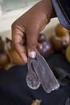 Number 11 of 2012 CRIMINAL JUSTICE (FEMALE GENITAL MUTILATION) ACT 2012 Section 1. Interpretation. ARRANGEMENT OF SECTIONS 2. Offences of female genital mutilation, etc. 3. Offence of removal from State
Ouagadougou Action Plan to Combat Trafficking In Human Beings, Especially Women and Children
 Ouagadougou Action Plan to Combat Trafficking In Human Beings, Especially Women and Children Introduction This booklet contains the Ouagadougou Action Plan to Combat Trafficking in Human Beings, Especially
GUIDE. MENA Gender Equality Profile Status of Girls and Women in the Middle East and North Africa
 GUIDE MENA Gender Equality Profile Status of Girls and Women in the Middle East and North Africa 1 IntroductIon The objective of the Middle East and North Africa (MENA) Gender Equality Profiles is to
117 4,904,773 -67-4.7 -5.5 -3.9. making progress
 Per 1 LB Eastern Mediterranean Region Maternal and Perinatal Health Profile Department of Maternal, Newborn, Child and Adolescent Health (MCA/WHO) Demographics and Information System Health status indicators
150 7,114,974 75.8 -53-3.2 -3.6 -2.9. making progress
 Per 1 LB African Region Maternal and Perinatal Health Profile Department of Maternal, Newborn, Child and Adolescent Health (MCA/WHO) Demographics and Information System Health status indicators - Maternal
Convention on the Elimination of All Forms of Discrimination against Women
 United Nations CEDAW/C/DEU/Q/6 Convention on the Elimination of All Forms of Discrimination against Women Distr.: General 12 August 2008 Original: English ADVANCE UNEDITED VERSION Committee on the Elimination
International Covenant on Economic, Social and Cultural Rights
 International Covenant on Economic, Social and Cultural Rights Adopted and opened for signature, ratification and accession by General Assembly resolution 2200A (XXI) of 16 December 1966 entry into force
68 3,676,893 86.7 -49-2.9 -3.2 -2.5. making progress
 Per 1 LB African Region Maternal and Perinatal Health Profile Department of Maternal, Newborn, Child and Adolescent Health (MCA/WHO) Demographics and Information System Health status indicators Maternal
Personal beliefs and medical practice
 You can find the latest version of this guidance on our website at www.gmc-uk.org/guidance. Published 25 March 2013 Comes into effect 22 April 2013 Personal beliefs and medical practice 1 In Good medical
WOMEN AND LAND RIGHTS: LEGAL BARRIERS IMPEDE WOMEN S ACCESS TO RESOURCES
 WOMEN AND LAND RIGHTS WOMEN AND LAND RIGHTS: LEGAL BARRIERS IMPEDE WOMEN S ACCESS TO RESOURCES SEPTEMBER 2013 CONNECT A THOMSON REUTERS FOUNDATION SERVICE WOMEN AND LAND RIGHTS: LEGAL BARRIERS IMPEDE WOMEN
Trinidad and Tobago Strategic Actions for Children and GOTT-UNICEF Work Plan 2013-2014 1
 Trinidad and Tobago Strategic Actions for Children and GOTT-UNICEF Work Plan 2013-2014 1 The Trinidad and Tobago Strategic Actions for Children and the Government of Trinidad and Tobago-UNICEF Work Plan
The Situation of Children and Women in Iraq
 The Situation of Children and Women in Iraq Highlights from the Multiple Indicator Cluster Survey 4 (MICS 4) 2011 Demographics - Population of Iraq: 33.4 million - Children and Adolescents (0-18): 16.6
COMMITTEE ON THE RIGHTS OF THE CHILD. Twenty- Second Session CONSIDERATION OF REPORTS SUBMITTED BY STATES PARTIES UNDER ARTICLE 44 OF THE CONVENTION
 UNITED NATIONS CRC Convention on the Rights of the Child Distr. GENERAL CRC/C/15/Add.111 10 November 1999 Original: ENGLISH COMMITTEE ON THE RIGHTS OF THE CHILD Twenty- Second Session CONSIDERATION OF
Questionnaire to the UN system and other intergovernmental organizations
 Questionnaire to the UN system and other intergovernmental organizations The report of the 13 th session of the UN Permanent Forum on Indigenous Issues provides a number of recommendations within its mandated
E c o n o m i c. S o c i a l A f f a i r s THE IMPACT OF AIDS. United Nations
 E c o n o m i c & THE IMPACT OF AIDS S o c i a l A f f a i r s United Nations ST/ESA/SER.A/229 Department of Economic and Social Affairs Population Division THE IMPACT OF AIDS United Nations New York,
Briefing note for countries on the 2015 Human Development Report. Mozambique
 Human Development Report 2015 Work for human development Briefing note for countries on the 2015 Human Development Report Mozambique Introduction The 2015 Human Development Report (HDR) Work for Human
As of 2010, an estimated 61 million students of primary school age 9% of the world total - are out of school vi.
 YOUTH AND EDUCATION HIGHLIGHTS 10.6% of the world s youth (15-24 years old) are non-literate i. Data from 2011 indicates that in developing countries, the percentage of non-literate youth is 12.1%, with
Dublin Declaration. on Partnership to fight HIV/AIDS in Europe and Central Asia
 Dublin Declaration on Partnership to fight HIV/AIDS in Europe and Central Asia Against the background of the global emergency of the HIV/AIDS epidemic with 40 million people worldwide living with HIV/AIDS,
Amendments to the Legal Aid, Sentencing and Punishment of Offenders (LASPO) Bill Equality Impact Assessment
 Amendments to the Legal Aid, Sentencing and Punishment of Offenders (LASPO) Bill Equality Impact Assessment Introduction This Equality Impact Assessment (EIA) relates to amendments to the Legal Aid, Sentencing
Technical Note COORDINATED STRATEGY TO ABANDON FEMALE GENITAL MUTILATION/CUTTING IN ONE GENERATION
 Technical Note COORDINATED STRATEGY TO ABANDON FEMALE GENITAL MUTILATION/CUTTING IN ONE GENERATION Technical Note COORDINATED STRATEGY TO ABANDON FEMALE GENITAL MUTILATION/CUTTING IN ONE GENERATION: A
THE DEMOGRAPHY OF POPULATION AGEING
 THE DEMOGRAPHY OF POPULATION AGEING Barry Mirkin and Mary Beth Weinberger* An inevitable consequence of the demographic transition and the shift to lower fertility and mortality has been the evolution
TRENDS IN INTERNATIONAL MIGRANT STOCK: THE 2013 REVISION - MIGRANTS BY AGE AND SEX
 E c o n o m i c & S o c i a l A f f a i r s TRENDS IN INTERNATIONAL MIGRANT STOCK: THE 2013 REVISION - MIGRANTS BY AGE AND SEX CD-ROM DOCUMENTATION United Nations POP/DB/MIG/Stock/Rev.2013/Age December
disabilities THE GAP REPORT 2014
 THE GAP REPORT 2014 People with disabilities There are more than one billion people living with a physical, sensory, intellectual or mental health disability in the world four out of five live in low-
Benin, Bosnia and Herzegovina, Chile, Costa Rica, Georgia, Guatemala, Jordan, Nicaragua, Norway, Portugal and Qatar: draft resolution
 United Nations A/64/L.58 General Assembly Distr.: Limited 30 June 2010 Original: English Sixty-fourth session Agenda item 114 Follow-up to the Outcome of the Millennium Summit Benin, Bosnia and Herzegovina,
Istanbul Convention COUNCIL OF EUROPE CONVENTION ON PREVENTING AND COMBATING VIOLENCE AGAINST WOMEN AND DOMESTIC VIOLENCE SAFE FROM FEAR VIOLENCE
 Prems 124114 COUNCIL OF EUROPE CONVENTION ON PREVENTING AND COMBATING AGAINST WOMEN AND DOMESTIC Istanbul Convention www.coe.int/conventionviolence [email protected] HOW IS THE IMPLEMENTATION
International legal instruments and model framework on legislation to address violence against women Ms. Indira Jaising
 International legal instruments and model framework on legislation to address violence against women Ms. Indira Jaising Executive Director, Lawyers Collective Women s Rights Initiative Additional Solicitor
Child Protection. UNICEF/Julie Pudlowski. for children unite for children
 Child Protection UNICEF/Julie Pudlowski for children unite for children UNICEF/Hiroki Gomi UNICEF/Hiroki Gomi Fast facts Sexual violence experienced in childhood 28% girls 13% boys Physical violence experienced
MALAWI YOUTH DATA SHEET 2014
 MALAWI YOUTH DATA SHEET 2014 2 of Every 3 People in Malawi Are Under Age 25 Age 80+ 75-79 70-74 65-69 60-64 55-59 50-54 45-49 40-44 35-39 30-34 25-29 Male Female 20-24 POPULATION 700,000 700,000 0 POPULATION
Malawi. Country coverage and the methodology of the Statistical Annex of the 2015 HDR
 Human Development Report 2015 Work for human development Briefing note for countries on the 2015 Human Development Report Malawi Introduction The 2015 Human Development Report (HDR) Work for Human Development
Population, Health, and Human Well-Being-- Benin
 Population, Health, and Human Well-Being-- Benin Demographic and Health Indicators Benin Sub- Saharan Africa World Total Population (in thousands of people) 1950 2,046 176,775 2,519,495 2002 6,629 683,782
Child Labour What is child labour? What is the difference between child labour and child slavery?
 Child Labour What is child labour? In 2010, the International Labor Organization estimated that there are over 306 million children aged 5-17 in the world who are economically active. This includes most
CONCEPT NOTE. High-Level Thematic Debate
 CONCEPT NOTE High-Level Thematic Debate Advancing Gender Equality and Empowerment of Women and Girls for a Transformative Post-2015 Development Agenda 6 March 2015 Introduction The UN and the international
LAW ENFORCEMENT and LEGAL FRAMEWORK (EAST AFRICAN REGION)
 LAW ENFORCEMENT and LEGAL FRAMEWORK (EAST AFRICAN REGION) Presentation by: Japheth Kasimbu (ANPPCAN) BACKGROUND 2007 - ANPPCAN held an international conference on child sexual abuse Issues deliberated