
Infant Warmer Systems All Models. I and Maintenance Manual
|
|
|
- Jeremy Malone
- 9 years ago
- Views:
Transcription
1 Infant Warmer Systems All Models I and Maintenance Manual

2 User Responsibility This Product will perform in conformity with the description thereof contained in this operating manual and accompanying labels and/or inserts, when assembled, operated, maintained and repaired in accordance with the instructions provided. This Product must be checked periodically. A defective Product should not be used. Parts that are broken, missing, plainly worn, distorted or contaminated should be replaced immediately. Should such repair or replacement become necessary, Ohmeda recommends that a telephone or written request for service advice be made to the nearest Ohmeda Regional Service Center. This Product or any of its parts should not be repaired other than in accordance with written instructions provided by Ohmeda and by Ohmeda trained personnel. The Product must not be altered without the prior written approval of Ohmeda s Quality Assurance Department. The user of this Product shall have the sole responsibility for any malfunction which results from improper use, faulty maintenance, improper repair, damage, or alteration by anyone other than Ohmeda. CAUTION: Federal law in U.S.A. and Canada restricts this device to sale by or on the order of a licensed medical practitioner /93

3 Model Descriptions v Definitions vii Precautions ix Warnings ix Cautions xiii l/description l-l 1.1 General l-l 1.2 Support Structure l-l 1.3 Heater Assembly l-l 1.4 Control Unit l Bed Platform l Bassinet l Accessories l-3 S/Setup and Checkout Procedure Setup 2-l 2.2 Mechanical Checkout Procedure 2-l A. Overall Appearance 2-l B. Heater Assembly Rotation 2-2 C. Mechanical Checks 2-2 D. Warmer/Bassinet Interlock (model 3500 only) 2-3 E. Warmer/Bassinet Unlock 2-3 F. Accessory Checks 2-3 G. Wall Mount Checkout Control Unit Checkout Procedure 2-4 A. Control Unit Check 2-5 B. Elapsed Timer Check 2-6 C. Observation Light Check 2-6 D. Raise and Lower Bed Switch Check (Elevating Models Only) 2-6 E. Interlock Switch Check 2-7 F. Power Failure, Memory and Battery Test (all models except the 2001 International) 2-7 3/0peration Control Panel Operation 3-l A. Displays 3-l B. Indicator Lights 3-2 C. Switches 3-2 D. Alarms Manual and Servo Mode Operation Elapsed Timer Operation /09/93 i

4 Table of Contents 4KXeaning and Disinfecting Bassinet Operation (model 3500 only) Bed Platform Operation Side Panel Operation X-ray Procedures Oxygen Administration Gas Cylinder Installation and Operation Mounting Accessories 3-18 A. Mounting and Releasing Procedure 3-19 B. Adapter Plate Mounting and Releasing Procedure 3-19 C. ECMO Adapter ThermaLink Options 3-20 Using the Serial Data Interface 3-21 Using the Nurse CaII System Interface 3-21 Nurse Call checkout Rotating Drawer Option Cleaning 4-l 4.2 Wood Surfaces (model 3500 only) Reusable Skin Temperature Probe 4-2 Appendix A-l Temperature Conversion Chart A-l Servo Mode Algorithm A-2 Infant Warmer System Specifications A-2 Electrical A-2 Controller A-3 Alarms A-4 Environmental Specifications A-5 Electromagnetic Compatibility (EMC) A-6 Mechanical (Without Accessories) A Bassinet A-7 Accessories A-8 Radiant Energy Distribution A-10 Thermalink Option Specifications A-10 Serial data A-10 Nurse CaII specifications A-12 Installing waii mounted units A-13 Pre-Installation Preparation A- 13 Warmer Installation A-14 Warranty W-l

5 2001 IWS (international) 3000 IWS 11/09/93 V

6 Model Descriptions All models of the Ohmeda Infant Warmer System provide a controlled source of radiant heat for infants and pediatric patients. The control system uses a microprocessor and provides both manual and servo modes of operation (except for the 2001 International, which is manual mode only). The model 2001 International has an integral infant bed and is a manual mode only warmer designed for short term attended care in the OR and L&D. The wall mounted 3050, 3100 and 3150 models are available to accommodate specific architectural requirements in the NICU, L&D, LDR and LDRP room. The 3050 is a heater head only, the 3100 is a heater and dove tail rails, and the 3150 includes a heater, rails and integral bed. The model 3300 has an integral bed for infants and is intended for procedures and long term care in the Nursery and L&D. The model 3000, 3500 and 4000 are free standing Warmers which can be used over a variety of infant bassinets in the general nursery, over postoperative patients, during patient feeding, and in any other application where controlled radiant heat is required. The 3500 System also has a detachable Bassinet for infants, and is intended for procedures and long term care in the Nursery, L&D, LDR and LDRP Rooms. The model 4300,440O and 5000 have a larger size bed than the model 3300 and are intended for surgical procedures and long term care in the Nursery and L&D Rooms. Both the 5000 and 4400 have an elevating pedestal to raise and lower the bed-to-floor height. The model 4400 has a narrower foot print than the 5000 warmer. The model 4300 is a non-elevating version of the IWS Model Options Free Standing Wall mounted, heater head only Wall mounted heater with rails Wall mounted heater with rails and bad Standard Heater/Bed Series Series Series t Large Heater/Bed Series Series 4000 Free standing with integral bed Elevating pedestal t Detachable bassinet and wood grain finish standard. vi 11109/93

7 AWarnings Operator Safety Before using the Ohmeda Infant Warmer System, read this entire manual. Attempting to use this device without a thorough understanding of its operation may result in patient or user injury. This device should only be operated by personnel trained in its operation and under the direction of qualified medical personnel familiar with the risks and benefits of this type of device. Overloading the shelves can affect the stability of the unit. Limit the load to 20 lbs. (9 kg) per instrument shelf, mounted to a single upright, and 50 lbs. (23 kg) per monitor shelf, mounted between the uprights. Limit the load of accessories to 50 pounds (23 kg) per side on the Warmer to ensure stability. Accessories should not be mounted more than 56 inches (142 cm) above the floor. For models 3000 and 3500, limit the load of accessories to 20 pounds (9 kg) maximum per side mounted no more than 44 inches (112 cm) above the floor. Limit the load placed on the x-ray cassette tray to 5 lbs (2.2 kg) to avoid a tipping hazard. Overloading the drawers can affect the stability of the unit. Limit the load to 10 lbs. (4.6 kg) per drawer. Do not use the Warmer in the presence of flammable anesthetics; a possible explosion hazard exists under these conditions. Do not touch the protective grill under the radiant heater or the top of the heater assembly. These surfaces may be hot and a burn could result. Due to the increased height of units with the ECMO option installed, a tipping hazard may exist if tip loading occurs. Limit the total accessory load to 50 lbs. (23 kg), no more than 25 lbs (11 kg) per side. Use caution when rotating the cabinet to avoid damage to the drawers or possible injury. Always ensure the drawers are fully closed before rotating the cabinet. Disconnect power to the Warmer and allow the heater rod to cool before cleaning to avoid the possibility of a burn. Never oil or grease oxygen equipment. Oils and grease oxidize readily, and in the presence of oxygen, will burn violently. Vat-Kote is the only oxygen service lubricant recommended (Ohmeda Stock No ) if the use of a lubricant is specified. Disconnect the Warmer power cord and allow the unit to cool before replacing the alarm or observation lights. On elevating models, check for proper clearance above the Warmer and below the bed surface before raising or lowering the bed. Enclosing the heater assembly inside a cabinet may prevent proper ventilation and may create a fire hazard. If the heater is enclosed in a cabinet, it must be equipped with a power cut-off device that prevents operation while the cabinet is closed /93 ix

8 Precautions Keep hands clear of the hinge area when installing a wall mounted heater assembly. A pinch hazard exists. The 3050 heater assembly weighs approximately 30 lbs (14 kg). Proper installation may require two people. Due to the weight of the 3100 and 3150 units, approximately 75 lbs. (34 kg), proper installation will require two people. Patient Safety Bed-to-heater spacing which differs from the specified 27 f 2 inches (69 & 5 cm)will result in incorrect operation and may affect the patient s condition. Do not place any accessories or any other objects directly over the bed surface. This may block radiant heat and lead to cooling of the infant. Do not place items on top of the heater assembly. Items placed on top of the heater assembly can fall and injure the patient, prevent adequate ventilation of the heater assembly, and may pose a fire hazard. Do not perform the Checkout Procedures (Mechanical and Control Unit) while a patient occupies the Warmer. Complete the Checkout Procedures section of this manual before putting the unit into operation. If the warmer fails any portion of the checkout procedures it must be removed from use and repaired. Regularly inspect the bed side panel latching mechanism, and the bedside locking mechanism on the model 3500, to ensure proper operation. In the service position the strength of the wall mounted unit hinge bracket is reduced. Never place a patient in the bed when the heater is in the service position. Never leave the unit unattended in the service position or with a pin removed. Check for proper clearance above the Warmer and below the bed surface before raising or lowering the bed. Inspect all patient connected tubes or wires before and after moving or tilting the bed. Tilting or moving the warmer bed up or down can pull on tubing or leads connected to the patient. This may disconnect tubes or leads, restrict gas or liquid flow, or move sensors out of position. Prolonged exposure to the light emitted by the observation lamp in this unit may harm the unprotected eyes of the infant. For safety, cover the infant s eyes. Do not use the Warmer system if the system failure alarm is activated. Remove the unit from service and refer to qualified personnel for repair. Radiant energy can adversely affect blood components. When using intravenous tubing systems for delivery of blood components to patients occupying a warmer, shield any tubing with aluminum foil. When using a radiant warmer, change the patient s diapers frequently. Radiant energy causes more rapid urine evaporation, and may lead to inaccurate urine diagnostic test/ analysis and inaccurate weight measurements. X *1109/93

9 Precautions Do not install chest drainage tubes in the Tubing Organizer Rear Side Panel. Install tubing in the appropriately sized holes. Use of inappropriate holes may cause kinking, pinching or restriction of flow through the tubes, and may interfere with the proper operation of therapy equipment. Do not lower the Tubing Organizer Rear Side Panel with tubing attached. Lowering can pull on the tubing, causing the tubes to dislodge from the patient. Do not move the warmer by pushing or pulling on the bed side panels. This action may lead to the deterioration and breakage of the components which form a safety barrier around the infant. Ensure that the bedside panels are locked in position when a patient occupies the bed. Blankets or other foreign objects may prevent the latches from fully engaging. Do not leave the patient unattended when the side panels are lowered. Never place an infant on the X-ray cassette tray. Do not place any foreign objects on the warmer bed or in the under bed cavity while performing X-ray procedures. Incompatible materials in the path of the X-ray may adversely affect the quality of the X-ray image. Use of mattress or bedding materials other than those supplied by Ohmeda should be evaluated by a Neonatologist or Radiologist. Do not leave the patient unattended when using the warmer. Check the patient s temperature regularly to ensure the comfort and the safety of the patient. If the warmer is used for an extended time, it is recommended that the servo mode of operation be used. When an alarm is silenced, close monitoring of the patient s condition is required. Use the servo mode unless the manual mode is specifically prescribed. While both modes require patient monitoring, the manual mode requires constant attention. In the manual mode, you must take the responsibihty for detecting changes in the environment (drafts, direct sunlight, phototherapy lamp usage, etc.) or the patient condition requiring heater adjustments in response to these changes. In the servo mode, the infant warmer automatically adjusts heater output to maintain the desired skin temperature, reducing (but not eliminating) the need to monitor the patient and make adjustments to the equipment. Use of electrosurgical units or other electrical field radiating equipment can affect the operation of the warmer. Keep the patient probe lead as far away as possible from electrosurgical cables. Do not allow excess electrical cables to be laid on the bed platform. Use of electrosurgical units or other instruments which radiate electrical fields can cause indirect heating, by several tenths of a degree of the skin temperature probe due to absorbed electrical energy. When using these devices near the radiant warmer, operate the Infant Warmer in manual mode for maximum safety. The use of phototherapy equipment may raise the patient s temperature. Radiant warmers increase an infant s insensible water loss. Take appropriate measures to maintain the patient s fluid balance while caring for them in a radiant warmer. Use only the Reusable Ohmeda skin temperature probe (Stock No ) and heat reflective patches (Stock No , 50/pkg) 11/09/93 xi

10 Precautions or the disposable probe (Stock No , lo/pkg; Stock No /pkg) to monitor the patient s skin temperature. Use of other manufacturer s probes may affect the accuracy of warmer operation and the electrical safety of the patient. The skin temperature probe should be located on the patient s skin in an area which is directly in the path of the radiant heat. It should not be attached to an area which is shielded from the radiant heat or between the patient and the mattress. Large temperature gradients and very long servo response times will result from improper probe placement. Rectal temperatures must never be used to servo control a patient s temperature. Intimate contact between the skin temperature probe tip and the patient s skin must be maintained for accurate skin temperature measurement. Underheating or overheating may result from poor contact between the skin temperature probe and the patient. Verify that the skin temperature probe is securely attached to the patient at least once every half hour. In the servo mode, verify that the patient temperature probe is securely attached to the patient at least once every half hour. A dislodged probe may not trigger an alarm. If the probe becomes dislodged, the warmer can over or under heat the infant. Oxygen concentrations higher than 40% can increase the risk of retrolental fibroplasia (retinopathy or prematurity). It is probable that even concentrations of 40% or less oxygen (formerly considered safe) could be dangerous to some infants. Therefore, arterial blood gas measurements are extremely important for regulation of the concentration of inspired oxygen when an oxygen-enriched environment is considered necessary. (See current edition of Standards and Recommendations for Hospital Care of Newborn Infants prepared by the Committee of Fetus and Newborn of the Academy of Pediatrics.) Do not leave both cylinder valves open. Leaving both oxygen cylinder valves open at the same time will allow simultaneous depletion of both cylinders with no reserve oxygen supply available. Use only one cylinder gasket per yoke. Use of more than one gasket could cause leakage of the cylinder gas Do not leave gas cylinder valves open if the pipeline supply is in use. Pressures from both oxygen cylinders may become equal, and if simultaneously used, cylinder supplies may be depleted, leaving no reserve supply in case of pipeline failure. The patient probe is not isolated from earth ground. Any additional equipment used with the Ohmeda Infant Warmer System must comply with UL 544, CSA 22.2, IEC 601 and VDE 750. The computer or RS-232 monitor s user program must continuously check the data link. The program should constantly verify connection to the warmer controller and check for updated data. Remote monitoring does not replace the need for direct patient observa- Xii 11109/93

11 Precautions tion by qualified medical personnel. If you connect the Nurse Call output to a system which uses a normally open connection, a disconnected Nurse Call cable will not trigger an alarm. When installing a wall mounted unit, to achieve adequate structural strength all four holes of each mounting bracket must engage tracks. Should the hole saw miss a track do not proceed. Consult the project engineer for further direction. ACautions To prevent the drawers from opening unintentionally while moving the 3500 Bassinet, move it from the front only. On elevating models, do not continue to run the motor at the upper and lower limit positions; equipment damage may result. Yoke check valves are not intended to provide a leak-free seal; always use a yoke plug and a fresh cylinder gasket to seal an unused cylinder port. Open cylinder valves S-L-O-W-L-Y to avoid damaging the regulators. Use cleaning solution sparingly on a cloth when cleaning the Warmer. Do not saturate the unit - excessive solution causes damage to internal components. Use of cleaning/disinfecting solutions containing chemicals that are not listed in the table on page 4-2 (i.e. alcohol, acetone, etc.), or chemicals in greater concentrations than those listed, may damage the patient probe or other material being cleaned. Do not autoclave or gas sterilize the skin temperature probe. Do not immerse the probe in liquid cleaner. Avoid placing excessive strain on the probe lead. Always remove the probe by grasping the plug at the panel. Do not pull on the probe lead. These precautions will help avoid damage to the probe. Do not autoclave or gas sterilize the mattress. Only competent individuals trained in the repair of this equipment should attempt to service it as detailed in the service manual. The Service Manual provides detailed information solely for use by individuals having proper knowledge, tools and test equipment, and for service representatives trained by Ohmeda. 11/09/93.. Xlll

12 In this section 1.1 General General l-l Support Structure l-l Heater Assembly l-l Control Unit l-2 Bed Platform l-2 Bassinet (3500 Series) l-2 Accessories l Support Structure 1.3 Heater Assembly All models of the Ohmeda Infant Warmer System provide a controlled source of radiant heat for infants and pediatric patients. The control system uses a microprocessor and provides both manual and servo modes of operation (model 2001 International is manual mode only). The patient temperature, control temperature, and elapsed time displays are digital for ease of viewing. The control panel includes a one hour elapsed timer with time displayed in minutes and seconds. The timer features optional audible tones for use during Apgar scoring. A complete audio and visual alarm system is included on the control panel. The optional ThermaLink feature simplifies charting and monitoring. RS- 232 serial data is provided for use with customized research software or compatible vital signs monitors. The Nurse Call connection lets you integrate the Warmer into your current or future remote alarm systems. The support structure provides excellent stability for the radiant heater and optional accessories. On free standing units, the support structure consists of the base assembly and the uprights with an integral rail system. The rails provide a means for mounting accessories and ancillary equipment to the unit. Refer to Section 1.7 for a description of the accessory items. The warmer is designed to warm infants on a bed surface located 27 inches f 2 inches (69+5 cm) beneath the heater assembly. WARNING: Bed-to-heater spacing which differs from the specified 27 2 inches (69+5 cm) will result in incorrect operation and may affect the patient s condition. For your convenience, on Model 3000,3100,3500, and 4000 the proper bed-to-heater spacing is indicated by a label located on the right aluminum upright (as viewed from the front). f 11/09/93 l-l

13 l/description The heater assembly consists of a radiant heater, parabolic reflector, observation light, and a visual alarm light. The parabolic reflector focuses radiant energy on the bed surface, minimizing energy loss due to scattering and providing an even field of radiant heat over the bed surface. The observation light provides intense light for procedures. The alarm light is located on the end of the heater assembly for ease of viewing. The entire heater assembly rotates to the side for X-ray procedures and for observation lamp replacement. 1.4 Control Unit 1.5 Bed Platform 1.6 Bassinet (3500 Series) The control unit contains the electronic circuits and controls used to operate the radiant heater and the observation light. The control unit performs regular self checks during its operation including failure diagnostics. Either manual or servo mode of operation may be selected. In the manual mode of operation, select the level of radiant heat output as indicated by the % power display on the control panel. The control circuit then maintains the selected level of radiant heat. The manual mode has a preheat setting which allows the Warmer to be preheated. In the servo mode of operation, select the patient s control temperature. A skin temperature probe is used to monitor the patient skin temperature. The control system modulates the radiant heat to maintain the patient at the selected control temperature. The patient s skin temperature is continuously displayed. Alarms activate to alert the operator of a low or high patient temperature, a skin temperature probe failure, a power failure, equipment failure or a check patient prompt. Warmers with beds include a mattress and transparent side panels. The side panels fold down for easy access to the patient and can be removed for cleaning. The X-ray cassette tray (located in an opening beneath the bed when installed) pulls out for insertion of X-ray cassettes and allows X-rays to be taken without moving the patient. * Markings located along the side panels allow easy location of the cassette in the X-ray tray relative to the position of the patient on the warmer bed.* The tiltable bed platform allows Trendelenburg and Fowler positioning. The hydraulic system for the tiltable bed provides a smooth, dampened motion to avoid disturbing the patient. * A chest drainage hanger attached to the bed and rear cross bar extrusion provides a convenient location to hang chest drainage devices. * The bassinet unit can be detached and rolled away from the model 3500 warmer unit by pulling up on the locking lever knob located at the top rear of the bassinet (see Figure l-l). The bassinet includes: 1. Transparent locking side panels which fold down for easy patient access and are removable for cleaning. Not available on the model 3500 wanner l-2 11/09/93

14 l/description 2. A mattress. 3. A tiltable, positive-lock bed platform which allows Trendelenburg and Fowler positioning at 4 and 8 tilt positions. 4. Three drawers which open from the front (or from the side in an optional configuration) for storing equipment or supplies. The top drawer is provided with a key lock. 5. Front locking casters. Figure l-l Operating the bassinet locking lever knob 1.7 Accessories The rail mounting system is the basis for most of the accessories for the Warmer. This patented design consists of a dovetail shaped aluminum extrusion and a positive locking mounting block. Mounting blocks are attached to various accessories for mounting to the rail system. The mounting blocks are produced in two standard lengths and are machined to accommodate each specific accessory. Accessories which mount on a single upright are interchangeable between all model Warmers. Accessories can only be mounted to the inside dovetail rail on each upright of the 3500 Warmer. 11/09/93 l-3

15 In this section 2.1 Setup 2-l 2.2 Mechanical Checkout Procedure 2-l A. Overall Appearance 2-l B. Heater Assembly Rotation 2-2 C. Mechanical Checks 2-2 D. Warmer/Bassinet Interlock (model 3500 only) 2-3 E. Warmer/Bassinet Unlock (model 3500 only) 2-3 F. Accessory Checks 2-3 G. Wall Mount Checkout Control Unit Checkout Procedure 2-4 A. Control Unit Check 2-5 B. Elapsed Timer Check 2-6 C. Observation Light Check 2-6 D. Raise and Lower Bed Switch Check (Elevating Models Only) 2-6 E. Interlock Switch Check 2-7 F. Power Failure, Memory and Battery Test (all models except the 2001 International) Setup Refer to the setup instructions shipped with the warmer for initial unpacking and setup of the unit after shipment. For model 3050, 3100 and 3150 wall mounted units, refer to the mounting instructions in the Appendix. After removal from the shipping containers, inspect the Ohmeda Infant Warmer System and all accessory items for any signs of damage which may have occurred during shipment. File a damage claim with the shipping carrier if damage has occurred. Also confirm the presence of all accessory items or factory installed options as listed on the packing slip. 2.2!A Mechanical Checkout Procedure WARNING: Before using the Ohmeda Infant Warmer System, read this entire manual. Attempting to use this device without a thorough understanding of its operation may result in patient or user injury. WARNING: Do not perform the Checkout Procedures (Mechanical and Control Unit) while a patient occupies the warmer. WARNING: Complete the Checkout Procedures section of this manual before putting the unit into operation. If the warmer fails any portion of the checkout procedures it must be removed from use and repaired. A Overall Appearance Disconnect the power cord from the ac power source for the mechanical checks portion of this procedure. Check the overall appearance of the Infant Warmer/ Bassinet System. There should be no obvious damage. 11/09/93 2-l

16 2/Setup and Checkout Procedures For the model 3500, separate the warmer from the bassinet. For units with casters, check that all casters are in firm contact with the floor and that the warmer is stable and moves freely. For the model 3500, check that all six casters on the warmer move freely. Note: On the model 3500, it is possible that the two center casters may not be in contact with the floor at all times. 5. Lock the two front casters and check that the warmer is held in place. On the model 3500, lock the two rear casters and check that the warmer is held in place. 6. For the model 3500, place the bassinet on a level surface. Check that all four casters are in firm contact with the floor and that the Bassinet moves freely. 7. For the model 3500, lock the two front casters and check that the Bassinet is held in place. 8. Examine the power cord for damage. Replace the power cord if damage is evident. 9. Examine the unit for objects placed on top of the heater assembly. WARNING: Do not place any accessories or other objects directly over the bed surface. This may block radiant heat energy and lead to cooling of the infant. WARNING: Do not place items on top of the heater assembly. Items placed on top of the heater assembly can fall and injure the patient, prevent adequate ventilation of the heater assembly, and may pose a fire hazard. B. Heater Assembly Rotation Rotate the Heater Assembly to the side and then back to the normal position. Check for a smooth rotation. C. Mechanical Checks 1. Check the operation of the bed sides. The bed sides should operate smoothly. WARNING: Regularly inspect the bed side panel latching mechanism, and the bedside locking mechanism on the model 3500, to ensure proper operation. 2. Check the operation of the tilt mechanism. Verify that the bed platform operates smoothly and locks in normal, Trendelenburg and Fowler positions. 3. If the drawer package is installed, check that all the drawers open and close freely. On units with the rotating drawer package, make sure the drawers rotate from front to 90 left and right and firmly stop in the detented positions. WARNING Overloading the drawers can affect the stability of the unit. Limit the load to 10 lbs. (4.6 kg) per drawer. 4. For the model 3500 bassinet, remove the keys from the top drawer and lock it. Check that the drawer is securely held closed /09/93

17 2Betup and Checkout Procedures D. Warmer/Bassinet Interlock (model 3500 only) E Lock the 3500 warmer s two rear casters. Align the rear of the bassinet with the warmer s base. Push the bassinet into the alignment/locking track of the warmer s base. Continue pushing the bassinet until its locking pin drops into the socket at the end of the alignment track. There should be an audible click when the pin drops into position. Lightly push and pull the bassinet to verify that the two units are securely held together. Unlock the two rear casters on the warmer and check that the combined unit moves smoothly. Warmer/Bassinet Unlock (model 3500 only) Verify that the two bassinet front casters are unlocked and the two warmer rear casters are locked. With the locking pin handle (located at the rear of the bassinet) raised, pull the bassinet forward until it is fully detached from the warmer. CAUTION: To prevent the drawers from opening unintentionally while moving the detached bassinet, move it from the front only. F. Accessory Checks Perform these checks if they are applicable. 1. Check that all accessories are mounted securely and that the load limits are not exceeded. 2. Check that all gas accessories are installed and operating properly (refer to Section 3.9). 3. Where applicable, perform the checkout procedures detailed in the Operation and Maintenance Manuals for the accessories. WARNING: Limit the load of accessories to 50 pounds (23 kg) per side on the Warmer to ensure stability. Accessories should not be mounted more than 56 inches (142 cm) above the floor. For models 3000 and 3500, limit the load of accessories to 20 pounds (9 kg) maximum per side mounted no more than 44 inches (112 cm) above the floor. WARNING: Due to the increased height of units with the ECMO option installed, a tipping hazard may exist. Limit the total accessory load to 50 lbs. (23 kg), no more than 25 lbs. (11 kg) per side. 11/09/93 2-3

18 2/Setun and Checkout Procedures G. Wall Mount Checkout Figure 2-1 Wall mount pin insertion 1. Verify that the warmer is rigidly secured to the wall and the heater assembly is level. Note: To access the control unit and display module for service procedures, either hinge pin may be removed, allowing the warmer to pivot away from the wall. 2. Check that both hinge pins are in place and fully inserted with the pin heads at the top of the hinge. WARNING: In the service position the strength of the hinge bracket is reduced. Never place a patient in the bed when the heater is in the service position. Never leave the unit unattended in the service position or with either pin removed. 2.3 Control Unit Checkout Procedure Figure 2-2 Control Panel Model Patient Control Heater Elapsed Number Temperature Temperature Power % Time Display I I I I I Bed Controls Light Alarm Alarm Mode Increase Apgar On/Off Lights* Silence Switch* Decrease Tones Switch On/Off Mode Apgar Indicators * Indicator Elapsed Time Start/Hold and Reset * Note: Servo mode indicator, mode switch, and probe failure alarm are not present on the model 2001 international control panel. Bed raise/lower are only present on elevating models. WARNING: Do not perform the Checkout Procedures (Mechanical and Control Unit) while a patient occupies the warmer. WARNING: Complete the Checkout Procedures section of this manual before putting the unit into operation. If the warmer fails any portion of the checkout procedures it must be removed from use and repaired /09/93

19 2/Setup and Checkout Procedures A. Control Unit Check 1. Connect the warmer power cord to an appropriate power source. Refer to the rating plate on the Warmer for the proper voltage needed. Switch the power On and verify the following on the Control Panel (Figure 2-l): a. The alternating two tone audible alarm sounds and all displays and indicators are lit for approximately two seconds. Note: During this time the controller also performs self check functions. If the controller detects a failure, the alarm stays on and service is required. Note: All alarms except system failure or power failure are preceded by a 30 second intermittent operator prompt tone. b. The manual mode indicator is lit. c. Operator prompt tones sound and the % power display flashes. 2. Adjust the heat output with the increase (A) and decrease (v) touch switches to attain the high and low limits as indicated by the % power display. Note: Steps 3 through 8 do not apply to the model 2001 International. 3. Connect the skin temperature probe to the warmer. 4. Press the mode touch switch to place the warmer in the servo mode and verify the following: Note: An alternating two tone alarm, a flashing overhead alarm light and the patient temperature display flashing LL.L may occur here if the skin temperature probe is below 30 C. Warm the probe with your fingers or silence the alarm. a. The servo mode indicator is lit. b. An operator prompt tone sounds and the control temperature display flashes 36.5 C. 5. Press the increase ( A) touch switch and verify that the maximum servo control temperature attainable is 37.5 C. Note: A patient temperature alarm occurs if the difference between the patient temperature and the control temperature is greater than 1 C (the difference can be adjusted to 0.5 C by a qualified service person). 6. Press the decrease touch switch and verify that the minimum servo control temperature attainable is 35.O C. 7. Disconnect the skin temperature probe. Verify the following: a. The probe failure indicator light is lit. b. There is an alternating two tone alarm. C. The overhead alarm light is flashing. d. The patient temperature display flashes HH.H. 11/09/93 2-5

20 2/Setup and Checkout Procedures 8. Press the alarm silence touch switch and verify the following: a. The probe failure indicator light is lit. b. The alternating two tone alarm is silenced. c. The overhead alarm light is lit. d. The patient temperature display indicates HH.H. e. After one minute, the alternating two tone alarm sounds, the overhead alarm flashes and the patient temperature display flashes HH.H. 9. Switch to the manual mode and set the heat at 25% power. B. Elapsed Timer Check 1. Press the Start/Hold touch switch to activate the elapsed timer. Verify that the timer starts operating Press the Apgar tones On/Off touch switch for the Apgar tones. Verify that the indicator light for the Apgar tones is extinguished. Press the Apgar tones On/Off switch for the Apgar tones again. Verify that the indicator light for the Apgar tones is lit. 4. Press the Start/Hold touch switch. Verify that the present elapsed time is held. 5. Press the Start/Hold touch switch and verify that the timer updates to the current elapsed time and the Apgar tones continue to sound at the specified times (at 1 minute and at every 5 minute interval after the elapsed timer has started). 6. Press the Reset touch switch and verify that the timer indicates 0O:OO. If the elapsed timer is not used for approximately two minutes, the display switches off. C. Observation Light Check Press the Light On/Off touch switch. Verify that the observation light functions. D. Raise and Lower Bed Switch Check (Elevating Models Only) CAUTION: Do not continue to run the motor at the upper and lower limit positions; equipment damage may result. 1. Press the Raise Bed touch switch and verify that the bed raises to a maximum of 46 l/2 inches (118 cm) off the floor. 2. Press the Lower Bed touch switch and verify that the bed lowers to a minimum of 38 l/2 inches (98 cm) off the floor /93

21 2/Setup and Checkout Procedures E. Interlock Switch Check 1. Place the warmer in the manual mode at 25 % power output. 2. Rotate the heater assembly to the side. Verify that the heat off indicator light is On and the % power display indicates 0% heat. 3. Rotate the heater assembly to the normal operating position. Verify that the heat off indicator light is Off and the % power display indicates 25%. F. Power Failure, Memory and Battery Test (all models except the 2001 International) 1. Operate the unit in the manual mode with the heat set in the preheat range for a minimum of one hour to charge the battery. Note: The battery must be fully charged to pass the 10 minutes test or partially charged to pass the two minute test. If the battery is defective, replace it. Refer to the service manual. There is no maintenance required for the battery. The battery has a two year replacement schedule Disconnect the patient temperature probe. Place the warmer in the servo mode. Silence the probe failure alarm. 5. Set the control temperature to 37.O C. 6. Remove the Warmer power plug from the power source for two minutes. Do not switch the power Off. The power failure alarm should sound for two minutes. Note: If the power failure alarm is tested for 10 minutes, the warmer must be connected to the correct power source and operated for 24 hours to recharge the battery before allowing a patient to occupy the Warmer. Note: The power failure alarm will not operate if the circuit breaker trips. 7. Reconnect the warmer to the power source. Verify the following: a. The warmer is operating in the servo mode. b. The control temperature is 37.O C. c. The audio power failure alarm is off. (Power Failure, Memory and Battery test for 2001 International model) 1. Select 25% heater power. 2. Remove the warmer power plug from the power source for two minutes. Do not switch the power off. The power failure alarm should sound for two minutes. 3. Reconnect the warmer to the power source and verify the following: a. The heater is operating at 25% power. b. The audio power failure alarm is off /93 2-7
22 In this section Control Panel Operation 3-l A. Displays 3-1 B. Indicator Lights 3-2 C. Switches 3-2 D. Alarms 3-4 Manual and Servo Mode Operation 3-7 Elapsed Timer Operation 3-l 1 Bassinet Operation (model 3500 only) 3-l 1 Bed Platform Operation 3-12 Side Panel Operation 3-13 X-ray Procedures 3-14 Oxygen Administration 3-l 6 Gas Cylinder Installation and Operation Mounting Accessories 3-18 A. Mounting and Releasing Procedure 3-19 B. Adapter Plate Mounting and Releasing Procedure 3-19 C. ECMO Adapter ThermaLink Option Rotating Drawer Option Control Panel Operation (Control Panel is shown in Figure 2-2) A. Displays Patient Temperature. Control Temperature. % Power. Elapsed Time Patient Temperature: The patient temperature display indicates the temperature sensed at the skin temperature probe tip. The skin temperature probe must be properly connected to the warmer and the infant for an accurate patient temperature measurement. The range of temperature measurement is from 30.0 to 42.O C, with a resolution of O.l C. Temperatures above this range result in an HH.H patient temperature display and below this range result in an LL.L patient temperature display Control Temperature: (all models except the 2001 International) The control temperature display indicates the control temperature you select in the servo mode. The servo control temperature range is from 35.0 to 37.5 C. The control temperature display is not active in the manual mode /93 3-l
23 3/0peration % Power: The % power display indicates the percentage of maximum power that is being supplied to the radiant heater in 5% increments. The preheat range (0 to 25% power) allows operation without the 12 minute check patient alarm in the manual mode. Elapsed Time: The elapsed time display indicates elapsed time in minutes and seconds up to a maximum of 60 minutes. B. Indicator Lights. Servo Mode Indicator. Manual Mode Indicator. Apgar Tones Indicator Servo Mode Indicator: (all models except the 2001 International) The servo mode indicator lights when the warmer is in the servo mode of operation. For proper operation of the warmer in the Servo Mode see section 3.2. Manual Mode Indicator: (all models except the 2001 International) The manual mode indicator lights when the warmer is in the manual mode of operation. For proper operation of the warmer in the Manual Mode see section 3.2. WARNING: Use the servo mode unless the manual mode is specifically prescribed. While both modes require patient monitoring, the manual mode requires constant attention. In the manual mode, you must take the responsibility for detecting changes in the environment (drafts, direct sunlight, phototherapy lamp usage, etc.) or the patient condition requiring heater adjustments in response to these changes. In the servo mode, the warmer automatically adjusts heater output to maintain the desired skin temperature, reducing (but not eliminating) the need to monitor the patient and make adjustments to the equipment. Apgar Tones Indicator: The Apgar tones indicator lights when the Apgar tones are activated, and the Apgar timer is running. C. Switches. Mode Switch. Increase ( A) and Decrease ( I) Switches. Alarm Silence. Start/Hold. Reset. Apgar Tones On/Off /09/93
24 3/0peration. Light On/Off Raise bed (Elevating Models Only). Lower bed (Elevating Models Only) Mode Switch: (all models except the 2001 international) This switch is used to select either the Manual or Servo mode of operation. An audio tone sounds momentarily when the mode switch is depressed. Increase (A) and Decrease (7) Switches: These switches are used to set the radiant power level manual mode and to set the control temperature in the (% power) in the servo mode. Alarm Silence: This switch is used to silence the audible alarm. It silences all alarms except the system failure alarm. Refer to Table 1 - Warmer Alarms for details on how long the audible alarms are silenced. Holding this switch depressed for five seconds or longer activates the audible alarm and lights all the indicator lamps for testing purposes. Start/Hold: This switch activates the elapsed timer. Refer to the elapsed timer operation, Section 3.3, for a detailed explanation of its function. Reset: This switch is used to reset the elapsed timer to 0O:OO. Apgar Tones On/Off: This switch activates the Apgar tones. When the Apgar tones are activated, a short alarm tone is sounded at one minute and every five minute interval after the elapsed timer is started. Light On/Off: WARNING Prolonged exposure to the light emitted by the observation lamp in this unit may harm the unprotected eyes of the infant. For safety, cover the infant s eyes. This switch activates the observation light located in the heater assembly. Raise Bed (Elevating Models Only) WARNING: Check for proper clearance above the Warmer and below the bed surface before raising or lowering the bed. WARNING: Inspect all patient connected tubes or wires before and after moving or tilting the bed. Tilting or moving the warmer bed up or down can pull on tubing or leads connected to the patient. This may disconnect tubes or leads, restrict gas or liquid flow, or move sensors out of position. 11/09/93 3-3
25 3/Operation CAUTION: Do not continue to run the motor at the upper and lower limit positions; equipment damage may result. This switch raises the bed to a maximum height of 46 from the floor. l/z (118 cm) inches Lower Bed (Elevating Models Only) This switch lowers the bed to a minimum height of 38 l/2 (98 cm) inches from the floor. On/Off Power Switch and Circuit Breaker: (See Figure 3-l.) Figure 3-1 On/Off Power Switch with built-in circuit breaker The On/Off power switch is located on the left side of the controller assembly (as viewed from the front) near the power cord socket. It is used for switching the power to the warmer(on and Off). The switch is also a circuit breaker and limits the maximum current drawn by the unit. If this circuit breaker trips when the warmer is operating, the power switch is deactivated to the Off position. To reset the circuit breaker, return the power switch to the On position. If the circuit breaker trips again, service is required. On/Off Switch (I-On, O-Off) D. Alarms All alarms except system failure and power failure are preceded by a 30 second intermittent operator prompt tone.. Probe Failure Alarm. Patient Temperature Alarm. System Failure Alarm. Heat Off Alarm. Check Patient Alarm Power Failure Alarm /09/93
26 3/0peration Probe Failure Alarm: (all models except the 2001 international) The probe failure alarm is only active in the servo mode of operation. The alarm activates when the skin temperature probe fails electrically due to an open or short circuit, or is disconnected from the Warmer. The heater deactivates and the patient temperature display flashes HH.H or LL.L when this alarm condition exists. Patient Temperature Alarm: (all models except the 2001 international) The patient temperature alarm is only active in the servo mode of operation. The alarm activates when the difference between the patient temperature and the control temperature is greater than 1 C. When the patient temperature returns to within 0.8 C of the control temperature, this alarm is automatically reset. Note: If the patient temperature probe reads below 30 C or above 42 C in servo mode, the heater is deactivated and LL.L or HH.H respectively, appears in the patient temperature display. Note: Qualified service personnel can adjust the alarm to trigger at a difference of 0.5 C and reset at a difference of 0.3 C. WARNING: In the servo mode, verify that the patient temperature probe is securely attached to the patient at least once every half hour. A dislodged probe may not trigger an alarm. If the probe becomes dislodged, the warmer can over or under heat the infant. WARNING: The skin temperature probe should be located on the patient s skin in an area which is directly in the path of the radiant heat. It should not be attached to an area which is shielded from the radiant heat or between the patient and the mattress. Large temperature gradients and very long servo response times will result from improper probe placement. WARNING: Rectal temperatures must never be used to servo control a patient s temperature. System Failure Alarm: The system failure alarm activates if the solid state relay controlling the radiant heater fails, if the microprocessor fails or if the calibration drifts by more than 0.3 C. The alternating two tone alarm cannot be silenced with the alarm silence switch. A Ị WARNING: Do not use the Warmer system if the system failure alarm is activated. Remove the unit from service and refer to qualified personnel for repair. Heat Off Alarm: When the heater is rotated to the side position, the heater is switched off and the Heat Off indicator is switched on. The audible Heat Off alarm activates after 5 minutes if the heater is not returned to the normal position. The alarm can be silenced by pressing the Alarm Silence switch. 11/09/93 3-5
27 3/0peration Table 1- Warmer Alarms Check Patient Alarm: 1. Manual Mode: The check patient alarm activates in the manual mode of operation when the heater has been energized at a power level greater than 25% for 12 minutes. The alternating single tone alarm is activated for this condition. Pressing the alarm silence switch silences this alarm and resets the timer for another 12 minutes of operation. If this alarm is not silenced within 3 minutes of the check patient alarm occurring, an alternating two tone alarm is sounded and the heater is deactivated until the alarm silence switch is pressed. 2. Servo Mode: The check patient alarm activates in the servo mode of operation if the heater has been at the 100% power level for 12 continuous minutes. The alternating single tone alarm is activated for this alarm. Pressing the alarm silence switch silences this alarm and resets the timer for another 12 minutes of operation. If this alarm is not silenced within 3 minutes of the check patient alarm occurring, the alternating two tone alarm is sounded and the heater is deactivated until the alarm silence switch is pressed. Power Failure Alarm: A battery operated power failure alarm activates when the external power source fails or is accidentally disconnected. The battery also provides power to an electronic memory to recall previous control temperature settings for approximately 10 minutes, when the battery is fully charged. Alarm Condition Probe Failure* Alarm Sound Alternating Two-Tone t Alarm Silence Period 1 minute Heater Off Patient Temperature is greater than 42 CS Alternating Two-Tone t 1 minute Off Patient Temperature more than 2 C from Control temperature* Alternating Single-Tone t 5 minutes * Patient Temperature between 1 and Z C 6of Control temperature* Alternating Single Tone t 15 minutes Patient Temperature is less than 30 C * Alternating Two-Tone t 1 minute Off System Failure* * Alternating Two-Tone silenced Cannot be Off Heat Off Alternating Single Tone t 5 minutes Off Check Patient Alternating Single Tone t after 12 minutes Alternating Two-Tone after 15 minutes 12 minutes 15 minutes * Off Power Failure Alternating Single Tone Cannot be silenced Off * Heater output is dependent on the Patient Temperature and Control Temperature settings in the servo mode, and the % Power setting in the manual mode. * Error code in elapsed time display indicates the cause of the alann. t Preceded by a 30 second operator prompt tone. * Not applicable to model 2001 International Can be set to between.5 and 2 C by qualified service personnel /93
28 3/Operation Error Codes: Table 2- Warmer Error Codes In the event of a system failure, a nonsilenceable, high priority alarm sounds and the System failure LED illuminates. Before shutting off the Warmer and removing it from service, make note of the error code that appears in the elapsed time display. This code will aid qualified service personnel in diagnosing the problem. Table 2 lists the possible error codes, for a more detailed explanation of error codes see the Service manual. EOOl Instruction Test Failure E002 ADC High Calibration Failure E003 ADC Low Calibration Failure E004 Checksum Failure E005 RAM Test Failure E007 ADC Converter Failure EOlO Line Voltage Out of Range E012 Heater Not Switching On E013 Heater Not Switching Off E014 Alarm Oscillator Failure E015 Software Upset - RAM Inconsistency E016 Safety Relay Not Opening Properly E017 Software Upset - Missing Routine E019 Software Upset E025 Hardware Watchdog Circuit Tripped 3.2 Manual and Servo Mode Operation WARNING: Before using the Ohmeda Infant Warmer System, read this entire manual. Attempting to use this device without a thorough understanding of its operation may result in patient or user injury. This device should only be operated by personnel trained in its operation and under the direction of qualified medical personnel familiar with the benefits and risks of this type of device. WARNING: Do not leave the patient unattended when using the Infant Warmer. Check the patient s temperature periodically to ensure the comfort and the safety of the patient. If the warmer is used for an extended time, it is recommended that the servo mode of operation be used. When an alarm is silenced, close monitoring of the patient s condition is required. WARNING: Use of electrosurgical units or other electrical field radiating equipment can affect the operation of the Warmer. Keep the patient probe lead as far away as possible from electrosurgical cables. Do not allow excess electrical cables to be laid on the bed platform. Use of electrosurgical units or other instruments which radiate electrical fields can cause indirect heating, by several tenths of a degree of the skin temperature probe due to absorbed electrical energy. When using these devices near the radiant warmer, operate the Warmer in manual mode for maximum safety. WARNING: The use of phototherapy equipment may raise the patient s temperature. WARNING: Radiant warmers increase an infant s insensible water loss. Take appropriate measures to maintain the patient s fluid balance while caring for them in a radiant warmer. 1 l/os/93 3-7
29 3/Operation WARNING: Do not use the Warmer in the presence of flammable anesthetics; a possible explosion hazard exists under these conditions. WARNING: Radiant energy can adversely affect blood components. When using intravenous tubing systems for delivery of blood components to patients occupying a warmer, shield any tubing with aluminum foil. WARNING: When using a radiant warmer, change the patient s diapers frequently. Radiant energy causes more rapid urine evaporation, and may lead to inaccurate urine diagnosis test analysis and inaccurate weight measurements. WARNING Do not touch the protective grill under the radiant heater or the top of the heater assembly. These surfaces may be hot and a burn could result. 1. Connect the power cord to a properly grounded AC power source. 2. Place the power switch in the On position. During the first seconds of operation, the warmer performs a self check of the control system. The software is verified, calibration is checked and operation of the solid state relay controlling the heater is verified. All displays and indicators are lit and the audible alarm is sounded. If the self check detects a failure, the alarm stays on and service is required. Note: The Warmer begins operation in the Manual Mode, described in Step 3. To operate the warmer in the Servo Mode, refer to the Servo Mode Operation in Step Manual Mode Operation. WARNING: Use the servo mode unless the manual mode is specifically prescribed. While both modes require patient monitoring, the manual mode requires constant attention. In the manual mode, you must take the responsibility for detecting changes in the environment (drafts, direct sunlight, phototherapy lamp usage, etc.) or the patient condition requiring heater adjustments in response to these changes. In the servo mode, the warmer automatically adjusts heater output to maintain the desired skin temperature, reducing (but not eliminating) the need to monitor the patient and make adjustments to the equipment. In the manual mode of operation, an operator prompt tone and the flashing of the % power display prompt you to select a level of radiant heat. Use the increase ( A) or decrease (v) touch switch to adjust the % power in 5% increments. The % power display indicates the power level selected. You must select a % power level each time the wanner is switched to the manual mode. When you select % power levels between 30 % and 100%) a check patient alarm sounds after 12 minutes to remind you to monitor the patient temperature. After checking the patient, this alarm can be reset by pressing the alarm silence switch. This alarm recurs every 12 minutes during operation in the manual mode. If the alarm silence switch is not pressed within 3 minutes of the check patient alarm, an alternating two tone alarm sounds and the heater is turned off. The Warmer may be preheated using 0% to 25% power levels. The 12 minute check patient alarm is not activated within these power level settings /09/93
30 3/0peration The skin temperature probe may be used to monitor the patient s temperature in the manual mode but it does not control the radiant heat energy level. See step 4 for skin temperature probe attachment. Note: A patient placed in any warmer will normally develop temperature gradients with hotter and cooler areas. This is due to radiant heat being applied above the infant, the cooling effect from the mattress below the infant, the unequal skin cooling effect from evaporative water loss, unequal internal heat generation within the patient, and the environmental variables of room temperature, room air movement, incidental sunlight, etc. 4. Skin Temperature Probe Attachment. a! WARMNG: Use only the Reusable Ohmeda skin temperature probe (Stock No ) and heat reflective patches (Stock No , 5O/pkg) or the disposable probe (Stock No , lo/pkg; Stock No /pkg) to monitor the patient s skin temperature. Use of other manufacturer s probes may affect the accuracy of warmer operation and the electrical safety of the patient. WARNING: The skin temperature probe should be located on the patient s skin in an area which is directly in the path of the radiant heat. It should not be attached to an area which is shielded from the radiant heat or between the patient and the mattress. Large temperature gradients and very long servo response times will result from improper probe placement. WARNING: Rectal temperatures must never be used to servo control a patient s temperature. The Ohmeda Patient probe lead is made from low mass wire that helps prevent probe detachment while reducing pulling on the neonate s skin. Place the metal side of the skin temperature probe on the skin over the liver area of the infant s abdomen. Remove the paper protecting the hypoallergenic adhesive on the Heat Reflective Patch. Secure the skin temperature probe to the patient s skin with the adhesive side of the patch (Figure 3-2). Do not remove the heat reflecting foil which must be facing up. Note: The probe jack is attached at a specific torque value. Loosening or tightening the jack may break the electrical connector. See Figure 3-3. If the patient is prone, place the skin temperature probe on the back, where it will not be against the mattress. If the probe is between the patient and the mattress, it will produce false readings. WARNING: Intimate contact between the skin temperature probe tip and the patient s skin must be maintained for accurate skin temperature measurement. Underheating or overheating may result from poor contact between the skin temperature probe and the patient. Verify that the skin temperature probe is securely attached to the patient at least once every half hour. 11/09/93 3-9
31 3/0peration Connect the skin temperature probe to the Warmer by plugging the probe connector into the left side of the display module as viewed from the front. (See Figure 3-3.) n! CAUTION: Always remove the probe from the patient by grasping and removing the heat reflective patch first, then remove the probe from the patient or the patch. Always remove the probe from the Warmer by grasping the plug at the panel. Placing excessive strain on the skin temperature probe lead can damage the probe. Figure 3-2 Skin Temperature Probe attachment + Heat Reflecting Patch with Foil Side Facing Up White Paper Protector Patient Probe (Place the metal side in contact with the infant s skin) Figure 3-3 Temperature Probe connection to the Display Module Note: Avoid placing excessive strain on the skin temperature probe lead. Always remove the probe by grasping the plug at the panel. Do not pull on the probe lead. 5. Servo Mode Operation. (all models except the 2001 International) Note: The skin temperature probe must be properly attached before starting servo mode operation. Refer to step 4. You must select a servo control temperature setting when the Warmer is used in the servo mode for the first time. You are prompted to make this setting with an operator prompt tone and the flashing of the control temperature display /09/93
32 3/0peration The servo control temperature is adjusted by pressing the increase (A) or the decrease (v) touch switches. The control temperature can be adjusted from 35 to 37.5 C. In the servo mode, the temperature sensed by the skin temperature probe is used by the control system to modulate the radiant heat and maintain the patient s skin temperature at the selected control temperature. The Appendix details the Servo Control Mode Algorithm. Note: The Warmer cannot differentiate between an increase in core temperature with cold skin (fever), and low core and skin temperature (hypo-thermia). Patient temperature should be verified with an ancillary thermometer. n! WARNING: In the servo mode, verify that the patient temperature probe is securely attached to the patient at least every half hour. A dislodged probe does not always trigger an alarm. If the probe becomes dislodged, the warmer can over or under heat the infant. Note: A patient placed in any warmer will normally develop temperature gradients with hotter and cooler areas. This is due to radiant heat being applied above the infant, the unequal skin cooling effect from evaporative water loss, unequal heat generation within the patient, and the environmental variables of room temperature, room air movement, incidental sunlight, etc. A! WARMNC: The use of phototherapy equipment may raise the patient s temperature. 3.3 Elapsed Timer Operation Press the Start/Hold touch switch to activate the elapsed timer. The Apgar indicator light is illuminated when the Apgar tones are enabled. Press the Apgar Tones On/Off touch switch to enable or cancel the Apgar tones. Press the Start/Hold touch switch to hold the present elapsed time when the timer is running. The Apgar tones, if enabled, continue to sound at the specified times (after 1 minute and at every 5 minute interval after the elapsed timer is started). Press the Start/Hold touch switch to update the timer to the current elapsed time. Press the reset touch switch to start the timer over at 0O:OO. The elapsed time display is blanked out when the elapsed time reaches 60 minutes. 3.4 Bassinet Operation (model 3500 o~y) Note: Lock the warmer s two rear casters before unlocking or locking the bassinet. The bassinet unit can be detached from the model 3500 warmer by pulling up on the locking lever knob located at the top rear of the bassinet. When the knob is pulled up, the locking pin is freed from its socket on the warmer alignment/locking track on the warmer base. The bassinet can then be rolled forward away from the warmer /
33 3/0peration 3.5 Bed Platform Operation To return the bassinet to its locked position, align the bassinet with the warmer. Push the bassinet over the warmer s alignment/locking track. Continue pushing the bassinet until its locking pin drops into the socket at the end of the alignment/locking track. There should be an audible click when the pin drops into position. Lightly push and pull the bassinet to verify that the two units are securely held together. The bassinet s front casters can be locked in position by pressing the locking button on each caster. (See Figure 3-4.) On large and small bed units, the bed platform tilts for Trendelenburg and Fowler positioning capabilities. Lift or push down on the tilt handle to position the bed. a! WARNING: Inspect all patient connected tubes or wires before and after moving or tilting the bed. Tilting or moving the warmer bed up or down can pull on tubing or leads connected to the patient. This may disconnect tubes or leads, restrict gas or liquid flow, or move sensors out of position. Note: Tilting the bed mattress can affect the operation and performance of the radiant warmer. The model 3500 bassinet bed platform also tilts for Trendelenburg and Fowler positioning. To raise the front of the bed platform, pull the handle out and lift the bed. Release the handle so it engages in the upper detent. To lower the front of the bed platform, pull the handle out and lower the bed. Release the handle so it engages in the lower detent. Figure 3-4 Bed platform operation /09/93
34 3/0peration 3.6 Side Panel Operation (See Figure 3-5.) n! WARNING Do not leave the patient unattended when the side panels are lowered. WARNING: Do not move the warmer by pushing or pulling on the bedside panels. This action may lead to the deterioration and breakage of the components which form a safety barrier around the infant. WARNING: Ensure that the bedside panels are locked in position when a patient occupies the bed. Blankets or other foreign objects may prevent the latches from fully engaging. To lower a side panel, pull it up and then pull the top edge away from the bed. On the model 3500 bassinet, the side panel locking mechanism must first be unlocked. To raise a side panel, swing it to the upright position; then allow it to engage in the latched position. To remove a side panel, lower the side panel, press the end pins in and lift the side panel out. To replace a side panel, hold the end pins in, place the side panel in position and release the end pins. Figure 3-5 Side Panel operation Push pins in to install or remove side panels. The Tubing Organizer Rear Side Panel aids in routing tubing to patients receiving therapy in warmer beds. The various size holes in the panel can accommodate large diameter tubes, such as aerosol tubes or the fiber optic cable of a BiliBlanketTM System; or smaller diameter tubes, such as ventilator or I.V. tubes. See Figure 3-6. WARNING: Install tubing in the appropriately sized holes. Use of inappropriate holes may cause kinking, pinching or restriction of flow through the tubes, and may interfere with the proper operation of therapy equipment. WARNING: Do not install chest drainage tubes in the Tubing Organizer Rear Side Panel. 1 l/09/
35 3/0peration Figure 3-6 Tubing organizer panel Tubes up to 9 mm O.D. Tubes up to Tubes up to 13 mm O.D. 21 mm O.D. A Ị WARNING: Inspect all patient connected tubes or wires before and after moving or tilting the bed. Tilting or moving the warmer bed up or down can pull on tubing or leads connected to the patient. This may disconnect tubes or leads, restrict gas or liquid flow, or move sensors out of position. WARNING: Do not lower the Tubing Organizer Rear Side Panel with tubing attached. Lowering can pull on the tubing, causing the tubes to dislodge from the patient. WARNING Radiant energy can adversely affect blood components. When using intravenous tubing systems for delivery of blood components to patients occupying a warmer, shield any tubing with aluminum foil. Using the side panel as a tubing organizer restricts the panel s ability to be lowered. Install the tubing organizer side panel on the back of the bed platform (the side nearest the aluminum uprights) to maintain easy access to the infant. The tubing organizer side panel should be inspected, visually and by touch, for sharp edges, cracks or crazing, before each use. 3.7 X-ray Procedures (See Figure 3-7 and 3-8) The X-ray cassette may be placed in the slot under the bed platform or in the X-ray cassette tray if installed. The heater housing rotates to the left for X-ray procedures. To place the heater housing in the X-ray position rotate the heater to the left. The heater is deactivated when in the X-ray position and the heat off indicator is illuminated. The audible alarm is activated after 5 minutes (in the manual mode) if the heater housing is not returned to the normal position. The alarm may be silenced for 5 minutes by pressing the alarm silence switch. Note: The normal servo temperature alarms and alarm silence periods are in effect in the servo mode of operation. The 5 minute heat off alarm silence period is overridden by the normal servo temperature alarms. The heater is deactivated in the X-ray position. Rotate the heater housing to the normal position to resume normal operation. The X-ray cassette tray (see Fi9ure 3-8) used with all large and small bed warmers (except model 3500) facilitates X-ray procedures while patients occupy the warmer bed. An X-ray cassette can be placed on the tray and slid into the cavity beneath the bed without disturbing the patient. The tray can also be used as a writing surface or as work space during procedures, provided that a maxhnum load limit of 5 lbs is not exceeded /09/93
36 3/0peration Figure 3-7 Heater Rotation for X-ray Procedures Using the tray 63 WARNING: Limit the load placed on X-ray tray 5 lbs. (2.3 Kg) to avoid a tipping hazard. WARNING: Never place an infant on the X-ray cassette tray. 1. To help position the X-ray cassette, the tray has detents or stops at its center position and at normal extension. Gently pull the tray out allowing gravity to engage the stops. Since the tray removes easily for cleaning, use caution when pulling it out, and properly support the tray and any X-ray cassette. The tray can be pulled out on either side of the warmer bed. 2. To further aid in positioning the X-ray cassette, a location grid pattern is molded into the tray itself. The tray grid markings correspond to the decal grid markings on the warmer bed side panels. Using the markings on the side panels as a reference to the infant s location, position the cassette on the tray so that, when the tray is fully inserted, the cassette will be directly beneath the infant. 3. With a smooth continuous motion, slide the tray back under the warmer bed until you feel the click when the stops on the slides engage the tray at the fully inserted center position. Figure 3-8 X-ray tray operation 11109/
37 3/0peration 4. Rotate the heater housing out of the way, position the X-ray machine and take the X-ray. a! WARNING: Do not place any foreign objects on the warmer bed or in the under bed cavity while performing X-ray procedures. Incompatible materials in the path of the X-ray may adversely affect the quality of the X-ray image. Use of mattress or bedding materials other than those supplied by Ohmeda should be evaluated by a Neonatologist or Radiologist. 3.8 Oxygen Administration The tray can be removed for cleaning by simply sliding it all the way out of the slides. The tray should be cleaned between patients according to the hospital protocol. Refer to section 4.1 for a list of recommended cleaning agents. WARNING: Oxygen concentrations higher than 40% can increase the risk of retrolental fibroplasia (retinopathy of prematurity). It is probable that even concentrations of 40% or less oxygen (formerly considered safe) could be dangerous to some infants. Therefore, arterial blood gas measurements are extremely important for regulation of the concentration of inspired oxygen when an oxygen-enriched environment is considered necessary. (See current edition of Standards and Recommendations for Hospital Care of Newborn Infants prepared by the Committee of Fetus and Newborn of the Academy of Pediatrics.) Oxygen can be administered from a regulated pipeline source or from auxiliary oxygen tanks mounted on the Warmer. 3.9 Gas Cylinder Installation and Operation (See Figure 3-9) Note: Use E size pin indexed gas cylinders only. Note: Discontinue therapy while replacing cylinders. Figure 3-9 Gas cylinder installation Strainer Nipple and Safety Index Pin \ w Cylinder Wrench Make sure safety index pins are engaged before closing yoke gate. Cylinder Val Open cylinder Use E size gas cylinders. Make sure cylinder valve dust cap is removed. f cylinder gasket /09/93
38 3/0peration Cylinder Removal: 1. Close the valve on the cylinder to be removed. 2. While supporting the cylinder, back out the Tee handle until the tip of the screw is flush with the inside surface of the gate. 3. Swing the gate open in a counter clockwise direction. 4. Remove the old cylinder. 5. Remove the old gasket from the yoke strainer nipple and discard. Cylinder Installation: 1. Install a new gasket (Ohmeda Stock No ) on the strainer nipple. CAUTION: Use only one cylinder gasket per yoke. Use of more than one gasket could cause leakage of the cylinder gas. 2. Before installing a cylinder: a. Remove the cylinder dust cap, if present. b. Briefly open then immediately close the cylinder valve to blow any foreign matter out of the valve outlet. Do not use excessive force on the shut off valve. 3. Install the cylinder valve over the strainer nipple, making sure that the safety index pins are engaged. 4. Swing the gate closed in a clockwise direction and tighten the Tee Handle sufficiently (by hand only) to hold the cylinder firmly in place. Do not use wrenches or any other tool on the Tee Handle screws.!a 5. If only one oxygen cylinder is used, a yoke plug (Ohmeda Stock No ) and a gasket are required to seal the unused yoke cylinder port. CAUTION: Yoke check valves are not intended to provide a leak free seal; always use a yoke plug and a fresh cylinder gasket to seal an unused cylinder port. 6. Open cylinder valve S-L-O-W-L-Y, and rotate until it is fully open. aị CAUTION: Open cylinder valves S-L-O-W-L-Y to avoid damaging the regulators. Leak Testing the System: Prior to initial use and as prescribed by hospital protocol, the yoke system(s) should be checked for leaks according to the following procedure: 1. Discontinue use of the system to be tested. 2. Disconnect all pipeline gas supply and outlet lines from the yoke assembly. 11/09/
39 3/0peration 3. Use new gaskets and full cylinders at each cylinder port (optionally, one full cylinder and a yoke plug may be used on a 2 cylinder oxygen manifold) 4. Open a cylinder valve at each manifold to charge the manifold(s) to a minimum of 745 psig (5137 kpa) and then close the valve(s). 5. Note the gauge pressure reading in the manifold(s). 6. After one minute, check the gauge pressure reading(s) again. The pressure gauge needle should not drop visually. If there is a visual pressure drop, discontinue use of the gas system and have the yoke assembly repaired by a qualified service person. Using Two Cylinders as an Oxygen Supply: When two cylinders are installed to provide an oxygen supply, a check valve permits replacement of one depleted cylinder while the other continues to furnish oxygen. Leave the valve on the new cylinder closed until the old cylinder requires replacement, then open the valve on the new cylinder and immediately replace the old cylinder as described above. This assures that a full back-up cylinder is always available for use. WARNING: Leaving both oxygen cylinder valves open at the same time will allow simultaneous depletion of both cylinders with no reserve oxygen supply available. Use of Pipeline Air and Oxygen Supplies: 1. Connect pipeline supply(s) to the appropriate pipeline inlet(s). 2. Connect desired equipment to the appropriate outlet(s). 3. Ensure correct operation of the secondary pipeline equipment. When pipeline air or oxygen supplies are used, install cylinders as described above to provide an emergency gas supply in the event of a pipeline failure. Cylinder valves should remain closed until and unless the emergency gas supply is needed Mounting WARNING Do not leave gas cylinder valves open if the pipeline supply is in use. Pressures from both oxygen supplies may become equal, and if simultaneously used, cylinder supplies may be depleted, leaving no reserve supply in case of pipeline failure. Accessories (See Figure 3-10) WARNING: Limit the load of the accessories to 50 pounds (23 kg) per side on the Warmer to ensure stability. Accessories should not be mounted more than 56 inches (142 cm) above tbe floor. For models 3000 and 3500, limit tbe load of accessories to 20 pounds (9 kg) maximum per side mounted no more than 44 inches (112 cm) above tbe floor. WARNING: Due to the increased height of units with the ECMO option installed, a tipping hazard may exist. Limit the total accessory load to 50 lbs. (23 kg), no more than 25 lbs. (11 kg) per side /09/93
40 3/0peration Rail system components mount to the uprights and provide ready access to commonly used equipment such as suction regulators, flowmeters, collection bottles, etc. Figure 3-10 Mounting rail system components Loosen mounting screw and place mounting block in position. Tighten mounting screw. A. Mounting and Releasing Procedure (See Figure 3-10) Loosen the mounting screw on the mounting block. Place the mounting block in position on the rail. Tighten the mounting screw. Release the rail system component by loosening the mounting screw. B. Adapter Plate Mounting and Releasing Procedure (See Figure 3-11) Universal Adapter plate allows Vacuum/Collection bottle slides and Bird blender bracket to mount to the rail system. 1. Loosen the two mounting screws on the side of the adapter plate with the hex key provided with the plate. 2. Place the adapter plate in position on the rail. 3. Tighten the two mounting screws. 4. Release the adapter plate by loosening the mounting screws /
41 3/Operation Figure 3-11 Mounting the Adapter Plate a a a a a a a a \ \ \ \ Tighten the mounting screws. C. ECMO Adapter The ECMO adapter raises the bed an additional six inches to facilitate Extra-Corporeal Membrane Oxygeneration procedures on model 4400 and 5000 units ThermaLink Option WARNING: Due to tbe increased height of units with the ECMO option installed, a tipping hazard may exist. Limit the total accessory load to 50 lbs. (23 kg), no more than 25 lbs. (11 kg) per side. Figure 3-12 ThermaLink connector (rear view of warmer) 1 ThermaLink Connector /93
42 3/0peration The ThermaLink Serial data and Nurse Call connections are options offered with the Warmer (units with version 5.0 software or higher). Your unit has this option if there is a nine pin connector on the back left side of the controller cover. See Figure Using the Serial Data interface WARNING: Remote monitoring does not replace tbe need for direct patient observation by qualified medical personnel. The serial data output can be used with a computer or a commercial RS- 232 monitor. Because of the wide variety of applications and systems, detailed information on decoding the data stream appears in the appendix. For details of the RS-232 protocol and connector pin out, refer to the Specification section.!a WARNING: The computer or RS-232 monitor s user program must continuously check tbe data link. The program should constantly verify connection to tbe warmer controller and check for updated data. Using the Nurse Call System interface WARNING: Remote monitoring does not replace tbe need for direct patient observation by qualified medical personnel. WARNING: If you connect the Nurse Call output to a system which uses a normally open connection, a disconnected Nurse Call cable will not trigger an alarm. The Nurse Call connector lets you use the Warmer with your current remote alarm system. Nurse Call alarms trigger for:. Probe Failure Alarms. Patient Temperature Alarms. System Failure Alarms. Heat Off Alarms. Check Patient Alarms. Power Failure Alarms The Nurse Call alarms work with the warmer audible alarm. Silencing the audible alarm on the warmer stops the Nurse Call alarm even if the alarm condition still exists. At the end of the silence period, the Nurse Call alarm and the audible alarm reactivate unless the condition has been resolved. The alarm silence period ends prematurely if another alarm triggers. Refer to the Appendix for additional information on Nurse Call connections. 11/09/
43 3/0peration Nurse Call checkout 3.12 Rotating Drawer Option 1. Complete the checkout procedure in section Verify proper operation of the Nurse Call station. 3. Connect the Nurse Call connector to the warmer. 4. Unplug the warmer to trigger an alarm. Verify that you also get an alarm at the Nurse Call station. Note: Any interruption of warmer power (deliberately switching off the warmer, accidently unplugging the power cord, etc.) triggers a Nurse Call alarm. The rotating drawer option allows access to the storage drawers from the front or from either side of the warmer. The drawer cabinet rotates by pushing on the side of the cabinet, stoping at 90 detent positions. WARNING: Use caution when rotating the cabinet to avoid damage to the drawers or possible injury. Always ensure tbe drawers are fully closed before rotating the cabinet. Figure 3-13 Rotating Drawer Package /09/93
44 In this section 4.1 Cleaning 4-l 4.2 Wood Surfaces (model 3500 only) Reusable Skin Temperature Probe Cleaning WARNING: Disconnect power to tbe Warmer and allow tbe heat rod to cool before cleaning to avoid the possibility of a burn. Clean the Warmer at least once a week or after each patient. Cleaning procedures for the Warmer and accessories are explained in the following sections. CAUTION: Use tbe cleaning solution sparingly on a cloth when cleaning the warmer. Do not saturate tbe unit - excessive solution causes damage to internal components. 1. Unplug the power cord. 2. Clean the exterior of the warmer using mild detergent solution applied with a damp cloth or sponge. Aqueous solutions which are U.S. Environmental Protection Agency approved hospital level disinfectants may be used. Do not allow liquids to seep into the electrical housing. Figure 4-1 Disassembly for cleaning Foam Mattress Side Panel Front/Rear Push end, pins in for * installation and removal. 11/09/93 4-l
45 4Kleaning and Disinfecting 3. The mattress, X-ray tray, bed, and side panels may be cleaned without immersing by using a disinfecting agent safe for use on the materials. The following lists recommended cleaning solutions that may be used safely. Generic Formulation Hydrogen peroxide Sodium hypochlorite compound Quaternary ammonium Iodophors Glutaraldehyde Max. concentration level 6% 0.5 % Aqueous Solution 0.2 % 50 mg/liter 2% A! CAUTION: Use of cleaning/disinfecting solutions containing chemicals that are not listed above (i.e. alcohol, acetone, etc.), or chemicals in greater concentrations than those listed above, may damage the patient probe or other material being cleaned. CAUTION: Do not autoclave or gas sterilize the mattress. 4.2 Wood Surfaces (model 3500 only) The wood surfaces are covered with a tough polymer coating which does not require waxing or special cleaners. Clean all wood surfaces with a mild soap and warm water solution. Apply the cleaning solution with a clean cloth or sponge. Dry the wood surfaces with a clean, soft cloth. Dust the wood surfaces with a clean, soft cloth which is free of abrasive material. 4.3 Reusable Skin Temperature Probe Clean the skin temperature probe by gently wiping with a soft, damp cloth containing detergent or disinfecting solution. The table in section 4.1 (above) lists recommended cleaning solutions that may be used safely. aị CAUTION: Do not autoclave or gas sterilize tbe skin temperature probe. Do not immerse tbe probe in liquid cleaner. Avoid placing excessive strain on the probe lead. Always remove the probe by grasping tbe plug at tbe panel. Do not pull on the probe lead. These precautions will help avoid damage to the probe. Note: Disposable skin temperature probes cannot be cleaned /09/93
46 In this section Temperature Conversion Chart A-l Servo Mode Algorithm A-2 Infant Warmer System Specifications A-2 Electrical A-2 Controller A-3 Alarms A-4 Environmental Specification A-5 Electromagnetic Compatibility (EMC) A-6 Mechanical (Without Accessories) A Bassinet A-7 Accessories A-8 Radiant Energy Distribution A-l 0 Thermalink Option Specifications A-10 Serial data A-10 Nurse Call specifications A-l 2 Installing wall mounted units A-13 Pre-Installation Preparation A-13 Warmer Installation A-14 All specifications are subject to change without notice. Temperature Conversion Chart C F C F C F /31/94 A-l
47 Appendix Servo Mode Algorithm The servo mode uses the difference between the servo mode control temperature and the patient skin temperature to determine the percent of heater power required: Control Temp C I-0.25 C - Patient Temp Percent Heater Power to to to to to to to to to to to 0.3O C 0.25 C 0.2O C 0.15 C O.lO C 0.05 C C C C C C Infant Warmer System Specifications Electrical Power Requirements: 120 V, 220 V, 50/60 Hz Model: 115 V /60 Hz Model: 220 V - + lo%, 6.6 Amps. lo%, 3.7 Amps. 230 V, 50/60 Hz Model: 230 V - + lo%, -6%, 3.4 Amps. 240 V, 50/60 Hz Model: 240 V - + lo%, 3.3 Amps. 100 V, 50/60 Hz Model: 95 V - f lo%, 8.2 Amps. All models designed to conform to BSI 5724, IEC 601-1, UL544, CSA 22.2, SEMKO and TUV requirements. Heater Output: All models: 540 watts + 5% at maximum % power setting. Average Energy at Mattress Level at maximum % power setting: 20 mw/cm for Model 5000 & Series mw/cm2 for Model 2001 & Series Recommended Bed Level: 27 f 2 inches (69+5 cm) from bottom of heater module. WARNINC: Bed-to-heater spacing which differs from tbe specified 27 2 inches (69f5 cm) will result in incorrect operation and may affect tbe patient s condition. f A f94
48 Appendix For your convenience, on Model 3000,310O and 3500 the proper bed-toheater spacing is indicated by a label located on the right aluminum upright (as viewed from the front). Line Voltage Compensation: Input line voltage is monitored and the heater drive is adjusted to compensate for variations in the line voltage. This ensures a stable heater output despite input line voltage fluctuations. Circuit Breaker: Rated Current: 7.5 A. Trip Point: 9.45 A Minimum. Type: Manual Resetting. Model: Airpax Snapak. Isolation voltage Leakage current Ground resistance 2500 Vrms 60 Hz from the patient probe to the ac phase and neutral lines for one minute. WARNING: The patient probe is not isolated from earth ground. Any additional equipment used with tbe Ohmeda Infant Warmer System must comply with UL 544, CSA 22.2, IEC 601, and VDE 750. With ground wire open or connected and measured at an exposed metal surface, less than 100 microamperes on 100 V and 120 V units (200 microamperes on 220 V, 230 V and 240 V units). Less than 0.1 ohms IEC 601-l Specifications Type of protection against electric shock: Degree of protection against electric shock: Mode of Operation: Protection against hazards of explosion: Protection against ingress of liquids: Class 1 Type B * Continuous Not Protected Not Protected Controller Electronics: Microprocessor-based control system. Self-test functions are performed at power up and during normal operation. Power Control Method: Proportional heat control with zero-voltage switching to minimize radiated and conducted EMI. Observation Light: Nominal illuminance output: 100 foot candles at center of mattress. Estimated lamp life: 3,000 hours. 08/31/94 A-3
49 Appendix Temperature Sensing System: Range: C Accuracy: f0.3 C Resolution: +O. 1 C Probe interchangeability: +O. 1 C Probe Model Number: LA003 or LA005 Elapsed Timer: 60 minute elapsed timer with hold mode and Apgar tones. Manual Mode Heat Selector Range: All models: 0 to 540 watts in 20 increments of 5% each. Servo Mode Control Range: (all models except the 2001 international) 35.0 to 37.5 C in increments of Alarms Multiple audio tones: O.l C. Operator prompt tone. * Alternating single tone. * Alternating two tone. * *For a more detailed description of the audible alarms see section 3.1D Overhead Alarm Light: Large alarm light located on the front of the heater assembly for easy visual identification. Probe Failure Alarm: The alternating two tone alarm is active only in the servo mode. Activates when the skin temperature probe: 1. Fails electrically due to an open or short circuit, or 2. Is disconnected from the Warmer. 3. Probe senses temperature outside the 30 When this alarm condition exists: 1. The heater is turned off and 2. The patient temperature display flashes HH.H or LL.L. Patient Temp. Alarm: - 42 C range. This single tone alarm activates in the servo mode when the difference between the patient temperature and the control temperature is greater than 1 C (can be adjusted to 0.5 C by qualified service person). Alarm cancels when the patient temperature returns to within the control temperature. 0.8 C of A-4 08/31/94
50 Appendix System Failure Alarm: This alternating, two tone alarm cannot be silenced. Alarm activates and turns the heater off if any of the following occurs: 1. The analog-to-digital converter calibration drifts by more than 2. The heater solid state relay fails. 3. The microprocessor fails or - 4. The self check functions fail on power-up. 0.3 C. Note: Excessive EM1 in the hospital environment can trigger the system failure alarm. Note the error code, if any, and switch off the unit. Wait ten seconds and switch the power back on. If the system fail alarm recurs, remove the warmer from use. Check Patient Alarm: Manual Mode: Single tone alarm activates if the heater has been energized at greater than 25% heat for 12 continuous minutes. Servo mode: Alarm activates when the heater has been at full power for 12 continuous minutes. Alternating two tone alarm activates after 3 minutes if the Check Patient Alarm is not silenced. Power Failure Alarm: Single tone alarm activates if the line power is interrupted. No illuminate. LEDs A rechargeable maintenance-free nickel cadmium battery powers the audio alarm and the microprocessor for up to 10 minutes with a fully charged battery. If power is restored within 10 minutes, the mode of operation and the set point are recalled. Heat Off Alarm: The Light-Emitting-Diode (LED) indicator activates when the heater is in the side position. The audio alarm activates after the heater has been in the side position for 5 minutes. Environmental Specifications Operating Temperature Range: 10 to 40 C (50 to 104 F). Transport and Storage Temperature Range: -25 to 60 C (-13 to Transport, Operating and Storage Pressure Range: 500 to 1060 Operating and Storage Relative Humidity Range: 0 to 95%. 140 F). kpa 08/31/94 A-5
51 Appendix Electromagnetic Compatibility (EMC) All models meet the following standards: ANSI C Electrostatic Discharge 25kV IEC 62A - Draft standard for Medical Electrical Equipment, EMC IEC Electrostatic Discharge Level 4 IEC Radiated Susceptibility (3V/m) Level 2 IEC Conducted Fast Transient Level 3 IEC Conducted Surge Immunity Level 3 IEC Conducted Susceptibility Level 3 CISPR 11 B Radiated or Conducted Emissions Mechanical (Without Accessories) Overall Dimensions: Model Height Deptb number in./cm in./cm / /185 45/l */28 33/ */152 33/ */ /185 41/ t 73/ / / /185 45/l / /l / /l 14 Width in./cm 26/ Minimum lbs/kg / / /55 110/50 26/ / / / /96 Wt* * Height of equipment itself, height from floor will vary on application. t Includes bassinet. **Drawers not included; for statmnary drawers add 56 lbs (25 kg), for rotatmg drawers add 70 lbs (32 kg). Mattress dimensions: Model Width number in./cm / / / / /59 Length in./cm 25.2/ / / / /74 A-6 08/31/94
52 Appendix Casters Model number Drawers Model number (13 cm) dia., 2 locking, 2 non locking 5 (13 cm) dia., 2 locking, 2 non locking (13 cm) dia., 2 locking, 2 non locking Warmer- 2 (5 cm) dia., 2 locking, 4 non locking Bassinet- 5 (13 cm) dia., 2 locking, 2 non locking 5 (13 cm) dia, 2 locking, 2 non locking 5 (13 cm) dia., 2 locking, 2 non locking 5 (13 cm) dia., 2 locking, 2 non locking 5 (13 cm) dia., 2 locking, 2 non locking t 3 drawers- 15 x 15.5 x 4 (39 x 39 x 10 cm) drawers- 15 x 15.5 x 4 (39 x 39 x 10 cm) 3 drawers- 15 x 15.5 x 4 (39 x 39 x 10 cm) 1 drawer- 12 x 15 x 3 (30 x 39 x 8 cm) 2drawers-12 x15 x6 (30x39x15cm) - 3 drawers- 15 x 15.5 x 4 (39 x 39 x 10 cm) 3 drawers- 15 x 15.5 x 4 (39 x 39 x 10 cm) 3 drawers- 15 x 15.5 x 4 (39 x 39 x 10 cm) t Dimensionsforboththe stationaryandrotating drawerpackages arethe same Bed duty cycle (Elevating models only) 20 seconds on 15 minutes off Bed tilt positions 3500 All other models k 8 in increments of 4 _+ 10 continuously adjustable 3500 Bassinet Material: Select oak and oak veneer. Optional custom stain colors are available. Storage: Three Drawer storage opening from either side or the front of the unit, depending on the model ordered. oai3*/94 A-7
53 Appendix Accessories Accessories include the following (see also Section G/Illustrated Parts ): Air/Oxygen Yoke and Regulator: Pin indexed oxygen yokes accommodate two E size oxygen cylinders. Additional yoke accommodates one E-size cylinder of compressed air. Air and oxygen pipeline fittings. Regulators: psig (358 f 14 kpa). Cylinder pressure gauges: 0 to 3000 psig (0 to kpa). Oxygen Yoke and Regulator: Pin indexed yokes accommodate two E size oxygen cylinders. Oxygen pipeline fittings. Regulator: psig (358 & 14 kpa). Cylinder pressure gauge: 0 to 3000 psig (0 to kpa). Rail Mounted Accessories:!A WARMNC: Overloading the shelves can affect the stability of the unit. Limit tbe load to 20 lbs. (9 kg) per instrument shelf, mounted to a single upright, and 50 lbs. (23 kg) per monitor shelf, mounted between the uprights. WARNING: Limit tbe load of accessories to 50 pounds (23 kg) per side on the Warmer to ensure stability. Accessories should not be mounted more than 56 inches (142 cm) above the floor. For models 3000 and 3500, limit the load of accessories to 20 pounds (9 kg) maximum per side mounted no more than 44 inches (112 cm) above tbe floor. WARNINC: Due to tbe increased height of units with tbe ECMO option installed, a tipping hazard may exist. Limit the total accessory load to 50 lbs. (23 kg), no more than 25 lbs. (11 kg) per side. System 2001/3000/3300 Monitor Shelf: Dimensions 12 x 26 inches (30 x 58 cm) Load limit: 50 lbs (22 kg) System 4000/5000 Monitor Shelf: Dimensions 12 x 30.5 inches (30 x 77 cm) Load Limit: 50 lbs (22 kg) Instrument shelf: Dimensions 12 x 12 inches (30 x 30 cm) Load limit: 20 lbs ( 9kg) Oxygen flowmeter with DISS fittings: 0 to 15 LPM Air flowmeter with DISS fittings: 0 to 15 LPM A-8 08/31/94
54 Appendix Airway Manometer: -20 to +loo centimeters of water IV pole Gas manifold with l/8 inch NPT fitting 3.5 (9 cm) inch utility post Three Drawer Storage Accessory: (for all models with beds - stationary or rotating) Drawers 15 x 15.5 x 4 inches (38 x 39 x 10 cm) 930 cubic inches per drawer (14,820 cm3 per drawer) WARNING: Overloading the drawers can affect tbe stability of Limit the load to 10 lbs. (4.6 kg) per drawer. Utility Post, 22 Inch ( ) 1 inch (2.5 cm) diameter x 22 inch (56 cm) long post the unit. Provides a rigid vertical mounting space for stack mounting of equipment. The post should be mounted as low as possible to ensure the stability of the Warmer. Vacuum Manifold with DISS Adapters Two DISS vacuum adapters are mounted on a standard manifold block. The locations of these adapters can be changed to any of the other tapped holes in the block to meet special requirements. Vacuum Bottle Slide Bracket The standard vacuum bottle slide can be mounted on either upright. Ventilator Mounting Post The vertical mounting post is a non-locking 1 inch diameter shaft which pivots in an 8.5 inch (22 cm) radius from the upright. One end of the shaft extends 14 inches (36 cm) while the other extends 6.5 inches (16 cm). Ventilators, humidifiers, blenders or other user hardware can be pivoted into optional position. 08/31/94 A-9
55 Appendix Radiant Energy Distribution This table lists typical average radiant energy distribution across the patient bed surface for informational purposes only. mw/cm2 Zone Mattress Average Average Model 2001 and Series 3000 units Model 5000 and Series 4000 units Typical Radiant Energy Level on the Mattress Surface tthe radiantenergylevelvahms ofoldermodelswillbeless thanthose shown; units priortothose withhca serial numbers hada Watt heater. Infant Zone - 15 (38 cm) wide Mattress - Model 2001/Series 3000 Mattress - Model 5000/Series 4000 Thermalink Option Specifications Serial data RS-232 Connector A! WARNING: The computer or RS-232 monitor s user program must continuously check the data link. The program should constantly verify connection to the warmer controller and check for updated data. Note: In the event of power failure, all serial communication will cease until power is restored. The Nurse Call and the serial data output share the same female, nine pin, d-type connector (DBSF). Pin 2: Receive Data (warmer input) Pin 3: Transmit Data (warmer output) Pin 5: Gnd (Signal Ground) Cable requirements The user interface cable must have capacitance less than 1500 pf. It should be a shielded cable such as a Belden 9611 with AMP shielding kit l and ferrule A-10 08/31/94
56 Appendix Data transmission Data format The warmer continuously sends data from the time that it is first powered up. Note that the warmer serial data transmission can be controlled through the serial port. Data output stops when the warmer receives a <cntrl>s (XOFF) and resumes when it receives a ccntrl>q (XON). 1 start bit, 7 data bits (ASCII), 1 parity bit (odd), 1 stop bit, 1200 baud, full duplex. Serial data has the format: start text character, <stx> ; IWS header, IW ; software version; data string; checksum characters; carriage return, <cr> ; line feed, elf> ; end of text character, <etx>. Data elements are separated by spaces,. Each String contains 53 characters: Sample data: Data for discussion (use the following table): <stx> IWxxxx Pt.Pt xx.xx m PPPPP PC.PC alrmleds Start of text character (ASCII 2) or CTRL B; indicates a string of data will follow. IW means the data is from the Infant Warmer; xxxx is the software version in the unit, e.g for version This is the patient temperature in degrees centigrade. The patient temperature will always be sent even if it is outside the normal display range. Temperatures less than or equal to l.oo C indicate an open or a disconnected probe. Any temperature greater than or equal to 50 C is a shorted probe. Reserved for future use. This is the mode of operation. P means servo control mode. A means manual control mode. Always check the mode of operation before evaluating the patient control temperatures. Percentage of nominal power defined as % of heater wattage. In the servo control mode, this is the patient control temperature set with the I_ and v switches in degrees centigrade. This series of bits represents the alarm LEDs. If an LED is illuminated, the corresponding bit is set to 1 (alarm active). If there is no alarm, the bit is set to 0. Checking the bits from right to left is the same as checking the alarm LEDs from top to bottom: 08/31/94 A-11
57 Appendix Probe Failure Alarm Patient Temperature Alarm - System Failure Alarm Heat Off Alarm Check Patient Alarm Reserved Power Failure Alarm Audible Alarm Status Bit code ck <cr> <If> <etx> This is the error code that appears in the control temperature display during a system failure alarm (e.g. E014). If the system is operating normally (no system failure), zeroes replace the error code (e.g. EOOO). This is the two byte ASCII representation of the byte that when added to the sum of all the ASCII data bytes in the string equals zero. Note that all over flows are dropped and the sum of the data bytes DOES NOT IN- CLUDE the cstx>, checksum, cetx>, ccr>, or <If> characters or the parity bit of each byte. Carriage return character. Line feed character. End of transmission character (ASCII 3) or CTRL B. Nurse Call specifications Contact ratings Connector Maximum resistive load: 4 VA Maximum DC switching voltage: 100 Vdc Maximum switching current: 0.25 A Maximum carrying current: 0.50 A. The Nurse Call contacts and the serial data output share the same female, nine pin, d-type connector (DBSF). Pm 6: Pin 1: Pin 9: Closed contact under normal conditions, i.e. power on, no alarm (recommended configuration) Common contact Open contact under normal conditions, power on, no alarm These contacts are not powered. They only provide closure. Table A- 1 Nurse Call signals Warmer Status Nurse Call Signal Pins l&6 Pins l&9 Normal Closed Alarm Open Power switch off Open or power fails Nurse Call cable Open disconnected Open Closed Closed Open A-12 08/31/94
58 Appendix Installing wall mounted units WARNING: If you use the normally open Nurse call connection, a disconnected Nurse Call cable DOES NOT trigger a remote alarm. Note: Any interruption of warmer power (deliberately switching off the warmer, accidentally unplugging the power cord, etc.) triggers a Nurse Call alarm. WARNING: Carefully follow these installation instructions. Failure to do so may result in serious injury to the operator or patient. The model 3050, 3100, and 3150 wall mounted warmers were designed for locations where permanent, infant radiant warmers attached directly to the room wall are desired. To adequately install these models, preplanning at the architectural design phase is required. The following instructions describe the manufacturer s recommended method of installation in new construction. Use only the Ohmeda hardware provided to mount the model 3050, 3100, and The installation should be approved by the appropriate State and Local authorities. Deviation from these recommendations or attempts to retrofit existing construction should only be undertaken by professionals experienced in structural design, who in turn are wholly responsible for the structural integrity of the mounting method they devise. Pre-Installation Preparation A pattern of two (2) Extra Duty Drywall Studs (STE-20 gauge) and one (1) 4 x 11/2 (10 x 4 cm) Drywall Track (16 gauge) at 16 inch (41 cm) centers form the basic rough in for installing each IWS 3050 unit. See Figure A-l. Verify that the studs and track are securely fastened together at 12 inch intervals and to both the floor and ceiling tracks with #lo sheet metal screws. Figure A-l Wall cross section Track - Ceiling Track Sheet Metal Screws Floor Track 08/31/94 A-13
59 Appendix Warmer Installation After the wall is finished and the room is completed you are ready to install the warmer. The distance from the warmer heater head to the bassinet or bed mattress surface is critical for proper operation of the warmer. This distance must be 27 inches, + 2 inches (69f5 cm). Before installing the model 3050 or 3100, you must determine the bed surface height that will be used (for your convenience, a bed height label is provided to attach to the wall to aid in visually aligning the bassinet/bed surface). 1. Locate the stud edges by pre-measurement or by using a stud finder. Find the center of the drywall track 33/8 inches (86 mm) over from the stud edge. See Figure A Remove the hinge bracket from the warmer by removing the (2) hinge pins (one on either side) that secure the bracket to the warmer heater head. Figure A-2 Warmer mounitng overhead view Mounting Anchors Hinge Bracket Note: For proper ventilation and access allow at least 4 clearance around the heater assembly. 3. Utilizing a level, position the hinge bracket on the wall. The bottom edge of the heater mounting bracket on the model 3050 and 3100 must be 27 f 2 inches (69&5 cm), inches from the bed surface of the rnattress that will be used. See F i9ure A-3. The model 3150 integral bed warmer already comes with 27 & 2 inch (6*5 cm) bed-to-heater spacing. 4. Use the hinge bracket as a template to mark the mounting holes on the wall. 5. Use a 314 inch (19 mm) diameter metal cutting hole saw to drill (4) holes through the dry wall and through metal drywall tracks behind the wajl. A-14 08/31/94
60 Appendix A Ị WARNING: When installing wall mounted units, to achieve adequate structural strength all four holes must engage tracks. Should the hole saw miss a track do not proceed. Consult tbe project engineer for further direction. WARNING: Enclosing the heater assembly inside a cabinet may prevent proper ventilation and may create a fire hazard. If tbe heater is enclosed in a cabinet, it must be equipped with a power cut-off device that prevents operation while the cabinet is closed. Figure A-3 Heater to bed distance Hinge Bracket Heater Assembly 27 f2 (69+5 cm)./ _I Bed Surface Place Bed Height Label Here 6. Perform steps A through C to secure the (4) in the wall. See Figure A-4. TogglerB anchor bolts A. B. C. Hold the metal channel flat alongside the plastic straps and slide the channel through the hole in the wall and track. With one hand, hold the ring so the metal channel rests flush behind the wall. Slide the plastic cap along straps with the other hand until the flange of the cap is flush with the wall. Place your thumb between the straps, and push from side to side, snapping off the straps level with the flange of the cap. 08/31/94 A-15
61 Appendix Figure A-4 anchor installation 0..: :...:...:...:.. :.: :...:...: C 7. Mount the hinge bracket on the wall with the flat washers, split ring washers and screws provided. See Figure A-5. Tighten the screws with approximately 80 lb/in of torque. Note: The screws provided (3/8-16 UNC, 2 l/z long) are for installations in l/2 inch or 5/8 inch thick drywall. For applications involving double thicknesses of drywall, longer screws will be required. To properly mount the warmer, at least 2 l/2 screw threads must be engaged. Verify that the bracket is level and the distance to the bed surface is 27 inches, Z!Z 2 inches (69+5 cm). a! A. I WARNING: Keep hands clear of the hinge area when installing a wall mounted heater assembly. A pinch hazard exists. WARNING: Heater assembly weighs approximately 30 lbs (14 kg). Proper installation may require two people. Due to the weight of tbe 3100 and 3150 units, approximately 75 lbs (34 kg), proper installation will require two people. 8. Mount the warmer by inserting the back of the unit into the hinge bracket mounted on the wall, then securing it by tapping in the (2) hinge pins. Verify that the heater assembly is rigidly secured to the wall, is level, and is parallel to the floor.!a 9. For the model 3050, attach the proper bed to heater spacing label provided with the unit to the wall so that the bottom line of the label is 29 inches (74 cm) from the lower edge of the hinge bracket. WARNINe Bed-to-heater spacing which differs from the specified 27* 2 inches (6*5 cm) will result in incorrect operation and may affect tbe patient s condition. For your convenience, a label has been provided for attachment to the wall to identify tbe the proper bed-to-beater spacing. For the model 3100 or 3050 skip to step Operform steps 10 through 14. For the model A
62 Appendix Figure A-5 Mounting the warmer 3/4 Dia. Hole Flat Washer Slit Ring Washer Mounting Screw Hinge Bracket Power Cord Heater Assembly Position the lower mounting bracket on the wall. Use the lower hinge bracket as a template to mark the mounting holes on the wall for the lower bracket. Remove the warmer from the wall by tapping out the (2) hinge pins from the upper bracket. Remove the lower hinge bracket from the warmer by removing the (2) warmer. Repeat steps 5, 6 and 7 to properly install the lower mounting bracket. Mount the warmer by inserting the back of the unit into the upper hinge bracket mounted on the wall, then securing by tapping in the (2) hinge pins. Secure the warmer to the lower mounting bracket by tapping in the (2) hinge pins. Verify that the heater assembly and side rails are rigidly secured to the wall and that the heater is level and is parallel to the floor. & Maintenance Manual for checkout proce- 15. Refer to the Operation dures. WARNING; Perform Checkout Procedures before placing the unit in operation. 08/31/94 A-17
Panda Baby Warmer Operation and Maintenance Manual
 Panda Baby Warmer Operation and Maintenance Manual Approved 2009 6 4 16:13 EET DST Barbara A Hairfield Table User Responsibility of Contents w This Product will perform in conformity with the description
GE Healthcare. Lullaby Warmer. Because every baby deserves a high standard of care
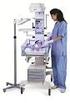 GE Healthcare Lullaby Warmer Because every baby deserves a high standard of care A confident choice for infant warming At GE Healthcare, we share your commitment to providing high quality care for all
IMPORTANT SAFETY INSTRUCTIONS WARNING READ AND SAVE THESE OPERATING AND SAFETY INSTRUCTIONS BEFORE USING THIS HEATER.
 THERMAWAVE CERAMIC HEATER Model HZ-850 Series Model HZ-860 Series IMPORTANT SAFETY INSTRUCTIONS WARNING READ AND SAVE THESE OPERATING AND SAFETY INSTRUCTIONS BEFORE USING THIS HEATER. Warning Failure to
Foodservice Equipment Specialists P.O. Box 880 Saco, ME. / U.S.A. 04072 877-854-8006 * FAX (207) 283-8080
 Foodservice Equipment Specialists P.O. Box 880 Saco, ME. / U.S.A. 04072 877-854-8006 * FAX (207) 283-8080 FOR SERVICE ASSISTANCE U.S. AND CANADA CALL: 1-877-854-8006 24 HOURS/DAY 7 DAYS/WEEK TABLE OF CONTENTS
NOTE: Additional user information for your printer may be available in the "Manuals" section at support.dell.com.
 CAUTION: General Safety Instructions Use the following safety guidelines to help ensure your own personal safety and to help protect your equipment and working environment from potential damage. NOTE:
AU-110 racking guide NBXPN: 023
 AU-110 racking guide NBXPN: 023 1. Overview NIMBOXX AU-110 Rack Installation This guide provides setup instructions for installing your NIMBOXX AU-110 in a rack. Following these steps in the order given
ATS Overhead Table Shelf System INSTRUCTION MANUAL
 ATS Overhead Table Shelf System INSTRUCTION MANUAL ATS Overhead Table Shelf System Instruction Manual Warranty Newport Corporation warrants this product to be free of defects in material and workmanship
HP UPS R1500 Generation 3
 HP UPS R1500 Generation 3 Installation Instructions Part Number 650952-001 NOTE: The rating label on the device provides the class (A or B) of the equipment. Class B devices have a Federal Communications
IMPORTANT INSTRUCTIONS & OPERATING MANUAL. Houston 50 Inch Electric Wall Mounted Fireplace Black / White
 IMPORTANT INSTRUCTIONS & OPERATING MANUAL Houston 50 Inch Electric Wall Mounted Fireplace Black / White Model Number:MFE5050BK Model Number:MFE5050WH Read these instructions carefully before attempting
Manual for Fire Suppression & Methane Detection System
 Manual for Fire Suppression & Methane Detection System Fogmaker North America Post address: 150 Gordon Dr Exton, PA 19341 Delivery address: 150 Gordon Dr Exton, PA 19341 Tel: 610-265-3610 Fax: 610-265-8327
Rack Installation. Unpacking the System. Choosing a Setup Location. General Server Precautions. Barracuda Appliances
 This set of instructions applies to racking and rail kit installation for 6XX and above. The Rack Mounting Instructions section below provides information on installing the SC825 chassis into a rack unit
EKOS Cart. Instructions for Use
 EKOS Cart Instructions for Use EKOS Corporation 11911 North Creek Parkway South Bothell, WA 98011 USA (425) 415-3100 (tel) (425) 415-3102 (fax) [email protected] (e-mail) - 1-4913-002 REV E Intended Use
Vertical Display and Storage B1350-2. SKOPE Gen2: Three Door Chiller
 Vertical Display and Storage User Manual MAN1227 Rev. 3.0 March 2008 edition CONTACT ADDRESSES Designed and Manufactured by New Zealand SKOPE INDUSTRIES LIMITED PO Box 1091, Christchurch New Zealand Freephone:
FOR THE FOLLOWING MODELS: EE-8075W EE-8075O EE-8075R EE-8075BK
 FIREPLACE HEATER FOR THE FOLLOWING MODELS: EE-8075W EE-8075O EE-8075R EE-8075BK If you have any questions about the operation of your fireplace heater, please contact Crane Customer Care. Toll Free: 888-599-0992
Installer s Guide WARNING: 18-GJ11D1-2. Ultraviolet (UV-C) Lamp Kit for 2-5 Ton Air Handlers HAZARDOUS VOLTAGE - DISCONNECT POWER BEFORE SERVICING
 Installer s Guide 18-GJ11D1-2 : Models: BAYUVCLK001-40 Watt, 2 Lamp NOTE: A BAYCC24VK01 can be installed for Series 8 Air Handlers to extend the life of the lamp. This accessory kit will disable the lamp
Platelet Incubator Operation Manual
 Platelet Incubator Operation Manual i.series and Horizon Series Model Group i.series Horizon Series Countertop PC100i, PC900i, PC1200i (Version A) PC100h, PC900h, PC1200h (Version A) Floor PC2200i, PC3200i,
MODEL T200-F18 MODEL T125-F18 Finish Nailers
 P MODEL T200-F18 MODEL T125-F18 Finish Nailers IMPORTANT! DO NOT DESTROY It is the customer s responsibility to have all operators and service personnel read and understand this manual. OPERATING MANUAL
Portable Air Conditioner
 Portable Air Conditioner Owner's Manual Model:3 in 1 12,000 Btu/h Series 3 Please read this owner s manual carefully before operation and retain it for future reference. CONTENTS 1. SUMMARY...1 2. PORTABLE
Convection TCO650. For your safety and continued enjoyment of this product, always read the instruction book carefully before using.
 Convection Toaster Oven TCO650 For your safety and continued enjoyment of this product, always read the instruction book carefully before using. IMPORTANT SAFEGUARDS SAVE AND READ THESE INSTRUCTIONS When
Digital Photo Picture Frame. Operation Manual
 Digital Photo Picture Frame Operation Manual 20070309 CONGRATULATIONS on your purchase of a Polaroid 7 LCD Digital Photo Picture Frame. Please read carefully and follow all warnings and instructions in
OPERATOR S MANUAL 18 VOLT, 1 HOUR CHARGER
 OPERATOR S MANUAL 18 VOLT, 1 HOUR CHARGER P110 Your battery charger has been engineered and manufactured to Ryobi s high standard for dependability, ease of operation, and operator safety. When properly
Installation Instructions for Alarm Module Kit A043F059
 Instruction Sheet 07-2013 Installation Instructions for Alarm Module Kit A043F059 1 Introduction The information contained within is based on information available at the time of going to print. In line
USER MANUAL WARNING! CONTENTS MODEL 1 SPECIFICATIONS READ ALL INSTRUCTIONS BEFORE PROCEEDING. Non-Programmable Single Stage Heat/Cool Thermostat
 Builder MODEL 1010 Series Non-Programmable Single Stage Heat/Cool Thermostat USER MANUAL Compatible with low voltage single stage gas, oil or electric heating or cooling systems, including single stage
VersaCare Bed. Quick Reference Guide
 VersaCare Bed Quick Reference Guide Bed Features Item Description Page A Emergency CPR and Emergency 3 Trendelenburg a Control B Battery Back-Up 4 C Foot Controls 4 D Point-of-Care Caregiver Control Panel
RIGOL. Quick Guide. DS1000CA Series Oscilloscope. Aug. 2011. RIGOL Technologies, Inc.
 Quick Guide DS1000CA Series Oscilloscope Aug. 2011 Technologies, Inc. Guaranty and Declaration Copyright 2011 Technologies, Inc. All Rights Reserved. Trademark Information is a registered trademark of
Convection TCO600. For your safety and continued enjoyment of this product, always read the instruction book carefully before using.
 Convection Toaster Oven TCO600 For your safety and continued enjoyment of this product, always read the instruction book carefully before using. IMPORTANT SAFEGUARDS SAVE AND READ THESE INSTRUCTIONS When
Portable Air Conditioner. OWNER S MANUAL Read these instructions before use. Model: MN12CES / MN10CESWW
 Portable Air Conditioner OWNER S MANUAL Read these instructions before use 8 Model: MN12CES / MN10CESWW Voltage rating: 120V~60Hz Power rating : 1100W (MN12CES) Power rating : 900W (MN10CESWW) Customer
IMPORTANT SAFETY RULES TO FOLLOW
 WARNING FLOOR & CARPET CLEANER Any piece of equipment can be dangerous if not operated properly. YOU are responsible for the safe operation of this equipment. The operator must carefully read and follow
CAUTION RISK OF ELECTRIC SHOCK DO NOT OPEN
 BeoLab 7-6 Guide CAUTION RISK OF ELECTRIC SHOCK DO NOT OPEN CAUTION: To reduce the risk of electric shock, do not remove cover (or back). No User-serviceable parts inside. Refer servicing to qualified
Portable Air Conditioner. OWNER S MANUAL Read these instructions before use. Model: MM14CCS. Voltage rating: 115V~60Hz Power rating : 1400W
 Portable Air Conditioner OWNER S MANUAL Read these instructions before use Model: MM14CCS Customer Support : 1-800-474-2147 Voltage rating: 115V~60Hz Power rating : 1400W For product inquiries or support
2-SLICE COOL TOUCH TOASTER
 2-SLICE COOL TOUCH TOASTER PLA0405 Instruction Manual Due to on-going product improvements, specifications and accessories may change without notice. Actual product may differ slightly to that depicted.
Mini-led spotlight with magnetic base
 Mini-led spotlight with magnetic base Model 95799 Assembly And Operation Instructions Due to continuing improvements, actual product may differ slightly from the product described herein. 3491 Mission
RI-215A Operator s Manual. Part Number: 71-0045RK Revision 0 Released: 10/3/05
 RI-215A Operator s Manual Part Number: 71-0045RK Revision 0 Released: 10/3/05 Warranty RKI Instruments, Inc., warrants gas alarm equipment sold by us to be free from defects in materials and workmanship,
HP ProDisplay P19A LED Backlit Monitor. User Guide
 HP ProDisplay P19A LED Backlit Monitor User Guide 2013 Hewlett-Packard Development Company, L.P. The only warranties for HP products and services are set forth in the express warranty statements accompanying
Name of Equipment Silver King Model SKMCD1P/C1. This equipment chapter is to be inserted in the appropriate section of the Equipment Manual.
 Name of Equipment Silver King Model SKMCD1P/C1 This equipment chapter is to be inserted in the appropriate section of the Equipment Manual. Manufactured exclusively for McDonald s By Silver King Refrigeration,
MICA HEATER INSTRUCTION MANUAL Model No: UHM-786 230V 50Hz 2200W
 MICA HEATER INSTRUCTION MANUAL Model No: UHM-786 230V 50Hz 2200W Safety Precautions To reduce the risk of personal injury or damage to property, basic safety precautions must be observed including the
Portable Air Conditioner. OWNER S MANUAL Read these instructions before use. Model: MF08CESWW. Voltage rating: 115V~60Hz Power rating : 800W
 MODE ALARM Portable Air Conditioner OWNER S MANUAL Read these instructions before use 8 Model: MF08CESWW Voltage rating: 115V~60Hz Power rating : 800W Customer Support : 1-800-474-2147 For product inquiries
1000-LB. TRAILER JACK OWNER S MANUAL
 1000-LB. TRAILER JACK OWNER S MANUAL WARNING: Read carefully and understand all INSTRUCTIONS before operating. Failure to follow the safety rules and other basic safety precautions may result in serious
Bullet Camera. Installation Guide. Hangzhou Hikvision Digital Technology Co., Ltd. http://www.hikvision.com
 Bullet Camera Installation Guide Hangzhou Hikvision Digital Technology Co., Ltd. http://www.hikvision.com 1 Thank you for purchasing our product. If there are any questions, or requests, please do not
Bottom Loading Water Dispenser
 Bottom Loading Water Dispenser Model # 601000 TO REDUCE THE RISK OF INJURY AND PROPERTY DAMAGE, USER MUST READ THIS MANUAL BEFORE ASSEMBLING, INSTALLING & OPERATING DISPENSER. SAVE THIS MANUAL FOR FUTURE
High Efficiency Vaporizing System and Highly Durable Heaters Ensure 25% Increased Output.
 High Efficiency Vaporizing System and Highly Durable Heaters Ensure 25% Increased Output. Modular Design for Easy, Cost Effective Maintenance. Standardized Interface Allows Interchangeable Control Modules
Operating Manual. Los Angeles Abrasion Machine HM-70A & HM-70AF
 Operating Manual Los Angeles Abrasion Machine HM-70A & HM-70AF Rev: 07/19/2012 PHONE: 800-444-1508 P.O. Box 200, Lewis Center, Ohio 43035-0200 FAX: 800-255-5314 740-548-7298 E-mail: [email protected]
Installation and Operation Manual Back-UPS BX800CI-AS/BX1100CI-AS
 + Installation and Operation Manual Back-UPS BX800CI-AS/BX1100CI-AS Inventory Safety and General Information bu001c This unit is intended for indoor use only. Do not operate this unit in direct sunlight,
aseries A13B Mini Bullet Camera User Manual
 aseries A13B Mini Bullet Camera User Manual Thank you for purchasing our product. If there are any questions, or requests, please do not hesitate to contact the dealer. This manual applies to the MicroView
15GAL STEEL OIL DRAIN WITH 110V PUMP
 15GAL STEEL OIL DRAIN WITH 110V PUMP OWNER S MANUAL WARNING: Read carefully and understand all ASSEMBLY AND OPERATION INSTRUCTIONS before operating. Failure to follow the safety rules and other basic safety
42U/45U 28" Wide Rack Installation & Service Guide
 42U/45U 28" Wide Rack Installation & Service Guide 96-00171-005 Rev B Important Information Information in this document is subject to change without notice and does not represent a commitment on the part
OEM Manual MODEL 2350 ELECTRONIC DUAL CYLINDER SCALE
 OEM Manual MODEL 2350 ELECTRONIC DUAL CYLINDER SCALE Scaletron Industries, Ltd. Bedminster Industrial Park 53 Apple Tree Lane P.O. Box 365 Plumsteadville, PA 18949 USA Toll Free: 1-800-257-5911 (USA &
FUTURE CALL PICTURE CARE PHONE MODEL: FC-1007 USER MANUAL
 FUTURE CALL PICTURE CARE PHONE MODEL: FC-1007 USER MANUAL Please follow instructions for repairing if any otherwise do not alter or repair any parts of device except specified. IMPORTANT SAFETY INSTRUCTIONS
How To Use A Power Supply Unit (Upu)
 BRAVER UPS (Uninterruptible Power System) User s Manual Safety CAUTION! This UPS utilizes voltages that may be hazardous. Do not attempt to disassemble the unit. The unit contains no user replaceable parts.
Daker DK 1, 2, 3 kva. Manuel d installation Installation manual. Part. LE05334AC-07/13-01 GF
 Daker DK 1, 2, 3 kva Manuel d installation Installation manual Part. LE05334AC-07/13-01 GF Daker DK 1, 2, 3 kva Index 1 Introduction 24 2 Conditions of use 24 3 LCD Panel 25 4 Installation 28 5 UPS communicator
Express5800/120Ed. Rack Mount Kit Installation Procedures PN: 455-01607-001
 Express5800/120Ed Rack Mount Kit Installation Procedures PN: 455-01607-001 Proprietary Notice and Liability Disclaimer The information disclosed in this document, including all designs and related materials,
INFRARED QUARTZ WALL HEATER
 INFRARED QUARTZ WALL HEATER MODEL NO: IQ2000 PART NO: 6939004 MOUNTING & OPERATION INSTRUCTIONS GC0715 INTRODUCTION Thank you for purchasing this CLARKE Infrared Wall Heater. Before attempting to use this
Operating Precautions: User configuration options:
 A Division of Lippert Components, Inc. PNP BED-LIFT USERS MANUAL Product Usage: This product is designed and intended ONLY to be used as a Bed-Lift mechanism. Any other use of this system will void any
FT-100 Fire Training Fog Machine User Manual English
 FT-100 Fire Training Fog Machine User Manual English 2015 Antari Lighting and Effects Ltd. User Manual - English Safety Information Please read the following safety information carefully before operating
USER S MANUAL HSC-24A
 AIRREX AIR CONDITIONER USER S MANUAL HSC-24A Thank you for purchasing an AIRREX AIR CONDITIONER. BEFORE operation please read this user s manual carefully. Keep this manual readily available. It is ESSENTIAL
Instruction Manual. Fun Pop 8oz. Popper
 Instruction Manual Fun Pop 8oz. Popper 0700 Medallion Drive, Cincinnati, Ohio 4524-4807 USA Part No. 5940 SAFETY PRECAUTIONS Page 2 INSTALLATION INSTRUCTIONS Inspection of Shipment Unpack all cartons and
Gas Oven Repair Guide
 - /6 - Gas Oven Repair Guide [ FX70*, FX50*] Ver. Aug-0 Ignition Failure Cooktop ignition Oven ignition Heating defect Oven Cooktop Abnormal Flame Button, Motors Lamp Others Smell, Smoke, Noise No Display,
User s Guide. Oreck Air Purifier with HEPA Filtration. Important! Read this manual carefully, and keep for future reference.
 User s Guide Oreck Air Purifier with HEPA Filtration Important! Read this manual carefully, and keep for future reference. Enjoy Congratulations on your purchase of the Oreck Air Purifier with HEPA Filtration.
DE1600 DSA E-Series iscsi Disk Arrays. Installation Manual
 DE1600 DSA E-Series iscsi Disk Arrays en Installation Manual DE1600 DSA E-Series iscsi Disk Arrays Table of Contents en 3 Table of Contents 1 Safety Precautions 4 1.1 Warning Notices 4 1.2 Caution Notices
OWNER S MANUAL Table Tennis Table Patent Pending
 OWNER S MANUAL Table Tennis Table Patent Pending Be sure to write your model number and serial number here for future reference. You can find these numbers printed on the bottom of the table. MODEL # T8179
INSTRUCTION MANUAL PLEASE READ ALL THE INSTRUCTIONS COMPLETELY BEFORE USE AND SAVE THIS MANUAL FOR FUTURE REFERENCE
 INSTRUCTION MANUAL PLEASE READ ALL THE INSTRUCTIONS COMPLETELY BEFORE USE AND SAVE THIS MANUAL FOR FUTURE REFERENCE m Before Use Please read IMPORTANT SAFETY INSTRUCTIONS on page 10 before use. It is important
WSD130 SOLDERING STATION
 NOTES S2032ACH 8/98 Rev. 11/01 WSD130 SOLDERING STATION 1. Power Switch 2. Digital Display 3. UP Button 4. DOWN Button 5. Optical Regulator, Right 6. Connection for Soldering Iron, Right 7. Selection Switch
About the HotWire 7900 10-Slot Standalone Shelf
 TM HotWire Model 7900 10-Slot Standalone Shelf Installation Instructions Document Number 7900-A2-GN10-10 About the HotWire 7900 10-Slot Standalone Shelf The HotWire 7900 10-Slot Standalone Shelf is designed
CAUTION RISK OF ELECTRIC SHOCK DO NOT OPEN
 BeoLab 4000 Guide CAUTION RISK OF ELECTRIC SHOCK DO NOT OPEN CAUTION: To reduce the risk of electric shock, do not remove cover (or back). No User-serviceable parts inside. Refer servicing to qualified
Back-UPS Pro 1300/1500 Installation and Operation
 Back-UPS Pro 1300/1500 Installation and Operation Inventory Safety Do not install the Back-UPS in direct sunlight, in excessive heat, humidity, or in contact with fluids. Connect the battery bu059a bu058a
Owner s Manual. Not suitable for mobile applications. Important Safety Instructions 2. Quick Installation 3. Basic Operation 4. Storage & Service 7
 Register online today for a chance to win a FREE Tripp Lite product! www.tripplite.com/warranty Owner s Manual Internet Office & BC Personal UPS Systems Not suitable for mobile applications. Important
esata External Storage
 esata External Storage Operation Manual DA-ES110 Before reading this manual This operation manual contains basic instruction on installing and using esata External Storage, an IDIS product. Users who are
SECTION G2: CABLE PROCESSOR MODULE MAINTENANCE
 SECTION G2: CABLE PROCESSOR MODULE MAINTENANCE Cable Processor Module overview WARNING! When tipping the Cable Processor Module back, (after removing the toggle arm pin), use extreme caution not to drop
FJ2. 2 Ton Trolley Floor Jack Assembly & Operating Instructions
 FJ2 2 Ton Trolley Floor Jack Assembly & Operating Instructions READ ALL INSTRUCTIONS AND WARNINGS BEFORE USING THIS PRODUCT. This manual provides important information on proper operation & maintenance.
Wine Cooler with Thermo-Electric Cooling & Heating Technology
 Wine Cooler with Thermo-Electric Cooling & Heating Technology Model number: WC-0888H (8-bottles capacity) Instruction Manual Please read carefully and follow all safety rules and operating instructions.
IMPORTANT INFORMATION - PLEASE READ. Table of Contents. Introduction. General Information
 IMPORTANT INFORMATION - PLEASE READ Introduction Congratulations! Welcome to the world of the ELLIPTICAL CROSS TRAINER. The ELLIPTICAL CROSS TRAINER is one of the finest and most comprehensive pieces of
When you switch off your system, or mute the sound, the red indicator light appears immediately, indicating that the subwoofer is not in use.
 BeoLab 11 Guide WARNING: To reduce the risk of fire or electric shock, do not expose this appliance to rain or moisture. Do not expose this equip ment to dripping or splashing and ensure that no objects
BC-5000 OPERATIONS MANUAL BATTERY CAPACITY TESTER COFKO LLC.
 BC-5000 BATTERY CAPACITY TESTER OPERATIONS MANUAL COFKO LLC. COPYRIGHT 2010 1 UNPACKING As you unpack your new BC-5000 battery capacity tester, inspect the tester for signs of shipping damage. If shipping
FASCINATION 700 HVLP TANNING PRO SYSTEM USER MANUAL
 FASCINATION 700 HVLP TANNING PRO SYSTEM USER MANUAL Congratulations on choosing the Fascination 700 HVLP Tanning Pro System! Your system includes the following items: 1 Fascination 700 HVLP Tanning Pro
Service Guide 12/27/03 TESTING, SERVICE & REPAIR GUIDE (For SH Space Heating Models & RA Water Heating Models)
 TESTING, SERVICE & REPAIR GUIDE (For SH Space Heating Models & RA Water Heating Models) WARNING - HIGH VOLTAGE AC electrical circuits are connected to this heater. Do not attempt any service work on the
AN500T, AN1000, AN1000T, AN1500, AN1500T AN2000, AN2000T
 Product Instruction Manual Accona AN500T, AN1000, AN1000T, AN1500, AN1500T AN2000, AN2000T Panel heater v16.5/5 Version 3.2 Jan 2015 Contents 1. Important safety points 2. Installation 2.1. Wall mounting
Model 349KLX Remote Display Digital Scale User Instructions
 Model 349KLX Remote Display Digital Scale User Instructions P/N UM349KLX Rev 3-080713 1 Model 349KLX Thank you for your purchase of this Health o meter Professional product. Please read this manual carefully,
General Purpose Laboratory Freezer with Alarms
 General Purpose Laboratory Freezer with Alarms 316981H01 Rev. A 1 Table of Contents Introduction...3 Warning...3 Installation...4 Unpacking...4 Visible Loss or Damage...4 Concealed Loss or Damage...4 Packing
Failure to comply with the following cautions and warnings could cause equipment damage and personal injury.
 1.0 IMPORTANT RECEIVING INSTRUCTIONS Visually inspect all components for shipping damage. Shipping Damage is not covered by warranty. If shipping damage is found, notify carrier at once. The carrier is
Single Day Alarm Clock with. Bluetooth and USB Play-through
 Single Day Alarm Clock with Bluetooth and USB Play-through MODEL : BSC 200 READ THIS INSTRUCTION MANUAL BEFORE OPERATING THE APPLIANCE. SAVE THIS MANUAL FOR FUTURE REFERENCE. TABLE OF CONTENTS IMPORTANT
NITROUS TRANSFER PUMP INSTRUCTIONS
 NITROUS TRANSFER PUMP INSTRUCTIONS SAFETY TIPS Never directly inhale nitrous oxide. When inhaled in large quantities, nitrous oxide can cause respiratory ailments or in extreme cases, death by suffocation.
Hydraulic Transmission Jacks Operating Instructions & Parts Manual
 Blackhawk Automotive is a Licensed Trade Mark Made by SFA Companies, Kansas City, MO Hydraulic Transmission Jacks Operating Instructions & Parts Manual Model BH7011 BH7210 Capacity 1/2 Ton 1 Ton SFA Companies
TWIN EAGLES ALL WEATHER ELECTRIC RADIANT HEATER
 TWIN EAGLES, INC. Defining the Art of Outdoor Cooking TWIN EAGLES ALL WEATHER ELECTRIC RADIANT HEATER OWNER S MANUAL MODEL TEEH-1512 TEEH-2524 TEEH-3524 NEED ASSISTANCE? PLEASE CALL: (562) 802-3488 This
Electric Panel Pump Control System. Operation, Maintenance and Installation Manual
 Manual No. 5EP-OM1-1 Electric Panel Pump Control System Operation, Maintenance and Installation Manual INTRODUCTION... 1 RECEIVING AND STORAGE... 1 DESCRIPTION OF OPERATION... 1 INSTALLATION... 2 SEQUENCE
Service manual. Website: www.andico.com.au CAUTION - BEFORE SERVICING THE UNIT, READ THE SAFETY - PRECAUTIONS IN THIS MANUAL.
 Website: www.andico.com.au Service manual CAUTION - BEFORE SERVICING THE UNIT, READ THE SAFETY - PRECAUTIONS IN THIS MANUAL. - ONLY FOR AUTHORISED SERVICE PERSONNEL. MODELS: MPK1-09CR-QB8 MPK1-12ER-QB6
Critical Care Therapy and Respiratory Care Section
 Critical Care Therapy and Respiratory Care Section Category: Clinical Section: Clinical Monitoring Title: Overnight Pulse Oximetry Policy #: 08 Revised: 03/00 1.0 DESCRIPTION 1.1 Definition 1.1.1 A pulse
Electric Fryers Instruction Manual Models: 8047D, 8048D, 8049D, 8050D, 8051D 8066, 8068, 8068FL, 8073, 8073BF and 8075
 Part No. 89047 Electric Fryers Instruction Manual Models: 8047D, 8048D, 8049D, 8050D, 8051D 8066, 8068, 8068FL, 8073, 8073BF and 8075 Cincinnati, OH 45241-4807 USA ELECTRIC FRYER SAFETY PRECAUTIONS Installation
The Bose 601 TM Series IV Direct/Reflecting Speaker System
 The Bose 601 TM Series IV Direct/Reflecting Speaker System Owner s Guide October 25, 2001 AM257731_00_V.pdf Customer Information Declaration of Conformity We, the offerer: Bose Corporation, The Mountain,
National- Spencer Inc.
 9-27-2010 National- Spencer Inc. 19.2V HEAVY DUTY GREASE GUN PRODUCT SPECIFICATION Charger Input Power 110 VAC Battery Output Power 19.2V Battery Capacity 1500 MAH Battery Pack Charge Time 1 Hour Maximum
Business Audio System: Music & Messaging MP3 Player. by Grace Digital Audio. User Guide. Model No. GDI-USBM10
 Business Audio System: Music & Messaging MP3 Player by Grace Digital Audio User Guide Model No. GDI-USBM10 User Guide Contents Introduction 2 Safety & General Use Information 2 Features 3 Set Up & Operation
Operations Manual Blast Chiller
 Operations Manual Blast Chiller ADE- 2039-A Page 1 of 14 Contents Page 1 What is the Adande System 3 2 Adande Technology Explained 3 3 EC Declaration of Conformity 4 4 Storage of Product 5 5 Operating
TABLE OF CONTENTS. Hurricane 1300 User Manual 2 Rev. 4
 User Manual TABLE OF CONTENTS 1. BEFORE YOU BEGIN... 3 What Is Included... 3 Unpacking Instructions... 3 Claims... 3 Product at a Glance... 3 Safety Instructions... 4 2. INTRODUCTION... 5 Product Overview...
USER INSTRUCTIONS FOR 10 LITRE PORTABLE DEHUMIDIFIER MODEL NO. DHMD102
 USER INSTRUCTIONS FOR 10 LITRE PORTABLE DEHUMIDIFIER MODEL NO. DHMD102 THANK YOU FOR CHOOSING YOUR NEW DEHUMIDIFIER. BEFORE USING THE UNIT READ THESE INSTRUCTIONS FULLY AND RETAIN THEM FOR FUTURE REFERENCE
Online UPS. PowerWalker VFI 1000R/1U
 Online UPS PowerWalker VFI 1000R/1U Manual Uninterruptible Power Supply System Table of Contents 1. Important Safety Warning... 1 1-1. Transportation... 1 1-2. Preparation... 1 1-3. Installation... 1 1-4.
TOYOTA ELECTRONIC TRANSMISSION CHECKS & DIAGNOSIS
 Checks and Adjustments The transmission requires regular maintenance intervals if it is to continue to operate without failure. As we discussed in previous sections, transmission fluid loses certain properties
BeoLab 7-1 BeoLab 7-2. Guide
 BeoLab 7-1 BeoLab 7-2 Guide CAUTION: To reduce the risk of electric shock, do not remove cover (or back). No User-serviceable parts inside. Refer servicing to qualified service personnel. WARNING: To prevent
User s Manual AURORA 1.2K/2.2K
 User s Manual AURORA 1.2K/2.2K Uninterruptible Power System Safety CAUTION This UPS utilizes voltages that may be hazardous. Do not attempt to disassemble the unit. The unit contains no user serviceable
THE NEW GENERATION IN TECHNOLOGY. NI-3103A Alarm Clock w/fm Radio ipod & iphone Docking. Operating Instructions
 THE NEW GENERATION IN TECHNOLOGY NI-3103A Alarm Clock w/fm Radio ipod & iphone Docking Operating Instructions Table of Contents Important Safeguards... 3 Parts... 6 Controls... 6 To Set Up... 7 ipod/iphone
NewAir AC-10000E, AC-10000H Portable Air Conditioner Owner s Manual PLEASE READ AND SAVE THESE INSTRUCTIONS
 NewAir AC-10000E, AC-10000H Portable Air Conditioner Owner s Manual PLEASE READ AND SAVE THESE INSTRUCTIONS BEFORE USE GENERAL SAFETY INSTRUCTIONS: ALWAYS OPERATE THE UNIT IN AN UPRIGHT POSITION AND PLACE