
3. Grapes Diseases and Insects in Vineyards Weed Control in Vineyards
|
|
|
- Elfreda Hines
- 9 years ago
- Views:
Transcription
1 3. Grapes Diseases and Insects in Vineyards Table Disease and Insect Control Effectiveness of Grape Pesticides Table Relative Effectiveness of Selected Fungicides in Grapes Table Relative Effectiveness of Selected Insecticides/Acaricides in Grapes Table Chemical Names, Re-entry Times, and Days to Harvest Weed Control in Vineyards Table Herbicides Labeled for Use in Grapes Table Relative Effectiveness of Selected Preemergence Herbicides and Ratings in Grapes Table Relative Effectiveness of Selected Postemergence Herbicides and Ratings in Grapes Table Chemical Names, Re-entry Times, and Days to Harvest

2 Grapes: Diseases and Insects in Vineyards 3-1 Grapes: Diseases and Insects in Vineyards Douglas G. Pfeiffer, Extension Entomologist, Virginia Tech Anton B. Baudoin, Plant Pathologist, Virginia Tech J. Christopher Bergh, Extension Entomologist, Alson H. Smith Jr. AREC Mizuho Nita, Extension Plant Pathologist, Alson H. Smith Jr. AREC Additional information on pest and beneficial species identification is available online at Application rates: The rate per acre column gives rates for low-volume or concentrate applications. Sprays may be applied as semiconcentrate ( gal/a) or concentrate (10-40 gal/a) sprays. Use caution with more concentrated sprays; the smaller droplet sizes associated with low-volume application are more prone to drift. Amount of pesticide to be applied for dilute applications (usually 100 gal/a early in early season, 200 gal/a in mid season, and 300 gal/acre in late season) is usually given on the label. Table Disease and Insect Control Pest Chemical and Formulation Rate/Acre Spray Timing and Remarks Dormant Anthracnose (Bird s eye rot) Powdery Mildew Phomopsis Botryosphaeria canker, Eutypa dieback, ESCA Mealybugs lime sulfur solution Sulforix 10.0 gal, or see label Only necessary where anthracnose, Phomopsis, or powdery mildew have been a serious problem. Lime sulfur can reduce overwintering inoculum of these diseases. Topsin-M Rally 40WSP lb 5 oz For Topsin-M, you need to obtain a section 24c label for VA. Please read the label for specific application information. Requires a supplemental label (can be obtained through manufacturer s website). B-lock n/a B-lock is a latex paint with boron for pruning wound protection, and shown to be effective against number of trunk diseases. Applaud 70DF Belay Insecticide Venom 70 Scorpion 35SL Assail 30SG Admire Pro Baythroid XL 1EC Movento 2SC Actara 25WDG oz 6.0 fl oz oz (foliar) oz (soil) fl oz (foliar) fl oz (soil) 2.5 oz fl oz (foliar) fl oz (soil) fl oz fl oz oz If a problem at harvest in the previous year. If a delayed dormant spray does not provide adequate control, a summer application may be made. Baythroid targets only crawlers. Movento prebloom only in table grapes. The use of Baythroid should be delayed until fourth cover in blocks where spotted wing drosophila must be controlled, in order to observe maximum applications per season. Grape scale Dormant oil 2% solution Apply in high volume (dilute) application. Loose bark on vines makes coverage of scale difficult. Bud Swell Grape flea beetle Danitol 2.4EC Sevin XLR Plus Imidan 70WP Baythroid XL 1EC Mustang 1.5EC 8.0 fl oz 2.0 qt 2.0 lb fl oz fl oz If adult beetles are present in damaging numbers. See Table 3.4 for Restricted Entry Intervals. The REI for Imidan may render it impractical for most growers. The use of Baythroid, Mustang, and Tombstone should be delayed until fourth cover in blocks where spotted wing drosophila must be controlled, in order to observe maximum applications per season.

3 3-2 Grapes: Diseases and Insects in Vineyards Table Disease and Insect Control (cont.) Pest Chemical and Formulation Rate/Acre Spray Timing and Remarks European red mite (ERM) Bud Swell Climbing cutworms superior oil (70 sec) 2.0 gal Only where ERM is a problem. Apply as a dilute spray. Bacillus thuringiensis (Bt) Sevin XLR Plus Danitol 2.4EC Intrepid 2F Tourismo Entrust 2SC Delegate 25WG Baythroid XL 1EC Brigade 10WSB Altacor 35WDG Belt 4SC Rates vary 2.0 qt 15.0 fl oz fl oz fl oz fl oz oz fl oz oz oz fl oz Spray in evening if possible. Various preparations of Bt available. Check label for rates. See Table 3.4 for Restricted Entry Intervals. The use of Delegate, Baythroid, Brigade and Sniper 2 should be delayed until fourth cover in blocks where spotted wing drosophila must be controlled, in order to observe maximum applications per season. Sniper fl oz New Shoots: at weekly intervals or according to label until pre-bloom Black rot, captan 50WP or equivalent lb Important to maintain protection starting at Phomopsis cane 1/2 inch to 1 inch shoot length where black and leaf spot, mancozeb 75DF lb rot or Phomopsis has been a problem. Add Downy mildew Ziram lb a surfactant to improve wetting of pubescent young growth. Captan has only fair efficacy See Table 3.2 against black rot. At high disease pressure, it should be tank-mixed with a more efficaceous material. Do not make captan applications within two weeks of an oil spray. Powdery mildew Anthracnose Grape cane girdler wettable sulfur (81.25% or 92%) See Table 3.2 copper fungicides with lime See Table 3.2 Danitol 2.4EC Imidan 70WP Baythroid XL 1EC lb (See label) see label 10.6 fl oz 2.0 lb fl oz Where powdery mildew is a severe problem. Do not make sulfur applications within two weeks of an oil spray. Do not use sulfur prior to or during periods of excessively high temperatures. Do not apply sulfur to Concord, red-fruited French- American hybrids, and other sulfur sensitive varieties. Apply at 4- to 10-inch shoot length. Repeat at 10- to 14-day intervals. Only necessary where anthracnose has been a problem. When shoots are 4- to 6-inches long, where infesting more than 10% of shoots. Mainly a problem when training young vines. See Table 3.4 for Restricted Entry Intervals.

4 Grapes: Diseases and Insects in Vineyards 3-3 Table Disease and Insect Control (cont.) Pest Chemical and Formulation Rate/Acre Spray Timing and Remarks Redbanded Altacor 35WDG oz Where pest has been a problem in past. leafroller Various preparations of Bt available. Check Entrust 2SC fl oz rates. See Table 3.4 for Restricted Entry Delegate 25WG oz Intervals. Intrepid 2F Imidan 70WP Sevin XLR Plus Delegate 25WG Baythroid XL 1EC Brigade 10WSB Altacor 35WDG Belt 4SC fl oz 2.0 lb 2.0 qt Bacillus thuringiensis (Bt) See label New Shoots: at weekly intervals or according to label until pre-bloom Climbing cutworms Bacillus thuringiensis (Bt) See label Spray in evening if possible. Various Sevin XLR Plus 2.0 qt preparations of Bt available. Check rates. See Table 3.4 for Restricted Entry Intervals. Danitol 2.4EC 15.0 fl oz The use of Delegate, Baythroid, Brigade and Sniper 2 should be delayed until fourth cover Intrepid 2F fl oz in blocks where spotted wing drosophila must Tourismo fl oz be controlled, in order to observe maximum applications per season. Entrust 2SC fl oz oz fl oz oz oz fl oz Sniper fl oz Pre-Bloom - Just before blossoms open, critical spray for black rot, powdery, and downy mildew

5 3-4 Grapes: Diseases and Insects in Vineyards Table Disease and Insect Control (cont.) Pest Chemical and Formulation Rate/Acre Spray Timing and Remarks Black rot Ziram lb Downy mildew mancozeb 75DF Rally 40WSP tebuconazole 45% (Orius 45DF, formerly Elite) Abound Sovran Flint Pristine Adament Inspire Super Revus Top Luna Experience captan 50WP mancozeb 75DF Ridomil Gold MZ phosphorous acid Gavel Revus lb oz 4.0 oz fl oz oz 2.0 oz oz oz fl oz 7.0 fl oz fl oz lb lb lb See label lb 8.0 fl oz Infection occurs at 7 or more hours of leaf wetness (dew, fog, and/or rain), depending on temperature. Apply all fungicides before or between these wet periods. Spray every days throughout the growing season according to label. Do not use sterol inhibitors (group 3, Rally, Elite, Orius, Procure, Inspire Super, Mettle, Revus Top) or strobilurins (group 11, Abound, Sovran, Flint, or Pristine) continuously; rotate with other groups of fungicides. Apply 2 weeks before blossom caps begin to drop on very susceptible varieties. Downy mildew strains with resistance to Abound, Pristine, and other Group 11 fungicides are present in many Virginia locations. Rotating or tank mixing with a different anti-downy-mildew material is recommended. Presidio should be tank-mixed with another fungicide active against downy mildew. Revus Top Forum Ranman Presidio 7.0 fl oz 6.0 fl oz fl oz fl oz Zampro fl oz Pre-Bloom - Just before blossoms open, critical spray for black rot, powdery, and downy mildew (cont.)

6 Grapes: Diseases and Insects in Vineyards 3-5 Table Disease and Insect Control (cont.) Pest Chemical and Formulation Rate/Acre Spray Timing and Remarks Powdery mildew tebuconazole 45% (Orius 20AQ) wettable sulfur (81.25% or 92%) 8.6 fl oz lb Do not use sterol inhibitors (Group 3, see above under black rot) or strobilurins continuously; rotate with other groups of fungicides. Powdery mildew strains with Rally 40WSP oz resistance to the strobilurins (Abound, Sovran, and Flint) are very common in Virginia and Procure Pristine oz oz can cause control failure! It is recommended that strobilurins be tank mixed with sulfur or another anti-mildew material. Pristine contains Endura 4.5 oz a strobilurin, but also a different active chemical (group 7) and does not need to be tank mixed. Quintec Adament 4.0 fl oz 7.2 fl oz Quintec resistance has been observed in Virginia, but appears as yet uncommon and its impact uncertain. Rates for sulfur can be Inspire Super fl oz increased to as high as 5.0 lb/100 gallons. Severe disease pressure may warrant this, but Revus Top 7.0 fl oz beware of possible plant injury at higher rates. Vivando fl oz Luna Experience fl oz Luna Tranquility fl oz Grape berry moth Intrepid 2F Tourismo Entrust 2SC Delegate 25WG Altacor 35WDG Imidan 70WP Belay 50WDG SPLAT-GBM Avaunt 30DG Sevin XLR Bacillus thuringiensis (BT) fl oz fl oz fl oz oz oz 2.0 lb 6.0 fl oz 1.0 kg oz 2.0 qt Rates vary Use higher rate of Entrust for more intensive infestations and larger larvae, where pest has been a problem in past. Mating disruption: SPLAT-GBM is registered for GBM. Spray edge rows with insecticides. For SPLAT-GBM mating disruption, apply when temperatures are between F and no rain is expected within 1 to 2 hours. For high population densities, apply 1.0 kg/a as 1,000 point sources of 1.0 g (1/4 tsp.) throughout an acre. For low-moderate populations, apply 1.0 kg as 250 point sources of 2.5 g (1/2 tsp.). See application information on label. See Table 3.4 for Restricted Entry Intervals. The use of Delegate should be delayed until fourth cover in blocks where spotted wing drosophila must be controlled, in order to observe maximum applications per season.

7 3-6 Grapes: Diseases and Insects in Vineyards Table Disease and Insect Control (cont.) Pest Chemical and Formulation Rate/Acre Spray Timing and Remarks Grape leafhopper Assail 70WP Assail 30SG 1.1 oz 2.5 oz Use a treatment threshold of 5 nymphs/ leaf before July 15, 10/leaf thereafter. Apply Surround at least 2 or 3 times at 7- to Actara 25WDG oz 14-day intervals throughout infestation; not recommended for table grapes because of Admire Pro Imidan 70WP fl oz 2.0 lb visible residues. Nexter may be applied up to twice per season. Use oz/a in vineyards with dense foliage. malathion 5EC 3.0 pt See Table 3.4 for Restricted Entry Intervals. The use of malathion should be delayed until Surround 95WP Sevin XLR Plus lb 2.0 qt fourth cover in blocks where spotted wing drosophila must be controlled, in order to observe maximum applications per season. Nexter 75WP oz When available, flowable (F) formulations pose less risk of phytotoxicity that emulsifiable (EC; oil-based) formulations. Avoid using captan and oil-based pesticides within 14 days of each other. Pre-Bloom - Just before blossoms open, critical spray for black rot, powdery, and downy mildew (cont.) Grape Scale Applaud 70DF Movento 2SC Admire Pro oz fl oz fl oz Apply when crawlers are active, or at 493 and 990 degree-days above 50 F starting at April 1 (early and peak activity of first generation). Grape tumid gallmaker Bloom Botrytis Assail 30SG 2.5 oz Movento 2SC fl oz Apply when galls first appear in blocks with a history of high populations of grape tumid gallmaker. Traminette and Niagara are notably sensitive to grape tumid gall. Rovral 4F or Meteor Vangard Scala Elevate Switch Luna Experience lb or pt oz fl oz 1.0 lb oz fl oz Materials may be applied at early mid-bloom and again before bunch closing, if needed. Botrytis strains with resistance to strobilurins, Endura, Pristine, and Topsin M, and with reduced sensitivity to Rovral/Meteor are widespread in Virginia. Isolates with reduced sensitivity to Vanguard and Scala as well as Elevate have also been observed in some locations. Luna Tranquility Post-Bloom: Immediately after bloom fl oz

8 Grapes: Diseases and Insects in Vineyards 3-7 Table Disease and Insect Control (cont.) Pest Chemical and Formulation Rate/Acre Spray Timing and Remarks Black rot mancozeb 75DF Ziram 4.0 lb 4.0 lb This is a very important spray. Do not delay more than days after last pre-bloom spray. Note: Rally, Elite, Inspire Super, or Rally 40WSP oz Revus Top at the higher rates using 200 gal/a dilute sprays in combination with black rot Tebuconazole 45% Orius 20AQ 4.0 oz 8.6 fl oz predictor models provide excellent curative control. Abound Sovran Flint fl oz oz 2.0 oz There are many generic tebuconazole materials with various concentrations. Please refer to your label for specific application rate. Pristine oz Inspire Super fl oz Revus Top Luna Experience 7.0 fl oz fl oz Note 5-day REI for cane work for Luna Experience Downy mildew captan 50WP mancozeb 75DF Ridomil Gold Copper copper fungicides 4.0 lb 4.0 lb lb See label Do not apply mancozeb or Gavel within 66 days of harvest. Copper fungicides may be mixed with hydrated lime to reduce risk of phytotoxicity, especially in cool, wet conditions, when copper fungicides may cause injury on certain varieties. phosphorous acid See label Gavel lb Revus 8.0 fl oz Presidio fl oz Forum 6.0 fl oz Revus Top 7.0 fl oz Ranman fl oz Zampro Post-Bloom: Immediately after bloom (cont.) fl oz

9 3-8 Grapes: Diseases and Insects in Vineyards Table Disease and Insect Control (cont.) Pest Chemical and Formulation Rate/Acre Spray Timing and Remarks Powdery mildew Elite 45DF Orius 20AQ Rally (Nova) 40WSP 4.0 oz 8.6 fl oz oz Very important spray. Use at day intervals as needed. Use higher rates and/ or shorter intervals (see label) under severe disease pressure. See notes for prebloom. wettable sulfur (81.25% or 92%) 4.0 lb Procure oz Pristine oz Quintec 4.0 fl oz Endura 4.5 oz Inspire Super fl oz Revus Top 7.0 fl oz Mettle fl oz Vivando fl oz Luna Experience oz Grape berry moth Intrepid 2F Tourismo Entrust 2SC Delegate 25WG Altacor 35WDG fl oz fl oz fl oz oz oz Mating disruption is registered for GBM. Use full labeled rate and consult a grape entomologist before use for specific instructions. See prebloom spray. See Table 3.4 for Restricted Entry Intervals. The REI for Imidan may render it impractical for most growers. Bacillus thuringiensis (Bt) Rates vary Imidan 70WP 2.0 lb Sevin 50WP 4.0 lb Avaunt 30DG oz Grape rootworm Sevin XLR PLUS 2.0 qt Apply when beetles appear, usually in mid June or early July. Second application may be necessary 10 days later.

10 Grapes: Diseases and Insects in Vineyards 3-9 Table Disease and Insect Control (cont.) Pest Chemical and Formulation Rate/Acre Spray Timing and Remarks Grape leafhopper Admire Pro Nexter 75WP fl oz oz Apply if more than 5 leafhopper nymphs/ leaf before August 1, and 10/leaf thereafter. Portal on nonbearing vines only. See Table Assail 70WP 1.1 oz 3.4 for Restricted Entry Intervals. The use of malathion should be delayed until fourth cover Assail 30SG Actara 25WDG 2.5 oz oz in blocks where spotted wing drosophila must be controlled, in order to observe maximum applications per season. When available, Belay Insecticide fl oz flowable (F) formulations pose less risk of phytotoxicity that emulsifiable (EC; oil-based) Imidan 70WP 2.0 lb formulations. Avoid using captan and oilbased pesticides within 14 days of each other. malathion 8F 1.88 pt malathion 5EC Sevin 50WP Sevin XLR PLUS Applaud 70DF Portal 5EC 3.0 pt 4.0 lb 2.0 qt oz pt Post-Bloom: Immediately after bloom (cont.) Phylloxera Assail 70WP Assail 30SG 1.1 oz 2.5 oz Spray when yellow crawlers first detected with hand lens or when galls first appear. Repeat days after first spray if foliar form was Movento 2SC fl oz a problem the previous year. Movento for prebloom use only on table grapes. Movento provides control of root infestations. European red mite Vendex 50WP Vendex 4L Nexter 75WP Acramite 50WS Agri-Mek 0.15EC JMS Stylet Oil Envidor 2SC Zeal WP Onager 11.8EC Portal 5EC Tri-Tek Nealta 1.67WSP First Cover: 7 to 10 days after post-bloom spray Black rot, downy mildew, powdery mildew Grape berry moth, grape leafhopper, phylloxera, European red mite, grape rootworm Same fungicides and rates as post-bloom spray. Same insecticides and rates as post-bloom spray. 2.0 lb 1.0 qt oz lb fl oz gal fl oz oz fl oz pt % solution 13.7 fl oz Only if mites exceed 10/leaf (20/leaf on labrusca types), and more than minor bronzing occurs. Rotate acaricides. Use oz of Nexter if twospotted spider mite is the predominant mite, or in vineyards with dense foliage. Vendex is available in water-soluble bags (1-2.5 bags/a). Acramite may only be applied once per year. Use 8.0 oz of Agri-Mek for low populations, 16.0 oz for severe. Stylet Oil should be applied at gal/a, every 10 to 14 days against mite eggs. Nealta should be applied at first sign of infestation; do not make more that one application of Nealta before using an acaricide of differing mode of action. Do not apply ferbam more than twice after prebloom spray. Copper fungicides with hydrated lime may be used for control of downy mildew. Observe per-season limits on pesticide amounts. Do not apply Imidan within 14 days of harvest. Second Cover: 7-10 days after first cover spray (when berries are about pea size, but before they touch in cluster)

11 3-10 Grapes: Diseases and Insects in Vineyards Table Disease and Insect Control (cont.) Pest Chemical and Formulation Rate/Acre Spray Timing and Remarks Black rot, downy mildew, powdery mildew, grape berry moth, grape leafhopper, phylloxera, European red mite Japanese beetle, June beetle, wasps Same fungicides and rates as Post-bloom spray. Same insecticides and rates as Postbloom spray Sevin 50WP Sevin XLR PLUS Surround 95WP Imidan 70WP Belay Insecticide Actara 25WDG Assail 70WP Avaunt 30DG Neemix Trilogy Third Cover: before bunch closing 4.0 lb 2.0 qt lb 2.0 lb fl oz oz 1.1 oz oz fl oz + 2% solution Observe per-season limits on pesticide amounts. (See label.) Apply when beetles are common. Sevin may not be applied within 7 days of harvest. See Table 3.4 for Restricted Entry Intervals. Neemix and Trilogy are to be combined.

12 Grapes: Diseases and Insects in Vineyards 3-11 Table Disease and Insect Control (cont.) Pest Chemical and Formulation Rate/Acre Spray Timing and Remarks Botrytis Rovral 4F or Meteor lb or pt Vangard Scala Elevate Switch Luna Experience Luna Tranquility Veraison: berry ripening, sugar building up Botrytis Rovral 4F or Meteor Spotted wing drosophila Grape Scale Vangard Scala Elevate Switch Luna Experience Luna Tranquility Entrust 2SC Delegate 25WG malathion 8F malathion 5EC Mustang Max 0.8EC Tombstone 2EC PyGanic 1.4EC Surround WP Sevin 80WSP Sevin XLR Plus Applaud 70DF Movento 2SC Admire Pro oz fl oz 1.0 lb oz fl oz fl oz lb or pt oz fl oz 1.0 lb oz fl oz fl oz fl oz oz 1.88 pt 3.0 pt 4.0 fl oz fl oz 64.0 fl oz lb 1.5 lb 2.0 qt oz fl oz fl oz Anti-Botrytis materials can be applied at beginning of ripening and again prior to harvest if needed. Fruit rot can be caused by a variety of organisms. Many anti-botrytis fungicides have little effect on organisms other than Botrytis. Botrytis strains with resistance to strobilurins, Endura, Pristine, and Topsin M, and with reduced sensitivity to Rovral/ Meteor are widespread in Virginia. Isolates with reduced sensitivity to Vanguard and Scala, and to Elevate have also been observed in some locations. Rotating Vangard or Scala (same group), Elevate, Rovral or Meteor, Switch, and/ or Luna Experience or Luna Tranquillity is recommended. Carefully observe per season limits on number of sprays. Spotted wing drosophila is more important in red varieties beginning at about 15 degrees Brix. It is critical to rotate among differing modes of action in order to delay the development of resistance. PyGanic has a short residual life which limits its efficacy. Surround, Entrust and PyGanic are organic alternatives. Be watchful for flare-ups of secondary pests (mealybugs, spider mites) following application of pyrethroids. When available, flowable (F) formulations pose less risk of phytotoxicity that emulsifiable (EC; oilbased) formulations. Avoid using captan and oil-based pesticides within 14 days of each other. For more information on SWD, visit www. virginiafruit.ento.vt.edu/swd.html. Second generation crawlers can be targeted at first and peak activity (1100 and 2000 degreedays above 50 F after April 1) (mid-july and mid-august). Assail 30SG 2.5 oz Fourth Cover: mid-august or 10 days after third cover spray Same diseases and insects as above plus: Same fungicides and insecticides as Post-bloom spray, except ferbam, plus the following: DO NOT APPLY copper within 30 days of harvest or sulfur within 10- to 14-days of harvest to minimize enological problems if berries are to be used for wine.

13 3-12 Grapes: Diseases and Insects in Vineyards Table Disease and Insect Control (cont.) Pest Chemical and Formulation Rate/Acre Spray Timing and Remarks Drosophila flies (vinegar flies) Brown Marmorated Stink Bug malathion 8EC or 8F 1.88 pt Apply if drosophila are abundant. See separate comments below on spotted wing drosophlia Scorpion 35SL fl oz (foliar) When available, flowable (F) formulations pose fl oz (soil) less risk of phytotoxicity than emulsifiable (EC; oil-based) formulations. Avoid using captan Belay Insecticide 6.0 fl oz and oil-based pesticides within 14 days of each other. malathion 5EC 3.0 pt Actara 25WDG oz Azera pt Spotted Wing Drosophlia Azera Entrust 2SC Baythroid XL 1EC Delegate 25WG malathion 8F malathion 5EC PyGanic 1.4EC Tombstone 25EC Surround WP Sevin 80WSP p fl oz fl oz oz 1.88 pt 3.0 pt 64.0 fl oz fl oz lb 1.5 lb Spotted wing drosophila is more important in red varieties beginning at about 15 degrees Brix. It is critical to rotate among differing modes of action in order to delay the development of resistance. PyGanic has a short residual life which limits its efficacy. Surround, Entrust and PyGanic are organic alternatives. Be watchful for flare-ups of secondary pests (mealybugs, spider mites) following application of pyrethroids. When available, flowable (F) formulations pose less risk of phytotoxicity that emulsifiable (EC; oilbased) formulations. Avoid using captan and oil-based pesticides within 14 days of each other. For more information on SWD, visit www. virginiafruit.ento.vt.edu/swd.html. Yellow jackets Sevin XLR Plus Sevin 80WSP Sevin XLR Plus Harvest: Day before or day of harvest Brown Marmorated Belay 50WDG Stink Bug PyGanic 1.4EC Postharvest: vines only Mealybugs Applaud 70DF Venom 70 Assail 70WP Assail 30SG Actara 25WDG Admire Pro Belay Insecticide Movento 2SC 2.0 qt 1.5 lb 2.0 qt 6.0 fl oz 64.0 fl oz oz oz 1.1 oz 2.5 oz oz fl oz 6.0 fl oz fl oz Chemical control is not very effective because short PHI materials provide limited control and only current workers are killed. Try to find the nest and spot treat, especially if located in vineyard. Yellow jacket traps placed early in spring to trap overwintered queens may be helpful. This spray is timed to knock down of stink bugs in the clusters at harvest. Not intended for residual control. Apply if control is not achieved by delayed dormant spray. Leaves of vines should be protected up until frost to maintain healthy plants. This is especially important for control of powdery and downy mildew. Maintain green functioning leaves as long as possible. Follow sprays for powdery and downy mildew under post-bloom.

14 Grapes: Diseases and Insects in Vineyards 3-13 Table Disease and Insect Control (cont.) Pest Chemical and Formulation Rate/Acre Spray Timing and Remarks Special Borer Treatment Grape root borer Lorsban 4E Isomate GRB 100 dispensers Good weed control usually prevents GRB populations from reaching high levels. In problem infestations, consider soil mounding, 8-12 inches high, around July 1. Pull down mound before following season. Also consider soil treatment with Lorsban. If GRB is a problem, apply in mid-late July, close to peak egg-laying and hatch, but not within 35 days before harvest. Apply 2.0 qt of diluted spray mixture (4.5 pt/100gal) to soil surface on a 15 ft sq area around base of each vine. No more than once/season. Do not allow to contact fruit or foliage. Apply pheromone dispenser at 100/A, at the beginning of flight, around the first of July. Special Sharpshooter Sprays In some vineyards in the eastern part of the state, sharpshooter leafhoppers, the vectors of Pierce s disease are of concern. While research is needed on the vector relationships and timing in Virginia, the neonicotinoids Admire Pro ( fl oz). Assail 70WSP (1.1 oz/a), Assail 30SG (2.5 oz/a), Belay Insecticide ( fl oz), Scorpion 35SL ( fl oz), Venom 70SG ( oz/a), and Venom 20SG ( lb/a) are registered for control of sharpshooters. Use the higher rates for higher pressure. In addition, Scorpion and Venom are registered for soil application ( fl oz; oz/a respectively), as is Admire Pro ( fl oz/a). Soil applications should be applied between bud-break and pea-berry stage and should be considered when there are three or fewer nights below 15 F during the preceding winter. The neonicotinoids share a common mode of action; avoid overuse to avoid resistance. Besides neonicotinoids, the following pyrethroids are registered for sharpshooter control: Danitol 2.4EC ( fl oz/a), Brigade 2EC (6.4 fl oz/a), and Baythroid 2EC ( fl oz/a). Danitol is limited to two applications, Baythoid to four applications, and Brigade to two applications at the low rate, one at the high. In blocks where spotted wing drosophila will need to be controlled, early use of pyrethroids will decrease the number of applications available in late season. Consult for updated information.

15 3-14 Grapes: Diseases and Insects in Vineyards Effectiveness of Grape Pesticides Effectiveness ratings of grape pesticides for disease, insect, mite, and weed control are based on research from Virginia and surrounding states. Although the ratings are compiled from the results of 5-10 years of research, they may not hold true for all vineyard conditions within Virginia. Results can vary from location to location depending on the weather conditions, how well the vines were sprayed the previous year, inoculum density, pest populations, canopy size, age of vines, formulation of a given pesticide, and how the pesticide was applied (low or high volume). Under certain environmental conditions and cultural practices, the effectiveness ratings could change from good to fair or vice versa. The ratings given are intended as general guides to assist the grower in pesticide selection for disease, insect, mite, and weed control. Table Relative Effectiveness of Selected Fungicides in Grapes (E=excellent; G=good; F=fair; P=poor; N=none; =information lacking or not registered; Var=variable depending on presence of resistance) Fungicides Trade Name Fungicides Common Name Resistance Risk Mode of Action Group L M1 F-G F P-F G-E F F-G Abound 1 azoxystrobin 1 H 11 G E Var Var F-G Var Adament tebuconazole + H 3+11 E Var P-F F-G 10 trifloxystrobin Aliette fosetyl-al L 33 E Armicarb, potassium L M F-G Kaligreen, Agricure bicarbonate Captan, Captec, etc captan L M4 G F F G-E G E N Coppers 3 Bordeaux 3, fixed coppers 8 Elevate 5 fenhexamid M 17 G-E P-F Elite, Orius, Tebuzol tebuconazole M 3 E G 10 Endura boscalid M 7 G Var G-E Ferbam ferbam L M3 G N F F N Flint 1 trifloxystrobin 1 H 11 E Var Var F-G Var Fracture BLAD Unknown NC labeled labeled Forum dimethomorph L-M 40 G-E Gavel zoxamide + M for 22+M3 F F G G mancozeb zoxamide Inspire Super difenoconazole + M 3+9 E G-E E cyprodinil Luna Experience Fluopyram + M 7+3 E E E tebuconazole Luna Tranquility Fluopyram + M 7+9 E E pyrimethanil Manzate, various 4 mancozeb 4 L M3 G G N E G-E N Mettle tetraconazole M 3 E G-E Nutrol mono potassium L M F phosphate Oils: Sun Ultra- L M G Fine Oil JMS Stylet-Oil, Pure Spray Green, Safe-T-Side, etc. Oxidate hydrogen peroxide L M F Presidio fluopicolide M 43 labeled Ph-D, OSO polyoxin D M 19 labeled labeled Pristine 1 boscalid plus H+M 11+7 G G-E Var Var labeled E pyraclostrobin 1 Procure, Viticure triflumizole M 3 G Anthracnose Black rot Botrytis bunch rot Downy Mildew Phomopsis cane/leaf spot Powdery Mildew

16 Grapes: Diseases and Insects in Vineyards 3-15 Table Relative Effectiveness of Selected Fungicides in Grapes (cont.) (E=excellent; G=good; F=fair; P=poor; N=none; =information lacking or not registered; Var=variable depending on presence of resistance) Fungicides Trade Name ProPhyt, Phostrol, Agri-Fos, Fosphite, Fungi-Phite Fungicides Common Name phosphorous acid (phosphite) Resistance Risk Mode of Action Group Anthracnose Black rot Botrytis bunch rot Downy Mildew Phomopsis cane/leaf spot Powdery Mildew L 33 G-E F Quadris Top azoxystrobin + M-H 3+11 G E Var Var F-G G-E difenoconazole Quintec quinoxyfen M 3+11 P G-E (var) Rally 2 myclobutanil 2 M 3 G E N P G 10 Ranman cyazofamid M-H 21 G-E Reason 1 fenamidone H 11 P-E (var) Revus mandipropamid M 40 P-E (var) Revus Top difenoconazole + M 3+40 E G-E E mandipropamid Ridomil Gold MZ 6 mefenoxam + H for 4+M3 F F E F mancozeb 6 mefenoxam Ridomil Gold/ mefenoxam + H for 4+M3 F P E F F Copper 6 copper 6 mefenoxam Rovral 5, Meteor 5 iprodione 5 M 2 P G-Var N N Rubigan, Vintage 2 fenarimol 2 M 3 F F G-E 10 Scala pyrimethanil M 9 G-E P? Sovran 1 kresoxim methyl 1 H 11 G E Var F-Var F-G Var Sulfur, Various 7 sulfur 7 L M2 N N N G Switch cyprodinil + M 9+12 E fludioxonil Tanos cymoxanil + M Var famoxadone Topsin M thiophanate methyl H 1 F-G F P-G 9 N F P-G 9 Torino cyflufenamid M U6 E Vangard cyprodinil M 9 G-E Vivando metrafenone M V8 E Ziram Granuflo, ziram L M3 G G F G Ziram 76 Zampro ametoctradin + dimethomorph M E 1 Do not use Abound (azoxystrobin), Sovran (kresoxim methyl), Flint (trifloxystrobin), Reason (fenamidone) or Pristine (pyraclostrobin plus boscalid) continuously. Rotate with other fungicide groups as per label. Powdery and downy mildew as well as Botrytis strains with resistance to these strobilurins have been found in many locations in Virginia, and can cause control failure! It is recommended that strobilurins be tank mixed with sulfur or another anti-powdery mildew material, and also with another anti-downy-mildew material. Pristine contains a strobilurin and also boscalid (group 7), which has separate activity against powdery mildew but not against downy mildew. Botrytis strains with resistance to both ingredients in Pristine are common in Virginia. Abound can cause serious injury to some apple cultivars. Avoid drift to apples and do not spray apples with equipment containing Abound residues. Pristine or Flint should not be used on Concord grapes. Sovran can injure some cherry cultivars. 2 Rally, tebuconazole and other Group-3 materials can control black rot after infection has occurred. For effective control, infection periods must be monitored and fungicide applied within 3 days after the start of an infection period. Application of these materials and Mettle, Inspire Super, Revus Top, and Procure to sporulating lesions of powdery mildew is best avoided to prevent selection of resistant strains of the pathogen. Continuous heavy use of this group of fungicides may entail the risk of selecting resistant strains of disease-causing fungi. 3 Bordeaux mixture is a mixture of copper sulfate and hydrated lime; it may be purchased prepacked or mixed fresh by the grower. See also note 8 for fixed copper fungicides.

17 3-16 Grapes: Diseases and Insects in Vineyards 4 Trade names for mancozeb include Manzate 200, Manzate 200 DF (DuPont), Dithane M45, Dithane F45, Dithane DF (Dow),and Penncozeb (United Phosphorus). Gavel is mancozeb + zoxamide. 5 Continuous use of Royral or Meteor, Elevate, and Vanguard or Scala entails the risk of selecting strains of Botrytis with resistance to these fungicides. Strains of Botrytis with reduced sensitivity to all these products have been found in some Virginia vineyards. Do not routinely apply more than two sprays of either of these groups per season. 6 Ridomil Gold MZ contains 10% metalaxyl plus 48% mancozeb; Ridomil Gold/Copper contains 10% metalaxyl plus 60% copper hydroxide (see also note 8 ). 7 Sulfur is very phytotoxic on the foliage of Concord, red-fruited French-American hybrids and several other, mainly American (Labruscatype), varieties. Even tolerant varieties may be injured when temperatures over 85 F occur during or immediately following an application. 8 Fixed copper compounds that are registered for use on grapes include Kocide 101, BCS-Copper Fungicide, Ten-Cop 5E, copper oxychloride sulfate (C-O-C-S), and many other compounds and formulations. The main drawback of copper fungicides is the potential for severe injury to grape foliage, depending on variety and weather conditions, and for reduced vine vigor and yields even in the absence of visible foliar injury. Cool wet weather generally makes copper toxicity worse. Phytotoxicity can be lessened by adding spray lime. One should be very careful mixing other pesticides with preparations containing lime: many of these combinations are incompatible. Excessive use of copper within 30 days of harvest may interfere with wine making. On the plus side, copper fungicides are usually cheap and may provide longer-lasting activity than others such as ferbam and captan. If growers wish to use copper materials, they should try them first on a limited acreage of each variety before treating the entire planting. 9 Continuous use of Topsin M entails the risk of selecting Topsin M-resistant strains of disease-causing fungi. Topsin M-resistant Botrytis and powdery mildew have been found in many Virginia vineyards. 10 In some areas of the eastern U.S., including Virginia, Rally, Orius, Adament, and tebuconazole, and to a lesser extent Procure, have lost some of their efficacy against grape powdery mildew.

18 Grapes: Diseases and Insects in Vineyards 3-17 Table Relative Effectiveness of Selected Insecticides/Acaricides in Grapes Insecticides/Acaricides and Ratings Acramite Actara Agri-Mek Altacor Applaud Assail Avaunt Azera Baythroid Bt Belay Brigade Danitol Delegate Diazinon Entrust Envidor Imidan Intrepid Isomate GRB Lannate Lorsban Malathion Movento Neemix/Trilogy Nexter Onager Provado PyGanic Sevin SPLAT-GBM Sytlet Oil Surround Vendex Venom Zeal Insects and mites Brown Marmorated Stink bug G G F G G G N F G G P G Cutworms G G G G G G G G G Drosophila flies G E E E G Grape berry moth E G E F G E E G G G G E G G G Grape cane girdler E E G Grape flea beetle E E G E Grape leafhopper G E E E G E E G G G G G E E G Grape rootworm G Grape root borer E G Grape scale E F G G Japanese beetle G G G G E G G G E June beetle G G G Mealybugs G E G G G G G G Phylloxera (Leaf form) E Redbanded leafroller E G E E G E E Rose chafer G Sharpshooter G G G G G Spider mites G G F E F E E G G G Spotted wing drosophila F E E E G E G F G Wasp F G v(e=excellent; G=good; F=fair; N=none; = information lacking or not registered)

19 3-18 Grapes: Diseases and Insects in Vineyards Table Chemical Names, Re-entry Times, and Days to Harvest 1 Chemical (Other name) Manufacturers Restricted Entry Interval Days to Harvest Abound (azoxystrobin) Syngenta 4 hours 14 Acramite (bifenazate) Uniroyal 5 days (cane turning, tying, 14 girdling) 12 hours (other activities) Actara (thiamethoxam) Syngenta 12 hours 5 Adament (tebuconazole + trifloyxtrobin) Bayer CropScience 12 hours 14 Admire (imidacloprid) Bayer CropScience 12 hours 30 (soil) 0 (foliar) Agri-Mek (abamectin) Syngenta 12 hours 28 Aliette (fosetyl Al) Bayer CropScience 12 hours 15 Altacor (chlorantraniliprole) DuPont 4 hours 14 Applaud (buprofezin) Nichino America 12 hours 30 Assail (acetamiprid) United Phosphorus 12 hours 7 Avaunt (indoxacarb) DuPont 12 hours 7 Azera (azadirachtin, pyrethrins) MGK 12 hours 0 Baythroid (cyfluthrin) Bayer CropScience 12 hours 3 Belay (clothianidin) Valent 12 hours 0 Belt (flubendiamide) Bayer CropScience 12 hours 7 Brigade (bifenthrin) FMC 12 hours 30 Bordeaux mixture Instructions for making Bordeaux mix available at 0 (copper sulfate & hydrated lime) Captan (Captan, Captec) Arysta, Drexel 2-4 days (see label) 0 copper, fixed Various hours 0 Danitol (fenpropathrin) Valent 24 hours 21 Delegate (spinetoram) Dow AgroSciences 4 hours 7 Diazinon Makhteshim-Agan 24 hours 28 Dipel (B.t.) Abbott 4 hours 0 Elevate (fenhexamid) Arysta 12 hours 0 Elite (tebuconazole) Bayer CropScience 12 hours 14 Endura (boscalid) BASF 12 hours 14 Entrust (spinosad) Dow AgroSciences 4 hours 7 Envidor (spirodiclofen) Bayer CropScience 12 hour (6 days for high contact 14 activities in table grapes) Flint (trifloxystrobin) Bayer CropScience 12 hours 14 Fracture (BLAD) FMC 4 hours 1 day Forum (dimethomorph) BASF 12 hours 28 Gavel (zoxamide + mancozeb) Gowan 48 hours 66 Imidan (phosmet) Gowan 14 days 14 Inspire Super (difenoconazole + Syngenta 12 hours 14 cyprodinil) 1 This information is given as a guideline only. Always read the label because there have been many changes in re-entry times and preharvest intervals in recent years, and more changes are expected in the future. 2 See label cautions regarding potential effects on harvest parameters.

20 Grapes: Weed Control in Vineyards 3-19 Table Chemical Names, Re-entry Times, and Days to Harvest 1 (cont.) Chemical (Other name) Manufacturers Restricted Entry Interval Days to Harvest Intrepid (methoxyfenozide) Dow AgroSciences 4 hours 30 Leverage 360 (imidacloprid + Bayer 12 hours 1 day beta-cyflutrin) Lorsban 4E (chlorpyrifos) Dow AgroSciences 24 hours 35 Luna Experience (fluopyram & Bayer 12 hours (5 days for cane work) 14 tetraconazole) Luna Tranquility (fluopyram + Bayer 12 hours 7 pyrimethanil) malathion (Malathion, Rainshield) Gowan 24 hours 3 mancozeb (Dithane M45, Dithane DF, Dow AgroSciences, 24 hours 66 Rainshield, Manzate 200, Manzate Prostick, Penncozeb) DuPont, United Phosphorus, etc. Meteor (iprodione) United Phosphorus 48 hours 7 Mettle (tetraconazole) Isagro 12 hours 14 Movento (spirotetramat) Bayer CropScience 24 hours 7 Mustang Max (zeta-cypermethrin) FMC 12 hours 1 day Nealta (cyflumetofen) BASF 12 hours 14 days Neemix (azadirachtin) Certis 12 hours 0 days Nexter (pyridaben) Gowan 12 hours 7 Onager (hexythiazox) Gowan 12 hours 28 Orius 20AQ (tebuconazole) Mahkteshim Agan 12 hours 14 Polyoxin D (Ph-D, Oso) Arysta, Certis 4 hours, 0 Portal (fenproximate) Nichino America 12 hours nonbearing Potassium bicarbonate (Armicarb, Kaligreen, Milstop, etc.) various 4 hours 0-1 day (see label) Presidio (fluopicolide) Valent 12 hours 21 Pristine (boscalid+pyraclostrobin) BASF 12 hours (5 days for cane work) 14 Procure, Viticure (triflumizole) Chemtura 12 hours 7 Phoshorous acid or phospite (Fosphite, K-phite, Phostrol, Prophyt, Rampart, etc.) Nufarm, Loveland Products, JH Biotech, Helena and others 4 hours 0 Provado (imidacloprid) Bayer CropScience 12 hours 0 Purespray Green (oil) Petro-Canada 4 hours 0 PyGanic (pyrethrins) MGK 12 hours 0 Quadris Top (azoxystrobin+difenoconazole) Syngenta 12 hours 14 Quintec (quinoxyfen) Dow Agrosciences 12 hours 14 Rally (myclobutanil) Dow AgroSciences 24 hours 14 Ranman (cyazofamid) FMC 12 hours 30 Reason (fenamidone) Bayer 12 hours 30 1 This information is given as a guideline only. Always read the label because there have been many changes in re-entry times and preharvest intervals in recent years, and more changes are expected in the future. 2 See label cautions regarding potential effects on harvest parameters.

21 3-20 Grapes: Weed Control in Vineyards Table Chemical Names, Re-entry Times, and Days to Harvest 1 (cont.) Chemical (Other name) Manufacturers Restricted Entry Interval Days to Harvest Revus (mandipropamid) Syngenta 4 hours 14 Revus Top (difenoconazole + cyprodinil) Ridomil Gold Copper (mefenoxam & copper) Syngenta 12 hours 14 Syngenta 48 hours 42 Ridomil Gold MZ (mefenoxam + Syngenta 48 hours 66 manocozeb) Rovral (iprodione) FMC 48 hours 7 Scala (pyrimethanil) Bayer CropScience 12 hours 7 Scorpion (dinotefuran) Gowan 12 hours 1 (foliar) 28 (soil) Sevin (carbaryl) Aventis 12 hours 7 Sniper (bifenthrin) Loveland Products 12 hours 30 SPLAT-GBM (pheromone) ISCA Technologies 4 hours Sovran (kresoxim methyl) Cheminova 12 hours 14 Stylet Oil JMS Flower Farms 4 hours 0 Sulfur (Kumulus, sulfur, Microthiol, various 24 hours 0 liquid sulfur, wettable sulfur, etc.) Surround (Kaolin) BASF 4 hours 0 2 Switch (cyprodinil + Syngenta 12 hours 7 fludioxonil) Tanos (cymoxanil + famoxadone) DuPont 12 hours 30 Tombstone (cyfluthrin) Loveland 12 hours 3 days Topsin M (thiophanate methyl) United Phosphorus 2-7 days (see label) 7-14 (see label) Torino (cyflufenamid) Gowan 4 hours 3 Tourismo (flubendiamide + Nichino America 12 hours 7 buprofezin) Trilogy (clarified hydrophobic extract of Certis 4 hours 0 neem oil) Tri-Tek Brandt 4 hours 0 Vangard (cyprodinil) Syngenta 12 hours 7 Vendex (fenbutatin oxide) DuPont 48 hours 28 Venom (dinotefuran) Valent 12 hours 1 (foliar) 28 (soil) Vivando (metrafenone) BASF 12 hours 14 Zampro (ametoctradin+ dimethomorph) BASF 12 hours 14 Zeal (etoxazole) Valent 12 hours 14 Ziram United Phosphorus, 48 hours 21 Taminco 1 This information is given as a guideline only. Always read the label because there have been many changes in re-entry times and preharvest intervals in recent years, and more changes are expected in the future. 2 See label cautions regarding potential effects on harvest parameters.
22 Grapes: Weed Control in Vineyards 3-21 Grapes: Weed Control in Vineyards Jeffrey F. Derr, Extension Weed Scientist, Hampton Roads AREC Table Herbicides Labeled for Use in Grapes For preemergence herbicides, use lower rates on sandy soils and higher rates on clay soils. Do not disturb soil after a preemergence herbicide application. Tank mixes of certain preemergence and postemergence herbicides can be made to control existing vegetation and control weeds germinating from seed. Check compatibility of tank mixes prior to application. Chemical and Formulation Pest Rate per Acre Timing and Remarks Preemergence directed under vines Many annual weeds Most annuals, fescue, quackgrass, dandelions, dock, and other herbaceous perennials Most annuals and some perennials Annual grasses and broadleaf weeds Annual broadleaf weeds Many annual weeds Annual grasses and certain annual broadleaf weeds Annual broadleaf weeds and certain annual grasses indaziflam lb (Alion 5.0 fl oz) dichlobenil lb (Casoron 4G lb or lb/1000 sq ft) diuron lb (Karmex 80DF lb) flumioxazin lb (Chateau oz/a) isoxaben lb (Trellis lb) simazine lb (Princep Caliber lb or 4L qt) oryzalin lb (Orzalin 4AS,Surflan 4AS qt oxyfluorfen lb (Goal 2XL pt, GoalTender pt) Vines must be established at least 5 years. Do not use in soils high in sand or gravel. Apply only once per year. Do not apply within 14 days of harvest. Apply dry granules in late winter or early spring. Shallow incorporation may improve weed control. Do not apply within 4 weeks after transplanting. Short residual activity, regrowth usually occurs in late summer. Do not graze livestock in treated areas. Do not make an application within 1 month of harvest. Apply a single application/year in early spring to a weed free surface or include an appropriate postemergence herbicide. Use in vineyards established at least 3 years. Do not replant to any crop within 2 years after application. Preemergence and early postemergence action. Apply as a directed spray to dormant vines or use shields if applications are made after flowering to prevent spray contact with grape foliage or fruit. Do not apply to vines established less than 2 years unless protected from spray contact using nonporous wraps, grow tubes, or waxed containers. Apply prior to weed germination or to small emerged weed seedlings. Combine with a labeled postemergence herbicide such as glufosinate for control of larger annual weeds or perennials. Do not apply within 165 days of harvest. Apply after soil has settled following transplanting. Combine with a preemergence herbicide for annual grass control, such as oryzalin. Add a postemergence herbicide to control emerged weeds. Apply a single application per year in the fall or spring to a weed free surface or include an appropriate postemergence herbicide. Vineyards must be established at least 3 years. May be used in non-bearing and bearing vineyards. Areas to be treated should be free of weeds or include an appropriate postemergence herbicide. Remove or thoroughly mix trash into the soil before application. Use lower rate for short-term control (4 months) and higher rate for long-term control (6-8 months). Apply as a directed spray and avoid contact with leaves, branches, or trunks of vines. Do not apply to newly transplanted vineyards until soil has settled and there are no cracks present. Make only one application/growing season. May be tank-mixed with diuron or simazine to control many broadleaf weeds. Observe precautions and time limitations for diuron or simazine. Dormant application only. Will control certain small seedling weeds plus provide soil residual control of annual broadleaf weeds and certain annual grasses.
23 3-22 Grapes: Weed Control in Vineyards Table Herbicides Labeled for Use in Grapes (cont.) Chemical and Formulation Pest Rate per Acre Preemergence directed under vines Annual broadleaf weeds and certain annual grasses Annual and perennial grasses and certain broadleaf weeds Annual grasses and certain annual broadleaf weeds Annual grasses, certain annual broadleaf weeds and suppression of yellow nutsedge Annual grasses and certain annual broadleaf weeds Certain annual broadleaf and grass weeds and yellow nutsedge rimsulfuron lb (Matrix FNV 4 oz/a) pronamide lb (Kerb 50W lb, Kerb SC pt) pendimethalin lb (Prowl 3.3EC qt, Prowl H qt) norflurazon lb (Solicam lb) napropamide 4.0 lb (Devrinol 50DF 8.0 lb) Postemergence directed under vines Annual and perennial grasses sulfentrazone lb (Zeus XC 8-12 fl oz) fluazifop-butyl lb ai (Fusilade DX fl oz pt crop oil concentrate or 1/2 pt nonionic surfactant/25 gal) clethodim lb ai (Select 2EC fl oz or Select Max fl oz + nonionic surfactant at 0.25% by volume) sethoxydim lb ai (Poast 1.5E pt qt crop oil concentrate) Timing and Remarks Preemergence and postemergence control of certain annual weeds. Combine with other preemergence herbicides such as oryzalin or pendimethalin and with other postemergence herbicides (including glyphosate and glufosinate) for broader spectrum control. Grapevines need to be in the ground at least one year. Apply in the fall after fruit harvest but prior to leaf drop and soil freeze-up. Do not apply to vines less than one year old. RESTRICTED USE PESTICIDE. Prowl EC - use on nonbearing plantings only. Prowl H 2 O - do not apply within 90 days of harvest. Allow soil to settle around vines before application. Apply only to dormant plants. Do not apply after buds have started to swell. Do not apply overtop vines. Apply prior to budbreak. Vines must be established at least 2 years. Combine with simazine or diuron for improved broadleaf weed control in vineyards over 3 years old. Apply to weed-free areas or combine with an appropriate postemergence herbicide. Apply to the soil surface in the fall through early spring prior to weed emergence. Do not apply to frozen ground. Does not control existing weeds, but may be used with an appropriate postemergence herbicide to kill existing vegetation or with simazine to broaden the spectrum of weeds controlled. Use as a directed spray and avoid contact with fruit or foliage. Do not apply when fruit is on the ground during the harvest period. Do not graze areas. Make only one application/season. Must be incorporated within 24 hours by rainfall, irrigation, or mechanical means for optimum results. Vines must be established at least 3 years. Do not apply more than 12 fl oz Zeus XC per acre per year. Do not allow spray to contact grape vines. Use a shielded spray if applying after budbreak. Add a herbicide such as oryzalin for improved annual grass control and add a postemergence herbicide if weeds are present. Provides postemergence control of yellow nutsedge. Preharvest interval PHI is 3 days. Do not apply within 50 days of harvest. Apply as directed spray to actively growing grasses. Treat annual grasses before tillering for optimum results. Perennial grasses may need repeat treatment for total control. Do not treat canes to be harvested within one year of application. For spot treatment use 0.75 fl oz Fusilade DX plus 1.5 oz crop oil concentrate or 0.5 fl oz nonionic substance/gal. Ensure thorough coverage of weed foliage. Use on nonbearing plantings only (at least 1 yr before harvest). Postemergence control of actively-growing grasses. For spot treatment, apply fl oz/gal Select 2EC solution or fl oz Select Max with 0.33 fl oz nonionic surfactant. Do not apply within 50 days of harvest. Apply in a minimum of 10 GPA of water. Apply the lower rate to annual grasses up to 6 inches tall and apply higher rate to annual grasses up to 12 inches tall and to perennial grasses. For spot treatment use fl oz Poast plus 1.25 fl oz crop oil concentrate/gal. Provides postemergence grass control only.
24 Grapes: Weed Control in Vineyards 3-23 Table Herbicides Labeled for Use in Grapes (cont.) Pest Annual weeds and certain perennials Annual and perennial grasses and broadleaf weeds All weeds, general contact Chemical and Formulation Rate per Acre glufosinate lb (Rely fl oz) glyphosate lb ae (acid equivalent) (Roundup UltraMax 26 fl oz-4 qt, Touchdown qt, or other labeled formulation) Spot treatment fl oz Roundup UltraMax or Touchdown/gallon. For wiper application use 1 part Roundup Ultra Max or Touchdown to 2 parts water paraquat lb (Gramoxone Inteon pt/a plus a nonionic surfactant at pt/gal) Timing and Remarks Apply as a directed spray to emerged weeds. Do not allow spray to contact desired foliage or green bark. Do not apply within 14 days of harvest. For spot treatment, mix 1.7 fl oz Rely 280/gal of water. Rely can also be used for sucker control. See label for directions. Glufosinate has also been sold under the trade names Cheetah, Forfeit 280, Glufosinate 280, and Reckon 280SL, among others, for use in grapes. Check the label to determine the current registration status. Use as a directed spray in established vineyards or for site preparation prior to transplanting new vines. Do not apply when green shoots or canes or foliage are in the spray zone. Do not allow spray drift or mist to contact green foilage, green bark, suckers, or vines and renewals less than 3 years of age. Spray contact, other than with mature bark on the main trunk, can result in serious localized or systemic injury. If repeat treatments are necessary, do not exceed a total of 10.6 qt/a/year. Do not treat within 14 days of harvest. Apply prior to the end of the bloom stage or apply with shielded eqiupment to avoid crop damage. Apply as a directed spray in at least 30 gal of water/a. Most effective on small, actively growing weeds. Repeat applications will be needed to control perennial weeds. Do not allow spray to contact foliage, fruit, or stems. Corrosive to aluminum. Do not mix or store in aluminum tanks or in systems with aluminum fittings. Paraquat is toxic and a restricted use pesticide - handle with caution. RESTRICTED USE PESTICIDE.
25 3-24 Grapes: Weed Control in Vineyards Table Herbicides Labeled for Use in Grapes (cont.) Pest Annual broadleaf weeds Chemical and Formulation Rate per Acre carfentrazone-ethyl lb (Aim 2EC, 1.9EW fl oz/a) Timing and Remarks Apply post-directed using a hooded sprayer for control of small annual broadleaf weeds less than 4 inches tall. Add a crop-oil concentrate or nonionic surfactant. Can be tank mixed with other herbicides for broader-spectrum weed control. Can also be used for control of suckers see label for rates and directions for this use. Table Relative Effectiveness of Selected Preemergence Herbicides and Ratings in Grapes Weeds Annual Grasses Barnyardgrass - G G - - G G F F G F-G F G E Cheat - G G - - G G - G - G F - G Crabgrasses E G G F-G P E E F G F F-G F E E Fall panicum - F F - - G G - F F F-G F G E Foxtails G G G F-G - E E F G G G F G F Goosegrass G F G F-G - E E F G P E F G G Johnsongrass (seedling) - F G P-F - P F-G N F G G Annual Broadleaf Weeds Annual fleabane - E G - - G G G F - G - - F Annual morningglory P G G G p N P-F F F F E G P F Black nightshade - G G G - N P-F G F P E G P F Carpetweed E G E - - G G G G - E G G G Common chickweed G G E F-G E - G G G - E - G G Common lambsquarters F-G G E E F F-G G G F F E G F G Common ragweed F-G G E E G P F F E P N P F - Hairy galinsoga - G E G G G G G - - E - N - Henbit E G E - G F P G G - E F G - Horseweed - G G - F P F F P - E - P G Knotweed - G G - - G G G E - E - - F Mustards - G G - - P P-F G G - G - - F Pennsylvania smartweed - G G - G P P-F G - P E Pigweeds - G E E G G G G N G E G F F Prickly lettuce - G G G - G F G - - E G - - Prickly sida - F-G G E - N P-F G N - G - - P Purslane - G E - G G G G - F E - F G Shepherds purse - G G - - F G G G - E G N G (E=excellent; G=good; F=fair; P=poor; N=none; - = not registered or information lacking) Indaziflam Dichlobenil Diuron Flumioxazin 1 Designates restricted use pesticide - must be trained and certified as a private applicator to purchase or use these more toxic chemicals in your vineyard. Refer to Publication and the pesticide label for safety information. Ask your local Extension agent how to become a certified applicator. Isoxaben Napropamide Oryzalin Oxyfluorfen Pronamide 1 Rimsulfuron Simazine Sulfentrazone Pendimethalin Norflurazon
26 Grapes: Weed Control in Vineyards 3-25 Table Relative Effectiveness of Selected Preemergence Herbicides and Ratings in Grapes (cont.) Indaziflam Dichlobenil Diuron Flumioxazin Isoxaben Weeds Speedwells P Velvetleaf - - F G F N P-F G P F G - G - Virginia pepperweed - G G - - F G - P - E - - G Yellow rocket - G P - - N N - P-F - P - N F Perennial Grasses And Sedges Fescues - G F - N N N N G - P N N F Johnsongrass (rhizome) - - P N N N N N P - N - N P Nimblewill - - P - N N N N P - P - N F Orchardgrass - G P-F - N N N N G - P - N F Quackgrass - G G - N N N N G - P-F - N P Yellow nutsedge N P-F P N N N N N N F N F N P Purpletop, redtop - - P - N N N N - - N - N F Dallisgrass - - F - N N N N - - N N N P Bermudagrass N N N N N N N N P N N N N P Perennial Broadleaf Weeds Broadleaf plantain - G P-F - N N N N F - G - N P Buckhorn plantain - G P-F - N N N N F - G - N P Canada thistle - P-F N - N N N N - - N - N N Chicory - G G - N N N N - - P-F - N N Common dandelion - E P-F - N N N N P - P-F - N N Common mallow - G F - N N N N - - N - N N Common milkweed - - N - N N N N - - N - N N Common yarrow - - N - N N N N N N Docks (broadleaf, curly) - G F - N N N N F - N - N N Goldenrod - F-G - - N N N N - - N - N N Ground ivy - E N - N N N N - - N - N N Hemp dogbane - N N - N N N N - - N - N N Horsenettle - N P-F - N N N N - - P - N N Mugwort - G-E P - N N N N - - N - N N Red sorrel - G N - N N - N F-G - N - N N Thistles (bull, musk, curl) - F N - N N N - P - N - N N White flowered aster - G N - N N N N - - N - N N Wild carrot - G P - N N N N - N F Wild strawberry - G G - N N N N - N P Yellow woodsorrel (from seed) - G F - G N N G - - F - N F (E=excellent; G=good; F=fair; P=poor; N=none; - = not registered or information lacking) 1 Designates restricted use pesticide - must be trained and certified as a private applicator to purchase or use these more toxic chemicals in your vineyard. Refer to Publication and the pesticide label for safety information. Ask your local Extension agent how to become a certified applicator. Napropamide Oryzalin Oxyfluorfen Pronamide* Rimsulfuron Simazine Sulfentrazone Pendimethalin Norflurazon
27 3-26 Grapes: Weed Control in Vineyards Table Relative Effectiveness of Selected Preemergence Herbicides and Ratings in Grapes (cont.) Indaziflam Dichlobenil Diuron Flumioxazin Isoxaben Weeds Special Perennial Weed Problems Bigroot morning-glory - N N - N N N N N - N - N N Brambles (Rubus spp.) - N N - N N N N N - N - N N Common greenbriar - N N - N N N N N - N - N N Japanese honeysuckle - N N - N N N N N - N - N N Poison ivy - N N - N N N N N - N - N N Virginia creeper - N N - N N N N N - N - N N Wild garlic - F N - N N N N N - N - N N (E=excellent; G=good; F=fair; P=poor; N=none; - = not registered or information lacking) 1 Designates restricted use pesticide - must be trained and certified as a private applicator to purchase or use these more toxic chemicals in your vineyard. Refer to Publication and the pesticide label for safety information. Ask your local Extension agent how to become a certified applicator. Napropamide Oryzalin Oxyfluorfen Pronamide* Rimsulfuron Simazine Sulfentrazone Pendimethalin Norflurazon Table Relative Effectiveness of Selected Postemergence Herbicides and Ratings in Grapes Carfentrazone (Aim) Clethodim (Select) Fluazifopbutyl (Fusilade) Weeds Annual Grasses Barnyardgrass N E E G E E E Cheat - - G G E E G Crabgrasses N E E G E E E Fall panicum N E E G E E E Foxtails N E E G E E E Goosegrass N E E G E E E Johnsongrass (seedling) N E E G E E E Annual Broadleaf Weeds Annual fleabane - N N - E E N Annual morningglory F N N G E G N Black nightshade G N N G E G N Carpetweed G N N - E E N (E=excellent; G=good; F=fair; P=poor; N=none; - = not registered or information lacking) 1 Designates restricted use pesticide - must be trained and certified as a private applicator to purchase or use these more toxic chemicals in your vineyard. Refer to Publication and the pesticide label for safety information. Ask your local Extension agent how to become a certified applicator. Glufosinate (Rely) Glyphosate (Various) Paraquat 1 (Gramoxone) Sethoxydim (Poast)
28 Grapes: Weed Control in Vineyards 3-27 Table Relative Effectiveness of Selected Postemergence Herbicides and Ratings in Grapes (cont.) Carfentrazone (Aim) Clethodim (Select) Fluazifopbutyl (Fusilade) Weeds Common chickweed F N N G E E N Common lambsquarters G N N G E E N Common ragweed P N N G E E N Hairy galinsoga - N N - E E N Henbit G N N G E E N Horseweed - N N G E F N Knotweed - N N - E F-G N Annual Broadleaf Weeds (cont.) Mustards - N N G E G N Pennsylvania smartweed - N N G E G N Pigweeds G N N G E G N Prickly lettuce - N N G E G N Prickly sida - N N G E E N Purslane - N N G E G N Shepherds purse - N N G E F-G N Speedwells G N N - E P N Velvetleaf E N N G E E N Virginia pepperweed - N N - E G N Perennial Grasses And Sedges Fescues N - P F E F P-F Johnsongrass (rhizome) N G G P E P G Nimblewill N - F-G - G-E P F-G Orchardgrass N - F P E F F Quackgrass N - G P G P G Yellow nutsedge N N N F-G G P N Purpletop, redtop N - G - E P G Dallisgrass N - G - E P G Bermudagrass N G G F G P G Perennial Broadleaf Weeds Broadleaf plantain - N N F E P N Buckhorn plantain P N N F E P N Canada thistle - N N - F-G P N Chicory - N N - E P N Common dandelion P N N G E P N Common mallow - N N - E P N (E=excellent; G=good; F=fair; P=poor; N=none; - = not registered or information lacking) 1 Designates restricted use pesticide - must be trained and certified as a private applicator to purchase or use these more toxic chemicals in your vineyard. Refer to Publication and the pesticide label for safety information. Ask your local Extension agent how to become a certified applicator. Glufosinate (Rely) Glyphosate (Various) Paraquat 1 (Gramoxone) Sethoxydim (Poast)
29 3-28 Grapes: Weed Control in Vineyards Table Relative Effectiveness of Selected Postemergence Herbicides and Ratings in Grapes (cont.) Carfentrazone (Aim) Clethodim (Select) Fluazifopbutyl (Fusilade) Weeds Common milkweed - N N - G P N Common yarrow - N N - G P N Docks (broadleaf, curly) P N N - G P N Goldenrod - N N - E P-F N Ground Ivy - N N G G P-F N Hemp dogbane - N N P F P N Horsenettle - N N F-G F-G P N Mugwort - N N - F P N Red sorrel - N N G G P N Thistles (bull, musk, curl) - N N - G P N White flowered aster - N N - E P-F N Wild carrot - N N - E P N Wild strawberry - N N - E P-F N Yellow rocket - N N - E F N Yellow woodsorrel - N N G E P N Special Perennial Weed Problems Bigroot morningglory - N N - F-G P N Brambles - N N F-G G P N Common greenbriar - N N - P P N Japanese honeysuckle - N N - F-G P N Poison ivy - N N - G P N Virginia creeper - N N - F-G P N (E=excellent; G=good; F=fair; P=poor; N=none; - = not registered or information lacking) 1 Designates restricted use pesticide - must be trained and certified as a private applicator to purchase or use these more toxic chemicals in your vineyard. Refer to Publication and the pesticide label for safety information. Ask your local Extension agent how to become a certified applicator. Glufosinate (Rely) Glyphosate (Various) Paraquat 1 (Gramoxone) Sethoxydim (Poast)
30 Grapes: Weed Control in Vineyards 3-29 Table Relative Effectiveness of Selected Postemergence Herbicides and Ratings in Grapes (cont.) Carfentrazone (Aim) Clethodim (Select) Fluazifopbutyl (Fusilade) Weeds Wild garlic - N N G F P N (E=excellent; G=good; F=fair; P=poor; N=none; - = not registered or information lacking) 1 Designates restricted use pesticide - must be trained and certified as a private applicator to purchase or use these more toxic chemicals in your vineyard. Refer to Publication and the pesticide label for safety information. Ask your local Extension agent how to become a certified applicator. Glufosinate (Rely) Glyphosate (Various) Paraquat 1 (Gramoxone) Sethoxydim (Poast) Table Chemical Names, Re-entry Times, and Days to Harvest 1 Chemical (Other name) Manufacturers Re-entry time Days to Harvest Alion (indaziflam) Bayer 12 hours 14 Aim (carfentrazone) FMC 12 hours 3 Casoron (dichlobenil) Chemtura 12 hours 30 Chateau (flumioxazin) Valent 12 hours 60 Devrinol (napropamide) United Phosphorus 12 hours 35 Fusilade (fluazifop-butyl) Syngenta 12 hours 50 Trellis (isoxaben) Dow AgroSciences 12 hours 50 Goal (oxyfluorfen) Dow AgroSciences 24 hours NA 2 Gramoxone (paraquat) Syngenta 12 hours NA 5 Karmex (diuron) DuPont 12 hours NA 3 Kerb (pronamide) Dow AgroSciences 24 hours NA 4 Matrix (rimsulfuron) DuPont 4 hours 14 Poast (sethoxydim) BASF 12 hours 50 Princep (simazine) Syngenta 12 hours NA 6 Prowl (pendimethalin) BASF 24 hours 365 Rely (glufosinate) Bayer 12 hours 14 Roundup (glyphosate) Monsanto 4 hours 14 Select (clethodim) Valent 24 hours 365 Solicam (norflurazon) Syngenta 12 hours 60 Surflan (oryzalin) United Phosphorus 24 hours NA 6 Touchdown (glyphosate) Syngenta 12 hours 14 Zeus XC (sulfentrazone) FMC 12 hours 3 1 This information is given as a guideline only. Always read the label because there have been many changes in re-entry times and pre-harvest intervals in recent years, and more changes are expected in the future. 2 Apply when crop is dormant. 3 Apply between March and May. 4 Apply in the fall after harvest. x 5 Do not allow paraquat to contact fruit. 6 Apply between harvest and spring.
31 3-30 Grapes: Weed Control in Vineyards
Grape Diseases And Their Control: Powdery mildew and Botrytis bunch rot. Henry Ngugi, Bryan Hed, and Noemi Halbrendt Penn State University
 Grape Diseases And Their Control: Powdery mildew and Botrytis bunch rot Henry Ngugi, Bryan Hed, and Noemi Halbrendt Penn State University Powdery mildew is everywhere Infections at bloom can cause poor
Pest and Pesticide Use Assessment and Use and Care of Personal Protective Equipment for Grape Production in New York State for 1993
 Pest and Pesticide Use Assessment and Use and Care of Personal Protective Equipment for Grape Production in New York State for 1993 Mary S. Partridge Charlotte Coffman William G. Smith Donald A. Rutz Pesticide
Chemical Control of Spotted Wing Drosophila in Berry Crops
 Berry Resources www.fruit.cornell.edu/berry Chemical Control of Spotted Wing Drosophila in Berry Crops Greg Loeb, Cathy Heidenreich, Laura McDermott, Peter Jentsch, Debbie Breth, and Juliet Carroll, Cornell
Disease and Insect Management in the Home Orchard
 North Carolina Cooperative Extension Service NC STATE UNIVERSITY Buncombe County Center North Carolina Cooperative Extension 94 Coxe Avenue Asheville, NC 2 NC 8801-3620 (828) 255-5522 FAX (828) 255-5202
LOUISIANA RECOMMENDATIONS FOR CONTROL OF PECAN INSECTS IN COMMERCIAL PECAN ORCHARDS: AN ILLUSTRATED GUIDE
 LOUISIANA RECOMMENDATIONS FOR CONTROL OF PECAN INSECTS IN COMMERCIAL PECAN ORCHARDS: AN ILLUSTRATED GUIDE Control of insects is essential for profitable pecan production in Louisiana. Commercial pecan
Crops - Commercial. Corn
 Chinch bugs earworm (whorls only) Cucumber beetles and Grape colaspis At planting 1 Counter Seed treatments Cruiser 5FS Poncho 500/1250 6.0-0.5-0.8 milligrams 0.5-1.25 milligrams Preventive treatment.
Insect Management Updates for Apples, 2015
 Insect Management Updates for Apples, 2015 Rick Weinzierl University of Illinois [email protected] Regulatory changes, reminders from 2013-14 No Guthion or Endosulfan Use the 2015 Spray Guide!! Exirel
Table 3 Potato Disease Control
 Table 3 Potato Disease Control Table 3 Potato Disease Control Group Product Rate PHI* Comments Early and Late Blight Control M (chloronitrile) Bravo 500 (chlorothalonil) Echo 90DF (chlorothalonil) Early
Tomato Disease & Insect Control Manual With Variety Selection. Anthony Carver Extension Agent - Grainger County
 Tomato Disease & Insect Control Manual With Variety Selection Extension Agent - Grainger County Table of Contents Acknowledgements... 2 Disease Identification... 3 Disease Control... Insect Identification...
2014 Rose Exhibitor Chemical Guide
 Supplement to Rose Exhibitors Forum 2014 Rose Exhibitor Chemical Guide Compiled by Robert B. Martin, Jr. Escondido, California [email protected] The information set forth in this guide is summarized from
The IR-4 Program: Helping the U.S. Blueberry Industry Control High- Priority Insect, Disease, and Weed Pests
 The IR-4 Program: Helping the U.S. Blueberry Industry Control High- Priority Insect, Disease, and Weed Pests K. Dorschner R. Isaacs and J. Wise IR-4 Project Headquarters Department of Entomology Rutgers,
Commercial Pecan Spray Guide
 Commercial Pecan Spray Guide 2014 Compiled by: Tim Brenneman, Department of Plant Pathology Jason Brock, Department of Plant Pathology A. Stanley Culpepper, Extension Agronomist-Weed Science Will Hudson,
SOYBEAN INSECTICIDE PERFORMANCE RATING, 2016
 Rating Scale: 0 = no control 10 = excellent Chemistry Restricted Entry Interval (hours) Restricted Use (R) Cutworm SOYBEAN INSECTICIDE PERFORMANCE RATING, 2016 Stem Feeders Defoliators Defoliators and
PASTURE AND HAY INSECT MANAGEMENT
 PASTURE AND HAY INSECT MANAGEMENT Jay Crouch, Extension Area Agronomy Agent, Brian Beer, Extension Area Livestock Agent, Robert Bellinger, Ph.D., Extension Entomologist Insect pests of pastures, hay fields
Cloud Mountain Farm Center 6906 Goodwin Rd., Everson, WA 98247 (360)966-5859 voice, (360)966-0921 fax, www.cloudmountainfarmcenter.
 Disease and Pest Management in the Home Orchard Fruit trees have been grown in home orchards for centuries. The goal of many gardeners today is to have fresh fruit from their own trees with a minimum of
TOBACCO INSECT CONTROL Francis P. F. Reay-Jones, Extension Entomologist
 TOBACCO CONTROL Francis P. F. Reay-Jones, Extension Entomologist Integrated pest management (IPM) is the ecological approach to pest control. It uses ALL suitable techniques to reduce pests below economic
for Sweet Corn Joe Masabni UKREC Princeton, KY Joe Masabni
 Herbicide Recommendations for Sweet Corn UKREC Princeton, KY Preemergence Herbicides Aatrex 4L Rate: 1 2 qt / A PRE for annual grasses and broadleaves weed control Apply after planting but before weeds
Pesticides for use on Mangoes
 Pesticides for use on Mangoes Brian Thistleton, DPIFM and Scott Spencer, Landmark Talk Outline Insecticide issues Types Registration Labels Off label use Withholding periods Problems with insecticides
for Tomato Joe Masabni UKREC Princeton, KY Joe Masabni
 Herbicide Recommendations for Tomato UKREC Princeton, KY Preemergence Herbicides Dacthal 6F Rate: 8 14 pt / A PRE for control of annual grasses and smallseeded broadleaves Over the top application 4 6
Alfalfa Diseases in Seed Production. Faye Dokken-Bouchard Provincial Specialist, Plant Disease Crops Branch, Saskatchewan Ministry of Agriculture
 Alfalfa Diseases in Seed Production Faye Dokken-Bouchard Provincial Specialist, Plant Disease Crops Branch, Saskatchewan Ministry of Agriculture Introduction Alfalfa seed production is a well-established
Pest Control in Small Vineyards
 Extension Bulletin E-2698 New, April 1999 Pest Control in Small Vineyards Thomas J. Zabadal Department of Horticulture Michigan State University Southwest Michigan Research and Extension Center MICHIGAN
2016 Soybean Insect Control Recommendations
 2016 Soybean Insect Control Recommendations Introduction Many different insects can be found on soybeans in Tennessee. Some are detrimental, while others are beneficial. The most economical and effective
COMMERCIAL TURF GOLF COURSES
 The following table provides commercial turf and golf course insect control recommendations with pesticides for use by professional applicators. All chemical information provided below is given with the
Approved Pamphlet VANGARD 75WG FUNGICIDE 25509 02-05-27 Page 1 of 9 VANGARD 75WG
 Approved Pamphlet FUNGICIDE 25509 02-05-27 Page 1 of 9 GROUP 9 FUNGICIDE VANGARD 75WG FUNGICIDE AGRICULTURAL Fungicide for control of scab on apple, blossom blight and brown rot on stone fruit and Botrytis
TREE NUT PRODUCT FIELD GUIDE. Full-season protection for almonds, pistachios, walnuts and more.
 TREE NUT PRODUCT FIELD GUIDE Full-season protection for almonds, pistachios, walnuts and more. Almonds Dormant Bloom May Mid Spray Spray Hull Hull Split Split Harvest WAlnuts Dormant Bloom Mid May Spray
POWERFUL INSECT CONTROL IN GRAPES
 POWERFUL INSECT CONTROL IN GRAPES Powerful Insect Control in Grapes As temperatures warm, damaging insects are on the move. Dow AgroSciences has four insecticides Intrepid, Delegate, Success and Entrust
Pest Control of Citrus in Nurseries and Resistance Management
 Pest Control of Citrus in Nurseries and Resistance Management Beth Grafton-Cardwell Dept of Entomology, UC Riverside Director of Lindcove Research and Extension Center What is resistance? Pesticide Treating
TOBACCO INSECT CONTROL Francis P. F. Reay-Jones, Extension Entomologist
 TOBACCO CONTROL Francis P. F. Reay-Jones, Extension Entomologist Integrated pest management (IPM) is the ecological approach to pest control. It uses ALL suitable techniques to reduce pests below economic
Vegetable Disease Control Schedules
 Vegetable Disease Control Schedules Contents South Georgia Tomato Fungicide Programs Efficacy of Fungicides/Bactericides for Controlling Foliar Diseases of Beans Broccoli/Cabbage Fungicide Programs Cantaloupe
Biology, Epidemiology, and Control of Powdery Mildew: Use of the UC Davis Powdery Mildew Risk Index
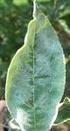 Sonoma County Grape Day February 15, 2012 Biology, Epidemiology, and Control of Powdery Mildew: Use of the UC Davis Powdery Mildew Risk Index W. D. Gubler, Department of Plant Pathology, University of
Cytospora Canker. A Hard Nut to Crack. My current ongoing projects 1/23/2013. 30% of Cherry trees
 Cytospora Canker: A Hard Nut to Crack Ramesh Pokharel My research and extension program is aimed at > Solving practical fruit production problems > Increased producer profitability > Strengthening the
PESTICIDES FOR SPECIALTY CROPS
 PESTICIDES FOR SPECIALTY CROPS Small Farm Program www.sfc.ucdavis.edu CALVIN FOUCHE, UC Cooperative Extension Small Farm Advisor, San Joaquin County; RICHARD MOLINAR, UCCE Small Farm Advisor, Fresno County;
Weed Control. Preplant Incorporated
 Methomyl (0 days-phi) For cutworms, armyworm, flea beetle, aphid, European corn borer, corn earworm, fall armyworm, rootworm beetles, picnic beetles. Certain hybrids are susceptible to methomyl injury;
Highbush Blueberry Management Schedule
 Extension and Advisory Team Highbush Blueberry Management Schedule A guide to insect, mite and disease management in highbush blueberries in Nova Scotia 2013 HIGHBUSH BLUEBERRY INSECT & DISEASE MANAGEMENT
Strawberry Production Basics: Matted Row
 Strawberry Production Basics: Matted Row David T. Handley, Vegetable and Small Fruits Specialist University of Maine Cooperative Extension Highmoor Farm, P.O. Box 179, Monmouth, Maine 04259 (207) 933-2100
Improved monitoring, threshold development, and control of grape berry moth in wine grapes
 Improved monitoring, threshold development, and control of grape berry moth in wine grapes Rufus Isaacs 1, Keith Mason 1 & Luis Teixeira 1,2 1. Department of Entomology, 2. Current address: DuPont, Wilmington,
Kumulus FUNGICIDES. Active ingredient: sulphur...800 g / kg
 Reg. No. L2404; N AR 0732 Act No. 36 of 1947 A water dispersible granular fungicide and acaricide for the control of powdery mildew, various other fungal diseases as well as certain mites and thrips on
Disease and Insect Control in Home Fruit Plantings
 PB 1622 (Available online only.) Disease and Insect Control in Home Fruit Plantings Steve Bost, Professor; Karen Vail, Professor; Patricia Barnwell, Extension Program Assistant III; and Frank Hale, Professor
FOR DISTRIBUTION AND USE ONLY WITHIN THE STATE OF OHIO. Dual MAGNUM. EPA Reg. 100-816. EPA SLN No. OH-110002
 FOR DISTRIBUTION AND USE ONLY WITHIN THE STATE OF OHIO Dual MAGNUM EPA Reg. 100-816 This label for Dual Magnum expires and must not be distributed or used in accordance with this SLN registration after
Midwest Tree Fruit Spray Guide
 214 Midwest Tree Fruit Spray uide Arkansas University of Arkansas A1282 Kentucky University of Kentucky Cooperative xtension Service ID-92 Illinois University of Illinois xtension ICS4-12 Missouri University
Blueberry Weed Management A. Richard Bonanno, Ph.D. UMass Extension [email protected]
 Blueberry Weed Management A. Richard Bonanno, Ph.D. UMass Extension [email protected] The primary goal of weed management is to optimize yields by minimizing competition between the weeds and the
Hop Pest Control. H. E. Morrison. jpf^vrsiolnrru; - «ibntoj."' «- '',orto JUN 6 I-JJ3
 Hop Pest Control H. E. Morrison its of jpf^vrsiolnrru; - «th ' s ibntoj."' «- '',orto JUN 6 I-JJ3 Agricultural Experiment Station Oregon State College Corvallis Circular of Information 589 May 1958 Hop
LIME SULPHUR INSECTICIDE MITICIDE FUNGICIDE COMMERCIAL DANGER: CORROSIVE TO EYES READ THE LABEL AND ATTACHED BOOKLET BEFORE USING
 datapak group M fungicide LIME SULPHUR INSECTICIDE MITICIDE FUNGICIDE COMMERCIAL DANGER: CORROSIVE TO EYES READ THE LABEL AND ATTACHED BOOKLET BEFORE USING REGISTRATION NO. 16465 PEST CONTROL PRODUCTS
Spider Mite Management in Strawberries
 Spider Mite Management in Strawberries Richard S. Cowles, Associate Scientist, Connecticut Agricultural Experiment Station Valley Laboratory, PO Box 248, Windsor, CT 06095-0248 Spider Mite Biology The
Integrated Pest Management
 Chapter 2 Integrated Pest Management In This Chapter Keywords After learning the information in this chapter, you will be able to: 1. Define Integrated Pest Management (IPM). 2. List and describe the 5
Tomato Year-Round IPM Program ANNUAL CHECKLIST (Reviewed 12/12)
 Tomato Year-Round IPM Program ANNUAL CHECKLIST (Reviewed 12/12) These practices are recommended for a monitoring-based IPM program that reduces water quality problems related to pesticide use. Track your
Dormant Season. Of Dormant Oil Spray Apple scab, Pear scab, Powdery mildew. pre-pink, pink, calyx, 1st & 2nd cover spray.
 99/2004 CLEAN CROP(R) LIME SULPHUR Lime Sulphur Insecticide Miticide Fungicide COMMERCIAL CAUTION CORROSIVE READ THE LABEL BEFORE USING REGISTRATION NO. 16465 PEST CONTROL PRODUCTS ACT GUARANTEE: Sulphide
Insect Pests of Pecan. Will Hudson Extension Entomologist
 Insect Pests of Pecan Will Hudson Extension Entomologist How important is nut drop to production? Pecan trees typically lose 75% of the pecans between nut set and shell hardening even when protected from
INSECT MANAGEMENT (Roberts & McPherson)
 INSECT MANAGEMENT (Roberts & McPherson) A number of insect pests are capable of severely damaging soybeans. However, it is important to realize that soybeans can withstand considerable insect damage at
SUPPLEMENTAL LABEL. Active Ingredient: Abamectin 1... 2.0%* Other Ingredients: 98.0% Total: 100.0%
 SUPPLEMENTAL LABEL Syngenta Crop Protection, Inc. P.O. Box 18300 Greensboro, NC 27419-8300 RESTRICTED USE PESTICIDE TOXIC TO FISH, MAMMALS, AND AQUATIC ORGANISMS FOR RETAIL SALE TO AND USE ONLY BY CERTIFIED
WEED MANAGEMENT LEARNING OBJECTIVES
 C 6 H A P TE R WEED MANAGEMENT LEARNING OBJECTIVES After completely studying this chapter, you should: Be able to define a weed and its four stages of development. Understand the differences between annual,
GRAIN SORGHUM. Preemergence
 Grain Sorghum 67 GRAIN SGHUM See page 23 for PRECAUTIONS on use of atrazine containing products near ground and surface water. See comments in the corn section for detailed information on each of the herbicides
Agchems Stellar Growth Sustainable or Not?
 Agchems Stellar Growth Sustainable or Not? The Crop Protection & Fine Chemicals Forum Gran Via Exhibition Centre, Barcelona, Chemspec Europe Dr Nigel Uttley Enigma Marketing Research 16th June 2009 Presentation
Fertilizer, Weed Control, Grubs, and General Application Questions
 Lawn Care FAQ s Fertilizer, Weed Control, Grubs, and General Application Questions Why do we have so many weeds? Dandelions in particular, weeds in general, do not seem concerned about how long lawn has
Utah Home Orchard Pest Management Guide
 Utah Home Orchard Pest Management Guide 2012 Diane Alston Marion Murray Claudia Nischwitz Publication HG137 Table of Contents Components of a Successful Pest Management Program... 3 Identifying Pests...
Crop Profile for Potatoes (Irish) in North Carolina
 Crop Profile for Potatoes (Irish) in North Carolina Prepared: August, 1999 Revised: November, 1999 General Production Information North Carolina ranks 14th in the United States in the production of Irish
Research Abstract for the CALIFORNIA LEAFY GREENS RESEARCH BOARD April 1, 2010 March 31, 2011
 Research Abstract for the CALIFORNIA LEAFY GREENS RESEARCH BOARD April 1, 2010 March 31, 2011 Project Title: Thrips Management In Lettuce Project Investigator: Eric Natwick University of California Cooperative
Pest Management Strategic Plan for Spinach in Delaware, Eastern Shore Maryland and New Jersey
 Pest Management Strategic Plan for Spinach in Delaware, Eastern Shore Maryland and New Jersey List of workgroup participants Growers: Keith Carlisle, Carlisle Farms, Greenwood, DE William J. Carlisle,
Rootmaster 400 SL. Reg No. L6478 Act No. 36 of 1947
 Rootmaster 400 SL Reg No. L6478 Act No. 36 of 1947 A systemic water soluble liquid fungicide for the control of diseases caused by Oomycetes on various crops, as listed in the directions for use. FRAC:
Powdery Mildew Control on Grapes in the San Joaquin Valley
 Powdery Mildew Control on Grapes in the San Joaquin Valley Allison Ferry-Abee Vi/culture Farm Advisor Tulare and Kings Coun/es Impacts of Powdery Mildew All grapes Can reduce photosynthesis, reducing brix
INTEGRATED PEST MANAGEMENT
 C 1 H A P TE R INTEGRATED PEST MANAGEMENT LEARNING OBJECTIVES After completely studying this chapter, you should: Be able to define integrated pest management. Understand the importance of an economic
Utah Home Orchard Pest Management Guide
 Utah Home Orchard Pest Management Guide Revised 2008 Diane Alston Marion Murray C. Kent Evans Publication HG137 Utah Home Orchard Pest Management Guide Table of Contents Components of a Successful Pest
List of safe chemicals for use at community garden sites in Lee County, Florida
 Fitzroy Beckford Extension Agent http://lee.ifas.ufl.edu List of safe chemicals for use at community garden sites in Lee County, Florida Insecticides Whether the product is considered organic or non-organic,
Integrated Pest Management
 Integrated Pest Management Andrea Veres Junior Technical Officer FAO REU [email protected] Yerevan, Armenia 2013 Why develop IPM? Agriculture was: not sustainable optimized inputs for maximum profit
Can I Use this Pesticide on My Organic Farm? Brian Baker
 Brian Baker Overview Organic agriculture relies primarily on biological and cultural practices to manage pests, weeds, and diseases. However, there are circumstances where some form of direct-kill method
COVER CROPS FOR RASPBERRY PLANTINGS
 COVER CROPS FOR RASPBERRY PLANTINGS Dr. Marvin Pritts, Department of Horticulture, Cornell University s College of Agriculture and Life Sciences, Ithaca, NY 14853 (For more information visit www.fruit.cornell.edu)
FOLPAN 50 WP (FOLPET) FUNGICIDE COMMERCIAL
 21-NOV-2008 2008-4133 GROUP M FUNGICIDE FOLPAN 50 WP (FOLPET) FUNGICIDE COMMERCIAL A wettable powder fungicide for the control of a number of fungus diseases on certain fruit, vegetable, ornamental and
Resistance to Pesticides. Rupert Knowles
 Resistance to Pesticides Rupert Knowles Farmer Choices If a farmer has a pest problem and has been advised to apply pesticides, he has many factors to think about. List 10 factors that affect the farmer
Tree Integrated Pest Management. Dan Nortman Virginia Cooperative Extension, York County
 Tree Integrated Pest Management Dan Nortman Virginia Cooperative Extension, York County IPM Refresher Definition: The use of a combination of appropriate pest control tactics to reduce pest population
SUGGESTIONS WEED CONTROL
 B-5045 10-98 SUGGESTIONS FOR WEED CONTROL IN SORGHUM Texas Agricultural Extension Service Chester P. Fehlis, Deputy Director The Texas A&M University System College Station, Texas Suggestions for Weed
Powdery Mildew in Western Washington Commercial Grape Production: Biology and Disease Management. washington state university extension em059e
 Powdery Mildew in Western Washington Commercial Grape Production: Biology and Disease Management washington state university extension em059e Powdery Mildew in Western Washington Commercial Grape Production:
Why Fruit Trees Die D. B. Meador, Extension Specialist (retired) University of Illinois
 Why Fruit Trees Die D. B. Meador, Extension Specialist (retired) University of Illinois Occasionally, fruit trees decline and often die. Diseases affecting the leaves, fruit, and twigs of fruit trees usually
Insect Control Update
 Insect Control Update Diane Alston Entomologist, Utah State University Utah State Horticultural Association Annual Convention January 31, 2012 Springville, UT Insect Control Update Spotted Wing Drosophila
Fruit Pest Control for Home Gardens
 Fruit Pest Control for Home Gardens Pest management in fruit gardens and home orchards should begin with good growing practices such as: Selecting pest resistant varieties adapted to Kansas conditions.
Tomato Disease Management in Greenhouses
 Purdue Extension publication BP-197-W University of Kentucky Cooperative Extension publication ID-233 Vegetable Diseases Tomato Disease Management in Greenhouses Photos by the authors Authors Daniel S.
Early Season Fungicide Applications. Document Classification: PUBLIC
 Early Season Fungicide Applications Controlling Dollar Spot Dollar spot (Sclerotinia homeocarpa) is becoming an increasingly troublesome disease to control. Several key factors and changes in golf course
E-215 04/10. Managing Insect and Mite Pests of Commercial Pecans in Texas
 E-25 0/0 Managing Insect and Mite Pests of Commercial Pecans in Texas Managing Insect and Mite Pests of Commercial Pecans in Texas Allen Knutson, Bill Ree and Mark Muegge* The pecan is an important horticultural
Wooly Whiteflies (Aleurothrixus floccosus)
 Cooperative Extension Wooly Whiteflies (Aleurothrixus floccosus) The University of Arizona $ College of Agriculture $ Tucson, Arizona 85721 (part of the publication Citrus Arthropod Pest Management in
Pest Control in Containers and nurseries - What You Should Know
 PEST CONTROL FOR CONTAIINER--GROWN LONGLEAF PIINE Scott Enebak and Bill Carey 1 Abstract: -- Several insect, weed, and disease pests are discussed that have been observed affecting container-grown longleaf
GUARANTEE: Bacillus thuringiensis, subspecies, kurstaki strain HD-1 (16 Billion International Units per kg).
 14-SEP-2001 Biological Insecticide DiPel* WP Wettable Powder COMMERCIAL GUARANTEE: Bacillus thuringiensis, subspecies, kurstaki strain HD-1 (16 Billion International Units per kg). REGISTRATION NO. 11252
Enterprise Guide for Southern Maryland: Growing Broccoli
 1 Fact Sheet 450 Enterprise Guide for Southern Maryland: Growing Broccoli Broccoli is a popular vegetable in both fresh and frozen forms and has become a common vegetable in salad bars. Recently it has
Homeowner Trees and Ornamentals
 Homeowner Trees Ornamentals Control Recommendations for 2011 Homeowner Trees Ornamentals: Control ARBORVITAE CEDAR icide INSECT Bagworms General : See ANR-191, "Controlling Bagworms on Ornamentals. Homeowners
Keep a Buffer Zone (Pesticide Free Zone) of 15 Meters between spray area and aquatic habitats.
 Nova* 40W Agricultural Fungicide GROUP 3 FUNGICIDE In Water-Soluble Pouches AGRICULTURAL READ THE LABEL AND BOOKLET BEFORE USING KEEP OUT OF REACH OF CHILDREN GUARANTEE: Myclobutanil 40% REGISTRATION NO.