
Joseph A. Cione, DPM, DABPS, FACFAS; John Cozzarelli, DPM, DABPS, FACFAS and Christopher Jay Mullin, DPM, DABPS, FACFAS
|
|
|
- Chad Lindsey
- 9 years ago
- Views:
Transcription
1 ORIGINAL RESEARCH A Retrospective Study of Radiofrequency Thermal Lesioning for the Treatment of Neuritis of the Medial Calcaneal Nerve and its Terminal Branches in Chronic Heel Pain Joseph A. Cione, DPM, DABPS, FACFAS; John Cozzarelli, DPM, DABPS, FACFAS and Christopher Jay Mullin, DPM, DABPS, FACFAS We undertook a retrospective analysis of 75 consecutive patients with recalcitrant plantar heel pain caused by calcaneal neuritis, all who were treated with radiofrequency thermal lesioning (RTL). The median age of the cohort was 55 (range 24 to 83) years, 25 (33.3%) of the patients were male, 50 (66.7%) of the patients were female, and 15 (20%) of the patients were treated for bilateral heel pain caused by medial calcaneal neuritis. The median preoperative VAS score was 9 (range 2 to 10), whereas the median long-term postoperative VAS score was 1 (range 0 to 8), and this difference was highly statistically significant (P.0001). Five (6.7%) of the patients experienced recurrent heel pain, over a median follow-up duration of 18 (range 12 to 36) months. Overall, 93.3% of the patients experienced satisfactory pain relief with radiofrequency lesioning for the treatment of recalcitrant plantar heel pain caused by medial calcaneal neuritis. Level of Clinical Evidence: 2 ( The Journal of Foot & Ankle Surgery 48(2): , 2009) Key Words: calcaneus, nerve ablation, nerve entrapment, radio frequency Plantar heel pain is generally understood to be one of the most common presenting complaints encountered by the foot and ankle specialist, and a variety of etiological factors comprise the differential diagnosis for plantar heel pain. Although a wide range of conservative treatments are used in the management of plantar heel pain, the pain may persist and become recalcitrant despite seemingly appropriate therapy. An overlooked, and sometimes undiagnosed clinical entity that may be responsible for plantar heel pain is entrapment of the medial calcaneal nerve (1 4). Tanz (5) concluded that inferior heel pain is caused by irritation of a Address correspondence to Joseph A. Cione, DPM, Podiatry Associates of Belleville, PC, 155 Belleville Avenue, Belleville, NJ [email protected]. Podiatry Associates of Belleville, Belleville, NJ. Financial Disclosure: None reported. Conflict of Interest: None reported. Copyright 2009 by the American College of Foot and Ankle Surgeons /09/ $36.00/0 doi: /j.jfas branch of the medial calcaneal nerve. Henricson and Westlin (2) analyzed 10 adults with chronic heel pain who were unresponsive to conservative treatment, and concluded that the patients symptoms were a result of compression of the anterior calcaneal nerve branch by the deep fascia of the abductor hallucis and, therefore, they recommended treatment by means of open external neurolysis. It is common to have a neurogenic component to be the cause of plantar heel pain (6). It has been documented in the literature that a neuroma of the medial calcaneal nerve branch as a cause of heel pain (1, 7). Heel neuromas are caused by the micro or macro trauma of bipedal ambulation on unyielding weightbearing surfaces such as concrete and asphalt (1). Repeated ambulation in the form of walking, running, or the work environment can cause micro trauma leading to inflammation of the nerve sheath. Chronic irritation of a nerve in an elbow, face, or hip results in inflammation of the nerve sheath, causing proliferation of the perineural connective tissues (8). Recurrent irritation can lead to chronic neuritis and ultimately hypertrophy of the nerve sheath fibers (9). 142 THE JOURNAL OF FOOT & ANKLE SURGERY

2 Davidson and Copoloff (1) described a neuroma of the medial calcaneal nerve branch as a cause of heel pain syndrome. Shandles et al s (7) study reviewed 317 cases of plantar heel pain, where 60 required surgical excision of a heel neuroma that were subsequently verified histologically with changes virtually identical with the classic Morton s neuroma. Rose et al (10) showed that entrapment of the medial calcaneal nerve plays an important role in the development of plantar heel pain; they were able to quantify abnormal sensibility in the cutaneous distribution of both the medial calcaneal nerve and/or the medial plantar nerve in a significant number of patients in plantar heel pain. Eighty-two patients with a chief complaint of plantar heel pain were evaluated for sensory abnormalities within the cutaneous distribution of both the medial calcaneal nerve and the medial plantar nerve using quantitative neurosensory testing with a pressure-specified sensory device. The results showed that 72.17% of the patients displayed abnormal sensory function within the distribution of the medial calcaneal nerve (10). In a recent study, a series of 25 patients with heel pain, Oztuna et al (11) found that 22 heels (88%) with heel pain had lateral plantar nerve entrapment signs with or without medial plantar nerve findings on electromyography (EMG). When ordinary heel pain attributed to plantar fasciitis does not respond to conservative care or there are changes in the symptoms during the conservative or surgical treatment phase, clinicians should start to think about nerve entrapment as being a the culprit (12). The diagnosis of medial calcaneal nerve entrapment is usually one of exclusion and is often only considered after failure of standard measures used for the treatment of mechanical heel pain. Radiofrequency thermal lesioning (RTL) works by means of lateral heat dissipation from the active electrode. In essence, an insulated electrode is placed into the tissues that are to be treated. When the electrical generator source is connected to this electrode, the impedance of the surrounding tissue conducts the electromagnetic energy (radio wave) from the generator source into the tissues, thereby generating heat in the involved tissues. The current spreads into the surrounding tissues as it leaves the tip of the electrode, raising the temperature of the tissues to the point where proteins denature and physiological function is disrupted. Precise placement of the tip of the electrode at the site of maximum pain is critical, because the tissues directly adjacent to the active electrode are heated (hence, damaged) the most (13). This causes destruction of the peripheral nerve endings, as well as the myelin sheath, at the site of maximal heel tenderness. RTL has been used in the treatment of a number of clinical entities including trigeminal neuralgia, lumbar disc herniation, coronary vascular disease, cardiac arrhythmia, cervical pain syndrome, and essential tremor. The use of RTL in the foot has been reported in regard to the treatment Name: Patient ID #: of Morton s neuroma, verrucae, and ingrown toenails (13). Percutaneous radiofrequency ablation of an osteoid osteoma involving the calcaneus was performed by Migues et al (14), and resulted in relief of pain without evidence of recurrence of symptoms or the lesion at a 3-year follow up. Solitto et al (13) performed RTL for resistant plantar fasciitis that was unresponsive to conservative treatments in 39 patients, and reported that 92% of the patients experienced complete resolution of symptoms following the procedure. Based on our understanding of the literature related to the use of RTL for conditions involving nerve pain, and because we believe that recalcitrant plantar heel pain, while initially presenting as plantar fasciosis, often involves neuritis of the medial calcaneal nerves near the attachment of the plantar fascia to the calcaneus, we undertook a retrospective cohort investigation to evaluate the effectiveness of RTL in the treatment of plantar heel pain unresponsive to traditional therapeutic measures. Patients and Methods Age: 1. Which heel was causing you pain? Right Left Both 2. How long have you experienced the heel pain? 0-6mos. 7-12mos. Over 12 mos. 3. Please circle previous treatments received: anti-inflammatory medication, steroid injections, shoe inserts/orthotic, physical therapy, taping/strapping, home stretching, open heel surgery. 4. Using the pain scale below, please rate your pain level before the procedure: No Pain Severe Pain 5. Which heel was treated using radio frequency? Right Left Both 6. Are you currently using custom-made esthetics? Yes No 7. Using the pain scale below, please rate your pain level following the radio frequency procedure No Pain Severe Pain 8. How would you rate the overall success of the radio frequency procedure? Completely Successful - Very Successful - Moderately Successful - Marginally Successful - Not Successful at all. 9. What % of improvement in this heel pain have you experienced since the radio frequency procedure? 10. Would you have this procedure performed again if applicable? Yes or No. 11. Would you recommend this procedure to a friend or family member? Yes or No. FIGURE 1 Radiofrequency thermal lesioning questionnaire. We reviewed the records of all of the patients who had undergone RTL for the treatment of recalcitrant plantar calcaneal heel pain, initially diagnosed as proximal plantar VOLUME 48, NUMBER 2, MARCH/APRIL

3 FIGURE 2 After palpating the heel and marking the points of maximum tenderness, the foot is prepped and draped and a pneumatic ankle tourniquet inflated, after which the osseous structures of the plantar heel are visualized using fluoroscopic image intensification. FIGURE 3 Fluoroscopic placement of a 22-gauge cannula with a solid stylet inserted into the first marked site. fasciosis, and ultimately identified as medial calcaneal neuritis, during the time period extending from January 2000 to January The initial diagnosis of proximal plantar fasciosis was made based on clinical and radiographic, as well as ultrasonography, findings. In 2004, each of the patients who had undergone RTL was sent a survey (Figure 1) in an effort to evaluate their long-term results following the procedure. At that time, moreover, each patient was also asked to rate their current level of pain, and to recall their preoperative level of pain, using a 10-cm visual analog scale (VAS) rating system. Before undergoing RTL, for each of the patients, conservative treatment was attempted for at least 6 months, and included the use of oral anti-inflammatory medications, local corticosteroid injections, foot orthotics, physical therapy, padding and strapping, a home stretching program, and the use of a plantar fascia night splint. When conservative treatment failed and the plantar heel pain persisted, further diagnostic testing was performed on each of the patients. An electrodiagnostic sensory nerve conduction threshold (snct) test was performed on each patient using the Neurometer CPT Device (Neurotron Inc., Baltimore, MD), which measures the current perception threshold (CPT) of the sensory nerve. The neuroselective snct test is capable of documenting abnormalities in both large and small fibers (15), and it is capable of measuring sensory dysfunction ranging from the hyperesthesia associated with early nerve irritation to hypoesthesia associated with profound loss of sensory function (16, 17). Every patient who had an abnormal snct result was considered a candidate for the RTL procedure. RTL was attempted on consecutive patients who failed 6 months or more of conservative treatment for their plantar heel pain, if they also had an abnormal snct result. FIGURE 4 The radio energy generator (Radionics RFG-3C Lesion Generator, Radionics, Inc., Burlington, MA). Before entering the operating room, each patient s heel was palpated and the area or areas of maximum tenderness were indicated with a marking pen. Following identification of the specific areas of tenderness, the patient was administered general anesthesia and the involved foot was prepped and draped in a sterile fashion. An ankle tourniquet was inflated to 250 mm Hg following exsanguination of the foot and ankle (Figure 2). Under fluoroscopic guidance, a 22-gauge cannula with a solid stylet was inserted into the first marked site (Figure 3). After proper placement of the cannula and stylet at the level of the proximal attachment of the plantar fascia, the inner stylet was removed leaving the 22-gauge cannula in place. It is through this cannula that the insulated radiofrequency probe was inserted and then connected to the radio energy generator (Radionics RFG-3C Lesion Generator, Radionics, Inc., Burlington, MA) (Figure 4). After confirming placement of the electrode fluoroscopically, muscle stimulation was performed with the electrode at low energy to ensure that the tip of the electrode was not in a muscle belly. The energy required to stimulate muscle 144 THE JOURNAL OF FOOT & ANKLE SURGERY

4 FIGURE 6 Radiofrequency thermal lesioning of the plantar heel, at a site different from that depicted in Figure 5. return to shoe gear immediately following the procedure and was able ambulate on the foot as tolerated. No other postoperative medications were provided, and the patient was instructed to ambulate as desired, and to follow up at scheduled visits. Patients were also instructed to continue with supportive shoe gear and orthoses, and to continue stretching, if they desired. Results FIGURE 5 Radiofrequency thermal lesioning lead inserted into the plantar heel. is much lower than that required to cause radiofrequency thermal lesioning. During this process of muscle stimulation, if any gross movement of the digits or if any muscle fasciculation was evident, the cannula was redirected. It is important that the tip of the electrode not be in muscle, rather it should be placed at the level of the plantar fascia attachment to the calcaneus or, if a distally elongated shelflike plantar calcaneal spur is present, at the tip and just plantar to the spur. After confirming proper placement of the electrode, the thermal lesion was produced using radiofrequency heat at 86 C for 105 seconds (Figures 5 and 6). The area was lesioned for a total of 90 seconds, following a 15-second lead-in time during which the Radionics RFG-3C Generator reached the optimal temperature of 86 C. The lesioning process was repeated at each of the marked areas on the heel, after which 10 milliliters of a mixture of 8 ml of 1% lidocaine plain with 1 ml of 0.5% bupivacaine plain and 1 ml of triamcinolone acetonide (40 mg/ml) was injected in each of the treated sites. Following the injections, small bandages (coverlets) were applied to the involved sites on the heel, and the patient was allowed to A total of 75 consecutive patients, who underwent RTL for a total of 90 heels with medial calcaneal neuritis, were retrospectively evaluated. Of these patients, 25 (33.3%) were male, 50 (66.7%) were female, and the overall median age was 55 (range 24 to 83) years (mean years). Fifteen (20%) of the patients had the procedure performed on both feet. The median duration of follow-up was 18 (range 12 to 36) months. The most common areas of tenderness to palpation before administration of the RTL were noted along the medial aspect of the calcaneus, and along the central aspect of the plantar heel region. The average number of areas lesioned was 6 per foot. Each patient was asked to rate his or her heel pain using a 10-cm VAS. The median preoperative VAS score was 9 (range 2 to 10), whereas the median long-term postoperative VAS score was 1 (range 0 to 8), and this difference was highly statistically significant (P.0001) (Table 1). Overall, an approximately 79.7% reduction in pain, as measured by the 10-cm VAS, was observed following RTL. Overall, 5 (6.7%) of the patients experienced recurrent plantar heel pain, although none of the patients related any worsening of their pain in comparison to their preoperative status. There were no observed wound complications in this cohort, and all of the patients were able to ambulate in their regular shoes immediately following the RTL procedure. VOLUME 48, NUMBER 2, MARCH/APRIL

5 TABLE 1 Comparison of preoperative to postoperative pain* (N 90 heels in 75 patients) Preoperative pain, median (range) Discussion Postoperative pain, median (range) P value, Wilcoxon signed ranks test 9 (2, 10) 1 (0, 8).0001 *Patients graded their pain on a 10-cm visual analog scale, with 0 no pain, and 10 severe pain. A number of previously published reports (1 7, 10, 11), as well as the results of this cohort study, suggest that entrapment of the medial calcaneal nerve and heel neuroma are possible causes of recalcitrant plantar heel pain. In such cases, resection of the inflamed medial calcaneal nerve could be considered to be the last reasonable therapeutic intervention (1). When entrapment has led to formation of a neuroma-in-continuity, neurotomy and internal neurolysis have been considered (18, 19). RTL is a procedure that enables destruction of a peripheral nerve, hence resolution of pain associated with the nerve lesion, without the need for performing an open dissection of the heel. This type of intervention, while conveying some potential complications, allows a faster recuperation for the patient and a minimal recovery period, in comparison to more traditional methods of open surgical dissection. In an investigation by Solitto et al (13), RTL was used to treat 39 patients with resistant plantar fasciitis, and 92% of the patients in that study experienced complete resolution of their symptoms. In the investigation that we describe in this report, our success rate of 93.3% was very similar to that described by Solitto et al (13). In regard to potential causes of failure to adequately respond to RTL for plantar heel pain caused by calcaneal neuritis, a number of conditions come to mind. Subcutaneous bleeding following placement of the cannula can adversely affect the procedure by altering the resistance of the tissues surrounding the tip of the active electrode, thereby preventing the thermal reaction necessary to produced enervation (13). The procedure is also operator dependent, and inaccurate placement of the electrode in the heel can affect the outcome of the procedure. Furthermore, variation in the anatomy of the nerves located at the plantar and medial aspects of the heel could affect the outcome. For this reason, it is important to identify all of the focal areas of pain associated with the heel, and to precisely apply the RTL to each of these sites. Awareness that multiple calcaneal branches may innervate the heel suggests that surgery for heel pain of neural origin must employ a surgical approach that permits identification of all possible calcaneal branches (6). In 2002, Dellon et al (20) described the results of an anatomical study in which the medial and plantar aspects of the heel were innervated by just one medial calcaneal nerve in 37% of the feet, by 2 medial calcaneal nerves in 41% of the feet, by 3 medial calcaneal nerves in 19% of the feet, and by 4 medial calcaneal nerves in 3% of the feet. If all of the terminal branches innervating the medial heel are not addressed by RTL, then the procedure can fail. If the patient has difficulty in identifying the exact areas of tenderness, if the tip of the electrode is in the adjacent skeletal muscle belly, or if an adequate temperature is not sustained for a long enough period of time, the tissues intended for lesioning may not be completely denervated and symptoms may persist. Although 5 (6.7%) of our patients experienced recurrent heel pain, none of them displayed any findings consistent with other potential complications related to RTL. We feel that accurate placement of the electrode is a vital component in avoiding a possible complication related to the procedure. In theory, if the electrode tip is in close proximity to the bone, a periosteal burn could occur. In contrast, if the tip of the electrode is too superficial at the skin level, a skin burn wound or ulceration could occur at the lesioning site. Furthermore, excessive lesioning of the plantar heel can potentially cause atrophy of the fat pad or complete denervation of the entire plantar aspect of the heel. We recognize that our retrospective cohort study conveyed a number of methodological shortcomings that could threaten the validity of our conclusions. Although the 10-cm VAS pain scale is known to be a valid health measurement, the method in which it was used in this investigation, wherein patients were asked to recall their preoperative level of pain, was subject to recall bias because a long period of time had passed since they had undergone the RTL procedure. Moreover, we do not know how much of the clinical response was related to the injection that was administered following the RTL procedure, to continuation of any of the supportive measures, or simply to the passage of time following the RTL procedure. However, since the heel pain in each of the cases was recalcitrant, it is very likely that the RTL procedure had a clinically significant influence on the outcome. In conclusion, the use of RTL has shown its effectiveness in the treatment of a cohort of 75 patients who suffered with recalcitrant plantar heel pain of a neurogenic origin. The procedure requires specialized RTL equipment, as well as precise placement of the active electrode by means of fluoroscopic image intensification. Although the procedure did not relieve pain in every case, it did so in 93.3% of the patients, and was shown to be safe and associated with a rapid return to regular shoes and weight-bearing activity. References 1. Davidson MR, Copoloff JA. Neuromas of the heel. Clin Podiatr Med Surg 7: , THE JOURNAL OF FOOT & ANKLE SURGERY

6 2. Henricson AS, Westlin NE. Chronic calcaneal pain in athletes: entrapment of the calcaneal nerve? Am J Sports Med 12: , Savastano AA. Surgical neurectomy for the treatment of resistant painful heel. R I Med 68: , Dellon AL. Deciding when heel pain is of neural origin. J Foot Ankle Surg 40: , Tanz SS. Heel pain. Clin Orthop 28: , Kim J, Dellon AL. Neuromas of the calcaneal nerves. Foot Ankle Int 40: , Shandles ID, Pruchniewski J, Reynolds KL. Heel neuroma: the enigma of recalcitrant heel pain and an innovative approach highlighting sixty surgical cases and a review of two hundred and fifty-seven symptomatic but non-surgical cases. The Foot 12:10 20, Spinner M, Spencer PS. Nerve compression lesions of the upper extremity a clinical and experimental review. Clin Orthop 138:46 47, Beito SB, Krych SM, Harkless LB. Recalcitrant heel pain: traumatic fibrosis versus heel neuronal. J Am Podiatr Med 79: , Rose JD, Malay DS, Sorrento, DL. Neurosensory testing of the medial calcaneal and medial plantar nerves in patients with plantar heel pain. J Foot Ankle Surg 42: , Oztuna V, Ozge A, Eskandari MM, Colak M, Gölpinar A, Kuyurtar F. Nerve entrapment in painful heel syndrome. Foot Ankle Int 23: , Barrett SL. A guide to neurogenic etiologies of heel pain. Podiatry Today Nov:36 42, Solitto RJ, Plotkin EL, Klein PG, Mullin P. Early clinical results of the use of radio frequency lesioning in the treatment of plantar fasciitis. J Foot Ankle Surg 36: , Migues A, Velan O, Solari G, Pace G, Slullitel G, Araujo SA. Osteoid osteoma of the calcaneus: percutaneous radiofrequency ablation. J Foot Ankle Surg 44: , Cozzarelli J. How sensory nerve conduction threshold evaluations can facilitate early detection and improved outcomes. Podiatry Today May:58 61, Ro LS, Chen ST, Tang LM, Hsu WC, Chang HS, Huang CC. Current perception threshold testing in Fabry s disease. Muscle Nerve 22: , Kanamori A, Tanaka K, Umezawa S, Matoba K, Fujita Y, Iizuka T, Yajima Y. Current perception threshold in evaluating diabetic neuropathy. J Japanese Diabet Soc 8: , Brown BA. Internal neurolysis in traumatic peripheral nerve lesions in continuity. Surg Clin North Am 52: , Grimes DW, Garner RW. Medial calcaneal neurotomy for painful heel spurs: a preliminary report. Orthop Rev 7:57 58, Dellon AL, Kim J, Spaulding CM. Variations in the origin of the medial calcaneal nerve. J Am Podiatr Med Assoc 922:97 101, VOLUME 48, NUMBER 2, MARCH/APRIL

Heel Pain Syndromes DELLON INSTITUTES FOR PERIPHERAL NERVE SURGERY
 Heel Pain s 5 3333 N CALVERT ST, SUITE 370, BALTIMORE, MD 21218 T410 467 5400 F410 366 9826 delloninstitutes.com your complaints are Pain, numbness or burning in your heel. The timing of this pain and
Treatment of Recalcitrant Intermetatarsal Neuroma With 4% Sclerosing Alcohol Injection: A Pilot Study
 Treatment of Recalcitrant Intermetatarsal Neuroma With 4% Sclerosing Alcohol Injection: A Pilot Study Christopher F. Hyer, DPM,' Lynette R. Mehl, DPM,2 Alan J. Block, DPM, MS, FACFAS,3 and Robert B. Vancourt,
ADVANCEMENTS IN PLANTAR FASCIA SURGERY
 C H A P T E R 3 3 ADVANCEMENTS IN PLANTAR FASCIA SURGERY James L. Bouchard, DPM Andrea Cass, DPM INTRODUCTION It has been estimated that 90% of patients with plantar fasciitis and heel spur syndrome get
Joint Pain: Wrist, Knee, Shoulder, Ankle, Elbow, TMJ
 Joint Pain: Wrist, Knee, Shoulder, Ankle, Elbow, TMJ 6 3333 N CALVERT ST, SUITE 370, BALTIMORE, MD 21218 T410 467 5400 F410 366 9826 delloninstitutes.com your complaints are Your wrist hurts when you bend
Common Foot & Ankle Sports Injuries
 Common Foot & Ankle Sports Injuries Symptoms Related to Abnormal Foot Biomechanics & their Differential Diagnosis Daniel Pang BSc (Hon) P&O, Cped Certified Pedorthist (USA) Only 10% of foot having structure
Heel Pain: Heal! Amie C. Scantlin, DPM, MS, FACFAS Glencoe Regional Health Services (320) 864-3121 ext. 1933
 Heel Pain: Heal! Amie C. Scantlin, DPM, MS, FACFAS Glencoe Regional Health Services (320) 864-3121 ext. 1933 www.grhsonline.org Important Notice The information contained in this document is for informational
COMPLICATIONS OF PLANTAR FASCIA RELEASE
 C H A P T E R 8 COMPLICATIONS OF PLANTAR FASCIA RELEASE Michelle L. Butterworth, DPM INTRODUCTION Heel pain is one of the most common disorders that foot and ankle surgeons treat. Investigators have stated
.org. Plantar Fasciitis and Bone Spurs. Anatomy. Cause
 Plantar Fasciitis and Bone Spurs Page ( 1 ) Plantar fasciitis (fashee-eye-tiss) is the most common cause of pain on the bottom of the heel. Approximately 2 million patients are treated for this condition
Plantar Fasciitis. Plantar Fascia
 Plantar Fasciitis Introduction Plantar fasciitis is an inflammation of the thick band of tissue that connects your heel bone to your toes. This thick band of tissue is called the plantar fascia. Plantar
Plantar Fascia Release
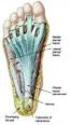 Plantar Fascia Release Introduction Plantar fasciitis is a common condition that causes pain around the heel. It may be severe enough to affect regular activities. If other treatments are unsuccessful,
ELECTROMYOGRAPHY (EMG), NEEDLE, NERVE CONDUCTION STUDIES (NCS) AND QUANTITATIVE SENSORY TESTING (QST)
 AND QUANTITATIVE SENSORY TESTING (QST) Coverage for services, procedures, medical devices and drugs are dependent upon benefit eligibility as outlined in the member's specific benefit plan. This Medical
Endoscopic Plantar Fasciotomy
 Endoscopic Plantar Fasciotomy Introduction Plantar fasciitis is a common condition that causes pain centralized around the heel. It may be severe enough to affect regular activities. Health care providers
Medical Policy An independent licensee of the Blue Cross Blue Shield Association
 Alcohol Injection Therapy for Morton s Neuroma Page 1 of 7 Medical Policy An independent licensee of the Blue Cross Blue Shield Association Title: Alcohol Injection Therapy for Morton s Neuroma Professional
Plantar fascia. Plantar Fasciitis (pain in the heel of the foot)
 ! Plantar fascia Plantar Fasciitis (pain in the heel of the foot) Plantar Fasciitis is the most common foot problem seen in runners and is often associated with an increase in running mileage. Typically
Objectives Learn the anatomy of the foot. Identify key terms associated with plantar fasciitis. Determine the causes of plantar fasciitis and understa
 Plantar Fasciitis Objectives Learn the anatomy of the foot. Identify key terms associated with plantar fasciitis. Determine the causes of plantar fasciitis and understand why it occurs. Recognize the injury
Groin Pain Syndromes
 Groin Pain s 4 3333 N CALVERT ST, SUITE 370, BALTIMORE, MD 21218 T410 467 5400 F410 366 9826 delloninstitutes.com your compaints are Pain, numbness or burning in the lower abdominal wall, and/or the pubic
A Guide to Heel Pain
 The Society of Chiropodists and Podiatrists A Guide to Heel Pain The Society of Chiropodists and Podiatrists Heel pain may be caused by a number of different problems; for effective treatment you need
Page 2 of 6 plantar fascia. This is called the windlass mechanism. Later, we'll discuss how this mechanism is used to treat plantar fasciitis with str
 Page 1 of 6 Plantar Fasciitis (Heel Pain) Plantar fasciitis is a painful condition affecting the bottom of the foot. It is a common cause of heel pain and is sometimes called a heel spur. Plantar fasciitis
Treating Bulging Discs & Sciatica. Alexander Ching, MD
 Treating Bulging Discs & Sciatica Alexander Ching, MD Disclosures Depuy Spine Teaching and courses K2 Spine Complex Spine Study Group Disclosures Take 2 I am a spine surgeon I like spine surgery I believe
Ankle Block. Indications The ankle block is suitable for the following: Orthopedic and podiatry surgical procedures of the distal foot.
 Ankle Block The ankle block is a common peripheral nerve block. It is useful for procedures of the foot and toes, as long as a tourniquet is not required above the ankle. It is a safe and effective technique.
Ms. Jackson is the Manager of Health Finance and Reimbursement, Division of Health Policy and Practice Services, Washington, DC.
 Electrodiagnostic Testing with Same Day Evaluation Management By: Shane J. Burr, MD; Scott I. Horn, DO; Jenny J. Jackson, MPH, CPC; Joseph P. Purcell, DO Dr. Burr practices general inpatient and outpatient
June 2010 Case Study: 33-year-old Male with Pudendal Pain Tuesday, 01 June 2010 13:44
 Welcome to the June 2010 Neurography Institute Case Study. In this issue, we learn how MR Neurography (MRN) and Interventional MR (IMR) helped a thirtysomething male regain his active lifestyle without
Informed Patient Tutorial Copyright 2012 by the American Academy of Orthopaedic Surgeons
 Informed Patient Tutorial Copyright 2012 by the American Academy of Orthopaedic Surgeons Informed Patient - Carpal Tunnel Release Surgery Introduction Welcome to the American Academy of Orthopaedic Surgeons'
Spinal Arthrodesis Group Exercises
 Spinal Arthrodesis Group Exercises 1. Two surgeons work together to perform an arthrodesis. Dr. Bonet, a general surgeon, makes the anterior incision to gain access to the spine for the arthrodesis procedure.
GET A HANDLE ON YOUR HEEL PAIN GUIDE
 GET A HANDLE ON YOUR HEEL PAIN GUIDE American Podiatric Medical Association www.apma.org/heelpain Take a Moment to Focus in on Your Feet. Does one (or even both) of your heels hurt? If so, you aren t alone.
Plantar fasciitis is a common foot problem that occurs in 10%
 Review Article Plantar Fasciitis Heel Pain: Part 1 a Practical Management Plantar fasciitis is a common foot problem that occurs in 10% of the population. 1,2 The most involved age group is 40-50 3,4 Actually,
The Diagnosis and Management of Heel Pain in Active People
 The Diagnosis and Management of Heel Pain in Active People Perry Julien, D.P.M. Past President, American Academy of Podiatric Sports Medicine Podiatry Coordinator, 1996 Summer Olympic Games Atlanta Georgia
Electrodiagnostic Testing
 Electrodiagnostic Testing Electromyogram and Nerve Conduction Study North American Spine Society Public Education Series What Is Electrodiagnostic Testing? The term electrodiagnostic testing covers a
Intraoperative Nerve Monitoring Coding Guide. March 1, 2010
 Intraoperative Nerve Monitoring Coding Guide March 1, 2010 Please direct any questions to: Kim Brew Manager Reimbursement and Therapy Access Medtronic ENT (904) 279-7569 Rev 9/10 KB TO OUR PARTNERS IN
Predislocation syndrome
 Predislocation syndrome Sky Ridge Medical Center, Aspen Building Pre-dislocation syndrome, capsulitis, and metatarsalgia are all similar problems usually at the ball of the foot near the second and third
DIFFERENTIAL DIAGNOSIS OF LOW BACK PAIN. Arnold J. Weil, M.D., M.B.A. Non-Surgical Orthopaedics, P.C. Atlanta, GA
 DIFFERENTIAL DIAGNOSIS OF LOW BACK PAIN Arnold J. Weil, M.D., M.B.A. Non-Surgical Orthopaedics, P.C. Atlanta, GA MEDICAL ALGORITHM OF REALITY LOWER BACK PAIN Yes Patient will never get better until case
PLANTAR FASCITIS (Heel Spur Syndrome)
 PLANTAR FASCITIS (Heel Spur Syndrome) R. Amadeus Mason MD Description Plantar fascitis is characterized by stiffness and inflammation of the main fascia (fibrous connective [ligament-like] tissue) on the
Integumentary System Individual Exercises
 Integumentary System Individual Exercises 1. A physician performs an incision and drainage of a subcutaneous abscess in his office for a particularly uncooperative established patient. How should this
A Patient s Guide to Plantar Fasciitis. Foot and Ankle Center of Massachusetts, P.C.
 A Patient s Guide to Plantar Fasciitis Welcome to Foot and Ankle Center of Massachusetts, where we believe in accelerating your learning curve with educational materials that are clearly written and professionally
Osteoarthritis progresses slowly and the pain and stiffness it causes worsens over time.
 Arthritis of the Foot and Ankle Arthritis is the leading cause of disability in the United States. It can occur at any age, and literally means "pain within a joint." As a result, arthritis is a term used
Heel pain and Plantar fasciitis
 A patient s guide Heel pain and Plantar fasciitis Fred Robinson BSc FRCS FRCS(orth) Consultant Trauma & Orthopaedic Surgeon Alex Wee BSc FRCS(orth) Consultant Trauma & Orthopaedic Surgeon. What causes
Posttraumatic medial ankle instability
 Posttraumatic medial ankle instability Alexej Barg, Markus Knupp, Beat Hintermann Orthopaedic Department University Hospital of Basel, Switzerland Clinic of Orthopaedic Surgery, Kantonsspital Baselland
POST SURGICAL RETURN OF RIGHT LEG PAIN. TREATED SUCCESSFULLY WITH COX FLEXION DISTRACTION DECOMPRESSION ADJUSTING
 POST SURGICAL RETURN OF RIGHT LEG PAIN. TREATED SUCCESSFULLY WITH COX FLEXION DISTRACTION DECOMPRESSION ADJUSTING A 47 year old white married female was seen for the chief complaint of low back and right
PODIATRIC SURGERY INFORMATION GUIDE: MANAGEMENT OF PLANTAR FASCIITIS/HEEL PAIN
 PODIATRIC SURGERY INFORMATION GUIDE: MANAGEMENT OF PLANTAR FASCIITIS/HEEL PAIN What is Plantar Fasciitis? Plantar fasciitis is pain in the heel and arch area of the foot. The plantar fascia is a strong
A Patient s Guide to Diffuse Idiopathic Skeletal Hyperostosis (DISH)
 A Patient s Guide to Diffuse Idiopathic Skeletal Hyperostosis (DISH) Introduction Diffuse Idiopathic Skeletal Hyperostosis (DISH) is a phenomenon that more commonly affects older males. It is associated
X Stop Spinal Stenosis Decompression
 X Stop Spinal Stenosis Decompression Am I a candidate for X Stop spinal surgery? You may be a candidate for the X Stop spinal surgery if you have primarily leg pain rather than mostly back pain and your
How To Treat Heel Pain
 Plantar Fasciitis, Heel Spurs, Heel Pain The Plantar Fasciitis Organization is dedicated to the understanding of Plantar Fasciitis, Heel Spurs, and all other forms of Heel Pain. Welcome to the Plantar
Chamnanni Rungprai, M.D.
 Outcomes of single versus multi-level Gastrosoleus or Achilles tendon lengthening Techniques: A Comparative Study 1,2 Chamnanni Rungprai, M.D. Co-authors 1 Christopher Cyclosz, M.D. 1 Phinit Phisitkul,
.org. Posterior Tibial Tendon Dysfunction. Anatomy. Cause. Symptoms
 Posterior Tibial Tendon Dysfunction Page ( 1 ) Posterior tibial tendon dysfunction is one of the most common problems of the foot and ankle. It occurs when the posterior tibial tendon becomes inflamed
Pain Management. Practical Applications in Electrotherapy
 Pain Management Practical Applications in Electrotherapy The TENS Advantage Deliver Immediate Pain Relief using a unique waveform designed to help prevent nerve accommodation. Manage Dynamic Pain by adjusting
ORIGINAL ARTICLE. EXCISION OF RETROCALCANEAL SPUR BY A LATERAL APPROACH FOR RELIEF OF HEEL PAIN. Nandivada V.S. Kiran Kumar
 EXCISION OF RETROCALCANEAL SPUR BY A LATERAL APPROACH FOR RELIEF OF HEEL PAIN. Nandivada V.S. Kiran Kumar 1. Assistant Professor. Department of Orthopaedics, King George Hospital. Visakhapatnam. CORRESPONDING
Electroneuromyographic studies
 Electroneuromyographic studies in the diagnosis of Pudendal Entrapment Syndrome BY NAGLAA ALI GADALLAH PROFESSOR OF PHYSICAL MEDICINE, RHEUMATOLOGY& REHABILITATION AIN SHAMS UNIVERSITY Pudendal neuralgia
Understanding. Heel Pain
 Understanding Heel Pain What Causes Heel Pain? Heel pain is a common problem that occurs when the heel is placed under too much stress. Heel pain is most often caused by walking in ways that irritate tissues
Ultrasound of muscle disorders
 Ultrasound of muscle disorders Sigrid Pillen MD PhD Pediatric neurologist The Netherlands Disclosures None "Muscle ultrasound disclaimer" Muscle ultrasound Introduction Specific NMD Quantification Dynamic
CLINICAL PRACTICE GUIDELINES FOR MANAGEMENT OF LOW BACK PAIN
 CLINICAL PRACTICE GUIDELINES FOR MANAGEMENT OF LOW BACK PAIN Low back pain is very common, up to 90+% of people are affected by back pain at some time in their lives. Most often back pain is benign and
Herniated Cervical Disc
 Herniated Cervical Disc North American Spine Society Public Education Series What Is a Herniated Disc? The backbone, or spine, is composed of a series of connected bones called vertebrae. The vertebrae
Chapter 140 Heel Pain
 Chapter 140 Heel Pain David R. Richardson, MD E. Greer Richardson, MD I. Overview and Epidemiology A. General characteristics Heel pain (subcalcaneal pain syndrome) is the most common foot-related symptom
Aetna Nerve Conduction Study Policy
 Aetna Nerve Conduction Study Policy Policy Aetna considers nerve conduction velocity (NCV) studies medically necessary when both of the following criteria are met: 1. Member has any of the following indications:
Spinal Cord Stimulation (SCS) Therapy: Fact Sheet
 Spinal Cord Stimulation (SCS) Therapy: Fact Sheet What is SCS Therapy? Spinal cord stimulation (SCS) may be a life-changing 1 surgical option for patients to control their chronic neuropathic pain and
Herniated Disk. This reference summary explains herniated disks. It discusses symptoms and causes of the condition, as well as treatment options.
 Herniated Disk Introduction Your backbone, or spine, has 24 moveable vertebrae made of bone. Between the bones are soft disks filled with a jelly-like substance. These disks cushion the vertebrae and keep
.org. Achilles Tendinitis. Description. Cause. Achilles tendinitis is a common condition that causes pain along the back of the leg near the heel.
 Achilles Tendinitis Page ( 1 ) Achilles tendinitis is a common condition that causes pain along the back of the leg near the heel. The Achilles tendon is the largest tendon in the body. It connects your
Image-guided Spine Procedures for Relief of Severe Lower Back Pain:
 Image-guided Spine Procedures for Relief of Severe Lower Back Pain: A Guide to Epidural Steroid Injection, Facet Joint Injection, and Selective Nerve Root Block. PETER H TAKEYAMA MD HENRY WANG MD PhD SVEN
Accelerated recovery of post-operative dental implant patients by means of pulsed shortwave (SWT) therapy: An Observational Study
 Bartolomeo Operti, MD and Dr Tiziano Tealdo Accelerated recovery of post-operative dental implant patients by means of pulsed shortwave (SWT) therapy: Bartolomeo Operti, MD Chief of Anesthesia Department
Nonoperative Management of Herniated Cervical Intervertebral Disc With Radiculopathy. Spine Volume 21(16) August 15, 1996, pp 1877-1883
 Nonoperative Management of Herniated Cervical Intervertebral Disc With Radiculopathy 1 Spine Volume 21(16) August 15, 1996, pp 1877-1883 Saal, Joel S. MD; Saal, Jeffrey A. MD; Yurth, Elizabeth F. MD FROM
MODIFIED STRAYER GASTROCNEMIUS RECESSION: A Technique Guide for the Supine Positioned Patient
 C H A P T E R 4 5 MODIFIED STRAYER GASTROCNEMIUS RECESSION: A Technique Guide for the Supine Positioned Patient M. Jay Groves, IV, DPM Gastrosoleal equinus is a common deforming force on the foot and ankle.
Lesions, and Masses, and Tumors Oh My!!
 Lesions, and Masses, and Tumors Oh My!! Presented by: Susan Ward, CPC, CPC-H, CPC-I, CPCD, CEMC, CPRC 1 1 CPT GUIDELINES Agenda CPT DEFINITIONS OP REPORT CASES 2 Definitions Cyst - a closed sac having
Femoral Nerve Block/3-in-1 Nerve Block
 Femoral Nerve Block/3-in-1 Nerve Block Femoral and/or 3-in-1 nerve blocks are used for surgical procedures on the front portion of the thigh down to the knee and postoperative analgesia. Both blocks are
Podiatric Surgeon s Primer on Thyroid Pathology and Entrapment Neuropathies
 Podiatric Surgeon s Primer on Thyroid Pathology and Entrapment Neuropathies Damien M. Dauphinee, DPM, FACFAS, CWS-P Past President Association of Extremity Nerve Surgeons Goals and Objectives Is there
Back & Neck Pain Survival Guide
 Back & Neck Pain Survival Guide www.kleinpeterpt.com Zachary - 225-658-7751 Baton Rouge - 225-768-7676 Kleinpeter Physical Therapy - Spine Care Program Finally! A Proven Assessment & Treatment Program
Open Discectomy. North American Spine Society Public Education Series
 Open Discectomy North American Spine Society Public Education Series What Is Open Discectomy? Open discectomy is the most common surgical treatment for ruptured or herniated discs of the lumbar spine.
A Patient s Guide to Carpal Tunnel Syndrome
 A Patient s Guide to Carpal Tunnel Syndrome 651 Old Country Road Plainview, NY 11803 Phone: 5166818822 Fax: 5166813332 [email protected] DISCLAIMER: The information in this booklet is compiled from a
Case Series on Chronic Whiplash Related Neck Pain Treated with Intraarticular Zygapophysial Joint Regeneration Injection Therapy
 Pain Physician 2007; 10:313-318 ISSN 1533-3159 Case Series Case Series on Chronic Whiplash Related Neck Pain Treated with Intraarticular Zygapophysial Joint Regeneration Injection Therapy R. Allen Hooper
Preventing Potential Claims of Negligence What Would You Do Settle or Go to Trial?
 Preventing Potential Claims of Negligence What Would You Do Settle or Go to Trial? Ross E. Taubman, DPM PICA President and Chief Medical Officer 2013 APMA YOUNG PHYSICIANS INSTITUTE April 12 14 PICA Headquarters
Spinal Injections. North American Spine Society Public Education Series
 Spinal Injections North American Spine Society Public Education Series What Is a Spinal Injection? Your doctor has suggested that you have a spinal injection to help reduce pain and improve function. This
Adult Advisor: Plantar Fasciitis. Plantar Fasciitis
 Adult Advisor: Plantar Fasciitis Page 1 of 3 Plantar Fasciitis What is plantar fasciitis? Plantar fasciitis is a painful inflammation of the bottom of the foot between the ball of the foot and the heel.
Chapter 33. Nerve Physiology
 Chapter 33 NERVE AND VASCULAR INJURIES OF THE HAND KEY FIGURES: Digital nerve location on finger Epineurial repair Nerves and blood vessels of the hand and fingers usually are quite delicate, and some
Calcaneus (Heel Bone) Fractures
 Copyright 2010 American Academy of Orthopaedic Surgeons Calcaneus (Heel Bone) Fractures Fractures of the heel bone, or calcaneus, can be disabling injuries. They most often occur during high-energy collisions
Differentiating Cervical Radiculopathy and Peripheral Neuropathy. Adam P. Smith, MD
 Differentiating Cervical Radiculopathy and Peripheral Neuropathy Adam P. Smith, MD I have no financial, personal, or professional conflicts of interest to report Radiculopathy versus Neuropathy Radiculopathy
Medical Treatment Guidelines Washington State Department of Labor and Industries
 Complex regional pain syndrome (CRPS) Formerly known as reflex sympathetic dystrophy 1. Introduction This bulletin outlines the Department of Labor and Industries guidelines for diagnosing and treating
.org. Cervical Spondylosis (Arthritis of the Neck) Anatomy. Cause
 Cervical Spondylosis (Arthritis of the Neck) Page ( 1 ) Neck pain can be caused by many things but is most often related to getting older. Like the rest of the body, the disks and joints in the neck (cervical
Outline. The Agony of the Foot: Disclosure. Plantar Fasciitis. Top 5 Foot and Ankle Problems in Primary Care. Daniel Thuillier, M.D.
 The Agony of the Foot: Top 5 Foot and Ankle Problems in Primary Care Daniel Thuillier, M.D. Assistant Professor of Clinical Orthopaedics University of California San Francisco Plantar Fasciitis Achilles
Sample Treatment Protocol
 Sample Treatment Protocol 1 Adults with acute episode of LBP Definition: Acute episode Back pain lasting
Whiplash and Whiplash- Associated Disorders
 Whiplash and Whiplash- Associated Disorders North American Spine Society Public Education Series What Is Whiplash? The term whiplash might be confusing because it describes both a mechanism of injury and
Residency Competency and Proficiency Statements
 Residency Competency and Proficiency Statements 1. REQUEST AND RESPOND TO REQUESTS FOR CONSULTATIONS Identify needs and make referrals to appropriate health care providers for the treatment of physiologic,
(Formerly Sacroiliac Joint Arthrography and Injection)
 Protocol Diagnosis and Treatment of Sacroiliac Joint Pain (Formerly Sacroiliac Joint Arthrography and Injection) Medical Benefit Effective Date: 04/01/12 Next Review Date: 01/13 Preauthorization* Yes Review
THE WRIST. At a glance. 1. Introduction
 THE WRIST At a glance The wrist is possibly the most important of all joints in everyday and professional life. It is under strain not only in many blue collar trades, but also in sports and is therefore
Physician Labeling. ( Clinical Application of the Duolith SD1 will be added to Operating Manuals upon PMA Approval.)
 Physician Labeling ( Clinical Application of the Duolith SD1 will be added to Operating Manuals upon PMA Approval.) CAUTION: Federal law restricts this device to sale by or on the order of a physician.
When is Hip Arthroscopy recommended?
 HIP ARTHROSCOPY Hip arthroscopy is a minimally invasive surgical procedure that uses a camera inserted through very small incisions to examine and treat problems in the hip joint. The camera displays pictures
HEADACHES AND THE THIRD OCCIPITAL NERVE
 HEADACHES AND THE THIRD OCCIPITAL NERVE Edward Babigumira M.D. FAAPMR. Interventional Pain Management, Lincoln. B. Pain Clinic, Ltd. Diplomate ABPMR. Board Certified Pain Medicine No disclosures Disclosure
Plantar Heel Pain. By: Kevin Kleiner, M.B.S. New York College of Podiatric Medicine
 Plantar Heel Pain By: Kevin Kleiner, M.B.S. New York College of Podiatric Medicine Plantar Heel Pain: - Many Etiologies but few solutions Plantar heel pain more specifically: Heel pain felt in ones rear-foot
A Patient s Guide to Shoulder Pain
 A Patient s Guide to Shoulder Pain Part 2 Evaluating the Patient James T. Mazzara, M.D. Shoulder and Elbow Surgery Sports Medicine Occupational Orthopedics Patient Education Disclaimer This presentation
ILIOTIBIAL BAND SYNDROME
 ILIOTIBIAL BAND SYNDROME Description The iliotibial band is the tendon attachment of hip muscles into the upper leg (tibia) just below the knee to the outer side of the front of the leg. Where the tendon
KnifeLight. Carpal Tunnel Ligament Release. Operative Technique
 KnifeLight Carpal Tunnel Ligament Release Operative Technique Contents Page 1. Features & Benefits 3 Intended Use and Indications 3 Contraindications 3 Features & Benefits 3 2. Operative Technique 4 Antegrade
Intra-operative Nerve Monitoring Coding Guide. March 1, 2011
 Intra-operative Nerve Monitoring Coding Guide March 1, 2011 Please direct any questions to: Patty Telgener, RN Vice President, Reimbursement Services Emerson Consultants (303) 526-7604 (office) (303) 570-2159
Welcome to the July 2012 edition of Case Studies from the files of the Institute for Nerve Medicine in Santa Monica, California.
 Welcome to the July 2012 edition of Case Studies from the files of the Institute for Nerve Medicine in Santa Monica, California. In this issue, we focus on a 23-year-old female patient referred by her
HEEL PAIN. Differential diagnosis. 1. Insertional Plantar fascitis. 2. Enthesis. 3. Heel pad atrophy. 4. Tarsal tunnel syndrome
 HEEL PAIN Differential diagnosis 1. Insertional Plantar fascitis 2. Enthesis 3. Heel pad atrophy 4. Tarsal tunnel syndrome 5. Calcaneal stress fracture 6. Haglund s syndrome 7. Posterior ankle impingement
 Full version is >>> HERE
 EMG and the Electrodiagnostic Consultation for the Family Physician
 EMG and the Electrodiagnostic Consultation for the Family Physician Stephanie Kopey, D.O., P.T. 9/27/15 The American Association of Neuromuscular & Electrodiagnostic Medicine (AANEM) Marketing Committee
Effects of Vertebral Axial Decompression (VAX-D) On Intradiscal Pressure
 Effects of Vertebral Axial Decompression (VAX-D) On Intradiscal Pressure Gustavo Ramos, M.D., William Marin, M.D. Journal of Neursurgery 81:35-353 1994 Departments of Neurosurgery and Radiology, Rio Grande
Therapeutic shoes (for individuals with diabetes) and foot (in-shoe) orthotics are reimbursable under Plans administered by QualCare, Inc.
 Subject: Foot Orthotics and Diabetic Shoes* Effective Date: October 1, 1999 Department(s): Utilization Management Policy: Objective: Procedure: Therapeutic shoes (for individuals with diabetes) and foot