
Chapter 24: Soft-Tissue Injuries
|
|
|
- Kelley Richards
- 9 years ago
- Views:
Transcription
1 Chapter 24 Soft-Tissue Injuries Unit Summary After students complete this chapter and the related course work, they will have an understanding of types of open and closed soft-tissue injuries, how to care for soft-tissue injuries, including the use of dressings and bandages, the assessment and care of different types of burns including thermal, chemical, and electrical burns. National EMS Education Standard Competencies Trauma Applies fundamental knowledge to provide basic emergency care and transportation based on assessment findings for an acutely injured patient. Soft-Tissue Trauma Recognition and management of: Wounds (pp ) Burns Electrical (pp , , ) Chemical (pp , ) Thermal (pp , , ) Chemicals in the eye and on the skin (pp , ) Pathophysiology, assessment, and management of: Wounds Burns Avulsions (pp , ) Bite wounds (pp , ) Lacerations (pp , ) Puncture wounds (pp , ) Incisions (pp , ) Electrical (pp , , , ) Chemical (pp , , ) Thermal (pp , , , ) Radiation (pp , , ) 2011 Jones & Bartlett Learning, LLC ( 1

2 Crush syndrome (pp , ) Knowledge Objectives 1. Discuss the anatomy of the skin, including the layers of the skin. (pp ) 2. Understand the functions of the skin. (p 806) 3. Describe the three types of soft-tissue injuries. (pp ) 4. Describe the types of closed soft-tissue injuries. (pp ) 5. Describe the types of open soft-tissue injuries. (pp ) 6. Discuss the assessment of both closed and open injuries. (pp ) 7. Describe the relationship between airway management and the patient with closed and open injuries. (pp ) 8. Describe the emergency medical care for closed and open injuries. (pp ) 9. Explain the emergency medical care for a patient with an open wound to the abdomen. (p 819) 10. Discuss the emergency medical care for a patient with an impaled object. (pp ) 11. Discuss the emergency medical care for neck injuries. (p 821) 12. Discuss the management of small animal bites, human bites, and rabies. (pp ) 13. Explain how the seriousness of a burn is related to its depth and extent. (pp ) 14. Define and give the characteristics of superficial, partial-thickness, and fullthickness burns. (p 824) 15. Describe and discuss the emergency management of chemical, electrical, thermal, inhalation, and radiation burns. (pp ) 16. Explain the steps involved in the assessment of burns. (pp ) 17. Describe the emergency medical care for burn injuries. (pp , ) 18. Understand the functions of sterile dressings and bandages. (pp ) Skills Objectives 1. Demonstrate the emergency medical care of closed soft-tissue injuries. (p 817) 2. Demonstrate the emergency medical care of a patient with an open chest wound. (pp ) 3. Demonstrate how to control bleeding from an open soft-tissue injury. (pp , Skill Drill 24-1) 2011 Jones & Bartlett Learning, LLC ( 2

3 4. Demonstrate the emergency medical care of a patient with an open abdominal wound. (p 819) 5. Demonstrate how to stabilize an impaled object. (pp , Skill Drill 24-2) 6. Demonstrate how to care for a burn. (pp , Skill Drill 24-3) 7. Demonstrate the emergency medical care of a patient with a chemical, electrical, thermal, inhalation, or radiation burn. (pp , ) Readings and Preparation Review all instructional materials including Emergency Care and Transportation of the Sick and Injured, Tenth Edition, Chapter 24, and all related presentation support materials. This article from the International Association of Fire Chiefs (IAFC) discusses the prevalence of cyanide in house fires: This article, The Deadliest Fire Hazard, from the Alaska Science Forum discusses hydrogen cyanide in fires: Support Materials Lecture PowerPoint presentation Case Study PowerPoint presentation Skill Drill PowerPoint presentations Skill Drill 24-1, Controlling Bleeding From an Open Soft-Tissue Injury PowerPoint presentation Skill Drill 24-2, Stabilizing an Impaled Object PowerPoint presentation Skill Drill 24-3, Caring for Burns PowerPoint presentation Equipment to perform the psychomotor skills presented in this chapter. Several copies of line drawings of bodies infant, child, and adult for Rule of Nines activities Boxes of several (3 or more) different colors of plastic wrap Index cards labeled with injury types Skill Evaluation Sheets - Skill Drill 24-1, Controlling Bleeding From an Open Soft-Tissue Injury - Skill Drill 24-2, Stabilizing an Impaled Object - Skill Drill 24-3, Caring for Burns 2011 Jones & Bartlett Learning, LLC ( 3

4 Enhancements Direct students to visit the companion website to the Tenth Edition at for online activities. If available, see the You Are the EMT DVD Series. The series includes five DVDs, and one of the DVDs is about trauma. Available from the ISBN for this product is This U.S. Department of Health & Human Services website provides an excellent database for common household hazardous chemicals and the effects of exposure: Content connections: Remind students that they have discussed the circulatory system in other lessons and should be familiar with the mechanisms of clotting. Current controversies: As discussed in Chapter 23, Bleeding, recent studies have brought into question the effectiveness of using pressure points in severe external hemorrhage. Discuss the fact that, if allowed by local protocol and policy, many are moving to the use of a tourniquet without attempting pressure point control. Teaching Tips Images are integral to learning and the graphic nature of these chapters makes visuals especially captivating. Preview all graphics ahead of time so you can plan ahead to deal with students who are bothered by such visuals and with the other students who may become distracted or preoccupied by the visuals. Unit Activities Writing activities: Using the burn diagrams in the following visual thinking activity, have students, working alone or in groups, create burn scenarios based on the diagram injuries noted. Student presentations: Assign a topic from the chapter for each student to research further and report back to the class. Additional information should be easy to find, and topics should be clearly assigned. For example, instead of animal bites, assign a specific animal to each student: Emergency care of dog bites what should the EMT do? Do all patients need to go to the hospital? or, Wild animal bites what risks are there to the patient? What risks are there to the EMT? Allow time for students to present or display their work. Group activities: Give each group an injury card an index card labeled with an injury type (eg, abrasion, laceration). Students should discuss several mechanisms of injury that could possibly cause this injury and draw or list these on the other side of the card. Allow time for groups to share and discuss with the whole class Jones & Bartlett Learning, LLC ( 4

5 Medical terminology review: Ask each student to explain the different open and closed soft-tissue injuries. Provide photographs of each of the injuries described in the chapter and have the students identify the proper term on the back of the photo. Visual thinking: Distribute line drawing diagrams of bodies to apply the Rule of Nines. Hand out different colors of plastic wrap, each color designated ahead of time to represent first-, second-, or third-degree burns. Instruct students to add pieces of plastic wrap to each diagram. The amount and color of the plastic superimposed on the diagram represents a burn percentage and degree. Students should then exchange diagrams and calculate burn percentage and degree to calculate the level of severity. Students should also take into account the location of the burn when calculating the severity. If time permits, have students write a scenario to accompany each diagram and indicate the age, medical history, etc, of the patient as well as information about the burn. Pre-Lecture You are the Provider You are the Provider is a progressive case study that encourages critical thinking skills. Instructor Directions 1. Direct students to read the You are the Provider scenario found throughout Chapter You may wish to assign students to a partner or a group. Direct them to review the discussion questions at the end of the scenario and prepare a response to each question. Facilitate a class dialogue centered on the discussion questions and the Patient Care Report. 3. You may also use this as an individual activity and ask students to turn in their comments on a separate piece of paper. Lecture I. Introduction A. Soft-tissue injuries are common. 1. They can be as simple as a cut or scrape. 2. They can be as serious as a life-threatening internal injury. 3. Do not be distracted by dramatic open wounds. a. Do not make the mistake of neglecting other life-threatening conditions such as airway obstructions. B. The soft tissues of the body can be injured through a variety of mechanisms Jones & Bartlett Learning, LLC ( 5

6 1. A blunt injury occurs when the energy exchange between the patient and an object is more than the tissues can tolerate. 2. A penetrating injury occurs when an object breaks through the skin and enters the body. 3. Barotrauma injuries occur from sudden or extreme changes in air pressure. 4. Burns may also result in soft-tissue injuries. C. Soft-tissue trauma is the leading form of injury. 1. Open wounds account for approximately 6.5 million emergency department visits annually. 2. Nearly 5 million patients present with contusions (bruises). D. Death is often related to hemorrhage or infection. 1. Uncontrolled hemorrhage can lead to shock and death. 2. When the skin barrier is breached, invading pathogens can cause local or systemic infection. E. EMTs can teach children and others preventive actions. II. The Anatomy and Physiology of the Skin A. The skin is our first line of defense against external forces and infections. 1. It is the largest organ in the body. 2. It is relatively tough, but still susceptible to injury. a. Injuries range from simple bruises and abrasions to serious lacerations and amputations. b. Injuries may expose blood vessels, nerves, and bones. B. In all instances, you must: 1. Control bleeding. 2. Prevent further contamination to decrease the risk of infection. 3. Protect wounds from further damage. 4. Apply dressings and bandages to various parts of the body. C. Skin varies in thickness, depending on the person s age and the skin s location. 1. Skin is thinner in the very young and the very old. 2. Skin is thinner on the eyelids, lips, and ears than on the scalp, back, and soles of the feet. 3. Thin skin is more easily damaged than thick skin. D. Anatomy 1. The skin has two principal layers: the epidermis and dermis. a. The epidermis is the tough, external layer that forms a watertight covering for the body Jones & Bartlett Learning, LLC ( 6

7 i. The epidermis is itself composed of several layers. b. The dermis is the inner layer of the skin. i. It contains the hair follicles, sweat glands, and sebaceous glands. ii. Blood vessels in the dermis provide the skin with nutrients and oxygen. 2. Skin covers all the external surfaces of the body. a. The various openings in the body are lined with mucous membranes. i. Mucous membranes provide a protective barrier against bacterial invasion. ii. Mucous membranes secrete a watery substance that lubricates the openings. iii. Mucous membranes are moist, whereas skin is dry. E. Physiology 1. Skin serves many functions. a. Keeps pathogens out b. Keeps water in c. Assists in temperature regulation d. The nerves in the skin report to the brain on the environment and many sensations. 2. Any break in the skin allows bacteria to enter and raises the possibilities of infection, fluid loss, and loss of temperature control. a. Any one of these problems can cause serious illness and even death. III. Pathophysiology A. There are three types of soft-tissue injuries: 1. Closed injuries a. Damage occurs beneath the skin or mucous membrane. b. Surface of the skin remains intact. 2. Open injuries a. There is a break in the surface of the skin or mucous membrane. b. Exposes deeper tissues to contamination 3. Burns a. Damage results from: i. Thermal heat ii. Frictional heat iii. Chemicals iv. Electricity v. Nuclear radiation B. Pathophysiology of closed and open injuries 1. Healing of wounds is a natural process that involves several overlapping stages, all directed toward the larger goal of maintaining homeostasis. 2. Cessation of bleeding is the primary concern. a. Loss of blood hinders the provision of vital nutrients and oxygen to the affected area Jones & Bartlett Learning, LLC ( 7

8 b. It also impairs the tissue s ability to eliminate wastes. c. The end result is abnormal or absent function, which interferes with homeostasis. 3. The next wound healing stage is inflammation. a. Additional cells move into the damaged area to begin repair. b. White blood cells migrate to the area to combat pathogens that have invaded exposed tissue. c. Lymphocytes destroy bacteria and other pathogens. d. Mast cells release histamine. e. Inflammation ultimately leads to the removal of: i. Foreign material ii. Damaged cellular parts iii. Invading microorganisms 4. To replace the area damaged in a soft-tissue injury, a new layer of cells must be moved into this region. a. Cells quickly multiply and redevelop across the edges of the wound. b. Except in cases of clean incisions, the appearance of the restructured area seldom returns to the preinjury state. c. Despite the changed appearance, the function of the area may be restored to near normal. 5. New blood vessels form as the body attempts to bring oxygen and nutrients to the injured tissue. a. New capillaries bud from intact capillaries that lie adjacent to the damaged skin. b. These vessels provide a conduit for oxygen and nutrients and serve as a pathway for waste removal. 6. In the last stage of wound healing, collagen provides stability to the damaged tissue and joins wound borders, thereby closing the open tissue. a. Collagen is a tough, fibrous protein found in scar tissue, hair, bones, and connective tissue. b. Unfortunately, collagen cannot restore the damaged tissue to its original strength. C. Pathophysiology of burns 1. Burns are diffuse soft-tissue injuries created by destructive energy transfer via radiation, thermal, or electrical energy. a. Thermal burns can occur when skin is exposed to temperatures higher than 111 F (44 C). b. The severity of a thermal injury correlates directly with: i. Temperature ii. Concentration iii. Amount of heat energy possessed by the object or substance iv. Duration of exposure c. The greater the heat energy, the deeper the wound. 2. Exposure time is another important factor. 3. People reflexively limit heat energy and exposure time Jones & Bartlett Learning, LLC ( 8

9 a. If clothing is on fire or the person is trapped or unconscious, exposure time will be longer. IV. Closed and Open Injuries A. Closed injuries 1. Closed soft-tissue injuries are characterized by: a. History of blunt trauma b. Pain at the site of injury c. Swelling beneath the skin d. Discoloration 2. A contusion (bruise) is an injury that causes bleeding beneath the skin but does not break the skin. a. Contusions result from blunt forces striking the body. b. The epidermis remains intact, but cells within the dermis are damaged, and small blood vessels are usually torn. c. The buildup of blood produces a characteristic blue or black discoloration called ecchymosis. 3. A hematoma is blood that is collected within damaged tissue or in a body cavity. a. It occurs whenever a large blood vessel is damaged and bleeds rapidly. b. It is usually associated with extensive tissue damage. 4. A crushing injury occurs when a great amount of force is applied to the body. a. The extent of the damage depends on: i. How much force is applied ii. Amount of time that the force is applied b. Continued compression of the soft tissues will cut off circulation, producing further tissue destruction. 5. When an area of the body is trapped for longer than 4 hours and arterial blood flow is compromised, crush syndrome can develop. a. Crush syndrome is significant metabolic derangement that can lead to renal failure and death. 6. Compartment syndrome results from the swelling that occurs whenever tissues are injured. a. The cells that are injured leak watery fluid into the spaces between the cells. b. The pressure of the fluid may become great enough to compress the tissue and cause further damage. c. The hallmark sign is pain out of proportion to the injury. 7. Severe closed injuries can also damage internal organs. a. The greater the amount of energy absorbed from the blunt force, the greater the risk of injury to deeper structures. b. You must assess all patients with closed injuries for more serious hidden injuries Jones & Bartlett Learning, LLC ( 9

10 B. Open injuries 1. Open injuries differ from closed injuries in that the protective layer of the skin is damaged. a. This can produce extensive bleeding. 2. A break in the protective skin layer or mucous membrane means that the wound is contaminated and may become infected. a. Contamination describes the presence of infectious organisms or foreign bodies, such as dirt, gravel, or metal, in the wound. b. You must address excessive bleeding and contamination in your treatment of open soft-tissue wounds. c. There are four types of open soft-tissue wounds: i. Abrasions ii. Lacerations iii. Avulsions iv. Penetrating wounds 3. An abrasion is a wound of the superficial layer of the skin, caused by friction when a body part rubs or scrapes across a rough or hard surface. a. An abrasion usually does not penetrate completely through the dermis, but blood may ooze from the injured capillaries in the dermis. b. Examples: road rash, road burn, strawberry, rug burn 4. A laceration is a jagged cut caused by a sharp object or a blunt force that tears the tissue. a. An incision is a sharp, smooth cut. b. The depth of the injury can vary. c. Lacerations and incisions may appear linear (regular) or stellate (irregular). d. Lacerations or incisions that involve arteries or large veins may result in severe bleeding. 5. An avulsion separates various layers of soft tissue (usually between the subcutaneous layer and fascia) so that they become either completely detached or hang as a flap. a. Often there is significant bleeding. b. Never remove an avulsion skin flap, regardless of its size. c. An amputation is an injury in which part of the body is completely severed. i. You can easily control the bleeding from some amputations, such as the fingers, with direct pressure and pressure dressings. ii. If there is massive bleeding, you will need to treat the patient for hypovolemic shock. 6. A penetrating wound is an injury resulting from a sharp, pointed object, such as a knife, ice pick, splinter, or bullet. a. These objects can damage structures deep within the body and cause unseen bleeding. b. If the wound is to the chest or abdomen, the injury can cause rapid, fatal bleeding Jones & Bartlett Learning, LLC ( 10

11 7. Stabbings and shootings often result in multiple penetrating injuries. a. Assess the patient carefully to identify all wounds. b. Count the number of penetrating injuries, especially with gunshot wounds. i. Leave the distinction between entrance and exit to the physician. c. In a shooting, determine the type of gun and rounds fired, and document your care. d. You may have to testify in court. 8. Blast injuries also may often result in multiple penetrating injuries. a. Primary blast injury i. Damage is caused by the pressure of the explosion. b. Secondary blast injury i. Damage results from flying debris. c. Tertiary blast injury i. The victim is thrown by the explosion, perhaps into an object. V. Patient Assessment of Closed and Open Injuries A. It is more difficult to assess a closed injury than to assess an open injury. 1. Anytime you observe bruising, swelling, or deformity, or the patient is reporting pain, the possibility of a closed injury should be considered. 2. An open injury is easier to assess because you can see the injury. B. Scene size-up 1. Scene safety a. Observe the scene for hazards to yourself, your crew, and the patient. b. Assess for the potential for violence. c. Assess for environmental hazards. d. Take standard precautions to minimize your direct exposure to body fluids. e. Determine the number of patients. f. Consider if you need additional or specialized resources. 2. Mechanism of injury (MOI)/nature of illness (NOI) a. Look for indicators of the MOI as you assess the scene. b. The MOI may provide indicators of safety threats. i. If the scene is unsafe, request additional help early. C. Primary assessment 1. Focus on identifying and managing life-threatening concerns. 2. Perform a rapid scan of the patient. 3. Providing high-flow oxygen to patients with closed soft-tissue injuries may help reduce the effects of shock and assist in perfusion of damaged tissues. 4. Do not delay transport of a seriously injured trauma patient to complete nonlifesaving treatments in the field Jones & Bartlett Learning, LLC ( 11

12 5. If you discover an open injury with significant bleeding, cover the wound and control the bleeding as quickly as possible. 6. Form a general impression. a. Important indicators will alert you to the seriousness of the patient s condition. i. Is the patient awake and interacting with his or her surroundings, or is the patient lying still, making no sounds? ii. Does the patient have any apparent life threats? iii. What color is the patient s skin? iv. Is he or she responding to you appropriately or inappropriately? b. Trauma patients with closed soft-tissue injuries may have what appear to be minor injuries. i. Do not be distracted from looking for more serious hidden injuries. c. Check for responsiveness using the AVPU scale. 7. Airway and breathing a. Ensure that the patient has a clear and patent airway. b. Because trauma was involved, protect the patient from further spinal injury by preventing the head and torso from moving. c. Assess the patient for adequate breathing. d. Inspect and palpate the chest wall for DCAP-BTLS. e. Open soft-tissue injuries of the face and neck have a potential to interfere with the effectiveness of the airway and breathing. i. Evaluate the patient s voice and speaking ability. 8. Circulation a. Quickly assess the patient s pulse rate and quality. b. Determine the skin condition, color, and temperature. c. Check the capillary refill time. d. Your assessment of the pulse and skin will give you an indication as to how aggressively you need to treat your patient for shock. e. If visible significant bleeding is seen, you must begin the steps necessary to control bleeding. 9. Transport decision a. Types of patients that need immediate transportation: i. Poor initial general impression ii. Altered level of consciousness iii. Dyspnea iv. Abnormal vital signs v. Shock vi. Severe pain b. Patients who have visible significant bleeding or signs of significant internal bleeding may quickly become unstable. D. History taking 1. Investigate the chief complaint Jones & Bartlett Learning, LLC ( 12

13 a. Obtain a medical history and be alert for injury-specific signs and symptoms and any pertinent negatives. b. Obtain a SAMPLE history from your patient. i. Using OPQRST may provide some background on isolated extremity injuries. ii. Any information you receive will be very valuable if the patient loses consciousness. c. If the patient is unresponsive, attempt to obtain the history from other sources: i. Friends or family members ii. Bystanders iii. Medical identification jewelry iv. Cards in wallets d. Typical signs of an open injury include: i. Bleeding ii. Break(s) in the skin iii. Shock iv. Hemorrhage v. Disfigurement or loss of a body part e. Conditions such as anemia and hemophilia can complicate open soft-tissue injuries. E. Secondary assessment 1. The secondary assessment is a more systematic head-to-toe or focused examination of the patient. 2. Physical examinations a. Look, listen, and feel for signs of airway problems. b. Ask yourself the following questions: i. Is the patient in a tripod position? ii. What is the skin s color and condition? iii. Are there any signs of increased respiratory efforts such as retractions, nasal flaring, pursed lip breathing, or use of accessory muscles? c. Listen for air movement and breath sounds. d. Assess pulse rate and quality. e. Determine the skin condition, color, and temperature. f. Check the capillary refill time. g. Assess the neurologic system, including: i. Level of consciousness ii. Pupil size and reactivity iii. Motor response iv. Sensory response h. Assess the musculoskeletal system with a detailed full-body scan. i. Assess all anatomic regions, looking for the following signs/symptoms: i. Raccoon eyes, Battle s sign, and/or drainage of blood or fluid from the ears or nose 2011 Jones & Bartlett Learning, LLC ( 13

14 ii. Jugular vein distention and tracheal deviation iii. Check the pelvis for stability. iv. Check the abdomen. v. Check the extremities, and record pulse, motor, and sensory function. 2. Vital signs a. It is important to reassess the vital signs to identify how quickly the patient s condition is changing. b. Use appropriate monitoring devices to quantify: i. Oxygenation ii. Circulatory status iii. Blood pressure F. Reassessment 1. Repeat the primary assessment. 2. Reassess vital signs and the chief complaint. 3. Recheck patient interventions. 4. Assess all bandaging frequently. 5. Identify and treat changes in the patient s condition. 6. Interventions a. Assess and manage all threats to the patient s airway, breathing, and circulation. b. All patients with a closed injury should receive oxygen via a nonrebreathing mask. c. Expose all wounds, cleanse the wound surface, control bleeding, and be prepared to treat the patient for shock. d. Extremities that are painful, swollen, or deformed should be splinted. 7. Communication and documentation a. Your documentation must include a description of the MOI and the position in which you found the patient when you arrived on scene. b. It is important to recognize, estimate, and report the amount of blood loss and how rapidly or how much time has passed since the bleeding started. c. Include the location and description of any soft-tissue injuries or other wounds you have located and treated. d. Describe the size and depth of the injury. e. Provide an accurate account of how you treated these injuries. VI. Emergency Medical Care for Closed Injuries A. Small contusions require no special emergency medical care. B. More extensive closed injuries may involve significant swelling and bleeding beneath the skin, which could lead to hypovolemic shock. C. Soft-tissue injuries may look rather dramatic. 1. You must still focus on the airway and breathing first Jones & Bartlett Learning, LLC ( 14

15 2. If the patient has inadequate breathing, you may have to assist ventilations with a bag-mask device. 3. Treat a closed soft-tissue injury using the RICES mnemonic: a. Rest b. Ice c. Compression d. Elevation e. Splinting 4. You should also be alert for signs of developing shock, including: a. Anxiety or agitation b. Changes in mental status c. Increased heart rate d. Increased respiratory rate e. Diaphoresis f. Cool or clammy skin g. Decreased blood pressure 5. If the patient appears to be in shock, you should place the patient in a position of comfort and provide supplemental high-flow oxygen and prompt transport. VII. Emergency Medical Care for Open Injuries A. Before you begin to care for a patient with an open wound, follow standard precautions. 1. Wear gloves, eye protection, and, if necessary, a gown and a mask. 2. Make sure that the airway is open, and administer high-flow oxygen. 3. Control life-threatening bleeding using: a. Direct, even pressure and elevation b. Pressure dressings and/or splints c. Tourniquets 4. Follow the steps in Skill Drill 24-1 to control bleeding from an extremity. B. All open wounds are assumed to be contaminated and present a risk of infection. 1. By applying a sterile dressing, you are reducing the risk of further contamination. 2. You should not try to remove material from an open wound, no matter how dirty the wound is. C. Often, you can better control bleeding from open soft-tissue wounds by splinting the extremity, even if there is no fracture. D. Abdominal wounds 1. An open wound in the abdominal cavity may expose internal organs. 2. In some cases, the organs may even protrude through the wound, an injury called an evisceration Jones & Bartlett Learning, LLC ( 15

16 a. Cover the wound with sterile gauze moistened with sterile saline solution. b. Secure with an occlusive dressing. c. Keep the organs moist and warm. 3. Most patients with abdominal wounds require immediate transport to a trauma center. E. Impaled objects 1. Occasionally, a patient will have an object, such as a knife, fishhook, wood splinter, or piece of glass, impaled in his or her body. 2. To treat this, follow the steps in Skill Drill Only remove an impaled object when the object is in the cheek and obstructs breathing, or the object is in the chest and interferes with CPR. F. Neck injuries 1. Open neck injuries can be life threatening. 2. If the veins of the neck are open to the environment, they may suck in air. a. If enough air is sucked into a blood vessel, it can actually block the flow of blood in the lungs, sending the patient into cardiac arrest. b. This condition is called air embolism. 3. Cover the wound with an occlusive dressing. 4. Apply pressure but do not compress both carotid arteries at the same time. a. This could impair circulation to the brain and cause a stroke. G. Bites 1. Small-animal bites and rabies a. A small animal s mouth is heavily contaminated with virulent bacteria. b. You should consider all small animal bites as contaminated and potentially infected wounds that may require: i. Antibiotics ii. Tetanus prophylaxis iii. Suturing c. All small animal bites should be evaluated by a physician. d. A major concern is the spread of rabies, an acute, potentially fatal viral infection of the central nervous system that can affect all warm-blooded animals. i. The virus is in the saliva of a rabid, or infected, animal and is transmitted through biting or licking an open wound. ii. Infection can be prevented only by a series of special vaccine injections. e. Children, particularly young ones, may be seriously injured or even killed by dogs. i. You must assume that the animal may turn and attack you as well. ii. You should not enter the scene until the animal has been secured by the police or an animal control officer. 2. Human bites 2011 Jones & Bartlett Learning, LLC ( 16

17 a. The human mouth contains an exceptionally wide range of virulent bacteria and viruses, more so than the small animal s mouth. b. You should regard any human bite that has penetrated the skin as a very serious injury. c. Any laceration caused by a human tooth can result in a serious, spreading infection. d. Emergency treatment consists of the following steps: i. Apply a dry, sterile dressing. ii. Promptly immobilize the area with a splint or bandage. iii. Provide transport to the ED for surgical cleansing of the wound and antibiotic therapy. VIII. Burns A. Burns account for over 10,000 deaths a year. B. Burns are among the most serious and painful of all injuries. 1. A burn occurs when the body, or a body part, receives more radiant energy than it can absorb, resulting in an injury. a. Potential sources of this energy include: i. Heat ii. Toxic chemicals iii. Electricity 2. Although a burn may be the patient s most obvious injury, you should always perform a complete assessment to determine whether there are other serious injuries. 3. Keep in mind that children, elderly patients, and patients with chronic illnesses are more likely to experience shock from burn injuries. C. Complications of burns 1. The skin serves as a barrier between the environment and the body. a. When a person is burned, this barrier is destroyed. b. The victim is now at a high risk for: i. Infection ii. Hypothermia iii. Hypovolemia iv. Shock 2. Burns to the airway are of significant importance because the loose mucosa in the hypopharnyx can swell and lead to complete airway obstruction. 3. Circumferential burns of the chest can compromise breathing. 4. Circumferential burns of the extremity can lead to neurovascular compromise and irreversible damage if not appropriately treated. D. Burn severity 2011 Jones & Bartlett Learning, LLC ( 17

18 1. Five factors will help you determine the severity of a burn (the first two factors are the most important). a. What is the depth of the burn? b. What is the extent of the burn? c. Are any critical areas involved? i. Face, upper airway, hands, feet, genitalia d. Does the patient have any preexisting medical conditions or other injuries? e. Is the patient younger than 5 years or older than 55 years? 2. Keep in mind that burns to the face are of particular importance owning to the potential of airway involvement. 3. Burns to the hands or feet or over joints are also considered serious because of the potential for loss of function as the result of scarring. 4. Depth a. Superficial (first-degree) burns i. Involve only the top layer of skin, the epidermis ii. The skin turns red but does not blister or actually burn through. iii. The burn site is painful. iv. A sunburn is a good example. b. Partial-thickness (second-degree) burns i. Involve the epidermis and some portion of the dermis ii. These burns do not destroy the entire thickness of the skin, nor is the subcutaneous tissue injured. iii. Typically, the skin is moist, mottled, and white to red. iv. Blisters are present. v. Can cause intense pain c. Full-thickness (third-degree) burns i. Extend through all skin layers and may involve subcutaneous layers, muscle, bone, or internal organs ii. If the nerve endings have been destroyed, a severely burned area may have no feeling. iii. However, the surrounding, less severely burned areas may be extremely painful. d. Significant airway burns are also serious. i. They may be associated with singed hair within the nostrils, soot around the nose and mouth, hoarseness, and hypoxia. 5. Extent a. The extent of a burn can be estimated using the rule of nines, which divides the body into sections, each representing approximately 9% of the total body surface area. b. The proportions differ for infants, children, and adults. E. Chemical burns 1. Chemical burns can occur whenever a toxic substance contacts the body. 2. Most chemical burns are caused by strong acids or strong alkalis Jones & Bartlett Learning, LLC ( 18

19 3. The eyes are particularly vulnerable. 4. The severity of the burn is directly related to the: a. Type of chemical b. Concentration of the chemical c. Duration of the exposure 5. Wear appropriate chemical-resistant gloves and eye protection whenever you are caring for a patient with a chemical burn. 6. Treatment for chemical burns can be specific to the chemical agent. 7. Management of chemical burns a. To stop the burning process, remove any chemical from the patient. b. Always brush dry chemicals off the skin and clothing before flushing the patient with water. c. Remove the patient s clothing, including shoes, stockings, gloves, and any jewelry or glasses. d. For liquid chemicals, immediately begin to flush the burned area with large amounts of water. e. Continue flooding the area with gallons of water for 15 to 20 minutes after the patient says the burning pain has stopped. f. If the patient s eye has been burned, hold the eyelid open while flooding the eye with a gentle stream of water. F. Electrical burns 1. Electrical burns may be the result of contact with high- or low-voltage electricity. a. High-voltage burns may occur, for example, when utility workers make direct contact with power lines. b. Ordinary household current can cause severe burns and cardiac arrhythmias. 2. For electricity to flow, there must be a complete circuit between the electrical source and the ground. a. Any substance that prevents this circuit from being completed is called an insulator. b. Any substance that allows a current to flow through it is called a conductor. c. The human body is a good conductor. d. Thus, electrical burns occur when the body, or a part of it, completes a circuit connecting a power source to the ground. 3. The type of electric current, magnitude of current, and voltage have effects on the seriousness of burns. 4. Your safety is of particular importance when you are called to the scene of an emergency involving electricity. a. You can be fatally injured by coming into contact with power lines. b. You can be fatally injured by touching a patient who is still in contact with a live power line or any other electrical source. c. You must never attempt to remove someone from an electrical source unless you are specially trained to do so. d. Always assume that any downed power line is live Jones & Bartlett Learning, LLC ( 19

20 5. A burn injury appears where the electricity enters and exits the body. a. There are two dangers specifically associated with electrical burns: i. There may be a large amount of deep tissue injury. ii. The patient may go into cardiac or respiratory arrest from the electric shock. 6. Management of electrical burns a. Electrical current can cross the chest and cause cardiac arrest or arrhythmias. b. If indicated, begin CPR on the patient and apply the automated external defibrillator (AED). c. You should be prepared to defibrillate if necessary. d. Give supplemental oxygen and monitor the patient closely for respiratory and cardiac arrest. e. Treat the soft-tissue injuries by applying dry, sterile dressing on all burn wounds and splinting suspected fractures. f. Provide prompt transport. G. Thermal burns 1. Thermal burns are caused by heat. 2. Most commonly, they are caused by scalds or an open flame. a. A flame burn is very often a deep burn, especially if a person s clothing catches fire. b. A scald burn is most commonly seen in children and handicapped adults but can happen to anyone, particularly while cooking. i. Hot liquids produce scald injuries. ii. Scald burns often cover large surface areas of the body because liquids can spread quickly. 3. Coming in contact with hot objects produces a contact burn. a. Contact burns are rarely deep unless the patient was prevented from drawing away from the hot object. 4. A steam burn can produce a topical (scald) burn. a. Minor steam burns are common when microwaving food covered with plastic wrap. 5. A flash burn is produced by an explosion, which may briefly expose a person to very intense heat. a. Lightning strikes can also cause a flash burn. 6. Management of thermal burns a. Stop the burning source, cool the burned area if appropriate, and remove all jewelry. b. Maintain a high index of suspicion for inhalation injuries. c. Increased exposure time will increase damage to the patient. d. The larger the burn, the more likely the patient will be susceptible to hypothermia and/or hypovolemia. e. All patients with large surface burns should have a dry dressing applied to help: i. Maintain body temperature ii. Prevent infection iii. Provide comfort 2011 Jones & Bartlett Learning, LLC ( 20

21 H. Inhalation burns 1. Inhalation injuries can occur when burning takes place in enclosed spaces without ventilation. a. When the upper airway is exposed to excessive heat, the patient can experience rapid and serious airway compromise. b. Upper airway damage is often associated with the inhalation of superheated gases. c. Lower airway damage is more often associated with the inhalation of chemicals and particulate matter. 2. When treating a patient for inhalation injuries, you may encounter severe upper airway swelling, requiring intervention immediately after a severe burn. a. Consider requesting ALS backup if the patient has signs and symptoms of edema. 3. The combustion process produces a variety of toxic gases. a. The less efficient the combustion process, the more toxic the gases that may be created. 4. Carbon monoxide (CO) intoxication should be considered whenever a group of people in the same place all report a headache or nausea. 5. Management of inhalation burns a. You must first ensure your own safety and the safety of your coworkers. b. Prehospital treatment of a patient with suspected hydrogen cyanide poisoning includes decontamination and supportive care. c. Care for any toxic gas exposure includes: i. Recognition ii. Identification iii. Supportive treatment I. Radiation burns 1. Acute radiation exposure has become more than a theoretical issue because the use of radioactive materials has increased in industry and medicine. 2. Since 1944, there have been more than 400 radiation accidents involving significant radiation exposure to more than 3,000 people. 3. Potential threats include incidents related to the use and transportation of radioactive isotopes and intentionally released radioactivity in terrorist attacks. 4. You must determine if there has been a radiation exposure and then attempt to determine whether ongoing exposure continues to exist. 5. Three types of ionizing radiation: a. Alpha i. Alpha particles have little penetrating energy and are easily stopped by the skin. b. Beta i. Beta particles have greater penetrating power and can travel much farther in air than alpha particles. ii. They can penetrate the skin but can be blocked by simple protective clothing designed for this purpose. c. Gamma 2011 Jones & Bartlett Learning, LLC ( 21
22 i. The threat from gamma radiation is directly proportional to its wavelength. ii. This type of radiation is very penetrating and easily passes through the body and solid materials 6. Most ionizing radiation accidents involve gamma radiation, or x-rays. 7. Radiation burns require special rescue techniques beyond the initial training of the EMT. a. Maintain a safe distance and wait for the HazMat team to decontaminate the victim before initiating patient care. 8. Management of radiation burns a. When patients have a radioactive source on their body, they are contaminated and must be initially cared for by a HazMat responder. b. Most contaminants can be removed by simply removing the patient s clothes. c. Irrigate open wounds. d. The emergency department should be notified. e. Identify the radioactive source and the length of the patient s exposure to it. f. Limit your duration of exposure, increase your distance from the source, and attempt to place shielding between yourself and sources of gamma radiation. IX. Patient Assessment of Burns A. When you are assessing a burn, it is important for you to classify the victim s burns. 1. Classification of burns involves determining the: a. Source of the burn b. Depth of the burn c. Severity of the burn B. Scene size-up 1. Scene safety a. Observe the scene for hazards and threats to the safety of you and your crew, bystanders, and the patient. b. Ensure that the factors that led to the patient s burn injury do not pose a hazard to you and your crew. 2. MOI/NOI a. Attempt to determine the type of burn that has been sustained and the MOI. b. Assess the scene for any environmental hazards. c. Determine the number of patients. d. Call for additional resources early, if necessary. e. Consider the potential for spinal injuries, inhalation injuries, and other injuries. C. Primary assessment 1. Begins with a rapid scan 2. Form a general impression Jones & Bartlett Learning, LLC ( 22
23 a. Look for clues to help identify how serious the injuries are and how quickly you need to assess and treat them. b. Be suspicious of clues that may indicate abuse. c. Always consider the need for manual spinal stabilization. d. Check for responsiveness using the AVPU scale. e. In all patients whose level of consciousness if less than alert and oriented, administer high-flow oxygen via a nonrebreathing mask and provide immediate transport. 3. Airway and breathing a. Ensure that the patient has a clear and patent airway. b. Be alert to signs that the patient has inhaled hot gases or vapors: i. Singed facial hair ii. Soot present in or around the airway c. Copious secretions and frequent coughing may indicate a respiratory burn. d. Quickly assess for adequate breathing. e. Inspect and palpate the chest wall for DCAP-BTLS. 4. Circulation a. Quickly assess the pulse rate and quality. b. Determine perfusion based on the patient s skin condition, color, temperature, and capillary refill time. c. Take the necessary steps to control significant bleeding. d. Shock frequently develops in burn patients. 5. Transport decision a. Consider quickly transporting a patient who has: i. An airway or breathing problem ii. Significant burn injuries iii. Significant external bleeding iv. Signs and symptoms of internal bleeding b. A rendezvous with ALS providers may be appropriate. D. History taking 1. Investigate the chief complaint. a. Be alert for signs or symptoms of other injuries due to the MOI. b. Obtain a medical history and be alert for injury-specific signs and symptoms and pertinent negatives. c. Typical signs of a burn are: i. Pain ii. Redness iii. Swelling iv. Blisters v. Charring d. Typically symptoms include pain and/or burning at the injury site. e. Regardless of the type of burn injury, it is important for you to: 2011 Jones & Bartlett Learning, LLC ( 23
24 i. Stop the burning process. ii. Apply dressing to prevent contamination. iii. Treat the patient for shock. 2. SAMPLE history a. Along with the SAMPLE history, be sure to ask the following questions: i. Are you having any difficulty breathing? ii. Are you having any difficulty swallowing? iii. Are you having any pain? b. Check whether the patient has an emergency medical identification device. E. Secondary assessment 1. Physical examinations a. Perform a full-body scan. b. Assess the patient from head to toe looking for DCAP-BTLS. c. Make a rough estimate, using the rule of nines, of the extent of the burned area. d. Determine what classification of burns the victim has sustained. e. Determine the severity of the burns. f. Package the patient for transport based on your findings. g. Assessment of the respiratory system involves looking, listening, and feeling. i. Look for soot around the mouth, soot around the nose, or singed nasal hairs. ii. Listen to breath sounds with a stethoscope. iii. Assess pulse rate and quality; determine the skin condition, color, and temperature; and check the capillary refill time. h. Assess the patient s neurologic system, including: i. Level of consciousness ii. Pupil size and reactivity iii. Motor response iv. Sensory response i. Assess the musculoskeletal system. i. Raccoon eyes, Battle s sign, and/or drainage of blood or fluid from the ears or nose ii. Jugular vein distention and tracheal deviation iii. Check the pelvis for stability. iv. Check the abdomen. v. Check the extremities, and record pulse, motor, and sensory function. 2. Vital signs a. Determining an early set of vital signs will help you to know how your patient is tolerating his or her injuries. b. Blood pressure, pulse, and skin assessment for perfusion are important signs to obtain. c. Monitoring devices i. Oxygenation 2011 Jones & Bartlett Learning, LLC ( 24
25 F. Reassessment ii. Circulatory status iii. Blood pressure 1. Repeat the primary assessment and reassess the patient s vital signs. 2. Reassess the patient s chief complaint. 3. Reevaluate interventions and treatment you have provided to the patient. a. Stop the burning process. b. Assess and treat breathing. c. Support circulation. d. Provide rapid transport. e. Oxygen is mandatory for inhalation burns but is also helpful in patients with smaller burns. f. If the patient has signs of hypoperfusion, treat aggressively for shock and provide rapid transport. 4. Communication and documentation a. Provide hospital personnel with a description of how the burn occurred. b. Include the extent of the burns. i. Amount of body surface area involved ii. Depth of the burn iii. Location of the burn c. If special areas are involved, they should be specifically mentioned and documented. X. Emergency Medical Care for Burns A. Your first responsibility in caring for a patient with a burn is to stop the burning process and prevent additional injury. B. When caring for a burn patient, follow the steps in Skill Drill XI. Dressing and Bandaging A. All wounds require bandaging. 1. Sometimes splints can help control bleeding and provide firm support for dressing. 2. Many different types of dressings and bandages exist. 3. Dressings and bandages have three functions: a. To control bleeding b. To protect the wound from further damage c. To prevent further contamination and infection B. Sterile dressings 1. Most wounds will be covered by: 2011 Jones & Bartlett Learning, LLC ( 25
26 a. Universal dressings b. Conventional 4 4 and 4 8 gauze pads c. Assorted small adhesive-type dressings and soft self-adherent roller dressings 2. The universal dressing is ideal for covering large open wounds. 3. Gauze pads are appropriate for smaller wounds. 4. Adhesive-type dressings are useful for minor wounds. 5. Occlusive dressings prevent air and liquids from entering (or exiting) the wound. a. Made of Vaseline gauze, aluminum foil, or plastic b. They are used to cover sucking chest wounds, abdominal eviscerations, and neck injuries. C. Bandages 1. To keep dressings in place during transport, you can use: a. Soft roller bandages b. Rolls of gauze c. Triangular bandages d. Adhesive tape 2. The self-adherent, soft roller bandages are easiest to use. 3. Adhesive tape holds small dressings in place and helps to secure larger dressings. a. Some people, however, are allergic to adhesive tape; use paper or plastic tape instead. 4. Do not use elastic bandages to secure dressings. a. If the injury swells, the bandage may become a tourniquet and cause further damage. b. Always check a limb distal to a bandage for signs of impaired circulation and loss of sensation. 5. Splints are useful in stabilizing broken extremities, and they can be used with dressings to help control bleeding from soft-tissue injuries. 6. If a wound continues to bleed despite the use of direct pressure, quickly proceed to the use of a tourniquet. XII. Summary A. The skin protects the body by keeping pathogens out, water in, and assisting in body temperature regulation. B. There are three types of soft-tissue injuries: closed injuries, open injuries, and burns. C. Closed soft-tissue injuries are characterized by a history of blunt trauma, pain at the site of injury, swelling beneath the skin, and discoloration. Contusions, hematomas, and crushing injuries are classified as closed injuries. D. Treat a closed soft-tissue injury by applying the mnemonic RICES: Rest, Ice, Compression, Elevation, and Splinting Jones & Bartlett Learning, LLC ( 26
27 E. Open injuries differ from closed injuries in that the protective layer of skin is damaged. Abrasions, lacerations, avulsions, and penetrating wounds are classified as open injuries. F. Treat an open soft-tissue injury by applying direct pressure with a sterile bandage using a roller bandage, and splint the extremity. G. The assessment of an open injury is generally easier than the assessment of a closed injury because you can see the injury. H. Burns are serious and painful soft-tissue injuries caused by heat (thermal), chemicals, electricity, or radiation. I. Burns are classified primarily by the depth and extent of the burn injury and the body area involved. J. Burns are considered to be superficial, partial-thickness, or full-thickness based on the depth involved. K. When providing emergency care for burns: 1. Use standard precautions. 2. Cool burned area to prevent further damage. 3. Remove jewelry and constrictive clothing. L. When providing emergency care for burns: 1. Ensure an open and clear airway, provide high-flow oxygen, be alert to signs and symptoms of inhalation injury. 2. Place sterile dressings over the burned area, cover patient with a blanket, and transport promptly. M. Small animal and human bites can lead to serious infection and must be evaluated by a physician. Small animals can carry rabies. N. Dressings and bandages are designed to control bleeding, protect the wound from further damage, prevent further contamination, and prevent infection. Post-Lecture This section contains various student-centered end-of-chapter activities designed as enhancements to the instructor s presentation. As time permits, these activities may be presented in class. They are also designed to be used as homework activities. Assessment in Action This activity is designed to assist the student in gaining a further understanding of issues surrounding the provision of prehospital care. The activity incorporates both critical thinking and application of basic EMT knowledge Jones & Bartlett Learning, LLC ( 27
28 Instructor Directions 1. Direct students to read the Assessment in Action scenario located in the Prep Kit at the end of Chapter Direct students to read and individually answer the quiz questions at the end of the scenario. Allow approximately 10 minutes for this part of the activity. Facilitate a class review and dialogue of the answers, allowing students to correct responses as may be needed. Use the quiz question answers noted below to assist in building this review. Allow approximately 10 minutes for this part of the activity. 3. You may wish to ask students to complete the activity on their own and turn in their answers on a separate piece of paper. Answers to Assessment in Action Questions 1. Answer: B Partial-thickness 2. Answer: D keep the airway open. 3. Answer: Yes, it is a severe or critical burn because it involves the face. 4. Answer: B Thermal burn 5. Answer: The rule of nines is a system that assigns percentages to sections of the body, allowing calculation of the amount of skin surface involved in the burn area. 6. Answer: C 9% 7. Answer: D Stop the bleeding. 8. Answer: Apply direct pressure with a sterile bandage. Maintain pressure with a roller bandage. If bleeding continues, apply a second dressing and roller bandage over the first. 9. Answer: Treat a closed injury with rest, ice, compression, and elevation. 10. Answer: A Contusion on the right lateral chest Assignments A. Review all materials from this lesson and be prepared for a lesson quiz to be administered (date to be determined by instructor). B. Read Chapter 25, Face and Neck Injuries, for the next class session Jones & Bartlett Learning, LLC ( 28
29 Unit Assessment Keyed for Instructors 1. State the three major functions of the skin. Answer: 1. Keeps bacteria out and water in. 2. Reports to the brain on the environment. 3. Regulates temperature. p Another name for a bruise is a(n). Answer: contusion p A jagged cut in the skin is called a(n). Answer: laceration p What does the acronym RICES stand for? Answer: Rest, Ice, Compression, Elevation, Splinting p Describe the steps used to control bleeding from an open soft-tissue injury. Answer: 1. Apply direct pressure with a sterile dressing. 2. Apply a pressure dressing. 3. Apply a tourniquet if bleeding continues. p Why should an evisceration be kept moist and warm? Answer: Exposed organs lose body heat and moisture rapidly. p When would it be appropriate to remove an impaled object? Answer: If it is impaled through the cheek or if the object is in the chest and interferes with CPR p What are the critical areas of the body relating to burns? Answer: Face, upper airway, hands, feet, genitalia p Jones & Bartlett Learning, LLC ( 29
30 9. A burn that appears blistered would be classified as a(n). Answer: partial-thickness (second-degree) burn p How long should a chemical burn be flushed with water? Answer: Until pain subsides and then another 15 to 20 minutes p Jones & Bartlett Learning, LLC ( 30
31 Unit Assessment 1. State the three major functions of the skin. 2. Another name for a bruise is a(n). 3. A jagged cut in the skin is called a(n). 4. What does the acronym RICES stand for? 5. Describe the steps used to control bleeding from an open soft-tissue injury. 6. Why should an evisceration be kept moist and warm? 7. When would it be appropriate to remove an impaled object? 8. What are the critical areas of the body relating to burns? 9. A burn that appears blistered would be classified as a(n). 10. How long should a chemical burn be flushed with water? 2011 Jones & Bartlett Learning, LLC ( 31
Objectives. Burn Assessment and Management. Questions Regarding the Case Study. Case Study. Patient Assessment. Patient Assessment
 Objectives Burn Assessment and Management Discuss the mechanisms and complications of a thermal burn, electrical burn and an inhalation burn Explain the factors to consider when determining the severity
404 Section 5 Shock and Resuscitation. Scene Size-up. Primary Assessment. History Taking
 404 Section 5 and Resuscitation Scene Size-up Scene Safety Mechanism of Injury (MOI)/ Nature of Illness (NOI) Ensure scene safety and address hazards. Standard precautions should include a minimum of gloves
EYE, EAR, NOSE, and THROAT INJURIES
 T6 EYE, EAR, NOSE, and THROAT INJURIES Management of injuries of the eyes, ears, nose, and throat focuses on airway management and initial stabilization of the injury. Bilateral comparisons can assist
Types of electrical injuries
 Types of electrical injuries Electrical injury is a term for all injuries caused by contact with electrical energy. Electrical contact can cause a wide variety of injuries involving most organ systems.
First Responder (FR) and Emergency Medical Responder (EMR) Progress Log
 First Responder (FR) and Emergency Medical Responder (EMR) Progress Log Note: Those competencies that are for EMR only are denoted by boldface type. For further details on the National Occupational Competencies
National Registry of Emergency Medical Technicians Emergency Medical Technician Psychomotor Examination BLEEDING CONTROL/SHOCK MANAGEMENT
 BLEEDING CONTROL/SHOCK MANAGEMENT Candidate: Examiner: Date: Signature: Possible Applies direct pressure to the wound 1 NOTE: The examiner must now inform the candidate that the wound continues to bleed.
EMERGENCY MEDICAL RESPONDER (EMR) PRACTICAL SKILLS EXAMINATION REPORT State Form 54407 (R / 5-13)
 EMERGENCY MEDICAL RESPONDER (EMR) PRACTICAL SKILLS EXAMINATION REPT State Form 54407 (R / 5-3) INDIANA DEPARTMENT OF HOMELAND SECURITY EMERGENCY MEDICAL SERVICES CERTIFICATION 302 West Washington Street,
3/24/2014. Waubonsee Community College Safety Day 2014. Why do we need a First Aid Program?
 Waubonsee Community College Safety Day 2014 Why do we need a First Aid Program? 4,383 workers were killed on the job in 2012 Total recordable non fatal cases: 2,976,400 in 2012 Cases involving days away
National Registry Skill Sheets
 Bleeding Control/Shock Management BVM Ventilation of an Apneic Adult Patient Cardiac Arrest Management/AED Joint Immobilization Long Bone Immobilization Oxygen Administration By Non-Rebreather Mask Patient
National Registry of Emergency Medical Technicians Emergency Medical Responder Psychomotor Examination BVM VENTILATION OF AN APNEIC ADULT PATIENT
 BVM VENTILATION OF AN APNEIC ADULT PATIENT Candidate: Examiner: Date: Signature: Possible Points Checks responsiveness NOTE: After checking responsiveness and breathing for at least 5 but no 1 Checks breathing
Eye Injuries. The Eyes The eyes are sophisticated organs. They collect light and focus it on the back of the eye, allowing us to see.
 Eye Injuries Introduction The design of your face helps protect your eyes from injury. But injuries can still damage your eyes. Sometimes injuries are severe enough that you could lose your vision. Most
National Registry of Emergency Medical Technicians Emergency Medical Responder Psychomotor Examination PATIENT ASSESSMENT/MANAGEMENT TRAUMA
 PATIENT ASSESSMENT/MANAGEMENT TRAUMA Scenario # Note: Areas denoted by ** may be integrated within sequence of Primary Survey/Resuscitation SCENE SIZE-UP Determines the mechanism of injury/nature of illness
2. (U4C2L3:F2) If your friend received a deep cut on her wrist, what would you do?
 Cadet Name: Date: 1. (U4C2L3:F1) Your friend receives a deep cut on her wrist while washing dishes. She asks for your help. How confident are you that you could provide appropriate aid? A) My friend is
Emergency Action Plans
 Emergency Action Plans Clearly the most effective way to deal with an injury- emergency is to plan ahead and to practice the appropriate procedures. An emergency action plan is a written plan of action
EMR EMERGENCY MEDICAL RESPONDER Course Syllabus
 6111 E. Skelly Drive P. O. Box 477200 Tulsa, OK 74147-7200 EMR EMERGENCY MEDICAL RESPONDER Course Syllabus Course Number: HLTH-0009 OHLAP Credit: No OCAS Code: 9373 Course Length: 66 Hours Career Cluster:
CHAPTER 6 HEAD INJURY AND UNCONSCIOUSNESS
 CHAPTER 6 HEAD INJURY AND UNCONSCIOUSNESS BRAIN INJURY Injury to the brain is one of the more serious outcomes that occur due to injury or illness. The first aider plays a major role in limiting damage
X-Plain Trigeminal Neuralgia Reference Summary
 X-Plain Trigeminal Neuralgia Reference Summary Introduction Trigeminal neuralgia is a condition that affects about 40,000 patients in the US every year. Its treatment mostly involves the usage of oral
Facial Sports Injuries
 Facial Sports Injuries Playing catch, shooting hoops, bicycling on a scenic path or just kicking around a soccer ball have more in common than you may think. On the up side, these activities are good exercise
First Aid Multiple Choice Test
 First Aid Multiple Choice Test Answer all 25 questions by circling the correct answer. This is an open-book test. Answers are contained in The Boy Scout Handbook. Patrol Troop 1. When making a 911 call,
California Correctional Health Care Services
 RN Protocol: I. POLICY A. Function: To facilitate and guide the Registered Nurse (RN) in the assessment and treatment of patients presenting with burns. B. Circumstances under which the RN may perform
CHAPTER 1 DISASTER FIRST AID INTRODUCTION
 CHAPTER 1 DISASTER FIRST AID INTRODUCTION This chapter will cover the following topics: Introduction: The basic concepts of providing disaster first aid and the equipment required to safely respond to
Chapter 11. Everting skin edges
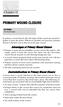 Chapter 11 PRIMARY WOUND CLOSURE KEY FIGURE: Everting skin edges In primary wound closure, the skin edges of the wound are sutured together to close the defect. Whenever possible and practical, primary
FUNCTIONS OF THE SKIN
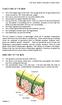 FUNCTIONS OF THE SKIN Skin is the largest organ of the body. The average adult has 18 square feet of skin which account for 16% of the total body weight. Skin acts as a physical barrier for you to the
How To Manage A Catastrophic Injury
 Report #14 CATASTROPHIC INJURIES: Paralysis, Amputation, Burns Overview: A catastrophic injury or illness usually occurs suddenly and without warning. Injuries may be considered catastrophic when they
Provided by the American Venous Forum: veinforum.org
 CHAPTER 1 NORMAL VENOUS CIRCULATION Original author: Frank Padberg Abstracted by Teresa L.Carman Introduction The circulatory system is responsible for circulating (moving) blood throughout the body. The
United States Department of Transportation National Highway Traffic Safety Administration Paramedic: National Standard Curriculum 1
 UNIT TERMINAL OBJECTIVE 4-8 At the completion of this unit, the paramedic student will be able to integrate pathophysiologic principles and the assessment findings to formulate a field impression and implement
Management of Burns. The burns patient has the same priorities as all other trauma patients.
 Management of Burns The burns patient has the same priorities as all other trauma patients. Assess: - Airway - Breathing: beware of inhalation and rapid airway compromise - Circulation: fluid replacement
Chapter 6. Hemorrhage Control UNDER FIRE KEEP YOUR HEAD DOWN
 Hemorrhage Control Chapter 6 Hemorrhage Control The hemorrhage that take[s] place when a main artery is divided is usually so rapid and so copious that the wounded man dies before help can reach him. Colonel
X-Plain Subclavian Inserted Central Catheter (SICC Line) Reference Summary
 X-Plain Subclavian Inserted Central Catheter (SICC Line) Reference Summary Introduction A Subclavian Inserted Central Catheter, or subclavian line, is a long thin hollow tube inserted in a vein under the
Gunshot wounds. Warning: This presentation has extremely graphic pictures! Richard P. Kness, EMT- P
 Gunshot wounds Warning: This presentation has extremely graphic pictures! Richard P. Kness, EMT- P Objectives After this lesson the student will be able to: List scene safety issues Describe procedures
Patient Assessment/Management Trauma
 Patient Assessment/Management Trauma Date: / / Test Site Location: Station #: Takes or verbalizes standard precautions (BSI) if appropriate based on patient scenario SCENE SIZE-UP Determines the scene
Pesticide Harmful Effects And Emergency Response
 Pesticide Harmful Effects And Emergency Response Most pesticides are designed to harm or kill pests. Because some pests have systems similar to the human system, some pesticides also can harm or kill humans.
CPR/AED for Professional Rescuers and Health Care Providers HANDBOOK
 CPR/AED for Professional Rescuers and Health Care Providers HANDBOOK TABLE OF CONTENTS SECTION 1: THE PROFESSIONAL RESCUER The Duty to Respond 2 Preventing the Spread of Bloodborne Pathogens 3 Taking Action
EMERGENCY MEDICAL RESPONDER (EMR) PRACTICAL SKILLS EXAMINATION REPORT
 Reset Form EMERGENCY MEDICAL RESPONDER (EMR) PRACTICAL SKILLS EXAMINATION REPT INDIANA DEPARTMENT OF HOMELAND SECURITY EMERGENCY MEDICAL SERVICES CERTIFICATION 302 West Washington Street, Room E239 Indianapolis,
Chapter 7. Expose the Injured Area
 Chapter 7 GUNSHOT WOUNDS KEY FIGURES: Entrance/exit wounds This chapter describes how to treat the external, surface wounds caused by a bullet. The evaluation for underlying injury related to gunshot wounds
Southern Stone County Fire Protection District Emergency Medical Protocols
 TITLE Pediatric Medical Assessment PM 2.4 Confirm scene safety Appropriate body substance isolation procedures Number of patients Nature of illness Evaluate the need for assistance B.L.S ABC s & LOC Focused
THERAPEUTIC USE OF HEAT AND COLD
 THERAPEUTIC USE OF HEAT AND COLD INTRODUCTION Heat and cold are simple and very effective therapeutic tools. They can be used locally or over the whole body, and the proper application of heat and cold
X-Plain Sinus Surgery Reference Summary
 X-Plain Sinus Surgery Reference Summary Introduction Sinus surgery is a very common and safe operation. Your doctor may recommend that you have sinus surgery. The decision whether or not to have sinus
Wound Care on the Field. Objectives
 Wound Care on the Field Brittany Witte, PT, DPT Cook Children s Medical Center Objectives Name 3 different types of wounds commonly seen in sports and how to emergently provide care for them. Name all
American Red Cross First Aid EXAMPLE ANSWER SHEET
 American Red Cross First Aid Exam A IMPORTANT: Read all instructions before beginning the exam. INSTRUCTIONS: Do not write on this exam. Mark all answers in pencil on the separate answer sheet as directed
Module 8: Soft Tissue Trauma
 1. Which of the following is a major function of the skin? a. Excretion of wastes b. Protection from the environment c. Temperature regulation d. All of the above 2. Which of the following is the outermost
American Heart Association
 American Heart Association Basic Life Support for Healthcare Providers Pretest April 2006 This examination to be used only as a PRECOURSE TEST For BLS for Healthcare Providers Courses 2006 American Heart
Adult First Aid/CPR/AEd. Ready Reference
 Adult First Aid/CPR/AEd Ready Reference Contents Checking an Injured or Ill Adult 3 CPR 4 AED Adult or Child 5 Conscious Choking 7 Controlling External Bleeding 8 Burns 9 Poisoning 10 Head, Neck or Spinal
TEMPLE UNIVERSITY ENVIRONMENTAL HEALTH AND RADIATION SAFETY
 Page 1 of 7 ISSUED: 5/00 REVISED: 08/06 1. Potential Releases of Radioactive Materials to Unrestricted Areas The Environmental Health and Safety Department (EHRS) must be notified immediately if an emergency
1st Responder to Emergency Medical Responder Transition Course
 1st Responder to Emergency Medical Responder Transition Course Mandatory Training July 5, 2011 Authored by: Eddie Manley, Education Coordinator OSDH - EMS 1 st Responder to EMR Recommended Transition Course
COALINGA STATE HOSPITAL. Effective Date: August 31, 2006
 COALINGA STATE HOSPITAL NURSING POLICY AND PROCEDURE MANUAL SECTION Emergency Procedures POLICY NUMBER: 715 Effective Date: August 31, 2006 SUBJECT: EMERGENCY CARE OF HEMORRHAGE 1. PURPOSE: The management
Unit 3.4 Decontamination (Core)
 INSTRUCTOR GUIDE Unit 3.4 Decontamination (Core) INSTRUCTOR GUIDE TERMINAL OBJECTIVE Given scenarios involving hazardous materials/wmd incidents, the participant shall identify when emergency decontamination
Injury Law Center OTHER INJURIES
 Injury Law Center Note: This information is provided to give you a basic understanding of the injury. It is not intended as medical advice. You should consult a qualified medical provider. OTHER INJURIES
CHAPTER 2 APPROACH TO THE INCIDENT
 CHAPTER 2 APPROACH TO THE INCIDENT Reassuring the casualty is very important in first aid and the best reassurance for both casualty and bystanders is a confident first aider taking decisive action. In
CASAID THE AIMS OF FIRST AID, INCIDENT ACTION PLAN, INITIAL ASSESSMENT AND THE RECOVERY POSITION. Airway must be open so oxygen can enter the body.
 CASAID THE AIMS OF FIRST AID, INCIDENT ACTION PLAN, INITIAL ASSESSMENT AND THE RECOVERY POSITION The Aims of First Aid The aims of first aid (the three Ps) are to: Preserve the casualty s life. Prevent
BLS TREATMENT GUIDELINES - CARDIAC
 BLS TREATMENT GUIDELINES - CARDIAC CARDIOPULMONARY ARREST - NON-TRAUMATIC (SJ-B101) effective 07/01/99 Defibrillation CPR Apply S-AED and assess rhythm as trained. Defib as indicated Simultaneous OXYGEN:
INTERNATIONAL TRAUMA LIFE SUPPORT
 INTERNATIONAL TRAUMA LIFE SUPPORT What to wear STUDENT GUIDE TO INTERNATIONAL TRAUMA LIFE SUPPORT ITLS is a practical course that stresses hands-on teaching. You should wear comfortable clothes that you
State of New Hampshire Department of Safety Division of Fire Standards and Training & Emergency Medical Services
 State of New Hampshire Department of Safety Division of Fire Standards and Training & Emergency Medical Services September 2013 PATIENT ASSESSMENT / MANAGEMENT - TRAUMA Time allowed: 10 minutes SCENARIO
CENTRAL TEXAS COLLEGE EMSP 1305 EMERGENCY CARE ATTENDANT. Semester Hours Credit: 3
 CENTRAL TEXAS COLLEGE EMERGENCY CARE ATTENDANT INSTRUCTOR: Semester Hours Credit: 3 OFFICE HOURS: I. INTRODUCTION Course Description: First responder course in emergency medical care. Emphasis on requirements
JAC-CEN-DEL COMMUNITY SCHOOLS BLOODBORNE PATHOGENS UNIVERSAL PRECAUTIONS A BACK TO SCHOOL TRADITION
 JAC-CEN-DEL COMMUNITY SCHOOLS BLOODBORNE PATHOGENS UNIVERSAL PRECAUTIONS A BACK TO SCHOOL TRADITION UNIVERSAL PRECAUTIONS AGAINST BLOODBORNE PATHOGENS Employees working in a school system are potentially
NEEDLE THORACENTESIS Pneumothorax / Hemothorax
 NEEDLE THORACENTESIS Pneumothorax / Hemothorax By: Steven Jones, NREMT-P Pneumothorax Pneumothorax is a collection of air or gas in the pleural space of the lung, causing the lung to collapse. Pneumothorax
Lassen Community College Course Outline. EMT-60 Emergency Medical Technician 1 (Basic)
 Lassen Community College Course Outline EMT-60 Emergency Medical Technician 1 (Basic) 6.5 units I. Catalog Description Covers all techniques of emergency medical care and transportation of the sick and
FIRST AID TEST. 367 West Robles Ave Santa Rosa, CA 95407 707-206-9988. www.schoolbusing.com. Revised April 21, 2008 - 1 -
 FIRST AID TEST 367 West Robles Ave Santa Rosa, CA 95407 707-206-9988 www.schoolbusing.com Revised April 21, 2008-1 - West County Transportation Agency This test was developed to help school bus driver
FIRST AID FOR BASEBALL COACHES
 FIRST AID FOR BASEBALL COACHES Liability Issues. Do the right thing State provides qualified immunity Chapter 258 C, Section 13. Good Samaritan Law: No person who, in good faith, provides or obtains, or
Nursing college, Second stage Microbiology Dr.Nada Khazal K. Hendi L14: Hospital acquired infection, nosocomial infection
 L14: Hospital acquired infection, nosocomial infection Definition A hospital acquired infection, also called a nosocomial infection, is an infection that first appears between 48 hours and four days after
NUCLEARINSTALLATIONSAFETYTRAININGSUPPORTGROUP DISCLAIMER
 NUCLEARINSTALLATIONSAFETYTRAININGSUPPORTGROUP DISCLAIMER Theinformationcontainedinthisdocumentcannotbechangedormodifiedinanywayand shouldserveonlythepurposeofpromotingexchangeofexperience,knowledgedissemination
Bleeding Control for the Injured
 Bleeding Control for the Injured Bleeding Control (1 of 2) The focus of this training is on recognition of life-threatening bleeding with appropriate medical treatment. This training will show you the
Emergency Medical Technician - Basic
 Washington State Specific Objectives for Emergency Medical Technician - Basic OFFICE OF EMERGENCY MEDICAL AND TRAUMA PREVENTION September 1996 Emergency Medical Technician - Basic Definition: Emergency
TEPP Planning Products Model Procedure
 TEPP Planning Products e for Properly Handling and Packaging Potentially Radiologically 02B00215-13.p65 Prepared for the Department of Energy Office of Transportation and Emergency Management table of
State of Indiana EMR Psychomotor Skills Examination
 SECONDARY ASSESSMENT (Detailed Exam) *Credit should be given to candidates that use a brief exam f life-threatening injuries in the Primary Survey so long as it does not delay appropriate care. Head Neck
Peripherally Inserted Central Catheter (PICC) for Outpatient
 Peripherally Inserted Central Catheter (PICC) for Outpatient Introduction A Peripherally Inserted Central Catheter, or PICC line, is a thin, long, soft plastic tube inserted into a vein of the arm. It
100018 100016 100017. Scope of Course Public Safety First Aid and CPR Course Content. (a) The initial course of instruction shall at a minimum
 100018 100016 100017. Scope of Course Public Safety First Aid and CPR Course Content. (a) The initial course of instruction shall at a minimum consist of not less than fifteen (15) hours in first aid and
HEAT ILLNESS PREVENTION PLAN FOR SUTTER COUNTY SUPERINTENDENT OF SCHOOLS
 HEAT ILLNESS PREVENTION PLAN FOR SUTTER COUNTY SUPERINTENDENT OF SCHOOLS TABLE OF CONTENTS 1.0 Purpose... 1 2.0 Heat Illness Prevention... 2 2.1 Heat Stroke... 2 2.2 Heat Exhaustion... 2 2.3 Heat Cramps...
MRC Medical Jeopardy Feud List of Treatments for Possible Injuries/Conditions
 List of Treatments for Possible Injuries/Conditions A. Apply cold compresses to affected area; elevate the area to reduce swelling and possible bleeding B. Apply direct pressure to wound area with sterile
12/5/2012. Introduction. Head, Neck, and Spine Injuries. Recognizing and Caring for Serious Head, Neck and Back Injuries
 Head, Neck, and Spine Injuries Identify the most common causes of head, neck and spinal injuries. List 10 situations that might indicate serious head, neck and spinal injuries. List the signals of head,
[This page is intentionally left blank]
![[This page is intentionally left blank]](/thumbs/27/11307501.jpg "[This page is intentionally left blank]") Drill #3 [This page is intentionally left blank] CERT DRILLS AND EXERCISES: DRILL #3 Table of Contents CERT Drills and Exercises... 1 What is a Drill?... 1 Exercise Overview... 2 For Exercise Staff...
Drill #3 [This page is intentionally left blank] CERT DRILLS AND EXERCISES: DRILL #3 Table of Contents CERT Drills and Exercises... 1 What is a Drill?... 1 Exercise Overview... 2 For Exercise Staff...
THE SPINAL CORD AND THE INFLUENCE OF ITS DAMAGE ON THE HUMAN BODY
 THE SPINAL CORD AND THE INFLUENCE OF ITS DAMAGE ON THE HUMAN BODY THE SPINAL CORD. A part of the Central Nervous System The nervous system is a vast network of cells, which carry information in the form
MEDICAL AND HEALTH EMERGENCIES
 IX.041 MEDICAL AND HEALTH EMERGENCIES POLICY The Board shall provide medically appropriate, immediate, quality emergency care in the event of an accident or illness that may compromise the well-being of
Leader s Guide E4017. Bloodborne Pathogens: Always Protect Yourself
 E4017 Bloodborne Pathogens: Always Protect Yourself 1 Table of Contents Introduction 3 Video Overview.3 Video Outline.4 Preparing for and Conducting a Presentation. 7 Discussion Ideas..8 Quiz..9 Quiz Answers...11
MATERIAL SAFETY DATA SHEET WWF -20 1 of 5 1 Gal Xtreme Blue -20 Windshield Washer Fluid. 121 Landmark Drive Greensboro, NC 27409
 WWF -20 1 of 5 = SECTION I - COMPOSITION / INFORMATION ON MATERIALS = VAPOR PRESSURE WEIGHT REPORTABLE COMPONENTS CAS NUMBER mm Hg @ TEMP PERCENT -------------------------------------------------------------------------------------------
Oxygen - update April 2009 OXG
 PRESENTATION Oxygen (O 2 ) is a gas provided in compressed form in a cylinder. It is also available in liquid form, in a system adapted for ambulance use. It is fed via a regulator and flow meter to the
Hyperbaric Oxygen Therapy WWW.RN.ORG
 Hyperbaric Oxygen Therapy WWW.RN.ORG Reviewed September, 2015, Expires September, 2017 Provider Information and Specifics available on our Website Unauthorized Distribution Prohibited 2015 RN.ORG, S.A.,
2161-1 - Page 1. Name: 1) Choose the disease that is most closely related to the given phrase. Questions 10 and 11 refer to the following:
 Name: 2161-1 - Page 1 1) Choose the disease that is most closely related to the given phrase. a disease of the bone marrow characterized by uncontrolled production of white blood cells A) meningitis B)
The EMT Instructional Guidelines in this section include all the topics and material at the EMR level PLUS the following material:
 Assessment EMR Use scene information and simple patient assessment findings to identify and manage immediate life threats and injuries within the scope of practice of the EMR. EMT Applies scene information
PICC & Midline Catheters Patient Information Guide
 PICC & Midline Catheters Patient Information Guide medcompnet.com 1 table of contents Introduction 4 What is a PICC or Midline Catheter? 4 How is the PICC or Midline Catheter Inserted? 6 Catheter Care
Upon completion of this course, the healthcare providers should be able to:
 First Aid WWW.RN.ORG Reviewed May, 2016, Expires May, 2018 Provider Information and Specifics available on our Website Unauthorized Distribution Prohibited 2016 RN.ORG, S.A., RN.ORG, LLC By Wanda Lockwood,
.org. Fractures of the Thoracic and Lumbar Spine. Cause. Description
 Fractures of the Thoracic and Lumbar Spine Page ( 1 ) Spinal fractures can vary widely in severity. While some fractures are very serious injuries that require emergency treatment, other fractures can
The Immune System and Disease
 Chapter 40 The Immune System and Disease Section 40 1 Infectious Disease (pages 1029 1033) This section describes the causes of disease and explains how infectious diseases are transmitted Introduction
Chapter 4 Physiological Therapeutics. 1 Cryotherapy
 Chapter 4 Physiological Therapeutics 1 Cryotherapy CRYOTHERAPY PHYSIOLOGIC EFFECTS OF ICE APPLICATION 1. Decreased circulation 5. Increased tissue stiffness 2. Local vasoconstriction 6. Decreased muscle
Certified Athletic trainers should follow a 10-step process of evaluation for orthopedic injuries, which includes but is not limited to:
 Acute Care Policy Acute Care Policy and Procedures Athletic training students within Winona State University s Athletic Training Education Program have the opportunity to evaluate acute athletic injuries
Electrical Death. National Forensic Service Gwangju Institute. Forensic Medicine Division. Na, Joo Young
 Electrical Death National Forensic Service Gwangju Institute Forensic Medicine Division Na, Joo Young He directeth it under the whole heaven, and his lightening unto the ends of the earth. After it a voice
OPTIONAL LESSON Anaphylaxis and Epinephrine Auto-Injector
 OPTIONAL LESSON Anaphylaxis and Epinephrine Auto-Injector Lesson Length: 54 minutes GUIDANCE FOR THE INSTRUCTOR To complete this lesson and meet the lesson objectives, you must: Discuss all points in the
81 First Responder Respiratory
 81 First Responder Medical Scenarios Asthma Scenario: You are called to a local house for a woman with trouble breathing. You arrive to find a 67-year-old woman sitting upright in a chair. She states she
EMERGENCY MEDICAL RESPONDER REFRESHER TRAINING PROGRAM Ohio Approved Curriculum
 EMERGENCY MEDICAL RESPONDER REFRESHER TRAINING PROGRAM Ohio Approved Curriculum Instructor Course Guide Ohio Approved EMR Refresher 5-16-2012 Page 1 OHIO APPROVED EMERGENCY MEDICAL RESPONDER REFRESHER
MATERIAL SAFETY DATA SHEET. PRODUCT IDENTIFIER Carbon Dioxide, Refrigerated Liquid
 SECTION I- Product Information* MANUFACTURER: EPCO Carbon Dioxide Products, Inc. OFFICE PHONE: 1-800-259-3726 24-HOUR EMERGENCY: 1-800-259-8095 SHIPPING NAME: Carbon Dioxide, Refrigerated Liquid UN NUMBER:
Oxygen Therapy. Oxygen therapy quick guide V3 July 2012.
 PRESENTATION Oxygen (O 2 ) is a gas provided in a compressed form in a cylinder. It is also available in a liquid form. It is fed via a regulator and flow meter to the patient by means of plastic tubing
TRICHLOROACETIC ACID SOLUTION Department of Pharmacy Duke University Medical Center Box 3089 Durham, NC 27710 919-684-5125
 Page 1 of 5 1. IDENTIFICATION OF SUBSTANCE Name: Manufacturer: TRICHLOROACETIC ACID SOLUTION Department of Pharmacy Duke University Medical Center Box 3089 Durham, NC 27710 919-684-5125 Information Department:
DOCUMENTATION TEMPLATES. All patient care reports should include the following information in the narrative:
 DOCUMENTATION TEMPLATES All patient care reports should include the following information in the narrative: Patient Data: -Chief Complaint -Mechanism of injury/nature of illness -Associated signs and symptoms/pertinent
3053 Electrical Safety Training Program Course Outline
 3053 Electrical Safety Training Program Course Outline The following outline summarizes the major points of information presented in the program. The outline can be used to review the program before conducting
Blepharoplasty - Eyelid Surgery
 Blepharoplasty - Eyelid Surgery Introduction Eyelid surgery repairs sagging or drooping eyelids. The surgery is also known as blepharoplasty, or an eyelid lift. Sagging or drooping eyelids happen naturally
Basic First Aid for the Community and Workplace
 A M E R I C A N S A F E T Y & H E A LT H I N S T I T U T E Basic First Aid for the Community and Workplace Student Handbook This handbook serves as a reference guide for basic first aid. For the purpose
Living Arts Institute @ School of Communication Arts Emergency Preparedness Plan. - Table of Contents -
 Living Arts Institute @ School of Communication Arts Emergency Preparedness Plan - Table of Contents - Purpose 1 Evacuation Procedures 2 Medical Emergency 3 Accident Report Form 4 Blood and Body Fluid
GEORGIA INSTITUTE OF TECHNOLOGY ENVIRONMENTAL HEALTH AND SAFETY PERSONAL PROTECTIVE EQUIPMENT
 PURPOSE To protect the health and welfare of GEORGIA TECH employees in areas where there may be a risk of injury or exposure to hazardous substances or conditions employees who work in areas where physical
MARYLAND STATE SCHOOL HEALTH SERVICES GUIDELINES
 Department of Health and Mental Hygiene Maryland State Department of Education Maryland State School Health Council MARYLAND STATE SCHOOL HEALTH SERVICES GUIDELINES Emergency Management Guidelines for
Adult, Child, and Infant Written Exam CPR Pro for the Professional Rescuer
 Adult, Child, and Infant Written Exam CPR Pro for the Professional Rescuer Instructions: Read each of the following questions carefully and then place an X over the correct answer on the separate answer