
Active Optical 3D Imaging for Heritage Applications
|
|
|
- Imogene Patterson
- 9 years ago
- Views:
Transcription
1 Computer Graphics in Art History and Archaeology Active Optical 3D Imaging for Heritage Applications Recently, sensors and algorithms for 3D imaging and modeling of real objects have received significant attention in the computer vision and graphics research fields. The capacity to create, display, and manipulate a high-resolution 3D digital representation of an existing object s shape and appearance can play a significant role in the area of heritage, comprising museum collections and archaeological objects and sites. High-resolution 3D imaging The Visual Information Technology Group of the National Research and modeling is an Council of Canada (NRC) has designed and tested several 3D laser important application in the imaging systems and processing algorithms dedicated to the highresolution modeling of complex heritage field. We describe objects and environments. While we several demonstration also targeted areas as diverse as manufacturing, space robotics, and projects conducted in anthropometry, it became evident from the outset that heritage conservation and documentation collaboration with museums would provide a major thrust for our and conservation agencies. research. 1 Heritage applications, especially those aimed at analytical tasks, pose high requirements on the data quality and the processing and visualization of the results (see the Related Projects sidebar). By their nature, museum collections provide a wide gamut of sizes, complexity, materials, and tasks for 3D imaging. To gain a better understanding of the numerous issues in using the technology for heritage documentation, we initiated several pilot projects. Each one let us test and improve different aspects of its application to museum objects in the lab and at remote sites. We conducted these projects in collaboration with Canadian and international partners from museums and heritage organizations. Such collaborations provided invaluable first-hand experience and feedback in assessing the usefulness and relevance of the technology as well as a realworld context to identify possible technological improvements and further research directions. Guy Godin, J.-Angelo Beraldin, John Taylor, Luc Cournoyer, Marc Rioux, Sabry El-Hakim, Réjean Baribeau, François Blais, Pierre Boulanger, Jacques Domey, Michel Picard National Research Council of Canada In this article, we provide an overview of the heritage applications of our 3D imaging and modeling capabilities through several of our demonstration projects. These projects cover typical museum collections such as paintings and ethnographic and archaeological objects as well as field recording of archaeological site features, architectural elements, and large sculptures. For each sample project, we outline the particular challenges and lessons learned from the perspective of 3D imaging and modeling as well as of the specific application. Model acquisition and construction A high-resolution 3D model contains a wealth of information available for analysis. We can interactively examine features that are extremely small or only visible from Related Projects Several projects target constructing dense 3D and appearance models of works of art or archaeological sites. We mention a few representative samples here. A group from IBM 1 used a combination of structured light 3D sensing and photometric stereo to model Michelangelo s Florentine Pietà. In a large-scale project initiated by Stanford University, 2 seven of Michelangelo s sculptures were modeled, as well as other artifacts including the parts of the Forma Urbis Romae. A European project called Esprit Archatour (EP9213) see research.ec.org/ digitized and modeled sculptures using active range sensing. The Italian National Research Council in Pisa, Italy, developed and demonstrated acquisition and processing systems dedicated to heritage. 3 A group from the University of Tokyo built shape and appearance models of the 15-meter bronze Great Buddha in Kamakura. 4 Another recent project 5 focused on Internet-transmittable 3D digital models of some architectural elements of the Roman Coliseum. 24 September/October /02/$ IEEE

2 Optical Geometric Measurement Attempts to capture shape by optical means date back to the early days of photography. In the 1860s, François Villème invented a process known as photosculpture, 1 which used a set of 24 cameras. Profiles of the subject to be reproduced were taken on photographic plates, projected onto a screen with a magic lantern, and then transferred to a piece of clay using a pantograph. Studios opened in Paris, London, and New York, and stayed in operation from 1863 to 1867, when it was realized that the photosculpture process wasn t more economical than the traditional sculpture technique. A professional sculptor was still required for finishing the pieces, and the photosculpture process required a substantial investment in cameras, projection and reproduction systems, and skilled labor. It s only with the advent of computers that the goal of capturing shape by optical means has regained substantial interest, more than a century later. Interestingly, one of the applications initially targeted by one of the first manufacturers of commercial 3D sensors was also the automation of personal portrait sculptures (see cyberware.com/info/backgrounder.html). The use of photographs, and now of digital cameras, for geometric measurement is well established in the photogrammetry and computer vision fields. Through a combination of multiple views and careful camera calibration, we can recover the position of features in the scene at high accuracy. Such techniques that operate under ambient illumination are called passive. However, they can t provide measurement on surface without detectable features of sufficient density and contrast. For critical measurement situations, high-contrast targets are added to the surface for easier identification and localization. However, in most heritage applications, affixing targets on the objects isn t an acceptable solution. Furthermore, natural features on the surface may not be appropriate for a sufficiently dense or accurate recovery of surface geometry. Active techniques avoid these limitations by creating features on the surface by the controlled projection of light. Detailed reviews and comparison of active optical sensor technology are available elsewhere. 2,3 A range sensor provides surface geometry measurements in the form of a range image, which is an array of 3D point coordinates. The scanning and imaging configurations determine the sampling density. Active optical sensors fall into two broad categories. Timeof-flight systems measure (directly or indirectly) the delay between emission and detection of light reflected by the surface. Triangulation systems project light in a known direction from a known position and measure the direction of light returning through a known observation position. Hence, since a triangle is completely defined by one side and two adjacent angles, we can compute the position of the illuminated point with regard to the system. Triangulation systems differ from one another by the nature of the controlled illumination (laser or incoherent light), its geometry (beam, sheet, or projected pattern), and the return angle s detection mode. Other degrees of freedom required for surface coverage with beams and sheets are provided by mechanical displacement of the system or of the object, or by scanning mirrors. In the short measurement range (about 0.2 to 2 m), almost all current lab prototypes and commercial systems are triangulationbased. At the other end of the spectrum, some time-of-flight systems can measure distances in the kilometer range. References 1. F. Bernardini et al., Building a Digital Model of Michelangelo s Florentine Pietà, IEEE Computer Graphics and Applications, Jan./Feb. 2002, pp M. Levoy et al., The Digital Michelangelo Project: 3D Scanning of Large Statues, Proc. Siggraph 2000, ACM Press, New York, 2000, pp R. Scopigno et al., 3D scanning and Rendering Cultural Heritage Artifacts on a Low Budget, Proc. European Workshop on High Performance Graphics Systems and Applications, Cineca, Bologna, Italy, D. Miyazaki et al., The Great Buddha Project: Modelling Cultural Heritage through Observation, Proc. 6th Int l Conf. Virtual Systems and Multi-Media (VSMM2000), Int l Soc. on Virtual Systems and Multimedia, Gifu, Japan, 2000, pp M. Gaiani, M. Balzani, and F. Uccelli, Reshaping the Coliseum in Rome: An Integrated Data Capture and Modeling Method at Heritage Sites, Computer Graphics Forum (Proc. Eurographics 2000), vol. 19, no. 3, M. Gross and F.R.A. Hopgood, eds., European Assoc. for Computer Graphics, Interlaken, Switzerland, 2000, pp References 1. B. Newhall, Photosculpture, Image, vol. 7, no. 5, 1958, pp P.J. Besl, Active, Optical Range Imaging Sensors, Machine Vision and Applications, vol. 1, no. 2, 1988, pp S.F. El-Hakim, J.-A. Beraldin, and F. Blais, A Comparative Evaluation of the Performance of Passive and Active 3D Vision Systems, SPIE Proc. St. Petersburg Conf. Digital Photogrammetry, vol. 2646, SPIE Press, Bellingham, Wash., 1995, pp a distance, thus allowing the study of fine details such as tool marks or surface texture. We can apply computerized visual enhancement and analysis techniques to the digital model. We can also use the model as the basis for restoration or reconstruction work. The construction of the models of real objects requires the ability to explicitly measure surface geometry (see the sidebar Optical Geometric Measurement ) and to transform all the acquired information into a convenient representation. Our approach is to acquire highresolution geometric models of the surface from a set of laser range images. When available, we also include appearance measurements as the parameters of a reflectance function. The model representation we use is a triangular mesh, at a sampling resolution comparable IEEE Computer Graphics and Applications 25

3 Computer Graphics in Art History and Archaeology NRC 3D Sensor Technology Our group at the National Research Council of Canada has designed and built many sensor prototypes, each targeting a different class of applications or operational conditions. While all of them are triangulation-based, they exploit two basic optical configurations. The Biris class of sensors (see Figure A) was originally developed to work in difficult environments where reliability, robustness, and ease of maintenance are as important as accuracy. It combines plane-of-light triangulation with a dual aperture mask inserted in the detection system. This technique, when combined with advanced signal-processing algorithms, yields a high tolerance to ambient illumination, especially sunlight. Because an entire profile is acquired at once, one additional degree of freedom is required for imaging, usually provided by mechanical rotation or translation of the sensor head. Another class of sensors developed at NRC uses the autosynchronized spot-scanning principle. 1 This configuration differs from the usual spot triangulation in that the directions of projection of the laser beam and the detection system s optical axis are rotated synchronously, through a doublesided mirror (see Figure B1). This means that the instantaneous field of view of the position detector follows the spot as it scans the scene. The lens focal length is therefore related only to the desired depth of field or measurement range and not to the total lateral field of view. Implementing this triangulation technique yields a considerable reduction in the optical head size compared to the conventional triangulation method. Additionally, optical synchronization achieves an improvement in ambient light immunity due to a small instantaneous field of view. Speckle noise is also reduced through spatial filtering. This configuration alleviates the usual compromise between field of view, resolution, and shadow effects. We ve implemented several prototype sensors using the autosynchronized configuration, with different trade-offs between resolution, depth of field, and sampling speed. One important variant of this system adds the capacity for color reflectance estimation to the geometric measurement. A polychromatic laser beam (here, a three-wavelength RGB laser) is used for illumination. On the scene, the laser light appears white (see Figure B2). At the collection side, the same linear position sensor used for range measurement receives each wavelength after separation using a collinear dispersive optical element close to the collecting lens. This particular technique provides the key benefit that the geometric and color measurements are performed simultaneously and in perfect geometric registration on the surface. This avoids the issues of parallax and errors in calibration and registration encountered when obtaining color from auxiliary cameras. Furthermore, lasers provide well-defined z Laser Object d x Lens p 1 D Mask (1) (2) A Biris sensor. (1) The optical principle combines triangulation with a double aperture mask to improve the robustness of the laser line detection. (2) The head is compact and rugged. p 2 to the original geometric data, with a color-per-vertex description of a diffuse reflectance model. This generic representation embeds all the information gathered by the sensing process. We can then perform analytical tasks on the model (or in some cases on the original data). This model also fits directly with current polygonbased rendering hardware. We can derive other representations for display purposes from the high-resolution model, including texture-mapped compressed models or point-based rendering. However, the high-resolution mesh remains as the archival-quality digital recording or 3D digital reference model of the object or scene. Laser range sensing provides an explicit measurement of the surface geometry, in the form of an array (or image) of 3D surface measurements. Our research on 3D sensors has always been influenced by the requirements of heritage documentation. One thrust is toward maximizing the resolution and accuracy of the geometric measurements, coupled with the ability to estimate surface reflection using a polychromatic laser (see the sidebar NRC 3D Sensor Technology ). Our work also targets portable, rugged, and rapidly deployable systems. In heritage applications, a single range image often suffices to perform a task, such as detecting and monitoring cracks or documenting tool marks on specific areas of a work. However, most objects and environ- 26 September/October 2002

4 Charge-coupled device Collecting lens Fixed mirror X Y-axis scanner Z O Laser X-axis scanner Fixed mirror h z h x h y Target Y (1) (2) B Autosynchronized scanning configuration. (1) A dual mirror configuration. (2) A high-resolution sensor using a polychromatic laser for color measurement. and fixed wavelengths as opposed to the spectral distribution of incoherent light, which is often difficult to control. The sensor projects a single beam, which means that it only illuminates one spot on the surface at one time, thus reducing the impact of interreflections that occur in full image illumination or even sheet-of-light projection. Our polychromatic laser range sensor uses a combination of lasers at different wavelengths as the illuminant in triangulation range sensing. It also measures the energy reflected toward the sensor in each component wavelength. This quantity is a function of the absolute power of the illuminating laser, the distance between the sensor and the surface, the orientation of the imaged surface element relative to the camera, and the intrinsic reflectance properties at that point on the surface. We obtain the position and orientation of an imaged surface element from the range data, and we monitor the power of the incident laser. Because optical triangulation relies on controlling the angles of incidence and measuring the direction of reflected light, the remaining unknown element in the image formation process is the reflectance function. Under certain conditions, we can compute the parameters of a dichromatic model, composed of the sum of a diffuse and a specular component. 2 Often, we only use the diffuse component because the specular part is more difficult to estimate and is usually significantly observed on only a subset of the surface given a finite set of observations. References 1. M. Rioux, Digital 3D Imaging: Theory and Applications, SPIE Proc. Videometrics III, vol. 2350, SPIE Press, Bellingham, Wash., 1994, pp R. Baribeau, M. Rioux, and G. Godin, Color Reflectance Modeling Using a Polychromatic Laser Range Sensor, IEEE Trans. Pattern Analysis and Machine Intelligence, vol. 14, no. 2, Feb. 1992, pp ments require acquiring more than one range image to achieve sufficient coverage of the surface of interest. The necessary number of images will depend on the object s shape and the amount of self-occlusion the presence of obstacles to sensor placement and the object s size if it exceeds the sensor s field of view. Another benefit of merging different views is that the integration process itself filters the unavoidable noise present in the original data, given that no biases exist in the data. Over the years, researchers at NRC, InnovMetric Software, and the Canadian Conservation Institute have jointly developed, tested, and refined a 3D modeling methodology for constructing models from a set of range images. 2 This approach is implemented in InnovMetric s Polyworks software suite (see We built the models shown in this article using this technology, except for the reflectance-modeling component. Recording collections The NRC is collaborating with museum and conservation agencies for evaluating the applicability of its 3D imaging and modeling technology. We ve digitized more than 100 objects from a dozen museums and cultural organizations in our lab, as a way of assessing and improving the sensors and algorithms. We encountered a wide variety of materials, shapes, and scales. This research also helped us establish procedures for artifact digitization that would be satisfactory to the museum community. As a typical example, Figure 1 (next page) shows the Nisga a Woodpecker-shaped rattle that s part of the collection of the Canadian Museum of Civilization (catalog number CMC VII-C-9). We digitized and modeled the painted wood surface with our high-resolution color range sensor. It took a set of 30 range images to cover the rattle s surface, including the numerous concavities. We first produced a highresolution model of 1.3 million triangles. The resolution in depth of the data is about 0.01 mm. The model in Figure 1 is compressed to 300,000 triangular faces, at a resolution of about 0.05 mm. For interactive visualization IEEE Computer Graphics and Applications 27

5 Computer Graphics in Art History and Archaeology 1 Nisga a Rattle: shaded view and color renderings of a high-resolution model. needed for a particular study. Researchers want a model that embeds at least as many details as are normally seen with the unaided eye. We recently worked with paleontologists to try to provide some answers for fossil analysis. 3 This field requires the rapid dissemination of important fossil discoveries. Instead of sending the original or a physical replica, high-resolution digital models of a specimen can be shared for study and classification. But the adequacy of such model as a substitute had to be assessed. As part of this experiment, we generated a digital model of a fossilized basisphenoid-basioccipital from a juvenile Tylosaurus sp. Mosasaur using the high-resolution color sensor (see Figure 2). The overall length of the fossil is 113 mm. We assembled the model from scans at a sampling resolution of 0.1 mm, resulting in a mesh of about 3 million triangles. One of the conclusions is that digital models can potentially replace the physical specimen, depending on the level of detail needed. On the model, nerve and blood vessel pathways present on the fossil surface were clearly visible such features provide important information for researchers. Other areas of the fossil, such as the basal tuber, required a higher scanning resolution of 0.05 mm. 2 Shape and color model of the Tylosaurus sp. Mosasaur fossil. purposes, we also produced models at a lower resolution with a texture map. One advantage of the polychromatic laser illumination technique is that the wavelengths are stable and known from the fundamental properties of lasers. Therefore, estimating reflectance models from these measurements is repeatable over time, so we can use this method for measuring changes over time in spectral response at these specific wavelengths. We can also measure changes in the shape of artifacts due to deterioration or following conservation treatment by comparing models acquired at different times. The 3D and color digital model becomes a permanent record of the object s condition at a given time. Another important role of high-resolution recording is to provide remote access to collections for scholarly studies. Such applications raise the question, How many details should be measured? The answer depends on the artifact s complexity and on the type of information Interactive exhibit on the Web The concept of virtual access to museum collections predates the Web, but the wide availability of powerful consumer-grade 3D graphic PCs and large bandwidth connections to the home has only increased interest in this application. While the main motivation for highaccuracy modeling remains documentation, conservation, and analysis, interactive visualization provides an additional immediate use for the data. The Canadian Museum of Civilization produced the online Inuit3D exhibit 4 in It was part of the Virtual Museum of Canada (see ca/), a larger scale national effort to promote remote access to museum collections from all across the country through digital technologies. The Inuit3D exhibit features 12 digitized Inuit and Palaeo-Eskimo sculptures from the museum s collection, dating from 700 BC to the 20th century. The exhibit has three virtual exhibit rooms (Palaeo-Eskimo, Inuit History, and Inuit Art) containing 3D textured models, images, video clips, and text panels. The rooms and the objects are all represented using Virtual Reality Modeling Language (VRML). Preparing an exhibit for remote access implies a number of compromises. In particular, designers must estimate the level of technology available to the typical end users in terms of display capacity, network bandwidth, tolerance to download times, and software configuration skills. An important factor in a virtual exhibit is to preserve an acceptable level of fidelity of models to the actual objects, even at the expense of longer download times. We prepared various model sizes for the Inuit 3D objects in collaboration with the museum staff. The museum curators opted to use the geometrically coarser models with the larger texture map models. Figure 3 shows a view of the virtual exhibit hall and the model of one of the Palaeo-Eskimo carvings. The original high-resolution model is transformed 28 September/October 2002

6 (a) (b) (c) 3 Inuit3D virtual exhibit. (a) Entrance to the Inuit Art hall. (b) VRML model of Flying Bear. (c) A tessellated pixel texture map of the compressed bear model. 4 Palaeolithic figurines. (a) The Armless Lady scanned with the color laser system. (b) and (c) Renderings of the shape and color model. (d) A shaded view of the geometry enhances surface details. (a) (b) (c) (d) into a texture-mapped compressed model using an algorithm that reprojects the color of the removed vertices onto the coarser mesh. 5 The user specificies a distance tolerance for the compressed model along with the dimension of the texture image. One of the main challenges in such a method is to tessellate the rectangular texture map efficiently, given a set of triangles of varying proportions and size, while preserving as much of the color information as possible and avoiding discontinuities between adjacent model triangles. The virtual-within-the-walls museum The Inuit3D exhibit wasn t our first venture into modeling a collection of objects for public display. In 1995, the Canadian Museum of Civilization approached us for an exhibit of palaeolithic figurines. The digital shape and color models would fulfill a dual purpose: to create a digital record of the collection and give visitors a closer and enhanced examination of the figurines. Between 1883 and 1895, Louis Alexandre Jullien discovered 15 palaeolithic figurines at the Balzi Rossi site located at the French Italian border, the largest series ever found in one location in Western Europe. Seven of the figurines, estimated to be 25,000 years old, were displayed in an exhibit called Mothers of Time. Two are sculpted in bone or ivory and the other five in different minerals, ranging in size from 23 to 72 mm. The figurines were displayed flat in a glass case. Thus, only one side was visible. Although magnifying glasses were available to the visitors, the small details, such as the tool marks and incisions, were difficult to discern. Prior to the exhibit, the seven figurines were brought to our lab for imaging and modeling. We used the color laser autosynchronized sensor to acquire the data. The task presented several challenges because of the figurines small size, fragility, and deteriorated surface condition (especially the ivory pieces). Figure 4 shows one of the ivory figurines, called the Armless Lady. A photograph of the original (67 mm in height) during scanning appears in Figure 4a. Figures 4b and 4c show renderings of the 3D color model. One of the visual enhancements that proved useful for visitors was a shaded rendering of the surface without the measured color (see Figure 4d). This representation enhances many of IEEE Computer Graphics and Applications 29

7 Computer Graphics in Art History and Archaeology the surface shape s small details. During the exhibit, we coupled a 3D graphic workstation to a large rearprojection screen configured to operate in monoscopic or stereoscopic viewing mode using active shutter glasses. Visitors could examine the figurines by manipulating a track ball and changing display modes. The display reverted to a predetermined animated sequence when unused for a given time. This project was significant at several levels. It pushed the limits of the prototype color sensor and modeling algorithms available at that time. It also served as a first public test case for establishing the technology s relevance and usefulness. Finally, it illustrated the potential of virtualized models of museum objects not as substitutes, but as complements and enhancements to traditional exhibits within the museum walls. Modeling in the field Many of our projects with museum partners were completed in the lab, using our highest resolution system. Curatorial staff transported the artifacts from the galleries or the vaults to the lab. However, it s often impossible, impractical, or undesirable to bring artifacts to a central lab. Hence, another of our research goals was to develop the ability to operate in the field with systems that we could easily transport and deploy and with tools that would let us acquire and analyze the data rapidly. Digitizing objects and sites in the field entails a number of technical requirements. The system must be compact and rugged for easy transportation and rapid setup. It must also be robust for environmental conditions such as extreme temperatures and humidity or exposure to dust, sand, and salt. By design, the optical sensor must be immune to ambient light conditions, especially the sun. In the field, we can expect a limited or quirky power supply. Additionally, site work imposes several logistical difficulties such as restricted access to areas of interest, limited free space to position the sensor, and limited time to perform the measurements (often divided around constraints such as visiting hours). Nontechnical issues such as security of the equipment, personnel, and works of art being measured (including liability during scanning) also require attention. Other on-site scanning projects, such as those done by IBM and Stanford, faced similar challenges. 2,3 When working outside the lab, we must worry not only about hardware failure but also about the possibility of progressive and unnoticed degradations in performance, caused for example, by equipment damage or changing environmental conditions. Hence, in addition to robust sensor design, regular on-site validation of sensor performance becomes an essential task, especially under fluctuating conditions. Methods and tools to monitor and test the system s calibration must be available and used systematically. Perhaps the key difference between lab and site work is that when we work on site, there s rarely a second chance to come back and redo or complete the work. Therefore, a team s ability to plan an on-site job becomes crucial. Apart from breaking down the time allocated to specific steps in a project, we resorted to several operational methodologies to speed up the work. When building models from multiple views, one successful approach is to build at least a crude version of the model that registers the available data, as the data are acquired. On site, a person can be dedicated to this task, working in parallel with those in charge of the acquisition and providing immediate feedback. This procedure satisfies two objectives: to verify that adequate surface coverage has been achieved and to check the system calibration because the quality of the interimage registration will often be an early indicator of distortion in the geometric data. We show here two examples of site work that illustrate different sensor technologies and uses of the data. One is concerned with the modeling of a sculpture by Giovanni Pisano, and the other with the documentation of archaeological sites. Sculptures In 1997, in collaboration with the University of Padua, the Madonna col Bambino by Giovanni Pisano (1305) was digitized using the Biris camera described in the sidebar NRC 3D Sensor Technology. This 1.29-m marble sculpture is located inside the Cappella degli Scrovegni (Chapel of the Scrovegni) in Padua. 6 The primary goal was to build a complete 3D record of the sculpture and to prepare an archival-quality 3D digital model. We recorded a set of 62 overlapping images from a set of viewpoints chosen to cover the entire sculpture. We merged the views into a complete model of the object (see Figure 5). This model has been used as a conservation record to document the sculpture s condition and to prepare accurate scale replicas. Furthermore, the digital model allows views of the work in much more details than on the site, where access to the chapel and the sculpture itself is limited. A team of three people acquired all the scans in a single day. The sculpture was digitized at a lateral sampling resolution of 0.5 mm and a depth resolution of about 0.15 mm. The prototype Biris sensor was mounted on a rotation platform fixed to a sturdy tripod. A notebook computer provided the visualization and processing tools. Compared to the prototype used on this project, the current generation of the Biris sensor yields a significantly improved resolution. During our stay in Padova, we created other bronze bas-relief models by Donatello located in St. Anthony s Basilica. We also used the Biris system outdoors to model architectural and bas-relief elements of the facade at the Abbey of Pomposa, near Ferrara. Our work in Italy demonstrated the usefulness of a portable digital 3D imaging system in augmenting the current level of documentation for environments and objects located on remote sites with accurate and realistic 3D models. We focused our work on the data acquisition, calibration, and accuracy verification for rapid model building. Archaeological sites Archaeology offers numerous opportunities to use 3D imaging. However, the remote location of many archaeological sites imposes some of the most stringent operating conditions for equipment and people. In 1996, in 30 September/October 2002

8 collaboration with the Israel Antiquities Authority, we undertook a pilot project to demonstrate the recording of archaeological site features for conservation professionals. We used a portable version of the autosynchronized spot triangulation-imaging system. This configuration also has the advantage of operating over a large depth of field ranging from 0.5 m to 10 m, with varying resolution across the measurement volume. Thus, we can use it for high-resolution imaging of artifacts at a close range and for longer range (several meters) work on larger structures, with a lower sampling and depth resolution. This sensor system uses an infrared laser (820 nanometers) and doesn t record color information. The main objectives were to digitize the geometry of a variety of artifacts and sites using the same sensor, over the course of a few days at St. James Tomb in Benè Hézir, the Holy Sepulchral Lintel at the Rockefeller Museum in Jerusalem, and several (a) (b) archaeological and architectural elements in Caesarea. The Arcosolia Room of St. James Tomb measures approximately 2 m 2 m 1.8 m in height. It s carved in rock and the interior surfaces are rough and irregular in shape. Architectural and archaeological sites that bear surfaces of this nature are difficult to record accurately with a high level of detail using conventional techniques such as traditional surveying, rectified photography, photogrammetry, and distance meters. The goal was to digitize the tomb s entire volume to prepare an archival record for conservation documentation. We recorded the tomb s interior with an average sampling resolution of 1 mm and a depth resolution of 0.3 mm. It required one half day of on-site recording time to acquire 65 images ( points each) that cover the entrance tunnel, walls, floor, and ceiling. Subsequently, about four days were required off-site to finalize a series of 3D digital models at different resolutions. Although modeling the tomb s geometry was the project s main objective, we also mapped the intensity of light reflected in the laser infrared wavelength as a black-and-white texture to provide some sense of the appearance of the rock face for illustrative purposes. We can render the resulting digital model in several ways to assist in the analysis and interpretation by experts. This flexibility of representation from a single source of information is one of the advantages of 3D imaging as a basic documentation system. Figure 6a shows renderings of the tomb s interior, with the intensity measured in the laser wavelength represented as a black-and-white image. Remember, these rendered representations are more than just substitutes for photographs. The actual 3D position of each point on the model s surface is available, thus allowing dimensional 5 Imaging Giovanni Pisano s Madonna. (a) The Biris mobile system. (b) Subset of images forming the head. (c) The completed model. (a) (b) (c) (c) 6 Synthetic views of the Arcosolia Room: (a) cutaway views, (b) a complete envelope, and (c) an orthographic projection of the four walls. IEEE Computer Graphics and Applications 31

9 Computer Graphics in Art History and Archaeology 7 Mosaics at Caesarea. The combination of (a) intensity and (b) shape information provide information for documenting the layout. (c) and (d) We can also record the floor s deformation. (e) The sensor at work. (a) (b) (c) (d) (e) measurements between points, displaying of profiles, area and volume estimation, and so on. Figure 6b shows the model s shape as a cloud of points, offering a global perspective of the cavity s entire shape as seen from an artificial point of view embedded in the rock. Alternate forms of representation can be obtained easily, such as a set of orthographically projected pseudophotographs on four sides (Figure 6c), where all perspective effects are removed to preserve proportions. Such a representation can t be achieved photographically. As in many of the examples discussed previously, applying a uniform reflection model to the geometric data enhances surface details. Finally, we also experimented with an immersive virtual reality display for full-scale interactive navigation and exploration of the tomb. During the same trip, we used the same system on a different site and for a different type of application. Located on the Mediterranean coast, the archaeological site of Caesarea contains Roman and Byzantine mosaic flooring. With its small and irregular spaced tiles and patterns, mosaic flooring is often difficult and time consuming to accurately record using conventional techniques such as rectified photography. Using rectified images, we can obtain a scaled line drawing of the floor details, but it s correct only when all the tiles lie in the same plane. Three-dimensional information from the laser scans of a floor mosaic produce the same results with greater accuracy, in less time, and with the advantage that a metric representation is provided for the complete mosaic surface, not just the interstices as is usually the case. This 3D representation provides information on the tile conditions that aren t easily extracted from 2D photographs, even when using multiple views. Imageprocessing algorithms allow extraction of edges of welldefined pieces of mosaic. These algorithms can significantly reduce the production time of a 2D (vector) condition database of the floor mosaic for conservation applications. Furthermore, details of the individual tiles geometry also become available for analysis. To demonstrate this application, we digitized a 0.25-square meter section of flooring at a sampling resolution of 0.5 mm and a depth resolution of 0.1 mm (see Figure 7). Landscape of paintings In the heritage field, 3D techniques have been applied mostly to sculptured objects. Yet, the seemingly flat world of paintings provides another application area for high-resolution 3D imaging. Art historians and conservators frequently use a variety of traditional scientific techniques to examine and study paintings. X-ray imaging is used to examine the internal structure, infrared photography reveals underdrawings, and ultraviolet fluorescence photography can distinguish original paint areas from later additions. High-resolution 3D imaging provides an additional layer of information to historians and curators. In scanning a painting, features of interest are typically digitized at a sampling resolution of 0.05 mm in the x and y directions. The z dimension (or brush stroke height) of each point is recorded at a resolution in the order of 0.01 mm. For paintings with varnished surfaces, a unique feature of an optical technique is that the 3D image captured by the system originates from the surface of the paint layer under the varnish, rather than from the varnish surface itself. This results in a detailed highresolution recording of the surface relief or 3D structure of the paint layer from brush stroke details as well as crack pattern formations, paint losses, and other characteristics due to aging. Figure 8a is a detail of a 50-mm square section with a paint loss. The varnish has been removed from the right half (bright side) but remains on the left side (yellowed section). Figure 8b is a shaded monochrome range image of Figure 8a with the color or texture removed from the shape image. Viewers can examine the brushstroke features including the canvas imprint and paint loss in detail. In the 50-mm square section shown in Figure 8c, a small D-shaped cupping 32 September/October 2002

10 formation appears in the bottom half of this section. It s barely visible in this image or to the naked eye when viewing the painting itself, yet it conveys important conservation information. Paint cupping, or incipient cleavage of the paint layer from the canvas support, is the first indication of a crack formation, which leads to paint loss. Figure 8d displays a gray-level coded image, which highlights the D shape. A common visual technique used in studying the condition of painting surfaces is raking light, where actual light is projected on the canvas at a low incidence angle to accentuate the relief. Using the 3D surface data, this technique is easily emulated. It provides a familiar analysis tool to experts. The artificial nature of this lighting allows a display with or without cast shadows. In addition, the shading applied on the surface model without the measured color removes the perceptual interference between gradient effects in the pigment and the actual surface geometry. In preparation for the 1996 retrospective of the artist Corot, we collaborated with the Centre de Recherche et de Restauration des Musées de France (CRRMF, or Center for Research and Restoration of the Musuems of France). The CRRMF used a variety of techniques including x-ray, infrared, and ultraviolet to scientifically examine and interpret details of Corot paintings and was producing a CD-ROM with scientific data on 85 of his works from the Louvre. 7 They were interested in including an interactive example of Corot s fine brushstroke details on the CD. To do this, we scanned the Corot painting Auvers, Street Descending from the National Gallery of Canada in our lab (see Figure 9). The CRRMF then incorporated the data into an interactive display on the CD that lets viewers manipulate the position of an artificial light source and examine the details. Scanning marble Working in the area of heritage often raises specific research issues. Such a case occurred through our involvement in the Digital Michelangelo project and our study of measurement on the surface of marble. In 1999, we were invited to deploy one of our sensors in Florence to complement Stanford s 3D laser scanning systems. Our role was to capture, in the course of a few days (and nights), the fine details of the tool marks in selected patches on seven different sculptures. The patches were chosen to represent a variety of types of tool marks, marble types, and surface polishing. They measured 50 mm 50 mm and were sampled at a resolution of 0.05 mm, using our high-resolution system. In the lab, we normally mount the sensor on a translation system. For this project, we used a sturdy tripod and a rotation stage to displace the sensor head. We didn t use the color measurement capability in this portable configuration. Figure 10 (next page) shows renderings of some of the chisel marks. Analysis of the data revealed an interesting phenomenon, which was also noted on the images acquired by Stanford with their custom plane-of-light system. The noise in the range measurement was significantly higher on marble than other materials. This effect was particularly noticeable on the smoother and more polished areas. For example, in chisel marks, while the bottom of the grooves were visibly rougher or dirtier than the top (a) (c) (d) 8 Image details of two 50-mm square sections of a painting. (a) Section with a paint loss. (b) Shaded monochrome range image of Figure 8a. (c) Small D-shaped fine crack or cupping formation. (d) Gray-level coded image of Figure 8c, including the D-shaped cupping. (b) 9 Scanning the Corot painting, Auvers, Street Descending from the National Gallery of Canada. surface, the depth measurements from the range sensor were clearly noisier on the smoother top surface. Marble, while hard, is translucent: the laser illumination on the surface forms a glow exceeding 10 mm in diameter. In addition, marble has a heterogeneous granular structure at a scale comparable to the sampling density. Back in the lab, we performed a series of experiments to characterize the measurement behavior, using a flat clean sample of Carrara Statuario marble, the same type used by Michelangelo. We observed that, in addition to the IEEE Computer Graphics and Applications 33

11 Computer Graphics in Art History and Archaeology sites. Nevertheless, it will play a significant role as an input device from the real world to the virtual. For this field to contribute useful tools for heritage applications requires formalizing accumulated experience into systematic and accepted procedures for documenting an object or a site. Through continued research, validation, and refinement, we can expect that 3D imaging and modeling will become an essential tool in the preservation, restoration, and knowledge dissemination of the world s cultural heritage. 10 Some of the chisel marks on Michelangelo s Prisoner sculptures in Florence, Italy. expected slight bias in the depth measurement caused by translucency, there was indeed an increase in the noise of range measurements. Furthermore, this increase was a function of the laser spot s size on the surface. 8 We re currently continuing research on the effect of various materials on sensor performance. Conclusions Through a number of pilot projects, we ve demonstrated the feasibility and relevance of recording heritage objects and sites using laser range imaging. The number and variety of real-world test cases, a few of which we described here, let us assess and improve the technology and the working procedures. Our collaborators in the museums and cultural agencies were exposed to early results and provided us with precious feedback. The growing acceptance of this technology and feedback from practitioners and users will encourage and further guide developments in sensor systems as well as processing techniques that address specific requirements of object and site documentation. Our future research directions continue to be driven by heritage applications in addition to other high requirement fields. We re working on enhancing our sensor systems, in terms of accuracy, speed, and robustness. We re also integrating range imaging with photogrammetric methods to exploit their complementarity. As shown in the case of marble measurement, there s still some studies to be done in understanding the behavior of sensors on various materials. And, appearance modeling from images continues to pose many challenges, especially if the goal is to provide a repeatable measurement for monitoring artifacts. No one can claim that a single technology can solve all problems and address all situations. Similarly, active range sensing can t be expected to be the only tool required for documenting artifacts and Acknowledgments We d first like to thank Marc Soucy, now of Innovmetric Software, for his numerous contributions to the development of the technology and his continued collaboration. The field projects described in this article were possible thanks to the cooperation of Marc Levoy of Stanford University and the Digital Michelangelo project, Guido M. Cortelazzo and Antonio Vettore of the University of Padova, and Ya acov Schaffer and Gail Sussman of the Israel Antiquities Authorities. Special thanks to George MacDonald, former director of the Canadian Museum of Civilization, for his constant support and encouragement from the inception of the 3D imaging project. We also acknowledge the support of many heritage organizations, in particular the National Gallery of Canada, the Canadian Museum of Civilization, and the Canadian Heritage Information Network. Finally, we thank all our research collaborators and partners who contributed to these results. References 1. P. Boulanger et al., Automatic Replication and Recording of Museum Artifacts, Proc. 12th Int l Symp. Conservation and Restoration of Cultural Property, Tokyo Nat l Research Inst. of Cultural Properties, Tokyo, 1991, pp M. Soucy et al., Sensors and Algorithms for the Construction of Digital 3D Colour Models of Real Objects, Proc. IEEE Int l Conf. Image Processing, vol. II, IEEE CS Press, Los Alamitos, Calif., 1996, pp P.D. Lyons, M. Rioux, and R.T. Patterson, Application of a Three-Dimensional Color Laser Scanner to Paleontology: An Interactive Model of a Juvenile Tylosaurus sp. Basisphenoid-Basioccipital, Palaeontologia Electronica, vol. 3, no. 2, 2000, mosasaur/issue2_00.htm. 4. F. Corcoran et al., Inuit 3D: An Interactive Virtual 3D Web Exhibition, Proc. Museums and the Web 2002, Archives and Museum Informatics, Pittsburgh, 2002, CD-ROM. 5. M. Soucy, G. Godin, and M. Rioux, A Texture-Mapping 34 September/October 2002

12 Approach for the Compression of Colored 3D Triangulations, Visual Computer, vol. 12, no. 6, 1996, pp J.-A. Beraldin et al., Digital 3D Imaging System for Rapid Response on Remote Sites, Proc. 2nd Int l Conf. 3D Digital Imaging and Modeling, IEEE CS Press, Los Alamitos, Calif., 1999, pp Corot , 85 Paintings from the Collections of the Louvre-Scientific Analysis, Réunion des Musées Nationaux, Euritis, Paris, 1996, CD-ROM. 8. G. Godin et al., An Assessment of Laser Range Measurement on Marble Surfaces, Proc. 5th Conf. Optical 3D Measurement Techniques, A. Grün and H. Kahmen, eds., Vienna Univ. of Technology, Vienna, 2001, pp Luc Cournoyer is a technical officer with the Visual Information Technology Group at the National Research Council of Canada. He has worked on the development of various laser range sensors, mainly on the optomechanical design and on various demonstration projects for several classes of applications. He has also developed software for sensor control and for data processing and manipulation. He graduated as a physics technologist from the Collège de La Pocatière, Quebec. Guy Godin is a senior research officer with the Visual Information Technology Group at the National Research Council of Canada. His research interests include 3D computer vision and image analysis, shape and appearance modeling, and interactive visualization. He has a B.Ing and M.Eng in electrical engineering from École Polytechnique de Montréal and McGill University, Montréal. J.-Angelo Beraldin is a senior research officer at the National Research Council of Canada. His current research interests include sensor systems engineering and signal processing (hardware and software) for 3D vision systems. He has developed expertise in optoelectronic aspects of range sensors as well as in the calibration of them. He is active in the field of heritage in Italy for which he organized three workshops. Marc Rioux is a principal research officer at the Institute for Information Technology, National Research Council of Canada. His research interests are in the development of 3D digitizing, modeling, and display for machine vision; optical dimensional inspection; and visual communication in the Visual Information Technology Group. He received a BS in engineering physics and an MS in physics, both from Laval University, Quebec City. Sabry El-Hakim is a senior research officer at the National Research Council of Canada s Visual Information Technology Group, Institute of Information Technology. His research interests include imagebased modeling, multisensor data integration, camera calibration, and virtual reality. He received his MSc and PhD in photogrammetry from the University of New Brunswick. He is the chairman of the International Society of Photogrammetry and Remote Sensing (ISPRS) working group on scene modeling and virtual reality and is the chairman of the SPIE series of conferences on videometrics. John Taylor is an imaging applications scientist at the Institute for Information Technology, National Research Council of Canada. He has worked for more than 30 years on the development of scientific applications for the analysis, examination, and study of works of art. Prior to joining NRC, he worked at the Canadian Conservation Institute and the National Gallery of Canada. He holds a BS and MS in chemistry from Michigan Technological University and is a fellow of the International Institute for Conservation. Réjean Baribeau is a research officer at the National Research Council of Canada s Institute for National Measurement Standards, where he works in the field of color science applied to color imaging technology. Previously, he worked with NRC s Institute for Information Technology on the museum application of 3D laser scanning technology. He received a BSc, MSc, and PhD in physics, all from Laval University, Quebec City. IEEE Computer Graphics and Applications 35

13 Computer Graphics in Art History and Archaeology 2002 Editorial Calendar January/February: Information Visualization Computer-based information visualization has emerged as a distinct field centered around helping people explore or explain François Blais is a senior research officer with the National Research Council of Canada. His research and development work has led to the development of many range-sensing systems. His research interests cover various fields in digital and image processing, control, 3D, vision systems, and their applications. He obtained a BSc and MSc in electrical engineering from Laval University, Quebec City. data by designing software that exploits the properties of the human visual system. New methodologies and techniques are critical for helping people keep pace with the torrents of data. March/April: Image-Based Modeling, Rendering, and Lighting Despite its recent arrival on the scene, the field of image-based modeling and rendering has already established itself as an important tool for a wide range of computer graphics applications. Image-based techniques use real-world digital photographs to synthesize novel imagery, letting us creatively explore and reinterpret realistic geometry, surface properties, and illumination. May/June: Graphics in Advanced Computer-Aided Design Pierre Boulanger is an associate professor at the Department of Computing Science of the University of Alberta. He worked for 18 years at the National Research Council of Canada as a senior research officer where his primary research interests were in 3D computer vision, rapid product development, and virtualized reality systems. He has a BSc from Laval University, Quebec City, in engineering physics, an MSc in physics from the same university, and a PhD in electrical engineering from the University of Montreal. The use of computers in the design and manufacturing processes has come a long way from the first CAD systems in the automobile and aerospace industries, with the huge mainframes and enormously expensive displays. Current CAD systems exploit innovative uses of the new technologies that help to move ideas from concept to model to prototype to product. July/August: Virtual Worlds, Real Sounds We only need to close our eyes for a moment to experience the amazing variety of information that our ears provide, often more quickly and richly than any other sense. Using real sounds in virtual worlds involves parametric computation; synthesis; and Jacques Domey is group leader of the Visual Information Technology Group at the Institute for Information Technology of the National Research Council of Canada. His research interests are in 3D imaging and applications. He received a BSc in engineering physics from École Polytechnique de Montréal and MSc from the Institute of Optics of the University of Rochester. He is also involved in licensing and technology transfer. He is a member of IEEE, SPIE, and Professional Engineers of Ontario. rendering sound for VR, entertainment, and user interfaces. September/October: Computer Graphics in Art History and Archaeology Archaeologists can use computer graphics techniques to reconstruct and visualize archaeological data of a site that might otherwise be difficult to appreciate, with applications in analysis, teaching, and preservation. Similarly, art historians use computer graphics to analyze, study, and preserve great works of art, which may be too fragile or too valuable to touch or move. November/December: Tracking High-resolution tracking of user position and orientation (head, Michel Picard is a technical officer at the Institute for Information Technology, National Research Council of Canada. His projects include work on 3D imaging systems and 3D animations, especially virtualized environments. He has worked for Hymarc as an imaging technician, where he collaborated with the Canadian Museum of Civilization on multiple 3D projects. He has an Architectural Technology Diploma from La Cité Collégiale, Ottawa. hand, feet, and so on) is increasingly a critical issue for virtual reality, augmented reality, modeling and simulation, and animation. Current tracking hardware is based on a variety of sensors including magnetic, optical, inertial, acoustic, and mechanical (as well as hybrid combinations). 36 Readers may contact Guy Godin, Visual Information Technology Group, National Research Council of Canada, Bldg. M-50, 1200 Montreal Rd., Ottawa, Ontario, Canada K1A 0R6, [email protected], vit.iit.nrc.ca.

3D Modelling of Geological Fossils and Ores by Combining High-resolution Textures with 3D Scanning Data
 3D Modelling of Geological Fossils and Ores by Combining High-resolution Textures with 3D Scanning Data Xiaolan Li, Jie Feng and Hongbin Zha National Laboratory on Machine Perception, Peking University
Photography of Cultural Heritage items
 Photography of Cultural Heritage items A lot of people only get to know art pieces through photographic reproductions. Nowadays with digital imaging far more common than traditional analogue photography,
Automotive Applications of 3D Laser Scanning Introduction
 Automotive Applications of 3D Laser Scanning Kyle Johnston, Ph.D., Metron Systems, Inc. 34935 SE Douglas Street, Suite 110, Snoqualmie, WA 98065 425-396-5577, www.metronsys.com 2002 Metron Systems, Inc
3D SCANNING: A NEW APPROACH TOWARDS MODEL DEVELOPMENT IN ADVANCED MANUFACTURING SYSTEM
 3D SCANNING: A NEW APPROACH TOWARDS MODEL DEVELOPMENT IN ADVANCED MANUFACTURING SYSTEM Dr. Trikal Shivshankar 1, Patil Chinmay 2, Patokar Pradeep 3 Professor, Mechanical Engineering Department, SSGM Engineering
Drawing Accurate Ground Plans from Laser Scan Data
 Drawing Accurate Ground Plans from Laser Scan Data Kevin Cain Institute for the Study and Integration of Graphical Heritage Techniques (INSIGHT) Abstract. In addition to the kinds of standard documentation
HIGH AND LOW RESOLUTION TEXTURED MODELS OF COMPLEX ARCHITECTURAL SURFACES
 HIGH AND LOW RESOLUTION TEXTURED MODELS OF COMPLEX ARCHITECTURAL SURFACES E. K. Stathopoulou a, A. Valanis a, J. L. Lerma b, A. Georgopoulos a a Laboratory of Photogrammetry, National Technical University
Display/Exhibit/Museum
 Display/Exhibit/Museum Museums and art galleries collect, preserve, analyze, and display natural artifacts and examples of human achievement and their impact on us. Effective exhibit lighting must balance
A PHOTOGRAMMETRIC APPRAOCH FOR AUTOMATIC TRAFFIC ASSESSMENT USING CONVENTIONAL CCTV CAMERA
 A PHOTOGRAMMETRIC APPRAOCH FOR AUTOMATIC TRAFFIC ASSESSMENT USING CONVENTIONAL CCTV CAMERA N. Zarrinpanjeh a, F. Dadrassjavan b, H. Fattahi c * a Islamic Azad University of Qazvin - [email protected]
Position Classification Flysheet for Exhibit Specialist Series, GS-1010. Table of Contents
 Position Classification Flysheet for Exhibit Specialist Series, GS-1010 Table of Contents SERIES DEFINITION... 2 EXCLUSIONS... 2 OCCUPATIONAL INFORMATION... 3 TITLES... 5 GRADING OF POSITIONS... 5 U.S.
ASSESSMENT OF VISUALIZATION SOFTWARE FOR SUPPORT OF CONSTRUCTION SITE INSPECTION TASKS USING DATA COLLECTED FROM REALITY CAPTURE TECHNOLOGIES
 ASSESSMENT OF VISUALIZATION SOFTWARE FOR SUPPORT OF CONSTRUCTION SITE INSPECTION TASKS USING DATA COLLECTED FROM REALITY CAPTURE TECHNOLOGIES ABSTRACT Chris Gordon 1, Burcu Akinci 2, Frank Boukamp 3, and
Keywords for the study of Junior Cert art
 able abstract acrylic activity aesthetic/aesthetics analyze ancient animation applied arch arches architect architectural architecture art art process artist artistic artists arts artwork artworks assemble
Optical Digitizing by ATOS for Press Parts and Tools
 Optical Digitizing by ATOS for Press Parts and Tools Konstantin Galanulis, Carsten Reich, Jan Thesing, Detlef Winter GOM Gesellschaft für Optische Messtechnik mbh, Mittelweg 7, 38106 Braunschweig, Germany
Introduction to Computer Graphics
 Introduction to Computer Graphics Torsten Möller TASC 8021 778-782-2215 [email protected] www.cs.sfu.ca/~torsten Today What is computer graphics? Contents of this course Syllabus Overview of course topics
A technical overview of the Fuel3D system.
 A technical overview of the Fuel3D system. Contents Introduction 3 How does Fuel3D actually work? 4 Photometric imaging for high-resolution surface detail 4 Optical localization to track movement during
Multi-Resolution Digital 3D Imaging & Modelling applied to the Documentation of rock art sites: Grotta dei Cervi in Italy
 Multi-Resolution Digital 3D Imaging & Modelling applied to the Documentation of rock art sites: Grotta dei Cervi in Italy J.-A. Beraldin 1, V. Valzano 2, A. Bandiera 2 1 IIT, National Research Council
3D MODELING OF LARGE AND COMPLEX SITE USING MULTI-SENSOR INTEGRATION AND MULTI-RESOLUTION DATA
 3D MODELING OF LARGE AND COMPLEX SITE USING MULTI-SENSOR INTEGRATION AND MULTI-RESOLUTION DATA G. Guidi 1, F. Remondino 2, 3, M. Russo 1, F. Menna 4, A. Rizzi 3 1 Dept.INDACO, Politecnico of Milano, Italy
How To Fuse A Point Cloud With A Laser And Image Data From A Pointcloud
 REAL TIME 3D FUSION OF IMAGERY AND MOBILE LIDAR Paul Mrstik, Vice President Technology Kresimir Kusevic, R&D Engineer Terrapoint Inc. 140-1 Antares Dr. Ottawa, Ontario K2E 8C4 Canada [email protected]
Bernice E. Rogowitz and Holly E. Rushmeier IBM TJ Watson Research Center, P.O. Box 704, Yorktown Heights, NY USA
 Are Image Quality Metrics Adequate to Evaluate the Quality of Geometric Objects? Bernice E. Rogowitz and Holly E. Rushmeier IBM TJ Watson Research Center, P.O. Box 704, Yorktown Heights, NY USA ABSTRACT
A System for Capturing High Resolution Images
 A System for Capturing High Resolution Images G.Voyatzis, G.Angelopoulos, A.Bors and I.Pitas Department of Informatics University of Thessaloniki BOX 451, 54006 Thessaloniki GREECE e-mail: [email protected]
Synthetic Sensing: Proximity / Distance Sensors
 Synthetic Sensing: Proximity / Distance Sensors MediaRobotics Lab, February 2010 Proximity detection is dependent on the object of interest. One size does not fit all For non-contact distance measurement,
WHITE PAPER. Are More Pixels Better? www.basler-ipcam.com. Resolution Does it Really Matter?
 WHITE PAPER www.basler-ipcam.com Are More Pixels Better? The most frequently asked question when buying a new digital security camera is, What resolution does the camera provide? The resolution is indeed
The process components and related data characteristics addressed in this document are:
 TM Tech Notes Certainty 3D November 1, 2012 To: General Release From: Ted Knaak Certainty 3D, LLC Re: Structural Wall Monitoring (#1017) rev: A Introduction TopoDOT offers several tools designed specifically
Colorado School of Mines Computer Vision Professor William Hoff
 Professor William Hoff Dept of Electrical Engineering &Computer Science http://inside.mines.edu/~whoff/ 1 Introduction to 2 What is? A process that produces from images of the external world a description
Digital Remote Sensing Data Processing Digital Remote Sensing Data Processing and Analysis: An Introduction and Analysis: An Introduction
 Digital Remote Sensing Data Processing Digital Remote Sensing Data Processing and Analysis: An Introduction and Analysis: An Introduction Content Remote sensing data Spatial, spectral, radiometric and
The Flat Shape Everything around us is shaped
 The Flat Shape Everything around us is shaped The shape is the external appearance of the bodies of nature: Objects, animals, buildings, humans. Each form has certain qualities that distinguish it from
Introduction. C 2009 John Wiley & Sons, Ltd
 1 Introduction The purpose of this text on stereo-based imaging is twofold: it is to give students of computer vision a thorough grounding in the image analysis and projective geometry techniques relevant
Robot Perception Continued
 Robot Perception Continued 1 Visual Perception Visual Odometry Reconstruction Recognition CS 685 11 Range Sensing strategies Active range sensors Ultrasound Laser range sensor Slides adopted from Siegwart
Architectural Photogrammetry Lab., College of Architecture, University of Valladolid - [email protected] b
 AN APPROACH TO 3D DIGITAL MODELING OF SURFACES WITH POOR TEXTURE BY RANGE IMAGING TECHNIQUES. SHAPE FROM STEREO VS. SHAPE FROM SILHOUETTE IN DIGITIZING JORGE OTEIZA S SCULPTURES J. García Fernández a,
FSI Machine Vision Training Programs
 FSI Machine Vision Training Programs Table of Contents Introduction to Machine Vision (Course # MVC-101) Machine Vision and NeuroCheck overview (Seminar # MVC-102) Machine Vision, EyeVision and EyeSpector
Paul Bryan UK Representative for CIPA English Heritage Metric Survey Team Tanner Row York, UK E-mail: [email protected].
 LASER SCANNING AND PHOTOGRAMMETRY: 21 ST CENTURY METROLOGY KEY WORDS: laser scanning, photogrammetry, integration David Barber, Dr Jon Mills Department of Geomatics University of Newcastle upon Tyne Newcastle
THE CONTROL OF A ROBOT END-EFFECTOR USING PHOTOGRAMMETRY
 THE CONTROL OF A ROBOT END-EFFECTOR USING PHOTOGRAMMETRY Dr. T. Clarke & Dr. X. Wang Optical Metrology Centre, City University, Northampton Square, London, EC1V 0HB, UK [email protected], [email protected]
VERSATILE AND EASY-TO-USE 3D LASER SCANNERS > >
 VERSATILE AND EASY-TO-USE 3D LASER SCANNERS > > A WORLD OF APPLICATIONS 3D Systems, producers of the industry s fastest, easiest-to-use and most versatile 3D scanners, makes 3D scanning ideal for a wide
Making Better Medical Devices with Multisensor Metrology
 Making Better Medical Devices with Multisensor Metrology by Nate J. Rose, Chief Applications Engineer, Optical Gaging Products (OGP) Multisensor metrology is becoming a preferred quality control technology
Ultra-High Resolution Digital Mosaics
 Ultra-High Resolution Digital Mosaics J. Brian Caldwell, Ph.D. Introduction Digital photography has become a widely accepted alternative to conventional film photography for many applications ranging from
3D U ser I t er aces and Augmented Reality
 3D User Interfaces and Augmented Reality Applications Mechanical CAD 3D Animation Virtual Environments Scientific Visualization Mechanical CAD Component design Assembly testingti Mechanical properties
A Simple Guide To Understanding 3D Scanning Technologies
 A Simple Guide To Understanding 3D Scanning Technologies First Edition www.lmi3d.com Table of Contents Introduction At LMI Technologies, solving complex problems in a simple way is the philosophy that
Computer Applications in Textile Engineering. Computer Applications in Textile Engineering
 3. Computer Graphics Sungmin Kim http://latam.jnu.ac.kr Computer Graphics Definition Introduction Research field related to the activities that includes graphics as input and output Importance Interactive
Description of field acquisition of LIDAR point clouds and photos. CyberMapping Lab UT-Dallas
 Description of field acquisition of LIDAR point clouds and photos CyberMapping Lab UT-Dallas Description of field acquisition of LIDAR point clouds and photos Objective: Introduce the basic steps that
Consolidated Visualization of Enormous 3D Scan Point Clouds with Scanopy
 Consolidated Visualization of Enormous 3D Scan Point Clouds with Scanopy Claus SCHEIBLAUER 1 / Michael PREGESBAUER 2 1 Institute of Computer Graphics and Algorithms, Vienna University of Technology, Austria
Shape Measurement of a Sewer Pipe. Using a Mobile Robot with Computer Vision
 International Journal of Advanced Robotic Systems ARTICLE Shape Measurement of a Sewer Pipe Using a Mobile Robot with Computer Vision Regular Paper Kikuhito Kawasue 1,* and Takayuki Komatsu 1 1 Department
VERSATILE AND EASY-TO-USE 3D LASER SCANNERS > >
 VERSATILE AND EASY-TO-USE 3D LASER SCANNERS > > A WORLD OF APPLICATIONS Z Corporation, producers of the industry s fastest, easiest-to-use and most versatile 3D scanners, makes 3D scanning ideal for a
From 3D to 2D: Orthographic and Perspective Projection Part 1
 From 3D to 2D: Orthographic and Perspective Projection Part 1 History Geometrical Constructions Types of Projection Projection in Computer Graphics Andries van Dam September 13, 2001 3D Viewing I 1/34
A Short Introduction to Computer Graphics
 A Short Introduction to Computer Graphics Frédo Durand MIT Laboratory for Computer Science 1 Introduction Chapter I: Basics Although computer graphics is a vast field that encompasses almost any graphical
PHOTOGRAMMETRIC TECHNIQUES FOR MEASUREMENTS IN WOODWORKING INDUSTRY
 PHOTOGRAMMETRIC TECHNIQUES FOR MEASUREMENTS IN WOODWORKING INDUSTRY V. Knyaz a, *, Yu. Visilter, S. Zheltov a State Research Institute for Aviation System (GosNIIAS), 7, Victorenko str., Moscow, Russia
Segmentation of building models from dense 3D point-clouds
 Segmentation of building models from dense 3D point-clouds Joachim Bauer, Konrad Karner, Konrad Schindler, Andreas Klaus, Christopher Zach VRVis Research Center for Virtual Reality and Visualization, Institute
INSTRUCTIONS AIC PhotoDocumentation Targets (AIC PhD Targets)
 INSTRUCTIONS AIC PhotoDocumentation Targets (AIC PhD Targets) Published by the American Institute for Conservation of Historic and Artistic Works Designed by Dan Kushel, Jiuan-Jiuan Chen, and Luisa Casella
How To Use Bodescan For 3D Imaging Of The Human Body
 «Bodescan» THE ULTIMATE 3D SCANNER FOR DATA ACQUISITION OF HUMAN BODY A COMPREHENSIVE SYSTEM INCLUDING HARDWARE AND SOFTWARE TOOLS Page 2 of 9 Bodescan HUMAN BODY3D SCANNING HARDWARE AND SOFTWARE INCLUDED
Video Camera Image Quality in Physical Electronic Security Systems
 Video Camera Image Quality in Physical Electronic Security Systems Video Camera Image Quality in Physical Electronic Security Systems In the second decade of the 21st century, annual revenue for the global
BUILDING TELEPRESENCE SYSTEMS: Translating Science Fiction Ideas into Reality
 BUILDING TELEPRESENCE SYSTEMS: Translating Science Fiction Ideas into Reality Henry Fuchs University of North Carolina at Chapel Hill (USA) and NSF Science and Technology Center for Computer Graphics and
An Information System to Analize Cultural Heritage Information
 An Information System to Analize Cultural Heritage Information J.C. Torres 1, L. López 1, C. Romo 1, and F. Soler 1 Virtual Reality Laboratory. University of Granada, Spain [email protected], WWW home page:
3D/4D acquisition. 3D acquisition taxonomy 22.10.2014. Computer Vision. Computer Vision. 3D acquisition methods. passive. active.
 Das Bild kann zurzeit nicht angezeigt werden. 22.10.2014 3D/4D acquisition 3D acquisition taxonomy 3D acquisition methods passive active uni-directional multi-directional uni-directional multi-directional
HIGH-PERFORMANCE INSPECTION VEHICLE FOR RAILWAYS AND TUNNEL LININGS. HIGH-PERFORMANCE INSPECTION VEHICLE FOR RAILWAY AND ROAD TUNNEL LININGS.
 HIGH-PERFORMANCE INSPECTION VEHICLE FOR RAILWAYS AND TUNNEL LININGS. HIGH-PERFORMANCE INSPECTION VEHICLE FOR RAILWAY AND ROAD TUNNEL LININGS. The vehicle developed by Euroconsult and Pavemetrics and described
High-resolution Imaging System for Omnidirectional Illuminant Estimation
 High-resolution Imaging System for Omnidirectional Illuminant Estimation Shoji Tominaga*, Tsuyoshi Fukuda**, and Akira Kimachi** *Graduate School of Advanced Integration Science, Chiba University, Chiba
Optimal Vision Using Cameras for Intelligent Transportation Systems
 WHITE PAPER www.baslerweb.com Optimal Vision Using Cameras for Intelligent Transportation Systems Intelligent Transportation Systems (ITS) require intelligent vision solutions. Modern camera technologies
Virtual Reality Techniques for the Visualization of Biomedical Imaging Data
 Virtual Reality Techniques for the Visualization of Biomedical Imaging Data M. A. Shaw, w. B. Spiliman Jr., K. E. Meissnera, Gabbardc athe Optical Sciences and Engineering Research Center, Virginia Polytechnic
Learning about light and optics in on-line general education classes using at-home experimentation.
 Learning about light and optics in on-line general education classes using at-home experimentation. Jacob Millspaw, Gang Wang, and Mark F. Masters Department of Physics, Indiana University Purdue University
Thea Omni Light. Thea Spot Light. Light setup & Optimization
 Light setup In this tutorial we will learn how to setup lights inside Thea Studio and how to create mesh lights and optimize them for faster rendering with less noise. Let us have a look at the different
Types of 3D Scanners and 3D Scanning Technologies.
 Types of 3D Scanners and 3D Scanning Technologies. There are many types of 3D scanners and 3D scanning technologies. Some are ideal for short range scanning while others are better suited for mid or long
RIEGL VQ-480. Airborne Laser Scanning. Airborne Laser Scanner with Online Waveform Processing. visit our website www.riegl.com
 Airborne Laser Scanner with Online Waveform Processing RIEGL VQ-48 high-accuracy ranging based on echo digitization and online waveform processing high laser repetition rate - fast data acquisition multiple
Integrated sensors for robotic laser welding
 Proceedings of the Third International WLT-Conference on Lasers in Manufacturing 2005,Munich, June 2005 Integrated sensors for robotic laser welding D. Iakovou *, R.G.K.M Aarts, J. Meijer University of
Any source of light can be described in terms of four unique and independently respective properties:
 LIGHTING Effective lighting is the essence of cinematography. Often referred to as painting with light, the art requires technical knowledge of film stocks, lighting instruments, color, and diffusion filters,
Color holographic 3D display unit with aperture field division
 Color holographic 3D display unit with aperture field division Weronika Zaperty, Tomasz Kozacki, Malgorzata Kujawinska, Grzegorz Finke Photonics Engineering Division, Faculty of Mechatronics Warsaw University
Surface Curvature from Laser Triangulation Data. John Rugis ELECTRICAL & COMPUTER ENGINEERING
 Surface Curvature from Laser Triangulation Data John Rugis ELECTRICAL & COMPUTER ENGINEERING 1) Laser scan data? Application: Digital archive, preserve, restore. Cultural and scientific heritage. Michelangelo
Self-Positioning Handheld 3D Scanner
 Self-Positioning Handheld 3D Scanner Method Sheet: How to scan in Color and prep for Post Processing ZScan: Version 3.0 Last modified: 03/13/2009 POWERED BY Background theory The ZScanner 700CX was built
Quantifying Spatial Presence. Summary
 Quantifying Spatial Presence Cedar Riener and Dennis Proffitt Department of Psychology, University of Virginia Keywords: spatial presence, illusions, visual perception Summary The human visual system uses
Projection Center Calibration for a Co-located Projector Camera System
 Projection Center Calibration for a Co-located Camera System Toshiyuki Amano Department of Computer and Communication Science Faculty of Systems Engineering, Wakayama University Sakaedani 930, Wakayama,
The Basics of Scanning Electron Microscopy
 The Basics of Scanning Electron Microscopy The small scanning electron microscope is easy to use because almost every variable is pre-set: the acceleration voltage is always 15kV, it has only a single
Basler. Line Scan Cameras
 Basler Line Scan Cameras High-quality line scan technology meets a cost-effective GigE interface Real color support in a compact housing size Shading correction compensates for difficult lighting conditions
Manufacturing Process and Cost Estimation through Process Detection by Applying Image Processing Technique
 Manufacturing Process and Cost Estimation through Process Detection by Applying Image Processing Technique Chalakorn Chitsaart, Suchada Rianmora, Noppawat Vongpiyasatit Abstract In order to reduce the
A Prototype For Eye-Gaze Corrected
 A Prototype For Eye-Gaze Corrected Video Chat on Graphics Hardware Maarten Dumont, Steven Maesen, Sammy Rogmans and Philippe Bekaert Introduction Traditional webcam video chat: No eye contact. No extensive
Realization of a UV fisheye hyperspectral camera
 Realization of a UV fisheye hyperspectral camera Valentina Caricato, Andrea Egidi, Marco Pisani and Massimo Zucco, INRIM Outline Purpose of the instrument Required specs Hyperspectral technique Optical
White Paper. "See" what is important
 Bear this in mind when selecting a book scanner "See" what is important Books, magazines and historical documents come in hugely different colors, shapes and sizes; for libraries, archives and museums,
Assessment of Camera Phone Distortion and Implications for Watermarking
 Assessment of Camera Phone Distortion and Implications for Watermarking Aparna Gurijala, Alastair Reed and Eric Evans Digimarc Corporation, 9405 SW Gemini Drive, Beaverton, OR 97008, USA 1. INTRODUCTION
Using Photorealistic RenderMan for High-Quality Direct Volume Rendering
 Using Photorealistic RenderMan for High-Quality Direct Volume Rendering Cyrus Jam [email protected] Mike Bailey [email protected] San Diego Supercomputer Center University of California San Diego Abstract With
Reflectance Measurements of Materials Used in the Solar Industry. Selecting the Appropriate Accessories for UV/Vis/NIR Measurements.
 T e c h n i c a l N o t e Reflectance Measurements of Materials Used in the Solar Industry UV/Vis/NIR Author: Dr. Jeffrey L. Taylor PerkinElmer, Inc. 710 Bridgeport Avenue Shelton, CT 06484 USA Selecting
I-SiTE - Laser Scanning Revolutionises Site Survey
 I-SiTE - Laser Scanning Revolutionises Site Survey I.K. Kapageridis Maptek/KRJA Systems Ltd, United Kingdom ABSTRACT: MAPTEK's revolutionary I-SiTE 3D Laser Imaging System, presented in this paper, is
Pipeline External Corrosion Analysis Using a 3D Laser Scanner
 Pipeline Technology Conference 2013 Pipeline External Corrosion Analysis Using a 3D Laser Scanner Pierre-Hugues ALLARD, Charles MONY Creaform, www.creaform3d.com 5825 rue St-Georges, Lévis (QC), Canada,
INTRODUCTION TO RENDERING TECHNIQUES
 INTRODUCTION TO RENDERING TECHNIQUES 22 Mar. 212 Yanir Kleiman What is 3D Graphics? Why 3D? Draw one frame at a time Model only once X 24 frames per second Color / texture only once 15, frames for a feature
Template-based Eye and Mouth Detection for 3D Video Conferencing
 Template-based Eye and Mouth Detection for 3D Video Conferencing Jürgen Rurainsky and Peter Eisert Fraunhofer Institute for Telecommunications - Heinrich-Hertz-Institute, Image Processing Department, Einsteinufer
Advancements in Close-Range Photogrammetry for Crime Scene Reconstruction
 Advancements in Close-Range Photogrammetry for Crime Scene Reconstruction Lee F. DeChant [email protected] Abstract: Police investigators and forensic technicians often face challenges in obtaining
MassArt Studio Foundation: Visual Language Digital Media Cookbook, Fall 2013
 INPUT OUTPUT 08 / IMAGE QUALITY & VIEWING In this section we will cover common image file formats you are likely to come across and examine image quality in terms of resolution and bit depth. We will cover
National Performance Evaluation Facility for LADARs
 National Performance Evaluation Facility for LADARs Kamel S. Saidi (presenter) Geraldine S. Cheok William C. Stone The National Institute of Standards and Technology Construction Metrology and Automation
International Year of Light 2015 Tech-Talks BREGENZ: Mehmet Arik Well-Being in Office Applications Light Measurement & Quality Parameters
 www.led-professional.com ISSN 1993-890X Trends & Technologies for Future Lighting Solutions ReviewJan/Feb 2015 Issue LpR 47 International Year of Light 2015 Tech-Talks BREGENZ: Mehmet Arik Well-Being in
Solving Simultaneous Equations and Matrices
 Solving Simultaneous Equations and Matrices The following represents a systematic investigation for the steps used to solve two simultaneous linear equations in two unknowns. The motivation for considering
COMP175: Computer Graphics. Lecture 1 Introduction and Display Technologies
 COMP175: Computer Graphics Lecture 1 Introduction and Display Technologies Course mechanics Number: COMP 175-01, Fall 2009 Meetings: TR 1:30-2:45pm Instructor: Sara Su ([email protected]) TA: Matt Menke
High Resolution RF Analysis: The Benefits of Lidar Terrain & Clutter Datasets
 0 High Resolution RF Analysis: The Benefits of Lidar Terrain & Clutter Datasets January 15, 2014 Martin Rais 1 High Resolution Terrain & Clutter Datasets: Why Lidar? There are myriad methods, techniques
Visualization and Simulation for Research and Collaboration. An AVI-SPL Tech Paper. www.avispl.com (+01).866.559.8197
 Visualization and Simulation for Research and Collaboration An AVI-SPL Tech Paper www.avispl.com (+01).866.559.8197 1 Tech Paper: Visualization and Simulation for Research and Collaboration (+01).866.559.8197
T-REDSPEED White paper
 T-REDSPEED White paper Index Index...2 Introduction...3 Specifications...4 Innovation...6 Technology added values...7 Introduction T-REDSPEED is an international patent pending technology for traffic violation
An Approach for Utility Pole Recognition in Real Conditions
 6th Pacific-Rim Symposium on Image and Video Technology 1st PSIVT Workshop on Quality Assessment and Control by Image and Video Analysis An Approach for Utility Pole Recognition in Real Conditions Barranco
Wii Remote Calibration Using the Sensor Bar
 Wii Remote Calibration Using the Sensor Bar Alparslan Yildiz Abdullah Akay Yusuf Sinan Akgul GIT Vision Lab - http://vision.gyte.edu.tr Gebze Institute of Technology Kocaeli, Turkey {yildiz, akay, akgul}@bilmuh.gyte.edu.tr
Visual Servoing Methodology for Selective Tree Pruning by Human-Robot Collaborative System
 Ref: C0287 Visual Servoing Methodology for Selective Tree Pruning by Human-Robot Collaborative System Avital Bechar, Victor Bloch, Roee Finkelshtain, Sivan Levi, Aharon Hoffman, Haim Egozi and Ze ev Schmilovitch,
Characterization of Three Algorithms for Detecting Surface Flatness Defects from Dense Point Clouds
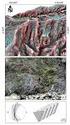 Characterization of Three Algorithms for Detecting Surface Flatness Defects from Dense Point Clouds Pingbo Tang, Dept. of Civil and Environ. Eng., Carnegie Mellon Univ. Pittsburgh, PA 15213, USA, Tel:
Optimao. In control since 1995. Machine Vision: The key considerations for successful visual inspection
 Optimao In control since 1995 Machine Vision: The key considerations for successful visual inspection There is no such a thing as an off-the-shelf vision system. Just like a drive- or a PLCbased control
RESOLUTION MERGE OF 1:35.000 SCALE AERIAL PHOTOGRAPHS WITH LANDSAT 7 ETM IMAGERY
 RESOLUTION MERGE OF 1:35.000 SCALE AERIAL PHOTOGRAPHS WITH LANDSAT 7 ETM IMAGERY M. Erdogan, H.H. Maras, A. Yilmaz, Ö.T. Özerbil General Command of Mapping 06100 Dikimevi, Ankara, TURKEY - (mustafa.erdogan;