
What is Peptic Ulcer Disease?
|
|
|
- Alexia Sheryl Lindsey
- 9 years ago
- Views:
Transcription
1 Peptic Ulcer Disease: Introduction Peptic ulcer disease represents a serious medical problem. Approximately 500,000 new cases are reported each year, with 5 million people affected in the United States alone. Interestingly, those at the highest risk of contracting peptic ulcer disease are those generations born around the middle of the 20th century. Ulcer disease has become a disease predominantly affecting the older population, with the peak incidence occurring between 55 and 65 years of age. In men, duodenal ulcers were more common than gastric ulcers; in women, the converse was found to be true. Thirty-five percent of patients diagnosed with gastric ulcers will suffer serious complications. Although mortality rates from peptic ulcer disease are low, the high prevalence and the resulting pain, suffering, and expense are very costly. Ulcers can develop in the esophagus, stomach or duodenum, at the margin of a gastroenterostomy, in the jejunum, in Zollinger- Ellison syndrome, and in association with a Meckel's diverticulum containing ectopic gastric mucosa. Peptic ulcer disease is one of several disorders of the upper gastrointestinal tract that is caused, at least partially, by gastric acid. Patients with peptic ulcer disease may present with a range of symptoms, from mild abdominal discomfort to catastrophic perforation and bleeding. Figure 1. Location of the stomach and duodenum in the body. [ ] What is Peptic Ulcer Disease? Gastric and duodenal ulcers are breaks in the gastric and duodenal mucosa. Both gastric and duodenal ulcers relate to the corrosive action of pepsin and hydrochloric acid on the mucosa of the upper gastrointestinal tract. Ulcers generally range between 3 mm and several centimeters in diameter. Symptoms Most patients with peptic ulcer disease present with abdominal discomfort, pain or nausea. The pain is located in the epigastrium and usually does not radiate. However, these symptoms are neither sensitive nor specific. Pain radiating to the back may suggest that an ulcer has penetrated posteriorly, or the pain may be pancreatic in origin. Pain radiating to the right upper quadrant may suggest disease of the gallbladder or bile ducts. Patients may describe the pain of peptic ulcer as burning or gnawing, or as hunger pains slowly building up for 1 2 hours, then gradually decreasing. Use of antacids may provide temporary relief. Classically, gastric ulcer pain is aggravated by meals, whereas the pain of duodenal ulcers is relieved by meals. Hence, patients with gastric ulcers tend to avoid food and present with weight loss, while those with duodenal ulcers do not lose weight. It is important to remember that although these patterns are typical, they are not pathognomonic. The nature of the presenting symptoms alone does not permit a clear differentiation between benign ulcers and gastric neoplasm. Copyright All Rights Reserved. 600 North Wolfe Street, Baltimore, Maryland 21287

2 Peptic Ulcer Disease: Anatomy Anatomy The stomach is located in the upper part of the abdomen just beneath the diaphragm (Figure 1). The stomach is distensible and on a free mesentery, therefore, the size, shape, and position may vary with posture and content. An empty stomach is roughly the size of an open hand and when distended with food, can fill much of the upper abdomen and may descend into the lower abdomen or pelvis on standing. The duodenum extends from the pylorus to the ligament of Treitz in a sharp curve that almost completes a circle. It is so named because it is about equal in length to the breadth of 12 fingers, or about 25 cm. It is largely retroperitoneal and its position is relatively fixed. The stomach and duodenum are closely related in function, and in the pathogenesis and manifestation of disease. The stomach may be divided into seven major sections. The cardia is a 1 2 cm segment distal to the esophagogastric junction. The fundus refers to the superior portion of the stomach that lies above an imaginary horizontal plane that passes through the esophagogastric junction. The antrum is the smaller distal one-fourth to one-third of the stomach. The narrow 1 2 cm channel that connects the stomach and duodenum is the pylorus. The lesser curve refers to the medial shorter border of the stomach, whereas the opposite surface is the greater curve. The angularis is along the lesser curve of the stomach where the body and antrum meet, and is accentuated during peristalsis (Figure 2). Figure 2. A, Normal anatomy of the stomach and duodenum; B-D, corresponding endoscopic images. The duodenum extends from the pylorus to the ligament of Treitz in a circle-like curve and is divided into four portions. The superior portion is approximately 5 cm in length, beginning at the pylorus, and passes beneath the liver to the neck of the gallbladder. The first part of the superior portion (2 3 cm) is the duodenal bulb. The descending or second part of the duodenum takes a sharp curve and goes down along the right margin of the head of the pancreas. The common bile duct and the pancreatic duct enter the medial aspect of this portion of the duodenum at the major papilla either separately or together. The duodenum turns medially, becoming the horizontal portion, and passes across the spinal column, inclining upward for 5 8 cm. The ascending portion begins at the left of the spinal column, ascending left of the aorta for 2 3 cm, and ends at the ligament of Treitz, where the intestine angles forward and downward to become the jejunum. Copyright All Rights Reserved. 600 North Wolfe Street, Baltimore, Maryland 21287

3 Peptic Ulcer Disease: Causes Protective vs. Hostile Factors No gastric acid, no peptic ulcer is a misconception. Excessive gastric acid secretion is only one factor in the pathogenesis of peptic ulcer disease. Decreased mucosal defense against gastric acid is another cause. The integrity of the upper gastrointestinal tract is dependent upon the balance between hostile factors such as gastric acid, H. pylori, NSAIDs and pepsin, and protective factors such as prostaglandins, mucus, bicarbonate, and blood flow to mucosa affecting gastrointestinal mucosa (Figure 3). Figure 3. A, Protective factors; B, hostile factors. Injury to gastric and duodenal mucosa develops when deleterious effects of gastric acid overwhelm the defensive properties of the mucosa. Inhibition of endogenous prostaglandin synthesis leads to a decrease in epithelial mucus, bicarbonate secretion, mucosal blood flow, epithelial proliferation, and mucosal resistance to injury. Lower mucosal resistance increases the incidence of injury by endogenous factors such as acid, pepsin, and bile salts as well as exogenous factors such as NSAIDs, ethanol and other noxious agents (Figure 4). Figure 4. Pathogenesis of peptic ulcer disease. Helicobacter pylori H. pylori is the etiologic factor in most patients with peptic ulcer disease and may predispose individuals to the development of gastric carcinoma. H. pylori colonizes in the human stomach (Figure 5). The method of H. pylori transmission is unclear, but seems to be person-to-person spread via a fecal-oral route. The prevalence of H. pylori in adults appears to be inversely related to the socioeconomic status. It is also thought that water is a reservoir for transmission of H. pylori. Figure 5. A, H. pylori resident on the gastric epithelium; B, electron micrograph. Nonsteroidal Anti-Inflammatory Drugs (NSAIDS) A small but important percentage of patients have adverse gastrointestinal events associated with NSAID use that results in substantial morbidity and mortality. Risk factors for the development of NSAID-associated gastric and duodenal ulcers include advanced age, history of previous ulcer disease, concomitant use of corticosteroids and anticoagulants, higher doses of NSAIDs, and serious systemic disorders. The concept of gastroduodenal mucosal injury has evolved from the notion of topical injury to concepts that involve multiple mechanisms.

4 NSAIDs initiate mucosal injury topically by their acidic properties. By diminishing the hydrophobicity of gastric mucus, endogenous gastric acid and pepsin may injure surface epithelium. Systemic effects of NSAIDs appear to play a predominant role through the decreased synthesis of mucosal prostaglandins. The precursor of prostaglandins, arachidonic acid, is catalyzed by the two cyclo-oxygenase isoenzymes, cyclo-oxygenase-1 and cyclo-oxygenase-2. The gene for cyclo-oxygenase-1, the housekeeping enzyme, maintains the homeostasis of organs. Cyclo-oxygenase-2, the inflammatory enzyme, is inducible. Although NSAIDs can inhibit both pathways, only the gene for cyclo-oxygenase-2 contains a corticosteroid-responsive repressor element (Figure 6). Literature suggests that the anti-inflammatory properties of NSAIDs are mediated through inhibition of cyclo-oxgenase-2, and adverse effects, such as gastric and duodenal ulceration, occur as a result of effects on the constitutively expressed cyclo-oxygenase-1. Figure 6. Prostaglandin synthesis and mechanism of action Cox-2 inhibitors. H. pylori is prevalent among 22 63% of patients taking NSAIDs. Most studies do not show a significant difference in H. pylori prevalence between NSAID users and nonusers. Gastritis in patients on NSAID therapy appears to be related to underlying H. pylori rather than drug use. The lower incidence of H. pylori among patients with gastric ulcers than those with duodenal ulcers is presumably the result of NSAID use. NSAIDs are more likely to cause gastric than duodenal ulcers. NSAIDs appear to cause ulcers by a mechanism independent of H. pylori based on the inhibition of prostaglandin synthesis. Gastrinoma (Zollinger-Ellison Syndrome) The classic triad of Zollinger-Ellison syndrome involves peptic ulcers in unusual locations (i.e., the jejunum), massive gastric acid hypersecretion, and a gastrinproducing islet cell tumor of the pancreas (gastrinoma). Gastrinoma in the pancreas appears in approximately 50% of patients. Another 20% of patients have it in the duodenum and others have it in the stomach, peripancreatic lymph nodes, liver, ovary, or small-bowel mesentery. Zollinger-Ellison syndrome accounts for only 0.1% of all duodenal ulcer disease. One fourth of patients have this syndrome as part of the multiple neoplasia syndrome Type I (MEN I). Patients with gastrinoma may have intractable ulcer disease. Because gastrin is trophic to the gastric mucosa, endoscopy or x-ray may demonstrate hypertrophy of the gastric rugae. Patients may also experience diarrhea (including steatorrhea from acid inactivation of lipase) and gastroesophageal reflux. These symptoms are episodic in 75% of patients. Hypercalcemia Hypercalcemia has a direct bearing on the gastric acid hypersecretory state found in patients with Zollinger-Ellison syndrome and MEN I. Intravenous calcium infusion in normal volunteers induces gastric acid hypersecretion. Additionally, calcium has been demonstrated in vivo and in vitro to stimulate gastrin release directly from gastrinomas. Resolution of hypercalcemia (by parathyroidectomy) reduces the basal acid output and serum gastrin concentration in fasting gastrinoma patients and those with MEN I, suggesting that resolution of hypercalcemia plays an important role in the therapy of this subgroup of patients. Genetic Factors Genetic factors play a role in the pathogenesis of ulcer disease. The lifetime prevalence of developing ulcer disease in first-degree relatives of ulcer patients is about three times greater than the general population. Approximately 20 50% of duodenal ulcer patients report a positive family history; gastric ulcer patients also report clusters of family members who are likewise affected. Smoking The literature reveals a strong positive correlation between cigarette smoking and the incidence of ulcer disease, mortality, complications, recurrences and delay in healing rates. Smokers are about two times more likely to develop ulcer disease than nonsmokers. Cigarette smoking and H. pylori are co-factors for the formation of peptic ulcer disease. There is a strong association between H. pylori infection and cigarette smoking in patients with and without peptic ulcers. Cigarette smoking may increase susceptibility, diminish the gastric mucosal defensive factors, or may provide a more favorable milieu for H. pylori infection. Stress Numerous studies have revealed conflicting conclusions regarding the role of psychological factors in the pathogenesis and natural history of peptic ulcer disease. The role of psychological factors is far from established. Acute stress results in increases in pulse rate, blood pressure and anxiety, but only in those patients with duodenal ulcers did acute stress actually result in significant increases in basal acid secretion. There is no clearly established ulcer-type personality. Ulcer patients typically exhibit the same psychological makeup as the general population, but they appear to perceive greater degrees of stress. In addition, there is no evidence that distinct occupational factors influence the incidence of ulcer disease. Alcohol and Diet Although alcohol has been shown to induce damage to the gastric mucosa in animals, it seems to be related to the absolute ethanol administered (200 proof). Pure ethanol is lipid soluble and results in frank, acute mucosal damage. Because most humans do not drink absolute ethanol, it is unlikely there is mucosal injury at ethanol concentrations of less than 10% (20 proof). Ethanol at low concentrations (5%) may modestly stimulate gastric acid secretions; higher concentrations diminish acid secretion. Though physiologically interesting, this has no direct link to ulcerogenesis or therapy. Some types of food and beverages are reported to cause dyspepsia. There is no convincing evidence that indicates any specific diet causes ulcer disease. Epidemiologic studies have failed to reveal a correlation between caffeinated, decaffeinated, or cola-type beverages, beer, or milk with an increased risk of ulcer disease. Dietary alteration, other than avoidance of pain-causing foods, is unnecessary in ulcer patients.

5 Copyright All Rights Reserved. 600 North Wolfe Street, Baltimore, Maryland 21287

6 Peptic Ulcer Disease: Diagnosis Overview Peptic ulcer disease is suspect in patients with epigastric distress and pain; however, these symptoms are not specific. Lack of response to conventional treatment for peptic ulcer disease should suggest conditions other than benign peptic ulcers, and should warrant endoscopy or abdominal imaging. Radiological Diagnosis Barium x-ray or upper GI series is a widely available and accepted method to establish a diagnosis of peptic ulcer in the stomach (Figure 7) or duodenum (Figure 8). Figure 7. A, X-ray of gastric ulcer in the antrum; B, corresponding illustration of a gastric ulcer. Figure 8. A, Duodenal ulcer; B, corresponding x-ray. Though less invasive than endoscopy, the barium x-ray is limited by being less sensitive and accurate at defining mucosal disease, or distinguishing benign from malignant ulcer disease (Figure 9). In patients who have anatomic deformities from previous gastric surgery or scarring from chronic inflammation, barium x-rays may be difficult to interpret. Generally, these x-rays have up to a 30% false negative and a 10% false positive rate. Until 1970, peptic ulcers were diagnosed almost exclusively by radiological methods. The most common inaccuracies of radiological diagnosis include the failure to recognize true ulcers, or the misdiagnosis of a scar or a deformed duodenal bulb as a true ulcer. Since the 1970s, increasing numbers of peptic ulcers are diagnosed by endoscopy. Figure 9. Peptic ulcers; A. malignant; B. benign. Laboratory Testing Patients who respond to optimal therapy for peptic ulcer disease do not require specialized testing. However, those with refractory (not healed after 8 weeks of therapy) or recurrent disease should have serum gastrin and serum calcium measured to screen for gastrinoma and multiple endocrine neoplasia (MEN). These patients should also undergo gastric acid analysis to determine whether the ulcer is caused by gastric acid hypersecretion (basal acid output exceeding 10 meq/hr) or decreased mucosal protection. Patients with refractory or recurrent peptic ulcer disease may have an underlying Helicobacter pylori (H. pylori) infection. Histological examination of biopsies of the gastric antrum, obtained during endoscopy, is the gold standard for diagnosis of H. pylori. Routinely, H. pylori is not cultured because of the difficulty growing the organism. Serologic tests are available, but unfortunately, positive test results indicate only past exposure and are not useful for determining if the infection has been cured. Urea breath tests are simple and noninvasive, and have been used to diagnose H. pylori infection. Because H. pylori produces large quantities of the enzyme urease, these breath tests have the potential to be quite useful. 13C- and 14C-urea breath tests offer excellent diagnostic yield. Patients ingest a solution containing 13C- or

7 14C-labeled urea and an exhaled breath is sampled for isotope-labeled CO2 released by intragastric H. pylori urease activity. The test can be completed within 20 minutes and is highly sensitive and specific (Figure 10). Figure 10. Urea breath test determines the presence of H. pylori. Serologic testing is an accepted method for detection of H. pylori. Mean levels of IgG and IgA ELISA tests (enzyme-linked immunosorbent assay) are significantly higher in H. pylori-positive than in H. pylori-negative patients. Sensitivity of this serum assay is generally in the range of 80 95% and specificity in the range of 75 95%. More recently, stool antigen testing has emerged as an alternative non-invasive means of detecting the presence of H. pylori. These fecal assays have become a useful test, and recent studies have shown a sensitivity value of 94% with specificity between 86-92%. Furthermore, it may be used to easily document eradication of an H. pylori infection if performed at least four weeks after treatment. Endoscopic Diagnosis Gastrointestinal endoscopy allows the physician to visualize and biopsy the upper gastrointestinal tract including the esophagus, stomach and duodenum. The enteroscope (a longer endoscope) allows visualization of at least 50% of the small intestine, including most of the jejunum and different degrees of the ileum. During these procedures, the patient is given a numbing agent to help prevent gagging. Pain medication and a sedative may be administered prior to the procedure. The patient is placed in the left lateral position (Figure 11). Figure 11. Room set-up and patient positioning for endoscopy. An endoscope (a thin, flexible, lighted tube) is passed through the mouth and pharynx and into the esophagus. The forward-viewing scope transmits an image of the esophagus, stomach and duodenum to a monitor visible to the physician (Figure 12). Air may be introduced into the stomach, expanding the folds of tissue, and enhancing examination of the stomach. Figure 12. Endoscope.

8 Esophagogastroduodenoscopy (EGD) is the most direct and most accurate method of establishing the diagnosis of peptic ulcer disease (Figures 13 and 14). In addition to identifying the ulcer, its location and size, EGD also provides an opportunity to detect subtle mucosal lesions and to biopsy lesions to establish histopathological basis. Endoscopic biopsies are indicated for all gastric ulcers at the time of diagnosis, whereas duodenal ulcers are almost always benign, not requiring biopsy in usual circumstances. Figure 13. A, Endoscopic view of a benign gastric ulcer; B, corresponding illustration. Figure 14. A, Benign duodenal ulcer; B, corresponding endoscopic view. Endoscopic biopsy also appears the best and most accurate diagnostic method for H. pylori. Histological examination with standard hematoxylin and eosin staining provides an excellent means of diagnosis (Figure 15). Figure 15. Hematoxylin and eosin (H&E) stained histological section of the stomach mucosa showing H. pylori. In an effort to speed up the diagnosis of H. pylori following a biopsy of the gastric mucosa, urease activity has been used. Biopsy specimens are placed in a urea and phenol red solution or gel. If urease from H. pylori is present in the specimen, urea is hydrolyzed to release ammonia, increasing ph in the solution and giving a pink color to the gel or solution. At 3 hours, this test has a sensitivity of 90%. Using this technique, the diagnosis can be made sooner than standard histopathological examination. Copyright All Rights Reserved. 600 North Wolfe Street, Baltimore, Maryland 21287

9 Peptic Ulcer Disease: Therapy Overview Most peptic ulcers heal if gastric acid production is adequately suppressed. The rationale behind the treatment of peptic ulcer disease is twofold. The reduction of hostile factors is essential, as is augmentation of protective factors. Antacids, histamine H2-receptor antagonists, proton pump inhibitors (e.g., omeprazole, lansoprazole), and surgery succeed by neutralization or reduction of gastric acid. Sucralfate and prostaglandin agents boost mucosal protection. The eradication of H. pylori infection restores normal mucosal resistance, but unlike other treatment options, does not require maintenance therapy to prevent ulcer recurrence. Patients should avoid factors known to contribute to peptic ulcer disease, such as NSAIDs and smoking. Medical Therapy The goal of therapy for peptic ulcer disease is to relieve symptoms, heal craters, prevent recurrences, and prevent complications. Medical therapy should include treatment with drugs, and attempt to accomplish the following: 1) reduce gastric acidity by mechanisms that inhibit or neutralize acid secretion, 2) coat ulcer craters to prevent acid and pepsin from penetrating to the ulcer base, 3) provide a prostaglandin analog, 4) remove environmental factors such as NSAIDs and smoking, and 5) reduce emotional stress (in a subset of patients). Antacids neutralize gastric acid and are more effective than placebo in healing gastric and duodenal ulcers. However, antacids have to be taken in relatively large doses 1 and 3 hours after meals and at bedtime, and may cause side effects. The major side effect of magnesium-containing antacids is diarrhea caused by magnesium hydroxide. Figure 16. Mechanism of acid production in the gastric parietal cell. Histamine H2-receptor antagonists reduce gastric acid production by blocking the H2 receptor on the parietal cell (Figure 16). Examples of available H2 blockers used to treat gastric and duodenal ulcers include cimetidine, ranitidine, famotidine and nizatidine. This group of compounds effectively decreases acid secretion. H2-receptor antagonists are relatively safe. The choice of drug should be dictated by cost, dosing schedule, convenience, and possible drug interactions. The family of drugs known as as proton pump inhibitors, or PPIs, inactivates the parietal cell hydrogen-potassium ATPase located on the lumenal surface. ATPase acts as a proton pump and constitutes the final common pathway in the secretion of hydrogen ions. This class of medicines is now considered the gold standard in medical therapy of peptic ulcer disease. Examples of available PPIs include omeprazole, lansoprazole, pantoprazole, rabeprazole, and esomeprazole. Increasing the PPI dose can reduce acid secretion to the point of achlorhydria (unachievable by H2 blockade). Thus, the proton pump inhibitors are the primary treatment when gastric hypersecretion is resistant to other therapies. Proton pump inhibitors have been shown to prevent NSAID-associated gastroduodenal ulcers, and to provide a safe and effective form of therapy. Furthermore, studies have shown that PPIs are more effective than H2-receptor antagonists at treating all types of peptic ulcer disease. Sucralfate is the aluminum salt of a sulfated disaccharide. The drug forms a barrier or coating over the ulcer crater, stimulates prostaglandin synthesis, and binds to noxious agents such as bile salts. Although the exact mechanism of action is unclear, it appears sucralfates stimulate prostaglandins, which promote improved mucosal integrity and enhance epithelial regeneration. Because it requires multiple doses per day, patients are less likely to follow a sucralfate regimen even though it has been shown to be as effective as an H2 blocker in healing both duodenal and gastric ulcers. Sucralfate is not absorbed systemically, and its only remarkable side effect is constipation. Misoprostol is a prostaglandin E1 analog that increases mucosal resistance and inhibits acid secretion to a minor degree. Misoprostol has been advocated for prophylaxis of NSAID-induced mucosal injury. The drug has significant side effects, primarily mild to moderate diarrhea, and is too costly to be used by most patients on long-term NSAIDs. The suppression of gastric acid production promotes the healing of peptic ulcers. Unfortunately, if acid suppression therapy is not maintained, peptic ulcers regularly recur. Since the long-term cure of peptic ulcers accompanies the eradication of H. pylori, all ulcers associated with this infection should be treated with the aim of infection eradication. Although H. pylori is sensitive to a variety of antibiotics in vitro, its habitat beneath the gastric mucosa makes it difficult to treat. The original treatment gold standard was 2 weeks of triple therapy, including bismuth, tetracycline or amoxicillin, and metronidazole. Where compliance with this regimen can be assured, H. pylori cure rate is 90 95% or more; however, 20% of these cases develop side effects. Newer simpler regimens have been developed and H. pylori treatment recommendations are still evolving. Today, the current gold standard of therapy is a triple combination of drugs that includes a PPI (e.g. omeprazole or lansoprazole) plus amoxicillin and a newer antibiotic, clarithromycin. All three medicines are to be taken twice per day for 7-14 days (preferably 14 days). Alternative drugs may be offered to those patients with certain allergies or medication intolerances. Physicians should always offer patients with peptic ulcer disease and confirmed H. pylori infection the option of curative therapy. Gastric ulcers should be re-evaluated by multiple endoscopic biopsies and cytology to rule out gastric carcinoma if they have not healed after 8 weeks of conventional medical therapy. If no malignancy is seen on biopsy, aggressive treatment should be instituted for 6 weeks to eradicate H. pylori and to suppress acid with full doses of a proton pump inhibitor. A gastric ulcer that does not heal after this second aggressive course of medical therapy may suggest underlying malignancy, even with negative repeat biopsies. Non-healing gastric ulcers should be resected surgically.

10 Surgical Therapy Over the past few decades in the United States, we have witnessed a declining need for surgery to treat peptic ulcer disease. This decline may be explained primarily by the widespread use of H2 receptor antagonists, and now more recently, proton pump inhibitors. Complications such as gastrointestinal hemorrhage, perforation, or gastric outlet obstruction remain the major indications for surgical intervention. The most common reason for surgical intervention for benign gastric ulcers is failure of the ulcer to completely heal after an adequate trial of medical or endoscopic therapy. Patients are usually given a 6-month trial of antisecretory agents prior to surgical consultation. The major concern regarding non-healed ulcers is the high risk of underlying malignancies. Due to the benign nature of duodenal ulcers, physicians can monitor the patients response to medical regimens by following their symptoms. When patients with duodenal ulcers require surgery, it is usually one of three procedures: vagotomy, vagotomy with antrectomy, or subtotal gastrectomy. Vagotomy alone (without gastric resection) may involve truncal vagotomy with drainage, selective vagotomy with drainage (Figure 18), or proximal gastric vagotomy alone (without a drainage procedure). Figure 18. Selective vagotomy. Delayed gastric emptying may be caused by truncal vagotomy, and a concurrent drainage procedure such as antrectomy (Figure 19), pyloroplasty (Figure 20), or gastroenterostomy may be necessary as antral innervation (by Latarjet nerves) is nonfunctioning. Selective vagotomy (proximal gastric vagotomy) does not necessitate a concomitant drainage procedure. Figure 19. Antrectomy and truncal vagotomy for duodenal ulcer with Billroth I anastomosis. Figure 20. Surgical technique of pyloroplasty and truncal vagotomy. Morbidity resulting from the surgical procedure and the risk of recurrence of ulcers are two major considerations. Proximal gastric vagotomy is probably the most

11 preferred of surgical options because the pylorus is preserved. Recurrence of ulcer disease is about the same with all three types of surgical procedures, however, the incidence of dumping symptoms is higher with vagotomy or vagotomy with antrectomy. Endoscopic Therapy The primary role of endoscopic therapy in peptic ulcer disease is to manage complications that may arise. Overview Hemorrhage, perforation/penetration, and gastric outlet obstruction continue to be the major complications associated with peptic ulcer disease, despite the availability of effective ulcer medications. In the United States, the yearly complication rate ranges between 2 5%. Hemorrhage Rate of Incidence Gastrointestinal hemorrhage affects 5 20% of patients (more often those with duodenal ulcers) and is the most common complication of peptic ulcer disease. Bleeding occurs more often in men than in women. Hemorrhage from ulcers stops spontaneously in approximately 75 80% of cases. Approximately one-fourth of all bleeding ulcers require surgery. Endoscopic Therapy Endoscopy is the preferred procedure for the diagnosis and treatment of an upper gastrointestinal hemorrhage because of the low complication rate and accuracy. Stigmata on ulcers may be seen during endoscopic procedures, and are important prognostic indicators (Figure 21). Figure 21. Classification of the stigmata of bleeding ulcers, including prevalence and risks of further bleeding; A, clean base; B, flat spot; C, adherent clot; D, visible vessel; E, active bleeding. After resuscitation and stabilization of the patient, gastric lavage is usually performed to remove blood from the stomach prior to endoscopy. The goal of endoscopic therapy is to seal the feeding vessel, and this may be accomplished in a variety of ways. The bleeding source is identified in more than 95% of patients with significant upper GI hemorrhage (Figure 22). Figure 22. A, Endoscopic view of an actively bleeding ulcer; B, cross-section of the stomach wall. Thermally Active Methods Thermal devices are the most widely tested modalities for endoscopic hemostasis. Heating leads to edema, coagulation of tissue proteins, and contraction of arteries.

12 Heat may be produced by tissue absorption of laser light energy, passage of electrical current through tissue, or heat diffusion from another source. Arterial coagulation is achieved with the laser by means of rapid heating. The laser is effective for direct coagulation of 0.25-mm arteries and becomes less effective with larger arteries. The BICAP, or bipolar circumactive probe, is a thermally active contact or heater probe used to compress the target artery before heat delivery. After the initial compression, the delivery of a small amount of heat welds the vessel walls together. Photocoagulation can be achieved by use of the laser. The laser light can be focused on a bleeding point to induce rapid tissue heating. This produces blood coagulation and tissue necrosis. Endoscopic hemostasis may be achieved with two types of lasers: argon and Nd:YAG. The Nd:YAG laser has longer wavelengths, greater coagulation capacity, and increased perforation potential. Both lasers have been used in the endoscopic treatment of ulcer hemorrhage (Figure 23). Figure 23. Endoscopic laser coagulation of a bleeding ulcer. Clinical trials of ulcer hemorrhage have confirmed that photocoagulation provides effective hemostasis for active and non-bleeding visible vessels. The success rates with Nd:YAG are in the range of %. Important considerations that limit emergency laser hemostasis include portability and cost. Additionally, the need for specific expertise by the endoscopist and technician, special electrical outlets, eye protection, and technical considerations (difficulty in aiming the laser beam) are further limiting factors in emergency situations. Electrocoagulation Heat generated from high-frequency electrical current is capable of coagulating or cutting tissue. Thermal electrocoagulation is the classic treatment for bleeding during surgery and has recently been used endoscopically to treat GI bleeding. Monopolar and multipolar endoscopic electrodes are currently available, and both must contact the mucosal surface to be effective. The multipolar electrocoagulation probe has two or more electrodes at the tip. Current is concentrated much closer to the tip than in the monopolar probe, resulting in less depth of tissue injury and lower perforation potential. The BICAP features six electrode plates in the tip, a central irrigation channel, and two different diameter probes (Figure 24). It can achieve a maximum temperature of 100oC and causes less tissue injury than the monopolar or Nd:YAG electrocoagulation laser. Figure 24. A, Endoscopic cauterization of a bleeding ulcer using BICAP electrocoagulation; B, corresponding endoscopic view. Heater Probe The heater probe is a hollow aluminum cylinder with an inner coil. The cylinder transfers heat from its end or sides to tissue when positioned perpendicularly or tangentially. This probe may be passed through the biopsy channels of larger endoscopes and positioned on bleeding lesions to produce tamponade and heat (Figure 25). Studies have shown the heater probe to be safe and effective for the treatment of ulcer bleeding or non-bleeding visible vessels, achieving hemostasis and significantly improving clinical outcomes.

13 In a comparative study of the heater probe, BICAP, and medical therapy, the heater probe was more than 95% effective in achieving initial hemostasis. Both the BICAP and heater probes represent important endoscopic advances in endoscopic hemostasis, and have advantages over laser therapy. These devices are less expensive, portable, easy to use, have target irrigation, and allow tamponade and tangential coagulation. Injection Therapy Injection therapy for upper gastrointestinal bleeding is inexpensive, simple and widely used. A sclerotherapy catheter with a small retractable needle is passed through the biopsy channel of the endoscope. Non-bleeding visible vessels are treated by the injection of a solution at three or four surrounding sites about 1-3 mm from the vessel. Subsequently, the visible vessel is injected. In cases of bleeding vessels, injections are made around the bleeding point until hemostasis is achieved. This is followed by injection into the vessel (Figure 26). Several different sclerosant agents have been used alone or in combination to achieve endoscopic hemostasis. Adrenaline; hypertonic saline and adrenaline combined; adrenaline and polidocanol; pure ethanol; or combinations of dextrose, thrombin, and sodium morrhuate have shown improvement in rebleeding, the need for urgent surgery, and mortality. Combined injection and thermal treatment have theoretical advantages in the treatment of bleeding ulcers. Injection with epinephrine produces vasoconstriction and activates platelet coagulation, reducing blood flow and potentiating thermal therapy, which produces coaptive coagulation. Recent studies have shown combination therapy (epinephrine injection and heater probe) benefited patients with spurting bleeding, but not those with oozing bleeding. Mechanical Therapy Endoscopic hemoclips have recently been developed and made their way to the scene of endoscopic therapy for peptic ulcer disease. These devices are small 3-4 mm titanium clips that can be opened and closed while being operated through the working channel of the endoscope. They may be used to pinch-off, or clip, a bleeding vessel. When fully deployed, they remain fastened to the vessel after the endoscope has been removed from the patient. Emerging studies have shown that hemoclips are an effective and safe method for treating certain forms of peptic ulcer desease and should be used in the appropriate setting. Radiological Therapy Angiography is a useful diagnostic and therapeutic modality in treatment of bleeding gastric and duodenal ulcers. Angiography can identify the site of bleeding in instances where endoscopy has failed to be diagnostic. It should also be considered in patients at high risk for surgical intervention. Angiographic therapy includes two different embolization techniques for the treatment of GI bleeding. Effective in 50% of cases, vasopressin intra-arterial infusion causes vasoconstriction that results in the cessation of ulcer hemorrhage. Embolic material such as an absorbable gelatin sponge, tissue adhesives, or other occlusion devices (such as microcoils) (Figure 27) can be inserted through a catheter into the area of bleeding. Potential complications of embolization therapy may include ischemia and perforation.

14 Surgical Therapy When endoscopic hemostasis techniques are unavailable or fail to resolve bleeding or recurrent hemorrhage, surgery provides another therapeutic option. Surgery is effective in the prevention of recurrent ulceration and in excluding the presence of malignant disease. Emergent surgery (Figures 28 30) has a higher mortality rate than elective surgery, and resection procedures are accompanied by higher mortality than oversewing the ulcer and selective vagotomy, or vagotomy and pyloroplasty (Figure 29). The operative choice is related to the surgeon s experience, ulcer location, and overall condition of the patient. Truncal vagotomy and antrectomy (Figure 30) provide high cure rates and low recurrence rates. Recurrence rates after vagotomy and pyloroplasty are somewhat higher. Laparoscopic selective vagotomy provides an appealing alternative for a subset of ulcer patients with lower morbidity, shorter recovery time, and a shorter hospital stay.

15 Perforation Approximately 5 10% of patients with peptic ulcers suffer a perforation into the abdominal cavity (Figure 31). This rate is higher in men than in women. Approximately 15% of patients die from ulcer perforation. Two types of perforation of the stomach and duodenum have been observed. Free perforation occurs when duodenal or gastric contents spill into the abdominal cavity with peritoneal contamination by gastric, pancreatic and biliary juices. Clinically this produces an acute abdomen, which is easily diagnosed. Contained perforation occurs when the ulcer produces a full-thickness hole in the duodenum or stomach, but the omentum or other adjacent organs prevent peritoneal contamination. Perforations are most likely in elderly patients on chronic NSAID therapy, and are more common in gastric than in duodenal ulcers. Initial symptoms of perforated duodenal or gastric ulcers include severe abdominal pain, worse in the epigastrium, often accompanied by nausea and vomiting. Typically the patient is acutely and severely ill. History and physical exam suggest a diagnosis of perforation. The finding of free air on either an upright or decubitus abdominal radiograph is noted in approximately 70% of cases (Figure 32). An upper GI series with gastrografin will confirm the clinical impression of perforation if an x-ray is negative. Perforation is a contraindication for endoscopy because air insufflation may exacerbate spillage of gastric contents or disrupt a sealed perforation. Urgent surgical therapy is recommended in patients with uncontained, free perforated ulcers, because spontaneous sealing is rare. In addition, gastric adenocarcinoma cannot be ruled out and there is a greater potential for bacterial colonization. Aggressive surgical intervention helps to decrease the high mortality associated with perforating gastric ulcers. Penetration Five to 10% of perforating ulcers may erode through the entire thickness of the gastric or duodenal wall into adjacent abdominal organs. Such penetration can involve the pancreas, bile ducts, liver, and the small or large intestine. The pancreas is the most common site of penetration (Figure 33).

16 The acute onset of associated complications, such as pancreatitis, cholangitis, or diarrhea of undigested food, may diagnose penetration. The diagnosis of penetration is more difficult than perforation, and is based on a combination of severe ulcer symptoms, atypical pain distribution, and diminished response to the usual therapy. Surgery is usually not recommended in the management of penetration unless biliary complications are present or the underlying peptic disease is severe. Gastric Outlet Obstruction Fewer than 5% of patients develop gastric outlet obstruction from pyloric stenosis. Duodenal ulcers give rise to pyloric stenosis more often than gastric ulcers. Peptic ulcer disease may be accompanied by varying degrees of obstruction caused by inflammatory swelling of the pyloric channel or chronic scarring associated with fibrosis. Patients with gastric outlet obstruction usually have a history of nausea, vomiting, and epigastric pain or fullness. Laboratory findings may show anemia, low serum albumin, and hyperkalemic alkalosis. Radiological exam is usually diagnostic, showing a large gastric shadow with an air/fluid level (Figure 34). An upper GI series yields valuable information by showing marked delay in gastric emptying and a large atonic stomach. Endoscopy is the best test for evaluating gastric outlet obstruction after decompression of the stomach for hours. Endoscopic Therapy Endoscopic dilation of the gastric outlet obstruction is a reasonable course after the failure of medical therapy. Balloon dilation can usually improve the acute problem by producing radial forces on the strictured segment. Through-the-scope balloons are usually the first choice (over guide wire balloons), using the largest balloon that can safely be passed into the segment. A well-lubricated balloon is passed through the endoscopic biopsy channel and carefully positioned into the stricture (Figure 35A). The balloon is inflated with contrast, water or air, and pressure is maintained for the desired time (Figure 35B). Dilation may also be performed over a guide wire that has been passed through the stricture. Sequential balloon dilation is performed with fluoroscopy and endoscopic evaluation. Figure 35C shows the strictured segment after balloon dilation. Surgical Therapy The goal of surgical therapy in gastric outlet obstruction is twofold: 1) improvement of the obstruction and 2) treatment of the predisposing ulcer with an acid-reducing procedure. Vagotomy and antrectomy (Figure 36) with gastroduodenal drainage, or truncal vagotomy with drainage (Figure 37) are the recommended surgical procedures.

17 Selective vagotomy with pyloroduodenal dilation is an alternative, but recurrent obstruction rates are higher than with the other two surgeries. Copyright All Rights Reserved. 600 North Wolfe Street, Baltimore, Maryland 21287

Medical Nutrition Therapy for Upper Gastrointestinal Tract Disorders. By: Jalal Hejazi PhD, MSc.
 Medical Nutrition Therapy for Upper Gastrointestinal Tract Disorders By: Jalal Hejazi PhD, MSc. Digestive Disorders Common problem; more than 50 million outpatient visits per year Dietary habits and nutrition
Digestive System (continued) Digestive System. Stomach. Peptic Ulcer Disease
 Digestive System Digestive System (continued) Responsible for breaking down food, absorbing nutrients, eliminating wastes Alimentary canal Also known as gastrointestinal tract Reaches from mouth to anus
Gastrointestinal Bleeding
 Gastrointestinal Bleeding Introduction Gastrointestinal bleeding is a symptom of many diseases rather than a disease itself. A number of different conditions can cause gastrointestinal bleeding. Some causes
National Digestive Diseases Information Clearinghouse
 Gastritis National Digestive Diseases Information Clearinghouse U.S. Department of Health and Human Services NATIONAL INSTITUTES OF HEALTH What is gastritis? Gastritis is a condition in which the stomach
GI Bleed. Steven Lichtenstein, D.O. Chief, Division of Gastroenterology Mercy Health System. Director, Endoscopy/GI Lab Mercy Fitzgerald Hospital
 October 3, 2015 GI Bleed Steven Lichtenstein, D.O. Chief, Division of Gastroenterology Mercy Health System Director, Endoscopy/GI Lab Mercy Fitzgerald Hospital Clinical Associate Professor of Medicine
understanding GI bleeding
 understanding GI bleeding a consumer education brochure American College of Gastroenterology 4900B South 31st Street, Arlington, VA 22206 703-820-7400 www.acg.gi.org American College of Gastroenterology
The digestive system. Medicine and technology. Normal structure and function Diagnostic methods Example diseases and therapies
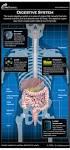 The digestive system Medicine and technology Normal structure and function Diagnostic methods Example diseases and therapies The digestive system An overview (1) Oesophagus Liver (hepar) Biliary system
Peptic Ulcer. Anatomy The stomach is a hollow organ. It is located in the upper abdomen, under the ribs.
 Peptic Ulcer Introduction A peptic ulcer is a sore in the lining of your stomach or duodenum. The duodenum is the first part of your small intestine. Peptic ulcers may also develop in the esophagus. Nearly
Endoscopic Treatment of Bleeding Peptic Ulcers Panagiotis Katsinelos, MD, PhD
 Endoscopic Treatment of Bleeding Peptic Ulcers Panagiotis Katsinelos, MD, PhD Department of Endoscopy and Motility Unit G. Gennimatas General Hospital of Thessaloniki Endoscopic diagnosis for UGI bleeding
Acute abdominal conditions Key Points
 7 Acute abdominal conditions Key Points 7.1 ASSESSMENT AND DIAGNOSIS Referred abdominal pain Fore gut pain (stomach, duodenum, gall bladder) is referred to the upper abdomen Mid gut pain (small intestine,
By Anne C. Travis, M.D., M.Sc. and John R. Saltzman, M.D., FACG Brigham and Women's Hospital Harvard Medical School Boston, MA
 SMALL BOWEL BLEEDING: CAUSES, DIAGNOSIS AND TREATMENT By Anne C. Travis, M.D., M.Sc. and John R. Saltzman, M.D., FACG Brigham and Women's Hospital Harvard Medical School Boston, MA 1. What is the small
Overview of Bariatric Surgery
 Overview of Bariatric Surgery To better understand how weight loss surgery works, it is helpful to know how the normal digestive process works. As food moves along the digestive tract, special digestive
PATIENT CONSENT TO PROCEDURE - ROUX-EN-Y GASTRIC BYPASS
 As a patient you must be adequately informed about your condition and the recommended surgical procedure. Please read this document carefully and ask about anything you do not understand. Please initial
Bile Duct Diseases and Problems
 Bile Duct Diseases and Problems Introduction A bile duct is a tube that carries bile between the liver and gallbladder and the intestine. Bile is a substance made by the liver that helps with digestion.
Acute Abdominal Pain following Bariatric Surgery. Disclosure. Objectives 8/17/2015. I have nothing to disclose
 Acute Abdominal Pain following Bariatric Surgery Kathy J. Morris, DNP, APRN, FNP C, FAANP University of Nebraska Medical Center College of Nursing Disclosure I have nothing to disclose Objectives Pathophysiology
What is Helicobacter pylori? The Life Cycle (Pathogenesis) of Helicobacter pylori
 Helicobacter pylori Source: http://www.medicaltribune.net/put/default.htm Source: http://www.shef.ac.uk/mbb/academic/staff/djk010.gif What is Helicobacter pylori? Helicobacter pylori (H. pylori) are a
Upper Gastrointestinal Tract KNH 406
 Upper Gastrointestinal Tract KNH 406 Upper GI A&P GI tract long tube ~ 15 ft. Upper GI mouth, pharynx, esophagus, stomach Accessory organs pancreas, biliary system, liver Four basic functions: motility,
11/10/2014. I have nothing to Disclose. Covered Stents discussed are NOT FDA approved for the indications covered in my presentation
 I have nothing to Disclose Ramsey Dallal, MD, FACS Vice Chair Department of Surgery Chief Bariatric i and Minimally i Invasive Surgery Einstein Healthcare Network Nemacolin, PA 2014 Covered Stents discussed
NSAIDs and Peptic Ulcers
 NSAIDs and Peptic Ulcers National Digestive Diseases Information Clearinghouse U.S. Department of Health and Human Services NATIONAL INSTITUTES OF HEALTH What is a peptic ulcer? A peptic ulcer is a sore
A. Ketorolac*** B. Naproxen C. Ibuprofen D. Celecoxib
 1. A man, 66 years of age, with a history of knee osteoarthritis (OA) is experiencing increasing pain at rest and with physical activity. He also has a history of depression and coronary artery disease.
What can I eat? Peptic ulcers. What are peptic ulcers? What tests are needed? Will the ulcer come back? What causes a peptic ulcer?
 In association with: INFORMATION ABOUT Peptic ulcers www.corecharity.org.uk What are peptic ulcers? What causes a peptic ulcer? How are NSAIDs and aspirin involved? How do I know if I ve got an ulcer?
Neuroendocrine Tumors
 Neuroendocrine Tumors Neuroendocrine tumors arise from cells that release a hormone in response to a signal from the nervous system. Neuro refers to the nervous system. Endocrine refers to the hormones.
Learning Objectives. Introduction to Medical Careers. Vocabulary: Chapter 16 FACTS. Functions. Organs. Digestive System Chapter 16
 Learning Objectives Introduction to Medical Careers Digestive System Chapter 16 Define at least 10 terms relating to the digestive Describe the four functions of the digestive Identify different structures
Digestive System AKA. GI System. Overview. GI Process Process Includes. G-I Tract Alimentary Canal
 Digestive System AKA G-I Tract Alimentary Canal Overview GI System Consists of Mouth, pharynx, esophagus, stomach, small intestine, large intestine, anus About 30 in length Accessory Organs Teeth, tongue,
GI Bleeding. Thomas S.Foster,Pharm.D. PHR 961 Integrated Therapeutics
 GI Bleeding Thomas S.Foster,Pharm.D. PHR 961 Integrated Therapeutics Overview Because GI bleeding is internal, it is possible for a person to have GI bleeding without symptoms. Important to recognize
Informed Consent for Laparoscopic Vertical Sleeve Gastrectomy. Patient Name
 Informed Consent for Laparoscopic Vertical Sleeve Gastrectomy Patient Name Please read this form carefully and ask about anything you may not understand. I consent to have a laparoscopic Vertical Sleeve
What are peptic ulcers?
 Information about Peptic ulcers www.corecharity.org.uk What are the symptoms? What are the causes? What are peptic ulcers? When should I consult a doctor? What will the doctor do? How should I treat peptic
Surgical Weight Loss. Mission Bariatrics
 Surgical Weight Loss Mission Bariatrics Obesity is a major health problem in the United States, with more than one in every three people suffering from this chronic condition. Obese adults are at an increased
Gastroesophageal Reflux Disease (GERD) and Barrett s Esophagus (BE)
 Gastroesophageal Reflux Disease (GERD) and Barrett s Esophagus (BE) Hashem El-Serag, M.D., M.P.H. Dan L. Duncan Professor of Medicine Chief, Gastroenterology and Hepatology Baylor College of Medicine Houston,
GASTROESOPHAGEAL REFLUX DISEASE (GERD)
 GASTROESOPHAGEAL REFLUX DISEASE (GERD) Gastroesophageal reflux disease is a clinical scenario where the gastric or duodenal contents reflux back up into the esophagus. Reflux esophagitis, however, is a
Upper Endoscopy (EGD)
 Upper Endoscopy (EGD) Appointment Information: Patient Name: MRN: Physician Name: Location: _ For information on Directions, please visit: http://www.brighamandwomens.org/general/directions/directions.aspx
SOD (Sphincter of Oddi Dysfunction)
 SOD (Sphincter of Oddi Dysfunction) SOD refers to the mechanical malfunctioning of the Sphincter of Oddi, which is the valve muscle that regulates the flow of bile and pancreatic juice into the duodenum.
FAQ About Prostate Cancer Treatment and SpaceOAR System
 FAQ About Prostate Cancer Treatment and SpaceOAR System P. 4 Prostate Cancer Background SpaceOAR Frequently Asked Questions (FAQ) 1. What is prostate cancer? The vast majority of prostate cancers develop
Laparoscopic Surgery of the Colon and Rectum (Large Intestine) A Simple Guide to Help Answer Your Questions
 Laparoscopic Surgery of the Colon and Rectum (Large Intestine) A Simple Guide to Help Answer Your Questions What are the Colon and Rectum? The colon and rectum together make up the large intestine. After
SMALL AND LARGE INTESTINE SECRETIONS
 SMALL AND LARGE INTESTINE SECRETIONS Objectives At the end of lecture student should be able to know, Digestive system Digestive system secretions Small intestine Component of small intestine Intestinal
Smoking and misuse of certain pain medicines can affect the risk of developing renal cell cancer.
 Renal cell cancer Renal cell cancer is a disease in which malignant (cancer) cells form in tubules of the kidney. Renal cell cancer (also called kidney cancer or renal adenocarcinoma) is a disease in which
Integumentary System Digestive System. Outline. Integumentary System 11/4/2008. Week 11 BA & BP November 4, 2008 Nadia Arora, ND
 Integumentary System Digestive System Week 11 BA & BP November 4, 2008 Nadia Arora, ND Outline Integumentary system and body membranes Types of body membranes and their function General structure and main
The Excretory and Digestive Systems
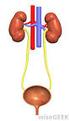 The Excretory and Digestive Systems 38.2 The Process of Digestion Organs of the Digestive System The digestive system includes the: Mouth Pharynx Esophagus Stomach Small and large intestine. Other structures
Amylase and Lipase Tests
 Amylase and Lipase Tests Also known as: Amy Formal name: Amylase Related tests: Lipase The Test The blood amylase test is ordered, often along with a lipase test, to help diagnose and monitor acute or
Dogs and cats with pancreatitis can have a wide variety of signs, which include, but are not limited to the following:
 Pancreatitis is defined as inflammation of the pancreas and can be caused by a number of inciting factors. The pancreas is responsible for tasks such as glucose regulation and aids in the digestion of
1400 Telegraph Bloomfield Hills, MI 48302 248-334-6877-Phone number/248-334-6877-fax Number CANCER TREATMENT
 1400 Telegraph Bloomfield Hills, MI 48302 248-334-6877-Phone number/248-334-6877-fax Number CANCER TREATMENT Learning that your pet has a diagnosis of cancer can be overwhelming. We realize that your pet
2016 Quick Reference Coding Chart
 43197 Trans nasal esophagoscopy 43198 Biospy Trans Nasal Esophagoscopy Esophagoscopy 43200 Esophagoscopy Includes collection of specimen(s) by brushing or washing, when performed. 43201 Submucosal injection
Understanding. Pancreatic Cancer
 Understanding Pancreatic Cancer Understanding Pancreatic Cancer The Pancreas The pancreas is an organ that is about 6 inches long. It s located deep in your belly between your stomach and backbone. Your
Treatments for Barrett s Oesophagus
 Treatments for Barrett s Oesophagus Introduction This leaflet describes the various ways in which Barrett s Oesophagus is treated. It has been produced in association with Heartburn Cancer UK (HCUK), a
Figure 3: Dysphagia. 14 meets. esophageal. esophageal manometry +/- +/- impedance measurement. structural lesion? no. 19 yes
 Figure 3: Dysphagia 1 patient with dysphagia 2 history and physical exam. suggestive of nesophageal etiology? 3 evaluate and treat as as indicated 4 upper GI GI endoscopy with biopsies 15 achalasia, absent
How to Effectively Code for Endoscopic Procedures in Gastroenterology
 How to Effectively Code for Endoscopic Procedures in Gastroenterology Ariwan Rakvit, MD Associate Professor Interim Chief, Division of Gastroenterology Texas Tech University Health Science Center All rights
Figure 2: Recurrent chest pain of suspected esophageal origin
 Figure 2: Recurrent chest pain of suspected esophageal origin 1 patient with chest pain of suspected esophageal origin 2 history and physical exam. suggestive of n-esophageal etiology? 3 evaluate and treat
Chapter 6 Gastrointestinal Impairment
 Chapter 6 Gastrointestinal This chapter consists of 2 parts: Part 6.1 Diseases of the digestive system Part 6.2 Abdominal wall hernias and obesity PART 6.1: DISEASES OF THE DIGESTIVE SYSTEM Diseases of
WHAT S WRONG WITH MY GALL BLADDER? GALL BLADDER POLYPS
 WHAT S WRONG WITH MY GALL BLADDER? GALL BLADDER POLYPS This is a patient information booklet providing specific practical information about gall bladder polyps in brief. Its aim is to provide the patient
Lung Cancer. This reference summary will help you better understand lung cancer and the treatment options that are available.
 Lung Cancer Introduction Lung cancer is the number one cancer killer of men and women. Over 165,000 people die of lung cancer every year in the United States. Most cases of lung cancer are related to cigarette
Digestive System. Gross Anatomy and Physiology
 Digestive System Gross Anatomy and Physiology I. Introduction A. Base Function: Working with the circulatory system the digestive system provides the body with fuel. B. Main players: 1. Digestive tract:
PATIENT INFORMATION ABOUT ADJUVANT THERAPY AFTER THE WHIPPLE OPERATION FOR ADENOCARCINOMA ( CANCER ) OF THE PANCREAS AND RELATED SITES.
 PATIENT INFORMATION ABOUT ADJUVANT THERAPY AFTER THE WHIPPLE OPERATION FOR ADENOCARCINOMA ( CANCER ) OF THE PANCREAS AND RELATED SITES. Radiation Oncology Sidney Kimmel Cancer Center at Johns Hopkins Last
Types of Bariatric Procedures. Tejal Brahmbhatt, MD General Surgery Teaching Conference April 18, 2012
 Types of Bariatric Procedures Tejal Brahmbhatt, MD General Surgery Teaching Conference April 18, 2012 A Brief History of Bariatric Surgery First seen in pts with short bowel syndrome weight loss First
Pancreatic Cancer Understanding your diagnosis
 Pancreatic Cancer Understanding your diagnosis Let s Make Cancer History 1 888 939-3333 cancer.ca Pancreatic Cancer Understanding your diagnosis When you first hear that you have cancer you may feel alone
What You Should Know About Cerebral Aneurysms
 What You Should Know About Cerebral Aneurysms From the Cerebrovascular Imaging and Interventions Committee of the American Heart Association Cardiovascular Radiology Council Randall T. Higashida, M.D.,
Hemostasis Solutions Boston Scientific is committed to improving patient care in the management of gastrointestinal bleeding.
 Hemostasis Solutions Boston Scientific is committed to improving patient care in the management of gastrointestinal bleeding. Through innovation and continuous educational support, we offer a wide range
Informed Consent for Laparoscopic Roux en Y Gastric Bypass. Patient Name
 Informed Consent for Laparoscopic Roux en Y Gastric Bypass Patient Name Please read this form carefully and ask about anything you may not understand. I consent to have a laparoscopic Roux en Y Gastric
Multiple Myeloma. This reference summary will help you understand multiple myeloma and its treatment options.
 Multiple Myeloma Introduction Multiple myeloma is a type of cancer that affects white blood cells. Each year, thousands of people find out that they have multiple myeloma. This reference summary will help
Gallbladder Diseases and Problems
 Gallbladder Diseases and Problems Introduction Your gallbladder is a pear-shaped organ under your liver. It stores bile, a fluid made by your liver to digest fat. There are many diseases and problems that
Physiology of Digestive system II
 Small Intestine Physiology of Digestive system II Motility of small intestine: Distention of the Small Intestine Elicits Mixing Contractions Called Segmentation Contractions. These are concentric contractions
The Gastrointestinal System It consists of: The digestive tract Mouth Pharynx Oesophagus Stomach Small intestine Large intestine
 The Gastrointestinal System It consists of: The digestive tract Mouth Pharynx Oesophagus Stomach Small intestine Large intestine The digestive organs Teeth Tongue Salivary glands Liver Gall bladder Pancreas
Radiation Therapy for Prostate Cancer
 Radiation Therapy for Prostate Cancer Introduction Cancer of the prostate is the most common form of cancer that affects men. About 240,000 American men are diagnosed with prostate cancer every year. Your
Consent for Treatment/Procedure Laparoscopic Sleeve Gastrectomy
 Patient's Name: Today's Date: / / The purpose of this document is to confirm, in the presence of witnesses, your informed request to have Surgery for obesity. You are asked to read the following document
POEM Procedure for. Esophageal Achalasia
 POEM Procedure for Esophageal Achalasia POEM (Per-Oral endoscopic myotomy) is an incisionless procedure to treat esophageal achalasia, totally performed by endoscopy, without cutting the surface of the
The Whipple Procedure. Sally Hodges, Ph.D.(c) Given the length and difficulty of the procedure, regardless of the diagnosis, certain
 The Whipple Procedure Sally Hodges, Ph.D.(c) Preoperative procedures Given the length and difficulty of the procedure, regardless of the diagnosis, certain assurances must occur prior to offering a patient
Flexible sigmoidoscopy the procedure explained Please bring this booklet with you
 Flexible sigmoidoscopy the procedure explained Please bring this booklet with you Exceptional healthcare, personally delivered Introduction You have been advised by your GP or hospital doctor to have an
I. The basic function of the digestive system is
 Chapter 15, Digestive System - ANATOMY OF THE DIGESTIVE SYSTEM I. The basic function of the digestive system is. This process is called. II. List 2 other names for the digestive tract: A. B. III. The digestive
THE DIGESTIVE SYSTEM Secretion Graphics are used with permission of: Pearson Education Inc., publishing as Benjamin Cummings (http://www.aw-bc.
 THE DIGESTIVE SYSTEM Secretion Graphics are used with permission of: Pearson Education Inc., publishing as Benjamin Cummings (http://www.aw-bc.com) Page 1: Title Page Digestive system secretion involves
Billing Guideline. Subject: Colorectal Cancer Screening Exams (Invasive Procedures) Effective Date: 1/1/2012 Last Update Effective: 4/16
 Subject: Colorectal Cancer Screening Exams (Invasive Procedures) Effective Date: 1/1/2012 Last Update Effective: 4/16 Billing Guideline Background Health First administers benefit packages with full coverage
www.ghadialisurgery.com
 P R E S E N T S Dr. Mufa T. Ghadiali is skilled in all aspects of General Surgery. His General Surgery Services include: General Surgery Advanced Laparoscopic Surgery Surgical Oncology Gastrointestinal
Use of stents in esophageal cancer" Hans Gerdes, M.D. Director, GI Endoscopy Unit Memorial Sloan-Kettering Cancer Center
 Use of stents in esophageal cancer" Hans Gerdes, M.D. Director, GI Endoscopy Unit Memorial Sloan-Kettering Cancer Center Features of esophageal cancer Esophageal cancer is an abnormal growth that arises
Gastroschisis and My Baby
 Patient and Family Education Gastroschisis and My Baby Gastroschisis is a condition where a baby is born with the intestine outside the body. Learning about the diagnosis What is gastroschisis? (pronounced
AORTOENTERIC FISTULA. Mark H. Tseng MD Brooklyn VA Hospital February 11, 2005
 AORTOENTERIC FISTULA Mark H. Tseng MD Brooklyn VA Hospital February 11, 2005 AORTOENTERIC FISTULA diagnosis and management Mark H. Tseng MD Brooklyn VA Hospital February 11, 2005 AORTOENTERIC FISTULA Aortoenteric
UCLA Asian Liver Program
 CLA Program Update Program Faculty Myron J. Tong, PhD, MD Professor of Medicine Hepatology Director, Asian Liver Program Surgery Ronald W. Busuttil, MD, PhD Executive Chair Department of Surgery Director,
Peptic Ulcer Disease and Dyspepsia. John M. Inadomi, MD Professor of Medicine UCSF Chief, Clinical Gastroenterology San Francisco General Hospital
 Peptic Ulcer Disease and Dyspepsia John M. Inadomi, MD Professor of Medicine UCSF Chief, Clinical Gastroenterology San Francisco General Hospital Case History 49 y/o woman complains of several months of
Bile Leaks After Laparoscopic Cholecystectomy. Kings County Hospital Center Eliana A. Soto, MD
 Bile Leaks After Laparoscopic Cholecystectomy Kings County Hospital Center Eliana A. Soto, MD Biliary Injuries during Cholecystectomy In the 1990s, high rate of biliary injury was due in part to learning
10 Common Questions Answers SBO
 10 Common Questions Answers SBO 1 What is Small Bowel Obstruction (SBO)? After food passes through our stomach, it soon arrives in our intestines, starting at the small bowel. This tube-like organ meanders
5. Secretion: release of water, acids. Enzymes, buffers by digestive tract.
 Digestive System CH-16 Lecture topics Functions of the digestive system: p. 488. 1. Ingestion: Taking food in 2. Propulsion: movement of food thru alimentary canal p.490. voluntary: swalloing : skeletal
Sleeve Gastrectomy Surgery & Follow Up Care
 Sleeve Gastrectomy Surgery & Follow Up Care Sleeve Gastrectomy Restrictive surgical weight loss procedure Able to eat a smaller amount of food to feel satiety, less than 6 ounces at a meal Surgery The
Diseases of peritoneum Lect. Al Qassim University, Faculty of Medicine Phase II Year III, CMD 332 Pathology Department 31-32
 Diseases of peritoneum Lect Al Qassim University, Faculty of Medicine Phase II Year III, CMD 332 Pathology Department 31-32 Describe the etiology, pathogenesis and types of peritonitis Define ascites and
Vertical Sleeve Gastrectomy (VSG) - Also known as Sleeve Gastrectomy, Vertical Gastrectomy
 Vertical Sleeve Gastrectomy (VSG) - Also known as Sleeve Gastrectomy, Vertical Gastrectomy The Vertical Sleeve Gastrectomy procedure (also called Sleeve Gastrectomy, Vertical Gastrectomy, Greater Curvature
The University of Hong Kong Department of Surgery Division of Esophageal and Upper Gastrointestinal Surgery
 Program Overview The University of Hong Kong Department of Surgery Division of Esophageal and Upper Gastrointestinal Surgery Weight Control and Metabolic Surgery Program The Weight Control and Metabolic
Gary M. Annuniziata, D.O., F.A.C.P. Anh T. Duong, M.D. Jonathan C. Lin, M.D., MPH. Preparation for EGD, ERCP, Peg Placement.
 Gary M. Annuniziata, D.O., F.A.C.P. Anh T. Duong, M.D. Jonathan C. Lin, M.D., MPH Phone- (760) 321-2500 Fax- (760) 321-5720 Preparation for EGD, ERCP, Peg Placement Patient Name- Procedure Date and Time-
INTRAPERITONEAL HYPERTHERMIC CHEMOTHERAPY (IPHC) FOR PERITONEAL CARCINOMATOSIS AND MALIGNANT ASCITES. INFORMATION FOR PATIENTS AND FAMILY MEMBERS
 INTRAPERITONEAL HYPERTHERMIC CHEMOTHERAPY (IPHC) FOR PERITONEAL CARCINOMATOSIS AND MALIGNANT ASCITES. INFORMATION FOR PATIENTS AND FAMILY MEMBERS Description of Treatment A major difficulty in treating
Laparoscopic Colectomy. What do I need to know about my laparoscopic colorectal surgery?
 Laparoscopic Colectomy What do I need to know about my laparoscopic colorectal surgery? Traditionally, colon & rectal surgery requires a large, abdominal and/or pelvic incision, which often requires a
Care and Problems of the Digestive System. Chapter 18 Lesson 2
 Care and Problems of the Digestive System Chapter 18 Lesson 2 Care of the Digestive System Good eating habits are the best way to avoid or minimize digestive system problems. Eat a variety of foods Avoid
CEU Update. Pancreatic Cancer
 CEU Update A semi-annual publication of the National Association for Health Professionals June 2015 Issue #0615 Pancreatic Cancer The Pancreatic Cancer Action Network, Inc. (PanCAN), established in 1999,
TheraSphere A Radiation Treatment Option for Liver Cancer
 TheraSphere A Radiation Treatment Option for Liver Cancer TheraSphere is a treatment which is done in the Interventional Radiology Clinic. If you have more questions after reading this handout, you can
The main surgical options for treating early stage cervical cancer are:
 INFORMATION LEAFLET ON TOTAL LAPAROSCOPIC RADICAL HYSTERECTOMY (TLRH) FOR EARLY STAGE CERVICAL CANCER (TREATING EARLY STAGE CERVICAL CANCER BY RADICAL HYSTERECTOMY THROUGH KEYHOLE SURGERY) Aim of the leaflet
10.2 The Human Digestive System pg. 411
 10.2 The Human Digestive System pg. 411 The human digestive system is made up of a group of organs working together. The digestive tract is made up of the mouth, esophagus, stomach, small intestine, and
CPT COD1NG UPDATES Gastroenterology CPT Advisors
 2014 CPT COD1NG UPDATES Gastroenterology CPT Advisors Joel V. Brill, MD, AGA CPT Advisor Daniel C. DeMarco, MD, ACG CPT Advisor Glenn D. Littenberg, MD, ASGE CPT Advisor The American College of Gastroenterology
Disease/Illness GUIDE TO ASBESTOS LUNG CANCER. What Is Asbestos Lung Cancer? www.simpsonmillar.co.uk Telephone 0844 858 3200
 GUIDE TO ASBESTOS LUNG CANCER What Is Asbestos Lung Cancer? Like tobacco smoking, exposure to asbestos can result in the development of lung cancer. Similarly, the risk of developing asbestos induced lung
Each gland has at least one duct that takes saliva to the oral cavity.
 kufa university Physiology College of Nursing first year student Ass. Lect :- Hisham Qassem M. Lecture No :-3 The Digestive System Digestive system consists of: 1. Gastrointestinal Tract (GIT). 2. Accessory
Chapter 17 Digestive System. Alimentary Canal. Movements of the Tube
 Chapter 17 Digestive System Functions of Digestive System ingestion mechanical digestion chemical digestion propulsion absorption defecation Consists of the alimentary canal and accessory organs 1 Alimentary