
Nondieting Versus Dieting Treatment for Overweight Binge-Eating Women
|
|
|
- Polly Young
- 9 years ago
- Views:
Transcription
1 Journal of Consulting and Clinical Psychology Copyright 1998 by the American Psychological Association, Inc. 1998, Vol. 66, No. 2, X/98/$3.00 Nondieting Versus Dieting Treatment for Overweight Binge-Eating Women G. Ken Goodrick, Walker S. Carlos Poston II, Kay T. Kimball, Rebecca S. Reeves, and John P. Foreyt Baylor College of Medicine This study evaluated the effectiveness of nondieting versus dieting treatments for overweight, bingeeating women. Participants (N = 219) were randomly assigned to 1 of 3 groups: diet treatment (DT), nondiet treatment (NDT), or wait-list control (WLC). DT received a balanced-deficit diet reinforced with behavioral strategies. NDT received therapy designed to help participants break out of their dieting cycles. Treatment in both conditions was administered in weekly groups for 6 months, followed by 26 biweekly maintenance meetings, for a total of 18 months of contact. At 6 months posttreatment, DT lost 0.6 kg while NDT gained 1.3 kg. Both treatment groups reduced their Binge Eating Scale scores significantly more than WLC. At 18-month follow-up, both treatment groups experienced weight gain but maintained similar reductions in binge eating. Results indicate that neither intervention was successful in producing short- or long-term weight loss. Therapist biases, which may have affected treatment integrity, and other methodological issues are discussed in relation to the small weight losses achieved. Estimates of binge eating among obese patients range from 20% to 50%, depending on the criteria used and the study population (Bruce & Wilfiey, 1996; Spitzer et al., 1993; Wing & Greeno, 1994; Yanovski, Nelson, Dubbert, & Spitzer, 1993). Obese binge eaters experience greater levels of eating-related and general psychopathology including earlier onset of obesity, dieting and weight concerns, greater body dissatisfaction and preoccupation with thinness, and increased levels of cognitive distortions, depression, anxiety, and personality disorders (Bruce & Wilfley, 1996; de Zwaan & Mitchell, 1992; Friedman & Brownell, 1995; Kuehnel & Wadden, 1994; Marcus, Wing, & Hopkins, 1988; Telch & Agras, 1994). It is unclear whether or not binge-eating obese patients experience greater difficulty in treatment programs as a result of these liabilities. Obese binge eaters have been found to respond to weight loss programs similarly to nonbingers, and experience similar or lower attrition rates (Ho, Nichaman, Taylor, Lee, & Foreyt, 1995; Marcus & Fairbum, 1995; Marcus et al., 1988; Porzelius, Houston, Smith, Arfken, & Fisher, 1995; Wadden, Foster, & Letizia, 1992, 1994). However, standard therapeutic approaches to binge eating in obese populations, most notably cognitive-behavioral therapy, may have fairly high nonresponse rates, with severity of binge eating being a predictor of poor G. Ken Goodrick, Walker S. Carlos Poston II, Kay T Kimball, Rebecca S. Reeves, and John P. Foreyt, Behavioral Medicine Research Center, Baylor College of Medicine. This research was supported by National Institute of Diabetes and Digestive and Kidney Diseases Grant DK43109 and by a Minority Scientist Development Award from the American Heart Association and its Puerto Rican Affiliate. Correspondence concerning this article should be addressed to G. Ken Goodrick, Behavioral Medicine Research Center, Baylor College of Medicine, 6535 Fannin, Mailstop F-700, Houston, Texas outcomes (Agras et al., 1995; Marcus & Fairburn, 1995; Wilfley et al., 1993). Several nondieting therapeutic approaches have been developed for the treatment of obesity (Ciliska, 1990; Polivy & Herman, 1992), based on the belief that restrictive dieting may be associated with eating-related and general psychopathology (Brownell & Rodin, 1994; Tenzer, 1989; Wilson, 1993). These approaches focus on maladaptive thoughts and moods associated with obesity rather than weight loss. The nondieting approach used in this study consists of similar psychotherapeutic methods aimed at helping women resolve issues related to eating and exercise that may hinder long-term adherence. Then, gradual changes in eating and exercise are recommended in ways that are designed to be perceived as enjoyable and nonrestrictive. The purpose of this prospective, randomized, controlled study was to evaluate the effectiveness of this nondieting approach in the treatment of obese, binge-eating women, compared with a standardized, behavioral dieting treatment and a control group. Participants Method The mean age of participants was 40 years (SD = 6.3, range = 25 to 50 years). Participants' mean pretreatment weight was 88 kg (SD = 9.6, range = 66 to 110 kg). The mean body mass index (BMI) was 33 kg/m 2 (SD = 3.4), with a range of 26 to 43 kg/m 2. The ethnic-racial composition of the sample was 85% White, 8% Black, and 7% Hispanic. Of the total participants, 62% were married, 21% were single or divorced, and 17% were never married. Twenty-four percent of the participants had a college degree, 65% had some college, and 11% had a high school diploma or less. Sixty-nine percent were employed full time, and 9% part time. Procedure Female participants were recruited from Houston and the surrounding area using print and electronic media to publicize the study. Those 363

2 364 GOODRICK, POSTON, KIMBALL, REEVES, AND FOREYT interested phoned the clinic and were interviewed by trained recruiters. Participants had to meet the following eligibility criteria for the study: female; age 25 to 50 years; 14 to 41 kgs overweight based on the 1983 Metropolitan Life Insurance Company Height/Weight tables (Metropolitan Life Insurance Company, 1984); no medical history of diabetes, cardiovascular, or gastrointestinal diseases; no purging behavior (i.e., laxatives or vomiting) within the previous 6 months; not pregnant or breast-feeding; clearance by a physician for a walking regimen; no enrollment in another weight loss program while participating in current study; and nonsmoker. Approximately 450 individuals met the study criteria and were invited to attend screening visits. At the first screening visit, heights and weights of the potential participants were verified by weighing them on a calibrated, balance beam scale and recording their heights using a measured tape secured on the wall. After a complete explanation of the study, informed consent was obtained. Next the Binge Eating Scale (BES; Gormally, Black, Daston, & Rardin, 1982) was administered to assess symptoms of binge eating. Persons who scored 20 or less on the BES or who failed to meet the height/weight requirements were thanked and allowed to leave. The major reason for exclusion (51%) was failure to score above 20 on the BES. A dietitian then taught the eligible participants how to complete a 7-day food record and scheduled them to return in 2 weeks with completed food records. This next visit was designated the first assessment session of the study. At the first assessment session, a refundable $200 deposit and a physician's release were collected. The $200 deposit was refunded contingent on attendance at 20 or more of the first 26 meetings and completion of the 6- and 18-month assessment sessions. Body circumference measurements were taken and participants were reweighed. Participants completed psychological assessment questionnaires and had their food records reviewed by a dietitian. Following these tasks, participants were randomized and informed to which group they had been assigned. Treatment Conditions Participants were recruited in five equal phases and were randomly assigned to one of three groups: dieting treatment (DT), nondieting treatment (NDT), or wait-list control (WLC). Participants in each of the treatment conditions were asked to attend 24 weekly, 1-hr group sessions for 6 months followed by 26 biweekly maintenance classes for 12 months. There were five teams of instructors each consisting of a licensed psychotherapist with a background in eating disorders and a registered dietitian with extensive experience in behavior modification of obesity. During the 12 months of maintenance classes, registered dietitians conducted the sessions without the assistance of the psychotherapists. Dieting treatment (DT). Nutritional instruction in the DT group included methods for reducing fat, increasing complex carbohydrates, and eating a variety of foods. Participants were taught to restrict their fat intake to 40 g/day and to monitor fat by keeping food records and counting the fat grams in food consumed. The diet was reinforced using the LEARN Program for Weight Control manual (Brownell, 1989). The emphasis was on self-control methods to regulate eating and exercise patterns. These methods included self-monitoring, stimulus control, social support, problem solving and goal setting, and relapse prevention. Participants were told to expect weight losses averaging 1 lb (0.454 kg)/week. Exercise was a home-based walking regimen, with a goal of 4 to 5 hr/week, at an intensity based on training heart rate range. During the 6 months of weekly classes, the instructors presented information on topics including how to count fat grams, what is healthy eating, understanding the new food labels, eating away from home on 40 grams of fat per day, ABCs of behavior change, and goal setting and striving for perfection. Throughout the 12 months of biweekly mainte- nance classes, the dietitians discussed topics including holidays, parties, and special events; more meatless meals; quick dinner ideas; importance of vegetables in daily meals; making low-fat lunches, snacks, and desserts; and setting realistic goals and keeping them. Subjects were weighed only at the 0-, 6-, and 18-month assessment sessions. Nondieting treatment (NDT). The nondieting approach to obesity and binge eating was based on the philosophy that a history of diet failure and binge eating is associated with a dysfunctional set of cognitions and attitudes related to eating and exercise that may interfere with development of prudent lifestyle patterns (Foreyt & Goodrick, 1991; Goodrick & Foreyt, 1991). The intervention began with a psychotherapeutic phase covering the psychology of being an obese woman in a culture that values thinness and addressing self-esteem and body issues before attempting to modify eating and exercise. To help participants break out of dieting cycles during the 6 months of weekly classes, the instructors focused on the following areas: understanding the social and biological beginnings of restrictive dieting and overeating cycles, breaking free of these cycles (normalizing eating, becoming desensitized to social pressures for thinness, gaining self- and body acceptance, and focusing on health), repairing damaged self-esteem and relationships, enhancing selfconcept, and developing and maintaining constructive social support (Foreyt & Goodrick, 1991). Part of the psychotherapeutic preparation was designed to ensure that the new eating and exercise patterns were perceived as positive lifestyle changes for improving health and energy, rather than as punitive burdens that are part of the price of obesity. To enhance the perception that the new eating plan was perceived as pleasant and nonrestrictive, gradual reduction in fat without feelings of deprivation was the goal. To enhance the perception that exercise can be a pleasurable addition to one's routine, self-regulated physical activity intensity methods were used (Goodrick, Malek, & Foreyt, 1994). The plan consisted of a home-based walking program, with a gradually attained goal of 4 to 5 hr per week. During the 12 months of NDT follow-up classes, the dietitians presented material on various topics including weighing the benefits and risks of weight management, avoiding common thinking traps and restructuring thoughts, training in assertiveness, becoming aware of food and mood, identifying triggers to overeating, and adjusting to a nondieting lifestyle. Subjects were weighed only at the 0-, 6-, and 18-month assessments. Wait-list control (WLC). Participants in this condition were assessed at baseline and again 6 months later. No contact occurred during this period. In order to maximize resources, the number randomized into the control group was smaller than in the experimental groups but still large enough to have sufficient power to detect group differences at 6 months. A total of 79 participants were randomly assigned to the DT group, 78 to the NDT group, and 62 to the WLC group. Participation in the WLC ended after the 6-month assessment, at which time participants were offered a free course of treatment. Assessments DT and NDT participants attended three assessment sessions: baseline, 6 and 18 months. The assessments after baseline were held at the end of the weekly (6 months), and biweekly meetings (18 months). Weight was measured without shoes on a balance beam scale. Eating dyscontrol was measured using the BES (Gormally et al., 1982), which assesses symptoms of perceived lack of eating control, diet-relapse cycles with weight fluctuation, uncontrolled overeating episodes, and obsessive food thoughts. Physical activity was measured using the 7-day recall method, which assesses sleep and three intensity levels of physical activity. A formula is used to estimate total kilocalories expended per day (Blair, 1984).

3 NONDIETING VERSUS DIETING TREATMENT 365 Statistical Methods Analysis of variance and chi-square tests were used to compare baseline characteristics among the treatment and control groups, and between the participants who completed and those who did not complete the 6- month assessment. Changes in primary outcomes in the treatment and control groups were compared using analysis of variance (or analysis of covariance) followed by Scheff6 tests for multiple comparisons. Appropriate transformations of variables or exact tests were used when necessary to meet the assumptions of the tests. Continuous data were reported as means plus or minus standard deviations. All statistical tests were two-tailed. STATA software (StataCorp, 1995) was used for the statistical analyses. Attrition Results Preliminary tests showed that the three groups were similar on baseline values of age, BES scores, BMI, and demographic variables. Twelve participants in the DT group, 13 in the NDT group, and 4 in the WLC group did not complete the 6-month assessment. The WLC participants were released from the study after the 6-month assessment. An additional 2 participants in the DT group and 3 participants in the NDT group did not complete the 18-month assessment. Participants who completed and participants who did not complete all assessments were similar at baseline in height, BMI, BES scores, age, work status, marital status, and education. The racial and ethnic distribution of dropouts was slightly different from those who stayed in the study (p =. 10); 18% of the dropouts were Black, whereas the proportion of Black participants at baseline was 8%. Primary Outcome Measures at Posttreatment (6 Months) Table 1 shows summary statistics at baseline, 6 months, and 18 months for BMI, weight, BES scores, exercise (estimated kilocalories per kilogram per day) and class attendance. At 6 months, the DT group had lost 0.57 kg, the NDT group gained 1.35 kg, and the WLC group gained 0.64 kg. Multiple comparison tests on weight and BMI showed that the DT group lost significantly more than the NDT group (p <.04); neither the DT nor the NDT group was significantly different from the WLC group (p = 0.26 and p =.70, respectively). These associations among the groups prevailed when attendance and changes in self-reported exercise were included as covariates in the analyses. BMI and weight changes were significantly associated with changes in BES scores (p <.001 ); however, inclusion of this covariate did not alter the differences among the groups in BMI and weight changes. The DT and NDT groups showed similar reductions in binge-eating scores at 6 months ( and , respectively, p =.27). Both these reductions were significantly greater than the reduction (-3.66) in the WLC group (p <.0002). Differences among the groups in changes in binge-eating scores were not influenced by attendance or selfreported physical activity. Figure 1 illustrates the changes in BES scores in the treatment and control groups. Intention-to-Treat Analyses Participants who did not complete the 6-month or 18-month assessments were assigned outcomes equal to their baseline values, and the primary analyses were redone. No differences were shown between these results and those discussed earlier for participants who completed the assessments. Primary Outcome Measures at Follow-Up (18 Months) At the 18-month assessment, both the DT and NDT groups had similar gains of more than 1 kg above baseline (p =.85). The DT and NDT groups showed similar net decreases from baseline in BES scores ( and , respectively, p =.66). The DT and NDT groups both maintained the increases in exercise (0.42 and 0.50 kcal/kg/day for DT, 0.63 and 0.72 kcal/kg/day for NDT at 6 and 18 months, respectively). When included as a covariate, neither class attendance nor exercise influenced the difference between the NDT and DT groups in BMI or weight changes. Discussion The present comparison of a nondieting approach with a traditional, diet-based behavioral approach for obese women with binge-eating symptoms had only one notable result: a sustained reduction in binge-eating severity in both groups. The weight losses obtained were less than usually seen in studies using similar behavioral self-management methods with non-binging, obese women (e.g., Skender et al., 1996). Others (e.g., Marcus et al., 1988) also have reported small weight losses using behavioral methods with obese binge eaters. It is unclear why both of our treatment groups did poorly. We thought that perhaps obese women with elevated BES scores usually do poorly with both diet-based behavioral and nondiet approaches, but other studies have found that not to be true. For example, Porzelius et al. (1995) reported that moderate binge eaters lost more weight in a standard behavioral weight loss program than in a program targeting binge eating. Marcus and Fairburn (1995) found that binge-eating women lost weight in a behavioral weight loss program, but did not lose in a cognitive-behavioral therapy program for binge eating. In retrospect, we think several potential problems could have been responsible for the small effect on weight loss and the regain in both conditions. The therapists led the treatment groups for only 6 months, and then left, leaving dietitians to lead the participants for the remaining 12 months of the study. Many participants revealed significant childhood traumas that they believed impacted their current eating problems and expressed anger about the psychotherapists leaving at 6 months. A previous study using a nondiet approach to weight management showed weight gain while participants dealt with the psychological issues related to a history of weight failure and social pressures to be thin (Polivy & Herman, 1992). The dietitians who remained as group leaders for our 26 biweekly maintenance meetings may have been unable to sustain effectively the treatment focus. The diet-based, behavioral groups may have been contami-

4 366 GOODRICK, POSTON, KIMBALL, REEVES, AND FOREYT Table 1 Means (and Standard Deviations) by Treatment Condition Over Time M (and SD) for: Measure and Posttest Follow-up condition Baseline (6 months) (18 months) Dieting treatment (n = 65) BMI (3.46) (4.03) (4.14) Weight (kg) (10.15) (11.24) (12.37) Binge Eating Scale (6.13) (7.52) (8.93) Exercise (kcal/kg/day) (2.95) (2.74) (3.30) Total classes attended (4.4) 23.0 (6.2) Nondieting treatment (n = 62) BMI (3.21) (3.68) (4.34) Weight (kg) (9.58) (10.61) (12.15) Binge Eating Scale (5.13) (7.77) (10.40) Exercise (kcal/kg/day) (2.24) (2.75) (3.07) Total classes attended (4.5) 25.0 (7.1) Wait-list control (n = 58) BMI (2.97) (3.35) Weight (kg) (9.83) (10.56) Binge Eating Scale (5.28) (8.85) Exercise (kcal/kg/day) (2.70) (5.68) m m Note. BMI = body mass index. nated by the presence of therapists as co-leaders; deviation from a strict behavioral model as per the treatment manual was evident in the spontaneous discussions of the psychology of obesity in women in our culture. These shared, nonspecific therapeutic processes may have masked differences that might have resulted from planned treatment comparisons. The therapists apparently were unwilling to stifle this type of dynamic in these groups, making the difference between conditions less clear. In fact, several of the psychotherapists proved to believe strongly in a feminist view that obesity treatment is part of an oppression fostered by a culture that overvalues thinness. The fact that some of the psychotherapists were strongly invested in their own O- =-10 - g e= o m ffl "-..\ "...\ "..\ '...\ "... \ "',.. N.N. "". \\ "', Months Legend WLC NDT... DT Figure 1. Changes in Binge Eating Scale (BES) scores at 6 and 18 months. WLC = wait-list control; NDT = nondiet treatment; DT = diet treatment.

5 NONDIETING VERSUS DIETING TREATMENT 367 treatment philosophies resulted in a lack of treatment integrity, and most likely subjects received mixed messages about the recommended eating and exercise regimens. Therapist drift from prescribed treatments is an increasingly recognized problem in clinical research, as the individuality of therapists has been found to be influential in outcomes (Strupp & Anderson, 1997). A separate analysis, however, showed that weight and BES results did not vary as a function of therapist biases. A problem related to this issue is that there may have been the failure in the NDT condition to convey clearly that although restrictive dieting is bad, the alternative proposed, gradual reduction in fat, was in fact not restrictive, and therefore preferred. The therapists and dietitians commented that the subjects seemed to cling strongly to the belief that they needed to be given a restrictive diet so that their eating could be controlled. Additionally, participants were not weighed during their regular meetings, a key element of behavioral programs. Another limitation was that participants were selected by virtue of scoring 21 or higher on the BES. This criterion does not guarantee a diagnosis of binge-eating disorder (BED); other studies have used a cutoff of 27 (Marcus et al., 1988). Thus, results may not be generalizable to BED populations. Also, actual binge episode frequencies were not recorded. The equivalent reductions in binge-eating scores, followed by further small reductions at final follow-up, demonstrate that both treatment approaches had a similar impact on eating disorder symptoms, even though the nondieting approach was designed to address them directly. On the basis of informal reports of group process, it appeared that both treatment groups spontaneously discussed the psychodynamics of being an overweight woman. Future research designs should use more rigorous methods to ensure therapist adherence to the treatment regimen. In summary, two weight management treatments for obese, binge-eating women, one based on nondieting methods and one based on traditional dieting and behavioral methods, were similarly ineffective in producing weight loss. It is likely that therapist drift may have contributed to these results. References Agras, W. S., Telch, C. E, Arnow, B., Eldredge, K., Detzer, M. J., Henderson, J., & Mamell, M. (1995). Does interpersonal therapy help patients with binge eating disorder who fail to respond to cognitivebehavioral therapy? Journal of Consulting and Clinical Psychology, 63, Blair, S. N. (1984). How to assess exercise habits and physical fitness. In J. D. Matarazzo, S. M. Weiss, J. A. Herd, N.E. Miller, & S.M. Weiss (Eds.), Behavioral health: A handbook of health enhancement and disease prevention (pp ). New York: Wiley. Brownell, K. D. (1989). The LEARN program for weight control. Dallas, TX: Brownell & Hager. Brownell, K. D., & Rodin, J. (1994). The dieting maelstrom: Is it possible and advisable to lose weight? American Psychologist, 49, Bruce, B., & Wilfley, D. (1996). Binge eating among the overweight population: A serious and prevalent problem. Journal of the American Dietetic Association, 96, Ciliska, D. (1990). Beyond dieting: Psychoeducational interventions for chronically obese women. New York: Brunner/Mazel. de Zwaan, M., & Mitchell, J.E. (1992). Binge eating in the obese. Annals of Medicine, 24, Foreyt, J. P., & Goodrick, G. K. ( 1991 ). Factors common to the successful therapy for the obese patient. Medicine and Science in Sports and Exercise, 23, Friedman, M. A., & Brownell, K. D. (1995). Psychological correlates of obesity: Moving to the next research generation. Psychological Bulletin, 117, Goodrick, G.K., & Foreyt, J.P. (1991). Why treatments for obesity don't last. Journal of the American Dietetic Association, 91, Goodrick, G. K., Malek, J. N., & Foreyt, J. P. (1994). Exercise adherence in the obese: Self-regulated intensity. Medicine, Exercise, Nutrition and Health, 3, Gormally, J., Black, S., Daston, S., & Rardin, D. (1982). The assessment of binge eating severity among obese persons. Addictive Behaviors, 7, Ho, K. S. I., Nichaman, M. Z., Taylor, W. C., Lee, E. S., & Foreyt, J. P. (1995). Binge eating disorder, retention, and dropout in an adult obesity program. International Journal of Eating Disorders, 18, Kuehnel, R. H., & Wadden, T. A. (1994). Binge eating disorder, weight cycling, and psychopathology. International Journal of Eating Disorders, 15, Marcus, M. D., & Fairbum, C. G. (1995). Cognitive treatment of binge eating v. behavioral weight control in the treatment of binge eating women [ Abstract]. Annals of Behavioral Medicine, 17, S090. Marcus, M. D., Wing, R. R., & Hopkins, J. (1988). Obese binge eaters: Affect, cognitions, and response to behavioral weight control. Journal of Consulting and Clinical Psychology, 56, Metropolitan Life Insurance Company (1984) Metropolitan height and weight tables. Statistical Bulletin of the Metropolitan Life Insurance Company, 64, 2-9. Polivy, J., & Herman, C: P. (1992). Undieting: A program to help people stop dieting. International Journal of Eating Disorders, 11, Porzelius, L.K., Houston, C., Smith, M., Arfken, C., & Fisher, E. (1995). Comparison of a standard behavioral weight loss treatment and a binge eating weight loss treatment. Behavior Therapy, 26, Skender, M. L., Goodrick, G. K., Del Junco, D. J., Reeves, R. S., Damell, L., Gotto, A. M., & Foreyt, J. P. (1996). Comparison of 2-year weight loss trends in behavioral treatments of obesity: Diet, exercise, and combination interventions. Journal of the American Dietetic Association, 96, Spitzer, R. L., Yanovski, S. Z., Wadden, T., Wing, R., Marcus, M. D., Stunkard, A., Devlin, M., Mitchell, J., Hasin, D., & Home, R.L. (1993). Binge eating disorder: Its further validation in a multisite study. International Journal of Eating Disorders, 13, StataCorp. ( 1995 ). Stata statistical software: Release 4. College Station, TX: Author. Strupp, H. H., & Anderson, T. (1997). On the limitations of therapy manuals. Clinical Psychology: Science and Practice, 4, Telch, C. E, & Agras, W. S. (1994). Obesity, binge eating and psychopathology: Are they related? International Journal of Eating Disorders, 15, Tenzer, S. (1989). Fat acceptance therapy (FAT): A non-dieting group approach to physical wellness, insight, and self-acceptance. Women & Therapy, 8, Wadden, T.A., Foster, G.D., & Letizia, K.A. (1992). Response of obese binge eaters to treatment by behavior therapy combined with a very low calorie diet. Journal of Consulting and Clinical Psychology, 60, Wadden, T. A., Foster, G. D., & Letizia, K. A. (1994). One-year behav-

6 368 GOODRICK, POSTON, KIMBALL, REEVES, AND FOREYT ioral treatment of obesity: Comparison of moderate and severe caloric restriction and the effects of weight maintenance therapy. Journal of Consulting and Clinical Psychology, 62, Wilfley, D.E., Agras, W.S., Telch, C. E, Rossiter, E.M., Schneider, J.A., Cole, A.G., Sifford, L.A., & Raeburn, S.D. (1993). Group cognitive-behavioral therapy and group interpersonal psychotherapy for the nonpurging bulimic individual: A controlled comparison. Journal of Consulting and Clinical Psychology, 61, Wilson, G. T. (1993). Relation of dieting and voluntary weight loss to psychological functioning and binge eating. Annals oflnternal Medicine, 119(7, Pt. 2), Wing, R.R., & Greeno, C.G. (1994). Behavioural and psychosocial aspects of obesity and its treatment. Baillieres Clinical Endocrinology & Metabolism, 8, Yanovski, S. Z., Nelson, J. E., Dubbert, B. K., & Spitzer, R. L. (1993). Association of binge eating disorder and psychiatric comorbidity in obese subjects. American Journal of Psychiatry, 150, Received September 23, 1996 Accepted July 9, 1997

Binge Eating Disorder
 Binge Eating Disorder U.S. DEPARTMENT OF HEALTH AND HUMAN SERVICES WIN Weight-control Information Network How do I know if I have binge eating disorder? Most of us overeat from time to time, and some of
Diagnosis: Appropriate diagnosis is made according to diagnostic criteria in the current Diagnostic and Statistical Manual of Mental Disorders.
 Page 1 of 6 Approved: Mary Engrav, MD Date: 05/27/2015 Description: Eating disorders are illnesses having to do with disturbances in eating behaviors, especially the consuming of food in inappropriate
An Exploratory Study of a Meditation-based Intervention for Binge Eating Disorder
 An Exploratory Study of a Meditation-based Intervention for Binge Eating Disorder Journal ol Health Psychology Copyright 1999 SAGE Publications London. Thousand Oaks and New Delhi. [1359-1 OS3( 199907)4:31
In-text Figure Page 310. Lecture 19: Eating disorders and disordered eating. Eating Disorders. Eating Disorders. Nutrition 150 Shallin Busch, Ph.D.
 Lecture 19: Eating disorders and disordered eating In-text Figure Page 310 Nutrition 150 Shallin Busch, Ph.D. Eating Disorders Eating Disorders Determining an eating disorder first requires a definitions
Weight Restoration in Anorexia Nervosa
 The Bella Vita Residential & Partial Hospitalization & Programs Outcome Report: May 212-September 214 The body mass indexes (BMI) of The Bella Vita clients diagnosed with anorexia nervosa were compared
The Glasgow and Clyde weight
 Weight expectations: The Glasgow and Clyde weight management service Article points 1. The Glasgow and Clyde Service has developed a care pathway from prevention through to the management of morbid obesity.
Eating Disorders. Symptoms and Warning Signs. Anorexia nervosa:
 Eating Disorders Eating disorders are serious conditions that can have life threatening effects on youth. A person with an eating disorder tends to have extreme emotions toward food and behaviors surrounding
Using Dialectical Behavioural Therapy with Eating Disorders. Dr Caroline Reynolds Consultant Psychiatrist Richardson Eating Disorder Service
 Using Dialectical Behavioural Therapy with Eating Disorders Dr Caroline Reynolds Consultant Psychiatrist Richardson Eating Disorder Service Contents What is dialectical behavioural therapy (DBT)? How has
Meal Supervision and Support in an Eating Disorders Inpatient Program
 Meal Supervision and Support in an Eating Disorders Inpatient Program Rachel Barbara Eating Disorders Consultant Victorian Centre of Excellence in Eating Disorders Introduction Normalizing eating behaviour
The Regional Centre for the Treatment of Eating Disorders
 The Regional Centre for the Treatment of Eating Disorders (Adult Division) Disclaimer This is general information developed by The Ottawa Hospital. It is not intended to replace the advice of a qualified
Adult Weight Management Training Summary
 Adult Weight Management Training Summary The Commission on Dietetic Registration, the credentialing agency for the Academy of Nutrition and Dietetics Marilyn Holmes, MS, RDN, LDN About This Presentation
The relationship between socioeconomic status and healthy behaviors: A mediational analysis. Jenn Risch Ashley Papoy.
 Running head: SOCIOECONOMIC STATUS AND HEALTHY BEHAVIORS The relationship between socioeconomic status and healthy behaviors: A mediational analysis Jenn Risch Ashley Papoy Hanover College Prior research
What is an eating disorder?
 What is an eating disorder? What is an eating disorder? People with an eating disorder experience extreme disturbances in their eating behaviours and related thoughts and feelings. Eating disorders are
Wellness for People with MS: What do we know about Diet, Exercise and Mood And what do we still need to learn? March 2015
 Wellness for People with MS: What do we know about Diet, Exercise and Mood And what do we still need to learn? March 2015 Introduction Wellness and the strategies needed to achieve it is a high priority
Eating disorders what, who, why and how to help
 Eating disorders what, who, why and how to help St Andrews House, 48 Princess Road East, Leicester LE1 7DR, UK Tel: 0116 254 9568 Fax 0116 247 0787 E-mail [email protected] Website www.bps.org.uk What is
BACKGROUND. ADA and the European Association recently issued a consensus algorithm for management of type 2 diabetes
 BACKGROUND More than 25% of people with diabetes take insulin ADA and the European Association recently issued a consensus algorithm for management of type 2 diabetes Insulin identified as the most effective
Disordered Eating Behaviours in Women with Type 2 Diabetes Mellitus
 Disordered Eating Behaviours in Women with Type 2 Diabetes Mellitus J. Kenardy 1, M. Mensch 2, K. Bowen 2, B. Green 2, J. Walton 2 and M. Dalton 1 1 School of Psychology, University of Queensland, Brisbane,
Public Hearing in Reference to Certificate of Need Application for a Proposed Women Only Binge Eating Disorder Treatment Center
 Public Hearing in Reference to Certificate of Need Application for a Proposed Women Only Binge Eating Disorder Treatment Center Submitted by Attuned Eating and Living Centers, LLC February 26, 2015 Green
Eating Disorder Policy
 Eating Disorder Policy Safeguarding and Child Protection Information Date of publication: April 2015 Date of review: April 2016 Principal: Gillian May Senior Designated Safeguarding Person: (SDSP) Anne
The Diabetes Prevention Program's Lifestyle Change Program
 The Diabetes Prevention Program's Lifestyle Change Program Section 5: Overview of Strategies to Achieve the Weight Loss Goal Copyright 1996 by the University of Pittsburgh. Developed by the Diabetes Prevention
Am I at Risk for type 2 Diabetes? Taking Steps to Lower the Risk of Getting Diabetes NATIONAL DIABETES INFORMATION CLEARINGHOUSE
 NATIONAL DIABETES INFORMATION CLEARINGHOUSE Am I at Risk for type 2 Diabetes? Taking Steps to Lower the Risk of Getting Diabetes U.S. Department of Health and Human Services National Institutes of Health
INDEPENDENT MENTAL HEALTHCARE PROVIDER. Eating Disorders. Eating. Disorders. Information for Patients and their Families
 INDEPENDENT MENTAL HEALTHCARE PROVIDER Eating Disorders CARDINAL CLINIC Eating Disorders Information for Patients and their Families What are Eating Disorders? Eating Disorders are illnesses where there
Eating and Weight Disorders Quick overview. Eunice Chen, Ph.D. Adult Eating and Weight Disorders University of Chicago
 Eating and Weight Disorders Quick overview Eunice Chen, Ph.D. Adult Eating and Weight Disorders University of Chicago Weight and Our Culture Discrepancy between biology and culture Culture of harmful messages
Eating Disorders. 1995-2012, The Patient Education Institute, Inc. www.x-plain.com mhf70101 Last reviewed: 06/29/2012 1
 Eating Disorders Introduction Eating disorders are illnesses that cause serious changes in a person s daily diet. This can include not eating enough food or overeating. Eating disorders affect about 70
Perfectionism in Women with Binge Eating Disorder
 Perfectionism in Women with Binge Eating Disorder Elizabeth M. Pratt, 1* Christy F. Telch, 2 Erich W. Labouvie, 1 G. Terence Wilson, 1 and W. Stewart Agras 2 1 Department of Psychology, Rutgers University,
Chapter 5 DASH Your Way to Weight Loss
 Chapter 5 DASH Your Way to Weight Loss The DASH diet makes it easy to lose weight. A healthy diet, one that is based on fruits, vegetables, and other key DASH foods, will help you have satisfying meals,
DEPRESSION Depression Assessment PHQ-9 Screening tool Depression treatment Treatment flow chart Medications Patient Resource
 E-Resource March, 2015 DEPRESSION Depression Assessment PHQ-9 Screening tool Depression treatment Treatment flow chart Medications Patient Resource Depression affects approximately 20% of the general population
The Road to Recovery begins here. eating disorders program
 The Road to Recovery begins here. eating disorders program Why choose Laureate? Our experience helps make recovery a reality. No one should face an eating disorder alone. At Laureate, we re your partner
Eating Disorders: Anorexia Nervosa and Bulimia Nervosa Preferred Practice Guideline
 Introduction Eating Disorders are described as severe disturbances in eating behavior which manifest as refusal to maintain a minimally normal body weight (Anorexia Nervosa) or repeated episodes of binge
Anorexia in a Runner. Objectives
 Anorexia in a Runner PGY 3 Via Christi Family Medicine Residency KU Spring Symposium April 11, 2014 Objectives Learn how to recognize and diagnose anorexia nervosa in patients Learn which studies to obtain
Surgical Weight Loss Program for Teens
 Surgical Weight Loss Program for Teens Surgical Weight Loss Program for Teens The Surgical Weight Loss Program team understands the impact that being severely overweight can have on your life. Our guiding
SUMMARY GUIDE FOR THE MANAGEMENT OF OVERWEIGHT AND OBESITY IN PRIMARY CARE
 SUMMARY GUIDE FOR THE MANAGEMENT OF OVERWEIGHT AND OBESITY IN PRIMARY CARE Summary Guide for the Management of Overweight and Obesity in Primary Care December 2013 Commonwealth of Australia 2013 Paper-based
Psychology & Psychophysiology of Disordered Eating & Eating Disorders Claus Vögele Institute for Health and Behaviour University of Luxembourg
 Psychology & Psychophysiology of Disordered Eating & Eating Claus Vögele Institute for Health and Behaviour University of Luxembourg 1 Don t worry, eat happy! Eating as emotion-regulation strategy but
Who succeeds in maintaining weight loss? A conceptual review of factors associated with weight loss maintenance and weight regain
 Blackwell Science, LtdOxford, UKOBRobesity reviews1467-78812004 The International Association for the Study of Obesity. 616785Review ArticleWeight maintenance K. Elfhag & S. Rössner obesity reviews Who
Antidepressant Skills @ Work Dealing with Mood Problems in the Workplace
 Antidepressant Skills @ Work Dealing with Mood Problems in the Workplace Dr. Joti Samra PhD, R.Psych. Adjunct Professor & Research Scientist CARMHA www.carmha.ca Dr. Merv Gilbert PhD, R.Psych. Principal
I am a principal and the Professional Training Coordinator at ACORN Food Dependency Recovery Service, a treatment and training program based in
 I am a principal and the Professional Training Coordinator at ACORN Food Dependency Recovery Service, a treatment and training program based in Sarasota, Florida. I have written and published several books,
6. Detection of Eating Disorders
 6. Detection of Eating Disorders Key Question: 6.1. What screening instruments are useful to identify eating disorder cases? 6.1. What screening instruments are useful to identify eating disorder cases?
http://nurse practitioners and physician assistants.advanceweb.com/features/articles/alcohol Abuse.aspx
 http://nurse practitioners and physician assistants.advanceweb.com/features/articles/alcohol Abuse.aspx Alcohol Abuse By Neva K.Gulsby, PA-C, and Bonnie A. Dadig, EdD, PA-C Posted on: April 18, 2013 Excessive
Master of Science. Obesity and Weight Management
 Department of Clinical Sciences and Nutrition Master of Science in Obesity and Weight Management Dublin Part-Time Taught Modular Masters Programme Module Descriptor Outlines XN7201 The Obesity Epidemic
Bipolar Disorder. Mania is the word that describes the activated phase of bipolar disorder. The symptoms of mania may include:
 Bipolar Disorder What is bipolar disorder? Bipolar disorder, or manic depression, is a medical illness that causes extreme shifts in mood, energy, and functioning. These changes may be subtle or dramatic
Cognitive Behavioral Therapy and Bulimia Nervosa: Is It Better than other Treatments and Who Does It Work for?
 The New School Psychology Bulletin Volume 4, No. 1, 2006 Cognitive Behavioral Therapy and Bulimia Nervosa: Is It Better than other Treatments and Who Does It Work for? Julie Trompeter, M.A. 1 Evidence
Let s talk about Eating Disorders
 Let s talk about Eating Disorders Dr. Jane McKay Dr. Ric Arseneau Dr. Debbie Rosenbaum Dr. Samantha Kelleher Dr. Julia Raudzus Role of the Psychiatrist Assessment and diagnosis of patients with eating
Consumer summary Laparoscopic adjustable gastric banding for the treatment of obesity (Update and re-appraisal)
 ASERNIP S Australian Safety and Efficacy Register of New Interventional Procedures Surgical Consumer summary Laparoscopic adjustable gastric banding for the treatment of obesity (Update and re-appraisal)
Approved: New Requirements for Residential and Outpatient Eating Disorders Programs
 Approved: New Requirements for Residential and Outpatient Eating Disorders Programs Effective July 1, 2016, for Behavioral Health Care Accreditation Program The Joint Commission added several new requirements
Weight Loss Surgery Program
 Weight loss surgery helped me lose 112 pounds. Jennifer Weaver Weight Loss Surgery Program baylor university medical center at dallas Follow us on: Facebook.com/BaylorHealth YouTube.com/BaylorHealth When
Eating Disorders in Youth: Prevention and Early Detection
 Child Health Conference, KCC Eating Disorders in Youth: Prevention and Early Detection presented by: Mental Health America of Illinois (MHAI) Changing Minds, Changing Lives Who is Mental Health America
Learning to LOVE your Body, Weight Loss, and Exercise
 Advanced Techniques for Dealing with Binge Eating and Bulimia CHARIS CENTER FOR EATING DISORDERS Anne Price Lewis, PhD, HSPP, LCAC Learning to LOVE your Body, Weight Loss, and Exercise ABOUT THE CHARIS
Cognitive behavioral therapy (CBT) may improve the home behavior of children with Attention Deficit/Hyperactivity Disorder (ADHD).
 ADHD 4 Cognitive behavioral therapy (CBT) may improve the home behavior of children with Attention Deficit/Hyperactivity Disorder (ADHD). CITATION: Fehlings, D. L., Roberts, W., Humphries, T., Dawe, G.
NCQA INCLUDES ODS PROGRAM IN NATIONAL QUALITY LEADERSHIP PUBLICATION
 NCQA INCLUDES ODS PROGRAM IN NATIONAL QUALITY LEADERSHIP PUBLICATION The National Committee for Quality Assurance (NCQA) invited ODS to submit a case study for publication in its Quality Profiles: The
Body Image, Eating Disorders and Psychiatric Comorbidity:
 Body Image, Eating Disorders and Psychiatric Comorbidity: The interplay of body image and psychiatry Amy Funkenstein, MD Definitions Hilda Bruch (1962)-credited as first to identify body image disturbance
OCD and disordered eating: When OCD masquerades as eating disorders
 OCD and disordered eating: When OCD masquerades as eating disorders Brigette A. Erwin, PhD Director, OCD Program Anxiety and Agoraphobia Treatment Center Bala Cynwyd, PA A presentation conducted at the
Obesity Affects Quality of Life
 Obesity Obesity is a serious health epidemic. Obesity is a condition characterized by excessive body fat, genetic and environmental factors. Obesity increases the likelihood of certain diseases and other
KIH Cardiac Rehabilitation Program
 KIH Cardiac Rehabilitation Program For any further information Contact: +92-51-2870361-3, 2271154 [email protected] What is Cardiac Rehabilitation Cardiac rehabilitation describes all measures used to
Your Results. For more information visit: www.sutton.gov.uk/healthchecks. Name: Date: In partnership with
 Your Results Name: Date: For more information visit: www.sutton.gov.uk/healthchecks In partnership with Introduction Everyone is at risk of developing diabetes, heart disease, kidney disease, stroke and
Chapter 14 Eating Disorders In Adolescents
 Chapter 14 Eating Disorders In Adolescents Anorexia Nervosa (AN) Bulimia Nervosa (BN) Refusal to maintain normal body weight (< 85%) Recurrent episodes of binge eating, marked by loss of control Intense
CHAPTER V DISCUSSION. normal life provided they keep their diabetes under control. Life style modifications
 CHAPTER V DISCUSSION Background Diabetes mellitus is a chronic condition but people with diabetes can lead a normal life provided they keep their diabetes under control. Life style modifications (LSM)
PAPER Binge eating disorder and obesity
 (2001), 25, Suppl 1, S51 S55 ß 2001 Nature Publishing Group All rights reserved 0307 0565/01 $15.00 www.nature.com/ijo PAPER 1 * 1 Department of General Psychiatry, University Hospital of Psychiatry, Vienna,
Dr. Anna M. Acee, EdD, ANP-BC, PMHNP-BC Long Island University, Heilbrunn School of Nursing
 Dr. Anna M. Acee, EdD, ANP-BC, PMHNP-BC Long Island University, Heilbrunn School of Nursing Overview Depression is significantly higher among elderly adults receiving home healthcare, particularly among
Treatment Outcome Research at the Monte Nido Treatment Center [1 to10-year Follow-up Study]
![Treatment Outcome Research at the Monte Nido Treatment Center [1 to10-year Follow-up Study]](/thumbs/40/21578940.jpg "Treatment Outcome Research at the Monte Nido Treatment Center [1 to10-year Follow-up Study]") Treatment Outcome Research at the Monte Nido Treatment Center [1 to1-year Follow-up Study] Many potential clients and family members may ask, Does your program work? Do you have any statistics on the benefits
Treatment Outcome Research at the Monte Nido Treatment Center [1 to1-year Follow-up Study] Many potential clients and family members may ask, Does your program work? Do you have any statistics on the benefits
EATING DISORDERS PROGRAM
 EATING DISORDERS PROGRAM Exceptional Care in an Exceptional Setting Silver Hill Hospital is an academic affiliate of Yale University School of Medicine, Department of Psychiatry. SILVER HILL HOSPITAL HIGHLIGHTS
Service Overview. and Pricing Guide
 Service Overview and Pricing Guide Millard Health s Service Overview and Pricing Guide Millard Health provides rehabilitation services for both work-related and non-work-related injuries. The rehabilitation
A PROSPECTIVE EVALUATION OF THE RELATIONSHIP BETWEEN REASONS FOR DRINKING AND DSM-IV ALCOHOL-USE DISORDERS
 Pergamon Addictive Behaviors, Vol. 23, No. 1, pp. 41 46, 1998 Copyright 1998 Elsevier Science Ltd Printed in the USA. All rights reserved 0306-4603/98 $19.00.00 PII S0306-4603(97)00015-4 A PROSPECTIVE
Barriers to Healthcare Services for People with Mental Disorders. Cardiovascular disorders and diabetes in people with severe mental illness
 Barriers to Healthcare Services for People with Mental Disorders Cardiovascular disorders and diabetes in people with severe mental illness Dr. med. J. Cordes LVR- Klinikum Düsseldorf Kliniken der Heinrich-Heine-Universität
Yoga for Eating Disorders: A Critical Look at Obesity Treatment and Prevention Nina Marie Collins, Subtle Yoga Teacher Training Student, lfall 2009
 Yoga for Eating Disorders: A Critical Look at Obesity Treatment and Prevention Nina Marie Collins, Subtle Yoga Teacher Training Student, lfall 2009 Yoga as therapy is not disease-oriented states an article
Family Focused Therapy for Bipolar Disorder (Clinical Case Series) Participant Information Sheet
 Family Focused Therapy for Bipolar Disorder (Clinical Case Series) Participant Information Sheet Study Title: Family Focused Therapy for Bipolar Disorder: A Clinical Case Series) We would like to invite
Clinical Research on Lifestyle Interventions to Treat Obesity and Asthma in Primary Care Jun Ma, M.D., Ph.D.
 Clinical Research on Lifestyle Interventions to Treat Obesity and Asthma in Primary Care Jun Ma, M.D., Ph.D. Associate Investigator Palo Alto Medical Foundation Research Institute Consulting Assistant
Eating Disorders Parent Support Guide
 Eating Disorders Parent Support Guide As difficult as it is for you as a parent to watch your child suffer, it is even more challenging for your child to admit to having a problem and then seeking help
Linda S. Caley, MS, RD Nutrition Counseling P.O. Box 811 Colchester, CT 06415 860-204-2691 fax: 860-537-1768. Last Name First Name Middle Initial
 Linda S. Caley, MS, RD Nutrition Counseling P.O. Box 811 Colchester, CT 06415 860-204-2691 fax: 860-537-1768 CLIENT REGISTRATION INFORMATION (Please Print) Last Name First Name Middle Initial Street Address
Substance Abuse Treatment: Group Therapy
 Substance Abuse Treatment: Group Therapy Multiple Choice Identify the choice that best completes the statement or answers the question. 1. Chapter 1 This natural propensity in humans makes group therapy
Statistics of Type 2 Diabetes
 Statistics of Type 2 Diabetes Of the 17 million Americans with diabetes, 90 percent to 95 percent have type 2 diabetes. Of these, half are unaware they have the disease. People with type 2 diabetes often
YOUNG ADULTS IN DUAL DIAGNOSIS TREATMENT: COMPARISON TO OLDER ADULTS AT INTAKE AND POST-TREATMENT
 YOUNG ADULTS IN DUAL DIAGNOSIS TREATMENT: COMPARISON TO OLDER ADULTS AT INTAKE AND POST-TREATMENT Siobhan A. Morse, MHSA, CRC, CAI, MAC Director of Fidelity and Research Foundations Recovery Network YOUNG
Normal behaviors might include: Risky behaviors would include
 Eating Disorders It is no small thing to say that adolescence is a time in our lives when some drastic changes take place. Probably the single most important thing that happens is what is called maturation.
Kansas Behavioral Health Risk Bulletin
 Kansas Behavioral Health Risk Bulletin Kansas Department of Health and Environment November 7, 1995 Bureau of Chronic Disease and Health Promotion Vol. 1 No. 12 Diabetes Mellitus in Kansas Diabetes mellitus
DIABETES MELLITUS. By Tracey Steenkamp Biokineticist at the Institute for Sport Research, University of Pretoria
 DIABETES MELLITUS By Tracey Steenkamp Biokineticist at the Institute for Sport Research, University of Pretoria What is Diabetes Diabetes Mellitus (commonly referred to as diabetes ) is a chronic medical
ADVANCED DIPLOMA IN COUNSELLING AND PSYCHOLOGY
 ACC School of Counselling & Psychology Pte Ltd www.acc.edu.sg Tel: (65) 6339-5411 9 Penang Road #13-22 Park Mall SC Singapore 238459 1) Introduction to the programme ADVANCED DIPLOMA IN COUNSELLING AND
TECHNICAL/CLINICAL TOOLS BEST PRACTICE 7: Depression Screening and Management
 TECHNICAL/CLINICAL TOOLS BEST PRACTICE 7: Depression Screening and Management WHY IS THIS IMPORTANT? Depression causes fluctuations in mood, low self esteem and loss of interest or pleasure in normally
PII S0306-4603(97)00072-5 BRIEF REPORT
 Pergamon Addictive Behaviors, Vol. 23, No. 4, pp. 537 541, 1998 Copyright 1998 Elsevier Science Ltd Printed in the USA. All rights reserved 0306-4603/98 $19.00.00 PII S0306-4603(97)00072-5 BRIEF REPORT
PSYCHOTHERAPY. MODULE -V Social and Applied Psychology OBJECTIVES 24.1 MEDICAL MODEL. Psychotherapy. Notes
 MODULE -V Psychotherapy 24 PSYCHOTHERAPY In the previous lesson, you were told about psychological disorders. Psychologists have tried to understand the causes of abnormal behaviour, and the best way to
Eating disorders and depression
 Eating disorders and depression Fact sheet 42 Having an eating disorder is not a lifestyle choice, a diet gone wrong nor an attempt to get attention. A person with an eating disorder has a mental illness.
BEHAVIORAL THERAPY. Behavior Therapy (Chapter 9) Exposure Therapies. Blurring the Line. Four Aspects of Behavior Therapy
 BEHAVIORAL THERAPY Psychology 460 Counseling and Interviewing Sheila K. Grant, Ph.D. 1 Behavior (Chapter 9) A set of clinical procedures relying on experimental findings of psychological research Based
CRITICALLY APPRAISED PAPER (CAP)
 CRITICALLY APPRAISED PAPER (CAP) FOCUSED QUESTION What is the effect of life review through writing on depressive symptoms in older adults residing in senior residences? Chippendale, T., & Bear-Lehman,
Eating Disorders. Eating and enjoying food is an essential part of being alive.
 Eating Disorders Eating and enjoying food is an essential part of being alive. The nutrition from food keeps us healthy, alert, and feeling good. The tastes and smells of food are some of the nicest pleasures
Bonnie Dunton RN COHC OHN DuPont NA Region IHS Consultant
 Bonnie Dunton RN COHC OHN DuPont NA Region IHS Consultant It is common knowledge that a healthier workforce benefits both the business and the employee by: increased productivity safer work environment
State Wellness Program
 The State Wellness Program EBC works hard to balance benefit levels, cost, and choice. However, successfully managing health benefits today involves more than plan design and cost management. It involves
Preservation and Incorporation of Valuable Endoscopic Innovations (PIVI)
 Preservation and Incorporation of Valuable Endoscopic Innovations (PIVI) The American Society for Gastrointestinal Endoscopy PIVI on Endoscopic Bariatric Procedures (short form) Please see related White
Recommendations for Prescribing Exercise to Overweight and Obese Patients
 10 Recommendations for Prescribing Exercise to Overweight and Obese Patients 10 10 Recommendations for Prescribing Exercise to Overweight and Obese Patients Effects of Exercise The increasing prevalence
Eating Disorders and Obesity
 Eating Disorders and Obesity Albert J. Stunkard, MD KEYWORDS Obesity Night eating syndrome Binge eating disorder Comorbidity An understanding of the relationship between obesity and eating disorders has
About Postpartum Depression and other Perinatal Mood Disorders
 About Postpartum Depression and other Perinatal Mood Disorders The entire period of pregnancy up to one year after delivery is described as the perinatal period. Many physical and emotional changes occur
BDA Work Ready Programme: Workplace health nutrition interventions aimed at improving individuals working lives
 BDA Work Ready Programme: Workplace health nutrition interventions aimed at improving individuals working lives Interim findings from the BDA review Responding to recent policy drivers such as the NHS
Nutrition Education Competencies Aligned with the California Health Education Content Standards
 Nutrition Education Competencies Aligned with the California Health Education Content Standards Center for Nutrition in Schools Department of Nutrition University of California, Davis Project funded by
Do You Know Your GI Risks?
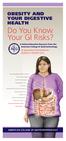 OBESITY AND YOUR DIGESTIVE HEALTH Do You Know Your GI Risks? A Patient Education Resource from the American College of Gastroenterology GI Specialists Committed to Quality in Patient Care Gastroesophageal