
Implementation Guideline for GeneXpert MTB/RIF Assay in Ethiopia
|
|
|
- Magnus Parrish
- 9 years ago
- Views:
Transcription


1 Federal Democratic Republic of Ethiopia Ministry of Health/ Ethiopian Public Heath Institute Implementation Guideline for GeneXpert MTB/RIF Assay in Ethiopia June, 2014 Addis Ababa
2 Contents Foreword... 5 Acknowledgements... 6 Acronyms Background Epidemiology and Situation analysis Global Recommendations Objectives of the Implementation Guideline Scope of the Implementation Guideline Roles and Responsibilities Federal Ministry of Health EPHI FMHACA PFSA Regional Health Bureaus Regional Reference Laboratories Health Facilities Development Partners Strategic Approach Prioritized List of Eligible Individuals for Xpert MTB/RIF Test National TB and MDR-TB Diagnostic Algorithm at Health Facility Level Preparation and Service Initiation Placement and Site Selection Laboratory Networking, Sample Referral and Result Delivery Interpretation, Case definitions, Registration and Management of TB and RR cases based on Xpert MTB/RIF test results Case Definition for TB cases by Xpert MTB/RIF test: Registration of TB cases diagnosed using Xpert MTB/RIF Case management will be using the national TBL and TB/HIV guidelines
3 4. Laboratory Infrastructure and Bio-Safety The GeneXpert MTB/RIF Assay System Laboratory infrastructure Bio-Safety requirements Installation Maintenance Preventive Maintenance Curative Maintenance Annual Calibration Human Resource Development Technical Training on Xpert Diagnostic Method Sensitization Workshop Supply Chain Management system Forecasting and Procurement Distribution and Storage Site Level Commodity Management and Inventory Quality Assurance (QA) Internal Quality control (IQC) External Quality Assessment (EQA) Proficiency Testing Onsite Supervision & Evaluation Monitoring and Evaluation (M&E) Plan for Xpert MTB/RIF Test Implementation Xpert MTB/RIF Implementation Steps References ANNEXES Annex1. Laboratory Register for smear microscopy and Xpert MTB/RIF (Revised) Annex2. TB Laboratory Requesting and reporting Form Annex3. Health Facility TB Sample Referral Log Book
4 Annex4: Post office Quarterly Report Format Annex 5: Xpert Implementation Site Assessment Checklist Annex6. GeneXpert (Xpert MTB/RIF) Quarterly Reporting Format Annex 7: Sample Transportation SOP
5 Foreword Ethiopia is implementing a comprehensive TB/Leprosy and TB/HIV control programs and has achieved a lot in the past decades and is on track to achieve the MDG targets regarding TB and HIV. However, tuberculosis (TB) still remains a major public health problem claiming the lives of thousands of Ethiopians every year. Ethiopia is among the 22 high TB burden and 27 high MDR TB burden countries in the world. The TB/HIV burden is also high in the country. Cognizant of the huge burden of TB in the country, the Government of Ethiopia has given due attention to the control of TB and included the prevention and control of TB among the priority health programs in the country s Health Sector Development Program (HSDP). The country has developed and implemented strategies which are fully aligned with the globally recommended Stop TB Strategy. As a result, the country has achieved substantial gains in reducing the incidence, prevalence and deaths related to TB. The emergence of drug-resistant forms of TB which needs more resources to detect, to successfully treat and effectively reduce the burden is among the top challenges we are facing. The TB case detection among vulnerable population groups including children, HIV positives and other high risk groups remains low and continues to be challenging to the national TB Control program. Earlier and improved TB case detection methods for the above patients groups are therefore, among the national priorities for TB control. The introduction and rapid scale up of the Xpert MTB/RIF assay in the country, is therefore very essential to address our current pressing challenges. As part of the continued search for innovative technologies for the accurate and reliable laboratory diagnosis of TB, WHO has endorsed the GeneXpert MTB/RIF assay in December 2010 and issued policy recommendations for its use in early The development of the Xpert MTB/RIF assay which is an automated molecular diagnostic test with simple, rapid and highly sensitive MTB/RIF diagnostic tool is to be deployed close to the point of patient care in the fight against TB. The EPHI has validated the test and the results were found to be satisfactory. Hence, the FMOH has endorsed the test and this Implementation Guideline is developed to facilitate the introduction of this technology into the existing TB diagnostic system throughout the country. It is expected that the systematic introduction of this technology will significantly improve TB and MDR-TB case detection in adults, adolescents and children and TB in HIV infected individuals 5
6 Acknowledgements The development of this guideline is an expression of commitment by the FMOH, EPHI and its development partners for a strengthened TB, HIV and MDR-TB response in Ethiopia. The Federal Ministry of Health and the Ethiopian Public Health Institute would like to acknowledge the following experts for their commitments and contributions in the development of the guideline. Guideline Development Name Organization Mr Abebaw Kebede EPHI Mr. Endale Mengesha FMOH Mr Gonfa Ayana EPHI Mr. Biruck Kebede FMOH Dr Eshetu Lemma EPHI Mr Lelisa Fekadu FMOH Dr Andargachew Kumsa FMOH/ICAP-E Mrs. Yetnebersh Fiseha EPHI Dr Anteneh Kassa FMOH/PHSP Dr Blen Ayele FMOH Dr Wubaye Walelgne TBCARE I Mrs. Mekdes Gebeyehu CHAI-E Mr Pawlos Reji TBCARE I Mr Jemal Seid HEAL TB Additionally, the following experts proof read the guideline and forwarded valuable comments: Dr Bahrie Belete CHAI-E Dr Fekadeselassie Mikru WHO Dr Gudeta Tibesso ICAP-E Dr Yohannes Molla MSH Dr Endalkachew Melese USAID Dr Yenew Kebede CDC-ET We would also like to express our appreciation and thanks to CHAI-Ethiopia for covering the costs of developing and printing the guideline. Director General, EPHI 6
7 Acronyms BSC CSF DNA EPHI FMoH FMHACA EPTB EQA GLI HCW LN LTFU MDG MDR-TB MTB NTP NRL OSE QA QC PCR Bio- Safety Cabinet Cerebrospinal Fluid Deoxyribonucleic acid Ethiopian Public Health Institute Federal Ministry of Health of Ethiopia Food, Medicine, Health Administration and Control Authority ExtraPulmonary Tuberculosis External Quality Assessment Global Laboratory Initiative Health Care Worker Lymph node Lost to Follow Up Millennium Development Goal Multi Drug Resistant TB Mycobacterium Tuberculosis National TB Program National Reference Laboratory On-Site Evaluation Quality assurance Quality control Polymerase Chain Reaction 7
8 PCC PFSA PT RIF rpob RRL RR SOP SPC TB WHO Probe Check Control Pharmaceutical Fund and Supply Agency Panel Testing Rifampicin Gene encoding β-subunit of RNA Regional Reference laboratory Rifampicin Resistance Standard Operating Procedure Specimen Processing Control Tuberculosis World Health Organization 8
9 1. Background 1.1 Epidemiology and Situation analysis Tuberculosis (TB) remains a major global health problem. In 2012, an estimated 8.6 million people developed TB and 1.3 million died from the disease (including 320,000 deaths among HIV-positive people). Ethiopia is one of the 22 high-burden countries (HBCs) that account for about 80% of the world s TB cases. According to the Global TB report 2013, there were an estimated 230,000 (247 per 100,000 populations) incident cases of TB in Ethiopia in According to the same report the prevalence of TB was estimated to be 310,000 (224 per 100,000 populations). There were an estimated 16,000 deaths (18 per 100,000) due to TB, excluding HIV related deaths in Ethiopia during the same period. Notified cases of all forms of TB increased significantly in Ethiopia from just over 73,000 in 1991 (E.C) to a peak of just over 159,000 in 2003 E.C., after which there has been an apparent decline in 2004 E.C. Notably, rates for extra-pulmonary TB are as high as those for smear positive and smear negative TB. The proportion of pulmonary TB cases detected is only 60-65% while that of extra-pulmonary TB cases is 35-40%. Among the pulmonary TB cases, the number of smear negative cases is more than the smear positive pulmonary TB cases. This is a peculiar picture seen in Ethiopia for over a decade. Moreover, the 2010/11 national TB Prevalence survey showed that smear positive cases accounted for only 43% of culture positive cases. This indicates the need for more sensitive and specific diagnostics for improving the diagnosis of smear negative TB cases. Human Immunodeficiency Virus (HIV) is a major contributing factor for developing active TB. HIV infected individuals had 3.5-fold higher risk of tuberculosis than HIV negative individuals. Ethiopia is also among high TB/HIV burden countries with over 10% TB/HIV co-infection rate. Among people living with HIV, laboratory diagnosis of TB is more difficult compared to HIV negative, and mortality rates are higher. In Ethiopia the MDR-TB prevalence based on the 2005 nationwide survey was 1.6% and 11.8% among new and retreatment cases, respectively. Rifampicin resistance was lower than 2% in new cases. Annually MDR-TB cases are estimated to occur among the notified pulmonary TB cases. However in year 2012 for instance, only 212 (10.1%) MDR-TB cases were detected.
10 This indicates majority of the expected MDR-TB cases remain undiagnosed and continue to transmit the disease in the community. Earlier and improved tuberculosis (TB) case detection, including smear-negative disease often associated with HIV-TB co-infection; together with enhanced capacity to diagnose multi-drug resistant tuberculosis (MDR-TB) are global priorities for TB care and control. However, TB diagnosis in Ethiopia has been mainly based on sputum smear microscopy. Improving TB detection rates and further reducing the burden of disease in Ethiopia will require optimization of the current laboratory system as well as the introduction of new diagnostic technologies or methods with improved sensitivities and specificities. 1.2 Global Recommendations WHO has endorsed Xpert MTB/RIF assay in December The assay detects MTB and rifampicin resistance; conferring mutations using three specific primers and five unique molecular probes. It provides results in less than two hours and has minimal bio-safety requirements and training. Recently the WHO Global TB Program has issued updated recommendations on the use of Xpert MTB/RIF. This new policy guidance widens the recommended use of Xpert MTB/RIF. Accordingly, current WHO policy guidance recommends that Xpert MTB/RIF be used as an initial diagnostic test in individuals suspected of MDR or HIV-associated TB (strong recommendation, moderate quality of evidence). The guidance also provides a conditional recommendation that Xpert MTB/RIF be used as a follow-on test to smear microscopy in settings where MDR-TB or HIV are of lesser concern, especially in further testing of smear-negative specimens. Generalizing from adult data, the recommendation includes the use of Xpert MTB/RIF in children, acknowledging the difficulties in the microbiological diagnosis of childhood TB. WHO has recommended starting roll-out of the GeneXpert MTB/RIF system in specific settings to improve TB diagnosis and detection of rifampicin resistance. Using the WHO policy guidance and recommendations as a framework EPHI conducted a National Operational Validation Study on GeneXpert MTB/RIF assay with the objective of demonstrating the application of GeneXpert technology in the Ethiopian setting. According to the validation report the sensitivity, specificity, positive predictive value (PPV) and negative predictive value (NPV) of GeneXpert for detecting MDR-TB in new cases were 100% for each whereas in previously treated cases it was 95.8%, 89.7%, 88.5% and 96.3%, respectively. The 10
11 overall sensitivity, specificity, PPV and NPV of GeneXpert in detecting MDR cases were 96.8%, 92.9%, 90.9%, and 97.5%, respectively. In HIV positive and smear negative cases for TB detection the sensitivity, specificity, PPV and NPV of GeneXpert were 60.0%, 79.7%, 17.6% and 96.5%. While in smear positive cases the sensitivity was 94.4% and PPV was 93.4%. In general, the sensitivity, specificity, PPV and NPV of GeneXpert in smear negative cases were 75.0%, 81.6%, 31.2% and 96.7%, respectively. Where as in smear positive cases, the sensitivity was 88.2% and PPV was 88.2%. The findings of the operational validation study were extremely useful in the process of preparing this guideline so as to make the most out of introducing Xpert MTB/RIF assay into the country s routine TB laboratory diagnostic methods. 1.3 Objectives of the Implementation Guideline The purpose of this guideline is to describe and facilitate processes for the smooth introduction of the GeneXpert MTB/RIF Assay system into the National TB diagnostic network within the framework of the National TB Control Program (NTP). In so doing, it will improve TB and MDR-TB case detection in presumptive MDR-TB patients and in difficult to diagnose groups of patients such as children and HIV infected presumptive TB cases Scope of the Implementation Guideline This implementation guideline is developed to support and guide the introduction and scale up of Xpert MTB/RIF technology for TB diagnosis and rifampicin resistance detection. The document is intended to be used as the main guiding document for program coordinators, National and Regional Reference Labs, RHBs, Implementers, health facilities and academic and research institutions and all stakeholders involved in TB and HIV programs. 11
12 2. Roles and Responsibilities To facilitate a coordinated and systematic introduction of the GeneXpert system into the national TB laboratory network, it is crucial that the roles and responsibilities of all key players are precisely described from the outset: 2.1. Federal Ministry of Health Develops and issues policy documents and guidelines on the introduction and use of the GeneXpert MTB/RIF assays Ensures the integration of Xpert MTB/RIF assay into the existing system Prepares national implementation plans in collaboration with EPHI and partners Organizes forecasting and quantification exercises for supplies required for the assay Mobilizes resources for scale up of the GeneXpert MTB/RIF assay Coordinates the overall implementation of the GeneXpert MTB/RIF in close collaboration with EPHI Ensures the current training packages on TB/Leprosy and TB/HIV and PMDT include Xpert MTB/RIF test as one of the recognized diagnostic tools. Leads sensitization workshops on Xpert MTB/RIF. Defines the national algorithms, eligibility criteria and placement strategies Ensures the enrollment of all diagnosed TB cases to treatment Oversees the implementation of the rollout plan in close collaboration with the EPHI Conducts monitoring and evaluation of Xpert MTB/RIF test implementation in the country 2.2. EPHI Signs service and maintenance agreement with the principal supplier (Cepheid) or its incountry authorized representative. Develops standard operating procedures for use of Xpert MTB/RIF assay Develops training curricula on the use of Xpert MTB/RIF assay and leads the training of laboratory professionals Oversees the implementation of the rollout plan in close collaboration with the FMOH Develops quality assurance guideline for the use of the assay and oversees its proper implementation Manages the installation, annual machine calibrations and maintenance issues Leads the evaluation of the impact of introduction of the assay on case finding 12
13 Ensures the functionality of laboratory network, sample referral and results delivery system for the assay Supports the quantification of the required supplies including cartridges Conducts Operational research for further use of the GeneXpert MTB/RIF test Compiles and sends reports on the use of the test to FMOH 2.3. FMHACA Undertakes inspections of laboratories using the assay and ensures adherence to the national guidance and standards Conducts post-market surveillance of the GeneXpert system in close collaboration of the EPHI PFSA Leads forecasting and quantification exercises Procures and stores the required supplies for the assay. Distributes the necessary supplies to the Xpert MTB/RIF assay sites Provides regular stock status update to FMOH, EPHI and RHBs Regional Health Bureaus Identify and select sites for placement of the GeneXpert system per criteria set in this guideline Lead laboratory networking and specimen referral system in their respective regions Lead and coordinate the use of the Xpert system at health facilities Oversee the implementation of the regional rollout plan of the Xpert system Oversee the proper implementation of specimen transportation and result delivery arrangements Compile and send reports on the use of the test to FMOH Ensure that care provider facilities enroll all the diagnosed TB cases into treatment Ensue that stock status of required supplies are regularly monitored at all Xpert sites and facilities place timely requests to PFSA Conduct regular supportive supervisions with RRL to Xpert sites Monitor the impact of Xpert implementation in their respective regions 13
14 2.6. Regional Reference Laboratories Coordinate the regional lab networking and specimen referral system Ensure Quality Assurance system for the testing sites Conduct trainings, and supervisions Compile and send reports on the use of the test to EPHI Participate in and/ or conduct Operational Research pertinent to the effective utilization of the Xpert system Monitor the stock status of the required supplies at all Xpert sites and ensure facilities place timely requests to PFSA Perform the required follow on tests based on national guidelines Health Facilities Make the required preparations for the installation of the system Ensure the safety of the machines and the system Assign staff to conduct the tests Identify eligible clients for the test as per the national guidelines and algorithms Conduct the tests and record the results as per the national guideline Ensure timely delivery of results to the requesting unit or center Prepare and submit quarterly activity reports to the RHBs and RRLs Monitor the stock status of the required supplies at the site and ensure the lab and pharmacy units place timely request to PFSA using RRF Implement quality assurance activities per the national guidance Ensure all the diagnosed cases are enrolled into treatment 2.7. Development Partners Provide technical support for the rollout plan and development of guidelines, training materials and provider support tools Provide financial support for the rollout plan o Support the procurement of the GeneXpert system with the required accessories as per the requirements of this guideline and the national plan o Procure cartridges and other consumables o Support service and maintenance of the Xpert system including annual calibrations in accordance with the agreement reached at the national level o Get all devices procured registered with EPHI and FMOH. 14
15 Support capacity building activities (National and international trainings, experience sharing and workshops) 3. Strategic Approach 3.1. Prioritized List of Eligible Individuals for Xpert MTB/RIF Test Current WHO policy guidance recommends that Xpert MTB/RIF be used as an initial diagnostic test in individuals suspected of MDR or HIV-associated TB. The guidance also provides a conditional recommendation that Xpert MTB/RIF be used as a follow-on test to smear microscopy in settings where MDR or HIV are of lesser concern, especially in further testing of smearnegative specimens. Generalizing from adult data, the recommendation includes the use of Xpert MTB/RIF in children, acknowledging the difficulties in the microbiological diagnosis of childhood TB. In line with the WHO recommendations and based on the findings of the National Operational Validation Study as well as taking the burden of TB/MDR TB in the country and resource limitations into account, it is recommended that the Xpert MTB/RIF test be used in the following clinical conditions: 1. Diagnosis of TB and MDR-TB in presumptive MDR-TB cases: Xpertused as primary test: Failure of previously treated cases (smear + at or after 5 months) Symptomatic contacts of MDR-TB cases Failure of new cases (smear + at or after 5 months) Previously treated cases (return after relapse, return after Loss To Follow Up, other previously treated cases), Sputum Smear positive at 3 months while on treament, Symptomatic individuals from known high risk groups (Ex: HCWs) Vulnerable groups (e.g. prisoners, homeless, refugees, migrants ) 2. Diagnosis of TB in HIV positive Presumptive TB cases: Xpert used as primary test. a. HIV positive Presumptive TB clients b. EPTB Presumptive TB individuals (samples like CSF, LN aspirates, Biopsy, pus) 3. Diagnosis of TB and MDR-TB in Children with Presumptive TB: Xpert as primary test: a. Chidren under 14 year of age- all Presumptive TB cases,sputum or other samples like gastric apirate, induced sputum, LN aspirate, Pus, CSF, Biosy)(See the algorithm below) 15
16 3.2. National TB and MDR-TB Diagnostic Algorithm at Health Facility Level Presumptive TB Cases Do DR-TB Risk assessment and Check for HIV Status and Age 1 Low risk to DR-TB, HIV VE, Adult Do AFB microscopy Presumptive DR-TB 2, HIV +ve and Children; EPTB 3 Smear Positive Smear Negative 4 Treat with FLD Xpert MTB/RIF Xpert +ve RIF Susceptible Xpert +ve RIF Resistance MTB Not Detected Xpert Test Unsuccessful Treat as TB with 1 st Line regimen Treat as DR-TB REFER TO MDR-TB treatment center(tic) Clinical reevaluation (Culture DST,CXR, Repeat Xpert test) Repeat Xpert test with a new sample 1 Assess risk for DR-TB : History of previous TB treatment; TB cases among contacts of known/presumed DR TB cases; Third month follow up smear remains positive; TB cases among HCW or residents in congregated settings (prison, refugee, homeless shelters; and check HIV Sero-Status and age of the patient. 2 Presumptive DR TB is defined based on National PMDT Guideline 3 EPTB diagnosis: CSF, LN aspirate, Pus, Pleural biopsy or fluid samples are recommended for diagnosis of TB by Xpert MTB/RIF test 4 Investigate for Smear Negative TB as per National TBL Guideline (Repeat sputum, antibiotic trial, CXR) 16
17 3.3. Preparation and Service Initiation In addition to selection of individuals to test, it is appropriate to select and prepare sites before placement of GeneXpert system for effective and efficient utilization of resources Placement and Site Selection According to this guideline, the Xpert MTB/RIF system shall be deployed at a Health Facility which fulfils predefined selection criteria. Although testing with Xpert MTB/RIF does not require additional laboratory equipment, the sophisticated nature of the device requires care of handling, i.e. a stable and uninterrupted electrical supply to avoid interruption of the procedure and subsequent loss of results, security against theft, adequate space for storage of cartridges, availability of staff to perform the test, and bio-safety procedures similar to microscopy. The GeneXpert system currently in use in Ethiopia has four modules with a capacity to perform 15 to 20 tests in one working day. Each cycle lasts 100 minutes and modules are independent so that each individual test can be started independently. Installing additional units can increase throughput. Higher throughput units (16, 48 modules) are also available for future introduction if dictated by need. Selection of sites for placement of Xpert MTB/RIF testing should be guided by the following criteria and should be decided after site assessment using a standard checklist (annex 6). The FMOH, EPHI and RHBs will jointly decide on the list of sites for placement based on the assessment findings. 1. The magnitude of TB, MDR or HIV-associated TB burden should be considered prior to placement. For initial roll-out, sites with high TB and HIV burden will be given priority. Accordingly, Health Facilities with: Annual TB diagnosis per facility of >500 or Patients currently enrolled in HIV Chronic Care >1000 assume priority for placement. 2. Sites with low sample volume will be linked to the closest facility with Xpert putting a robust and functional sputum specimen referral system in place. 3. Sites with adequate infrastructure as detailed in the infrastructure section of this document.. 4. Health facilities providing care and treatment services for TB and MDR-TB patients 5. Health facilities that are conveniently located for specimen referral linkages, site supervision and data collection activities. 17
18 N.B. Existing GeneXpert sites in Ethiopia as of December 2013 are listed in Annex Laboratory Networking, Sample Referral and Result Delivery As described above, only a selected number of sites will be equipped with Xpert machines, at least for the initial rollout. Taking the current practice into account, the number of samples to be processed daily at some of these sites is expected to be low such that robust and functional specimen referral mechanisms need to be established for maximal use of the technology and improving access to the service. The laboratory networking for specimen referral shall be based on geographic proximity from the GeneXpert MTB/RIF testing center and specimens will be transported using the current available currier system (E.g. Postal Service). The result of the test must be delivered to the requesting unit or referring facility within the following turn-around times: o Delivery of test results for patients from the same facility should be within same day of sample collection o Test results for samples from outside of the testing site (referral samples) should be delivered within 5 working days from the day of receipt. Ensuring timely delivery of results is the responsibility of the testing sites using available methods; primarily through the established currier system or via, Fax or SMS Printer; if delays are unavoidable, preliminary results can be sent via . The quarterly case finding should be reported by the Xpert testing site while the enrollment of patients in to care should be reported by the treatment initiating center. To facilitate this activity Referral samples Logbook, Postal TB Sample Logbook and Sample Referral SOP are annexed (see Annex5, 6 and 8). 18
19 3.5. Interpretation, Case definitions, Registration and Management of TB and RR cases based on Xpert MTB/RIF test results Based on WHO (2013) update on definitions and reporting framework for Tuberculosis, all patients diagnosed to have TB by Xpert MTB/RIF tests have to be defined and registered as follows: Case Definition for TB cases by Xpert MTB/RIF test: A bacteriological confirmed TB case: is one from whom a biological specimen is positive by smear microscopy, culture, Xpert MTB/RIF or any other WRD. All such cases should be notified to TB control program. Rifampicin resistance TB (RR-TB) case: resistance to rifampicin detected using phenotypic or genotypic methods, with or without resistance to other anti-tb drugs. It includes any resistance to rifampicin, whether mono-resistance, multidrug resistance, poly-drug resistance or extensive drug resistance Registration of TB cases diagnosed using Xpert MTB/RIF TB Recording and reporting system for patients diagnosed by Xpert MTB/RIF tests could either be on drug susceptible or drug resistant TB depending on the information of rifampicin susceptibility: i) If the results of Xpert MTB/RIF test shows susceptibility to Rifampicin: Patients are classified and registered based on history of previous TB drug use as recommended for any bacteriologically confirmed cases with direct microscopy in the national TBL guideline. ii- If the result of Xpert MTB/RIF test shows resistance to Rifampicin: Patients with Rifampicin resistant TB by Xpert MTB/RIF will be classified by treatment history of the most recent treatment outcome and registered on the MDR-TB treatment register. NB: For patients who are diagnosed to harbor Rifampicin resistance before 5 th month on treatment with FLD, the outcome should be assigned as Switched over to MDR-TB treatment and removed from the TB unit register and moved to MDR-TB treatment card. 19
20 Table. Registration, Monitoring and reporting of TB cases diagnosed by Xpert MTB/RIF. Rifampicin Susceptible TB case by Xpert MTB/RIF 1 Rifampicin resistant TB case by Xpert MTB/RIF 2 Case Bacteriologically confirmed TB RR TB definition Case As Drug susceptible TB As Drug resistant TB management Record As Drug susceptible TB patients. As Drug resistant TB patient. Registration New patients that have never been treated for TB or have taken anti-tb drugs for less than 1 month. Previously treated patients that have New: A patient who has received no or less than one month of anti-tuberculosis treatment. Relapse: A patient whose most recent received 1 month or more of anti-tb treatment outcome was cured or drugs in the past. They are further treatment completed, and who is classified by the outcome of their most subsequently diagnosed with recent course of treatment as follows: Relapse patients have previously been treated for TB, were declared cured or bacteriologically positive TB by sputum smear microscopy or culture. Treatment after Lost to follow up: A treatment completed at the end of their patient who returns to treatment, most recent course of treatment, and are bacteriologically positive by sputum smear now diagnosed with a recurrent episode of microscopy or culture, following TB (either a true relapse or a new episode of TB caused by re-infection). Treatment after failure patients are those who have previously been treated for TB and whose treatment failed at the end of their most recent course of treatment. Treatments after loss to follow-up patients has previously been treated for TB and were declared lost to follow-up at the end of their most recent course of treatment. (These were previously known interruption of treatment for two or more consecutive months. Treatment after failure of new regimen: A patient who has received new regimen for TB and in whom treatment has failed. Failure is defined as sputum smear positive at five months or later during treatment. Treatment after failure regimen of previously treated: A patient who has received retreatment regimen for TB and in whom treatment has failed. Failure is 20
21 Monitoring Outcome as treatment after default patients.) Other previously treated patients are those who have previously been treated for TB but whose outcome after their most recent course of treatment is unknown or undocumented. Patients with unknown previous TB treatment history do not fit into any of the categories listed above. With sputum AFB at the end of intensive phase, 5 th treatment. month & completion of Based on Treatment outcomes for Drug susceptible TB patients. 1 Case management will be using the national TBL and TB/HIV guidelines. 2 Case management will be using the national PMDT guidelines. defined as sputum smear positive at five months or later during treatment. Transfer in: A patient who has transferred in from another register to continue MDR- TB treatment. Other. Patients who may not fit into any of the above categories. With sputum AFB and culture according to the national PMDT guidelines. Based on Outcomes for RR-TB/MDR- TB/XDR-TB patients. Reporting As Drug susceptible TB patients. As Drug resistant TB patients. 21
22 4. Laboratory Infrastructure and Bio-Safety 4.1. The GeneXpert MTB/RIF Assay System Definition The GeneXpert MTB/RIF system is a fully automated nested real-time PCR system, which detects MTB complex DNA in sputum and other sample types (i.e. pleural, lymph node aspirate or tissue, CSF, gastric fluid and tissue other than lymph node). It simultaneously identifies mutations in the rpob gene, which are associated with rifampicin resistance. Principle of the Test The GeneXpert MTB/RIF system consists of the instrument, a computer, a barcode scanner and requires single-use disposable Xpert MTB/RIF cartridges that contain assay reagents. Following a 3-step sample preparation in the laboratory, the specimen is transferred into the MTB/RIF cartridge and entered into the GeneXpert instrument. By starting the test on the system software, the GeneXpert automates all following steps, including sample work-up, nucleic acid amplification, detection of the target sequence and result interpretation. The primers in the Xpert MTB/RIF assay amplify a portion of the rpob gene containing the 81 base pair core region. The probes are able to differentiate between the conserved wild-type sequence and mutations in the core region that are associated with resistance to RIF. The MTB/RIF assay as an entirely self-contained test with quality control of the various steps included; so it is not necessary to perform testing of quality controls with every batch of tested specimens. The assay includes a sample processing control (SPC) to control for adequate processing of the target bacteria and to monitor the presence of inhibitor(s) in the PCR reaction. A Probe Check Control (PCC) verifies reagent rehydration, PCR tube filling in the cartridge, probe integrity, and dye stability. However calibration of all the modules is required annually or after 2000 tests run by a module. It is important to monitor errors and invalid results to ensure timely corrective actions. Sensitivity and Specificity of Xpert MTB/RIF Assay A WHO Global TB Programme commissioned review was done on GeneXpert MTB/ RIF test in The expert group reviewed27 unique studies involving 9558 participants. For pulmonary TB detection, the reference standards were solid or liquid culture. For rifampicin resistance, the 22
23 reference standard was phenotypic culture-based drug susceptibility testing. The major findings pooled from several studies on GeneXpert MTB/RIF test performance were: As an initial diagnostic TB diagnostic test, Xpert MTB/RIF achieved an overall sensitivity of 88% and specificity of 99%. As an add-on test following a negative smear microscopy result, Xpert MTB/RIF has a sensitivity of 68% and specificity of 99%. For smear-positive, culture-positive TB, Xpert MTB/RIF sensitivity was 98%, while for smear-negative, culture positive TB, it was 68%. For people living with HIV, Xpert MTB/RIF sensitivity was 79% while for people without HIV infection, the sensitivity was 86%. For rifampicin resistance detection, Xpert MTB/RIF achieved a sensitivity of 95% and specificity of 98%. The outcome of the GeneXpert Operational Validation Study conducted in Ethiopia involving 525 patients revealed comparable results to the above review findings Laboratory infrastructure Performing the Xpert MTB/RIF assay is relatively simple and involves minimal specimen manipulation. Therefore the following laboratory infrastructure is required for the implementation of Xpert Uninterrupted power supply (UPS with minimum capacity of 2 hours and/ora Generator with fuel supply) Closed room with temperatures no higher than 30 o C and Air Conditioning system in hot areas Closed room with temperatures not higher than 30 o C and Air Conditioning system in hot areas Adequate storage room for cartridges with temperatures not higher than 28 o C Secured location to protect Xpert machine and computer from theft Adequate space for specimen receipt and preparation for testing At least one C refrigerator for specimen storage as needed Reliable water supply with sink Lab chairs and desks for paper work and documentation activities 23
24 4.3. Bio-Safety requirements Waste disposal system for cartridges. Example: Incineration Biosafety level equivalent to smear microscopy (cross ventilated room) Gloves for specimen handling Containers for triple packaging of referral specimens Standard laboratory safety precautions and practices should be adhered to 4.4. Installation Installation should be carried out by trained personnel and the following items are required for installation Gene Xpert diagnostic system ( the instrument and the computer) Assay specific Gene Xpert cartridges Printer Surge protector(adaptor) 4.5. Maintenance Preventive Maintenance Xpert sites should implement the following scheduled preventive maintenance activities to ensure the functionality of the instrument at all times and prolong its service years Daily Maintenance Remove cartridges Disinfect bench around the instrument Monitoring and recording daily room temperatures Weekly maintenance Restart Gene Xpert instrument computer and software Disinfect the cartridge bay interior Monthly Disinfect instrument surface Disinfect plunger Clean the filter at the back of the instrument using cotton gauze, soap and water Archive the results and burn on CD Annual maintenance Perform calibration using remote calibration kit *Use 70% alcohol for disinfection 24
25 Curative Maintenance Contract agreement will be signed between the manufacturer (Cepheid company) and the Ethiopian Public Health Institute for curative maintenance of all machines in the country. The agreement will include terms and conditions pertinent to: Annual calibration with supply of calibration packs; Repairs, parts and labor, shipping and handling; All software updates and upgrades 4.6 Annual Calibration Calibration is needed because frequency of use and time might alter performance. It verifies that the system performs within a set of specifications (optical system, thermal system etc.) and ensures reading at correct wavelength and that temperature ramping are sufficient. The annual calibration must be performed every 2000 tests or every 12 months, whichever occurs first(calculated from initial installation date or based on previous calibration date) For instruments to be eligible for the second year of warranty, they must have been calibrated and certified by the end of the first 12 months warranty period. Calibration can be performed remotely by the manufacturer, with no need for annual module replacement and arrangement for this activity will be captured in the Service and Maintenance Contract Agreement with the company. 25
26 5. Human Resource Development To successfully implement Xpert MTB/RIF services, it is mandatory that laboratory personnel, clinicians, nurses, TB and HIV program officers and hospital administrators go through either technical trainings or orientations on Xpert use and diagnostic algorithm prior to putting the system into service Technical Training on Xpert Diagnostic Method A minimum of three days training should be conducted for laboratory personnel from Xpert testing sites using the nationally standardized training material. The training should be followed by on-site mentorship by experienced operators Sensitization Workshop One day on-site sensitization workshop needs to be conducted for general health care workers from testing and sample referring centers, hospital administrators, lab supervisors, and HIV & TB program officers on the proper implementation of Xpert services, diagnostic algorithms, laboratory networking, sample referrals and result feedback mechanisms.. 26
27 6. Supply Chain Management system 6.1 Forecasting and Procurement It is the responsibility of the national TB control program to incorporate procurement plans for Xpert machines and necessary consumables into its annual forecasting and quantification exercises for all other TB laboratory diagnostic supplies and commodities.. In addition, the Xpert implementation and scale-up plan with forecasted quantities and budget details should be included in the national five years TB-Leprosy control strategic plan. The NTP will closely work with the National TB Reference Laboratory and PFSA in forecasting, quantification and procurement processes. Partners should share their procurement plan for the machines, cartridges and other associated supplies with EPHI and NTP and have them registered at both authorities when received in the country Distribution and Storage Distribution of consumables (cartridges) to sites with Xpert machines requires special consideration as the cartridges have short shelf-life. Hence, the national and regional TB control programs should coordinate the distribution considering site level consumption and performance as well as regional plan for Xpert testing. EPHI and NTP will keep regularly updated information on stocks of cartridges procured through partners and monitor their site level utilizations in order to minimize possible wastages due to overstocking and expiry while preventing service interruptions as a result of stock outs. Cartridges shall be stored at Central PFSA Store or its regional hubs and distributed to the respective testing sites based on requests from TB control program Site Level Commodity Management and Inventory All testing centers must establish a strong, transparent and reliable commodity management system at the institutional level. System for regular inventory of cartridges must be in place with updated information on stock levels and expiry dates for all available batches of cartridges. The principle of First-Expiry-First-Out (FEFO) should be strictly adhered to. 27
28 7. Quality Assurance (QA) GeneXpert needs well established quality assurance system consisting of Internal Quality Control, External Quality Assessment and quality improvement activities. Nationally standardized registers and forms for patient data capturing and result documentation, daily room temperature monitoring, specimen referrals, scheduled reports, etc, will be implemented at all Xpert sites. EPHI and RRLs will ensure that the following quality assurance methods are implemented properly: Internal Quality Control External quality Assessment o Panel testing o On-site Supervision & Evaluation 7.1. Internal Quality control (IQC) Internal Quality Control is an important component of an in vitro diagnostic testing because it ensures that tests are performed correctly, all analytical systems including reagents are working properly and patients receive accurate and reliable results. The GeneXpert Diagnostic System automatically performs internal quality control for each sample. GeneXpert has an in built internal quality control system within the test cartridge. In addition, it is recommended to always check new batch of cartridges with known positive and negative specimens before using them for patient sample testing External Quality Assessment (EQA) External Quality Assessment is a specialized form of assessment focused on assuring accuracy and reliability of examination methods. EQA for Gene Xpert will be implemented in an integrated manner with the existing smear microscopy External Quality Assessment (EQA). Unlike microscopy EQA, only proficiency testing and onsite supervision are feasible for Xpert MTB/RIF Proficiency Testing Proficiency testing will be conducted once per year for the National Reference laboratory at EPHI by the WHO Supra National Reference Laboratory (SRL). The NRL will provide panels to Xpert testing sites through regional laboratories three times per year. The regional laboratories will collect proficiency test results from the testing sites, analyze the data and provide summary report to the EPHI. 28
29 Onsite Supervision & Evaluation On-site supervision & evaluation (OSE) is periodic visits to testing laboratories to objectively assess and evaluate their practices and performances with the objective to provide appropriate assistance including trainings to address any problem identified to be compromising the quality of services. Onsite supervision & evaluation for Xpert will be conducted three times per year by NRL and Regional Reference Laboratories (RRLs) The NRL is responsible for on-site supervision &evaluation of Federal and the Uniformed Forces hospital labs whereas the RRLs assume responsibilities for Xpert sites in their respective regions. Supranational laboratory FMOH Panel test PT & OSE Report EPHI (NRL) PT distribution PT & OSE Report Regional Reference Lab Provide PT and OSE PT report Provide PT and OSE PT report Federal & the uniformed hospital labs Xpert sites Figure 1: e Figure 1: Flow chart of Panel testing and On-site Supervision & Evaluation 29
30 8. Monitoring and Evaluation (M&E) Plan for Xpert MTB/RIF Test Implementation M&E system should be established to collect a basic set of information from facilities using Xpert MTB/RIF assay to monitor impact on patient outcomes & performance indicators at the facility level. The NTP/FMOH has revised existing laboratory register (see Annex 1) and request form (see Annex 2) in order to capture information needed, to capture information required by the program. All partners that are involved in the implementation of the Xpert system through procurement of the instrument and supplies to the extent of providing site level support should regularly monitor and collect information that would adequately answer the following questions: How does the introduction of Xpert testing impact the workload of the laboratory and the number of conventional diagnostic tests performed? What are the main clinical indications or presentations for Xpert testing request? What are the main logistical & operational issues related to Xpert implementation? What is the impact of Xpert MTB/RIF on TB and MDR-TB case notification? What is the impact of Xpert MTB/RIF on TB and MDR-TB treatment initiation rates? What is the impact of Xpert MTB/RIF on patient delays before TB or MDR-TB treatment initiation? How do Xpert results compare to conventional DST results? How efficiently are the cartridges used? The information collected using the revised/adopted M & E tool (see Annexes 5 & 6, will be used to improve the management, make optimal use of resources and to make timely decision for possible constraints during the implementation period. Therefore, each Xpert site shall record all pieces of information using appropriate tools and compile the data regularly including facility consumption and report to the next higher level (RL) on a quarterly basis. The Regional Reference Laboratories shall compile and analyze facility reports on a quarterly basis and send to the National Reference Laboratory/EPHI and their respective RHBs. The EPHI will send a compiled report of all regions to the NTP/FMOH on a quarterly basis. 30
31 9. Xpert MTB/RIF Implementation Steps Procurement of the Xpert MTB/RIF system and cartridges Conduct site assessment for placement Conduct national dissemination workshop TOT and Basic Trainings for Laboratory technologists and orientation for clinicians Sensitization workshops at regional and zonal levels Implement Quality Assurance programs (Panel tests, On-sites Evaluation) Arrangement for Service and Maintenance including annual calibrations Ensure the implementation of the M & E system (Recording and Reporting, Supervision and Review meetings) Conduct Operational Research
32 10. References 1. Global Tuberculosis Report 2012, World Health Organization, WHO/HTM/TB/2012.6, ISBN First Ethiopian National Population Based Tuberculosis Prevalence Survey. Federal Ministry of Health. July Van Den Broek J et al. HIV-1 Infection as a Risk Factor for the Development of Tuberculosis: A Case-Control Study in Tanzania. Int. J. Epidemiol. (1993) 22 (6): Dimairo M et al. Tuberculosis Diagnosed in Smear-Negative TB suspects: A 12 Month Cohort Study in Harare, Zimbabwe. PLoS ONE (2010) 5(7): e doi: /journal.pone Swai HF et al. Sputum smears negative pulmonary tuberculosis: sensitivity and specificity of diagnostic algorithm. BMC Research Notes 2011, 4: Policy statement: automated real-time nucleic acid amplification technology for rapid and simultaneous detection of tuberculosis and rifampicin resistance: Xpert MTB/RIF system. World Health Organization Helb D et al. Rapid Detection of Mycobacterium tuberculosis and Rifampicin Resistance by Use of On-Demand, Near-Patient Technology. J. Clin. Microbiol. 2010, 48(1): Ioannidis et al. Cepheid GeneXpert MTB/RIF Assay for Mycobacterium tuberculosis Detection and Rifampicin Resistance Identification in Patients with Substantial Clinical Indications of Tuberculosis and Smear Negative Microscopy Results. J. Cli. Microbiol (8): WHO Definitions and reporting framework for tuberculosis 2013 revision 10. FMOH Guidelines for clinical and programmatic management of TB, TB/HIV and leprosy in Ethiopia (fifth edition) 11. FMOH 2013.National guideline on programmatic management of drug resistant tuberculosis in Ethiopia (second edition) 12. Cepheid, Gene Xpert diagnostic system operational manual, WHO 2011 Rapid implementation of the Xpert MTB/RIF diagnostic test 14. Prerequisites to country implementation of Xpert MTN/RIF and key action points at country level; WHO World Health Organization; Automated real-timenucleic acid amplification technology for rapid and simultaneous detection of tuberculosis and rifampicin resistance: Xpert MTB/RIF
33 system for the diagnosis of pulmonary and extra-pulmonary TB in adults and children: policy update
34 11. ANNEXES Annex1. Laboratory Register for smear microscopy and Xpert MTB/RIF (Revised) Lab S. No Date Specimen received a Patient Name Address of the patient Age Sex Name of contact person Address of the contact Name of referring Unit/Facility Medical registration number (MNR) HIV Status (Pos/Neg/ Unknown) Patient Registration Group (N,R,D,F) Reason for Sputum/skin examination Diagnosis Follow Up Examination result d c Xpert Smear Microscopy b Month Remark e a For diagnostic testing employing serial sputa or other specimens this is the date of receipt of the first set of specimens. b Patient on TB treatment; indicate month of treatment at which follow-up examination is performed. c Xpert MTB/RIF test result reported as follows : T = MTB detected, rifampicin resistance not detected RR = MTB detected, rifampicin resistance detected TI = MTB detected, rifampicin resistance indeterminate N = MTB not detected I = invalid / no result / error specify error code d Smear results reported as follows:0 = no AFB (1-9) = exact number + = AFB/100 HPF ++ = 1-10 AFB/HPF +++ = >10 AFB/HPF e Patient/Registration Group: N- New case, R -Relapse, D- Treatment after loss to follow-up, F- Treatment after Failure (F2- for retreatment failure)
35 Annex2. TB Laboratory Requesting and reporting Form 1. PATIENT IDENTIFICATION: Patient Full Name: Age (Yrs): Sex (M/F): Region: Zone/Sub-city: Woreda: Kebele: House No: Tel.: Referring Health Facility: Co-infection: 2. TB DISEASE TYPE & TREATMENT HISTORY: Site: Pulmonary Extra pulmonary (specify): Registration Group: New Relapse Treatment after loss to follow-up (D) After failure of first treatment After failure of, retreatment Other Previous TB drug use: New First line Second line MDR-TB contact 3. REQUEST FOR TESTING AT TB LABORATORY: Reason: Diagnosis: If diagnosis, presumptive TB / RR-TB/ MDR-TB? Yes No Follow up: If follow up, at months during treatment Follow up at months after treatment Specimen: Sputum Other (Specify): Date specimen collected: / / (Ethiopian Calendar) Requested tests: Microscopy Xpert MTB/RIF test Culture Drug Susceptibility Testing (DST) Line probe assay Person requesting examination: Name: Date 4. LABORATORY RESULT: Sample Number: Date specimen received: / / (Ethiopian Calendar) Date of result: / / Examined by (name and signature): Microscopic examination result: Positive Negative 1-9(Scanty) Ziehl-Neelsen (ZN) Fluorescence Direct Smear Concentrated Smear Xpert MTB/RIF test result (to be completed in the laboratory) Date sample collected: / / Date of result: / / Examined by (name and signature): M. tuberculosis: Detected Not detected Invalid / No result / Error Rifampicin resistance: Detected Not detected Indeterminate result TB Culture result: Date Sample collected Media used (liquid or solid) Lab. serial number(s) Result (Tick One) Negative (0 colonies) 1-9 (<10 colonies) + ( colonies) ++ (>100 colonies) +++ (Innumerable /confluent growth) NTM 1 Contaminated Drug susceptibility test (DST) and line probe assay (LPA) results Date Sample Collected Method a Laboratory Serial number(s) Results b (mark for each drug) H R E S Amk Km Cm FQ Other( ) Other( ) a Method, Specify: solid media DST; liquid media DST; direct LPA; indirect LPA b Results codes: R = Resistant; S = Susceptible; C = Contaminated ; ND = Not done 1 Non-tuberculous Mycobacteria. Date reported: / / (Ethiopian Calendar) Name/ Signature: Reviewed by:
36 Annex3. Health Facility TB Sample Referral Log Book DD/MM/YY DD/MM/YY DD/MM/YY DD/MM/YY Name of Medical Lab Type Shippers results results given S. Age of sample of sample patient Record Serial of name received Results to the No. collection picked up No(MRN) No sample from Lab patient/hcw Address Sex Time Time Signature Time Time Sample rejected Turn Around Time(TAT) Name & Signature of technician Remark
37 Annex4: Post office Quarterly Report Format Ser Region Zone /Woreda Total # of Regional lab samples Total # of samples Total number of results No. Health facilities transported to transported to the RL delivered from RL Name Signature
38 Annex 5: Xpert Implementation Site Assessment Checklist Name of Facility Address Name & contact of focal person Name & affiliation of assessor Date of assessment RECORDING Suspect registers YES NO Comments Location of TB suspects registers DOTS clinic...arv Clinic.Other sites (please specify) No. of TB suspects/month - - No. of MDR-TB suspects/month - - Estimated Recording of suspect register complete? Request form Filling of request forms complete? Treatment registers Location of TB patient registers... DOTS center OPD Other sites (please specify) Action required (please describe) 38
39 No. of TB patients on treatment - - LABORATORY Quality Control External QA data available External QA passed Infrastructure Space for GeneXpert in lab available A/C in lab available Storage space available A/C in storage available Reliable electricity supply (please specify) Security for lab & storage Waste management done properly Infection Control Gloves used/available Cross ventilation Overall impression on cleanliness Equipment BSC in place & functioning No. of light microscopes functioning - - No. of LED microscopes functioning - - Non-leaking sputum cup used Lab Register (Sputum smear) Data recording complete? YES NO Comments >95% proficiency required Lockable e.g. separate infectious waste, incineration if no BSC available Very good, acceptable, insufficient Action required (please describe) 39
40 Monthly statistics available Workload No. of lab staff - - Overall workload acceptable No. of smears performed/month - - No. of cultures performed/month - - No. of DST performed/month - - Approx. Daily no. of smears per technician - - Techniques Ziehl-Neelsen(AFB) Method Auramine (FM) Method C/DST available in house C/DST results available on site CXR CXR available on site CXR functioning Costs/test - - Exemption policy for risk groups in place ARV CENTRE Integrated HIV/TB services available TB suspect sent to DOTS Centre...OPD...Other sites (please specify) YES NO Comments Please include/attach to this form If not, please specify patient referral site Action required (please describe) 40
41 Number of HIV/TB suspects/months? - - Estimated PMDT CENTRE MDR treatment facility available in country Distance to closest MDR treatment centre - - No. of MDR-TB patients on treatment - - Currently No. of beds available for MDR patients - - For new MDR patients in 2012 No. of MDR treatment regimens available - - For new MDR patients in 2012 Key criteria YES NO YES NO YES NO Adequate DOTS service Workload appropriate for Xpert? Adequate space for Xpert? provision? Conclusion: Would you select this site for Xpert placement? Comments: 41
42 Annex6. GeneXpert (Xpert MTB/RIF) Quarterly Reporting Format Name of Laboratory/Hospital: Address: Contact Person: Telephone/mobile phone: Address: Quarter + Year: Date when first Xpert MTB/RIF test was conducted Number of GeneXpert machines operational + number of modules Testing Data I Microscopy 1 Number of smear microscopy tests performed for diagnosis slides 2 Number of smear microscopy tests performed for treatment follow-up slides II Referred Samples Culture/DST M. Tuberculosis 1 Number of samples referred for culture and DST tests for diagnosis 2 Number of samples referred for culture tests for treatment follow-up 3 Number of first-line drug susceptibility tests performed for diagnosis received III Xpert MTB/RIF Tests Performed, By Patient Group 1 Number of specimens from individuals at risk of MDR-TB specimens 2 Number of specimens from HIV-positive individuals presumed of having TB 3 Number of specimens from HIV-positive individuals presumed of having MDR-TB 4 Number of specimens from children presumed of having TB** specimens specimens 5 Number of specimens from other or unknown patient groups specimens 6 Total number of suspect tested by GeneXpert*** Presumed Note ***sum of should equal 6 7 Number of lab-technician hours logged in TB lab in an average week* (Number of working hours lab-technicians logged in per week) 8 Number of new and relapse TB patients detected 8.1.Number of HIV Positive 8.2. Number of HIV Negative 8.3. Number of HIV Status unknown 9 TAT (a time between specimen collection and release of Xpert MTB/RIF result) lab-tech. hours A. Estimation B. Sample
43 IV Xpert MTB/RIF Test Results 1 MTB DETECTED, Rif resistance NOT DETECTED 2 MTB DETECTED, Rif resistance DETECTED 3 MTB DETECTED, Rif resistance Indeterminate 4 MTB NOT DETECTED 5 Invalid Results, No Result or Other Errors 6 Total number of Xpert tests performed **** Note Total number of Xpert tests performed and Total number of suspect tested by GeneXpert 7 Number of new and relapse bacteriologically -positive TB patients detected overall in the facility (Smear positive +culture positive + Xpert MTB/RIF-positive) 7.1. Number of HIV Positive 7.2. Number of HIV Negative 7.3 Number of HIV Status unknown Technical Problem Encountered and how often it happened 1 Module hardware failure(s) Times 2 Module(s) not detected Times 3 Error(s) due to room temperature too high or too low Times 4 Cartridge(s) stuck inside module Times 5 Sample(s) wasted due to power outage Times 6 Error code 2008: Syringe pressure exceeds limit Times 7 Error code 5006,5007,5008: Probe check failure Times 8 Module(s) in operation, but calibration is overdue Times 9 For other technical problem(s): provide a description or error code and the number of days when the problem(s) were encountered INVENTORY 1 Number of GeneXpert Machine in the facility 2 Number of Modules at the end of reporting period 3 Number of cartridges in the stock at the beginning of reporting period 4 Number of cartridges received by the facility during the reporting period 5 Number of cartridges used at the end of reporting period 6 Number of cartridges in stock at the end of reporting period review of data C. All data review (Register) 43
44 7 Any stock out of cartridges during the reporting period (yes/no) 7.1. If yes, for how many days was there a stock out of cartridge? 8 Did any cartridges expired during the reporting period (yes/no); 8.1. If yes, how many cartridges expired? Additional Comment or Classification Non-technical problem Non-technical problem encountered during implementation or operation of GeneXpert Reported by ( full name and signature): 44
45 Annex 7: Sample Transportation SOP Standard Operating Procedure (SOP) for Collection, Handling, Packaging and Transportation of Sputum Samples for TB Culture and Molecular Diagnostics Title: Collection, Handling, Packaging and Transportation of Samples for TB Written by: Lab Quality officer Approved by: TB Lab Head signature signature Effective Date: Revised Date: Laboratory area PURPOSE This standard operating procedure (SOP) provides the general technical requirements and Operational guidelines for the prop er collection, packaging, and shipping of sputum specimens to a culture and drug susceptibility testing (DST) laboratory for analysis for MDR- TB. This SOP includes the guidance and regulatory requirements that ensure proper collecting, packaging, and shipping of sputum specimens classified as hazardous material GENERALCONSIDERATION Potential hazards associated with the planned tasks should be thoroughly evaluated prior to conducting laboratory activities. The laboratory safety manual provides a description of potential hazards and associated safety and control measures. Personnel must wear gloves while performing the procedures described in this SOP. Specifically, gloves are worn while preparing, handling and packaging specimens. The intent is to ensure that samples arrive at the laboratory in good condition both physically intact and appropriately preserved.
46 MATERIALS Falcon Tube Cetylpyridinium chloride Triple package Absorbent cotton swab SPECIMEN TYPE: Sputum AMOUNT: 3-5 ml* COLLECTION: Two purulent /muco-purulent early morning and spot sputum specimens for culture and DST One purulent /muco-purulent (non-bloody) spot sputum specimen for Xpert MTB/RIF STORAGE: Store the sputum specimen at 2 to 8 o C up to 5 days TRANSPORT: Use triple packaging and the specimen must reach the testing site within 5 days after collection STABILITY: Cold chain must be maintained using Ice pack and the Ice pack must be changed at any transit site after 12 hours. SPECIMEN REJECTION: Specimen is unlabeled or mislabeled. Specimen without request form. Details on the specimen (name, ID, etc..) and request form do not match. Specimen container breakage or leakage. Specimen not collected in an appropriate container * Ideally a sputum specimen should have a volume of 3-5ml, although smaller quantities are acceptable if the quality is satisfactory 46
47 SAFETY PRECAUTIONS Patients should produce sputum in sputum coughing designated area Avoid shaking of the tube Wear gown and glove when handling the sputum PROCEDURES SPUTUM SPECIMEN COLLECTION PROCEDURE Instruct the patient To collect in a separate, ventilated room or preferably outdoors/ produce sputum in sputum coughing designated area/ To keep both hands on hips, cough forcibly and collect sputum in the mouth To spit the sputum carefully into a wide-mouthed, unbreakable, leak proof container and close the lid tightly. Example Falcon tube To collect 3 5ml in volume, although smaller quantities are acceptable if the quality is satisfactory. To collect two samples for culture or one sputum sample for GeneXpert Consider the following for collection Sample containers are pre-labeled before sample collection, and the labels are protected from the sample matrix by using water proof labels or by covering with clear tape Laboratory personnel should label each specimen container with the unique identification number and date of collection Give labelled falcon tube to the patient Check the quantity, quality and cross check the number with the request form when received Keep in the refrigerator or at room temperature until transport (depending on the time /date of transport) SPUTUM SAMPLE PACKAGING AND SHIPMENT Obtain samples in the laboratory-specified containers and verify the completeness of the sample identification information on the label and keep record. Verify custody seals on sample containers and/or bags are intact and have been initialed and dated. 47
48 If packaging aqueous samples or using wet ice for temperature preservation, place a garbage bag or liner in the cooler. Place samples in re-sealable plastic bags and then into the cooler. If appropriate, place a temperature blank in the center of the cooler. Place ample amounts of wet ice contained in doubled re-sealable bags inside the garbage bag/liner in cooler. As needed, place bubble wrap or other inert packing material around the garbage bag/liner in the cooler. Note: Blue Ice is used for temperature maintenance for particulate matter sample media. Seal the garbage bag/liner with duct tape. This is to ensure that if the contents were to spill that the garbage bag/liner would contain the spill. Use permanent marker to write number on the label. Sample custodian or designee relinquishes the samples on the COC record by signing their name and providing the date and time that the samples were packed. Write the shipper s tracking number (such as courier and courier air bill number) on the COC form when a commercial courier is used. Triple Packaging Materials All specimens should be appropriately packaged within a triple packaging system: primary, secondary and outer packaging and should contain all relevant documentation: a) Primary Receptacle: A primary watertight, leak-proof receptacle containing the specimen. The receptacle is packaged with enough absorbent material to absorb all fluid in case of breakage. Sputum container Cotton wool 48
49 b) Secondary Packaging: A second durable, watertight, leak-proof packaging is used to enclose and protect the primary receptacle(s). Zip lock Bag with pouch c) Outer packaging. Secondary packaging is placed in outer shipping packaging with suitable cushioning material. Several cushioned secondary packages may be placed in one outer packaging. Outer packaging protects their contents from outside influences, such as physical damage, while in transit. Each completed package is normally required to be marked, labeled and accompanied with proper documentation. Safety/cooler Box d) Safety warnings to be written on the tertiary container Sputum and other specimens suspected to contain infectious Mycobacterium or other infectious agents are classified as Infectious substance, Category B. 49
50 The shipping name labeled on containers with such specimens is BIOLOGICAL SUBSTANCE, CATEGORY B. Infectious substances in Category B are assigned to a specific UN number: UN Label the safety box with the words BIOLOGICAL SUBSTANCE, CATEGORY B and the UN number: UN
IMA Knowledge June, 2015
 Tuberculosis is a major public health problem in India. Early diagnosis and complete treatment of TB is the corner-stone of TB prevention and control strategy. India's Revised National TB Control program(rntcp)
CHECKLIST OF KEY ACTIONS FOR THE USE OF LIQUID MEDIA FOR CULTURE AND DRUG SUSCEPTIBILITY TESTING (DST)
 CHECKLIST OF FOR THE USE OF LIQUID MEDIA FOR CULTURE AND DRUG SUSCEPTIBILITY TESTING (DST) Rationale for liquid culture systems Laboratory diagnosis of tuberculosis (TB) relies on the direct microscopic
Performance Evaluation and Clinical Application of MTB NAAT in Orange County, CA. Minoo Ghajar Orange County Public Health Laboratory
 Performance Evaluation and Clinical Application of MTB NAAT in Orange County, CA Minoo Ghajar Orange County Public Health Laboratory TB Case Count and Rate: Orange County, CA and the United States, 2012
Tuberculosis OUR MISSION THE OPPORTUNITY
 Tuberculosis OUR MISSION Guided by the belief that every life has equal value, the Bill & Melinda Gates Foundation works to help all people lead healthy, productive lives. Our Global Health Program is
A Practical Handbook for National TB Laboratory Strategic Plan Development
 A Practical Handbook for National TB Laboratory Strategic Plan Development PARTICIPANTS MANUAL TB CARE A Practical Handbook for National TB Laboratory Strategic Plan Development Participants Manual Second
Tuberculosis in Myanmar Progress, Plans and Challenges
 Tuberculosis in Myanmar Progress, Plans and Challenges Myanmar is one of the world s 22 high tuberculosis (TB) burden countries, with a TB prevalence rate three times higher than the global average and
TB Prevention, Diagnosis and Treatment. Accelerating advocacy on TB/HIV 15th July, Vienna
 TB Prevention, Diagnosis and Treatment Accelerating advocacy on TB/HIV 15th July, Vienna Diagnosis Microscopy of specially stained sputum is the main test for diagnosing TB (1 2 days) TB bacilli seen in
TB preventive therapy in children. Introduction
 TB preventive therapy in children H S Schaaf Department of Paediatrics and Child Health, and Desmond Tutu TB Centre Stellenbosch University, and Tygerberg Children s Hospital Introduction Children are
Diagnostic Network & Treatment Strengthening Strategies in USAID-Priority Countries
 Diagnostic Network & Treatment Strengthening Strategies in USAID-Priority Countries Amy Piatek (on behalf of) USAID/Global Health Bureau Washington DC April 29, 2015 The United States Government Lantos-Hyde
CHAPTER 13. Quality Control/Quality Assurance
 CHAPTER 13 Quality Control/Quality Assurance Quality Control/Quality Assurance (QC/QA) can be defined as the set of planned and systematic activities focused on providing confidence that quality requirements
TUBERCULOSIS CONTROL INDIA
 TUBERCULOSIS CONTROL INDIA In terms of population coverage, India now has the second largest DOTS (Directly Observed Treatment, Short course) programme in the world. However, India's DOTS programme is
e-tb Manager: A Comprehensive Web-Based Tool for Programmatic Management
 e-tb Manager: A Comprehensive Web-Based Tool for Programmatic Management of TB and Drug-Resistant TB Management Sciences for Health Facts about TB* TB is contagious and airborne; each untreated person
Laboratory Equipment Training to Improve Quality of Laboratory Services and Patient Care
 Laboratory Equipment Training to Improve Quality of Laboratory Services and Patient Care Success Story I-TECH Ethiopia February 2015 This project was made possible by the International Training and Education
The Role of the Health Service Administrator in TB Control. National Tuberculosis Control Programme
 The Role of the Health Service Administrator in TB Control Goal/Objectives of NTP Mandate: To provide leadership for the health sector response to combat Tuberculosis in Ghana. Goal: To reduce the burden
Guidance on how to measure contributions of public-private mix to TB control
 Guidance on how to measure contributions of public-private mix to TB control Project report to the Tuberculosis Control Assistance Programme (TB CAP) Project number: APA4, C3-01 The World Health Organization
Treatment of tuberculosis. guidelines. Fourth edition
 Treatment of tuberculosis guidelines Fourth edition Treatment of tuberculosis Guidelines Fourth edition WHO Library Cataloguing-in-Publication Data: Treatment of tuberculosis: guidelines 4th ed. WHO/HTM/TB/2009.420
Manual on use of routine data quality assessment (RDQA) tool for TB monitoring. World Health Organization Stop TB Department, Geneva
 Manual on use of routine data quality assessment (RDQA) tool for TB monitoring World Health Organization Stop TB Department, Geneva WHO Library Cataloguing in Publication Data Manual on use of routine
POLICY IMPLEMENTATION PACKAGE FOR NEW TB DRUG INTRODUCTION. Summary
 POLICY IMPLEMENTATION PACKAGE FOR NEW TB DRUG INTRODUCTION Summary The landscape of drug development for treatment of tuberculosis (TB) has evolved dramatically over the past 10 years. Newly developed
Protocol for the Control of Tuberculosis
 Protocol QH-HSDPTL-040-1:2015 Effective Date: 11 November 2015 Review Date: 11 November 2018 Supersedes: Protocol QH-HSDPTL-040-1:2013 QH-HSDPTL-040-2:2013 QH-HSDPTL-040-3:2013 Health Service Directive
Content. Introduction: Health in Zimbabwe. PSM Zimbabwe. Pag 3. Pag 4. Zimbabwe s Response: Key Achievements. Pag 5
 Content Introduction: Health in Zimbabwe Zimbabwe s Response: Key Achievements Strengthening the Procurement and Supply Chain in Zimbabwe Identification of Needs Central Storage and Distribution: The National
U.S. DEPARTMENT OF HEALTH AND HUMAN SERVICES Public Health Service Centers for Disease Control and Prevention
 U.S. DEPARTMENT OF HEALTH AND HUMAN SERVICES Public Health Service Centers for Disease Control and Prevention National Center for HIV, STD, and TB Prevention Division of Tuberculosis Elimination Public
Definitions and reporting framework for tuberculosis 2013 revision (updated December 2014)
 Definitions and reporting framework for tuberculosis 2013 revision (updated December 2014) Cover photos: WHO Photo Library Top, Nepal (C. Black); middle, Afghanistan (C. Black); bottom, China (S. Lim)
Referral Guidelines for TB/HIV co-management. (First Edition)
 Referral Guidelines for TB/HIV co-management (First Edition) Government of Lesotho April 2011 1 REFERRAL GUIDELINES FOR TB/HIV CO-MANAGEMENT INTRODUCTION Many TB patients are infected with HIV. Many people
U.S. President s Malaria Initiative (PMI) Approach to Health Systems Strengthening
 U.S. President s Malaria Initiative (PMI) Approach to Health Systems Strengthening What is Health System Strengthening? Strengthening health systems means supporting equitable and efficient delivery of
Perils and Pitfalls in Clinical Trials of Diagnostic Tests for Tuberculosis. Richard O Brien, MD Foundation for Innovative New Diagnostics Geneva
 Perils and Pitfalls in Clinical Trials of Diagnostic Tests for Tuberculosis Richard O Brien, MD Foundation for Innovative New Diagnostics Geneva 1 Outline of Presentation Statement of the problem Common
Revised National Tuberculosis Control Programme (RNTCP) Dr. NAVPREET
 Revised National Tuberculosis Control Programme (RNTCP) Dr. NAVPREET Assistant Prof., Deptt. of Community Medicine GMCH Chandigarh Problem Statement of TB in India India accounts for nearly 1/4 th of global
Content Introduction. Pag 3. Introduction. Pag 4. The Global Fund in Zimbabwe. Pag 5. The Global Fund Grant Portfolio in Zimbabwe.
 Content Introduction The Global Fund in Zimbabwe The Global Fund Grant Portfolio in Zimbabwe Capacity Development 2009-2014 Capacity Development and Transition Planning 2014 Overview of the Capacity Development
Management of Tuberculosis: Indian Guidelines
 Chapter 105 Management of Tuberculosis: Indian Guidelines Kuldeep Singh Sachdeva INTRODUCTION Tuberculosis (TB) is an infectious disease caused predominantly by Mycobacterium tuberculosis and among the
Information Systems for TB: Patients Diagnosis & Follow-up Forecasting, Quantification, and Early Warning Tool for TB Medicines supply & Logistics
 Information Systems for TB: Patients Diagnosis & Follow-up Forecasting, Quantification, and Early Warning Tool for TB Medicines supply & Logistics Support Joel Keravec Results Chain Framework- Information
Laboratory Techniques for the Diagnosis of TB what s available? Dr. Annette Jepson
 Laboratory Techniques for the Diagnosis of TB what s available? Dr. Annette Jepson Outline of Topics to be Covered Laboratory processing of sputum samples Culture techniques Molecular diagnostics New developments
General Information on Tuberculosis
 General Information on Tuberculosis ON THE MOVE AGAINST TUBERCULOSIS: Transforming the fi ght towards elimination World TB Day 2011 SAARC Tuberculosis & HIV/AIDS Centre GPO Box No 9517, Kathmandu, Nepal
Dennis FALZON. TB surveillance and surveys: A training workshop for consultants. Geneva, Switzerland - 26 May 2011
 Document flow and data management Dennis FALZON TB surveillance and surveys: A training workshop for consultants Geneva, Switzerland - 26 May 2011 References WHO/HTM/TB/2009.422 WHO/HTM/TB/2008.402 2 Objective
World Health Organization 2011
 2011 1 Automated Real-time Nucleic Acid Amplification Technology for Rapid and Simultaneous Detection of Tuberculosis and Rifampicin Resistance: Xpert MTB/RIF System Policy Statement WHO Library Cataloguing-in-Publication
GUIDELINES FOR CLINICAL AND PROGRAMMATIC MANAGEMENT OF TB, LEPROSY AND TB/HIV IN ETHIOPIA FIFTH EDITION
 GUIDELINES FOR CLINICAL AND PROGRAMMATIC MANAGEMENT OF TB, LEPROSY AND TB/HIV IN ETHIOPIA FIFTH EDITION APRIL, 2012 Addis Ababa 1 GUIDELINES FOR CLINICAL AND PROGRAMMATIC MANAGEMENT OF TB, LEPROSY AND
Content Sheet 3-1: Equipment Management Overview
 Content Sheet 3-1: Equipment Management Overview Role in quality management system Equipment management is one of the essential elements of a quality management system. Proper management of the equipment
Content Sheet 10-1: Overview of External Quality Assessment (EQA)
 Content Sheet 10-1: Overview of External Quality Assessment (EQA) Role in quality management system Assessment is a critical aspect of laboratory quality management, and it can be conducted in several
Chapter 8 Community Tuberculosis Control
 Chapter 8 Community Tuberculosis Control Table of Contents Chapter Objectives.... 227 Introduction.... 229 Roles and Responsibilities of the Public Health Sector Providers.... 229 Roles and Responsibilities
Out of Step Deadly implementation gaps. A survey of TB diagnostic and treatment practices in eight countries. October 2014. www.msfaccess.
 Out of Step Deadly implementation gaps in the TB response A survey of TB diagnostic and treatment practices in eight countries October 2014 www.msfaccess.org About Médecins Sans Frontières (MSF) MSF is
Laboratory Infrastructure Upgrades: Improving Standards, Quality of Service, Patient Safety, and Care
 Laboratory Infrastructure Upgrades: Improving Standards, Quality of Service, Patient Safety, and Care Best Practice I-TECH Ethiopia February 2015 This project was made possible by the International Training
Clinical description 2 Laboratory test for diagnosis 3. Incubation period 4 Mode of transmission 4 Period of communicability 4
 Tuberculosis Contents Epidemiology in New Zealand 2 Case definition 2 Clinical description 2 Laboratory test for diagnosis 3 Case classification 3 Spread of infection 4 Incubation period 4 Mode of transmission
MANAGEMENT OF TUBERCULOSIS IN PRISONS: Guidance for prison healthcare teams
 MANAGEMENT OF TUBERCULOSIS IN PRISONS: Guidance for prison healthcare teams Document control Title Type Author/s Management of tuberculosis in prisons: Guidance for prison healthcare teams Operational
Audit Report. Audit of Global Fund Grants to the Republic of Ghana. GF-OIG-15-018 27 October 2015 Geneva, Switzerland
 Audit Report Audit of Global Fund Grants to the Republic of Ghana GF-OIG-15-018 Geneva, Switzerland Table of Contents I. Background... 3 II. Audit Objectives, Scope and Rating... 5 III. Executive Summary...
Childhood Tuberculosis Some Basic Issues. Jeffrey R. Starke, M.D. Baylor College of Medicine
 Childhood Tuberculosis Some Basic Issues Jeffrey R. Starke, M.D. Baylor College of Medicine TUBERCULOSIS IS A SOCIAL DISEASE WITH MEDICAL IMPLICATIONS THE GREAT PARADOX OF TUBERCULOSIS A CAUTIONARY TALE
Tuberculosis Prevention and Control Protocol, 2008
 Tuberculosis Prevention and Control Protocol, 2008 Preamble The Ontario Public Health Standards (OPHS) are published by the Minister of Health and Long- Term Care under the authority of the Health Protection
Maria Dalbey RN. BSN, MA, MBA March 17 th, 2015
 Maria Dalbey RN. BSN, MA, MBA March 17 th, 2015 2 Objectives Participants will be able to : Understand the Pathogenesis of Tuberculosis (TB) Identify the Goals of Public Health for TB Identify Hierarchy
Chapter 3 South African guidelines and introduction to clinical cases
 Chapter 3 South African guidelines and introduction to clinical cases 3.1. South African national antiretroviral guidelines When this book was published in 2012 the current national antiretroviral treatment
Tuberculosis and HIV/AIDS Co-Infection: Epidemiology and Public Health Challenges
 Tuberculosis and HIV/AIDS Co-Infection: Epidemiology and Public Health Challenges John B. Kaneene, DVM, MPH, PhD University Distinguished Professor of Epidemiology Director, Center for Comparative Epidemiology
Standards for Laboratory Accreditation
 Standards for Laboratory Accreditation 2013 Edition cap.org Laboratory Accreditation Program Standards for Accreditation 2013 Edition Preamble Pathology is a medical specialty essential to patient care
Costs of inpatient treatment for multi-drug-resistant tuberculosis in South Africa
 Tropical Medicine and International Health doi:10.1111/tmi.12018 volume 18 no 1 pp 109 116 january 2013 Costs of inpatient treatment for multi-drug-resistant tuberculosis in South Africa Kathryn Schnippel
FOREWORD. Member States in 2014 places patients and communities at the heart of the response. Here is an introduction to the End TB Strategy.
 FOREWORD We stand at a crossroads as the United Nations move from the 2015 Millennium Development Goals (MDGs) to the Sustainable Development Goals (SDGs) for 2030. Integral to this transition, the world
GeneXpert Technology. Indira Soundiram 2012
 GeneXpert Technology Indira Soundiram 2012 A Better Way to Platform Design GeneXpert Infinity-48 GeneXpert Module GX-I GX-II GX-IV GX-XVI 2 Defining Molecular Diagnostics Any Test Any Time Any Sample Any
GUIDELINES FOR TUBERCULOSIS PREVENTIVE THERAPY AMONG HIV INFECTED INDIVIDUALS IN SOUTH AFRICA
 GUIDELINES FOR TUBERCULOSIS PREVENTIVE THERAPY AMONG HIV INFECTED INDIVIDUALS IN SOUTH AFRICA 2010 1 TB prophylaxis GUIDELINES FOR TUBERCULOSIS PREVENTIVE THERAPY AMONG HIV INFECTED INDIVIDUALS Background
TB CARE EARLY DETECTION AND PREVENTION OF TUBERCULOSIS (TB) IN CHILDREN. Risk factors in children acquiring TB:
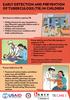 EARLY DETECTION AND PREVENTION OF TUBERCULOSIS (TB) IN CHILDREN Risk factors in children acquiring TB: Children living in the same household as a lung TB patient (especially children under 5) Children
Appendix B: Provincial Case Definitions for Reportable Diseases
 Infectious Diseases Protocol Appendix B: Provincial Case Definitions for Reportable Diseases Disease: Tuberculosis Revised August 2015 Tuberculosis 1.0 Provincial Reporting Confirmed and suspect cases
Updates of TB Control Program in CaLaBaRZon 2014 Hotel H2O Luneta Manila
 Department \ of Health Center for Health Development IV-A Updates of TB Control Program in CaLaBaRZon 2014 Hotel H2O Luneta Manila Target for CDR All Forms (90%) 100 Case Detection Rate 2005 to 2013 (latest
Global Fund Quality Assurance for Diagnostics
 Global Fund Quality Assurance for Diagnostics AIDS MEDICINES AND DIAGNOSTICS (AMDS) ANNUAL STAKEHOLDERS AND PARTNERS MEETING 29 30 September 2014 Dr Joelle DAVIAUD Quality Assurance Specialist Grant Management
MODULE THREE TB Treatment. Treatment Action Group TB/HIV Advocacy Toolkit
 MODULE THREE TB Treatment Treatment Action Group TB/HIV Advocacy Toolkit 1 Topics to be covered TB treatment fundamentals Treatment of TB infection and disease TB treatment research Advocacy issues 2 Section
TB at Edendale Hospital: Operational Guidelines for Doctors and Nurses. Dr. Michael Clark Medical Officer Edendale Hospital
 TB at Edendale Hospital: Operational Guidelines for Doctors and Nurses Dr. Michael Clark Medical Officer Edendale Hospital The Burden What? Tuberculosis (TB) HIV/TB co-infection Drug resistance Where?
CHAPTER 6 PROCUREMENT AND SUPPLY OF PHARMACEUTICAL PRODUCTS IN THE PUBLIC AND PRIVATE MEDICAL SECTORS
 CHAPTER 6 PROCUREMENT AND SUPPLY OF PHARMACEUTICAL PRODUCTS IN THE PUBLIC AND PRIVATE MEDICAL SECTORS Overview 6.1 This chapter sets out the Review Committee s findings and recommendations on procurement
Point of Care HIV Viral Load Testing:
 Point of Care HIV Viral Load Testing: Lesley Scott, Natasha Gous, Shuqi Chen *, Wendy Stevens Department of Molecular Medicine and Haematology University of the Witwatersrand, National Health Laboratory
Electronic Patient Management System epms Zimbabwe
 Electronic Patient Management System epms Zimbabwe Collecting and Managing Data at the Patient Level for Better Treatment and Care Having access to patient health information enables medical professionals
Challenge TB - Kyrgyz Republic. Year 2 Quarterly Monitoring Report January-March 2016
 Challenge TB - Kyrgyz Republic Year 2 Quarterly Monitoring Report January-March 2016 Submission date: April 29, 2016 Table Contents 1. QUARTERLY OVERVIEW 3 2. YEAR 2 ACTIVITY PROGRESS 5 3. CHALLENGE TB
3. Blood and blood products such as serum, plasma, and other blood components.
 Mississippi Downloaded 01/2011 101.11 Infectious Medical Waste. The term "infectious medical waste" includes solid or liquid wastes which may contain pathogens with sufficient virulence and quantity such
JOINT COMMISSION INTERNATIONAL ACCREDITATION STANDARDS FOR. 2nd Edition
 JOINT COMMISSION INTERNATIONAL ACCREDITATION STANDARDS FOR CliniCAl laboratories 2nd Edition Effective 1 April 2010 International Patient Safety Goals (IPSG) Goals The following is a list of all goals.
Age In London TB is more common in younger adults aged 15-44 years and peaks in the 25-34 age group (3).
 4. TUBERCULOSIS INTRODUCTION Tuberculosis (TB) is an infectious, notifiable disease (meaning there is a requirement by law to report it to government authorities) caused by the bacterium Mycobacterium
Chapter 1 Overview of Tuberculosis Epidemiology in the United States
 Chapter 1 Overview of Tuberculosis Epidemiology in the United States Table of Contents Chapter Objectives.... 1 Progress Toward TB Elimination in the United States.... 3 TB Disease Trends in the United
Health Logistics Quarterly
 Health Logistics Quarterly A QUARTERLY NEWSLETTER V O L U M E 5, N O. 2 J U N E 2 0 1 3 PAGE 1 Fourth Round of Integrated Pharmaceuticals Logistics System Training-of-Trainers in Debre Birhan Since the
Quality Assurance Guidelines for Testing Using Rapid HIV Antibody Tests Waived Under the Clinical Laboratory Improvement Amendments of 1988
 Quality Assurance Guidelines for Testing Using Rapid HIV Antibody Tests Waived Under the Clinical Laboratory Improvement Amendments of 1988 U.S. Department of Health and Human Services Centers for Disease
Management of a child failing first line TB treatment.
 Management of a child failing first line TB treatment. Robert Gie Desmond Tutu Tuberculosis Centre Department of Paediatric and Child Health Stellenbosch University South Africa. Tygerberg Hospital Complex
Year 1. Annual Report. October 1, 2014 September 30, 2015
 Challenge TB - Malawi Year Annual Report October, 204 September 30, 205 October 30, 205 This report was made possible through the support for Challenge TB provided by the United States Agency for International
CAPABILITY 12: Public Health Laboratory Testing
 Public health laboratory testing is the ability to conduct rapid and conventional detection, characterization, confirmatory testing, data reporting, investigative support, and laboratory networking to
DIRECTLY OBSERVED TREATMENT SHORT-COURSE (DOTS)
 DIRECTLY OBSERVED TREATMENT SHORT-COURSE (DOTS) Protocol for Tuberculosis Demonstration Projects in Russia U.S. Centers for Disease Control and Prevention and U.S. Agency for International Development
Pharmaceutical Wholesaler Site Inspection Checklist
 Pharmaceutical Wholesaler Site Inspection Checklist Date and time of inspection: Legal business name and plant name: Location (address): Phone number: Fax number: Email address: Web site URL: Contact Person:
Tuberculosis Exposure Control Plan for Low Risk Dental Offices
 Tuberculosis Exposure Control Plan for Low Risk Dental Offices A. BACKGROUND According to the CDC, approximately one-third of the world s population, almost two billion people, are infected with tuberculosis.
Clinical Scenarios In Childhood TB. Josefina Cadorna Carlos M.D., FPPS, FPIDSP, FSMID Associate Professor of Pediatrics U E R M M M C
 Clinical Scenarios In Childhood TB Josefina Cadorna Carlos M.D., FPPS, FPIDSP, FSMID Associate Professor of Pediatrics U E R M M M C Objectives: To present different commonly encountered clinical scenarios
TREATING DRUG-SENSITIVE TB IN INDIA: IMPLEMENTATION OF DAILY THERAPY WITH FIXED DOSE COMBINATIONS
 TREATING DRUG-SENSITIVE TB IN INDIA: IMPLEMENTATION OF DAILY THERAPY WITH FIXED DOSE COMBINATIONS Policy brief, March 2015 Tuberculosis (TB), a communicable disease that affects 9 million people worldwide,
SIXTY-SEVENTH WORLD HEALTH ASSEMBLY. Agenda item 12.3 24 May 2014. Hepatitis
 SIXTY-SEVENTH WORLD HEALTH ASSEMBLY WHA67.6 Agenda item 12.3 24 May 2014 Hepatitis The Sixty-seventh World Health Assembly, Having considered the report on hepatitis; 1 Reaffirming resolution WHA63.18,
09/27/2006 Centers for Disease Control and Prevention Division of Tuberculosis Elimination
 Appendix B. Tuberculosis (TB) risk assessment worksheet This model worksheet should be considered for use in performing TB risk assessments for healthcare facilities and nontraditional facility-based settings.
Core Functions and Capabilities. Laboratory Services
 Core Functions and Capabilities British Columbia Centre for Disease Control Laboratory Services Understanding the role and value of British Columbia s public health laboratory in protecting our community
Laboratory Information for Public Health Excellence
 Laboratory Information for Public Health Excellence Dale Nordenberg, MD LIPHE Initiative A Public-Private Partnership Eli Lilly, Fondation Merieux and RESAOLAB Partners, CDC and CDC Foundation, and GLI
MSD Supply Chain Programme Strategy Workshop
 MSD Supply Chain Programme Strategy Workshop Day 2 APPENDIX Accenture Development Partnerships Benchmarking MSD s Current Operating Supply Chain Capability 1.0 Planning 2.0 Procurement 3.0 Delivery 4.0
PROPOSAL by Bangladesh, Barbados Bolivia, and Suriname. Prize Fund for Development of Low-Cost Rapid Diagnostic Test for Tuberculosis. Date: 09.04.
 PROPOSAL by Bangladesh, Barbados Bolivia, and Suriname Prize Fund for Development of Low-Cost Rapid Diagnostic Test for Tuberculosis Executive Summary Date: 09.04.15 The governments of Bangladesh, Barbados,
Module 5: Assuring the Quality of HIV Rapid Testing
 Module 10 Inventory: Managing Stocks at the HIV Testing Site Purpose Pre-requisite Modules Learning Objectives Content Outline To equip the participants with necessary knowledge so they can properly manage