
Endoscopic Vessel Harvesting: Using Advancements and Best Practices To Enhance Conduit Quality
|
|
|
- Arabella Stafford
- 9 years ago
- Views:
Transcription
1 Endoscopic Vessel Harvesting: Using Advancements and Best Practices To Enhance Conduit Quality Bershinsky, J Matt, PA-C; Bitondo, Jerene M, PA-C; Brennan, Teresa, PA-C, MPAS; Causey, Keith, PA-C; DeMara, David, PA-C; Dinwiddie, Greg, PA-C; Durbin, Harold Jr, PA-C; Eisenring, Christian, ACNP-c; Froelich, David, CRNFA; Ginn, Lonnie J, PA-C; Gottesfeld, Steven M, PA-C; Hahm, Edward, PA-C, MMSc; Hunnicutt, Carol, PA-C; Kollpainter, Robert, PA-C, FAPACVS, RDMS; Keuler, James P, PA-C; Lee, John, PA-C; McCarley, Christopher K, PA-C; Sullivan, Michael L, PA-C; Van Woerkom, Jon, PA-C; Vida, Kevin A, MS, PA-C; Vitali, Richard M, MPH, PA-C* Benefits of the Endoscopic Approach to Vessel Harvesting During the past decade, endoscopic vessel harvesting (EVH) has become the preferred technique over open harvesting procedures for patients undergoing coronary artery bypass grafting (CABG) surgery in the U.S. In 2008, 76% of CABG cases used EVH in the United States and global adoption of the procedure has been increasing in recent years. 1 (Fig. 1) In the open vein harvest (OVH) technique, the long incision along the medial aspect of the leg has been associated with postoperative complications, including dehiscence, hematoma, cellulitis, edema, and pain. 2,3 These complications delay wound healing and increase costs and length of postoperative care. 2 (Figs. 2 and 3) Fig. 2 Open Fig. 1 EVH Table of Contents Benefits of Endoscopic Approach page 1 to Vessel Harvesting Assessing Graft Patency With EVH page 2 Evolving Technology and Techniques page 2 EVH Best Practice Tips page 3 Conclusion page 6 Key Takeaways page 6 * Authors are listed alphabetically Fig. 3 Bridging The body of evidence demonstrating clinical, economic and cosmetic benefits of EVH over OVH has steadily mounted, with benefits including: Reduced wound complications and infections 2-6 Reduced postoperative pain 5-8 Reduced length of stay and rate of readmission 9-11 Improved cosmesis and patient satisfaction 2,3

2 2 In recent years, the endoscopic method has been increasingly used for harvesting the radial artery, and similar advantages to those seen with the greater saphenous vein have been demonstrated. Assessing Graft Patency with EVH While many studies have documented the short-term benefits of EVH such as reduced wound complications and postoperative pain, other studies have looked at the quality of the harvested vessel for the bypass procedure. To date, a number of studies have shown equivalent graft patency whether the vessel graft was obtained endoscopically or with the open procedure. 2,12-14 Graft patency and disease according to vein harvest method 12 EVH (n = 166) OVH (n = 170) p values Patent 113 (68%) 119 (70%) ns Significant disease 17 (10%) 21 (12%) ns Occlusion 36 (22%) 30 (18%) ns P =.584. EVH, Endoscopic vein harvest; OVH, open vein harvest In the largest randomized trial with the longest angiographic follow-up (six months postop), Yun et al. showed that occlusion and disease rates were comparable between endoscopic and OVH procedures. 12 The authors concluded that overall patency rates depend on target and vein-related variables (e.g. vein size) and patient characteristics (e.g. congestive heart failure) rather than the method of vein harvesting. Based on a meta-analysis of studies comparing EVH to open harvesting, the International Society for Minimally Invasive Cardiothoracic Surgery (ISMICS) concluded that EVH should be the standard of care in coronary artery bypass patients requiring saphenous vein grafts. 2,3 Recently the issue of graft patency with EVH has come under scrutiny with the publication of a secondary analysis of patients who underwent CABG. 15 In light of this study, it is important to understand factors that can affect conduit quality. Endothelial injury, which can diminish patency of the vessel, can be caused by surgical trauma, ischemia, storage conditions, and distension, among other factors. 16,17 Prompted by a better understanding of physiology and the surgical challenges that harvesters face, clinicians and manufacturers have worked to improve practice techniques and technology over the past several years in ways that promote optimal conduit quality. Harvester experience is a crucial element to consider; ensuring that all harvesters are trained and up to date on the latest clinical techniques is paramount to their success. This paper will look at EVH technique and technology improvements and share best practice tips from experienced harvesters. Evolving Technology and Techniques First introduced in the mid-1990s, endoscopic vessel harvesting technology has undergone many transformations as manufacturers have developed refinements to make the procedure easier, faster, and more protective of the harvested conduit. To address the learning curve for those new to the EVH procedure, ergonomic and operational improvements have been made. For example, certain models were designed with in-line instrumentation, in which the scope port and tool port are arranged parallel to the cannula. This design helps reduce vessel manipulation and facilitates the instrumentation in the tunnel, enabling greater surgical control. To speed the procedure, features like built-in scope cleaning systems were added, so the harvester would not need to remove the tools from the tunnel when the scope became obscured. Some systems incorporated CO 2 insufflation to enhance visualization and maneuverability during dissection. 5 This function has been refined with the addition of improved port and distal insufflation techniques in more recent technology generations. Graft failure has been attributed to endothelial cell damage, which may be caused by electrocautery, generally referred to as thermal spread. Therefore, strategies to mitigate thermal spread have been pursued. Recent generations of EVH technology enable harvesters to seal and cut in a single step, keeping thermal spread to a minimum (less than 1 mm). While manufacturers honed technological and design innovations, harvesters developed better clinical

3 3 techniques as they gained more experience with the EVH procedure and a deeper understanding of the physiological implications of it. For example, harvesters have developed and enhanced techniques for vessel ligation and removal at the end of the procedure. A growing awareness of the need to protect the vessel has led to other changes in clinical practice. Distending the harvested vessel by flushing it with solutions has been a common practice prior to grafting to check for leaks. However, studies have shown that overdistension of the vessel can damage the endothelium and reduce long-term patency of the graft. 16,18 Therefore, keeping the pressure at controlled levels is now advised. (Fig. 4) EVH Best Practice Tips Many of the tips below are described specifically in terms of harvesting the greater saphenous vein; however, most of the concepts would also apply when performing EVH of the radial artery or lesser saphenous vein. PREOPERATIVE PREPARATION Review the patient s H&P for contraindications and pertinent anatomy preoperatively. Look for potential contraindications or issues such as prior surgeries that may have stripped or injured the vessel. In this case, consider using an alternative conduit. Whenever possible, perform vein mapping with ultrasound to locate and evaluate the vessel. While harvesters should have a thorough knowledge of all anatomical landmarks, studies have shown that the use of ultrasound to perform vein mapping is beneficial in selecting the optimum site for the incision. 20,21 Ultrasound can help identify venous abnormalities and small vein segments, and pinpoint the vein location when dealing with challenging anatomies, such as in obese patients. Fig. 4 Distension-dependent changes in vessel viability. Green cellular fluorescence indicates cell viability; red nuclear fluorescence shows compromised or dead cells. A) Saphenous vein segment reveals living endothelium and media. B) Distended saphenous vein segment shows denuded and damaged endothelium and media. Thatte and Khuri. 16 Another clinical protocol change adopted by some institutions is the administration of heparin prior to EVH. It has been suggested that pre-heparinization lowers the incidence of fibrin strand formation within the lumen. 19 Recognizing that harvester experience and technique can play a vital role in graft quality and patient outcome, the aforementioned panel of proficient, experienced harvesters has established and endorsed the following set of best practice tips that serve as a gold standard for performing EVH. Think of the procedure as having three separate stages: 1. Choosing the incision site and making the incision 2. Dissecting the vessel and the vessel tributaries 3. Dividing the vessel branches INCISION Decide on the best place to make the incision and mark the site. Harvesters should choose whether to make the incision above or below the knee based on patient variables and preference, taking into account where their dominant hand will be positioned. While some new harvesters feel it is easier to guide the endoscope through subcutaneous tissue in the thigh as opposed to the tighter space in the lower leg, conditions can vary greatly from patient to patient so this should be an individual decision. For example, some harvesters have more difficulty manipulating the scope around an elderly arthritic knee than the lower leg.

4 4 Keep the length of the skin incision to a minimum. When making the initial incision, clinicians must balance the need to protect the vessel during removal and achieve a good seal to prevent leaks, if a CO 2 insufflation system is used. The blunt tip of the CO 2 insufflation port placed at the incision should have a good seal, but it should not be forced into the incision. In addition, keep inflation pressure of the balloon to a minimum; inflate it just enough to maintain the seal. Use appropriate monitoring to be alerted to CO 2- related events. During CO 2 insufflation, exhaled carbon dioxide levels tend to be elevated. End-tidal carbon dioxide (ETCO 2) monitoring is the gold standard used by anesthesiologists to assess ventilation. 23 Transesophageal echocardiography (TEE) is also valuable for revealing evidence of gas bubbles in the patient s right atrium, suggesting an increased risk of embolism. Consider making the incision to correspond with tension lines of the skin. Making an incision that follows skin tension lines can enhance wound healing and cosmesis. Therefore, clinicians may choose to make the above-the-knee incisions transversely and below-the-knee incisions longitudinally over the vein. One advantage of a longitudinal incision is that it is in line with the vein, and if endoscopic harvesting needs to be converted to an open procedure, the incision can simply be extended. An advantage of a transverse incision is that it may offer more leeway in locating the vein if the harvester is not confident in the landmarks or was unable to perform vein mapping with ultrasound prior to the EVH procedure. CO 2 INSUFFLATION Use the lowest tunnel pressure possible to reduce the risk of CO 2 embolism. CO 2 insufflation is commonly used with EVH and other endoscopic surgical procedures to improve visibility and control, but it does create the potential for CO 2 embolization to occur. 22 One way harvesters can help prevent this risk is by keeping the CO 2 pressure setting as low as possible. It is also helpful to minimize flow settings, so having a good seal at the port site is important. Monitor central venous pressure (CVP) to keep the CVP/tunnel gradient in proper balance. In a closed system, the CVP should be maintained slightly greater than the tunnel pressure to reduce the risk of CO 2 embolization/microembolization. PEEP (positive end expiratory pressure) can be adjusted to decrease the CVP/tunnel gradient, as tolerated by the patient. DISSECTION OF THE VESSEL Establish a regular sequence for dissection. Approaching the vessel the same way each time helps develop confidence and enhance harvester skill during the procedure. A sequence recommended by the authors for performing the overall procedure is: dissect thigh, dissect lower leg, divide lower leg, divide thigh. This approach may potentially reduce blood stasis and, therefore, fibrin strand formation. A recommended sequence specifically for dissection is: dissect anteriorly along the vessel, dissect posteriorly along the vessel, followed by lateral dissection, one side then the other side. During the initial dissection, use short, gentle motions. Avoid any sudden or forceful motion while dissecting along the main body and branches of the vessel. Use small motions, advancing the dissection cannula from side to side along the vessel and around branches. Allow CO 2 to promote dissection along the tunnel by periodically moving the endoscope back a few centimeters. After confirming the orientation, continue with short, gentle advancements. Ensure that side branches are thoroughly dissected to allow adequate length during branch division. The side branches should be long enough to apply suture ties and/or ligatures during vessel preparation. To support CO 2 insufflation and open up more space around the branch, many harvesters use the window technique on the side dissections. The window technique involves creating fenestrations into the surrounding fascial layers to allow access to the vessel branches.

5 5 Apply appropriate pressure with the opposite hand to promote ease of dissection along the vessel. Applying countertraction on the patient s thigh can be helpful for increasing the length of branches. DIVISION OF BRANCHES Establish a regular sequence for dividing the branches. As with dissection, establishing a regular sequence for the branch division improves confidence and efficiency. Most clinicians start the dissection of the vein in the thigh, ending with the lower leg, and therefore start dividing the branches in the lower leg at the distal end of the tunnel, working back toward the incision (in retrograde fashion). Some harvesters may divide branches as they navigate the tunnel if branches are at risk for damage. Consider making a fasciotomy along the tunnel if the space is very tight. If harvesters encounter a very tight tunnel during branch division, they should consider performing a fasciotomy along the length of the tunnel to increase the size of the tunnel and therefore to decrease the risk of injury to the vessel or the vessel branches. The fasciotomy may not be necessary along the entire length, but enough to get through a very confined area. VESSEL REMOVAL AND PREPARATION Make sure all branches and connective tissue are free from the vessel before removing it. Before dividing and ligating the ends of the vessel, make a final circumferential pass along the length of the vessel to ensure that all branches and connective tissue have been removed. This final pass also allows the harvester to visually inspect the tunnel to assess hemostasis. Use an appropriate technique for distal ligation of the vessel. Clamping and ligating the distal end of the vessel can be challenging, and harvesters have developed a number of techniques to accomplish it. The decision of which technique to employ may depend on the EVH technology being used, how the harvester was trained, and other variables. One of the most common techniques is stab and grab in which a small, stab incision is made at the distal end of the tunnel using a #11 blade, and the vessel is pulled through the stab wound incision with a hemostatic clamp, and divided and ligated externally under direct vision. (Fig. 5) Another option is to use a knot pusher to create a ligation loop. Before dividing the branch, consider whether it is of adequate length to clip or tie. Branches should be long enough to ensure an adequate margin to prevent thermal injury, allow for effective ligation, and moreover, to avoid compromising the vessel lumen in order to deliver a good conduit to the surgeon. Larger branches may need to be somewhat longer. If branch length is inadequate, dissect it farther out to obtain enough length. Keep energy settings as low as possible during branch division. While dividing with electrocautery, keep energy settings on the lowest possible setting. This will allow the branches to adequately seal before division and minimize bleeding in the tunnel. To prevent thermal injury, do not cauterize longer than necessary; usually 1 to 1 ½ second bursts of cauterization are adequate. Fig. 5 Stab and grab technique for distal ligation of vessel Take care to not stretch the vessel when removing it from the EVH tunnel. To preserve the quality and longevity of the vessel, the authors of this paper believe it is critical to minimize vessel trauma during removal and preparation. Avoid dimpling the vessel during branch ligation of the harvested conduit, and be especially mindful to not overdistend the vessel. Irrigate the removed vessel with solution according to hospital protocol (e.g. heparinized saline/blood) to flush out any potential clot or fibrin strands avoiding overdistension during this process.

6 6 Once the vessel is extracted and prepared, place it in the specified solution until ready for use in the surgery. Place the harvested vessel in the storage solution specified by hospital protocol until the surgeon is ready to use it. Note that studies have shown that endothelium and smooth muscle cells are affected by the storage solution used, 16 and the type of solution may therefore play a role in long-term graft patency. Conclusion Because of the numerous benefits demonstrated by endoscopic vessel harvesting versus the open approach, EVH has become more than a technique it has become a standard of care. The procedure, as well as the technology, has undergone continual refinements. By adopting best practices, harvesters promote optimal conduit quality, which contributes to a successful outcome for patients undergoing CABG surgery. Surgeons can support these practices by allowing ample time for them to be accomplished. Key Takeaways PREOPERATIVE PREPARATION Review the patient s H&P for contraindications and pertinent anatomy preoperatively. Whenever possible, perform vein mapping with ultrasound to locate and evaluate the vessel. Think of the procedure as having three separate stages: choosing the incision site and making the incision, dissecting the vessel and vessel tributaries, and dividing the vessel branches. INCISION Decide on the best place to make the incision and mark the site. Keep the length of the skin incision to a minimum. Consider making the incision to correspond with tension lines of the skin. CO 2 INSUFFLATION Use the lowest tunnel pressure possible to reduce the risk of CO 2 embolism. Monitor central venous pressure (CVP) to keep the CVP/tunnel gradient in proper balance. Use appropriate monitoring to be alerted to CO 2- related events. DISSECTION OF THE VESSEL Establish a regular sequence for dissection. During the initial dissection, use short, gentle motions. Ensure that side branches are thoroughly dissected to allow adequate length during branch division. Apply appropriate pressure with the opposite hand to promote ease of dissection along the vessel. DIVISION OF BRANCHES Establish a regular sequence for dividing the branches. Consider making a fasciotomy along the tunnel if the space is very tight. Before dividing the branch, consider whether it is of adequate length to clip or tie. Keep energy settings as low as possible during branch division. VESSEL REMOVAL AND PREPARATION Make sure all branches and connective tissue are free from the vein before removing it. Use an appropriate technique for distal ligation of the vessel. Take care to not stretch the vessel when removing it from the EVH tunnel. Once the vessel is extracted and prepared, place it in the specified solution until ready for use in the surgery.

7 7 J. Matt Bershinsky, PA-C Physician Assistant Memorial Health System Cardiothoracic Surgery Colorado Springs, Colorado Jerene M. Bitondo, PA-C Chief Physician Assistant, Cardiac Surgery Massachusetts General Hospital Boston, Massachusetts Teresa Brennan, PA-C, MPAS Chief Physician Extender for Cardiovascular Surgery William Beaumont Hospital Royal Oak, Michigan Keith Causey, PA-C Chief Physician Assistant, Clinical Director, Cardiothoracic Surgery Emory Healthcare Atlanta, Georgia David DeMara, PA-C Chief Physician Assistant Atlanticare Regional Medical Center Pomona, New Jersey Greg Dinwiddie, PA-C Cardiovascular Surgery Intergris Baptist Hospital Oklahoma City, Oklahoma Harold Durbin Jr., PA-C University of Nebraska Medical Center Omaha, Nebraska Christian Eisenring, ACNP-c Division of Cardiothoracic Surgery Ronald Reagan Medical Center David Geffen School of Medicine at UCLA David Froelich, CRNFA WakeMed Raleigh, North Carolina Lonnie J. Ginn, PA-C Physician Assistant Services of Texas LLP Heart Hospital Baylor Plano Plano, Texas Steven M. Gottesfeld, PA-C Senior Physician Assistant, Division of Cardiac and Thoracic Surgery Sharp-Rees-Stealy Medical Group San Diego, California Edward Hahm, PA-C, MMSc Pacific Coast Cardiovascular Surgeons Carol Hunnicutt, PA-C Physician Assistant, Surgical Assistants of Dallas, LLC Baylor University Medical Center at Dallas Heart Hospital Baylor Plano Robert Kollpainter, PA-C, FAPACVS, RDMS Aspirus Wausau Heart & Lung Surgeons Wausau, Wisconsin James P. Keuler, PA-C President, Intervasc, LLC International Vascular Consultants Milwaukee, Wisconsin John Lee, PA-C Kaiser Moanalua Medical Center Honolulu, Hawaii Christopher K. McCarley, PA-C Chief Physician Assistant, Cardiothoracic Surgery Cardiothoracic Surgery Clinic of North Mississippi Michael L. Sullivan, PA-C Chief Physician Assistant Cardiac Surgical Associates Tampa, Florida Jon Van Woerkom, PA-C St. Vincent Heart Center of Indiana/Corvasc MD s Indianapolis, Indiana Kevin A. Vida, MS, PA-C President, VidaProcare, LLC West Hartford, Connecticut Richard M. Vitali, MPH, PA-C Administrative Director, Department of Cardiovascular & Thoracic Surgery St. Michael s Medical Center Newark, New Jersey Disclosure: the members of this board may have active or prior consulting agreements with MAQUET Cardiovascular.

8 References 1. MAQUET Cardiovascular data on file. 2. Allen KB, Cheng D, Cohn W, et al. Endoscopic vascular harvest in coronary artery bypass grafting surgery: a consensus statement of the International Society of Minimally Invasive Cardiothoracic Surgery (ISMICS) Innovations. 2005;1: Cheng D, Allen KB, Cohn W, et al. Endoscopic vascular harvest in coronary artery bypass grafting surgery: a meta-analysis of randomized trials and controlled trials. Innovations. 2005;1: Reed JF. Leg wound infections following greater saphenous vein harvesting: minimally invasive vein harvesting versus conventional vein harvesting. Int J Low Extrem Wounds. 2008;7: Lee J. Vein Harvesting: The Second Generation (chapter 14). In: Cohen R, Mack M, Landreneau R, Fonger J (eds): Minimally Invasive Cardiac Surgery, St. Louis, MO: Quality Medical Publishing, Inc.; 1999: Lee J, Dye K, Wilson S. Endoscopic vein harvesting: multicenter outcomes. Surgical Physician Assistant. 1999;5(6): Andreasen JJ, Nekrasas V, Dethlefsen C, et al. Endoscopic vs open saphenous vein harvest for coronary artery bypass grafting: a prospective randomized trial. Eur J Thorac Cardiovasc Surg. 2008;34: Rao C, Aziz O, Deeba S, et al. Is minimally invasive harvesting of the great saphenous vein for coronary artery bypass surgery a cost-effective technique? J Thorac Cardiovasc Surg. 2008;135: Allen KB, Griffith GL, Heimansohn DA, et al. Endoscopic versus traditional saphenous vein harvesting: a prospective, randomized trial. Ann Thorac Surg. 1998;66: Patel AN, Hebeler RF, Hamman BL, et al. Prospective analysis of endoscopic vein harvesting. Am J Surg. 2001;182: Illig KA, Rhodes JM, Sternback Y, Green RM, et al. Financial impact of endoscopic vein harvest for infrainguinal bypass. J Vasc Surg. 2003;37: Yun KL, Wu Y, Aharonian V, et al. Randomized trial of endoscopic versus open vein harvest for coronary artery bypass grafting: six-month patency rates. J Thorac Cardiovasc Surg. 2005;129: Perrault LP, Bilodeauh L, Jeanmart H, et al. A prospective randomized angiographic study of open versus endoscopic saphenectomy for CABG. Heart Surgery Forum. 2003;6 Supp 1:S Davis Z, Clark S, Bufalino V, Garber D, Budoff M, et al. Graft pa-tency following endoscopic saphenous vein harvesting is equivalent to or better than traditional harvest. Heart Surgery Forum. 2003;6 Supp 1:S Lopes RD, Hafley GE, Allen KB, et al. Endoscopic versus open vein-graft harvesting in coronary-artery bypass surgery. N Engl J Med. 2009;361: Thatte HS, Khuri SF. The coronary artery bypass conduit: I. Intraoperative endothelial injury and its implication on graft patency. Ann Thorac Surg. 2001;72:S Manchio JV, Gu J, Romar L, et al. Disruption of graft endothelium correlates with early failure after off-pump coronary artery bypass surgery. Ann Thorac Surg. 2005;79: Angelini GD, Breckenridge IM, Williams HM, Newby AC, et al. A surgical preparative technique for coronary bypass grafts of human saphenous vein which preserves medial and endothelial functional integrity. J Thorac Cardiovasc Surg. 1987;94: Brown EN, Kon ZN, Tran R, et al. Strategies to reduce intraluminal clot formation in endoscopically harvested saphenous veins. J Thorac Cardiovasc Surg. 2007;134: Cohn JD, Korver KF. Optimizing saphenous vein site selection using intraoperative venous duplex ultrasound scanning. Ann Thorac Surg. 2005;79: Luckraz H, Lowe J, Pugh N, Azzu AA. Pre-operative long saphenous vein mapping predicts vein anatomy and quality leading to improved post-operative leg morbidity. Interact CardioVasc Thorac Surg. 2008;7: ; discussion Lin TY, Chiu KM, Wang MJ, et al. Carbon dioxide embolism during endoscopic saphenous vein harvesting in coronary artery bypass surgery. J Thorac Cardiovasc Surg. 2003;126: Standards for Basic Anesthetic Monitoring. American Society of Anesthesiologists, MAQUET Registered Trademark of MAQUET GmbH & Co. KG Reg. QUG: MCV-BR EN-01 Copyright by MAQUET, Rastatt /10 We reserve the right to make technical and construction changes.

Innovation for optimized outcomes
 Innovation for optimized outcomes VASOVIEW Endoscopic Vessel Harvesting Systems MAQUET MAQUET Medical Systems Medical USA Systems VASOVIEW USA PRODUCT EVH SYSTEMS NAME 31 Minimally invasive endoscopic
Endoskopische Venenentnahme der V. saphena in der koronaren Bypasschirurgie - Aktuelle Datenlage - Dr. med. Stefanie Reutter
 Endoskopische Venenentnahme der V. saphena in der koronaren Bypasschirurgie - Aktuelle Datenlage - Dr. med. Stefanie Reutter Endoskopische Venenentnahme (EVH) - Einführung 1979 Tevaearai und Kollegen haben
Endoscopic vs open saphenous vein harvest for coronary artery bypass grafting: A leg-related morbidity and histological comparison
 Endoscopic vs open saphenous vein harvest for coronary artery bypass grafting: A leg-related morbidity and histological comparison Radim Brat a, Jaroslav Horacek b, Jiri Sieja a Aims. The aim of this study
Declaratory Ruling 2005-1 Replaces Declaratory Ruling 97-2
 Declaratory Ruling 2005-1 Replaces Declaratory Ruling 97-2 RE: The permitted role of unlicensed surgical assistants ( assistants ) in taking of the saphenous vein during coronary artery bypass graft (
Endoscopic versus Open Saphenous Vein Harvest in Patients Undergoing CABG, an Angiographically Measured Graft Patency Comparison
 Pacific University CommonKnowledge School of Physician Assistant Studies Theses, Dissertations and Capstone Projects 8-14-2010 Endoscopic versus Open Saphenous Vein Harvest in Patients Undergoing CABG,
Minimally Invasive Spine Surgery
 Chapter 1 Minimally Invasive Spine Surgery 1 H.M. Mayer Primum non nocere First do no harm In the long history of surgery it always has been a basic principle to restrict the iatrogenic trauma done to
Minimally Invasive Mitral Valve Surgery
 Minimally Invasive Mitral Valve Surgery Stanford Health Care offers leading, superior options in cardiac surgery, including the latest techniques and research for Minimally Invasive Cardiac surgery. Advanced
Venous Reflux Disease and Current Treatments VN20-87-A 01/06
 Venous Reflux Disease and Current Treatments Leg Vein Anatomy Your legs are made up of a network of veins and vessels that carry blood back to the heart The venous system is comprised of: Deep veins Veins
Conduit Quality Counts:
 CE online Conduit Quality Counts: Endoscopic Vein Harvesting Best Practices and Strategies A Continuing Education Activity Sponsored By Grant Funds Provided By Welcome to Conduit Quality Counts: Endoscopic
THE VEIN CENTER. State-of-the-Art Treatment for Varicose Veins and Spider Veins
 THE VEIN CENTER State-of-the-Art Treatment for Varicose Veins and Spider Veins Vein Disorders Nearly 50 percent of the adult population suffers from undesirable, sometimes painful vein disease. The most
Patient Information Understanding Varicose Veins
 Patient Information Understanding Varicose Veins The Circulatory System Arteries carry oxygenated blood to your legs and the veins carry de-oxygenated blood away from your legs. The blood returns to the
Kensington Eye Center 4701 Randolph Road, #G-2 Rockville, MD 20852 (301) 881-5701 www.keceyes.com
 Kensington Eye Center 4701 Randolph Road, #G-2 Rockville, MD 20852 (301) 881-5701 www.keceyes.com Natasha L. Herz, MD INFORMED CONSENT FOR DESCEMET S STRIPPING and AUTOMATED ENDOTHELIAL KERATOPLASTY (DSAEK)
Varicose Veins: Causes, Symptoms and Management. Andrew C. Stanley MD Section of Vascular Surgery
 Varicose Veins: Causes, Symptoms and Management Andrew C. Stanley MD Section of Vascular Surgery Circulation Heart (Pump)-MI, Sudden Death Arteries (Stroke, Aneurysms, Walking dysfunction, Limb loss) Veins
OVER 45 YEARS TEXTILE GRAFT TECHNOLOGY EXPERIENCE MAQUET THE GOLD STANDARD
 OVER 45 YEARS TEXTILE GRAFT TECHNOLOGY EXPERIENCE MAQUET THE GOLD STANDARD A comprehensive, proven vascular graft portfolio and exceptional professional support make MAQUET Cardiovascular a valuable asset
Resection, Reduction, and Revision of Aneurysmal AV Fistulas
 Resection, Reduction, and Revision of Aneurysmal AV Fistulas Patrick R. Cook DO, FACS Timothy G. Canty Jr. MD Robert J. Hye MD, FACS Kaiser Permanente San Diego, CA Aneurysmal AVF Over last decade K-DOQI
Medicare C/D Medical Coverage Policy
 Varicose Vein Treatment Medicare C/D Medical Coverage Policy Origination Date: June 1, 1993 Review Date: September 16, 2015 Next Review: September, 2017 DESCRIPTION OF PROCEDURE OR SERVICE Varicose veins
Y O U R S U R G E O N S. choice of. implants F O R Y O U R S U R G E R Y
 Y O U R S U R G E O N S choice of implants F O R Y O U R S U R G E R Y Y O U R S U R G E O N S choice of implants F O R Y O U R S U R G E R Y Your Surgeon Has Chosen the C 2 a-taper Acetabular System The
SILS. Port Insertion By Homero Rivas, MD, MBA, FACS. Single incision. Single port. Simple choice.
 SILS Port Insertion By Homero Rivas, MD, MBA, FACS Single incision. Single port. Simple choice. SILS Port Insertion By Homero Rivas, MD, MBA, FACS For the last 20 years, there has given surgical procedure.
MEDICAL COVERAGE POLICY. SERVICE: Varicose Veins of the Lower Extremities. PRIOR AUTHORIZATION: Required.
 Page 1 of 5 MEDICAL COVERAGE POLICY Important note Even though this policy may indicate that a particular service or supply may be considered covered, this conclusion is not based upon the terms of your
PATIENT CONSENT TO PROCEDURE - ROUX-EN-Y GASTRIC BYPASS
 As a patient you must be adequately informed about your condition and the recommended surgical procedure. Please read this document carefully and ask about anything you do not understand. Please initial
X-Plain Varicose Veins Reference Summary
 X-Plain Varicose Veins Reference Summary Introduction Varicose veins are very common, in both women and men. Varicose veins can be painful and unattractive. Vein doctors use non-invasive ultrasound imaging
What You Should Know About Cerebral Aneurysms
 What You Should Know About Cerebral Aneurysms From the Cerebrovascular Imaging and Interventions Committee of the American Heart Association Cardiovascular Radiology Council Randall T. Higashida, M.D.,
Advances in Robotic Technology
 Advances in Robotic Technology Reza Ghavamian M.D. Professor of Urology Director of Urologic Oncology and Robotic Surgery Montefiore Medical Center Albert Einstein College of Medicine New York Disclosure
A Master class in Conduit surgery for CABG
 Course Directors: Mr. Simon Kendal A Master class in Conduit surgery for CABG Mr. Michael Lewis Mr. R. Shah Mrs. B Krishnamoorthy SCTS Education Secretary: Mr. Michael E Lewis 3 rd of November 2014 Manchester
Provided by the American Venous Forum: veinforum.org
 CHAPTER 17 SURGICAL THERAPY FOR DEEP VALVE INCOMPETENCE Original author: Seshadri Raju Abstracted by Gary W. Lemmon Introduction Deep vein valvular incompetence happens when the valves in the veins (tubes
Recurrent Varicose Veins
 Information for patients Recurrent Varicose Veins Sheffield Vascular Institute Northern General Hospital You have been diagnosed as having Varicose Veins that have recurred (come back). This leaflet explains
Spotlight Series: Interventional Radiology. Varicose Veins and Venous Insufficiency
 Spotlight Series: Interventional Radiology Varicose Veins and Venous Insufficiency What is venous insufficiency? Spectrum of Disease Spider veins and telangiectasias Small reddish and purple veins near
Bankart Repair using the Smith & Nephew BIORAPTOR 2.9 Suture Anchor
 Shoulder Series Technique Guide *smith&nephew BIORAPTOR 2.9 Suture Anchor Bankart Repair using the Smith & Nephew BIORAPTOR 2.9 Suture Anchor Gary M. Gartsman, M.D. Introduction Arthroscopic studies of
Vascular Technology (VT) Content Outline Anatomy & physiology 20% Cerebrovascular Cerebrovascular normal anatomy Evaluate the cerebrovascular vessels
 Vascular Technology (VT) Content Outline Anatomy & physiology 20% normal anatomy Evaluate the cerebrovascular vessels hemodynamics Evaluate the cerebrovascular vessels for normal perfusion normal anatomy
Endovascular Repair of an Axillary Artery Aneurysm: A Novel Approach
 Endovascular Repair of an Axillary Artery Aneurysm: A Novel Approach Bao- Thuy D. Hoang, MD 1, Jonathan- Hien Vu, MD 2, Jerry Matteo, MD 3 1 Department of Surgery, University of Florida College of Medicine,
Upper Extremity Vein Mapping for Placement of a Dialysis Access
 VASCULAR TECHNOLOGY PROFESSIONAL PERFORMANCE GUIDELINES Upper Extremity Vein Mapping for Placement of a Dialysis Access This Guideline was prepared by the Professional Guidelines Subcommittee of the Society
Talent Thoracic Stent Graft with THE Xcelerant Delivery System. Expanding the Indications for TEVAR
 Talent Thoracic with THE Xcelerant Delivery System Expanding the Indications for TEVAR Talent Thoracic Precise placement 1 Broad patient applicability 1 Excellent clinical outcomes 1, a + Xcelerant Delivery
ARTHROSCOPIC HIP SURGERY
 ARTHROSCOPIC HIP SURGERY Hip Arthroscopy is a relatively simple procedure whereby common disorders of the hip can be diagnosed and treated using keyhole surgery. Some conditions, which previously were
Laparoscopic Colectomy. What do I need to know about my laparoscopic colorectal surgery?
 Laparoscopic Colectomy What do I need to know about my laparoscopic colorectal surgery? Traditionally, colon & rectal surgery requires a large, abdominal and/or pelvic incision, which often requires a
X-Plain Subclavian Inserted Central Catheter (SICC Line) Reference Summary
 X-Plain Subclavian Inserted Central Catheter (SICC Line) Reference Summary Introduction A Subclavian Inserted Central Catheter, or subclavian line, is a long thin hollow tube inserted in a vein under the
Weight Loss before Hernia Repair Surgery
 Weight Loss before Hernia Repair Surgery What is an abdominal wall hernia? The abdomen (commonly called the belly) holds many of your internal organs. In the front, the abdomen is protected by a tough
Varicose Vein Treatment (Endovenous Ablation of Varicose Veins)
 Scan for mobile link. Varicose Vein Treatment (Endovenous Ablation of Varicose Veins) Varicose vein treatment, also known as endovenous ablation, uses radiofrequency or laser energy to cauterize and close
KnifeLight. Carpal Tunnel Ligament Release. Operative Technique
 KnifeLight Carpal Tunnel Ligament Release Operative Technique Contents Page 1. Features & Benefits 3 Intended Use and Indications 3 Contraindications 3 Features & Benefits 3 2. Operative Technique 4 Antegrade
TREATMENT OF VARICOSE VEINS: CAN IT BE IMPROVED BY MECHANOCHEMICAL ABLATION USING THE CLARIVEIN DEVICE?
 TREATMENT OF VARICOSE VEINS: CAN IT BE IMPROVED BY MECHANOCHEMICAL ABLATION USING THE CLARIVEIN DEVICE? Michel MJP Reijnen Rijnstate Hospital, Arnhem The Netherlands [email protected] Disclosures
KNEE LIGAMENT REPAIR AND RECONSTRUCTION INFORMED CONSENT INFORMATION
 KNEE LIGAMENT REPAIR AND RECONSTRUCTION INFORMED CONSENT INFORMATION The purpose of this document is to provide written information regarding the risks, benefits and alternatives of the procedure named
Patient Information Booklet. Endovascular Stent Grafts: A Treatment for Abdominal Aortic Aneurysms
 Patient Information Booklet Endovascular Stent Grafts: A Treatment for Abdominal Aortic Aneurysms TABLE OF CONTENTS Introduction 1 Glossary 2 Abdominal Aorta 4 Abdominal Aortic Aneurysm 5 Causes 6 Symptoms
MEDICAL STAFF DIRECTORY
 MEDICAL CENTER MEDICAL STAFF DIRECTORY Thank you for inquiring about the physicians who serve on the medical staff of Lakeland Regional Health Medical Center. We hope this personalized resource is helpful
Descemet s Stripping Endothelial Keratoplasty (DSEK)
 Descemet s Stripping Endothelial Keratoplasty (DSEK) Your doctor has decided that you will benefit from a corneal transplant operation. This handout will explain your options to you. It explains the differences
Measure #257 (NQF 1519): Statin Therapy at Discharge after Lower Extremity Bypass (LEB) National Quality Strategy Domain: Effective Clinical Care
 Measure #257 (NQF 1519): Statin Therapy at Discharge after Lower Extremity Bypass (LEB) National Quality Strategy Domain: Effective Clinical Care 2016 PQRS OPTIONS FOR INDIVIDUAL MEASURES: REGISTRY ONLY
Imaging of Thoracic Endovascular Stent-Grafts
 Imaging of Thoracic Endovascular Stent-Grafts Tariq Hameed, M.D. Department of Radiology and Imaging Sciences, Indiana University School of Medicine, Indianapolis, Indiana Disclosures: No relevant financial
ABDOMINOPLASTY - FREQUENTLY ASKED QUESTIONS (FAQs)
 Executive Level E1, Excen Centre, 119 Willoughby Road, Crows Nest 2065 Tel: 02 9817 7585 www.mycosmeticclinic.net AFFORDABILITY WITH EXCELLENCE Liposuction Breast Augmentation Abdominoplasty Eyelids Surgery
How To Become A Surgical Technologist
 JOB DESCRIPTION: SURGICAL TECHNOLOGIST. The Standards and Guidelines for the Accreditation of Educational Programs in Surgical Technology have been approved by the Association of Surgical Technologists
PHYSICIAN ASSISTANTS IN CARDIAC SURGERY
 PHYSICIAN ASSISTANTS IN CARDIAC SURGERY Past,, and Future PAST 1965 first class of Physician Assistants graduated from Duke University Research revealed geographic maldistribution of primary care providers
Clinical Practice Assessment Robotic surgery
 Clinical Practice Assessment Robotic surgery Background: Surgery is by nature invasive. Efforts have been made over time to reduce complications and the trauma inherently associated with surgery through
Heel Pain Syndromes DELLON INSTITUTES FOR PERIPHERAL NERVE SURGERY
 Heel Pain s 5 3333 N CALVERT ST, SUITE 370, BALTIMORE, MD 21218 T410 467 5400 F410 366 9826 delloninstitutes.com your complaints are Pain, numbness or burning in your heel. The timing of this pain and
TREATMENT OF VARICOSE AND SPIDER VEINS Patient Info
 TREATMENT OF VARICOSE AND SPIDER VEINS Patient Info www.heartofthevillages.com TIRED & ACHING LEGS? If you suffer from varicose and spider veins, you are not alone. It is estimated that there are more
The National Institute of First Assisting, Inc (NIFA) 12354 E. Caley Ave., Suite 108, Centennial, CO 80111 1-800-922-7747 Education@NIFA.
 Vessel Harvest Saphenous Vein and Radial Artery; Open, Bridging & Endoscopic Harvest Methods. Prepared for NIFA by Kathleen Spalti-Fucik RNFA, CNOR, BSN, MA The National Institute of First Assisting, Inc
Hip Replacement Surgery Understanding the Risks
 Hip Replacement Surgery Understanding the Risks Understanding the Risks of Hip Replacement Surgery Introduction This booklet is designed to help your doctor talk to you about the most common risks you
Liau DW : Injuries and Liability Related to Peripheral Catheters: A Closed Claims Analysis. ASA Newsletter 70(6): 11-13 & 16, 2006.
 Citation Liau DW : Injuries and Liability Related to Peripheral Catheters: A Closed Claims Analysis. ASA Newsletter 70(6): 11-13 & 16, 2006. Full Text An anesthesiologist inserted a 14-gauge peripheral
Effective Date: March 2, 2016
 Medical Review Criteria Varicose Vein Procedures Effective Date: March 2, 2016 Treatmetn Subject: Varicose Vein Procedures VeinTreatment of Varicose Policy: Veins HPHC covers specific non-experimental
Non-surgical treatment of severe varicose veins
 Non-surgical treatment of severe varicose veins Yasu Harasaki UCHSC Department of Surgery General Surgery Grand Rounds March 19, 2007 Definition Dilated, palpable, subcutaneous veins generally >3mm in
Recurrent Varicose Veins. Vineet Mishra, MD Director of Mohs Surgery and Procedural Dermatology University of Texas Health Science Center San Antonio
 Recurrent Varicose Veins Vineet Mishra, MD Director of Mohs Surgery and Procedural Dermatology University of Texas Health Science Center San Antonio Disclosures None Possible Causes of Recurrence DNA:
CORONARY ARTERY BYPASS GRAFTS, STENTS, AND EXTRACORONARY CARDIAC DZ. Charles White MD
 CORONARY ARTERY BYPASS GRAFTS, STENTS, AND EXTRACORONARY CARDIAC DZ Charles White MD Director of Thoracic Imaging Department of Radiology University of Maryland CORONARY ARTERY BYPASS GRAFTS First performed
Clinical Review Criteria
 Clinical Review Criteria Treatment of Varicose Veins Radiofrequency Catheter Closure Sclerotherapy Surgical Stripping Trivex System for Outpatient Varicose Vein Surgery VenaSeal Closure System VNUS Closure
Urinary Diversion: Ileovesicostomy/Ileal Loop/Colon Loop
 Urinary Diversion: Ileovesicostomy/Ileal Loop/Colon Loop Why do I need this surgery? A urinary diversion is a surgical procedure that is performed to allow urine to safely pass from the kidneys into a
treatment of varicose and spider veins patient information SAMPLE a publication by advancing vein care
 treatment of varicose and spider veins patient information a publication by advancing vein care Since most veins lie deep to the skin s surface, vein disorders are not always visible to the naked eye.
Minimally Invasive Hip Replacement through the Direct Lateral Approach
 Surgical Technique INNOVATIONS IN MINIMALLY INVASIVE JOINT SURGERY Minimally Invasive Hip Replacement through the Direct Lateral Approach *smith&nephew Introduction Prosthetic replacement of the hip joint
Patient Information Guide Morpheus CT Peripherally Inserted Central Catheter
 Patient Information Guide Morpheus CT Peripherally Inserted Central Catheter IC 192 Rev C A measure of flexibility and strength. Table of Contents 1. Introduction 2. What is the Morpheus CT PICC? 3. What
CHAPTER 15 SCLEROTHERAPY FOR VENOUS DISEASE
 Introduction CHAPTER 15 SCLEROTHERAPY FOR VENOUS DISEASE Original authors: Niren Angle, John J. Bergan, Joshua I. Greenberg, and J. Leonel Villavicencio Abstracted by Teresa L. Carman New technology has
Denominator Statement: Cardiac surgery patients with no evidence of prior infection.
 Last Updated: Version 4.3b NQF-ENDORSED VOLUNTARY CONSENSUS STANDARDS FOR HOSPITAL CARE Measure Information Form CMS/The Joint Commission: Suspended (Effective immediately beginning with July 1, 2014 discharges)
Chapter 33. Nerve Physiology
 Chapter 33 NERVE AND VASCULAR INJURIES OF THE HAND KEY FIGURES: Digital nerve location on finger Epineurial repair Nerves and blood vessels of the hand and fingers usually are quite delicate, and some
Cardiac Catheterization
 Page 1 Cardiac Catheterization What Other Terms Are Used To Describe Cardiac Catheterization? Heart Cath (catheter) Angiogram What Is Cardiac Catheterization? This procedure is nonsurgical and is performed
INFORMED CONSENT FOR SLEEVE GASTRECTOMY
 INFORMED CONSENT FOR SLEEVE GASTRECTOMY This informed-consent document has been prepared to help inform you about your Sleeve Gastrectomy including the risks and benefits, as well as alternative treatments.
Chapter 11. Everting skin edges
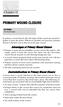 Chapter 11 PRIMARY WOUND CLOSURE KEY FIGURE: Everting skin edges In primary wound closure, the skin edges of the wound are sutured together to close the defect. Whenever possible and practical, primary
Laparoscopic Repair of Incisional Hernia. Maria B. ALBUJA-CRUZ, MD University of Colorado Department of Surgery-Grand Rounds
 Laparoscopic Repair of Incisional Hernia Maria B. ALBUJA-CRUZ, MD University of Colorado Department of Surgery-Grand Rounds Overview Definition Advantages of Laparoscopic Repair Disadvantages of Open Repair
Suffering from varicose veins? Patient Information. ELVeS Radial Minimally invasive laser therapy of venous insufficiency
 Suffering from varicose veins? Patient Information ELVeS Radial Minimally invasive laser therapy of venous insufficiency Do you suffer from heavy legs or visible veins? This makes diseases of the veins
Varicose veins - 1 -
 Varicose veins - 1 - Varicose Veins About 3 in 10 adults develop varicose veins at some time in their life. Most people with varicose veins do not have an underlying disease and they usually occur for
Complications of Femoral Catheterization. Daniel Kaufman, MD University Hospital of Brooklyn December 16, 2005
 Complications of Femoral Catheterization Daniel Kaufman, MD University Hospital of Brooklyn December 16, 2005 Case Presentation xx yr old female presents with fever, chills, and painful swelling of R groin
(English) NEXUS SPINE SPACER SYSTEM
 (English) NEXUS SPINE SPACER SYSTEM INDICATIONS FOR USE NEXUS Spine Spacer System, a GEO Structure is indicated for use in the thoraco-lumbar spine (i.e., T1 to L5) to replace a diseased vertebral body
Modern Varicose Vein Treatments: What Every Patient Should Know
 The Skin and Vein Center Oneonta Laser Derm & Day Spa Natural Good Looks and Leg Veins Our Specialty Dr Eric Dohner, MD 41-45 Dietz St Oneonta, NY 13820 607/431-2525 www.oneontalaserderm.com Modern Varicose
SHOULDER INSTABILITY. E. Edward Khalfayan, MD
 SHOULDER INSTABILITY E. Edward Khalfayan, MD Instability of the shoulder can occur from a single injury or as the result of repetitive activity such as overhead sports. Dislocations of the shoulder are
CURRICULUM VITAE. Alfonso Barnard Barragan, M.D. Suite 305 Monterey Park, CA 91754 (626)570-6920
 CURRICULUM VITAE NAME: BUSINESS ADRESS: Alfonso Barnard Barragan, M.D. 850 South Atlantic Blvd Suite 305 Monterey Park, CA 91754 (626)570-6920 DATE OF BIRTH: July 22, 1973 PLACE OF BIRTH: CITIZENSHIP:
Achilles Tendon Repair, Operative Technique
 *smith&nephew ANKLE TECHNIQUE GUIDE Achilles Tendon Repair, Operative Technique Prepared in Consultation with: C. Niek van Dijk, MD, PhD KNEE HIP SHOULDER EXTREMITIES Achilles Tendon Repair, Operative
Medicare C/D Medical Coverage Policy
 Varicose Vein Treatment Origination Date: June 1, 1993 Review Date: July 20, 2016 Next Review: July, 2018 Medicare C/D Medical Coverage Policy DESCRIPTION OF PROCEDURE OR SERVICE Varicose veins of the
Graft Flow Increases with Release of Stabilizing Device in Off-pump Coronary Surgery
 Original Article Graft Flow Increases with Release of Stabilizing Device in Off-pump Coronary Surgery Alistair G. Royse, MDBS, FRACS, 1,2 Colin F. Royse, MDBS, FANZCA, 1,3 and Christina T. Wong 1 Transit-time
Open Ventral Hernia Repair
 Ventral Hernias Open Ventral Hernia Repair UCSF Postgraduate Course in General Surgery Maui, HI March 21, 2011 Hobart W. Harris, MD, MPH Ventral Hernias: National Experience Occur following 11-23% of laparotomies,
Peripherally Inserted Central Catheter
 Peripherally Inserted Central Catheter (PICC) by Patricia Griffin Kellicker, BSN En Español (Spanish Version) Definition A peripherally inserted central catheter is a long, thin tube that is inserted through
ADVANCEMENTS IN PLANTAR FASCIA SURGERY
 C H A P T E R 3 3 ADVANCEMENTS IN PLANTAR FASCIA SURGERY James L. Bouchard, DPM Andrea Cass, DPM INTRODUCTION It has been estimated that 90% of patients with plantar fasciitis and heel spur syndrome get
A Patient s Guide to Minimally Invasive Abdominal Aortic Aneurysm Repair
 A Patient s Guide to Minimally Invasive Abdominal Aortic Aneurysm Repair Table of Contents The AFX Endovascular AAA System............................................ 1 What is an Abdominal Aortic Aneurysm
Informed Consent for Laparoscopic Vertical Sleeve Gastrectomy. Patient Name
 Informed Consent for Laparoscopic Vertical Sleeve Gastrectomy Patient Name Please read this form carefully and ask about anything you may not understand. I consent to have a laparoscopic Vertical Sleeve
VARICOSE VEINS. Information Leaflet. Your Health. Our Priority. VTE Ambulatory Clinic Stepping Hill Hospital
 VARICOSE VEINS Information Leaflet Your Health. Our Priority. Page 2 of 7 Varicose Veins There are no accurate figures for the number of people with varicose veins. Some studies suggest that 3 in 100 people
Management of Pacing Wires After Cardiac Surgery
 Management of Pacing Wires After Cardiac Surgery David E. Lizotte, Jr. PA C, MPAS, FAPACVS President, Association of Physician Assistants in Cardiovascular Surgery Conflicts: None Indications 2008 Journal
The main surgical options for treating early stage cervical cancer are:
 INFORMATION LEAFLET ON TOTAL LAPAROSCOPIC RADICAL HYSTERECTOMY (TLRH) FOR EARLY STAGE CERVICAL CANCER (TREATING EARLY STAGE CERVICAL CANCER BY RADICAL HYSTERECTOMY THROUGH KEYHOLE SURGERY) Aim of the leaflet
Hysterectomy. The time to take care of yourself
 Hysterectomy The time to take care of yourself The time to take care of yourself Women spend a lot of time taking care of others spouses, children, parents. We often overlook our own needs. But when our
Adult Forearm Fractures
 Adult Forearm Fractures Your forearm is made up of two bones, the radius and ulna. In most cases of adult forearm fractures, both bones are broken. Fractures of the forearm can occur near the wrist at
Email: [email protected] Web: www.surgicalskillstraining.com
 Email: [email protected] Web: www.surgicalskillstraining.com 1945 Scottsville RD, B-2, PMB 116 - Bowling Green, KY 42104-5817 KLC-Kentucky Limited Liability Company Program Catalog The Surgical
CURRICULUM VITAE. Michele Toby Sasmor, M.D.
 CURRICULUM VITAE NAME: ADDRESS: Michele Toby Sasmor, M.D. Office: RiverSong Plastic Surgery 21 Highland Ave Suite 3-4A Newburyport, Ma. 01950 Tel: (978) 462-8300 Fax: (978) 462-8301 PERSONAL DATA: Born:
Get the Facts, Be Informed, Make YOUR Best Decision. Pelvic Organ Prolapse
 Pelvic Organ Prolapse ETHICON Women s Health & Urology, a division of ETHICON, INC., a Johnson & Johnson company, is dedicated to providing innovative solutions for common women s health problems and to