
Clinical study of endoscopic treatment in patients with gastric varices
|
|
|
- Beryl Jennings
- 9 years ago
- Views:
Transcription
1 2012; 18: Clinical study of endoscopic treatment in patients with gastric varices Takayuki Nishi 1, Hiroyasu Makuuchi 1, Soji Ozawa 1, Hideo Shimada 1, Osamu Chino 1, Soichiro Yamamoto 1, Minoru Nakui 1, Akihito Kazuno 1 From 1986 through 2007, endoscopic injection sclerotherapy (EIS) was performed in 67 patients with gastric varices. The total number of treatment sessions was 213: emergency treatment, 16; elective treatment, 125; and prophylactic treatment, 72. Hemostasis was successfully achieved by EIS with Histoacryl blue in all patients who received emergency treatment. Good outcomes were also obtained in patients who underwent elective treatment and prophylactic treatment. The rate of recurrent bleeding was low. Esophageal varices may occur together with gastric varices. These varices serve as a collateral shunt from the portal venous system to the azygos vein and superior vena cava and drain into the left renal vein and inferior vena cava through the adrenal vein. Therefore, gastric varices should be treated at the same time as esophageal varices whenever possible. Sclerotherapy for gastric varices should be performed cautiously, bearing in mind that some varices have a rapid flow rate and large blood volume and that that blood flow cannot be blocked with an endoscopic balloon. EIS with sclerosants and Histoacryl is usually performed for the emergency treatment of actively bleeding gastric varices. EIS is also useful as follow-up treatment to ensure complete eradication of varices. It is important to completely eradicate gastric varices. The goals of treatment for gastric varices are complete eradication and the prevention of recurrence, similar to esophageal varices. KEY WORDS: gastric varices, EIS (endoscopic injection sclerotherapy), cyanoacrylate agents, Histoacryl Nishi T 1, Makuuchi H 1, Ozawa S 1, Shimada H 1, Chino O 1, Yamamoto S 1, Nakui M 1, Kazuno A 1 : Clinical study of endoscopic treatment in patients with gastric varices. JJPH 2012; 18: I. INTRODUCTION Esophageal varices are often treated by endoscopic injection sclerotherapy (EIS) and endoscopic variceal ligation (EVL), and these procedures are now routinely performed by endoscopists. In contrast, the treatment of gastric varices remains challenging. Standard techniques for treatment, including EIS and EVL, have not been established because gastric varices are usually very large and rupture can lead to life-threatening bleeding. Balloon-occluded retrograde transverse obliteration (B-RTO) also has various limitations1). There are some difficult cases that treat with B-RTO because of using massive EOI, having many collateral shunt from the portal venous system. We have long used endoscopic techniques to treat gastric varices2) and have established basic techniques. Good 1 Department of Digestive Surgery, School of Medicine, Tokai University, Boseidai, Isehara-shi, Kanagawa, Japan An abstract of this paper was presented at the 14th General Meeting of the Japan Society of Portal Hypertension in Beppu (2007). Manuscript received March 9, Manuscript reviced July 7, 2011 outcomes have been obtained. We describe our techniques for the endoscopic treatment of gastric varices and report outcomes in a series of patients. II. SUBJECTS AND METHODS Subjects The study group comprised 67 patients (46 men and 21 women) who underwent EIS for gastric varices at our department from 1986 through patients had fundal varices, 52 had cardial varices and 15 had both. 22 cases had red spot on varices in 67 cases. Their mean age was 60.0 years (range, 30 to 85). According to the Child-Pugh classification, liver function was Child class A in 40 patients, Child class B in 12, and Child class C in 15. The mean follow-up period was 8.2 months (range, 1 to 90). The mean number of sclerotherapy sessions was 3.2 per patient; the cumulative number of sessions was 213. Ethanol, Aethoxysclerol, ethanolamine oleate, and cyanoacrylate (Histoacryl blue, B/Braun Aesculap, Tuttlingen, Germany) were used for sclerotherapy. 2012; 18:

2 Sclerotherapy with Histoacryl 1 Preparation (1) An operator and at least two assistants, responsible for treating acute bleeding (2) An endoscope and devices used for sclerotherapy A flexible endoscope with a large aspiration channel that can be used to view the gastric cardia should be selected. Other required materials include a puncture needle (23 gauge), an endoscopic balloon, Histoacryl blue, physiologic saline solution, and thrombin. Massive bleeding can occur during the endoscopic treatment of gastric varices. First, a broad field of vision should be secured to successfully perform sclerotherapy. Recently, devices that allow the delivery of highvolume water jets have become available and are convenient. (3) An electrocardiographic monitor, a blood pressure monitor, a pulse oximeter, emergency medications, and intubation devices are also needed. A Sengstaken-Blakemore tube should also be available in the event of unsuccessful sclerotherapy. In patients with a high risk of bleeding, multiple vessels should be clipped. 2 Technique (1) Patients are placed in the left lateral position to prepare for hematemesis. One ampoule of scopolamine buthylbromide (Buscopan, Japan Boehringer Ingelheim Co., Hyogo, Japan) is given intramuscularly. (2) The throat is anesthetized adequately by applying lidocaine oral solution and spray (Xylocaine Viscous and Xylocaine Spray, AstraZeneca Co., Ltd., Osaka, Japan) several times. The endoscope is inserted slowly to avoid causing the vomiting reflex. (3) The lumen of the esophagus is washed with water and examined, while aspirating excess fluid, and the endoscope is inserted into the stomach after confirming the absence of bleeding from esophageal varices or other sites. The stomach is examined as the endoscope is inserted further. The duodenum is then examined. The scope is returned to the stomach and rotated to closely examine the angle, body, and cardia, and fundus of the stomach. If examination is precluded by blood clots in the gastric fundus, patients should be placed in the right lateral position. Blood clots are thereby moved to the gastric pylorus, facilitating examination of the gastric cardia. (4) Performance of sclerotherapy If gastric variceal bleeding is detected, a puncture needle (23 gauge) is filled with 1 polidocanol (Aethoxysclerol, Sakai Chemical Industry, Osaka, Japan) and is inserted into the variceal wall near the site of bleeding. Puncture sites in patients with variceal bleeding at the cardia along the lesser curvature of the stomach (Lg-c) or at the fundus (Lg-f, Lg-cf) are shown in Fig. 1. After confirming that the needle is properly inserted into the variceal wall, evaluated on the basis of blood reflux, 2 to 3 ml of dehydrated ethanol or 4 to 5 ml of ethanolamine oleate is injected. Then, the inside of the needle is washed with physiological saline solution, and 1 ml of physiological saline solution is aspirated into a 2-ml syringe. While turning the needle upward, 1 ampoule of Histoacryl (0.5 ml) is slowly aspirated and immediately injected. The needle is withdrawn on completion of the injection. (5) If it is unclear whether the intravenous injection was Bleeding site Bleeding site A: The injection site in patients with cardiac variceal bleeding located in the lesser curvature of the stomach (Lg-c) B: The injection site in patients with fundal variceal bleeding (Lg-f, Lg-cf). Injection site of first choice, Second choice when the initial injection is inadequate Fig. 1 Sclerotherapy with Histoacryl for gastric variceal bleeding (Makuuchi H: Sclerotherapy for gastric varices. Illustrated guide to sclerotherapy for esophageal varices. Igakushoin, Tokyo, 1988, ; Makuuchi H, Machimura T, Shimada H, et al: Special edition: esophagogastric varices 3. Treatment of gastric varices (2) emergency hemostasis. Clin Gastroenterol 1995; 10: ) ; 18: 19 25

3 properly performed, Histoacryl is injected after injecting 2 to 3 ml of 1 Aethoxysklerol. (6) Air and blood are aspirated from the stomach as extensively as possible, and the endoscope is removed. (7) Aluminum hydroxide plus magnesium hydroxide suspension (Maalox, Astellas Pharmaceutical Co., Ltd., Tokyo Japan), sodium alginate (Alloid G, Kaigen Co., Ltd., Osaka, Japan), and a proton-pump inhibitor are administered. (8) Additional sclerotherapy for gastric varices Intravariceal injection is repeated after 1 week. If blood reflux is evident, treatment is repeated as described above. After 2 weeks, 2 to 3 ml of 1 Aethoxysklerol is injected around the gastric cardia (Fig. 2). 3 Follow-up at outpatient clinic after sclerotherapy (1) Unlike the esophagus, aggressive factors such as hydrochloric acid and pepsin are present in the stomach. Therefore, antacids, mucosal protective agents, and proton-pump inhibitors are given continuously. (2) Endoscopy is performed at 6-month intervals to confirm the presence or absence of the recurrence of varices. If varices recur, additional sclerotherapy is performed immediately. (3) It is essential that liver function is maintained. Liver function is tested regularly, and liver-protective agents and amino-acid preparations are given. Patients should be instructed to intake a well-balanced diet, abstain from drinking alcohol, avoid overwork, and maintain a regular lifestyle. (4) Alpha-fetoprotein levels are measured and abdominal ultrasonography is performed at regular intervals to screen for liver cancer. III. RESULTS EIS was performed in 67 patients with gastric varices at our department. The number of initial treatment session was 67: emergency treatment, 10; elective treatment, 37, and prophylactic treatment, 20. The cumulative number of treatment sessions was 213: emergency treatment, 16; elective treatment, 125, and prophylactic treatment, 72. In all patients who received emergency treatment, hemostasis was successfully achieved by EIS with Histoacryl. However, 1 patient had recurrent bleeding after 2 days, and hemostasis was achieved by repeated sclerotherapy; however, the patient died of hepatic failure after 2 weeks. Among patients receiving elective treatment, 3 (2.4 ) had varices bleeding, and hemostasis was achieved by sclerotherapy. No patient died of bleeding. However, 1 patient with pancreatic cancer died after 9 months, and 1 patient with liver cancer died after 2 years. Among patients receiving prophylactic treatment, 2 (2.8 ) had recurrent bleeding at the second session of sclerotherapy, but hemostasis was achieved by sclerotherapy. No patient died of bleeding. However, 1 patient with liver cancer died after 1 year, and 1 patient with liver failure died after 2 years. Th First session: The thickest vein in punctured, and sclerotherapy is pe injection is further performed at 2 First session: The thickest vein in the gastric cardia is punctured, and sclerotherapy is performed. Intravariceal injection is further performed at 2 to 3 sites. Second session: Intravariceal inject Second session: Intravariceal injection is performed Third session: Aliquots of 3 ml of 1 Aethoxysklerol are injected at sites of folds. The site of puncture Fig. 2 Additional sclerotherapy for gastric variceal bleeding (Makuuchi H: Sclerotherapy for gastric varices. Illustrated guide to sclerotherapy for esophageal varices. Igakushoin, Tokyo, 1988, ; Makuuchi H, Machimura T, Shimada H, et al: Special edition: esophagogastric varices 3. Treatment of gastric varices (2) emergency hemostasis. Clin Gastroenterol 1995; 10: ) 2012; 18:

4 Many recurrent bleeding cases had intra mucosal venous dilatation (IMVD). We performed follow-up upper gastrointestinal endoscopy twice a year such cases and did additional EIS as soon as possible. IV. CASE PATIENT The patient was a 58-year-old man who was receiving treatment for type C hepatitis and liver cirrhosis. Followup upper gastrointestinal endoscopy revealed linear, small (F 1 ) varices with red-color signs at the right-side wall of the lower esophagus. When the scope was rotated in the stomach, nodular or tumorous (F 3 ) varices were seen in the gastric cardia (Fig. 3). Sclerotherapy with Histoacryl was performed to treat the gastric as well as esophageal varices (Fig. 4). Endoscopy performed after 2 weeks showed that the esophagogastric varices had become fibrous scar tissue, with no bleeding (Fig. 5). V. DISCUSSION EIS and EVL, now widely used to treat esophageal varices, have improved outcomes. Treatment strategies for esophageal varices have generally been established. However, gastric varices have a high risk of massive bleeding, which may be life threatening. Apart from EIS and EVL, B-RTO has been reported to be useful for the treatment of gastric varices. Sclerotherapy for gastric varices was first performed by Makuuchi. We perform EIS with Histoacryl, a cyanoacrylate agent, at our department. Obara et al. proposed that the ideal treatment for gastric varices should be safe, minimally invasive, very effective, and able to be completed within a short time, with no risk of recurrence. They reported that endoscopic treatment with cyanoacrylate agents meets these conditions 3) (Fig. 6). In 1987, Soehendra et al. first used Histoacryl to treat 4 patients with gastric varices and achieved stable hemostasis 4). In Japan, Suzuki et al. used Histoacryl in 2 patients with gastric variceal bleeding; hemostasis was achieved in both A B C D Fig. 3 Esophagogastric varices. A, B: Linear, small (F 1 ) varices of the esophagus, C, D: Cardiac varices (Lg-c) that are nodular or tumorous (F 3 ) ; 18: 19 25

5 A B C D Fig. 4 Sclerotherapy with Histoacryl for gastric varices. A B: Sclerotherapy with Histoacryl for cardiac varices (Lg-c). patients 5). Histoacryl requires 200 seconds to polymerize after contact with water, but polymerizes immediately after contact with blood. In contrast, Aron Alfa A (ToaGosei Co., Ltd., Tokyo, Japan), a cyanoacrylate agent, requires 5 to 20 seconds to polymerize after contact with water and 10 to 40 seconds to polymerize after contact with blood. Histoacryl is considered the most suitable agent for gastric varices with a large, rapid blood flow because it polymerizes instantly on contact with blood. Yamamoto et al. used this property of Histoacryl to develop the sandwich method, in which gastric varices are filled with physiological saline solution before and after the injection of Histoacryl 6). In patients that require emergency therapy for acute gastric variceal bleeding, Histoacryl can be 7, 8). used as first-line treatment Because esophageal and gastric varices serve as a collateral shunt from the portal venous system to the azygos vein and superior vena cava, these varices are likely to occur together. Makuuchi et al. reported that 202 (48.4 ) of 431 patients with esophageal varices (excluding 14 patients who were lost to follow-up) also had gastric varices. Moreover, 42 (34.7 ) of 138 patients who had esophageal varices with a history of bleeding (excluding 17 patients who were lost to follow-up) had gastric variceal bleeding 9). These findings show that esophageal varices are closely related to gastric varices and that the risk of complications such as bleeding is increased in patients with both types of varices. In patients with gastric varices complicated by esophageal varices, it is essential that the esophageal varices are also treated. Basically, treatment for gastric varices involves intravariceal injection to eradicate the varices and submucosal injection to 2012; 18:

6 A B C D Fig. 5 Esophagogastric varices after sclerotherapy. A, B: Esophageal varices after sclerotherapy, C, D: Cardiac varices (Lg-c) after sclerotherapy. prevent recurrence, similar to esophageal varices. However, the following differences from esophageal varices should be borne in mind when sclerotherapy is performed for gastric varices: (1) gastric varices usually have a large, rapid blood flow, and (2) blood flow cannot be blocked in gastric varices. Treatment techniques for gastric varices include (1) the reflux method, in which the esophageal varix is punctured, and the sclerosant is allowed to reflux into the gastric varix, with the help of an endoscopic balloon; and the direct puncture method, in which the endoscope is rotated, the needle is inserted directly into the gastric varix, and the sclerosant is injected. The following precautions should be taken when performing sclerotherapy for gastric varices: (1) Esophageal varices should be treated at the same time as gastric varices. (2) Cardiac varices (Lg-c) located inferior to the esophagogastric junction can be treated by the regurgitation method after esophageal varices are punctured. (3) Varices located far from the esophagogastric junction (Lg-cf) and fundal varices (Lg-f) should be treated by the direct puncture method (Fig. 2). (4) Varices with slow blood flow can be treated by sclerotherapy with 5 ethanolamine oleate or dehydrated ethanol. (5) Sclerotherapy with Histoacryl should be used to treat varices with rapid blood flow. (6) Similar to esophageal varices, the goals of treatment for gastric varices are complete eradication of the varices and the promotion of fibrosis from the gastric cardia to the fundus (Fig. 3). VI. CONCLUSIONS 1. Various treatments can be used to manage gastric varices. EIS with Histoacryl is the treatment of first choice for acute bleeding from gastric varices. 2. B-RTO or EIS is usually performed as additional treatment. We recommend EIS. 3. The ultimate goals of treatment for gastric varices are complete eradication and the prevention of recurrence, similar to esophageal varices ; 18: 19 25

7 Patients with variceal bleeding Patients receiving elective andprophylactic treatment Renal-vein shunt (-) or (+) Shunt-induced encephalopathy (-) Renal-vein shunt (+) Shunt-induced encephalopathy (+) Good liver function Splenectomy required Varices 12 mm or more in diameter BRTO (+splenic arterialembolization) Endoscopic treatment Combination of CA and EO EVL + EIS Sclerotherapy with CA during occlusion of the gastro-renal shunt (SO-EIS) Hassab's operation Severe liver dysfunction CA, EVLs *CA: cyanoacrylate, EO: ethanolamine oleate, EVL: endoscopic variceal ligation, EIS: endoscopic injection sclerotherapy, SO-EIS: shunt-occluded endoscopic injection sclerotherapy, B-RTO: balloon-occluded retrograde transvenous obliteration. Fig. 6 Treatment Strategies for Gastric Varices*. This figure was presented at the symposium Treatment Strategies for Gastric Varices, which was chaired by Katsutoshi Obara and Nobuo Murata, at the Japan Digestive Disease Week held in 2004 (Fukuoka). REFERENCES 1 Obara K: Gastric varices: EIS vs. B-RTO. Jpn J Portal Hypertens 2006; 12: Mitomi T, Tanaka Y, Makuuchi H: Treatment of esophagogastric variceal bleeding. Surg Diagn & Treat 1983; 25: Obara K: The best treatment for gastric varices. Jpn J Portal Hypertens 1999; 5: Soehendra, N, Grimm H, Nam VC, et al: N-butyl-2- cyanoacrylate: a supplement to endoscopic sclerotherapy. Endoscopy 1987; 19: Suzuki H, Yamamoto M, Chibai M, et al: Sclerotherapy with Histoacryl for gastric varices: progress in gastrointestinal endoscopy 1988; 33: Yamamoto M, Suzuki H, Chibai M, et al: Endoscopic sclerotherapy with Histoacryl. Gastrointest Endosc 1989; 1: Obara K: Current status of treatment for gastric varices: treatment of gastric varices. Gastroenterol Endosc 2005; 47: Obara K, Sakamoto H, Takiguchi F, et al: Emergency and elective sclerotherapy for cardiac variceal (Lg-c, Lg-cf) bleeding. Gastrointest Endosc 1991; 3: Makuuchi H, Machimura T, Mizutani G, et al: Clinical significance of sclerotherapy for gastric varices. Gastrointest Endosc 1991; 3: Makuuchi H: Sclerotherapy for gastric varices. Illustrated guide to sclerotherapy for esophageal varices. Igakushoin, Tokyo, 1988, Makuuchi H, Machimura T, Shimada H, et al: Special edition: esophagogastric varices 3. Treatment of gastric varices (2) emergency hemostasis. Clin Gastroenterol 1995; 10: ; 18:

POEM Procedure for. Esophageal Achalasia
 POEM Procedure for Esophageal Achalasia POEM (Per-Oral endoscopic myotomy) is an incisionless procedure to treat esophageal achalasia, totally performed by endoscopy, without cutting the surface of the
Gastrointestinal Bleeding
 Gastrointestinal Bleeding Introduction Gastrointestinal bleeding is a symptom of many diseases rather than a disease itself. A number of different conditions can cause gastrointestinal bleeding. Some causes
Endoscopic Treatment of Bleeding Peptic Ulcers Panagiotis Katsinelos, MD, PhD
 Endoscopic Treatment of Bleeding Peptic Ulcers Panagiotis Katsinelos, MD, PhD Department of Endoscopy and Motility Unit G. Gennimatas General Hospital of Thessaloniki Endoscopic diagnosis for UGI bleeding
CLINICAL CONSEQUENCES OF PORTAL HYPERTENSION
 Página 1 de 10 CLINICAL CONSEQUENCES OF PORTAL HYPERTENSION Part of "11 - PORTAL HYPERTENSION" The portal hypertensive syndrome is responsible for many of the manifestations of advanced, decompensated
MANAGEMENT OF LIVER CIRRHOSIS
 MANAGEMENT OF LIVER CIRRHOSIS Information Leaflet Your Health. Our Priority. Page 2 of 6 What is cirrhosis? Cirrhosis is a result of long-term, continuous damage to the liver and may be due to many different
GI Bleeding. Thomas S.Foster,Pharm.D. PHR 961 Integrated Therapeutics
 GI Bleeding Thomas S.Foster,Pharm.D. PHR 961 Integrated Therapeutics Overview Because GI bleeding is internal, it is possible for a person to have GI bleeding without symptoms. Important to recognize
Learning Luncheon 7: Endoscopic Mucosal Resection: When, Where and How?
 Endoscopic Mucosal Resection (EMR): When, Where, and Charles J. Lightdale, MD Columbia University New York, NY Endoscopic Mucosal Resection (EMR) EMR developed for removal of sessile or flat neoplasms
Endoscopy and infection: Prevention of infection during endoscopy Treatment of infection by endoscopy. M. Arvanitakis SRBG June 2009
 Endoscopy and infection: Prevention of infection during endoscopy Treatment of infection by endoscopy M. Arvanitakis SRBG June 2009 Outline Antibiotic prophylaxis during endoscopy Upper GI endoscopy Lower
2016 Quick Reference Coding Chart
 43197 Trans nasal esophagoscopy 43198 Biospy Trans Nasal Esophagoscopy Esophagoscopy 43200 Esophagoscopy Includes collection of specimen(s) by brushing or washing, when performed. 43201 Submucosal injection
PATIENT CONSENT TO PROCEDURE - ROUX-EN-Y GASTRIC BYPASS
 As a patient you must be adequately informed about your condition and the recommended surgical procedure. Please read this document carefully and ask about anything you do not understand. Please initial
Magnetic Anchor for More Effective Endoscopic Mucosal Resection
 Jpn J Clin Oncol 2004;34(3)118 123 Magnetic Anchor for More Effective Endoscopic Mucosal Resection Toshiaki Kobayashi 1, Takushi Gotohda 1, Katsunori Tamakawa 2, Hirohisa Ueda 3 and Tadao Kakizoe 1 1 National
X-Plain Subclavian Inserted Central Catheter (SICC Line) Reference Summary
 X-Plain Subclavian Inserted Central Catheter (SICC Line) Reference Summary Introduction A Subclavian Inserted Central Catheter, or subclavian line, is a long thin hollow tube inserted in a vein under the
CPT COD1NG UPDATES Gastroenterology CPT Advisors
 2014 CPT COD1NG UPDATES Gastroenterology CPT Advisors Joel V. Brill, MD, AGA CPT Advisor Daniel C. DeMarco, MD, ACG CPT Advisor Glenn D. Littenberg, MD, ASGE CPT Advisor The American College of Gastroenterology
Endoscopic mucosal resection for treatment of early gastric cancer
 Gut 2001;48:225 229 225 Endoscopic mucosal resection for treatment of early gastric cancer H Ono, H Kondo, T Gotoda, K Shirao, H Yamaguchi, D Saito, K Hosokawa, T Shimoda, S Yoshida Department of Endoscopy
AASLD PRACTICE GUIDELINES Prevention and Management of Gastroesophageal Varices and Variceal Hemorrhage in Cirrhosis
 AASLD PRACTICE GUIDELINES Prevention and Management of Gastroesophageal Varices and Variceal Hemorrhage in Cirrhosis Guadalupe Garcia-Tsao, 1 Arun J. Sanyal, 2 Norman D. Grace, 3 William Carey, 4 and the
Medicare C/D Medical Coverage Policy
 Varicose Vein Treatment Medicare C/D Medical Coverage Policy Origination Date: June 1, 1993 Review Date: September 16, 2015 Next Review: September, 2017 DESCRIPTION OF PROCEDURE OR SERVICE Varicose veins
Gallbladder Diseases and Problems
 Gallbladder Diseases and Problems Introduction Your gallbladder is a pear-shaped organ under your liver. It stores bile, a fluid made by your liver to digest fat. There are many diseases and problems that
Figure 1. Location of liver in the body. Figure 2. Clinical manifestations of portal hypertension
 Portal Hypertension: Introduction As early as the 17th century, it was realized that structural changes in the portal circulation could cause gastrointestinal bleeding. In 1902, Gilbert and Carnot introduced
1. Utility of transradial approach in endovascular management of chronic mesenteric ischemia
 PUBLICATIONS, ABSTRACTS AND PRESENTATIONS : 1. Utility of transradial approach in endovascular management of chronic mesenteric ischemia 2. Endovascular management of the suprarenal IVC agenesis 3. The
Use of stents in esophageal cancer" Hans Gerdes, M.D. Director, GI Endoscopy Unit Memorial Sloan-Kettering Cancer Center
 Use of stents in esophageal cancer" Hans Gerdes, M.D. Director, GI Endoscopy Unit Memorial Sloan-Kettering Cancer Center Features of esophageal cancer Esophageal cancer is an abnormal growth that arises
These parameters cannot, at the present time, be determined by non-invasive imaging techniques.
 Endoscopic Mucosal Resection for Upper Gastrointestinal Lesions Kenneth K. Wang, M.D. Chairman, WEO Publication and Guidelines Committee Professor of Medicine, Mayo Clinic Rochester, Minnesota Upper gastrointestinal
Optimal Management of Splenic/Portal Vein Thrombosis. David Mauchley University of Colorado
 Optimal Management of Splenic/Portal Vein Thrombosis David Mauchley University of Colorado Overview Portal Vein Thrombosis (PVT) Etiology Presentation/Clinical Aspects Diagnosis Management Cirrhotic vs.
Consent for Treatment/Procedure Laparoscopic Sleeve Gastrectomy
 Patient's Name: Today's Date: / / The purpose of this document is to confirm, in the presence of witnesses, your informed request to have Surgery for obesity. You are asked to read the following document
Summary of the risk management plan (RMP) for Ofev (nintedanib)
 EMA/738120/2014 Summary of the risk management plan (RMP) for Ofev (nintedanib) This is a summary of the risk management plan (RMP) for Ofev, which details the measures to be taken in order to ensure that
Endoscopic Resection for Barrett s Esophagus and Early Cancer 2014 Masters of Minimally Invasive Surgery
 Endoscopic Resection for Barrett s Esophagus and Early Cancer 2014 Masters of Minimally Invasive Surgery Matthew Hartwig, M.D. Duke Cancer Institute Case Presentation: Patient ER 51 y/o man with schizophrenia
Presence and extent of fatty liver or other metabolic liver diseases
 UC San Diego Health System Patient Information Sheet: Liver Biopsy What is a Liver Biopsy? A liver biopsy is a procedure where a qualified doctor (typically a hepatologist, radiologist or gastroenterologist)
June 11, 2015 Tim Halterman
 June 11, 2015 Tim Halterman Defini&on Histologic change + loss of liver function Derives from Greek word kirrhos meaning yellow, tawny First named by Rene Laennec in 1819 Laennec s cirrhosis=alcoholic
What are spider veins? What is the best treatment for spider veins?
 Laser Spider/Leg Vein Q & A What are spider veins? Millions of women and men are bothered by unsightly spider veins on their faces and legs. Spider veins or telangiectasias are those small red, blue and
Patient Information Guide for the ReShape Procedure
 Patient Information Guide for the ReShape Procedure Please review this information before your procedure. Please talk to your doctor if you have any questions or do not understand any of this information.
Chapter 6 Gastrointestinal Impairment
 Chapter 6 Gastrointestinal This chapter consists of 2 parts: Part 6.1 Diseases of the digestive system Part 6.2 Abdominal wall hernias and obesity PART 6.1: DISEASES OF THE DIGESTIVE SYSTEM Diseases of
GASTROESOPHAGEAL REFLUX DISEASE (GERD)
 GASTROESOPHAGEAL REFLUX DISEASE (GERD) Gastroesophageal reflux disease is a clinical scenario where the gastric or duodenal contents reflux back up into the esophagus. Reflux esophagitis, however, is a
Inferior Vena Cava filter and removal
 Inferior Vena Cava filter and removal What is Inferior Vena Cava Filter Placement and Removal? An inferior vena cava filter placement procedure involves an interventional radiologist (a specialist doctor)
Flushing and Dressing a Peripherally Inserted Central Catheter (PICC Line): a Guide for Nurses
 Flushing and Dressing a Peripherally Inserted Central Catheter (PICC Line): a Guide for Nurses Information for Nurses Introduction This information is for community nursing staffs who have been asked to
The digestive system. Medicine and technology. Normal structure and function Diagnostic methods Example diseases and therapies
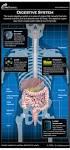 The digestive system Medicine and technology Normal structure and function Diagnostic methods Example diseases and therapies The digestive system An overview (1) Oesophagus Liver (hepar) Biliary system
The degree of liver inflammation or damage (grade) Presence and extent of fatty liver or other metabolic liver diseases
 ilearning about your health Liver Biopsy www.cpmc.org/learning What is a Liver Biopsy? A liver biopsy is a procedure where a specially trained doctor (typically a hepatologist, radiologist, or gastroenterologist)
By Anne C. Travis, M.D., M.Sc. and John R. Saltzman, M.D., FACG Brigham and Women's Hospital Harvard Medical School Boston, MA
 SMALL BOWEL BLEEDING: CAUSES, DIAGNOSIS AND TREATMENT By Anne C. Travis, M.D., M.Sc. and John R. Saltzman, M.D., FACG Brigham and Women's Hospital Harvard Medical School Boston, MA 1. What is the small
Spotlight Series: Interventional Radiology. Varicose Veins and Venous Insufficiency
 Spotlight Series: Interventional Radiology Varicose Veins and Venous Insufficiency What is venous insufficiency? Spectrum of Disease Spider veins and telangiectasias Small reddish and purple veins near
Facing Pancreatic Surgery? Learn about minimally invasive da Vinci Surgery
 Facing Pancreatic Surgery? Learn about minimally invasive da Vinci Surgery The Condition: Pancreatitis/Pancreatic Cancer The pancreas is an organ that produces enzymes and hormones to help your body digest
The University of Hong Kong Department of Surgery Division of Esophageal and Upper Gastrointestinal Surgery
 Program Overview The University of Hong Kong Department of Surgery Division of Esophageal and Upper Gastrointestinal Surgery Weight Control and Metabolic Surgery Program The Weight Control and Metabolic
How to Effectively Code for Endoscopic Procedures in Gastroenterology
 How to Effectively Code for Endoscopic Procedures in Gastroenterology Ariwan Rakvit, MD Associate Professor Interim Chief, Division of Gastroenterology Texas Tech University Health Science Center All rights
The Captivator II Snares are the first line of stiff and rounded snares available in multiple sizes with both a hot and cold snaring indication.
 Captivator II Single-Use Snares The Captivator II Snares are the first line of stiff and rounded snares available in multiple sizes with both a hot and cold snaring indication. The Captivator II Snare
Surgical Weight Loss. Mission Bariatrics
 Surgical Weight Loss Mission Bariatrics Obesity is a major health problem in the United States, with more than one in every three people suffering from this chronic condition. Obese adults are at an increased
You have been advised by your GP or hospital doctor to have an investigation known as a Gastroscopy.
 Gastroscopy (OGD) The Procedure Explained You have been advised by your GP or hospital doctor to have an investigation known as a Gastroscopy. This procedure requires your formal consent. If you are unable
LIVER CANCER AND TUMOURS
 LIVER CANCER AND TUMOURS LIVER CANCER AND TUMOURS Healthy Liver Cirrhotic Liver Tumour What causes liver cancer? Many factors may play a role in the development of cancer. Because the liver filters blood
Undergoing an Oesophageal Endoscopic Resection (ER)
 Contact Information If you have an enquiry about your appointment time/date please contact the Booking Office on 0300 422 6350. For medication enquiries please call 0300 422 8232, this is an answer machine
An introduction to the principles and practice of safe and effective administration of injections
 An introduction to the principles and practice of safe and effective administration of injections Introduction Giving an injection safely is considered to be a routine nursing activity. However it requires
Surgical Options for Venous Disease. Sandra C Carr MD Vascular Surgery Meriter Wisconsin Heart
 Surgical Options for Venous Disease Sandra C Carr MD Vascular Surgery Meriter Wisconsin Heart Chronic Venous Disease Approximately 23% of adults in the US have varicose veins Estimated 22 million women
Medicare C/D Medical Coverage Policy
 Varicose Vein Treatment Origination Date: June 1, 1993 Review Date: July 20, 2016 Next Review: July, 2018 Medicare C/D Medical Coverage Policy DESCRIPTION OF PROCEDURE OR SERVICE Varicose veins of the
Evaluation and Prognosis of Patients with Cirrhosis
 Evaluation and Prognosis of Patients with Cirrhosis Marion G. Peters, MD John V. Carbone, MD, Endowed Chair Professor of Medicine Chief of Hepatology Research University of California San Francisco Recorded
The Anorexic Cat For this reason, any cat that stops eating for any reason is considered an emergency situation.
 The Anorexic Cat Introduction Any cat that stops eating (anorexic) or begins to eat much less than their normal amount should be seen by a veterinarian right away. The primary reason why a cat stops eating
Intraoperative Prevention of Stenosis for Laparoscopic Sleeve Gastrectomy
 CASE REPORT Intraoperative Prevention of Stenosis for Laparoscopic Sleeve Gastrectomy Ramon Vilallonga, MD, PhD, Jacques Himpens, MD Division of Bariatric Surgery, AZ St. Blasius, Dendermonde, Belgium
RENAL ANGIOMYOLIPOMA EMBOLIZATION
 RENAL ANGIOMYOLIPOMA EMBOLIZATION The information about renal angiomyolipomas on the next several pages includes questions commonly asked about the embolization procedure. Please take a few moments to
PROVIDER POLICIES & PROCEDURES
 PROVIDER POLICIES & PROCEDURES SCLEROTHERAPY TREATMENT OF SUPERFICIAL VARICOSE VEINS OF THE LEGS The purpose of this document is to provide guidance to providers enrolled in the Connecticut Medical Assistance
Medical Nutrition Therapy for Upper Gastrointestinal Tract Disorders. By: Jalal Hejazi PhD, MSc.
 Medical Nutrition Therapy for Upper Gastrointestinal Tract Disorders By: Jalal Hejazi PhD, MSc. Digestive Disorders Common problem; more than 50 million outpatient visits per year Dietary habits and nutrition
The Whipple Procedure. Sally Hodges, Ph.D.(c) Given the length and difficulty of the procedure, regardless of the diagnosis, certain
 The Whipple Procedure Sally Hodges, Ph.D.(c) Preoperative procedures Given the length and difficulty of the procedure, regardless of the diagnosis, certain assurances must occur prior to offering a patient
What is Barrett s esophagus? How does Barrett s esophagus develop?
 Barrett s Esophagus What is Barrett s esophagus? Barrett s esophagus is a pre-cancerous condition affecting the lining of the esophagus, the swallowing tube that carries foods and liquids from the mouth
Center for Endoscopic Research & Therapeutics
 Center for Endoscopic Research & Therapeutics 5758 South Maryland Avenue (MC9028) Chicago, Illinois 60637 (773) 702-1459 www.uchospitals.edu Center for Endoscopic Research & Therapeutics To refer a patient
Catheter Embolization and YOU
 Catheter Embolization and YOU What is catheter embolization? Embolization therapy is a minimally invasive (non-surgical) treatment that occludes or blocks one or more blood vessels or vascular channels
Laparoscopic Anti-Reflux (GERD) Surgery Patient Information from SAGES
 Laparoscopic Anti-Reflux (GERD) Surgery Patient Information from SAGES Surgery for "Heartburn" If you suffer from moderate to severe "heartburn" your surgeon may have recommended Laparoscopic Antireflux
X-Plain Chemotherapy for Breast Cancer - Adriamycin, Cytoxan, and Tamoxifen Reference Summary
 X-Plain Chemotherapy for Breast Cancer - Adriamycin, Cytoxan, and Tamoxifen Reference Summary Introduction Breast cancer is a common condition that affects one out of every 11 women. Your doctor has recommended
Recanalized Umbilical Vein in the Presence of Cirrhosis-Induced Portal Hypertension
 Recanalized Umbilical Vein in the Presence of Cirrhosis-Induced Portal Hypertension Audrey Galey RDMS, RVT, Mary Grace Renfro RDSM, RVT, Lindsey Simon, RVT March 22, 2013 2 Abstract A recanalized umbilical
ENDOSCOPIC ULTRASOUND (EUS)
 ENDOSCOPIC ULTRASOUND (EUS) What you need to know before your procedure Your Doctor has decided that an EUS is necessary for further evaluation and treatment of your condition. This information sheet has
Evolution of Barrett s esophagus
 Endoscopic Treatment and Surveillance of Esophageal Cancer: GI Perspective Charles J. Lightdale, MD Columbia University New York, NY Evolution of Barrett s esophagus Squamous esophagus Chronic inflammation
Cancer of the Cardia/GE Junction: Surgical Options
 Cancer of the Cardia/GE Junction: Surgical Options Michael A Smith, MD Associate Chief Thoracic Surgery Center for Thoracic Disease St Joseph s Hospital and Medical Center Phoenix, AZ Michael Smith, MD
Diseases of peritoneum Lect. Al Qassim University, Faculty of Medicine Phase II Year III, CMD 332 Pathology Department 31-32
 Diseases of peritoneum Lect Al Qassim University, Faculty of Medicine Phase II Year III, CMD 332 Pathology Department 31-32 Describe the etiology, pathogenesis and types of peritonitis Define ascites and
Patient Information Understanding Varicose Veins
 Patient Information Understanding Varicose Veins The Circulatory System Arteries carry oxygenated blood to your legs and the veins carry de-oxygenated blood away from your legs. The blood returns to the
Overview of Bariatric Surgery
 Overview of Bariatric Surgery To better understand how weight loss surgery works, it is helpful to know how the normal digestive process works. As food moves along the digestive tract, special digestive
Dept. of Medical Imaging University of Ottawa
 ED Visits Related to Bariatric Surgery: Review of Normal Post-Surgical Anatomy as Well as Complications Dept. of Medical Imaging University of Ottawa Disclosures Background Roux-en-Y Gastric Bypass Surgery
Chemoembolization for Patients with Pancreatic Neuroendocrine Tumours
 Chemoembolization for Patients with Pancreatic Neuroendocrine Tumours What is this cancer? Pancreatic Endocrine Tumours are also called Pancreatic Neuroendocrine Tumours. This cancer is rare and it starts
Medical Coverage Policy Treatment for Varicose Veins-PREAUTH
 Medical Coverage Policy Treatment for Varicose Veins-PREAUTH Device/Equipment Drug Medical Surgery Test Other Effective Date: 9/1/2001 Policy Last Updated: 12/20/2011 Prospective review is recommended/required.
ERBEJET 2. The versatility of waterjet surgery: ERBEJET 2 with hybrid instruments WATERJET SURGERY
 ERBEJET 2 The versatility of waterjet surgery: ERBEJET 2 with hybrid instruments WATERJET SURGERY Gentle interventions in surgery and endoscopy Waterjet surgery with hybrid technology Waterjet surgery
Bile Duct Diseases and Problems
 Bile Duct Diseases and Problems Introduction A bile duct is a tube that carries bile between the liver and gallbladder and the intestine. Bile is a substance made by the liver that helps with digestion.
Captivator II. Single-Use Snares
 Captivator II Single-Use Snares Captivator II Snares are the first line of stiff and rounded snares available in multiple sizes with both a hot and cold snaring indication. The Captivator II Snare line
A Guide for Patients Living with a Biliary Metal Stent
 A Guide for Patients Living with a Biliary Metal Stent What is a biliary metal stent? A biliary metal stent (also known as a bile duct stent ) is a flexible metallic tube specially designed to hold your
Surgeon and Radiological Services Billing for Laparoscopic Adjustable Gastric Band Procedures
 Surgeon and Radiological Services Billing for Laparoscopic Adjustable Gastric Band Procedures Table 1: Surgeon Billing for Laparoscopic Adjustable Gastric Band Procedures 2012 Medicare Payment 2 43770
UW MEDICINE PATIENT EDUCATION. Xofigo Therapy. For metastatic prostate cancer. What is Xofigo? How does it work?
 UW MEDICINE PATIENT EDUCATION Xofigo Therapy For metastatic prostate cancer This handout explains how the drug Xofigo is used to treat metastatic prostate cancer. What is Xofigo? Xofigo is a radioactive
BARIATRIC SURGERY MAY CURE TYPE 2 DIABETES IN SOME PATIENTS
 BARIATRIC SURGERY MAY CURE TYPE 2 DIABETES IN SOME PATIENTS Thomas Rogula MD, Stacy Brethauer MD, Bipand Chand MD, and Philip Schauer, MD. "Gastric bypass surgery has become a popular option for obese
How to report Upper GI EMR/ESD specimens
 Section of Pathology and Tumour Biology How to report Upper GI EMR/ESD specimens Dr.H.Grabsch Warning. Most of the criteria, methodologies, evidence presented in this talk are based on studies in early
Surveillance for Hepatocellular Carcinoma
 Surveillance for Hepatocellular Carcinoma Marion G. Peters, MD John V. Carbone, MD, Endowed Chair Professor of Medicine Chief of Hepatology Research University of California San Francisco Recorded on April
THE KIDNEY. Bulb of penis Abdominal aorta Scrotum Adrenal gland Inferior vena cava Urethra Corona glandis. Kidney. Glans penis Testicular vein
 29 THE KIDNEY 9. Recurrent urinary tract infections Recurrent urinary tract infections The urinary tract consists of the urethra, the bladder, the ureters, the kidneys and in men the prostate gland. An
Flexible sigmoidoscopy the procedure explained Please bring this booklet with you
 Flexible sigmoidoscopy the procedure explained Please bring this booklet with you Exceptional healthcare, personally delivered Introduction You have been advised by your GP or hospital doctor to have an
LIVER TUMORS PROFF. S.FLORET
 LIVER TUMORS PROFF. S.FLORET NEOPLASM OF LIVER PRIMARY 1)BENIGN 2)MALIGNANT METASTATIC/SECONDARY LIVER Primary Liver Cancer the Second Killer among tumors high morbidity and mortality(20.40/100,000) etiology
Digestive System. Gross Anatomy and Physiology
 Digestive System Gross Anatomy and Physiology I. Introduction A. Base Function: Working with the circulatory system the digestive system provides the body with fuel. B. Main players: 1. Digestive tract:
Perfalgan 10 mg/ml, solution for infusion
 PACKAGE LEAFLET: INFORMATION FOR THE USER Perfalgan 10 mg/ml, solution for infusion Paracetamol Read all of this leaflet carefully before you start using this medicine. Keep this leaflet. You may need
Gastroscopy the procedure explained
 Gastroscopy the procedure explained Exceptional healthcare, personally delivered Introduction You have been advised by your GP or hospital doctor to have an investigation known as a gastroscopy (OGD).
Digestive System AKA. GI System. Overview. GI Process Process Includes. G-I Tract Alimentary Canal
 Digestive System AKA G-I Tract Alimentary Canal Overview GI System Consists of Mouth, pharynx, esophagus, stomach, small intestine, large intestine, anus About 30 in length Accessory Organs Teeth, tongue,
Informed Consent for Laparoscopic Roux en Y Gastric Bypass. Patient Name
 Informed Consent for Laparoscopic Roux en Y Gastric Bypass Patient Name Please read this form carefully and ask about anything you may not understand. I consent to have a laparoscopic Roux en Y Gastric
Billing Guideline. Subject: Colorectal Cancer Screening Exams (Invasive Procedures) Effective Date: 1/1/2012 Last Update Effective: 4/16
 Subject: Colorectal Cancer Screening Exams (Invasive Procedures) Effective Date: 1/1/2012 Last Update Effective: 4/16 Billing Guideline Background Health First administers benefit packages with full coverage
HOW I DO IT Endoscopic mucosal resection (EMR) in the esophagus
 HOW I DO IT (EMR) in the esophagus AUTHORSHIP How I do it: Horst Neuhaus, MD Department of Internal Medicine Evangelisches Krankenhaus Düsseldorf Germany Comment Hiroyasu Makuuchi, MD Professor and Chairman