
Manual for Forest Pest Control (Category 2)
|
|
|
- Justina Waters
- 9 years ago
- Views:
Transcription
1 Manual for Forest Pest Control (Category 2) PAT- 2 Kentucky Forests Kentucky is 3rd in the Nation in hardwood production. Over 45% of the state s land surface (over 11 million acres) is forested. Kentucky lies in a transition zone between northern and southern forests. There are about 100 native species, about 50% have some commercial value and use. Threats to Kentucky forests from exotic invasive plants, animals, and pathogens have increased the need for people trained and certified in forest pest control.

2 Introduction Kentucky s forests are dominated by deciduous or hardwood trees. Hardwoods comprise over 90% of the marketable timber volume, about half of that is various oak species. The top three lumber species are white oak, yellow poplar and red oak. The hardwood species found on any given land parcel vary with geographic location and site factors, such as aspect and soil depth, moisture, and structure. Past land use, harvesting practices, and fire history also affect species composition. Certain tree associations appear often and are classified as forest types. The principal hardwood forest types recognized by the US Forest Service in Kentucky are oak-hickory (over 4,700,000 acres), and mixed hardwoods (over 4,000,000 acres). Other hardwood forest types, which may be very important locally, are white oak, maple-beech, oak-gum-cypress, and elm-ash-cottonwood. Conifers, including pines, redcedar, hemlock, and cypress, comprise less than 10% of the forest resource. Redcedar and Virginia pine are widely distributed and have considerable local economic importance. The pines are particularly important in and near the cliff section of the Cumberland Plateau in eastern Kentucky. In addition, forest plantations, consisting of various species of pine, have been established thorough out the state. Principles of Forest Pest Management An understanding of pest identification and biology, along with good forest management practices, are key elements in preventing or reducing losses to pests. Use of a combination of methods in an integrated pest management (IPM) program provides a sound approach to forest health. IPM is discussed in the Applying Pesticides Correctly core manual. A key part of pest management is to use a pesticide only when it is needed to prevent an unacceptable amount of damage. Use of a pesticide may not be justified if the cost of control or potential harm to the environment is greater than the estimated damage or loss. Pest monitoring should be a part of an overall forest management plan. It can allow early detection and accurate assessment of infestations. In many cases, sound long-term production practices can minimize the need for pesticide applications. When pest outbreaks occur, suitable management alternatives will vary with the specific pest, or pest complex, and will consider damage potential, control costs and benefits, and legal, environmental, and social factors. Insect pheromones are chemicals that members of a species use to communicate with each other. Females of many species produce sex pheromones that attract males for mating. Traps baited with pheromone lures can be used to survey for invasive insects, or in some cases, to control limited infestations. These traps are used each summer in Kentucky to monitor for the gypsy moth. (right) Management decisions should consider potential pest impacts on the environment. Will the problem increase, decrease, or remain the same over time? What type of damage can occur and how many trees will be affected? What will be the long term impact of the pest on trees and the environment? For example, the southern pine beetle damages the cambium layer and introduces fungi that almost always kill the tree. However, many trees can recover from an almost total leaf loss from caterpillars in a single season without a long term impact on health. Insect outbreaks that last for several years can cause severe stress that will kill trees or make them susceptible to other problems. Before choosing a control method(s): 1. Correctly identify the organism. 2. Assess the infestation and determine the potential economic damage. 3. Determine the available control methods. 4. Evaluate the benefits and risks of each method or combination of methods. 5. Are there threatened or endangered species or sensitive sites in the area to be treated? 6. Choose effective method(s) that will be least harm to humans and the environment. 7. Follow applicable local, state and federal regulations. 2

3 8. Correctly carry out the control practice(s) and keep accurate records so results can be evaluated. A pesticide application may be needed to control a pest outbreak or to eradiate limited infestations of an invasive species. Select and use pesticides in a manner that will cause the least harm to non-target organisms in forests, seed orchards and nurseries, while still achieving the desired management goal. Pesticides are labeled for specific pests, crops and land-use situations. Use of insecticides, fungicides, and herbicides is common in managed seed orchards, forest nurseries, intensive short-rotation plantations, and in Christmas tree production. In general, the most commonly used forest pesticides are herbicides used for site preparation, herbaceous weed control, and in pine release treatments. Insecticide applications are seldom used in general forest management because of high treatment costs and potential effects on non-target organisms. Situations justifying the widespread use of fungicides also are rare. In some cases, vertebrate animals must be controlled through trapping or hunting but use of repellents and poison baits may be necessary. Vegetation Management Growth of desirable tree species can be increased significantly by using vegetation management practices to control undesirable species that compete for light, water and nutrients. Management also can be used to improve wildlife habitat, to reduce fire hazard, and to maintain right-of-way and recreation sites. Herbicides can be used with hand or mechanical clearing, prescribed fire, and / or weed mats in an integrated weed management strategy that is effective and environmentally sound. They can be important tools that provide safe and effective vegetation management with less risk than alternative control methods and often lower energy or labor inputs. (See general information on weeds (pages 7 9 of Applying Pesticides Correctly) Exotic Invasive Plant Species Invasive non-native plants can and do disrupt native plant and wildlife habitats and communities. Once established, limited infestations of these plants can spread over large areas. Invasive plants may be second only to habitat destruction as a threat to biodiversity. They are estimated to cost the US more than $34 million annually in lost productivity, lower quality, weed control, and containment on crop and range lands and in aquatic environments. Here are examples of some invasive plants and problems that they can cause. Kudzu (Pueraria montana var. lobata) is a climbing, semi-woody, perennial vine in the pea family. It smothers plants with a solid blanket of leaves, girdles woody stems and tree trunks, and breaks branches or uproots trees and shrubs through the sheer force of its weight. Once established, Kudzu plants can grow about a foot per day. Vigorous vines may be 100 feet long with stems ½ to 4 inches in diameter. Massive tap roots are 7 inches or more in diameter, 6 feet or more in length, and weigh as much as 400 pounds. Thirty vines may grow from a single root crown. Long term control requires destruction of the extensive root system because any remaining root crowns can lead to reinfestation. Mechanical methods involve cutting vines just above ground level and destroying all cut material. Close mowing every month for two growing seasons or repeated cultivation may be effective. If conducted in the spring, cutting must be repeated as regrowth appears to exhaust the plant's stored carbohydrate reserves. Late season cutting should be followed up with immediate application of a systemic herbicide (e.g., glyphosate) to cut stems. This allows the herbicide to move into the root system. Repeated applications of several soil-active herbicides have been used effectively on large infestations in forestry situations. Bush honeysuckles (Lonicera maacki and other species) are upright deciduous shrubs that can be 6 to 15 feet tall. The 1 to 2-½ inch, egg-shaped leaves are opposite along the stem and short-stalked. Pairs of fragrant, tubular flowers less than an inch long are borne along the stem in the leaf axils. Flowering generally occurs from early to late spring but varies for each species and cultivar. The fruits are red to orange, many-seeded berries. Native bush honeysuckles may be confused with these exotic species and cultivars, so proper identification is necessary. Unlike the exotics, most of our native bush honeysuckles have solid stems. 3

4 Exotic bush honeysuckles can rapidly form dense shrub layers that crowd and shade out native plant species. They decrease light availability, deplete soil moisture and nutrients, and may release toxic chemicals that prevent other plant species from growing in the vicinity. Exotic bush honeysuckles may compete with native bush honeysuckles for pollinators, resulting in reduced seed set for native species. While the abundant fruits of exotic bush honeysuckles are rich in carbohydrates, they do not offer migrating birds the high-fat, nutrient-rich food sources needed for long flights, that are supplied by native plant species. Mechanical and chemical methods are the primary means of control of exotic bush honeysuckles. Hand removal of seedlings or small plants may be useful for light infestations but the soil should be as undisturbed as possible. Exotic bush honeysuckles in shaded forest habitats tend to be less resilient, so repeated clippings to ground level, during the growing season, may result in high mortality. Clipping must be repeated at least once yearly because bush honeysuckles that are cut once and left to grow will often form stands that are more dense and productive than they were prior to cutting. Seedlings of exotic bush honeysuckles can also be controlled by application of a systemic herbicide, such as glyphosate. Established stands may be managed best by cutting the stems to the ground and painting or spraying the stumps with glyphosate. Multiflora rose is a thorny, perennial shrub with arching stems (canes), and leaves divided into five to eleven sharply toothed leaflets. There are a pair of fringed bracts at the base of each leaf stalk. Beginning in May or June, clusters of showy, fragrant, white to pink flowers appear, each about an inch across. Small bright red fruits, or rose hips, develop during the summer. They become leathery and remain on the plant through the winter. Multiflora rose was introduced to the East Coast from Japan in 1866 as rootstock for ornamental roses. In the 1930s, the US Soil Conservation Service promoted it for use in erosion control and as "living fences" to confine livestock. State conservation departments soon discovered value in multiflora rose as wildlife cover for pheasant, bobwhite quail, and cottontail rabbit and as food for songbirds. They encouraged its use by distributing rooted cuttings to landowners free of charge. However, it is extremely prolific and can form dense thickets that exclude native plant species. This exotic rose readily invades open woodlands, forest edges, and succession disturbed land. Multiflora rose reproduces by seed and by forming new plants that root from the tips of arching canes that contact the ground. Birds readily seek the fruit and are the primary seed dispersers. The average multiflora rose plant may produce a million seeds per year, which may remain viable in the soil for up to 20 years. Germination is enhanced by passing through the digestive tract of birds. Mechanical and chemical methods are widely used methods for managing multiflora rose. Frequent, repeated cutting or mowing (3 to 6 times per growing season for two to four years) has been effective in killing multiflora rose. In high quality natural communities, cutting of individual plants is preferred to site mowing to minimize habitat disturbance. Various herbicides have been used successfully in controlling multiflora rose. However, long-lived stores of seed in the soil make follow-up treatments necessary. Application of systemic herbicides (e.g., glyphosate) to freshly cut stumps or to regrowth may be the most effective methods, especially if done late in the growing season. Plant growth regulators have been used to control the spread of multiflora rose by preventing fruit set. Winter creeper, a woody evergreen vine, was introduced into the US from Asia in 1907 as an ornamental ground cover. Subsequently, it has invaded forests throughout the eastern US. The plant can be a small shrub, growing in mats along the forest floor to 3 feet in height or a vine climbing trees to heights of feet. The opposite leaves are dark green, oval, slightly toothed, glossy, and thick. The young stems are green, becoming light gray and corky with age. Its inconspicuous, yellow-green flowers have 5 petals. Winter creeper aggressively invades open forests, forest margins, and openings. The dense ground cover often resulting from an infestation can displace native understory species and restrict tree seedling establishment. Winter creeper can also smother and kill shrubs and small trees. 4

5 Juvenile plants with small root systems can be pulled by hand when the soil is moist. However, manual removal of larger plants must include destruction of all roots and runners because portions of the root system left in the soil can sprout. Applications of herbicides for containing glyphosate or triclopyr over successive years may give satisfactory control. Classification of Herbicides Herbicides can be grouped by silvicultural use, application methods, selectivity, or how they work (mode of action). Silvicultural Objective Herbicide Objective Application Methods Timber Stand Improvement Improve growth of desirable trees and create growing space for tree reproduction. Site Preparation Pre-commercial thinning Control existing competing vegetation before planting or seeding or to increase browse value and to create openings for wildlife Control stand density by thinning dense thickets of conifers or hardwoods that have not reached merchantable size Frill girdle, tree injection, hatchet injection, basal application Foliar spray Basal bark, tree injection, hatchet injection Release of conifers Low release or high release Foliage spray, basal bark, frill girdle, stump treatment, tree injection Release of planted trees that need special treatment To control grasses weeds and other competing vegetation around newly planted Christmas tree or walnut seedlings Direct spray Application Methods Herbicide applications may include high volume or low volume foliar spray treatment, basal bark treatment, stump treatment, tree injection and soil treatment with pellets. 1. Foliar application includes both high and low volume techniques. High volume spraying is normally done with truck mounted equipment that deliver 60 to 400 gallons of solution per acre at high pressure through a hand-directed nozzle. This type of foliar spraying is fast and, in some instances, can deliver herbicide through dense brush. However, the risk of drift and unwanted effects on non-target plants is high. This technique requires more planning and precautions than other ground application techniques. Low volume spraying is normally done with hand-held equipment, such as backpack sprayers or low pressure ATV or tractor mounted sprayer, that deliver 10 to 60 gallons per acre at relatively low pressure through a hand-held wand. Low volume spraying also includes using boom sprayers and fixed height nozzles to apply herbicides to low growing grasses and weeds with a great deal of control over the amount and distribution of herbicide. It is often used for band or strip spraying. All types of low volume spraying are likely to cause fewer environmental problems compared to high volume techniques. Both high volume and low volume hand-held wand techniques generally require that mixes contain a specific percentage of herbicide in the final water based solution. Labels also indicate that a specific amount of solution be applied per acre, ensuring that all foliage should be sprayed to a point of runoff. 2. Individual Stem Applications are used to apply herbicides directly onto or inside the stems of individual woody plants (trees or shrubs). Basal bark treatments are used to apply specific formulations of herbicides to the outer bark of the small woody plants. The herbicide is absorbed through the bark and eventually contacts the transport tissues and growing portions of the stem. A number of different methods including the use of tree 5

6 injectors, frill and squirt techniques, Hypo-Hatchets or similar devices, and cut stump treatments are used to deliver herbicides directly to the transport and growing tissues beneath the bark of woody plants. These treatments should not be applied to trees or shrubs where non-target plants of the same species or genera are nearby (generally within 10 to 20 feet). Trees and shrubs of the same species or genera to may form root grafts, or maybe sprouts from the same rootstock. In these cases, the herbicide can be translocated from one tree to another, killing or injuring the non-target tree. Basal bark treatments consist of several techniques to apply herbicides to the lower stem of small (less than 6 inches in diameter) trees and shrubs. Herbicides labeled for basal bark treatments are mixed with oil, instead of water. The full basal technique requires that the herbicide be thoroughly applied around the circumference of the lower 18 inches of tree. This is normally done using a backpack sprayer with a cone or flat fan tip. The streamline technique is used on trees or shrubs less than 3 inches in diameter and requires that a 6 inch wide band of herbicide be applied to one side of the stem. Enough of the solution should be applied to allow its spread around the entire circumference of the stem. The thinline technique is similar to streamlining, with the exception that undiluted herbicide is used and only a thin band is sprayed completely around stem. The streamline and thinline techniques often are applied with a hand jet, which shoots a stream of solution, rather than a hand wand and nozzle used for the full basal technique. Cut stump treatments are made on freshly cut stumps to prevent sprouting (coppicing) of hardwood trees and shrubs. Stumps should be treated with the undiluted herbicide within 1 to 2 hours after cutting. Once the cut surface dries, this treatment quickly loses its effectiveness. The entire surface area of stumps less than 10 inches in diameter should be covered. For larger stumps only the outer 3 to 4 inches should be treated. Backpack sprayers with hand wands, or handheld spray bottles, can be used to apply the herbicide. Tree Injection can be used to apply herbicide to the living tissues inside the bark of standing trees or shrubs. Tree injectors are specially designed 4- to 5-foot long tubes with an injection pump and 1.5 to 3 inch blade or injector on one end. They are used to apply either liquid or pellet herbicides to trees of any size. Liquid tree injectors have blades which produce a slit through the bark and the pump delivers a calibrated amount of solution into the slit. Pellet injectors have a head on the tube which drives the pellet into the bark. The frill and squirt technique is also used to apply herbicides inside the stems of woody plants. This is done by using a hatchet to slit the bark and then using a hand sprayer to apply a calibrated amount of herbicide into the slit. The Hypo-Hatchet and Silvaxe are examples of devices which combine the squirt mechanism directly into a specialty designed hatchet. The liquid herbicide is placed in a container on a belt or backpack and is attached to the hatchet with a hose. The hatchet has a pump mechanism and injection ports built into the head. Striking the stem creates a slit and injects a calibrated amount of solution into the slit. Herbicides labeled for tree injection will indicate the amount of herbicide needed per inch of stem diameter and the spacing of injections around the stem. Soil applied pellets can be used in very small amounts by hand broadcasting or specific placement around the stems of trees and shrubs (e.g., multiflora rose) or brush. After a rain, the solution is moved into the roots of woody plants which have their root systems within the dispersal area of the herbicide Products applied to the foliage are commonly referred to as post-emergence herbicides. They control weeds either by direct contact with the plant tissue or by translocation to other plant parts. Weeds sprayed with contact herbicides usually die within a few hours or days. There is very little, if any, residual control. Weeds treated with translocated herbicides generally require several days to die. These herbicides are often capable of controlling annuals, biennials and perennials. Glyphosate (Accord, Roundup) and 2,4-D (several trade names) are examples of translocated herbicides. Herbicide Selectivity Herbicides may be classified as selective or non-selective. Selective herbicides kill some kinds of plants but have little or no effect on others. The use of selective herbicides allows the removal of unwanted plants from desirable species. For example, 2,4-D is a selective herbicide which will remove broadleaf weeds but will not injure grasses. However, the selectivity of a herbicide depends on the rate that is used. At low rates, some herbicides are selective but at high rates they become non-selective. Non-selective herbicides kill all vegetation. An example is glyphosate (Accord). 6

7 How Herbicides Work Modes of Action Herbicides with similar chemical characteristics are grouped into families. Here are examples of some of the common herbicides used in silviculture. They are listed by common name with some example brand names in parentheses and some information on how they affect plants. 2,4-D is a selective herbicide used to control annual and perennial broadleaf weeds. It is absorbed through the foliage and is translocated within the plant where it mimics natural plant hormones. Applications are made after weed emergence. Plants are most susceptible to damage when they are young and growing rapidly. Actively growing conifers are very susceptible to 2,4-D. Glyphosate (Accord) is a non-selective translocated herbicide. It acts by inhibiting amino acid production and protein synthesis. Glyphosate is absorbed through the foliage and is translocated to the roots. It apparently has no soil activity. Accord can be used for site preparation, release, thinning, and removal of invasive plants. Hexazinone (Velpar, Pronone) is a contact herbicide in liquid formuation that is applied to foliage (Velpar) or a granular (Pronone) formulation applied to the soil. It controls broadleaf and woody species and grasses and is used for selective weed control in conifers and for conifer release. Hexazinone can be applied when target plants are actively growing. Dormant season applications of Pronone granules over sensitive conifers will provide residual, soil active control for the next 1 or 2 growing seasons. Imazapyr (Arsenal, Chopper, Contain) is a nonselective broad spectrum systemic herbicide with residual soil activity. It inhibits enzymes used to make some amino acids. Imazapyr is readily absorbed through foliage or roots. It is used to control most annual and perennial grasses, broadleaf weeds and woody species. It can be applied pre- or postemergence for long term control total vegetation on non-crop lands. Metsulfuron (Escort, Ally) is a selective postemergence herbicide used at low rates to control broadleaf weeds and brush on non-cropland areas. It works in a plant by interfering with an enzyme which quickly stops cell division in roots and shoots. It can be used for site preparation or conifer release. Picloram (Tordon) is a Restricted Use herbicide. It is a highly translocated, selective herbicide for broadleaf weeds and woody plants. It is active through the foliage and roots and has a long persistence in the soil, requiring precautions to avoid damage to desirable plants. Triclopyr (Garlon 3) is a systemic growth regulating herbicide used to control woody and broadleaf perennial weeds in forests and rights of way. It also mimics natural plant hormones. Soil Factors That Influence Herbicides Soil texture, organic matter, ph and moisture content are some of the major soil properties that influence the efficacy of a soil-applied herbicide. Soil texture, the relative amounts of clay, silt, and sand in a soil, can determine the availability of certain herbicides. Usually, as the clay content of the soil increases, amount of herbicide available for uptake in the plant decreases. Clay particles are primarily negatively (-) charged so they tend to attract or adsorb positively (+) charged particles. Herbicides which tend to be positively charged in the soil are bound to a greater extent by clay particles than herbicides which are negatively charged. This is why the rates of certain herbicides vary with soil texture. Organic matter or humus content of the soil is primarily negatively (-) charged so herbicides can bind to it. In general, herbicides are more strongly adsorbed to humus than to clay particles. A small increase in the organic matter content of the soil can greatly reduce the effectiveness of some herbicides. Soil ph can influence the effectiveness and persistence of certain herbicides. For example, metsulfuron (Escort) degrades rapidly when soil ph is less than 6.0. When soil ph is above 6.0, degradation rates are slower and depend more on soil microbes. A certain amount of soil moisture is needed for a soil-applied herbicide to be taken up in the plant. Herbicides applied to the soil surface must be moved into the root zone of the plants to be controlled soon after the application is made. Generally, soil-applied herbicides do not work as well under very dry conditions as they do when the soil moisture is adequate. Soil moisture also may indirectly affect the persistence of various 7

8 herbicides by influencing their breakdown by microbes or certain chemical reactions. Soil-applied herbicides usually last longer when the soil is dry rather than when it is moist or wet. Environmental Factors That Influence Herbicides Results achieved from herbicide applications may vary greatly from one year to the next. This variability (often a lack of control) may be due to improper application (e.g., improper choice of herbicide, poor equipment, incorrect calibration, lack of agitation or ineffective product). Many of these problems can be prevented or corrected by the operator. However, much of the variability is due to factors which the applicator cannot control. These include environmental conditions, variation of soils and differences in susceptibility of various plant species. Before considering the effect of environmental factors, it is essential to consider how the herbicide is applied. Herbicides may be applied as soil, foliage, stump or basal bark treatments. The influence of a given environmental factor may be quite different, depending on the type of application. Environmental conditions have very little effect on stump or basal bark treatments but they may have a great effect on soil and foliage applications. Herbicides applied to soil Rainfall (soil moisture) and temperature are two environmental factors that have the most influence on the performance of soil-applied herbicides. The amount of rainfall needed to move a herbicide depends on its water solubility. For example, picloram (Tordon) is very soluble in water; so it has a higher potential to move in soil with water compared to many other herbicides. Leaching of water-soluble herbicides is greatest under heavy rain that falls in a short period of time. Excessive movement of herbicide in the soil may cause injury to desirable plants close to areas that have been treated. Temperature influences the performance of soil-applied herbicides by affecting chemical reactions in the soil, microbial activity and plant growth processes. Decomposition of herbicides by chemical reaction and microbial activity in the soil occurs more rapidly at high temperatures; therefore, herbicides are less persistent under these conditions. Temperature also has a profound effect on the absorption, translocation and metabolism of soil-applied herbicides by plants. Other factors being constant, the effects of these processes increase with increasing temperatures. Herbicides usually perform best under temperatures at which plants grow rapidly. Under conditions of extremely high or low temperatures, the toxicity and selectivity may be altered dramatically due to the influence of temperature on these physiological processes. Herbicides applied to foliage Environmental factors probably have a greater effect on the performance of foliarly-applied herbicides than on soil-applied herbicides. Factors affecting plant growth in general, such as soil moisture and temperature, have the same effect on foliar herbicides. Rapidly growing succulent plants are generally more susceptible to post-emergence herbicide treatments than are plants in any other condition. In order for a herbicide applied to the foliage to be effective, it must be absorbed into the plant through the cuticle of the leaf. Plants grown under drought stress develop a thicker cuticle than those grown under more favorable conditions. This thicker cuticle limits absorption of the herbicide. The translocation of systemic herbicides also may be limited in plants grown under such drought stressed conditions. Herbicides applied to foliage usually perform best when relative humidity is high. This greatly increases foliage absorption by delaying drying of spray droplets and by making the leaf cuticle more permeable. High relative humidity also may enhance translocation of systemic herbicides. Very light rainfall, such as a drizzle, dew or fog, increases absorption and effectiveness by remoistening the dry herbicide on the leaf surface. However, heavy rainfall shortly after application may wash the herbicide off the plant. The amount of the herbicide washed from the plant will depend on the quantity of precipitation, the rate of herbicide application, the chemical characteristics of the herbicide and the use of an additive. Water-soluble herbicides such as salt formulations of 2,4-D are washed off more easily than oil-soluble herbicides such as ester formulations of 2,4-D. In addition to the effect of temperature on the plant s physiological processes, temperature also influences absorption of herbicides into leaves. Plants grown under high temperature frequently develop a thicker cuticle which restricts herbicide absorption. Due to the interaction of these physiological processes, the effect of the temperature at the time of application on herbicide performance depends on the herbicide being applied. In 8

9 general, best results can be expected from foliar herbicides applied during warm weather to actively growing plants and followed by a period of several hours with no rainfall. Sunlight is an additional environmental factor that influences the performance of many soil and foliar herbicides. It is essential for the activity of certain herbicides but it is seldom a limiting factor in their performance. However, the herbicide paraquat kills plants more rapidly on clear, sunny days and more slowly on cloudy days. Drift is the movement of spray particles or vapors through the air to areas not intended for treatment. The amount of drift depends on the particle or droplet size and the amount of air movement at the time of spraying. Herbicide spraying should not be done if the wind speed is greater than 5 miles per hour. Spray particles the size of fog or mist size present the greatest possibility for drift. These size particles are generated readily by high pressure spraying equipment and certain types of nozzles. Volatilization of herbicides is a chemical process whereby the herbicides change from a liquid to a gas. The herbicide, in the form of a gas or vapor, can move with the air currents for a mile or more to injure sensitive crops. Drift and volatilization represent potential hazards to sensitive crops, gardens and ornamentals, and may have harmful effects on wildlife, people, livestock and aquatic areas near application sites. In many cases, movement of herbicides off target results in complaints from the public or property owners. Complaints arising from herbicide application should be answered quickly and settled fairly. 9

10 INSECTS WOOD BORING INSECTS Bark beetles use trees as breeding sites and have an important natural role in killing weak or old trees or aiding the decomposition of dead wood. Odors from damaged trees attract bark beetles so initial attacks in an area often occur on stressed or injured trees. Beetles that develop in these trees emerge through small round holes in the trunk and move to other trees in the area. Adults enter trees to lay their eggs, often creating distinctive tunnels or brood chambers. The grub-like larvae bore extensively into the wood feeding on tree tissue or fungi brought to the tree by colonizing individuals. Most bark beetle species in Kentucky attack trees that have been significantly weakened by disease, smog, competition, or physical damage. Extensive tunneling by the larvae can girdle and weaken or eventually kill the tree. Healthy trees have defensive compounds that can kill or injure attacking insects, or simply immobilize and suffocate them with the sticky fluid. However, under outbreak conditions, large numbers of beetles can successfully attack healthy trees with disastrous results for the lumber industry. Some bark beetles (ambrosia beetles) carry a fungus with them that grows within their galleries in the tree. These bark beetle larvae bore in the tree but feed on the fungal growth. The fungal growth clogs the vascular system of the tree and causes death. Good silvicultural practices reduce the potential for bark beetle attack by reducing stress and keeping trees actively growing. When feasible, prompt removal of damaged trees significantly reduces the likelihood of successful bark beetle attacks. Insecticides used in bark beetle control do not penetrate the tree and kill the developing larvae so trees that have been successfully attacked by bark beetles cannot be saved by insecticide applications. However, uninfested high value trees, judged to be at high risk, can be sprayed with an insecticide as a preventative measure against attack. The area of the tree requiring insecticide treatment depends upon the insect species for which the application is being made. The appropriate area of the tree should be thoroughly wetted with the insecticide spray mixture. Roundheaded and Flat Headed Wood borers This group includes mostly beetles, and a few caterpillars, that infest terminals, shoots, twigs and roots of living trees. Terminal and shoot insects are of particular importance in the initial stages of forest regeneration and early stand growth. These insects are very importance in forest nurseries and ornamental trees. Other species in this category damage or destroy trees that would otherwise produce quality lumber or other wood products. Most insects that cause this damage are borers, either adult or larval stages or both. As with bark beetles, most borers are secondary invaders, that attack bark and wood of trees that are seriously weakened, dying, or recently cut. Examples include carpenterworms, ambrosia beetles, oak clearwing borers, metallic wood borers, and pine sawyers. Trees attacked by these pests are usually scattered so that most control measures are difficult and not economically feasible. LEAF FEEDERS OR DEFOLIATORS This diverse group of insects, which includes many species of caterpillars, sawflies, and beetles, eats leaves and needles. Trees attacked by defoliators can be recognized by missing foliage and uneaten leaf parts such as veins and petioles. Some members of this group feed within a leaf, mining between the upper and lower epidermis. Correct identification of the leaf feeders gives information needed to assess the problem. Defoliation reduces photosynthesis, interferes with transpiration and translocation within the tree. Light defoliation normally has little effect on the tree but moderate-to-heavy or repeated defoliation can reduce tree vigor. The impact on a tree varies with time of attack, tree species and health, and single or repeated defoliations. 10

11 Sawflies Several species feed on conifers or deciduous trees in forest and plantation stands. The adults are small broad-waisted wasps. Larvae resemble caterpillars but are usually without hairs and have pairs of fleshy prolegs on the underside of every segment on their abdomen (caterpillars normally have four or fewer pairs). Larvae of the more commonly found sawflies vary from 2/3 to 1 ¼ inches long, are usually greenish to dusky gray, and have conspicuous stripes or spots. Outbreaks occur periodically, sometimes over large areas, and can result in loss of tree growth and sometimes tree mortality. Redheaded pine sawfly has a red head and a yellow-white body marked with six rows of black spots. The larvae are usually found on trees from 1-15 feet tall, where they feed gregariously on old and new needles and on tender shoots of these young trees. Introduced pine sawfly has a black head and black body covered with yellow and white spots. The larvae prefer to feed on the needles of eastern white pine but also will eat Scotch, red, Austrian, jack, and Swiss mountain pine. Short leaf and Virginia pines have been attacked but usually are not heavily damaged. Defoliation is most severe in the crown to upper half of the tree but heavily infested trees can be completely defoliated. If this occurs after the winter buds have formed, many branches or even the entire tree can be killed. There are two generations each year. Larvae of the first generation feed on needles from the previous year. Young sawflies eat the more tender outer parts of the needles while older larvae consume them entirely. They are full-grown (about inch long) in July. The second generation of this sawfly feeds on both old and new needles during August and September. European pine sawfly is a green and black striped larva with a black head. A full grown larva is about 1 inch long. This species can feed on many hosts including Scotch, Eastern white, and Austrian pine. It feeds on the previous year's needles and does not damage new needles. Caterpillars Many species of caterpillars feed on deciduous trees in forest and a few feed on conifers. Adults are usually moths but a few are butterflies. Most caterpillars have five pairs of fleshy prolegs four along the abdomen and one pair at the end. Full grown larvae of the more common caterpillars range from 3 / 4 inch long to more than three inches. Color and markings are variable. Outbreaks occur periodically, sometimes over large areas, and can result in loss of tree growth and sometimes tree mortality. Common oak moth caterpillar is brown with tan to black blotches on the sides, there are diamondshaped markings and slanted lines on its back. This caterpillar moves in a looping manner and is about 1-1/4 inches long when mature. There is one generation each year with the caterpillars active from May to June. Common oak caterpillars seem to be able to feed on many kinds of oaks but prefer white oaks. In many cases, trees can be severely or completely defoliated. While a single defoliation should not adversely affect established, healthy trees, previous droughts or other stresses can increase the impact of this damage. Eastern tent caterpillar feeds on trees in the genus Prunus, black cherry is the preferred host. The hairy larvae are black with a white stripe down the center of the back. A row of pale blue spots along each side is bordered by yellowish orange lines. Full-grown larvae are about 2 ½ inches long. Defoliated trees normally leaf back out and suffer only minor growth loss. Forest tent caterpillars are very similar to eastern tent caterpillars but have a row of light keyhole-shaped spots down the center of the back rather than a stripe. They feed on a wide range of trees including sweetgum, oak, birch, ash, maple, elm and basswood. Like the eastern tent caterpillar, there is one generation in the spring. Fall webworm is a hairy pale green to yellow caterpillar that is about one inch long when full grown. There are two or generations per year. Webworms enclose leaves and small branches in light gray, silken webs. They feed on more that 100 tree species. Orangestriped oakworm is black with eight narrow yellow stripes along the length of the body. They have a distinctive pair of long, curved horns behind the head. They can rapidly strip leaves from small trees but the defoliation usually occurs late in the summer or into the fall, their economic impact is relatively minor. Pine webworm larvae are yellowish brown with two dark brown longitudinal stripes on each side. Young 11

12 larvae mine needles, while older larvae live in silken tubes that extend through webs of globular masses of brown, coarse frass. These webbing masses enclose the needles upon which the larvae feed. At first, the webbing masses may be only one or two inches long. The webbing mass may contain several larvae and increases in size as the larvae mature. Seedlings up to two feet tall can be completely defoliated. Infestations on larger trees can cause partial defoliation resulting in loss of growth and poor tree appearance. Potential Problem Species The gypsy moth is established in Ohio, West Virginia, Virginia, and Tennessee. Older larvae have yellow markings on the head, a brownish-gray body with tufts of hair on each segment, and a double row of five pairs of blue spots followed by a double row of six pairs of red spots on the back. Moths are harmless, but the caterpillars from which they develop are voracious leaf feeders of forest, shade, ornamental and fruit trees and shrubs. Large numbers of caterpillars can completely defoliate an area. A single defoliation can kill some softwoods, but it usually takes two or more defoliations to kill hardwoods. Established infestations of the hemlock woolly adelgid (HWA) were discovered at specific locations in Harlan, Letcher, and Bell counties in This native of Asia is a 1/32 inch long reddish purple insect that lives within its own protective coating. White, woolly masses that shelter these sap-feeding insects are at the bases of hemlock needles along infested branches. The presence of these white sacs, which resemble tiny cotton balls, indicate that a tree is infested. HWA is a threat to eastern hemlock forests, and eastern and Carolina hemlock of all sizes are susceptible. Kentucky has a significant hemlock component throughout its eastern forests, all of which could become infested. In addition, ornamental plantings in urban settings are equally susceptible. HWA feeding reduces new shoot growth, and causes grayish-green foliage, premature needle drop, thinned crowns, branch tip dieback, and eventual tree death. The emerald ash borer is a dark metallic green beetle about in color, 1/2 inch in length and 1/16 inch wide, that is May until late July. Larvae are creamy white in color and are found under the bark. The borer's host range is limited to species of ash trees. Usually they go undetected until the trees show symptoms of infestation typically the upper third of a tree will die back first, followed by the rest the next year. This is often followed by a large number of shoots or sprouts arising below the dead portions of the trunk. The adult beetles typically make a D-shaped exit hole when they emerge. Tissue produced by the tree in response to larval feeding may also cause vertical splits to occur in the bark. Distinct S-shaped tunnels may also be apparent under the bark. INSECTICIDES FOR FOREST PEST CONTROL Insecticide applications are rarely practical against forest insect pests. However, they may be useful in specific situations, such as limited infestations of an invasive species. Insecticidal soaps, horticultural oils, Bt- insecticides, and systemics are common choices because they have very low potential to harm the environment, non-target species, and applicators. Insecticidal soaps are made from of salts of fatty acids. When sprayed directly on vulnerable stages of softbodied insects, such as aphids and adelgids, they kill by damaging individual cells. However, they are not very effective against stages of the life cycle that are inactive or hidden, or against larger insects such as caterpillars and beetles. Insecticidal soap sprays must come into direct contact with the target pest and often results are best against specific life stages. Timing and thorough spray coverage are essential for best results. If the vulnerable stage is active over a long period of time, several applications are needed to control most insects. Do not apply insecticidal soaps directly to water or use near a water source. Hard water is not effective for mixing soap sprays, so use softened or distilled water for best results. Tender young growth of evergreens and shrubs in the spring can be sensitive to insecticidal soaps. 12

13 Bt Insecticides (Bacillus thuringiensis) insecticides are protein toxins that are produced by a common soil bacterium. Many provide specific control of caterpillars without affecting other types of insects (beetles, sawflies, etc.) Bt insecticides disrupt the gut wall cells in the caterpillar digestive tract so a formulation of the insecticide must be sprayed on foliage that will be eaten by the caterpillars. Caterpillars stop feeding soon after eating the insecticide but usually do not die for several days. Bt insecticides work best against young caterpillars that are less than half-grown. These insecticides are relatively non-toxic to mammals and other animals. Imidacloprid is the common name of a systemic insecticide that is used to control sap-feeding insects, such as the hemlock woolly adelgid. It is a nerve poison but it is much more toxic to insects than to warm-blooded animals. Imidacloprid can be diluted in water and applied as a drench poured around the base of a tree, or injected into the soil. The insecticide is taken up by the roots and moved throughout the tree. DISEASES With the exception of ornamental and shade trees and trees in high use recreation areas, there has been very little use of fungicides on Kentucky hardwoods. However, these pesticides have proved to be beneficial and justified to manage diseases in some silvicultural situations and on Christmas tree plantings. The following information is modified from Needle Cast Diseases of Conifers (ID-85) by John R. Hartman and Deborah B. Hill. Needle infections by fungal pathogens can decrease the value of Christmas trees and landscape evergreens by causing needle discoloration and defoliation (left). Severe needle drop not only decreases tree value, but can result in poor tree health and vigor. Although most conifers are somewhat susceptible to needle diseases, certain varieties of Scots pines growing in locations favorable for disease may be severely affected. Needle diseases can be serious in shaded and crowded Kentucky landscapes as well as in Christmas tree plantations. Scots Pine Needle Casts Scots pines are widely grown as Christmas and landscape trees. Three important needle blight and needle cast diseases can affect Scots pines. Although most Christmas tree plantings are relatively free of needle diseases, some serious outbreaks have been observed. Because there are differences in the timing of management activities for each disease, the problem must be correctly identified. Look for needle blight diseases in shaded parts of the planting, on lower branches, and on the north side of individual trees. Lophodermium Needle Cast (caused by Lophodermium seditiosum) can seriously damage Austrian, red, and Scots pines. In Christmas tree plantings, short-needle strains of Scots pines with seed origins in France and Spain are damaged most. Virginia pines are also susceptible. Small brown spots with yellow halos appear on current-year needles in late autumn. The spots may appear more conspicuously in early spring. Needles turn yellow, then brown, and are shed throughout the summer. By late summer, only tufts of green current-season needles may be left. Spores of the causal fungus, produced in tiny, black, football-shaped structures in infected needles, are spread by wind and infect current needles during moist periods from August to October. Infected needle symptoms are seen the following late fall or early spring. Where the fungus is active, a period of cool moist weather in late summer and early fall can lead to a destructive outbreak. Needle cast disease reduces photosynthetic capability and reduces growth in small trees. Twigs that bear only diseased needles may wither in early spring, and buds that survive produce abnormally small shoots and needles. Thus, Christmas trees may be stunted and disfigured. Brown Spot Needle Blight (Mycosphaerella dearnessii) Needle browning and defoliation of Scots pines due to brown spot is most common, but Austrian, loblolly, mugo, pitch, red, shortleaf, Virginia, and eastern white pines are also susceptible to this fungus. In late summer, small, dark spots becoming brown with yellow halos appear on current-season needles. By 13

14 fall, needles may be resin-soaked, turn brown, and begin to drop from the tree. Most needle shedding occurs the following spring. Dark, oval fruiting bodies are found on needles, and during late spring and early summer, spores of the causal fungus initiate new infections. Infections occur readily, and the disease is spread most rapidly during periods of warm, wet weather. On pines with dense foliage, infection is most common on low branches, leaving bare branches through the winter if infections have been severe. If these branches live, they produce new foliage in spring that may become infected the next season. Light infections may only accelerate loss of second- and third-year needles. Infected trees are not valued as Christmas trees. Naemacyclus Needle Cast (Cyclaneusma minus) Scots pines grown for Christmas trees are very susceptible to this needle cast. Austrian, mugo, Virginia, and eastern white pine are also hosts. Needle cast disease symptoms begin to appear the year following infection. In late summer and fall, light green spots may be found on second- and third-year needles. Needles soon turn yellow, having dark brown horizontal bands, then turn brown and drop from the tree throughout fall, winter, and spring. The causal fungus produces tiny, elongate, protruding, tan-colored fruiting bodies in dead needles. These structures yield spores that initiate infections primarily from April to June but also at low levels throughout the year depending on the weather. This disease is favored by mild, rainy weather during spring and summer. Premature yellowing and casting of second- and third-year needles reduce the value of infected trees as Christmas trees. Severely diseased trees appear yellow before needles fall. Current-season needles show no symptoms and are retained, even though infected. In severe cases, first-year needles may be all that are left. Such trees are of little value as Christmas trees. Douglas-fir Needle Casts Two fungi may cause important losses in young Douglas-fir plantations. Both cause needle cast, and trees sustain damage due to defoliation. Neither fungus affects pine. Rabdocline Needle Cast Disease caused by the fungus Rabdocline pseudo-tsugae, begins from infections occurring during cool, moist periods in spring. Succulent, young needles are infected from bud break through shoot elongation. By late summer or fall, infected first-year needles begin to show some yellowing followed by conspicuous brown banding in late fall or early spring, giving the needles a mottled appearance. Needles may begin dropping in winter and continue falling the next season. Eventually, during summer, the tree may be missing most of the previous year s needles. This disease is often adequately controlled by improving ventilation and air movement around the base of the tree. Weed removal, improved spacing, and removing diseased lower branches and trees will help. Fungicide sprays containing maneb or chlorothalonil can be applied in spring when buds first begin to swell. Continue applications every seven to 10 days for about a month. Swiss Needle Cast Disease is caused by the fungus Phaeocryptopus gaeumanii and begins from infections that occur during rainy periods in late spring and early summer. Infected needles may remain green for one or several years, producing spores from inconspicuous black fruiting bodies lined up in rows following the stomata on needle undersides. Diseased needles eventually turn yellow, then brown, and the oldest needles begin falling. Begin fungicide applications for disease control in late spring when new shoots are ½-inch to 2 inches long, and continue into early summer if the weather is rainy. Sprays containing chlorothalonil or mancozeb should be effective. Needle Cast of Spruce The fungus Rhizosphaera kalkhoffii causes significant defoliation of spruces in landscapes and Christmas tree plantations. Rhizosphaera needle cast is characterized by tiny, fuzzy, black fungal fruiting bodies emerging from the surface of infected green and yellowing needles. Diseased needles turn brown or purplish brown a few months to a year after infection. Infections occur during wet weather throughout spring and early summer. The fungicide chlorothalonil, applied for disease control, is used during this time. Colorado spruces are very susceptible to Rhizosphaera needle cast. Most other spruces are also susceptible, and even Douglas-fir and Austrian, mugo, and white pines may become infected. Pine Needle Rust Needle rusts can affect Austrian, Scots, Virginia, loblolly, mugo, and red pines in Kentucky. The most distinctive feature of these diseases is conspicuous white to orange, blister-like, sack-shaped fungal structures on infected needles in spring (Fig. 4). Needle rusts may occasionally destroy enough foliage to slow the growth of small trees, but normally they do little damage. The most common needle rust is caused by the fungus Coleosporium asterum. This fungus lives on pine for part of its life, and for the rest, on aster, goldenrod, and some other composites. Destroying these alternate host plants breaks the life cycle of the fungus and 14

15 controls the disease. Example fungicides used in Christmas Tree production Chlorothalinil (Daconil) a broad spectrum foliage protectant fungicide. Mancozeb (Dithane) a broad spectrum contact fungicide for preventive control of some diseases. Propiconazole (Banner Maxx) a broad spectrum systemic fungicide with protective and curative properties. Menfonoxam (Subdue Maxx) a systemic fungicide Phytophthora ramorum - an emerging plant pathogen By Patricia B. de Sá, UK Department of Plant Pathology Sudden Oak Death, or S.O.D., was first seen in the US in the mid-1990's in coastal areas of Central California on tanoak trees, and a few years later on California black oak and coast live oak trees. The disease has been shown to be caused Phytophthora ramorum. It is now present in natural areas in California and Oregon, and has been found on rhododendron, camellia, viburnums and andromeda in nurseries in California, Oregon, Washington and, in Canada, in British Columbia. Phytophthora species are sometimes referred to as water molds. They were previously classified as fungi, mostly due to their mycelial growth habit. P. ramorum needs two mating types to be present for sexual reproduction to occur. Sexual reproduction can lead to increased genetic variability and changes in the pathogenicity and environmental fitness of the organism with unknown consequences. It is therefore, important to keep the mating types apart. P. ramorum induces disease symptoms that vary according to the host. These may be seen on leaves, twigs, and shoots, as well as on branches and main stems or tree trunks. It can cause Ramorum shoot dieback and Ramorum leaf blight on camellia, rhododendron, viburnum and andromeda, and on other woody plants. Browning and necrosis of leaf tips or along the edge of the leaves, where water accumulates, can also develop. Symptoms vary with environmental conditions and cultivar and are more readily seen on the lower leaves. However, the plant may shed the infected leaves and the lower stems will have fewer leaves. Native and horticultural varieties of rhododendrons and azaleas can become infected with P. ramorum and develop Ramorum shoot dieback and Ramorum leaf blight. Dark lesions may develop on any part of the stem and move upwards, downwards or into the leaves. Irregular spots and dark brown lesions that often follow the leaf midrib or petiole can develop on the leaves. Although eastern native species of rhododendrons have not been found to be infected with P. ramorum in nature, inoculations in the greenhouse have shown that they are susceptible. On mature oak trees, P. ramorum causes bleeding cankers on the main stem. They can be dark red, brown, or black. Sap oozes out of the canker and it can vary in color from dark amber, dark red, dark brown to even black. In time, the canker girdles the tree and the tree dies. Cankers have not been found on the roots below the soil line. The name Sudden Oak Death came from the fact that people only noticed the disease when the tree crown had turned brown and the tree seemed to die a few weeks after that, although, infection had been occurring for some time. As of 2006, P. ramorum has not been found in Kentucky, but it can be spread long distance by the movement of infected ornamentals and soil, and has been found on contaminated West Coast nursery stock in nurseries in 21 other states. Of concern here is that P. ramorum may spread to parks and native woodlands from introduced infected ornamental plants and that native Kentucky plants like rhododendrons, mountain laurels, red oaks and pin oaks can be infected by P. ramorum. Dogwood Anthracnose (from ID-67 The flowering dogwood) Dogwood anthracnose, also called lower branch dieback, causes leaf spots, stem cankers, and shoot death. Eventually, infected trees may decline and die. This disease should not be confused with spot anthracnose. 15

16 Dogwood anthracnose, caused by the fungus Discula destructiva, appeared in the northeastern and northwestern United States in the early 1980s and spread into the Appalachian states in the late 1980s. The disease is present in most eastern Kentucky counties and in many western Kentucky counties, both in the forests and landscapes. Some landscape infections occurred because infected trees were transplanted from the wild and from infested nurseries. Initial symptoms are medium-large lesions that vary from small, circular spots to irregularly shaped blotches. The purple-bordered leaf spots and scorched tan blotches may enlarge to kill the entire leaf. Blighted leaves often cling to stems after normal leaf drop in fall. Trunk sprouts occur during latter stages of disease development. The fungus infects twigs and can grow down a limb and infect the main stem. Cankers that form on main stems can be detected when the bark is peeled back. Cankers have a distinct dark stain compared to healthy cambium tissue. Although dogwoods in the landscape often survive anthracnose disease, they may not look good. Dogwood anthracnose is favored by wet, rainy weather and slow foliage drying. Trees having adverse growing conditions are more susceptible to and/or are more damaged by dogwood anthracnose disease. It is likely that dogwood anthracnose will continue to be a serious problem in Kentucky. During certain parts of the growing season our weather favors disease development. Ultimately, the severity of dogwood anthracnose in Kentucky will depend on the weather. Environmental Concerns Groundwater Advisories The potential for contamination of groundwater must be considered when choosing pesticides. Several products have groundwater advisory statements on their label. Such statements advise not to apply these products where the water table (groundwater) is close to the surface and where the soils are very permeable (well-drained soils such as loamy sands). Refer to these statements and observe all precautions on the label when using these products. Endangered Species The Endangered Species Act (ESA) protects and promotes recovery of animals and plants that are in danger of becoming extinct due to the activities of people. Under the Act, the Environmental Protection Agency (EPA) must ensure that the use of pesticides it registers will not result in harm to the species listed by the U. S. Fish and Wildlife Service as endangered or threatened, or to habitats critical to the survival of those species. The EPA has implemented Interim Measures, including county bulletins showing the area(s) within the county where pesticide use should be limited to protect listed species. Pesticide active ingredients for which there are limitations are listed in table form in the bulletins. The limitations on pesticide use are not law at this time, but are being provided for use in voluntarily protecting endangered and threatened species from harm due to pesticide use. 16

17 Definitions Absorption Uptake of a pesticide by plants, animals including humans, micro-organisms or soil. Acid Equivalent The amount of active ingredient in a pesticide formulation (e.g., an ester) expressed in terms of the acid from which it is derived; this figure is used in determining application rate. Active Ingredient The chemical in a pesticide product that is responsible for the pesticidal effects. Adjuvant A material added to a pesticide formulation to increase its effectiveness or aid in the application process. Adsorption The binding of a pesticide to surfaces (e.g., soil particles) by physical or chemical action. Amine Salt A pesticide formulation in which an acid is neutralized by an amine, a basic compound. Annuals Plants that live only one growing season, reproduce by seed and die. Application Rate The amount of pesticide applied to a site; usually expressed as a liquid or dry measure per unit area; for example, pounds or pints per acre. Basal Bark Treatment An application to the woody stems of plants at and just above the ground line and including the root crown. Biennials Plants that live for two growing seasons; in the first season, they form a low vegetative rosette ; in the second, they flower, produce seed and die. Biological Control Suppression of a pest population by its own natural enemies such as predators or parasites. Certification Recognition by the regulatory agency that a person has demonstrated at least a minimum acceptable level of competence and is authorized to use or supervise the use of restricted-use pesticides in this area of certification. Chemical Control Suppression of a pest population by use of a pesticide. Contact Herbicides provide quick kill of foliage but do not kill underground parts of perennial plants. Curative Fungicides can inhibit or eradicate a disease-causing organism after it has become established in a plant. Dicot (Dicotyledon) A plant with two cotyledons or seed leaves; a broadleaf plant with net-like venation. Emulsifying Agent A material which helps suspend one liquid in another with which it would not mix otherwise. Emulsion A dispersion of fine particles of oil in water. Ester An organic salt; an acid neutralized with an alcohol. Extender A material added to a herbicide formulation to extend its activity and effectiveness. Foliar Relating to the leaf or foliage of plants; e.g., a foliar spray is applied to the foliage. Frill and Squirt An individual tree application method where a hatchet or chainsaw is used to make a cut 17

18 through the bark where the chemical is applied. General Use Pesticide A pesticide that can be purchased and used by any responsible person. Herbaceous Plants Plants that do not form a woody stem. Herbicide A type of pesticide used to kill or inhibit plant growth. Hypo-Hatchet An instrument used to inject a pre-measured amount of herbicide directly into the growing woody stem. Same as Silvax. Invert Emulsion A dispersion of water in oil having a mayonnaise-like consistency. Leaching The movement of pesticides downward through soil with water. Mechanical Control Control of vegetation by hand-pulling, hoeing, blading, mowing, cutting, pruning, burning, bull-dozing, cropping or other non-chemical and non-biological methods. Microfoil Boom A boom that has a specially designed nozzle that forms large, viscous spray particles to minimize drift. Monocot (Monocotyledon) A plant having a single cotyledon or seed leaf and narrow leaves with parallel veins. Non-selective herbicide kills all types of plants. Perennials Plants that live for three or more seasons and reproduce by seed and/or vegetative parts such as bulbs, tubers, rhizomes, stolons or roots. Persistence In this context, a measure of how long a pesticide remains in an active form at the site of application or in the environment. Pesticide Any substance or mixture of substances intended to prevent, destroy, control, repel, attract or mitigate any pest. ph A value expressing the acidity or alkalinity of a solution on a scale of 1 to 14; the neutral point is 7.0, below 7 is acid and above 7 is alkaline. Phytotoxicity Injury to plants due to exposure to a chemical. Protectant fungicide applied to the plant before pathogen attack to prevent penetration and subsequent infection. Restricted-Use Pesticide A pesticide that can legally be purchased and used only by a certified applicator. Rhizomes Lateral extensions of plant stems beneath the soil. Right-of-Way An area involved in common transport. Safener A substance which prevents objectionable changes when two or more substances must be mixed which otherwise would not be compatible. Selective herbicides kill only certain species of plants, such as only grasses. Silvaxe Same as Hypo-Hatchet. Soil Sterilant A chemical that prevents the growth of any organism in the soil plants, animals or 18

19 microorganisms; the effect may be temporary or long-lasting, depending on the chemical. Spray Disc In aerial application, a revolving disc mounted under the spraying ship whereby the herbicide mixture is spread across the right-of-way by centrifugal force of the revolving disc. Spray Drift The physical movement of spray particles off the target area at the time of application. Stolons Lateral extensions of plant stems along the surface of the soil. Stump Treatment Herbicide applied to cut stumps or stems to prevent suckering or re-sprouting. Surfactant An adjuvant which improves the emulsifying, dispersing, spreading and/or wetting properties of a pesticide. Systemic Pesticide see translocated pesticide Translocated Pesticide is absorbed by the plant and moved throughout it. Tree Growth Regulator (TGR) A chemical which in small amounts alters the growth habits of trees. Tree Injection An application tool for injecting a herbicide directly through the bark of woody plants. Volatilization The movement of particles of a liquid pesticide after it has been converted into a vapor; usually occurring at some time after application. Woody Plants Plants that live longer than two years and have a thick, tough stem or trunk covered with cork. References Brooks, R. Forest Herbicides and their mode of action. U of Idaho CES Tree Planting and Care No. 15. Forest pest control. U Ga Special Bulletin 16 Invasive plants of the eastern United States: Identification and Control. Kentucky Woodlands Magazine Vol 1. SAF. Herbicide use in forest management a position of the Society of American Foresters. This publication, originally prepared by Jim Newman, Extension Forestry Specialist, is provided by the Pesticide Safety Education Program of the UK College of Agriculture. This version has been updated by Jeff Stringer, Extension Forestry Specialist, and Lee Townsend, Extension Entomologist. When used in conjunction with the EPA Core Manual, Applying Pesticides Correctly, it will to provide the basic information needed to meet minimum EPA standards for certification as a commercial or non-commercial applicator in Category 2, Forest Pest Control. Revised 1/07 19

A DISCOVERY REGARDING THE DEATH OF ASH TREES IN THE PLYMOUTH AREA
 A DISCOVERY REGARDING THE DEATH OF ASH TREES IN THE PLYMOUTH AREA As you are probably aware, we have seen a significant amount of dying ash trees in the Plymouth, Canton, Northville area. This prompted
Tree Integrated Pest Management. Dan Nortman Virginia Cooperative Extension, York County
 Tree Integrated Pest Management Dan Nortman Virginia Cooperative Extension, York County IPM Refresher Definition: The use of a combination of appropriate pest control tactics to reduce pest population
Why Fruit Trees Die D. B. Meador, Extension Specialist (retired) University of Illinois
 Why Fruit Trees Die D. B. Meador, Extension Specialist (retired) University of Illinois Occasionally, fruit trees decline and often die. Diseases affecting the leaves, fruit, and twigs of fruit trees usually
Alaska Forest Pest Control Supplemental Information. Category Twelve
 Alaska Forest Pest Control Supplemental Information Category Twelve In general, applicators who apply pesticides to property other than their own, or act as a pesticide consultant must obtain certification
Wildfire Damage Assessment for the 2011 Southeast Complex Fires
 Wildfire Damage Assessment for the 2011 Southeast Complex Fires Chip Bates & Mark McClure, Forest Health Management Background: On March 24, 2011, multiple wildfires began across southeast Georgia. Strong,
The Basics of Tree Pruning
 The Basics of Tree Pruning By John Ball, Forest Health Specialist and Aaron Kiesz, Urban and Community Forestry Specialist Until the end of the 19 th century, trees were not a common sight in many parts
Fertilizer, Weed Control, Grubs, and General Application Questions
 Lawn Care FAQ s Fertilizer, Weed Control, Grubs, and General Application Questions Why do we have so many weeds? Dandelions in particular, weeds in general, do not seem concerned about how long lawn has
Diagnosing Disorders of Trees
 148 Appendix A Diagnosing Disorders of Trees Diagnosing tree problems can be difficult. Symptoms and signs can be subtle or only visible using special techniques, important information can be missing,
Advanced Intelligence Report Tree & Shrub Insect Control: Protecting Trees from Emerald Ash Borer
 Advanced Intelligence Report Treating For Emerald Ash Borer With Bayer Advanced Tree and Shrub Insect Control Soil Drench Dr. Bruce Stewart, Bayer Advanced Consumer Products Emerald Ash Borer (EAB) is
Post-Wildfire Clean-Up and Response in Houston Toad Habitat Best Management Practices
 Post-Wildfire Clean-Up and Response in Houston Toad Habitat Best Management Practices Purpose The purpose of this document is to provide guidance and recommendations for minimizing potential impacts to
What you need to know about the management of. the Emerald Ash. Borer (EAB) Guidelines for hiring tree care services to manage urban trees
 What you need to know about the management of the Emerald Ash Borer (EAB) Guidelines for hiring tree care services to manage urban trees What is an Emerald Ash Borer? This booklet has been designed for
Insects That Kill Trees. Diane G. Alston Extension Entomologist Utah State University 2004 Professional Tree Care Workshops
 Insects That Kill Trees Diane G. Alston Extension Entomologist Utah State University 2004 Professional Tree Care Workshops Topics Introduction websites, IPM strategies Ips bark beetles Tree borers flatheaded,
Integrated Pest Management
 Chapter 2 Integrated Pest Management In This Chapter Keywords After learning the information in this chapter, you will be able to: 1. Define Integrated Pest Management (IPM). 2. List and describe the 5
GENERAL WATERING & CARE GUIDE
 GENERAL WATERING & CARE GUIDE Between 30-60 percent of water applied to lawns and gardens is never absorbed by the plants. Water is often wasted because it is applied too quickly and runs off, evaporates
TREE NOTES. CALIFORNIA DEPARTMENT OF FORESTRY AND FIRE PROTECTION Arnold Schwarzenegger Governor State of California. Dale T.
 TREE NOTES CALIFORNIA DEPARTMENT OF FORESTRY AND FIRE PROTECTION Arnold Schwarzenegger Governor State of California Dale T. Geldert Director NUMBER: 30 February 2005 Mike Chrisman Secretary for Resources
Division of Forestry
 Guidelines for Managing Sites with Ash To Address the Threat of Emerald Ash Borer On Forestry-Administered Lands BACKGROUND The ash genus (Fraxinus) in Minnesota comprises some 900 million trees and is
Care of Mature Backyard Apple Trees
 Education Center and Info Line practical solutions to everyday questions Toll free Info Line 1-877-398-4769 M-F 9 AM - 2 PM Care of Mature Backyard Apple Trees Introduction Backyard apple trees can be
EPA Reg. No. 33657-16-59639 (Except California and New York)
 Supplemental Label EPA Reg. No. 33657-16-59639 (Except California and New York) SAFARI 20 SG INSECTICIDE FOR UPDATED ORNAMENTAL PLANT APPLICATIONS AND TRUNK SPRAY IN TREES AND LARGE SHRUBS DIRECTIONS FOR
Report to Lake Shastina Property Owners Association on Dead and Dying Trees Around Zen Mountain
 Report to Lake Shastina Property Owners Association on Dead and Dying Trees Around Zen Mountain by John Kessler, CA Registered Professional Forester #2494 Issue of Concern Residents of Lake Shastina have
Controlling Invasive Plants and Animals in our Community
 Controlling Invasive Plants and Animals in our Community PROVIDED BY THE WILDLIFE COMMITTEE What makes a plant or animal invasive? When a plant or animal from another region of the world (usually Europe
JAPANESE KNOTWEED. What is Japanese Knotweed?
 JAPANESE KNOTWEED What is Japanese Knotweed? Japanese Knotweed (botanical name Fallopia japonica) was introduced into Britain from Japan in the early 1800 s. It was originally grown as an ornamental plant,
Cloud Mountain Farm Center 6906 Goodwin Rd., Everson, WA 98247 (360)966-5859 voice, (360)966-0921 fax, www.cloudmountainfarmcenter.
 Disease and Pest Management in the Home Orchard Fruit trees have been grown in home orchards for centuries. The goal of many gardeners today is to have fresh fruit from their own trees with a minimum of
Virginia Gardener http://www.hort.vt.edu/envirohort
 The Virginia Gardener http://www.hort.vt.edu/envirohort Name Help Sheets: Things Plants Need There are certain things that every living thing needs in order to live and grow. Just like you, plants need
Why hire an arborist?
 Why hire an arborist? Spring is fast approaching and that means gardens to attend and flowers to plant, but what about your trees? Now is the best time to hire an arborist to maintain your trees before
runing & Orchard Renewal
 P runing & Orchard Renewal Richard G. St-Pierre, Ph.D. (January 2006) The Basics Of Pruning & Orchard Renewal Pruning is defined as the art and science of cutting away a portion of a plant to improve its
Major Insects of Apple, Peach and Pear Trees in the Home Orchard
 Major Insects of Apple, Peach and Pear Trees in the Home Orchard Henry W. Hogmire West Virginia University Tree Fruit Research and Education Center Kearneysville, WV Apple Pests Plum Curculio Beetle (snout
How To Plan A Buffer Zone
 Backyard Buffers Protecting Habitat and Water Quality What is a buffer? A buffer (also called a riparian buffer area or zone) is the strip of natural vegetation along the bank of a stream, lake or other
DEVELOPMENT GUIDELINES OAK TREES CARE AND MAINTENANCE
 DEVELOPMENT GUIDELINES OAK TREES CARE AND MAINTENANCE This guide will offer basic information for the preservation and maintenance of oak trees as a part of an overall landscape use. Unfortunately, oak
Symptoms Include: Stippled, bronzed or bleached appearance of leaves
 Common Tree Pests & Diseases Of Central Texas Lara Schuman City of Austin Urban Forestry Program Stress and Trees City life can be stressful, and trees feel stress too. Common urban tree issues include:
The Alfalfa Weevil in Utah
 Page 1 of 5 The Alfalfa Weevil in Utah Fact Sheet No. 58 January 1989 Edward W. Evans Extension Entomologist Introduction The alfalfa weevil is a major pest throughout Utah. It is a beetle with one generation
Forest Insect Pests and Diseases
 Forest Insect Pests and Diseases Forest insect pests The forest is home to an abundant diversity of organisms, including insects. The study of forest insects is called forest entomology. Many insects play
Two Main Precautions Before You Begin Working
 Pruning Mango Trees Roy Beckford, Ag/Natural Resources Agent, UF/IFAS Lee County Two Main Precautions Before You Begin Working 1. Mango peel and sap contain urushiol, the chemical in poison ivy and poison
Tree and forest restoration following wildfire
 Peter F. Kolb (PhD) MSU Extension Forestry Specialist Adj. Assistant Professor Forest Ecology School of Forestry, University of Montana, Missoula, MT 59808 Tel. (406) 243-4705, e-mail: [email protected]
Hop Pest Control. H. E. Morrison. jpf^vrsiolnrru; - «ibntoj."' «- '',orto JUN 6 I-JJ3
 Hop Pest Control H. E. Morrison its of jpf^vrsiolnrru; - «th ' s ibntoj."' «- '',orto JUN 6 I-JJ3 Agricultural Experiment Station Oregon State College Corvallis Circular of Information 589 May 1958 Hop
Pruning Mature Trees. Reasons for Pruning
 Pruning Mature Trees Pruning is the most common tree maintenance procedure. Although forest trees grow quite well with only nature's pruning, landscape trees require a higher level of care to maintain
What is a pest? How Insects Become Pests. How do insects become pests? Problems with Pesticides. What is most commonly used to control insect pests?
 What is a pest? How Insects Become Pests How do insects become pests? Introduction outside of native range Becomes disease vector Plant or animal (inclu. human) disease vector Host shift in native insect
SAMPLE INTEGRATED PEST MANAGEMENT (IPM) BID SPECIFICATIONS FOR COMMERCIAL PEST CONTROL SERVICES
 1. GENERAL SAMPLE INTEGRATED PEST MANAGEMENT (IPM) BID SPECIFICATIONS FOR COMMERCIAL PEST CONTROL SERVICES Ornamental & Turf & Arborist (Tree Care) Full Service Contract Includes Pesticide Applications
Best Lawns News. Late Spring 2014 Edition Virginia Cooperative Extension Prince William Unit. Featured in This Issue
 Best Lawns News Late Spring 2014 Edition Virginia Cooperative Extension Prince William Unit Featured in This Issue Stilt Grass 2 National Arboretum s Grass Roots Exhibit 4 Grub Control 5 All content was
Managing Black Walnut
 Managing Black Walnut Mel Baughman Professor Emeritus University of Minnesota Lenny Farlee Extension Forester Purdue University Why Grow Black Walnut? Wood Products Rich, brown color Novelty items Lumber
BENEFITS OF USING IPM
 Edward J. Bechinski and William H. Bohl Potato growers who use IPM consider all available pest control tools. Alternatives to conventional pesticides are the foundation of every IPM plan. Pesticides play
Christmas Trees Pseudotsuga menziesil (Douglas-fir), Abies grandis (Grand fir), Abies procera
 Christmas Trees Pseudotsuga menziesil (Douglas-fir), Abies grandis (Grand fir), Abies procera (Noble fir) (Pinaceae) Fast Facts: Acres in Washington: 25,000 acres Number of growers: 300 Value of Production
Susan Donaldson, Water Quality Education Specialist Steven J. Seybold, Research Biochemist
 FACT SHEET 98-40 Susan Donaldson, Water Quality Education Specialist Steven J. Seybold, Research Biochemist Introduction Trees in the Lake Tahoe Basin and the Sierra Nevada are turning brown and dying.
Project on the Eradication of the Weed Wedelia trilobata from Niue. Pest Management in the Pacific Programme
 Project on the Eradication of the Weed Wedelia trilobata from Niue Pest Management in the Pacific Programme (Component 7: Cook Islands, Niue and Tokelau) Progress Report INTRODUCTION Wedelia trilobata
Black Dotted Brown Moth
 Athens-Clarke County Community Tree Program Black Dotted Brown Moth Athens is experiencing its fourth year of significant infestation by the black dotted brown moth (Cissusa spadix). The caterpillar of
School of Forest Resources and conservation
 School of Forest Resources and conservation Daniel B. Warnell School of Forestry and Natural Resources Forestry, Wildlife, Water and Soil Resources, Fisheries and Aquaculture, Natural Resource Recreation
FORESTED VEGETATION. forests by restoring forests at lower. Prevent invasive plants from establishing after disturbances
 FORESTED VEGETATION Type of strategy Protect General cold adaptation upland and approach subalpine forests by restoring forests at lower Specific adaptation action Thin dry forests to densities low enough
Flowers; Seeds enclosed in fruit
 Name Class Date Chapter 22 Plant Diversity Section Review 22-1 Reviewing Key Concepts Short Answer On the lines provided, answer the following questions. 1. Describe the main characteristics of plants.
Strawberry Leaf Spot
 Strawberry Leaf Spot Cathy Heidenreich and Bill Turechek Introduction - Leaf spot is one of the most common and widespread diseases of strawberry. Mycosphaerella fragariae is also the cause of black seed
Tree Care Guide. W.A. Industries: 3655 N. Southport Ave., Chicago, IL 60613 (888) 333-9352 www.megagro.com
 Tree Care Guide Think of the tree you just purchased as a lifetime investment and considering many tree species live for many decades, they are a wonderful legacy. How well your tree, and investment, grows
INTEGRATED PEST MANAGEMENT SYSTEM FOR KENNESAW STATE UNIVERSITY
 INTEGRATED PEST MANAGEMENT SYSTEM FOR KENNESAW STATE UNIVERSITY KENNESAW, GEORGIA PREPARED JANUARY 1997 REVISED NOVEMBER 2006 TABLE OF CONTENTS Introduction and Principles of Integrated Pest Management
Invasive Tree Species
 Invasive Tree Species A Contents Invasive Tree Species................. 1 Removal Permit Process.............. 2 Mitigation......................... 3 Identification Guide: Norway maple - Acer platanoides............
Common Name: AMERICAN BARBERRY. Scientific Name: Berberis canadensis Miller. Other Commonly Used Names: none. Previously Used Scientific Names: none
 Common Name: AMERICAN BARBERRY Scientific Name: Berberis canadensis Miller Other Commonly Used Names: none Previously Used Scientific Names: none Family: Berberidaceae (barberry) Rarity Ranks: G3/S1 State
Cherokee Chief Plena Rubra Fragrant Cloud
 INTRODUCTION The natural range of dogwoods extends from Maine to the Gulf of Mexico. The trees color cities and countrysides white with dazzling displays in the early spring. Although they are most spectacular
CRP Mid-Contract Management Option: Integrated Wildlife Management (645)
 CRP Mid-Contract Management Option: Integrated Wildlife Management (645) Conservation Practice Job Sheet ID - CRP, JS-20 Revised August 2013 The purpose of mid-contract management activities is to enhance
Helping Trees Recover From Stress
 Helping Trees Recover From Stress INTRODUCTION Trees are the dominant component in the natural and managed landscape in New England. For the most part, trees in forests thrive and, typically, live more
Integrated Weed Management in Portland Parks
 Urban Pest Management Course February 6, 2013 Integrated Weed Management in Portland Parks Commissioner Nick Fish www.portlandparks.org Director Mike Abbaté Commissioner www.portlandparks.org Jim Francecsconi
3.1. Succession, Recovery, and Renewal in Natural Communities. A35 Starting Point. What Happens to a Vacant Lot?
 3.1 Succession, Recovery, and Renewal in Natural Communities Here is a summary of what you will learn in this section: Ecosystems change in predictable ways known as succession. Ecosystems can establish
Pest Control on Forest and Rangelands Learning Objectives
 Category 2: Pest Control on Forest and Rangelands Pest Control on Forest and Rangelands Learning Objectives After studying this section, you should be able to: Define the major forest and rangeland use
Summer Stress Arrives Early on Cool Season Lawns
 Summer Stress Arrives Early on Cool Season Lawns Figure 1. A fall installed tall fescue sod showing the first signs of summer stress following the arrival of record setting heat in central Virginia in
IPM Plan for Campus Landscape
 Created June 2014 IPM Plan for Campus Landscape Statement of Purpose The purpose of this integrated pest management (IPM) plan is to guide the use of environmentally sensitive pest management strategies
OSU Extension Service Master Gardener Program. Organic Pest Control. Weston Miller OSU Extension Service Community and Urban Horticulture faculty
 Organic Pest Control Weston Miller OSU Extension Service Community and Urban Horticulture faculty Audience Question What does the term organic pest control mean to you? Preview of Presentation Organic
Spruce problem diagnosis for yard trees
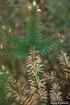 Spruce problem diagnosis for yard trees KEY Effect on tree Kills tree Other damage No damage Size of tree Seedling Sapling to pole Pole and larger By Jana Albers and Mike Albers, DNR-Forestry URL = http://files.dnr.state.mn.us/assistance/backyard/treecare/forest_health/whitesprucediagnosis.pdf
Woodlands Management Plan. (Draft June 2011) A. Definition of Woodlands Areas vs. Landscaped Areas of Parkfairfax
 Woodlands Management Plan (Draft June 2011) I. Background A. Definition of Woodlands Areas vs. Landscaped Areas of Parkfairfax The woodlands are defined as those wooded areas of Parkfairfax which are left
Chemical versus Biological Control of Sugarcane. By Abid Hussain Matiari Sugar Mills Ltd.
 Chemical versus Biological Control of Sugarcane By Abid Hussain Matiari Sugar Mills Ltd. Sugarcane It is an important cash crop, Pakistan is the fifth largest cane producing country. However, its yield
Pest Toolkit. Pest proofing your land for a sustainable community. Help is at hand. Main topics: Pest Animal control. pest plant control
 Pest Toolkit Pg1 Main topics: RPMP Pest proofing your land for a sustainable community Pg2 Pg3 Pg4 Pest Animal control pest plant control weed control in retirement areas Pests are unwanted plants (invasive
Construction Damage to Trees
 Construction Damage to Trees When a building site is cleared, several large, well-established trees are often left to enhance the aesthetic value of the property. However, within about 2-8 years after
INSECT MANAGEMENT (Roberts & McPherson)
 INSECT MANAGEMENT (Roberts & McPherson) A number of insect pests are capable of severely damaging soybeans. However, it is important to realize that soybeans can withstand considerable insect damage at
Fungal Entomopathogens: An Enigmatic Pest Control Alternative
 Fungal Entomopathogens: An Enigmatic Pest Control Alternative Nicole Rusconi $ and Cerruti R 2 Hooks! $ Student Research Assistant and 1 Associate Professor and Extension Specialist, University of Maryland
Invasive Species Jeopardy
 LESSON FOURTEEN: INVASIVE SPECIES JEOPARDY Duration: One 45-minute class period Objectives: To test students knowledge of exotic invasive plant species taught in this unit. Prepare in advance: Practice
Whiteflies in Southwest Florida
 Whiteflies in Southwest Florida 02/22/2013 Agenda What is a whitefly? What damage do whiteflies cause? How can whiteflies be treated? What is the future for whitefly problems? What is a whitefly? Small,
Oak Trees BASIC GROWING REQUIREMENTS FOR YOUR
 They are beautiful in their peace, They are wise in their silence. They will stand after we are dust. They teach us, and we tend them. G.A. MacDunelmor BASIC GROWING REQUIREMENTS FOR YOUR Oak Trees The
A Visual Guide to Detecting Emerald Ash Borer Damage
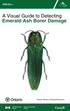 cfs.nrcan.gc.ca A Visual Guide to Detecting Emerald Ash Borer Damage Ontario Ministry of Natural Resources Library and Archives Canada Cataloguing in Publication A visual guide to detecting emerald ash
Hard Decisions Ahead With Ash Trees
 Hard Decisions Ahead With Ash Trees By: Stanton Gill, Extension Specialist in IPM and Entomology for Greenhouses and Nurseries Central Maryland Research and Education Center University of Maryland Protect
Oaks represent the major shade trees of Texas and are also important components of
 GARDENING FACT SHEET Harris County Cooperative Extension 3033 Bear Creek Drive, Houston, Texas 77084 281.855.5600 http://harris-tx.tamu.edu/hort Major Oak Diseases and their Control by Jerral D. Johnson
What is Integrated Pest Management?
 SLIDE 1: This is Steve Johnson, University of Maine Cooperative Extension, bringing you information on Integrated Pest Management. It is possible to receive a Maine Board of Pesticides Control recertification
Identification and Prevention of Frost or Freeze Damage By Linda Reddick, Kingman Area Master Gardener
 KINGMAN IS GROWING! COLUMN Identification and Prevention of Frost or Freeze Damage By Linda Reddick, Kingman Area Master Gardener Again this year we have been experiencing some very cold weather, with
Integrated Pest Management At Boise State University
 Integrated Pest Management At Boise State University Purpose The purpose of this document is to provide an overview of Boise State University Landscape Service department s philosophy regarding plant health
Planting and Tree Care for Roxborough Park. Keith Worley, Forester ISA Certified Arborist
 Planting and Tree Care for Roxborough Park Keith Worley, Forester ISA Certified Arborist Where We Live: High elevation at the edge of Mountains and Plains. Harsh climates with: High winds. Drought periods
Rose Diseases and Insects in the Bradenton-Sarasota Area
 Rose Diseases and Insects in the Bradenton-Sarasota Area By: Philip Paul, CR The 10 bad actors in our area are the fungi and pests that some days slow down our enjoyment of our rose gardens. This issue
Are My. Pine Trees. Ready To Thin?
 Are My Pine Trees Ready To Thin? ARE MY PINE TREES READY TO THIN? One question private forest landowners ask most frequently is, Are my pine trees ready to thin? There is no definite answer to this question,
Assessing the Value of Pecan Trees
 Assessing the Value of Pecan Trees by Dan Childs, Job Springer, Charles Rohla and Steve Upson It is the intent of this publication to provide methodology that appraisers, tax preparers and other interested
Anatomy and Physiology of Leaves
 I. Leaf Structure and Anatomy Anatomy and Physiology of Leaves A. Structural Features of the Leaf Question: How do plants respire? Plants must take in CO 2 from the atmosphere in order to photosynthesize.
Black Turpentine Beetle
 Forest Pest Leaflet 12 Black Turpentine Beetle R. H. Smith 1 and R. E. Lee III 2 The black turpentine beetle, Dendroctonus terebrans (Oliv.), has caused extensive losses throughout the pine belt in the
Systemic. Granules. Insect Control. Protects against damaging insects for up to 8 weeks CAUTION. Root Weevils. Birch Leaf Miner.
 Systemic Granules Insect Control Protects against damaging insects for up to 8 weeks Root Weevils Birch Leaf Miner Beetles Internal insect protection won t wash off with rain or water For use outdoors
WEED MANAGEMENT LEARNING OBJECTIVES
 C 6 H A P TE R WEED MANAGEMENT LEARNING OBJECTIVES After completely studying this chapter, you should: Be able to define a weed and its four stages of development. Understand the differences between annual,
WHAT IS WRONG WITH MY LAWN?
 WHAT IS WRONG WITH MY LAWN? Lawn problems can occur in small areas or larger patches and entire lawns can be affected. Sometimes the problems are due to poor growing conditions, improper lawn care practices,
Introduction to Integrated Pest Management. John C. Wise, Ph.D. Michigan State University MSU Trevor Nichols Research Complex
 Introduction to Integrated Pest Management John C. Wise, Ph.D. Michigan State University MSU Trevor Nichols Research Complex What is Integrated Pest Management? Integrated Pest Management (IPM) New concept;
Propagation and Care of Leyland Cypress as Christmas Trees
 Propagation and Care of Leyland Cypress as Christmas Trees Orville M. Lindstrom 1, David J. Moorhead 2, and Glen W. Kent 3 1 Associate Professor-Horticulture Research, Georgia Station. 2 Associate Professor,
Apricot Tree Prunus armeniaca
 Apricot Tree Prunus armeniaca Up to 25-30 tall x 15-20 wide or partial shade 10 degrees F. General: The Apricot Tree is a subspecies of the peach and dates back 3,000 years to northeastern China. Apricots
FWRC. Cooperators: Delta Wildlife, Inc. Forest and Wildlife Research Center, Mississippi State University
 Cooperators: Delta Wildlife, Inc. Forest and Wildlife Research Center, Mississippi State University Mississippi Department of Wildlife, Fisheries and Parks Mississippi Fish and Wildlife Foundation Mississippi
Site Preparation for Natural Regeneration of Hardwoods
 PB1799 Site Preparation for Natural Regeneration of Hardwoods Wayne K. Clatterbuck, Professor, Department of Forestry, Wildlife & Fisheries, University of Tennessee Greg R. Armel, Assistant Professor,
Strawberry Anthracnose
 Strawberry Anthracnose Bill Turechek and Cathy Heidenreich Introduction - The term anthracnose is a general term used to describe plant diseases. Strawberry anthracnose refers to several diseases of strawberry
NORTH COUNTY TRANSFER CENTER METRO Contract Numbers 01756/01862 100% - DESIGN DEVELOPMENT SECTION 32 90 13 NEW PLANTING MAINTENANCE
 SECTION 32 90 13 NEW PLANTING PART 1 - GENERAL 1.01 INTENT A. The intent of the landscape maintenance program is to maintain the landscape areas (lawn and shrub plantings) in a vigorous, healthy and attractive
Key Idea 2: Ecosystems
 Key Idea 2: Ecosystems Ecosystems An ecosystem is a living community of plants and animals sharing an environment with non-living elements such as climate and soil. An example of a small scale ecosystem