
Stroke Rehabilitation in the Great Lakes Region June 2009
|
|
|
- Nathaniel Miles
- 9 years ago
- Views:
Transcription
1 Stroke Rehabilitation in the Great Lakes Region June 2009 Stroke Rehabilitation in the Great Lakes Region 1
2 Stroke Rehabilitation in the Great Lakes Region June 2009 Stroke Rehabilitation in the Great Lakes Region was created by the Great Lakes Regional Stroke Network. Funding was made possible from the U.S. Centers for Disease Control and Prevention (CDC) and Illinois Department of Public Health, Great Lakes Regional Stroke Network grant. The contents of this publication are solely the responsibility of the authors and do not represent the official views of the CDC. For more information or requests for additional information may be addressed to: Great Lakes Regional Stroke Network 1645 West Jackson Boulevard, Suite 400 Chicago, Illinois Phone: Fax: This report is available on the Web in a pdf format: The Great Lakes Regional Stroke Network appreciates citation and notification of use. Primary Authors Angela Bray Hedworth, MS, RHEd, CHES Program Manager, Great Lakes Regional Stroke Network Danucha D. Brikshavana, MPH Epidemiologist, Illinois Department of Public Health Acknowledgements A special thank you to the Rehabilitation work group members who were instrumental in providing data and feedback for this report and the Evaluation/Surveillance and Quality of Care Workgroups who reviewed the data. Reviewers Illinois Michael Gaines, MPA Illinois Department of Health Rosanne Thomas, PT, PhD Department of Physical Therapy Rosalind Franklin University of Medicine and Science Michigan Eileen Worden, RN Michigan Department of Community Health Beth E. Anderson, MPH Michigan Department of Community Health Ohio Deb Kegelmeyer, DPT, MS, GCS Ohio State University Rosalyn Cera, SLP-CCC Elizabeth Health Center Barbara Emmets, PT Mount Carmel East Hospital Barbara Pryor, MS, RD, LD Ohio Department of Health Indiana Tammy Bakas, DNS, RN, FAHA Indiana University School of Nursing Elizabeth Hamilton-Byrd, MD Indiana State Department of Health Minnesota James M. Peacock, PhD Minnesota Department of Health Stanton Shanedling, PhD, MPH Minnesota Department of Health Diane Chappuis, MD Allina Health System Wisconsin Dori Tooke, PT, MHA, CSCS, Manager-Inpatient Rehab Program Frederick Petillo, MBA, WI Dept of Health Services Herng-Lee Yuan, MPH, WI Dept. of Health Services Jolene Defiore-Hyrmer, Ohio Department of Health Stroke Rehabilitation in the Great Lakes Region 2
3 Suggested citation Hedworth A, Brikshavana D, and the Great Lakes Regional Stroke Network. Stroke Rehabilitation in the Great Lakes Region. Chicago, IL. June Dedication This document is dedicated to the more than one million 1 stroke survivors who are living in the Great Lakes region. Throughout this document, many of them willingly shared their life altering stroke survivor stories. So many, in fact, that not all of them could be included in this report. To learn more about the courageous stroke survivors from the Great Lakes Region, please see the new document, Survivor Stories from the Great Lakes Region, found online at Photos of stroke survivors were provided by the American Heart Association, National Stroke Association, Bay Regional Medical Center, or the survivor. Stroke Rehabilitation in the Great Lakes Region 3
4 Table of Contents Figures and Tables... 5 Executive Summary... 6 Background and Purpose... 7 Stroke Survivor Story: Kate Steigerwald... 8 Definitions of Rehabilitation Facilities... 9 How the Tool was Created... 9 Survivor Story: Stevie K. Nelson Findings/Results Limitations Survivor Story: Ann and Richard Harlow Results Stroke Survivor Story: Dave Moscinski Discussion Next Steps Conclusion Survivor Story: Theresa Lyons Survivor Story: Mike McKesson Appendix A: GLRSN Rehabilitation Inventory Tool Appendix B: Data Tables Appendix C: Open Ended Questions to Rehabilitation Inventory Appendix D: Glossary Appendix E: References Run For Your Life race to raise money for the Retreat and Refresh stroke camp in Illinois. Stroke Rehabilitation in the Great Lakes Region 4
5 Figures Figure 1. Respondent Percentage by State Figure 2. Respondent Percentage by Facility Designation Figure 3. Location of CARF Accredited Stroke Specialty Programs Figure 4. Response Counts of Challenges to Provide Rehabilitation Services Figure 5. Outcome Measures Collected Figure 6. Rehabilitation Therapy Programs by Availability Figure 7. Program Services by Availability Figure 8. Rehabilitation Discharge Programs by Availability Tables Table 1a. CARF Stroke Specialty Accreditation Table 1b. Consideration of CARF Stroke Specialty Accreditation Among Those Who Are Not Accredited.. 30 Table 2. Stroke Research Involvement Table 3. Challenges to Provide Rehabilitation Services Table 4. Facility Designation of Survey Respondents Table 5. Continuing Education Format Preferred Table 6. Outcome Measures Collected Table 7a. Discharge Programs "Offered" Table 7b. Discharge Programs "Offered with Limited Availability" Table 7c. Discharge Programs "Referred for Services" Table 7d. Discharge Programs "Not Offered, Not Referred" Table 8a. Therapy Programs "Offered" Table 8b. Therapy Programs "Offered with Limited Availability" Table 8c. Therapy Programs "Referred for Services" Table 8d. Therapy Programs "Not Offered, Not Referred" Stroke survivors participate in Run for Your Life to raise money for the Retreat and Refresh stroke camp in Illinois. Stroke Rehabilitation in the Great Lakes Region 5
6 Executive Summary Insurance/payer source was the most frequent selected challenge when providing rehabilitation services to stroke survivors followed by patient compliance and family support. Discharge of patients returned to home, functional independence measures (FIM), and dysphagia screens were the most common outcome measures collected. Survey respondents reported patient and family education, social services/case management, and nutrition counseling/dietitian as the most frequently offered programs. Physical therapy, occupational therapy, and speech and language pathology were the most frequently indicated therapies offered in these facilities based on the availability of reimbursement. Child stroke-specific programs, road/driver testing, and contractors for home remodeling were least likely to be offered or referred according to respondents. Art, music, and recreational therapies were also not common, possibly because these services are not reimbursed and/or therapists to administer these therapies are not widely available. Stroke follow-up clinics and telephone follow-up for discharge services were also rare. Holly Nickless, Ocupational Therapist at Bay Regional Medical Center, works with a stroke patient on a cooking activity. Stroke Rehabilitation in the Great Lakes Region 6
7 Background and Purpose For the purposes of this report, the Great Lakes region refers to the states of Illinois, Indiana, Michigan, Minnesota, Ohio and Wisconsin. Funded in 2004, the award winning Great Lakes Regional Stroke Network (GLRSN or Network) works to reduce the burden of stroke and disparities within Great Lakes regional states by optimizing coordination and collaboration. This goal is accomplished through a state advisory board, work groups, and individual state stroke task forces/committees that share experiences and resources across six states to implement a common public health plan for stroke. The Network includes state health department heart disease and stroke prevention staff and state stroke task force/committee members from all six Network states as well as numerous partners. Stroke Rehabilitation in the Great Lakes Region is the first attempt to assess the availability of stroke rehabilitation services in the Great Lakes region. It is a critical source of information for the Network states and their partners involved in stroke rehabilitation. The report presents data about therapy services available, challenges to provide rehabilitation services to stroke survivors, continuing education format preferences, outcome measures collected, and will guide the Network s stroke rehabilitation activities. The experiences of stroke survivors from each Great Lakes state are shared throughout the report and reveal the true impact of stroke. Stroke is the third leading cause of death in the Great Lakes Region and a leading cause of adult disability. 1 Stroke rehabilitation is an integral part of stroke systems of care which also includes primary prevention, community education, notification of and prompt response by emergency medical services, acute stroke treatment, sub-acute stroke treatment and secondary prevention, and continuous quality improvement. 2 Approximately, two-thirds of stroke survivors require rehabilitation and the timeliness and intensity of rehabilitation therapy is often a critical determinant in recovery. 3 Ideally, stroke rehabilitation should begin in the hospital as soon as acute stroke is diagnosed and the patient is medically stable. 4 A growing body of evidence indicates that patients do better with a well-organized, multidisciplinary approach to post-acute rehabilitation after a stroke. 5-7 Effective rehabilitation interventions initiated soon after stroke enhance the recovery process and minimize functional disability, thus reducing the potential for costly long-term care expenditures. Stroke rehabilitation does not end in the in-patient setting. There is a need for continuing rehabilitation in an outpatient setting as well. 4,8 Clinical practice guidelines recommend outpatient rehabilitation for stroke patients who have been discharged from inpatient rehabilitation or less severely disabled patients who have been discharged after receiving acute stroke care. 9 This means that the majority (more than 50%) of stroke survivors would be expected to receive some type of outpatient rehabilitation if guidelines were followed. However, a report in Morbidity and Mortality Weekly Report found that less than one-third of stroke survivors reported receiving outpatient stroke rehabilitation. The article went on to explain that lower than expected participation in outpatient stroke rehabilitation could be caused by a lack of resources, such as too few rehabilitation centers and clinics and inadequate access to rehabilitation staff, particularly in rural areas. 10 Estimates from the Behavioral Risk Factor Surveillance System in Illinois, Indiana, Michigan, Minnesota, Ohio and Wisconsin place the number of stroke survivors at over one million. 1 What happens to stroke survivors and where they go for rehabilitation services is unclear. According to the Atlas of Stroke Hospitalizations Among Medicare Beneficiaries, the majority of stroke survivors were discharged to a skilled nursing facility except in Michigan where the majority were discharged home. 11 To assess equitable access and appropriate referral to rehabilitation services, the State Advisory Board of the Great Lakes Regional Stroke Network identified the need for an inventory of available rehabilitation resources in the Great Lakes region. However, no standardized instrument existed that could be used to consistently assess rehabilitation resources and facilities. It was proposed to develop an instrument that could be used to inventory rehabilitation resources, facilities, providers and programs in the six Network states to gain a better understanding of the status of stroke rehabilitation in the Great Lakes region. Stroke Rehabilitation in the Great Lakes Region 7
8 Stroke Survivor Story: Kate Steigerwald Illinois In October 2004, 59 year old Kate Steigerwald was having triple bypass surgery. She had recently had a heart attack that occurred when she was at work in a meeting. Kate described it as a weird sensation, like someone had a rope around my neck and my neck and head were swelling. She never thought she was having a heart attack. She had elevated cholesterol and was a smoker, but no one in her family had ever had a stroke, although there was a strong family history of heart disease. When Kate woke up in the hospital, her husband said to her, By the way, you had a stroke during the bypass surgery. They think some plaque broke lose and caused it. Kate noticed she had left leg and arm weakness. Her speech was slurred, slower and fumbling. Kate went to rehabilitation in the hospital and then went to a nursing home for rehabilitation for an additional 5 months. She worked hard, describing rehabilitation as terribly painful. While she came home in a wheel chair, Kate is now able to get around using a quad cane and can go upstairs in her house with help. She described her family and friends as very, very supportive throughout the entire ordeal. Kate, herself, though, had terrible anger. She now attends a stroke support group to help deal with it. The biggest change in her life? Her family s income was cut in half because she can no longer work as a lobbyist. She also can t drive anymore. Recently, Kate became involved in SSEEO Stroke Survivors Empowering Each Other and is a part of their steering committee. She says her experience there has been wonderful. She s met many interesting people and recently participated in a lobby day in Illinois where she talked to legislators about the need for people experiencing stroke to go to certified primary stroke centers. Her husband pushed her wheel chair around the State Capitol which houses Illinois state legislators and it was just like the old days back in her old job again. She saw people that she used to work with and it gave me hope again. The SSEEO Steering Committee also conducts monthly conference calls for stroke survivors across the state of Illinois on a variety of survival topics, most recently Medicaid. Kate continues her rehabilitation in a physical therapy maintenance program on her own time. She also does a lot of exercises at home. Her message, There are way too many people having strokes. We need more awareness, both for the public as well as the medical and health care practitioners. We all need to be better educated about the signs and symptoms in order to help prevent anyone else from going through what we have. The good thing is, I m a survivor and I ll keep fighting to get back to the Kate I once was. Never give up. Stroke Rehabilitation in the Great Lakes Region 8
9 Definitions of Rehabilitation Facilities Identifying and defining a rehabilitation facility where stroke patients may be treated was a challenge because rehabilitation for the stroke patient can occur in a variety of settings. Each definition corresponding to the facility types listed below may vary geographically within and among states. For the purpose of this report, the following rehabilitation facilities were identified in the inventory and survey respondents self-selected the type of rehabilitation facility they represented. - Acute Care Hospital - Acute Inpatient Rehabilitation Facility: Within Hospital - Acute Inpatient Rehabilitation Facility: Freestanding/Stand alone - Assisted Living - Community-Based: Stroke Center - Community-Based: Adult Day Services - Community-Based: Senior Center - Home Health - Hospital-Based Post-Acute Care Skilled Nursing Unit - Long-Term Acute Care (LTAC) or Long-Term Care Hospitals (LTCH) - Outpatient - Skilled Nursing Facility (SNF) - Sub-acute - Other (Respondent to specify) Definitions are included in the glossary (Appendix D). How the Tool was Created Rehabilitation specialists (physical therapists, physiatrists, occupational therapists, speech/language pathologists, nursing and others) throughout the Great Lakes region volunteered to form a workgroup which met via teleconference and created the inventory tool. The Commission for the Accreditation of Rehabilitation Facilities (CARF) collaborated with the Rehabilitation workgroup to find volunteers with the title of Manager of Rehabilitation Specialists for the pilot test. Feedback from the group was provided in verbal and written form and was incorporated into the final survey instrument. The tool was then given to Heart Disease and Stroke Prevention Program Managers in each Network state for implementation/data collection within each state. Results were shared with the Great Lakes Regional Stroke Network in order for this document to be created and for data to be analyzed regionally. States reviewed the data independently and presented their state s findings to their respective statewide stroke task forces. Christina Kavelman, Stroke Survivor from Illinois, in pool therapy during her stroke rehabilitation. Stroke Rehabilitation in the Great Lakes Region 9
10 Survivor Story: Stevie K. Nelson Minnesota Stevie K. Nelson, 35, was at his two week annual military reserve training when he started getting headaches. His symptoms persisted for several weeks. Stevie continued going to work despite bumping into a wall and having trouble driving. Since he was only 35, he thought he had a bad case of the flu. A co-worker looked at Stevie and knew something was wrong. This persistent co-worker contacted the paramedics over Stevie s protests. When EMS arrived, they rushed him to the hospital and it was there that he learned he had a hemorrhagic stroke. Stroke is for older people in my world, said Stevie. He could not believe that he had a stroke at age 35. After many days in the hospital, more days in a long term acute care facility, weeks at a rehabilitation facility and months at an independent living facility, Stevie was able to go home. It was six months after his stroke. Stevie is still surprised that he had a stroke. He did not smoke. He watched his sodium intake. No family members had ever had a stroke. Stevie had regular check ups in the military. He did not have high blood pressure and was not overweight or diabetic. He had heard his family members talk about people that, had a crooked mouth, but he never thought it would be him. I didn t know what my purpose in life was until after I had a stroke, reported Stevie. He leads stroke support groups in the Minneapolis area. He visits stroke survivors in the hospital to answer their questions and be a friend. He has become a stroke advocate at his church, and tries to bring awareness to people about stroke everywhere he goes. Stroke Rehabilitation in the Great Lakes Region 10
11 Findings/Results When viewing these data, it is important to keep in mind several things. First, after 2002 there were significant changes in acute stroke care including the certification of Primary Stroke Centers by The Joint Commission and the Healthcare Facilities Accreditation Program (HFAP); accreditation in stroke rehabilitation by the Commission for the Accreditation of Rehabilitation Facilities (CARF); and, benchmarking initiatives by such organizations as Premier and Center for Medicare Services (CMS). These changes may have impacted rehabilitation services to a certain extent. For example, Healthcare Facilities Accreditation Program Primary Stroke Center Certification requires initiation of physical rehabilitation therapy for the acute stroke patient. 12 Similarly, The Joint Commission also requires Primary Stroke Centers to assess patients for stroke rehabilitation prior to discharge. Each Network state was responsible for addressing ten main topics in their individual rehabilitation inventory survey. Some states added state-specific questions; however, for this report only the following ten topics will be discussed: 1) CARF Stroke Specialty accreditation (2 questions) 2) Stroke rehabilitation research or clinical trial involvement 3) Biggest challenges to provide rehabilitation services to stroke survivors 4) Format preference for staff continuing education 5) Outcome measures collected 6) Survey respondent s facility description 7) Discharge/follow-up programs 8) Services or programs offered 9) Therapy programs offered 10) Stroke-related topics of interest for continuing education Limitations First the survey respondents are a convenience sample and not representative of all rehabilitation facilities or services in a state. Sending surveys to all clinical professional facilities in each state was not practical because no pre-existing directories of all possible facilities and available services or programs within states existed. Each state relied on existing networks and contacts involved with their respective stroke programs to be the state s target survey respondents. Since each state had their own available contacts, the target survey respondents varied. Some states were able to survey only certain types of facilities, while others had the opportunity to reach multiple types. It is also possible that some hospitals may have responded only for their immediate facility, while others may have responded for their entire hospital system incorporating a multitude of services and programs in satellite facilities, clinics or offices. In addition, the majority of the surveys allowed respondents to submit anonymously. This limited the ability to follow up with respondents if there was a question about responses. It is unknown to what extent the individual completing the inventory may or may not have been aware of all the services offered at their facilities. The respondent s interpretation of various topics discussed in the surveys may also be a limitation. One person s definition of a particular facility type, for example, may not be the same as for another and therefore their subsequent responses to the survey may be different than another who may have reported to be a similar health care facility. Responses to various questions and survey format varied among states. Since there is variance among the final survey tool used and how it was administered by each state, responses are not comparable among states. This report will look at the results on a regional or network level. Stroke Rehabilitation in the Great Lakes Region 11
12 We understand from this report that there is more we need to understand about stroke rehabilitation in our individual states as well as throughout the entire Great Lakes region. We appreciated the opportunity to explore this vital part of stroke care which is frequently overlooked or an afterthought. While this survey may have engendered more questions than answers, the conversation it has initiated has been invaluable. Annmarie Sitkewicz, CTRS, Recreational Therapist at the Center for Rehabilitation of Bay Regional Medical Center, works with stroke patients during an outside activity Stroke Rehabilitation in the Great Lakes Region 12
13 Survivor Story: Ann and Richard Harlow Indiana Ann Harlow is passionate about aphasia. She s been dealing with it for more than 11 years since her 46 yearold husband suffered a stroke while working. When a co-worker found Richard on the floor, he was unable to move or speak. The co-worker immediately called Ann, who is a nurse. As Tissue Plasminogen Activator (tpa) had not yet been approved, there were no therapies available to Richard in Richard s aphasia was so profound that he was completely mute; he couldn t even make a sound, remember family names, or how to write. His memory was impaired and he was completely paralyzed on his right side. Richard hardly remembers anything from those first six months. This began Ann s journey to learn everything she could about aphasia. It was extremely challenging as Ann describes, The system is so fragmented here I was trying to run a business, care for our 11 year-old daughter, take care of Richard, and a house Ann describes this as a very emotional, difficult time. It was like somebody died and they forgot to have a funeral. She struggled to find information about aphasia. Then, through research on the internet, Ann found the University of Michigan s Aphasia Program (UMAP), an intense inpatient, treatment program that focuses on aphasia. Prior to attending the program, Richard was unable to use any nouns. After he completed the treatment program, he regained their use. It was like a miracle, she says. Richard has been through two different treatment programs at UMAP and he s come a long way from being completely mute. For ten years, Ann and Richard have been traveling to Bloomington, Indiana, once a week to attend therapy and an aphasia support group program directed by Dr. Laura Murray, SLP-CCC: one for caregivers and one for survivors. It was such a powerful program, that Ann started something similar in Indianapolis. Meeting once a month and led by Dr. Mary Gospel, SLP-CCC, the Northside Indianapolis Aphasia Support Group just had their three-year anniversary. Dr. Gospel coordinates the survivor portion while Ann works with spouses, caregivers and others during the survivor therapy session. Even today, says Ann, No one knows how many people have aphasia the figures of over a million are very outdated and inaccurate. And despite advances for Richard, to this day he cannot say numbers aloud correctly or read out loud; ironic for a man who used to be a CPA. Stroke Rehabilitation in the Great Lakes Region 13
14 Results The rehabilitation inventory was disseminated among the Network states from October 2007 June As of June 30, 2008, 573 surveys responses were collected. After removing duplicates and eliminating incomplete surveys (defined as not completing more than four of ten topic sections), there were 541 surveys analyzed for this report (See Figure 1). Figure 1. Respondent Percentage by State GLRSN Network: Respondent Percentage by State (n=541) Wisconsin, 17.5% Illinois, 15.2% Indiana, 4.3% Michigan, 6.3% Minnesota, 15.4% Ohio, 41.3% Illinois Indiana Michigan Minnesota Ohio Wisconsin Stroke Rehabilitation in the Great Lakes Region 14
15 Figure 2. Respondent Percentage by Facility Designation Respondent Percentage by Facility Designations (n=1,336) Skilled nursing facility 18.0% Outpatient 16.9% Home health 14.4% Acute Care Hospital 13.5% Inpatient rehabilitation unit within hospital 7.2% Community-based (Senior center, Adult Day Services or Stroke Centers) 6.9% Hospital based post acute care skilled nursing unit 6.3% Assisted living 5.5% Sub-acute 5.2% Acute inpatient rehabilitation facility/freestanding 3.7% Long term acute care 2.3% 0.0% 2.0% 4.0% 6.0% 8.0% 10.0% 12.0% 14.0% 16.0% 18.0% 20.0% Almost half of the survey respondents in this convenience sample designated themselves as a skilled nursing facility, outpatient, and/or home health care organizations (See Figure 2). The results from the inventory may be more relevant for facilities that have a similar designation. Because the majority of surveys allowed respondents to select more that one designation, the number of responses exceeds the number of people surveyed. Commission for the Accreditation of Rehabilitation Facilities (CARF) The Commission for the Accreditation of Rehabilitation Facilities (CARF) was established in They published stroke specific standards in These standards address stroke rehabilitation throughout the continuum of post-acute care. They are not stand alone standards but are attached to other program, inpatient, outpatient, adult day services, nursing home, etc. CARF Stroke Specialty standards: Assist the stroke survivor in accepting responsibility for the management of his/her own health Encourages appropriate use of the healthcare system Supports their efforts to gain or maintain health Improve quality of life throughout their lifespan Involves family and support system While any facility that provides rehabilitation services can apply for CARF accreditation, the majority of facilities that seek this certification are inpatient rehabilitation programs. Because the majority of survey respondents (85%) were not inpatient rehabilitation programs, they were not CARF accredited in stroke specialty programs nor were they considering it (80%). Stroke Rehabilitation in the Great Lakes Region 15

16 Figure 3. Location of CARF Accredited Stroke Specialty Programs Blue = Inpatient and Outpatient Accreditation, Red = Inpatient Accreditation Only, Yellow = Outpatient Accreditation Only A current version of the above map can be found at: or by contacting CARF directly at Stroke Rehabilitation in the Great Lakes Region 16
17 Figure 4. Response Counts of Challenges to Provide Rehabilitation Services Survey respondents selected insurance/payer source as the most frequent challenge when providing rehabilitation services to stroke survivors. There are several issues that may explain this. For example, the patient may have no, or very limited insurance coverage. Stroke patients insurance coverage may not cover all of the therapy needed and most insurance companies may not provide any coverage for psychological services, respite care or home health aides. These out of pocket charges are significant. Substantial copayments required by insurance companies for stroke rehabilitation is also a challenge to stroke survivors as is the fact that durable medical equipment (DME) such as canes, prosthetics, walkers, etc., are not covered by Medicare. No conversation about stroke rehabilitation and payer source would be adequate without discussing therapy caps. Non-hospital based outpatient rehabilitation for stroke patients is capped by Medicare at $1800 a year for occupational therapy services and $1800 a year for physical therapy and speech language therapy combined. While there are some exceptions and moratoriums, these therapy caps have to be renewed every 18 months. Patient compliance or adherence to following medical advice was the second most commonly cited challenge in providing stroke rehabilitation. Post-stroke patients may have psychological issues (such as depression) which may limit motivation for compliance with prescribed rehabilitation therapy. Stroke rehabilitation is also reliant on a significant amount of home work or repetition of exercises at home. Patients may have a difficult time keeping appointments with therapists, lack family support and transportation, or all of the above. Family/social support was the next most common challenge rehabilitation facilities faced when providing rehabilitation services to stroke survivors. This could be related to many issues. Caregivers may find it easier to do the task for the stroke survivor, rather than let the survivor complete the task. It is often challenging for caregivers to support change of life strategies for the survivor. Transportation is frequently an issue. Family Stroke Rehabilitation in the Great Lakes Region 17
18 may also prefer to place a survivor in a rehabilitation program closer to home that may more convenient though it may not provide optimal care. Figure 5. Outcome Measures Collected The use of outcome measures is very common on the acute side of stroke treatment, however, stroke rehabilitation therapy generally does not use formalized outcome measures. Outcome measures are the standard against which the end result of the intervention is assessed. There is a time issue in administering outcome tools. Due to the therapy caps mentioned above and the perceived lack of value of collecting outcome measures, therapists usually only administer tools that are required by the payer source and/or needed for documentation purposes. Respondents indicated the most frequent outcome measures collected are discharge of patients returned to home, functional independence measures (FIM) and dysphagia screens. FIM scores measure the burden of stroke care. Inpatient rehabilitation facilities and other rehabilitation facilities are required to collect and submit FIM scores into databases for reimbursement purposes. However, surveys and scales such as the Barthel Activities of Daily Living Index, Modified Rankin Scale or the SF36 Health Survey were not collected as frequently. The Barthel and Rankin scales are considered to be less sensitive and specific compared to FIM scores and are cited predominantly in older literature. The SF 36 is a multi-purpose, short-form health survey with only 36 questions. It yields an 8-scale profile of functional health and well-being scores as well as psychometrically-based physical and mental health summary measures and a preference-based health utility index. A stroke survivor at Strike Out Stroke Day at the Metrodome in Minnesota. Stroke Rehabilitation in the Great Lakes Region 18
19 Figure 6. Rehabilitation Therapy Programs by Availability Survey respondents reported patient and family education, social services/case management, and nutrition counseling/dietitian as the most frequently offered programs. Physical therapy, occupational therapy, and speech and language pathology were the most frequently indicated therapies offered in these facilities, probably because these services are more likely to be reimbursed. A stroke survivor from Illinois participates in Race for your Life which has raised over $9,000 for the Retreat and Refresh stroke camp in Illinois. Stroke Rehabilitation in the Great Lakes Region 19
20 Figure 7. Program Services by Availability Offer Offer with Limited Availability Availability Do Not Offer, Refer for Service Do Not Offer Service, Do Not Refer Don't Know Total Row Program Services n Row % n Row % n Row % n % n Row % n Row % Patient and family S education Social services/ S Case management Nutrition counseling/ S Dietician Bowel and bladder S management Home assessments S Therapeutic trial visits S home Chaplaincy S Psychology or mental S health Interpreter services S Psychiatry S Caregiver support group S Medical equipment S vendors Physiatry S Orthotist/ Prothetist S Stroke survivor support group Clinical assessment for return to driving S S Stroke Rehabilitation in the Great Lakes Region 20
21 Program Services Offer Offer with Limited Availability Availability Do Not Offer, Refer for Service Do Not Offer Service, Do Not Refer Don't Know n Row % n Row % n Row % n Row % n Row % n Row % Community transportation S Community meals S Neuropsychology S Child stroke specific S Road testing S Vocational counseling S Contractors for home remodel S Total Figure 8. Rehabilitation Discharge Programs by Availability Child stroke specific programs, road testing and contractors for home remodel were least likely to be offered or referred according to respondents. Art, music, and recreational therapies were also not common, possibly because these services are not reimbursed and/or therapists to administer these therapies are not widely available. Stroke follow-up clinics and telephone follow-up for discharge services were also rare because facilities may lack the resources for these programs. Stroke Rehabilitation in the Great Lakes Region 21
22 Continuing Education Continuing education credits are required by most professional healthcare licenses including physical therapy, occupational therapy and speech language pathology as well as nursing, dietetics and physiatry. Twenty-five percent of respondents prefer to get their continuing education units from in-services conducted at their workplace followed by state (16%) and then regional conferences (14%). Topics of interest included: Evidence-based treatment techniques Balance Dysphagia Latest treatment/technology techniques Gait assessment and treatment Additional information about continuing education needs can be found in the open-ended responses in Appendix C. A stroke survivor learning how to walk in heels during her rehabilitation. Stroke Rehabilitation in the Great Lakes Region 22
23 Stroke Survivor Story: Dave Moscinski Wisconsin On December 18, 2005, Dave Moscinski was at home. Suddenly, the worst headache of his life struck him. He told his wife to call 911. He passed out and was unconscious when the paramedics arrived. He has no memory of what happened after that until February of Dave s hemorrhagic stroke, or what the doctor s called his freak bleed, left him in the hospital for 69 days. After that, he went to a nursing home for another 44 days for rehabilitation. Dave was unable to walk, talk, chew, swallow or breathe without assistance. He had a tracheotomy, external and internal shunt, a feeding tube and a stent in his femoral artery. While in rehabilitation, Dave remembers thinking, What if it never gets any better? This thought was quickly replaced with, I m alive and people love me, which then gave way to, Holy smokes! You re going to be a burden to the people you love. Let s see what you can do to make this situation better. This began Dave s focus on maximizing each therapy session. Within three weeks, Dave went from being bedridden, to using a walker, to walking two miles a day. In just three weeks! Because of his tracheotomy, he was unable to speak. But before he could speak, he had to re-learn how to breathe on his own. Dave went 16 weeks without being able to speak. Prior to his stroke, Dave was the superintendent for Sciocton school district. In September 2006, he started back to work on a part-time basis. In December, he returned full time less than a year after his stroke. During his recovery, Dave did research on student performance data and did some journal writing. This study was published in November in the School Board Journal. He will be presenting at the Wisconsin State School Board Convention in January, only two years after his stroke. Dave is convinced that his attitude and the prayers of hundreds of people helped with his recovery. He is working on a presentation called, Discovering Joy Daily which is about finding joy in life. As Dave says, If there s no dirt above me, its going to be a great day. It only helps you to have a positive outlook. Dave s story is truly a miracle. As Kristin Randall, a nurse that cared for Dave says, If you would have asked me when he was in the hospital if I thought he would be doing what he is doing today I would have said probably not. He is a very amazing man! Dave's hard work and determination to get better is an inspiration to all of us that took care of him. Stroke Rehabilitation in the Great Lakes Region 23
24 Discussion Stroke can drastically reduce quality of life and create substantial social and financial strain on family, friends, and society. 13 This report is the first of its kind to inventory stroke rehabilitation resources in the Great Lakes region. It marks the beginning of a process to gather quality and informative data about stroke rehabilitation and will guide the work of the Great Lakes Regional Stroke Network to address this important component of the stroke system of care. The results of this inventory highlight the continued need for understanding of stroke rehabilitation resources in the Great Lakes region. Specifically, there is a need to understand the scope and availability of services expressed per survivor or in a geospatial (GIS) map format. This would help identify where rehabilitation resources are lacking and help to quantify what services are available. There is also the need to better understand practice patterns. For example, the Atlas of Stroke Hospitalizations among Medicare Beneficiaries found that more stroke survivors were discharged to skilled nursing facilities in Illinois, Indiana, Minnesota, Ohio and Wisconsin. 11 Is this because people in these states have more severe strokes than people in Michigan? Or is it because skilled nursing facilities are more available to offer stroke rehabilitation services in these five states? Other questions remain about stroke rehabilitation. For example, while stroke rehabilitation guidelines exist, implementing these guidelines within facilities may be challenging. Understanding how this can be done at all sizes of facilities would be beneficial. Family support when stroke survivors go home is also poorly understood. Anecdotally it is heard that the caregiver is overwhelmed and has limited resources for help yet limited data about the challenges and demands on stroke caregivers exist. Dysphagia and swallowing issues greatly affect quality of life and many patients find it difficult to adhere to the required dietary modifications. One of the most effective ways to reduce the disabilities post-stroke survivors face is to rapidly identify and provide immediate stroke care to avoid poor outcomes and perhaps mitigate the need for intensive rehabilitation therapy and/or reduce poor outcomes from future strokes. To accomplish this goal, continued public education on rapid recognition of signs and symptoms of stroke and calling 911 immediately is needed. Next Steps The Great Lakes Regional Stroke Network State Advisory Board will review these findings as will stroke task forces in each state. At a recent strategic planning session, the State Advisory Board identified Facilitate collaboration around stroke rehabilitation as a continued need. In , through collaboration with Paul Coverdell National Acute Stroke Registries in three states in the Great Lakes Region, a study of rehabilitation and hospital discharge planners will be undertaken. Additionally, the Great Lakes Regional Stroke Network has begun collaboration with Stroke Survivors Empowering Each Other (SSEEO) to provide monthly teleconferences on relevant rehabilitation topics for stroke survivors and their caregivers throughout the Great Lakes region. Conclusion This inventory was the first of its kind to better understand stroke rehabilitation services in the Great Lakes region. Insurance/payer source, patient compliance and family/social support were identified as the biggest challenges in the region. The most common therapies offered in the Great Lakes Region include physical therapy, occupational therapy, and speech/language pathology. The majority of respondents prefer to get their continuing education through on-site in-services at their facilities. Discharge of patients returned to home, functional independence measures (FIM) and dysphagia screens were the most common outcome measures collected in the Great Lakes region. Other lessons were learned in this process such as stroke rehabilitation can take place in a wide variety of settings. Much more needs to be understood about stroke rehabilitation in the Great Lakes region including stroke rehabilitation for the patient that is discharged to home. Stroke Rehabilitation in the Great Lakes Region 24
25 Survivor Story: Theresa Lyons Ohio Theresa Lyons is a busy woman. She is raising five granddaughters in Youngstown, Ohio. One day, while in her bedroom, she fell to the floor. When she came to, she yelled Help but no sound came out of her mouth. Eventually, her nine year old granddaughter came into her room and found her lying on the floor. Grandma, do you want me to help you get up? she asked. But she couldn t. Eventually, Theresa was able to crawl over and pull herself up. Her words sounded funny to her, they were slurred. Her face was numb on the left side and she was very sleepy. Theresa called her brother. What are you calling me for? he said, You need to call 911. So Theresa called 911 and the paramedics arrived. She was taken to the hospital. The next morning in the hospital, Theresa couldn t do anything but she could speak. She was in the hospital for about a month. When she returned to her house, she was in a wheelchair and needed assistance with her activities of daily living. Theresa set a goal for herself: Learn something new each day. Eventually, she was able to say Good bye to her wheel chair and use a 4-prong cane. Now she just uses a regular cane. It is a slow process but she thanks God. Theresa still goes to outpatient therapy. And she is still very busy. She goes to a Senior Program at the YWCA called Silver Sneakers where she bikes, does weights with her left hand and participates in a water fitness class. You have to stay motivated, says Theresa, If you sit, you will lose it. Stroke Rehabilitation in the Great Lakes Region 25
26 Survivor Story: Mike McKesson Michigan Mike McKesson read and asked questions for a living. For 25 years as a newspaper reporter and later editor for the Associated Press, Detroit News, and Flint Journal, he loved what he did. I was good, he said. And then 10 years ago, while at home asleep in bed, he had a stroke. When his wife found him unresponsive, she called 911. He was taken to a hospital and his stroke was confirmed. For two to three years, Mike says he was in the ozone land. It was like being a baby. He had some paralysis on his right side but the biggest change was that he was mute. After being in the hospital for about a month, he came home and his wife was his caretaker. His weeks were full of appointments for physical therapy and speech therapy. His language came back gradually. He continues to get better and better all the time. He credits some of his success to Dragon Speaking Naturally, a computer software program which he does on his own at home. He still cannot read. He describes the changes in his life after his stroke was dramatic. Mike hasn t let his aphasia slow him down. With a friend, he founded 3 different aphasia support groups in the suburbs of Detroit. These groups are still meeting. He also has attended the National Aphasia Association conferences in the Midwest. Stroke Rehabilitation in the Great Lakes Region 26
27 Appendix A: GLRSN Rehabilitation Inventory Tool Instructions: We are conducting an inventory to determine the availability and needs for stroke rehabilitation services across six Network states (Illinois, Indiana, Michigan, Minnesota, Ohio, and Wisconsin). This information will be used to apply for Centers for Disease Control and Prevention (CDC) and other funding to help improve stroke rehabilitation services in the region, and to help us determine priority areas for providing information, continuing education, or training programs about stroke rehabilitation. There are no right or wrong answers. No individual information will be revealed. Thank you for your participation. Please check the following types of therapies and services offered by your facility for stroke patients. Please circle your responses as indicated. NA = Do not Offer service R = Refer for service 1 = Offer with limited availability 2 = Offer 3 = Don t know Therapy Programs 1. Speech and Language Pathology NA R Physical Therapy NA R Occupational Therapy NA R Recreational Therapy NA R Rehabilitation Nursing NA R Music Therapy NA R Art Therapy NA R Other: NA R Other: NA R Services/Programs 9. Physiatry NA R Psychology or Mental Health NA R Neuropsychology NA R Social Services/Case Management NA R Interpreter Services NA R Patient and Family Education NA R Caregiver Support Group NA R Orthotist/Prothetist NA R Stroke Survivor Support Group NA R Vocational Counseling NA R Nutrition Counseling/Dietitian NA R Psychiatry NA R Bowel and Bladder Management NA R Child Stroke Specific NA R Medical equipment vendors NA R Contractors for home remodel NA R Community transportation NA R Community meals NA R Stroke Rehabilitation in the Great Lakes Region 27
28 27. Clinical assessment for return to driving NA R Road testing NA R Home assessments NA R Therapeutic trial visits home NA R Chaplaincy NA R Discharge/Follow-Up Programs 32. Transitional care NA R Telephone follow-up (ask a nurse, etc.) NA R Stroke Follow Up clinic NA R Outpatient Therapy NA R Other: NA R Other: NA R Other: NA R Other: 36. What best describes your facility that provides rehabilitation services for stroke survivors? Please check all that apply. [] Acute Care Hospital [] Home Health [] Acute Inpatient rehabilitation facility (freestanding) [] Long term acute care (LTAC) [] Skilled Nursing Facility [] Hospital based post acute care skilled nursing unit [] Inpatient Rehabilitation Unit within Hospital [] Outpatient [] Assisted living [] Sub-acute []Community based, please specify [] Stroke Center [] Adult Day Services [] Senior Center [] Other 37. Are you CARF Stroke Specialty Accredited? [] Yes [] No If not, are you considering CARF Stroke Specialty Accreditation? [] Yes [] No 38. What outcome measures do you collect? (Check all that apply.) NIH Stroke Scale Modified Rankin Scale Barthel ADL Index SF36 Health Survey Dysphagia screen Functional independence measures Discharge destination home Depression: (Please list scale ) Discharge destination skilled nursing facility Other Stroke Rehabilitation in the Great Lakes Region 28
29 39. What format do you prefer for your staff for continuing education? [] Conference calls [] Regional Conferences [] In-services at your facility [] Personal computer DVD or CD [] State Conferences [] National Conferences [] Web based Other, Please list: 40. What is your biggest challenge to providing rehabilitation services to stroke survivors? (Check all that apply). [] Insurance/Payor Source [] Patient compliance [] Transportation getting to treatment [] Family/Social Support [] Accessibility location of the treatment [] Staffing limitations/constraints [] Staff education/experience [] Obtaining physician referral [] Other 41. Are you involved in any stroke rehabilitation research or clinical trials? [] Yes [] No If yes, please describe 42. What stroke related topics would be of interest to your staff for continuing education? Comments: If you would like a copy of the aggregate results of this survey, please provide the following: Name (Please Print): Profession: Phone: Mailing Address: Fax: Stroke Rehabilitation in the Great Lakes Region 29
30 Appendix B: Data Tables Table 1a. CARF Stroke Specialty Accreditation GLRSN Are you CARF Stroke Specialty accredited? n Column % Rank Yes No (Not applicable/ Unknown) TOTAL Table 1b. Consideration of CARF Stroke Specialty Accreditation Among Those Who Are Not Accredited If NOT, are you considering CARF Stroke GLRSN Specialty accreditation? n Col % Rank Yes No (Not applicable/ Unknown) TOTAL Table 2. Stroke Research Involvement Are you involved in any stroke rehabilitation research or clinical trials? GLRSN n Col % Rank Yes No (Not applicable/ Unknown) TOTAL Table 3. Challenges to Provide Rehabilitation Services What is your biggest challenge to provide GLRSN rehabilitation services to stroke survivors? n Col % Rank Insurance/ Payor source Patient compliance Family/ Social support Transportation - getting to treatment Staffing limitations/ constraints Staff education/ experience Obtaining physician referral Accessibility - location of the treatment TOTAL Stroke Rehabilitation in the Great Lakes Region 30
31 Table 4. Facility Designation of Survey Respondents What best describes your facility that provides GLRSN rehabilitation services for stroke survivors? n Column % Rank Skilled nursing facility Outpatient Home health Acute care hospital Inpatient rehabilitation unit within hospital Hospital based post acute care skilled nursing unit Assisted living Sub-acute Acute inpatient rehabilitation facility (freestanding) Community-based, Senior center Community-based, Adult day services Long term acute care (LTAC) Community-based, Stroke center TOTAL Table 5. Continuing Education Format Preferred What format do you prefer for your staff for continuing education? GLRSN n Col % Rank In-services at your facility State conferences Regional conferences Web-based Personal computer DVD or CD Conference calls National conferences TOTAL Table 6. Outcome Measures Collected GLRSN What outcome measures do you collect? n Col % Rank Discharge destination home Functional independence measures Dysphagia screen Discharge destination skilled nursing facility Depression: (Please list scale) NIH Stroke Scale Barthel ADL Index Modified Rankin Scale SF36 Health Survey TOTAL Stroke Rehabilitation in the Great Lakes Region 31
32 Discharge programs by availability Table 7a. Discharge Programs "Offered" GLRSN Discharge/ Follow-up Programs n Column % Rank Outpatient therapy Telephone follow-up (ask a nurse, etc.) Transitional care Stroke follow-up clinic TOTAL Table 7b. Discharge Programs "Offered with Limited Availability" GLRSN Discharge/ Follow-up Programs n Col % Rank Telephone follow-up (ask a nurse, etc.) Transitional care Stroke follow-up clinic Outpatient therapy TOTAL Table 7c. Discharge Programs "Referred for Services" GLRSN Discharge/ Follow-up Programs n Col % Rank Stroke follow-up clinic Transitional care Outpatient therapy Telephone follow-up (ask a nurse, etc.) TOTAL Table 7d. Discharge Programs "Not Offered, Not Referred" GLRSN Discharge/ Follow-up Programs n Col % Rank Stroke follow-up clinic Telephone follow-up (ask a nurse, etc.) Transitional care Outpatient therapy TOTAL Stroke Rehabilitation in the Great Lakes Region 32
33 Therapy programs by availability Table 8a. Therapy Programs "Offered" GLRSN Therapy Programs n Column % Rank Physical therapy Occupational therapy Speech and language pathology Rehabilitation nursing Recreational therapy Music therapy Art therapy TOTAL Table 8b. Therapy Programs "Offered with Limited Availability" GLRSN Therapy Programs n Col % Rank Music therapy Speech and language pathology Recreational therapy Art therapy Rehabilitation nursing Occupational therapy Physical therapy TOTAL Table 8c. Therapy Programs "Referred for Services" GLRSN Therapy Programs n Col % Rank Rehabilitation nursing Recreational therapy Speech and language pathology Music therapy Occupational therapy Art therapy Physical therapy TOTAL Table 8d. Therapy Programs "Not Offered, Not Referred" GLRSN Therapy Programs n Col % Rank Art therapy Music therapy Recreational therapy Rehabilitation nursing Speech and language pathology Occupational therapy Physical therapy TOTAL Stroke Rehabilitation in the Great Lakes Region 33
34 Appendix C: Open Ended Questions to Rehabilitation Inventory Research Beta site for Bioness L300 (lower extremity neuroprosthesis) and the H200 (upper extremity neuroprosthesis) Caregiver support research project impact of depression on rehab INSTRUCT Trial with U of M Intensive aphasia programs Lower extremity constraint programs CIMT Neuro Developmental Training SENTIS; ALIAS; SWISS; AL SIUS The Brain Port device is a clinical trial and research. Botox- use an off label research for spasticity in strokes. Looking into prisim adaptation for visiual fields Working with Indiana University on longitudinal study of benefits of stroke rehab (outpatient) like cardiac rehab. Challenges Actual space at NH/Rehab Centers. Sometimes; there just won't be a bed available for a day or two (mentioned four times). Capable willing caregiver at home Coordinating all services is difficult and something we find the most challenging in providing comprehensive rehab. We also find Physician education/awareness of appropriate referrals to be a challenge. Depression/lack of motivation getting referrals from external sources I think it would be helpful to have case management over time. I think the patients tend to slip through the cracks Medical Necessity with CMS; compared to SNF. Treatments; staffing ratios; and daily MD make us different; however CMS does not view it like that. on hospital side; the lack of knowledge of nurses in providing continuity of care for rehab mobility independance and care. they are not rehab nursing trained. patients cannot get the required in the home due to refusal of payment for medicare medicaid and other insurance patients may prefer to return to facility closer to home even if the services are a lower level Payor issues; including Medicare coverage limitations, lack of coverage for personal care and assistive devices, medications, housing, supplies, etc. are probably the most problematic (mentioned four times) equipment for therapy services Social Services/case management There are still individuals who are not familiar with acute rehab units. We are located between two large tertiary centers and thus; getting referrals back to our community for stroke rehab is a challenge at times. better educate the public on the service available. Stroke Rehabilitation in the Great Lakes Region 34
35 Facility Designations "census fluctuates- we do not reserve "rehab beds". If patients are appropriate for rehab; physician orders and therapies become involved. Our facility has an ICU; Acute care; Swing bed program and a SNF all of which may have stroke patients who need therapy. We also have a contract with home care to provide therapies to our home bound stroke patients." "Rehab bed totals based on the fact that we are a critical access hospital and all beds combined are 25 beds; nursing home has a total of 50 beds; if there is a bed available; then it is offered to whoever is "first" on the waiting list." "the facilities marked above with rehab beds is determined by census in hospital. we have a 25 bed crital access hospital. so; the number of beds available is 25. with assisted living; the facilities have all apt.s that could be used for rehab patients tho unlikely. the care center is a 100 bed facility. there are no "designated " beds." "There are no designated "rehab" beds. There are "swing-bed" rooms in which there are 8 beds; but these are primarily used for orthopedic patients that require slightly longer care" "We don't have any "rehab beds" in our acute care or swing bed settings; but see this population on a limited basis when they present to the hospital. We do transfer to a true inpatient rehab setting when we feel this is appropriate." # 18; 4 designated swing beds in our Critical Access Hospital. (Skilled nursing facility) also provide out patient and aquatic therapy services (Skilled nursing facility) and Long term care available also 20 inpatient rehabiliaton beds 25 bed critical access hosp. (mentioned three times) 25 bed critical access hospital with a portion allocated to subacute swing bed care. (mentioned twice) 35 left 4 sites that include the following; comprehensive outpatient rehbilitation facility (CORF) which includes:outpatient OT; PT; ST; mental health; physiatry; aquatics; wellness; fitness. Transitional rehabilitation program (inpatient SNF); We serve all ages. Courage Center is licensed as a skilled nursing facility; however the average age of participants is 40; and the diagnoses we serve are stroke; brain injury; and spinal cord injury. Bed availability isn't based on rehab patients but on availability within the system. Community-based Adult Day Services and Senior Centers are available in our community; just not offered currently as part of our comprehensive Health Care facility Continuing Care Retirement Community Contract with home health for PT/OT services Homecare services. ICF/MRDD all three outlying hospitals are Critical Access hospitals and we transition many of our stroke patients to their Transitional Care Units for additional rehab needs post acute care which is primarily provided at Luther Midelfort in Eau Claire - a designated Joint Commission Primary Stroke Center. Monroe Clinic is a ingergrated multi-speciality health care system. The hospital provides acute care inpatient stays. Monroe Clinic does not have a subacute program or in-patient rehabilitation program. Post acute stroke patients seen in our system will be for out patient based or home care. Not sure if I answered these questions appropriately. We have a 16 bed acute care hosp that is able to take swingbed pts. Techniquely I believe we could take 16 swingbed pts but I am absolutely sure we never would as we are able to staff for what is average and that is more like a total of 6-8 total (acute and swingbed). We have used the word transitional for swingbed type pts that are not on medicare and may have medical assistance but I don't think that is what you meant. We have a 47 bed Care Center attached Opening a 40 bed free standing unit in the next months. Our Acute Rehab Unit is a 17 bed unit; located on the 4th floor of North Country Regional Hospital Stroke Rehabilitation in the Great Lakes Region 35
36 Our Hospital is critical access and we have Swing bed. Some pt's stay on swing if needed;others referred to a rehab unit if appropriate. short term rehab recovery suites in seperate part of facility Skilled nursing;home health;ltac; assisted living;outpatient;sub-acute;adult day services Stroke Camp - 25 patients/year supported independence in sr. apartments The system as a whole is a 15 hospital system; of which we are an affiliate. We provide the rehab services for a 100 bed acute care hospitals. In the larger system; the range of services are available from SNF to IP rehab; to home health. When looking at the whole system it is tought to answer this survey. We are affiliated with Ministry Healthcare and Marshfield Clinic. We are a 17- bed critical access facility therefore questions answered above may not acurately describe our facility. We have 5 beds maximum for swing bed; sub-acute; however you may want to describe the setting. We have an attached 53 bed LTC facility where we also provide rehabilitation services and we are well connected to services in our immediate area and in the nearby metro areas. We are a CAH facility; and provide subacute care for inpatients who remain at the hopsital. Those patients that can meet Rehab criteria (3 hours a day) of therapy are transfered. We do not have desginated number of rehab beds - its dependent on our census. We are a critical Access hospital with an attached nursing home and clinic. We are both LTC and Assisted Living We are part of a health system that offers home health; assisted living; long term care; and hospice services. However; these are not housed within our facility; but rather in strategic locations in and around the County. We also about 12 months away from the completion of a 40-bed free standing IP rehabilitation hospital - part of a joint venture. We are JCAHO certified as a Stroke Center We do have access to inpatient rehab and adult day services; etc with our system at ST Agnes; but not at the Waupun location specifically; thus I stated no. We are critical access; and see stroke patients; however if they need intense rehab; they transfer within our system to FDL to St Agnes inpatient rehab We do offer Open Gym to our patients who want to continue the use of our equipment and either their insurance ran out or they want to continue to come Independent as a maintenance program. We don't have a specific number of rehab beds in the hospital; but we use Swing Beds for rehab. We have a small inpatient facility which treats acute CVA pts in any bed. We do not have a separate inpatient rehab unit. We do transfer patients with rehab potential to swing bed status (transitonal care). We also provide therapy at a local nursing home; of which all the beds are Medicare A certified and can be used for rehab patients. I'm not sure exactly what you are asking above. We have beds available for patient's with acute stroke on our Polytrauma Unit. It is a 24 bed unit that we share with Polytrauma/TBI service. The number of patient's vary at any time based on bed availibility. We currently have 7 stroke patient's on our acute/subacute rehab service. CEU Formats case studies specific to our institution CEU classes Classes offered in the area on PT and OT Company sponsored continuing education workshops. Continuing education classes offered through varrious companies. Continuing education classes provided locally not at a conference. Educational activities offered in house by Neurology; Internal Med; PT; OT; Speech; Infection Control and others I do not know what the facility prefers. In therapy we generally attend seminars that have hands on practicums. Stroke Rehabilitation in the Great Lakes Region 36
37 interested in staff focused webinar Journal articles local conferences National providers with topic specific material. Off-site approved courses within reasonable distance. onsite trainers who also provide onsite consultation They attend outside continued education; not specifically regional or national; but often at Rehab Institute of Chicago or other vendors We are somewhat remotely located geographically and therefore travel time and costs can be an issue. Anything that we can do locally would allow more frequent and much better attendance for CE. weekend courses around tristate area Will do any and all to further educate staff at all levels; prefer in-services here at our facility and conference style Outcome Measures Collected "educational teaching and risk assessment that can be verbalized back when we do our "callbacks"." Functional outcomes based upon achievement of therapeutic goals 75% Rule Compliance ACL ADL/I(IADL through OASIS assessment (Outcome and Assessment Information Set through Medicare required for home health) All above are used as part of the Comprehensive Stroke Tool Box All available data in the uds pro system (mentioned twice) (Uniform Data Set part of FIM) All CMS data required of Home Health Agencies all medicare patients - MCR.gov Becks Depression; Satisfaction with life Braden skin assessment Henrich fall risk assessment Burns Checklist -- Depression Cognitive Perfomance Test Biodex Balance Trainer - fall risk assessment CQI depression screening offered through social services. Not sure which screen is used. (mentioned twice) FAS = Functional Assessment Score FIM gain overall improvement in each component/fim Scores Fim Length Efficiency Score Patient Satisfaction Percentage of D/C Fim Goals Met Fugl-Meyer Fulstine Mini Mental Geriatric depression scale Goals set/goals met D/C to acute care Home health outcomes based on OASIS data Independence in ADL's & IADL's Internally benchmarked outcome measure- % of patient goals achieved JC measures at the acute hospital (mentioned twice) KeyPro Discharge Measures from OASIS Length of stay FIM goal attainment length of stay efficiency onset days LOS; FIM change; FIM goals met; Mayo Portland Adaptability Inventory (MPAI) MDS Assessment (mentioned twice) MMI MMSE Mini Mental State Exam Stroke Rehabilitation in the Great Lakes Region 37
38 Modified FIM OASIS (4 times mentioned) Outcome Sciences stroke data base Pain scale. We also collect patient satisfaction data upon followup regarding their stay in the hospital. Patient Satisfaction Patient Specific Functional Tool Reality Comprehension Clock Test (RCCT) Roland Morris LBP Neck Disability Index Upper extremity functional index Lower extremity functional scale foot and ankle measurement SF 12 (Health Survey) OASIS functional assessment; many other therapy tests for balance; sensation; coordination SF36 and depression used but data not collected TAOS functional outcomes Tinetti (mentioned 7 times) and Berg balance (mentioned 4 times); mobility confidence scale Cognitive assessments: OT &SLP Discharge Services Provided As a Home HealthAgency; We follow the Physician's POC Follow up with our Neurologist Full-time home health services with skilled and maintenance nursing Home Care (mentioned 6 times) Stroke rehab program(similar to cardiopulmonary rehab) Private Duty care; Durable Medical Equipment; Adult Day Care most of this does not refer to home health.items like transitional care is not defined so some of these answers are not accurate No hotline for pateitns to call; handled through support groups and through Stroke Center Manager Our transitional care is swing bed Outpatient Aphasia group Peer Mentoring Program (mentioned 3 times) We make follow-up calls to our discharged patients to make sure referrals have been activated and address any concerns our patients have. We also call our patients 3 months after discharge utilizing erehab data to document FIM scores. Therapy Programs Offered Music and art (mentioned twice) Aquatic therapy (mentioned 3 times) day rehab services Biofeedback for Continence Training Caring connections (Adult Daycare program) offers activities Community Support Group for Survivors/caregivers Exercise Physiologist Full time Social Services; in patient and Acute Rehab general activity program offered in swing bed & LTC Hand massage Horticultural Therapy Massage therapy Neuropsychology (mentioned 3 times) pharmacy Rehab Psychology (mentioned twice); Vision (Optometry/Opthamalogy mentioned twice); Stroke Rehabilitation in the Great Lakes Region 38
39 personal care services Pet Therapy (mentioned 5 times) adapted sports are offered Psychological services; vocational rehab; driver's education (mentioned twice) Rec therapy (mentioned twice); Rehab nursing; music and art are offered at other inpatient rehab site. skilled nursing; nutrition; OT; MSW Spiritual Care (mentioned twice) Program Services Offered Cognitive assessments and training; Functional Capacity Evaluations; structured balance program Community re-entry programs are offered; Community education is provided Community transporation and meals are offered thru community services (mentioned three times). Transition Room and Lite Gait Future Topics A review of neuro recovery pathophysiology to help us better understand what is going on with patients at different stages of their recovery and with the variation among patients with their recovery and progress. Acute and outpatient treatment (mentioned twice) techniques. Acute stage rehab-we see them immediately. As they improve they are then into swing or meda or rehab unit. we then see them as out pt so it is higher level at that point; balance. Addressing severe Neglect (mentioned 2x). Home safety guidelines; return to driving (mentioned 2x). Neurologic mechanisms of injury; review of neuroanatomy; prognosis; differential diagnosis & referral Advanced gait techniques; Functional Electrical Stim for muscle re-education (mentioned 2x) Any evidence based treatment techniques (mentioned 11 times). Evidence for favorable outcomes in any treatment technique. Using scientific statements to implement in practice. Any hands on treatment approaches. PNF; NDT; etc (mentioned 5x) Any r/t research (mentioned 2x); on acute stroke and rehab level of care; etc. documentation by EMR (mentioned 2x) aphasia hemi plegic shoulder feeding Assisting with ADL's following a stroke; how to involve in activities after a stroke Balance (mentioned 6 times) Proprioceptive awareness (Being able to know where your feet are without looking at them) Functional based outcomes basic stroke rehab (mentioned 6 times) Best and newest strategies for family and caregivers for communicating with the acute chronic aphasic individual (mentioned 4x). Benchmarks and best practice in achieving 100% compliance with dysphagia screening and Rx. Benefits of and how to implement long-term self management program/services. Best of Practice. Best teaching strategies; what does the first CT scan show; and how long does it take for a CT scan to show the current stroke. Bowel and bladder management (mentioned twice) dysphagia. (mentioned 5 times) Brain Anatomy and how it relates to the location of a stroke, appropriate treatment plans. (mentioned 9 times) Communicating with Neuro patients and their families; nerve gliding; myofascial; neurotension; cranio/sacral Communication; Rehabilitation Nursing Care and Planning (mentioned 3 x) Community re-integration Nursing expertise in stroke new stroke treatments and preventatives Stroke Rehabilitation in the Great Lakes Region 39
40 congitive Deficits-managing (mentioned 4 times). Memory, retention, addressing cognition. constraint therapy (mentioned 6 times) control of tone muscle re-education (mentioned twice) Critical pathways; acute managment; old cva recovery of function in hand; tone inhibition. Multidisciplinary management from ER to Med Surg admission. Dealing with behaviors (mentioned twice) Dealing with limb spasticity (mentioned 2x). Patient and family compliance (mentioned 2x). Developing a comprehensive program. How to assure reimbursement (mentioned 2x) discipline specific topics for speech treatments for lower level patients how to transfer more involved patients etiology of stroke; medication mgmt post-stroke; post rehab care resources; available grants and outreach services interventions ADL based interventions Current functional outcome scoring / measures / scales strategies for normalizing tone; psychosocial considerations. focus on nursing care and assessment of acute onset of strokes as well as physician education Functional assessments appropriate for stroke. General information and support services in the area. functional outcomes Gait assessment and treatment (mentioned 4x). Home evaluation and assessment. balance; skills to remain in the home; vestibular rehab General community resources available (mentioned 2x); contacts; and companies/individuals that perform home modifications. General information about stroke education and rehabilitation (mentioned 4x) Higher level functioning once in the home setting and out of the Rehab Center. Identifying subtle symptoms. Strengthening and rehab that can occur in an AL setting Latest best practice guidelines. Outcome measures (mentioned twice). Latest interventional surgical techniques for stroke latest treatment/technology techniques (mentioned 4 times )and how long patient can make progress. Outcome tools- understanding what they provide and what is best for our size of facility NDT techniques (mentioned four times); balance protocols and treatments; ADL training; pain management; basically all areas with some integration to treatment ideas for creative use neurore-ed techniques Relearning movement patterns. New treatment strategies (mentioned 6 times) Adaptive neuroplasticity and stroke rehab. Motor recovery recovery recomendations; cortical electrical stim (mentioned 3x). Stroke Shoulder pain - how to deal with this. Newest manual/technological techniques/clinical protocols in PT/OT/ST. (mentioned eight times) transition to home Patient specific case studies and outcomes; presentation of national guidelines. Personality changes with stroke Identifying depression in the stroke patient (mentioned 3x) Physician education on current practice trends. Improving patient knowledge to come to ED in under 3 hours. EMS triaging to Primary Stroke Centers; stroke system networking. Training for Critical Access hospitals on stroke care management. Preventing a subluxed shoulder. Funding for needed equipment. Proper scoring of the NIH scale (mentioned twice); How to effectively manage patient emotions post-stroke for best rehab promotion; Collaborative approaches for stroke rehab among acute care clinicians (nursing; physicians; therapists; social work; discharge planning; etc.) (mentioned 3x) protecting the involved shoulder. Pushers syndrome computer based software for visual perception problems. Recomendations for community support groups (mentioned twice); patient follow-up (1-2yrs s/p DOI); the best measurement/evaluation tools. Stroke Rehabilitation in the Great Lakes Region 40
41 Remote monitoring and evaluation Visual challenges/retraining (mentioned 3x) Resources for advanced care of stroke patients-whats available for the small facility in the area. robotics; stem cell research advancement; neuropsychiatric eval Saebo; electrical stimulation; functional gait; modalities; functional ADLS; shoulder vastibular cognition shoulder with hemiplegia; gait signs to watch for when you suspect someone is having a stroke (mentioned three times) Since our numbers vary throughout the year...and we have them at several different locations with different supervising PT's ST's and OT's our biggest problem would be consistency of that type of caseload..for awhile I didnt see a stroke patient for over a year in my facilities and then all of a sudden there are 4. Any type of general training from basic treatment ideas to complex would be good. Since we don't specialize with stroke patients only; this would be an area where new ideas/treatment approaches etc etc may be lacking. the acute side of the picture - how does what happens in the acute care hospital impact what we do in the rehab setting. Topics surrounding facilitated movement devices Updated Rehab techniques/treatment (mentioned three times); billing constraints with Medicaid and Medicare updates/how to assure compliance (mentioned 3x) use of bodyweight supported treadmill (mentioned twice); biofeedback; functional electrical stimulation to assist foot drop; methods to prevent shoulder-hand syndrome Use of NMES Vocational training Stroke Survivors Empowering Each Other (SSEEO) learns about using the wii for stroke rehabilitation. Stroke Rehabilitation in the Great Lakes Region 41
42 25 bed inpatient ARU w CARF Again; we are a small; rural facility composed of a clinic; hospital; and long-term care settings and much of the content of this survey is difficult to answer as it relates to our facility. Although this facility does provide short-term rehab.; it is very rare (if ever) that we have received a stroke patient. Approx. 45% of our IRF population is stroke. As an out-patient program; we work hard to provide necessary therapy services for our clients. Transportation; financial and support restrictions have had a negative impact on treating this population and other similar diagnoses. Living in a rural area has also made it difficult to access continuing education and training. Being new to this position places me in deficit to provide correct information to this survey. I am unsure of all the capabilities and resources of the Allina System. I answered to the best of my knowledge. Buffalo Hospital: We are part of the ALLINA system of clinics and hospitals and are located approx 40 miles West of the metropolitan area. Our Department is Sister Kenny Rehabilitation Institute. At this site we see inpatients as well as the outpatients which are a majority of our caseload. We have OT; PT; Speech and Dietary Services. We have a Stroke Support Group which meets monthly; during the day; for survivors and their families. CARF will be coming in on week to survey our Inpatient Rehab Unit for the Stroke Specialty. Our organization is also JACHO Stroke Certified. Currently there is another hospital within 30 miles where intensive stroke rehab occurs but often care last only a few weeks and we end up seeing these patient's back for continued care. We are trying to establish the fact that we can offer PT/OT services at the same intensity and level or better than the larger facilities. We fight the bigger is better concept/battle trying to educate MD's and the community. Pt surveys are all excellent! Had an inpatient rehab unit within the hospital until Closed due to low census and insurance (Medicare) restrictions on diagnoses allowed to admit Here at New Ulm Medical Center our Physical Medicine Department covers two nursing homes as well as offer home care. We have 4 in the OT department; 2 in Speech and 12 in PT. We work closely as a team for all our patients. I am not sure of all the outcome data sources. Additionally I answered questions reflecting an onsite rehab unit/hospital exists as part of our corporate structure. I based most of my information off the community I serve; rather than the regional hospital/rehab center I work for. I envision my work is for the communities I practice and this different than JACHO and CRAF accreditation of the regional center that employs me. The outcome measures I'm not sure what the local small town hospital does. The director of nursing was unavailable today. If you want more information on that let me know. I think presently we do a very good job treating stroke patients. If needed we have referred to a CORF. I would enjoy seeing the results (mentioned twice) In our facility we refer most acute to a regional rehab facility and see after DC from there for continued services; usually in our OP facility. Majority of our pt's are out pt ortho. Strokes are a minority. My hospital is stroke certified. My home health agency is not. Some questions would have been answered differently if looking at the hospital organization. Our clinic is in a community center bldg with a large senior population. We have a pool for therapy in addition to a 5000 sq ft fully equipped work out area. Our facility does not see a lot of inpatient strokes; and will often transfer to St Agnes. However; they return to our facility for outpatient therapy for PT; OT or ST; which we are very capable of doing. We do have some lack of equipment compared to our system with the rehab center. We balance and work together to meet the patients needs with our various locations Our facility is part of a large system that allows us to provide a broad range of services to the stroke patient and their families. Our rehab services are contracted out but they maintain a facility/office in our Skilled Nursing facility. Stroke Rehabilitation in the Great Lakes Region 42
43 Patients would like to remain in the home and feel safe. We would like to assist them with this process. We are able to provide work site evalautions for return to work isssues; post rehab sessions; a cardiac type phase 3 exercise program. some questions had to be answered even though it was indicated in an earlier question that the services were not offered. This may skew results in these areas. Also it is not really set up to provide information for multiple centers even though I represent 4 St. Joe's would see acute stroke patients with necessary transfer for inpatient rehab to Sacred Heart; otherwise can follow through with home health and outpatient services if indicated; relatively low number of stroke patients in comparison to other inpatient (primarily medical and ortho) and outpatient (primarily ortho and pediatric). This is an acute care hospital with generalized medical beds serving all diagnoses. The inpatient therapy is not specific for stroke rehab. Many times referrals post acute care stay are made to local nursing homes and rehabilitation centers. This clinic does offer outpatient therapy services but not specific to patients who have had a stroke. This was somewhat difficult to complete as I was unsure on several of the questions of what exactly you were looking for. We are a CARF accredited facility- just not specialized in stroke. It is challenging to not have a networking opportunity with other facilities due to the distance between facilities. It would be nice to have meetings with other facilities on a regular basis. We are a small community hospital 25 miles from Indianapolis. We are not a trauma center and do not have neurosurgery. Most severe strokes go to a major medical center in Indianapolis. We have a small (5 bed) rehab unit to serve the needs of the community. We are part of the Mayo Health System; but our facility is a small rural based critical access hospital licensed for up to 24 beds. We do have a swing bed program (I believe we are able to see up to 4 swingbeds at once); but traditionally see patient for less than one month here. Then most will transition to outpatient based PT/OT/SLP. If they are in need of more extensive care; we usually encourage our local nursing care facilities for extended rehab stays due to their ability to provide better recreational therapy and activities. We do provide the care for rehab at the local care facilities as well. We are primarily a Passport/Waiver agency and do only minimal skilled services. We are the home/hub of the Michigan Stroke Network. Our hospital currently has 34 robots for stroke consults throughout Michigan. We were the first hospital in Michigan to be JCAHO certified as a primary stroke center and completed our 3rd re-certification March of We also provide neuro-endovascular treatment for stroke patients and we have intensivists in the ICU department. We noticed that the keys for some of the sections were incorrectly marked; thus we did not complete We contract with orthotist/prostetist who provided services on-site. We do not see a large CVA base in our community hospital. However; we do have a physician who is very strongly interested in developing this hospital for treatment of this condition. Our rehab services in long term care are provided through a contract with an outside company; thus; I am not as aware of their services beyond the types they offer. We have a very comprehensive Acquired Brain Injury Program in which we include stroke. We see patients during their most accute stages; they then typically are referred to a Rehab Center and; if able; come back to us as an outpatient. Our team includes (besides the patient) OT; PT; ST; Spiritual Health Services; Social Services; Neuropsychology; Chiropractic Services; Massage Therapy; Opthamology; Psychology; Counseling and the Brain Injury Association of Minnesota. We have developed a functional limits outcome tool that we use to study outcomes for all of our stroke outpatients. It looks at goal achievement; and number of visits; and functional changes. We have participated in the MN Stroke Asso Strike Out Stroke Day at the Metrodome for the last 3 years. We planning on attending the MN Heart Asso/Stroke Association Stroke Walk with former inpatients in September of this next year. This will be our first year participating in this event. Stroke Rehabilitation in the Great Lakes Region 43
44 We offer rural access to CVA patients; we just don't see a large amount of individuals to warrant having a specialized center. Our patients are referred to Dubuque Ia. We do see case by case patients that do not want to transfer that far to receive services. We also see our patients as clients of the nursing home if they do not qualify for hospital based services. As a continuum I have worked at our facility for about 12 years. The number of individuals with stroke incidence seems to have declined? as to why geographical; better primary management? We often care for residents who have suffered a stroke and feel that we provide excellent quality of care and quality of life. We provide a large variety of services for Stroke Survivors that include Medical Rehabilitation in multiple forms; including inpatient sub acute; Outpatient; Home and Community based Rehabilitation (different than Home Health; as well as ongoing wellness and fitness for long term maintenance of their health. We see only a few patients as outpatient usually after completing inpatient rehab program or SNF placement. Greatest challenge is getting patients to accept limitations we seldom have young stroke clients; so voc rehab is usually not called for. Our availability of Psychiatry services is also very limited in our region. In-services are always sought especially if free and convenient; therefore internet or teleconferences are usually best. It is also helpful if nurse and BENHA CEUs are available. We have welcomed education to be held at our building since; southeastern Ohio has very few offerings. We have opened our great room for the neighboring county NH to attend also. We would like to have a more recognized program for stroke rehab. We have considered the ability to offer a day rehab but within our facility; we are currently not set up to do this. We have very qualified staff in our rehab department to treat stroke survivors. We would benefit from having a more cohesive program with all players dedicated to this service but our current volumes of stroke survivors are sporadic and make it difficult to justify dedication to one diagnosis type for this. We have 2 physiatrists on staff and they are very supportive of rehab and referrals to our program. Many patients seem to start in Madison due to the nature of the diagnosis and then seem to stay in Madison for services (physician; therapy; etc.) If we could somehow get them to know that this service is here; I believe we are just as qualified as any Madison based rehab group to help the patient. With the continued changes in Medicare funding and the situation with the Medicaid Managed Care in Ohio stroke patients need to remain in the facility as long as possible. When they get to the home therapy services are limited by the payors. Of course this is hard for the patient who wants to be home. Stroke Rehabilitation in the Great Lakes Region 44
45 Appendix D: Glossary Acute care: Medical treatment rendered to individuals whose illnesses or health problems are of a short-term or episodic nature. Acute care facilities are those hospitals that mainly serve persons with short-term health problems. From Aphasia: A disorder that results from damage to portions of the brain that are responsible for language. From Art therapy: Uses the creative process of art making to improve and enhance the physical, mental and emotional well-being of individuals of all ages. It is based on the belief that the creative process involved in artistic self-expression helps people to resolve conflicts and problems, develop interpersonal skills, manage behavior, reduce stress, increase self-esteem and self-awareness, and achieve insight. From: Barthel: A scale used to measure performance in basic activities of daily living. It uses ten variables describing activities of daily living (ADL) and mobility. From: Assisted living: A broad range of residential care services that include some assistance with activities of daily living, but does not include nursing services such as administration of medication. Assisted living facilities and in-home assisted living care stress independence and generally provide less intensive care than that delivered in nursing homes and other long-term care institutions. From: Community-based care: The blend of health and social services provided to an individual or family in their place of residence for the purpose of promoting, maintaining, restoring health or minimizing the effects of illness and disability. From: Functional Independence Measure (FIM): An 18-item, seven level ordinal scale. It is the product of an effort to resolve the long standing problem of lack of uniform measurement and data on disability and rehabilitation outcomes. The FIM was intended to be sensitive to change in an individual over the course of a comprehensive inpatient medical rehabilitation program. The FIM can be completed in approximately minutes in conference, by observation, or by telephone interview. Rasch analysis defines two FIM dimensions, labeled motor and cognitive. It was designed to assess areas of dysfunction in activities which commonly occur in individuals with any progressive, reversible or fixed neurologic, musculoskeletal and other disorders. From: Dysphagia: Difficulty or pain while swallowing. Some people may be completely unable to swallow or may have trouble swallowing liquids, foods, or saliva. Eating then becomes a challenge. Often, dysphagia makes it difficult to take in enough calories and fluids to nourish the body. From: Home health care: Health services rendered in the home to the aged, disabled, sick or convalescent individuals who do not need institutional care. The services may be provided by a visiting nurse associate home health agency, county public health department, hospital or other organized community group and may be specialized or comprehensive. The most common types of home health care are the following: nursing services; speech, physical, occupational and rehabilitation therapy; homemaker services; and social services. From: Stroke Rehabilitation in the Great Lakes Region 45
46 Inpatient: A person who has been admitted at least overnight to a hospital or other health facility (which is therefore responsible for his/her room and board) for the purpose of receiving diagnostic treatment or other health services. From: Long-term care: A set of health care, personal care and social services required by persons who have lost or never acquired, some degree of functional capacity (e.g., the chronically ill, aged, disabled) in an institution or at home, on a long-term basis. From: Modified Rankin Scale: Commonly used scale for measuring the degree of disability or dependence in the daily activities of people who have suffered a stroke. It was originally introduced in 1957 by Rankin, and modified by Lindley et al in From: Music therapy: An established technique that uses music to address physical, emotional, cognitive, and social needs of individuals of all ages. From: Occupational therapy: Treatment to help people live as independently as possible. Can include assistance and training in performing daily activities such as personal care activities like dressing and eating; home skills, such as housekeeping, gardening, or cooking; personal management skills, such as balancing a checkbook or keeping a schedule; skills important in driving a car or other motor vehicle. Occupational therapy may be involved in the vision, thinking, and judgment skills needed for driving, as well as in determining whether special adaptations such as hand brakes are necessary. From: Outcome measure: A measure of the quality of medical care, the standard against which the end result of the intervention is assessed. Outpatient: A patient who is receiving ambulatory care at a hospital or other facility without being admitted to the facility. Usually, it does not mean people receiving services from a physician s office or other program that also does not provide inpatient care. From: Physical therapy: Provides services that help restore function, improve mobility, relieve pain, and prevent or limit permanent physical disabilities of patients suffering from injuries or disease. It restores, maintains, and promotes overall fitness and health. From: Post-acute care (also called subacute care or transitional care): Type of short-term care provided by many long-term care facilities and hospitals that may include rehabilitation services, specialized care for certain conditions (such as stroke and diabetes), and/or post-surgical care and other services associated with the transition between the hospital and home. Residents on these units often have been hospitalized recently and typically have more complicated medical needs. The goal of subacute care is to discharge residents to their homes or to a lower level of care. From: Recreation therapy: Therapeutic recreation uses treatment, education and recreation services to help people with illnesses, disabilities and other conditions to develop and use their leisure in ways that enhance their health, functional abilities, independence and quality of life. From: Rehabilitation: The combined and coordinated use of medical, social, educational and vocational measures for training or retraining individuals disabled by disease or injury to the highest possible level of functional ability. Several different types of rehabilitation are distinguished: vocational, social, psychological, medical and educational. From: Stroke Rehabilitation in the Great Lakes Region 46
47 Skilled nursing facility (SNF): A nursing care facility participating in the Medicaid and Medicare programs that meets specified requirements for services, staffing and safety. From: Speech language pathology: Evaluates and diagnoses speech, language, cognitive-communication and swallowing disorders and treat speech, language, cognitive-communication and swallowing disorders in individuals of all ages, from infants to the elderly. From: Sub-acute: See post-acute care. Swing-bed hospital: A hospital participating in the Medicare swing-bed program. This program allows rural hospitals with fewer than 100 beds to provide skilled post-acute care services in acute care beds. From: Transitional care: See post-acute care Inpatient Rehabilitation is performed with Paul Ouillette, Speech & Language Pathologist (SLP) and SLP student, Megan McCormick from Bay Regional Medical Center. Stroke Rehabilitation in the Great Lakes Region 47
48 Appendix E: References 1 Great Lakes Regional Stroke Network. Burden of Stroke in the Great Lakes Region Schwam, LH, Pancioli A, Acker JE, et al. Recommendations for the establishment of stroke systems of care recommendations from the American Stroke Association s Task Force on the Development of Stroke Systems. Stroke 2005; 36: American Heart Association, Heart Disease and Stroke Statistics, 2005 Update. Dallas Texas, American Heart Association; Duncan PW, Zorowitz, R, Bates B, et al. Management of adult stroke rehabilitation care: a clinical practice guideline. Stroke 2003; 34: Cifu DX, Stewart DG. Factors affecting functional outcome after stroke: a critical review of rehabilitation interventions. Arch Phys Med Rehabil. 1999; 80 (5 suppl 1): S35 S Evans RL, Connis RT, Hendricks RD, Haselkorn JK. Multidisciplinary rehabilitation versus medical care: a meta-analysis. Soc Sci Med. 1995; 40: Stroke Unit Trialists Collaboration. Organised inpatient (stroke unit) care for stroke. Cochrane Database Syst Rev (1): CD Hopman WM, Verner, J. Quality of life during and after inpatient stroke rehabilitation. Stroke 2003; 34: Heart and Stroke Foundation of Ontario. Stroke rehabilitation consensus panel report; Available at 10 Xie J, George MG, Ayala C, et al. Outpatient rehabilitation among stroke survivors 21 states and District of Columbia, MMWR, May 25, 2007; 56(20); Casper ML, Nwaise IA, Croft JB, Nilasena DS. Atlas of Stroke Hospitalizations Among Medicare Beneficiaries. Atlanta: US Department of Health and Human Services, Centers for Disease Control and Prevention; Healthcare Facilities Accreditation Program of the American Osteopathic Association. Primary Stroke Center Disease Certification Program. September Shultis W, Tirschwell D, Han Y, Fenaught A, Oser C, Snow D, Chamie C, and the Northwest Regional Stroke Network. Burden of Stroke in the Pacific Northwest. Washington State Department of Health. Olympia, WA. August Stroke Rehabilitation in the Great Lakes Region 48
STROKE REHABILITATION SURVEY
 STROKE REHABILITATION SURVEY INDIANA STROKE PREVENTION TASK FORCE PRESENTED BY VICKI SCOTT, MS, CTRS RECREATIONAL THERAPIST TASK FORCE MEMBER BACKGROUND Stroke is the third leading cause of death in all
North Carolina Online Stroke Rehabilitation Inventory
 North Carolina Online Stroke Rehabilitation Inventory Sarah Myer, MPH, CHES Community and Clinical Connections For Prevention and Health Branch Justus-Warren Heart Disease and Stroke Prevention Task Force
National Stroke Association s Guide to Choosing Stroke Rehabilitation Services
 National Stroke Association s Guide to Choosing Stroke Rehabilitation Services Rehabilitation, often referred to as rehab, is an important part of stroke recovery. Through rehab, you: Re-learn basic skills
Admission to Inpatient Rehabilitation (Rehab) Services
 Family Caregiver Guide Admission to Inpatient Rehabilitation (Rehab) Services What Is Rehab? Your family member may have been referred to rehab after being in a hospital due to acute (current) illness,
How To Care For A Disabled Person
 Henry Ford Macomb Hospitals Inpatient Rehabilitation Patient and Family Handbook Welcome At Henry Ford Macomb Hospitals, our goal is to help you become as independent as possible while achieving your
Importance of Integrating Stroke Rehabilitation Across the Continuum of Care
 Importance of Integrating Stroke Rehabilitation Across the Continuum of Care Dori Tooke, MHA, PT, CSCS Manager-Inpatient Rehab Program St. Luke s Medical Center Milwaukee, WI Disclosure Nothing to disclose
Brain Injury Alliance of New Jersey
 Understanding the Rehabilitation Process after No one can prepare a family for the trauma of experiencing brain injury. Following the injury the subsequent move from the hospital to various rehabilitation
UW MEDICINE PATIENT EDUCATION. Your Care Team. Helpful information
 UW MEDICINE PATIENT EDUCATION Your Care Team Helpful information In this section: You: The Patient Medical Staff Nursing Staff Allied Health Professionals Support Staff Peer Mentors for People with Spinal
Recovery After Stroke: Health Insurance
 Recovery After Stroke: Health Insurance Stroke recovery can require lots of time and medical attention. Ideally, some of that medical care is covered by health insurance. Dealing with health insurance
Inpatient, outpatient and therapy services
 Brain injury and neuro-rehabilitation services focused on recovery. Inpatient, outpatient and therapy services Milwaukee Center for Independence Nexday programs provide a continuum of care for people recovering
Medical Rehabilitation. Rehabilitation Unit
 Medical Rehabilitation Rehabilitation Unit Medical Rehabilitation The purpose of this handout is to give you information about University Hospital s Rehabilitation Unit (2 North or 2N). It will explain:
Pediatric and Adolescent Brain Injury Rehabilitation Program
 Pediatric and Adolescent Brain Injury Rehabilitation Program Services Provided Physical Therapy Vision Therapy Educational Therapy Behavioral Intervention Speech-Language Pathology Secondary Education
Patient s Handbook. Provincial Rehabilitation Unit ONE ISLAND HEALTH SYSTEM ONE ISLAND FUTURE 11HPE41-30364
 Patient s Handbook Provincial Rehabilitation Unit ONE ISLAND FUTURE ONE ISLAND HEALTH SYSTEM 11HPE41-30364 REHABILITATION EQUIPMENT USED ON UNIT 7 During a patient s stay on Unit 7, various pieces of
Good Samaritan Inpatient Rehabilitation Program
 Good Samaritan Inpatient Rehabilitation Program Living at your full potential. Welcome When people are sick or injured, our goal is their maximum recovery. We help people live to their full potential.
Examples for Consumers Total Run Time: 22:13
 Examples for Consumers Total Run Time: 22:13 Dr. Susan Mosier As Secretary Sullivan said, I m Susan Mosier and I work with the Kansas Department of Health and Environment. And I m going to go through a
CAREGIVER GUIDE. A doctor. He or she authorizes (approves) the rehab discharge.
 Guide for Discharge to Home From Inpatient Rehab Who Is on the Discharge Team? Many people help plan a rehab discharge, and they are often referred to as a team. The team members include: A doctor. He
Glossary of Health Coverage and Medical Terms
 Glossary of Health Coverage and Medical Terms This glossary defines many commonly used terms, but isn t a full list. These glossary terms and definitions are intended to be educational and may be different
Amputation Rehabilitation Center
 Amputation Rehabilitation Center AT MossRehab Since 1959, MossRehab has provided our patients with a breadth of clinical expertise unrivaled in the region. Within our extensive system you ll find: Experienced
Dedicated Stroke Interprofessional Rehab Team. Mixed Rehab Unit. Dedicated Rehab Unit
 Outpatient & Community I n p a t I e n t Stroke Rehab Definition Framework Institutional Setting Inpatient Rehab in Acute Care or Rehab Hospitals* Acute Care Integrated Specialized Units Transitional Care
Mount Sinai Rehabilitation Center. 2014 Outcomes. Mount Sinai Rehabilitation Center 2014 Outcomes
 Mount Sinai Rehabilitation Center 2014 Outcomes Mount Sinai Rehabilitation Center 2014 Outcomes TABLE OF CONTENTS A Message from the Chair... 3 About Our Programs. 4-5 Inpatient Rehabilitation. 6-12 Outpatient
The Role of the Oncology Team and Services
 The Role of the Oncology Team and Services Advanced Practice Group The Advanced Practice Group consists of nurse clinicians, clinical nurse specialists, nurse practitioners and nursing program coordinators.
Rehabilitation After Debilitation. James Inzerillo MD Physiatrist
 Rehabilitation After Debilitation James Inzerillo MD Physiatrist What Happens to Me If I m I m Not Able to Take Care of Myself? Rehabilitation Options Self-Rehabilitation Outpatient Rehab At Home Rehab
Brain Injury Waiver Proposal Concept Paper
 Brain Injury Waiver Proposal Concept Paper Overview Nearly eleven years ago, the Michigan Department of Community Health formed a group to begin the process of evaluating the potential for a program specifically
Provincial Rehabilitation Unit. Patient Handbook
 Provincial Rehabilitation Unit Patient Handbook ONE ISLAND FUTURE ONE ISLAND HEALTH SYSTEM Welcome to Unit 7, the Provincial Rehabilitation Unit. This specialized 20 bed unit is staffed by an interdisciplinary
CORONARY ARTERY BYPASS GRAFT & HEART VALVE SURGERY
 CORONARY ARTERY BYPASS GRAFT & HEART VALVE SURGERY www.cpmc.org/learning i learning about your health What to Expect During Your Hospital Stay 1 Our Team: Our cardiac surgery specialty team includes nurses,
Inpatient Rehabilitation Guidebook
 Inpatient Rehabilitation Guidebook Welcome to Alta Bates Summit Medical Center s Regional Rehabilitation Program Our experienced and caring team will provide you with outstanding care as you begin your
1. Emotional consequences of stroke can be significant barriers to RTW
 Important Issues for Stroke Survivors to Consider When Returning to Work Rehabilitation Institute of Chicago National Institute on Disability and Rehabilitation Research 1 Stroke is a leading cause of
By way of introduction. Inpatient Medical Rehabilitation
 Inpatient Medical Rehabilitation The Brookdale Center is part of a continuum of care at the NCH Healthcare System Strategic Focus Cascaded to Department & Individual Workgroup Levels Focus & Accountability
Acute Rehabilitation Center
 Acute Rehabilitation Center Acute Rehabilitation Courtyard Our Center Community Westview Hospital's Acute Rehabilitation Center and programs are specially designed to meet the needs of our patients and
Diuretics: You may get diuretic medicine to help decrease swelling in your brain. This may help your brain get better blood flow.
 Hemorrhagic Stroke GENERAL INFORMATION: What is a hemorrhagic stroke? A hemorrhagic stroke happens when a blood vessel in the brain bursts. This may happen if the blood vessel wall is weak, or sometimes
Hospice Care. To Make a No Obligation No Cost Referral Contact our Admissions office at: Phone: 541-512-5049 Fax: 888-611-8233
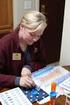 To Make a No Obligation No Cost Referral Contact our Admissions office at: Compliments of: Phone: 541-512-5049 Fax: 888-611-8233 Office Locations 29984 Ellensburg Ave. Gold Beach, OR 97444 541-247-7084
Statement of Purpose for the Strategic Plan
 Contributors: Elena Espirtu, OTR/L Mary Gollinger, MS, CRRN, RN Renu Mahajan, MD Sriramjini Muthukrishnan, MD Keir Ringquist, PT, GCS David Miller Mamie Kutame, MSW William Kettlewell, RN Kimberly Zimmerman,
Patient Information Guide. Getting you Back to Better. 859.426.2400 www.vrhgateway.com
 Patient Information Guide Getting you Back to Better 859.426.2400 www.vrhgateway.com The Gateway Difference Gateway Rehabilitation Hospital provides expert care to help patients get back to better after
Shepherd Center is a world-renowned provider of comprehensive, specialized rehabilitation for people with spinal cord injury, brain injury or stroke.
 Shepherd Center is a world-renowned provider of comprehensive, specialized rehabilitation for people with spinal cord injury, brain injury or stroke. Table of Contents 1 HOPE is HERE 2 Why choose Shepherd
Chapter 7: Inpatient & Outpatient Hospital Care
 7 Inpatient & Outpatient Hospital Care ACUTE INPATIENT ADMISSIONS All elective and emergent admissions require prior authorization and/or notification for all Health Choice Generations Members admissions.
ISSUED BY: TITLE: ISSUED BY: TITLE: President
 CLINICAL PRACTICE GUIDELINE PROFESSIONAL PRACTICE TITLE: Stroke Care Rehabilitation Unit DATE OF ISSUE: 2005, 05 PAGE 1 OF 7 NUMBER: CPG 20-3 SUPERCEDES: New ISSUED BY: TITLE: Chief of Medical Staff ISSUED
Adult Speech-Language Pathology Services in Health Care
 Adult Speech-Language Pathology Services in Health Care How do speech-language pathologists (SLPs) help people? SLPs work with people who have trouble speaking listening reading writing thinking swallowing
Choosing a High-Quality Medical Rehabilitation Program: AN NRH FIELD GUIDE FOR PEOPLE WITH DISABILITIES
 Choosing a High-Quality Medical Rehabilitation Program: AN NRH FIELD GUIDE FOR PEOPLE WITH DISABILITIES Choosing a High-Quality Medical Rehabilitation Program: AN NRH FIELD GUIDE FOR PEOPLE WITH DISABILITIES
Hamilton Health Sciences Acquired Brain Injury Program
 Overview of Program The Acquired Brain Injury (ABI) Program at the Regional Rehabilitation Centre, Hamilton General Hospital serve the rehabilitation needs of adults with acquired brain injuries and their
Inpatient Rehabilitation Patient Handbook
 Inpatient Rehabilitation Patient Handbook Welcome to the Acute Inpatient Rehabilitation Program! The Acute Inpatient Rehabilitation Program welcomes you and your family. We look forward to the opportunity
Inpatient Rehabilitation
 Inpatient Rehabilitation Patient Handbook 2601 Electric Avenue, Port Huron, MI 48060 810-985-1500 mymercy.us SJMPH 12-12 300 My Rehabilitation Team Physician Nurse Case Manager Physical Therapist Occupational
health insurance changes Page 2 pharmacist better management Page 4 Get to know your Let s talk about Putting the care in care WINTER 2013 Page 6
 WINTER 2013 Get to know your pharmacist better Page 6 Let s talk about health insurance changes Page 2 Kristin Weiler, Pharmacist Wayne Thompson Putting the care in care management Page 4 SECURITY HEALTH
Rehabilitation Center
 WELCOME TO OUR PATIENTS AND FAMILIES Rehabilitation Center NEIGHBORS HELPING NEIGHBORS IN THE COMMUNITY Location: REHABILITATION CENTER AT EL CAMINO HOSPITAL LOS GATOS 355 Dardanelli Lane (off Knowles
Life with MS: Mastering Relationships with Family and Friends
 Life with MS: Mastering Relationships with Family and Friends Getting the Support You Need The bonds we have with friends and family are linked to our happiness and well-being. They bring us joy during
SAM KARAS ACUTE REHABILITATION CENTER
 SAM KARAS ACUTE REHABILITATION CENTER 1 MEDICAL CARE Sam Karas Acute Rehabilitation The Sam Karas Acute Rehabilitation Center is a comprehensive and interdisciplinary inpatient unit. Medical care is directed
REHABILITATION FACILITIES
 Approved by Governor Date: 10/5/92 REHABILITATION FACILITIES I. DEFINITIONS A. Medical Rehabilitation Services: Medical/Physical Rehabilitation is the medical management of physical disability using all
How To Plan For A Hospital Discharge
 Family Caregiver Guide Rehab-to-Home Discharge Guide In Rehab: Planning for Discharge The best time to start planning for discharge is just after your family member is admitted. While it may seem too soon
PREPARING THE PATIENT FOR TRANSFER TO AN INPATIENT REHABILITATON FACILITY (IRF) University Hospitals 8th Annual Neuroscience Nursing Symposium
 PREPARING THE PATIENT FOR TRANSFER TO AN INPATIENT REHABILITATON FACILITY (IRF) University Hospitals 8th Annual Neuroscience Nursing Symposium May 31, 2013 2 DEFINITION: INPATIENT REHABILITATION FACILITY
How To Run An Acquired Brain Injury Program
 ` Acquired Brain Injury Program Regional Rehabilitation Centre at the Hamilton General Hospital Table of Contents Page Introduction... 3-4 Acquired Brain Injury Program Philosophy... 3 Vision... 3 Service
ALBERTA PROVINCIAL STROKE STRATEGY (APSS)
 ALBERTA PROVINCIAL STROKE STRATEGY (APSS) Stroke Systems of Care Key Components APSS Pillar Recommendations March 28, 2007 1 The following is a summary of the key components and APSS Pillar recommendations
Where Should Rehabilitation Take Place?!
 Where Should Rehabilitation Take Place?! Three Basic Questions! 1. Is rehabilitation effective in improving a patient s functional abilities?!yes" yes" 2. Is rehabilitation cost effective?!yes" where"
Recovering After a Stroke: A Patient and Family Guide
 Recovering After a Stroke: A Patient and Family Guide Consumer Guide Number 16 AHCPR Publication No. 95-0664: May 1995 US Agency for HealthCare Research and Quality Purpose of This Booklet This booklet
Rhode Island Hospital Inpatient Rehab Unit (IRU)
 Rhode Island Hospital Inpatient Rehab Unit (IRU) We are located on the 7 th floor of the Main Building. The unit phone number is (401) 444-2217 Within this packet, you will find answers to some commonly
Health Professionals who Support People Living with Dementia
 Clinical Access and Redesign Unit Health Professionals who Support People Living with Dementia (in alphabetical order) Health Professional Description Role in care of people with dementia Dieticians and
Are you feeling... Tired, Sad, Angry, Irritable, Hopeless?
 Are you feeling... Tired, Sad, Angry, Irritable, Hopeless? I feel tired and achy all the time. I can t concentrate and my body just doesn t feel right. Ray B. I don t want to get out of bed in the morning
Neurodegenerative diseases Includes multiple sclerosis, Parkinson s disease, postpolio syndrome, rheumatoid arthritis, lupus
 TIRR Memorial Hermann is a nationally recognized rehabilitation hospital that returns lives interrupted by neurological illness, trauma or other debilitating conditions back to independence. Some of the
Compassionate Care Right at Home.
 Words cannot express how thankful we are for all that your nurses did for our dad during those last few weeks more than anything they treated him with respect and love and gave him the peace and comfort
Itemization of Rehabilitation Centers from Marketing Point of View -- Current Analysis and Future Challenges
 Itemization of Rehabilitation Centers from Marketing Point of View -- Current Analysis and Future Challenges Ashish Chandra, Marshall University Graduate College William B. Stroube, University of Evansville
prepared in making referrals through Choose and Book, which doesn t create any additional work for me.
 Health Management Limited has been appointed as the supplier to deliver Fit for Work (previously Health and Work Service) in England and Wales. The following is a personal account of a service user s journey.
For Family Caregivers: Leaving the Hospital and Going Where?
 Family Caregiver Guide For Family Caregivers: Leaving the Hospital and Going Where? Planning for care after a discharge is often stressful. A thoughtful discussion with a knowledgeable professional can
www.seniorclix.com www.elderweb.com National Eldercare Locator 1-800-677-1116 Administration on Aging www.aoa.gov Medicare 1-800-MEDICARE
 Introduction This Patient and Family Guide to Hospice Care is designed to be a practical source of information about hospice care. It introduces you to the history and philosophy of the hospice movement.
KAISER FOUNDATION REHABILITATION CENTER
 KAISER FOUNDATION REHABILITATION CENTER Referral Video Script THE KAISER FOUNDATION REHABILITATION CENTER A Kaiser Permanente National Center of Excellence 60 Years of Providing Hope and Rebuilding Lives
Navigation and Cancer Rehabilitation
 Navigation and Cancer Rehabilitation Messina Corder, RN, BSN, MBA Manager, MWHC Regional Cancer Center Regina Kenner, RN Cancer Navigator, MWHC Regional Cancer Center Cancer Action Coalition of Virginia
by Argyrios Stampas, MD, Carolin Dohle, MD, and Elizabeth Dominick, PT, DPT, NCS
 by Argyrios Stampas, MD, Carolin Dohle, MD, and Elizabeth Dominick, PT, DPT, NCS Therapist Jennifer Metz (right) helps a patient use a body-weight support treadmill system. Up and Moving Blending dedication
Neurodegenerative diseases Includes multiple sclerosis, Parkinson s disease, post-polio syndrome, rheumatoid arthritis, lupus
 TIRR Memorial Hermann is a nationally recognized rehabilitation hospital that returns lives interrupted by neurological illness, trauma or other debilitating conditions back to independence. Some of the
Family Caregiver s Guide to Hospice and Palliative Care
 Family Caregiver Guide Family Caregiver s Guide to Hospice and Palliative Care Even though you have been through transitions before, this one may be harder. If you have been a family caregiver for a while,
The integration of telehealth How legislation and licensing boards are dealing with the new technology
 The integration of telehealth How legislation and licensing boards are dealing with the new technology This article is based on a presentation given by Mike Billings, PT, MS, CEEAA and Mei Wa Kwong, JD
Heart information. Cardiac rehabilitation
 Heart information Cardiac rehabilitation Contents 2 What is cardiac rehabilitation? 3 What are the benefits of cardiac rehabilitation? 4 Who should take part in cardiac rehabilitation? 4 When does cardiac
Multidisciplinary Approach to Symptom Management in MS
 Multidisciplinary Approach to Symptom Management in MS Emily Cade, M.S., CCM, CRC, CLCP Program Manager Andrew C. Carlos MS Institute Shepherd Center Atlanta, Georgia A Complex Disease A Comprehensive
North Shore-LIJ Cancer Rehabilitation. Restoring function for patients and survivors
 North Shore-LIJ Cancer Rehabilitation Restoring function for patients and survivors Improve Your Quality of Life The North Shore-LIJ Rehabilitation Network provides a comprehensive outpatient rehabilitation
Joan Carroll RN, CDMS, CCM Director of Care Transitions Lee Memorial Health System
 Joan Carroll RN, CDMS, CCM Director of Care Transitions Lee Memorial Health System 1 Explain how patients experience transitions of care Identify variables that affect transitions due to lack of patient
Annual Report & Outcomes
 Annual Report & Outcomes January 2011 December 2011 1 From the Corporate Director Thank you for your interest in Winchester Rehabilitation Center and Valley Health Rehabilitation Services. At Winchester
TORONTO STROKE FLOW INITIATIVE - Outpatient Rehabilitation Best Practice Recommendations Guide (updated July 26, 2013)
 Objective: To enhance system-wide performance and outcomes for persons with stroke in Toronto. Goals: Timely access to geographically located acute stroke unit care with a dedicated interprofessional team
Rehab Insider. Inside this Issue
 Rehab Insider Volume 1 Issue 3 Inside this Issue Peds Residency...1 Quality Projects..2 MS Society Award.3 OT Burn Resident..4 Peds Physical Therapy Residency Receives Accreditation The Physical Therapy
GRACE Team Care Integration of Primary Care with Geriatrics and Community-Based Social Services
 GRACE Team Care Integration of Primary Care with Geriatrics and Community-Based Social Services Aged, Blind and Disabled Stakeholder Presentation Indiana Family and Social Services Administration August
Question Specifications for the Cognitive Test Protocol
 Question Specifications for the Cognitive Test Protocol Core Questions These are the 6 disability questions to be tested in the interview. All of the other questions in the cognitive test protocol are
Frequently Asked Questions Regarding At Home and Inpatient Hospice Care
 Frequently Asked Questions Regarding At Home and Inpatient Hospice Care Contents Page: Topic Overview Assistance in Consideration Process Locations in Which VNA Provides Hospice Care Determination of Type
2016 MEDICAL REHABILITATION PROGRAM DESCRIPTIONS
 2016 MEDICAL REHABILITATION PROGRAM DESCRIPTIONS Contents Comprehensive Integrated Inpatient Rehabilitation Program... 2 Outpatient Medical Rehabilitation Program... 2 Home and Community Services... 3
patient ONE FOCUS: CANCER ONE WORLD-CLASS TEAM DEDICATED TO YOUR CARE Choosing the Right Insurance Plan Before You Need It THE ROSWELL PARK ADVANTAGE
 patient ELM & CARLTON STREETS BUFFALO, NEW YORK 14263 1-877-ASK-RPCI (1-877-275-7724) www.roswellpark.org THE ROSWELL PARK ADVANTAGE No one expects to get cancer, but if you or a loved one should need
Frequently Asked Questions about Fee-for-Service Medicare For People with Alzheimer s Disease
 Frequently Asked Questions about Fee-for-Service Medicare For People with Alzheimer s Disease This brochure answers questions Medicare beneficiaries with Alzheimer s disease, and their families, may have
Doctor Visits. How Much to Participate
 Family Caregiver Guide Doctor Visits Caregiving involves not only major crises, but also routine experiences like going to the doctor. HIPAA is a federal law that protects patient privacy, while allowing
When Short-Term Rehab Turns into a Long-Term Stay
 When Short-Term Rehab Turns into a Long-Term Stay Even if your family member moves to a longstay unit, he or she may be able to return home later -- if there is more progress, the home is prepared, and
TORONTO STROKE FLOW INITIATIVE - Inpatient Rehabilitation Best Practice Recommendations Guide (updated January 23, 2014)
 TORONTO STROKE FLOW INITIATIVE - Inpatient Rehabilitation Best Practice Guide (updated January 23, 2014) Objective: To enhance system-wide performance and outcomes for persons with stroke in Toronto. Goals:
Introduction to One Care. MassHealth plus Medicare. www.mass.gov/masshealth/onecare
 Introduction to One Care MassHealth plus Medicare www.mass.gov/masshealth/onecare Overview of One Care Starting in fall 2013, MassHealth and Medicare will join together with health plans in Massachusetts
Home Health Care Benefit under Medicare and Illinois Medicaid. What is Home Care and Hospice?
 Home Health Care Benefit under Medicare and Illinois Medicaid Home Care What is Home Care and Hospice? Home Care is a broad term that describes a range of health and social services. These services are
Marianjoy Physical Therapy and. A Leader in Rehabilitation
 Marianjoy Physical Therapy and Outpatient Services A Leader in Rehabilitation Choose Wisely Choose Marianjoy Marianjoy Distinctly Different Marianjoy provides a complete range of rehabilitation services
INPATIENT REHABILITATION GUIDE
 INPATIENT REHABILITATION GUIDE ON THE COVER Bayfront s rehabilitation team has helped thousands take a first step for the second time. WELCOME TO BAYFRONT REHABILITATION CENTER Often, a successful ending
May 7, 2012. Submitted Electronically
 May 7, 2012 Submitted Electronically Secretary Kathleen Sebelius Department of Health and Human Services Office of the National Coordinator for Health Information Technology Attention: 2014 edition EHR
Rehabilitation Nurses: Champions for Optimizing Stroke Rehabilitation Across the Continuum of Care
 Rehabilitation Nurses: Champions for Optimizing Stroke Rehabilitation Across the Continuum of Care Presenters Sandra Melchiorre RN, MN, ACNP, CNN (c) Regional Stroke Acute Care Advanced Practice Nurse,
VA Boston Healthcare System West Roxbury Campus 1400 VFW Parkway West Roxbury, MA 02132 Spinal Cord Injury Center
 VA Boston Healthcare System West Roxbury Campus 1400 VFW Parkway West Roxbury, MA 02132 Spinal Cord Injury Center Specializing in Acute Care and Rehabilitation for Individuals with Spinal Cord Injury and
Annual Report Fiscal Year 2014
 Annual Report Fiscal Year 2014 Message from Administration The Rehabilitation Unit at Meritus Medical Center has enjoyed the use of great new equipment, a wonderful new space and opportunities to revise