
insects ISSN
|
|
|
- Edward Elliott
- 10 years ago
- Views:
Transcription
1 Insects 2011, 2, ; doi: /insects Article OPEN ACCESS insects ISSN Survivorship During Starvation for Cimex lectularius L. Andrea M. Polanco, Dini M. Miller * and Carlyle C. Brewster Department of Entomology, Virginia Tech, 216A Price Hall, Blacksburg, VA 24061, USA; s: [email protected] (A.M.P.); [email protected] (C.C.B.) * Author to whom correspondence should be addressed; [email protected]; Tel.: ; Fax: Received: 09 February 2011; in revised form: 20 April 2011 / Accepted: 9 May 2011 / Published: 11 May 2011 Abstract: Four bed bug strains (Cimex lectularius) with different levels of pyrethroid resistance were evaluated to determine their ability to survive extended periods of starvation. First instar bed bugs of all strains were the most vulnerable to starvation ( days mean survival time). Fifth instars and adults survived the longest during starvation ( days). Significant differences in survivorship during starvation were observed between resistant and susceptible strains of bed bugs. Overall, all immature and adult stages of the resistant bed bug strains had significantly shorter survival times than those of the susceptible strains (P < 0.05). Keywords: Cimex lectularius; bed bug; starvation; resistance; survivorship; pyrethroids 1. Introduction The relationship between humans and bed bugs (Cimex lectularius) has been well documented throughout history [1]; however, the biology and ecology of this once severe pest has not been actively studied for over 50 years. This paucity of bed bug research was largely due to the bed bug s near elimination from developed nations after the widespread use of DDT and other insecticides [1]. Most of the literature regarding the biology and ecology of the common bed bug is, therefore, potentially outdated [2]. For example, bed bug resistance to insecticides either did not exist or was unknown when biological studies were conducted in the 1940s. Therefore, it is very likely that modern bed bug populations (particularly resistant populations) are at least somewhat different from the bed bug

2 Insects 2011, populations described by Johnson [2] or Omori [3], with respect to their fitness, and specifically their survivorship. In recent years there has been a significant increase in bed bug infestations throughout the U.S. [4,5]. The growing number of infestations in the U.S. is an indicator of a more widespread increase across the globe [6]. The recent proliferation of bed bugs has been attributed to immigration and emigration [4,7], an increase in international travel (including vacationing) [8], and, most importantly, bed bug resistance to pyrethroid insecticides [9]. The majority of insecticides currently used for bed bug control come from a single class, the pyrethroids. Repeated pyrethroid applications over time, however, have resulted in bed bug populations becoming resistant [9 12]. Moore and Miller [10] reported resistance to deltamethrin in a field strain of bed bugs collected in Virginia. Romero et al. [11] also reported resistance to deltamethrin and lambda-cyhalothrin in populations collected in California, Florida, Kentucky, Ohio, and Virginia. Pyrethroid-resistant bed bugs have been documented to have at least two types of physiological resistance: kdr-type mutations [12] and enhanced production of detoxification enzymes [13]. Enhanced production of detoxification enzymes may result in a reduction in fitness for some populations. Resistant insects that invest energy in insecticide detoxification have less energy to put into reproduction and survivorship [14 16]. However, the detoxification of insecticides can interfere with the natural physiology of the insect by changing their enzyme activity and function, and thus reduce the insect s adult life span [15]. Alternatively, the wasteful overproduction of an enzyme when there is no insecticide to detoxify may also reduce the insect s longevity [17]. This reduction in life span due to insecticide resistance has been documented in several insect families, including Aphididae [18], Tortricidae [19], Culicidae [20], and Muscidae [21 23]. Even when no insecticide is present, resistant strains are found to be at a selective disadvantage because the alleles that confer resistance have negative effects on the resistant individuals [24]. Environmental stressors such as high temperatures or starvation also have negative impacts on bed bug survivorship [3]. However, bed bugs are reported to be particularly adept at enduring long periods of starvation [25]. Omori [3] reported that starved adult female bed bugs could survive an average of 277 days at 18 C, and as long as 425 days at 10 C. Because bed bug response to starvation has not been evaluated for many decades, it is possible that current resistant populations may respond differently to extended periods of starvation than those evaluated by Omori in The purpose of this study was to quantify the survivorship of all bed bug life stages (first-fifth instars and adults) during an extended period of starvation. In this study, four bed bug strains (two pyrethroid-susceptible and two resistant strains) were evaluated to determine whether there were differences in survivorship among the populations. 2. Materials and Methods 2.1. Bed Bug Rearing A susceptible laboratory strain of bed bugs (HS) was acquired in February 2005 from Harold Harlan (National Pest Management Association, Fairfax, VA, USA). Dr. Harlan maintained this population of bed bugs, feeding them on himself since The population was originally collected from Fort Dix,
![The recent proliferation of bed bugs has been attributed to immigration and emigration [4,7], an increase in international travel (including vacationing) [8], and, most importantly, bed bug](/docs-images/50/15548151/images/page_2.jpg "resistance to pyrethroid insecticides [9]. The majority of insecticides currently used for bed bug control come from a single class, the pyrethroids.")
3 Insects 2011, NJ, USA. Two field strains were also collected in The Richmond strain (RR) was collected from apartments in Richmond, VA, USA in September and the Epic Center strain (ER) was collected in June from a hotel room in Cincinnati, OH, USA. Finally, the British field strain (BS) was collected in September 2006 from an apartment in London, England and a portion of this population was sent to the Dodson Urban Pest Management Laboratory in All strains were evaluated to determine their susceptibility to pyrethroid products labeled for indoor use in the United States (active ingredients: lambda-cyhalothrin (0.03%), bifenthrin (0.02%), deltamethrin (0.06%), permethrin (0.5%)). Product evaluations were conducted by confining bed bugs on dried insecticide residues to determine LT 50 values [26] as described by Miller and Moore [10]. Both HS and BS were determined to be pyrethroidsusceptible strains, while RR and ER were found to be highly resistant to all products tested. Table 1 presents the results of the LT 50 analysis to determine bed bug strain susceptibility to deltamethrin (0.06%; Suspend SC, Bayer CropScience, Research Triangle Park, NC, USA). Table 1. LT 50 values (% hours) calculated for adult bed bugs (50% male: 50% female) confined on hardboard panels treated with residual insecticide [27]. Field samples were run same day with Harlan (HS) samples for comparison. Bed Bug Strain Test Date Treatment LT 50 (hours) 95% CLs Resistance Ratios Harlan (HS) February 2009 Suspend SC Richmond (RR) Suspend SC Harlan (HS) July 2010 Suspend SC British (BS) Suspend SC Harlan (HS) August 2009 Suspend SC Epic Center (ER) Suspend SC > >340 The bed bug colonies were reared in plastic jars covered at one end with a cloth mesh. Two pieces of cardboard were placed inside of the jars so that bed bugs could crawl up the cardboard and feed through the cloth mesh from an artificial feeder. Circulating hot water was used to maintain a diet of chicken blood (formulated with sodium citrate as an anti-coagulant) at 35.5 C in the artificial feeder. Bed bugs were fed once a week on the chicken blood. Between feedings, bed bugs were stored in an environmental chamber at C, 68.9% RH, and photoperiod of 12:12 h, L:D. These conditions closely approximated the conditions at which Johnson [2] evaluated bed bug populations for maximum average fecundity and longevity. All bed bug colonies were maintained in the Dodson Urban Pest Management Laboratory (Virginia Tech, Blacksburg, VA, USA) Evaluation of Survivorship during Starvation For this experiment two pyrethroid susceptible strains, HS and BS, and two resistant strains, RR and ER, were selected for evaluation. The individual bed bugs were observed under the microscope to determine their developmental stage [1]. Recently molted individuals from each developmental stage (first fifth instars and adults) were randomly selected from each strain. Five groups of 10 individuals from the same stage were placed in Petri dishes (Fisher brand mm) containing a single filter paper (Whatman 42.5 mm). A total of 50 individuals from each life stage were evaluated. Adult males and females were also placed in separate Petri dishes to prevent copulation. No blood meals were offered to

4 Insects 2011, any of the bed bugs after they were place inside the Petri dishes. The Petri dishes containing the bed bugs were checked daily for mortality, and the data were recorded until all individuals had died Statistical Analysis We calculated the mean survival time for the 10 randomly selected individuals in each Petri dish. This resulted in five values of mean survival times at each developmental stage for each of the four strains. Differences in within-stage survival times among bed bug strains and within-strain survival times among developmental stages were determined using a randomization test within a one-way analysis of variance (ANOVA) [28,29]. The randomization ANOVA used here is a nonparametric alternative to conventional ANOVA and is particularly useful for analysis of unreplicated data and N-of-1 experiments [28 30]. As a first step in the analysis, we calculated a test statistic for the original data. The test statistic of choice was the observed F-value (F obs ) from the ANOVA [28,29]. We then randomly permuted and reassigned the mean survival values among the levels of the factor (bed bug strain or developmental stage) to maintain the original number of five values within each factor level. Following this, we reran the ANOVA to calculate a new F-value. Because it was impractical and unnecessary to run all of the possible permutations of our data for each analysis, we elected to use 4999 permutations [29] to develop the distribution of F-values. The P-value for each analysis was determined by the proportion of the 5000 F-values (i.e., 4,999 permuted F-values + F obs ) that were greater than F obs. Statistical significance was determined by a P-value α = Following the randomization ANOVA, we calculated both the 83% and 95% bootstrap confidence intervals [29] for the mean survival time at each factor level. Significant differences in the mean survival times among factor levels were determined by failure of the 83% confidence intervals to overlap [31,32]. All of the analyses were carried out using MATLAB R2010b 7.11 with Statistical Toolbox (The MathWorks Inc., Natick, MA, USA). 3. Results Analysis of bed bug survival times with the randomization ANOVA showed that there were significant differences in the within-stage survival times among bed bug strains (F obs (3,16) = , p < 0.05) and in the within-strain survival times among developmental stages (F obs (6,28) = , p < 0.05) (Table 2). As expected, the first instars of all strains were more susceptible to starvation than the larger nymphs and adult stages. First instars of all strains survived an average of days of starvation (Table 2). Second instars of all strains were significantly more resistant to starvation than the first instars within their own strain. Second instar mortality occurred between 22.5 and 74.2 days. In general, once the bed bugs were in the third or fourth instar their starvation survival times were similar to those of older instars and adults; however, there were differences observed in developmental stage survival times among the strains. Mean survival time for first instars of the HS strain was significantly less (36.3 days) than that of all other instars and adults (Table 2). Second instar mean survival time was greater (56.3 days) than that of the first instars but less than the mean survival time of all other instars. Survival times of the third, fourth, and fifth instars, and adult bed bugs were not significantly different.

5 Insects 2011, Table 2. Mean (95% CI) survival times (days) during starvation for immature and adult stages of two pyrethroid-susceptible (HS and BS) and two pyrethroid-resistant (RR and ER) bed bug strains (reared at C, 68.9% RH, photoperiod 12:12 hour L:D). Bed Bug Strain Harlan (HS) British (BS) Epic Center (ER) Richmond (RR) Mean Survival Time (days) during Starvation (95% CI ) Instar Adult 1st 2nd 3rd 4th 5th Female Male 36.3 a, A ( ) 28.6 a, B ( ) 15.0 a, C ( ) 13.8 a, C ( ) 56.3 b, A ( ) 68.3 b, B ( ) 27.9 b, C ( ) 27.8 b, C ( ) 90.1 c, A ( ) c, B 95.8 c, A ( ) d, B 99.3 c, A ( ) d, B ( ) ( ) ( ) 38.3 c, C ( ) 28.2 b, D ( ) 61.0 d, C ( ) 33.4 c, D ( ) 73.2 e, C ( ) 43.7 d, D ( ) 92.6 c, A ( ) 74.5 e, B ( ) 62.5 d, B ( ) 43.7 d, D ( ) 99.4 c, A ( ) 82.6 f, B ( ) 60.3 d, C ( ) 42.9 d, D ( ) *Significant differences in the mean survival times among factor levels were determined by the non-overlapping 83% confidence intervals. Means across each row (within strain) followed by the same lowercase letter are not significantly different. Means within each column (between strains) followed by the same uppercase letter are not significantly different. Young nymphs (first and second instars) of the BS strain were also the most susceptible to starvation (Table 2). However, the older nymphs (third fifth instars) were significantly less susceptible to starvation than the adults. The later instars of the BS strain survived between days without a blood meal while the adults only survived between days. In fact, the middle instars of the BS strain were by far the least susceptible to starvation of all the bed bugs tested. The survival time for the ER nymphs increased significantly with each instar (Table 2). The fifth instar had the greatest ability to resist starvation surviving significantly longer than any other instar and the adults. The RR strain was the most susceptible to starvation of all the strains tested, with no development stage (or individual) expected to survive more than 51 days. Similar to the other strains, the first instars of the RR strain were the most vulnerable stage, surviving on average only 13.8 days. Second and third instars survived significantly longer than first instars but did not live as long as fourth instars. There were no significant differences in the life length between starved fifth instars and adults in the RR strain, with each surviving an average of ~43 days. Overall, mean survival time during starvation differed significantly among the strains. What is most obvious is that both of the resistant bed bug strains (RR and ER) were significantly more vulnerable to mortality during starvation than the susceptible strain of bed bugs at all developmental stages (Table 2). 4. Discussion Laboratory studies characterizing life table parameters for laboratory and field strains of bed bugs determined that bed bug eggs hatch within 6 9 days of being produced. If these newly hatched first instars receive a blood meal, they will typically molt to the next instar within 5 days. Molting within

6 Insects 2011, days of a blood meal is typical of all nymphal stages provided the individuals are allowed to feed to repletion [27]. Thus, the instar itself is a means of quantifying the number of complete blood meals a particular bed bug has taken. For example, a third instar bed bug has taken two complete blood meals, one as a first instar, and another as a second instar. In this study, to accurately measure the life length of a particular instar during starvation, it was very important to provide the blood meal during the previous instar (except for the first instar), wait for the individual insect to molt, and then starve it during the instar that was to be measured. Because the first instar bed bug was the only developmental stage that did not receive a blood meal, it was not surprising that starved individuals in this stage, overall, had the shortest life length of all instars and developmental stages tested. Other studies reported the first instar as the most susceptible to starvation [1,2,33]. One explanation for high mortality in first instar bed bugs is undoubtedly moisture loss. Recently hatched bed bugs lose moisture easily because they have a larger surface area compared to their volume [1]. If they are unable to feed there are no means of replenishing this moisture. In our study, first instar bed bugs survived days (depending upon the strain). Kemper [33] reported starved first instars surviving 83.7 days. However, the Kemper first instar bed bugs were held at a lower temperature (22 C and 40 45% RH). Several studies have documented that starved bed bugs survive longer at lower temperatures [3,34,35]. It should also be mentioned that from the Kemper [33] study it is unclear whether the first instar bed bugs were ever fed, or if they were fed once and survivorship during starvation quantified after they had molted to the second instar. While we observed that second and third instars did survive longer than first instars in all strains, the field strains did not live as long as other strains, as previously reported in the literature. Omori [3] found that at 27 C and 70 75% RH, third instar bed bugs survived on average 71.2 days after the last blood meal. However, we found that third instar bed bugs from the field strains, ER and RR, survived no longer than ~38 days on average after their last blood meal when held at a similar temperature. The current study also found that the mean survival times after starvation of virgin adult male and female bed bugs in each strain were similar ( days for adult females and days for adult males). Interestingly, these results also conflict with those of Omori [3], who stated that virgin adult females lived longer than males during starvation (43.4 days for males and 86.7 days for females). Johnson [2] and Kemper [33] found that with mated adults, males typically outlived females, except at very low temperatures. Yet, both authors reported that virgin females lived longer than virgin males. However, it is difficult to determine from the text whether the authors meant that virgin females lived longer at low temperatures or at all temperatures. Cimex lectularius survivorship under different conditions has been studied by many researchers [2,3,33,35,36]. Not surprisingly, each study provided different results regarding how long a bed bug can live without a blood meal. The Kemper [33] study was conducted at 22 C and 40 45% RH, and reported first and second instars surviving for 83.7 days and adults surviving for days during starvation. Bacot [35] reported keeping starved bed bugs from all developmental stages in an outhouse for 18 months. Gunn [36] reported adult bed bugs living for more than three years with sporadic feedings (approximately 23 feedings over that period of time). However, the temperature and relative humidity for this experiment were not stated. Johnson [37] also reported a female bed bug living for more than 580 days after the last blood meal. The results of the current study were quite different from those

7 Insects 2011, reported prior to In fact, susceptible bed bug strains, which are rarely found in the field, had the longest survival times, and yet did not live as long as 130 days (on average). The maximum life span observed in this study was recorded for a single fifth instar bed bug from the BS strain, which lived ~143 days without a blood meal. The field strains of bed bugs did not live beyond 80 days. The fact that we found significant differences in the survivorship for almost every developmental stage between strains suggests that each of the strains is physiologically different. There is no question that the Harlan strain has been through a genetic bottle neck after being in the laboratory for over 36 years. Therefore, we would expect that the response of the HS bed bugs would be significantly different from that of the field stains. The BS strain has only been in the laboratory since However, the BS strain would also be considered susceptible based on the resistance ratio criteria established by Cochran [26]. While the BS strain had formerly been considered a resistant strain [38], its physiological resistance has obviously declined while it has been in the laboratory, indicating that like the Harlan strain, it has become a more homogeneous culture. Perhaps life in the laboratory has selected for those individuals that can withstand long periods of starvation. However, given that laboratory strains are typically pampered with regular blood meals to maximize reproduction, selection for individuals able to withstand long period of starvation seems unlikely. Because the life expectancy of the two field-collected strains was determined to be significantly lower than either of the susceptible laboratory strains leads us to speculate that insecticide resistance may actually play a role in bed bug survivorship during starvation. Several populations of insecticide resistant insects have been documented to have reduced survivorship compared to susceptible populations [24]. Groeters et al. [39] reported that resistant populations of diamondback moth (Plutella xylostella) had shorter adult life spans than susceptible populations. Sarita et al. [20] found a significant reduction in adult longevity in a strain of Aedes aegypti resistant to deltamethrin when compared with susceptible populations. Rosenheim and Tabashnik [40] used a model to simulate and measure fitness for a hypothetical insecticide resistant insect. The model predicted a significant loss of fitness in resistant populations, even in the absence of the insecticide. While we cannot make specific predictions about the survivorship of different bed bug populations collected from the field in relation to insecticide resistance, subsequent studies may determine that there is a correlation between the level of resistance of a population and its ability to survive environmental stressors (e.g., periods of starvation). Our study may help to update some internet-accessible information regarding bed bug survivorship during periods of starvation. Currently, it is very common to find bed bug information sites stating that bed bug populations can live for a year or more without a blood meal. For instance, the BadBedBug.com states bed bug adults can survive more than 12 months without feeding [41]. BedBugs.org states: adult bed bugs can survive for up to 7 months without a blood meal and have been known to live in empty buildings for up to one year [42]. Even fact sheets from universities report long periods of bed bugs survival: immature bed bugs may live for several months without feeding while adults may survive as long as one year [43]. However, these sites give no references as to the origin of the information. No doubt these references to long periods of survivorship during starvation in bed bugs originated from the older studies conducted by Johnson [37], Omori [3] and Busvine [34]. However, these websites neglect to mention that the data were from studies where insecticide resistance was either not quantified or unknown, and that the long survival times were most

8 Insects 2011, likely recorded for bed bugs held at temperatures below at 11 C [3]. The results of this study indicate that the bed bugs strains currently infesting homes and apartments within the United States do not survive starvation nearly as long as previously reported. 5. Conclusions Our studies indicated that first instar bed bugs were the most vulnerable to mortality during starvation, surviving only one month or less. While second instars survived significantly longer ( months) than first instars, their survival period during starvation was still significantly less than that of older instars or adults (up to 4 months depending on the strain). Fifth instar and adult bed bugs were the least susceptible to mortality during starvation; however no individual survived more than 135 days. This result was surprising because most popular references state that adult bed bugs are capable of surviving for more than a year without feeding. Significant differences were observed in length of survival during starvation between all strains; however, the greatest differences were observed between those strains that were insecticide resistant and those that were susceptible. Resistant strains were found to be much more vulnerable to mortality during starvation than susceptible bed bugs. Overall, each resistant developmental stage (instar or adult) survived only one half to one third as long as the same developmental stage in the susceptible strain. Acknowledgements The authors would like to thank Harold Harlan (National Pest Management Assoc.) for providing the laboratory-susceptible strain, Tim McCoy (Virginia Tech Dept. of Entomology) for maintaining the bed bug colonies for this study, and Will Kuhn (Virginia Tech Dept. of Entomology) for help with the manuscript. References 1. Usinger, R.L. Monograph of Cimicidae (Hemiptera-Heteroptera), (Thomas Say Foundation); Entomological Society of America: Lanham, MD, USA, 1966; Volume Johnson, C.G. The ecology of the bed-bug, Cimex lectularius L., in Britain. J. Hyg. 1941, 41, Omori, N. Comparative studies on the ecology and physiology of common and tropical bed bugs, with special references to the reaction to temperature and moisture. J. Formos. Med. Assoc. 1941, 60, Cooper, R. Bed bugs still more questions than answers: A need for research and public awareness. Am. Entomol. 2006, 52, Gangloff-Kaufmann, J.; Hollingsworth, C.; Hahn, J.; Hansen, L.; Kard, B.; Waldvogel, M. Bed bugs in America: A pest management industry survey. Am. Entomol. 2006, 52, Potter, M.F.; Rosenberg, B.; Henriksen, M. Bugs without borders: Defining the global bed bug resurgence. Pest World 2010, September/October, Potter, M.F. A bed bug state of mind: Emerging issues in bed bug management. Pest Control Technol. 2005, 33, 82 85, 88, 90, 92 93,

9 Insects 2011, Boase, C. Bedbugs - back from the brink. Pestic. Outlook 2001, 12, Potter, M.F. The perfect storm: An extension view on bed bugs. Am. Entomol. 2006, 52, Moore, D.J.; Miller, D.M. Laboratory evaluations of insecticide product efficacy for control of Cimex lectularius. J. Econ. Entomol. 2006, 99, Romero, A.; Potter, M.F.; Potter, D.A.; Haynes, K.F. Insecticide resistance in the bed bug: A factor in the pest's sudden resurgence? J. Med. Entomol. 2007, 44, Yoon, K.S.; Kwon, D.H.; Strycharz., J.P.H., C.S.; Lee, S.H.; Clark, J.M. Biochemical and molecular analysis of deltamethrin resistance in the common bed bug (Hemiptera: Cimicidae). J. Med. Entomol. 2008, 45, Bai, X.; Mamidala, P.; Rajarapu, S.P.; Jones, S.C.; Mittapalli, O. Transcriptomics of the Bed Bug (Cimex lectularius). PLoS One 2011, 6, Roy, S.; Mukhopadhyay, A.; Gurusubramanian, G. Fitness traits of insecticide resistant and susceptible strains of tea mosquito bug Helopeltis theivora Waterhouse (Heteroptera: Miridae). Entomol. Res. 2010, 40, Uyenoyama, M.K. Pleiotropy and the evolution of genetic systems conferring resistance to pesticides. In Pesticide Resistance: Strategies and Tactics for Management; National Academy Press: Washington, DC, USA, 1986; pp Wood, R.J.; Bishop, J.A. Insecticide resistance: Populations and evolution. In Genetic Consequences of Man-made Changes; Bishop, J.A., Cook, L.M., Eds.; Academic Press: New York, NY, USA, 1981; pp Clark, P.H. Experiment in microbial evolution. In The Bacteria; Gunsalos, T.C., Ed. Academic Press: New York, NY, USA, 1978; pp Hollingworth, R.G.; Tabashnik, B.E.; Johnson, M.W.; Messing, R.H.; Ullman, D.E. Relationship between susceptibility to insecticides and fecundity across populations of cotton aphid (Homoptera: Aphididae). J. Econ. Entomol. 1997, 90, Carriere, Y.; Deland, J.P.; Roff, D.A.; Vincent, C. Life-history costs associated with the evolution of insecticide resistance. Proc. Roy. Soc. London Ser. B 1994, 258, Sarita, K.; Anita, T.; Thomas, S.; Arunima, S.; Anita, V.; Pillai, M.K. Diminished reproductive fitness associated with the deltamethrin resistance in an Indian strain of dengue vector mosquito, Aedes aegypti, L. Trop. Biomed. 2009, 26, Krafsur, E.S.; Rosales, A.L.; Robinson-Cox, J.F.; Koehler, K.J. Bionomics of pyrethroid-resistant and susceptible horn fly populations (Diptera: Muscidae) in Iowa. J. Econ. Entomol. 1993, 86, Roush, R.T.; Plapp, F.W., Jr. Effects of insecticide resistance on biotic potential of the house fly (Diptera: Muscidae). J. Econ. Entomol. 1982, 75, Scott, J.A.; Plapp, F.W., Jr.; Bay, D.E. Pyrethroid resistance associated with decreased biotic fitness in horn flies (Diptera: Muscidae). Southwestern Entomologist 1997, 22, Georghiou, G.P.; Taylor, C.E. Factors influencing the evolution of resistance. In Pesticide Resistance: Strategies and Tactics for Management; National Academy Press: Washington, DC, USA, 1986; pp

10 Insects 2011, Hinton, H.E. Sperm transfer in insects and the evolution of haemocoelic insemination. Sym. R. Entomol. Soc. Lond. 1964, 2, Cochran, D.G. Monitoring for insecticide resistance in field collected strains of the German cockroach (Dictyoptera: Blattellidae). J. Econ. Entomol. 1989, 82, Polanco, A.M.; Brewster, C.C.; Miller, D.M. Population growth potential of the bed bug, Cimex lectularius L.: A life table analysis. Insects 2011, 2, Edgington, E.S.; Onghena, P. Randomization Tests, 4th ed.; Chapman Hall/CRC Press: Boca Raton, FL, USA, Manly, B. Randomization, Bootstrap and Monte Carlo Methods in Biology, 2nd ed.; Chapman and Hall/CRC Press: Boca Raton, FL, USA, Payne, R. New and traditional methods for the analysis of unreplicated experiments. Crop Sci. 2006, 46, Payton, M.; Miller, A.; Raun, W. Testing statistical hypotheses using standard error bars and confidence intervals. Comm. Soil Sci. Plant Anal. 2000, 31, Payton, M.E.; Greenstone, M.H.; Schenker, N. Overlapping confidence intervals or standard error intervals: What do they mean in terms of statistical significance? J. Insect Sci. 2003, 3, Kemper, H. Contribution to the biology of Cimex lectularius. I. The effect of food deficiency. Z. Morphol. Oekol. Tiere 1930, 19, Busvine, J.R. Insects and Hygiene: The Biology and Control of Insect Pests of Medical and Domestic Importance, 3rd ed.; Chapman and Hall: New York, NY, USA, Bacot, A.W. The influence in temperature, submersion and burial on the survival of eggs and larvae of Cimex lectularius. Bull. Entomol. Res. 1914, 5, Gunn, W.C. The Bed Bug (Cimex lectularius): Prevention of House Infestation: A Study of Public Health Purpose; Department of Health for Scotland, HMSO: Edinburgh, UK, Johnson, C.G. Development, hatching and mortality of the eggs of Cimex lectularius L. (Hemiptera) in relation to climate, with observations on the effects of reconditioning to temperature. Parasitology 1940, 32, Naylor, R.; Bajomi, D.; Boase, C. Efficacy of (S)-methoprene against Cimex lectularius (Hemiptera: Cimicidae). Proc. Sixth Int. Conf. Urban Pests 2008, Groeters, F.C.; Tabashnik, B.E.; Finson, N.; Johnson, M.W. Fitness cost of resistance to Bacillus thuringiensis in the diamondback moth (Plutella xylostella). Evolution 1994, 48, Rosenheim, J.A.; Tabashnik, B.E. Evolution of pesticide resistance: Interactions between generation time and genetic, ecological, and operational factors. J. Econ. Entomol. 1990, 83, BadBedBugs.com. Bed Bugs. Avalable online: (accessed on 2 May 2011). 42. Bed-bug.org. Bed Bugs Life Cycle. Avalable online: (accessed on 2 May 2011).

11 Insects 2011, Kells, S.A.; Hahn, J. Prevention and Control of Bed Bugs in Residences. Avalable online: (accessed on 2 May 2011) by the authors; licensee MDPI, Basel, Switzerland. This article is an open access article distributed under the terms and conditions of the Creative Commons Attribution license (

Resting Site Preferences of Cimex hemipterus (Heteroptera; Cimicidae) in Human Dwelling in Benin City, Nigeria
 International Journal of Biomedical and Health Sciences 74-4748/8 $. +. Vol. 4, No., March, 8 8 African Studies on Population and Health Printed in Nigeria http://www.asopah.org IJBHS 8/44 Resting Site
AARHUS UNIVERSITY JUNE 15, 2010 BED BUGS OLE KILPINEN DANISH PEST INFESTATION LABORATORY INSTITUTE OF INTEGRATED PEST MANAGEMENT DENMARK
 BED BUGS OLE KILPINEN DANISH PEST INFESTATION LABORATORY INSTITUTE OF INTEGRATED PEST MANAGEMENT AARHUS DENMARK 1 Bed bug problems in Europe Bed bug biology -new results and importance for control Host
BED BUG (HEMIPTERA: CIMICIDAE) RESPONSE TO FUMIGATION USING SULFURYL FLUORIDE
 Proceedings of the Sixth International Conference on Urban Pests William H Robinson and Dániel Bajomi (editors), 2008 Printed by OOK-Press Kft., H-8200 Veszprém, Pápai út 37/a, Hungary 123 BED BUG (HEMIPTERA:
Temperature and Time Requirements for Controlling Bed Bugs (Cimex lectularius) under Commercial Heat Treatment Conditions
 Insects 2011, 2, 412-422; doi:10.3390/insects2030412 Article OPEN ACCESS insects ISSN 2075-4450 www.mdpi.com/journal/insects/ Temperature and Time Requirements for Controlling Bed Bugs (Cimex lectularius)
THE LIFE CYCLE AND EFFECTIVENESS OF INSECTICIDES AGAINST THE BED BUGS OF THAILAND
 THE LIFE CYCLE AND EFFECTIVENESS OF INSECTICIDES AGAINST THE BED BUGS OF THAILAND Suttida Suwannayod, Yaowaluk Chanbang and Sawai Buranapanichpan Department of Entomology and Plant Pathology, Faculty of
Bed Bug Outreach Efforts for 2012 Project Leader(s): Jody Gangloff- Kaufmann, Lynn Braband, Matthew Frye
 Bed Bug Outreach Efforts for 2012 Project Leader(s): Jody Gangloff- Kaufmann, Lynn Braband, Matthew Frye Cooperator(s): Bryan Matthews, Laurie Lutzker, Nassau County Dept of Health; Rene Fiechter, Maria
DANGSHENG LIANG Apex Bait Technologies, Inc., 309 Laurelwood Rd., Unit #18-2, Santa Clara, CA 95054, USA INTRODUCTION
 Proceedings of the Fifth International Conference on Urban Pests Chow-Yang Lee and William H. Robinson (editors), 2005. Printed by Perniagaan Ph ng @ P&Y Design Network, Malaysia. PERFORMANCE OF COCKROACH
BED BUGS (HEMIPTERA: CIMICIDAE): AN EVIDENCE-BASED ANALYSIS OF THE CURRENT SITUATION
 Proceedings of the Sixth International Conference on Urban Pests William H Robinson and Dániel Bajomi (editors), 2008 Printed by OOK-Press Kft., H-8200 Veszprém, Pápai út 37/a, Hungary 7 BED BUGS (HEMIPTERA:
RESURRECTION OF BAIT AVERSION AND MANAGEMENT STRATEGIES FOR THE GERMAN COCKROACH (BLATTODEA: BLATTELLIDAE)
 Proceedings of the Fifth International Conference on Urban Pests Chow-Yang Lee and William H. Robinson (editors), 2005. Printed by Perniagaan Ph ng @ P&Y Design Network, Malaysia. RESURRECTION OF BAIT
Guidelines For The Prevention and Control of Bed Bug Infestations in California: Perspectives From Local Health Departments
 Guidelines For The Prevention and Control of Bed Bug Infestations in California: Perspectives From Local Health Departments Laura Krueger, MPH BCE California Department of Public Health Division of Communicable
SUSCEPTIBILITY OF TWO STRAINS OF AMERICAN SERPENTINE LEAFMINER (LIRIOMYZA TRIFOLII (BURGESS)) TO REGISTERED AND REDUCED RISK INSECTICIDES IN ONTARIO
 Susceptability of leafminers to insecticides JESO Volume 39, 2008 SUSCEPTIBILITY OF TWO STRAINS OF AMERICAN SERPENTINE LEAFMINER (LIRIOMYZA TRIFOLII (BURGESS)) TO REGISTERED AND REDUCED RISK INSECTICIDES
smartsolutions bed bugs BASF Pest Control Solutions The Evolution of Better Pest Control
 smartsolutions bed bugs BASF Pest Control Solutions The Evolution of Better Pest Control The Problem with Bed Bugs The SmartSolution for Bed Bugs Few pests pose control challenges as complex as bed bugs.
Victims Compensation Claim Status of All Pending Claims and Claims Decided Within the Last Three Years
 Claim#:021914-174 Initials: J.T. Last4SSN: 6996 DOB: 5/3/1970 Crime Date: 4/30/2013 Status: Claim is currently under review. Decision expected within 7 days Claim#:041715-334 Initials: M.S. Last4SSN: 2957
Bed Bugs. 2. How are they transferred? As above. 3. Will I get a disease? Bed bugs do not transmit human diseases.
 Bed Bugs 1. How did I get them? The most common sources of infestation are believed to be: Introducing an infested item such as furniture, into the home. Staying in an infested premises, and then inadvertently
METAFLUMIZONE: A NEW INSECTICIDE FOR URBAN INSECT CONTROL FROM BASF
 Proceedings of the Fifth International Conference on Urban Pests Chow-Yang Lee and William H. Robinson (editors), 2005. Printed by Perniagaan Ph ng @ P&Y Design Network, Malaysia. METAFLUMIZONE: A NEW
Integrated Pest Management
 Integrated Pest Management Ecology and Human Impact R. Bruce Chapman Insect Science Ltd Pest organisms When do organisms become pests? When an organism s population exceeds a threshold level, and control
PS10-10 6171 Spinosad provides long-term protection for stored wheat
 PS10-10 6171 Spinosad provides long-term protection for stored wheat E.L. Bonjour 1,*, T.W. Phillips 1, J.T. Pitts 2 Abstract Field experiments in metal bins were conducted over a 96-week period to compare
Alaska Industrial, Institutional, Structural, and Health Related Pest Control Supplemental Information. Category Seven
 Alaska Industrial, Institutional, Structural, and Health Related Pest Control Supplemental Information Category Seven In general, applicators who apply pesticides to property other than their own, or act
S. Navarro and E. Donahaye Departmenr of Stored Products, ARO, The Volcani Center, Bet Dagan, Israel
 SENSITIZATION OF INSECTS TO FUMIGATION TECHNIQUES, INCLUDING REDUCED PRESSURE* S. Navarro and E. Donahaye Departmenr of Stored Products, ARO, The Volcani Center, Bet Dagan, Israel Abstract The unique properties
MATERIAL FACT SHEET BACILLUS THURINGIENSIS
 MATERIAL FACT SHEET BACILLUS THURINGIENSIS MATERIAL NAME: Bacillus thuringiensis (Bt) MATERIAL TYPE: Microbial-derived U.S. EPA TOXICITY: Category: III, Caution USDA-NOP: considered nonsynthetic, allowed.
Brittany E. Campbell
 Brittany E. Campbell Entomology PhD Student Cell: (706) 346-1482 Department of Entomology Lab Tel: (352) 392-2326 University of Florida Email: [email protected] Gainesville, FL EDUCATION Masters of Life
Potential of Essential Oil-Based Pesticides and Detergents for Bed Bug Control
 HOUSEHOLD AND STRUCTURAL INSECTS Potential of Essential Oil-Based Pesticides and Detergents for Bed Bug Control NARINDERPAL SINGH, CHANGLU WANG, 1 AND RICHARD COOPER Department of Entomology, Rutgers University,
Mushroom Integrated Pest Management
 P E N N S Y L V A N I A Mushroom Integrated Pest Management H andbook The PA IPM Program is a collaboration between the Pennsylvania Department of Agriculture and The Pennsylvania State University aimed
JEFFERSON COUNTY PUBLIC SCHOOLS (JCPS) PEST CONTROL PLAN
 JEFFERSON COUNTY PUBLIC SCHOOLS (JCPS) PEST CONTROL PLAN Each facility shall implement a pesticide registry program, as required by Kentucky Department of Agriculture 302 KAR 29 29.050 Section 12, JCPS
Evaluations for service-sire conception rate for heifer and cow inseminations with conventional and sexed semen
 J. Dairy Sci. 94 :6135 6142 doi: 10.3168/jds.2010-3875 American Dairy Science Association, 2011. Evaluations for service-sire conception rate for heifer and cow inseminations with conventional and sexed
19/02/2014. Bed Bug Control in the United Kingdom. Contamination. Key UK Requirements -Why do we Need to Control Pests? Eradicate/control species that
 Bed Bug Control in the United Kingdom Richard Moseley Key UK Requirements -Why do we Need to Control Pests? Eradicate/control species that have a detrimental effect on the health of humans are the cause
MATERIAL AND METHODS Plant and animal material Experimental design Data analysis RESULTS Behaviour of C. septempuncta 476
 et al., 1981a,c) and predators were free to leave a host plant at any time. The interactions between predator and prey were quantified and the fate of the aphids in the colony was noted. MATERIAL AND METHODS
Using This Guide. Recognizing a Bed Bug
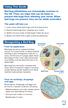 Using This Guide Bed bug infestations are increasingly common in the US. There are steps that can be taken to prevent bed bugs from infesting your home. When bed bugs are present, they can be safely controlled.
Whitepaper: By: Martin Lenich Owner, Inspect-It 1 st, Phoenix [email protected]
 Whitepaper: Everything You Need to Know (but may not WANT to know!) About Termites The different types, the signs of infestation, and the preventative measure every homeowner should take By: Martin Lenich
BATTLING BED BUGS IN THE USA
 Proceedings of the Sixth International Conference on Urban Pests William H Robinson and Dániel Bajomi (editors), 2008 Printed by OOK-Press Kft., H-8200 Veszprém, Pápai út 37/a, Hungary 401 BATTLING BED
Development of Lygus Management Strategies for Texas Cotton
 Development of Lygus Management Strategies for Texas Cotton Ram Shrestha, Megha Parajulee, and Stanley Carroll Texas A&M AgriLife Research and Extension Center Lubbock, Texas 3 rd International Lygus Symposium,
PREVALENCE OF INSECT PESTS, PREDATORS, PARASITOIDS AND ITS SURVIVAL IN GENETICALLY ENGINEERED CORN IN PAKISTAN
 PREVALENCE OF INSECT PESTS, PREDATORS, PARASITOIDS AND ITS SURVIVAL IN GENETICALLY ENGINEERED CORN IN PAKISTAN BY DR. HABIB IQBAL JAVED National Agricultural Research Centre Islamabad, Pakistan INTRODUCTION
Theresa A. Dellinger and Eric Day, Department of Entomology, Virginia Tech
 Lice Found on Humans Psocodea: Phthiraptera human head louse, Pediculus humanus capitus Pediculus humanus humanus De Geer human body louse, Pediculus humanus humanus L. De Geer Theresa A. Dellinger and
Animal Behavior. Evaluation copy
 Animal Behavior Computer 11 Perhaps one of the most difficult fields of biology to study is ethology, the study of animal behavior. Observation of a behavior is simple; interpreting what has been observed
What You Need To Know About Bed Bugs. Niagara Region Public Health
 What You Need To Know About Bed Bugs Niagara Region Public Health There is universal agreement that the first and most important step in eradication of bed bugs is proactive education. (McDonald and Zavys,
DATA EVALUATION REPORT. STUDY TYPE: Acute Toxicity Study- Earthworm (OECD Guideline 207)
 Reviewer: Gail Tomimatsu, Ph.D. Date: Microbial Pesticides Branch Secondary Reviewer: Zigfridas Vaituzis, Ph.D. Microbial Pesticides Branch Date: Biopesticides and Pollution Prevention Division Phil Hutton,
GUIDELINES FOR THE REGISTRATION OF BIOLOGICAL PEST CONTROL AGENTS FOOD AND AGRICULTURE ORGANIZATION OF THE UNITED NATIONS
 GUIDELINES FOR THE REGISTRATION OF BIOLOGICAL PEST CONTROL AGENTS FOOD AND AGRICULTURE ORGANIZATION OF THE UNITED NATIONS -ii- GUIDELINES ON THE REGISTRATION OF BIOLOGICAL PEST CONTROL AGENTS FOOD AND
Your Partner in Pest Management Help protect your dairy operation using the Bayer Defense Point System.
 Your Partner in Pest Management Help protect your dairy operation using the Bayer Defense Point System. A COMPREHENSIVE LINE OF INSECT CONTROL, BACKED BY SCIENCE We ve got pest control down to a science.
Application of ecological models in entomology: a view from Brazil
 Application of ecological models in entomology: a view from Brazil Wesley A. C. Godoy University of São Paulo "Luiz de Queiroz" College of Agriculture Piracicaba, São Paulo, Brazil - [email protected] Working
mosquito control in one net Fast knockdown and long-lasting For further information on BASF s Public Health business: www.publichealth.basf.
 Fast knockdown and long-lasting mosquito control in one net For further information on BASF s Public Health business: www.publichealth.basf.com Always read and follow label directions. Abate, Fendona and
Grasshopper and Bean Leaf Beetle
 FS 905 Economic Thresholds in Soybeans Grasshopper and Bean Leaf Beetle Michael A. Catangui, Ph.D. Extension entomologist & assistant professor Plant Science Department South Dakota State University Economic
Social Insects. Social Insects. Subsocial 4/11/10. More widespread 13 orders of insects no reproductive division of labor
 Social Insects Sociality evolved multiple times in insects Much of Earth s fauna consists of social insects They play major roles in entire ecosystems Proliferation of ants and termites associated with
Carbon Dioxide Fumigation for Controlling Bed Bugs
 Carbon Dioxide Fumigation for Controlling Bed Bugs Author(s): Changlu Wang, Lihua Lü, and Ming Xu Source: Journal of Medical Entomology, 49(5):1076-1083. 2012. Published By: Entomological Society of America
Toshihiro IMAI* and Haruyasu HARADA
 Appl. Entomol. Zool. 41 (1): 87 91 (2006) http://odokon.ac.affrc.go.jp/ Low-temperature as an alternative to fumigation to disinfest stored tobacco of the cigarette beetle, Lasioderma serricorne (F.) (Coleoptera:
Toxicity of Insecticides in a Glass-Vial Bioassay to Adult Brown, Green, and Southern Green Stink Bugs (Heteroptera: Pentatomidae)
 INSECTICIDE RESISTANCE AND RESISTANCE MANAGEMENT Toxicity of Insecticides in a Glass-Vial Bioassay to Adult Brown, Green, and Southern Green Stink Bugs (Heteroptera: Pentatomidae) G. L. SNODGRASS, J. J.
Bed Bug Action Plan for Schools Dini M. Miller, Ph.D., Department of Entomology, Virginia Tech
 Bed Bug Action Plan for Schools Dini M. Miller, Ph.D., Department of Entomology, Virginia Tech Introduction Bed bug infestations are continuing to spread through singlefamily and multi-unit homes. This
EFFECTS OF VARYING IRRIGATION AND MEPIQUAT CHLORIDE APPLICATION ON COTTON HEIGHT, UNIFORMITY, YIELD, AND QUALITY. Abstract
 EFFECTS OF VARYING IRRIGATION AND MEPIQUAT CHLORIDE APPLICATION ON COTTON HEIGHT, UNIFORMITY, YIELD, AND QUALITY Glen Ritchie 1, Lola Sexton 1, Trey Davis 1, Don Shurley 2, and Amanda Ziehl 2 1 University
Rentokil-Initial Global Science Centre, 7&8 Foundry Court, Horsham. RH13 5PY. UK.
 A COMPARATIVE RISK ASSESSMENT OF THE USE AND EFFICACY OF HIGH VOLTAGE AND ADHESIVE ULTRA VIOLET LIGHT TRAPS FOR THE MONITORING AND CONTROL MUSCA DOMESTICA L. Rentokil-Initial Global Science Centre, 7&8
Home without bugs. Tips and advice on both pests and pesticides. www.kemikalieinspektionen.se
 Home without bugs Tips and advice on both pests and pesticides www.kemikalieinspektionen.se Pests and vermin are on the increase Pests and vermin are becoming an increasing problem in Sweden. This may
Class Insecta - The insects
 A Introduction 1. Very species rich 2. Characteristics a. 3 pairs of legs b. 2 pairs of wings (most) except flies (1 pair of wings - Diptera) B. Distribution 1. All habitats except saltwater - replaced
Efficacy of Dual Gene Bacillus thuringiensis (Bt) Cotton for Control of Bollworm, Helicoverpa Zea (Boddie)
 Efficacy of Dual Gene Bacillus thuringiensis (Bt) Cotton for Control of Bollworm, Helicoverpa Zea (Boddie) N.M. Taillon 1, G. Lorenz 1, A. Plummer 1, M. Chaney 1, B.C. Thrash 2, D.L. Clarkson 1, L. Orellana
The Environmental Protection Agency (EPA) evaluates and registers
 United States Prevention, Pesticides May 2000 Environmental and Toxic substances 735-F-00-004 Protection Agency (7506C) FOR YOUR INFORMATION Synthetic Pyrethroids for Mosquito Control EPA evaluates and
Logistic Paradigm. Logistic Paradigm. Paradigms. How should we consider them?
 Harvesting Paradigms Sustained Yield Harvesting Paradigms Net-Annual Increment Paradigm The Myth of MSY How should we consider them? The logistic paradigm obviously arises from logistic model. Says that
THE PERIMETER PEST GUIDE
 BACKED BY THE BEST It s science. It s support. It s our commitment to you. It s Backed by Bayer. And it s the best you can get. For any questions about our products & services, visit www.backedbybayer.com
Bedbug infestation and its control practices in Gbajimba: a rural settlement in Benue state, Nigeria
 J Vector Borne Dis 47, December 2010, pp. 222 227 Bedbug infestation and its control practices in Gbajimba: a rural settlement in Benue state, Nigeria E.A. Omudu & C.N. Kuse Department of Biological Sciences,
Guidelines for the Prevention and Control of Bed Bugs in. Hunterdon County
 Guidelines for the Prevention and Control of Bed Bugs in Hunterdon County Hunterdon County Department of Health 908-788-1351 Tadhgh Rainey Dan Wyckoff Ivonne S. Kyle October, 2008 Table of Contents Bed
suscon Green One application. 3 years control against grass grub. Grass grub damaged pasture
 suscon Green One application. 3 years control against grass grub. Grass grub damaged pasture suscon Green is a dust free, controlled release granule that controls Grass Grub in newly established pasture
TOC INDEX. Lice Management for Feedlot Cattle. Douglas D. Colwell. Take Home Message. Introduction. Biology
 TOC INDEX Lice Management for Feedlot Cattle Douglas D. Colwell Take Home Message Lice can have a substantial impact on feedlot cattle, affecting their gain, efficiency and appearance. Keeping cattle well
IPM: from Integrated Pest Management to Intelligent Pest Management
 IPM: from Integrated Pest Management to Intelligent Pest Management About the author: Joe Boggs Assistant Professor The Ohio State University Extension and OSU Department of Entomology E-mail: [email protected]
"In vivo" and "in vitro" insecticide efficacy of Nuvan 1000 EC (Novartis Animal Health Inc., Switzerland)
 Scientia Parasitologica, 2001, 1, 47-51 "In vivo" and "in vitro" insecticide efficacy of Nuvan 1000 EC (Novartis Animal Health Inc., Switzerland) COZMA V., LUCA D.*, HALL M.J.R.**, FIł N., RĂDUłIU C.*
FAQs: Gene drives - - What is a gene drive?
 FAQs: Gene drives - - What is a gene drive? During normal sexual reproduction, each of the two versions of a given gene has a 50 percent chance of being inherited by a particular offspring (Fig 1A). Gene
Application of discriminant analysis to predict the class of degree for graduating students in a university system
 International Journal of Physical Sciences Vol. 4 (), pp. 06-0, January, 009 Available online at http://www.academicjournals.org/ijps ISSN 99-950 009 Academic Journals Full Length Research Paper Application
How To Check For Differences In The One Way Anova
 MINITAB ASSISTANT WHITE PAPER This paper explains the research conducted by Minitab statisticians to develop the methods and data checks used in the Assistant in Minitab 17 Statistical Software. One-Way
Other forms of ANOVA
 Other forms of ANOVA Pierre Legendre, Université de Montréal August 009 1 - Introduction: different forms of analysis of variance 1. One-way or single classification ANOVA (previous lecture) Equal or unequal
COMPARISON OF NEW INSECTICIDES FOR CONTROL OF HELIOTHINE SPECIES IN COTTON
 COMPARISON OF NEW INSECTICIDES FOR CONTROL OF HELIOTHINE SPECIES IN COTTON Donald R. Johnson, Gus M. Lorenz, John D. Hopkins, and Larry M. Page 1 RESEARCH PROBLEM The tobacco budworm, Heliothis virescens,
Key words: genetically modified (GM) seeds; benefits; Bacillus thuringiensis (Bt) cotton; surplus; Monsanto.
 AgBioForum Volume 2, Number 2 1999 Pages 94-98 THE DISTRIBUTION OF BENEFITS FROM THE INTRODUCTION OF TRANSGENIC COTTON VARIETIES Greg Traxler & Jose Falck-Zepeda 1 Some concern has been expressed about
INTEGRATED PEST CONTROL
 19 TOPIC 3 INTEGRATED PEST CONTROL Scope Chemical pesticides are now the traditional solution to pest problems, and they have saved lives and crops. Their use, however, has created significant problems,