
NATCO Introductory Education Course Objectives
|
|
|
- Imogene Wilkinson
- 10 years ago
- Views:
Transcription
1 NATCO Introductory Education Course for the NEW Transplant Professional & Procurement Professional June 12-15, 2015 Tempe Mission Palms Hotel Tempe, AZ Friday, June 12, 2015 SESSION Course Participants Speed Networking Friday, June 12 2:15 p.m. 3:15 p.m. Gail Stendahl, DNP, RN, CPNP-PC/AC, CCTC; Angela Ortega, RN, CPTC; Cecile Aguayo, RN, BSN Walk the Walk Transplant Timeline Friday, June 12 3:30 p.m. 4:15 p.m. 1. Discuss the roles of each member of the donation and transplantation multi-disciplinary team. F. Danyel Gooch, RN, MSN, CCTC Pearls of the Profession: Work-Life Balance Friday, June 12 4:15 p.m. 5:00 p.m. 1. List three warning signs of stress/compassion fatigue. 2. Identify at least three self-care techniques. 3. Describe a stress-management/self-care plan for daily, weekly, monthly and yearly renewal. P.J. Geraghty, EMT-P, CPTC, MBA; Melissa Blevins, RN, MS Investing in Donation & Transplantation Friday, June 12 5:15 p.m. 6:00 p.m. 1. List examples of direct and indirect costs for OPOs and transplant centers. 2. List the steps in the transplant process that affect the cost of the transplant. 3. Discuss strategies to maximize reimbursement. 1

2 Carrie Lindower, RN, MBA, CCTC, CPTC Introduction to Transplant Ethics Friday, June 12 6:00 p.m. 7:00 p.m. 1. Discuss general ethical concepts. 2. Describe how ethics applies to donation and transplantation. 3. Describe ethical issues in donation and transplantation. Saturday, June 13, 2015 TRANSPLANT TRACK Gail Stendahl, DNP, RN, CPNP-PC/AC, CCTC; F. Danyel Gooch, RN, MSN, CCTC Breakfast Open Forum: Question & Answer Session & CCTC Review Information Saturday, June 13, :15 a.m. 8:00 a.m. Jonah Odim, MD, PhD, MBA Immunology & Histocompatibility Saturday, June 13, :00 a.m. 9:45 a.m. 1. Describe the normal immune response. 2. Describe the role of immune response in transplantation and allograft rejection. Joanna M. Schaenman, MD, PhD Infectious Diseases in Transplantation Saturday, June 13, :00 a.m. 11:30 a.m. 1. List the mechanisms of infection in transplant recipients. 2. List different types of infections that may affect the organ transplant recipient. 3. Describe infections that appear early vs. late post-transplant. 4. Discuss prevention strategies for infectious diseases in transplant patients. Speaker TBD Transplant Evaluation Saturday, June 13, :30 a.m. 12:30 p.m. 2

3 1. Discuss the evaluation process for potential transplant recipients. Jonah Odim, MD, PhD, MBA Mechanisms of Rejection Saturday, June 13, :30 p.m. 2:45 p.m. 1. Describe the general classes of immunosuppressive agents. 2. Discuss the four basic types of allograft rejection. Gail Stendahl, DNP, RN, CPNP-PC/AC, CCTC Care of the Heart Transplant Recipient Saturday, June 13, :00 p.m. 4:00 p.m. 1. List current indications and contraindications for heart transplantation. 2. Describe the aspects of the heart transplant surgery. 3. Describe the care of the heart transplant recipient post-transplant. F. Danyel Gooch, RN, MSN, CCTC Care of the Lung & Heart-Lung Transplant Recipient Saturday, June 13, :00 p.m. 5:00 p.m. 1. List current indications and contraindications for lung and heart-lung transplantation. 2. List criteria for recipient selection. 3. Discuss the evaluation process for potential transplant recipients. 4. Discuss the process of coordinating the transplant. PROCUREMENT TRACK Joanna M. Schaenman, MD, PhD Infectious Disease Assessment in the Organ Donor Saturday, June 13, :00 a.m. 9:15 a.m. 1. Describe the physical examination of an organ donor with regard to potential infections. 2. List the steps in obtaining the donor history regarding infections. 3. List tests to be run to discover potential infections in the organ donor. 4. List specific transmissible infections that affect the organ donor and potential for donation. Thomas A. Nakagawa, MD, FAAP, FCCM Pediatric Donor Management & Case Study Application Saturday, June 13, :30 a.m. 12:15 p.m. 3

4 1. Describe the management goals for the pediatric donor. 2. Describe the differences between adult donor management and pediatric donor management. 3. List the steps in pediatric donor management. Gena Mayer, PhD, EMT-P, CPTC Authorization for Donation: If Only They All Said Yes Saturday, June 13, :15 p.m. 3:45 p.m. 1. List potential influences that effect a family s decision to donate their love one s organs. 2. Describe the coordinator s role in coordinating the request process. 3. Describe information that should be supplied to the family prior to consent. 4. Describe the support provided to the family after the donation. 5. Discuss risk management protocols that can eliminate potential problems related to the organ donation authorization process. Jeremy Brown, MBA Research & Tissue Saturday, June 13, :00 p.m. 5:00 p.m. 1. Discuss the process for donating organs and tissues for research. 2. List uses for donated tissue. 3. Discuss the clinical applications of tissue donation and transplantation. Sunday, June 14, 2015 TRANSPLANT TRACK Gail Stendahl, DNP, RN, CPNP-PC/AC, CCTC; F. Danyel Gooch, RN, MSN, CCTC Breakfast Open Forum: Question & Answer Session Sunday, June 14, :30 a.m. 8:30 a.m. Jordan B. Slutsky, MD, FAAD Skin Cancer & Transplant Sunday, June 14, :30 a.m. 9:30 a.m. 1. Discuss the increased risk of skin cancer in transplant patients. 2. Describe preventive strategies, skin surveillance and diagnosis. 4

5 3. Discuss treatment options for skin cancer. Jeanne Chen, PharmD Drug Therapy in Transplantation Sunday, June 14, :45 a.m. 11:45 a.m. 1. Discuss concomitant medications and drug-drug interactions in the transplant recipient. 2. Describe dosing guidelines for regularly prescribed immunosuppressive drugs. 3. Discuss attributes of regularly prescribed medications for transplant recipients. Stacee Lerret, PhD, RN, CPNP-AC/PC, CCTC Liver Transplantation Sunday, June 14, :45 p.m. 2:45 p.m. 1. Discuss the patient selection process for liver transplantation. 2. Describe the surgical procedure for liver transplantation. 3. Describe the routine post-operative course for liver transplant recipients. 4. List potential complications in the liver transplant recipient. 5. Discuss the living donor liver transplantation process. Carrie Lindower, RN, MBA, CCTC, CPTC Kidney Transplantation Sunday, June 14, :00 p.m. 5:00 p.m. 1. Describe the evaluation phase for potential kidney transplant recipients 2. List the steps in kidney transplant surgery. 3. List potential surgical complications during the kidney transplant. 4. Describe the post-operative care regimen for kidney transplant recipients. 5. List different types of rejection in the kidney transplant recipient. 6. List infections that may occur in the kidney transplant recipient. 7. Describe the discharge and follow-up plan for kidney transplant recipients. 8. List the steps taken to complete a living kidney donation. 9. Discuss the surgical risks of living donation. 10. Describe the effects of the surgery on the living donor. 11. Discuss the post-operative treatment for living kidney donors. PROCUREMENT TRACK Jonah Odim, MD, PhD, MBA Donor & Recipient Histocompatibility Sunday, June 14, :00 a.m. 9:15 a.m. 5

6 1. Describe the normal immune response. 2. Describe the antigen recognition response. 3. Describe the role of the immune response in transplantation and allograft rejection. 4. List the tests available for histocompatibility and pre-formed circulating antibodies. John Belcher, BS, CPTC Donor Management Sunday, June 14, :15 a.m. 10:30 a.m. 1. Discuss the standard guidelines for care of the potential organ donor. Speaker TBD Donor Physical Assessment Sunday, June 14, :45 a.m. 12:00 p.m. 1. Describe the organ donor referral process. 2. Describe the process of determining brain death. 3. Describe the donor physical assessment process 4. Describe the process of obtaining a medical history. 5. List the requirements in order to begin the organ allocation process. Angela Ortega, RN, CPTC; Gena Mayer, PhD, EMT-P, CPTC Open Forum: Question & Answer Session Sunday, June 14, :00 p.m. 1:30 p.m. Hedi Aguiar, RN, MSN Quality of Hospital Services Sunday, June 14, :30 p.m. 3:00 p.m. 1. Discuss the components of hospital services. 2. Describe the importance of change in the hospital services process. 3. List the steps in the hospital services process Angela Ortega, RN, CPTC Operating Room & Organ Preservation Techniques Sunday, June 14, :15 p.m. 4:45 p.m. 6

7 1. Identify the responsibilities of the procurement coordinator in the operating room preoperative period of an organ donation. 2. Identify the responsibilities of the procurement coordinator in the operating room during an organ donation. 3. Identify the responsibilities of the procurement coordinator in the operating room after an organ donation. Monday, June 15, 2015 TRANSPLANT TRACK Gail Stendahl, DNP, RN, CPNP-PC/AC, CCTC; F. Danyel Gooch, RN, MSN, CCTC Breakfast Open Forum: Question & Answer Session Monday, June 15, :30 a.m. 8:00 a.m. Gail Stendahl, DNP, RN, CPNP-PC/AC, CCTC Pediatric Transplantation Monday, June 15, :00 a.m. 9:00 a.m. 1. Discuss the leading issues related to pediatric organ transplantation. 2. Identify the goals of transitioning a pediatric patient to adult care. Douglas Lahr, BA, RN, CCTC Pancreas Transplantation Monday, June 15, :00 a.m. 10:00 a.m. 3. List the indications and contraindications for pancreas transplantation. 4. Describe transplant options for pancreas transplant patients. 5. List the components of a successful pancreas/ islet cell transplantation. 7

8 Lori Gore, BA Organ Allocation & Recipient Issues Monday, June 15, :15 a.m. 11:15 a.m. 1. Discuss the role of the United Network for Organ Sharing (UNOS) in the organ donation process. 2. Describe the overall UNOS structure and membership. 3. Discuss UNOS policies related to organ donation and transplantation. Michele Walton, RN, BSN QAPI/CMS Monday, June 15, :15 a.m. 12:00 p.m. 1. Describe QAPI and the policies and procedures that transplant centers must follow with regard to CMS. PROCUREMENT TRACK Lori Gore, BA Organ Allocation Donor Issues Monday, June 15, :00 a.m. 9:15 a.m. 1. Discuss the role of the United Network for Organ Sharing (UNOS) in the organ donation process. 2. Describe the overall UNOS structure and membership. 3. Discuss UNOS policies related to organ donation and transplantation. Harry E. Wilkins III, MD, FACS, MHCM Dynamics of Adult Donor Management Monday, June 15, :15 a.m. 12:00 p.m. 1. Discuss the steps in standard organ donor care. 2. Discuss standard guidelines related to treating hypertension in the potential organ donor. 3. Discuss standard guidelines related to treating hypotension in the potential organ donor. 4. Discuss standard guidelines related to glucose management in the potential organ donor. 5. Discuss standard guidelines related to temperature control in the potential organ donor. 6. Discuss standard guidelines related to Anemia in the potential organ donor. 7. Perform donor management care via patient simulation utilizing the standard guidelines for care of the potential organ donor outlined in the previous presentation. 8

Transplant Coordinator
 Have you signed your organ donor card? Hearts, kidneys, livers, and lungs can all be transplanted. When you die, one of your organs could help a critically ill patient live a longer life. What I do every
4/25/2016. Transplant Journey. Objectives. Reason for Transplantation at Mayo Clinic. Mayo Clinic Model of Care
 Transplant Journey Lynette Fix, RN, BAN, CCTC Objectives Identify key components of transplant evaluation process Identify the patient follow-up process Describe diseases indicated for transplantation
Florida Medicaid. Transplant Services Coverage Policy
 Florida Medicaid Agency for Health Care Administration June 2016 Table of Contents 1.0 Introduction... 1 1.1 Description... 1 1.2 Legal Authority... 1 1.3 Definitions... 1 2.0 Eligible Recipient... 2 2.1
10/31/2014. Much is unknown. What is npod? THE JDRF Network for the Pancreatic Organ Donor with Diabetes (npod):
 THE JDRF Network for the Pancreatic Organ Donor with Diabetes (npod): a biobank and a collaborative project about the pathogenesis of type 1 diabetes Alberto Pugliese, MD 23 rd ADA Annual Conference on
Kidney and Pancreas Transplant Evaluation Clinics and Committee: Inpatient Nephrology Transplant Consult Service
 Care of Renal Transplant Patients takes place in five distinct practice settings at the University of Michigan: a) Kidney and Pancreas Pre-transplant evaluation clinics (five half-day clinics per week)
ATTACHMENT I TO APPENDIX B OF UNOS BYLAWS
 ATTACHMENT I TO APPENDIX B OF UNOS BYLAWS Designated Transplant Program Criteria XIII. Transplant Programs. A. In order to qualify for membership, a transplant program must utilize, for its histocompatibility
Candidates about Multiple Listing and Waiting Time Transfer
 TA L K I N G A B O U T T R A N S P L A N TAT I O N Questions & A n s we r s for Transplant Candidates about Multiple Listing and Waiting Time Transfer U N I T E D N E T W O R K F O R O R G A N S H A R
Kidneys. Kidney Failure4. Transplantation
 Kidneys & Kidney Failure4 Transplantation This booklet helps you understand the process of transplantation. It defines the criteria for a donor and the recipient. It also clearly explains the concepts
*6816* 6816 CONSENT FOR DECEASED KIDNEY DONOR ORGAN OPTIONS
 The shortage of kidney donors and the ever-increasing waiting list has prompted the transplant community to look at different types of organ donors to meet the needs of our patients on the waiting list.
TA L K I N G A B O U T T R A N S P L A N TAT I O N
 TA L K I N G A B O U T T R A N S P L A N TAT I O N UNITED NETWORK FOR ORGAN SHARING United Network for Organ Sharing (UNOS) is a private non-profit 501(c)(3) organization that operates the Organ Procurement
FAQ s ABOUT THE ORGAN PROCUREMENT AND TRANSPLANTATION NETWORK (OPTN) KIDNEY PAIRED DONATION PILOT PROGRAM
 FAQ s ABOUT THE ORGAN PROCUREMENT AND TRANSPLANTATION NETWORK (OPTN) KIDNEY PAIRED DONATION PILOT PROGRAM What is Kidney Paired Donation? Kidney paired donation (KPD) helps donors who are medically able,
How does a kidney transplant differ from dialysis?
 TA L K I N G A B O U T T R A N S P L A N TAT I O N Frequently Asked Questions about Kidney Transplant Evaluation and Listing If your kidneys have stopped working properly, or may stop working soon, you
Saint Francis Kidney Transplant Program Issue Date: 6/9/15
 Kidney Transplant Candidate Informed Consent Education Here are educational materials about Kidney Transplant. Please review and read these before your evaluation visit. The RN Transplant Coordinator will
Public Law 98-507 98th Congress
 PUBLIC LAW 98-507-OCT. 19, 1984 98 STAT. 2339 Public Law 98-507 98th Congress An Act To provide for the establishment of the Task Force on Organ Transplantation and the act, 19, 1984 Organ Procurement
THE BENEFITS OF LIVING DONOR KIDNEY TRANSPLANTATION. feel better knowing
 THE BENEFITS OF LIVING DONOR KIDNEY TRANSPLANTATION feel better knowing your choice will help create more memories. Methods of Kidney Donation Kidneys for transplantation are made available through deceased
Financial Handbook For Liver Transplant Patients
 Patient Information Financial Handbook For Liver Transplant Patients 3601 West 13 Mile Road Royal Oak, Michigan 48073-6769 248-898-5000 TDD: 248-898-1986 beaumont.edu P2973Rg_6959_011212 Beaumont Transplant
Where World-Class Expertise and Genuine Compassion Come Together. AT THE FOREFRONT OF TRANSPLANT CARE Kidney Combined Kidney-Pancreas Pancreas Islets
 Where World-Class Expertise and Genuine Compassion Come Together 0011000110100111100110111100000101010011000101100010111000010010000100010000100001011110101010101111000 000010111000101110011000110100111100110111100000101010011000101100010111000010010000100010000100
DIABETIC EDUCATION MODULE ONE GENERAL OVERVIEW OF TREATMENT AND SAFETY
 DIABETIC EDUCATION MODULE ONE GENERAL OVERVIEW OF TREATMENT AND SAFETY First Edition September 17, 1997 Kevin King R.N., B.S., C.C.R.N. Gregg Kunder R.N., B.S.N., C.C.T.C. 77-120 CHS UCLA Medical Center
LIVING DONATION. What You Need to Know. www.kidney.org
 LIVING DONATION What You Need to Know www.kidney.org 2 NATIONAL KIDNEY FOUNDATION TABLE OF CONTENTS About Living Donation.... 4 The Evaluation Process.... 6 Surgery and Recovery.... 12 After Donation....
YOU RE A POTENTIAL MATCH
 YOU RE A POTENTIAL MATCH Explore the Journey to Donation Edward, PBSC donor, with his wife, Andrea TABLE OF CONTENTS A patient needs you You re a potential match and next steps 3 Steps of the donation
Demystifying Transplant Performance Reviews. Robyn Zernhelt Performance Analyst
 Demystifying Transplant Performance Reviews Robyn Zernhelt Performance Analyst Pre-Assessment Transplant Performance Reviews The PAIS reviews which transplant programs? 1. Kidney, Pancreas, Intestine 2.
Is a Kidney Transplant Right for Me?
 Is a Kidney Transplant Right for Me? Network 8 Introduction What do singer Natalie Cole, actor Ken Howard, funny men Tracy Morgan and George Lopez and fashion reporter Steven Cojocaru have in common? They
Heart transplantation
 Heart transplantation A patient s guide 1 Heart transplantation Heart transplantation has the potential to significantly improve the length and quality of life for patients with severe heart failure.
LIVING KIDNEY DONATION
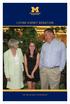 LIVING KIDNEY DONATION 1 THE MICHIGAN DIFFERENCE Why Living Donation? As of May 2011, there were close to 2,500 individuals on the waiting list for a kidney transplant in the state of Michigan and more
Advanced Heart Failure & Transplantation Fellowship Program
 Advanced Heart Failure & Transplantation Fellowship Program Curriculum I. Patient Care When on the inpatient Heart Failure and Transplant Cardiology service, the cardiology fellow will hold primary responsibility
Wake Forest School of Medicine Department of General Surgery
 Wake Forest School of Medicine Department of General Surgery TRANSPLANT SURGERY RESIDENT CURRICULUM (PGY-3) OVERVIEW This curriculum has largely been adapted from the curriculum for transplant surgery
HANDOUT FOR THE GOALS AND OBJECTIVES OF THE TRANSPLANTATION ROTATION
 1 HANDOUT FOR THE GOALS AND OBJECTIVES OF THE TRANSPLANTATION ROTATION Clinical Curriculum Introduction The Nephrology Fellowship Clinical Training Program is designed to provide individuals with the opportunity
SUCCESS WITH FAILURE: An Advanced Heart Disease Symposium
 SUCCESS WITH FAILURE: An Advanced Heart Disease Symposium THURSDAY, MARCH 7TH, 2013 UNIVERSAL HILTON, LOS ANGELES, CALIFORNIA This program is endorsed by the California Chapter of the American College
NERS 2014 Navigating Change Presented by CTENA April 16 th 18 th at the Mystic Hilton
 Connecticut State Council NERS 2014 Navigating Change Presented by CTENA April 16 th 18 th at the Mystic Hilton Learn more by visiting www.ctena.org Connecticut has been planning for NERS 2014 and welcomes
Blood Transfusion. There are three types of blood cells: Red blood cells. White blood cells. Platelets.
 Blood Transfusion Introduction Blood transfusions can save lives. Every second, someone in the world needs a blood transfusion. Blood transfusions can replace the blood lost from a serious injury or surgery.
Transplant Program. Education REPORT
 Transplant Program Education REPORT 2007 MESSAGE FROM THE VICE-PRESIDENT OF EDUCATION Dr. Richard Reznick The Transplant Program at UHN is leading the charge in successfully moving forward its educational
MEDICAL CERTAINTY WITHIN YOUR REACH PLANS COMPARATIVES EFECTIVE MARCH 1, 2015
 MEDICAL CERTAINTY WITHIN YOUR REACH PLANS COMPARATIVES EFECTIVE MARCH 1, 2015 BENEFITS Maximum Annual Benefit USD$10 million USD$5 million USD$2 million USD$1 million USD$1.5 million (benefit available
2013 Diabetes Nursing Conference
 2013 Diabetes Nursing Conference Focus on Self-Care Behaviors April 12, 2013 Mayo Clinic Mayo Continuing Nursing Education General Information Conference description and goals The incidence of diabetes
UCLA Asian Liver Program
 CLA Program Update Program Faculty Myron J. Tong, PhD, MD Professor of Medicine Hepatology Director, Asian Liver Program Surgery Ronald W. Busuttil, MD, PhD Executive Chair Department of Surgery Director,
AST Transplantation and Immunology Research Network (TIRN) 2016 Allied Health Professional Research Grant
 AST Transplantation and Immunology Research Network (TIRN) 2016 Allied Health Professional Research Grant If you have any questions, please email [email protected]. The application deadline is 11:59 pm Pacific
15 Stem Cell Research
 15 Stem Cell Research t a l k it o v e r 1 c l a s s se s s i o n Overview Students read about current scientific research on and the social controversy over embryonic stem cells. On a KWL literacy strategy
Transplant Options When You Don t Have a Good Match
 Transplant Options When You Don t Have a Good Match 1 Transplant Options When You Don t Have a Good Match Being told you need a transplant may bring about many feelings, including anxiety and uncertainty.
Organ, Tissue and Eye Donation: Glossary of Terms
 Organ, Tissue and Eye Donation: Glossary of Terms AATB: The American Association of Tissue Banks is a professional, non-profit, scientific and educational organization. It is the only national tissue banking
Red Blood Cell Transfusions for Sickle Cell Disease
 Red Blood Cell Transfusions for Sickle Cell Disease Red Blood Cell Transfusions for Sickle Cell Disease 1 Produced by St. Jude Children s Research Hospital, Departments of Hematology, Patient Education,
Support Program for Improving Graduate School Education Advanced Education Program for Integrated Clinical, Basic and Social Medicine
 Support Program for Improving Graduate School Education Advanced Education Program for Integrated Clinical, Basic and Social Medicine January 27, 2009 Dear Professors (representative) of departments, Subject:
Bone Marrow (Stem Cell) Transplant for Sickle Cell Disease
 Bone Marrow (Stem Cell) Transplant for Sickle Cell Disease Bone Marrow (Stem Cell) Transplant for Sickle Cell Disease 1 Produced by St. Jude Children s Research Hospital Departments of Hematology, Patient
Where Will my New Kidney Come From?
 Where Will my New Kidney Come From? The Organ Shortage There is a severe shortage of organs for transplant. This means that the wait for a kidney transplant can be many years. The UW Transplant Program
Post-Transplant Diabetes: What Every Patient Needs to Know
 Post-Transplant Diabetes: What Every Patient Needs to Know International Transplant Nurses Society What is Diabetes? Diabetes is an illness that effects how your body makes and uses a hormone called insulin.
6th Annual. Children s Medical Center Transfusion & Laboratory Medicine Conference February 13-15, 2013
 6th Annual Transfusion & Laboratory Medicine Conference February 13-15, 2013 About Children s Medical Center is accredited by the Joint Commission on Accreditation of Healthcare Organizations and has received
What are Stem Cells? How can they be used in medicine?
 What are Stem Cells? How can they be used in medicine? What is a stem cell????... What is a stem cell????......a cell with the ability to differentiate into specialized cells and renew to become more stem
Donating Life. The Workplace Partnership for Life Program
 The Workplace Partnership for Life Program Every day about 63 people receive an organ transplant, but another 16 people on the waiting list die because not enough organs are available. Approximately 80,000
Innovations in Pediatric Hematology/Oncology: Today s Practice, Tomorrow s Possibilities
 Innovations in Pediatric Hematology/Oncology: Today s Practice, Tomorrow s Possibilities Friday, May 29, and Saturday, May 30, 2015 Emory Conference Center Hotel 1615 Clifton Road NE Atlanta, GA 30329
Corporate Medical Policy
 Corporate Medical Policy File Name: Origination: Last CAP Review: Next CAP Review: Last Review: immune_cell_function_assay 11/2009 3/2016 3/2017 3/2016 Description of Procedure or Service Careful monitoring
It s not something you want to think about, but it s something you want to prepare for.
 It s not something you want to think about, but it s something you want to prepare for. StemCyte cord blood banking offers your family a new lifesaving treatment alternative Why Bank Take the once-in-alifetime
Use the steps below to complete the CertifiedBackground (CB) electronic health record tracking process.
 Medical Coding Health Requirements Checklist All MATC Health Science students are required to complete and upload health requirements prior to petitioning for courses which contain a clinical component.
Multiple Myeloma. This reference summary will help you understand multiple myeloma and its treatment options.
 Multiple Myeloma Introduction Multiple myeloma is a type of cancer that affects white blood cells. Each year, thousands of people find out that they have multiple myeloma. This reference summary will help
Registered Nursing Health Requirements Checklist
 Registered Nursing Health Requirements Checklist The applicant must: 1). Upload the original completed form to your CertifiedBackground profile. 2). Retain a copy for your records. www.certifiedbackground.com
Blood & Marrow Transplant Glossary. Pediatric Blood and Marrow Transplant Program Patient Guide
 Blood & Marrow Transplant Glossary Pediatric Blood and Marrow Transplant Program Patient Guide Glossary Absolute Neutrophil Count (ANC) -- Also called "absolute granulocyte count" amount of white blood
OPENING OF EXHIBIT HALL AND CONTINENTAL BREAKFAST WITH EXHIBITORS 7:30AM-12:00PM PLENARY SESSIONS
 4:00PM-7:00PM Bayview Foyer 7:00AM-4:45PM Bayview Foyer 7:00AM-8:30AM Pavilion EARLY REGISTRATION TUESDAY, APRIL 21, 2015 WEDNESDAY, APRIL 22, 2015 REGISTRATION DESK OPEN OPENING OF EXHIBIT HALL AND CONTINENTAL
This letter is to inform you about four important points regarding your new health benefits plan:
 Dear Long Branch Schools Health Plan Member, This letter is to inform you about four important points regarding your new health benefits plan: 1. To invite you to visit the new Long Branch Public Schools
MEDICAL ASSISTANCE HANDBOOK PRIOR AUTHORIZATION OF PHARMACEUTICAL SERVICES. I. Requirements for Prior Authorization of Multiple Sclerosis Agents
 MEDICAL ASSISTANCE HBOOK PRI AUTHIZATION OF PHARMACEUTICAL SERVICES I. Requirements for Prior Authorization of Multiple Sclerosis Agents A. Prescriptions That Require Prior Authorization Prescriptions
CME Test for AMDA Clinical Practice Guideline. Diabetes Mellitus
 CME Test for AMDA Clinical Practice Guideline Diabetes Mellitus Part I: 1. Which one of the following statements about type 2 diabetes is not accurate? a. Diabetics are at increased risk of experiencing
Active Rehabilitation and Physical Therapy During Extracorporeal Membrane Oxygenation While Awaiting Lung Transplantation
 Active Rehabilitation and Physical Therapy During Extracorporeal Membrane Oxygenation While Awaiting Lung Transplantation David A Turner MD 1, David Zaas MD MBA 2, Kyle J Rehder MD 1, W Lee Williford RRT
2015 Diabetes Nursing Conference: Preventing, Treating, and Living with Complications
 2015 Diabetes Nursing Conference: Preventing, Treating, and Living with Complications February 26, 2015 Mayo Clinic Mayo Continuing Nursing Education General Information Conference description and goals
CAREERS IN BIOMEDICAL SCIENCE & THE IBMS. Betty Kyle Scottish Regional Representative IBMS Lead Biomedical Scientist NHS Lanarkshire
 CAREERS IN BIOMEDICAL SCIENCE & THE IBMS Betty Kyle Scottish Regional Representative IBMS Lead Biomedical Scientist NHS Lanarkshire What is a biomedical scientist? Biomedical scientists carry out investigations
Stage 1 measures. The EP/eligible hospital has enabled this functionality
 EMR Name/Model Ingenix CareTracker - version 7 EMR Vendor Ingenix CareTracker Stage 1 objectives Use CPOE Use of CPOE for orders (any type) directly entered by authorizing provider (for example, MD, DO,
Errors in the Operating Room. Patrick E. Voight RN BSN MSA CNOR President Association of perioperative Registered Nurses (AORN)
 Errors in the Operating Room Patrick E. Voight RN BSN MSA CNOR President Association of perioperative Registered Nurses (AORN) What What We All We Strive All Strive For: For: Patient Patient Safety Safety
How To Pay For Critical Illness Insurance From The Ihc Group
 You ve protected your family s financial future by purchasing life and health insurance. Critical Illness Insurance It s cash when you need it. You choose how to spend it. So you can focus on getting well.
PATIENT INFORMATION ABOUT ADJUVANT THERAPY AFTER THE WHIPPLE OPERATION FOR ADENOCARCINOMA ( CANCER ) OF THE PANCREAS AND RELATED SITES.
 PATIENT INFORMATION ABOUT ADJUVANT THERAPY AFTER THE WHIPPLE OPERATION FOR ADENOCARCINOMA ( CANCER ) OF THE PANCREAS AND RELATED SITES. Radiation Oncology Sidney Kimmel Cancer Center at Johns Hopkins Last
XX. International Semmelweis Symposium. 04-05. November 2011. Organ transplantation in the XXI. century SOLID ORGAN TRANSPLANTATION-AN UPDATE
 XX. International Semmelweis Symposium 04-05. November 2011 Organ transplantation in the XXI. century SOLID ORGAN TRANSPLANTATION-AN UPDATE Conference chairs: Tivadar Tulassay, Rector of Semmelweis University
Department of Veterans Affairs VHA DIRECTIVE 2012-018 Veterans Health Administration Washington, DC 20420 July 9, 2012
 Department of Veterans Affairs VHA DIRECTIVE 2012-018 Veterans Health Administration Washington, DC 20420 SOLID ORGAN AND BONE MARROW TRANSPLANTATION 1. PURPOSE: This Veterans Health Administration (VHA)
What does Hepatitis C mean to me as a CKD Patient?
 What does Hepatitis C mean to me as a CKD Patient? Clinical Practice Guidelines for the Prevention, Diagnosis, Evaluation and Treatment of Hepatitis C in CKD Introduction Worldwide, about 170 million people
The Immune System. How your immune system works. Organs of the Immune System
 UW MEDICINE PATIENT EDUCATION The Immune System How your immune system works The immune system is a network of special cells, tissues, and organs that defend the body against attacks from foreign invaders,
Descemet s Stripping Endothelial Keratoplasty (DSEK)
 Descemet s Stripping Endothelial Keratoplasty (DSEK) Your doctor has decided that you will benefit from a corneal transplant operation. This handout will explain your options to you. It explains the differences
Blood Transfusion. Red Blood Cells White Blood Cells Platelets
 Blood Transfusion Introduction Blood transfusions are very common. Each year, almost 5 million Americans need a blood transfusion. Blood transfusions are given to replace blood lost during surgery or serious
Course Faculty. Course Information. Annual Conference Topics Explored: Pediatric Surgical and Trauma Nursing. (continued) www.chop.
 Conference Planning Committee Christie Alminde, R.N., CPN Deborah Britt-Lightkep, R.N., B.S.N. Staff Nurse, Perianesthesia Care Unit Perioperative Complex Nina Capoferri, R.N., B.S.N. Advanced Practice
(Rev. 37, Issued: 10-17-08; Effective/Implementation Date: 10-17-08) 482.51 Condition of Participation: Surgical Services
 Interpretive Guidelines 482.45(b)(1) (3) If you have questions concerning the facility membership in the Organ Procurement and Transplantation Network; you may verify the membership by contacting the CMS
Multiple Myeloma Understanding your diagnosis
 Multiple Myeloma Understanding your diagnosis Multiple Myeloma Understanding your diagnosis When you first hear that you have cancer you may feel alone and afraid. You may be overwhelmed by the large amount
LifeNet Health Presented by James Clagett, PhD., Chief Science Officer LifeNet Health - The Best Keep Secret in Regenerative Medicine
 Presented by James Clagett, PhD., Chief Science Officer - The Best Keep Secret in Regenerative Medicine Corporate Headquarters Virginia Beach, VA Who is? helps save lives and restore health for thousands
Infosheet. Allogeneic stem cell transplantation in myeloma. What is the principle behind stem cell transplantation?
 Infosheet Allogeneic stem cell transplantation in myeloma High-dose therapy and autologous stem cell transplantation is currently the first-line treatment standard of care for younger/fitter myeloma patients.
2014/15 National Tariff Payment System. Annex 7A: Specified services for acute services for local pricing
 2014/15 National Tariff Payment System Annex 7A: Specified services for acute services for local pricing 17 December 2013 Publications Gateway Reference 00883 Annex 7A: Specified services for acute services
Stem Cell Quick Guide: Stem Cell Basics
 Stem Cell Quick Guide: Stem Cell Basics What is a Stem Cell? Stem cells are the starting point from which the rest of the body grows. The adult human body is made up of hundreds of millions of different
Before your child has a stem cell transplant (SCT)
 Before your child has a stem cell transplant (SCT) A guide for families The information contained within this leaflet is the property of Imperial College London Healthcare NHS Trust. Introduction This
Organ, Eye, and Tissue Donation Guide 2011
 Organ, Eye, and Tissue Donation Guide 2011 Statistics and Data Over 100,000 Over 100,000 people in the United States are waiting for a life-saving organ transplant, including over 1,600 of our Northwest
Determining Donor Eligibility Blood Donor vs. Stem Cell Donor. Wanda Koetz, RN, HPC Clinical Nurse Lead, Memorial Blood Centers ASFA - May 7, 2015
 Determining Donor Eligibility Blood Donor vs. Stem Cell Donor Wanda Koetz, RN, HPC Clinical Nurse Lead, Memorial Blood Centers ASFA - May 7, 2015 Objectives The learner will be able to: Define donor eligibility
Transplant Quality Institute
 REGISTER NOW FOR THE SECOND ANNUAL Transplant Quality Institute October 7-9, 2015 Basic and advanced information, tools and resources Ensure your program s performance meets the rigorous quality expectations