
Donating Life. The Workplace Partnership for Life Program
|
|
|
- Peregrine Joseph
- 9 years ago
- Views:
Transcription
1 The Workplace Partnership for Life Program Every day about 63 people receive an organ transplant, but another 16 people on the waiting list die because not enough organs are available. Approximately 80,000 patients are waiting for organ donations at a time when the United States is experiencing a critical shortage of organs - 2,000 more are added to the national waiting list every month. According to a national Gallup poll, the majority of Americans are in favor of organ donation, and yet most do not take the appropriate steps to become donors. People often lack the information they need to make a personal decision about becoming a donor or they do not express their wishes to their family members. And yet, someday, each of us has the ability to help up to 50 people in need simply by becoming an organ donor and discussing our decision with family members. Donating Life The Workplace Partnership for Life Program U.S. Bank has joined other employers and the U.S. Department of Health & Human Services in a cooperative effort to educate employees about the importance and value of organ donation. This national initiative, referred to as the Workplace Partnership for Life Program, creates a network of employers who are raising awareness about the value and importance of being a donor. This brochure is intended to help you and your family members make an important personal decision that could positively impact many other people as well as their families. There are a variety of ways to help - become an organ and tissue donor; become a bone marrow donor; donate blood; consider a living donation; become a volunteer for a donor agency or provide a financial contribution to support the donor process.

2 Organ and Tissue Donor Death is always an extremely difficult event for family members. The donation of organs and tissues may be the only positive event that can come from a devastating one. But organ donation does not have to be a decision made solely in crisis situations. Making an educated decision now may mean life for someone else later. Here are a few facts about organ donation: Anyone, regardless of age, race, or gender can become an organ and tissue donor. At the time of death, your medical history is reviewed to determine whether or not you can be a donor. The heart, kidneys, pancreas, lungs, liver and intestines can all be transplanted, as can heart valves, bone, bone marrow, skin, tendons and corneas. You may specify what you want to donate, but you must inform your family members so they can carry out your wish. The donor s family does NOT pay for the cost of the organ donation. They also will not receive any payment or compensation for the donation. All costs related to donation of organs and tissues are paid by the recipient, usually through insurance. The national Organ Procurement and Transplantation Network matches donated organs with patients on the national waiting list, taking into account such factors as blood type, body size, severity of illness and length of time on the list. Signing a donor card or indicating your donor preference on your license may not be sufficient to carry out your wishes. Your family members may be required to sign a consent form prior to the donation and if they are not clear about your wishes, they may not consent to the process. Although laws technically allow the donation to occur without family consent, in practice this is rarely done. In most states, hospitals and physicians defer to the remaining family members. Donation does not affect funeral and burial arrangements. A person may make any burial arrangements desired, including a traditional open casket funeral. For more information about becoming an organ donor, contact the U.S. Department of Health and Human Services or visit their Web site at Bone Marrow Donor Each year, more than 30,000 children and adults in the United States are diagnosed with life-threatening blood diseases, such as leukemias, lymphomas, or anemias. Many can be cured with a marrow or blood stem cell transplant. However, only 30% of patients who need a transplant have compatible family donors. Others need a donor from the general population and the possibility of a match is less than 1 in 20,000 - certain genetic make-up can significantly reduce the probability of a match even further. Fortunately, the process and success rate of bone marrow transplants have advanced dramatically, making it easier than ever for people to become donors. Here are a few facts: Bone marrow contains stem cells that are critical for life. For example, they continually produce red blood cells which carry oxygen; white blood cells which help fight infections; and platelets which act as clotting agents to stop bleeding. Diseases that interfere with this process can be fatal. While the disease can be temporarily treated with chemotherapy, only a bone marrow transplant acts as a potential cure for the disease. Your heart could beat for someone else. Your lungs could breath for someone else. Your kidneys could free two people from dialysis. Your pancreas could free two people from dialysis. Your liver could save the life of one or possibly two patients awaiting transplantation. Your corneas could give sight to two people. Your bone could help repair other peoples damaged joints. Your skin could help heal many burn victims. A portion of your intestine could be transplanted and resected to another. Your bone marrow could transplant healthy bone marrow to a patient with deficient bone marrow function.

3 The National Marrow Donor Program facilitates unrelated marrow and blood stem transplants for patients with life-threatening blood diseases by recruiting donors and maintaining a registry of 4 million volunteer potential donors. More than 100 patients receive stem cell transplants each month - however, many more are waiting for a potential match. The first step to becoming a donor is to join the National Marrow Donor Program Registry which requires only a blood sample. Generally, a person of any race, ethnicity or gender who is 18 to 60 years old and in generally good health can become a volunteer donor. Your blood is then typed. At some point, if you are identified as a match, the Registry will contact you for a further blood sample, an educational consultation and a physical evaluation. At that time you may determine if you are interested in becoming an actual donor. There are two ways to collect stem cells - from the blood stream or from bone marrow: 1. The first process involves a peripheral blood stem cell (PBSC) donation as an alternative to bone marrow. This process requires four to five injections of Filgrastim, a stem cell growth medication that increases the number of stem cells released from your marrow into your blood stream through an apheresis procedure. The apheresis procedure is done at a blood center where your blood is removed through a sterile needle placed in a vein in one arm and passed through an apheresis machine that separates out the stem cells. The remaining blood, minus the stem cells, is returned to the donor through a sterile needle in the other arm. While there may be some bone pain from the drug, the effects generally diminish over one to two days. 2. The second procedure is a surgical procedure that occurs in a hospital while you receive regional or general anesthesia. Part of your marrow is removed from the back of your pelvic bone using a sterile needle and syringe. Most donors have some bone pain and aches for several days or a few weeks. Marrow naturally replenishes itself within four to six weeks. U.S. Bank has provided funds to the National Marrow Donor Program to cover the costs associated with blood typing for more than 100 employees. If you are interested in joining the National Marrow Donor Program Registry contact a donor center in your location. Donor centers are listed geographically by state by going to In addition, a number of markets will have specific drives which will allow employees to conveniently have their blood typed. Watch for further information in your local market. Blood Donor Many Americans nationwide have been donating blood - particularly since the terrorist attacks on September 11. Yet, despite the need and heightened awareness, less than 5% of those who can give actually do. The American Red Cross works to ensure the safest possible blood is readily available whenever and wherever needed - for the military, for other blood centers and for all 5,000 of America s hospitals. Consider the following facts about donating blood: People in good health who weigh at least 110 pounds can donate a unit of blood as often as every eight weeks (some states are more restrictive about the amount donated in a 12-month period). Donating blood is a safe process. Each needle used in the procedure is sterile and is discarded after a single use. The Red Cross screens all donors and conducts up to 12 tests for infectious diseases, including AIDS, hepatitis, syphilis and leukemia. If testing indicates a unit of blood may pose a threat, it is destroyed and the donor is disqualified from further donations. The Red Cross discards about 2% of the blood it collects - even though only a fraction of those units pose a true health risk.

4 The risk of receiving an HIV positive unit of blood through a blood transfusion is 1 in 1.5 million today. The actual process of donating takes approximately 8-10 minutes and each blood donation has the potential for saving up to three lives. In addition to partnering with U.S. Bank to provide on-site blood drives in some U.S. Bank markets, the Red Cross partners with an extensive network of groups committed to saving lives, including high schools, colleges, churches, and other community organizations who sponsor local blood drives. People can also donate blood at Red Cross Blood Centers. U.S. Bank is sponsoring blood drives in major markets so watch for further information for your location. For general information about donating blood, contact the American Red Cross or visit their Web site at Living Donor Living donation takes place when a living person donates an organ (or part of an organ) for transplantation to another person. This type of donation is frequently a directed donation which comes from a family member, relative or friend. However, a non-directed donation, which comes from a stranger, is also possible. Here are a few facts about living donations: The kidney is the organ most commonly donated by a living donor, since people have two kidneys and only one is required to live a normal life. However, parts of other organs, including the lung, liver and pancreas are now being transplanted from living donors. Transplants performed from living donors are advantageous in that they generally are donated by a family member who is genetically similar. In addition, an organ from a living donor usually functions immediately, making it easier to monitor. Transplantation is highly successful and success rates continue to improve, however problems do occasionally occur. For example, sometimes a kidney is lost to rejection, surgical complications or as a result of the original disease that caused the health problem. If you are considering becoming a living donor, you should get as much information as you can about the type of organ transplant you are considering before making a final decision. You will want to understand the surgical procedure, the recuperative period, shortand long-term follow-up care, potential complications, medical uncertainties and the potential impact of donation upon your lifestyle. For more information about becoming a living donor, contact the Coalition on Donation or visit their Web site at What You Can Do to Make a Difference Complete an organ donor card and carry it with you at all times. Have two people witness your signature. Determine if and how your local motor vehicle department will indicate you are a donor on your driver s license. Discuss your decision with your family members and give them a duplicate of your signed organ donor card. If you haven t told your family you are an organ and tissue donor - you re not. Determine if other forms of donation are right for you, such as donating blood, bone marrow or becoming a living donor. Contact your local donor organizations and volunteer. You may be able to hand out brochures at a health fair or speak at local events. Contribute financially. Your tax-deductible contribution can help donor organizations in their mission to educate the public about organ and tissue donation, correct misconceptions about donation and create a greater willingness to donate. U.S. Bank conducts blood and bone marrow drives in a number of major markets. Watch for local announcements about drives in your specific location.

5 Resources for Additional Information The information in this brochure came from the web sites previously mentioned. In addition to those, there are a number of other resources that provide information about organ donation, including: American Medical Association ama-assn.org Organ Procurement and Transplantation Network optn.org Association of Organ Procurement Organizations [email protected] American Lung Association lungusa.org American Liver Foundation liverfoundation.org National Kidney Foundation/National Donor Family Council kidney.org Lifenet lifenet.org 2002 U.S. Bancorp HR1105B (01/2005)

General Information about Donating Blood Stem Cells
 General Information about Donating Blood Stem Cells This document contains general information about joining the national Registry and donating blood stem cells. You could be the Questions & Answers Paul
Q: Why is there a need for people to join the Be The Match Registry?
 Q: Why is there a need for people to join the Be The Match Registry? A: Thousands of patients with blood cancers like leukemia and lymphoma, sickle cell and other life-threatening diseases depend on the
Blood Transfusion. There are three types of blood cells: Red blood cells. White blood cells. Platelets.
 Blood Transfusion Introduction Blood transfusions can save lives. Every second, someone in the world needs a blood transfusion. Blood transfusions can replace the blood lost from a serious injury or surgery.
YOU RE A POTENTIAL MATCH
 YOU RE A POTENTIAL MATCH Explore the Journey to Donation Edward, PBSC donor, with his wife, Andrea TABLE OF CONTENTS A patient needs you You re a potential match and next steps 3 Steps of the donation
Frequently Asked Questions
 Frequently Asked Questions Who founded the American Red Cross? Clara Barton (1821-1912) dominates the early history of the American Red Cross, which was modeled after the International Red Cross. She did
SEARCHING FOR A BONE MARROW DONOR
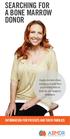 SEARCHING FOR A BONE MARROW DONOR Angela received a bone marrow transplant from an unrelated donor to treat her non-hodgkin s lymphoma. INFORMATION FOR PATIENTS AND THEIR FAMILIES For patients who need
The cure for blood cancer is in YOUR HANDS
 WE NEED YOU! If you are between the ages of 18 and 44 and have diverse ancestry, patients especially need you! Donors and patients who share the same ancestry are most likely to match. Not enough diverse,
Helping you find the one match.. Guide for Unrelated Stem Cell Transplant Patients OneMatch Stem Cell and Marrow Network BLOOD.
 Helping you find the one match.. Guide for Unrelated Stem Cell Transplant Patients OneMatch Stem Cell and Marrow Network BLOOD.CA WWW This guide is intended for patients in need of an unrelated volunteer
Blood Transfusion. Red Blood Cells White Blood Cells Platelets
 Blood Transfusion Introduction Blood transfusions are very common. Each year, almost 5 million Americans need a blood transfusion. Blood transfusions are given to replace blood lost during surgery or serious
How does a kidney transplant differ from dialysis?
 TA L K I N G A B O U T T R A N S P L A N TAT I O N Frequently Asked Questions about Kidney Transplant Evaluation and Listing If your kidneys have stopped working properly, or may stop working soon, you
Bone Marrow (Stem Cell) Transplant for Sickle Cell Disease
 Bone Marrow (Stem Cell) Transplant for Sickle Cell Disease Bone Marrow (Stem Cell) Transplant for Sickle Cell Disease 1 Produced by St. Jude Children s Research Hospital Departments of Hematology, Patient
Narrator: Transplants using stem cells from the blood, bone marrow or umbilical cord blood
 [Track 2: What Is a Transplant?] Narrator: Transplants using stem cells from the blood, bone marrow or umbilical cord blood can be an effective treatment for people with blood cancers such as leukemia,
BLOOD COLLECTION. How much blood is donated each year and how much is used?
 BLOOD COLLECTION How much blood is donated each year and how much is used? Each unit of blood consists of a volume of 450-500 milliliters or about one pint. Because of the constant demand for blood, about
Where Will my New Kidney Come From?
 Where Will my New Kidney Come From? The Organ Shortage There is a severe shortage of organs for transplant. This means that the wait for a kidney transplant can be many years. The UW Transplant Program
SAVE A LIFE... BY GIVING LIFE!
 SAVE A LIFE... BY GIVING LIFE! FOLLOW US ON: HÉMA-QUÉBEC PUBLIC CORD BLOOD BANK www.hema-quebec.qc.ca Scan this code with your smart phone to access the page Register to the Public Cord Blood Bank on the
Bone Marrow Transplantation and Peripheral Blood Stem Cell Transplantation: Questions and Answers. Key Points
 CANCER FACTS N a t i o n a l C a n c e r I n s t i t u t e N a t i o n a l I n s t i t u t e s o f H e a l t h D e p a r t m e n t o f H e a l t h a n d H u m a n S e r v i c e s Bone Marrow Transplantation
Blood & Marrow Transplant Glossary. Pediatric Blood and Marrow Transplant Program Patient Guide
 Blood & Marrow Transplant Glossary Pediatric Blood and Marrow Transplant Program Patient Guide Glossary Absolute Neutrophil Count (ANC) -- Also called "absolute granulocyte count" amount of white blood
Organ and Tissue Donation: An Overview
 Organ and Tissue Donation: An Overview E-learning module revised by LifeSource, 2012 This learning module is part of a series of e-learning modules designed to meet hospital education requirements for
*6816* 6816 CONSENT FOR DECEASED KIDNEY DONOR ORGAN OPTIONS
 The shortage of kidney donors and the ever-increasing waiting list has prompted the transplant community to look at different types of organ donors to meet the needs of our patients on the waiting list.
APPENDIX B SAMPLE INFORMED CONSENT FORM
 APPENDIX B SAMPLE INFORMED CONSENT FORM B.1 INFORMED CONSENT TO PARTICIPATE IN A RESEARCH STUDY Umbilical Cord Blood Banking for Transplantation You are being asked to take part in a research study that
What is a Living Will?
 What is a Living Will? With today s advances in medical technology, the process of dying can be prolonged by what are often referred to as artificial means. A Living Will can be used to let your healthcare
Saint Francis Kidney Transplant Program Issue Date: 6/9/15
 Kidney Transplant Candidate Informed Consent Education Here are educational materials about Kidney Transplant. Please review and read these before your evaluation visit. The RN Transplant Coordinator will
THE BENEFITS OF LIVING DONOR KIDNEY TRANSPLANTATION. feel better knowing
 THE BENEFITS OF LIVING DONOR KIDNEY TRANSPLANTATION feel better knowing your choice will help create more memories. Methods of Kidney Donation Kidneys for transplantation are made available through deceased
Canadian Blood Services National Public Cord Blood Bank Give Life Twice Transfusion Medicine Residents
 Canadian Blood Services National Public Cord Blood Bank Give Life Twice Transfusion Medicine Residents Eileen Quinlan Collection Supervisor, Brampton (GTA) 2015-11-10 History One Match Stem Cell and Marrow
Blood-Forming Stem Cell Transplants
 Blood-Forming Stem Cell Transplants What are bone marrow and hematopoietic stem cells? Bone marrow is the soft, sponge-like material found inside bones. It contains immature cells known as hematopoietic
Donate your baby s cord blood and save lives.
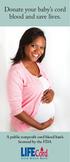 Donate your baby s cord blood and save lives. A public nonprofit cord blood bank licensed by the FDA Each year, thousands of people are diagnosed with life-threatening diseases that may be cured with a
SPEECH #2 PERSUASIVE SPEECH. Title: Bone Marrow Donation: the Simplest Way to Save Someone s Life
 Name: MELISSA MAGNANIMOUS SPEECH #2 PERSUASIVE SPEECH Title: Bone Marrow Donation: the Simplest Way to Save Someone s Life Specific Purpose: To persuade the audience to register as a bone marrow donor
TA L K I N G A B O U T T R A N S P L A N TAT I O N
 TA L K I N G A B O U T T R A N S P L A N TAT I O N UNITED NETWORK FOR ORGAN SHARING United Network for Organ Sharing (UNOS) is a private non-profit 501(c)(3) organization that operates the Organ Procurement
STEM CELL TRANSPLANTS
 UAMS Information on STEM CELL TRANSPLANTS What is a Stem Cell Transplant? A stem cell transplant is an infusion of stem cells following high-dose chemotherapy. The infused cells effectively rescue the
Living Donor Paired Exchange Registry. What is Living Kidney Donor Paired Exchange?
 Living Paired Exchange Registry What is Living Kidney Paired Exchange? The Living Paired Exchange Registry. At Canadian Blood Services, we are committed to helping Canadians help each other. By building
Public Cord Blood Tissue Bank Committee on Health Care Services and Representative Peaden
 HOUSE OF REPRESENTATIVES COMMITTEE ON HEALTH CARE SERVICES ANALYSIS BILL #: HB 2337 (PCB HCS 00-07) RELATING TO: SPONSOR(S): TIED BILL(S): Public Cord Blood Tissue Bank Committee on Health Care Services
Cord Blood Stem Cell Transplantation
 LEUKEMIA LYMPHOMA MYELOMA FACTS Cord Blood Stem Cell Transplantation No. 2 in a series providing the latest information on blood cancers Highlights Umbilical cord blood, like bone marrow and peripheral
LIVING DONATION. What You Need to Know. www.kidney.org
 LIVING DONATION What You Need to Know www.kidney.org 2 NATIONAL KIDNEY FOUNDATION TABLE OF CONTENTS About Living Donation.... 4 The Evaluation Process.... 6 Surgery and Recovery.... 12 After Donation....
Hydroxyurea Treatment for Sickle Cell Disease
 Hydroxyurea Treatment for Sickle Cell Disease Before hydroxyurea After hydroxyurea Hydroxyurea Treatment for Sickle Cell Disease 1 This document is not intended to take the place of the care and attention
Kidneys. Kidney Failure4. Transplantation
 Kidneys & Kidney Failure4 Transplantation This booklet helps you understand the process of transplantation. It defines the criteria for a donor and the recipient. It also clearly explains the concepts
CONSENT FORM. Cord Blood Banking for Transplantation
 Cord Blood Program Northwest Tissue Center/Puget Sound Blood Center 921 Terry Avenue Seattle, WA 98104 (206) 292-1896 Swedish Medical Center 747 Broadway Seattle, WA 98122 (206) 386-6000 CONSENT FORM Cord
CORD BLOOD TRANSPLANTATION STUDY EXPANDED ACCESS PROTOCOL APPENDIX A SAMPLE CONSENT FORM
 APPENDIX A SAMPLE CONSENT FORM CORD BLOOD TRANSPLANTATION (COBLT) STUDY SAMPLE CONSENT FORM FOR THE EXPANDED ACCESS PROTOCOL You (your child) are being asked to take part in a clinical research study.
Bone Marrow or Blood Stem Cell Transplants in Children With Severe Forms of Autoimmune Disorders or Certain Types of Cancer
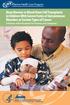 Bone Marrow or Blood Stem Cell Transplants in Children With Severe Forms of Autoimmune Disorders or Certain Types of Cancer A Review of the Research for Parents and Caregivers Is This Information Right
PERIPHERAL STEM CELL TRANSPLANT INTRODUCTION
 PERIPHERAL STEM CELL TRANSPLANT INTRODUCTION This booklet was designed to help you and the important people in your life understand the treatment of high dose chemotherapy with stem cell support: a procedure
It s not something you want to think about, but it s something you want to prepare for.
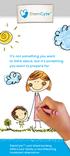 It s not something you want to think about, but it s something you want to prepare for. StemCyte cord blood banking offers your family a new lifesaving treatment alternative Why Bank Take the once-in-alifetime
Red Blood Cell Transfusions for Sickle Cell Disease
 Red Blood Cell Transfusions for Sickle Cell Disease Red Blood Cell Transfusions for Sickle Cell Disease 1 Produced by St. Jude Children s Research Hospital, Departments of Hematology, Patient Education,
Is a kidney transplant right for me?
 Is a kidney transplant right for me? Your guide to the transplant process www.esrdncc.org Contents Introduction 3 What is a Transplant Center? 4 What is the Waiting List? 5 What Happens After the Surgery?
4/25/2016. Transplant Journey. Objectives. Reason for Transplantation at Mayo Clinic. Mayo Clinic Model of Care
 Transplant Journey Lynette Fix, RN, BAN, CCTC Objectives Identify key components of transplant evaluation process Identify the patient follow-up process Describe diseases indicated for transplantation
Learning about Hepatitis C and Chronic Kidney Disease
 Learning about Hepatitis C and Chronic Kidney Disease Hepatitis C and Chronic Kidney Disease If you have chronic kidney disease (CKD), you want to learn all you can about your disease and what you can
Advance Health Care Planning: Making Your Wishes Known
 Page 1 of 26 Advance Health Care Planning: Making Your Wishes Known Page 2 of 26 What s Inside Why Health Care Planning Is Important... 2 What You Can Do... 4 Work through the advance health care planning
JUST 5 EASY STEPS FOR CORD BLOOD DONATION...
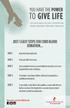 JUST 5 EASY STEPS FOR CORD BLOOD DONATION... STEP 1 Read this Information Kit. STEP 2 Print and fill in the forms. STEP 3 Give completed forms to your healthcare provider or to your hospital RN on day
Symptoms of Hodgkin lymphoma
 Produced 28.02.2011 Revision due 28.02.2013 Symptoms of Hodgkin lymphoma Lymphoma is a cancer of cells called lymphocytes. These cells are part of our immune system, which helps us to fight off infections.
The Danish Bone Marrow Donor Registry DBMDR
 The DBMDR Vision To achieve and maintain a position as an internationally recognized hematopoietic stem cell donor registry with respect to high quality of donor data base and HLA typing, individualized,
UMBILICAL CORD BLOOD BANKING A guide for parents
 UMBILICAL CORD BLOOD BANKING A guide for parents 2 nd EDITION INTRODUCTION The cells contained in the umbilical cord blood have therapeutic value for the treatment of blood disorders and immune diseases.
What is a Stem Cell Transplantation?
 What is a Stem Cell Transplantation? Guest Expert: Stuart, MD Associate Professor, Medical Oncology www.wnpr.org www.yalecancercenter.org Welcome to Yale Cancer Center Answers with Drs. Ed and Ken. I am
Tuberculosis: FAQs. What is the difference between latent TB infection and TB disease?
 Tuberculosis: FAQs What is TB disease? Tuberculosis (TB) is a disease caused by bacteria (germs) that are spread from person to person through the air. TB usually affects the lungs, but it can also affect
BLOOD-Chp. Chp.. 6 What are the functions of blood? What is the composition of blood? 3 major types of plasma proteins
 6.1 Blood: An overview BLOOD-Chp Chp.. 6 What are the functions of blood? Transportation: oxygen, nutrients, wastes, carbon dioxide and hormones Defense: against invasion by pathogens Regulatory functions:
Heart transplantation
 Heart transplantation A patient s guide 1 Heart transplantation Heart transplantation has the potential to significantly improve the length and quality of life for patients with severe heart failure.
Is a Kidney Transplant Right for Me?
 Is a Kidney Transplant Right for Me? Network 8 Introduction What do singer Natalie Cole, actor Ken Howard, funny men Tracy Morgan and George Lopez and fashion reporter Steven Cojocaru have in common? They
State of Ohio Living Will Declaration Notice to Declarant
 State of Ohio Living Will Declaration Notice to Declarant The purpose of this Living Will Declaration is to document your wish that life-sustaining treatment, including artificially or technologically
Stem Cell Quick Guide: Stem Cell Basics
 Stem Cell Quick Guide: Stem Cell Basics What is a Stem Cell? Stem cells are the starting point from which the rest of the body grows. The adult human body is made up of hundreds of millions of different
Transplant Coordinator
 Have you signed your organ donor card? Hearts, kidneys, livers, and lungs can all be transplanted. When you die, one of your organs could help a critically ill patient live a longer life. What I do every
Australian Bone Marrow Donor Registry PROTECTING YOUR PRIVACY OUR PRIVACY POLICY
 Australian Bone Marrow Donor Registry PROTECTING YOUR PRIVACY OUR PRIVACY POLICY WHO ARE WE? The Australian Bone Marrow Donor Registry (ABMDR) is a non-profit organisation that manages the processes of
Multiple Myeloma. This reference summary will help you understand multiple myeloma and its treatment options.
 Multiple Myeloma Introduction Multiple myeloma is a type of cancer that affects white blood cells. Each year, thousands of people find out that they have multiple myeloma. This reference summary will help
Sample Give and Let Live survey questions
 Sample Give and Let Live survey questions Here are some closed questions you might think about using in your questionnaire. The questions you ask will depend on who your target audience is if everyone
UMBILICAL CORD BLOOD BANKING. A guide for parents
 UMBILICAL CORD BLOOD BANKING A guide for parents This guide has been elaborated by the Council of Europe European Committee on Organ Transplantation (CD-P-TO). For more information, please visit https://go.edqm.eu/transplantation.
Other treatments for chronic myeloid leukaemia
 Other treatments for chronic myeloid leukaemia This information is an extract from the booklet Understanding chronic myeloid leukaemia. You may find the full booklet helpful. We can send you a copy free
Smoking and misuse of certain pain medicines can affect the risk of developing renal cell cancer.
 Renal cell cancer Renal cell cancer is a disease in which malignant (cancer) cells form in tubules of the kidney. Renal cell cancer (also called kidney cancer or renal adenocarcinoma) is a disease in which
Multiple Myeloma Understanding your diagnosis
 Multiple Myeloma Understanding your diagnosis Multiple Myeloma Understanding your diagnosis When you first hear that you have cancer you may feel alone and afraid. You may be overwhelmed by the large amount
cord blood saves lives...
 cord blood saves lives... ...by providing a rich source of blood stem cells that can be used to treat over 80 different diseases including leukemia, lymphoma, thalassemia, Tay-Sachs and sickle cell anemia.
Treating Chronic Hepatitis C. A Review of the Research for Adults
 Treating Chronic Hepatitis C A Review of the Research for Adults Is This Information Right for Me? Yes, this information is right for you if: Your doctor* has told you that you have chronic hepatitis C.
Anemia and chronic kidney disease
 Anemia and chronic kidney disease THE KIDNEY FOUNDATION OF CANADA 1 Anemia and chronic kidney disease What is anemia? Anemia is a condition in which the red cells in the blood are at a low level. The red
Bone Marrow or Blood Stem Cell Transplants in Children With Certain Rare Inherited Metabolic Diseases *
 Bone Marrow or Blood Stem Cell Transplants in Children With Certain Rare Inherited Metabolic Diseases * A Review of the Research for Parents and Caregivers * Wolman Disease, Farber Disease, Niemann-Pick
ACUTE MYELOID LEUKEMIA (AML),
 1 ACUTE MYELOID LEUKEMIA (AML), ALSO KNOWN AS ACUTE MYELOGENOUS LEUKEMIA WHAT IS CANCER? The body is made up of hundreds of millions of living cells. Normal body cells grow, divide, and die in an orderly
Information for Patients. Advance Health Care Directive Kit A guide to help you express your health care wishes
 Information for Patients Advance Health Care Directive Kit A guide to help you express your health care wishes Table of contents PART I - REQUIRED Selection of a decision maker Who will make health care
Simplified Advance Care Plan and Living Will (Optional)
 Simplified Advance Care Plan and Living Will (Optional) Basic information for patients and families This handout helps you say how you want to be treated if you get very sick and cannot make decisions.
A fact sheet UNRELATED BONE MARROW AND CORD BLOOD STEM CELL TRANSPLANTS
 A fact sheet UNRELATED BONE MARROW AND CORD BLOOD STEM CELL TRANSPLANTS Each year, thousands of patients are diagnosed with diseases treatable by a blood stem cell transplant. These blood stem cells can
Consent Form: Example 2 (DNA Sequencing)
 Consent Form: Example 2 (DNA Sequencing) Important note: This model language was developed for the NHGRI Medical Sequencing Project (MSP). It is included here only as an example of how to describe a sequencing
Questions and Answers for Transplant Candidates about the New Kidney Allocation System
 TA L K I N G A B O U T T R A N S P L A N TAT I O N U N I T E D N E T W O R K F O R O R G A N S H A R I N G Questions and Answers for Transplant Candidates about the New Kidney Allocation System United
Acute Myeloid Leukemia
 Acute Myeloid Leukemia Introduction Leukemia is cancer of the white blood cells. The increased number of these cells leads to overcrowding of healthy blood cells. As a result, the healthy cells are not
ASSEMBLY, No. 2591 STATE OF NEW JERSEY. 212th LEGISLATURE INTRODUCED FEBRUARY 23, 2006
 ASSEMBLY, No. STATE OF NEW JERSEY th LEGISLATURE INTRODUCED FEBRUARY, 00 Sponsored by: Assemblywoman CHARLOTTE VANDERVALK District (Bergen) SYNOPSIS Requires hospitals to provide information to pregnant
RADIATION THERAPY FOR LYMPHOMA. Facts to Help Patients Make an Informed Decision TARGETING CANCER CARE AMERICAN SOCIETY FOR RADIATION ONCOLOGY
 RADIATION THERAPY FOR Facts to Help Patients Make an Informed Decision TARGETING CANCER CARE AMERICAN SOCIETY FOR RADIATION ONCOLOGY FACTS ABOUT The lymphatic system is a network of tiny vessels extending
GASTRIC BYPASS SURGERY CONSENT FORM
 Page 1 of 6 I, have been asked to read carefully all of the (name of patient or substitute decision-maker) information contained in this consent form and to consent to the procedure described below on
MANAGING ANEMIA. When You Have Kidney Disease or Kidney Failure. www.kidney.org
 MANAGING ANEMIA When You Have Kidney Disease or Kidney Failure www.kidney.org About the Information in this Booklet Did you know that the National Kidney Foundation (NKF) offers guidelines and commentaries
-General Information -Why Save the Umbilical Cord? -Pros and Cons ((Arguments Against Saving the Umbilical Cord)) -Pros and Cons ((Arguments For
 -General Information -Why Save the Umbilical Cord? -Pros and Cons ((Arguments Against Saving the Umbilical Cord)) -Pros and Cons ((Arguments For Saving the Umbilical Cord)) -Concerns -How to Collect Umbilical
Many people with non-hodgkin lymphoma have found an educational support group helpful. Support
 Track 2: Treatment Options [Narrator] Many people with non-hodgkin lymphoma have found an educational support group helpful. Support groups take many forms: some meet the needs of people with all kinds
Multiple Myeloma. Understanding your diagnosis
 Multiple Myeloma Understanding your diagnosis Multiple Myeloma Understanding your diagnosis When you first hear that you have cancer, you may feel alone and afraid. You may be overwhelmed by the large
NEWS RELEASE. For Immediate Release. For more information, please contact:
 NEWS RELEASE For Immediate Release For more information, please contact: Charlene Han Singapore Cord Blood Bank Tel: (65) 6394-5017 [email protected] Singapore Cord Blood Bank records 21 st
Helping Cancer Patients through Blood Donation
 Helping Cancer Patients through Blood Donation Guest Expert: Edward, MD Professor of Lab Medicine Paul CEO, CT Red Cross www.wnpr.org www.yalecancercenter.org Welcome to Yale Cancer Center Answers with
ADVANCE DIRECTIVE. Your Right to Make Health Care Decisions
 ADVANCE DIRECTIVE Your Right to Make Health Care Decisions 1 Saint Peter s University Hospital provides you with this booklet which explains your rights to decide about your health care under New Jersey
INFORMATION ON STEM CELLS/BONE MARROW AND REINFUSION/TRANSPLANTATION SUR703.002
 INFORMATION ON STEM CELLS/BONE MARROW AND REINFUSION/TRANSPLANTATION SUR703.002 COVERAGE: SPECIAL COMMENT ON POLICY REVIEW: Due to the complexity of the Peripheral and Bone Marrow Stem Cell Transplantation
LYMPHOMA IN DOGS. Diagnosis/Initial evaluation. Treatment and Prognosis
 LYMPHOMA IN DOGS Lymphoma is a relatively common cancer in dogs. It is a cancer of lymphocytes (a type of white blood cell) and lymphoid tissues. Lymphoid tissue is normally present in many places in the
Medical Questionnaire and Informed Consent Public Cord Blood Bank Switzerland
 Medical Questionnaire and Informed Consent Public Cord Blood Bank Switzerland You have just read the information sheet for cord blood donors and you would like to donate cord blood. We thank you for answering