
Journal of Dental Herald
|
|
|
- Giles Griffith
- 10 years ago
- Views:
Transcription
1 Journal of Dental Herald A Review Abutment Evaluation A Boon To Success Of Fixed Partial Denture Introduction Fixed prosthodontic treatment can range from the restoration of a single tooth to the rehabilitation of the entire occlusion. Single teeth can be restored to full function, and improvement in cosmetic effect can be achieved. Missing teeth can be replaced with prostheses that will improve patient comfort and masticatory efficiency, maintain the health and integrity of the dental arches, and, in many instances, elevates the patient s self-image. Every restoration must be able to withstand the constant occlusal forces to which it is subjected. This is to particular significance when designing and fabricating a fixed partial denture, since the forces that would normally be absorbed by the missing tooth are transmitted, through the pontic, connectors and retainers, to the abutment teeth. For example, to evaluate the significance of a simple full crown on a mandibular molar tooth in a patient with relatively normal occlusion, a full complement of teeth and normal bone support. We see that the following parameter of form and forces are within the control and responsibility of the operator: a) Number and area of occlusal contacts. b) Inclination and length of cusps. c) Axial contours. Journal of Dental Herald (April 2014) Issue:2, Vol.:1 E ISSN No. : P ISSN No. : X Sharma Sumeet, Sethuraman Rajesh, Singh Harvinder, Singh Sarbjeet, Wazir Dev Nikhil 1 Senior lecturer, Department of Prosthodontics, Institute of Dental Sciences, Sehora, Jammu, India. 2 Professor, Department of Prosthodontics, K.M. Shah Dental College & Hospital, Vadodara, India. 3 Professor, Department of Prosthodontics,Institute of Dental Sciences, Sehora, Jammu, India. 4 Reader, Department of Oral Medicine & Radiology, Institute of Dental Sciences, Sehora, Jammu, India. 5 Professor & HOD, Department of Conservative & Endodontic, Institute of Dental Sciences, Sehora, Jammu, India. Abstract Fixed partial dentures transmit forces through the abutments to the periodontium. Failures are due to poor engineering, the use of improper materials, inadequate tooth preparation, and faculty fabrication. Of particular concern to dentists is the selection of teeth for abutment. They must recognize the force developed by the oral mechanism, and the resistance of the tooth and its supporting structures to them. Successful selection of abutments for fixed partial dentures requires sensitive diagnostic ability. Through knowledge of anatomy, ceramics, the chemistry and physics of dental materials, metallurgy, periodontics, phonetics, physiology, radiology and the mechanics of oral function is fundamental1. This article review diagnostic procedures and requisities for the selection of abutments. Key Words Biomechanics, FPD, Pontics, Retainer, Span length, Clinical crown, Anatomical crown. double as an FPD retainer. If several abutments in one arch require crowns, there is a strong argument for the selection of a [1] fixed partial denture rather than a removable partial denture. Diagnostic Casts Accurate diagnostic cast must be correctly oriented to the transverse hinge axis and the plane of occlusion on an articulator to permit eccentric movements similar to those that take place in the mouth. This procedure allows a simple evaluation of the occlusal relationships of the dental arches and the abutment teeth. Roentgenographic Examination Periapical and bite-wing films are most important in selection of abutment teeth. The primary purpose of roentgenograms is to disclose hidden areas and structures such as the root morphology, pulp outline, the periodontal ligament space, the alveolar bone, infrabony defects, residual roots, impacted or supernumerary teeth, and the extent of present or past caries. Definite rules of treatment planning cannot be formulated. However, an understanding of the favourable indications and reasonable limitations of abutments for fixed partial dentures [2] is essential. Abutment teeth are called upon to withstand the forces normally directed to the missing teeth, in addition to those usually applied to the abutments. If a tooth adjacent to an edentulous space needs a crown because of damage to the tooth, the restoration usually can Quick Response Code Address For Correspondence: Dr. Sumeet Sharma, Senior Lecturer, Department of Prosthodontics, Institute of Dental Sciences, Sehora, Jammu, India. Phone no [email protected] Factors Governing Abutment Selection Crown Gottlieb has suggested a special terminology, anatomic crown and clinical crown. He calls the enamel covered portion of the tooth the anatomic crown, and the cementum covered portion, the anatomic root. Clinically, that portion of the tooth which is actually erupted (exposed) is called the clinical crown, and the remainder of the tooth, which is still united with the investing tissues, the clinical root. Thus, it may be said that in youth the clinical crown is smaller than the anatomic crown, and in old age the clinical crown is greater than the anatomic. In certain mouths, all of anatomic crowns are exposed at the age of 40; in others, at least for some teeth, there is an epithelial attachment 038

2 the clinical ratio unless otherwise specified. [5] Jepsen compared root surface areas and radio-graphic root areas and established that they could be correlated within a 10% to 15% margin of error, thereby demonstrating the validity of radiographic evaluation. Workers usually recommend the use of Ante's Law when allowances for a 15% to 20% variation in computations of the pericemental area are made." Other textbooks proposed the use of actual crown-toroot ratio in determining prognosis. Presumably these are based on linear measurements from radiographs. A ratio of 1:2 was considered ideal. 1:1.5 was acceptable, and a crown-toto the enamel at 50 years or even later. Size of crown: The combined existing surface area of the periodontal ligaments of the abutment teeth should be equal or exceed the normal area of the periodontal ligament of the teeth [3] to be replaced. The surface area of the periodontal ligaments [4],[5] of normal teeth has been measured by several investigators. The total mesio-distal width of the cusps of abutments should equal or exceed the width of the cusps of pontics. Occlusal anatomy: Occlusal anatomy has an indirect influence on the loads transmitted to the teeth. The occlusal surfaces of natural posterior teeth have distinct cusps with many primary and supplemental ridges. The cusps are convex in both directions with grooves interspersed between the [6] rigdes. Stallard points out that worn-down teeth need more muscular power and longer and more masticatory strokes in order to chew food enough. Much of this force is directed at right angles to the long axis of the teeth. Buccolingual dimension of the teeth: The occlusal surface of the pontics should harmonize with the buccolingual dimension of the natural unmutilated teeth, and recreate the normal buccal and lingual form to the height of contour. Reducing the width of the pontics does not materially reduces the force transmitted to the abutments, but merely places heavier per unit stress on the restoration and produces conditions in the pontic. Roots The forces acting on a tooth are transferred to the supporting bone through the root. The shape of the root determines the ability of the abutment to transfer the masticatory load to the supporting bone. a) Number: Multirooted posterior teeth with widely separated roots will offer better periodontal support than roots that converge, fuse, and generally present a conical configuration. b) Size: Teeth with longer root are stronger abutment than compared to the shorter ones. c) Width: Roots with greater labio-lingual width are preferred. d) Shape: Roots with irregular curvature are preferred. Teeth with conical roots can be used for short span fixed partial dentures. Crown: root ratio: Poor crown-to-root ratio can result from improper dental treatment as well as from traumatic or pathologic changes that either increase the length of the clinical crown or decrease the length of the clinical root. In [7] 1955, Marshall-Day and associates found crestal loss of alveolar bone in 98% or more of a sample of individuals 35 years of age or older. In 1962, examination of a random sample of Americans revealed the increased prevalence of periodontitis and advanced tissue destruction associated with [8] older age groups. Mobility, as related to crown-to-root ratio, occurs when alveolar support is no longer adequate to withstand the forces encountered in the oral cavity. Tooth mobility becomes significant when the re-quirements of comfort and masticatory [9] function are compromised. Development of dental caries on exposed root surfaces is a potential problem. A recent study revealed increased amount of caries on exposed root surfaces [10] in the mandibular arch, most frequently in premolars. In these patients the prevalence of root surface caries did not correlate with the degree of oral hygiene or with evidence of previous coronal caries. "These data suggest that the incidence of root surface caries may be a function of diet rather than an inevitable sequelae of root exposure. The root surface concavities and increased surface area associated with exposed roots also complicate oral hygiene efforts, thus favoring an increased incidence of caries. Sensitivity from exposed root surfaces is also a common problem. A variety of techniques and substances are available for desensitization." Unfortunately, no one approach is uniformly successful. The early guidelines on crown-to-root ratio for abutment teeth were conservative, but they still serve as a standard in many [11] [11] texts. Ante's Law states that "The combined pericemental area of the abutment teeth should be equal to or greater in pericemental area than the teeth to be replaced." Removal of all teeth or roots that are "unfit" for further service was also recommended. Definition and measurement technique: The level of supporting bone is rarely coincident with the cementoenamel junction or dentogingival junction(fig. 1). Evaluation is best performed using the clinical crown-to-root ratio. Further use of the term crown-to-root ratio will refer to Figure 1 039

3 [12],[13] root ratio of 1:1 was considered minimal or doubtful. Crown-to-root ratio was also discussed in terms of the linear amount of bone loss although the importance of this approach varies with root form and length. Teeth exhibiting extensive bone loss, with pocket depth greater than 6 to 7 mm from the cementoenamel junction, are sometimes considered hopeless because of the compromises encountered in periodontal [13] [14] surgery. Tylman recommended that teeth with a normal amount of bone be used for abutments. However, he stated that teeth lacking one third to one half of their normal periodontal [15] attachment. Beube," discussing the retention or extraction of teeth, assigned a poor prognosis to teeth with only one third of the apical bone remaining, advanced mobility, and poor root [16] morphology. Goldman and Cohen * advocated the retention of teeth based on their ability to return to health and maintain themselves in function. Treatment considerations for teeth with poor crown-root ratio Plaque: Plaque control and adequate oral hygiene are of primary concern in teeth having poor crown-to-root ratio. Continued progression of periodontitis due to inadequate plaque control invites treatment failure. Examples are the addition of margins and solder joints and the exposure of less accessible, concave crown and root surfaces. Periodontal surgery: Periodontal surgery can affect the crown-to-root ratio. Complete: osseous resection of periodontal bony defects to create physiologic contours may [17] result in loss of surrounding bone. Selipsky " noted that the decreased mobility obtained in initial therapy was not compromised in the long-term (1 year) by definitive surgery within "clinically operable limits. Periodontal support regeneration: Regeneration of lost periodontal support is the most logical approach to improve poor crown-to-root ratio, and bone grafting is the most reliable [18] method. Ingber presented the rationale and technique of forced eruption as a method of treating one- and two-wall infrabony defects. Occlusal reduction: Reducing clinical crown length by occlusal reduction of extruded teeth is a valid approach to improving the crown-to-root ratio. Bohannan and Abrams discussed crown shortening in conjunction with intentional pulp extirpation. They noted an improved crown-to-root ratio but encountered complications. For each millimeter of posterior tooth reduction and resultant decrease in the vertical dimension of occlusion, an increase of 3 mm of anterior vertical overlap (overbite) will occur. Overdentures represent an extreme approach to crown shortening and crown-to-root ratio improvement, providing a new treatment alternative. Increasing stability: The mobility seen in teeth with poor crown-to-root ratio can be reduced by selectively grinding occlusal surfaces and minimizing horizontal forces in the [9] existing dentition. Teeth which have poor crown-to-root ratio and exhibit mobility can be retained through splinting. [19] Dawson emphasized the difficulty in maintaining good oral hygiene in splinted areas and suggested splinting only when it is needed. Restorative consideration: Cast restorations for teeth with poor crown-to-root ratios place greater demands on the dentist. Ideal margins of restorations are essential, since inflammation has been associated with restorations having excellent [19] margins. Design of the preparations for cast restorations are dictated by the anatomy of the root surfaces, which may necessitate endodontic therapy. Contours must be consistent with existing root contours and clinical crown form to permit essential hygiene. Extraction: Extraction must be considered as a treatment alternative. Removal or retention of molar teeth related to [17] furcation involvement was reviewed by Saxe and Carmen. These considerations also applied to teeth with poor crown-toroot ratio. These authors suggested that the indications for removal of problem teeth are (1) An unopposed terminal tooth in an arch. (2) A periodontally involved tooth with sound adjacent teeth providing other treatment alternatives. (3) A solitary distal abutment that exhibits mobility. Periodontal factor Inflammation: A diagnosis of periodontitis is not uncommon for the patient requiring prosthodontics because one or more teeth may already have been lost to periodontal disease. The goals of periodontal therapy for the prosthodontic patient are: to resolve the inflammation; convert periodontal pocket depths to clinically normal sulcular depths; establish physiologic gingival architecture; and provide an adequate zone of attached gingiva. Adequate oral hygiene is fundamental to the maintenance of a healthy periodontium. If surgical intervention is required to achieve therapeutic goals, approximately six to eight weeks of healing is recommended before the gingival termination of the tooth preparations is completed. Furcation invasions: Teeth with furcation invasions require special consideration. Margin placement: G.V. Black's original concepts of [20] "extension for prevention" have been modified. Broad extension of cavity preparations to place margins in "caries immune" areas is not universally advocated. The recommendation that all gingival finish lines be developed [20],[21] within the gingival crevice has been challenged. The gingivae are healthiest when margins are placed well [22] above (i.e., 1 to 2 mm) the gingival crest, and intracrevicular margin placement is not the universal solution to dental caries. [23] Biologic width: Histologic studies by Gargiulo, et al have demonstrated a band of soft tissue attach-ment between the base of the gingival sulcus and the alveolar crest that is composed of approximately 1 mm of junctional epithelium (attachment epithelium) and 1 mm of connective tissue fibers. This dento-gingival attachment, referred to as the "biologic [24] width" (Fig.2), has significant implications in treatment planning. The presence of caries, fractured root structure, or previous restorations apical to the gingival crest maypredispose to violation of the biologic width during tooth preparation. A short clinical crown may induce the dentist to overextend the preparation apically in an attempt to enhance [25] retention. Location in the arch Parfitt GJ (1960), have shown that the faciolingual movement ranges between µm, and intrusion of 28 µm. Teeth in different segments of the arch move in different directions. Because of the curvature of the arch, the faciolingual 040

4 Figure 2 movement of an anterior tooth occurs at a considerable angle to the faciolingual movement of the molar(fig.3). ARCH CURVATURE: There is a common problem in replacing all four maxillary incisors with a fixed partial denture and the problem is more pronounced in the arch that is pointed in the anterior. This occurs because the pontics lie outside the interabutment axis line and thus acts as a lever arm, which can produce a torquing movement. In order to offset the torque, additional retention is obtained in the opposite direction of the lever arm and at a distance from the interabutment axis equal to the length of the lever arm. The first premolars sometimes are used as secondary abutments for a maxillary four-pontic canine to canine fixed partial denture. Because of the tensile forces that will be applied to the premolar retainers, they must have excellent retention(fig.3). Figure 3 Angulation A common problem that occurs with some frequency is the mandibular second molar abutment that has tilted mesially into the space formerly occupied by the first molar. It is impossible to prepare the abutment teeth for a fixed partial denture along the long axes of the respective teeth and achieve a common path of insertion. There is further complication if the third molar is present. It will usually have drifted and tilted with the second molar. Uprighting is best accomplished by the use of a [27] fixed appliance. Both premolars and canine are banded and tied to a passive stabilizing wire.a helical uprighting spring is inserted into a tube on the banded molar and activated by [27],[28] hooking it over the wire on the anterior segment. The [29] average treatment required is 3 months. A proximal half crown sometimes can be used as a retainer on the distal [33] abutment.(fig.4) This preparation design is simply a three- Figure 4 quarter down that has been rotated 90 degrees so that the distal surface is uncovered. A telescope crown and coping can also be [34] used al a retainer on the distal abutment. A full crown preparation with heavy reduction is made to follow the long axis of the tilted molar. An inner coping it made to fit the tooth preparation, and the proximal half crown that will serve as the retainer for the fixed partial denture it fitted over the coping. Conclusion Competent treatment depends upon the careful examination of all available information, a definitive diagnosis, and a realistic treatment plan that offers a favourable prognosis. A comprehensive, sequential approach to treatment planning is essential. Planning for fixed prosthodontics must not be independent of other disciplines of dentistry. Hasty, segmented planning that ignores major aspects of needed treatments defies modern concepts of treating the whole patient rather than individual teeth. When planning and treating cases involving fixed prosthodontic restorations, it is important that all the applicable parameters are taken into account. The prosthodontist must not focus too much on the finer details of constructing a perfect restoration, or risk creating a failure because proper engineering principles was not used. If success is to be attained the prosthodontist must take into account the length of span, attachment apparatus, periodontal bone loss, inclination of teeth, position in the arch, opposing occlusion to examine and comes to a specific treatment planning and one must make use of modern diagnostic tools. One such indispersible tool at the hand of the operator is the radiograph. A thorough analysis of the radiograph often reveals that the abutment teeth may not satisfy the requirement of Ante s law. However, long term studies have proved that treatment regimen & maintainence can convert questionable abutments into ideal abutments. Radiographs are made, and pulpal health is assessed by evaluating the response to thermal and electrical stimulation. Existing restorations, cavity liners, and residual caries are removed, and a careful check is made for possible pulpal exposure. Teeth in which pulpal health is doubtful should be endodontically treated before the initiation of fixed prosthodontics. Although a direct pulp cap may be an acceptable risk for a simple amalgam or composite resin, conventional endodontic treatment is normally preferred for 041

5 cast restorations, especially when the later need for endodontic treatment would jeopardize the overall success of treatment. References 1. Shillingburg H.T, Hobo Sumiya, Whitsett L.D, Jacobi Richard, Brackett S.E. Fundamental of Fixed Prosthodontics, ed. 3, Quintessence Publishing Co, Inc Johnston J.F., Phillips R.W., Dykema R.W. Modern Practice in Crown and Bridge Prosthodontics, ed. 2, Philadephiah,1965. W.B. Saunders Company, p Reynold J.M. : Abutment Selection for fixed Presthodontics J. Prosthet Dent.. 19:483, Ante, I.H: J. Canadian D.A. 2: , Jespen, A: Root surface Measurement and A method for X- ray Determination of Root surface area, Acta. Odont. Scandinav. 21: 35-46, Stallard, H.: The Good Mouth- A syallabus on Oral Rehabilitation and Occlusion, University of California, San Fransisco, Calif., Vol.1, p Marshall-Day, C.D., Stephens, R.G., and Quigley, L.F., Jr.: Periodontal disease: Prevalence and incidence. J. Periodontal 26: 185, Johnson, E.S., Kelly, J.E., and Vankirk, L.E.: Selected Dental findings for adults. National center for health. Statistics, Series 11, No. 7, Washington, D.C, U.S. Public Health Service. 9. Nyman, S. Lindhe. J, and Lundgren. D.: The role of occlusion for the stability of fixed bridges in patients with reduced periodontal tissue support., J. Clin. Periodontal, 2 : 53, Sumney, D.L. Jordon, H.V., and Englander H.V.: The Prevalence of root surface caries in selected population. J.Periodontal 44: 500, Ante, I.H.: The Fundamental Principles of Abutment, Mich. Dent. Soc Bull. 8: 14, Johnston, J.E, Phillips, R.W., and Dykema, R.W: Modern Practice in Crown and Bridge Prosthodontics, ed. 3, Philedelphia, 1971, W.B Saunders Co. 13. Dykema, R.W: Fixed Partial Prosthodontics, J. Tenn Dent Assoc. 43: 309, Tylman, S.D: Theory and Practice of Crown and Bridge Prosthodontics, ed.5, st. Louis,1965, The C.V. Mosby Company, p Beube, F.E: Correlation of the degree of alveolar bone loss with other factors for determining the removal or retention of teeth. Dent. Clin. North Am. 13: 801, Goldman, H.M, and Cohen, D.W.: Periodontal Therapy, Ed. 5, St. Louis, 1973, C.V. Mosby. Co. 17. Prichard, J.F: Advanced Periodontal Disease. Surgical and Prosthetic Management, ed.2, Philadelphia, 1972, W.B Saunders Co. 18. Robert E. Penny., crown-to-root ratio: its significance in resforative Dentistry, J. Prosthet Dent Vol 42; Number, July Dawson PE. Evaluation, Diagnosis and Treatment of occlusal Problems,ed 1 ST.Louis, Blackwell, R.E. G.V. Black s operative Dentistry, Vol. II, ed.9, South Milwankee, 1955, Medico-Dental Publishing Co.P Reynold J.M.: Abutment Selection for fixed Presthodontics J. Prosthet Dent.. 19:483, Romanelli, J.H.I. Periodontal considerations in tooth preparation for growth and Bridge, Dent Cli. NorthAm. 24:2, , Marcum, J.S. : The effect of crown marginal depth upon gingival tissue, J. Prosthet Dent. 17:2, , Glickman, I.: Clinical Periodontology, ed. 4, Philedelphia, 1972, W. B. Saunders Co., p Miller, C.: A Clinical interpretation of tooth preparation and design of metal substructures for metal ceramic restorations. In Mclean, J.W., editor; Dental Ceramics, Chicago, 1983, Quintessence Publishing co, Inc., P Source of Support : Nill, Conflict of Interest : None declared 042

CHAPTER 10 RESTS AND PREPARATIONS. 4. Serve as a reference point for evaluating the fit of the framework to the teeth.
 CHAPTER 10 RESTS AND DEFINITIONS A REST is any rigid part of an RPD framework which contacts a properly prepared surface of a tooth. A REST PREPARATION or REST SEAT is any portion of a tooth or restoration
Treatment planning for the class 0, 1A, 1B dental arches
 Treatment planning for the class 0, 1A, 1B dental arches Dr.. Peter Hermann Dr Reminder: Torquing movement on tooth supported denture : no movement Class 1 movement in one direction (depression) Class
Molar Uprighting Dr. Margherita Santoro Division of Orthodontics School of Dental and Oral surgery. Consequences of tooth loss.
 Molar Uprighting Dr. Margherita Santoro Division of Orthodontics School of Dental and Oral surgery Molars The wide occlusal surface is designed for food grinding. The surface needs to be aligned with the
Managing a Case of Sensitive Abutment Situations through Use of a Fixed Movable Prosthesis A Clinical Report
 www.jmscr.igmpublication.org Managing a Case of Sensitive Abutment Situations through Use of a Fixed Movable Prosthesis A Clinical Report Authors Khurshid A. Mattoo 1, Shailesh Jain 2 1 Assistant Professor,
4-1-2005. Dental Clinical Criteria and Documentation Requirements
 4-1-2005 Dental Clinical Criteria and Documentation Requirements Table of Contents Dental Clinical Criteria Cast Restorations and Veneer Procedures... Pages 1-3 Crown Repair... Page 3 Endodontic Procedures...
IMPLANT DENTISTRY EXAM BANK
 IMPLANT DENTISTRY EXAM BANK 1. Define osseointegration. (4 points, 1/4 2. What are the critical components of an acceptable clinical trial? (10 points) 3. Compare the masticatory performance of individuals
Full Crown Module: Learner Level 1
 Full Crown Module Restoration / Tooth # Full Gold Crown (FGC) / 30 Extensions: Porcelain Fused to Metal (PFM) / 12 All Ceramic / 8 Learner Level 1 Mastery of Tooth Preparation Estimated Set Up Time: 30
Powertome Assisted Atraumatic Tooth Extraction
 Powertome Assisted Atraumatic Tooth Extraction White et al Jason White, DDS 1 2 3 Abstract Background: While traditional dental extraction techniques encourage minimal trauma, luxated elevation and forceps
2016 Buy Up Dental Care Plan Procedure List
 * This is in addition to the embedded Preventive Plan (see procedure list at deltadentalco.com/kp_preventive. BASIC SERVICES Minor Restorative Services D2140 Amalgam 1 surface, primary or permanent D2150
Implants in your Laboratory: Abutment Design
 1/2 point CDT documented scientific credit. See Page 41. Implants in your Laboratory: Abutment Design By Leon Hermanides, CDT A patient s anatomical limitations have the greatest predictive value for successful
Teeth and Dental Implants: When to save, and when to extract.
 Teeth and Dental Implants: When to save, and when to extract. One of the most difficult decisions a restorative dentist has to make is when to refer a patient for extraction and placement of dental implants.
HEALTH SERVICES POLICY & PROCEDURE MANUAL. SUBJECT: Types of Dental Treatments Provided EFFECTIVE DATE: July 2014 SUPERCEDES DATE: January 2014
 PAGE 1 of 5 References Related ACA Standards 4 th Edition Standards for Adult Correctional Institutions 4-4369, 4-4375 PURPOSE To provide guidelines for determining appropriate levels of care and types
In Class IV arch: Fulcrum line passes through two abutments adjacent to single edentulous space.
 It is that part of removable partial denture which assists the direct retainers in preventing displacement of distal extension denture bases by resisting lever action from the opposite side of the fulcrum
Postendodontic Tooth Restoration - Part I: The Aim and the Plan of. the procedure.
 Postendodontic Tooth Restoration - Part I: The Aim and the Plan of the Procedure Sanja egoviê 1 Nada GaliÊ 1 Ana Davanzo 2 Boæidar PaveliÊ 1 1 Department of Dental Pathology School of Dental Medicine University
Dental Implant Treatment after Improvement of Oral Environment by Orthodontic Therapy
 Dental implant treatment after impr Title environment by orthodontic therapy. Sekine, H; Miyazaki, H; Takanashi, Author(s) Matsuzaki, F; Taguchi, T; Katada, H Journal Bulletin of Tokyo Dental College,
Tooth Supported Overdentures
 Unless otherwise noted, the content of this course material is licensed under a Creative Commons Attribution - Non-Commercial - Share Alike 3.0 License. Copyright 2008, Dr. Jeff Shotwell. The following
portion of the tooth such as 3/4 Crown, 7/8Crown.
 Lecture.1 Dr.Adel F.Ibraheem Crown and Bridge: It s a branch of dental science that deals with restoration of damaged teeth with artificial crown replacing the missing natural teeth by a cast prosthesis
Residency Competency and Proficiency Statements
 Residency Competency and Proficiency Statements 1. REQUEST AND RESPOND TO REQUESTS FOR CONSULTATIONS Identify needs and make referrals to appropriate health care providers for the treatment of physiologic,
porcelain fused to metal crown
 Lectur.5 Dr.Adel F.Ibraheem porcelain fused to metal crown the most widely used fixed restoration,it is full metal crown having facial surface (or all surfaces) covered by ceramic material. It consist
The total occlusal convergence of the abutment of a partial fixed dental prosthesis: A definition and a clinical technique for its assessment
 Review Article The total occlusal convergence of the abutment of a partial fixed dental prosthesis: A definition and a clinical technique for its assessment John S. Mamoun 1 Correspondence: Dr. John S.
Prosthodontist s Perspective
 Unless otherwise noted, the content of this course material is licensed under a Creative Commons Attribution - Non-Commercial - Share Alike 3.0 License. Copyright 2008, Dr. Jeff Shotwell. The following
Replacement of the upper left central incisor with a Straumann Bone Level Implant and a Straumann Customized Ceramic Abutment
 Replacement of the upper left central incisor with a Straumann Bone Level Implant and a Straumann Customized Ceramic Abutment by Dr. Ronald Jung and Master Dental Technician Xavier Zahno Initial situation
CLASSIFICATION OF CARIOUS LESIONS AND TOOTH PREPARATION.
 CLASSIFICATION OF CARIOUS LESIONS AND TOOTH PREPARATION. ١ G.V. BLACK who is known as the father of operative dentistry,he classified carious lesions into groups according to their locations in permanent
Humana Health Plans of Florida. Important:
 Humana Health Plans of Florida Important: Dental discount membership in Florida is determined by viewing the member s ID card and verifying that the Humana Logo and Medicare name is listed with an effective
Dental Updates. Excerpted Article e-mail: [email protected]. Why Implant Screws Loosen Part 1. Richard Erickson, MS, DDS
 ¼ ½ ¾ µ mw/cm 2 Volume 17; 2007 Dental Updates "CUTTING EDGE INFORMATION FOR THE DENTAL PROFESSIONAL " 200 SEMINARS AND 30 JOURNALS REVIEWED YEARLY FOR THE LATEST, CUTTING EDGE INFORMATION Excerpted Article
Telescopic Denture A Treatment Modality for Minimizing the Conventional Removable Complete Denture Problems: A Case Report
 Dentistry Section Case Report ID: JCDR/2012/3886:2351 Telescopic Denture A Treatment Modality for Minimizing the Conventional Removable Complete Denture Problems: A Case Report Kunwarjeet Singh, Nidhi
CDT 2015 Code Change Summary New codes effective 1/1/2015
 CDT 2015 Code Change Summary New codes effective 1/1/2015 Code Nomenclature Delta Dental Policy D0171 Re-Evaluation Post Operative Office Visit Not a Covered Benefit D0351 3D Photographic Image Not a Covered
Resorptive Changes of Maxillary and Mandibular Bone Structures in Removable Denture Wearers
 Resorptive Changes of Maxillary and Mandibular Bone Structures in Removable Denture Wearers Dubravka KnezoviÊ-ZlatariÊ Asja»elebiÊ Biserka LaziÊ Department of Prosthodontics School of Dental Medicine University
MEDICAID DENTAL PROGRAMS CODING, POLICY AND RELATED FEE REVISION INFORMATION
 MEDICAID DENTAL PROGRAMS CODING, POLICY AND RELATED FEE REVISION INFORMATION Effective for dates of service on and after November 1, 2005, the following dental coding, policy and related fee revisions
SCD Case Study. Treatment Considerations for Implant Rehabilitation
 SCD Case Study Treatment Considerations for Implant Rehabilitation Multiple surgical and restorative factors play a role in the treatment planning of implant restorations for the edentulous patient (Ali
deltadentalins.com/usc
 Plan Benefit Highlights for: UNIVERSITY OF SOUTHERN CALIFORNIA STUDENT PLAN Group No: 05008 The Delta Dental PPO table plan provides you great dental benefits at a reasonable cost. With a table of allowance
Dental Implants and Esthetics
 Dental Implants and Esthetics Charles J. Goodacre, DDS, MSD; Chad J. Anderson, MS, DMD Continuing Education Units: 1 hour Online Course: www.dentalcare.com/en-us/dental-education/continuing-education/ce203/ce203.aspx
PREPARATION OF MOUTH FOR REMOVABLE PARTIAL DENTURES Dr. Mazen kanout
 PREPARATION OF MOUTH FOR REMOVABLE PARTIAL DENTURES Dr. Mazen kanout Mouth preparation includes procedures in four categories: 1. Oral Surgical Preparation. 2. Conditioning of Abused and Irritated Tissue.
2007 Insurance Benefits Guide. Dental and Dental Plus. Dental and. Dental Plus. www.eip.sc.gov Employee Insurance Program 91
 Dental and www.eip.sc.gov Employee Insurance Program 91 Table of Contents Introduction...93 Your Dental Benefits at a Glance...94 Claim Examples (using Class III procedure claims)...95 How to File a Dental
Schedule B Indemnity plan People First Plan Code #4084
 : Calendar year deductible Waived for Type I preventive dental services Calendar year maximum Type I, II, III Waiting period Type I, II, III $50 individual $150 family (3 per family) $1,000 per covered
Tooth preparation J. C. Davenport, 1 R. M. Basker, 2 J. R. Heath, 3 J. P. Ralph, 4 P-O. Glantz, 5 and P. Hammond, 6
 12 5 Tooth preparation J. C. Davenport, 1 R. M. Basker, 2 J. R. Heath, 3 J. P. Ralph, 4 P-O. Glantz, 5 and P. Hammond, 6 This final article in the series describes the modification of teeth to improve
General Dentist Fees
 General Dentist Fees January 1, 2015 Not all codes are covered benefits. Please check the member s plan for verification and limitations. There are no fee increases for 2015, but new CDT codes have been
Relative position of gingival zenith in maxillary anterior teeth- a clinical appraisal
 Original article: Relative position of gingival zenith in maxillary anterior teeth- a clinical appraisal 1Dr Dipti Shah, 2 Dr Kalpesh Vaishnav, 3 Dr Sareen Duseja, 4 Dr Pankti Agrawal 1HOD, Dept of Prosthodontics,
Another Implant Option for Missing Teeth with Challenging Symmetry Patrick Gannon, DDS and Luke Kahng, CDT
 Another Implant Option for Missing Teeth with Challenging Symmetry Patrick Gannon, DDS and Luke Kahng, CDT Introduction A 58 year old male had been missing teeth #7=12 for approximately 28 years. During
Ando A., Nakamura Y., Kanbara R., Kumano H., Miyata T., Masuda T., Ohno Y. and Tanaka Y.
 11. The Effect of Abutment Tooth Connection with Extracoronal Attachment using the Three Dimensional Finite Element Method - Part 2. The Construction of Finite Element Model from CT Data - Ando A., Nakamura
Periodontal surgery report for crown lengthening of tooth number 24,25
 411 PDS Periodontal surgery report for crown lengthening of tooth number -Course director : Dr. Nahid Ashri - instructor: Dr.Fatin Awaratani - - Student Name: Hanadi Alyami Computer Number: K S U - D E
CHAPTER 12 SURVEY LINES. portion of the tooth is undercut to the path of placement of the denture. DEFINITIONS
 CHAPTER 12 portion of the tooth is undercut to the path of placement of the denture. SURVEY LINES DEFINITIONS A SURVEY LINE is a line produced on a cast by a surveyor or scribe marking the greatest prominence
Calibrated Periodontal Probes and Basic Probing Technique
 Module 11 Calibrated Periodontal Probes and Basic Probing Technique MODULE OVERVIEW This module presents the (1) design characteristics of calibrated periodontal probes and (2) step-by-step instructions
MAIN LINE DENTAL IMPLANT CENTER
 1257 Lancaster Ave Berwyn, PA 19312 Tel: 610-722-5542 CHIUN-LIN (STEVEN), LIU D.D.S., D.M.D. School of Dental Medicine CURRICULUM VITAE Summer, 2012 Education: 1987-1993 D.D.S. Kaohsiung Medical University
In the past decade, there has been a remarkable
 TECHNO BYTES Principles of cosmetic dentistry in orthodontics: Part 1. Shape and proportionality of anterior teeth David M. Sarver, DMD, MS Vestavia Hills, Ala In the past decade, there has been a remarkable
Ideal treatment of the impaired
 RESEARCH IMPLANTS AS ANCHORAGE IN ORTHODONTICS: ACLINICAL CASE REPORT Dale B. Herrero, DDS KEY WORDS External anchorage Pneumatized Often, in dental reconstruction, orthodontics is required for either
A Dental Benefit Summary for Rice University
 Aetna Dental presents A Dental Benefit Summary for Rice University CODE CODE Office Visit Copay $5 DIAGNOSTIC CROWNS/BRIDGES D0120 Exam-Periodic No Charge D2510 Inlay, Metallic, One surface $225 D0150
The Obvious and the Obscure:Diagnostic Steps for Crack Confirmation
 Cracking the Cracked Tooth Code In response to your requests... At the end of each issue of ENDODONTICS: Colleagues for Excellence, the American Association of Endodontists (AAE) asks readers to send in
Histologic comparison of biologic width around teeth versus implants: The effect on bone preservation
 Clinical Histologic comparison of biologic width around teeth versus implants: The effect on bone preservation Kazuto Makigusa 1 Abstract Histological analysis of the biological width surrounding primate
Bone augmentation procedure without wound closure
 THE CREATION OF ATTACHED GINGIVA IMMEDIATELY AFTER EXTRACTION Bone augmentation procedure without wound closure One of the characteristics of wound healing after an extraction is that the alveolar process
DISCOUNT DENTAL PLAN COMPLETE LISTING OF MEMBER COPAYMENTS
 DISCOUNT DENTAL PLAN COMPLETE LISTING OF MEMBER COPAYMENTS 0120 PERIODIC ORAL EXAMINATION - ESTABLISHED PATIENT 20 0140 LIMITED ORAL EVALUATION - PROBLEM FOCUSED 33 0150 COMPREHENSIVE ORAL EVALUATION -
Healing Abutment Selection. Perio Implant Part I. Implant Surface Characteristics. Single Tooth Restorations. Credit and Thanks for Lecture Material
 Healing Abutment Selection Perio Implant Part I Credit and Thanks for Lecture Material Implant Surface Characteristics!CAPT Robert Taft!CAPT Greg Waskewicz!Periodontal Residents NPDS and UMN!Machined Titanium!Tiunite!Osseotite
Removing fixed prostheses using the ATD automatic crown and bridge remover
 Removing fixed prostheses using the ATD automatic crown and bridge remover By Dr. Ian E. Shuman, Baltimore, MD. Information provided by J. Morita USA When removing cemented provisionals and final fixed
The Mandibular Two-Implant Overdenture First-Choice. Standard of Care for the Edentulous Denture Patient
 The Mandibular Two-Implant Overdenture First-Choice Standard of Care for the Edentulous Denture Patient Joseph R. Carpentieri, DDS Dennis P. Tarnow, DDS ii Preface Preface The prosthetic management of
Periapical radiography
 8 Periapical radiography Periapical radiography describes intraoral techniques designed to show individual teeth and the tissues around the apices. Each film usually shows two to four teeth and provides
Bitewing Radiography B.E. DIXON. B.D.S., M.Sc., D.P.D.S.
 Bitewing Radiography B.E. DIXON B.D.S., M.Sc., D.P.D.S. Main Indications Detection of Dental Caries Monitoring progression of caries Assessment of existing restorations Assessment of Periodontal status
Improving Esthetics with Sequential Treatment Planning and Implant-Retained Dentures
 Improving Esthetics with Sequential Treatment Planning and Implant-Retained Dentures by Timothy F. Kosinski, DDS, MAGD While oral function is the primary concern for most patients, the importance of esthetics
Page 1 of 10 BDS FINAL PROFESSIONAL EXAMINATION 2007 Prosthodontics (MCQs) Model Paper SECTION I
 Page 1 of 10 COMPLETE DENTURES ANATOMICAL LANDMARKS SECTION I 1. There are many landmarks in the oral cavity which helps in designing complete dentures. One of the important landmarks is fovea palatini.
Taking the Mystique out of Implant Dentistry. Dr. Michael Weinberg B.Sc., DDS, FICOI
 Taking the Mystique out of Implant Dentistry Dr. Michael Weinberg B.Sc., DDS, FICOI What is Restorative Implant Dentistry? Restorative implant dentistry involves taking a few simple mechanical principles
A collection of pus. Usually forms because of infection. A tooth or tooth structure which is responsible for the anchorage of a bridge or a denture.
 Abscess A collection of pus. Usually forms because of infection. Abutment A tooth or tooth structure which is responsible for the anchorage of a bridge or a denture. Amalgam A silver filling material.
CLASSIFICATION OF REMOVABLE PARTIAL DENTURES
 Unless otherwise noted, the content of this course material is licensed under a Creative Commons Attribution - Non-Commercial - Share Alike 3.0 License. Copyright 2008, Dr. Jeff Shotwell. The following
Attachments And Their Use In Removable Partial Denture Fabrication
 Unless otherwise noted, the content of this course material is licensed under a Creative Commons Attribution - Non-Commercial - Share Alike 3.0 License. Copyright 2008, Dr. Jeff Shotwell. The following
Full Crown Module: Learner Level 3
 Full Crown Module Restoration / Tooth # Full Gold Crown (FGC) / mesially tilted 30 Extensions: Porcelain Fused to Metal (PFM) / lingually 21 All Ceramic / rotated 12 Learner Level 3 Preparation of Malpositioned
Classification of Malocclusion
 Classification of Malocclusion What s going on here? How would you describe this? Dr. Robert Gallois REFERENCE: Where Do We Begin? ESSENTIALS FOR ORTHODONTIC PRACTICE By Riolo and Avery Chapter 6 pages
ABSTRACT INTRODUCTION. Facial Esthetics. Dental Esthetics
 ABSTRACT The FACE philosophy is characterized by clearly defined treatment goals. This increases diagnostic ability and improves the quality and stability of the end result. The objective is to establish
Introduction of Removable Partial Denture - Design and Retention
 Introduction of Removable Partial Denture - Design and Retention By : Dr Zaihan Ariffin BDS(Malaya), GDCDent (Adelaide), Doctor of Clinical Dentistry (Adelaide), FRACDS (Australia) Type of denture Full
Dental Benefits Summary
 CODE Office Visit Copay PATIENT PAYS CODE DIAGNOSTIC PATIENT PAYS D0120-D0180 Oral Evaluations D0277 Vertical Bitewings - 7 to 8 Films D0210 Full mouth series X-rays D0330 Panoramic X-Ray D0220-D0230 Periapicals
Current Concepts in American Dentistry: Advances in Implantology and Oral Rehabilitation
 2009 New York University College Of Dentistry Linhart Continuing Dental Education Program Presents Current Concepts in American Dentistry: Advances in Implantology and Oral Rehabilitation International
2015 Insurance Benefits Guide. Dental Insurance. Dental Insurance. www.eip.sc.gov S.C. Public Employee Benefit Authority 95
 2015 Insurance Benefits Guide www.eip.sc.gov S.C. Public Employee Benefit Authority 95 Insurance Benefits Guide 2015 Table of Contents Introduction...97 State Dental Plan... 97 Dental Plus... 97 Dental
CRACKED TOOTH SYNDROME
 CRACKED TOOTH SYNDROME Dr Vijay Salvi We all come across apparently healthy teeth eliciting complex and often bizarre symptoms. The patient will give a long history of undiagnosed but severe pain, and
Influence of Biomechanical Factors on Restoration of Devitalized Teeth
 Influence of Biomechanical Factors on Restoration of Devitalized Teeth Adnan atoviê 1 Davor Seifert 1 Renata Poljak-Guberina 1 Boris KvasniËka 2 1 Department of Fixed Prosthodontics School of Dental Medicine
Dental Services Rider Harbor Choice Plus, a product of Harbor Health Plan, Inc.
 Your Agreement gives You important information about Your health care benefits. This Dental Services Rider ( Rider ) is issued to You with Your Agreement because the plan you selected includes Other Dental
Introduction to Dental Anatomy
 Introduction to Dental Anatomy Vickie P. Overman, RDH, MEd Continuing Education Units: N/A This continuing education course is intended for dental students and dental hygiene students. Maintaining the
What Dental Implants Can Do For You!
 What Dental Implants Can Do For You! Putting Smiles into Motion About Implants 01. What if a Tooth is Lost and the Area is Left Untreated? 02. Do You Want to Restore Confidence in Your Appearance? 03.
Renaissance of One-Piece Implants
 2 EDI Minimally invasive and patient-friendly treatment concepts using one-piece implants Renaissance of One-Piece Implants Hannes Thurm-Meyer, dentist, Bremen, Germany, Thomas Horn, master dental technician,
In the Spring of 2010, the American Academy of Cosmetic
 Greetings to the members of the American Academy of Cosmetic Dentistry (AACD). As you know, a sisterhood agreement was concluded between the AACD and the Japan Academy of Esthetic Dentistry (JAED) at a
ATLANTIS abutments design guide CAD/CAM patient-specific abutments
 ATLANTIS abutments design guide CAD/CAM patient-specific abutments Contents Introduction 4 This manual helps you to explore all the benefits of ATLANTIS CAD/CAM patient-specific abutments. It gives you
Diagnostic. 6-20 No One of (D0210, D0330) per 60 Month(s) Per patient. 0-20 No
 Exhibit A Benefits Covered for OH Paramount Advantage Medicaid Children Diagnostic services include the oral examinations, and selected radiographs, needed to assess the oral health, diagnose oral pathology,
What is a dental implant?
 What is a dental implant? Today, the preferred method of tooth replacement is a dental implant. They replace missing tooth roots and form a stable foundation for replacement teeth that look, feel and function
Clinical and Laboratory Procedures for Fixed Margin Implant Abutments
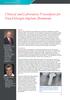 Clinical and Laboratory Procedures for Fixed Margin Implant Abutments Dr. Carl Drago DDS, MS, American Board of Prosthodontics Director, Dental Research BIOMET 3i, Adjunct Faculty Department of Prosthodontics,
Replacement of Missing Teeth with Fixed Prostheses KEN HEMMINGS AND ZOE HARRINGTON
 R E S T O R A T I V E RESTORATIVE D E N T I S T R Y DENTISTRY Replacement of Missing Teeth with Fixed Prostheses KEN HEMMINGS AND ZOE HARRINGTON Abstract: This article explores the various treatment options
MALAYSIAN DENTAL JOURNAL. The Status Of The Abutment Teeth In Distal Extension Removable Partial Dentures
 MALAYSIAN DENTAL JOURNAL Malaysian Dental Journal (2009) 30(1) 13-19 2009 The Malaysian Dental Association The Status Of The Abutment Teeth In Distal Extension Removable Partial Dentures Mahmood WA, BDS,
Implant Replacement of the Maxillary Central Incisor Utilizing a Modified Ceramic Abutment (Thommen SPI ART) and Ceramic Restoration
 Implant Replacement of the Maxillary Central Incisor Utilizing a Modified Ceramic Abutment (Thommen SPI ART) and Ceramic Restoration ROBERT SCHNEIDER, DDS, MS* ABSTRACT The prosthetic restoration of a
Anthem Blue Dental PPO Plan
 Anthem Blue Dental PPO Plan For Individuals and Families Anthem Blue Cross and Blue Shield 700 Broadway Denver, Colorado 80273 anthem.com An independent licensee of the Blue Cross and Blue Shield Association.
Cigna Dental Care (*DHMO) Patient Charge Schedule
 A3O08 Cigna Dental Care (*DHMO) Schedule This Schedule lists the benefits of the Dental Plan including covered procedures and patient charges. Important Highlights This Schedule applies only when covered
TABLE OF DENTAL PROCEDURES PLEASE READ THE FOLLOWING INFORMATION CAREFULLY FOR YOUR PROCEDURE FREQUENCIES AND PROVISIONS.
 TABLE OF DENTAL PROCEDURES PLEASE READ THE FOLLOWING INFORMATION CAREFULLY FOR YOUR PROCEDURE FREQUENCIES AND PROVISIONS. The attached is a list of dental procedures for which benefits are payable under
Principles of Partial Denture Design
 Principles of Partial Denture Design 1. Keep the RPD design as simple as possible Simple those design elements which promote function, esthetics, comfort, ease of fabrication, and ease of maintenance,
ADA Insurance Codes for Laboratory Procedures:
 ADA Insurance Codes for Laboratory Procedures: Inlay/Onlay Restorations D2510 Inlay - metallic - one surface D2520 Inlay - metallic - two surfaces D2530 Inlay - metallic - three or more surfaces D2542
The Attractive Glass Abutment System (ZX-27) HANDOUT
 The Attractive Glass Abutment System () HANDOUT! " " # $ % $ # & ' ( ) FAQs New Solutions Pharmaceuticals Tel.: +971 6 7460661 Fax : +971 6 7460771 P.O.Box. 18161 Ajman - UAE e-mail : [email protected]
Consequences of Tooth Loss: 2. Dentist Considerations Restorative Problems and Implications
 Helen L Craddock Consequences of Tooth Loss: 2. Dentist Considerations Restorative Problems and Implications Abstract: Partial tooth loss is much less well tolerated by patients than was previously the
Case Report(s): Uncomplicated Crown Fractures
 Case Report(s): Uncomplicated Crown Fractures Tooth fractures can be classified as follows: Uncomplicated crown fracture = fracture limited to the crown of the tooth with dentin exposure but no pulp exposure.
Enroll in DeltaCare USA and you ll enjoy these features:
 DeltaCare USA provided by Delta Dental of California We ll do whatever it takes and then some. Find a DeltaCare USA dentist Select from among the many conveniently located DeltaCare USA contracted general
Replacing Hopeless Retained Deciduous Teeth in Adults Utilizing Dental Implants: Concepts and Case Presentation
 Replacing Hopeless Retained Deciduous Teeth in Adults Utilizing Dental Implants: Concepts and Case Presentation by Michael Tischler, DDS Published: Dentistry Today November 2005 Photos at end of article
healthy teeth healthy body arkansas medicaid s dental care for adults
 healthy teeth healthy body arkansas medicaid s dental care for adults eeping your teeth healthy can help your whole body stay well. If your mouth and teeth are clean, you might not get sick as much. That
More than a fixed rehabilitation.
 More than a fixed rehabilitation. A reason to smile. In combination with: Patient expectations drive dental treatments for fixed edentulous immediate restorations. Patients today have increasingly high
LIST OF DENTAL PROCEDURES (LOW PLAN) PREVENTIVE PROCEDURES
 LIST OF DENTAL PROCEDURES (LOW PLAN) The following is a complete list of the dental procedures for which benefits are payable under this section. No benefits are payable for a procedure that is not listed.
DIRECT REFERRAL DENTAL PLAN HN VALUE DHMO 150 SCHEDULE OF BENEFITS
 DIRECT REFERRAL DENTAL PLAN HN VALUE DHMO 150 SCHEDULE OF BENEFITS Benefits provided by Dental Benefit Providers of California, Inc. This document describes the Covered Services of this Health Net of California
Position Classification Standard for Dental Officer Series, GS-0680
 Position Classification Standard for Dental Officer Series, GS-0680 Table of Contents SERIES DEFINITION... 2 BACKGROUND... 2 TITLES... 3 GRADE-LEVEL EVALUATION CRITERIA... 3 NOTES ON THE USE OF THE STANDARDS...