
Septic Pulmonary Embolism: Analysis of Twenty-Eight Cases
|
|
|
- Brandon Miles
- 10 years ago
- Views:
Transcription
1 內 科 學 誌 03::6-70 Septic Pulmonary Embolism: Analysis of Twenty-Eight Cases Por-Wen Yang, Kuan-Hung Lin, Jen-Dar Chen 3,5, Chui-Mei Tiu 3,5, and Hong-Da Lin Department of Internal Medicine, Keelung Hospital, Keelung; Department of Internal Medicine, National Yang-Ming University Hospital, Yilan; 3 Department of Radiology, Medicine, Taipei Veterans General Hospital, Taipei; 5 National Yang-Ming University School of Medicine, Taipei, Taiwan Abstract Septic pulmonary embolism (SPE) is an uncommon disease with a diverse epidemiology. The purpose of this study was to investigate the clinical characteristics of SPE in northern Taiwan. A retrospective review of hospitalized patients with SPE from January, 00 to December 3, 005 was conducted in a medical center in northern Taiwan. The clinical presentations, radiographic findings, microbiological data, treatment and outcomes were analyzed. Twenty-eight patients were included in the final analysis. Their mean age was years, and 6 patients were men. The most common septic source was infective endocarditis of the tricuspid valve (n=), followed by liver abscess (n=5). Staphylococcus aureus was the causative microorganism in 6 patients, followed by Klebsiella pneumoniae in 9 patients. Bacteremia occurred in 9 patients. All patients were treated with appropriate antibiotics and had a valve replacement for infective endocarditis, had a fasciotomy for necrotizing fasciitis, and had percutaneous drainage of a liver abscess. Respiratory failure developed in 5 patients and 3 patients died. Tricuspid valve endocarditis and liver abscess were the main contributing risk factors in patients with SPE in northern Taiwan, while Staphylococcus aureus and Klebsiella pneumoniae were the causative pathogens in these conditions, respectively. (J Intern Med Taiwan 03; : -7) Key Words: Endocarditis, Liver abscess, Pulmonary embolism Introduction Septic pulmonary embolism (SPE) is an uncommon disease without a specific clinical presentation and may present with an insidious onset of fever, cough or hemoptysis. The diagnosis is based on the presence of certain risk factors such as intravenous drug use, tricuspid valve bacterial endocarditis, thrombophlebitis, indwelling catheters or devices, osteomyelitis, or soft tissue infection,, combined with characteristic radiographic findings of multiple peripheral lung nodules with or without cavitation. The primary foci of infection responsible for SPE differ in the literature. Although the incidence has declined, infective endocarditis is a considerable embolic source of SPE in Western countries 3,. Sakuma et al also reported that infective endocarditis was a common extrapulmonary septic source, followed by pneumonia and sepsis of unknown origin in Japan 5. In contrast, Lee et al Reprint requests and Correspondence:Dr. Chui-Mei Tiu Address:Department of Radiology, Taipei Veterans General Hospital, 0, Section, Shih-Pai Road, Taipei, Taiwan

2 Septic Pulmonary Embolism 65 reported cases of SPE in Korea, but infective endocarditis was only seen in 3 cases, liver abscess in, central venous catheter infection in, and soft tissue infection or arthritis in the remainder 6. Wang et al reported 0 children with SPE in northern Taiwan and the most common embolic source was soft tissue infection, followed by bone infection, suppurative otitis media, and catheter-related infection. Seven of these patients had community acquired staphylococcal infections and bacteremia. To identify the clinical characteristics of SPE in adult patients in northern Taiwan, we retrospectively analyzed the clinical presentations, microbiological and image studies, therapeutic modalities and outcomes in these patients. Materials and Methods A retrospective chart review was conducted in a 800-bed medical center in northern Taiwan. The collected data were sourced from January, 000 through December 3, 005. We reviewed the medical records of 0 patients with ICD-9 code 5. (pulmonary embolism and infarction) and ICD-9 code 5.9 (other pulmonary embolism and infarction) to identify patients with septic pulmonary embolism.the definition of SPE was () the presence of multiple round or wedge-shaped densities in the lung periphery; () resolution of pulmonary lesions after administration of antimicrobial agents or death due to sepsis, with a clearly infectious cause; and (3) the presence of active extrapulmonary infection as a potential embolic source. In the absence of septic sources, SPE was also suggested by the presence of intravenous drug use or an underlying immunocompromised condition. The causative microorganism was defined as the identified microorganism from blood culture and/or sputum cultures with good quality on a sputum smear (defined as epithelial cells < 0/HPF and polymorphonuclear cells > 5/HPF), or a specimen from a septic source. Patients under 8 years old were excluded. All data were obtained by reviewing patients histories, physical examinations, chest radiographs (CXR), and computed tomography (CT). The analysis included patient age, sex, clinical symptoms and signs, results of examinations, treatment programs, and outcomes. This study was approved by the Institutional Review Board. Results Patients Twenty-eight patients who fit the inclusion criteria of SPE were included in the final analysis, of whom 5 have already been reported in the literature 7. Seven patients with multiple peripheral lung densities on CXR indicating SPE were not further examined with chest CT. The clinical data of the patients are shown in Table. Their mean age was years (range 8-87). Sixteen were men. The mean duration between appearance of symptoms and diagnosis of SPE was days (range -8), while the average duration of hospitalization was 3 days (range 3-0). Ten patients were intravenous drug users, while 8 had diabetes mellitus. Fever developed in 9 patients, followed by cough in 9 patients, dyspnea in 8 patients, and chest pain in 3 patients. Chest auscultation showed crackles in 8 patients, wheezing in, and clear breath sounds in the remainder. Primary focus of infection Infective endocarditis of the tricuspid valve was the primary focus of infection in patients. The other septic origins included 5 cases of liver abscesses, case each of arteriovenous shunt infection, facial cellulitis, parotitis, necrotizing fasciitis, osteomyelitis, and with an undetermined source. Echocardiography was performed in patients. Four patients with liver abscess, with necrotizing fasciitis, and with osteomyelitis did not undergo echocardiography. Fourteen patients underwent transthoracic echocardiography (TTE) without transesophageal echocardiography (TEE)

3 66 P. W. Yang, K. H. Lin, J. D. Chen, C. M. Tiu, and H. D. Lin which showed vegetations in 0. Four underwent TEE without TTE which showed vegetations in. Four underwent both TTE and TEE which showed vegetations in. Abdominal ultrasonography was performed in 9 patients which showed liver abscesses in 5 patients. All patients with undetermined septic foci underwent abdominal ultrasonography examinations, of which underwent TEE Table. The clinical characters of 8 patients with septic pulmonary embolism Characters Number Age, years ± Sex, M/F 6/ Symptoms Fever Cough Dyspnea Chest pain Hemoptysis Malaise Comorbidities or predisposing conditions IV drug addiction Prosthetic valve Diabetes mellitus Uremia Systemic lupus erythematosus Human immunodeficiency virus infection Malignancy Primary Focus of infection Tricuspid valve endocarditis Liver abscess Catheter (arterovenous shunt) Cellulites (face) Fasciitis (leg) Osteomyelitis Parotitis Undetermined Pathogens Staphylococcus aureus Klebsiella pneumoniae Bacteremia Staphylococcus aureus Klebsiella pneumoniae Respiratory failure 5 Mortality only, underwent TTE only, and underwent both TTE and TEE. Microbiological studies Staphylococcus aureus was the causative microorganism in 6 patients, of which were oxacillin-resistant Staphylococus aureus isolates. Thirteen had infective endocarditis, had facial cellulitis, had an arteriovenous shunt infection and intravenous drug user had an undetermined source. Klebsiella pneumoniae was the causative microorganism in 9 patients, including 5 with liver abscess, with necrotizing fasciitis and 3 with an undetermined source. Bacteremia occurred in 9 patients, of which 5 had Staphylococcus aureus and had Klebsiella pneumoniae. Only one patient with facial cellulitis caused by S. aureus had no bacteremia, and had no evidence of infective endocarditis as demonstrated by TEE. Four of five patients with Klebsiella pneumoniae but without bacteremia received abdominal ultrasonography and/or abdominal CT. Three was diagnosed as liver abscesses. Imaging examinations CXR were done in all 8 patients, and disclosed peripheral nodules in patients (Fig. A), nonnodular infiltration in 9 patients, cavity lesions in patients (Fig. B), wedge-shape peripheral infiltration in patient (Fig. C), and pleural effusion in 3 patients. CT of the chest was done in 0 patients, while CT of abdomen including the lower chest was done in patient with a liver abscess. Peripheral nodules were demonstrated in all patients undergoing CT examination (Fig. A), while a feeding vessel sign was seen in 8 patients (Fig. B), peripheral wedge-shape infiltration in 3 patients (Fig. C), cavity lesions in 3 patients (Fig. D), and pleural effusion in 7 patients. There were a total of 539 pulmonary parenchymal lesions identified on CT, including nodular lesions with or without cavitation,

4 Septic Pulmonary Embolism 67 Figure Fig.. Chest radiography discloses peripheral nodules (A, arrow), cavity lesions (B, arrow), and wedge-shape peripheral infiltration (C, arrow). Figure Figure Fig.. Computed tomography of chest shows peripheral nodules (A, arrow), a feeding vessel sign (B, arrow), peripheral wedge-shape infiltration (C, arrow), and cavity lesions (D, arrow). peripheral wedge infiltration and non-nodular infiltration. Nodular lesions with or without cavitation were noted in 9 (9.3%) of these lesions, peripheral wedge infiltration in (.%), and non-nodular infiltration in 5 (.6%). Fifty-seven of the 539 (0.6%) parenchymal lesions showed cavitation, and 96 (7.8%) displayed a feeding vessel sign. Table shows different image findings on chest radiograph and chest CT.

5 68 P. W. Yang, K. H. Lin, J. D. Chen, C. M. Tiu, and H. D. Lin Table. Image findings of septic pulmonary embolism on chest radiography and computed tomography Chest radiography (n=8) Computed tomography (n=) Nodules Non-nodular infiltration 9 3 Cavitation 3 Wedge-shape infiltration 3 Pleural effusion 3 7 Feeding-vessel sign - 8 Treatment programs and outcomes All patients were initially treated with empiric antibiotics, which were shifted to appropriate antibiotics if indicated after obtaining the results of cultures and sensitivity tests. Six patients underwent surgical or radiological intervention for primary infection foci, of which had a tricuspid valve replacement for infective endocarditis, had a fasciotomy for necrotizing fasciitis, and had percutaneous drainage of a liver abscess. Respiratory failure developed in 5 patients and 3 patients died because of sepsis, including with infective endocarditis and with liver abscess. Discussion The underlying causes of SPE differ in reports. Ten of our patients were intravenous drug users and patients had infective endocarditis. Drug addiction was the greatest risk factor for SPE decades ago 8. Lately, there has been a decline in intravenous drug abuse causing SPE in Western countries 3,. Cook et al reported on patients with SPE and only was an intravenous drug user, while Lemierre syndrome (), central venous infection (3), prosthetic valve infection (), pacemaker infection (), dental abscess () and perinephric abscess () were the remaining underlying conditions. Better needle hygiene and the increasing use of indwelling catheters and devices has contributed to the changing epidemiology of SPE in Western countries,3. Septic pulmonary embolism is a common complication in intravenous drug users with staphylococcal endocarditis 9,0 and radiography is a helpful modality for an early clinical diagnosis in this situation 9. Intravenous drug addiction, staphylococcal septicemia, and SPE are considered a triad pathognomonic for tricuspid valve endocarditis. Because of the growing epidemic of intravenous drug use in Taiwan, clinicians should be familiar with the radiographic characteristics of SPE in order to detect underlying disease early, avoid unnecessary investigation, and provide appropriate therapy. Staphylococcus aureus was the causative microorganism in our patients with tricuspid infective endocarditis complicated by SPE. We suggest TTE or TEE in the patients with SPE caused by Staphylococcus aureus. In this analysis, liver abscess was the second leading septic source of SPE. Although not usual, liver abscess should be considered a possible septic source of SPE in Taiwan. Six of nine patients with Klebsiella pneumoniae infection had diabetes mellitus. All 5 patients with liver abscess had Klebsiella pneumoniae, which is a common pathogen in diabetic patients with liver abscess in Taiwan. Sakuma et al reported that 65 of 7 patients with SPE had definite extrapulmonary infection sources, of which twenty-eight patients had infective endocarditis, followed by 0 with liver abscess 5. Liver abscess is prevalent in diabetic patients in Taiwan, and the incidence of septic metastases is

6 Septic Pulmonary Embolism % 7,3-5. Endophthalmitis, lung abscess, empyema, SPE, brain abscess, meningitis, prostate abscess, osteomyelitis, septic arthritis, psoas muscle abscess, spleen abscess, chest wall abscess, and necrotizing fasciitis have been reported as metastatic foci 7,3-5. Diabetes mellitus, Klebsiella pneumoniae infection and bacteremia are risk factors contributing to septic metastasis 3-5. The reported incidence of SPE in patients with liver abscess is.-5.3% 7,3,, which indicates that SPE is an unusual but not rare complication in patients with liver abscess. Septic pulmonary embolism should be considered if such a patient complains of cough or dyspnea or presents with hypoxemia. CXR demonstrated the characteristic radiographic findings in our patients. The typical findings on CXR are peripheral nodules, some featuring cavity lesions, and even non-specific findings. Hilar or mediastinal lymphadenopathy, pleural effusion, and pneumothorax have also been found in patients with SPE 6. Chest CT is a more valuable radiologic modality then chest radiography when SPE is suspected. The CT features in the studied patients included multiple peripheral nodules, wedge-shaped peripheral lesions, cavitation of nodules, and a feeding vessel sign and were consistent with previous reports 7. Most of our patients recovered uneventfully, which is consistent with previous reports. The prognosis of SPE has improved with appropriate antibiotic therapy and effective control of the primary infection focus,6. Valve replacement for infective endocarditis or thoracotomy for empyema may be needed in some patients who fit the indications. In conclusion, tricuspid valve endocarditis and liver abscess were the main contributing risk factors in patients with SPE in northern Taiwan, and Staphylococcus aureus and Klebsiella pneumoniae were the causative pathogens in these conditions, respectively. References. Wong KS, Lin TY, Huang YC, Hsia SH, Yang PH, Chu SM. Clinical and radiographic spectrum of septic pulmonary embolism. Arch Dis Child 00; 87: Cook RJ, Ashton RW, Aughenbaugh GL, Ryu JH. Septic pulmonary embolism: presenting features and clinical course of patients. Chest 005; 8: O Donnell AE, Pappas LS. Pulmonary complications of intravenous drug abuse. Experience at an inner-city hospital. Chest 988; 9: O Donnell AE, Selig J, Aravamuthan M, Richardson MS. Pulmonary complications associated with illicit drug use. An update. Chest 995; 08: Sakuma M, Sugimura K, Nakamura M, et al. Unusual pulmonary embolism: septic pulmonary embolism and amniotic fluid embolism. Circ J 007; 7: Lee SJ, Cha SI, Kim CH, et al. Septic pulmonary embolism in Korea: Microbiology, clinicoradiologic features, and treatment outcome. J Infect 007; 5: Yang PW, Lin HD, Wang LM. Pyogenic liver abscess associated with septic pulmonary embolism. J Chin Med Assoc 008; 7: Griffith GL, Maull KI, Sachatello CR. Septic pulmonary embolization. Surg Gynecol Obstet 977; : Sklaver AR, Hoffman TA, Greenman RL. Staphylococcal endocarditis in addicts. South Med J 978; 7: Chao TH, Li YH, Tsai WC, et al. Clinical characteristics and prognostic determinants of infective endocarditis in adult intravenous drug users. J Formos Med Assoc 00; 03: Julander I, Arneborn P, Bäck E, Höglund C, Svanbom M. Intravenous drug addiction--staphylococcal septicemia-- pulmonary embolism: a triad pathognomonic for tricuspid valve endocarditis? Scand J Infect Dis 983; 5: Chen KT, Chang HL, Chen CT, Chen YA. The changing face of the HIV epidemic in Taiwan: a new challenge for public health policy strategies. AIDS Patient Care STDS 009; 3: Chen DL, Liu YC, Yen MY, Liu CY, Wang RS. Septic metastatic lesions of pyogenic liver abscess. Their association with Klebsiella pneumoniae bacteremia in diabetic patients. Arch Intern Med 99; 5: Chang FY, Chou MY. Comparison of pyogenic liver abscess caused by Klebsiella pneumoniae and non-klebsiella pneumoniae pathogens. J Formos Med Assoc 995; 95: Wang JH, Liu YC, Lee SJ, et al. Primary liver abscess due to Klebsiella pneumoniae in Taiwan. Clin Infect Dis 998; 6: Mrose HE, Deluca SA. Septic emboli. Am Fam Physician 987; 35: Kuhlman JE, Fishman EK, Teigen C. Pulmonary septic emboli: diagnosis with CT. Radiology 990; 7: -3.

7 70 P. W. Yang, K. H. Lin, J. D. Chen, C. M. Tiu, and H. D. Lin 8 楊 博 文 林 冠 宏 3,5 陳 振 德 3,5 刁 翠 美 林 宏 達 行 政 院 衛 生 署 基 隆 醫 院 內 科 陽 明 大 學 附 設 醫 院 內 科 3 台 北 榮 民 總 醫 院 放 射 線 部 內 科 部 5 陽 明 大 學 醫 學 院 摘 要 敗 血 性 肺 栓 塞 並 不 常 見, 且 其 流 行 病 學 因 地 而 異 本 研 究 之 目 的 為 探 討 北 台 灣 敗 血 性 肺 栓 塞 病 患 的 臨 床 特 徵 我 們 回 溯 性 分 析 台 灣 北 部 某 醫 學 中 心 自 00 年 月 日 至 005 年 月 3 日 的 敗 血 性 肺 栓 塞 病 患, 分 析 資 料 包 括 病 患 的 臨 床 表 現 放 射 線 學 與 微 生 物 學 檢 查 治 療 以 及 預 後 共 有 8 位 病 患, 平 均 年 齡 為 歲,6 位 男 性 最 常 見 的 原 發 感 染 病 灶 為 三 尖 瓣 心 內 膜 炎 ( 位 ), 其 次 為 肝 膿 瘍 (5 位 ) 最 常 見 的 致 病 菌 為 金 黃 色 葡 萄 球 菌 (6 位 ), 其 次 為 克 雷 伯 氏 肺 炎 菌 (9 位 ),9 位 病 患 有 菌 血 症 全 部 病 患 均 接 受 適 當 的 抗 生 素 治 療, 位 接 受 心 臟 瓣 膜 置 換 手 術, 位 接 受 筋 膜 切 開 術, 位 接 受 肝 膿 瘍 經 皮 引 流 5 位 病 患 發 生 呼 吸 衰 竭, 最 後 3 位 因 為 敗 血 症 而 死 亡 感 染 性 心 內 膜 炎 與 肝 膿 瘍 是 北 台 灣 的 肺 部 敗 血 性 栓 塞 病 患 最 常 見 的 原 發 感 染 源, 其 致 病 菌 分 別 是 金 黃 色 葡 萄 球 菌 與 克 雷 伯 氏 肺 炎 菌

SPONTANEOUS PNEUMOTHORAX AS A COMPLICATION OF SEPTIC PULMONARY EMBOLISM IN AN INTRAVENOUS DRUG USER: A CASE REPORT
 Spontaneous pneumothorax in an IV drug user SPONTANEOUS PNEUMOTHORAX AS A COMPLICATION OF SEPTIC PULMONARY EMBOLISM IN AN INTRAVENOUS DRUG USER: A CASE REPORT Chau-Chyun Sheu, Jhi-Jhu Hwang, Jong-Rung
Right-sided infective endocarditis:tunisian experience
 Right-sided infective endocarditis:tunisian experience L. Ammari, A. Ghoubontini, A. Berriche, R. Abdelmalek, S.Aissa, F.Kanoun, B.Kilani, H.Tiouiri Benaissa, T.Ben chaabane Department of Infectious diseases,
Hemodialysis catheter infection
 Hemodialysis catheter infection Scary facts In 2006, 82% of patients in the United States initiated dialysis via a catheter The overall likelihood of Tunneled cuffed catheters use was 35% greater in 2005
Malpractice and the Infectious Disease Any Physician WHAT YOU SHOULD KNOW! Why this talk? Why me?
 Malpractice and the Infectious Disease Any Physician WHAT YOU SHOULD KNOW! G.R. Donowitz 2015 Why this talk? Why me? Expert witness for a long time Defense and Plaintiff work Have said, No, no case and
Recurrent or Persistent Pneumonia
 Recurrent or Persistent Pneumonia Lower Respiratory Tract Dr T Avenant Recurrent or Persistent Pneumonia Definitions Recurrent pneumonia more than two episodes of pneumonia in 18 months Persistent pneumonia
International Journal of Case Reports in Medicine
 International Journal of Case Reports in Medicine Vol. 2013 (2013), Article ID 409830, 15 minipages. DOI:10.5171/2013.409830 www.ibimapublishing.com Copyright 2013 Andrew Thomas Low, Iain Smith and Simon
The Lewin Group undertook the following steps to identify the guidelines relevant to the 11 targeted procedures:
 Guidelines The following is a list of proposed medical specialty guidelines that have been found for the 11 targeted procedures to be included in the Medicare Imaging Demonstration. The list includes only
Fungal Infection in Total Joint Arthroplasty. Dr.Wismer Dr.Al-Sahan
 Fungal Infection in Total Joint Arthroplasty Dr.Wismer Dr.Al-Sahan Delayed Reimplantation Arthroplasty for Candidal Prosthetic Joint Infection: A Report of 4 Cases and Review of the Literature David M.
Staphyloccus aureus sepsis: follow- up practice guidelines
 Staphyloccus aureus sepsis: follow- up practice guidelines March 17, 2012 National Study Day Hospital Antibiotic Stewardship prof. dr. Dirk Vogelaers, Ghent University Hospital apr. Franky Buyle, Ghent
Disease/Illness GUIDE TO ASBESTOS LUNG CANCER. What Is Asbestos Lung Cancer? www.simpsonmillar.co.uk Telephone 0844 858 3200
 GUIDE TO ASBESTOS LUNG CANCER What Is Asbestos Lung Cancer? Like tobacco smoking, exposure to asbestos can result in the development of lung cancer. Similarly, the risk of developing asbestos induced lung
Sepsis Awareness Month
 Aon Kenya Insurance Brokers Ltd Aon Hewitt Healthcare Division Sepsis Awareness Month Issue 11 September 2015 In this Issue 2 Getting to understand Sepsis 3 Stages in Sepsis Advancement 4 Diagnosis & Treatment
Are venous catheters safe in terms of blood tream infection? What should I know?
 Are venous catheters safe in terms of blood tream infection? What should I know? DIAGNOSIS, PREVENTION AND TREATMENT OF HAEMODIALYSIS CATHETER-RELATED BLOOD STREAM INFECTIONS (CRBSI): A POSITION STATEMENT
Streptococcal Infections
 Streptococcal Infections Introduction Streptococcal, or strep, infections cause a variety of health problems. These infections can cause a mild skin infection or sore throat. But they can also cause severe,
Best Practice Model for Imaging of Community Acquired Pneumonia. Karen E. Conner, MD
 Best Practice Model for Imaging of Community Acquired Pneumonia Karen E. Conner, MD Chest Radiology and CT Section Chief, Intermountain Healthcare; Chair, QA Committee, Mountain Medical Physician Specialists
Clinical description 2 Laboratory test for diagnosis 3. Incubation period 4 Mode of transmission 4 Period of communicability 4
 Tuberculosis Contents Epidemiology in New Zealand 2 Case definition 2 Clinical description 2 Laboratory test for diagnosis 3 Case classification 3 Spread of infection 4 Incubation period 4 Mode of transmission
Diseases. Inflammations Non-inflammatory pleural effusions Pneumothorax Tumours
 Pleura Visceral pleura covers lungs and extends into fissures Parietal pleura limits mediastinum and covers dome of diaphragm and inner aspect of chest wall. Two layers between them (pleural cavity) contains
Primary -Benign - Malignant Secondary
 TUMOURS OF THE LUNG Primary -Benign - Malignant Secondary The incidence of lung cancer has been increasing almost logarithmically and is now reaching epidemic levels. The overall cure rate is very low
April 2015 CALGARY ZONE CLINICAL REFERENCE PULMONARY CENTRAL ACCESS & TRIAGE
 April 2015 CALGARY ZONE CLINICAL REFERENCE CENTRAL ACCESS & TRIAGE Introduction Pulmonary consulting services are organized through the Calgary Zone Pulmonary Central Access and Triage (PCAT). Working
Nursing college, Second stage Microbiology Dr.Nada Khazal K. Hendi L14: Hospital acquired infection, nosocomial infection
 L14: Hospital acquired infection, nosocomial infection Definition A hospital acquired infection, also called a nosocomial infection, is an infection that first appears between 48 hours and four days after
Test Request Tip Sheet
 With/Without Contrast CT, MRI Studies should NOT be ordered simultaneously as dual studies (i.e., with and without contrast). Radiation exposure is doubled and both views are rarely necessary. The study
2011 Radiology Diagnosis Coding Update Questions and Answers
 2011 Radiology Diagnosis Coding Update Questions and Answers How can we subscribe to the Coding Clinic for ICD-9 guidelines and updates? The American Hospital Association publishes this quarterly newsletter.
Clinical Scenarios In Childhood TB. Josefina Cadorna Carlos M.D., FPPS, FPIDSP, FSMID Associate Professor of Pediatrics U E R M M M C
 Clinical Scenarios In Childhood TB Josefina Cadorna Carlos M.D., FPPS, FPIDSP, FSMID Associate Professor of Pediatrics U E R M M M C Objectives: To present different commonly encountered clinical scenarios
Tuberculosis Exposure Control Plan for Low Risk Dental Offices
 Tuberculosis Exposure Control Plan for Low Risk Dental Offices A. BACKGROUND According to the CDC, approximately one-third of the world s population, almost two billion people, are infected with tuberculosis.
CT scans and IV contrast (radiographic iodinated contrast) utilization in adults
 CT scans and IV contrast (radiographic iodinated contrast) utilization in adults At United Radiology Group, a majority of CT exams are performed either with IV contrast or without while just a few exams
Early Detection of Lung Cancer. Information for General Practitioners
 Early Detection of Lung Cancer Information for General Practitioners Produced By Clare de rmanville Principle Consultant Angela Tod Principle Research Fellow Samantha Jewell Senior Lecturer Elaine Brookes
Lung Cancer. This reference summary will help you better understand lung cancer and the treatment options that are available.
 Lung Cancer Introduction Lung cancer is the number one cancer killer of men and women. Over 165,000 people die of lung cancer every year in the United States. Most cases of lung cancer are related to cigarette
Tuberculosis. Subject. Goal/Objective. Instructions. Rationale. Operations Directorate, Health Branch Immigration Medical Examination Instructions
 Subject Instructions for the screening of clients to detect tuberculosis (TB) in the context of the Canadian immigration medical examination (IME). Goal/Objective These instructions are provided to ensure
Kidney Cancer OVERVIEW
 Kidney Cancer OVERVIEW Kidney cancer is the third most common genitourinary cancer in adults. There are approximately 54,000 new cancer cases each year in the United States, and the incidence of kidney
Measure Title X RAY PRIOR TO MRI OR CAT SCAN IN THE EVAULATION OF LOWER BACK PAIN Disease State Back pain Indicator Classification Utilization
 Client HMSA: PQSR 2009 Measure Title X RAY PRIOR TO MRI OR CAT SCAN IN THE EVAULATION OF LOWER BACK PAIN Disease State Back pain Indicator Classification Utilization Strength of Recommendation Organizations
Visit ER at 09:14. ER & infection conference. Present illness. Past history. Physical examination
 Visit ER at 09:14 ER & infection conference A 50 y/o female, Sereve left neck and chest pain for 3 weeks Chief complaint: left neck and chest pain for 3 weeks Triage: III T/P/R:36.2/79/20, BP=130/78, SpO2=99%
SE5h, Sepsis Education.pdf. Surviving Sepsis
 Surviving Sepsis 1 Scope and Impact of the Problem: Severe sepsis is a major healthcare problem that affects millions of people around the world each year with an extremely high mortality rate of 30 to
Therapy of pleural effusions Modern techniques
 Therapy of pleural effusions Modern techniques Dr. Melanie Toffel Sugery of the chest Pleural effusion Ethiology In the normal pleural space there is a steady state in which there is a roughly equal rate
Cervical lymphadenopathy
 Cervical lymphadenopathy Introduction There are various classifications of lymphadenopathy, but a simple and clinically useful system is to classify lymphadenopathy as "generalized" if lymph nodes are
Fever in the Post-operative Patient:
 Focus on CME at the University of Manitoba Fever in the Post-operative Patient: A Chilling Problem Christopher Sikora, BSc, MSc; John M. Embil, MD, FRCPC Presented at Bug Day 2003, Health Sciences Centre,
Metastatic Renal Cell Carcinoma: Staging and Prognosis of Three Separate Cases.
 Metastatic Renal Cell Carcinoma: Staging and Prognosis of Three Separate Cases. Abstract This paper describes the staging, imaging, treatment, and prognosis of renal cell carcinoma. Three case studies
TUBERCULOSIS PLEURAL EFFUSION - MANAGEMENT
 TUBERCULOSIS PLEURAL EFFUSION - MANAGEMENT Introduction : ETB 15-20% Pleural effusion 20% in non HIV Under reporting because of AFB negative in fluid In HIV patients: EPTB 20% PTB + EPTB 50% Pleural Effusion
Childhood Cancer in the Primary Care Setting
 Childhood Cancer in the Primary Care Setting Mohamed Radhi, M.D. Associate Professor, UMKC Pediatric Hematology/Oncology/BMT Children s Mercy Hospital I will discuss: Overview of childhood cancer Presentation
What If I Have a Spot on My Lung? Do I Have Cancer? Patient Education Guide
 What If I Have a Spot on My Lung? Do I Have Cancer? Patient Education Guide A M E R I C A N C O L L E G E O F C H E S T P H Y S I C I A N S Lung cancer is one of the most common cancers. About 170,000
CERVICAL MEDIASTINOSCOPY WITH BIOPSY
 INFORMED CONSENT INFORMATION ADDRESSOGRAPH DATA CERVICAL MEDIASTINOSCOPY WITH BIOPSY You have decided to have an important procedure and we appreciate your selection of UCLA Healthcare to meet your needs.
Tuberculosis in Children and Adolescents
 Tuberculosis in Children and Adolescents Ritu Banerjee, MD, Ph.D TB Clinical Intensive April 8, 2015 2014 MFMER slide-1 Disclosures None 2014 MFMER slide-2 Objectives Describe the epidemiology of pediatric
APPENDIX B SAMPLE PEDIATRIC CRITICAL CARE NURSE PRACTITIONER GOALS AND OBJECTIVES
 APPENDIX B SAMPLE PEDIATRIC CRITICAL CARE NURSE PRACTITIONER GOALS AND OBJECTIVES The critical care nurse practitioner orientation is an individualized process based on one s previous experiences and should
Epidemiology, Staging and Treatment of Lung Cancer. Mark A. Socinski, MD
 Epidemiology, Staging and Treatment of Lung Cancer Mark A. Socinski, MD Associate Professor of Medicine Multidisciplinary Thoracic Oncology Program Lineberger Comprehensive Cancer Center University of
Table. Positive Purified Protein Derivative Results (Pediatrics In Review Apr 2008)
 PPD and TB Sreening COMPETENCY- The resident should know the risk factors for TB exposure, when to screen, and the appropriate criteria for recognizing a positive PPD in children of different age groups
Surgeons Role in Symptom Management. A/Prof Cliff K. C. Choong Consultant Thoracic Surgeon Latrobe Regional Hospital GIPPSLAND
 Surgeons Role in Symptom Management A/Prof Cliff K. C. Choong Consultant Thoracic Surgeon Latrobe Regional Hospital GIPPSLAND Conditions PLEURAL Pleural effusion Pneumothorax ENDOBRONCHIAL Haemoptysis
Brain Cancer. This reference summary will help you understand how brain tumors are diagnosed and what options are available to treat them.
 Brain Cancer Introduction Brain tumors are not rare. Thousands of people are diagnosed every year with tumors of the brain and the rest of the nervous system. The diagnosis and treatment of brain tumors
Section IV Diagnostic Coding and Reporting for Outpatient Services
 Section IV Diagnostic Coding and Reporting for Outpatient Services Section IV, here we come! Keep that book cracked open and let s go through Diagnostic Coding and Reporting Guidelines for Outpatient Services.
Paediatrica Indonesiana. Limitations of the Indonesian Pediatric Tuberculosis Scoring System in the context of child contact investigation
 Paediatrica Indonesiana VOLUME 51 November NUMBER 6 Original Article Limitations of the Indonesian Pediatric Tuberculosis Scoring System in the context of child contact investigation Rina Triasih 1,2,
SMALL CELL LUNG CANCER
 Protocol for Planning and Treatment The process to be followed in the management of: SMALL CELL LUNG CANCER Patient information given at each stage following agreed information pathway 1. DIAGNOSIS New
Lung cancer case study
 Change Presentation title and date in Footer dd.mm.yyyy Lung cancer case study Dr Jaishree Bhosle Consultant Medical Oncologist Change Presentation title and date in Footer dd.mm.yyyy 1 2 Part One Initial
Summary of the risk management plan (RMP) for Accofil (filgrastim)
 EMA/475472/2014 Summary of the risk management plan (RMP) for Accofil (filgrastim) This is a summary of the risk management plan (RMP) for Accofil, which details the measures to be taken in order to ensure
Staphylococcus aureus Bloodstream Infection Treatment Guideline
 Staphylococcus aureus Bloodstream Infection Treatment Guideline Purpose: To provide a framework for the evaluation and management patients with Methicillin- Susceptible (MSSA) and Methicillin-Resistant
Develop an understanding of the differential diagnosis of pseudomembranous colitis
 Update on Clostridium difficile Colitis Clostridium difficile infection has recently emerged in populations without any known risk factors. This presentation will focus on the historical background, diagnosis,
Mesothelioma. 1995-2013, The Patient Education Institute, Inc. www.x-plain.com ocft0101 Last reviewed: 03/21/2013 1
 Mesothelioma Introduction Mesothelioma is a type of cancer. It starts in the tissue that lines your lungs, stomach, heart, and other organs. This tissue is called mesothelium. Most people who get this
GUIDELINES FOR THE MANAGEMENT OF LUNG CANCER
 GUIDELINES FOR THE MANAGEMENT OF LUNG CANCER BY Ali Shamseddine, MD (Coordinator); [email protected] Fady Geara, MD Bassem Shabb, MD Ghassan Jamaleddine, MD CLINICAL PRACTICE GUIDELINES FOR THE TREATMENT
Maria Dalbey RN. BSN, MA, MBA March 17 th, 2015
 Maria Dalbey RN. BSN, MA, MBA March 17 th, 2015 2 Objectives Participants will be able to : Understand the Pathogenesis of Tuberculosis (TB) Identify the Goals of Public Health for TB Identify Hierarchy
X-Plain Pediatric Tuberculosis Reference Summary
 X-Plain Pediatric Tuberculosis Reference Summary Introduction Tuberculosis, or TB, is a bacterial infection that causes more deaths in the world than any other infectious disease. When a child gets TB,
Neoplasms of the LUNG and PLEURA
 Neoplasms of the LUNG and PLEURA 2015-2016 FCDS Educational Webcast Series Steven Peace, BS, CTR September 19, 2015 2015 Focus o Anatomy o SSS 2000 o MPH Rules o AJCC TNM 1 Case 1 Case Vignette HISTORY:
A Practical Guide to Diagnosis and Treatment of Infection in the Outpatient Setting Diagnosis and Treatment of Urinary Tract Infections
 A Practical Guide to Diagnosis and Treatment of Infection in the Outpatient Setting Diagnosis and Treatment of Urinary Tract Infections By Gary R. Skankey, MD, FACP, Infectious Disease, Las Vegas, NV Sponsored
PET POSITIVE PLEURAL PLAQUES DECADES AFTER PLEURODESIS: MESOLTHELIOMA? Ellen A. Middleton 1. Jonathan C. Daniel 2. Kenneth S.
 PET POSITIVE PLEURAL PLAQUES DECADES AFTER PLEURODESIS: MESOLTHELIOMA? Ellen A. Middleton 1 Jonathan C. Daniel 2 Kenneth S. Knox 1 Kathleen Williams 1 Departments of Medicine 1 and Surgery 2, University
LIVER CANCER AND TUMOURS
 LIVER CANCER AND TUMOURS LIVER CANCER AND TUMOURS Healthy Liver Cirrhotic Liver Tumour What causes liver cancer? Many factors may play a role in the development of cancer. Because the liver filters blood
Antibiotic Guidelines: Ear Nose and Throat (ENT) Infections. Contents
 Antibiotic Guidelines: Ear Nose and Throat (ENT) Infections. Classification: Clinical Guideline Lead Author: Antibiotic Steering Committee Additional author(s): Authors Division: DCSS & Tertiary Medicine
CT findings in Differential Diagnosis between Tuberculous Pleurisy and Malignant Effusion
 CT findings in Differential Diagnosis between Tuberculous Pleurisy and Malignant Effusion Poster No.: E-0084 Congress: ESTI 2012 Type: Scientific Exhibit Authors: S. S. Shim, Y. Kim; Seoul/KR Keywords:
New Cardiothoracic Surgery CPT Codes for 2013
 New Cardiothoracic Surgery CPT Codes for 2013 There were several changes to the cardiothoracic surgery CPT codes for 2013. There are five new codes in the general thoracic surgery section, with one revised
TB CARE EARLY DETECTION AND PREVENTION OF TUBERCULOSIS (TB) IN CHILDREN. Risk factors in children acquiring TB:
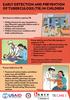 EARLY DETECTION AND PREVENTION OF TUBERCULOSIS (TB) IN CHILDREN Risk factors in children acquiring TB: Children living in the same household as a lung TB patient (especially children under 5) Children
Tuberculosis Prevention and Control Protocol, 2008
 Tuberculosis Prevention and Control Protocol, 2008 Preamble The Ontario Public Health Standards (OPHS) are published by the Minister of Health and Long- Term Care under the authority of the Health Protection
Preoperative Laboratory and Diagnostic Studies
 Preoperative Laboratory and Diagnostic Studies Preoperative Labratorey and Diagnostic Studies The concept of standardized testing in all presurgical patients regardless of age or medical condition is no
Appendicitis National Digestive Diseases Information Clearinghouse
 Appendicitis National Digestive Diseases Information Clearinghouse National Institute of Diabetes and Digestive and Kidney Diseases NATIONAL INSTITUTES OF HEALTH The appendix is a small, tube-like structure
Canine Lymphoma Frequently Asked Questions by Pet Owners
 Canine Lymphoma Frequently Asked Questions by Pet Owners What is lymphoma? The term lymphoma describes a diverse group of cancers in dogs that are derived from white blood cells called lymphocytes. Lymphocytes
DRG 416 Septicemia. ICD-9-CM Coding Guidelines
 oding uidelines Septicemia ICD-9-CM Coding Guidelines The below listed septicemia guidelines are not inclusive. The coder should refer to the applicable Coding Clinic guidelines for additional information.
Medullary Renal Cell Carcinoma Case Report
 Bahrain Medical Bulletin, Vol. 27, No. 4, December 2005 Medullary Renal Cell Carcinoma Case Report Mohammed Abdulla Al-Tantawi MBBCH, CABS* Abdul Amir Issa MBBCH, CABS*** Mohammed Abdulla MBBCH, CABS**
Stimulants Notes. What is heroin?
 What is heroin? Heroin is an opiate/depressant drug processed from morphine, a naturally occurring substance in the Asian poppy plant. Morphine has been used as a narcotic for thousands of years. According
ELEMENTS FOR A PUBLIC SUMMARY. Overview of disease epidemiology. Summary of treatment benefits
 VI: 2 ELEMENTS FOR A PUBLIC SUMMARY Bicalutamide (CASODEX 1 ) is a hormonal therapy anticancer agent, used for the treatment of prostate cancer. Hormones are chemical messengers that help to control the
Certified Clinical Documentation Specialist Examination Content Outline - 2016
 Certified Clinical Documentation Specialist Examination Content Outline - 2016 1. Healthcare Regulations, Reimbursement, and Documentation Requirements Related to the Inpatient Prospective Payment System
Appendix B: Provincial Case Definitions for Reportable Diseases
 Infectious Diseases Protocol Appendix B: Provincial Case Definitions for Reportable Diseases Disease: Tuberculosis Revised August 2015 Tuberculosis 1.0 Provincial Reporting Confirmed and suspect cases
LEARNING OUTCOMES. Identify children at risk of developing TB disease. Correctly manage and refer children suspected of TB. Manage child contacts
 TB in Children 1a TB IN CHILDREN 2 LEARNING OUTCOMES Identify children at risk of developing TB disease Correctly manage and refer children suspected of TB Manage child contacts 3 TB Infection and Disease
Spine University s Guide to Vertebral Osteonecrosis (Kummel's Disease)
 Spine University s Guide to Vertebral Osteonecrosis (Kummel's Disease) 2 Introduction Kummel's disease is a collapse of the vertebrae (the bones that make up the spine). It is also called vertebral osteonecrosis.
Metastatic Cervical Cancer s/p Radiation Therapy, Radical Hysterectomy and Attempted Modified Internal Hemipelvectomy
 Metastatic Cervical Cancer s/p Radiation Therapy, Radical Hysterectomy and Attempted Modified Internal Hemipelvectomy Sarah Hutto,, MSIV Marc Underhill, M.D. January 27, 2009 Past History 45 yo female
Advanced Practice Provider Academy
 (+)Dean T. Harrison, MPAS,PA C,DFAAPA Director of Mid Level Practitioners; Assistant Medical Director Clinical Evaluation Unit, Division of Emergency Medicine, Department of Surgery, Duke University Medical
GetWell Insurance GENERAL CONDITIONS. GetWell Insurance is offered on an individual basis.
 GetWell Insurance GENERAL CONDITIONS GetWell Insurance is offered on an individual basis. Desjardins Insurance refers to Desjardins Financial Security Life Assurance Company. Table of contents 1. GetWell
17 Endocarditis. Infective endocarditis
 17 Endocarditis 234 Endocarditis refers to inflammation of the endocardium, the inner layer of the heart (including the heart valves). Endocarditis can be: infective (e.g. bacterial, fungal) non-infective
Saint Francis Kidney Transplant Program Issue Date: 6/9/15
 Kidney Transplant Candidate Informed Consent Education Here are educational materials about Kidney Transplant. Please review and read these before your evaluation visit. The RN Transplant Coordinator will
SARCOIDOSIS. Signs and symptoms associated with specific organ involvement can include the following:
 SARCOIDOSIS Sarcoidosis is a disease that occurs when areas of inflammation develop in different organs of the body. Very small clusters of inflammation, called granulomas, are seen with sarcoidosis. They
What actually is the immune system? What is it made up of?
 This is a radio interview with Ken Sell, M.D., scientific director of the National Institute of Allergy and Infectious Diseases, National Institutes of Health (NIH), and Co-Chairman of the NIH Working
The Fatal Pulmonary Artery Involvement in Behçet s Disease
 The Fatal Pulmonary Artery Involvement in Behçet s Disease Dr. Vedat Hamuryudan Div. Rheumatology, Dept. Internal Medicine Cerrahpasa Medical Faculty, University of Istanbul 33 years old man Sept 2011:
Surveillance cultures PRO. Kurt Espersen ICU 4131 Rigshospitalet Copenhagen
 Kurt Espersen ICU 4131 Rigshospitalet Copenhagen Difficult to Diagnose Systemic Candidal Infection Immunsuppression in critically ill patients Frequent manifestation of fungus in ICU Fungi were isolated
Sternotomy and removal of the tumor
 Sternotomy and removal of the tumor All thymomas originate from epithelial thymic cells 4% of them consist of a pure population of epithelial cells Most have mixed populations of lymphoid cells to a
The Why and How of a CDI Program. Deb Neville, RHIA, CCS-P, Elsevier/MC Strategies Donna Bonno, CPC- CPC-I, QuadraMed September 12, 2012
 The Why and How of a CDI Program Deb Neville, RHIA, CCS-P, Elsevier/MC Strategies Donna Bonno, CPC- CPC-I, QuadraMed September 12, 2012 Objectives Understand the reasons behind a Clinical Documentation
How To Treat Heart Valve Disease
 The Valve Clinic at Baptist Health Madisonville The Valve Clinic at Baptist Health Madisonville Welcome to the Baptist Health Madisonville Valve Clinic at the Jack L. Hamman Heart & Vascular Center. We