
Damage Information Reporting Tool (DIRT) USER S GUIDE
|
|
|
- Stephanie Fox
- 10 years ago
- Views:
Transcription
1 Damage Information Reporting Tool (DIRT) USER S GUIDE In order to comply with the Reporting & Evaluation best practices, identified in Chapter 9 of the 1999 Common Ground Study of One-Call Systems & Damage Prevention Best Practices, the Common Ground Alliance (CGA), through its Data Reporting & Evaluation Committee, created the Damage Information Reporting Tool (DIRT). DIRT was developed using input from ALL stakeholder groups in order to make it effective and universally applicable and was modeled after Fig. 9-1 from the original 1999 study. The USER S GUIDE is intended to assist users of the DIRT in selecting the proper entries as the form or computer entry is completed. This will help ensure that individuals submitting reports have a common understanding of the data fields, which in turn will make analysis of the data more useful and meaningful. New registrants are encouraged to read this entire document prior to submitting data. Experienced data reporters are encouraged to refer to the USER S GUIDE as needed. The tool will accept data relating to damages, events that do not involve damage such as near misses, and downtime. The term event will be used throughout this document to include downtime, damages and near misses. These terms are defined in the Glossary. If the User wishes to report two or more facilities damaged in the same event, please complete an event report for each facility damaged. Please fill out the form as accurately and as truthfully as you can based on the best of your knowledge. Several fields have choices of Data Not Collected and Unknown/Other. The guide material herein describes the distinction between the two. These two choices are mainly intended for new users who may not yet have aligned their investigations and reporting practices with DIRT, with the hope that they would soon do so. Use of these choices is discouraged, as complete and accurate information on all fields will provide the most value to the data analysis. If you find anything to be confusing or unclear within the tool and/or this USER S GUIDE, please select from the options available in the tool that you consider to be the best answer. Let us know what is unclear by using the Feedback link on the bottom of the page on the website. We welcome and encourage any feedback on how DIRT or this USER S GUIDE can be improved. Records entered into the tool can be revised with the appropriate level of authority granted through the DIRT registration process. Users of the tool with managerial or administrator status can update records. The data collected will be used to analyze the root causes of these events, conduct trend analyses, thereby increasing public awareness and the effectiveness of educational programs. The data will not be used for enforcement purposes or to determine liability. CGA understands that it may receive reports from multiple sources regarding the same event. The DIRT software has several built-in features to enable identification of such multiple reports. If there is conflicting information, this fact may be factored into the data analysis. If you would like additional information on the Reporting & Evaluation Best Practices or on additional practices identified during the Common Ground Study, please refer to the most current edition of Common
2 Ground Alliance Best Practices. It is available through the Common Ground Alliance web site (
3 Table of Contents Part A: Who is submitting this information? 3 Part B: Date and Location of the event 4 Part C: Affected Facility Information 6 Was this facility part of a joint trench? 7 Was facility owner a member of one call? 7 Part D: Excavation Information 7 Part E: Notification 9 Part F: Locating and Marking (required if answered yes to Part E) 10 Part G: Excavator Downtime 11 Part H: Description of Damage 12 Part I: Description of the Root Cause 14 Part J: Comments 16 Glossary of Terms 16 Damage Information Reporting Tool (DIRT) User s Guide Part A: Who is submitting this information? Who is providing this information? Please select one of the following from the pull-down menu to indicate which stakeholder group is submitting this information: Electric Engineer/Design Equipment Manufacturer Excavator Insurance Liquid Pipeline Locator Natural Gas One Call Center: For One Call Centers that compile data from other parties, such as their membership, for submission to DIRT, the original-source stakeholder group should be used rather than One Call Center, to allow for more accurate analysis of the original source of the data. Private Water Public Works Railroad Road Builder State Regulator Telecommunication
4 Unknown/Other: Select if no other choice is appropriate. For example you may have simply witnessed an event but were not involved in any capacity as defined in any other listed category. Name of person providing this information This field is automatically populated based on the log-in information. Part B: Date and Location of the event *Date of event: Please enter the date the event occurred, if known (in MM/DD/YYYY format). Otherwise, please provide the date it was discovered. For example, damage to a facility in an open trench can readily be documented at the time of occurrence. However, if a directional bore damaged a facility the date of discovery may be days or even weeks later. *Country: Country where the event occurred. *State: Select the state or Canadian province where the event occurred. The tool will default to your home state based on the log-in information. However, a different state or province may be chosen if necessary. *County: Select the county where the event occurred. The list of possible counties will be automatically provided in the field drop-down box based on the State selected. (Parishes would be included in this category.) City: Enter the city where the event occurred. The city is defined as an incorporated municipality in the United States or Canada with definite boundaries and legal powers set forth in a charter granted by the state or a Canadian municipality of high rank, usually determined by population but varying by province. (Towns, Boroughs, Villages, etc. would be included in this category.) Street Address: Enter the street address where the event occurred. This field is not required and will not be published in any reports issued by the CGA. However, providing this information may enable identification of multiple reports of the same event. Nearest Intersection: Enter the nearest intersection, or cross street, to where the event occurred. This field is not required and will not be published in any reports issued by the CGA. However, providing this information may enable identification of multiple reports of the same event. *Right of Way where the event occurred: Select the type of land or property, in which the underground facility was placed, where the event occurred. If uncertain, please provide a best guess based on the information below. Please select from the drop-down menu options listed.
5 Public City Street: Within the boundaries of a road that is under the jurisdiction of and maintained by a municipality where a permit was required to place the facility. Typically, a city street is a paved road within the city limits with boundaries at the outer edge of a sidewalk, building front or back-of-ditch line if no sidewalk is present. Public State Highway: Within the boundaries of a road that is under the jurisdiction of and maintained by the state department of transportation (DOT) where a permit was required to place the facility. Typically, a state DOT owns and maintains anywhere from 20 feet to 50 feet from the centerline of the road on either side of the road, although these distances vary. Often, a fence line or back-of-ditch line denotes the edge of the state right-of-way. Public County Road: Within the boundaries of a road that is under the jurisdiction of and maintained by a county department of roads or public works and where a permit was required to place the facility. County roads can be paved, gravel or dirt. Typically, a county owns and maintains anywhere from 20 feet to 50 feet from the centerline of the road on either side of the road, although these distances vary. Often, a fence line or back-of-ditch line denotes the edge of the county right-of-way. Public Interstate Highway: Within the boundaries of a road that is under the jurisdiction of and maintained by the state department of transportation (DOT) where a permit was required to place the facility and is a controlled access highway linking major cities across the United States. Public Other: Within public lands not covered by Federal Lands (as defined below). This includes National Parks, Native American lands, or other city, state or Federal property not covered under the street, highway or road descriptions. Private Land Owner: On land that is owned by a person, group, corporation or other entity, not a government body, but does not fit within any other listed right-of-way type, Private Business: On land owned by a person, group, corporation or other entity and not owned by a government body. The land is used for commercial or industrial purposes, but does not fit within any other listed right-of-way type. Private Easement: Property owned by a person, group, corporation or other entity, not a governmental body. Placement of facilities within the property of a private person, group, corporation or other entity typically requires an easement (a right created by a grant or agreement with the land owner to allow the placement and maintenance of the facility by the facility owner). Easements are of varying widths. Pipeline: Within a strip of land where a private easement has been obtained to place and maintain a gas or petroleum pipeline. Typically, this strip of land is a cross country route with boundaries of 20 feet to 50 feet on either side of the pipeline, although this width may vary. If the event occurred within an area that is common to a city street, state highway or county road and a pipeline crossing, then choose the appropriate option of city street, state highway or county road. Power/Transmission Line: Within a strip of land where a private easement has been obtained to place and maintain an overhead power or high-voltage transmission line. Typically, this strip of land is a cross country route with boundaries of 20 feet to 50 feet or more on either side of the pole/tower line. If the event occurred within an area that is common to a city street, state highway or county road and a power/transmission line crossing, then choose the appropriate option of city street, state highway or county road. Railroad: Within the boundaries of land maintained by a railroad company and where a permit from the railroad company was required to place the facility. If the event occurred within an area that is common to a city street, state highway or county road and a railroad crossing, then choose the appropriate option of city street, state highway or county road.
6 Dedicated Public Utility Easement: A strip of land devoted solely for the placement of public utilities. Typically, dedicated public utility easements are 10 feet to 20 feet wide and are found between adjacent properties (usually along the back sides) within a subdivision. Federal Land: Within lands owned by the United States government, except for lands in the National Park System, lands held in trust for a Native American or Native American tribe, and lands on the Outer Continental Shelf (see Public Other above). Unknown/Other: Select if none of the above apply. To distinguish from data not collected the reporting entity does attempt to capture this information, but in this instance the type of Right of Way could not be determined. Part C: Affected Facility Information *What type of facility operation was affected? Select one of the following options from the drop-down menu. If the User wishes to report two or more facilities damaged in the same event, please complete an event report for each facility damaged. Cable TV: Any underground CATV facility. Electric: Any underground electrical lines and related electrical facilities regardless of the voltage or the type of service i.e., primary or secondary. Liquid Pipeline: Any underground facility that contains and/or transports any liquid other than water, including petroleum products. Natural Gas: Any underground facility containing and/or transporting natural gas. Sewer (Sanitary/Storm): Select for both forced mains and gravity sewers and facilities associated with lift stations. This category also includes storm water facilities. Steam: Any underground facility providing steam for use in heating or other industrial applications Telecommunications: Any underground buried telecommunication lines and fiber optic lines used for either telecommunications or for internet/data transfer. Water: Any underground facility installed for the purpose of supplying or transporting water for consumption or industrial purposes, including reclaimed water. Unknown/Other: Any underground service not included in the other categories. For example, high or low-pressure gas lines exist with other products such as air, helium, nitrogen, etc. *What type of facility was affected? Select one of the following options from the drop-down menu. Distribution: Distribution lines are the tier below transmission for gas and electric but also apply to water companies. Water companies often refer to their distribution lines as water mains. Electric companies further delineate the distribution network into primary and secondary. For the purpose of the Damage Information Reporting Tool, please check Distribution for primary electric and as appropriate for the other listed utilities. Gathering: Any pipeline that transports a commodity from a production facility to a transmission line or distribution main, or directly to an end-user. Service/Drop: For the purpose of the Damage Information Reporting Tool, please select Service/Drop for secondary electrical lines, gas services, and laterals for water and sewer. Also, since CATV and telecommunications are not normally delineated as either transmission or distribution, select Service for these utilities. Transmission: Transmission lines are generally operated by electrical utilities and by natural gas and other pipeline utilities/operators. Electrical transmission includes both extra-highvoltage (EHV) lines and high voltage (HV). Unknown/Other: All other facilities that do not fulfill the requirements stated above. For example there are many temporary or localized utilities that may not meet the requirements
7 as defined previously in this section. Pipelines carrying gasses other than natural gas, such as air, helium or nitrogen, should be listed as Unknown/Other. Was this facility part of a joint trench? See definition of joint trench in the glossary. Select one of three options from the drop-down menu. --(unknown/other) Yes No Was facility owner a member of one call? See definition of One-Call Notification Center in the glossary. Select one of three options from the drop-down menu. --(unknown/other) Yes No Part D: Excavation Information *Type of Excavator: See definition of excavator in Glossary. Please identify the type of excavator that was involved in the event, regardless of fault, liability or root cause. Select from the following options on the drop-down menu. Contractor: The excavating party plans, executes, and controls excavation with its employees and its schedule on property or right of way that it does not own. County: The excavating party is employed by a County government agency and is engaged in excavation for any purpose. Developer: The excavating party plans, executes, and controls excavation with its employees and its schedule on property or right of way that it does own or lease. Farmer: The excavating party tends land for agriculture purposes that it owns, rents or leases. Municipality: The excavating party is a town, city, or district having the power of selfgovernment and engaged in excavation for any purpose. Occupant: The excavating party resides in a house or building and performs excavation activities on the same property. Railroad: The excavating party is performing railroad construction, maintenance, or excavation with railroad employees. State: The excavating party is employed by a State government agency and is engaged in excavation for any purpose. Utility: The excavating party plans, executes, and controls excavation with its employees under its control in placing utilities it owns. Unknown/Other: The excavating party cannot be determined to fit the above categories, or the excavating party does some specialized excavation that does not fit the above categories.
8 To distinguish from data not collected the reporting entity does attempt to capture this information, but in this instance the type of Type of Excavator could not be determined. *Type of Excavation Equipment: Please indicate the type of equipment or machinery that was involved in the event, regardless of fault or liability. Most are self-explanatory. Select one of the following options from the drop-down menu. Auger: Machinery used to drill earth horizontally or vertically by means of a cutting head and auger or other functionally similar device. Backhoe/Trackhoe Boring: Machinery used to dislodge or displace spoil by a rotating auger or drill string to produce a hole called a bore. Also include pneumatic tools such as hammer head or hole hog. Drilling Directional Drilling: A steerable system for the installation of pipes, conduits and cables in a shallow arc using a surface launched drilling rig. Traditionally the term applies to crossings in which a fluid-filled pilot bore is drilled using a fluid-driven motor at the end of a bent-sub, and back reamer to the size required for the product pipe. Explosives Farm Equipment Grader/Scraper Hand Tools Milling Equipment: Equipment used for grinding a paved road surface, typically in preparation for repaving. The ground up material is either disposed of or treated and reapplied. Probing Device Trencher Vacuum Equipment Unknown/Other: The type of work performed cannot be determined to fit any of the available choices. To distinguish from data not collected the reporting entity does attempt to capture this information, but in this instance the type of Type of Excavation Equipment could not be determined. *Type of Work Performed: Check the category that best describes the work being done at the time of the event. Most are self-explanatory. If multiple types of work were occurring concurrently, for example Water and Sewer, choose the one that best fits the work being performed at the time of the event, if possible. If not possible to narrow it down to a single Type of Work, choose one. Part J may also be used to record additional comments. Select one of the following from the drop-down menu. Agriculture: excavator working in farm environment, this includes tiling, tilling, plowing, sub soiling, terracing, etc. Cable TV Bldg. construction Curb/Sidewalk Bldg. Demolition Drainage: excavator working in open trenches. Driveway Electric Engineering/Surveying Fencing Grading: excavator is using equipment to manipulate the ground surface. Irrigation Landscaping Liquid Pipeline
9 Milling: Grinding of a paved road surface, typically in preparation for repaving. The ground up material is either disposed of or treated and reapplied. Natural Gas: Natural gas underground pipelines and related natural gas facilities Pole Public Transit Authority Railroad Maintenance Road Work Sewer (Sanitary/Storm) Site Development: excavation work, in preparation for building, that is not better described by another selection. Steam Storm Drain/Culvert: excavator working with drainage system. Street Light Telecommunications Traffic Signal Traffic Sign Water Waterway Improvement: excavator working along waterway (this includes dredging and stream bank improvements.) Unknown/Other: The type of work performed cannot be determined to fit any of the available choices. To distinguish from data not collected the reporting entity does attempt to capture this information, but in this instance the type of Type of Work performed could not be determined. Part E: Notification * Was the one-call notification center notified? See definitions of locate request, notice and one call notification center in the Glossary. Select yes or no. Yes: Notification was provided in conformance with applicable regulations. Part I Description of Root Cause will NOT accept no notification made to the one call center as the root cause. Part F must also be completed. No: No notification to the one call center was provided for the location of the event, or notification was made but not in conformance with applicable regulations (notice expired or otherwise invalid). Any root cause may be chosen in Part I Description of Root Cause. If Yes, choose the one call center: If yes is chosen for the previous question, the drop-down box will be automatically populated with appropriate choices based on the state selected. Select the one-call notification center that was notified. If yes, please provide the ticket number: See definition of ticket number in the Glossary. Enter the ticket number in the text box provided. This field is not required and will not be published in any reports issued by the CGA. However, providing this information, if known, may help to establish the identification of multiple reports of the same event..
10 Part F: Locating and Marking (required if answered yes to Part E) Note: If answered no to Part E, then Part F is automatically indicated as n/a. *Type of Locator: See definition of locator, in Glossary. Select one of the following from the drop-down menu. Utility Owner: The locator is employed by the same entity that operates the buried facility being located. Contract Locator: The locator is employed by a firm that performs locating services on a contract basis for operators of buried facilities or others. Unknown/Other: Select if none of the above apply. To distinguish from data not collected the reporting entity does attempt to capture this information, but in this instance the type of locator could not be determined. *Were facility locate marks visible in the area of the excavation? Facility locate marks are the marks that result from a locate (see definition in Glossary). Select one of the following from the drop-down menu. No Yes Unknown/Other: Select if none of the above apply. To distinguish from data not collected the reporting entity does attempt to capture this information, but in this instance the information could not be determined. *Were facilities marked correctly? Facilities were marked correctly if: 1. Locate marks were within the tolerance zone specified by state law. If state law does not specify a tolerance zone, then use 18 on either side of the outside edges of the underground facility. (See definition of Tolerance Zone in Glossary.) 2. Locate marks were made using correct colors and symbols 3. Locate marks were made in accordance with local/state requirements Select one of the following from the drop-down menu. No Yes Unknown/Other: Select if none of the above apply. To distinguish from data not collected the reporting entity does attempt to capture this information, but in this instance the information could not be determined. Part G: Excavator Downtime Did the excavator incur downtime? See definition of downtime in Glossary. Downtime may occur with or without damage to a facility. For example, an excavator may be delayed while waiting for repairs to a damaged facility that was either incorrectly marked or unmarked. Alternatively, an excavator may discover a mislocated or unlocated facility with no damage occurring, but be delayed while the facility owner/operator corrects the situation. Time spent trying to find a correctly marked but hard-to-find facility does not constitute downtime. Examples of downtime include delays associated with the following: 1. A mislocated or unlocated facility. 2. A facility owner/operator refusing to allow work near their facilities.
11 3. An excavator made proper notice to the One Call Center, but upon arrival at the work site on the start date finds that some or all of the operators have not completed their locates. Select yes or no. Yes No. If yes, how much time? Provide the amount of time the work crew is delayed that can be determined and proved. For example, on a large project, the crew may be able to move to another area and continue working. In this case, include only the time required to move to the other area. Select one of the following from the drop-down menu. Unknown Less than 1 hour: 0:01 to 0:59 1 to 2 hours: 1:00 to 2:00 2 to 3 hours: 2:01 to 3:00 More than 3 hours: 3:00 and above Enter Exact Value: A new box will appear where an exact value may be entered. Estimated Cost of Downtime: Only costs that are associated with the delay and can be documented should be included in the cost of downtime. Generally, the hourly or daily cost of a work crew is known and that cost can be determined and proved. An event such as a mislocate may not delay the total crew. In addition, on a large project, the crew may be able to move to another area and continue working. In this case, include only the costs associated with the time required to move to the other area, and other documented costs. Select one of the following from the drop-down menu. Unknown $0 $1 500 $501 1,000 $1,001 2,500 $2,501 5,000 $5,001 25,000 $25,001 50,000 $50,001 and over Enter Exact Value: A new box will appear where an exact value may be entered. Part H: Description of Damage *Was there damage to the facility? See definitions of damage and near miss in Glossary. Select yes or no. Yes No (i.e. near miss)
12 *Did the damage cause an interruption of service? Select yes or no. Yes: Include all situations where any changes are required for the facility that actually affects customers or causes a deviation from normal operating capabilities No Unknown/Other: Select if none of the above apply. To distinguish from data not collected the reporting entity does attempt to capture this information, but in this instance the information could not be determined. If yes, duration of the interruption: Include the total time the facility operation has been impaired causing an actual interruption of service or deviation from normal operating capabilities. The duration of the interruption includes the time required to relight or activate service for ALL customers who are available for such service, or as can best be determined. Select one of the following from the drop-down menu. Less than 1 hour: 0:01 to 0:59 1 to 2 hours: 1:00 to 1:59 2 to 4 hours: 2:00 to 3:59 4 to 8 hours: 4:00 to 7:59 8 to 12 hours: 8:00 to 11:59 12 to 24 hours: 12:00 to 23:59 1 to 2 days: 24:00 to 47:59 2 to 3 days: 48:00 to 71:59 More than 3 days: 72 hours and above Enter Exact Value: A new box will appear where an exact value may be entered. Unknown: Select if no other choice applies. To distinguish from data not collected the reporting entity does attempt to capture this information, but in this instance the duration of the interruption could not be determined. Approximately how many customers were affected? Use your best estimate, and update if more accurate information becomes available. Select one of the following from the drop-down menu. Unknown or more Enter Exact Value: A new box will appear where an exact value may be entered. Estimated cost of damage repair/restoration? Include an estimate the total costs for repairs, interruption of service, and other costs. Include the value of any lost product. Update the information in this field if additional costs are incurred or updated information becomes available. Select one of the following from the drop-down menu. Unknown $0 $1 500 $501 1,000 $1,001 2,500 $2,501 5,000 $5,001 25,000 $25,001 50,000 $50,001 and over
13 Enter Exact Value:
14 Number of people injured? Enter this information and update as required. Select one of the following from the drop-down menu. Unknown or more Enter Exact Value: A new box will appear where an exact value may be entered. Number of fatalities? Enter this information and update as required. Select one of the following from the drop-down menu. Unknown or more Enter Exact Value: A new box will appear where an exact value may be entered. Part I: Description of the Root Cause Choose a first level root cause: The first three listed root causes- One Call notification practices not sufficient; Locating practices not sufficient; and Excavation practices not sufficient - require a choice of a 2 nd -level cause. The remaining root causes have only first-level causes. One Call notification practices not sufficient: Choose one of the following 2 nd -level causes: No notification made to the one-call center. Notification to the one-call center made but not sufficient: The excavator or caller who contacted the notification center did not provide sufficient information. Also includes situations where the excavator or caller did not provide sufficient advance notification time according to state law. Wrong information provided: An error occurred because an excavator or caller provided the wrong address for excavation to the one-call notification center, or there was a miscommunication between stakeholders. Locating practices not sufficient: Choose one of the following 2 nd -level causes: Facility could not be found/located: Type of facility, depth, or lack of records prevented locating of facility. Facility markings or location not sufficient: Includes all areas where marking was inaccurate or otherwise insufficient in designating the location of the buried facilities, but NOT covered by the following choices found elsewhere in Part I: Facility could not be found/located Incorrect facility records/maps Abandoned facility Facility was not located or marked: No locating or marking was completed prior to excavation activities.
15 Incorrect facility records/maps: Incorrect facility records or maps led to an incorrect locate. Excavation practices not sufficient: The excavator did not use proper care or follow the correct procedures when excavating near a facility. Choose one of the following 2 nd -level causes: Excavation practices not sufficient (other): None of the 2 nd -level causes described below applies. Failure to maintain clearance with powered equipment - as defined by applicable state regulations or underground facility owner. Failure to maintain the marks: The marks deteriorated or were lost and the excavator failed to request that they be restored/refreshed. Failure to support exposed facilities: Facility failed due to lack of support in accordance with generally accepted engineering practices or instructions provided by the facility operator. Failure to use hand tools where required. Failure to verify location by test hole (pot holing): Some state regulations define a tolerance zone around buried facilities and require that the accuracy of the facility marks be verified by exposing the facility by hand digging prior to excavation within the tolerance zone, or require hand digging or special precautions when working within the tolerance zone. Improper backfilling. Damage caused by improper materials (ex: large/sharp rocks) in the backfill or improper compaction of the backfill. One-Call Center notification center error: Includes all issues related to the center such as incorrectly entered data, ticket transmission failures, stakeholder omissions (failure to transmit the ticket to a facility operator that should have received it), et al. Abandoned facility: An event caused by an abandoned facility issue. For example, a nearby abandoned facility may have been located instead of the active facility. Or, a facility may have been located as abandoned, but found active after the excavation exposed the facility. Deteriorated facility: Situations in which an excavation disrupts the soil around a facility resulting in damage, failure, or interruption of service. However, the facility was deteriorated (ex: corroded, graphitized, etc.) to the extent that the deterioration and not the excavation activity caused the facility issue. Previous damage: A significant period of time has passed from the actual damage to the failure or discovery of the damages. Data Not Collected. None of the above: Please explain. Includes all root causes not addressed above. Explain in the text box provided. Part J: Comments This text field (4000 characters maximum) is available for stakeholder to enter/add other applicable information. The stakeholder may use this field to assist them in tracking their damages.
16 Glossary of Terms Damage: Any impact or exposure that results in the need to repair an underground facility due to a weakening or the partial or complete destruction of the facility, including, but not limited to, the protective coating, lateral support, cathodic protection or the housing for the line device or facility. Downtime: Time that an excavator must delay an excavation project due to failure of one or more stakeholders to comply with applicable damage prevention regulations or best practices. There may or may not be a damage associated with the downtime. Event: The occurrence of facility damage, near miss, or downtime. Excavation: Any operation using non-mechanized or mechanized equipment or explosives in the movement of earth, rock or other material below existing grade. This includes, but is not limited to, augering, blasting, boring, compaction, digging, ditching, dredging, drilling, driving-in, grading, milling, plowing-in, pulling-in, ripping, scraping, trenching and tunneling. Excavator: Any person proposing to excavate or engaging in excavation or demolition work for himself or for another person. Facility: An underground or submerged conductor, pipe or structure used in providing electric or communications service (including, but not limited to, traffic control loops and similar underground or submerged devices), or an underground or submerged pipe used in carrying, providing, or gathering gas, oil or oil product, sewage, storm drainage, water, or other liquid service (including, but not limited to, irrigation systems), and appurtenances thereto. Joint Trench: Two or more buried utilities providing separate services share a common trench. Locate: To indicate the existence of a line or facility by establishing a mark through the use of stakes, flagging, paint or some other customary manner, that approximately determines the location of a line or facility. Locator: A person whose job is to locate (see definition of locate above) lines or facilities. Locate Request: A communication between an excavator and one-call center personnel in which a request for locating underground facilities is processed. Near Miss An event where a damage (as defined above) did not occur, but a clear potential for damage was identified. Some examples include, but are not limited to the following: 1. An excavator discovers a buried facility that was not marked or not marked accurately. 2. An excavator is found digging without having notified the One Call Notification Center. 3. An operator fails to respond to a locate request. 4. A One Call Notification Center incorrectly entered data regarding the work site. Notice: The timely communication by the excavator/designer to the one-call center that alerts the involved underground facility owners/operators of the intent to excavate. One Call Notification Center: An entity that administers a system through which a person can notify owners/operators of lines or facilities of proposed excavations.
17 Ticket number: A unique identification number assigned by the one-call notification center to each locate request. Tolerance Zone: A strip of land comprised of the width of the facility plus 18 (or dimension specified by state law) on either side of the outside edge of the underground facility on a horizontal plane.
Pipeline Safety Division Investigation Report
 Pipeline Safety Division Investigation Report Investigation regarding: Crosby Excavating Incorporated UPPAC Database Record ID: 4873 Report Date: 9/23/2013 Investigator: Mike Orr Damage Date: 5/29/2013
Effective July 1, 2010 WYOMING STATE LAW Title 37 Public Utilities Chapter 12 Article 3. DAMAGE TO UNDERGROUND PUBLIC UTILITY FACILITIES
 Effective July 1, 2010 WYOMING STATE LAW Title 37 Public Utilities Chapter 12 Article 3. DAMAGE TO UNDERGROUND PUBLIC UTILITY FACILITIES 37-12-301. Short title; definitions. (a) This act may be known and
Appendix B: Uniform Color Code & Marking Guidelines
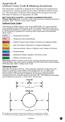 Appendix B: Uniform Color Code & Marking Guidelines The information contained in Appendix B is intended to be supplemental information for existing practices found within CGA Best Practices Version 2.0.
APPLICATION PROCEDURES FOR PLACEMENT OF UNDERGROUND WATER AND SEWER PIPELINES IN THE VICINITY OF TRANSPORTATION FACILITIES UNDER THE
 APPLICATION PROCEDURES FOR PLACEMENT OF UNDERGROUND WATER AND SEWER PIPELINES IN THE VICINITY OF TRANSPORTATION FACILITIES UNDER THE JURISDICTION OF ALBERTA TRANSPORTATION 1.0 Application Procedures 2.0
DAMAGE PREVENTION LEGISLATION ELEMENTS REQUIRED FOR CANADA
 DAMAGE PREVENTION LEGISLATION ELEMENTS REQUIRED FOR CANADA Ensuring the Highest Level of Public, Worker and Community Safety with Effective Legislation for Damage Prevention / Protection of Buried Infrastructure
NEW HAMPSHIRE CODE OF ADMINISTRATIVE RULES. CHAPTER Puc 800 UNDERGROUND UTILITY DAMAGE PREVENTION PROGRAM
 CHAPTER Puc 800 UNDERGROUND UTILITY DAMAGE PREVENTION PROGRAM Statutory Authority: RSA 374:50 PART Puc 801 APPLICATION OF RULES Puc 801.01 Purpose. (a) The purpose of Puc 800 is to protect the public,
Guidelines for Fiber Optic Cable Permits
 Guidelines for Fiber Optic Cable Permits NOVA District (Fairfax/Arlington) Permits www.virginiadot.org/business/fairfax-permits-main.asp Email: [email protected] 14685 Avion Parkway
Guidelines for Excavations
 O c t o b e r 2 0 0 1 Guidelines for Excavations in the vicinity of gas lines Technical Standards & Safety Authority Putting Public Safety First Guidelines for Excavations in the Vicinity of Gas Lines
DESCRIPTION OF WORK:
 DEPARTMENT OF PUBLIC WORKS COUNTY OF HENRICO P.O. BOX 27032 RICHMOND, VIRGINIA 23273 PERMIT NO. One (1) copy of application and four (4) copies of plans are hereby made to the Director of Public Works
Electric Engineering Division FIBER CONDUIT RULES AND REGULATIONS
 Electric Engineering Division FIBER CONDUIT RULES AND REGULATIONS TABLE OF CONTENTS I. RULES AND REGULATIONS A. TABLE OF CONTENTS... 2 B. TERMS AND DEFINITIONS... 3 C. DEVELOPER S/CONTRACTOR S RESPONSIBILITIES...
Trenching and Excavation Safety
 1.0 ACTIVITY DESCRIPTION 1.1 This document provides basic safety guidelines related to excavation and trenching in pipeline construction activities. These guidelines are applicable to the locating, marking
FIBER-OPTIC CABLE PLAN CHECK
 Engineering Division 201 North Broadway, Escondido, CA 92025 (760) 839-4651, FAX (760) 839-4597 FIBER-OPTIC CABLE PLAN CHECK To: Date: Project: Project No. Address: Check No. Attn: Via: The attached plans
Underground Commercial Electric Service
 Underground Commercial Electric Service SCANA Corporation 2013 Revised: June 2013 Table of Contents SECTION PAGE I. Specification and Requirements 2 A. General B. Definition of Terms C. Company and Developer
Permit No. Permit Fee: $295.00. Permit Expires (D+90 days): Business Name: Applicants Name: Telephone Number: E-mail Address:
 City of Woodland Park Internet Service Provider (IPS) Permit for Installation of Telecommunication Infrastructure within City Owned Rights-of-Way (up to five locations per single permit) Permit No. Permit
How To Safely Dig
 EXCAVATOR DAMAGE PREVENTION GUIDE NATURAL GAS PIPELINE SAFETY INSIDE: Public Act 174 of 2013 Call 8-1-1 An Important Message About Digging Safely CONSUMERS ENERGY is providing this handbook to excavation
APPLICATION PROCEDURES FOR PLACEMENT OF UNDERGROUND TELECOMMUNICATION CABLES IN THE VICINITY OF TRANSPORTATION FACILITIES
 APPLICATION PROCEDURES FOR PLACEMENT OF UNDERGROUND TELECOMMUNICATION CABLES IN THE VICINITY OF TRANSPORTATION FACILITIES UNDER THE JURISDICTION OF ALBERTA TRANSPORTATION 1.0 Application Procedures 2.0
OSU Extension FACT SHEET
 OHIO STATE UNIVERSITY EXTENSION! OSU Extension FACT SHEET Ohio State University Extension, 2120 Fyffe Road, Columbus, OH 43210 Shale Oil and Gas Development Fact Sheet Series A Landowner s Guide to Understanding
One-Call Notification Screening
 Purpose Reference The purpose of this document is to share learnings with pipeline operators related to the process of receiving, analyzing, and managing notifications from the State One-call Center to
APPLICATION FOR DEMOLITION & RIGHT-OF OF-WAY PERMIT
 APPLICATION FOR DEMOLITION & RIGHT-OF OF-WAY PERMIT City of Swartz Creek 8083 Civic Drive Swartz Creek, MI 48473 810-635-4464 Fee Received: $ Date: / / Receipt No: Demolition Permit (including Right of
SECTION 02100 SITE PREPARATION
 SECTION 02100 SITE PREPARATION PART 1 - GENERAL 1.01 RELATED DOCUMENTS A. Drawings and General Provisions of Contract, including General Conditions and Supplementary Conditions and Division 1 through Division
APPENDIX F RIGHTS-OF-WAY PRESERVATION GUIDELINES
 Los Angeles County Metropolitan Transportation Authority (Metro) 2009 Transportation Improvement Program Call for Projects APPENDIX F RIGHTS-OF-WAY PRESERVATION GUIDELINES Los Angeles County Metropolitan
Right-of-Way Permit Application Process (Plans that affect District owned or maintained right-of-way)
 Flood Control District of Maricopa County (District) 2801 W. Durango Street Phoenix, AZ 85009 Telephone: 602-506-4583 or 602-506-5476 Fax: 602-506-1663 Right-of-Way Permit Application Process (Plans that
1161.01 CONFORMITY WITH PLANS; DRAINAGE.
 CHAPTER 1161 Subdivision Requirements 1161.01 Conformity with plans; drainage 1161.07 Easements 1161.02 Trees 1161.08 Streets 1161.03 Subdivision name 1161.09 Blocks 1161.04 Street names 1161.10 Lots 1161.05
4. REQUEST FOR ELECTRIC SERVICE. 4.1 General Service Information
 4. REQUEST FOR ELECTRIC SERVICE To establish an electric service, temporary or permanent, contact UI s Customer Care Center by calling: 1-800-722-5584 (7:00 a.m. 7:00 p.m., Monday Friday and 7:00 AM to
A. In this chapter, the following terms have the meanings indicated.
 08.07.02.01 Title 08 DEPARTMENT OF NATURAL RESOURCES Subtitle 07 FORESTS AND PARKS Chapter 02 Roadside Tree Care Authority: Natural Resources Article, 5-209 and 5-406, Annotated Code of Maryland.01 Purpose.
1-800-DIG-RITE or 811. mo1call.com
 Excavator Manual 1-800-DIG-RITE or 811 1 mo1call.com This manual is designed to serve as a guide to assist excavators with the process of placing a locate request. It does not take the place of the Missouri
Pipeline Regulatory and Environmental Permits
 Chapter 3 Pipeline Regulatory and Environmental Permits William E. Bauer Chapter Outline Introduction 57 3.1 Regulation of Interstate Pipelines 58 3.1.1 FERC-Regulated Natural Gas Pipelines 58 3.1.2 FERC-Regulated
New Commercial Service Application
 Please submit with this form an application fee of $500.00 and an Electronic CAD file of your preliminary plat. CAD file can be emailed to [email protected]. Member Information Work Order Number:
IAC 7/2/08 Utilities[199] Ch 9, p.1 CHAPTER 9 RESTORATION OF AGRICULTURAL LANDS DURING AND AFTER PIPELINE CONSTRUCTION
![IAC 7/2/08 Utilities[199] Ch 9, p.1 CHAPTER 9 RESTORATION OF AGRICULTURAL LANDS DURING AND AFTER PIPELINE CONSTRUCTION](/thumbs/39/18416513.jpg "IAC 7/2/08 Utilities[199] Ch 9, p.1 CHAPTER 9 RESTORATION OF AGRICULTURAL LANDS DURING AND AFTER PIPELINE CONSTRUCTION") IAC 7/2/08 Utilities[199] Ch 9, p.1 CHAPTER 9 RESTORATION OF AGRICULTURAL LANDS DURING AND AFTER PIPELINE CONSTRUCTION 199 9.1(479,479B) General information. 9.1(1) Authority. The standards contained herein
IAC 7/2/08 Utilities[199] Ch 9, p.1 CHAPTER 9 RESTORATION OF AGRICULTURAL LANDS DURING AND AFTER PIPELINE CONSTRUCTION 199 9.1(479,479B) General information. 9.1(1) Authority. The standards contained herein
BUILDING OVER OR NEAR WATER & SEWER MAINS POLICY
 MURRAY SHIRE COUNCIL BUILDING OVER OR NEAR WATER & SEWER MAINS POLICY ADOPTED: 1 May 2012 1 BUILDING OVER OR NEAR WATER AND SEWER MAINS POLICY CONTENTS 1. Objective... 2 2. Requirements for Building Near
CHAPTER 8 CIVIL DESIGN
 CHAPTER 8 CIVIL DESIGN A. GENERAL This Chapter includes standards and design considerations for other civil engineering design in structural, drainage and utilities. Design considerations for electrical
Gas Meter Clearances and Service Installation Requirements
 March 2015 Gas Meter Clearances and Service Installation Requirements Builder/Owner/Developer Requirements Call PSE s Customer Construction Services 1-888-321-7779 or visit PSE.com/CustomerConstruction
There is no water, surface tension cracks, nor other environmental conditions present that reduce the stability of the excavation.
 Part 1926 Subpart P Introduction The Occupational Safety and Health Administration (OSHA) issued its first Excavation and Trenching Standard in 1971 to protect workers from excavation hazards. Since then,
SECTION 02150 REMOVAL OR ABANDONMENT OF EXISTING UTILITIES AND UNDERGROUND STRUCTURES. 1. Trench excavation, backfill, and compaction; Section 02250.
 02150-1 of 6 SECTION 02150 REMOVAL OR ABANDONMENT OF EXISTING 02150.01 GENERAL A. Description Removal or abandonment of existing utilities and underground structures shall include, but not necessarily
The checklist utilized by the Authority will be similar to that which is shown below. Project Name: Location: Consulting Engineering Firm:
 Page 1 of 6 Section 1. PURPOSE This policy is an Engineering checklist of the Local Review Program for sanitary sewer improvement projects by the Bedford Regional Water Authority ( Authority ). Section
AGA White Paper: Natural Gas Pipelines and Unmarked Sewer Lines A Damage Prevention Partnership
 ` AGA White Paper: Natural Gas Pipelines and Unmarked Sewer Lines A Damage Prevention Partnership Copyright 2010 American Gas Association, All Rights Reserved See Notice and Disclaimer on final page. April
Quick-Ticket Guidelines for PC
 Quick-Ticket Guidelines for PC Welcome to Online and Remote Ticket Entry! Quick-Ticket is a free program allows you the convenience of applying for Dig Safe tickets using our PC without the aid of a Customer
General Utility Work Obligations
 General Utility Work Obligations This Section addresses the Utility Company (or Utility Owner) requirements. It does not apply to existing stormwater facilities, irrigation ditches, Intelligent Transportation
CHAPTER 10 - PERMIT PROCEDURES AND BONDING REQUIREMENTS
 CHAPTER 10 - PERMIT PROCEDURES AND BONDING REQUIREMENTS 10.1 APPLICATION REQUIREMENTS AND PROCEDURES 10.1.1 A permit shall be required for any construction or installation within the public right-of-way
SANITARY SEWER SERVICE CONNECTION INSTRUCTIONS
 1 SANITARY SEWER SERVICE CONNECTION INSTRUCTIONS TABLE OF CONTENTS I. Introduction II. General Information and Requirements A. Applying for Sewer connection B. Excavation C. Cutting Concrete and Asphalt
your electric service: from overhead to underground
 your electric service: from overhead to underground taking responsibility As an individual, your efficient use of energy brings benefits such as lower bills, improved comfort levels in your home and a
REQUEST FOR ELECTRIC SERVICE Commercial
 This form should be completed if you are applying to have new electric facilities installed on your property for the purpose of providing electric service to a commercial entity. PROJECT CHECKLIST Below
PIPELINE ROUTING PERMIT. For A NATURAL GAS PIPELINE DAKOTA AND RAMSEY COUNTIES ISSUED TO NORTHERN STATES POWER COMPANY D/B/A XCEL ENERGY
 PIPELINE ROUTING PERMIT For A NATURAL GAS PIPELINE IN DAKOTA AND RAMSEY COUNTIES ISSUED TO NORTHERN STATES POWER COMPANY D/B/A XCEL ENERGY PUC DOCKET No. G002/GP-05-1706 In accordance with the requirements
How To Get A Notice From A Utility To Dig Underground In Martha M.D.C.A.
 Call 1-866-821-4226 to check the status of your ticket. Call before you dig! 1-800-257-7777 or 811 missutility.net MIS-2011-11623_Excavator engl.indd 1 Maryland & Washington, D.C. Damage Prevention Guide
SIERRA LAKES COUNTY WATER DISTRICT P.O. Box 1039, Soda Springs, CA 95728-1039 (7300 Short Road, Serene Lakes)
 SIERRA LAKES COUNTY WATER DISTRICT P.O. Box 1039, Soda Springs, CA 95728-1039 (7300 Short Road, Serene Lakes) Maintenance Office Administrative Office Billing Office 530-426-7802 530-426-7800 916-332-4872
Inquiring Minds Want to Know: Questions Landowners Should Ask in Negotiations with Companies Seeking Easements
 Inquiring Minds Want to Know: Questions Landowners Should Ask in Negotiations As a property owner, you should make a decision about granting an easement based on the same level of information available
GUIDELINES FOR UTILITY INSTALLATIONS Part 1 - Wire Lines and Communications Cables
 Engineering Department SEPTEMBER, 2007 GUIDELINES FOR UTILITY INSTALLATIONS Part 1 - Wire Lines and Communications Cables General Requirements This section applies to all public and private utilities,
agrees to replace at no charge any tree that dies and subsequent inspection shows that the wire basket was not properly removed.
 Adopted 12/5/00; revised as of 1/2/07 Marietta Tree Commission Rules and Regulations I. Tree Planting A. Planting Specifications 1. Trees must be: A) of a minimum 1¼ inches caliper; B) single stem, straight,
SECTION 02221 SELECTIVE DEMOLITION
 SECTION 02221 PART 1 -GENERAL 1.01 DESCRIPTION This section includes all material, labor, machinery and supervision required to demolish and remove the following items where applicable and as noted on
CITY OF VAUGHAN SCHEDULE O LOT GRADING DESIGN FOR RESIDENTIAL DEVELOPMENT
 Page 1 CITY OF VAUGHAN SCHEDULE O LOT GRADING DESIGN FOR RESIDENTIAL DEVELOPMENT CIVIC CENTRE 2141 MAJOR MACKENZIE DRIVE MAPLE ONTARIO L6A 1T1 905-832-2281 Page 2 SECTION 1 - GENERAL OBJECTIVES To provide
CASS COUNTY COMMISSION POLICY MANUAL 38.07 ADOPTED DATE: FEBRUARY 2, 1998 PAGE 1 OF 9
 CASS COUNTY COMMISSION POLICY MANUAL 38.07 SUBJECT: ORDINANCE #1998-2 (FLOOD DAMAGE PREVENTION) ADOPTED DATE: FEBRUARY 2, 1998 PAGE 1 OF 9 NORTH DAKOTA COUNTY OF CASS ORDINANCE #1998-2 Be it ordained and
We look forward to serving you!
 Dear Construction Customer: Enclosed you will find your DP&L Electric Construction Packet. This packet provides you with the information needed to obtain your new electric service or electric service change
SERVICES THAT MAY ONLY BE PERFORMED BY A NEW JERSEY PROFESSIONAL LAND SURVEYOR
 SERVICES THAT MAY ONLY BE PERFORMED BY A NEW JERSEY PROFESSIONAL LAND SURVEYOR 1. ANY MAP OR PLAN THAT SHOWS: Property Lines. NJSA 45:8-28(e), NJAC 13:40-1.3, 13:40-5.1 Locations of Existing Buildings
Gas Meter Clearances and Service Installation Requirements
 March 2016 Gas Meter Clearances and Service Installation Requirements Builder/Owner/Developer Requirements Call PSE's Customer Construction Services 1 888 321 7779 or visit PSE.com/CustomerConstruction
Civil. 2. City of Seattle Supplement to the Specification for Road, Bridge and Municipal Construction, most current addition.
 Design Guide Basis of Design This section applies to the design and installation of earthwork and backfill. Design Criteria No stockpiling of excavation materials is allowed unless the Geotechnical Engineer
Negotiating Pipeline Easements
 FACT SHEET Ohio State University Extension, 2120 Fyffe Road, Columbus, OH 43210 Introduction Shale Oil and Gas Development Fact Sheet Series Negotiating Pipeline Easements Peggy Kirk Hall Director, OSU
INTRODUCTION... 3. 1.0 Purpose... 4. 2.0 Policy... 4. Exception for Short-Term Workplace Visits... 4. Relevant Legislation and Regulations...
 March 2006 INTRODUCTION... 3 1.0 Purpose... 4 2.0 Policy... 4 Exception for Short-Term Workplace Visits... 4 Relevant Legislation and Regulations... 5 Definitions... 5 Contractor Safety Coordination Overview...
ELECTRIC TRANSMISSION LINE CONSTRUCTION STANDARDS AND POLICIES
 ELECTRIC TRANSMISSION LINE CONSTRUCTION STANDARDS AND POLICIES Recommended by the Illinois Department of Agriculture The following electric line construction standards and policies are recommended by the
Regulation of Natural Gas Pipelines. June 23, 2008
 Regulation of Natural Gas Pipelines June 23, 2008 Federal and State Regulations Federal: 49 United States Code 60101. et. seq. Title 49 Code of Federal Regulations The Office of Pipeline Safety (OPS),
Frequently Asked Transmission Pipeline Questions
 Frequently Asked Transmission Pipeline Questions Who is PennEast, LLC? PennEast was formed by the partnership of AGL Resources, NJR Pipeline Company, South Jersey Industries and UGI Energy Services (UGIES).
SECTION 33 31 00.11 GRAVITY SANITARY SEWERS
 SECTION 33 31 00.11 GRAVITY SANITARY SEWERS PART 1: GENERAL 1.01 SCOPE A. Gravity sanitary sewers and appurtenances. 1.02 SUBMITTALS A. Conform to requirements of Section 01 33 00 Submittals. B. Submit
ARLINGTON COUNTY CODE. Chapter 18 PLUMBING AND GAS CODES
 Chapter 18 18-1. Title and Scope. 18-2. Definitions. 18-3. Availability of Codes. 18-4. Administration and Enforcement. 18-5. Registration of Contractors and Certification Requirements. 18-6. Permits and
LAND USE CODE CHAPTER 18.68 GENERAL REGULATIONS
 CHAPTER 18.68 GENERAL REGULATIONS SECTIONS: 18.68.010 Fences. 18.68.020 Vision Clearance Area. 18.68.030 Access. 18.68.040 Yard Requirements. 18.68.050 Special Setback Requirements. 18.68.070 Land Surveys.
S Y S T E M M O D E R N I Z A T I O N
 S Y S T E M M O D E R N I Z A T I O N T H E L I N E M B E X T E N S I O N P R O J E C T B A L T I M O R E A N D H A R F O R D C O U N T I E S, M A R Y L A N D Project Overview Columbia Gas Transmission
The work of this Section includes furnishing and installing Reinforced Concrete Pressure Pipe as shown on the Drawings and as specified.
 Section 33 0200- Page 1 of 4 PART 1 - GENERAL 1.1 DESCRIPTION OF WORK The work of this Section includes furnishing and installing Reinforced Concrete Pressure Pipe as shown on the Drawings and as specified.
Risk Control Industry Guide Series. Utility Contractors Industry
 Risk Control Industry Guide Series Utility Contractors Industry This study reflects on information derived from insurance claims. These claims form a database that can be analyzed to determine the many
K A N S A S DEPARTMENT OF HEALTH AND ENVIRONMENT PERMIT APPLICATION FOR A RECLAMATION FACILITY. 1. Applicant's Name
 K A N S A S DEPARTMENT OF HEALTH AND ENVIRONMENT PERMIT APPLICATION FOR A RECLAMATION FACILITY 1. Applicant's Name Address (Street or Rural Route) (City & State) (Zip) Person to contact Title Phone Fax
Developer s/consultants Field Services Guidelines
 Developer s/consultants Field Services Guidelines 2007 Engineering and Works Department DEVELOPER S/CONSULTANT S FIELD SERVICES GUIDELINES Fourth Electronic Edition February 2007 STATEMENT OF COMPLETION
TOPOGRAPHICAL SURVEY REPORT - PART OF L.R No. 7413/11 Done on February 2015 at International Union for Conservation of Nature (IUCN) Eastern African
 TOPOGRAPHICAL SURVEY REPORT - PART OF L.R No. 7413/11 Done on February 2015 at International Union for Conservation of Nature (IUCN) Eastern African Regional Office 01 CHAPTER ONE Checklist Page 2 of 8
City of Douglas Commercial Building Permit Site Application
 City of Douglas Commercial Building Permit Site Application *Complete the following information including a complete site plan and floor plan. *Incomplete information may result in delay and/or rejection
Application for Permit to Construct an Individual Sewage Treatment and Disposal System
 Application for Permit to Construct an Individual Sewage Treatment and Disposal System Home Phone No.: Work Phone No.: Application No.: I, _, (Name) (Mailing Address) (City/Town) (State) (Zip Code) hereby
The Manitoba Water Services Board SECTION 022180 Standard Construction Specifications PIPE EXCAVATION, BEDDING AND BACKFILL Page 1 of 11
 Page 1 of 11 Part 1 General 1.1 DESCRIPTION OF WORK.1 The work described herein shall consist of the excavation of trenches (or excavation of tunnels); the supply and placing of bedding and backfill materials;
SECTION 5 DRAFTING STANDARDS
 SECTION 5 DRAFTING STANDARDS 1 SECTION FIVE TABLE OF CONTENTS Description Page TABLE OF CONTENTS... 5-2 GENERAL... 5-3 DRAFTING STANDARDS... 5-5 DRAFTING MINIMUM REQUIREMENTS HANDOUT... 5-8 2 GENERAL 1.
PIPELINE AND UTILLITY PERMIT APPLICATION PACKET
 Orange County Drainage District 8081 Old Hwy 90 Orange, Texas 77630 Main Office (409) 745-3225 Fax (409) 745-3004 PIPELINE AND UTILLITY PERMIT APPLICATION PACKET Contact the Orange County Drainage District
CITY OF ST. CA THARINE S. cn- Olc.4 BY-LAW NO. WHEREAS the Council of the Corporation of the City of St. Catharines, is
 ~: ~,,' " CITY OF ST. CA THARINE S BY-LAW NO. cn- Olc.4 A By-law to regulate sanitary and storm drainage. WHEREAS the Council of the Corporation of the City of St. Catharines, is authorized by the provisions
SECTION 15 FLOODPLAIN MANAGEMENT
 SECTION 15 15.1 Purpose Certain areas of the City of Gardiner, Maine, are subject to periodic flooding, causing serious damages to properties within these areas. Relief is available in the form of flood
TABLE OF CONTENTS. Manhole, Frame, and Cover Installation (includes Drop Manhole) Additional Manhole Depth
 TABLE OF CONTENTS NO. MP-1 MP-2 MP-3 MP-4 MP-4.01 MP-4.02 MP-4.03 MP-5 MP-5.01 MP-5.02 MP-5.03 MP-5.04 MP-5.05 MP-5.06 MP-5.07 MP-5.08 MP-5.11 MP-5.12 MP-5.13 MP-5.14 MP-5.15 MP-5.16 MP-5.18 MP-5.19 MP-5.20
CONSTRUCTION PERMIT REQUIREMENTS
 CONSTRUCTION PERMIT REQUIREMENTS Any work to be done in the City right-of-way (ROW), in a utility easement, and certain work on private property, requires an Engineering Inspection Permit from the Department
Frequently-Asked Questions about Floodplains and Flood Insurance FLOOD INSURANCE
 Frequently-Asked Questions about Floodplains and Flood Insurance What is a floodplain? The floodplain is any area covered by water during normal water flows, and which could be inundated as a result of
TABLE OF CONTENTS CHAPTER 6 CABLE COMMUNICATIONS SYSTEMS/GAS COMPANY FACILITIES
 TABLE OF CONTENTS CHAPTER 6 CABLE COMMUNICATIONS SYSTEMS/GAS COMPANY FACILITIES Articles: I. Cable Communications Systems Sec. 6-1 Operation requirements; nonexclusivity of franchise Sec. 6-2 Franchise
Please Refer to Attached Sample Form
 Pacific Gas and Electric Company San Francisco, California U 39 Revised Cal. P.U.C. Sheet No. 29987-G Cancelling Revised Cal. P.U.C. Sheet No. 22381-G Gas Sample Form No. 62-0982 Distribution and Service
Mandatory Part 1.4 BUILD OVER OR NEAR SEWERS, STORMWATER DRAINS AND WATER MAINS
 Mandatory Part 1.4 BUILD OVER OR NEAR SEWERS, STORMWATER DRAINS AND WATER MAINS Table of Contents Purpose... 2 Commencement... 2 Application... 2 Referral Agency... 2 Compliance with the QDC... 2 Associated
CHAPTER 372-68 WAC WATER POLLUTION CONTROL AND ABATEMENT PLANS FOR SEWAGE DRAINAGE BASINS
 CHAPTER 372-68 WAC WATER POLLUTION CONTROL AND ABATEMENT PLANS FOR SEWAGE DRAINAGE BASINS Last Update: 6/8/88 WAC 372-68-010 Authority. 372-68-020 Purpose. 372-68-030 Definitions. 372-68-040 Planning guide.
Borough of Matawan 201 Broad Street, Matawan, New Jersey 07747
 Borough of Matawan 201 Broad Street, Matawan, New Jersey 07747 (732) 566-3898 Fax (732) 290-7585 DEPARTMENT OF PUBLIC WORKS APPLICATION FOR PERMIT TO CUT SURFACE OF PUBLIC PLACE PERMIT NO: DATE: Application