
Non-Hodgkin Lymphoma Richard Orlowski, MD
|
|
|
- Roderick Jefferson
- 10 years ago
- Views:
Transcription
1 Non-Hodgkin Lymphoma Richard Orlowski, MD The American Cancer Society (ACS) estimates that 69,740 Americans will be diagnosed with non-hodgkin lymphoma (NHL) in Excluding non-melanoma skin cancers, it is the sixth most common cancer in this country. It is more common in men than women. In 2012, 33 people were diagnosed or treated at Catawba Valley Medical Center (CVMC) for NHL. The ACS also estimates that 19,020 Americans will die of this cancer in From years 2008 to 2012, CVMC diagnosed and/or treated 171 patients with NHL as seen in graph below. Ages of those diagnosed from are comprised of the following with an average age of 67 : Age at Diagnosis (in years) Count (N) Percent (%) % % % % % % % % Total % Range: 13 to 96 Mean: 67
2 Distribution of Age at Diagnosis Non-Hodgkins Lymphoma Lymphomas are comprised of a diverse group of neoplasms that arise from uncontrolled proliferation of the cellular components of the lymphoreticular system. The two main types of lymphomas are Hodgkin lymphomas and non-hodgkin lymphomas. Non-Hodgkin lymphomas differ from Hodgkin lymphomas both microscopically and in the manner that they present. Non-Hodgkin lymphomas can develop from either B lymphocytes (B-cell lymphomas) or T lymphocytes (T-cell lymphomas). B-cell lymphomas account for 85% of all non-hodgkin lymphomas. Further classification of NHL can be quite confusing even for health professionals because there are many types of NHL and several types of classification systems. The histologies of the 171 seen at CVMC from are comprised of the following: Histology /Behavior for Non-Hodgkin Lymphoma CVMC Histology/Behavior Count (N) Percent (%) (95913) Lymphoma, malignant, non-hodgkin, NOS % (95963) Composite Hodgkin and non-hodgkin lymphoma % (95973) Primary cutaneous follicle centre lymphoma % (96703) Lymphoma, malig, small B lymphocytic, NOS % (96713) Lymphoma, malignant, lymphoplasmacytic % (96733) Lymphoma, mantle cell % (96803) Lymphoma, malig, large B-cell, diffuse, NOS % (96873) Burkitt lymphoma, NOS % (96903) Lymphoma, follicular, NOS % (96913) Lymphoma, follicular, grade % (96953) Lymphoma, follicular, grade % (96983) Lymphoma, follicular, grade % (96993) Lymphoma, marginal zone B-cell, NOS % (97003) Mycosis fungoides % (97023) Lymphoma, mature T-cell, NOS % (97053) Lymphoma, angioimmunoblastic T-cell % (97093) Lymphoma, cutaneous T-cell, NOS % (97143) Lymphoma, anaplastic lg cell, T cell & Null cell type % (97183) Primary cutaneous CD30+ T-cell lymphoproliferative disorder % (97293) Lymphoma, precursor T-cell lymphoblastic % (98233) B-cell CLL/small lymphocytic lymphoma % Total %
3 The most frequent histologies are: The most current staging system for NHL is the Ann Arbor system, which has been adopted by the American Joint Committee on Cancer. It is also the one used by Catawba Valley Medical Center. Although it has Stages I-IV like the TNM systems used for solid tumors, the Ann Arbor system is different in several aspects. Lymphomas that affect an organ outside the lymph system (an extranodal organ) have E added to their stage (for example, stage IIE), while those affecting the spleen have an S added. Below is a simplified version of the staging system, courtesy of the American Cancer Society. Stage I Either of the following means the disease is stage I: The lymphoma is in only 1 lymph node area or lymphoid organ such as the thymus (I). The cancer is found only in 1 area of a single organ outside of the lymph system (IE). Stage II Either of the following means the disease is stage II: The lymphoma is in 2 or more groups of lymph nodes on the same side of (above or below) the diaphragm (the thin band of muscle that separates the chest and abdomen). For example, this might include nodes in the underarm and neck area but not the combination of underarm and groin nodes (II). The lymphoma extends from a single group of lymph node(s) into a nearby organ (IIE). It may also affect other groups of lymph nodes on the same side of the diaphragm.
4 Stage III Either of the following means the disease is stage III: The lymphoma is found in lymph node areas on both sides of (above and below) the diaphragm. The cancer may also have spread into an area or organ next to the lymph nodes (IIIE), into the spleen (IIIS), or both (IIISE). Stage IV Either of the following means the disease is stage IV: The lymphoma has spread outside the lymph system into an organ that is not right next to an involved node. The lymphoma has spread to the bone marrow, liver, brain or spinal cord, or the pleura (thin lining of the lungs). For further information regarding classification and staging of non-hodgkin lymphomas, see the American Joint Committee on Cancer Staging Manual, Seventh Edition. These manuals can be located in Cancer Registry, Medical Oncology and Radiation Oncology at CVMC. NHL is also classified by grade as either low-grade (indolent), intermediate-grade or high grade. Stage distribution for NHL seen at CVMC from : Most people who develop non-hodgkin lymphoma have no preventable risk factors and for these people there is no way to prevent the disease. The most avoidable cause is immune deficiency related to human immunodeficiency virus (HIV). Immune deficiency related to organ transplantation or genetic congenital conditions also increase the risk of developing NHL. Other risk factors include: Age most occur in people 60 and older African-American or Asian-American ethnicities Exposure to radiation, such as survivors of atomic bombs and nuclear reactor accidents Chemicals, such as benzene and certain herbicides and insecticides Autoimmune diseases, such as rheumatoid arthritis and systemic lupus erythematosus
5 Certain chemotherapy drugs, particularly alkylating agents Radiation therapy Certain infections, such as Epstein-Barr virus, human T-cell leukemia/lymphoma virus, human herpes virus 8, chlamydophila psittaci, Campylobacter jujuni (MALT lymphoma), hepatitis C virus, and Helicobacter pyloria bacteria (for gastric lymphomas) Currently, there are no specific tests for early detection of non-hodgkin lymphoma. According to ACS, the best way to find this cancer early is prompt attention to the signs and symptoms of this disease. Some NHL patients may present with easily seen or palpated lymph nodes. Although NHL may present as a local disease, the majority are widespread at the time of diagnosis. Although symptoms will vary with the disease location, the most common signs and symptoms are: Unexplained fever Night sweats Constant fatigue Anemia Unexplained weight loss Itchy skin Reddened patches on the skin Swelling in the abdomen Early satiety B symptoms is a term used for the symptoms of lymphoma that are may be either fast growing or widespread or both. B symptoms include: Unexplained weight loss Fever Drenching night sweats Biopsy is the only way to diagnose non-hodgkin lymphoma. Biopsies may be obtained by fine needle aspiration, excision of the entire lymph node, partial incision of a large tumor, bone marrow aspiration or lumbar puncture. Other diagnostic tests used to either diagnose or stage NHL are: Immunohistochemistry Flow cytometry Cytogenetics Molecular genetic studies Chest x-ray Ultrasound Computed tomography (CT) Magnetic resonance imaging (MRI) Positron emission tomography (PET) Gallium scan Bone scan Treatment for non-hodgkin lymphoma will depend on type, grade and stage of the disease, as well as, individual variables. Surgery is seldom used to treat non-hodgkin lymphoma. It is more commonly used to obtain the tissue sample for a biopsy or to insert permanent central venous catheters to be used for treatment. Most frequently used treatments are chemotherapy, immunotherapy, and
6 radiation therapy. The most common chemotherapy regimen for CVMC patients is CHOP. CHOP stands for cyclophosphamide, doxorubicin (which has a chemical name beginning with H), vincristine (Oncovin) and prednisone. Other chemotherapy regimens may be used for certain types of lymphomas or if patients are not able to tolerate CHOP. Other commonly used chemotherapy drugs for NHL are: Bendamustine (Treanda ) Bleomycin Carboplatin Chlorambucil Cladribine (2-CdA, Leustatin ) Cisplatin Cytarabine (ara-c) Doxorubicin (Adriamycin ) Etoposide (VP-16) Fludarabine (Fludara ) Gemcitabine (Gemzar ) Ifosfamide (Ifex ) Methotrexate Mitoxantrone Oxaliplatin Pentostatin (Nipent ) Pralatrexate (Folotyn ) Vincristine (Oncovin ) Rituximab (Rituxan), an immunotherapy drug, is often given with CHOP for patients whose lymphoma is CD20 positive. While chemotherapy targets all fast growing cells (including cancer cells); Rituxan is a monoclonal antibody that targets just a certain protein receptor (CD20) on B (white blood) cells. Many B cell lymphomas over express or have an abundance of these receptors. Unfortunately, normal B cells also have these receptors. Zevalin (ibitumomab) is a targeted therapy for follicular B-cell non-hodgkin lymphoma in patients with relapsed or refractory disease. They combine antineoplastic monoclonal antibodies with radioactive isotopes. Other immunological drugs used for NHL are: Obinutuzumab (Gazyva ) Ofatumumab (Arzerra ) Radiation therapy may be used for patients with Stage I or II, especially if they have an indolent tumor. It may be useful in reducing tumor burden and relieving symptoms, such as pain or dyspnea. Radiation therapy may also be used prior to stem cell transplant to help irradiate cancer cells. Stem cell transplants may be used to treat lymphoma patients who are in remission or who have a relapse during or after treatment. Although only a small percentage of patients with lymphoma are treated with this therapy now, this number is growing. Over the past forty years, lymphomas have been one of the fastest growing cancer categories in the United States. On the positive side, the survival rate has been steadily increasing since the early 1990s due to improved cancer treatments. According to the ACS, the overall 5-year relative survival rate for
7 people with NHL is 69%, and the 10-year relative survival rate is 58%. With additional research, the survival rate will continue to rise. NHL survival rates for those seen at CVMC between :
Aggressive lymphomas. Michael Crump Princess Margaret Hospital
 Aggressive lymphomas Michael Crump Princess Margaret Hospital What are the aggressive lymphomas? Diffuse large B cell Mediastinal large B cell Anaplastic large cell Burkitt lymphoma (transformed lymphoma:
MALIGNANT LYMPHOMAS. Dr. Olga Vujovic (Updated August 2010)
 MALIGNANT LYMPHOMAS Dr. Olga Vujovic (Updated August 2010) Malignant lymphomas consist of Hodgkin and non-hodgkin lymphomas. The current management of these diseases involves a multi-disciplinary approach.
Lymphoma Diagnosis and Classification
 Lymphoma Diagnosis and Classification By Atef Shrit, MD, Pathology B- and T/NK-cell lymphomas are clonal neoplasms of immature and mature B-lymphocytes, T-lymphocytes or natural killer cells at various
Cutaneous Lymphoma FAST FACTS
 Cutaneous Lymphoma FAST FACTS What is Cutaneous Lymphoma? Cutaneous lymphomas are types of non-hodgkin s lymphomas (NHL) that originate in the lymphocytes (white blood cells). Unlike most other types of
LYMPHOMA. BACHIR ALOBEID, M.D. HEMATOPATHOLOGY DIVISION PATHOLOGY DEPARTMENT Columbia University/ College of Physicians & Surgeons
 LYMPHOMA BACHIR ALOBEID, M.D. HEMATOPATHOLOGY DIVISION PATHOLOGY DEPARTMENT Columbia University/ College of Physicians & Surgeons Normal development of lymphocytes Lymphocyte proliferation and differentiation:
A 32 year old woman comes to your clinic with neck masses for the last several weeks. Masses are discrete, non matted, firm and rubbery on
 A 32 year old woman comes to your clinic with neck masses for the last several weeks. Masses are discrete, non matted, firm and rubbery on examination. She also has fever, weight loss, and sweats. What
Non Hodgkin Lymphoma:
 Non Hodgkin Lymphoma: Non Hodgkin Lymphoma, often referred to as NHL, is a cancer originating in the lymphocytes, a type of blood cell, which are integral to the body s immune system. Non Hodgkin Lymphoma
PROTOCOLS FOR TREATMENT OF MALIGNANT LYMPHOMA
 2012 1 31,, PROTOCOLS FOR TREATMENT OF MALIGNANT LYMPHOMA Version 1.0 2012 DIVISION OF HAEMATOLOGY / ONCOLOGY DEPARTMENT OF MEDICINE KAOHSING VETERAN GENERAL HOSPTIAL General Guide Diagnosis 1.Adequate
Acute Myeloid Leukemia
 Acute Myeloid Leukemia Introduction Leukemia is cancer of the white blood cells. The increased number of these cells leads to overcrowding of healthy blood cells. As a result, the healthy cells are not
Treatment of low-grade non-hodgkin lymphoma
 Produced 28.02.2011 Due for revision 28.02.2013 Treatment of low-grade non-hodgkin lymphoma Lymphomas are described as low grade if the cells appear to be dividing slowly. There are several kinds of low-grade
Non-Hodgkin Lymphoma. Understanding your diagnosis
 Non-Hodgkin Lymphoma Understanding your diagnosis Non-Hodgkin Lymphoma Understanding your diagnosis When you first hear that you have cancer, you may feel alone and afraid. You may be overwhelmed by the
Malignant Lymphomas and Plasma Cell Myeloma
 Malignant Lymphomas and Plasma Cell Myeloma Dr. Bruce F. Burns Dept. of Pathology and Lab Medicine Overview definitions - lymphoma lymphoproliferative disorder plasma cell myeloma pathogenesis - translocations
Fast Facts: Sézary Syndrome
 The Cutaneous Lymphoma Foundation is an independent, non-profit patient advocacy organization dedicated to supporting every person with cutaneous lymphoma by promoting awareness and education, advancing
Low grade non-hodgkin Lymphoma
 Low grade non-hodgkin Lymphoma www.lymphomas.org.uk The knowledge to challenge lymphatic cancers The Lymphoma Association provides: freephone helpline emotional support for those affected by lymphomas
Pediatric Oncology for Otolaryngologists
 Pediatric Oncology for Otolaryngologists Frederick S. Huang, M.D. Division of Hematology/Oncology Department of Pediatrics The University of Texas Medical Branch Grand Rounds Presentation to Department
Many people with non-hodgkin lymphoma have found an educational support group helpful. Support
 Track 2: Treatment Options [Narrator] Many people with non-hodgkin lymphoma have found an educational support group helpful. Support groups take many forms: some meet the needs of people with all kinds
Thymus Cancer. This reference summary will help you better understand what thymus cancer is and what treatment options are available.
 Thymus Cancer Introduction Thymus cancer is a rare cancer. It starts in the small organ that lies in the upper chest under the breastbone. The thymus makes white blood cells that protect the body against
Mesothelioma. 1995-2013, The Patient Education Institute, Inc. www.x-plain.com ocft0101 Last reviewed: 03/21/2013 1
 Mesothelioma Introduction Mesothelioma is a type of cancer. It starts in the tissue that lines your lungs, stomach, heart, and other organs. This tissue is called mesothelium. Most people who get this
Hodgkin Lymphoma Disease Specific Biology and Treatment Options. John Kuruvilla
 Hodgkin Lymphoma Disease Specific Biology and Treatment Options John Kuruvilla My Disclaimer This is where I work Objectives Pathobiology what makes HL different Diagnosis Staging Treatment Philosophy
Hodgkin and Non-Hodgkin Lymphoma Pre-HCT Data
 (Form 2018) This section of the CIBMTR Forms Instruction Manual is intended to be a resource for completing the Hodgkin and Non-Hodgkin Lymphoma Pre-HCT Data Form. E-mail comments regarding the content
Understanding Non-Hodgkin Lymphoma
 Understanding Non-Hodgkin Lymphoma A Guide For Patients, Survivors, and Loved Ones Fourth Edition This guide is an educational resource compiled by the Lymphoma Research Foundation (LRF) that provides
High-grade non-hodgkin lymphoma (NHL) Patient information
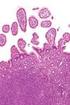 High-grade non-hodgkin lymphoma (NHL) Patient information My details This is a place to put important information about you, your condition and key contacts. Name and hospital number My NHS number My condition
Non-Hodgkin s Lymphoma
 Non-Hodgkin s Lymphoma Luis Fayad, MD Assistant Professor Clinical Medical Director Lymphoma/Myeloma Department Non-Hodgkin s Lymphoma Non-Hodgkin s lymphomas (NHL) are a heterogeneous group of malignant
Acute myeloid leukemia (AML)
 Acute myeloid leukemia (AML) Adult acute myeloid leukemia (AML) is a type of cancer in which the bone marrow makes abnormal myeloblasts (a type of white blood cell), red blood cells, or platelets. Adult
Leukemias and Lymphomas: A primer
 Leukemias and Lymphomas: A primer Normal blood contains circulating white blood cells, red blood cells and platelets 700 red cells (oxygen) 1 white cell Neutrophils (60%) bacterial infection Lymphocytes
RADIATION THERAPY FOR LYMPHOMA. Facts to Help Patients Make an Informed Decision TARGETING CANCER CARE AMERICAN SOCIETY FOR RADIATION ONCOLOGY
 RADIATION THERAPY FOR Facts to Help Patients Make an Informed Decision TARGETING CANCER CARE AMERICAN SOCIETY FOR RADIATION ONCOLOGY FACTS ABOUT The lymphatic system is a network of tiny vessels extending
An overview of CLL care and treatment. Dr Dean Smith Haematology Consultant City Hospital Nottingham
 An overview of CLL care and treatment Dr Dean Smith Haematology Consultant City Hospital Nottingham What is CLL? CLL (Chronic Lymphocytic Leukaemia) is a type of cancer in which the bone marrow makes too
Collaboration to collect Autologous transplant outcomes in Lymphoma and Myeloma (CALM) Additional Questionnaire (MED C) INCLUSION CRITERIA CALM STUDY
 Additional Questionnaire (MED C) CALM study Inclusion period: 01/01/2008 to 31/12/2011 PATIENT REGISTRATION FORM Disease Diagnosis Lymphoma S Non Hodgkin Lymphoma (NHL) Mature B-cell neoplasm Follicular
Lymphoma. Starting Point. Diagnosed with Lymphoma?
 ESSENTIALS Lymphoma Diagnosed with Lymphoma? It s important to understand everything you can about your diagnosis, treatment options, and places to go for support. This will help you make treatment decisions
Lauren Berger: Why is it so important for patients to get an accurate diagnosis of their blood cancer subtype?
 Hello, I m Lauren Berger and I m the Senior Director of Patient Services Programs at The Leukemia & Lymphoma Society. I m pleased to welcome Dr. Rebecca Elstrom. Dr. Elstrom is an Assistant Professor in
Lymphomas after organ transplantation
 Produced 21.03.2011 Revision due 21.03.2011 Lymphomas after organ transplantation People who have undergone an organ transplant are more at risk of developing lymphoma known as post-transplant lymphoproliferative
Oncology Best Practice Documentation
 Oncology Best Practice Documentation Click on the desired Diagnoses link or press Enter to view all information. Diagnoses: Solid Tumors Lymphomas Leukemias Myelodysplastic Syndrome Pathology Findings
Non-Hodgkin Lymphoma. Rick, non-hodgkin lymphoma survivor
 Non-Hodgkin Lymphoma Rick, non-hodgkin lymphoma survivor This publication was supported in part by grants from Revised 2013 A Message From John Walter President and CEO of The Leukemia & Lymphoma Society
Estimated New Cases of Leukemia, Lymphoma, Myeloma 2014
 ABOUT BLOOD CANCERS Leukemia, Hodgkin lymphoma (HL), non-hodgkin lymphoma (NHL), myeloma, myelodysplastic syndromes (MDS) and myeloproliferative neoplasms (MPNs) are types of cancer that can affect the
Canine Lymphoma Frequently Asked Questions by Pet Owners
 Canine Lymphoma Frequently Asked Questions by Pet Owners What is lymphoma? The term lymphoma describes a diverse group of cancers in dogs that are derived from white blood cells called lymphocytes. Lymphocytes
www.e-mercy.com Mercy Health Fairfield Hospital Annual Report on 2010 Activities Non-Hodgkin Lymphoma Outcomes Study
 www.e-mercy.com Mercy Health Fairfield Hospital Annual Report on 2010 Activities Non-Hodgkin Lymphoma Outcomes Study Cancer Program Summary The Cancer Program at Mercy Health - Fairfield Hospital has maintained
Leukaemia and lymphoma what s the difference?
 Freephone helpline 0808 808 5555 [email protected] www.lymphomas.org.uk Leukaemia and lymphoma what s the difference? This is a difficult question to answer simply but it is one that is often
Childhood Non-Hodgkin Lymphoma
 Understanding Childhood Non-Hodgkin Lymphoma A Guide for Patients, Survivors and Loved Ones First Edition Understanding Childhood Non-Hodgkin Lymphoma A Guide for Patients, Survivors and Loved Ones First
LYMPHOMA IN DOGS. Diagnosis/Initial evaluation. Treatment and Prognosis
 LYMPHOMA IN DOGS Lymphoma is a relatively common cancer in dogs. It is a cancer of lymphocytes (a type of white blood cell) and lymphoid tissues. Lymphoid tissue is normally present in many places in the
Lymphoma. Measurability of Quality Performance Indicators Version 2.0
 Lymphoma Measurability of Quality Performance Indicators Version 2.0 To be read in conjunction with: Lymphoma Clinical Quality Performance Indicators (September 2013) Lymphoma Data Definitions V2.0 (September
What is non-hodgkin lymphoma, how is it treated, and what is the unmet need?
 What is non-hodgkin lymphoma, how is it treated, and what is the unmet need? Tim Illidge BSc PhD MRCP FRCR FRCPath Institute of Cancer Sciences, University of Manchester Manchester Cancer Research Centre,
Smoking and misuse of certain pain medicines can affect the risk of developing renal cell cancer.
 Renal cell cancer Renal cell cancer is a disease in which malignant (cancer) cells form in tubules of the kidney. Renal cell cancer (also called kidney cancer or renal adenocarcinoma) is a disease in which
FDA approves Rituxan/MabThera for first-line maintenance use in follicular lymphoma
 Media Release Basel, 31 January 2011 FDA approves Rituxan/MabThera for first-line maintenance use in follicular lymphoma Approval provides option that improves the length of time people with incurable
MOH Policy for dispensing NEOPLASTIC DISEASES DRUGS
 MOH Policy for dispensing NEOPLASTIC DISEASES DRUGS All prescriptions for antineoplastic drugs must be accompanied by the MOH special form. All the attachments mentioned on this form shall be submitted
Castleman Disease. What is Castleman disease? About lymph nodes and lymphoid tissue
 Castleman Disease What is Castleman disease? Castleman disease (CD) is a rare disease of lymph nodes and related tissues. It is also known as Castleman s disease, giant lymph node hyperplasia, and angiofollicular
Lung Cancer: Diagnosis, Staging and Treatment
 PATIENT EDUCATION patienteducation.osumc.edu Lung Cancer: Diagnosis, Staging and Treatment Cancer begins in our cells. Cells are the building blocks of our tissues. Tissues make up the organs of the body.
Your NHL Journey. RITUXAN for Follicular Lymphoma and Diffuse Large B-cell Lymphoma (DLBCL) Indications. Important Safety Information
 * Your NHL Journey RITUXAN for Follicular Lymphoma and Diffuse Large B-cell Lymphoma (DLBCL) * Non-Hodgkin s Lymphoma Indications RITUXAN (rituximab) is indicated for the treatment of: Follicular CD20-positive
Small cell lung cancer
 Small cell lung cancer Small cell lung cancer is a disease in which malignant (cancer) cells form in the tissues of the lung. The lungs are a pair of cone-shaped breathing organs that are found within
Oncology. Objectives. Cancer Nomenclature. Cancer is a disease of the cell Cancer develops when certain cells begin to grow out of control
 Oncology Objectives Describe the etiology and pathophysiological mechanisms of cancer Discuss medical and family history findings relevant to cancer Identify general signs and symptoms associated with
亞 東 紀 念 醫 院 Follicular Lymphoma 臨 床 指 引
 前 言 : 惡 性 淋 巴 瘤 ( 或 簡 稱 淋 巴 癌 ) 乃 由 體 內 淋 巴 系 統 包 括 淋 巴 細 胞 淋 巴 管 淋 巴 腺 及 一 些 淋 巴 器 官 或 組 織 如 脾 臟 胸 腺 及 扁 桃 腺 等 所 長 出 的 惡 性 腫 瘤 依 腫 瘤 病 理 組 織 型 態 的 不 同 可 分 為 何 杰 金 氏 淋 巴 瘤 (Hodgkin s disease) 與 非 何 杰 金
People Living with Cancer
 Patient Guide ASCOInformation for People Living with Cancer ADVANCED LUNG CANCER TREATMENT Recommendations of the American Society of Clinical Oncology Welcome The American Society of Clinical Oncology
Non-Hodgkin Lymphoma
 Non-Hodgkin Lymphoma What is non-hodgkin lymphoma? Cancer starts when cells in the body begin to grow out of control. Cells in nearly any part of the body can become cancer, and can spread to other areas
Brain Cancer. This reference summary will help you understand how brain tumors are diagnosed and what options are available to treat them.
 Brain Cancer Introduction Brain tumors are not rare. Thousands of people are diagnosed every year with tumors of the brain and the rest of the nervous system. The diagnosis and treatment of brain tumors
Frequency of NHL Subtypes in Adults
 Chemotherapy Options Stephanie A. Gregory, M.D. The Elodia Kehm Professor of Medicine Director, Section of Hematology Rush University Medical Center Chicago, Illinois Frequency of NHL Subtypes in Adults
Lung Cancer. This reference summary will help you better understand lung cancer and the treatment options that are available.
 Lung Cancer Introduction Lung cancer is the number one cancer killer of men and women. Over 165,000 people die of lung cancer every year in the United States. Most cases of lung cancer are related to cigarette
Understanding Hodgkin Lymphoma
 Understanding Hodgkin Lymphoma A Guide For Patients, Survivors, and Loved Ones Fourth Edition This guide is an educational resource compiled by the Lymphoma Research Foundation (LRF) that provides general
ACUTE MYELOID LEUKEMIA (AML),
 1 ACUTE MYELOID LEUKEMIA (AML), ALSO KNOWN AS ACUTE MYELOGENOUS LEUKEMIA WHAT IS CANCER? The body is made up of hundreds of millions of living cells. Normal body cells grow, divide, and die in an orderly
Multiple Myeloma. This reference summary will help you understand multiple myeloma and its treatment options.
 Multiple Myeloma Introduction Multiple myeloma is a type of cancer that affects white blood cells. Each year, thousands of people find out that they have multiple myeloma. This reference summary will help
Introduction Breast cancer is cancer that starts in the cells of the breast. Breast cancer happens mainly in women. But men can get it too.
 Male Breast Cancer Introduction Breast cancer is cancer that starts in the cells of the breast. Breast cancer happens mainly in women. But men can get it too. Many people do not know that men can get breast
Understanding Pleural Mesothelioma
 Understanding Pleural Mesothelioma UHN Information for patients and families Read this booklet to learn about: What is pleural mesothelioma? What causes it? What are the symptoms? What tests are done to
Mantle Cell Lymphoma Understanding Your Treatment Options
 New Developments in Mantle Cell Lymphoma John P. Leonard, M.D. Richard T. Silver Distinguished Professor of Hematology and Medical Oncology Associate Dean for Clinical Research Vice Chairman, Department
Hairy Cell Leukemia Facts
 No. 16 in a series providing the latest information for patients, caregivers and healthcare professionals www.lls.org Information Specialist: 800.955.4572 Highlights l Hairy cell leukemia (HCL) is a chronic
Guidelines for the Management of Chronic Lymphocytic Leukaemia (CLL)
 Guidelines for the Management of Chronic Lymphocytic Leukaemia (CLL) Version History Version Date Summary of Change/Process 2.0 08.05.08 Endorsed by the Governance Committee 2.1 16.02.11 Circulated at
General Information About Non-Small Cell Lung Cancer
 General Information About Non-Small Cell Lung Cancer Non-small cell lung cancer is a disease in which malignant (cancer) cells form in the tissues of the lung. The lungs are a pair of cone-shaped breathing
Non-Small Cell Lung Cancer
 Non-Small Cell Lung Cancer John delcharco, MD (Statistics based on CVMC data 2009-2013) Statistics Lung cancer is the leading cause of cancer deaths in the United States. The American Cancer Society estimates
CHAPTER 26 LATE BREAKING DEVELOPMENTS: IMPACT OF ANTI-CD20 MONOCLONAL ANTIBODIES ON LYMPHOMA THERAPY
 CHAPTER 26 LATE BREAKING DEVELOPMENTS: IMPACT OF ANTI-CD20 MONOCLONAL ANTIBODIES ON LYMPHOMA THERAPY 26.1 Introduction rituximab Subsequent to the completion of drafts for the guidelines earlier in 2004,
Childhood Leukemia Overview
 Childhood Leukemia Overview What is childhood leukemia? Leukemia is a type of cancer that starts in early forms of blood cells. Cancer starts when cells grow out of control. Cells in nearly any part of
Disease/Illness GUIDE TO ASBESTOS LUNG CANCER. What Is Asbestos Lung Cancer? www.simpsonmillar.co.uk Telephone 0844 858 3200
 GUIDE TO ASBESTOS LUNG CANCER What Is Asbestos Lung Cancer? Like tobacco smoking, exposure to asbestos can result in the development of lung cancer. Similarly, the risk of developing asbestos induced lung
Mesothelioma: Questions and Answers
 CANCER FACTS N a t i o n a l C a n c e r I n s t i t u t e N a t i o n a l I n s t i t u t e s o f H e a l t h D e p a r t m e n t o f H e a l t h a n d H u m a n S e r v i c e s Mesothelioma: Questions
RITUXAN (rituximab) RATIONALE FOR INCLUSION IN PA PROGRAM
 RATIONALE FOR INCLUSION IN PA PROGRAM Background Rituxan is a monoclonal antibody that is manufactured through biotechnology methods rather than by the human body s own immune system. The drug works by
Introduction. About 10,500 new cases of acute myelogenous leukemia are diagnosed each
 Introduction 1.1 Introduction: About 10,500 new cases of acute myelogenous leukemia are diagnosed each year in the United States (Hope et al., 2003). Acute myelogenous leukemia has several names, including
IF AT FIRST YOU DON T SUCCEED: TRIAL, TRIAL AGAIN
 + IF AT FIRST YOU DON T SUCCEED: TRIAL, TRIAL AGAIN Rena Buckstein MD FRCPC Head Hematology Site Group Sunnybrook Odette Cancer Center (OCC) Head of Hematology Clinical Trials Group at OCC + Outline Start
Interesting Case Series. Periorbital Richter Syndrome
 Interesting Case Series Periorbital Richter Syndrome MarkGorman,MRCS,MSc, a Julia Ruston, MRCS, b and Sarath Vennam, BMBS a a Division of Plastic Surgery, Royal Devon and Exeter Hospital, Exeter, Devon,
Feline Lymphoma Chemotherapy and Chemotherapy Protocols
 Feline Lymphoma Chemotherapy and Chemotherapy Protocols If you have reached this page, your cat probably has a definite diagnosis of feline lymphoma from your veterinarian. The information below is not
Corporate Medical Policy
 Corporate Medical Policy Hematopoietic Stem-Cell Transplantation for CLL and SLL File Name: Origination: Last CAP Review: Next CAP Review: Last Review: hematopoietic_stem-cell_transplantation_for_cll_and_sll
Biogen Idec Contacts: Media: Amy Brockelman (617) 914-6524 Investor: Eric Hoffman (617) 679-2812
 NEWS RELEASE Media: Nikki Levy (650) 225-1729 Investor: Susan Morris (650) 225-6523 Biogen Idec Contacts: Media: Amy Brockelman (617) 914-6524 Investor: Eric Hoffman (617) 679-2812 GENENTECH AND BIOGEN
How CanCer becomes critical in the claims
 How CanCer becomes critical in the claims arena Cancer is a disease in which cells in your body grow in an uncontrolled way and form a lump called a tumour. In a healthy individual cells grow and reproduce
Outline of thesis and future perspectives.
 Outline of thesis and future perspectives. This thesis is divided into two different sections. The B- section involves reviews and studies on B- cell non- Hodgkin lymphoma [NHL] and radioimmunotherapy
Two Retroperitoneal Low-Grade B-Cell Lymphoma Successfully Treated With a Combination of Chimeric Anti-CD20 Monoclonal Antibody and CHOP Chemotherapy
 Two Retroperitoneal Low-Grade B-Cell Lymphoma Successfully Treated With a Combination of Chimeric Anti-CD20 Monoclonal Antibody and CHOP Chemotherapy Yoichi Kitamura, MD Kazuhiko Hayashi, MD Kazumi Uchida,
Carcinoma of the vagina is a relatively uncommon disease, affecting only about 2,000 women in
 EVERYONE S GUIDE FOR CANCER THERAPY Malin Dollinger, MD, Ernest H. Rosenbaum, MD, Margaret Tempero, MD, and Sean Mulvihill, MD 4 th Edition, 2001 Vagina Jeffrey L. Stern, MD Carcinoma of the vagina is
Locoregional & advanced esophagus or esophagogastric junction cancer
 Eloxatin (oxaliplatin) Prior Authorization Request (For Maryland Only) Send completed form to: Case Review Unit CVS/caremark Specialty Programs Fax: 866-249-6155 CVS/caremark administers the prescription
What If I Have a Spot on My Lung? Do I Have Cancer? Patient Education Guide
 What If I Have a Spot on My Lung? Do I Have Cancer? Patient Education Guide A M E R I C A N C O L L E G E O F C H E S T P H Y S I C I A N S Lung cancer is one of the most common cancers. About 170,000
Avastin: Glossary of key terms
 Avastin: Glossary of key terms Adenocarcinoma Adenoma Adjuvant therapy Angiogenesis Anti-angiogenics Antibody Antigen Avastin (bevacizumab) Benign A form of carcinoma that originates in glandular tissue.
Symptoms of Hodgkin lymphoma
 Produced 28.02.2011 Revision due 28.02.2013 Symptoms of Hodgkin lymphoma Lymphoma is a cancer of cells called lymphocytes. These cells are part of our immune system, which helps us to fight off infections.
Report series: General cancer information
 Fighting cancer with information Report series: General cancer information Eastern Cancer Registration and Information Centre ECRIC report series: General cancer information Cancer is a general term for