
Energy and Water Conservation Design Guide (for Sustainment, Restoration and Modernization [SRM] Projects and MILCON Construction)
|
|
|
- Bruno Greer
- 10 years ago
- Views:
Transcription
1 Energy and Water Conservation Design Guide (for Sustainment, Restoration and Modernization [SRM] Projects and MILCON Construction) Prepared for Installation Management Command (IMCOM) 2511 Jefferson Davis Highway Taylor Bldg., Rm 11E08 Arlington, VA Prepared by: Engineer Research and Development Center (ERDC) Construction Engineering Research Laboratory (CERL) PO Box 9005 Champaign, IL

2 Energy and Water Conservation Design Guide (for Sustainment, Restoration and Modernization [SRM] Projects and MILCON Construction) 1 Relevant Policies & Guidance 1.1 All Sustainment, Restoration and Modernization (SRM) funded projects for repair, maintenance, and new work, along with all MILCON construction projects shall comply with and, where applicable, contribute toward the goals specified in the Energy Policy Act of 2005 (EPACT 2005), Energy Independence and Security Act of 2007 (EISA 2007), Executive Order (EO) 13423, Executive Order (EO) 13514, the Guiding Principles for Federal Leadership in High Performance and Sustainable Buildings, Leadership in Energy and Environmental Design (LEED) Energy and Atmosphere (EA-1), and other current policies and directives on energy and water conservation listed at Tab All SRM projects for major renovations of existing buildings and all new construction projects, regardless of funding source, shall meet the requirement of EPACT 2005 to reduce energy consumption by 30% compared to a facility designed in accordance with ASHRAE Building modifications are classified as a major renovation when the cost of the renovation project exceeds 25% of the building's plant replacement value (PRV); with the project including some or all of the following elements: alteration of overall features of the building's envelope, substantial replacement of the building's lighting, plumbing, electrical, and/or heating, ventilating, and air-conditioning (HVAC) systems in combination with other significant alterations of the building's spaces. Building Building modifications are classified as a major renovation if the cost of the project exceeds 25% of the building's Plant Replacement Value (PRV) projects classified as major renovation projects, i.e., exceeding 25% of PRV, will comply with all energy and water conservation requirements, and all methods and standards applicable to new construction, such as to bring the entire building into compliance with current energy and water conservation criteria. All building components and systems being renovated or replaced must comply with their respective energy and water conservation criteria. 1.3 All SRM projects for major renovations of existing buildings and all new construction projects, regardless of funding source, shall install advanced utility meters for measuring electric, natural gas, potable water, steam, hot water and chilled water consumption. 1.4 The target energy consumption of the building (excluding plug and process loads) conforming with the requirements of EPACT 2005 for selected Army facilities and different Department of Energy (DOE) climate zones in kbtu per ft 2 per year not to be exceeded are listed at Tab 2, Tables The use of the Prescriptive Technology Solution Sets, listed in Tabs 3-10, Tables 1 8 in each Tab (numbered respectively by Attachment, e.g., Table 3-1, Table 4-1, etc), and discussed at Tabs 14-16, will result in an annual energy consumption less than or equal to the target energy budget figure, meets life-cycle cost effectiveness requirements, and does not require calculations according to ASHRAE Standard 90.1 Appendix G. When Prescriptive Technology Solution Sets are used, mandatory requirements of ASHRAE Standard shall also be met. For the building types addressed at Tab 2, requirements of EPACT 2005 can also be met using designer-developed specific technology sets. In this case, to prove that target energy consumption budgets are met, calculations prescribed in ASHRAE Standard 90.1 Appendix G shall be performed and a life-cycle cost effectiveness analysis shall be provided. 2

3 1.5 Our long-term goal is to foster Net Zero/Low Energy Installations. Through a combination of renewable generation, energy efficiency, and energy conservation, we intend to produce as much as or more than what we consume over the course of 1 year. To comply with the requirements of EISA 2007 to eventually eliminate fossil fuel use, new buildings and buildings undergoing major renovations shall be designed so that consumption of energy generated by fossil fuels (including electricity generated by fossil fuels) is reduced, as compared to energy consumption by a similar building in Fiscal Year 2003 (FY03) (as measured by the Commercial Buildings Energy Consumption Survey or Residential Energy Consumption Survey data from the Energy Information Agency), by the percentage listed in Table 1. Table 1. Percentage reduction in energy generated by fossil fuels by FY. FY Reduction (%) Where conflicts arise between or among the laws, Executive Orders, standards and requirements, the more stringent policy or standard shall take precedence. Where comparisons against similar buildings are required, comparators shall be selected from the Commercial Buildings Energy Consumption Survey (CBECS for commercial buildings) or Residential Energy Consumption Survey (RECS for residential buildings). 1 2 Holistic View 2.1 Limiting energy and water conservation efforts to the extent of EPACT 2005 requirements will not allow the Army to meet EISA 2007 goals in the future. To comply with EISA 2007 future requirements, installations shall: a. Develop holistic energy and water system concepts and apply them installation-wide through Comprehensive Energy and Water Master Plans, setting new more stringent energy and water reduction targets for SRM and new construction projects. Unless it is demonstrated not to be life-cycle cost (LCC) effective (calculated with a building life of 40 years), incorporate energy conservation measures capable of reducing energy consumption by as much as 30-50% in addition to the current Army requirements for 30% energy use reduction listed in UFC , depending on climate, and use renewable energy sources. b. Execute SRM projects by building clusters with the potential to integrate these clusters into the low energy community/installation. Incorporate advanced technologies in new construction and renovation projects. Use a holistic approach and request commitment from all stakeholders (master planning, resource management, project management, design, construction, O&M, and building users). 2.2 The terms holistic, holistic approach, and whole building design approach specifically refer to an approach that analyzes, assesses, and designs a building site and comprising buildings or facilities as a whole system rather than as a collection of individual buildings, their parts, or subsystems. The holistic approach shall be used to ensure that the following elements are taken into consideration to 1 and 3

4 produce a superior functional and resource-efficient product: a. Building site concepts, designs, systems and subsystems and b. Building function, occupant needs and appliance selections and c. Interior and exterior environmental factors and d. Installation-wide energy, water, resource, and environmental plans and e. Commitment from stakeholders including master planning, resource management, project management, design, construction, O&M, and building users and f. Intelligent resolution of the interactions, synergies and conflicts among these elements. 2.3 A whole building design approach shall integrate different building elements and systems to optimize the overall project sustainability, and water and energy efficiency. Integration of the mechanical systems design must be coordinated with the designs of other involved building systems and features, including the building envelope, lighting system, and occupant activities. The appropriate HVAC design solution shall be determined only after the requirements and contributing thermal loads of these interrelated systems have been thoroughly reviewed and all possible efficiency gains through sustainable design strategies have been carefully considered. 3 Building Sustainability, Occupant Well-being and Productivity 3.1 Buildings shall be designed and maintained to meet thermal requirements, which include criteria for thermal comfort and health, process needs, and criteria preventing mold, mildew and other damage to the building materials or furnishings listed at Tab New construction and major renovation design shall integrate building systems that meet hygrothermal requirements to prevent mold and mildew contamination, and that include criteria for building envelopes, HVAC systems, and interior finishes such as paint, wall coverings, etc., as listed at Tab 11. Interior spaces of existing buildings to be renovated shall be visually inspected for mold and mildew growth. Visually suspect mold or mildew shall be tested by one of the methodologies listed at Tab 11 (Section 11.5, Hygro-Thermal Requirements for Building Envelopes (p 11-28). If mold or mildew contamination is detected, the cause of the problem shall be determined and the mold or mildew contamination remediated as appropriate. 3.3 Use of vinyl wall covering in locations with predominant air conditioning loads rather than heating loads is prohibited. Vinyl wall covering is a vapor barrier that, in buildings with poor vapor barriers, e.g., most barracks and unit operations buildings, trap moisture in walls causing rapid destruction of the wall systems and hidden mold growth. Replace vinyl wall coverings with latex painted surfaces that will permit transmission of moisture into conditioned space where it can dry, rather than trapping it in the walls. 4 Subsystem Design - Additional Guidance 4.1 ENERGY STAR : In all new facilities and Mold & Mildew Mold and mildew contamination originates from a water problem. Possible causes of the problem include: 1. Improperly designed and /or constructed exterior walls & roofs. 2. Improperly designed, constructed, operated or maintained HVAC systems. 3. Water leaks or condensation from piping or plumbing systems. 4

5 major renovations, only ENERGY STAR or FEMP designated products shall be purchased and installed, when such products are commercially available. 4.2 Commercial kitchen appliances shall be either ENERGY STAR, FEMP designated or qualified for California Utilities Rebate Program All energy consuming products shall also be designated as using low standby power as required by EO Instructions on how to determine what qualifies as low standby power by product type can be found at: Motors: NEMA Premium grade motors that conform to NEMA MG1, and wherever possible, shall at a minimum use Class F insulation. Motors with efficiencies lower than NEMA Premium standard grade may only be used in unique applications that require a high constant torque speed ratio (e.g., inverter duty or vector duty that conform to NEMA MG1, part 30 or part 31). 4.5 Building Envelope Insulation: Insulation levels must meet or exceed requirements listed at Tab 11, Tables Windows: Must meet or exceed requirements listed at Tab 11, Tables Building Air Tightness and Air Barrier Continuity: New administrative-type buildings, office portions of mixed office and open space (e.g., company operations facilities, dining, barracks and instructional/training facilities) and all buildings undergoing major renovations shall be designed and constructed with a continuous air barrier to control air leakage into, or out of, the conditioned space. Mandatory requirements for the continuous air barrier design and construction and guidelines on sealing air leakage pathways in buildings undergoing renovation are provided at Tab Barrier conformance shall be demonstrated using test procedures outlined at Tab 13, and complemented using Infra-Red (IR) Thermograph tests. Remediation guidance is listed at Tab Garrisons will ensure contract specifications address proper envelope sealing and that Construction Quality Assurance plans/practices give this a priority. 4.8 Roofs In climate zones 1 to 5, reflective cool roofs shall be installed on all new construction or planned re-roofing projects over air conditioned spaces in buildings (see Tab 11, Section 11-4 [p 11-22]) All climate zones: reflective cool roofs shall be installed on industrial, ventilated, and heat only buildings (not air-conditioned buildings). 4.9 Lighting All areas shall be designed to provide the correct lighting level for the tasks expected to be performed (see Tab 19) Use only ENERGY STAR or FEMP designated lighting technologies (see Tab 19). T-8 lamps with instant start electronic ballasts shall be the standard Maximize use of lighting controls, e.g., occupancy sensors where appropriate. 5

6 Light Emitting Diodes (LEDs) should be considered for all exterior parking/street lights and exit lighting. Parking/street lights should be controlled with photocells. Consider solar-powered lighting for exterior applications Eliminate the use of incandescent light bulbs to the maximum extent possible. Replacing incandescent bulbs with compact fluorescent lamps (CFLs) can reduce consumption by 60-70% per lamp Plumbing/Water Conservation. All SRM and new construction projects shall apply the DOE Federal Energy Management Program Best Management Practices for Water Conservation and include the following water conservation measures: g. Eliminate leaks in dripping faucets, pipes, toilets, urinals, steam lines and traps h. Install or convert to ultra-low flow fixtures (e.g., toilets, showerheads and kitchen pre-rinse spray valves (PRSV) with low flow nozzles) i. Install or convert to only ENERGY STAR Commercial Dishwashers j. Install or convert to only High-efficiency clothes washers (HEW) k. Install or convert to water-conserving cooling towers designed with delimiters to reduce drift and evaporation l. Recover non-sewage waste water for on-site use (e.g., toilet flushing, landscape irrigation, vehicle washing, ornamental fountains and ponds m. Install waterless urinals HVAC Systems: Designs for new Army facilities and major retrofits of existing facilities shall utilize dedicated outdoor air systems (DOAS) to maintain acceptable indoor air quality, to discourage the formation and growth of mold and mildew, and to optimize overall energy efficiency of the HVAC system. DOAS decouples the building s latent and sensible cooling loads. DOAS systems shall be sized to deliver sufficient volumes of conditioned outdoor air to satisfy the building s ventilation, makeup and pressurization requirements and shall have sufficient dehumidification capacity to handle the entire latent cooling load under all occupancy and exterior climate conditions and shall be sized based on the 1% Humidity Ratio (HR) occurrence as listed in UFC Design: Engineering Weather Data. Reheat energy, if required, shall be provided by recovered heat. Primary energy shall not be used for reheat. Heat recovery from the building s exhaust air stream shall be required Ducts and pipes conveying heated or cooled fluids shall be insulated and sealed according to ASHRAE Standard and according to the recommendations of ASHRAE Advanced Energy Design Guides Special attention shall be applied in climate zones 1a, 2a and 3a to ensure that insulated pipe surface temperatures are never allowed to drop below dew point. The pipe insulation system shall be vapor tight

7 4.12 Central Systems: Shall be used for installation-wide or for building clusters if: Density is higher than 40,000 (Kbtu/hr)/(sq. mile) AND Cooling density is higher than 68,700 (Kbtu/hr)/(sq. mile) [= 5,725 tons/(sq. mile)] Shall be designed for combined heat and power (CHP) or tri-generation (heating, cooling and power generation) Shall be designed with multiple cooling units where practical to enhance reliability (should permit loss of largest unit while maintaining minimum 65% design capacity) Shall be designed with master plan review to provide for future expansion of central plant Should be designed with water cooled compressors rather than air cooled compressors and include other optimization strategies (see Tab 20) Steam Systems: Steam systems shall be converted to variable temperature variable flow medium (<270 F) or low temperature (<190 F) hot water as systems are recapitalized Steam systems with condensing boilers shall be designed with lower operating return hot water temperatures (<130 F) and use hot water reset Steam needs shall be evaluated and, only when absolutely necessary, be provided by local steam boilers Boilers shall be selected with thermal efficiency 90% Solar-augmented or solar standalone systems shall be employed where practical and economical to provide steam and high temperature water Hot Water Systems: EISA 2007 requires that at least 30% of the hot water demand shall be met through the installation and use of solar hot water heaters unless it can be demonstrated that they are not cost effective If any level of solar hot water installation and use is found to be cost effective, it shall be installed up to that level Solar hot water shall be considered for Domestic Hot Water, space heating and re-heat, absorption chillers, and other systems Building Automation: Requirements and guideline details are at Tab Should be applied to HVAC, lighting and other systems where practical using approved Army standards including: LonWorks technology 7

8 LonWorks network services ANSI/CEA communications protocol ANSI/ASHRAE/IESNA Standard BACnet is an alternative that may be used where implementation planning has been completed and the strategy documented. There is no Army-approved UFGS for BACnet so design of BACnet systems should use the requirements found in the MILCON Transformation Model RFP and ERDC/CER TR as described in ECB

energy-saving checklist a guide for rental property owners
 energy-saving checklist a guide for rental property owners taking responsibility As an individual, your efficient use of energy brings benefits such as lower bills, improved comfort levels in your home
SOM. Data Needs to Achieve High-Performance Buildings. Teresa Rainey, PE, LEED AP BD+C Sustainable Engineering Studio, Washington, DC
 Data Needs to Achieve High-Performance Buildings Skidmore Owings & Merrill Teresa Rainey, PE, LEED AP BD+C Sustainable Engineering Studio, Washington, DC Design Requirements Building Codes, Energy ICC:
Training for Building Technicians: Energy Efficiency & Sustainability (BEST) Program. Seminar Outline & Sample BEST Exam Questions
 Training for Building Technicians: Energy Efficiency & Sustainability (BEST) Program Seminar Outline & Sample BEST Exam Questions Buildings in the United State consume a significant amount of energy. According
WATER. Water Management Protect your building from water damage. Intent. Information & Tips
 Water Management Protect your building from water damage If not managed properly, rain can drain into unwanted areas damaging your roof, windows, walls and facade. Eliminate water damage to your property
HVAC Costs. Reducing Building. Building owners are caught between two powerful forces the need to lower energy costs. By Stephen J.
 Reducing Building HVAC Costs of site rec By Stephen J. Pargeter Building owners are caught between two powerful forces the need to lower energy costs and the need to meet or exceed outdoor air ventilation
3/29/2012 INTRODUCTION HVAC BASICS
 INTRODUCTION HVAC BASICS AND HVAC SYSTEM EFFICIENCY IMPROVEMENT SECTION O HVAC systems or Heating, Ventilating and Air-Conditioning systems control the environment for people and equipment in our facilities.
Advanced Energy Design Guide LEED Strategies for Schools. and High Performance Buildings
 Advanced Energy Design Guide LEED Strategies for Schools and High Performance Buildings Today s Presenters Stephen Koontz, LEED AP Energy Services Leader Tampa Bay Trane Allen Irvine General Sales Manager
Energy Efficiency Tips for Businesses
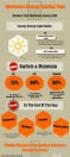 Energy Efficiency Tips for Businesses Top 10 Tips Lighting Tips Heating and Cooling Temperature Control Office Equipment Laundry Service Refrigeration Equipment Food Service Equipment Employee Involvement
BOMA BESt Assessment Overview
 BOMA BESt Assessment Overview BOMA Building Environmental Standards OFFICE Module August 2013 The Voice of the Commercial Real Estate Industry in Canada The Building Owners and Managers Association of
Lesson 36 Selection Of Air Conditioning Systems
 Lesson 36 Selection Of Air Conditioning Systems Version 1 ME, IIT Kharagpur 1 The specific objectives of this chapter are to: 1. Introduction to thermal distribution systems and their functions (Section
Xcel Business Customers: Program and Rebate Summary
 Xcel Business Customers: Program and Rebate Summary Rebates for New Energy-Efficient Equipment Xcel offers prescriptive rebates to its business customers. What s a prescriptive rebate? It simply means
We ve got you covered.
 Mechanical & Plumbing We ve got you covered. Energy Savings Maintenance Contracts Cooling Towers Re-piping Air-conditioning Building Automated Systems Boiler Retrofits Sewer Cleaning Drain Systems THE ONLY
Center for Energy Education Laboratory
 Paper ID #7072 Center for Energy Education Laboratory Dr. Robert Gilbert, Sinclair Community College Robert B. Gilbert, Ph.D., LEED AP, BA, is an Associate Professor of Energy Management Technology, and
Los Angeles Mission College Facilities Master Plan Draft Program Environmental Impact Report 3.5 ENERGY CONSERVATION AND SUSTAINABILITY.
 3.5 ENERGY CONSERVATION AND SUSTAINABILITY As a result of the analysis undertaken in the Initial Study 1 for the Los Angeles Mission College Facilities Master Plan, the LACCD determined that the proposed
Residential HVAC System Sizing
 Residential HVAC System Sizing William P. Goss University of Massachusetts, Amherst, Massachusetts, USA Corresponding email: [email protected] SUMMARY Heating, ventilating and air-conditioning (HVAC)
WHEN IS A PERMIT REQUIRED?
 WHEN IS A PERMIT REQUIRED? Any owner, builder, contractor, or other authorized agent who intends to construct, enlarge, alter, repair, move, demolish, or change the occupancy of a building or structure,
CODE NOTES. Insulation Requirements in Commercial Buildings for Mechanical and Service Hot-Water Piping
 BUILDING TECHNOLOGIES PROGRAM Insulation Requirements in Commercial Buildings for Mechanical and Service Hot-Water Piping The intent of the pipe insulation requirements is to reduce temperature changes
This presentation premiered at WaterSmart Innovations. watersmartinnovations.com
 This presentation premiered at WaterSmart Innovations watersmartinnovations.com Green Plumbing and Mechanical Code Supplement David Viola IAPMO Director of Special Services 1 IAPMO Group Association of
Exhibit B. Property Acquisition and Disposition Division Residential Design & Performance Standards
 Exhibit B Property Acquisition and Disposition Division Residential Design & Performance Standards I. Introduction The Property Acquisition and Disposition Division ( PADD ) has developed design standards
Industrial Green Building Retrofit 101 Opportunities and Challenges. Light Industrial Green Building Retrofits. Why Green Retrofit?
 Industrial Green Building 101 Opportunities and Challenges Joanne Sawatzky Senior Project Manager, Light House Sustainability at Work Re-visioning a Sustainable False Creek Flats Light Industrial Green
HVAC Processes. Lecture 7
 HVAC Processes Lecture 7 Targets of Lecture General understanding about HVAC systems: Typical HVAC processes Air handling units, fan coil units, exhaust fans Typical plumbing systems Transfer pumps, sump
APPLICATION GUIDE. Moisture Management in Waterborne Climate Systems
 APPLICATION GUIDE Moisture Management in Waterborne Climate Systems Contents Introduction 3 WBCS Concept 3 Condensation 4 Moisture Sources in the Space 4 Impact of a High Moisture Load 5 Designing to Manage
Green Guide for Businesses Strategy: Energy
 Green Guide for Businesses Strategy: Energy Reduce Energy Use in New and Existing Businesses - In the United States buildings account for: o 72% of electricity consumption, o 39% of energy use, o 38% of
RULES FOR THE SETTING UP OF SUSTAINABLE BRANCHES Summary
 RULES FOR THE SETTING UP OF SUSTAINABLE BRANCHES Summary January 2013 TABLE OF CONTENTS INTRODUCTION... 3 GENERAL RECOMMENDATIONS... 3 Communication with customers in the field of environmental sustainability...
Energy Conservation Audits for Six Performing Arts Facilities A Toronto s Green Theatres Project
 Energy Conservation Audits for Six Performing Arts Facilities A Toronto s Green Theatres Project Anthony Marshall, P.Eng., CEM January 2012 For Creative Trust for Arts & Culture Table of Contents Introduction
EarthCents (DSM) Program Summary
 EarthCents (DSM) Program Summary Renewable Energy EarthCents Programs Solar Water Heating This program is available to residential customers for the installation of a qualifying solar thermal water heater.
ELIGIBLE REPAIR PROJECT PARAMETERS
 THE DISTRICT MUNICIPALITY OF MUSKOKA ONTARIO RENOVATES PROGRAM FOR HOMEOWNERS ELIGIBLE REPAIR PROJECT PARAMETERS 1. To have your project considered and payment processed, all projects requiring a Building
MSHDA Affordable Green Enterprise Green Communities USGBC LEED
 TAB M The ("QAP") is designed to further the Authority's mission by providing a process to allocate Low Income Housing Tax Credits ("LIHTC") to developments promoting safe, decent, affordable housing.
HVAC Technologies for Building Energy Efficiency Improvements 2013 National Symposium on Market Transformation. Richard Lord Carrier Fellow
 HVAC Technologies for Building Energy Efficiency Improvements 2013 National Symposium on Market Transformation Richard Lord Carrier Fellow HVAC Industry Challenges and Issues Ozone Deletion Global Warming
Before You Start an Energy Efficiency Retrofit The Building Envelope
 ABOUT YOUR HOUSE Before You Start an Energy Efficiency Retrofit The Building Envelope The building envelope is the outer layer of the building that separates the indoor living space from the outdoor environment,
AB 715 COVERS: Toilets and Urinals CHAPTERED AS: Health and Safety Code 17921.3
 Interactions Among AB 715 (Laird 2007), SB 407 (Padilla 2009), and CALGreen Building Standards Assessing for Provisions of Water Use Efficiency Regulations Existing law provides for the following: requires
Energy Efficiency Analysis for a Multi-Story Commercial Office Building. (LG Multi V Water II Heat Recovery VRF System)
 Energy Efficiency Analysis for a Multi-Story Commercial Office Building (LG Multi V Water II Heat VRF System) Commercial Air-Conditioning Engineering Study VRF-ES-BL-001-US 011M05 Executive Summary Contents
Subpart 1. Installation. All plumbing systems must be. installed and tested according to this chapter and chapter 4715,
 4658.4500 PLUMBING SYSTEMS; NEW CONSTRUCTION. Subpart 1. Installation. All plumbing systems must be installed and tested according to this chapter and chapter 4715, the Minnesota Plumbing Code. Subp. 2.
Greenhouse Gas Implications of HVAC Upgrades in Multi-Unit Residential Buildings
 Greenhouse Gas Implications of HVAC Upgrades in Multi-Unit Residential Buildings J A NUARY 2015 INTRODUCTION This Research Report explores best practices and approaches for reducing greenhouse gas (GHG)
How To Save Money On Energy
 Business Programs and Services At our Delray location, we had an immediate 23 percent drop in lighting kilowatt-hour usage. That has a significant impact on our energy bills. Ken Infante, AutoNation, Inc.
HVACPowDen.xls An Easy-to-Use Tool for Recognizing Energy Efficient Buildings and HVAC Systems
 HVACPowDen.xls An Easy-to-Use Tool for Recognizing Energy Efficient Buildings and HVAC Systems Fundamental Principles of Environmentally Responsible, Energy Efficient Buildings 1. Energy efficiency is
ENERGY EFFICIENCY ENERGY EFFICIENCY: Saving Dollars While Clearing the Air
 : Saving Dollars While Clearing the Air After labor and food, energy is the largest controllable cost in a restaurant s operation. And energy is a great place to start in becoming a green restaurant because
Commercial Energy Efficiency Program. Save money, reduce energy use and earn incentives. Save money, reduce energy use and qualify for incentives
 Save money, reduce energy use and earn incentives by improving the energy efficiency of your business. Georgia Power s Commercial Energy Efficiency Program makes incorporating energy-efficient improvements
Sustainable Strategies for Rehabilitation Projects: 9th Street Office Building Adaptive Reuse Case Study
 Sustainable Strategies for Rehabilitation Projects: 9th Street Office Building Adaptive Reuse Case Study Robert C. Burns, AIA, LEED AP Principal Director of Historic Architecture 804. 648. 5040, ext. 1107
2 STEPS TO CONDUCTING YOUR HVAC ASSESSMENT
 Presentation Synopsis Heating, Ventilating and Air Conditioning Building Condition Assessment Vancouver, B.C. Prepared for: EPIC Prepared by: Douglas Spratt, P.Eng Douglas Spratt & Associates Ltd. www.dspratt-associates.com
Residential HVAC Load Sizing Training October 14, 2015. David Kaiser Green Code Plan Reviewer
 Residential HVAC Load Sizing Training October 14, 2015 David Kaiser Green Code Plan Reviewer DCRA - Green Building Division Regulations of green codes including: Green Building Act Green Construction Code
ENERGY AUDITS AND RETRO- COMMISSIONING Local Law 87
 ENERGY AUDITS AND RETRO- COMMISSIONING Local Law 87 Overview Although energy-efficiency retrofits generally result in major cost and energy savings, many buildings are not participating in the audits that
Guidelines for energy efficient heating, ventilation and air conditioning (HVAC) systems
 Guidelines for energy efficient heating, ventilation and air conditioning (HVAC) systems If you're a designer or a BCA, this guidance on the energy efficiency of HVAC systems in commercial buildings may
Energy Efficiency Analysis for a Multi-Story Commercial Office Building. (LG Multi V III Heat Recovery VRF System)
 Energy Efficiency Analysis for a Multi-Story Commercial Office Building (LG Multi V III Heat Recovery VRF System) Commercial Air-Conditioning Engineering Study VRF-ES-BK-011-US 011L18 Executive Summary
SAVE ENERGY AT HOME INSULATE AND AIR SEAL
 SAVE ENERGY AT HOME INSULATE AND AIR SEAL Check the roof insulation level and add insulation to maintain minimum R-38 (6 of blown cellulose or equal). Use R-19 between frame or R-10 rigid insulation for
LOW-RISE RESIDENTIAL BUILDINGS ADDITIONS AND ALTERATIONS IN EXISTING LOW-RISE RESIDENTIAL BUILDINGS
 SUBCHAPTER 9 LOW-RISE RESIDENTIAL BUILDINGS ADDITIONS AND ALTERATIONS IN EXISTING LOW-RISE RESIDENTIAL BUILDINGS SECTION 150.2 ENERGY EFFICIENCY STANDARDS FOR ADDITIONS AND ALTERATIONS IN EXISTING BUILDINGS
HVAC For Schools How to purchase an HVAC system that meets your school s unique requirements and stays within your budget
 A PRIMER Educational HVAC For Schools How to purchase an HVAC system that meets your school s unique requirements and stays within your budget Contents: Introduction: The best HVAC system is durable, reliable
Key energy-efficient features of your new home
 Key energy-efficient features of your new home Your thermal envelope The thermal envelope, or shell, of your home (walls, roof and floor) is designed to keep you dry and comfortable. It protects you from
Moisture Control. It s The Dew Point. Stupid! Its not the humidity.
 Moisture Control Its not the humidity. It s The Dew Point Stupid! Mike Schell EpiphanyTec Inc. Santa Barbara, CA [email protected] 805 687-3175 Matching great technology to market need! Topics SHR
APPLICATION GUIDE. Comparison of Latent Cooling Performance of Various HVAC systems in a Classroom Application
 APPLICATION GUIDE Comparison of Latent Cooling Performance of Various HVAC systems in a Classroom Application Section Comparison of Latent Cooling Performance of Introduction Most commercial HVAC systems
FEDERAL LEADERSHIP IN HIGH PERFORMANCE and SUSTAINABLE BUILDINGS MEMORANDUM OF UNDERSTANDING
 FEDERAL LEADERSHIP IN HIGH PERFORMANCE and SUSTAINABLE BUILDINGS MEMORANDUM OF UNDERSTANDING PURPOSE: With this Memorandum of Understanding (MOU), signatory agencies commit to federal leadership in the
AIR CONDITIONING EFFICIENCY F8 Energy eco-efficiency opportunities in Queensland Foundries
 AIR CONDITIONING EFFICIENCY F8 Energy eco-efficiency opportunities in Queensland Foundries Hot tips and cool ideas to save energy and money! Air conditioning units or systems are often used by foundries
KU DESIGN GUIDELINES APPENDIX XVI RECOMMENDED BAS I/O CONTROL POINTS BY EQUIPMENT / SYSTEM
 KU DESIGN GUIDELINES APPENDIX XVI RECOMMENDED BAS I/O CONTROL POINTS BY EQUIPMENT / SYSTEM AIR HANDLING UNITS... 1 CHILLERS... 2 COOLING TOWERS... 2 CLOSED LOOP COOLERS... 2 MISCELLANEOUS SUPPLY FANS...
HEAT RECOVERY FROM CHILLED WATER SYSTEMS. Applications for Heat Reclaim Chillers
 HEAT RECOVERY FROM CHILLED WATER SYSTEMS Applications for Heat Reclaim Chillers April 2008 TABLE OF CONTENTS INTRODUCTION... 3 WASTE HEAT SOURCES... 3,4 Capturing Sufficient Heat for Useful Purposes...
First Time Home Buyers Energy Efficiency Workshop Guide
 First Time Home Buyers Energy Efficiency Workshop Guide Why is efficiency important when buying a home? Affordability: lower utility bills Environmental responsibility: reduces your carbon footprint and
Molds and mildew are fungi that grow
 Appendix C: Moisture, Mold and Mildew Molds and mildew are fungi that grow on the surfaces of objects, within pores, and in deteriorated materials. They can cause discoloration and odor problems, deteriorate
Energy Efficiency for the Homeowner
 Efficiency for the Homeowner How to Reduce Your Home s Bills October 2009 National Mall Washington, DC A Quick Test Using Efficient Products and Practices Can: A. Make your home more affordable B. Make
Energy Audit Data Collection Form
 SAVING ENERGY IN COMMERCIAL BUILDINGS Energy Audit Data Collection Form Site Data Building Name Address Building Square Footage (ft 2 ) Age of Building (years) Date of Last Major Renovation Purpose of
NYC Department of Education Building Condition Assessment Survey 2014-2015 BROADWAY EDUCATION CAMPUS - MANHATTAN, 26 BROADWAY, MANHATTAN, NY, 10004
 School: InspectionId Asset Data Inspection Type Building Assessment Survey 204-205 BROADWAY EDUCATION CAMPUS - MANHATTAN, 26 BROADWAY, MANHATTAN, NY, 0004 Time In Last Edited 255 MECHANICAL 205-05-8 09:00AM
California HERO Program Residential Eligible Product List
 ALL PRODUCTS In addition to the HERO Product Eligibility Specifications listed below, all product specifications and installation quality must meet or exceed applicable local, state, and/or federal permitting,
Strategies and Incentives for Retrofitting Commercial Buildings to Reduce Energy Consumption
 Strategies and Incentives for Retrofitting Commercial Buildings to Reduce Energy Consumption Cory Vanderpool Executive Director, GreenLink Alliance GreenLink Conservation Alliance Non-profit trade association
BGE Smart Energy Savers Program Energy Efficiency and Demand Response Programs December 4, 2012 USEA Global Workshop On Clean Energy Development
 BGE Smart Energy Savers Program Energy Efficiency and Demand Response Programs December 4, 2012 USEA Global Workshop On Clean Energy Development Ruth C. Kiselewich, Director Demand Side Management Programs
Design Guide. Retrofitting Options For HVAC Systems In Live Performance Venues
 Design Guide Retrofitting Options For HVAC Systems In Live Performance Venues Heating, ventilation and air conditioning (HVAC) systems are major energy consumers in live performance venues. For this reason,
HEATING, VENTILATION & AIR CONDITIONING
 HEATING, VENTILATION & AIR CONDITIONING as part of the Energy Efficiency Information Grants Program Heating and cooling can account for approximately 23 % of energy use in pubs and hotels 1. Reducing heating
PENNSYLVANIA GREEN ENERGY LOAN FUND
 PENNSYLVANIA GREEN ENERGY LOAN FUND Procedures Manual for Quantifying Energy Savings A. Introduction A building project applying for a GELF energy loan must demonstrate that it will result in a 25% reduction
CHAPTER 8 HVAC (Heating, Ventilation, and Air-Conditioning)
 CHAPTER 8 HVAC (Heating, Ventilation, and Air-Conditioning) Objectives Survey current HVAC system(s), operating procedures, and maintenance schedule. Analyze results of energy audit for HVAC system(s)
HOW TO CONDUCT ENERGY SAVINGS ANALYSIS IN A FACILITY VALUE ENGINEERING STUDY
 HOW TO CONDUCT ENERGY SAVINGS ANALYSIS IN A FACILITY VALUE ENGINEERING STUDY Benson Kwong, CVS, PE, CEM, LEED AP, CCE envergie consulting, LLC Biography Benson Kwong is an independent consultant providing
UNIVERSITY OF MISSOURI 23 0000 - Heating Ventilating and Air-Conditioning (HVAC) March 2015.01
 GENERAL: This section provides general standards for overall sizing and design of Heating, Ventilating, and Air Conditioning (HVAC) systems. Other sections contain specific standards for each system per
Building Energy Codes 101 October 23, 2013. Matthew Giudice Building Policy Associate Midwest Energy Efficiency Alliance
 Building Energy Codes 101 October 23, 2013 Matthew Giudice Building Policy Associate Midwest Energy Efficiency Alliance OVERVIEW 1. Introduction 2. Energy Code Development 3. Adoption Process 4. Elements
bout your house before you start Renovating Your Bathroom
 A bout your house CE 28e before you start Renovating Your Bathroom Inadequate lighting Water-wasting showerhead Renovating your bathroom is a great way to add value to your home both for your family s
Small Guide to BIG Savings: Energy Efficiency for your Small Business. Julia Sander Leidos Engineering, LLC
 Small Guide to BIG Savings: Energy Efficiency for your Small Business Julia Sander Leidos Engineering, LLC TWO KEY MESSAGES 1. Every dollar saved is a profit of one dollar to your business» If you save
FLORIDA SOLAR ENERGY CENTER
 FLORIDA SOLAR ENERGY CENTER Creating Energy Independence High Performance Existing Homes Partnerships and Research Janet McIlvaine Research Analyst, Florida Solar Energy Center A Research Institute of
Energy Efficiency: Integrated Design and HVAC Systems HEALTHCARE - TOP 5 GREEN BUILDING STRATEGIES
 EPA Publication 909-F-07-001 What? Energy use in healthcare facilities is higher than nearly all other building types. With rising energy costs and climate change concerns energy efficiency is financially
Using Energy Wisely for a Better Future. Nicor Gas Energy Efficiency Program
 Using Energy Wisely for a Better Future Nicor Gas Energy Efficiency Program Why Natural Gas Efficiency? If the energy efficiency of commercial and industrial buildings improved by just 10 percent: Customers
A. The Commissioning Authority (CxA) has been contracted or will be contracted directly with the Owner for this project.
 DIVISION 23 HEATING, VENTILATING, AND AIR CONDITIONING (HVAC) SECTION 23 08 02 PART 1 GENERAL 1.01 AUTHORITY (CxA) A. The Commissioning Authority (CxA) has been contracted or will be contracted directly
ELECTRICITY-SAVING TIPS
 ELECTRICITY-SAVING TIPS Use high-efficient appliances and equipments. In most factories, production equipment is the greatest contributor to electricity costs. Use Variable Speed Drive (VSD) with motors.
How to Reduce Energy Costs in Your Commercial Building
 How to Reduce Energy Costs in Your Commercial Building Mark Steinmetz, Energy Advisor, GDS Associates, Inc., an ActOnEnergy Partner Mary Bentsen, Education and Training Coordinator SAIC, an Ameren Illinois
How To Get A Building Permit In Florida
 MIAMI-DADE COUNTY BUILDING DEPARTMENT PERMIT EXEMPTIONS Please note that the exemptions listed in this section are from Florida Building Code requirements only. Other State and County regulatory departments
Sika Sarnafil World Class Roofing and Waterproofing
 The following is a brief summary of the Leadership in Energy and Environmental Design program (LEED, Version 3) and the sections Sika Sarnafil s roofing systems can help contribute to obtaining LEED points.
HVAC Checklist - Long Form
 HVAC Checklist - Long Form Page 1 of 14 Appendix B discusses HVAC system components in relation to indoor air quality. utside Air Intake Location pen during occupied hours? Unobstructed? Standing water,
LEED PRESENTATION OUTLINE
 16902 BOLSA CHICA STREET, SUITE 101 HUNTINGTON BEACH, CA 92649 TELEPHONE (714) 840-8230 FACSIMILE (714) 840-2490 LEED PRESENTATION OUTLINE I. Overview of Green Building and Risks Involved with Sustainability
Energy Efficiency in Industrial HVAC Systems
 Energy Efficiency in Industrial HVAC Systems Heating, ventilation and air conditioning (HVAC) constitutes up to 35 percent of energy used in manufacturing facilities. This fact sheet is geared towards
Case Studies in Existing Building Audits
 Case Studies in Existing Building Audits Erica Brabon Steven Winter Associates, Inc. 307 7 th Ave., NY, NY [email protected] Who we are Steven Winter Associates, Inc. (SWA) is a 37 yearold architecture
Mechanical, Plumbing, and Fire Protection Conditions
 Mechanical, Plumbing, and Fire Protection Conditions Mechanical Conditions The mechanical systems within the building consist of a combination of the original 1926 systems and renovations that occurred
BLUESTAR INFRARED. Description: Thermal Properties Comparison. Project Location: Client: 759 South Federal Hwy 225 Bayshore Drive 800-216-1820
 BLUESTAR INFRARED We Bring Bad Things to Light SERVING ALL OF FLORIDA Infrared Inspection Services 24 Hour Emergency Service I n f r a r e d I n s p e c t i o n R e p o r t 772-215-8794 Description: Thermal
Measuring The Right Thing For Humidity Control It s the Dew Point Stupid!
 Page 1 of 6 Measuring The Right Thing For Humidity Control It s the Dew Point Stupid! By Mike Schell, AirTest Technologies Corp. A version of this article appeared in the June 2004 edition of Indoor Air
Introduction. Kitchens
 Chapter 10 Water Fixtures and Conservation Introduction Responsible use of fresh water means WATER AT-A-GLANCE ensuring that all water-consuming fixtures Introduction in public areas are operating properly,
Condensing Boiler Efficiency
 Condensing Boiler Efficiency Date: July 17, 2012 PRES E NT ED BY DO N L E O NA RDI LE O N A RD I I NC. HV AC T RAI N I N G & C ON SU LT IN G Concepts 1 The current state of evolution in boiler design 2
The Potential for Energy Retrofits within the City of Sacramento s Rental Housing Inspection Program
 PNNL-20343 Prepared for the U.S. Department of Energy under Contract DE-AC05-76RL01830 The Potential for Energy Retrofits within the City of Sacramento s Rental Housing Inspection Program MM Iverson S
PROTOCOL FOR BUILDING ENERGY ANALYSIS SOFTWARE For Class 3, 5, 6, 7, 8 and 9 buildings
 PROTOCOL FOR BUILDING ENERGY ANALYSIS SOFTWARE For Class 3, 5, 6, 7, 8 and 9 buildings Version 2006.1 AUSTRALIAN BUILDING CODES BOARD JANUARY 2006 TABLE OF CONTENTS Foreword 1. Scope 2. Purpose and context
By Tom Brooke PE, CEM
 Air conditioning applications can be broadly categorized as either standard or critical. The former, often called comfort cooling, traditionally just controlled to maintain a zone setpoint dry bulb temperature
Printing and Publishing Energy Savings Guide
 Printing and Publishing Energy Savings Guide Oregon printing and publishing plants face challenges of rising operating costs, environmental and other regulations, outdated equipment and customer demand