
The journey of developing hematopoietic stem cells
|
|
|
- Meryl Long
- 10 years ago
- Views:
Transcription
1 REVIEW 3733 Development 133, (2006) doi: /dev The journey of developing hematopoietic stem cells Hanna K. A. Mikkola 1, * and Stuart H. Orkin 2 Hematopoietic stem cells (HSCs) develop during embryogenesis in a complex process that involves multiple anatomical sites. Once HSC precursors have been specified from mesoderm, they have to mature into functional HSCs and undergo self-renewing divisions to generate a pool of HSCs. During this process, developing HSCs migrate through various embryonic niches, which provide signals for their establishment and the conservation of their self-renewal ability. These processes have to be recapitulated to generate HSCs from embryonic stem cells. Elucidating the interactions between developing HSCs and their niches should facilitate the generation and expansion of HSCs in vitro to exploit their clinical potential. Introduction The lifelong production of blood cells depends on hematopoietic stem cells (HSC) and their ability to self-renew and to differentiate into all blood lineages (Weissman, 2000). The original pool of HSCs is formed during embryogenesis in a complex developmental process that involves several anatomical sites (the yolk sac, the aorta-gonadmesonephros region, the placenta and the fetal liver), after which HSCs colonize the bone marrow at birth (Figs 1, 2). During postnatal life, a steady state is established in which HSC pool size is maintained by the regulation of HSC self-renewal and differentiation. This is possible because the bone marrow contains specialized niches in which the multipotency of HSCs is conserved through cell divisions, while their progeny are directed towards lineage differentiation (Wilson and Trumpp, 2006). During homeostasis, most adult HSCs are quiescent and divide only rarely to maintain an appropriate quantity of differentiated blood cells and to renew the HSC pool (Cheshier et al., 1999). HSC pool maintenance and concomitant lineage differentiation are facilitated either by asymmetric selfrenewal in which specific cell fate determinants are redistributed unequally to the two daughter cells; or via environmental asymmetry, in which one daughter cell leaves the niche that sustains HSC selfrenewal and is then exposed to an environment that promotes lineage differentiation (Wilson and Trumpp, 2006). Interestingly, all LTR- HSCs (long-term reconstituting HSCs) in the adult bone marrow that can engraft a recipient upon transplantation are in G 0 phase (Passegue et al., 2005). Thus, although HSCs have to divide in order to self-renew, their cell division can only be safely completed within a correct niche; otherwise, their engraftment ability and survival is greatly challenged. It has been a long-standing challenge to recapitulate ex vivo the correct micro-environment that supports HSC self-renewal. Cultured HSCs rapidly lose their ability to engraft and self-renew in vivo, which limits the options to maintain, expand or manipulate HSCs in vitro for therapeutic purposes. Likewise, attempts to use mouse or 1 Department of Molecular, Cell and Developmental Biology, Jonsson Comprehensive Cancer Center, Institute for Stem Cell Biology and Medicine, University of California, Los Angeles, CA 90095, USA. 2 Department of Pediatric Oncology, Dana-Farber Cancer Institute/Children s Hospital, Harvard Medical School, Harvard Stem Cell Institute, Howard Hughes Medical Institute, Boston, MA 02115, USA. *Author for correspondence ( [email protected]) Accepted 7 August 2006 human embryonic stem (ES) cells to generate HSCs that can permanently reconstitute the hematopoietic system of the recipient have not been successful, although differentiated hematopoietic cells can be generated with relative ease (Keller, 2005; Kyba and Daley, 2003; Wang et al., 2005a). So far, robust and sustained multi-lineage reconstitution of adult hematopoiesis from mouse ES cell-derived hematopoietic precursors has been obtained only by overexpressing the transcriptional regulators Hoxb4 and Cdx4 in mouse ES cells (Kyba et al., 2002; Wang et al., 2005b). Although these studies highlight important principles about the transcriptional programs that regulate key properties of definitive HSCs, a safer approach to generating HSCs for therapeutic applications would be to provide the appropriate signals from the environment where HSCs develop. In order to generate HSCs from ES cells, hematopoietic precursors have to go through the same developmental process as they do during embryogenesis. Thus, to learn how stemness of HSCs can be established and maintained, it is crucial to define the cellular niches and key signals that support HSCs at each stage of development. The challenge of fetal hematopoiesis is to generate differentiated blood cells that are immediately required for embryonic growth and development, and to establish concomitantly a stockpile of undifferentiated HSCs, even though the bone marrow and its specialized niches have not yet developed. Consequently, multiple anatomical sites participate in fetal hematopoiesis (Fig. 1). The shift of hematopoiesis from one location to another is required as the anatomy of the embryo changes during organogenesis. Furthermore, compartmentalizing fetal hematopoiesis into multiple sites might allow different inductive signals from the micro-environments to support the development of undifferentiated HSCs, while concomitantly generating mature blood cells in another location. The use of multiple fetal hematopoietic sites is common to many species, such as flies, amphibians, fish, birds, rodents and humans (Ciau-Uitz et al., 2000; Tavian and Peault, 2005b; Traver and Zon, 2002). To date, HSC development has been characterized in most detail in the mouse, which, in many respects, serves as a model for human hematopoiesis (Tavian and Peault, 2005a; Tavian and Peault, 2005b; Tavian and Peault, 2005c). Embryonic hematopoiesis in mice starts after gastrulation, when a subset of specialized mesodermal precursor cells commit to becoming blood cells (Fig. 2). The first precursors migrate to the yolk sac to initiate embryonic red blood cell production, whereas definitive HSCs, which possibly originate from a different subset of mesodermal cells, develop in a different location (reviewed by Jaffredo et al., 2005). Importantly, the developing HSCs are required to complete a maturation process that permits their engraftment and survival in future hematopoietic niches. Furthermore, the initial HSC pool that emerges from hemogenic sites must expand to establish an adequate supply of HSCs for postnatal life. Consequently, fetal HSCs are largely cycling, and have to undergo symmetric cell divisions, in which both daughter cells retain self-renewal ability and multipotency, resulting in a net expansion of HSCs (Lessard et al., 2004). As fetal HSCs are markedly different from adult HSCs with respect to their cell cycle status and proliferative capacity, it is conceivable that different mechanisms control engraftment and selfrenewal of HSCs during fetal and adult life.

2 3734 REVIEW Development 133 (19) A Mouse B Human Fig. 1. Hematopoietic organs in mouse and human Placenta Yolk sac Fetal liver AGM embryos. An illustration of (A) a mouse and (B) a human embryo, showing the hematopoietic organs at 11 days and 5 weeks of gestation, respectively (yellow, yolk sac; green, dorsal aorta; red, fetal liver; blue, umbilical vessels and fetal vasculature in the placenta). The hematopoietic function of the human placenta has not yet been experimentally proven. AGM, aorta-gonad-mesonephros region. Multiple studies have documented that the AGM (aorta-gonadmesonephros) region (see Figs 1, 2), which consists of the dorsal aorta, its surrounding mesenchyme and the urogenital ridges, is a source of definitive HSCs (Cumano et al., 1996; Godin and Cumano, 2002; Medvinsky and Dzierzak, 1996; Muller et al., 1994). Additionally, HSCs are formed in umbilical and vitelline arteries (de Bruijn et al., 2000). These HSCs probably colonize the developing fetal liver, which serves as the main organ for HSC expansion and differentiation until late fetal life, at which time bone marrow hematopoiesis is established. However, it has been questioned whether AGM-derived HSCs alone can supply the rapidly growing fetal liver HSC pool (Kumaravelu et al., 2002), or whether the yolk sac also supports the formation, maturation or expansion of HSCs later during development. Additional reservoirs for HSCs have been sought by mapping the anatomical distribution of HSCs in the embryo. Yet, no significant pools of HSCs have been found in the embryo proper (Kumaravelu et al., 2002). A novel perspective to HSC development came with the discovery that the murine placenta harbors a large pool of multipotential progenitors and HSCs during midgestation, indicating that the placenta has an important role in the establishment of HSCs (Alvarez-Silva et al., 2003; Gekas et al., 2005; Ottersbach and Dzierzak, 2005). Despite the progress in identifying and quantifying HSCs in fetal organs, little is known about the origins of the different HSC pools and their relative contributions to adult hematopoiesis. It has been difficult to trace HSC precursors in mammalian embryos at earlier developmental stages when these cells express different surface markers compared with mature HSCs, and when they may not yet score in conventional transplantation assays. To facilitate the characterization of these developmental processes in the embryo, lineage- and developmental stage-specific mouse models have been generated (Gothert et al., 2005), and functional assays for immature HSC precursors have been improved (Table 1). Furthermore, our knowledge of the micro-environmental signals that support HSCs in the adult has improved rapidly, owing to gene-targeting studies that modify regulatory pathways that affect HSCs (Adams et al., 2006; Arai et al., 2004; Calvi et al., 2003; Wilson et al., 2004; Zhang et al., 2003). However, much work remains to be carried out in order to define the niches and signals that dictate specific stages of HSC development during fetal life. This review follows the journey of developing HSCs through the fetal hematopoietic sites and focuses on the identification of the cells, their niches and the micro-environmental signals that are required to establish the pool of self-renewing HSCs for life. A B Specification Mesoderm/ hemangioblast Mouse Human Primitive streak Emergence Maturation Expansion Pre- HSC days Birth AGM Yolk sac HSC Placenta HSC Fetal liver Quiescence/ self-renewal HSC days Birth Bone marrow Fig. 2. Establishment of definitive hematopoietic stem cell (HSC) pools in mouse and human embryos. (A) Hematopoietic development starts as specification of primitive streak mesoderm (gray) into hematopoietic and vascular fates. Nascent HSCs undergo a maturation process (blue) that allows them to engraft, survive and self-renew in future hematopoietic niches. Subsequently, fetal HSCs expand rapidly, after which a steady state is established in which HSCs reside in a relatively quiescent state in the bone marrow. (B) The ages at which mouse and human hematopoietic sites are active. Gray bars, mesoderm; red bars, active hematopoietic differentiation; yellow bars, HSC genesis; blue bars, presence of functional adult-type HSCs. Broken yellow bars for yolk sac and placenta indicate that de novo HSC genesis has not been experimentally proven.

3 Development 133 (19) REVIEW 3735 Table 1. Identification of HSCs and their precursors during mouse ontogeny Stage Specification Emergence Maturation Expansion Steady state Refs Cell Hemangioblast Pre-HSC HSC HSC HSC Location Primitive streak? Yolk sac? Yolk sac? Placenta? Bone marrow Huber et al. (2004), Yoder et psp/agm AGM Fetal liver al. (1997a), Weissman et Placenta? Placenta al. (1978), Medvinsky and Dzierzak (1996), Cumano et al. (1996, 2001), Gekas et al. (2005), Ottersbach and Dzierzak (2003) Fetal age E E E E Adult Markers Brachyury +/, Runx1 +, Runx1 +, Runx1 +, Runx1 +, Huber et al. (2004), Fehling Flk1 +, Scl /+ Cd41 +, Cd34 +, Cd41 +/, Cd45 +, Cd45 +, Cd34 +, Cd45 +, Sca1 +, Cd34- et al. (2003), Chung et al. Cd45, VE- Cd34 +, VE- VE-cadherin +/, VE-cadherin-, (2002), North et al. (2002, cadherin +, cadherin +, endomucin +, endomucin +, 2004), Mikkola et al. (2003), Sca1, Aa4.1 +, Sca1 /+, Aa4.1 +, Sca1 +, Mac1 +, Mac1, Aa4.1, Ma et al. (2002), Bertrand et endomucin + endomucin + Aa4.1 +, Cd150 + Cd48 al. (2005), Matsubara et al. Cd150 + Cd48 (2005), de Bruijn et al. (2002), Taoudi et al. (2005), Fraser et al. (2002), Kim et al. (2005), Kiel et al. (2005), Yilmaz et al. (2006), Ogawa et al. (2001), Jordan et al. (1990, 1995), Morrison et al. (1995), Rebel et al. (1996b) Assay Blast colony Culture on Adult Adult Adult Choi et al. (1998), Huber et assay OP9-stroma transplantation transplantation transplantation al. (2004), Cumano et al. Explant culture (1996, 2001), Medvinsky Newborn and Dzierzak (1996), Yoder transplantation et al. (1997a), Kumano et al. Rag2 / c / (2003), Matsubara et al. transplantation (2005) Transplantation to bone Markers that change during ontogeny are displayed. Abbreviations: AGM, aorta-gonad-mesonephros region; E, embryonic day; HSC, hematopoietic stem cell; Mac1, Cd11b; psp, para-aortic splanchnopleurae; Rag2, recombination activating gene 2; Runx1, runt-related transcription factor 1; Sca1, Ly6a; VE-cadherin, vascular endothelial cadherin (cadherin 5). The roadmap from mesoderm to hematopoietic fate A long-standing hypothesis posits that hematopoietic cells originate from the hemangioblast, a mesodermal precursor cell that gives rise to blood and endothelial cells (Sabin, 1917). The existence of a clonal precursor that has both hematopoietic and vascular potential was first demonstrated in vitro by differentiating mouse ES cells (Choi et al., 1998; Kennedy et al., 1997). These colors identified a precursor that develops between days of embryoid body (EB) differentiation and forms blast-like colonies (named blast colony forming cell, BL-CFC). These precursors give rise to primitive and definitive hematopoietic, endothelial and vascular smooth muscle cells. All BL-CFCs were found among the brachyury + Flk1 + (Kdr + ; kinase insert domain protein receptor) cells, indicating that they represent a specialized subset of mesoderm (Fehling et al., 2003) (Table 1), whereas subsequent commitment into hematopoietic fate is driven, and marked by, expression of Scl/Tal1 (T-cell acute lymphocytic leukemia 1) (Chung et al., 2002; D Souza et al., 2005; Porcher et al., 1996; Shivdasani et al., 1995). Importantly, Flk1 + brachyury + hemangioblasts were also found in the gastrulating mouse embryo (Huber et al., 2004); however, surprisingly few of the BL-CFCs that displayed both hematopoietic and vascular potential were found in the yolk sac. Instead, most of them were in the posterior primitive streak. Yet the ability to form primitive erythroid cells suggested that these hemangioblasts were precursors of yolk sac hematopoietic cells. These results imply that the first stages of hematopoietic development take place before the cells migrated into the yolk sac, prior to the formation of the blood islands, which consist of developing primitive red cells and endothelial cells adjacent to visceral endoderm (Palis and Yoder, 2001). This model conflicts with a longstanding hypothesis that hemangioblasts reside in the yolk sac and form both hematopoietic and endothelial cells within a blood island. The migration of hematopoietic precursors from the primitive streak to yolk sac was shown to depend on vascular endothelial growth factor signaling through Flk1, as Flk1- knockout cells in chimeric mouse embryos accumulate in the amnion (Shalaby et al., 1997; Shalaby et al., 1995). Further studies have shown that specification of hematopoietic fate in the yolk sac depends on visceral endoderm and on signals from Ihh (Indian hedgehog) (Baron, 2001; Dyer et al., 2001) and Bmp4 (bone morphogenetic protein 4) (Sadlon et al., 2004), demonstrating the importance of a proper micro-environment for hematopoietic commitment. It remains to be shown whether all yolk sac hematopoietic cells and the definitive HSCs that emerge in the embryo, and possibly the placenta, originate from hemangioblasts. Indeed, multiple pathways might specify hematopoietic cells from mesoderm. The inherent differences between hematopoietic programs in the different sites, i.e. the ability of the yolk sac to generate primitive erythroid cells, and the delay in lymphoid potential, suggest that microenvironmental cues in sites of early hematopoietic specification may later dictate the ultimate output of the different hematopoietic

4 3736 REVIEW Development 133 (19) programs. The developmental stage at which the transient embryonic and definitive adult hematopoietic programs first diverge at the molecular level has yet to be defined. The yolk sac as a source of embryonic blood cells In mice, the yolk sac is essential for the development of the embryo as it provides the initial feto-maternal transport system before the placenta is formed, and is the source of the first blood cells (Ferkowicz and Yoder, 2005; Li et al., 2003; McGrath and Palis, 2005). It produces the first primitive erythroid cells that enter the circulation and the later definitive progenitors destined for the liver (reviewed by McGrath and Palis, 2005). Both hematopoietic progenitor populations originate within a well-defined region in the proximal yolk sac (Ferkowicz et al., 2003; McGrath et al., 2003). Primitive erythrocytes develop from precursors that are present in the yolk sac between E7.0 and 8.25, and express low levels of Cd41 (GpIIb, integrin 2b; Itga2b Mouse Genome Informatics). The hallmarks of the primitive erythroid lineage are retention of the nucleus while entering circulation, a large size, and the expression of both embryonic and adult globins (Ferkowicz et al., 2003; Palis et al., 1999). However, recent studies have shown that primitive erythrocytes enucleate in the embryonic circulation, concomitantly downregulating H1-globin transcripts, while activating -globins and upregulating adult -chains (Kingsley et al., 2006; Kingsley et al., 2004). The definitive myeloerythroid progenitors develop in the mouse yolk sac slightly after primitive erythroid precursors (Cumano et al., 1996; Palis et al., 1999). These progenitors can be first identified by expression of Cd41 and Kit (receptor for stem cell factor), whereas the pan-hematopoietic marker Cd45 (Ptprc; protein tyrosine phosphatase receptor C) is turned on during their progressive maturation (Mikkola et al., 2003). As the yolk sac microenvironment does not support terminal differentiation into definitive blood cell lineages, these progenitors seed the fetal liver where they generate blood cells for the growing embryo. The definitive red cells that are derived from these precursors are smaller than primitive erythroid cells, express only adult globins and enucleate before entering the circulation. Despite the abundant production of hematopoietic progenitors in the yolk sac, it is still unclear whether the yolk sac also generates HSCs. The main data arguing against this come from explant culture studies, which show that early yolk sac explants do not have the potential to generate adult reconstituting HSCs or lymphoid progeny (Cumano et al., 1996; Cumano et al., 2001; Medvinsky and Dzierzak, 1996) (Fig. 3). An alternative theory is that the yolk sac micro-environment becomes supportive for HSC development later on, as, by E12.5, yolk sac explant cultures can support HSC expansion in vitro (Kumaravelu et al., 2002). Other studies have shown that intrahepatic transplantation of yolk sac hematopoietic cells into conditioned newborn recipients or direct transplantation into the pre-circulation yolk sacs, permits engraftment of E9.5 or even E8.5 yolk sac cells, respectively (Weissman et al., 1978; Yoder et al., 1997a; Yoder et al., 1997b). Although these findings suggest that immaturity of the yolk sac hematopoietic cells accounts for their inability to survive in an adult environment, their relative contribution to adult hematopoiesis during normal development remains unclear. It is also possible that some of the yolk sac HSCs are derived from the vitelline artery or upper dorsal aorta, which are Fig. 3. Assays for fetal hematopoietic stem cell (HSC) development. (A) (Top panel) An E mouse embryo. HSCs can be reliably assayed only by transplanting them into myeloablated (e.g. irradiated) recipients (lower panel) and then documenting their ability to give rise to sustained (3-6 months) multilineage hematopoietic reconstitution. Functional adult-type HSCs that can achieve such reconstitution in this assay are found only in mouse embryos or extra-embryonic tissues after E (B) (Top panel) A mouse embryo at E9.0. HSC activity can be observed at a younger age, and higher hematopoietic chimerism from immature HSCs (pre-hscs) can be obtained if more permissive recipients (e.g. newborn mice, Rag2 / c / mice, lower left) are used. Transplantation directly into the long bones of a recipient can also improve engraftment (lower right). Intermediate explant culture of psp cells also allows detection of HSC activity at a younger age.

5 Development 133 (19) REVIEW 3737 upstream of the yolk sac in circulation (de Bruijn et al., 2000). Nevertheless, as the yolk sac does not harbor a large quantity of HSCs, it is unlikely to support large-scale expansion of HSCs in vivo (Gekas et al., 2005). Emergence of HSCs in the embryo proper The first evidence that HSCs may develop in the embryo proper came from chick-quail chimera studies, in which HSCs derived from the embryo outcompeted yolk sac hematopoietic cells in their contribution to adult hematopoiesis (Lassila et al., 1978; Martin et al., 1979). Subsequently, intra-embryonic HSCs have been documented in multiple species (Jaffredo et al., 2005). In all species described, the intra-embryonic HSCs develop in close association with the ventral wall of the dorsal aorta, or in adjacent vitelline and umbilical arteries. This region, which is first called the para-aortic splanchnopleurae (psp), and later becomes the aorta-gonadmesonephros region (AGM), develops from the lateral plate mesoderm (LPM). Hematopoietic progenitor cells appear in the psp-region of mouse embryos by E8.5, yet functional HSCs that can reconstitute adult recipients are not found until E (Cumano et al., 1996; Godin and Cumano, 2002; Jaffredo et al., 2005; Medvinsky and Dzierzak, 1996; Muller et al., 1994) (Figs 2, 3; Table 1). Notably, at E10.5, the repopulation activity of AGM-derived HSCs in standard adult reconstitution assays is very low, whereas their transplantation into recombination activating gene 2 (Rag2) / common chain ( c) / mouse recipients, which are deficient in B, T and natural killer cells, allows hematopoietic reconstitution at an earlier age and at a higher level (Cumano et al., 2001) (Fig. 3, Table 1). It was, thus, hypothesized that lack of major histocompatibility complex class 1 molecule expression in nascent HSCs may make them targets for natural killer cells. Furthermore, transplantation of E10.5 HSCs directly into the long bones improves hematopoietic reconstitution, suggesting that the homing and engraftment properties of young HSCs are poorly developed at this stage (Matsubara et al., 2005). When AGM cells are transplanted into conditioned newborn recipient mice, in which the liver is still an active hematopoietic organ, HSC activity could be detected at E9.5 (Kumano et al., 2003) (Fig. 3, Table 1), leading to the speculation that younger microenvironments are more supportive of fetal HSCs. Importantly, transplantable HSCs could be generated from the psp region of precirculation embryos (E8.5) when the tissues were cultured as whole tissue explants, indicating that intra-embryonic HSCs develop in situ, rather than being imported via the circulation (Cumano et al., 2001) (Fig. 3, Table 1). Furthermore, stromal cells lines derived from the AGM and surrounding regions support HSCs in culture (Kusadasi et al., 2002; Oostendorp et al., 2002; Oostendorp et al., 2005). These data suggest that the psp-agm region is a source of HSCs, but then a maturation process is required to confer on them the engraftment and self-renewal abilities in the adult bone marrow micro-environment. As the phenotype of developing HSCs changes during this process, it is crucial to define the means to identify, localize and purify developing HSCs at all stages in order to ultimately define the molecular mechanisms of HSC maturation. Markers of developing HSCs Cd41 is the first and most specific surface marker that distinguishes cells that are committed to hematopoietic lineage from endothelial and other mesodermal cell types (Corbel and Salaun, 2002; Corbel et al., 2005; Ferkowicz et al., 2003; Mikkola et al., 2003; Mitjavila- Garcia et al., 2002) (Table 1). However, Cd41 is expressed only in nascent HSCs, whereas mature HSCs loose Cd41 expression, and some lineage-committed progenitors and megakaryocytes maintain it (Bertrand et al., 2005; Kiel et al., 2005; Matsubara et al., 2005). Conversely, immature HSCs do not express the pan-hematopoietic marker Cd45, which appears by E11.5 (Matsubara et al., 2005). At this stage, Sca1 (Ly6a Mouse Genome Informatics), a hallmark of adult type HSCs, is also upregulated (de Bruijn et al., 2002; Matsubara et al., 2005; Spangrude et al., 1988) (Table 1). Vascular endothelial cadherin (cadherin 5), a marker associated with endothelial cells, is expressed transiently during the emergence and maturation of HSCs (Fraser et al., 2002; Kim et al., 2005; Taoudi et al., 2005). Markers that are consistently expressed both in immature and mature fetal HSCs include Cd34, Cd31 (Pecam1), Kit and endomucin, although their expression is not restricted to hematopoietic cells (Baumann et al., 2004; Matsubara et al., 2005; Yoder et al., 1997a). A combination of signaling lymphocyte activation molecule (SLAM) family receptors (Cd150 + Cd244 Cd48 ), which have been previously associated with lymphocyte proliferation and activation, has been recently shown to mark HSCs from fetal liver stage through adult hematopoiesis, including mobilized and aging HSCs (Kiel et al., 2005; Kim et al., 2006; Yilmaz et al., 2006) (Table 1). Thus, SLAM markers introduce a code that may be more generally applicable for identifying HSCs. However, it has yet to be studied whether the same SLAM code already marks HSCs at their emergence. As developing HSCs share specific characters with endothelial cells, such as surface marker expression and the ability to incorporate acetylated LDL (low density lipoprotein) (Sugiyama et al., 2003), it has been speculated that HSCs emerge from a subtype of endothelial cells, called hemogenic endothelium (Jaffredo et al., 2005). Furthermore, histological sections have revealed hematopoietic clusters budding from the ventral wall of the dorsal aorta and adjacent large vessels. Alternative hypotheses suggest that the intra-embryonic HSCs originate from the mesoderm/ mesenchyme adjacent to the aorta (North et al., 2002) or from subaortic patches (Bertrand et al., 2005), and migrate through the endothelium into the lumen of vessels, concomitantly maturing to definitive HSCs. Indeed, individual cells in sub-aortic patches express surface markers that are characteristic of early hematopoietic precursors/immature HSCs [e.g. Cd41 +, Kit +, Cd45, Cd31 +, Aa4.1 + (Cd93)], and display the potential to reconstitute sublethally irradiated Rag2 / c / mouse recipients. These results imply that hematopoietic specification in the psp/agm region may occur before precursors cells contact the aortic endothelium. Mice in which the Runx1 (runt-related transcription factor 1) has been targeted (which encodes a transcription factor that is essential for definitive hematopoiesis) have been instrumental in defining and visualizing the genesis of HSCs (North et al., 1999; North et al., 2002; North et al., 2004; Okuda et al., 1996). Runx1 is expressed in HSCs from the emergence of HSC precursors throughout ontogeny, affording the opportunity to identify candidate HSCs by, for example, studying Runx1-lacZ mouse embryos, in which lacz has been targeted into the Runx1 locus (Fig. 4). Interestingly, Runx1- lacz cells localize both to the endothelium and mesenchyme adjacent to the large vessels. Although not all Runx1-expressing cells are likely to be HSCs, it has been suggested that the Runx1- expressing cells in aortic mesenchyme harbor precursors for HSCs that subsequently passage through the endothelium and are released into the circulation (Fig. 4). However, Runx1 haploinsufficiency leads to changes in HSC kinetics and surface markers, such as abnormal HSC distribution and a delay in upregulating Cd45 expression (Cai et al., 2000; North et al., 2002). Thus, it remains to be shown whether the mesenchymal distribution of Runx1-lacZ cells

6 3738 REVIEW Development 133 (19) Fig. 4. Localization of developing hematopoietic stem cells (HSC)s in the mouse embryo. Immunohistochemistry of E10 Runx1- lacz mouse embryo shows Runx1-lacZ-expressing cells (blue) are present in (A) the dorsal aorta and the adjacent mesenchyme (ventral, top left-hand corner), and (B) the yolk sac. Although not all Runx1- positive cells are HSCs, all developing HSCs and progenitors express Runx1 and are therefore postulated to reside within the Runx1- expressing cell population. Runx1-lacZ, blue; laminin, red. Arrows indicate Runx1-lacZ-expressing cells. Images provided by H.K.A.M. reflects normal HSC development. Interestingly, Runx1-lacZ knockout embryos, which die by E12.5 because of lack of definitive hematopoietic cells, also express lacz in cells in the mesenchyme adjacent to the dorsal aorta from E10.5 onwards. This expression could mark the precursors that attempt to generate HSCs but are unable to do so in the absence of functional Runx1 protein (North et al., 1999). Zebrafish studies have established a link between Notch signaling and Runx1 during HSC emergence, suggesting that Notch functions upstream of Runx1. In mice, Notch1 is important for intraembryonic definitive hematopoiesis, whereas yolk sac hematopoiesis is Notch1 independent (Hadland et al., 2004; Kumano et al., 2003; Robert-Moreno et al., 2005). Notch signaling affects crucial cell fate decisions during fetal and adult hematopoiesis, influencing HSC self-renewal and lymphoid differentiation (Allman et al., 2002; Milner and Bigas, 1999; Ohishi et al., 2003). Importantly, the output of Notch signaling is linked to developmental timing and to the differentiation status of the target cell, demonstrating the complexity of the regulatory mechanisms that dictate the fate of HSCs. Role of the placenta in establishing a definitive HSC pool The placenta is essential for fetal development as it is responsible for feto-maternal exchange from midgestation and produces important hormones and cytokines (Cross et al., 2003; Rossant and Cross, 2001). Although the placenta has not been considered to be a hematopoietic organ, early reports suggested that the mouse placenta may exhibit hematopoietic activity (Dancis et al., 1977; Dancis et al., 1968; Melchers, 1979; Till and McCulloch, 1961). Studies in avian embryos have also revealed that the allantois, a mesoendodermal appendage that functions as an excretory and respiratory outlet for the embryo, generates hematopoietic cells that, in quailchick grafting studies, seed the bone marrow (Caprioli et al., 1998; Caprioli et al., 2001). In mice, the allantois forms the umbilical vessels and the mesodermal parts of the fetal placenta (Downs and Harmann, 1997). It develops after gastrulation as an extension of the posterior primitive streak and fuses with the chorionic plate by E8.5, whereafter the allantoic mesoderm interdigitates into the trophoblast layer of the placenta giving rise to the fetal vasculature in the placental labyrinth. Within the labyrinth, fetal and maternal blood spaces come into close proximity, facilitating the exchange of gases and nutrients. Although the umbilical artery, which connects the dorsal aorta to the placenta, has been suspected to generate HSCs, HSC activity in the placenta has not been comprehensively studied until recently. Hematopoiesis in the mouse placenta is evident from E9.0, when definitive multi-lineage progenitors appear (Alvarez-Silva et al., 2003), whereas mature HSCs are found days later (Gekas et al., 2005; Ottersbach and Dzierzak, 2005). Placental HSCs are derived from fetal cells, and fulfil the most stringent functional criteria for adult type HSCs (Fig. 3). The early onset of HSC activity in the placenta, which is evident before HSCs are found in the fetal circulation or liver, suggests that placental HSCs may be generated in situ. If the placenta produces HSCs, a possible origin is the allantoic mesoderm. Although hematopoiesis has not yet been documented to occur in the early mouse allantois, this possibility needs to be investigated by assays that detect nascent hematopoietic precursors at an earlier stage of development than can conventional in vitro or in vivo hematopoietic assays (Fig. 3, Table 1). If allantoic mesoderm proves to be the source of placental HSCs, the placenta might generate HSCs by mechanisms similar to those in the psp- AGM region, thereby extending the hematopoietic activity in the dorsal aorta and the large vessels to a larger anatomical area. Indeed, grafting experiments with genetically marked allantoises have shown that the allantoic mesoderm and the LPM that forms the AGM region have a similar developmental potential, in contrast to the paraxial mesoderm that gives rise to the somites (Downs and Harmann, 1997). However, vascularization of the allantois proceeds from the distal tip to the base, rather than by angiogenic sprouting from the dorsal aorta (Downs et al., 2004), supporting an independent origin of vascular cells, and possibly also of hematopoietic cells, from the allantoic mesoderm. A striking feature of placental HSCs is the rapid expansion of the HSC pool between E11.5 and As a result, the placenta harbors over 15-fold more HSCs than does the AGM region or the yolk sac, suggesting that the placenta may provide a unique microenvironment for HSC development (Gekas et al., 2005). The growth of the placental HSC pool may have various explanations, such as sustained production of HSCs in the placenta, symmetric selfrenewal of placental HSCs or maturation of nascent HSC precursors into transplantable HSCs. Importantly, the expansion of the HSC pool during E was more pronounced than the relative expansion of the clonogenic progenitor pool, suggesting that the placenta micro-environment supports HSCs without concomitant differentiation into downstream progeny (Gekas et al., 2005). It is also possible that HSCs originating from the AGM contribute to the expansion of the placental HSC pool. As the main vascular route by which the blood cells from the dorsal aorta circulate into the fetal liver goes through the umbilical vessels and the placenta (Sadler, 2006), this is also the most likely route for AGM-derived HSCs take (Fig. 5). Thus, it is possible that AGM HSCs are nurtured temporarily in the placental niches prior to seeding the fetal liver. Interestingly, placental HSC activity is increasing, HSCs accumulate in the fetal liver. After E13.5, however, the number of HSCs in the placenta decreases, while the liver HSC pool continues to expand (Gekas et al., 2005). As the fetal liver is directly downstream of the placenta in fetal circulation, the placenta may supply a major fraction of the HSCs that seed the liver (Fig. 5).

7 Development 133 (19) REVIEW 3739 Fig. 5. Migratory and circulatory routes that connect fetal hematopoietic sites. The primitive streak (gray) gives rise to the hemogenic mesoderm/hemangioblasts that migrate into the yolk sac (yellow), paraaortic splanchnopleurae (psp)/aorta-gonadmesonephros (AGM) region (green) and possibly through the allantois to the placenta (blue). Hematopoietic specification most probably occurs during the migratory process. The two main circulatory routes that connect fetal hematopoietic organs during midgestation are vitelline and umbilical circuits. The vitelline artery connects the upper dorsal aorta to the yolk sac, which connects to the fetal liver (red) via the vitelline vein. The umbilical artery connects the caudal part of dorsal aorta to the placenta, which connects to the liver via the umbilical vein. Although budding into the lumen and seeding through Primitive streak Allantois? Umbilical artery Vitelline artery circulation has been hypothesized as the main route by which nascent HSCs seed the fetal liver, direct migration of hematopoietic stem cells (HSCs) from the AGM to the fetal liver has not been formally excluded (indicated by? ). Broken arrows indicate the migration of HSC precursors and unbroken arrows indicate circulation of HSCs through vasculature. Bone marrow (orange) is seeded by HSCs before birth. Larger black arrows indicate major HSC trafficking. The timing of these events is outlined by the timescale in embryonic days below. AGM Yolk sac Placenta (?) Umbilical vein Vitelline vein Fetal liver Birth Bone marrow Placental HSCs have a similar surface phenotype to fetal liver HSCs, both of which express Cd34, Kit and Sca1 at E12.5 (Gekas et al., 2005; Ma et al., 2002; Ottersbach and Dzierzak, 2005). However, despite the phenotypic similarity of placental and fetal liver HSCs, the midgestation placenta is not occupied by numerous single-lineage progenitors and definitive erythroid intermediates (as is the fetal liver, which actively promotes erythropoiesis) (Gekas et al., 2005). However, it remains possible that the placenta functions as a fetal lymphoid organ, as it has been shown that B-cell precursors appear in the mouse placenta before they are found in the fetal liver (Melchers, 1979). Cells that have the potential to generate B- lymphoid cells in plaque-forming assays were found in the placenta as early as E9.5; their number peaked at E12.5 and then declined, displaying very similar kinetics to those observed for placental HSCs (Gekas et al., 2005). It remains to be shown whether this reflects the presence of HSCs in the placenta, or whether differentiation into B- lymphoid cells occurs during their residence in the placenta. Little is known about the cellular niches that support HSCs in the placenta, or about the signals involved in their maturation, expansion and mobilization. When the placental HSC pool grows, the placenta is hypoxic, consistent with the notion that HSCs develop in hypoxic environments, and the signals that drive vasculogenesis are shared with developing HSCs. Furthermore, many signaling molecules and cytokines that have been linked to HSC biology are expressed in the extra-embryonic ectoderm/placental trophoblasts or allantoic mesoderm/endothelial cells (Calvi et al., 2003; Clemens et al., 2001; Fujiwara et al., 2001; Hattori et al., 2002; Sibley et al., 2004; Zhang and Lodish, 2004). Further functional studies are required to identify the crucial niche cells and molecular cues that support HSC development in the placenta. Fetal liver in supporting HSC expansion and differentiation The fetal liver is the primary fetal hematopoietic organ and the main site of HSC expansion and differentiation. However, it does not produce HSCs de novo, but is believed to be seeded by circulating hematopoietic cells (Houssaint, 1981; Johnson and Moore, 1975). The first phase of fetal liver seeding initiates at E , as the liver rudiment becomes colonized by myeloerythroid progenitors that generate definitive erythroid cells. This first wave of hematopoietic seeding most probably derives from the yolk sac, which has prepared numerous definitive progenitor cells and establishes the first vascular connections to the fetal liver through vitelline vessels (Fig. 5). The first HSCs appear in the fetal liver at E11.5. Although not experimentally proven, it is likely that majority of the HSCs colonizing the liver derive from the AGM and the placenta via the umbilical vessels, which is the second major vascular circuit that connects to the fetal liver (Fig. 5). After E12.5, the fetal liver becomes the main fetal organ where HSCs undergo expansion and differentiation. The number of HSCs reaches a maximum of ~1000 HSCs by E , after which it reaches a plateau and starts to decline (Ema and Nakauchi, 2000; Gekas et al., 2005; Morrison et al., 1995). At all times, the fetal liver is rich in single-lineage progenitor cells, consistent with its important role in producing differentiated blood cells. As gestation proceeds, the main focus of hematopoietic differentiation changes. The early fetal liver is rich in CFU-Es (colony-forming unit erythroid) and proerythroblasts, reflecting active definitive erythropoiesis, whereas myeloid and lymphoid progenitors accumulate with developmental age. It is conceivable that the fetal liver microenvironment is modified during fetal development in order to meet the changing needs of lineage differentiation and HSC expansion. Conversely, the difference in fetal liver hematopoietic profile during mid-and late gestation may reflect the lifespan of the precursor cells that originally seed the organ, as mouse models that target transient fetal hematopoietic populations have shown that the early fetal liver is occupied by a progenitor population that may not contribute to adult hematopoiesis (Emambokus and Frampton, 2003; Li et al., 2005). Little is known about the fetal liver niches that support HSC expansion and differentiation. Interestingly, the HSC pool expands rapidly in the fetal liver, whereas in the bone marrow, most HSCs are quiescent. Indeed, fetal liver HSCs are actively cycling, and outcompete adult bone marrow HSCs when transplanted into irradiated recipients (Harrison et al., 1997; Morrison et al., 1995; Rebel et al., 1996a), suggesting that inherent differences exist between fetal and adult HSCs. Conversely, the fetal liver microenvironment

8 3740 REVIEW Development 133 (19) may also provide signals that promote symmetric self-renewing divisions of the fetal HSC pool. Investigators have attempted to define the key components of the fetal liver micro-environment that support HSC expansion by establishing stroma cell lines from midgestation mouse liver cells (Hackney et al., 2002). By comparing the expression profiles of fetal liver-derived stroma cell lines with different abilities to support expansion of HSCs, multiple differentially expressed genes have been identified that probably play an important role in the in vivo fetal liver HSC niche. The functions of the individual differentially expressed genes in HSC biology have yet to be defined. Another study showed that Cd3 + Ter119(Ly76) cells in the liver can support HSC expansion in co-culture (Zhang and Lodish, 2004). Although the identity of the supportive cells is unknown, gene expression analyses identified Igf2 (insulin-like growth factor 2) and angiopoietin-like proteins as key molecules secreted by these cells (Zhang et al., 2006; Zhang and Lodish, 2004). When applied alone, or in combination, Igf2 and angiopoietin-like proteins support HSC expansion and/or survival in culture. It remains to be shown whether the fetal liver Cd3+ cell population and the secreted factors are unique to fetal liver microenvironment, or are used in HSC niches throughout ontogeny. Establishing homeostasis in bone marrow HSC niches The skeletal system develops during the third week of mouse gestation, concomitantly establishing a unique micro-environment for HSCs within the bone marrow. Skeletal development begins at E12.5 as mesenchymal condensations, in which mesenchymal cells first give rise to chondrocytes that create a cartilaginous framework for the skeleton (Olsen et al., 2000). Chondrocytes are later replaced by osteoblasts that generate calcified bone through endochondral ossification. Vascular invasion into the developing bones facilitates circulation through the bones, and the seeding of hematopoietic progenitor and stem cells. Clonogenic progenitor activity in the long bones starts at E15.5, whereas functional HSCs are found from E17.5 onwards (Christensen et al., 2004; Gekas et al., 2005). As HSCs can be found in circulation several days before, delay in HSC colonization implies that the early fetal bone marrow micro-environment is unable to attract HSCs and support their engraftment and self-renewal. Sdf1 (stromal cell-derived factor 1), a ligand for chemokine (C-X-C motif) receptor 4 (Cxcr4), is an important chemokine in bone marrow stromal cells that attracts HSCs to fetal bone marrow, whereas it is largely dispensable for the formation of the fetal liver HSC pool (Ara et al., 2003). Much remains to be carried out to elucidate how the switch from fetal liver to bone marrow hematopoiesis occurs. Significant progress has been made in understanding the composition of HSCs niches in the adult bone marrow (reviewed by Wilson and Trumpp, 2006). Mice with reduced Bmpr1a (bone morphogenetic protein receptor 1) signaling, or constitutive expression of Pth (parathyroid hormone)/pth-related protein receptor in the bone, exhibit increased osteoblast and HSC numbers, leading to the identification of osteoblasts as niche cells for HSCs (Calvi et al., 2003; Zhang et al., 2003). Furthermore, recent studies suggest HSCs recognize Ca 2+ upon engraftment into the endosteal surface of bone, as Casr (calcium-sensing receptor) knockout mice fail to establish proper bone marrow hematopoiesis (Adams et al., 2006). This is despite the fact that the HSC pool in the mutant fetal liver develops normally, and the ability of HSCs to home initially to the bone marrow remains unaffected. Another important mechanism that regulates HSC and niche interactions is angiopoietin signaling. Angiopoietin 1, which is secreted by the osteoblasts, interacts with its receptor, Tie2/Tek (endothelial-specific receptor tyrosine kinase), expressed on the surface of HSCs, and promotes the adherence, quiescence and survival of HSCs (Arai et al., 2004). Homotypic interactions between N-cadherin on the surface of the osteoblasts and HSCs might also be important in anchoring HSCs to the endosteal surface (Arai et al., 2004). Further evidence of the importance of N-cadherin in niche interactions has come from studies of conditionally targeted Myc mouse knockouts (Wilson et al., 2004). Loss of Myc in bone marrow HSCs leads to a drastic expansion of the HSC pool, while differentiation is severely impaired, pinpointing a central role for Myc in regulating the balance between HSC self-renewal and differentiation. Loss of Myc is accompanied by the upregulation of N-cadherin and integrins on the surface of HSCs, indicating that these adhesion molecules are instrumental in anchoring the HSC to the niche, which prevents their differentiation (Wilson et al., 2004). Improved HSC purification strategies have also facilitated the identification of HSC niches in greater detail. By localizing HSCs with a combination of SLAM-family markers (Cd150 + Cd244 Cd48 Cd41 ), another putative niche for adult HSCs has been identified in the sinusoidal endothelium of the bone marrow and spleen (Kiel et al., 2005; Yilmaz et al., 2006). Interestingly, HSCs were frequently located in the bone marrow in contact with endothelium, whereas only a fraction localized to the endosteum. Furthermore, in mice in which HSCs were mobilized from bone marrow by cyclophosphamide/g-csf (granulocyte-colony stimulating factor) treatment (which leads to extramedullary hematopoiesis in the spleen), HSCs were mainly found in association with sinusoidal endothelium within parafollicular areas of the red pulp. No differences were evident in the cell cycle status between the HSCs that were associated with the endosteum or sinusoidal endothelium in the bone marrow. Further studies will be required to elucidate the specific role of the different adult HSC niches. The shift from a proliferative fetal HSC to a quiescent conservatively self-renewing adult HSC is accompanied by distinct changes in surface marker expression. A characteristic feature of quiescent adult HSCs is the downregulation of Cd34, which occurs by 10 weeks of mouse development, probably reflecting the establishment of homeostatic steady-state in bone marrow hematopoiesis (Ogawa et al., 2001) (Table 1). Furthermore, changes in Cd34 expression are reversible, as Cd34 HSCs may upregulate Cd34 expression upon activation after 5-fluorouracil (5-FU) treatment, or mobilization into peripheral circulation by G-CSF (Ogawa, 2002). Another pronounced difference is downregulation of specific lineage markers from adult HSCs. Although adult HSCs are defined by a lack of expression of lineage commitment markers, fetal HSCs can express selected lineage markers, such as the monocyte/macrophage marker Mac1 (Cd11b), and B-cell marker Aa4.1 (Jordan et al., 1995; Jordan et al., 1990; Morrison et al., 1995; Rebel et al., 1996b) (Table 1). It has yet to be determined whether these changes reflect the promiscuous expression of these markers during fetal development, or whether these molecules are differentially required in HSCs during fetal and adult life. HSCs also change their surface phenotype during culture, adding yet more complexity to their identification and purification (Zhang and Lodish, 2005). Trafficking of HSCs during development and steady state The development of an intact circulatory system is a prerequisite for the survival and growth of the embryo, and for the establishment of the definitive hematopoietic system. Before circulation is established, mesodermal precursors migrate from the primitive

9 Development 133 (19) REVIEW 3741 streak to future hematopoietic sites, i.e. the yolk sac, the AGM and possibly the allantois/placenta (Fig. 5). The vascular system develops concomitantly, and once the heart starts to beat around E8.5, vitelline circulation is established, connecting the dorsal aorta, the yolk sac and the heart. Although this is considered to be the onset of circulation, mainly primitive red cells enter the bloodstream at this point. However, the definitive hematopoietic progenitors predominantly reside in the yolk sac until E9.25 (Palis et al., 1999), and become distributed freely within the vascular system only after E10.5 (McGrath et al., 2003). By this time, the vitelline vessels have penetrated through the liver rudiment, facilitating initial hematopoietic seeding of the fetal liver (Fig. 5). The second major vascular route, the umbilical circuit, develops shortly thereafter. Umbilical vessels form from the allantoic mesoderm after chorioallantoic fusion, and connect the dorsal aorta to the placental labyrinthine vascular network and subsequently to the fetal liver (Fig. 5). The development of umbilical and labyrinthine vasculature is essential for embryonic development, as revealed by knockout mice that exhibit placental defects and subsequent embryonic lethality (Rossant and Cross, 2001). As the placenta is placed in a strategically favorable position between the dorsal aorta and the fetal liver, this positioning might ensure that HSCs, which may still be primitive in their adhesive properties, efficiently seed the next anatomical niche that supports their development. It is likely that the interactions between the developing HSCs and hematopoietic niches become more specialized towards the end of gestation, as hematopoietic niches are refined. Indeed, some mutant mouse strains, such as the Casr knockout mouse are less able to establish bone marrow hematopoiesis, whereas fetal liver hematopoiesis is relatively unaffected (Adams et al., 2006). However, the mechanisms that initially attract fetal HSCs to establish their residence in the fetal liver and promote their exit and seeding of the bone marrow remain unknown. Although circulating blood harbors many hematopoietic progenitors from midgestation, definitive HSCs appear later in circulation than in the AGM, the placenta and the yolk sac, and are always rare compared with other circulating hematopoietic cells (Christensen et al., 2004; Gekas et al., 2005; Kumaravelu et al., 2002). Thus, although HSCs circulate during both fetal and adult hematopoiesis, and their ability to do so is essential for HSC pool establishment and maintenance, HSCs appear to reside most of the time in secure hematopoietic niches. Indeed, in the adult mouse, HSCs disappear from circulation 1-5 minutes after transplantation, demonstrating extremely rapid homing to target hematopoietic niches (Wright et al., 2001). Approximately 100 HSCs are in circulation during normal homeostatic conditions (Wright et al., 2001). Studies using parabiotic mice, where two individual animals are connected through circulatory systems, and using consecutive transplantations into unconditioned immunodeficient mice, suggest that a small number of HSC niches are freed constantly and can be filled by circulating HSCs, while the exiting HSCs establish residence in another anatomical location (Bhattacharya et al., 2006; Cao et al., 2004; Wright et al., 2001). Concluding remarks The importance of stem cell micro-environments has been only recently fully appreciated. Yet, much can be learned from the biology of HSCs by studying the niches that support them. Although many common signals may be used in fetal and adult HSC niches, distinct regulatory mechanisms exist that promote the de novo generation or expansion of HSCs during fetal life, or support the relative quiescence of HSCs during steady state hematopoiesis in the adult. This is exemplified by differential requirements for transcription factors during specific stages of HSC development (Teitell and Mikkola, 2006), and by inherent differences between fetal and adult HSCs, as shown by their predisposition to undergo expansion or quiescence, and by their different surface marker profiles. These inherent differences should not be overlooked, but may instead be used to identify a subtype of HSCs that is more likely to retain self-renewal ability during therapeutic manipulations. The challenge is to dissect the hematopoietic niches in various anatomical locations into specific cellular and molecular components that direct each stage of HSC development, and translate that knowledge into the tools that can be used to culture or manipulate HSCs. A key factor that limits the availability of HSCs for bone marrow transplantation is the difficulty to sustain their self-renewal capacity and multipotency ex vivo. Understanding how these programs are established and maintained during development will be instrumental for developing better culture systems. Ultimately it should be possible to learn how to recapitulate the correct micro-environment for ex vivo expansion of HSCs derived from cord blood, adult bone marrow or mobilized peripheral blood, or even for the generation of long-term reconstituting HSCs from novel HSC sources, such as human ES cells (Lerou and Daley, 2005). These advances will ultimately improve HSC-based therapies for blood cell disorders such as hematopoietic malignancies, and inherited anemias and immunodeficiencies (Bordignon, 2006). H.K.A.M. s research was supported by the NIH and Harvard Stem Cell Institute Seed Grant. References Adams, G. B., Chabner, K. T., Alley, I. R., Olson, D. P., Szczepiorkowski, Z. M., Poznansky, M. C., Kos, C. H., Pollak, M. R., Brown, E. M. and Scadden, D. T. (2006). Stem cell engraftment at the endosteal niche is specified by the calcium-sensing receptor. Nature 439, Allman, D., Aster, J. C. and Pear, W. S. (2002). Notch signaling in hematopoiesis and early lymphocyte development. Immunol. Rev. 187, Alvarez-Silva, M., Belo-Diabangouaya, P., Salaun, J. and Dieterlen-Lievre, F. (2003). Mouse placenta is a major hematopoietic organ. Development 130, Ara, T., Tokoyoda, K., Sugiyama, T., Egawa, T., Kawabata, K. and Nagasawa, T. (2003). Long-term hematopoietic stem cells require stromal cell-derived factor- 1 for colonizing bone marrow during ontogeny. Immunity 19, Arai, F., Hirao, A., Ohmura, M., Sato, H., Matsuoka, S., Takubo, K., Ito, K., Koh, G. Y. and Suda, T. (2004). Tie2/angiopoietin-1 signaling regulates hematopoietic stem cell quiescence in the bone marrow niche. Cell 118, Baron, M. (2001). Induction of embryonic hematopoietic and endothelial stem/progenitor cells by hedgehog-mediated signals. Differentiation 68, Baumann, C. I., Bailey, A. S., Li, W., Ferkowicz, M. J., Yoder, M. C. and Fleming, W. H. (2004). PECAM-1 is expressed on hematopoietic stem cells throughout ontogeny and identifies a population of erythroid progenitors. Blood 104, Bertrand, J. Y., Giroux, S., Golub, R., Klaine, M., Jalil, A., Boucontet, L., Godin, I. and Cumano, A. (2005). Characterization of purified intraembryonic hematopoietic stem cells as a tool to define their site of origin. Proc. Natl. Acad. Sci. USA 102, Bhattacharya, D., Rossi, D. J., Bryder, D. and Weissman, I. L. (2006). Purified hematopoietic stem cell engraftment of rare niches corrects severe lymphoid deficiencies without host conditioning. J. Exp. Med. 203, Bordignon, C. (2006). Stem-cell therapies for blood diseases. Nature 441, Cai, Z., de Bruijn, M., Ma, X., Dortland, B., Luteijn, T., Downing, R. J. and Dzierzak, E. (2000). Haploinsufficiency of AML1 affects the temporal and spatial generation of hematopoietic stem cells in the mouse embryo. Immunity 13, Calvi, L. M., Adams, G. B., Weibrecht, K. W., Weber, J. M., Olson, D. P., Knight, M. C., Martin, R. P., Schipani, E., Divieti, P., Bringhurst, F. R. et al. (2003). Osteoblastic cells regulate the haematopoietic stem cell niche. Nature 425, Cao, Y. A., Wagers, A. J., Beilhack, A., Dusich, J., Bachmann, M. H., Negrin,

10 3742 REVIEW Development 133 (19) R. S., Weissman, I. L. and Contag, C. H. (2004). Shifting foci of hematopoiesis during reconstitution from single stem cells. Proc. Natl. Acad. Sci. USA 101, Caprioli, A., Jaffredo, T., Gautier, R., Dubourg, C. and Dieterlen-Lievre, F. (1998). Blood-borne seeding by hematopoietic and endothelial precursors from the allantois. Proc. Natl. Acad. Sci. USA 95, Caprioli, A., Minko, K., Drevon, C., Eichmann, A., Dieterlen-Lievre, F. and Jaffredo, T. (2001). Hemangioblast commitment in the avian allantois: cellular and molecular aspects. Dev. Biol. 238, Cheshier, S. H., Morrison, S. J., Liao, X. and Weissman, I. L. (1999). In vivo proliferation and cell cycle kinetics of long-term self-renewing hematopoietic stem cells. Proc. Natl. Acad. Sci. USA 96, Choi, K., Kennedy, M., Kazarov, A., Papadimitriou, J. C. and Keller, G. (1998). A common precursor for hematopoietic and endothelial cells. Development 125, Christensen, J. L., Wright, D. E., Wagers, A. J. and Weissman, I. L. (2004). Circulation and chemotaxis of fetal hematopoietic stem cells. PLoS Biol. 2, E75. Chung, Y. S., Zhang, W. J., Arentson, E., Kingsley, P. D., Palis, J. and Choi, K. (2002). Lineage analysis of the hemangioblast as defined by FLK1 and SCL expression. Development 129, Ciau-Uitz, A., Walmsley, M. and Patient, R. (2000). Distinct origins of adult and embryonic blood in Xenopus. Cell 102, Clemens, T. L., Cormier, S., Eichinger, A., Endlich, K., Fiaschi-Taesch, N., Fischer, E., Friedman, P. A., Karaplis, A. C., Massfelder, T., Rossert, J. et al. (2001). Parathyroid hormone-related protein and its receptors: nuclear functions and roles in the renal and cardiovascular systems, the placental trophoblasts and the pancreatic islets. Br. J. Pharmacol. 134, Corbel, C. and Salaun, J. (2002). AlphaIIb integrin expression during development of the murine hemopoietic system. Dev. Biol. 243, Corbel, C., Vaigot, P. and Salaun, J. (2005). (alpha)iib Integrin, a novel marker for hemopoietic progenitor cells. Int. J. Dev. Biol. 49, Cross, J. C., Baczyk, D., Dobric, N., Hemberger, M., Hughes, M., Simmons, D. G., Yamamoto, H. and Kingdom, J. C. (2003). Genes, development and evolution of the placenta. Placenta 24, Cumano, A., Dieterlen-Lievre, F. and Godin, I. (1996). Lymphoid potential, probed before circulation in mouse, is restricted to caudal intraembryonic splanchnopleura. Cell 86, Cumano, A., Ferraz, J. C., Klaine, M., Di Santo, J. P. and Godin, I. (2001). Intraembryonic, but not yolk sac hematopoietic precursors, isolated before circulation, provide long-term multilineage reconstitution. Immunity 15, D Souza, S. L., Elefanty, A. G. and Keller, G. (2005). SCL/Tal-1 is essential for hematopoietic commitment of the hemangioblast but not for its development. Blood 105, Dancis, J., Jansen, V., Gorstein, F. and Douglas, G. W. (1968). Hematopoietic cells in mouse placenta. Am. J. Obstet. Gynecol. 100, Dancis, J., Jansen, V., Brown, G. F., Gorstein, F. and Balis, M. E. (1977). Treatment of hypoplastic anemia in mice with placental transplants. Blood 50, de Bruijn, M. F., Speck, N. A., Peeters, M. C. and Dzierzak, E. (2000). Definitive hematopoietic stem cells first develop within the major arterial regions of the mouse embryo. EMBO J. 19, de Bruijn, M. F., Ma, X., Robin, C., Ottersbach, K., Sanchez, M. J. and Dzierzak, E. (2002). Hematopoietic stem cells localize to the endothelial cell layer in the midgestation mouse aorta. Immunity 16, Downs, K. M. and Harmann, C. (1997). Developmental potency of the murine allantois. Development 124, Downs, K. M., Hellman, E. R., McHugh, J., Barrickman, K. and Inman, K. E. (2004). Investigation into a role for the primitive streak in development of the murine allantois. Development 131, Dyer, M. A., Farrington, S. M., Mohn, D., Munday, J. R. and Baron, M. H. (2001). Indian hedgehog activates hematopoiesis and vasculogenesis and can respecify prospective neurectodermal cell fate in the mouse embryo. Development 128, Ema, H. and Nakauchi, H. (2000). Expansion of hematopoietic stem cells in the developing liver of a mouse embryo. Blood 95, Emambokus, N. R. and Frampton, J. (2003). The glycoprotein IIb molecule is expressed on early murine hematopoietic progenitors and regulates their numbers in sites of hematopoiesis. Immunity 19, Fehling, H. J., Lacaud, G., Kubo, A., Kennedy, M., Robertson, S., Keller, G. and Kouskoff, V. (2003). Tracking mesoderm induction and its specification to the hemangioblast during embryonic stem cell differentiation. Development 130, Ferkowicz, M. J. and Yoder, M. C. (2005). Blood island formation: longstanding observations and modern interpretations. Exp. Hematol. 33, Ferkowicz, M. J., Starr, M., Xie, X., Li, W., Johnson, S. A., Shelley, W. C., Morrison, P. R. and Yoder, M. C. (2003). CD41 expression defines the onset of primitive and definitive hematopoiesis in the murine embryo. Development 130, Fraser, S. T., Ogawa, M., Yu, R. T., Nishikawa, S., Yoder, M. C. and Nishikawa, S. (2002). Definitive hematopoietic commitment within the embryonic vascular endothelial-cadherin(+) population. Exp. Hematol. 30, Fujiwara, T., Dunn, N. R. and Hogan, B. L. (2001). Bone morphogenetic protein 4 in the extraembryonic mesoderm is required for allantois development and the localization and survival of primordial germ cells in the mouse. Proc. Natl. Acad. Sci. USA 98, Gekas, C., Dieterlen-Lievre, F., Orkin, S. H. and Mikkola, H. K. (2005). The placenta is a niche for hematopoietic stem cells. Dev. Cell 8, Godin, I. and Cumano, A. (2002). The hare and the tortoise: an embryonic haematopoietic race. Nat. Rev. Immunol. 2, Gothert, J. R., Gustin, S. E., Hall, M. A., Green, A. R., Gottgens, B., Izon, D. J. and Begley, C. G. (2005). In vivo fate-tracing studies using the Scl stem cell enhancer: embryonic hematopoietic stem cells significantly contribute to adult hematopoiesis. Blood 105, Hackney, J. A., Charbord, P., Brunk, B. P., Stoeckert, C. J., Lemischka, I. R. and Moore, K. A. (2002). A molecular profile of a hematopoietic stem cell niche. Proc. Natl. Acad. Sci. USA 99, Hadland, B. K., Huppert, S. S., Kanungo, J., Xue, Y., Jiang, R., Gridley, T., Conlon, R. A., Cheng, A. M., Kopan, R. and Longmore, G. D. (2004). A requirement for Notch1 distinguishes 2 phases of definitive hematopoiesis during development. Blood 104, Harrison, D. E., Zhong, R. K., Jordan, C. T., Lemischka, I. R. and Astle, C. M. (1997). Relative to adult marrow, fetal liver repopulates nearly five times more effectively long-term than short-term. Exp. Hematol. 25, Hattori, K., Heissig, B., Wu, Y., Dias, S., Tejada, R., Ferris, B., Hicklin, D. J., Zhu, Z., Bohlen, P., Witte, L. et al. (2002). Placental growth factor reconstitutes hematopoiesis by recruiting VEGFR1(+) stem cells from bonemarrow microenvironment. Nat. Med. 8, Houssaint, E. (1981). Differentiation of the mouse hepatic primordium. II. Extrinsic origin of the haemopoietic cell line. Cell Differ. 10, Huber, T. L., Kouskoff, V., Fehling, H. J., Palis, J. and Keller, G. (2004). Haemangioblast commitment is initiated in the primitive streak of the mouse embryo. Nature 432, Jaffredo, T., Nottingham, W., Liddiard, K., Bollerot, K., Pouget, C. and de Bruijn, M. (2005). From hemangioblast to hematopoietic stem cell: an endothelial connection? Exp. Hematol. 33, Johnson, G. R. and Moore, M. A. (1975). Role of stem cell migration in initiation of mouse foetal liver haemopoiesis. Nature 258, Jordan, C. T., McKearn, J. P. and Lemischka, I. R. (1990). Cellular and developmental properties of fetal hematopoietic stem cells. Cell 61, Jordan, C. T., Astle, C. M., Zawadzki, J., Mackarehtschian, K., Lemischka, I. R. and Harrison, D. E. (1995). Long-term repopulating abilities of enriched fetal liver stem cells measured by competitive repopulation. Exp. Hematol. 23, Keller, G. (2005). Embryonic stem cell differentiation: emergence of a new era in biology and medicine. Genes Dev. 19, Kennedy, M., Firpo, M., Choi, K., Wall, C., Robertson, S., Kabrun, N. and Keller, G. (1997). A common precursor for primitive erythropoiesis and definitive haematopoiesis. Nature 386, Kiel, M. J., Yilmaz, O. H., Iwashita, T., Yilmaz, O. H., Terhorst, C. and Morrison, S. J. (2005). SLAM family receptors distinguish hematopoietic stem and progenitor cells and reveal endothelial niches for stem cells. Cell 121, Kim, I., Yilmaz, O. H. and Morrison, S. J. (2005). CD144 (VE-cadherin) is transiently expressed by fetal liver hematopoietic stem cells. Blood 106, Kim, I., Sheghui, H., Omer, H., Mark, K. and Morrison, S. J. (2006). Enhanced purification of fetal liver stem cells by using SLAM family receptors. Blood 108, Kingsley, P. D., Malik, J., Fantauzzo, K. A. and Palis, J. (2004). Yolk sac-derived primitive erythroblasts enucleate during mammalian embryogenesis. Blood 104, Kingsley, P. D., Malik, J., Emerson, R. L., Bushnell, T. P., McGrath, K. E., Bloedorn, L. A., Bulger, M. and Palis, J. (2006). Maturational globin switching in primary primitive erythroid cells. Blood 107, Kumano, K., Chiba, S., Kunisato, A., Sata, M., Saito, T., Nakagami- Yamaguchi, E., Yamaguchi, T., Masuda, S., Shimizu, K., Takahashi, T. et al. (2003). Notch1 but not Notch2 is essential for generating hematopoietic stem cells from endothelial cells. Immunity 18, Kumaravelu, P., Hook, L., Morrison, A. M., Ure, J., Zhao, S., Zuyev, S., Ansell, J. and Medvinsky, A. (2002). Quantitative developmental anatomy of definitive haematopoietic stem cells/long-term repopulating units (HSC/RUs): role of the aorta-gonad-mesonephros (AGM) region and the yolk sac in colonisation of the mouse embryonic liver. Development 129, Kusadasi, N., Oostendorp, R. A., Koevoet, W. J., Dzierzak, E. A. and Ploemacher, R. E. (2002). Stromal cells from murine embryonic aorta-gonadmesonephros region, liver and gut mesentery expand human umbilical cord blood-derived CAFC(week6) in extended long-term cultures. Leukemia 16,

11 Development 133 (19) REVIEW 3743 Kyba, M. and Daley, G. Q. (2003). Hematopoiesis from embryonic stem cells: lessons from and for ontogeny. Exp. Hematol. 31, Kyba, M., Perlingeiro, R. C. and Daley, G. Q. (2002). HoxB4 confers definitive lymphoid-myeloid engraftment potential on embryonic stem cell and yolk sac hematopoietic progenitors. Cell 109, Lassila, O., Eskola, J., Toivanen, P., Martin, C. and Dieterlen-Lievre, F. (1978). The origin of lymphoid stem cells studied in chick yold sac-embryo chimaeras. Nature 272, Lerou, P. H. and Daley, G. Q. (2005). Therapeutic potential of embryonic stem cells. Blood Rev. 19, Lessard, J., Faubert, A. and Sauvageau, G. (2004). Genetic programs regulating HSC specification, maintenance and expansion. Oncogene 23, Li, W., Johnson, S. A., Shelley, W. C., Ferkowicz, M., Morrison, P., Li, Y. and Yoder, M. C. (2003). Primary endothelial cells isolated from the yolk sac and para-aortic splanchnopleura support the expansion of adult marrow stem cells in vitro. Blood 102, Li, Z., Godinho, F. J., Klusmann, J. H., Garriga-Canut, M., Yu, C. and Orkin, S. H. (2005). Developmental stage-selective effect of somatically mutated leukemogenic transcription factor GATA1. Nat. Genet. 37, Ma, X., Robin, C., Ottersbach, K. and Dzierzak, E. (2002). The Ly-6A (Sca-1) GFP transgene is expressed in all adult mouse hematopoietic stem cells. Stem Cells 20, Martin, C., Lassila, O., Nurmi, T., Eskola, J., Dieterlen-Lievre, F. and Toivanen, P. (1979). Intraembryonic origin of lymphoid stem cells in the chicken: studies with sex chromosome and IgG allotype markers in histocompatible yolk sacembryo chimaeras. Scand. J. Immunol. 10, Matsubara, A., Iwama, A., Yamazaki, S., Furuta, C., Hirasawa, R., Morita, Y., Osawa, M., Motohashi, T., Eto, K., Ema, H. et al. (2005). Endomucin, a CD34-like sialomucin, marks hematopoietic stem cells throughout development. J. Exp. Med. 202, McGrath, K. E. and Palis, J. (2005). Hematopoiesis in the yolk sac: more than meets the eye. Exp. Hematol. 33, McGrath, K. E., Koniski, A. D., Malik, J. and Palis, J. (2003). Circulation is established in a stepwise pattern in the mammalian embryo. Blood 101, Medvinsky, A. and Dzierzak, E. (1996). Definitive hematopoiesis is autonomously initiated by the AGM region. Cell 86, Melchers, F. (1979). Murine embryonic B lymphocyte development in the placenta. Nature 277, Mikkola, H. K., Fujiwara, Y., Schlaeger, T. M., Traver, D. and Orkin, S. H. (2003). Expression of CD41 marks the initiation of definitive hematopoiesis in the mouse embryo. Blood 101, Milner, L. A. and Bigas, A. (1999). Notch as a mediator of cell fate determination in hematopoiesis: evidence and speculation. Blood 93, Mitjavila-Garcia, M. T., Cailleret, M., Godin, I., Nogueira, M. M., Cohen- Solal, K., Schiavon, V., Lecluse, Y., Le Pesteur, F., Lagrue, A. H. and Vainchenker, W. (2002). Expression of CD41 on hematopoietic progenitors derived from embryonic hematopoietic cells. Development 129, Morrison, S. J., Hemmati, H. D., Wandycz, A. M. and Weissman, I. L. (1995). The purification and characterization of fetal liver hematopoietic stem cells. Proc. Natl. Acad. Sci. USA 92, Muller, A. M., Medvinsky, A., Strouboulis, J., Grosveld, F. and Dzierzak, E. (1994). Development of hematopoietic stem cell activity in the mouse embryo. Immunity 1, North, T., Gu, T. L., Stacy, T., Wang, Q., Howard, L., Binder, M., Marin-Padilla, M. and Speck, N. A. (1999). Cbfa2 is required for the formation of intra-aortic hematopoietic clusters. Development 126, North, T. E., de Bruijn, M. F., Stacy, T., Talebian, L., Lind, E., Robin, C., Binder, M., Dzierzak, E. and Speck, N. A. (2002). Runx1 expression marks long-term repopulating hematopoietic stem cells in the midgestation mouse embryo. Immunity 16, North, T. E., Stacy, T., Matheny, C. J., Speck, N. A. and de Bruijn, M. F. (2004). Runx1 is expressed in adult mouse hematopoietic stem cells and differentiating myeloid and lymphoid cells, but not in maturing erythroid cells. Stem Cells 22, Ogawa, M. (2002). Changing phenotypes of hematopoietic stem cells. Exp. Hematol. 30, 3-6. Ogawa, M., Tajima, F., Ito, T., Sato, T., Laver, J. H. and Deguchi, T. (2001). CD34 expression by murine hematopoietic stem cells. Developmental changes and kinetic alterations. Ann. N. Y. Acad. Sci. 938, Ohishi, K., Katayama, N., Shiku, H., Varnum-Finney, B. and Bernstein, I. D. (2003). Notch signalling in hematopoiesis. Semin. Cell Dev. Biol. 14, Okuda, T., van Deursen, J., Hiebert, S. W., Grosveld, G. and Downing, J. R. (1996). AML1, the target of multiple chromosomal translocations in human leukemia, is essential for normal fetal liver hematopoiesis. Cell 84, Olsen, B. R., Reginato, A. M. and Wang, W. (2000). Bone development. Annu. Rev. Cell Dev. Biol. 16, Oostendorp, R. A., Harvey, K. N., Kusadasi, N., de Bruijn, M. F., Saris, C., Ploemacher, R. E., Medvinsky, A. L. and Dzierzak, E. A. (2002). Stromal cell lines from mouse aorta-gonads-mesonephros subregions are potent supporters of hematopoietic stem cell activity. Blood 99, Oostendorp, R. A., Robin, C., Steinhoff, C., Marz, S., Brauer, R., Nuber, U. A., Dzierzak, E. A. and Peschel, C. (2005). Long-term maintenance of hematopoietic stem cells does not require contact with embryo-derived stromal cells in cocultures. Stem Cells 23, Ottersbach, K. and Dzierzak, E. (2005). The murine placenta contains hematopoietic stem cells within the vascular labyrinth region. Dev. Cell 8, Palis, J. and Yoder, M. C. (2001). Yolk-sac hematopoiesis: the first blood cells of mouse and man. Exp. Hematol. 29, Palis, J., Robertson, S., Kennedy, M., Wall, C. and Keller, G. (1999). Development of erythroid and myeloid progenitors in the yolk sac and embryo proper of the mouse. Development 126, Passegue, E., Wagers, A. J., Giuriato, S., Anderson, W. C. and Weissman, I. L. (2005). Global analysis of proliferation and cell cycle gene expression in the regulation of hematopoietic stem and progenitor cell fates. J. Exp. Med. 202, Porcher, C., Swat, W., Rockwell, K., Fujiwara, Y., Alt, F. W. and Orkin, S. H. (1996). The T cell leukemia oncoprotein SCL/tal-1 is essential for development of all hematopoietic lineages. Cell 86, Rebel, V. I., Miller, C. L., Eaves, C. J. and Lansdorp, P. M. (1996a). The repopulation potential of fetal liver hematopoietic stem cells in mice exceeds that of their liver adult bone marrow counterparts. Blood 87, Rebel, V. I., Miller, C. L., Thornbury, G. R., Dragowska, W. H., Eaves, C. J. and Lansdorp, P. M. (1996b). A comparison of long-term repopulating hematopoietic stem cells in fetal liver and adult bone marrow from the mouse. Exp. Hematol. 24, Robert-Moreno, A., Espinosa, L., de la Pompa, J. L. and Bigas, A. (2005). RBPjkappa-dependent Notch function regulates Gata2 and is essential for the formation of intra-embryonic hematopoietic cells. Development 132, Rossant, J. and Cross, J. C. (2001). Placental development: lessons from mouse mutants. Nat. Rev. Genet. 2, Sabin, F. (1917). Origin and development of the primitive vessels of the chick and of the pig. Contrib. Embryol. 226, Sadler, T. W. (2006). Langman s Medical Embryology. Philadelphia: Lippincott Williams and Willkins. Sadlon, T. J., Lewis, I. D. and D Andrea, R. J. (2004). BMP4: its role in development of the hematopoietic system and potential as a hematopoietic growth factor. Stem Cells 22, Shalaby, F., Rossant, J., Yamaguchi, T. P., Gertsenstein, M., Wu, X. F., Breitman, M. L. and Schuh, A. C. (1995). Failure of blood-island formation and vasculogenesis in Flk-1-deficient mice. Nature 376, Shalaby, F., Ho, J., Stanford, W. L., Fischer, K. D., Schuh, A. C., Schwartz, L., Bernstein, A. and Rossant, J. (1997). A requirement for Flk1 in primitive and definitive hematopoiesis and vasculogenesis. Cell 89, Shivdasani, R. A., Mayer, E. L. and Orkin, S. H. (1995). Absence of blood formation in mice lacking the T-cell leukaemia oncoprotein tal-1/scl. Nature 373, Sibley, C. P., Coan, P. M., Ferguson-Smith, A. C., Dean, W., Hughes, J., Smith, P., Reik, W., Burton, G. J., Fowden, A. L. and Constancia, M. (2004). Placental-specific insulin-like growth factor 2 (Igf2) regulates the diffusional exchange characteristics of the mouse placenta. Proc. Natl. Acad. Sci. USA 101, Spangrude, G. J., Heimfeld, S. and Weissman, I. L. (1988). Purification and characterization of mouse hematopoietic stem cells. Science 241, Sugiyama, D., Ogawa, M., Hirose, I., Jaffredo, T., Arai, K. and Tsuji, K. (2003). Erythropoiesis from acetyl LDL incorporating endothelial cells at the preliver stage. Blood 101, Taoudi, S., Morrison, A. M., Inoue, H., Gribi, R., Ure, J. and Medvinsky, A. (2005). Progressive divergence of definitive haematopoietic stem cells from the endothelial compartment does not depend on contact with the foetal liver. Development 132, Tavian, M. and Peault, B. (2005a). Analysis of hematopoietic development during human embryonic ontogenesis. Methods Mol. Med. 105, Tavian, M. and Peault, B. (2005b). The changing cellular environments of hematopoiesis in human development in utero. Exp. Hematol. 33, Tavian, M. and Peault, B. (2005c). Embryonic development of the human hematopoietic system. Int. J. Dev. Biol. 49, Teitell, M. A. and Mikkola, H. K. (2006). Transcriptional activators, repressors, and epigenetic modifiers controlling hematopoietic stem cell development. Pediatr. Res. 59, 33R-39R. Till, J. E. and McCulloch, E. A. (1961). A direct measurement of the radiation sensitivity of normal mouse bone marrow cells. Radiat. Res. 14, Traver, D. and Zon, L. I. (2002). Walking the walk: migration and other common themes in blood and vascular development. Cell 108, Wang, L., Menendez, P., Shojaei, F., Li, L., Mazurier, F., Dick, J. E., Cerdan, C., Levac, K. and Bhatia, M. (2005a). Generation of hematopoietic repopulating

12 3744 REVIEW Development 133 (19) cells from human embryonic stem cells independent of ectopic HOXB4 expression. J. Exp. Med. 201, Wang, Y., Yates, F., Naveiras, O., Ernst, P. and Daley, G. Q. (2005b). Embryonic stem cell-derived hematopoietic stem cells. Proc. Natl. Acad. Sci. USA 102, Weissman, I., Papaiannou, V. and Gardner, R. (1978). Fetal Hematopoietic Origins of the Adult Hematolymphoid Systems. New York: Cold Spring Harbor Laboratory Press. Weissman, I. L. (2000). Stem cells: units of development, units of regeneration, and units in evolution. Cell 100, Wilson, A. and Trumpp, A. (2006). Bone-marrow haematopoietic-stem-cell niches. Nat. Rev. Immunol. 6, Wilson, A., Murphy, M. J., Oskarsson, T., Kaloulis, K., Bettess, M. D., Oser, G. M., Pasche, A. C., Knabenhans, C., Macdonald, H. R. and Trumpp, A. (2004). c-myc controls the balance between hematopoietic stem cell selfrenewal and differentiation. Genes Dev. 18, Wright, D. E., Wagers, A. J., Gulati, A. P., Johnson, F. L. and Weissman, I. L. (2001). Physiological migration of hematopoietic stem and progenitor cells. Science 294, Yilmaz, O. H., Kiel, M. J. and Morrison, S. J. (2006). SLAM family markers are conserved among hematopoietic stem cells from old and reconstituted mice and markedly increase their purity. Blood 107, Yoder, M. C., Hiatt, K., Dutt, P., Mukherjee, P., Bodine, D. M. and Orlic, D. (1997a). Characterization of definitive lymphohematopoietic stem cells in the day 9 murine yolk sac. Immunity 7, Yoder, M. C., Hiatt, K. and Mukherjee, P. (1997b). In vivo repopulating hematopoietic stem cells are present in the murine yolk sac at day 9.0 postcoitus. Proc. Natl. Acad. Sci. USA 94, Zhang, C. C. and Lodish, H. F. (2004). Insulin-like growth factor 2 expressed in a novel fetal liver cell population is a growth factor for hematopoietic stem cells. Blood 103, Zhang, C. C. and Lodish, H. F. (2005). Murine hematopoietic stem cells change their surface phenotype during ex vivo expansion. Blood 105, Zhang, C. C., Kaba, M., Ge, G., Xie, K., Tong, W., Hug, C. and Lodish, H. F. (2006). Angiopoietin-like proteins stimulate ex vivo expansion of hematopoietic stem cells. Nat. Med. 12, Zhang, J., Niu, C., Ye, L., Huang, H., He, X., Tong, W. G., Ross, J., Haug, J., Johnson, T., Feng, J. Q. et al. (2003). Identification of the haematopoietic stem cell niche and control of the niche size. Nature 425,

How To Expand Hematopoietic Stem Cells
 Purification and Expansion of Hematopoietic Stem Cells Based on Proteins Expressed by a Novel Stromal Cell Population Our bodies are constantly killing old, nonfunctional, and unneeded cells and making
Basic Science in Medicine
 Medical Journal of th e Islamic Republic of Iran Volume 18 Number 3 Fall 1383 November 2004 Basic Science in Medicine ] EXPANSION OF HUMAN CORD BLOOD PRIMITIVE PROGENITORS IN SERUM-FREE MEDIA USING HUMAN
STEM CELL FELLOWSHIP
 Module I: The Basic Principles of Stem Cells 1. Basics of Stem Cells a. Understanding the development of embryonic stem cells i. Embryonic stem cells ii. Embryonic germ cells iii. Differentiated stem cell
Stem cells possess 2 main characteristics: Sources of pluripotent stem cells: -Long-term self renewal. -The inner cell mass of the blastocyst.
 Stem cells possess 2 main characteristics: -Long-term self renewal. - They give rise to all types of differentiate cells. Sources of pluripotent stem cells: -The inner cell mass of the blastocyst. - Fetal
Stem Cells in Umbilical Cord Blood: A Review
 Stem Cells in Umbilical Cord Blood: A Review December 13, 2006 Cellular and Molecular Biotechnology of Mammalian Systems Undergraduate Students: Andrew Fu Allen Fung Graduate Student: Aizhan Tastanova
Overview. Transcriptional cascades. Amazing aspects of lineage plasticity. Conventional (B2) B cell development
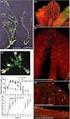 Overview B cell development Transcriptional cascades Amazing aspects of lineage plasticity Conventional (B2) B cell development What happens to an autoreactive B cell? B1 vs B2 cells Key anatomical sites
Stem Cell:The Promise and The Challenge
 Stem Cell:The Promise and The Challenge Chia-Cheng Cheng Chang, Ph.D. Department of Pediatrics and Human Development Michigan State University Stem cells are undifferentiated cells with the capacity for
Stem Cell Research: Adult or Somatic Stem Cells
 Chiang 1 Stem Cell Research: Adult or Somatic Stem Cells Abstract Kelly Chiang Cluster 7 Dr. LeFebvre 07/26/10 Over the past few decades, stem cells have been a controversial topic in the scientific field.
CHARACTERISTIC FEATURES OF STEM CELLS. CLONING TECHNOLOGIES
 CHARACTERISTIC FEATURES OF STEM CELLS. CLONING TECHNOLOGIES 1 Science is discovering the unknown Stem cell field is still in its infancy Human embryonic stem cell research is a decade old, adult stem cell
Vertebrate Development Chapter 60
 Vertebrate Development Chapter 60 Copyright McGraw-Hill Companies Permission required for reproduction or display Raven - Johnson - Biology: 6th Ed. - All Rights Reserved - McGraw Hill Companies Stages
Runx1 Expression Marks Long-Term Repopulating Hematopoietic Stem Cells in the Midgestation Mouse Embryo
 Immunity, Vol. 16, 661 672, May, 2002, Copyright 2002 by Cell Press Runx1 Expression Marks Long-Term Repopulating Hematopoietic Stem Cells in the Midgestation Mouse Embryo Trista E. North, 1 Marella F.T.R.
Stem Cells: The Real Culprits in Cancer?
 June 26, 2006 Stem Cells: The Real Culprits in Cancer? A dark side of stem cells--their potential to turn malignant--is at the root of a handful of cancers and may be the cause of many more. Eliminating
guides BIOLOGY OF AGING STEM CELLS An introduction to aging science brought to you by the American Federation for Aging Research
 infoaging guides BIOLOGY OF AGING STEM CELLS An introduction to aging science brought to you by the American Federation for Aging Research WHAT ARE STEM CELLS? Stem cells are cells that, in cell cultures
Limb Development. Limb Development. Limb Axes. Limb Development. Clinical Terms
 Limb Development Overview of Limb Formation Initiation of Limb Development Limb Field Outgrowth of the Mesoderm Morphogenetic Signaling Development of Limb Tissues Skeleton Musculature Innervation Vasculature
Embryology. From Conception through Birth. From Conception through Death
 Embryology From Conception through Birth From Conception through Death - Immune system 18 months after birth - Lungs 3-8 years after birth - Nervous 12 years after birth - Reproductive Puberty - Skeletal
Unit 1 Higher Human Biology Summary Notes
 Unit 1 Higher Human Biology Summary Notes a. Cells tissues organs body systems Division of labour occurs in multicellular organisms (rather than each cell carrying out every function) Most cells become
STEM CELL FACTS. The ISSCR is an independent, nonproft organization providing a global forum for stem cell research and regenerative medicine.
 STEM CELL FACTS The ISSCR is an independent, nonproft organization providing a global forum for stem cell research and regenerative medicine. WHAT ARE STEM CELLS? Stem cells are the foundation cells for
Stem Cell Quick Guide: Stem Cell Basics
 Stem Cell Quick Guide: Stem Cell Basics What is a Stem Cell? Stem cells are the starting point from which the rest of the body grows. The adult human body is made up of hundreds of millions of different
An Introduction to Stem Cell Biology. Michael L. Shelanski, MD,PhD Professor of Pathology and Cell Biology Columbia University
 An Introduction to Stem Cell Biology Michael L. Shelanski, MD,PhD Professor of Pathology and Cell Biology Columbia University Figures adapted from ISSCR. Presentations of Drs. Martin Pera (Monash University),
The Therapeutic Potential of Human Umbilical Cord Blood Transplantation for Neonatal Hypoxic-Ischemic Brain Injury and Ischemic Stroke
 The Therapeutic Potential of Human Umbilical Cord Blood Transplantation for Neonatal Hypoxic-Ischemic Brain Injury and Ischemic Stroke a,b* b,c a a b b b b a b a b c 430 Wang et al. Acta Med. Okayama Vol.
3D Cell Culture mimsys G
 3D Cell Culture mimsys G xeno-free & nutrient permeable hydrogel for 3D cell culture mimsys G is a xeno-free and non-immunogenic, easy to handle hydrogel for cell encapsulation in 3D experiments in vitro
Biotechnology. Srivatsan Kidambi, Ph.D.
 Stem Stem Cell Cell Engineering-What, Biology and it Application Why, How?? to Biotechnology Srivatsan Kidambi, Ph.D. Assistant Professor Department of Chemical & Biomolecular Engineering University of
Current Issues in Stem Cell Technologies. Lance D. Trainor, MD OneBlood, Inc.
 Current Issues in Stem Cell Technologies Lance D. Trainor, MD OneBlood, Inc. Objective: The big picture of stem cell therapy Outline: Relevant definitions History of Stem Cell Therapy Hematopoietic Stem
Introducing stem cells
 Introducing stem cells 1 Dear speaker This presentation is intended as a flexible tool for scientists, science communicators and educators. Not all the slides will be useful for any one occasion. Choose
specific B cells Humoral immunity lymphocytes antibodies B cells bone marrow Cell-mediated immunity: T cells antibodies proteins
 Adaptive Immunity Chapter 17: Adaptive (specific) Immunity Bio 139 Dr. Amy Rogers Host defenses that are specific to a particular infectious agent Can be innate or genetic for humans as a group: most microbes
Proliferation/Potency Assays: Is there more to CD34 and CFU?
 Proliferation/Potency Assays: Is there more to CD34 and CFU? CBMTG 2012 Laboratory Committee Meeting April 11, 2012 Toronto, ON, Canada Leah Marquez-Curtis CBS-Edmonton OUTLINE I. Rationale and Definitions
Stem Cells: Scientific Progress and Future Research Directions
 2001 Terese Winslow Stem Cells: Scientific Progress and Future Research Directions STEM CELLS: SCIENTIFIC PROGRESS AND FUTURE RESEARCH DIRECTIONS June 2001 This page intentionally left blank TABLE OF CONTENTS
Development of pharyngeal pouches endoderm-derived glands Thymus: from organogenesis to involution
 Development of pharyngeal pouches endoderm-derived glands Thymus: from organogenesis to involution Unidade de Organogénese (IHBD-FMUL/IMM) Rita Zilhão ENCONTRO FCUL, 4 February, 2013 Faculdade de Medicina
Neurotrophic factors and Their receptors
 Neurotrophic factors and Their receptors Huang Shu-Hong Institute of neurobiology 1 For decades, scientists believed that brain cells of the central nervous system could not regrow following damage due
Chapter 16 Reproductive Technology, Gene Therapy, and Stem Cells (modified)
 Chapter 16 Reproductive Technology, Gene Therapy, and Stem Cells (modified) Assisted Reproductive Technologies (ART) Artificial insemination (AI) In vitro fertilization (IVF) Gamete intrafallopian transfer
Should Stem Cells Be Used To Treat Human Diseases?
 SAMPLE ESSAY C Should Stem Cells Be Used To Treat Human Diseases? Stem cells can be defined as undifferentiated cells that are generated during the development of the embryo. There are two functions ascribed
Head of College Scholars List Scheme. Summer Studentship. Report Form
 Head of College Scholars List Scheme Summer Studentship Report Form This report should be completed by the student with his/her project supervisor. It should summarise the work undertaken during the project
5 Frequently Asked Questions About Adult Stem Cell Research
 5 Frequently Asked Questions About Adult Stem Cell Research Stem cells are often referred to in the sociopolitical realm with some level of controversy and beyond that, some level of confusion. Many researchers
Adult Stem Cell Plasticity Defined
 Article cytology Adult Stem Cell Plasticity Defined Jonathan C. Howell,* Mervin C. Yoder Objectives After completing this article, readers should be able to: 1. Define stem cell characteristics and the
Stem Cell Information
 Stem Cell Information The official National Institutes of Health resource for stem cell research Stem Cell Basics Stem cells have the remarkable potential to develop into many different cell types in the
LEUKEMIA LYMPHOMA MYELOMA Advances in Clinical Trials
 LEUKEMIA LYMPHOMA MYELOMA Advances in Clinical Trials OUR FOCUS ABOUT emerging treatments Presentation for: Judith E. Karp, MD Advancements for Acute Myelogenous Leukemia Supported by an unrestricted educational
2. BONE MARROW (HEMATOPOIETIC) STEM CELLS
 2. BONE MARROW (HEMATOPOIETIC) STEM CELLS by Jos Domen*, Amy Wagers** and Irving L. Weissman*** CONTENTS INTRODUCTION.......................................................................................
B Cell Generation, Activation & Differentiation. B cell maturation
 B Cell Generation, Activation & Differentiation Naïve B cells- have not encountered Ag. Have IgM and IgD on cell surface : have same binding VDJ regions but different constant region leaves bone marrow
Processing & Utilization of Cord Blood for Transplant
 Processing & Utilization of Cord Blood for Transplant 2010-Jan Jan-15 Nicole L. Prokopishyn, PhD HPC Processing Laboratory Director Calgary Laboratory Services Overview Cord Blood Processing Pre-Freeze
An Introduction to Stem Cells
 By Kirstin Matthews, Ph.D. An Introduction to Stem Cells Overview Stem cells are cells that have the potential to replicate themselves for indefinite periods and to divide, producing one of themselves
The immune system. Bone marrow. Thymus. Spleen. Bone marrow. NK cell. B-cell. T-cell. Basophil Neutrophil. Eosinophil. Myeloid progenitor
 The immune system Basophil Neutrophil Bone marrow Eosinophil Myeloid progenitor Dendritic cell Pluripotent Stem cell Lymphoid progenitor Platelets Bone marrow Thymus NK cell T-cell B-cell Spleen Cancer
Influence of the skin mechanical and microbial properties on hair growth
 Call for Interdisciplinary Projects Sevres 2014 A General Information Project title Influence of the skin mechanical and microbial properties on hair growth Acronym TADDEI: The Ambiguous Dupond and Dupont
tem ells /background /information Stem cell research Copyright 2007 MRC Centre for Regenerative Medicine, Institute for Stem Cell Research
 tem ells /background /information Stem cell research Copyright 2007 MRC Centre for Regenerative Medicine, Institute for Stem Cell Research /02 /information Table of contents Page 01. What are stem cells?
Introduction. About 10,500 new cases of acute myelogenous leukemia are diagnosed each
 Introduction 1.1 Introduction: About 10,500 new cases of acute myelogenous leukemia are diagnosed each year in the United States (Hope et al., 2003). Acute myelogenous leukemia has several names, including
Lymph capillaries, Lymphatic collecting vessels, Valves, Lymph Duct, Lymph node, Vein
 WLHS/A&P/Oppelt Name Lymphatic System Practice 1. Figure 12-1 provides an overview of the lymphatic vessels. First color code the following structures. Color code in Figure 12-1 Heart Veins Lymphatic vessels/lymph
MULTIPLE MYELOMA. Dr Malkit S Riyat. MBChB, FRCPath(UK) Consultant Haematologist
 MULTIPLE MYELOMA Dr Malkit S Riyat MBChB, FRCPath(UK) Consultant Haematologist Multiple myeloma is an incurable malignancy that arises from postgerminal centre, somatically hypermutated B cells.
Chapter 47: Animal Development
 Name Period Overview 1. An organism s development is controlled by the genome of the zygote as well as by molecules from the mother that are in the cytoplasm of the egg. What are these proteins and RNAs
Saving your baby s s cord blood: Is this good insurance?
 Saving your baby s s cord blood: Is this good insurance? 32 th SEMINAR ON PERINATAL MEDICINE CONTROVERSIES IN PERINATAL MEDICINE: EVIDENCE FOR CURRENT PRACTICE Sante Fe, New Mexico Mervin C. Yoder, MD
Corporate Medical Policy
 Corporate Medical Policy Hematopoietic Stem-Cell Transplantation for CLL and SLL File Name: Origination: Last CAP Review: Next CAP Review: Last Review: hematopoietic_stem-cell_transplantation_for_cll_and_sll
Haematopoietic Chimerism Analysis after Allogeneic Stem Cell Transplantation
 Haematopoietic Chimerism Analysis after Allogeneic Stem Cell Transplantation Dr Ros Ganderton, Ms Kate Parratt, Dr Debbie Richardson, Dr Kim Orchard and Dr Liz Hodges Departments of Molecular Pathology
Improved Ex Vivo Expansion of Functional CD34 + Cells Using Stemline II Hematopoietic Stem Cell Expansion Medium
 Improved Ex Vivo Expansion of Functional CD34 + Cells Using Stemline II Hematopoietic Stem Cell Expansion Medium Daniel W. Allison, 1 Stacy L. Leugers, 1 Barry J. Pronold, 2 Gary Van Zant, 2 Jenny A. Harrington,
Prostaglandin E2 Enhances Human Cord Blood Stem. Cell Xenotransplants and Shows Long-Term Safety. in Preclinical Nonhuman Primate Transplant Models
 Cell Stem Cell, Volume 8 Supplemental Information Prostaglandin E2 Enhances Human Cord Blood Stem Cell Xenotransplants and Shows Long-Term Safety in Preclinical Nonhuman Primate Transplant Models Wolfram
CORD BLOOD BANKING FAQ
 CORD BLOOD BANKING FAQ Cord Blood & Stem Cells Q: What is umbilical cord blood (UCB)? A: Bone marrow, peripheral blood and UCB constitute the three primary sources of stem cells. Cord blood, which, until
Stem cells for brain cures
 13-14/11/2006, Istituto Superiore di Sanità Rome, Italy Frontiers in Imaging Science: High Performance Nuclear Medicine Imagers for Vascular Disease Imaging (Brain and Heart) Stem cells for brain cures
Stem Cells. Part 1: What is a Stem Cell?
 Stem Cells Part 1: What is a Stem Cell? Stem cells differ from other kinds of cells in the body. When a stem cell divides by mitosis, each new cell has the potential to either remain a stem cell or become
Stem Cell Basics. About this document. I. Introduction: What are stem cells, and why are they important?
 Stem Cell Basics Last modified on April 08, 2015 About this document This primer on stem cells is intended for anyone who wishes to learn more about the biological properties of stem cells, the important
Cancer SBL101. James Gomes School of Biological Sciences Indian Institute of Technology Delhi
 Cancer SBL101 James Gomes School of Biological Sciences Indian Institute of Technology Delhi All Figures in this Lecture are taken from 1. Molecular biology of the cell / Bruce Alberts et al., 5th ed.
Recognition of T cell epitopes (Abbas Chapter 6)
 Recognition of T cell epitopes (Abbas Chapter 6) Functions of different APCs (Abbas Chapter 6)!!! Directon Routes of antigen entry (Abbas Chapter 6) Flow of Information Barrier APCs LNs Sequence of Events
Human Cloning The Science and Ethics of Nuclear Transplantation
 Human Cloning The Science and Ethics of Transplantation Rudolf Jaenisch, M.D. In addition to the moral argument against the use of somatic-cell nuclear for the creation of a child ( reproductive cloning
San Diego Stem Cell Treatment Center Frequently Asked Questions
 San Diego Stem Cell Treatment Center Frequently Asked Questions What is a Stem Cell? A stem cell is basically any cell that can replicate and differentiate. This means the cell can not only multiply, but
Chapter 7. Physical interaction between Jamb and Jamc is necessary for myoblast fusion. Summary
 Chapter 7 Physical interaction between Jamb and Jamc is necessary for myoblast fusion Summary In this chapter I describe a series of transplant experiments designed to further elucidate the function and
Embryonic & and induced pluripotent Stem Cells. May 2010 Dipl. Biol. Dr. Kurt Pfannkuche
 Embryonic & and induced pluripotent Stem Cells May 2010 Dipl. Biol. Dr. Kurt Pfannkuche Seite 2 What makes a stem cell? open chromatin structure plasticity! Seite 3 self-renewal Plasticity Seite 4 Culture
Osseous Tissue & Structure. The skeletal system includes: Storage of minerals: calcium salts
 Chapter 15 Lecture The Skeletal System: Osseous Tissue & Skeletal Structure The Skeletal System The skeletal system includes: Bones, cartilages, ligaments Bone tissue = osseous tissue Includes living cells
Activation and effector functions of HMI
 Activation and effector functions of HMI Hathairat Thananchai, DPhil Department of Microbiology Faculty of Medicine Chiang Mai University 25 August 2015 ว ตถ ประสงค หล งจากช วโมงบรรยายน แล วน กศ กษาสามารถ
Stem Cell Therapy In Diabetes Mellitus. Professor Megahid Abuelmagd Diabetes And Endocrine Unit. Mansoura Faculty Of Medicine
 Stem Cell Therapy In Diabetes Mellitus Professor Megahid Abuelmagd Diabetes And Endocrine Unit. Mansoura Faculty Of Medicine For many years, there has been great interest in approaches to the replacement
Ex vivo Expansion of Hematopoietic Stem Cells
 Ex vivo Expansion of Hematopoietic Stem Cells Elnaz Farahbakhshian ISBN: 978-94-6203-334-4 Elnaz Farahbakhshian The research presented in this thesis was performed at the Department of Hematology within
Do you have anything to add? If so, I d love to hear from you! Jessica Robinson Conference Manager Life Sciences @jessbiopharma
 1 Who is the most influential figure in cord blood around the world? What is the biggest challenge to overcome in the use of cord blood as a source of stem cells? We asked 10 leading experts in the cord
Human stem cell research: a novel technology that will benefit patients Information and Position Paper
 October 2003 Human stem cell research: a novel technology that will benefit patients Information and Position Paper EuropaBio, the European Association for Bio-industries, has 35 corporate members operating
Microbiology AN INTRODUCTION EIGHTH EDITION
 TORTORA FUNKE CASE Microbiology AN INTRODUCTION EIGHTH EDITION Differentiate between innate and acquired immunity. Chapter 17 Specific Defenses of the Host: The Immune Response B.E Pruitt & Jane J. Stein
T Cell Maturation,Activation and Differentiation
 T Cell Maturation,Activation and Differentiation Positive Selection- In thymus, permits survival of only those T cells whose TCRs recognize self- MHC molecules (self-mhc restriction) Negative Selection-
Understanding Blood Stem Cell Transplantation
 Developed by: Donna Kerrigan, M.S. Kathryn Hollen Jeanne Kelly Brian Hollen Discusses how bone marrow produces bloodforming stem cells that include starter immune cells. When diseases like cancer or its
Subtypes of AML follow branches of myeloid development, making the FAB classificaoon relaovely simple to understand.
 1 2 3 4 The FAB assigns a cut off of 30% blasts to define AML and relies predominantly on morphology and cytochemical stains (MPO, Sudan Black, and NSE which will be discussed later). Subtypes of AML follow
Support Program for Improving Graduate School Education Advanced Education Program for Integrated Clinical, Basic and Social Medicine
 Support Program for Improving Graduate School Education Advanced Education Program for Integrated Clinical, Basic and Social Medicine January 27, 2009 Dear Professors (representative) of departments, Subject:
HyStem. Hydrogels CELLULAR MATRICES FOR TRANSLATIONAL RESEARCH. esibio.com
 HyStem Hydrogels CELLULAR MATRICES FOR TRANSLATIONAL RESEARCH HyStem Hydrogel Extracellular Matrices Chemically-defined For use in 2D and 3D formats in vitro and in vivo applications Customizable for many
Xiubo Fan 1,FlorencePHGay 2,FrancescaWILim 3,JustinaMLAng 2,PatPYChu 3,SudiptoBari 3 and William YK Hwang 2,3*
 Fan et al. Stem Cell Research & Therapy 2014, 5:71 RESEARCH Open Access Low-dose insulin-like growth factor binding proteins 1 and 2 and angiopoietin-like protein 3 coordinately stimulate ex vivo expansion
The Types of stem cells: Totipotent Pluripotent Multipotent
 Stem Cells is the main material for building and regeneration of the body Stem cells are not differentiated and can transform to any cell of organism Stem cells are capable of indefinite renewal through
RITMIR024 - STEM CELL RESEARCH IN CARDIOLOGY
 1. SCOPE AND METHODOLOGY 2. REPORT SYNOPSIS 2.1 General Definitions Myoblasts Pluripotent Cells Multipotent Cells Progenitor Cells Role of Stem Cells in Repairing the Heart Stem Cell Therapy Stem Cells
Support structure for genetic material
 Support structure for genetic material 1 Making proteins in the RER Making copies of humans 2 Making copies of cells Making copies of genetic material 3 Making copies of genetic material Making copies
Cord Blood Re-imagined The use of cord blood stem cells for clinical applications and medical innovations
 GE Healthcare Proceedings of the Symposium Cord Blood Re-imagined The use of cord blood stem cells for clinical applications and medical innovations 12 th Annual Meeting of the International Society for
Special report. Chronic Lymphocytic Leukemia (CLL) Genomic Biology 3020 April 20, 2006
 Special report Chronic Lymphocytic Leukemia (CLL) Genomic Biology 3020 April 20, 2006 Gene And Protein The gene that causes the mutation is CCND1 and the protein NP_444284 The mutation deals with the cell
Chapter 5: Organization and Expression of Immunoglobulin Genes
 Chapter 5: Organization and Expression of Immunoglobulin Genes I. Genetic Model Compatible with Ig Structure A. Two models for Ab structure diversity 1. Germ-line theory: maintained that the genome contributed
your complete stem cell bank
 your complete stem cell bank HYDERABAD - 88985 000 888, WARANGAL - 8297 256 777 VISAKHAPATNAM - 7799 990 774 VIJAYAWADA AND GUNTUR - 7799 990 771 NELLORE - 7799 990 772, KADAPA - 8297 256 700 RAJAHMUNDRY
Plant Growth & Development. Growth Stages. Differences in the Developmental Mechanisms of Plants and Animals. Development
 Plant Growth & Development Plant body is unable to move. To survive and grow, plants must be able to alter its growth, development and physiology. Plants are able to produce complex, yet variable forms
STEM CELLS FROM THE UMBLICAL CORD BLOOD AND UMBLICAL CORD TISSUE
 STEM CELLS FROM THE UMBLICAL CORD BLOOD AND UMBLICAL CORD TISSUE What are Stem Cells? Stem cells are the basic building blocks of all the cells, tissues and organs in the human body. The role of the stem
Stem cells and haemopoiesis
 CHAPTER 1 Stem cells and haemopoiesis 1 Myrtle Gordon Introduction, 1 Sites of haemopoiesis, 2 The stromal microenvironment, 2 Stem cell trafficking, 3 Organization of haemopoiesis, 3 Stem cells, 3 Progenitor
Hematopoietic Stem Cell Biology
 Hematopoietic Stem Cell Biology Stem Cell Biology and Regenerative Medicine Series Editor Kursad Turksen, Ph.D. [email protected] For other titles published in this series, go to http://www.springer.com/series/7896
Leukemia Research Foundation 2004-2005 Scientific Research Grant Recipients
 Page 1 of 5 NEW INVESTIGATOR AWARDS Ioannis Aifantis, Ph.D. The University of Chicago, Chicago, IL $75,000.00 Cooperation of Notch and pre-tcr Signaling in the Induction of T Cell Leukemia The pre-t Cell
KEY CHAPTER 14: BLOOD OBJECTIVES. 1. Describe blood according to its tissue type and major functions.
 KEY CHAPTER 14: BLOOD OBJECTIVES 1. Describe blood according to its tissue type and major functions. TISSUE TYPE? MAJOR FUNCTIONS connective Transport Maintenance of body temperature 2. Define the term