
Urinary Incontinence and Overactive Bladder. A Review
|
|
|
- Natalie Williams
- 10 years ago
- Views:
Transcription
1 REVISÃO ISSN ArquiMed, 2009 A Review Sofia Correia*, Paulo Dinis, Nuno Lunet* *Serviço de Higiene e Epidemiologia, Faculdade de Medicina da Universidade do Porto; Instituto de Saúde Pública da Universidade do Porto; Departamento de Urologia, Hospital de São João, Porto; Departamento de Urologia, Faculdade de Medicina da Universidade do Porto Overactive bladder (OAB) and urinary incontinence (UI) are common symptoms in the adult population. In 2002, the International Continence Society provided new definitions for lower urinary tract dysfunction but the prevalence, incidence and remission estimates of OAB and UI (and its different types) vary considerably across studies. Methodological aspects, such as the sample selection and the mode of data collection, should be taken into account when comparing results. While some risk factors are well established, others, mostly evaluated in cross-sectional studies, have not been consistently associated with the occurrence of the symptoms and some caution is necessary when attempting to define causal relations. More longitudinal data are needed to confirm findings from previous studies. Urinary tract dysfunctions are highly prevalent conditions among men and women and they present an important economic burden to society. Despite an important negative impact in the quality of life, urinary symptoms are often under-diagnosed and under-treated. Key-words: urinary incontinence; overactive bladder; epidemiology. ARQUIVOS DE MEDICINA, 23(1):13-21 Urinary incontinence and overactive bladder are common conditions in the adult population, with impact on physical, psychological and social well-being, and represent an important burden to the economy of health services. The assessment of the frequency of urinary incontinence and overactive bladder symptoms in specific settings and the extent to which they are diagnosed and treated are important issues to define priorities and sustain public health strategies oriented to the reduction of the human and economic burden of urinary dysfunctions. 1. DEFINITION OF URINARY INCONTINENCE AND OVERACTIVE BLADDER In 2002, the International Continence Society (ICS) provided new definitions for lower urinary tract dysfunction to be compatible with the WHO ICIDH-2 (International Classification of Functioning, Disability and Health) and the ICD10 (International Classification of Diseases) (1). Urinary incontinence (UI) was defined as the complaint of any involuntary leakage of urine, removing from the original definition its classification as a social and hygienic problem, which could lead to different estimates due to its subjective aspect. The definition of stress urinary incontinence was also revised to the complaint of involuntary leakage on effort or exertion, or on sneezing or coughing. Urge urinary incontinence is classified as the complaint of involuntary leakage accompanied by or immediately proceeded by urgency and mixed urinary incontinence as the complaint of involuntary leakage associated with urgency and also with exertion, or on sneezing or coughing. Overactive bladder (OAB) was equated with the urge syndrome and the urgency-frequency syndrome and defined differently than before. It is classified as urgency, with or without urge incontinence, usually with frequency and nocturia, in the absence of infection or other proven aetiology. Increased daytime frequency of voiding is the complaint by the patient who considers that he/she voids too often by day ; nocturia the complaint that the individual has to wake at night one or more times to void and urgency is the complaint of a sudden compelling desire to pass urine which is difficult to defer (1). Although individuals with urge and mixed urinary incontinence may be classified as having overactive bladder ( wet OAB ), a great proportion of the subjects experiences urgency and frequency without incontinence episodes ( dry OAB ) (2). 2. FREQUENCY AND RISK FACTORS Urinary incontinence and overactive bladder are common symptoms among the adult population worldwide, affecting approximately 200 million people (3). Nevertheless, and although several studies were conducted to assess the prevalence of urinary symptoms, the estimates differ considerably across studies and settings (4-13). 13

2 ARQUIVOS DE MEDICINA Vol. 23, Nº 1 Differences in the populations evaluated (e.g.: general population, pregnant women, elderly), survey methodology (e.g.: telephone, mail or personal interviews), and classification of the outcome (e.g.: any urine leakage in the previous month, any urine leakage in the last year ) contribute to the difficulties in summarizing the available evidence on this topic (11). Urinary incontinence has a different pathophysiology in women and men, which is reflected in the gender differences in the prevalence of its different types, age distribution and risk factors. Each of these conditions is described below, in terms of its frequency and risk factors, separately for women and men Overactive bladder At the end of the last century no large population-based studies had been conducted to assess the frequency of overactive bladder symptoms (14). Epidemiologic evidence was predominantly focused on urge incontinence and did not consider common symptoms as frequency and urgency (4,8,14). The NOBLE (National Overactive Bladder Evaluation) study, conducted in adult population aged 18 years in the United States, reported that 16.9% of women and 16.0% of men had overactive bladder symptoms 6. In Europe, the EPIC study (Sweden, Italy, Canada, Germany and United Kingdom) was the first large investigation assessing the lower urinary tract symptoms based on the new ICS definition, in a population aged above 17 years. The prevalence of overactive bladder was 13% in women and 11% in men (9). While the overall prevalence is similar in both sexes, there are gender differences in the age-specific estimates and regarding the predominant symptoms. It has been reported that women present higher prevalence before their sixties, whereas the prevalence after this age is lower than in men 6, 9, 14, 15. Overactive bladder with incontinence is the most prevalent type in women while overactive bladder without incontinence predominates among men Urinary incontinence Women Overall prevalence In the general population, estimates based on definitions with great period frames for the report of urinary incontinence episodes (e.g.: ever, in the past 12 months ) range from 5% in women aged 15 years or more to 69% in those over 18 years, with most studies providing estimates between 25% and 45% (11). In a systematic review published in 2003, the median prevalence of urinary incontinence among women was 27.6% (range: %) (7). A study in women over 17 years in four European countries, which defined urinary incontinence as any leakage or involuntary loss of urine during the preceding 30 days, presented prevalence estimates varying 14 from 23% in Spain to 44% in France 10. The most recent cross-national study on urinary dysfunction (EPIC study: Canada, Germany, Italy, Sweden and United Kingdom) reported that the proportion of incontinent adult women ( 18 years) was 18%, and only in Sweden the prevalence was above 20% (9). Two distinct patterns have been described by different authors for the age distribution of urinary incontinence, regardless of its type: 1) an increasing trend with age and the highest prevalence among older women; 2) highest prevalence in the middle aged women (around menopause), with a slight decrease up to the seventies and rising again in older ages (13,16). The review referred above shows the latter pattern when analysing prevalence estimates for any or occasional (ever or in the past 12 months) urinary incontinence, whereas a steady increase up to the eighties when considering significant or regular (moderate and severe incontinence on severity index) incontinence (7). Incontinence type Several studies do not distinguish the incontinence types and therefore the knowledge on this topic is limited (17). Even so, the literature providing information regarding specific types of urinary incontinence in women is consensual and refers stress incontinence as the most prevalent, followed by mixed and urge types (7,11,17-19). Minassian et al. (7) reported a mean prevalence of 50%, 32% and 14%, respectively. However, this distribution is observed among young and middle-aged women. After their forties, stress incontinence tends to decrease and the mixed and urge types to increase (7,14,16). The interpretation of the findings referring to different types of urinary incontinence should be cautious, considering that the ICS definitions are symptom-oriented. To determine the physiopathology of the reported symptoms (sphincteric insufficiency for stress type and detrusor overactivity for urge type) a clinical and/or urodynamic assessment would be necessary. Sandvik et al. (20) assessed the validity of the questions used in surveys in comparison with gynaecologist s diagnosis after urodynamic evaluation. The proportion of stress incontinence increased (from 51% to 77%) and the mixed type decreased (from 39% to 11%), while the proportion of the urge type remained similar (10% vs. 12%). Therefore, the most frequent error when using a symptom-based questionnaire is expected to be a misclassification of stress urinary incontinence as being of the mixed form. Severity of urinary incontinence Severity may be measured as the frequency of urine leakage or, more accurately, using a severity index. The Sandvik s Severity index (validated using a 48-hour pad weighing test) combines information about frequency (four levels: less than once a month; a few times a month; a few times a week; every day and/or night) and the amount of leakage (three levels: drops; small splashes; more than

3 small splashes). The index value obtained by the product of the frequency by the amount of leakage is categorized in four classes: mild, moderate, severe and very severe (if the amount is measured using the categories drops and more than drops, it is obtained a three level index: slight, moderate, severe) (21). In Norway, the EPICONT study showed that, in women over 19 years, the prevalence of urinary incontinence (regardless of the frequency of urine losses) was 25% while 7% reported severe or daily episodes (13). Severity is known to be related to increasing age and is associated with a decrease in quality of life 7. Some studies refer that severe cases seek for medical help more frequently (7,12,22,23). Minassian et al. (24) studied the variation in prevalence of urinary incontinence and risk factors given different definitions, showing that the magnitude of the association between known risk factors and severe urinary incontinence was stronger than observed for the mild forms of incontinence, suggesting that the latter may represent transient or non-pathologic states that might not be clinically relevant. Incidence and remission Data on the incidence and remission of urinary incontinence is scarce. In 2005, the epidemiology chapter of the International Continence Society report presented an average annual cumulative incidence ranging from 1% to 3% in women aged less than 60 years and from 5% up to 11% in older women (11). In a review published in 2008, considering studies published after 1980, reporting Australian data on prevalence and/or incidence in women, only two studies presented incidence estimates (25). Liu and Andrews (26) followed elderly participants for 2 years and the annual incidence for stress and urge type of urinary incontinence was, respectively, 16.5% and 22.6% when considering episodes occurring at least occasionally, and 1.6% and 2.1% when considering episodes occurring often. In the Study of Women s Health Across the Nation, American women aged years were followed during 5 years and the average 1-year cumulative incidence of at least monthly incontinent cases was 11% per year (27). In the United Kingdom, women were evaluated at home and, at the baseline, 34.2% were classified as incontinent (1-year period prevalence). Among these women, 25.2% were not incontinent in the follow-up (1- year remission period). The annual cumulative incidence was 8.8% (28). In Norway, 489 women aged years were evaluated during one year. no cases of spontaneous remission were reported and the cumulative incidence was 0.6%, corresponding only to 3 new cases. The low estimate may be explained by the fact that incidence estimates are vulnerable to stochastic variation when the number of new cases is small (29). Risk factors Several epidemiologic studies evaluated factors associated with the occurrence of urinary incontinence. While some determinants are well established, such as age, obesity, parity or hysterectomy, others, mostly evaluated in cross-sectional studies, have not been consistently associated with the occurrence of urinary incontinence and some caution is necessary when attempting to define causal relations (7,12). It is well recognized that urinary incontinence is correlated with age (7,11), following one of the two patterns described above (13,16). While some authors report that age is positively associated with urge and stress urinary incontinence, others did not confirm the latter association (11). Obesity has been established as a strong risk factor for stress and mixed incontinence and a weaker association was observed with urge incontinence and overactive bladder (12,30,31). A recent systematic review assessing the role of overweight and obesity on urinary incontinence reports strong evidence that, in addition to body mass index, waist-hip ratio and thus abdominal obesity may be an independent risk factor for incontinence in women (32). Pregnancy is also associated with the occurrence of urinary incontinence 16. Although in many women the urinary incontinence is self-limited to pregnancy, those developing incontinence during pregnancy have a higher predisposition to have the symptoms later in life (11,33,34). It is still questionable if pregnancy is an independent risk factor for urinary incontinence or if the symptoms are attributable to childbirth mechanisms. Parity is known to increase the risk of urinary incontinence, although the magnitude of this association diminishes with age 16. Some studies refer that after one delivery there is little or no additional risk, while others suggest an increasing risk with increasing parity (11). Minassian et al. (7) showed that most studies reported parity as a risk factor, although they did not report on the effect of peripartum parameters, including the mode of delivery, that could have an influence on the development of urinary incontinence. Delivery is recognised as a determinant of stress urinary incontinence in women (11). Rortveit et al. (35), in a study of Norwegian women under 65 years, reported that women with previous caesarean section were at increased risk of stress and mixed urinary incontinence, when compared with the nulliparous, and women with a vaginal delivery were at greater risk compared to those who undergone caesarean. A possible protective effect of caesarean was reviewed by Nygaard (36) who reported that the protection conferred by this mode of delivery compared to vaginal childbirth may be dissipated after further deliveries and decreases with age. It is also pointed out the inconsistency in literature regarding the risk of incontinence according to the moment of the caesarean: if before or on labour. The hormonal changes induced during peri- and 15

4 ARQUIVOS DE MEDICINA Vol. 23, Nº 1 post-menopausal periods may increase the susceptibility to urinary infections and can cause storage symptoms (urinary urgency and frequency). Some authors report that post-menopausal women are more likely to have severe incontinence while others did not find differences between premenopausal and postmenopausal groups or describe a lower prevalence of urinary incontinence in the latter, although only for stress type and not for urge incontinence (7,11,37). Oestrogen therapy is one of the treatment options for stress urinary incontinence (38), although a recent review did not find evidence of a benefit of oestrogen replacement therapy (39). One controlled multicentric study revealed that after 4 years of treatment with a combination of oestrogen and progesterone, and independent of the age of the women, the risk of urge and stress urinary incontinence (40) and the severity of the incontinence actually increased (41). Also regarding hysterectomy, the findings are inconsistent and its role remains controversial (11,42). Although most authors tend to support that hysterectomy increases the risk of urinary incontinence, others found no differences or a negative association between this procedure and incontinence (11,42-46). Diabetes has been reported to increase the risk of urinary incontinence (47) and the National Health and Nutrition Examination Survey found that two microvascular complications caused by diabetes, macroalbuminuria and peripheral neuropathic pain, were associated with incontinence (48). Functional (e.g.: mobility limitations, impaired vision) and cognitive (e.g.: dementia or lack of mental orientation) impairment was also shown to increase the risk of urinary incontinence (11,34). Constipation, smoking, family history and genitourinary prolapse have been studied as possible risk factors for urinary incontinence in women, but the findings are inconclusive (49) Men Prevalence, incidence and type The epidemiology of urinary incontinence in men has not been investigated to the same extent as for females. Before 2002, the overall prevalence ranged from 3% to 11% (12). The systematic review published by Minassian et al. (7), in 2003, showed that the median prevalence of urinary incontinence among men was 10.5%, ranging from 1 to 34.1%. After the ICS new definitions and recommendations in 2002, the number of population based studies increased, and most reported lower prevalence estimates in men compared to women (11). The UrEpik study evaluated almost 5000 men aged years in four countries [Netherlands (Boxmeer); France (Auxerre); United Kingdom (Birmingham) and Korea (Seoul)]. Self-reported urine leakage varied from 7.1% (Korea) to 14.8% (United Kingdom) (50). Diokno et al. (51) described, among American men aged 18 or more years, a 12.7% prevalence of an episode of urinary incontinence (any type) in the previous month. Urge incontinence was the most prevalent type (45% of 16 all cases) except among participants with years who reported a higher proportion of stress incontinence. In the EPIC study, the overall prevalence was 5.4% and, as in the previous American study, urge incontinence was the predominant type (overall prevalence: 1.2%; stress and mixed type: 0.6% each) (9). Up to now the literature is consensual describing a steady increase of the urge type incontinence with increasing age, which is the major contributor to the overall increase in the frequency of urinary incontinence with age in men. Mixed urinary incontinence also tends to increase with age, while stress incontinence decreases after the forties (9,11,51). Incidence data among men is even scarcer than for women. McGrother et al. (28) presented 39.6% as the 1-year remission proportion (baseline prevalence 14.2%) and, for the same time period, a cumulative incidence of 3.8%. In Australia, men aged 65 or more years were followed during 2 years. The incidence considering episodes occurring at least occasionally was 11.9% for stress incontinence and 17.4% for urge incontinence. For the often episodes it was, respectively, 2.2% and 3.4% (26). Risk factors Usually urinary incontinence in men is not an isolated problem and exists with other co-morbidities, such as urogenital symptoms or erectile dysfunction (11). Increasing age is associated with a higher proportion of incontinent cases (5,12,52) and other urinary symptoms, namely those related to overactive bladder (e.g.: urgency, nocturia) or urinary tract infections showed to be strongly associated with urinary incontinence in men (5,12). Prostatectomy, especially radical prostatectomy, is well established as a risk factor for urinary incontinence in men and the risk seems to increase with the increasing age at time of surgery (11,34). As for women, partial or total immobilization is described to be related with an increase of urinary incontinence, especially among the elderly. Also men having neurological disorders, such as Parkinson, and those who suffered a stroke are more likely to develop incontinence (11). 3. MANAGEMENT OF URINARY SYMPTOMS 3.1. Awareness and help-seeking behaviour Urinary incontinence and overactive bladder have an important negative impact in the quality of life (QoL), regarding physical, social, psychological, sexual well-being and daily activities (53). Even so, urinary symptoms are often under-diagnosed and under-treated (10,50,54,55.) Studies on care seeking behaviours are consensual on the reasons for not getting professional care. Generally, the fact that urinary incontinence is disregarded as a serious problem and seen as part of the normal ageing process, the low expectations of a possible effective treatment, and

5 the embarrassment or fear of exposing this situation to health professionals may lead to low consultation rates and a low proportion of diagnosed patients (7,12,23,56). The report of the symptoms to health professionals is associated with its increasing severity and/or its impact on quality of life (12,22,23,28,50,57). McGrother et al. (28) reported a similar proportion of men and women having a medical consultation due to abnormal urinary storage symptoms (12% and 13%, respectively). Independently of quality of life, men (aware of the context of prostate cancer) and older participants were more likely to seek for help (28). In the UrEpik study, among men with urine leakage, 25.6% of the European participants and only 9.0% of the men in Seoul consulted a doctor (50). Hunskaar et al. (10) reported that in incontinent women, the proportion of those having medical consultations varied form 16% in Spain to 36% among the German patients Treatment and costs The costs of urinary incontinence and overactive bladder are related to diagnosis, treatment, use of pads, routine care, co-morbidities or loss of productivity (58), but most of the economic burden is underestimated considering the low proportion of incontinent subjects having medical consultations for that reason (59). In 2000, the total cost of overactive bladder to health care systems (drug use, medical visits, co-morbidities, pads use) in five countries (Germany, Italy, Spain, Sweden and United Kingdom) was estimated to be 4.2 billion Euros and it was expected to increase to 5.2 billion in 2020 (59). PURE (Prospective urinary incontinence research), a non-interventional study of women seeking treatment for urinary incontinence in an outpatient setting, showed a mean total urinary incontinence annual costs ranging from 359 in the UK/Ireland patients to 655 in Spain, and personal costs vary according the country health care system, namely on reimbursement policies (60). The management and costs of urinary symptoms vary among incontinent patients. Half of European women reporting urine leakage referred the use of pads, 5% were taking drugs and 5% had surgery for urinary incontinence problems (10). In the United States, from 13% of men with urine leakage episodes, 47% consulted a physician and 30% of those were taking prescription medicines, 18% underwent some kind of surgery and 4% were using a catheter (51). So, it is not surprising that most economic expenditure may be attributable to the use of pads, surgical procedures, and pharmacological treatments. Conservative treatments (e.g.: pelvic floor exercises, bladder training, etc.) are usually attributed a lower economic burden (60). Treatment options for patients suffering of urinary incontinence differ according the physiopathology of incontinence. While urge incontinence responds to pelvic floor muscle treatment and anticholinergic medication, for stress incontinence the pharmacologic approach may not have the same impact (54). It is suggested that pelvic muscle training should be included in first-line conservative management programs for both urge and stress incontinence. Individuals with urge incontinence or overactive bladder should also adopt other behavioural changes, such as fluid management or scheduled voiding intervals (49,61). The guidelines on urinary incontinence from the European Association of Urology recommend lifestyle interventions and pelvic floor muscle training or bladder retraining as the initial management of urinary incontinence for men and women (62). The pharmacological approach is common in overactive bladder / urge incontinence and the efficacy of anticholinergic drugs, which suppress bladder contractions, is well established 63. The most frequently used drugs are oxybutynin, trospium and propiverine (63-66) although some authors refer their adverse effects (e.g.: dry mouth, constipation) as possible reasons for discontinuation (49). Of late more recently developed molecules such as solifenacin and darifenacin, which specifically block the M3 muscarinic receptors, are also available. These new drugs might have some advantage in achieving clinical results with fewer side effects. However patients response to treatment varies individually and some can respond well to one anti muscarinic and not to another despite molecular composition (67). Cystoscopic injection of botulinum toxin in the detrusor muscle has been studied and is a promising alternative for urge incontinence refractory to other pharmachological treatments (68,69). The absence of effective and well tolerated pharmacological treatments for stress urinary incontinence limits the choices (70). The pharmacotherapy approach before surgical procedures includes alfa-adrenergic drugs, tricyclic antidepressants such as imipramine, and oestrogen (70), although the evidence for the latter is not consensual (40,41). Duloxetine, a serotonin and noradrenaline reuptake inhibitor, is in phase III controlled trials and it is suggested that can significantly improve the quality of life of women with stress urinary incontinence (71). Surgery is used especially for stress urinary incontinence and it is rarely indicated for urge incontinence (49). Even so, it seems that electrical stimulation and sacral neuromodulation improve urge urinary incontinence and are recommended (34,62). The most frequent surgical procedures for stress incontinence are sling procedures and colposuspension in women or artificial sphincter in men (49,62). Meanwhile, surgeries for stress incontinence, as vaginal tapes or sling procedures have been associated with a growing number of individuals with suboptimal results and there are few studies providing non-surgical treatment options for women with failed surgeries (72). However re-do surgery seems to meet with some measure of success (73). 17

6 ARQUIVOS DE MEDICINA Vol. 23, Nº 1 4. METHODOLOGICAL ISSUES The wide regional variation in the frequency of urinary symptoms reflects the methodological heterogeneity across studies, as well as cultural differences. In addition to subject-specific issues, such as the selected sex and age groups, the methods used to select and evaluate the participants are important issues in population-based surveys (74). The assessment of urinary dysfunctions using questionnaires instead of clinical or urogynaecologic evaluations may contribute to an overestimatimation of mixed urinary incontinence and underestimation of the frequency of the stress type, as referred by Sandvik et al. (20). Kirschner-hermanns et al. (75) showed a poor correlation between the assessment of urinary incontinence using questionnaires and video urodynamic testing in adults aged 65 or more years. Although urodynamics may be more precise, it is an invasive method of evaluating urinary dysfunction and in a clinical basis, individuals who respond satisfactorily to conservative care have no need for urodynamic studies (76). Additionally, in epidemiological research, it would be too expensive to carry out studies of thousands of participants across wide geographical areas not using questionnaires as the assessment tool for urinary symptoms. Therefore, the International Consultation on Incontinence Questionnaire (ICIQ) develops valid instruments universally applicable both in clinical practice and research (77). The European Association of Urology recommends the ICIQ-SF, a questionnaire on symptom scores and quality of life (62). The methods of questionnaire administration may also influence data quality, namely regarding sensitive questions as may be urinary topics. When analysing the accuracy of survey reports about sensitive questions (e.g. illicit drug use, sexual behaviour or abortion), Tourangeau and Yan (78) showed that most studies comparing modes of data collection on these topics presented higher prevalence estimates on self-administered questionnaires than when questions were administered by an interviewer. Rhodes et al. (79) compared the effect of modes of administration (selfadministered questionnaires, oral face-to-face in-clinic interview, and telephone interview) on responses to the American Urological Association Symptom Index among men. The report of urinary symptoms was generally higher in self-completed questionnaires when compared with clinical evaluations (face-to-face) and also higher than in telephone interviews, partly because of the possible embarrassment when reporting to an interviewer. Nevertheless self-administered questionnaires may result in suboptimal completeness and accuracy of data (e.g. comprehension difficulties among less educated participants, more neutral responses, as the I don t know options) which may reduce its validity (80). Telephone surveys are an attractive option to collect health related data and may be a good cost-effective strategy, providing accurate estimates on urinary symptoms (or, at least, underestimate the true prevalence, as referred above) as regarding several other health issues (6,9,14,81,82). Allowing the coverage of large populations over wide geographical areas with a reasonable efficiency, these surveys are widely used and the selection of participants is frequently done using random-digit dialling or list-assisted frames schemes (83). The sampling strategy is also an issue of main importance in the survey design considering the increasing trends in non-coverage and non-response rates and what may be the effect of these problems on the validity of the estimates produced (84). CONCLUSIONS Urinary tract dysfunctions are highly prevalent conditions among men and women and with a wide geographic distribution. They present an important economic burden to society. Several risk factors are described, especially for women, but more longitudinal data are needed to confirm findings from previous studies and also to provide more information on incidence and remission rates. Despite its impact on quality of life and the available treatment options, a minority of patients seeks for help and so, a low proportion is treated. Estimates on prevalence and incidence of these diseases vary considerably across studies. Therefore, methodological aspects, such as the sample selection and the mode of data collection, should be taken into account when comparing results. REFERENCES 1 - Abrams P, Cardozo L, Fall M, et al. The standardisation of terminology of lower urinary tract function: report from the Standardisation Sub-committee of the International Continence Society. Neurourol Urodyn 2002;21: Tubaro A. Defining overactive bladder: epidemiology and burden of disease. Urology 2004;64(6 Suppl 1): WHO. World Health Organization Calls First International Consultation on Incontinence. Press Release WHO/ Available from: pr98-49.html 4 - Tubaro A, Palleschi G. Overactive bladder: epidemiology and social impact. Curr Opin Obstet Gynecol 2005;17: Thom D. Variation in estimates of urinary incontinence prevalence in the community: effects of differences in definition, population characteristics, and study type. J Am Geriatr Soc 1998;46: Stewart WF, Van Rooyen JB, Cundiff GW, et al. Prevalence and burden of overactive bladder in the United States. World J Urol 2003;20: Minassian VA, Drutz HP, Al-Badr A. Urinary incontinence as a worldwide problem. Int J Gynaecol Obstet 2003;82: Milsom I, Stewart W, Thuroff J. The prevalence of overactive bladder. Am J Manag Care.2000;6(11 Suppl):S

7 Irwin DE, Milsom I, Hunskaar S, et al. Population-based survey of urinary incontinence, overactive bladder, and other lower urinary tract symptoms in five countries: results of the EPIC study. Eur Urol 2006;50: ; discussion Hunskaar S, Lose G, Sykes D, Voss S. The prevalence of urinary incontinence in women in four European countries. BJU Int 2004;93: Hunskaar S, Burgio K, Clark A, et al. Incontinence - Basics and Evaluation. 3rd International Consultation on Incontinence: International Continence Society Hunskaar S, Arnold EP, Burgio K, Diokno AC, Herzog AR, Mallett VT. Epidemiology and natural history of urinary incontinence. Int Urogynecol J Pelvic Floor Dysfunct 2000;11: Hannestad YS, Rortveit G, Sandvik H, Hunskaar S. A community-based epidemiological survey of female urinary incontinence: the Norwegian EPINCONT study. Epidemiology of Incontinence in the County of Nord-Trondelag. J Clin Epidemiol 2000;53: Milsom I, Abrams P, Cardozo L, Roberts RG, Thuroff J, Wein AJ. How widespread are the symptoms of an overactive bladder and how are they managed? A population-based prevalence study. BJU Int 2001;87: Homma Y, Yamaguchi O, Hayashi K. An epidemiological survey of overactive bladder symptoms in Japan. BJU Int 2005;96: Hunskaar S, Burgio K, Diokno A, Herzog AR, Hjalmas K, Lapitan MC. Epidemiology and natural history of urinary incontinence in women. Urology 2003;62(4 Suppl 1): Hampel C, Artibani W, Espuna Pons M, et al. Understanding the burden of stress urinary incontinence in Europe: a qualitative review of the literature. Eur Urol 2004;46: Hampel C, Wienhold D, Benken N, Eggersmann C, Thuroff JW. Definition of overactive bladder and epidemiology of urinary incontinence. Urology 1997;50(6A Suppl):4-14; discussion 5-7. Diokno AC, Estanol MV, Mallett V. Epidemiology of lower urinary tract dysfunction. Clin Obstet Gynecol 2004;47: Sandvik H, Hunskaar S, Vanvik A, Bratt H, Seim A, Hermstad R. Diagnostic classification of female urinary incontinence: an epidemiological survey corrected for validity. J Clin Epidemiol 1995;48: Sandvik H, Seim A, Vanvik A, Hunskaar S. A severity index for epidemiological surveys of female urinary incontinence: comparison with 48-hour pad-weighing tests. Neurourol Urodyn 2000;19: O Donnell M, Lose G, Sykes D, Voss S, Hunskaar S. Help-seeking behaviour and associated factors among women with urinary incontinence in France, Germany, Spain and the United Kingdom. Eur Urol 2005;47:385-92; discussion 92. Gasquet I, Tcherny-Lessenot S, Gaudebout P, Bosio Le Goux B, Klein P, Haab F. Influence of the severity of stress urinary incontinence on quality of life, health care seeking, and treatment: A national cross-sectional survey. Eur Urol 2006;50: Minassian VA, Stewart WF, Wood GC. Urinary incontinence in women: variation in prevalence estimates and risk factors. Obstet Gynecol 2008;111(2 Pt 1): Botlero R, Urquhart DM, Davis SR, Bell RJ. Prevalence and incidence of urinary incontinence in women: review of the literature and investigation of methodological issues. Int J Urol 2008;15: Liu C, Andrews GR. Prevalence and incidence of urinary incontinence in the elderly: a longitudinal study in South Australia. Chin Med J (Engl) 2002;115: Waetjen LE, Liao S, Johnson WO, et al. Factors associated with prevalent and incident urinary incontinence in a cohort of midlife women: a longitudinal analysis of data: study of women s health across the nation. Am J Epidemiol 2007;165: McGrother CW, Donaldson MM, Shaw C, et al. Storage symptoms of the bladder: prevalence, incidence and need for services in the UK. BJU Int 2004;93: Holtedahl K, Hunskaar S. Prevalence, 1-year incidence and factors associated with urinary incontinence: a population based study of women years of age in primary care. Maturitas 1998;28: Lawrence JM, Lukacz ES, Liu IL, Nager CW, Luber KM. Pelvic floor disorders, diabetes, and obesity in women: findings from the Kaiser Permanente Continence Associated Risk Epidemiology Study. Diabetes Care 2007;30: Dallosso HM, McGrother CW, Matthews RJ, Donaldson MM. The association of diet and other lifestyle factors with overactive bladder and stress incontinence: a longitudinal study in women. BJU Int 2003;92: Hunskaar S. A systematic review of overweight and obesity as risk factors and targets for clinical intervention for urinary incontinence in women. Neurourol Urodyn 2008;27: Viktrup L, Rortveit G, Lose G. Risk of stress urinary incontinence twelve years after the first pregnancy and delivery. Obstet Gynecol 2006;108: Shamliyan T, Wyman J, Bliss DZ, Kane RL, Wilt TJ. Prevention of urinary and fecal incontinence in adults. Evid Rep Technol Assess (Full Rep) 2007: Rortveit G, Daltveit AK, Hannestad YS, Hunskaar S. Urinary incontinence after vaginal delivery or cesarean section. N Engl J Med 2003;348: Nygaard I. Urinary incontinence: is cesarean delivery protective? Semin Perinatol 2006;30: Tinelli A, Tinelli R, Perrone A, Malvasi A, Cicinelli E, Cavaliere V, et al. [Urinary incontinence in postmenopausal period: clinical and pharmacological treatments]. Minerva Ginecol Dec;57(6): Castro-Diaz D, Amoros MA. Pharmacotherapy for stress urinary incontinence. Curr Opin Urol 2005;15: Jung BH, Jeon MJ, Bai SW. Hormone-dependent aging problems in women. Yonsei Med J 2008;49: Steinauer JE, Waetjen LE, Vittinghoff E, Subak LL, Hulley SB, Grady D, et al. Postmenopausal hormone therapy: does it cause incontinence? Obstet Gynecol 2005;106(5 Pt 1): Grady D, Brown JS, Vittinghoff E, Applegate W, Varner E, Snyder T. Postmenopausal hormones and incontinence: the Heart and Estrogen/Progestin Replacement Study. Obstet Gynecol 2001;97: Magos A. Does hysterectomy cause urinary incontinence? Lancet 2007;370: Thakar R, Ayers S, Clarkson P, Stanton S, Manyonda I. Outcomes after total versus subtotal abdominal hysterectomy. N Engl J Med 2002;347: Engh MA, Otterlind L, Stjerndahl JH, Lofgren M. Hysterectomy and incontinence: a study from the Swedish national register for gynecological surgery. Acta Obstet Gynecol Scand 2006;85:

8 ARQUIVOS DE MEDICINA Vol. 23, Nº de Tayrac R, Chevalier N, Chauveaud-Lambling A, Gervaise A, Fernandez H. Is vaginal hysterectomy a risk factor for urinary incontinence at long-term follow-up? Eur J Obstet Gynecol Reprod Biol 2007;130: Altman D, Zetterstrom J, Schultz I, et al. Pelvic organ prolapse and urinary incontinence in women with surgically managed rectal prolapse: a population-based case-control study. Dis Colon Rectum 2006;49: Hill SR, Fayyad AM, Jones GR. Diabetes mellitus and female lower urinary tract symptoms: a review. Neurourol Urodyn 2008;27: Brown JS, Vittinghoff E, Lin F, Nyberg LM, Kusek JW, Kanaya AM. Prevalence and risk factors for urinary incontinence in women with type 2 diabetes and impaired fasting glucose: findings from the National Health and Nutrition Examination Survey (NHANES) Diabetes Care 2006;29: Norton P, Brubaker L. Urinary incontinence in women. Lancet 2006;367: Boyle P, Robertson C, Mazzetta C, Keech M, Hobbs FD, Fourcade R, et al. The prevalence of male urinary incontinence in four centres: the UREPIK study. BJU Int Dec;92(9): Diokno AC, Estanol MV, Ibrahim IA, Balasubramaniam M. Prevalence of urinary incontinence in community dwelling men: a cross sectional nationwide epidemiological survey. Int Urol Nephrol 2007;39: Dubeau CE. The aging lower urinary tract. J Urol 2006;175(3 Pt 2):S11-5. Donovan J, Bosch R, Gotoh M, et al. Incontinence: Basics and Evaluation - Symptom and quality of life Asessement. 3rd International Consultation on Incontinence: International Continence Society Santiagu SK, Arianayagam M, Wang A, Rashid P. Urinary incontinence-pathophysiology and management outline. Aust Fam Physicia 2008;37: Diokno AC, Sand PK, Macdiarmid S, Shah R, Armstrong RB. Perceptions and behaviours of women with bladder control problems. Fam Pract Oct;23(5): Moura B. [Incontinência urinária feminina.]. Rev Port Clin Geral 2005;21: Huang AJ, Brown JS, Kanaya AM, et al. Quality-of-life impact and treatment of urinary incontinence in ethnically diverse older women. Arch Intern Med 2006;166: Wagner TH, Hu TW. Economic costs of urinary incontinence. Int Urogynecol J Pelvic Floor Dysfunct 1998;9: Reeves P, Irwin D, Kelleher C, et al. The current and future burden and cost of overactive bladder in five European countries. Eur Urol 2006;50: Papanicolaou S, Pons ME, Hampel C, et al. Medical resource utilisation and cost of care for women seeking treatment for urinary incontinence in an outpatient setting. Examples from three countries participating in the PURE study. Maturitas 2005;52 (Suppl 2):S Milne JL. Behavioral therapies for overactive bladder: making sense of the evidence. J Wound Ostomy Continence Nurs 2008;35:93-101; quiz 2-3. Guidelines on Urinary Incontinence 2006 October 2008 [cited October 2008]; Available from: filedmin/tx_eauguidelines/16%20urinary%20incontinence. pdf Alhasso AA, McKinlay J, Patrick K, Stewart L. Anticholinergic drugs versus non-drug active therapies for overactive bladder syndrome in adults. Cochrane Database Syst Rev 2006:CD Roxburgh C, Cook J, Dublin N. Anticholinergic drugs versus other medications for overactive bladder syndrome in adults. Cochrane Database Syst Rev 2007:CD Abramov Y, Sand PK. Oxybutynin for treatment of urge urinary incontinence and overactive bladder: an updated review. Expert Opin Pharmacother 2004;5: Salvatore S, Serati M, Bolis P. Tolterodine for the treatment of overactive bladder. Expert Opin Pharmacother 2008;9: Andersson KE, Yoshida M. Antimuscarinics and the overactive detrusor--which is the main mechanism of action? Eur Urol 2003;43:1-5. Giannantoni A, Mearini E, Del Zingaro M, Santaniello F, Porena M. Botulinum A toxin in the treatment of neurogenic detrusor overactivity: a consolidated field of application. BJU Int 2008;102 (Suppl 1):2-6. Duthie J, Wilson DI, Herbison GP, Wilson D. Botulinum toxin injections for adults with overactive bladder syndrome. Cochrane Database Syst Rev 2007:CD Zinner NR, Koke SC, Viktrup L. Pharmacotherapy for stress urinary incontinence : present and future options. Drugs 2004;64: Mariappan P, Alhasso A, Ballantyne Z, Grant A, N Dow J. Duloxetine, a serotonin and noradrenaline reuptake inhibitor (SNRI) for the treatment of stress urinary incontinence: a systematic review. Eur Urol 2007;51: Appell RA, Davila GW. Treatment options for patients with suboptimal response to surgery for stress urinary incontinence. Curr Med Res Opin 2007;23: Moore RD, Gamble K, Miklos JR. Tension-free vaginal tape sling for recurrent stress incontinence after transobturator tape sling failure. Int Urogynecol J Pelvic Floor Dysfunct 2007;18: Fultz NH, Herzog AR. Measuring urinary incontinence in surveys. Gerontologist 1993;33: Kirschner-Hermanns R, Scherr PA, Branch LG, Wetle T, Resnick NM. Accuracy of survey questions for geriatric urinary incontinence. J Urol 1998;159: Luber KM. The definition, prevalence, and risk factors for stress urinary incontinence. Rev Urol 2004;6 (Suppl 3): S3-9. ICIQ [cited; Available from: Tourangeau R, Yan T. Sensitive questions in surveys. Psychol Bull 2007;133: Rhodes T, Girman CJ, Jacobsen SJ, et al. Does the mode of questionnaire administration affect the reporting of urinary symptoms? Urology 1995;46: Feveile H, Olsen O, Hogh A. A randomized trial of mailed questionnaires versus telephone interviews: response patterns in a survey. BMC Med Res Methodol 2007;7:27. Galan I, Rodriguez-Artalejo F, Zorrilla B. [Telephone versus face-to-face household interviews in the assessment of health behaviors and preventive practices]. Gac Sanit 2004;18: Kempf AM, Remington PL. New challenges for telephone survey research in the twenty-first century. Annu Rev Public Health 2007;28:

9 Aday LA. Designing and Conducting Health Surveys, 2nd ed.: Jossey-Bass Inc 1996: Groves RM. Nonresponse rates and nonresponse bias in households surveys. Public Opin Q 2007;70(5, Special Issue 2006): Correspondência: Dr.ª Sofia Correia Serviço de Higiene e Epidemiologia Faculdade de Medicina da Universidade do Porto Alameda Prof. Hernâni Monteiro Porto [email protected] 21

PROCEEDINGS INCIDENCE AND PREVALENCE OF STRESS URINARY INCONTINENCE * Ananias C. Diokno, MD ABSTRACT
 INCIDENCE AND PREVALENCE OF STRESS URINARY INCONTINENCE * Ananias C. Diokno, MD ABSTRACT Urinary incontinence is a worldwide problem that affects millions of women, although the magnitude of the problem
Female Urinary Incontinence
 Female Urinary Incontinence Molly Heublein, MD Assistant Professor Clinical Medicine UCSF Women s Health Primary Care Disclosures I have nothing to disclose. 1 Objectives Review the problem Feel confident
Urinary Incontinence: an overview!! Neil Harris Consultant Urological Surgeon, Leeds
 Urinary Incontinence: an overview!! Neil Harris Consultant Urological Surgeon, Leeds Content 1. Epidemiology of pelvic floor dysfunction Urinary incontinence Bowel dysfunction Sexual dysfunction 2. Treatment
It usually presents with a sudden urge to urinate that is very difficult to delay and may be associated with leakage. Other features include:
 visited on Page 1 of 5 View this article online at http://patient.info/doctor/overactive-bladder Overactive Bladder This PatientPlus article is written for healthcare professionals so the language may
Classification of Mixed Incontinence
 european urology supplements 5 (2006) 837 841 available at www.sciencedirect.com journal homepage: www.europeanurology.com Classification of Mixed Incontinence Christopher Chapple * Sheffield Hallam University,
Mixed urinary incontinence - sling or not sling
 Mixed urinary incontinence - sling or not sling 吳 銘 斌 Ming-Ping Wu, M.D.,Ph.D. Director, Div. Urogynecology & Pelvic Floor Reconstruction, Chi Mei Foundation Hospital, Tainan, Taiwan Assistant Professor,
A review of antimuscarinic prescribing for urinary incontinence in primary care
 A review of antimuscarinic prescribing for urinary incontinence in primary care Seema Gadhia On behalf of NHS Buckinghamshire Medicines Management Team In Collaboration with Introduction Urinary incontinence
Overactive Bladder (OAB) Content of the lecture
 Overactive bladder (OAB) : Introduction and Medical Management R.J. Opsomer Cliniques St Luc, labo d urodynamique, UCL - Bruxelles Overactive Bladder (OAB) Content of the lecture The syndrome of Overactive
Urinary incontinence poses major medical
 ONE SIZE DOES NOT FIT ALL: MANAGEMENT OF THE DIFFICULT PATIENT * Karl J. Kreder, Jr, MD ABSTRACT Although the prevalence of urinary incontinence varies greatly depending on the criteria used to define
Urinary Incontinence FAQ Sheet
 Urinary Incontinence FAQ Sheet Are you reluctant to talk to your doctor about your bladder control problem? Don t be. There is help. Loss of bladder control is called urinary incontinence. It can happen
Urinary Incontinence after Vaginal Delivery or Cesarean Section
 The new england journal of medicine original article Urinary after Vaginal Delivery or Cesarean Section Guri Rortveit, M.D., Anne Kjersti Daltveit, Ph.D., Yngvild S. Hannestad, M.D., and Steinar Hunskaar,
Urinary incontinence during pregnancy
 Urinary incontinence during pregnancy Stian Langeland Wesnes 1,2 MD, Guri Rortveit 2,3 MD PhD, Kari Bø 4 PT PhD, Steinar Hunskaar 2 MD PhD Bergen, Norway From 1 Department of medicine, Haugesund Hospital,
Urinary incontinence and Prolapse. Dr Zeelha Abdool Consultant OBGYN Steve Biko Academic Hospital
 Urinary incontinence and Prolapse Dr Zeelha Abdool Consultant OBGYN Steve Biko Academic Hospital Definitions: IUGA/ICS standardized terminology Urinary incontinence (symptom): complaint of involuntary
Question ID: 6 Question type: Intervention Question: Does treatment of overactive bladder symptoms prevent falls in the elderly?
 PRIORITY BRIEFING The purpose of this briefing paper is to aid Stakeholders in prioritising topics to be taken further by PenCLAHRC as the basis for a specific evaluation or implementation projects. QUESTION
A community-based epidemiological survey of female urinary incontinence: The Norwegian EPINCONT Study
 Journal of Clinical Epidemiology 53 (2000) 1150 1157 A community-based epidemiological survey of female urinary incontinence: The Norwegian EPINCONT Study Yngvild S. Hannestad*, Guri Rortveit, Hogne Sandvik,
symptoms of Incontinence
 Types, causes and symptoms of Urinary Incontinence Aims and Objectives Aim: To have an understanding of the types and causes of urinary incontinence. Objectives: To be aware of the incidence and prevalence
Primary Care management of Overactive Bladder (OAB)
 DERBYSHIRE JOINT AREA PRESCRIBING COMMITTEE (JAPC) Primary Care management of Overactive Bladder (OAB) Prescribing Tips All medicines for OAB have similar dose-related efficacy. More than one agent (up
Overactive bladder and urgency incontinence
 Overactive bladder and urgency incontinence As a health care provider you can make a significant difference to the quality of life of patients like these by addressing urinary incontinence, introducing
Lower Urinary Tract Symptoms (LUTS) in Middle-Aged and Elderly Men
 Prostatic Diseases Lower Urinary Tract Symptoms (LUTS) in Middle-Aged and Elderly Men JMAJ 47(12): 543 548, 2004 Tomonori YAMANISHI Associate Professor, Department of Urology, Dokkyo University School
SOGC Recommendations for Urinary Incontinence
 The quality of evidence is rated, and recommendations are made using the criteria described by the Canadian Task Force on Preventive Health Care. Clinical Practice Guidelines: The Evaluation of Stress
Female Urinary Incontinence
 Female Urinary Incontinence Molly Heublein, MD Assistant Professor Clinical Medicine UCSF Women s Health Primary Care Disclosures I have nothing to disclose. Objectives Which is most true? Review the problem
Normal bladder function requires a coordinated effort between the brain, spinal cord, and the bladder.
 .. Urinary Incontinence Urinary incontinence is not an inevitable part of aging, and it is not a disease. The loss of bladder control - called urinary incontinence - affects between 13 and 17 million adult
COMMITTEE FOR PROPRIETARY MEDICINAL PRODUCTS (CPMP)
 The European Agency for the Evaluation of Medicinal Products Evaluation of Medicines for Human Use London, 18 December 2002 COMMITTEE FOR PROPRIETARY MEDICINAL PRODUCTS (CPMP) NOTE FOR GUIDANCE ON THE
URINARY INCONTINENCE IN WOMEN
 URINARY INCONTINENCE IN WOMEN Definition Urinary incontinence (UI) is defined as involuntary loss of urine that is a social or hygienic problem (International Continence Society, 1973) Magnitude of the
Overactive bladder syndrome (OAB)
 Overactive bladder syndrome (OAB) Exceptional healthcare, personally delivered What is OAB? An overactive bladder or OAB is where a person regularly gets a sudden and compelling need or desire to pass
Primary Care Management Guidelines Female Urinary Incontinence. Overview of Lecture
 Primary Care Management Guidelines Female Urinary Incontinence Professor Don Wilson Department of Women s and Children s Health Dunedin School of Medicine University of Otago GP Teaching for Roy Morris,
Overactive Bladder (OAB)
 Overactive Bladder (OAB) Overactive bladder is a problem with bladder storage function that causes a sudden urge to urinate. The urge may be difficult to suppress, and overactive bladder can lead to the
Women suffer in silence
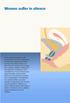 Women suffer in silence Stress urinary incontinence is the involuntary loss of urine resulting from increased intra-abdominal pressure. In people who suffer with this condition, forms of exertion such
Case Study Activity: Managing Overactive Bladder in the Community Pharmacy Answers to Interactive Questions and Resources
 Case Study Activity: Managing Overactive Bladder in the Community Pharmacy Answers to Interactive Questions and Resources Case 1: Identifying Overactive Bladder Activity Preview Overactive bladder (OAB)
Urinary Incontinence in Women. Susan Hingle, M.D. Department of Medicine
 Urinary Incontinence in Women Susan Hingle, M.D. Department of Medicine Background Estimated 13 million Americans with urinary incontinence Women are affected twice as frequently as men Only 25% will seek
Role of the Wound Ostomy Continence Nurse or Continence Care Nurse in Continence Care
 Role of the Wound Ostomy Continence Nurse or Continence Care Nurse in Continence Care Background Incontinence (i.e., loss of bladder and/or bowel control) is a significant health care problem, which affects
Effects of Pregnancy & Delivery on Pelvic Floor
 Effects of Pregnancy & Delivery on Pelvic Floor 吳 銘 斌 M.D., Ph.D. 財 團 法 人 奇 美 醫 院 婦 產 部 婦 女 泌 尿 暨 骨 盆 醫 學 科 ; 台 北 醫 學 大 學 醫 學 院 婦 產 學 科 ; 古 都 府 城 台 南 Introduction Pelvic floor disorders (PFDs) include
Overview of Urinary Incontinence in the Long Term Care Setting
 Overview of Urinary Incontinence in the Long Term Care Setting Management Strategies for the Nursing Assistant Ann M. Spenard RN, C, MSN Courtney Lyder ND, GNP Learning Objectives Describe common types
Comparison of Fesoterodine, Tolterodine, Oxybutynin and Solifenacin in patients with overactive bladder A systematic review
 Comparison of Fesoterodine, Tolterodine, Oxybutynin and Solifenacin in patients with overactive bladder A systematic review Hamed Kakarª, Bastiaantje M. Kok b, Sahar Mokhles c, Malalay Sarwar d * Supervisors:
Bladder and Bowel Assessment Ann Yates Director of Continence Services. 18/07/2008 Cardiff and Vale NHS Trust
 Bladder and Bowel Assessment Ann Yates Director of Continence Services Types of continence problems Bladder Stress incontinence Urgency and urge Incontinence Mixed incontinence Obstructive incontinence
THE ROLE OF OVERACTIVE BLADDER TREATMENT
 THE ROLE OF OVERACTIVE BLADDER TREATMENT Prof. Junizaf, SpOG(K) Division of Urogynecology Department of Obstetrics and Gynecology School of Medicine, University of Indonesia/ Dr. Cipto Mangunkusumo Hospital
Incontinence. What is incontinence?
 Incontinence What is incontinence? Broadly speaking, the medical term incontinence refers to any involuntary release of bodily fluids, but many people associate it strongly with the inability to control
ACUPUNCTURE AND URINARY INCONTINENCE
 ACUPUNCTURE AND URINARY INCONTINENCE About urinary incontinence Urinary incontinence affects around 3.5 million people of all ages in the UK (DoH 2000; the Continence Foundation 2000). For many, urinary
Management of Neurogenic Bladder Disorders
 Management of Neurogenic Bladder Disorders Andrea Staack, MD, PhD Pelvic Reconstructive Surgery, Urinary Incontinence & Female Urology Department of Urology Loma Linda University, CA What will you learn
NICE Pathways bring together all NICE guidance, quality standards and other NICE information on a specific topic.
 Initial assessment and investigation of urinary incontinence bring together all NICE guidance, quality standards and other NICE information on a specific topic. are interactive and designed to be used
Female Urinary Disorders and Pelvic Organ Prolapse
 Female Urinary Disorders and Pelvic Organ Prolapse Richard S. Bercik, M.D. Director, Division of Urogynecology & Reconstruction Pelvic Surgery Department of Obstetrics, Gynecology & Reproductive Sciences
CHILDHOOD URINARY SYMPTOMS PREDICT ADULT OVERACTIVE BLADDER SYMPTOMS
 CHILDHOOD URINARY SYMPTOMS PREDICT ADULT OVERACTIVE BLADDER SYMPTOMS Mary Pat FitzGerald (1), Jeanette S. Brown (2), Christina Wassel-Fyr (2), Leslee Subak (2), Linda Brubaker (1), Stephen K. Van Den Eeden
TIBIAL NERVE STIMULATION: ONE OF SEVERAL NEW OPTIONS FOR THE MANAGEMENT OF OVERACTIVE BLADDER IN WOMEN
 TIBIAL NERVE STIMULATION: ONE OF SEVERAL NEW OPTIONS FOR THE MANAGEMENT OF OVERACTIVE BLADDER IN WOMEN Scott A Farrell MD Professor Dept of Obstetrics and Gynaecology Dalhousie University Declaration of
URINARY INCONTINENCE CASE PRESENTATION #1. Urinary Incontinence - History 2014/10/07. Structure of the Female Lower Urinary Tract
 Bladder pressure 2014/10/07 Structure of the Female Lower Urinary Tract Ureter URINARY INCONTINENCE Clinical Clerkship Lecture Series Outer peritoneal coat Detrusor smooth muscle Mucosa Trigone Proximal
Stress Urinary Incontinence & Sexual Function
 Stress Urinary Incontinence & Sexual Function Lior Lowenstein, MD, MS Associate Professor Deputy Chairman of Obstetrics and Gynecology Department Rambam Health Care Campus Haifa Israel No Disclosures Disclosures
OAB (Overactive Bladder)
 OAB (Overactive Bladder) PharmCon is accredited by the Accreditation Council for Pharmacy Education as a provider of continuing pharmacy education. This webcast has been supported by an educational grant
PROCEDURE FOR THE ASSESSMENT OF ADULTS AND CHILDREN WITH BLADDER OR BOWEL DYSFUNCTION
 PROCEDURE FOR THE ASSESSMENT OF ADULTS AND CHILDREN WITH BLADDER OR BOWEL DYSFUNCTION First Issued Issue Version One Purpose of Issue/Description of Change Planned Review Date Procedure for the effective
Regain Control of Your Active Life Treatment Options for Incontinence and Pelvic Organ Prolapse
 Regain Control of Your Active Life Treatment Options for Incontinence and Pelvic Organ Prolapse Nearly one quarter of all women in the United States have some sort of pelvic floor disorder such as urinary
Lifestyle changes. Pelvic floor muscle training
 Incontinence, urinary - Treatment Treating urinary incontinence The treatment you receive for urinary incontinence will depend on the type of incontinence you have and the severity of your symptoms. If
Urinary incontinence during sexual intercourse: a common, but rarely volunteered, symptom
 British Journal of Obstetrics and Gynaecology April 1988, Vol. 95, pp. 77-81 Urinary incontinence during sexual intercourse: a common, but rarely volunteered, symptom PAUL HILTON Summary. A total of 4
Dr Eva Fong. Urologist Auckland
 Dr Eva Fong Urologist Auckland Urinary incontinence: Treatment options GPCME 2013 Eva Fong Urologist Urinary incontinence Is not normal part of aging or childbearing We can make it better Urinary incontinence:
Fecal incontinence (Encopresis) It is the fecal incontinence condition observed in children with chronic constipation over 1-2 years.
 WHAT IS DYSFUNCTIONAL URINATION (URINATION FUNCTION DISORDER)? It stands for the urination phase disorders, which appear due to wrongly acquired urination habits during the toilet training of some neurologically
Non-surgical Treatments for Urinary Incontinence. A Review of the Research for Women
 Non-surgical Treatments for Urinary Incontinence A Review of the Research for Women Is This Information Right for Me? Yes, if: You are a woman who is older than 18. You are having trouble holding your
LOSS OF BLADDER CONTROL IS TREATABLE TAKE CONTROL AND RESTORE YOUR LIFESTYLE
 LOSS OF BLADDER CONTROL IS TREATABLE TAKE CONTROL AND RESTORE YOUR LIFESTYLE TALKING ABOUT STRESS INCONTINENCE (SUI) Millions of women suffer from stress incontinence (SUI). This condition results in accidental
OVERACTIVE BLADDER DIAGNOSIS AND TREATMENT OF OVERACTIVE BLADDER IN ADULTS:
 2014 OVERACTIVE BLADDER DIAGNOSIS AND TREATMENT OF OVERACTIVE BLADDER IN ADULTS: AUA/SUFU Guideline (2012); Amended (2014) For Primary Care Providers OVERACTIVE BLADDER Diagnosis and Treatment of Overactive
A Systematic Review and Meta-Analysis of Randomized Controlled Trials with Antimuscarinic Drugs for Overactive Bladder
 european urology 54 (2008) 740 764 available at www.sciencedirect.com journal homepage: www.europeanurology.com Review Neuro-urology A Systematic Review and Meta-Analysis of Randomized Controlled Trials
Topic review: Clinical presentation and diagnosis of urinary incontinence in the elderly. Prapa Pattrapornpisut 7 June 2012
 1 Topic review: Clinical presentation and diagnosis of urinary incontinence in the elderly Prapa Pattrapornpisut 7 June 2012 2 Urinary incontinence Definition the complaint of any involuntary leakage of
Position Statement on Mesh Midurethral Slings for Stress Urinary Incontinence
 Position Statement on Mesh Midurethral Slings for Stress Urinary Incontinence The polypropylene mesh midurethral sling is the recognized worldwide standard of care for the surgical treatment of stress
The Well Woman Centre. Adult Urinary Incontinence
 The Well Woman Centre Adult Urinary Incontinence 1 Adult Urinary Incontinence... 3 Stress Incontinence Symptoms... 3 Urge Incontinence Symptoms... 4 Mixed Incontinence Symptoms... 5 Where to Start?...
Bladder Health Promotion
 Bladder Health Promotion Community Awareness Presentation Content contributions provided by the Society of Urologic Nurses (SUNA) National Association for Continence (NAFC) Simon Foundation for Continence
Bladder and Bowel Control
 Bladder and Bowel Control Dr Sue Woodward Lecturer, Florence Nightingale School of Nursing and Midwifery 2 Why do we need to understand anatomy? Normal physiology Normal adult bladder capacity = 450-500mls
FEMALE INCONTINENCE REVIEW
 200 S. Wenona Suite 298 Steven L. Jensen, M.D. 5400 Mackinaw, Suite 4302 Bay City, MI 48706 Frank H. Kim, M.D. Saginaw, MI 48604 Telephone (989) 895-2634 Adult & Pediatric Urologists (989) 791-4020 Fax
Urinary Incontinence (Involuntary Loss of Urine) A Patient Guide
 Urinary Incontinence (Involuntary Loss of Urine) A Patient Guide Urinary Incontinence (Urine Loss) This booklet is intended to give you some facts on urinary incontinence - what it is, and is not, and
Patient. Frequently Asked Questions. Transvaginal Surgical Mesh for Pelvic Organ Prolapse
 Patient Frequently Asked Questions Transvaginal Surgical Mesh for Pelvic Organ Prolapse Frequently Asked Questions WHAT IS PELVIC ORGAN PROLAPSE AND HOW IS IT TREATED? Q: What is pelvic organ prolapse
1 in 3 women experience Stress Urinary Incontinence.
 A PATIENT S GUIDE 1 in 3 women experience Stress Urinary Incontinence. It s time to talk about SUI Get the facts. This Patient s Guide is intended as a public resource on the issue of Stress Urinary Incontinence
Treatments for Overactive Bladder
 Treatments for Overactive Bladder Patient Information Author ID: SA Leaflet Number: Gyn 051 Name of Leaflet: Treatments for overactive bladder Date Produced: October 2014 Review Date: October 2016 Treatment
Get the Facts, Be Informed, Make YOUR Best Decision. Pelvic Organ Prolapse
 Pelvic Organ Prolapse ETHICON Women s Health & Urology, a division of ETHICON, INC., a Johnson & Johnson company, is dedicated to providing innovative solutions for common women s health problems and to
Bladder Health Promotion
 Bladder Health Promotion Community Awareness Presentation endorsed by the Society of Urologic Nurses (SUNA) National Association for Continence( NAFC) Simon Foundation for Continence This presentation
Should SUI Surgery be Combined with Pelvic Organ Prolapse Surgery?
 Should SUI Surgery be Combined with Pelvic Organ Prolapse Surgery? Geoffrey W. Cundiff, M.D. 36 th National Congress of the South African Society of Obstetricians and Gynaecologists SASOG 2014 Learning
URINARY INCONTINENCE
 URINARY INCONTINENCE What is urinary incontinence? Urinary incontinence is the uncontrollable loss of urine. The amount of urine leaked can vary from only a few drops when you cough or sneeze to entirely
Saint Mary s Hospital. Gynaecology Service Warrell Unit. Overactive Bladder. Information for Patients
 Saint Mary s Hospital Gynaecology Service Warrell Unit Overactive Bladder Information for Patients What is Overactive Bladder (OAB)? OAB is a condition that causes you to need to pass urine more often
KELLI DEWITT WHITEHEAD, RN, MS, ARNP
 CIRRICULUM VITAE KELLI DEWITT WHITEHEAD, RN, MS, ARNP Associated Urologist, PA 341 Wheatfield, Suite 180 Sunnyvale, TX 75182 972-270-8859 EDUCATION Master of Science, Family Nurse Practitioner University
Prevalence of urinary incontinence by decade of life. Melville JLet al. Urinary incontinence in US women. Arch Intern Med 2005;165:537 42.
 Urinary Incontinence in the Elderly Lily A. Arya, MD, MS Associate Professor and Chief Penn Urogynecology What is UI Unwanted leakage of urine UI that is a social or hygienic problem needs treatment 1-2
Urinary Incontinence. Types
 Urinary Incontinence Leakage of urine is called urinary incontinence. It is a common problem in women. Some women occasionally leak small amounts of urine. At other times, leakage of urine is frequent
UNREPORTED URINARY AND ANAL INCONTINENCE IN WOMEN
 Original Article UNREPORTED URINARY AND ANAL INCONTINENCE IN WOMEN Humera Ansar, Fauzia Adil and Aftab A. Munir ABSTRACT OBJECTIVE: To know the occurrence of unreported urinary and anal incontinence in
Bard: Continence Therapy. Stress Urinary Incontinence. Regaining Control. Restoring Your Lifestyle.
 Bard: Continence Therapy Stress Urinary Incontinence Regaining Control. Restoring Your Lifestyle. Stress Urinary Incontinence Becoming knowledgeable about urinary incontinence Uterus Normal Pelvic Anatomy
Registered Charity No. 5365
 THE MULTIPLE SCLEROSIS SOCIETY OF IRELAND Dartmouth House, Grand Parade, Dublin 6. Telephone: (01) 269 4599. Fax: (01) 269 3746 MS Helpline: 1850 233 233 E-mail: [email protected] www.ms-society.ie
Male urinary incontinence (leakage of urine) you are not alone
 Male urinary incontinence (leakage of urine) you are not alone Delivering the best in care UHB is a no smoking Trust To see all of our current patient information leaflets please visit www.uhb.nhs.uk/patient-information-leaflets.htm
Lifestyle and Behavioral Changes Improving Urinary Urgency, Frequency and Urge Incontinence
 Lifestyle and Behavioral Changes Improving Urinary Urgency, Frequency and Urge Incontinence Manage your Fluid Intake: There is no scientific evidence that states we need eight 8 oz. glasses (64 oz.) of
Urinary Incontinence Definitions
 (AADL) Program Urge Stress Overflow Functional Mixed DHIC (Detrussor hyperreflexia with impaired contractility) Reflex Incontinence Leakage of urine (usually larger volumes) because of inability to delay