
Robotic Whipple Procedure for Pancreatic Cancer: The Moffitt Cancer Center Pathway
|
|
|
- Martin Nelson
- 10 years ago
- Views:
Transcription
1 The robotic Whipple procedure is a minimally invasive option for resectable pancreatic cancer and other tumors of the pancreas head, distal common bile duct, and ampulla. Sofía Cáceres Nazario. Zinnia, 2015 (Detail). Acrylic on canvas, 16" 12". Robotic Whipple Procedure for Pancreatic Cancer: The Moffitt Cancer Center Pathway Omar M. Rashid, MD, JD, John E. Mullinax, MD, Jose M. Pimiento, MD, Kenneth L. Meredith, MD, and Mokenge P. Malafa, MD Background: Resection of malignancies in the head and uncinate process of the pancreas (Whipple procedure) using a robotic approach is emerging as a surgical option. Although several case series of the robotic Whipple procedure have been reported, detailed descriptions of operative techniques and a clear pathway for adopting this technology are lacking. Methods: We present a focused review of the procedure as it applies to pancreatic cancer and describe our clinical pathway for the robotic Whipple procedure used in pancreatic cancer and review the outcomes of our early experience. A systematic review of the literature is provided, focusing on the indications, variations in surgical techniques, complications, and oncological results of the robotic Whipple procedure. Results: A clinical pathway has been defined for preoperative training of surgeons, the requirements for hospital privileges, patient selection, and surgical techniques for the robotic Whipple procedure. The robotic technique for managing malignant lesions of the pancreas head is safe when following well-established guidelines for adopting the technology. Preliminary data demonstrate that perioperative convalescence may exceed end points when compared with the open technique. Conclusions: The robotic Whipple procedure is a minimally invasive approach for select patients as part of multidisciplinary management of periampullary lesions in tertiary centers where clinicians have developed robotic surgical programs. Prospective trials are needed to define the short- and long-term benefits of the robotic Whipple procedure. From the Department of Gastrointestinal Oncology (OMR, JEM, JMP, MPM), H. Lee Moffitt Cancer Center & Research Institute, the Departments of Surgery (JMP, MPM) and Oncologic Sciences (JMP, MPM), University of South Florida Morsani College of Medicine, Tampa, Florida, and the Department of Surgery (KLM), Sarasota Memorial Hospital, Sarasota, Florida. Dr Rashid is now affiliated with the Michael and Dianne Bienes Comprehensive Cancer Center, Holy Cross Hospital, Fort Lauderdale, Florida. Submitted October 29, 2014; accepted March 23, Address correspondence to Mokenge P. Malafa, MD, Moffitt Cancer Center, Magnolia Drive, Tampa, FL [email protected] significant relationships exist between the authors and the companies/organizations whose products or services may be referenced in this article. This study was supported in part by National Institutes of Health grants 1R01 CA A1. Introduction Pancreatic cancer has a dismal prognosis, with annual incidence and mortality rates that are nearly equal. In 2015, nearly 49,000 Americans will be diagnosed with pancreatic cancer and 40,500 will die from the disease. 1 For the minority of patients amenable to resection at diagnosis, tumor extirpation remains the single opportunity for cure. Resection for these patients is technically demanding and fraught with intraoperative and postoperative challenges. Although the mortality rate associated with the Whipple procedure is less than 2%, the morbidity rate generally approaches 40%, even in most high-volume centers. 2 Much of the morbidity following the Whipple procedure is secondary to the invasive nature of the operation. 2 With a large abdominal incision, patients can 340 Cancer Control July 2015, Vol. 22,. 3

2 have complications such as poor pulmonary function, which can lead to pneumonia. 2 In addition, due to significant intraoperative stress, patients may experience cardiac events due to fluid shifts or adrenergic demand. In the postoperative setting, surgical site infection continues to be challenging, with up to 7% of patients having a wound complication. 2 These complications may also induce stress in patients and clinicians at a time when the malignant diagnosis is still fresh in their minds. With this in mind, the identification of minimally invasive surgical techniques that can mitigate some of the physiological challenges and, thus, morbidity of this procedure has come to the forefront. Prior Experience The first report of the Whipple procedure using robotic technology was published in 2003 as part of a description about early experience with general robotic surgery by Giulianotti et al. 3 In 2011, Zureikat et al 4 published the first article dedicated to outcomes for pancreatic resection. In that report, they described 30 pancreatic operations that took place between 2008 and 2010; of those, 24 were the Whipple procedure, 4 were central pancreatectomies, and 2 were Frey procedures. 4 Initial mobilization was performed using laparoscopic techniques for some of the cases, but the resections and reconstructions were performed using the da Vinci Surgical System (Intuitive Surgical, Sunnyvale, California), and the anastomotic techniques were identical to the open approach a fact that allows for outcome comparison. 4 The outcomes from this early experience were encouraging. Of those undergoing the robotic Whipple procedure, the overall pancreatic leak rate was 21% (5 of 24); the majority was subclinical or grade A. 4 The overall rate of morbidity was 25% for the robotic Whipple procedure cohort and defined by Clavien Dindo grade 3/4 complications. 4 The report focused on the safety of the robotic approach; therefore, direct benefits of the approach were not reported. Morbidity and mortality were confirmed as being noninferior to other reports of open pancreatic resection. 4 An early report on outcome comparisons between the robotic Whipple procedure and the open Whipple procedure was published in 2012 from Lai et al. 5 Between the years 2000 and 2012, a total of 20 study patients underwent the robotic Whipple procedure and 67 underwent the open Whipple procedure. 5 End points for the comparison between groups included operative time, hospital length of stay, estimated blood loss (EBL), complication rate, perioperative mortality rate, R0 resection rate, and lymph-node harvest. 5 The group found that the study patients had decreased length of stay and EBL, but these came at the cost of increased operative time. quality-of- life end points were used, and no conclusions could be drawn about direct patient benefits from the robotic approach. 5 Several other experiences with pancreatic resection have since been reported, 5-12 but, to date, Zureikat et al 13 from the University of Pittsburgh has published the most recent and largest report. Of the 250 pancreatic resections completed, the authors described the outcomes for 132 robotic pancreaticoduodenectomies. 13 They found that the procedure was safe with a 30-day mortality rate of 0.8%, and 21% of their study patients experienced a Clavien Dindo grade 3/4 complication. 13 In terms of pancreatic leak, the authors reported a total incidence of 22%, with the majority (53%) described as grade A. 13 The most common complication was fluid collection (38%), of which one-half was the result of a pancreatic leak. 13 Zureikat et al 13 also focused on feasibility in terms of conversion rate and readmission for groups seeking to expand the use of the robotic platform for the Whipple procedure. Their conversion rate was noted to be 8% and their readmission rate was 28%. 13 Both of these values suggest that the platform could be adopted at other institutions. Benefits Surgeons have sought to mitigate some of the complications related to pancreaticoduodenectomies through rapid advances in the field of minimally invasive surgery. Many benefits of minimally invasive surgery have been attributed to smaller incisions compared with open tumor resection. Although some of these benefits are directly related to the wounds (ie, decreased incidence of wound infection and postoperative hernia formation), many are related to the decreased intraoperative stress response Intuitively, these benefits are greatest for resections with significant open morbidity, such as the Whipple procedure, and, for this reason, many high-volume centers have turned toward minimally invasive approaches for this operation. The initial experience with a minimally invasive approach to the Whipple procedure was primarily focused on the laparoscopic approach. One early international report demonstrated acceptable rates of morbidity (31%) and mortality (2%). 17 It is unclear where the cases described fell on the learning curve of the operation because there were no conversions to open resection. 17 A domestic cohort study reported favorable outcomes such as decreased length of stay and intraoperative tranfusions associated with the laparoscopic approach. 18 However, these benefits were mitigated by increased operative time. 18 Although many benefits have been ascribed to the minimally invasive surgical approach, the technical difficulties of this operation have been highlighted by the adoption of the laparoscopic approach that has, in turn, prevented the wide- July 2015, Vol. 22,. 3 Cancer Control 341

3 spread adoption of this technique. The ideal minimally invasive approach to the Whipple procedure must be easily reproduced and adopted by surgeons who currently perform open resections. However, the laparoscopic approach did not meet this criterion and, thus, adoption has been generally poor. 17,18 The robotic Whipple procedure has many benefits for both the patient and the surgeon. For the patient, the benefits previously discussed are all relevant. During resection, there is less insensible loss of fluid and manipulation of viscera through retraction, thus leading to less stress to the patient with fluid shifts and amount of medications to maintain general anesthesia. The use of smaller incisions means that patients have decreased incision-related morbidity, and, with less pain, postoperative pulmonary complications. The benefits to the surgeon are equally demonstrable. The robotic platform is an advanced device and, like any other surgical instrument, increases the natural human ability of manual tasks in a way that no other device has achieved to this point. Performing fine dissection of crucial planes during oncological resections is fundamental to an open operation and the ease with which this can be accomplished on the robotic platform is beneficial to both the surgeon and the patient. Another benefit is the general ergonomics to the surgeon that an open resection cannot provide. It is also worth noting that patients seek innovators, so the ability to utilize the newest technology drives referrals for resection. As multidisciplinary robotic programs are developed in tertiary centers the complication rates for these procedures should decrease over time. Approach at the Moffitt Cancer Center The pathway for patients with pancreatic cancer at our institution, the H. Lee Moffitt Cancer Center & Research Institute (Tampa, Florida), follows 6 key steps: (1) diagnosis, (2) staging, (3) fitness for surgery, (4) resection, (5) adjuvant therapy, and (6) surveillance. At each point along this course, the decision to proceed is predicated by the performance status and disease burden of the patient (Appendix A). 19 With this methodical approach to care, all patients have multiple points of evaluation for resection during their course of treatment. As a referral center, most patients present to Moffitt Cancer Center with a diagnosis of pancreatic cancer. Following a review of the patient s external medical records, a medical oncologist or surgical oncologist, depending on the presumed extent of disease, sees the patient. All patients presumed to be candidates for resection are seen by a surgeon. After the patient s initial visit with a Moffitt Cancer Center physician, the pathological diagnosis is reviewed and confirmed from the original slides. Discussion of all patients then takes place during the multidisciplinary tumor board, which is composed of medical oncologists, radiation oncologists, radiologists, pathologists, gastroenterologists, and surgeons, at which point the patients are subdivided into 4 categories: (1) resectable disease, (2) borderline resectable disease, (3) unresectable disease, or (4) further evaluation needed. This classification is based on guidelines from the National Comprehensive Cancer Network and from consensus opinion of all faculty members present. 19,20 Patients with resectable disease fit for an operation proceed to the required surgical procedure after preoperative cardiopulmonary evaluation (Appendix B). Those who have borderline resectable disease are treated with neoadjuvant chemoradiation, which includes initially gemcitabine, docetaxel, and capecitabine and then either stereotactic body radiation therapy or intensity-modulated radiation therapy with concomitant fluorouracil. 20 Following chemoradiation, patients are restaged with positron emission tomography and pancreas-protocol computed tomography. If the disease is resectable, then the patients proceed to the required surgical procedure. Those with progression or response not amenable to resection receive further systemic chemotherapy. Patients with locally advanced disease are recommended a systemic chemotherapy regimen according to performance status. The initial radiographic findings are reviewed. Patient Selection Appropriate patient selection for the robotic Whipple procedure is based on the characteristics of the patient and of the tumor. For patients, the most important characteristic is their fitness for general anesthesia. All patients undergoing the Whipple procedure for pancreatic cancer at Moffitt Cancer Center undergo preoperative cardiopulmonary evaluation, which is particularly important for the robotic approach because of the increased operative time much of it spent in the reverse Trendelenburg position. Relative exclusion criteria for the robotic approach include prior intra-abdominal surgery, major abdominal wall reconstruction surgery, and a body mass index (BMI) greater than 30 kg/m 2. At this point prior chemoradiation directed to the pancreas remains a strong contraindication for the robotic approach. Patients with a low volume of disease and no evidence of borderline characteristics, as defined by National Comprehensive Cancer Network criteria, are offered the option of robotic surgery. 19,20 Dilated biliary and pancreatic ducts facilitate the technical aspects of the ablative and reconstructive steps of the procedure and minimize the risk of complications. Specific diagnoses for which we offer the robotic Whipple proce- 342 Cancer Control July 2015, Vol. 22,. 3

4 dure at Moffitt Cancer Center include adenocarcinoma, pancreatic neuroendocrine tumors, duodenal cancers, bile duct cancers, periampullary cancers, cystic neoplasms of the pancreas, periampullary adenoma, and islet cell neoplasms. Initial Operative Principles Robotic assistance during surgery for the management of pancreatic cancer at Moffitt Cancer Center is based on the fundamental principles of surgical practice and ethics. The perioperative management involves a team of surgeons, nurses, nurse practitioners, and training staff dedicated to this procedure. During the operation, 2 surgeons are involved, along with either a complex general surgical oncology fellow or a general surgery resident. All patients receive mechanical bowel preparation with oral antibiotics and are offered an epidural catheter for pain control. The robotic procedure is performed with the same sequence of technical maneuvers as are utilized in the open procedure. This is important for several reasons. Doing so helps us understand and compare the outcomes between both modalities. In addition, it allows the surgical team to troubleshoot, understand, and further improve the flow of the procedure. The surgeon is able to offer the open or robotic Whipple procedure to the patient while explaining that both procedures are performed in the same fashion. A preliminary timeout is performed prior to the induction of general anesthesia and the patient is then positioned as illustrated in Fig 1. Patient positioning is performed in collaboration with the anesthesia team, with an emphasis on safety of pressure points. Special care is taken to ensure that the face, eyes, and airway are protected to prevent injury, focusing on any potential dislodgment of the endotracheal tube when docking the robot. The right arm is tucked and the left arm is left abducted for access by the anesthesia team. Once the patient is draped and all instruments are counted, a second timeout is performed with the surgeon. At that time, the team discusses the operative plan, thus following the World Health Organization timeout protocol. 21 Special emphasis is placed on the importance of communication during the procedure. The risk of bleeding during the dissection of the pancreatic head and uncinate process from the vessels is underscored. The surgeon also reviews the steps required to expeditiously convert to an open procedure in the event of uncontrolled blood loss. All instruments required for the open resection are confirmed to be available in the room during the timeout. Initial entry to the peritoneal cavity depends on the dimensions of the patient s abdomen. The characteristics of the patient and location of the tumor allow for appropriate modification to safely and efficiently achieve the goals of the procedure (Fig 2). The proce- Fig 1. da Vinci operating room schematic Intuitive Surgical, Inc. Used with permission. RA1 Midclavicular line CAM AP1 Midline RA2 AP2 Fig 2. Placement of ports for robotic Whipple procedure. te: Keep a minimum of approximately 10 cm between all ports to space da Vinci (Intuitive Surgical, Sunnyvale, CA) arms appropriately to reach all anatomy. AP1 and AP2 = assistant ports, CAM = camera port, RA1 = robotic arm labeled. 1, RA2 = robotic arm labeled. 2, RA3 = robotic arm labeled. 3. Midclavicular line RA3 dure begins with a 3-cm midline incision in the infraumbilical position. A Veress needle is used to enter the peritoneal cavity and is confirmed by aspiration and the saline drop test in patients with no prior abdominal operations. The open Hasson technique is used for patient with prior abdominal operations. Insufflation is then initiated at low flow and an initial pressure below 10 mm Hg is targeted. After obtaining pneumoperitoneum, a 12-mm port is then placed into this incision through which an 8-mm robotic port is placed. The remaining ports include a 12-mm port for the camera to July 2015, Vol. 22,. 3 Cancer Control 343

5 the right of the umbilicus in the midclavicular line, an 8-mm port lateral and superior to that camera port at the right anterior axillary line, an 8-mm port superior to the umbilicus at the left anterior axillary line, and a 12-mm port to the right of and inferior to the umbilicus, approximately 8 cm between the camera and periumbilical port (see Fig 2). The surgeon explores the abdomen with the camera before docking the robot to determine if any obvious evidence of metastatic disease is present. At this time, the patient is placed in a reverse Trendelenburg position, the robot is brought into position, all arms are docked, and the instruments are inserted. Positioning precautions in collaboration with anesthesia are confirmed after the robot has been docked. Ablative Steps The ablative steps in the robotic Whipple procedure follow the same principles as the open procedure. The falciform ligament is divided from the anterior abdominal wall using the robotic vessel sealer. The gallbladder fundus is then sutured to the anterior abdominal wall (Fig 3). The second surgeon utilizes the assistant port to provide gentle, deliberate traction as needed, utilizing the suction irrigator and is in constant communica- tion with the surgeon at the console. The gastrocolic ligament is incised with the vessel sealer to gain access to the lesser sac proximal to the planned point of gastric transection, with care not to injure the gastroepiploic vessels, short gastric, or transverse colon mesentery (Fig 4). The dissection is then proximally carried along the transverse colon to complete a Cattell Braasch maneuver. Attention is then turned to an extended Kocher maneuver that ends with division of the ligament of Treitz from the right side (Fig 5). Doing so results in the delivery of the proximal jejunum to the right upper quadrant colloquially called the ahha moment (Figs 6 8). Potential pitfalls at this point include injury to the gastroepiploic vessels, colonic mesenteric vessels, duodenum, inferior vena cava, or the inferior mesenteric vein. The proximal and distal ends of the jejunum are marked with silk suture in preparation for future gastrojejunostomy. The proximal jejunum 10 cm from ligament of Trietz is divided with a stapler (see Fig 8), and the mesentery is divided proximally along the bowel wall, avoiding injuries to the superior mesenteric vein. Attention is then turned to the safe transection and dissection of the pancreas from the surrounding ves- Fig 3. Exposure is achieved by taking down the falciform ligament, placing a liver retractor under the left lobe, and tacking the gallbladder to the abdominal wall. Fig 4. The lesser sac is entered by incising the gastrocolic ligament in the avascular plane, the dissection is carried to the planned resection plane on the stomach, and then distally toward the duodenum. Fig 5. The Kocher maneuver is performed by an extended mobilization of the duodenum from its retroperitoneal attachment to the ligament of Treitz, with care not to injure the duodenum or retroperitoneal structures. Fig 6. The ligament of Treitz is transected with care not to injure the inferior mesenteric vein. At this point, the ah ha moment is reached when the proximal jejunum begins to fall into the field through the defect. Fig 7. The proximal jejunum is brought into the field retrograde through the transected ligament of Treitz defect. Fig 8. The jejunum is transected with the robotic stapler and the bowel is marked with a silk suture. 344 Cancer Control July 2015, Vol. 22,. 3

6 Fig 9. The stomach is transected to include the entire antrum in the specimen using the robotic stapler. Fig 10. The right gastric pedicle is transected with the vascular-loaded robotic stapler. Fig 11. The superior neck of the pancreas lymph node is dissected with the monopolarcurved robotic scissors and sent for pathology. Fig 12. The right gastroepiploic vessels are transected with bipolar robotic forceps. Fig 13. The inferior edge of the pancreas is dissected with monopolar-curved robotic scissors. Fig 14. Robotic-assisted ultrasonography is used to confirm the locations of the portal vein, pancreatic duct, and superior mesenteric artery. sels. First, the stomach is transected between the body and the antrum using the robotic stapler (Fig 9), and then the right gastroepiploic vessels and right gastric vascular pedicle are transected (Fig 10). Next, the dissection of the porta hepatis superior to the neck of the pancreas begins; the hepatic artery lymph node is removed and sent to pathology for a permanent section (Fig 11). The portal vein, hepatic artery, and gastroduodenal artery are identified after meticulous dissection (Figs 12 and 13). Intraperitoneal ultrasonography helps to confirm the location and trajectory of the portal vein posterior to the pancreatic neck, which is critical for a safe and subsequent dissection (Figs 14 and 15). The superior mesenteric vein is identified inferior the pancreas, and a tunnel is then developed posterior to the neck of the pancreas, thereby connecting the previous porta hepatis dissection (Fig 16). Extreme caution is taken because bleeding caused by an injury to the portal vein or avulsion of a portal venous branch can be life threatening. Communication between the surgical and anesthesia teams is critical prior to initiating this dissection so as to ensure that preparations are made for an expeditious conversion to laparotomy if necessary. The surgical assistant is critical to the dissection because he or she uses the laparoscopic suction irrigator to assist with exposure and the application of direct pressure to control bleeding. Should bleeding occur during the vascular dissection, the surgeon can return to the sterile field from the console while the instruments control the hemorrhage. This effectively locks the instrument in a hemostatic position and allows time to prepare for definitive repair. Hemostatic clips may also be used for quick, temporary control with subsequent suture repair after hemostasis is obtained. After the tunnel is created anterior to the portal vein, the neck of the pancreas is transected with the robotic scissors attached to the monopolar cautery. The gastroduodenal artery is then transected with a vascular stapler after confirming pulsatile in the proper hepatic artery (Fig 17). The dissection is then carried laterally to include the porta hepatis and mobilize the bile duct. The remainder of the pancreatic head and uncinate process are then mobilized from the portal vein and superior mesenteric vein by ligating the venous branches, followed by dissection of the superior mesenteric artery and dissection of the arterial branches (Figs 18 and 19). The final retroperitoneal attachments are transected and the distal common bile duct is transected (Figs 20 22). The gallbladder is dissected from the liver bed and the cystic duct and artery are transected with robotic staplers (Fig 23). Hemostasis is confirmed and the specimen is removed from the periumbilical incision using the EndoCatch (Covidien, July 2015, Vol. 22,. 3 Cancer Control 345

7 Fig 15. Robotic-assisted ultrasonography is used to confirm the location of the tumor in relation to the planned resection margin. Fig 16. The tunnel is developed under the neck of the pancreas, and the parenchyma is transected with the monopolar-curved robotic scissors. Fig 17. The gastroduodenal artery is transected with the vascular load of the robotic stapler. Fig 18. The uncinate process is dissected off of the portal vein, and the venous branches are isolated with the robotic cautery hook and transected with bipolar forceps. Fig 19. The branches of the superior mesenteric artery to the pancreas are transected with the vessel sealer. Fig 20. The Whipple specimen is laterally retracted to facilitate identification and dissection of the remaining retroperitoneal margin. Fig 21. The retroperitoneal margin is dissected with the robotic vessel sealer. Fig 22. The distal common bile duct is transected with the robotic monopolar-curved scissors. Fig 23. Cholecystectomy is performed using the robotic vessel sealer to transect the cystic artery. New Haven, New Jersey) device. It is marked for frozen section analysis of the margins and final pathology. Sutures are placed that will ultimately close the fascia; however, the sutures are not tied so as to allow for the continued use of the port for future reconstruction. Reconstructive Steps The techniques used for pancreaticobiliary anastomoses are the same for both the open and robotic Whipple procedure. The extended umbilical incision is reduced with a small wound protector and the 12-mm port is secured in place and pneumoperitonuem is achieved. The ports are placed in the same configuration for the reconstruction. The jejunum, which was previously marked with a suture, is inspected to confirm viability, orientation, or undue tension. A 2-layer, end-to-side pancreatic jejunostomy is created in the classically described duct-to-mucosa fashion. The running imbricating posterior outer layer is carefully placed so as to avoid injuring the portal vein and the main pancreatic duct (Fig 24). The duct-to-mucosa is fashioned using interrupted 4-0 dyed and undyed polyglactin 910 suture (Fig 25). Alternating dyed and undyed surtures helps orientate the surgeon. The first suture is placed in the 12-o clock position into the pancreatic parenchyma, which is then anteriorly retracted to help with orientation and identification of the duct. 346 Cancer Control July 2015, Vol. 22,. 3

8 Fig 24. The posterior outer layer of the pancreaticojejunostomy is performed with a V-Loc (Covidien, Mansfield, MA) suture. Fig 25. The inner duct to the mucosa layer of the pancreaticojejunostomy is started at the 12-o clock position using a polyglactin 910 suture. Fig 26. The knots of the inner duct to mucosa layer are tied in line with the plane of the pancreaticojejunostomy to lay flat without tension or trauma to the delicate tissue. Fig 27. The outer anterior layer of the pancreaticojejunostomy is performed with a V-Loc (Covidien, Mansfield, MA) suture. Fig 28. Completion of the pancreaticojejunostomy demonstrates a viable, tension-free anastomosis without leak. Fig 29. Choledochojejunostomy is started by fashioning the posterior layer with a V-Loc (Covidien, Mansfield, MA) suture. An enterotomy is created so as to avoid creating a jejunal opening concordant in size with the main pancreatic duct. The 9- and 3-o clock sutures are then placed through the bowel, taking large serosa and small mucosal bites through the pancreatic duct; a small and large bite are made through the pancreatic parenchyma. The 6-o clock suture is first placed through the pancreatic duct and then out of the bowel. This suture is carefully tied to place tension along the length of the pancreatic neck so that the knots lie flat (Fig 26). It is important to master intracorporeal knot tying and be facile with the visual cues of tension, utilizing the bounce technique so that adequate tension is applied without damaging tissue. In a similar fashion, the 9- and 3-o clock sutures are tied down and are followed by the 12-o clock suture. The anterior-running imbricating outer layer is then fashioned with a 3-0 V-loc (Covidient, Mansfield, Massachusetts) suture and tied to the posterior layer (Figs 27 and 28). Hepaticojejunostomy is performed using 2 running 3-0 V-loc sutures. First, a site in the jejunum is identified that most naturally appears to approximate the bile duct without any tension on the pancreaticojejunostomy. Anastomosis is planned so that the surgeon would sew to himself or herself by sewing the posterior layer first. Thus, the initial suture is placed on the duct first, outside in, just on the anterior side of the 3-o clock position so that the posterior wall is fashioned and the corner is included when the suture is cinched. Care is taken to create a jejunal defect that matches the bile duct in diameter and that the bites include a small amount of mucosa, while also avoiding surrounding structures (Figs 29 and 30). As mentioned above, familiarity with the V-loc is important, including the need to cinch between throws. After creation of the posterior layer, the anterior layer is fashioned with a second 3-0 V-loc suture so that the surgeon is sewing toward himself or herself this time, he or she is starting on the bowel. Great caution must be taken to avoid catching the back wall with the suture. The anterior and posterior sutures are then tied to each other. The gastrojejunostomy is created in an isoperistaltic fashion along the posterior wall of the stomach, using the jejunum approximately 20 cm from the ligament of Treitz (Fig 31). Choice of an antecolic versus retrocolic orientation depends on redundancy of the transverse colon. In cases in which retrocolic anastomosis is fashioned, a defect is made in an avascular portion of the transverse mesocolon and the stomach is tacked to the peritoneal lining of that defect to prevent herniation or twisting. The anastomosis is fashioned with the stapler after the small bowel has been marked with a suture to confirm its orientation and lack of twisting. The common channel of the gastrojejunostomy is closed with a 3-0, V-loc running suture in the Connell fashion. This completes the resection and reconstruction (Figs 32 and 33). At this point, the health care team confirms that July 2015, Vol. 22,. 3 Cancer Control 347

9 Fig 30. Completion of the choledochojejunostomy demonstrates a viable, tension-free anastomosis without leak. Fig 31. Gastrojejunostomy is fashioned with the robotic stapler along the posterior wall of the stomach in an isoperistaltic orientation. Fig 32. Common gastrojejunostomy is closed with a V-lock suture in the Connell fashion. Fig 33. Completion of the gastrojejunostomy demonstrates tension-free and viable anastomosis without twisting or leak. the nasogastric tube has been correctly placed and inspects the abdomen again for hemostasis. A total of 9 L warm saline is used to irrigate the abdomen. A flat 15FR Jackson Pratt drain is placed through the right lower quadrant to track behind the choledochojejunostomy and pancreaticojejunostomy and then curve anterior to the pancreaticojejunostomy. The ports are inspected for bleeding, the fascial defects of the 12-mm ports are closed, the 4-cm middline wound is closed with interrupted 0 Vicryl (Ethicon, Somerville, New Jersey) sutures, and the skin is closed. The immediate postoperative care of the patient focuses on pain control, monitoring urine output, observation for signs of pancreatic leak, and waiting for a return of bowel function. After the patient recovers and meets the discharge criteria, he or she returns to the clinic 10 to 14 days after discharge. The staff members at the Gastrointestinal Oncology Program at the Moffitt Cancer Center communicate with all patients within 48 hours of discharge to identify any potential complications early and to address any questions or concerns. Based on the final pathological diagnosis, the patient will be offered adjuvant therapy and a surveillance regimen according to the corresponding multidisciplinary clinical pathway. Outcomes Our early experience with robotic Whipple procedure demonstrated comparable morbidity and perioperative outcomes to the open experience. A total of 21 patients underwent pancreatic resection in the first year (February 2012 to March 2013) using the robotic approach. Most patients were men (76.2%) with a median age of 69 years (range, years) and a median BMI of 29.1 kg/m 2 (range, kg/m 2 ), whereas 23.8% of patients were women and had a median age of 74 years (range, years) and a BMI of 23.9 kg/m 2 (range, kg/m 2 ). In terms of intraoperative end points, the median operative time was 621 minutes (range, minutes), the median EBL was 200 ml (range, ml), and the conversion rate was 9.5%. The oncological principles were maintained and all resections were R0 on final pathology. The final diagnosis was adenocarcinoma in 52.4%, the median tumor size was 2.3 cm (range, 1 5 cm), and a median of 16 nodes (range, 2 23 nodes) was resected. The other diagnoses included intraductal papillary mucinous neoplasm in 19.1%, neuroendocrine tumor in 19.1%, and pseudopapillary and adenoma (both 4.7%). Postoperatively, the median length of stay was 8 days (range, 4 34 days), the overall morbidity rate was 28.5%, and the pancreatic leak rate was 14.3%. Of the entire group of patients in our early experience, 14 underwent the Whipple procedure. For this cohort, the median operative time was 681 minutes (range, minutes), the median EBL was 200 ml (range, ml), and the median length of stay was 8 days (range, 4 34 days). For this group of patients, the final diagnosis was adenocarcinoma in 66.7%, the median tumor size was 2.3 cm (range, 1 4 cm), and a median of 17 nodes (range, nodes) was resected. Postoperatively, the median length of stay was 12 days (range, 6 34 days), the overall morbidity rate was 42.8%, and the pancreatic leak rate was 21.4%. deaths occurred perioperatively. These outcomes are similar to prior published reports. Future Directions Safety in the operating room and the optimization of perioperative outcomes are of paramount importance as robotic surgery becomes more accessible for patients and surgeons. Training is the only way to ensure 348 Cancer Control July 2015, Vol. 22,. 3

10 that surgeons can provide this service in a manner that is safe and without increased risk to the patient. At the time of publication, training protocols still vary by institution, but nearly all are based on the Intuitive Surgical (Sunnyvale, California) pathway, which involves 4 general phases: (1) introduction to da Vinci assisted surgery, (2) da Vinci technology training, (3) initial case series plan, and (4) continuing development. This pathway focuses on the surgeon and the operating room team during each step. The final phase is purposefully open-ended to allow for more specialized training in a particular field. At the Moffitt Cancer Center, we have an institutional pathway for surgeons who have completed formal surgical training but seek robotic surgery privileges to treat patients with hepatobiliary malignancy. Proficiency with open complex hepatobiliary cases is required prior to training for robotic hepatobiliary surgery. Following their completion of the initial certificate training provided by Intuitive Surgical, surgeons can begin operating using the da Vinci Surgical System with a proctor, cosurgeon, or both for a continuous series of cases. At this point, the surgeon can schedule his or her own cases of escalating complexity, generally starting with distal pancreatectomy and progressing to operations requiring resection and reconstruction. We favor using a cosurgeon approach to complex resections requiring reconstruction as described above. The training of future surgeons to use robotic surgical systems is also of paramount importance. At this time, most general surgery residency programs or surgical oncology and hepatobiliary fellowship programs do not have a training pathway for trainees. To remedy this, an effort is underway to standardize a training pathway for young surgeons who have not yet completed their formal training. 22,23 The protocol is predicated on the previous acquisition of basic open and minimally invasive surgical techniques. Through a rigorous program that relies on use of the da Vinci Skills Simulator (Intuitive Surgical), trainees are evaluated and proctored through a pathway to proficiency. The training pathway uses objective data for fine and gross motor skills built into the da Vinci Skills Simulator. Following the prospective validation of this pathway for surgical trainees, it may become the standard method used in the coming years. Conclusions Minimally invasive techniques offer surgeons the ability to provide complex surgical care to patients with advanced hepatobiliary malignancy in particular, those with pancreatic cancer. Given the known morbidity and recovery rates from the open Whipple operation, the benefits of the robotic approach are proportionally greater than for other operations. The primary focus of this method must be on perioperative safety and quality outcomes for these patients. We have demonstrated a method for safely performing the operation and for training future surgeons to do the same. By adhering to rigorous academic principles and the liberal proctoring of colleagues, the benefits of this approach can be expanded to more patients with pancreatic cancer. References 1. American Cancer Society. Cancer Facts & Figures Atlanta, GA: American Cancer Society; /content/@editorial/documents/document/acspc pdf. Accessed June 6, Cameron JL, Riall TS, Coleman J, et al. One thousand consecutive pancreaticoduodenectomies. Ann Surg. 2006;244(1): Giulianotti PC, Coratti A, Angelini M, et al. Robotics in general surgery: personal experience in a large community hospital. Arch Surg. 2003;138(7): Zureikat AH, Nguyen KT, Bartlett DL, et al. Robotic-assisted major pancreatic resection and reconstruction. Arch Surg. 2011;146(3): Lai EC, Yang GP, Tang CN. Robot-assisted laparoscopic pancreaticoduodenectomy versus open pancreaticoduodenectomy--a comparative study. Int J Surg. 2012;10(9): Cirocchi R, Partelli S, Trastulli S, et al. A systematic review on robotic pancreaticoduodenectomy. Surg Oncol. 2013;22(4): Daouadi M, Zureikat AH, Zenati MS, et al. Robot-assisted minimally invasive distal pancreatectomy is superior to the laparoscopic technique. Ann Surg. 2013;257(1): Hanna EM, Rozario N, Rupp C, et al. Robotic hepatobiliary and pancreatic surgery: lessons learned and predictors for conversion. Int J Med Robot. 2013;9(2): Suman P, Rutledge J, Yiengpruksawan A. Robotic distal pancreatectomy. JSLS. 2013;17(4): Cirocchi R, Partelli S, Coratti A, et al. Current status of robotic distal pancreatectomy: a systematic review. Surg Oncol. 2013;22(3): Abood GJ, Can MF, Daouadi M, et al. Robotic-assisted minimally invasive central pancreatectomy: technique and outcomes. J Gastrointest Surg. 2013;17(5): Strijker M, van Santvoort HC, Besselink MG, et al. Robot-assisted pancreatic surgery: a systematic review of the literature. HPB (Oxford). 2013;15(1): Zureikat AH, Moser AJ, Boone BA, et al. 250 robotic pancreatic resections: safety and feasibility. Ann Surg. 2013;258(4): Bergström M, Azadani A, Falk P, et al. Stress response and well-being after open, laparoscopic, and NOTES transgastric uterine horn resection in a randomized porcine model. Surg Endosc. 2014;28(8): Veenhof AA, Vlug MS, van der Pas MH, et al. Surgical stress response and postoperative immune function after laparoscopy or open surgery with fast track or standard perioperative care: a randomized trial. Ann Surg. 2012;255(2): Karanika S, Karantanos T, Theodoropoulos GE. Immune response after laparoscopic colectomy for cancer: a review. Gastroenterol Rep (Oxf). 2013;1(2): Palanivelu C, Jani K, Senthilnathan P, et al. Laparoscopic pancreaticoduodenectomy: technique and outcomes. J Am Coll Surg. 2007;205(2): Asbun HJ, Stauffer JA. Laparoscopic vs open pancreaticoduodenectomy: overall outcomes and severity of complications using the Accordion Severity Grading System. J Am Coll Surg. 2012;215(6): National Comprehensive Cancer Network. NCCN Clinical Practice Guidelines in Oncology: Pancreatic Adenocarcinoma. v Published March 6, Accessed June 10, Chuong MD, Springett GM, Freilich JM, et al. Stereotactic body radiation therapy for locally advanced and borderline resectable pancreatic cancer is effective and well tolerated. Int J Radiat Oncol Biol Phys. 2013;86(3): Haynes AB, Weiser TG, Berry WR, et al; Safe Surgery Saves Lives Study Group. A surgical safety checklist to reduce morbidity and mortality in a global population. N Engl J Med. 2009;360(5): Arain NA, Dulan G, Hogg DC, et al. Comprehensive proficiencybased inanimate training for robotic surgery: reliability, feasibility, and educational benefit. Surg Endosc. 2012;26(10): Dulan G, Rege RV, Hogg DC, et al. Developing a comprehensive, proficiency-based training program for robotic surgery. Surgery. 2012;152(3): July 2015, Vol. 22,. 3 Cancer Control 349

11 Appendix A. Moffitt Cancer Center Clinical Pathway for Pancreatic Adenocarcinoma (Initial Care) 1. Pancreas-protocol CT (preferred) or MRI of pancreas 2. CT of chest/pelvis 3. CA PET/CT (if no obvious stage IV disease) 5. CBC and CMP 6. Screen for Total Cancer Care consent Metastatic Lesion(s) by Imaging? Metastatic Work-Up and Palliation Measures EUS Staging and FNA Multidisciplinary Tumor Board Review for Resection Status Resectable Pathway t Resectable Resectability per NCCN PANC-B Guidelines 19 Limited Vessel Involvement Borderline Resectable Pathway Pancreatic Surgeon Consult R0 Likely Without Vessel Resection Medically Fit for Surgery? Surgical Procedures Locally Advanced Unresectable CA = cancer antigen, CBC = complete blood count, CMP = comprehensive metabolic panel, CT = computed tomography, EUS = endoscopic ultrasonography, FNA = fine needle aspiration, MRI = magnetic resonance imaging, NCCN = National Comprehensive Cancer Network, PET = positron emission tomography. Developed by Springett, Malafa, Hoffe, and Gatewood on April 29, Moffitt Clinical Pathways are intended to provide general guidance, options, considerations, and alternatives to assist medical professionals in the clinical decision-making process. They do not constitute standard of care or practice and do not substitute for either the medical professional s clinical judgment or the patient s individual needs and preferences. Those using Moffitt s Clinical Pathways must agree that they are not to be substituted for sound professional judgment or the patient s prerogative to control his or her medical care. Copyright H. Lee Moffitt Cancer Center & Research Institute, Inc. All rights reserved. 350 Cancer Control July 2015, Vol. 22,. 3

12 Appendix B. Moffitt Cancer Center Clinical Pathway for Pancreatic Adenocarcinoma (Resectable) Surgical Procedures High-Volume Center Referral for Pancreatic Resection Candidates Patient Physician Decision Evidence of Pancreatitis? Allow Time for Resolution High Risk for Unresectability or Carcinomatosis? Symptoms Appropriate for Palliative Surgery? Cachectic Appearance or Demeanor With BMI < 19 kg/m 2? TPN Until Nutritionally Appropriate Preoperative Preparation Staging Laparoscopy + Biopsy of Carcinomatosis (if Present) Carcinomatosis or Unresectable? Palliative Surgeries First-Line Metastatic Chemotherapy Is Patient Candidate for Robotic Surgery? Use Robotics for the Following Operations Involvement Near Pylorus Standard Whipple Procedure Location of Tumor For Involvement of the Pancreatic Head and/or Uncinate Process For Involvement of the Body or Tail Alone For Involvement of the Neck and Body/Tail Alone For Involvement of the Pancreatic Neck Only For Broad Involvement of Both the Pancreatic Head and Neck ± Body/Tail Patient Physician Decision Involvement More Distal Distal Pancreatectomy ± Splenectomy Subtotal Pancreatectomy ± Splenectomy Central Pancreatectomy Total Pancreatectomy ± Splenectomy Pylorus-Sparing Whipple Procedure BMI = body mass index, TPN = total parenteral nutrition. Developed by Springett, Malafa, Hoffe, and Gatewood on April 29, Moffitt Clinical Pathways are intended to provide general guidance, options, considerations, and alternatives to assist medical professionals in the clinical decision-making process. They do not constitute standard of care or practice and do not substitute for either the medical professional s clinical judgment or the patient s individual needs and preferences. Those using Moffitt s Clinical Pathways must agree that they are not to be substituted for sound professional judgment or the patient s prerogative to control his or her medical care. Copyright H. Lee Moffitt Cancer Center & Research Institute, Inc. All rights reserved. July 2015, Vol. 22,. 3 Cancer Control 351

Pancreaticoduodenectomy (Pylorus-Preserving Whipple Procedure)
 Pancreaticoduodenectomy (Pylorus-Preserving Whipple Procedure) Operative Indications: Pancreaticoduodenectomy, or the Whipple procedure, may be indicated for a variety of benign and malignant diseases.
The Whipple Procedure. Sally Hodges, Ph.D.(c) Given the length and difficulty of the procedure, regardless of the diagnosis, certain
 The Whipple Procedure Sally Hodges, Ph.D.(c) Preoperative procedures Given the length and difficulty of the procedure, regardless of the diagnosis, certain assurances must occur prior to offering a patient
PANCREATIC AND PERIAMPULLARY TUMORS: PANCREATICODUODENECTOMY. Dr. Shailesh V. Shrikhande
 PANCREATIC AND PERIAMPULLARY TUMORS: PANCREATICODUODENECTOMY Dr. Shailesh V. Shrikhande Associate Professor & Consultant Surgeon GI and HPB Surgical Oncology Tata Memorial Hospital, Mumbai INDIA HELICAL
Facing Pancreatic Surgery? Learn about minimally invasive da Vinci Surgery
 Facing Pancreatic Surgery? Learn about minimally invasive da Vinci Surgery The Condition: Pancreatitis/Pancreatic Cancer The pancreas is an organ that produces enzymes and hormones to help your body digest
Open Ventral Hernia Repair
 Ventral Hernias Open Ventral Hernia Repair UCSF Postgraduate Course in General Surgery Maui, HI March 21, 2011 Hobart W. Harris, MD, MPH Ventral Hernias: National Experience Occur following 11-23% of laparotomies,
ADVANCES IN SURGERY. Robotic-Assisted Major Pancreatic Resection. H.J. Zeh III, MD*, David L. Bartlett, MD, A. James Moser, MD*
 Advances in Surgery 45 (2011) 323 340 ADVANCES IN SURGERY Robotic-Assisted Major Pancreatic Resection H.J. Zeh III, MD*, David L. Bartlett, MD, A. James Moser, MD* Division of Surgical Oncology, Department
Laparoscopic extended right hemicolectomy for transverse colon
 Laparoscopic extended right hemicolectomy for transverse colon cancer Elsa B. Valsdottir, MD Department of General Surgery University Hospital of Iceland Hringbraut 101 Reykjavik Iceland Phone +354 543
PATIENT INFORMATION ABOUT ADJUVANT THERAPY AFTER THE WHIPPLE OPERATION FOR ADENOCARCINOMA ( CANCER ) OF THE PANCREAS AND RELATED SITES.
 PATIENT INFORMATION ABOUT ADJUVANT THERAPY AFTER THE WHIPPLE OPERATION FOR ADENOCARCINOMA ( CANCER ) OF THE PANCREAS AND RELATED SITES. Radiation Oncology Sidney Kimmel Cancer Center at Johns Hopkins Last
Pancreaticoduodenectomy in Patients with a History of Roux-en Y Gastric Bypass Surgery
 ORIGINAL ARTICLE Pancreaticoduodenectomy in Patients with a History of Roux-en Y Gastric Bypass Surgery Mehrdad Nikfarjam 1,2, Kevin F Staveley-O Carroll 2, Eric T Kimchi 2, Jeffrey M Hardacre 1 1 Department
Rotation Specific Goals & Objectives: University Health Network-Princess Margaret Hospital/ Sunnybrook Breast/Melanoma
 Rotation Specific Goals & Objectives: University Health Network-Princess Margaret Hospital/ Sunnybrook Breast/Melanoma Medical Expert: Breast Rotation Specific Competencies/Objectives 1.0 Medical History
Bile Leaks After Laparoscopic Cholecystectomy. Kings County Hospital Center Eliana A. Soto, MD
 Bile Leaks After Laparoscopic Cholecystectomy Kings County Hospital Center Eliana A. Soto, MD Biliary Injuries during Cholecystectomy In the 1990s, high rate of biliary injury was due in part to learning
The Whipple Operation for Pancreatic Cancer: Optimism vs. Reality. Franklin Wright UCHSC Department of Surgery Grand Rounds September 11, 2006
 The Whipple Operation for Pancreatic Cancer: Optimism vs. Reality Franklin Wright UCHSC Department of Surgery Grand Rounds September 11, 2006 Overview Pancreatic ductal adenocarcinoma Pancreaticoduodenectomy
Integumentary System Individual Exercises
 Integumentary System Individual Exercises 1. A physician performs an incision and drainage of a subcutaneous abscess in his office for a particularly uncooperative established patient. How should this
Pancreatic Cancer. The Killer that must be discovered early. Dr Alfred Kow Wei Chieh
 Pancreatic Cancer The Killer that must be discovered early 27 th June 2015 Dr Alfred Kow Wei Chieh Consultant Department of Surgery Division of HPB Surgery & Liver Transplantation & Assistant Dean (Education)
Lenox Hill Hospital Department of Surgery General Surgery Goals and Objectives
 Lenox Hill Hospital Department of Surgery General Surgery Goals and Objectives Medical Knowledge and Patient Care: Residents must demonstrate knowledge and application of the pathophysiology and epidemiology
Understanding. Pancreatic Cancer
 Understanding Pancreatic Cancer Understanding Pancreatic Cancer The Pancreas The pancreas is an organ that is about 6 inches long. It s located deep in your belly between your stomach and backbone. Your
David R. DeHaas, Jr. MD Sacred Heart Medical Center at RiverBend
 David R. DeHaas, Jr. MD Sacred Heart Medical Center at RiverBend 1. To review the surgical history of the Whipple procedure for periampullary tumors. 2. To review the differential diagnosis for patients
Diagnosis and Prognosis of Pancreatic Cancer
 Main Page Risk Factors Reducing Your Risk Screening Symptoms Diagnosis Treatment Overview Chemotherapy Radiation Therapy Surgical Procedures Lifestyle Changes Managing Side Effects Talking to Your Doctor
Procedure Information Guide
 Procedure Information Guide Surgery to remove the pancreas (whipple's procedure) Brought to you in association with EIDO and endorsed by the The Royal College of Surgeons of England Discovery has made
Oxford University Hospitals
 Oxford University Hospitals NHS Trust Department of Hepatobiliary and Pancreatic Surgery About Pancreatic Surgery A guide for patients and relatives Introduction This booklet has been written to provide
Abdominal Surgery Rotation Section 7- Whipple resection. 1. Surgical considerations
 Abdominal Surgery Rotation Section 7- Whipple resection 1. Surgical considerations The Whipple resection consists of a pancreaticoduodenectomy followed by anastamosis of the pancreas, liver and stomach
To Whipple or Not to Whipple, that is the Question: Evaluating the Resectability of Pancreatic Adenocarcinoma
 August 2009 To Whipple or Not to Whipple, that is the Question: Evaluating the Resectability of Pancreatic Adenocarcinoma Christina Ramirez, Harvard Medical School Year III Gillian Lieberman, MD Agenda
Laparoscopic Sleeve gastrectomy
 Restrictive procedure Laparoscopic Sleeve gastrectomy Dr. R. Peterli Professional Education 1 2 Introduction Gastric sleeve resection is the restrictive part of the biliopancreatic diversion duodenal switch,
Dept. of Medical Imaging University of Ottawa
 ED Visits Related to Bariatric Surgery: Review of Normal Post-Surgical Anatomy as Well as Complications Dept. of Medical Imaging University of Ottawa Disclosures Background Roux-en-Y Gastric Bypass Surgery
9/26/14. Joel E. Rand, MPAS, PA-C DMU Luncheon May 1, 2014
 Joel E. Rand, MPAS, PA-C DMU Luncheon May 1, 2014 No financial relationship or commercial interest in any of the technologies discussed Not supporting any non-fda off label uses of any product or service
WHAT S WRONG WITH MY GALL BLADDER? GALL BLADDER POLYPS
 WHAT S WRONG WITH MY GALL BLADDER? GALL BLADDER POLYPS This is a patient information booklet providing specific practical information about gall bladder polyps in brief. Its aim is to provide the patient
Luis D. Carcorze Soto, MD PGY-3
 Luis D. Carcorze Soto, MD PGY-3 Peritoneal Surface Malignancies Peritoneum Patient Selection Operative Technique HIPEC EPIC Primary: Primary Peritoneal Carcinoma Malignant Peritoneal Mesothelioma Metastatic:
Facing a Hysterectomy? If you ve been diagnosed with early stage gynecologic cancer, learn about minimally invasive da Vinci Surgery
 Facing a Hysterectomy? If you ve been diagnosed with early stage gynecologic cancer, learn about minimally invasive da Vinci Surgery The Condition: Early Stage Gynecologic Cancer A variety of gynecologic
Laparoscopic Repair of Incisional Hernia. Maria B. ALBUJA-CRUZ, MD University of Colorado Department of Surgery-Grand Rounds
 Laparoscopic Repair of Incisional Hernia Maria B. ALBUJA-CRUZ, MD University of Colorado Department of Surgery-Grand Rounds Overview Definition Advantages of Laparoscopic Repair Disadvantages of Open Repair
Basic Laparoscopy and Lap. Suturing and Stapling course Course Contents
 Online Courses on Laparoscopic GI Surgery for GISurgery.info Lap Skills course Harshad Soni 1. Basic Laparoscopy and Lap. Suturing and Stapling course H. Soni 2. Laparoscopic UGI Surgery Course J Mistry
National Clinical Programme in Surgery (NCPS) Care Pathway for the Management of Day Case Laparoscopic Cholecystectomy
 National Clinical Programme in Surgery (NCPS) Care Pathway for the Management of Day Case Consultant Surgeon DRAFT VERSION 0.5 090415 Table of Contents 1.0 Purpose... 3 2.0 Scope... 3 3.0 Responsibility...
BARIATRIC SURGERY MAY CURE TYPE 2 DIABETES IN SOME PATIENTS
 BARIATRIC SURGERY MAY CURE TYPE 2 DIABETES IN SOME PATIENTS Thomas Rogula MD, Stacy Brethauer MD, Bipand Chand MD, and Philip Schauer, MD. "Gastric bypass surgery has become a popular option for obese
Goals and Objectives for the General Surgery Rotation Resident PGY1 Hamilton Health Sciences or St. Joseph Healthcare (2 four-week rotational blocks)
 Goals and Objectives for the General Surgery Rotation Resident PGY1 Hamilton Health Sciences or St. Joseph Healthcare (2 four-week rotational blocks) Overview During the first year of their residency training
Overview of Bariatric Surgery
 Overview of Bariatric Surgery To better understand how weight loss surgery works, it is helpful to know how the normal digestive process works. As food moves along the digestive tract, special digestive
Laparoscopic Assisted Vaginal Hysterectomy
 Department of Obstetrics and Gynecology, Chang Gung Memorial Hospital at ChiaYi 嘉 義 長 庚 紀 念 醫 院 婦 產 科 Clinical Guideline Laparoscopic Assisted Vaginal Hysterectomy By Dr. CJ Tseng Laparoscopic assisted
Surgery and cancer of the pancreas
 Surgery and cancer of the pancreas This information is an extract from the booklet Understanding cancer of the pancreas. You may find the full booklet helpful. We can send you a free copy see page 8. Introduction
Small cell lung cancer
 Small cell lung cancer Small cell lung cancer is a disease in which malignant (cancer) cells form in the tissues of the lung. The lungs are a pair of cone-shaped breathing organs that are found within
PROPERTY OF ELSEVIER SAMPLE CONTENT - NOT FINAL
 Oncoplastic breast conservation surgery Melvin J Silverstein C H A P T E R 5 Introduction Oncoplastic breast conservation surgery combines oncologic principles with plastic surgical techniques. But it
Facing a Hernia Repair? Learn about minimally invasive da Vinci Surgery
 Facing a Hernia Repair? Learn about minimally invasive da Vinci Surgery The Condition: Hernia A hernia happens when part of an internal organ or tissue bulges through a hole or weak area in the belly wall
PATIENT CONSENT TO PROCEDURE - ROUX-EN-Y GASTRIC BYPASS
 As a patient you must be adequately informed about your condition and the recommended surgical procedure. Please read this document carefully and ask about anything you do not understand. Please initial
Colocutaneous Fistula. Disclosures
 Colocutaneous Fistula Madhulika G. Varma MD Associate Professor Chief, Colorectal Surgery University of California, San Francisco Honoraria Applied Medical Covidien Disclosures 1 Colocutaneous Fistula
The Need for Accurate Lung Cancer Staging
 The Need for Accurate Lung Cancer Staging Peter Baik, DO Thoracic Surgery Cancer Treatment Centers of America Oklahoma Osteopathic Association 115th Annual Convention Financial Disclosures: None 2 Objectives
Metastatic Renal Cell Carcinoma: Staging and Prognosis of Three Separate Cases.
 Metastatic Renal Cell Carcinoma: Staging and Prognosis of Three Separate Cases. Abstract This paper describes the staging, imaging, treatment, and prognosis of renal cell carcinoma. Three case studies
Colorectal Cancer Treatment
 Scan for mobile link. Colorectal Cancer Treatment Colorectal cancer overview Colorectal cancer, also called large bowel cancer, is the term used to describe malignant tumors found in the colon and rectum.
Cancer Surgery Volume Study: ICD-9 and CPT Codes
 This paper contains the ICD-9 diagnostic and procedure codes and the CPT procedure codes used by researchers for a project of the California HealthCare Foundation (CHCF) and the California Office of Statewide
Whipple Procedure: A guide for patients and families UHN
 Whipple Procedure: A guide for patients and families UHN Please visit the UHN Patient Education website for more health information: www.uhnpatienteducation.ca 2014 University Health Network. All rights
The Center for Prostate Cancer. Personalized Treatment. Clinical Excellence.
 The Center for Prostate Cancer Personalized Treatment. Clinical Excellence. The Center for Prostate Cancer Leaders in Prostate Cancer Treatment and Research The Center for Prostate Cancer at the North
Adiuwantowe i neoadiuwantowe leczenie chorych na zaawansowanego raka żołądka
 Adiuwantowe i neoadiuwantowe leczenie chorych na zaawansowanego raka żołądka Neoadiuvant and adiuvant therapy for advanced gastric cancer Franco Roviello, IT Neoadjuvant and adjuvant therapy for advanced
Center for Endoscopic Research & Therapeutics
 Center for Endoscopic Research & Therapeutics 5758 South Maryland Avenue (MC9028) Chicago, Illinois 60637 (773) 702-1459 www.uchospitals.edu Center for Endoscopic Research & Therapeutics To refer a patient
RESEARCH EDUCATE ADVOCATE. Just Diagnosed with Melanoma Now What?
 RESEARCH EDUCATE ADVOCATE Just Diagnosed with Melanoma Now What? INTRODUCTION If you are reading this, you have undergone a biopsy (either of a skin lesion or a lymph node) or have had other tests in which
Cancer of the Pancreas
 Cancer of the Pancreas James H. North Jr., M.D., F.A.C.S. It is estimated that in 2007, 37,170 patients will be diagnosed with cancer of the pancreas and 33,370 patients will die of this disease. 1 The
Cystic Neoplasms of the Pancreas: A multidisciplinary approach to the prevention and early detection of invasive pancreatic cancer.
 This lecture is drawn from the continuing medical education program Finding Hope: Prevention, Early Detection and Treatment of Pancreatic Cancer, Nov, 2011. Robert P. Jury, MD Cystic Neoplasms of the Pancreas:
Stomach (Gastric) Cancer. Prof. M K Mahajan ACDT & RC Bathinda
 Stomach (Gastric) Cancer Prof. M K Mahajan ACDT & RC Bathinda Gastric Cancer Role of Radiation Layers of the Stomach Mucosa Submucosa Muscularis Serosa Stomach and Regional Lymph Nodes Stomach and Regional
ANTERIOR LUMBAR INTERBODY FUSION (ALIF) Basic Anatomical Landmarks: Anterior Lumbar Spine
 (ALIF) Anterior In human anatomy, referring to the front surface of the body or the position of one structure relative to another Lumbar Relating to the loins or the section of the back and sides between
Gallbladder Diseases and Problems
 Gallbladder Diseases and Problems Introduction Your gallbladder is a pear-shaped organ under your liver. It stores bile, a fluid made by your liver to digest fat. There are many diseases and problems that
ATLAS FOR THE DELINEATION OF THE POSTOPERATIVE TREATMENT OF PANCREATIC CANCER
 CONSENSUS PANEL CONTOURING ATLAS FOR THE DELINEATION OF THE CLINICAL TARGET VOLUME IN THE POSTOPERATIVE TREATMENT OF PANCREATIC CANCER Collaborators Ross A. Abrams, M.D. 1, William F. Regine, M.D. 2, Karyn
YTTRIUM 90 MICROSPHERES THERAPY OF LIVER TUMORS
 YTTRIUM 90 MICROSPHERES THERAPY OF LIVER TUMORS The information regarding placement of Yttrium 90 microsphres for the management of liver tumors on the next several pages includes questions commonly asked
Intraoperative Prevention of Stenosis for Laparoscopic Sleeve Gastrectomy
 CASE REPORT Intraoperative Prevention of Stenosis for Laparoscopic Sleeve Gastrectomy Ramon Vilallonga, MD, PhD, Jacques Himpens, MD Division of Bariatric Surgery, AZ St. Blasius, Dendermonde, Belgium
What If I Have a Spot on My Lung? Do I Have Cancer? Patient Education Guide
 What If I Have a Spot on My Lung? Do I Have Cancer? Patient Education Guide A M E R I C A N C O L L E G E O F C H E S T P H Y S I C I A N S Lung cancer is one of the most common cancers. About 170,000
Minimally Invasive Spine Surgery
 Chapter 1 Minimally Invasive Spine Surgery 1 H.M. Mayer Primum non nocere First do no harm In the long history of surgery it always has been a basic principle to restrict the iatrogenic trauma done to
EAES course on Advanced Laparoscopic GI Surgery Course. Riyadh, Saudi Arabia 10-14 January 2015
 EAES course on Advanced Laparoscopic GI Surgery Course Riyadh, Saudi Arabia 10-14 January 2015 The European Association for Endoscopic Surgery and King Khalid University Hospital, Riyadh, Saudi Arabia
The digestive system. Medicine and technology. Normal structure and function Diagnostic methods Example diseases and therapies
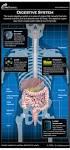 The digestive system Medicine and technology Normal structure and function Diagnostic methods Example diseases and therapies The digestive system An overview (1) Oesophagus Liver (hepar) Biliary system
RADICAL HYSTERECTOMY IN ROBOTIC SURGERY
 RADICAL HYSTERECTOMY IN ROBOTIC SURGERY FLORENCE BOCHU CENTRE OSCAR LAMBRET LILLE PATRICIA VARUMBEKE CENTRE OSCAR LAMBRET LILLE MELANIE FLAMENT CENTRE OSCAR LAMBRET LILLE More and more centers across the
Bard * PerFix * Plug. Technique Guide. A Modified Technique with the. Open Inguinal Hernia Repair
 A Modified Technique with the Bard * PerFix * Plug A quick and simple preperitoneal underlay Modified Technique for the repair of groin hernias Technique Guide Open Inguinal Hernia Repair This technique,
Cancer of the Exocrine Pancreas, Ampulla of Vater and Distal Common Bile Duct Proforma
 Cancer of the Exocrine, Ampulla of Vater and Distal Coon Bile Duct Proforma Mandatory questions (i.e. protocol standards) are in bold (e.g. S1.03). Family name Given name(s) Sex Male Female Intersex/indeterminate
Smoking and misuse of certain pain medicines can affect the risk of developing renal cell cancer.
 Renal cell cancer Renal cell cancer is a disease in which malignant (cancer) cells form in tubules of the kidney. Renal cell cancer (also called kidney cancer or renal adenocarcinoma) is a disease in which
Extended Radical Whipple Resection for Cancer of the Pancreatic Head: Operative Procedure and Results
 How I Do It Dig Surg 1998;15:299 307 Received: February 17, 1997 Accepted: March 20, 1997 T. Imaizumi F. Hanyu N. Harada T. Hatori A. Fukuda Department of Gastroenterological Surgery, Tokyo Women s Medical
Evidence tabel Lokaal palliatieve behandelingen
 Auteurs, jaartal Mate van bewijs Studie type Follow-up Populatie (incl. steekproef-grootte) Patienten kenmerken Interventie Controle Resultaten Conclusie Opmerkingen, commentaar Hartgrink, 2002 The Netherlands
Laparoscopic Cholecystectomy
 Laparoscopic Cholecystectomy Removal of Gall Bladder Page 12 Patient Information Further Information We endeavour to provide an excellent service at all times, but should you have any concerns please,
Cancer of the Cardia/GE Junction: Surgical Options
 Cancer of the Cardia/GE Junction: Surgical Options Michael A Smith, MD Associate Chief Thoracic Surgery Center for Thoracic Disease St Joseph s Hospital and Medical Center Phoenix, AZ Michael Smith, MD
INTRAPERITONEAL HYPERTHERMIC CHEMOTHERAPY (IPHC) FOR PERITONEAL CARCINOMATOSIS AND MALIGNANT ASCITES. INFORMATION FOR PATIENTS AND FAMILY MEMBERS
 INTRAPERITONEAL HYPERTHERMIC CHEMOTHERAPY (IPHC) FOR PERITONEAL CARCINOMATOSIS AND MALIGNANT ASCITES. INFORMATION FOR PATIENTS AND FAMILY MEMBERS Description of Treatment A major difficulty in treating
The lungs What is lung cancer? How common is it? Risks & symptoms Diagnosis & treatment options
 Why We re Here The lungs What is lung cancer? How common is it? Risks & symptoms Diagnosis & treatment options What Are Lungs? What Do They Do? 1 Located in the chest Allow you to breathe Provide oxygen
ERCP in Post Surgical Anatomy
 ERCP in Post Surgical Anatomy ACG Western Regional Course, 2013 John G. Lee, MD Division of Gastroenterology University of California, Irvine Medical Center Common surgical alterations Intact pancreaticobiliary
GIANT HERNIA REPAIR MY EXPERIENCE
 GIANT HERNIA REPAIR MY EXPERIENCE Giorgobiani G. Department of Surgery at Tbilisi State Medical University. The AVERSI Clinic.Tbilisi, Georgia. If we could artificially produce tissue of the density and
Treatment of Hepatic Neoplasm
 I. Policy University Health Alliance (UHA) will reimburse for treatment of hepatic neoplasm outside of systemic chemotherapy alone when determined to be medically necessary and within the medical criteria
Breast Reconstruction Frequently Asked Questions
 Breast Reconstruction Frequently Asked Questions GENERAL Do I need to have breast reconstruction? It is never medically necessary to have breast reconstruction. This is considered an elective procedure,
A PATIENT S GUIDE TO ABLATION THERAPY
 A PATIENT S GUIDE TO ABLATION THERAPY THE DIVISION OF VASCULAR/INTERVENTIONAL RADIOLOGY THE ROBERT WOOD JOHNSON UNIVERSITY HOSPITAL Treatment options for patients with cancer continue to expand, providing
Lesions, and Masses, and Tumors Oh My!!
 Lesions, and Masses, and Tumors Oh My!! Presented by: Susan Ward, CPC, CPC-H, CPC-I, CPCD, CEMC, CPRC 1 1 CPT GUIDELINES Agenda CPT DEFINITIONS OP REPORT CASES 2 Definitions Cyst - a closed sac having
Non-Small Cell Lung Cancer Treatment Comparison to NCCN Guidelines
 Non-Small Cell Lung Cancer Treatment Comparison to NCCN Guidelines April 2008 (presented at 6/12/08 cancer committee meeting) By Shelly Smits, RHIT, CCS, CTR Conclusions by Dr. Ian Thompson, MD Dr. James
Understanding Your Diagnosis of Endometrial Cancer A STEP-BY-STEP GUIDE
 Understanding Your Diagnosis of Endometrial Cancer A STEP-BY-STEP GUIDE Introduction This guide is designed to help you clarify and understand the decisions that need to be made about your care for the
Borderline Resectable Pancreatic Cancer: The Importance of This Emerging Stage of Disease
 Borderline Resectable Pancreatic Cancer: The Importance of This Emerging Stage of Disease Matthew HG Katz, MD, Peter WT Pisters, MD, FACS, Douglas B Evans, MD, FACS, Charlotte C Sun, DrPH, MPH, Jeffrey
CLINICAL MANAGEMENT OF INTRADUCTAL PAPILLARY MUCINOUS NEOPLASMS OF THE PANCREAS
 1 CLINICAL MANAGEMENT OF INTRADUCTAL PAPILLARY MUCINOUS NEOPLASMS OF THE PANCREAS Carlos Fernández-del Castillo, M.D. Associate Professor of Surgery Massachusetts General Hospital Harvard Medical School,
Gallbladder - gallstones and surgery
 Gallbladder - gallstones and surgery Summary Gallstones are small stones made from cholesterol, bile pigment and calcium salts, which form in a person s gall bladder. Medical treatment isn t necessary
General Information About Non-Small Cell Lung Cancer
 General Information About Non-Small Cell Lung Cancer Non-small cell lung cancer is a disease in which malignant (cancer) cells form in the tissues of the lung. The lungs are a pair of cone-shaped breathing
Liver Resection. Patient Information Booklet. Delivering the best in care. UHB is a no smoking Trust
 Liver Resection Patient Information Booklet Delivering the best in care UHB is a no smoking Trust To see all of our current patient information leaflets please visit www.uhb.nhs.uk/patient-information-leaflets.htm
Minimally Invasive Mitral Valve Surgery
 Minimally Invasive Mitral Valve Surgery Stanford Health Care offers leading, superior options in cardiac surgery, including the latest techniques and research for Minimally Invasive Cardiac surgery. Advanced
How to treat early gastric cancer. Surgery
 How to treat early gastric cancer Surgery Mark I. van Berge Henegouwen Department of Surgery, AMC, Amsterdam Director upper GI surgical unit Academic Medical Center Upper GI surgery at AMC 100 oesophagectomies
SILS. Port Insertion By Homero Rivas, MD, MBA, FACS. Single incision. Single port. Simple choice.
 SILS Port Insertion By Homero Rivas, MD, MBA, FACS Single incision. Single port. Simple choice. SILS Port Insertion By Homero Rivas, MD, MBA, FACS For the last 20 years, there has given surgical procedure.
Acute abdominal conditions Key Points
 7 Acute abdominal conditions Key Points 7.1 ASSESSMENT AND DIAGNOSIS Referred abdominal pain Fore gut pain (stomach, duodenum, gall bladder) is referred to the upper abdomen Mid gut pain (small intestine,
Considering a Hysterectomy?
 Considering a Hysterectomy? Learn more about virtually scarless surgery using da Vinci Single-Site technology { {Symptoms & Conditions: Chronic Pain, Heavy Bleeding, Fibroids, Endometriosis, Adenomyosis,
Surgery. Wedge resection only part of the lung, not. not a lobe, is removed. Cancer Council NSW
 The treatment you receive will depend on your lung cancer type, for example, whether you have a non-small cell lung cancer Adenocarcinoma or Squamous cell carcinoma, and if this is a sub-type with a mutation.
KEYHOLE HERNIA SURGERY
 Disclaimer This movie is an educational resource only and should not be used to manage a hernia or abdominal pain. All decisions about the management of a hernia must be made in conjunction with your Physician