
Department of Social and Behavioral Sciences
|
|
|
- Brittany Craig
- 10 years ago
- Views:
Transcription
1 261 Department of Social and Behavioral Sciences Chairperson: Dajani, Nabil H. Professor Emeritus: Prothro, Edwin Professors: Dajani, Nabil H.; Kazarian, Shahe S.; Khalaf, Samir G.; Saumarez-Smith, Richard W. Associate Professors: Dietrich, Arne; Hanafi, Sari A.R.; Harb, Charles W. Assistant Professors: El-Jamil, Tima M.; Melki, Jad; Najjar, Nidal K.; Scheid, Kirsten L.; Randa Serhan; Slobodenyuk, Nadia; Wick, Livia C. Visiting Assistant Professor: Succarieh, Mayssun Lecturers: P Awaida, May A.K.; P Tarabey, Lubna; Trabulsi, Fawwaz Instructors: P Bassil, Margaret W.; P Bibi, Karma M.; Bikhazi, Nadine; Boyadjian, Maral; P Dbaibo, Dania S.; Estefane, Karen; P Ghannoum, Hana K.; P Osman, Zeina The Department of Social and Behavioral Sciences offers programs leading to a BA degree in either psychology or sociology-anthropology, and to an MA degree in psychology or sociology or anthropology. Undergraduate Programs Psychology BA in Psychology Mission Statement The discipline of psychology is dedicated to increasing the scientific understanding of behavior and mental processes at the intrapersonal, interpersonal and group level, and to the application of that understanding to enhance the functioning of individuals, groups, and society. In line with this mission, the Undergraduate Program in Psychology has a threefold mission: to advance and transmit knowledge related to the nature of psychological processes and functioning, to provide a strong foundation in the basic knowledge and skills necessary for research in psychology, and to sensitize students to the applications of psychology in the wider community. This mission embodies the main elements of AUB s mission which are to foster tolerance, freedom of thought, respect for diversity, critical thinking, personal integrity, and civic participation. P Part time

2 262 Department of Social and Behavioral Sciences Admission to the psychology program requires a grade of 70 or more in PSYC 102 or PSYC 202, and a minimum grade of 70 in ENGL 203 and ENGL 204. For purposes of meeting departmental admission requirements, students are not permitted to take PSYC 102 or PSYC 202 more than twice. While completing PSYC 102 qualifies a student to meet one of the admission requirements to the major, 100 level courses will not be counted towards a major requirement. Prospective majors who obtain a grade below 60 in PSYC 102 or PSYC 202 will not be permitted to take the course a second time for the purpose of meeting the departmental admission requirements. Requirements for majors include PSYC 102 or PSYC 202, PSYC 213, PSYC 223, PSYC 227, and PSYC 293. In addition to these required courses, the student must select eight courses from the following categories: Category 1 (3 out of 4 are required, but all can be taken for credit)(9): PSYC 211(3), 215(3) or 217(3),225(3), and 229(3); Category 2 (3 out of 4 are required, but all can be taken for credit)(9): 219(3), 221(3), 233(3) or 251(3), and 237(3); Category 3 (the remainder are electives)(6): PSYC 231(3), PSYC 235(3), PSYC 239(3), PSYC 241(3), PSYC 242(3), PSYC 243(3), PSYC 247(3), and courses in Category 1 and 2 not already chosen. In addition to these required courses, the student must complete CMPS 206 or EDUC 219. If exempted from CMPS 206, students should take 3 credits in Quantitative Thought numbered 200 or above. Also required are 6 credits in natural sciences. A biology course is recommended. The requirements for a BA degree in Psychology are 90 credits for students entering the department at the sophomore level, including 39 credits in the major. The distribution of university requirements is as follows: University Requirements University Language requirements: English (6cr) and Arabic (3cr) University General Education requirements: Humanities (12cr) including 6 credits from CVSP, Natural Sciences (3cr), and Quantitative Thought (6cr) A minor in psychology requires 15 credits: PSYC 102 or PSYC 202, PSYC 227, plus three electives from PSYC except PSYC 213, PSYC 223, and PSYC 243. A cognitive science minor requires 15 credits. PSYC 251 is required. PSYC 251 cannot be counted as a psychology course for the purpose of this requirement. The remaining 12 credits must be chosen from the following courses: PSYC 219, 221, 227, 233, 235, and 247; PHIL 221, 222, 223, 257, 258; ENGL 227, 230, 232, 246; EDUC 215, 221, 225, 290, 290F; CMPS 287; and BIOL 243, 290F, 290AF-1, 290T-1, on condition that the 12 credits chosen span three of the five disciplines. Only 3 credits of the 15 credits taken for the minor may count toward the student s major. PSYC 102 Freshman Psychology 3.0; 3 cr. An introduction to the principles and concepts of psychology to prepare the student for majoring in psychology. Students who take this course may not get credit for PSYC 202. Each semester. PSYC 202 General Psychology 3.0; 3 cr. A course on the principles and findings of modern psychology with attention to their experimental foundations, utilizing reports of original research and other materials geared to prepare the student for majoring in psychology. A student who has received credit for PSYC 102 cannot receive credit for PSYC 202. Each semester.

3 263 PSYC 211 Introduction to Social Psychology 3.0; 3 cr. A course on the scientific study of how individuals think, feel, and behave in regard to other people, and how individuals thoughts, feelings, and behaviors are affected by other people. Prerequisite: PSYC 202. Annually. PSYC 213 Research Methods and Statistical Analyses I 3.0; 3 cr. A course on basic research designs and statistical analyses in psychological research. The course combines both lectures and lab based sessions. Prerequisite: PSYC 202. Annually. PSYC 215 Child Abnormal Psychology 3.0; 3 cr. An introduction to the major theories and treatment perspectives of abnormal behaviors in children and adolescents including autism and schizophrenia, attention-deficit hyperactivity disorder, conduct disorders, phobias, and depression. Prerequisite: PSYC 202 or 102. Annually. PSYC 217 Abnormal Psychology 3.0; 3 cr. An introduction to the major theories and treatment perspectives of abnormal behaviors including phobias, eating disorders, depression, bipolar disorder, schizophrenia, substance-use disorders, and sexual disorders. Prerequisite: PSYC 202 or 102. Annually. PSYC 219 Sensation and Perception 3.0; 3 cr. A course that examines the physiological mechanisms of the primary sensory systems and explores their relationships to higher cognitive functions. Prerequisite: PSYC 202 or 102. Annually. PSYC 221 Psychology of Learning 3.0; 3 cr. A course that examines neurological, behavioral, and other current approaches to human learning. Prerequisite: PSYC 202 or 102. Annually. PSYC 223 Research Methods and Statistical Analyses II 3.0; 3 cr. A course on advanced research designs and statistical analyses in psychological research. The course combines both lectures and lab-based sessions. Prerequisite: PSYC 213. Annually. PSYC 225 Psychology of Personality 3.0; 3 cr. A course that examines methods of measuring personality, theories of personality, and biological and sociological factors that influence personality. Prerequisite: PSYC 202 or 102. Annually. PSYC 227 History and Systems of Psychology 3.0; 3 cr. A course on the historical development of scientific conceptions of human behavior in the context of contemporary psychological systems. Prerequisite: PSYC 202 or 102. Annually. PSYC 229 Psychology of Development 3.0; 3 cr. A course on psychological development from before birth to adulthood. Students who receive credit for EDUC 225 cannot receive credit for PSYC 229. Annually. PSYC 231 Psychological Measurement and Scaling 3.0; 3 cr. A course on the principles and methods of measurement and scaling in psychology. P r e r e q u i s i t e s : PSYC 202 or 102, and a course in statistics. Occasionally. PSYC 233 Cognitive Psychology 3.0; 3 cr. This course introduces students to the main areas of cognitive psychology, including the following: perception, neuroscience, attention, visual imagery, memory, language, concepts, problem solving, judgment, and cultural cognition. There is special emphasis on applying knowledge to everyday practice. Prerequisite: PSYC 202 or 102. Annually.

4 264 Department of Social and Behavioral Sciences PSYC 235 Special Topics in Psychology 3.0; 3 cr. A course that provides a general overview of an area of psychology that is not normally covered by the department s offerings. Occasionally. PSYC 237 Behavioral Neuroscience 3.0; 3 cr. An introduction to the neural basis of behavior. The course surveys the structure and organization of the human brain and how complex behavior arises from it. Prerequisite: PSYC 102 or 202. Annually. PSYC 239 Introduction to Clinical Psychology 3.0; 3 cr. An introduction to the field of clinical psychology with a view to understanding the research, assessment, and intervention approaches considered by clinical psychologists and the theoretical, ethical, and professional issues confronting them. Prerequisite: PSYC 202 or 102 and pre or corequisites: PSYC 215 or 217. Annually. PSYC 241 Introduction to Health Psychology 3.0; 3 cr. An introduction to the field of health psychology with a view to understanding psychological and lifestyle factors in a variety of major diseases such as heart attacks, cancer, and AIDS; and to considering best practices in the prevention of ill-health and the promotion of good health. Prerequisite: PSYC 202 or 102. Annually. PSYC 242 Positive Psychology 3.0; 3 cr. This course focuses on psychological principles and practices that relate to personal and collective flourishing and fulfillment in life. Specific topics include self-esteem, friendship, love, achievement, creativity, luck, spirituality, exercise, healthy sexuality, and humor. Prerequisite: PSYC 202. Annually. PSYC 243 Applied Psychology Research Project 3.0; 3 cr. This course requires students to plan, conduct, and write up a full study that addresses psychosocial issues in applied settings such as business, industry, hospitals, or public/private institutions. The course is meant to build upon and further develop the research and data analysis skills acquired in introductory research methods courses, and statistical analyses courses. Prerequisites: PSYC 213 and PSYC 223. A minimum grade of 75 in both PSYC 213 and PSYC 223 is required. Annually. PSYC 247 Introduction to Culture and Psychology 3.0; 3 cr. The course aims to sensitize students to the importance of culture in psychological processes, and focuses on indigenous, cultural, and cross-cultural psychological theories and findings. Prerequisites: PSYC 202 or 102. Annually. PSYC 251 Introduction to Cognitive Science 3.0; 3 cr. This course is an introduction to the interdisciplinary study of cognitive science which involves research about the workings of the mind from the fields of psychology, linguistics, philosophy, education, computer science, neuroscience, anthropology, engineering, and others. The course aims to provide students with an appreciation for the range of disciplinary perspectives and methods, and the applications of cognitive science to everyday life. Annually. PSYC 291 Senior Tutorial 3.0; 3 cr. Prerequisites: PSYC 213 and 223, senior standing, and a minimum average of 80 in the major. Offered on request. PSYC 293 Undergraduate Seminar in General Psychology 3.0; 3 cr. A review of significant research in major areas in psychology. Prerequisites: PSYC 213 and 223, and senior standing. Annually.

5 265 PSYC 299 Directed Study 3 6 cr. A tutorial course offered to SBS students with an average of 85 or above in their major at the beginning of their senior year. This tutorial consists of independent research, original creative compositions, or directed reading, and includes the presentation of a report or thesis on the work. Students with averages lower than 85 may be admitted to directed study at the discretion of the department. Offered occasionally. 39 Credits in PSYC 1 Modes of Analysis Lecture Courses ( ) English and Arabic (9) 1. Required Arabic course: ARAB 201A or B, or any upper level course (3) 2. Required English courses: ENGL 203(3), 204(3) Humanities (12) Required credits in the humanities: 12 credits including 6 credits from CVSP (see pp ) Social Sciences (39) Natural Sciences (6) Quantitative Thought (3) Required PSYC courses (15): PSYC 102(3) or PSYC 202(3), 213(3), 223(3), 227(3), 293(3) and eight courses from the following three categories (24): Category 1 (3 out of 4 are required (9): PSYC 211(3), 215(3) or 217(3), 225(3), 229(3); Category 2 (3 out of 4 are required (9): 219(3), 221(3), 233(3) or 251(3), 237(3); Category 3 (two electives)(6): PSY 231(3),235(3), 239(3), 241(3),242(3), 243(3) 247(3), and courses in Category 1 and 2 not already chosen. Seminar (3) Required (3): PSYC 293(3) 2 Laboratory (6) Required (3): PSYC 213(3), 223(3) Research Project (3) Required (3): PSYC 223(3), 211(3), 213(3), 217(3), 223(3), 225(3), 233(3), 235(3), 239(3), 241(3), 243(3) Two natural science courses (3) from BIOL, CHEM, GEOL, PHYS or CMPS (except for 206) numbered 200 and above. (A BIOL course is recommended.) Required: 1. CMPS 206(3) or EDUC 219(3) CMPS 206(3) or EDUC 219(3) 1 Plus 21 free elective credits. 2 Seminar, laboratory, and research project courses may be listed more than once. Sociology-Anthropology SOAN BA Mission Statement The mission of the SOAN degree offered by the SBS department is to make students aware of the different contributions of anthropology, communication, and sociology. The aim is to train students in the conceptual, research, and applied tools of these three components. Through independent, critical, and advocacy fieldwork, attention is given to the historical and cross-cultural heritage of Arab society and its relation to the rest of the world.

6 266 Department of Social and Behavioral Sciences Admission to the sociology-anthropology program requires a minimum grade of 70 in ENGL 203 and ENGL 204, and a grade of 70 or more in one of the following: SOAN 101, SOAN 201, SOAN 203, or SOAN 204. If admission to SOAN is based on SOAN 101, an additional SOAN or any social science course is required. For purposes of meeting department admission requirements, students are not permitted to take SOAN 101 or SOAN 201 more than twice. While completing SOAN 101 qualifies a student to meet one of the admission requirements to the major, the 100 level courses will not be counted towards a major requirement. Prospective majors who obtain a grade below 60 in SOAN 201 are not permitted to take the course for a second time for the purpose of meeting the departmental admission requirements. Requirements for the BA program include SOAN 101 or SOAN 201 or SOAN 203 or SOAN 204, SOAN 228, SOAN 210, SOAN 211, SOAN 212, SOAN 213, SOAN 214, and a seminar from SOAN , , plus 15 additional credit hours, as well as a course in computer literacy (such as CMPS 206 or EDUC 219). If exempted from CMPS 206, students should take 3 credits in Quantitative Thought. The requirements for a BA degree in Sociology-Anthropology are 90 credits for students entering the department at the sophomore level, including 39 credits in the major. The distribution of university requirements is as follows: University Requirements University Language requirements: English (6cr) and Arabic (3cr) University General Education requirements: Humanities (12cr) including 6 credits from CVSP, Natural Sciences (6cr), and Quantitative Thought (3cr) The sociology-anthropology program offers three areas of specialization: anthropology, communication, and sociology. For a minor in anthropology the requirements are SOAN 203 or SOAN 212, SOAN 222 or SOAN 225, and SOAN 221 or SOAN 227, plus two electives from SOAN 212, SOAN 214, SOAN , SOAN 232, SOAN and For a minor in communication, the requirements are SOAN 205, SOAN 228, and SOAN 229, plus two electives from communication courses including the following: SOAN 204, SOAN 206, SOAN 207, SOAN 230, SOAN 231, SOAN 233, SOAN 234, SOAN 235, SOAN 236, SOAN 239 and SOAN 243. For a minor in sociology the requirements are SOAN 101 or SOAN 201, SOAN 213, and SOAN 214, plus two electives from the following: SOAN 210, SOAN 220, SOAN 222, SOAN 223, SOAN 224, SOAN 225, SOAN 232, and SOAN Students who wish to undertake a master s degree in sociology are strongly advised to take SOAN 210 as an elective in their minor. The SOAN program, in collaboration with the departments of Philosophy and PSPA, offers a minor in Human Rights and Transitional Justice. For this minor, the requirements are: SOAN 245, SOAN 240 or PSPA 235, and three electives from the following: SOAN 221, SOAN 230, SOAN 231, SOAN 232, PSYC 211, PHIL 216, PHIL 252, PSPA 232. Students majoring in sociologyanthropology should take at least three courses outside the SOAN program.

7 267 SOAN 101 Freshman Sociology 3.0; 3 cr. An introduction to the principles and concepts of sociology to prepare students for majoring in sociology. Students who take this course can not receive credit for SOAN 201. Each semester. SOAN 103 Reading Other Cultures 3.0; 3 cr. An introduction to the study of other cultures drawing on film, ethnographic case studies, and topical debates. This course presents basic concepts in the comparative study of culture, methods of observing and interpreting other cultures, a sense of how knowledge about other cultures is constructed, and tools to develop a critical awareness of one s own cultural traditions. Note that this course is classified as a humanities, not as a social science course. Students may take it to fulfill the university s humanities requirement but not the University s social sciences requirement. Annually. SOAN 201 Introduction to Sociology 3.0; 3 cr. An introduction to the study of social phenomena. Basic concepts, principles, and methods common to the study of society are employed for the analysis of structure and change in society. This course includes the structure and origin of some basic human institutions such as family, kinship, religion, and language. A student who has received credit for SOAN 101 can not receive credit for SOAN 201. Each semester. SOAN 203 Introduction to Anthropology 3.0; 3 cr. An introduction to anthropology encompassing the traditional subfields of cultural, physical, linguistic, and archaeological anthropology. The course prepares students for further study in anthropology. Each semester. SOAN 204 Introduction to the Communication Process 3.0; 3 cr. An introduction to the study of human communication processes. The course draws upon relevant concepts in social psychology and depends heavily on class group projects, usually in the form of simulations of communication situations. Annually. SOAN 205 Basic News Reporting 3.0; 3 cr. An introduction to basic news writing and editing for newspapers and magazines. This course teaches students the fundamental elements of the simple news story such as headlines, leads, and body. It also covers reporting techniques and processes relevant to the coverage of political, economic, social, and cultural developments. Annually. SOAN 206 Advanced News Reporting 3.0; 3 cr. The course introduces the student to simple and complex journalistic investigations of the role of government and business in society as well as their interrelationships. Annually. SOAN 207 Digital Media Literacy Introduces digital information literacy or the ability to effectively access, analyze, evaluate and create digital media. Examines how media messages shape politics, culture and society, and explores new media production skills, including blogs, podcasts, photo and video manipulation. Annually SOAN 210 Research Methods 3.0; 3 cr. A survey of the basic techniques and designs of social research, including both quantitative and qualitative methods, the relationship between micro and macro approaches to society, and the interplay between theory and research. Alternate years. SOAN 211 Analysis of Social Data 3.0; 3 cr. A survey of basic statistical techniques used in analyzing social and behavioral data. Students participate in the analysis of research data by applying various analytical techniques using computer packages. They will also interpret research findings and write a research report. Annually.

8 268 Department of Social and Behavioral Sciences SOAN 212 Social Anthropology 3.0; 3 cr. A general introduction to the theories and methods of anthropology with special attention to the transformation of traditional society; this course examines the primary institutions of family, economy, religion, and politics in relation to technological change and modernization. Annually. SOAN 213 Sociological Theory 3.0; 3 cr. A survey of some of the major theoretical perspectives and critical issues of classical and contemporary sociological theory. Special focus is placed on four interrelated dimensions: 1) the nature of sociological theory and its intellectual sources, 2) its classic tradition, particularly the legacies of Marx, Durkheim, and Weber, 3) an exploration of salient contemporary perspectives, 4) the emergence of new theories and/or directions, such as post-modernity and global sociology. Alternate years. SOAN 214 Arab Culture and Society 3.0; 3 cr. A study of contemporary Arab society: its complexity, diversity, and internal dynamics. This course considers social structures, social groups, cultural patterns, and processes and agents of social and cultural change, and examines current debates on major issues in Arab culture and society. Annually. SOAN 215 Anthropology of America 3.0; 3 cr. A critical examination of conceptions of mainstream or dominant American culture. Using ethnographic case material, the course explores cultural systems and social structures in the contemporary United States, offering an introduction to anthropological approaches to the study of complex societies. Note that this course is classified as a humanities, not as a social science course. Students may take it to fulfill the university s humanities requirement but not the University s social sciences requirement. Alternate years. SOAN 216 Hands-On Anthropology 3.0; 3 cr. An introduction to the techniques, theories, and debates concerning ethnographic fieldwork. What do anthropologists actually do and what is unique about anthropological research? This course explores the politics and ethics of research, kinds of observation, effective interviewing strategies, note-taking, ways of coding or indexing information, data analysis, and approaches to writing. Alternate years. SOAN 217 Anthropology of the Body 3.0; 3 cr. An examination of cultural and historical variations in perceptions and experiences of the human body. The course focuses on the ways the human body is culturally constructed and socially experienced, through case studies of labor, sport, health, illness, sexuality, gender, display, and religious ritual. Note that this course is classified as a humanities, not as a social science course. Students may take it to fulfill the university s humanities requirement but not the University s social sciences requirement. SOAN 220 City and Society 3.0; 3 cr. An introduction to some of the leading conceptual and methodological perspectives for the study of transformations in human settlements. The course explores issues associated with the evolution of cities, their spatial and cultural features, and the social production of informal space and the gendering of space. Changing trends and patterns in Third World urbanization are explored with special focus on the Arab World, global, and post-modern cities. Alternate years. SOAN 221 Political Anthropology 3.0; 3 cr. A course examining concepts of power and authority and the evolution of the state from a comparative point of view. A special focus is placed on studies of leadership, law, bureaucracy, and state formation in both traditional and modern systems. Alternate years.

9 269 SOAN 222 Family and Kinship 3.0; 3 cr. The course examines, from a comparative perspective, different forms of family and kinship organization, their relation to production and systems of exchange. Special focus is placed on processes of initiation and reproduction, and cultural expression of relatedness. Alternate years. SOAN 223 Social Inequality: Conflict and Consensus 3.0; 3 cr. The course explores theories of social inequality. It addresses issues such as class, status, and gender inequalities and points to sources of conflict and consensus. Arguments for and against equality are canvassed. Alternate years. SOAN 224 Sexuality and Society 3.0; 3 cr. The course provides a comparative conceptual framework to explore the changing nature of sexuality in society. Special focus is placed on the social construction of sexual identities, sex and the body, the place of desire and the changing form of romantic love, erotica and pornography, the commodification of intimacy, sexual ethics and sexual prolifics in a globalized world. The course also focuses on the dynamics of male-female relations in Arab society. Alternate years. SOAN 225 Gender and Culture 3.0; 3 cr. An examination of gender holistically and cross-culturally from a social-anthropological perspective. This course examines how meanings of sex variation are constructed and gender is performed by individuals and groups in different societies. It studies the roles of women and men in ritual, in economic and political systems, and in other social arenas. Note that this course is classified as a humanities, not as a social science course. Students may take it to fulfill the University s humanities requirement but not the University s social sciences requirement. Alternate years. SOAN 226 Religion and Society 3.0; 3 cr. A course that examines the relationship between society and religion, including both formal institutions and informal processes, which deal with the supernatural. This course studies the origin and development of ritual and religious functions for both the individual and society. Alternate years. SOAN 227 Cultural Boundaries and Identities 3.0; 3 cr. Analysis of cultural boundaries and identities. A comparative study of ethnicity and other identity categories and related issues such as cultural hybridity and nationalism with emphasis on the Middle East. Alternate years. SOAN 228 Mass Media and Society 3.0; 3 cr. A survey of mass media institutions and an examination of the role of the mass media in society, including an introduction to basic principles and concepts as developed in the West and as applied in the Middle East. Annually. SOAN 229 Communication Theory 3.0, 3 cr. An overview of the ways in which mass communication has been viewed by social scientists and by practitioners, with a focus on the range of issues studied and questions raised, and the schools, approaches, and trends in the field. Annually. SOAN 230 Public Opinion 3.0; 3 cr. A general study of the nature of public opinion, and the interplay between psychological and sociocultural processes in the formation and dissemination of public opinion. An attempt is also made to explore the impact of public opinion on media and socio-cultural change. Measurements of public opinion are also explored. Alternate years. SOAN 231 Communication Campaigns 3.0; 3 cr. A course that seeks to give students the opportunity to apply, in a strategically integrated manner, the concepts and procedures used in advertising and marketing research. Working in groups, students are required to plan and develop comprehensive marketing communications campaigns to promote social ideas or commercial items using numerous media and research techniques. Annually.

10 270 Department of Social and Behavioral Sciences SOAN 232 Conflict Analysis and Resolution 3.0; 3 cr. An overview of the field of conflict analysis and resolution. This course covers the history of conflict studies, theories of conflict, and methods of dispute resolution. Annually. SOAN 233 Persuasion in the Media Age 3.0; 3 cr. The course explores the nature of persuasion today and examines strategies for critically evaluating persuasive communication, stressing the importance of adapting persuasive messages to society s cultural beliefs and values, as well as to the economic and social structures that govern the society. It aims at moving beyond traditional theories to improve the student s understanding of how to respond to and evaluate persuasive communication in the era of communication technology. Alternate years. SOAN 234 Public Relations 3.0; 3 cr. The course introduces the student to the world of public relations through a strong emphasis on fundamentals, such as history and research. Emerging issues, such as technology, ethics, and the international aspects of public relations are considered through examining PR strategies, tactics, and case studies. Alternate years. SOAN 235 Advertising 3.0; 3 cr. The course introduces the student to the core concepts and practices of advertising. It examines the impact of new media and research methods, with an emphasis on integrated communications and the role of ad agencies. Students learn how to assess the effectiveness of advertising, and how to create a successful ad campaign. Alternate years. SOAN 236 Broadcast Media 3.0; 3 cr. The course introduces the students to the history of the electronic media, examining the impact of the new media on communication. The course has an interdisciplinary nature, drawing on the expertise of AUB faculty in the fields of communication, science and technology, history, politics, and economics. Alternate years. SOAN 239 Special Topics 3.0; 3 cr. A course that provides a general overview of an area in anthropology, communication, or sociology that is not normally covered by the department s offerings. May be repeated for credit. Occasionally. SOAN 240 Seminar in Human Rights and Cultural Differences 3.0; 3 cr. A seminar that provides students with an introduction to the history, concepts, institutions, and applications of human rights. Although drawn mainly from a Western perspective, applications are canvassed from the Middle East as well. Discussions cover philosophical foundations of human rights law; discrimination, xenophobia, and racism; civil, political, social, and economic rights; women s rights; children s rights; rights of minorities and indigenous people; and migrant workers rights. Alternate years. SOAN 241 Seminar in the Sociology of Deviance 3.0; 3 cr. The seminar explores the role of leading theoretical perspectives for understanding the changing meanings, nature, and forms of deviance in a cross-cultural context. Primary concern is to identify conceptual, methodological, moral, and political issues in the study of substantive social problems such as violent crime, alcoholism and drug abuse, prostitution, homosexuality, suicide, mental disorders, corporate crime, and other emerging forms of global deviance. Alternate years.

11 271 SOAN 242 Seminar in Globalization and Migration 3.0; 3 cr. An introduction to a range of issues related to theories of migration with particular emphasis on the peculiarities of contemporary globalization. Theoretical considerations include assumptions and case studies from sociology, economics, political economy, and anthropology. Concepts such as network theory, transnationalism, and the international division of labor are used to illuminate issues such as citizenship and identity, refugees, forced migration, nationalism, and ethnicity as they relate to the migratory experience. Alternate years. SOAN 243 Seminar in Communication 3.0; 3 cr. An undergraduate seminar on the role of communication in society. The content areas may change. May be repeated for credit. Annually. SOAN 245 Seminar in Transitional Justice 3.0; 3 cr. The seminar is an exploration of the strategies and courses of action societies confront as they consider legacies of past human rights abuses or atrocities. It examines the ways in which states and the international community attempt to achieve justice in periods of political transition. Some of the leading theories and applied dimensions will be critically assessed in the light of the operation of international and domestic criminal justice, historical and administrative justice. Annually. SOAN 250 Seminar in Art and Culture 3.0; 3 cr. A cross-cultural exploration of art as an idea, an object, a history, and a way of interacting with the world. How is art a universal category? This course applies anthropological theories to the study of art and art theories to the study of human society. Particular attention is paid to local resources and archives. Note that this course is classified as a humanities, not as a social science course. Students may take it to fulfill the University s humanities requirement but not the University s social sciences requirement. Occasionally. SOAN 251 Seminar in Anthropological Thought 3.0; 3 cr. An investigation of the major theories guiding anthropological thinking today, through a historically contextualizing overview. This course introduces students to a range of theoretical propositions concerning such topics as agency, structure, subjectivity, power, and the politics of representation by reading primary texts from landmark figures in sociocultural anthropology. Occasionally. SOAN 252 Cannibals, Liars, Spies: Controversies in the Study of Humans 3.0; 3 cr. An investigation of the cases that have shaken the discipline of anthropology and/or sociology. This course uses some exciting issues such as cannibalism, lying, and spying to enter into some of the core issues that concern the study of humans. Occasionally. SOAN 290 Special Topics Seminar 3.0; 3 cr. SOAN faculty or visiting professors and recognized scholars might be invited to offer seminars to explore relevant dimensions of their research in progress. May be repeated for credit. Occasionally. SOAN 299 Directed Study 3 6 cr. A tutorial course offered to SBS students with an average of 85 or above in their major at the beginning of their senior year. This tutorial consists of independent research, original creative compositions, or directed reading, and includes the presentation of a report or thesis on the work. Students with averages lower than 85 may be admitted to directed study at the discretion of the department. Occasionally.

12 272 Department of Social and Behavioral Sciences Diploma Program in Media Communication The SBS Department offers a diploma program in media communication. Courses in this program are elected to include a balance of practical and theoretical courses. Two are practical journalism courses (SOAN 205 Basic News Reporting and SOAN 206 Advanced News Reporting or SOAN 236 Broadcast Media), two are a combination of theoretical and practical courses (SOAN 234 Public Relations and SOAN 235 Advertising or SOAN 231 Communication Campaigns), and the remaining three courses deal mainly with the role of media in society, media regulations and ethics. The Diploma Program in Media Communication prepares students to pursue professional careers in media and public relations institutions. This requires specialization in the subject matter of communication in the Department of Social and Behavioral Sciences that could be completed before or during professional preparation in the Faculty of Arts and Sciences. Once completed, this preparation culminates in a diploma in media communication which prepares a student for careers in media and public relations institutions. The program comprises a total of 21 credit hours in the subject of communication. Admission to the Diploma Program in Media Communication For admission to this diploma program, students in any major may enroll as part of their bachelor s degree program or after completing the bachelor s degree. Holders of this diploma will be capable to handle professional tasks in media institutions (journalism, public relations and advertising), as well as government and public institutions. New students should obtain an application from the Admission s Office and apply as new students. Applications will be reviewed by the Department of Social and Behavioral Sciences and, when accepted, students will be classified as special students working for the diploma in media communication. Completion of the bachelor s degree is a requirement for admission of new students to the diploma programs. AUB students working for their bachelor s degree at AUB have to apply to the SBS department directly. Qualifications for the Diploma in Media Communication Students qualify for the diploma in media communication upon completion of the program of study, attaining a cumulative average of 70 or above in its courses, and receiving the recommendation of the Department of Social and Behavioral Sciences. The purpose of this diploma is to provide knowledge and training in the area of media communication. Holders of such a diploma are expected to be up to date on the role of the media in society and proficient in media regulations, ethics, and practices. For completion of this program 21 credit hours are required with a cumulative average of 70. The program is composed of the following courses: SOAN 204, SOAN 205, SOAN 206, SOAN 228, SOAN 229, SOAN 234 and SOAN 235 or SOAN 231.

13 Credits in SOAN 1 Modes of Analysis Lecture Courses ( ) Seminar (3) English and Arabic (9) Humanities (12) Social Sciences (39) 1. Required Arabic course: ARAB 201A or B, or any upper level course (3) 2. Required English courses: ENGL 203(3), 204(3) Required credits in the humanities: 12 credits including 6 credits from CVSP (see pp ) 1. Required (24): SOAN 101(3) or 201(3) or 203(3), 204(3) or 228(3), 210(3), 211(3), 212(3), 213(3), 214(3), 240(3) or 241(3) or 242(3) or 243(3) or 245(3), 2. Electives (15) from SOAN 205 and SOAN Required (3): SOAN 240(3), 241(3), 242(3), 243(3), 245(3), 250(3), 251(3) or 252(3) 2 Natural Sciences (6) Required 6 credits Quantitative Thought (3) CMPS 206(3) or EDUC 219(3) Laboratory (6) SOAN 211(3) CMPS 206(3) or EDUC 219(3) Research Project (3) SOAN 210(3), 212(3), 213(3), 214(3), 226(3), 230(3), 240(3), 241(3), 243(3), 290(3), 299(3) 1 Plus 21 free elective credits 2 SOAN courses count towards the SOAN major as well as the Anthropology and Sociology minors as described on p. xxx. Social and Behavioral Sciences (Six Minors) Anthropology: three core courses (SOAN 203 or SOAN 212, SOAN 222 or SOAN 225, and SOAN 221 or SOAN 227) and two electives from the following: SOAN 212, SOAN 214, SOAN , SOAN 232, SOAN and Communication: three core courses (SOAN 205, SOAN 228, SOAN 229) and two electives from the following: SOAN 204, SOAN 206, SOAN 207, SOAN 230, SOAN 231, SOAN 233, SOAN 234, SOAN 235, SOAN 236, SOAN 239, and SOAN 243 Psychology: two core courses (PSYC 102 or PSYC 202, PSYC 227) and three electives from PSYC except PSYC 213, PSYC 223, and PSYC 243 Sociology: three core courses (SOAN 101 or SOAN 201, SOAN 213, SOAN 214) and two electives from the following: SOAN 210, SOAN 220, SOAN 222, SOAN 223, SOAN 224, SOAN 225, SOAN 232, and SOAN Cognitive Science: PSYC 251 is required. PSYC 251 can not be counted as a psychology course for the purpose of this requirement. The remaining 12 credits must be chosen from the following courses: PSYC 219, 221, 227, 233, 235, and 247; PHIL 221, 222, 223, 257, 258; ENGL 227, 230, 232, 246; EDUC 215, 221, 225, 290, 290F; CMPS 287; and BIOL 290AF-1, 290T-1, on condition that the 12 credits chosen span three of the five disciplines. Only 3 credits of the 15 credits taken for the minor may count toward the student s major. Human Rights and Transitional Justice: The requirements are: SOAN 245, SOAN 240 or PSPA 235, and three electives from the following: SOAN 221, SOAN 230, SOAN 231, SOAN 232, PSYC 211, PHIL 216, PHIL 252, PSPA 232. Students majoring in sociology-anthropology should take at least three courses from other than the SOAN courses.

How To Get A Bachelors In Sociology And Anthropology
 276 Department of Sociology, Anthropology, and Media Studies Department of Sociology, Anthropology, and Media Studies Chairperson: Dajani, Nabil H. Professors: Dajani, Nabil H.; Hanafi, Sari; Khalaf Samir
Department of Psychology
 270 Department of sychology Department of sychology Chairperson: Kazarian, Shahe S. rofessors: Dietrich, Arne; Kazarian, Shahe S. Associate rofessor: Harb, Charles W. Assistant rofessors: El-Jamil, Tima;
Department of Sociology, Anthropology, and Media Studies
 283 Department of Sociology, Anthropology, and Media Studies Chairperson: Director of Media Studies: Professors: Associate Professors: Assistant Professors: Lecturer: Instructors: Hanafi, Sari Melki, Jad
THE BACHELOR OF ARTS DEGREE IN PSYCHOLOGY (PSYC)
 themselves in a more efficacious and convincing manner. categorical logic, prepositional logic, and predicate logic. Prerequisite: ENGL 1301 We discuss three systems of logic: Offered: Once Every Two Years
THE BACHELOR OF ARTS DEGREE IN PSYCHOLOGY (PSYC)
 136 / Department of Social and Behavorial Sciences THE BACHELOR OF ARTS DEGREE IN PSYCHOLOGY (PSYC) Psychology is a relevant field of study for many professions and careers in psychology as well as other
Psychology UNDERGRADUATE
 Psychology Chair: Basma Faour, Ed.D. The Department of Psychology offers a B.A. program in General Psychology and M.A. programs in General Psychology, Clinical Psychology, Counseling, Industrial/Organizational
Psychology. Mission. Outcomes
 233 Psychology Mission The mission of the psychology department is to assist students in the development of lifelong professional, spiritual, scholarly and scientific talents. Talents in psychology involve
Psychology. REQUIREMENTS FOR A MAJOR IN PSYCHOLOGY (B.A.): 12 courses (45-49 credits)
 Psychology MAJOR, MINOR PROFESSORS: Bonnie B., George W. (chair) ASSOCIATE PROFESSORS: Richard L. ASSISTANT PROFESSOR: Tiffany A. The core program in psychology emphasizes the learning of representative
Department of Psychology
 Colorado State University 1 Department of Psychology Office in Behavioral Sciences Building, Room 201 (970) 491-3799 colostate.edu/depts/psychology (http://www.colostate.edu/depts/ Psychology) Professor
Psychology Professor Joe W. Hatcher; Associate Professor Kristine A. Kovack-Lesh (Chair) Visiting Professor Jason M. Cowell
 Psychology Professor Joe W. Hatcher; Associate Professor Kristine A. Kovack-Lesh (Chair) Visiting Professor Jason M. Cowell Departmental Mission Statement: The Department of Psychology seeks for its students
Behavioral Sciences INDIVIDUAL PROGRAM INFORMATION 2015 2016. 866.Macomb1 (866.622.6621) www.macomb.edu
 Behavioral Sciences INDIVIDUAL PROGRAM INFORMATION 2015 2016 866.Macomb1 (866.622.6621) www.macomb.edu Behavioral Sciences CREDENTIAL TITLE PROGRAM OPTIONS CREDIT HOURS REQUIRED Certificate Behavioral
Psychology. Administered by the Department of Psychology within the College of Arts and Sciences.
 Psychology Dr. Spencer Thompson, Professor, is the Chair of Psychology and Coordinator of Child and Family Studies. After receiving his Ph.D. in Developmental Psychology at the University of California,
Program Approval Form
 Program Approval Form For approval of new programs and deletions or modifications to an existing program. Action Requested: Type (Check one): Create New (SCHEV approval required except for minors) B.A.
X. Department of Psychology and Human Services
 X. Department of Psychology and Human Services Assistant Professor Noh, Chair Assistant Professors Azarbehi, Hutchinson Human Services The Bachelor of Arts in Human Services is a program offered in partnership
Psychology. 42 Credits Complete the requirements shown in the General Education Requirements section of this catalog. Include this specific course.
 Psychology Psychology is the science of behavior and mental processes. Behavior is anything an organism does that we can observe and record; examples include smiling, talking, yelling, and marking a questionnaire.
Sociology SOCIOLOGY. 2015-16 Sacramento City College Catalog. Degree: A.A. Sociology AA-T Sociology for Transfer
 SOC Degree: A.A. AA-T for Transfer Division of Behavioral and Social Science Dr. Carl-Petter Sjovold, Interim Dean Rodda North 226 916-558-2401 Associate in Arts Degree The major is designed to prepare
PSYCHOLOGY, BACHELOR OF SCIENCE (B.S.) WITH A CONCENTRATION IN PRE- GRADUATE SCHOOL
 VCU 1 PSYCHOLOGY, BACHELOR OF SCIENCE (B.S.) WITH A CONCENTRATION IN PRE- GRADUATE SCHOOL The Bachelor of Science in Psychology curriculum reflects the discipline s major functions scientific research,
The Department of Psychology
 The Department of Psychology 313 Life Science Bldg. Box 19528 817-272-2281 www.uta.edu/psychology Academic Advising: 320 Life Science Bldg. 817-272-0858 Overview The Department of Psychology offers two
MN TRANSFER CURRICULUM
 MN TRANSFER CURRICULUM The Minnesota Transfer Curriculum (MnTC) is the format in which general education is accomplished within the public two- and four-year colleges and universities in Minnesota. The
Master of Arts Programs in the Faculty of Social and Behavioral Sciences
 Master of Arts Programs in the Faculty of Social and Behavioral Sciences Admission Requirements to the Education and Psychology Graduate Program The applicant must satisfy the standards for admission into
PSYC PSYCHOLOGY. 2011-2012 Calendar Proof
 PSYC PSYCHOLOGY PSYC1003 is a prerequisite for PSYC1004 and PSYC1004 is a prerequisite for all remaining Psychology courses. Note: See beginning of Section F for abbreviations, course numbers and coding.
Criminal Justice - Law Enforcement
 Criminal Justice - Law Enforcement Dr. Charles Adair, Acting Chair Criminal Justice Department [email protected] 631-420-2692 School of Arts & Sciences Associate in Science Degree The goal of this
Department of Psychology
 402 Phone: (512) 245-2526 Fax: (512) 245-3153 Degree Programs Offered BA, major in Psychology BS, major in Psychology Minors Offered Psychology Forensic Psychology Sports Psychology Department of Psychology
Department of Psychology
 Department of Dr. Brian Cronk, Chairperson [email protected] 271-4444 http://www.missouriwestern.edu// The study of psychology provides a better understanding of human nature and of the behavior
Psychology Courses-1
 Psychology Courses-1 PSY 096/Orientation to Psychology 0 course units phis advising seminar is required for all freshman and external transfer students enrolled as Psychology majors (all double majors
Criminal Justice and Sociology
 Criminal Justice and Sociology Professor Stone (chair); Lecturers Fremgen, Kaiser, Redmann, and Rummel Mission Statement The mission of the Department of Criminal Justice and Sociology at Jamestown College
PSYCHOLOGY, BACHELOR OF SCIENCE (B.S.)
 VCU 1 PSYCHOLOGY, BACHELOR OF SCIENCE (B.S.) The Bachelor of Science in Psychology curriculum reflects the discipline s major functions scientific research, teaching, acting as a healing profession and
Psychology. Department Faculty Kevin Eames Michael Rulon Phillip Wright. Department Goals. For General Education. Requirements for Major in
 Psychology Department Faculty Kevin Eames Michael Rulon Phillip Wright Department Goals The discipline of psychology is concerned with the examination of human behavior. For General Education The goals
UNIVERSITY OF BELGRADE FACULTY OF PHILOSOPHY. Part two: INFORMATION ON DEGREE PROGRAMS
 Part two: INFORMATION ON DEGREE PROGRAMS Part two: Information on Degree Programs Philosophy Bachelor s Degree Philosophy Master s Degree Philosophy Doctoral Degree Sociology Bachelor s Degree Sociology
Study in psychology provides multiple perspectives
 Psychology Faculty: Kim G. Brenneman (chair) Gregory Koop Judy H. Mullet Major: Psychology Minor: Psychology Study in psychology provides multiple perspectives on understanding persons as individuals and
Guide to the Focus in Mind, Brain, Behavior For History and Science Concentrators Science and Society Track Honors Eligible 2015-2016
 Guide to the Focus in Mind, Brain, Behavior For History and Science Concentrators Science and Society Track Honors Eligible 2015-2016 Department of the History of Science Science Center 371 The Focus in
Psychology Courses-1
 Psychology Courses-1 Psychology: Course Descriptions PSY 096/Orientation to Psychology PSY 097/Exploring the Psychology Major PSY 098/Exploring the Psychology Profession PSY 099/Psychology Professional
THE DEPARTMENT OF SOCIAL AND BEHAVIORAL SCIENCES SOCIOLOGY PROGRAM HANDBOOK
 THE DEPARTMENT OF SOCIAL AND BEHAVIORAL SCIENCES SOCIOLOGY PROGRAM HANDBOOK MAY 2015 Sociology The program requires a minimum of 120 semester hours for a Bachelor of Arts Degree in Sociology. This includes
COURSE DESCRIPTIONS 2014-2015
 COURSE DESCRIPTIONS 2014-2015 Course Definitions, Designators and Format Courses approved at the time of publication are listed in this bulletin. Not all courses are offered every term. Refer to the online
College of Arts and Sciences. Psychology
 100 INTRODUCTION TO CHOLOGY. (4) An introduction to the study of behavior covering theories, methods and findings of research in major areas of psychology. Topics covered will include the biological foundations
Psychology. Forensic Psychology Master of Science (M.S.)
 University of North Dakota 1 Psychology http://www.und.edu/dept/psych/ Bradley, Derenne, De Young, Ferraro, Grabe, Holm, Kehn, Kelly, King, Legerski, Looby, McDonald, Miller, Peters, Petros, Plumm, Poltavski,
Master of Arts, Counseling Psychology Course Descriptions
 Master of Arts, Counseling Psychology Course Descriptions Advanced Theories of Counseling & Intervention (3 credits) This course addresses the theoretical approaches used in counseling, therapy and intervention.
Education-qualification degree: MASTER Proffessional qualification: Master of Social work. Mode of study: full-time
 MASTER PROGRAM OF SOCIAL WORK Education-qualification degree: MASTER Proffessional qualification: Master of Social work Duration: year Mode of study: full-time The Department of Social-medical Sciences
College of Agriculture, School of Human Environmental Sciences
 251 PERSONAL AND ILY FINANCE. (3) Management of personal and family financial resources throughout the lifespan. A study of individual and family finances as related to planning, credit, savings, investment,
Department of Sociology and Social Work
 Department of Sociology and Social Work 143 Department of Sociology and Social Work Chair: James L. Williams, Professor Location: CFO 305 Phone: 940-898-2052 Fax: 940-898-2067 E-mail:[email protected]
Psychology: Course Descriptions
 Psychology Courses-1 Psychology: Course Descriptions PSY 096/Orientation to Psychology PSY 097/Exploring the Psychology Major PSY 098/Exploring the Psychology Profession PSY 099/Psychology Professional
Curriculum & Courses. I. General Foundations (all courses required) II. Content Area Foundations (select one course from 4 out of 5 areas)
 Curriculum & Courses The department of psychology offers a major and a minor in psychology. Both of these are designed to expose students to the various branches of psychology (e.g. developmental, social,
DEPARTMENT OF SOCIOLOGY
 DEPARTMENT OF SOCIOLOGY The Department of Sociology offers courses in Sociology (SOC) and two degrees in Sociology, the undergraduate Bachelor of Arts (B.A.) in Sociology and the graduate degree, the Master
SOCIOLOGY AND ANTHROPOLOGY
 SOCIOLOGY AND ANTHROPOLOGY FACULTY: Thomas Tierney (Sociology), Chair, Fall semester Anne Nurse (Sociology), Chair, Spring semester David Biagas (Sociology) Christa Craven (Anthropology, WGSS) Lisa Fisher
Requirements. Elective Courses (minimum 9 cr.) Psychology Major. Capstone Sequence (14 cr.) Required Courses (21 cr.)
 PSYCHOLOGY, B.A. Requirements Total minimum number of credits required for a major in leading to the B.A. degree 120. Total minimum number of credits for a minor in psychology 18. Total minimum number
Courses in Communication (COMM)
 Courses in Communication (COMM) 101. (SPCH 1311) Introduction to Communication. (3-0). Credit 3. Survey of communication topics, research, and contexts of communicative practice; overview of communication
Associate of Arts Degree in General Studies
 1 Associate of Arts Degree in General Studies PROGRAM OUTCOMES AND COURSE DESCRIPTIONS PROGRAM OUTCOMES Oral and Written Communication - o Write and present research-based information in a clear and concise
DEPARTMENT OF PSYCHOLOGY
 DEPARTMENT OF PSYCHOLOGY As part of the overall curricular offerings at Texas Southern University, the Department of Psychology offers courses in both Psychology (PSY) and Philosophy (PHIL) as well as
Social Work. Social Work 1
 Social Work The social work profession is dedicated to improving the quality of life for individuals, groups, and communities. It addresses a variety of human needs in the context of complex personal and
Psychology. Forensic Psychology Master of Science (M.S.)
 University of North Dakota 1 Psychology http://www.und.edu/dept/psych/ Bradley, Derenne, De Young, Ferraro, Grabe, Holm, Kehn, Kelly, King, Legerski, Looby, McDonald, Miller, Peters, Petros, Plumm, Poltavski,
Kansas Board of Regents Precollege Curriculum Courses Approved for University Admissions
 Kansas Board of Regents Precollege Curriculum Courses Approved for University Admissions Original Publication April 6, 2011 Revision Dates June 13, 2011 May 23, 2012 Kansas Board of Regents Precollege
ADVANCED DIPLOMA IN COUNSELLING AND PSYCHOLOGY
 ACC School of Counselling & Psychology Pte Ltd www.acc.edu.sg Tel: (65) 6339-5411 9 Penang Road #13-22 Park Mall SC Singapore 238459 1) Introduction to the programme ADVANCED DIPLOMA IN COUNSELLING AND
Social Science. Social Science with Emphasis in Community Studies Certificate of Achievement. Degrees and Certificates Offered:
 Degrees and Certificates Oered: Political Science: Associate in Arts for Transfer (A.A.-T.) Psychology: Associate in Arts for Transfer (A.A.-T.) Social Science, Community Studies Emphasis: Associate in
Psychology. Psychology. Contact Information. Full-Time Faculty. Associate Degrees. Associate in Arts Degree
 counseling, marriage and family therapy, clinical social work, school psychology, clinical psychology. Note: Many CSUs and UCs have unique admissions and preparation-for-the-major requirements that are
PSYCHOLOGY. 194 / Psychology. Bachelor of Arts in Psychology Semester Hours. Mission. Bachelor of Science in Psychology
 194 / Psychology PSYCHOLOGY Taylor Hall 206, 4.625.93 Faculty McDermid - Head, Adamopoulos, Cathey, Cochran, A. Cole, C. Cole, Huffman, Kostan Mission The Psychology Department at Missouri Southern provides
CRIMINAL JUSTICE (CJ) Updated June 8, 2016
 CRIMINAL JUSTICE (CJ) Updated June 8, 2016 Chair: Professor S. Kohm; Professor: M. Weinrath: Associate Professor: K. Walby; Assistant Professor: M. Bertrand; Instructors: J. Lothian Murray, K. Gorkoff,
Psychology. Academic Requirements. Academic Requirements. Career Opportunities. Minor. Major. Mount Mercy University 1
 Mount Mercy University 1 Psychology The psychology major presents a scientific approach to the study of individual behavior and experience. The goal of the major is to provide an empirical and theoretical
PSYCHOLOGY. PSY 0004 PSYCHOLOGY CAREER PLANNING SEMINAR 1 cr. PSY 0010 INTRODUCTION TO PSYCHOLOGY 3 cr. PSY 0022 INTRODUCTION TO EXISTENTIALISM 3 cr.
 PSYCHOLOGY PSY 0004 PSYCHOLOGY CAREER PLANNING SEMINAR 1 cr. Acquaints students with some of the many opportunities for employment and graduate school after obtaining a Bachelor's degree. Also familiarizes
ACADEMIC DIRECTOR: Barbara Walters Email Contact: URL THE PROGRAM Career and Academic Advancement Prospects Program Requirements Required Courses
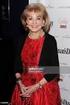 Sociology (BA) ACADEMIC DIRECTOR: Barbara Walters CUNY School of Professional Studies 101 West 31st Street, 7 th Floor New York, NY 10001 Email Contact: Barbara Walters, [email protected] URL: http://sps.cuny.edu/programs/ba_sociology
in Language, Culture, and Communication
 22 April 2013 Study Plan M. A. Degree in Language, Culture, and Communication Linguistics Department 2012/2013 Faculty of Foreign Languages - Jordan University 1 STUDY PLAN M. A. DEGREE IN LANGUAGE, CULTURE
Department of Psychology
 Department of Psychology Psychology Building 208C T: 52. 25.252 F: 52. 25. www.psych.txstate.edu Degree Programs Offered BA, major in Psychology BS, major in Psychology s Offered Psychology Forensic Psychology
Students should refer to their DegreeWorks degree audit in their Web for Students account for more information regarding their degree requirements.
 Texas A&M University-Texarkana 1 Criminal Justice Texas A&M University-Texarkana offers a Bachelor of Science in Criminal Justice, a Criminal Justice Concentration for the Master of Science in Interdisciplinary
2013-2014 Academic Year University of Colorado Denver School of Public Affairs Bachelor of Arts in Criminal Justice Degree Program
 201-201 Academic Year University of Colorado Denver School of Public Affairs Bachelor of Arts in Criminal Justice Degree Program Student Name: Student ID: First Semester: General Degree Requirements 120
Study Program Handbook Psychology
 Study Program Handbook Psychology Bachelor of Arts Jacobs University Undergraduate Handbook Chemistry - Matriculation Fall 2015 Page: ii Contents 1 The Psychology Study Program 1 1.1 Concept......................................
Child and Family Studies
 Child and Family Studies Administered by the Department of Curriculum and Instructions within the College of Education. The Child and Family Studies major is designed to provide a sound academic foundation
College of Education. Rehabilitation Counseling
 * 515 MEDICAL AND PSYCHOSOCIAL ASPECTS OF DISABILITIES I. (3) This course is designed to prepare rehabilitation and mental health counselors, social works and students in related fields with a working
COMM - Communication (COMM)
 Texas A&M University 1 COMM - Communication (COMM) COMM 101 Introduction to Communication (SPCH 1311) Introduction to Communication. Survey of communication topics, research, and contexts of communicative
Rider University admission will be granted to students who have fulfilled the following criteria:
 Bucks County Community College (Bucks) Rider University Program to Program Guaranteed Transfer Agreement between Liberal Arts: Psychology Pre-Professional (1060) (A.A.) from Bucks County Community College
CHILD AND FAMILY STUDIES
 CHILD AND FAMILY STUDIES Spencer K. Thompson, Ph.D. Associate Professor of Psychology Dr. Thompson came to UT Permian Basin from the doctoral program at UCLA and services coordinator of the psychology
ACADEMIC ALERT #2003-14
 ACADEMIC ALERT #2003-14 DATE: June, 2003 DECISION: College of Arts and Sciences (CAS) New Degree Program, Bachelor of Arts (B.A.) in Social Science Rationale The B.A. in Social Science was developed to
SOCIOLOGY (SOC) Updated April 11, 2016
 SOCIOLOGY (SOC) Updated April 11, 2016 Note: The department/program code SOC replaces the former code 50. Students cannot hold credit in SOC-xxxx and the former 50.xxxx having the same course number (e.g.,
The proposed doctoral program in Criminology & Criminal Justice will provide a number of important benefits to the region and the state.
 7. Program Description Provide a brief narrative description of the program, including a list of its central academic objectives. Explain how the curriculum is structured to meet the program s stated objectives.
WINONA STATE UNIVERSITY PROPOSAL FOR A REVISED PROGRAM
 WINONA STATE UNIVERSITY PROPOSAL FOR A REVISED PROGRAM This form is to be used to submit a proposal for a revised undergraduate or graduate major, minor, concentration, or option. Every item on this form
FACULTY OF SOCIAL AND POLITICAL SCIENCES
 The Faculty of Social and Political Sciences is one of Indonesia s leading faculties in social subjects constituting of 7 Departments: Communication Studies, Criminology, International Relations, Political
College of Arts and Sciences http://www.slu.edu/x12557.xml
 College of Arts and Sciences http://www.slu.edu/x12557.xml Michael D. Barber, S.J. Interim Dean Reinhard G. Andress, Ph.D. Associate Dean for Graduate Education Stephen J. Dina, Ph.D. Associate Dean for
Department of Philosophy
 246 Department of Philosophy Department of Philosophy Chairman: Brassier, Ray Professor Emeritus: Fakhry, Majid Professor: Haydar, Bashshar H. Associate Professors: Brassier, Ray; Muller, Hans D.; Nasr,
Course Descriptions Psychology
 Course Descriptions Psychology PSYC 1520 (F/S) General Psychology. An introductory survey of the major areas of current psychology such as the scientific method, the biological bases for behavior, sensation
Social Work. University of Texas of the Permian Basin 2015-2017 Undergraduate Catalog 290
 Social Work Accreditation The Bachelor of Social Work Program at UTPB was fully accredited by the Council on Social Work Education in June, 2007, and re-accredited with Full Accreditation in June, 2011
Jessica Ritter, Chair; Tiffany Fieken, Moriah McSharry McGrath, Jana Peterson-Besse
 PUBLIC HEALTH Jessica Ritter, Chair; Tiffany Fieken, Moriah McSharry McGrath, Jana Peterson-Besse The Public Health major is offered through the department of Social Work and Publich Health. Also offered
How To Take A Minor
 Make a Major difference to your degree. Flexible Learning at Southampton 2 Studying a Minor subject allows you to broaden your educational experience Make a Major difference to your degree by choosing
COMMUNICATION STUDIES
 COMMUNICATION STUDIES Department Office: MUSIC 104 Phone (323) 343-4200 Fax (323) 343-6467 The Department of Communication Studies offers undergraduate programs leading to Bachelor of Arts degrees in TV,
PSYCHOLOGY. Professor McKenna Associate Professors Maxwell (chair) and Templeton Assistant Professors Bruininks and Peszka
 PSYCHOLOGY Professor McKenna Associate Professors Maxwell (chair) and Templeton Assistant Professors Bruininks and Peszka MAJOR A total of 10 courses distributed as follows: PSYC 290 Statistics PSYC 295
Criminal Justice. Bachelor of Criminal Justice Major in Criminal Justice. Objectives. Degree Offered. Major Offered. Minor Offered
 75 Charles Lawrence, Ph.D., Chair Objectives The major gives students an overview of the entire criminal justice system, and then encourages them to consider the component parts. Courses are offered in
Grade 12 Psychology (40S) Outcomes Unedited Draft 1
 Grade 12 Psychology (40S) Outcomes Unedited Draft 1 Theme 1: Introduction and Research Methods Topic 1: Introduction 1.1.1 Define psychology, and list and explain its goals. 1.1.2 Describe and compare
Faculty of Engineering and Architecture (FEA)
 Faculty of Engineering and Architecture (FEA) 300 Faculty of Engineering and Architecture (FEA) Faculty of Engineering and Architecture (FEA) Officers of the Faculty Peter F. Dorman Ahmad Dallal Ibrahim
UNIVERSITY OF SOUTH ALABAMA PSYCHOLOGY
 UNIVERSITY OF SOUTH ALABAMA PSYCHOLOGY 1 Psychology PSY 120 Introduction to Psychology 3 cr A survey of the basic theories, concepts, principles, and research findings in the field of Psychology. Core
Communication. In the College of Professional Studies and Fine Arts
 In the College of Professional Studies and Fine Arts OFFICE: Communication 237 TELEPHONE: 619-594-8512 / FAX: 619-594-0704 E-MAIL: [email protected] http://communication.sdsu.edu Faculty
PSYCHOLOGY FACULTY: Amber Garcia, Chair Michael Casey Susan Clayton Gary Gillund Grit Herzmann Brian Karazsia (on leave Fall 2015) John Neuhoff Amy
 PSYCHOLOGY FACULTY: Amber Garcia, Chair Michael Casey Susan Clayton Gary Gillund Grit Herzmann Brian Karazsia (on leave Fall 2015) John Neuhoff Amy Jo Stavnezer Barbara Thelamour Claudia Thompson Psychology
SS: SOCIAL SCIENCE COURSE. Graduate Courses SOCIOLOGY, SOCIAL WORK, AND CRIMINAL JUSTICE SOCIOLOGY. Objectives
 COLLEGES AND SCHOOLS 291 MINOR PROGRAM: 23 hours are required for the teaching minor in Social Science. Required courses are ECO 285, HIS 292, GGR 251, PS 140, and ECI 430. The additional 9 hours are chosen
STUDY PLAN Master Degree in Clinical Nursing/ Palliative Care (Thesis )
 STUDY PLAN Master Degree in Clinical Nursing/ Palliative Care (Thesis ) I. GENERAL RULES AND CONDITIONS: 1. This plan conforms to the valid regulations of the programs of graduate studies. 2. Areas of
School of Nursing. Objectives. Undergraduate Degree Offered. Graduate Degree Offered. Accreditation. Programs of Study.
 256 Luth M. Tenorio, PhD, RN, Dean Janet M. Claypool, MN, RNC, Associate Dean Objectives The aim of the is to provide educational preparation for professional practice. There are four major goals for the
How To Get A Sociology Degree
 SOCIOLOGY AND CRIMINAL JUSTICE FACULTY Chairperson: Associate Assistant Instructor: Assistant Professor Patricia Fanning Walter Carroll, William Levin Kim MacInnis, Carolyn Petrosino Jody Cohen, Fang Deng,
RUSRR048 COURSE CATALOG DETAIL REPORT Page 1 of 16 11/11/2015 16:04:28
 RUSRR048 COURSE CATALOG DETAIL REPORT Page 1 of 16 CRM 100 Course ID 000650 Canadian Criminal Justice Introduction to Canadian Criminal Justice This course introduces students to the administrative and
FOREIGN LANGUAGE, BACHELOR OF ARTS (B.A.) WITH A CONCENTRATION IN SPANISH
 VCU 1 FOREIGN LANGUAGE, BACHELOR OF ARTS (B.A.) WITH A CONCENTRATION IN SPANISH Mar Góngora Associate professor and program coordinator, Spanish worldstudies.vcu.edu/spanish (http://worldstudies.vcu.edu/spanish)