
Design of solid dosage forms for mucosal vaccination
|
|
|
- Daniela Melton
- 10 years ago
- Views:
Transcription
1 THESIS FOR THE DEGREE OF DOCTOR OF PHILOSOPHY Design of solid dosage forms for mucosal vaccination Investigations on the influence of excipients on product performance ANNIKA BORDE Pharmaceutical Technology Department of Chemical and Biological Engineering CHALMERS UNIVERSITY OF TECHNOLOGY Göteborg, Sweden 2012

2 DESIGN OF SOLID DOSAGE FORMS FOR MUCOSAL VACCINATION INVESTIGATIONS ON THE INFLUENCE OF EXCIPIENTS ON PRODUCT PERFORMANCE ANNIKA BORDE ANNIKA BORDE, ISBN Doktorsavhandlingar vid Chalmers tekniska högskola Ny serie nr 3436 ISSN X Pharmaceutical Technology Department of Chemical and Biological Engineering Chalmers University of Technology SE Gothenburg Sweden Telephone + 46 (0) Cover: Image showing fictitious vaccine tablets Chalmers Reproservice Gothenburg, Sweden II-

3 Design of solid dosage forms for mucosal vaccination Investigations on the influence of excipients on product performance ANNIKA BORDE Department of Chemical and Biological Engineering Chalmers University of Technology Gothenburg, Sweden ABSTRACT Most vaccines today are liquid formulations for parental administration. However, there are several drawbacks connected to these vaccines. Since injectable vaccines mainly induce systemic immune responses, they are usually not effective against many important pathogens that affect mucosal surfaces. Furthermore, liquid injectable vaccines need medical personnel for the administration, require cold chain maintenance and occupy large cargo sizes, which all are negative factors especially for vaccine use in developing countries. Solid and preferably mucoadhesive vaccine formulations that are administered via mucosal surfaces may overcome many of these problems. The aim of this thesis was therefore to investigate the design of such formulations with special emphasis on the influence of excipients on i) formulation-related properties such as mucoadhesion and antigen release and ii) antigen-functionality preservation during freeze-dying. In the first part of the thesis mechanistic and immunological investigations using mucoadhesive hydrophilic matrix tablets as potential formulations for sublingual immunization were performed. The effect of osmotic pressure differences on the adhesiveness of hydrophilic swelling matrix tablets was investigated with a model where the osmotic pressure difference could be tuned with different concentrations of additives. It was found that a decrease in the osmotic pressure difference resulted in a decrease in the adhesive force, i.e. the force required to detach the tablet from a wet surface. Release of the model antigen ovalbumin from hydrophilic matrix tablets providing an extended release and from a fast releasing formulation was characterized. The Bradford Assay used for the protein quantification was found to be disturbed by the hydrophilic polymer Carbopol and a correction method was established. Sublingual immunizations in BALB/c mice indicated a poor potential of all extended release tablets to evoke intestinal immune responses, whereas an immediate release tablet formulation resulted in high antibody titres. Thus it was concluded that the latter formulation type should be preferred in sublingual immunization. In the second part of the thesis the stabilizing potential of different excipients during freeze-drying was tested using killed whole-cell Vibrio cholerae bacteria as a model vaccine for pathogens causing enteric infections. Sucrose showed great potential to avoid bacterial aggregation, preserve important antigen structures and maintained the immunogenicity of the bacteria. The addition of sucrose proved also useful for preparing a fully immunogenic formulation of the commercial oral cholera vaccine Dukoral TM with regard to both antibacterial and antitoxic antibodies. Keywords: mucosal vaccination, sublingual vaccine tablet, mucoadhesion, osmotic pressure, hydrophilic matrix tablets, Bradford Assay, protein release, Vibrio cholerae, freeze-drying -III-

4 -IV-

5 Coming together is the beginning. Keeping together is progress. Working together is success. Henry Ford Für meine Familie -V-

6 LIST OF PUBLICATIONS This thesis is based on the following scientific papers, referred to by their Roman numerals in the text. The papers are appended at the end of the thesis. Paper I. Paper II. Paper III. Paper IV. Osmotic-driven mass transport of water: Impact on the adhesiveness of hydrophilic polymers Annika Borde, Anna Bergstrand, Cecilia Gunnarsson, Anette Larsson Journal of Colloid and Interface Science 2010, 341, Quantification of protein concentration by the Bradford method in the presence of pharmaceutical polymers Nils Carlsson, Annika Borde, Sebastian Wölfel, Björn Åkerman, Anette Larsson Analytical Biochemistry 2011, 411, Effect of protein release rates from tablet formulations on the immune response after sublingual immunization Annika Borde, Annelie Ekman, Jan Holmgren, Anette Larsson European Journal of Pharmaceutical Sciences, 2012, 47, Preparation and evaluation of a freeze-dried oral killed cholera vaccine formulation Annika Borde, Anette Larsson, Jan Holmgren, Erik Nygren European Journal of Pharmaceutics and Biopharmaceutics, 2011, 79, VI-

7 CONTRIBUTION REPORT Paper I. Paper II. Paper III. Paper IV. Responsible for the main part of the experimental work. Responsible for the interpretation of all results and writing the manuscript with input from the co-authors. Shared responsibility for the experimental outline and minor responsibility for the analysis of all data. The experimental work was performed together with another PhD student as well as a MSc student under my supervision. Shared responsibility for writing the manuscript. Responsible for all the experimental work. Responsible for interpretation of all results and writing the manuscript with input from the co-authors. Responsible for all the experimental work, except the SEM evaluations which were shared. Main responsibility for analysis and interpretation of all results. Responsible for writing the manuscript with input from the coauthors. PUBLICATIONS NOT INCLUDED IN THE THESIS Paper V. Increased water transport in PDMS silicone films by addition of excipients Annika Borde, Mikael Larsson, Ylva Odelberg, Peter Löwenhielm, Anette Larsson Acta Biomaterialia, 2012, 8, Paper VI. Evaluation of carboxymethyl-hexanoyl chitosan as a protein nanocarrier using bovine serum albumin Mikael Larsson, Annika Borde, Emma Mattisson, Anette Larsson Submitted -VII-

8 -VIII-

9 ABBREVIATIONS ANOVA analysis of variance APC antigen presenting cell API active pharmaceutical ingredient AUC area under the curve B cell bursa-derived cell CaCl 2 calcium chloride CB Coomassie Blue CT cholera toxin CTB cholera toxin B-subunit DCs dendritic cells ELISA enzyme-linked immune-sorbent assay ER tablet extended release tablet ETEC enterotoxigenic Escherichia coli LPS lipopolysaccharide LSCM laser scanning confocal microscopy MALT mucosa-associated mucosal tissue MCC microcrystalline cellulose MHC major histocompatibility complex NaCl sodium chloride PBS phosphate buffered saline pig polymeric immunoglobulin piga polymeric IgA SC secretory component SIgA secretory IgA T cell thymus cell USP United States Pharmacopeia V. cholerae Vibrio cholerae WHO World Health Organization -IX-

10 -X-

11 TABLE OF CONTENTS 1 INTRODUCTION AIMS OF THE THESIS MUCOSAL VACCINATION THE MUCOSAL IMMUNE SYSTEM ADVANTAGES OF MUCOSAL VACCINATION CHOICE OF MUCOSAL VACCINATION ROUTE CHALLENGES IN MUCOSAL IMMUNIZATION ORAL KILLED WHOLE-CELL CHOLERA VACCINE AS MODEL FOR MUCOSAL VACCINES AGAINST ENTERIC DISEASES IN VIVO EVALUATION OF MUCOSAL VACCINES Murine model for mucosal vaccination Cholera toxin as adjuvant in mucosal immunization Sublingual immunizations Peroral immunizations Analysis of immune responses SOLID DOSAGE FORMS FOR MUCOSAL VACCINATION USE OF EXCIPIENTS IN SOLID STATE FORMULATIONS MUCOADHESIVE TABLETS Mechanism of mucoadhesion In vitro evaluation of mucoadhesion in correlation to osmotic pressure MODIFIED PROTEIN RELEASE FROM SUBLINGUAL TABLET FORMULATIONS Excipients to control the release profile Characterization of protein release Protein analysis with Bradford Assay DRYING OF ANTIGENIC MATERIAL Freeze-drying of killed whole-cell Vibrio cholerae Advantages and challenges in freeze-drying of antigenic material Excipients for stabilization of bacterial antigens during freeze-drying CHARACTERIZATION OF FREEZE-DRIED MATERIAL Confocal microscopy for evaluation of bacterial aggregation ELISA for functionality test of LPS antigen OUTCOME OF RESEARCH INVESTIGATIONS ON MUCOADHESION IN RELATION TO PREVIOUS WORK MODIFIED PROTEIN RELEASE FROM TABLET FORMULATIONS DEVELOPMENT OF AN ANALYSIS METHOD FOR PROTEIN QUANTIFICATION IN THE PRESENCE OF PHARMACEUTICAL EXCIPIENTS IN VITRO AND IN VIVO EVALUATIONS OF CONTROLLED RELEASE TABLETS FOR SUBLINGUAL IMMUNIZATION FREEZE-DRYING OF KILLED WHOLE-CELL BACTERIA CONCLUDING REMARKS FUTURE OUTLOOK ACKNOWLEDGEMENTS REFERENCES XI-

12

13 Chapter 1 INTRODUCTION Human disease is as old as human life. Today many diseases can be treated with medicines and in many cases we are even able to prevent the population from specific diseases by the use of vaccinations. The term vaccination (Latin: vacca = cow) dates from the first documented immunization studies in 1796 when the English physician Edward Jenner tested the use of the relatively benign cowpox virus to provide protection against the related and deadly smallpox virus [1]. His experiments led to the discovery that protection against specific diseases can be achieved by exposing the human being to the causative or a related agent for the disease [2]. From then on, the development and use of various vaccines has led to the protection of children and adults from previously lethal diseases. Today the worldwide use of vaccines is considered to be the most effective strategy to prevent, control and even eradicate infectious diseases. One successful example of the latter is the global eradication of smallpox, which was diagnosed the last time in 1978 and was announced to be eradicated in 1980 by the World Health Organization (WHO) [1]. Today there are about 40 vaccines on the market and most of them are liquid injectable vaccines. They often provide protection against specific diseases over several years or even long-life. So why design solid formulations for mucosal vaccination, i.e. vaccine administration via mucosal surfaces? People still die and fall ill from a variety of diseases although preventive vaccines against these diseases exist and for many diseases no effective vaccines exist at all. One main reason for the latter is that many of these diseases are caused by infections that start from or affect mucosal surfaces, such as the gastrointestinal tract, respiratory or genital tract. Injectable vaccines elicit systemic immune responses and may be effective at mucosal surfaces that are to some extent permeable for serum-derived antibodies. A mucosal vaccination seems though critical for the protection against infections at mucosal surfaces that are impermeable to antibodies, such as the gastrointestinal tract. An administration of the vaccine via a mucosal surface would instead stimulate the mucosal immune system which protects the different mucosal surfaces and thereby also the body interior. Besides immunological aspects, the injection of a vaccine is painful and includes a risk for the transmission of infections. Furthermore, the often high manufacturing costs, voluminous package sizes as well as cold chain -1-

14 requirements of liquid injectable formulations cause high health care costs and impede distribution and storage, especially in developing countries, where the need for medical personnel for the administration is a further hindrance. Considering all these aspects, solid formulations for mucosal administration could be a beneficial alternative to meet all these challenges. Solid vaccine formulations for mucosal administration could thus provide several benefits to overcome the mentioned challenges. Pathogens might already be stopped at their portal of entry by the mucosal immune defence. Smaller package sizes and probably better stability properties of a solid formulation would furthermore facilitate transport, distribution and storage and thus the use of the vaccine in mass vaccination campaigns, even in developing countries. The latter is of course not only an advantage for mucosal vaccines but also for injectable ones. All things considered, it is highly probable that infections by mucosal pathogens, especially those affecting the gastrointestinal tract, can be controlled in all parts of the world if effective mucosal vaccines that are appropriately designed and formulated can be developed. This interdisciplinary work aims to combine the benefits of mucosal immunization and of solid state dosage forms and deals with different issues concerning the influence of excipients in the formulation design. -2-

15 Chapter 2 AIMS OF THE THESIS In the design of mucosal vaccines it is important to consider crucial formulation properties in relation to the required functionality and efficacy of the dosage form. The intention of this thesis was to investigate the influence of excipients in the design of solid state vaccine formulations for mucosal administration. The following areas, where excipients are important, were investigated: mucoadhesion mechanism and mucoadhesive properties, protein analysis in the presence of pharmaceutical excipients, controlled protein release from sublingual tablets and the effect on the immune response in mice, and freeze-drying of killed whole-cell bacteria. Many of these factors have been discussed in the literature in different contents whereas others have not been investigated at all so that more detailed and also more applied investigations are required. The specific aims of the papers included in this thesis were: To study the correlation between water mass transport due to osmotic pressure differences and mucoadhesion of dry hydrophilic polymer tablets in order to gain more knowledge about the factors that influence mucoadhesion (Paper I). To critically examine the commonly used Bradford Method for protein concentration determination in the presence of different pharmaceutically relevant excipients (Paper II). To investigate the influence of protein release rate from tablets on the elicited immune responses after sublingual immunization (Paper III). To compare different excipient conditions during freeze-drying of bacteria with respect to the ability to prevent bacterial aggregation, maintain important morphological structures and preserve the oral immunogenicity of freeze-dried bacterial vaccines (Paper IV). The next two chapters will give a background to these different topics in order to provide an easier understanding of the different studies and results. -3-

16 Chapter 3 MUCOSAL VACCINATION Vaccination or active immunization involves the administration of an antigen or antigenic material that triggers the development of immunologic defence against a future exposure to this antigen [3]. An antigen (short for antibody generator), sometimes also termed immunogen, is a substance that binds to specific immune receptors and is recognized by the immune system as foreign [4]. Once recognized as foreign, the immune system, which includes tissues, cells and molecules, can elicit an immune response to protect the host against the invading pathogen. After such a response the immune system is trained to defend itself against the pathogen, i.e. it can recognize and efficiently respond to subsequent invasions by the same or related pathogens. This ability is called immunological memory and forms the basis of preventative vaccines. Training the immune system often requires repeated exposure to the antigen and hence the use of booster doses is required in many vaccine regimens. Although numerous effective vaccines against systemic infections are available, the need for the development of vaccines against pathogens which cause infections of or via mucosal tissues still remains. Most often the mucosal route of vaccination is necessary in order to stimulate the local mucosal immune system. A brief description of the mucosal immune system and different mucosal sites for vaccination are given in the following chapters. 3.1 The mucosal immune system In the human body specific mucosae line the aerodigestive and urogenital tracts, the eye conjunctiva, the inner ear and the ducts of all exocrine glands. The totally 400 m 2 of mucosal surfaces are in contact with the external environment and often exposed to external microbes and pathogens. Several mechanical and chemical cleaning mechanisms work together with a specialized mucosal innate and adaptive immune system in order to provide protection against the colonization at mucosal tissues and the invasion into the body interior by external pathogens and foreign proteins [5]. Evidence for a common mucosal immune system was already mentioned in 1979 by McDermott and Bienenstock [6]. As extensively discussed and reviewed elsewhere [7, 8], it is today known that lymph nodes draining the -4-
![An antigen (short for antibody generator), sometimes also termed immunogen, is a substance that binds to specific immune receptors and is recognized by the immune system as foreign [4].](/docs-images/53/12036352/images/page_16.jpg "Once recognized as foreign, the immune system, which includes tissues, cells and molecules, can elicit an immune response to protect the host against the invading pathogen.")
17 mucosal tissues and aggregates of lymphocytes, so-called mucosa-associated lymphoid tissues (MALT), located below the mucosal surfaces form a highly compartmentalized mucosal immune system that functions independently from the systemic immune system and serves as mucosal inductive site for the initiation of immune responses. Like the systemic lymphoid tissues the MALT is populated by different types of lymphocytes, such as B- and T-lymphocytes (B- and T-cells). The MALT comprises about 80% of all immunoglobulinproducing cells in the human body and its main sites are the gut-associated lymphoid tissues (GALT), which include specialized structures called Peyer s patches in the small intestine, the bronchial-associated lymphoid tissues (BALT) and the nasal-associated lymphoid tissue (NALT) [9-11]. Their common denominator is that they all serve as mucosal inductive sites for the initiation of immune responses. Antigens that enter our body are either taken up by absorptive epithelial cells or through specialized epithelial cells mechanisms. An example of a specialized uptake mechanism is the transport of antigens in the gut, where specialized microfold cells (M-cells) discovered in 1974 by Owen and Jones [12] line the Peyer s patches and facilitate antigen transport across the epithelium [13]. Having been identified as dangerous the antigen is captured and processed by so called antigen-presenting cells (APCs) of the innate immune system, mainly dendritic cells (DCs), B lymphocytes (B cells) and macrophages [14]. They load peptide fragments into either major histocompatibility complex (MHC)-I or MHC-II molecules on their surface for display of the antigenic material to adjacent CD 4 + or CD 8 + T lymphocytes (T cells), depending on the type of antigen [14]. The activated mucosal lymphocytes, both B and T cells, then move through the lymphatic system and enter the systemic circulation to finally end up at specific mucosal sites where differentiation into either effector or memory cells takes place [15]. As a result of this adaptive immune response increased antigenic specificity and memory are obtained. Figure 1 illustrates possible mechanisms for the uptake and processing of an exogenous antigen at the sublingual mucosa. -5-

18 Figure 1. Schematic drawing that illustrates the uptake and processing of exogenous antigens at the sublingual mucosa. When an exogenous antigen is identified as dangerous antigen-presenting cells (APCs), such as dendritic cells (DCs), are recruited to capture antigen (as indicated by the purple arrow). The APCs and probably also some free antigen migrate via the draining lymph to lymph nodes, where they become active APCs that stimulate T and B cells for immune responses. The activated T and B cells can subsequently via the lymph enter the systemic circulation and migrate to either mucosal effector sites or extramucosal sites. The dominant antibody type in external secretions, such as saliva or intestinal fluid, is IgA, mainly in the form of secretory IgA (SIgA). SIgA is a dimer of two monomeric IgA molecules that are covalently linked by a joining chain (J chain) molecule and non-covalently complexed with a so-called secretory component (SC) molecule produced by mucosal epithelial cells. The formation of this complex molecule can briefly be described as follows. The dimeric, or polymeric, IgA (piga) part is synthesized by plasma cells in the lamina propria of mucosal tissues. After binding to a transmembrane glycoprotein, called the polymeric immunoglobulin (pig) receptor, on the basolateral side of the epithelial cells piga is transported by transcytosis to the apical side of the epithelium. There it is released from the cells into the mucosal secretions as final SIgA through a proteolytic cleavage of the transmembrane part of the pig receptor leaving the rest of the receptor, the SC, associated with the piga [16]. -6-

19 In the often protease rich mucosal secretions the protease resistance of the SC molecule allows SIgA to survive for a long time [17]. Numerous studies have provided evidence for the protective role of SIgA [18-22]. The different mechanisms of protection include the ability of SIgA to hinder pathogens from penetration through and adhesion to the mucosa [23, 24], inhibition of multiplication and colonization as well as penetration of pathogens across epithelia [25, 26], neutralization of their toxins [27] and enhancement of nonspecific defence mechanisms [28]. In addition, it has been found that SIgA can also limit the person-to-person transmission of pathogens [29]. 3.2 Advantages of mucosal vaccination Mucosal vaccination has gained a lot of interest in the recent years [30-32]. The mucosal route of vaccination offers several advantages. The needle-free administration increases patient compliance, decreases the risk for blood-borne infections due to the injection and reduces health care costs due to the ease of administration which does not require specialists. All these factors are especially of advantage in low income countries. However, the main reason for using the mucosal route of immunization is the fact that, besides systemic immunity, the local mucosal immune system can also be stimulated which offers great possibilities as many infections are acquired at mucosal surfaces. Examples are gastrointestinal infections caused by Vibrio cholerae (V. cholerae), Salmonellae spp. or Shigella spp., respiratory infections caused by influenza virus or Mycoplasma pneumoniae or sexually transmitted genital infections caused by Chlamydia trachomatis or human immunodeficiency virus (HIV) [33]. For infections at mucosal sites with a good permeability for serum antibodies such as the lower respiratory tract and the female genital mucosae an injectable vaccine may still provide sufficient efficacy. However, when the infection occurs at a mucosal site with low or no antibody permeability to serum-derived antibodies that are induced upon parenteral immunization, a local mucosal administration of the antigen is most often crucial to achieve efficient protection. This is for example the case for gastrointestinal infections caused by V. cholerae or Enterotoxigenic Escherichia coli (ETEC) [33]. As recently reviewed by Holmgren and Czerkinsky [31], the effects after mucosal immunization are highly compartmentalized, even between regions within the same mucosal organ as for example the gastrointestinal tract. For example, oral immunization leads to considerable antibody levels in the -7-
![The different mechanisms of protection include the ability of SIgA to hinder pathogens from penetration through and adhesion to the mucosa [23, 24], inhibition of multiplication and colonization as](/docs-images/53/12036352/images/page_19.jpg "well as penetration of pathogens across epithelia [25, 26], neutralization of their toxins [27] and enhancement of nonspecific defence mechanisms [28].")
20 salivary glands, the stomach and the small intestine but elicits only poor responses in distal segments of the gut, whereas rectal immunization provokes the strongest local antibody responses in the rectum [34-36]. Since the mucosal tissues are interconnected via circulating lymphocytes, a local administration of vaccine may even initiate responses at other mucosal sites in the body [37]. However, the best response is thought to be induced at the mucosal site initially exposed to the antigen. Given the high degree of compartmentalization of the mucosal immune system, different factors have to be taken into account in order to select the appropriate route or maybe a combination of immunization routes when designing mucosal vaccines. Besides the most likely site of challenge where a protective immunity is desired, the advantages and disadvantages of the different administration sites also have to be considered. 3.3 Choice of mucosal vaccination route The oral or nasal mucosa are traditional mucosal sites for the administration of vaccines, but also other mucosal routes such as the rectal, vaginal or transcutaneous and recently also the sublingual route have been investigated for inducing mucosal immunity. The objective of this thesis was not to study or compare different mucosal administration sites for vaccine delivery. Nonetheless, a brief comparison of the most common mucosal routes for immunization will be given since all investigations of my work were aimed for the development of improved mucosal vaccine delivery systems. Oral immunization can induce substantial immune responses in the gastrointestinal tract, but also in the mammary and salivary glands [36, 38-40]. One successful example of a licensed oral vaccine is the oral cholera vaccine (Dukoral TM ). However, it is a challenge to develop oral vaccines with sufficient efficacy. A main problem in oral immunization is the degradation and destruction of antigens by several enzymes present in the gastrointestinal tract as well as the acidic environment in the stomach so that delivery systems that can sufficiently protect the antigen are required. In developing countries the efficacy of oral vaccines is additionally restricted by chronic environmental enteropathy, especially in children, which causes disturbances in the digestion and malabsorption due to overgrowth of the intestinal flora and local inflammation [5]. The respiratory tract including the highly permeable nasal mucosa seems a natural target for vaccines against severe infectious diseases of the respiratory tract, such as influenza and pneumonia, since strong antibody responses can be -8-

21 induced in the mucosae of the airways and in nasal secretions. More surprising, the nasal mucosa has also been found to evoke antibody responses in cervical and vaginal secretions, thus providing a potential for vaccines against sexually transmitted infections, e.g. HIV [41]. However, there are some disadvantages of nasal immunization that should be considered. The nasal cavity provides a large absorption area [42], but natural differences in membrane permeability or diseases affecting the mucosal surface, such as allergic rhinitis, can lead to a high variation in the antigen uptake and thus to differences in the effectiveness of nasally administered vaccines. The volume and thus the dose of antigen that can be sprayed into the nose at once is limited [43]. Furthermore, it is known that antigens and adjuvants can be translocated to the olfactory bulb of the brain upon intranasal administration [44]. This retrograde transport to the brain can of course be an advantage for drugs with a desired effect in the central nervous system, but it raises severe concerns about safety issues for human nasal vaccines. The sublingual mucosa, i.e. the mucosa under the tongue, has been studied for a long time and found to be advantageous as delivery route for low-molecularweight drugs due to its easy accessibility and fast uptake of the active pharmaceutical ingredient (API) into the bloodstream [45]. During the last decade, this route has also received increasing attention as a delivery site for mucosal vaccines and immunotherapeutics. Several studies with different antigens have shown the efficacy of sublingual immunization [46-51] and sublingual immunotherapy has been successfully investigated and used with increasing frequency in allergy treatment [52-56]. The sublingual mucosal epithelium in humans is comprised of a non-keratinized, stratified, squamous epithelium located on top of a basement membrane. This membrane forms the boundary to the underlying lamina propria, which contains of a dense network of dendritic-like cells that are responsible for antigen capturing, as well as numerous mononuclear leucocytes, whereas MALT is not present [48, 57]. An induction of both mucosal and systemic immune responses is possible after sublingual vaccination with an exceptionally broad dissemination of effector cells to different mucosal surfaces including the gastrointestinal and the respiratory tracts and most interestingly also the genital mucosa [47, 49-51]. Thus, sublingual vaccination may offer an alternative to the nasal or oral route of immunization with various advantages. Although the human sublingual epithelium is thicker than that of the nasal cavity and the surface area of the sublingual mucosa is smaller than in the nose [58, 59], antigens are quickly absorbed via the sublingual mucosa without passing through the gastrointestinal tract so that enzymatic degradation, as occurs in oral -9-
22 administration, is avoided [45]. Unresponsiveness of oral vaccines connected to chronic environmental enteropathy which is a huge problem in children of developing countries might possibly be circumvented by sublingual immunization. Furthermore, in comparison with nasal vaccination, the production of convenient delivery systems for sublingual vaccine delivery is not as challenging. Tablets or mucoadhesive films can for example be given sublingually, whereas a special delivery device such as an aerosol dispenser is often required for nasal administration. Moreover, and importantly in comparison to nasal immunization, sublingually administered antigens or adjuvants have not been found to be translocated to the olfactory bulb in the brain [60]. Thus, sublingual vaccines seem to be safer than intranasal vaccines from that point of view. Taken everything into consideration, the sublingual route of immunization provides several advantages over traditional mucosal routes and has therefore become an attractive site for vaccination studies against different infections in the gastrointestinal tract, respiratory and female reproductive tract, although its effectiveness in humans remains to be determined. In this work, the effect of protein release rates in correlation to the immune response was studied for this vaccination route in order to gain knowledge about suitable tablet characteristics for potential sublingual vaccine candidates. The oral route was used in Paper IV to study the immunogenicity of freeze-dried whole-cell V. cholerae bacteria since a commercially available oral vaccine based on these bacteria was used as a model system. 3.4 Challenges in mucosal immunization Despite the various advantages of mucosal immunization mentioned before, the question still crops up why there are only a few mucosal vaccines approved for human use on the market compared to over 30 registered injectable vaccines? Of course, the evaluation of the immunogenicity of a mucosal vaccine in humans is not as simple as for injectable ones since it is considerably easier to measure the systemic antibody response in the blood than to measure the mucosal immune response. However, a major problem is that proteins often behave as poor immunogens when delivered to mucosal surfaces. For a significant immune response, the antigen has to be exposed to the immune system in a sufficient amount, often much higher than needed in parenteral administration. After administration to a mucus membrane, the antigen has therefore to be transported across the epithelium to come into contact with APCs. The production of mucus as a natural protection barrier to keep -10-
23 pathogens away from the epithelium, as well as dilution due to salivation and mechanical stress in the oral cavity, can however limit antigen exposure and uptake and thus antigen accessibility for the immune [61]. In addition, the high molecular weight of proteins is often a limiting factor, resulting in only small amounts of antigen crossing the intact mucosa to reach the immune competent cells [62]. In mucosal tissues with MALTs, this is less of a problem as specialized mechanisms are often available to deliver the antigen for example via transcytosis to APCs and lymphocytes located at the basolateral side [14]. However, even here the exposure is limited since only small areas are associated with these specialized regions. A problem which occurs more or less in all cases of mucosal delivery is the degradation of the antigen prior to or during the absorption process by mucosal and luminal enzymes. This is particularly a problem in the gastrointestinal tract, especially when the protein is delivered unprotected [63]. A further difficulty lies in the fact that many proteins, such as food proteins, are actively tolerated by the mucosal immune system [61]. Therefore, the co-administration of so called adjuvants is often necessary to activate APCs and/or other innate signalling pathways in the epithelial cells in order to enhance the immune response against the antigen. The development of safe and efficient adjuvants and appropriate delivery systems that can provide protection, increase antigen uptake and enhance the immune response to an antigen will thus be necessary in order to overcome the challenges one has to deal with in mucosal vaccination. 3.5 Oral killed whole-cell cholera vaccine as model for mucosal vaccines against enteric diseases Enteric infections that cause billions of disease episodes and millions of deaths every year in developing countries, especially in children, and that are also a common cause of illness in travellers to affected regions continue to be a global health problem [64]. Vaccines are only available against some of these diseases and there is a great need for the further development of mucosal vaccine formulations against the many different disease causing agents. Cholera is a typical example of an enteric disease for which a protective vaccine exists and where the use of a mucosal vaccine is most efficient since cholera is caused by a non-invasive pathogen that remains at the apical side of the mucosal epithelia in the gastrointestinal tract. In spite of the available vaccines against cholera, it still causes high morbidity and mortality in parts of the world and continues to be one of the main causes of diarrhoeal diseases in many developing countries where it is a significant negative factor for the economic development. Cholera -11-
24 is endemic in over 50 countries, mainly in Asia and Africa and the prevalence of cholera shows no tendency to decrease. In 2011, a 85 % increase compared to 2010 was reported to the WHO, with a total of cases worldwide including 7816 deaths [65]. Cholera is caused by the bacterium V. cholerae and in 98 % of all cases by a single serogroup (O1) and biotype (El Tor) [66]. Cholera is transmitted via the faecal-oral route. V. cholerae bacteria enter our body via contaminated water, which is particularly a problem in countries with poor sanitation and hygiene conditions, and via contaminated food, e.g. undercooked seafood [67]. The bacterium colonizes the mucosa in the upper part of the small intestine where it starts to produce the pathogenic cholera toxin (CT). The action of CT on the intestinal epithelium provokes severe and life-threatening watery diarrhoea. The rate of diarrhoea can often reach up to one liter per hour, thus causing acute dehydration [67]. The first developed vaccines against cholera were killed injectable whole-cell vaccines that were used worldwide [68]. However, these vaccines were not cost-effective since they provided only limited and short-lived protection even after annual booster doses and the immunizations were associated with adverse reactions such as local inflammatory reactions [69]. For these reasons the WHO has long stopped recommending the use of these injectable cholera vaccines. Instead oral cholera vaccines (OCV) with stronger efficacy and negligible side effects have been developed. Until recently, the only commercially available mucosal cholera vaccine with a demonstrated efficacy of up to 90 % has been the OCV Dukoral TM [68]. The vaccine is based on a killed whole-cell mixture of V. cholerae (three different strains that are inactivated by two different methods) combined with purified recombinant CTB and it has been shown that the protective efficacy is based on the local intestinal production of both antibacterial and antitoxic SIgA antibodies [70]. In 2009 a second OCV was licensed that contains similar whole-cell bacterial components as the Dukoral TM vaccine but lacks CTB. The immunogenicity of both V. cholerea and CTB can easily be estimated by different in vitro and in vivo methods. Due to the known efficacy of the Dukoral TM vaccine and the fact that several tools for in vitro and in vivo evaluations are available, it was used as a model vaccine for the evaluation of excipients as stabilizers during freezedrying of killed whole-cell bacteria in Paper IV. Initial investigations were performed on formalin-killed V. cholerae O1 bacteria of the Inaba serotype (strain JS 1569), a derivative of the toxin-depleted oral vaccine strain CVD103 that was used in a live-attenuated oral vaccine which is no longer produced [71]. The most promising freeze-drying conditions were then applied to the Dukoral TM vaccine. -12-
25 3.6 In vivo evaluation of mucosal vaccines Murine model for mucosal vaccination Within biomedical research animal testing is still the best proof-of-concept method prior to clinical trials and it is as important as clinical testing of new therapies before they are approved for widespread use on humans. Which animal model one choses depends on the goals of the study, robustness of the animal for the experiments, costs, ease of handling, the availability of immunological reagents as well as facilities for housing and how familiar the laboratory is with a specific species. In studies where a high number of animals are needed for the statistical outcome of the testing, mice are ideal animals. They have short life cycles, are inexpensive and relatively easy to purchase and maintain and are therefore extensively used for the discovery and manufacturing of new vaccines [72]. The majority of all animal studies on mucosal immunization have been performed using mice [73]. However, as with all animal models, there are some limitations connected to the murine model. When mice are used for investigations of sublingually administered antigens one has to consider that, in contrast to humans, the epithelial cells at the floor of the mouth are keratinized, so that the uptake of antigens might be different to humans [50]. In order to be able to immunize mice, they may need to be anaesthetized for a short time, which might also have an impact on the immune response. In Paper III and IV mucosal immunizations in female BALB/c mice were performed in order to evaluate the different formulations in vivo. All animals were used one week after delivery at the age of about 8 weeks and were marked individually prior to the experiments. For the administration of the test formulations all the mice were slightly anaesthetized. Booster immunizations were performed as described in the respective papers in order to achieve sufficient immune responses and to reduce the inter-mouse variability in responses Cholera toxin as adjuvant in mucosal immunization As mentioned above, several antigens and pathogens evoke only weak adaptive immune responses upon mucosal administration, so that the use an adjuvant is necessary. CT produced by V. cholerae bacteria, which was identified over 50 years ago by De [74] and Dutta et al. [75] as the toxic substance causing cholera disease, is, together with the closely related Escherichia coli heat-labile enterotoxin (LT), the best studied and most potent adjuvant known for use in -13-
26 mucosal immunization. Both CT and LT have been shown in several animal models to strongly potentiate the immunogenicity of several antigens when coadministered [76-79]. The most important effect is probably an increased antigen presentation by dendritic cells (DCs), macrophages and B cells [80]. However, the underlying mechanisms of CT adjuvanticity are still not fully understood. CT has a molecular mass of about 85 kda and consists of a single active A- subunit (CTA) which is non-covalently bound to a five-membered B-subunit ring (CTB) [81]. After binding of the CTB subunits to GM1 ganglioside receptors on the surface of intestinal epithelium cells, CT is endocytosed and dissociates into its subunits. Subsequently, the CTA subunit activates the adenylate-cyclase enzyme which leads to an increased production of intracellular adenosine monophosphate. This, in turn, leads to the secretion of electrolytes and water into the lumen of the small intestine causing diarrhoea and rapid dehydration, i.e. cholera disease [81-83]. Even just small quantities of CT are highly toxic in humans and cannot be used as adjuvant for human vaccines [84]. Therefore, several approaches to develop genetically modified derivatives with reduced or no toxic activity but retained mucosal adjuvant properties have been undertaken in many laboratories. In the sublingual immunizations in Paper III CT adjuvant was co-administered with the model soluble protein antigen ovalbumin (OVA) since CT has proven to induce strong antibody responses against sublingually delivered OVA [48]. Since the experiments were only aimed at understanding the general functionality for the development of sublingual tablets, the toxicity of CT in humans could be neglected Sublingual immunizations For the investigations in Paper III on the effect of protein release in sublingual immunization the model protein ovalbumin (OVA) was incorporated in different tablet formulations. OVA is a phosphorylated glycoprotein made up of 385 amino acids with a molecular weight of 42.7 kda [85] and is a commonly used model soluble protein antigen in immunology research for studies of immune response. Earlier studies have shown the ability of this model antigen to induce mucosal antibody responses in mice, both when administered alone or along with CT adjuvant [48]. -14-
27 The administration of the sublingual tablets was carried out by holding the tongue of the slightly anaesthetized mice with a forceps with small plastic tubes on the tips and pressing the tablet with another forceps against the ventral side of the tongue. An anaesthesia with isofluorane leads to a reduced production of saliva in mice which was found to impede the mucoadhesion of the tablets. Therefore a subcutaneous dose of pilocarpine-hcl was co-administered which has been shown to stimulate mouse salivary secretion [86]. Since chewing can lead to an initial loosening of the tablet, food and water was not provided until 30 minutes after administration. Each mouse was also kept in a cage with a black bottom so that spewed out tablets could be observed. The retention of pure Carbopol tablets was tested in a group of 5 test mice which were anaesthetized a second time 2 hours after administration. The tongue of each mouse was carefully lifted to inspect the status of the tablet (Figure 2). Figure 2. Photograph of a C57/Bl6 mouse during the ocular inspection of a mucoadhesive tablet 2 hours after sublingual administration. The arrow indicates the swollen tablet at the ventral side of the tongue Peroral immunizations Since an oral killed whole-cell vaccine was used as the model vaccine in the work in Paper IV, peroral, or more specifically intragastric, immunizations were performed with all freeze-dried vaccine preparations to be compared with the original vaccine. The freeze-dried preparations were re-suspended in buffer prior to administration. The formulations were administered using special feeding needles with silicon tips that were inserted into the stomach under a light anaesthesia. In order to neutralize the acidic environment of the stomach all preparations were co-administered with a neutralizing sodium bicarbonate solution. -15-
28 3.6.5 Analysis of immune responses Both systemic and mucosal immune responses are of interest for the evaluation of the immunogenicity of a vaccine. For the analysis of the systemic responses serum IgG and/or IgM antibody titres are usually determined in serum samples. For the estimation of mucosal immune responses IgA antibody titres are measured in the tissues chosen depending on the administration route and the type of disease. In Paper III and IV, blood samples for the final analysis of the systemic immune responses were taken from the subclavian vein of anaesthetized mice and the sera were analysed for IgG+IgM antibody levels. Since both sublingual and peroral immunization evokes strong immune responses in the gastrointestinal tract, intestinal IgA antibody responses were examined. In Paper III tissue extracts of the small intestine were prepared using a modified version of the perfusion-extraction technique [87]. In Paper IV supernatants from homogenized and centrifuged fecal pellets [88] as well as tissue extracts were used for the investigation of intestinal IgA levels. All samples were analyzed by enzyme-linked immuno-sorbent assays (ELISA). ELISA is the most commonly used biochemical technique in immunology to detect antibodies or antigen in a sample and is based on an antigen-antibody reaction followed by enzyme-coupling [89], as illustrated in Figure 3 for the commonly used indirect assay. Reaction with substrate and UV measurement Secondary antibody Primary antibody Antigen Figure 3. Illustration of the indirect ELISA method for the detection of antigen or antibody. In the indirect assay, which was mainly used in this work, antigen is adhered to a surface and a specific primary antibody to the antigen is then added. In Paper III and IV the antibody to be analyzed in the samples from the immunizations was added in this step. Then a second specific, enzyme-linked antibody is applied that can bind to the primary antibody and finally a substrate to the enzyme is added. The colour change of the substrate due to the reaction -16-
29 with the enzyme can be measured with a spectrophotometer and the detected absorbance can be directly correlated to the amount of primary antibody bound to the antigen. In order to be able to quantitatively determine the antibody amount in a sample, a standard curve of known primary antibody concentrations is included in the assay [89]. The systemic and mucosal antibody responses in all immunized mice in Papers III and IV were analyzed on microtiter plates by indirect ELISA as described in detail in the respective papers. -17-
30 Chapter 4 SOLID DOSAGE FORMS FOR MUCOSAL VACCINATION The first chapters in this thesis highlight the benefits but also the challenges of mucosal immunization faced by immunologists and make clear that the design of suitable formulations is complex and of utmost importance in order to overcome some of the problems. So this begs the question as to what properties such a formulation should have and how we can use pharmaceutical excipients to design solid dosage forms that are suitable and effective in mucosal vaccination. The following chapters describe and explore different contents where excipients can be used and where it is essential to understand their role and impact during development and manufacturing. A background of the main areas of interest is given together with a description of the essential methods and materials of each study. More detailed experimental descriptions can be found in the respective papers. 4.1 Use of excipients in solid state formulations Pharmaceutical formulations in the solid state can for example be powders, granules, capsules, films or tablets. All these formulations are normally prepared from mixtures of the API and so-called pharmaceutical excipients that help attain the desired properties. Tablets are the most common solid dosage form and comprise today about 40 % of all dosage forms on the market. They are easy and relatively cheap to produce and are often described as convenient for self-administration since they can easily be handled by the patient [90-92]. A tablet is prepared by compressing a powder where shape and size are controlled by the die and the punch used for compression. Even multiple-layer tablets can be compressed with the API in both or in one of the layers. After preparation, tablets can be coated with solutions of sugars or polymers. Such coatings can, for example, mask the taste of the API or can color the tablet for easier recognition and distinguishing, for example when several tablets have to be taken by a patient. The coating can even modify the release properties of the tablet. Especially important for normally sensitive antigenic material is the fact that the antigen can be protected in the tablet matrix from destructive influences in the environment during distribution and storage, such as humidity, and in the body after intake, such as enzymes or gastric acid [91]. -18-
31 Depending on the API, the administration site and the desired effect in the body different formulation aspects have to be taken into account where the use of the right excipients is essential. If the promising sublingual route is to be used for vaccination a solid vaccine might be easier to keep under the tongue than a solution or a gel, which is easily washed away or swallowed. The use of mucoadhesive excipients can here provide additional advantages. A tablet can be designed to release the API immediately or prolonged over a defined period of time. Furthermore, for the preparation of a solid vaccine formulation dried antigenic material needs to be produced. Since proteins and other biological materials often are labile to drying processes, the use of stabilizing excipients might be crucial. 4.2 Mucoadhesive tablets Mechanism of mucoadhesion When a vaccine is to be administered via a mucosal surface, it can be helpful to keep the vaccine at the site of administration for a sufficient time, so that all antigenic material can be taken up and processed. Especially when the vaccine is given via the mucosal surfaces of the oral cavity, there is a risk that the vaccine is swallowed before all antigen is released and taken up. Here mucoadhesive agents can be used to prepare formulations that adhere to mucosal surfaces. A widely explored group of mucoadhesive agents that can be used in dry formulations like tablets are hydrophilic polymers including chitosan, Carbopol, carboxymethylcellulose, hydroxypropyl- and hydroxypropyl methylcellulose [93]. These polymers contain a high number of hydrogen bond forming groups and the adhesive properties are initiated by applying moisture. The process of mucoadhesion is referred to as bioadhesive interactions with mucosal surfaces [94]. For the establishment of a mucoadhesive bond, close contact between the formulation and mucus is required. Different bonds are discussed to cause adhesion: ionic, covalent, hydrogen, van-der-waals or hydrophobic bonds [95]. The detailed mechanisms behind mucoadhesion and factors influencing the strength of a mucoadhesive bond are still not completely understood and might vary depending on the in vivo situation and the type of formulation, but in all cases the adhesion process between a mucoadhesive material and a mucous membrane occurs in two steps [95]. The first one is the contact stage where a close contact is established and the second one is the -19-
32 consolidation stage where different interactions strengthen the adhesive joint. Two main mechanisms are discussed in the literature: the interpenetration theory and the dehydration theory [95]. The interpenetration theory explains the mucoadhesion process on a macromolecular level. After contact and wetting of the mucoadhesive polymer the mucin glycoproteins and the polymer chains can diffuse across the interface and adhesive forces are developed due to interaction and entanglement of the chains. However, no study really proves this theory. For a dry solid formulation the often rapidly developing mucoadhesive forces cannot just be explained by this theory, since the interpenetration of polymer chains can only occur when the polymers are sufficiently hydrated. Here, the dehydration theory provides a more likely explanation for the initial adhesion. This theory means there is a movement of water from the mucosa into the polymer formulation resulting in the hydration of the polymer and a local dehydration in the mucus layer. The local lack of water in the mucus leads to a negative pressure and thus a sucking of the formulation to the mucosa [96, 97]. Figure 4 (adapted from [95]) shows an illustration of this theory. Figure 4. Schematic illustration of the different steps in the mucoadhesion process and the development of the adhesive joint according to the dehydration theory (adapted from [95]). -20-
33 4.2.2 In vitro evaluation of mucoadhesion in correlation to osmotic pressure In order to achieve good mucoadhesive properties it is important to understand how excipients affect the mucoadhesive behaviour of a formulation. Water transport into the mucoadhesive tablet seems to be crucial for the adhesion of solid state formulations to the wet mucosa. Since a difference in the osmotic pressure is a driving force for water transport it should have a significant influence on the extent of mucoadhesion. Hence, excipients that alter the osmotic pressure in the formulation would also affect the adhesive behaviour of a tablet. The hypothesis that osmotic pressure differences can be correlated with the adhesiveness of dry hydrophilic tablets was therefore investigated in Paper I with tablets based on the hydrophilic polymer Carbopol. Carbopol, which is the trade-name for carbomer, was chosen since it is one of the best known mucoadhesives that is pharmaceutically approved. It consists of hydrophilic cross-linked polyacrylic acid (Figure 5) which easily swells and forms a gel when it comes into contact with water. This property might be the main reason for the extensive mucoadhesive behavior since the adhesiveness of Carbopol tablets can directly be correlated to the amount of swelling (Paper I). Another theory of the mucoadhesive behavior of Carbopol describes the phenomenon whereby carboxyl groups interact and orientate towards the mucosa and form hydrogen bonds [98]. Carbomers are commonly used as thickeners, suspending agents and emulsifying agents [99]. As Carbopol is a hydrophilic Figure 5. Structure of polyacrylic acid. swelling polymer it can also be used to modify the velocity of drug release from tablet formulations which was also of interest in this thesis (Paper III). Different parameters have been used to assess in vitro mucoadhesive properties including molecular interactions and the adhesive force. The latter was applied for the aim of the studies in Paper I, i.e. the force required for the detachment of a formulation was measured. Either tissues, mucin solutions or other systems that imitate a mucosa can be used to replicate a mucosal surface [100, 101]. Tissue samples might be the best alternative from a biological point of view, however, it is often hard to fix tissue samples in a way that makes a detachment of tablets possible and moreover, the reproducibility is often poor. Therefore, an agarose gel was used as a model surface in this work and Carbopol tablets -21-
34 of 12 mm diameter served as a model formulation. Sodium chloride (NaCl) and mannitol were added in different concentrations to the agarose solution before the gels were made in order to modify the osmotic pressure difference between the gel and the tablet. To be able to keep the agarose gel in place during the adhesion measurements, they were directly manufactured in steel vessels. Force-displacement measurements were performed using a Texture Analyzer TA-HDi (Stable Micro Systems). The tablet was attached to the upper movable probe and after lowering it onto the model surface they were kept in contact at a constant force for a specified time. During the following detachment of the tablet in vertical direction the force required was recorded as a function of both time and distance (probe displacement). From the resulting force-time or forcedistance plot the maximum adhesive force (N) can be determined and if it is of interest the latter can also be used to determine the adhesive work (Nmm) from the area under the curve (AUC) as illustrated in Figure 6. Figure 6. Schematic drawing of the upper probe with the attached tablet which is lowered onto the agarose gel. The force required for the detachment of the tablet (the probe is raised again, as indicated by the arrow) is recorded as a function of the probe displacement and the time. From the data the adhesive force and the adhesive work can be obtained as illustrated in the force-distance graph. In all cases the swollen tablets were also re-weighed immediately after each run in order to measure the amount of water taken up by the tablet. The agarose surface was inspected after each measurement to ensure that the failure in the adhesive joint did not occur in the agarose gel. -22-
35 4.3 Modified protein release from sublingual tablet formulations As mentioned above, tablets are the most prevalent solid dosage form. However, many people, especially children, have difficulties in swallowing a tablet which impedes patient compliance. Sublingual tablets against different diseases have therefore been developed during recent years in order to facilitate intake and increase patient compliance. Considering the benefits of sublingual immunization discussed in Chapter 3, it seems therefore interesting and beneficial to develop a sublingual vaccine tablet and the question is how the antigen should be released from such a formulation. An extended release would result in exposure of the antigen for a prolonged period of time which could probably be advantageous. However, all sublingual formulations containing low molecular APIs that are on the market are based on fast dissolving tablets and in contrast to the buccal route (which is the administration via the mucosa lining the cheeks) the use of extended release tablets (ER tablets) for sublingual administration seems to be quiet unexplored [91]. Therefore it was of interest to investigate the use of hydrophilic matrix tablets as extended release delivery systems for sublingual vaccination and compare their properties with an immediate release tablet (IR tablet) Excipients to control the release profile The basis of a pharmaceutical tablet is often a substance that serves as a bulking agent. In order to obtain a fast dissolving tablet that releases the API more or less immediately disintegrating excipients with the ability to rapidly break the tablet into small fragments can be incorporated in the tablet powder blend [92]. If a longer exposition is desired different technologies are available to design a tablet with an extended release of the API. A very common method is the embedding of the API in a slowly eroding matrix of hydrophilic polymers. Upon contact with water a hydration of the polymer occurs leading to gel formation. As mentioned in the previous chapter, many of these polymers also provide mucoadhesive properties [95] which would be advantageous for a sublingual tablet. The release rate of the API from a hydrophilic matrix tablet is affected by the dissolution and diffusion of the API, the diffusion path length and the rate of matrix erosion [102]. In the case of vaccine tablets the antigenic material is normally of macromolecular nature. The diffusion of the API will thus be extremely slow so that erosion will be the most likely release mechanism. -23-
36 In order to examine the ability to evoke immune responses with sublingually administered tablets different formulations were prepared and characterized in vitro and subsequently tested in mice (Paper III). Since the main aim was to investigate if a slow releasing formulation could provide advantages over an IR tablet by providing an exposure of small antigen amounts over a prolonged time, three different ER tablets were prepared containing OVA as a soluble model protein antigen and the formulations were compared with an IR tablet formulation. The matrices of the three ER tablets were composed of (i) hydroxypropyl methylcellulose (HPMC), (ii) HPMC mixed with mannitol and (iii) Carbopol ; the IR tablet contained a mixture of microcrystalline cellulose (MCC) and lactose. Lactose is a widely used pharmaceutical excipient that can be used as a tablet and capsule filler or diluent and among the different disintegrants that are available MCC was chosen for that study since it is a widely used excipient in oral formulations [99]. HPMC is one of the most commonly used hydrophilic polymers for release-rate controlling swellable matrix tablets and consists of a cellulose ether substituted with methoxy and hydroxypropoxy groups (Figure 7). Like Carbopol it is also used in other pharmaceutical contents as a thickening or stabilizing agent or for coatings [99]. All experiments in this work are based on HPMC 90SH (Ph. Eur. type 2208) which has a methoxyl content (w/w) of % and a hydroxypropoxyl content (w/w) of 8-12 % and a viscosity grade of mpa*s [103]. Mannitol, which is otherwise most often used as a bulking agent, has been found to increase the rate of water transport into tablets and thus the dissolution rate of the tablet [99, 104]. It is a hexahydric alcohol with a high solubility (aqueous solubility 240 mg/ml) and was used to modify the release of protein from HPMC tablets so that different release profiles were obtained. R= -H, -CH 3, -CH 2 CH(CH 3 )OH Figure 7. Structure of hydroxylpropyl methylcellulose (HPMC). Since all formulations were aimed to be tested in vivo on mice and it was found that HPMC tablets did not adhere sufficiently under the murine tongue, all tablets for the in vivo examinations were manufactured as two-layer tablets with a matrix layer containing the antigen and a mucoadhesive layer composed of pure Carbopol (Figure 8). The tablets for the in vitro characterizations were made without this second mucoadhesive layer. -24-
37 Tablet matrix containing OVA as model protein antigen Mucoadhesive layer (Carbopol ) Figure 8. Illustration of a two-layer tablet consisting of a mucoadhesive layer and a protein releasing layer Characterization of protein release Different standardized methods are available to study the release from tablets, a.o. by the United States Pharmacopeia (USP). However, no standard method exists that provides a good correlation for the in vivo situation of sublingually delivered tablets. All protein release characterizations in Paper III were therefore performed with a standard procedure for orally administered tablets using a modified variant of the USP II dissolution model. A stirring paddle was put in the release medium and instead of having the tablet free in the vessel it was fixed in a stationary non-rotating basket above the paddle (Figure 9). This modification leads to more reproducible hydrodynamic conditions [105] and the tablet cannot adhere to the vessel or float in the bottom or at the surface of the medium, so that hydration occurs from all sides at all times. When this method is used it is however important to ensure that the tablet does not swell to such an extent that its size becomes larger than the basket, since this would most likely lead to a disruption of the gel layer. a b Figure 9. (a) Photograph of a release study setup using a temperate dissolution bath with USP vessels. (b) Schematic illustration of a USP vessel with tablet basket. -25-
38 4.3.3 Protein analysis with Bradford Assay In order to determine the concentration of protein in the samples containing OVA within the protein release study, the widely used Bradford Assay was used. This spectroscopic assay allows a fast determination with high sensitivity and specificity for proteins and can, depending on the protein concentration, even be performed with small sample volumes. The method is based on a complex reaction between protein and the dye Coomassie blue (CB). CB has been used as a colorimetric reagent for the detection and quantitation of protein since 1976 [106]. Depending on the ph in the surrounding medium CB can occur in three different forms (anionic, cationic or neutral) with different UV/Vis absorption spectra. Thus, the chemical environment influences the UV/Vis absorption spectrum and the maximum level of absorption shifts to different wavelengths and reveals different colours under changing conditions (Figure 10) [107]. HO 3 S N + SO 3 - N N H O H + Anion Neutral Species Cation OH - OH nm (blue) 650 nm (green) 470 nm (red) Figure 10. Structure of Coomassie blue dye and equilibrium of the different states with corresponding absorption maxima according to [107]. H + In its cationic form, i.e. under acidic conditions, CB is able to bind to protein which results in a spectral shift from a reddish/brown form to a blue-coloured form. This increasing UV/Vis absorption can be measured at 595 nm and the obtained absorption can be related to the protein concentration using a recorded standard curve [106, 107]. However, based on recently reported perturbations by polyethylene glycol [108] one has to consider that polymers in the sample can disturb the analysis, by disturbing both the reaction and the absorption measurement. For the use of the assay in the present work an investigation of possible disturbances by the pharmaceutical excipients that were co-released -26-
39 with the protein was necessary (Paper II). Possible disturbances caused by polymers are light scattering or an interaction with either the dye or the protein. For the examination of possible interferences of the excipients with the Bradford method UV/VIS spectra were recorded instead of measuring the absorption at the fixed wavelength of 595 nm as specified in the Assay Kit. Pure excipient samples as well as protein samples in the presence of the excipients were investigated and compared with each other. 4.4 Drying of antigenic material Antigenic material is often available or produced in the liquid state and needs to be converted into the dry state if it is to be used in a solid dosage form. In many cases it might be a challenge to find an appropriate drying process which does not affect the immunogenicity of the antigen. Different drying techniques are conceivable such as conventional oven drying, spray-drying, freeze-drying or spray-freeze drying. However, the choice of the drying method as well as the physico-chemical parameters during the drying process will influence the product properties. Spray-drying and freeze-drying are the most commonly used techniques for protein drying in the pharmaceutical industry [109], whereas other methods are more common on a research scale. Different parameters are important for the choice of a suitable method, such as cost efficacy and the desired route of administration. In this work freeze-drying was chosen as the drying tool for the production of a dry bacterial whole-cell vaccine using V. cholerae as model vaccine where different conditions were evaluated (Paper IV). This drying technique is especially advantageous for heat-labile materials and was chosen due to several advantages discussed below that outweigh the disadvantageous long and cost consuming freeze-drying process Freeze-drying of killed whole-cell Vibrio cholerae The principle of the freeze-drying process is based on the direct sublimation of frozen water, i.e. a phase transition from the solid ice state to the gas state [110, 111]. Prior to drying, the sample is therefore frozen so that ice crystals start to grow. This can be done in an external freezer or directly in the freeze-dryer where it is possible to control the freezing rate. In the present work the initial freezing-step of V. cholerae formulations was performed in an external freezer at 70 C overnight and the samples were subsequently put into the freeze- -27-
40 dryer. To start the freeze-drying process the pressure in the drying chamber was lowered below the triple point of water to initiate sublimation. Since sublimation is an endothermic process, the shelf temperature was raised in order to provide additional energy and the drying was performed at a shelf temperature of -5 C and a pressure of 0.78 mbar. After the primary drying it is possible to apply a second drying step where the temperature is further raised so that unfrozen water that is adsorbed to the solid ice-free matrix is desorbed. This is mostly done to lower the residual moisture content in the dried material and was not performed in the present study Advantages and challenges in freeze-drying of antigenic material As mentioned above, the liquid is removed at low temperatures and in the freeze-dried state chemical or physical degradation is often inhibited or at least decelerated, thus resulting in a better stability of the product. The obtained porous cake has a large surface area that provides a fast dissolution, which might be advantageous if the product should be rapidly re-suspended, for example for immediate oral intake or injection. An additional advantage for parenteral formulations is the fact that sterile products are easy to obtain [109]. Furthermore, freeze-drying can also be used for the manufacturing of fast dissolving tablets [112]. The freeze-drying process includes however a variety of stresses that can affect the stability of proteins. At high freezing rates, smaller ice crystals and thus larger ice-water interfaces are formed, which can lead to surface-induced protein destabilization. Some buffer components tend to crystallize during freezing which can lead to a ph change and thus to conditions that might not be suitable for the material to be dried [111]. The dehydration process also removes hydrogen-bonded water and thus parts of the protein hydration shell [113]. When bacteria are dried this can lead to membrane damage and loss of function [114, 115]. Furthermore, as the sample becomes more concentrated during the water removal the possibility for interactions increases, and thus the risk for protein or bacterial aggregation. Such interaction can become a problem in the production of a dried antigen for a solid state vaccine. Regarding long-term stability of freeze-dried protein formulations, storage temperature, glass transition temperature and residual moisture content are important factors. Generally, one can say that the higher the storage temperature, the lower is the stability of a freeze-dried protein. The glass transition temperature, T g, is defined as the temperature where a transition between the glassy (solid-like) and the rubbery (liquid-like) state occurs [113]. -28-
41 Storage above T g of the dried preparation might result in cake collapse and can lead to a rapid crystallization of the amorphous components resulting in an accelerated instability of the protein [113]. The residual moisture content after freeze-drying is also of importance for long term stability. Water can either provide a reaction medium or react directly as a reactant with the dried material. The residual water can also act as a plasticizer and thus reduce the T g of the formulation. The higher the residual moisture content, the more T g decreases which in turn often lowers the stability of the product [116, 117] Excipients for stabilization of bacterial antigens during freeze-drying To meet the mentioned challenges associated with the freeze-drying process most freeze-dried protein products typically contain a buffer besides the active component, bulking agents such as mannitol or lactose to provide good cake properties and in the case of protein formulations stabilizing excipients. The stabilization capability of excipients needs to be examined in two stages: during the freeze-drying process and during long-term storage. The main stabilization mechanisms by excipients involve the formation of an amorphous glassy state, replacement of the removed water and hydrogen bonding with the protein. Non-reducing sugars are commonly used as stabilizing excipients for dried protein formulations since they can form hydrogen bonds with proteins. Different sugars can be differently efficient depending on the product to be dried and often a concentration-dependent stabilization efficacy is observed [113]. In this work focus was put on process stabilization, where the effect of three different excipients (Figure 11) on bacterial aggregation and antigen structure preservation was investigated (paper IV). Two common stabilizers, sucrose and trehalose, were investigated, but even the less effective substance mannitol was included in the study since mannitol is known to be a good bulking agent in lyophilized materials [99]. Sucrose, which is composed of the monosaccharides glucose and fructose, is otherwise frequently used as syrup in oral pharmaceutical formulations, as tablet or capsule diluent, in sugar coatings, as a granulating agent or to increase viscosity [99]. Trehalose, which is a disaccharide consisting of two glucose units, is less common in these contexts, maybe due to higher costs. The fact that both sucrose and trehalose are nonreducing sugars, since neither of the rings in the molecules can be opened to form aldehyde groups in solution, is one reason for their use as stabilizers in the freeze-drying of biological materials [114]. In the literature trehalose is often seen as the first choice stabilizer, but for each material the best one has to be -29-
42 investigated individually. Since sucrose is the more common excipient in pharmaceutical formulations and it is much cheaper than trehalose, we wanted to examine and compare the capability of both sugars to provide stabilization of killed whole-cell bacteria during freeze-drying. Since both the type of excipient and the concentration play a role for the stabilizing capacity, all three excipients were examined in three different concentrations (0.25 mg/ml, 2.5 mg/ml and 25 mg/ml). Figure 11. Structures of the excipients that were investigated in this thesis as stabilizers during freezedrying of killed whole-cell bacteria. (a) mannitol, (b) sucrose, (c) trehalose. 4.5 Characterization of freeze-dried material Freeze-dried samples can be characterized by different techniques both in the dry state and after dissolution or re-suspension. In this work the aim was to find stabilizing excipients that can avoid bacterial aggregation and maintain the functionality of the antigenic structures, the lipopolysaccharides (LPS) on the surface of V. cholerae. The latter could easily be investigated with resuspended samples by ELISA. The extent of aggregation of the bacteria could successfully be visualized by confocal microscopy Confocal microscopy for evaluation of bacterial aggregation Confocal microscopy (CM) is an optical imaging technique used to capture images of fluorescent samples by excitation of the sample and detection of the emitted signals. In contrast to a traditional wide-field fluorescence microscope where fluorophores through the whole sample are excited at once and signals -30-
43 are collected from the sample and areas outside the plane of focus, the CM technique uses point illumination and collects fluorescent signals emitted from the sample via a pinhole aperture to eliminate background signals [118, 119]. This provides an increased optical resolution and contrast so that the images are not so blurry. A further advantage of the confocal microscope is that a series of optical sections at different depths can be used to reconstruct 3D images of the sample. The depth to which samples can be visualized depends on the transparency of the sample, the excitation wavelength and the objective [118]. The most commonly used type of confocal microscope, which was also used in this work, is a laser scanning confocal microscope (LSCM), i.e. a focused laser beam scans the sample and the emitted fluorescent signals are detected by a photo detector. Different immunofluorescence reagents or staining dyes can be used to study biological structures or functions. In order to make a visualization of the freeze-dried V. cholerae bacteria in Paper IV possible, the re-suspended samples were mixed with the biological stain safranin. This coloring agent has positive charges which can bind to negatively charged molecules in a biological sample, as for example the nuclei or the surface of bacteria. The samples to be investigated were excited at 488 nm and the emission was detected in the wavelength range nm ELISA for functionality test of LPS antigen An inhibition ELISA, or in the literature also called competitive ELISA, was used for the detection of intact surface LPS. This ELISA variant is used if two matching antibodies are not available [89]. Excess antibody is incubated with an antigen-containing sample, in this case with the re-suspended freezedried samples, and the mixture is then added to an antigen-coated plate to which the remaining free antibody binds. The better LPS is preserved in the sample, the less free antibody is available for binding on the plate and by comparing with a reference the maintenance of the LPS structures can be estimated. -31-
44 Chapter 5 OUTCOME OF RESEARCH In order to design solid dosage forms that are suitable for mucosal vaccination knowledge of crucial formulation properties and an understanding of how to obtain them are required. Figure 12 shows an overview of the key issues investigated in this thesis which will be discussed in the following chapters: Figure 12. Overview of the investigations in this thesis concerning the influence of excipients in the design of solid dosage forms for mucosal immunization. 5.1 Investigations on mucoadhesion in relation to previous work The first thoughts of this work concerned the development of a sticky solid formulation for vaccine delivery to the sublingual mucosa and the question arose whether an ER tablet could be a benefit for the efficacy of such a vaccine. Hydrophilic polymers can have mucoadhesive properties and are commonly used as a matrix for ER tablets. The well-known mucoadhesive and hydrophilic polymer Carbopol was chosen as a starting point for the development of a sublingual mucoadhesive vaccine tablet. As described in Chapter 4 one mechanism that is discussed in the literature as the responsible one for the mucoadhesive behavior of hydrophilic polymer tablets is their ability to swell, i.e. to take up huge amounts of water upon -32-
45 contact with a wet surface [96, 120]. The water uptake by the tablet results in a local lack of water in the mucosa generating an under pressure so that a suction force is developed [97]. A difference in the osmotic pressure is one main driving force for the movement of water and therefore the hypothesis was raised that osmotic pressure might have a direct impact on the adhesive force. To study this relationship between osmotic pressure and adhesive force a model system was used where the osmotic pressure could be tuned. The weight increase of the tablet after the adhesion measurement was used as a parameter for the amount of water transported into the tablet. The first investigations dealt with the impact of the time of contact between the tablet and the agarose model surface on the water uptake by the tablets in correlation with the developed adhesive force. In Figure 13 it can be seen that forces of up to 0.7 N could be detected which is comparable to the gravity force of a tablet with a 200-fold higher weight than the dry tablet. Both the adhesive force and the tablet weight increased with a prolonged contact time. An interesting observation was that the initial distinct increase of the adhesive force leveled out while the water gain by the tablet continuously increased, which indicates that the tablet swells at a relatively constant rate and that a water transport from the agarose gel into the tablet occurs at all times. An explanation for this could be that the adhesive force develops mostly in the initial time phase by a negative pressure due to an initial local lack of water and when water starts to flow within the agarose gel to equal out this imbalance, the negative pressure does not increase as much as before so that the effect of the water flow into the tablet levels out. However, these are only speculative interpretations and more mechanistic investigations would be required in order to explain this phenomenon in more detail. Weight gain (mg) Weight gain Adhesive force Time (s) Figure 13. Impact of contact time on the water gain and the adhesive force of Carbopol tablets. Each data point represents the mean (± SD) of five replicate measurements. For the following investigations on the influence of osmotic pressure differences on the adhesive force a contact time of 180 s was chosen since the effect of the adhesion time had leveled out at that point in time. The osmotic pressure of the agarose gel was increased by the addition of different amounts of solute (0 1.0 M), which in turn decreased the osmotic pressure difference Adhesive force (N) -33-
46 between the agarose gel and the tablet. Thus, a decrease in the water flow into the tablet and hence a lowered adhesive force was expected according to the proposed hypothesis. Indeed, this could be confirmed both when NaCl or mannitol was added to the agarose gel as can be seen in Figure 14, where increasing additive concentrations result in decreasing adhesive forces. a Weight gain (mg) NaCl Mannitol Additive concentration (M) b Adhesive Force (N) NaCl Mannitol Additive concentration (M) Figure 14. Effect of NaCl and mannitol addition (a) on the water uptake by Carbopol tablets measured as weight gain and (b) on the adhesive force measured as the maximum force required for the detachment of the tablet from an agarose surface. Each data point represents the mean (± SD) of five replicate measurements. Similar observations can be found in other published studies. Lejoyeux et al. [121] found for example that and an addition of NaCl and calcium chloride (CaCl 2) to a buffer solution surrounding Carbopol tablets that were attached to sublingual and vaginal tissue samples resulted in lower adhesive forces of the tablets to the tissues, where CaCl 2 had a stronger effect than NaCl. The authors of that study discuss these results in terms of ionic shielding effects on the polyacrylic acid molecules by the divalent ions. However, this explanation does not hold in the case of mannitol since it has a very low shielding effect. In contrast, the theory evaluated in this work can be applied to the results by Lejoyeux et al; CaCl 2 has a higher van t Hoff factor than NaCl and thus decreases the osmotic pressure difference more which leads to a stronger decrease in the adhesive forces. Another study by Mortazavi and Smart showed that anionic polymers dehydrate a mucus gel more than neutral polymers [96], which can also be explained by the different osmotic pressures caused by the polymers. Similar observations were made when pure Carbopol and HPMC tablets were compared by us with the mucoadhesion test method used in this work. The weight gain by neutral HPMC tablets was lower than by Carbopol tablets. The measured adhesive forces showed also slight differences, where the HPMC tablets were less adhesive than the Carbopol tablets, so that even here a correlation between osmotic pressure and adhesive force can be speculated -34-
47 (Table 1). The same results were obtained with the method used in the study by Lejoyeux et al. where the positively charged Carbopol showed a higher adhesiveness than HPMC [121]. Table 1. Influence of the polymer type on water uptake (measured as tablet weight gain) and adhesive force (measured as the force required to detach a 12 mm-tablet from an agarose surface). Polymer Weight gain (mg) (± SD) Carbopol 974-P NF 38.7 (1.1) 0.8 (0.1) HPMC 90 SH (1.1) 0.7 (0.1) Adhesive force (N) (± SD) Taken together, the results from this study as well as data from the literature show that osmotic pressure is an important parameter for the adhesiveness of dry tablets based on hydrophilic polymers. Both the composition of the mucosal tissue and the excipients in a dry formulation can alter the osmotic pressure. Thus, the influence of excipients on the mucoadhesiveness of a tablet should be considered in the design of such formulations. Since Carbopol is known to be a good mucoadhesive polymer and the high charge density creates a high osmotic pressure in the formulation, Carbopol was chosen as the mucoadhesive component to adhere tablets sublingually in mice. 5.2 Modified protein release from tablet formulations All samples from the protein release studies were analyzed using the Bradford method. When the fractions of released protein were calculated, it was observed that the total amount of protein released from the Carbopol matrix tablets after complete dissolution of the tablets was not in accordance with the actual amount incorporated in the tablets. Thus, the analysis method was put into question and standard curves of OVA in the absence and the presence of Carbopol were detected. Remarkable differences in the absorption at 595 nm, the monitoring wavelength of the Bradford Assay, were found where all OVA samples had a higher absorbance as compared to the equivalent samples without Carbopol (Figure 15). -35-
48 Absorbance at 595 nm OVA Carbopol OVA concentration ( g/ml) Figure 15. Absorbance of OVA-Coomassie Blue samples at the monitoring wavelength of the Bradford Assay (595 nm) as a function of the protein concentration in the absence of polymer (filled squares) and in the presence of 100 µg/ml Carbopol (open triangles). 5.3 Development of an analysis method for protein quantification in the presence of pharmaceutical excipients As a consequence of the detected disturbances by Carbopol in the analysis of OVA samples by the Bradford method, a general evaluation of the method in the presence of excipients was performed. Three different hydrophilic polymers that might be of interest for mucoadhesive formulations were investigated: positively charged Carbopol, neutral HPMC and negatively charged Chitosan. In addition, all other excipients used in the formulations of the release study were also tested for their influence on the detection of OVA with the Bradford assay in order to be sure that all protein determinations were performed correctly. In addition to measurements at the monitoring wavelength of the assay wavelength scans in the range of nm were recorded in order to make the finding of disturbances easier. No disturbances were found by HPMC, mannitol, lactose or MCC. In contrast, the presence of Chitosan or Carbopol changed the absorption spectra of the CB dye as it can be seen in Figure
49 Absorption Bradford monitoring wavelength Wavelength (nm) Figure 16. Absorption spectra of the Bradford reagent solution: in absence of protein and polymer (continuous black), in presence of 10 µg/ml OVA (blue line), in presence of 100 µg/ml Carbopol (red line) and in presence of 5 µg/ml Chitosan (green line). The presence of Chitosan resulted in a shift of the main peak at 645 nm to lower wavelengths similar to that obtained when OVA is present, which indicated an interaction of Chitosan with the CB dye. The presence of Carbopol did not lead to a spectral shift of the main peak but instead to an increase in the absorbance. This increase was detected at all wavelengths including those where CB does not absorb, i.e. the spectrum of the CB dye was shifted upwards without any changes in the shape. Since this effect was also observed in a solution of the same ph in the absence of CB dye (Paper II) the disturbance by Carbopol was interpreted as a turbidity effect caused by small Carbopol aggregates due to the low ph of the reagent solution. In the case of Chitosan further investigations showed a concentrationdependent effect on the absorbance where higher concentrations of the polymer resulted in an increased absorbance. This observation further indicated that chitosan interacts with the dye. Since the interaction of Chitosan and the CB dye disturbs the CB spectrum at the monitoring wavelength of the Bradford Assay in such a concentration-dependent manner, the monitored absorbance of protein samples will differ with different Chitosan concentrations and it is difficult to make corrections for this perturbation. In the case of Carbopol however only scattering perturbations and no indications for an interaction with the dye were found. This scattering effect was also found to be concentrationdependent where the absorbance caused by scattering increased with increasing polymer concentrations. Since the scattering contribution of Carbopol could be related to the amplitude at 850 nm where CB itself has no absorbance, the -37-
50 absorbance at 850 nm could be used to make corrections for the disturbance by subtracting the value from the value measured at 595 nm. Since light scattering increases with decreasing wavelengths, the absorption at 850 nm had to be multiplied with a constant that takes this effect into account and a value of 1.5 was found to be appropriate under Bradford conditions: A corr (595 nm) = A (595 nm) 1.5 A (850 nm). Figure 17 shows OVA standard curves recorded in the presence of different Carbopol concentrations after correction by this method. The absorbance increased with increasing OVA concentration and the same absorbance was measured in samples with equal OVA concentrations regardless of the Carbopol concentration, showing that the correction method works. 0.9 Absorbance at 595 nm Carbopol concentration 0 g/ml 10 g/ml 50 g/ml 100 g/ml 150 g/ml OVA concentration ( g/ml) Figure 17. Absorbance at the monitoring wavelength of the Bradford assay (595 nm) of OVA-CB dye samples containing different concentrations of Carbopol after correction for the scattering effect by Carbopol according to the described method. 5.4 In vitro and in vivo evaluations of controlled release tablets for sublingual immunization With the gained knowledge from the evaluation of the Bradford method and the possibility to correct for perturbations by co-released Carbopol all samples from the OVA release study could be analyzed correctly. As desired, the three ER tablets released OVA during differently prolonged times, whereas all protein was immediately released from the MCC/lactose formulation. The -38-
51 entire protein amount incorporated in the latter formulation could already be detected at the first sampling time point of 5 minutes (Figure 18). The Carbopol matrix tablet dissolved as expected very slowly and hence after one day just under 60 % of the total amount were released. Both HPMC formulations showed a prolonged release whereof the formulation containing 40 % mannitol had a steeper release profile and almost 90 % of the total amount of protein was already released after 10 hours; in contrast to the formulation consisting solely of HPMC which had released all protein after approximately one day. Thus, the tablets showed different protein release profiles and were subsequently tested in mice OVA release (%) Time (h) Figure 18. Release of OVA at 100 rpm paddle stirring rate from tablet formulations containing OVA in a matrix of lactose/mcc (open triangles), Carbopol 974 P-NF (crosses), HPMC 90 SH (filled triangles) and HPMC 90 SH /mannitol (open squares). Each data point represents the mean (± SD) of three different tablet preparations. After the characterization of the release profiles it was examined if it is possible to evoke an immune response with a sublingually administered tablet formulation and how the release rate affects the elicited immune response. The analyzed serum and intestinal samples from the sublingual immunizations in mice showed that it was indeed possible to evoke immune responses with a tablet formulation (Figure 19). -39-
52 a b Serum anti-ova IgG+M titre Reference ns *** *** *** *** HPMC HPMC + mannitol Carbopol lactose + MCC Control SI standardized anti-ova IgA titre (EU/mg tot IgA) Reference ns ** ** *** HPMC HPMC + mannitol Carbopol lactose + MCC Figure 19. Serum and intestinal anti-ova antibody responses in mice immunized sublingually with ovalbumin (OVA) and CT as adjuvant. Doses of 250 µg OVA and 7.5 µg CT were given on days and 16. Five groups of five mice each received tablet formulations. The reference group was immunized with a solution of OVA in PBS. (a) Serum IgG responses and (b) standardized small intestine (SI) IgA responses were measured against OVA by ELISA and are expressed as log 10 antibody titres (GM ± SEM). Asterisks denote significant differences ( ** P < 0.01, *** P < 0.001, ns = non-significant) compared to the reference group. With the IR tablet systemic and mucosal antibody levels not significantly lower than those obtained with the OVA solution could be elicited. However, only poor responses were evoked with the three ER tablets; the antibody levels in all three groups were significantly lower, both in serum and intestinal samples. Interestingly, even if not significant, the differences in the antibody levels between the three groups that had received ER tablets had the same tendency as the differences in the release profiles: the lowest antibody levels were measured in mice that had been immunized with Carbopol tablets (slowest ER tablet) whereas the highest levels were detected in mice that had received the HPMC/mannitol formulation (fastest releasing ER tablet). These results gave rise to the two interpretations that a prolonged release might be unsuitable for sublingual immunization and that the slower the release of the antigen, the lower the evoked immune response. The latter is, however, more a speculation and more significant data are required for proving this interpretation. It is also important to consider that it is only valid for the model system used in this study that ER tablets are not resulting in any advantages for sublingual immunization since there are several factors that could have influenced the outcome of the present investigations. Since only small amounts of antigen are presented to the immune system at each point of time, the -40-
53 immune response might depend on the total amount in the formulations and the type of antigen. In addition, the fact that CT was not co-released but given at once when the sublingual tablets were administered might have had an impact on the immune responses since the earlier observed time-dependent adjuvant effect of CT by Lycke et al. [78] was even observed in the investigations of Paper III. Furthermore, it is possible that the ER tablets were not kept at the administration site until erosion was complete. Even if the adhesion of test formulations could be confirmed for four hours in several mice, there is, of course, still a risk that some mice swallowed the gelled tablets or gel pieces. 5.5 Freeze-drying of killed whole-cell bacteria If one wants to produce a solid vaccine for mucosal administration, finding of a drying process for the manufacturing of dry antigen is crucial. In the work in Paper IV killed whole-cell V. cholerae strain JS 1569 and the commercially available vaccine Dukoral TM were used as model vaccines for the evaluation of stabilizing excipients during freeze-drying of a bacterial vaccine. The in vitro characterization of freeze-dried formalin-killed V. cholerae O1 strain JS 1569 showed clear differences between the samples depending on how the bacteria were freeze-dried. The presence of a stabilizing agent was required both to avoid aggregation and to preserve the LPS antigen functionality on the surface of the bacteria and the stabilizing capacity was dependent on the type of stabilizer and the concentration. The results of the performed LPS inhibition ELISA are summarized in Table 2 and indicate a remarkable loss of the functionality of the surface LPS, the main protective antigen of V. cholera, in the absence of any potential stabilizer (only 37 % LPS recovery). The presence of stabilizer concentrations of 0.25 mg/ml or 2.5 mg/ml resulted in a better LPS recovery, but still no sample was above a 70 % recovery rate. This was even the case in the presence of 25 mg/ml mannitol or trehalose. In contrast, when 25 mg/ml sucrose was added the LPS functionality could sufficiently be maintained, as can be seen in the LPS mean recovery rate of 89 %, which was not significantly lower as compared to the untreated bacteria suspension (p > 0.05). Thus, these results indicated that only the latter condition could preserve the important LPS surface antigen of V. cholerae during freeze-drying to a satisfactory extent. -41-
54 Table 2. Preservation of V. cholerae O1 surface LPS after freeze-drying (FD) with and without excipients of different concentrations. The samples were re-suspended in PBS and the LPS recovery was determined by LPS inhibition ELISA. Formulation mg/ml LPS recovery (% ± SE) ANOVA Untreated n.a n.a. FD n.a P P FD + mannitol P P P FD + sucrose P P P FD + trehalose P P 0.05 In the following characterizations by confocal microscopy all samples containing excipient at the highest tested concentration (25 mg/ml) were analyzed and compared with an untreated suspension (Figure 20a) in order to study eventual changes in the morphology, size or aggregation. Sucrose even showed promising results here. An image of a re-suspended freeze-dried sample without any excipient for stabilization is shown in Figure 20b which clearly shows large and densely packed bacterial aggregates of partly over 10 µm diameter. Much smaller and less dense, but still numerous aggregates were found in the samples freeze-dried with mannitol (Figure 20c). In contrast, V. cholerae freeze-dried with sucrose and even those with trehalose showed no changes in the morphology and no aggregates could be found by confocal microscopy. -42-
55 a b c d e Figure 20. Images of formalin-killed JS 1569 V. cholerae (suspended in PBS) taken by confocal microscopy. (a) untreated, (b) freeze-dried, (c) freeze-dried with 25 mg/ml mannitol, (d) freeze-dried with 25 mg/ml sucrose and (e) freeze-dried with 25 mg/ml trehalose. The x- and y-axes of the z-stack images are scaled in 5 µm units and the dimensions are µm x µm in x- and y- direction and vary between 2.75 and 6.52 µm in z-direction depending on the properties of the sample. From the in vitro characterizations it could be concluded that sucrose and possibly trehalose at a concentration of 25 mg/ml seem to sufficiently stabilize V. cholerae during freeze-drying. Since all excipients at lower concentrations failed as stabilizing agents, the in vivo evaluations in BALB/c mice were only performed with freeze-dried samples of JS 1569 containing either 25 mg/ml of excipient or no excipient. The ability to elicit systemic and mucosal immune responses after peroral administration was investigated by comparing these formulations with untreated JS 1569 suspension. The results are shown below in Figure
56 a b Serum IgG+M titre Standardized FP IgA titre (EU/ mg tot IgA) Reference FD FD + mannitol FD + sucrose FD + trehalose Control 100 Reference FD FD + mannitol FD + sucrose FD + trehalose Control Figure 21. Serum and intestinal anti-o1 LPS antibody responses in mice immunized perorally with formalin-killed V. cholerae strain JS All groups of mice (four mice in each group) were immunized with doses containing 5 x 10 8 bacteria on days 0 and 2, 13 and 15, 41 and 43. Four groups received bacteria that had been freeze-dried (FD) in the absence or in the presence of an excipient (mannitol, sucrose or trehalose) and one group received untreated bacteria (reference). (a) Serum IgG+IgM responses and (b) standardized fecal pellet (FP) IgA responses were measured against O1 LPS by ELISA and are expressed as log 10 antibody titres (GM±SE). The mean antibody level of shamimmunized mice (control group) was significantly lower than the reference group (*** P < 0.001) whereas no significant differences to the reference group were found in all other mice. The antibody titres of the negative control group originate from previous experiments and are included to show that no responses can be evoked by sham-immunization with PBS alone. All groups of mice except for the control group developed both serum and intestinal anti-lps antibodies. Variations between the effects of the excipients were found, as anticipated from the in vitro evaluations, however, the differences were not as distinct as in vitro. JS 1569 freeze-dried with mannitol elicited, as expected from the in vitro results, immune responses with lower systemic IgG+IgM antibody levels as compared to the untreated reference. The IgA levels detected in the small intestine were also lower in these mice. Freeze-dried JS 1569 stabilized with sucrose or trehalose had almost the same immunogenicity as can be seen in the similar systemic and mucosal responses. However, since slightly higher IgG+IgM and IgA antibody levels were measured in mice that had been immunized with freeze-dried JS 1569 stabilized by sucrose, the overall conclusion from the in vitro and in vivo data was that sucrose seems to provide the best stabilizing properties of all tested excipients during the drying process. Surprisingly, antibody levels comparable to the reference group were also found in mice that had received JS 1569 freeze-dried without any excipient. This formulation was -44-
57 not expected to have a good immunogenicity according to all in vitro results. A speculative explanation could be that the recognition of bacterial surface LPS is not the only important property for an in vivo effect. It is also possible that an aggregation of the bacteria hampers the LPS recognition by the ELISA method, whereas the immune system is able to recognize the antigen, for example by processing and breaking up the aggregates. However, if the latter would be the case, even JS 1569 freeze-dried with mannitol should be as immunogenic as the freeze-dried preparation without excipient. Summarizing both the in vitro and in vivo characterizations of freeze-dried JS 1569 formulations it could be concluded that sucrose was a promising stabilizer throughout all experiments. Trehalose showed a similar potential, however, this excipient is more expensive than sucrose and also less common in pharmaceutical products on the market, so that it provides no benefits over sucrose. According to the in vitro results, mannitol provided a poorer stabilizing capacity with regard to both bacterial aggregation and LPC maintenance and even the in vivo immunizations indicated the lowest ability to maintain the immunogenicity of JS 1569 during freeze-drying. Based on these considerations, the freeze-drying process was applied to the commercially available oral cholera vaccine Dukoral TM, with either no stabilizer or with 25 mg/ml sucrose as the stabilizing excipient and the freeze-dried vaccine was compared with the original vaccine suspension in peroral immunizations in BALB/c mice. Since the efficacy of Dukoral TM is connected with both antibacterial and antitoxic IgA antibodies [70], sera and intestinal samples were analyzed for both anti-o1 LPS and anti-rctb antibodies. In addition to FP estimates the intestinal antibody response was even measured in tissue extracts of the small intestine, since any possible impact of naturally excreted IgA from the liver via bile to the intestinal lumen [122] is avoided in those samples so that they provide direct evidence of the site-specific local production of IgA in the gut. The antibody levels of all immunized mice are shown in Figure 22. The negative control data are as in Figure 21 taken from earlier experiments. All immunized mice elicited antibody titres significantly higher than this control. As already observed in the peroral immunizations with freeze-dried JS 1569, no significant differences were found between the groups. For the antitoxic responses similar antibody titres were expected both in sera and intestinal samples since it could be confirmed by a GM1 ELISA that CTB maintains its binding capacity during the freeze-drying process (data not shown). Compared to untreated Dukoral TM, vaccine freeze-dried with sucrose evoked as observed -45-
58 with the single JS 1569 strain, similar and not significantly lower antibacterial antibody levels. Only slightly lower antibacterial antibody levels were measured in mice that had been immunized with freeze-dried Dukoral TM without sucrose stabilization, so that the surprisingly good immunogenicity of freeze-dried killed whole-cell V. cholerae in the absence of any excipient was confirmed even with the mixture of the different V. cholerae strains present in the Dukoral TM vaccine. a b c Serum IgG+M ELISA titre Standardized SI IgA titre (EU/ mg tot IgA) Standardized FP IgA titre (EU/ mg tot IgA) Dukoral FD Dukoral FD Dukoral + sucrose Control Dukoral FD Dukoral FD Dukoral + sucrose Control Dukoral FD Dukoral FD Dukoral + sucrose Control Figure 22. Antibacterial and antitoxic responses in mice immunized perorally with Dukoral TM vaccine. All groups of mice (seven animals per group) were immunized with doses containing 5 x 10 8 bacteria in three rounds on days 0 and 1, 14 and 15, 27 and 28. Two groups received Dukoral TM formulations that had been freeze-dried in the absence and in the presence of sucrose, respectively, and the reference group received untreated vaccine. Immune responses were measured against O1 LPS (filled bars) and rctb (striped bars) by ELISA and are expressed as log 10 antibody titres (GM ± SE). (a) Serum IgG+IgM responses, (b) standardized small intestine (SI) IgA responses and (c) standardized fecal pellet (FP) IgA responses. Although no significant differences in the immunogenicity of the freeze-dried formulations were found regardless of the presence or absence of any excipient, one would not prefer a vaccine consisting of aggregated bacteria with obviously poor LPS antigen activity found in a LPS inhibition ELISA. The in vivo results of this study give raise to different questions to be solved, but it can anyhow be concluded that the use of excipients should be considered for a stabilization of killed whole-cell bacteria during freeze-drying and that sucrose might be a potential candidate. -46-
59 Chapter 6 CONCLUDING REMARKS The use of solid dosage forms for vaccines has so far been less common since most vaccines are injected as a liquid. However, there is a great need to develop delivery systems for non-invasive mucosal vaccines against infections starting at a mucosal surface, where injectable vaccines are not sufficiently protective. Solid dosage forms would provide a variety of advantages over conventional injectable vaccines and research is therefore needed to define important properties of suitable delivery systems for an efficient presentation of protective antigen to the mucosal immune system. Since the performance of a formulation is dependent on the right excipients in the formulation, the emphasis in the studies presented in this thesis was put on the influence of excipients associated with different aspects concerning the design of mucosal vaccine delivery systems. Figure 23 summarizes the key findings of the different areas discussed in the previous chapters: Mucoadhesion Protein release Freeze drying of bacterial antigen Influence of osmotic pressure on the adhesiveness of hydrophilic matrix tablets In vitro release characterizations Bradford protein determination in presence of excipients In vivo examination of impact on immune response in sublingual immunization Characterization of bacterial aggregation Characterization of antigen structure preservation High osmotic pressure of tablet matrix is advantageous Correction of disturbance by positively charged polymers required Best immune response with fast releasing formulation Stabilization necessary, achievable with suffiecinet amount of sucrose or trehalose Figure 23. Overview of the outcome of the investigations in this thesis concerning the role of excipients. It was found that osmotic pressure is an important factor for the mucoadhesive properties of tablets that swell upon contact with water. Since the nature of different excipients will reveal different osmotic pressures in a formulation, it -47-
60 might be important to keep these findings in mind if a good mucoadhesiveness is desired. In vivo investigations in mice showed that tablets can be kept at the sublingual mucosa for several hours using the mucoadhesive polymer Carbopol and that it is possible to efficiently deliver antigen formulated in a solid dosage form. The use of hydrophilic matrix tablets, which often also provide mucoadhesive properties, did not seem to be advantageous as sublingual vaccine tablets against enteric diseases since they release the antigen too slowly in order to be able to induce a sufficient immune response in the gut. Excipients that lead to an immediate release of the antigen should instead take preference. A fast dissolving sublingual tablet formulation is also most likely to be accepted by the patient than one that has to be kept under the tongue over a longer period of time. On the way to the findings of the release study a very commonly used analytical method for protein determination, the Bradford Assay, was evaluated and it could be concluded that the presence of charged excipients in protein samples can disturb the determination. For the disturbances caused by Carbopol a correction method could be developed. The results of the assay evaluation show not only the effect of different pharmaceutically relevant polymers, but moreover also how important it is to question traditional analytic tools that are always mentioned as fast and simple in the literature but might carry a risk for false results if one is not observant. The freeze-drying study showed that it is possible to produce a freeze-dried cholera vaccine formulation based on killed whole-cell bacteria if the bacteria are stabilized by sucrose so that no loss in the antigen functionality and the immunogenicity of the vaccine occurs. Given the huge number of aspects that are important in the design of an efficient mucosal vaccine formulation, a lot of work remains to be done. The fact that the studies in this thesis have shown that it is possible to evoke mucosal and systemic immune responses with a mucosal solid state formulation if the right excipients are used motivates a continued research within this interdisciplinary field. Especially the positive results with the IR tablet in the sublingual immunization study indicate great possibilities due to the ability of the sublingual mucosa to disseminate immune responses to various mucosal tissues. Clinical trials are ongoing on several mucosal vaccines including the improvement of both existing vaccines and new vaccines [33] and in my opinion the success of these vaccines will depend on a proper formulation work where the findings presented here can provide helpful knowledge. -48-
61 Chapter 7 FUTURE OUTLOOK The results presented in this thesis give rise to several ideas for related future studies that would be interesting to perform: In spite of the efficacy of Dukoral TM the vaccine is relatively cost intensive to produce. This is due to different V. cholerae strains and two different inactivation methods so that the development of new improved cholera vaccines is still ongoing. It would thus be interesting to apply the present findings on such future cholera vaccines, but even on other future vaccines against bacterial gastrointestinal infections as those caused by ETEC or Helicobacter pylori. Combining the findings in Paper III that an immediate release of antigen might be most effective in sublingual vaccination, the freezedrying conditions of Paper IV and the fact that freeze-dried materials commonly are easy to dissolve with the knowledge that sublingual immunization can induce strong responses in the gut, the design of a sublingual vaccine tablet against enteric infections based on a freeze-dried formulation of killed whole-cell bacteria seems possible. For the development of such a formulation it would be required to investigate the influence of pressure during the compression of the tablet on the morphology and immunogenicity of the bacteria and how excipients can be used to provide stabilization during the processing if required. Regarding stabilization it is of course also of interest to perform long-term stability studies of these solid state vaccines and what excipients one should choose in order to achieve the desired stability properties. Besides the application of the present findings on different real antigens it would also be interesting to investigate the use of other drying techniques. Since freeze-drying gives more dried cakes rather than powders, spray-freezedrying is an interesting alternative. I would further like to study the effect of the release rate in mucosal immunization with other antigens and at mucosal administration sites other than the sublingual. It remains of course also to be seen to what extent the gained knowledge is applicable to humans where features such as the bacterial and enzymatic environment, the nutritional status or the physiological conditions might differ from the murine model. -49-
62 Chapter 8 ACKNOWLEDGEMENTS I would like to gratefully thank the following organizations and people who have contributed to this work in different ways: The Swedish Research Council and the Chalmers Bioscience Program are grateful acknowledged for financing the project. My great supervisor Professor Anette Larsson for her support during all the years (even when it comes to important football games for Germany ). I really appreciated your ability to motivate with your outstanding enthusiasm and for always taking you time for some reflections and discussions! My co-supervisor Professor Jan Holmgren for giving me the opportunity to perform all the immunological experiments, for various discussions and for all the lovely and delicious lunch meetings at Långedrags Värdshus! I would like to thank all my co-authors for nice collaborations and for sharing your expertise: Anna Bergstrand, Cecilia Gunnarsson, Nils Carlsson, Sebastian Wölfel, Björn Åkerman, Erik Nygren, Annelie Ekman, Ylva Odelberg and Peter Löwenhielm. Special thanks to Nils for his help with some figures. Thanks to all my lovely colleagues in the pharmaceutical technology group (former and present members): Sven Engström, for your input here and there into my project, challenging questions after presentations and for being a great entertainer! Anette Larsson, for always having an open ear, even in busy times (sometimes I wonder if there is any time left for yourself ) Farhad Tajarobi, who always tried to get me looking forward again when I came back from the lab with bad results. Thanks for that! Now I have time to teach you how to knit your own socks! Anna Viridén, thanks for all the wonderful hours we had, for all discussion about science and other things in life and for sharing my passion for sweets! Anna Bergstrand, thanks especially for your support in the beginning of my project. Incredible that our research can improve German sausages! Hanne Evenbratt, it s so good to have you around. What a pity that we had no time over for a study that combined our projects! Mikael Larsson, our little professor, I learned a lot from you! Thanks for a good team work, we still need to celebrate our paper with a beer! Magnus Svensson, my room-mate during the final spurt, for being an always helpful colleague. It was nice to explore Florida with you! Thanks to Sofie Gårdebjer, Helene Andersson, Anders Johnsson, Johanna Eckardt, Anna Ström and Romain Bordes that you have contributed to the nice atmosphere in our group. Special thanks also to all of you who -50-
63 thesis before printing! Nigel Davies, for your input in the start of my work. Kalle Sigfridsson and Bengt Wittgren for your valuable input on all meetings. My master students Cecilia Gunnarsson, Sebastian Wölfel and Ylva Odelberg for all your effort in your projects, you all did great jobs and I learned a lot from you! Susanne Nilsson, kvinna, your entertaining nature made the most rainy and dark days to funny days. Thanks for being my friend! Karin Sterky, Villgot Englund, Lasse Lindgren, Linus Karlsson, Kristian Thörnblom and Stefan Hellström for a great time and all fun we had together! Renee Kroon, for all badminton games that made me thinking of something else than my experiments. One day I will beat you! Thanks also for helping me with some figures in the thesis. Anne Wendel for help and support with so many things and for being a great colleague! Ann Jakobsson, Christina Meyer, Carina Pettersson, Frida Andersson and Roger Forsberg for all administrative help and support that has made the daily working life so much easier. Anders Mårtensson for his help with the SEM analyses. Our outstanding IT support guys Per Eriksson and especially Tobias Persson ( Tobbe ) for all your patience and time you put on my strange computers. And of course all other people at Polypharm/TYK for making it fun to come to work every day. Thanks to all members of the cholera group at Gothenburg University for all scientific discussions, support in the lab and the nice time I had in your department. Special thanks to the girls in the lab 4212 for making my time on the hill so great: Annelie Ekman, thanks for introducing me so kindly to the animal work, without you it would not have been possible to give my little tablets to all mice. You are a wonderful colleague and friend! Margareta Blomquist for your assistance in the lab and for always being helpful. Natascha Svensson for teaching me the immunological assays. Madeleine Löfstrand, for performing some completing experiments during my maternity leave. Thanks also to Erik Nygren for all guidance and help in the cholera project and for reading my thesis before printing! Stefan Karlsson for teaching me how to grow bacteria and Sukanya Raghavan for valuable discussions and for reading my thesis! Besides all colleagues there are some very special people that have been and are important in my life and who make this thesis very unimportant: My parents-in-law, Vanja and Gunne, for always being willing to help us! Max, you are a wonderful person, thanks for all lunches with reflections about science and other stuff, for helping us with so many things and for being our friend! Caroline, I am so grateful for the careful language check of my thesis and all guidance in the final phase of writing! -51-
64 My little cousin Lars, thanks for your help at the last minute with the cover image. Sylvi, you are the best friend I ever can imagine! Thanks for being the one you are and for always being there when I need you Du bist ein Engel! My family in Germany! My parents Werner and Marion, for everything you have done for me through all the years and for always supporting me wherever I am and whatever I want to do. My little sisters Verena and Kristin for being my sisters and for all love. Ihr seid die Besten! Lotta and Valle for all support and joy you have given me through all the years. Valle, du fehlst uns! My own little family! My lovely Nikko, you are always happy when I come home and you always let me forget all trouble and worries. I am happy that you have been at my side during the last years. Anders, my wonderful husband, thanks for all love you give to me and for all patience you show. I am so glad to have you and that you make so many things possible. Ebba, I cannot describe with thousand words how much you mean to me! You bring so much joy to my life, mummy loves you! -52-
65 Chapter 9 REFERENCES 1. Geddes, A.M., The history of smallpox. Clinics in Dermatology, (3): p Artenstein, A.W., Smallpox, in Vaccines: A Biography, A.W. Artenstein, Editor 2010, Springer: New York, Dordrecht, Heidelberg, London. 3. Krensky, A.M., F. Vincenti, and M. Bennett, Immunosuppressants, tolerogens, and immunostimulants, in Goodman & Gilman's - The pharmalogical basis of therapeutics, L.L. Brunton, Editor 2006, McGraw-Hill. 4. Alberts, B., et al., Molecular Biology of the Cell. 4th ed. 2002, New York and London: Garland Science. 5. Czerkinsky, C. and J. Holmgren, Mucosal Delivery Routes for Optimal Immunization: Targeting Immunity to the Right Tissues. Current topics in microbiology and immunology, McDermott, M.R. and J. Bienenstock, Evidence for a common mucosal immunologic system. I. Migration of B immunoblasts into intestinal, respiratory, and genital tissues. The Journal of Immunology, : p Brandtzaeg, P. and R. Pabst, Let's go mucosal: communication on slippery ground. Trends in Immunology, (11): p Mowat, A.M., Anatomical basis of tolerance and immunity to intestinal antigens. Nature Reviews Immunology, : p Bienenstock, J. and R.L. Clancy, Bronchus-Associated Lymphoid Tissues, in Mucosal Immunology, J. Mestecky, et al., Editors. 2005, Elsevier Academic Press: San Diego. p Ishikawa, H., et al., Development and Function of Organized Gut-Associated Lymphoid Tissues, in Mucosal Immunology, J. Mestecky, et al., Editors. 2005, Elsevier Academic Press: San Diego. p Kraal, G., Nasal-Associated Lymphoid Tissues, in Mucosal Immunology, J. Mestecky, et al., Editors. 2005, Elsevier Academic Press: Burlington, San Diego, London. p Owen, R.L. and A.L. Jones, Epithelial cell specialization within human Peyer's patches: an ultrastructural study of intestinal lymphoid follicles. Gastroenterology, : p Jang, M.H., et al., Intestinal villous M cells: An antigen entry site in the mucosal epithelium. Proceedings of the National Academy of Sciences of the United States of America, (16): p Janeway, C.A., et al., Immunobiology - The immune system in health and disease. 6th ed. 2005, New York and London: Garland Science (Taylor & Francis Group). 15. McGhee, J.R., et al., Regulation of IgA synthesis and immune response by T cells and interleukins. Journal of Clinical Immunology, : p Mestecky, J., C. Lue, and M.W. Russell, Selective transport of IgA. Cellular and molecular aspects. Gastroenterology clinics of North America, : p
66 17. Gilbert, J.V., et al., Inhibition of microbial IgA proteases by human secretory IgA and serum. Molecular Immunology, : p Arulanandam, B.P., et al., IgA immunodeficiency leads to inadequate Th cell priming and increased susceptibility to influenza virus infection. The Journal of Immunology, : p Friman, V., et al., Increased frequency of intestinal Escherichia coli carrying genes for S fimbriae and haemolysin in IgA-deficient individuals. Microbial Pathogenesis, : p Langford, T.D., et al., Central importance of immunoglobulin A in host defense against Giardia spp. Infection and Immunity, : p Lycke, N., et al., Lack of J chain inhibits the transport of gut IgA and abrogates the development of intestinal antitoxic protection. The Journal of Immunology, : p Renegar, K.B. and P.A. Small, Jr., Immunoglobulin A mediation of murine nasal anti-influenza virus immunity. Journal of Virology, : p Svanborg-Eden, C. and A.M. Svennerholm, Secretory immunoglobulin A and G antibodies prevent adhesion of Escherichia coli to human urinary tract epithelial cells. Infection and Immunity, : p Williams, R.C. and R.J. Gibbons, Inhibition of bacterial adherence by secretory immunoglobulin A: a mechanism of antigen disposal. Science, : p Kauppi-Korkeila, M., et al., Mechanism of antibody-mediated reduction of nasopharyngeal colonization by Haemophilus influenzae type b studied in an infant rat model. The Journal of Infectious Diseases, : p Silbart, L.K. and D.F. Keren, Reduction of intestinal carcinogen absorption by carcinogen-specific secretory immunity. Science, : p Lycke, N., L. Eriksen, and J. Holmgren, Protection against cholera toxin after oral immunization is thymus-dependent and associated with intestinal production of neutralizing IgA antitoxin. Scandinavian Journal of Immunology, : p Gorter, A., et al., IgA- and secretory IgA-opsonized S. aureus induce a respiratory burst and phagocytosis by polymorphonuclear leukocytes. Immunology, : p Ali, M., et al., Herd immunity conferred by killed oral cholera vaccines in Bangladesh: a reanalysis. The Lancet, : p Czerkinsky, C., A.M. Harandi, and J. Holmgren, Mucosal immunity and vaccine design in Vaccines: frontiers in design and development, P. Moingeon, Editor 2005, Horizon Bioscience: Norfolk, UK. p Holmgren, J. and C. Czerkinsky, Mucosal immunity and vaccines. Nature Medicine, Amorij, J.-P., et al., Towards tailored vaccine delivery: Needs, challenges and perspectives. Journal of Controlled Release, (2): p Holmgren, J. and A.-M. Svennerholm, Vaccines against mucosal infections. Current Opinion in Immunology, (3): p Jertborn, M., et al., Local and systemic immune responses to rectal administration of recombinant cholera toxin B subunit in humans. Infection and Immunity, : p Kozlowski, P.A., et al., Comparison of the oral, rectal, and vaginal immunization routes for induction of antibodies in rectal and genital tract secretions of women. Infection and Immunity, : p
67 36. Quiding, M., et al., Intestinal immune responses in humans. Oral cholera vaccination induces strong intestinal antibody responses and interferongamma production and evokes local immunological memory. The Journal of Clinical Investigation, (1): p Ogra, P.L. and D.T. Karzon, Poliovirus antibody response in serum and nasal secretions following intranasal inoculation with inactivated poliovaccine. The Journal of Immunology, : p Czerkinsky, C., et al., Antibody-producing cells in peripheral blood and salivary glands after oral cholera vaccination of humans. Infection and Immunity, : p Eriksson, K., et al., Specific-Antibody-Secreting Cells in the Rectums and Genital Tracts of Nonhuman Primates following Vaccination. Infection and Immunology, (12): p Johansson, E.-L., et al., Comparison of different routes of vaccination for eliciting antibody responses in the human stomach. Vaccine, (8): p Johansson, E.-L., et al., Nasal and vaginal vaccinations have differential effects on antibody responses in vaginal and cervical secretions in humans. Infection and Immunity, : p Fransén, N., E. Björk, and C. Nyström, Development and characterisation of interactive mixtures with a fine-particulate mucoadhesive carrier for nasal drug delivery. European Journal of Pharmaceutics and Biopharmaceutics, (2): p Fransén, N., Studies on a Novel Powder Formulation for Nasal Drug Delivery, in Department of Pharmacy 2008, Uppsala University: Uppsala. 44. van Ginkel, F.W., H.H. Nguyen, and J.R. McGhee, Vaccines for mucosal immunity to combat emerging infectious diseases. Emerging Infectious Diseases, : p Zhang, H., J. Zhang, and J.B. Streisand, Oral mucosal drug delivery: Clinical pharmacokinetics and therapeutic applications. Clinical Pharmacokinetics, : p Amuguni, H., et al., Sublingual immunization with an engineered Bacillus subtilis strain expressing tetanus toxin fragment C induces systemic and mucosal immune responses in piglets. Microbes and Infection, (5): p Cuburu, N., et al., Sublingual Immunization with Nonreplicating Antigens Induces Antibody-Forming Cells and Cytotoxic T Cells in the Female Genital Tract Mucosa and Protects against Genital Papillomavirus Infection. The Journal of Immunology, : p Cuburu, N., et al., Sublingual immunization induces broad-based systemic and mucosal immune responses in mice. Vaccine, (51): p Hervouet, C., et al., Sublingual immunization with an HIV subunit vaccine induces antibodies and cytotoxic T cells in the mouse female genital tract. Vaccine, : p Raghavan, S., et al., Sublingual Immunization Protects against Helicobacter pylori Infection and Induces T and B Cell Responses in the Stomach. Infection and Immunology, (10): p Song, J.-H., et al., Sublingual vaccination with influenza virus protects mice against lethal viral infection. Proceedings of the National Academy of Sciences, (5): p
68 52. Dahl, R., et al., Efficacy and safety of sublingual immunotherapy with grass allergen tablets for seasonal allergic rhinoconjunctivitis. Journal of Allergy and Clinical Immunology, (2): p Durham, S.R., et al., Sublingual immunotherapy with once-daily grass allergen tablets: A randomized controlled trial in seasonal allergic rhinoconjunctivitis. Journal of Allergy and Clinical Immunology, (4): p Razafindratsita, A., et al., Improvement of sublingual immunotherapy efficacy with a mucoadhesive allergen formulation. Journal of Allergy and Clinical Immunology, (2): p Skoner, D., et al., Sublingual immunotherapy in patients with allergic rhinoconjunctivitis caused by ragweed pollen. Journal of Allergy and Clinical Immunology, (3): p e Tonnel, A.B., et al., Allergic rhinitis due to house dust mites: evaluation of the efficacy of specific sublingual immunotherapy. Allergy, : p Song, J.-H., et al., CCR7-CCL19/CCL21-Regulated Dendritic Cells Are Responsible for Effectiveness of Sublingual Vaccination. The Journal of Immunology, : p Harris, D. and J.R. Robinson, Drug delivery via the mucous membranes of the oral cavity. Journal of Pharmaceutical Sciences, : p Mygind, N., M. Pedersen, and M.H. Nielsen, Morphology of the upper airway epithelium, in The nose: upper airway physiology and the atmospheric environment, D.F. Proctor and I. Andersen, Editors. 1982, Elsevier Biomedical Press: Amsterdam. 60. Czerkinsky, C., et al., Sublingual vaccination. Human Vaccines, : p Neutra, M.R. and P.A. Kozlowski, Mucosal vaccines: the promise and the challenge. Nature Reviews Immunology, (2): p Mörck Nielsen, H. and L. Jorgensen, Challenges in Delivery of Biopharmaceuticals; the need for Advanced Delivery Systems, in Delivery Technologies for Pharmaceuticals - Peptides, Proteins, Nucleic Acids and Vaccines, H. Mörck Nielsen and L. Jorgensen, Editors. 2009, John Wiley & Sons Ltd: United Kingdom. 63. Zhou, F. and M.R. Neutra, Antigen Delivery to Mucosa-Associated Lymphoid Tissues Using Liposomes as a Carrier. Bioscience Reports, (2): p Farthing, M.J.G., Diarrhoea: a significant worldwide problem. International Journal of Antimicrobial Agents, (1): p WHO, Cholera, Weekly epidemiological report, (31-32): p Qadri, F., et al., Comparison of the Vibriocidal Antibody Response in Cholera due to Vibrio cholerae O139 Bengal with the Response in Cholera due to Vibrio cholerae O1. Clinical and Diagnostic Laboratory Immunology, (6): p Sack, D.A., et al., Cholera. The Lancet, (9404): p Holmgren, J. and J.B. Kaper, Oral cholera vaccines, in New generation vaccines, M.M. Levine, et al., Editors. 2009, Marcel Dekker: New York. 69. Mosley, W.H., et al., Report of the cholera vaccine trial in rural East Pakistan. Bull World Health Organ, : p
69 70. Apter, F.M., et al., Analysis of the roles of antilipopolysaccharide and anticholera toxin immunoglobulin A (IgA) antibodies in protection against Vibrio cholerae and cholera toxin by use of monoclonal IgA antibodies in vivo. Infection and Immunity, : p Sanchez, J. and J. Holmgren, Recombinant system for overexpression of cholera toxin B subunit in Vibrio cholerae as a basis for vaccine development. Proceedings of the National Academy of Sciences of the United States of America, : p Chow, P.K.K., Using Animal Models in Biomedical Research. 2008, Singapore: World Scientific Publishing Co. Pte. Ltd. 73. Del Giudice, G., M. Pizza, and R. Rappuoli, Mucosal Delivery of Vaccines. Methods, : p De, S.N., Enterotoxicity of bacteria-free culture-filtrate of Vibrio cholerae. Nature, : p Dutta, N.K., M.V. Panse, and D.R. Kulkarni, Role of cholera toxin in experimental cholera. Journal of Bacteriology, (4): p Clements, J.D., N.M. Hartzog, and F.L. Lyon, Adjuvant activity of Escherichia coli heat-labile enterotoxin and effect on the induction of oral tolerance in mice to unrelated protein antigens. Vaccine, (3): p Freytag, L.C. and J.D. Clements, Mucosal adjuvants. Vaccine, (15): p Lycke, N. and J. Holmgren, Strong adjuvant properties of cholera toxin on gut mucosal immune responses to orally presented antigens. Immunology, : p Lycke, N., T. Tsuji, and J. Holmgren, The adjuvant effect of Vibrio cholerae and Escherichia coli heat-labile enterotoxins is linked to their ADPribosyltransferase activity. European Journal of Immunology, (9): p Holmgren, J., et al., Mucosal adjuvants and anti-infection and antiimmunopathology vaccines based on cholera toxin, cholera toxin B subunit and CpG DNA. Immunology Letters, (2): p Vanden Broeck, D., C. Horvath, and M.J.S. De Wolf, Vibrio cholerae: Cholera toxin. The International Journal of Biochemistry & Cell Biology, (10): p Lencer, W.I. and B. Tsai, The intracellular voyage of cholera toxin: going retro. Trends in Biochemical Sciences, (12): p Sánchez, J. and J. Holmgren, Cholera toxin structure, gene regulation and pathophysiological and immunological aspects. Cellular and Molecular Life Sciences, (9): p Levine, M.M., et al., New knowledge on pathogenesis of bacterial enteric infections as applied to vaccine development. Microbiological Reviews, : p Albumin from chicken egg white - Product information sheet Marmary, Y., P.C. Fox, and B.J. Baum, Fluid secretion rates from mouse and rat parotid glands are markedly different following pilocarpine stimulation. Comparative Biochemistry and Physiology. A, Comparative Physiology, : p
70 87. Johansson, E.-L., et al., Antibodies and antibody-secreting cells in the female genital tract after vaginal or intranasal immunization with cholera toxin B subunit or conjugates. Infection and Immunity, (2): p Nygren, E., et al., Establishment of an adult mouse model for direct evaluation of the efficacy of vaccines against Vibrio cholerae. Infection and Immunity, (8): p Premjeet, S., et al., Enzyme-Linked Immuno-Sorbent Assay (ELISA), basics and it s application : A comprehensive review. Journal of Pharmacy Research, (12): p Sarmento, B., D. Ferreira, and T. Vasconcelos, Polymer-based delivery systems for oral delivery of peptides and proteins, in Delivery Technologies for Biopharmaceuticals: Peptides, Proteins, Nucleic Acids and Vaccines, L. Jorgensen and H. Mörck Nielsen, Editors. 2009, John Wiley & Sons Ltd. p Allen, L.V., N.G. Popovich, and H.C. Ansel, Ansel's Pharmaceutical Dosage Forms and Drug Delivery Systems. 9th ed. 2011, Baltimore/Philadelphia: Lippincott Williams & Wilkins. 92. Ritschel, W.A. and A. Bauer-Brandl, Die Tablette. 2nd ed, ed. W.A. Ritschel. 2002, Aulendorf: Editio-Cantor-Verlag. 93. Vajdy, M., Mucosal adjuvants and delivery systems, in Vaccine Adjuvants and Delivery Systems, M. Singh, Editor 2007, John Wiley & Sons: Hoboken, New Yersey. 94. Gu, J.M., J.R. Robinson, and S.H.S. Leung, Binding of acrylic polymers to mucin/epithelial surfaces: structure-property relationships. Critical Reviews in Therapeutic Drug Carrier Systems, (1): p Smart, J.D., The basics and underlying mechanisms of mucoadhesion. Advanced Drug Delivery Reviews, (11): p Mortazavi, S.A. and J.D. Smart, An investigation into the role of water movement and mucus gel dehydration in mucoadhesion. Journal of Controlled Release, (3): p Smart, J.D., The Role of Water Movement and Polymer Hydration in Mucoadhesion, in Bioadhesive Drug Delivery Systems: Fundamentals, Novel Approaches and Development, E. Mathiowitz, D.E. Chickering, and C.-M. Lehr, Editors. 1999, Marcel Dekker, Inc.: New York. p Weitschies, W., Retardarzneiformen physiologische Hürden und galenische Strategien, in Innovative Arzneiformen, K. Mäder and U. Weidenauer, Editors. 2010, Wissenschaftliche Verlagsgesellschaft: Stuttgart. p Kibbe, A.H., Handbook of Pharmaceutical Excipients. 3rd ed, ed. A.H. Kibbe. 2000, Washington DC: American Pharmaceutical Association and Pharmaceutical Press Accili, D., et al., Mucoadhesion dependence of pharmaceutical polymers on mucosa characteristics. European Journal of Pharmaceutical Sciences, (4): p Mortazavi, S.A., An in vitro assessment of mucus/mucoadhesive interactions. International Journal of Pharmaceutics, (2): p Tajarobi, F., Dissolution and Release Behaviour of Swellable Matrix Tablets, in Chemical and Biological Engineering 2011, Chalmers University of Technology: Gothenburg Shin-Etsu Co. Ltd
71 104. Tajarobi, F., et al., Simultaneous probing of swelling, erosion and dissolution by NMR-microimaging Effect of solubility of additives on HPMC matrix tablets. European Journal of Pharmaceutical Sciences, (2): p Wingstrand, K., B. Abrahamsson, and B. Edgar, Bioavailability from felodipine extended-release tablets with different dissolution properties. International Journal of Pharmaceutics, (2): p Bradford, M.M., A rapid and sensitive method for the quantitation of microgram quantities of protein utilizing the principle of protein-dye binding. Analytical Biochemistry, (1 2): p Compton, S.J. and C.G. Jones, Mechanism of dye response and interference in the Bradford protein assay. Analytical Biochemistry, (2): p Barbosa, H., N.K.H. Slater, and J.C. Marcos, Protein quantification in the presence of poly(ethylene glycol) and dextran using the Bradford method. Analytical Biochemistry, (1): p Abdul-Fattah, A.M., D.S. Kalonia, and M.J. Pikal, The challenge of drying method selection for protein pharmaceuticals: product quality implications. Journal of Pharmaceutical Sciences, : p Pikal, M.J., Freeze Drying, in Encyclopedia of Pharmaceutical Technology, J. Swarbrick, Editor 2006, Informa Healthcare New York. p Maltesen, M.J. and M. van de Weert, Drying methods for protein pharmaceuticals. Drug Discovery Today: Technologies, (2-3): p. e81- e Seager, H., Drug-delivery products and the Zydis fast-dissolving dosage form. Journal of Pharmacy and Pharmacology, : p Wang, W., Lyophilization and development of solid protein pharmaceuticals. International Journal of Pharmaceutics, (1-2): p Crowe, J.H., et al., Interactions of sugars with membranes. Biochimica et Biophysica Acta, : p Leslie, S.B., et al., Trehalose and sucrose protect both membranes and proteins in intact bacteria during drying. Applied and Environmental Microbiology, (10): p Duddu, S.P. and M.P.R. Dal, Effect of glass transition temperature on the stability of lyophilized formulations containing a chimeric therapeutic monoclonal antibody. Pharmaceutical Research, : p Tomoaki, H., et al., The Role of Residual Water for the Stability of Protein Freeze-Dried with Trehalose, in Water Properties of Food, Pharmaceutical, and Biological Materials, M. del Pilar Buera, et al., Editors. 2006, CRC Press, Taylor & Francis Group: Boca Raton, FL, USA. p Smith, C.L., Basic Confocal Microscopy. Current Protocols in Molecular Biology, Chapter 14: p. Unit Hibbs, A.R., Confocal Microscopy for Biologists. 2004, New York: Kluwer Academic/Plenum Publishers Smart, J.D., B. Carpenter, and S.A. Mortazavi, Is mucus dehydration an important factor in mucoadhesion?, in Proc. Program Int. Symp. Controlled Release Bioact. Mater., 18th, I.W. Kellaway, Editor 1991, Controlled Release Society, Inc. p Lejoyeux, F., et al., Bioadhesive Tablets Influence of the Testing Medium Composition on Bioadhesion. Drug Development and Industrial Pharmacy, (12): p
72 122. Delacroix, D.L., G.N. Malburny, and J.P. Vaerman, Hepatobiliary transport of plasma IgA in the mouse: contribution to clearance of intravascular IgA. European Journal of Immunology, : p
Basics of Immunology
 Basics of Immunology 2 Basics of Immunology What is the immune system? Biological mechanism for identifying and destroying pathogens within a larger organism. Pathogens: agents that cause disease Bacteria,
ELISA BIO 110 Lab 1. Immunity and Disease
 ELISA BIO 110 Lab 1 Immunity and Disease Introduction The principal role of the mammalian immune response is to contain infectious disease agents. This response is mediated by several cellular and molecular
Chapter 3. Immunity and how vaccines work
 Chapter 3 Immunity and how vaccines work 3.1 Objectives: To understand and describe the immune system and how vaccines produce immunity To understand the differences between Passive and Active immunity
The Body s Defenses CHAPTER 24
 CHAPTER 24 The Body s Defenses PowerPoint Lectures for Essential Biology, Third Edition Neil Campbell, Jane Reece, and Eric Simon Essential Biology with Physiology, Second Edition Neil Campbell, Jane Reece,
Microbiology AN INTRODUCTION EIGHTH EDITION
 TORTORA FUNKE CASE Microbiology AN INTRODUCTION EIGHTH EDITION Differentiate between innate and acquired immunity. Chapter 17 Specific Defenses of the Host: The Immune Response B.E Pruitt & Jane J. Stein
2) Macrophages function to engulf and present antigen to other immune cells.
 Immunology The immune system has specificity and memory. It specifically recognizes different antigens and has memory for these same antigens the next time they are encountered. The Cellular Components
Chapter 18: Applications of Immunology
 Chapter 18: Applications of Immunology 1. Vaccinations 2. Monoclonal vs Polyclonal Ab 3. Diagnostic Immunology 1. Vaccinations What is Vaccination? A method of inducing artificial immunity by exposing
specific B cells Humoral immunity lymphocytes antibodies B cells bone marrow Cell-mediated immunity: T cells antibodies proteins
 Adaptive Immunity Chapter 17: Adaptive (specific) Immunity Bio 139 Dr. Amy Rogers Host defenses that are specific to a particular infectious agent Can be innate or genetic for humans as a group: most microbes
CHAPTER 2 ANTIGEN/ANTIBODY INTERACTIONS
 CHAPTER 2 ANTIGEN/ANTIBODY INTERACTIONS See APPENDIX (1) THE PRECIPITIN CURVE; (2) LABELING OF ANTIBODIES The defining characteristic of HUMORAL immune responses (which distinguishes them from CELL-MEDIATED
The Immune System: A Tutorial
 The Immune System: A Tutorial Modeling and Simulation of Biological Systems 21-366B Shlomo Ta asan Images taken from http://rex.nci.nih.gov/behindthenews/uis/uisframe.htm http://copewithcytokines.de/ The
Overview of the Cattle Immune System 1
 Oregon State University BEEF043 Beef Cattle Library Beef Cattle Sciences Overview of the Cattle Immune System 1 Reinaldo F. Cooke 2 Introduction On average, the U.S. cattle industry loses more than $1
Hapten - a small molecule that is antigenic but not (by itself) immunogenic.
 Chapter 3. Antigens Terminology: Antigen: Substances that can be recognized by the surface antibody (B cells) or by the TCR (T cells) when associated with MHC molecules Immunogenicity VS Antigenicity:
10. T and B cells are types of a. endocrine cells. c. lymphocytes. b. platelets. d. complement cells.
 Virus and Immune System Review Directions: Write your answers on a separate piece of paper. 1. Why does a cut in the skin threaten the body s nonspecific defenses against disease? a. If a cut bleeds, disease-fighting
Single-celled microorganisms, which can live inside or outside the body. Some cause sickness, but others are harmless.
 The Science behind the Noses are Red show: Introduction: The Noses are Red show is about allergies and the biological causes behind them. In order to explain allergies you need to understand a certain
Name (print) Name (signature) Period. (Total 30 points)
 AP Biology Worksheet Chapter 43 The Immune System Lambdin April 4, 2011 Due Date: Thurs. April 7, 2011 You may use the following: Text Notes Power point Internet One other person in class "On my honor,
HUMORAL IMMUNE RE- SPONSES: ACTIVATION OF B CELLS AND ANTIBODIES JASON CYSTER SECTION 13
 SECTION 13 HUMORAL IMMUNE RE- SPONSES: ACTIVATION OF B CELLS AND ANTIBODIES CONTACT INFORMATION Jason Cyster, PhD (Email) READING Basic Immunology: Functions and Disorders of the Immune System. Abbas,
Absorption of Drugs. Transport of a drug from the GI tract
 Absorption of Drugs Absorption is the transfer of a drug from its site of administration to the bloodstream. The rate and efficiency of absorption depend on the route of administration. For IV delivery,
Selective IgA deficiency (slgad) [email protected] 0800 987 8986 www.piduk.org
 Selective IgA deficiency (slgad) [email protected] 0800 987 8986 www.piduk.org About this booklet This booklet provides information on selective IgA deficiency (sigad). It has been produced by the PID UK
Core Topic 2. The immune system and how vaccines work
 Core Topic 2 The immune system and how vaccines work Learning outcome To be able to describe in outline the immune system and how vaccines work in individuals and populations Learning objectives Explain
Bio 20 Chapter 11 Workbook Blood and the Immune System Ms. Nyboer
 Bio 20 Chapter 11 Workbook Blood and the Immune System Ms. Nyboer Name: Part A: Components of Blood 1. List the 3 plasma proteins and describe the function of each Albumins osmotic balance Globulins antibodies,
Chapter 6: Antigen-Antibody Interactions
 Chapter 6: Antigen-Antibody Interactions I. Strength of Ag-Ab interactions A. Antibody Affinity - strength of total noncovalent interactions between single Ag-binding site on an Ab and a single epitope
Supplemental Material CBE Life Sciences Education. Su et al.
 Supplemental Material CBE Life Sciences Education Su et al. APPENDIX Human Body's Immune System Test This test consists of 31 questions, with only 1 answer to be selected for each question. Please select
Lymph capillaries, Lymphatic collecting vessels, Valves, Lymph Duct, Lymph node, Vein
 WLHS/A&P/Oppelt Name Lymphatic System Practice 1. Figure 12-1 provides an overview of the lymphatic vessels. First color code the following structures. Color code in Figure 12-1 Heart Veins Lymphatic vessels/lymph
1) Siderophores are bacterial proteins that compete with animal A) Antibodies. B) Red blood cells. C) Transferrin. D) White blood cells. E) Receptors.
 Prof. Lester s BIOL 210 Practice Exam 4 (There is no answer key. Please do not email or ask me for answers.) Chapters 15, 16, 17, 19, HIV/AIDS, TB, Quorum Sensing 1) Siderophores are bacterial proteins
Optimal Conditions for F(ab ) 2 Antibody Fragment Production from Mouse IgG2a
 Optimal Conditions for F(ab ) 2 Antibody Fragment Production from Mouse IgG2a Ryan S. Stowers, 1 Jacqueline A. Callihan, 2 James D. Bryers 2 1 Department of Bioengineering, Clemson University, Clemson,
Chapter 43: The Immune System
 Name Period Our students consider this chapter to be a particularly challenging and important one. Expect to work your way slowly through the first three concepts. Take particular care with Concepts 43.2
CONTENT. Chapter 1 Review of Literature. List of figures. List of tables
 Abstract Abbreviations List of figures CONTENT I-VI VII-VIII IX-XII List of tables XIII Chapter 1 Review of Literature 1. Vaccination against intracellular pathogens 1-34 1.1 Role of different immune responses
Immuno-Oncology Therapies to Treat Lung Cancer
 Immuno-Oncology Therapies to Treat Lung Cancer What you need to know ONCHQ14NP07519 Introduction: Immuno-oncology represents an innovative approach to cancer research that seeks to harness the body s own
The Immune System. 2 Types of Defense Mechanisms. Lines of Defense. Line of Defense. Lines of Defense
 The Immune System 2 Types of Defense Mechanisms Immune System the system that fights infection by producing cells to inactivate foreign substances to avoid infection and disease. Immunity the body s ability
B Cells and Antibodies
 B Cells and Antibodies Andrew Lichtman, MD PhD Brigham and Women's Hospital Harvard Medical School Lecture outline Functions of antibodies B cell activation; the role of helper T cells in antibody production
Section II When you are finished with this section, you will be able to: Define medication (p 2) Describe how medications work (p 3)
 Section II When you are finished with this section, you will be able to: Define medication (p 2) Describe how medications work (p 3) List the different medication effects (p5) List the ways that medications
Immunity and how vaccines work
 1 Introduction Immunity is the ability of the human body to protect itself from infectious disease. The defence mechanisms of the body are complex and include innate (non-specific, non-adaptive) mechanisms
Immunity. Humans have three types of immunity innate, adaptive, and passive: Innate Immunity
 Immunity Humans have three types of immunity innate, adaptive, and passive: Innate Immunity Everyone is born with innate (or natural) immunity, a type of general protection. Many of the germs that affect
ANIMALS FORM & FUNCTION BODY DEFENSES NONSPECIFIC DEFENSES PHYSICAL BARRIERS PHAGOCYTES. Animals Form & Function Activity #4 page 1
 AP BIOLOGY ANIMALS FORM & FUNCTION ACTIVITY #4 NAME DATE HOUR BODY DEFENSES NONSPECIFIC DEFENSES PHYSICAL BARRIERS PHAGOCYTES Animals Form & Function Activity #4 page 1 INFLAMMATORY RESPONSE ANTIMICROBIAL
Recognition of T cell epitopes (Abbas Chapter 6)
 Recognition of T cell epitopes (Abbas Chapter 6) Functions of different APCs (Abbas Chapter 6)!!! Directon Routes of antigen entry (Abbas Chapter 6) Flow of Information Barrier APCs LNs Sequence of Events
One of the more complex systems we re looking at. An immune response (a response to a pathogen) can be of two types:
 Immune system. One of the more complex systems we re looking at. An immune response (a response to a pathogen) can be of two types: (pathogen - disease causing organism) 1) Non specific. Anything foreign
The Lymphatic System. Dr. Naim Kittana, PhD
 The Lymphatic System Dr. Naim Kittana, PhD 1 Disclosure The material and the illustrations are adopted from the textbook Human Anatomy and Physiology / Ninth edition/ Eliane N. Marieb 2013 Dr. Naim Kittana,
THE GI TRACT IS A CONTINUOUS MULTILAYERED TUBE EXTENDING FROM THE MOUTH TO THE ANUS THAT IS SUPPORTED AND PARTIALLY COVERED BY THE PERITONEUM.
 THE GI TRACT IS A CONTINUOUS MULTILAYERED TUBE EXTENDING FROM THE MOUTH TO THE ANUS THAT IS SUPPORTED AND PARTIALLY COVERED BY THE PERITONEUM. OVERVIEW OF THE DIGESTIVE SYSTEM Two groups of organs compose
The Human Immune System
 The Human Immune System What is the immune system? The body s defense against disease causing organisms, malfunctioning cells, and foreign particles The First Line of Defense Skin The dead, outer layer
Introduction to Enteris BioPharma
 Introduction to Enteris BioPharma Enteris BioPharma Intelligent Solutions for Oral Drug Delivery Privately held, New Jersey based biotech company Owned solely by Victory Park Capital, a large Chicago based
Some Immunological Test. Presented by Alaa Faeiz Ashwaaq Dyaa Aseel Abd AL-Razaq Supervised by D.Feras
 Some Immunological Test Presented by Alaa Faeiz Ashwaaq Dyaa Aseel Abd AL-Razaq Supervised by D.Feras Alaa Faeiz Antigen -Antibody Reactions. Antigen antibody reactions are performed to determine the presence
Final Review. Aptamers. Making Aptamers: SELEX 6/3/2011. sirna and mirna. Central Dogma. RNAi: A translation regulation mechanism.
 Central Dogma Final Review Section Week 10 DNA RNA Protein DNA DNA replication DNA RNA transcription RNA Protein translation **RNA DNA reverse transcription http://bass.bio.uci.edu/~hudel/bs99a/lecture20/lecture1_1.html
Each gland has at least one duct that takes saliva to the oral cavity.
 kufa university Physiology College of Nursing first year student Ass. Lect :- Hisham Qassem M. Lecture No :-3 The Digestive System Digestive system consists of: 1. Gastrointestinal Tract (GIT). 2. Accessory
CHAPTER 35 HUMAN IMMUNE SYSTEM STANDARDS:SC.912.L.14.52 & SC.912.L.14.6
 CHAPTER 35 HUMAN IMMUNE SYSTEM STANDARDS:SC.912.L.14.52 & SC.912.L.14.6 SECTION 1 - Infectious Disease 1.Identify the causes of infectious disease. 2.Explain how infectious diseases are spread. Causes
How Does a Doctor Test for AIDS?
 Edvo-Kit #S-70 How Does a Doctor Test for AIDS? S-70 Experiment Objective: The Human Immunodefi ciency Virus (HIV) is an infectious agent that causes Acquired Immunodefi ciency Syndrome (AIDS) in humans.
Mouse IFN-gamma ELISpot Kit
 Page 1 of 8 Mouse IFN-gamma ELISpot Kit Without Plates With Plates With Sterile Plates Quantity Catalog Nos. 862.031.001 862.031.001P 862.031.001S 1 x 96 tests 862.031.005 862.031.005P 862.031.005S 5 x
HSA Consumer Guide. Understanding Vaccines, Vaccine Development and Production. www.hsa.gov.sg November 2009. How a Vaccine Works.
 November 2009 Understanding Vaccines, Vaccine Development and Production Vaccines, in general, help protect people from harmful infections before they come in contact with the disease. Vaccines may also
LESSON 3: ANTIBODIES/BCR/B-CELL RESPONSES
 Introduction to immunology. LESSON 3: ANTIBODIES/BCR/B-CELL RESPONSES Today we will get to know: The antibodies How antibodies are produced, their classes and their maturation processes Antigen recognition
Transient Hypogammaglobulinemia of Infancy. Chapter 7
 Transient Hypogammaglobulinemia of Infancy Chapter 7 An unborn baby makes no IgG (antibody) and only slowly starts producing it after birth. However, starting at about the sixth month of pregnancy, the
Dot Blot Analysis. Teacher s Guidebook. (Cat. # BE 502) think proteins! think G-Biosciences www.gbiosciences.com
 PR110 G-Biosciences 1-800-628-7730 1-314-991-6034 [email protected] A Geno Technology, Inc. (USA) brand name Dot Blot Analysis Teacher s Guidebook (Cat. # BE 502) think proteins! think G-Biosciences
6 Characterization of Casein and Bovine Serum Albumin
 6 Characterization of Casein and Bovine Serum Albumin (BSA) Objectives: A) To separate a mixture of casein and bovine serum albumin B) to characterize these proteins based on their solubilities as a function
Approaches to Infection Control
 Approaches to Infection Control Considerations for PTAs in the Clinic Objectives Describe the basic characteristics of bacteria, viruses, fungi, and parasites. Discuss the locations, advantages, and disadvantages
Unit 9: The Lymphatic and Immune Systems NURSING PHYSIOLOGY (NRSG237)
 Unit 9: The Lymphatic and Immune Systems Dr. Moattar Raza Rizvi NURSING PHYSIOLOGY (NRSG237) Functions: Transports Excess Interstitial Fluid Back to Bloodstream Lymphatic vessels collect lymph from loose
JIANGSU CARTMAY INDUSTRIAL CO.,LTD www.labfurniture.asia mail: [email protected]
 The basic layout, the main functions and instrumentation concept of micro Inspection Division laboratory, 1, Virology Laboratory 1. Functions: for the city to monitor the prevalence of HIV disease, dealing
B cell activation and Humoral Immunity
 B cell activation and Humoral Immunity Humoral immunity is mediated by secreted antibodies and its physiological function is defense against extracellular microbes (including viruses) and microbial exotoxins.
5. Secretion: release of water, acids. Enzymes, buffers by digestive tract.
 Digestive System CH-16 Lecture topics Functions of the digestive system: p. 488. 1. Ingestion: Taking food in 2. Propulsion: movement of food thru alimentary canal p.490. voluntary: swalloing : skeletal
VETERINARY SERVICES MEMORANDUM NO. 800.90
 August 5, 1998 VETERINARY SERVICES MEMORANDUM NO. 800.90 Subject: To: Guidelines for Veterinary Biological Relative Potency Assays and Reference Preparations Based on ELISA Antigen Quantification Veterinary
Chapter 16: Innate Immunity
 Chapter 16: Innate Immunity 1. Overview of Innate Immunity 2. Inflammation & Phagocytosis 3. Antimicrobial Substances 1. Overview of Innate Immunity The Body s Defenses The body has 2 types of defense
Blood-Based Cancer Diagnostics
 The Biotechnology Education Company Blood-Based Cancer Diagnostics EDVO-Kit 141 Store entire experiment at room temperature. EXPERIMENT OBJECTIVE: The objective of this experiment is to learn and understand
GUIDELINES FOR THE REGISTRATION OF BIOLOGICAL PEST CONTROL AGENTS FOOD AND AGRICULTURE ORGANIZATION OF THE UNITED NATIONS
 GUIDELINES FOR THE REGISTRATION OF BIOLOGICAL PEST CONTROL AGENTS FOOD AND AGRICULTURE ORGANIZATION OF THE UNITED NATIONS -ii- GUIDELINES ON THE REGISTRATION OF BIOLOGICAL PEST CONTROL AGENTS FOOD AND
Introduction to pharmaceutical technology
 Introduction to pharmaceutical technology Marie Wahlgren Chapter 1 What is the topics of today Introduction to the course Introduction to the project assignment How to choose a new drug formulation 1 Contacts
CHAPTER 9 IMMUNOGLOBULIN BIOSYNTHESIS
 CHAPTER 9 IMMUNOGLOBULIN BIOSYNTHESIS Although the process by which a functional gene for immunoglobulin HEAVY and LIGHT CHAINS is formed is highly unusual, the SYNTHESIS, POST- TRANSLATIONAL PROCESSING
How To Use An Antibody
 GUIDELINES FOR THE PRODUCTION OF ANTIBODIES IN LABORATORY ANIMALS Table of Contents 1. Purpose 2. Choice of Species and Strain 3. Immunizing Antigen 4. Procedures for Polyclonal Antibody Production 5.
Dietary emulsifiers impact the mouse gut microbiota promoting colitis and metabolic syndrome
 Dietary emulsifiers impact the mouse gut microbiota promoting colitis and metabolic syndrome Andrew T. Gewirtz et al N A T U R E VOL 519 5 M A R C H 2 0 1 5 Background Incidence of IBD Fact 1: increasing
Sublingual drug delivery system
 Sublingual drug delivery system List of contents 1. Sublingual tablets 2. Fast-disintegrating sublingual tablets 3. Bioadhesive sublingual tablet 4. Thin film drug delivery 5. Lipid matrix sublingual tablet
LAB 14 ENZYME LINKED IMMUNOSORBENT ASSAY (ELISA)
 STUDENT GUIDE LAB 14 ENZYME LINKED IMMUNOSORBENT ASSAY (ELISA) GOAL The goal of this laboratory lesson is to explain the concepts and technique of enzyme linked immunosorbent assay (ELISA). OBJECTIVES
NSW Higher School Certificate Senior Science 9.2 Lifestyle Chemistry
 NSW Higher School Certificate Senior Science 9.2 Lifestyle Chemistry Section 5 Drug Solubility 9.2 Lifestyle Chemistry Section 5 ::: Drug Solubility 9.2.5 The solubility of drugs has an effect on the way
www.gbo.com/bioscience Tissue Culture 1 Cell/ Microplates 2 HTS- 3 Immunology/ HLA 4 Microbiology/ Bacteriology Purpose Beakers 5 Tubes/Multi-
 11 Cryo 5 Tubes/Multi 2 HTS 3 Immunology / Immunology Technical Information 3 I 2 96 Well ELISA 3 I 4 96 Well ELISA Strip Plates 3 I 6 8 Well Strip Plates 3 I 7 12 Well Strip Plates 3 I 8 16 Well Strip
WHY IS THIS IMPORTANT?
 CHAPTER 1 WHAT IS MICROBIOLOGY AND WHY IS IT IMPORTANT? WHO / TDR / Crump WHY IS THIS IMPORTANT? Microbiology is more relevant than ever in today s world. Infectious diseases are a leading health-related
Tuberculosis and HIV/AIDS Co-Infection: Epidemiology and Public Health Challenges
 Tuberculosis and HIV/AIDS Co-Infection: Epidemiology and Public Health Challenges John B. Kaneene, DVM, MPH, PhD University Distinguished Professor of Epidemiology Director, Center for Comparative Epidemiology
RADIOPHARMACEUTICALS BASED ON MONOCLONAL ANTIBODIES
 RADIOPHARMACEUTICALS BASED ON MONOCLONAL ANTIBODIES Guideline Title Radiopharmaceuticals based on Monoclonal Antibodies Legislative basis Directives 65/65/EEC, 75/318/EEC as amended, Directive 89/343/EEC
The Use of Antibodies in Immunoassays
 TECHNICAL NOTE The Use of Antibodies in Immunoassays Introduction Structure of an IgG Antibody Immunological reagents are the backbone of every immunoassay system. Immunoassays can be utilized to quantitatively
Nursing 113. Pharmacology Principles
 Nursing 113 Pharmacology Principles 1. The study of how drugs enter the body, reach the site of action, and are removed from the body is called a. pharmacotherapeutics b. pharmacology c. pharmacodynamics
Digestive System Notes
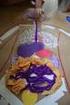 Digestive System Notes Structure Function Relation Mouth cavity Mechanical digestion by teeth; chemical digestion of starch by saliva. Salivary glands Three pairs of glands which secrete saliva containing
Human Anatomy & Physiology I with Dr. Hubley. Practice Exam 1
 Human Anatomy & Physiology I with Dr. Hubley Practice Exam 1 1. Which definition is the best definition of the term gross anatomy? a. The study of cells. b. The study of tissues. c. The study of structures
Production of antigens and antibodies in plants: alternative technology?
 Production of antigens and antibodies in plants: alternative technology? George Lomonossoff John Innes Centre Norwich, UK ECOPA, Alicante 29 th Sept. 2006 Why use Plants as Biofactories? Produce large
C. difficile Infections
 C. difficile Infections Introduction C. difficile is a type of bacteria that can cause diarrhea and infection of the colon. This bacterium is more likely to infect patients at hospitals and other healthcare
1.1.2. thebiotutor. AS Biology OCR. Unit F211: Cells, Exchange & Transport. Module 1.2 Cell Membranes. Notes & Questions.
 thebiotutor AS Biology OCR Unit F211: Cells, Exchange & Transport Module 1.2 Cell Membranes Notes & Questions Andy Todd 1 Outline the roles of membranes within cells and at the surface of cells. The main
Digestive System Digestive Tract
 Digestive System Digestive Tract Dept. of Histology and Embryology 周 莉 教 授 Introduction of digestive system * a long tube extending from the mouth to the anus, and associated with glands. * its main function:
Why use passive immunity?
 Vaccines Active vs Passive Immunization Active is longer acting and makes memory and effector cells Passive is shorter acting, no memory and no effector cells Both can be obtained through natural processes:
Allergies and Autoimmune Inner Ear Disease
 Allergies and Autoimmune Inner Ear Disease Allergy is the term used to describe an over-reaction of the body to a substance that is normally harmless to most people. This substance is called an allergen,
Basic Immunologic Procedures. Complex Serological Tests
 Basic Immunologic Procedures Complex Serological Tests Amal Alghamdi 2014-2015 1 Classification of antigen-antibody interactions: 1. Primary serological tests: (Marker techniques) e.g. Enzyme linked immuonosorben
Antigens & Antibodies II. Polyclonal antibodies vs Monoclonal antibodies
 A Brief Review of Antibody Structure A Brief Review of Antibody Structure The basic antibody is a dimer of dimer (2 heavy chain-light chain pairs) composed of repeats of a single structural unit known
Topic: Serological reactions: the purpose and a principle of reactions. Agglutination test. Precipitation test. CFT, IFT, ELISA, RIA.
 Topic: Serological reactions: the purpose and a principle of reactions. Agglutination test. Precipitation test. CFT, IFT, ELISA, RIA. Serology is the study and use of immunological tests to diagnose and
Eating, pooping, and peeing THE DIGESTIVE SYSTEM
 THE DIGESTIVE SYSTEM Ingested food is not technically in the body until it is absorbed so it needs to be: Mechanically and chemically reduced Transported by the blood to the cells Large portions are not
Immunization Healthcare Branch. Meningococcal Vaccination Program Questions and Answers. Prepared by
 Immunization Healthcare Branch Meningococcal Vaccination Program Questions and Answers Prepared by Immunization Healthcare Branch (IHB), Defense Health Agency Last Updated: 27 Mar 06 www.vaccines.mil 877-GET-VACC
Chapter 2 Antibodies. Contents. Introduction
 Chapter 2 Antibodies Keywords Immunohistochemistry Antibody labeling Fluorescence microscopy Fluorescent immunocytochemistry Fluorescent immunohistochemistry Indirect immunocytochemistry Immunostaining
THE DIGESTIVE SYSTEM
 THE DIGESTIVE SYSTEM What is digestion? Digestion is the process of breaking down food so that it's small enough to be absorbed and used by the body for energy or in other bodily functions. Digestion involves
TABLE OF CONTENT. Page ACKNOWLEDGEMENTS. iii ENGLISH ABSTRACT THAI ABSTRACT. vii LIST OF TABLES LIST OF FIGURES. xvi ABBREVIATIONS.
 x TABLE OF CONTENT ACKNOWLEDGEMENTS ENGLISH ABSTRACT THAI ABSTRACT LIST OF TABLES LIST OF FIGURES ABBREVIATIONS iii iv vii xv xvi xviii CHAPTER I: INTRODUCTION 1.1 Statement of problems 1 1.2 Literature
h. Large intestine 3
 (1) General features (a) Large intestine is last organ of digestive tract proper divided into 3 or 4 regions cecum appendix in humans colon rectum 1 b) No villi lumenal epithelium has microvilli This brush
Helices From Readily in Biological Structures
 The α Helix and the β Sheet Are Common Folding Patterns Although the overall conformation each protein is unique, there are only two different folding patterns are present in all proteins, which are α
serum protein and A/ G ratio
 serum protein and A/ G ratio Blood plasma contains at least 125 individual proteins. Serum ( as contrasted with plasma) is deficient in those coagulation protein which are consumed during the process of
The Immune System and Disease
 Chapter 40 The Immune System and Disease Section 40 1 Infectious Disease (pages 1029 1033) This section describes the causes of disease and explains how infectious diseases are transmitted Introduction
DUKORAL Oral inactivated cholera vaccine. Australian PI
 DUKORAL Oral inactivated cholera vaccine Australian PI NAME OF THE MEDICINE Vaccine containing heat inactivated Vibrio cholerae O1 Inaba classic strain, formalin inactivated Vibrio cholerae O1 Inaba El
The Digestive System. Chapter 16. Introduction. Histological Organization. Overview of Digestive System. Movement and Mixing of Digestive Materials
 The Digestive System Chapter 16 Introduction Structure of the digestive system A tube that extends from mouth to anus Accessory organs are attached Functions include Ingestion Movement Digestion Absorption
SCANTIBODIES Laboratory, Inc. Contract Monoclonal Antibody Production
 A Technical Publication of SCANTIBODIES Laboratory, Inc. Volume 1 Number 4 9336 Abraham Way Santee, CA 92071 USA (619) 258-9300 fax (619) 258-9366 www.scantibodies.com SCANTIBODIES Laboratory, Inc. Contract
The immune response Antibodies Antigens Epitopes (antigenic determinants) the part of a protein antigen recognized by an antibody Haptens small
 The immune response Antibodies Antigens Epitopes (antigenic determinants) the part of a protein antigen recognized by an antibody Haptens small molecules that can elicit an immune response when linked
Modelling and analysis of T-cell epitope screening data.
 Modelling and analysis of T-cell epitope screening data. Tim Beißbarth 2, Jason A. Tye-Din 1, Gordon K. Smyth 1, Robert P. Anderson 1 and Terence P. Speed 1 1 WEHI, 1G Royal Parade, Parkville, VIC 3050,