
A review of dental implants and infection
|
|
|
- Ursula Thomas
- 10 years ago
- Views:
Transcription
1 Journal of Hospital Infection (2009) 72, 104e110 Available online at REVIEW A review of dental implants and infection A.D. Pye a, D.E.A. Lockhart b, M.P. Dawson a, C.A. Murray b, A.J. Smith b, * a Glasgow Dental Hospital and School, Faculty of Medicine, Glasgow University, Glasgow, UK b Infection Research Group, Glasgow Dental Hospital and School, Faculty of Medicine, Glasgow University, Glasgow, UK Available online 28 March 2009 KEYWORDS Dental implants; Failure; Infections; Peri-implantitis Summary Dental implants have become increasingly common for the management of tooth loss. Despite their placement in a contaminated surgical field, success rates are relatively high. This article reviews dental implants and highlights factors leading to infection and potential implant failure. A literature search identified studies analysing the microbial composition of peri-implant infections. The microflora of dental peri-implantitis resembles that found in chronic periodontitis, featuring predominantly anaerobic Gram-negative bacilli, in particular Porphyromonas gingivalis and Prevotella intermedia, anaerobic Gram-negative cocci such as Veillonella spp. and spirochaetes including Treponema denticola. Theroleof Staphylococcus aureus and coagulase-negative staphylococci that are typically encountered in orthopaedic infections is debatable, although they undoubtedly play a role when isolated from clinically infected sites. Likewise, the aetiological involvement of coliforms and Candida spp. requires further longitudinal studies. Currently, there are neither standardised antibiotic prophylactic regimens for dental implant placement nor universally accepted treatment for peri-implantitis. The treatment of infected implants is difficult and usually requires removal. In the UK there is no systematic post-surgical implant surveillance programme. Therefore, the development of such a project would be advisable and provide valuable epidemiological data. ª 2009 The Hospital Infection Society. Published by Elsevier Ltd. All rights reserved. Introduction * Corresponding author. Address: Infection Research Group, Level 9, Glasgow Dental Hospital and School, 378 Sauchiehall Street, Glasgow G2 3JZ, UK. Tel.: þ ; fax: þ address: [email protected] Dental implants are inert, alloplastic materials embedded in the maxilla and/or mandible for the management of tooth loss and to aid replacement of lost orofacial structures as a result of trauma, /$ - see front matter ª 2009 The Hospital Infection Society. Published by Elsevier Ltd. All rights reserved. doi: /j.jhin

2 Dental implants and infection 105 neoplasia and congenital defects. The most common type of dental implant is endosseous comprising a discrete, single implant unit (screw- or cylinder-shaped are the most typical forms) placed within a drilled space within dentoalveolar or basal bone. Commercially pure titanium or titanium alloy are the common constituents of dental implants. However, alternative materials include ceramics such as aluminium oxide and other alloys (gold and nickelechromeevanadium). Generally, endosseous implants have a coating which may comprise plasma-sprayed titanium or a layer of hydroxyapatite to enhance early osseointegration. 1 Osseointegration was discovered by P.-I. Brånemark in 1969 when he observed that a piece of titanium embedded in rabbit bone became firmly anchored and difficult to remove. 2 Following one year of observation, no inflammation was detected in the peri-implant bone, meanwhile soft tissue had formed an attachment to the metal and bone to the titanium. 3 The Brånemark system of dental implants was introduced in Subsequently, an estimated one million endosseous dental implants are placed annually worldwide and w80 different manufacturers produce 220 implant brands. 5,6 Dental implants are predominantly placed in primary care settings, commonly in general dental practice under local anaesthesia. There are, however, no controls legislated over the operating environment. Despite this and the contaminated oral surgical field through which they are placed, success rates are reported as being as high as 90e95%. 7e9 This paper reviews endosseous dental implants and infections associated with their failure. Osseointegration After endosseous implant fixtures are surgically inserted into bone, the process of osseointegration begins. Osseointegration is considered a direct, structural and functional connection between organised vital bone and the surface of a titanium implant, capable of bearing the functional load. 10 This is possible as the titanium surface oxide layer (mainly titanium dioxide) is biocompatible, reactive and spontaneously forms calcium-phosphateapatite. 11 Furthermore, the titanium oxide surface of implants achieves a union with the superficial gingivae restricting the ingress of oral microorganisms. Consequently, the implant/soft tissue interface is similar to the union between tooth and gingivae. 12 Success and failure Criteria for successful integration of dental implants have been proposed. 13 Of these, a lack of mobility is of prime importance as loosening is the most often cited reason for implant fixture removal. 14 Adell reported the success rate of 895 implant fixtures over an observational period of 5e9 years after placement. 7 Eighty-one percent of maxillary and 91% of mandibular implants remained stable. Despite high success rates, implant fixture failure may occur and is defined as the inadequacy of the host tissue to establish or maintain osseointegration. 8 One review suggested that w2% of implants failed to achieve osseointegration following placement. 9 Using a meta-analysis, failure rates for Brånemark dental implants were 7.7% (excluding bone grafts) over five years. 8 Interestingly, failure rates within edentulous patients were almost double those for partially dentate patients (7.6% versus 3.8%). In addition, failure in the edentulous maxilla was approximately three times higher compared to the edentulous mandible. 8 Peri-implantitis is considered an inflammatory process affecting the tissues around an osseointegrated implant in function, resulting in loss of supporting bone. 15 Signs of a failing dental implant are detected both clinically and radiographically with the diagnosis made in a similar way to periodontitis. 16 This involves measuring clinical parameters including peri-implant loss of gingival attachment, bleeding on probing, plaque/gingivitis indices, suppuration and mobility. Other relevant assessments include a peri-implant radiographic examination and microbiological sampling. Periimplantitis has been reported in 5e8% of cases within selected implant systems. 17 Classification of failures Implants can be described as failing or failed. A failing implant demonstrates a progressive loss of supporting bone but is clinically immobile, whereas a failed implant is clinically mobile. 18 When an implant has failed, removal is recommended while a failing implant may be salvaged if it is diagnosed early and treated appropriately. 19,20 Implant failures may also be categorised as early or late. Early failures occur before osseointegration and prosthetic rehabilitation has taken place with late failures occurring afterwards. 13 Factors affecting early failure of dental implants may be broadly classified as: implant-, patient- and surgical technique/environment-related (Table I). Late failures

3 106 A.D. Pye et al. Table I Factors related to the failure of dental implants 21e27 Factor Implant Mechanical overloading Patient (local factors) Patient (systemic factors) Surgical technique/ environment Comment Previous failure Surface roughness Surface purity and sterility Fit discrepancies Intra-oral exposure time Premature loading Traumatic occlusion due to inadequate restorations Oral hygiene Gingivitis Bone quantity/quality Adjacent infection/inflammation Presence of natural teeth Periodontal status of natural teeth Impaction of foreign bodies (including debris from surgical procedure) in the implant pocket Soft tissue viability Vascular integrity Smoking Alcoholism Predisposition to infection, e.g. age, obesity, steroid therapy, malnutrition, metabolic disease (diabetes) Systemic illness Chemotherapy/radiotherapy Hypersensitivity to implant components Surgical trauma Overheating (use of handpiece) Perioperative bacterial contamination, e.g. via saliva, perioral skin, instruments, gloves, operating room air or air expired by patient usually concern a small number of patients with their aetiology less well understood. 21 Late failures may be subclassified into lateeearly or lateedelayed depending on whether they occur during or after the first year of loading. Late-delayed failures are likely due to changes in loading conditions in relation to the quality/volume of bone and peri-implantitis. 22 The likelihood of bacteria producing infection depends on their virulence and host factors. 28 While the above factors relate to the failure of implants with regard to their anchorage in bone, occasionally the infectious process is limited to the soft tissues overlying the healing implant site causing peri-implant mucositis. 20 An implant compromised by soft-tissue problems has a more favourable prognosis than one undergoing bone loss. 29 Nevertheless, infection originating in the soft tissues may potentially progress deeper into the bone and undermine the osseointegration process. Some of the most frequent causes of soft tissue infection during the healing period involve residual suture material, poorly seated cover screws, protruding implants and trauma from inadequately relieved dentures or occlusal trauma from opposing teeth. 19 Microbiology of failing dental implants Infection represents one of many factors contributing to the failure of dental implants. Presently, no single micro-organism has been closely associated with colonisation or infection of any implant system. 30 Failing dental implants are associated with a microbial flora traditionally associated with periodontitis. Thus, a transition is observed from a predominately Gram-positive non-motile, aerobic and facultative anaerobic composition towards a flora with a greater proportion of Gram-negative, motile, anaerobic bacteria. 31e34 If this predominates for significant time periods then peri-implantitis and eventual implant failure may result. 35 Table II highlights studies investigating the microbiology of failing implants. Interestingly, micro-organisms not usually associated with periodontitis or dental abscesses such as staphylococci, coliforms and Candida spp. are commonly isolated from peri-implant lesions in some studies. 31,32,41 Staphylococci are present within the oral cavity and their isolation from peri-implant infection is significant as both Staphylococcus aureus and coagulase-negative staphylococci are frequently responsible for infections associated with metallic biomaterials and indwelling medical infections in general. 42,43 More recently, Staphylococcus aureus has been demonstrated to have the ability to adhere to titanium surfaces. This may be significant in the colonisation of dental implants and subsequent infections. 44 Guidelines for the placement of dental implants There are few published guidelines on infection control during the placement of dental implants. Those available advocate that the surgical field should be isolated and free of contamination. 45,46 This is clearly not readily achievable within the oral cavity. However, it has been elucidated that contamination of the operative site by patient s saliva does not preclude success. 47 Additionally, no significant differences were found in osseointegration success rates for implants placed under controlled operating

4 Dental implants and infection 107 Table II Summary of studies investigating microbiology of failing implants Type of implant (no. of patients/implants) Method of detection Most prevalent microbes detected (% sites infected with bacteria) Brånemark Culture Prevotella intermedia/p. nigrescens 60% (37/1e4 per patient) 32 Actinobacillus actinomycetemcomitans 60% Staphylococci, coliforms, Candida spp. 55% Not stated (41/not stated) 33 Culture/indirect immunofluorescence Bacteroides forsythus 59% Spirochetes 54% Fusobacterium spp. 41% Peptostreptococcus micros 39% Porphyromonas gingivalis 27% Titanium hollow cylinder implants (7/not stated) 34 Culture/dark field microscopy Bacteroides spp., Fusobacterium spp., spirochetes, fusiform bacilli, motile and curved rods (% not stated) Not stated (13/20) 36 Culture Staphylococcus spp. 55% Not stated (21/28) 37 Checkerboard DNAeDNA hybridization technique P. nicrescens, P. micros, Fusobacterium nucleatum (% not stated) IMZ (12/18) 38 Culture Bacteroides spp. 89% Actinobacillus actinomycetemcomitans 89% Fusobacterium nucleatum 22% Capnocytophaga spp. 27.8% Eikenella corrodens 17% Various (10/12) 39 PCR Porphyromonas gingivalis 67% Campylobacter rectus 42% Eikonella corrodens 42% Treponema denticola 42% Prevotella intermedia 33% Tannerella forsythia 33% Actinobacillus actinomycetemcomitans 17% 9 Astra 16 Brånemark 5 ITI Staumann (17/30) 40 PCR, polymerase chain reaction. Culture Actinomyces spp. 83% F. nucleatum 70% P. intermedia/nigrescens group 60% Steptococcus anginosus (milleri) group 70% P. micros 63% Enterococcus spp. 30% Yeast spp. 30% theatre conditions compared to a less environmentally controlled dental school clinic. 48 This may imply that the operative environment is not as critical to the success of dental implants compared to implant placement within other body sites. Several strategies to reduce contamination from the oral flora during surgery have been postulated. 49,50 One such strategy involves rinsing preoperatively with chlorhexidine as this may reduce microbial complications following implant placement. 51 An in-vivo study showed that chlorhexidine in suspension form is more effective in inhibiting Porphyromonas gingivalis than the use of antibiotics. 52 Others, however, failed to reach these conclusions. 53 During the surgical procedure, the implant should be stored in the manufacturer s sterile packaging and only used in conjunction with the recommended instruments. Previously, the drills used for bone preparation were not designated single use and were decontaminated according to local protocols. Manufacturers are gradually introducing single-use drills for use with their implant systems. The role of antibiotics The use of prophylactic antibiotics during implant placement remains controversial. A Cochrane review found insufficient evidence advocating or dissuading their use. 54 An update of the review, however, determined there was some evidence that 2 g of amoxicillin given orally 1 h preoperatively significantly reduced early failures of dental implants. 55 The review concluded by recommending the routine use of one dose of 2 g of prophylactic amoxicillin immediately prior to placing dental implants. However, it also stated that further research was required to confirm the findings.

5 108 A.D. Pye et al. Table III implants 20,29,57 At present, there is no reliable evidence for the most successful method of treating peri-implantitis. 56 Despite a variety of therapeutic options (Table III), infected implants are difficult to treat and usually require removal. 21 Some clinicians advise systemic antibiotics for the treatment of failing implants and a variety of drug regimens are described. 58 Oral agents such as doxycycline, clindamycin, co-amoxiclav, penicillin V, amoxicillin and a combination of amoxicillin and metronidazole have been recommended. Nevertheless, no double-blind, randomised, placebo-controlled trial has been undertaken. Monitoring of success/failure In the UK there are no surveillance programmes in place providing epidemiological data on the microbiology, success and failure rates of dental implants. Conversely, in Finland an Implant Register provides comprehensive data on the number of implants inserted and removed together with any complications related to the treatment. 14 The programme strives to ensure safe treatment for patients and has been operational for nearly 20 years. Conclusion Suggested treatments for infected dental Mechanical debridement Pharmaceutical treatment e irrigation with chlorhexidine, local antibiotics (e.g. tetracycline fibre) and systemic antibiotics Surgical procedures e open flap debridement (to decontaminate and smooth the implant surface) Correct anatomical conditions that impair plaque control and encourage the formation of an anaerobic environment (includes both resective procedures and regenerative techniques such as guided tissue regeneration) Dental implants are an increasingly common form of prosthetic device implanted into patients. The apparent high success rate for the placement of endosseous dental implants under uncontrolled environmental conditions and through a heavily colonised oral environment appears counterintuitive. If dental implants become infected the causative micro-organisms are usually those implicated in periodontal disease and include a range of Gramnegative anaerobes and spirochaetes. Since S. aureus and coliforms are infrequently detected in oral infection, their presence at implant infection sites may represent cross-infection episodes although further data are required to support this. As occurs with orthopaedic implants, infected dental implants are difficult to treat and removal is frequently required. Data on failure and complications of dental implants should be collected and reported in a systematic fashion. This would enable a more detailed analysis of the microbiology, treatment outcomes and assist in the formulation of clinical guidelines in implant placement and treatment of implant-associated infections. Concerns have been raised over the efficacy of dental instrument decontamination, and this, coupled with the highly invasive nature of the insertion of dental implants, suggests that the introduction of a generic surveillance programme with appropriate microbiological monitoring should be urgently considered. Conflict of interest statement None declared. Funding sources None. References 1. Mupparapu M, Beideman R. Imaging for maxillofacial reconstruction and implantology. In: Fonseca RJ, editor. Oral and maxillofacial surgery: reconstructive and implant surgery. Philadelphia: Saunders; p. 17e Worthington P. Introduction: history of implants. In: Worthington P, Lang BR, Rubenstein JE, editors. Osseointegration in dentistry: an overview. 2nd ed. Illinois: Quintessence; p Brånemark PI. Osseointegration and its experimental background. J Prosthet Dent 1983;50:399e Hobo S, Ichida E, Garcia LT. Osseointegration and occlusal rehabilitation. Tokyo: Quintessence; pp. 3e4. 5. Brunski JB. In vivo response to biomechanical loading at the bone/dental implant interface. Adv Dent Res 1999;13:99e Jokstad A, Brägger U, Brunski JB, Carr AB, Naert I, Wennerberg A. Quality of dental implants. Int Dent J 2003; 53:409e Adell R, Lekholm U, Rockler B, Brånemark PI. A 15-year study of osseointegrated implants in the treatment of the edentulous jaw. Int J Oral Surg 1981;10:387e Esposito M, Hirsch JM, Lekholm U, Thomsen P. Biological factors contributing to failures of osseointegrated implants (I). Success criteria and epidemiology. Eur J Oral Sci 1998; 106:527e Quirynen M, De Soete, van Steenberghe D. Infectious risks for oral implants: a review of the literature. Clin Oral Implants Res 2000;13:1e Brånemark PI, Adell R, Breine U, Hansson BO, Lindstrom J, Ohlsson A. Intraosseous anchorage of dental prostheses. I. Experimental studies. Scand J Plast Reconstr Surg 1969;3:81e Hansson HA, Albrektsson T, Brånemark PI. Structural aspects of the interface between tissue and titanium implants. J Prosthet Dent 1983;50:108e113.

6 Dental implants and infection Albrektsson T, Brånemark PI, Hansson HA, Lindstrom J. Osseointegrated titanium implants. Requirements for ensuring a long-lasting direct bone-to-implant anchorage in man. Acta Orthop Scand 1981;52:155e Albrektsson T, Zarb GA, Worthington P, Eriksson AR. The long-term efficacy of currently used dental implants: a review and proposed criteria of success. Int J Oral Maxillofac Implants 1986;1:11e Lindén R, Pihakari A, Perälä A, Mäkelä A. The 2002 dental implant yearbook. The finnish dental implant register. Helsinki: National Agency for Medicines; Mombelli A, Lang NP. The diagnosis and treatment of periimplantitis. Periodontol ;17:63e Brägger U, Hugel-Pisoni C, Bürgin WB, Buser D, Lang NP. Correlations between radiographic, clinical and mobility parameters after loading of oral implants with fixed partial dentures: a 2-year longitudinal study. Clin Oral Implants Res 1996;7:230e Berglundh T, Persson L, Klinge B. A systematic review of the incidence of biological and technical complications in implant dentistry reported in prospective longitudinal studies of at least 5 years. JClinPeriodontol2002;29: 197e Cochran D. Implant therapy I. Ann Periodontol 1996;1:707e Esposito M, Hirsch J, Lekholm U, Thomsen P. Differential diagnosis and treatment strategies for biologic complications and failing oral implants: a review of the literature. Int J Oral Maxillofac Implants 1999;14:473e Jovanovic SA. The management of peri-implant breakdown around functioning osseointegrated dental implants. J Periodontol 1993;64:1176e Esposito M, Hirsch JM, Lekholm U, Thomsen P. Biological factors contributing to failures of osseointegrated oral implants (II). Etiopathogenesis. Eur J Oral Sci 1998;106:721e Tonetti MS, Schmid J. Pathogenesis of implant failures. Periodontol ;4:127e Bain C. Influences of smoking on the periodontium and dental implants. Dent Update 1997;24:328e Hutton JE, Heath MR, Chai JY, et al. Factors related to the success and failure rates at 3-year follow-up in a multicenter study of overdentures supported by Branemark implants. Int J Oral Maxillofac Implants 1995;10:33e Quirynen M, De Soete M, van Steenberghe D. Intra-oral plaque formation on artificial surfaces. In: Lang NP, Karring T, Lindhe J, editors. Proceedings of the 3rd European Workshop on Periodontology: implant dentistry. Berlin: Quintessence; p. 102e Sennerby L, Roos J. Surgical determinants of clinical success of osseointegrated oral implants: a review of the literature. Int J Prosthodont 1998;11:408e Shaffer MD, Juruaz DA, Haggerty PC. The effect of periradicular endodontic pathosis on the apical region of adjacent implants. Oral Surg Oral Med Oral Pathol Oral Radiol Endod 1998;86:578e Kaiser AB. Antimicrobial prophylaxis in surgery. N Engl J Med 1986;315:1129e Meffert RM. Maintenance and treatment of the ailing and failing implant. J Indiana Dent Assoc 1994;73:22e Lee KH, Maiden MF, Tanner AC, Weber HP. Microbiota of successful osseointegrated implants. J Periodontol 1999;70: 131e Alcoforado GAP, Rams TE, Feik D, Slots J. Microbial aspects of failing osseointegrated dental implants in humans. J Periodontol 1990;10:11e Leonhardt A, Renvert S, Dahlen G. Microbial findings at failing implants. Clin Oral Implants Res 1999;10:339e Listgarten MA, Lai CH. Comparative microbiological characteristics of failing implants and periodontally diseased teeth. J Periodontol 1999;70:431e Mombelli A, van Oosten M, Schurch Jr E, Lang NP. The microbiota associated with successful or failing osseointegrated titanium implants. Oral Microbiol Immunol 1987;2: 145e Mombelli A. Prevention and therapy of peri-implant infections. In: Lang NP, Karring T, Lindhe J, editors. Proceedings of the 3rd European Workshop on Periodontology: implant dentistry. Berlin: Quintessence; p. 281e Rams TE, Feik D, Slots J. Staphylococci in human periodontal diseases. Oral Microbiol Immunol 1990;5:29e Salcetti JM, Moriarty JD, Cooper LF, et al. The clinical, microbial, and host response characteristics of the failing implant. Int J Oral Maxillofac Implant 1997;12:32e Augthun M, Conrads G. Microbial findings of deep peri-implant bone defects. Int J Oral Maxillofac Implants 1997; 12:106e Shibli JA, Vitussi TR, Garcia RV, et al. Implant surface analysis and microbiologic evaluation of failed implants retrieved from smokers. J Oral Implantol 2007;33:232e Laine P, Salo A, Kontio R, Ylijoki S, Lindqvist C, Suuronen R. Failed dental implants e clinical, radiological and bacteriological findings in 17 patients. J Craniomaxillofac Surg 2005; 33:212e Salvi GE, Furst MM, Lang NP, Persson GR. One-year bacterial colonization patterns of Staphylococcus aureus and other bacteria at implants and adjacent teeth. Clin Oral Implants Res 2008;19:242e Gristina AG. Biomaterial-centered infection: microbial adhesion versus tissue integration. Science 1987;237: Bisno AL, Waldvogel FA. Infections associated with indwelling medical devices. Washington DC: American Society for Microbiology; p Harris LG, Richards PG. Staphylococcus aureus adhesion to different treated titanium surfaces. J Mat Sci Mat Med 2004;15:311e British Association of Oral and Maxillofacial Surgeons. Guidelines on standards for the treatment of patients using endosseous implants. British Society for the Study of Prosthetic Dentistry. Br Dent J 1995;178(Suppl.). 46. Garg AK, Reddi SN, Chacon GE. The importance of asepsis in dental implantology. Implant Soc 1994;5:8e Ivanoff CJ, Sennerby L, Lekholm U. Influence of soft tissue contamination on the integration of titanium implants. An experimental study in rabbits. Clin Oral Implants Res 1996;7:128e Scharf DR, Tarnow DP. The effect of crestal versus mucobuccal incisions on the success rate of implant osseointegration. Int J Oral Maxillofac Implant 1993;8:187e Dent CD, Olson JW, Farish SE, et al. The influence of preoperative antibiotics on success of endosseous implants up to and including stage II surgery: a study of 2,641 implants. J Oral Maxillofac Surg 1997;55:19e Veksler AE, Kayrouz GA, Newman MG. Reduction of salivary bacteria by pre-procedural rinse with chlorhexidine 0.12%. J Periodontol 1991;62:649e Lambert PM, Morris HF, Ochi S. The influence of 0.12% chlorhexidine digluconate rinses on the incidence of infectious complications and implant success. J Oral Maxillofac Surg 1997;55(12 Suppl. 5):25e Noiri Y, Okami Y, Narimatsu M, Takahashi T, Kawahara T, Ebisk S. Effects of chlorhexidine, minocycline, and metronidazole on Porphyromonas gingivalis strain 381 in biofilms. J Periodontol 2003;74:1647e1651.

7 110 A.D. Pye et al. 53. Furst MM, Salvi GE, Lang NP, Persson GR. Bacterial colonisation immediately after installation on oral titanium implants. Clin Oral Implant Res 2007;18:501e Esposito M, Coulthard P, Oliver R, Thomsen P, Worthington HV. Antibiotics to prevent complications following dental implant treatment. Cochrane Database Syst Rev 2003 (3)CD Esposito M, Grusovin MG, Talati M, Coulthard P, Oliver R, Worthington HV. Interventions for replacing missing teeth: antibiotics at dental implant placement to prevent complications. Cochrane Database Syst Rev 2008 (3)CD Esposito M, Grusovin MG, Coulthard P, Worthington HV. Interventions for replacing missing teeth: treatment of periimplantitis. Cochrane Database Syst Rev 2006 (3)CD Leonhardt A, Dahlen G, Rewvert S. Five-year clinical, microbiological, and radiographical outcome following treatment of periimplantitis in man. J Periodontol 2003; 74:1415e Yukna RA. Diagnosis and treatment of the ailing/failing dental implant. In: Block MS, Kent JN, editors. Endosseous implants for maxillofacial reconstruction. Philadelphia: WB Saunders; p. 602e607.

Antibiotic prophylaxis and early dental implant failure: a quasi-random controlled clinical trial.
 Antibiotic prophylaxis and early dental implant failure: a quasi-random controlled clinical trial. Karaky AE, Sawair FA, Al-Karadsheh OA, Eimar HA, Algarugly SA, Baqain ZH. Eur J Oral Implantol. 2011 Spring;4(1):31-8.
Life Table Analysis for Evaluating Curative-effect of One-stage Non-submerged Dental Implant in Taiwan
 Journal of Data Science 6(2008), 591-599 Life Table Analysis for Evaluating Curative-effect of One-stage Non-submerged Dental Implant in Taiwan Miin-Jye Wen 1, Chuen-Chyi Tseng 2 and Cheng K. Lee 3 1 National
Supervisors: Dr. Farhan Raza Khan
 1 Presenter: Dr. Sana Ehsen Supervisors: Dr. Farhan Raza Khan 2 A dental implant (also known as an endosseous implant or fixture) is a surgical component that interfaces with the bone of the jaw to support
Dental Implant Infections
 S213 A. Tanner, M. F. J. Maiden, K. Lee, L. B. Shulman, and From the Forsyth Dental Center, Boston, and Harvard School of Dental H. P. Weber Medicine, Boston, Massachusetts Dental implants provide a restorative
Prosthetic treatment planning on the basis of scientific evidence.
 Prosthetic treatment planning on the basis of scientific evidence. Pjetursson BE, Lang NP. J Oral Rehabil. 2008 Jan;35 Suppl 1:72-9. Faculty of Odontology, University of Iceland, Reykjavik, Iceland, and
Dental implants: Maintenance, care and treatment of peri-implant infection
 MS 1023 REVIEW Australian Dental Journal 2003;48:(4):212-220 Dental implants: Maintenance, care and treatment of peri-implant infection S Chen,* I Darby, Abstract Osseointegration is becoming increasingly
Manage Patients in Peri - Implant Health
 Matilde N Hernandez Gonzalez, DDS, MS, MBA Manage Patients in Peri - Implant Health Upon completion of reading these articles, the clinician will be able to: 1. Use adjunctive therapies to enhance dental
Ridge Reconstruction for Implant Placement
 Volume 1, No. 5 July/August 2009 The Journal of Implant & Advanced Clinical Dentistry Ridge Reconstruction for Implant Placement 2 Hours of CE Credit Oral Implications of Cancer Chemotherapy Immediate
Implants for life? A critical review of implant-supported restorations
 journal of dentistry 35 (2007) 768 772 available at www.sciencedirect.com journal homepage: www.intl.elsevierhealth.com/journals/jden Review Implants for life? A critical review of implant-supported restorations
Clinical and Microbiological Determinants of Ailing Dental Implants
 Clinical and Microbiological Determinants of Ailing Dental Implants Giorgio Tabanella, DDS, MS;* Hessam Nowzari, DDS, PhD; Jorgen Slots, DDS, DMD, MS, PhD, MBA ABSTRACT Background: The failure of the host
Outcomes of dental implant treatment in patients with generalized aggressive periodontitis: a systematic review
 ORIGINAL ARTICLE http://dx.doi.org/10.4047/jap.2012.4.4.210 Outcomes of dental implant treatment in patients with generalized aggressive periodontitis: a systematic review Kyoung-Kyu Kim*, DDS, MSD, Hun-Mo
Antimicrobial approach of peri-implant disease: an update of the current knowledge
 Antimicrobial approach of peri-implant disease: an update of the current knowledge A.L. Dumitrescu*,1, V. Ibric-Cioranu 2, S. Ibric 2, N. Zetu 3, L. Zetu 3 and V. Nicolae 2 1 Private practice, str. Politehnicii
CLINICAL GOALS OF PATIENT CARE AND CLINIC MANAGEMENT. Philosophical Basis of the Patient Care System. Patient Care Goals
 University of Washington School of Dentistry CLINICAL GOALS OF PATIENT CARE AND CLINIC MANAGEMENT Philosophical Basis of the Patient Care System The overall mission of the patient care system in the School
IMPLANT DENTISTRY EXAM BANK
 IMPLANT DENTISTRY EXAM BANK 1. Define osseointegration. (4 points, 1/4 2. What are the critical components of an acceptable clinical trial? (10 points) 3. Compare the masticatory performance of individuals
The success of osseointegrated dental implants
 REVIEW ARTICLE Current Status of Dental Implants: A Periodontal Perspective Perry R. Klokkevold 1 /Michael G. Newman, DDS 2 The success of osseointegrated dental implants has revolutionized dentistry.
The Immediate Placement of Dental Implants Into Extraction Sites With Periapical Lesions: A Retrospective Chart Review
 IMPLANTS The Immediate Placement of Dental Implants Into Extraction Sites With Periapical Lesions: A Retrospective Chart Review Christopher Lincoln Bell,* David Diehl, Brian Michael Bell, and Robert E.
Immediate Molar Implant Placement: A Private Practice Clinical Investigation. Abstract
 Immediate Molar Implant Placement: A Private Practice Clinical Investigation Gargiulo et al Alphonse Gargiulo, DDS, MS 1 Thomas Manos, DDS, MS 2 Mark Kolozenski, DDS, MS 3 Alex Tzanos, DDS, MSD 3 Michael
Outcomes of Placing Short Dental Implants in the Posterior Mandible: A Retrospective Study of 124 Cases
 DENTAL IMPLANTS J Oral Maxillofac Surg 67:713-717, 2009 Outcomes of Placing Short Dental in the Posterior Mandible: A Retrospective Study of 124 Cases Bao-Thy N. Grant, DDS,* Franklin X. Pancko, DDS, and
S ince Brånemark defined osseointegration
 IMPLANT DENTISTRY / VOLUME 0, NUMBER 0 2015 1 Postoperative Infections After Dental Implant Placement: Prevalence, Clinical Features, and Treatment Octavi Camps-Font, DDS,* Rui Figueiredo, DDS, MS, PhD,
TRAINING STANDARDS IN IMPLANT DENTISTRY
 TRAINING STANDARDS IN IMPLANT DENTISTRY Introduction 2012 1 Dental implants are used to replace one or more missing teeth. Their insertion involves various surgical and restorative dental procedures and
C HAPTER 4 O RAL AND M AXILLOFACIAL S URGERY
 C HAPTER 4 O RAL AND M AXILLOFACIAL S URGERY I. TREATMENT PLANNING GUIDELINES As part of informed consent, the clinician should carefully explain the risks and benefits of oral and maxillofacial surgery
Clinical and Laboratory Procedures for Fixed Margin Implant Abutments
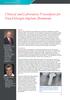 Clinical and Laboratory Procedures for Fixed Margin Implant Abutments Dr. Carl Drago DDS, MS, American Board of Prosthodontics Director, Dental Research BIOMET 3i, Adjunct Faculty Department of Prosthodontics,
Leslie Laing Gibbard, BSc, BEd, MSc, PhD, DDS George Zarb, BChD, DDS, MS, MS, FRCD(C)
 A P P L I E D R E S E A R C H A 5-Year Prospective Study of Implant-Supported Single-Tooth Replacements Leslie Laing Gibbard, BSc, BEd, MSc, PhD, DDS George Zarb, BChD, DDS, MS, MS, FRCD(C) A b s t r a
IMPLANT CONSENT FORM WHAT ARE DENTAL IMPLANTS?
 IMPLANT CONSENT FORM WHAT ARE DENTAL IMPLANTS? Dental implants are a very successful and accepted treatment option to replace lost or missing teeth. A dental implant is essentially an artificial tooth
Treatment of Peri-implantitis Lesions with Laser-assisted Therapy and a Minimally Invasive Approach: A Case Report
 Treatment of Peri-implantitis Lesions with Laser-assisted Therapy and a Minimally Invasive Approach: A Case Report Elvan Efeoglu a, Gulin T. Eyyupoglu b Publication a Professor, Dr, Department of Periodontology,
Peri-implant diseases are characterized by. Clinical Review
 Clinical Review Prognosis in Implant Dentistry: A System for Classifying the Degree of Peri-Implant Mucosal Inflammation Getulio Nogueira-Filho, DDS, MDent, PhD; Anthony M. Iacopino, DMD, PhD; Howard C.
Titanium endosseous implants have
 Smoking and Complications of Endosseous Dental Implants* Devorah Schwartz-Arad, Naama Samet, Nachum Samet, and Avi Mamlider Background: The purpose of this study was to compare the incidence of the complications
Dental Implant Options in Atrophic Jaws
 Dental Implant Options in Atrophic Jaws Orthopedic Application Jay B. Reznick, D.M.D., M.D. Diplomate, American Board of Oral and Maxillofacial Surgery Tarzana, CA Endopore Dental Implant System Screw-Type
Rehabilitation of Endondontically Failed Anterior teeth by Immediate Replacement and Loading of an Implant supported Crown: A Case Report.
 RESEARCH AND REVIEWS: JOURNAL OF DENTAL SCIENCES Rehabilitation of Endondontically Failed Anterior teeth by Immediate Replacement and Loading of an Implant supported Crown: A Case Report. Lalit Kumar 1
Don t Let Life Pass You By Because Of Oral Bone Loss
 Don t Let Life Pass You By Because Of Oral Bone Loss Ask For Dental Implant Solutions From BIOMET 3i Scan With Your Smartphone! In order to scan QR codes, your mobile device must have a QR code reader
Don t Let Life Pass You By Because Of Missing Teeth
 Don t Let Life Pass You By Because Of Missing Teeth Ask For Dental Implant Solutions From BIOMET 3i Scan With Your Smartphone! In order to scan QR codes, your mobile device must have a QR code reader installed.
LATERAL BONE EXPANSION FOR IMMEDIATE PLACEMENT OF ENDOSSEOUS DENTAL IMPLANTS
 LATERAL BONE EXPANSION FOR IMMEDIATE PLACEMENT OF ENDOSSEOUS DENTAL IMPLANTS Department of Oral Maxillofacial Surgery, Chisinau Abstract: The study included 10 using the split control expansion technique
Restoration of the Edentulous Maxilla: The Case for the Zygomatic Implants
 CLINICAL CONTROVERSIES IN ORAL AND MAXILLOFACIAL SURGERY: PART ONE J Oral Maxillofac Surg 62:1418-1422, 2004 Restoration of the Edentulous Maxilla: The Case for the Zygomatic Implants Eric D. Ferrara,
Scottish Dental Clinical Effectiveness Programme SDcep. Prevention and Treatment of Periodontal Diseases in Primary Care Guidance in Brief
 Scottish Dental Clinical Effectiveness Programme SDcep Prevention and Treatment of Periodontal Diseases in Primary Care Guidance in Brief June 2014 Scottish Dental Clinical Effectiveness Programme SDcep
Implant therapy using osseointegrated implants has
 Natural Tooth Intrusion Phenomenon With Implants: A Survey Lily T. Garcia, DDS, MS*/Larry J. Oesterle, DDS, MS** A common assumption when planning for treatment for a fixed partial denture potentially
Complications Associated with Tooth Extraction
 1 Complications Associated with Tooth Extraction Mark M. Smith, VMD, DACVS, DAVDC Center for Veterinary Dentistry and Oral Surgery 9041 Gaither Road Gaithersburg, MD 20877 Introduction Tooth extraction
Histologic comparison of biologic width around teeth versus implants: The effect on bone preservation
 Clinical Histologic comparison of biologic width around teeth versus implants: The effect on bone preservation Kazuto Makigusa 1 Abstract Histological analysis of the biological width surrounding primate
Saudi Fellowship In Dental Implant (SF-DI)
 Saudi Fellowship In Dental Implant (SF-DI) Prepared and Updated by Dr. Arwa AL-Sayed Consultant Periodontics and Dental Implants M E M B E R S Dr. Arwa AL-Sayed Dr. Abdulhadi Abanmy Dr. Ali AL-Ghamdi Dr.
A Comprehensive Explanation
 Dental Implants A Comprehensive Explanation Overview Since the 1980s, dental implants have become more popular among dentists and patients. 1 In some clinical situations, implants may be the best treatment
The management of traumatic tooth loss with dental implants: Part 2. Severe trauma
 The management of traumatic tooth loss with dental implants: Part 2. Severe trauma D. W. Seymour,* 1 M. Patel, 2 L. Carter 3 and M. Chan 2 IN BRIEF Discusses the challenges associated with the provision
Osseointegrated implant connected with natural tooth using a semiprecision attachment: A clinical report
 Osseointegrated implant connected with natural tooth using a semiprecision attachment: A clinical report Yohsuke Taira, DDS, PhD, Kiyoshi Nagano, DT, and Mitsuru Atsuta, DDS, PhD Division of Fixed Prosthodontics
Flapless Implant Surgery for Replacement of Posterior Teeth
 Course Number: 108.2 Flapless Implant Surgery for Replacement of Posterior Teeth Authored by J. Steven Cloyd, DDS Upon successful completion of this CE activity 1 CE credit hour may be awarded A Peer-Reviewed
Eastman Dental Hospital. Dental implants - general information for patients. Department of Restorative Dentistry
 Eastman Dental Hospital Dental implants - general information for patients Department of Restorative Dentistry First published: January 2004 Last review date: March 2014 Next review date: March 2016 Leafl
Rehabilitation of a complex case with zirconium dental implants
 Rehabilitation of a complex case with zirconium dental Authors_Dr Andrea Enrico Borgonovo, Dr Marcello Dolci, Dr Rachele Censi, Dr Oscar Arnaboldi, Dr Virna Vavassori & Prof Carlo Maiorana, Italy _Introduction
The definitive implant restoration
 CASE REPORT Implant Bone Rings. One-Stage Three-Dimensional Bone Transplant Technique: A Case Report Mark R. Stevens, DDS 1 * Hany A. Emam, MS 2 Mahmoud E. L. Alaily, MS 3 Mohamed Sharawy, PhD 4 A variety
TRI Product NewsFlash. December 2015
 TRI Product NewsFlash December 2015 Study Overview 2015 Dear Partners Year in, year out, we are screening all major scientific journals to ensure that our TRI Performance Concept still reflects the latest
Assessment of periodontal and opportunistic flora in patients with peri-implantitis
 Matteo Albertini Lorena López-Cerero Manuel G. O Sullivan Carlos F. Chereguini Sofia Ballesta Vicente Ríos Mariano Herrero-Climent Pedro Bullón Assessment of periodontal and opportunistic flora in patients
The Impact of Oral Implants Past and Future, 1966 2042. Tomas Albrektsson, MD, PhD, ODhc Ann Wennerberg, DDS, PhD
 P R O F E S S I O N A L I S S U E S The Impact of Oral Implants Past and Future, 1966 202 Tomas Albrektsson, MD, PhD, ODhc Ann Wennerberg, DDS, PhD A b s t r a c t This paper traces the history of oral
IMPLANT DENTISTRY CLINICAL SYLLABUS
 IMPLANT DENTISTRY CLINICAL SYLLABUS RESD 535 MATS H. KRONSTROM, DDS, PhD Course Director DEPARTMENT OF RESTORATIVE DENTISTRY SCHOOL OF DENTISTRY UNIVERSITY OF WASHINGTON 2008 2009 RD 535 - SCHEDULE FALL
Powertome Assisted Atraumatic Tooth Extraction
 Powertome Assisted Atraumatic Tooth Extraction White et al Jason White, DDS 1 2 3 Abstract Background: While traditional dental extraction techniques encourage minimal trauma, luxated elevation and forceps
Vertical augmentation using the mandibular body bone for repair of failed implants: a case report
 Vol. 34 No. 2, September 2015 Vertical augmentation using the mandibular body bone for repair of failed implants: a case report Da-Nee Jeon, Han-Kyul Park, Yong-Deok Kim* Department of Oral and Maxillofacial
How To Maintain A Periodontal Or Periimplant
 Continuing Education 1 Periodontal and Periimplant Maintenance: A Critical Factor in Long-Term Treatment Success Nicholas D. Shumaker, DDS, MS; 1 Brett T. Metcalf, DDS, MS; 2 Nicholas T. Toscano, DDS,
Replacement of a single front tooth Surgical procedure and three-year results
 Case Report 10 2011 Replacement of a single front tooth Surgical procedure and three-year results Dr Peter Randelzhofer Munich, Germany Prosthetics Dr Peter Randelzhofer studied dentistry in Munich, Germany,
Bone augmentation procedure without wound closure
 THE CREATION OF ATTACHED GINGIVA IMMEDIATELY AFTER EXTRACTION Bone augmentation procedure without wound closure One of the characteristics of wound healing after an extraction is that the alveolar process
education Although demographic factors and growing patient awareness of the benefits of dental implants
 education Increasing implant dentistry in undergraduate education using new technology: A pilot project Hugo De Bruyn, MDS, MsC, PhD ± & Stefan Vandeweghe, DDS Although demographic factors and growing
Interventions for replacing missing teeth: antibiotics at dental implant placement to prevent complications (Review)
 Interventions for replacing missing teeth: antibiotics at dental implant placement to prevent complications (Review) Esposito M, Worthington HV, Loli V, Coulthard P, Grusovin MG This is a reprint of a
The Team Approach to Managing Dental Implant Complications: Strategies for Treating Peri-implantitis
 [ continuing [ education 1 ] 1 ] The Team Approach to Managing Dental Implant Complications: Strategies for Treating Peri-implantitis Paul S. Rosen, DMD, MS Abstract Practitioners who are knowledgeable
Oftentimes, as implant surgeons, we are
 CLINICAL AVOIDING INJURY TO THE INFERIOR ALVEOLAR NERVE BY ROUTINE USE OF INTRAOPERATIVE RADIOGRAPHS DURING IMPLANT PLACEMENT Jeffrey Burstein, DDS, MD; Chris Mastin, DMD; Bach Le, DDS, MD Injury to the
Straumann Bone Level Tapered Implant Peer-to-peer communication
 Straumann Bone Level Tapered Implant Peer-to-peer communication Clinical cases April, 2015 Clinical Cases Case No. Site 1 Single unit; Anterior Maxilla 2 Multi-unit; Anterior Maxilla Implant placement
Australian Dental Journal
 Australian Dental Journal The official journal of the Australian Dental Association SCIENTIFIC ARTICLE Australian Dental Journal 2011; 56: 160 165 doi: 10.1111/j.1834-7819.2011.01318.x Oral rehabilitation
Figure 1. Comparison of crestal gingival fiber orientation.
 70 Test 75.2 IMPLANTS Oral Hygiene and Maintenance of Dental Implants Lee H. Silverstein, DDS, MS Gregori M. Kurtzman, DDS Figure 1. Comparison of crestal gingival fiber orientation. In more recent years,
Dental Implant Treatment after Improvement of Oral Environment by Orthodontic Therapy
 Dental implant treatment after impr Title environment by orthodontic therapy. Sekine, H; Miyazaki, H; Takanashi, Author(s) Matsuzaki, F; Taguchi, T; Katada, H Journal Bulletin of Tokyo Dental College,
Radiographic Vertical Bone Loss Evaluation around Dental Implants Following One Year of Functional Loading
 Original Article Radiographic Vertical Bone Loss Evaluation around Dental Implants Following One Year of Functional Loading AAR. Rasouli Ghahroudi 1, AR Talaeepour 2, A. Mesgarzadeh 3, AR. Rokn 4, 5, A.
Differential Diagnosis and Treatment Strategies for Biologic Complications and Failing Oral Implants: A Review of the Literature
 Differential Diagnosis and Treatment Strategies for Biologic Complications and Failing Oral Implants: A Review of the Literature Marco Esposito, DDS*/Jan Hirsch, DDS, PhD**/Ulf Lekholm, DDS, PhD***/ Peter
What Dental Implants Can Do For You!
 What Dental Implants Can Do For You! Putting Smiles into Motion About Implants 01. What if a Tooth is Lost and the Area is Left Untreated? 02. Do You Want to Restore Confidence in Your Appearance? 03.
Current Concepts in American Dentistry: Advances in Implantology and Oral Rehabilitation
 2009 New York University College Of Dentistry Linhart Continuing Dental Education Program Presents Current Concepts in American Dentistry: Advances in Implantology and Oral Rehabilitation International
Single anterior tooth replacement: clinical approaches
 Single anterior tooth replacement: clinical approaches Paul Swanson examines the role of implant design in approaching a range of treatment protocols for replacing a single tooth Case 1 Figure 1: Patient
Updated: February 2014. 1986-1990 Highland General Hospital, Certificate of Completion Oral & Maxillofacial Surgery Residency
 Edmond Bedrossian DDS, FACD, FACOMS, FAO Diplomate, American Board of Oral & Maxillofacial Surgery Director, Implant Surgery, Alameda Medical Center & UOP School of Dentistry Professor, Department of Oral
RESIDENT TRAINING GOALS AND OBJECTIVES STATEMENTS
 RESIDENT TRAINING GOALS AND OBJECTIVES STATEMENTS Evaluation and treatment of dental emergencies Recognize, anticipate and manage emergency problems related to the oral cavity. Differentiate between those
DENTAL COUNCIL. Statutory Examination
 DENTAL COUNCIL Statutory Examination The Dentists Act 1985 requires that in order to practice dentistry in the Republic of Ireland a dentist must be registered with the Dental Council of Ireland. Registration
Post-extraction immediate implant placement in the maxillary anterior region: A case report
 Merit Research Journal of Medicine and Medical Sciences (ISSN: 2354-3238) Vol. 3(1) pp. 001-009, January, 2015 Available online http://www.meritresearchjournals.org/mms/index.htm Copyright 2015 Merit Research
3M ESPE MDI. Mini Dental Implants. Literature Review. Espertise. Scientific Facts
 3M ESPE MDI Mini Dental Implants Literature Review Espertise Scientific Facts 3M ESPE MDI Mini Dental Implant Denture Stabilization Literature Review June 2009 Objective: To review the published literature
Advances in bone augmentation to enable dental implant placement: Consensus Report of the Sixth European Workshop on Periodontology
 J Clin Periodontol 2008; 35 (Suppl. 8): 168 172 doi: 10.1111/j.1600-051X.2008.01268.x Advances in bone augmentation to enable dental implant placement: Consensus Report of the Sixth European Workshop on
BIOMECHANICAL ANALYSIS OF NORMAL AND IMPLANTED TOOTH USING BITING FORCE MEASUREMENT
 BIOMECHANICAL ANALYSIS OF NORMAL AND IMPLANTED TOOTH USING BITING FORCE MEASUREMENT B K Biswas 1 S Bag 2 & S Pal 3 1. Dept. of Dental Surgery, Associate Professor, KPC Medical College & Hospital, Kolkata,
In 1969, Branemark et al 1 published landmark research
 A review of selected dental literature on evidence-based treatment planning for dental implants: Report of the Committee on Research in Fixed Prosthodontics of the Academy of Fixed Prosthodontics Melanie
GUIDELINES. Educational Requirements & Professional Responsibilities for Implant Dentistry CONTENTS. The Guidelines of the Royal College of
 Educational Requirements & Professional GUIDELINES Approved by Council May 2013 This is replacing the document last published in August 2002. Educational Requirements & Professional The Guidelines of the
2016 Buy Up Dental Care Plan Procedure List
 * This is in addition to the embedded Preventive Plan (see procedure list at deltadentalco.com/kp_preventive. BASIC SERVICES Minor Restorative Services D2140 Amalgam 1 surface, primary or permanent D2150
Zimmer Trabecular Metal Dental Implant
 Zimmer Trabecular Metal Dental Implant TRABECULAR METAL MATERIAL: Designed to Enhance Secondary Stability Through Bone Ingrowth. Artistic Rendering osseoincorporation TRABECULAR METAL MATERIAL Designed
DENTAL IMPLANTS DR JEBIN,MDS.,D.ICOI
 Good Morning DENTAL IMPLANTS DR JEBIN,MDS.,D.ICOI What is implant? A dental implant is an artificial root that replaces the natural tooth root. Crown Gum Implant Tooth Root Jawbone Parts of implant Cover
More than a fixed rehabilitation.
 More than a fixed rehabilitation. A reason to smile. In combination with: Patient expectations drive dental treatments for fixed edentulous immediate restorations. Patients today have increasingly high
CUSTOMIZED PROVISIONAL ABUTMENT AND PROVISIONAL RESTORATION FOR AN IMMEDIATELY-PLACED IMPLANT
 CONTINUING EDUCATION 1 4 CUSTOMIZED PROVISIONAL ABUTMENT AND PROVISIONAL RESTORATION FOR AN IMMEDIATELY-PLACED IMPLANT Gerard J. Lemongello, Jr, DMD* LEMONGELLO 19 7 AUGUST The use of immediate implant
A Study of 25 Zygomatic Dental Implants with 11 to 49 Months Follow-up After Loading
 A Study of 25 Zygomatic Dental Implants with 11 to 49 Months Follow-up After Loading Fredrik Ahlgren, DDS, MSc 1 / Kjell Størksen, DDS 2 /Knut Tornes, DDS, PhD 3 Purpose: The purpose of this study was
Does Implant Staging Choice Affect Crestal Bone Loss?
 Does Implant Staging Choice Affect Crestal Bone Loss? J Oral Maxillofac Surg 70:307-313, 2012 Hakimeh Siadat, DDS, MS,* Mehrdad Panjnoosh, DDS, MS, Marzieh Alikhasi, DDS, MS, Masoud Alihoseini, DDS, Seyed
Long-term success of osseointegrated implants
 Against All Odds A No Bone Solution Long-term success of osseointegrated implants depends on the length of the implants used and the quality and quantity of bone surrounding these implants. As surgical
SCD Case Study. Treatment Considerations for Implant Rehabilitation
 SCD Case Study Treatment Considerations for Implant Rehabilitation Multiple surgical and restorative factors play a role in the treatment planning of implant restorations for the edentulous patient (Ali
Develop a specialist who is capable of correlation of basic sciences and clinical sciences, and challenge the requirements for certification.
 Course Specification Faculty : Dentistry Department : Endodontics Program Specification: Diploma Degree A-Basic Information 1-Programme Title: Diploma in Endodontics 2-Departments (s): Endodontics 4-Coordinator: