
Soft tissue enhancement around dental implants
|
|
|
- Justin Snow
- 10 years ago
- Views:
Transcription
1 Periodontology 2000, Vol. 47, 2008, Printed in Singapore. All rights reserved Ó 2008 The Authors. Journal compilation Ó 2008 Blackwell Munksgaard PERIODONTOLOGY 2000 Soft tissue enhancement around dental implants PATRICK PALACCI &HESSAM N OWZARI Peri-implant plastic surgery aims at improving the esthetic aspects of smile appearance and masticatory function. Enhancement of the esthetic appearance can lend significant support to patients wishing to experience more effective and successful interactions with others in personal, social and workplace situations. This article reviews pre-implant anatomic features that influence the outcome of dental implant therapy and presents a range of surgical modalities aimed at enhancing the appearance of peri-implant soft tissue. Peri-implant plastic surgery Definition Peri-implant plastic surgery focuses on harmonizing peri-implant structures by means of hard tissue engineering and soft tissue engineering, and includes: bone structure enhancement; soft tissue enhancement; precision in implant placement; and quality of the prosthetic restoration. The rationale for the peri-implant plastic surgery approach goes well beyond pure esthetics to address issues of quality-of-life and the psychosocial wellbeing of patients. Peri-implant plastic surgery is also important for creating peri-implant keratinized mucosa and interimplant soft tissue height in order to avoid food impaction, interimplant airflow and speech problems. Limitations Psychological factors Implant dentistry contributes to the restoration of oral function and beauty, but may occasionally fail to meet very high patient expectations. Much of what comprises a beautiful and appealing smile is influenced by emotion and personality (28, 48). Patients in a modern, affluent society often demonstrate an obsessive interest in achieving unrealistic beauty forms (12, 14, 43). It is essential to understand that dental implants do not provide a perfect treatment outcome for all patients. Replacement of anterior teeth with conventional fixed partial dentures or with resin-bonded restorations may sometimes accomplish equal or even better esthetic results. Appropriate dentist patient communication and documentation is necessary in order to prevent unrealistic expectations and misunderstandings (39, 47). Health vs. esthetics While dental implants can improve a poor esthetic appearance (28, 48), which may handicap individuals and negatively interfere with function, livelihood and social interactions (43), the most important goal of peri-implant interventions is to alleviate and prevent morbidity, such as mucosal inflammation and peri-implantitis. The interaction between potential pathogenic agents and the host immune response determines the health status around teeth as well as dental implants (35). Virulence factors of periodontopathic bacteria trigger the release of proinflammatory cytokines from oral mucosal cells and the release of collagenase and other matrix metalloproteinases from gingival fibroblasts. The design and the composition of dental implants are thought to affect local host parasite interactions (8, 29, 34 36). However, the features of implant design that affect the height of bone and soft tissue around implants have still not been fully identified (20). Interimplant anterior scalloped papilla Peri-implant mucosal height essentially follows the crest of the alveolar bone; however, the determining factors in interimplant papilla development are complex and may not be fully controlled by implant 113

2 Palacci & Nowzari design features or surgical interventions (7, 9, 34, 36). Although bone height and thickness are major determinants of soft tissue height, factors such as tooth morphology, location of the interdental contact point, and arrangement and quality of soft tissue fibers can also influence soft tissue appearance. Lack of dento gingivo alveolar circular, semicircular, transeptal, interpapillary and intergingival fibers around implants constitutes a major obstacle in soft tissue appearance and management around implants (34, 36). The absence of interimplant papillae causing an interimplant Ôblack triangleõ continues to be a significant problem in dental implant esthetics. Provisional phase The type of provisional prosthesis used during the healing period is critical for optimal healing. The design of the provisional restoration should be based on thorough diagnostic information and provide minimal post-surgical irritation and pressure on soft tissues (11). A proper interim prosthesis can provide valuable suggestions about the esthetic appearance of the definitive restoration (20). Presurgical medical history The patientõs medical history must be known in order to avoid complications during implant surgery (2). Uncontrolled diabetes, or long-term therapy with corticosteroids, may alter a patientõs healing potential and jeopardize the surgical outcome (31). Smoking is another factor that affects soft tissue healing (16, 23, 30). Presurgical oral examination A thorough pre-surgical oral examination should include the following. Information on bone quality and quantity The thickness, height and contour of the facial alveolar plate can significantly affect the labial position, the facial expression and the smile (27). There is a wide range of variation in the morphology of the alveolar plate (5). A dynamic balance between functional forces and existing alveolar bone shape sculpts the alveolar bone morphology. The housing of a standard mm-diameter implant requires 6 mm of bone in the bucco lingual dimension and 5 6 mm of bone in the mesio distal dimension. Both thickness and height of the facial alveolar plate are influenced by implant angulation (5). A lingual implant inclination is associated with a thick and flat facial alveolar bone that provides soft tissue support in a more coronal position than normal. A labial implant inclination is associated with a thin and scalloped facial alveolar bone that often is located in an apical position. Lingually inclined anterior implants provide a thicker coronal portion of the facial alveolar plate and counteract a tendency to peri-implant bone resorption. Vertical and horizontal enlargements of the facial alveolar plate prior to implant placement can be critical for the long-term maintenance of soft tissue height (6, 15, 17). Limitations in bone quantity in the mesio distal dimension may be caused by root position of adjacent teeth. Orthodontic movement used to change the root position can provide the necessary space for implant insertion. A reduced horizontal distance between a tooth and a neighboring implant may adversely affect the bone level at the tooth side (15). Dental morphology Tooth morphology is related to the periodontal biotype, and this phenomenon is most evident in the anterior esthetic zone of the mouth. The triangularshaped tooth is linked to a thin, scalloped periodontium (Biotype I) (37). In this biotype, the interproximal contact area is located in the coronal one-third of the crown and is associated with a long, thin papilla. The square-shaped tooth is connected to a thick, flat periodontium (Biotype II) (37). The interproximal contact area is located at the middle one-third of the crown and supports a short, wide papilla (37, 38). Occlusion and occlusal forces The direction, intensity and duration of masticatory forces on implants are reflected in the associated bone density and thickness. Nonaxial implant forces may cause bone stress and subsequent bone loss (32). A negative correlation seems to exist between angular implant forces and the thickness and height of the facial alveolar plate. To achieve a favorable prognosis, occlusal adjustment may be needed to direct the masticatory forces as much as possible towards the long axis of an implant (32). Prosthodontic treatment planning is often required to ascertain whether an implant restoration would satisfy the requirements for proper occlusion and phonetics. Adjacent periodontium The crown abutment junction largely coincides with the cemento enamel junction of neighboring periodontally healthy teeth (7, 21, 25). In the event of a 114

3 Soft tissue enhancement around dental implants markedly reduced periodontium around teeth adjacent to an implant, the results will be (i) a longer clinical implant crown and (ii) a reduced size, or absence, of papillae. The maxillary central incisor measures, in general, 7 8 mm mesio distally and 6 mm facio lingually at the emergence from the soft tissue (50). A standard or 4-mm-diameter implant should be placed 3 4 mm apical to the buccal soft tissue level of the adjacent teeth to allow the restoration to merge with a natural profile. A vertical distance of 3 4 mm is needed to allow for a gradual transition from the 4- mm diameter of the implant platform to the 7 8-mm dimension of the crown at the gingival margin. In the event of replacing a maxillary lateral incisor, the implant can be positioned more coronally because the average diameter of the crown at the gingival level is about 5 mm and would therefore require less room for transition (Figs 1 6). Fig. 2. Palatal view. Smile line, lip position and lip mobility The Vermilion border of the lips, or the redness surrounding the mouth, is the primary anatomic feature of the lips. The Vermilion skin junction is most highly defined centrally, and the vertical groove on the center upper lip is known as the philtrum. A well-defined upper-lip Vermilion tubercle provides fullness to the central Vermilion beneath the philtrum. The tonus and the shape of the Vermilion, the Vermilion tubercle and the philtrum are significantly influenced by the maxillary bone anatomy, the position of implants, the periimplant anatomy and the dental morphology (13). In the mandible, the need for an esthetic outcome is not as high as in the maxilla and the practitioner can focus more on the long-term implant health vs. esthetics. (Figs 7 11). Fig. 3. Note the optimal position of implants that were restored using nonangled screw-retained abutments. (Prosthodontics by Dr Arman Torbati.) Fig. 4. Clinical view of the finished maxillary right lateral incisor. Soft tissue quality, quantity, color, texture and shape Fig. 1. Lack of maxillary lateral incisors adjacent to intact periodontium. The oral mucosa typically comprises a shiny red alveolar mucosa and a coral pink masticatory mucosa (26). The movable alveolar mucosa is loosely composed of collagen fibers, and the epithelium is thin, 115

4 Palacci & Nowzari Fig. 5. Clinical view of the finished maxillary left lateral incisor. Fig. 8. Note the fractured maxillary right central incisor. Fig. 6. Frontal view of the final result. Fig. 9. The maxillary central incisor was extruded and extracted followed by bone and soft tissue augmentation. Fig. 7. Pre-operative view. Note the dento gingival disharmony. nonkeratinized and contains no rete pegs. In contrast, the epithelium of masticatory mucosa is nonmoveable, thick, keratinized and composed of well-organized dense, collagen fibers. Being firm, stippled and tightly attached to the periosteum, the masticatory mucosa can resist physical, thermal or chemical trauma (10, 46, 49). The gingival margin of the maxillary teeth usually runs parallel with the contour of the upper lip. The Fig. 10. Clinical view of the finished case. mucosal margins of the maxillary central incisors and canines are at the same height. The mucosal margin of the maxillary lateral incisor is mm more coronal than that of the canine and central incisor. With an average smile, the labial tonus and position cause a display of % of the maxillary anterior teeth and the associated soft tissue (13). 116

5 Soft tissue enhancement around dental implants tissue grafting (45). A thin periodontal biotype is the more technique-sensitive and can, post-treatment, give rise to gingival recession or black triangle formation (6). An implant placed in a site with a thin periodontal biotype may develop mucosal recession or bluish color changes. Classification of the alveolar ridge in the anterior maxilla Fig. 11. Note the restoration of dento gingival harmony. (Prosthodontics by Dr Arman Torbati.) Periodontal biotypes Gingival thickness, the morphology of the gingiva and the interdental papilla, and the osseous architecture are all determining factors in periodontal biotyping and can influence surgical approaches and healing (25, 46, 49). Ochsenbein & Ross (37) described healthy periodontal tissues by the biotype categories of Ôthin scallopedõ (thin gingival tissue, long papillae, and thin, scalloped bone) and Ôthick flatõ (thick gingival tissue, short and wide papillae, and thick, flat bone). Olsson & Lindhe (38) further categorized the periodontium based on the associated tooth form and susceptibility to gingival recession. The triangular tooth form is associated with a scalloped and thin periodontium. The contact area for the triangular tooth shape is at the coronal third of the crown, supporting a long and thin papilla. The squared tooth combines with a thick and flat periodontium. The contact area for the square tooth shape is at the middle third of the crown, supporting a short and wide papilla. Periodontal biotyping affects practically all periodontal surgical procedures, including crown lengthening (44), implant placement (40, 42) and To help practitioners deal with the complexity of implant treatment, visualize the end result and understand the limitations, Palacci & Ericsson (41) published, in 2001, a classification system based on the loss of hard and soft tissues (Fig 12 20). An assessment of the pre-implant anatomical site provides a helpful guide in choosing proper treatment options for reaching a desirable functional and esthetic outcome. The Palacci-Ericsson classification system divides implant sites into four classes according to the vertical and horizontal dimensions of tissue loss, respectively. Vertical loss Class I, intact or slightly reduced papillae; class II, limited loss of papillae (less than 50%); class III, severe loss of papillae; and class IV, absence of papillae (edentulous ridge). Horizontal loss Class A, intact or slightly reduced buccal tissues; class B, limited loss of buccal tissues; class C, severe loss of buccal tissues; and class D, extreme loss of buccal tissue, often in combination with a limited amount of attached mucosa. Combinations of the different classes can exist, as shown in Table 1. Fig. 12. Vertical and horizontal ridge loss. While the treatment of the left-side case was relatively simple and Ôrestitution ad integrumõ could be achieved, treatment of the right-side case was challenging. The objectives and treatment options were not the same for the two cases presented here. An implant-supported fixed restoration was more likely to be a better solution for the right-side case. 117

6 Palacci & Nowzari Fig. 13 Fig. 14 Fig. 15 Fig. 16 The dental practitioner cannot expect to go directly from class IV to class II or from class III to class I in one surgical procedure. However, a class IV case may convert to a class II case in a series of treatment procedures. A total of 4 5 mm of gain in soft tissue height may be obtained in a series of surgical steps. Boneaugmentation procedures can provide a gain in Figs The Palacci-Ericsson classification. height of 2 3 mm. An additional 2 mm can be gained using soft tissue augmentation, and 1 2 mm further gain can be obtained by surgical crownlengthening. The 5 6 mm of gain in soft tissue height obtained by a staged surgical approach can make the difference between a successful and an unacceptable implant treatment outcome (Figs 13 22). 118

7 Soft tissue enhancement around dental implants Fig. 17 Fig. 18 Fig. 19 Fig. 20 Figs Continued. Suggested treatment options for different classes Class I-A In class I-A cases, there is no need to increase the alveolar ridge contour in vertical or horizontal dimensions. Often, a tissue punch technique or a horizontal crestal incision within keratinized masticatory mucosa is sufficient to provide an adequate soft tissue anatomy around an implant. Immediate implant placement following tooth extraction can be attempted to reduce treatment time. However, peri-implant bone maintenance and soft tissue stabilization may be affected (3, 4, 22). If an immediate implant placement compromises implant positioning and angulation, a delayed implant 119

8 Palacci & Nowzari Table 1. Combinations of the different classes of vertical and horizontal dimensions of tissue loss Vertical loss Horizontal loss Class I Class II Class III Class IV Class A Class B Class C Class D Fig. 23. Illustration of the tissue-punch technique. Fig. 21. Proper implant positioning adjacent to an intact periodontium. The crown abutment junction (CAJ) more or less coincides with the most apical extension of the cemento enamel junction (CEJ) of the neighboring teeth. Fig. 24. Thick soft tissue ridge. Two implants were placed in the pre-molar area. The soft tissue was punched to expose the implants, cover screws were removed and prosthetic abutments were selected. Fig. 22. The ridge can be augmented in vertical and horizontal directions. The combination of bone and soft tissue additive surgeries provided optimal alveolar ridge support for optimal implant placement and esthetics. The arrows illustrate the directions of bone and or soft tissue augmentation. placement approach should be considered (Figs 23 34). Buccal implant inclination is usually associated with a thin alveolar bone that tends to experience more resorption than normal after tooth extraction and implant placement (17). The most extensive bone resorption takes place during the first year, especially during the first 6 months, following extraction of a tooth. Resorption is particularly pronounced in the saggital plane in the mandible, and is directed more buccal and horizontally in the maxilla (27). A lingual implant inclination is associated with a thick facial alveolar bone that tends to remain in a coronal position with little or no tendency of bone resorption. 120

9 Soft tissue enhancement around dental implants Fig. 28. The abutment provided soft tissue support. Fig. 25. The abutments were placed and covered by protection caps. The maxillary first molar was extracted and replaced by a cantilever pre-molar. Fig. 29. Definitive prosthesis. Fig. 26. An onlay block graft was placed to restore the alveolar ridge. Fig. 30. At 1 year of follow-up. Fig. 27. A crestal incision allowed a buccal positioning of the peri-implant mucosa. Class II-B A proper soft tissue augmentation technique can be of utmost importance in class II-B cases (Figs 35 40). Fig. 31. Maxillary teeth have to be extracted as a result of severe periodontitis. Following extractions, implants were inserted, allowing the immediate positioning of a fixed partial denture. 121

10 Palacci & Nowzari Fig. 32. Clinical views at 1 day. Fig. 36. Note the change in soft tissue color and texture associated with encapsulated bovine bone. Fig. 33. One week after surgery. The acrylic papillae will progressively be removed, allowing the growth of the newly formed soft tissue. Fig. 37. After new abutment placement and new temporary crown, bovine bone was removed and connective tissue grafts were inserted. Fig. 34. Clinical view at 1 year of follow-up. Fig. 38. Clinical view of the finished case. (Prosthodontics by Dr Arman Torbati.) Fig. 35. Improper implant dentistry. Implant at maxillary left and right incisors were placed too buccally and grafted with bovine bone, resulting in soft tissue fenestration adjacent to an intact neighboring periodontium. The degree and type of soft tissue contouring may vary according to the needs of the patients, as mentioned earlier, and can be performed during implant or abutment installation, depending on the employment of either a one-stage or a two-stage implant placement procedure. 122

11 Soft tissue enhancement around dental implants Fig. 39. Note the volumetric improvement of the soft tissue. Fig. 41. Implants have been placed distal to the canine. Palatal and distal incisions release the tissue to the buccal aspect of the alveolar ridge. Fig. 40. Smile view. Compare with Fig. 36. Historically, abutment installation has been performed using the tissue-punch technique. The tissue punch technique is indicated in the following: in cases with no specific need to increase connective tissue and keratinized mucosa around abutments. in cases of excessive soft tissue at the implant level. in single-stage implant placement and abutment installation procedures, when adequate bone and keratinized soft tissue are present. Notably, partial-thickness flap, apically repositioned flap and roll surgical techniques may compromise interimplant or implant-dental papillae (18, 19). Fig. 42. Implant exposure. A surgical technique to restore a papilla-like tissue between implants Manipulation of the soft tissue adjacent to implants enables proper peri-implant tissue healing and can result in a soft tissue architecture similar to the healthy gingival anatomy around teeth (18). A surgical technique has been developed to restore a papilla-like tissue at the time of the second-stage Fig. 43. Healing abutments were connected. Note the volumetric improvement of the alveolar ridge. implant surgery. The attached masticatory mucosa is displaced buccally, thereby increasing the tissue volume at the buccal side of the implant(s). The 123

12 Palacci & Nowzari Fig. 44 Fig. 45 Fig. 46 Fig. 48. Views from the side. The full-thickness flap was elevated and reflected labially. The healing abutments emerge from the tissues and hold them in place. Semilunar bevel incisions were made, recreating a scalloped shape similar to that of tissues around natural teeth. Figs Occlusal view of horizontal and vertical incisions. Fig. 49. The pedicles were rotated to fill the interabutment and abutment tooth spaces. Fig. 47. Placement of the healing abutments and rotation of the pedicles. Pedicles fill the space between abutments. reposition buccal tissue is stabilized by the connected abutment(s). The excess buccal tissue allows for a dissection and rotation of pedicles with the purpose of filling the interimplant space with a papilla-like soft tissue (Figs 41 54). Variations of the above technique include the inclusion of the edentulous area, a large interimplant distance and the use of cylindrical abutments. The Fig. 50. Semilunar incisions were made in the flap at each implant. The first one started distal to the most mesial implant. 124

13 Soft tissue enhancement around dental implants Fig. 51. The tissue was then rotated towards the palate to create a papilla between the implant and the tooth. Semilunar incisions were also made more distally around each abutment. Fig. 54. Mattress sutures hold the tissues in place. Fig. 52. The rotation of the pedicles made it possible to close the space between the abutments. Fig. 55. Anterior region: note the flat shape of the alveolar ridge and the loss of papillae. A horizontal palatal incision is made. Fig. 53. Notice the improvement in alveolar ridge morphology. Pedicles fill the interimplant space. Fig. 56. The flap was reflected and healing abutments inserted. Note the change in the alveolar ridge morphology. 125

14 Palacci & Nowzari Fig. 57. Buccal view: there is a straight horizontal line between adjacent teeth. There will be a lack of tissue at the site of lateral incisor. Soft tissue augmentation is required to restore the alveolar ridge harmony. Fig. 60. A double pedicle was placed between the implants to increase the interimplant height of the tissue. The connective tissue graft slides along the suturing material. Fig. 58. Palatal connective tissue was harvested from the adjacent implant site. Fig. 61. The papillae remain in position without tension and the graft was sutured into the desired position. Fig. 59. Graft in place. Fig. 62. Higher magnification. 126

15 Soft tissue enhancement around dental implants Fig. 63. Sutures on the top of the alveolar ridge. Fig. 66. Note the recreation of the papillae and compare the result with the initial condition. Fig. 64. The mattress sutures hold the tissues in position. Note the tissue adaptation around titanium abutments. At 2 weeks, the prosthetic abutments were selected and the impression taken. Fig. 67. Papillae have been created in a class IV case. Fig. 65. Clinical views of the finished case. Fig. 68. Similar situation to that described above (Figs 57 67). Four implants replaced the canine, pre-molars and first molar. A connective tissue graft was placed at the lateral incisor site. 127

16 Palacci & Nowzari Fig. 69. Occlusal view of the prosthesis illustrated the importance of implant positions. The emergence of the screw holes at the central fossa and separated by 7 9 mm. Fig. 72. Note the alveolar ridge loss. Fig. 70. Adequate interimplant space is essential to preserve blood supply for soft tissue stability. Fig. 73. Mandibular symphysis graft was used to restore the alveolar ridge. Fig. 71. Loss of maxillary lateral incisor resulted in loss of papillae and alveolar ridge deficiency. Note the changes in soft tissue color and texture. The patient wears a removable denture. recommended surgical technique to restore interimplant papillae involves the following: careful handling of tissues in order to minimize trauma and maximize vascularization. Fig. 74. At 4 months post-grafting. Note the optimal position of implant in horizontal and vertical directions. 128

17 Soft tissue enhancement around dental implants Fig. 75. After the insertion of healing abutment, horizontal palatal incision resulted in a significant gain of tissue buccally. Fig. 78. Loss of maxillary lateral incisor resulted in the loss of papillae and alveolar ridge deficiency. Note the changes in soft tissue color and texture. Fig. 76. A semilunar beveled incision and the rotation of dissected pedicle form the mesial papilla. Periosteal mattress sutures held the tissue in the desired position. Fig. 79. Note the changes in soft tissue color and texture. Fig. 77. After a 2-week healing time, a papilla-like tissue was formed between the implant and the central incisor. The alveolar ridge was repaired. bevel incisions in the mobile flap should be delicate and vary according to needs (thickness, height, or both). the rotated pedicles should be tension-free. the suturing technique should provide a tight and firm connection of the pedicles to the supporting bone and abutments. Additional connective tissue grafting prior to bone grafting, during implant placement, or at the time of second-stage surgery can help to produce a favorable Fig. 80. Mandibular ramus graft was used to restore the alveolar ridge. implant situation. These treatment options should be carefully considered, knowing that the papillaregeneration technique in many cases will provide enough tissue in the buccal dimension. Soft tissue surgeries to add buccal or crestal tissues can be performed as illustrated in Figs

18 Palacci & Nowzari Fig. 81. Note the optimal position of implant in horizontal and vertical directions. resorption and soft tissue collapse require major surgical reconstruction prior to implant placement. A staged surgical approach is necessary, but not always sufficient, to achieve a complete ridge reconstruction. Several treatment modalities have been used to obtain an acceptable clinical outcome (24): bone grafting (Figs 78 82). orthodontic eruption of the ridge (Figs 7 11). segmental osteotomy. distraction osteogenesis. porcelain acrylic gingival imitation included in the prosthetic restoration. It is important that a class IV-D patient accepts a compromised clinical outcome prior to the start of treatment. Conclusions Fig. 82. Clinical view of the finished case. (Prosthodontics by Dr Aria Davodi.) Class III-C In Class III-C, bone grafting aims at restoring adequate support for the implant and soft tissue. The subsequent clinical situation should approach class II-B and then class I-A after performing soft tissue augmentation. Intramembranous autogenous bone grafting and implant placement at 4 months represents a reliable treatment option in class III-C cases (1, 33). After a healing period of 3 6 months, at second-stage surgery the soft tissue contour, texture and shape can be relatively easily improved. A temporary prosthesis can optimize soft tissue anatomy and help to finalize esthetics and occlusion, after which a definitive restoration is made. Figs illustrate different surgical treatment modalities that are able to convert a case from class III-C to class II-B and to end up finally in class I-A (Figs 71 77). Class IV-D In Class IV-D, the vertical dimension of the future implant site has been markedly altered, and the bone In the maxillary anterior region, the replacement of missing teeth is only one part of the treatment. Another important aspect of therapy consists of replacing the lost portion of the alveolar process and the associated soft tissue. The re-establishment of a normal alveolar contour is a critical step in esthetic success. It is essential to understand that implant dentistry is not without complications and difficulties. However, the long-term prognosis of the function and the esthetics of dental implants can be improved by correctly classifying alveolar ridge defects, by adhering to proper techniques for alveolar ridge and soft tissue augmentation, and by ensuring the most appropriate mode of implant placement in individual patients. Acknowledgment The authors thank Mr Vincenzo LÕAfflitto, Master Ceramist, for cases pertaining to Figs 39, 44 and 52. References 1. Aalam AA, Nowzari H. Mandibular cortical bone grafts part 1: anatomy, healing process, and influencing factors. Compend Contin Educ Dent 2007: 28: Alsaadi G, Quirynen M, Komárek A, van Steenberghe D. Impact of local and systemic factors on the incidence of oral implant failures, up to abutment connection. J Clin Periodontol 2007: 34: Araujo MG, Sukekava F, Wennstrom JL, Lindhe J. Tissue modeling following implant placement in fresh extraction sockets. Clin Oral Implants Res 2006: 17:

19 Soft tissue enhancement around dental implants 4. Araujo MG, Wennstrom JL, Lindhe J. Modeling of the buccal and lingual bone walls of fresh extraction sites following implant installation. Clin Oral Implants Res 2006: 17: Becker W, Ochsenbein C, Tibbetts L, Becker BE. Alveolar bone anatomic profiles as measured from dry skulls. Clinical ramifications. J Clin Periodontol 1997: 24: Bengazi F, Wennström JL, Lekholm U. Recession of the soft tissue margin at oral implants. A 2-year longitudinal prospective study. Clin Oral Implants Res 1996: 7: Berglundh T, Lindhe J. Dimension of the peri-implant mucosa. Biological width revisited. J Clin Periodontol 1996: 23: Berglundh T, Gotfredsen K, Zitzmann NU, Lang NP, Lindhe J. Spontaneous progression of ligature induced peri-implantitis at implants with different surface roughness: an experimental study in dogs. Clin Oral Implants Res 2007: 18: Berglundh T, Abrahamsson I, Welander M, Lang NP, Lindhe J. Morphogenesis of the peri-implant mucosa: an experimental study in dogs. J Clin Oral Implants Res 2007: 18: Bourke KA, Haase H, Li H, Daley T, Bartold PM. Distribution and synthesis of elastin in porcine gingiva and alveolar mucosa. J Periodontal Res 2000: 35: Cho SC, Shetty S, Froum S, Elian N, Tarnow D. Fixed and removable provisional options for patients undergoing implant treatment. Compendium Contin Edu Dent 2007: 28: Chren M, Weinstock MA. Conceptual issues in measuring the burden of skin diseases. J Invest Dermatol Symp Proc 2004: 9: Davis NC. Smile design. Dent Clin North Am 2007: 51: Dubois M, Pansu P. Facial attractiveness, applicantsõ qualifications, and judgesõ expertise about decisions in preselective recruitment. Psychol Rep 2004: 95: Esposito M, Ekestubbe A, Grondahl K. Radiological evaluation of marginal bone loss at tooth surfaces facing single Brånemark implants. Clin Oral Implants Res 1993: 4: Griffin TJ, Cheung WS, Zavras AI, Damoulis PD. Postoperative complications following gingival augmentation procedures. J Periodontol 2006: 77: Grunder U. Stability of the mucosal topography around single-tooth implants and adjacent teeth: 1-year results. Int J Periodontics Restorative Dent 2000: 20: Hertel RC, Blijdorp PA, Baker DL. A preventive mucosal flap technique for use in implantology. Int J Oral Maxillofac Implants 1993: 8: Israelson H, Plemons JM. Dental implants, regenerative techniques, and periodontal plastic surgery to restore maxillary anterior esthetics. Int J Oral Maxillofac Implants 1993: 8: Jemt T. Restoring the gingival contour by means of provisional resin crowns after single-implant treatment. Int J Periodontics Restorative Dent 1999: 19: Jemt T. Regeneration of gingival papillae after single-implant treatment. Int J Periodontics Restorative Dent 1997: 17: Jemt T, Ahlberg G, Henriksson K, Bondevik O. Changes of anterior clinical crown height in patients provided with single-implant restorations after more than 15 years of follow-up. Int J Prosthodont 2006: 19: Jemt T, Hager P. Early complete failures of fixed implantsupported prostheses in the edentulous maxilla: a 3-year analysis of 17 consecutive cluster failure patients. Clin Implant Dent Relat Res 2006: 8: Kamalakidis S, Paniz G, Kang KH, Hirayama H. Nonsurgical management of soft tissue deficiencies for anterior single implant-supported restorations: a clinical report. J Prosthet Dent 2007: 97: Kan JY, Rungcharassaeng K, Umezu K, Kois JC. Dimensions of peri-implant mucosa: an evaluation of maxillary anterior single implants in humans. J Periodontol 2003: 74: Katafuchi M, Matsuura T, Atsawasuwan P, Sato H, Yamauchi M. Biochemical characterization of collagen in alveolar mucosa and attached gingiva of pig. Connect Tissue Res 2007: 48: Katranji A, Misch K, Wang HL. Cortical bone thickness in dentate and edentulous human cadavers. J Periodontol 2007: 78: Leahey TM, Crowther JH, Mickelson KD. The frequency, nature, and effects of naturally occurring appearancefocused social comparisons. Behav Ther 2007: 38: Liljenberg B, Gualini F, Berglundh T, Tonetti M, Lindhe J. Some characteristics of the ridge mucosa before and after implant installation. A prospective study in humans. J Clin Periodontol 1996: 23: Lindquist LW, Carlsson GE, Jemt T. Association between marginal bone loss around osseointegrated mandibular implants and smoking habits: a 10-year follow-up study. J Dent Res 1997: 76: Mellado-Valero A, Ferrer García JC, Herrera Ballester A, Labaig Rueda C. Effects of diabetes on the osseointegration of dental implants. Med Oral Patol Oral Cir Bucal 2007: 12: Hsu ML, Chen FC, Kao HC, Cheng CK. Influence of off-axis loading of an anterior maxillary implant: a 3-dimensional finite element analysis. Int J Oral Maxillofac Implants 2007: 22: Nowzari H, Aalam AA. Mandibular cortical bone graft part 2: surgical technique, applications, and morbidity. Compend Contin Educ Dent 2007: 28: Nowzari H, Chee W, Yi K, Pak M, Woun Ho C, Rich S. Scalloped dental implants: a retrospective analysis of radiographic and clinical outcomes of 17 NobelPerfect implants in 6 patients. Clin Implant Dent Relat Res 2006: 8: Nowzari H, Botero JE, DeGiacomo M, Villacres MC, Rich SK. Microbiology and cytokine levels around healthy dental implants and teeth. Clin Implant Dent Relat Res doi: /j x. 36. Nowzari H, Yi K, Chee W, Rich SK. Immunology, microbiology and virology following placement of scalloped design dental implants: analysis of a case series. Clin Implant Dent Relat Res doi: /j x. 37. Ochsenbein C, Ross S. A concept of osseous surgery and its clinical applications. In: Ward HL, Chas C, editors. A Periodontal Point of View: A Practical Expression of Current Problems Integrating Basic Science with Clinical Data. 131

20 Palacci & Nowzari Springfield, Illinois: Charles C. Thomas Publishing, Co., 1973: Olsson M, Lindhe J. Periodontal characteristics in individuals with varying forms of the upper central incisors. J Clin Periodontol 1991: 18: Parkerson G, Broadhead W, Tse C. Quality of life and functional health of primary care patients. J Clin Epidemiol 1992: 45: Palacci P. Optimal implant positioning and soft-tissue considerations. Oral Maxillofac Surg Clin North Am 1996: 8: Palacci P, Ericsson I. Esthetic Implant Dentistry Soft and Hard Tissue Management. Chicago: Quintessence Books, Palacci P, Ericsson I, Engstrand P, Rangert B. Optimal Implant Positioning and Soft Tissue Management for the Brånemark System. Chicago: Quintessence Books, Park LE. Appearance-based rejection sensitivity: implications for mental and physical health, affect, and motivation. Pers Soc Psychol Bull 2007: 33: Pontoriero R, Carnevale G. Surgical crown lengthening: a 12-month clinical wound healing study. J Periodontol 2001: 72: Seibert J, Lindhe J. Esthetics in periodontal therapy. In: Lindhe J, Karring T, Lang NP, editors. Clinical Periodontology and Implant Dentistry, 3rd edition. Copenhagen: Munksgaard, 1997: Strub JP, Garberthüel TW, Grunder U. The role of attached gingiva in the health of peri-implant tissues in dogs. 1. Clinical findings. Int J Periodontics Restorative Dent 1991: 11: Sullivan RM. Perspectives on esthetics in implant dentistry. Compend Contin Educ Dent 2001: 22: Van der Geld P, Oosterveld P, Van Heck G, Kuijpers-Jagtman AM. Smile attractiveness. Self-perception and influence on personality. Angle Orthod 2007: 77: Wennström JL, Bengazi F, Lekholm U. The influence of the masticatory mucosa on the peri-implant soft tissue condition. Clin Oral Implants Res 1994: 5: Weeler RC. Complete crown form and the periodontium. J Prosthet Dent 1958: 11:

REALITIES AND LIMITATIONS IN THE MANAGEMENT OF THE INTERDENTAL PAPILLA BETWEEN IMPLANTS: THREE CASE REPORTS
 CONTINUING EDUCATION X X REALITIES AND LIMITATIONS IN THE MANAGEMENT OF THE INTERDENTAL PAPILLA BETWEEN IMPLANTS: THREE CASE REPORTS Nicolas Elian, DDS* Ziad N. Jalbout, DDS Sang-Choon Cho, DDS Stuart
Replacement of the upper left central incisor with a Straumann Bone Level Implant and a Straumann Customized Ceramic Abutment
 Replacement of the upper left central incisor with a Straumann Bone Level Implant and a Straumann Customized Ceramic Abutment by Dr. Ronald Jung and Master Dental Technician Xavier Zahno Initial situation
Appropriate soft tissue closure represents a critical
 Periosteoplasty for Soft Tissue Closure and Augmentation in Preprosthetic Surgery: A Surgical Report Albino Triaca, Dr Med, Dr Med Dent 1 /Roger Minoretti, Dr Med, Dr Med Dent 1 / Mauro Merli, DMD 2 /Beat
Histologic comparison of biologic width around teeth versus implants: The effect on bone preservation
 Clinical Histologic comparison of biologic width around teeth versus implants: The effect on bone preservation Kazuto Makigusa 1 Abstract Histological analysis of the biological width surrounding primate
IMPLANT DENTISTRY EXAM BANK
 IMPLANT DENTISTRY EXAM BANK 1. Define osseointegration. (4 points, 1/4 2. What are the critical components of an acceptable clinical trial? (10 points) 3. Compare the masticatory performance of individuals
LATERAL BONE EXPANSION FOR IMMEDIATE PLACEMENT OF ENDOSSEOUS DENTAL IMPLANTS
 LATERAL BONE EXPANSION FOR IMMEDIATE PLACEMENT OF ENDOSSEOUS DENTAL IMPLANTS Department of Oral Maxillofacial Surgery, Chisinau Abstract: The study included 10 using the split control expansion technique
Healing Abutment Selection. Perio Implant Part I. Implant Surface Characteristics. Single Tooth Restorations. Credit and Thanks for Lecture Material
 Healing Abutment Selection Perio Implant Part I Credit and Thanks for Lecture Material Implant Surface Characteristics!CAPT Robert Taft!CAPT Greg Waskewicz!Periodontal Residents NPDS and UMN!Machined Titanium!Tiunite!Osseotite
Dental Implants and Esthetics
 Dental Implants and Esthetics Charles J. Goodacre, DDS, MSD; Chad J. Anderson, MS, DMD Continuing Education Units: 1 hour Online Course: www.dentalcare.com/en-us/dental-education/continuing-education/ce203/ce203.aspx
Many factors must be considered when
 + CASE STUDY 1 Loss of the Interdental Papilla Prevention and management of dental implant-related complications in the esthetic zone + Stephen J. Chu DMD, MSD, CDT + Mark N. Hochman DDS + Dennis P. Tarnow
Bone augmentation procedure without wound closure
 THE CREATION OF ATTACHED GINGIVA IMMEDIATELY AFTER EXTRACTION Bone augmentation procedure without wound closure One of the characteristics of wound healing after an extraction is that the alveolar process
Implants in your Laboratory: Abutment Design
 1/2 point CDT documented scientific credit. See Page 41. Implants in your Laboratory: Abutment Design By Leon Hermanides, CDT A patient s anatomical limitations have the greatest predictive value for successful
Powertome Assisted Atraumatic Tooth Extraction
 Powertome Assisted Atraumatic Tooth Extraction White et al Jason White, DDS 1 2 3 Abstract Background: While traditional dental extraction techniques encourage minimal trauma, luxated elevation and forceps
Reconstruction of the anterior maxilla with implants using customized zirconia abutments and all-ceramic crowns: a clinical case report
 Vol. 34 No. 2, September 2015 Reconstruction of the anterior maxilla with implants using customized zirconia abutments and all-ceramic crowns: a clinical case report Sang-ki Byun, Yung-bin Lee, Woohyun
Improving Esthetics with Sequential Treatment Planning and Implant-Retained Dentures
 Improving Esthetics with Sequential Treatment Planning and Implant-Retained Dentures by Timothy F. Kosinski, DDS, MAGD While oral function is the primary concern for most patients, the importance of esthetics
Tissue alterations at implant-supported single-tooth replacements: a 1-year prospective clinical study
 Giuseppe Cardaropoli Ulf Lekholm Jan L. Wennström Tissue alterations at implant-supported single-tooth res: a 1-year prospective clinical study Authors affiliations: Giuseppe Cardaropoli, Jan L. Wennström,
SOFT TISSUE RECESSION AROUND IMPLANTS: IS IT STILL UNAVOIDABLE?
 CONTINUING EDUCATION X X SOFT TISSUE RECESSION AROUND IMPLANTS: IS IT STILL UNAVOIDABLE? André P. Saadoun, DDS, MS* Bernard Touati, DDS, MS SAADOUN 19 1 JANUARY/FEBRUARY When treatment with dental implants
Single anterior tooth replacement: clinical approaches
 Single anterior tooth replacement: clinical approaches Paul Swanson examines the role of implant design in approaching a range of treatment protocols for replacing a single tooth Case 1 Figure 1: Patient
Straumann Bone Level Tapered Implant Peer-to-peer communication
 Straumann Bone Level Tapered Implant Peer-to-peer communication Clinical cases April, 2015 Clinical Cases Case No. Site 1 Single unit; Anterior Maxilla 2 Multi-unit; Anterior Maxilla Implant placement
Ridge Reconstruction for Implant Placement
 Volume 1, No. 5 July/August 2009 The Journal of Implant & Advanced Clinical Dentistry Ridge Reconstruction for Implant Placement 2 Hours of CE Credit Oral Implications of Cancer Chemotherapy Immediate
INTERNATIONAL MEDICAL COLLEGE
 INTERNATIONAL MEDICAL COLLEGE Joint Degree Master Program: Implantology and Dental Surgery (M.Sc.) Basic modules: List of individual modules Basic Module 1 Basic principles of general and dental medicine
Implant Replacement of the Maxillary Central Incisor Utilizing a Modified Ceramic Abutment (Thommen SPI ART) and Ceramic Restoration
 Implant Replacement of the Maxillary Central Incisor Utilizing a Modified Ceramic Abutment (Thommen SPI ART) and Ceramic Restoration ROBERT SCHNEIDER, DDS, MS* ABSTRACT The prosthetic restoration of a
IMPLANTS IN FOCUS. Endosseous dental implant restorations PLANNING FOR IMPLANT RESTORATIONS
 IMPLANTS IN FOCUS PLANNING FOR IMPLANT RESTORATIONS Replacing a missing maxillary central incisor with a dental implant can be the most demanding restoration in dentistry, so it s important to consider
The saddle connective tissue graft: a periodontal plastic surgery technique to obtain soft tissue coronal gain on immediate implants.
 CASE REPORT The saddle connective tissue graft: a periodontal plastic surgery technique to obtain soft tissue coronal gain on immediate implants. A case report David González, DMD, PhD Periodontology,
Dental Implant Treatment after Improvement of Oral Environment by Orthodontic Therapy
 Dental implant treatment after impr Title environment by orthodontic therapy. Sekine, H; Miyazaki, H; Takanashi, Author(s) Matsuzaki, F; Taguchi, T; Katada, H Journal Bulletin of Tokyo Dental College,
The Mandibular Two-Implant Overdenture First-Choice. Standard of Care for the Edentulous Denture Patient
 The Mandibular Two-Implant Overdenture First-Choice Standard of Care for the Edentulous Denture Patient Joseph R. Carpentieri, DDS Dennis P. Tarnow, DDS ii Preface Preface The prosthetic management of
Objective Criteria: Guiding and Evaluating Dental Implant Esthetics
 Master of Esthetic Dentistry Objective Criteria: Guiding and Evaluating Dental Implant Esthetics Go to inclusivemagazine.com to earn CE credit on this article. by Lyndon F. Cooper, DDS, Ph.D The evolution
The management of traumatic tooth loss with dental implants: Part 2. Severe trauma
 The management of traumatic tooth loss with dental implants: Part 2. Severe trauma D. W. Seymour,* 1 M. Patel, 2 L. Carter 3 and M. Chan 2 IN BRIEF Discusses the challenges associated with the provision
1 The Single Tooth Implant. The Ultimate Aesthetic Challenge
 1 The Single Tooth Implant The Ultimate Aesthetic Challenge by Daniel G. Pompa, D.D.S. 2 Before starting any Maxillary Anterior Single Implant, or any case in the esthetic zone: TAKE A PHOTO OF YOUR PATIENT
Mastering aesthetics in post-extraction sites Ronnie J. Goené, DMD and Alwin C.L. van Daelen, DMD. Special Reprint, JIRD Vol. 4, No.
 www.jird.com Special Reprint, JIRD Vol. 4, No. 1, 2013 Mastering aesthetics in post-extraction sites Ronnie J. Goené, DMD and Alwin C.L. van Daelen, DMD Official Publication of The Institute for Implant
Clinical and Laboratory Procedures for Fixed Margin Implant Abutments
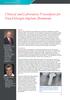 Clinical and Laboratory Procedures for Fixed Margin Implant Abutments Dr. Carl Drago DDS, MS, American Board of Prosthodontics Director, Dental Research BIOMET 3i, Adjunct Faculty Department of Prosthodontics,
Current Concepts in American Dentistry: Advances in Implantology and Oral Rehabilitation
 2009 New York University College Of Dentistry Linhart Continuing Dental Education Program Presents Current Concepts in American Dentistry: Advances in Implantology and Oral Rehabilitation International
The International Journal of Periodontics & Restorative Dentistry
 The International Journal of Periodontics & Restorative Dentistry 375 Use of a Combination Epithelized- Subepithelial Connective Tissue Graft for Closure and Soft Tissue Augmentation of an Extraction Site
Replacement of a single front tooth Surgical procedure and three-year results
 Case Report 10 2011 Replacement of a single front tooth Surgical procedure and three-year results Dr Peter Randelzhofer Munich, Germany Prosthetics Dr Peter Randelzhofer studied dentistry in Munich, Germany,
Relative position of gingival zenith in maxillary anterior teeth- a clinical appraisal
 Original article: Relative position of gingival zenith in maxillary anterior teeth- a clinical appraisal 1Dr Dipti Shah, 2 Dr Kalpesh Vaishnav, 3 Dr Sareen Duseja, 4 Dr Pankti Agrawal 1HOD, Dept of Prosthodontics,
SCD Case Study. Treatment Considerations for Implant Rehabilitation
 SCD Case Study Treatment Considerations for Implant Rehabilitation Multiple surgical and restorative factors play a role in the treatment planning of implant restorations for the edentulous patient (Ali
CHAPTER 10 RESTS AND PREPARATIONS. 4. Serve as a reference point for evaluating the fit of the framework to the teeth.
 CHAPTER 10 RESTS AND DEFINITIONS A REST is any rigid part of an RPD framework which contacts a properly prepared surface of a tooth. A REST PREPARATION or REST SEAT is any portion of a tooth or restoration
Full Crown Module: Learner Level 1
 Full Crown Module Restoration / Tooth # Full Gold Crown (FGC) / 30 Extensions: Porcelain Fused to Metal (PFM) / 12 All Ceramic / 8 Learner Level 1 Mastery of Tooth Preparation Estimated Set Up Time: 30
Replacing Hopeless Retained Deciduous Teeth in Adults Utilizing Dental Implants: Concepts and Case Presentation
 Replacing Hopeless Retained Deciduous Teeth in Adults Utilizing Dental Implants: Concepts and Case Presentation by Michael Tischler, DDS Published: Dentistry Today November 2005 Photos at end of article
Periodontal surgery report for crown lengthening of tooth number 24,25
 411 PDS Periodontal surgery report for crown lengthening of tooth number -Course director : Dr. Nahid Ashri - instructor: Dr.Fatin Awaratani - - Student Name: Hanadi Alyami Computer Number: K S U - D E
In 1999, more than 1 million people in
 Clinical SHOWCASE Slip-and-Fall Injuries Causing Dental Trauma Morley S. Rubinoff, DDS, Cert Prosth Clinical Showcase is a series of pictorial essays that focus on the technical art of clinical dentistry.
More than a fixed rehabilitation.
 More than a fixed rehabilitation. A reason to smile. In combination with: Patient expectations drive dental treatments for fixed edentulous immediate restorations. Patients today have increasingly high
IMMEDIATE CUSTOM IMPLANT PROVISIONALIZATION: A PROSTHETIC TECHNIQUE
 IMMEDIATE CUSTOM IMPLANT PROVISIONALIZATION: A PROSTHETIC TECHNIQUE Gerard J. Lemongello, Jr, DMD* LEMONGELLO 19 5 JUNE Surgical and restorative techniques that can reduce the loss of hard and soft tissues
Long-term success of osseointegrated implants
 Against All Odds A No Bone Solution Long-term success of osseointegrated implants depends on the length of the implants used and the quality and quantity of bone surrounding these implants. As surgical
Straumann Dental Implant System. Implant Selection Guide.
 Straumann Dental Implant System. Implant Selection Guide. STRAUMANN's IMPLANT PORTFOLIO The Straumann Dental Implant System offers two implant lines with diverse body and neck designs ranging from the
Aesthetic resources in rehabilitation with implant-supported restoration in the anterior region: a clinical case
 Braz J Oral Sci. April-June 2007 - Vol. 6 - Number 21 Paulo Roberto R. Ventura 1 Adalberto Bastos de Vasconcelos 2 1 Specialist in Dental Prosthesis, ABO-RJ -Major in charge of the Service of Implantology
SURGICAL MANUAL. Step By Step Techniques
 SURGICAL MANUAL Step By Step Techniques TABLE OF CONTENTS PRE-SURGICAL 1 8 MEASUREMENT OF BONE.......................... 2 BONE CLASSIFICATION........................... 3 IMPLANT SIZE SELECTION.........................
Restoring missing teeth in the anterior maxilla with
 Esthetic Outcome Evaluation of Maxillary Anterior Single-Tooth Bone-Level Implants with Metal or Ceramic Abutments and Ceramic Crowns Burçin Akoğlu Vanlıoğlu, DDS 1 /Erkut Kahramanoğlu, DDS, PhD 2 / Coşkun
Modern Tooth Replacement Strategies & Digital Workflow
 Modern Tooth Replacement Strategies & Digital Workflow Case Studies by Dr Maurice Salama, DMD AS PUBLISHED BY Dentistry Today, June 2014 Complete Implant Restoration System FACTS: Implant Dentistry Has
Another Implant Option for Missing Teeth with Challenging Symmetry Patrick Gannon, DDS and Luke Kahng, CDT
 Another Implant Option for Missing Teeth with Challenging Symmetry Patrick Gannon, DDS and Luke Kahng, CDT Introduction A 58 year old male had been missing teeth #7=12 for approximately 28 years. During
PREPARATION OF MOUTH FOR REMOVABLE PARTIAL DENTURES Dr. Mazen kanout
 PREPARATION OF MOUTH FOR REMOVABLE PARTIAL DENTURES Dr. Mazen kanout Mouth preparation includes procedures in four categories: 1. Oral Surgical Preparation. 2. Conditioning of Abused and Irritated Tissue.
Prosthodontist s Perspective
 Unless otherwise noted, the content of this course material is licensed under a Creative Commons Attribution - Non-Commercial - Share Alike 3.0 License. Copyright 2008, Dr. Jeff Shotwell. The following
IMPLANT CONSENT FORM WHAT ARE DENTAL IMPLANTS?
 IMPLANT CONSENT FORM WHAT ARE DENTAL IMPLANTS? Dental implants are a very successful and accepted treatment option to replace lost or missing teeth. A dental implant is essentially an artificial tooth
Using BONDBONE as a composite in post extraction sockets with immediate implant placement everyday practice.
 32 News No. 32 May 2013 Using BONDBONE as a composite in post extraction sockets with immediate implant placement everyday practice. MAKE IT SIMPLE 2 Using BONDBONE as a composite in post extraction sockets
Molar Uprighting Dr. Margherita Santoro Division of Orthodontics School of Dental and Oral surgery. Consequences of tooth loss.
 Molar Uprighting Dr. Margherita Santoro Division of Orthodontics School of Dental and Oral surgery Molars The wide occlusal surface is designed for food grinding. The surface needs to be aligned with the
Papilla Preservation Flap : Revisited
 REVIEW ARTICLE Papilla Preservation Flap : Revisited Lisa N. Chacko*, Sathish Abraham**, Nilima Landge***, Fareedi Mukram Ali**** Abstract An ideal periodontal therapy should establish a state of periodontal
What is a dental implant?
 What is a dental implant? Today, the preferred method of tooth replacement is a dental implant. They replace missing tooth roots and form a stable foundation for replacement teeth that look, feel and function
IMPROVING IMPLANT AESTHETICS: PROSTHETICALLY GENERATED PAPILLA THROUGH TISSUE MODELING WITH COMPOSITE
 CONTINUING EDUCATION 9 IMPROVING IMPLANT AESTHETICS: PROSTHETICALLY GENERATED PAPILLA THROUGH TISSUE MODELING WITH COMPOSITE Brian P. LeSage, DDS* LESAGE 18 4 MAY Dental implants provide clinicians with
porcelain fused to metal crown
 Lectur.5 Dr.Adel F.Ibraheem porcelain fused to metal crown the most widely used fixed restoration,it is full metal crown having facial surface (or all surfaces) covered by ceramic material. It consist
BRITISH DENTAL JOURNAL
 IN BRIEF The most important step in treatment planning is determining the prognosis of the remaining dentition. There is some evidence that placement of foreign materials into extraction sockets will interfere
Supervisors: Dr. Farhan Raza Khan
 1 Presenter: Dr. Sana Ehsen Supervisors: Dr. Farhan Raza Khan 2 A dental implant (also known as an endosseous implant or fixture) is a surgical component that interfaces with the bone of the jaw to support
CONELOG SCREW-LINE implant
 Case report 15 2012 CONELOG SCREW-LINE implant Rehabilitation in the esthetic zone Dr. Marcus Seiler, M.Sc. The group practice of Dr. Seiler and Colleagues was established in 1998 in Filderstadt-Bernhausen,
Resorptive Changes of Maxillary and Mandibular Bone Structures in Removable Denture Wearers
 Resorptive Changes of Maxillary and Mandibular Bone Structures in Removable Denture Wearers Dubravka KnezoviÊ-ZlatariÊ Asja»elebiÊ Biserka LaziÊ Department of Prosthodontics School of Dental Medicine University
Immediate Dental Implant Placement: Technique, Part 2
 Course Number: 170 Immediate Dental Implant Placement: Technique, Part 2 Authored by John Cavallaro, DDS, and Gary Greenstein, DDS, MS Upon successful completion of this CE activity 2 CE credit hours may
Clinical trials have shown evidence of high implant
 Scalloped Dental Implants: A Retrospective Analysis of Radiographic and Clinical Outcomes of 17 NobelPerfectk Implants in 6 Patients Hessam Nowzari, DDS, PhD;* Winston Chee, DDS, FACP; y Klaus Yi, DDS;
CUSTOMIZED PROVISIONAL ABUTMENT AND PROVISIONAL RESTORATION FOR AN IMMEDIATELY-PLACED IMPLANT
 CONTINUING EDUCATION 1 4 CUSTOMIZED PROVISIONAL ABUTMENT AND PROVISIONAL RESTORATION FOR AN IMMEDIATELY-PLACED IMPLANT Gerard J. Lemongello, Jr, DMD* LEMONGELLO 19 7 AUGUST The use of immediate implant
In the Spring of 2010, the American Academy of Cosmetic
 Greetings to the members of the American Academy of Cosmetic Dentistry (AACD). As you know, a sisterhood agreement was concluded between the AACD and the Japan Academy of Esthetic Dentistry (JAED) at a
Augmentation in Proximity to the Incisive Foramen to Allow Placement of Endosseous Implants: A Case Series
 DENTAL IMPLANTS J Oral Maxillofac Surg 68:2267-2271, 2010 Augmentation in Proximity to the Incisive Foramen to Allow Placement of Endosseous Implants: A Case Series Gerry M. Raghoebar, DDS, MD, PhD,* Laurens
4-1-2005. Dental Clinical Criteria and Documentation Requirements
 4-1-2005 Dental Clinical Criteria and Documentation Requirements Table of Contents Dental Clinical Criteria Cast Restorations and Veneer Procedures... Pages 1-3 Crown Repair... Page 3 Endodontic Procedures...
Prosthetic treatment planning on the basis of scientific evidence.
 Prosthetic treatment planning on the basis of scientific evidence. Pjetursson BE, Lang NP. J Oral Rehabil. 2008 Jan;35 Suppl 1:72-9. Faculty of Odontology, University of Iceland, Reykjavik, Iceland, and
Anatomic limitations in the maxilla provide challenges
 Osteotome Single-Stage Dental Implant Placement With and Without Sinus Elevation: A Clinical Report Orest G. Komarnyckyj, DDS*/Robert M. London, DDS** Forty-three sites in 16 patients were selected for
Renaissance of One-Piece Implants
 2 EDI Minimally invasive and patient-friendly treatment concepts using one-piece implants Renaissance of One-Piece Implants Hannes Thurm-Meyer, dentist, Bremen, Germany, Thomas Horn, master dental technician,
MAIN LINE DENTAL IMPLANT CENTER
 1257 Lancaster Ave Berwyn, PA 19312 Tel: 610-722-5542 CHIUN-LIN (STEVEN), LIU D.D.S., D.M.D. School of Dental Medicine CURRICULUM VITAE Summer, 2012 Education: 1987-1993 D.D.S. Kaohsiung Medical University
CDT 2015 Code Change Summary New codes effective 1/1/2015
 CDT 2015 Code Change Summary New codes effective 1/1/2015 Code Nomenclature Delta Dental Policy D0171 Re-Evaluation Post Operative Office Visit Not a Covered Benefit D0351 3D Photographic Image Not a Covered
Treatment planning for the class 0, 1A, 1B dental arches
 Treatment planning for the class 0, 1A, 1B dental arches Dr.. Peter Hermann Dr Reminder: Torquing movement on tooth supported denture : no movement Class 1 movement in one direction (depression) Class
Congenital absence of mandibular second premolars
 CLINICIAN S CORNER Congenitally missing mandibular second premolars: Clinical options Vincent G. Kokich a and Vincent O. Kokich b Seattle, Wash Introduction: Congenital absence of mandibular second premolars
Life Table Analysis for Evaluating Curative-effect of One-stage Non-submerged Dental Implant in Taiwan
 Journal of Data Science 6(2008), 591-599 Life Table Analysis for Evaluating Curative-effect of One-stage Non-submerged Dental Implant in Taiwan Miin-Jye Wen 1, Chuen-Chyi Tseng 2 and Cheng K. Lee 3 1 National
Chapter 9 Prosthodontic complications related to non-optimal dental implant placement
 Chapter 9 Prosthodontic complications related to non-optimal dental implant placement John S. Cavallaro Jr dds and Gary Greenstein dds, ms Introduction Osseointegration of dental implants is a predictable
FABRICATING CUSTOM ABUTMENTS
 FABRICATING CUSTOM ABUTMENTS LUC AND PATRICK RUTTEN How much should a Dental Technician know about the clinical aspects of implantology? The answer is clear: as much as possible. This is the distinction
Don t Let Life Pass You By Because Of Oral Bone Loss
 Don t Let Life Pass You By Because Of Oral Bone Loss Ask For Dental Implant Solutions From BIOMET 3i Scan With Your Smartphone! In order to scan QR codes, your mobile device must have a QR code reader
Oftentimes, as implant surgeons, we are
 CLINICAL AVOIDING INJURY TO THE INFERIOR ALVEOLAR NERVE BY ROUTINE USE OF INTRAOPERATIVE RADIOGRAPHS DURING IMPLANT PLACEMENT Jeffrey Burstein, DDS, MD; Chris Mastin, DMD; Bach Le, DDS, MD Injury to the
The definitive implant restoration
 CASE REPORT Implant Bone Rings. One-Stage Three-Dimensional Bone Transplant Technique: A Case Report Mark R. Stevens, DDS 1 * Hany A. Emam, MS 2 Mahmoud E. L. Alaily, MS 3 Mohamed Sharawy, PhD 4 A variety
Socket Shield Technique for Ridge Preservation :
 Socket Shield Technique for Ridge Preservation : A Case Report Chih-Long Chen, DDS Director, Department of Periodontics, Shin Kong Wu Ho-Su Memorial Hospital, Taipei, Taiwan Yu-Hwa Pan, DDS, MS Chair,
Boston College, BS in Biology 1980-1984. University of Southern California, Doctor of Dental Surgery, DDS, 1990.
 CLINICAL CASE REPORT Sinus Augmentation with Immediate Implant insertion Multidisciplinary Approach to Anterior Implant Therapy Immediate Implant after Extraction of Lower Molar Tooth DR. SHERMAN LIN Boston
Don t Let Life Pass You By Because Of Missing Teeth
 Don t Let Life Pass You By Because Of Missing Teeth Ask For Dental Implant Solutions From BIOMET 3i Scan With Your Smartphone! In order to scan QR codes, your mobile device must have a QR code reader installed.
Periodontal Consideration Before and After Orthodontic Treatment Tsung-Ju Hsieh, D.D.S., M.S.D.
 Periodontal Consideration Before and After Orthodontic Treatment Tsung-Ju Hsieh, D.D.S., M.S.D. 1 Potential periodontal problems Before Orthodontic Treatment During Orthodontic Treatment After Orthodontic
Dentistry has undergone a significant evolution in the last 2 decades.
 Esthetic Crown Lengthening for Maxillary Anterior Teeth CE 5 Abstract: In the maxillary anterior region, the gingival labial margin position is an important parameter in the achievement of an ideal smile.
The SATURN implant by Cortex Dental Industries
 The SATURN implant by Cortex Dental Industries By Dr. Zvi Laster DMD W e P r o v e I t E v e r y D a y A case report using a newly designed implant specifically designed for immediate post-extraction loading
Teeth and Dental Implants: When to save, and when to extract.
 Teeth and Dental Implants: When to save, and when to extract. One of the most difficult decisions a restorative dentist has to make is when to refer a patient for extraction and placement of dental implants.
Saudi Fellowship In Dental Implant (SF-DI)
 Saudi Fellowship In Dental Implant (SF-DI) Prepared and Updated by Dr. Arwa AL-Sayed Consultant Periodontics and Dental Implants M E M B E R S Dr. Arwa AL-Sayed Dr. Abdulhadi Abanmy Dr. Ali AL-Ghamdi Dr.
The planning of implant therapy in the anterior maxilla
 Team Treatment Planning for the Replacement of Esthetic Zone Teeth with Dental Implants Robert A. Levine, DDS; and Gary Nack, DDS ABSTRACT Implant therapy requires comprehensive preoperative planning and
Ideal treatment of the impaired
 RESEARCH IMPLANTS AS ANCHORAGE IN ORTHODONTICS: ACLINICAL CASE REPORT Dale B. Herrero, DDS KEY WORDS External anchorage Pneumatized Often, in dental reconstruction, orthodontics is required for either
CLASSIFICATION OF REMOVABLE PARTIAL DENTURES
 Unless otherwise noted, the content of this course material is licensed under a Creative Commons Attribution - Non-Commercial - Share Alike 3.0 License. Copyright 2008, Dr. Jeff Shotwell. The following
ORTHODONTIC MINI IMPLANTS Clinical procedure for positioning. Orthodontics and Implantology
 ORTHODONTIC MINI IMPLANTS Clinical procedure for positioning Orthodontics and Implantology 2 All rights are reserved. Any reproduction of the present publication is prohibited in whole or in part and by
THE SINGLE-TOOTH IMPLANT TREATMENT FOR MAXILLARY CENTRAL INCISORS LOSS AFTER TRAUMA: CASE REPORTS
 CLINICAL DENTISTRY AND RESEARCH 2011; 35(1): 47-52 THE SINGLE-TOOTH IMPLANT TREATMENT FOR MAXILLARY CENTRAL INCISORS LOSS AFTER TRAUMA: CASE REPORTS Hakan Tuna, DDS, PhD Assistant Professor, Department
The management of immediate implant placement to optimize aesthetic outcome in the anterior maxilla
 C L I N I C A L The management of immediate implant placement to optimize aesthetic outcome in the anterior maxilla Howard Gluckman 1 and Jonathan Du Toit 2 1 Howard Gluckman, BDS, MChD (OMP) Specialist