
Osteogenesis Imperfecta
|
|
|
- Nigel Byrd
- 10 years ago
- Views:
Transcription
1 Osteogenesis Imperfecta Abstract Osteogenesis imperfecta (OI) is a genetic disorder of connective tissue characterized by brittle bones. Other characteristics are poorly formed teeth, blue sclera of the eye, and hearing loss. Four classifications of OI were categorized in 1979 and 3 other classifications have been made since then and are still used today. Bisphosphonate therapy and surgical interventions are treatment options for OI patients. Introduction Osteogenesis imperfecta (OI) is a genetic disorder of connective tissue characterized by bones that break easily, often from little or no apparent cause. It is also known as brittle bone disease. 1-3 OI affects both males and females equally throughout the world. Prevalence of the disorder is estimated to be 1 in 10,000 births. 2,3 OI is caused by mutations of the type-1 collagen gene. 1-6 Collagen is a protein that strengthens and supports many tissues in the body including cartilage, bone, tendon, skin, and the sclera of the eye. OI mutations result in the production of too little type-1 collagen or of poor-quality collagen. 1(p.536) The mutations that occur are of varying degree depending on the severity of the disorder. Mild forms include no deformity, near normal stature, and few fractures. 2 Severe forms include skeletal malformations such as bowed extremities, scoliosis, and some forms are lethal in the perinatal period. 4 Types of Osteogenesis Imperfecta Four classification of OI were identified by Sillence et al 7 in 1979, and are based on age of onset, clinical and radiographic features and disease severity. Although some overlap occurs in between types, the 4 main classifications provide relatively straightforward and useful distinctions in most cases. 1(p.536) 1

2 Type I Type I OI is also known as mild OI. Type 1 is the result of lower than normal amounts of collagen while the 3 other types of OI result from the defect in the structure of collagen. 1 Type I patients have a smaller body stature and triangular face with mildly prominent frontal bones and narrowing jaw. The sclera, or white part of the eyes, differ in color from pale blue to deep blue. Bone fragility and scoliosis are common in these patients. Type I patients typically experience 5 to 15 fractures before puberty. After onset puberty, the fracture rate in Type I patients drops significantly. 1 According to Sillence, 40% of his patients with Type I OI had severe hearing impairment requiring a hearing aid, with 35% of his overall patients having proven or suspected hearing loss. 7 45% to 50% of OI cases are in the Type I category. 1 Type II Type II OI is also known as lethal OI. It is the most severe form due to the inadequate bone growth while the fetus is in the womb. The condition is usually fatal to newborns. Death normally results from respiratory failure associated with the distortion of the ribcage or thoracic cavity. 2 Death can also occur from brainstem compression or intracranial hemorrhaging. 1(p.537) Bone fragility is very evident after birth of the infant. Sillence et al 7, upon looking at skeletal x- rays of the infants, described the appearance of the bones as crumpled (concertina-like or accordion-like) femora, marked angulation of tibiae and sometimes femora, fractures and deformity of the shafts of the upper limbs, platyspondyly, and a beaded appearance of the ribs (p.106) Type II OI occurs in 10% of cases of OI. 1 Type III Type III OI is the most severe form of OI that is survivable. 2 Type III OI is evident upon birth like Type II. Birth weight and length are lower than average. Severe physical disability is associated with Type III OI. Fractures are present at birth and bones continue to fracture easily. Deformities and frequent fractures often confine these patients to a wheelchair for life. 2 Distortion of the spine and rib cage can cause pulmonary and respiratory problems that can worsen with age. 1 The triangular face present in Type I OI is also associated with Type III OI. Scoliosis and kyphosis are commonly seen in these patients. Long bone deformity or bowed 2

3 bones are frequently seen in Type III OI. Blue sclera is also present. Type III is seen in 20% of cases of OI. 1 Type IV Type IV is also known as moderately severe OI. 1 This type of OI is a combination of Type I and III and can range from mild to moderately severe. 2 Type IV patients may be born with blue sclera but as they grow the coloration lessens to almost white. Fractures of the bones may or may not be preset at birth. Skeletal deformity in the spine, thorax, and long bones is less severe than Type III but more than Type I. 1 Bowing and fracturing of the long bones can still occur that can lead to deformity and difficulty in walking and moving. Some patients with Type IV OI deal with difficulties by using canes, crutches, or wheelchairs. (p.539) Dentinogenesis imperfecta (DI), the discoloration and abnormal development of teeth, is also frequent. Type IV OI occurs in 20% of patients. 1 Additional Types of Osteogenesis Imperfecta Additional types of OI have been identified since Sillence et al s 7 study of OI in These types have been identified though investigations that involved patients with OI, thought to have Type IV, but with distinct patterns on their bones not shared by patients who have Type IV OI. 1 Type V Type V OI is very similar to that of Type IV in bone fragility. The sclera and teeth of these patients appear unaffected by OI. The difference in Type V OI is the appearance of the biopsied bone. Bone biopsies reveal decreased cortical and cancellous bone and irregularly orients trabeculae. This bone has a mesh-like appearance when viewed under a microscope. 1(p.539) These patients are present with large calluses, called hyperplastic calluses, that develop around injury sites or surgical sites. 1 These patients present with hard, painful, and warm swellings over bones that initially may suggest inflammation or even an osteosarcoma. 2(p.515) There is also evidence of calcifications of the interosseous membrane in between long bones, such as in between the tibia and fibula, and the radius and ulna. This type of 3

4 OI does not show evidence of the mutation of type-1 collagen. The genetic mutation responsible for this type is yet to be identified. Type V OI is associated with 5% of OI cases. 1 Type VI Type VI is very similar to the moderately severe forms of OI. Patients with type VI have light blue to white sclera. There are no signs of DI either. Evidence also shows vertebral compression fractures on all patients with this type of OI. 1 Blood tests show an elevated level of alkaline phosphate, which is an enzyme linked to bone formation. 2 The bones of patients with Type VI OI have a fish scale appearance under a microscope. The genetic mutation responsible for Type VI OI remains unknown. 1(p.539) Type VII Type VII ranges from moderate to severe OI. Patients can show fractures at birth, blue sclera, shortened limbs, and specifically coxa vera, which is a shortening of the femoral neck. Type VII OI results from the mutations of the cartilage-associated protein (CRTAP) gene rather than from collagen-related mutations. 1(p.539) Bone biopsies reveal that it looks closely like Type I OI. 1 Associated Disorders Brittle bones are not the only trait of OI. OI can also affect the patient s teeth, hearing, and sclera of the eye. This is because of the lack of collagen and the mutation of the type-1 collagen. Some of the disorders that affect OI patients are dentinogenesis imperfecta, hearing loss, and blue sclera. Dentinogenesis Imperfecta Dentinogenesis imperfecta (DI) is a defect of the dentin in the teeth. 1,2,8 It is a common trait in Types I, III and IV OI. 1 DI presents the patients with misshapen and discolored teeth. Colors can appear as purple, brown or opalescent. In Abukabbos and Al-sineedi s case report 8, they reported About 50% of children and adults with OI have dental involvement of varying degree and severity Teeth with DI have certain features, including amber bulbous crowns or 4

5 gray-brown discoloration narrow roots, partial or total obliteration of pulp chambers, and root canals with evidence of periapical radiolucencies. (p.160) Enamel, the outside layer of the tooth, is visibly chipped and discolored and may have excessive tooth decay (see Figure 1). 1 Treatments for DI include placement of artificial crowns on the teeth as soon as they come in. Other treatments include observation of the development of the facial bones, active follow-up, bleaching of the teeth and good oral hygiene. 8 Hearing Loss Hearing loss appears most common in Type I OI. Symptoms usually appear between the ages of 20 and 30. 1,5 Kuurila et al 5 conducted a study of 133 patients, between the ages of 17 and 81years, all of which were diagnosed with OI. In their study, hearing loss was found to be progressive and bilateral, beginning predominantly in the second to fourth decades of life. (p.944) They also found that 60.4% of Type I OI patients and 42.3% of Type IV OI patients in their study had hearing loss. There was also no correlation between the frequency or severity of the hearing loss between the types of OI. It was concluded that hearing loss is a common feature in OI, affecting patients with all types of OI. (p.945) Blue Sclera Sclera, the white part of the eye, is usually tinted blue among OI patients. This, like other problems that come with OI, is because of lack of collagen in the eye. The layers of the eye tissue are very thin in OI patients, which allows the choroid layers beneath the sclera to be seen. 1(p.541) The color of the sclera ranges from very light blue to darker shades of deep blue. As the patients ages, the intensity of the blue decreases. 1 Treatment of Osteogenesis Imperfecta Treatment of OI varies from patient to patient depending on the severity of the OI. The primary objective of OI therapy revolves around decreasing the number of pathologic fractures, decreasing pain, increasing growth, improving bone metabolism, and optimizing function. 6(p.567) Both pharmaceutical and surgical interventions can be made. 5

6 Pharmaceutical Intervention The main pharmaceutical treatment for OI is the use of bisphosphonates (BP). Since the 1990s, bisphosphonates have been used successfully in OI. In well-controlled studies, it has been shown that by using [BP] in children with OI, mineralized bone tissue and bone strength will increase. 4(p.431) BP therapy prevents the loss of bone mass by inhibiting the digestion of bone that occurs in normal everyday bone growth. BP s encourage osteoclasts, which destroy bone faster with those who have OI, to die; thereby slowing bone loss. Treatments with BP can be done intravenously or orally. One type of oral bisphosphonate is risedronate. It prevents bone breakdown and increases bone mineral density (BMD) in children with mild to severe osteogenesis imperfecta, and reduced long-bone bowing deformities. 3(p.1425) An international study done by Bishop et al 3, including patients in 20 different hospitals in13 different countries across North and South America, Europe, Africa and Australia, investigated the safety and efficacy of risedronate in children with OI. One-hundred and fortyseven patients, ages 4 to 15 were randomly assigned a treatment of risedronate (94 patients) or a placebo (49 patients). A dosage of 2.5 or 5 mg of risedronate was given according to age, weight and height. Data showed that at the end of the first year, lumbar spine BMD had a mean increase of 16.9% in the risedronate group and 7.6% increase in the placebo group. Clinical fractures also occurred in 31% of the risedronate group and 49% of the placebo group in the first year. After the first year, all patients were given open-label risedronate. In the next 2-3 year phase, clinical fractures were reported in 53% of the patients who received the risedronate since the beginning of the study and in 65% of the patients that began the study with the placebo. The study of Bishop et al 3 found that using the oral risedronate increased the areal BMD and reduced the risk of first and recurrent clinical fractures in children with OI. Results showed risedronate reduced the risk of recurrent clinical fractures by 42% after the first 12 months. The drug also showed that it was well tolerated among the patients in regards to gastrointestinal or musculoskeletal events. It was also reported that there was an increase in mobility and physical activity of the children receiving bisphosphonate treatment. BP treatment can also be done intravenously. Zeitlin et al 9 did a study on the weight and height of patients who had intravenous treatment with the BP compound pamidronate. They tested patients with Types I, III, and IV OI, who had undergone surgical rodding of the femur and/or tibia. Data was taken before the surgery, and every year for 4 years after the surgery had 6

7 taken place. The medication was administered intravenously in cycles of 3 consecutive days every 2, 3 or 4 months depending on the age of the patient. Each patient s final yearly dose was 9 mg/kg. After 1 year of treatment, height scores increased significantly for Type III but had not statistically changed for Types I and IV. Baseline weight had not changed for Type III and for IV but increased for Type 1 OI. After 4 years of pamidronate therapy, mean height and weight scores had increased for all OI types tested. They also did a separate study on 15 patients who did not receive surgical rodding of the lower extremities, but were given pamidronate therapy for at least 3 years. It was found that there was a 7% ± 6.2% height increase on those patients who received treatments without having rod surgery. The study of Zeitlin et al 9 found that patients who received pamidronate therapy have an increase in height when compared to similar OI patients who do not receive therapy. There was an 11% height increase in Type III OI, 12% increase in Type IV OI, and 5% increase in Type I OI. Long term pamidronate therapy is associated with significant height gain as compared with untreated OI patients with the same type of disease. Some children with OI gain weight excessively during pamidronate treatment. (p.1035) Surgical Managment Surgical rodding is a common management for OI to control repeated fractures and improve bone deformities that interfere with function Rodding is a surgical intervention that internally splints long bones with insertion of a metal rod into the bone s internal cavity, the medullary cavity. 1(p.542) Not all OI patients need rodding surgery. Rodding is mostly done on patients who have frequent fractures or bone deformities. Intramedullary rods are preferred over internal fixation with plates and screws because the bone above or below the plate can become more prone to breakage. 1 The bones most likely to need rodding are the femur and tibia. The rods that are preferred are telescoping rods. These rods can move and elongate as the patients grows. The rod most currently used today is the Sheffield telescoping rod system with a T-piece fixation (see Figure 2). 6 The rod is inserted at the proximal end of the bone and the T- piece of the rod is fixated in the proximal epiphyses of the bone. Another T-piece is at the distal end and fixated in the distal epiphyses. This allows for the bone to grow and still have the rod telescope out as the bone elongates. 7

8 Cho at el 10 developed a modification of the telescopic rod system in which the distal end had a simple rod with a hole, instead of a T-piece. In the hole they put in an interlocking pin in the distal epiphyses (see Figure 3). 10 It was noted that insertion of the distal [T-piece] is more invasive than is insertion of the proximal sleeve in both femur and the tibia, as it requires an arthrotomy of the distal joint, which may damage the articular cartilage. Installation [of a] T- piece into the [distal] tibia is even more traumatic requiring complete dislocation of the ankle joint or medial malleolar osteotomy. (p ) Cho et al s 10 modification does not require an arthrotomy for insertion of the pin in the distal epiphyses (see Figure4). This prevents damage to the ligaments and articular cartilage of the ankle or knee. Another surgical procedure that can be done in OI patients is spinal fusion. The reported prevalence of scoliosis in patients with osteogenesis imperfecta is high, ranging between 39% and 88%. Factors contributing to the development of scoliosis include ligamentous laxity, muscle weakness, and vertebral fracture and deformity. 11(p.238) This results in growth disturbances of the chest and trunk that lead to exotic deformity of the spine. Scoliosis in OI is rigid and commonly progresses until thoracic insufficiency syndrome is present. In these cases, the chest collapses as the spinal deformity worsens. 12(p.94) As this happens, the chest cavity becomes undersized and is not sufficient for the lungs to have proper expansion and development. Ribs can also be deformed and displaced (see Figure 5). 12 Spinal fusion helps to prevent the spine from further curvature and elongates the chest cavity for better breathing. This procedure involves fusing vertebrae together with bone graphs or metal rods (see Figure 6). 1 Both rodding of the extremities and spinal fusion are found to have a better outcome and healing with the use of BP therapy before and after surgery. This helps the bones be able to heal faster and to have more strength along the diaphysis. 10 Since the introduction of BP therapy, patients can now have rodding surgery as early as 18 months of age without complications 2(p.528) Conclusion OI is a complex disease that ranges in a variety of clinical presentations. The wide spectrum has led to the discovery of the different types of OI, the genetics of OI patients and the causes behind it. The physical disorders associated with OI patients are brittle bones, DI, hearing loss and blue sclera of the eyes. Studies have shown ways to improve bone density and strength 8
![10 It was noted that insertion of the distal [T-piece] is more invasive than is insertion of the proximal sleeve in both femur and the tibia, as it requires an arthrotomy of the distal joint, which](/docs-images/53/11727950/images/page_8.jpg "may damage the articular cartilage. Installation [of a] T- piece into the [distal] tibia is even more traumatic requiring complete dislocation of the ankle joint or medial malleolar osteotomy. (p.")
9 by using oral or venous bisphosphonate therapy. More advanced surgical procedures are also used today to help elongate the bones and to function properly. With the use of both BP therapy and surgical intervention, patients with OI can have a better outcome and can live normal lives. 9

10 References 1. Brusin JH. Osteogenesis imperfecta. Radiol Technol. 2008;79(6): Glorieux FH, Pettifor JM, Jüppner H. Pediatric bone : biology and diseases / edited by Francis H. Glorieux, John M. Pettifor, Harald Jüppner. Amsterdam : Elsevier/Academic Press, nd ed.; Bishop N, Adami S, Ahmed SF, et al. Risedronate in children with osteogenesis imperfecta: a randomised, double-blind, placebo-controlled trial. Lancet. 2013;382(9902): Kok DHJ, Sakkers RJB, Pruijs HEH, Joosse P, Castelein RM. Bone mineral density in developing children with osteogenesis imperfecta. Acta Orthopaedica. 2013;84(4): Kuurila K, Kaitila I, Johansson R, Grénman R. Hearing loss in Finnish adults with osteogenesis imperfecta: a nationwide survey. Ann Otol Rhinol Laryngol. 2002;111(10): Laron D, Pandya NK. Advances in the orthopedic management of osteogenesis imperfecta. Orthop Clin North Am. 2013;44(4): Sillence DO, Senn A, Danks DM. Genetic heterogeneity in osteogenesis imperfecta. J Med Genet. 1979;16: Abukabbos H, Al-Sineedi F. Clinical manifestations and dental management of dentinogenesis imperfecta associated with osteogenesis imperfecta: case report. Saudi Dent J. 2013;25(4): Zeitlin L, Rauch F, Plotkin H, Glorieux FH. Height and weight development during four years of therapy with cyclical intravenous pamidronate in children and adolescents with osteogenesis imperfecta types I, III, and IV. Pediatrics. 2003;111(5): Cho TJ, Kim JB, Lee JW, et al. Fracture in long bones stabilized by telescopic intramedullary rods in patients with osteogenesis imperfecta. J Bone Joint Surg Br. 2011;93(5): Anissipour AK, Hammerberg KW, Caudill A, et al. Behavior of scoliosis during growth in children with osteogenesis imperfecta. J Bone Joint Surg Am. 2014;96(3): Kaplan L, Barzilay Y, Hashroni A, Itshayek E, Schroeder JE. Thoracic elongation in type III osteogenesis imperfecta patients with thoracic insufficiency syndrome. Spine. 2013;38(2):E94- e

11 Figures and Captions Figure 1. (a-c) Images of 4-year old boy with Dentinogenisis Imperfecta. The patient was diagnosed with Type IV OI. Note the discoloration on all 3 views with yellow brown opalescent color and rapid wear. Image courtesy of: Abukabbos H, Al-Sineedi F. Clinical manifestations and dental management of dentinogenesis imperfecta associated with osteogenesis imperfecta: case report. Saudi Dent J. 2013;25(4):

12 Figure 2. Lateral radiograph of a 5- year old boy with OI after treatment of a mid-shaft femur with a T-piece rod. Note the T-piece in both the proximal and distal epiphysis. Image courtesy of: Laron D, Pandya NK. Advances in the orthopedic management of osteogenesis imperfecta. Orthopedic Clinics of North America. 2013;44(4):

13 Figure 3. Schematic drawing of the surgical procedure for insertion of an interlocking telescopic rod in the tibia (Fig. 2-A) and the femur (Fig. 2-B). Note the pin in the epiphyses of the distal bone. Image courtesy of: Cho TJ, Kim JB, Lee JW, et al. Fracture in long bones stabilized by telescopic intramedullary rods in patients with osteogenesis imperfecta. Journal of Bone & Joint Surgery, British Volume. 2011;93(5):

14 Figure 4. Anteroposterior and lateral radiographs of the right tibia of a five-year-old boy with Type IV OI. Marked angulation of the tibia (A) was corrected with use of an interlocking telescopic rod (B), which telescoped successfully for three years (C). Image courtesy of: Cho TJ, Kim JB, Lee JW, et al. Fracture in long bones stabilized by telescopic intramedullary rods in patients with osteogenesis imperfecta. Journal of Bone & Joint Surgery, British Volume. 2011;93(5):

15 Figure 5. (A) Anterior-posterior radiograph of 7-year-old female patient prior to surgery. Note appearance of scoliosis and abnormal chest cavity, leading to thoracic insufficiency syndrome. (B) On lateral radiograph of the spine, severe kyphosis is also noted. Image courtesy of: Kaplan L, Barzilay Y, Hashroni A, Itshayek E, Schroeder JE. Thoracic elongation in type III osteogenesis imperfecta patients with thoracic insufficiency syndrome. Spine. 2013;38(2):E94- e

16 Image 6. (A) Postoperative anterior-posterior radiograph of the spine 2 months after thoracic elongation in the same 7-year-old girl. Note opening of the left lung and correction of the scoliosis. (B) Postoperative lateral radiograph of the spine with fixation. Image courtesy of: Kaplan L, Barzilay Y, Hashroni A, Itshayek E, Schroeder JE. Thoracic elongation in type III osteogenesis imperfecta patients with thoracic insufficiency syndrome. Spine. 2013;38(2):E94- e

Child Abuse or Osteogenesis Imperfecta?
 Child Abuse or Osteogenesis Imperfecta? 804 W. Diamond Ave., Ste. 210 Gaithersburg, MD 20878 (800) 981-2663 (301) 947-0083 Fax: (301) 947-0456 Internet: www.oif.org Email: [email protected] The Osteogenesis
Rodding Surgery. 804 W. Diamond Ave., Ste. 210 Gaithersburg, MD 20878 (800) 981-2663 (301) 947-0083
 Rodding Surgery 804 W. Diamond Ave., Ste. 210 Gaithersburg, MD 20878 (800) 981-2663 (301) 947-0083 Fax: (301) 947-0456 Internet: www.oif.org Email: [email protected] The Osteogenesis Imperfecta Foundation,
Unit 4: Skeletal System Test Review Test Review
 Name: Period: Unit 4: Skeletal System Test Review Test Review 1. List four functions of the skeletal system: a. b. c. d. 2. Define ossification and identify the roles of the osteoblasts, osteocytes, and
Wrist and Hand. Patient Information Guide to Bone Fracture, Bone Reconstruction and Bone Fusion: Fractures of the Wrist and Hand: Carpal bones
 Patient Information Guide to Bone Fracture, Bone Reconstruction and Bone Fusion: Wrist and Hand Fractures of the Wrist and Hand: Fractures of the wrist The wrist joint is made up of the two bones in your
Y O U R S U R G E O N S. choice of. implants F O R Y O U R S U R G E R Y
 Y O U R S U R G E O N S choice of implants F O R Y O U R S U R G E R Y Y O U R S U R G E O N S choice of implants F O R Y O U R S U R G E R Y Your Surgeon Has Chosen the C 2 a-taper Acetabular System The
Spinal Arthrodesis Group Exercises
 Spinal Arthrodesis Group Exercises 1. Two surgeons work together to perform an arthrodesis. Dr. Bonet, a general surgeon, makes the anterior incision to gain access to the spine for the arthrodesis procedure.
CHS 06-07 BONES AND SKELETAL TISSUES
 CHS 06-07 BONES AND SKELETAL TISSUES This chapter provides a review of bone and skeletal tissue. The human skeleton is composed primarily of two connective tissues: (1) cartilage and (2) bone. CHARACTERISTICS
Animal Systems: The Musculoskeletal System
 Animal Systems: The Musculoskeletal System Tissues, Organs, and Systems of Living Things Cells, Cell Division, and Animal Systems and Plant Systems Cell Specialization Human Systems The Digestive The Circulatory
Orthopaedic Issues in Adults with CP: If I Knew Then, What I Know Now
 Orthopaedic Issues in Adults with CP: If I Knew Then, What I Know Now Laura L. Tosi, MD Director, Bone Health Program Children s National Medical Center Washington, DC Epidemiology 87-93% of children born
Activity: Can You Identify the Age?
 Activity: Can You Identify the Age? Skeletons are good age markers because teeth and bones mature at fairly predictable rates. How Teeth Reveal Age For toddler to age 21, teeth are the most accurate age
Lumbar Laminectomy and Interspinous Process Fusion
 Lumbar Laminectomy and Interspinous Process Fusion Introduction Low back and leg pain caused by pinched nerves in the back is a common condition that limits your ability to move, walk, and work. This condition
Guide to Osteogenesis Imperfecta
 Guide to Osteogenesis Imperfecta For Pediatricians and Family Practice Physicians This booklet is not copyrighted and is in the public domain. Formal permission to copy and distribute this material is
If you or a loved one have suffered because of a negligent error during spinal surgery, you will be going through a difficult time.
 If you or a loved one have suffered because of a negligent error during spinal surgery, you will be going through a difficult time. You may be worried about your future, both in respect of finances and
Closed Automobile Insurance Third Party Liability Bodily Injury Claim Study in Ontario
 Page 1 Closed Automobile Insurance Third Party Liability Bodily Injury Claim Study in Ontario Injury Descriptions Developed from Newfoundland claim study injury definitions No injury Death Psychological
.org. Osteochondroma. Solitary Osteochondroma
 Osteochondroma Page ( 1 ) An osteochondroma is a benign (noncancerous) tumor that develops during childhood or adolescence. It is an abnormal growth that forms on the surface of a bone near the growth
SPINAL FUSION. North American Spine Society Public Education Series
 SPINAL FUSION North American Spine Society Public Education Series WHAT IS SPINAL FUSION? The spine is made up of a series of bones called vertebrae ; between each vertebra are strong connective tissues
.org. Fractures of the Thoracic and Lumbar Spine. Cause. Description
 Fractures of the Thoracic and Lumbar Spine Page ( 1 ) Spinal fractures can vary widely in severity. While some fractures are very serious injuries that require emergency treatment, other fractures can
Fracture Care Coding September 28, 2011
 Fracture Care Coding September 28, 2011 Julie Edens Leu, CPC, CPCO, CPMA, CPC-I 1 Disclaimer Every reasonable effort has been made to ensure that the educational material provided today is accurate and
Information for the Patient About Surgical
 Information for the Patient About Surgical Decompression and Stabilization of the Spine Aging and the Spine Daily wear and tear, along with disc degeneration due to aging and injury, are common causes
Dental Care for People with Osteogenesis Imperfecta
 Dental Care for People with Osteogenesis Imperfecta 804 W. Diamond Ave., Ste. 210 Gaithersburg, MD 20878 (800) 981-2663 (301) 947-0083 Fax: (301) 947-0456 Internet: www.oif.org Email: [email protected]
Anatomic Anomalies. Anomalies. Anomalies. Anomalies. Supernumerary Teeth. Supernumerary Teeth. Steven R. Singer, DDS 212.305.5674 srs2@columbia.
 Anatomic Anomalies Steven R. Singer, DDS 212.305.5674 [email protected] Anomalies! Anomalies are variations in the:! Size! Morphology! Number! Eruption of the teeth Anomalies Anomalies There are two categories:!
.org. Metastatic Bone Disease. Description
 Metastatic Bone Disease Page ( 1 ) Cancer that begins in an organ, such as the lungs, breast, or prostate, and then spreads to bone is called metastatic bone disease (MBD). More than 1.2 million new cancer
What types of scoliosis are there?
 Patient and Family Education Scoliosis About idiopathic scoliosis and its treatment This handout covers the most common type of scoliosis, adolescent idiopathic scoliosis. Other types of scoliosis may
.org. Ankle Fractures (Broken Ankle) Anatomy
 Ankle Fractures (Broken Ankle) Page ( 1 ) A broken ankle is also known as an ankle fracture. This means that one or more of the bones that make up the ankle joint are broken. A fractured ankle can range
Elbow Injuries and Disorders
 Elbow Injuries and Disorders Introduction Your elbow joint is made up of bone, cartilage, ligaments and fluid. Muscles and tendons help the elbow joint move. There are many injuries and disorders that
Cystic fibrosis and bone health
 Cystic fibrosis and bone health Factsheet March 2013 Cystic fibrosis and bone health Introduction As we get older our bones become thinner and weaker, and may become more susceptible to fracture. However
Does the pain radiating down your legs, buttocks or lower back prevent you from walking long distances?
 Does the pain radiating down your legs, buttocks or lower back prevent you from walking long distances? Do you experience weakness, tingling, numbness, stiffness, or cramping in your legs, buttocks or
Treatment of Myeloma Bone Disease
 Treatment of Myeloma Bone Disease James R. Berenson, MD Medical & Scientific Director Institute for Bone Cancer & Myeloma Research West Hollywood, CA Clinical Consequences of Myeloma Bone Disease Pathological
The Functions of the Skeletal System
 OpenStax-CNX module: m46341 1 The Functions of the Skeletal System OpenStax College This work is produced by OpenStax-CNX and licensed under the Creative Commons Attribution License 3.0 By the end of this
The Abbreviated Injury Scale (AIS) A brief introduction
 The Abbreviated Injury Scale (AIS) A brief introduction Abbreviated Injury Scale 1990 Revision Update 98 The Abbreviated Injury Scale produced by: Association for the Advancement of Automotive Medicine
Osteoporosis and Arthritis: Two Common but Different Conditions
 and : Two Common but Different Conditions National Institutes of Health and Related Bone Diseases ~ National Resource Center 2 AMS Circle Bethesda, MD 20892 3676 Tel: 800 624 BONE or 202 223 0344 Fax:
7. Skeletal System: Bone Structure and Function
 7. Skeletal System: Bone Structure and Function For the next two chapters (7 and 9) we will study the skeletal system. Although the major feature of this system is the bones, the skeletal system also consists
Summary of the risk management plan (RMP) for Orkambi (lumacaftor and ivacaftor)
 EMA/662624/2015 Summary of the risk management plan (RMP) for Orkambi (lumacaftor and ivacaftor) This is a summary of the risk management plan (RMP) for Orkambi, which details the measures to be taken
visualized. The correct level is then identified again. With the use of a microscope and
 SURGERY FOR SPINAL STENOSIS Laminectomy A one inch (or longer for extensive stenosis) incision is made in the middle of the back over the effected region of the spine. The muscles over the bone are moved
Rigid spine syndrome (RSS) (Congenital muscular dystrophy with rigidity of the spine, including RSMD1)
 Rigid spine syndrome (RSS) (Congenital muscular dystrophy with rigidity of the spine, including RSMD1) What is RSMD1? The congenital muscular dystrophies are a group of conditions which share early presentation
Chapter 5 The Skeletal System
 Essentials of Human Anatomy & Physiology Elaine N. Marieb Seventh Edition Chapter 5 The Skeletal System The Skeletal System Parts of the skeletal system Bones (skeleton) Joints Cartilages Ligaments (bone
The goals of modern spinal surgery are to maximize
 SPRING 2013 Robot-Guided Spine Surgery Christopher R. Good, M.D., F.A.C.S. and Blair K. Snyder, P.A.-C. The goals of modern spinal surgery are to maximize patient function and accelerate a return to a
Chapter 6: The Skeletal System: Bone Tissue
 Chapter 6: The Skeletal System: Bone Tissue Chapter Objectives FUNCTIONS OF THE SKELETAL SYSTEM 1. Discuss the functions of support, protection, assistance in movement, mineral homeostasis, blood cell
RP0807 - PERFORM SPLINTING TECHNIQUES
 RP0807 - PERFORM SPLINTING TECHNIQUES TERMINAL LEARNING OBJECTIVE. 1. Without the aid of references, given a casualty and standard combat lifesaver medical equipment set, perform splinting techniques,
Common Pediatric Fractures. Quoc-Phong Tran, MD UNSOM Primary Care Sports Medicine Fellow November 6, 2014
 Common Pediatric Fractures Quoc-Phong Tran, MD UNSOM Primary Care Sports Medicine Fellow November 6, 2014 Pediatric fractures 20% of injured kids found to have fracture on evaluation Between birth and
THE SKELETAL SYSTEM FUNCTIONS OF THE SKELETAL SYSTEM
 THE SKELETAL SYSTEM The skeleton is the body s bony framework which consists of 206 bones. The bones are made up of water(45%), calcium and phosphorous(35%) and other organic materials(20%). The calcium
E. Blood cells production. Blood cells are produced within the cavities of bones.
 FUNCTIONS OF THE SKELETAL SYSTEM 1. The skeletal system consists of bone, cartilage, ligaments (attach bone to another bone), and tendons (attach muscle to bone). 2. Functions. A. Support. Bone helps to
Duchenne muscular dystrophy (DMD)
 Duchenne muscular dystrophy (DMD) What is Duchenne muscular dystrophy or DMD? Muscular Dystrophy is a group of inherited muscle disorders, in which muscles weaken over time. Duchenne muscular dystrophy
Divisions of the Skeletal System
 OpenStax-CNX module: m46344 1 Divisions of the Skeletal System OpenStax College This work is produced by OpenStax-CNX and licensed under the Creative Commons Attribution License 3.0 By the end of this
Hand Injuries and Disorders
 Hand Injuries and Disorders Introduction Each of your hands has 27 bones, 15 joints and approximately 20 muscles. There are many common problems that can affect your hands. Hand problems can be caused
Temple Physical Therapy
 Temple Physical Therapy A General Overview of Common Neck Injuries For current information on Temple Physical Therapy related news and for a healthy and safe return to work, sport and recreation Like Us
Lab 5 Overview of the Skeleton: Classification and Structure of Bones and Cartilages Exercise 9 The Axial Skeleton Exercise 10
 Lab 5 Overview of the Skeleton: Classification and Structure of Bones and Cartilages Exercise 9 The Axial Skeleton Exercise 10 Overview of the Skeleton Locate the important cartilages in the human skeleton
Total Knee Replacement Surgery
 Total Knee Replacement Surgery On this page: Overview Reasons for Surgery Evaluation Preparing for Surgery Your Surgery Risks Expectations after Surgery Convalescence Also: Partial Knee Replacement Overview
C CS. California Children Services Alameda County
 C CS California Children Services Alameda County The California Children Services (CCS) Program strives to assure access to medical services essential to the health and well-being of children with catastrophic
Resorptive Changes of Maxillary and Mandibular Bone Structures in Removable Denture Wearers
 Resorptive Changes of Maxillary and Mandibular Bone Structures in Removable Denture Wearers Dubravka KnezoviÊ-ZlatariÊ Asja»elebiÊ Biserka LaziÊ Department of Prosthodontics School of Dental Medicine University
A Patient s Guide to Diffuse Idiopathic Skeletal Hyperostosis (DISH)
 A Patient s Guide to Diffuse Idiopathic Skeletal Hyperostosis (DISH) Introduction Diffuse Idiopathic Skeletal Hyperostosis (DISH) is a phenomenon that more commonly affects older males. It is associated
Adult Forearm Fractures
 Adult Forearm Fractures Your forearm is made up of two bones, the radius and ulna. In most cases of adult forearm fractures, both bones are broken. Fractures of the forearm can occur near the wrist at
SUMMARY OF THE RISK MANAGEMENT PLAN (by medicinal product)
 PART VI SUMMARY OF THE RISK MANAGEMENT PLAN (by medicinal product) Format and content of the summary of the RMP The summary of the RMP part VI contains information based on RMP modules SI, SVIII and RMP
1. outer fibrous layer contains fibroblasts that secrete collagen
 I. cartilage A. perichondrium 1. outer fibrous layer contains fibroblasts that secrete collagen 2. inner chondrogenic layer contains cells that can proliferate and turn into chondroblasts B. cartilage
Integra. MCP Joint Replacement PATIENT INFORMATION
 Integra MCP Joint Replacement PATIENT INFORMATION Integra MCP Patient Information This brochure summarizes information about the use, risks, and benefits of the Integra MCP finger implant. Be sure to discuss
1 REVISOR 5223.0070. (4) Pain associated with rigidity (loss of motion or postural abnormality) or
 1 REVISOR 5223.0070 5223.0070 MUSCULOSKELETAL SCHEDULE; BACK. Subpart 1. Lumbar spine. The spine rating is inclusive of leg symptoms except for gross motor weakness, bladder or bowel dysfunction, or sexual
Bone Disease in Myeloma
 Bone Disease in Myeloma Washington, DC August 8, 2009 Brian G.M. Durie, M.D. Bone Disease in Myeloma Lytic Lesions Spike Bone Marrow Plasma Cells Collapse of Vertebrae Biology of Myeloma Vascular Cytokines
Implementing Medical Checkups to Prevent. Sports-Related Injuries and Disorders
 Sports-Related Injuries and Disorders Implementing Medical Checkups to Prevent Sports-Related Injuries and Disorders JMAJ 48(1): 1 5, 2005 Hideo MATSUMOTO*, Toshiro OTANI**, Hitoshi ABE*** and Yasunori
FORENSIC ANTHROPOLOGY NOTES
 FORENSIC ANTHROPOLOGY NOTES Forensic Anthropology = the examinations of human skeletal remains for law enforcement agencies to determine the identity of unidentified bones. Questions asked: 1. Are the
.org. Arthritis of the Hand. Description
 Arthritis of the Hand Page ( 1 ) The hand and wrist have multiple small joints that work together to produce motion, including the fine motion needed to thread a needle or tie a shoelace. When the joints
Stickler Syndrome and Arthritis
 Stickler Syndrome and Arthritis Arthritis Foundation Pacific Region, Nevada Office Presented by: Crystal Schulz, MPH Community Development Manager Arthritis Foundation Improving lives through leadership
Skeletal System. Axial Skeleton: Vertebral Column and Ribs
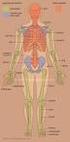 Skeletal System Axial Skeleton: Vertebral Column and Ribs Functions Regions Cervical Thoracic Lumbar Sacral Primary & secondary curvatures There are three major functions of the vertebral column. First,
BIOL 4260 Human Evolu3onary Anatomy Lecture 5: Bone Development & Trunk Anatomy. Lecture 2: Fossil Record
 BIOL 4260 Human Evolu3onary Anatomy Lecture 5: Bone Development & Trunk Anatomy Lecture 2: Fossil Record Segmentation Cyclic genescreate segme ntation clock for somite production Final #s 4 occipital 8
Rheumatoid Arthritis. Nicole Klett,, M.D.
 Rheumatoid Arthritis Nicole Klett,, M.D. Rheumatoid Arthritis Systemic Chronic Inflammatory Primarily targets the synovium of diarthrodial joints Etiology likely combination genetic and environmental Diarthrodial
X-Plain Vertebral Compression Fractures Reference Summary
 X-Plain Vertebral Compression Fractures Reference Summary Introduction Back pain caused by a vertebral compression fracture, or VCF, is a common condition that affects thousands of people every year. A
Ankle Injury/Sprains in Youth Soccer Players Elite Soccer Community Organization (ESCO) November 14, 2013
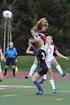 Ankle Injury/Sprains in Youth Soccer Players Elite Soccer Community Organization (ESCO) November 14, 2013 Jeffrey R. Baker, DPM, FACFAS Weil Foot and Ankle Institute Des Plaines, IL Ankle Injury/Sprains
Cerebral palsy can be classified according to the type of abnormal muscle tone or movement, and the distribution of these motor impairments.
 The Face of Cerebral Palsy Segment I Discovering Patterns What is Cerebral Palsy? Cerebral palsy (CP) is an umbrella term for a group of non-progressive but often changing motor impairment syndromes, which
FEMORAL NECK FRACTURE FOLLOWING TOTAL KNEE REPLACEMENT
 1 FEMORAL NECK FRACTURE FOLLOWING TOTAL KNEE REPLACEMENT László Sólyom ( ), András Vajda & József Lakatos Orthopaedic Department, Semmelweis University, Medical Faculty, Budapest, Hungary Correspondence:
Cerebral Palsy. In order to function, the brain needs a continuous supply of oxygen.
 Cerebral Palsy Introduction Cerebral palsy, or CP, can cause serious neurological symptoms in children. Up to 5000 children in the United States are diagnosed with cerebral palsy every year. This reference
INFUSE Bone Graft. Patient Information Brochure
 INFUSE Bone Graft Patient Information Brochure This Patient Guide is designed to help you decide whether or not to have surgery using INFUSE Bone Graft to treat your broken tibia (lower leg). There are
What You Need to Know for Better Bone Health
 What You Need to Know for Better Bone Health A quick lesson about bones: Why healthy bones matter The healthier your bones The more active you can be Bone health has a major effect on your quality of life
X-Plain Rheumatoid Arthritis Reference Summary
 X-Plain Rheumatoid Arthritis Reference Summary Introduction Rheumatoid arthritis is a fairly common joint disease that affects up to 2 million Americans. Rheumatoid arthritis is one of the most debilitating
Do I need a physician referral? Yes, we see patients on referral from a health care provider.
 FAQS FOR OFFICE POLICIES How do I get an appointment? New appointments are made by physician referral only. Your referring health care provided will call for the appointment for you. What do I need to
INJURIES OF THE HAND AND WRIST By Derya Dincer, M.D.
 05/05/2007 INJURIES OF THE HAND AND WRIST By Derya Dincer, M.D. Hand injuries, especially the fractures of metacarpals and phalanges, are the most common fractures in the skeletal system. Hand injuries
Spine University s Guide to Vertebral Osteonecrosis (Kummel's Disease)
 Spine University s Guide to Vertebral Osteonecrosis (Kummel's Disease) 2 Introduction Kummel's disease is a collapse of the vertebrae (the bones that make up the spine). It is also called vertebral osteonecrosis.
A Patient s Guide to Artificial Cervical Disc Replacement
 A Patient s Guide to Artificial Cervical Disc Replacement Each year, hundreds of thousands of adults are diagnosed with Cervical Disc Degeneration, an upper spine condition that can cause pain and numbness
INFUSE Bone Graft (rhbmp-2/acs)
 1 INFUSE Bone Graft (rhbmp-2/acs) For patients who need more bone to place dental implants Enjoy living with INFUSE Bone Graft. www.medtronic.com Medtronic Spinal and Biologics Business Worldwide Headquarters
Neck Injuries and Disorders
 Neck Injuries and Disorders Introduction Any part of your neck can be affected by neck problems. These affect the muscles, bones, joints, tendons, ligaments or nerves in the neck. There are many common
[PAGE HEADLINE] Improve your Health and Change Your Smile with Complete Dental Services in One [CITYNAME] Location
![[PAGE HEADLINE] Improve your Health and Change Your Smile with Complete Dental Services in One [CITYNAME] Location](/thumbs/31/14971568.jpg "[PAGE HEADLINE] Improve your Health and Change Your Smile with Complete Dental Services in One [CITYNAME] Location") Eddie Stephens//Copywriter Sample: Website copy/internal Dental Services Pages [PAGE HEADLINE] Improve your Health and Change Your Smile with Complete Dental Services in One [CITYNAME] Location [LEAD SENTENCE/PARAGRAPH]
Eddie Stephens//Copywriter Sample: Website copy/internal Dental Services Pages [PAGE HEADLINE] Improve your Health and Change Your Smile with Complete Dental Services in One [CITYNAME] Location [LEAD SENTENCE/PARAGRAPH]
BACK PAIN: WHAT YOU SHOULD KNOW
 BACK PAIN: WHAT YOU SHOULD KNOW Diane Metzer LOWER BACK PAIN Nearly everyone at some point has back pain that interferes with work, recreation and routine daily activities. Four out of five adults experience
Advances In Spine Care. James D. Bruffey M.D. Scripps Clinic Division of Orthopaedic Surgery Section of Spinal Surgery
 Advances In Spine Care James D. Bruffey M.D. Scripps Clinic Division of Orthopaedic Surgery Section of Spinal Surgery Introduction The Spine - A common source of problems Back pain is the #2 presenting
Cerebral Palsy. 1995-2014, The Patient Education Institute, Inc. www.x-plain.com nr200105 Last reviewed: 06/17/2014 1
 Cerebral Palsy Introduction Cerebral palsy, or CP, can cause serious neurological symptoms in children. Thousands of children are diagnosed with cerebral palsy every year. This reference summary explains
Anterior Hip Replacement
 Disclaimer This movie is an educational resource only and should not be used to manage Orthopaedic health. All decisions about the management of hip replacement and arthritis management must be made in
Osseous Tissue & Structure. The skeletal system includes: Storage of minerals: calcium salts
 Chapter 15 Lecture The Skeletal System: Osseous Tissue & Skeletal Structure The Skeletal System The skeletal system includes: Bones, cartilages, ligaments Bone tissue = osseous tissue Includes living cells
Dental Implants - the tooth replacement solution
 Dental Implants - the tooth replacement solution Are missing teeth causing you to miss out on life? Missing teeth and loose dentures make too many people sit on the sidelines and let life pass them by.
BULLETIN. Slovak Republic Ministry of Health
 BULLETIN Slovak Republic Ministry of Health Part 51-53 November 13, 2009 No. 57 CONTENTS: 52. Slovak Republic Ministry of Health Guidelines for the Diagnosis of Glucocorticoidinduced Osteoporosis 52. Slovak
SPINAL STENOSIS Information for Patients WHAT IS SPINAL STENOSIS?
 SPINAL STENOSIS Information for Patients WHAT IS SPINAL STENOSIS? The spinal canal is best imagined as a bony tube through which nerve fibres pass. The tube is interrupted between each pair of adjacent
SPINE ANATOMY AND PROCEDURES. Tulsa Spine & Specialty Hospital 6901 S. Olympia Avenue Tulsa, Oklahoma 74132
 SPINE ANATOMY AND PROCEDURES Tulsa Spine & Specialty Hospital 6901 S. Olympia Avenue Tulsa, Oklahoma 74132 SPINE ANATOMY The spine consists of 33 bones called vertebrae. The top 7 are cervical, or neck
BONES AND JOINTS IN MARFAN SYNDROME
 BONES AND JOINTS IN MARFAN SYNDROME Marfan syndrome often causes problems in the bones and joints in fact, these are often the features that first lead a person to suspect Marfan syndrome and seek a diagnosis.
Post Surgical Care of Patella Luxation Repair
 Post Surgical Care of Patella Luxation Repair Home patient care after orthopedic surgery is critical to the success of the surgery. Allowing your pet too much activity may alter the anticipated outcome
ICD-9-CM coding for patients with Spinal Cord Injury*
 ICD-9-CM coding for patients with Spinal Cord Injury* indicates intervening codes have been left out of this list. OTHER DISORDERS OF THE CENTRAL NERVOUS SYSTEM (340-349) 344 Other paralytic syndromes
CPR/First Aid. Lesson 12 Injuries to Muscles, Bones & Joints
 CPR/First Aid Lesson 12 Injuries to Muscles, Bones & Joints 1 Muscles Muscles are soft tissues. Your body has over 600 different muscles. Injuries to the brain, spinal cord or nerves can affect the muscles.
Osteoarthritis and osteoporosis
 Osteoarthritis and osteoporosis What is osteoporosis? Osteoporosis occurs when the struts which make up the mesh-like structure within bones become thin causing them to become fragile and break easily,
Range of Injury Scale Values
 Range of Injury Scale Values Civil Liability Regulations 2014 SCHEDULE 4 Range of Injury Scale Values (summary) Item Injury ISV Range Part 1-Central Nervous System and Head Injuries 1 Quadriplegia 75 100
NURS 821 Alterations in the Musculoskeletal System. Rheumatoid Arthritis. Type III Hypersensitivity Response
 NURS 821 Alterations in the Musculoskeletal System Margaret H. Birney PhD, RN Lecture 12 Part 2 Joint Disorders (cont d) Rheumatoid Arthritis Definition: Autoimmune disorder occurring in genetically sensitive