
Chapter 8. Hearing and Ear Abnormalities in Fanconi Anemia. Introduction. Anatomy and Function of the Ear
|
|
|
- Dulcie Bond
- 10 years ago
- Views:
Transcription
1 Chapter 8 Hearing and Ear Abnormalities in Fanconi Anemia H. Jeffrey Kim, MD, FACS, Christopher Zalewski, MA, and Carmen C. Brewer, PhD Introduction In 1927, Guido Fanconi, MD, noticed an association between ear anomalies and FA. In a 1993 review of 370 patients with FA, hearing loss was documented in 11.3% of cases and ear malformations in 14.9%. 1 However, detailed ear manifestations in FA have not been well described in the literature. This chapter will describe normal anatomy and function of the ear, types and degree of hearing loss, the common physical and audiologic findings among the patients with FA, and potential rehabilitation and treatment options for their hearing loss. Anatomy and Function of the Ear The ear is made up of three main sections: the outer, the middle, and the inner ear (Figure 1). The two main portions of the outer ear are the pinna and the ear canal. The middle ear consists of the eardrum (tympanic membrane) and three tiny bones called ossicles: malleus (hammer), incus (anvil) and stapes (stirrup). The malleus bone attaches to the eardrum and bridges the gap between the eardrum, the other two ossicles, and the inner ear. The hearing part of the inner ear consists of a snail shell-like cochlea and is filled with several canals of fluids.

2 166 Fanconi Anemia: Guidelines for Diagnosis and Management Figure 1: Anatomy of Ear From MedicineNet.com Sound waves enter the ear canal and vibrate the eardrum like a real drum. These vibrations reach the three tiny ossicles and amplify the sound. Once the sound waves reach the inner ear, the fluid within the cochlea moves and stimulates thousands of tiny hair cells. These hair cells then transform the sound vibrations into electrical impulses, which travel along the auditory nerve from the cochlea to the brain. The brain then translates these signals and allows us to comprehend speech and surrounding sounds. Types and Degree of Hearing Loss In general, there are three main types of hearing loss: conductive, sensorineural, and mixed (combined conductive and sensorineural). Conductive hearing loss (CHL) is commonly caused by problems in the outer and/or middle ear, which prevent the sounds from

3 Chapter 8: Hearing and Ear Abnormalities in FA 167 reaching the inner ear. This is most often due to a middle ear infection, excessive wax accumulation, and/ or a hole in the eardrum. Uncommonly, this can also happen if the middle ear tiny bones are malformed or if their movements are restricted from abnormal scar tissue formation. Sensorineural hearing loss (SNHL) occurs when the hair cells in the inner ear are damaged and unable to transform sound waves into the electrical signals. This type of hearing loss is commonly caused by the aging process, excessive loud noise exposure, and certain drugs, such as particular chemotherapy agents or intravenous antibiotics. If the auditory nerve from the inner ear becomes damaged or is absent, this can prevent sound signals from reaching the brain. Sounds can be characterized as loud or soft, and highpitched or low-pitched. Subsequently, hearing loss can be described in terms of the loss of auditory perception in variable degrees of intensity and ranges of pitches. An audiologist performs a hearing test to determine the degree, type and pattern of hearing loss. There are several types of measurement methods, including behavior audiologic tests, otoacoustic emission tests, and brainstem-evoked auditory response tests (BAER). The age and ability of a patient to cooperate will determine which methods are appropriate. In very young children, several tests are often required to characterize clearly their hearing loss. Hearing loss is classified according to severity in terms of decibels hearing level (db HL; measuring unit for sound intensity): mild hearing loss (> db HL); moderate hearing loss (> db HL); severe hearing loss (> db HL); and profound hearing loss (> 90 db HL). When there is a mild to moderate hearing

4 168 Fanconi Anemia: Guidelines for Diagnosis and Management loss, it is difficult to understand normal daily speech conversation, especially in the presence of background noise. When there is a moderate to severe hearing loss, speech must be very loud to be understood. For those with profound hearing loss, communication is very difficult, even with hearing aid amplification. Ear and Hearing Presentations in Fanconi Anemia Only a few scattered case reports describing ear manifestations are currently found in the medical literature on Fanconi anemia. In order to systematically examine and define the ear manifestations in FA, a prospective study of twenty FA patients was conducted at the National Institutes of Health, Bethesda, MD, as part of a prospective inherited bone marrow failure syndrome study. 2 Patient ages ranged from 5 to 41 years. Four patients were excluded because either their audiogram and/or temporal bones computerized tomography were not available. Out of the remaining 32 ears in 16 patients, five ears in four FA patients were excluded from the data analysis because of surgical alteration of the congenital status of the ear. Thus, the results reflect the data obtained from 27 ears (16 patients). All patients underwent comprehensive audiologic and otolaryngologic evaluation, including microscopic ear examination. Microscopic examination of the 27 eardrums revealed abnormally formed eardrums in 17 cases (63%), and one case of an undeveloped, absent ear canal (aural atresia). The abnormal eardrum findings include a smaller eardrum, shorter and abnormally placed malleus within the eardrum, and the presence of abnormal bony islands under the eardrum (Figure 2). Hearing loss was detected in 14 of 27 ears (53%) while normal hearing

5 Chapter 8: Hearing and Ear Abnormalities in FA 169 was documented in the remaining 13 ears. The majority of hearing loss was mild, and the most common types of hearing losses were conductive hearing loss (9 cases, 65%), followed by sensorineural hearing loss (3 cases, 21%) and mixed hearing loss (2 cases, 14%). These findings suggest that over half of individuals with FA have a mild conductive hearing loss, probably due to an abnormally developed eardrum and/or ossicles in the middle ear space. Figure 2: Normal eardrum Abnormal eardrum in FA patient

6 170 Fanconi Anemia: Guidelines for Diagnosis and Management In summary, hearing loss, mostly conductive, is present in greater than 50% of our FA cohort ears. Congenital abnormalities in the tympanic membrane and middle ear ossicles were found in 67%. This incidence of hearing loss and congenital ear malformation is much higher than previously reported. This study suggests that these features characteristic of FA can occur even when hearing is normal or slightly reduced. Consequences of Hearing Loss Children use their hearing to develop speech, language, communication skills, and to facilitate learning. Children with a mild hearing loss (25-40 db HL) have difficulty hearing faint and distant speech. Vowel sounds can be heard clearly, but voiceless consonants (e.g., s, f, and th ) can be difficult to hear. School-age students with mild hearing loss have difficulty when functioning in a regular classroom with normally present background noises. 3 Children with moderate hearing loss (41-55 db HL) miss much of normal conversation. These children may have difficulty learning vocabulary, grammar, and other aspects of verbal communication. Even children with unilateral hearing loss (one ear with normal hearing and other other with at least a mild permanent hearing loss) can be affected. If listening takes place in a consistently noisy environment, their academic potential and social interaction can be compromised. Early Identification and Intervention for Hearing-Impaired Children Once hearing loss is identified or suspected, the child should undergo comprehensive medical ear and audiologic evaluation. The earlier the hearing loss is identified and intervention initiated, the less serious the

7 Chapter 8: Hearing and Ear Abnormalities in FA 171 permanent effects. Often hearing-impaired children require some form of special education or services including: 1) Favorable seating in the class; 2) Amplification systems; 3) Possible surgical intervention to improve hearing deficits; 4) Regular speech and language therapy from a specialist. The Individuals with Disabilities Education Act (IDEA) mandates that children who have hearing loss receive appropriate early intervention programs from birth to age three and throughout the school years (ages 3-21). 4 Hearing impairment is defined by IDEA as an impairment in hearing, whether permanent or fluctuating, that adversely affects a child s educational performance. Early intervention services for children are often family-centered and involve multidisciplinary services. Hearing Amplification Hearing aids An audiologist and early intervention team should evaluate the aural amplification needs of hearing-impaired children. Infants as young as four weeks old can be fitted with amplification such as hearing aids and assistive listening devices (ALD). Hearing aids can be beneficial for all types of hearing loss (conductive, senorineural or mixed hearing loss). Several types of hearing aids are available. Hearing aids differ in design (analog versus digital), size (smaller completely-in-the-ear canal versus larger behind-theear), the amount of amplification, and availability of special features. They also have common components that include:

8 172 Fanconi Anemia: Guidelines for Diagnosis and Management 1) A microphone to pick up sound; 2) A processor to make the sound louder; 3) A receiver to deliver the amplified sound into the ear. The behind-the-ear (BTE) hearing aid is the type of hearing aid most commonly used in children. It can accommodate a wide variety of hearing losses and can be adjusted for different degrees of amplification. It is easier to handle and can be monitored by the child and caretakers. The ear mold, a plastic piece that fits the ear and holds the hearing aid on the ear, can be detached and easily remade as the child grows. The hearing aid is often equipped with a direct audio input capability that can be used with other listening devices. Assistive listening devices An assistive listening device can provide excellent help to hearing impaired individuals to function better in daily communication situations. ALDs may be used alone or in combination with hearing aids. These devices provide extra help in specific listening situations, such as in noisy backgrounds (e.g., school classrooms, restaurants, movie theaters, conferences). The most commonly utilized ALDs are based on frequency modulation (FM) systems, like a radio. The personal FM system consists of a transmitter microphone used by the speaker and a receiver used by the listener. For example, this device allows the voice of a teacher, who is wearing a microphone, to be heard more clearly over the background noises of a classroom by a student with an FM receiver. Surgical Management of Hearing Loss in FA Middle ear surgery When the middle ear bones are malformed and unable to vibrate normally, the sound wave cannot be amplified

9 Chapter 8: Hearing and Ear Abnormalities in FA 173 and transferred to the cochlea; this leads to conductive hearing loss. In FA cases, several possible causes for the inefficient sound transmission through the ossicles include fusion of the malleus to the bony island under a bony eardrum, scarring around the stapes, or an absent ear canal. Sometimes, a portion of the ossicles may miss sound transmission to the inner ear. These causes of conductive hearing loss can sometimes be corrected surgically. Sensorineural hearing loss from the inner ear or auditory nerve damage cannot be restored by ear surgery. During a middle ear bone surgery to restore normal sound transmission (also called ossicular chain reconstruction), the bony and fibrous tissue restricting ossicular movements is corrected or the immobile ossicle(s) replaced with a middle ear bone prosthesis. Prostheses are commonly composed of artificial bone (hydroxyapatitie), titanium or other biocompatible composite materials. Middle ear bone surgery can be done using either local anesthesia sedation or general anesthesia and typically takes about one to three hours. When thinking about a middle ear surgery, an ear specialist (also known as an otologist) and the patient and family must consider multiple factors and other treatment options, such as hearing aids. Individuals with serious medical conditions such as heart problems, bleeding tendencies, and high susceptibility for infection from significant bone marrow failure, are probably better candidates for hearing aid trials. Middle ear bone surgery is usually recommended after the age of seven when patients are less susceptible to frequent ear infections. Middle ear bone surgeries (not specific to FA) typically improve conductive hearing loss in 75% to 90% of the

10 174 Fanconi Anemia: Guidelines for Diagnosis and Management surgeries. 5 The potential complications associated with ear surgeries are uncommon but include: 1) Further hearing loss or no hearing improvement (in <10% to 20% of surgeries). Total deafness is extremely uncommon; 2) Injury to the facial nerve that runs through the ear, which can cause facial paralysis. This is extremely uncommon, and a facial nerve monitor is typically used during ear surgery to minimize risk; 3) Altered taste on the side of the tongue, which can last for a couple months; and 4) Persistent post-operative dizziness or ringing in the ears, but both are quite uncommon. Implantable BAHA hearing device Bone-anchored hearing aids (BAHA) are very useful for those with conductive hearing loss from ossicular chain problems or a congenitally undeveloped ear canal when conventional hearing aids cannot be used, or for those individuals who are not good candidates for traditional middle ear surgery. 6 BAHA works by transmitting sound vibration through the skull and the inner ear, bypassing the external auditory canal and middle ear. It has been used since 1977 in Europe and was approved in the United States in 1996 as a treatment for conductive and mixed hearing losses. In the BAHA system, a titanium implant is placed during a short surgical procedure and allowed to integrate with the skull bone for three months. A sound processor attached to the titanium implant produces sound vibrations through the skull and inner ear that stimulate the inner ear nerve fibers.

11 Chapter 8: Hearing and Ear Abnormalities in FA 175 Hearing and Ear Screening for FA Family Members When a patient is diagnosed with FA, his or her siblings must also be tested to rule out FA. More than 50% of the individuals with FA have hearing loss and abnormal eardrums and middle ear bones. If a sibling does not test positive for FA via a chromosomal breakage test but has classic FA-related ear and hearing findings, the hematologist may wish to rule out FA with further genetic tests, including a clastogen-induced chromosomal breakage test in skin fibroblasts. Approximately 10% to 20% of FA patients with somatic mosaicism may have normal peripheral blood chromosomal breakage tests. 7 In the absence of obvious clinical presentations like absent thumbs and aplastic anemia, a diagnosis of FA is often delayed. Early detection and diagnois of FA means prompt early surveillance, appropriate timely treatment, and eventually improved overall prognosis. Regular Periodic Auditory Monitoring FA patients are predisposed to recurrent infections from neutropenia, multiple blood transfusions for severe anemia, and solid organ and hematologic malignancies. Consequently, they are more likely to receive ototoxic intravenous antibiotics (e.g., aminoglycoside), ironchelating agents (e.g., desferoxamine), and chemotherapy agents (e.g., cisplatin). While they are exposed to these ototoxic agents, their auditory function should be closely monitored with serial audiograms. Conclusions 1) Congenital hearing loss and eardrum and middle ear malformations are more commonly associated with FA than previously reported.

12 176 Fanconi Anemia: Guidelines for Diagnosis and Management 2) All patients with FA should undergo comprehensive ear examination and audiologic evaluation by an otolaryngologist and audiologist, respectively, who are familiar with FA. 3) FA-related hearing problems can often be successfully treated with either appropriate amplification and/or surgical correction. Useful Resources for Hearing Impaired Alexander Graham Bell Association for the Deaf and Hard of Hearing 3417 Volta Place, NW Washington, DC ; (TTY) American Academy of Audiology Plaza America Drive, Suite 300 Reston, VA AAA-2336 (V) American Academy of Otolaryngology-HNS One Prince Street Alexandria, VA (V) American Speech-Language-Hearing Association Rockville Pike Rockville, MD (V/TTY) (V/TTY)

13 Chapter 8: Hearing and Ear Abnormalities in FA 177 National Institute on Deafness and Other Communication Disorders Information Clearinghouse 1 Communication Avenue Bethesda, MD ; (TTY) [email protected] Self Help for Hard of Hearing People (SHHH) 7910 Woodmont Avenue, Suite 1200 Bethesda, MD ; (TTY) [email protected] References 1. Giampietro PF, Adler-Brecher B, Verlander PC, et al. The need for more accurate and timely diagnosis in Fanconi anemia. Pediatrics 1993; 91: Kim HJ, Brewer CC, Zalewski C. Otologic manifestations in Fanconi anemia. The Triologic Society Meeting. Combined Otolaryngology Spring Meeting. Chicago, IL, Roberts JE, Wallace IF, Brackett D. Pediatric Otology and Neurotology. Lalwani AK, Grundfast KM, eds, Philadelphia, PA, Lippincott-Raven Publishers; The Individuals with Disabilities Education Act (IDEA) Krueger WW, Feghali JG, Shelton C, et al. Preliminary ossiculoplasty results using the Kurz titanium prosthesis. Otology and Neurotology 2002; 23: Tjellstrom A, Hankansson B, Granstrom G. Bone-anchored hearing aids: current status in adults and children. Otolaryngolic Clinics of North America 2001; 34: Soulier J, Leblanc TL, Larghero J, et al. Detection of somatic mosaicism and classification of Fanconi anemia patients by analysis of the FA/BRCA pathway. Blood 2005; 105:

Presbycusis. What is presbycusis? What are the symptoms of presbycusis?
 Presbycusis What is presbycusis? Presbycusis is the loss of hearing that gradually occurs in most individuals as they grow older. Hearing loss is a common disorder associated with aging. About 30-35 percent
Hearing Aids. What Is a Hearing Aid? How Common Is Hearing Loss and What Causes It? How Do We Hear?
 Hearing Aids What Is a Hearing Aid? A hearing aid is an electronic, battery-operated device that amplifies and changes sound to allow for improved communication. Hearing aids receive sound through a microphone,
So, how do we hear? outer middle ear inner ear
 The ability to hear is critical to understanding the world around us. The human ear is a fully developed part of our bodies at birth and responds to sounds that are very faint as well as sounds that are
Understanding Hearing Loss 404.591.1884. www.childrensent.com
 Understanding Hearing Loss 404.591.1884 www.childrensent.com You just found out your child has a hearing loss. You know what the Audiologist explained to you, but it is hard to keep track of all the new
Surgery for Conductive Hearing Loss
 Surgery for Conductive Hearing Loss What is conductive hearing loss Conductive hearing loss is a form of hearing loss due to abnormalities in mobile portions of the ear. Theses are the movable parts (including
What are the causes of presbycusis? What can be done? How can I communicate with someone who has a hearing loss? How does hearing work?
 This e-book will answer the following questions: What is presbycusis? What are the symptoms of presbycusis? What are the causes of presbycusis? What can be done? How can I communicate with someone who
Unilateral (Hearing Loss in One Ear) Hearing Loss Guidance
 Unilateral (Hearing Loss in One Ear) Hearing Loss Guidance Indiana s Early Hearing Detection and Intervention Program Before universal newborn hearing screening, most children with unilateral hearing loss
Questions and Answers for Parents
 Questions and Answers for Parents There are simple, inexpensive tests available to detect hearing impairment in infants during the first days of life. In the past, most hearing deficits in children were
CONVENTIONAL AND DIGITAL HEARING AIDS
 CONVENTIONAL AND DIGITAL HEARING AIDS Coverage for services, procedures, medical devices and drugs are dependent upon benefit eligibility as outlined in the member's specific benefit plan. This Medical
Getting Started Kei Te Timata
 Getting Started Kei Te Timata AN INTRODUCTION FOR THE FAMILIES AND WHANAU OF CHILDREN DIAGNOSED WITH A HEARING LOSS. THIS IS A JOINT PROJECT BY DEAF EDUCATION AOTEAROA NEW ZEALAND AND THE NATIONAL AUDIOLOGY
Hearing Loss and Older Adults
 Hearing Loss and Older Adults Hearing loss is one of the most common conditions affecting older adults. One in three people older than 60 and half of those older than 85 have hearing loss. Hearing problems
Treatment Guide Understanding Hearing Loss. Cleveland Clinic Hearing Specialists. Choosing Care for Hearing Loss
 Treatment Guide Understanding Hearing Loss Good hearing is part of a full and active life. Let us help you achieve a world of better hearing and improve your quality of life. Choosing Care for Hearing
Section 4. Hearing loss and hearing tests
 Section 4 Hearing loss and hearing tests How we hear Outer Ear Middle Ear Inner Ear 4. 7. 8. 1. 3. 6. 2. 5. 1. 2. 3. 4. 5. 6. 7. 8. Ear canal Ear drum Middle ear cavity Middle ear bones the malleus, incus,
SEMI-IMPLANTABLE AND FULLY IMPLANTABLE MIDDLE EAR HEARING AIDS
 Coverage for services, procedures, medical devices and drugs are dependent upon benefit eligibility as outlined in the member's specific benefit plan. This Medical Coverage Guideline must be read in its
Pure Tone Hearing Screening in Schools: Revised Notes on Main Video. IMPORTANT: A hearing screening does not diagnose a hearing loss.
 Pure Tone Hearing Screening in Schools: Revised Notes on Main Video (Notes are also available for Video segments: Common Mistakes and FAQs) IMPORTANT: A hearing screening does not diagnose a hearing loss.
AP Psychology ~ Ms. Justice
 AP Psychology ~ Ms. Justice 8: What are the characteristics of air pressure waves that we hear as sound? Audition Audition, or hearing, is highly adaptive. We hear a wide range of sounds, but we hear best
My child has a hearing loss
 My child has a hearing loss A guide for parents Content You are not alone 3 Hearing impairment 5 Methods of testing hearing 6 Audiogram 7 Types and causes of hearing loss 8 Degree of hearing loss 10 Where
DURATION OF HEARING LOSS
 When your child is diagnosed with a hearing loss, it may be very overwhelming. This may be a difficult time for you and your family. However, gaining a greater knowledge in this area is crucial in helping
Middle ear conditions
 Middle ear conditions Middle ear conditions This factsheet is part of our Ears and ear problems range. It is written for people who have been diagnosed with a condition that affects the middle ear. Read
Pediatric Hearing Assessment
 Pediatric Hearing Assessment Stanton Jones Key Points This chapter outlines the methods of hearing assessment that are appropriate for children from birth to adolescence. The importance of timely referral
Your Hearing ILLUMINATED
 Your Hearing ILLUMINATED INFORMATION FROM YOUR HEARING CARE PROFESSIONAL REDISCOVER your hearing and reconnect 1 with the important things you might have been missing. Your sense of hearing is a vital
Veterans UK Leaflet 10. Notes about War Pension claims for deafness
 Veterans UK Leaflet 10 Notes about War Pension claims for deafness 1 About this leaflet About this leaflet This leaflet tells you how claims for deafness are decided and gives you some information about
Hearing Tests for Children with Multiple or Developmental Disabilities by Susan Agrawal
 www.complexchild.com Hearing Tests for Children with Multiple or Developmental Disabilities by Susan Agrawal Hearing impairment is a common problem in children with developmental disabilities or who have
1/26/2011. 50% of deafness and hearing impairment is avoidable through prevention, early diagnosis, and management.
 Hearing Impairment Roseann Mulligan, DDS, MS Herman Ostrow School of Dentistry of the University of Southern California 1 JAMA, July 4, 2007 Vol 298, No. 1 2 278 million - moderate to profound bilateral
Byron's Hudson Valley Hearing Aid Centers Kingston/Lake Katrine 845-336-0108 Poughkeepsie 845-485-0168 Your hearing Journey
 Your hearing Journey Don't miss out on the joys of life, your hearing is our concern. Trust our experts to enhance your quality of life. Ask Yourself: Do you have difficulty following a conversation in
Ear Disorders and Problems
 Ear Disorders and Problems Introduction Your ear has three main parts: outer, middle and inner. You use all of them to hear. There are many disorders and problems that can affect the ear. The symptoms
BONE-CONDUCTION HEARING AIDS
 BONE-CONDUCTION HEARING AIDS Introduction Conventional hearing aids fit in the ear canal and amplify sounds, which the hearing aid user then hears in the normal way. However, these hearing aids are not
Learners Who are Deaf or Hard of Hearing Kalie Carlisle, Lauren Nash, and Allison Gallahan
 Learners Who are Deaf or Hard of Hearing Kalie Carlisle, Lauren Nash, and Allison Gallahan Definition Deaf A deaf person is one whose hearing disability precludes successful processing of linguistic information
Audiology Services. Carolyn Dando Audiology Services Manager South Warwickshire NHS
 Audiology Services Carolyn Dando Audiology Services Manager South Warwickshire NHS What are we going to cover today? General overview of the ear Hearing loss Hearing assessments, results Hearing aids Paediatric
Hearing Tests And Your Child
 HOW EARLY CAN A CHILD S HEARING BE TESTED? Most parents can remember the moment they first realized that their child could not hear. Louise Tracy has often told other parents of the time she went onto
HEARING LOSS AND LANGUAGE DELAY IN LITTLE CHILDREN. Prepared by Jane H. LeBlanc, M.S., M.S.P. Audiologist, CCC-A Speech Language Pathologist, CCC-SLP
 HEARING LOSS AND LANGUAGE DELAY IN LITTLE CHILDREN Prepared by Jane H. LeBlanc, M.S., M.S.P. Audiologist, CCC-A Speech Language Pathologist, CCC-SLP This is being written to provide information to concerned
X-Plain Perforated Ear Drum Reference Summary
 X-Plain Perforated Ear Drum Reference Summary Introduction Perforated eardrum is a common condition. The eardrum is a thin layer of tissue at the end of the ear canal inside the ear. Eardrum perforations
Why does my child have a hearing loss?
 Introduction This factsheet will tell you about the range of tests that can be carried out to try to find the cause of your child s hearing loss. The process to find out why a child is deaf is sometimes
A Guide to Otoacoustic Emissions (OAEs) for Physicians
 A Guide to Otoacoustic Emissions (OAEs) for Physicians Introduction Hearing loss is not uncommon in children and adults. According to recent estimates, 31.5 million people in the United States report difficulty
Samuel R. Atcherson, Ph.D.
 Beyond Hearing Aids and Cochlear Implants: Helping Families Make the Most of Assistive Technology Samuel R. Atcherson, Ph.D. Assistant Professor, Clinical Audiologist, Person w/ Hearing Loss University
Dr. Abdel Aziz Hussein Lecturer of Physiology Mansoura Faculty of Medicine
 Physiological Basis of Hearing Tests By Dr. Abdel Aziz Hussein Lecturer of Physiology Mansoura Faculty of Medicine Introduction Def: Hearing is the ability to perceive certain pressure vibrations in the
Cochlear Implants: A Communication Choice. Cochlear Implants: A Communication Tool. www.cochlear.com
 Cochlear Ltd ABN 96 002 618 073 14 Mars Road, PO Box 629 Lane Cove NSW 2066 Australia Tel: 61 2 9428 6555 Fax: 61 2 9428 6353 Cochlear Americas 400 Inverness Parkway Suite 400 Englewood CO 80112 USA Tel:
Hearing and Deafness 1. Anatomy & physiology
 Hearing and Deafness 1. Anatomy & physiology Chris Darwin Web site for lectures, lecture notes and filtering lab: http://www.lifesci.susx.ac.uk/home/chris_darwin/ safari 1 Outer, middle & inner ear Capture;
Guideline for Hearing Conservation and Noise Control
 EVERYONE'S RESPONSIBILITY Guideline for Hearing Conservation and Noise Control February 2007 Guideline for Hearing Conservation and Noise Control Workplace Safety & Health Division 200 401 York Avenue
PROTECT YOUR HEARING
 PROTECT YOUR HEARING Original idea from David Carlisle Aviation can be a noisy business that can assault tour ears and chip away at your ability to hear clearly. Prevention is your only effective defense.
Clinical Commissioning Policy: Bone Anchored Hearing Aids. April 2013. Reference: NHSCB/ D09/P/a
 Clinical Commissioning Policy: Bone Anchored Hearing Aids April 2013 Reference: NHSCB/ D09/P/a NHS Commissioning Board Clinical Commissioning Policy: Bone Anchored Hearing Aids First published: April 2013
Hearing Tests And Your Child
 How Early Can A Child s Hearing Be Tested? Most parents can remember the moment they first realized that their child could not hear. Louise Tracy has often told other parents of the time she went onto
Guide for families of infants and children with hearing loss
 With early detection, Early Intervention can begin! Guide for families of infants and children with hearing loss Birth to 3 2008 Cover photograph Geneva Marie Durgin was born January 20, 2007. She lives
Getting a Cochlear Implant
 Cochlear Implants Getting a Cochlear Implant the journey to better hearing 1 All of life s journeys depend on taking the first step determining how to get from where you are to where you want to go. This
COCHLEAR NERVE APLASIA : THE AUDIOLOGIC PERSPECTIVE A CASE REPORT. Eva Orzan, MD Pediatric Audiology University Hospital of Padova, Italy
 COCHLEAR NERVE APLASIA : THE AUDIOLOGIC PERSPECTIVE A CASE REPORT Eva Orzan, MD Pediatric Audiology University Hospital of Padova, Italy Congenital absence or underdevelopment of the cochlear nerve has
What Are the Communication Considerations for Parents of Deaf and Hard-of- Hearing Children?
 What Are the Communication Considerations for Parents of Deaf and Hard-of- Hearing Children? Deafness or hearing impairment affects not only a child who is deaf or has a hearing loss, but also the child
A diagram of the ear s structure. The outer ear includes the portion of the ear that we see the pinna/auricle and the ear canal.
 A diagram of the ear s structure THE OUTER EAR The outer ear includes the portion of the ear that we see the pinna/auricle and the ear canal. The pinna or auricle is a concave cartilaginous structure,
Help maintain homeostasis by capturing stimuli from the external environment and relaying them to the brain for processing.
 The Sense Organs... (page 409) Help maintain homeostasis by capturing stimuli from the external environment and relaying them to the brain for processing. Ex. Eye structure - protected by bony ridges and
Hearing Aid Styles. Siemens Phonak Widex Starkey. Sonic Oticon Unitron. Resound
 Hearing Aid Styles The purpose of this paper is to assist you in becoming an educated consumer. It should not be construed that this is a definitive paper. Rather, it is merely a starting point, an overview.
Vibrant Soundbridge Implantable Hearing System
 Vibrant Soundbridge Implantable Hearing System Kristin M. Avitabile, MS, CCC-A Clinical Manager, Southeastern U.S. MED-EL Corporation Hearing Technology Hearing Aids Mild to severe HL Problems with feedback
Sound Perception. Sensitivity to Sound. Sensitivity to Sound 1/9/11. Not physically sensitive to all possible sound frequencies Range
 Sound Perception Similarities between sound and light perception Characteristics of sound waves Wavelength = Pitch Purity = Timbre Amplitude = loudness Sensitivity to Sound Not physically sensitive to
Diseases of the middle ear
 Diseases of the middle ear Acute Suppurative Otitis Media: Acute suppurative otitis media may be viral or bacterial and is accompanied by signs of pain, pressure sensation, diminished hearing and occasional
Light wear for a powerful hearing. Bone Conduction Headset
 Light wear for a powerful hearing Bone Conduction Headset 2 Light wear for a powerful hearing Melody Flex, the new bone conduction headset is AUTEL s solution to improve hearing quality of those affected
Audiology (0340) Test at a Glance. About this test. Test Guide Available. See Inside Back Cover. Test Code 0340
 Audiology (0340) Test Guide Available See Inside Back Cover Test at a Glance Test Name Audiology Test Code 0340 Time 2 hours Number of Questions 150 Format Multiple-choice questions Approximate Approximate
PURE TONE AUDIOMETRY Andrew P. McGrath, AuD
 PURE TONE AUDIOMETRY Andrew P. McGrath, AuD Pure tone audiometry is the standard behavioral assessment of an individual s hearing. The results of pure tone audiometry are recorded on a chart or form called
GONCA SENNAROĞLU PhD LEVENT SENNAROĞLU MD. Department of Otolaryngology Hacettepe University ANKARA, TURKEY
 GONCA SENNAROĞLU PhD LEVENT SENNAROĞLU MD Department of Otolaryngology Hacettepe University ANKARA, TURKEY To present the audiological findings and rehabilitative outcomes of CI in children with cochlear
Occupational Noise Induced Hearing Loss
 Occupational Noise Induced Hearing Loss M Baxter FRACS SISA Adelaide June 2014 ENT in Personal Injury Claims EAR Hearing Loss -main, Dizziness Nose Injuries ->cosmesis,breathing: Loss of sense of smell:
8.Audiological Evaluation
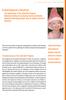 8. A U D I O L O G I C A L E V A L U A T I O N 8.Audiological Evaluation The external ear of the child with Progeria Behavioral testing for assessing hearing thresholds Objective electrophysiologic tests
Hearing Conservation Procedures
 Hearing Conservation Procedures Purpose The University of Regina is committed to providing a safe and healthy work and educational environment for all members of the University community by ensuring that
Middle Ear Implants for the Treatment of Hearing Loss
 Middle Ear Implants for the Treatment of Hearing Loss FINAL STE REPORT December 2011 Submitted to: The Alberta Health Technologies Decision Process Health Technologies and Services Policy Unit Clinical
Cochlear Implant and Associated Technologies for Hearing
 Cochlear Implant and Associated Technologies for Hearing Mada Assistive Technology Center Tel: 00 974 44594050 Fax: 00 974 44594051 Email: [email protected] What is a cochlear implant? Cochlear implants
Implantable Bone Conduction Clinical Coverage Policy No: 1A-36 Hearing Aids (BAHA) Amended Date: October 1, 2015.
 Implantable Bone Conduction Clinical Coverage Policy No: 1A-36 Table of Contents 1.0 Description of the Procedure, Product, or Service... 1 1.1 Conductive Hearing Loss... 1 1.2 Sensorineural Hearing Loss...
Hearcentres Guide to Hearing Aid Terminology
 Hearcentres Guide to Hearing Aid Terminology Sophisticated modern hearing aids use a number of complicated technologies and techniques to ensure great improvements in hearing. Not only are the terms used
Anatomy and Physiology of Hearing (added 09/06)
 Anatomy and Physiology of Hearing (added 09/06) 1. Briefly review the anatomy of the cochlea. What is the cochlear blood supply? SW 2. Discuss the effects of the pinna, head and ear canal on the transmission
Cochlear Implant Program
 Cochlear Implant Program Medical Center East, South Tower 1215 21 st Avenue South, Room 9302 Nashville, TN 37232-8025 (615) 936-8623 (615) 875-1410 (fax) Thank you for your interest in the Vanderbilt Bill
Melanie Doyle, M.Ed, Parent of hard-of-hearing child Linda Dye, M.A., CCC-A, Director of CCHAT Center, San Diego
 The following individuals were instrumental in creating this guidebook: Melanie Doyle, M.Ed, Parent of hard-of-hearing child Linda Dye, M.A., CCC-A, Director of CCHAT Center, San Diego January 2002 MAINSTREAMING
Lecture 4: Jan 12, 2005
 EE516 Computer Speech Processing Winter 2005 Lecture 4: Jan 12, 2005 Lecturer: Prof: J. Bilmes University of Washington Dept. of Electrical Engineering Scribe: Scott Philips
Infant hearing screening will not hurt your baby, and will only take between 5 and 20 minutes. Ideally it is done whilst baby is asleep or settled.
 Early diagnosis of hearing loss will make a difference to your baby s life. Significant hearing loss is the most common condition present at birth. In the private sector, 3 in every 1000 babies are born
Psychological and Social Aspects of Hearing Loss 404.591.1884. www.childrensent.com
 Psychological and Social Aspects of Hearing Loss 404.591.1884 www.childrensent.com Adjusting to your Child s Diagnosis of Hearing Loss When you learn your child has a hearing loss you may feel grief, shock,
Once your baby has good head control and can turn towards something interesting, a more advanced behavioural procedure can be used.
 How do we test the hearing of babies and children? An audiologist will select from a range of different tests to evaluate your child s hearing. The choice of test depends on the information that is needed
Education Adjustment Program (EAP) Handbook
 Education Adjustment Program (EAP) Handbook Current as at September 2015 The State of Queensland (2015) This document is licensed under CC-BY 4.0, with the exception of the government coat of arms, logos
62 Hearing Impaired MI-SG-FLD062-02
 62 Hearing Impaired MI-SG-FLD062-02 TABLE OF CONTENTS PART 1: General Information About the MTTC Program and Test Preparation OVERVIEW OF THE TESTING PROGRAM... 1-1 Contact Information Test Development
Bone Anchored Hearing Aids B.A.H.A
 Bone Anchored Hearing Aids B.A.H.A Dr. Abdulrahman Hagr MBBS FRCS(c) Assistant Professor King Saud University Otolaryngology Consultant Otologist, Neurotologist & Skull Base Surgeon King Abdulaziz Hospital
Information about deafness and hearing loss
 Information about deafness and hearing loss About this resource This information resource is for parent carers with children up to the age of 25 who are deaf. It contains information about your child s
Meniere s Disease. By David Foyt, M.D.
 Meniere s Disease By David Foyt, M.D. This paper covers basic information about Meniere s Disease, Its Possible Causes and Implications Meniere's disease is a disorder of the inner ear which causes episodes
The Design and Implementation of Multimedia Software
 Chapter 10 Auditory Content The Design and Implementation of Multimedia Software David Bernstein Jones and Bartlett Publishers www.jbpub.com David Bernstein (jbpub.com) Multimedia Software Jones and Bartlett
NIHL - understanding audiograms and medical causation
 NIHL - understanding audiograms and medical causation Darrell Smith Partner, BLM Manchester Birmingham Cardiff Leeds Liverpool London Manchester Southampton Stockton-on-Tees How the ear works The human
HEARING SCREENING: PURE TONE AUDIOMETRY
 HEARING SCREENING: PURE TONE AUDIOMETRY QUALIFIED SCREENERS 7-005.01 For the purposes of the school officials verifying that a qualified screener is carrying out the required screening activity, the qualified
5th Congress of Alps-Adria Acoustics Association NOISE-INDUCED HEARING LOSS
 5th Congress of Alps-Adria Acoustics Association 12-14 September 2012, Petrčane, Croatia NOISE-INDUCED HEARING LOSS Davor Šušković, mag. ing. el. techn. inf. [email protected] Abstract: One of
Noise and Hearing Protection
 Noise and Hearing Protection Noise and Hearing Safety Training This training module is designed to teach you about the purpose and benefits of a hearing conservation program. After completing the training,
More information >>> HERE <<<
 More information >>> HERE http://urlzz.org/hearloss/pdx/dcli864/ Tags: ## best way to get cheapest natural methods to
- Review ear anatomy. Evaluation of Hearing. - Specific causes of hearing loss
 Hearing Loss in Primary Care Aaron C. Moberly, MD Otolaryngologist Department of Otorhinolaryngology The Ohio State University Wexner Medical Center Overview - Review ear anatomy - Evaluation of hearing
Assistive Technology for Individuals Who Are Hearing Impaired
 Assistive Technology for Individuals Who Are Hearing Impaired Hearing impairments are the most common form of chronic physical disability in the US. Hearing loss may be mild or severe; it may be present
Prevalence of otological disorders in diabetic patients with hearing loss
 Prevalence of otological disorders in diabetic patients with hearing loss Manche Santoshi Kumari *, Jangala Madhavi *, Koralla Raja Meganadh *, Akka Jyothy Institute of Genetics and Hospital for Genetic
Guidance on professional practice for Hearing Aid Audiologists
 Guidance on professional practice for Hearing Aid Audiologists Assuring High Quality Professional Hearing Care Introduction This booklet is intended to be guidance on good professional practices for Registered
EXECUTIVE SUMMARY OF JOINT COMMITTEE ON INFANT HEARING YEAR 2007 POSITION STATEMENT. Intervention Programs
 EXECUTIVE SUMMARY OF JOINT COMMITTEE ON INFANT HEARING YEAR 2007 POSITION STATEMENT Principles and Guidelines for Early Hearing Detection and Intervention Programs The Joint Committee on Infant Hearing