
Sensorineural Hearing Loss
|
|
|
- Clarence Daniel Stephens
- 10 years ago
- Views:
Transcription
1 Sensorineural Hearing Loss 1. Review the patterns of hearing loss in hereditary hearing impairment. AL First, we must understand that genetic hearing loss seems to breach all categories of hearing loss, including the following: congenital, progressive, and adult onset; conductive, sensory, and neural; syndromic and nonsyndromic; high-frequency, low-frequency, or mixed frequency; and mild or profound. Genetic hearing loss may show patterns of recessive, dominant, or sex-linked inheritance and may be a result in mutation of both cellular or mitochondrial DNA (and RNA, in the case of mitochondrial genes). Genetic hearing loss may be subject to environment and aging, such as noiseinduced or age-induced hearing loss. New genetic mutations are linked to hearing loss every year. More than 100 loci have been identified involving genes that code for proteins involved in the structure and function of hair cells, supporting cells, spiral ligament, stria vascularis, basilar membrane, spiral ganglion cells, auditory nerve, and virtually every structural element of the inner ear. [3] Dysfunctional proteins have been identified in the impaired molecular-physiologic processes of potassium and calcium homeostasis, [4] apoptotic signaling, [5] stereocilia linkage, [6] mechanicoelectric transduction, electromotility, and other processes. [1 Congenital hereditary hearing loss must be differentiated from acquired hearing loss. More than half of all cases of prelingual deafness are genetic. The remaining 40-50% of all cases of congenital hearing loss are due to nongenetic effects, such as prematurity, postnatal infections, ototoxic drugs, or maternal infection (with cytomegalovirus [CMV] or rubella). Most cases of genetic hearing loss are autosomal recessive and nonsyndromic. Hearing loss that results from abnormalities in connexin 26 and connexin 30 proteins likely account for 50% of cases of autosomal recessive nonsyndromic deafness in American children. Approximately 50% of all cases of congenital deafness are genetic. Approximately 70% of cases of hereditary deafness are nonsyndromic, and the remaining 30% are syndromic, associated with specific deformities or medical problems. Of nonsyndromic hearing losses, 75-85% are inherited in an autosomal recessive pattern, 15-20% are inherited in an autosomal dominant pattern, and 1-3% are inherited in an X-linked pattern. Genetic hearing loss is differentiated from acquired hearing loss with identification of a perinatal infection, such as toxoplasmosis, rubella, cytomegalovirus and herpes (TORCH), or another source such as trauma or noise. Although generally thought of as a childhood condition, genetic hearing loss can result in adult-onset hearing loss. A genetic basis or a genetic-environmental interaction appears to predispose some patients to noise or age-related hearing loss. Inner Ear Dysmorphologies: Michel s Aplasia: complete failure of the development of the inner ear, Autosomal Dominant -Anacusis -Normal middle and outer ear, CT hypoplastic petrous pyramid and absent cochlea and labyrinth Mondini Aplasia: developmental arrest of the bony and membranous labyrinth, Autosomal Dominant -progressive or fluctuating unilateral or bilateral hearing loss -Assoc. increased risk of perilymphatic gushers and meningitis -CT single turn of curved cochlea, cystic dilatation of the cochlea, SCC may be absent or wide Scheibe Aplasia: partial or complete aplasia of the pars inferior (cochlea and saccule) and normal pars superior (SCC and utricle), Autosomal recessive -assoc. w other diseases ie. Usher syndrome and Waardenburg syndrome -SNHL Alexander Aplasia: abnormal cochlear duct, primarily a membranous defect, autosomal recessive -mild high frequency loss

2 From Cummings: It is estimated that at least 50% of congenital hearing impairment has a genetic origin. A hearing loss can be defined by numerous clinical criteria, including causality, time of onset, age of onset, clinical presentation, anatomic defect, severity, and frequency loss. The worldwide rate of profound hearing loss is 4 in every 10,000 infants born. The term homozygosity means that a person carries two identical alleles of a gene; heterozygosity represents the state in which a person carries two different variants of a given gene. The basic forms of inheritance can be mendelian (single-gene inheritance autosomal or X- linked), mitochondrial, or complex (chromosomal, new mutations, germline mosaicism, genomic imprinting, polygenic, and multifactorial inheritance). Nonsyndromic hearing impairment in the absence of other phenotypic manifestations accounts for 70% of hereditary hearing loss. Mutations in GJB2 have been shown to cause 50% of autosomal recessive nonsyndromic deafness in many world populations. Syndromic hearing impairment refers to deafness that cosegregates with other features, forming a recognizable constellation of findings known as a syndrome. Sensorineural deafness has been associated with more than 400 syndromes. The most common syndromic form of hereditary sensorineural hearing loss, Pendred syndrome, is inherited in an autosomal recessive fashion; affected individuals also have goiter. A well-performed patient history, physical examination, and audiologic evaluation are keys to assessing the cause of hearing loss, and may aid in ascertaining etiology. Prenatal diagnosis for some forms of hereditary hearing loss is technically possible by analysis of DNA extracted from fetal cells. Cochlear implantation is becoming an increasingly important option for individuals with severe to profound deafness.

3 It is estimated that at least 50% of congenital hearing impairment has a genetic origin. [1] Late-onset hearing loss can also be caused by genetic defects. As understanding of the genetics of deafness increases, the role of the otolaryngologist in diagnosing, interpreting, and managing this form of hearing loss has mandated a basic understanding of genetics. This chapter provides an introduction to the genetics of hearing loss. An overview of hearing loss is followed by discussion of the fundamentals of genetics and a synopsis of syndromic and nonsyndromic deafness. The final section focuses on the clinical approach to a child with suspected genetic deafness and potential therapies for genetic hearing loss. Background Classification of Hearing Impairment A hearing loss can be defined by numerous clinical criteria, including causality, time of onset, age of onset, clinical presentation, anatomic defect, severity, and frequency loss (Table 147-1). Etiologically based classifications can be broadly divided into genetic versus nongenetic factors. This distinction is important because hereditary deafness does not imply congenital deafness; the latter describes a condition present from birth regardless of causality. Hereditary deafness may be present at birth or develop any time thereafter. Table Hearing Loss Classification Criteria Classification Comment Causality Genetic Hereditary Environmental Nonhereditary Multifactorial Time of onset Congenital At birth Acquired Late-onset Age of onset Prelingual Before speech development Postlingual After speech development Clinical presentation Nonsyndromic Hearing loss only symptom Syndromic Hearing loss and other symptoms Anatomic defect Conductive Dysfunction of outer or middle ear Sensorineural Dysfunction of inner ear Mixed

4 Severity Mild Range db Moderate Moderately severe Severe Profound Range db Range db Range db Range >90 db Frequency loss Low-frequency Range <500 Hz Midfrequency High-frequency Range Hz Range >2000 Hz Ears affected Unilateral One ear affected Bilateral Both ears affected Prognosis Stable Severity remains unchanged Progressive Severity increases over time It is well known that heritable and environmental factors can make strong contributions to hearing loss. There are three types of anatomic defects conductive, sensorineural, or a combination of both (mixed) and these defects may arise from syndromic or nonsyndromic conditions. Generally, when discussing hereditary deafness, a clinically based classification reflecting the presence or absence of coinherited anomalies that is, syndromic or nonsyndromic deafness is most useful. Syndromic and nonsyndromic conditions can be subclassified by inheritance pattern as autosomal dominant, autosomal recessive, X-linked, mitochondrial, or complex. Hearing loss can also be distinguished by differences in severity and frequency loss. Additional features of a hearing loss that are assessed include whether one or both ears are affected, and the prognosis for the condition (see Table 147-1). Although these classifications assist clinicians in their assessment of patients and lead to better clinical outcomes, they do not adequately represent the complex interactions that underlie most forms of hearing loss. This limitation is exemplified in hearing loss that is attributable to exposure to the ototoxic antibiotics, aminoglycosides. Although at high concentration these antibiotics interfere with the normal function of the cochlea, individuals with an A1555G mutation in their mitochondrial 12S rrna gene are more susceptible to the ototoxic effect of these drugs. [2] In some cases, hearing loss is attributable to genetic and environmental factors, and this dual causality can make classifying hearing loss less informative. Patterns of Inheritance The basic forms of inheritance can be mendelian (single-gene inheritance autosomal or X-linked), mitochondrial, or complex (chromosomal, new mutations, germline mosaicism, genomic imprinting, polygenic, and multifactorial inheritance). Pedigrees for these inheritance patterns are shown in

5 Mendelian and mitochondrial forms of inheritance are discussed in this chapter; for the reader who is interested in complex forms of inheritance, we recommend more appropriate texts. [12,13] Punnett squares are used to show inheritance patterns by displaying the outcomes of crosses with both parents and allowing probability estimates for the offspring (Fig ). Nonsyndromic Hearing Impairment Genetic hearing loss is common in humans. Nonsyndromic hearing impairment in the absence of other phenotypic manifestations accounts for 70% of hereditary hearing loss. [15] More than half of SNHL that occurs in neonates is attributable to simple mendelian inherited traits (Table 147-3). In most cases, the inheritance pattern is recessive (75% to 80% of cases), and consequently the parents of affected children generally do not exhibit the phenotype. Congenital nonsyndromic hearing loss is inherited in an autosomal dominant (approximately 20%), X-linked (2% to 5%), or mitochondrial (approximately 1%) mode. Nomenclature is based on the prefix DFN to designate nonsyndromic deafness. DFN followed by an A implies dominant inheritance, a B implies recessive inheritance, and no letter means X- linked inheritance. The integer suffix denotes the order of locus discovery. DFNA1 and DFNB1 were the first autosomal dominant and recessive nonsyndromic deafness loci to be identified. Autosomal Recessive Nonsyndromic Hearing Impairment Autosomal recessive nonsyndromic hearing impairment is usually prelingual and severe to profound across all frequencies. [16] To date, 67 loci have been mapped, and 23 causative genes have been cloned (Table 147-5). [11] Although autosomal recessive SNHL is heterogeneous, mutations in the connexin 26 (GJB2) gene at the DFNB1 locus contribute about half of all hereditary cases in Australia, the United States, Israel, and many European countries Syndromic Hearing Impairment Syndromic forms of hereditary SNHL are less common than nonsyndromic forms (Table 147-9). Syndromic hearing impairment refers to deafness that cosegregates with other features, forming a recognizable constellation of findings known as a syndrome. Sensorineural deafness has been associated with more than 400 syndromes. Autosomal Dominant Syndromic Hearing Impairment Branchio-oto-renal Syndrome Melnick coined the term branchio-oto-renal (BOR) syndrome in 1975 to describe the cosegregation of branchial, otic, and renal anomalies in deaf individuals. [60] Inheritance is autosomal dominant, penetrance is nearly 100%, and prevalence is estimated at 1 in 40,000 newborns. [61] BOR affects 2% of profoundly deaf children. [61] Otologic findings can involve the external, middle, or inner ear. External ear anomalies include preauricular pits (82%), preauricular tags, auricular malformations (32%), microtia, and external auditory canal narrowing [62,63] ; middle ear anomalies include ossicular malformation (fusion, displacement, underdevelopment), facial nerve dehiscence, absence of the oval window, and reduction in size of the middle ear cleft [62] ; and inner ear anomalies include cochlear hypoplasia and dysplasia. [64]

6 Enlargement of the cochlear or vestibular aqueducts may be seen, [63] or merely hypoplasia of the lateral semicircular canal. [64] Hearing impairment is the most common feature of BOR syndrome and is reported in almost 90% of affected individuals. [61] The loss can be conductive (30%) or sensorineural (20%), but is most often mixed (50%). It is severe in one third of individuals and is progressive in one quarter. [61] Branchial anomalies occur in the form of laterocervical fistulas, sinuses, and cysts, and renal anomalies ranging from agenesis to dysplasia are found in 25% of individuals. [61] Less common phenotypic findings include lacrimal duct aplasia, short palate, and retrognathia. [61] One causative gene is EYA1, the human homologue of the Drosophila eyes absent gene. [65] The gene contains 16 exons encoding for 559 amino acids. [65] EYA1 mutations are found in approximately 25% of patients with a BOR phenotype, and this phenotype is hypothesized to reflect a reduction in the amount of the EYA1 protein. Mutations in two additional genes, SIX1 and SIX5, also have been shown more recently to cause BOR syndrome. [66,67] Both genes act within the genetic network of the EYA and PAX genes to regulate organogenesis. Neurofibromatosis Type 2 Neurofibromatosis type 2 (NF2) is characterized by the development of bilateral vestibular schwannomas and other intracranial and spinal tumors (schwannomas, meningiomas, gliomas, and ependymomas). In addition, patients may have posterior subcapsular lenticular opacities. Diagnostic criteria include (1) bilateral vestibular schwannomas that usually develop by the second decade of life, or (2) a family history of NF2 in a first-degree relative, plus one of the following: unilateral vestibular schwannomas at less than 30 years of age, or any two of meningioma, glioma, schwannoma, or juvenile posterior subcapsular lenticular opacities/juvenile cortical cataract. The causative gene is a 17 exon gene that codes for a 595-amino acid protein named merlin on chromosome 22q12. [68] Merlin is a tumor suppressor that regulates the actin cytoskeleton. [69,70] Although its mechanism of action is not completely understood, microarray analysis has identified numerous other genes that become deregulated during tumorigenesis. [71] The incidence of NF2 is 1 : 40,000 to 1 : 90,000. [70] Hearing loss is usually high frequency and sensorineural; vertigo, tinnitus, and facial nerve paralysis may be associated findings. The diagnosis rests on the clinical and family history, physical examination, and imaging studies (magnetic resonance imaging [MRI]). Treatment of the vestibular schwannomas usually consists of surgery, although Gamma knife surgery is considered in selected cases. [72] Auditory brainstem implants have been used with success in patients with vestibular schwannomas, although their use is limited if there is a history of Gamma knife treatment. [72,73] Stickler Syndrome In 1965, Stickler described a family followed at the Mayo Clinic for five generations that segregated syndromic features, including myopia, clefting, and hearing loss. [74] The disease, now known eponymously as Stickler syndrome (SS), has a prevalence of 1 : 10,000, [75] and is caused by mutations in COL2A1, COL11A2, or CO11A1 genes that encode for the constituent proteins of type II and type XI collagen. [76-79] On the basis of criteria set forth by Snead and Yates, [80] the diagnosis of SS requires (1) congenital vitreous anomaly, and (2) any three of myopia with onset before age 6 years,
![[61] The loss can be conductive (30%) or sensorineural (20%), but is most often mixed (50%). It is severe in one third of individuals and is progressive in one quarter.](/docs-images/53/11727670/images/page_6.jpg "[61] Branchial anomalies occur in the form of laterocervical fistulas, sinuses, and cysts, and renal anomalies ranging from agenesis to dysplasia are found in 25% of individuals.")
7 rhegmatogenous retinal detachment or paravascular pigmented lattice degeneration, joint hypermobility with abnormal Beighton score, SNHL (audiometric confirmation), or midline clefting. Other manifestations include craniofacial anomalies such as midfacial flattening, mandibular hypoplasia, short upturned nose, or a long philtrum. Micrognathia is common, and if severe leads to the Robin sequence with cleft palate (28% to 65%). [81] Clefting may be complete, with a U-shaped cleft palate secondary to Robin sequence, but is more commonly limited to a submucous cleft. [82] SS type 1 is caused by mutations in COL2A1. [76] The phenotype includes the classic ocular findings with a membranous vitreous. SS type 2 is due to missense or in-frame deletion mutations in COL11A2, [79] and is unique in that there are no ocular abnormalities because COL11A2 is not expressed in the vitreous. SS type 3 is caused by mutations in COL11A1. [77] The vitreous in these patients shows irregularly thickened fiber bundles that may be visualized on slit-lamp examination. [77,80] The hearing loss associated with SS can be conductive, sensorineural, or mixed. If it is conductive, the loss typically reflects the eustachian tube dysfunction that commonly occurs with palatal clefts. SNHL is more common in the older age groups. Its pathogenesis is incompletely understood, but possible mechanisms include primary neurosensory deficits because of alterations in the pigmented epithelium of the inner ear or abnormalities of inner ear collagen. [81] Computed tomography (CT) has not shown gross structural abnormalities. Patients with SS type 3 tend to have moderate to severe hearing loss, patients with SS type 1 have either normal hearing or only a mild impairment, and patients with SS type 2 fall in between. [75] The ocular findings in SS are the most prevalent feature and warrant special discussion. [82] Most affected individuals are myopic, [80] but also may have vitreoretinal degeneration, retinal detachment, cataract, and blindness. [74] Retinal detachment leading to blindness is the most severe ocular complication and affects approximately 50% of individuals with SS. [81] Detachment typically occurs in adolescence or early adulthood. Waardenburg Syndrome Waardenburg published an article defining a auditory-pigmentary disease in [83] The association, now known as Waardenburg syndrome (WS), is classified under four types and has an aggregate prevalence of 1 : 10,000 to 1 : 20,000. [84] WS type 1 is recognized by SNHL, white forelock, pigmentary disturbances of the iris, and dystopia canthorum, a specific displacement of the inner canthi and lacrimal puncti. [83] Other features include synophrys, broad nasal root, hypoplasia of the alae nasi, patent metopic suture, and a square jaw. WS type 1 is caused by mutations in PAX3, a DNA-binding transcription factor homologous to mouse Pax-3, the gene implicated in the Splotch mouse mutant. [85] PAX3 is expressed in neural crest cells in early development, and strial melanocytes are absent in affected individuals. [85] WS type 2 is distinguished from WS type 1 by the absence of dystopia canthorum. Approximately 15% of WS type 2 cases are caused by mutations in MITF, a transcription factor also involved in melanocyte development. [86] Mutations in SNAI2, a zinc-finger transcription factor expressed in migratory neural crest cells, have also been shown to cause WS type 2. [87] WS type 3 is called Klein-Waardenburg syndrome, and is characterized by WS type 1 features with the addition of hypoplasia or contracture of the upper limbs. PAX3 is the causative gene. [88] WS type 4 is also known as Waardenburg-Shah syndrome, and involves the association of WS with Hirschsprung disease. Three genes have been implicated:

8 endothelin 3 (EDN3), endothelin receptor B gene (EDNRB), and SOX10. [89-91] Although WS types 1 to 3 are inherited as dominant diseases, WS type 4 is autosomal recessive (see Table 147-9). The hearing loss in WS shows considerable variability between and within families. Congenital hearing impairment is present in 36% to 66.7% of cases of WS type 1 versus 57% to 85% of cases of WS type 2. [84] Most commonly, the loss affects individuals with more than one pigmentation abnormality and is profound, bilateral, and stable over time. Audiogram configuration varies, with low-frequency loss being more common. Nadol and Merchant [92] examined the inner ear of a 76-year-old woman with WS type 1 and found intact neurosensory structures only in the basal turn of the cochlea. Temporal bone imaging is typically normal, although malformation of the semicircular canals and cochlear hypoplasia can be found. [93] Risk chance prediction of the findings associated with WS is difficult because of variability in disease expression. Treacher-Collins Syndrome Treacher-Collins syndrome is an autosomal dominant syndrome characterized by abnormalities of craniofacial development. The phenotype includes maldevelopment of the maxilla and mandible, with abnormal canthi placement, ocular colobomas, choanal atresia, and conductive hearing loss secondary to ossicular fixation. [94] The causative gene is TCOF, which encodes for the protein treacle. [94] Autosomal Recessive Syndromic Hearing Impairment Pendred Syndrome The most common syndromic form of hereditary SNHL, Pendred syndrome (PS) was described by Pendred in [95] The condition is autosomal recessive, and affected individuals also have goiter. [96] The prevalence of PS is estimated at 7.5 to 10 per 100,000 individuals, suggesting that the syndrome may account for 10% of hereditary deafness. [96] The hearing loss is usually congenital and severe to profound, although progressive mild to moderate SNHL is sometimes seen. [96] Bilateral dilation of the vestibular aqueduct is common, and may be accompanied by cochlear hypoplasia. Most cases of PS result from mutations in the SLC26A4 gene that encodes an anion transporter known as pendrin that is expressed in the inner ear, thyroid, and kidney. [97] Expression of SLC26A4 has been shown throughout the endolymphatic duct and sac, in distinct areas of the utricle and saccule, and in the external sulcus region within the developing cochlea. [98] Pendrin is thought to be involved in chloride and iodide transport and not sulfate transport. [99] Affected individuals have thyroid goiter develop in their second decade, although they usually remain euthyroid. [97] Thyroid dysfunction can be shown with a perchlorate discharge test, in which radioactive iodide and perchlorate are administered. Mutations in SLC26A4 prevent rapid movement of iodide from the thyrocyte to the colloid, and perchlorate blocks the Na/I symporter that moves iodide from the bloodstream into the thyrocyte. The net effect is that iodide in the thyrocyte washes back into the bloodstream in affected individuals, with a release of greater than 10% radioactivity considered diagnostic for PS. [95,100] The sensitivity of this test is low, making genetic testing the preferred diagnostic method. [95] The hearing impairment is usually prelingual, bilateral, and profound, although it can be progressive. [95] Radiologic studies always show a temporal bone anomaly, either dilated vestibular aqueducts or Mondini dysplasia. [95,101]

9 Mutations in SLC26A4 also cause a type of nonsyndromic autosomal recessive deafness called DFNB4. [102,103] Whether the phenotype is syndromic or nonsyndromic may reflect the degree of residual function in the abnormal protein. PS and DFNB4 can be diagnosed by screening this gene for mutations. More recently, mutations in the transcription factor FOXI1 have also been shown to cause PS in patients heterozygous for a mutation in SLC26A4. [104] Jervell and Lange-Nielsen Syndrome In 1957, Jervell and Lange-Nielsen described a syndrome characterized by congenital deafness, prolonged Q-T interval, and syncopal attacks. [105] Long Q-T syndrome itself can be dominantly or recessively inherited. The dominant disease is called Romano-Ward syndrome. It is more common and does not include the deafness phenotype. [105] The recessive disease is known as Jervell and Lange- Nielsen syndrome (JLNS). JLNS is genetically heterogeneous with mutations in KVLQT1 and KCNE1 causing this phenotype. [ ] These genes encode for subunits of a potassium channel expressed in the heart and inner ear. Hearing impairment is due to changes in endolymph homeostasis caused by malfunction of this channel and is congenital, bilateral, and severe to profound. [ ] Although the prevalence of JLNS among children with congenital deafness is only 0.21%, [109] it is an important diagnosis to consider because of its cardiac manifestations. The prolonged Q-T interval can lead to ventricular arrhythmias, syncopal episodes, and death in childhood. [109] Effective treatment with β-adrenergic blockers reduces mortality from 71% to 6%. [109] Usher Syndromes The Usher syndromes (US) are a genetically and clinically heterogeneous group of diseases characterized by SNHL, retinitis pigmentosa, and often vestibular dysfunction. [110] Prevalence is estimated at 4.4 : 100,000 in the United States with 3% to 6% of congenitally deaf individuals carrying this diagnosis. [111] It is the cause of 50% of deaf-blindness in the United States. [111] Three clinical variants of US are recognized. Type 1 is phenotypically distinguished by the presence of severe to profound congenital hearing loss, vestibular dysfunction, and retinitis pigmentosa that develops in childhood [112] ; type 2 is distinguished by moderate to severe congenital hearing loss, with uncertainty related to progression, no vestibular dysfunction, and retinal degeneration that begins in the third to fourth decade [112,113] ; and type 3 is characterized by progressive hearing loss, variable vestibular dysfunction, and variable onset of retinitis pigmentosa. [112] Within each subtype, there is genetic heterogeneity, and numerous subtypes are recognized, although the two most common forms are US type 1B (USH1B) and US type 2A (USH2A), which account for 75% to 80% of the Usher syndromes. [114] USH1B accounts for 75% of US type 1 and is caused by mutations in an unconventional myosin called MYO7A. [115] USH2A is the most common form, and the causative gene encodes a amino acid protein named usherin that is a putative extracellular matrix molecule. [116] Numerous other genes have been implicated in US subtypes, and these are listed in Table Biotinidase Deficiency Biotinidase deficiency is secondary to an absence in the water-soluble B-complex vitamin biotin. Biotin covalently binds to four carboxylases that are essential for gluconeogenesis, fatty acid synthesis, and

10 catabolism of several branched-chain amino acids. If biotinidase deficiency is not recognized and corrected by daily addition of biotin to the diet, affected individuals develop neurologic features such as seizures, hypertonia, developmental delay, ataxia, and visual problems. In at least 75% of children who become symptomatic, SNHL develops, and can be profound and persistent even after treatment is initiated. [117] Cutaneous features are also present and include a skin rash, alopecia, and conjunctivitis. With treatment that consists of biotin replacement, the neurologic and cutaneous manifestations resolve; however, the hearing loss and optic atrophy are usually irreversible. If a child presents with episodic or progressive ataxia and progressive sensorineural deafness, with or without neurologic or cutaneous symptoms, biotinidase deficiency should be considered. To prevent metabolic coma, diet and treatment should be initiated as soon as possible. [117,118] If untreated, 75% of affected infants develop hearing loss, which can be profound, and persists despite the subsequent initiation of treatment. [117] Refsum Disease Refsum disease is a postlingual severe progressive SNHL associated with retinitis pigmentosa, peripheral neuropathy, cerebellar ataxia, and elevated protein levels in the cerebrospinal fluid without an increase in the number of cells. [119] It is caused by defective phytanic acid metabolism, and the diagnosis is established by determining serum concentration of phytanic acid. Two genes, PHYH and PEX7, have been implicated in most cases of Refsum disease, although a few patients exist in whom mutations have not been found. [119] Although extremely rare, it is important that Refsum disease be considered in the evaluation of a deaf person because it can be easily treated with dietary modification and plasmapheresis. X-Linked Syndromes Alport Syndrome Alport syndrome (AS) is a disease of type IV collagen that is manifested by hematuric nephritis, hearing impairment, and ocular changes. The inheritance pattern, although predominantly X-linked (approximately 80%), can be autosomal recessive or dominant. [120] Prevalence is estimated at 1 : 5000 in the United States; a significant proportion of renal transplant patients have AS. [121] Diagnostic criteria include at least three of the following four characteristics [122] : (1) positive family history of hematuria with or without chronic renal failure, (2) progressive high-tone sensorineural deafness, (3) typical eye lesion (anterior lenticonus or macular flecks or both), and (4) histologic changes of the glomerular basement membrane of the kidney. Mutations in COL4A5 are the cause of X-linked AS. [123] Type IV collagen is the major component of basement membranes and is formed by the trimerization of various combinations of six type IV collagen genes. Deficiency of this protein results in complete or partial deficiency of the trimerized complex in the basement membranes of the kidney, cochlea, and eye. [123] More than 300 disease-causing mutations of 5 have been identified with 9.5% to 18% arising de novo. [121,124] The disease phenotype is more pronounced in males, as expected for X-linked diseases. Gross or microscopic hematuria is the hallmark of disease, and all males ultimately have end-stage renal disease, although the rate of progression depends on the underlying mutation. [125] Ocular manifestations are present in one third of patients and are characterized by anterior lenticonus, an anomaly in which the central portion of the lens protrudes into the anterior chamber of the eye, causing myopia. [125] End-stage

11 renal disease develops before age 30 in patients with anterior lenticonus. [121] Maculopathy and corneal lesions may also be found in patients with AS. Diffuse esophageal leiomyomatosis has been associated with deletion mutations of COL4A5 and COL4A6. [122,125] Hearing impairment is common in AS and is usually a symmetric, high-frequency sensorineural loss that can be detected by late childhood and progresses to involve all frequencies. [125] Pathogenesis is thought to be related to the loss of the network, which is important for radial tension on the basilar membrane. Diagnosis currently relies on clinical and histopathologic confirmation, although genetic confirmation can allow the stratification and prediction of severity of the disease phenotype. Mohr-Tranebjaerg Syndrome Mohr-Tranebjaerg syndrome was first described in a large Norwegian family with apparent progressive postlingual nonsyndromic hearing impairment and classified as DFN1. [126] Re-evaluation of this family revealed additional findings, however, including visual disability, dystonia, fractures, and mental retardation, indicating that this form of hearing impairment is syndromic, rather than nonsyndromic. [49] The gene for this syndrome, TIMM8A, is involved in the translocation of proteins from the cytosol across the inner mitochondrial membrane (TIM) system and into the mitochondrial matrix. [127,128] Mitochondrial Syndromes Mitochondrial diseases typically cause a phenotype in tissues with high energy demands, such as muscle, retina, brainstem, pancreas, and cochlea. [55,57] The process by which mitochondrial diseases lead to SNHL is debated and is confounded by the demonstration that nuclear modifier genes have an impact on the outcome. [129] Syndromic mitochondrial diseases are usually multisystemic, with hearing loss present in 70% of affected individuals. [57] Examples include MELAS (mitochondrial encephalopathy, lactic acidosis, and strokelike episodes) syndrome, MERRF (myoclonic epilepsy and red ragged fibers) syndrome, and Kearns-Sayre syndrome (KS) (see Table 147-9). In MELAS syndrome, hearing loss is sensorineural, progressive, and bilateral, and more severely affects the higher frequencies [ ] ; temporal bone histopathologic findings show severe atrophy of the stria vascularis. [92] MERRF syndrome is characterized by hearing loss, ataxia, dementia, optic nerve atrophy, and short stature. In contrast to MELAS and MERRF, which are caused by point mutations in mtdna, KS is caused by large duplications and deletions. [133] First described in 1958, KS involves progressive external ophthalmoplegia, atypical retinal pigmentation, and heart block typically starting before age 20. [134,135] SNHL is present in 50% of patients with KS, [57,131] and temporal bone histopathologic findings show cochleosaccular degeneration. [132] Maternally inherited diabetes and deafness is another syndromic mitochondrial disease. It affects an estimated 0.5% to 2.8% of diabetic patients. [136] The hearing loss occurs late, and is progressive, bilateral, and high frequency; its presence is correlated with the level of heteroplasmy for the 3243 A-to-G mtdna mutation. [57,130] Susceptibility to aminoglycoside ototoxicity is also maternally inherited. It is caused by the 1555 A-to-G mtdna mutation, a nucleotide change found in 17% to 33% of individuals with aminoglycoside-induced hearing loss. [137,138] This mutation changes the 12S rrna gene, altering its structure to make it more similar to bacterial rrna, the natural target of aminoglycosides. [137,138] Hearing loss develops even when
![[122,125] Hearing impairment is common in AS and is usually a symmetric, high-frequency sensorineural loss that can be detected by late childhood and progresses to involve all frequencies.](/docs-images/53/11727670/images/page_11.jpg "[125] Pathogenesis is thought to be related to the loss of the 3-4-5 network, which is important for radial tension on the basilar membrane.")
12 aminoglycosides are administered at normal doses, with residual thresholds varying widely among individuals. Hearing losses can be seen months after aminoglycoside exposure. Outer hair cells in the basal turn of the cochlea are affected first, but damage eventually extends to include apical outer hair cells and inner hair cells. [139] The same mutation causes nonsyndromic mitochondrial hearing loss. [2] Treatment Genetic counseling should be offered to patients and their families by a professional trained in clinical genetics. Most otolaryngologists do not have an adequate understanding of recurrence chances to provide accurate data. [158] Green and coworkers [23] have estimated the recurrence chance for a normalhearing couple with a deaf child to have a second deaf child at 17.5%, much higher than earlier estimates of 9.8%. Factors that explain this increase include an improved ability to identify syndromic forms of deafness and a decrease in congenital acquired deafness. [23] A well-trained genetic counselor can also help to interpret medical data and potential treatment options. Counseling sessions should occur before and after genetic testing has been done. Management of hearing loss should be directed at providing appropriate amplification as soon as possible. Hearing aids provide significant benefits to individuals with mild to moderate hearing loss. Cochlear implantation is becoming an increasingly important option for individuals with severe to profound deafness. [27] The Joint Committee on Infant Hearing recommends that diagnosis and rehabilitation be instituted by 6 months of age to minimize delays in communicative language development. Coupled with this recommendation, universal screening is becoming a reality throughout the United States. For the detection of congenital hearing loss, the U.S. government has facilitated the creation of EHDI programs for early newborn hearing screening ( linkto?type=external&externalurl=http%3a%2f%2fwww.infanthearing.org&eid=4-u1.0-b s0200&isbn= ). EHDI programs aim to screen neonates for hearing loss immediately after birth or before hospital discharge. The programs include a follow-up arm to confirm hearing loss in neonates who do not pass the initial screening test so that intervention can be initiated to prevent delayed language acquisition. [159] EHDI program guidelines include three phases: screening, audiologic evaluation, and intervention. In the first phase, newborns are screened with otoacoustic emissions and ABR to detect permanent bilateral or unilateral sensory or conductive hearing loss averaging 30 to 40 db SPL (sound pressure level) or more in the frequency region important for speech recognition. In the second phase, all infants who do not pass the initial screen are evaluated with a series of diagnostic audiologic tests, preferably before age 3 months. In the third phase, early intervention services are implemented before age 6 months for all infants with confirmed hearing loss. [159] 2. Discuss Connexin 26 mutations associated with non-syndromic hearing loss. AL Endolymph Homeostasis Homeostatic mechanisms involving the maintenance of separate endolymphatic and perilymphatic compartments, as well as preservation of the normal ionic environments within each scala, are essential for normal auditory function. Numerous genes, including several genes encoding gap junction proteins
![[139] The same mutation causes nonsyndromic mitochondrial hearing loss.](/docs-images/53/11727670/images/page_12.jpg "[2] Treatment Genetic counseling should be offered to patients and their families by a professional trained in clinical genetics.")
13 (Fig ), that alter homeostasis and are responsible for hereditary hearing impairments when mutated have been identified. K + taken up by support cells then diffuses through gap junctions to other epithelial cells of the outer sulcus that include Hensen and Claudius cells and into root cells of the spiral ligament, [245,284,477] where the ion is extruded into the extracellular space within the connective tissue of the spiral ligament. Type II fibrocytes, which express Na +,K + -ATPase (ATPA1 and ATPB1) and the Na + -K + -2Cl (Slc12a2, Nkcc1) transporter, [92,484,485,522] take up K +, which then passes through gap junctions to type I fibrocytes and into basal cells and intermediate cells of the stria vascularis. Intermediate cells that contain KCNJ10 channels extrude K + into the intrastrial space, [23,353] where it is taken up by the basolateral membranes of marginal cells, through Na + -K + -2Cl (Slc12a2, Nkcc1) transporters [295,354,594] and Na + -K + -ATPase, including the ATP1A1, ATP1B1, and ATP1B2 subunits. [360,409,484,485,543] In addition, the marginal cell basolateral membrane contains Cl channels that associate with a protein called Barttin, encoded by BSND (Bartter syndrome with sensorineural deafness, or Bartter syndrome type IV), which forms the β-subunit required to transport ClC-Ka and ClC-Kb channels to the plasma membrane. [24,53,145,216,469] These channels are responsible for passive diffusion of Cl into the intrastrial space. Marginal cells secrete K + from their apical membrane by way of heteromeric K + channels composed of KCNQ1 (KvLQT1) and KCNE1 (IsK) subunits into scala media. [352,471,500,594,596] Numerous proteins that are components of gap junctions have been identified in the cochlea, including the connexins CX26 (GJB2), CX30 (GJB6), and CX31 (GJB3). These proteins are particularly evident in supporting cells, interdental cells of the spiral limbus, root cells, and fibrocytes, as well as in basal and intermediate cells of the stria vascularis. [164,166,169,258,284,312,313, ] Mutations of the GJB2 gene cause autosomal recessive and autosomal dominant forms of deafness (DFNB1, DFNA3), in addition to syndromic conditions that include deafness. [114,269,439,441] Mutations of GJB6 also are responsible for autosomal recessive (DFNB1) [108] and autosomal dominant (DFNA3) [197] forms of deafness, and mutations in GJB3 are associated with autosomal dominant (DFNA2) [618] and autosomal recessive forms of hearing loss. [340] Similarly, genetically targeted ablation or mutation of CX26 [79,305] or CX30 [544] in mice results in hearing impairment, with associated degeneration of supporting cells in the organ of Corti, initially in the region of IHCs, followed by hair cell loss. These findings suggest that both CX26 and CX30 play a particularly important role in organ of Corti homeostasis. Similar degeneration of the sensorineural epithelium was observed in a human temporal bone associated with CX26-related hearing loss. [260]
![[245,284,477] where the ion is extruded into the extracellular space within the connective tissue of the spiral ligament.](/docs-images/53/11727670/images/page_13.jpg "Type II fibrocytes, which express Na +,K + -ATPase (ATPA1 and ATPB1) and the Na + -K + -2Cl (Slc12a2, Nkcc1) transporter, [92,484,485,522] take up K +, which then passes through gap junctions to type")
14 Figure A, Gap junctions, which allow the direct passage of low-molecular-weight ions, second messengers, and metabolites (less than 1 kda in size) between the cytoplasm of adjacent cells, are formed by the connexin family of proteins. Each connexin molecule has four transmembrane α-helical domains, and the amino and carboxyl termini are located intracellularly. Six connexins assemble to form a connexon or hemichannel (B). Connexons of adjacent cells form apposing partners to form a gap junction (C). Different types of channels can be formed, depending upon the combination of connexin proteins assembling to form the connexon, and depending upon the combination of connexons forming the channel. The channel pore can be regulated by protein kinase C, Ca 2+, calmodulin, cyclic adenosine monophosphate (camp), and ph, as well as other factors. Aggregates of gap junctions form large semicrystalline arrays where the apposing plasma membranes are in close proximity (3.5 nm) compared with the typical extracellular distance between cells (20 nm).

15 Figure Diagram of a gap junction and its constituents. A, Three-dimensional view of a connexon hexamer composed of six connexin monomers. B, Three-dimensional view of a gap junction composed of two connexons in adjacent cells. Small molecules can pass through the gap junction from one cytoplasm to another without having to cross two cell membranes. In 1994, Guilford and coworkers [17] mapped the first autosomal recessive nonsyndromic deafness locus to 13q12-13 and called it DFNB1. Three years later, Kelsell and colleagues [18] identified the DFNB1 gene as a gap junction gene called GJB2. The encoded protein, connexin 26 (Cx26), oligomerizes with five other connexin proteins to form a connexon; the docking of two connexons in neighboring cells results in a gap junction (Fig ). These gap junctions are thought to be conduits through which potassium ions are recycled from the outer hair cells back through the supporting cells and spiral ligament to the stria vascularis. [19] The ions are pumped into the endolymph to perpetuate the mechanosensory transduction of hair cells. Mutations in GJB2 may disrupt this recycling process and prevent normal mechanosensory transduction. [18] This role is consistent with the expression of GJB2 in the stria vascularis, nonsensory epithelial cells, spiral ligament, and spiral limbus of the inner ear. [18] Screening for Connexin 26 Mutation In the late 1990s and early in the millennium, the autosomal recessive inheritance of hearing loss was linked to mutations at GJB2. [84,85] This gene codes for connexin 26 and is believed to be responsible for up to one half of all cases of autosomal recessive congenital hearing loss. The 35delG deletion is responsible for 70% of all connexin 26 mutations. The autosomal recessive non-syndromic hearing loss mutation in connexin 26 is known as DFNB1 (in genetic notation, the prefix DFNB signifies autosomal recessive hearing loss). [86] DFNB1 is associated with prelingual nonprogressive bilateral sensorineural hearing loss without evidence of temporal bone computed tomography (CT) anomalies or vestibular

16 abnormalities. The hearing loss associated with this deletion can range from mild deficits to profound deafness. Considerable interfamilial variation in degree of hearing loss is recognized among affected families. Because the 35delG mutation involves a single base pair, screening tests for this deletion are available. It is estimated that the connexin 26 deletion is responsible for 50% of the cases of autosomal recessive sensorineural hearing loss. [87] Within this family of connexins, however, 60 different allele variations exist and therefore the hearing loss may not always be simply a result of the 35delG mutation. [88] When a child is born homozygous for the 35delG mutation, the chance of recurrence is 25%. The same chance of occurrence is present in a heterozygous patient. Siblings of affected persons have a 66% chance of carrying the deletion while having normal hearing. [89] Therefore, when testing for the 35DelG mutation is performed, genetic counseling should also be available. 3.What are the infectious causes of congenital hearing loss? CB 4.Discuss presbycusis and Schuknecht classification. CB 5.What were the conclusions of Framingham study in age-related hearing loss? CB 6.You are called to the ER to see a pt with sudden sensorineural hearing loss. Discuss the work-up. AL History: Information about the onset, time course, associated symptoms, and recent activities may be helpful. Past medical history may reveal risk factors for hearing loss. o o Physical exam: All medications, including over-the-counter products, must be described. Aspirin can cause a reversible sensorineural hearing loss, and the list of aspirincontaining products is extensive. Perform a careful head and neck examination, with special attention to the otologic and neurologic examination. Tuning fork tests and a fistula test using pneumatic speculum must be performed. Infection - Bacterial (eg, meningitis, syphilis), viral (eg, mumps, cytomegalovirus, varicella/zoster) Inflammation Sarcoidosis, Wegener granulomatosis, Cogan syndrome Vascular - Hypercoagulable states (eg, Waldenstrom macroglobulinemia), emboli (eg, postcoronary artery bypass graft [CABG] surgery), postradiation therapy Tumor -Vestibular schwannoma, temporal bone metastases, carcinomatous meningitis Trauma -Temporal bone fracture, acoustic trauma, penetrating temporal bone injuries Toxins - Aminoglycoside antimicrobials, cisplatin

17 Infectious Disorders Viral Infection Viral neuritis or cochleitis has long been thought to be the most common cause of sudden SNHL, although much of the evidence for this is circumstantial. SNHL can complicate clinically evident infections with mumps, measles, herpes zoster, and infectious mononucleosis and with congenital rubella and cytomegalovirus. Of patients presenting with sudden SNHL, 28% report a viral-like upper respiratory infection within 1 month before the onset of their hearing loss. [245,249] With the possible exception of mumps parotitis and herpes zoster infections, however, the clinical diagnosis of viral infections is unreliable. Azimi and colleagues [250] reported that 53% of mumps meningoencephalitis occurs without parotitis. Other evidence for a viral etiology for sudden SNHL includes studies documenting increased viral titers in such patients, [249] pathology consistent with viral infection, [ ] and viral seroconversion studies. [ ] These seroconversion studies showed a mixture of viruses, including herpes simplex, herpes zoster, cytomegalovirus, influenza, parainfluenza, mumps, measles, and adenovirus. The studies failed to show a relationship between titer results and severity of hearing loss or frequency of recovery. For some viruses, the evidence of a causative relationship is more convincing. The mumps virus has been isolated from the perilymph of patients with sudden SNHL, [259] and experimental mumps labyrinthitis has been reproduced in hamsters by inoculation of the subarachnoid space with mumps virus. [259,260] Lassa fever, an arenavirus infection endemic in West Africa, has been shown to be associated with sudden SNHL in approximately two thirds of the patients. [261] The time course, the results of audiometric testing, and the patterns of recovery in Lassa fever are very similar to that in idiopathic sudden SNHL. [262] Measles and rubella also are well-documented causes of labyrinthitis, [253] but these cases rarely manifest in a manner typical of sudden SNHL. Herpes zoster oticus also can cause sudden SNHL, although it is a clinical entity distinct from idiopathic sudden SNHL. The evidence that herpes zoster may be associated with idiopathic sudden SNHL is limited to viral seroconversion studies. Sudden hearing loss associated with infectious mononucleosis is rare but has been reported. [263] For a few viruses, there seems to be strong evidence that they may be an occasional cause of idiopathic sudden SNHL. For most other viruses, there is an association with idiopathic sudden SNHL, although convincing evidence of a causal relationship is lacking. Meningitis Meningitis is a well-recognized and common etiology of acquired severe to profound SNHL. It is possible that rare cases of idiopathic sudden SNHL may be caused by subclinical meningoencephalitis. Syphilis It has been estimated that the incidence of syphilis in patients with sudden SNHL is 2% or less. Syphilitic hearing loss may manifest at any stage of the disease, and may be associated with other manifestations of syphilis, with vestibular symptoms, or alone. It may manifest with unilateral or bilateral sudden SNHL. More typical presentations of syphilitic hearing loss are discussed in other sections of this chapter. It is important to consider the possibility of reactivation of syphilis in patients with HIV infection. [194,196]

18 Lyme Disease Lyme disease is a well-established etiology of acute facial paralysis, and it would not be unreasonable to assume that it could also cause SNHL. Hearing loss has not been strongly associated with Lyme disease, however. The literature contains several descriptions of associations between positive Lyme titers and acute or chronic SNHL, but a causal relationship seems doubtful. In one large study, Lyme titers were found in 21% of patients with sudden SNHL, and there was no difference in outcome between patients with or without positive titers, despite antibiotic treatment of all seropositive patients. [264] Reports of hearing loss in patients with Lyme disease with improved hearing after antibiotic treatment are limited to a few case reports. [35,265] Acquired Immunodeficiency Syndrome At autopsy, 88% of HIV-positive patients have evidence of CNS involvement, [266] and approximately 10% of patients with AIDS present because of neurologic symptoms. [190] It is not surprising that sudden SNHL may be associated with HIV infection. Sudden SNHL is not a common manifestation of AIDS, but it has been well documented in the literature. [ ,197,267] In the presence of HIV infection, sudden SNHL may occur with or without the presence of opportunistic infection, and may occur without clinical evidence of AIDS. Sudden SNHL caused by reactivation of latent syphilis may complicate any stage of HIV infection. [193,194,196] As previously mentioned, some cases of sudden SNHL associated with AIDS may be the result of reactivation of latent cytomegalovirus infection. Neoplasms Acoustic Neuroma It is common for a sudden SNHL to be the initial manifestation of a vestibular schwannoma (acoustic neuroma). According to Moffat and associates, [215] 10.2% of acoustic neuromas initially manifest with sudden SNHL. The prevalence of acoustic neuroma among patients with sudden SNHL is less clear. Estimates range from 0.8% [246] to 3%. [268,269] There are no clear criteria that suggest that sudden SNHL may be a result of an acoustic neuroma. The presence of tinnitus in the ipsilateral ear before sudden SNHL is suggestive, but not present in most cases. [269] In addition, midfrequency and high-frequency hearing loss are more commonly associated with acoustic neuroma than are low-frequency losses, and electronystagmography abnormalities are more common with acoustic neuroma. [269] Responsiveness of the hearing loss to treatment with steroids is an unreliable indicator that a retrocochlear lesion is not present. There have been many reported cases of steroid-responsive SNHL and SNHL with spontaneous recovery, which have been found to be caused by acoustic neuroma. [269,270] One should have a high level of suspicion for acoustic neuroma in any patient with SNHL. Most investigators recommend that ABR or gadolinium-enhanced MRI be obtained in patients with sudden SNHL. [271] There is no relationship between tumor size and SNHL. [269] Because of this and the numerous more recent reports of false-negative ABR tests in patients with small acoustic neuromas, [3, ] it seems warranted to evaluate all patients with sudden SNHL with gadolinium-enhanced MRI. Other Neoplasms Neoplasms of the cerebellopontine angle or internal auditory canal other than acoustic neuromas have been associated with SNHL. These include meningioma, [275] cholesteatoma, hemangioma, [276] arachnoid

19 cyst, and metastatic neoplasms. In addition, skull base neoplasms eroding into the inner ear can rarely manifest with SNHL. Trauma and Membrane Ruptures Head Injury Sensorineural hearing loss of any degree can occur after closed or open head injury. The mechanism of injury in such patients has been shown pathologically to vary from mild loss of outer or inner hair cells or cochlear membrane breaks to fracture across the labyrinth or intralabyrinthine hemorrhage. [19] Many of these injuries are pathologically indistinguishable from injuries of acoustic trauma. [277] Some patients experience a variable degree of recovery from head injury induced hearing loss, a process probably equivalent to the temporary threshold shift seen with acoustic trauma. Perilymphatic Fistula Round or oval window fistulas can occur congenitally, after stapedectomy, or after barotrauma. SNHL is well described after events causing barotrauma. [278,279] Some investigators theorize that these fistulas can occur after heavy lifting or straining or even spontaneously. Patients with such fistulas can have sudden or fluctuating SNHL and varying degrees of vestibular symptoms. There is no reliable test for the presence of such a fistula, and even surgical exploration is subject to error. [280] Except in poststapedectomy patients, it is doubtful that perilymph fistula is a significant cause of SNHL. Intracochlear Membrane Breaks Intracochlear membrane ruptures and fistulas have been documented pathologically in patients with endolymphatic hydrops. [19] Such breaks have been proposed to be an etiology of SNHL. [281] Schuknecht and Donovan [253] found no evidence of such breaks in a series of temporal bones from patients with sudden SNHL. Gussen [ ] found evidence to support the membrane break theory in a few temporal bones, however. Pharmacologic Toxicity Toxicity from any of the drugs discussed in the previous section on ototoxic causes of SNHL may result in the relatively sudden onset of hearing loss. In addition to these drugs, others have been associated with sudden SNHL. Interferon has been associated with SNHL, which has been reversible in most patients. [285,286] The insecticides malathion and methoxychlor have been associated with bilateral SNHL. [287] Immunologic Disorders The finding that many patients with SNHL seem to benefit from glucocorticoid therapy, and the finding of cross-reacting circulating antibodies in many patients with sudden and rapidly progressive SNHL suggest that at least a subset of SNHL cases are caused by inner ear autoimmunity. [185] In addition, many well-known autoimmune diseases have been associated with SNHL, including Cogan's syndrome, [288,289] systemic lupus erythematosus, [175] temporal arteritis, and polyarteritis nodosa.

20 Vascular Disorders Sudden hearing loss can occur with occlusion of the cochlear blood supply. Because of the abruptness of onset of SNHL, and the fact that the cochlea depends on a single terminal branch of the posterior cerebral circulation, vascular occlusion has been thought by some authors to be an attractive hypothetical etiology for idiopathic sudden hearing losses. Other aspects arguing against a circulatory etiology include high incidence of spontaneous recovery, significant incidence in young patients, lack of an apparent increased incidence in diabetics, the fact that the loss frequently is limited to just a few frequencies, and the fact that most patients do not have vertigo. Similar to viral etiologies, a few cases of SNHL are clearly a result of vascular occlusion, but most cases remain idiopathic. Temporal bone studies have not found evidence of vascular occlusion in cases of idiopathic SNHL. [19] Series of patients with idiopathic SNHL have been evaluated for hemostatic abnormalities, and no significant association has been found. [290] The role of vascular occlusion versus viral infection in these idiopathic cases has been the subject of extensive debate over the years. At this point, it seems doubtful that a significant proportion of cases of idiopathic sudden SNHL have a vascular etiology. Migraine, [145,291,292] hemoglobin SC disease, [151, ] and macroglobulinemia [148,149] have been documented to be associated with sudden SNHL. Rare cases of thromboangiitis obliterans (Buerger's disease) have been associated with sudden SNHL. [293] Small cerebellar infarctions may mimic labyrinthine lesions, including sudden onset of hearing loss. [294] Cardiopulmonary bypass [158,159] and noncardiac surgery [157] have been associated with an increased risk of sudden SNHL. Sudden SNHL has been reported after spinal manipulation with probable injury to the vertebrobasilar arterial system. [295] It has long been believed that patients with diabetes have a higher incidence of idiopathic sudden SNHL than nondiabetics. This belief has been based on the higher incidence of other acute cranial neuropathies and on the diffuse vascular abnormality found in patients with diabetes. Histologic studies of human temporal bones from patients with diabetes mellitus have not consistently found any abnormal alterations. [19,296] In a careful study of the relationship of idiopathic sudden SNHL to diabetes, Wilson [28] found that diabetic patients with idiopathic sudden SNHL were less likely to recover hearing at higher frequencies. There was no significant difference in audiologic pattern between diabetic and nondiabetic patients with idiopathic sudden SNHL. An attempt to compare the incidence of diabetes in patients with idiopathic sudden SNHL with a control population was inconclusive. Developmental Abnormalities Large vestibular aqueduct syndrome is associated with SNHL, which frequently occurs in a stepwise fashion associated with minor head trauma. It seems plausible that other, as yet undefined, developmental abnormalities may predispose individuals to sudden SNHL, either spontaneously or after minor head trauma. Idiopathic Disorders Meniere's Disease Some patients seen with typical sudden SNHL ultimately may develop a history more suggestive of endolymphatic hydrops or even frank Meniere's syndrome; this probably constitutes only 5% of all patients with sudden SNHL. In a review of 1270 patients with Meniere's disease, Hallberg [297] found that

21 only 4.4% had initially been seen with sudden SNHL. A subset of these patients very likely have an autoimmune etiology of their hearing loss. Multiple Sclerosis Multiple sclerosis is a demyelinating disorder of the CNS manifested by differing neurologic lesions separated by space and time. Sudden SNHL is a rare initial manifestation of multiple sclerosis. [124,137,298] Among patients with multiple sclerosis, auditory abnormalities are common. [127,130] Sarcoidosis CNS manifestations are rare (incidence of 1% to 5%), although among patients with neurosarcoidosis, 20% have eighth cranial nerve findings. This eighth cranial nerve involvement may manifest as sudden SNHL, although it only rarely is an isolated finding. [178] Psychogenic Disorders Pseudohypacusis frequently manifests as a sudden loss. In most patients, malingering is readily apparent after initial audiologic studies. 7.What is the natural history of sudden sensorineural hearing loss? AL Four variables seem to affect the prognosis of untreated idiopathic sudden SNHL: severity of loss, audiogram shape, presence of vertigo, and age. The more severe the loss, the lower the prognosis for recovery, and profound losses have an exceptionally poor prognosis. Upsloping and midfrequency losses recover more frequently than downsloping and flat losses. The presence of vertigo, particularly with a downsloping loss, is a poor prognostic indicator, although not all studies concur on this point. Reduced speech discrimination carries a poor prognosis. Finally, most studies show that children and adults older than 40 years have a poorer prognosis than others. [244,245,247,248] Most recovery occurs within the first 2 weeks after onset; as a corollary, the prognosis for recovery decreases the longer the loss persists. Without treatment of any kind, a significant proportion (30% to 65%) of patients experience complete or partial recovery
Jennifer A. Defant, M.S., C.G.C. Certified Genetic Counselor Division of Genetics and Metabolism University of Florida
 Jennifer A. Defant, M.S., C.G.C. Certified Genetic Counselor Division of Genetics and Metabolism University of Florida 60% of childhood hearing loss is genetic Syndromic Nonsyndromic 40% of childhood hearing
Single Gene and NextGen Panels
 Molecular Testing for Hearing Loss: Single Gene and NextGen Panels Honey V Reddi, PhD, FACMG Clinical Molecular Geneticist Prevention Genetics, Marshfield, WI www.preventiongenetics.com Outline of Presentation
Objectives Role of Medical Genetics in Hearing Loss Evaluation. 5 y.o. boy with severe SNHL
 Objectives Role of Medical Genetics in Hearing Loss Evaluation Millan Patel, MD UBC Dept. of Medical Genetics October 22, 2010 Case presentation to illustrate importance of defining syndromic hearing loss
DURATION OF HEARING LOSS
 When your child is diagnosed with a hearing loss, it may be very overwhelming. This may be a difficult time for you and your family. However, gaining a greater knowledge in this area is crucial in helping
So, how do we hear? outer middle ear inner ear
 The ability to hear is critical to understanding the world around us. The human ear is a fully developed part of our bodies at birth and responds to sounds that are very faint as well as sounds that are
1/26/2011. 50% of deafness and hearing impairment is avoidable through prevention, early diagnosis, and management.
 Hearing Impairment Roseann Mulligan, DDS, MS Herman Ostrow School of Dentistry of the University of Southern California 1 JAMA, July 4, 2007 Vol 298, No. 1 2 278 million - moderate to profound bilateral
About The Causes of Hearing Loss
 About 1 in 500 infants is born with or develops hearing loss during early childhood. Hearing loss has many causes: some are genetic (that is, caused by a baby s genes) or non-genetic (such as certain infections
Genetic Bases of Hearing Loss: Future Treatment Implications
 Genetic Bases of Hearing Loss: Future Treatment Implications Luis F. Escobar, MD Medical Director Medical Genetics & Neurodevelopmental Pediatrics of Indiana Peyton Manning Children s Hospital St. Vincent
Patient Information. for Childhood
 Patient Information Genetic Testing for Childhood Hearing Loss Introduction This document describes the most common genetic cause of childhood hearing loss and explains the role of genetic testing. Childhood
GONCA SENNAROĞLU PhD LEVENT SENNAROĞLU MD. Department of Otolaryngology Hacettepe University ANKARA, TURKEY
 GONCA SENNAROĞLU PhD LEVENT SENNAROĞLU MD Department of Otolaryngology Hacettepe University ANKARA, TURKEY To present the audiological findings and rehabilitative outcomes of CI in children with cochlear
The Genetics of Hearing Loss. Heidi L. Rehm, Ph.D. Harvard Medical School Boston, MA
 The Genetics of Hearing Loss Heidi L. Rehm, Ph.D. Harvard Medical School Boston, MA Faculty Disclosure Information In the past 12 months, I have not had a significant financial interest or other relationship
Less common vestibular disorders presenting with funny turns
 Less common vestibular disorders presenting with funny turns Charlotte Agrup, Department of Neuro-otology, The National Hospital for Neurology and Neurosurgery, London Making the diagnosis Making the diagnosis
22/02/2015. Possible causes. Decisions decisions decisions. Challenging eye and ear conditions at underwriting and claim stage Dr Maritha van der Walt
 Challenges Underwriting symptoms rather than conditions- tinnitus, vertigo, blurred vision Requests for narrower rather than broad exclusions and consequences Pre existing condition and unrelated claims
Why does my child have a hearing loss?
 Introduction This factsheet will tell you about the range of tests that can be carried out to try to find the cause of your child s hearing loss. The process to find out why a child is deaf is sometimes
DIAGNOSING CHILDHOOD MUSCULAR DYSTROPHIES
 DIAGNOSING CHILDHOOD MUSCULAR DYSTROPHIES Extracts from a review article by KN North and KJ Jones: Recent advances in diagnosis of the childhood muscular dystrophies Journal of Paediatrics and Child Health
Neurofibromatosis Type 2: Information for Patients & Families by Mia MacCollin, M.D., Catherine Bove, R.N. Ed. & M. Priscilla Short, M.D.
 Neurofibromatosis Type 2: Information for Patients & Families by Mia MacCollin, M.D., Catherine Bove, R.N. Ed. & M. Priscilla Short, M.D. Neurofibromatosis Type 2 is a rare genetic disease, which causes
Noice induced hearing loss, Ototoxic drugs, Meniers disease, Rotataory vertigo, Sensorineural hearing loss, Tinnitis, Infections, Acoustic neuroma,
 Disorders of hearing and balance LEARNING OBJECTIVE At the end of lecture student must be able to know, Hearing disorders, Types of hearing disorders, Functional classification, Causes, Middle ear disorders,
Title: Genetics and Hearing Loss: Clinical and Molecular Characteristics
 Session # : 46 Day/Time: Friday, May 1, 2015, 1:00 4:00 pm Title: Genetics and Hearing Loss: Clinical and Molecular Characteristics Presenter: Kathleen S. Arnos, PhD, Gallaudet University This presentation
Hearing Tests for Children with Multiple or Developmental Disabilities by Susan Agrawal
 www.complexchild.com Hearing Tests for Children with Multiple or Developmental Disabilities by Susan Agrawal Hearing impairment is a common problem in children with developmental disabilities or who have
Lecture 6: Single nucleotide polymorphisms (SNPs) and Restriction Fragment Length Polymorphisms (RFLPs)
 Lecture 6: Single nucleotide polymorphisms (SNPs) and Restriction Fragment Length Polymorphisms (RFLPs) Single nucleotide polymorphisms or SNPs (pronounced "snips") are DNA sequence variations that occur
More information >>> HERE <<<
 More information >>> HERE http://urlzz.org/hearloss/pdx/dcli864/ Tags: ## best way to get cheapest natural methods to
Deafness and Hereditary Hearing Loss Overview
 Page 1 of 25 NCBI Bookshelf. A service of the National Library of Medicine, National Institutes of Health. Pagon RA, Bird TD, Dolan CR, et al., editors. GeneReviews [Internet]. Seattle (WA): University
Developmental delay and Cerebral palsy. Present the differential diagnosis of developmental delay.
 Developmental delay and Cerebral palsy objectives 1. developmental delay Define developmental delay Etiologies of developmental delay Present the differential diagnosis of developmental delay. 2. cerebral
HEARING & HEARING LOSS. Dr I Butler 2015
 HEARING & HEARING LOSS Dr I Butler 2015 DISCLOSURE Sponsorship to attend local and international workshops Cochlear (Southern ENT) Med el TOPICS Anatomy Classification of hearing loss Congenital hearing
Usher Syndrome Genetics
 Usher Syndrome Genetics October 2012 Page 1 of 20 Introduction Usher syndrome is a genetic or inherited condition that affects hearing, vision and balance The sight loss is caused by an eye condition known
COCHLEAR NERVE APLASIA : THE AUDIOLOGIC PERSPECTIVE A CASE REPORT. Eva Orzan, MD Pediatric Audiology University Hospital of Padova, Italy
 COCHLEAR NERVE APLASIA : THE AUDIOLOGIC PERSPECTIVE A CASE REPORT Eva Orzan, MD Pediatric Audiology University Hospital of Padova, Italy Congenital absence or underdevelopment of the cochlear nerve has
Audiology (0340) Test at a Glance. About this test. Test Guide Available. See Inside Back Cover. Test Code 0340
 Audiology (0340) Test Guide Available See Inside Back Cover Test at a Glance Test Name Audiology Test Code 0340 Time 2 hours Number of Questions 150 Format Multiple-choice questions Approximate Approximate
Genetic Aspects of Mental Retardation and Developmental Disabilities
 Prepared by: Chahira Kozma, MD Associate Professor of Pediatrics Medical Director/DCHRP [email protected] [email protected] Genetic Aspects of Mental Retardation and Developmental Disabilities
GP Masterclass ENT Hillingdon. Mr Arvind Singh Consultant ENT Surgeon Hillingdon, Mount Vernon, Northwick Park and Central Middlesex Hospitals
 GP Masterclass ENT Hillingdon Mr Arvind Singh Consultant ENT Surgeon Hillingdon, Mount Vernon, Northwick Park and Central Middlesex Hospitals Overview Hearing Loss Otitis Media Eustachian Tube Dysfunction?
Management of Deafness in the Elderly
 Management of Deafness in the Elderly Mrs R Kayarkar Consultant ENT Surgeon Mid Yorks NHS Trust British Geriatric Society Meeting 18.9.2013 Effects of hearing loss Embarrassment, loss of confidence, anger
Synopsis of Causation. Sensorineural Hearing Loss
 Ministry of Defence Synopsis of Causation Sensorineural Hearing Loss Author: Validator: Dr Adrian Roberts, Medical Author, Medical Text, Edinburgh Mr Kevin Gibbin, University Hospital, Queen s Medical
Questions and Answers for Parents
 Questions and Answers for Parents There are simple, inexpensive tests available to detect hearing impairment in infants during the first days of life. In the past, most hearing deficits in children were
Fatty Acid Oxidation Disorders Galactosemia Biotinidase Deficiency
 Fatty Acid Oxidation Disorders Galactosemia Biotinidase Deficiency Dr. Kathy Grange, MD Division of Genetics and Genomic Medicine Department of Pediatrics Washington University School of Medicine What
a guide to understanding pierre robin sequence
 a guide to understanding pierre robin sequence a publication of children s craniofacial association a guide to understanding pierre robin sequence this parent s guide to Pierre Robin Sequence is designed
- Review ear anatomy. Evaluation of Hearing. - Specific causes of hearing loss
 Hearing Loss in Primary Care Aaron C. Moberly, MD Otolaryngologist Department of Otorhinolaryngology The Ohio State University Wexner Medical Center Overview - Review ear anatomy - Evaluation of hearing
Coding Fact Sheet for Primary Care Pediatricians
 1/1/2015 Hearing Testing Coding Fact Sheet Coding Fact Sheet for Primary Care Pediatricians While coding for hearing screening is relatively straightforward, ensuring that appropriate payment is received
Diagnostic Scoring System for LQTS
 Medical Coverage Policy Genetic Testing: Congenital Long QT Syndrome Device/Equipment Drug Medical Surgery Test Other Effective Date: 2/15/2011 Policy Last Updated: 2/21/2012 Prospective review is recommended/required.
Enlarged Vestibular Aqueduct Syndrome
 PO BOX 13305 PORTLAND, OR 97213 FAX: (503) 229-8064 (800) 837-8428 [email protected] WWW.VESTIBULAR.ORG Enlarged Vestibular Aqueduct Syndrome (EVAS) By Hamid, MD, PhD, EE, The Cleveland Hearing & Balance
Diseases of the middle ear
 Diseases of the middle ear Acute Suppurative Otitis Media: Acute suppurative otitis media may be viral or bacterial and is accompanied by signs of pain, pressure sensation, diminished hearing and occasional
NORD Guides for Physicians #1. Physician s Guide to. Tyrosinemia. Type 1
 NORD Guides for Physicians #1 The National Organization for Rare Disorders Physician s Guide to Tyrosinemia Type 1 The original version of this booklet was made possible by donations in honor of Danielle
EXECUTIVE SUMMARY OF JOINT COMMITTEE ON INFANT HEARING YEAR 2007 POSITION STATEMENT. Intervention Programs
 EXECUTIVE SUMMARY OF JOINT COMMITTEE ON INFANT HEARING YEAR 2007 POSITION STATEMENT Principles and Guidelines for Early Hearing Detection and Intervention Programs The Joint Committee on Infant Hearing
Influences on Birth Defects
 Influences on Birth Defects FACTS About 150,000 babies are born each year with birth defects. The parents of one out of every 28 babies receive the frightening news that their baby has a birth defect There
Mendelian inheritance and the
 Mendelian inheritance and the most common genetic diseases Cornelia Schubert, MD, University of Goettingen, Dept. Human Genetics EUPRIM-Net course Genetics, Immunology and Breeding Mangement German Primate
Hearing Screening Coding Fact Sheet for Primary Care Pediatricians
 Hearing Screening Coding Fact Sheet for Primary Care Pediatricians While coding for hearing screening is relatively straightforward, ensuring that appropriate payment is received for such services is a
The Work-Up of Childhood Sensorineural Hearing Loss Jonathan M. Sherman, Eliot Shearer, Richard J.H. Smith, and Dana Suskind
 2 The Work-Up of Childhood Sensorineural Hearing Loss Jonathan M. Sherman, Eliot Shearer, Richard J.H. Smith, and Dana Suskind The Problem Hearing loss in children is common in the United States with an
Audiology (0341) Test at a Glance. About This Test. Test Code 0341. Number of Questions 120 Multiple-choice questions. Approximate Number of Questions
 Test at a Glance Test Name Audiology Test Code 0341 Time 2 hours Number of Questions 120 Format Multiple-choice questions Content Categories Approximate Number of Questions Approximate Percentage of Examination
Getting Ready for ICD-10. Dianna Hoskins, OCS Cincinnati Eye Institute
 Dianna Hoskins, OCS Cincinnati Eye Institute Chart Documentation: Will your documentation stand up to ICD-10? Do you always mark which eye, severity or status of the disease (chronic or acute), site, etiology
Help maintain homeostasis by capturing stimuli from the external environment and relaying them to the brain for processing.
 The Sense Organs... (page 409) Help maintain homeostasis by capturing stimuli from the external environment and relaying them to the brain for processing. Ex. Eye structure - protected by bony ridges and
Making the Connections District 75 NYCDOE
 Medical Syndromes and Their Effect on Learning Making the Connections District 75 NYCDOE Cerebral Palsy The most frequent medical condition in 12:1:4 classes Associated with other disabilities including
a guide to understanding moebius syndrome a publication of children s craniofacial association
 a guide to understanding moebius syndrome a publication of children s craniofacial association a guide to understanding moebius syndrome this parent s guide to Moebius syndrome is designed to answer questions
Hearing Loss in Geriatric Primary Care Mary Ann Forciea MD Josh Uy MD
 Hearing Loss in Geriatric Primary Care Mary Ann Forciea MD Josh Uy MD Q: In my office practice, I screen for hearing loss with A Level of difficulty in office conversation Questionnaire Hand held hldaudiometer
Vestibular Neuritis and Labyrinthitis
 PO BOX 13305 PORTLAND, OR 97213 FAX: (503) 229-8064 (800) 837-8428 [email protected] WWW.VESTIBULAR.ORG Vestibular Neuritis and Labyrinthitis Infections of the Inner Ear By Charlotte L. Shupert, PhD
Cerebral palsy can be classified according to the type of abnormal muscle tone or movement, and the distribution of these motor impairments.
 The Face of Cerebral Palsy Segment I Discovering Patterns What is Cerebral Palsy? Cerebral palsy (CP) is an umbrella term for a group of non-progressive but often changing motor impairment syndromes, which
Gene Therapy and Genetic Counseling. Chapter 20
 Gene Therapy and Genetic Counseling Chapter 20 What is Gene Therapy? Treating a disease by replacing, manipulating or supplementing a gene The act of changing an individual s DNA sequence to fix a non-functional
The correct answer is c A. Answer a is incorrect. The white-eye gene must be recessive since heterozygous females have red eyes.
 1. Why is the white-eye phenotype always observed in males carrying the white-eye allele? a. Because the trait is dominant b. Because the trait is recessive c. Because the allele is located on the X chromosome
DISABILITY-RELATED DEFINITIONS
 DISABILITY-RELATED DEFINITIONS 1. The Americans with Disabilities Act (ADA) of 1990 is a civil rights law, which makes it unlawful to discriminate on the basis of disability. It covers employment in the
Pediatric Hearing Assessment
 Pediatric Hearing Assessment Stanton Jones Key Points This chapter outlines the methods of hearing assessment that are appropriate for children from birth to adolescence. The importance of timely referral
ICD-10 Codes Utilized by Audiologists
 ICD-10 Codes Utilized by Audiologists Introduction Beginning with the first claim filed to all payers on or after October 1, 2015, the ICD-10 codes must be utilized in box 21 A-L on the CMS 1500 claim
Clinical guidance for MRI referral
 MRI for cervical radiculopathy Referral by a medical practitioner (excluding a specialist or consultant physician) for a scan of spine for a patient 16 years or older for suspected: cervical radiculopathy
Genetic Mutations Cause Many Birth Defects:
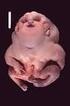 Genetic Mutations Cause Many Birth Defects: What We Learned from the FORGE Canada Project Jan M. Friedman, MD, PhD University it of British Columbia Vancouver, Canada I have no conflicts of interest related
23. TERATOGENS AND THEIR EFFECTS
 23. TERATOGENS AND THEIR EFFECTS Wendy Chung, M.D. Ph.D. Telephone: 851-5313 e-mail: [email protected] SUMMARY A congenital malformation is an anatomical or structural abnormality present at birth. Congenital
Occupational Noise Induced Hearing Loss
 Occupational Noise Induced Hearing Loss M Baxter FRACS SISA Adelaide June 2014 ENT in Personal Injury Claims EAR Hearing Loss -main, Dizziness Nose Injuries ->cosmesis,breathing: Loss of sense of smell:
Cerebral palsy, neonatal death and stillbirth rates Victoria, 1973-1999
 Cerebral Palsy: Aetiology, Associated Problems and Management Lecture for FRACP candidates July 2010 Definitions and prevalence Risk factors and aetiology Associated problems Management options Cerebral
Transient Hypogammaglobulinemia of Infancy. Chapter 7
 Transient Hypogammaglobulinemia of Infancy Chapter 7 An unborn baby makes no IgG (antibody) and only slowly starts producing it after birth. However, starting at about the sixth month of pregnancy, the
Genetic Mutations. Indicator 4.8: Compare the consequences of mutations in body cells with those in gametes.
 Genetic Mutations Indicator 4.8: Compare the consequences of mutations in body cells with those in gametes. Agenda Warm UP: What is a mutation? Body cell? Gamete? Notes on Mutations Karyotype Web Activity
Unilateral (Hearing Loss in One Ear) Hearing Loss Guidance
 Unilateral (Hearing Loss in One Ear) Hearing Loss Guidance Indiana s Early Hearing Detection and Intervention Program Before universal newborn hearing screening, most children with unilateral hearing loss
F r e q u e n t l y A s k e d Q u e s t i o n s
 Myasthenia Gravis Q: What is myasthenia gravis (MG)? A: Myasthenia gravis (meye-uhss- THEEN-ee-uh GRAV uhss) (MG) is an autoimmune disease that weakens the muscles. The name comes from Greek and Latin
Neonatal Hypotonia. Clinical Approach to Floppy Baby
 Neonatal Hypotonia Clinical Approach to Floppy Baby Hypotonia in the newborn is a common presenting feature of systemic illness or neurologic dysfunction at any level of the central or peripheral nervous
Heritability: Twin Studies. Twin studies are often used to assess genetic effects on variation in a trait
 TWINS AND GENETICS TWINS Heritability: Twin Studies Twin studies are often used to assess genetic effects on variation in a trait Comparing MZ/DZ twins can give evidence for genetic and/or environmental
Section 4. Hearing loss and hearing tests
 Section 4 Hearing loss and hearing tests How we hear Outer Ear Middle Ear Inner Ear 4. 7. 8. 1. 3. 6. 2. 5. 1. 2. 3. 4. 5. 6. 7. 8. Ear canal Ear drum Middle ear cavity Middle ear bones the malleus, incus,
1 Cornea 6 Macula 2 Lens 7 Vitreous humor 3 Iris 8 Optic disc 4 Conjunctiva 9 Ciliary muscles 5 Sclera 10 Choroid
 Anatomy and Physiology Quiz 1 Sample Question Answers Use the following table to answer Questions 1 2. 1 Cornea 6 Macula 2 Lens 7 Vitreous humor 3 Iris 8 Optic disc 4 Conjunctiva 9 Ciliary muscles 5 Sclera
Understanding Hearing Loss 404.591.1884. www.childrensent.com
 Understanding Hearing Loss 404.591.1884 www.childrensent.com You just found out your child has a hearing loss. You know what the Audiologist explained to you, but it is hard to keep track of all the new
CRISIS COVER CLAIM FORM (DEAFNESS/ PARTIAL LOSS OF HEARING OR CAVERNOUS SINUS THROMBOSIS SURGERY/ COCHLEAR IMPLANT SURGERY) SECTION
 Reg. No 199002477Z CRISIS COVER CLAIM FORM (DEAFNESS/ PARTIAL LOSS OF HEARING OR CAVERNOUS SINUS THROMBOSIS SURGERY/ COCHLEAR IMPLANT SURGERY) SECTION 1 This section is to be completed by the Life Assured
SPINAL STENOSIS Information for Patients WHAT IS SPINAL STENOSIS?
 SPINAL STENOSIS Information for Patients WHAT IS SPINAL STENOSIS? The spinal canal is best imagined as a bony tube through which nerve fibres pass. The tube is interrupted between each pair of adjacent
8.Audiological Evaluation
 8. A U D I O L O G I C A L E V A L U A T I O N 8.Audiological Evaluation The external ear of the child with Progeria Behavioral testing for assessing hearing thresholds Objective electrophysiologic tests
Genetic Testing in Research & Healthcare
 We Innovate Healthcare Genetic Testing in Research & Healthcare We Innovate Healthcare Genetic Testing in Research and Healthcare Human genetic testing is a growing science. It is used to study genes