
CURRENT HEALTH SCENARIO IN RURAL INDIA
|
|
|
- Mercy Flowers
- 10 years ago
- Views:
Transcription
1 Aust. J. Rural Health (2002) 10, Blackwell Science, Ltd Original Article CURRENT HEALTH SCENARIO IN RURAL INDIA Ashok Vikhe Patil, 1 K. V. Somasundaram 2 and R. C. Goyal 2 1International Association of Agricultural Medicine and Rural Health and 2 Department of Community Medicine, Rural Medical College of Pravara Medical Trust, Maharashtra, India ABSTRACT: India is the second most populous country of the world and has changing socio-politicaldemographic and morbidity patterns that have been drawing global attention in recent years. Despite several growthorientated policies adopted by the government, the widening economic, regional and gender disparities are posing challenges for the health sector. About 75% of health infrastructure, medical man power and other health resources are concentrated in urban areas where 27% of the population live. Contagious, infectious and waterborne diseases such as diarrhoea, amoebiasis, typhoid, infectious hepatitis, worm infestations, measles, malaria, tuberculosis, whooping cough, respiratory infections, pneumonia and reproductive tract infections dominate the morbidity pattern, especially in rural areas. However, non-communicable diseases such as cancer, blindness, mental illness, hypertension, diabetes, HIV/AIDS, accidents and injuries are also on the rise. The health status of Indians, is still a cause for grave concern, especially that of the rural population. This is reflected in the life expectancy (63 years), infant mortality rate (80/1000 live births), maternal mortality rate (438/ live births); however, over a period of time some progress has been made. To improve the prevailing situation, the problem of rural health is to be addressed both at macro (national and state) and micro (district and regional) levels. This is to be done in an holistic way, with a genuine effort to bring the poorest of the population to the centre of the fiscal policies. A paradigm shift from the current biomedical model to a sociocultural model, which should bridge the gaps and improve quality of rural life, is the current need. A revised National Health Policy addressing the prevailing inequalities, and working towards promoting a long-term perspective plan, mainly for rural health, is imperative. KEY WORDS: commercialisation of health, communicable diseases, health infrastructure, health policy, health seeking behaviour, rural health. INTRODUCTION India is drawing the world s attention, not only because of its population explosion but also because of its prevailing as well as emerging health profile and profound political, economic and social transformations. After 54 years of independence, a number of urban and growth-orientated developmental programs having Correspondence: Dr Ashok Vikhe Patil, President: International Association of Agricultural Medicine and Rural Health, c/o Pravara Medical Trust, Loni , Ahmednagar District, Maharashtra, India. s: [email protected] or [email protected] Accepted for publication January been implemented, nearly 716 million rural people (72% of the total population), half of which are below the poverty line (BPL) continue to fight a hopeless and constantly losing battle for survival and health. The policies implemented so far, which concentrate only on growth of economy not on equity and equality, have widened the gap between urban and rural and haves and have-nots. Nearly 70% of all deaths, and 92% of deaths from communicable diseases, occurred among the poorest 20% of the population. However, some progress has been made since independence in the health status of the population; this is reflected in the improvement in some health indicators. Under the cumulative impact of various measures and a host of national programs for livelihood, nutrition and

2 130 AUSTRALIAN JOURNAL OF RURAL HEALTH shelter, life expectancy rose from 33 years at Independence in 1947 to 62 years in Infant mortality declined from 146/1000 live births in 1961 to 72/1000 in The under 5 years mortality rate (U5MR) declined from 236/1000 live births in 1960 to 109/1000 in Interstate, regional, socioeconomic class, and gender disparities remain high. These achievements appear significant, yet it must be stressed that these survival rates in India are comparable even today only to the poorest nations of sub-saharan Africa. The rural populations, who are the prime victims of the policies, work in the most hazardous atmosphere and live in abysmal living conditions. Unsafe and unhygienic birth practices, unclean water, poor nutrition, subhuman habitats, and degraded and unsanitary environments are challenges to the public health system. The majority of the rural population are smallholders, artisans and labourers, with limited resources that they spend chiefly on food and necessities such as clothing and shelter. They have no money left to spend on health. The rural peasant worker, who strives hard under adverse weather conditions to produce food for others, is often the first victim of epidemics. This present paper attempts to review critically the current health status of India, with a special reference to the vast rural population of the beginning of the twentyfirst century. HEALTH PRACTICES AND PROBLEMS IN RURAL INDIA Rural people in India in general, and tribal populations in particular, have their own beliefs and practices regarding health. Some tribal groups still believe that a disease is always caused by hostile spirits or by the breach of some taboo. They therefore seek remedies through magicoreligious practices. On the other hand, some rural people have continued to follow rich, undocumented, traditional medicine systems, in addition to the recognised cultural systems of medicine such Ayurveda, unani, siddha and naturopathy, to maintain positive health and to prevent disease. However, the socioeconomic, cultural and political onslaughts, arising partly from the erratic exploitation of human and material resources, have endangered the naturally healthy environment (e.g. access to healthy and nutritious food, clean air and water, nutitious vegetation, healthy life styles, and advantageous value systems and community harmony). The basic nature of rural health problems is attributed also to lack of health literature and health consciousness, poor maternal and child health services and occupational hazards. The majority of rural deaths, which are preventable, are due to infections and communicable, parasitic and respiratory diseases. Infectious diseases dominate the morbidity pattern in rural areas (40% rural: 23.5% urban). Waterborne infections, which account for about 80% of sickness in India, make every fourth person dying of such diseases in the world, an Indian. Annually, 1.5 million deaths and loss of 73 million workdays are attributed to waterborne diseases. 2 Three groups of infections are widespread in rural areas, as follows. 1. Diseases that are carried in the gastrointestinal tract, such as diarrhoea, amoebiasis, typhoid fever, infectious hepatitis, worm infestations and poliomyelitis. About 100 million suffer from diarrhoea and cholera every year Diseases that are carried in the air through coughing, sneezing or even breathing, such as measles, tuberculosis (TB), whooping cough and pneumonia. Today there are 12 million TB cases (an average of 70%). Over 1.2 million cases are added every year and cases of measles are reported every year Infections, which are more difficult to deal with, include malaria, filariasis and kala-azar. These are often the result of development. Irrigation brings with it malaria and filariasis, pesticide use has produced a resistant strain of malaria, the ditches, gutters and culverts dug during the construction of roads, and expansion of cattle ranches, for example, are breeding places for snails and mosquitoes. About 2.3 million episodes and over 1000 malarial deaths occur every year in India. 3 An estimated 45 million are carriers of microfilaria, 19 million of which are active cases and 500 million people are at risk of developing filaria. 3 Every third person in the world suffering from leprosy is an Indian. (Nearly 1.2 million cases of leprosy, with cases being added to this figure every year. 4 ) Malnutrition is one of the most dominant health related problems in rural areas. There is widespread prevalence of protein energy malnutrition (PEM), anaemia, vitamin A deficiency and iodine deficiency. Nearly 100 million children do not get two meals a day. More than 85% of rural children are undernourished ( die every year). 1 A recent survey by the Rural Medical College, Loni (unpublished data), in the villages of Maharashtra State, which is one of the progressive states, has revealed some alarming facts. Illness and deaths related to pregnancy and childbirth are predominant in the rural areas, due to the following.

3 RURAL HEALTH IN INDIA: A. V. PATIL Very early marriage: 72.5% of women aged years marry before 18, where the literacy rate is 80%. 2. Very early pregnancy: 75% married women had their first pregnancy below 18 years of age. 3. All women invariably do hard physical work until late into their pregnancy. 4. Fifty-one per cent of deliveries are conducted at home by an untrained traditional birth attendant. 5. Only 28% of pregnant women had their antenatal checkup before 16 weeks of pregnancy. 6. Only 67% of pregnant women had complete antenatal checks (minimum of three checkups). 7. Only 30% of women had postnatal checkups. In addition, agricultural- and environment-related injuries and diseases are all quite common in rural areas, for example: mechanical accidents, pesticide poisoning, snake, dog and insect bites, zoonotic diseases, skin and respiratory diseases; oral health problems; sociopsychological problems of the female, geriatric and adolescent population; and diseases due to addictions. The alarming rate of population growth in rural areas nullifies all developmental efforts. The rural population, which was 299 million in 1951, passed 750 million in May Since 1951, the government has been attempting through vertical and imported programs to combat the problems, but to no avail. However, the new National Population Policy gave emphasis to an holistic approach; for example, improvement in quality of life for all, no gender bias in education, employment, child survival rates, sound social security, promotion of culturally and socially acceptable family welfare methods. Two distinct types of health status have been in evidence. The rural urban divide depicted in Table 1, helps in understanding the health status of rural people, which is far behind their urban counterparts. There are also other divides such as rich poor, male female, educated uneducated, north south, privileged under privileged, etc. HEALTH POLICY AND INFRASTRUCTURE FOR RURAL AREAS Inappropriate The selective health intervention during the colonial period resulted in the so-called modern medicine in India. After independence, the state has chosen to follow these western models. This system, which is highly selective, institutionalised, centralised and top down not by oversight but by design and which treats people as objects rather than subjects, has failed to address the needs of the majority, that is to say, the rural poor and indigenous people. While a significant portion of the country s medical needs, especially in rural areas, have been attended to by the indigenous health systems such as Ayurveda, homeopathy, unani, naturopathy and folk medicine, it has been conveniently neglected by the policy makers, and planners. The draft of the new National Health Policy 2001, has also not given due importance to Indian systems of medicine. The concept of a family physician with social accountability, which has traditional roots and acceptance from the rural masses, has diminished with the existing policies and value systems. TABLE 1: The disparity of rural and urban health in India Sector Indicator Rural Urban Combined Ref. year 1 Population (million) Birth rate Death rate IMR MMR (per ) Stillbirth rate % Deliveries attended by untrained people 8 % Deaths attended by untrained people 9 Total fertility rate % children (12 23 months) who received all vaccinations Source: Sample Registration System, Government of India, (reproduced with permission).

4 132 AUSTRALIAN JOURNAL OF RURAL HEALTH The present westernised hospital-based medical education and training, which is supported by public funding, has proved beyond doubt that new doctors are not inclined to and capable of meeting the needs of the majority of the public (i.e. rural people), which is where their services are most required. A recent study conducted by the Rural Medical College (unpublished data) on the involvement of general practitioners, has revealed the following facts: 1. 80% of general practitioners practice western medicine (allopathic medicine) without proper training % consider cost to be the most important factor when prescribing a drug, without considering pharmacological properties % were aware of the Government-run Primary Health Center (PHC) or village subcentres without knowing the names of the medical officer at the PHC; half (53%) do not know the health workers in their own area. 4. About 67% had knowledge of various national health programs but only 33% participated. 5. Over 68% received information regarding the health programs through the media, and only 28% received information through public health staff. 6. About 74% provide family planning services, mainly oral contraceptives and condoms. General practitioners do provide services to pregnant women (65%), but only 35% registered them. 7. Almost all general practitioners routinely handle cases of diarrhoea, but only 29% know the exact composition of oral dehydration solution (ORS); amazingly, none knew the right method to prepare the ORS packet. While the current need for rural areas is medical and paramedical manpower, such as social physicians, public health nurses and midwives and paramedical workers (e.g. laboratory technicians, rural health and sanitation workers, health literacy educators, population educators, community health guides, community oral health guides), the country has been concentrating on producing specialist doctors. Some of the rural health technologies propagated are inappropriate, such as ORS packets instead of locally available water and cooked cereals, sugar salt solution and herbal teas, which are culturally accepted by the community. Though the concept of primary health care is appropriate to rural areas, it remained sound on paper only because of the deliberate attempts of health professionals. The present system has not left any scope for the involvement of the community, nor for grassroots level health workers to take ownership of the programs and integrate them with overall development. The concept of placing a community-selected person from the village, and providing them with essential training so that the community can cope more effectively with its health problems, was the centrepiece of the PHC. As a result, the basic requirements of decentralised peoplebased, integrated curative, preventive and promotive services have been totally undermined by the vertical programs. 6 INEQUALITY AND INADEQUACY It is unfortunate that while the incidence of all diseases are twice higher in rural than in urban areas, the rural people are denied access to proper health care, as the systems and structures were built up mainly to serve the better off (Table 2). While the urban middle class in India have ready access to health services that compare with the best in the world, even minimum health facilities are not available to at least 135 million of rural and tribal people, and wherever services are provided, they are inferior. While the TABLE 2: Health infrastructure: urban versus rural Rural Urban Total Year Hospitals 3968 (31%) 7286 (69%) Beds (20%) (80%) Dispensaries (40%) (60%) Doctors All systems % allopathy 25% 75% 38% Source: Duggal R. Health Care Budgets in a Changing Political Economy. Economic and Political Weekly May 1997:

5 RURAL HEALTH IN INDIA: A. V. PATIL 133 TABLE 3: Patterns of health sector growth in India, Infrastructure n % rural n % rural Hospitals Hospital beds Dispensaries Source: Duggal R. Health Care Budgets in a Changing Political Economy. Economic and Political Weekly May 1997: health care of the urban population is provided by a variety of hospitals and dispensaries run by corporate, private, voluntary and public sector organisations, rural healthcare services, mainly immunisation and family planning, are organised by ill-equipped rural hospitals, primary health centres and subcentres. Much has been achieved in the last 54 years. The first landmark in official health policy of independent India was the acceptance of the Bhore Committee recommendations of 1946, which laid the foundations of comprehensive rural health services through the concept of primary health care. 7 Primary Health Centres were established in rural areas from 1952 onwards. The basic infrastructure is that one PHC covers of the population and one subcentre covers 5000 of the population. As of December 2000, there were 2935 Community Health Centers (CHC), PHC and subcentres to cater to the needs of nearly 650 million people. 8 It is unfortunate to note that due to regional imbalances, the type and quality of services being offered, adequacy and motivation of the staff, and shortage of TABLE 4: Pattern of public investment on health and rural health and Indian system of medicine and homeopathy (ISM and H) in different plan periods Five Year Plans Health Budget as % of Total Budget Outlay on PHC and Rural Health as % of total Health Budget Outlay on ISM and H as % of total Health Budget I ( ) II ( ) III ( ) Annual Plan ( ) 2.10 IV ( ) V ( ) VI ( ) VII ( ) 1.70 NA 1.27 VIII ( ) 1.60 NA NA NA, Data not available. Source: Mukhopadhyay A. State of India s Health, New Dehli: Voluntary Health Association of India, TABLE 5: Selected public health expenditure ratios, all India Health expenditure as % to total government expenditure Expenditure on medical care as % of total health expenditure Expenditure on disease programs as % of total health expenditure Source: Duggal R. Health Care Budgets in a Changing Political Economy. Economic and Political Weekly May 1997:

6 134 AUSTRALIAN JOURNAL OF RURAL HEALTH supplies in the Centres have attributed to gross underutilisation of the infrastructure. It is obvious that there is a marked concentration of health personnel to maintain the heavy structures, in the urban areas. Of the 1.1 million registered medical practitioners of various medical systems, over 60% are located in urban areas. In the case of modern system (allopathic) practitioners, as many as 75% are in cities. 9 As a result, a large number of unqualified people (quacks) have set up medical practice in rural areas, and the rural population as a result exerts pressure on urban facilities. Curative care, which is the main demand of rural people, has been ignored in terms of investment and allocation. In addition, the percentage share of health infrastructure for rural areas has declined from 1951 to 1993 (Table 3). 10 INADEQUATE PUBLIC HEALTH EXPENDITURE AND MISALLOCATION OF PUBLIC MONEY The total expenditure on health in India is estimated as 5.2% of the GDP; public health investment is only 0.9%, which is by far too inadequate to meet the requirements of poor and needy people. 10 Successive 5-year plans allocated less and less (in terms of per cent of total budget) to health. A major share of the public health budget is spent on family welfare. While 75% of India s population lives in rural areas, less than 10% of the total health budget is allocated to this sector. Even here the chief interest of the primary health care is diverted to family planning and ancillary vertical national programs such as child survival and safe motherhood (CSSM) which are seen more as statistical targets than as health services. According to one study, 85% of the PHC budget goes on personnel salaries. 11 The lack of commitment to provide health care for its citizens is reflected in the inadequacy of the health infrastructure and low levels of financing, and also in declining support for the various healthcare demands of the people; especially since the 1980s, when the process of liberalisation and opening up of the Indian economy to the world markets began. Medical care and control of communicable diseases are crucial areas of concern, both in terms of what people demand as priorities as well as what existing socioeconomic conditions demand. Along with overall public health spending, allocations to both these subsectors also showed a declining trend in the 1980s and 1990s (Table 5). 11 In the case of medical research, a similar trend is observed. While 20% of research grants are allocated to studies on cancer, which is responsible for 1% of deaths, less than 1% is provided for research in respiratory diseases, which accounts for 20% of deaths. GROWING COMMERCIALISATION OF HEALTH The disillusionment and frustration with the growing ineffectiveness of the government sector is gradually driving poor people to seek help of the private sector, thus forcing them to spend huge sums of money on credit, or they are left to the mercy of quacks. While estimates vary, the government probably accounts for no more than 20 30% of total health spending. The share of the private sector has grown from 14% in 1976 to 67% in About 67% of all hospitals, 63% of all dispensaries and 78% of all doctors in India are in the private/corporate sector. Much has been experienced and written on the growing privatisation and commercialisation of the medical practices and their links with drug and medical instrument manufacturers. 12 While WHO recommends about 130 essential drugs, as many as 4000 drugs are available on the Indian market. Due to this, buying healthcare has gone beyond the reach of the rural poor. Two recent all-india surveys (NSSO 46th round and NCAER, New Delhi), have shown that medical treatment is the most important cause of rural indebtedness, next only to dowry. 12 A recent study conducted by the undergraduate medical students of the Rural Medical College, Loni (unpublished data), on the expenditure pattern of rural families, reveals the following facts % of families spend 60% of their annual income on health % of the amount spent on health is on curative and emergency care. 3. Invariably, men receive preferential treatment (56% of the expenditure). 4. Adolescents and the elderly are neglected (14% of expenditure). 5. Poor families spend a higher percentage of their income on health than do the rich, as they are forced to use the services of the private sector because the public sector is ill-equipped and unaccountable. While a number of health insurance schemes are available to the urban sector, the unorganised rural masses that do not have insurance coverage are driven into the arms of the exploitative private sector.

7 RURAL HEALTH IN INDIA: A. V. PATIL 135 STRUCTURAL ADJUSTMENT PROGRAMS AND RURAL HEALTH While the 1980s saw the beginning of liberalisation and privatisation of the Indian economy, the 1990s have accelerated the pace under the umbrella of SAP. Today, the availability of drugs is inadequate in all of the PHC, SC and hospitals that have been set up by the government over the years. There is thus an infrastructure lying unused merely because of the sharp cutback in public expenditure on health, and the focus on privatisation of health services. This affects severely the poorest of the population. It obviously denies the basic fundamental right for essential health care and also forces rural poor to revert to social taboos and resort to harmful healthseeking behaviours ( quacks, witch doctors and illegal medical practitioners). The negative impact of SAP as a long-term solution to poverty in rural areas of India has been well documented. 13 CONCLUSION The magical year of 2000 AD has come to an end. Health for all by 2000 AD remains as a distant mirage and the slogan has been rephrased as Health for all in 21st Century. Primary health care, as a paradigm, has been lost on the way. The failure of the Alma Ata Declaration in fulfilling its objectives to shift resources from urban to rural scene, reiterates the urgency of looking for alternative strategies at the national and local level. To improve the prevailing situation, the problem of rural health is to be addressed both at the macro (national and state) and micro level (district and regional), in a holistic way, with genuine efforts to bring the poorest of the population to the centre of the fiscal policies. A paradigm shift from the current biomedical model to a sociocultural model is required, to meet the needs of the rural population. A comprehensive revised National Health Policy addressing the existing inequalities, and work towards promoting a long-term perspective plan exclusively for rural health is the current need. REFERENCES 1 Mukhopadhyay A, Srinivasan R, Bose A et al. Recommendations of Independent Commission on Health in India. New Dehli: Voluntary Health Association of India, Park K. Communicable diseases. In: Banot B (ed) Park s Text Book of Preventive and Social Medicine, 16th edn. Jabalpur: Banarsidas Bhanot, 2000: Deodhar NS. Health Situation in India: 2001, 1st edn. New Delhi: Voluntary Health Association of India, Government of India. Ministry of Health and Family Welfare, Annual Report, New Delhi: Government of India Press, Government of India. Ministry of Health and Family Welfare. National Population Policy. New Delhi: Government of India Press, WHO. The World Health Report Conquering Suffering, Enriching Humanity. Geneva: World Health Organisation, Rafkin, Susan B. Paradigm lost toward a new understanding of community participation in health programmes. Link 1996; 14: 2. 8 Government of India. Report of the Health Survey and Development Committee. Simla: Government of India Press, Government of India. Ministry of Health and Family Welfare, Annual Report, New Delhi: Government of India Press, Government of India. Bulletin on Rural Health Statistics in India, December New Dehli: Rural Health Division, Ministry of Health and Family Welfare, Health Issues in the Parliament. Rajya Starred Question No. 489, 27 August Health for Million, Voluntary Health Association of India, 2000; 27: Duggal R. Health Care Budgets in a Changing Political Economy. Economic and Political Weekly May 1997: Ghosh A. Health Care and Globalization Case for Selective Approach. Economic and Political Weekly 24 February Balasubramaniam K. Structural Adjustment Programs and Privatization of Health. LINK (Newsletter of the Asian Community Health Action Network) 1996; 14: Mukhopadhyay A. State of India s Health, New Dehli: Voluntary Health Association of India, 1999.

cambodia Maternal, Newborn AND Child Health and Nutrition
 cambodia Maternal, Newborn AND Child Health and Nutrition situation Between 2000 and 2010, Cambodia has made significant progress in improving the health of its children. The infant mortality rate has
HEALTH TRANSITION AND ECONOMIC GROWTH IN SRI LANKA LESSONS OF THE PAST AND EMERGING ISSUES
 HEALTH TRANSITION AND ECONOMIC GROWTH IN SRI LANKA LESSONS OF THE PAST AND EMERGING ISSUES Dr. Godfrey Gunatilleke, Sri Lanka How the Presentation is Organized An Overview of the Health Transition in Sri
Health, history and hard choices: Funding dilemmas in a fast-changing world
 Health, history and hard choices: Funding dilemmas in a fast-changing world Thomson Prentice Global Health Histories Health and Philanthropy: Leveraging change University of Indiana, August 2006 An embarrassment
GENDER AND DEVELOPMENT. Uganda Case Study: Increasing Access to Maternal and Child Health Services. Transforming relationships to empower communities
 GENDER AND DEVELOPMENT Uganda Case Study: Increasing Access to Maternal and Child Health Services The Context World Vision has been active in working with local communities to increase access to health
ORAL HEALTH CARE DELIVERY SYSTEMS IN INDIA: AN OVERVIEW
 ORAL HEALTH CARE DELIVERY SYSTEMS IN INDIA: AN OVERVIEW *Kumar Sumit 1, Sandeep Kumar 2, Ashrita Saran 1 and Felita Sharal Dias 3 1 Department of Public Health, Manipal University 2 Department of Public
The Role of International Law in Reducing Maternal Mortality
 The Role of International Law in Reducing Maternal Mortality K. Madison Burnett * Safe motherhood is a human rights issue The death of a woman during pregnancy or childbirth is not only a health issue
SUMMARY- REPORT on CAUSES of DEATH: 2001-03 in INDIA
 SUMMARY- REPORT on CAUSES of DEATH: 2001-03 in INDIA Background: Long-term mortality measurement by cause, gender and geographic area has been the requirement of every country. With this in view, Medical
The Burgeoning Public Health Crisis: Demand Analysis and Market Opportunity for Advanced Trauma Systems in the Developing World
 The Burgeoning Public Health Crisis: Demand Analysis and Market Opportunity for Advanced Trauma Systems in the Developing World Globally, the causes of mortality will experience significant shifts over
Summary. Accessibility and utilisation of health services in Ghana 245
 Summary The thesis examines the factors that impact on access and utilisation of health services in Ghana. The utilisation behaviour of residents of a typical urban and a typical rural district are used
Connection with other policy areas and (How does it fit/support wider early years work and partnerships)
 Illness such as gastroenteritis and upper respiratory tract infections, along with injuries caused by accidents in the home, are the leading causes of attendances at Accident & Emergency and hospitalisation
PRIVATE MEDICAL PRACTITIONERS ASSOCIATION
 PRIVATE MEDICAL PRACTITIONERS ASSOCIATION AN INTRODUCTION AND HISTORY A non governmental representative body. Representative body of millions of experienced doctors. Giving their services in deep rural
Pakistan Demographic and Health Survey 2006-07
 Education Most Pakistani Women Lack Any Education Only one in three ever-married women ages 15-49 in Pakistan has any education. Most women never learn how to read. The new Demographic and Health Survey
 You can get more information about TB from the following: Local Public Health Nurse Community Clinic Nurse Communicable Disease Control Nurse Your Family or Community Doctor Your Infection Control Practitioner
MATERNAL AND CHILD HEALTH
 MATERNAL AND CHILD HEALTH 9 George Kichamu, Jones N. Abisi, and Lydia Karimurio This chapter presents findings from key areas in maternal and child health namely, antenatal, postnatal and delivery care,
SRI LANKA SRI LANKA 187
 SRI LANKA 187 List of Country Indicators Selected Demographic Indicators Selected demographic indicators Child Mortality and Nutritional Status Neonatal, infant and under-five mortality rates: trends Distribution
Part 4 Burden of disease: DALYs
 Part Burden of disease:. Broad cause composition 0 5. The age distribution of burden of disease 6. Leading causes of burden of disease 7. The disease and injury burden for women 6 8. The growing burden
INDICATOR REGION WORLD
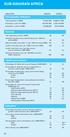 SUB-SAHARAN AFRICA INDICATOR REGION WORLD Demographic indicators Total population (2005) 713,457,000 6,449,371,000 Population under 18 (2005) 361,301,000 2,183,143,000 Population under 5 (2005) 119,555,000
GLOBAL HEALTH ESSENTIAL CORE COMPETENCIES
 GLOBAL HEALTH ESSENTIAL CORE COMPETENCIES All medical graduates should understand the major factors that influence the health of individuals and populations worldwide. They should have a basic understanding
INDICATOR REGION WORLD
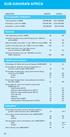 SUB-SAHARAN AFRICA INDICATOR REGION WORLD Demographic indicators Total population (2006) 748,886,000 6,577,236,000 Population under 18 (2006) 376,047,000 2,212,024,000 Population under 5 (2006) 125,254,000
MATARA. Geographic location 4 (2006-07) Distribution of population by wealth quintiles (%), 2006-07 27.3 21.4 12.9 23.7 14.8. Source: DHS 2006-07
 Ministry of Health MATARA DEMOGRAPHICS Total population 822, (28) L and area (Sq. Km) 1,27 (26) under-five (%) 9.2 (26-7) 1 Females in reproductive age group (%) 2 5.1 (26-7) 1 Estimated housing units
Goal 1: Eradicate extreme poverty and hunger. 1. Proportion of population below $1 (PPP) per day a
 Annex II Revised Millennium Development Goal monitoring framework, including new targets and indicators, as recommended by the Inter-Agency and Expert Group on Millennium Development Goal Indicators At
Chapter 4. Priority areas in health research. Section 1 Burden of disease 1998 in low- and middle-income and in high-income countries
 Chapter 4 Priority areas in health research Section 1 Burden of disease 1998 in low- and middle-income and in high-income countries Section 2 Recommendation of priority research areas from various approaches
NATIONAL HEALTH POLICY
 THE UNITED REPUBLIC OF TANZANIA MINISTRY OF HEALTH NATIONAL HEALTH POLICY MINISTRY OF HEALTH OCTOBER, 2003 LIST OF CONTENTS PAGE. Foreword. iii Acknowledgement. iv 1.0 INTRODUCTION 1 1.1. Health Sector
First Global Ministerial Conference on Healthy Lifestyles and Noncommunicable Disease Control Moscow, 28-29 April 2011 MOSCOW DECLARATION PREAMBLE
 First Global Ministerial Conference on Healthy Lifestyles and Noncommunicable Disease Control Moscow, 28-29 April 2011 MOSCOW DECLARATION PREAMBLE We, the participants in the First Global Ministerial Conference
WaterPartners International Project Funding Proposal: Gulomekeda and Ganta-afeshum, Ethiopia
 WaterPartners International Project Funding Proposal: Gulomekeda and Ganta-afeshum, Ethiopia Project Summary: Location: Eastern Region of the Tigray Regional State Number of Individual Beneficiaries: 1,720
 This is one of a series of flipcharts on these topics : Ante Natal Care, Post Natal Care, Child Health, Child Nutrition, Family Spacing, HIV&AIDS, Tuberculosis, Malaria Tuberculosis About the flipchart
Classification of Health Expenditures by Function
 Health Budget Tracking System Classification of Health Expenditures by Function RTI 5875-001-003 Prepared for Data for Decision Making Project United States Agency for International Development DPI-5991-A-00-1052-00
Maternal and Neonatal Health in Bangladesh
 Maternal and Neonatal Health in Bangladesh KEY STATISTICS Basic data Maternal mortality ratio (deaths per 100,000 births) 320* Neonatal mortality rate (deaths per 1,000 births) 37 Births for women aged
MEDICAL AND PUBLIC HEALTH
 Introduction MEDICAL AND PUBLIC HEALTH The Health Care in the Union Territory of Puducherry has been delivered through a network of 8 major Hospital, 4 CHCs, 39 PHCs, 77 Sub-Centres, 14 ESI Dispensaries
VII. IMPACT ON THE HEALTH SECTOR
 VII. IMPACT ON THE HEALTH SECTOR The HIV/AIDS epidemic has posed and will continue to pose tremendous challenges to the health systems of the developing countries, especially in the most severely affected
FOCUSING RESOURCES ON EFFECTIVE SCHOOL HEALTH:
 FOCUSING RESOURCES ON EFFECTIVE SCHOOL HEALTH: a FRESH Start to Enhancing the Quality and Equity of Education. World Education Forum 2000, Final Report To achieve our goal of Education For All, we the
RE: NGO Information on Ghana for the Universal Periodic Review 2008. Key words: women s rights, maternal mortality, reproductive health, abortion
 Koma Jehu-Appiah Country Director Ipas Ghana PMB CT 193 Cantonments, Accra, Ghana email: [email protected] The Human Rights Council OHCHR Civil Society Unit Ms. Laura Dolci-Kanaan NGO Liaison Officer Geneva,
Central African Republic Country brief and funding request February 2015
 PEOPLE AFFECTED 2 700 000 affected with 2,000,000 target by Humanitarian response 1 472 000 of those in need, targeted for health service support by WHO 430 000 internally displaced 426 000 refugees HEALTH
Borderless Diseases By Sunny Thai
 Borderless Diseases By Sunny Thai Millennium Development Goal #6 6. Combat HIV/AIDS, malaria and other borderless diseases. A. Halt and begin reversing spread of HIV by 2015. B. Achieve universal access
Annex - Resolution 1 Declaration: Together for humanity
 Annex - Resolution 1 Declaration: Together for humanity Gathered in Geneva for the 30th International Conference of the Red Cross and Red Crescent, we, the members of this Conference, have focused on the
Max Foundation plan 2014-2016
 Max Foundation plan 2014-2016 Page1 Content 1. Introduction 3 2. Goal 4 3. Our values 5 4. How we work 6 5. Max-WASH approach 7 6. Were we work 9 7. Ambition 10 Page2 1. Introduction Max Foundation prevents
Important Issues on Ageing in India Recommendations To Planning Commission- Will social improvements for elderly grow by 8 %?
 Important Issues on Ageing in India Recommendations To Planning Commission- Will social improvements for elderly grow by 8 %? HELPAGE INDIA Comparative Demographic Facts 25 21 21 20 % 15 10 8 12 India
CORRELATIONAL ANALYSIS BETWEEN TEENAGE PREGNANCY AND MATERNAL MORTALITY IN MALAWI
 CORRELATIONAL ANALYSIS BETWEEN TEENAGE PREGNANCY AND MATERNAL MORTALITY IN MALAWI Abiba Longwe-Ngwira and Nissily Mushani African Institute for Development Policy (AFIDEP) P.O. Box 31024, Lilongwe 3 Malawi
Nursing and midwifery actions at the three levels of public health practice
 Nursing and midwifery actions at the three levels of public health practice Improving health and wellbeing at individual, community and population levels June 2013 You may re-use the text of this document
Providing health care
 82 CHAPTER 10 Providing health care In any community, people become ill and require access to health care facilities and treatment. The problem may be physical, such as diarrhoea, fever or injury, or mental,
The Public Health Crisis in Kenya: and Economic Challenges
 The Public Health Crisis in Kenya: An Inside Perspective on the Medical and Economic Challenges Mark Weisburst, MD, MBA, FACC, FACP Stanford Medical School Hartford Hospital University of Hartford Business
Evidence-Based Practice for Public Health Identified Knowledge Domains of Public Health
 1 Biostatistics Statistical Methods & Theory Evidence-Based Practice for Public Health Identified Knowledge Domains of Public Health General Public Health Epidemiology Risk Assessment Population-Based
Global Child Health Equity Focused Strategies Kim Wilson, MD MPH Global Pediatric program Boston s children s hospital, Harvard Medical - child
 Global Child Health Equity Focused Strategies Kim Wilson, MD MPH Global Pediatric program Boston s children s hospital, Harvard Medical child survival and MDG targets chronic diseases and disability historical
Health for learning: the Care for Child Development package
 Health for learning: the Care for Child Development package Charlotte Sigurdson Christiansen, Technical Officer, Chiara Servili, Technical Officer, Tarun Dua, Medical Officer, and Bernadette Daelmans,
Women and Health biological medical social gender medical But women's health is more than a medical issue. health and human rights
 C H A P T E R Women and Health 1 1 There are obvious differences between male and female patterns of sickness and health. Not surprisingly, these arise in part from biological differences between the sexes.
Kenya National Bureau of Statistics, 2010 population census 2009 report.
 Background Kenya s child population is estimated to be about 53% that is about 19 million out of the 34 million with an annual growth rate of 2.2%. 1 Currently, there are several legislative milestones
NURSING IN EGYPT. Age. Female. Male EGYPT DEMOGRAPHICS PROFILE AGENDA. Net migration rate: -0.21 migrant(s)/1,000 population (2009 est.
 AGENDA Egyptian Society Demographics Major Problems in Egypt NURSING IN EGYPT Egyptian System facilities Human resources for health Prof. Dr. Effat El-Karmalawy 2010 Egyptian Education System Education
Girls education the facts
 Education for All Global Monitoring Report Fact Sheet October 2013 Girls education the facts Millions of girls around the world are still being denied an education PRIMARY SCHOOL: There are still 31 million
Yes, Tuberculosis is a serious problem all over the world. Between 6 and 10 million in South Africa are infected by the TB germ.
 What is TB? Do many people get tuberculosis (TB)? Yes, Tuberculosis is a serious problem all over the world. Between 6 and 10 million in South Africa are infected by the TB germ. It is infectious, so it
The Global Economic Cost of Cancer
 The Global Economic Cost of Cancer About the Global Economic Cost of Cancer Report Cancer is taking an enormous human toll around the world and is a growing threat in low- to middle-income countries.
Income is the most common measure
 Income Goal A healthy standard of living for all Income is the most common measure of socioeconomic status, and a strong predictor of the health of an individual or community. When assessing the health
Snapshot Report on Russia s Healthcare Infrastructure Industry
 Snapshot Report on Russia s Healthcare Infrastructure Industry According to UK Trade & Investment report, Russia will spend US$ 15bn in next 2 years to modernize its healthcare system. (Source: UK Trade
UGANDA HEALTH CARE SYSTEM
 UGANDA HEALTH CARE SYSTEM Community and Home based Rehabilitation Course Julius Kamwesiga KI May 2011 Objectives 1. Define a Health System 2. Describe how Ugandan Health care System is organized 3. Outline
South African Health Sector: Presented to Budget committee By Dr. Olive Shisana CEO Human Sciences Research Council
 South African Health Sector: Presented to Budget committee By Dr. Olive Shisana CEO Human Sciences Research Council Vision of the Department of Health An accessible, caring and high quality health care
COST OF HEALTH CARE- A STUDY OF UNORGANISED LABOUR IN DELHI. K.S.Nair*
 Health and Population -Perspectives and Issues: 24 (2): 88-98, 2001 COST OF HEALTH CARE- A STUDY OF UNORGANISED LABOUR IN DELHI K.S.Nair* ABSTRACT The study attempts to estimate the economic burden of
University of Maryland College Park School of Public Health
 In Focus: A Summary of the Asian American Community Group Reports Korean Community Needs Assessment Summary Report Research Team Maryland Asian American Health Solutions (MAAHS) University of Maryland
Since achieving independence from Great Britain in 1963, Kenya has worked to improve its healthcare system.
 Medical Management Plan Kenya OVERVIEW Company Mission Our mission is to encourage young people to volunteer for worthwhile work in developing countries. We expect that doing this kind of voluntary work
Gender inequalities in South African society
 Volume One - Number Six - August 2001 Gender inequalities in South African society South Africa's national policy framework for women's empowerment and gender equality, which was drafted by the national
MALARIA A MAJOR CAUSE OF CHILD DEATH AND POVERTY IN AFRICA
 MALARIA A MAJOR CAUSE OF CHILD DEATH AND POVERTY IN AFRICA CONTROLLING THE MALARIA BURDEN IN AFRICA KEY ACTIONS FOR UNICEF Strengthen UNICEF input to evidence-based antenatal services Forge partnership
Post-2015 Negotiation Briefs #8: Youth Friendly Services in Universal Health Coverage
 Post-2015 Negotiation Briefs #8: Youth Friendly Services in Universal Health Coverage Introduction Universal Health Coverage (UHC) is seen a key contributor to ensuring a healthy population and, in turn,
Health in the 2030 Agenda for Sustainable Development
 EXECUTIVE BOARD EB138/CONF./8 138th session 27 January 2016 Agenda item 7.2 Health in the 2030 Agenda for Sustainable Development Draft resolution proposed by Japan, Panama, South Africa, Thailand, United
150 7,114,974 75.8 -53-3.2 -3.6 -2.9. making progress
 Per 1 LB African Region Maternal and Perinatal Health Profile Department of Maternal, Newborn, Child and Adolescent Health (MCA/WHO) Demographics and Information System Health status indicators - Maternal
Improving mental health care through ehealth-grand Challenges Canada Grant
 Improving mental health care for young adults in Badakshan Province of Afghanistan using ehealth Survey Questionnaire for Facility based Health Providers To be conducted with Health Providers in both Intervention
117 4,904,773 -67-4.7 -5.5 -3.9. making progress
 Per 1 LB Eastern Mediterranean Region Maternal and Perinatal Health Profile Department of Maternal, Newborn, Child and Adolescent Health (MCA/WHO) Demographics and Information System Health status indicators
Southern Grampians & Glenelg Shires COMMUNITY PROFILE
 Southern Grampians & Glenelg Shires COMMUNITY PROFILE Contents: 1. Health Status 2. Health Behaviours 3. Public Health Issues 4. References This information was last updated on 14 February 2007 1. Health
PUBLIC HEALTH AND NUTRITION SECTOR OVERVIEW AND STRATEGIC APPROACH
 PUBLIC HEALTH AND NUTRITION SECTOR OVERVIEW AND STRATEGIC APPROACH Niger Cassandra Nelson/Mercy Corps An Overview The current state of global health presents a unique challenge. While there are many advances
Best Buys & Trained Monkeys
 & Trained Monkeys Associate Professor Ian Anderson Director Research Cooperative Research Centre Aboriginal Health Director: Centre for the Study of Health and Society & VicHealth Koori Health Research
Public Health Services
 Public Health Services FUNCTION The functions of the Public Health Services programs are to protect and promote the health and safety of County residents. This is accomplished by monitoring health status
The Contribution of Traditional Medicine in Treatment and Care in HIV/AIDS- The THETA Experience in Uganda
 The Contribution of Traditional Medicine in Treatment and Care in HIV/AIDS- The THETA Experience in Uganda THETA background information THETA is an acronym that stands for: Traditional and modern Health
68 3,676,893 86.7 -49-2.9 -3.2 -2.5. making progress
 Per 1 LB African Region Maternal and Perinatal Health Profile Department of Maternal, Newborn, Child and Adolescent Health (MCA/WHO) Demographics and Information System Health status indicators Maternal
Master of Hospital Administration (MHA) Syllabus
 Master of Hospital Administration (MHA) Syllabus Paper I Principles and Practice of Hospital Management and Administration Principles and practice of Management; Functions of Management; Management Techniques
The Situation of Children and Women in Iraq
 The Situation of Children and Women in Iraq Highlights from the Multiple Indicator Cluster Survey 4 (MICS 4) 2011 Demographics - Population of Iraq: 33.4 million - Children and Adolescents (0-18): 16.6
SOCIAL DEVELOPMENT. Social Development is equality of social opportunities - Amartya Sen, 1995
 SOCIAL DEVELOPMENT Social Development is the promotion of a sustainable society that is worthy of human dignity by empowering marginalised groups, women and men, to undertake their own development, to
Social Marketing and Breastfeeding
 Global Journal of Management and Business Studies. ISSN 2248-9878 Volume 3, Number 3 (2013), pp. 303-308 Research India Publications http://www.ripublication.com/gjmbs.htm Social Marketing and Breastfeeding
Sexual and reproductive health challenges facing young people
 Sexual and reproductive health challenges facing young people Shireen J Jejeebhoy, KG Santhya and R Acharya Population Council, New Delhi Lea Hegg Independent consultant, Reproductive Health United Nations
Second International Conference on Nutrition. Rome, 19-21 November 2014. Conference Outcome Document: Rome Declaration on Nutrition
 October 2014 ICN2 2014/2 Second International Conference on Nutrition Rome, 19-21 November 2014 Conference Outcome Document: Rome Declaration on Nutrition Welcoming the participation of Heads of State
Mississippi Public Health Timeline
 Mississippi Public Health Timeline Public health programs have changed considerably since the Mississippi Legislature established the State Board of Health in 1877. Shifts in health problems that affect
Description of contents of
 Description of contents of training program Competencies, modules, objectives & contents CABIS-IDA project Trnava 30.10.2011 2 Description of contents of training program Competencies, modules, objectives
Questions and Answers on Universal Health Coverage and the post-2015 Framework
 Questions and Answers on Universal Health Coverage and the post-2015 Framework How does universal health coverage contribute to sustainable development? Universal health coverage (UHC) has a direct impact
Healthy ageing and disease prevention: The case in South Africa and The Netherlands
 Healthy ageing and disease prevention: The case in South Africa and The Netherlands Sebastiana Kalula, 1 Ger Tielen 2 and Monica Ferreira 1 Medical advances, improved health care and prudent health behaviour
Objectives. What is undernutrition? What is undernutrition? What does undernutrition look like?
 Objectives Basics Jean-Pierre Habicht, MD, PhD Professor Division of Nutritional Sciences Cornell University Types and causes Determinants Consequences Global occurrence and progress Way forward What is
REPUBLIC OF THE CONGO
 For every child Health, Education, Equality, Protection ADVANCE HUMANITY UNICEF HUMANITARIAN ACTION REPUBLIC OF THE CONGO IN 2007 CORE COUNTRY DATA Population under 18 2153 (thousands) U5 mortality rate
AREAS OF FOCUS POLICY STATEMENTS
 ENGLISH (EN) AREAS OF FOCUS POLICY STATEMENTS With respect to the areas of focus policy statements, The Rotary Foundation notes that 1. The goals of the Foundation are to increase efficiency in grant processing
MYANMAR HEALTH CARE SYSTEM
 M MYANMAR HEALTH CARE SYSTEM yanmar health care system evolves with changing political and administrative system and relative roles played by the key providers are also changing although the Ministry of
Promoting Family Planning
 Promoting Family Planning INTRODUCTION Voluntary family planning has been widely adopted throughout the world. More than half of all couples in the developing world now use a modern method of contraception
COUNTRY REPORT: CAMBODIA Sophal Oum, MD, MTH, DrPH, Deputy Director-General for Health
 COUNTRY REPORT: CAMBODIA Sophal Oum, MD, MTH, DrPH, Deputy Director-General for Health I. ESTABLISHED PROFESSIONAL QUALIFICATIONS IN HEALTH, 2003 Sector Medical Service, Nursing, First Aid Medical Service
Against the Growing Burden of Disease. Kimberly Elmslie Director General, Centre for Chronic Disease Prevention
 Kimberly Elmslie Director General, Centre for Chronic Disease Prevention Chronic diseases are an increasing global challenge Most significant cause of death (63%) worldwide 1 Chronic diseases cause premature
Dimensions of Global Health
 Dimensions of Global Health James Plumb MD, MPH Francis Barchi MS, MBE DFCM - September - 2010 Global Health - Jefferson Global Health Working Group Inventory of current activities Courses Certificate
Dublin Declaration. on Partnership to fight HIV/AIDS in Europe and Central Asia
 Dublin Declaration on Partnership to fight HIV/AIDS in Europe and Central Asia Against the background of the global emergency of the HIV/AIDS epidemic with 40 million people worldwide living with HIV/AIDS,
NURSES AND ENVIRONMENTAL HEALTH
 NURSES AND ENVIRONMENTAL HEALTH CNA POSITION The environment is an important determinant of health and has a profound impact on why some people are healthy and others are not. 1 The Canadian Nurses Association
Health Security for All
 Health Security for All A joint partnership between Government of Jharkhand and ILO Sub Regional Office for South Asia, New Delhi Dr. Shivendu Ministry of Health, Family Welfare, Medical Education and
Medical Management Plan Togo
 Medical Management Plan Togo OVERVIEW Company Mission Our mission is to encourage young people to volunteer for worthwhile work in developing countries. We expect that doing this kind of voluntary work
These are illnesses which might not only spoil your holiday but might also pose a risk to your life.
 Travel Vaccinations Travel vaccinations are an essential part of holiday and travel planning, particularly if your journey takes you to an exotic destination or 'off the beaten track'. The risks are not
National Mental Health Commission Review of Mental Health Programs Australian Primary Health Care Nurses Association (APNA) April 2014
 National Mental Health Commission Review of Mental Health Programs Australian Primary Health Care Nurses Association (APNA) April 2014 For further information and comment please contact Kathy Bell, Chief
Global travel Health risk assessment. Dr Mike Causer Medical Director Occupational Health Europe
 Global travel Health risk assessment Dr Mike Causer Medical Director Occupational Health Europe Agenda Global travel health risk assessment Establish context Risk assessment Controlling health risks Business