
BEST PRACTICE GUIDELINES: EFFECTIVE SKIN AND WOUND MANAGEMENT OF NON-COMPLEX BURNS
|
|
|
- Julian Hill
- 10 years ago
- Views:
Transcription
1 I N TERN ATION A L B EST 3

2 FOREWORD Supported by an educational grant from B Braun This document is a practical guide to the management of burn injuries for healthcare professionals everywhere who are non-burns specialists. The views presented in this document are the work of the authors and do not necessarily reflect the opinions of B Braun. For further information about B Braun wound care products, please go to: With an emphasis on presenting hands-on and relevant clinical information, it focuses on the evaluation and management of non-complex burn injuries that are appropriate for treatment outside of specialist burns units. However, it also guides readers through the immediate emergency management of all burns and highlights the importance of correctly and expediently identifying complex wounds that must be transferred rapidly for specialist care. Finally, it looks at the ongoing management of newly healed burn wounds and postdischarge rehabilitation. Wounds International 2014 Published by Wounds International A division of Schofield Healthcare Media Limited Enterprise House 1 2 Hatfields London SE1 9PG, UK The document acknowledges the importance of continuous and integrated input from all members of the multidisciplinary team, where such a team exists, while recognising the role and resources of singlehanded and outreach generalists providing a complete care service. Although strategies vary within and between regions, this document seeks to present the essential key best practice principles that can be applied universally and adapted according to local knowledge and resources. To cite this document. International Best Practice Guidelines: Effective skin and wound management of noncomplex burns. Wounds International, Free download available from: EXPERT WORKING GROUP Bishara Atiyeh, Professor of Plastic and Reconstructive Surgery, Division of Plastic Surgery, American University of Beirut Medical Centre, Department of Surgery, Lebanon Juan P Barret, Head, Department of Plastic Surgery and Burns & Director, Burn Center/Face and Hand Transplantation Program & Professor of Surgery, Department of Surgery, University Hospital Vall d Hebron, Barcelona, Spain Professor Hu Dahai, Professor of Surgery, Department of Burns and Cutaneous Surgery, Xijing Hospital, The Fourth Military Medical University, Xi'an, PR China Professor Franck Duteille, Head of Plastic, Reconstructive and Aesthetic Surgery Unit and Burns Centre, CHU, Nantes, France Ann Fowler, Burns Outreach Senior Nurse Practitioner, Stoke Mandeville Hospital, UK Dr Stuart Enoch, Director of Education and Research, Doctors Academy Group, Cardiff, UK, Visiting Professor, Department of Biomedical Technology, Noorull Islam University, India Elizabeth Greenfield, Administrative Director, International Society for Burn Injury, Texas, USA André Magnette, Head Nurse, Burns Unit, Centre Hospitalier Universitaire de Liège, Belgium Heinz Rode, Emeritus Professor of Paediatric Surgery, Red Cross Children's Hospital, University of Cape Town, South Africa Professor Xia Zhao-fan, Professor and Chairman, Department of Burn Surgery, Changhai Hospital, Second Military Medical University, Shanghai, PR China 3 C

3 INTRODUCTION Introduction Burn injuries present many challenges to the diverse range of healthcare professionals who encounter them worldwide. The European Burns Association describes a burn injury as a complex trauma needing multidisciplinary and continuous therapy 1. Most non-complex burn injuries (see Box 1 for definitions) will heal spontaneously with conservative treatment. However, the quality of initial care will affect the pain and distress a patient may experience, and will greatly influence the aesthetic and functional outcome. Studies show that burn injuries that take more than 2 3 weeks to heal are much more likely to result in hypertrophic scarring 2. Complex burns must be promptly and appropriately identified and referred. Practitioners called on scene must also be well versed in emergency management, including optimal fluid resuscitation and wound care, prior to transfer. In developing low- and middle-income countries (LMICs), burn injuries are an indomitable problem, and much more common than in the USA and Europe or other highincome developed countries 3. However, the exact number of burns in LMICs is difficult to determine. A conservative estimate puts the number of people admitted to hospital with burns in India (population over 1 billion) at some 700,000 to 800,000 each year 4. WHO reports that the majority of burnrelated deaths occur in LMICs, in particular South-east Asia (Figure 1) (Box 2 5 ). FIGURE 1: Regional distribution of fire-related mortality 6 9% 9% 4% BOX 2: REGIONAL DIFFER- ENCES IN BURN RATES 5 Infants in the WHO African Region have three times the incidence of burn deaths of infants worldwide Boys under 5 years living in LMICs of the WHO Eastern Mediterranean Region are almost twice as likely to die from burns as boys living in LMICs of the WHO European Region The incidence of burn injuries requiring medical care is nearly 20 times higher in the WHO Western Pacific Region than in the WHO Region of the Americas BOX 1: DEFINITIONS This document uses the following definitions Non-complex burn: (previously described as minor burns) any partial thickness thermal burn covering 15% total body surface area (TBSA) in adults or 10% in children ( 5% in children younger than 1 year) that does not affect a critical area*. Includes deep dermal burns covering 1% of the body. 10% 15% South-east Asia Africa 53% Western Pacific Europe Complex burn: (previously described as major burns) any thermal burn injury affecting a critical area* or covering >15% TBSA in adults or >10% in children (>5% in children younger than 1 year). All chemical and electrical burns are considered complex. *Burns to hands, feet, face, perineum or genitalia, burns crossing joints and circumferential burns SIZE THE PROBLEM Worldwide, an estimated 6 million people seek medical treatment for burns annually, but most are treated in outpatient clinics (World Burn Foundation However, the lack of national and international registration of burns injuries makes it difficult to estimate the true cost of burns. Eastern Mediterranean USA Illiteracy, poverty and urban overcrowding, along with social, infrastructural, economic and cultural issues complicate further the universal challenges of prevention and management 3,4. A discussion of the strategies needed to address these issues is beyond the scope of this document, but the main points for consideration are listed in Box 3 (see p2). Survival outcomes in developed countries have improved dramatically over the decades, so the emphasis today is on restoring post-burn function, appearance and confidence by taking a considered multidisciplinary approach at all stages of management 9,10. 1

4 INTRODUCTION BOX 3: STRATEGIES FOR BURN IN LMICs. ADAPTED FROM 4,6,7,8 Include burns as part of the national health agenda Drive effective prevention programmes, including burn educational campaigns in schools Create a central registry of burns to document extent of burns Improve pre-hospital care with promotion of better referral systems based on triage Develop regional centres of excellence with basic burn care undertaken at district and base hospitals Define health needs based on priorities defined locally with optimisation of existing facilities to achieve minimally acceptable standards of care Implement cost-effective treatment approaches (re-use/recycle/adapt available resources) Develop a national body of burn professionals to educate healthcare staff involved in burn care Using the UK (population about 60 million) to illustrate the size of the problem in developed countries, each year around 10,11 : 250,000 people receive burn injuries 175,000 of people with burns attend emergency departments 16,000 of these are admitted to hospital for specialist care 1,000 people have burns severe enough for formal fluid resuscitation 300 people die as a result of their burn injury. In the USA (population about 314 million), each year around 12,13 : 1.25 million people receive burn injuries 450,000 of these receive medical treatment 40,000 people require in-hospital care, including 30,000 at hospital burn centres 5,500 people die as a result of their burn injury. must be made clear to first-aid physicians who work at the scene of burn accidents and to those involved in after-treatment in hospitals how extremely important it is to possess adequate basic knowledge 15. Inappropriate or poor treatment may result in complications, such as infection and scarring, unnecessary pain and anxiety for the patient and family and increased societal costs (e.g. temporary loss of school or work activities). TRAINING EXPERIENCE Most burn injuries (around 90% in the UK and the USA) are non-complex wounds that can be safely and effectively managed outside of specialist burns units 10,12,13,16. Non-complex burns are commonly assessed by a range of healthcare professionals, and there is a need to have agreement about what types of injury need referral to a specialist burn facility. However, distinguishing between complex and non-complex burns is not straightforward, and many non-specialist doctors and nurses lack experience or formal training in burn management. In a survey carried out in the minor burn facility of the Royal Perth Hospital in Australia, only 39% of patients had received appropriate first aid from their primary healthcare provider 17. In a review of minor burns care in hospital emergency departments in Ontario, Canada, 70% of clinicians surveyed said they would not measure burn area when assessing a patient and 45% did not discuss analgesic requirements 18. Both are key components of burn care. These are serious issues as poor initial management can cause a superficial burn wound to progress to a deeper, more complex wound 19. In some parts of the world, uncertainty and misconceptions about management are complicated by limited resources and lack of support personnel. A European-wide systematic review found that, across Europe, mortality rates vary from 1.4% to 18% 14. There was a clear correlation between prognosis and the extent and depth of the burn injury. Therefore, it 3 2

5 Causes of burns CAUSES Burns are caused by exposure to thermal (heat), electrical, chemical or radiation sources. Children under 5 years and the elderly are at increased risk of burn injury CAUSES BURN BY AGE Children account for almost half of the population with severe burn injury and children below five years of age account for 50 80% of all childhood burns 20. Burns are the eleventh most common cause of death in children aged 1 9 years and the fifth most common cause of non-fatal childhood injuries. Globally, the majority of children with burns are boys with a ratio of 2:1 to girls, and there is a higher mortality rate from burns among boys 20. Most childhood burns occur in the home; scalds are the most common burn type (accounting for 60 70% of all hospitalised burn patients), followed by flame and contact burns 21,22 (Box 4). The vast majority of adult burns occur in the home, outdoors or in the workplace. These result from thermal (scalds, flame, contact), electrical or chemical sources. Other important causes include radiation and extreme cold (frostbite). Who is at increased risk? Those most vulnerable to burn injury include: Children Elderly people Those with reduced mental capacity, e.g. those with dementia or learning difficulties and those who may not recognise or react to a dangerous situation Those with reduced mobility and anyone with sensory impairment, which may prevent a quick response to injury. MECHANISM INJURY It is important to consider the mechanism by which a burn was caused, as this influences the pathophysiology of the injury and, therefore, how it should be managed. THERMAL Most burns are thermal injuries and these predominantly comprise scalds and flame injuries (Figure 2) 23. Flame injuries In developed countries, flame injuries are most commonly seen in men and women of working age (15 64 years). The incidence in children FIGURE 2: Causes of burns by incidence in the UK. Adapted from 23 40% Flame 5% Scalds 55% Chemical and electrical decreased after legislation restricting the design and material of night clothing. In developing countries, flame injuries are the most common form of burn, occurring mainly in women aged years 21,22. This group spends long periods cooking at floor level in loose-fitting clothing, using equipment that may be unsafe 4,6 (Figure 3). BOX 4: CAUSES BY AGE IN THE UK. ADAPTED FROM 23 Young children (1 4 years) 20% of all patients with burns 70% due to scalds Boys more likely to be burnt than girls (due to behavioural differences) Older children and adolescents (5 14 years) 10% of all patients with burns Teenagers often injured from illicit activities involving accelerants or electrocution Working age (15 64 years) 60% of all patients with burns Predominantly flame burns Around 33% work-related incidents Elderly people (>65 years) 10% of all patients with burns At higher risk of scalds, contact burns and flame burns (due to effects of aging, such as immobility and slowed reactions) Figure 3: Flame burn wound. Photo courtesyprofessor Franck Duteille Figure 4: Scald burn wound. Photo courtesy Professor Franck Duteille Figure 5: Scald burn wound showing typical map of Africa topography. Photo courtesy André Magnette 3

6 CAUSES Figure 6: Contact burn wound. Photo courtesy Professor Franck Duteille Figure 7: Deep dermal contact burn wound. Photo courtesy André Magnette Figure 8: Electrical burn. Photo courtesy Professor Franck Duteille Figure 9: Electrical burn. Photo courtesy Professor Franck Duteille Flame injuries tend to be of any depth (partial or full thickness see Definitions of burn depths, p10) and often a mixture of depths. Scalds Scalds are frequently due to spilling of hot drinks and liquids, and immersion in a hot bath or shower (Figure 4, p3). They account for around 70% of burns in children, although they are also common in elderly people. Scalds tend to cause superficial or superficial dermal burns, and may involve a large area of skin. In children who have pulled a hot liquid onto themselves from a height, a typical map of Africa distribution may be seen with a large area of burn at the top and a smaller area underneath (Figure 5, p3). Contact burns Contact burns occur either when the skin touches an extremely hot object (often seen in industrial accidents) or when it touches a less hot object for a very long time. The latter may be seen in people who have lost consciousness, such as those with epilepsy or who misuse alcohol or drugs, or in elderly people after a fall or blackout. Common sources of contact burns include irons, oven doors, vitro-ceramic cooking stations, radiators and the glass fronts of gas fires (Figure 6). Contact burns tend to cause deep dermal or full thickness burns (Figure 7). ELECTRICAL Electrical burns occur when electricity flows through the body from an entry point to an exit point. The burn is caused by the heat energy of the electric current damaging tissue along its path of flow (Figures 8 and 9). The extent of tissue damage is determined by the voltage of the current: Low-voltage (domestic current) burns Small, deep contact burns are seen at the entry and exit points High-voltage burns Currents of more than 1,000 volts cause extensive deep tissue damage and even limb loss. Currents of more than 70,000 volts are usually fatal. Flash burns (high voltage) occur when a person is exposed to an arc of high-voltage current, but the current does not actually enter the body. The associated heat energy causes superficial burns to exposed body parts (such as face, neck, hands and upper limbs). Ignited clothing may cause deeper burns. Electrical burns may interfere with the cardiac cycle and cause arrhythmias. Cardiac monitoring should be considered on admission. CHEMICAL Burn injuries from corrosive agents occur mainly in industrial accidents, but they can also result from products found in the home. Chemical burns are caused by: Acids (e.g. sulphuric, nitric, hydrofluoric, hydrochloric and phosphoric) Alkalis/bases (e.g. sodium or potassium hydroxide, sodium or calcium hypochlorite, ammonia or phosphates, and chemicals in household cleaning agents, bleaches and cement). These tend to cause deeper burns than acids Organic products (e.g. bitumen). Chemical burns tend to cause deep dermal or full thickness burns because the tissues continue to be damaged until the chemical is completely removed (e.g. by copious irrigation) (Figures 10 12, p5). Be aware of the serious effects of absorption of chemical products from the skin. For example mercury can cause renal failure even from a small area of local skin damage. PATHOPHYSIOLOGY The pathophysiology of burn wounds is a slowly evolving process, unlike many other forms of trauma 24. Whatever the mechanism, burn injuries cause a local response and, in complex burns, a systemic response. Local response The local response to a burn injury consists of inflammation, regeneration and repair. A burn may be divided into three zones (Figure 13, p5): 3 4

7 CAUSES Zone of coagulation/necrosis At the centre of the wound No tissue perfusion Irreversible tissue damage due to coagulation of proteins Zone of stasis Surrounds the central zone of coagulation Decreased tissue perfusion Some chance of tissue recovery with optimal management Zone of hyperaemia At the periphery of the wound Good tissue perfusion Tissue recovery likely. These zones are dynamic environments. In the superficial areas and around the edges, the usual process of repair occurs (ingrowth of capillaries and fibroblasts followed by formation of granulation tissue and scar). After 3 4 days, loss of tissue viability in the zone of stasis (for example, due to delayed or suboptimal management) will cause the burn wound to become deeper and wider. Systemic response In complex burns of more than 20 30% TBSA, there is also a systemic response due to the extensive release of inflammatory mediators at the injury site. The effects are far reaching and include systemic hypotension, bronchoconstriction, a threefold increase in basal metabolic rate and a reduced immune response 25. Figure 10: Dry necrotic eschar covered chemical burn. Photo courtesy Professor Franck Duteille Figure 11: Chemical burn with acid. Such wounds tend to be superficial and self-limiting. Photo courtesy Professor Franck Duteille FIGURE 13: Zones of a burn injury (photo courtesy Professor Heinz Rode) Zone of hyperaemia Viable tissue Figure 12: Chemical burn due to sodium hydroxide (caustic soda) a strong alkali. Photo courtesy André Magnette Zone of stasis Decreased tissue perfusion Obliteration of microcirculation, release of mediators TXA, anti-o 2 ischaemic reperfusion injury, increase in local vascular permeability Central zone of necrosis Coagulative necrosis 5

8 EMERGENCY Emergency management of non-complex burns Clinicians working in the emergency department or community must be confident in assessing and managing burn injury to ensure optimal outcomes Figure 14: Cling film for dressing burn wounds. Lay on wound to prevent external contamination. Allows inspection of wound, is non-adherent, conformable and essentially sterile. Photo courtesy Professor Heinz Rode GENERAL FIRST AID First aid and initial management of the burn site can limit tissue damage and subsequent mortality 26. Emergency management continues to be effective for up to 3 hours after the initial burn injury. If you are the first on scene responder, the priorities are to: Check that it is safe to approach the patient, call for help and, if appropriate, wear appropriate personal protective equipment Stop the burning process (extinguish any flames using drop and roll or turn off the electricity supply, as appropriate) and remove the patient to a safe place with fresh air. Remove non-adherent clothing and any potentially restricting jewellery Apply general first aid to cool the burn wound. Cool the burn wound Cooling thermal burns with tepid, running water (12 18 C) removes heat and prevents progression of a thermal burn injury and limits tissue damage 27. It can also reduce pain, cleanse the wound and minimise swelling. This is effective if performed within 20 minutes of the injury occurring 16 and should be continued for up to 30 minutes 28,29,30. If water is not available then wet towels/ compresses or hydrogels (in adults only) are a second-line alternative 31,32, although they may be prohibitively expensive in some regions. Ice or very cold water should be avoided because it causes vasoconstriction and may, paradoxically, deepen the wound 27. Chemical burns require longer periods of copious irrigation until the injury no longer causes pain or the ph has been normalised (e.g. by testing with urine ph sticks). Corrosive agents continue to cause tissue damage until they are completely removed. Eye injuries should be irrigated copiously with sterile saline. Diphoterine solution, if available, is a very effective washing agent for chemical burns 33,34. In some situations an antidote can combat the effects of the chemical irritant (e.g. calcium gluconate gel will inactivate hydrofluoric acid). Some regions therefore recommend seeking advice from a regional or national toxicology unit. Irrigation of electrical burns is not appropriate because the heat damage occurs deep under the surface of the skin. Water irrigation definitely must not be performed before turning off the electric power source. Remember: cool the burn, not the patient. Cooling large areas can cause hypothermia, especially in children 29. For this reason, do not apply wet soaks or ice packs, or use these during transit. Patients should be covered with coats, sheets or blankets to keep them warm. Cover the burn In most instances, burns should be covered immediately after cooling. Covering the burn helps to: Prevent bacterial colonisation 29,35 Prevent dessication 36 Relieve pain from exposed nerve endings 37. Layers of polyvinylchloride (PVC) film (i.e. cling film, Glad wrap, Saran wrap) forms an excellent emergency dressing for an acute burn injury (Figure 14). The layers of film must be laid over the burn rather than wrapped circumferentially, to avoid the possibility of constriction. If PVC film or a cost-effective alternative is not available, then a clean, cotton sheet or similar is appropriate. Cellophane transparent film (made from regenerated cellulose) can worsen chemical burns so dressings soaked with water/saline or hydrogels should be used instead, taking care to avoid hypothermia 10. In hot, humid, subtropical climates, burn dressings become rapidly saturated and infected. Burn wounds should therefore be left exposed, or loosely covered with a clean towel or moisture-retentive ointment. 3 6

9 EMERGENCY Do NOT apply topical antimicrobial creams at this stage, as they will hinder later assessment of the wound. RELIEVE PAIN Pain management in patients with burn injuries is often inadequate. While cooling and covering the burn gives some relief, opioids may be needed initially for pain control. Superficial epidermal burns can be extremely painful (more so than deep wounds) because the nerve endings remain intact but exposed. Medicate with a combination of paracetamol with a low to moderate potency opioid at the correct dose. Subsequently, a non-steroidal anti-inflammatory drug is sufficient. Patients with partial thickness dermal burns should be given intravenous opioids at a dose appropriate to body weight 10,16,38 or intranasal diamorphine 10. Cooling gels (e.g. Burnshield) may be used to cool the burn and relieve pain in the initial stages 16. A full discussion of pain relief as part of ongoing management is given in Management of non-complex burn wounds (p17). The tetanus status of the patient should be determined and immunisation given if indicated 39. ASSESSMENT PRIMARY SURVEY All burn victims should be evaluated first as trauma patients, using advanced trauma lifesupport guidelines 1,29,39. This is often known as the primary survey, and it aims to identify and stabilise any life-threatening injuries. The mnemonic ABCDEF indicates the order of priority for addressing problems (Box 5). For burn victims, there should be a particular emphasis on the airway and breathing. These may be compromised by 38 : Mechanical restriction of breathing (e.g. due to a circumferential deep dermal burn limiting chest expansion or a burn to the lower part of the face) Blast injury (e.g. causing penetration of the lung) Smoke inhalation (e.g. combustion products causing lung irritation and the effects of carboxyhaemoglobin). In patients who are clearly well other than an obviously non-complex burn injury, it is acceptable to move straight to the secondary survey. Fluid resuscitation Effective fluid resuscitation is the cornerstone of management in major burns. If the burn area is over 15% in adults or 10% in children, intravenous fluids should be started as soon as possible on scene (e.g. using the rule of 10, see Box 6), although transfer should not be delayed by more than two cannulation attempts 16,29,37,40. For physiological reasons the threshold is closer to 10% in the elderly (>60 years) 11. BOX 6: THE RULE Estimate burn size to the nearest %TBSA x 10 = Initial fluid rate in ml/h (for adults weighing 40-80kg) 3. For every 10kg above 80kg, increase the rate by 100ml/h Various resuscitation fluids are available and there is no ideal regimen to follow. Healthcare professionals should refer to local protocols. However, a commonly used regimen using crystalloid Hartmann's solution and the Parkland formula to calculate the volume required is given in Box 7. BURN-SPECIFIC EVALUATION SECONDARY SURVEY A patient history and physical examination (sometimes known as the secondary survey) should identify issues that impact on the immediate management of the patient and/or have implications for transfer decisions. The evaluation should determine 13 : Approximate wound size (see Evaluating burn injury: assessing area and depth, p9) Approximate wound depth (see Evaluating burn injury: assessing area and depth, p9) Location of burn injury (including any involvement of the face, eyes, ears, hands, genitals or feet) Presence of an inhalation injury Presence of a circumferential deep dermal burn injury The cause of the burn injury (thermal, electrical or chemical) Suspicion of abusive injury. BOX 5: PRIMARY SURVEY FOR PATIENTS WITH BURN INJURIES A Airway maintenance with cervical spine control B Breathing and ventilation C Circulation with haemorrhage control D Disability neurological assessment E Exposure preventing hypothermia F Fluid resuscitation BOX 7: SUGGESTED REGIMEN FOR FLUID RESUSCITATION. ADAPTED FROM 31 Adults Resuscitation fluid alone (first 24 hours) Give 3 4ml (3ml in superficial and partial thickness burns/4ml in full thickness burns or those with associated inhalation injury) Hartmann's solution/kg body weight/%tbsa. Half of this calculated volume is given in the first 8 hours after injury and the remaining half in the second 16-hour period Children Resuscitation fluid as above plus maintenance (0.45% saline with 5% dextrose, the volume should be titrated against nasogastric feeds or oral intake): Give 100ml/kg for the first 10kg body weight plus 50ml/kg for the next 10kg body weight plus 20ml/kg for each extra kg 7

10 EMERGENCY BOX 8: WHERE THERE IS A DELAY IN TRANSFER TO A SERVICE If the time from burn to arrival at a burns service is <6 hours and the burn is clean: Wash burn wound, cover with plastic cling wrap for transfer (do not wrap circumferentially), allowing for easy assessment at the burns service without undue discomfort from removal of dressings If transfer is likely to be >6 hours or the burn is dirty: Dirty or charred burns should be washed with sterile water/tap water (depending on local protocol) and dressed with a silver product (impregnated silver dressing or topically applied silver sulfadiazine cream) Clean burns should be dressed with a low-adherent silicone dressing In addition, the following situations may warrant special consideration or referral even if the burn is non-complex: Any co-existing medical conditions (e.g. cardiac disease, diabetes, pregnancy or immune-compromised state) Any predisposing factors that may require further investigation or treatment (e.g. a burn resulting from a fit or faint) The possibility of non-accidental injury The person s social circumstances (e.g. an older person living alone). Therefore admissions criteria to specialist care (burns unit or plastic surgery) are not FIGURE 15: Emergency management pathway for burns Stop burning process Remove jewellery or hot clothing Cool the burn Place under running cool tap water for 20 minutes or apply hydrogel based purely on the size and depth of the burn, and careful assessment of the patient is required 41. If there is uncertainty whether referral is appropriate, seek specialist advice (Figure 15). When transfer is delayed, ensure the burn is suitably dressed (Box 8) to avoid contamination. Telemedicine and transmission of photographs to the burn unit may help make a more accurate estimate of the burn extent. FIRST AID Provide analgesia according to pain protocol superficial and partial thickness dermal burns are very painful INITIAL Check for trauma and any life-threatening injuries Check tetanus status and provide immunisation if indicated according to local protocols Assess burn size PRIMARY SURVEY SECONDARY SURVEY Assess burn depth Does patient require admission to burns unit? YES Ensure burn is covered and prepare patient for transfer UNSURE Contact burns unit for advice. Use telemedicine if appropriate NO Debride blisters and remove all loose burned tissue Follow protocols for local wound management, with review at days (p15) If poor progress, refer to burns unit for specialist advice 3 8

11 Evaluating a burn injury: Assessing area and depth The total area of the burn is significant as the skin acts as a barrier to the environment ASSESSING AREA DEPTH The cause of injury, depth and extent of a noncomplex burn should be assessed in the same way as for more complex burns. Timely and accurate estimation of the surface area and depth of a burn injury is essential for determining appropriate management, ensuring rapid healing and preventing complications. It is important to expose and assess all of the burn. With large burns, parts of the body can be uncovered in turn to help keep the patient warm. ASSESSING BURN AREA Total burn area is expressed as the percentage of the TBSA. It is vital for establishing fluid resuscitation needs and for monitoring healing progress. Three methods are commonly used: Lund and Browder chart Wallace s rule of nines Palmar surface. Lund and Browder chart The Lund and Browder chart is one of the most commonly used methods for assessing burn area 42. It takes into account the variation of body surface area with growth and can be used for both adults and children (Figure 16). Wallace s rule of nines This is a useful tool for estimating burn area in adults 43. The body is divided into regions divisible by 9 and the total burn area can be calculated by estimation from a standard diagram (Figure 17). FIGURE 16: Lund and Browder chart FIGURE 17: Rule of nines (adults) A /2 1 1/2 1 1/2 B B C 1 1 C 1 3/4 1 3/4 1 1/2 Area Age Adult A= 1/2 of head 9 1/2 8 1/2 6 1/2 5 1/2 4 1/2 3 1/2 B= 1/2 of one thigh C= 1/2 of one lower leg % Total body surface area burn % Region PTL FTL Head Neck Ant. trunk Post. trunk Right arm Left arm Buttocks Genitalia Right leg Left leg Total burn 23/4 3 1/ /2 4 1/2 43/4 21/2 21/2 23/ /4 3 1/2 2 A /2 1 1/2 2 1/2 2 1/2 1 1/2 B B 1 1/2 C C 2 1 3/4 1 3/4 4 1/2% 4 1/2% 9% 9% 9% 9% 4 1/2% 4 1/2% 4 1/2% 9% 9% 1% 9% 9% 1 yr 2 yr 3 yr 4 yr 5 yr 6 yr 7 yr 8 yr 9 yr 10 yr adult Paediatric assessment ruler /2% Body surface area percentiles for each age group. Select patient's age to determine body surface area ratio for each body area to calculate burn size. Adapted from Victoria Burns Service 9

12 ASSESSING AREA DEPTH FIGURE 18: Palmar surface The hand area (palm and digits) approximates to 1% of the total body surface area 44 Palmar surface A simple method to estimate burn area is to consider the palm of the patient s hand with closed fingers as representing approximately 1% of the body surface area. It is effective for estimating the area of small burns (<15%) or large burns (>85%). In large burns, the burnt area can be quickly calculated by estimating the area of uninjured skin and subtracting it from 100 (Figure 18). When estimating TBSA, do not include simple erythema (reddening of the surrounding skin) in your calculation 41. In practice, burn size is estimated correctly only one third of the time. A single-centre study comparing the initial assessment of TBSA in the emergency room with the final evaluation made in the burn centre showed that the TBSA was overestimated by over 100% in 24 out of 134 patients 45. Nichter et al described an error rate of 29% using the rule of nines and Lund and Browder charts 46. A summary of the advantages and disadvantages of the three main assessment tools is given in Table 1. ASSESSING BURN DEPTH The depth of a burn is determined by the amount of energy delivered to the skin and the thickness of the skin. It is a key measure of long-term prognosis, and the assessment will directly inform the management plan. Burn depth may increase with time, so reassessment after hours is essential. Before looking at techniques for estimating burn depth, it is important to understand the terminology used. Definitions of burn depth Burn injuries are classified into two groups according to the amount of tissue damage. 1. Superficial partial thickness burns (also known as first and second degree) Most burns are partial thickness burns or have an element of this depth 47. These injuries do not extend through all the layers of skin. They may be further classified into: Superficial/epidermal (also known as superficial first degree) Only the epidermis is damaged (Figure 19, p11) Typified by sunburn No blistering Superficial dermal (also known as superficial partial thickness) Burn extends into the upper layers of the dermis Painful (due to exposed superficial nerves) Blistering present (Figure 20, p11) Deep dermal (also known as deep partial thickness) Burn extends into the deeper layers of the dermis, but not into the underlying subcutaneous tissues (Figure 21, p11) Seen with burns from hot fat or oil Healing associated with some contraction and scarring. 2. Full thickness burns (also known as third degree) Burn extends through all layers of the skin and into the subcutaneous tissues Underlying tissue may appear pale or blackened Remaining skin may be dry and white, brown or black with no blisters (Figure 22, p11) Healing associated with considerable contraction and scarring. Severe full thickness burns (fourth degree) extend into muscle and bone. TABLE 1: Burn area assessment tools: pros and cons Method Pros Cons Palmar surface Quick and easy for small or large burns Not accurate for medium burns Rule of nines Quick and easy in adults Tends to overestimate area; not accurate for children Lund and Browder Most accurate method; suitable for adults and children Takes time to record and calculate values 3 10

13 ASSESSING AREA DEPTH TABLE 2: Characteristics of burn types according to depth Burn type Appearance Blisters Capillary refill/ blanching on pressure Superficial epidermal (superficial/first degree) Superficial dermal (superficial partial thickness) Deep dermal (deep partial thickness) Full thickness (third degree) Red and glistening (moist) Red/pale pink Dry, blotchy/ mottled and cherry red/ stained appearance Dry, leathery, white or black (charred). Eschar may be present Not present Large blisters May be present Not present Sensation Treatment Brisk Painful Usually heals within 7 days with conservative treatment No scarring Brisk, but with slower return Painful Usually heals within 14 days with conservative treatment No scarring Absent Variable Although can heal with conservative treatment, complex burns may require surgical intervention Possible scarring Absent Absent Complex full thickness wounds seldom heal with conservative treatment. Usually requires surgical intervention Figure 19: Superficial epidermal burn. Photo courtesy André Magnette Figure 20: Superficial dermal burn. Photo courtesy Professor Franck Duteille Assessment of burn depth Burn depth is determined by making a subjective assessment of the characteristics of the injury (Table 2). This is not easy; in one comparison of assessments by experienced surgeons, there was only a 60 80% concurrence 48. Other objective methods are available (e.g. biopsy and histology, thermography and laser doppler), but these are expensive tools requiring expert operators and are not practical outside of specialist burn units 49. Burn depth may be heterogeneous, ranging from superficial in some parts to deep dermal or full thickness in other areas. It may be necessary to deroof any blisters and/ or debride dead skin to be able to visualise the wound bed (see Management of non-complex burn wounds p15). Figure 21: Deep dermal burn. Photo courtesy Professor Franck Duteille Figure 22: Full thickness burn. Photo courtesy Professor Franck Duteille 11

14 TAKING A FULL HISTORY Evaluating a burn injury: Taking a full history A detailed history informs the decision to refer the patient and guides subsequent management 26 BOX 9: NUTRITIONAL ASSESSMENT A patient's nutritional status can affect how well the burn wound heals. A full nutritional assessment should be taken to identify any nutritional deficiencies that might affect wound healing or shed light on the underlying cause of the burn (e.g. history of falls). One such assessment tool is the Malnutrition Universal Screening (MUST) Tool 50 A detailed history should include 49 : Exactly how the injury was sustained Medical and social history Nutritional status (Box 9) Details of any emergency management/first aid performed Family contact details. MECHANISM INJURY Detailed information should be sought about the cause (thermal, chemical, electrical) of the burn injury. The size and depth of tissue damage is determined by the temperature or strength of the injuring agent and the amount of time it was in contact with the skin. You should therefore ask 29,49 : What was the exact cause of the injury? When did the injury occur? How did the injuring agent (e.g. flame, chemical, electrical current) come into contact with the patient? For how long was the patient exposed to the injuring agent? Specific questions for different causes are as follows. Scald injuries What was the liquid? Was it boiling or recently boiled? For hot drinks, was milk added (this will lower the temperature)? Was a solute, such as food to be cooked, added to the boiling water (this will raise the boiling temperature)? Contact burn injuries What setting was the heat source on? Flame burn injuries Was the patient exposed to a flash or did they have direct contact with the flame? Did it occur in an open/closed space? What was the source of the fire (i.e. what materials were ignited? Were flammable liquids involved, which may intoxicate by absorption)? Electrical burn injuries What was the voltage (domestic/industrial)? Was there a flash or arcing? Chemical burn injuries What was the chemical? What was the strength/concentration? Does the patient have any information with them about the agent involved? MEDICAL HISTORY A full medical history may reveal factors that can affect the depth of the wound, for example, patients with diabetes can be prone to micro-and macrovascular complications 51. Comorbidities may also be relevant to potential interventions (e.g. chronic obstructive pulmonary disease and ischaemic heart disease). The history may determine why the patient suffered the burn. Many patients receive burn injuries because they are vulnerable; for example, they may have had an epileptic seizure or a stroke or have been intoxicated. Elderly patients may have lost consciousness or have fallen, and there may be an underlying cause for this 24. You should ask about: Previous and current medical problems Medicines they are taking/vaccinations Allergies Smoking habits (may affect blood gas analysis) Possible pregnancy (the unborn child needs special consideration) 52. EMERGENCY UNDERTAKEN The extent and quality of any first aid undertaken will give clues to the expected burn depth. You should ask: What first aid was performed? How long was cooling applied? Was fluid resuscitation started and when? What treatment has been started? NON-ACCIDENTAL INJURY It is important to be vigilant for signs and symptoms of non-accidental injury when evaluating a burn, particularly in a vulnerable patient. Some 3 10% of burns in children are due to non-accidental injury 25. Any suspicion should prompt an immediate hospital admission (regardless of the complexity of the burn) and notification of social services. 3 12

15 Evaluating a burn injury: When to refer Keep in mind the expected evolution of the burn injury; if healing does not progress as predicted, then the patient should be referred to a burn unit Once the burn injury has been evaluated the team must decide whether the patient should be transferred to a specialist burns unit or is suitable for outpatient management. In general, all complex burn injuries should be hospitalised (Box 10) 1,11,29,39,53. The decision should be based on: Size of the burn injury (TBSA) Depth of the burn injury Mechanism of the burn Site of the burn wound Pain not adequately controlled with oral analgesia Other (e.g. living alone, inadequate support at home or inability to cope with dressing care, or problems in attending appointments due to transport difficulties). If there is any doubt about whether to refer a patient, discuss the injury with a consultant in your local specialist burns unit. There is a shortage of specialist burns beds worldwide, and many burns can be managed effectively in general hospitals. Only the most complex cases should be referred to a specialist burn facility. Non-complex burns heal spontaneously, and only those requiring surgical consultation will require referral. Be aware of toxic shock syndrome a rare but fatal complication of small burns in children (Box 11). In developing countries, referral is complicated by the fact that specialist burn units tend to be located in large cities, which are often difficult to reach. Many units have limited resources, lack operating time and may not be able to cope with the high volume of referrals. They may be staffed by general surgeons without formal training in burn injuries and so complex surgical interventions are not available to the vast majority of patients who need them 3,4. Telemedicine can be an invaluable tool here, especially if access to a burns specialist is remote. WHEN TO REFER BOX 11: TOXIC SHOCK SYNDROME Usually occurs in small burns (>10% TBSA) May present with: Fever Rash of any type Diarrhoea/vomiting Irritability Drowsiness Poor feeding Capillary refill >3 seconds Tachycardia Tachypnoea Mucosal hyperaemia Usually manifests 2 4 days post injury Burn wound often appears 'clean' Patient often deteriorates rapidly Children <2 years are particularly susceptible Once shock develops, mortality may be as high as 50% Adapted from Guidelines for the Management of Paediatric Burns. Available from www. wch.sa.gov.au BOX 10: CRITERIA FOR REFERRING BURN INJURIES TO A SPECIALISED BURN UNIT A complex burn injury comprises and is likely to be associated with: Large size: >10% TBSA in children (>5% in children younger than 1 year) >15% TBSA in adults All full thickness burns in any age group and any extent Deep dermal burns >5% TBSA in adults and all deep dermal burns in children Mechanism of injury: All chemical and electrical burns Exposure to ionising radiation High-pressure steam injury Suspected non-accidental injury Age (<10 or >49 years) Site of injury (there are no absolute criteria, but the following should be considered): Face, hands, genitals or perineum Any flexural surface such as neck, axilla, front of elbows OR back of the knee Circumferential deep burns in any age group Burns with a suspicion of inhalation injury Co-existing conditions that could complicate burn management, prolong recovery or affect mortality Associated injuries (fractures, head injury or crush injuries) Septic burn wounds Burn patients who require special social, emotional or long-term rehabilitation support Late referrals (e.g. wounds not healed with conservative treatment within 10 days) are discussed in Management of non-complex burn wounds (p14) 13

16 BURN S Management of non-complex burn wounds Patients with non-complex burns can be managed as outpatients in emergency departments, minor injuries clinics, walk-in centres and GP surgeries rather than specialist centres The care of patients with non-complex burn injuries is usually nurse-led, and services should be aimed at: Preventing or reducing the risk of wound infection Applying moist wound care Optimising pain relief Providing patient education. Local burn wound management is one of the most important aspects of burn therapy after the emergency treatment phase and can have considerable influence on time to healing 54. The goals of local wound management are the prevention of dessication of viable tissue and control of bacteria through moist wound healing (Figure 23). Superficial and superficial dermal burns generally heal rapidly (within one week) with the support of simple measures (e.g. soothing gels, such as aloe vera), while dermal burns will require a secondary dressing and may take up to 2 weeks to heal. Factors that delay healing or lead to wound progression include wound infection, presence of hypergranulation tissue, wound dessication and systemic issues such as hypotension. Deep dermal wounds are more difficult to treat, but some will heal without surgical intervention if a moist wound environment that is free from infection is encouraged. FIGURE 23: Local burn wound treatment Superficial/epidermal burn Superficial dermal burn Deep dermal burn Full thickness burn Initial treatment Wash with soap and water Apply soothing gels (e.g. aloe vera)/moisturising creams Provide analgesia Cleanse/debride Manage exudate if present (usually first 72 hours) Manage blisters Provide analgesia Cleanse/debride Ensure moist wound healing Select appropriate dressing(s) based on exudate level, infection risk and risk of adherence to wound Review after 48 hours, then every 3 5 days 7 days Healing satisfactorily Local infection (e.g. exudate, redness, friable tissue) Progression to full thickness burn Refer to burns unit If appropriate, continue with wound dressing/skin care regimen Treat with topical antimicrobial to manage infection and hypergranulation and review 2 3 days 14 days Fully healed Advise on skin care/scar management Healing satisfactorily Healing not progressing Refer to burns unit for advice/surgical consultation If appropriate, continue with simple wound dressing and review at dressing change Fully healed Advise on skin care/scar management 3 14

17 BURN S CLEANSING DEBRIDEMENT A new burn is essentially sterile and it is important to keep it clean and moist to promote the development of healthy granulation tissue. To minimise the risk of microbial contamination, all wounds should undergo some form of cleansing to remove foreign bodies, soluble debris, necrotic tissue or slough, all of which can become a focus for infection 1,39,53. Irrigation is the preferred method for cleansing wounds, and various solutions can be used, including normal saline or warm tap water. Mild soap may also be used. Topical wound irrigation solutions containing topical antiseptics (e.g. polyhexamethylene biguanide [PHMB]) can be considered to maintain a low bacterial load, reducing the risk of infection 55, 56 and improving time to healing 55. Wound cleansing is an integral part of burn management. To optimise burn wound healing, further evidence-based studies to confirm the positive effects of topical antimicrobial agents are needed to form a unified approach 57. Debridement of the wound and wound edges to remove necrotic tissue can reduce the risk of infection and encourage epithelialisation 30. This may be a one-off debridement or ongoing for maintenance. It is important to use a debridement method that is appropriate to the location of the wound, amount of tissue to be removed and the needs of the patient as well as the skill of the healthcare professional 58. Appropriate analgesia should be given before dressing change it should not be painful for the patient. If surgical debridement is indicated, the patient should be sedated and given a general anaesthetic. Managing blisters The general consensus is that blisters greater than 1cm 2 should be deroofed, while smaller blisters should be left intact 16. Blisters on the palm of the hand should be left intact (as deroofing is painful here) unless they restrict movement 25 (Figures 24 and 25). After deroofing, any remaining dead skin should be removed with sterile scissors. At this point, you should also take swabs for microbiology if infection is suspected, although giving routine prophylactic antibiotics is not recommended 1,13,53,59. Taking photos of the wound will help monitor healing progress and may be useful if specialist advice about assessment and treatment needs to be sought. BURN DRESSINGS Selecting a dressing A wide variety of dressings is available for the treatment of partial thickness burn wounds, but none has strong evidence to support their use 60. Understanding the key principles of dressing selection will help to simplify the process. Traditional dressings include a combination of paraffin-impregnated gauze and an absorbent cotton wool layer 61. However, these simple dressings tend to adhere to the wound surface 53. Advances in dressing technology has lead to a wider range of dressing options, some of which may offer advantages over traditional products in terms of time to healing, pain experienced and frequency of dressing changes 60. The characteristics of a good burn wound dressing have been described as 53 : Maintains a moist wound environment Contours easily Non-adherent to protect delicate skin Retains close contact with the wound bed Easy to apply and remove Painless on application and removal Protects against infection Cost-effective. A simple non-adhesive wound contact layer with a secondary absorbent layer is effective for most non-complex superficial dermal burns (Table 3). Pain is also an important consideration and, where possible, nonadherent products (e.g. incorporating soft silicone) should be considered. These can remain in place for a few days, allowing the wound bed remain undisturbed. The secondary absorbent layer can be changed more often to manage exudate 62. Where a burn injury is a mixture of depths, your choice of dressing should be based on the predominant depth 26. In some LMICs the use of expensive commercially produced dressing products may not be viable. The development of cheaper, Figure 24: Blisters are common features of superficial dermal burns. The skin covering the blister is dead and is separated from the base by inflammatory oedema fluid (blister fluid). Photo courtesy Professor Heinz Rode Figure 25: When the blister ruptures (or is deroofed), the underlying dermis is exposed. Dessication of the exposed dermis may affect the depth of tissue loss. Photo courtesy Professor Heinz Rode 15

18 BURN S FIGURE 26: Dressing selection based on extent of burn injury Superficial/ epidermal burn Superficial dermal burn Small area Deep dermal burn Initial primary dressing Gels to soothe (e.g. aloe vera) or moisturising cream Absorbent dressings (eg foams, alginates +/- CMC, hydrocolloids) for moderate to high exuding wounds Low-adherent (e.g. silicone wound contact layer) Film dressings for low exuding wounds Antimicrobials (e.g. silver-impregnated dressings, paste or SSD) if contaminated Hydrogels/honey dressings (sloughy wounds) Foams (moderate to high exudate) Hydrocolloids (difficult-to-dress areas) Antimicrobials (e.g. silver impregnated dressings, paste or SSD) if contaminated Initial secondary dressing Superficial burns produce significant amounts of exudate in the first 72 hours Absorbent dressings should be considered to manage excess exudate. When exudate reduces, change to retention dressing, which can be changed every 3 days Consider the use of an adhesive remover if the dressing has adhered to the wound to avoid traumatic removal TABLE 3: Common dressing types for non-complex burns Type Description Actions Indications/use Precautions/contra-indications Alginate/ carboxymethyl cellulose (CMC) Foam Honey Hydrocolloid Alginates are a natural wound dressing derived from algae and seaweed These may be combined with CMC gelling fibres Dressings made from CMC alone are know as Hydrofiber Generally made from a hydrophilic polyurethane foam Wound dressing incorporating medicalgrade honey Opaque dressing made of gel-forming components. Dressings are biodegradable, non-breathable (occlusive) and adhere to the skin Absorbs fluid Promotes autolytic debridement Moisture control Conforms to wound bed Absorbs fluid Moisture control Conforms to wound bed Antimicrobial Absorbs fluid Promotes autolytic debridement Hydrogels Hydrophillic polymer dressing Moisture control Promotes autolytic debridement Cooling Low-adherent Polyhexanide (PHMB) Polyurethane film Silver Wound contact layer or dressing with silicone or lipo-colloid matrix Protects new tissue growth Atraumatic to periwound skin Conformable to body contours Moderate to high exudate Moderate to high exudate May be left in place for 2 3 days Sloughy, low to moderate exudate wounds and/or evidence of local infection Difficult-to-dress areas, such as digits, heel, elbow, sacrum Sloughy wounds Low or minimal exudate Antiseptic impregnated dressing Antimicrobial Low to high exuding wounds Clinical signs of local infection Semi-permeable dressing Topical preparations including SSD cream, impregnated dressings and paste Combined presentation with foam and alginates/cmc for increased absorbency Moisture control Breathable bacterial barrier Transparent (allows visualisation of wound) Antimicrobial Low exudate May be left in place for 2 3 days Clinical signs of local infection Low to high exudate Do not use on dry wounds Use with caution on friable tissue (may cause bleeding) Do not use on burn wounds with minimal exudate May cause 'drawing' pain (osmotic effect) Known sensitivity Do not use on highly exuding burns May cause maceration May cause hypergranulation Do not use on highly exuding wounds or where anaerobic infection is suspected May cause maceration Known sensitivity to silicone Known sensitivity to PHMB Should not be used in infected or heavily exuding burns Some may cause discolouration Known sensitivity Discontinue after 2 weeks if no improvement and re-evaluate 3 16

19 BURN S alternative dressings using locally sourced materials, including banana leaf dressings, honey, papaya, and boiled potato peel bandages have been shown to be effective in the management of burn injuries 30. Role of antimicrobials in preventing and treating infection Wound infections are one of the most serious problems that occur in the acute phase after a burn injury 63. Topical antimicrobials can be used for prevention of infection in extended burns and are indicated in the presence of signs and symptoms of local infection (e.g. slough, hypergranulation tissue, dark/friable granulation tissue). Topical antimicrobials should be efficacious without increasing the risk of resistance or allergic reactions 64. They should also allow visual inspection, and balance dehydration with risk of maceration 64. The most commonly used topical antimicrobial in burn wounds is silver sulfadiazine (SSD) cream (Flamazine ). This is a broadspectrum agent, which is effective against Gram-negative bacteria (e.g. Pseudomonas). It can be applied as a 1cm thick layer and needs to be washed off and redressed daily. However, SSD cream may itself delay healing due to a toxic effect 60. Impregnated dressings or pastes, using other forms of silver, most notably elemental silver or in the ionic state (Ag + ), have been demonstrated to have a broad antimicrobial effect and may have some benefit over SSD dressings in terms of time to healing 60. Prophylactic use of systemic antibiotics is not recommended. However, systemic antibiotics may be given in patients with suspected toxic epidermal necrolysis or beta haemolytic streptococcus infection. Applying a dressing When applying dressings it is important to use an aseptic or non-touch technique 68 to reduce the risk of cross-infection. Ensure dressings do not impede patient mobility and are secured to prevent slippage 16. To avoid damaging fragile or newly healed skin, adhesive tape should not be applied and non-adhesive dressings or retention bandages selected. Patients should be advised to keep the dressing clean and dry and to have the dressing changed if it is wet or dirty, loose or smelling offensive 69. Dressing changes The first dressing change should be 48 hours after injury and then every 3 5 days thereafter, depending on how healing is progressing. Where possible, dressings that have a tendency to adhere to the skin such as alginate and paraffin gauze (Jelonet ) dressings should be avoided and modern alternatives such as a soft silicone wound contact layer and foam dressing should be used to ensure atraumatic and pain-free removal. Dressings should be changed immediately if they become painful, foul smelling or saturated (strikethrough). It is important to remind patients to look out for these signs and to monitor for signs of infection. Any non-complex burn wound that has not healed within 2 weeks should be referred to a burn surgeon for possible excision and grafting 11,53. Where the patient refuses referral or hospital or surgical intervention, a conservative approach may be adopted using Flammacerium (cerium nitrate-silver sulfadiazine) 70. This may also be used in patients not suitable for surgery because of comorbidity, general age or frailty. The product is thought reduce the inflammatory response to burn injury, decrease bacterial colonisation and provide a firm eschar for improved wound management 70. PAIN Pain management in patients with burn injuries is often inadequate; pain is commonly underestimated and under-treated, even in specialist burn units 71. Ideally, all patients should have a pain management plan based on individualised pain scores 1. A structured approach to pain management should be used, for example based on the WHO analgesic ladder (Figure 27) 1,72. Superficial burn injuries can be extremely painful. The pain can be exacerbated by 17

20 BURN S FIGURE 27: WHO analgesia ladder 72 Step 1 Non-opioid (e.g. asprin, paracetamol or NSAID) +/ adjuvant Step 2 Weak opioid for mild to moderate pain (e.g. codeine) +/ non-opioid +/ adjuvant Pain persisting or increasing Step 3 Strong opioid for moderate to severe pain (e.g. morphine) +/ non-opioid +/ adjuvant Pain persisting or increasing Pain controlled procedures such as cleansing and debridement, dressing changes, application of gels or creams and physiotherapy. If not already given, analgesia should be provided well before of any interventions are performed. If necessary, procedures should be delayed to allow pain relief to reach its full effect 73. It is important to ask about pain at dressing changes. Pain ratings can be recorded throughout the day using a simple 4- or 10-point pain scale to inform the dosing regimen for managing background pain. Inadequate control of pain (score of 4 or greater on a scale of 0 10) can increase patients anxiety, which may lead to negative associations with wound care interventions 73,74. Non-pharmacological measures (e.g. hypnosis, cognitive behavioural therapy and relaxation techniques) can also be considered if they are available locally 1. The value of friendly conversation and distraction techniques should not be underestimated, and children can be encouraged to take part in dressing changes to put them at ease 74. Patients often describe pain when they are actually experiencing itching. It is important to help the patient distinguish between these sensations to avoid unnecessary use of opioids. The benefits of pain relief should be clearly explained (especially in relation to night pain, which can cause sleep disturbance) to improve concordance with treatment and reduce risk of anxiety and depression. Pain that becomes more frequent or intense should trigger a review of the pain management plan, and it may be necessary to change the patient s regular analgesia 74. PATIENT EDUCATION Patients may forget instructions when they are in pain or upset by their burn injury 41. Written information should be provided at the key stages of management to help patients and their families or carers make informed decisions about their care. It should be clear, understandable, evidence based and culturally sensitive 75. The UK National Burn Care Network recommends that all patients should be given information on 75 : Pain and itch management Resuming activities of daily living Preventing burns in the future Recognition of complications associated with a burn injury Aftercare of the burn wound (scar management and protection) Psychosocial care, information and support available Key contact details (including 24-hour access to the clinical team) Patient support groups Follow-up appointment details and location. 3 18

21 Continuing care of patients with a burn injury Follow-up care after burn injury with support from the multidisciplinary team is necessary to ensure all aspects of care are coordinated and patient needs are met The effects of burn injuries both physical and psychological are long lasting. Providing continuous, holistic and, preferably, multidisciplinary care with long-term followup will help to prevent the acute wound becoming a chronic disability. GENERAL HEALTH To improve burn wound healing and general health, encourage patients to: Eat a high-calorie/high-protein diet with fresh fruit and vegetables and avoid refined foods and commercially-baked products Maintain hydration drink 6 8 glasses of water a day and avoid caffeine and alcohol Take a multivitamin or daily nutritional supplement (especially in those who are immunocompromised) Stop smoking Attend to basic principles of cleanliness and good personal hygiene. CARE Healed burns can be sensitive, develop dry, scaly skin and have irregular pigmentation. The skin is delicate and vulnerable to injury. The area should be moisturised daily with a non-perfumed emollient (e.g. mineral oil/baby oil, petroleum jelly or almond or coconut oil) and massaged using a downwards, circular motion to reduce dryness and to keep the healed area supple. This should be continued until the burn area is no longer dry or itchy (usually around 3 6 months, but emollients may need to be applied for up to 12 months). The skin should be cleaned every day due to build up of moisturiser, which can cause irritation. Once dressings are no longer required, patients may take a bath or shower. Using non-perfumed products will help to prevent skin reactions 69. Newly healed skin may be sensitive to temperature and can be numb in places. Patients should test the temperature of bath/shower water before immersion 69. Patients should be advised to use a sun cream with a high sun protection factor (30 50) for months to prevent further thermal damage and pigmentation changes. This is important even in temperate European countries from March/April. In all regions, when the sun is strong patients should also wear a hat, long-sleeved tops and trousers if going outside and should avoid sun exposure between noon and 4pm. If the new skin is allowed to tan, it may appear permanently blotchy 69. BURN ITCH Burn wound itching usually begins at the time of wound closure and peaks at 2 6 months after injury 76. It can be worsened by heat, stress and physical activity 16. There are no preventative measures, with the exception of skin moisturisers, to maintain moisture and hydration. These may be combined with a suitable aromatherapy product (consult local aromatherapy specialist) or topical antihistamine to ease itching 76. Oral medication, including antihistamines (such as chlorphenamine) and analgesics may also help 16. Custom-made pressure garments can also be considered to reduce itching. Keeping the area cool (e.g. by using a fan, keeping towels or moisturiser in the fridge and wearing loose clothing made of natural materials) and relaxation, distraction and desensitisation techniques can provide relief 77. Patients should be encouraged to keep fingernails short and to 'pat not scratch'. For those affected by night-time itching, patients should take an antihistamine before bedtime to reduce the risk of scratching at night. HYPERTROPHIC SCARRING The overlying skin on a healed burn injury should be soft, flat, pale in colour and barely visible 77. In deep burns and where healing has been delayed, however, abnormal hypertrophic scarring may occur 4 6 weeks following injury to the deep dermis (Figure 28). Factors that increase the risk of hypertrophic scarring are given in Box 12. CONTINUING CARE PATIENTS WITH A BURN INJURY BOX 12: RISK FACTORS FOR HYPERTROPHIC SCARRING Inadequate first aid and fluid resuscitation Suboptimal wound and dressing management Burn wound infection Position in hospital Concomitant medical conditions Deeper burn depth Figure 28: Hypertrophic scarring. Photo courtesy Professor Franck Duteille Figure 29: Scar with retraction. Photo courtesy Professor Franck Duteille 19
22 CONTINUING CARE PATIENTS WITH A BURN INJURY In a retrospective follow-up study of children with burn injuries, hypertrophic scarring had occurred in less than 20% of superficial scalds that healed within 21 days, but it occurred in up to 90% of injuries that took 30 days or more to heal 2. Hypertrophic scarring results from the build-up of a dense, thick, non-uniform layer of collagen fibres during wound healing 77. The classic signs of a hypertrophic scar are described in terms of the 3Rs raised, rigid and red 78. Other features include 78 : Altered pigmentation Contractures (shortening of the scar and underlying tissues after the wound has closed) (Figure 29, p19) Altered sensation Pain Itch. The scar becomes smaller and less visible with time, although it can take up to 2 years for the scarring to fully settle 69. Lack of elastin means the scar is less pliable than normal skin and, when combined with contractures, this may limit mobility (for example, reduced ability to straighten the leg when scarring occurs behind the knee) 78. Managing hypertrophic scarring Massage and moisturising Some scars may respond to simple measures, such as massage and moisturising. A non-perfumed emollient should be massaged into the skin two to three times a day, using a circular motion that is firm enough to cause the skin to blanche. This action helps to realign the collagen fibres into a more normal, uniform pattern 78. Pressure garments Pressure is thought to encourage reorientation of the collagen fibres and quicken the maturation of the scar 77,79. Wearing a pressure garment appears to reduce redness and soften and flatten the scar 78. Classic pressure garments may also be combined with a silicone silastic sheet, gelsheet or pad 79. Pressure garments must be worn for up to 23 hours a day for one to two years, depending on the extent of scarring. Patients need to be referred to a specialist burns service to be individually measured and they may need to be remeasured every 3 months as the size and shape of the scar changes 77,80. Contact media Silicone gel sheets and elastomer moulds can be used to soften and flatten the scar, reduce redness and increase pliability 78,79. Silicone sheets are worn for up to 23 hours a day, but should be removed once or twice a day to clean the scar and avoid maceration of the skin. Elastomer moulds are useful for areas where it is difficult to mould the silicone, such as toes and the web spaces between them 65,77,79. Physiotherapy Patients with hypertrophic scars should be referred to a physiotherapist for support with maintaining movement and function. If contractures develop, the physiotherapist can fit an individually tailored thermoplastic splint, which will apply a stretch to the scar tissue 78. Usually patients are advised to wear the splint overnight and then exercise the area, or use the area as normally as possible, during the day. Camouflage Camouflaging cosmetics are a useful adjunct and can increase confidence and self-esteem. Patients should be referred to specialist scar services, where available, where a consultant will help select the most appropriate shade and advise on application. Products may also be available in high-street make-up counters and via some charities. Not all scars will benefit from camouflaging cosmetics (e.g. some scars with varying texture or contours) and it is important to manage patients expectations 78. MULTIDISCIPLINARY SUPPORT Once the burn wound itself has healed, patients must come to terms with the emotional and physical after-effects of the injury. Multidisciplinary support from the community team is vital at this time of transition. Psychosocial support Burn injuries even minor ones can have a devastating impact on the psychological health of a patient. For example, coping with flashbacks, changes in body image, and the stress of returning to work can continue for months or years after the initial event, with a subsequent deterioration in quality of life. 3 20
23 CONTINUING CARE PATIENTS WITH A BURN INJURY All patients even those who appear on the surface to be coping should receive planned follow-up appointments and be screened for symptoms of distress. Psychotherapy must be offered if needed. Depression has a significant prevalence in burns patients as a consequence of their injury and the impacts on their lives 1. It is important to identify signs and symptoms of anxiety and depression and provide specialist management to maximise quality of life and prevent future problems. Guidelines (many produced by associations/societies) and local protocols should be followed 1,81,82 (Box 13). Support groups, peer counselling and burn camps can be important. Major burn centres should have a network of burns survivors who are willing to talk to patients 83 (Box 13). Physiotherapy/occupational therapy All healed scars should be reviewed at two months to identify patients with physical limitations. Where necessary, patients should be referred for physiotherapy and/or occupational therapy for help with exercise, general day-today activities and scar management. Continuous and consistent support and advice is essential to help motivate patients. Patients should be encouraged to take responsibility for their treatment 77. Returning to work Most patients will want to return to their previous quality/standard of life as quickly as possible and this should be encouraged. However, some patients will need to take long periods off work and may be under pressure by insurance companies to return to work quickly. Also, on returning they may need to negotiate changes to their hours, days or job status. Ideally, all working-age patients should be offered an individualised vocational rehabilitation plan and a professional counsellor who can guide them through the return-to-work process 1. However, this is not likely to be a realistic goal in developing countries where, for example, a 90% dropout from rehabilitation occurs after 1 year. Healthcare professionals should acknowledge patients return to work as an important factor in wellbeing, self-perceived health and quality of life 1. Children and their families Families of children who have been burnt may suffer profound psychological, emotional, social and financial consequences 1,84. The European Burns Association states that healthcare professionals should 1 : Offer continuous psychosocial support at all stages of a child s recovery Promote cohesion, reduce conflict and increase the stability of families Adapt to individual needs and pay special attention to cultural aspects. Involving the family in the general care of the child s wound can help promote positive feelings 1. Preparation for returning to school should begin early and should take into consideration the developmental level of the child, the style and needs of the child and of their family, and support for teachers 1. BURN PREVENTION Greater application of educational programmes in schools and public health campaigns can help to lower the burden of burn injury globally. These have been successful, especially in LMICs 85. This is especially important due to lack of resources and specialist burn facilities in these regions 21,86. Simple safety measures can reduce the risk of burn injury: Install smoke alarms in strategic locations Make a fire-escape plan Set water temperature at 50 C and install thermostatic mixer taps Put cold water in the bath first and test water Follow safety measures in the kitchen, bathroom and outside area Store cleaning solutions and paints in containers in well-ventilated areas and keep out of reach of children Store matches safely Take care with any flammable substances used to start fires, such as lighter fluid Check electrical appliances regularly. BOX 13: USEFUL LINKS American Burn Association Australian New Zealand Burn Association British Burn Association European Burns Association euroburn.org Euro-Mediterranean Council for Burns International Society for Burn Injuries Journals: Annals of Burns and Fire Disasters Burns com/science/journal/ Burn & Trauma Journal of Burn Care & Research com International Journal of Burns and Trauma Patient support: Changing Faces org.uk Katie Piper Foundation foundation.org.uk WAFS Burn camp wafs.org/ summer_camp.asp 21
24 REFERENCES 1. European Burn Association. European practice guidelines for burn care. Minimum level of burn care provision in Europe. Vienna, Austria: EBA, Cubison TCS, Pape SA, Parkhouse N. Evidence for the link between healing time and the development of hypertrophic scars (HTS) in paediatric burns due to scald. Burns 2006;32: Atiyeh B, Masellis A, Conte C. Optimizing burn treatment in developing low- and middle-income countries with limited healthcare resources (Part 1). Ann Burns Fire Disasters 2009;22: Ahuja RB, Bhattacharya S. ABC of burns. Burns in the developing world and burn disasters. BMJ 2004;329: World Health Organization. Burns. Fact sheet No 365. WHO, Available at: 6. Atiyeh BS, Costagliola M, Hayek SN, Dibo SA. Effect of silver on burn wound infection control and healing: review of the literature. Burns 2007;33: Atiyeh B, Masellis A, Conte C. Optimizing burn treatment in developing low- and middle-income countries with limited healthcare resources (Part 3). Ann Burns Fire Disasters 2010;231: Albertyn R, Bickler SW, Rode H. Pediatric burn injuries in Sub-Saharan Africa: an overview. Burns 2006; 32: Bloemsma GC, Dokter J, Boxma H, Oen IM. Mortality and causes of death in a burn centre. Burns 2008;34: Enoch S, Roshan A, Shah M. Emergency and early management of burns and scalds. BMJ 2009;338:b National Burn Care Review. National burn injury referral guidelines. In: Standards and strategy for burn care. London: NBCR, 2001: Brigham PA, McLoughlin E. Burn incidence and medical care in the United States: estimates, trends, and data sources. J Burn Care Rehabil 1996;17: American Burn Association. Burn incidence and treatment in the United States: 2013 fact sheet. ABA, org/resources_factsheet.php 14. Brusselaers N, Monstrey S, Vogelaers D, et al. Severe burn injury in europe: a systematic review of the incidence, etiology, morbidity, and mortality. Critical Care 2010;14:R Becker D. On burn disease. Anns Burns Fire Diasters 2001;14: Hudspith J, Rayatt S. ABC of burns. First aid and treatment of minor burns. BMJ 2004;328: Rea S, Kuthubutheen J, Fowler B, Wood F. Burn first aid in Western Australia do healthcare workers have the knowledge? Burns 2005;31: Bezuhly M, Gomez M, Fish JS. Emergency department management of minor burns injuries in Ontario, Canada. Burns 2004;30: Monstrey S, Hoeksema H, Verblenen J, Pirayesh A, Blondeel P. Assessment of burn depth and burn wound healing potential. Burns 2008;34: Agbenorku P, Agbenorku M, Fiifi-Yankson KP. Pediatric burns mortality risk factors in a developing country s tertiary burns intensive care unit. Int J Burns Trauma 2013;3: Forjuoh SN. Burns in low- and middle-income countries: a review of available literature on descriptive epidemiology, risk factors, treatment, and prevention. Burns 2006;32: Van Niekerk H, Rode H, Laflamme L. Incidence and patterns of childhood injuries in the Western Cape, South Africa. Burns 2004;30: Hettiaratchy S, Dziewulski P. ABC of burns. Introduction. BMJ 2004;328: Clarke J. Burns. Br Med Bull 1999;55: Hettiaratchy S, Dziewulski P. ABC of burns. Pathophysiology and types of burns. BMJ 2004;328: Senarath-Yapa K, Enoch S. Management of burns in the community. Wounds UK 2009;5: Venter TH, Karpelowsky JS, Rode H. Cooling of the burn wound: the ideal temperature of the coolant. Burns 2007; 33: Yuan J, Wu C, Holland AJA, et al. Assessment of cooling on an acute scald burn injury in a porcine model. J Burn Care 2007;28: British Burn Association. Emergency management of severe burns course manual, UK version. Wythenshawe Hospital, Manchester, Atiyeh B, Masellis A, Conte C. Optimizing burn treatment in developing low- and middle-income countries with limited healthcare resources (Part 2). Ann Burns Fire Disasters 2009;22: Australian and New Zealand Burns Association. Initial management of severe burns Jandera V, Hudson DA, de Wet PM, et al. Cooling the burn. Evaluation of different modalities. Burns 2000;26: Donoghue AM. Diphoterine for alkali chemical splashes to the skin at alumina refineries. Int J Dermatol 2010;49: Palao R, Monge I, Ruiz M, Barret JP. Chemical burns: pathophysiology and treatment. Burns 2010;36: Van de Velde S, Broos P, van Bouwelena M et al. European first-aid guidelines. Resuscitation 2007;72: Papini R. Management of burn injuries of various depths. BMJ 2004;329: Allison K, Porter K. Consensus on the pre-hospital approach to burns patient management. Emerg Med J 2004;21: Hettiaratchy S, Papini R. ABC of burns. Initial management of a major burn: I overview. BMJ 2004;328: American Burn Association. Practice guidelines for burn care, Jennes S, Casaer M, Colpaert K, Magnette A. Les recommandations de la BABI sur le Management Pré Hospitalier et Intra Hospitalier des Grands Brûlés au cours des 72 premières heures post brûlure Fowler A. The management of non-complex burns within the community. Nursing Times 2003;99: Minimus DA. A critical evaluation of the Lund and Browder chart. Wounds UK 2007;3: Wallace AB. The exposure treatment of burns. Lancet 1951;1: Nagel TR1, Schunk JE.. Using the hand to estimate the surface area of a burn in children. Pediatr Emerg Care 1997;13(4): Hammond JS, Ward CG. Transfers from emergency room to burn center: errors in burn size estimate. J Trauma 1987;27: Nichter LS, Bryant CA, Edlich RF. Efficacy of burned surface area estimates calculated from charts the need for a computer-based model. J Trauma 1985;25: Chipp E, Walton J, Garman DF, Moiemen NS. A 1-year study of burn injuries in a British emergency department. Burns 2008;34: La Hei ER, Holland A, Martin H. Laser Doppler imaging of paediatric burns: burn wound outcome can be predicted independent of clinical examination. Burns 2006;32: Souter D. How to assess accurate burn depth. Wound Essentials 2010;5: British Association for Parenteral and Enteral Nutrition. The MUST Report; Nutritional Screening of Adults a Multi-disciplinary Responsibility. BAPN, Available at: org.uk/pdfs/ must/must_exec_ sum.pdf 51. Herndon DN. Total burn care (third edn). Saunders Elsevier, Galveston, Rode H, Millar AJ, Cywes S, et al. Thermal injury in pregnancy - the neglected tragedy. S Afr Med J 1990;77: Alsbjörn B, Gilbert P, Hartmann B, Kazmierski M, Monstrey S, Palao R, et al. Guidelines for the management of partial-thickness burns in a general hospital or community setting recommendations of a European Working Party. Burns 2007:33: Atiyeh BS, Ibrahim A, Hayek SN. Burn wound cleansing: an efficient evidence-based treatment modiality or a ritualistic practice. J Wound Technol 2010;7: Wardhana A, Nindita E. The use of PHMB (polyhexamethilene biguanide) and Betaine Surfactant irrigation solution and gel in burn injuries. Presentation at 15th European Burns Association Congress, Vienna, Austria, August Coetzee EE, Whitelow A, Khan D, Rode H. The use of topical, un- 3 22
25 REFERENCES buffered sodium hypochlorite for 20 minutes to the burn wound. Burns 2012;38(4): Atiyeh BS, Dibo SA, Hayek SN. Wound cleansing, topical antiseptics and wound healing. Int Wound J 2009;6: Wounds UK. Effective debridement in a changing NHS: A consensus document. Wounds UK, Available from: Ugburo AO, Atoyebi OA, Oyeneyin JO, Sowemino GO. An evaluation of the role of systemic antibiotic prophylaxis in the control of burn wound infection. Burns 2004;30: Wasiak J, Cleland H, Campbell F, Spinks A. Dressings for superficial and partial thickness burns. Cochrane Database of Systematic Reviews 2013, Issue 3. Art. No.: CD DOI: / CD pub4 61. Hudspith J. First aid and treatment of minor burns. BMJ 2004; 328(7454): Atiyeh BS, Hayek SN, Gunn SW. New technologies for burn wound closure and healing - review of the literature. Burns 2005;31: Edwards J. Use of Silvercel Non-Adherent on burn wounds: a case series. Wounds UK 2013;9: Magnette A. Sharing expertise: skin and wound management Burns. B Braun, Atiyeh BS. Non-surgical management of hypertrophic scars (Hss): evidence-based therapies, standard practices and emerging modalities. Aesthetic Plast Surg 2007;31: Cutting K, White R, Edmonds M. The safety and efficacy of dressings with silver addressing clinical concerns. Int Wound J 2007;4: Wounds International. International Consensus: Appropriate use of silver dressings for wounds. London: Wounds International, Available from: Rowley S, Clare S. ANTT: a standard approach to aseptic technique. Nurs Times 2011; 107(36): North Bristol NHS Trust. Caring for your child following a burn or scald injury Garner JP, Heppell PS. Cerium nitrate in the management of burns. Burns 2005;31: Patterson DR, Hofland HW, Espey K, Sharar S. Nursing Committee of the International Society for Burn Injuries. Pain management. Burns 2004;30:A World Health Organization. WHO s pain relief ladder. WHO, Available at: World Union of Wound Healing Societies. Principles of Best Practice: minimising pain at wound dressing related procedures. A consensus document. London: MEP Ltd, Judkins K, Clark L. Managing the pain of burn wounds. Wounds UK 2010;6: National Network for Burn Care. National burn care standards. NNBC, Demling RH, DeSanti L. Scar management strategies in wound care. Rehab Manag 2001;14(6): Edgar D, Brereton M. ABC of burns. Rehabilitation after burn injury. BMJ 2004;239: McGrory C. Reducing the impact of hypertrophic scarring. Wounds UK 2013;9: Van den Kerckhove E, Stappaerts K, Boeckx W, et al. Silicones in the rehabilitation of burns: a review and overview. Burns 2001; 27: Atiyeh BS, El-Khatib AM, Dibo SA. Pressure garment therapy (PGT) of burn scars: evidence-based efficacy. Ann Burns Fire Disasters 2013; 26: National Institute for Health and Care Excellence. Depression: the treatment and management of depression in adults (update). Clinical guideline 90. London: NICE, National Institute for Health and Care Excellence. Generalised anxiety disorder and panic disorder (with or without agoraphobia) in adults. Management in primary, secondary and community care. Clinical guideline 113. London: NICE, Wiechman SA, Patterson DR. ABC of burns. Psychosocial aspects of burn injuries. BMJ 2004;329: Phillips C, Fussell A, Rumsey N. Considerations for psychosocial support following burn injury a family perspective. Burns 2007;33: Atiyeh BS, Costagliola M, Hayek SN. Burn prevention mechanisms and outcomes: pitfalls, failures and successes. Burns 2009;35: World Health Organization. Facts about injuries: burns. who.int/violence_injury_prevention/publications/other_injury/en/ burns_factsheet.pdf 23
26 NOTES 3 24
27 A Wounds International publication
Management of Burns. The burns patient has the same priorities as all other trauma patients.
 Management of Burns The burns patient has the same priorities as all other trauma patients. Assess: - Airway - Breathing: beware of inhalation and rapid airway compromise - Circulation: fluid replacement
RUSSELLS HALL HOSPITAL EMERGENCY DEPARTMENT
 RUSSELLS HALL HOSPITAL EMERGENCY DEPARTMENT CLINICAL GUIDELINE BURN INJURY This guideline describes the management of burn injuries in the Emergency Department (ED) at Russells Hall Hospital. A detailed
California Correctional Health Care Services
 RN Protocol: I. POLICY A. Function: To facilitate and guide the Registered Nurse (RN) in the assessment and treatment of patients presenting with burns. B. Circumstances under which the RN may perform
FUNCTIONS OF THE SKIN
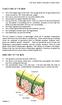 FUNCTIONS OF THE SKIN Skin is the largest organ of the body. The average adult has 18 square feet of skin which account for 16% of the total body weight. Skin acts as a physical barrier for you to the
Types of electrical injuries
 Types of electrical injuries Electrical injury is a term for all injuries caused by contact with electrical energy. Electrical contact can cause a wide variety of injuries involving most organ systems.
Objectives. Burn Assessment and Management. Questions Regarding the Case Study. Case Study. Patient Assessment. Patient Assessment
 Objectives Burn Assessment and Management Discuss the mechanisms and complications of a thermal burn, electrical burn and an inhalation burn Explain the factors to consider when determining the severity
THERAPEUTIC USE OF HEAT AND COLD
 THERAPEUTIC USE OF HEAT AND COLD INTRODUCTION Heat and cold are simple and very effective therapeutic tools. They can be used locally or over the whole body, and the proper application of heat and cold
Specialised Services. National Network for Burn Care (NNBC) National Burn Care Referral Guidance
 Specialised Services National Network for Burn Care (NNBC) National Burn Care Referral Guidance 1. Introduction This guidance describes the most clinically appropriate level of Specialised Burn Service
APPLICATION OF DRY DRESSING
 G-100 APPLICATION OF DRY DRESSING PURPOSE To aid in the management of a wound with minimal drainage. To protect the wound from injury, prevent introduction of bacteria, reduce discomfort, and assist with
TAKING CARE OF WOUNDS KEY FIGURE:
 Chapter 9 TAKING CARE OF WOUNDS KEY FIGURE: Gauze Wound care represents a major area of concern for the rural health provider. This chapter discusses the treatment of open wounds, with emphasis on dressing
Pesticide Harmful Effects And Emergency Response
 Pesticide Harmful Effects And Emergency Response Most pesticides are designed to harm or kill pests. Because some pests have systems similar to the human system, some pesticides also can harm or kill humans.
How To Manage A Catastrophic Injury
 Report #14 CATASTROPHIC INJURIES: Paralysis, Amputation, Burns Overview: A catastrophic injury or illness usually occurs suddenly and without warning. Injuries may be considered catastrophic when they
Orthopaedic Spine Center. Anterior Cervical Discectomy and Fusion (ACDF) Normal Discs
 Orthopaedic Spine Center Graham Calvert MD James Woodall MD PhD Anterior Cervical Discectomy and Fusion (ACDF) Normal Discs The cervical spine consists of the bony vertebrae, discs, nerves and other structures.
Evaluating MSDS First Aid Advice
 Evaluating MSDS First Aid Advice Senior Technical Specialist Evidence-Based Approach Identify specific questions Search for relevant literature Critically evaluate quality of evidence Determine best answer
Objectives. Fractures 2013-11-19. Identifying and interpreting fractures, burns and head injuries suspicious for abuse. Fractures Red Flags
 Identifying and interpreting fractures, burns and head injuries suspicious for abuse Hosanna Au, MD, FRCPC Paul Kadar, MD, FRCPC Sarah B. Schwartz, MD, MEd, FRCPC Objectives At the end of this session,
Heat Illnesses. Common Heat Rash Sites
 Heat Illnesses Introduction Heat illnesses happen when the body becomes too hot and cannot cool itself. There are several different types of heat-related illnesses. This includes heat cramps, heat exhaustion,
How To Treat A Heart Attack
 13 Resuscitation and preparation for anaesthesia and surgery Key Points 13.1 MANAGEMENT OF EMERGENCIES AND CARDIOPULMONARY RESUSCITATION ESSENTIAL HEALTH TECHNOLOGIES The emergency measures that are familiar
ICD-10-CM Official Guidelines for Coding and Reporting
 2013 Narrative changes appear in bold text Items underlined have been moved within the guidelines since the 2012 version Italics are used to indicate revisions to heading changes The Centers for Medicare
Injury Law Center OTHER INJURIES
 Injury Law Center Note: This information is provided to give you a basic understanding of the injury. It is not intended as medical advice. You should consult a qualified medical provider. OTHER INJURIES
Guidelines for the Operation of Burn Centers
 C h a p t e r 1 4 Guidelines for the Operation of Burn Centers............................................................. Each year in the United States, burn injuries result in more than 500,000 hospital
Level 1, 131-135 Summer Street ORANGE NSW 2800 Ph: 02 63631688 Fax: 02 63631865
 Write questions or notes here: Level 1, 131-135 Summer Street ORANGE NSW 2800 Ph: 02 63631688 Fax: 02 63631865 Document Title: Total Knee Replacement Further Information and Feedback: Tell us how useful
Wound Care: The Basics
 Wound Care: The Basics Suzann Williams-Rosenthal, RN, MSN, WOC, GNP Norma Branham, RN, MSN, WOC, GNP University of Virginia May, 2010 What Type of Wound is it? How long has it been there? Acute-generally
Blepharoplasty - Eyelid Surgery
 Blepharoplasty - Eyelid Surgery Introduction Eyelid surgery repairs sagging or drooping eyelids. The surgery is also known as blepharoplasty, or an eyelid lift. Sagging or drooping eyelids happen naturally
call 811 to get advice from a nurse, or have someone drive the patient to a hospital Emergency Department. Patients should NOT drive themselves.
 Taking Care at Home After Surgery This checklist is to help you and your support person know what to do after you go home following your surgery. If you are given instructions verbally or in writing by
Individualized Care Plans Fully Developed
 Appendix Individualized Care Plans Fully Developed A Refer to Chapter 1 The Nursing Process: A Synopsis, p. 32: Two Individualized Care Plans Fully Developed; Care Plan 1 for Mr. John Walters, Care Plan
Electrical Burns 新 光 急 診 張 志 華
 Electrical Burns 新 光 急 診 張 志 華 Electrical Burns Definition Cellular damage due to electrical current High vs. low tension injuries 1,000 Volts dividing line Electrical Burns - Pathophysiology Joule Effect:
Streptococcal Infections
 Streptococcal Infections Introduction Streptococcal, or strep, infections cause a variety of health problems. These infections can cause a mild skin infection or sore throat. But they can also cause severe,
Understand nurse aide skills needed to promote skin integrity.
 Unit B Resident Care Skills Essential Standard NA5.00 Understand nurse aide s role in providing residents hygiene, grooming, and skin care. Indicator Understand nurse aide skills needed to promote skin
West Penn Burn Center. First Class Burn Care for Adults and Children. West Penn Burn Center
 Allegheny Health Network West Penn Burn Center First Class Burn Care for Adults and Children West Penn Burn Center 4800 Friendship Avenue Pittsburgh, PA 15224 412.578.5273 www.westpennburncenter.com AHN.org
How To Recover From A Surgical Wound From A Cast
 Care of Your Wounds After Amputation Surgery by Paddy Rossbach, RN Depending on the reason for your amputation and the state of your limb at the time of surgery, definitive closure of the wound may take
Melbourne Children s Eye Clinic. Strabismus Surgery for Children
 Melbourne Children s Eye Clinic Strabismus Surgery for Children Why operate on turned eyes? Surgery for turned eyes aims to improve the alignment of the eyes, that is, to make the eyes look straight. The
Procedure Information Guide
 Procedure Information Guide Total hip replacement Brought to you in association with EIDO and endorsed by the The Royal College of Surgeons of England Discovery has made every effort to ensure that the
Protecting your baby against meningitis and septicaemia
 Protecting your baby against meningitis and septicaemia caused by meningococcal B bacteria MenB vaccine now available! Information about the MenB vaccine and recommended paracetamol use mmunisation The
Okolona Fire Department Standard Operating Procedure
 Page 1 of 6 October 1, 2011 New Operational Purpose: This policy will govern the type of training, the environment, gear to be used for training, and outside non-emergency activities for the Okolona Fire
Total hip replacement
 Patient Information to be retained by patient What is a total hip replacement? In a total hip replacement both the ball (femoral or thigh bone) side of the hip joint and the socket (acetabular or pelvic
What are spider veins? What is the best treatment for spider veins?
 Laser Spider/Leg Vein Q & A What are spider veins? Millions of women and men are bothered by unsightly spider veins on their faces and legs. Spider veins or telangiectasias are those small red, blue and
Guidelines for Hand Foot and Mouth Disease HFMD
 Guidelines for Hand Foot and Mouth Disease HFMD Hand, foot, and mouth disease, or HFMD, is a contagious illness caused by different viruses. Infants and children younger than 5 years are more likely to
Inflammation and Healing. Review of Normal Defenses. Review of Normal Capillary Exchange. BIO 375 Pathophysiology
 Inflammation and Healing BIO 375 Pathophysiology Review of Normal Defenses Review of Normal Capillary Exchange 1 Inflammation Inflammation is a biochemical and cellular process that occurs in vascularized
Informed Consent For Laser Hair Removal
 Informed Consent For Laser Hair Removal INSTRUCTIONS This informed-consent document has been prepared to help inform you about laser procedures, its risks, as well as alternative treatment(s). It is important
Chapter 6. Hemorrhage Control UNDER FIRE KEEP YOUR HEAD DOWN
 Hemorrhage Control Chapter 6 Hemorrhage Control The hemorrhage that take[s] place when a main artery is divided is usually so rapid and so copious that the wounded man dies before help can reach him. Colonel
Alcohol and accidents
 The facts about... Alcohol and accidents Five key things you need to know The facts about alcohol and accidents Spilling red wine over your friend s pristine white sofa. Breaking another wine glass all
MRSA. Living with. Acknowledgements. (Methicillin-Resistant Staphylococcus aureus)
 How can I keep myself healthy? Hand washing and use of an alcohol-based hand sanitizer are the primary way to prevent acquiring or transmitting bacteria. If you get a cut or scrape, wash it well with soap
Medicines To Treat Alcohol Use Disorder A Review of the Research for Adults
 Medicines To Treat Alcohol Use Disorder A Review of the Research for Adults Is This Information Right for Me? Yes, this information is right for you if: Your doctor* said you have alcohol use disorder
Further information You can get more information and share your experience at www.aboutmyhealth.org
 OS01 Total Hip Replacement Further information You can get more information and share your experience at www.aboutmyhealth.org Local information You can get information locally from: Taunton and Somerset
Wrist Fracture. Please stick addressograph here
 ORTHOPAEDIC UNIT: 01-293 8687 /01-293 6602 UPMC BEACON CENTRE FOR ORTHOPAEDICS: 01-2937575 PHYSIOTHERAPY DEPARTMENT: 01-2936692 GUIDELINES FOR PATIENTS FOLLOWING WRIST FRACTURE Please stick addressograph
Whooping Cough. The Lungs Whooping cough is an infection of the lungs and breathing tubes, both of which are parts of the respiratory system.
 Whooping Cough Introduction Whooping cough is a serious bacterial infection of the lungs and breathing tubes. It is also called pertussis. About 16 million cases of whooping cough happen worldwide each
Clinical Practice Guidelines Escharotomy for Burn Patients NSW Statewide Burn Injury Service
 Clinical Practice Guidelines Escharotomy for Burn Patients NSW Statewide Burn Injury Service Date: August 2011 Version: Release Status: Release Date: Author: Owner: 1.0 Final Aug 2011 Anne Darton Agency
Connection with other policy areas and (How does it fit/support wider early years work and partnerships)
 Illness such as gastroenteritis and upper respiratory tract infections, along with injuries caused by accidents in the home, are the leading causes of attendances at Accident & Emergency and hospitalisation
Inferior Vena Cava filter and removal
 Inferior Vena Cava filter and removal What is Inferior Vena Cava Filter Placement and Removal? An inferior vena cava filter placement procedure involves an interventional radiologist (a specialist doctor)
HOW TO CARE FOR A PATIENT WITH DIABETES
 HOW TO CARE FOR A PATIENT WITH DIABETES INTRODUCTION Diabetes is one of the most common diseases in the United States, and diabetes is a disease that affects the way the body handles blood sugar. Approximately
EXTREME HEAT/HUMIDEX ADVISORY FACT SHEET
 EXTREME HEAT/HUMIDEX ADVISORY FACT SHEET While it is important to enjoy the outdoors during Canadian summers, it is also essential to keep in mind that periods of extreme heat and humidex events may cause
A Patient s guide to. pin site care. (Upper and lower limb external fixation) Limb Reconstruction Unit [email protected].
 A Patient s guide to pin site care (Upper and lower limb external fixation) Limb Reconstruction Unit [email protected] Introduction Before you leave hospital you will have been taught how
MRC Medical Jeopardy Feud List of Treatments for Possible Injuries/Conditions
 List of Treatments for Possible Injuries/Conditions A. Apply cold compresses to affected area; elevate the area to reduce swelling and possible bleeding B. Apply direct pressure to wound area with sterile
STANDARD OPERATING PROCEDURE #201 RODENT SURGERY
 STANDARD OPERATING PROCEDURE #201 RODENT SURGERY 1. PURPOSE The intent of this Standard Operating Procedure (SOP) is to describe procedures for survival rodent surgery. 2. RESPONSIBILITY Principal investigators
Emergency Showers and Eyewash Stations
 Emergency Showers and Eyewash Stations Here is a guide regarding what types and specifications are required when selecting an emergency Shower and/or eyewash station. Why are emergency showers or eyewash
Radiation Therapy for Breast Cancer
 Radiation Therapy for Breast Cancer www.cpmc.org/learning i learning about your health What Is? Radiation therapy is a treatment for cancer that uses high-energy x-rays to destroy cancer cells. (Radiation
FIRE SAFETY FOR OFFICE WORKERS
 FIRE SAFETY FOR OFFICE WORKERS This easy-to-use Leader s Guide is provided to assist in conducting a successful presentation. Featured are: INTRODUCTION: A brief description of the program and the subject
5420-R STUDENT HEALTH SERVICES REGULATION NORTH COLONIE CENTRAL SCHOOLS NEWTONVILLE, NEW YORK Emergency Procedures and Approved First Aid Methods
 STUDENT HEALTH SERVICES REGULATION NORTH COLONIE CENTRAL SCHOOLS NEWTONVILLE, NEW YORK Emergency Procedures and Approved First Aid Methods EMERGENCY PROCEDURES Contact parents and cooperate with them in
RGN JOY LAUDE WATFORD GENERAL HOSPITAL, ENGLAND
 RGN JOY LAUDE WATFORD GENERAL HOSPITAL, ENGLAND Monitor patient on the ward to detect trends in vital signs and to manage accordingly To recognise deteriorating trends and request relevant medical/out
COMPLIANCE WITH THIS DOCUMENT IS MANDATORY
 COVER SHEET NAME OF DOCUMENT Wound Wound Assessment and Management TYPE OF DOCUMENT Procedure DOCUMENT NUMBER SESLHDPR/297 DATE OF PUBLICATION April 2014 RISK RATING Medium LEVEL OF EVIDENCE N/A REVIEW
How To Know If You Can See Without Glasses Or Contact Lense After Lasik
 The LASIK experience I WHO CAN HAVE LASIK? To be eligible for LASIK you should be at least 21 years of age, have healthy eyes and be in good general health. Your vision should not have deteriorated significantly
WOUND MANAGEMENT PROTOCOLS WOUND CLEANSING: REMOVING WOUND DEBRIS FROM WOUND BASE
 WOUND MANAGEMENT PROTOCOLS PURPOSE: Provide nursing personnel with simple guidance regarding appropriate dressing selection in the absence of wound specialist expertise Identify appropriate interventions
Percutaneous Nephrostomy. Care of your Nephrostomy. Department of Urology
 Percutaneous Nephrostomy Care of your Nephrostomy Department of Urology You may encounter some problems at home but these are usually easily overcome. Listed below are some questions patients commonly
Facial Sports Injuries
 Facial Sports Injuries Playing catch, shooting hoops, bicycling on a scenic path or just kicking around a soccer ball have more in common than you may think. On the up side, these activities are good exercise
Minor Lid Surgery. Information for patients
 Minor Lid Surgery Information for patients This leaflet has been produced to give you information about the problems you have been having with your eyelid. If you have any questions or require further
Level 1, 131-135 Summer Street ORANGE NSW 2800 Ph: 02 63631688 Fax: 02 63631865
 Write questions or notes here: Level 1, 131-135 Summer Street ORANGE NSW 2800 Ph: 02 63631688 Fax: 02 63631865 Document Title: Revision Total Hip Replacement Further Information and Feedback: Tell us how
VARICOSE VEINS. Information Leaflet. Your Health. Our Priority. VTE Ambulatory Clinic Stepping Hill Hospital
 VARICOSE VEINS Information Leaflet Your Health. Our Priority. Page 2 of 7 Varicose Veins There are no accurate figures for the number of people with varicose veins. Some studies suggest that 3 in 100 people
.org. Fractures of the Thoracic and Lumbar Spine. Cause. Description
 Fractures of the Thoracic and Lumbar Spine Page ( 1 ) Spinal fractures can vary widely in severity. While some fractures are very serious injuries that require emergency treatment, other fractures can
Managing cavity wounds Journal of Community Nursing March 1998 Author: Rosemary Pudner
 Managing cavity wounds Journal of Community Nursing March 1998 Author: Rosemary Pudner It has been seen in recent years, that an increasing number of patients are being discharged early into the community,
CARPAL TUNNEL SYNDROME A PATIENT GUIDE TO THE NURSE-LED CARPAL TUNNEL SERVICE
 CARPAL TUNNEL SYNDROME A PATIENT GUIDE TO THE NURSE-LED CARPAL TUNNEL SERVICE Information Leaflet Your Health. Our Priority. Page 2 of 6 What is carpal tunnel syndrome? It is entrapment of a nerve at the
All About Your Peripherally Inserted Central Catheter (PICC)
 All About Your Peripherally Inserted Central Catheter (PICC) General Information Intravenous (IV) therapy is the delivery of fluid directly into a vein. An intravenous catheter is a hollow tube that is
Knee arthroscopy advice sheet
 Knee arthroscopy advice sheet During an arthroscopy, a camera is inserted into the knee through two or three small puncture wounds. It allows the surgeon to look at the joint surfaces, cartilage and the
Emergency procedures instructions to farm staff
 Emergency procedures instructions to farm staff The first priority in the event of an emergency is for the safety of all people present. Emergency phone numbers Dial 111 for Fire/Police/Ambulance 1. Tell
Michael A. Boss, M.D. FMH Plastic, Reconstructive und Aesthetic Surgery
 Michael A. Boss, M.D. FMH Plastic, Reconstructive und Aesthetic Surgery Boss Aesthetic Center Schauplatzgasse 23 CH-3011 Bern Switzerland +41 31 311 7691 www.aesthetic-center.com B r e a s t A u g m e
YOUR GUIDE TO TOTAL HIP REPLACEMENT
 A Partnership for Better Healthcare A Partnership for Better Healthcare YOUR GUIDE TO TOTAL HIP REPLACEMENT PEI Limited M50 Business Park Ballymount Road Upper Ballymount Dublin 12 Tel: 01-419 6900 Fax:
.org. Herniated Disk in the Lower Back. Anatomy. Description
 Herniated Disk in the Lower Back Page ( 1 ) Sometimes called a slipped or ruptured disk, a herniated disk most often occurs in your lower back. It is one of the most common causes of low back pain, as
WET, COUGHING AND COLD NEAR RIVER BANK STUNG BY BEE CAUSING ANAPHYLACTIC SHOCK TO WRIST
 GRIT IN EYE BROKEN LEG BONE WET, COUGHING AND COLD NEAR RIVER BANK STUNG BY BEE CAUSING ANAPHYLACTIC SHOCK HEART ATTACK SUFFERING FROM SHOCK CHOKING SEVERE BLEEDING TO WRIST HYPOTHERMIA ANGINA Localised
ARTHROSCOPIC HIP SURGERY
 ARTHROSCOPIC HIP SURGERY Hip Arthroscopy is a relatively simple procedure whereby common disorders of the hip can be diagnosed and treated using keyhole surgery. Some conditions, which previously were
First Aid as a Life Skill. Training Requirements for Quality Provision of Unit Standard-based First Aid Training
 First Aid as a Life Skill Training Requirements for Quality Provision of Unit Standard-based First Aid Training New Zealand Qualifications Authority 2010 2 Index Introduction 3 Section One: Framework outline
How does Diabetes Effect the Feet
 How does Diabetes Effect the Feet What Skin Changes May Occur? Diabetes can cause changes in the skin of your foot. At times your foot may become very dry. The skin may peel and crack. The problem is that
Chapter 11. Everting skin edges
 Chapter 11 PRIMARY WOUND CLOSURE KEY FIGURE: Everting skin edges In primary wound closure, the skin edges of the wound are sutured together to close the defect. Whenever possible and practical, primary
Epidural Continuous Infusion. Patient information Leaflet
 Epidural Continuous Infusion Patient information Leaflet April 2015 Introduction You may already know that epidural s are often used to treat pain during childbirth. This same technique can also used as
Advice for those affected by MRSA outside of hospital
 Advice for those affected by MRSA outside of hospital If you have MRSA this leaflet provides information and advice for managing your day-to-day life. 1 About MRSA There are lots of different types or
Pressure Ulcer Passport
 Pressure Ulcer Passport Information for patients This is a record of the treatment you are receiving for your pressure ulcer injury. Please bring it with you to all your healthcare appointments. This will
Wound and Skin Assessment. Mary Carvalho RN, BSN, MBA Clinical Coordinator Johnson Creek Wound and Edema Center
 Wound and Skin Assessment Mary Carvalho RN, BSN, MBA Clinical Coordinator Johnson Creek Wound and Edema Center Skin The largest Organ Weighs between 6 and 8 pounds Covers over 20 square feet Thickness
Guy s, King s and St Thomas Cancer Centre The Cancer Outpatient Clinic Central venous catheter: Peripherally inserted central catheter
 Guy s, King s and St Thomas Cancer Centre The Cancer Outpatient Clinic Central venous catheter: Peripherally inserted central catheter This information leaflet aims to help answer some of the questions
The Hepatitis B virus (HBV)
 The Hepatitis B virus (HBV) There are 400 million people in the world who live with chronic hepatitis B, including France. Most people don t even know they are infected. But there are several important
Incident, Injury, Trauma, Illness Policy
 Incident, Injury, Trauma, Illness Policy 1. Authorisation This policy was approved by the Poets Grove Family and Children s Centre Committee of Management on 26 November 2014 2. Review Date This policy
Summary of Recommendations
 Summary of Recommendations *LEVEL OF EVIDENCE Practice Recommendations Assessment 1.1 Conduct a history and focused physical assessment. IV 1.2 Conduct a psychosocial assessment to determine the client
Position Statement: Pressure Ulcer Staging
 Position Statement: Pressure Ulcer Staging Statement of Position The Wound, Ostomy and Continence Nurses (WOCN) Society supports the use of the National Pressure Ulcer Advisory Panel Staging System (NPUAP).
Adult Forearm Fractures
 Adult Forearm Fractures Your forearm is made up of two bones, the radius and ulna. In most cases of adult forearm fractures, both bones are broken. Fractures of the forearm can occur near the wrist at
Radiotherapy to the chest wall
 Oxford University Hospitals NHS Trust The Radiotherapy Department Radiotherapy to the chest wall Information for patients Introduction This leaflet is for people who have had surgery for breast cancer
Ear Infections Chickenpox chickenpox
 Ear Chickenpox Infections chickenpox Chickenpox Chickenpox is a common, very contagious viral infection that over 90% of people get during childhood unless they have been immunised. After an infection,
Hand Dermatitis in Health Care Workers
 Hand in Health Care Workers Safety and Health Assessment and Research for Prevention (SHARP) Program Washington Department of Labor and Industries PO Box 44330 Olympia, WA 98504-4330 1-888-66-SHARP www.lni.wa.gov/sharp/derm