
Introduction. Jin-Jun Wang and James H. Tsai
|
|
|
- Abraham Armstrong
- 10 years ago
- Views:
Transcription
1 Agricultural and Forest Entomology (2001) 3, 65±69 Development and functional response of Coelophora inaequalis (Coleoptera: Coccinellidae) feeding on brown citrus aphid, Toxoptera citricida (Homoptera: Aphididae) Jin-Jun Wang and James H. Tsai Fort Lauderdale Research and Education Center, IFAS, University of Florida, 3205 College Avenue, Fort Lauderdale, FL 33314, U.S.A. Abstract 1 Development and survivorship of Coelophora inaequalis (F.) were evaluated in the laboratory on the brown citrus aphid, Toxoptera citricida (Kirkaldy) at 20 and 25 C. Coelophora inaequalis could complete its life cycle feeding on T. citricida at these two temperatures. The developmental period from egg to adult was signi cantly longer at 20 C (24.7 d) than at 25 C (15.9 d). The survivorship of combined immature stages were higher at 25 C (39.2%) than at 20 C (34.3%). 2 The effects of prey densities (4±64 aphids per leaf disk) on the functional responses of C. inaequalis fourth-instar larvae and female adults were investigated using grapefruit leaf disks over a 24-h period at 25 C and a photoperiod of LD 14 : 10 h. Logistic regression analyses indicated that fourth-instar larvae and adults exhibited a type II functional response to aphid density. Fourth-instar larvae had a higher search rate (0.1305) than C. inaequalis female adults (0.0989). The handling time of fourth-instar larvae (30.4 min) was signi cantly longer than that of female adults (5.8 min). Collectively, C. inaequalis appears to be a promising biological control agent of T. citricida in the citrus groves. Keywords Coelophora inaequalis, development, functional response, Toxoptera citricida. Introduction The brown citrus aphid Toxoptera citricida (Kirkaldy) (Homoptera: Aphididae), is a newly introduced pest on citrus in the United States. The aphid is native to East Asia, but it has now colonized virtually all of the world's citrus production areas except the Mediterranean region and the remaining citrus producing states in the U.S.A. (Halbert et al., 2000). It is one of the most damaging pests of citrus, primarily because it is an ef cient vector of citrus tristeza virus (CTV) (Yokomi et al., 1994). The rapid spread of CTV that killed tens of millions of trees grafted on sour orange (Citrus aurantium L.), rootstock in Brazil and Argentina in the 1930s and 1940s (Knorr & DuCharme, 1951) has been attributed to this aphid. Recently, studies showed that some CTV isolates can cause stem pitting regardless of rootstock (Bar-Joseph et al., 1989), and can result in long-term debilitation that reduces yields of sweet orange and grapefruit by 5±45% (Yokomi & Tang, 1995). Correspondence: James H Tsai. Tel.: ; fax: ; [email protected] Since the introduction of brown citrus aphid in autumn 1995 in Florida, the biology and ecology of this insect have been well documented (Tsai, 1998; Michaud, 1999; Tang et al., 1999; Tsai & Wang, 1999). However, the threat of CTV transmission by this aphid is unclear. Up to now, studies on biological control agents have included a coccinellid predator Cycloneda sanguinea L., a hymenopteran parasitoid Lysiphlebia japonica (Ashmead), and hyphomycete entomopathogens (Morales & Burandt, 1985; Deng & Tsai, 1998; Poprawski et al., 1999). Michaud & Browning (1999) reported that a complex of large coccinellid species had the greatest potential to have an impact on brown citrus aphid populations in Puerto Rico. Based on our observations, one of the most abundant ladybird species occurring in South Florida citrus groves is Coelophora inaequalis (F.) (unpublished data). However, no quantitative data on the relationship between C. inaequalis and the brown citrus aphid are available. Several studies have suggested that brown citrus aphid may be toxic to certain predators, or nutritionally inadequate for their successful development (Tao & Chiu, 1971; Morales & Burandt, 1985). The suitability of brown citrus aphid as prey must therefore be determined to ã 2001 Blackwell Science Ltd

2 66 Jin-Jun Wang and James H. Tsai assess the capacity of C. inaequalis to maintain signi cant numbers in affected orchards. Understanding the development and functional response of a predator is important to the effectiveness of biological control of an insect pest (Juliano, 1993). Therefore, we evaluated the development and ef ciency of adult and fourth-instar C. inaequalis as a predator of brown citrus aphid through functional response experiments. Methods Aphid and predator colonies Toxoptera citricida used in this study were initiated by a single collection of wild aphids from a citrus tree on the campus of Broward Community College, Davie, Broward County, Florida. The colonies were maintained on potted grapefruit (Citrus paradisi Macfadyen) seedlings (40±50 cm tall) in an insect rearing room at C, % RH and a photoperiod of LD 14 : 10 h. A laboratory colony of Coelophora inaequalis was initiated with pupae collected from citrus trees on the campus of Fort Lauderdale Research and Education Center (FLREC), University of Florida, Broward County, Florida. The pupae were maintained in glass Petri dishes (15 cm diameter by 2.5 cm high) at 25 C for emergence. Newly emerged adults were paired and introduced into a screen cage ( cm) and fed with brown citrus aphids on grapefruit seedlings. The aphids and host plants were replaced every 3±5 days. The cage was kept in the same insect rearing room as mentioned above. After a 4 month rearing period, the ensuing colonies were used for the tests. The identity of T. citricida was con rmed by its morphological characteristics as described by Halbert & Brown (1996), and C. inaequalis was con rmed by M. C. Thomas at the Division of Plant Industry (DPI), Florida Department of Agriculture and Consumer Services (FDACS), Gainesville, Florida. Voucher specimens were deposited at the collection of the DPI, FDACS. Development of C. inaequalis Studies on development of C. inaequalis were conducted at 20 and 25 C. For each experiment,» 30 mated female C. inaequalis adults were held in glass containers (10 cm diameter 3 8 cm high) along with fresh grapefruit leaves and suf cient brown citrus aphids for oviposition. Seventy and 74 freshly laid eggs were kept in glass Petri dishes at 20 and 25 C, respectively. They were observed daily for hatching. At each temperature, 45 newly hatched larvae were individually kept in glass vials (2.5 cm diameter 3 10 cm high) supplied with aphids of mixed ages. Moulting was monitored twice daily. Brown citrus aphids were added and grapefruit leaves were replaced daily. We estimated the following life cycle parameters: development times of egg, each larval and combined larval stages, prepupal and pupal stages, as well as combined immature period (the time from egg to emerged adult). All developmental parameters were compared between two temperatures using the general linear model (GLM) procedure of SAS (SAS Institute Inc., Cary, NC, U.S.A., 1988). The Student's t-test was used to compare the survival rates between two temperatures. Percentage data were arcsine square-root transformed before analysis. Functional response Coelophora inaequalis pupae were collected from the laboratory colonies. Upon eclosion, female C. inaequalis adults were selected at random and isolated without food for 24 h before the trials. The predation arena consisted of a grapefruit leaf disk placed in a 100 mm by 15 mm Petri dish lined with wet lter paper. Prey densities of 4, 8, 16, 32 and 64 newly-moulted brown citrus aphid adults were placed on each leaf disk along with a single isolated C. inaequalis female. One replication of each density was conducted to determine the natural mortality of brown citrus aphids under the same conditions in the absence of predators. Each density was replicated 15 times and individual lady beetles were exposed to the aphids for 24 h and the number of prey consumed during each feeding period was recorded. All predation trials were conducted in growth chambers (Percival, Boone, Indiana, U.S.A.) at C and LD 14 : 10 h. Predation of brown citrus aphid by fourth-instar C. inaequalis larvae was examined as well. The test larvae were derived from laboratory colonies maintained for three generations, as described above. Experimental procedures for examining C. inaequalis larvae were the same as for adults. The analysis of functional response was described by Juliano (1993). The shape of the functional response was determined by performing a logistic regression of the proportion of aphids consumed as a function of initial density using individual data points. A nonlinear least-squares regression (again using individual data points) was performed to estimate and compare parameters of the functional response for C. inaequalis larvae and adults using the `random-predator' equation (Rogers, 1972): N e = N 0 (1 ± exp[a(t h Ne ± T)]) where N e = the number of aphids consumed, N 0 = the initial aphid density, a = the attack constant (or instantaneous search rate), T h = prey handling time, and T = the total time available. A SAS program developed by Juliano (1993) using CATMOD and NLIN procedures (SAS Institute, 1988) was used to determine the shape of functional response and to t the models. A two-way ANOVA was also used to test the effects of prey density and predator life stage on the numbers of prey consumed. Results Development of C. inaequalis Developmental time and survivorship for the immature stages of C. inaequalis at 20 and 25 C are presented in Table 1. Egg developmental time was signi cantly shorter at 25 C (3.2 days) than at 20 C (5.2 days) (F = ; d.f. = 1123; P < 0.001) and egg survivorship was also signi cantly higher at 25 C (89.2%) than at 20 C (84.3%) (t = 9.81; d.f. = 4; P < 0.001). The developmental time of larvae was signi cantly longer at 20 C (11.7 days) than at 25 C (8.2 days) (F = ; d.f. = 1, 65; P < 0.001). The survival rate of larvae was signi cantly lower at 20 C (49.2%) than at 25 C (57.6%) (t = 10.29; d.f. = 4; P < 0.001). The fourth-instar stage required more time than the proceeding three stadia at both 20 and 25 C (Table 1).

3 C. inaequalis and T. citricida 67 Table 1 Developmental periods (days 6 SE) of immature stages of C. inaequalis feeding on T. citricida at 20 and 25 C. The rst value in parentheses is the number of beetles survived to next stage, and the second is the percentage of survival to the next stage. The initial number of eggs was 70 and 74 at 20 and 25 C, respectively. ANOVA showed that means in each row were all different signi cantly at P < 0.05 (GLM, LSD). 1st 2nd 3rd 4th Total larval From egg Temp, C Egg instar instar instar instar stage Prepupa Pupa to adult (59, 84.3) (47, 79.7) (35, 74.5) (32, 91.4) (29, 90.6) (29, 49.2) (26, 89.7) (24, 92.3) (24, 34.3) (66, 89.2) (55, 83.3) (45, 81.8) (41, 91.1) (38, 92.7) (38, 57.6) (31, 81.2) (29, 93.5) (29, 39.2) The combined developmental time from egg to adult of C. inaequalis averaged 24.7 days at 20 C and declined signi cantly to 15.9 days at 25 C (F = ; d.f. = 1, 51; P < 0.001) and the survivorship for combined immature stages was signi cantly lower at 20 C (34.3%) than at 25 C (39.2%) (t = 4.27; d.f. = 4; P = 0.013; Table 1). Functional response Figure 1 Functional responses of C. inaequalis larvae (A) and adult (B) feeding on T. citricida. Dots are mean observed value 6 95% CL of 15 replicates. Curves are lines of best t as predicted by type II functional responses. The estimates of parameter are: larvae, a = , T h = (95% CI, ); adult, a = , T h = 5.75 (95% CI, ). All coef cients are signi cantly different from 0 at P < Signi cant differences also were found for prepupae (F = 16.21; d.f. = 1, 55; P < 0.001) and pupal periods (F = ; d.f. = 1, 51; P < 0.001). The survival rate of the prepupal stage was signi cantly higher at 20 C (89.7%) than 25 C (81.2%) (t = 6.39; d.f. = 4; P = 0.003), while survivorship of the pupal stage was not different signi cantly between 25 C (93.5%) and 20 C (92.3%) (t = 1.89; d.f. = 4; P = 0.132). Coelophora inaequalis adults consumed more aphids within a 24-h period than did fourth-instar larvae at any prey densities (Fig. 1). The two-way ANOVA results indicated that the number of aphids consumed was also signi cantly affected by C. inaequalis life stage (F = 45.70; d.f. = 1, 140; P < 0.001), initial aphid density (F = ; d.f. = 4, 140; P < 0.001), and interaction between predator life stage and initial prey density (F = 28.32; d.f. = 4, 140; P < 0.001). The proportion of aphids consumed by C. inaequalis fourthinstar larvae and adults declined monotonically with initial aphid density, indicating a type II functional response for both predator stages. This was further con rmed by logistic regression. The estimates of the linear coef cients were negative (i.e. the proportion of aphids consumed declined even at lower aphid densities) for C. inaequalis larvae (estimates = ± ; c 2 = 22.04, P < 0.001) and adults (estimates = ± ; c 2 = 27.72, P < 0.001), whereas the estimates of the quadratic coef cient was positive for C. inaequalis larvae (estimates = ; c 2 = 8.98, P = 0.001) and adults (estimates = ; c 2 = 24.52, P < 0.001). The estimate of T h was signi cantly larger for C. inaequalis larvae than for adults (t = 4.63; t 146 = 1.65; P < 0.05). Based on the estimation, the fourth-instar larvae took seven times longer to search and consume brown citrus aphids than the adults. The estimate of a was larger for larvae as well. However, the difference was not signi cant (t = ; t 146 = 1.28; P > 0.10). The tted functions (Fig. 1A,B) for T. citricida as prey showed that the number of prey consumed by C. inaequalis adults increased more rapidly with increasing number of prey than the number consumed by fourth-instar larvae. Discussion Measuring the bionomics of a predator feeding on the target prey is one important step in assessing the potential of a biological control agent (Lucas et al., 1997). The relationship between the

4 68 Jin-Jun Wang and James H. Tsai number of prey consumed and the available prey densities determines the type of functional response, which can in turn affect the dynamics of predator and prey populations and the stability of predator±prey systems (Hassell, 1978). Knowledge of prey items and rates of predation is especially critical in evaluating the potential effectiveness of a predator as a biological control agent. In addition, functional response curves can be used to infer basic mechanisms underlying predator±prey interactions, clarify coevolutionary relationships, and enhance biological control (Houck & Strauss, 1985). Based on our observations, C. inaequalis is one of the most abundant coccinellid predators of T. citricida occurring in the citrus groves in South Florida (unpublished data). Similar observations also were reported by Michaud (1998) in Puerto Rico. However, the most abundant coccinellids on T. citricida was C. sanguinea in the Dominican Republic (Borbon et al., 1992), Cuba (Batista et al., 1995), Venezuela (Morales & Burandt, 1985) and Brazil (Lara et al., 1977; Bartoszeck, 1980). The results of the current study demonstrated that C. inaequalis could complete its life cycle feeding on T. citricida with relatively high survival rate at 20 and 25 C, indicating that T. citricida is a suitable prey for C. inaequalis. This is consistent with the report of Michaud (1998) that C. inaequalis and Cycloneda sanguinea L. collected in Puerto Rico developed normally and had good survival rates on T. citricida. However, Tao & Chiu (1971) reported that 5 of 13 coccinellid species fed on T. citricida suffered injury or death. Parker & Singh (1973) found that the coccinellids Chilocorus politus Muls., Coccinella arcuata F. and Micraspis (Slesia) discolor (F.) all expressed a non-preference for T. citricida in feeding trials. More recently, Morales & Burandt (1985) reported that C. sanguinea immatures collected in Venezuela failed to develop into adults when fed either live or dry T. citricida. The differences could be attributable to the differences between biotypes of predator with respect to their ability to utilize T. citricida as food (Michaud, 1998). Numerous mechanistic and phenomenological models have been used to describe functional responses. Although many different models may be employed, the issues involved in statistical analyses of functional responses are similar (Juliano, 1993). Many investigators have analysed experiments without replacement of prey, but employed the models appropriate for predation with constant prey density (Livdahl, 1979; Juliano & Williams, 1985). Juliano (1993) stated that the `randompredator' model is the appropriate model to use for such analysis, rather than the typical Holling Disk equation (Holling, 1959, 1966), because prey were depleted during the experiment. Our results showed that consumption of T. citricida by both C. inaequalis adults and fourth-instar larvae demonstrated a type II functional response (Fig. 1A,B). This is consistent with the report by Morales & Burandt (1985) that C. sanquinea feeding on T. citricida also corresponded to Holling's type II functional response. Based on parameter estimates (Fig. 1A, B), C. inaequalis adults showed shorter handling time and lower search rate compared to larvae. Coelophora inaequalis larvae took longer to process T. citricida, but are more ef cient at locating their prey, requiring fewer aphids to reach saturation than adults. Wells & Mcpherson (1999) reported similar ndings with Hippodamia convergens Guerin-Meneville adults consuming signi cantly greater numbers of tobacco aphids, Myzus nicotianae Blackman, than did fourth-instar larvae. They concluded that the increased consumption by adults relative to larvae might be caused by digestion or handling time differences. The present study has provided us with a better understanding of the predator±prey relationship between C. inaequalis and T. citricida. Although our results suggest that C. inaequalis appears to be an ef cient predator of T. citricida in South Florida, more realistic eld experiments are needed to assess the impact of C. inaequalis on T. citricida in citrus groves. Acknowledgements J.-J. Wang is a postdoctoral research associate from Department of Plant Protection, South-west Agricultural University, Chongqing, The Peoples' Republic of China. We are grateful to Dr Kimberly A. Klock-Moore for reviewing the manuscript. Florida Agricultural Experiment Station Journal Series No. R References Bar-Joseph, M., Marcus, R. & Lee, R.F. (1989) The continuous challenge of citrus tristeza virus control. Annual Review of Phytopathology, 27, 291±316. Bartoszeck, A.B. (1980) The occurrence of Toxoptera citricidus (Homoptera: Aphididae) and its natural enemies in Imperatriz, Maranhao, Brazil. Dusenia, 12, 9±13. Batista, L., Porras, D.N., Gutierrez, A., Pena, I., Rodriguez, J., Fernandez Delamo, O., Perez, R. & Morera, J.L. (1995) Tristeza and Toxoptera citricida in Cuba, incidence and control strategy. Proceedings of the Third International Workshop on Citrus Tristeza Virus and Brown Citrus Aphids in the Caribbean Basin: Management Strategies, Lake Alfred, Florida, May 15±18, 1995 (ed. by R. F. Lee, M. R. Pena, C. L. Niblett, F. Ochoa, S. M. Garnsey, R. K. Yokomi and R. Lastra), pp. 197±203. University of Florida. Borbon, J.C., Abud, A.J., Millan, P.J., Asiatico, J. & Abreu, N. (1992) Presencia de la tristeza de los citricos y Toxoptera citricidus (Kirkaldy) en la Republica Dominicana. Citrus tristeza Virus and Toxoptera Citricidus in Central America: Development of Management Strategies and Use of Biotechnology for Control. Proceedings of a Workshop (ed. by R. Lastra, R. F. Lee, M. Rocha- Pena, C. L. Niblett, F. Ochoa, S. M. Garnsey and R. K. Yokomi), pp. 197±203. Maracay, Venezuela. Deng, Y.X. & Tsai, J.H. (1998) Development of Lysiphlebia japonica (Hymenoptera: Aphidiidae), a parasitoid of Toxoptera citricida (Homoptera: Aphididae) at ve temperatures. Florida Entomologist, 81, 415±423. Halbert, S.E. & Brown, L.G. (1996) Toxoptera citricida (Kirkaldy), brown citrus aphid-identi cation, biology and management strategies. Florida. Department of Agriculture and Consumer Service, Entomological Circular 374. Halbert, S.E., Remaudiere, G. & and Webb, S.E. (2000) Newly established and rarely collected aphids (Homoptera: Aphididae) in Florida and the Southeastern States. Florida Entomologist, 83, 79±91. Hassell, M.P. (1978) The Dynamics of Arthropod Predator-Prey Systems. Princeton University Press, Princeton, NJ. Holling, C.S. (1959) Some characteristics of simple types of predation and parasitism. Canadian Entomologist, 91, 385±398. Holling, C.S. (1966) The functional response of invertebrate predators

5 C. inaequalis and T. citricida 69 to prey density. Memoirs of the Entomological Society of Canada, 48, 1±87. Houck, M.A. & Strauss, R.E. (1985) The comparative study of functional response: experimental design and statistical interpretation. Canadian Entomologist, 115, 617±629. Juliano, S.A. (1993) Non-linear curve- tting: predation and functional response curves. Design and Analysis of Ecological Experiments (ed. by S. M. Scheiner and J. Gurevitch), pp. 158±183. Chapman & Hall, New York. Juliano, S.A. & Williams, F.M. (1985) On the evolution of handling time. Evolution, 39, 212±215. Knorr, L.C. & DuCharme, E.P. (1951) This is tristeza ± ravager of Argentina's citrus industry. Citrus Magazine, 13, 17±19. Lara, F.M., de Bortoli, S.A. & Oliveira, E.A. (1977) Population uctuations in some insects associated with Citrus sp. and their correlation with meteorological factors. Cienti ca, 5, 134±143. Livdahl, T.P. (1979) Evolution of handling time: the functional response of a predator to the density sympatric and allopatric strains of prey. Evolution, 33, 765±768. Lucas, E., Coderre, D. & Vincent, C. (1997) Voracity and feeding preference of two aphidophagous coccinellids on Aphis citricola and Tetranychus urticae. Entomologia Experimentalis et Applicata, 85, 151±159. Michaud, J.P. (1998) A review of the literature on Toxoptera citricida (Kirkaldy) (Homoptera: aphididae). Florida Entomologist, 81, 37±60. Michaud, J.P. (1999) Aggregation by alatae of Toxoptera citricida (Homoptera: Aphididae). Environmental Entomology, 28, 205±211. Michaud, J.P. & Browning, H.W. (1999) Seasonal abundance of the brown citrus aphid, Toxoptera citricida, (Homoptera: Aphididae) and its natural enemies in Puerto Rico. Florida Entomologist, 82, 424±447. Morales, J. & Burandt, C.L. Jr (1985) Interactions between Cycloneda sanguinea and the brown citrus aphid: adult feeding and larval mortality. Environmental Entomology, 14, 520±522. Parker, B.L. & Singh, G. (1973) The distribution, feeding habits and fecundity of four Coccinellidae. Malaysia Agricultural Journal, 2, 29±33. Poprawski, T.J., Parker, P.E. & Tsai, J.H. (1999) Laboratory and eld evaluation of hyphomycete insect pathogenic fungi for control of brown citrus aphid (Homoptera: Aphididae). Environmental Entomology, 28, 315±321. Rogers, D.J. (1972) Random search and insect population models. Journal of Animal Ecology, 41, 369±383. SAS Institute. (1988) SAS/STAT user's guide, release 6.03 edition. SAS Insititute, Cary, NC. Tang, Y.Q., Lapointe, S.L., Brown, L.G. & Hunter, W.B. (1999) Effects of host plant and temperature on the biology of Toxoptera citricida (Homoptera: Aphididae). Environmental Entomology, 28, 895±900. Tao, C.C. & Chiu, C. (1971) Biological control of citrus, vegetables and tobacco aphids. Publication of Taiwan Agricultural Research Institute, 10, 1±110. Tsai, J.H. (1998) Development, survivorship, and reproduction of Toxoptera citricida (Kirkaldy) (Homoptera: Aphididae) on eight host plants. Environmental Entomology, 27, 1190±1195. Tsai, J.H. & Wang, K.H. (1999) Life table study of brown citrus aphid (Homoptera: Aphididae) at different temperatures. Environmental Entomology, 28, 412±419. Wells, M.L. & Mcpherson, R.M. (1999) Population dynamics of three coccinellids in ue-cured tobacco and functional response of Hippodamia convergens (Coleoptera: Coccinellidae) feeding on tobacco aphids (Homoptera: Aphididae). Environmental Entomology, 28, 768±773. Yokomi, R.K., Lastra, R., Stoetzel, M.B., Lee, R.F., Garnsey, S.M., Gottwald, T.R., Rocha-Pena, M.A. & Niblett, C.L. (1994) Establishment of the brown citrus aphid Toxoptera citricida (Kirkaldy) (Homoptera: Aphididae) in the Caribbean basin and its transmission of citrus tristeza virus. Journal of Economic Entomology, 87, 1078±1085. Yokomi, R.K. & Tang, Y.Q. (1995) Host preference and suitability of two aphelinid parasitoids (Hymenoptera: Aphelinidae) for aphids (Homoptera: Aphididae) on citrus. Journal of Economic Entomology, 88, 840±845. Accepted 5 December 2000

Application of ecological models in entomology: a view from Brazil
 Application of ecological models in entomology: a view from Brazil Wesley A. C. Godoy University of São Paulo "Luiz de Queiroz" College of Agriculture Piracicaba, São Paulo, Brazil - [email protected] Working
PREDATION OF CITRUS RED MITE (PANONYCHUS CITRI) BY STETHORUS SP. AND AGISTEMUS LONGISETUS
 PREDATION OF CITRUS RED MITE (PANONYCHUS CITRI) BY STETHORUS SP. AND AGISTEMUS LONGISETUS The Horticulture and Food Research Institute of New Zealand Limited, Private Bag 92169, Auckland, New Zealand Corresponding
PREVALENCE OF INSECT PESTS, PREDATORS, PARASITOIDS AND ITS SURVIVAL IN GENETICALLY ENGINEERED CORN IN PAKISTAN
 PREVALENCE OF INSECT PESTS, PREDATORS, PARASITOIDS AND ITS SURVIVAL IN GENETICALLY ENGINEERED CORN IN PAKISTAN BY DR. HABIB IQBAL JAVED National Agricultural Research Centre Islamabad, Pakistan INTRODUCTION
CABI Bioscience, Silwood Park, Ascot, Berks SL5 7TA, UK and current address: Landcare Research, Private Bag 92-170, Auckland, New Zealand
 Systematic & Applied Acarology, (1999) 4, 63-68 Predation of Amblyseius longispinosus (Acari: Phytoseiidae) on Schizotetranychus nanjingensis (Acari: Tetranychidae), a spider mite injurious to bamboo in
FIELD RECOGNITION OF THE LARVAE OF NATIVE COCCINELLIDAE, COMMON TO THE POTATO FIELDS OF AROOSTOOK COUNTY
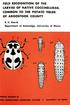 FIELD RECOGNITION OF THE LARVAE OF NATIVE COCCINELLIDAE, COMMON TO THE POTATO FIELDS OF AROOSTOOK COUNTY R. H. Storch Department of Entomolgy, University of Maine TECHNICAL BULLETIN 43 MAINE AGRICULTURAL
SUSCEPTIBILITY OF TWO STRAINS OF AMERICAN SERPENTINE LEAFMINER (LIRIOMYZA TRIFOLII (BURGESS)) TO REGISTERED AND REDUCED RISK INSECTICIDES IN ONTARIO
 Susceptability of leafminers to insecticides JESO Volume 39, 2008 SUSCEPTIBILITY OF TWO STRAINS OF AMERICAN SERPENTINE LEAFMINER (LIRIOMYZA TRIFOLII (BURGESS)) TO REGISTERED AND REDUCED RISK INSECTICIDES
The Alfalfa Weevil in Utah
 Page 1 of 5 The Alfalfa Weevil in Utah Fact Sheet No. 58 January 1989 Edward W. Evans Extension Entomologist Introduction The alfalfa weevil is a major pest throughout Utah. It is a beetle with one generation
Integrated Pest Management
 Chapter 2 Integrated Pest Management In This Chapter Keywords After learning the information in this chapter, you will be able to: 1. Define Integrated Pest Management (IPM). 2. List and describe the 5
Insects in the Classroom Lesson Plan No. 101
 University of Kentucky Entomology Insects in the Classroom Lesson Plan No. 101 Flour Beetles Prepared by Caroline Stetter Neel Extension Specialist Activity Description Hands-on Discovery Lab Age Group:
MATERIAL AND METHODS Plant and animal material Experimental design Data analysis RESULTS Behaviour of C. septempuncta 476
 et al., 1981a,c) and predators were free to leave a host plant at any time. The interactions between predator and prey were quantified and the fate of the aphids in the colony was noted. MATERIAL AND METHODS
John Herbert 122 S. Entomology Drive Tifton, GA 31793 Phone: (229) 386-3228 Fax: (229) 386-3086 Email: [email protected]
 John Herbert 122 S. Entomology Drive Tifton, GA 31793 Phone: (229) 386-3228 Fax: (229) 386-3086 Email: [email protected] Education Ph.D. Entomology, University of Florida 2009 Concentration: Biological
ECONOMIC INJURY LEVEL (EIL) AND ECONOMIC THRESHOLD (ET) CONCEPTS IN PEST MANAGEMENT. David G. Riley University of Georgia Tifton, Georgia, USA
 ECONOMIC INJURY LEVEL (EIL) AND ECONOMIC THRESHOLD (ET) CONCEPTS IN PEST MANAGEMENT David G. Riley University of Georgia Tifton, Georgia, USA One of the fundamental concepts of integrated pest management
HOW TO ASSESS NON-TARGET EFFECTS OF POLYPHAGOUS BIOLOGICAL CONTROL AGENTS: TRICHOGRAMMA BRASSICAE AS A CASE STUDY
 Assessing Non-Target Effects of Polyphagous Biological Control Agents HOW TO ASSESS NON-TARGET EFFECTS OF POLYPHAGOUS BIOLOGICAL CONTROL AGENTS: TRICHOGRAMMA BRASSICAE AS A CASE STUDY Dirk BABENDREIER
PEST IDENTIFICATION. PMA 4570/6228 Lab 1 July 3 2014
 PEST IDENTIFICATION PMA 4570/6228 Lab 1 July 3 2014 Steps towards a successful IPM program 1. Correct identification 2. Monitoring 3. Economic thresholds 4. Choice of optimum pest control option Pests
COTTON RESEARCH AND DEVELOPMENT CORPORATION
 '\,. COTTON RESEARCH AND DEVELOPMENT CORPORATION Project title: Assessing the effectiveness of Helicoverpa predators Project Number: UNE13C Research Organisation: University of New England Principal researcher:
Social Insects. Social Insects. Subsocial 4/11/10. More widespread 13 orders of insects no reproductive division of labor
 Social Insects Sociality evolved multiple times in insects Much of Earth s fauna consists of social insects They play major roles in entire ecosystems Proliferation of ants and termites associated with
NATURE AND SCOPE OF BIOLOGICAL CONTROL
 Biological Control of Pests, ENTO 675, UH-Manoa, Fall 2000, M. W. Johnson 1 NATURE AND SCOPE OF BIOLOGICAL CONTROL I. DEFINITIONS A. H. S. Smith (1919) first used term "biological control" to signify the
Integrated Pest Management
 Integrated Pest Management Ecology and Human Impact R. Bruce Chapman Insect Science Ltd Pest organisms When do organisms become pests? When an organism s population exceeds a threshold level, and control
INTEGRATED PEST MANAGEMENT OF INSECTS IN URBAN GREEN SPACES
 INTEGRATED PEST MANAGEMENT OF INSECTS IN URBAN GREEN SPACES M Glavendekić University of Belgrade, Faculty of Forestry, Department of Landscape Architecture and Horticulture, Belgrade, Serbia, email: [email protected]
Article. Keywords development; life table; Cryptolaemus montrouzieri; degree day.
 Arthropods, 215, 4(3): 78-89 Article Effects of temperature on population growth parameters of Cryptolaemus montrouzieri (Coleoptera: Coccinellidae) reared on Planococcus citri (Homoptera: Pseudococcidae)
Marietta leopardina (Hymenoptera: Aphelinidae) and Aprostocetus (Aprostocetus)
 Marietta leopardina (Hymenoptera: Aphelinidae) and Aprostocetus (Aprostocetus) sp. (Hymenoptera: Eulophidae) are Obligate Hyperparasitoids of Tamarixia radiata (Eulophidae) and Diaphorencyrtus aligarhensis
Organic Control Methods of Almond Insect Pest
 Big Tree Organic Field Day Turlock, CA, April 2nd, 2009 Organic Control Methods of Almond Insect Pest David Doll Farm Advisor UCCE Merced County Overview Organic Control Methods of Control of common pests
Integrated Pest Management
 Integrated Pest Management Science and Language Arts Brief Description: This lesson will focus all of the information the students have learned about pests in the other insect lessons in a decision-making
Hop Pest Control. H. E. Morrison. jpf^vrsiolnrru; - «ibntoj."' «- '',orto JUN 6 I-JJ3
 Hop Pest Control H. E. Morrison its of jpf^vrsiolnrru; - «th ' s ibntoj."' «- '',orto JUN 6 I-JJ3 Agricultural Experiment Station Oregon State College Corvallis Circular of Information 589 May 1958 Hop
Improved Envirosol fumigation methods for disinfesting export cut flowers and foliage crops
 Improved Envirosol fumigation methods for disinfesting export cut flowers and foliage crops Z Zhang & C W van Epenhuijsen September 2004 A report prepared for MAF Sustainable Farming Fund, Central Flower
Tree Integrated Pest Management. Dan Nortman Virginia Cooperative Extension, York County
 Tree Integrated Pest Management Dan Nortman Virginia Cooperative Extension, York County IPM Refresher Definition: The use of a combination of appropriate pest control tactics to reduce pest population
Improved SAS Θ codes for life table analysis of arthropod populations
 Improved SAS Θ codes for life table analysis of arthropod populations Aline de Holanda Nunes Maia 1 Alfredo José Barreto Luiz 1 Ahmad Pervez 2 1 Introdução Fertility life table (FLT) analysis of arthropod
S. Navarro and E. Donahaye Departmenr of Stored Products, ARO, The Volcani Center, Bet Dagan, Israel
 SENSITIZATION OF INSECTS TO FUMIGATION TECHNIQUES, INCLUDING REDUCED PRESSURE* S. Navarro and E. Donahaye Departmenr of Stored Products, ARO, The Volcani Center, Bet Dagan, Israel Abstract The unique properties
Toshihiro IMAI* and Haruyasu HARADA
 Appl. Entomol. Zool. 41 (1): 87 91 (2006) http://odokon.ac.affrc.go.jp/ Low-temperature as an alternative to fumigation to disinfest stored tobacco of the cigarette beetle, Lasioderma serricorne (F.) (Coleoptera:
APHIS-PPQPPQ Center for Plant Health, Science and Technology Buzzards Bay, MA
 Scott Myers, Entomologist USDA-APHIS APHIS-PPQPPQ Center for Plant Health, Science and Technology Buzzards Bay, MA Background USDA Animal and Plant Health Inspection Service (APHIS) Plant Protection and
Colorado potato beetle LIFE STAGES
 Colorado potato beetle LIFE STAGES Adult Colorado potato beetle, Leptinotarsa decemlineata (Say) Gilles Boiteau Research Station Fredericton, New Brunswick Jean-Pierre R. Le Blanc Nova Scotia Agricultural
INTERNATIONAL STANDARDS FOR PHYTOSANITARY MEASURES CODE OF CONDUCT FOR THE IMPORT AND RELEASE OF EXOTIC BIOLOGICAL CONTROL AGENTS
 Publication No. 3 February 1996 INTERNATIONAL STANDARDS FOR PHYTOSANITARY MEASURES CODE OF CONDUCT FOR THE IMPORT AND RELEASE OF EXOTIC BIOLOGICAL CONTROL AGENTS Secretariat of the International Plant
Wooly Whiteflies (Aleurothrixus floccosus)
 Cooperative Extension Wooly Whiteflies (Aleurothrixus floccosus) The University of Arizona $ College of Agriculture $ Tucson, Arizona 85721 (part of the publication Citrus Arthropod Pest Management in
Introduction to Integrated Pest Management. John C. Wise, Ph.D. Michigan State University MSU Trevor Nichols Research Complex
 Introduction to Integrated Pest Management John C. Wise, Ph.D. Michigan State University MSU Trevor Nichols Research Complex What is Integrated Pest Management? Integrated Pest Management (IPM) New concept;
Study on growth and sprouts of Oak Forest for Forest fire site in South Korea. [email protected]
 Study on growth and sprouts of Oak Forest for Forest fire site in South Korea Sung Cheol Jung 1, Yeon Ok Seo 1*, Kang Min Moon 2 1 Warm-Temperate and Subtropical Forest Research Center, KFRI, Jejudo, 697-050,
Discover Entomology. Discover Entomology. A Science, a Career, a Lifetime. A Science, a Career, a Lifetime
 Discover Entomology A Science, a Career, a Lifetime Discover Entomology A Science, a Career, a Lifetime What is Entomology? Entomology is the study of insects. Entomologists study bees, ants, beetles,
Population Ecology. Life History Traits as Evolutionary Adaptations
 Population Ecology An Overview of Population Ecology Population ecology is the study of factors that affect population: Density Growth A population is a group of individuals of a single species that occupy
AP ENVIRONMENTAL SCIENCE 2010 SCORING GUIDELINES
 AP ENVIRONMENTAL SCIENCE 2010 SCORING GUIDELINES Question 3 (a) Why are zebra mussels located primarily in areas in the eastern United States rather than in the western United States? One point can be
A Visual Guide to Detecting Emerald Ash Borer Damage
 cfs.nrcan.gc.ca A Visual Guide to Detecting Emerald Ash Borer Damage Ontario Ministry of Natural Resources Library and Archives Canada Cataloguing in Publication A visual guide to detecting emerald ash
Grasshopper and Bean Leaf Beetle
 FS 905 Economic Thresholds in Soybeans Grasshopper and Bean Leaf Beetle Michael A. Catangui, Ph.D. Extension entomologist & assistant professor Plant Science Department South Dakota State University Economic
Determining the effect of stemborers on yields of cereal crops, principally maize and sorghum
 Integrated Systems for the Humid Tropics (Humidtropics) Determining the effect of stemborers on yields of cereal crops, principally maize and sorghum International Centre of Insect Physiology and Ecology
suscon Green One application. 3 years control against grass grub. Grass grub damaged pasture
 suscon Green One application. 3 years control against grass grub. Grass grub damaged pasture suscon Green is a dust free, controlled release granule that controls Grass Grub in newly established pasture
Asian Citrus Psyllid
 PUBLICATION P u b l i c a t8205 i o n 8 0 7 4 Asian Citrus Psyllid ELIZABETH E. GRAFTON-CARDWELL, University of California, Riverside, and UC Kearney Agricultural Center, Parlier; Kris E. Godfrey, California
Introduction to the concepts of IPM
 DEPARTMENT OF PRIMARY INDUSTRY AND FISHERIES Principles of Integrated Pest Management Deanna Chin and Brian Thistleton, Entomology, Diagnostic Services What is a pest? Principles of IPM Introduction to
What is a pest? How Insects Become Pests. How do insects become pests? Problems with Pesticides. What is most commonly used to control insect pests?
 What is a pest? How Insects Become Pests How do insects become pests? Introduction outside of native range Becomes disease vector Plant or animal (inclu. human) disease vector Host shift in native insect
CHECKLIST INTEGRATED PEST MANAGEMENT
 CHECKLIST INTEGRATED PEST MANAGEMENT Before introducing a crop into a greenhouse remove weeds, algae, pet plants, and any plant and growing medium debris located throughout the greenhouse. Repair any drainage
Logistic Paradigm. Logistic Paradigm. Paradigms. How should we consider them?
 Harvesting Paradigms Sustained Yield Harvesting Paradigms Net-Annual Increment Paradigm The Myth of MSY How should we consider them? The logistic paradigm obviously arises from logistic model. Says that
LAYERS BASED ON BODY WEIGHT OR
 A COMPARISON OF PERFORMANCE AND ENERGY INTAKE OF COMMERCIAL LAYERS BASED ON BODY WEIGHT OR EGG WEIGHT^ R H. HARMS2, V. OLlVERO, and G. B. RUSSELL Depment of Daily and Poulby Sciences, University of Florida,
White-footed Ants 1. Introduction. Where Did The White-footed Ant Come From And Where Is It Now? ENY-635
 ENY-635 White-footed Ants 1 J. Warner, R.H. Scheffrahn, and B.J. Cabrera. 2 Introduction The white-footed ant has become a major household pest in Florida. Homeowners, pest control companies, and the news
Tips on Raising Viceroys, Purples, and Admirals. Presented by Todd L. Stout
 Tips on Raising Viceroys, Purples, and Admirals Presented by Red Spotted Purple: Red Spotted Purple: Wild Cherry (Prunus serotina) Red Spotted Purple: Wild Cherry (Prunus serotina) Red Spotted Purple:
BIOLOGICAL CONTROL OF INSECT PESTS IN WHEAT
 BIOLOGICAL CONTROL OF INSECT PESTS IN WHEAT Allen Knutson, Extension entomologist; Emory P. Boring, III Extension entomologist; G. J. Michels Jr. Associate professor of Entomology, Texas AgriLife Extension
AP Biology Unit I: Ecological Interactions
 AP Biology Unit I: Ecological Interactions Essential knowledge 1.C.1: Speciation and extinction have occurred throughout the Earth s history. Species extinction rates are rapid at times of ecological stress.
Chemical versus Biological Control of Sugarcane. By Abid Hussain Matiari Sugar Mills Ltd.
 Chemical versus Biological Control of Sugarcane By Abid Hussain Matiari Sugar Mills Ltd. Sugarcane It is an important cash crop, Pakistan is the fifth largest cane producing country. However, its yield
Unit 4 Lesson 1: A Pest by Any Other Name
 Focus Areas: Pest Control: Biological; Environmental Science, Language Arts Focus Skills: critical thinking, conducting research, observing, graphing, interpreting data Objectives To explore human attitudes
Fungal Entomopathogens: An Enigmatic Pest Control Alternative
 Fungal Entomopathogens: An Enigmatic Pest Control Alternative Nicole Rusconi $ and Cerruti R 2 Hooks! $ Student Research Assistant and 1 Associate Professor and Extension Specialist, University of Maryland
Life Cycle - Butterflies & Moths
 Life Cycle - Butterflies & Moths butterfly goes through four stages in its life. All animals A change as they grow and mature but butterflies and moths undergo the biggest change of all. Butterfly Pupa
BENEFITS OF USING IPM
 Edward J. Bechinski and William H. Bohl Potato growers who use IPM consider all available pest control tools. Alternatives to conventional pesticides are the foundation of every IPM plan. Pesticides play
Ipomoea horsfalliae (prince's vine)
 Australia/New Zealand Weed Risk Assessment adapted for Florida. Data used for analysis published in: Gordon, D.R., D.A. Onderdonk, A.M. Fox, R.K. Stocker, and C. Gantz. 28. Predicting Invasive Plants in
Total Course Hours. Semester Degree code. ID Course Name Professor Course Content Summary. 90 1 st 11070
 LEA0170 Invertebrate Zoology I Italo Delalibera Junior Characterization and importance of the Porifera, Cnidaria, Platyhelminthes, Nemata, Mollusca, Annelida, Echinodermata phyla and smaller invertebrate
Control of Insect Pests in Eucalypt Plantations
 Control of Insect Pests in Eucalypt Plantations Number 30 Revised February 2007 By Charlma Phillips, Principal Forest Health Scientist Eucalypts are native to Australia and have evolved in association
PSEUDOREPLICATION AND ITS FREQUENCY IN OLFACTOMETRIC LABORATORY STUDIES
 Journal of Chemical Ecology, Vol. 26, No. 6, 2000 PSEUDOREPLICATION AND ITS FREQUENCY IN OLFACTOMETRIC LABORATORY STUDIES CLAUDIO C. RAMÍREZ, 1, * EDUARDO FUENTES-CONTRERAS, 2 LUIS C. RODRÍGUEZ, 1 and
Objectives. EAB Symptoms 8/18/14. Emerald Ash Borer: A Threat to Colorado s Community Forests. 1- to 2-Year Life Cycle.
 8/18/14 Emerald Ash Borer: A Threat to Colorado s Community Forests Objectives Introduce EAB Pest origins and biology Current impacts Threat to Colorado Keith Wood Community Forestry Program Manager Colorado
1 ASIAN LONGHORNED BEETLE OUTBREAK
 1 THE REGIONAL MUNICIPALITY OF YORK REPORT NO. 10 OF THE REGIONAL COMMISSIONER OF TRANSPORTATION AND WORKS For Consideration by The Council of The Regional Municipality of York on October 16, 2003 1 ASIAN
Some Parasitoids of Lepidopterous Stem Borer Pests on Maize in Southern Ghana
 Bulletin of Environment, Pharmacology and Life Sciences Original Article Online ISSN 2277 188 Bull. Environ. Pharmacol. Life Sci.; Volume 1 [6] May 212: 77-83 All Rights Reserved Academy for Environment
Caribbean Crazy Ant (proposed common name), Paratrechina pubens Forel (Insecta: Hymenoptera: Formicidae: Formicinae) 1
 EENY284 Caribbean Crazy Ant (proposed common name), Paratrechina pubens Forel (Insecta: Hymenoptera: Formicidae: Formicinae) 1 John Warner and Rudolph H. Scheffrahn 2 Introduction Over the last few years
Worksheets. (Caterpillars of Singapore s Butterflies) Worksheet Title Recommended level. Adaptations of the caterpillar defence mechanism
 Worksheets (Caterpillars of Singapore s Butterflies) Worksheet Title Recommended level 1 Life cycle of a butterfly P3 2 Am I an insect? P3 3 4 Adaptations of the caterpillar defence mechanism The butterfly
Guide to the identification of Wood-boring insects
 Guide to the identification of Wood-boring insects Safeguard Chemicals Ltd., Redkiln Close, Horsham, West Sussex, United Kingdom. RH13 5QL. Tel: 01403 210204 www.safeguardchem.com Introduction This guide
Characteristics of parasitism of diamondback moth by Oomyzus sokolowksii (Hymenoptera: Eulophidae)
 Characteristics of parasitism of diamondback moth by Oomyzus sokolowksii (Hymenoptera: Eulophidae) N. S. Talekar Asian Vegetable Research and Development Center, Shanhua, Tainan 741, Taiwan, ROC Abstract
ResearchOnline@JCU. http://eprints.jcu.edu.au/1300/ This file is part of the following reference: Access to this file is available from:
 ResearchOnline@JCU This file is part of the following reference: Horne, Michael Gary (2005) Investigation into development and preparation of artificial food particles for tropical rock lobster, Panulirus
Cypress Aphid Pest Control in Ethiopia
 Cypress Aphid Pest Control in Ethiopia FAO Subregional Office for Eastern Africa (SFE) The Subregional Office for Eastern Africa (SFE) of the Food and Agriculture Organization of the United Nations (FAO)
Insect Pests of Pecan. Will Hudson Extension Entomologist
 Insect Pests of Pecan Will Hudson Extension Entomologist How important is nut drop to production? Pecan trees typically lose 75% of the pecans between nut set and shell hardening even when protected from
INTEGRATED PEST MANAGEMENT SYSTEM FOR KENNESAW STATE UNIVERSITY
 INTEGRATED PEST MANAGEMENT SYSTEM FOR KENNESAW STATE UNIVERSITY KENNESAW, GEORGIA PREPARED JANUARY 1997 REVISED NOVEMBER 2006 TABLE OF CONTENTS Introduction and Principles of Integrated Pest Management
Asian Longhorned Beetle infestations have been found in North America. What is being done to stop ALB?
 Asian Longhorned Beetle infestations have been found in North America. What is being done to stop ALB? 1 Steps to Eradicate ALB from North America: 1) The USDA regulates the import of wood packing material,
Integrated Pest Management: Principles & Practice. Dr. Ana Legrand Connecticut IPM Program University of Connecticut
 Integrated Pest Management: Principles & Practice Dr. Ana Legrand Connecticut IPM Program University of Connecticut Integrated Pest Management IPM is the selection, integration and implementation of pest
Victoria Y. Yokoyama 1, Pedro A. Rendón 2 & John Sivinski 3. Introduction
 Fruit Flies of Economic Importance: From Basic to Applied Knowledge Proceedings of the 7th International Symposium on Fruit Flies of Economic Importance 10-15 September 2006, Salvador, Brazil pp. 157-164
Attracting Beneficial Insects with Native Flowering Plants
 Extension Bulletin E-2973 New January 2007 Attracting Beneficial Insects with Native Flowering Plants Anna Fiedler, Julianna Tuell, Rufus Isaacs, and Doug Landis Department of Entomology, Michigan State
Biology of External Parasites of Dairy Goats 1
 ENY-273 Biology of External Parasites of Dairy Goats 1 P. G. Koehler and J. F. Butler 2 Arthropod pests limit production in the dairy goat industry in many ways. External parasites feed on body tissue
Formulation of bio-pesticides and mass culture of natural enemies for pest management. D. Ahangama
 Formulation of bio-pesticides and mass culture of natural enemies for pest management D. Ahangama Bio-pesticides Microbial pesticides Fungi, Bacteria, Viruses, Protozoa, Nematodes Biochemical Substances
Possible Commercial Formulations of Insect- Parasitic Nematodes *
 Possible Commercial Formulations of Insect- Parasitic Nematodes * W. R. NICKLE, Nematology Laboratory, Plant Protection Institute, Science and Education Administration, Agricultural Research, Beltsville
Alaska Forest Pest Control Supplemental Information. Category Twelve
 Alaska Forest Pest Control Supplemental Information Category Twelve In general, applicators who apply pesticides to property other than their own, or act as a pesticide consultant must obtain certification
REVIEW UNIT 10: ECOLOGY SAMPLE QUESTIONS
 Period Date REVIEW UNIT 10: ECOLOGY SAMPLE QUESTIONS A. Sample Multiple Choice Questions Complete the multiple choice questions to review this unit. 1. All of the following are density-dependent factors
GUIDELINES FOR THE REGISTRATION OF BIOLOGICAL PEST CONTROL AGENTS FOOD AND AGRICULTURE ORGANIZATION OF THE UNITED NATIONS
 GUIDELINES FOR THE REGISTRATION OF BIOLOGICAL PEST CONTROL AGENTS FOOD AND AGRICULTURE ORGANIZATION OF THE UNITED NATIONS -ii- GUIDELINES ON THE REGISTRATION OF BIOLOGICAL PEST CONTROL AGENTS FOOD AND
by Erik Lehnhoff, Walt Woolbaugh, and Lisa Rew
 Designing the Perfect Plant Activities to Investigate Plant Ecology Plant ecology is an important subject that often receives little attention in middle school, as more time during science classes is devoted
i-tree Eco Precipitation Interception Model Descriptions
 Satoshi Hirabayashi 1 Version 1.3 January 30, 2013 1 The Davey Tree Expert Company, Syracuse, New York 13210, USA Table of Contents 1. Introduction... 1 2. Model Descriptions... 1 2.1. Hourly precipitation
Aspects of Reproduction and the Condition of Gravid Mud Crab (Crustacea: Brachyura: Potamon) in Ebonyi State, Nigeria
 International Journal of Research Studies in Biosciences (IJRSB) Volume 3, Issue 1, January 2015, PP 104-109 ISSN 2349-0357 (Print) & ISSN 2349-0365 (Online) www.arcjournals.org Aspects of Reproduction
Whiteflies in Southwest Florida
 Whiteflies in Southwest Florida 02/22/2013 Agenda What is a whitefly? What damage do whiteflies cause? How can whiteflies be treated? What is the future for whitefly problems? What is a whitefly? Small,
EFFECTS OF TEMPERATURE ON THE DEVELOPMENT OF THE WOOD FROG, RANA SYLVATICA
 20 Journal of Ecological Research, 6, 20-24 (2004) EFFECTS OF TEMPERATURE ON THE DEVELOPMENT OF THE WOOD FROG, RANA SYLVATICA Jessica Darrow, Andrea Nulton and Danielle Pompili ABSTRACT Eggs of the wood
PLEASE SCROLL DOWN FOR ARTICLE. Full terms and conditions of use: http://www.informaworld.com/terms-and-conditions-of-access.pdf
 This article was downloaded by: On: 6 January 2010 Access details: Access Details: Free Access Publisher Taylor & Francis Informa Ltd Registered in England and Wales Registered Number: 1072954 Registered