
The Successful Real Estate Investors Guide: TOP TAX TIPS Ilyce R. Glink
|
|
|
- Mervin West
- 10 years ago
- Views:
Transcription
1 The Successful Real Estate Investors Guide: TOP TAX TIPS Ilyce R. Glink

2 Introduction To make smart investments in real estate, you have to find the right property in the right location, negotiate a great deal, find your financing and manage the closing. But to be truly successful as a real estate investor, you must consider the tax implications of your purchase: Are you a passive investor or active investor? Are you investing for long-term capital gains or will your investment result in short-term capital gains? Will you take depreciation on your real estate investment? How will your real estate investment affect your federal and state income taxes? Will you need to set up a partnership, Limited Liability Company (LLC), an S Corporation or purchase properties individually? Will your name be on the title to the property you will be purchasing or will a corporation or company hold title to the property? Savvy investors start thinking about the tax implications of real estate investing before they make a move and so should you. If you do think about the tax consequences of your purchase, you ll have a greater chance of making a good investment decision and at understanding what that real estate investment can do for you over the long term. The Successful Real Estate Investors Guide: Top Tax Tips Page 2

3 General Tax Benefits of Investing in Real Estate One of the biggest mistakes a real estate investor can make is to delay thinking about the tax consequences of a purchase. Ricky Novak, president of Strategic 1031 Exchange Advisors and a real estate attorney, tells his clients to be proactive and start thinking about tax implications at the point they decide to buy a piece of property. Chet Burges, an enrolled agent who owns Brookwood Tax Service, indicates that over the long term, real estate has been a very good investment for a lot of people. But being smart about taxes can help turn a good investment into something better. How should you start thinking about the tax consequences of real estate investments? First, you have to decide what kind of real estate investor you re going to be, while understanding that active real estate investors and passive real estate investors get treated differently for federal income tax purposes. Active Real Estate Professionals If you re an active real estate professional, you make the decisions about buying and selling individual properties and actively manage them. As an active real estate professional, you get to take advantage of various tax benefits and can take tax losses (see below). To qualify as an active real estate professional, you must meet several requirements under the Internal Revenue Code: 1. More than 50 percent of your personal services (work) during the year must be preformed in real property trades or businesses; 2. You must spend more than 750 hours working during the year in real property trades or business (and be able to document it). Rental property managers and investors should try to avoid any gray area, because gray areas can cause problems with IRS audits, says Burgess. Passive Real Estate Investors If you re a passive real estate investor, you contribute money to the purchase and upkeep of the property, but do not participate in the day-to-day management of the property. As a passive investor you re limited to a deduction of up to $25,000 a year in losses. If you re an active real estate investor, you need to decide if you re a flipper or a longterm investor: The Successful Real Estate Investors Guide: Top Tax Tips Page 3

4 Flippers If you re flipping houses (where you buy and sell houses frequently), the tax code considers you to be in the business of renovating and flipping houses. You re going to have to pay more taxes. When you are in the business of buying and selling real estate, you will pay federal income taxes on each sale as ordinary income. That means if you are in the 35 percent tax bracket and you have made $10,000 in profit from the sale of a property, you will pay the federal government $3,500 in income taxes. In addition, you will have other taxes to pay to state and local governments depending on where you live. There s no magic number or properties you own to become a flipper. Burgess recommends that if you buy and sell more than one property a year, your houses may be treated like retail inventory and the properties may also be taxed at normal income rates. Remember, you must hold the property for at least a year or the sale is treated as a short-term capital gain, and you ll be taxed at your normal marginal income rate. But even if you hold the property for one year, if you are in the business of buying and selling real estate, that sale of real estate will probably still be considered inventory and taxed at ordinary income tax rates. Long-Term Investors Instead of flipping houses, you can renovate a home and sell it or possibly consider using it as a rental property investment for several years. In general, if you hold a property for a year or longer, and upon the sale of that investment property you may qualify under a lower tax classification and be able to consider the profits as capital gains. That lower tax classification would mean that if you had a $10,000 profit on the sale of the long term investment in real estate and your long-term capital gains rate is 15 The Successful Real Estate Investors Guide: Top Tax Tips Page 4

5 percent, you would only pay $1,500 in federal capital gains taxes. Under some scenarios, you might be able to sell the property and defer the payment of all taxes until some date way in the future by using a tax-free deferred exchange, which we will discuss later. TAX TIP: The $25,000 loss allowance has an income phase out. If your income rises above $100,000 to $150,000, the $25,000 loss allowance phases out gradually. If your adjusted gross income (AGI) is above $150,000, the $25,000 loss allowance is considered suspended. You must wait until the property is sold or your income drops below $150,000 to claim the losses. TAX TIP: Active real estate professionals can take losses to the extent they have them on their real estate properties, no matter what their adjusted gross income (AGI). In some The Successful Real Estate Investors Guide: Top Tax Tips Page 5

6 cases these losses are attributable to depreciation taken on their real estate properties and these losses can offset any income they make, reducing the amount they owe in federal income taxes down to zero or close to zero. Depreciation, Recapture of Depreciation, Maximizing Depreciation The major tax difference between owning your personal residence and owning investment property is depreciation, or the fixed amount that a rental or investment property owner is allowed to deduct from their federal income taxes each year. If you buy office supplies for your business, you deduct the cost of those office supplies against the income your business has generated. If the revenue from your business is $10,000 and you have deductible expenses of $7,000, you would pay federal income taxes on about $3,000. If you buy a building, the federal government allows you to take depreciation on that building over a given period of time, usually 27.5 years for residential rental property. If you purchased a building for $275,000, excluding the value of the land, you could depreciate that building $10,000 each year for 27.5 years. According to Burgess, depreciation is a tax deduction. But unlike our example of buying office supplies, no actual cash left the pocket of the property owner. The depreciation that active real estate investors can take is a fixed, deductible cost that reduces the amount of income you would otherwise report to the IRS by sheltering the income the investment property generates. It has the net effect of reducing the amount you pay in federal income taxes each year. If you have ten properties and each has the same amount of depreciation, you might wind up generating a tremendous amount of cash flow from the properties, but reporting no income to the IRS and paying no federal income taxes. While this example is quite simplistic, the point is to give you an idea of how depreciation works in real estate and can affect what you pay in federal income taxes. The total depreciation deduction you take during the years you own the property is recaptured (that is, repaid to the IRS) when the property is resold. The reason you take the deduction now is that the money might be worth more to you today than 10 years The Successful Real Estate Investors Guide: Top Tax Tips Page 6

7 down the road. And if you use deferral mechanisms upon the sale of investment real estate (such as a 1031 Exchange), you might defer paying real estate taxes for quite some time or even forever. You might think that taking depreciation is an option, but Novak has seen issues with people renting vacation homes and not taking the appropriate depreciation deduction. The beach, lake, or mountain house ends up getting treated as a second home and doesn t get depreciated. The IRS could have an issue with the property not being depreciated, says Novak. Depreciation can be confusing and can be quite complicated, but the IRS has some worksheets that can help you calculate your depreciation. However, the process can still be tedious and cumbersome. Below are some examples from enrolled agent Bill Nemeth on how to handle depreciation. Depreciation Examples Simple Example Depreciation of Residential Real Estate 27.5 Year Prop Each year the property gets depreciated or used up at the rate of percent (1/27.5 Years) If the depreciable basis of the home is $100,000, the annual depreciation is percent of $100,000 or $3,636 per year. Depreciation is the item that causes Rental Property to lose money each year. (This loss reduces your adjusted gross income and reduces what gets taxed each year by the IRS.) After 10 Years, the depreciation will have accumulated to be $36,363. If the home is sold after 10 years, the depreciation is recaptured by the IRS - $36,363 is added to your income for the year of sale. The rules for depreciation The Successful Real Estate Investors Guide: Top Tax Tips Page 7

8 would require you to pay taxes on the recaptured depreciation at a rate of 25 percent. Client Forgot To Take Depreciation Clients with self-prepared returns (like those generated by TurboTax) will often come in to have professional help with their taxes when they get more complicated, according to Nemeth. We often see that the client did not take depreciation because they didn t understand depreciation. Unfortunately, they will have to take depreciation into account when they sell because the IRS rules state that Depreciation, taken or available to be taken, must be factored into the sale, Nemeth explains. Nemeth says a tax preparer can amend the last three years of federal income tax returns to add depreciation but this may not solve the problem if the client has been omitting depreciation for the last 10 years. TAX TIP: If you forgot to include depreciation that you should have taken on your federal income tax return, you can amend your federal income taxes and file a Form 3115 to include all the omitted depreciation for the current year return. Once you file the form, you will get all the benefit of the omitted depreciation in that year and may get a big refund, according to Nemeth. The Successful Real Estate Investors Guide: Top Tax Tips Page 8

9 1031 Tax Free Exchanges If you re going to buy and sell investment real estate, you ll become familiar with Internal Revenue Code Section 1031, which allows for the deferral of capital gains tax on the sale of like-kind property either held for investment or productively used in a trade or business. For this reason, a Section 1031 Exchange is often referred to as a Tax-Deferred Exchange or a Like-Kind Exchange. Some people will call them Starker Trusts or Starker Exchanges due to the fact that there was a court case by that name that allowed an exchange to be completed and no taxes to be paid to the federal government as a result of the sale of an existing property and the purchase of a replacement property. A 1031 Exchange not only permits deferral of federal capital gains taxes, it also allows for deferral of depreciation recapture and deferral of state taxes (where applicable). By deferring the taxes associated with the asset sale, the investor is able to preserve his or her equity, and therefore build wealth when reinvesting the preserved equity in future real estate assets. In short, by using a 1031 Exchange, you can basically sell a real estate investment and use all of the proceeds from that sale to buy another property without having to worry about paying any federal income taxes. By using a 1031 Exchange every time you sell and purchase a piece of investment real estate, you can build up your real estate portfolio and defer paying federal income taxes until a date in the future when you decide to cash out of your real estate investments. A 1031 Exchange requires you to hire a qualified intermediary (QI)1031 exchange company to act as if it was selling the property and then act on your behalf to purchase a new replacement property. The Successful Real Estate Investors Guide: Top Tax Tips Page 9

10 At the closing of the sale of your existing investment property, the proceeds from the sale go to the QI. You can t receive money directly from the sale of the property. If you receive any cash directly, that money may be taxable to you and reduce the benefit from the 1031 Exchange. In certain instances, where the money that you receive could not go to the 1031 Exchange, you would be entitled to receive those funds. As an example, if your buyer is crediting you for a reimbursement for work you have done to obtain a tenant or to paint the property and those expenses would not ordinarily go to the 1031 exchange company, you can receive those funds. But the general rule for a closing on an investment property is that you should leave the closing with documents but no cash. Once you have closed on the sale of the investment property, you will have 45 days to identify the new property you want to buy and 180 days to close on the purchase of this new investment real estate property. (You should know that 1031 exchanges work for all types of property held for investment purposes but for purposes of this ebook, we limit the discussion to real estate investments.) Novak recommends that if you re going to buy and sell over time, you want to hire a QI company that really understands the nuances of complicated 1031 Exchanges, and is solid and reliable. According to Novak, the most commonly executed exchange transaction is a Forward Delayed Exchange. With this exchange, property is sold (they usually refer to it as the Relinquished Property ), and the proceeds are then used to purchase another likekind property (a Replacement Property ). In order for the exchange to qualify for taxdeferral under the safe harbor regulations, the sale proceeds must be held on behalf of the taxpayer (that would be you, if you have just sold the property) by a QI. The cost of setting up an exchange trust isn't much, but the benefits of deferring a significant amount of tax to the Federal government can be tremendous. The cost of a 1031 Exchange transaction varies depending on the type of exchange transaction, number of properties involved in the transaction, complexity of the transaction, quality of the QI, and other such variables. In general, a rather vanilla Forward Exchange may cost as little as $750, but more complex exchanges can cost well over $5,000. The Successful Real Estate Investors Guide: Top Tax Tips Page 10

11 TAX TIP: Don t forget that the new property must be a replacement investment property. You cannot sell a strip mall with eight stores and use the funds to purchase your primary residence. For more information on 1031 Tax Deferred Exchanges, see our 1031 Exchange ebook. Installment Sales and Lease/Options or Lease/Purchase When you re investing in real estate, you might want to sell the entire property immediately. Instead, you might want to sell it in pieces, over a number of years to spread out the tax liability. If that s the case, you might use an installment sale or an installment contract. However, if you wish to rent the property and schedule a sale down the line, you might choose a lease/option or lease/purchase. Installment Sales An installment contract or installment sale (also known as an articles of agreement or articles of agreement for deed) is a form of seller financing where the seller agrees to sell a property to a buyer a little bit at a time. The buyer receives an interest in the house, but the seller holds title to the real estate until the buyer has paid off the installment contract in full. Essentially, the buyer pays the seller a sum of money as a down payment (which the seller keeps) and must continue to make payments on the installment contract until the full amount is paid. Once the full amount under the installment contract is paid, the seller transfers title to the property to the buyer. The Successful Real Estate Investors Guide: Top Tax Tips Page 11

12 Lease/Options (also known as Lease/Purchases) A lease purchase allows a seller to rent the property, but collect an option fee upfront from the renter who might want to buy the property down the line. The option fee is typically a non-refundable fee that gives the buyer the right to purchase the property within 12 months (the time period is negotiable) for a previously agreed-upon price. Each month, the renter makes his or her rental payment. Sometimes, a portion of the rental amount may be credited toward the buyer s down payment. The key thing to know about lease/options (also known as lease with an option to buy) is that the seller retains ownership of the property and control. If the buyer does not complete the purchase of the property within the prescribed time period, the buyer may purchase another option with another non-refundable option fee. The seller may agree to leave the purchase price where it is or renegotiate. Brad Nix, a real estate investor and broker, says he likes to offer a property as a leasepurchase to tenants as an incentive to take care of the property. You have more at stake from the tenant. They think they re going to own it eventually. Usually they won t end up going through with the purchase, but it can get them to take care of the property better, says Nix. The Successful Real Estate Investors Guide: Top Tax Tips Page 12

13 Comparing Installment Sales to Lease/Options Jason Fetrow, with Alliance Property Investments, compares an installment sale to lease/options. He tends to puts his properties up for sale and for lease-purchase simultaneously. If he sells the property in an installment sale, Fetrow estimates that he usually collects between 1 to 3 percent of the purchase price, but receives all the benefits of an investment property rental, including depreciation and cash flow. With a lease/option (which Fetrow calls a rent-to-own ), the seller still owns the property and receives all of the benefits of that ownership while the tenant pays a monthly rental fee. The non-refundable lease/option fee is just more money in the seller s pocket. According to Bill Nemeth, there are several scenarios where it makes more sense to offer an installment sale over a lease/option: 1. The buyer cannot come up with the complete funding to pay for the entire transaction at once. If the buyer doesn t have the cash for a down payment or can t get financing, the seller retains title to the property and allows the buyer to act as if he or she owns the property until the buyer has paid all the amounts owed under the installment contract. Once the buyer has paid all the amounts owed, the seller transfers the title of the property to the buyer. The advantage to an installment contract is that the seller retains title to the property. The seller has better control over what the buyer might try to do with the property (including selling it to someone or obtaining additional financing for the property). In a default, the seller might have to take legal action against the buyer to kick him out of the property and eliminate any ownership interest he might have accumulated in the property. The Successful Real Estate Investors Guide: Top Tax Tips Page 13

14 2. Sellers may enjoy lower taxes with an installment sale. If the seller gets all of the cash from the sale at once, his or her tax bill might be significant. But if the seller sells with an installment sale, the tax bill is spread out over a longer period of time and may ultimately be less. Also, if a seller has a profit on the sale of a real estate investment of $250,000, that profit along with recapture of any depreciation would be significant if paid to the IRS all at once. Under an installment sale, the seller can pay the taxes on the money made from the sale over the time it takes the contract buyer to pay the money back. TAX TIP: Keep in mind that the long term capital gains tax rate is historically low. If the law changes, and long-term capital gains rates increase, spreading the gain over various years into the future could result in an increase in taxes, rather than getting the benefit from spreading the gain out. Using Your IRA To Buy Real Estate According to Burgess, most people do not realize that it is possible to make direct real estate investments in a retirement plan. But you ll need to use a self-directed 401(k) or IRA plan that allows direct investments in real estate. If you live in or otherwise use the real estate, you can t invest in that piece of real estate, says Burgess. Dos and Don ts Burgess has a list of dos and don ts when it comes to investing in real estate using an IRA or self-directed 401(k): 1. Make sure all income from the real estate is paid directly into the retirement plan and all expenses are paid directly from the plan assets. This generally requires a property manager who will remit income to the plan trustee and bill the plan trustee for any expenses. The Successful Real Estate Investors Guide: Top Tax Tips Page 14

15 2. You, as plan beneficiary, cannot touch any of the money at any time. You should not sign any real estate documents, including purchase or sales documents those must be signed by the plan trustee. 3. You can t use money from a tax-deferred retirement plan to buy a primary residence or vacation home for your personal use. If you are thinking about turning an investment property into a personal residence down the line, make sure you consult with a good tax advisor. 4. If you need financing to purchase a property in an IRA or self-directed 401(k), you can t personally guarantee the loan. You as an individual and the IRA must remain separate entities. 5. Tax benefits and tax losses from the real estate investments can only flow to the IRA or the self-directed 401(k). You can t take any of those losses on your personal or business income tax returns. If there is any depreciation to be taken for the property, that depreciation is of little benefit to the IRA or self-directed 401(k), as the funds in the account do not file an annual tax return and there are no profits that can offset the depreciation. Advantages In addition to being able to use money that may be tied up in IRA or self-directed 401(k) accounts, some of the advantages in using an IRA or self-directed 401(k), according to Burgess, are as follows: 1. It s another source of capital for real estate investing. It doesn t require that you go through a mortgage approval process, which can be onerous. The Successful Real Estate Investors Guide: Top Tax Tips Page 15

16 2. Cash withdrawn to purchase real estate investments is tax deferred. Taxes aren t paid when the cash is withdrawn from the IRA or self-directed 401(k) plan as long as you meet the rules for a purchase of investment property. Money withdrawn improperly will be subject to any penalties and taxes. Disadvantages However, Burgess noted that some real estate investors can run into trouble by using funds drawn from a self-directed IRA or 401(k): 1. It s harder to find mortgages for property held in a 401(k) or IRA. These days, lenders are skittish about anything other than plain vanilla financing (and condo financing can have significant problems). If you re going to use cash from your selfdirected IRA or 401(k), you might be best off paying cash for the entire property rather than trying to find a lender who will help. 2. You lose the potential current tax deductions. In an IRA, you can t deduct annual losses, period. 3. The logistics can be cumbersome. You re dealing with several layers of management, including a trustee and a property manager. These can add expenses and headaches of their own. 4. Gains will be taxed at ordinary income rather than capital gains rates. If you re hugely successful, maybe it won t matter. But at the moment, capital gains rates top out at 15 percent, while ordinary income tax rates top out at 35 percent. That s a big difference. If you use cash from a Roth IRA you may not have to worry about this. TAX TIP: Burgess also notes that the rules for real estate investing within an IRA are very similar to those for a 401(k). One way they differ is that you might be faced with a special tax on what is called unrelated debt-financed income. This tax is on that portion of the income attributable to the borrowed portion used to purchase the real estate. You would be well advised to use a qualified tax professional before using an IRA to invest in real estate. The Successful Real Estate Investors Guide: Top Tax Tips Page 16

17 Other Tax Deductions for Real Estate Investors When you become a real estate investor, you re no longer just filing a simple tax return. Real estate investing opens up more deductions you are allowed to claim on your taxes. Nemeth offers this list of potential deductions a real estate investor can claim: Advertising Auto and travel associated with rental activities (such as picking up rent check) Cleaning and maintenance Commissions Insurance Legal and other professional fees (tax prep, bookkeeping) Management fees Mortgage interest Repairs (not capital improvements, like a new roof) Supplies Property taxes Utilities Landscaping activities (mowing lawn, trimming shrubs) Community association fees Depreciation According to Burgess, Many of the expenses that homeowners are used to paying for, but not deducting, are deductible on a rental property. He tells his clients that the deductions go above and beyond the mortgage interest and property tax that they are used to deducting. Rental property owners can deduct the cost of installing and maintaining their security system, waste disposal and pest control. TAX TIP: If you owe money on a personal loan and an investment loan, which should you pay off first? Interest payments on an investment loan are tax deductible while interest The Successful Real Estate Investors Guide: Top Tax Tips Page 17

18 Home Office Tax Deduction payments on a personal loan are not. Pay off the personal loan first and maximize your deductions. If you re an active real estate investor or full-time real estate professional (which the IRS defines as spending more than 50 percent of your total working hours on real estate sales and management) and you feel confident you can prove that you used a portion of your home exclusively for business purposes, you can get substantial benefits, assuming you file as a self-employed individual on Schedule C. Active real estate investors might even be able to write off a portion of their own home for the home office deduction. Nemeth says that if you re an active real estate investor and you use 10 percent of your home to manage your real estate investments, you may be able to take advantage of the following home office deductions: Deduction of 10 percent of the cost of insurance on the home. Deduction of 10 percent of the property taxes for the home. You might otherwise get to deduct the real estate taxes, but this amount would be taken off the real estate business. Deduction of 10 percent of mortgage interest paid on the home mortgage. Again, you might otherwise get to deduct the mortgage interest on your personal side of the federal income tax return, but you would get this portion of the benefit on the business side. Deduction of 10 percent of the cost of utilities used in the home. Deduction of 10 percent of the amount of the depreciation on the entire home. The amount of this depreciation could be beneficial in terms of reducing the amount you pay in federal income taxes. The total office-in-home deduction could be a substantial and worthwhile taking for the person that actively manages his real estate investments from an area of his home used exclusively for that purpose. The Successful Real Estate Investors Guide: Top Tax Tips Page 18

19 Keep in mind that a person that uses his home for business purposes will also be entitled to deduct the mileage driven to and from the home of the investment properties as a tax-deductible business expense. Nemeth recommends using the services of a qualified tax professional for Office-in- Home deductions because he has seen TurboTax lead to incorrect deductions for most novice tax preparers. Conclusion If you re serious about investing in real estate, you ll want to think about the tax consequences of your purchase before you even start looking for properties to buy. Be sure to find a knowledgeable tax preparer who can assist you in making tax-savvy moves. The Successful Real Estate Investors Guide: Top Tax Tips Page 19

20 About Ilyce Glink Ilyce Glink is the author of ten books, including the bestselling 100 Questions Every First-Time Home Buyer Should Ask. Her nationally syndicated column, "Real Estate Matters," appears in more than 125 newspapers and Web sites, and her online "Ask Ilyce" columns are read by hundreds of thousands of people every month. She is a top-rated radio host on WSB Radio in Atlanta, a real estate blogger on CBS News MoneyWatch site, host of the Internet program "Expert Real Estate Tips," managing editor of the Equifax Personal Finance Blog and publisher of ThinkGlink.com. Ilyce has appeared on hundreds of television and radio programs across the country, including Oprah, the Today show, the Early Show, and on CNN, CNN-FN, CNBC and Fox News. Ilyce has won numerous awards during her career, including Best Consumer Reporter from the National Association of Real Estate Editors, two Peter Lisagor Awards (for broadcast and written commentary) and the first Money$mart Award from the Federal Bank of Chicago. Contact Ilyce through her Web site, ThinkGlink.com. You can also find Ilyce on Facebook, Twitter and on her Expert Real Estate Tips YouTube channel. The Successful Real Estate Investors Guide: Top Tax Tips Page 20

21 Copyright Notification and Distribution Information 2009 by Ilyce R. Glink. All rights reserved. The entire contents of this ebook are copyrighted and protected by U.S. copyright law. You may make as many copies of this report as you like for your own personal use, but may not send, sell, distribute, , print and mail, or otherwise share this ebook with anyone else. If someone wants the information contained in this special ebook, please send them to ThinkGlink.com. We ll be delighted to sell as many copies as he or she likes. Disclaimer The tips and advice given by individuals other than Ilyce Glink in the ebook are the opinions of those people, and are not necessarily the same as Ilyce Glink s. This book is intended as a general guide to the topics discussed and does not deliver accounting, personal finance, or legal advice. It is not intended and should not be used, as a substitute for professional advice (legal or otherwise). You should consult a competent attorney and/or other professional with specific issues, problems, or questions you have. For more information, go to ThinkGlink.com. The Successful Real Estate Investors Guide: Top Tax Tips Page 21
Retire Rich. Written By Joshua Sharp Self Directed IRA and 401k Expert. Larry Goins. Real Estate Author, Trainer and Investor
 Retire Rich GetOutOfTheVolatileFinancialMarkets AndSuperchargeYourIRAorRetirement AccountUsingDiscountedRealEstate! RentorFlip UsingyourIRAor401ktothefullest.KnowtheRightTimetoUse YourRetirementAccountandGettheMostFromYourRealEstateInvestments.
What types of retirement accounts can be moved into Check Book IRA accounts?
 Check Book IRA Put the "I" back in your IRA FAQ Frequently Asked Questions What is a Self-Directed IRA Custodian? A self-directed IRA custodian is approved by the IRS but you are allowed to direct the
Real Property for a Real Retirement.
 Real Property for a Real Retirement. Rent or Flip - Using your IRA or 401k to the fullest. Know the Right Time to Use Your Retirement Account and Get the Most From Your Real Estate Investments. 2011 CompleteIRA
Tips for First Time Home Buyers
 Tips for First Time Home Buyers Thinking about buying your first home? Andrew L. Jaloza & Associates will help you understand the process of home ownership so you can make informed decisions about your
SMART INVESTOR RE/MAX NORTH CENTRAL
 SMART INVESTOR With interest rates and sales prices at historically low levels, it might be the right time to make the move and turn your investment dreams into a reality. RE/MAX NORTH CENTRAL Outstanding
1031EXCHANGE HANDBOOK
 SECTION 1031EXCHANGE HANDBOOK YOUR QUESTIONS ANSWERED Investment Exchange Group Toll free 800.908.1031 www.ixg1031.com Investment Exchange Group This 1031 Exchange Handbook will simplify and clarify terminology
Estate Planning. Insight on. The basics of basis. Does a private annuity have a place in your estate plan? Estate tax relief for family businesses
 Insight on Estate Planning June/July 2015 The basics of basis Basis planning can result in significant tax savings Does a private annuity have a place in your estate plan? Estate tax relief for family
PRESENTED BY: BOB BOWER SENIOR VICE PRESIDENT CBRE
 PRESENTED BY: BOB BOWER SENIOR VICE PRESIDENT CBRE TABLE OF CONTENTS SECTION I 1031 EXCHANGE SECTION III SECTION IV SECTION V SECTION VI SECTION VII SECTION VIII SECTION IX SECTION X SECTION XI LEASEHOLD
RETIREMENT ACCOUNTS (c) Gary R. Evans, 2006-2011, September 24, 2011. Alternative Retirement Financial Plans and Their Features
 RETIREMENT ACCOUNTS (c) Gary R. Evans, 2006-2011, September 24, 2011. The various retirement investment accounts discussed in this document all offer the potential for healthy longterm returns with substantial
Wealth Strategies. www.rfawealth.com. Saving For Retirement: Tax Deductible vs Roth Contributions. www.rfawealth.com
 www.rfawealth.com Wealth Strategies Saving For Retirement: Tax Deductible vs Roth Contributions Part 2 of 12 Your Guide to Saving for Retirement WEALTH STRATEGIES Page 1 Saving For Retirement: Tax Deductible
Self-Directed Real Estate IRA 101: How Does a Real Estate IRA Investment Actually Work? EQUITY TRUST COMPANY
 Self-Directed Real Estate IRA 101: How Does a Real Estate IRA Investment Actually Work? EQUITY TRUST COMPANY 1 PART I Self-Directed Real Estate IRA 101: How does a real estate IRA actually work? gets into
Inland Private Capital Corporation. 1031 Exchange Solutions & Investing in Private Placements A Presentation for Certified Public Accountants
 Inland Private Capital Corporation 1031 Exchange Solutions & Investing in Private Placements A Presentation for Certified Public Accountants Disclaimers Investments are suitable for accredited investors
Your Guide to Real Estate in an IRA
 Louisville Realty Associates Robert Kelly 815 Walnut Street A Louisville, CO 80027 720-284-9211 www.louisvillerealtyassociates.com Your Guide to Real Estate in an IRA Information is provided by New Direction
My interest in real estate investment comes naturally. I. The Secrets to a Tax Free Life with Real Estate Investment BY LARRY STONE, CPA CTC
 Chapter Five The Secrets to a Tax Free Life with Real Estate Investment BY LARRY STONE, CPA CTC My interest in real estate investment comes naturally. I inherited it from my father and grandfather. Both
CREATIVE FINANCING. Why Creative Financing? Why Creative Financing? Why Creative Financing? 9/2/2011
 HOW TO USE CREATIVE FINANCING TECHNIQUES TO YOUR ADVANTAGE Why Creative Financing? Beginning & unsophisticated Real Estate Investors let the bank tell them what they can buy. This doesn t work anymore.
The mechanics of foreclosure are specific to the laws of the State in
 Unraveling the Mystery of Cancellation of Indebtedness Income What Borrowers Need to Know of the Potential Tax Costs of Loan Workouts and Foreclosures by Edward J. Hannon, Partner, Corporate and Real Estate
Alternative Retirement Financial Plans and Their Features
 RETIREMENT ACCOUNTS Gary R. Evans, 2006-2013, November 20, 2013. The various retirement investment accounts discussed in this document all offer the potential for healthy longterm returns with substantial
The. Estate Planner. FAQs about donating real estate. The Roth IRA: Is it time to convert? It s intentionally defective?
 The Estate Planner September/October 2009 FAQs about donating real estate The Roth IRA: Is it time to convert? It s intentionally defective? How an IDGT can benefit your estate plan Estate Planning Red
Commercial Real Estate Investment: Opportunities for Income Generation in Today s Environment
 Commercial Real Estate Investment: Opportunities for Income Generation in Today s Environment Prepared by Keith H. Reep, CCIM Real Estate Investment Consultant In this white paper 1 Advantages of investing
Renting vs. Owning a Home
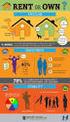 1.9.3.L1 Note taking guide Renting vs. Owning a Home Total Points Earned 30 Total Points Possible Percentage Name Date Class Housing is the largest personal expenditure Approximately of a person s income
1999 Instructions for Schedule E, Supplemental Income and Loss
 1999 Instructions for Schedule E, Supplemental Income Loss Use Schedule E (Form 1040) to report income or loss from rental real estate, royalties, partnerships, S corporations, estates, trusts, residual
Traditional IRA s Contribution rules-
 A Traditional IRA is a retirement plan that allows you to save money for retirement. In the case of a traditional IRA, you may also be offered an immediate tax shelter for the contributions that you make
PURCHASING REAL ESTATE IN A SELF DIRECTED IRA OR QUALIFIED PENSION PLAN. By Maurice M. Glazer, CEO GLAZER FINANCIAL NETWORK
 PURCHASING REAL ESTATE IN A SELF DIRECTED IRA OR QUALIFIED PENSION PLAN By Maurice M. Glazer, CEO GLAZER FINANCIAL NETWORK In today s market or lack of market, most baby boomers have most of their retirement
Non-Financial Assets Tax and Other Special Rules
 Wealth Strategy Report Non-Financial Assets Tax and Other Special Rules OVERVIEW Because unique attributes distinguish them from other asset classes, nonfinancial assets may offer you valuable financial
IMPACT. July/August 2014. It s time for midyear tax planning Timely tips to help keep your tax bill low. How to make the most of life insurance
 tax July/August 2014 IMPACT It s time for midyear tax planning Timely tips to help keep your tax bill low How to make the most of life insurance Buying or selling a business? Here s what you need to know
A Quick Guide to Real Estate IRAs. American IRA, LLC
 A Quick Guide to Real Estate IRAs American IRA, LLC Declare independence from Wall Street! Self-directed IRAs and other retirement accounts let you take personal control of your assets. YES! You CAN Own
IREM Skill Builder: After-Tax Cash Flow Analysis
 ABOUT TAXATION Taxation can have a significant impact on the cash return produced by investment real estate both during ownership and at sale. Real estate managers have a responsibility to help owners
Self-Directed Retirement Accounts. 1031 Exchange Investments
 Self-Directed Retirement Accounts & 1031 Exchange Investments Security Trust Company & James Brennan Esq., LL.M. Exchange Solutions Group Security Trust Company Security Trust Company is a retirement plan
Frequently Asked Questions
 The Real Estate IRA Frequently Asked Questions Simply put, a self-directed individual retirement account (IRA) gives you the freedom, flexibility, and choice of how to invest your hard-saved dollars. A
Understanding the. Safe Harbor -Directed IRA TM
 Understanding the Safe Harbor -Directed IRA TM The Solution for Using Your IRA to Support the Purchase of Real Estate You Can Occupy What is Lasaii? Lasaii offers an alternative method for using your IRA
WHICH TYPE OF IRA MAKES THE MOST SENSE FOR YOU?
 WHICH TYPE OF IRA MAKES THE MOST SENSE FOR YOU? In 1974, when IRAs were first created, they were rather simple and straightforward. Now, 35 years later, it s challenging to know the best way to save more
Broker. Federal Income Tax Laws Affecting Real Estate. Chapter 14. Copyright Gold Coast Schools 1
 Broker Chapter 14 Federal Income Tax Laws Affecting Real Estate Copyright Gold Coast Schools 1 Learning Objectives List the 2 principal tax deductions available to homeowners List the 2 types of home loans
The Top Seven Financial Pitfalls Every Homeowner Facing Foreclosure Must Avoid
 The Top Seven Financial Pitfalls Every Homeowner Facing Foreclosure Must Avoid The foreclosure process is perplexing, even for those experienced in real estate. Real estate agents, attorneys, mortgage
Real Estate IRA Frequently Asked Questions
 Real Estate IRA Frequently Asked Questions Simply put, a self-directed individual retirement account (IRA) gives you the freedom, flexibility, and choice of how to invest your hard-saved dollars. A real
SAVINGS BASICS101 TM %*'9 [[[ EPXEREJGY SVK i
 SAVINGS BASICS101 TM i This book is intended as a general guide to the topics discussed, and it does not deliver accounting, personal finance, or legal advice. It is not intended, and should not be used,
Self-Directed Real Estate IRA 101: How Does a Real Estate IRA Investment Actually Work?
 Self-Directed Real Estate IRA 101: How Does a Real Estate IRA Investment Actually Work? PART I Self-Directed Real Estate IRA 101: How does a real estate IRA actually work? gets into the nittygritty details
TAX PLANNING FOR CANADIAN FARMERS
 April 2014 CONTENTS Annual tax planning issues Income tax deferral Incorporating your farming business Long-term planning issues Taxation of capital gains Maximizing your capital gains exemption claims
Q&A with Natalie Choate: Buying Real Estate from a Self-Directed IRA
 Q&A with Natalie Choate: Buying Real Estate from a Self-Directed IRA Natalie Choate 06-09-06 Natalie Choate is the author of "The 100 Best and Worst Planning Ideas for Your Client's Retirement Benefits,"
10 common IRA mistakes
 10 common mistakes Help protect your valuable retirement assets Not FDIC Insured May Lose Value No Bank Guarantee Not Insured by Any Government Agency You ve worked hard to build your retirement assets......
Real Estate IRAs: Secrets Revealed by Dick Desich
 Real Estate IRAs: Secrets Revealed by Dick Desich EQUITY TRUST COMPANY Thank you for requesting my free mini-course, Real Estate IRAs: Secrets Revealed. Now that we re in the second decade of the century,
Presented by [Your Name] of [Your Company], and David Zadareky & Associates Presented by [Your Name] of [Your Company], and David Zadareky &
![Presented by [Your Name] of [Your Company], and David Zadareky & Associates Presented by [Your Name] of [Your Company], and David Zadareky &](/thumbs/28/12534074.jpg "Presented by [Your Name] of [Your Company], and David Zadareky & Associates Presented by [Your Name] of [Your Company], and David Zadareky &") YOUR PICTURE Headline section for you (see my example on next page). You can always just use name, title, and company if you want to keep it simple. Example bio and professional information about you,
YOUR PICTURE Headline section for you (see my example on next page). You can always just use name, title, and company if you want to keep it simple. Example bio and professional information about you,
Which Planned Gift Gives Money To Charity Now? Friday, April 25, 2008, www.onphilanthropy.com By Jonathan Gudema, Esq.
 Which Planned Gift Gives Money To Charity Now? Friday, April 25, 2008, www.onphilanthropy.com By Jonathan Gudema, Esq. Understanding Charitable Lead Trusts Which planned gift gives money to charity now?
Real Estate IRAs Made Easy
 Real Estate IRAs Made Easy About Advanta IRA As the nation s premier self-directed individual retirement arrangement (IRA) administrator, the regional offices of Advanta IRA have over 25 years of experience
I. Business Transfer Strategies
 In many two-generation farming arrangements, the younger party begins by working for a fixed wage. Eventually, however, he or she will want to become an owner/operator not just an employee. Achieving this
Retirement: Get Ready...1 Why planning makes sense...1 Where are you?...2 Getting Started: 20 s and early 30 s...3
 Retirement: Get Ready...1 Why planning makes sense...1 Where are you?...2 Getting Started: 20 s and early 30 s...3 On Your Way: Mid-30 s to early 40 s...4 Crunch Time: Mid-40 s to early 50 s...5 Just Around
THE SMSF ESSENTIALS GUIDE. The ultimate starter guide to setting up, running and effectively using a Self Managed Superannaution Fund
 THE SMSF ESSENTIALS GUIDE The ultimate starter guide to setting up, running and effectively using a Self Managed Superannaution Fund DISCLAIMER The purpose of this e-book is to provide information and
HOME EQUITY LOANS. How to put your home s equity to work for you Save money and negotiate better terms
 guideto: How to put your home s equity to work for you Save money and negotiate better terms HOME EQUITY LOANS Copyright 2007 LendingTree All Rights Reserved The LendingTree Smart Borrower Center offers
Choosing tax-efficient investments
 Choosing tax-efficient investments Managing your portfolio to help control your tax bill Investors need to consider many factors in the process of choosing investments. One at the top of many investors
Stocks and Taxes Ordinary Income Versus Capital Gains Jobs & Growth Tax Relief Reconciliation Act of 2003
 Stocks and Taxes Unlike death, taxation can at least be minimized. In this article, we will examine the basic framework of individual taxation in the United States as it relates to stock investing and
Part VII Individual Retirement Accounts
 Part VII are a retirement planning tool that virtually everyone should consider. The new IRA options also have made selecting an IRA a bit more complicated. IRA Basics The Traditional IRA is an Individual
Roll over an inherited 401(k), help your children earn a credit for retirement savings and rack up tax savings in the process.
 P a g e 1 Article: Tax Savings for Empty-Nesters Author: Editor Date: April 2013 Source: Kiplinger Roll over an inherited 401(k), help your children earn a credit for retirement savings and rack up tax
Moss Adams Introduction to ESOPs
 Moss Adams Introduction to ESOPs Looking for an exit strategy Have you considered an ESOP? Since 1984, we have performed over 2,000 Employee Stock Ownership Plan (ESOP) valuations for companies with as
Real Estate Info Packet
 Real Estate Info Packet Dear Investor, Thank you for your interest in a CamaPlan for your self-directed investment needs. If you are someone looking to take control of your financial future and invest
YOUR GUIDE TO. A checklist for buying a
 YOUR GUIDE TO A checklist for buying a house or apartment in NSW. Do I really need a solicitor to make an offer on a house? The answer is that buying a home is often the biggest financial decision we ll
2014 YEAR-END TAX PLANNING LETTER. Tax Strategies for Individuals
 Dear Clients and Friends, The country s taxpayers are facing more uncertainty than usual as they approach the 2014 tax season. They may feel trapped in limbo while Congress is preoccupied with the November
The Mortgage Guide. Helping you find the right mortgage for you. Brought to you by. V0050713a
 The Mortgage Guide Helping you find the right mortgage for you Brought to you by Hello. Contents We re the Which? Mortgage Advisers team. Buying a house is the biggest financial commitment most of us ever
NAR Frequently Asked Questions Health Insurance Reform
 NEW MEDICARE TAX ON UNEARNED NET INVESTMENT INCOME Q-1: Who will be subject to the new taxes imposed in the health legislation? A: A new 3.8% tax will apply to the unearned income of High Income taxpayers.
Home Mortgage Interest Deduction
 Department of the Treasury Internal Revenue Service Publication 936 Cat.. 10426G Home Mortgage Interest Deduction For use in preparing 1998 Returns Contents Introduction... 1 Part I: Home Mortgage Interest...
Accounts payable Money which you owe to an individual or business for goods or services that have been received but not yet paid for.
 A Account A record of a business transaction. A contract arrangement, written or unwritten, to purchase and take delivery with payment to be made later as arranged. Accounts payable Money which you owe
tax planning strategies
 tax planning strategies In addition to saving income taxes for the current and future years, tax planning can reduce eventual estate taxes, maximize the amount of funds you will have available for retirement,
EVERYTHING YOU ALWAYS WANTED TO KNOW ABOUT 1031 EXCHANGE (BUT DIDN T KNOW YOU SHOULD ASK )
 EVERYTHING YOU ALWAYS WANTED TO KNOW ABOUT 1031 EXCHANGE (BUT DIDN T KNOW YOU SHOULD ASK ) Nancy N Grekin McCorriston Miller Mukai MacKinnon 5 Waterfront Plaza, 4 th Floor Honolulu, Hawaii 96813 529-7419
Annuities. Introduction 2. What is an Annuity?... 2. How do they work?... 3. Types of Annuities... 4. Fixed vs. Variable annuities...
 An Insider s Guide to Annuities Whatever your picture of retirement, the best way to get there and enjoy it once you ve arrived is with a focused, thoughtful plan. Introduction 2 What is an Annuity?...
INDIVIDUAL TAX STRATEGIES
 BY SCOTT HENSLEY [email protected] DECEMBER 4, 2014 STANCIL & COMPANY CERTIFIED PUBLIC ACCOUNTANTS 4909 WINDY HILL DRIVE RALEIGH, NC 27609 919-872-1260 TOPICS TO BE COVERED TODAY WHAT IS TAX PLANNING
Outstanding mortgage balance
 Using Home Equity There are numerous benefits to owning your own home. Not only does it provide a place to live, where you can decorate as you want, but it also provides a source of wealth. Over time,
Because life insurance may be the most underused strategy to protect large retirement balances from being decimated by the highest levels of taxation.
 Life Insurance for Life and Beyond Why I am talking about life insurance? Because life insurance may be the most underused strategy to protect large retirement balances from being decimated by the highest
Options for Obtaining Cash from Your Home s Equity Last update: May 16, 2014
 Summary Options for Obtaining Cash from Your Home s Equity Last update: May 16, 2014 For most people, it is better not to tap your home equity unless you need to, but there are circumstances when it may
Buy-to-let guide about tax
 Perrys Chartered Accountants Buy-to-let guide about tax Introduction As a buy-to-let landlord it is important you know about tax and how it affects you and your investment. This is why Perrys Chartered
21 Tax Saving Tips Tax & Accounts www.hfmtax.co.uk
 21 Tax Saving Tips Tax & Accounts www.hfmtax.co.uk Everyone wants to save tax and, although there are complex tax savings schemes available, some tax savings are simple. You just need to take some care
Self-Directed IRA s Made Easy
 Self-Directed IRA s Made Easy Entrust Freedom, LLC 4560 Via Royale#1 Fort Myers, FL. 33919 Phone: (239) 333-1031 Toll Free: (866) 839-0429 www.entrustfreedom.com About Entrust Freedom, LLC Principal Expertise
Investing in unlisted property schemes?
 Investing in unlisted property schemes? Independent guide for investors about unlisted property schemes This guide is for you, whether you re an experienced investor or just starting out. Key tips from
8 Secrets You Need To Know When Buying Land
 8 Secrets You Need To Know When Buying Land TABLE OF CONTENTS: Chapters 1. Prepare Yourself To Purchase 2. Doing The Research 3. 8 Secrets You Need To Know When Buying Land CHAPTER 1 Prepare Yourself To
27 Ways To Buy Multi-Family Properties With NO MONEY DOWN
 27 Ways To Buy Multi-Family Properties With NO MONEY DOWN By David Lindahl RE Mentor, Inc 100 Weymouth Street, Building D Rockland, MA 02370 REMENTOR.COM 2 Legal Notice This information is designed to
Self-Directed IRAs & 401(k)s. What Your Stock Broker Never Told You
 Self-Directed IRAs & 401(k)s What Your Stock Broker Never Told You 2015 Your Stock Broker or Mutual Fund Company says! You can buy what?! Stocks! Mutual Funds! Bonds! Maybe options, commodities or other
INVESTING IRA AND QUALIFIED RETIREMENT PLAN ASSETS IN REAL ESTATE
 INVESTING IRA AND QUALIFIED RETIREMENT PLAN ASSETS IN REAL ESTATE By: Charles M. Lax, Esq. I. DEFINITIONS A. What is a prohibited transaction? 1. A prohibited transaction is defined in IRC 4975(c)(1) as
The IRA Rollover. Making Sense Out of Your Retirement Plan Distribution
 The IRA Rollover Making Sense Out of Your Retirement Plan Distribution Expecting a Distribution? You have been a participant in your employer s retirement plan for a number of years, and you have earned
Mergers & Acquisitions The Basics
 Mergers & Acquisitions The Basics Following is a Chart Comparing and Contrasting Asset and Equity Sales taken from my book: Buying and Selling a Business A Practical Guide to the Acquisition and Sale Process
Mortgage Advisers. The Mortgage Guide Helping you find the right mortgage for you
 Mortgage Advisers The Mortgage Guide Helping you find the right mortgage for you Hello. We re the Which? Mortgage Advisers team. Buying a house is the biggest financial commitment most of us ever make.
Reverse Mortgage. by Jeffrey D. Smith
 There are finance companies that are offering the "Reverse Mortgage" to seniors (at least age 62). Seniors with a substantial amount of equity in their residence are targets of this aggressive predatory
Self-Directed IRAs Made Easy
 Self-Directed IRAs Made Easy All information provided is for discussion purposes only. Please consult your tax advisor before entering into any financial transactions. About Advanta IRA As the nation s
Kuno S. Bell on How Best to Sell Your Ownership in a Rental Real Estate Partnership
 Kuno S. Bell on How Best to Sell Your Ownership in a Rental Real Estate Partnership By Kuno S. Bell, Pease & Associates, Inc. 3.01 Introduction The statement that you own real estate through a partnership
EXPLORING YOUR IRA OPTIONS. Whichever you choose traditional or Roth investing in an IRA is a good step toward saving for retirement.
 EXPLORING YOUR IRA OPTIONS Whichever you choose traditional or Roth investing in an IRA is a good step toward saving for retirement. 2 EXPLORING YOUR IRA OPTIONS Planning for retirement can be a challenging
Rules for Taking Distributions from Tax-Deferred Retirement Savings Plans
 Rules for Taking Distributions from Tax-Deferred Retirement Savings Plans Putting money into an employer s retirement plan or IRA is just the first step toward financial security in retirement. How you
GUIDE TO RETIREMENT PLANNING FINANCIAL GUIDE. Making the most of the new pension rules to enjoy freedom and choice in your retirement
 GUIDE TO RETIREMENT PLANNING Making the most of the new pension rules to enjoy freedom and choice in your retirement FINANCIAL GUIDE WELCOME Making the most of the new pension rules to enjoy freedom and
CONTENTS. Exchanger Checklist... 19. How to Contact Us... 20
 CONTENTS Purpose of this Handbook... 1 Introduction to 1031 Exchanges and Asset Preservation, Inc. (API)... 1 Opening a 1031 Exchange with Asset Preservation, Inc.... 2 Exchange Requirements... 2 Closing
Renting vs. Owning a Home
 Renting vs. Owning a Home Grade Level 10-12 Take Charge of Your Finances Materials provided by: Cathe Felz, Family and Consumer Sciences Educator, Three Forks High School, Three Forks, Montana Time to