
Options for Obtaining Cash from Your Home s Equity Last update: May 16, 2014
|
|
|
- Candace Charles
- 10 years ago
- Views:
Transcription
1 Summary Options for Obtaining Cash from Your Home s Equity Last update: May 16, 2014 For most people, it is better not to tap your home equity unless you need to, but there are circumstances when it may be your best choice, even if you have other investments or savings available. If you decide that this move is right for you, there are several ways to do it. This paper outlines these methods, highlights when it is best to use each, and suggests how you can begin to move ahead with whichever choice you make. Should you tap into the value of your home? We are assuming that you own your own home, and that its equity (the market value of the home minus any mortgages or other loans you have against it), is at least a moderately significant sum. Should you try to turn that equity into cash? If you are running out of other investments and savings, and you have bills to pay, you may have little choice. There might be more ways you can economize, but you should not let your savings dwindle close to zero before you make a move. But some people do it by choice. Why? Your other funds may be tied up in investments that are doing very well, that are hard to liquidate, or that have good tax benefits. Meanwhile, the economy may be such that you can get favorable interest rates on mortgages and home equity loans. In other words, the money to be made on your investments may be more than what it would cost you to borrow against your house. If you can earn more money safely than you pay to borrow against your home, then the decision could make sense, but this situation is rare. More often, retirees are presented with the option of using their home equity to invest in higher yielding assets but higher yielding means riskier. For most people, their home is their last defense against insolvency, and will be the ultimate source of funds if, near the end of their lives, they require long-term nursing or assisted living care, or if they have large medical expenses to deal with, or other emergencies. Putting this at risk unnecessarily is usually not a good plan. So for most people: leave your home equity alone, unless you really need it. Methods for tapping into the equity of your home There are more possibilities than you may be aware of: Sell your house, and move someplace cheaper Take out (or refinance) a traditional mortgage or second mortgage Take out a home equity loan or line of credit Get a reverse mortgage Use a private annuity Rent out part of your home, or share it with others

2 Selling your home (or selling part of your property, if it is divisible) Best if: You want to raise more cash and reduce future expenses at the same time Selling your home and moving somewhere cheaper is a radical step, but it benefits you in two ways: it generates cash from the sale and also it reduces your ongoing expenses for real estate taxes, utilities, insurance, upkeep and, if applicable, payments on existing mortgages. You can sell your home and buy a smaller house or condominium, or you can sell and move into a rental (which may actually increase your monthly expenses, but could leave you with a large pile of cash whose earnings will help you pay for them). If you have the opportunity to move in with a child or a sibling or other relative of yours, or with one or more friends, your future expenses could be cut way back, and selling could easily be your best financial decision. If you want to explore this possibility, most real estate brokers will be happy to give you a free estimate of what your home is worth (though these estimates can sometimes be a bit optimistic, so don t bank on them). Take into account that you are likely to lose about 6%-to-8% of the value of your home in commissions and other transaction costs, and that you may also have to pay capital gains taxes on the profits you have made in your house (though the Federal government allows a generous $250,000 exclusion on gains on your home if you are single, or $500,000 if you are married, provided you have lived in your home two years or more). There will probably also be moving expenses. And of course you need to explore what it would cost to buy or rent a new place, including property taxes, condo fees, or other expenses that could actually be higher than what you pay now. If you are lucky enough to have a sizeable plot of land that could be subdivided, or if you own a large home or apartment that could be split into two residences, you could sell part of your property without moving though you would be giving up some privacy. Most people don t have such options, though. Selling property means moving, and many of us are attached to our homes and neighborhoods. Moving can be hard, but if you just start looking around, without making any commitments to yourself or others, you might find something that looks surprisingly appealing: cheerier, easier to take care of, closer to family members or to friends or to places you like to go, maybe without troublesome stairs, or with other advantages. When you can actually picture where you would be moving to, not just what you would be leaving, the move could be easier. Next steps if you think this option is for you: (1) have a local realtor assess the market value of your home; and (2) start scouting around for new places to live, so you can see if you are likely to find something reasonably affordable and appealing to you. Taking out (or refinancing) a traditional mortgage or second mortgage Best if: You need a lump of cash now, and can afford to make the monthly payments. Taking out a mortgage, or a second mortgage if you already have one, is a big step. It commits you to paying back the loan, usually with monthly payments, starting immediately and lasting for a long time. Essentially, you increase your living expenses dramatically in exchange for a lump of cash up front. There are also some up-front costs (application fees, home appraisals, title searches, and the like). Refinancing an existing mort-

3 gage at a higher amount can be a bit easier and cheaper, but it has a similar impact on your finances. You may, in fact, have trouble qualifying for a traditional mortgage if your expenses are already higher than your income. Most banks do not want to lend to you under these circumstances, and even if they would like to make an exception for you, they may not be able to. Most banks do not keep mortgages on their own books, but instead sell them to mortgage companies or other parties who have strict rules about the conditions under which mortgages are provided. Mortgages are most suitable, therefore, when there is a need for a large infusion of cash at once say, to help take care of a sick spouse rather than the ongoing drip-drip-drip of normal bills. If you do qualify and decide to take out a traditional mortgage, make sure you are smart about what you do with the cash you receive. This is not a good time to increase your expenses, just because you have money in your pocket. That money has to cover your future mortgage payments, as well as your other expenses. If you are not sure you have the discipline to manage your money sensibly, enlist the aid of a trusted family member or a financial advisor to help keep you to a budget. Next step if you think this option is for you: talk with one or two of your local bankers and see whether they think you will qualify. Even if they can t help you directly, they may have suggestions for alternatives available in your area. Taking out (or refinancing) a home equity line of credit Best if: You mainly need to cover bills or special expenses, but do not expect to ever use up your entire home equity A home equity loan really is just a kind of mortgage. But loans made under this name tend to be more flexible. In particular, they can be issued as lines of credit rather than lump sum loans, which makes them more suitable for paying ongoing bills especially if you expect your needs to be fairly modest or temporary. Home equity loans can also be used to pay off credit card balances and other high-interest debts, because the home equity loan will typically have a lower interest rate and the interest is often tax-deductible. With a home equity line of credit, you are authorized to write checks (to yourself or to others) up to a certain amount that has been pre-approved. This amount can sometimes equal the total equity in your home, and sometimes even more than that. However, the higher the percentage of your home equity you have access to, the higher the rate of interest you will pay (there really is no free lunch, especially at the bank!). The main benefit of a home equity line of credit is its flexibility. Unlike a traditional mortgage, which gives you a give lump of cash that you immediately have to start paying interest on, a line of credit just sits there, at little or no cost to you, until you start using it. When do you use it, you pay interest only on the amounts you actually take out, not on the total that you could take out. Home equity loans and lines of credit can be made with many different kinds of arrangements, but typically the interest rate you pay is adjustable on a monthly basis, as the

4 economy changes. This means that your monthly interest payments can be a bit unpredictable, and could increase in the future, maybe a lot. On the other hand, unlike with a traditional mortgage, you may be required to pay nothing but the interest. You often don t have to pay off the amounts you are borrowing as long as the line of credit is there which in practice means until you voluntarily pay it off, until you default on your interest payments, or until you sell the house or die. Interest payments on home equity loans are usually tax-deductible up to a point, but the rules are mildly complicated, and if your balance gets big enough, or if you already have other large mortgages, some of your interest may not be deductible. Fees to start up a home equity loan are usually smaller than with a traditional mortgage, or even zero but make sure you understand up front what your costs will be. Next step if you think this option is for you: talk with one or two local bankers and see what options they have available. Getting a reverse mortgage Best if: You are likely to use most or all of the equity in your home over the remainder of your lifetime, and you strongly wish to stay in your current home A reverse mortgage sounds tricky and in some respects, it is. But the basic concept is simple enough. A financial institution gives you money (a lump sum, monthly payments, or a line of credit), and you get to stay in your house for as long as you live, without paying any of the money back. But when you do die (or voluntarily leave the house), the financial institution gets the house in repayment of the reverse mortgage. Reverse mortgages are federally backed, so they may be limited in availability, and they come with rules. You aren t eligible unless you are age 62 or older. Your house has to be in reasonably good condition. There will be limits placed on the amount of money you can get, depending on your age and the amount of equity you own in your home. There are also closing costs that are similar to selling a house. On the plus side, proceeds are considered loaned money, not income, and so are not taxable. You do retain ownership of the home while you continue to live there and you also, therefore, remain responsible for its upkeep. But ownership will pass to the lender when you leave your home, so if you have children or other relatives who would be dismayed by having the house pass out of the family, this may not be the right plan for you. (However, family members can pay off the reverse mortgage later, if they wish to, and thereby keep the home.) If the home ends up being worth more than the amount you have borrowed, you will receive the extra amount if you are still alive, otherwise your heirs will. When the home is eventually sold, you may owe capital gains taxes on it. If the entire proceeds of the house have been used to pay off the mortgage and interest, there could be trouble paying the taxes. The IRS will not waive the tax bill, so you have to be careful not to borrow up to the last dime, if capital gains taxes will be due. But they may not be due, and you should be able to figure this out reasonably well at the time you take out a reverse mortgage don t forget about state taxes, though, while doing so, if they apply.

5 Next step if you think this option is for you: see the other paper in this series, called Should You Use a Reverse Mortgage to Raise Cash from the Value of Your Home? Using a private annuity Best if: You have an affluent family member who wants to keep the property in the family, or you know someone else who wants to acquire it upon your death A private annuity is another potentially complicated arrangement that actually has a simple underlying concept: you get a lifetime income for yourself along with the right to stay in your home for the rest of your life, and in exchange a private individual will end up with ownership of your home. This arrangement gives you the two things you probably care about a lot: the ability to keep living in your home, and a promise of income for as long as you live. Giving up your home after you re gone may not seem like a big price to pay for those benefits. The devil is in the details, though. First of all, you need someone who cares about you (or at least cares about your house) enough to make this arrangement with you, and who is affluent enough to pay you the monthly income in return for a property which he or she may not take possession of for many years. Second, there will be legal and other advisory fees to set it up (which perhaps the other party will pay, or perhaps not), because all of the terms of the agreement have to be spelled out and have to be customized to your situation. In particular, the amount of monthly income you get should be based on your current life expectancy, taking into account your age, your sex, and your health, as well as on both the current and expected future value of your home. There will have to be clear provisions about who is responsible for upkeep of the house, and whether there is any payment to your heirs if, unfortunately, you die soon after the private annuity has been set up. Third, you have to take into account the possibility that the other party s financial circumstances could change and he or she might have trouble paying you. In that case, perhaps that person is more at risk than you are, but if you have been counting on receiving a certain regular income and suddenly it dries up, it will be a problem for you, too. (Note: private annuity arrangements are often used by wealthy people for tax reasons. In such cases, one s children receive title to the house and then they sell it immediately, using the proceeds to fund most or all of the regular payments. This arrangement does not allow you to keep living in the house, though, so it is not suitable when your purpose is just to extract equity from your home. Charitable remainder trusts are used in a similar fashion, but again, while in theory such a trust could suit your needs, it is unlikely.) Next step if you think this option is for you: talk with the person or persons you have in mind who might be able and willing to fund this arrangement, and see if they have any interest in the idea.

6 Renting or sharing living space Best if: You have room to spare and are willing to trade some of your privacy for some extra income and companionship This means becoming a landlord, which entails both extra responsibility and extra work. But you already own your home, which is the biggest requirement of all. If you have one or more bedrooms you are not using (and especially if you have or can easily create a separate entrance to part of your home, and include bathing and kitchen facilities there), you might well find someone compatible and responsible to live there. There are plenty of other people who either cannot afford to be living on their own, or don t want to, or perhaps are getting a bit infirm and just shouldn t be alone. You can rent one of them a room, and share the kitchen and other public rooms of your house, and perhaps make enough extra money to cover your own bills. Perhaps you even have a family member or good friend who would like to do this with you. But if not, you can put the word out, or place an ad on a local bulletin board or in your local paper, and probably find someone compatible. There are some duties and risks in becoming a landlord, especially if you are dealing with someone you don t already know well. So you should learn more about this subject before you commit yourself. Next step if you think this option is for you: if already know someone who might be willing to share living expenses with you, then you can probably make relatively informal arrangements, and your next step would be to talk with that person about whether he or she is interested. If you would need to advertise for a renter or boarder, go to your local bookstore or library first and get a book about renting, which will alert you to your risks and responsibilities, and what to do about them. Final thoughts This paper introduces you to your main options, and maybe will help you focus on one or two of them as being more attractive to you than the others. But our best advice is to move slowly. Whichever path you take, make sure you understand it before you go in too far. The resources listed in the following section may help you get started. In addition, if you use your home equity in any ways that rely on home prices continuing to rise, remember that this is not always the case. Real estate slumps do happen, and sometimes they are deep, and sometimes they are long. The housing market will not always bail you out of a mistake. Be especially cautious about any decisions that would turn out poorly if the market value of your home were to fall at the wrong time. For More Information Papers available from this same source: o Should You Use a Reverse Mortgage to Raise Cash from the Value of Your Home?

7 o If You Run Out of Money helps you find ways to economize, or perhaps even find other assets or income, which might enable you to postpone the decision to tap into your home s equity Outside sources: o Many consumer-oriented books on selling a home are available check out your favorite library or bookseller. o The AOL website has a good page on selling a home, which links to a variety of specific articles: o Bankrate.com ( has up-to-date general information on mortgages and home equity loans, as well as information on current rates. o The IRS s proposed regulations on private annuities appeared in Internal Revenue Bulletin , which you can find at the IRS website:

Mortgages and other money matters
 Mortgages and other money matters 2 Buying a Home What about the money? The first thing most people think about when they want to buy a home is how much will it cost and where will I find the money for
Is A Reverse Mortgage Right for You?
 Is A Reverse Mortgage Right for You? NewRetirement s Guide to Reverse Mortgages www.newretirement.com (877) 394-1305 Table of Contents What is a Reverse Mortgage? Are You Eligible For a Reverse Mortgage?
The Effective Use of Reverse Mortgages in Retirement
 Page 1 of 8 Copyright 2009, Society of Financial Service Professionals All rights reserved. Journal of Financial Service Professionals July 2009 The Effective Use of Reverse Mortgages in Retirement by
Outstanding mortgage balance
 Using Home Equity There are numerous benefits to owning your own home. Not only does it provide a place to live, where you can decorate as you want, but it also provides a source of wealth. Over time,
Maggie O'Connell Reverse Mortgage Store 800-489-0986
 The Essentials: Reverse Mortgages For many homeowners age 62 and over, a reverse mortgage could be an important tool for financial flexibility. It can provide a way to access part of your home equity to
for INCOME IN USING YOUR HOUSE RETIREMENT A retirement PLANNING GUIDE
 A retirement PLANNING GUIDE USING YOUR HOUSE for INCOME IN RETIREMENT It s something Americans increasingly need to consider. And increasingly need to do. A retirement PLANNING GUIDE By Steven Sass, Alicia
Managing Home Equity to Build Wealth By Ray Meadows CPA, CFA, MBA
 Managing Home Equity to Build Wealth By Ray Meadows CPA, CFA, MBA About the Author Ray Meadows is the president of Berkeley Investment Advisors, a real estate brokerage and investment advisory firm. He
CREATE TAX ADVANTAGED RETIREMENT INCOME YOU CAN T OUTLIVE. create tax advantaged retirement income you can t outlive
 create tax advantaged retirement income you can t outlive 1 Table Of Contents Insurance Companies Don t Just Sell Insurance... 4 Life Insurance Investing... 5 Guarantees... 7 Tax Strategy How to Get Tax-Free
Welcome. 1. Agenda. 2. Ground Rules. 3. Introductions. Your Own Home 2
 Your Own Home Welcome 1. Agenda 2. Ground Rules 3. Introductions Your Own Home 2 Objectives If you are a pre-homebuyer: Explain the advantages and disadvantages of renting versus owning a home Identify
Annuities: Basics You Need to Know Last update: May 14, 2014
 Summary Annuities: Basics You Need to Know Last update: May 14, 2014 The key feature of most annuities is the promise to provide you an income for life, no matter how long you live. This paper explains
Making Loans and Gifts to Family Members Last update: January 14, 2015
 Summary Making Loans and Gifts to Family Members Last update: January 14, 2015 Loans to family members can sometimes be of financial benefit to both parties. Gifts also can be a blessing to both giver
RELEASING CASH FROM YOUR HOME
 RELEASING CASH FROM YOUR HOME As a recommended adviser for the Society of Later Life Advisers (SOLLA) we are frequently asked to advise on home income/equity release plans. These notes are designed to
A Guide to Reverse Mortgages
 A Guide to Reverse Mortgages You may have heard about reverse mortgages on television or from a friend and are not quite sure what they are, or you may already know what a reverse mortgage is and are not
How to Stop and Avoid Foreclosure in Today's Market
 Solutions Home Buyers, Inc. 800-478-9213 ext. 700 SolutionsHomeBuyersFL.com How to Stop and Avoid Foreclosure in Today's Market This Guide Aims To Help You Navigate the foreclosure process [Type the company
Reverse Mortgages A Source of Funds for Retirement?
 Reverse Mortgages A Source of Funds for Retirement? Many people make it a goal of their financial lives to invest in a home. It is a great accomplishment when that last mortgage payment is made. Can a
housing information www.housing-information.org Reverse Mortgages A project of Consumer Action
 housing information www.housing-information.org Reverse Mortgages A project of Consumer Action One of the major benefits of buying a home is the opportunity to build equity, or ownership, in the property.
USA Reverse. Learn the Facts about Reverse Mortgages. Danny Glover - Human Rights Activist
 Learn the Facts about Reverse Mortgages Danny Glover - Human Rights Activist Single-purpose Reverse Mortgages Single-purpose reverse mortgages are the least expensive option. They re offered by some state
LENDING & MORTGAGE Payday & Title Loans-Advanced Fee Loans-Predatory Lending-Reverse Mortgage-Property Tax Freeze
 LENDING & MORTGAGE Payday & Title Loans-Advanced Fee Loans-Predatory Lending-Reverse Mortgage-Property Tax Freeze Decisions about credit and loans involve a number of factors, including how much money
How To Get A Reverse Mortgage
 Frequently Asked Questions 1. What is a reverse mortgage? 2. How does a reverse mortgage differ from a home equity loan? 3. What are the advantages of a reverse mortgage? 4. How much money can I get? 5.
Converting Home Equity into Income: A Reverse Mortgage Review
 Converting Home Equity into Income: A Reverse Mortgage Review Are you interested in the possibility of converting equity in your home into cash without having to move or assume debt that has to be currently
Reverse Mortgage Is it right for you?
 Reverse Mortgage Is it right for you? Reverse Mortgages are being hyped as a tremendous tool for retirement income. This type of mortgage uses part of the equity in a home as collateral. A Reverse Mortgage,
Is equity release the right choice for you? Protecting yourself If it isn t right for you, what are the alternatives?
 Buyer s Guide : Content Page 1: What is equity release? Page 2: Is equity release the right choice for you? Page 3: Protecting yourself If it isn t right for you, what are the alternatives? Page 4: Lifetime
Table of Contents Reverse Mortgage O verview... Reverse Mortgage K ey Questions... 5 Reverse Mortgage Pros and Cons... 7 Reverse Mortgage Borr
 1 Table of Contents Reverse Mortgage Overview... Reverse Mortgage Key Questions... Reverse Mortgage Pros and Cons... Reverse Mortgage Borrower Qualification... Reverse Mortgage Key Items... Reverse Mortgage
How to Stop and Avoid Foreclosure in Today's Market
 How to Stop and Avoid Foreclosure in Today's Market This Guide Aims To Help You Navigate the foreclosure process [Type the company name] Discover all of your options [Pick the date] Find the solution or
House Rich and Cash Poor: Ways to Unlock Your Home s Value
 House Rich and Cash Poor: Ways to Unlock Your Home s Value Avenidas Housing Conference, March 10, 2012 Barbara Krimsky Binder, CFP, BKB Financial Advisors Does This Describe Your Situation? - You bought
The Facts. About Reverse Mortgages. without the hype
 The Facts About Reverse Mortgages without the hype A reverse mortgage... Will it help me? Is it a good fit for my needs? Will I own my home? Do I qualify? Am I protected? These may be some of the thoughts
The Facts About Reverse Mortgages. without the hype
 The Facts About Reverse Mortgages without the hype A reverse mortgage... Will it help me? Is it a good fit for my needs? Will I own my home? Do I qualify? Am I protected? These may be some of the thoughts
RELEASING CASH FROM YOUR HOME
 RELEASING CASH FROM YOUR HOME As a recommended SOLLA adviser we are frequently asked to advise on home income/equity release plans. These notes are designed to provide some general background to clients
Module 8: Reverse Mortgages and Other Private Financing Options for Long-Term Care. Posted 5/31/05
 Module 8: Reverse Mortgages and Other Private Financing Options for Long-Term Care Posted 5/31/05 Answers to Key Questions What LTC financing options are available other than insurance? What are the differences
UNIT 7 1 Applying for a Home Mortgage
 UNIT 7 1 Applying for a Home Mortgage Regardless of where you get your mortgage, the issuer is not likely to keep the mortgage for the duration of the loan. So, if you get your mortgage at a local bank,
FORECLOSURE. I don t think I can make my mortgage payments but I don t want to go through a foreclosure. What are some of my options?
 FORECLOSURE When you borrow money to buy a house or land, the creditor usually takes a security interest in the property you buy. This means that if you don t pay, the creditor can foreclose upon (or take
largeequityrelease.com EQUITY RELEASE GUIDE Speak to one of our specialists today on 020 3824 0904
 largeequityrelease.com EQUITY RELEASE GUIDE Speak to one of our specialists today on 020 3824 0904 CONTENTS What is equity release?... 3 How much money could I raise through an equity release?... 4 What
Standard 10: The student will explain and compare the responsibilities of renting versus buying a home.
 STUDENT MODULE 10.3 RENTING VERSUS BUYING PAGE 1 Standard 10: The student will explain and compare the responsibilities of renting versus buying a home. Buying a House Hank and Peggy decide it is finally
Converting Home Equity into Income: AReverseMortgageReview
 Converting Home Equity into Income: AReverseMortgageReview Are you interested in the possibility of converting equity in your home into cash without having to move or assume debt that has to be currently
Script for Presentation of. Premier VI Private Annuity/Trust, Capital Gains Deferral
 Script for Presentation of Premier VI Private Annuity/Trust, Capital Gains Deferral Note to Presenter: A good handout or study guide to go with this presentation is NAFEP s, 7 page Deferring Capital Gains
Private annuity/trust
 Deferring Capital Gains Taxes With A Private annuity/trust TM The National Association of Financial and Estate Planning NAFEP, 1999 and 2001 Revision 2 DEFERRAL OF CAPITAL GAINS AND DEPRECIATION RECAPTURE
Standard 10: The student will explain and compare the responsibilities of renting versus buying a home.
 TEACHER GUIDE 10.3 RENTING VERSUS BUYING PAGE 1 Standard 10: The student will explain and compare the responsibilities of renting versus buying a home. Buying a House Priority Academic Student Skills Personal
Home Financing Guide
 Home Financing Guide Table of Contents Is Home Ownership Right for You? 1 Basics about Your Mortgage Options 2 Conventional or High Ratio Mortgage 3 Options for a Down Payment 3 Understanding Amortization
First Time Buyer Mortgage Information
 First Time Buyer Mortgage Information If you re thinking about a Mortgage for your first home talk to us today A good time to talk to us? We re here to listen and help you whenever you need to talk to
Council of Mortgage Lenders Equity release leaflet unlocking the value of your home
 Council of Mortgage Lenders Equity release leaflet unlocking the value of your home What is equity release? Equity is the difference between any mortgage you may have and the value of your home. Equity
GENERAL TIPS FOR BUYING/SELLING A HOME Office of the Staff Judge Advocate, MacDill Air Force Base, Florida (813) 828-4422
 GENERAL TIPS FOR BUYING/SELLING A HOME Office of the Staff Judge Advocate, MacDill Air Force Base, Florida (813) 828-4422 TYPES OF HOMES Buying a house will be one of the biggest investments one will ever
Chapter 16: Squeezing the Last Drop Additional Material
 Chapter 16: Squeezing the Last Drop Additional Material In my original manuscript, I had a more extensive discussion on reverse mortgages. Here s the full version. What about reverse mortgages? These are
CONSUMER HANDBOOK ON ADJUSTABLE RATE MORTGAGES
 CONSUMER HANDBOOK ON ADJUSTABLE RATE MORTGAGES This booklet was originally prepared by the Federal Reserve Board and the Office of Thrift Supervision in consultation with the following organizations: American
First Timer s Guide PREParing First Time Homebuyers
 First Timer s Guide PREParing First Time Homebuyers SO MANY QUESTIONS Maybe you live in the best apartment with a great landlord and don t want to change a thing. Or maybe you ve looked at the rent going
Guide for Homebuyers
 Guide for Homebuyers Tips for Getting a Safe Mortgage You Can Afford Q u i c k S u m m a ry Figure out what you can afford. Contact at least 3 different lenders or brokers. When you call, say: I m buying
LEARN ABOUT YOUR RIGHTS AND OPTIONS IN A FORECLOSURE
 Helpful Agencies Here are some agencies which may lead you to lawyers who can help you: Lake County Bar Association 7 North County Street Waukegan, IL 60085 847-244-3140 www.lakebar.org Prairie State Legal
Equity Release Guide. www.seniorissues.co.uk
 Equity Release Guide www.seniorissues.co.uk For more information or to speak to one of our trained advisers please telephone our Senior Issues Team on 0845 855 4411 The Caesar & Howie Group 7/3/2008 EQUITY
How To Get A Home Equity Line Of Credit
 A GUIDE TO HOME EQUITY LINES OF CREDIT Call or visit one of our offices today to see what products in this guide we have to offer you! TABLE OF CONTENTS Introduction What is a home equity line of credit
Setting up and managing your rental
 Setting up and managing your rental Once you have a plan in place and you ve narrowed down the types of property you might buy, it s time to think about finances, ownership structures and the way you ll
Mortgage Advisers. The Mortgage Guide Helping you find the right mortgage for you
 Mortgage Advisers The Mortgage Guide Helping you find the right mortgage for you Hello. We re the Which? Mortgage Advisers team. Buying a house is the biggest financial commitment most of us ever make.
7 Facts You Need to Know About Reverse Mortgages...
 SPECIAL REPORT 7 Facts You Need to Know About Reverse Mortgages... By Quinn Berry 7 Facts You Need to Know About Reverse Mortgages... to help you enjoy a comfortable, worry-free retirement! Chances are
WELCOME COURSE OUTLINE
 WELCOME COURSE OUTLINE Dear Home Buyer: Thank you for giving us the opportunity to help guide you through your home lending process. It is typically the largest financial transaction you will make and
Reverse Mortgage Counseling Checklist
 Reverse Mortgage Counseling Checklist Have these items available for your counseling session... - Loan Comparison Page The calculator loan results is an estimate of available reverse mortgage programs
CONSUMER HANDBOOK ON ADJUSTABLE RATE MORTGAGES
 CONSUMER HANDBOOK ON ADJUSTABLE RATE MORTGAGES Federal Reserve Board Office of Thrift Supervision This booklet was originally prepared in consultation with the following organizations: American Bankers
How You Can Stop Foreclosure! Rising above most real estate situations
 How You Can Stop Foreclosure! Rising above most real estate situations Presented By: Phone: 404-436-0024 Having your house foreclose on is one of the most unsettling things you can go through. When threatened
H O W T O A V O I D F O R E C L O S U R E F O R E C L O S U R E
 U.S. Department of Housing and Urban Development H O W T O A V O I D F O R E C L O S U R E F O R E C L O S U R E This booklet explains how property owners can avoid losing their homes because of delinquent
Retiring from the Family Business Last update: October 27, 2011
 Summary Retiring from the Family Business Last update: October 27, 2011 If you are the owner or a major partner in a small business, your retirement concerns are more complex than most people s. It is
Renting vs. Owning a Home
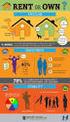 1.9.3.L1 Note taking guide Renting vs. Owning a Home Total Points Earned 30 Total Points Possible Percentage Name Date Class Housing is the largest personal expenditure Approximately of a person s income
Reverse Mortgage Nightmares Should Never Happen Top 10 Misconceptions About Reverse Mortgages 14
 Reverse Mortgage Nightmares Should Never Happen Top 10 Misconceptions About Reverse Mortgages 14 Searching online for information about reverse mortgages, I came across article after article about how
Are you in debt? Do you need to sell your house fast? Then Read on to find out How To Get Out Of Debt Now!
 Are you in debt? Do you need to sell your house fast? Then Read on to find out How To Get Out Of Debt Now! When you miss mortgage payments you can find yourself in deep trouble. The mortgage lender could
Guidance. For use in the United Kingdom. Letter regarding mortgage debt or arrears
 Guidance For use in the United Kingdom Letter regarding mortgage debt or arrears Contents Purpose of this document What can you do about mortgage arrears? Mortgage rescue schemes Selling your property
Equity Release An easy to understand guide just for you
 TRuE BEARing ChARTEREd e Right direction for Financial Advice Equity Release An easy to understand guide just for you True Bearing Chartered 2 Buckshaw Court, East Terrace Business Park Euxton Lane, Euxton,
The Mortgage Guide. Helping you find the right mortgage for you. Brought to you by. V0050713a
 The Mortgage Guide Helping you find the right mortgage for you Brought to you by Hello. Contents We re the Which? Mortgage Advisers team. Buying a house is the biggest financial commitment most of us ever
INTRODUCTION. A guide for homebuyers
 FINANCE GUIDE INTRODUCTION A guide for homebuyers The prospect of buying a home can be intimidating, particularly given the many changes to mortgage rules and requirements over the past several years.
800.550.9435 www.pwsb.com
 800.550.9435 www.pwsb.com Thinking of buying your first home? Bet you re pretty nervous, huh? Maybe even cold sweats nervous. How in the world are you going to afford it? Where do you start? All these
A Guide to Equity Release in Retirement
 A Guide to Equity Release in Retirement 1. Introduction For the retirement you deserve 2. What is Equity Release? 3. Equity Release Plans The options available to you 4. The Application Process 5. Questions
Your Right. to Buy Your Home. A guide for Scottish Secure Tenants
 Your Right to Buy Your Home A guide for Scottish Secure Tenants Your Right to Buy Your Home About this booklet This booklet is for Scottish secure tenants. If you are not a Scottish secure tenant, you
Complete Guide to Reverse Mortgages
 Complete Guide to Reverse Mortgages Contents I. What Is a Reverse Mortgage? 2 Reasons for taking out a reverse mortgage 2 Differences between reverse and traditional mortgages 2 II. Where to Get Reverse
Guide to Getting Loans on Investment Properties. Mark Ferguson. Copyright 2013 All rights reserved Invest Four More Proprietary
 Guide to Getting Loans on Investment Properties Mark Ferguson Table of Contents Guide to Getting Loans on Investment Properties... 1 Should you get a loan for investment properties?... 3 Why are the returns
What You Should Know About Reverse Mortgages
 What You Should Know About Reverse Mortgages The FHA s Program Reverse mortgages are becoming popular in America. HUD's Federal Housing Administration (FHA) created one of the first. The Home Equity Conversion
Is a Reverse Mortgage. the right answer for you or a loved one? Get the facts.
 Is a Reverse Mortgage the right answer for you or a loved one? Get the facts. H ome is a special place. Whether it s been in your family for generations or you ve lived there only for a short time, you
Customer Guide. to lifetime mortgages. more 2 choose a range of lifetime mortgage plans to suit every need
 Customer Guide to lifetime mortgages more 2 choose a range of lifetime mortgage plans to suit every need From one of the UK s largest retirement lending specialists Please speak to your adviser for further
"Reverse Mortgages are a powerful tool to help eligible homeowners obtain
 Dear Friend: Being a senior myself I am constantly looking for ways to improve my quality of life, have more liquid assets, reduce my cost of living and looking for ways to have passive income. My wife
How To Get A Home Equity Conversion Mortgage
 The Facts About Reverse Mortgages without the hype A reverse mortgage... Will it help me? Is it a good fit for my needs? Will I own my home? Do I qualify? Am I protected? These may be some of the thoughts
info sheet Selecting a Reverse Mortgage
 info sheet Selecting a Reverse Mortgage Many older people are house-rich and cash-poor. They own a home, free and clear, that may be worth hundreds of thousands of dollars. Yet they have little income
Nationwide Mortgage Licensing System #222955
 Nationwide Mortgage Licensing System #222955 Senior Concerns Is your mortgage paid off? Is your Social Security and/or pension sufficient? Rising costs of living: gas, health care, food, utilities, medications,
BUYER S GUIDE TO FIXED DEFERRED ANNUITIES
 BUYER S GUIDE TO FIXED DEFERRED ANNUITIES Prepared by the National Association of Insurance Commissioners The National Association of Insurance Commissioners is an association of state insurance regulatory
MABS Guide to the Personal Insolvency Act, 2012
 MABS Guide to the Personal Insolvency Act, 2012 DISCLAIMER: This Guide is for general information purposes only and does not constitute legal, financial or other professional advice. Specific advice should