
INFANT AND CHILD MORTALITY
|
|
|
- Hollie Goodman
- 9 years ago
- Views:
Transcription
1 INFANT AND CHILD MORTALITY 8 J.M. Sullivan and N.K. Tureeva This chapter presents information on mortality among children less than five years of age. The estimated mortality rates provide information on levels and trends in mortality as well as differentials between population subgroups. The rates of mortality presented in this chapter are defined as follows: Neonatal mortality (NN): the probability of dying within the first month of life Postneonatal mortality (PNN): the difference between infant and neonatal mortality Infant mortality ( q 0 ): the probability of dying between birth and the first birthday Child mortality ( 4 q ) the probability of dying between exact ages one and five Under-five mortality ( 5 q 0 ): the probability of dying between birth and the fifth birthday. All rates are expressed as deaths per,000 live births, except child mortality, which is expressed as deaths per,000 children surviving to age one. 8. BACKGROUND AND ASSESSMENT OF DATA QUALITY In the 2002 Uzbekistan Health Examination Survey (UHES), survey respondents were asked to report reproductive events in terms of the internationally recognized definitions of the World Health Organization (WHO, 993). The definition of a live birth is a birth, irrespective of the duration of pregnancy, which after separation from the mother breathes or shows any other signs of life, such as beating of the heart or movement of voluntary muscles. Infant deaths are deaths of live-born infants under one year of age. The mortality estimates were calculated from information in the reproductive section of the Women s Questionnaire. This section of the questionnaire includes a pregnancy history in which specific questions are asked about each pregnancy that a woman has had. For each live birth reported in the pregnancy history, questions are asked about the month and year of birth, sex of the child, survivorship status, and age (current age for surviving children and age at death for deceased children). The accuracy of mortality estimates calculated from survey data depends on the sampling variability of the estimates and on nonsampling error (i.e., the completeness and accuracy with which births and deaths are reported and recorded). Sampling variability is discussed in section 8.2. This section considers nonsampling error. The most serious source of nonsampling error in mortality data collected by a retrospective survey is underreporting of the births and deaths of children who did not survive (United Nations, 982). Such underreporting results in underestimation of mortality rates. When there is underreporting of deceased children in a survey, it is usually most severe for deaths that occurred in early infancy (i.e., in the neonatal period). If there were underreporting of early neonatal deaths, this would result in an abnormally low ratio of neonatal mortality to infant mortality. In retrospective surveys, underreporting of early infant deaths is usually more common for births that occurred further back in time than for births that occurred close to the time of the survey. Thus, when considering nonsampling error, the ratio of neonatal mortality to infant mortality is examined for various periods preceding the survey. Neonatal and infant mortality rates from the UHES are shown in Table 8. for three five-year periods preceding the survey ( , , and ). Also shown are the neonatal mortal- Infant and Child Mortality 77
2 ity/infant mortality (NNM/IM) ratios for those periods. In countries known for having complete and accurate mortality data at a level of infant mortality of approximately 50 to 60 per,000 (i.e., the level of infant mortality estimated by the 2002 UHES), the value of this ratio is typically between 0.50 and Based on these statistics, a value for the NNM/IM ratio of less than 0.50 would suggest underreporting of neonatal deaths (and underestimation of the infant mortality rate). The values of the NNM/IM ratios in Table 8. (0.5, 0.53, and 0.55) all exceed Accordingly, there is no evidence of substantial underreporting of neonatal deaths in the 2002 survey. It should be noted that the NNM/IM ratios from the 2002 UHES and especially the values for and (0.53 and 0.55) are greater than the ratio (0.46) corresponding to the infant mortality estimate of 49 per,000 from the 996 UDHS (Institute of Obstetrics and Gynecology and Macro International Inc., 997). This suggests less complete reporting of neonatal deaths in the 996 survey and that 49 per,000 was an underestimate of the infant mortality rate. Table 8. Early childhood mortality rates Neonatal, postneonatal, infant, child, and under-five mortality rates for five-year periods preceding the survey, Uzbekistan 2002 Ratio neonatal Approximate Neonatal Postneonatal Infant mortality/ Child Under-five Years preceding calendar mortality mortality mortality infant mortality mortality the survey period (NN) (PNN) ( q 0 ) mortality ( 4 q ) ( 5 q 0 ) Computed as the difference between the infant and the neonatal mortality rates 8.2 LEVELS AND TRENDS IN EARLY CHILDHOOD MORTALITY The most recent childhood mortality estimates reference the five-year calendar period (Table 8.). For that period, infant mortality is estimated at 62 per,000, with estimates of neonatal and postneonatal mortality of 34 per,000 and 28 per,000, respectively. Child mortality (age -4) is estimated at per,000, and under-five mortality is 73 per,000. The trend in infant mortality for the three periods preceding the survey is from 52 per,000 ( ) to 64 per,000 ( ) to 62 per,000 ( ), suggesting that there has been relatively little change in infant mortality over the past ten years. The estimates of infant mortality for the two most recent periods are higher than the estimate for the earliest period, which could reflect a recent increase in infant mortality. However, all three estimates are within sampling error of each other (i.e., variability arising because the estimates are based on a sample of births rather than all births occurring in the specified periods), so it is just as likely that the difference represents the presence of sampling error rather than an actual increase in infant mortality. 2 Additionally, the earliest estimate is for a retrospective period 0-4 years preceding the survey, and respon- For example, see the neonatal and infant mortality rates for Hungary (955), Italy (955), and Puerto Rico (957) (United Nations, 96) and for Portugal (968) (United Nations, 975). 2 The mortality estimates of the UHES are based on data provided by a sample of 5,463 women and are subject to sampling variability. Of interest here is the 95-percent confidence interval for the estimated infant mortality rates. The confidence intervals are very broad, extending about 2 points per,000 plus and minus of infant mortality estimate (Appendix B, Sampling Errors). Thus, the point estimates of infant mortality (52, 64, and 62 per,000) cannot be considered exact, and the true rate in each time period could be higher or lower by 2 points. 78 Infant and Child Mortality
3 dent reporting error is typically more prevalent for periods more distant from the survey than for those closer to the survey. Bearing this in mind, it is appropriate to focus on the rates for the ten-year period preceding the survey, and the conclusion is that the infant mortality rate has remained basically unchanged over the past ten years at about 62 per, RECENT IMR ESTIMATES FROM VARIOUS SOURCES Recent infant mortality estimates for Uzbekistan are available from three national-level surveys: the 2002 UHES, the 2000 Multiple Indicator Cluster Survey (MICS), and the 996 UDHS. All of these surveys used the World Health Organization s definitions of live birth and child death. 3 Infant mortality rates are also available from the Ministry of Health. The MOH rates are based on data collected in a national registration system that relies on local health officials to register events following protocols that were established during the Soviet era. These protocols define live births somewhat differently than the World Health Organization does. One difference is that a pregnancy ending at a gestation age of less than 28 weeks (or weighing less than,000 grams or measuring less than 35 centimeters) is considered premature and is classified as a late miscarriage even if signs of life are present at the time of delivery unless the child survives for seven days. Only if the child survives the early neonatal period is it classified as a live birth. A second difference concerns full-term births (pregnancy ending at a gestation age of 28 weeks or more). The event is classified as a live birth if the child breathes at the time of delivery, but is considered a stillbirth if breathing is not evident at delivery (even though other signs of life are present). Thus, some events classified as miscarriages or stillbirths in the registration system would be classified as live births and infant deaths according to the WHO definitions used in the three surveys. In addition to the differences in definitions between the surveys and the registration system, there are differences in the methodology of data collection. In all three surveys, information about births and child deaths was obtained from the mother. In contrast, data collection for the registration system requires that either a health official or a family member be proactive and take the initiative to register the occurrence of births and deaths of deceased children. Infant mortality estimates from the various sources are shown in Table 8.2 and Figure 8.. It is evident that the estimates from the three surveys and the estimates based on the registration data represent different levels of mortality. The survey estimates are substantially higher than those from the MOH. For the most recent period ( ), the survey estimate of infant mortality (62 per,000) is three times the MOH estimate (9 per,000). 3 The 2002 UHES and the 996 UDHS used similar data collection processes and direct estimation techniques to produce infant mortality estimates. The 2000 MICS employed a different methodology for both data collection and rate estimation. MICS estimates are based on the reported proportion dead of children ever born to respondents and involves the conversion of those proportions to a mortality rate a procedure known as the Brass Estimation Technique (United Nations Children s Fund, 200). The important point here is that despite the differences in methodology between these surveys, all IMR estimates are quite close and far exceed recent IMRs reported by the Ministry of Health. Infant and Child Mortality 79
4 Table 8.2 Infant mortality estimates from various sources Recent infant mortality estimates from three surveys (2002 UHES, 2000 MICS, 996 UDHS) and the Ministry of Health, by time period, Uzbekistan Calendar Ministry period UHES MICS UDHS of Health a a Calendar period for MICS estimate was not specified in the MICS report; can be taken as the period Sources: 2000 MICS (UNICEF, 200), Ministry of Health (WHO/EURO, 2003) Figure 8. Infant Mortality Estimates from Three Surveys and the Ministry of Health Infant deaths per,000 live births 60,,, ' ( ' 996 UDHS + Ministry of Health ( 2000 MICS, 2002 UHES There are a number of reasons for placing greater credibility in the infant mortality estimates from surveys than from the MOH. First, several studies of mortality in the Central Asian Republics during the Soviet era have concluded that the registration systems in those countries undercounted infant deaths and that infant mortality rates based on the register data are underestimates. 4 There is no evidence that the collection of infant mortality data by the registration systems has improved in these countries in the post-soviet era. Second, all three recent population-based surveys report infant mortality rates substantially higher than those of the MOH. Third, there is overwhelming evidence that to the extent that there is error in reporting of infant and child deaths in surveys, it is in the direction of underreporting of deceased children. Thus, the survey estimates should be considered minimal estimates. And fourth, the results of the 2002 UHES are similar to the rates estimated by survey methods for other countries in the region with similar health care systems, for example, Kazakhstan (6.9 per,000) and the Kyrgyz Republic (6.3 per,000) (Sullivan and Themme, 2003). 4 For example, see Anderson and Silver, 986, 997; Ksenofontova, 994; Velkoff and Miller, 995; Kingkade and Sawyer, Infant and Child Mortality
5 8.4 DIFFERENCES IN ESTIMATES OF INFANT MORTALITY As suggested above, some of the differences between the infant mortality estimates from the 2002 UHES and the MOH are due to definitional issues. However, definitional issues can only account for differences during the early neonatal period (the mortality rate for children less than seven days old). Table 8.3 shows the degree to which the overall difference in the infant mortality for the period arises from mortality before age seven days or from the remainder of infancy. Of the overall difference of 42 deaths per,000 (62 as opposed to 20 per,000), about two-thirds (63 percent) is attributable to the period from age seven days to the end of infancy. This indicates that definitional issues account for less than half of the overall difference between infant mortality estimates from the surveys and those from the MOH. If the survey mortality rates are valid, the apparent conclusion is that there is considerable underreporting of events in the registration system that is independent of issues of definition. The implication is that even if Uzbekistan were to adopt the WHO definitions of live birth and infant death, underestimation of infant mortality by the MOH would not be eliminated. There are factors other than the definitional issues that result in underreporting of infant deaths in the registration system. Table 8.3 Mortality rates for segments of infancy Percent contribution of differences in the mortality rates for segments of infancy to the total difference in infant mortality estimates, 2002 UHES and Ministry of Health Mortality rates Percent contribution of Segment 2002 Ministry Absolute segment of infancy to the of infancy UHES of Health difference difference in IMR estimates Under 7 days days Total Calendar period for MOH estimate is Source: Ministry of Health (WHO/EURO, 2003) 8.5 SOCIOECONOMIC DIFFERENTIALS IN CHILDHOOD MORTALITY Table 8.4 show differentials in infant and child mortality from the 2002 UHES by socioeconomic characteristics. The estimated rates for subgroups of the population are for the 0-year period preceding the survey. Infant mortality is significantly higher in rural areas (75 per,000) than in urban areas (43 per,000). Mortality rates for the neonatal, postneonatal, and child segments of childhood mortality are all higher in rural than in urban areas. There are substantial differences in mortality by mother s level of education. Estimates of infant mortality differ by a factor of three between the least educated women (95 per,000) and the most educated women (29 per,000). Mortality differentials by ethnicity indicate that children born to women of Uzbek ethnicity are at greater risk of dying at all ages than children born to women of other ethnicities. Infant and Child Mortality 8
6 Table 8.4 Early childhood mortality rates by socioeconomic characteristics Neonatal, postneonatal, infant, child, and under-five mortality rates for the ten-year period preceding the survey, by socioeconomic characteristics, Uzbekistan 2002 Neonatal Postneonatal Infant Child Under-five Socioeconomic mortality mortality mortality mortality mortality characteristic (NN) (PNN) ( q 0 ) ( 4 q ) ( 5 q 0 ) Residence Urban Rural Mother's education Primary/middle Secondary Secondary special Higher Ethnicity Uzbek Other Making ends meet Great difficulty Some difficulty A little difficulty Easily Total Computed as the difference between the infant and the neonatal mortality rates Mortality differentials by indicator of household economic stability (making ends meet) are in the expected direction, but the differences are modest. For children of women residing in households having great difficulty in making ends meet, infant mortality is 67 per,000, while for children of women in households that easily make ends meet, infant mortality is 60 per, DEMOGRAPHIC DIFFERENTIALS IN CHILDHOOD MORTALITY The relationship between early childhood mortality and demographic variables is shown in Table 8.5. For most populations in Uzbekistan, male children experience higher mortality than female children. Nationally, the level of infant mortality is 67 per,000 for males and 59 per,000 for females. Thus, infant deaths are 4 percent more likely among males than females. Differentials in infant mortality by age of mother or birth order are small except for the relatively high rate among children of birth order four or higher (78 per,000). There is a clear association between mortality risk and the length of the preceding birth interval. Children born after a short birth interval (i.e., less than 24 months after a preceding birth) are at greater risk of dying than those born after longer intervals. The infant mortality rate for births following an interval of less than 24 months (80 per,000) is greater than the rate for births following an interval of months (64 per,000), and much greater than the rate for births following an interval of months (32 per,000). This relationship suggests that some mortality reduction would result if the proportion of births occurring after a short birth interval were reduced. 82 Infant and Child Mortality
7 Table 8.5 Early childhood mortality rates by demographic characteristics Neonatal, postneonatal, infant, child, and under-five mortality rates for the ten-year period preceding the survey, by demographic characteristics, Uzbekistan 2002 Neonatal Postneonatal Infant Child Under-five Demographic mortality mortality mortality mortality mortality characteristic (NN) (PNN) ( q 0 ) ( 4 q ) ( 5 q 0 ) Child's sex Male Female Mother's age at birth < * * * * * Birth order Preceding birth interval <24 months months months months Total Note: An asterisk indicates that the figure is based on fewer than 250 unweighted cases and has been suppressed. Computed as the difference between the infant and the neonatal mortality rates 8.7 DIFFERENTIALS IN CHILDHOOD MORTALITY BY WOMEN S STATUS Several questions were included in the 2002 UHES from which indicators of women s status could be developed. These indicators are meant to provide insight into a woman s ability to act effectively in her own interest and in the interest of those who depend on her. It follows that if women the primary caretakers of children enjoy high status, the health and survival of their infants should be enhanced. Female respondents were asked about their participation in household decisionmaking and about the circumstances under which a wife is justified in refusing to have sexual relations with her husband. Indicators were developed that scale ) a woman s participation in household decisionmaking and 2) her right to refuse sexual relations (see chapter 6). The higher the scores on these indicators, the higher a woman s status and the more empowered she is to care for her children. Table 8.6 shows childhood mortality rates according to two indicators of women s status. For both indicators, there is a strong association between increasing status of women (higher scores on the index) and decreasing levels of childhood mortality. Infant mortality among children of women who have no say in household decisionmaking is 02 per,000, while for women who participate extensively in decisionmaking, the rate is half as high (50 per,000). Similarly, infant mortality is much higher among children of women who believe there is no justifiable reason for a woman refusing sexual relations with her husband (92 per,000) than among women who believe there are 3 or 4 reasons (60 per,000) that justify a woman refusing sexual relations with her husband. Infant and Child Mortality 83
8 Table 8.6 Early childhood mortality by women s status Neonatal, postneonatal, infant, child and under-five mortality rates for the ten-year period preceding the survey, by women s status indicators, Uzbekistan 2002 Neonatal Postneonatal Infant Child Under-five Indicator of mortality mortality mortality mortality mortality women s status (NN) (PNN) ( q 0 ) ( 4 q ) ( 5 q 0 ) Number of decisions in which woman has final say Number of reasons to refuse sex with husband Total Computed as the difference between the infant and the neonatal mortality rates 2 Either by herself or jointly with others 8.8 HIGH-RISK FERTILITY BEHAVIOR Many research studies have shown a strong relationship between fertility patterns and children s risk of dying. Typically, mortality risks are greater for children born to mothers who are too young or too old, who are born after a short birth interval, or who have a high birth order. In this analysis, a mother is classified as too young if she is less than 8 years of age, and too old if she is over 34 years of age. A short birth interval is defined as a birth occurring within two years of the previous birth, and a child is of high birth order if the mother had previously given birth to four or more children. Table 8.7 shows the distribution of children born in the five years before the survey by risk category. While first births to women age 8-34 are shown in Table 8.7, they are not included in the analysis because they are not considered an avoidable risk. Column of Table 8.7 shows that, in the five-year period before the survey, 27 percent of births were in a single high-risk category and 7 percent were in a multiple high-risk category. Column 2 of the table shows risk ratios for high-risk births relative to births not having any highrisk characteristics. The risk ratio for births in a single high-risk category is.07 (i.e., elevated by 7 percent over births in the not-in-any-high-risk category). For births with multiple high-risk characteristics, the risk ratio is 2.52 (i.e., elevated by 52 percent over births in the not-in-any-high-risk category). Column 3 of Table 8.7 looks to the future and addresses the question: how many currently married women have the potential for having a high-risk birth? The results were obtained by simulating the risk category into which a birth to a currently married woman would fall if she were to become pregnant at the time of the survey. For example, a woman who is 37 years old at the time of the survey and has had four previous births, the last of which occurred three years before the survey, would be classified in the multiple high-risk category age > 34 and birth order > 3, which carries a risk ratio of 3.03 (i.e., elevated by 203 percent over births in the not-in-any-high-risk category). 84 Infant and Child Mortality
9 Seventy-one percent of currently married women have the potential to give birth to a child with an elevated risk of dying. Forty-one percent of women have the potential to give birth to a child with multiple high-risk factors. Table 8.7 High-risk fertility behavior Percent distribution of children born in the five years preceding the survey by category of elevated risk of dying and the risk ratio, and the percent distribution of currently married women by category of risk if they were to conceive a child at the time of the survey, Uzbekistan 2002 Births in the 5 years Percentage preceding the survey of currently Percentage Risk married Risk category of births ratio women Not in any high-risk category a Unavoidable risk category First-order births between ages 8 and 34 years Single high-risk category Mothers's age < Mother s age > Birth interval <24 months Birth order > Subtotal Multiple high-risk category 2 Age <8 and birth interval <24 months Age >34 and birth interval <24 months Age >34 and birth order > Age >34 and birth interval <24 months and birth order > Birth interval <24 months and birth order > Subtotal In any avoidable high-risk category Total 00.0 na 00.0 Number of births 2,444 na 3,720 Note: Risk ratio is the ratio of the proportion dead of births in a specific high-risk category to the proportion dead of births not in any high-risk category. na = Not applicable Women are assigned to risk categories according to the status they would have at the birth of a child if they were to conceive at the time of the survey: current age less than 7 years and 3 months or older than 34 years and 2 months, latest birth occurred less than 5 months ago, or latest birth being of order 3 or higher. 2 Includes the combined categories age<8 and birth order>3 a Includes sterilized women Infant and Child Mortality 85
Appendices. 2006 Bexar County Community Health Assessment Appendices Appendix A 125
 Appendices Appendix A Recent reports suggest that the number of mothers seeking dropped precipitously between 2004 and 2005. Tables 1A and 1B, below, shows information since 1990. The trend has been that
in children less than one year old. It is commonly divided into two categories, neonatal
 INTRODUCTION Infant Mortality Rate is one of the most important indicators of the general level of health or well being of a given community. It is a measure of the yearly rate of deaths in children less
Maternal & Child Mortality and Total Fertility Rates. Sample Registration System (SRS) Office of Registrar General, India 7th July 2011
 Maternal & Child Mortality and Total Fertility Rates Sample Registration System (SRS) Office of Registrar General, India 7th July 2011 Sample Registration System (SRS) An Introduction Sample Registration
HIV/AIDS AND OTHER SEXUALLY TRANSMITTED INFECTIONS 11
 HIV/AIDS AND OTHER SEXUALLY TRANSMITTED INFECTIONS 11 11.1 INTRODUCTION D. Zanera and I. Miteka The 2004 Malawi Demographic and Health Survey (MDHS) collected information on HIV/AIDS as well as other sexually
49. INFANT MORTALITY RATE. Infant mortality rate is defined as the death of an infant before his or her first birthday.
 49. INFANT MORTALITY RATE Wing Tam (Alice) Jennifer Cheng Stat 157 course project More Risk in Everyday Life Risk Meter LIKELIHOOD of exposure to hazardous levels Low Medium High Consequences: Severity,
MATERNAL AND CHILD HEALTH 9
 MATERNAL AND CHILD HEALTH 9 Ann Phoya and Sophie Kang oma This chapter presents the 2004 MDHS findings on maternal and child health in Malawi. Topics discussed include the utilisation maternal and child
117 4,904,773 -67-4.7 -5.5 -3.9. making progress
 Per 1 LB Eastern Mediterranean Region Maternal and Perinatal Health Profile Department of Maternal, Newborn, Child and Adolescent Health (MCA/WHO) Demographics and Information System Health status indicators
Pakistan Demographic and Health Survey 2006-07
 Education Most Pakistani Women Lack Any Education Only one in three ever-married women ages 15-49 in Pakistan has any education. Most women never learn how to read. The new Demographic and Health Survey
Promoting Family Planning
 Promoting Family Planning INTRODUCTION Voluntary family planning has been widely adopted throughout the world. More than half of all couples in the developing world now use a modern method of contraception
68 3,676,893 86.7 -49-2.9 -3.2 -2.5. making progress
 Per 1 LB African Region Maternal and Perinatal Health Profile Department of Maternal, Newborn, Child and Adolescent Health (MCA/WHO) Demographics and Information System Health status indicators Maternal
150 7,114,974 75.8 -53-3.2 -3.6 -2.9. making progress
 Per 1 LB African Region Maternal and Perinatal Health Profile Department of Maternal, Newborn, Child and Adolescent Health (MCA/WHO) Demographics and Information System Health status indicators - Maternal
Malawi Population Data Sheet
 Malawi Population Data Sheet 2012 Malawi s Population Is Growing Rapidly Malawi Population (Millions) 26.1 19.1 13.1 9.9 8.0 4.0 5.5 1966 1977 1987 1998 2008 2020 2030 Malawi s population is growing rapidly,
Children in Egypt 2014 A STATISTICAL DIGEST
 Children in Egypt 2014 A STATISTICAL DIGEST CHAPTER 1 DEMOGRAPHY Children in Egypt 2014 is a statistical digest produced by UNICEF Egypt to present updated and quality data on major dimensions of child
Violence against women in Egypt 1
 United Nations Statistical Commission ESA/STAT/AC.193/2 United Nations Statistics Division Instituto Nacional de Estadística y Geografía de México November 2009 Meeting of the Friends of the Chair of the
Differentials in Infant and Child Mortality Rates in Nigeria: Evidence from the Six Geopolitical Zones
 Differentials in Infant and Child Mortality Rates in Nigeria: Evidence from the Six Geopolitical Zones Aigbe, Gladys O., PhD Department of Geography and Planning Lagos State University, Ojo Lagos State,
SRI LANKA SRI LANKA 187
 SRI LANKA 187 List of Country Indicators Selected Demographic Indicators Selected demographic indicators Child Mortality and Nutritional Status Neonatal, infant and under-five mortality rates: trends Distribution
CORRELATIONAL ANALYSIS BETWEEN TEENAGE PREGNANCY AND MATERNAL MORTALITY IN MALAWI
 CORRELATIONAL ANALYSIS BETWEEN TEENAGE PREGNANCY AND MATERNAL MORTALITY IN MALAWI Abiba Longwe-Ngwira and Nissily Mushani African Institute for Development Policy (AFIDEP) P.O. Box 31024, Lilongwe 3 Malawi
HIV PREVALENCE AND ASSOCIATED FACTORS 12
 PREVALENCE AND ASSOCIATED FACTORS 12 This chapter presents information on testing coverage among eligible survey respondents, the prevalence of among those tested, and the factors associated with infection
Maternal and Neonatal Health in Bangladesh
 Maternal and Neonatal Health in Bangladesh KEY STATISTICS Basic data Maternal mortality ratio (deaths per 100,000 births) 320* Neonatal mortality rate (deaths per 1,000 births) 37 Births for women aged
Measuring Women Status And Gender Statistics in Cambodia Through the Surveys and Census
 Global Forum on Gender Statistics 27 29 March 2012, Dead Sea, Jordan Measuring Women Status And Gender Statistics in Cambodia Through the Surveys and Census By Mrs. Hang Lina, Deputy Director General National
2. Incidence, prevalence and duration of breastfeeding
 2. Incidence, prevalence and duration of breastfeeding Key Findings Mothers in the UK are breastfeeding their babies for longer with one in three mothers still breastfeeding at six months in 2010 compared
Christobel Deliwe Chakwana
 DOMESTIC VIOLENCE 5 5. INTRODUCTION Christobel Deliwe Chakwana The 2004 survey represents the first time the Malawi Demographic and Health Survey (MDHS) collected information on domestic. The inclusion
Q&A on methodology on HIV estimates
 Q&A on methodology on HIV estimates 09 Understanding the latest estimates of the 2008 Report on the global AIDS epidemic Part one: The data 1. What data do UNAIDS and WHO base their HIV prevalence estimates
World Health Day Diabetes and RMNCAH in Africa: R for Reproductive Health
 World Health Day Diabetes and RMNCAH in Africa: R for Reproductive Health Managing diabetes and reproductive health in developing contexts. The 2016 World Health Day theme to scale up prevention, strengthen
MALAWI YOUTH DATA SHEET 2014
 MALAWI YOUTH DATA SHEET 2014 2 of Every 3 People in Malawi Are Under Age 25 Age 80+ 75-79 70-74 65-69 60-64 55-59 50-54 45-49 40-44 35-39 30-34 25-29 Male Female 20-24 POPULATION 700,000 700,000 0 POPULATION
AUSTRALIA AND NEW ZEALAND FACTSHEET
 AUSTRALIA AND NEW ZEALAND FACTSHEET What is Stillbirth? In Australia and New Zealand, stillbirth is the death of a baby before or during birth, from the 20 th week of pregnancy onwards, or 400 grams birthweight.
ORC Macro 11785 Beltsville Drive, Suite 300 Calverton, MD 20705 USA Telephone: 301-572-0200 Fax: 301-572-0999 E-mail: reports@macroint.
 MEASURE DHS+ assists countries worldwide in the collection and use of data to monitor and evaluate population, health, and nutrition programs. Funded by the U.S. Agency for International Development (USAID),
MATERNAL AND CHILD HEALTH
 MATERNAL AND CHILD HEALTH 9 George Kichamu, Jones N. Abisi, and Lydia Karimurio This chapter presents findings from key areas in maternal and child health namely, antenatal, postnatal and delivery care,
Internship at the Centers for Diseases Control
 Internship at the Centers for Diseases Control Survey method to assess reproductive health of refugees Edith Roset Bahmanyar International Emergency Refugee Health Branch (IERHB) Division of Emergency
Fertility Facts and Figures 2008
 Fertility Facts and Figures 2008 Contents About these statistics... 2 Accessing our data... 2 The scale of fertility problems... 3 Treatment abroad... 3 Contacts regarding this publication... 3 Latest
GUIDE. MENA Gender Equality Profile Status of Girls and Women in the Middle East and North Africa
 GUIDE MENA Gender Equality Profile Status of Girls and Women in the Middle East and North Africa 1 IntroductIon The objective of the Middle East and North Africa (MENA) Gender Equality Profiles is to
INDICATOR REGION WORLD
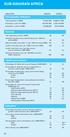 SUB-SAHARAN AFRICA INDICATOR REGION WORLD Demographic indicators Total population (2005) 713,457,000 6,449,371,000 Population under 18 (2005) 361,301,000 2,183,143,000 Population under 5 (2005) 119,555,000
When a Child Dies. A Survey of Bereaved Parents. Conducted by NFO Research, Inc. on Behalf of. The Compassionate Friends, Inc.
 When a Child Dies A Survey of Bereaved Parents Conducted by NFO Research, Inc. on Behalf of The Compassionate Friends, Inc. June 1999 FOLLOW-UP CONTACTS: Regarding Survey: Wayne Loder Public Awareness
MDG 4: Reduce Child Mortality
 143 MDG 4: Reduce Child Mortality The target for Millennium Development Goal (MDG) 4 is to reduce the mortality rate of children under 5 years old (under-5 mortality) by two-thirds between 1990 and 2015.
Population, Health, and Human Well-Being-- Benin
 Population, Health, and Human Well-Being-- Benin Demographic and Health Indicators Benin Sub- Saharan Africa World Total Population (in thousands of people) 1950 2,046 176,775 2,519,495 2002 6,629 683,782
OET: Listening Part A: Influenza
 Listening Test Part B Time allowed: 23 minutes In this part, you will hear a talk on critical illnesses due to A/H1N1 influenza in pregnant and postpartum women, given by a medical researcher. You will
New South Wales State and Regional Population Projections 2001-2051. 2004 Release TRANSPORT AND POPULATION DATA CENTRE
 New South Wales State and Regional Population Projections 21-251 251 24 Release TRANSPORT AND POPULATION DATA CENTRE THE TRANSPORT AND POPULATION DATA CENTRE (TPDC) The TPDC is located in the NSW Department
INDICATOR REGION WORLD
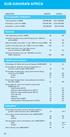 SUB-SAHARAN AFRICA INDICATOR REGION WORLD Demographic indicators Total population (2006) 748,886,000 6,577,236,000 Population under 18 (2006) 376,047,000 2,212,024,000 Population under 5 (2006) 125,254,000
Implementing Community Based Maternal Death Reviews in Sierra Leone
 Project Summary Implementing Community Based Maternal Death Reviews in Sierra Leone Background Sierra Leone is among the poorest nations in the world, with 70% of the population living below the established
2012 Vermont Household Health Insurance Survey: Comprehensive Report
 Vermont Department of Financial Regulation Insurance Division 2012 Vermont Household Health Insurance Survey: Comprehensive Report Brian Robertson, Ph.D. Jason Maurice, Ph.D. Table of Contents Page I.
Introduction. Materials and Methods
 POSTPARTUM OVULATION By Konald A. Prem, M.D. Professor, Department of Obstetrics and Gynecology University of Minnesota Medical School Paper presented at the 1971 La Leche League Convention in Chicago
Projections of the Size and Composition of the U.S. Population: 2014 to 2060 Population Estimates and Projections
 Projections of the Size and Composition of the U.S. Population: to Population Estimates and Projections Current Population Reports By Sandra L. Colby and Jennifer M. Ortman Issued March 15 P25-1143 INTRODUCTION
Number, Timing, and Duration of Marriages and Divorces: 2009
 Number, Timing, and Duration of Marriages and Divorces: 2009 Household Economic Studies Issued May 2011 P70-125 INTRODUCTION Marriage and divorce are central to the study of living arrangements and family
EARLY MARRIAGE A HARMFUL TRADITIONAL PRACTICE A STATISTICAL EXPLORATION
 EARLY MARRIAGE A HARMFUL TRADITIONAL PRACTICE A STATISTICAL EXPLORATION EARLY MARRIAGE A HARMFUL TRADITIONAL PRACTICE A STATISTICAL EXPLORATION CONTENTS I. INTRODUCTION......................................................1
BY Maeve Duggan NUMBERS, FACTS AND TRENDS SHAPING THE WORLD FOR RELEASE AUGUST 19, 2015 FOR FURTHER INFORMATION ON THIS REPORT:
 NUMBERS, FACTS AND TRENDS SHAPING THE WORLD FOR RELEASE AUGUST 19, 2015 BY Maeve Duggan FOR FURTHER INFORMATION ON THIS REPORT: Maeve Duggan, Research Associate Dana Page, Senior Communications Manager
UNITED NATIONS CHILDREN S FUND. Office in Serbia is seeking qualified
 UNITED NATIONS CHILDREN S FUND Office in Serbia is seeking qualified Consultants for further analysis of the Multiple Indicator Cluster Surveys (MICS) VN: OPS/BEL/2014-29 The purpose of the assignment
Zambia Demographic and Health Survey 2013-14
 Zambia Demographic and Health Survey 2013-14 Preliminary Report Central Statistical Office Lusaka, Zambia Ministry of Health Lusaka, Zambia Tropical Diseases Research Centre Ndola, Zambia University Teaching
Body Mass Index as a measure of obesity
 Body Mass Index as a measure of obesity June 2009 Executive summary Body Mass Index (BMI) is a person s weight in kilograms divided by the square of their height in metres. It is one of the most commonly
Progress and prospects
 Ending CHILD MARRIAGE Progress and prospects UNICEF/BANA213-182/Kiron The current situation Worldwide, more than 7 million women alive today were married before their 18th birthday. More than one in three
Chapter 3: Healthy Start Risk Screening
 Introduction Healthy Start legislation requires that all pregnant women and infants be offered screening for risk factors that may affect their pregnancy, health, or development. The prenatal and infant
MANA Home Birth Data 2004-2009: Consumer Considerations
 MANA Home Birth Data 2004-2009: Consumer Considerations By: Lauren Korfine, PhD U.S. maternity care costs continue to rise without evidence of improving outcomes for women or babies. The cesarean section
Crohn's disease and pregnancy.
 Gut, 1984, 25, 52-56 Crohn's disease and pregnancy. R KHOSLA, C P WILLOUGHBY, AND D P JEWELL From the Gastroenterology Unit, Radcliffe Infirmary, Oxford SUMMARY Infertility and the outcome of pregnancy
1.17 Life expectancy at birth
 1.17 Life expectancy at birth The life expectancy of Aboriginal and Torres Strait Islander males and females for a given period. Data sources Life expectancy estimates for the years 2005 2007 presented
ESTIMATES OF MORTALITY INDICATORS
 CHAPTER 4 ESTIMATES OF MORTALITY INDICATORS Mortality is one of the basic components of population change and related data is essential for demographic studies and public health administration. It is the
Pregnancy Intendedness
 Pregnancy Intendedness What moms had to say: "Very excited! We wanted to be pregnant for 8 years!" "I felt too old." "I wanted to have a baby to get some support so I could be on my own; if didn't have
The trend of Vietnamese household size in recent years
 2011 International Conference on Humanities, Society and Culture IPEDR Vol.20 (2011) (2011) IACSIT Press, Singapore The trend of Vietnamese household size in recent years Nguyen, Thanh Binh 1 Free University
RATIOS, PROPORTIONS, PERCENTAGES, AND RATES
 RATIOS, PROPORTIOS, PERCETAGES, AD RATES 1. Ratios: ratios are one number expressed in relation to another by dividing the one number by the other. For example, the sex ratio of Delaware in 1990 was: 343,200
30% Opening Prayer. Introduction. About 85% of women give birth at home with untrained attendants; the number is much higher in rural areas.
 This is the second of four studies on maternal health M AT E R N A L a n d C H I L D H E A LT H : A f g h a n i s t a n b y K a r e n B o k m a About 85% of women give birth at home with untrained attendants;
Summary. Accessibility and utilisation of health services in Ghana 245
 Summary The thesis examines the factors that impact on access and utilisation of health services in Ghana. The utilisation behaviour of residents of a typical urban and a typical rural district are used
Where there is a will
 Where there is a will Legal Documents Among The 50+ Population: Findings From an AARP Survey Prepared for AARP Program Development and Services by AARP Research Group Released April 2000 LEGAL DOCUMENTS
Mid-year population estimates. Embargoed until: 20 July 2010 14:30
 Statistical release Mid-year population estimates 2010 Embargoed until: 20 July 2010 14:30 Enquiries: Forthcoming issue: Expected release date User Information Services Tel: (012) 310 8600/4892/8390 Mid-year
Summary Measures (Ratio, Proportion, Rate) Marie Diener-West, PhD Johns Hopkins University
 This work is licensed under a Creative Commons Attribution-NonCommercial-ShareAlike License. Your use of this material constitutes acceptance of that license and the conditions of use of materials on this
INTERNATIONAL COMPARISONS OF PART-TIME WORK
 OECD Economic Studies No. 29, 1997/II INTERNATIONAL COMPARISONS OF PART-TIME WORK Georges Lemaitre, Pascal Marianna and Alois van Bastelaer TABLE OF CONTENTS Introduction... 140 International definitions
DHS EdData Education Profiles
 DHS EdData Education Profiles This series of country education profi les uses internationally comparable data from USAID s Demographic and Health Surveys (DHS) to characterize children s participation
Association Between Variables
 Contents 11 Association Between Variables 767 11.1 Introduction............................ 767 11.1.1 Measure of Association................. 768 11.1.2 Chapter Summary.................... 769 11.2 Chi
CAUSES OF DEATH IN CHILDREN UNDER FIVE YEARS OF AGE
 CAUSES OF DEATH IN CHILDREN UNDER 9 FIVE YEARS OF AGE 9.1 INTRODUCTION Shams El Arifeen, Tasnima Akhter, Hafizur Rahman Chowdhury, Kazi Mizanur Rahman, Enayet Karim Chowdhury, NurulAlam, D M Emdadul Haque,
Everything you always wanted to know about the DHS, but you never dared to ask
 Everything you always wanted to know about the DHS, but you never dared to ask Simona Bignami, PhD Département de démographie Université de Montréal October 25, 2012 Outline The surveys The data The analysis
Racial and Ethnic Disparities in Maternal Mortality in the United States
 Racial and Ethnic Disparities in Maternal Mortality in the United States KYRIAKOS S. MARKIDES, PHD UNIVERSITY OF TEXAS MEDICAL BRANCH GALVESTON, TEXAS PRESENTED AT THE HOWARD TAYLOR INTERNATIONAL SYMPOSIUM
Understanding Fertility
 Understanding Fertility 6 Introduction The word fertile means the ability to become pregnant or to cause pregnancy. Basic knowledge of both the male and female reproductive systems is important for understanding
Tanzania: Population, Reproductive Health & Development. Photo credits: IFAD / Christine Nesbitt and Robert Grossman and USAID.
 Tanzania: Population, Reproductive Health & Development Photo credits: IFAD / Christine Nesbitt and Robert Grossman and USAID. Hosted by the Government Population Planning Section President s s Office,
Life expectancy and healthy life expectancy in European countries
 Life expectancy and healthy life expectancy in European countries Abstract Jana Langhamrová, Lenka Vraná, Petra Dotlačilová, Tomáš Fiala University of Economics, Prague The paper will analyse and compare
Sexual and reproductive health challenges facing young people
 Sexual and reproductive health challenges facing young people Shireen J Jejeebhoy, KG Santhya and R Acharya Population Council, New Delhi Lea Hegg Independent consultant, Reproductive Health United Nations
Statistical release P0302
 Statistical release Mid-year population estimates 2011 Embargoed until: 27 July 2011 10:00 Enquiries: Forthcoming issue: Expected release date User Information Services Mid-year population estimates, 2012
Russian Federation. Country coverage and the methodology of the Statistical Annex of the 2015 HDR
 Human Development Report 2015 Work for human development Briefing note for countries on the 2015 Human Development Report Russian Federation Introduction The 2015 Human Development Report (HDR) Work for
In 2013, U.S. residents age 12 or older experienced
 U.S. Department of Justice Office of Justice Programs Bureau of Justice Statistics Revised 9/19/2014 Criminal Victimization, 2013 Jennifer L. Truman, Ph.D., and Lynn Langton, Ph.D., BJS Statisticians In
Scottish Diabetes Survey 2014. Scottish Diabetes Survey Monitoring Group
 Scottish Diabetes Survey 2014 Scottish Diabetes Survey Monitoring Group Contents Table of Contents Contents... 2 Foreword... 4 Executive Summary... 6 Prevalence... 8 Undiagnosed diabetes... 21 Duration
A PUBLICATION OF THE NATIONAL COUNCIL FOR ADOPTION ADOPTION USA: SUMMARY AND HIGHLIGHTS OF A CHARTBOOK ON THE NATIONAL SURVEY OF ADOPTIVE PARENTS
 Adoption Advocate NICOLE FICERE CALLAHAN, EDITOR CHUCK JOHNSON, EDITOR ELISA ROSMAN, PH.D., EDITOR NO. 22 MARCH 2010 A PUBLICATION OF THE NATIONAL COUNCIL FOR ADOPTION ADOPTION USA: SUMMARY AND HIGHLIGHTS
GENDER AND DEVELOPMENT. Uganda Case Study: Increasing Access to Maternal and Child Health Services. Transforming relationships to empower communities
 GENDER AND DEVELOPMENT Uganda Case Study: Increasing Access to Maternal and Child Health Services The Context World Vision has been active in working with local communities to increase access to health
Facts and Figures on Sexual Behaviour and Teenage Pregnancy (2)
 Facts and Figures on Sexual Behaviour and Teenage Pregnancy (2) For anyone reporting on or working in the area of sexual health, crisis pregnancy, or contraception. What is this research summary about?
MICHIGAN DEPARTMENT OF HEALTH & HUMAN SERVICES Division for Vital Records and Health Statistics Michigan Birth Defects Registry
 MICHIGAN DEPARTMENT OF HEALTH & HUMAN SERVICES Division for Vital Records and Health Statistics Michigan Birth Defects Registry BIRTH DEFECTS IN MICHIGAN All Cases Reported and Processed by April 30, 2014
Research into Issues Surrounding Human Bones in Museums Prepared for
 Research into Issues Surrounding Human Bones in Museums Prepared for 1 CONTENTS 1. OBJECTIVES & RESEARCH APPROACH 2. FINDINGS a. Visits to Museums and Archaeological Sites b. Interest in Archaeology c.
Module 7 Expanded Programme of Immunization (EPI)
 Module 7 Expanded Programme of Immunization (EPI) (including Vitamin A, Tetanus Toxoid and Growth Monitoring) CONTENTS 7.1 What are the tools used for data collection?....................................2
How Wakefield Council is working to make sure everyone is treated fairly
 How Wakefield Council is working to make sure everyone is treated fairly As part of meeting the Public Sector Equality Duty, the Council is required to publish information on how it is working to treat
The Irish Health Behaviour in School-aged Children (HBSC) Study 2010
 The Irish Health Behaviour in School-aged Children (HBSC) Study 2 ii The Irish Health Behaviour in School-aged Children (HBSC) Study 2 February 212 Colette Kelly, Aoife Gavin, Michal Molcho and Saoirse
Statistical release P0301
 Statistical release (Revised version) 24 October 2007 Enquiries: User Information Services Tel.: (012) 310 8600 / 4892 / 8390 2 Contents Preface...4 Cautionary note...5 South African Statistics Council:
Each person normally has 23 pairs of chromosomes, or 46 in all. We inherit one chromosome per pair from our mother and one from our father.
 AP Psychology 2.2 Behavioral Genetics Article Chromosomal Abnormalities About 1 in 150 babies is born with a chromosomal abnormality (1, 2). These are caused by errors in the number or structure of chromosomes.
METHODOLOGICAL ISSUES IN THE MEASURES OF MATERNAL MORBIDITY MORTALITY (MM 1 MM 2 ) Dr. AKO Simon
 (1) METHODOLOGICAL ISSUES IN THE MEASURES OF MATERNAL MORBIDITY MORTALITY (MM 1 MM 2 ) Dr. AKO Simon Postgraduate Research Training in Reproductive Health 2004 Faculty of Medicine, University of Yaounde
Social determinants of mental health
 Social determinants of mental health Michael Marmot Jessica Allen, Reuben Balfour, Ruth Bell Lisbon October 2013 Overarching principles of action on SDH Social justice Material, psychosocial, political
CHAPTER I INTRODUCTION. Here in the Philippines, we believe in the saying of our national hero Dr.
 1 CHAPTER I INTRODUCTION Background of the Study Here in the Philippines, we believe in the saying of our national hero Dr. Jose P. Rizal that Youth is the hope of our Mother land. In their hand lies the
Unintended pregnancy and induced abortion in a town with accessible family planning services: The case of Harar in eastern Ethiopia
 Original article Unintended pregnancy and induced abortion in a town with accessible family planning services: The case of Harar in eastern Ethiopia Solomon Worku 1, Mesganaw Fantahun 2 Abstract Introduction:
United Kingdom. Country coverage and the methodology of the Statistical Annex of the 2015 HDR
 Human Development Report 2015 Work for human development Briefing note for countries on the 2015 Human Development Report United Kingdom Introduction The 2015 Human Development Report (HDR) Work for Human
Long-term impact of childhood bereavement
 Long-term impact of childhood bereavement Preliminary analysis of the 1970 British Cohort Study (BCS70) Samantha Parsons CWRC WORKING PAPER September 2011 Long-Term Impact of Childhood Bereavement Preliminary