
How To Safely Dig
|
|
|
- Nelson Harrell
- 5 years ago
- Views:
Transcription
1 EXCAVATOR DAMAGE PREVENTION GUIDE NATURAL GAS PIPELINE SAFETY INSIDE: Public Act 174 of 2013 Call 8-1-1

2 An Important Message About Digging Safely CONSUMERS ENERGY is providing this handbook to excavation contractors as part of our Pipeline Public Awareness program. We want to share with you safe-digging practices to help protect your employees, the public and the environment. As one of Michigan s largest natural gas companies, we operate and maintain more than 28,000 miles of natural gas pipelines that help us bring this important product to more than 1.7 million customers in Michigan s Lower Peninsula. Pipelines help fuel our economy and way of life. Buried pipelines carry natural gas into our state from Texas, Oklahoma, Louisiana, the Gulf of Mexico and Canada. According to the U.S. Department of Transportation, pipelines are the safest, most reliable and cost-effective means of transporting energy products such as natural gas over long distances. We work with local, state and federal agencies in implementing programs to encourage safe-digging and pipeline-security practices and to ensure high-quality pipeline monitoring and maintenance. Please take the time to review this information and share it with your co-workers. Many of the provisions in this handbook are covered by Michigan law Public Act 174 of 2013 included on pages of this handbook Please take a few minutes to review this information and share it with your co-workers. For more information: ConsumersEnergy.com/pipelinesafety Excavator Damage Prevention Guide Consumers Energy 2

3 Contents 4 Preventing Dig-in Damages Natural Gas Hazards 5 Important Facts About Natural Gas Safety 6 Utility Preventive Actions Pipeline Safety Programs 7 Pipelines in Your Area Pipeline Markers 8 How to Recognize a Gas Leak If You Make Contact With a Pipeline 10 Evacuation May Be Needed Damage Repairs 11 Excess Flow Valves MIOSHA Requirements 12 Call E-Locate and Remote Ticket Entry What Is the MISS DIG System? 13 When to Use the MISS DIG System 14 Types of Requests that the MISS DIG System Handles 15 Preparing a Location Staking Request for MISS DIG 16 Location Accuracy is Important Rural Location Requests 17 Scope of Work What Happens After a Request Is Made? 18 Positive Response on Digging Request 20 Excavator Responsibilities After Making a Request Follow These Steps for a Safe Construction Site 23 Online Tools Why Approximate Location and Caution Zone 24 Facility Depth Typical Distribution Gas Services and Mains Cast Iron Mains Typical Operating Pressures 25 Public Act 174 of 2013 MISS DIG Underground Facility Damage Prevention and Safety Act 37 Michigan Occupational Safety and Health Administration Rules and Regulations Excavation, Trenching and Shoring Locating Utility Lines 38 Consumers Energy Support Standards Maximum Spacing Between Supports Distribution Mains Maximum Spacing Between Supports Transmission Pipelines Main Parallel to Excavation 39 Crossing the Excavation 40 Digging Safely Checklist For More Information Useful Websites Excavator Damage Prevention Guide Consumers Energy 3

4 Preventing Dig-in Damages Every year, there are thousands of dig-in damage incidents in Michigan. Striking an underground pipeline may lead to serious injury or death. If you hit one of our pipelines, call , even if there is no apparent damage. Natural Gas Hazards Nearly 82 percent of all damages are caused by Natural gas pipelines are built with safety professional excavators. and reliability as the top priorities. All state and federal guidelines, regulations and specifications are followed during construction. However, you should know that a natural gas leak may present these hazards: Fire Explosion Asphyxiation (Natural gas displaces oxygen in confined spaces) These hazards may be created by uncontrolled escaping gas, caused by: Rupturing, nicking or puncturing a pipeline Extreme loading of materials over buried facilities (spoil piles, transport of equipment, outriggers) Water main breaks that weaken roadways and pavement, damaging gas pipelines Heavy ice on outside meters or gas pipelines Collapsed buildings that break or damage gas pipelines Fire or explosion near or directly involving a pipeline facility Under- or overpressure in the gas system Equipment failure Human error Lightning Extreme natural events such as floods, tornadoes and earthquakes Civil disturbances such as riots Did You Know? Damage to pipelines from excavation activities is a major cause of leaks. About 88 percent of damages to Consumers Energy s gas system are caused by excavating activities. Excavator Damage Prevention Guide Consumers Energy 4

5 Important Facts About Natural Gas Safety Natural gas is colorless, tasteless and odorless. To make it easier to recognize natural gas, a rotten egg odor is added. This usually is done at the point where the gas enters the distribution system. The natural gas in most of Consumers Energy s large transmission pipelines does not contain an odorant. Natural gas is not toxic. However, large concentrations of natural gas will displace the air in enclosed spaces, and asphyxiation may occur. Natural gas cannot burn by itself. To burn, natural gas must be mixed with air. It also must have an ignition source such as static electricity, a pilot light, a lighted match, or an electric arc from a light switch, motor, doorbell or telephone. Burning natural gas will not explode. If natural gas does ignite, let it burn. Do not attempt to put out the flame. Natural gas follows the path of least resistance. Field conditions, such as a frost cap on the ground surface in the winter, may cause leaking gas to move beyond the immediate area and into sewers, phone ducts and other locations. Natural gas is almost 40 percent lighter than air. Natural gas rises and quickly spreads out in open areas. In an enclosed room or building, natural gas displaces air first at the ceiling level and then moves down toward the floor. Natural gas is not propane. Propane and other liquefied petroleum gases are different from natural gas because they are heavier than air and collect in low places. Striking an underground pipeline may lead to serious injury or death. A staker responds to a MISS DIG request and uses an electronic instrument to determine the approximate location of underground facilities. Excavator Damage Prevention Guide Consumers Energy 5

6 Utility Preventive Actions Pipeline Safety Programs We have many programs in place to maintain the safety of our natural gas system, especially in densely populated areas or places where people congregate, such as schools, parks and campgrounds. The federal government sets standards for the development of integrity management programs specifically near these High Consequence Areas. Some of our many safety programs include: All pipe is factory-tested to ensure it meets our safety standards Our cathodic protection program uses a low-voltage electric current to help reduce or eliminate corrosion We use high-tech devices called smart pigs in transmission pipelines to locate any breaks in the pipe s protective wrap, dents or small internal weaknesses We conduct ground and aerial surveys to check our 2,550 miles of transmission pipelines at least twice a year The distribution system also is surveyed for leaks. Survey intervals vary according to the type of pipe, pressure and other factors We respond to more than 300,000 MISS DIG requests each year to mark pipeline locations so excavators can dig safely To allow us to respond quickly to any emergency, our employees continuously monitor a computer system that alerts us to any abnormal pressures or flows in the gas system Field employees receive extensive training to maintain pipelines and respond to possible problems We respond promptly to all gas emergency calls to make the situation safe as soon as possible and to mitigate the impact of an incident involving natural gas High-tech devices called smart pigs move through transmission pipelines to detect defects. Excavator Damage Prevention Guide Consumers Energy 6

7 We also count on the awareness of those living and working near pipelines to inform us of unusual activities and have an extensive pipeline public awareness program Engineering plans for significant civic projects, such as roads and sewers, are reviewed by Consumers Energy prior to construction to evaluate the projects potential impacts on the gas system Pipelines in Your Area The National Pipeline Mapping System (NPMS) provides maps of interstate and intrastate transmission pipelines for natural gas, oil and other products, along with contact information of the pipeline operator. To find out who operates transmission pipelines in your area, visit Pipeline Markers Consumers Energy uses various types of permanent pipeline markers (signs) to indicate the presence of natural gas pipelines. However, the markers do not indicate a pipeline s exact location, its depth or the direction it follows. Markers may not be present in some areas. Pipeline markers usually are located at road, railroad and waterway crossings, and at regular intervals across rural areas. They are yellow signs that identify the company, type of pipeline and provide an emergency phone number. Consumers Energy must be notified through MISS DIG before any excavation or demolition activity in the area of a pipeline regardless of the presence of established line markers. Pipeline markers identify the pipeline route and provide safety information. Excavator Damage Prevention Guide Consumers Energy 7

8 How to Recognize a Gas Leak Signs of a natural gas leak may include: Rotten egg smell from distribution lines (natural gas in transmission lines usually does not have an odor added) Blowing or hissing sound Dead or discolored vegetation in an otherwise green area Dirt or dust blowing from a hole in the ground Bubbling in wet or flooded areas Flames, if a leak has ignited Please consider any sign of a natural gas leak as an emergency that may put your safety and that of the public at risk. If you observe any signs of a gas leak, first go to a safe location, then notify Consumers Energy at immediately any time, day or night. If You Make Contact With a Pipeline If your equipment makes contact with a Consumers Energy pipeline, stop your excavation and contact the company immediately at This includes nicks, dents, gouges, cuts, scrapes or scratches to the pipeline or its coating. Failure to notify the utility of these occurrences could result in future corrosion and/or pipeline failure. Call even if there is no apparent damage. DO NOT assume that damage occurs only at the contact point. A pipeline that is pulled or bumped could break some distance away from the contact point. If an underground gas facility is damaged, the excavation machine operator must take immediate action to minimize the hazard: Keep everyone away from the damage and upwind until a gas crew arrives to shut off gas. Consider the possibility of gas migrating to surrounding structures If you can do so safely, without risking the ignition of any leaking gas, move your machine away from the damage. DO NOT start an engine or motor that may already be off If the machine s motor stalls, DO NOT attempt to restart it. If you can do so safely, turn off the motor to prevent possible ignition of any gas and abandon the equipment SAFETY REMINDER Contact at least three days before digging to have underground utilities marked so you can stay safe and avoid costly damages. Excavator Damage Prevention Guide Consumers Energy 8

9 DO NOT cover the damaged pipe with dirt to try to stop the leak DO NOT crimp plastic gas facilities. A spark from static electricity may ignite the gas DO NOT attempt to plug damaged pipes. Allow the gas to vent into the atmosphere If natural gas ignites, let it burn. DO NOT put out the flame. Burning gas will NOT explode Notify Consumers Energy at Call 911 for help from local law enforcement and fire departments DO NOT use any matches, lighters or electrical devices that could ignite the gas DO NOT try to shut off any natural gas valves If you snag a gas service with power equipment at a building with an inside meter, use the power equipment to break the service so that gas is blowing to atmosphere at the excavation. This will eliminate the risk of gas blowing inside the building if the pipe has separated at an inside pipe joint. Contact Consumers Energy immediately at and evacuate the building until we can assure that gas has not accumulated in the structure. Excavator Damage Prevention Guide Consumers Energy 9

10 Evacuation May Be Needed When gas is escaping from a broken pipe, buildings in the area may need to be evacuated. This is the responsibility of the excavator, according to Public Act 174. (Please see details on pages 25 36). If you have damaged a gas line and suspect leaking gas may be entering or blowing into a building, take immediate action: Evacuate the occupants and leave the doors open Notify Consumers Energy at and call Tell people they must not return to the building for any reason DO NOT operate light switches, doorbells or use telephones in the building PROHIBIT smoking in the area Keep people away from the leak area PROHIBIT the operation of machinery Your prompt action may save lives or prevent serious injury or property damage. DO NOT leave a potentially hazardous situation to chance. Damage Repairs Once notified that a pipeline or pipeline coating has been damaged, a utility or pipeline crew will be dispatched to make repairs. Only qualified personnel, using proper safety equipment and materials, are allowed to repair or replace damaged pipelines. Consumers Energy will usually bill for damage repairs if it is determined that the excavator has not complied with Public Act 174. However, to encourage reports of nicked coatings, the company generally will not bill for repairs to pipe coating. Excavator Damage Prevention Guide Consumers Energy 10

11 Excess Flow Valves Excavators should be aware of the possible presence of excess flow valves (EFVs). Since 1999, Consumers Energy has installed EFVs in certain new and replacement services. These valves typically are installed near the connection of the gas service to the gas main. An EFV will trip when gas flow exceeds the valve s design limits. This might occur as a result of a gas service line being severed by excavator damage or damage to gas meters due to high winds or a vehicular accident. The most popular EFV style allows a slight amount of gas to leak across the valve seat after the valve trips. Therefore, if a gas line with an EFV installed is severed, a small amount of gas will continue to flow. This may result in a potentially hazardous condition if not reported promptly to Consumers Energy. If your equipment contacts or severs a gas line, stop your excavation and contact the pipeline operator immediately. Once notified that a gas line has been damaged, a utility or pipeline crew will be dispatched to make repairs. Only qualified personnel, using proper safety equipment and materials, should repair or replace damaged pipelines. MIOSHA Requirements Contractors are subject to the Michigan Occupational Safety and Health Administration s (MIOSHA) requirements. MIOSHA cites in its General Duty Clause the possible regulatory enforcement action that could be taken against excavation contractors who place their employees at risk by not using proper damage prevention practices. The lack of adequate damage prevention could subject the excavator to MIOSHA regulatory enforcement. MIOSHA information may be found at Excavator Damage Prevention Guide Consumers Energy 11

12 Call E-Locate and Remote Ticket Entry The option to call to reach one-call centers such as the MISS DIG System went into effect nationwide in One easy call to gets free marking of underground utility lines and helps protect against injury and expense. To know what s below, always call before you dig. You also may reach MISS DIG at MISS DIG staking requests for simple projects can also be initiated using the E-Locate feature at elocate.missdig.org. Excavators with large projects can request access to the MISS DIG remote ticket entry (RTE) tool to initiate staking requests on line for complex projects. For more information go to Consumers Energy and others promote damage prevention using the four key messages of the Common Ground Alliance s Dig Safely program. Those messages, tailored to Michigan, are to: Initiate a MISS DIG staking request at least three full working days before excavation Wait until the approximate locations of underground facilities are marked with flags or paint Expose the underground utilities by hand-digging Respect the markings by not damaging or removing them What is the MISS DIG System? The MISS DIG System is Michigan s one-call notification system. It was formed in 1970 in Oakland County by four major Michigan utilities. The MISS DIG System was created to provide excavators and the public a way to use Excavator Damage Prevention Guide Consumers Energy 12

13 Anyone who is planning or performing any excavation work must call MISS DIG at least 72 hours before starting any digging activities. one telephone call to inform multiple owners of underground facilities for nonemergency and emergency excavations. The MISS DIG System is a message-handling service that processes calls from those planning to dig and informs its affected members (utilities, municipalities, private companies, etc.) of the excavation plans. MISS DIG System is not a utility, owns no underground facilities and does not provide locating services. It is the MISS DIG System members who are responsible for maintaining their underground facilities, maintaining all records of their facility locations and, under Public Act 174, marking the approximate location of their underground lines. When to Use the MISS DIG System Public Act 174 requires anyone who is planning or performing any type of excavation to provide notice to the MISS DIG System at least 72 hours before starting any of those activities. See Public Act 174 on page 26 for definition of excavation. The MISS DIG System is available to initiate locating requests 24 hours a day, seven days a week by calling or for emergency and nonemergency requests. For situations other than locating requests that involve Consumers Energy facilities, contact the utility directly at : To report damage to any type of Consumers Energy facility To resolve any type of damage billing problem with Consumers Energy Excavator Damage Prevention Guide Consumers Energy 13

14 To request any type of Consumers Energy facility removal or relocation, including meter removals before demolition of a building To request gas or electric service from Consumers Energy Types of Requests that the MISS DIG System Handles Three working day notice: This is the most common request processed by the MISS DIG System. This request is made in compliance with the state law requirement of 72-hour notice before digging. It involves a request to identify utility and pipeline facility locations at a specific address or area for a specific dig-start date. Three working day notice is the most common request processed by the MISS DIG System. Emergency notice: See Public Act 174 on page 26 for definition of emergency. Examples of emergencies include gas leaks, water main breaks, utility line repairs and sewer repairs. Emergency locating requests are accepted and responded to 24 hours a day, seven days a week. Utilities are required to respond prior to the dig start date and time on the emergency ticket. This is typically three hours from the time the ticket is called in, but the excavator can allow for a later time if appropriate. Additional assistance: If an excavator has reason to believe that there is an unmarked facility on the job site, perhaps by the presence of meters, utility pedestals, hydrants, etc., the excavator may contact MISS DIG and request additional assistance from the utility owners involved. Additional assistance may also be requested when a marked line cannot be found via hand exposing or soft excavation, or if a utility owner has failed to provide a response via Positive Response. Utility owners and operators must generally respond within three hours of receiving a request for additional assistance. Re-marking requests: An excavator shall provide notification to the notification system if facility markings are destroyed or covered by excavation or blasting activities. Upon receiving a notification during business hours from an excavator through the notification system of previous marks being covered or destroyed, a facility owner or facility operator shall mark the location of a facility within 24 hours, excluding all hours on nonbusiness days. Excavator Damage Prevention Guide Consumers Energy 14

15 Preparing a Location Staking Request for MISS DIG The following information is needed for each MISS DIG locate request, whether it is placed over the phone with the call center or through the web via the E-Locate or Remote Ticket Entry programs. If an excavator has the proper information, creating locate requests is easy regardless of the chosen method. There is a definite reason for every question asked. This section will provide a brief explanation of the reason for each. You will be asked several questions when you call the MISS DIG System, including: The name of the caller who is placing the staking request The phone number where the excavator can be reached during the day The name of the contractor doing the work The party that the work is being done for The type of work being performed The county where the work will take place The township, city, or village where the work will take place The location. Know the instructions of where markings of underground facilities will be needed (Street address, lot number, subdivision) and exact location where digging will be done (The front, back, or sides, and the north, south, east, or west side of the location) The date and time when the excavation work will begin The overhead clearance. Know if you will be able to maintain a minimum of 10 feet clearance from overhead electric lines with equipment you will be using on the job The use of directional boring equipment The proximity to railroad easements Excavator Damage Prevention Guide Consumers Energy 15

16 Once your excavation information has been entered, the MISS DIG system will generate a staking request. You will be given the ticket number for your staking request. Please keep your ticket number so you can track the status of utility staking or if you have future concerns or questions regarding the utilities staking for your excavation. A typical ticket is good for 21 days from the dig-start date. However, you should start your excavation activity within 14 days of the ticket s dig-start date for the ticket to retain its effectiveness. If your project will last longer than 21 days, you should have the ticket designated as a project ticket. This will extend the ticket life to 180 days. If you cannot maintain a minimum 10-foot clearance from any overhead electric lines with the equipment you will be using on the job, please let the MISS DIG operator know. MISS DIG can request an overhead assistance appointment for you with the electric company. Appointments must be scheduled between 9 a.m. and 3 p.m. Location Accuracy is Important One of the most common mistakes excavators make is identifying an excavation location as within a village or city when actually it is in a township. This could happen since a mailing address would include the nearest village or city. Before you call, please check whether the excavation site is in a village, city or township. Rural Location Requests When you need staking at a rural excavation location, provide as much information as possible. For example, include which side of the road the digging will be on, the road name, the nearest crossroad to the address, and the name of the owner and/or renter at the location where you will be Excavator Damage Prevention Guide Consumers Energy 16

17 digging. Give the directions to this address from the nearest town including the name of the road(s) and distance(s). Additional information helps, such as rural fire department numbers, pedestal numbers, transformer numbers, mileage markers or any other landmarks that may help identify the location. Scope of Work Scope of Work is a MISS DIG System Inc. procedure regarding the extent of work on a single ticket. This procedure, to limit work on a single ticket, exists to create reasonable requests that can be responded to within a 72-hour time frame. On existing tickets, no additional work, footage or addresses can be added. This would require a new ticket. The following applies: Addresses: 10 individual addresses/lots on a single street per ticket, in the same city township or village. The total distance between addresses is not to exceed one mile. Apartment/condo complexes: Five buildings maximum per ticket Pole jobs: Locations on a continuous road, point A to point B on C Street total distance covered not to exceed one mile in urban area and two miles in rural area. Locations at specific address no more than 10 addresses per street. Intersections: No more than 200 feet in any direction at intersection, per ticket Tickets for work within subdivisions: Option 1: Subdivisions to be called in by individual streets. If street names are not posted then the contractor should post identifying names and signs. Ex: Street A. Option 2: Call MISS DIG to schedule a joint meet. Road Projects: Work along a continuous road with no named intersections in the same city, township or village, may include up to two miles per ticket. NOTE: Working along a road with named multiple intersections in the same city, township or village may include up to one mile per ticket. List all intersections in staking information. (No more than 200 feet in either direction along intersecting streets may be included at intersections.) What Happens After a Request is Made? After the locating request is made, the MISS DIG System analyzes the information to identify which utilities or pipeline operators should be notified. MISS DIG System then transmits the request to the appropriate members such as Consumers Energy. Once it is determined that markings are required, the request is assigned to a field locator who will locate and mark the excavation site with paint, stakes and/or flags. Facilities are marked according to specific guidelines and color codes. Yellow is used for natural gas, oil, steam, petroleum or other gaseous materials. See Table on page 18 for other utility colors. Excavator Damage Prevention Guide Consumers Energy 17

18 Consumers Energy is Utility and Type Identifying Color responsible only for marking the portions Electric Red of facilities that it Gas, Oil, Steam or Petroleum Yellow operates or maintains. The utility will not Communications Orange mark privately installed Potable Water Blue facilities such as gas Reclaimed Water Irrigation Purple lines from houses to garages, outbuildings, Sewer and Drain Lines Green generators, grills or Temporary Surveying Pink lights. Proposed Excavation White Emergency locates are given top priority. Utilities will mark facilities within the emergency excavation area within three hours. If marks are no longer visible due to weather or construction activity, utilities will re-mark the facilities upon receiving a valid request through MISS DIG. If the re-mark request refers to the original request, (and the ticket is still valid) utilities will re-mark facilities within 24 hours, excluding all hours on nonbusiness days. When evidence of unmarked facilities exists, an excavator cannot locate a marked line via hand exposing, or a utility owner has not provided a response through the Positive Response program, an excavator can request additional assistance by contacting MISS DIG with a valid ticket number. Utilities will respond to that request within three business hours. When an appointment is set up, either through MISS DIG, or directly with members, locating representatives shall make every attempt to meet the excavator at the time and place agreed upon. Consumers Energy has gas damage prevention field leaders who work with excavators when there are difficulties in locating underground facilities. For more information, go to ConsumersEnergy.com/pipelinesafety to contact our damage prevention team. Positive Response on Digging Request Positive Response is a system housed at the MISS DIG System center that allows excavators to see if utilities have responded to their dig ticket requests. The Positive Response system is updated after a utility or locating contractor marks the site or clears the ticket. The updated status may be retrieved by the requestor of the ticket using the ticket number at status.missdig.org on mobile devices, response.missdig.org or calling The positive response program has been enhanced in 2015 to include additional responses. The responses are color coded to help communicate status of the staking and details about facility owners response to the staking request. See the list on the next page: Excavator Damage Prevention Guide Consumers Energy 18

19 Positive Responses for Standard Dig Notice Tickets effective March 1, RESPONSE PENDING: System generated default response attached to initial request 001 NO CONFLICT: Facility is outside of stated areal scope of excavation 002 MARKED: Facilities have been marked 003 NOT COMPLETE: None or some of the facilities have been marked, more time needed, coordination or assistance required to complete locating of facility 004 MARKED-UTILITY REQUIRED ON SITE DURING EXCAVATION: Facility owner operator required to be on site when excavating within noted scope of work for this specific facility 005 ON-GOING COORDINATION: On-going mutual cooperation between facility owner operator and excavator 006 NOT MARKED-NO ACCESS TO WORK AREA: Facility owner operator could not get access to work area, and requires coordination with excavator 007 STATED SCOPE OF WORK COMPLETE: Facility owner operator confirmed stated scope of work completed 008 FACILITY RESPONSE NOT REQUIRED: This response is specifically for locate requests intended for a specific facility or facilities that have NOT been requested to locate by the excavator. Example: Locate gas and electric only, all other facility owners (water, sewer, telephone, cable TV, etc.) would respond FACILITY RESPONSE NOT REQUIRED. Facilities requested to be located would choose from the other possible positive responses 009 ADDITIONAL LOCATING REQUIRED: Facility owner discovered field conditions require additional locating and will communicate with excavator on resolution of additional locating issues 013 CANCELED: System generated response indicating the dig notice was canceled 999 HAS NOT RESPONDED: System generated response indicating the facility owner operator has not responded to the request GREEN: Dig with caution following PA174 requirements YELLOW: Contact facility owner operator. Dig with caution following PA174 requirements RED: Do not dig Excavator Damage Prevention Guide Consumers Energy 19

20 Excavator Responsibilities After Making a Request Notifying MISS DIG is only the first step for the excavator in fulfilling his or her responsibilities in the locating process. Locating underground facilities is not an exact science, therefore the actual location of the facility could vary from the position of the marks. To avoid damaging underground utility facilities and ensure public and employee safety, excavators must comply with all sections of Public Act 174 and MIOSHA. (See copies in back of guide.) Follow the steps listed below for a safe construction site: Contact MISS DIG at least three full working days, except holidays recognized by MISS DIG, but not more than 14 calendar days, prior to planned excavating, digging, augering, boring, cultivating, grading, discharging of explosives, tunneling, or demolishing a building Owners of underground utility lines will mark the approximate location of their facilities with flags, paint, or both. For the purposes of Public Act 174, the approximate location is defined as a strip of land at least 3 feet wide, but not wider than the width of the facility plus 18 inches on either side of the facility If power equipment will be used within 48 inches of the facility marks, excavators must verify the precise location (including depth) of the utility line through hand exposing or other soft excavation means If you are unable to determine the precise location of the marked facility within the approximate location, you must contact the facility owner through MISS DIG again and the utility will provide additional assistance as needed Caution Zone for Hand Exposing 3 feet: minimum Approximate Location Safe Zone: Power Equipment OK Safe Zone: Power Equipment OK 8 feet: minimum Caution Zone Soft Excavation Required Excavator Damage Prevention Guide Consumers Energy 20

21 Excavators must exercise reasonable care while working around exposed utility lines or in close proximity to unexposed facilities. Occasionally, multiple underground utility facilities will be located at a job site. MISS DIG does not know how many facilities each utility company may have in the area of the proposed excavation. If there are indications of unmarked facilities within the scope of ticket you must call MISS DIG regardless of whether or not you have received an All Clear from the facility owners If marks at the construction site are knocked down or obliterated, or become faded due to time, weather, or any other cause, the excavator must call MISS DIG so the requests can be retransmitted due to destroyed markings Excavators must exercise reasonable care while working around exposed utility lines or in close proximity to unexposed facilities Excavators must avoid driving over valve boxes and regulator vaults Excavators shall support exposed facilities and excavation walls to prevent damage in the area of excavation from cave-ins, pipe movement, settlements and washouts. See Consumers Energy support standards on pages 38 and 39 Excavators boring or augering under, over, or in close proximity to underground facilities must hand expose the facility to ensure that the bore shot will not come in contact with the facility. This includes hand exposing facilities under roads. In such situations, it will be necessary to make a window in the road to ensure there will be no contact Excavator Damage Prevention Guide Consumers Energy 21
22 Notify Consumers Energy if there has been damage to the coating of their facilities, including nicks, dents, gouges, cuts, scrapes, or scratches so a proper repair can be made. Prior to backfilling, notify Consumers Energy if there has been damage to the coating of their facilities, including nicks, dents, gouges, cuts, scrapes, or scratches so a proper repair can be made. Failure to notify Consumers Energy of these occurrences could result in future corrosion and/or pipe failure. In addition, failure to notify facility owners of damage to a line may result in the excavator being found guilty of a misdemeanor under Public Act 174 Also before backfilling, excavators must inform Consumers Energy if any of the following were discovered during the excavations: Threaded joints and mechanical fittings Damaged or gouged pipe Damaged cathodic lead wire and/or valve boxes Broken locating wire in plastic facilities Damaged coating or wrapping on pipelines Normally, there is no charge for making repairs in the above situations. Qualified personnel need to inspect the pipeline and perform the needed work. When backfilling, it is important that valve boxes and lead wires boxes are not buried or made inaccessible. Excavator Damage Prevention Guide Consumers Energy 22
23 Online Tools MISS DIG has developed a number of tools to assist those in the excavation and design fields to communicate with the call-center, and its member facility owners. Remote Ticket Entry: A free service that allows frequent MISS DIG users to create their tickets from their home or office computer rather than through the call-center. rte.missdig.org E-Locate: A free and easy program available to create single address tickets. This program is ideal for do-it-yourselfers, landscapers, and other small volume ticket creators. elocate.missdig.org Design Ticket: An online process which allows designers and engineers to initiate contact with utility personnel for the purpose of project planning. Positive Response: A program where MISS DIG member facility owners post status responses to the tickets they receive. Responses such as clear or marked are available for each facility owner on MISS DIG tickets. Responses can be checked at: status.missdig.org on mobile devices, response.missdig.org or calling Additional information about these programs can be found at Why Approximate Location and Caution Zone (See diagram on page 20) The stakes and/or flags provide only the approximate location of underground utility facilities. This is because locating underground facilities is not an exact science. Electronic locating equipment has limited capabilities. The actual facility location could vary from the position of the flags or marks. Excavator Damage Prevention Guide Consumers Energy 23
24 Facility Depth Consumers Energy does not provide information on the depth of underground facilities. Locating equipment depth readouts are not accurate enough to determine facility depth. The utility follows certain depth requirements or guidelines when installing lines, but it cannot control depth variations resulting from human intervention or natural events. Grade changes, landscaping, erosion, frost and other factors may affect the depth of underground facilities over time. Do not assume the depth of a gas facility. It is the excavator s responsibility to expose the facility by hand to determine its depth. Typical Distribution Gas Services and Mains Sizes Material 1/2" Copper, Plastic, Steel Tubing 3/4" Steel 1" Copper, Steel, Plastic, Steel Tubing 1 1/4" Steel, Plastic 2" Steel, Plastic 3" Steel, Plastic, Cast Iron 4" Steel, Plastic, Cast Iron 6" Steel, Plastic, Cast Iron 8" Steel, Plastic, Cast Iron 10" Steel, Cast Iron 12" Steel, Cast Iron Typical Gas Transmission Lines 12" to 36" Steel Cast Iron Mains Generally, cast iron mains will be replaced if they will be undermined by excavating activity or are located within the zone of influence. In areas where cast iron mains are not replaced, Consumers Energy will instruct contractors on the appropriate means of support and backfill compaction. Typical Operating Pressures Standard Pressure = Less than one pound Medium Pressure = 7 lbs. to 55 lbs. psi. High Pressure = 55 lbs. to 960 lbs. psi. Excavator Damage Prevention Guide Consumers Energy 24
25 Public Act 174 of 2013 MISS DIG Underground Facility Damage Prevention and Safety Act Effective April 1, 2014 AN ACT to enhance public safety, protect the environment, and prevent the disruption of vital public services by reducing the incidences of damage to underground facilities caused by excavation or blasting activity by providing notices to facility owners and facility operators before excavation or blasting; to provide for certain notices to affected parties when underground facilities are damaged; to provide for the powers and duties of certain state governmental officers and entities; to allow the promulgation of rules; to prescribe penalties; to allow the imposition of a fee; to provide for immunity for certain individuals; to allow claims for damages against certain governmental entities in certain circumstances; and to repeal acts and parts of acts. The People of the State of Michigan enact: Sec. 1. This act shall be known and may be cited as the MISS DIG underground facility damage prevention and safety act. Sec. 3. As used in this act: (a) Additional assistance means a response by a facility owner or facility operator to a request made by an excavator during business hours, for help in locating a facility. (b) Approximate location means a strip of land at least 36 inches wide, but not wider than the width of the marked facility plus 18 inches on either side of the facility marks. (c) Blasting means changing the level or grade of land or rendering, tearing, demolishing, moving, or removing earth, rock, buildings, structures, or other masses or materials by seismic blasting or the detonation of dynamite or any other explosive agent. (d) Business day means Monday through Friday, excluding holidays observed by the notification system and posted on the notification system website. (e) Business hours means from 7 a.m. to 5 p.m., eastern standard time, on business days. (f) Caution zone means the area within 48 inches of either side of the facility marks provided by a facility owner or facility operator. (g) Commission means the Michigan public service commission created in section 1 of 1939 PA 3, MCL Excavator Damage Prevention Guide Consumers Energy 25
26 Public Act 174 MISS DIG Underground Facility Damage Prevention and Safety Act (h) Damage means any impact upon or exposure of an underground facility requiring its repair or replacement due to weakening, partial destruction, or complete destruction of the facility, including, but not limited to, the protective coating, lateral support, cathodic protection, or housing of the facility. (i) Design ticket means a communication to the notification system in which a request for information regarding underground facilities for predesign, design, or advance planning purposes, but not marking for excavation or blasting, is made under the procedures described in section 6a. (j) Dig notice means a communication to the notification system by an excavator providing notice of intended excavation or blasting activity as required by this act. (k) Emergency means a sudden or unforeseen occurrence, including a government-declared emergency, involving a clear and imminent danger to life, health, or property, or imminent danger to the environment, that requires immediate correction in order to restore or to prevent the interruption of essential governmental services, utility services, or the blockage of public transportation and that requires immediate excavation or blasting. (l) Emergency notice means a communication to the notification system to alert the facility owners or facility operators of the urgent need for marking the location of a facility due to an emergency. (m) Excavation means moving, removing, or otherwise displacing earth, rock, or other material below existing surface grade with power tools or power equipment, including, but not limited to, grading, trenching, tiling, digging, drilling, boring, augering, tunneling, scraping, cable or pipe plowing, and pile driving; and wrecking, razing, rending, moving, or removing a structure or mass of materials. Excavation does not include any of the following: (i) Any of the following activities performed in the course of farming operations: (A) Any farming operation performed in the public right-of-way to a depth of not more than 12 inches below the existing surface grade if the farming operation is not performed within 6 feet of any aboveground structure that is part of a facility. (B) Any farming operation performed outside a public right-of-way and within 25 yards of an existing petroleum or natural gas pipeline to a depth of not more than 18 inches below the existing surface grade if the farming operation is not performed within 6 feet of any aboveground structure that is part of a facility. (C) Any farming operation performed outside a public right-of-way and not within 25 yards of an existing petroleum or natural gas pipeline if the farming operation is not performed within 6 feet of any aboveground structure that is part of a facility. (ii) Replacing a fence post, sign post, or guardrail in its existing location. (iii) Any excavation performed at a grave site in a cemetery. Excavator Damage Prevention Guide Consumers Energy 26
27 (iv) Any excavation performed within a landfill unit as defined in R of the Michigan administrative code during its active life as defined in R of the Michigan administrative code or during its postclosure period as set forth in R to R of the Michigan administrative code. (v) Any of the following activities if those activities are conducted by railroad employees or railroad contractors and are carried out with reasonable care to protect any installed facilities placed in the railroad right-of-way by agreement with the railroad: (A) Any routine railroad maintenance activities performed in the public right-of-way as follows: (I) Within the track area, either to the bottom of the ballast or to a depth of not more than 12 inches below the bottom of the railroad tie, whichever is deeper, if the routine railroad maintenance activity is not performed within 6 feet of any aboveground structure that is part of a facility that is not owned or operated by that railroad. (II) Outside the track area, not more than 12 inches below the ground surface, if the routine railroad maintenance activity is not performed within 6 feet of any aboveground structure that is part of a facility that is not owned or operated by that railroad. (B) Any routine railroad maintenance activities performed to a depth of not more than 18 inches below the flow line of a ditch or the ground surface in the railroad right-of-way, excluding the public right-of-way, if the routine railroad maintenance activity is not performed within 6 feet of any aboveground structure that is part of a facility that is not owned or operated by that railroad. (vi) Routine maintenance or preventative maintenance as those terms are defined in section 10c of 1951 PA 51, MCL c, to a depth of not more than 12 inches below the roadway and any shoulder of a street, county road, or highway. (n) Excavator means any person performing excavation or blasting. (o) Facility or underground facility means an underground or submerged conductor, pipe, or structure, including, but not limited to, a conduit, duct, line, pipe, wire, or other device and its appurtenances used to produce, store, transmit, or distribute a utility service, including communications, data, cable television, electricity, heat, natural or manufactured gas, oil, petroleum products, steam, sewage, video, water, and other similar substances, including environmental contaminates or hazardous waste. (p) Facility operator means a person that controls the operation of a facility. (q) Facility owner means a person that owns a facility. (r) Farm means that term as defined in section 2 of the Michigan right to farm act, 1981 PA 93, MCL (s) Farming operations means plowing, cultivating, planting, harvesting, and similar operations routine to most farms and that are performed on a farm. Farming operations do not include installation of drainage tile, underground irrigation lines, or the drilling of a well. Excavator Damage Prevention Guide Consumers Energy 27
28 Public Act 174 MISS DIG Underground Facility Damage Prevention and Safety Act (t) Governmental agency means the state and its political subdivisions, including counties, townships, cities, villages, or any other governmental entity. (u) Mark, marks, or marking means the temporary identification on the surface grade of the location of a facility in response to a ticket as described in section 7. (v) Notification system means MISS DIG System, Inc., a Michigan nonprofit corporation formed and operated by each facility owner and facility operator to administer a 1-call system for the location of facilities, or any successor to this corporation. (w) Person means an individual, firm, joint venture, partnership, corporation, association, governmental agency, department or agency, utility cooperative, or joint stock association, including any trustee, receiver, assignee, or personal representative thereof. (x) Positive response means the procedure administered by the notification system to allow excavators to determine whether all facility owners or facility operators contacted under a ticket have responded in accordance with this act. (y) Public right-of-way means the area on, below, or above a public roadway, highway, street, alley, easement, or waterway. (z) Railroad means that term as defined in section 109 of the railroad code of 1993, 1993 PA 354, MCL (aa) Safe zone means an area 48 inches or more from either side of the facility marks provided by a facility owner or facility operator. (bb) Soft excavation means a method and technique designed to prevent contact damage to underground facilities, including, but not limited to, hand-digging, cautious digging with nonmechanical tools, vacuum excavation methods, or use of pneumatic hand tools. (cc) Start date means the date that a proposed excavation or blasting is expected to begin as indicated on a ticket. (dd) Ticket means a communication from the notification system to a facility owner or facility operator requesting the marking of underground facilities, based on information provided by an excavator in a dig notice. (ee) White lining means marking by an excavator of the area of a proposed excavation or blasting, with white paint or flags, or both, before giving notice to the notification system. Sec. 4. (1) Facility owners and facility operators shall continue to operate and be members of MISS DIG Systems, Inc., a Michigan nonprofit corporation, that shall have the duties and undertake the responsibilities of the notification system under this act on and after the effective date of this act. The notification system responsibilities and duties do not include the physical marking of facilities, which is the responsibility of a facility owner or facility operator upon notification under this act. Excavator Damage Prevention Guide Consumers Energy 28
29 (2) The notification system and its procedures shall be governed by its board of directors and in accordance with its current articles of incorporation and bylaws as of the effective date of this act, with any future changes made in accordance with the nonprofit corporation act, 1982 PA 162, MCL to , and the notification system s articles, bylaws, and board procedures. The notification system shall request input regarding its policies from all interested persons, including facility owners and facility operators, excavators, marking service providers, and governmental agencies. (3) Funding for the notification system operations shall be established by the notification system, including through fees based on a reasonable assessment of operating costs among facility owners or facility operators. A facility owner or facility operator shall not charge a fee to excavators for marking facilities under this act. (4) Facility owners and facility operators shall be members of and participate in the notification system and pay the fees levied by the notification system under this section. This obligation and the requirements of this act for facility owners and facility operators do not apply to persons owning or operating a facility located on real property the person owns or occupies if the facility is operated solely for the benefit of that person. (5) Owners of real property on which there is a farm operation, as that term is defined in section 2 of the Michigan right to farm act, 1981 PA 93, MCL , may become a nonvoting member of the notification system, known as a farm member, upon providing the notification system with the information necessary to send the farm member a ticket for purposes of notification under section 6(1). A farm member is not subject to any fees levied under subsection (3). (6) The notification system is exempt from taxes collected under the general property tax act, 1893 PA 206, MCL to Sec. 5. (1) An excavator shall provide a dig notice to the notification system at least 72 hours, but not more than 14 calendar days, before the start of any blasting or excavation. If the dig notice is given during business hours, the 72-hour period shall be measured from the time the dig notice is made to the notification system. If a dig notice is given before 7 a.m. on a business day, the 72-hour period begins at 7 a.m. on that day. If a dig notice is given on a nonbusiness day or after 5 p.m. on a business day, the 72-hour period begins at 7 a.m. on the next business day. All hours of nonbusiness days are excluded in counting the 72-hour period. If there are multiple excavators on the same site, each excavator shall provide its own dig notice. (2) A dig notice shall contain at least all of the following: (a) The name, address, and telephone number of the excavator. (b) A description of the proposed area of blasting or excavation, including the street address and a property description. (c) The specific type of work to be performed. Excavator Damage Prevention Guide Consumers Energy 29
30 Public Act 174 MISS DIG Underground Facility Damage Prevention and Safety Act (d) The start date and time of blasting or excavation. (e) Whether the proposed blasting or excavation will be completed within 21 days after the start date. (3) A ticket is valid for 21 days from the start date of the excavation or blasting on the ticket as identified by the excavator, except that a ticket is valid for 180 days from the start date if the dig notice indicates that the proposed excavation or blasting will not be completed within 21 days from the start date. (4) An excavator shall comply with the notification system procedures and all requirements of this act. (5) Except as otherwise provided in this subsection, before blasting or excavating in a caution zone, an excavator shall expose all marked facilities in the caution zone by soft excavation. If conditions make complete exposure of the facility impractical, an excavator shall consult with the facility owner or facility operator to reach agreement on how to protect the facility. For excavations in a caution zone parallel to a facility, an excavator shall use soft excavation at intervals as often as reasonably necessary to establish the precise location of the facility. An excavator may use power tools and power equipment in a caution zone only after the facilities are exposed or the precise location of the facilities is established. (6) An excavator shall provide support or bracing of facilities or excavation walls in an excavation or blasting area that are reasonably necessary for protection of the facilities. (7) An excavator shall provide notification to the notification system if facility markings are destroyed or covered by excavation or blasting activities or if a ticket expires before the commencement of excavation. If a ticket expires before the commencement of excavation, an excavator shall provide a new dig notice to the notification system, and comply with subsection (1). (8) An excavator shall provide notification to the notification system requesting additional assistance if the location of a marked facility within the approximate location cannot be determined. (9) An excavator shall provide immediate additional notice to the notification system and stop excavation in the immediate vicinity if the excavator has reason to suspect the presence of an unmarked facility due to any 1 of the following: (a) Visible evidence of a facility with no marks visible. (b) Lack of a positive response to a ticket. (c) A positive response from a facility owner or facility operator indicating the presence of a facility with no marks visible. (10) If an excavator contacts or damages a facility, the excavator shall provide immediate notice to the facility owner or facility operator. (11) If an excavator damages a facility resulting in the escape of any flammable, toxic, or corrosive gas or liquid, or endangering life, health, or property, the excavator shall call and provide immediate notice to the Excavator Damage Prevention Guide Consumers Energy 30
31 facility owner or facility operator. The excavator shall also take reasonable measures to protect the excavator, those in immediate danger, the general public, and the environment until the facility owner or facility operator, or emergency first responders, have arrived and taken control of the site. (12) An excavator shall provide prompt emergency notice to the notification system for any proposed excavation or blasting in an emergency. In an emergency, blasting or excavation required to address the conditions of the emergency may be performed as the emergency conditions reasonably require, subject to the provisions in this act for emergency notice and marking facilities in response to an emergency notice. (13) If the location of a proposed excavation or blasting cannot be described in a manner sufficient to enable the facility owner or facility operator to ascertain the precise tract or parcel involved, an excavator shall provide white lining in advance of submitting a ticket or additional assistance to the facility owner or facility operator on reasonable request to identify the area of the proposed excavation or blasting. (14) For purposes of this section, notice to the notification system constitutes notice to all facility owners or facility operators regarding facilities located in the area of the proposed excavation or blasting. (15) Except as otherwise provided in this act, an excavator may conduct excavation in a safe zone using power equipment without establishing the precise location of any facilities. Sec. 6. (1) The notification system shall receive dig notice notification of proposed excavation and blasting activities and promptly transmit a ticket to facility owners or facility operators of facilities in the area of the proposed excavation or blasting. The notification system shall provide alternative means of access and notification to the system. Except for 5 shutdowns caused by acts of nature, war, or terrorism, the notification system shall be available 24 hours per day, 7 days per week. (2) The notification system shall publicize the availability and use of the notification system and educate the public, governmental agencies, excavators, farm operators, facility owners, and facility operators regarding the practices and procedures of the notification system, the requirements of this act, and practices to protect underground facilities from damage. (3) The notification system shall administer a positive response system to allow excavators to determine whether all of the facility owners or facility operators in the area have responded to a ticket and whether a particular facility owner or facility operator does not have facilities in the area of a proposed excavation or blasting. (4) The notification system shall maintain adequate records of its notification activity for a period of 6 years after the date of the notice, including voice recordings of calls. The notification system shall provide copies of those records to any interested person upon written request and payment of a Excavator Damage Prevention Guide Consumers Energy 31
32 Public Act 174 MISS DIG Underground Facility Damage Prevention and Safety Act reasonable charge for reproduction and handling as determined by the notification system. (5) The notification system shall expedite the processing of any emergency notice it receives under this act. (6) The notification system shall receive design tickets under the procedures described in section 6a and transmit them to facility owners or facility operators. Sec. 6a. (1) The notification system shall establish reasonable procedures, including marking response times, for design ticket notification to facility owners or facility operators of requests for project design or planning services to determine the type, size, and general location of facilities during the planning and design stage of a construction or demolition project. Facility owners or operators may charge the person requesting project design or planning services separate fees for design or planning services. (2) Procedures under this section do not affect or alter the obligation of excavators to provide notice of blasting or excavation under section 5. (3) The response to a design ticket is to provide general information regarding the location of underground facilities, not to mark any facilities. However, if a facility owner or operator does not have drawings or records that show the location of a facility, the facility owner or operator shall mark that facility under the procedures described in section 7. A design ticket or information provided in response to a design ticket does not satisfy the requirement under this act for excavation or blasting notice to the notification system or marking the approximate location of facilities for blasting or excavation. Sec. 7. (1) A facility owner or facility operator shall respond to a ticket by the start date and time for the excavation or blasting under section 5(1) by marking its facilities in the area of the proposed excavation or blasting in a manner that permits the excavator to employ soft excavation to establish the precise location of the facilities. (2) A facility owner or facility operator shall mark the location of each facility with paint, stakes, flags, or other customary methods using the uniform color code of the American national standards institute as follows: (a) White - used by excavators to mark a proposed excavation or blasting area. (b) Pink - temporary survey markings. (c) Red - electric power lines, cables, conduit, and lighting cables. (d) Yellow - gas, oil, steam, petroleum, or gaseous materials. (e) Orange - communication, cable television, alarm or signal lines, cables, or conduit. Excavator Damage Prevention Guide Consumers Energy 32
33 (f) Blue - potable water. (g) Purple - reclaimed water, irrigation, and slurry lines. (h) Green - sewers and drain lines. (3) A facility owner or facility operator shall provide notification to the notification system using positive response. (4) Upon receiving a notification during business hours from an excavator through the notification system of previous marks being covered or destroyed, a facility owner or facility operator shall mark the location of a facility within 24 hours, excluding all hours on nonbusiness days. (5) If a facility owner or facility operator receives a request under section 5(8) or (9), that facility owner or facility operator shall provide additional assistance to an excavator within 3 hours of a request made by the excavator during business hours. An excavator and a facility owner or facility operator may agree to an extension of the time for additional assistance. If a request for additional assistance is made at a time when the additional assistance cannot be provided during normal business hours or assistance is required at a remote rural location, the response time shall be no later than 3 hours after the start of the next business day or a time based on mutual agreement. (6) If a facility owner or facility operator receives notice that a facility has been damaged, that facility owner or facility operator shall promptly dispatch personnel to the area. (7) A facility owner or facility operator shall respond within 3 hours to an emergency notice, or before the start day and time provided in an emergency notice if that start day and time is more than 3 hours from the time of notice. (8) New facilities built after the effective date of this act shall be constructed in a manner that allows their detection when in use. (9) This section does not apply to the state transportation department or to the marking of a county or intercounty drain by a county drain commissioner s office or drainage board. Sec. 8. This act does not limit the right of an excavator, facility owner, or facility operator to seek legal relief and recovery of actual damages incurred and equitable relief in a civil action arising out of a violation of the requirements of this act, or to enforce the provisions of this act, nor shall this act determine the level of damages or injunctive relief in any such civil action. This section does not affect or limit the availability of any contractual or legal remedy that may be available to an excavator, facility owner, or facility operator arising under any contract to which they may be a party. Excavator Damage Prevention Guide Consumers Energy 33
34 Public Act 174 MISS DIG Underground Facility Damage Prevention and Safety Act Sec. 9. (1) The notification system and its officers, agents, or employees are not liable for any damages, including damages for injuries or death to persons or damage to property, caused by its acts or omissions in carrying out the provisions of this act. The notification system is not responsible for assuring performance by a facility owner or facility operator of its obligation to participate in the notification system under section 4(4). (2) An excavator or a farmer engaged in farming operations that complies with this act is not responsible for damages that occur to a facility that is improperly marked, not marked, or determined to be within the safe zone. (3) An owner of a farm who complies with this act is not liable for any damages to a facility if the damage occurred in the course of farming operations, except in those lands within the public right-of-way, unless the owner intentionally damaged the underground facility or acted with wanton disregard or recklessness in damaging the facility. As used in this subsection, owner includes a family member, employee, or tenant of the owner. Sec. 10. This act does not authorize, affect, or impair local ordinances, charters, or other provisions of law requiring permits to be obtained before excavating or tunneling in a public street or highway or to construct or demolish buildings or other structures on private property. A permit issued by a governmental agency does not relieve a person from the responsibility of complying with this act. The failure of any person who has been granted a permit to comply with this act does not impose any liability upon the governmental agency issuing the permit. Sec. 11. (1) A person who engages in any of the following conduct is guilty of a misdemeanor punishable by imprisonment for not more than 1 year or a fine of not more than $5,000.00, or both: (a) Knowingly damages an underground facility and fails to promptly notify the facility owner or facility operator. (b) Knowingly damages an underground facility and backfills the excavation or otherwise acts to conceal the damage. (c) Willfully removes or otherwise destroys stakes or other physical markings used to mark the approximate location of underground facilities unless that removal or destruction occurs after the excavation or blasting is completed or as an expected consequence of the excavation or blasting activity. (2) Upon complaint filed with the commission or upon the commission s own motion, following notice and hearing, a person, other than a governmental agency, who violates any of the provisions of this act may be ordered to pay a civil fine of not more than $5, for each violation. In addition to or as an alternative to any fine, the commission may require the person to obtain reasonable training to assure future compliance with this act. Before filing a Excavator Damage Prevention Guide Consumers Energy 34
35 complaint under this subsection, a person shall attempt to settle the dispute with the adverse party or parties using any reasonable means of attempted resolution acceptable to the involved parties. In determining the amount of any fine, the commission shall consider all of the following: (a) The ability of the person charged to pay or continue in business. (b) The nature, circumstances, and gravity of the violation. (c) Good-faith efforts by the person charged to comply with this act. (d) The degree of culpability of the person charged and of the complainant. (e) The history of prior violations of the person charged. (3) A commission determination under subsection (2) shall not be used against a party in any action or proceeding before any court. A complaint filed under subsection (2) does not limit a person s right to bring a civil action to recover damages that person incurred arising out of a violation of the requirements of this act. (4) The commission shall develop forms with instructions and may promulgate administrative rules for processing complaints under this act, pursuant to the administrative procedures act of 1969, 1969 PA 306, MCL to (5) Not later than October 1, 2014, the commission shall establish requirements for reporting incidents involving damage to underground facilities. (6) Beginning April 1, 2015, the commission shall maintain information on damaged facilities reported under subsection (5), including, but not limited to, any damage that occurs during excavation, digging, or blasting that is excluded from the definition of excavation under section 3(m). The commission shall make any information maintained under this subsection publicly available on its website. Sec. 12. (1) Except as provided in this section, this act does not affect the liability of a governmental agency for damages for tort or the application of 1964 PA 170, MCL to (2) A facility owner or a facility operator may file a complaint with the commission seeking a civil fine and, if applicable, damages from a governmental agency under this section for any violation of this act. (3) After notice and a hearing on a complaint under subsection (2), the commission may order the following, as applicable: (a) If the commission has not issued an order against the governmental agency under this section within the preceding 12 months, a civil fine of not more than $5, In determining the amount of the fine, the commission shall consider the factors in section 11(2). (b) If the commission has issued an order under subdivision (a) against the governmental agency within the preceding 12 months, both of the following: Excavator Damage Prevention Guide Consumers Energy 35
36 Public Act 174 MISS DIG Underground Facility Damage Prevention and Safety Act (i) A civil fine of not more than $10, In determining the amount of the fine, the commission shall consider the factors in section 11(2). (ii) That the governmental agency provide at its expense underground facility safety training to all its personnel involved in underground utility work or excavating. (c) If the commission has issued an order under subdivision (b) against the governmental agency within the preceding 12 months, both of the following: (i) A civil fine of not more than $15, In determining the amount of the fine, the commission shall consider the factors in section 11(2). (ii) If the violation of this act by the governmental agency caused damage to the facilities of the facility owner or facility operator, that the governmental agency pay to the owner or operator the cost of repair of the facilities. (4) A party to a complaint filed under this section or section 11 may file an appeal of a commission order issued under this section or section 11 in the Ingham county circuit court. (5) This section does not apply if the violation of this act was a result of action taken in response to an emergency. (6) A finding by the commission under this section is not admissible in any other proceeding or action. (7) A civil fine ordered under this act shall be paid to the commission and used for underground facilities safety education and training. (8) Each day upon which a violation described in this act occurs is a separate offense. Sec. 13. An individual engaged in a farming operation on a farm shall comply with this act beginning May 1, Enacting section PA 53, MCL to , is repealed. Enacting section 2. This act takes effect April 1, Enacting section 3. This act does not take effect unless Senate Bill No. 539 of the 97th Legislature is enacted into law. This act is ordered to take immediate effect. Excavator Damage Prevention Guide Consumers Energy 36
37 Michigan Occupational Safety and Health Administration Rules and Regulations Part 9. Excavation, Trenching and Shoring R Locating Utility Lines Rule 931. (1) An employer shall not excavate in a street, highway, public place, a private easement of a public utility, or near the location of a public utility facility owned, maintained, or installed on a customer s premise, without having first ascertained the location of all underground facilities of a public utility in the proposed area of excavation. (2) Upon receiving the information from the public utility, an employer shall exercise reasonable care when working in close proximity to the underground facilities of any public utility. If the facilities are to be exposed, or are likely to be exposed, only hand digging shall be employed in such circumstances and such support, as may be reasonably necessary for protection of the facilities, shall be provided in and near the construction area. (3) When any contact with or damage to any pipe, cable or its protective coating, or any other underground facility of a public utility occurs, the public utility shall be notified immediately by the employer responsible for operations causing the damage. If an energized electrical cable is severed, an energized conductor is exposed, or dangerous fluids or gasses are escaping from a broken line, the employer shall evacuate the employees from the immediate area while awaiting the arrival of the public utility personnel. For more information, visit or Excavator Damage Prevention Guide Consumers Energy 37
38 Consumers Energy Support Standards Maximum Spacing Between Supports Use the table below to determine the number of supports needed to support main during and after construction. Distribution Mains Pipe Size MAXIMUM SPACING BETWEEN SUPPORTS (FEET) STEEL PLASTIC In inches Temporary Permanent Temporary Permanent 1-1/4" 15' 6' 25' 5' 2" 25' 6' 30' 6' 3" 35' 7' 4" 35' 10' 40' 8' 6" 45' 13' 45' 9' 8" 55' 15' 50' 10' 10" 60' 18' 12" 65' 20' 16" 70' 25' Transmission Pipelines The length of pipeline to be exposed shall not exceed 25 feet. Backfilling shall be performed so as to avoid damage to the pipe and coating and to provide firm support. Main Parallel to Excavation Installing temporary supports Caution: Protect the pipe at support points with old tires or equivalent. OPTION 1 OPTION 2 OPTION 3 Option 1 Use a Class 4 or better utility pole. Option 2 Use a 4 inch post driven 4 feet deep. Option 3 Use an 8 foot screw anchor guy and 1 inch steel bar. Before removing any temporary supports, completely compact the backfill or install permanent supports if natural settlement is not complete. Excavator Damage Prevention Guide Consumers Energy 38
39 Installing Permanent Supports Caution: Protect the pipe at support points with old tires or equivalent. OPTION A OPTION B OPTION C Option A Install 6 inch x 6 inch timber or utility pole below finish grade and leave in place. Option B Install 6 inch x 6 inch timber on 2 inch x 12 inch plate on stable soil. Option C Install 6 foot log or timber deadman at least 4 feet into firm soil. Use compacted sand under the pipe in the open trench in lieu of permanent physical supports. Crossing the Excavation Installing temporary supports Caution: Protect the pipe at support points with old tires or equivalent. Use a Class 4 or better utility pole. Acceptable alternates include 6 inch x.219 inch wall pipe or 6 inch x 3 3/8 inch I-beam. Before removing any temporary supports, completely compact the backfill or install permanent supports if natural settlement is not complete. Installing Permanent Supports Caution: Protect the pipe at support points with old tires or equivalent. Use a Class 4 or better utility pole. Acceptable alternates include 6 inch by.219 inch wall pipe or 6 inch x 3 3/8 inch I-beam. Use compacted sand under the pipe in the open trench in lieu of permanent physical supports. Excavator Damage Prevention Guide Consumers Energy 39
40 Digging Safely Checklist Call three full working days before digging Comply with Public Act 174 requirements Hand dig and expose underground pipelines and facilities when necessary Report any contact with pipes including nicks, dents, gouges, cuts, scrapes or scratches so proper repairs may be made. Failure to notify the company of these damages could result in future corrosion and/or pipe failure. Call Consumers Energy at For More Information Call Consumers Energy at if you have questions about natural gas, natural gas pipelines, damage prevention or other natural gas safety issues. Useful Websites Call To know what s below, always call before you dig. MISS DIG Michigan s one-call utility notification organization. Common Ground Alliance Damage prevention is a shared responsibility. Occupational Safety and Health Administration Promotes safe working conditions or Consumers Energy Pipeline Public Awareness ConsumersEnergy.com/pipelinesafety The National Pipeline Mapping System who operates transmission pipelines in your area. Michigan Damage Prevention Board A forum for all damage prevention stakeholders to address concerns related to PA WORKING TOGETHER FOR SAFER COMMUNITIES. THAT S OUR PROMISE TO MICHIGAN. Connect With Us Find us on Facebook, Twitter, YouTube and Flickr. PRINTED IN MICHIGAN 4/15 3M
NATURAL GAS PIPELINE SAFETY
 NATURAL GAS PIPELINE SAFETY INFORMATION FOR EMERGENCY OFFICIALS Pipeline Safety in Your Community We WANT TO MAKE sure you are aware of our continuing efforts to keep your community safe and how you can
Your Link to Natural Gas Pipeline Safety PUBLIC OFFICIALS
 www.call811.com One easy call gets free staking of underground utility lines AND helps protect from injury and expense. To know what s below, always call 811 toll-free before you dig. You also can continue
Part of Your Community Important Safety Information. TransCanada - Bison Pipeline
 Part of Your Community Important Safety Information TransCanada - Bison Pipeline Public Safety Information Pipeline Safety is Everybody s Business This brochure contains important safety information about
Natural Gas Safety. What You Need to Know
 Natural Gas Safety What You Need to Know Knowledge is Safety Approximately 52% of all U.S. households use natural gas for Home heating Cooking Water heaters Gas logs Outdoor gas grills Our Local History
School pipeline safety information WHAT S INSIDE
 School pipeline safety information WHAT S INSIDE Emergency Response Plan/Management Guide Call Before You Dig How To Recognize The Location Of A Pipeline Recognizing A Pipeline Leak Pipelines are near
SOCALGAS APROACH TO PIPELINE INTEGRITY
 SUMMER 2011 SOCALGAS APROACH TO PIPELINE INTEGRITY Southern California Gas Company (SoCalGas ) is committed to providing clean, safe and reliable natural gas to its customers and takes important steps
How To Safely Dig For Natural Gas
 PNG DIAL B4-U-DIG book_final_nu 5/1/05 3:24 PM Page 2 Phoenix Natural Gas,197 Airport Road West, Belfast BT3 9ED. Tel. 08454 55 55 55. www.phoenix-natural-gas.com PNG DIAL B4-U-DIG book_final_nu 5/1/05
Frequently Asked Transmission Pipeline Questions
 Frequently Asked Transmission Pipeline Questions Who is PennEast, LLC? PennEast was formed by the partnership of AGL Resources, NJR Pipeline Company, South Jersey Industries and UGI Energy Services (UGIES).
NEW HAMPSHIRE CODE OF ADMINISTRATIVE RULES. CHAPTER Puc 800 UNDERGROUND UTILITY DAMAGE PREVENTION PROGRAM
 CHAPTER Puc 800 UNDERGROUND UTILITY DAMAGE PREVENTION PROGRAM Statutory Authority: RSA 374:50 PART Puc 801 APPLICATION OF RULES Puc 801.01 Purpose. (a) The purpose of Puc 800 is to protect the public,
Effective July 1, 2010 WYOMING STATE LAW Title 37 Public Utilities Chapter 12 Article 3. DAMAGE TO UNDERGROUND PUBLIC UTILITY FACILITIES
 Effective July 1, 2010 WYOMING STATE LAW Title 37 Public Utilities Chapter 12 Article 3. DAMAGE TO UNDERGROUND PUBLIC UTILITY FACILITIES 37-12-301. Short title; definitions. (a) This act may be known and
Trenching and Excavation Safety
 1.0 ACTIVITY DESCRIPTION 1.1 This document provides basic safety guidelines related to excavation and trenching in pipeline construction activities. These guidelines are applicable to the locating, marking
Guidelines for Excavations
 O c t o b e r 2 0 0 1 Guidelines for Excavations in the vicinity of gas lines Technical Standards & Safety Authority Putting Public Safety First Guidelines for Excavations in the Vicinity of Gas Lines
CALL FOR A FREE MARKOUT!
 Underground Damage Prevention Guidelines New Jersey Underground Damage Prevention Program A Guide to Safe Excavation Practices in New Jersey CALL FOR A FREE! Published January 2011 Table of Contents Preface...
Natural Gas Emergencies
 Natural Gas Emergencies Purpose To protect the personnel within the department, and citizens from the hazards involved in a natural gas emergency. The Incident Commander is to use his/her best judgment
Responding to a pipeline emergency
 Responding to a pipeline emergency The following guidelines are designed to ensure the safety of those in the area if a petroleum product or natural gas pipeline leak is suspected or detected: Secure the
SECTION 02100 SITE PREPARATION
 SECTION 02100 SITE PREPARATION PART 1 - GENERAL 1.01 RELATED DOCUMENTS A. Drawings and General Provisions of Contract, including General Conditions and Supplementary Conditions and Division 1 through Division
Damage Information Reporting Tool (DIRT) USER S GUIDE
 Damage Information Reporting Tool (DIRT) USER S GUIDE In order to comply with the Reporting & Evaluation best practices, identified in Chapter 9 of the 1999 Common Ground Study of One-Call Systems & Damage
NATURAL GAS SAFETY. Your safety. Our priority. 2013 Update
 NATURAL GAS SAFETY Your safety. Our priority. 2013 Update IMPORTANT CONTACT INFORMATION Emergencies: If you suspect a natural gas leak, from a safe place, call 911 and Southwest Gas immediately at 1-877-860-6020,
Emergency Plan. This emergency plan provides a format of data essential in an emergency situation.
 Emergency Plan A. Introduction This emergency plan provides a format of data essential in an emergency situation. B. Definition of Emergency Incident An emergency condition exists when we determine that
Caution: Work safely near electricity and natural gas
 C o n t r a c t o r s a f e t y h a n d b o o k Caution: Work safely near electricity and natural gas c o n t r a c t o r s a f e t y h a n d b o o k Electricity and natural gas are brought to homes and
www.coned.com Natural Gas Safety What You Need To Know
 www.coned.com Natural Gas Safety What You Need To Know We are committed to keeping our customers safe and we respond rapidly to any calls about gas leaks. We work with emergency responders to protect you.
FEDERAL GOVERNMENT OVERSIGHT OF PIPELINE SAFETY
 Operational Safety INTRODUCTION The Millennium Pipeline Company (Millennium) is proud of the key role it plays in New York s energy infrastructure. The Millennium Pipeline is a vital link in a system that
DAMAGE PREVENTION LEGISLATION ELEMENTS REQUIRED FOR CANADA
 DAMAGE PREVENTION LEGISLATION ELEMENTS REQUIRED FOR CANADA Ensuring the Highest Level of Public, Worker and Community Safety with Effective Legislation for Damage Prevention / Protection of Buried Infrastructure
Appendix B: Uniform Color Code & Marking Guidelines
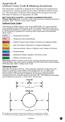 Appendix B: Uniform Color Code & Marking Guidelines The information contained in Appendix B is intended to be supplemental information for existing practices found within CGA Best Practices Version 2.0.
Permit No. Permit Fee: $295.00. Permit Expires (D+90 days): Business Name: Applicants Name: Telephone Number: E-mail Address:
 City of Woodland Park Internet Service Provider (IPS) Permit for Installation of Telecommunication Infrastructure within City Owned Rights-of-Way (up to five locations per single permit) Permit No. Permit
APPLICATION FOR DEMOLITION & RIGHT-OF OF-WAY PERMIT
 APPLICATION FOR DEMOLITION & RIGHT-OF OF-WAY PERMIT City of Swartz Creek 8083 Civic Drive Swartz Creek, MI 48473 810-635-4464 Fee Received: $ Date: / / Receipt No: Demolition Permit (including Right of
A. In this chapter, the following terms have the meanings indicated.
 08.07.02.01 Title 08 DEPARTMENT OF NATURAL RESOURCES Subtitle 07 FORESTS AND PARKS Chapter 02 Roadside Tree Care Authority: Natural Resources Article, 5-209 and 5-406, Annotated Code of Maryland.01 Purpose.
Preventing Overheated Boiler Incidents
 Preventing Overheated Boiler Incidents PSE&G Appliance Service October 2012 Runaway Boiler Explosion Review Items Hazard Background Past Incidents PSE&G Emergency Response Future Process Improvements What
Guidelines for Fiber Optic Cable Permits
 Guidelines for Fiber Optic Cable Permits NOVA District (Fairfax/Arlington) Permits www.virginiadot.org/business/fairfax-permits-main.asp Email: [email protected] 14685 Avion Parkway
Customer Bill of Rights
 Customer Bill of Rights Customer Service 800-700-2443 Emergencies 800-959-5325 Since 1929, the people at Texas Gas Service have been providing natural gas service to the citizens of Texas. We thank you
SIERRA LAKES COUNTY WATER DISTRICT P.O. Box 1039, Soda Springs, CA 95728-1039 (7300 Short Road, Serene Lakes)
 SIERRA LAKES COUNTY WATER DISTRICT P.O. Box 1039, Soda Springs, CA 95728-1039 (7300 Short Road, Serene Lakes) Maintenance Office Administrative Office Billing Office 530-426-7802 530-426-7800 916-332-4872
natural gas Control control of of Natural Gas in Emergency Situations
 control of Control of Natural Gas natural gas in Emergency Situations 800 North Third Street Suite 301 Harrisburg, PA 17102 717.901.0600 www.energypa.org G as company representatives are available around
FREQUENTLY ASKED QUESTIONS
 FREQUENTLY ASKED QUESTIONS Q. Who do I call if I have a water leak (drinking water or reclaimed water)? A. If the water leak is between the meter and the house, you are responsible for the repairs and
your electric service: from overhead to underground
 your electric service: from overhead to underground taking responsibility As an individual, your efficient use of energy brings benefits such as lower bills, improved comfort levels in your home and a
How To Get A Notice From A Utility To Dig Underground In Martha M.D.C.A.
 Call 1-866-821-4226 to check the status of your ticket. Call before you dig! 1-800-257-7777 or 811 missutility.net MIS-2011-11623_Excavator engl.indd 1 Maryland & Washington, D.C. Damage Prevention Guide
IAC 7/2/08 Utilities[199] Ch 9, p.1 CHAPTER 9 RESTORATION OF AGRICULTURAL LANDS DURING AND AFTER PIPELINE CONSTRUCTION
![IAC 7/2/08 Utilities[199] Ch 9, p.1 CHAPTER 9 RESTORATION OF AGRICULTURAL LANDS DURING AND AFTER PIPELINE CONSTRUCTION](/thumbs/39/18416513.jpg "IAC 7/2/08 Utilities[199] Ch 9, p.1 CHAPTER 9 RESTORATION OF AGRICULTURAL LANDS DURING AND AFTER PIPELINE CONSTRUCTION") IAC 7/2/08 Utilities[199] Ch 9, p.1 CHAPTER 9 RESTORATION OF AGRICULTURAL LANDS DURING AND AFTER PIPELINE CONSTRUCTION 199 9.1(479,479B) General information. 9.1(1) Authority. The standards contained herein
IAC 7/2/08 Utilities[199] Ch 9, p.1 CHAPTER 9 RESTORATION OF AGRICULTURAL LANDS DURING AND AFTER PIPELINE CONSTRUCTION 199 9.1(479,479B) General information. 9.1(1) Authority. The standards contained herein
OSU Extension FACT SHEET
 OHIO STATE UNIVERSITY EXTENSION! OSU Extension FACT SHEET Ohio State University Extension, 2120 Fyffe Road, Columbus, OH 43210 Shale Oil and Gas Development Fact Sheet Series A Landowner s Guide to Understanding
Gas Meter Clearances and Service Installation Requirements
 March 2015 Gas Meter Clearances and Service Installation Requirements Builder/Owner/Developer Requirements Call PSE s Customer Construction Services 1-888-321-7779 or visit PSE.com/CustomerConstruction
APPLICATION PROCEDURES FOR PLACEMENT OF UNDERGROUND WATER AND SEWER PIPELINES IN THE VICINITY OF TRANSPORTATION FACILITIES UNDER THE
 APPLICATION PROCEDURES FOR PLACEMENT OF UNDERGROUND WATER AND SEWER PIPELINES IN THE VICINITY OF TRANSPORTATION FACILITIES UNDER THE JURISDICTION OF ALBERTA TRANSPORTATION 1.0 Application Procedures 2.0
Nonrenewable Natural Gas. Natural Gas Basics. How Was Natural Gas Formed?
 Did You Know? Because natural gas is colorless, odorless, and tasteless, mercaptan (a chemical that smells like sulfur) is added before distribution, to give it a distinct unpleasant odor (it smells like
Electric Service Conversion Overhead-to-Underground. Minnesota
 Electric Service Conversion Overhead-to-Underground Xcel Energy Electric Connections Minnesota Process Please fill out these forms and complete this checklist to begin your application process: 1) Overhead-to-Underground
NATURAL GAS EMERGENCY PROCEDURES AND ACCIDENT PREVENTION
 NATURAL GAS EMERGENCY PROCEDURES AND ACCIDENT PREVENTION Fire and Life-Safety Group (FLS) I. EMERGENCY PROCEDURES The emergency procedures for natural gas emergencies are similar to that for fire emergencies.
APPLICATION PROCEDURES FOR PLACEMENT OF UNDERGROUND TELECOMMUNICATION CABLES IN THE VICINITY OF TRANSPORTATION FACILITIES
 APPLICATION PROCEDURES FOR PLACEMENT OF UNDERGROUND TELECOMMUNICATION CABLES IN THE VICINITY OF TRANSPORTATION FACILITIES UNDER THE JURISDICTION OF ALBERTA TRANSPORTATION 1.0 Application Procedures 2.0
NCCER 13614 Progress Blvd., Alachua, FL 32615 Tel: (888) 622-3720 E-mail: [email protected]. Task Number Item Date(s) Recorded By
 NCCER 13614 Progress Blvd., Alachua, FL 32615 Tel: (888) 622-3720 E-mail: [email protected] PIPELINE MAINTENANCE On-the-Job Training Level One MODULE 66101-02 INTRODUCTION TO THE PIPELINE INDUSTRY This is
How To Stop A Gas Leak
 Natural Gas / Propane Emergencies Probationary Firefighter Academy Properties of Natural Gas / Propane Natural Gas and Propane are gaseous fossil fuels Natural Gas is primarily Methane(CH 4 ) Propane is
S Y S T E M M O D E R N I Z A T I O N
 S Y S T E M M O D E R N I Z A T I O N T H E L I N E M B E X T E N S I O N P R O J E C T B A L T I M O R E A N D H A R F O R D C O U N T I E S, M A R Y L A N D Project Overview Columbia Gas Transmission
GUIDELINES FOR UTILITY INSTALLATIONS Part 1 - Wire Lines and Communications Cables
 Engineering Department SEPTEMBER, 2007 GUIDELINES FOR UTILITY INSTALLATIONS Part 1 - Wire Lines and Communications Cables General Requirements This section applies to all public and private utilities,
PROCEDURES PREVENTION OF ACCIDENTAL IGNITION
 Page No: 1 of 7 6.0 PURPOSE (192.751) All possible precautions shall be exercised to prevent the accidental escape and ignition of gas. Whenever possible, potential sources of ignition should be eliminated
Pipeline Safety Division Investigation Report
 Pipeline Safety Division Investigation Report Investigation regarding: Crosby Excavating Incorporated UPPAC Database Record ID: 4873 Report Date: 9/23/2013 Investigator: Mike Orr Damage Date: 5/29/2013
Eric Six Heath Consultants Incorporated
 Eric Six Heath Consultants Incorporated 9030 Monroe Road Houston, TX 77061 www.heathus.com The contents of this manual are proprietary to Heath Consultants (HEATH). Reproduction in whole or in part of
Abnormal Operating Conditions Emergency Plans and Public Awareness Plans for Natural Gas Systems
 Abnormal Operating Conditions Emergency Plans and Public Awareness Plans for Natural Gas Systems Contact Information John West Transportation Specialist U.S. Department of Transportation PHMSA Office of
Electric Engineering Division FIBER CONDUIT RULES AND REGULATIONS
 Electric Engineering Division FIBER CONDUIT RULES AND REGULATIONS TABLE OF CONTENTS I. RULES AND REGULATIONS A. TABLE OF CONTENTS... 2 B. TERMS AND DEFINITIONS... 3 C. DEVELOPER S/CONTRACTOR S RESPONSIBILITIES...
CONSTRUCTION PERMIT REQUIREMENTS
 CONSTRUCTION PERMIT REQUIREMENTS Any work to be done in the City right-of-way (ROW), in a utility easement, and certain work on private property, requires an Engineering Inspection Permit from the Department
There is no water, surface tension cracks, nor other environmental conditions present that reduce the stability of the excavation.
 Part 1926 Subpart P Introduction The Occupational Safety and Health Administration (OSHA) issued its first Excavation and Trenching Standard in 1971 to protect workers from excavation hazards. Since then,
CenterPoint Energy responds to frequently asked questions
 Page 1 of 5 CenterPoint Energy responds to frequently asked questions Houston Sept. 19, 2008 CenterPoint Energy responds to the questions customers are asking. When will you restore my power? We are working
Upstate NY Recovery assistance information
 Upstate NY Recovery assistance information www.nationalgrid.com Emergency contact information National Grid Customer Service 1-800-642-4272 National Grid Gas Emergency: 1-800-892-2345 Federal Emergency
Emergency Response. Pipeline Safety In Your Community
 Emergency Response Pipeline Safety In Your Community September 2012 Chevron Pipe Line Company is committed to helping communities live safely with nearby underground pipelines that we operate. Assurance
Installation of Underground LP-Gas Systems
 NPGA #412-94 Installation of Underground LP-Gas Systems SCOPE This bulletin provides guidelines for the installation and inspection of underground LP-Gas systems and outlines song of the unique problems
FACILITY FIRE PREVENTION AND EMERGENCY PREPAREDNESS INSPECTION CHECKLIST
 FACILITY FIRE PREVENTION AND EMERGENCY PREPAREDNESS INSPECTION CHECKLIST Date of Inspection: Conducted by: Location: Reviewed by: Date of Review: Comments or additional corrective action taken as a result
New Commercial Service Application
 Please submit with this form an application fee of $500.00 and an Electronic CAD file of your preliminary plat. CAD file can be emailed to [email protected]. Member Information Work Order Number:
VILLAGE OF GRANVILLE SEWER BACK-UP and WATER LEAK POLICIES
 VILLAGE OF GRANVILLE SEWER BACK-UP and WATER LEAK POLICIES SEWER BACK-UP POLICY General Sewer back-ups are an unfortunate, but common problem in older communities. A sewer back-up can create a health or
Static Electricity. A Health and Safety Guideline for Your Workplace. What Are Some Sources of Static Electricity? What is Static Electricity?
 A Health and Safety Guideline for Your Workplace What is static electricity? What causes it? How is it hazardous? And, most importantly, how can it be controlled? All of these questions will be answered
REQUEST FOR ELECTRIC SERVICE Commercial
 This form should be completed if you are applying to have new electric facilities installed on your property for the purpose of providing electric service to a commercial entity. PROJECT CHECKLIST Below
Close-Out Documents... 9
 Water and Sanitary Sewer Service Connection Requirements Service Connection Requirements... 1 Application for Services... 2 Water Meter Application... 2 Wet Tap/Tie-in Connection Requirements... 3 Meter
Regulation of Natural Gas Pipelines. June 23, 2008
 Regulation of Natural Gas Pipelines June 23, 2008 Federal and State Regulations Federal: 49 United States Code 60101. et. seq. Title 49 Code of Federal Regulations The Office of Pipeline Safety (OPS),
PREVENTION. City of Orem FLOOD DAMAGE PREVENTION 10-1-1
 City of Orem FLOOD DAMAGE PREVENTION 10-1-1 CHAPTER 10. Article 10-1. Article 10-2. Article 10-3. Article 10-4. Article 10-5. FLOOD DAMAGE PREVENTION Purposes Definitions General Provisions Administration
General Confined Space Awareness
 Confined Spaces General Confined Space Awareness Confined spaces can be found in many industrial settings, from steel mills to paper mills, from shipyards to farms, and from public utilities to the construction
Inquiring Minds Want to Know: Questions Landowners Should Ask in Negotiations with Companies Seeking Easements
 Inquiring Minds Want to Know: Questions Landowners Should Ask in Negotiations As a property owner, you should make a decision about granting an easement based on the same level of information available
One-Call Notification Screening
 Purpose Reference The purpose of this document is to share learnings with pipeline operators related to the process of receiving, analyzing, and managing notifications from the State One-call Center to
How To Handle An Emergency At A Strata Corporation
 24 HOUR ANSWERING SERVICE The regular office hours at our firm are 9:00 am to 5:00 pm Monday to Friday. After these regular hours, the same telephone number is answered by a Telephone Answering Service,
agrees to replace at no charge any tree that dies and subsequent inspection shows that the wire basket was not properly removed.
 Adopted 12/5/00; revised as of 1/2/07 Marietta Tree Commission Rules and Regulations I. Tree Planting A. Planting Specifications 1. Trees must be: A) of a minimum 1¼ inches caliper; B) single stem, straight,
ARTICLE II (2) ARTICLE II - REQUIRED USE OF PUBLIC SEWERS. PARAGRAPH 020001 Purpose and Application.
 ARTICLE II - REQUIRED USE OF PUBLIC SEWERS. PARAGRAPH 020001 Purpose and Application. Article II provides rules governing the allowable connection to the City POTW and the construction and inspection of
RECOGNIZING AND AVOIDING THE HAZARDS OF NATURAL GAS AND CARBON MONOXIDE
 ffh1060x_ch02.qxd 11/15/04 3:39 PM Page 64 64 CHAPTER # CHAPTER II RECOGNIZING AND AVOIDING THE HAZARDS OF NATURAL GAS AND CARBON MONOXIDE 64 INTRODUCTION First responder fatalities have involved natural
Your Boiler Room: A Time Bomb?
 Your Boiler Room: A Time Bomb? Is you boiler room a potential Time Bomb? A few basics you need to know to work safely in the boiler room: Two potentials for explosions in a boiler room: Water/steam side
Hughes Natural Gas, Inc. Customer Information and Rules of Service Updated September 2014
 Hughes Natural Gas, Inc. Customer Information and Rules of Service Updated September 2014 LOCATION: 31830 State Highway 249, Ste A, Pinehurst, TX 77362 PHONE: (281) 766-1290 Toll Free: (866) 601-3507 WEBSITE:
Underground Commercial Electric Service
 Underground Commercial Electric Service SCANA Corporation 2013 Revised: June 2013 Table of Contents SECTION PAGE I. Specification and Requirements 2 A. General B. Definition of Terms C. Company and Developer
Chapter 5. Code Enforcement
 Chapter 5 Code Enforcement Part 1 Uniform Construction Code 5-101. Purpose 5-102. Election to Administer and Enforce Construction Code Act 5-103. Adoption of Uniform Construction Code 5-104. Amendments
SECTION 02221 SELECTIVE DEMOLITION
 SECTION 02221 PART 1 -GENERAL 1.01 DESCRIPTION This section includes all material, labor, machinery and supervision required to demolish and remove the following items where applicable and as noted on
Emergency Management is responsible for coordinating the City of Houston s preparation for and response to emergency situations.
 CITY OF HOUSTON Office of Emergency Management October 2004 Emergency Management is responsible for coordinating the City of Houston s preparation for and response to emergency situations. Houston is exposed
SECTION 02150 REMOVAL OR ABANDONMENT OF EXISTING UTILITIES AND UNDERGROUND STRUCTURES. 1. Trench excavation, backfill, and compaction; Section 02250.
 02150-1 of 6 SECTION 02150 REMOVAL OR ABANDONMENT OF EXISTING 02150.01 GENERAL A. Description Removal or abandonment of existing utilities and underground structures shall include, but not necessarily
EXHIBIT A SCOPE OF SERVICES WATER SERVICE REPLACEMENT PROJECT. BROWARD OPERATIONS CENTER 5548 NW 9 th AVENUE FORT LAUDERDALE, FLORIDA 33309
 EXHIBIT A SCOPE OF SERVICES WATER SERVICE REPLACEMENT PROJECT BROWARD OPERATIONS CENTER 5548 NW 9 th AVENUE FORT LAUDERDALE, FLORIDA 33309 FLORIDA DEPARTMENT OF TRANSPORTATION DISTRICT FOUR 1.0 SCOPE OF
49 CFR 192 Transportation of Natural and Other Gas By Pipeline: Minimum Federal Safety Standards
 49 CFR 192 Transportation of Natural and Other Gas By Pipeline: Minimum Federal Safety Standards THIS DOCUMENT CONTAINS ONLY THE SECTIONS NEEDED FOR THE API 1169 ICP EXAMS Subpart G General Construction
Single Family Residential Building Permit Questions & Answers
 Single Family Residential Building Permit Questions & Answers Prepared by Dept. of Public Works Revised 07/01/13 200 East Park Street Edwardsville, IL 62025 (618) 692-7535 (618) 692-7505(Fax) Hours: Monday
ERIC C. CAMP WHITAKER, CHALK, SWINDLE & SAWYER, LLP 301 COMMERCE STREET, SUITE 3500 FORT WORTH, TEXAS 76102 (817) 878-0500 ECAMP@WHITAKERCHALK.
 NATURAL GAS PIPELINE EASEMENT AND RIGHT-OF-WAY AGREEMENTS: ERIC C. CAMP WHITAKER, CHALK, SWINDLE & SAWYER, LLP 301 COMMERCE STREET, SUITE 3500 FORT WORTH, TEXAS 76102 (817) 878-0500 [email protected]
CHAPTER X GAS LEAKAGE CONTROL GUIDELINES FOR PETROLEUM GAS SYSTEMS
 CHAPTER X GAS LEAKAGE CONTROL GUIDELINES FOR PETROLEUM GAS SYSTEMS SCOPE These guidelines provide criteria for the detection, grading and control of gas leakage and for related records for systems handling
FLOOD DAMAGE PREVENTION ORDINANCE
 FLOOD DAMAGE PREVENTION ORDINANCE SECTION 1.0 STATUTORY AUTHORIZATION, FINDINGS FO FACT, PURPOSE, AND OBJECTIVES 1.1 STATUTORY AUTHORIZATION The Legislature of the State of Washington has in RCW delegated
Gas Meter Clearances and Service Installation Requirements
 March 2016 Gas Meter Clearances and Service Installation Requirements Builder/Owner/Developer Requirements Call PSE's Customer Construction Services 1 888 321 7779 or visit PSE.com/CustomerConstruction