
MU Inpatient Consult Rotation
|
|
|
- Lindsey Candace Manning
- 10 years ago
- Views:
Transcription
1 MU Inpatient Consult Rotation I. Description of Rotation and Educational Goal: This is a four-week rotation in which GI fellows gain exposure and acquire expertise in the evaluation and management of adult patients with a broad range of acute and chronic GI/liver problems while serving as consultants on University Hospital inpatients. Fellows learn how to effectively function in the role of a consultant as they interact with patients (and their families), the primary team, and other health care providers. Fellows also participate in an array of diagnostic and therapeutic endoscopic procedures, and in the supervision and teaching of residents and medical students. All patient care activities are supervised by an attending gastroenterologist assigned to inpatient activities at the University. During this rotation, fellows also attend their own once-weekly afternoon continuity clinic and attend the late afternoon GI conferences. II. Level of Supervision: The fellow is supervised by a designated inpatient attending physician. The attending makes work/teaching rounds with the fellow every weekday. All new consults are presented to the attending, who then sees the patient with the fellow and verifies key portions of the history and physical exam. The fellow also discusses follow-up patients with the attending, who sees those patients for which it is appropriate. The attending physician also observes all of the endoscopic procedures that the fellow performs. The level-specific responsibilities of fellows as they progress in their training is discussed in the next section (section III). III. Level-Specific Responsibilities: The rotation is appropriate for first, second and third-year GI fellows, with increasing responsibility given as training progresses. On attending rounds, all new consults are seen by the attending physician, who verifies key portions of the patient s history and physical exam. Less verification by the attending is needed as the trainee s competence improves over time. By late in the second year of training and during the third-year of training, the fellow should be able to increasingly take charge of the patient-care aspects of the consult team, and the supervision and teaching of more junior fellows, residents and medical students. During the rotation, trainees gain technical and interpretative skills in the performance of endoscopic procedures, under the direct supervision of an attending physician. Early on, trainees perform procedures with ongoing feedback from the attending. As the fellow becomes increasingly proficient, he/she will be able to perform the procedure without the need for constant feedback. The attending will just be able to observe, and offer constructive comments when needed. Senior fellows will be competent to perform basic GI procedures independently (recognizing that the attending still needs to supervise/observe them for billing and legal reasons). Competency in individual procedures generally comes late in the second-year of fellowship or during the third year.

2 The complexity of procedures performed by the fellow will also increase during the course of the fellowship (e.g. endoscopic treatment of bleeding lesions), and is individualized based on the trainee s skills. Senior fellows will also be able to assist in the teaching of basic procedures to first-year GI fellows. IV. Competency-Based Objectives: Patient Care Goal: Fellows must be able to provide patient care that is compassionate, appropriate, and effective for the treatment of health problems and the promotion of health. While on service, fellows will function as primary consultants to referring physicians and PCPs similar to gastroenterologists in practice. Demonstrate the ability to perform an appropriate and accurate H&P, formulate an appropriate patient assessment, and devise an appropriate management plan in patients with GI/liver disease. Demonstrate the ability to order the appropriate procedure(s) needed on patients with GI/liver diseases. Demonstrate understanding of the indications and performance of standard GI endoscopy procedures and of more advanced procedures (such as ERCP and EUS). Demonstrate the ability to obtain an informed consent for procedures. Demonstrate increasing competence over time in the performance of standard GI endoscopic procedures (listed below). Demonstrate the ability to follow and appropriately manage patients on the inpatient GI service during the course of hospitalization. Demonstrate specific competence in the evaluation, management and prevention of GIliver conditions including diseases of the esophagus, acid-peptic conditions of the GI tract, motility disorders, irritable bowel syndrome, malnutrition, inflammatory bowel disease, vascular diseases of the GI tract, GI infections, immune GI disorders, pancreatic diseases, acute and chronic liver diseases, GI and liver neoplasms, GI bleeding, genetic disorders of the GI tract, geriatric gastroenterology, surgical conditions of the GI tract, and GI emergencies. Medical Knowledge Goal: Fellows must demonstrate knowledge of established and evolving biomedical, clinical, epidemiological and social-behavioral sciences, as well as the application of this knowledge to patient care. Demonstrate knowledge of the scientific method of problem solving and evidence-based medicine. Demonstrate a comprehensive knowledge of indications, contraindications, limitations, complications, techniques and interpretation of results of the diagnostic and therapeutic procedures used in modern gastroenterology.

3 Demonstrate knowledge of basic anatomy, physiology, pathology, molecular biology and pharmacology as it relates to GI and liver diseases seen in hospitalized patients. Demonstrate knowledge as it relates to the epidemiology, pathology, clinical presentation, diagnosis, management and social-behavioral aspects of the important diseases of the esophagus, stomach, small intestine, colon, liver, biliary tree and pancreas. Demonstrate knowledge of the GI/liver diseases which cause GI emergencies, such as acute GI bleeding, GI foreign bodies, bowel obstruction, hepatic failure, acute cholangitis, and mesenteric insufficiency. Demonstrate knowledge of basic nutrition and nutritional disorders as it applies to hospitalized patients. Demonstrate knowledge of the pharmacology of the medications used to sedate and anesthesize patients for GI procedures. Recognize the indications for obtaining surgical consultation on GI-medical patients. Demonstrate knowledge of the surgical procedures used in relation to GI disease and their complications. Practice-Based Learning and Improvement Goal: Fellows must demonstrate the ability to investigate and evaluate their care of patients, to appraise and assimilate scientific evidence, and to continuously improve patient care based on constant self-evaluation and life-long learning. Identify strengths, deficiencies and limits in one s knowledge and goals, and set learning and improvement goals. Incorporate formative evaluation feedback into daily practice. Locate, appraise and assimilate evidence from published scientific studies related to the health problems of patients seen. Use information technology to optimize learning. Participate in the education of patients, families, residents, fellows, and other health professionals. Systematically analyze practice, looking for opportunities to use quality improvement methods, and to implement changes with the goal of practice improvement. Professionalism Goal: Fellows must demonstrate a commitment to carrying out professional responsibilities and an adherence to ethical principles. Exemplify compassion, integrity and respect for others. Show responsiveness to patient needs that supersedes self-interest. Demonstrate respect for patient privacy and autonomy. Demonstrate sensitivity to a diverse patient population with regard to gender, age, culture, race, religion, disabilities and sexual orientation. Demonstrate appropriate relationships with and boundaries with patients, families, other physicians and health professionals. Avoid conflicts of interest and the appearance of conflicts of interest.
4 Establish and demonstrate a commitment to lifelong learning. Interpersonal and Communication Skills Goals: Fellows must demonstrate interpersonal and communication skills that result in the effective exchange of information and collaboration with patients, their families, and health professionals. Communicate effectively with patients and families across the broad range of socioeconomic and cultural populations that is seen in the University inpatient population. Communicate effectively with physicians (including referring physicians) and other health professionals in the context of patient care delivered on the University inpatient service. Work as a member of the health care team. Senior fellows should be able to demonstrate team leadership. Act as a consultant to other physicians and health professionals. Maintain accurate, comprehensive, timely and legible medical records. Demonstrate effectiveness as a teacher of the primary inpatient team, housestaff, medical students, and more junior GI fellows. Systems-Based Practice Goal: Fellows must demonstrate an awareness of and responsiveness to the larger context and system of health care, as well as the ability to call effectively on other resources in the system to provide optimal health care. Coordinate inpatient care within the University of Missouri HealthCare system. Work with the primary inpatient team and other health professionals to improve patient care quality and enhance patient safety. Demonstrate knowledge of cost-benefit analysis and risk-benefit analysis as it applies to gastroenterology and apply it to patient care on the inpatient service. Advocate for quality patient care and optimal patient care systems. Participate in identifying system errors, and implementing potential systems solutions. V. Rotation-Specific Skills/Procedures: Perform and become competent in the procedures below. Competency for most fellows in these procedures comes late in the second year of fellowship or during the third year. Senior fellows should be able to assist in the teaching of procedures to first-year fellows, particularly those who are early in their training. EGD Push enteroscopy Esophageal dilation Colonoscopy Biopsy and polypectomy Endoscopic treatment of bleeding lesions Percutaneous endoscopic gastrostomy placement Retrieval of GI foreign bodies.
5 Capsule endoscopy Conscious sedation Be able to identify the best method of sedation/anesthesia for complex procedures. VI. Teaching Methods: The most important teaching method is case-based discussions by the fellow and the attending physician. These may take place in a conference room, on the inpatient hospital floor, at the bedside, or in the procedure room. During the rotation, trainees gain technical and interpretative skills in the performance of an array of endoscopic procedures (see above) under the direct supervision of an attending physician. Early on, trainees watch their attending or senior fellows perform procedures. Then, they perform procedures or portions of procedures with ongoing feedback from the attending. Finally, as the fellow becomes increasingly proficient, he/she will be able to perform procedures without the need for constant feedback. The attending will just be able to observe, and offer constructive comments when needed. Discussions also take place between the fellow and attending regarding the indications and appropriateness of procedures, risk/benefit, and how to use the information obtained from the procedure in the patient s overall management. Teaching on this rotation is also supplemented by reading assignments, independent selflearning, conference attendance, and conference presentations. Fellows will also teach residents and medical students rotating on the GI service. This will further help in the fellows own learning. VII. Assessment Methods: Ongoing feedback is given to the trainee throughout the rotation. For instance, the attending critiques case presentations, clinical and scientific literature understanding, and management recommendations of the trainee on a case-by-case basis. Faculty will be expected to perform at least two ABIM Mini-Clinical Evaluation Exercises (Mini-CEX) on each fellow during each inpatient rotation. Procedural competence is assessed by direct observation by the attending physician. Ongoing feedback is given to the fellow during procedures and throughout the rotation. Procedural assessment encompasses technical competence, the ability of the trainee to recognize normal and abnormal findings, and the ability of the trainee to apply the information learned from the procedure to the patient s management plan. The numbers of procedures that trainees do is used to establish whether they meet the minimum threshold numbers for assessing competency for an individual procedure. To this end, trainees are required to keep a formal procedure log throughout their fellowship. Faculty will be expected to complete at least two colonoscopy procedural competency forms on fellows during the rotation. After the first six months of training, fellows should keep a record of how often they reach the cecum during colonoscopy and how often they need assistance from their attending. Trainees also undergo a formal written evaluation of their 4-week rotation by those attending physicians whom they worked with. This evaluation looks at the six ACGME

6 competency areas and procedure skills. Evaluations are discussed with the trainee in a timely fashion at the end of the rotation. Once a year, fellow competence is also assessed with a Multi-Source Evaluation ( 360 Degree Evaluation ). As part of such evaluations, the six core competencies are assessed by nurses, staff, peers, and patients. VIII. Educational Resources: Sleisenger & Fordtran s Gastrointestinal and Liver Disease: Pathophysiology, Diagnosis and Management (9th edition). Feldman M, Friedman L, Brandt L (eds). Philadelphia: Elsevier Science, [Available on-line 24/7.] UpToDate Online. [Available on-line 24/7.] Fellows have access to practice guidelines and other educational resources of our major national professional organizations, such as the ASGE, AGA, ACG, and AASLD. [Available on-line 24/7.] Fellows have access to on-line search engines to identify leading articles published in peer-review journals. [Available on-line 24/7.] Fellows have access to our major professional journals, such as Gastroenterology, Gastrointestinal Endoscopy, American Journal of Gastroenterology, and Hepatology. [Available on-line 24/7.] Fellows attend a broad array of GI conferences, which take place late in the afternoon on Tuesdays, Wednesdays and Thursdays. Updated: 5/04/2011

7 Ambulatory Rotation I. Description of Rotation and Educational Goal: This is a four-week rotation in which GI fellows gain exposure and acquire expertise in the evaluation and management in the ambulatory setting of patients who have a broad range of acute and chronic GI/liver problems. Fellows on this rotation will typically attend 7-9 half-day GI clinics during the week. Most are GI faculty clinics at the Fairview Digestive Health Center, though fellows may also attend one or two afternoon VA clinics as well. The clinics at Fairview run the gambit of being specialized clinics devoted to hepatology, biliary-pancreatic disorders, and IBD, all the way to general gastroenterology. Fellows learn how to effectively function in the role of a consultant in the ambulatory setting where they must learn to be efficient in the use of their time. In each clinic setting, fellows assess patients, and then develop and carry out diagnostic and management plans under the supervision of an attending gastroenterologist. They also prepare notes to document the clinic encounter and provide follow-up to the referring physician and/or the patient s PCP. During this rotation, fellows also attend their own once-weekly afternoon continuity clinic and attend the late afternoon GI conferences. II. Level of Supervision: This is a rotation that is well-suited to fellows at all levels of training. The fellow is supervised in all clinics by a designated attending physician. The attending physician in University clinics (Fairview Digestive Health Center) will see the patient with the fellow for part of the encounter as part of their supervisory function. The attending physician in VA clinics discusses all clinic patients with the fellow, and may chose to see the more complex or difficult cases. III. Competency-Based Objectives: Patient Care Goal: Fellows must be able to provide patient care that is compassionate, appropriate, and effective for the treatment of health problems and the promotion of health. Fellows will function as GI consults in the clinic (outpatient) setting. Demonstrate the ability to manage time efficiently as they see clinic patients. Demonstrate the ability to perform appropriate, accurate and efficient H&Ps, to formulate an appropriate patient assessment, and to devise an appropriate management plan in outpatients with GI/liver disease. Demonstrate the ability to order the appropriate procedure(s) needed on patients with GI/liver diseases. Demonstrate particular competence in the evaluation, management, and prevention (where applicable) of liver diseases, biliary-pancreatic diseases, and inflammatory bowel diseases. Demonstrate competence in the ability to evaluate patients for liver transplantation and in the follow-up of patients after transplantation.

8 Demonstrate competence in the evaluation, management, and prevention (where applicable) of other GI-liver conditions including diseases of the esophagus, acid-peptic conditions of the GI tract, motility disorders, irritable bowel syndrome, malnutrition, immune GI disorders, GI and liver neoplasms, genetic disorders of the GI tract, geriatric gastroenterology, and women s health issues. Medical Knowledge Goal: Fellows must demonstrate knowledge of established and evolving biomedical, clinical, epidemiological and social-behavioral sciences, as well as the application of this knowledge to patient care. Demonstrate knowledge of evidence-based medicine. Demonstrate knowledge as it relates to the epidemiology, pathology, clinical presentation, diagnosis, management and social-behavioral aspects of the important diseases of the esophagus, stomach, small intestine, colon, liver, biliary tree and pancreas. Demonstrate specific knowledge of acute and chronic liver diseases, biliary-pancreatic diseases, and inflammatory bowel disease. Demonstrate specific knowledge regarding patients being evaluated for liver transplantion and for following them afterwards. Demonstrate knowledge of the pharmacology of the medications used to treat GI and liver diseases. Practice-Based Learning and Improvement Goal: Fellows must demonstrate the ability to investigate and evaluate their care of patients, to appraise and assimilate scientific evidence, and to continuously improve patient care based on constant self-evaluation and life-long learning. Identify strengths, deficiencies and limits in one s knowledge and goals and set learning and improvement goals. Incorporate formative evaluation feedback into daily practice. Locate, appraise and assimilate evidence from published scientific studies related to the health problems of patients seen. Use information technology to optimize learning. Participate in the education of patients, families, residents, fellows, and other health professionals. Systematically analyze practice, looking for opportunities to use quality improvement methods, and to implement changes with the goal of practice improvement. Professionalism Goal: Fellows must demonstrate a commitment to carrying out professional responsibilities and an adherence to ethical principles. Exemplify compassion, integrity and respect for others.
9 Show responsiveness to patient needs that supersedes self-interest. Demonstrate respect for patient privacy and autonomy. Demonstrate sensitivity to a diverse patient population with regard to gender, age, culture, race, religion, disabilities and sexual orientation. Demonstrate appropriate relationships with and boundaries with patients, families, other physicians and health professionals. Avoid conflicts of interest or the appearance of conflicts of interest. Establish and demonstrate a commitment to lifelong learning. Interpersonal and Communication Skills Goals: Fellows must demonstrate interpersonal and communication skills that result in the effective exchange of information and collaboration with patients, their families, and health professionals. Communicate effectively with patients and families across the broad range of socioeconomic and cultural populations that is seen in the University outpatient population. Communicate effectively with physicians (including referring physicians) and other health professionals in the context of patient care delivered on University outpatients. Work as a member of the health care team. Act as a consultant to other physicians and health professionals. Maintain accurate, comprehensive, timely and legible medical records. Systems-Based Practice Goal: Fellows must demonstrate an awareness of and responsiveness to the larger context and system of health care, as well as the ability to call effectively on other resources in the system to provide optimal health care. Coordinate outpatient care within the University of Missouri HealthCare system. Demonstrate knowledge of cost-benefit analysis and risk-benefit analysis as it applies to gastroenterology and apply it to patient care on the outpatient service. Advocate for quality patient care and optimal patient care systems. Participate in identifying system errors, and implementing potential system solutions. IV. Rotation-Specific Skills: In the clinic setting, where the time to see patients is more limited than it is in the inpatient setting, fellows will become efficient in their clinical assessment and management skills. V. Teaching Methods: The most important teaching method is case-based discussions by the fellow and the attending physician in the clinic. Teaching on this rotation is also supplemented by independent self-learning, occasional reading assignments, conference attendance, and conference presentations.

10 VI. Assessment Methods: Ongoing feedback is given to the trainee throughout the rotation. For instance, the attending critiques case presentations, clinical and scientific literature understanding, and management recommendations of the trainee on a case-by-case basis. Faculty will be expected to perform at least two ABIM Mini-Clinical Evaluation Exercises (Mini-CEX) on each fellow during each ambulatory rotation. Trainees also undergo a formal written evaluation of their 4-week rotation by those attending physicians with whom they worked. This evaluation looks at the six ACGME competency areas. Evaluations are discussed with the trainee in a timely fashion at the end of the rotation. Once a year, fellow competence is also assessed with a Multi-Source Evaluation ( 360 Degree Evaluation ). As part of such evaluations, the six core competencies are assessed by nurses, staff, peers, and patients. VII. Educational Resources: Sleisenger & Fordtran s Gastrointestinal and Liver Disease: Pathophysiology, Diagnosis and Management (9th edition). Feldman M, Friedman L, Brandt L (eds). Philadelphia: Elsevier Science, [Available on-line 24/7.] UpToDate Online. [Available on-line 24/7.] Fellows have access to practice guidelines and other educational resources of our major national professional organizations, such as the ASGE, AGA, ACG, and AASLD. [Available on-line 24/7.] Fellows have access to on-line search engines to identify leading articles published in peer-review journals. [Available on-line 24/7.] Fellows have access to our major professional journals, such as Gastroenterology, Gastrointestinal Endoscopy, American Journal of Gastroenterology, and Hepatology. [Available on-line 24/7.] Fellows attend a broad array of GI conferences, which take place late in the afternoon on Tuesdays, Wednesdays and Thursdays. Updated: 5/04/2011

11 MU Outpatient Endoscopy Rotation I. Description of Rotation and Educational Goal: This is a four-week rotation designed for fellows during their third year of training or late in their second year. It gives them an endoscopy experience similar to gastroenterologists in practice who perform their outpatient endoscopy in an ambulatory endoscopy center. It is a fast-paced experience that requires that the fellow to already be very experienced in the performance of upper endoscopy, esophageal dilation, colonoscopy and polypectomy. During the rotation, fellows gain additional skill and competence in these procedures at our own outstanding and well-equipped ambulatory endoscopy center located within the Fairview Digestive Health Center. Routine EGDs and colonoscopies are done on healthy or relatively healthy outpatients from 0700 to about 1230 each weekday morning. Fellows have a supervised experience in which they assess patients, obtain informed consents, perform procedures, type endoscopy reports, and speak to and counsel patients and families after the procedures. In the afternoons during this rotation, fellows have time to study, to do research, or sometimes to attend various GI clinics. Fellows also attend their own once-weekly afternoon continuity clinic during the rotation and attend the late afternoon GI conferences. II. Level of Supervision: This rotation is only offered to fellows who already have an extensive experience in performing standard endoscopy procedures. There is a designated attending physician assigned each morning to the Fairview Digestive Health Center endoscopy lab. The attending closely supervises all procedures that the fellow performs and the other aspects of patient encounters. III. Competency-Based Objectives: Patient Care Goal: Fellows must be able to provide patient care that is compassionate, appropriate, and effective for the treatment of health problems and the promotion of health. On this rotation, fellows will function just as gastroenterologists in practice who do endoscopy in modern ambulatory endoscopy centers. Demonstrate the ability to appropriately assess patients prior to performing outpatient endoscopy. Demonstrate the ability to obtain an informed consent for procedures. Demonstrate understanding of the indications and performance of standard GI endoscopy procedures. Demonstrate expertise at being able to recognize pathology during upper and lower GI endoscopy. Demonstrate expert skills at performing EGD, esophageal dilation, colonoscopy and polypectomy. Demonstrate the ability to expertly provide patients with the results of their endoscopies, and to provide follow-up to referring physicians.

12 Medical Knowledge Goal: Fellows must demonstrate knowledge of established and evolving biomedical, clinical, epidemiological and social-behavioral sciences, as well as the application of this knowledge to patient care. Demonstrate a comprehensive knowledge of indications, contraindications, limitations, complications, techniques and interpretation of results relating to EGD and colonoscopy. Demonstrate knowledge of and the ability to recognize the pathology that is found during upper and lower GI endoscopy. Know the appropriate practice guidelines that apply to the endoscopic follow-up of polyps, Barrett s esophagus, ulcers, erosive esophagitis and IBD. Demonstrate expertise relating to the pharmacology of the medications used to sedate and anesthesize patients for GI endoscopy. Practice-Based Learning and Improvement Goal: Fellows must demonstrate the ability to investigate and evaluate their care of patients, to appraise and assimilate scientific evidence, and to continuously improve patient care based on constant self-evaluation and life-long learning. Identify strengths, deficiencies and limits in one s knowledge and skills and set learning and improvement goals. Incorporate formative evaluation feedback into daily practice. Locate, appraise and assimilate evidence from published scientific studies related to the health problems of patients seen. Use information technology to optimize learning. Participate in the education of patients, families, and other health professionals. Systematically analyze practice, looking for opportunities to use quality improvement methods, and to implement changes with the goal of practice improvement. Professionalism Goal: Fellows must demonstrate a commitment to carrying out professional responsibilities and an adherence to ethical principles. Exemplify compassion, integrity and respect for others. Show responsiveness to patient needs that supersedes self-interest. Demonstrate respect for patient privacy and autonomy. Demonstrate sensitivity to a diverse patient population with regard to gender, age, culture, race, religion, disabilities and sexual orientation. Demonstrate appropriate relationships with and boundaries with patients, families, other physicians and health professionals. Interpersonal and Communications Skills

13 Goals: Fellows must demonstrate interpersonal and communication skills that result in the effective exchange of information and collaboration with patients, their families, and health professionals. Communicate effectively with patients and families across the broad range of socioeconomic and cultural populations that is seen in the University HealthCare population. Communicate effectively with referring physicians the results of the procedures performed at Fairview. Maintain accurate, comprehensive, timely and legible medical records. Systems-Based Practice Goal: Fellows must demonstrate an awareness of and responsiveness to the larger context and system of health care, as well as the ability to call effectively on other resources in the system to provide optimal health care. Coordinate care on their patients within the University of Missouri HealthCare system as needed. Work with the nurses and other health professionals at Fairview to improve patient care quality and enhance patient safety. Advocate for quality patient care and optimal patient care systems. Participate in identifying system errors, and implementing potential systems solutions. V. Rotation-Specific Skills/Procedures: Participate and become increasingly expert in the procedures below. EGD Esophageal dilation Colonoscopy Polypectomy Conscious sedation VI. Teaching Methods: One of the teaching methods employed is case-based discussions by the fellow and the attending physician in the endoscopy center. Trainees also gain technical and interpretative expertise in the performance of endoscopy as they receive feedback by their attending physician who observe them. Discussions also take place between the fellow and attending regarding the indications and appropriateness of procedures, risk/benefit, and how to use the information obtained from the procedure in the patient s overall management. VII. Assessment Methods: Procedural competence is assessed by direct observation by the attending physician. Ongoing feedback is given to the fellow during procedures and throughout the rotation.

14 Procedural assessment encompasses technical competence, the ability of the trainee to recognize normal and abnormal findings, and the ability of the trainee to apply the information learned from the procedure to the patient s management plan. The attending critiques case presentations, clinical understanding, and management recommendations of the trainee on a case-by-case basis. Trainees are required to keep a formal procedure log throughout their fellowship. Faculty will be expected to complete at least two colonoscopy procedural competency forms each week that the fellow is on rotation. Fellows on this rotation are also expected to keep a record of how often they reach the cecum during colonoscopy and how often they need assistance from their attending. Trainees also undergo a formal written evaluation of their 4-week rotation by those attending physicians with whom they worked. This evaluation looks at the six ACGME competency areas and procedure skills. Evaluations are discussed with the trainee in a timely fashion at the end of the rotation. Once a year, fellow competence is also assessed with a Multi-Source Evaluation ( 360 Degree Evaluation ). As part of such evaluations, the six core competencies are assessed by nurses, staff, peers, and patients. VIII. Educational Resources: Sleisenger & Fordtran s Gastrointestinal and Liver Disease: Pathophysiology, Diagnosis and Management (9th edition). Feldman M, Friedman L, Brandt L (eds). Philadelphia: Elsevier Science, [Available on-line 24/7.] UpToDate Online. [Available on-line 24/7.] Fellows have access to practice guidelines and other educational resources of our major national professional organizations, such as the ASGE, AGA, ACG, and AASLD. [Available on-line 24/7.] Fellows have access to on-line search engines to identify leading articles published in peer-review journals. [Available on-line 24/7.] Fellows have access to our major professional journals, such as Gastroenterology, Gastrointestinal Endoscopy, American Journal of Gastroenterology, and Hepatology. [Available on-line 24/7.] Fellows attend a broad array of GI conferences, which take place late in the afternoon on Tuesdays, Wednesdays and Thursdays. Updated: 5/04/2011
15 VA Hospital Rotation I. Description of Rotation and Educational Goal: This is a four-week rotation at the Harry S. Truman VA Hospital in which GI fellows gain exposure and acquire expertise in standard GI endoscopy procedures and in the evaluation and management of adult patients with acute and chronic GI/liver problems. Overall, the experience is weighted heavily toward outpatient gastroenterology practice. Weekday mornings consist largely of performing outpatient endoscopy procedures. Patient activities in the afternoon consist of doing any remaining outpatient procedures, inpatient procedures, performing inpatient consults, and attending GI clinic on Monday afternoon and sometimes on Friday afternoon. Fellows learn how to effectively function in the role of a consultant as they interact with patients (and their families), the primary team, and other health care providers. Fellows see and evaluate patients, and have supervised responsibility for direct patient care, including diagnostic and management planning, order writing, and record keeping. The valuable endoscopy experience is supported by excellent GI lab facilities and nursing support. All patient care activities are directly supervised by a designated attending gastroenterologist. During this rotation, fellows also attend their own once-weekly afternoon continuity clinic and attend the late afternoon GI conferences. II. Level of Supervision: The fellow is supervised by a designated attending physician assigned to the VA Hospital. The attending physician observes the endoscopic procedures that the fellow performs. The attending also discusses all clinic patients and inpatient consults that the fellow sees. The level-specific responsibility of fellows as they progress in their training is discussed in the section below. III. Level-Specific Responsibility: The rotation is appropriate for first, second and third-year GI fellows, with increasing responsibility given as training progresses. During the rotation, trainees gain technical and interpretative skills in the performance of standard endoscopic procedures, under the direct supervision of an attending physician. Early on, trainees perform procedures with ongoing feedback from the attending. As the fellow becomes increasingly proficient, he/she will be able to perform the procedure without the need for constant feedback. The attending will just be able to observe, and offer constructive comments when needed. Senior fellows will be competent to perform basic GI procedures independently (recognizing that the attending still needs to provide overall supervision). Competency in individual procedures generally comes late in the second-year of fellowship training or during the third year. Senior fellows will also be able to assist in the teaching of basic procedures to first-year GI fellows. The GI clinics and inpatient consult service are supervised by an attending gastroenterologist. However, as the fellow progresses in his/her training and demonstrates consistent clinical competence, he/she is given increasing responsibility and independence in the seeing and management of clinic patients and inpatient consults.

16 IV. Competency-Based Objectives: Patient Care Goal: Fellows must be able to provide patient care that is compassionate, appropriate, and effective for the treatment of health problems and the promotion of health. While on service, fellows will function as primary consultants to referring physicians and PCPs similar to gastroenterologists in practice. Demonstrate the ability to perform an appropriate and accurate H&P, formulate an appropriate patient assessment, and devise an appropriate management plan in patients with GI/liver disease. Demonstrate the ability to order the appropriate procedure(s) needed on patients with GI/liver diseases. Demonstrate understanding of the indications and performance of standard GI endoscopy procedures and of more advanced procedures (such as ERCP and EUS). Demonstrate the ability to obtain an informed consent for procedures. Demonstrate increasing competence over time in the performance of standard GI endoscopic procedures (listed below). Demonstrate the ability to communicate results of endoscopic biopsies to patients via letters, and to recommend appropriate follow-up. Demonstrate the ability to follow and appropriately manage patients on a GI inpatient service during the course of a hospitalization. Demonstrate the ability to follow and appropriately manage patients being followed in the VA GI clinic during the course of time.. Demonstrate specific competence in the evaluation, management and prevention of GIliver conditions including diseases of the esophagus, acid-peptic conditions of the GI tract, motility disorders, irritable bowel syndrome, malnutrition, inflammatory bowel disease, vascular diseases of the GI tract, GI infections, immune GI disorders, pancreatic diseases, acute and chronic liver diseases, GI and liver neoplasms, GI bleeding, genetic disorders of the GI tract, geriatric gastroenterology, surgical conditions of the GI tract, and GI emergencies. Medical Knowledge Goal: Fellows must demonstrate knowledge of established and evolving biomedical, clinical, epidemiological and social-behavioral sciences, as well as the application of this knowledge to patient care. Demonstrate knowledge of the scientific method of problem solving and evidence-based medicine. Demonstrate a comprehensive knowledge of indications, contraindications, limitations, complications, techniques and interpretation of results of the diagnostic and therapeutic procedures used in modern gastroenterology. Demonstrate knowledge of basic anatomy, physiology, pathology, molecular biology and pharmacology as it relates to GI and liver diseases seen in hospitalized and clinic patients.

17 Demonstrate knowledge as it relates to the epidemiology, pathology, clinical presentation, diagnosis, management and social-behavioral aspects of the important diseases of the esophagus, stomach, small intestine, colon, liver, biliary tree and pancreas. Demonstrate knowledge of basic nutrition and nutritional disorders as it applies to hospitalized patients. Demonstrate knowledge of the pharmacology of the medications used to sedate and anesthesize patients for GI procedures. Recognize the indications for obtaining surgical consultation on GI-medical patients. Demonstrate knowledge of the surgical procedures used in relation to GI disease and their complications. Practice-Based Learning and Improvement Goal: Fellows must demonstrate the ability to investigate and evaluate their care of patients, to appraise and assimilate scientific evidence, and to continuously improve patient care based on constant self-evaluation and life-long learning. Identify strengths, deficiencies and limits in one s knowledge and goals and set learning and improvement goals. Incorporate formative evaluation feedback into daily practice. Locate, appraise and assimilate evidence from published scientific studies related to the health problems of patients seen. Use information technology to optimize learning. Participate in the education of patients, families, residents, fellows, and other health professionals. Systematically analyze practice, looking for opportunities to use quality improvement methods, and to implement changes with the goal of practice improvement. Professionalism Goal: Fellows must demonstrate a commitment to carrying out professional responsibilities and an adherence to ethical principles. Exemplify compassion, integrity and respect for others. Show responsiveness to patient needs that supersedes self-interest. Demonstrate respect for patient privacy and autonomy. Demonstrate sensitivity to a diverse patient population with regard to gender, age, culture, race, religion, disabilities and sexual orientation. Demonstrate appropriate relationships with and boundaries with patients, families, other physicians and health professionals. Avoid conflicts of interest and the appearance of conflicts of interest. Establish and demonstrate a commitment to lifelong learning. Interpersonal and Communication Skills

18 Goals: Fellows must demonstrate interpersonal and communication skills that result in the effective exchange of information and collaboration with patients, their families, and health professionals. Communicate effectively with patients and families across the broad range of socioeconomic and cultural populations. Communicate effectively with physicians (including referring physicians) and other health professionals in the context of patient care delivered at the VA. Work as a member of the health care team. Senior fellows should be able to demonstrate team leadership. Act as a consultant to other physicians and health professionals. Maintain accurate, comprehensive, timely and legible medical records. Demonstrate effectiveness as a teacher of the primary inpatient team, housestaff, medical students, and more junior GI fellows. Systems-Based Practice Goal: Fellows must demonstrate an awareness of and responsiveness to the larger context and system of health care, as well as the ability to call effectively on other resources in the system to provide optimal health care. Coordinate outpatient and inpatient care within the VA Health Care system. Work with the primary inpatient team and other health professionals to improve patient care quality and enhance patient safety. Demonstrate knowledge of cost-benefit analysis and risk-benefit analysis as it applies to gastroenterology and apply it to patient care on the inpatient service. Advocate for quality patient care and optimal patient care systems. Participate in identifying system errors, and implementing potential systems solutions. V. Rotation-Specific Skills/Procedures: Perform and become competent in the procedures below. Competency for most fellows in these procedures comes late in the second year of fellowship or during the third year. Senior fellows should be able to assist in the teaching of procedures to first-year fellows, particularly early in their training. EGD Push enteroscopy Esophageal dilation Colonoscopy Biopsy and polypectomy Endoscopic treatment of bleeding lesions Percutaneous endoscopic gastrostomy placement Retrieval of GI foreign bodies. Conscious sedation VI. Teaching Methods:

19 The most important teaching method is case-based discussions by the fellow and the attending physician. These may take place in the GI office, on the inpatient hospital floor, at the bedside, or in the procedure room. During the rotation, trainees gain technical and interpretative skills in the performance of an array of endoscopic procedures (see above) under the direct supervision of an attending physician. Early on, trainees perform procedures with ongoing feedback from the attending. As the fellow becomes increasingly proficient, he/she will be able to perform procedures without the need for constant feedback. The attending will just be able to observe, and offer constructive comments when needed. Full competency (and the ability to perform the procedures independently) for most fellows in these procedures comes late in the second year of fellowship or during the third year. Discussions also take place between the fellow and attending regarding the indications and appropriateness of procedures, risk/benefit, and how to use the information obtained from the procedure in the patient s overall management. Teaching on this rotation is also supplemented by reading assignments, independent selflearning, conference attendance, and conference presentations. VII. Assessment Methods: Ongoing feedback is given to the trainee throughout the rotation. For instance, the attending critiques case presentations, clinical and scientific literature understanding, and management recommendations of the trainee on a case-by-case basis. Faculty will be expected to perform at least two ABIM Mini-Clinical Evaluation Exercises (Mini-CEX) on each fellow during each inpatient rotation. Procedural competence is assessed by direct observation by the attending physician. Ongoing feedback is given to the fellow during procedures and throughout the rotation. Procedural assessment encompasses technical competence, the ability of the trainee to recognize normal and abnormal findings, and the ability of the trainee to apply the information learned from the procedure to the patient s management plan. The numbers of procedures that trainees do is used to establish whether they meet the minimum threshold numbers for assessing competency for an individual procedure. To this end, trainees are required to keep a formal procedure log throughout their fellowship. Faculty will be expected to complete at least two colonoscopy procedural competency forms on fellows during the rotation. After the first 6 months of training, fellows should keep a record of how often they reach the cecum during colonoscopy and how often they need assistance from their attending. Trainees also undergo a formal written evaluation of their 4-week rotation by those attending physicians with whom they worked. This evaluation looks at the six ACGME competency areas and procedure skills. Evaluations are discussed with the trainee in a timely fashion at the end of the rotation. Once a year, fellow competence is also assessed with a Multi-Source Evaluation ( 360 Degree Evaluation ). As part of such evaluations, the six core competencies are assessed by nurses, staff, peers, and patients. VIII. Educational Resources:
20 Sleisenger & Fordtran s Gastrointestinal and Liver Disease: Pathophysiology, Diagnosis and Management (9th edition). Feldman M, Friedman L, Brandt L (eds). Philadelphia: Elsevier Science, [Available on-line 24/7.] UpToDate Online. [Available on-line 24/7.] Fellows have access to practice guidelines and other educational resources of our major national professional organizations, such as the ASGE, AGA, ACG, and AASLD. [Available on-line 24/7.] Fellows have access to on-line search engines to identify leading articles published in peer-review journals. [Available on-line 24/7.] Fellows have access to our major professional journals, such as Gastroenterology, Gastrointestinal Endoscopy, American Journal of Gastroenterology, and Hepatology. [Available on-line 24/7.] Fellows attend a broad array of GI conferences, which take place late in the afternoon on Tuesdays, Wednesdays and Thursdays. Updated: 7/18/2011
![] Fellows have access to practice guidelines and other educational resources of our major national professional organizations, such as the ASGE, AGA, ACG, and AASLD. [Available on-line 24/7.](/docs-images/45/2568546/images/page_20.jpg "] Fellows have access to on-line search engines to identify leading articles published in peer-review journals. [Available on-line 24/7.")
21 Hepatobiliary-Pancreatic Diseases & Advanced Procedures Rotation I. Description of Rotation and Educational Goal: This is a four-week rotation primarily intended for third-year GI fellows. Exposure to patients with hepatobiliary and pancreatic diseases and to advanced procedures will occur at University Hospital and at the VA Hospital. Patients will be seen in hepato-biliary/pancreatic clinics and in the endoscopy units of both centers. While on this rotation, fellows will acquire a broad understanding of the evaluation and management of patients with diseases of the liver, biliary tract, and pancreas. Fellows will also participate in some advanced hepatobiliary procedures, including endoscopic retrograde cholangio-pancreatography (ERCP) and endoscopic ultrasound (EUS), and other evolving cuttingedge procedures, such as endoscopic mucosal resection (EMR), ablative procedures for Barrett s esophagus, and balloon enteroscopy. However, the rotation is not to be confused with an advanced endoscopy fellowship, which may be necessary for a trainee to gain full competency in some complex procedures such as ERCP and EUS. Fellows will also participate in the educational conferences that relate specifically to this rotation (detailed later). II. Competency-Based Objectives: Patient Care Goal: Fellows must be able to provide patient care that is compassionate, appropriate, and effective for the treatment and prevention of health problems related to liver, biliary and pancreatic disease and to advanced endoscopic procedures. Competencies: Fellows are expected to-- Perform detailed evaluation of patients with liver, biliary tract and pancreatic diseases, and plan appropriate management. Recognize symptoms and physical signs related to hepatobiliary and pancreatic disease. Demonstrate knowledge for the appropriate procedure(s) to be performed on patients with hepatobiliary and pancreatic disease. Demonstrate knowledge of common diseases that require immediate care and workup associated with liver, biliary tract and pancreatic diseases, such as variceal bleeding, spontaneous bacterial peritonitis, acute liver failure, acute pancreatitis, acute cholecystitis and acute cholangitis. While on service, fellows act as primary consultants to referring physicians and primary care providers, and definitively arrange prompt and appropriate procedures after discussion with the supervising attending physician. While on the service, fellows will round on all inpatients with hepatobiliary and pancreatic diseases and discuss patient care and management with attending GI physicians. Attend hepatobiliary-pancreatic clinics at the Fairview Digestive Health Center. Gain understanding in the indications and performance of other advanced endoscopic procedures, such as EMR, Barrett s esophagus ablative procedures, and balloon enteroscopy.
22 Obtain informed consent on advanced procedures after a review with the patient of the procedure(s), risks, benefits and alternative therapeutic options. Participate in advanced endoscopic procedures, such as ERCP, EUS, pancreatic cystgastrostomy, EMR, Barrett s esophagus ablation, balloon enteroscopy, and GI stent placement. Objectives: Participate in ERCP, GI EUS, EMR, Barrett s esophagus ablation, balloon enteroscopy and GI stent placement as determined by the preceptor physician(s). Gain exposure to ERCP and EUS equipment/devices including guide-wires, needles, catheters, sphincterotomes, dilators, retrieval devices, and lithotriptors. Participate in retrieval of small common bile duct stones, biliary drainage, and placement of biliary-pancreatic stents. Gain experience in the use of fluoroscopy at ERCP and the interpretation of images. Participate in diagnostic EUS of the biliary and pancreatic system, to gain experience in the interpretation of EUS images. Medical Knowledge Goal: Fellows must demonstrate knowledge of established and evolving biomedical, clinical, epidemiological, and social-behavioral sciences, as well as the application of this knowledge to patient care. Competencies: Fellows are expected to- Demonstrate knowledge of basic anatomy, physiology, pharmacology and pathology as it relates to liver, hepatobiliary and pancreatic diseases. Understand the indications and contraindications of the major hepatobiliary-pancreatic procedures and other evolving advanced procedures, such as EMR, Barrett s ablation, and balloon enteroscopy. Understand the need for anesthesia care in advanced procedures. Understand the differences in diagnosis and management of neoplastic disease of the hepatobiliary and pancreatic systems including benign hepatic tumors, malignant tumors (hepatocellular carcinoma, cholangiocarcinoma, pancreatic cancer) and endocrine tumors of the pancreas. Understand the medical management of hepatobiliary and pancreatic disease including indications for palliative endoscopic therapies such as metal stent placement, celiac plexus therapy and cystgastrostomy. Demonstrate knowledge of the scoring systems and models used to classify the severity of liver, biliary and pancreatic disease such as Child-Pugh score, MELD score, APACHE score, Rosemont criteria and Balthazar classification. Objectives: Present a power point presentation that overviews an approved, selected topic in hepatobiliary and pancreatic disease. Discuss at least one review article or a recent peer-reviewed publication of hepatobiliary and pancreatic disease. Participate in the monthly GI Quality and Procedure Complication Review Committee. Participate in the monthly hepatobiliary multidisciplinary conference. Professionalism
23 Goal: Fellows must demonstrate a commitment to carrying out professional responsibilities and an adherence to ethical principles. Competencies: Fellows are expected to-- Demonstrate responsiveness to patient needs that supersedes self-interest. Demonstrate accountability to patients, society, and the profession. Objectives: Obtain satisfactory or above ratings on physician and nursing completed evaluations in the category of professionalism. Interpersonal and Communication Skills Goal: Fellows must demonstrate interpersonal and communication skills that result in the effective exchange of information and teaming with patients, their families, and health-care professionals. Competencies: Fellows are expected to-- Communicate effectively with their attending, patients, their families, colleagues, referring physicians and other members of the health care team concerning procedure appropriateness, informed consent, safety issues, and results of tests. Maintain comprehensive, timely and legible medical records. Objectives: Obtain satisfactory or above ratings on physician and nursing completed evaluations in the area of communication. Production of accurate and appropriate procedural reports. Follow up on laboratory test results and inform patient and referring physicians with the results. III. Rotation-Specific Skills/Procedures: Observe and participate in ERCP procedures, including sphincterotomy, biliary drainage and the placement of biliary/pancreatic stents. EUS procedures, including fine-needle aspiration/biopsies. Pancreatic cyst-gastrostomy procedures. EMR, Barrett s esophagus ablation procedures, balloon enteroscopy, and GI tract stent placement, depending on the interest of the fellow. Identifying the best method of sedation/anesthesia for advanced procedures. IV. Teaching Methods: The most important teaching method is case-based discussions by the fellow and the attending physician(s). These take place in the endoscopy labs, in the clinic, and sometimes on the inpatient ward. During the rotation, trainees may gain technical and interpretative skills in the performance of advanced endoscopic procedures under the direct supervision of an attending physician. Early on, trainees watch their attending physician perform procedures. Then, they perform procedures or portions of procedures with ongoing feedback from the attending. Finally, as the fellow becomes increasingly proficient, he/she may be able to perform certain procedures without the need for constant feedback. The attending will just available able to observe, and offer constructive comments when needed.
24 Discussions also take place between the fellow and attending regarding the indications and appropriateness of procedures, risk/benefit, and how to use the information obtained from the procedure in the patient s overall management. Teaching on this rotation is also supplemented by reading assignments, independent selflearning, conference attendance, and conference presentations. V. Assessment Methods: Ongoing feedback is given to the trainee throughout the rotation. For instance, the attending critiques case presentations, clinical and scientific literature understanding, and management recommendations of the trainee on a case-by-case basis. Trainees also undergo a formal written evaluation of their 4-week rotation by those attending physicians with whom they worked. This evaluation looks at the six ACGME competency areas and procedure skills. Evaluations are discussed with the trainee in a timely fashion at the end of the rotation. Procedural competence is assessed by direct observation by the attending physician. Ongoing feedback is given to the fellow during procedures and throughout the rotation. Procedural assessment encompasses technical competence, the ability of the trainee to recognize normal and abnormal findings, and the ability of the trainee to apply the information learned from the procedure to the patient s management plan. The numbers of procedures that trainees do is used to establish whether they meet the minimum threshold numbers for assessing competency for an individual procedure. To this end, trainees are required to keep a formal procedure log throughout their fellowship. The procedure log should include the date of the procedure, type of procedure, indication, diagnosis, biopsy results, and the supervisor. Once a year, fellow competence is also assessed with a Multi-Source Evaluation ( 360 Degree Evaluation ). As part of such evaluations, the six core competencies are assessed by nurses, staff, peers, and patients. VI. Level of Supervision: The rotation has one or more designated attending physicians who are responsible for the supervision of the trainee throughout the rotation. VII. Educational Resources: Sleisenger & Fordtran s Gastrointestinal and Liver Disease: Pathophysiology, Diagnosis and Management (9th edition). Feldman M, Friedman L, Brandt L (eds). Philadelphia: Elsevier Science, [Available on-line 24/7.] UpToDate Online. [Available on-line 24/7.] Fellows have access to practice guidelines and other educational resources of our major national professional organizations, such as the ASGE, AGA, ACG, and AASLD. [Available on-line 24/7.] Fellows have access to on-line search engines to identify leading articles published in peer-review journals. [Available on-line 24/7.]
25 Fellows have access to our major professional journals, such as Gastroenterology, Gastrointestinal Endoscopy, American Journal of Gastroenterology, and Hepatology. [Available on-line 24/7.] Educational conferences including the monthly Hepatobiliary Multidisciplinary Conference; monthly GI Quality and Procedure Complication Review Committee meeting; monthly GI-Surgery Conference; and the monthly GI-Pathology Conference. Revised 5/04/2011
26 Research Rotation I. Description of Rotation and Educational Goals: During the course of their fellowship training, fellows are expected to advance their knowledge of the principles of research, including how research is conducted, evaluated, explained to patients, and applied to patient care. To that end, clinical GI fellows will get adequate time during their 3 years of training to participate in mentored fellow-appropriate research and scholarship. Fellows are expected to develop and conduct at least one clinical or basic science research project, tailored to their interests and future career plans. It is anticipated that the research time will be productive as defined below. The research/scholarly portion of the GI fellowship is also supplemented by the fellows participation in a monthly GI Journal Club and monthly GI Research Conference. Some fellows may also supplement their scholarly activities by publishing book chapters, review articles, or case reports in peer-reviewed journals. II. Educational Objectives: The following are the educational objectives of this rotation/experience: Trainees will gain research experience by answering a clinical or basic research question under the supervision of a qualified faculty member. Trainees will learn how to formulate a research question, how to design a project to answer the question, and experience/instruction in research and statistical methodology, ethical conduct of research, responsible use of informed consent, and interpretation of data. Trainees will gain experience in writing up their research projects in abstract form and manuscripts, and presenting their projects orally and/or in poster form. Participation in monthly journal clubs and research conferences will help give trainees first-hand experience with critical analysis of scientific papers and research methodology. Trainees who intend to develop an academic career will be paired with a research advisor and mentor whose mission is to nurture the trainee to become an independent investigator. Fellows can choose mentors from among the faculty in the division or from other divisions/departments. Joint mentoring involving GI and non-gi faculty is encouraged to supervise fellow-appropriate GI-focused clinical or basic research projects. Fellow research is expected to be productive and result, at the least, in publication of an abstract in a peer-review journal and presentation at a national GI meeting (either orally or in poster form). Projects must also be written up in manuscript form and submitted to a peer-review journal. It is hoped that in most instances that the project will be published in a peer-review journal. III. Organization of the Rotation: Each fellow will get approximately the equivalent of six 4-week blocks (about 6 months) during their three years of fellowship to participate in supervised research and scholarly activities. Depending on the interests of the fellow, some will need less time than this and some will need more time. The organization of this experience, either in blocks or concurrent with clinical rotations, will be individualized, depending on the type of research and scholarly activities that the fellow wishes to pursue. Additional elective research
27 rotations can be added for those trainees who intend to develop academic careers with a research emphasis. The research experience of the gastroenterology fellow will be closely monitored by the GI Research Mentoring Committee that consists of basic science faculty and clinical faculty. The mentoring committee composition includes at least one external faculty member (outside the division). The committee will meet with the fellow quarterly to provide advice and project monitoring. After choosing a research advisor and project, fellows will be required to provide a one or two page description of the project for approval by the Mentoring Committee. The required information should briefly and concisely include the following: title, hypothesis, background and significance, study design, methods, data analysis, and perhaps some key references. Fellows will be involved in obtaining study approval from the Institutional Review Board for human studies or animal care and use committees for animal studies, and to undergo all required training for their specific projects prior to initiating the study. Fellows may also be asked to present their protocol at one of the monthly GI Division s Research Conferences for feedback. Research progress for the project will be monitored quarterly by the GI Research Mentoring Committee and progress/concerns will be discussed with the mentors and Fellowship Program Director. In addition to the presentation at the planning stage, fellows will be encouraged to present at the interim and completion stages. Fellows will be required to write up and publish their research as abstracts in peer-reviewed journals, and to present them at a meeting, generally a national GI specialty meeting. Fellows are also expected to write up their projects in manuscript form, and to submit them for publication in a peer-review journal. The research experience is supplemented by a monthly journal club and the monthly GI Research Conference, which gives the trainee experience with critical analysis of scientific papers. IV. Teaching Methods and Educational Resources: The principal teaching method is mentored planning and execution of a clinical or basic research project, from identification of a research question all the way to the preparation of a final abstract and manuscript. The supervisory faculty member assists in the development of the research question, the planning of the project, collaboration with other disciplines, data collection, and the writing up and presentation of the project. Collaboration with other disciplines, as needed, brings other experts into the teaching mix. A divisional mentoring committee (the GI Research Mentoring Committee) provides an additional teaching/educational resource to the fellows. The committee ensures structured advice on the choice of projects, assures suitability of the research project, and monitors progress of the project. The mentoring committee will provide scientific input as needed and help assure adequate time for fellows to conduct their research projects.
28 Prior to the DDW, ACG and AASLD abstract deadlines, the mentoring committee will ask to review those abstracts being submitted by fellows. It is the expectation that the abstracts will be in a near final form, and that all of the co-authors will have reviewed the abstracts and approved of them prior to the mentoring committee receiving them. Reading lists and educational resources will largely be the primary medical literature relevant to the study question. Identifying the pertinent literature will be facilitated by the trainee s research mentor and by searching the published literature in the field through library and internet work. The trainee will get experience in research presentations by presenting their projects at the GI Research Conference. Generally they will present their projects early on, as the project is being developed, and then after the project s completion. Such presentations give an opportunity for constructive criticism and improvement. After the project has been completed, the trainee will also be expected to write it up in abstract and manuscript form. The mentoring faculty member and the divisional mentoring committee will assist the trainee in this regard. Proficiency in the critical analysis of the scientific literature and in research is further enhanced by the trainee s attendance and participation in GI Journal Club and the GI Research Conference. V. Lines of Supervision: Each research project the trainee participates in will be supervised by a faculty mentor, and approved and monitored by the divisional GI Research Mentoring Committee. The mentoring committee will coordinate closely with the Fellowship Program Director for evaluation, feedback and supervision. VI. Methods of Evaluation: Ongoing feedback is given to the research trainee by the supervisory faculty member throughout the research rotation. Periodically, the supervisory faculty member may prepare a written evaluation, which will be discussed with the research trainee. The GI Research Mentoring Committee will provide a formal written evaluation every quarter. The trainee will generally present his/her research projects in the planning stage, in progress, and after completion at the GI Research Conference. This will permit the research mentor, Program Director and other faculty the opportunity to assess the progress the trainee is making. It is expected that the trainee will ultimately demonstrate productivity in their research by publishing an abstract in a peer-reviewed journal and submitting it for presentation at a national specialty meeting. The trainee will also be expected to write up their project in manuscript form, and to submit it to a peer-reviewed journal. These expectations must be met before the fellow graduates. The Program Director will also meet with the trainee every six months to review his/her academic progress. Revised 5/03/2011
Pediatric Gastroenterology Fellowship Pediatric Nutrition Rotation Goals and Objectives - 1 st Year
 Pediatric Nutrition Rotation Goals and Objectives - 1 st Year Goal 1: Gain experience and competency in managing common and rare gastrointestinal, liver and nutritional problems. (Competencies: patient
Lenox Hill Hospital Department of Surgery General Surgery Goals and Objectives
 Lenox Hill Hospital Department of Surgery General Surgery Goals and Objectives Medical Knowledge and Patient Care: Residents must demonstrate knowledge and application of the pathophysiology and epidemiology
GASTROENTEROLOGY FELLOWSHIP PANCREATICOBILARY CONSULTATION SERVICE GOALS AND OBJECTIVES University of Toledo
 GASTROENTEROLOGY FELLOWSHIP PANCREATICOBILARY CONSULTATION SERVICE GOALS AND OBJECTIVES University of Toledo Educational Purpose: The Pancreaticobiliary Service at UTMC introduces the fellow to inpatient
Curriculum for Nephrology Fellowship
 Curriculum for Nephrology Fellowship Consultation: FMLH Service Description of Rotation or Educational Experience This part of the fellowship program in Nephrology provides training and experience such
GASTROENTEROLOGY FELLOWSHIP HEPATOLOGY ROTATION GOALS AND OBJECTIVES University of Toledo
 GASTROENTEROLOGY FELLOWSHIP HEPATOLOGY ROTATION GOALS AND OBJECTIVES University of Toledo Educational Purpose: The Hepatology Rotation introduces the fellow to the management of outpatients and inpatients
Dermatology, VA. A. General Information. 1.) Rotation Length: 2 weeks. 2.) Rotation Location: Dermatology Clinic VA Medical Center Des Moines, Iowa
 Dermatology, VA This rotation is an elective rotation available to internal medicine residents at any level. Residents who complete this rotation can expect to see adult patients with a wide variety of
Cardiovascular Fellowship Goals and Objectives
 Cardiovascular Fellowship Goals and Objectives I. GOALS OF THE PROGRAM The objective of the Fellowship Training Program in Cardiovascular Disease is to provide an academically and clinically rigorous training
GASTROENTEROLOGY AND HEPATOLOGY CONSULTATION ROTATION CURRICULUM FOR IM RESIDENTS UC DAVIS MEDICAL CENTER DIVISION OF GASTROENTEROLOGY AND HEPATOLOGY
 GASTROENTEROLOGY AND HEPATOLOGY CONSULTATION ROTATION CURRICULUM FOR IM RESIDENTS UC DAVIS MEDICAL CENTER DIVISION OF GASTROENTEROLOGY AND HEPATOLOGY Faculty Representative: Christopher Bowlus, MD Resident
Goals and Objectives Pediatric Surgery PGY 1 MCVH
 Goals and Objectives Pediatric Surgery PGY 1 MCVH PGY-1 Clinical Duties and Privileges Lines of Supervision During the PGY-1 each resident begins his/her clinical experience in the General Surgery Residency
Pathology Residency Program at Mount Sinai 2012
 Pathology Residency Program at Mount Sinai 2012 Educational goals and philosophy The goal of the pathology residency is to train physicians in the broad field of pathology and laboratory medicine through
The Role of Industry Representatives in the Endoscopy Unit
 The Role of Industry Representatives in the Endoscopy Unit Vivek Kaul, MD 1 and Douglas Faigel, MD, FASGE 2 Introduction The modern endoscopy unit is a busy workplace environment. With the patient as the
HEPATOLOGY CLERKSHIP
 College of Osteopathic Medicine HEPATOLOGY CLERKSHIP Office for Clinical Affairs 515-271-1629 FAX 515-271-1727 Elective Rotation General Description This elective rotation is a four (4) week introductory,
CPT COD1NG UPDATES Gastroenterology CPT Advisors
 2014 CPT COD1NG UPDATES Gastroenterology CPT Advisors Joel V. Brill, MD, AGA CPT Advisor Daniel C. DeMarco, MD, ACG CPT Advisor Glenn D. Littenberg, MD, ASGE CPT Advisor The American College of Gastroenterology
NP/PA Clinical Hepatology Fellowship Summary of Year-Long Curriculum
 OVERVIEW OF THE FELLOWSHIP The goal of the AASLD NP/PA Fellowship is to provide a 1-year postgraduate hepatology training program for nurse practitioners and physician assistants in a clinical outpatient
Center for Endoscopic Research & Therapeutics
 Center for Endoscopic Research & Therapeutics 5758 South Maryland Avenue (MC9028) Chicago, Illinois 60637 (773) 702-1459 www.uchospitals.edu Center for Endoscopic Research & Therapeutics To refer a patient
SPINE SERVICE ROTATION ROTATION SPECIFIC OBJECTIVES (RSO) DEPT. OF ORTHOPEDICS AND PHYSICAL REHABILITATION UNIVERSITY OF MASSACHUSETTS
 SPINE SERVICE ROTATION ROTATION SPECIFIC OBJECTIVES (RSO) DEPT. OF ORTHOPEDICS AND PHYSICAL REHABILITATION UNIVERSITY OF MASSACHUSETTS The purpose of this RSO is to outline and clarify the objectives of
The digestive system. Medicine and technology. Normal structure and function Diagnostic methods Example diseases and therapies
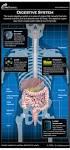 The digestive system Medicine and technology Normal structure and function Diagnostic methods Example diseases and therapies The digestive system An overview (1) Oesophagus Liver (hepar) Biliary system
HANDOUT FOR THE GOALS AND OBJECTIVES OF THE TRANSPLANTATION ROTATION
 1 HANDOUT FOR THE GOALS AND OBJECTIVES OF THE TRANSPLANTATION ROTATION Clinical Curriculum Introduction The Nephrology Fellowship Clinical Training Program is designed to provide individuals with the opportunity
COMPETENCIES THE GEISEL SCHOOL OF MEDICINE AT DARTMOUTH. For Geisel School of Medicine students today and physician graduates of tomorrow
 COMPETENCIES THE GEISEL SCHOOL OF MEDICINE AT DARTMOUTH For Geisel School of Medicine students today and physician graduates of tomorrow 2012 (Approved by the Medical Education Committee of the Geisel
Introduction to Competency-Based Residency Education
 Introduction to Competency-Based Residency Education Joyce, 2006 Objectives Upon completion of this module, Program Directors and faculty will be able to: State foundational concepts of the Outcome Project
How to Effectively Code for Endoscopic Procedures in Gastroenterology
 How to Effectively Code for Endoscopic Procedures in Gastroenterology Ariwan Rakvit, MD Associate Professor Interim Chief, Division of Gastroenterology Texas Tech University Health Science Center All rights
Continuing Medical Education Category 1 Credit Documentation Process UnityPoint Health - Des Moines
 Continuing Medical Education Category 1 Credit Documentation Process UnityPoint Health - Des Moines UnityPoint Health - Des Moines is accredited by the Iowa Medical Society (IMS) to provide continuing
Advanced Heart Failure & Transplantation Fellowship Program
 Advanced Heart Failure & Transplantation Fellowship Program Curriculum I. Patient Care When on the inpatient Heart Failure and Transplant Cardiology service, the cardiology fellow will hold primary responsibility
2016 Quick Reference Coding Chart
 43197 Trans nasal esophagoscopy 43198 Biospy Trans Nasal Esophagoscopy Esophagoscopy 43200 Esophagoscopy Includes collection of specimen(s) by brushing or washing, when performed. 43201 Submucosal injection
This program is jointly provided by the New York Society for Gastrointestinal Endoscopy and Mount Sinai Beth Israel
 This program is jointly provided by the New York Society for Gastrointestinal Endoscopy and Mount Sinai Beth Israel Japan Society 333 East 47th Street (near First Avenue) 10017 COURSE DESCRIPTION The Spring
Medical College of Georgia Augusta, Georgia School of Medicine Competency based Objectives
 Medical College of Georgia Augusta, Georgia School of Medicine Competency based Objectives Medical Knowledge Goal Statement: Medical students are expected to master a foundation of clinical knowledge with
Goals and Objectives for the General Surgery Rotation Resident PGY1 Hamilton Health Sciences or St. Joseph Healthcare (2 four-week rotational blocks)
 Goals and Objectives for the General Surgery Rotation Resident PGY1 Hamilton Health Sciences or St. Joseph Healthcare (2 four-week rotational blocks) Overview During the first year of their residency training
PLASTIC SURGERY RESIDENTS HANDBOOK
 PLASTIC SURGERY RESIDENTS HANDBOOK I. PLASTIC SURGERY REQUIREMENTS a. AACPS Post Interview Communication Guidelines b. General Competencies c. Plastic Surgery Goals & Objectives d. ACGME Required Index
Learning Objectives for Inpatient Psychiatry Ward Rotations
 Learning Objectives for Inpatient Psychiatry Ward Rotations Educational Purpose Inpatient training in adult psychiatry is designed to enable house officers to achieve the knowledge, skills and attitudes
BSc in Medical Sciences with GASTROENTEROLOGY AND HEPATOLOGY
 BSc in Medical Sciences with GASTROENTEROLOGY AND HEPATOLOGY Introduction The BSc in Gastroenterology and Hepatology allows a science-based study of the physiology, cell biology, pathology and pharmacology
MEDICAL INTENSIVE CARE UNIT - HEALTH SCIENCES CENTRE Reviewed August 2011
 MEDICAL INTENSIVE CARE UNIT - HEALTH SCIENCES CENTRE Reviewed August 2011 Goal The rotation in the Medical Intensive Care Unit at HSC is designed to allow the resident to encounter patients with tertiary
A Guide for Patients Living with a Biliary Metal Stent
 A Guide for Patients Living with a Biliary Metal Stent What is a biliary metal stent? A biliary metal stent (also known as a bile duct stent ) is a flexible metallic tube specially designed to hold your
I) Rotation Goals. Teaching Methods
 I) Rotation Goals UNMC Anesthesia Rotation Rotation Goals and Objectives Pulmonary/Critical Care Medicine Fellowship Program University of Nebraska Medical Center Revised: 3/2016 A) To manage patients
Colonoscopy Data Collection Form
 Identifier: Sociodemographic Information Type: Zip Code: Gender: Height: (inches) Race: Ethnicity Inpatient Outpatient Male Female Birth Date: Weight: (pounds) American Indian (Native American) or Alaska
Principles of training in GI endoscopy
 Communication from the ASGE Training Committee REPORT ON TRAINING Principles of training in GI endoscopy This document, prepared by the American Society for Gastrointestinal Endoscopy Committee on Training,
Basic Standards for Fellowship Training in Primary Care Osteopathic Sports Medicine
 Basic Standards for Fellowship Training in Primary Care Osteopathic Sports Medicine American Osteopathic Association American Osteopathic Academy of Sports Medicine American College of Osteopathic Family
Geisinger Health System Anesthesiology Residency Program. Obstetric Anesthesia
 Geisinger Health System Anesthesiology Residency Program Obstetric Anesthesia INTRODUCTION Education and training in obstetric anesthesia will consist of attending-supervised rotations for four weeks during
HANDOUT FOR THE GOALS AND OBJECTIVES OF THE OUTPATIENT ROTATION
 HANDOUT FOR THE GOALS AND OBJECTIVES OF THE OUTPATIENT ROTATION Clinical Curriculum Introduction The Nephrology Fellowship Clinical Training Program is designed to provide individuals with the opportunity
Proposal to Establish the Crohn s and Colitis Center at the University of Miami Miller School of Medicine
 Proposal to Establish the Crohn s and Colitis Center at the University of Miami Miller School of Medicine Contents Mission... 1 Background... 2 Services and Programs... 2 Clinical Care... 2 IBD Specialists...
Home Dialysis Benchmarks Workgroup. Peritoneal Dialysis (PD)
 Home Dialysis Benchmarks Workgroup Peritoneal Dialysis (PD) Medical Knowledge Fellows must demonstrate knowledge of established and evolving biomedical, clinical, epidemiological and social behavioral
Part III: Program Director s Annual Evaluation Report
 Part III: Program Director s The American Osteopathic Association requires DME s and Program Directors to implement training, and Program Evaluators to assess, the AOA Core in all AOA residency training
Billing Guideline. Subject: Colorectal Cancer Screening Exams (Invasive Procedures) Effective Date: 1/1/2012 Last Update Effective: 4/16
 Subject: Colorectal Cancer Screening Exams (Invasive Procedures) Effective Date: 1/1/2012 Last Update Effective: 4/16 Billing Guideline Background Health First administers benefit packages with full coverage
Department of Neurology and Neurosurgery Clinical and Clinical Research Fellowship Application Form
 Department of Neurology and Neurosurgery Clinical and Clinical Research Fellowship Application Form Fellowship in Multiple Sclerosis and Neuroinflammatory Disorders Type of Fellowship: Clinical Research
How To Manage A Pediatric Inpatient Rotation At American University Of Britain
 Pediatric Residency Program American University of Beirut In patients Experience Goals and Objectives The in patient rotation at AUB MC is based on a general pediatric ward in a tertiary care setting with
Gastrointestinal Bleeding
 Gastrointestinal Bleeding Introduction Gastrointestinal bleeding is a symptom of many diseases rather than a disease itself. A number of different conditions can cause gastrointestinal bleeding. Some causes
Competency Based Goals and Objectives:
 PEDIATRIC SPORTS MEDICINE FELLOWSHIP COMPETENCY-BASED GOALS AND OBJECTIVES & OVERALL EDUCATIONAL GOALS Competency Based Goals and Objectives: Mission: Train fellows to become sports medicine physicians
How To Avoid Coding Errors. General Rules
 How To Avoid Coding Errors R. Bruce Cameron, M.D., FACG ACG Governors Best Practices Course Las Vegas January 24, 2014 General Rules Buy a current CPT book Buy a current ASGE coding book Send your office
Objectives: Perform thorough assessment, and design and implement care plans on 12 or more seriously mentally ill addicted persons.
 Addiction Psychiatry Program Site Specific Goals and Objectives Addiction Psychiatry (ADTU) Goal: By the end of the rotation fellow will acquire the knowledge, skills and attitudes required to recognize
Endoscopy and infection: Prevention of infection during endoscopy Treatment of infection by endoscopy. M. Arvanitakis SRBG June 2009
 Endoscopy and infection: Prevention of infection during endoscopy Treatment of infection by endoscopy M. Arvanitakis SRBG June 2009 Outline Antibiotic prophylaxis during endoscopy Upper GI endoscopy Lower
Gary M. Annuniziata, D.O., F.A.C.P. Anh T. Duong, M.D. Jonathan C. Lin, M.D., MPH. Preparation for EGD, ERCP, Peg Placement.
 Gary M. Annuniziata, D.O., F.A.C.P. Anh T. Duong, M.D. Jonathan C. Lin, M.D., MPH Phone- (760) 321-2500 Fax- (760) 321-5720 Preparation for EGD, ERCP, Peg Placement Patient Name- Procedure Date and Time-
LOWER GI ENDOSCOPIES So why is CMS yanking our chain? General Concepts for all GI Endoscopy Procedures
 LOWER GI ENDOSCOPIES We have lots of changes to lower GI coding for 2015 to talk about. Code definitions have been revised and many new codes have been added to this chapter. First the good news: All these
What is Barrett s esophagus? How does Barrett s esophagus develop?
 Barrett s Esophagus What is Barrett s esophagus? Barrett s esophagus is a pre-cancerous condition affecting the lining of the esophagus, the swallowing tube that carries foods and liquids from the mouth
Cedars-Sinai/VA Greater Los Angeles Fellowship Training Program Program Policies and Procedures
 Fellowship Training Program Program Policies and Procedures I. CLINICAL ACTIVITIES AND RESPONSIBILITIES a. Duty hour standards: All fellows are expected to abide by the ACGME duty hour standards which
WHAT S WRONG WITH MY GALL BLADDER? GALL BLADDER POLYPS
 WHAT S WRONG WITH MY GALL BLADDER? GALL BLADDER POLYPS This is a patient information booklet providing specific practical information about gall bladder polyps in brief. Its aim is to provide the patient
MN-NP GRADUATE COURSES Course Descriptions & Objectives
 MN-NP GRADUATE COURSES Course Descriptions & Objectives NURS 504 RESEARCH AND EVIDENCE-INFORMED PRACTICE (3) The purpose of this course is to build foundational knowledge and skills in searching the literature,
GI Bleed. Steven Lichtenstein, D.O. Chief, Division of Gastroenterology Mercy Health System. Director, Endoscopy/GI Lab Mercy Fitzgerald Hospital
 October 3, 2015 GI Bleed Steven Lichtenstein, D.O. Chief, Division of Gastroenterology Mercy Health System Director, Endoscopy/GI Lab Mercy Fitzgerald Hospital Clinical Associate Professor of Medicine
Principles of Gastroenterology. Nurse Practitioner and Physician Assistant. for the. Aug. 10 12, 2012 InterContinental Chicago
 Principles of Gastroenterology for the Nurse Practitioner and Physician Assistant Aug. 10 12, 2012 InterContinental Chicago Course Directors Lawrence R. Kosinski, MD, MBA, AGAF, FAGC Sandra Bernklau, MSN,
2014 Procedural Reimbursement Guide for Endoscopy
 2014 Procedural Reimbursement Guide for Endoscopy 2014 Procedural Reimbursement Guide For THIS PROCEDURAL REIMBURSEMENT GUIDE, FOR SELECT ENDOSCOPY PROCEDURES, provides coding and reimbursement information
Basic Standards for Residency Training in Orthopedic Surgery
 Basic Standards for Residency Training in Orthopedic Surgery American Osteopathic Association and American Osteopathic Academy of Orthopedics Adopted BOT 2/2006, Effective 7/2006 Revised BOT 9/2007, Effective
11/4/2014. The Role of the Nurse Practitioner in the Gastroenterology Team. Objectives. Why?
 The Role of the Nurse Practitioner in the Gastroenterology Team Objectives Upon completion of this activity, the participant will be able to: 1 Summarize how Gastroenterology Nurse Practitioners are utilized
Objectives of Training in Radiation Oncology
 Objectives of Training in Radiation Oncology 2008 This document applies to those who begin training on or after July 1 st, 2009. (Please see also the Policies and Procedures. ) DEFINITION Radiation Oncologists
TUFTS UNIVERSITY SCHOOL OF MEDICINE Institutional Educational Objectives
 TUFTS UNIVERSITY SCHOOL OF MEDICINE Institutional Educational Objectives The central aim of the School of Medicine is to produce highly competent, intellectually curious and caring physicians. To this
The student demonstrates competency in using the written language effectively in:
 I. Interpersonal and Communication Skills Verbal Communication: Written The student demonstrates competency in using the written language effectively in: 1. Medical record documentation in the continuing
TRAUMA SURGERY Dr. Michal Cheatham Orlando Regional Health PGY-4
 ROTATION LIAISON: INSTITUTION: LEVEL(S): TRAUMA SURGERY Dr. Michal Cheatham Orlando Regional Health PGY-4 I. GENERAL INFORMATION The General Surgery Department at Orlando Regional Health has three full
Wake Forest University Physician Assistant Program Curriculum Description Class of 2015
 Wake Forest University Physician Assistant Program Curriculum Description Class of 2015 The Wake Forest University Physician Assistant Program has a unique history of innovation in medical education. From
Retos clínicos en la gastroenterología de urgencias Pereira, Risaralda - Hotel Movich Agosto 31 - Septiembre 1º de 2012
 Sheila E. Crowe, M.D, FRCPC, FACP, FACG, AGAF Professor of Medicine. Director of Research Division of Gastroenterology Department of Medicine University of California. San Diego Dr. Crowe is a Professor
CLINICAL GUIDELINE FOR MANAGEMENTS OF PATIENTS TAKING ANTICOAGULANTS IN ENDOSCOPY 1. Aim/Purpose of this Guideline
 CLINICAL GUIDELINE FOR MANAGEMENTS OF PATIENTS TAKING ANTICOAGULANTS IN ENDOSCOPY 1. Aim/Purpose of this Guideline 1.1. The purpose of this guideline is to assist decision making of whether anticoagulants
Clinical Gastroenterology and Hepatology (CGH)
 1 The following document includes the most frequently asked coding and billing questions received by the AGA Coding and Billing Answer Line. Answers are provided by the AGA s staff of certified and experienced
Core Competencies for Addiction Medicine, Version 2
 Core Competencies for Addiction Medicine, Version 2 Core Competencies, Version 2, was approved by the Directors of the American Board of Addiction Medicine (ABAM) Foundation March 6, 2012 Core Competencies
CURRICULUM ON MEDICAL KNOWLEDGE I. Educational Purpose and Goals Physicians must demonstrate knowledge about both established and evolving
 CURRICULUM ON MEDICAL KNOWLEDGE I. Educational Purpose and Goals Physicians must demonstrate knowledge about both established and evolving biomedical, clinical, and cognate (e.g. epidemiological and social-behavioral)
Goals and Objectives: Breast Cancer Service Department of Radiation Oncology
 Goals and Objectives: Breast Cancer Service Department of Radiation Oncology The breast cancer service provides training in the diagnosis, management, treatment, and follow-up of breast malignancies, including
EMR Decision Tool. Clinical and functional elements for EMR software
 EMR Decision Tool Clinical and functional elements for EMR software AGA Institute EMR Clinical and Functional Elements EMR Decision Tool To assist gastroenterologists in the decision process needed to
Rotation Specific Goals & Objectives: University Health Network-Princess Margaret Hospital/ Sunnybrook Breast/Melanoma
 Rotation Specific Goals & Objectives: University Health Network-Princess Margaret Hospital/ Sunnybrook Breast/Melanoma Medical Expert: Breast Rotation Specific Competencies/Objectives 1.0 Medical History
Specific Standards of Accreditation for Residency Programs in General Surgery
 Specific Standards of Accreditation for Residency Programs in General Surgery 2010 INTRODUCTION The purpose of this document is to provide program directors and surveyors with an interpretation of the
HEALING AND SUPPORT FOR PEOPLE WITH PANCREATIC, LIVER, COLORECTAL, AND BILE DUCT CANCERS
 HEALING AND SUPPORT FOR PEOPLE WITH PANCREATIC, LIVER, COLORECTAL, AND BILE DUCT CANCERS ONLY THE FOREMOST EXPERTS Our multidisciplinary team includes specialists in gastroenterology, hepatology, oncology,
9th Annual Rocky Mountain Interventional Endoscopy Course
 NON-PROFIT ORG. US POSTAGE PAID PERMIT NO 831 DENVER, CO Join us in Anschutz Medical Campus 9th Annual Rocky Mountain Interventional Endoscopy Course FEBRUARY 15-17, 2012 Photograph by Alice Chen Anschutz
TUFTS UNIVERSITY SCHOOL OF MEDICINE Institutional Educational Objectives
 1 TUFTS UNIVERSITY SCHOOL OF MEDICINE Institutional Educational Objectives The central aim of the School of Medicine is to produce highly competent, intellectually curious and caring physicians. To this
Basic Standards for Residency Training in Physical Medicine and Rehabilitation
 Basic Standards for Residency Training in Physical Medicine and Rehabilitation American Osteopathic Association and American Osteopathic College of Physical Medicine and Rehabilitation COPT/R-88 Rev. BOT,
Biliary Stone Disease
 Biliary Stone Disease Delivering the best in care UHB is a no smoking Trust To see all of our current patient information leaflets please visit www.uhb.nhs.uk/patient-information-leaflets.htm You have
Educational Goals & Objectives
 Educational Goals & Objectives The Cardiology rotation will provide the resident with an understanding of cardiovascular physiology and its broad systemic manifestations. The resident will have the opportunity
American College of Gastroenterology. February 27 March 1, 2015 Naples Grande Beach Resort Naples, Florida
 American College of Gastroenterology 2015 ACG/FGS Annual Spring Symposium F lorida 11.5 CME credits! February 27 March 1, 2015 Naples Grande Beach Resort Naples, Florida Jointly sponsored by the American
General Inpatient Medicine Curriculum. Faculty Representatives: Robin Garrell, MD; Alison Leff, DO
 General Inpatient Medicine Curriculum Faculty Representatives: Robin Garrell, MD; Alison Leff, DO Resident Representative: Leigh Kennedy Revision Date: January 10, 2006 DESCRIPTION There are six inpatient
INPATIENT GENERAL MEDICINE WARD CURRICULUM UC DAVIS INTERNAL MEDICINE RESIDENCY PROGRAM
 INPATIENT GENERAL MEDICINE WARD CURRICULUM UC DAVIS INTERNAL MEDICINE RESIDENCY PROGRAM Faculty Representative: John MacMillan, MD Program Director Reviewer: Craig Keenan, MD Resident Reviewer: Revised
AANMC Core Competencies. of the Graduating Naturopathic Student
 Page 1 Introduction AANMC Core Competencies of the Graduating Naturopathic Student Page 2 Table of Contents Introduction... 3 Core Principles... 5 Medical Assessment and Diagnosis... 6 Patient Management...
CARDIOLOGY ROTATION GOALS AND OBJECTIVES
 CARDIOLOGY ROTATION GOALS AND OBJECTIVES PGY-1 Core Medicine Rotation The trainee will have the opportunity to develop clinical skills, the ability to analyze patients problems, and make treatment plans
Addiction Psychiatry Fellowship Rotation Goals & Objectives
 Addiction Psychiatry Fellowship Rotation Goals & Objectives Table of Contents University Neuropsychiatric Institute (UNI) Training Site 2 Inpatient addiction psychiatry rotation.....2 Outpatient addiction