
DISCUSSION GUIDE 6. The difference between HIV and AIDS
|
|
|
- Bryce Rogers
- 9 years ago
- Views:
Transcription
1 DISCUSSION GUIDE 6
2 DG6 Does a person with HIV have AIDS? 1. HIV is a virus. HIV AIDS 1. AIDS is a disease. Objective: To create an understanding of the difference HIV has no symptoms. 3. An HIV positive person who does not yet have AIDS may feel and look perfectly healthy. 4. An HIV positive person who does not have AIDS may have an active and effective immune system. 5. An HIV positive person who does not have AIDS can work and support his or her family. 2. A person with AIDS may have the sympto ms of various diseases which he has acquired, such as TB, meningitis and cancer. 3. A person with AIDS may be weak, and thin. He or she may feel and look sick. 4. The immune system of a person with AIDS is rapidly growing less and less effective at protecting his or her body. 1. Ask: How long does it take for a person with HIV to develop AIDS? Let participants share their learning from earlier discussion guides. 2. Ask: Does a person with HIV have AIDS? Allow three or four participants to share their perceptions. 3. Ask: What is the difference between HIV? As participants express their views, list the differences on a flip chart sheet, in two columns titled HIV. The list may have some or all of the points shown alongside. As an HIV positive person begins to develop AIDS, more and more Helper T4 Cells (green in picture) begin to manufacture HIV (red in picture). This photograph shows HIV particles breaking out of the surface of a Helper T4 Cell. 4. Explain: One big difference between HIV is that one is a virus, and the other is a condition. A person with HIV may or may not have AIDS. However, a person with AIDS will always have HIV in the blood.
3 What can an HIV positive person do to improve his or her chances of delaying AIDS? DG6 I N F O R M A T I O N 1. HIV positive people who pay attention to their nutrition needs and eat a balanced diet develop AIDS later and die later than those who are malnourished. 2. An HIV positive person should get information on nutrition from many sources, talk to others living successfully with HIV, and consult a doctor before deciding what is the best diet for him or her. Objective: To create an understanding of the importance of nutrition in delaying the onset of AIDS. 1. Ask: What can an HIV positive person do to improve his or her chances of delaying AIDS? Let participants express their views and list them on a flip chart sheet. 2. Explain: Many studies have shown that HIV positive people who are malnourished are likely to get sick more often, develop AIDS earlier, and die earlier than those who pay attention to their nutrition needs and eat a balanced diet. 2. There is some conflicting advice on how people with HIV should eat, and even more discussion about what nutrients they should supplement. The best course for an infected person is to get information from many sources, talk to others who are living positively with HIV, and consult a do c tor befo re deciding what the best diet for him or her. 55
4 DG6 What kind of infections does a person get as HIV begins leading to AIDS? 56 I N F O R M A T I O N 1. As a person s immune system begins to weaken because of HIV infection, that person begins acquiring infections that he or she might have otherwise resisted. These infections are called opportunistic infections. 2. Some common opportunistic infections include: Gastroenteritis Encephalitis (an inflammation in the brain) Candidiasis (or thrush, a fungal infection of the mouth or vagina) Meningitis Pneumonia Herpes Kaposi s sarcoma (cancer) Tuberculosis Objective: To create an understanding of opportunistic infections. 1. Ask: What kind of infections does a person get as HIV begins leading to AIDS? Allow participants to name some infections that they know about, and list them on a flip chart sheet. 2. Explain: We are surrounded by diseasecausing bacteria, viruses, fungi, and other germs. Some of them even exist within our bodies without causing any illness. For example, many people carry the latent TB germ in their bodies. However, these germs will not be successful in causing a disease in a person with a healthy immune system. It is only when the immune system is weakened by malnutrition, illness, or a condition like HIV infection, that these germs find an opportunity to cause a d i s e a s e. Such infections are calle d opportunistic infections. 2. Some opportunistic infections (OIs) that may appear as HIV progresses to AIDS include: Gastroenteritis (a digestive illness) Encephalitis (an inflammation in the brain) Candidiasis (or thrush, a fungal infection of the mouth or vagina) Meningitis Pneumonia Herpes Kaposi s sarcoma ( a kind of skin cancer) Tuberculosis
5 After years of living normally with HIV, a person will start developing AIDS, as the immune system begins to weaken. At this stage, the person will become vulnerable to Anemia, caused by insufficient red blood cells, leading to tiredness and apathy When HIV leads to AIDS Viral infections like cytomegalovirus, which can lead to blindness various Opportunistic Infections, which can attack any part of the body. Such infections could range from fungal infections and colds to diseases like TB or cancer. Though Fungal infections of the mouth or vagina like thrush (candidiasis) Brain diseases like toxoplasmosis, meningitis the person is HIV positive, these conditions can be treated and sometimes cured, though eventually the person will die. Lung diseases like TB. This can be cured, even when the person is HIV positive Chronic recurring diarrhea can make a person lose water and minerals DG6 57 Painful infections like herpes simplex in the genitals or mouth
6 DG6 Are there any medicines that can help an HIV positive person to delay AIDS? 58 I N F O R M A T I O N 1. Highly Active Anti-Retroviral Therapy, known as HAART, consist of combinations of three or more anti-retroviral drugs which reduce the numbers of HIV in the blood by inhibiting their multiplication. 2. Before starting treatment with Anti-Retrovirals, a person should fully understand the importance of lifelong adherence, and the side effects, and also make sure that he or she has enough resources to afford ARVs for the rest of life. 3. ARVs do not and can not cure HIV. They can only help delay the onset of AIDS, or help delay death from AIDS. Objective: To create an understanding of Highly Ac t i ve Ant i - Re t rov i ral The ra py (HAART). 1. Ask: Are there any medicines that can help an HIV positive person to delay AIDS? Explore participants perceptions of available treatments. 2. Explain: Highly Active Anti-Retroviral Therapy (HAART), consisting of combinations of three or more Anti-Retroviral (ARV) drugs, reduces the numbers of HIV in the blood by inhibiting their ability to multiply, though these drugs cannot eliminate it. 3. E x p l a i n : B e fo re de c i d i ng to go fo r H A A R T, a person sho u ld tho ro u g h l y understand the following aspects about the treatment: 2. Adherence: Taking the pills exactly as prescribed is vital. Skipping only a few doses can trigger the development of new mutations of HIV that are resistant to these drugs. These new strains could eventually lead to the person s death. 3. Costs: In recent times, the cost of HAART has come down, and in some places in Kenya it is even free. Whether it is free, or has a nominal cost, the patient must remember that discontinuing treatment could lead to resistant strains of HIV developing in that person, causing earlier death. 4. Side effects: These medicines can cause some serious side effects fever, rash, nausea, dizziness, baldness, diarrhea, p a u nch deve lo p me nt, a buffa lo - l i ke hump between the shoulders, and diabetes to name a few. 4. Explain: HAART drugs do not and can not cure HIV. They can only help delay the onset of AIDS, or help delay death from AIDS.
7 The AIDS Walk DG6 INSTRUCTIONS: Use a vo l u nteer to role-play an uninfected person, and role play an HIV positive person yourself. Using the illustration on this page as a guide, show how an HIV positive p e rson may have an even better chance of surviving than an uninfected one because he or she takes much better care of himself or herself. Recovers from cold without medication. Eats poorly, smokes, drinks, has casual sexual intercourse without condoms Gets cold with fever Develops serious cough with bloody sputum, delays diagnosis Starts treatment for TB too late; dies of TB Develops serious cough with bloody sputum, diagnosed as TB Takes immediate medication, recovers from cold. Exercises daily, eats balanced and nutritious meals, maintains a positive outlook Develops pneumonia. Does not respond to drugs Develops candidiasis (opportunistic infection) Dies of AIDS Undergoes treatment for TB, recovers completely. Starts anti-retrovirals 59 Gets cold with fever Not HIV positive HIV positive
8 DG6 Since HIV is different from AIDS, what is the best way to refer to the disease? 60 I N F O R M A T I O N 1. When a person tests positive, he does not have HIV/AIDS. He has only HIV. 2. AIDS cannot be prevented; only HIV can be prevented. AIDS can be mitigated or controlled to some extent with certain drugs. Saying HIV/AIDS Prevention has no meaning. 3. A person should be careful to use HIV when referring to the infection, when referring to the disease. For example, HIV Prevention and AIDS Control. 4. Under no circumstances should the term HIV/AIDS be used. Objective: To help participants understand why HIV should not be joined together into a single term, HIV/AIDS. 1. Ask: Is it better to refer to this disease as HIV/AIDS or simply AIDS? Allow participants to express their views, and use the discussion to explore how well peop le have unde rs tood the differe nc e. Challenge their perceptions with the following points and questions: When we know that HIV is different from AIDS, why should we join the two words and make it sound like they were one? By joining HIV into one word, will we not be strengthening the perception that HIV is the same as AIDS? 2. Explain: HIV might have been joined together in the early days of the e p i demic to help people unde rs t a nd that the HIV virus leads to a disease called AIDS. However, in today s Kenya, with high awareness of the epidemic, joining HIV makes it difficult for people to understand that there is a deep difference. 2. When a person tests positive, he does not have HIV/AIDS. He has only HIV. 2. AIDS cannot be prevented; only HIV can be prevented. AIDS can be mitigated or controlled to some extent with certain drugs. Saying HIV/AIDS Prevention has no meaning. In English, the / character is pronounced as slash or stroke. Thus HIV/AIDS may be read as HIV slash AIDS, or HIV stroke AIDS. How is the / character pronounced in Kiswahili? Why do you think it was decided that the disease should be called HIV/AIDS? What could be the advantages? 3. Suggest that a person should be careful to use HIV when referring to the infection, when referring to the disease. For example, HIV Prevention Control. 3. Under no circumstances should the term HIV/AIDS be used.
Tuberculosis: FAQs. What is the difference between latent TB infection and TB disease?
 Tuberculosis: FAQs What is TB disease? Tuberculosis (TB) is a disease caused by bacteria (germs) that are spread from person to person through the air. TB usually affects the lungs, but it can also affect
Chapter 21. What Are HIV and AIDS?
 Section 1 HIV and AIDS Today What Are HIV and AIDS? Human immunodeficiency virus (HIV) is the virus that primarily affects cells of the immune system and that causes AIDS. Acquired immune deficiency syndrome
Lesson 7: Respiratory and Skeletal Systems and Tuberculosis
 Glossary 1. asthma: when the airways of the lungs narrow, making breathing difficult 2. bacteria: tiny living creatures that can only be seen with a microscope; some bacteria help the human body, and other
BASIC INFORMATION ABOUT HIV, HEPATITIS B and C, and TUBERCULOSIS Adapted from the CDC
 BASIC INFORMATION ABOUT HIV, HEPATITIS B and C, and TUBERCULOSIS Adapted from the CDC HIV What are HIV and AIDS? HIV stands for Human Immunodeficiency Virus. This is the virus that causes AIDS. HIV is
In Tanzania, ARVs were introduced free-of-charge by the government in 2004 and, by July 2008, almost 170,000 people were receiving the drugs.
 ANTIRETROVIRAL TREATMENT What is ART and ARV? ART is a short form for Antiretroviral Therapy (or Treatment). Antiretroviral therapy is a treatment consisting of a combination of drugs which work against
Yes, Tuberculosis is a serious problem all over the world. Between 6 and 10 million in South Africa are infected by the TB germ.
 What is TB? Do many people get tuberculosis (TB)? Yes, Tuberculosis is a serious problem all over the world. Between 6 and 10 million in South Africa are infected by the TB germ. It is infectious, so it
What is HIV? What is AIDS? The HIV pandemic HIV transmission Window period Stages of HIV infection
 Module 1 Overview of HIV Infection Purpose Pre-requisite Modules Learning Objectives To provide you with the basic terms and concepts related to HIV infection. None At the end of this module, you will
Get the Facts About Tuberculosis Disease
 TB Get the Facts About Tuberculosis Disease What s Inside: Read this brochure today to learn how to protect your family and friends from TB. Then share it with people in your life. 2 Contents Get the facts,
 You can get more information about TB from the following: Local Public Health Nurse Community Clinic Nurse Communicable Disease Control Nurse Your Family or Community Doctor Your Infection Control Practitioner
HIV/AIDS. HIV- Human Immunodeficiency Virus. AIDS immume system severely damaged
 HIV/AIDS HIV- Human Immunodeficiency Virus Person is infected with virus. May have no s/s (but may transmit virus) More common to have brief flu-like illness 2-6 wks after becoming infected (swollen lymph
The symptoms of HIV infection
 2 The symptoms of HIV infection Saleema s story HIV infection and HIV disease The first weeks of HIV infection The quiet stage of HIV infection The beginning of HIV disease Answering Saleema s questions
X-Plain Pediatric Tuberculosis Reference Summary
 X-Plain Pediatric Tuberculosis Reference Summary Introduction Tuberculosis, or TB, is a bacterial infection that causes more deaths in the world than any other infectious disease. When a child gets TB,
MANAGING ANEMIA. When You Have Kidney Disease or Kidney Failure. www.kidney.org
 MANAGING ANEMIA When You Have Kidney Disease or Kidney Failure www.kidney.org About the Information in this Booklet Did you know that the National Kidney Foundation (NKF) offers guidelines and commentaries
Tuberculosis and You A Guide to Tuberculosis Treatment and Services
 Tuberculosis and You A Guide to Tuberculosis Treatment and Services Tuberculosis (TB) is a serious disease that can damage the lungs or other parts of the body like the brain, kidneys or spine. There are
Leader's Resource. Note: Both men and women can have an STD without physical symptoms.
 Leader's Resource Information on Sexually Transmitted Diseases (STDs) Signs and Symptoms of STDs Note: Both men and women can have an STD without physical symptoms. Any of the following can indicate to
PART III COUNSELING ON TB
 PART III COUNSELING ON TB Objectives: By the end of Part III of the training, the participants will: Understand the Cough-to-Cure Pathway and be able to successfully apply the three phases of counseling
Core Competencies: HIV/AIDS: HIV Basics HIV/AIDS JEOPARDY* Overview. To change category names: Instructions. 2. Introduce session.
 Core Competencies: HIV/AIDS: HIV Basics HIV/AIDS JEOPARDY* ABOUT THIS ACTIVITY Time: 60 minutes Objectives: By the end of this session, participants will be able to: Reviewed their knowledge of HIV/AIDS
Pneumonia. Pneumonia is an infection that makes the tiny air sacs in your lungs inflamed (swollen and sore). They then fill with liquid.
 Pneumonia Pneumonia is an infection that makes the tiny air sacs in your lungs inflamed (swollen and sore). They then fill with liquid. People with mild (not so bad) pneumonia can usually be treated at
Take Steps to Control TB TUBERCULOSIS. When You HaveHIV
 Take Steps to Control TB TUBERCULOSIS When You HaveHIV What s Inside: People with HIV are are also at risk for getting TB. Read this brochure today to learn about TB and HIV. 4PAGE 5PAGE About TB infection
HIV/AIDS Care: The Diagnosis Code Series 2. Prepared By: Stacey L. Murphy, MPA, RHIA, CPC AHIMA Approved ICD-10-CM/ICD-10-CM Trainer
 HIV/AIDS Care: The Diagnosis Code Series 2 Prepared By: Stacey L. Murphy, MPA, RHIA, CPC AHIMA Approved ICD-10-CM/ICD-10-CM Trainer Learning Outcomes Identify and explain the difference between ICD-9-CM
3.0 Treatment of Infection
 3.0 Treatment of Infection Antibiotics and Medicine National Curriculum Link SCN 3-13b SCN 3-20b HWB 3-15a HWB 3-16a HWB 3-17a Learning Outcomes All students will know: Most common infections will get
 This is one of a series of flipcharts on these topics : Ante Natal Care, Post Natal Care, Child Health, Child Nutrition, Family Spacing, HIV&AIDS, Tuberculosis, Malaria Tuberculosis About the flipchart
The Immune System and Disease
 Chapter 40 The Immune System and Disease Section 40 1 Infectious Disease (pages 1029 1033) This section describes the causes of disease and explains how infectious diseases are transmitted Introduction
Blood Transfusion. There are three types of blood cells: Red blood cells. White blood cells. Platelets.
 Blood Transfusion Introduction Blood transfusions can save lives. Every second, someone in the world needs a blood transfusion. Blood transfusions can replace the blood lost from a serious injury or surgery.
Pneumonia Education and Discharge Instructions
 Pneumonia Education and Discharge Instructions Pneumonia Education and Discharge Instructions Definition: Pneumonia is an infection of the lungs. Many different organisms can cause it, including bacteria,
C. difficile Infections
 C. difficile Infections Introduction C. difficile is a type of bacteria that can cause diarrhea and infection of the colon. This bacterium is more likely to infect patients at hospitals and other healthcare
FAQs HIV & AIDS. What is HIV? A virus that reduces the effectiveness of your immune system, meaning you are less protected against disease.
 HIV & AIDS What is HIV? A virus that reduces the effectiveness of your immune system, meaning you are less protected against disease. What does HIV stand for? Human Immunodeficiency Virus Where did HIV
TB CARE EARLY DETECTION AND PREVENTION OF TUBERCULOSIS (TB) IN CHILDREN. Risk factors in children acquiring TB:
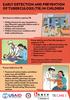 EARLY DETECTION AND PREVENTION OF TUBERCULOSIS (TB) IN CHILDREN Risk factors in children acquiring TB: Children living in the same household as a lung TB patient (especially children under 5) Children
Multiple Choice Questions
 C hapter 13 WHY DO WE FALL ILL Multiple Choice Questions 1. Which one of the following is not a viral disease? (a) Dengue (b) AIDS (c) Typhoid (d) Influenza 2. Which one of the following is not a bacterial
You. guide to tuberculosis treatment and services
 Adapted from TB and You: A Guide to Tuberculosis Treatment and Services with permission from Division of Public Health TB Control Program State of North Carolina Department of Health and Human Services
The State Hospital HIV / AIDS
 The State Hospital HIV / AIDS The red ribbon is the international symbol of HIV & AIDS awareness. What is HIV? HIV stands for Human Immunodeficiency Virus: H is for Human - This virus infects human beings.
Childhood Diseases and potential risks during pregnancy: (All information available on the March of Dimes Web Site.) http://www.modimes.
 Childhood Diseases and potential risks during pregnancy: (All information available on the March of Dimes Web Site.) http://www.modimes.org/ Fifth disease (erythema infectiosum) is a common, mild, childhood
HIV/AIDS. Information booklet
 HIV/AIDS Information booklet Content Introduction 1 What is HIV/AIDS 2 How is HIV spread? 4 Symptoms of HIV infection 7 Testing for HIV 8 Preventing the spread of HIV 10 Sexually Transmitted Infections
Patient Guide. Important information for patients starting therapy with LEMTRADA (alemtuzumab)
 Patient Guide Important information for patients starting therapy with LEMTRADA (alemtuzumab) This medicinal product is subject to additional monitoring. This will allow quick identification of new safety
Get the Facts About. Disease
 Get the Facts About TB TUBERCULOSIS Disease What s Inside: 3 PAGE Get the facts, then get the cure 4 PAGE 9 PAGE 12 PAGE Learn how TB is spread Treatment for TB disease Talking to family and friends about
Accent on Health Obgyn, PC HERPES Frequently Asked Questions
 1. What is herpes? 2. How common is herpes? 3. Is there a cure for herpes? 4. What is oral herpes (cold sores)? 5. How is oral herpes spread? 6. What is genital herpes? 7. How is genital herpes spread?
ACCESS TO AFFORDABLE TREATMENT FOR HIV/AIDS: THE ISSUES
 ACCESS TO AFFORDABLE TREATMENT FOR HIV/AIDS: THE ISSUES AIDS Law Unit Legal Assistance Centre July, 2002 INTRODUCTION Although there is currently no cure for HIV/Aids, treatment has, however, been developed
Cocaine. Like heroin, cocaine is a drug that is illegal in some areas of the world. Cocaine is a commonly abused drug.
 Cocaine Introduction Cocaine is a powerful drug that stimulates the brain. People who use it can form a strong addiction. Addiction is when a drug user can t stop taking a drug, even when he or she wants
The Contribution of Traditional Medicine in Treatment and Care in HIV/AIDS- The THETA Experience in Uganda
 The Contribution of Traditional Medicine in Treatment and Care in HIV/AIDS- The THETA Experience in Uganda THETA background information THETA is an acronym that stands for: Traditional and modern Health
Staying on Track with TUBERCULOSIS. Medicine
 Staying on Track with TB TUBERCULOSIS Medicine What s Inside: Read this brochure to learn about TB and what you can do to get healthy. Put it in a familiar place to pull out and read when you have questions.
Basic Presentation HIV/AIDS. For Use by Students, Teachers and the Public Seeking Basic Information About HIV/AIDS
 Basic Presentation HIV/AIDS For Use by Students, Teachers and the Public Seeking Basic Information About HIV/AIDS Objectives- Define and understand the difference between HIV Infection and AIDS Describe
Peripheral Neuropathy (painful feet)
 Peripheral Neuropathy (painful feet) What does it feel like? Peripheral neuropathy is a long lasting pain that usually occurs in the lower legs. Often it is a burning sensation of the foot soles, sometimes
Bacteria vs. Virus: What s the Difference? Grade 11-12
 Bacteria vs. Virus: What s the Difference? Grade 11-12 Subject: Biology Topic: Bacteria, viruses, and the differences between them. The role that water plays in spreading bacteria and viruses, and the
READ THIS LEAFLET VERY CAREFULLY, AND KEEP IT IN A SAFE PLACE. FLU IS SPREADING IN IRELAND, AND THIS INFORMATION IS IMPORTANT FOR YOU AND YOUR FAMILY.
 READ THIS LEAFLET VERY CAREFULLY, AND KEEP IT IN A SAFE PLACE. FLU IS SPREADING IN IRELAND, AND THIS INFORMATION IS IMPORTANT FOR YOU AND YOUR FAMILY. Information and medical advice for the public on Pandemic
Methamphetamine. Like heroin, meth is a drug that is illegal in some areas of the world. Meth is a highly addictive drug.
 Methamphetamine Introduction Methamphetamine is a very addictive stimulant drug. People who use it can form a strong addiction. Addiction is when a drug user can t stop taking a drug, even when he or she
Diabetes means you have too much sugar in
 WHAT IS DIABETES? Diabetes means you have too much sugar in your blood. The medical word for sugar in the blood or blood sugar is glucose, but most people just say sugar. Your body changes most of the
Blood Transfusion. Red Blood Cells White Blood Cells Platelets
 Blood Transfusion Introduction Blood transfusions are very common. Each year, almost 5 million Americans need a blood transfusion. Blood transfusions are given to replace blood lost during surgery or serious
Hepatitis B. What I need to know about. National Digestive Diseases Information Clearinghouse NATIONAL INSTITUTES OF HEALTH
 What I need to know about Hepatitis B U.S. Department of Health and Human Services NATIONAL INSTITUTES OF HEALTH National Digestive Diseases Information Clearinghouse What I need to know about Hepatitis
Hepatitis A. What I need to know about. National Digestive Diseases Information Clearinghouse NATIONAL INSTITUTES OF HEALTH
 What I need to know about Hepatitis A U.S. Department of Health and Human Services NATIONAL INSTITUTES OF HEALTH National Digestive Diseases Information Clearinghouse What I need to know about Hepatitis
A guide for people with genital herpes
 A guide for people with genital herpes Contents Getting the facts 4 The key facts 6 What is genital herpes? 8 Genital herpes symptoms 10 Getting tested 12 The first outbreak 14 Recurrent outbreaks 16 Common
IV. Counseling Cue Cards. ICAP International Center for AIDS Care and Treatment Mailman School of Public Health Columbia University
 IV. Counseling Cue Cards ICAP International Center for AIDS Care and Treatment Mailman School of Public Health Columbia University How to Use These Counseling Cue Cards ABOUT THE CUE CARDS This set of
MEDICATION GUIDE ACTOPLUS MET (ak-tō-plus-met) (pioglitazone hydrochloride and metformin hydrochloride) tablets
 MEDICATION GUIDE (ak-tō-plus-met) (pioglitazone hydrochloride and metformin hydrochloride) tablets Read this Medication Guide carefully before you start taking and each time you get a refill. There may
Bone Marrow or Blood Stem Cell Transplants in Children With Severe Forms of Autoimmune Disorders or Certain Types of Cancer
 Bone Marrow or Blood Stem Cell Transplants in Children With Severe Forms of Autoimmune Disorders or Certain Types of Cancer A Review of the Research for Parents and Caregivers Is This Information Right
SCRIPT NUMBER 88 FOOD POISONING (ONE SPEAKER)
 SCRIPT NUMBER 88 FOOD POISONING (ONE SPEAKER) PROGRAM NAME: HEALTH NUGGETS PROGRAM TITLE: FOOD POISONING PROGRAM NUMBER: 88 SUBJECT: CAUSES, DIAGNOSIS, TREATMENT, PREVENTION OF FOOD POISONING KEY WORDS:
MEDICATION GUIDE. PROCRIT (PRO KRIT) (epoetin alfa)
 MEDICATION GUIDE PROCRIT (PROKRIT) (epoetin alfa) Read this Medication Guide: before you start PROCRIT. if you are told by your healthcare provider that there is new information about PROCRIT. if you are
Like cocaine, heroin is a drug that is illegal in some areas of the world. Heroin is highly addictive.
 Heroin Introduction Heroin is a powerful drug that affects the brain. People who use it can form a strong addiction. Addiction is when a drug user can t stop taking a drug, even when he or she wants to.
How can herpes simplex spread to an infant?
 CHAPTER 3 HERPES AND PREGNANCY As an expectant parent eagerly awaiting the birth of your new baby, you are probably taking a number of steps to ensure your baby s health. One step many experts recommend
Bone Marrow (Stem Cell) Transplant for Sickle Cell Disease
 Bone Marrow (Stem Cell) Transplant for Sickle Cell Disease Bone Marrow (Stem Cell) Transplant for Sickle Cell Disease 1 Produced by St. Jude Children s Research Hospital Departments of Hematology, Patient
Nurse Aide Training Program Application Checklist
 Nurse Aide Training Program Application Checklist The following checklist must be completed before enrolling in the Nurse Aide Training course: Complete, sign, and date the Application Form Have the physical
The flu vaccination WINTER 2016/17. Who should have it and why. Flu mmunisation 2016/17
 The flu vaccination WINTER 2016/17 Who should have it and why Flu mmunisation 2016/17 The flu vaccination 1 Winter 2016/17 Helping to protect everyone, every winter This leaflet explains how you can help
Hepatitis C. What I need to know about. National Digestive Diseases Information Clearinghouse NATIONAL INSTITUTES OF HEALTH
 What I need to know about Hepatitis C U.S. Department of Health and Human Services NATIONAL INSTITUTES OF HEALTH National Digestive Diseases Information Clearinghouse What I need to know about Hepatitis
Talking With Your Doctor About Multiple Myeloma: A guide to making the most of your healthcare visits
 There s a lot to think about and many important decisions to make when you or someone you care for has multiple myeloma. It s important to have an ongoing conversation with your healthcare team throughout
Key Facts about Influenza (Flu) & Flu Vaccine
 Key Facts about Influenza (Flu) & Flu Vaccine mouths or noses of people who are nearby. Less often, a person might also get flu by touching a surface or object that has flu virus on it and then touching
Borderless Diseases By Sunny Thai
 Borderless Diseases By Sunny Thai Millennium Development Goal #6 6. Combat HIV/AIDS, malaria and other borderless diseases. A. Halt and begin reversing spread of HIV by 2015. B. Achieve universal access
12 Points of Tuberculosis (TB) Patient Education
 12 Points of Tuberculosis (TB) Patient Education Transmission of TB TB is a disease caused by the TB germ. The disease is mainly in the lungs (pulmonary TB), but the germ can travel to other parts of the
Enter this essay in the English Language Learner (for 5 years or less of English) category: _X_ Yes
 Date: 2/24/2015 Student Name: Nikita Skiba Title of Essay: HIV/AIDS treatments Teacher s Name: Cheryl McClure School Name: International School School Address: 445 128th Ave SE Bellevue WA 98005 Enter
Nursing college, Second stage Microbiology Dr.Nada Khazal K. Hendi L14: Hospital acquired infection, nosocomial infection
 L14: Hospital acquired infection, nosocomial infection Definition A hospital acquired infection, also called a nosocomial infection, is an infection that first appears between 48 hours and four days after
MS Treatments Aubagio TM
 1 MSology Essentials Series Aubagio TM (teriflunomide) Developed by MSology with the invaluable assistance of multiple sclerosis nurse advisors: Bonnie Blain Central Alberta MS Clinic, Red Deer, Alberta
HIGH BLOOD PRESSURE AND YOUR KIDNEYS
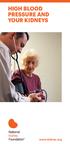 HIGH BLOOD PRESSURE AND YOUR KIDNEYS www.kidney.org About the Information in this Booklet Did you know that the National Kidney (NKF) Foundation offers guidelines and commentaries that help your healthcare
MEDICATION GUIDE STELARA
 MEDICATION GUIDE STELARA (stel ar a) (ustekinumab) Injection What is the most important information I should know about STELARA? STELARA is a medicine that affects your immune system. STELARA can increase
Learning about Hepatitis C and Chronic Kidney Disease
 Learning about Hepatitis C and Chronic Kidney Disease Hepatitis C and Chronic Kidney Disease If you have chronic kidney disease (CKD), you want to learn all you can about your disease and what you can
Division of Epidemiology, Environmental and Occupational Health Consumer and Environmental Health Services
 Division of Epidemiology, Environmental and Occupational Health Consumer and Environmental Health Services FACTS Cryptosporidium in Drinking Water What Is Cryptosporidium? 3 Why Is Cryptosporidium a Concern
Tuberculosis Exposure Control Plan for Low Risk Dental Offices
 Tuberculosis Exposure Control Plan for Low Risk Dental Offices A. BACKGROUND According to the CDC, approximately one-third of the world s population, almost two billion people, are infected with tuberculosis.
MEDICATION GUIDE COUMADIN (COU-ma-din) (warfarin sodium)
 MEDICATION GUIDE COUMADIN (COU-ma-din) (warfarin sodium) Read this Medication Guide before you start taking COUMADIN (warfarin sodium) and each time you get a refill. There may be new information. This
Easy Read. How can we make sure everyone gets the right health care? How can we make NHS care better?
 Easy Read How can we make NHS care better? How can we make sure everyone gets the right health care? What can we do to make the NHS good now and in the future? How can we afford to keep the NHS going?
FAQs about Warfarin (brand name Coumadin )
 FAQs about Warfarin (brand name Coumadin ) What is warfarin? Warfarin is the most commonly used anticoagulant in the US. An anticoagulant is a drug used to prevent unwanted and harmful blood clots. Although
What actually is the immune system? What is it made up of?
 This is a radio interview with Ken Sell, M.D., scientific director of the National Institute of Allergy and Infectious Diseases, National Institutes of Health (NIH), and Co-Chairman of the NIH Working
Treating Chronic Hepatitis C. A Review of the Research for Adults
 Treating Chronic Hepatitis C A Review of the Research for Adults Is This Information Right for Me? Yes, this information is right for you if: Your doctor* has told you that you have chronic hepatitis C.
RSV infection. Information about RSV and how you can reduce the risk of your infant developing a severe infection.
 RSV infection Information about RSV and how you can reduce the risk of your infant developing a severe infection. What is RSV? RSV is one of the most common respiratory viruses and is spread easily. By
Liver Function Essay
 Liver Function Essay Name: Quindoline Ntui Date: April 20, 2009 Professor: Dr. Danil Hammoudi Class: Anatomy and Physiology 2 Liver function The human body consist of many highly organize part working
LYMPHOMA IN DOGS. Diagnosis/Initial evaluation. Treatment and Prognosis
 LYMPHOMA IN DOGS Lymphoma is a relatively common cancer in dogs. It is a cancer of lymphocytes (a type of white blood cell) and lymphoid tissues. Lymphoid tissue is normally present in many places in the
MANAGING HERPES. Living and loving with hsv. American Social Health association. by Charles Ebel & Anna Wald, M.D., M.P.H.
 MANAGING HERPES Living and loving with hsv by Charles Ebel & Anna Wald, M.D., M.P.H. American Social Health association RESEARCH TRIANGLE PARK, NORTH CAROLINA contents contents Preface xi Acknowledgments
Facts you should know about pandemic flu. Pandemic Flu
 Facts you should know about pandemic flu Pandemic Flu What s this brochure all about? This brochure provides information about pandemic flu. It gives the answers to 10 important questions concerning an
Why you and your Family Should Get the Flu Shot
 Why you and your Family Should Get the Flu Shot Why Get VaCCinated against influenza? Influenza (flu) is a virus that can lead to serious complications, hospitalization, or even death. Even healthy children
General Information on Tuberculosis
 General Information on Tuberculosis ON THE MOVE AGAINST TUBERCULOSIS: Transforming the fi ght towards elimination World TB Day 2011 SAARC Tuberculosis & HIV/AIDS Centre GPO Box No 9517, Kathmandu, Nepal
The Hepatitis B virus (HBV)
 The Hepatitis B virus (HBV) There are 400 million people in the world who live with chronic hepatitis B, including France. Most people don t even know they are infected. But there are several important
Name Date Class. This section explains what kinds of organisms cause infectious disease and how infectious diseases are spread.
 Fighting Disease Name Date Class Infectious Disease This section explains what kinds of organisms cause infectious disease and how infectious diseases are spread. Use Target Reading Skills Before you read,
Congestive Heart Failure
 Healthy People 2010 Conference Health Education on the Internet Welcome Mr. System Administrator Congestive Heart Failure What is congestive heart failure? How does it occur? What are the symptoms? How
External Radiation Side Effects Worksheet
 Page 1 of 6 External Radiation Side Effects Worksheet Radiation therapy uses special equipment to deliver high doses of radiation to cancerous tumors, killing or damaging them so they cannot grow, multiply,
Bulimia Nervosa. This reference summary explains bulimia. It covers symptoms and causes of the condition, as well as treatment options.
 Bulimia Nervosa Introduction Bulimia nervosa, or bulimia, is an eating disorder. A person with bulimia eats a large amount of food in a short amount of time. To prevent weight gain, the person then purges.
Information about hepatitis C for patients and carers
 Information about hepatitis C for patients and carers What is hepatitis C? Hepatitis C is an illness caused by a virus which can be passed through blood from one person to another. It mainly affects the
H1N1 Flu Vaccine Available to All Virginia Beach City Public Schools Students
 V i r g i n i a B e a c h C i t y P u b l i c S c h o o l s apple-a-day F o r O u r F a m i l y o f I n t e r e s t e d C i t i z e n s Special Edition H1N1 Flu Vaccine Available to All Virginia Beach
HCSP GUIDES A GUIDE TO: PREPARING FOR TREATMENT. A publication of the Hepatitis C Support Project
 HCSP GUIDES T R E AT M E N T I S S U E S A publication of the Hepatitis C Support Project The information in this guide is designed to help you understand and manage HCV and is not intended as medical
Liver Disease & Hepatitis Program Providers: Brian McMahon, MD, Steve Livingston, MD, Lisa Townshend, ANP. Primary Care Provider:
 Liver Disease & Hepatitis Program Providers: Brian McMahon, MD, Steve Livingston, MD, Lisa Townshend, ANP Primary Care Provider: If you are considering hepatitis C treatment, please read this treatment
Clostridium difficile (C. difficile)
 Clostridium difficile (C. difficile) UHN Information for patients and families Read this resource to learn about: What is C. difficile How people get infected with C. difficile Treatment and medicine How
(Intro to Arthritis with a. Arthritis) Manager of Education & Services for the Vancouver Island Region of The Arthritis Society
 Arthritis 101 (Intro to Arthritis with a Focus on Rheumatoid Arthritis) by Cari Taylor by Cari Taylor Manager of Education & Services for the Vancouver Island Region of The Arthritis Society What You Will
RADIATION THERAPY FOR BRAIN METASTASES. Facts to Help Patients Make an Informed Decision TARGETING CANCER CARE AMERICAN SOCIETY FOR RADIATION ONCOLOGY
 RADIATION THERAPY FOR BRAIN METASTASES Facts to Help Patients Make an Informed Decision TARGETING CANCER CARE AMERICAN SOCIETY FOR RADIATION ONCOLOGY FACTS ABOUT BRAIN METASTASIS Brain metastases are clusters
Facts About Chickenpox and Shingles for Adults
 Facts About Chickenpox and Shingles for Adults What is chickenpox? Chickenpox, also known as varicella, is a very contagious disease caused by the varicella-zoster virus. It is spread easily through the