
EXPANDED PROGRAMME ON IMMUNIZATION
|
|
|
- Virgil Arnold
- 9 years ago
- Views:
Transcription
1 DEPARTMENT OF STATE FOR HEALTH AND SOCIAL WELFARE THE REPUBLIC OF THE GAMBIA Draft Report REVIEW OF THE GAMBIA EXPANDED PROGRAMME ON IMMUNIZATION 26 August 7 September 2001 Page 1
2 TABLE OF CONTENT ACRONYMS 4 EXECUTIVE SUMMARY 6 1. BACKGROUND Geography: Population Literacy Health 9 2. THE REVIEW OBJECTIVES OF THE REVIEW FOCUS OF THE REVIEW THE REVIEW PROCESS METHODOLOGY Sampling Data collection Technique Data collection Pre-testing Data Analysis and Report writing Limitations DISCUSSION OF FINDINGS PROGRAMME MANAGEMENT AND COORDINATION SERVICE DELIVERY DISEASE SURVEILLANCE NEW AND UNDER UTILISED VACCINES ADVOCACY AND COMMUNICATIONS COLD CHAIN AND LOGISTICS CONCLUSIONS AND RECOMMENDATIONS PROGRAMME MANAGEMENT AND COORDINATION SERVICE DELIVERY DISEASE SURVEILLANCE NEW AND UNDER UTILISED VACCINES ADVOCACY AND COMMUNICATIONS 38 Page 2
3 5.6 LOGISTICS, AND VACCINE SUPPLY AND QUALITY 38 REFERENCES 41 ANNEXES Annex 1: The Assessment Process Annex 2: List Of Participants For The Gambia EPI Assessment Annex 3: Location Of Sites Visited For The Review Annex 4: Adapted Questionnaires 47 Page 3
4 ACRONYMS AD ADB AEFI AIDS BCG CATR CCM CRD DHO DHT DPT DOSH EPI ESU FEFO FIFO FP GAVI GOG H/F Hep B Hib HIS/RRS HIV ICC IWC LRD MDVP MCH MID MRC NBD Auto-disable syringes African Development Bank Adverse Events Following Immunisation Acquired-Immune Deficiency Syndrome Bacillus Calmette-Guerin Celui d Appui Technique Regional Cold Chain Monitor Central Island Division Divisional Health Officer Divisional Health Team Diphtheria, Pertussis, Tetanus Department of State for Health Expanded Programme on Immunisation Epidemiology and Surveillance Unit First to expire, first out First in, first out Family Planning Global Alliance for Vaccines and Immunizations Government of The Gambia Health Facility Hepatitis B Haemophilus Influenzae type b Health Information System/Routine Reporting System Human Immunodeficiency Virus Inter-Agency Coordinating Committee Infant Welfare Card Lower River Division Multi-Dose Vial Policy Maternal and Child Health McCarthy Island Division (the former CRD) Medical Research Center North Bank Division Page 4
5 NBD-E NBD-W NGO NIDs NVC OPV PHC PHCV TOR TT UNICEF URD USAID VVM WD WHO North Bank Division East North Bank Division West Non-Governmental Agency National Immunisation Days National Vaccination Campaigns Oral Polio Vaccine Primary Health Care Primary health care villages Terms of reference Tetanus Toxoid United Nations Children's Fund Upper River Division United States Agency for International Development Vaccine Vial Monitor Western Division World Health Organization Page 5
6 EXECUTIVE SUMMARY A. Objectives The overall objective of the assessment was to review the performance of the programme with particular attention paid to the areas of management, coordination, funding, service delivery, the achievements and constraints of EPI in The Gambia with a view of guiding future performance towards sustainable EPI target diseases control and maximum impact on child survival. B. Methodology The review assessed all the four levels of the health care delivery system, namely: central, divisional, health facility (hospital, major and minor health centres, outreach post) and primary health care villages The DOSH assisted by the local consultant compiled and used a comprehensive list of public health facilities to be reviewed. Facilities were purposively selected taking into account a balance in the following criteria: Catchment area Performance of the division Location vis-à-vis, per-urban, urban and rural, With the limited number of hospitals (3) and major health centres (6), it was decided that these should be reviewed in total. Additionally, 7 (20%) minor health centres, 42 (10%) primary health care villages and three outreach sites were observed. The WHO Immunization Service Assessment Tool was adapted and used for the review. The full review team participated in the adaptation process. Following the adaptation, a two-day training of interviewers and supervisors was conducted. The training included classroom work and field-testing of the tools. While the field-testing was done in the health facilities in the Western Division (the Greater Banjul area), the classroom component focused on the standardization of the interview process and coding of responses. Data managers were also trained in data entry skills using EPI INFO version C. The Review Team There were seven teams, each composed of two interviewers, one supervisor and one data manager. Teams covering the large divisions (Western and Central River) were composed of four interviewers, one data manager and one supervisor. One external team member served as the overall team leader and was assisted by the local consultant. Page 6
7 D. Major findings Strengths The Gambian programme has over the years been a success story including being a leader in EPI advances. To no surprise, the review team identified the following key achievements: High rate of access to MCH services including immunization: All health facilities provide immunization services at both static facility and a number of outreach sites. The outreach sites are permanent and the catchment population is aware of the days services are provided at the site. Although immunization coverage is declining, coverage is still relatively high The Government has increased budgetary allocation for the purchase of routine vaccines The programme organized successful NIDs in 1998, 1999 and 2000 The country has reached a near eradication poliomyelitis There is high public awareness about EPI Vaccines The country has successfully included two new vaccines into the immunization services. Key Issues that need to be addressed Decline in immunization coverage: DPT 3 coverage has declined from 97% in 1998 to 74% in 2000 and fully immunization has declined from 80% to 69% over the same period. Uncertainty of Vaccine supply: The current funding sources for Hep B and Hib vaccines (the Italian Government and Aventis respectively), end within 4 months (December 2001). To date, there are no confirmed sources of financing for the two vaccines. The supply of these two vaccines, particularly the Hib vaccine, has been very erratic. The programme experienced Hib vaccine stock out at least 3 months each year of the last 5 years. Aging Cold Chain equipment: Although most of the cold chain equipment are still functioning, over 50% of them have been there for 10 years or more. At the moment, there is neither a replacement plan, nor available resources for replacement. Interruption of outreach services: over 50% of health facilities reported interruption of outreach activities as a result of unavailability of vaccines and/or transportation Absence of annual report of service delivery indicators: the team was unable to locate annual reports for the programme or the entire DOSH High vaccine wastage rates: Although vaccine wastage is not routinely monitored at any level, a vaccine utilization and wastage study conducted in 1999 reported a high wastage rate for all antigens. Need for strong advocacy for the programme: The EPI has been perceived as being fully funded by UNICEF and WHO, which may have been true in the 1980s and Page 7
8 1990s, but this is no longer the case. Hence, there is a need for strong and high level advocacy to compete for Government resources. Weak inter-unit collaboration: All EPI data from the field are sent to the ESU, but there is no mechanism in place for the information to be shared with the EPI. Making this situation worse, the ESU has not been analysing any to the health data. It was only recently that the DOSH began to make effort to have routine data analysed. Key Recommendations Government to ensure continuous availability of vaccines o Increase and maintain vaccine line-item in the annual recurrent budget (for traditional vaccines) o Apply for GAVI support for both windows 1 & 2 Replace and expand cold chain equipment urgently Government should develop a transport replacement policy Consider shifting from the use of four wheel to two wheel vehicles for outreach services Planning directorate should re-organize the ESU to ensure the collection and use of routine data at all levels DOSH to ensure the production of annual reports ESU to establish a mechanism for sharing routine data with relevant units Need to adopt the multi-dose vial policy (MDVP) and monitor vaccine wastage Page 8
9 1. BACKGROUND 1.1 Geography: The Gambia is located in West Africa, bordered in the west by the Atlantic Ocean, in the east, north and south by Senegal. The country is divided into 6 sub-political divisions known as, the Divisions plus the Banjul City The climate is hot during the rainy season (June to October) and cool during the dry season (November to May). 1.2 Population In 1993 a housing and population census was conducted nationally. The total population was 1,038,145 with an annual growth rate of 4.2%. Females constitute 49.9%, women in the childbearing age group (15 to 49 years) 23%, under ones 3% and 1 to 4 year olds 13%. Birth rate is estimated at 43 births/1,000 population (1999 est.) and infant mortality rate: 75/1,000 live births (1999 est.) All estimates are based on the Census data 1993 projections. The main ethnic groups are Mandingo, 40%, Fulla, 19%, Wollof, 15%, Jola 11%, and Sarahulleh 9%. The major religion is Islam with 95% of the population being Muslim. Christians constitute 4% and traditionalists and others 1%. The 2001 estimated population to be 1.4 million. Fertility levels in the country have been declining over the years. In 1999 it was estimated to be 5.1 a decline from 6.0 according to the 1993 Census. 1.3 Literacy For both sexes 41% of the population 10 years and above are literate. Literacy rates are much higher for males, 55%, than females, 27%. Literacy levels are better in urban areas, 53% than rural areas, 33%. Overall 65% of the population 7 years and above have never been to school. In the urban areas this is 50% and the rural areas 74%. 1.4 Health Government health services in the Gambia are provided through the Department of State for Health and Social Welfare (DoSH&SW). The health care delivery system is organized into three directorates: Directorate of Health Services, Directorate of Planning and Information, and Directorate of Support Services. The Directorate of Health Services has overall responsibility for provision of health services, whilst the Directorate of Planning and Information has over all responsibility for the policy, planning, research, and health management information system; and the Directorate of Support Services is responsible for finance, transport and maintenance. The Directorate of Health Services is further subdivided into three technical divisions viz., Family Health, Disease Control, and Health Promotion and Protection. All the programme units fall within one of the Page 9
10 three technical divisions. For example, the Maternal and Child Health and Family Planning Unit and the Expanded Programme on Immunization Unit are under the Family Health Division; Malaria Control Programme, Control of Diarrhoeal Diseases Programme, Acute Respiratory Illnesses Programme and HIV/AIDS Control Programme are under Disease Control; and Health Education Unit, Mental Health and Environmental Health are under Health Promotion and Protection. In addition the primary and secondary level health services are also under the Directorate of Health Services. The exception is the hospitals, which are managed by semiautonomous boards under the Permanent Secretary. Administration and management of the primary and secondary level health services have been decentralized. Initially there were three health administrative regions, namely, Eastern Region (made up of the former MID and URD), Central Region (made up of LRD and the eastern half of NBD the Badibus), and Western Region (made up of Western Division, KMC, the city of Banjul and the western half of NBD the Niumis and Jokadu). From December 1992 to 1993, in a bid to further decentralize and strengthen the management of health services, six divisional health teams were created from the three regions subdividing them into two divisions each. Equally staff of the Regional Health Teams were reorganized to become the staff of the newly created Divisional Health Teams. The Divisional Health Teams are charged with the responsibility of managing the decentralized health care services. The impact of the decentralization process is limited, as the DHTs do not have autonomy with respect to financial matters and the deployment of staff. The DHTs remain functionally weak especially with respect to effective planning, co-ordination, supervision and the evaluation of implemented activities. Since 1980 government health services have been run on the Primary Health Care (PHC) concept. The primary level refers to the Village Health Services, whilst the secondary level is the Basic Health Services. The VHS are in what is known as PHC villages. At the start of PHC implementation in 1980 these were villages with a population of 400 or more situated away from locations with health facilities. This criteria set in 1980 is still the guiding principle in selecting villages for PHC expansion. Small remotely located villages with fewer than 400 inhabitants have been made PHC and in some cases small villages close together have been made into one PHC cluster. All PHC villages or cluster of villages have a Village Health Worker and/or a trained Traditional Birth Attendant. These cadres of community health workers are volunteers selected by their respective communities after a process of sensitisation and trained by the Department of State for Health. PHC villages are organized into groups called circuits, which usually comprises between 5 and up to 9 PHC villages. A Community Health Nurse supervises each circuit. The secondary level has three different types of basic health facilities, viz., major health centres, minor health centres and dispensaries. The services common to all these types of facilities include outpatient services, MCH, FP and Immunization services, environmental health services and registration of births and deaths. Some minor health centres have inpatient facilities in addition to the aforementioned services. The major health centres have theatre and laboratory facilities to handle minor operations and obstetric emergencies. The MCH, FP and Immunization services in the secondary facilities are offered in an integrated way known as combined clinics. The mother visiting the facility with Page 10
11 her child receives all the services at that one visit, both for herself and her child. These combined clinics are offered at the base facility and the outreach stations. Each base facility has a number of outreaches, which are visited usually once or twice monthly. At these outreaches mothers within that catchment area converge to receive services. Staff running the base combined clinics are the same personnel who go on outreach. A typical MCH Team comprises a Nurse Midwife (SCM or SEN Midwife), 2 CHNs, 1 Health Officer and a Community Nurse Attendant Tertiary services are currently provided by three hospitals the Royal Victoria Hospital (RVH) in Banjul, Bansang Hospital in Central River Division and the AFPRC General Hospital in Farafenni. Construction of a fourth hospital in Bwiam, in Western Division is nearing completion. A fifth hospital is planned for in Serre Kunda in the Kanifing Municipality. EPI Services An EPI Unit located in the Department of State for Health, is responsible for the planning, overall supervision, implementation, monitoring and evaluation of the programme. In line with health sector reforms, six decentralized divisional health teams are responsible for the delivery of immunization as well as the supervision and monitoring of these activities in static and outreach clinics in their respective divisions. A coordinating committee, the Interagency Coordinating Committee (ICC) that is chaired by the Director of Health Services and meets on a quarterly basis, provides support to the EPI Unit. Since 2001, the ICC has assumed more responsibility for the overall co-ordination of all aspects of the EPI and not just the National Immunization Days for Polio. Membership of this Committee outside the health sector, includes research institutions (MRC) the Chamber of Commerce UNICEF, WHO, Rotary International, EU and the ADB. In 1999, under the Vaccine Independent Initiative, the Government for the first time ever instituted a budget line for the procurement of vaccines and consumables amounting US$131, in the recurrent budget Since its inception in May 1979, the EPI progressively increased immunization coverage within its target population until 5 years ago when coverage started to fluctuate.. Initially, the program used the mobile strategy (i.e. visiting villages and immunizing target children and pregnant women) that was found to be expensive and not sustainable. In that regard, the Department of State for Health (DOSH) decided to use the Maternal and Child Health (MCH) teams to deliver the immunization services at all the static and outreach clinics. In 1995 the private clinics were involved in the provision of immunization services to increase immunization delivery points. Programme Objectives (a) General Objective To reduce childhood morbidity and mortality due to vaccine preventable diseases. Page 11
12 (b) Specific Objectives Raise awareness in the general public, particularly among parents, on the importance of immunization To attain and maintain 99% coverage for OPV3 in the under ones. To eradicate poliomyelitis by the year 2005 To attain and maintain the elimination of Neonatal Tetanus in The Gambia. To attain and maintain the reduction of Measles deaths by 95% and the number of cases at 90% when compared to the pre-epi level. Page 12
13 2. THE REVIEW According to existing information, there has never been a comprehensive EPI review in The Gambia. However, components of the programme have been assessed over the years and those assessments identified some strengths and challenges that needed to be explored further.. The current review is in response to the need for a comprehensive assessment of the programme. 2.1 OBJECTIVES OF THE REVIEW General Objective To review the management, coordination, funding, service delivery, the achievements and constraints of EPI in The Gambia with a view to guiding future performance towards sustainable EPI target diseases control and maximum impact on child survival Specific Objectives To undertake a management audit of EPI and propose strategies for a more effective programme management. To review operations regarding vaccines procurement, quality, stock management and distribution. To review the cold chain logistics system and define strategies that will ensure efficient/effective systems. To review experiences associated with the implementation of new and underused vaccines (Yellow fever, Hepatitis B and the DPT-Hib) and propose a future course of action To assess the design, methods, materials and effectiveness of the communication component of EPI and propose strategies for improved community utilization of EPI services. To review EPI training and propose strategies that will ensure an effective and sustainable training support to the programme. To assess the injection practices within EPI service delivery and propose practical and sustainable strategies (depending on the breath of injection safety study being analysed). Using available information from the routine reporting, Multiple Indicator Cluster Survey (MICS), documented EPI and other studies, determine cut-off for low performing divisions, or pockets within the divisions. To identify the reasons for the low performance and make recommendations for improvement. Page 13
14 To review the methods and the adequacy of the existing programme monitoring activities at various levels and make recommendations for improvement 2.2 FOCUS OF THE REVIEW Generally, the review focused on the following components: Overall programme management and coordination: review of the structure, planning and coordination mechanism for the implementation of programme activities at the various levels. Immunization service delivery: assessment of strategies and activities involved in giving vaccinations, including experiences associated with the introduction of the tetravalent (DPT-Hib) and monovalent (Hep. B) vaccines in the routine programme. Disease surveillance: review of disease incidence, record keeping, and reporting; laboratory testing, with emphasis on AFP surveillance and polio eradication performance indicators. Logistics: evaluation of the delivery system of vaccines and other supplies, including, transport, adequacy of cold chain equipment, and waste management, documenting appropriateness. Vaccine quality and supply: Review of methods used in vaccine forecasting, procurement, and vaccine utilization and monitoring of vaccine wastage rates. Advocacy and communications: review of strategies, activities and channels for immunization education and promotion, social mobilization, and advocacy. Human resources: review of staffing pattern for EPI at all levels including pertinent policy issues (e.g. staff retention, postings and motivation) Training and education: review of the appropriateness of in-service and preservice training External environment: examination of factors outside of the health system and EPI that influence the quality of EPI services Sustainability: examined strategies to retain the achievements of the EPI programme. 2.3 THE REVIEW PROCESS The review process was implemented in 3 steps as outlined below (see Annex 1 for a diagrammatic presentation of the review process) In addition, the team assisted the DOSH in revising the draft the EPI multi-year plan based on results of the review as well as the draft EPI Policy. Step 1: Preparation Stage Page 14
15 An advance team composed of (DOSH staff, local technical staff of partner agencies, assisted by a National/local consultant) undertook activities in this step. The team performed the following: Finalized the TOR for the review team Collected, organized, and compiled needed information. Acquired materials and supplies for the review Selected central level elements, the Divisional and peripheral sites to be reviewed Identified and notified team members Step 2: Planning Stage All members of the team participated fully in this step and all subsequent steps. Activities carried out included: Orientation of team members Adaptation and field-testing of data collection tools Training of interviewers Finalization of list of health facilities and PHC villages to be visited Step 3: Implementation Stage Visit to pre-selected review sites at national, Divisional, health facilities, outreach and PHC village for data collection and debriefing staff at all levels. Data entry, analysis, report writing Debriefing of DOSH and ICC. Page 15
16 3. METHODOLOGY The review assessed the four levels of the health care delivery system, namely: central, divisional, health facility (hospital, major and minor health centres, outreach post) and primary health care villages 3.1 Sampling The DOSH assisted by the local consultant compiled and used a comprehensive list of public health facilities to be reviewed. Facilities were purposively selected taking into account a balance in the following criteria: Catchment area Performance of the division Location vis-à-vis peri-urban, urban and rural,. With the limited number of hospitals (3) and major health centres (6), the DOSH decided that these should be reviewed in total. Additionally, 7 (20%) minor health centres, 42 (10%) primary health care villages and three outreach sites were observed. 3.2 Data collection Technique The WHO/UNICEF Immunization Service Assessment Tool was adapted and used for the review. Interviewers used the tool to collect information from the various health workers and care givers in the selected facilities: Also interviews had to observe children being vaccinated where ever possible and cold chain. 3.3 Data collection There were 7 teams, which participated in data collection consisting of two interviewers, a supervisor and data manager. Teams covering the large divisions (Western and Central River) were composed of four interviewers, one data manager and one supervisor. One external team member served as the overall team leader and was assisted by the local consultant. Data collection in Divisions was completed within three days. The team interviewing the staff in Central level took a longer time roughly five days to finish data collection. Only the supervisors and data managers assembled back in Banjul to give the feedback on the fieldwork experience. 3.4 Training and pre-testing The team spent a day and a half adapting the WHO generic Immunization Service Assessment tools for the country. The tools include, a facility questionnaire, divisional and national level questionnaires. Following the adaptation, a two-day training of interviewers and supervisors was conducted. The training included classroom work and field-testing of the tools. The field-testing was done in the Western Division (the Greater Banjul area). The classroom component focused on the standardization of the interview process and coding of responses. After the pretest the questionnaires were revised accordingly. Page 16
17 3.5 Data Analysis and Report writing Data managers were also trained in data entry skills using Epi Info version Data managers were part of the team in the field to speed up data entry. Each data manager was given to a laptop to use to capture data. Microsoft Word was used to produce the report. The consultants and locals from WHO, UNICEF, EPI Unit and data managers participated in the production of the report as part of capacity building. 3.6 Limitations Some of the key focal persons in EPI at Divisional, facility and Community level were not available during the review process. At community some health workers could not be reached. Also, there was no communication/social mobilization expert on the team and that created a gap. Page 17
18 4. DISCUSSION OF FINDINGS 4.1 PROGRAMME MANAGEMENT AND COORDINATION The EPI Unit occupies two very small offices in the Medical and Health Department, (the manager in one and all others in the other) making work very difficult. Equally so, both the cold and dry rooms are very in adequate. At national level, the EPI Manager, assisted by an Assistant Manager, heads the unit. In the Unit are also, a logistician, a data manager, a surveillance officer, a cold chain technician and a secretary to assist the staff. For some of the staff, the roles and responsibilities are not well defined, vis-à-vis, no job descriptions. For instance, the day-to-day roles and responsibilities of the assistant manager are not clear. Also, there seems to be a lot of overlaps in the functions of the data manager and the surveillance officer.. The coordination between the EPI and other relevant units in the DOSH, particularly between EPI and ESU, Disease Control and MCH is very week. The programme manager and assistant manager would clearly benefit from additional management and EPI technical training. At the divisional level, the EPI focal person is also responsible for all other preventive services as well as environmental and sanitation programme activities. At the service delivery level, the health worker(s) provider all MCH services including immunization in the supermarket approach (all services available to the mother and child). There is inadequate interaction between the national and the Divisional levels in the way of supervision, reporting and feedback. The EPI unit lacks the basic means to communicate with the rest of the DOSH and partners. The telephone in the unit only receives calls but cannot call out, no fax or access. This makes it very difficult for the programme to community with other units in the DOSH as well as with partners. The main mechanism for co-coordinating among partners is the Interagency Coordinating Committee (ICC), which groups the DOSH, NGOs, and the UN agencies and other partners to assure efficient implementation of programme activities. The role of the ICC has been broadened to play a more active role in the routine programme. The critical issue at the service delivery level is the very high staff turnover (either by transfer within the Division or out). At least 50% of health workers surveyed had been in the position for less than a year. Although the team was told by nation level that some EPI training had been conducted in the past 2 years, the health workers practices and handling of vaccines could confirm they had been trained in Page 18
19 those aspects of EPI. Vaccine handling and injection practices observed were absolutely sub-optimum. This again could be attributed to the high turnover of staff, which does not match available resources for training. 4.2 SERVICE DELIVERY Immunisation coverage for the various antigens have generally been above 90%. However, coverage has declined over the past five years. The DPT3 coverage has dropped from a high of 96.7% in 1998 to 74.4% in (See Table 4.1. The proportion of children fully immunised has also dropped from 80% in 1998 to 68.6% in The major reason primary reason given by both management and services providers for the decline in coverage is the frequent interruption of services. Services have been interrupted as a result of the following: Unavailability of vaccines. Funding for vaccines has in the past depended heavily on external support. The period of transition between transferring funding of procurement for routine vaccines to the government caused some initial delays which led to late arrival of vaccines The new vaccines (DPT-Hib and Hep B) introduced into the programme over the past ten years were fully funded by external Partners. Intermittent supplies had led to shortages of vaccines in country Frequent breakdown of transport used for outreach services. Sixty-per cent of immunisation services are delivered using the outreach services. Most of the four-wheel vehicles have broken down and although a plan have been prepared for replacement, a funding source has not been identified. The private sector plays very little role in delivery of services, particularly in rural areas. Only two out of the 16 facilities surveyed have private/ngos delivering immunization services in their catchment areas. Table 4.1: Percentage immunization coverage over the last six years Antigen BCG OPV DPT * 87.5* 74.4* Hib3 96.7* 87.5* 74.4* Hep B Measles Yellow Fever TT Fully Immunised infants (<1yr) BCG-DPT3 Drop Out Rate Fully Immunised children <2yr *From 1998, the tetravalent vaccine DPT-Hib was used Source: EPI Coverage Surveys Reports, DOSH, The Gambia Page 19
20 Routine reporting and feedback: Routine data on vaccinations services are supposedly submitted to the Epidemiology and Statistics Unit through the divisions on a monthly basis. This information is neither collated for analysis nor are they shared with the EPI unit. Feedback is therefore not provided to lower levels. Of course timeliness and completeness in reporting is not monitored. The national EPI unit, however, has recently made a great strive to improve this situation. The Unit started monitoring some administrative data as of the beginning of 2001, although feedback is still not provided to lower levels. Monitoring and supervision Although some supervision from national level is performed through support from partners, this is not done on a regular basis. There is very little information of supervision conducted at all levels. There were no supervisory tools available. Monitoring of immunization drop out is through the annual coverage survey. Hence the data is not used to monitor or improve program performance. Over the period , drop out rate (BCG-DPT3) increased from 3.1% to 22.6%. This is unacceptably high. Again, staff attributes this situation to the shortage of vaccine supplies and believe that this will be corrected with improved supply. Injection Safety Guidelines on injection safety have been included in the recently drafted EPI Policy (2001). In 1998, the GOG shifted to the use of Auto Disable syringes (AD) for all EPI injections with accompanying safety boxes. An injection safety study conducted in early May 2001 revealed that 83.7% health facilities use AD syringes and 16.3% use disposable syringes for vaccinations. The study further revealed that safety boxes were available at 50% of health facilities. Sharps were seen in open containers exposing health workers to needle stick injuries in 79.7% of health facilities surveyed. About 71% and 52% of vaccinators and curative injection providers respectively had experienced at least one needlestick in the previous year. Only 17% of facilities had any kind of incinerator. During the present assessment, 44% of facilities reported that they had experienced stock outs of AD syringes in the past year. In a number of facilities, health workers were not using the boxes. Instead, sharps were deposited in open containers. In one instance, the health worker reported that there were no safety boxes when asked why sharps were inappropriately disposed of when an unopened carton of safety box was in his office. This raises the question of whether health workers know the use of the safety boxes. Although the assessment team was told that draft EPI manual covering all aspects of EPI exist, it was not made available to the team. It has also not been Page 20
21 disseminated to the lower levels. Hence, in responding to the question of guidelines, a high percentage of respondents informed interviewers that they had not seen guidelines. 4.3 DISEASE SURVEILLANCE The Epidemiology and Statistics Unit (ESU) was established in 1982 as the unit responsible for disease surveillance. The ESU has also been designated as the focal point for the newly introduced integrated disease surveillance (IDS) implementation. ESU coordinates surveillance activities with emphasis on all notifiable diseases and diseases of epidemic potential. The Gambia recently conducted an integrated disease surveillance (IDS) assessment in an effort to adopt an IDS policy, building on the polio eradication initiative and AFP surveillance. Although IDS generally covers 17 diseases, the Gambia is contemplating on including 20 target diseases in various categories. There is a laboratory located at each major health centre and each of the 3 government hospitals. These laboratories are Health workers are required to provide immediate notifications of epidemic prone diseases and diseases slated for elimination and eradication to ESU through the Divisional Health Teams. The other group of diseases are called reportable diseases and they are reported monthly through hand delivery. Acute flaccid Paralysis (AFP) surveillance system: Table 4.3: Reported cases of selected vaccine preventable diseases Disease Measles AFP/Polio 1* 1* AFP NNT Yellow fever Cerebra-spinal meningitis *Source: Routine data DOSH The Gambia Prior to the year 2000, AFP surveillance was either none existent or very weak. However, with the appointment of the WHO EPI Advisor, the country made progress on AFP surveillance. During the year 2000, 13 cases of AFP were reported. Stool samples were collected within 14 days from the onset of paralysis in 5 (38.5%) cases and send to the reference lab in Dakar for isolation. All cases investegated were found negative for the wild poliovirus. Page 21
22 From January 2001 to date, 9 cases have been reported and stools were collected within 14 days of the onset the paralysis in all cases (100%). All cases were reported negative for wild polio as well. 4.4 NEW AND UNDER UTILISED VACCINES Disease Burden Studies and Impact Hepatitis B Prior to the introduction of the new vaccines, the Medical Research Council in The Gambia, conducted extensive studies. Surveys in the early eighties showed that more than 90% of the Gambian population are infected with the Hepatitis B Virus (HBV) by the age of 15 years. Fifteen to 20% of adults are persistent carriers of HBV, a condition that is considered to be the main risk factor for developing hepatocellular carcinoma. Horizontal transmission is the most important means of infection in The Gambia. The studies showed high vaccine efficacy rates, which convinced the Gambian Government to include the vaccine into the routine programme in a stepwise fashion in A follow up of the initial children showed high protective antibody levels ten years after vaccine administration. However, study being conducted by MRC shows the that the protective antibody level diminish considerably by 12 years after vaccine administration. A trial is being planned to assess vaccine efficacy against HBV in adolescence by administration of booster doses. Haemophylus influenza type B (Hib) The burden of disease and deaths gave an indication of the importance of this disease for children in The Gambia. A successful vaccine trial of Hib conjugate vaccine (Hib-PRP-T) was conducted in The Gambia between July 1993 and December The vaccine was shown to be 95% effective in protecting Gambian infants against Hib invasive disease and also reduced x-ray documented pneumonia in children receiving the vaccine by 20%. These impressive results of the trial led to the decision to implement Hib conjugate vaccine throughout the country. This vaccine was introduced nationwide into the Gambian EPI in Yellow fever Yellow fever vaccine was introduced in The Gambia in 1979 at the inception of the programme. Coverage has consistently been above 90% except in when coverage for all antigens declined. For The Gambia, yellow fever vaccine is therefore neither a new nor an under utilised vaccine Vaccine Financing Page 22
23 Prior to 1998, UNICEF, assumed responsibility for the procurement of routine vaccines (the six traditional antigens and yellow fever) as well as the provision and maintenance of the cold chain system. Following extensive consultations between UNICEF, the EU and the Government of The Gambia (GoG) the Gambia began to participate in the Vaccine Independent Initiative (VII). for Sahelian countries that had commenced in The Gambia became a signatory to this agreement in January The EU pledged a total of US$250,000 from regional counterpart funds for the procurement of routine vaccines. A prepayment system was established whereby following a request from the government; UNICEF procured Copenhagen vaccines on behalf of the government though. The government who subsequently received a refund from the EU reimbursed thereafter UNICEF. The major constraint related to the agreement has been the persistent late reimbursement of payments to UNICEF. This had a negative impact on the delivery of vaccines and hence on the number of orders that were placed under the VII project. The original agreement for a term of two years expired in January The government has made some move towards assuming responsibility for the procurement of vaccines through the establishment in the health budget of a budget line specifically for vaccines. The amount of money however earmarked for 2001 (D1, 500,000 equivalent to US$111,524.16) cannot cover the annual needs for vaccines and supplies estimated by the EPI Unit at US$245, A recent study reviewing the financing of all aspects of the Gambian EPI revealed that the annual cost of the EPI taking into consideration capital and recurrent costs was nearly 35% higher than previously estimated. The major contributors to this cost are vaccines and investment in the cold chain equipment. The outreach strategy is over 60% more costly than the fixed strategy, which is reflected in the differences also realized in fully immunizing children with the 2 strategies. Understandably, it cost USD37 to fully immunize a Gambian child as compared to the sub-regional estimate of USD This high cost is the result of the high cost of the Hep. B and Hib vaccines. Financing for the procurement of Hepatitis B and Hib has been precarious. Funding for the procurement of Hepatitis B has been heavily dependent on external donors, namely, ADB and more recently the Italian government. The agreement with the Italian Government ends in December The support for Hib vaccine (DPT-Hib) was arranged between The Gambian government, and a vaccine manufacturer, Pasteur-Merieux, (Aventis). The manufacturer was to supply a total of 1,000,000 doses over a period of five years. The supply of the vaccine has been irregular. This has led to stock outs, which has disrupted service provision. There are disputing claims between UNICEF and The Gambian government on one hand and Aventis-Pasteur on the other about the amount of vaccines supplied. The support however ends on December 31, Changes implemented for new vaccine introduction Changes that were implemented in order to introduce the above vaccines included: Page 23
24 Estimation of additional cold chain space needed for the new vaccines and procurement of appropriate cold chain equipment Modification of infant welfare cards and forms used for data collection and reporting Training of staff on the new schedule, this included the use of samples to demonstrate how to store and handle vaccine reconstitution Sensitisation of media personnel on the new additions and awareness creation for care givers at MCH clinics. Remaining stocks of DPT vaccine was used in administering booster doses. Some vaccines expired before use. Development of IEC messages and materials covering the new vaccines for all target audiences Impact on programme management The immunization schedule was modified to reflect the new additions Infants received additional injections, this was not perceived negatively, because caregivers have a high affinity for injections in The Gambia. National level increased supervisory visits to lower levels. Additional logistics (vehicles, fuel) was provided. Staff complained about the increased workload and mothers also spent more time at sessions. 4.5 ADVOCACY AND COMMUNICATIONS The absence of a communication expert on the assessment team created a real gap. However, the tried to fill in the gap by making full use of the assessment tool to obtain information from community members and health workers at all levels. EPI has always been recognised at the highest level of government as a priority programme of the Department of State Health. That commitment translated into Government s decision to participate in the VII in Since then, government has progressively increased its spending on vaccine procurement. Notwithstanding, Government needs to support other components of the programme, such as, cold chain equipment, training, and supervision. The Director of Health Services chairs the Inter-agency Co-ordination Committee. There is currently no focal person at the national level for advocacy and communications. The Health Education Unit provides technical support for the development of IEC materials and during NIDs. Recently, a sub-committee of the ICC on Social Mobilisation was created. The main focus of committee at present is on organising Social mobilisation during NIDs. There are plans to expand its role to include support for routine EPI. Membership includes, government agencies, WHO, UNICEF and Rotary. Health education is usually provided in the health facilities on a regular basis and at community gathering and other occasions. Health cadres such as Trained Page 24
25 Traditional Birth Attendants, Community Health workers, also give health education and information. Informing the public Community awareness about the importance of immunisation is very high in The Gambia. Both static and outreach clinics are well patronised by mothers and children. Mothers are offered an integrated package of both preventive and curative services at these clinics. This high patronage has been attributed to the impact of a project on Community Action For Immunisation Awareness (CAFIA) sponsored by the Canadian Public Health Association (CPHA) in the late eighties. A combination of strategies using chiefs, local artistes, schoolchildren, mass media (radio and television) were used to reach caregivers on the importance of immunisation. Schoolteachers were given training in the basic benefits of EPI and were encouraged to include topics on immunisation in the curriculum of schools. School children were encouraged to educate community members about the importance of immunisations. Bi-annual competitions were held between schools to determine the school, which had provided the most education to the community, and awards were given to best performing schools. Immunisation coverage in the least performing divisions increased from below 50% to above 80% within two years. Coverage in other divisions also increased. The Gambia has since then been one of the countries with the highest immunisation coverage in Africa While there is clear evidence of high level of awareness about immunisation services, only in one facility (6%), was a health worker observed giving information to the mother of the vaccines her child was to receive. Randomly selected mothers cited the following as the most important sources of information about immunisation for mothers: Health workers (including CHWs) Radio Friends/neighbours In addition, 54% of mothers said they received all services during their visit to the facility or outreaches. 4.6 COLD CHAIN AND LOGISTICS Analysis of Cold Chain Inventory A national cold chain inventory conducted by the EPI staff in 1999 had not been analysed. The logistician on the assessment team analysed the data to have a general picture of the cold chain situation in the country. Results of the analysis are presented below. Page 25
26 Additionly, the team carried out a vaccine management assessment comprising of a review of the cold chain and vaccine supply as discussed in the following section Type of equipment The estimated total equipment available was 85. Of these, 59 are located at the various facilities of which 18 are at the DHT stores. About 50% of the total equipment is solar Electrolux RCW 42 DC. Table 4.5: Breakdown of equipment manufacturers Manufacturer Number Percent Electrolux Vestfrost 9 11 Sibir 5 6 Naps solar 1 1 Others (7 at national) 8 10 Total Fig 1. Composition of cold chain Others 11% Electrolux 72% Vestfrost 11% Sibir 6% Energy source The main energy used in operating refrigerators at the peripheral is solar. Electric compression and absorption equipment are installed at national and divisional level vaccine stores. Age of equipment The average age of the cold chain equipment is 9 years. About quarter (25%) of these are about and/or below 5 years. Table 4.6: Age group of equipment Age group Frequency Percentage (%) Page 26
27 10 years & above 7-9 years 4-6 years 1-3 years Total Fig. 2 Age of equipment 10 yrs & above 51% 7-9 yrs 27% 4-6 yrs 4% 1-3 yrs 18% below 1 yr 0% Working status of equipment Twenty-seven (31 %) of equipment are non-functional and need immediate replacement. Of those functioning, most are too old and performing below standard. The downtime for any break down to be fixed, ranges from 2 weeks to 3 months (or more). Action taken during breakdown of the cold chain equipment was to return vaccines to the district store, use cold box with ice packs, store vaccine in domestic refrigerator or store vaccines at the nearest major health centre. Page 27
28 Fig. 3 Vaccine management at different levels in The Gambia, 2001 Cold Chain flexibility 5 Vaccine wastage 4 Availability of vaccines 3 2 MDVP 1 0 Stock monitoring VVM use Vaccine distribution system Use of diluent Reliability of the cold chain Service Intermediate National Table 4.8: Status of vaccine management at different levels Cold Chain flexibility Availability of vaccines Stock monitoring Vaccine distribution system Reliability of the cold chain Use of diluent VVM use MDVP Vaccine Average wastage Total H/Facility 3,9 1,8 1,1 3,5 2,5 3,9 4,3 1,5 2,4 2,8 DHT 2,3 2,9 0,9 1,5 2,7 3,8 5,0 0,0 2,2 2,4 National 2,5 0,0 1,0 4,2 3,0 5,0 5,0 2,5 3,8 3,0 Total 2,9 1,6 1,0 3,0 2,7 4,2 4,8 1,3 2,8 2,7 Flexibility of the cold chain Greater percent of the equipment in place are the recommended standard for EPI although most are above 8 years, 3 to 22 years. (see table 4.6). There is inadequate storage and freezing capacity at the national level. At the national level, there is inadequate capacity for storage at 2 to 8 degrees Celsius at the national level. There is no space for receiving and/or packing of vaccines Page 28
29 There is no display of the indication of content in refrigerators. Inappropriate and over aged refrigerators in the store. Vaccine managers and health workers know and follow the correct procedures for vaccine transport and what to do when there is insufficient refrigeration capacity. In general there is the need to improve the vaccine storage capacity and handling at all levels. Transport constraints has also contributed to disruptions of services (67% of planned trekking clinics) and cancellation of vaccination because of inability to go and collect vaccine at the DHT. Reliability of the cold chain for vaccine storage At all levels, vaccine storage temperatures were monitored twice daily and recorded on appropriate form. Higher temperatures were noted and these were due to stolen panels or poor battery for the system. Adequate refrigeration for service delivery exists at facilities. Sufficient cold boxes and vaccine carriers for transporting and distribution of routine vaccines are available. Vaccine managers or the health workers know and follow the correct procedures for vaccine handling in case of a breakdown in the cold chain. There are not spare parts available. Adequate and regular preventive maintenance procedures such as defrosting are not followed at all the sites using domestic refrigerators (20%) as a back up. There is not enough frozen ice pack at all levels particularly at the facilities. Vaccine vials are exposed to heat during immunization session as these vials are placed on ice packs, which gets warm too quickly and are not replaced throughout the session. Efficiency in vaccine distribution system In general the level of efficiency for vaccine distribution system is satisfactory. Vaccine requirements have been estimated at the national for all divisions. Divisions and district levels do not estimated requirements for the facilities and have not established minimum and maximum stock levels to guide distribution. Notwithstanding, vaccine distribution and utilization are made according to FIFO, FEFO and VVM status at all levels VACCINE SUPPLY AND QUALITY Availability of adequate quantity of vaccines Inadequate quantities and shortages of some antigens at all level. In the current year, shortage of vaccines (Hib. yellow fever and OPV) was experienced for over a month. OPV is still in short supply since July, and at the national level only 800 doses available. The ability of staff to estimate vaccine requirement decreases from the national through the service delivery. Most vaccine requirement is based on consumption. Stock recording system for vaccines and diluents At the national level only the UNICEF receipt form is being used. There is no recording system for diluents and droppers. However, a satisfactory recording system for vaccine received and distributed is in place at the national level. The existing tools do not provide information on lot/batch numbers and expiry dates. Page 29
30 Nevertheless, there is an effort to include details such as batch/lot numbers and expiry dates in the records of vaccines received. Usage of proper diluents for freeze-dried vaccines All freeze-dried vaccines used in the country are received and distributed with equal amount of diluent. Effective use of VVM Vaccine managers are knowledgeable in interpreting VVM on OPV and fully use it as a management tool The VVM on the current stock of OPV were all at stage 1. Currently there is a new stock of Hepatitis B recombinant vaccine with VVM indicator. Fig. 4: The overall performance on Vaccine Management in the Gambia, 2001 Cold Chain flexibility 5 Vaccine wastage MDVP Availabity of vaccins Stock monitoring VVM use Vaccine distribution system Use of diluent Reliability of the cold chain Implementation of Multi-dose Vial policy MDVP MDVP has not been adopted as a national policy. Monitoring Vaccine wastage The national level has since revised the wastage rates for vaccine estimation. However, there is no tool for proper monitoring of vaccine utilization. Data is being collected at some facilities but are not available and analysed for programme management to institute appropriate action. Availability of flexible cold chain Page 30
31 At the national level there is inadequate storage capacity for storage at 2oC to +8oC as such vaccines are closely packed with little airflow between packages. In situation of inadequate storage capacity due to excess vaccine, the MRC and private stores could easily be accessed. There is no ice-pack freezer and inadequate frozen icepacks. There is no information on the doors or on the shelves to indicate the type, expiry date and quantity of vaccine and/or diluents in stock At the divisional and service delivery levels, (80%) of all the equipment in use are from the PIS and the available storage capacity is adequate at all the stores. Alternative storage capacity is always available. In facilities where domestic refrigerators (20%) are being used as a back-up or replacement for the solar, other items are stored in the refrigerators and the system is not properly maintained. None of the sites visited had information on the refrigerators indicating the type and quantity of vaccine in stock. In 30% of the stores, vaccine managers have knowledge on vaccine storage capacity and able to adjust supply period for efficient use of available cold chain space. Vaccine managers know and follow the correct procedures for vaccine transport. Reliability of cold chain for vaccine storage Storage temperatures are monitored twice daily and recorded on appropriate forms at the national level. Within the last 6 months the temperature has been in the appropriate range. There is inadequate ice-pack freezing capacity. Cold boxes from the divisional stores are used for vaccine distribution/collection from the central store. There is a stand-by generator, which is switched over when there is a power-cut from the national grid. The national technician undertakes maintenance of the cold store. There is no schedule for preventive maintenance; most often repairs are undertaken. In all the stores at the divisional level, storage temperatures were monitored twice daily and recorded on appropriate forms. Within the last 6 months the temperature has been in the appropriate range in 50% of the stores. However, in the other half the temperature has not gone beyond the required range for more than a day. There is adequate ice-pack freezing capacity. There were sufficient cold boxes and vaccine carriers for transporting and distribution of vaccine when necessary. In 80% of the divisional cold stores there are functional stand-by generators. All the divisional stores are linked to the main electricity supply system in place and therefore use compression refrigerators. No stock of spare parts or electrolytes for solar compression refrigerators. Although the national level has a scheduled for preventive maintenance of equipment at the divisional and health facilities, it is irregularly conducted. Page 31
32 All the stores at health facilities, storage temperatures were monitored twice daily and recorded on appropriate form. Within the last 6 months the temperature has been in the appropriate range in about 70% of the sites. In the other 30% the temperature has not gone beyond the required range for more than a day. There were inadequate frozen ice-packs in all the sites visited. Ice-packs are frozen at the DHT. There were vaccine carriers for transporting vaccine during immunisation services. Except for two sites in Banjul, all the service delivery sites visited were using photovoltaic solar compressor refrigerators. There were problems with batteries and chargers Vaccine Management While vaccine wastage rate is not routinely monitored at service levels, vaccine wastage study funded by European Union and conducted by staff of the EPI Unit, reported the following wastage rates for the various antigens (Table 4.8 & 4.9 2). Explain tables please Table 4.8: Vaccine utilization and wastage, January to June 1988 Vaccine Antigen or type of vaccine Doses DPT Hib OPV BCG Hep. B Measles Y/fever TT Total received Number of doses administered Balance on hand Wastage in doses Wastage rate Source: Vaccine utilization and wastage research, 24 May 30 June 1999, DOSH Table 4.9: Vaccine utilization and wastage, January to December 1988 Vaccine Antigen or type of vaccine Doses DPT Hib OPV BCG Hep. B Measles Y/fever TT Total received Number of doses administered Balance on hand Wastage in doses Wastage rate Source: Vaccine Utilization and Wastage Research, 24 May 30 June 1999, DOSH 2 Vaccine utilization and wastage research, 24 May 30 June 1999; by Kebba B. Jobe et al. Page 32
33 Vaccine Supply and quality Prior to 1999, UNICEF financed the cost all traditional vaccines (DPT, OPV, Measles and TT) use in the routine programme. During the period, there were adequate supplies of those vaccines at all times and the programme maintained a high immunization coverage rate (SEE TABLE---). In 1997, the Haemphilus Influenzae type b vaccine was introduction in the routine following vaccine efficacy trial, which was conducted over a period of two years. The vaccine is administered in combination with DPT as diluents. At the time of the introduction, the vaccine manufacturer (Adventist) supposedly agreed to donate one million dosed of the GOG over a five-year period ( ), giving 200 doses annually. Unfortunately, this agreement was never documented; hence, there exist no legal binding. However, the manufacturer has over the years, supplied the vaccine although erratically. Because of the erratic nature of supplying the Hib vaccine, the programme has experienced numerous vaccine stock-outs over the years. Children have been denied the four antigens (DPT & Hib) although the DPT was available. Making the situation more serious is the fact that there is no source of supply of Hib vaccine in site for the rest of this year. According to DOSH records, there is an outstanding amount of 200 doses of the Hib vaccine, but Adventist argues that they have supplied all of the one million doses promised. The other vaccine introduced into the routine programme was the Hep B in 1997 also following a vaccine efficacy trial. With this vaccine, the Italian Government committed to financing the vaccine for 5 years ( ). While it is known that this agreement ends in four months, there is neither a renew discussion between the Italian and The Gambia nor is there an alternative source of financing the vaccine. There is currently no OPV at central and Divisional levels and most facilities. A few facilities have few doses of the vaccine. Injection safety In 1998, the GOG shifted to the use of Auto Disable syringes (AD) for all EPI injections with accompanying safety boxes. An injection safety study conducted in early May 2001 revealed that 83.7% health facilities1 use AD syringes and 16.3% use disposable syringes for vaccinations. The study further revealed that only safety boxes were available at on 50% of health facilities and sharps were seen in open containers exposing health workers to needle stick injuries was observed in 79.7% of health facilities surveyed and the 71% and 52% of vaccinators and curative injection providers respectively had experienced at least one needle-stick in the previous year. Only 17% of facilities had any kind of incinerator. During the present assessment, reported that they had experienced stock outs of AD syringes in the past year. In a number of facilities, health workers were not 1 National Survey on Injection Safety, April 2001 Page 33
34 using the boxes. Instead, sharps in deposited in open containers. In one instance, the health reported that there were no safety boxes when asked why sharps were inappropriately disposed off. In actual fact, there was a cartoon of 20 safety boxes in site. This raises ad question of whether health truly know the use of the safety boxes. Until the last five years, the immunization programme of the Gambia had managed to secure adequate supplies of vaccines for all of its target population. However, with the introduction of the Hib vaccine, which is administered in combination with DPT, there have been numerous missed opportunities as a result stock outs, mainly Hib vaccine. There have been instances when children were denied DPT, although the DPT was available, but there was no Hib vaccine. The Department of State for Health manages the central EPI store/warehouse under the direct management of the National Logistician supervised by the EPI Programme Manager. All vaccines and cold chain equipment are stored at the central EPI Warehouse prior to transfer to Divisional storage points under the control of the Divisional Health Team (DHT). More recently, the programme has experienced shortages of traditional vaccines as a result of misunderstanding about who should pay for the vaccine Page 34
35 5. CONCLUSIONS AND RECOMMENDATIONS In conclusion, the assessment revealed the following strengths and challenges of the programme, based on which the team put forth the following recommendations. These were grouped into the various programme components. 5.1 PROGRAMME MANAGEMENT AND COORDINATION Strengths Full complement of staff at national level Committed motivated staff Support from non traditional partners (Christian Children Fund, Catholic Relief Services) Support for quarterly supervisory visits to lower levels Challenges Lack of training on programme management for newly appointed EPI Manager There is no clear delineation of roles and responsibilities of staff at national level Lack of co-ordination among colleagues, staff work in isolation Lack of communication equipment to facilitate flow of information with other units and lower levels There is inadequate working space for EPI Team Recommendations Support EPI to attend training on programme Management for managers WHO/UNICEF should provide technical support in areas of strategic planning, monitoring of logistics and vaccine management. WHO/UNICEF should support EPI management to prepare job description of staff Unit should prepare job descriptions for its staff. Staff should be supported to work as a team and be able to support each other when necessary Regular weekly meetings should be introduced to co-ordinate activities Provision of telephone, fax, e mail at national EPI office Expansion of office or provision of new offices for team 5.2 SERVICE DELIVERY Strengths Access to health services is high 90% of population live within 7.5 km of a health facility High rate of access to MCH services including immunization: All health facilities provide services at both static facility and a number of outreach sites. The outreach sites are permanent and the catchment population is aware of the days services are provided at the site. Immunisation coverage in two-thirds of DHTs met national targets. All 6 DHTs reported the targets set by the national level reasonable. Page 35
36 Challenges Lack of monitoring of immunisation services information-routine administrative data is unavailable, especially at national level Staff at service delivery level not aware of national targets Staff at service delivery level not using target population to monitor vaccination coverage Timeliness and Completeness not monitored at national and Divisional levels Feedback not provided to lower levels Only 47% of staff administer vaccines at right interval Marked decline in vaccination coverage over the past two years 69% of health facilities could not conduct outreach clinics as planned Staff at service delivery not monitoring drop-out rates Vitamin A supplementation not fully integrated in MCH activities Recommendations Annual EPI targets should be circulated to all Divisions and facilities for the proceeding year. National level should support lower levels to determine target populations and monitor coverage. National level should monitor coverage by facility catchment area on a monthly basis. Divisional Summaries should be prepared on a quarterly basis and provided as feedback on performance. Introduce EPI monitoring charts at facility level Targets for timeliness and completeness should be circulated to all staff and feedback should be provided to lower levels on submitted data Training needs assessment should be done with development of long term training plan. Simplified manual on EPI is needed at facility level as reference material Provide regular training for staff and post training supervisory support Need to address reasons for decline in coverage. Ensure regular supplies of vaccines and other supplies. Implement transport replacement policy and use of alternate transport Address replacement of cold chain equipment National level to train all levels on how to monitor drop out rate and institute system of reducing drop out rate Develop with Nutrition and MCH unit an implementation plan for integration of Vitamin A supplementation into MCH activities 5.3 DISEASE SURVEILLANCE Strengths There has been a decline in the incidence of vaccine preventable diseases over the past decade. Three-quarters of facilities do zero reporting for vaccine preventable diseases The EPI Unit has initiated bimonthly surveillance meetings with designated surveillance staff from the divisional level and other units at the central level Challenges Page 36
37 Outbreaks of measles over past three years Reported cases of neonatal tetanus increasing Lack of availability of guidelines on surveillance for reporting on vaccine preventable diseases Lack of collaboration between EPI and ESU in sharing surveillance information Recommendations Measles outbreaks may be due to fluctuations in coverage or breakthrough outbreaks. Programme should develop a five-year plan for accelerated measles control in partnership with its neighbour, Senegal. National level to institute case based surveillance for NNT and ensure that MNT elimination is maintained Implement Integrated Diseases Surveillance strategy nation wide. Institute case based surveillance for measles, NNT and Yellow fever Institute regular co-ordination meetings between the two units. ESU should pass surveillance information to EPI regularly 5.4 NEW AND UNDER UTILISED VACCINES Strengths Disease burden studies were successfully conducted to establish the need for new vaccines The country successful introduced two new vaccines over a ten year period (Hep B and DPT-Hib) Challenges Lack of long term vaccine financing plan for routine and new vaccines Lack of plan on replacement of cold chain equipment Frequent breakdown of transport used for outreach services Recommendations DOSH should prepare a strategic costing plan for both routine and new vaccines and injection safety materials Cost of routine vaccines and injection safety materials should be included in Poverty Alleviation plan for possible funding under debt relief ICC should make arrangements with Italian Government for possible extension of support for supply for monovalent Hepatitis B for next two years Government of The Gambia should process GAVI application for support for Hep B and DPT-Hib vaccines and injection safety materials Report on cold chain inventory and replacement plan should be completed and presented to the ICC Funding sources should be identified for support of plan Replacement plan for ageing transport should be prepared for funding from possible donors DOSH should consider using two wheel instead of four wheel transport for outreach activities Page 37
38 5.5 ADVOCACY AND COMMUNICATIONS Strengths The programme has a high level of political commitment. Decision makers consider EPI as the most successful health programme in the country. The government has increased its spending on the procurement of vaccines over the past two years. Interviews conducted with mothers at immunisation sessions during review revealed that health workers are the most important source of information on EPI to care givers There is a high level of awareness about the importance of immunisation in communities Challenges Lack of strategic plan on communication for Routine EPI, NIDs and Surveillance Lack of IE &C materials at health facilities Danger of loss of credibility in the programme by care givers (due to frequent shortage of supplies and breakdown of transport) Recommendations Training should be conducted for DHTs on how to prepare their own strategic plans Health Promotion and Protection unit should support EPI to produce strategic plan EPI should identify sources of funding for plan Implement plan IEC materials planned for in strategic plan should be produced for facilities DOSH should ensure availability of supplies and appropriate transport for service delivery 5.6 LOGISTICS, AND VACCINE SUPPLY AND QUALITY Strengths The programme follows the established stores procedure for request and issues with appropriate requisition books. Satisfactory recording system for vaccine received and distributed is in place at the national level All the service delivery stores has photovoltaic solar refrigeration system. At all levels, vaccine storage temperatures were monitored twice daily and recorded on appropriate form. Eight percent (80%) of the equipment in place are the recommended (PIS) standard for EPI Adequate refrigeration for service delivery exists at facilities. Sufficient cold boxes and vaccine carriers for transporting and distribution of routine vaccines are available. Vaccine managers or the health workers know and follow the correct procedures for vaccine handling in case of breakdown in the cold chain. Page 38
39 Vaccine managers are knowledgeable in interpreting VVM on OPV and fully use it as a management tool. The VVM on the current stock of OPV and new stock of Hep B vaccines were all at stage 1. Challenges Cold chain capacity, rehabilitation and replacement Inadequate storage and freezing capacity at the national level. There is no ice-pack freezer at the central and inadequate frozen icepacks at all level. Lack of frozen ice packs for outreach services. Vaccine closely packed and in some cases haphazardly arranged in refrigerators Vaccine coordination There is not enough coordination between the programme and suppliers. No coordination and dissemination of vaccine status. The capacity for the estimation of vaccine and supplies is reduced through the various tiers to the lower level. Stock monitoring and distribution system Inadequate monitoring system on vaccine and supplies stockade. No recording system in place for vaccines, diluents and droppers received and issued or used. Divisions and district health teams do not estimated requirements for their facilities No established minimum and maximum stock levels to guide distribution. Recommendations There is urgent need to develop and implement a plan for the rehabilitation and replacement of aged and non-functioning equipment. Improve the vaccine storage capacity through expansion of the space and provision of equipment including ice-pack freezers at the national level. For the service delivery sites, solar refrigerators with adequate freezing capacity. Ensure neat arrangement of vaccines to allow the flow of cool air around vaccines. Proper indication of the content of refrigerators must be displayed on appropriate forms. Programme management need to liase and alert early UNICEF or suppliers of expected shortages. The Department of State for Health & Social Welfare/EPI Manager need to be assisted in co-ordinating the forecasting of vaccine and equipment requirement and distribution in consultations with the health partners. At the national level the UNICEF standard vaccine arrival report must be implemented. At divisional and lower levels, a standardized format for vaccine monitoring (recording issues and receipts) must be developed, distributed and used. Page 39
40 A standardized format for recording issues and receipts and other details (e.g. by modifying the current format in use at the national cold store to include columns for entering lot/batch number and expiry date) must be developed, distributed and used. All sub-national levels should establish minimum and maximum stock levels All levels should institute monthly vaccine distribution report Page 40
41 REFERENCES 1. Changing for Good, Health Policy Framework, (DOSH, The Gambia) 2. EPI Financing Study the Gambia, Injection Safety Study, Health Care Waste Management Study, Vaccine Utilization and Wastage Study, Annual EPI coverage survey reports ( ) 7. Public Expenditure Review of the Health Sector, Interim Draft Public Expenditure Review of the Health Sector, 2001 Page 41
42 ANNEXES Page 42
43 6.1 Annex 1: The Assessment Process 1. Initiating the assessment in about January Preparation for the assessment commenced with the development of the TOR 6. Draft report was ready by 9 Sept Report is awaiting finalization 3. Planning data collection immediately follow step 2 5. Data analysis and development of recommendations followed step Data collection occurred between Aug Page 43
44 6.2 Annex 2: List Of Participants For The Gambia EPI Assessment No Names Designation Place of work 1 Rose Macauley International Consultant WHO/AFRO 2 Mercy Essel Ahun International Consultant EPI/Ghana 3 Paapa Turkson Obimpeh International Consultant WHO/ICP/WA 4 Cherno Jallow Local Consultant Banjul 5 Ayo Palmer Technical Advisor UNICEF/Gmabia 6 Dodgi Tagodoe Technical Advisor WHO/Gambia 7 Alpha Njie Supervisor National EPI 8 Yamoundow Lowe-Jallow Supervisor National EPI 9 Momodou Gassama Supervisor WHO/Gambia 10 Pilat Khulimani Supervisor WHO/Gambia 11 Sidat Fofana Data Manager National EPI 12 Bai Cham Data Manager National EPI 13 Robert Ninson Data Manager National EPI 14 Fatajo Momodou Data Manager National ESU 15 Abdoulie B. Jah Data Manager National Eye care 16 Sheriff Senghore Interviewer Western Division 17 Omar B. Njie Interviewer Central River Division 18 Baba Balajo Interviewer North Bank East 19 Sanjally Trawalley Interviewer North Bank East 20 Yorro Bah Interviewer Central River Division 21 Saikou Barrow Interviewer North Bank West 22 Saikuna Sagnia Interviewer Lower River Division 23 Halimatou Baldeh Interviewer Western Division 24 William Mendy Interviewer Upper River Division 25 Musa Camara Interviewer Central River Division 26 Hamat Sowe Interviewer North Bank West The Gambia EPI Review, Aug-Sept, 2001 Page 44
45 27 Momodou Lamin Manneh Interviewer Upper River Division 28 Karamba Keita Interviewer Western Division 29 Buba Jagne Interviewer Central River Division 30 Bafoday Jawara Interviewer Upper River Division 31 Sheriff Darboe Interviewer Lower River Division The Gambia EPI Review, Aug-Sept, 2001 Page 45
46 6.3 Annex 3: Location Of Sites Visited For The Review Facility/Institution Central Western NBD-West NBD-East LRD CRD URD Total Special Units DHT Office Hospital Major Health Centres Minor Health Centres PHC Villages MCH/EPI Outreaches Total Central Team Western Team NBD-West Team NBD-East Team 1. EPI Unit 1. DHT 1. DHT 1. DHT 2. MCH/FP Unit 2. RVH 2. Essau Major H/C 2. AFPRC Hospital 3. ESU 3. Faji Kunda Major H/C 3. Kuntair Minor H/C 3. Ngayen Sanjal Disp. 4. ICC 4. Brikama Major H/C 4. Fass Chaho 4. Suware Kunda 5. Bakau Minor H/C 5. Aljamdu 5. Jumansare Bah 6. Sukuta 6. 1 Outreach Clinic 6. 1 Outreach Clinic Western Team (Cont'd) 7. Kerewan 7. Sitanunku 7. Katchang 15. Nema Kunku 8. Busura 8. Ker Omar Saine 8. Ballingho 16. Madiana 9. Bakary Sambouya 17. Nyofelleh 10. Tuba Kuta 18. Berending 11. Sangajorr 19. Bonto 12. Chabai 20. Sutusinjang 13. Leman St. Clinic 21. Kanilai Outreach Clinic LRD Team CRD Team URD Team Pre-Test Sites 1. DHT 1. DHT 1. DHT 1. Serre Kunda Minor H/C 2. Soma Major H/C 2. Bansang Hospital 2. Basse Major H/C 2. Banjulinding Disp. 3. Kwinella Disp. 3. Kuntaur Major H/C 3. Diabugu Dispensary 3. Sukuta Maternity Clinic 4. Sandeng 4. Brikama Ba Disp. 4. Jaa Kunda 4. Busumbala PHC 5. Medina Angalleh 5. Bati Jaha 5. Sare Alpha 5. Sinchu Alagie PHC 6. 1 Outreach Clinic 6. Bayaba 6. Gambisara Lamoi 6. Old Yundum PHC 7. Jappineh 7. Pateh Sam 7. Nyamanarr 8. Buiba 8. Kerr Ousman Boye 8. 1 Outreach Clinic 9. 1 Outreach Clinic 9. Numuyel 10. Fulla Kunda 10. Sabi 11. Sotokoi 11. Garawol 12. Yeroberi Kunda 12. Song Kunda 13. Dobong Kunda The Gambia EPI Review, Aug-Sept, 2001 Page 46
47 6.4 Annex 4: Adapted Questionnaires 1. Annex 4a: National Level Questionnaire 2. Annex 4b: Divisional Level Questionnaire 3. Annex 4c: Facility Level Questionnaire The Gambia EPI Review, Aug-Sept, 2001 Page 47
Module 7 Expanded Programme of Immunization (EPI)
 Module 7 Expanded Programme of Immunization (EPI) (including Vitamin A, Tetanus Toxoid and Growth Monitoring) CONTENTS 7.1 What are the tools used for data collection?....................................2
Pentavalent Vaccine. Guide for Health Workers. with Answers to Frequently Asked Questions
 Pentavalent Vaccine Guide for Health Workers with Answers to Frequently Asked Questions Ministry of Health and Family Welfare Government of India 2012 Immunization is one of the most well-known and effective
Expanded Programme on Immunization
 Expanded Programme on Immunization Expanded Programme on Immunization has been delivered the immunization services to the targeted children of under one year old child and pregnant women. Currently total
Children in Egypt 2014 A STATISTICAL DIGEST
 Children in Egypt 2014 A STATISTICAL DIGEST CHAPTER 4 IMMUNIZATION AND HEALTH Children in Egypt 2014 is a statistical digest produced by UNICEF Egypt to present updated and quality data on major dimensions
Expanded Program on Immunisation (EPI)
 Expanded Program on Immunisation (EPI) Infant mortality and under five mortality rates in Ethiopia are among the highest in the world. Diarrhoeal diseases, vaccine preventable diseases (VPDs) and malnutrition
This document was published by: The National Department of Health. Editorial team: Provincial EPI Team National EPI Team Dr NJ Ngcobo
 REVISED : OCTOBER 2010 This document was published by: The National Department of Health Editorial team: Provincial EPI Team National EPI Team Dr NJ Ngcobo Copies may be obtained from: The National Department
INDICATOR REGION WORLD
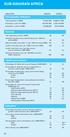 SUB-SAHARAN AFRICA INDICATOR REGION WORLD Demographic indicators Total population (2005) 713,457,000 6,449,371,000 Population under 18 (2005) 361,301,000 2,183,143,000 Population under 5 (2005) 119,555,000
Immunization Infrastructure: The Role of Section 317
 Immunization Infrastructure: The Role of Section 317 Immunization plays a vital role in the control and prevention of infectious disease. Current immunization recommendations target 17 vaccine-preventable
Philippines: PCV Introduction and Experience. Dr. Enrique A. Tayag Assistant Secretary Department of Health Philippines
 Philippines: PCV Introduction and Experience Dr. Enrique A. Tayag Assistant Secretary Department of Health Philippines Outline Evidence Communications and Advocacy Role of professional Organizations Role
Viral hepatitis. Report by the Secretariat
 SIXTY-THIRD WORLD HEALTH ASSEMBLY A63/15 Provisional agenda item 11.12 25 March 2010 Viral hepatitis Report by the Secretariat THE DISEASES AND BURDEN 1. The group of viruses (hepatitis A, B, C, D and
Central African Republic Country brief and funding request February 2015
 PEOPLE AFFECTED 2 700 000 affected with 2,000,000 target by Humanitarian response 1 472 000 of those in need, targeted for health service support by WHO 430 000 internally displaced 426 000 refugees HEALTH
Ministry of Health NATIONAL POLICY ON INJECTION SAFETY AND HEALTH CARE WASTE MANAGEMENT
 THE REPUBLIC OF UGANDA Ministry of Health NATIONAL POLICY ON INJECTION SAFETY AND HEALTH CARE WASTE MANAGEMENT JULY 2004 GOVERNMENT OF UGANDA MINISTRY OF HEALTH NATIONAL POLICY ON INJECTION SAFETY AND
INDICATOR REGION WORLD
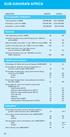 SUB-SAHARAN AFRICA INDICATOR REGION WORLD Demographic indicators Total population (2006) 748,886,000 6,577,236,000 Population under 18 (2006) 376,047,000 2,212,024,000 Population under 5 (2006) 125,254,000
Polio and the Introduction of IPV
 Polio and the Introduction of IPV Poliomyelitis (polio) is a highly infectious disease that is caused when a person is infected by the polio virus that invades the nervous system. Poliomyelitis can cause
Continuing Medical Education in Eritrea : Need for a System
 Original Articles Continuing Medical Education in Eritrea : Need for a System Abdullahi M. Ahmed 1, Besrat Hagos 2 1. International Centre for Health Management, Istituto Superiore di Sanita, ` Rome, Italy
MATERNAL AND CHILD HEALTH
 MATERNAL AND CHILD HEALTH 9 George Kichamu, Jones N. Abisi, and Lydia Karimurio This chapter presents findings from key areas in maternal and child health namely, antenatal, postnatal and delivery care,
VACCINE CARRIERS AND COLD BOXES
 SUPPLY DIVISION COLD CHAIN SUPPORT PACKAGE PROCUREMENT GUIDELINES VACCINE CARRIERS AND COLD BOXES VACCINE CARRIERS AND COLD BOXES Procurement Guidelines Vaccine Carriers and Cold Boxes Key information
MATERNAL AND CHILD HEALTH 9
 MATERNAL AND CHILD HEALTH 9 Ann Phoya and Sophie Kang oma This chapter presents the 2004 MDHS findings on maternal and child health in Malawi. Topics discussed include the utilisation maternal and child
REPUBLIC OF KENYA MINISTRY OF HEALTH NATIONAL POLICY ON INJECTION SAFETY AND MEDICAL WASTE MANAGEMENT
 REPUBLIC OF KENYA MINISTRY OF HEALTH NATIONAL POLICY ON INJECTION SAFETY AND MEDICAL WASTE MANAGEMENT MINISTRY OF HEALTH NATIONAL POLICY INJECTION SAFETY AND MEDICAL WASTE MANAGEMENT FEBRUARY 2007 National
Addition of vaccination against hepatitis B infection and change of the HPV vaccination programme
 Change to DENMARK S CHILDHOOD VACCINATION PROGRAMME 2014 Addition of vaccination against hepatitis B infection and change of the HPV vaccination programme 2014 Addition to the Danish Health and Medicines
Country Case Study E T H I O P I A S H U M A N R E S O U R C E S F O R H E A L T H P R O G R A M M E
 Country Case Study E T H I O P I A S H U M A N R E S O U R C E S F O R H E A L T H P R O G R A M M E GHWA Task Force on Scaling Up Education and Training for Health Workers S U M M A R Y Ethiopia suffers
Current Trends in Immunization
 Current Trends in Immunization Christian Lease Director, Immunization Policy, Novartis Vaccines 2011 NCSL Meeting Objectives Review the benefits of immunization Discuss where the immunization enterprise
ZANZIBAR REVOLUTINARY GOVERNMENT MINISTRY OF HEALTH AND SOCIAL WELFARE
 ZANZIBAR REVOLUTINARY GOVERNMENT MINISTRY OF HEALTH AND SOCIAL WELFARE NATIONAL IMMUNAZATION PROGRAM FINANCIAL SUSTAINABILITY PLAN REVISED NOVEMBER 2003, ZANZIBAR TABLE OF CONTENTS Content Page No. Table
Main Changes to the Vaccination Schedule Recommended by the Japan Pediatric Society January 12, 2014
 Main Changes to the Vaccination Schedule Recommended by the Japan Pediatric Society January, 04 ) 3-valent Pneumococcal conjugate vaccine (PCV3) The description of catch-up schedule for PCV3 has been revised
cambodia Maternal, Newborn AND Child Health and Nutrition
 cambodia Maternal, Newborn AND Child Health and Nutrition situation Between 2000 and 2010, Cambodia has made significant progress in improving the health of its children. The infant mortality rate has
National EPI Review Report
 National EPI Review Report Vietnam 30 March to 10 April 2009 1 Table of Contents List of Figures and Tables... 3 Acronyms... 4 1. Executive Summary... 5 Key Recommendations... 8 Immunization Services...
Free healthcare services for pregnant and lactating women and young children in Sierra Leone
 Free healthcare services for pregnant and lactating women and young children in Sierra Leone November 2009 Government of Sierra Leone Contents Foreword 3 Country situation 4 Vision 5 Approach 6 Focus 6
SUB-SAHARAN AFRICA. Economic indicators. Demographic indicators. Survival HIV/AIDS. Health and nutrition. Child protection. Education.
 SUB-SAHARAN AFRICA Total population (2004) 697,561,000 6,374,050,000 Population under 18 (2004) 354,355,000 2,181,991,000 Population under 5 (2004) 117,346,000 614,399,000 Life expectancy at birth (2004)
GENDER AND DEVELOPMENT. Uganda Case Study: Increasing Access to Maternal and Child Health Services. Transforming relationships to empower communities
 GENDER AND DEVELOPMENT Uganda Case Study: Increasing Access to Maternal and Child Health Services The Context World Vision has been active in working with local communities to increase access to health
U.S. President s Malaria Initiative (PMI) Approach to Health Systems Strengthening
 U.S. President s Malaria Initiative (PMI) Approach to Health Systems Strengthening What is Health System Strengthening? Strengthening health systems means supporting equitable and efficient delivery of
Seven Key Reasons Why immunization must remain a priority in the WHO European Region
 Seven Key Reasons Why immunization must remain a priority in the WHO European Region A dramatic decrease in cases of vaccine-preventable diseases has made many infectious diseases seen as a thing of the
Maternal and Neonatal Health in Bangladesh
 Maternal and Neonatal Health in Bangladesh KEY STATISTICS Basic data Maternal mortality ratio (deaths per 100,000 births) 320* Neonatal mortality rate (deaths per 1,000 births) 37 Births for women aged
SRI LANKA SRI LANKA 187
 SRI LANKA 187 List of Country Indicators Selected Demographic Indicators Selected demographic indicators Child Mortality and Nutritional Status Neonatal, infant and under-five mortality rates: trends Distribution
Needlestick Injury Prevention Assessment Tool
 Needlestick Injury Prevention Assessment Tool WHO PROJECT TO PREVENT NEEDLESTICK INJURY and HIV TRANSMISSION AMONG HEALTHCARE WORKERS March 2005 Combined tool for assessing the safety of injections, suturing,
The Cold Chain and Vaccine storage
 The Cold Chain and Vaccine storage Cliona Kiersey Chief Pharmacist National Immunisation Office Objectives To explain the cold chain and vaccine delivery service including importance of using vaccine returns
Vaccines for International Travelers
 Vaccines for International Travelers Vaccinations, Destinations, Clinics for Vaccinations JMAJ 44(10): 441 447, 2001 Nobuhiko OKABE National Institute of Infectious Diseases Abstract: The types, frequency
Malaria programmatic gap analysis : Guidance notes. Introduction
 Malaria programmatic gap analysis : Guidance notes Introduction A comprehensive programmatic gap analysis outlines the complete programmatic requirement needed to fully implement the strategic plan of
EPIDEMIOLOGY OF HEPATITIS B IN IRELAND
 EPIDEMIOLOGY OF HEPATITIS B IN IRELAND Table of Contents Acknowledgements 3 Summary 4 Introduction 5 Case Definitions 6 Materials and Methods 7 Results 8 Discussion 11 References 12 Epidemiology of Hepatitis
No Goal Indicator Operational definition Data source/ collection Baseline Target Milestones
 No Goal Indicator Operational definition Data source/ collection Baseline Target Milestones G 1.1 Achieve a world free of poliomyelitis Interrupt wild poliovirus transmission globally G1.2 Certification
HIV/AIDS: AWARENESS AND BEHAVIOUR
 ST/ESA/SER.A/209/ES DEPARTMENT OF ECONOMIC AND SOCIAL AFFAIRS POPULATION DIVISION HIV/AIDS: AWARENESS AND BEHAVIOUR EXECUTIVE SUMMARY UNITED NATIONS NEW YORK 200 1 2 HIV/AIDS: AWARENESS AND BEHAVIOUR Executive
Frequently Asked Questions PROPOSED REVISIONS TO SCHOOL IMMUNIZATION REGULATIONS IN PENNSYLVANIA
 Frequently Asked Questions PROPOSED REVISIONS TO SCHOOL IMMUNIZATION REGULATIONS IN PENNSYLVANIA What is the current school vaccination rate in Pennsylvania? Given the way in which data is collected, we
Monitoring and Evaluation Framework and Strategy. GAVI Alliance 2011-2015
 Monitoring and Evaluation Framework and Strategy GAVI Alliance 2011-2015 NOTE TO READERS The 2011-2015 Monitoring and Evaluation Framework and Strategy will continue to be used through the end of 2016.
Prevention & Control of Viral Hepatitis Infection: A Strategy for Global Action
 Prevention & Control of Viral Hepatitis Infection: A Strategy for Global Action World Health Organization 2011. All rights reserved. The designations employed and the presentation of the material in this
COUNTRY PROFILE: TANZANIA TANZANIA COMMUNITY HEALTH PROGRAMS DECEMBER 2013
 COUNTRY PROFILE: TANZANIA DECEMBER 2013 Advancing Partners & Communities Advancing Partners & Communities (APC) is a five-year cooperative agreement funded by the U.S. Agency for International Development
Delaware. Downloaded 01/2011
 Delaware Downloaded 01/2011 3.0 CNA Training Program Requirements 3.3 Curriculum Content 3.3.2 Environmental Needs Of The Resident Key Concepts: Introduces the nursing assistant to the need to keep residents
Rapid Assessment of Sexual and Reproductive Health
 BURKINA FASO Rapid Assessment of Sexual and Reproductive Health and HIV Linkages This summary highlights the experiences, results and actions from the implementation of the Rapid Assessment Tool for Sexual
Surveillance System in the Philippines
 Surveillance System in the Philippines Outline 1. Brief Background Information IHR Surveillance Systems in the Philippines 2. Surveillance and Response for EVD Our world is changing as never before Populations
Q&A on methodology on HIV estimates
 Q&A on methodology on HIV estimates 09 Understanding the latest estimates of the 2008 Report on the global AIDS epidemic Part one: The data 1. What data do UNAIDS and WHO base their HIV prevalence estimates
Immunisation Services - Authority for Registered Nurses and Midwives
 Policy Directive Ministry of Health, NSW 73 Miller Street North Sydney NSW 2060 Locked Mail Bag 961 North Sydney NSW 2059 Telephone (02) 9391 9000 Fax (02) 9391 9101 http://www.health.nsw.gov.au/policies/
SITUATION IN LEBANON
 MIDDLE EAST CRISIS UNICEF Situation Report No. 13 Thursday 3 August 2006 Key Statistics IMPACT OF CONFLICT Duration of Conflict 23 days (since July 12) Deaths 835 (source: Higher Relief Committee) Casualties
Health Metrics Network Republic of The Gambia. The Gambia Health Information System
 Health Metrics Network Republic of The Gambia The Gambia Health Information System HIS Strategic Plan 2007 to 2016 Tendaba, The Gambia August 2007 By: Department of State For Health & Social Welfare, Gambia
NO MORE MISSED MDG4 OPPORTUNITIES: OPTIMIZING EXISTING HEALTH PLATFORMS FOR CHILD SURVIVAL. Polio Campaigns
 NO MORE MISSED MDG4 OPPORTUNITIES: OPTIMIZING EXISTING HEALTH PLATFORMS FOR CHILD SURVIVAL Polio Campaigns With fewer than 600 days remaining to the Millennium Development Goal (MDG) deadline, new strategies
Vietnam: Progress Beyond High Coverage. Increasing immunization program quality, safety and efficiency
 Vietnam: Progress Beyond High Coverage Increasing immunization program quality, safety and efficiency December 2006 Increasing the quality, safety, and efficiency of immunization in Vietnam Vietnam is
SUMMARY- REPORT on CAUSES of DEATH: 2001-03 in INDIA
 SUMMARY- REPORT on CAUSES of DEATH: 2001-03 in INDIA Background: Long-term mortality measurement by cause, gender and geographic area has been the requirement of every country. With this in view, Medical
These are illnesses which might not only spoil your holiday but might also pose a risk to your life.
 Travel Vaccinations Travel vaccinations are an essential part of holiday and travel planning, particularly if your journey takes you to an exotic destination or 'off the beaten track'. The risks are not
Brief description, overall objective and project objectives with indicators
 H Indonesia: Improving Health in Nusa Tenggara Timur Ex post evaluation report OECD sector 12230 / Basic health infrastructure BMZ project ID 1998 65 049, 1998 70 122, 2001 253 Project executing agency
Goal 1: Eradicate extreme poverty and hunger. 1. Proportion of population below $1 (PPP) per day a
 Annex II Revised Millennium Development Goal monitoring framework, including new targets and indicators, as recommended by the Inter-Agency and Expert Group on Millennium Development Goal Indicators At
William Atkinson, MD, MPH Hepatitis B Vaccine Issues June 16, 2016
 William Atkinson, MD, MPH Hepatitis B Vaccine Issues June 16, 2016 Advisory Committee on Immunization Practices (ACIP) The recommendations to be discussed are primarily those of the ACIP composed of 15
Social Policy Analysis and Development
 Social Policy Analysis and Development UNICEF/Julie Pudlowski for children unite for children UNICEF/Giacomo Pirozzi Fast facts Children 0 14 years living below the basic needs poverty line Children 0
UNICEF in South Africa
 UNICEF in South Africa A message from the Representative 47,900,000 people live in South Africa 20,200,000 are children 294,000 children are HIV-positive 1 in 17 children die before their fifth birthday
OBJECTIVE: To provide safe storage and handling for vaccines and medications that require refrigeration.
 Refrigerator / Freezer Temperature Policy #: ADM 134 APPROVED BY: Anthony Dallas, MD, CMO SUPERCEDES POLICY: ADOPTED: 05/2011 REVISED: REVIEWED: 12/2014 OBJECTIVE: To provide safe storage and handling
EVERY MONGOLIAN CHILD HAS THE RIGHT ÒO HEALTHY GROWTH
 ÞÍÈÑÅÔ IECD project, Health and Nutrition, UNICEF EVERY MONGOLIAN CHILD HAS THE RIGHT ÒO HEALTHY GROWTH FACTS AND FIGURES Inside: Infant and Under-Five Mortality Child Malnutrition Vitamin A Deficiency
Borderless Diseases By Sunny Thai
 Borderless Diseases By Sunny Thai Millennium Development Goal #6 6. Combat HIV/AIDS, malaria and other borderless diseases. A. Halt and begin reversing spread of HIV by 2015. B. Achieve universal access
The Gavi grant management change process
 The Gavi grant management change process Overall change process Frequently asked questions June 2015 1. How was it decided that grant management changes were needed? Over recent years, through a series
Water, Sanitation and Hygiene
 Water, Sanitation and Hygiene UNICEF/Giacomo Pirozzi for children unite for children UNICEF/Julie Pudlowski Fast facts Tanzanians that lack access to improved drinking water sources 46% Tanzanians with
VACANCY ANNOUNCEMENTS
 VACANCY ANNOUNCEMENTS The Maternal and Child Survival Program (MCSP) is a USAID funded project assisting the Ministry of Health and Social welfare (MOH) to improve the effectiveness of the Ministry and
INCREASING COMPLETE IMMUNIZATION IN RURAL UTTAR PRADESH
 INCREASING COMPLETE IMMUNIZATION IN RURAL UTTAR PRADESH The Government of India has recommended that a child must be vaccinated against six vaccine-preventable diseases (polio, tuberculosis [TB], diphtheria,
UNICEF Perspectives on Integrated Community Case Mangement (iccm) scale up across Africa
 UNICEF Perspectives on Integrated Community Case Mangement (iccm) scale up across Africa Valentina Buj, Malaria Health Specialist, UNICEF MMV Access Meeting, Dar Es Salaam 03 June 2011 Integrated Community
Technical guidance note for Global Fund HIV proposals in Round 11
 Technical guidance note for Global Fund HIV proposals in Round 11 UNAIDS I World Health Organization I August 2011 Rationale for including the development of a system in the proposal With the global momentum
HSE Guidelines for maintaining the vaccine cold-chain including maintenance of vaccine fridges and management of vaccines
 HSE Guidelines for maintaining the vaccine cold-chain including maintenance of vaccine fridges and management of vaccines Document reference number Revision number Approval date NIO01 Document developed
GLOBAL HEALTH ESSENTIAL CORE COMPETENCIES
 GLOBAL HEALTH ESSENTIAL CORE COMPETENCIES All medical graduates should understand the major factors that influence the health of individuals and populations worldwide. They should have a basic understanding
MDG 4: Reduce Child Mortality
 143 MDG 4: Reduce Child Mortality The target for Millennium Development Goal (MDG) 4 is to reduce the mortality rate of children under 5 years old (under-5 mortality) by two-thirds between 1990 and 2015.
Summary. Accessibility and utilisation of health services in Ghana 245
 Summary The thesis examines the factors that impact on access and utilisation of health services in Ghana. The utilisation behaviour of residents of a typical urban and a typical rural district are used
Birth Registration in Bangladesh
 Birth Registration in Bangladesh KEY STATISTICS Population under 18 years 61.3 million* Proportion of children aged under five who have birth 53.6%** (2009) 9.8% (2006) registration Age of criminal responsibility
CALIFORNIA CODE OF REGULATIONS TITLE 17, DIVISION 1, CHAPTER 4
 CALIFORNIA CODE OF REGULATIONS TITLE 17, DIVISION 1, CHAPTER 4 Subchapter 8. Immunization Against Poliomyelitis, Diphtheria, Pertussis, Tetanus, Measles (Rubeola), Article 1. Definitions Haemophilus influenzae
Rwanda Situation Report 30 April 2016. UNICEF Rwanda/2015/Bannon
 Rwanda Humanitarian Situation Report Burundi Refugee Response UNICEF Rwanda/2015/Bannon UNICEF @UNICEF Rwanda/2015/Bannon Rwanda/2015/Park DATE OF SITREP 30 April 2016 Highlights The total number of Burundian
Immunizing Children Against Haemophilus influenzae type B (Hib) A Training Module For Vaccinators
 Immunizing Children Against Haemophilus influenzae type B (Hib) A Training Module For Vaccinators Training Resource Series, Revised March 2006 Adapting This Training Module for Your Program This module
International Service Program 2010-2012
 International Service Program 2010-2012 Prevention of Mother-to-Child Transmission of HIV and Gender-Based Violence in Rwanda UNICEF USA$500,000 Project Description THE GOAL To prevent mother-to-child
Vaccine 28S (2010) A104 A109. Contents lists available at ScienceDirect. Vaccine. journal homepage: www.elsevier.
 Vaccine 28S (2010) A104 A109 Contents lists available at ScienceDirect Vaccine journal homepage: www.elsevier.com/locate/vaccine Immunization policy development in Thailand: The role of the Advisory Committee
Ministry of Health & Family Welfare. Operational Plan for Mother and Child Tracking System
 DRAFT Ministry of Health & Family Welfare Operational Plan for Mother and Child Tracking System A. Objective It has been decided to have a name-based tracking system (being put in place by Government of
Vaccination against pertussis (whooping cough) - the replacement of Repevax with Boostrix -IPV an update for registered healthcare practitioners
 Vaccination against pertussis (whooping cough) - the replacement of Repevax with Boostrix -IPV an update for registered healthcare practitioners Questions and Answers May 2014 Health Protection Scotland
Nurse Aide Training Program Application Checklist
 Nurse Aide Training Program Application Checklist The following checklist must be completed before enrolling in the Nurse Aide Training course: Complete, sign, and date the Application Form Have the physical
MALAWI YOUTH DATA SHEET 2014
 MALAWI YOUTH DATA SHEET 2014 2 of Every 3 People in Malawi Are Under Age 25 Age 80+ 75-79 70-74 65-69 60-64 55-59 50-54 45-49 40-44 35-39 30-34 25-29 Male Female 20-24 POPULATION 700,000 700,000 0 POPULATION
Assessment of Cold chain Status for Immunization in Central Ethiopia
 Assessment of Cold chain Status for Immunization in Central Ethiopia By: Bezunesh Rogie Advisors: Professor Yemane Berehane (MD,MPH, PhD) Dr. Filimona Bisrat (MD, MPH) May, 2012 1 Assessment of cold chain
Promoting hygiene. 9.1 Assessing hygiene practices CHAPTER 9
 74 CHAPTER 9 Promoting hygiene The goal of hygiene promotion is to help people to understand and develop good hygiene practices, so as to prevent disease and promote positive attitudes towards cleanliness.
Preventable mortality and morbidity of children under 5 years of age as a human rights concern
 Preventable mortality and morbidity of children under 5 years of age as a human rights concern 1. Has your government developed a national policy/strategy/action plan aimed at reducing mortality and morbidity
The implementation of PHC re-engineering in South Africa
 The implementation of PHC re-engineering in South Africa Yogan Pillay, Deputy director-general in the National Department of Health currently responsible for Primary Health Care, District Health Systems
Islamic Republic of Afghanistan Ministry of Public Health. Contents. Health Financing Policy 2012 2020
 Islamic Republic of Afghanistan Ministry of Public Health Contents Health Financing Policy 2012 2020 Table of Content 1. Introduction 1 1.1 Brief County Profile 1 1.2 Health Status Data 1 1.3 Sources
CONTROL AND PREVENTION OF ENTERIC FEVER: POLICY AND PRACTICE IN WHO SEARO
 CONTROL AND PREVENTION OF ENTERIC FEVER: POLICY AND PRACTICE IN WHO SEARO Professor Lalitha Mendis 8 th International Conference on Typhoid fever And Other Invasive Salmonelloses 1-2 March 2013 WHO Position
7. Laws IN THIS SECTION INTRODUCTION
 7. Laws IN THIS SECTION Missouri Immunization Statutes and Rules Missouri s School Immunization Statute and Rule (RSMo 167.181) Missouri s Child Care Immunization Statute and Rule (RSMo 210.003) Blood
UNICEF NIGERIA COUNTRY OFFICE Monthly Humanitarian Situation Report Date: 23 April, 2012
 UNICEF NIGERIA COUNTRY OFFICE Monthly Humanitarian Situation Report Date: 23 April, 2012 Highlights 1. A total of 13,218 Children with Severe Acute Malnutrition (SAM) have been treated in the month of
Breakeven Analysis for Various Human Papillomavirus Vaccine Presentations in Vietnam and Uganda
 Breakeven Analysis for Various Human Papillomavirus Vaccine Presentations in Vietnam and Uganda August 2010 Batiment Avant Centre 13 Chemin du Levant 01210 Ferney Voltaire France Phone: 33.450.28.00.49
Cholera: mechanism for control and prevention
 SIXTY-FOURTH WORLD HEALTH ASSEMBLY A64/18 Provisional agenda item 13.9 17 March 2011 Cholera: mechanism for control and prevention Report by the Secretariat 1. Cholera is an acute enteric infection characterized
Mississippi Public Health Timeline
 Mississippi Public Health Timeline Public health programs have changed considerably since the Mississippi Legislature established the State Board of Health in 1877. Shifts in health problems that affect
Hepatitis B Pathway stages to protection Actions, roles, responsibilities and standards
 Hepatitis B Pathway stages to protection Actions, roles, responsibilities and standards Start Pathway stages colour code: Action Midwifery role Risk areas Specialist services role Primary care role Paediatric