
Cyriax's Friction Massage:
|
|
|
- Melinda Kelley
- 9 years ago
- Views:
Transcription
1 /82/ $02.00/0 THE JOURNAL OF ORTHOPAEDIC AND SPORTS PHYSICAL THERAPY Copyright O 1982 by The Orthopaedic and Sports Physical Therapy Sections of the American Physical Therapy Association Cyriax's Friction Massage: A Review GAIL J. CHAMBERLAIN, MA, PT* This article reviews the existing literature on connective tissue in an attempt to provide additional substantiation for the use of Dr. James Cyriax's friction massage. Massage has been a part of many cultures over the last several centuries. In its various forms, massage remains as one of the oldest forms of therapy used for many Beard and Wood3 define massage "as certain manipulations of the soft tissues of the body which are most effective when performed with the hands and administered for the purpose of producing effects on the nervous and muscular systems as well as the local and general circulation of the blood and lymph." In the early 1900s, Mennell" advocated the use of specific massage movements called friction for conditions of inflammation and pathological deposit as well as recent ligament and muscle injuries. More recently, Cyriax and Russell8 have employed a technique called deep friction massage to reach the musculoskeletal structures of ligament, tendon, and muscte and provide therapeutic movement over a small area. Cyriax's specific friction massage techniques are based upon the performance of a thorough evaluation. Along with the increasing emphasis in physical therapy on evaluation is the importance of physical therapists understanding why specific treatment procedures are employed. The purpose of this paper is to present Cyriax's rationale and principles for the use of friction massage in treatment regimens along with additional substantiation based upon the development, orientation, and repair process of connective tissue. FRICTION MASSAGE The purpose of friction massage is to maintain the mobility within the soft tissue structures of * Lecturer, Division of Physical Therapy. Stanford University School of Medicine, Stanford, CA ligament, tendon, and muscle and prevent adherent scars from forming. The massage is deep and must be applied transversely to the specific tissue involved unlike the superficial massage given in the longitudinal direction parallel to the vessels which enhances circulation and return of fluid^.^*'^ Before friction massage can be performed successfully, the correct structure must be found through proper evaluation procedures. The distinction must be made between contractile structures such as the muscle belly, musculotendinous junction, tendon, and tendon-periosteal junction and noncontractile structures such as the joint capsule, bursae, fascia, dura mater, and ligament (Table In addition to finding the right spot, the massage must also be given the most effective way by following these basic principles. 1) The proper location must be found through proper evaluation procedures and palpation of the specific tendon, ligament, or muscle. 2) Friction massage must be given across the affected fibers. The thicker and stronger a normal structure, the more important friction is given strictly across the grain. 3) The therapist's fingers and patient's skin must move as one, otherwise moving subcutaneous fascia against muscle or ligament could lead to blister formation or subcutaneous bruising. 4) The friction massage must have sufficient sweep and be deep enough. 5) The patient must be in a comfortable position. The frequency and duration of treatment varies with the severity and type of the injury. In a recent injury, i.e., ligament sprain, start daily

2 JOSPT Summer 1982 CYRIAX'S FRICTION MASSAGE: A REVIEW 17 TABLE 1 Cyriax's classification of muscle, tendon, and ligament lesions Structure Function Pathology Treatment Muscle Contraction (broadening) Muscle tearing or minor rupture Deep friction massage transversely Elongation (stretching) of muscle fibers across the fibers to passively Location broaden the muscle and prevent Muscle belly scar tissue from matting muscle Musculotendinous junction fibers together Tendon Active movement of the damaged Tenoperiosteal junction muscle but no passive stretching or resistive movement which will strain the healing breach Place limb in a position that fully relaxes the affected muscle Tendon Tendon with a sheath allows for Tenosynovitis is roughening of Deep friction massage transversal gliding of the tendon the synovial surfaces of long across the tendon; move the tentendons possessing a sheath don sheath on the tendon and movement of the tendon Tendon must be on a stretch to prowithin the sheath is painful vide an immobile base Exercise is contraindicated Tendon Tendon without a sheath trans- Tendonitis or sprain is a tearing Deep friction massage transversely mits power from the muscle of some of the tendon fibers across the tendon to break down belly to the bone with the consequential forma- the scar tion of a painful scar within the tendon or at the tenoperiosteal junction Ligament Ligaments link bone to bone, but Recent sprain is a minor ruptur- Immediate friction massage transallow movement with the mobil- ing or tearing of ligamentous fi- versely across the fibers to mainity taking place at right angles bers tain the mobility of the ligament to the long fibers passively Friction massage does not need to be vigorous as fibroblasts are young and very weakly attached Initially do not increase the range at the joint passively (massage is enough) Chronic sprain has the scar hold- Deep friction massage to establish a ing ligaments abnormally ad- numbing effect of hyperemia herent to the underlyi,ng bones Adhesions may be ruptured by so vigorous use of the joint forced movements or manipulastrains the ligament tion (exceptions: ligaments at the wrist, coronary ligaments at knee, and anterior tibiofibular ligament at ankle respond to friction only) with gentle massage to keep mobility. It is important for the therapist to distinguish between tenderness and pain. Tenderness can be due to deep friction and can persist long after the pain disappears. Pain is elicited by clinical assessment and reassessment. Deep friction massage may be given every other day or when the excess tenderness has worn off. The duration of the treatment varies; for example, with an acute ligamentous injury, the gentle massage performed may last only 1-2 minutes. However, it may well take several minutes to be able to get your fingers on the structure depending on the sever- ity of pain. With deep friction massage, the treatment will last minutes.' Cyriax's goals are two-fold: to provide movement to the tissue itself and to produce traumatic hyperemia. In the acute injury, the massage consists of gentle passive movements which move the structure but do not detach the healing fibrils from proper formation. The transverse movement is an imitation of the structure's normal mobility by broadening but not stretching or tearing the healing fibers. The movement encourages realignment and lengthening of these fibers.

3 18 CHAMBERLAIN JOSPT Vol. 4, No. 1 The second goal, traumatic hyperemia, results in the enhancement of blood supply to the area. The hyperemia appears to diminish pain by increasing the speed of destruction of Lewis' P substance, probably due to the release of histamine. Lewis' P factor is an irritative metabolite which produces ischemia when it acc~rnulates.~~~~~~~ The rationale Cyriax proposes for the use of movement in the treatment of soft tissue injuries to muscle, ligament, and tendon is based upon the work of st earn^.^' She observed the fibroblastic activity in the healing of connective tissue as well as possible scar formation, as related to the effect of movement. Her conclusions were that fibrils form almost immediately and that external factors were responsible for the development of an orderly arrangement of the fibrils. Cyriax and Russell8 contend that "gentle passive movements do not detach fibrils from their proper formation at the healing breach, but prevent their continued adherence at abnormal sites." Although there is presently no definitive research relative to friction massage and connective tissue, there certainly have been many cases of patients treated by therapists with positive results. Additional rationale for using friction massage could well be the expansion of Stearn's connective tissue theory through understanding of the anatomy, physiology, and repair process which exist. A discussion of relevant literature is presented so that a physical therapist can achieve an understanding of connective tissue in order to effectively and appropriately use friction massage. CONNECTIVE TISSUE STRUCTURE AND CLASSIFICATION The functions of connective tissue are to provide mechanical support, exchange of metabolites between blood and tissues, storage of energy reserves in adipose cells, protection against infection, and repair after injury through fibroblastic a~tivity.~ Connective tissue consists of cells originating from embryonic mesenchyme and dispersed in an extracellular matrix of fibers and amorphous ground substance or intracellular matrix. The ground substance forms the nonfibrous element of the matrix in which other cells and extracellular matrix are embedded. These cells include fixed cells such as fibroblasts, lipoblasts, myo- blasts, and pigmented cells and wandering cells such as histocytes (macrophages), plasma cells, and mast cells. The fibroblasts or fiber-forming cells are particularly important in friction massage for the part they play in connective tissue repair. These cells are fixed cells found along the bundles of collagen fibers. Fibroblasts synthesize protoglycans for the ground substances and act as precursors to ~ ollagen.~~'~~~~ The fibrous elements of connective tissue include collagen, reticulin, and elastin of which collagen is the most predominant. Collagen is the principal protein in the extracellular matrix which functions to provide substance and strength to all tissue^.^^'^ Connective tissue differs in appearance, consistency, and composition according to the local functional requirements of the region where it lies. Classification of the tissues is based upon the consistency and contribution of various cell types as well as the elements of the ground substance. Connective tissue can be classified as irregular or regular depending upon the amount of parallel orientation present in the fibrous elements. One such classification is shown in Table 2. Under the classification of irregular is loose connective tissue, which has an open network of thin collagen and elastic fibers, interlacing in all directions to give both elasticity and tensile strength to the tissue. Regular connective tissue has a precise arrangement of fibers as in parallel collagenous bundles of tendon which allow flexibility yet offer resistance to tension , 25 For example, tendon and ligament consist of regular connective tissue where the collagenous bundles are arranged in a specific pattern to provide for the mechanical requirements of the tissue involved and the direction of the fibers is related to the stress the fibers experience. In regular connective tissue, fibroblasts make up the majority of cells pre~ent.'~~~~'*~ Tendons consist of varying numbers of small tendon bundles of collagen fibers bound by loose connective tissue into larger bundles. Epitendineum, the surface layer of the tendons without sheaths, contain elastic as well as irregularly arrayed collagen fibers. This surface layer does not give the tendon a true free surface, so it does impose a minimal drag on the tendon. Tendons with sheaths have an internal or visceral layer and a parietal synovial layer which are separated by a capillary film of synovial fl~id.'~.'~."~ Ligaments are similar to tendons except the

4 JOSPT Summer 1982 CYRIAX'S FRICTION MASSAGE: A REVIEW 19 TABLE 2 Classification of connective tissue ' Type of connective tissue Irregular Loose Dense Adipose Regular Aponeurosis Tendon Ligament Fiber content Function Examples Collagen Binds together Widespread Elastin Allows for greater motion Subcutaneous tissue Septa in muscles Mostly collagen Mechanically strong Blood vessel adventitia Ensheaths organs Kidney capsule Very few fibers Storage Widespread Synthesizes Mostly collagen Sheets associated with muscle at- External oblique tachments Mostly collagen Attach muscle to bone Biceps tendon Fibers ordered, tendon is strong in tension Mostly collagen Attach bone to bone Medial collateral ligament at knee * From Mathers et alz5 fibers are not arranged in such a regular fashion. Ligaments are also composed of mostly collagen fibers packed into a parallel alignment but with spiral and oblique arrangements present, too. All ligaments tend to be tough and unyielding yet pliant and flexible, offering no resistance to norma1 mo~ement.~.'~ Muscle fibers are not considered connective tissue, yet the muscle is protected at various levels by connective tissue consisting of collagen and elastic fibers. The entire muscle itself is enclosed by a layer of epimysium. Thin collagenous septa or perimysium invest the bundles or fasciculi of muscle fibers and even finer extensions of connective tissue called endomysium extend from the perimysium inward to surround each muscle fiber (Fig. 1 ). The junction between the ends of the muscle fibers and tendinous attachments is called the myotendinal junction. This is where the connective tissue of the endo-, peri-, and epimysia become fibrous and thicken into the fibrous bundles of tendon. All the various levels of connective tissue within the muscle and the muscle attachments to tendon are continuous with other connective tissue structures; therefore, the connective tissue acts much like a harness when the muscle contract~.~~'~.~~ MECHANICS OF CONNECTIVE TISSUE Collagen provides the basic biological fiber or thread of the soft tissue structures of muscle, ligament, and tendon treated by friction mas- Fig. 1. A longitudinal section of muscle showing the muscle termination into tendon and connective tissue (epimysium, perimysium, and endomysium) at different levels. (Reproduced with permission from Ham") sage. Collagen exists as bundles of parallel fibers which provide rigidity and strength in mechanical tension. During normal physical activity, tendons, muscles, and ligaments are loaded mainly in tension with tendons functioning to transmit muscle forces to bone and fascia, ligaments stabilizing joints, and muscle contraction producing tensile loads on tendons. The mechanical behavior of collagenous tissues when loaded in tension is influenced by the structural orientation of the fibers, the properties of the fibers themselves, and the proportion of collagen to elastin fibers."~'* The orientation of tendon fibers is almost completely parallel which makes the tendon well suited to withstanding high tensile loads. The

5 20 CHAMBE irlaln JOSPT Vol. 4, No. 1 fibers of ligaments have a less structured orientation; therefore they respond differently in loaded and unloaded situations (Fig. 2). When tendon and ligament fibers are relaxed or unloaded, they appear with a wavy configuration, and as a load is applied, the fibers oriented in the direction of the load straighten out (Fig. 3). This means tendons are able to bear a higher tensile load than ligaments because all the fibers are aligned parallel to the direction of loading.".21 In muscle, remember that all connective tissue structures are continuous with each other, furnishing a harness effect. When a muscle extends beyond its resting length, the tension develops within the connective tissue first. In a muscle contraction, the contraction action initiated by the muscle fiber is transferred to the connective tissue layers and subsequently to the tendon and bone. The connective tissue allows for a certain freedom of movement between the muscle fibers so each fascicle can move independently of each Other ,33 Collagen fibers have a second function; in addition to giving strength in tension, they adapt to the mechanical demands placed upon them. Under shearing and compression loads, there is no change; however, in intermittent tension loads, there is stimulation to the cells to produce additional collagen. This is known as the stretch hypertrophy rule, when a living fibrous tissue structure responds to mechanical loads.12 The proportion of elastic to collagen fibers in tendon and ligament is different and reflects the function of the tissue. Tendon functions to transmit forces to bone or fascia; therefore, the fibroblasts of tendon produce larger amounts of collagen than elastin. Ligaments function to stabilize joints and prevent excess motion and consequently contain fibroblasts which produce less collagen than in tendon.".i2 The proportion of TENDON LIGAMENT Fig. 2. Schematic demonstrating the fiber orientation in tendon and ligament. (Reproduced with permission from Frankel and Nordin1 ') Fig. 3. Electron micrograph of collagen fibers unloaded (A) and loaded (6) in human knee ligaments. (Reproduced with permission from Kennedy et a/.") elastin to collagen fibers in muscle connective tissue varies according to the location of the muscle. For example, the amount of elastic fibers is greatest in those muscles attached to soft tissues such as the tongue.33 CONNECTIVE TISSUE REPAIR The actions of both inflammation and repair are of concern for the therapist evaluating and treating musculoskeletal injuries. The repair process involves not only the connective tissue structure directly involved, ligament, tendon, and muscle, but the connective tissue on the surface surrounding the The connective tissue repair process begins with the inflammatory stages or local reactive process where many leukocytes (the majority being neutrophils) migrate from the capillaries and venules to the area and begin phagocytizing bacteria through the action of hydrolytic enzymes. Monocytes are another leucocyte present in the blood which hypertrophy in the first

6 JOSPT Summer 1982 CYRIAX'S FRICTION MASSAGE: A REVIEW 2 1 few days and become macrophages to supplement the other macrophages already present in phagocytosis. Mast cells are lymphocytes active in the injured area secreting histamine which may serve to increase vascular permeability and help activate the phagocytosis of damaged cell^.^^'^ In the presence of an inflammatory reaction, there can be significant stimulus for an abnormal production of nonneoplastic fibrous tissue or fibroplasia. The traumatized ischemic tissue containing foreign materials reveals a stimulus for the formation of fibrovascular tissue. Inhibition of the inflammatory reaction is a way of preventing fibroplasia from o~curring.~" The fibroblasts which have tremendous regenerative capacity respond to injury by proliferation and fibrogenesis and appear in the remodeling stage. This is usually within the first 48 hours. By the fourth day, there is a tremendous number of fibroblasts which will not decrease in number until about day ' Stearns3' reports that "an extensive reticulla of fibrils develops around the fibroblasts within 3 to 4 hours as the fibroblasts begin to increase in size and by 48 hours there are fibers." It is the joining together of the fibrils that makes a collagen fiber and the collagen fibers in turn join together through intermolecular cross-linking to form larger collagen unit^.^.^^ Throughout this remodeling process, the physical forces applied through both stress and motion help to modulate the synthesis of proteoglycans and collagen by the fibroblast~.~~.~'~ 35 Immobilization in soft tissue injuries often occurs secondary to pain or edema or as treatment. The lack of movement during connective tissue repair can lead to scar formation and increased pain when the structure is again moved thereby stretching the scar. The devastating effects of immobility upon connective tissue have been demonstrated in many experimental studies ,32.35 If no movement occurs during the repair process, the following changes may occur: a disturbance in the synthesis and degradation equilibrium of collagen, an increase in the cross-links on an intermolecular level, a decrease in the water content of the extracellular matrix, and an increase in the number and thickness of collagen fibers (Fig. 4).'12' All of these changes lead to increased scar formation as the collagen fibers increase in number and thickness and come closer t~gether.~,'~.~~ Movement would appear to inhibit scar formation by several means: 1) stimulating proteo- Fig. 4. Diagram showing free gliding of collagen fibers with applied stress (left) and cross-linking at strategic sites inhibiting the gliding of the collagen fibers with the same stress applied (right). (Reproduced with permission from Woo et a/. 35) glycan synthesis, which lubricates connective tissue and maintains distance between the fibers, 2) orienting the laying down of new collagen fibers through mechanical stress so fibers can resist tensile forces, and 3) preventing intermolecular cross-linking from occurring.'. 3'. 34 All of this provides an expansion of the connective tissue theory as described by Stearns3' CONCLUSION Friction massage is a technique used frequently by physical therapists for soft tissue injuries affecting muscle, ligament, and tendon. The rationale for the importance of maintaining mobility within connective tissue during the healing process has been discussed. Although information from existing literature makes a strong case for the use of friction massage on connective tissue, the need is obvious for more clinical research supporting Cyriax's friction massage technique. The author wishes to gratefully acknowledge Dr. Helen Blood for her many helpful comments, suggestions, and inspiration all of which made this article possible and Carol Sanford for assistance in preparation of this manuscriot. REFERENCES 1. Akeson WH. Amiel D, Mechanic GL. Woo SL, Harwood FL, Hamer ML: Collagen cross-linking alterations in joint contractures: changes in the reducible cross-links in periarticular connective tissue collagen after nine weeks of immobilization. Connect Tissue Res 5:15-19, Amiel D, Akeson WH, Harwood FL, Mechanic GL: The effect of

7 2 2 CHAMBERLAIN JOSPT Vol. 4. No. 1 immobilization on the types of collagen synthesized in periarticular connective tissue. Connect Tissue Res 8: Beard G, Wood EC: Massage, Principles and Techniques. Philadelphia: WB Saunders Co Bloom W, Fawcett DW: A Textbook of Histology, Ed 10. Philadelphia: WB Saunders Co, Burkhart S: The rationale for joint mobilization. In: Kent BE (ed). Proceedings of the International Federation of Orthopaedic Manipulation Therapists, Vail, Colorado, May, 1977, pp Hayward, CA: International Federation of Orthopaedic Manipulative Therapists, Cooper RR: Alterations during immobilization and regeneration of skeletal muscle in cats. J Bone Joint Surg 54-A: , Cyriax J: Textbook of Orthopaedic Medicine, Vol. 1, Ed 7. London: Bailliere, Tindall & Cassell Ltd, Cyriax J, Russell G: Textbook of Orthopaedic Medicine, Vol 2, Ed 10. London: Bailliere, Tindall 8 Cassell Ltd, Danielsen CC: Mechanical properties of reconstituted collagen fibrils. Connect Tissue Res , Dorpat TL. Hulmes TH: Mechanism of skeletal pain and fatigue. Arch Neurol Psychiatry 74: Frankel VH, Nordin MA: Basic Biomechanics of the Skeletal System. Philadelphia: Lea 8 Febiger Frost HM: Orthopaedic Biomechanics. Springfield, IL: Charles C Thomas. Publisher, Glick JM: Muscle strains: prevention and treatment. Phys Sportsmed 8:73-77, Golden B. Block WD, Pearson JR: Wound healing of tendon-i. Physical, mechanical and metabolic changes. J Biomech 13: , Gray's Anatomy, Ed 36, Warwick R, Williams P (eds). London: Churchill Livingstone, Ham AW: Histology. Ed 8. Philadelphia: JB Lippincott Co Hill AV: First and Last Experiments in Muscle Mechanics. Cambridge: Cambridge University Press, Hovind H. Nielsen SL: Effect of massage on blood flow in skeletal muscle. Scand J Rehabil Med 6:74-77, Kamenetz HL: History of massage. In: Licht SL (ed), Massage. Manipulation and Traction, pp New Haven, CT: Elizabeth Licht, Publisher Kastelic J, Galeski A, Baer E: The multicomposite structure of tendon. Connect Tissue Res 6:ll-23, Kennedy JC, Hawkins RJ. Willis RD, Danylchuk KD: Tension studies of human knee ligaments. Yield point, ultimate failure. and disruption of the cruciate and tibia1 collateral ligaments. J Bone Joint Surg 58-A: , Ketchum fd: Primary tendon healing: a review. J Hand Surg 2:428435, Kivirikko KI;, Risteli L: Biosynthesis of collagen and its alterations in pathological states. Med Biol 54: Mason ML. Allen HS: The rate of healing tendons. Ann Surg 11 3: Mathers LH, Chase RA, Sargent PB, Mortensen 0, Duncan D: Structural Biology 201 syllabus. Stanford University Medical School (unpublished), McMinn RM: Tissue Repair. New York: Academic Press. Inc Mennell JB: Physical Treatment by Movement, Manipulation and Massage, Ed 5. Philadelphia: The Blakiston Co, Noyes FR: Functional properties of knee ligaments and alterations induced, by immobilization. Clin Orthop 123: , Noyes FR. Torvik PJ, Hyde WB, et al: Biomechanics of ligament failure. J Bone Joint Surg 56-A: Postacchini F. DeMartino C: Regeneration of rabbit calcaneal tendon maturation of collagen and elastic fibers following partial tenotomy. Connect Tissue Res 8:41-47, Stearns ML: Studies of the development of connective tissue in transparent chambers in the rabbit ear II. Am J Anat 67:55-97, Tipton CM, James SL, Merger W. Tcheng TK: Influence of exercise on strength of medial collateral knee ligament of dogs. Am J Physiol , Turek SL: Orthopaedics. Principles and Their Application, Ed 3. Philadelphia: JB Lippincott Co, Vailas AC, Tipton CM, Matthes RD. Gart M: Physical activity and its influence on the repair process of medial collateral ligaments. Connect Tissue Res 9:25-31, Woo SL. Matthews JV, Akeson WH. Amiel D. Convery FR: Connective tissue response to immobility. Arthritis Rheum 18:

Athletic/Sports Massage
 CHAPTER18 Athletic/Sports Massage COMPLETION: In the space(s) provided, write the word(s) that correctly complete(s) each statement. 1. The 1972 Olympic gold medalist who was known as the flying Finn and
Biomechanics of Joints, Ligaments and Tendons.
 Hippocrates (460-377 B.C.) Biomechanics of Joints, s and Tendons. Course Text: Hamill & Knutzen (some in chapter 2 and 3, but ligament and tendon mechanics is not well covered in the text) Nordin & Frankel
Ground substance is the component of connective tissue between the cells and the fibers
 Connective Tissues Directions: Insert and install your Interactions: Foundations CD. a. Click the "Contents" button. b. Open the Tissue Level of Organization file. c. Click on Anatomy Overviews. d. Work
Inflammation and Healing. Review of Normal Defenses. Review of Normal Capillary Exchange. BIO 375 Pathophysiology
 Inflammation and Healing BIO 375 Pathophysiology Review of Normal Defenses Review of Normal Capillary Exchange 1 Inflammation Inflammation is a biochemical and cellular process that occurs in vascularized
QUESTION I HAVE BEEN ASKED TO REHAB GRADE II AND III MCL INJURIES DIFFERENTLY BY DIFFERENT SURGEONS IN THE FIRST 6WEEKS FOLLOWING INJURY.
 QUESTION I HAVE BEEN ASKED TO REHAB GRADE II AND III MCL INJURIES DIFFERENTLY BY DIFFERENT SURGEONS IN THE FIRST 6WEEKS FOLLOWING INJURY. SOME ARE HINGE BRACED 0-90 DEGREES AND ASKED TO REHAB INCLUDING
Active Isolated Stretching: The Mattes Method
 Active Isolated Stretching: The Mattes Method Active Isolated Stretching began to develop in 1970. What began as an attempt to find specific techniques to alleviate pain and improve everyday performance
Clients w/ Orthopedic, Injury and Rehabilitation Concerns. Chapter 21
 Clients w/ Orthopedic, Injury and Rehabilitation Concerns Chapter 21 Terminology Macrotrauma A specific, sudden episode of overload injury to a given tissue, resulting in disrupted tissue integrity (Acute)
Mary LaBarre, PT, DPT,ATRIC
 Aquatic Therapy and the ACL Current Concepts on Prevention and Rehab Mary LaBarre, PT, DPT,ATRIC Anterior Cruciate Ligament (ACL) tears are a common knee injury in athletic rehab. Each year, approximately
Module F SKELETAL SYSTEM & ARTICULATIONS
 Module F SKELETAL SYSTEM & ARTICULATIONS Topic from General functions of bone & the skeletal system Structural components microscopic anatomy Structural components gross anatomy Physiology of embryonic
Injury, tissue damage, healing-return to function
 Injury, tissue damage, healing-return to function In this article Russell Thomas presents a review of generally accepted processes occurring following tissue damage - caused by trauma or over-use. The
9/3/2013 JOINTS. Joints. Axial Skeleton STRUCTURE AND FUNCTION:
 STRUCTURE AND FUNCTION: JOINTS Joints A connection between 2 or more bones A pivot point for bony motion The features of the joint help determine The ROM freedom Functional potential of the joint Axial
The Tissue Level of Organization
 The Tissue Level of Organization Tissues A groups of similar cells, usually having similar embryonic origin and specialized function Histology: the study of tissues Four general types Epithelial Muscle
Elbow Injuries and Disorders
 Elbow Injuries and Disorders Introduction Your elbow joint is made up of bone, cartilage, ligaments and fluid. Muscles and tendons help the elbow joint move. There are many injuries and disorders that
8/25/2014 JOINTS. The Skeletal System. Axial Skeleton STRUCTURE AND FUNCTION:
 STRUCTURE AND FUNCTION: JOINTS The Skeletal System Made up of the numerous bones of the human body Gives support and framework to the body Protects vital organs Manufactures blood cells Storage of calcium
BIO 2401 MUSCLE TISSUE page 1 MUSCLES AND MUSCLE TISSUE. Striations Present or Absent?
 BIO 2401 MUSCLE TISSUE page 1 Types of Muscle MUSCLES AND MUSCLE TISSUE Type of Muscle Skeletal Location of Muscle attaches to and covers bony skeleton Striations Present or Absent? present Control of
STRUCTURE AND FUNCTION: JOINTS
 STRUCTURE AND FUNCTION: JOINTS Joints A connection between 2 or more bones A pivot point for bony motion The features of the joint help determine The ROM Degrees of freedom Functional potential of the
Structure and Function of the Musculoskeletal System Professor Alan Hedge DEA 3250/6510
 Structure and Function of the Musculoskeletal System Professor Alan Hedge DEA 3250/6510 Functions of the Musculoskeletal System Support and protect the body and its organs. Provide motion. Musculoskeletal
Chapter 5 Tendon. Tendon Anatomy
 Chapter 5 Tendon Purpose: 1. To describe tendon structure. 2. To describe the mechanical properties of tendons. 3. To relate tendon structure to function. 4. To describe how tendons fail and how they are
Section B: Epithelial Tissue 1. Where are epithelial tissues found within the body? 2. What are the functions of the epithelial tissues?
 Tissue worksheet Name Section A: Intro to Histology Cells are the smallest units of life. In complex organisms, cells group together with one another based on similar structure and function to form tissues.
Integrated Manual Therapy & Orthopedic Massage For Complicated Knee Conditions
 Integrated Manual Therapy & Orthopedic Massage For Complicated Knee Conditions Assessment Protocols Treatment Protocols Treatment Protocols Corrective Exercises Artwork and slides taken from the book Clinical
Vertebrate Body Organization
 Vertebrate Body Organization Digestive tube suspended in coelom from mouth to anus Body supported by internal skeleton of jointed bones Vertebrae and Cranium protects nervous system Diaphragm divides coelom
Animal Systems: The Musculoskeletal System
 Animal Systems: The Musculoskeletal System Tissues, Organs, and Systems of Living Things Cells, Cell Division, and Animal Systems and Plant Systems Cell Specialization Human Systems The Digestive The Circulatory
Neuromuscular Adaptations to Training
 Neuromuscular Adaptations to Training Baechle Chapter 4, pp. 143-151, 151, Powers & Howley pp. 253-255 255 Lecture Overview Neural Adaptations Skeletal Muscle Adaptations Connective Tissue Anatomy Connective
www.ghadialisurgery.com
 P R E S E N T S Dr. Mufa T. Ghadiali is skilled in all aspects of General Surgery. His General Surgery Services include: General Surgery Advanced Laparoscopic Surgery Surgical Oncology Gastrointestinal
Tendon Injuries. By Kelli Taylor, DVM
 Tendon Injuries By Kelli Taylor, DVM If you have a performance horse, you probably know that tendon and ligament strains and sprains are very common in the lower legs. During a full gallop or when landing
Integrated Manual Therapy & Orthopedic Massage For Low Back Pain, Hip Pain, and Sciatica
 Integrated Manual Therapy & Orthopedic Massage For Low Back Pain, Hip Pain, and Sciatica Assessment Protocols Treatment Protocols Treatment Protocols Corrective Exercises By Author & International Lecturer
Platelet-Rich Plasma Rehabilitation Guidelines
 UW Health Sports Rehabilitation Platelet-Rich Plasma Rehabilitation Guidelines What is Tendinopathy? Tendons are strong bands of connective tissue comprised primarily of a substance called collagen. Mechanically,
COMPUTER-RELATED MUSCLE, TENDON, AND JOINT INJURIES
 CHAPTER ELEVEN COMPUTER-RELATED MUSCLE, TENDON, AND JOINT INJURIES To reduce the risk of pain in your neck and shoulders, stay within these recommended ranges of movement: Neck Flexion: 0 o -15 o (bending
FUNCTIONS OF THE SKIN
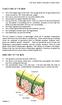 FUNCTIONS OF THE SKIN Skin is the largest organ of the body. The average adult has 18 square feet of skin which account for 16% of the total body weight. Skin acts as a physical barrier for you to the
Therapeutic Canine Massage
 Meet our Certified Canine Massage Therapist, Stevi Quick After years of competitive grooming and handling several breeds in conformation, I became interested in training and competing with my dogs in the
Physiotherapy in Rheumatoid Arthritis. Information for patients Gina Wall Senior Physiotherapist
 Physiotherapy in Rheumatoid Arthritis Information for patients Gina Wall Senior Physiotherapist What do Physiotherapists do? We conduct assessments by asking detailed questions about your symptoms, medical
Common Foot & Ankle Sports Injuries
 Common Foot & Ankle Sports Injuries Symptoms Related to Abnormal Foot Biomechanics & their Differential Diagnosis Daniel Pang BSc (Hon) P&O, Cped Certified Pedorthist (USA) Only 10% of foot having structure
2nd MuscleTech Network Workshop. From translational Research to translational Medicine. CONCLUSIONS AND CLOSING REMARKS Dr.
 2nd MuscleTech Network Workshop. From translational Research to translational Medicine. CONCLUSIONS AND CLOSING REMARKS Dr. Carles Pedret MUSCLE AND TENDON WORKSHOP HEALTH AND GENERAL POPULATION SPORTS
Ergonomics Monitor Training Manual
 Table of contents I. Introduction Ergonomics Monitor Training Manual II. Definition of Common Injuries Common Hand & Wrist Injuries Common Neck & Back Injuries Common Shoulder & Elbow Injuries III. Ergonomics
Thought for the Day. Courage is not simply one of the virtues, but the form of every virtue at the testing point. ~ C. S. Lewis
 Thought for the Day Courage is not simply one of the virtues, but the form of every virtue at the testing point. ~ C. S. Lewis Anatomy & Physiology Bio 2401 Lecture Instructor: Daryl Beatty Section 2 Lecture
Human Anatomy & Physiology I with Dr. Hubley. Practice Exam 1
 Human Anatomy & Physiology I with Dr. Hubley Practice Exam 1 1. Which definition is the best definition of the term gross anatomy? a. The study of cells. b. The study of tissues. c. The study of structures
Mark Silverman DVM, MS. Sporthorse Veterinary Services
 Mark Silverman DVM, MS Sporthorse Veterinary Services Light has long been recognized as being crucial to normal human function and health. Our ability to remain alert and active, along with some of the
adj., departing from the norm, not concentric, utilizing negative resistance for better client outcomes
 Why Eccentrics? What is it? Eccentric adj., departing from the norm, not concentric, utilizing negative resistance for better client outcomes Eccentrics is a type of muscle contraction that occurs as the
.org. Shoulder Pain and Common Shoulder Problems. Anatomy. Cause
 Shoulder Pain and Common Shoulder Problems Page ( 1 ) What most people call the shoulder is really several joints that combine with tendons and muscles to allow a wide range of motion in the arm from scratching
ESSENTIALPRINCIPLES. Wrist Pain. Radial and Ulnar Collateral Ligament Injuries. By Ben Benjamin
 ESSENTIALPRINCIPLES Wrist Pain Radial and Ulnar Collateral Ligament Injuries By Ben Benjamin 92 MASSAGE & BODYWORK FEBRUARY/MARCH 2005 Ulnar Collateral Ligament Radial Collateral Ligament Right wrist,
Sports Injury Treatment
 Sports Injury Treatment Participating in a variety of sports is fun and healthy for children and adults. However, it's critical that before you participate in any sport, you are aware of the precautions
fascial structure by Joseph E. Muscolino body mechanics
 by Joseph E. Muscolino body mechanics fascial structure Fascia is a fibrous connective tissue whose importance has long been neglected. However, as our body of research has expanded, it is now understood
FRONT PAGE HEADING. AFTER INJURY PRACTICAL GUIDELINES Janine Gray BSc (Physio), BSc (Med)(Hons) Exercise Science) MAIN HEADING.
 FRONT PAGE HEADING MAIN HEADING Sub Headings Body Copy Body Copy + Bold Body Copy + Bold + Italic Body Copy + Normal + Italic PHASES Style Body for tables OF REHABILITATION STYLE HEADING FOR TABLES AFTER
Rehabilitation Guidelines for Knee Arthroscopy
 Rehabilitation Guidelines for Knee Arthroscopy Arthroscopy is a common surgical procedure in which a joint is viewed using a small camera. This technique allows the surgeon to have a clear view of the
Chapter 33. Nerve Physiology
 Chapter 33 NERVE AND VASCULAR INJURIES OF THE HAND KEY FIGURES: Digital nerve location on finger Epineurial repair Nerves and blood vessels of the hand and fingers usually are quite delicate, and some
RAD 223. Radiography physiology. Lecture Notes. First lecture: Cell and Tissue
 RAD 223 Radiography physiology Lecture Notes First lecture: Cell and Tissue Physiology: the word physiology derived from a Greek word for study of nature. It is the study of how the body and its part work
SCRIPT NUMBER 82 SPRAINED ANKLE (TWO SPEAKERS)
 SCRIPT NUMBER 82 SPRAINED ANKLE (TWO SPEAKERS) PROGRAM NAME: HEALTH NUGGETS PROGRAM TITLE: SPRAINED ANKLE PROGRAM NUMBER: 82 SUBJECT: PATHOLOGY, CAUSES, DIAGNOSIS, TREATMENT, PREVENTION OF SPRAINED ANKLES
Hip Bursitis/Tendinitis
 Hip Bursitis/Tendinitis Anatomy and Biomechanics The hip is a ball and socket joint that occurs between the head of the femur (ball) and the acetabulum of the pelvis (socket). It is protected by several
Dr. David De Camillis DC, FCCRS(C), Dip MDT www.drdavedecamillis.com
 Dr. David De Camillis DC, FCCRS(C), Dip MDT www.drdavedecamillis.com Suite 403-555 Sixth Street New Westminster BC Canada V3L 5H1 P 604 522-5225 F 604 521-5131 E [email protected] Non-Vascular Edema Affecting
Adult Forearm Fractures
 Adult Forearm Fractures Your forearm is made up of two bones, the radius and ulna. In most cases of adult forearm fractures, both bones are broken. Fractures of the forearm can occur near the wrist at
Lymph capillaries, Lymphatic collecting vessels, Valves, Lymph Duct, Lymph node, Vein
 WLHS/A&P/Oppelt Name Lymphatic System Practice 1. Figure 12-1 provides an overview of the lymphatic vessels. First color code the following structures. Color code in Figure 12-1 Heart Veins Lymphatic vessels/lymph
Sports, Remedial and Holistic Massage Therapist MISRM, DipThaiMast. Sports Massage Thai Yoga Massage Hot Stone Massage Seated Acupressure Massage
 Paul White Sports, Remedial and Holistic Massage Therapist MISRM, DipThaiMast Sports Massage Thai Yoga Massage Hot Stone Massage Seated Acupressure Massage Paul White Deep Tissue Massage improving YOUR
Ankle Injury/Sprains in Youth Soccer Players Elite Soccer Community Organization (ESCO) November 14, 2013
 Ankle Injury/Sprains in Youth Soccer Players Elite Soccer Community Organization (ESCO) November 14, 2013 Jeffrey R. Baker, DPM, FACFAS Weil Foot and Ankle Institute Des Plaines, IL Ankle Injury/Sprains
what do you mean by Acute Carpal Tunnel Syndrome? 7/14/2012 Acute Variants of Typically Chronic Conditions
 what do you mean by DMK Acute Causes of Chronic Conditions Acute Carpal Tunnel Syndrome? Acute Variants of Typically Chronic Conditions Acute Variants of Typically Chronic Conditions Kennedy-White Orthopaedic
WHAT YOU SHOULD KNOW BEFORE YOU BUY A THERAPEUTIC LASER
 WHAT YOU SHOULD KNOW BEFORE YOU BUY A THERAPEUTIC LASER Laurie Edge- Hughes, BScPT, MAnimSt(Animal Physio), CAFCI, CCRT Faculty, Canine Rehab Institute, Wellington, FL Co- Owner, The Canine Fitness Centre
A Patient s Guide to Carpal Tunnel Syndrome
 A Patient s Guide to Carpal Tunnel Syndrome 651 Old Country Road Plainview, NY 11803 Phone: 5166818822 Fax: 5166813332 [email protected] DISCLAIMER: The information in this booklet is compiled from a
Program of Study: Bachelor of Science in Athletic Training
 Program of Study: Bachelor of Science Training Program Description Athletic training, as defined by the National Athletic Trainer s Association, is practiced by athletic trainers, health care professionals
Rehabilitation Guidelines for Meniscal Repair
 UW Health Sports Rehabilitation Rehabilitation Guidelines for Meniscal Repair There are two types of cartilage in the knee, articular cartilage and cartilage. Articular cartilage is made up of collagen,
Shoulder Tendonitis. Brett Sanders, MD Center For Sports Medicine and Orthopaedic 2415 McCallie Ave. Chattanooga, TN (423) 624-2696
 Shoulder Tendonitis Brett Sanders, MD Center For Sports Medicine and Orthopaedic 2415 McCallie Ave. Chattanooga, TN (423) 624-2696 Shoulder tendinitis is a common overuse injury in sports (such as swimming,
.org. Lisfranc (Midfoot) Injury. Anatomy. Description
 Lisfranc (Midfoot) Injury Page ( 1 ) Lisfranc (midfoot) injuries result if bones in the midfoot are broken or ligaments that support the midfoot are torn. The severity of the injury can vary from simple
Stretching the Low Back THERAPIST ASSISTED AND CLIENT SELF-CARE STRETCHES FOR THE LUMBOSACRAL SPINE
 EXPERT CONTENT by Joseph E. Muscolino photos by Yanik Chauvin body mechanics THE ESSENCE OF MOST MANUAL THERAPIES, and certainly clinical orthopedic massage therapy, is to loosen taut soft tissues, thereby
The Many Causes of Joint Pain
 I n t r o d u c t i o n The Many Causes of Joint Pain there are about a hundred different forms of arthritis, an umbrella term for diseases with symptoms that include joint and musculoskeletal pain. And
.org. Ankle Fractures (Broken Ankle) Anatomy
 Ankle Fractures (Broken Ankle) Page ( 1 ) A broken ankle is also known as an ankle fracture. This means that one or more of the bones that make up the ankle joint are broken. A fractured ankle can range
.org. Arthritis of the Hand. Description
 Arthritis of the Hand Page ( 1 ) The hand and wrist have multiple small joints that work together to produce motion, including the fine motion needed to thread a needle or tie a shoelace. When the joints
ANIMALS FORM & FUNCTION BODY DEFENSES NONSPECIFIC DEFENSES PHYSICAL BARRIERS PHAGOCYTES. Animals Form & Function Activity #4 page 1
 AP BIOLOGY ANIMALS FORM & FUNCTION ACTIVITY #4 NAME DATE HOUR BODY DEFENSES NONSPECIFIC DEFENSES PHYSICAL BARRIERS PHAGOCYTES Animals Form & Function Activity #4 page 1 INFLAMMATORY RESPONSE ANTIMICROBIAL
Tissues (Histology) Ch. 3 Human Anatomy lecture
 I. Histology the study of tissues A. 4 basic tissue types epithelial connective muscle nervous Tissues (Histology) Ch. 3 Human Anatomy lecture B. Usually found in combinations to form organs. C. As you
Pre - Operative Rehabilitation Program for Anterior Cruciate Ligament Reconstruction
 Pre - Operative Rehabilitation Program for Anterior Cruciate Ligament Reconstruction This protocol is designed to assist you with your preparation for surgery and should be followed under the direction
INFORMATION FOR YOU. Lower Back Pain
 INFORMATION FOR YOU Lower Back Pain WHAT IS ACUTE LOWER BACK PAIN? Acute lower back pain is defined as low back pain present for up to six weeks. It may be experienced as aching, burning, stabbing, sharp
Spinal Anatomy. * MedX research contends that the lumbar region really starts at T-11, based upon the attributes of the vertebra.
 Spinal Anatomy Overview Neck and back pain, especially pain in the lower back, is one of the most common health problems in adults. Fortunately, most back and neck pain is temporary, resulting from short-term
BALANCED BODYWORKS LA Rejuvenate. Heal. Restore.
 Tools For Myofascial Self Massage and Stretching Foam Roller Lacrosse Ball (Hard) Stretch Strap What is Foam Rolling? Foam Rolling or Self Myofascial Release, is a form of soft tissue massage. Similar
Position Statement: Pressure Ulcer Staging
 Position Statement: Pressure Ulcer Staging Statement of Position The Wound, Ostomy and Continence Nurses (WOCN) Society supports the use of the National Pressure Ulcer Advisory Panel Staging System (NPUAP).
Rotator Cuff Surgery: Post-Operative Protocol for Mini-Open or Arthroscopic Rotator Cuff Repair
 Rotator Cuff Surgery: Post-Operative Protocol for Mini-Open or Arthroscopic Rotator Cuff Repair Considerations: 1. Mini-Open - shoulder usually assessed arthroscopically and acromioplasty is usually performed.
www.ghadialisurgery.com
 P R E S E N T S Dr. Mufa T. Ghadiali is skilled in all aspects of General Surgery. His General Surgery Services include: General Surgery Advanced Laparoscopic Surgery Surgical Oncology Gastrointestinal
An Essential Tool For The Care DFUs
 Adjunct HBO 2 Therapy: March 16, 2016 William Tettelbach, MD, FACP, FIDSA System Medical Director of Wound & Hyperbaric Medicine Services An Essential Tool For The Care DFUs Fedorko, L., et al., Hyperbaric
Hand Injuries and Disorders
 Hand Injuries and Disorders Introduction Each of your hands has 27 bones, 15 joints and approximately 20 muscles. There are many common problems that can affect your hands. Hand problems can be caused
Supplemental Material CBE Life Sciences Education. Su et al.
 Supplemental Material CBE Life Sciences Education Su et al. APPENDIX Human Body's Immune System Test This test consists of 31 questions, with only 1 answer to be selected for each question. Please select
Common Injuries in Bodybuilding
 Common Injuries in Bodybuilding There is nothing that can slow you down like an injury. Sometimes it seems just when you are starting to make progress in your workouts, you suffer a nagging injury that
Chiropractic Medicine and Chronic Pain Hands-on Demonstration. Tom Arnold, DC, APC, DAAMLP UNM Pain Center & Private Practice Albuquerque, New Mexico
 Chiropractic Medicine and Chronic Pain Hands-on Demonstration Tom Arnold, DC, APC, DAAMLP UNM Pain Center & Private Practice Albuquerque, New Mexico No disclosures Presentation Objectives At the conclusion
ARTHRITIS INTRODUCTION
 ARTHRITIS INTRODUCTION Arthritis is the most common disease affecting the joints. There are various forms of arthritis but the two that are the most common are osteoarthritis (OA), and rheumatoid arthritis
Overuse injuries. 1. Main types of injuries
 OVERUSE INJURIES Mr. Sansouci is an ardent runner and swimmer. To train for an upcoming 10-km race, he has decided to increase the intensity of his training. Lately, however, his shoulder and Achilles
Chetek-Weyerhaeuser High School
 Chetek-Weyerhaeuser High School Anatomy and Physiology Units and Anatomy and Physiology A Unit 1 Introduction to Human Anatomy and Physiology (6 days) Essential Question: How do the systems of the human
Biology 2401 Anatomy and Physiology I Exam 3 Notes- Muscular System Ch. 8
 Biology 2401 Anatomy and Physiology I Exam 3 Notes- Muscular System Ch. 8 Functions of the muscular system: movement of body or body parts and materials within the body maintain posture and body position
Muscle Fibres. Anatomy and Physiology Advanced Diploma Course Sample Pages Page 1
 Muscle Fibres Muscles are composed of thousands of individual muscle fibres, which are held together by connective tissue. However, muscle fibres may differ in physiological makeup. Anatomy and Physiology
Any rapid head movement can cause a Whiplash. ALTERNATIVE CARE CHIROPRACTIC Reston, Virginia
 ALTERNATIVE CARE CHIROPRACTIC Reston, Virginia P ROV E N R E L I E F F RO M W H I P L A S H Any rapid head movement can cause a Whiplash injury. Although whiplash is commonly associated with car accidents
Massage Therapy & Multiple Sclerosis
 Massage Therapy & Multiple Sclerosis National Massage Therapy Awareness Week October 2008 Presented by the Massage Therapist Association of Saskatchewan, Inc. MTAS Inc., 2008 Researched & written by Cynthia
UK HealthCare Sports Medicine Patient Education December 09
 LCL injury Description Lateral collateral knee ligament sprain is a sprain (stretch or tear) of one of the four major ligaments of the knee. The lateral collateral ligament (LCL) is a structure that helps
Plyometric Training. Plyometric Training. chapter
 chapter 16 Plyometric Training Plyometric Training David H. Potach, PT; MS; CSCS,*D; NSCA-CPT,*D Donald A. Chu, PhD; PT; ATC; CSCS,*D; NSCA-CPT,*D; FNSCA Chapter Objectives Explain the physiology of plyometric
Acute Low Back Pain. North American Spine Society Public Education Series
 Acute Low Back Pain North American Spine Society Public Education Series What Is Acute Low Back Pain? Acute low back pain (LBP) is defined as low back pain present for up to six weeks. It may be experienced
Page 1. Introduction The blood vessels of the body form a closed delivery system that begins and ends at the heart.
 Anatomy Review: Blood Vessel Structure & Function Graphics are used with permission of: Pearson Education Inc., publishing as Benjamin Cummings (http://www.aw-bc.com) Page 1. Introduction The blood vessels
Cycling Injury Prevention Workshop
 Cycling Injury Prevention Workshop Focus on Thoracic-Shoulder & Associated Conditions Ian Wee Occupational Therapist / Cycle Coach Chris Thompson Physiotherapist / Cycle Coach/ Exercise Physiologist Workshop
.org. Plantar Fasciitis and Bone Spurs. Anatomy. Cause
 Plantar Fasciitis and Bone Spurs Page ( 1 ) Plantar fasciitis (fashee-eye-tiss) is the most common cause of pain on the bottom of the heel. Approximately 2 million patients are treated for this condition
Shoulder Impingement/Rotator Cuff Tendinitis
 Copyright 2011 American Academy of Orthopaedic Surgeons Shoulder Impingement/Rotator Cuff Tendinitis One of the most common physical complaints is shoulder pain. Your shoulder is made up of several joints
X-Plain Rheumatoid Arthritis Reference Summary
 X-Plain Rheumatoid Arthritis Reference Summary Introduction Rheumatoid arthritis is a fairly common joint disease that affects up to 2 million Americans. Rheumatoid arthritis is one of the most debilitating
THE WRIST. At a glance. 1. Introduction
 THE WRIST At a glance The wrist is possibly the most important of all joints in everyday and professional life. It is under strain not only in many blue collar trades, but also in sports and is therefore
Page 2 of 6 plantar fascia. This is called the windlass mechanism. Later, we'll discuss how this mechanism is used to treat plantar fasciitis with str
 Page 1 of 6 Plantar Fasciitis (Heel Pain) Plantar fasciitis is a painful condition affecting the bottom of the foot. It is a common cause of heel pain and is sometimes called a heel spur. Plantar fasciitis
Flat foot and lower back pain
 Flat foot and lower back pain Dr James Tang, MBA, BDS, LDS RCS General Dental Practitioner, NASM Corrective Exercise Specialist with special interest in postural dysfunction & lower back problems, Level
Plantar Fasciitis. Plantar Fascia
 Plantar Fasciitis Introduction Plantar fasciitis is an inflammation of the thick band of tissue that connects your heel bone to your toes. This thick band of tissue is called the plantar fascia. Plantar