
Phone User Guide. 6165i Phone by Nokia
|
|
|
- Myrtle Cross
- 9 years ago
- Views:
Transcription
1 Phone User Guide 6165i Phone by Nokia.

2

3 Table of Contents Introduction i Your Phone s Menu ii Legal Information xvii Section 1: Getting Started A. Setting Up Service Getting Started Setting Up Your Voic Registering Your Phone Getting Help Getting Nokia Help Section 2: Using Your Phone A. Phone Basics Front View of Your Phone Key Functions Viewing the Display Screen Features of Your Phone Turning Your Phone On and Off Using Your Phone s Battery and Charger Using Your Phone s Antenna Displaying Your Phone Number Navigating Through Phone Menus Making and Answering Calls Entering Text B. Controlling Your Phone s Settings Profiles Sound Settings Display Settings Messaging Settings TTY Use Go to Menu

4 Call Settings Phone Settings Resetting Your Phone C. Setting Your Phone s Security Accessing the Security Settings Menu Using Your Phone s Lock Feature Restricting Calls Protecting Your Pictures Security Features for Data Services D. Controlling Your Roaming Experience Understanding Roaming Setting Your Phone s Roaming Options Using Call Guard Using Data Roam Guard Setting Roaming Tones E. Managing Call Logs Viewing Call Logs Call Log Options Contacting Call Log Entries Saving Contact Information From Call Logs Erasing Call Logs F. Using Contacts Adding and Editing Contact Entries Creating a Contact Group Assigning Speed Dialing Numbers Finding Contact Entries Selecting a Ringer Type for an Entry Deleting Contacts Contacts Settings G. Using Your Phone s Organizer Using Your Phone s Alarm Clock Using Your Phone s Calendar Using Your Phone s Note Pad

5 Using Your Phone s To-do List Using Your Phone s Calculator Using Your Phone s Timer Using Your Phone s Stopwatch H. Using Your Phone s Voice Services Using Voice Commands and Voice Dialing Managing Voice Memos I. Using the Built-in Camera About Your Camera Taking a Photo Recording a Video Clip Using My Albums Using Picture Messaging J. Using My Content Managing Folders and Files My Content Options K. Using Bluetooth Turning Bluetooth On and Off Using the Bluetooth Settings Menu Pairing Bluetooth Devices Bluetooth Accessories L. Accessories and Enhancements Rules About Accessories Enhancements Section 3: Wireless Service Features A. Wireless Service Features: The Basics Using Voic Using SMS Text Messaging Using Caller ID Responding to Call Waiting Making a Three-Way Call Using Call Forwarding

6 3B. Data Services Data Services Applications Getting Started With Data Services Accessing Messaging Downloading Premium Services Content Exploring the Web Data Services FAQs Section 4: Safety and Warranty Information A. Important Safety Information General Precautions Maintaining Safe Use of and Access to Your Phone Using Your Phone With a Hearing Aid Device Caring for the Battery Radiofrequency (RF) Energy Owner s Record Phone Guide Proprietary Notice B. Manufacturer s Warranty Nokia One-Year Limited Warranty Index

7 Introduction This Phone User Guide introduces you to wireless service and all the features of your new phone. This guide is divided into the following four sections: Section 1: Getting Started Section 2: Using Your Phone Section 3: Wireless Service Features Section 4: Safety and Warranty Information Throughout this guide, you'll find tips that highlight special shortcuts and timely reminders to help you make the most of your new phone and service. The Table of Contents and Index will also help you quickly locate specific information. You'll get the most out of your phone if you read each section. However, if you'd like to get right to a specific feature, simply locate that section in the Table of Contents and go directly to that page. Follow the instructions in that section, and you'll be ready to use your phone in no time. WARNING Please refer to Important Safety Information on page 181 to learn about information that will help you safely use your phone. Failure to read and follow the Important Safety Information in this phone guide may result in serious bodily injury, death, or property damage. i

8 Your Phone s Menu The following list outlines your phone s menu structure. For more information about navigating through the menus, please see Navigating Through Phone Menus on page 26. CALL LOGS 1: MISSED CALLS 2: INCOMING CALLS 3: OUTGOING CALLS 4: MESSAGE RECIPIENTS 5: CLEAR LOG LISTS 1: All call lists 2: Missed calls 3: Incoming 4: Outgoing 5: Msg. recipients MESSAGING 1: TEXT MESSAGES 1: Create message 2: Inbox 3: Outbox 4: Sent items 5: Drafts 6: Archive 7: Templates 8: My folders 9: Distribution lists 10: Delete messages ii

9 1: All 2: All read 3: All unread 11: Message settings 1: Sending options 1: PRIORITY 2: SEND CALLBACK NUMBER 3: SIGNATURE 2: Other settings 1: MESSAGE FONT SIZE 2: MESSAGE OVERWRITING 3: SAVE SENT MESSAGES 4: QUEUE MSGS. WHEN DIGITAL UNAVAILABLE 5: INCOMING MSG. DISPLAY 2: IM & 1: PCS Mail 2: AOL 3: MSN 4: Yahoo! 5: Earthlink 6: Other 3: PICTURE MESSAGE 1: Create Picture Message 1: Send picture 1: CAMERA 2: TAKE NEW PICTURE 2: Send video 1: VIDEO RECORDER 2: TAKE NEW VIDEO 2: Inbox 3: Delete messages iii

10 1: All 2: All read 3: All unread 4: Settings 1: Message overwriting 2: Incoming picture message display 4: VOICE MESSAGES 1: Listen to voic messages 2: Clear new voic icon CONTACTS 1: NAMES 2: SETTINGS 1: Scrolling view 1: Normal name list 2: Name and number 3: Large name list 4: Name and image 2: Memory status 3: GROUPS 4: VOICE TAGS 5: SPEED DIALING 6: MY PHONE NUMBER 7: DELETE ALL CONTACTS iv

11 PICTURES 1: CAMERA (press Options to display the following menus:) 1: Video 2: Zoom 3: Night mode on 4: Flash on 5: Self-timer on 6: Settings 1: Image quality 2: Image size 3: Camera sounds 4: Self-timer lights 5: Default title 6: Default mode 2: CAMCORDER (press Options to display the following menus:) 1: Still image 2: Zoom 3: Mute 4: Flash on 5: Settings 1: Image quality 2: Image size 3: Camera sounds 4: Self-timer lights 5: Default title 6: Default mode 3: MY ALBUMS 1: My pictures 1: Stored in camera 2: Saved to phone v

12 2: My videos 1: Stored in Video recorder 2: Saved to phone 3: Online albums 1: View online albums 2: Upload pictures 3: Upload videos 4: PICTURE MESSAGE 1: Create Picture Message 1: Send picture 1: CAMERA 2: TAKE NEW PICTURE 2: Send video 1: VIDEO RECORDER 2: TAKE NEW VIDEO 2: Inbox 3: Delete messages 1: All 2: All read 3: All unread 4: Settings 1: Message overwriting 2: Incoming Picture Message display 5: ORDER PRINTS (DISPLAYED WHEN IMAGES ARE STORED IN CAMERA OR PHONE) 6: SETTINGS & DETAILS 1: Auto-deletion after upload 1: Enabled 2: Disabled 2: Account info vi

13 MY CONTENT 1: GAMES 1: Get new 2: Content manager 2: RINGERS 1: Get new 2: Content manager 3: SCREEN SAVERS 1: Get new 2: Content manager 4: APPLICATIONS 1: Get new 2: Content manager 5: MESSAGING 1: Get new 2: Content manager MEDIA 1. Recorder 2. Equalizer 1: Normal 2: Pop 3: Rock 4: Jazz 5: Classical 6: Set 1 7: Set 2 vii

14 SETTINGS 1: PROFILES 1: Normal 2: Silent 3: Meeting 4: Outdoor 5: My profile 1 6: My profile 2 2: DISPLAY 1: Main display 1: Standby mode settings 1: WALLPAPER 2: STANDBY MODE FONT COLOR 2: Screen saver 1: ON 2: OFF 3: SCREEN SAVERS 4: TIME-OUT 3: Power saver 4: Sleep mode 5: Banner 1: DEFAULT 2: CUSTOMIZE 6: Backlight time-out 1: ALWAYS ON 2: ALWAYS OFF 3: 7 SECONDS 4: 15 SECONDS 5: 30 SECONDS viii

15 2: Mini display 1: Wallpaper 1: ON 2: OFF 3: IMAGE 4: OPEN CAMERA 2: Screen saver 1: ON 2: OFF 3: SCREEN SAVERS 4: TIME-OUT 3: Power saver 4: Sleep mode 3: Expressions 1: Select expression 3: CONNECTIVITY 1: Bluetooth 1: Bluetooth 2: Search for audio enhancements 3: Active device 4: Paired devices 5: Bluetooth settings 1: MY PHONE S VISIBILITY 2: MY PHONE S NAME 2: Infrared 3: USB data cable (grayed out if not connected) 4: TONES 1: Incoming call alert 1: Ringing 2: Ascending 3: Ring once ix

16 4: Beep once 5: Off 2: Ringing tone 3: Incoming call video 1: Off 2: Incoming call video 1: MY CONTENT 2: PICTURES 4: Ringing volume 5: Vibrating alert 6: Message alert tone 1: Off 2: Standard 3: Special 4: Beep once 5: Long & loud 5: Ringing tone 7: Keypad tones 8: Warning tones 9: Alert for 1: All calls 5: TIME AND DATE 1: Clock 1: Hide clock / Show clock 2: Set the time (grayed out if Auto-update of date & time is enabled) 3: Time zone (grayed out if Auto-update of date & time is enabled) 4: Time format 1: 24-HOUR 2: 12-HOUR x

17 2: Date 1: Hide date / Show date 2: Set the date (grayed out if Auto-update of date & time is enabled) 3: Date format 4: Date separator 3: Auto update of date & time 1: On 2: Confirm first 3: Off 6: CALL 1: Location info sharing 1: 911 only 2: On 2: Anykey answer 3: Automatic redial 4: Speed dialing 5: Answer when fold is opened 6: Calling card 7: International prefix 8: Call summary 9: Show call time on display 10: Ringing tone for no caller ID 7: PHONE 1: Phone language 1: English 2: Español 2: Navigation key 3: My shortcuts 1: Right selection key 4: Automatic keyguard xi

18 5: Touch tones 1: Manual touch tones 1: CONTINUOUS 2: FIXED 3: OFF 2: Touch tone length 1: SHORT 2: LONG 6: Start-up tone 7: Help text activation 8: Phone details 1: User details 1: MY NUMBER (MDN) 2: MOBILE STATION ID NUMBER (MSID) 3: USER NAME 4: PCS VISION STATUS 2: Version details 1: PHONE MODEL 2: SOFTWARE VERSION 3: BROWSER VERSION 4: HARDWARE VERSION 3: System details 1: SYSTEM ID (SID) 2: CHANNEL 3: PREFERRED ROAMING LIST (PRL) 4: MODE 5: FREQUENCY 4: Icon details 9: Phone software updates xii

19 8: ROAMING 1: Set mode 1: Home 2: Automatic 3: Roaming only 2: Call guard 3: Data roam guard 4: Roam call ringing tone 5: Service change tones 9: DATA SERVICES 1: Enable/Disable Data Services 2: Net guard 3: Update settings 10: OTHER SETTINGS 1: Voice navigation 1: Profiles 1: NORMAL 2: SILENT 3: MEETING 4: OUTDOOR 5: MY PROFILE 1 6: MY PROFILE 2 2: Messages 1: CALL VOIC 3: Infrared 1: ACTIVATE INFRARED 4: Voice recorder 1: RECORD 5: Call logs 1: MISSED CALLS 2: INCOMING CALLS xiii

20 2: Application settings 1: Application sounds 2: Application lights 1: APP. DEFINED 2: DEFAULT 3: Application vibration 3: Enhancements (some options appear only when enhancements are connected to phone) 1: Headset 1: DEFAULT PROFILE 2: AUTOMATIC ANSWER 2: TTY/TDD 1: USE TTY 3: Charger 1: DEFAULT PROFILE 2: LIGHTS 4: Hearing aid 1: T-COIL HEARING AID MODE 4: Security (enter lock code to access menu) 1: Phone lock 1: OFF 2: LOCK NOW 3: ON POWER-UP 2: Allowed nos. when phone locked 3: Change lock code 4: Call restrictions 1: RESTRICT OUTGOING CALLS 2: RESTRICT INCOMING CALLS 5: Picture privacy 6: Reset camera xiv

21 5: Network services 1: Call forwarding 1: FORWARD ALL CALLS 2: Network feature setting 6. Restore settings ORGANIZER 1. Alarm clock 1. Alarm time 1: On (displayed after alarm time is set) 2: Off (displayed after alarm time is set) 2. Repeat alarm 1: On/Off 2: Repetition days 1: MONDAY 2: TUESDAY 3: WEDNESDAY 4: THURSDAY 5: FRIDAY 6: SATURDAY 7: SUNDAY 3. Alarm tone 1: Standard 2: Open My Content xv
22 4. Snooze time-out 1: 5 minutes 2: 10 minutes 3: 15 minutes 4: 30 minutes 5: 60 minutes 6: Other 2. Calendar 3. Notes 4. To-do list 5. Calculator 6. Timer 1. Normal timer 2. Interval timer 1: Add new timer 3. Settings 1: Continue to the next period 1: CONFIRM FIRST 2: AUTOMATIC 7. Stopwatch 1. Split timing 2. Lap timing WEB xvi
23 Legal Information Copyright 2006 Nokia. All rights reserved. Nokia, Nokia Connecting People, Pop-Port, and the Nokia Original Enhancements logos are trademarks or registered trademarks of Nokia Corporation. Other company and product names mentioned herein may be trademarks or trade names of their respective owners. Bluetooth wireless technology is a registered trademark of Bluetooth SIG, Inc. Includes RSA BSAFE cryptographic or security protocol software from RSA Security. Java is a trademark of Sun Microsystems, Inc. xvii
24 The information contained in this user guide was written for the Nokia 6165 and 6165i products. Nokia operates a policy of ongoing development. Nokia reserves the right to make changes to any of the products described in this document without prior notice. UNDER NO CIRCUMSTANCES SHALL NOKIA BE RESPONSIBLE FOR ANY LOSS OF DATA OR INCOME OR ANY SPECIAL, INCIDENTAL, AND CONSEQUENTIAL OR INDIRECT DAMAGES HOWSOEVER CAUSED. THE CONTENTS OF THIS DOCUMENT ARE PROVIDED AS IS. EXCEPT AS REQUIRED BY APPLICABLE LAW, NO WARRANTIES OF ANY KIND, EITHER EXPRESS OR IMPLIED, INCLUDING, BUT NOT LIMITED TO, THE IMPLIED WARRANTIES OF MERCHANTABILITY AND FITNESS FOR A PARTICULAR PURPOSE, ARE MADE IN RELATION TO THE ACCURACY AND RELIABILITY OR CONTENTS OF THIS DOCUMENT. NOKIA RESERVES THE RIGHT TO REVISE THIS DOCUMENT OR WITHDRAW IT AT ANY TIME WITHOUT PRIOR NOTICE. The wireless devices described in this guide are approved for use on the CDMA 800 and 1900, AMPS networks, and GPS in the 6165i device. Contact your network operator for more information about networks. When using the features in this device, obey all laws and respect local customs as well as privacy and legitimate rights of others. EXPORT CONTROLS This device may contain commodities, technology, or software subject to export laws and regulations by the U.S. and other countries. Diversion contrary to law is prohibited. Copyright protections may prevent some images, music (including ringing tones), and the content from being copied, modified, transferred, or forwarded. xviii
25 FCC/INDUSTRY CANADA NOTICE Your device may cause TV or radio interference (for example, when using a telephone in close proximity to receiving equipment). The FCC or Industry Canada can require you to stop using your telephone if such interference cannot be eliminated. If you require assistance, contact your local service facility. This device complies with part 15 of the FCC rules. Operation is subject to the following two conditions: (1) this device may not cause harmful interference, and (2) this device must accept any interference received, including interference that may cause undesired operation. Any changes or modifications not expressly approved by Nokia could void the user s authority to operate this equipment. xix
26 xx
27 Getting Started Section 1
28
29 Setting Up Service Section 1A Setting Up Service In This Section Getting Started Setting Up Your Voic Voic Password Registering Your Phone Getting Help Getting Nokia Help Setting up service on your new phone is quick and easy. This section walks you through the necessary steps to unlock your phone, set up your voic , and contact Nokia for help with your phone. Section 1A: Setting Up Service 3
30 Getting Started Unlocking Your Phone To unlock your phone, follow these easy steps: 1. Press and hold to turn the phone on. (If your phone is locked, it will display Phone locked on the standby screen.) 2. Press Menu. 3. Enter your four-digit lock code. (For security purposes, the code is not visible as you type.) 4. Press OK. Tip: If you can t recall your lock code, try using the last four digits of your wireless phone number, or try If neither of these work, contact your service provider. 4 Section 1A: Setting Up Service
31 Setting Up Your Voic All unanswered calls to your phone are automatically transferred to your voic , even if your phone is in use or turned off. Therefore, you will want to set up your voic and personal greeting as soon as your phone is activated. To set up your voic 1. Press and hold. 2. Follow the system prompts to: Create your passcode. Record your greeting. Record your name announcement. Choose whether or not to activate Skip Pass Code (a feature that lets you access messages simply by pressing and holding, bypassing the need for you to enter your passcode). Setting Up Service Note: Voic Passcode If you are concerned about unauthorized access to your voic account, it is recommended that you enable your voic passcode (do not activate One-Touch Message Access). Voic Password You'll create your voic password (or passcode) when you set up your voic . Section 1A: Setting Up Service 5
32 Registering Your Phone Register your phone at or call NOKIA-2U ( ). Use this number if you ever need to call the Nokia Care Contact Center or have your phone repaired. 6 Section 1A: Setting Up Service
33 Getting Help Directory Assistance You have access to a variety of services and information, including residential, business, and government listings. There is a per-call charge to use Directory Assistance, and you will be billed for airtime. To call Directory Assistance: Press. Setting Up Service Operator Services Operator Services provides assistance when placing collect calls or when placing calls billed to a local telephone calling card or third party. To access Operator Services: Press. For more information, please contact your service provider. Section 1A: Setting Up Service 7
34 Getting Nokia Help If you need help with your 6165i phone, the Nokia Care Contact Center is available for assistance. Before calling, we recommend that you write down the following information and have it available: Electronic serial number (ESN). Your zip code (only in the US). The ESN is found on the type label, which is located beneath the battery on the back of the phone. See Removing the Battery on page Section 1A: Setting Up Service
35 Contact Nokia Please have your product with you when contacting any of these numbers: Nokia Care Contact Center Nokia Inc Woodland Corporate Blvd. Suite #160 Tampa, Florida Tel: NOKIA-2U ( ) Fax: Web site: In Canada, call: Tel: NOKIA ( ) Web site: For TTY/TDD users: Tel: NOKIA ( ) Setting Up Service Accessibility Solutions Nokia is committed to making mobile phones easy to use for all individuals, including those with disabilities. For more information, visit Section 1A: Setting Up Service 9
36
37 Using Your Phone Section 2
38
39 Section 2A Phone Basics In This Section Front View of Your Phone Key Functions Viewing the Display Screen Features of Your Phone Turning Your Phone On and Off Using Your Phone s Battery and Charger Using Your Phone s Antenna Displaying Your Phone Number Navigating Through Phone Menus Making and Answering Calls Entering Text Phone Basics Your phone is packed with features that simplify your life and expand your ability to stay connected to the people and information that are important to you. This section will guide you through the basic functions and calling features of your phone. Section 2A: Phone Basics 13
40 Front View of Your Phone 16. Earpiece 15. Signal Strength Indicator 6165i Phone 1. Battery Strength Indicator 2. Display Screen 14. Navigation Key 13. Left Selection Key (Go to in standby mode) 12. Send/Call Key 11. Volume Controls 3. Right Selection Key 4. Headset Jack 5. Center Selection Key (Menu in standby mode) 6. Power/End Key 7. Camera Button 10. Charger Jack 8. Microphone 9. Accessory Jack 14 Section 2A: Phone Basics
41 Key Functions 1. Battery Strength Indicator represents the current amount of charge available in your phone. When all bars are displayed in the battery icon, the phone s battery is fully charged. When no bars are displayed, the phone s battery is completely discharged or empty. 2. Display Screen displays all the information needed to operate your phone, such as the call status, the Contact entries, the date and time, the signal and battery strength, and so on. 3. Right Selection Key allows you to select actions or menu items corresponding to the bottom right line on the display screen. This is usually the Back option, which allows you to return to the previous menu, or the Exit option, which cancels the current operation. This key also allows you to return to the previous screen in a data services session, and it allows you to turn on the camera in default standby mode. 4. Headset Jack allows you to plug in an optional headset for convenient, hands-free conversations. Phone Basics CAUTION! Inserting an accessory into the incorrect jack may damage the phone. 5. Center Selection Key selects the highlighted choice when navigating through a menu. This key also allows you to access the main menu in standby mode. 6. Power/End Key ends a call. Press and hold this key for about two seconds to turn your phone on or off. While in the main menu, it returns the phone to standby mode and cancels your input. When you receive an incoming call, press to dismiss the call and send the caller to voic . Section 2A: Phone Basics 15
42 7. Camera Button opens the Pictures menu and allows you to quickly access your phone s built-in camera. 8. Microphone allows the other caller to hear you clearly when you speak. 9. Accessory Jack allows you to connect optional accessories, such as a USB cable. CAUTION! Inserting an accessory into the incorrect jack may damage the phone. 10. Charger Jack connects the phone to the battery charger. 11. Volume Controls allow you to adjust the ringer volume in standby mode (with the flip open) or adjust the voice volume during a call. To mute the ringer during an incoming call, press the up or down volume key. 12. Send/Call Key allows you to place or receive calls, answer Call Waiting, use Three-Way Calling, or activate Voice Dial. 13. Navigation Key allows you to scroll up, down, right, and left through the phone s menu options and provides shortcuts from standby mode. To access the default shortcuts: Press Up to access Names. Press Down to access My Content. Press Right to access Data Services. Press Left to access Messaging. Tip: See Navigation Key on page 59 to assign shortcuts to your favorite or often-used functions. 14. Left Selection Key allows you to select actions or menu items corresponding to the bottom left line on the display screen. This usually displays Options for corresponding menus. This key also allows you to access the Go to menu in standby mode. 16 Section 2A: Phone Basics
43 15. Signal Strength Indicator represents the signal strength by displaying bars. The more bars displayed, the better the signal strength. 16. Earpiece lets you hear callers, calling parties, tones, and automated prompts. Viewing the Display Screen Your phone s display screen provides a wealth of information about your phone s status and options. The following list identifies many of the symbols you ll see on your phone s display screen: Phone Basics indicates Bluetooth wireless technology is active. indicates an incoming call, call-in-progress, or missed call. indicates that calls are not possible. indicates you have new text messages. indicates you have new multimedia messages. indicates you have new voic . (Press and hold to call your voic box.) indicates a car kit is connected to your phone. indicates your data services connection is active (data is being transferred). indicates data services connection is dormant (no data is being sent or received). indicates that your phone cannot currently access data services features. Section 2A: Phone Basics 17
44 indicates that your phone is roaming. indicates that global positioning (GPS) is active. indicates that the GPS feature is inactive. indicates that your phone s vibrating alert is on. indicates your phone is in silent mode. indicates your phone is operating in TTY mode. indicates that keyguard is on. indicates that the alarm is on. indicates that a hands-free accessory is connected. indicates that the camera is ready for use. indicates that the stopwatch is running. indicates that the countdown timer is active. Note: Display indicators help you manage your roaming charges by letting you know when you re off the network available to you and whether you re operating in digital or analog mode. (For more information, see Controlling Your Roaming Experience on page 71.) Features of Your Phone Congratulations on the purchase of your phone. The 6165i phone by Nokia is lightweight, easy-to-use, and reliable, and it also offers many significant features and service options. The following list previews some of those features and provides page numbers where you can find out more: Dual-Band/Tri-Mode capability allows you to make and receive calls while on the network available to you and to 18 Section 2A: Phone Basics
45 roam on other analog networks and 1900 and 800 MHz digital networks where roaming agreements have been implemented (page 71). Data services provide access to the wireless Internet in digital mode (page 159). Picture Messaging (page 123) and SMS Text Messaging (page 153) provide quick and convenient messaging capabilities. Voice Command lets you dial phone numbers by speaking someone s name or the digits of their phone number (page 109). Games, ringers, screen savers, and other applications can be downloaded to make your phone as unique as you are (page 168). Additional charges may apply. The Contacts list allows you to store up to 500 entries, with up to five phone numbers per entry (page 83). The built-in Organizer offers a calendar and several other personal information management features to help you manage your busy lifestyle (page 91). Your phone is equipped with a GPS Location feature that tells emergency services dispatchers where you are. The GPS feature will also be used in connection with location-based services that may be available in the future (page 55). Your phone s external LCD display allows you to monitor the phone s status and see who s calling without opening the phone. T9 Text Input lets you quickly type messages with one key press per letter (page 37). Speed dialing lets you dial phone numbers with one or two key presses (page 35). Phone Basics Section 2A: Phone Basics 19
46 Turning Your Phone On and Off Turning Your Phone On To turn your phone on: Press and hold for two seconds. Once your phone is on, it may display Searching for Service, which indicates that your phone is searching for a signal. When your phone finds a signal, it automatically enters standby mode the phone s idle state. At this point, you are ready to begin making and receiving calls. If your phone is unable to find a signal after 15 minutes of searching, a Power Save feature is automatically activated. When a signal is found, your phone automatically returns to standby mode. In Power Save mode, your phone searches for a signal periodically without your intervention. You can also initiate a search for wireless service by pressing any key (when your phone is turned on). Note: The Power Save feature helps to conserve your battery power when you are in an area where there is no signal. Turning Your Phone Off To turn your phone off: Press and hold for two seconds until you see the powering down animation on the display screen. Your screen remains blank while your phone is off (unless the battery is charging). 20 Section 2A: Phone Basics
47 Using Your Phone s Battery and Charger WARNING Use only Nokia-approved batteries and chargers with your phone. The failure to use a Nokia-approved battery and charger may increase the risk that your phone will overheat, catch fire, or explode, resulting in serious bodily injury, death, or property damage. Battery Capacity Your phone is equipped with a 1150 mah Lithium Ion (Li-Ion) battery (BL-6C). It allows you to recharge your battery before it is fully drained. The battery provides up to 4.0 hours of continuous digital talk time. (Standby time is measured with the phone closed.) When the battery reaches 5% of its capacity, the battery icon blinks. When there are approximately two minutes of talk time left, the phone sounds an audible alert and then powers down. Phone Basics Note: Tip: Long backlight settings, searching for service, vibrate mode, and browser use affect the battery s talk and standby times. Be sure to watch your phone s battery level indicator and charge the battery before it runs out of power. Section 2A: Phone Basics 21
48 Removing the Battery WARNING Do not handle a damaged or leaking Li-Ion battery as you can be burned. Always switch the phone off and disconnect the charger before removing the battery. To remove your battery: 1. Make sure the power is off so that you don t lose any stored numbers or messages. 2. To remove the back cover, turn the phone upside down, push down on the back cover and slide it toward the bottom of the phone. 3. Lift up the battery to remove it. 22 Section 2A: Phone Basics
49 Installing the Battery To install the Li-Ion battery: 1. To install, insert the battery into the opening on the back of the phone and gently press down until the latch snaps into place. Phone Basics 2. Slide the back cover onto the back of the phone. Section 2A: Phone Basics 23
50 Charging the Battery Your phone s Li-Ion battery is rechargeable and, if not already, should be charged as soon as possible, so that you can begin using your phone. Keeping track of your battery s charge is important. If your battery level becomes too low, your phone automatically turns off and you will lose all the information you were just working on. For a quick check of your phone s battery level, glance at the battery charge indicator at the top of your phone s display screen. If the battery charge is getting too low, the battery icon blinks and the phone sounds a warning tone. Always use a Nokia-approved desktop charger, travel charger, or vehicle power adapter to charge your battery. WARNING Using the wrong battery charger could cause damage to your phone and void the warranty. Using the Charger To use the travel charger provided with your phone: Plug the round end of the AC adapter into the phone s charger jack and the other end into an electrical outlet. It takes approximately 1 hour and 45 minutes (model AC-4 charger) or approximately 3 hours and 45 minutes (model AC-3 charger) to fully recharge a completely discharged battery. With the approved Li-Ion battery, you can recharge the battery before it becomes completely run down. The BL-6C battery provides up to 4.0 hours of talk time. Operation times are estimates and may vary depending on network conditions, charging, and phone use. 24 Section 2A: Phone Basics
51 Using Your Phone s Antenna Your phone has an external antenna located towards the top of the phone with the fold closed. Extend the antenna fully. Hold the phone with the antenna area pointed up and over your shoulder. As with any other radio transmitting phone, do not touch the antenna unnecessarily when the phone is switched on. Contact with your phone s antenna affects call quality and may cause the phone to operate at a higher power level than otherwise needed. Avoiding contact with antenna area when operating the phone optimizes the antenna performance and battery life. An internal GPS antenna is activated when you place an emergency call or when you select the Location info sharing mode from the Menu > Settings > Call menu. See Location Info Sharing on page 55. Phone Basics Section 2A: Phone Basics 25
52 Displaying Your Phone Number Just in case you forget your phone number, your phone can remind you. To display your phone number: Press Menu > Settings > Phone > Phone details > User details > My number (MDN). or Menu > Contacts > My phone number. (Your phone number will be displayed.) Tip: To select Menu, press the center selection key when in standby mode. To select menu options (such as Settings), use the navigation key to highlight the option and press the center selection key. See Navigating Through Phone Menus. Navigating Through Phone Menus The navigation key on your phone allows you to scroll through menus quickly and easily. Depending on the options displayed, a scroll bar at the right of the menu keeps track of your position in the menu at all times. To navigate through a menu, simply press the navigation key up or down. If you are in the main menu, you may also navigate through the first-level menu options (such as Call Logs, Messaging, Settings, etc.) by pressing the navigation key left or right. (Your main menu view option must be set to Grid.) For a diagram of your phone s menu, see Your Phone s Menu on page ii. 26 Section 2A: Phone Basics
53 Selecting Menu Items As you navigate through the menu, menu options are highlighted. Select highlighted options by pressing the center selection key. For example, if you want to view your last incoming call: 1. Press the center selection key (Menu) from standby mode to access the main menu. 2. Select Call logs. 3. Scroll down (press the down navigation key) to highlight Incoming calls. 4. Press the center selection key (Select). (If you have received any calls, they are displayed on the screen.) Phone Basics Note: For the purposes of this guide, the above steps condense into Select Menu > Call logs > Incoming calls. Backing Up Within a Menu To access previous menus: Press (Back) as many times as needed. Canceling a command To quickly end an operation and return to standby mode: Press. Section 2A: Phone Basics 27
54 Making and Answering Calls Making Calls Placing a call from your wireless phone is as easy as making a call from any landline phone. Just enter the number and press, and you re on your way to clear calls. To make a call using your keypad: 1. Make sure your phone is on. 2. Enter a phone number from standby mode. (If you make a mistake while dialing, press (Clear) to erase one digit at a time. Press and hold to erase the entire number.) 3. Press to make the call. (You must also press [Yes] at the prompt, Roaming rate applies. Place call? to make a call when you are roaming and Call Guard is enabled. See Controlling Your Roaming Experience on page 71.) 4. Press or close the phone to end the call when you are finished. Tip: To redial your last outgoing call, press the send/call key twice from standby mode. You can also place calls from your phone by speed dialing numbers from your contact list and by using your Call logs. Dialing Options When you enter numbers in standby mode, you may press (Options) to see a variety of commands that can be applied to the number you are entering. To initiate an option, scroll to highlight the menu item and press Select. 28 Section 2A: Phone Basics
55 Add to contact adds the number to an existing contact in your Contacts list. (See Using Contacts on page 83.) Send message sends a text message or picture message to that number. (See Using SMS Text Messaging on page 153 and Using Picture Messaging on page 123.) Insert pause ( p ) inserts a hard pause into the number string. (See Dialing and Saving Phone Numbers With Pauses on page 34.) Insert wait ( w ) inserts a two-second pause into the number string. (See Dialing and Saving Phone Numbers With Pauses on page 34.) To home or To foreign lets you use the currency converter to convert the number using local or foreign exchange rates. (See Using Your Phone s Calculator on page 101.) Countdown timer lets you set a timer and a reminder. See Using Your Phone s Timer on page 103.) Call dials the number. Phone Basics Answering Calls To answer an incoming call: 1. Make sure your phone is on. (If your phone is off, incoming calls go to voic .) 2. Press to answer an incoming call. (Depending on your phone s settings, you may also answer incoming calls by opening the phone, or by pressing any number key.) Your phone notifies you of incoming calls as follows: The phone rings or vibrates. The screen displays an incoming call message. If the incoming call is from a number stored in your contact list, the entry s name is displayed. The caller s phone number may also be displayed, if available. If you do not wish to answer, press the corresponding selection key option on the incoming call display screen. Section 2A: Phone Basics 29
56 Silence to mute the ringer. Dismiss to send the call to your voic box. Answering a Roam Call with Call Guard Enabled Call Guard is an option that helps you manage your roaming charges when making or receiving calls while outside the network available to you. To answer a call when you are roaming and Call Guard is enabled: Select Answer to answer the call. Note: When your phone is off, incoming calls go directly to voic . Ending a Call To disconnect a call when you are finished: Close the phone or press. Missed Call Notification When an incoming call is not answered, the Missed calls log is displayed on your screen. To display the Missed call entry from the notification screen: Highlight the entry and press the center selection key. To display a missed call entry from standby mode: 1. Select Menu > Call logs > Missed calls. 2. Highlight the entry you want to view and press the center selection key. Note: The Call logs function only records calls that occur while the phone is turned on. If a call is received while your phone is turned off, it will not appear in the phone s Incoming or Missed calls logs. 30 Section 2A: Phone Basics
57 Calling Emergency Numbers You can place calls to emergency numbers such as 911 (dial and press ), even if your phone is locked or your account is restricted. Note: During an emergency call, press to display your options. To select an option, highlight it and press Select. When you place an emergency call, your phone automatically enters Emergency mode. My phone number to quickly show your phone number on the display screen. Speakerphone to activate speakerphone mode. (If you are in speakerphone mode, the option appears as Handset to deactivate.) Phone Basics Tip: You may also toggle the phone mode during a call by pressing the right selection key (to switch between Spkrph. and Normal). End all calls to end all active calls. After ending calls, you must select Exit > Yes > Yes to exit Emergency mode. Touch tones to send a series of DTMF tones. Contacts to access the Contacts menu. Important Notice: Wireless phones, including this device, operate using radio signals, wireless networks, landline networks, and user-programmed functions. Because of this, connections in all conditions cannot be guaranteed. You should never rely solely on any wireless device for essential communications like medical emergencies. Section 2A: Phone Basics 31
58 Make sure your phone is properly charged before attempting any emergency calls. If your battery becomes empty, you cannot receive or make calls, including emergency calls and must wait a few minutes after the charging begins to place your call. 1. Press as many times as needed to clear the display and ready the phone for calls. 2. Enter the official emergency number for your present location and press. Emergency numbers vary by location. If certain features are in use, you may first need to turn those features off before you can make an emergency call. Consult this guide for more information. When making an emergency call, give all the necessary information as accurately as possible. Your phone may be the only means of communication at the scene of an accident. Do not end the call until given permission to do so. In-Call Options Pressing (Options) during a call displays a list of features you may use during the course of a call. To select an option, highlight the option and press the center selection key. The following functions are available through the Options menu: Speakerphone routes the phone s audio through the speaker or through the earpiece. (If you are in speakerphone mode, the option appears as Handset to deactivate.) Tip: You may also toggle the phone mode during a call by pressing the right selection key (to switch between Spkrph. and Normal). WARNING Due to higher volume levels, do not place the phone near your ear in speakerphone mode. 32 Section 2A: Phone Basics
59 Three-way call adds a new calling party to the line. End all calls ends all calls. Touch tones sends a series of DTMF tones. Contacts accesses the Contacts menu. Menu displays the phone s main menu. During a call, the center selection key functions as the Mute button. Press it to mute the phone s microphone for privacy. Press it again to Unmute the phone. End-of-Call Options After receiving a call from or making a call to a phone number that is not in your contact list, the phone number and the duration of the call are displayed. Select Save if you wish to add the new number to your Contacts. After receiving a call from or making a call to a phone number that is already in your contact list, the contact name and the duration of the call are displayed. Select Details > Options if you want to view or edit additional information for the contact. Phone Basics Note: The End-of-Call options are not displayed for calls identified as (no number). Saving a Phone Number Your phone can store up to 500 contacts, with up to five numbers per contact entry. Your phone automatically sorts the contact list alphabetically. To save a number from standby mode: 1. Enter a phone number. 2. Press Save. 3. Enter the new contact name using the keypad. Tip: See Entering Text on page 36 for details on entering characters in text-entry screens. Section 2A: Phone Basics 33
60 4. Press OK. 5. The new number is saved to your contact list. To add other information for the contact, press Options. Dialing and Saving Phone Numbers With Pauses You can dial or save phone numbers with pauses for use with automated systems, such as voic or credit card billing numbers. There are two types of pauses available on your phone: Pause sends the next set of numbers when you press. The character p appears in the dial string. Wait automatically sends the next set of numbers after two seconds. The character w appears in the dial string. Note: You can have multiple pauses in a phone number and combine two-second and hard pauses. To dial or save phone numbers with pauses: 1. Enter the phone number. 2. Quickly press repeatedly until the desired dialing code appears on the display screen (three presses for a pause or four presses for a wait). 3. Enter additional numbers. 4. Select Save to enter the number in your contact list. or Press to call the number. Plus (+) Code Dialing When placing international calls, you can use Plus Code Dialing to automatically enter the international access code for your location (for example, 011 for international calls placed from the United States). 34 Section 2A: Phone Basics
61 To make a call using Plus Code Dialing: 1. Quickly press twice until a + appears on the display screen. 2. Dial the country code and phone number you re calling and press. (The access code for international dialing will automatically be dialed, followed by the country code and phone number.) Dialing From the Contacts List To dial an entry from your list of contacts: 1. Select Menu> Contacts > Names. Phone Basics Tip From the main menu, select Go to > Names to display your list of contacts. 2. Highlight the entry you wish to call. 3. Press to call the default number for the entry. Using Speed Dialing You can store up to eight numbers in your phone s speed dial memory to make contacting friends and family as easy as pressing a button or two. With this feature, you can enter speed dial numbers using one key press for locations 2-9. To activate speed dialing: 1. Select Menu > Settings > Call > Speed dialing. 2. Select On. To use speed dialing for locations 2-9: Press and hold the appropriate key for approximately two seconds. The display confirms that the number has been dialed when it shows Calling.... Tip See Assigning Speed Dialing Numbers on page 86. Section 2A: Phone Basics 35
62 Making Calling Card Calls After you have saved your calling card information in your phone, you can make a call using your calling card. See Calling Card on page 56. To make a call using a calling card: 1. From standby mode, select Menu > Settings > Call > Calling card. 2. Enter your lock code, and then press OK. 3. Scroll to the calling card of your choice and press Select. 4. Press to return to standby mode; then enter the phone number, including any prefix (such as 0 or 1) that your calling card may require when you make a calling card call. See your calling card for instructions. 5. Press and hold for two seconds until Card call is displayed. 6. When you hear the tone or system message, press OK. Entering Text Your phone provides convenient ways to enter words, letters, punctuation, and numbers whenever you are prompted to enter text (for example, when adding a Contacts entry or when using Picture Messaging and SMS Text Messaging). Selecting a Character Input Mode When you reach a text entry screen (for example, select Menu > Messaging > Text messages > Create message), you can choose from six different character input modes. T9 Text Input to enter text using a predictive system that reduces the amount of keys that need to be pressed while entering a word (see page 37). 36 Section 2A: Phone Basics
63 Abc to cycle through the alpha characters associated with the letters on the keypad (see page 39). 123 to enter numbers by pressing the numbers on the keypad (see page 40). Symbols to enter symbols (see page 40). Smileys to enter emoticons (see page 40). Templates to enter preset messages (see page 40). Entering Characters Using T9 Text Input T9 Text Input lets you enter text in your phone by pressing keys just once per letter. T9 Text Input analyzes the letters you enter using a dictionary and creates a suitable word. (The word may change as you type.) When T9 Text Input mode is enabled, an icon such as is displayed at the top of the screen. (Note the trail following the pencil in the icon.) Phone Basics Note: T9 Text Input cannot be used when creating contact names or banner text. To enable T9 Text Input mode, do one of the following: Quickly press repeatedly until the T9 Text Input icon is displayed at the top of the screen. Press and hold until the Editor settings screen is displayed, and then select Dictionary on. Select Options > Dictionary on. By default, the first letter of entries and/or sentences is capitalized and the following letters are lowercase. After the first letter is entered, the T9 Text Input icon changes to. To switch between all lowercase text and all uppercase text, press. When all uppercase mode is selected, is displayed at the top of the screen. Section 2A: Phone Basics 37
64 To enter text using T9 Text Input mode: 1. Press the corresponding keys once per letter to enter a word (for example, type Car by pressing ). Ignore the word displayed on your screen until you are done entering text. Since T9 Text Input tries to find matching words as you type, the word you are entering may change as you press each key. If your word does not appear when you are finished, press to view other words associated with this key combination. 2. Press to accept a word and insert a space. If the text you are entering has no matches, a? is displayed. Select Clear to go back and correct your entry, or select Spell to temporarily disable T9 Text Input mode and use Abc mode to edit and save your word to the T9 Text Input dictionary. Adding a Word to the T9 Text Input Dictionary If a word that you want to enter does not display as an option when you are using T9 Text Input, you can add it to the dictionary. To add a word to the T9 Text Input dictionary: 1. Make sure you are in T9 Text Input mode. 2. Select Options > Insert word. (You are temporarily switched from T9 Text Input mode to Abc mode.) 3. Enter the word using Abc (multi-tap) mode. 4. Select Save. The word will appear as an option the next time you press the associated keys during T9 Text Input. For more information about T9 Text Input, visit the Tegic Web site at 38 Section 2A: Phone Basics
65 Entering Characters Using Abc Mode When Abc mode is enabled, an icon such as is displayed at the top of the screen. To switch to Abc mode from T9 Text Input mode, do one of the following: Quickly press repeatedly until the Abc mode icon is displayed at the top of the screen. Press and hold until the Editor settings screen is displayed, and then select Dictionary off. Select Options > Dictionary off. To switch to Abc mode from 123 mode: Press and hold until the Abc mode icon is displayed at the top of the screen. By default, the first letter of entries and/or sentences is capitalized and the following letters are lowercase. After the first letter is entered, the Abc mode icon changes to. To switch between lowercase and uppercase, press. When all uppercase mode is selected, is displayed at the top of the screen. To enter characters by using Abc mode (multi-tap key entry): 1. Key in your text. (For example, to enter the word Bill, press twice, three times, three times, and three times again). (If you make a mistake, press Clear to erase a single character. Press and hold Clear to erase an entire word.) 2. Once a word is complete, press to create a space, and continue keying in your text. 3. To type in a number while in Abc mode, press and hold that number on the keypad. Phone Basics Section 2A: Phone Basics 39
66 By default, the first letter of an entry and/or sentence is capitalized and the following letters are lowercase. After a character is entered, the cursor automatically advances to the next space after two seconds, or when you enter a character on a different key. Characters scroll in the following order:.@?!-,&: 1/ M N O 6 A B C 2 P Q R S 7 D E F 3 T U V 8 G H I 4 W X Y Z 9 J K L 5 Space 0 Return Entering Numbers, Symbols, Smileys, and Preset Messages When 123 mode is enabled (allowing you to enter numbers), is displayed at the top of the screen. When Symbol mode or Smiley mode ( emoticons such as :-p) is enabled, is displayed at the top of the screen. To enter numbers, do one of the following: Select Options > Insert number. Press and hold a number key for two seconds while in the Abc mode to insert that number. Press and hold until the Editor settings screen is displayed, then select Number mode. 40 Section 2A: Phone Basics
67 To enter symbols, do one of the following: Tip Select Options > Insert symbol while in T9 Text Input mode, and then scroll to select a symbol. Press while in the Abc mode to switch to Symbol mode, and then scroll to select a symbol. A subset of the symbol library is available in Abc mode by pressing 1 when entering text. To enter emoticons (smileys), do one of the following: Select Options > Insert smiley and scroll to select an emoticon. Press twice while in the Abc mode to switch to Smiley mode, and then scroll to select an emoticon. Phone Basics Note: Smileys cannot be used when creating contact names or banner text. Entering Preset Messages Templates are preset messages that you can insert into text messages, such as Meet me at, Lets get lunch, or a customized template of your own (such as signature text). To enter preset messages: From the text entry screen, select Options > Use template, and scroll to select a preset message. Note: See Preset Messages on page 51. Section 2A: Phone Basics 41
68
69 Section 2B Controlling Your Phone s Settings In This Section Profiles Sound Settings Display Settings Messaging Settings TTY Use Go to Menu Call Settings Phone Settings Resetting Your Phone Your Phone s Settings Using available menu options, you can customize your phone to sound and operate just the way you want it. This section describes how you can change your phone s settings to best suit your needs. Take a few moments to review these options and to adjust or add settings that are right for you. Section 2B: Controlling Your Phone s Settings 43
70 Profiles Profiles define how your phone reacts when you receive a call or message, how your keypad sounds when you press a key, and more. Ringing options, keypad tones, and other settings for each of the available profiles can be left at their default setting, or customized to suit your needs. The following profiles are available: Normal, Silent, Meeting, Outdoor, and two settings that are available for custom profile names. Profiles are also available for enhancements such as a headset or car kit. To select a profile: 1. From standby mode, press Menu > Settings > Profiles. 2. Select the profile of your choice. 3. Select Activate to enable the profile. Customizing a Profile You can customize any of the profiles a variety of ways. To change profile settings: 1. From standby mode, press Menu > Settings > Profiles. 2. Select the profile you wish to customize. 3. Select Customize. 4. Highlight the option you want to customize: Incoming call alert, Ringing tone, Incoming call video, Ringing volume, Light indicator, Vibrating alert, Message alert tone, Keypad tones, Warning tones, Alert for, or Profile name. Note: You cannot rename the Normal profile. 44 Section 2B: Controlling Your Phone s Settings
71 Setting a Timed Profile Timed profiles can be used to prevent missed calls. For example, suppose you attend an event that requires your phone be set to Silent before the event starts, but you forget to return it to Normal until long after the event. A timed profile can prevent missed calls by returning your phone to the default profile at a time you specify. Timed profiles can be set up to 24 hours in advance. To set a timed profile: 1. From standby mode, select Menu > Settings > Profiles. 2. Select the profile you wish to activate and select Timed for timed expiration. 3. Enter the time for the profile to expire in hh:mm, select am/pm, and select OK. Sound Settings Your Phone s Settings Ringer Types Ringer types help you identify incoming calls and messages. You can assign ringer types to individual contact entries, types of calls, and types of messages. Preprogrammed Ringers include a variety of standard ringer types and familiar music. Vibrating Ringer alerts you to calls or messages without disturbing others. Downloaded Ringers can be downloaded right to your phone. (See Downloading Premium Services Content on page 168.) Section 2B: Controlling Your Phone s Settings 45
72 Selecting Ringer Types for Voice Calls Your phone provides a variety of ringer options that allow you to customize your ring and volume settings. These options allow you to identify incoming calls by the ring. Ringer types are associated with Profiles. To select a ringer type for voice calls: 1. Press Menu > Settings > Profiles. 2. Select a profile for which to customize the ringer type. 3. Select Customize > Ringing tone. 4. Select Open My Content > Ringers and scroll through the available list of ringing tones. A sample will sound as you highlight each option. 5. Select Options > Set as ring tone. Selecting Ringer Types for Messages You can customize the alert tone for incoming messages. To select an alert tone for messages: 1. Press Menu > Settings > Profiles. 2. Select a profile for which to customize the message ringer type. 3. Select Customize > Message alert tone. 4. Scroll through the available list of tones. A sample tone will sound as you highlight each option. 5. Press Select to choose a tone. (Select Off to disable alert tone for messages.) Adjusting the Phone s Volume You can adjust your phone s volume settings to suit your needs and your environment. 46 Section 2B: Controlling Your Phone s Settings
73 To adjust your phone s volume settings: Use the volume keys on the left side of your phone to adjust the ringer volume in standby mode or to adjust the earpiece volume during a call. Display Settings Changing the Banner The display banner is shown on your phone s screen while in standby mode. You may choose to keep the phone s default banner, or you may enter your own custom greeting. To customize the banner on your phone: 1. From standby mode, select Menu > Settings > Display > Main display > Banner > Customize. 2. Enter the custom text for your banner (up to 20 characters) and press OK. Your Phone s Settings Tip: See Entering Text on page 36 Changing the Backlight Time-out The backlight time-out setting lets you select how long the display screen and keypad are backlit after any key press is made. To change the backlight time-out setting: 1. Press Menu > Settings > Display > Main display > Backlight time-out. 2. Choose a time setting (Always on, Always off, 7 seconds, 15 seconds, 30 seconds), and then press Select. Note: Long backlight settings may reduce the battery s talk and standby times. Section 2B: Controlling Your Phone s Settings 47
74 Changing the Wallpaper Your new phone offers options for what you see on the display screen while powering on or off and when in standby mode. To change the wallpaper: 1. Press Menu > Settings > Display > Main display > Standby mode settings > Wallpaper. 2. Select Open Camera > Capture > Set to create and set a new wallpaper image. or Select Image > Pictures > My pictures, or select Image > My Content > Screen savers, scroll to choose an image, and press Options > Set as wallpaper to set an existing image as wallpaper. Tip: To turn wallpaper mode on or off, select Menu > Settings > Display > Main Display > Standby mode settings > Wallpaper > On or Off. You must select a wallpaper image before turning wallpaper mode on. Changing the Contrast You can adjust the contrast (brightness) of an image to suit your surroundings while choosing wallpaper or a screensaver. To adjust the contrast: 1. Press Menu > Settings > Display > Main display > Standby mode settings > Wallpaper. 2. Select Image > Pictures > Images. 3. Scroll to choose an image and press View > Options > Set contrast. 4. Press the navigation key left or right to adjust the screen contrast and press OK. 48 Section 2B: Controlling Your Phone s Settings
75 Changing the Phone s Menu Style Your phone allows you to choose how the main menu appears on your display screen. The main menu can appear as a three-by-three grid of icons (default) or a top-to-bottom list with captions. To select the display s menu style: 1. Press Menu > Options > Main menu view. 2. Select List or Grid. Changing the Phone s Expression You can customize your phone s display appearance by selecting a color scheme (expression) to reflect your personality. To change the display s theme color: 1. Press Menu > Settings > Display > Expressions > Select expression. 2. Scroll to highlight a color scheme. 3. Select Options > Apply. Your Phone s Settings Power Saver You can turn the power saver on, which allows the phone to conserve battery power. To set the power saver mode: In standby mode, select Menu > Settings > Display > Main display > Power saver > On or Off. Messaging Settings Staying connected to your friends and family has never been easier. With your phone s advanced messaging capabilities, you can send and receive many different kinds of text messages without placing a voice call. (For more information, see Accessing Messaging on page 166.) Section 2B: Controlling Your Phone s Settings 49
76 Your phone s messaging settings make text messaging even faster and easier by letting you decide how you would like to be notified of new messages, create a signature with each sent message, and create your own preset messages, to name just a few. Displaying Incoming Messages When you receive a text message or picture message, your phone notifies you by displaying a new message alert on your display screen. You can choose instead to display the sender and beginning of text messages, and the incoming picture message for picture messaging. To change the incoming message display of new text messages: 1. Press Menu > Messaging > Text messages > Message settings > Other settings > Incoming msg. display. 2. Select Message view or Msg. alert. To change the incoming message display of new picture messages: 1. Press Menu > Messaging > Picture Message > Settings > Incoming Picture Message display. 2. Select Message view or Message alert. Deleting Text Messages You can delete text messages from your phone whenever you like. To delete individual text messages: 1. Press Menu > Messaging > Text messages. 2. Select the location of the message you wish to delete (Inbox, Outbox, Sent items, Drafts, Archive, or Templates). 3. Scroll to highlight the message you wish to delete and press Options > Delete. Delete message? appears. 50 Section 2B: Controlling Your Phone s Settings
77 4. Select Yes. To delete all text messages: 1. Press Menu > Messaging > Text messages > Delete messages. or Press Menu > Messaging > Picture Message > Delete messages. 2. Select All, All read, or All unread. 3. Select Yes. Preset Messages Your phone is preset with templates, also called preset messages, to help make sending text messages faster and easier. These messages can be customized or deleted to suit your needs. You can even add your own preset messages to the list by saving them in the Templates folder. Your Phone s Settings To customize or use a preset message: 1. Press Menu > Messaging > Text messages > Templates. The list of preset messages is displayed. 2. Scroll to highlight a preset message and press Select. 3. Select Use to add the template text to a new text message. Tip: See Entering Text on page Select Options with the preset message highlighted to delete, edit, lock (protect the message from deletion), or rename the selected message. Section 2B: Controlling Your Phone s Settings 51
78 To add a new preset message to the Templates folder: 1. Press Menu > Messages > Text messages > Create Message. 2. Enter your preset message text and select Options > Save > Templates. (Your new message is added to the beginning of the list.) 52 Section 2B: Controlling Your Phone s Settings
79 TTY Use A TTY (also known as a TDD or Text Telephone) is a telecommunications device that allows people who are deaf, hard of hearing, or who have speech or language disabilities, to communicate by telephone. Your phone is compatible with select TTY devices. A TTY device will activate TTY mode on the phone when it is properly connected. Please check with the manufacturer of your TTY device to ensure that it supports digital wireless transmission. Your phone and TTY device will connect via a special cable that plugs into your phone's headset jack. If this cable was not provided with your TTY device, contact your TTY device manufacturer to purchase the connector cable. When establishing your wireless service, please call your service provider via the state Telecommunications Relay Service (TRS) by first dialing. Then provide the state TRS with this number: Your Phone s Settings Note: In TTY Mode, your phone will display the TTY access icon. If TTY mode is enabled, the audio quality of non-tty devices connected to the headset jack may be impaired. Important Notice: 911 Emergency Calling It is recommended that TTY users make emergency calls by other means, including Telecommunications Relay Services (TRS), analog cellular, and landline communications. Wireless TTY calls made to 911 may be corrupted when received by public safety answering points (PSAPs) rendering some communications unintelligible. The problem encountered appears related to TTY equipment or software used by PSAPs. This matter has been brought to the attention of the FCC, and the wireless industry and PSAP community are currently working to resolve this. Section 2B: Controlling Your Phone s Settings 53
80 Go to Menu Your phone offers you the option of assigning a favorite or often-used function to the Go to menu. Pressing in standby mode will launch your Go to menu. Choosing Go to Options To change the options in your Go to menu: 1. Press (Go to) from standby mode, then press Options > Select Options. (The list of your phone s options is displayed. Current Go to menu options are checked.) 2. Select Mark or Unmark to check or uncheck options. 3. Select Done when you have added all desired functions. 4. Press Yes to save the changes. 5. From standby mode, select Go to to display a list of the marked functions. Organizing Go to Options To rearrange the Go to menu options: 1. From standby mode, select Go to > Options > Organize. 2. Scroll to highlight the option you wish to rearrange, and select Move > Move up, Move down, Move to top, or Move to bottom. 3. Select Done when you have moved all desired functions. 4. Press Yes to save the changes. 54 Section 2B: Controlling Your Phone s Settings
81 Call Settings Location Info Sharing Your phone is equipped with a Location feature that allows the network to detect your position for use in connection with location-based services such as Emergency 911. To enable your phone s Location feature: 1. Press Menu > Settings > Call > Location info sharing. (The disclaimer is displayed.) 2. Press More to read the Location disclaimer, and then press OK. 3. Select On to share your phone s location on the network, or 911 only to hide your location from everyone except Emergency 911 services. 4. Press Select > Yes. Your Phone s Settings Anykey Answer Anykey answer allows you to answer an incoming call by briefly pressing any key except or. To set anykey answer mode: From standby mode, select Menu > Settings > Call > Anykey answer > On or Off. Automatic Redial Occasionally, your network may experience heavy traffic, resulting in a fast busy signal when you dial. With automatic redial activated, your phone redials the number (number of times is specified by the network), and notifies you once the network is available. Section 2B: Controlling Your Phone s Settings 55
82 To set automatic redial: From standby mode, select Menu > Settings > Call > Automatic redial > On or Off. Speed Dialing You can activate or deactivate speed dialing for Contacts. With this feature, you can enter speed dial numbers using one key press for locations 2-9. To turn speed dialing on or off: From standby mode, select Menu > Settings > Call > Speed dialing > On or Off. Tip See Assigning Speed Dialing Numbers on page 86 Answer When Fold Is Opened You can set your phone to answer calls when the fold is opened, rather than requiring a key press. To set the answer mode: From standby mode, select Menu > Settings > Call > Answer when fold is opened > On or Off. Calling Card If you use a calling card for long distance calls, you can save the calling card numbers in your phone. Your phone can store up to four calling cards. Contact your calling card company for more information. To save calling card information: 1. From standby mode, select Menu > Settings > Call > Calling card. 2. Enter your lock code, and then press OK. 3. Scroll to one of the four card memory locations, and select Options > Edit > Dialing sequence. 56 Section 2B: Controlling Your Phone s Settings
83 4. Select one of the following sequence types: Access no.+ phone no.+ card no. to dial the access number, the phone number, and then the card number (+ PIN, if required). Access no.+ card no.+ phone no. to dial the access number, card number (+ PIN, if required), and then the phone number. Prefix+ phone no.+ card no. to dial the prefix (numbers that must precede the phone number) and phone number you want to dial, and then the card number (+ PIN, if required). 5. Enter the required information (access number or prefix and card number), and press OK to confirm your entry. 6. Select Card name, enter the card name, and press OK. Tip See Making Calling Card Calls on page 36 Your Phone s Settings International Prefix You can store an international dialing prefix into your phone. When you enter + at the beginning of a phone number, your phone automatically inserts the international dialing prefix that you have stored after you press. To enter a prefix: From standby mode, select Menu > Settings > Call > International prefix and enter your prefix. Call Summary Your phone can show the time spent on a call on the display screen after the call is complete. To show or hide the call summary: From standby mode, select Menu > Settings > Call > Call summary > On or Off. Section 2B: Controlling Your Phone s Settings 57
84 Show Call Time on Display You can select whether the active call timer is displayed and running when you have a call in progress. To show or hide the call time on the display: From standby mode, select Menu > Settings > Call > Show call time on display > On or Off. Ringing Tone for No Caller ID You can select a different ringing tone to distinguish incoming calls without caller ID. To enable the ringing tone for no caller ID: 1. From standby mode, select Menu > Settings > Call > Ringing tone for no caller ID > On. 2. Press Select to accept the Nokia tune as the no caller ID ringing tone, or select Open My Content > Ringers and scroll through the available list of ringing tones. A sample will sound as you highlight each option. 3. Select Options > Set as ring tone. Phone Settings Phone Language You can choose to view your phone s menus and options in English or Spanish. To select your phone language: From standby mode, select Menu > Settings > Phone > Phone language > English or Español. The phone language affects the time and date formats of the clock, alarm clock, and calendar. 58 Section 2B: Controlling Your Phone s Settings
85 Navigation Key The navigation key allows you to navigate to the desired menu option from the main menu. The default shortcuts are: Press Up to access Names. Press Down to access My Content. Press Right to access Data Services. Press Left to access Messaging. To change the navigation key settings to your own shortcuts: 1. Select Menu > Settings > Phone > Navigation key. 2. Scroll to highlight the shortcut you wish to edit and select Change. (The list of your phone s options is displayed. The current shortcut option is selected.) 3. Scroll to highlight a new shortcut option and press Select. My Shortcuts You can change the right selection key shortcut on the standby screen from the default setting to your favorite function. To assign a function as a shortcut: 1. From standby mode, select Menu > Settings > Phone > My shortcuts > Right selection key. (The current shortcut function is highlighted.) 2. Scroll to highlight a new shortcut function, and then press Select. Automatic Keyguard With the automatic keyguard, you can lock the keypad to prevent keys from being pressed accidentally. Once the keypad is closed for a set length of time, the keyguard is turned on and you must press Unlock, then to disable the feature. Your Phone s Settings Section 2B: Controlling Your Phone s Settings 59
86 If the keypad is locked, it unlocks when you answer a call. After the call, the lock automatically resets. When the automatic keyguard is on, calls are still possible to the official emergency number programmed into your phone. Enter the emergency number and press. To enable the keyguard: From the standby mode, select Menu > Settings > Phone > Automatic keyguard > On, enter the delay time in mm:ss and select OK. Touch Tones Touch tones, or dual tone multi-frequency (DTMF) tones, are the tones that sound when you press the keys on your phone keypad. You can use touch tones for many automated dial-up services such as banking and airlines, or for entering your voice mailbox number and password. Touch tones are sent during an active call. You can send them manually from your phone keypad, or send them automatically by saving them in your phone. Set Type To set the touch tone type: 1. From standby mode, select Menu > Settings > Phone > Touch tones > Manual touch tones. 2. Select one of the following options: Continuous sends the tone for as long as you press and hold a key. Fixed sends tones of the duration you specify in the Touch tone length option. Off turns off tones. No tones are sent when you press a key. 60 Section 2B: Controlling Your Phone s Settings
87 Set Length You can specify touch tone length for the Fixed option. To set the touch tone length: From standby mode, select Menu > Settings > Phone > Touch tones > Touch tone length > Short (0.1 seconds) or Long (0.5 seconds). Start-up Tone You can enable or disable the tone that is heard when you turn on your phone. To set the start-up tone mode: From standby mode, select Menu > Settings > Phone > Start-up tone > On or Off. Help Text Activation Your phone displays brief descriptions for most menu items. When you arrive at a feature or menu, pause for about 10 seconds and wait for the help text to display. If necessary, use the scroll key to page through the full help text. The default setting for help text is On. However, you can turn help text on or off. To set the help text mode: From standby mode, select Menu > Settings > Phone > Help text activation > On or Off. Your Phone s Settings Phone Details You can view a wealth of information about your phone, including its hardware, software, browser, icons, and more. Section 2B: Controlling Your Phone s Settings 61
88 To access your phone s details: From standby mode, select Menu > Settings > Phone > Phone details. Select from the following: User details to access My number (MDN), Mobile station ID number (MSID), User name, and Data services status. Version details to view your Phone model, Software version, Browser version, and Hardware version. System details to view your System ID (SID), Channel, Preferred roaming list (PRL), Mode, and Frequency. Icon details to view a list of your phone s icons and descriptions. Phone Software Updates You can view your phone s current software version and update your phone s software if an update is available. To view your phone s software version: From standby mode, select Menu > Settings > Phone > Phone software updates > Current version. Tip: You can also view your phone s software version from the Phone details menu (Menu > Settings > Phone > Phone details > Version details > Software version). To check for software updates: From standby mode, select Menu > Settings > Phone > Phone software updates > Updates. (Your phone connects to the Web using a data services connection.) 62 Section 2B: Controlling Your Phone s Settings
89 Resetting Your Phone Resetting the phone restores all the factory defaults, including the ringer types and display settings. The Contacts, Call History, Scheduler, and Messaging are not affected. To reset your phone: 1. Select Menu > Settings > Other settings > Restore settings. 2. Enter your four-digit lock code and press OK. Your Phone s Settings Section 2B: Controlling Your Phone s Settings 63
90
91 Section 2C Setting Your Phone s Security In This Section Accessing the Security Settings Menu Using Your Phone s Lock Feature Restricting Calls Protecting Your Pictures Security Features for Data Services By using the security settings on your phone, you receive peace of mind without sacrificing flexibility. This section will familiarize you with your phone s security settings. With several options available, you can customize your phone to meet your personal needs. Setting Security Section 2C: Setting Your Phone s Security 65
92 Accessing the Security Settings Menu All of your phone s security settings are available through the Security settings menu. You must enter your lock code to view the Security settings menu. To access the Security settings menu: 1. Press Menu > Settings > Other settings > Security. 2. Enter your four-digit lock code and press OK. Tip: If you can t recall your lock code, try using the last four digits of your wireless phone number, or try If neither of these work, call your service provider. Using Your Phone s Lock Feature To prevent your phone from unauthorized use, you can require the input of your lock code to access your phone s features. Locking and Unlocking Your Phone When your phone is locked, you can only receive incoming calls or make calls to 911, or special numbers (allowed numbers). To lock your phone: 1. From the Security settings menu, select Phone lock and one of the following options: Lock now to immediately lock the phone. On power-up to set your phone to lock each time it is turned on. To unlock your phone: From standby mode, press Menu, enter your lock code and press OK. 66 Section 2C: Setting Your Phone s Security
93 Allowing Numbers With phone lock on, the only outgoing calls you can make are to the emergency number programmed into your phone or one of three numbers stored in the Allowed nos. when phone locked location: To add an allowed number: 1. From the Security settings menu, select Allowed nos. when phone locked. 2. Highlight an (empty) slot and select Assign. 3. Enter the phone number and select OK to add a number not in your Contacts. or Select Search to recall a number from Contacts. Highlight an entry and press Select. If multiple phone numbers have been entered for the contact, highlight the number you wish to use and press Select. Select OK to save the number. Setting Security Changing the Lock Code To ensure the security of your phone, you may want to change the preset lock code to your own selected four digit number. Avoid using codes similar to emergency numbers such as 911 to prevent accidental dialing of the emergency number. Note: If an incorrect lock code is entered five times in succession, your phone will not accept your correct lock code for five minutes, even if you power off the phone between incorrect entries. Section 2C: Setting Your Phone s Security 67
94 To change the lock code: 1. From the Security settings menu, select Change lock code. 2. Enter your new lock code (must be 4 digits in length) and press OK. 3. Re-enter your new lock code for verification, and then press OK. Restricting Calls Call restrictions allow you to block or allow certain incoming and outgoing phone numbers for your phone. You can customize your phone to allow a subset of calls and block all the rest, or block a subset of calls and allow all the rest. When calls are restricted, calls may be possible to the official emergency number programmed into your phone. To block calls: 1. From the Security settings menu, select Call restrictions > Restrict outgoing calls or Restrict incoming calls. 2. Select Blocked numbers. Press Select > All calls > Mark > Done > Yes to block all calls. Press Add restriction to add an individual number to block. Enter a phone number, or select Search recall a number from your Contacts. Highlight an entry and press Select. If multiple phone numbers have been entered for the contact, highlight the number you wish to use and press Select. Select OK to add the number. Enter a name for the blocked number and press OK. 68 Section 2C: Setting Your Phone s Security
95 To allow calls: 1. From the Security settings menu, select Call restrictions > Restrict outgoing calls or Restrict incoming calls. 2. Select Allowed numbers. Press Select > All contacts > Mark > Done > Yes to allow calls to or from members of your contact list. Press Add restriction to add an individual number to allow. Enter a phone number, or Select Search recall a number from your Contacts. Highlight an entry and press Select. If multiple phone numbers have been entered for the contact, highlight the number you wish to use and press Select. Select OK to add the number. Enter a name for the allowed number and press OK. Protecting Your Pictures Setting Security With the Picture privacy setting, you can keep the photos stored on your phone from being viewed by others. With Picture privacy enabled, your four-digit lock code must be entered to access the Pictures menu. To enable Picture privacy: From the Security settings menu, select Picture privacy > On. Section 2C: Setting Your Phone s Security 69
96 Security Features for Data Services Enabling and Disabling Data Services You can disable data services without turning off your phone; however, you will not have access to all data services, including Web and messaging. Disabling data services will avoid any charges associated with data services. While signed out, you can still place or receive phone calls, check voic , and use other voice services. You may enable data services again at any time. To disable data services: 1. Press Menu > Settings > Data Services. 2. Select Disable Data Services. (A message will appear.) 3. Press More to view the message. 4. Press Disable Data Services to confirm that you want to sign out. To enable data services: 1. Press Menu > Settings > Data Services. 2. Select Enable Data Services. (A message will appear.) 3. Press More to view the message. 4. Press the center selection key to enable data services. 70 Section 2C: Setting Your Phone s Security
97 Section 2D Controlling Your Roaming Experience In This Section Understanding Roaming Setting Your Phone s Roaming Options Using Call Guard Using Data Roam Guard Setting Roaming Tones Roaming is the ability to make or receive calls when you re off the network available to you. Your new dual-band/tri-mode 6165i phone by Nokia works anywhere on the network available to you and allows you to roam on other analog networks and 1900 and 800 MHz digital networks where we ve implemented roaming agreements with other carriers. This section explains how roaming works, as well as detailing the special features that let you manage your roaming experience. Roaming Section 2D: Controlling Your Roaming Experience 71
98 Understanding Roaming Recognizing the Roaming Icon on the Display Screen Your phone s display screen always lets you know when you re off the network available to you. Any time you are roaming, the phone displays the roaming icon ( ). If you are roaming on an analog system, the roaming icon will display along with the text Analog Roam. Tip: Remember, when you are using your phone off the network available to you, always dial numbers using 11 digits (1 + area code + number). Note: Unless your service plan includes roaming, you will pay a higher per-minute rate for roaming calls. Roaming on Other Digital Networks When you re roaming on digital networks, your call quality and security will be similar to the quality you receive when making calls on the network available to you. However, you may not be able to access certain features, such as data services. Note: If you re on a call when you leave the network available to you and enter an area where roaming is available, your call is dropped. If your call is dropped in an area where you think network service is available, turn your phone off and on again to reconnect to the network available to you. 72 Section 2D: Controlling Your Roaming Experience
99 Roaming on Analog Networks When you roam on analog networks, you will experience a similar quality provided by other analog carriers today. Although some features, such as data services, will be unavailable, you can still make and receive calls and access voic . If you are accustomed to network service, you may notice some of the following differences when using analog service: You are more likely to experience static, cross-talk, fade-out, and dropped calls. Some features that are standard on the enhanced network available to you, such as call waiting, data services, and direct international dialing, may be unavailable. Although callers can leave voic messages while you are roaming, you will not receive notification until you return to the network available to you. There are security and privacy risks (eavesdropping and cloning) that are inherent to conventional analog services today. Your battery s charge will deplete more quickly and you will need to recharge it more often when you use your phone for analog roaming. Roaming Note: When using your phone in analog mode, the phone may feel warm. This is normal for analog operation. Checking for Voic Messages While Roaming When you are roaming off the network available to you, you will not receive on-phone notification of new voic messages. Callers can still leave messages, but you will need to periodically check your voic for new messages if you are in a roaming service area for an extended period of time. Section 2D: Controlling Your Roaming Experience 73
100 To check your voic while roaming: 1. Dial 1+area code+your phone number. 2. When you hear your voic greeting, press. 3. Enter your passcode at the prompt and follow the voice prompts. When you return to the network available to you, voic notification will resume as normal. Setting Your Phone s Roaming Options Your phone allows you to control your roaming capabilities. By using the Roaming menu option, you can determine which signals your phone accepts. Set Mode Choose from three different settings on your phone to control your roaming experience. To set your phone s roaming options: 1. Press Menu > Settings > Roaming > Set mode. 2. Select from the following: Home Only allows you to access the network available to you only and prevents roaming on other networks. Automatic seeks network service. When network service is unavailable, the phone searches for an alternate system and a roaming rate applies. Roaming only requires the phone to use a roaming system. The roaming rate applies until the phone is switched off. 3. Select Yes. 74 Section 2D: Controlling Your Roaming Experience
101 Using Call Guard Call Guard is an option that helps you manage your roaming charges when making or receiving calls while outside the network available to you. With Call Guard enabled when you are roaming, you must press (Yes) at the prompts, Roaming rate applies. Place call? to make a call and Answer? to answer an incoming call. To set Call Guard: Press Menu > Settings > Roaming > Call guard > On or Off. Using Data Roam Guard The data roam guard feature alerts you when you attempt to use data services while roaming off the network available to you. With data roam guard enabled, you must respond to an onscreen prompt whenever data services are accessed in a roaming area. To turn data roam guard on or off: Press Menu > Settings > Roaming > Data roam guard > On or Off. Roaming Section 2D: Controlling Your Roaming Experience 75
102 Setting Roaming Tones You can set your phone to have a unique ringtone for incoming roaming calls and to indicate when a change of service to roaming has occurred. To set your phone s roam call ringing tone: Press Menu > Settings > Roaming > Roam call ringing tone > On or Off. To set your phone s service change tone: Press Menu > Settings > Roaming > Service change tones > On or Off. 76 Section 2D: Controlling Your Roaming Experience
103 Section 2E Managing Call Logs In This Section Viewing Call Logs Call Log Options Contacting Call Log Entries Saving Contact Information From Call Logs Erasing Call Logs Call logs keep track of received calls, calls made from your phone, message recipients, and missed calls. This section guides you through accessing and making the most of your call logs. Managing Call Logs Section 2E: Managing Call Logs 77
104 Viewing Call Logs You ll find the call log feature very helpful. It is a list of the most recent phone numbers, contact list entries, or addresses for calls/messages you placed, accepted, or missed. Call logs make redialing a number fast and easy. The call log feature is continually updated as new numbers are added to the beginning of the list and oldest entries are removed from the bottom of the list. Each entry can display the date and time of the call, the phone number (if available), address, and the caller s name (if the number is already in your Contacts list). Duplicate calls or messages may only appear once on the list. Note: The Call logs function only records calls that occur while the phone is turned on. If a call is received while your phone is turned off, it will not appear in the phone s Incoming or Missed calls logs. If you return a call from the voic menu, it will not appear in your phone s Outgoing call log. To view a call log entry: 1. Press Menu > Call logs. 2. Select Missed calls, Incoming calls, Outgoing calls, or Message recipients. 78 Section 2E: Managing Call Logs
105 Call Log Options For additional information and options on a particular call or message, highlight a call log entry and press View to display the entry phone number or if a contact name is shown. Press Options to select from the following: Time of call (calls only) Time of sent msg. (message recipients only) Send message Use number (calls only) Save (if not already in Contacts) Add to contact (if not already in Contacts) Delete Call (calls only) Contacting Call Log Entries You can quickly redial, respond or re-send messages to call log entries. Placing Calls To place a call from a call log: 1. Press Menu > Call logs. 2. Select Missed calls, Incoming calls, or Outgoing calls. 3. Scroll to highlight the call log entry. 4. Press to connect. Managing Call Logs Note: You cannot make calls from a call log to entries identified as (no number). Section 2E: Managing Call Logs 79
106 Sending Messages To send a message from a call log: 1. Press Menu > Call logs. 2. Select Message Recipients. 3. Scroll to highlight the call log entry. 4. Press to send a text or picture message. Tip: See Wireless Service Features: The Basics on page 143 Saving Contact Information From Call Logs Your phone can store up to 500 contact entries with up to five phone numbers per contact. Note: You cannot save phone numbers or addresses already in your Contacts or information from calls identified as (no number). To save a phone number to a new contact from a call log: 1. Press Menu > Call logs. 2. Select Missed calls, Incoming calls, Outgoing calls, or Message recipients. 3. Select Options > Save. 4. Enter a new contact name and press OK. To save a phone number to an existing contact from a call log: 1. Press Menu > Call logs. 2. Select Missed calls, Incoming calls, Outgoing calls, or Message recipients. 80 Section 2E: Managing Call Logs
107 3. Add the number to an existing contact using one of the following methods: Select Options > Save. Enter an existing contact name and press OK. Press Yes to add the number to the contact information. Select Options > Add to contact. Scroll to highlight the contact entry you wish to modify and select Add. Highlight an entry type (General, Mobile, Home, Work, or Fax) and press Select. Erasing Call Logs You can erase individual call log entries, an entire call log, or all call logs. To erase call logs: 1. Press Menu > Call logs > Clear log lists. 2. Select All call lists, Missed calls, Incoming, Outgoing, or Msg. recipients. To erase a call log entry: 1. Press Menu > Call logs. 2. Select Missed calls, Incoming calls, Outgoing calls, or Message recipients. 3. Scroll to highlight the call log entry. 4. Select Options > Delete > Yes. Managing Call Logs Section 2E: Managing Call Logs 81
108
109 Section 2F Using Contacts In This Section Adding and Editing Contact Entries Creating a Contact Group Assigning Speed Dialing Numbers Finding Contact Entries Selecting a Ringer Type for an Entry Deleting Contacts Contacts Settings Now that you know the basics that make it easier to stay in touch with people and information, you re ready to explore your phone s more advanced features. This section explains how to use your phone s contacts and helps you make the most of your contacts and time when you are trying to connect with the important people in your life. Using Contacts Section 2F: Using Contacts 83
110 Adding and Editing Contact Entries Your phone can store up to 500 contact entries with up to five phone numbers each. To add a new entry: 1. From standby mode, enter a phone number and press Save. Enter the name for the entry and press OK. or Press Menu > Contacts > Names > Options > Add new. Enter the name for the entry and press OK. Enter the number and press OK. 2. Press Done. Contact Entry Options To access a contact entry s options, highlight the entry and press Options. Select from the following: View to display a phone number for the entry. Add detail to add a note, address, street address, or other information to the entry. Edit number to edit an entry s number. Delete to remove the entry. Send message to send a message to a contact. Use number to use the number as the basis for a new entry or call. Set as default to set the highlighted number as the default number when selecting this contact name. Change type to change the entry type (General, Mobile, Home, Work, or Fax). Add voice tag to create a voice tag for the entry. 84 Section 2F: Using Contacts
111 Send bus. card to send a business card to the entry, such as to another phone, infrared or Bluetooth capable device. Add to group to add the entry to a group. Speed dial to assign a speed dial number to the contact entry. Adding a Phone Number to a Contact Entry To add a phone number to an entry: 1. Press Menu > Contacts > Names and highlight a contact entry. 2. Select Details. 3. Select Options > Add detail > Number. 4. Select a number type (General, Mobile, Home, Work, or Fax). 5. Enter the new phone number and press OK. Editing a Contact Entry s Phone Number To edit an entry s phone number: 1. Press Menu > Contacts > Names and highlight a contact entry. 2. Select Details. 3. Highlight the number you wish to edit. 4. Press Options > Edit number. 5. Press to clear one digit at a time. 6. Re-enter or edit the number and OK. Using Contacts Section 2F: Using Contacts 85
112 Creating a Contact Group You can assign each contact in your contacts list to a group. A group name can be changed, group members can be added or removed from the group, and the group can be assigned a distinctive ringer. To create a contact group: 1. Select Menu > Contacts > Groups > Add. 2. Enter a name for the new group and press OK. 3. Select View > Add. 4. Highlight a contact and press Select. 5. Select Add to add another contact. Assigning Speed Dialing Numbers Speed dialing numbers can be assigned when you add a new contact entry, when you add a new phone number to an existing entry, or when you edit an existing number. The keys 2-9 are available for speed dialing. (Key 1 is the default key for voic .) To assign a speed dialing number to a new phone number: 1. Add a phone number to a new or to an existing contact entry. Note: See Adding and Editing Contact Entries on page Highlight the number and select Options > Speed dial. 3. Scroll to an (empty) speed dialing location and press Assign. (A confirmation message will display.) 86 Section 2F: Using Contacts
113 To assign a speed dialing number to an existing phone number: 1. Select Menu > Contacts > Speed dialing. 2. Scroll to an (empty) speed dialing location and press Assign. 3. Enter the existing number and press OK, or press Search to locate a number in Contacts. Note: If you attempt to assign an already in-use speed dialing location to a new phone number, a dialog will appear asking if you wish to replace the existing speed dialing assignment. Select Yes to assign the location to the new phone number and delete the previous speed dialing assignment. Finding Contact Entries There are several ways to find your contact entries: by name, by speed dialing number, by group, and by voice dial tags. Follow the steps outlined in the sections below to display entries from the Contacts menu. Finding Names To find contact entries by name: 1. Press Menu > Contacts > Names. 2. Scroll through all the entries using the navigation key. or Select Options > Search. Enter the first one or two letters of a name, or part of a name. (The more letters you enter, the more your search narrows.) Using Contacts Section 2F: Using Contacts 87
114 Finding Speed Dialing Numbers To find phone numbers you have stored in speed dialing locations: 1. Press Menu > Contacts > Speed dialing. 2. Scroll through the entries using the navigation key. Speed dialing numbers are displayed in numeric order. 3. To display an entry, highlight it and press View. 4. To dial the phone number, press. Finding Group Entries To find entries designated as part of a group: 1. Press Menu > Contacts. 2. Select Groups. 3. Scroll through the group titles using the navigation key. 4. To display the entries within the group, press View. Selecting a Ringer Type for an Entry You can assign a ringer type to a contact entry or group so you can identify the caller or group by a distinctive ringer. To select a ringer type for an entry: 1. Press Menu > Contacts > Names and highlight a contact entry. 2. Select Details. 3. Press Options > Add detail > Tone. 4. Select a ringtone: Select Default to enable the default ringing tone. 88 Section 2F: Using Contacts
115 Select Open My Content > Ringers and scroll through the available list of ringing tones. A sample will sound as you highlight each option. Press Options > Select. To select a ringer type for a group: 1. Press Menu > Contacts > Names. or Press Menu > Contacts > Groups. 2. Highlight a group and select Option > Group details > Group ringing tone. 3. Select Open My Content > Ringers and scroll through the available list of ringing tones. A sample will sound as you highlight each option. Press Options > Select. Deleting Contacts You can erase your contacts with a few keystrokes. To delete contacts: Press Menu > Contacts > Delete all contacts > Yes. Contacts Settings With the Settings option, you can customize your Contacts list and display information about Contacts memory. Selecting the Scrolling View The Scrolling view option allows you to select the way contact names and numbers are displayed. Using Contacts Section 2F: Using Contacts 89
116 To select the scrolling view: Press Menu > Contacts > Settings > Scrolling view. Select from the following: Normal name list to display contact names only. Name and number to display contact names and their primary number. Large name list to display contact names in a large font format. Name and image to display contact names and an image associated with the contact. Viewing Memory Status The Memory status option displays the amount of space available for contact entries. To check the Contacts memory status: Press Menu > Contacts > Settings > Memory status. (The free and used memory are shown as percentages and in a bar graph format.) Note: If your phone displays a message that the memory is full when you try to use a feature, delete some of the content stored in memory before continuing. 90 Section 2F: Using Contacts
117 Using Your Phone s Organizer Section 2G Using Organizer In This Section Using Your Phone s Alarm Clock Using Your Phone s Calendar Using Your Phone s Note Pad Using Your Phone s To-do List Using Your Phone s Calculator Using Your Phone s Timer Using Your Phone s Stopwatch Your phone is equipped with several personal information management features that help you manage your busy lifestyle. This section shows you how to use these features to turn your phone into a time management planner that helps you keep up with your contacts, schedules, and commitments. Section 2G: Using Your Phone s Organizer 91
118 Using Your Phone s Alarm Clock Your phone comes with a built-in alarm clock with multiple alarm capabilities. If the alarm time is reached while the phone is switched off, the phone switches itself on and starts sounding the alarm tone. If you select Stop, the phone asks whether you want to switch the phone on for calls. Select No to switch the phone off or Yes to make and receive calls. Do not select Yes when wireless phone use may cause interference or danger. To access the alarm clock menu: From standby mode, select Menu > Organizer > Alarm clock. Setting or Changing an Alarm Time The alarm clock is based on the phone clock. It sounds an alert any time you specify and even works if the phone is turned off. To set or change an alarm: 1. From the alarm clock menu, select Alarm time > On. (This option appears only if an alarm is currently set.) 2. Use the navigation key to enter the time for the alarm in hh:mm format and to select am or pm (if 12-hour format is selected). 3. Press OK. Alarm on appears briefly in the display. Repeat Alarm You can set the alarm to repeat daily. Note: You must set an alarm first. 92 Section 2G: Using Your Phone s Organizer
119 To set the alarm repeat: 1. From the alarm clock menu, select Repeat alarm > Repetition days. 2. Press Mark or Unmark to check/uncheck the days you want the alarm to repeat. 3. Select Done. Using Organizer Setting the Alarm Tone You can set which tone is played when the alarm sounds. To set the alarm tone: 1. From the alarm clock menu, select Alarm tone. 2. Select an alarm tone: Select Standard to enable the default alarm tone. Select Open My Content > Ringers and scroll through the available list of ringing tones. A sample will sound as you highlight each option. Press Options > Select. Snooze Time-out You can set the duration of the snooze for the alarm. To set the snooze time-out: 1. From the alarm clock menu, select Snooze time-out. 2. Highlight a time (5 minutes, 10 minutes, 15 minutes, 30 minutes, 60 minutes, or Other) and press Select. Alarm Conditions When the alarm sounds, your phone beeps, vibrates (if vibrating alert is on for currently active profile), and the display lights up. With the phone on, select Stop to shut the alarm off, or select Snooze. When Snooze is pressed, the alarm snoozes for the number of minutes you selected and Snooze on appears in the display. Section 2G: Using Your Phone s Organizer 93
120 If you do not press a key, the alarm stops after one minute and snoozes, then sounds again. Turning an Alarm Off To disable an alarm: From the alarm clock menu, select Alarm time > Off. Using Your Phone s Calendar The calendar keeps track of reminders, calls you need to make, meetings, and birthdays. It can even sound an alarm for any of these events. Monthly view provides an overview of the selected month and weeks. It also allows you to jump to a specific date. Any days or dates that appear in bold font contain calendar notes such as a meeting or reminder. To open the calendar view: From standby mode, select Menu > Organizer > Calendar. You can move the cursor in some calendar views by using the navigation key. Going to a Date To find a desired date on the calendar: From the calendar view, select Options > Go to date, enter the desired date, and then press OK. or Use the navigation key to scroll to the desired date. Tip: In the calendar view, days with events scheduled are in bold text. 94 Section 2G: Using Your Phone s Organizer
121 Noting a Specific Date You can apply five types of notes to your calendar. Your phone asks for further information depending on which note you choose. You also have the option to set an alarm for any note that you select. To add a note to a date: 1. Go to the date on which you want to set a reminder. (See Going to a Date on page 94) 2. Select Options > Make a note. 3. Select one of the following note types and proceed accordingly: Meeting: Enter a subject, location, start date, start time, end date, and end time. Call: Enter a phone number, name, and time. Birthday: Enter the person s name and year of birth. Memo: Enter a subject, start date, and end date. Reminder: Enter the subject you wish to be reminded about. You are given the option to set an alarm. Viewing Notes After you have created calendar notes, you can view them. To view notes: 1. From the calendar view, scroll to a date containing notes (dates that appears in bold type) and select View to view all notes for that date. 2. Highlight a note and select View for note details. Options While Viewing a List of Notes The options listed below are available while viewing the header of a note. Using Organizer Section 2G: Using Your Phone s Organizer 95
122 To access note options: Highlight a note and select Options while viewing the list of notes for a date to display the following: Make a note to create a new note for the selected date. Delete to remove the note. Edit to make changes to the note. Use detail to use the note as the basis for a new note. Move to move the note to another date. Repeat to set the note to recur on a regular basis (daily, weekly, biweekly, monthly, and yearly). Go to date to jump to another date. Go to today to jump to today s date. Send note to send the note to another device or in calendar-to-calendar (vcal) format by way of multimedia messages or SMS. Copy to make a copy of the note, which you can then paste to another date. Settings to set the date and time, format, day each week starts, and whether you want your notes to auto-delete after a specified time. Go to to-do list to jump to the to-do list. Highlight a note and select View > Options to access a subset of the options above related to the note you are currently viewing (Delete, Use detail, Move, Repeat, Send note, Copy, Settings, Go to to-do list). Note: If you are deleting a recurring note, select One occurrence to erase a single occurrence, or All occurrences to erase all occurrences of the note. 96 Section 2G: Using Your Phone s Organizer
123 Sending a Note You can send a note as a message or in calendar-to-calendar (vcal) format. To send a note: 1. From the calendar view, scroll to the date containing the note you wish to send, and select View. 2. Scroll to the note you wish to send, and select Options > Send note > Send as message, Via calendar, Via infrared, or Via Bluetooth. 3. If you selected Via calendar, enter the number for the recipient and press OK, or select Search to retrieve a number from the contacts list, and press Select. 4. If you selected Send as message, select Text message and the note appears in the display. Select Send to > Recently used, Send to number, Send to , Send to many, or Send to distrib. list. Enter the number for the recipient and press OK, or select Search to retrieve a number from the contacts list, and select Send. Receiving Calendar Notes When you receive a calendar note in calendar-to-calendar (vcal) format, your phone displays Calendar note received. When you receive a calendar note or text message, a message notification appears in standby mode. You can save the note in your calendar and set an alarm for any date and time. Using Organizer To save calendar notes after viewing: Select Options > Save. To discard calendar notes after viewing: Select Options > Discard. or Select Exit. Section 2G: Using Your Phone s Organizer 97
124 Using Your Phone s Note Pad Your phone comes with a note pad you can use to compose and store reminders and notes to help keep you organized. You can write and save information in Notes, and send it via text message. To access the note pad: From standby mode, select Menu > Organizer > Notes. Editing Notes You can add notes to the note pad or edit existing notes. To add or edit a note: With the note pad open and no notes created, select Add note, create your note, and select Save when done. With the note pad open and if notes have already been created, highlight the note you wish to use and select View to read it, or select Options to perform one of the following: Make a note to create additional notes. Delete to discard a note. Edit to change or add information to a note. Use detail to use the note as a template. Send note to send a note as message. Delete all notes to delete all notes created. While viewing a selected note, select Options to view a subset of the options above related to the note (Delete, Use detail, Send note). 98 Section 2G: Using Your Phone s Organizer
125 Using Your Phone s To-do List Use the to-do list feature to keep track of your tasks. You can save a note for a task, select a priority level for the note and mark it as done when you have completed it. You can sort the notes by priority or by date. To access your to-do list: From standby mode, select Menu > Organizer > To-do list. Using Organizer Adding a To-do Note To create a to-do note: 1. In the to-do list, if there are no notes, select Add note. 2. Enter the subject of the to-do note, and select Save. 3. Select either High, Medium, or Low priority. Enter deadline date, time, and alarm. Viewing a To-do Note To view to-do notes: In the to-do list, highlight a to-do note, and select View to access the to-do note details. Editing a To-do Note To edit the contents of a to-do note: 1. In the to-do note view, select Edit. 2. Make your changes to the note and press Save. Section 2G: Using Your Phone s Organizer 99
126 To-do Note Options To access to-do notes, do one of the following: In the to-do list, highlight a to-do note, and select Options to select from the following: Add adds another note. Delete deletes the note. Mark note as done or Mark note as not done marks a note or task as complete or incomplete. Use detail lets you use the note as a template for new to-do note Sort by deadline sorts the notes according to their deadline. Send sends the note to another device as a text message, as a calendar note to another compatible device, via infrared, or via Bluetooth. Go to Calendar leaves the to-do list, and goes to the calendar. Save to Calendar saves the to-do note to a date on your calendar. Delete done notes deletes all done notes in the list (available only if there are notes done). Delete all notes deletes all the to-do notes in the list. In the to-do list, highlight a to-do note, and select View > Options to select from the following: Deadline lets you change the note deadline. Mark note as done or Mark note as not done marks the note as complete or incomplete (available if note is not already done). Delete deletes the note. 100 Section 2G: Using Your Phone s Organizer
127 Use detail lets you use the note as a template for a new to-do note. Edit priority lets you change the note s priority level. Send sends the note to another device as a text message, as a calendar note to another compatible device, via infrared, or via Bluetooth. Go to Calendar leaves the to-do list, and goes to the calendar. Save to Calendar saves the to-do note to a date on your calendar. Using Organizer Using Your Phone s Calculator The calculator in your phone adds, subtracts, multiplies, divides, calculates the square and the square root, changes the sign of the number entered, and converts currency values. Note: This calculator has limited accuracy and is designed for simple calculations. To access your calculator: From standby mode, select Menu > Organizer > Calculator. Performing Calculations To perform calculations: 1. In the calculator screen, enter the first number in the calculation using your keypad. Press for a decimal point if necessary. Section 2G: Using Your Phone s Organizer 101
128 2. Select Options to select an operation: Add Subtract Multiply Divide Square Square root Change sign To home applies the local exchange rate to the number when converting currency. To foreign applies the foreign exchange rate to the number when converting currency. Exchange rate sets the number as the local or foreign exchange rate. Tip: To cycle through the add, subtract, multiply, and divide characters, you can also press *. To change the sign of the number, you can also press the navigation key up or down. 3. Enter the second number in your calculation. 4. Select Equals if calculation is complete or Options if more functions are required. 5. Press Clear to erase a digit. Press and hold Clear to erase the entire equation. Changing Currency Rates Your calculator can be used to covert currency values from local currency units to foreign, and vice versa. The currency exchange rate can be set for local and foreign units. 102 Section 2G: Using Your Phone s Organizer
129 To set the currency exchange rate: With no entries in the calculator screen select Options > Exchange rate. Select Foreign units in home units or Home units in foreign units. Enter the exchange rate and press OK. or Enter a value in the calculator screen. Select Options > Exchange rate. Select Foreign units in home units or Home units in foreign units. Press OK. Using Organizer Note: When you change base currency, you must enter the new rates because all previously set exchange rates are set to zero. Using Your Phone s Timer You can use your phone as a timer for a specified time length (up to 99 hours, 59 minutes, and 59 seconds). When the time runs out, your phone sounds an alarm. Press any key during the alarm to stop the alarm. After one minute the timer alert stops automatically. Note: The timer only works when the phone is on. Once you turn off your phone, the timer is no longer active. Note: Using the timer or allowing it to run in the background when using other features increases the demand on battery power and reduces the battery life. To access the timer mode: From standby mode, press Menu > Organizer > Timer. Section 2G: Using Your Phone s Organizer 103
130 Setting the Timer You can use your timer as a normal timer, which will run for a fixed time period, or as an interval timer, which can measure several time periods in succession. To set a normal timer: 1. In timer mode, select Normal timer, enter the time (in hh:mm:ss format), and then press OK. 2. Enter a note for the timer, and select Start. The icon appears in standby mode when the timer is set. When the time runs out, your phone sounds an alarm and displays the timer note. To set an interval timer: 1. In timer mode, select Interval timer > Add new timer. 2. Enter a name for the timer and press Save. 3. Enter a name for the first time period and press Save. 4. Enter the time for the period (in hh:mm:ss format), and then press OK. 5. To add another interval period, highlight the existing period and press Select > Add period. 6. When all periods are added, select Back > Start timer. 7. Select an interval period to start from, and press Start. 8. Enter a note for the timer, and select Start. The icon appears in standby mode when the timer is set. When the time runs out, your phone sounds an alarm and displays the timer note. When each interval period is complete, press Next to start the next interval. To bypass having to press Next each time, from the timer mode select Settings > Continue to the next period > Automatic. 104 Section 2G: Using Your Phone s Organizer
131 Changing the Time After you have set the timer, you can change the time. To change a normal timer: 1. With a timer running, select Change time. 2. Enter the new time and press OK. 3. Add or modify the note, and press OK. To change an interval timer period: 1. In timer mode, select Interval timer, highlight the interval timer you wish to modify, and press Select. 2. Select View timer, highlight the timer period you wish to modify, and press Select. 3. Select Edit period > Save and enter the new time for the period (in hh:mm:ss format), then press OK. Using Organizer Stopping the Timer Before the Alarm Sounds You can stop the timer early. To stop timers: In timer mode, select Menu > Organizer > Timer > Stop timer. For an interval timer, select Next to stop the existing time period and skip to the next, or Quit to end all timers. Using Your Phone s Stopwatch Your phone has a stopwatch that can be used to track time. The stopwatch displays time in hours, minutes, seconds and fractions of a second in hh:mm:ss.ss format. Note: Using the stopwatch or allowing it to run in the background when using other features increases the demand on battery power and reduces the battery life. Section 2G: Using Your Phone s Organizer 105
132 To access the stopwatch: From standby mode, select Menu > Organizer > Stopwatch. Measuring Time Your stopwatch has two modes: split timing and lap timing. To use the stopwatch timing function: 1. From stopwatch mode, select Split timing or Lap timing > Start. The running time is displayed. Split timing: Use the split time function for such things as a long distance race when you need to pace yourself. Select Split to note the elapsed time. The timer continues to run and the split time appears below the running time. Each time you select Split, the new measured time appears at the beginning of the list. Lap timing: Use the lap time function when you want to track how long it takes to complete each cycle or lap. Select Lap to note the lap time. The clock stops, then starts immediately from zero. The lap time appears below the running time. Each time you select Lap, the new measured time appears at the beginning of the list. 2. Select Stop to end the timing and display the total time or select Stop > Options > Start or Reset to continue or reset timing. Operation Note If you press and return to standby mode, the clock continues to run in the background and the icon appears in the upper left corner of the screen. To return to the stopwatch mode, from standby mode, select Menu > Organizer > Stopwatch > Continue. To stop the clock, select Stop. 106 Section 2G: Using Your Phone s Organizer
133 Saving, Viewing or Deleting Lap and Split Times To save a time while the clock is running, select Stop > Save, enter a name for the measurement, and select OK. If you do not enter a name, the total time is used as the default title for the lap or split time. To view a saved time, in stopwatch mode, select Show last time or View times. To delete a saved time, in stopwatch mode, select Delete times > One by one or Delete all. Using Organizer Section 2G: Using Your Phone s Organizer 107
134
135 Section 2H Using Your Phone s Voice Services In This Section Using Voice Commands and Voice Dialing Managing Voice Memos Using Voice Services Your phone s Voice Services let you place calls using your voice, store voice reminders, and record memos right on your phone. This section includes easy-to-follow instructions on using voice-activated dialing and managing voice memos. Section 2H: Using Voice Services 109
136 Using Voice Commands and Voice Dialing Before using voice tags, note that: Voice tags are not language-dependent. They are dependent on the speaker s voice. You must say the name exactly as you said it when you recorded it. Voice tags are sensitive to background noise. Record voice tags and use them in a quiet environment. Very short names are not accepted. Use long names and avoid similar names for different numbers. Tip: Record voice dial tags in a quiet environment and without the aid of an accessory (for example, a headset or hands-free car kit). Note: Using voice tags may be difficult in a noisy environment or during an emergency, so you should not rely upon voice dialing in all circumstances. Using Your Phone Handsfree With Voice Commands You can set voice commands, which allow handsfree operation of certain features in your phone. Assigning a Voice Tag to a Command Before using voice commands, you must first add a voice tag to the phone function. To add a voice tag: 1. From standby mode, select Menu > Settings > Other Settings > Voice navigation and select the phone function you wish to tag: Profiles, Messages, Infrared, Voice recorder, or Call logs. 110 Section 2H: Using Voice Services
137 2. If necessary, select an option associated with that function and press Add. Select Start, and speak the voice tag clearly into the microphone. Do not select Quit unless you want to cancel the recording. The phone replays and then saves the recorded tag. Using a Voice Command After you have associated a voice tag with a function in your phone, you can issue a command by speaking the voice tag. To use a voice command: 1. From standby mode, press. When Speak now is displayed, pronounce the voice tag clearly into the microphone. 2. When the phone finds the voice tag, Found: is displayed, and the phone plays the recognized voice tag through the earpiece. The function you requested is activated. Using Voice Services Voice Command Options After you have associated a voice tag to a command, you can select one of the following options: Playback to listen to the voice command tag. Change to change the voice command. Delete to erase the voice command tag. Using Voice Tags to Dial a Phone Number You can use a voice dial tag to automatically dial a phone number in your contacts. (A voice dial tag is a command you record and use to place calls without using the keypad.) Your phone can store up to 25 voice dial tags. Assigning a Voice Tag to an Entry Before you can use voice dialing, you must first assign a voice tag to the number. Section 2H: Using Voice Services 111
138 To assign voice tags: 1. From standby mode, select Menu > Contacts > Names. 2. Highlight the contact to which you want to assign a voice tag and select Details. 3. If necessary, highlight the number you wish to use. Select Options > Add voice tag. 4. Press Start, wait for the tone, and then speak clearly into the microphone. Do not select Quit unless you want to cancel the recording. The phone automatically stops recording and saves and replays the voice tag. 5. After you have associated a voice tag to a contact, you can select Menu > Contacts > Voice tags > Select a contact > Playback, Change, or Delete. Dialing a Number To dial a number using a voice tag: 1. Press and hold. 2. When you hear several beeps and Speak now is displayed, release the key. 3. Pronounce the voice tag clearly into the microphone. 4. When the phone finds the voice tag, Found: is displayed, and the phone automatically dials the number. If the phone does not locate a number or recognize the voice tag, No match found is displayed. 112 Section 2H: Using Voice Services
139 Managing Voice Memos You can use your phone s Voice Services to record brief memos to remind you of important events, phone numbers, or grocery list items. Recording Speech or Sound To make and play back a recording: 1. From standby mode, select Menu > Media > Recorder. 2. Press the center selection key to begin recording. 3. After the recorder start tone is heard, begin recording speech or sound. 4. When you are finished recording, press the center selection key to stop recording and your recording is saved to the Ringers folder. 5. Select Recordings list, open the Ringers folder, and scroll to the recording you created. 6. Select Options > Play last recorded or Send last recorded to play or send your recording. Using Voice Services Voice Memo Options After you have saved the recording to the Ringers folder, highlight the recording, and select Listen to play the recording using the earpiece, or Options to: Delete: Erase the recording. Rename: Change the name of the recording. Set as tone: Use your recording as a ringtone, message tone, alarm tone, or contact entry tone. Details: Check the size and creation date of the recording. Section 2H: Using Voice Services 113
140
141 Section 2I Using the Built-in Camera In This Section About Your Camera Taking a Photo Recording a Video Clip Using My Albums Using Picture Messaging Camera Your phone s built-in camera gives you the ability to take fullcolor digital pictures, view your pictures using the phone s display, and instantly send them to family and friends. It s fun and as easy to use as a traditional point-and-click camera: just take a picture, view it on your phone s display, and send it from your phone to up to 10 people. This section explains the features and options of your phone s built-in camera. Section 2I: Using the Built-in Camera 115
142 About Your Camera You can use your phone to take photos and record video clips with the built-in 1-megapixel camera and flash. The camera lens and flash are located on the front of the phone. Capture buttons are available whether the phone is open or closed. Note: See Front View of Your Phone on page 14. The camera produces photos in JPEG format and video clips in H.263 format. After you take a picture or video, you can attach it to a message or save it as a wallpaper. When you attach a picture to an entry in your list of contacts, the picture is displayed when the contact calls you. The Nokia 6165i supports an image capture resolution from 320x240 pixels to 1152x864 pixels, and video resolution of 128x96. The image resolution in these materials may appear different. Note: When using the features in this phone, please follow local laws and respect privacy rights and additional rights of other people. Taking a Photo Taking pictures with your phone s built-in camera is as simple as choosing a subject, pointing the lens, and pressing a button. You can activate the phone s camera mode whether the phone is open or closed. 116 Section 2I: Using the Built-in Camera
143 To take a photo: 1. In standby mode, press Camera to activate the camera. or With the phone closed, press and hold the camera button on the right side of the phone. Note: The Camera function is the default shortcut for the right selection key in standby mode. If a different function has been set for this key, use Menu > Pictures > Camera to activate the camera. See My Shortcuts on page Select Capture or press the camera button on the right side of the phone to take the photo. When taking a photo, a shutter sound is heard, the photo is displayed on the screen, and either a blinking icon or scrolling indicator is displayed as the photo is saved in Pictures > My albums > My pictures > Stored in camera. 3. Select Back to take another photo, or Options and choose from one of the following: Zoom to zoom in closer before capturing a photo or to get a closer look at the captured photo; use the scroll key to navigate around the photo. Transfer to send the image via infrared or Bluetooth. Print to print the image using a USB cable. Delete to erase the image from memory. View pictures to open the image gallery of pictures stored in the camera. Change caption to rename the image file. Set as image to set the current picture as wallpaper, screen saver, or contact image. Details to view the name, size, date and time of creation, resolution, or date and time of upload of a captured photo. Camera Section 2I: Using the Built-in Camera 117
144 Photo Settings and Options When the phone is in camera mode, press Options and select from the following: Video switches to video camera mode. See Recording a Video Clip on page 119. Zoom lets you use the navigation key left and right to adjust the camera s zoom setting. Night mode on or Night mode off turns night mode on or off to select a low light setting. (This option is grayed out when the flash is on.) Flash on or Flash off turns the flash on or off. (This option is grayed out when the night mode setting is on.) Note: Keep a safe distance when using the flash. Do not use the flash on people or animals at close range. Do not cover the flash while taking a picture. Self-timer on or Self-timer off lets you use the self-timer to delay capturing a photo for 10 seconds. Settings lets you select from the following options: Image quality: Select from High, Normal, or Basic. Image size: Select from 1152x864, 800x600, or 320x240. (The higher the resolution, the larger the image file size.) Camera sounds: Turn the camera shutter sound On or Off. Self-timer lights: Select On or Off. Default title: Select Automatic to name each image file Imagexxx. Select My title to enter your own title text that will be used for images. 118 Section 2I: Using the Built-in Camera
145 Default mode: Select Standard photo or Video to set which mode will start when you turn on the camera feature. Recording a Video Clip You can play or record video clips with your phone. To record a video clip: 1. In standby mode, select Camera > Options > Video. or Menu > Pictures > Camcorder. Note: The Camera function is the default shortcut for the right selection key in standby mode. See My Shortcuts on page 59. Camera 2. Press Record. (While you are recording, the recording indicator and the remaining recording time display.) 3. Select Pause to pause the recording, Continue to resume the recording, or Stop to stop the recording. The phone saves the recording in Pictures > My albums > My videos > Stored in Video recorder. 4. Select Back to record another video, or select Options and choose from one of the following: Send to deliver the video clip to a recently used number, an entered number, an address, a contact, or via data services. Section 2I: Using the Built-in Camera 119
146 Video Options Transfer to send the video clip via infrared or Bluetooth. Delete to erase the video clip from memory. View videos to open the video clip gallery. Change caption to rename the video clip. Set as video clip to set the current video clip as screen saver, call video, or contact video. Details to view the name, size, date and time of creation, or date and time of upload of a video clip. When the phone is in video mode, press Options and select from the following: Still image to switch to photo mode. See Taking a Photo on page 116. Zoom to zoom in closer before recording a video or to get a closer look at the recorded video. Mute to turn the sound on or off. Flash on or Flash off to turn the flash on or off. Settings: See page Section 2I: Using the Built-in Camera
147 Using My Albums Use My albums to organize your captured images. To access My albums: In standby mode, select Menu > Pictures > My albums to choose one of the following options: My pictures to select an image Stored in camera or Saved to phone. After you have highlighted an image, you may Open the image for viewing, or you may choose the following from the Options menu: Send to deliver the image to a recently used number, an entered number, an address, a contact, or via data services. Transfer to send the image via infrared or Bluetooth. Print to print the image using a USB cable. Delete to erase the image from memory. Mark to select the image. Mark all to select all images in the phone or camera gallery. Set as image to set the current image as wallpaper, screen saver, or contact image. Change caption to rename the image file. Start slide show to display all of the images in the album in succession. Details to view the name, size, date and time of creation, resolution, or date and time of the selected photo. My videos to select a video Stored in camera or Saved to phone. After you have highlighted a video clip, you Camera Section 2I: Using the Built-in Camera 121
148 may Play the clip, or you may choose the following from the Options menu: Send to deliver the video clip to a recently used number, an entered number, an address, a contact, or via data services. Transfer to send the video clip via infrared or Bluetooth. Delete to erase the video clip from memory. Mark to select the video clip. Mark all to select all video clips in the phone or camera gallery. Set as video clip to set the current video clip as screen saver, call video, or contact video. Details to view the name, size, date and time of creation, or date and time of upload of a video clip. Change caption to rename the video clip. Online albums to select one of the following options: View online albums, Upload pictures, or Upload videos. 122 Section 2I: Using the Built-in Camera
149 Using Picture Messaging Use Picture Messaging to send a picture message or to check your inbox for received picture messages. Sending a Picture Message Once you ve taken a picture or video, you can use the messaging capabilities of your phone to instantly share it with family and friends. You can send pictures or videos to up to ten people at a time using their addresses or their wireless phone numbers. Note: Only compatible devices that offer picture message features can receive and display picture messages. The appearance of a message may vary depending on the receiving device. Camera Sending Pictures To send a picture using Picture Messaging: 1. In standby mode, select Menu > Pictures > Picture Message. or In standby mode, select Menu > Messaging > Picture Message. 2. Select Create Picture Message > Send picture. 3. Choose new or stored images to send: Select Camera to open the gallery of images stored in your camera. Scroll to the image you wish to send, and then select Options > Send > Recently used, Send to number, Send to , or View contacts to enter recipients. Select Other services to access online picture management tools. Select Take new picture to take and send a new image. Select Options > Send > Recently used, Send Section 2I: Using the Built-in Camera 123
150 Tip: Select Options > Mark all, then select Options > Send to highlight all of the images stored in your camera for sending in a Picture Mail message. to number, Send to , or View contacts to enter recipients. Select Other services to access online picture management tools. Tip: See Taking a Photo on page 116. Sending Video Clips To send a video using Picture Messaging: 1. In standby mode, select Menu > Pictures > Picture Message. or In standby mode, select Menu > Messaging > Picture Message. 2. Select Create Picture Message > Send video. 3. Choose new or stored videos to send: Select Video recorder to open the gallery of videos stored in your camera. Scroll to the video clip you wish to send, and then select Options > Send > Recently used, Send to number, Send to , or View contacts to enter recipients. Select Other services to access online picture management tools. Tip: Select Options > Mark all, then select Options > Send to highlight all of the videos stored in your camera for sending in a Picture Mail message. Select Take new video to take and send a new video clip. Select Options > Send > Recently used, Send to number, Send to , or View contacts to enter recipients. Select Other services to access online picture management tools. 124 Section 2I: Using the Built-in Camera
151 Tip: See Recording a Video Clip on page 119. Viewing Picture Messages Your phone can receive picture message alerts in the inbox. The number of messages in the inbox is shown in parentheses on the Picture Message screen. To access your Picture Message inbox: 1. In standby mode, select Menu > Pictures > Picture Message > Inbox. or In standby mode, select Menu > Messaging > Picture Message > Inbox. (When you open the inbox, the list of picture messages is displayed. The newest messages are displayed first.) 2. Scroll up and down to highlight a message, and then press Select > View to access the message from the Web site. Camera Deleting Picture Messages You can clean up your Picture Message inbox by deleting picture messages. To delete Picture Messages: 1. In standby mode, select Menu > Pictures > Picture Message. or In standby mode, select Menu > Messaging > Picture Message. 2. Select Delete messages, and then select one of the following options: All, All read, or All unread. 3. Highlight Uploads or an album title and select Open to display thumbnails of your content in the selected location. Section 2I: Using the Built-in Camera 125
152 Tip: To expand a selected picture or video from thumbnail to full-screen, select Open or Play. 4. Use your navigation key to select a picture or video. 5. Select Options to display your online options. 126 Section 2I: Using the Built-in Camera
153 Section 2J Using My Content In This Section Managing Folders and Files My Content Options This section explains the features and options of your phone s My Content feature. Games, ringtones, screensavers, and applications reside in My Content. Using My Content Section 2J: Using My Content 127
154 Managing Folders and Files My Content is used to store and manage multimedia files such as images, audio files, themes, video clips, and so on. You can keep all your downloads inside of folders in My Content. Note: See Downloading Premium Services Content on page 168. To access My Content files: 1. Select Menu > My Content. 2. Select one of the following folders: Games Ringers Screen savers Applications Messaging Downloaded content can be viewed and accessed in these My Content folders. Note: If content has been downloaded, additional folders other than those listed may be available and can be accessed from the My Content menu. Getting New Content To access the data services download menus: 1. Select Menu > My Content. 2. Select the type of file you wish to download and press OK. 3. Select Get new and press OK. 128 Section 2J: Using My Content
155 Content Manager My Content Manager is a storage area on the network available to you that is assigned specifically to your account. It allows you to store all of your Premium Service downloadable files. The files remain in My Content Manager until their license terms have expired even after you have downloaded the content to your phone. This provides you with a convenient place to access information about your downloaded files without having to store the information in your phone s memory. Note: See Downloading Premium Services Content on page 168. My Content Options To access My Content options: Select Menu > My Content > Options and one of the following: Memory status to view used and available memory. Using My Content Note: If your phone displays a message that the memory is full when you try to use a feature, delete some of the content stored in memory before continuing. Get new to access the data services download menus Content manager to access My Content Manager. Section 2J: Using My Content 129
156
157 Section 2K Using Bluetooth In This Section Turning Bluetooth On and Off Using the Bluetooth Settings Menu Pairing Bluetooth Devices Bluetooth Accessories Your phone features built-in Bluetooth technology, allowing you to share information easier than ever before. Bluetooth is a short-range communications technology that allows you to connect wirelessly to a number of Bluetooth devices, such as headsets, hands-free car kits, and Bluetooth enabled handhelds, PCs, printers, and other wireless phones. The Bluetooth communication range is usually up to approximately 10 meters (30 feet). A Bluetooth connection can be used to send and receive images, texts, gallery files, voice recordings, video clips, notes, business cards, and calendar notes. You can synchronize your phone and your PC using a Bluetooth connection. Using Bluetooth Section 2K: Using Bluetooth 131
158 Since devices with Bluetooth connectivity communicate using radio waves, your phone and the other device do not need to be in direct line-of-sight. The two devices must be within a maximum of 10 meters (30 feet) of each other, although the connection can be subject to interference from obstructions such as walls or other electronic devices. This phone is compliant with Bluetooth Specification 1.2, which supports the following profiles: object push profile, file transfer profile, dial-up networking profile, headset profile, hands-free profile, generic access profile, serial port profile, and generic object exchange profile. To ensure interoperability between other devices supporting Bluetooth technology, use only Nokia-approved enhancements for this model. Check with the manufacturers of other devices to determine their compatibility with this phone. This section details how to set up and make the most of your phone s Bluetooth capabilities. Note: The Bluetooth application consumes the battery and reduces the battery life and operating time of the phone. Take this into account when performing other operations with your phone. Turning Bluetooth On and Off By default, your phone s Bluetooth functionality is turned off. Turning Bluetooth on makes your phone discoverable by other in-range Bluetooth devices. To turn Bluetooth on: Select Menu > Settings > Connectivity > Bluetooth > Bluetooth > On. 132 Section 2K: Using Bluetooth
159 If you choose the Bluetooth Off setting, all active Bluetooth connections end and Bluetooth cannot be used for sending or receiving data. Bluetooth Status Indicators The following icon shows your Bluetooth connection status at a glance: Bluetooth is active. Note: There may be restrictions on using Bluetooth technology in some locations. Check with your local authorities. Using the Bluetooth Settings Menu The Bluetooth Settings menu allows you to set up many of the characteristics of your phone s Bluetooth service, including: Changing your Bluetooth settings. Searching for Audio Enhancements. Displaying the active device and paired devices. Note: Any changes you make to your Bluetooth settings will be saved to the current profile when you exit the Bluetooth settings menu. Using Bluetooth To access the Bluetooth Settings menu: Select Menu > Settings > Connectivity > Bluetooth > Bluetooth settings. Setting Your Phone s Name The phone name section of the Bluetooth Settings menu allows you to select a Bluetooth name for your phone. Your phone s Bluetooth name will appear to other in-range Bluetooth devices, depending on your visibility settings. Section 2K: Using Bluetooth 133
160 To set a Bluetooth name for your phone: 1. From the Bluetooth Settings menu, select My phone s name. 2. Press repeatedly to clear the current name. 3. Use your keypad to enter a new name and press OK to save and exit. Visibility The Bluetooth Settings menu allows you to manage your visibility to other Bluetooth devices. To configure your phone s visibility (discoverability) to other Bluetooth devices: 1. From the Bluetooth Settings menu, select My phone s visibility. 2. Select your desired visibility setting: Shown to all to allow all other Bluetooth devices to detect and identify your phone. Hidden to prevent other Bluetooth devices from detecting and identifying your phone. Pairing Bluetooth Devices The Bluetooth pairing process allows you to establish trusted connections between your phone and another Bluetooth device. When devices are paired, a passkey is shared between devices, allowing for fast, secure connections while bypassing the discovery and authentication process. 134 Section 2K: Using Bluetooth
161 Searching for Devices The Search for audio enhancements options allows you to view a list of, and connect to, audio-enabled enhancements within range of your phone. To pair your phone with another Bluetooth device: 1. Select Menu > Settings > Connectivity > Bluetooth > Search for audio enhancements. (Your phone will display a list of discovered in-range Bluetooth devices.) 2. Select the device you wish to pair with and press the center selection key. 3. Enter the passkey and press the center selection key. Pairing Devices If you will be using a Dial-Up Network (DUN) profile to pair with a PC or PDA, you will need to allow the other device to initiate pairing with your phone. To allow your phone to be paired with another Bluetooth device: 1. Select Menu > Settings > Connectivity > Bluetooth > Paired Devices > New. 2. Follow the onscreen prompts to enter your passkey and press the center selection key. Using Bluetooth Viewing Active Devices With Bluetooth pairing, you can view the device to which you have an active connection. To view active devices: Select Menu > Settings > Connectivity > Bluetooth > Active device. Section 2K: Using Bluetooth 135
162 Bluetooth Accessories Your phone is compatible with the following wireless Bluetooth headsets: HS-4W Wireless boom headset HS-11W Wireless headset HS-21W Wireless clip-on headset HS-26W Economical wireless headset HS-36W Wireless headset HS-37W Wireless headset Note: If infrared connectivity is activated (Menu > Settings > Connectivity > Infrared), Bluetooth connectivity will be deactivated. 136 Section 2K: Using Bluetooth
163 Section 2L Accessories and Enhancements In This Section Rules About Accessories Enhancements You can use many different Nokia-approved accessories and enhancements with your phone. Accessories & Enhancements Section 2L: Accessories & Enhancements 137
164 Rules About Accessories Keep all accessories and enhancements out of the reach of small children. When you disconnect the power cord of any accessory or enhancement, grasp and pull the plug, not the cord. On a regular basis, ensure that enhancements installed in a vehicle are mounted and operating properly. Installation of any complex car enhancements must be made by qualified personnel only. WARNING Use only batteries, chargers, and enhancements approved by Nokia for use with this particular model. The use of any other type may invalidate any approval or warranty, and may be dangerous. For availability of approved enhancements, please check with your dealer. Battery The following battery is supplied with your phone: BL-6C 1150 mah Standard Li-Ion Battery Check the battery to ensure that it is this model. Charger Either of the following chargers is supplied with your phone: AC-3 Compact Charger AC-4 Travel Charger Check the model number of any charger before use with this phone. Note: See Chargers and Adapters on page 139 for enhancements. 138 Section 2L: Accessories & Enhancements
165 Enhancements Use the following approved enhancements with your Nokia phone. Headsets Use the following headsets with your phone: HBD-4 Boom Headset Car Kits HS-5 Standard Headset HS-9 CDMA 2.5 mm Headset Use the following car kits with your phone: BHF-3 Headrest Handsfree BHF-4 CDMA Headrest Handsfree HF-3 Easy-to-Use Handsfree HF-6W Wireless Plug-in Car Handsfree CK-10 Basic Car Kit CK-1W Wireless Car Kit CR-30 Mobile Holder Chargers and Adapters Use the following chargers and adapters with your phone: DC-4 Mobile Charger CA-44 Charger Adapter Use the CA-44 charger adapter to connect the phone to Nokia chargers with a larger barrel size. Note: See Charger on page 138 for standard accessories. Accessories & Enhancements Section 2L: Accessories & Enhancements 139
166 Connectivity, Memory, and Other The following enhancements and applications are available for use with your phone: PC Suite Software LPS-4 Loopset CA-53 Connectivity Cable Bluetooth See Bluetooth Accessories on page Section 2L: Accessories & Enhancements
167 Section 3 Wireless Service Features
168
169 Section 3A Wireless Service Features: The Basics Wireless Service In This Section Using Voic Using SMS Text Messaging Using Caller ID Responding to Call Waiting Making a Three-Way Call Using Call Forwarding Now that you ve mastered your phone s fundamentals, it s time to explore the calling features that enhance your wireless service. This section outlines your basic service features. Section 3A: Wireless Service Features: The Basics 143
170 Using Voic Setting Up Your Voic All unanswered calls to your phone are automatically transferred to your voic , even if your phone is in use or turned off. Therefore, you will want to set up your voic and personal greeting as soon as your phone is activated. To set up your voic 1. Press and hold. 2. Follow the system prompts to: Create your passcode. Record your greeting. Record your name announcement. Choose whether or not to activate One-Touch Message Access (a feature that lets you access messages simply by pressing and holding, bypassing the need for you to enter your passcode). Note: Voic Passcode If you are concerned about unauthorized access to your voic account, it is recommended that you enable your voic passcode. (Do not activate One-Touch Message Access.) 144 Section 3A: Wireless Service Features: The Basics
171 Voic Notification There are several ways your phone alerts you of a new message: By displaying a message on the screen. By sounding the assigned ringer type. By displaying at the top of your screen. New Voic Message Alerts When you receive a new voice message, your phone alerts you and prompts you to call your voic . To call your voic 1. Press and hold. 2. Enter your passcode. Wireless Service Note: When you are roaming off the network available to you, you may not receive notification of new voic messages. It is recommended that you periodically check your voic by dialing 1 + area code + your wireless number. When your voic answers, press (*) and enter your passcode. You will be charged roaming rates when accessing voic while roaming off the network available to you. Your phone accepts messages even when it is turned off. However, you are only notified of new messages when your phone is turned on and you are in a network service area. Retrieving Your Voic Messages You can review your messages directly from your wireless phone or from any other touch-tone phone. To dial from your wireless phone, you can either speed dial your voic or use the phone menus. To access messages using speed dial: Press and hold. (Your phone will dial your voic box.) Section 3A: Wireless Service Features: The Basics 145
172 To access your messages using the phone menus: 1. Select Menu > Messaging > Voice messages > Listen to voice messages. 2. Press Select to listen to your messages. Note: You are charged for airtime minutes when you are accessing your voic from your wireless phone. To access your messages using another phone: 1. Dial your wireless phone number. 2. When your voic answers, press. 3. Enter your passcode. Tip: When you call into voic , you first hear the header information (date, time, and sender information) for the message. To skip directly to the message, press 4 during the header. 146 Section 3A: Wireless Service Features: The Basics
173 Voic Button Guide Here s a quick guide to your keypad functions while listening to voic messages. Date/Time Send Reply Advance Wireless Service Replay Rewind Forward Erase Call Back Save Voic Options Cancel Help Skip Your phone offers several options for organizing and accessing your voic . Using Expert Mode Using the Expert Mode setting for your personal voic box helps you navigate through the voic system more quickly by shortening the voice prompts you hear at each level. To turn Expert Mode on or off: 1. Press and hold to access your voic . (If your voic box contains any new or saved messages, press to access the main voic menu.) 2. Press to change your Personal Options, following the system prompts. 3. Press for Expert Mode. 4. Press to turn Expert Mode on or off. Section 3A: Wireless Service Features: The Basics 147
174 Setting Up Group Distribution Lists You can create up to 20 separate group lists, each with up to 20 customers. To set up a group distribution list: 1. Press and hold to access your voic . (If your voic box contains any new or saved messages, press to access the main voic menu.) 2. Press to change your Personal Options, following the system prompts. 3. Press for Administrative Options. 4. Press for Group Distribution Lists. 5. Follow the voice prompts to create, edit, rename, or delete group lists. Callback You can return a call after listening to a message without disconnecting from voic . To use the callback function: Press after listening to a message. (Once the call is complete, you re returned to the voic main menu.) Voic -to-Voic Message You can record and send a voice message to other voic users. To record and send a voic to other voic users: 1. From the main voic menu, press to send a message. 2. Follow the voice prompts to enter the phone number. 3. Follow the voice prompts to record and send your voice message. 148 Section 3A: Wireless Service Features: The Basics
175 Voic -to-Voic Message Reply You can reply to a voice message received from any other voic user. To send a reply: 1. After listening to a voice message, press. 2. Follow the voice prompts to record and send your reply. Wireless Service Voic -to-Voic Message Forwarding You can forward a voice message, except those marked Private, to other voic users. To forward a message: 1. After listening to a message, press. 2. Follow the voice prompts to enter the phone number. 3. Follow the voice prompts to record your introduction and forward the voice message. Voic -to-Voic Receipt Request You can receive confirmation that your voice message has been listened to when you send, forward, or reply to other voic users. To request confirmation: 1. After you have recorded a message, press to indicate you are satisfied with the message you recorded. 2. Press to mark receipt requested. 3. Press to send your voic message. Section 3A: Wireless Service Features: The Basics 149
176 Continue Recording When leaving a voice message, you can choose to continue recording even after you ve stopped. To continue recording: Before pressing to indicate that you are satisfied with the message you recorded, press to continue recording. Extended Absence Greeting When your phone is turned off or you are off the network available to you for an extended period, this greeting can be played instead of your normal personal greeting. To record an extended absence greeting: 1. From the main voic menu, press for Personal Options. 2. Press for greetings. 3. Press to record an Extended Absence Greeting. Clearing the Message Icon Your phone may temporarily continue to display the message icon after you have checked your voice and text messages. To clear the icon from the display screen: Select Menu > Messaging > Voice messages > Clear new voic icon > OK. 150 Section 3A: Wireless Service Features: The Basics
177 Voic Menu Key Following the prompts on the voic system, you can use your keypad to navigate through the voic menu. The following list outlines your phone s voic menu structure. Listen Envelope Information Wireless Service Reply Advance 8 Seconds Replay Rewind Forward Message Erase Callback Save Options Send a Message (continued) Section 3A: Wireless Service Features: The Basics 151
178 Personal Options Notification Options Phone Notification Numeric Paging to a Phone Return to Personal Options Menu Administrative Options Skip passcode Autoplay Message Date & Time On/Off Change passcode Group Distribution List Return to Personal Options Menu Greetings Personal Greetings Name Announcement Extended Absence Greeting Return to Personal Options Menu Expert Mode (On/Off) Place a Call Disconnect 152 Section 3A: Wireless Service Features: The Basics
179 Using SMS Text Messaging With SMS Text Messaging, you can use other people s phone numbers to send instant text messages from your phone to their messaging-ready phones and they can send messages to you. When you receive a new message, it will automatically display on your phone s screen. In addition, SMS Text Messaging includes a variety of pre-set messages, such as I m running late, I m on my way, that make composing messages fast and easy. You can also customize your own pre-set messages (up to 160 characters) from your phone. Your phone supports the sending of text messages beyond the character limit of a single message. Longer messages are sent as a series of two or more messages. You may be charged accordingly. Characters that use accents or other marks take up more space, limiting the number of characters that can be sent in a single message. Wireless Service Composing SMS Text Messages To compose an SMS Text message: 1. Select Menu > Messaging > Text messages > Create message. 2. Enter the text for your message in the text editor. Note: See Entering Text on page Press Send to and select one of the following: Recently used to select from the last-used names stored in your phone s memory. Send to number to use the keypad to enter the wireless phone number of the person to whom you wish to send a message. Send to to enter the recipient s address. Section 3A: Wireless Service Features: The Basics 153
180 Send to many to enter a combination of recipients (recently used, individual numbers, individual s and distribution lists). Send to distrib. list to select recipients from your distribution lists (qualifying Contacts entries must contain a wireless phone number or an address). 4. Press Send. (You may also select additional messaging options by pressing Options > Sending option to set the callback number, add a signature text, or change the message priority.) Accessing SMS Text Messages To read an SMS Text message: When you receive a text message, it will automatically appear on your phone s main display screen. Use your navigation key to scroll down and view the entire message. To change the incoming message display of new text messages: 1. Press Menu > Messaging > Text messages > Message settings > Other settings > Incoming msg. display. 2. Select Message view or Msg. alert. To reply to an SMS Text message: 1. While the message is open, select Reply. 2. Select from the following text options for your reply: Empty screen Original text Template Yes, No, OK, Thank you, Congratulations, Happy birthday, I love you too, Hugs and kisses, Sorry, or Sorry, I m late. Note: See Entering Text on page Section 3A: Wireless Service Features: The Basics
181 3. Press Send. (You may also select additional messaging options by pressing Options > Sending option to set the callback number, add a signature text, or change the message priority.) Note: When sending messages, your phone may display Message sent. This is an indication that the message has been sent by your phone to the message center number programmed into your phone. This is not an indication that the message has been received at the intended destination. For more details about messaging services, check with your service provider. Wireless Service Using Preset Messages Preset messages (templates) make sending text messages to your friends, family, and coworkers easier than ever. See Preset Messages on page 51. Using Caller ID Caller ID allows people to identify a caller before answering the phone by displaying the number of the incoming call. If you do not want your number displayed when you make a call, just follow these easy steps. To block your phone number from being displayed for a specific outgoing call: 1. Press. 2. Enter the number you want to call. 3. Press. To permanently block your number, call your service provider. Section 3A: Wireless Service Features: The Basics 155
182 Responding to Call Waiting When you re on a call, Call Waiting alerts you of incoming calls by sounding two beeps. Your phone s screen informs you that another call is coming in and displays the caller s phone number (if it is available and you are in digital mode). To respond to an incoming call while you re on a call: Press. (This puts the first caller on hold and answers the second call.) To switch back to the first caller: Press again. Tip: For those calls where you don t want to be interrupted, you can temporarily disable Call Waiting by pressing *70 before placing your call. Call Waiting is automatically reactivated once you end the call. Making a Three-Way Call With three-way calling, you can talk to two people at the same time. When using this feature, the normal airtime rates will be charged for each of the two calls. To make a three-way call: 1. Enter a number you wish to call and press. 2. Once you have established the connection, enter the second number you wish to call and press. (This puts the first caller on hold and dials the second number.) 3. When you re connected to the second party, press again to begin your three-way call. 156 Section 3A: Wireless Service Features: The Basics
183 If one of the people you called hangs up during your call, you and the remaining caller stay connected. If you initiated the call and are the first to hang up, all three callers are disconnected. Note: Call Waiting and three-way calling are not available while roaming off the network available to you. Using Call Forwarding Wireless Service Call Forwarding lets you forward all your incoming calls to another phone number even when your phone is turned off. You can continue to make calls from your phone when Call Forwarding is activated. To activate Call Forwarding: 1. Press. 2. Enter the area code and phone number to which your future calls should be forwarded. 3. Press. (You will see a message and hear a tone to confirm the activation of Call Forwarding.) To deactivate Call Forwarding: 1. Press. 2. Press. (You will see a message and hear a tone to confirm the deactivation.) Note: You are charged a higher rate for calls that you have forwarded. Section 3A: Wireless Service Features: The Basics 157
184
185 Section 3B Data Services In This Section Data Services Applications Getting Started With Data Services Accessing Messaging Downloading Premium Services Content Exploring the Web Data Services FAQs Data Services Data services offer easy and amazing features you will really use. These features including messaging, games, downloadable ringers and screen savers let you have fun, stay in touch, and stay informed no matter where you go on the network available to you. This section introduces these advanced services and walks you through the necessary steps to start taking advantage of your phone s data services. Section 3B: Data Services 159
186 Data Services Applications Here is a brief list of many of the applications available through your phone. Picture Message: Instantly shoot, share, and print sharp, high-resolution digital pictures, and take and send short video clips with your phone. Messaging: Send and receive s and chat on your phone. Games: Play exciting games with full-color graphics, sound, and vibration. Choose from hundreds of games to play anytime. Ringers: Personalize your phone by downloading and assigning different ringers to numbers in your Contacts. Screen Savers: Download unique images to use as screen savers or make it easy to tell who s calling by assigning specific images to numbers in your Contacts. Web: Experience full-color graphic versions of popular Web sites from your phone. 160 Section 3B: Data Services
187 Getting Started With Data Services With your wireless phone and service, you are ready to start enjoying the advantages of data services. This section will help you learn the basics of using your data services, including managing your user name, launching a data connection, and navigating the Web with your phone. Your User Name When you buy a compatible phone and sign up for service, you re automatically assigned a user name, which is typically based on your wireless phone number. When you use data services, your user name identifies you on the network available to you. The user name is also useful as an address for , as a way to personalize Web services, and as an online virtual identity. Your user name will be automatically programmed into your phone. You don't have to enter it. Data Services Finding Your User Name If you aren't sure what your user name is, you can easily find it on your phone. To find your user name: From standby mode, you can find your user name by selecting Menu > Settings > Phone > Phone details > User details > User name. Section 3B: Data Services 161
188 Launching a Data Connection To launch a data connection: Select Menu > Web. (Your data connection will start and the home page will be displayed.) Note: If Net Guard is enabled and displayed (see page 162), press OK to continue and launch the Web. A connection message will appear onscreen while connecting. If you had a previous data connection, the last page you visited will display when you launch your browser. When this occurs, you may not see the connecting message when you launch the session. Although the browser is open, you are not currently in an active data session that is, no data is being sent or received. As soon as you navigate to another page, the active session will launch and you will see the connecting message. Net Guard When you first connect to the Web, the Net Guard will display to confirm that you want to connect. This feature helps you avoid accidental connections. You can disable the Net Guard in the future by selecting Always Auto-Connect when the Net Guard is displayed. To change your Net Guard settings: Select Menu > Settings > PCS Vision > Net guard. On to activate the Net Guard. Off to deactivate the Net Guard. Note: When enabled, the Net Guard appears only once per session. The Net Guard does not display if the phone is merely reconnecting due to a time-out. 162 Section 3B: Data Services
189 Connection Status and Indicators Your phone's display lets you know the current status of your data connection through indicators which appear at the top of the screen. The following symbols are used: Your data connection is active (data is being transferred); the transmit/receive symbol will blink to indicate data transmission. Incoming voice calls go directly to voic ; outgoing voice calls can be made, but the data connection will terminate. Your data connection is dormant (no data is being sent or received). Though not currently active, when dormant the phone can restart an active connection quickly; voice calls can be made and received. Your phone is not currently able to access data features. If no indicator appears, your phone does not have a current data connection. Data Services Important Notice: Use only services that you trust and that offer adequate security and protection against harmful software. Section 3B: Data Services 163
190 Navigating the Web Navigating through menus and Web sites during a data session is easy once you've learned a few basics. Here are some tips for getting around. Softkeys During a data session, the bottom line of your phone's display contains one or more softkeys. These keys are shortcut controls for navigating around the Web, and they correspond to the softkey buttons directly below the phone s display screen. Tip: Depending on which Web sites you visit, the labels on the softkeys may change to indicate their function. To use softkeys: Press the desired softkey button. (If an additional pop-up menu appears when you press the softkey button, select the menu items using your keypad [if they are numbered] or by highlighting the option and pressing selection key.) Scrolling As with other parts of your phone's menu, you'll have to scroll up and down to see everything on some Web sites. To scroll line by line through Web sites: Press the navigation key up and down. To scroll page by page through Web sites: Press the volume buttons on the side of the phone. 164 Section 3B: Data Services
191 Selecting Once you've learned how to use softkeys and scroll, you can start navigating the Web. To select on-screen items: Use the navigation key to highlight the desired item, then press the center selection key button. Tip: You ll find that the left softkey is used primarily for selecting items. This softkey is often labeled OK. If the items on a page are numbered, you can use your keypad (number keys) to select an item. (The tenth item in a numbered list may be selected by pressing the 0 key on your phone s keypad, even though the number 0 doesn t appear on the screen.) Data Services Links that appear as underlined text allow you to jump to Web pages, select special functions, or even place phone calls. To select links: Highlight the link and press the center selection key. Going Back To go back one page: Press. Note: The right selection key is also used for deleting text (like a BACKSPACE key) when you are entering text. Going Home To return to the home page from any other Web page: Press and hold. Section 3B: Data Services 165
192 Accessing Messaging You can send and receive s and text messages and participate in Web-based chatrooms right from your phone. Messaging allows you to stay connected to friends, family, and coworkers 24 hours a day anywhere on the network available to you. Message Types There are many types of text messaging available on your phone. These include SMS Text Messaging, Instant Messaging, , and Chat. Important Notice: Exercise caution when opening messages. messages may contain malicious software or otherwise be harmful to your phone or PC. Accessing Providers With data services, you can use popular services such as Yahoo! Mail and EarthLink to keep in touch, even while you re on the go. To access providers from your phone: 1. From the home page, select Messaging > Select an provider, such as Yahoo! or Earthlink. 3. Use your keypad to enter the required sign-in information for the selected provider, such as user name, address, and/or password, and select Sign In. (Your mailbox for the selected provider will display.) Note: The information required for sign in will vary depending on the provider you are accessing. 4. Follow the onscreen instructions to read, reply to, compose, send, and manage your account. 166 Section 3B: Data Services
193 Accessing Instant Messaging Data services also provide you with access to popular instant messaging (IM) clients, including AOL Instant Messenger TM, MSN Messenger, and Yahoo! Messenger. To access instant messaging clients from your phone: 1. From the home page, select Messaging > Instant Messaging. 2. Select an provider, such as AOL Instant Messenger, MSN Messenger, or Yahoo! Messenger. 3. Use your keypad to enter the required sign in information for the selected provider, such as user name and/or password, and select Sign In. (Your IM screen for the selected provider will display.) Data Services Note: The information required for sign in will vary depending on the instant messaging provider you are using. 4. Follow the onscreen instructions to read, reply to, compose, send, and manage your IM account. Accessing Wireless Chatrooms Data services give you the ability to join wireless chatrooms from your phone. To access a chatroom from the browser: 1. From the home page, select Messaging > Chat. 2. Select a chat provider. 3. Follow the onscreen instructions to begin chatting. Section 3B: Data Services 167
194 Downloading Premium Services Content With data servicesand your new phone, you have access to a dynamic variety of Premium Service content, such as downloadable Games, Ringers, Screen Savers, and other applications. (Additional charges may apply.) The basic steps required to access and download Premium Service content are outlined below. Accessing the Download Menus To access the download menus: 1. Select Menu > My Content. 2. Select the type of file you wish to download (Games, Ringers, Screen savers, Applications, or Messaging) and press Select. 3. Select Get New and press Select. To access the download menus from the Web browser: 1. From the home page, select Downloads. 2. Select Games, Ringers, Screen Savers, or Applications to go to the corresponding download menu. (For more information on navigating the Web, see Navigating the Web on page 164.) Selecting an Item to Download You can search for available items to download in a number of ways: Featured displays a rotating selection of featured items. Categories allows you to narrow your search to a general category, such as Movie/TV Themes for Ringers or College Logos for Screen Savers. (There may be several pages of available content in a list. Select Next 9 to view additional items.) 168 Section 3B: Data Services
195 Search allows you to use your keypad to enter search criteria to locate an item. You may enter an entire word or title or perform a partial-word search (for example, entering goo returns Good Ol Boy, The Good, the Bad, and the Ugly, and Goofy - Club ). Downloading an Item Once you ve selected an item you wish to download, highlight it and press the selection key. You will see a summary page for the item including its title, the vendor, the download detail, the file size, and the cost. Links allow you to view the License Details page, which outlines the price, license type, and length of license for the download, and the Terms of Use page, which details the Premium Services Terms of Use and your responsibility for payment. To download a selected item: 1. From the information page, select Buy. (The item will download automatically. When the New Download screen appears, the item has been successfully downloaded to your phone.) Data Services Note: If you have not previously purchased an item, you will be prompted to create your purchasing profile. 2. Select an option to continue: Select Use/Run/View to assign the downloaded item (or to launch, in the case of a game or application). Your Web session will end and you will be redirected to the appropriate phone menu screen. Select Set as to assign a ringer or screen saver to a phone function. Select Settings to configure downloaded games or applications. Select Shop to browse for other items to download. Section 3B: Data Services 169
196 Press END to quit the browser and return to standby mode. Exploring the Web With Web access on your phone, you can browse full-color graphic versions of your favorite Web sites, making it easier than ever to stay informed while on the go. Follow sports scores and breaking news and weather and shop on your phone anywhere on the network available to you. In addition to the features already covered in this section, the home page offers access to these colorful, graphically rich Web categories, including News, Weather, Sports, Entertainment, and Money, as well as useful management options including Find... and My Account. Many sites are available under more than one menu choose the one that's most convenient for you. Using the Browser Menu Navigating the Web from your phone using home page is easy once you get the hang of it. Although the home page offers a broad and convenient array of sites and services for you to browse, not all sites are represented, and certain functions, such as going directly to specific Web sites, are not available. For these and other functions, you will need to use the browser menu. The browser menu offers additional functionality to expand your use of the Web on your phone. Opening the Browser Menu The browser menu may be opened anytime you have an active data session, from any page you are viewing. 170 Section 3B: Data Services
197 To access the browser menu: Select Menu (press ). (The browser menu will be displayed in a drop-down list.) The main browser menu page (Navigate) will be displayed. Options available under the Navigate menu include: Back: Returns the browser to the previously viewed page. Home: Returns the browser to the home page. Go to URL: Allows you to navigate directly to a Web site by entering its URL (Web site address). Search: Launches a Web search. Mark Page: Allows you to bookmark new sites. Forward: Move forward to a previously viewed page. Refresh: Reloads the current Web page. Exit web: Close out of an Web session. Advanced...: Displays additional options: Settings...: Allows you to configure the browser Homepage, Scroll Mode, Connection Timeout, and Key Press Timeout. Security...: Allows you to configure browser security settings for Secure Prompt, Send Referrer, Authentication, Current Certificate, and Certificate Info. Clear...: Allows you to clear the browser History, Cache, Cookies, and Auto Fill. Restart Browser: Refreshes the current browser session. About...: Displays technical information about the browser, its version, and the encryption version, and provides links to certificate information for the various components. Data Services Section 3B: Data Services 171
198 Press the scroll key left or right to access the Bookmarks, History, and Tools browser menus. The Bookmarks menu lists all of your bookmarked Web pages for easy access. Select More... > Menu to access Bookmarks options for Details, Delete, New Bookmark, New Folder, Move, Move to folder, Set as HomePage, Delete all, Hotkeys, and to Cancel the browser menu. The History menu provides a list of links to your most recently visited Web sites. To navigate to a site, highlight it and press Select. Select More... > Menu to access History options for Prev History, Show URL, Delete, Delete All, and to Exit the browser menu. Options available under the Tools menu include: Show URL: Displays the URL (Web site address) of the site you re currently viewing. Save Page: Allows you to save a copy of the current Web page. Saved Pages: Displays a list of your saved Web pages. Find Text: Allows you to search for text on a Web page. Select Dismiss (press ) to clear the browser menu from the screen and return to the active Web page. 172 Section 3B: Data Services
199 Creating a Bookmark Bookmarks allow you to store the address of your favorite Web sites for easy access at a later time. To create a bookmark: 1. Go to the Web page you want to mark. 2. Press to open the browser menu. 3. Select Mark Page from the Navigate menu. 4. Select Pick to set the Web page as your home page, or Unpick to cancel the action. 5. Scroll down until the Save button is highlighted, and then press the center selection key to save the bookmark. Data Services Note: Bookmarking a page does not store the page contents, just its address. Some pages cannot be bookmarked. Whether a particular Web page may be marked is controlled by its creator. Accessing a Bookmark To access a bookmark: 1. Press to open the browser menu. 2. Press the scroll key left or right until you reach the Bookmarks browser menus. 3. Scroll to highlight the bookmark you d like to access and press the center selection key to go to the Web site (or press the number corresponding to the bookmark you wish to access). Section 3B: Data Services 173
200 Deleting a Bookmark To delete a bookmark: 1. Press to open the browser menu. 2. Press the scroll key left or right until you reach the Bookmarks browser menus. 3. Scroll to highlight More... and then press Select. 4. Scroll to highlight the bookmark you d like to delete and select Menu > Delete > OK. Going to a Specific Web site To go to a particular Web site by entering a URL (Web site address): 1. Press to open the browser menu. 2. Select Go to URL. 3. Select Edit with the URL field highlighted. 4. Use your keypad to enter the URL of the Web site you wish to go to. Tip: See Entering Text on page Select Done > Select to go to the Web site. Note: Not all Web sites are viewable on your phone. Reloading a Web Page To reload (refresh) a Web page: 1. Press to open the browser menu. 2. Select Refresh from the Navigate menu. (The browser will reload the current Web page.) 174 Section 3B: Data Services
201 Restarting the Web Browser If the Web browser appears to be malfunctioning or stops responding, you can usually fix the problem by simply restarting the browser. To restart the Web browser: 1. Press to open the browser menu. 2. Select Advanced from the Navigate menu, and then select Restart Browser. Data Services Section 3B: Data Services 175
202 Data Services FAQs How will I know when my phone is ready for data services? Your user name will be displayed when you access Menu > Settings > Phone > Phone details > User details > User name. How do I sign-in for the first time? You are automatically signed in to access data services when you turn on your phone. How do I know when my phone is connected to data services? Your phone automatically connects when data services are used or an incoming message arrives. Your phone will also display the or indicator. Can I make calls and use data services at the same time? You cannot use voice and data services simultaneously. If you receive a call while data services are active, the call will be forwarded to voic . You can place an outgoing call anytime, but it will interrupt any in-progress data services session. When is my data connection active? Your connection is active when data is being transferred. outgoing calls are allowed; incoming calls go directly to voic . When active, the indicator flashes on your phone s display screen. 176 Section 3B: Data Services
203 When is my data connection dormant? If no data is received for 10 seconds, the connection goes dormant. When the connection is dormant, voice calls are allowed. (The connection may become active again quickly.) If no data is received for an extended period of time, the connection will terminate. Can I sign out of data services? You can sign out without turning off your phone; however, you will not be able to browse the Web or use other data services. While signed out, you can still place or receive phone calls, check voic , and use other voice services. You may sign in again at any time. To sign out, go to Menu > Settings > Data Services > Disable Data Services in your phone s menu. Data Services Section 3B: Data Services 177
204
205 Safety and Warranty Information Section 4
206
207 Section 4A Important Safety Information In This Section General Precautions Maintaining Safe Use of and Access to Your Phone Using Your Phone With a Hearing Aid Device Caring for the Battery Radiofrequency (RF) Energy Owner s Record Phone Guide Proprietary Notice Important Safety Information This phone guide contains important operational and safety information that will help you safely use your phone. Failure to read and follow the information provided in this phone guide may result in serious bodily injury, death, or property damage. Section 4A: Important Safety Information 181
208 General Precautions There are several simple guidelines to operating your phone properly and maintaining safe, satisfactory service. Hold the phone with the antenna raised, fully-extended, and over your shoulder. Try not to hold, bend, or twist the phone s antenna. Don t use the phone if the antenna is damaged. Use only in the normal position as explained in the product documentation. Do not touch the antenna unnecessarily. Speak directly into the mouthpiece. Use a soft, clean, dry cloth to clean any lenses, such as camera, proximity sensor, and light sensor. Avoid exposing your phone and accessories to rain or liquid spills. If your phone does get wet, immediately turn the power off and remove the battery. Do not switch the phone on when wireless phone use is prohibited or when it may cause interference or danger. Obey all local laws. Always keep your hands free to operate the vehicle while driving. Your first consideration while driving should be road safety. Your phone is not water-resistant. Keep it dry. Precipitation, humidity, and all types of liquids or moisture can contain minerals that will corrode electronic circuits. If your phone does get wet, remove the battery, and allow the phone to dry completely before replacing it. Use of vibration can aggravate injuries. Do not turn vibration on if you have any aliment in the bones or joints of your fingers, hands, wrists, or arms. Although your phone is quite sturdy, it is a complex piece of equipment and can be broken. Avoid dropping, hitting, bending, or sitting on it. Parts of the phone are magnetic. Metallic materials may be attracted to the phone. Do not place credit cards or other magnetic storage media near the phone, because information stored on them may be erased. When connecting to any other device, read its user guide for detailed safety instructions. Do not connect incompatible products. Any changes or modifications to your phone not expressly approved in this document could void your warranty for this equipment and void your authority to operate this equipment. Remember to make back-up copies or keep a written record of all important information. 182 Section 4A: Important Safety Information
209 Note: For the best care of your phone, only authorized personnel should service your phone and accessories. Failure to do so may be dangerous and void your warranty. Maintaining Safe Use of and Access to Your Phone Do Not Rely on Your Phone for Emergency Calls Mobile phones operate using radio signals, which cannot guarantee connection in all conditions. Therefore you should never rely solely upon any mobile phone for essential communication (e.g., medical emergencies). Emergency calls may not be possible on all cellular networks or when certain network services and/or mobile phone features are in use. Check with your local service provider for details. Using Your Phone While Driving Talking on your phone while driving (or operating the phone without a hands-free device) is prohibited in some jurisdictions. Laws vary as to specific restrictions. Remember that safety always comes first. Following Safety Guidelines To operate your phone safely and efficiently, always follow any special regulations in a given area. Turn your phone off in areas where use is forbidden or when it may cause interference or danger. Using Your Phone Near Other Electronic Devices Most modern electronic equipment is shielded from radiofrequency (RF) signals. However, RF signals from wireless phones may affect inadequately shielded electronic equipment. RF signals may affect improperly installed or inadequately shielded electronic operating systems and/or entertainment systems in motor vehicles. Check with the manufacturer or their representative to determine if these systems are adequately shielded from external RF signals. Also check with the manufacturer regarding any equipment that has been added to your vehicle. Consult the manufacturer of any personal medical devices, such as pacemakers and hearing aids, to determine if they are adequately shielded from external RF signals. Important Safety Information Note: Always turn off the phone in health care facilities and request permission before using the phone near medical equipment. Section 4A: Important Safety Information 183
210 Turning Off Your Phone Before Flying Turn off your phone before boarding any aircraft. To prevent possible interference with aircraft systems, the U.S. Federal Aviation Administration (FAA) regulations require you to have permission from a crew member to use your phone while the plane is on the ground. To prevent any risk of interference, FCC regulations prohibit using your phone while the plane is in the air. Turning Off Your Phone in Dangerous Areas To avoid interfering with blasting operations, turn your phone off when in a blasting area or in other areas with signs indicating two-way radios should be turned off. Construction crews often use remote-control RF devices to set off explosives. Turn your phone off when you're in any area that has a potentially explosive atmosphere. Although it's rare, your phone and accessories could generate sparks. Sparks can cause an explosion or fire, resulting in bodily injury or even death. These areas are often, but not always, clearly marked. They include: Fueling areas such as gas stations. Below deck on boats. Fuel or chemical transfer or storage facilities. Areas where the air contains chemicals or particles such as grain, dust, or metal powders. Any other area where you would normally be advised to turn off your vehicle s engine. Note: Never transport or store flammable gas or liquids or explosives in the compartment of your vehicle that contains your phone or accessories. Restricting Children s Access to Your Phone Your phone is not a toy. Do not allow children to play with it as they could hurt themselves and others, damage the phone or make calls that increase your invoice. Operating Environment This phone meets RF exposure guidelines when used either in the normal use position against the ear or when positioned at least 2.2 centimeters (0.87 inch) from the body. When a carry case, belt clip, or holder is used for body-worn operation, it should not contain metal and should position the phone the above-stated distance from your body. To transmit data files or messages, this phone requires a quality connection to the network. In some cases, transmission of data files or messages may be delayed until such a connection is available. Ensure that the above separation distance instructions are followed until the transmission is completed. 184 Section 4A: Important Safety Information
211 Hearing aids Some digital wireless devices may interfere with some hearing aids. If interference occurs, consult your service provider. Pacemakers Pacemaker manufacturers recommend that a minimum separation of 15.3 centimeters (6 inches) be maintained between a wireless device or phone and a pacemaker to avoid potential interference with the pacemaker. These recommendations are consistent with the independent research by and recommendations of Wireless Technology Research. To minimize the potential for interference, persons with pacemakers should: Always keep the device more than 15.3 centimeters (6 inches) from their pacemaker. Not carry the device in a breast pocket. Hold the device to the ear opposite the pacemaker to minimize the potential for interference. If you suspect interference, switch off your device and move the device away. Using Your Phone With a Hearing Aid Device Your phone has been tested for hearing aid device compatibility. When some wireless phones are used near some hearing devices (hearing aids and cochlear implants), users may detect a buzzing, humming, or whining noise. Some hearing devices are more immune than others to this interference noise, and phones also vary in the amount of interference they generate. The wireless telephone industry has developed ratings for some of their mobile phones, to assist hearing device users in finding phones that may be compatible with their hearing devices. Not all phones have been rated. Phones that are rated will have the rating on the box. Your 6165i by Nokia has an M3 rating. Important Safety Information Note: Phones rated M3 or M4 meet FCC requirements and may generate less interference to hearing devices than phones that are not labeled. M4 is the better/higher of the two ratings. The M3/M4 ratings do not guarantee successful interoperation between your phone and hearing aid device. Results will vary depending on the level of immunity of your hearing device and degree of your hearing loss. The more immune your hearing aid device is, the less likely you are to experience interference noise from your wireless phone. Hearing aid Section 4A: Important Safety Information 185
212 devices should have ratings similar to phones. Ask your hearing healthcare professional for the rating of your aids. Most new hearing aids have at least an M2 immunity level. Add the M-ratings of your hearing aid and your phone to determine probable usability: Any combined rating equal to or greater than six offers best use. Any combined rating equal to five is considered normal use. Any combined rating equal to four is considered usable. Thus, if you pair an M3 hearing aid with an M3 phone, you will have a combined rating of six for best use. It is further suggested that you experiment with multiple phones (even those not labeled M3 or M4) to find the one that works best with your hearing aid device. Should you experience interference after purchasing and beginning to user your phone, promptly return it to the store where purchased for exchange or refund. Getting the Best Hearing Device Experience With Your Phone To further minimize interference: There is usually less interference on the microphone setting than the telecoil setting. Use phones with a pull-out antenna. Phones with embedded antennae may produce more interference. Position the phone so the antenna is farthest from your hearing aid. Move the phone around to find the point with least interference. Set the phone s Display and Keypad backlight settings to ensure the minimum time interval: 1. Select Menu > Settings > Display > Main Display > Backlight time-out. 2. Select Always off. 3. Press Select > Yes. 186 Section 4A: Important Safety Information
213 Hearing Aid Compatibility This device model complies with the requirements of the FCC rules governing hearing aid compatibility. Device models meeting these requirements have an M3 microphone or higher rating. The M-rating, shown on the device, refers to lower RF emissions levels. A higher M-rating generally indicates that a device model has a lower RF emissions level which may improve the likelihood that the device will successfully operate with certain hearing aids. Some hearing aids are more immune than others to interference. Please consult your hearing health professional to determine the M-rating of your hearing aid and whether your hearing aid will work with this device. More information can be found at Caring for the Battery Your phone is powered by a rechargeable battery. The full performance of a new battery is achieved only after two or three complete charge and discharge cycles. The battery can be charged and discharged hundreds of times, but will eventually wear out. When the talk and standby times are noticeably shorter than normal, replace the battery. Use only Nokia-approved batteries, and recharge your battery only with Nokia-approved chargers designated for this phone. Protecting Your Battery The guidelines listed below will help you get the most out of your battery s performance. Recently, there have been some public reports of wireless phone batteries overheating, catching fire or exploding. It appears that many, if not all, of these reports involve counterfeit or inexpensive, aftermarket-brand batteries with unknown or questionable manufacturing standards. Nokia is not aware of similar problems with Nokia phones resulting from the proper use of batteries and accessories approved by Nokia. Use only approved batteries and accessories found through Nokia. Buying the right batteries and accessories is the best way to ensure they re genuine and safe. In order to avoid damage, charge the battery only in temperatures that range from 32 F to 113 F (0 C to 45 C). Don t use the battery charger in direct sunlight or in high humidity areas, such as the bathroom. Never dispose of the battery by incineration. Keep the metal contacts on top of the battery clean. Don t attempt to disassemble or short-circuit the battery. The battery may need recharging if it has not been used for a long period of time. Important Safety Information Section 4A: Important Safety Information 187
214 It s best to replace the battery when it no longer provides acceptable performance. It can be recharged hundreds of times before it needs replacing. Don t store the battery in high temperature areas for long periods of time. It s best to follow these storage rules: Less than one month: -4 F to 140 F (-20 C to 60 C) More than one month: -4 F to 113 F (-20 C to 45 C) Disposal of Lithium Ion (Li-Ion) Batteries For safe disposal options of your Li-Ion batteries, contact your nearest authorized service center. Note: Be sure to dispose of your battery properly. In some areas, the disposal of batteries in household or business trash may be prohibited. Battery Information For battery installation and replacement, see Using Your Phone s Battery and Charger on page 21. Your device is powered by a rechargeable battery. The full performance of a new battery is achieved only after two or three complete charge and discharge cycles. The battery can be charged and discharged hundreds of times but it will eventually wear out. When the talk and standby times are noticeably shorter than normal, buy a new battery. Use only Nokiaapproved batteries, and recharge your battery only with Nokia-approved chargers designated for this device. If a replacement battery is being used for the first time or if the battery has not been used for a prolonged period, it may be necessary to connect the charger then disconnect and reconnect it to begin charging the battery. Unplug the charger from the electrical plug and the device when not in use. Do not leave the battery connected to a charger. Overcharging may shorten its lifetime. If left unused, a fully charged battery will lose its charge over time. Temperature extremes can affect the ability of your battery to charge. Use the battery only for its intended purpose. Never use any charger or battery that is damaged. Do not short-circuit the battery. Accidental short-circuiting can occur when a metallic object such as a coin, clip, or pen causes direct connection of the positive (+) and negative (-) terminals of the battery. (These look like metal strips on the battery.) This might happen, for example, when you carry a spare battery in your pocket or purse. Short-circuiting the terminals may damage the battery or the connecting object. 188 Section 4A: Important Safety Information
215 Leaving the battery in hot or cold places, such as in a closed car in summer or winter conditions, will reduce the capacity and lifetime of the battery. Always try to keep the battery between 59 F and 77 F (15 C and 25 C). A device with a hot or cold battery may not work temporarily, even when the battery is fully charged. Battery performance is particularly limited in temperatures well below freezing. Do not dispose of batteries in a fire as they may explode. Batteries may also explode if damaged. Dispose of batteries according to local regulations. Please recycle when possible. Do not dispose as household waste. Nokia Battery Authentication Guidelines Always use original Nokia batteries for your safety. To check that you are getting an original Nokia battery, purchase it from an authorized Nokia dealer, look for the Nokia Original Enhancements logo on the packaging and inspect the hologram label using the following steps: Successful completion of the three steps is not a total assurance of the authenticity of the battery. If you have any reason to believe that your battery is not an authentic original Nokia battery, you should refrain from using it and take it to the nearest authorized Nokia service point or dealer for assistance. Your authorized Nokia service point or dealer will inspect the battery for authenticity. If authenticity cannot be verified, return the battery to the place of purchase. Important Safety Information Section 4A: Important Safety Information 189
216 Authenticating the Nokia Hologram 1.When looking at the hologram on the label, you should see the Nokia connecting hands symbol from one angle and the Nokia Original Enhancements logo when looking from another angle. 2.When you angle the hologram left, right, down, and up, you should see 1, 2, 3, and 4 dots on each side respectively. 3.Scratch the side of the label to reveal a 20-digit code, for example Turn the battery so that the numbers are facing upwards. The 20-digit code reads starting from the number at the top row followed by the bottom row. Confirm that the 20-digit code is valid by following the instructions at What if your battery is not authentic? If you cannot confirm that your Nokia battery with the hologram on the label is an authentic Nokia battery, please do not use the battery. Take it to the nearest authorized Nokia service point or dealer for assistance. The use of a battery that is not approved by the manufacturer may be dangerous and may result in poor performance and damage to your device and its enhancements. It may also invalidate any approval or warranty applying to the device. To find out more about original Nokia batteries, visit battery. 190 Section 4A: Important Safety Information
217 Radiofrequency (RF) Energy Understanding How Your Phone Operates Your phone is basically a radio transmitter and receiver. When it s turned on, it receives and transmits radiofrequency (RF) signals. When you use your phone, the system handling your call controls the power level. This power can range from watt to 0.2 watt in digital mode. FCC Notice This phone may cause TV or radio interference if used in close proximity to receiving equipment. The FCC can require you to stop using the phone if such interference cannot be eliminated. This phone complies with part 15 of the FCC rules. Operation is subject to the condition that this phone does not cause harmful interference. Knowing Radio Frequency Safety The design of your phone complies with updated NCRP standards described below. In , the Institute of Electrical and Electronics Engineers (IEEE) and the American National Standards Institute (ANSI) joined in updating ANSI s 1982 standard for safety levels with respect to human exposure to RF signals. More than 120 scientists, engineers and physicians from universities, government health agencies and industries developed this updated standard after reviewing the available body of research. In 1993, the Federal Communications Commission (FCC) adopted this updated standard in a regulation. In August 1996, the FCC adopted hybrid standard consisting of the existing ANSI/IEEE standard and the guidelines published by the National Council of Radiation Protection and Measurements (NCRP). Body-Worn Operation To maintain compliance with FCC RF exposure guidelines, if you wear a handset on your body, use the supplied or approved carrying case, holster or other body-worn accessory. Use of non-approved accessories may violate FCC RF exposure guidelines. For more information about RF exposure, visit the FCC Website at Important Safety Information Section 4A: Important Safety Information 191
218 Specific Absorption Rates (SAR) for Wireless Phones The SAR is a value that corresponds to the relative amount of RF energy absorbed in the head of a user of a wireless handset. The SAR value of a phone is the result of an extensive testing, measuring and calculation process. It does not represent how much RF the phone emits. All phone models are tested at their highest value in strict laboratory settings. But when in operation, the SAR of a phone can be substantially less than the level reported to the FCC. This is because of a variety of factors including its proximity to a base station antenna, phone design and other factors. What is important to remember is that each phone meets strict federal guidelines. Variations in SARs do not represent a variation in safety. All phones must meet the federal standard, which incorporates a substantial margin of safety. As stated above, variations in SAR values between different model phones do not mean variations in safety. SAR values at or below the federal standard of 1.6 W/kg are considered safe for use by the public. The highest reported SAR values of the 6165i are: AMPS mode (Part 22): Head: 1.03 W/kg; Body-worn: 0.81 W/kg PCS mode (Part 24): Head: 1.06 W/kg; Body-worn: 0.74 W/kg FCC Radiofrequency Emission This phone meets the FCC Radiofrequency Emission Guidelines. FCC ID number: QMNRM-125. Information about your phone can be found at by searching the Equipment Authorization System using FCC ID QMNRM Section 4A: Important Safety Information
219 Owner s Record The model number, regulatory number and serial number are located on a nameplate inside the battery compartment. Record the serial number in the space provided below. This will be helpful if you need to contact us about your phone in the future. Model: 6165i by Nokia Serial No.: Phone Guide Proprietary Notice CDMA Technology is licensed by Nokia. T9 Text Input is licensed by Tegic Communications and is covered by U.S. Pat. 5,818,437, U.S. Pat. 5,953,541, U.S. Pat. 6,011,554 and other patents pending. Phone Guide template version 5A (September 2005). Important Safety Information Section 4A: Important Safety Information 193
220
221 Warranty Section 4B Manufacturer s Warranty In This Section Nokia One-Year Limited Warranty Your phone has been designed to provide you with reliable, worry-free service. If for any reason you have a problem with your equipment, please refer to the manufacturer s warranty in this section. Section 4B Manufacturer s Warranty 195
222 Nokia One-Year Limited Warranty Nokia Inc. ( Nokia ) warrants that this cellular phone ( Product ) is free from defects in material and workmanship that result in Product failure during normal usage, according to the following terms and conditions: 1. The limited warranty for the Product extends for ONE (1) year beginning on the date of the purchase of the Product. This one year period is extended by each whole day that the Product is out of your possession for repair under this warranty. 2. The limited warranty extends only to the original purchaser ( Consumer ) of the Product and is not assignable or transferable to any subsequent purchaser/ end-user. 3. The limited warranty extends only to Consumers who purchase the Product in the United States of America. 4. During the limited warranty period, Nokia will repair, or replace, at Nokia s sole option, any defective parts, or any parts that will not properly operate for their intended use with new or refurbished replacement items if such repair or replacement is needed because of product malfunction or failure during normal usage. No charge will be made to the Consumer for any such parts. Nokia will also pay for the labor charges incurred by Nokia in repairing or replacing the defective parts. The limited warranty does not cover defects in appearance, cosmetic, decorative or structural items, including framing, and any non-operative parts. Nokia s limit of liability under the limited warranty shall be the actual cash value of the Product at the time the Consumer returns the Product for repair, determined by the price paid by the Consumer for the Product less a reasonable amount for usage. Nokia shall not be liable for any other losses or damages. These remedies are the Consumer s exclusive remedies for breach of warranty. 5. Upon request from Nokia, the Consumer must prove the date of the original purchase of the Product by a dated bill of sale or dated itemized receipt. 6. The Consumer shall bear the cost of shipping the Product to Nokia. Nokia shall bear the cost of shipping the Product back to the Consumer after the completion of service under this limited warranty. 7. The Consumer shall have no coverage or benefits under this limited warranty if any of the following conditions are applicable: a) The Product has been subjected to abnormal use, abnormal conditions, improper storage, exposure to moisture or dampness, unauthorized modifications, unauthorized connections, unauthorized repair, misuse, neglect, abuse, accident, alteration, 196 Section 4B: Manufacturer s Warranty
223 improper installation, or other acts which are not the fault of Nokia, including damage caused by shipping. b) The Product has been damaged from external causes such as collision with an object, or from fire, flooding, sand, dirt, windstorm, lightning, earthquake or damage from exposure to weather conditions, an Act of God, or battery leakage, theft, blown fuse, or improper use of any electrical source, damage caused by computer or internet viruses, bugs, worms, Trojan Horses, cancelbots or damage caused by the connection to other products not recommended for interconnection by Nokia. c) Nokia was not advised in writing by the Consumer of the alleged defect or malfunction of the Product within fourteen (14) days after the expiration of the applicable limited warranty period. d) The Product serial number plate or the enhancement data code has been removed, defaced or altered. e) The defect or damage was caused by the defective function of the cellular system or by inadequate signal reception by the external antenna, or viruses or other software problems introduced into the Product. 8. Nokia does not warrant uninterrupted or error-free operation of the Product. If a problem develops during the limited warranty period, the Consumer shall take the following step-by-step procedure: a) The Consumer shall return the Product to the place of purchase for repair or replacement processing. b) If a is not convenient because of distance (more than 50 miles) or for other good cause, the Consumer shall ship the Product prepaid and insured to Nokia. See for the address of the repair center nearest you. c) The Consumer shall include a return address, daytime phone number and/or fax number, complete description of the problem, proof of purchase and service agreement (if applicable). Expenses related to removing the Product from an installation are not covered under this limited warranty. d) The Consumer will be billed for any parts or labor charges not covered by this limited warranty. The Consumer will be responsible for any expenses related to reinstallation of the Product. e) Nokia will repair the Product under the limited warranty within 30 days after receipt of the Product. If Nokia cannot perform repairs covered under this limited warranty within 30 days, or after a reasonable number of attempts to repair the same defect, Nokia at its option, will provide a replacement Product or refund the purchase price of the Product less a reasonable amount for usage. In Warranty Section 4B Manufacturer s Warranty 197
224 some states the Consumer may have the right to a loaner if the repair of the Product takes more than ten (10) days. Please contact the Nokia Customer Service Center at the telephone number listed at the end of this warranty if you need a loaner and the repair of the Product has taken or is estimated to take more than ten (10) days. f) If the Product is returned during the limited warranty period, but the problem with the Product is not covered under the terms and conditions of this limited warranty, the Consumer will be notified and given an estimate of the charges the Consumer must pay to have the Product repaired, with all shipping charges billed to the Consumer. If the estimate is refused, the Product will be returned freight collect. If the Product is returned after the expiration of the limited warranty period, Nokia s normal service policies shall apply and the Consumer will be responsible for all shipping charges. 9. You (the Consumer) understand that the product may consist of refurbished equipment that contains used components, some of which have been reprocessed. The used components comply with Product performance and reliability specifications. 10. ANY IMPLIED WARRANTY OF MERCHANTABILITY, OR FITNESS FOR A PARTICULAR PURPOSE OR USE, SHALL BE LIMITED TO THE DURATION OF THE FOREGOING LIMITED WRITTEN WARRANTY. OTHERWISE, THE FOREGOING LIMITED WARRANTY IS THE CONSUMER S SOLE AND EXCLUSIVE REMEDY AND IS IN LIEU OF ALL OTHER WARRANTIES, EXPRESS OR IMPLIED. NOKIA SHALL NOT BE LIABLE FOR SPECIAL, INCIDENTAL, PUNITIVE OR CONSEQUENTIAL DAMAGES, INCLUDING BUT NOT LIMITED TO LOSS OF ANTICIPATED BENEFITS OR PROFITS, LOSS OF SAVINGS OR REVENUE, LOSS OF DATA, PUNITIVE DAMAGES, LOSS OF USE OF THE PRODUCT OR ANY ASSOCIATED EQUIPMENT, COST OF CAPITAL, COST OF ANY SUBSTITUTE EQUIPMENT OR FACILITIES, DOWNTIME, THE CLAIMS OF ANY THIRD PARTIES, INCLUDING CUSTOMERS, AND INJURY TO PROPERTY, RESULTING FROM THE PURCHASE OR USE OF THE PRODUCT OR ARISING FROM BREACH OF THE WARRANTY, BREACH OF CONTRACT, NEGLIGENCE, STRICT TORT, OR ANY OTHER LEGAL OR EQUITABLE THEORY, EVEN IF NOKIA KNEW OF THE LIKELIHOOD OF SUCH DAMAGES. NOKIA SHALL NOT BE LIABLE FOR DELAY IN RENDERING SERVICE UNDER THE LIMITED WARRANTY, OR LOSS OF USE DURING THE PERIOD THAT THE PRODUCT IS BEING REPAIRED. 11. Some states do not allow limitation of how long an implied warranty lasts, so the one year warranty limitation may not apply to you (the Consumer). Some states do not allow the exclusion or limitation of incidental and consequential damages, so certain of the above limitations or exclusions may not apply to you (the Consumer). This limited warranty gives the Consumer specific legal 198 Section 4B: Manufacturer s Warranty
225 Warranty rights and the Consumer may also have other rights which vary from state to state. 12. Nokia neither assumes nor authorizes any authorized service center or any other person or entity to assume for it any other obligation or liability beyond that which is expressly provided for in this limited warranty including the provider or seller of any extended warranty or service agreement. 13. This is the entire warranty between Nokia and the Consumer, and supersedes all prior and contemporaneous agreements or understandings, oral or written, relating to the Product, and no representation, promise or condition not contained herein shall modify these terms. 14. This limited warranty allocates the risk of failure of the Product between the Consumer and Nokia. The allocation is recognized by the Consumer and is reflected in the purchase price. 15. Any action or lawsuit for breach of warranty must be commenced within eighteen (18) months following purchase of the Product. 16. Questions concerning this limited warranty may be directed to: Nokia Inc. Telephone: NOKIA-2U ( ) Facsimile: (813) TTY/TDD Users Only: NOKIA ( ) Website: support. Section 4B Manufacturer s Warranty 199
226
227 Index Symbols + code dialing 34, 57 A Abc mode 39 accessing your phone s details 62 accessories 136, 138 accessory jack 16 adjusting your phone s volume 47 alarm clock 92 analog roam 72 answer mode 56 answering calls 29 antenna 25 anykey answer 55 automatic keyguard 59 automatic redial 56 B backlight time-out 47 banner 47 battery capacity 21 care 187 charging 24 model 21, 138 replacing strength indicator 15 Bluetooth pairing 134 bookmarks 173 brightness 48 browser menu 170 C calculator 101 calendar Call Forwarding 157 Call Guard 30, 75 call key 16 call logs call settings Call Waiting 156 caller ID 58, 155 calling cards 56 calls calling card 56 emergency 31, 55, 66, 183 from call log entries 79 hands-free 32 incoming 29 missed 30 outgoing 28 restricting 68 setting ringtones for 46 three-way 33, 156 voice-activated camcorder 119 options 120 camera car kits 139 change time 105 changing your wallpaper 48 charger 24 adapter 139 jack 16 models 138 charging the battery 24 chat 167 contact lists 80 contacts Index Index 201
228 groups 86 names 84 options 84 contrast 48 countdown timer 103 customer service 6 D data roam guard 75 Data services and messaging 166 and roaming 73 applications 160 downloads 128 enabling and disabling 70 FAQs 176 security features 70 user name 161 default settings 63 deleting messages 50 dialing , 55 dialing options 28 directory assistance 7 display screen 15, 17, 48 display settings displaying your phone number 26 distribution lists 86, 88 downloads 168 dual tone multi-frequency (DTMF) tones 60 E earpiece 17 electronic serial number 8 providers, accessing 166 emergency calls 31, 55, 66, 183 emoticons 41 end key 15 enhancements 138 entering text expressions 49 F FCC Notice 191 G getting help 7, 61 getting new content 128 Go to menu 54 GPS 55 groups 86, 88 H hands-free 32, 110 headset jack 15 models 139 Hearing Aid Compatibility 185 help 7 help text 61 I icon glossary 17, 62 incoming calls 29 infrared 136 installing the battery 23 instant messaging accessing 167 international calls 34, 57 K key functions 14 keyguard 59 keypad 47, Index
229 L location info 55 lock code changing 67 entering 66 locking your phone 66 long distance calls 56 loudspeaker 32 M main menu 26, 49 making calls 28 calling card 56 international 34, 57 voice-activated menu navigation 26 menu style 49 menus voic 151 messages alerts for 145 deleting 50 display format 50 to call log entries 80 while roaming 73 messaging settings microphone 16 missed calls 30 My albums 121 My Content 127 My Content Manager 129 N navigation key 16, 26, 59 Net Guard 162 networks 71, 72, 145 Nokia Care Contact Center 6, 8 notepad 98 notes 95 numbers 40 O operator services 7 options camcorder 120 contacts 84 dialing 28 Go to menu 54 in-call 32 menu 27 My Content 129 photo 118 roaming 74 shortcut 54 voice command 111 voic 147 organizer P phone 138 adjusting volume 47 alarm clock 92 answer mode 56 details 62 language 58 locking and unlocking 66 owner s record 193 powering on and off 20 registration 6 resetting 63 safety settings software updates 62 software version 62 phone number 26, 62 caller ID 29 Index Index 203
230 saving 33 picture options 118 Picture Messaging 123 picture privacy 69 plus code dialing 34, 57 power key 15 Power Save mode 20 preset messages 41, 51 profile settings R registering your phone 6 removing the battery 22 resetting your phone 63 restricting calls 68 right selection key 59 ringtones 46, 58, 76, 88, 93 roaming 28, 30, options 74 setting roam mode 74 S safety 138, security security settings 66, 171 send key 16 settings Bluetooth 133 call phone profiles 44 roaming 74 shortcuts 54, 59 sounds 45 speed dialing 56 shortcuts 16, 54, 59 signal strength indicator 17 smileys 41 SMS messaging 153 software updates 62 version 62 sound settings speakerphone 32 speed dialing 56, 86 start-up tone 61 stopwatch 105 symbols 41 T T9 Text Input mode 37 taking a photo 117 templates 41, 51 text entering 36 input modes 36 text messages 153 three-way calls 33, 156 timed profiles 45 timer 103 to-do list 99 touch tones 60 TTY service 53 TTY/TDD 53 turning your phone on and off 20 U user name 161 using the charger 24 V video 119 options 120 voice commands Index
231 voice dialing 110, 111 voice memos 113 Voice Services voice tags 110 voice-activated dialing voic 5, 73 menus 151 options 147 setting up 144 volume controls 16, 47 W wallpaper 48 warranty Web browser menu 170 customer support 7 getting new content 128 security settings 171 Wireless services features wrong lock code 68 Index Index 205
Phone Guide. Sprint PCS Vision Phone C290 by Motorola. www.sprint.com
 Phone Guide Sprint PCS Vision Phone C290 by Motorola www.sprint.com 2006 Sprint Nextel. All rights reserved. SPRINT, the Going Forward logo, the NEXTEL name and logo, and other trademarks are trademarks
KYOCERA Kona. User Guide
 KYOCERA Kona User Guide Table of Contents Phone Basics... 1 Battery... 1 Install the Battery... 1 Charge the Battery... 2 Turn Your Phone On and Off... 2 Turn Your Phone On... 2 Turn Your Phone Off...
User s Guide 9357246 Issue 5
 Electronic user's guide released subject to "Nokia User's Guides Terms and Conditions, 7th June, 1998" User s Guide 9357246 Issue 5 DECLARATION OF CONFORMITY We, NOKIA CORPORATION declare under our sole
KYOCERA DuraPro. User Guide
 KYOCERA DuraPro User Guide Table of Contents Phone Basics... 7 Battery and Charger... 7 Battery Capacity... 7 Install the Battery... 7 Charge the Battery... 8 Remove the Battery... 8 Turn Your Phone On
TABLE OF CONTENTS CHAPTER 2. BASIC OPERATION TURNING THE PHONE ON / OFF...16. DO s...14 DON Ts...14
 TABLE OF CONTENTS CHAPTER 1. BEFORE USING YOUR PHONE PACKAGE CONTENTS...6 HANDSET DESCRIPTION...7 BATTERY USAGE...11 POWER CONNECTION...13 BATTERY HANDLING INFORMATION...14 DO s...14 DON Ts...14 CHAPTER
How To Use A Sim Sim Sims Phone With A Sims Cell Phone With Sims 2 (Sprint) And Sims 3 (Sparks) On A Simplon (Sperman) With A Cell Phone From Sims
 User s Guide PCS Phone (Nokia 3588i) 9310822 Table of Contents Welcome to Sprint................................... i Introduction........................................ ii Section 1: Getting Started.............................
Welcome to the GreatCall Family.
 pms2603 pms1235 pms226 pms298 How-To Guide Welcome to the GreatCall Family. Thank you for choosing the Jitterbug. At GreatCall, we ve made it easy for you to stay Orange - pms 143 connected to friends
V173 GSM. motorola.com
 V173 GSM motorola.com Welcome Welcome to the world of Motorola digital wireless communications! We are pleased that you have chosen the Motorola V173 wireless phone.. Earpiece Listen to your voice calls
SGH-S150G. User Manual Please read this manual before operating your phone and keep it for future reference. GH68_37909A Printed in China
 SGH-S150G M O B I L E P H O N E User Manual Please read this manual before operating your phone and keep it for future reference. GH68_37909A Printed in China Intellectual Property All Intellectual Property,
Call Emergency Numbers... 21 Receive Phone Calls... 22 End Phone Calls... 24 Missed Call Notification... 25 Voicemail... 25 Set Up Voicemail...
 User Guide Table of Contents Phone Basics... 1 Battery and Charger... 1 Battery Capacity... 1 Install the Battery... 2 Charge the Battery... 3 Remove the Battery... 3 Insert the SIM Card... 4 Insert the
User s Guide for Nokia 3530
 User s Guide for Nokia 3530 List of menu functions 1. Phone book 1. Search 2. Add name 3. Edit name 4. Delete 5. Copy 6. Add number 7. Settings 1. Memory in use 2. Phone book view 3. Memory status 8. Speed
Available applications and services are subject to change at any time.
 Available applications and services are subject to change at any time. Table of Contents Get Started 1 Your Phone at a Glance 1 Set Up Your Phone 2 Activate Your Phone 2 Set Up Voicemail 3 Sprint Account
SGH-S275. User Manual Please read this manual before operating your phone and keep it for future reference.
 SGH-S275 M O B I L E P H O N E User Manual Please read this manual before operating your phone and keep it for future reference. Intellectual Property All Intellectual Property, as defined below, owned
Available applications and services are subject to change at any time.
 Available applications and services are subject to change at any time. Table of Contents Get Started 1 Your Phone at a Glance 1 Set Up Your Phone 3 Activate Your Phone 3 Set Up Voicemail 4 Sprint Account
DIGITAL WIRELESS TELEPHONE. Reference Guide
 DIGITAL WIRELESS TELEPHONE Reference Guide Welcome Welcome to the world of Motorola digital wireless communications! Motorola is a global leader in communications technology. We are pleased that you have
2011 ZTE CORPORATION.
 LEGAL INFORMATION Copyright 2011 ZTE CORPORATION. All rights reserved. No part of this publication may be quoted, reproduced, translated or used in any form or by any means, electronic or mechanical, including
2.4 GHz Dual Handset Cordless Telephone Answering System 2255 with Caller ID/Call Waiting
 USER S MANUAL Part 2 2.4 GHz Dual Handset Cordless Telephone Answering System 2255 with Caller ID/Call Waiting Please also read Part 1 Important Product Information AT&T and the globe symbol are registered
i560 TELUS Handset User s Guide
 i560 TELUS Handset User s Guide Contents Getting Started... 1 Battery... 3 Activating your Mike Account... 6 Powering On and Off... 6 Finding Your Phone Number and Private ID... 7 Handset Basics... 7
User Guide. BlackBerry Storm 9530 Smartphone. Version: 4.7
 BlackBerry Storm 9530 Smartphone Version: 4.7 SWD-490426-0909090640-001 Contents Shortcuts... 9 BlackBerry basics shortcuts... 9 Phone shortcuts... 9 Camera shortcuts... 9 Media shortcuts... 9 Typing shortcuts...
KYOCERA Kona User Guide
 KYOCERA Kona User Guide 2013 Kyocera Corporation. All rights reserved. paylo and the paylo logo are trademarks of Virgin Mobile USA, L.P. The Virgin name and the Virgin signature logo are registered trademarks
SPH-M270. User Guide Please read this manual before operating your phone and keep it for future reference
 SPH-M270 M O B I L E P H O N E User Guide Please read this manual before operating your phone and keep it for future reference Intellectual Property All Intellectual Property, as defined below, owned by
i455 Boost Mobile Phone User s Guide
 i455 Boost Mobile Phone User s Guide i Contents Introduction... 1 Welcome to Boost Mobile... 1 Boost Your Way... 1 Getting Started... 2 Battery... 4 Activating Service... 9 Powering On and Off... 9 Enabling
USER GUIDE. Copyright 2004 Nokia. All rights reserved.
 USER GUIDE 1 The wireless device described in this guide is approved for the use in GSM 850 and GSM 1900 networks. LEGAL INFORMATION Part No. 9310037, Issue No. 1 Nokia, N-Gage, N-Gage QD, Nokia Connecting
User s Guide for Nokia 6510
 User s Guide for Nokia 6510 List of menu functions 1. Messages 1. Write message 2. Inbox 3. Outbox 4. Archive 5. Templates 6. My folders 7. Erase messages 8. Voice messages 9. Info messages 10.Service
Sprint Vision Phone M300 by Samsung www.sprint.com
 TM Sprint Vision Phone M300 by Samsung wwwsprintcom 2007 Sprint Nextel All rights reserved SPRINT, the NEXTEL name and logo, and other trademarks are trademarks of Sprint Nextel Printed in Korea M300_AC26_PS_032907_F3
KYOCERA Kona User Guide
 KYOCERA Kona User Guide 2013 Kyocera Corporation. All rights reserved. paylo and the paylo logo are trademarks of Virgin Mobile USA, L.P. The Virgin name and the Virgin signature logo are registered trademarks
User s Guide EKT-824
 User s Guide EKT-824 The Communiqué Telephone Station Table of Contents Introduction 3 About This Guide 3 The Basics Answering and Making Calls 4 Answering an External Call 4 Answering an Internal Call
User s Guide for Nokia 1108
 User s Guide for Nokia 1108 DECLARATION OF CONFORMITY We, NOKIA CORPORATION declare under our sole responsibility that the product Rh-18 is in conformity with the provisions of the following Council Directive:
BT Paragon 550. User Guide
 BT Paragon 550 User Guide Section Welcome to your BT Paragon 550 corded digital telephone and answering machine Directory lets you store up to 100 names and numbers for easy dialling. Send and receive
AUDIOVOX CDM-9000. Tri-Mode CDMA/AMPS Handheld Portable Cellular Telephone
 AUDIOVOX CDM-9000 Tri-Mode CDMA/AMPS Handheld Portable Cellular Telephone In today s fast paced world, it has become a necessity to have access to real-time information. Your communications tools must
User s Guide for Nokia 7600
 User s Guide for Nokia 7600 DECLARATION OF CONFORMITY We, NOKIA CORPORATION declare under our sole responsibility that the product NMM-3 is in conformity with the provisions of the following Council Directive:
USER GUIDE. Cisco Small Business Pro. SPA 500 Series IP Phones Models 504G, 508G, and 509G. Provided by
 USER GUIDE Cisco Small Business Pro SPA 500 Series IP Phones Models 504G, 508G, and 509G Provided by Understanding Your Phoneʼs Lines and Buttons Use the following graphic and table to identify the parts
Samsung T199. User Manual Please read this manual before operating your phone and keep it for future reference. GH68_40686A Printed in Mexico
 Samsung T199 M O B I L E P H O N E User Manual Please read this manual before operating your phone and keep it for future reference. GH68_40686A Printed in Mexico Warning! This product contains chemicals
Sprint WeGo User Guide
 Sprint WeGo User Guide [UG template version 14a] [Sprint_OEM_S155_ug_en_140305_d1] i Table of Contents Get Started... 4 Your Phone at a Glance... 4 Set Up Your Phone... 5 Activate Your Phone... 8 Sprint
Avaya one-x Deskphone Edition for 9640 IP Telephone User Guide
 Avaya one-x Deskphone Edition for 9640 IP Telephone User Guide 16-600910 Issue 1 January 2007 Contents Contents Notices... 5 Introduction to the 9640 IP Telephone... 7 Overview... 7 About Scrolling and
VoIP Wireless Handset 7921 & 7925
 VoIP Wireless Handset 7921 & 7925 User Guide UCLA INFORMATION TECHNOLOGY SERVICES Introduction This guide covers the features that are available with the VoIP wireless telephone system. IT Services supports
User Guide User Guide Guía del Usuario GH68-40578A Printed in USA
 User Guide M O B I L E P H O N E User Manual Please read this manual before operating your phone and keep it for future reference. GH68-40578A Printed in China Warning! This product contains chemicals
TABLE OF CONTENTS YOUR PHONE 3
 TABLE OF CONTENTS 3 Front View Features 3 Bottom View 4 Side by Side View 5 Cool Apps 6 SIM Card 7 Memory Card 11 Battery 13 Power 15 Making a Call 16 Sending a Message 16 Home Screen 18 Ringtone 24 Volume
Avaya one-x Deskphone Edition for 9620 IP Telephone User Guide
 Avaya one-x Deskphone Edition for 9620 IP Telephone User Guide 16-300699 Issue 3 January 2007 Contents Contents Notices... 5 Introduction to the 9620 IP Telephone... 7 Overview... 7 About Scrolling and
Z222 Mobile Phone User guide
 Z222 Mobile Phone User guide LEGAL INFORMATION Copyright 2013 ZTE CORPORATION. All rights reserved. No part of this publication may be excerpted, reproduced, translated or utilized in any form or by any
QUALCOMM Globalstar GSP-1600 Tri-Mode Phone User Guide
 QUALCOMM Globalstar GSP-1600 Tri-Mode Phone User Guide This guide is based on the production version of the QUALCOMM Globalstar GSP-1600 Tri-Mode. Software changes may have occurred after this printing.
Gusto 2 User Manual USER MANUAL GH68-36603A Printed in U.S.A. Manual del Usuario
 User Manual M O B I L E P H O N E User Manual Please read this manual before operating your phone and keep it for future reference. GH68_36603A Printed in Korea Intellectual Property All Intellectual Property,
Avaya one-x Deskphone Edition for 9630/9630G IP Telephone User Guide
 Avaya one-x Deskphone Edition for 9630/9630G IP Telephone User Guide 16-300700 Issue 3 May 2007 Contents Contents Notices... 5 Introduction to the 9630/9630G IP Telephone... 7 Overview... 7 Scrolling and
Get started. Issue 1
 Get started Issue 1 2008 Nokia. All rights reserved. Nokia, Nokia Connecting People, Nseries, N85, Navi, and Nokia Care are trademarks or registered trademarks of Nokia Corporation. Other product and company
Motorola C12A. Digital Cordless Telephone with Digital Answering Machine. For C1211A, C1212A, C1213A and C1214A
 Digital Cordless Telephone with Digital Answering Machine Motorola C12A For C1211A, C1212A, C1213A and C1214A Warning: Charge the handset for 24 hours before use. Welcome... to your new Motorola C12A Digital
Contents. Getting started 3 Make and receive the first call.
 Contents Getting started 3 Make and receive the first call. Getting to know your phone 6 Key functions, quick keys, entering letters and characters. Personalizing your phone 15 Choose ring signal, theme
Model No. KX-TGP500. Model No. KX-TGP550
 Panasonic Telephone Systems KX-TGP500/KX-TGP550 KX-TGP500, KXTGP500, TGP500, KX-TGP550, KXTGP550, TGP550 www.voicesonic.com Phone 877-289-2829 User Guide SIP Cordless Phone Model No. KX-TGP500 Model No.
User s Guide for Nokia 6131
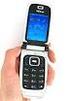 User s Guide for Nokia 6131 DECLARATION OF CONFORMITY We, NOKIA CORPORATION declare under our sole responsibility that the product RM-115 is in conformity with the provisions of the following Council Directive:
Polycom SoundPoint IP 650
 Polycom SoundPoint IP 650 User Guide For training/documentation, please visit us @ http://customertraining.verizonbusiness.com or call 1 800 662 1049 2009 Verizon. All Rights Reserved. The Verizon and
User Manual. Vogue2.8-D6
 User Manual Vogue2.8-D6 S L E E C Index 1. iball Vogue2.8-D6...1 1.1 Phone Overview...1 1.2 Functions of Keys...2 2. Getting Started...3 2.1 Installing the SIM Cards and the Battery...3 2.2 Installing
Samba W - Table of Contents
 Samba W - Table of Contents 1.Getting Started... 3 1.1 Installing the SIM Card, SD Card and Battery... 3 2. Input Type... 4 3. Menu Guide... 6 1.2 Messaging... 6 1.3 Call History... 6 1.4 Calculator...
UK s best selling phone brand. Quick Set-up and User Guide. BT3510 Digital Cordless Phone with Answering Machine
 UK s best selling phone brand Quick Set-up and User Guide BT3510 Digital Cordless Phone with Answering Machine 2 Important please read first Only use the line cord, power supply and rechargeable batteries
Back, start, and search key... 3. Lock the keys and screen... 6. Unlock the keys and screen... 7. Set the keys and screen to lock automatically...
 Userguide Nokia Lumia 620 Table of Contents Keys and parts... 3 Back, start, and search key... 3 How to Insert a SIM card... 4 First start-up... 6 Switching Phone ON and OFF... 6 Switch the phone on...
User Manual Please read this manual before operating your phone, and keep it for future reference.
 P O R T A B L E A L L D I G I T A L M O B I L E P H O N E User Manual Please read this manual before operating your phone, and keep it for future reference. Intellectual Property All Intellectual Property,
User Guide for the Orchid Key Phones KP416 & KP832
 User Guide for the Orchid Key Phones KP416 & KP832 Contents Page Introduction 2 Setting Up 2 Setting Date & Time 2 Making & Answering Calls 2 Call Pick 3 Call Transfer 3 Calls On Hold 3 Caller Display
BUSINESS COMMUNICATIONS DIVISION. IP4100 SIP DECT User Guide
 BUSINESS COMMUNICATIONS DIVISION IP4100 SIP DECT User Guide TOSHIBA IP4100 DECT HANDSET END USER GUIDE FEATURES Toshiba IP4100 DECT Handset Features 2.0 inch colour TFT back-lit display Li-ion battery
BT Freestyle 750. User Guide
 BT Freestyle 750 User Guide Welcome to your BT Freestyle 750 Digital Cordless Telephone Answering Machine Answering machine with up to 15 minutes digital recording time and helpful voice prompts. 50 Name
Nokia 6303 classic User Guide
 Nokia 6303 classic User Guide 9214002 Issue 3 2 Contents Contents Safety 4 Start up 5 Keys and parts 5 Install SIM card and battery 5 Insert and remove the memory card 6 Charge the battery 6 Antenna 7
Sprint iden Digital Multi-service Data-capable Phone. i580 Phone User s Guide
 Sprint iden Digital Multi-service Data-capable Phone i580 Phone User s Guide Contents Getting Started... 1 Removing the Battery Door...3 Locating Your SIM Card...3 Battery...4 Powering On and Off...6 Activating
Model No. KX-TGP500. Model No. KX-TGP550
 User Guide SIP Cordless Phone Model No. KX-TGP500 Model No. KX-TGP550 Model shown is KX-TGP500. Model shown is KX-TGP550. Thank you for purchasing a Panasonic product. You can configure some of the features
BT Synergy 5500 User Guide
 BT Synergy 5500 User Guide Welcome to your BT Synergy 5500 Digital Cordless Telephone Answering Machine Display with blue backlight. 250 Name and number phonebook. Copy phonebook entries between other
LG EXTRAVERT 2 USER GUIDE
 LG EXTRAVERT 2 USER GUIDE Table of Contents 1 Phone Overview 5 Quick Glance of the Touch Screen and How to Use It 9 Getting Started with Your Phone 10 Turning the Phone On and Off 10 Turning the Phone
ISDN 970 Telephone USER MANUAL. Copyright 1999 Lucent Technologies Inc. All rights reserved. Printed in Mexico. Issue L3 847937794
 ISDN 970 Telephone USER MANUAL Copyright 1999 Lucent Technologies Inc. All rights reserved. Printed in Mexico. Issue L3 847937794 Table of Contents ABOUT ISDN... 3 ISDN TERMS... 3 A GUIDE TO THIS MANUAL...
* and # DESCRIPTION OF KEYS Use the phone keys as follows: ON Press and hold to switch the phone on or off. On the side of phone:
 DESCRIPTION OF KEYS Use the phone keys as follows: On the side of phone: and Select earpiece volume. ON Press and hold to switch the phone on or off. MENU Selects menu mode. STO Stores information in a
Instruction Manual. CORTELCO 2700 Single-Line / Multi-Feature Set
 1 Instruction Manual CORTELCO 2700 Single-Line / Multi-Feature Set Table of Contents Why VoiceManager SM with Cortelco Phones?... 2 Cortelco 2700 Set Features... 3 Telephone Set Part Identification...
User s manual. speakerphone/ answering system and answering system with caller ID/call waiting caller ID/ call waiting
 User s manual 1080 Corded 4-Line small telephone/ business small system business with digital system/ speakerphone/ answering system and answering system with caller ID/call waiting caller ID/ call waiting
Using Basic Call Management Functions
 Using Basic Call Management Functions This chapter provides instructions on using your basic phone functions. It includes the following sections: Managing the Audio Source and Volume, page 28 Answering
User Guide SANYO SCP-3810.
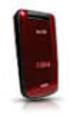 User Guide SANYO SCP-3810 www.sprint.com 2009 Sprint. SPRINT and the logo are trademarks of Sprint. Other marks are the property of their respective owners. SANYO is a registered trademark of SANYO Electric
IP Phone System: Cisco 7960G and 7940G
 IP Phone System: Cisco 7960G and 7940G Table of Contents: IP Phone System 7940G and 7960G CISCO IP PHONE ROAD MAP...1 NAVIGATE THE PHONE SYSTEM AND USE THE LCD SCREEN...2 SOFT KEYS... 2 USE THE NAVIGATION
How To Use Your Simsung Phone On A Simsung (Blackberry) On A Blackberry (Blackburn) On An Iphone Or Ipad (Blackford) On Simsunsung (Whiteberry) Or Black
 Samsung SGH-A157 M O B I L E P H O N E User Manual Please read this manual before operating your phone and keep it for future reference. GH68-36238A Printed in Mexico Intellectual Property All Intellectual
Quick reference guide. 1070 4-Line small business system with caller ID/ call waiting and speakerphone
 Quick reference guide 1070 4-Line small business system with caller ID/ call waiting and speakerphone 7 This quick reference guide provides basic instructions For additional installation options and complete
Quick reference guide. 1080 4-Line small business system with digital answering system and caller ID/call waiting
 Quick reference guide 1080 4-Line small business system with digital answering system and caller ID/call waiting This quick reference guide provides basic instructions. For additional installation options
User s manual. ML17929 Two-line corded telephone with caller ID/call waiting
 User s manual ML17929 Two-line corded telephone with caller ID/call waiting Congratulations on purchasing your new AT&T product. Before using this AT&T product, please read Important safety information
Quick Start Guide www.lgmobilephones.com/envtouch
 QWERTY Keyboard Using the Touch Screen Making and Answering a Call Text Messaging Browsing the Web Blog Support/RSS Feed Support Getting Music/ Playing Music Taking a Picture/ Recording a Video Bluetooth
Polycom SoundPoint 650 Quick Guide
 Polycom SoundPoint 650 Quick Guide ISC Networking & Telecommunications University of Pennsylvania October 2009, v.2 Contents Icons and Indicator Lights Telephone Icons 4 Envelope/Message Waiting Icon.4
SANYO. User Guide. www.sprint.com
 User Guide SANYO www.sprint.com 2010 Sprint. SPRINT and the logo are trademarks of Sprint. Other marks are the property of their respective owners. SANYO is a registered trademark of SANYO Electric Co.,
SCH-S380C. User Manual Please read this manual before operating your phone and keep it for future reference. GH68_37084A Printed in Korea
 SCH-S380C P O R T A B L E Q U A D - B A N D M O B I L E P H O N E User Manual Please read this manual before operating your phone and keep it for future reference. GH68_37084A Printed in Korea Intellectual
Polycom SoundPoint IP 550
 Polycom SoundPoint IP 550 User Guide For training/documentation, please visit us @ http://customertraining.verizonbusiness.com or call 1 800 662 1049 2009 Verizon. All Rights Reserved. The Verizon and
Avaya 1616/1616-I IP Deskphone User Guide
 Avaya 1616/1616-I IP Deskphone User Guide 16-601448 Issue 2 February 2010 2009 Avaya Inc. All Rights Reserved. Notice While reasonable efforts were made to ensure that the information in this document
Avaya 1608/1608-I IP Deskphone User Guide
 Avaya 1608/1608-I IP Deskphone User Guide 16-601446 Issue 2 February 2010 2009 Avaya Inc. All Rights Reserved. Notice While reasonable efforts were made to ensure that the information in this document
Premium Design Phone with Smartphone Connect
 Smartphone Connect App Guide Premium Design Phone with Smartphone Connect Model No. KX-PRW130 Thank you for purchasing a Panasonic product. This document explains how to use the Smartphone Connect app.
How To Use A Sim Sim Sims 3.2 On A Cell Phone On A Pc Or Mac Or Ipa (For A Sims) On A Simmer (For An Ipa) Or Ipb (For Mac) On An Ip
 Telephone and Voice Mail Quick Reference Guide ADTRAN IP 712 and IP 706 Phones ADTRAN Polycom IP 650, IP 601, IP 501, and IP 430 Phones Table of Contents 4 5 6 10 15 16 17 19 20 21 22 Voice Mail Quick
Samsung. User Manual Please read this manual before operating your phone, and keep it for future reference.
 Samsung ( S C H - R 3 5 5 C S e r i e s ) M O B I L E P H O N E User Manual Please read this manual before operating your phone, and keep it for future reference. Intellectual Property All Intellectual
User s manual. TL86109 DECT 6.0 2-line corded/cordless telephone/ answering system with BLUETOOTH wireless technology
 User s manual TL86109 DECT 6.0 2-line corded/cordless telephone/ answering system with BLUETOOTH wireless technology Congratulations on purchasing your new AT&T product. Before using this AT&T product,
Four-Line Intercom Speakerphone 944
 1 USER S MANUAL Part 2 Four-Line Intercom Speakerphone 944 Please also read Part 1 Important Product Information AT&T and the globe symbol are registered trademarks of AT&T Corp. licensed to Advanced American
Designed to block nuisance calls. Quick Set-up and User Guide. BT6500 Digital Cordless Phone with Answering Machine
 Designed to block nuisance calls Quick Set-up and User Guide BT6500 Digital Cordless Phone with Answering Machine 2 Important please read first Only use the line cord, power supply and rechargeable batteries