
TEEN DRIVING GUIDE Manual Ebook
|
|
|
- Garry Moore
- 10 years ago
- Views:
Transcription

1 TEEN DRIVING GUIDE Manual Ebook

2 Teen Driving Guide Introduction When you get your driver s license as a teenager, a whole new world opens to you. It is an exciting time. You are literally in the driver s seat and able to steer your future. However, with gaining this privilege, there also comes responsibility. We present our Teen Driving Guide with the goal of getting teens and their parents to think seriously about this responsibility and about what it means to be a safe driver. We have included sections on: Getting to Know Your Vehicle It is important to understand how the different parts of your vehicle work together. This can be especially helpful when a part fails and needs repair. Being Prepared for an Emergency At some point in your driving life, you will face a roadside emergency. You should have your car properly equipped to get through a challenging situation. What To Do After An Accident The steps you take in the immediate aftermath of a crash can go a long way towards protecting your legal rights. Costs of Driving Driving is a privilege that comes with costs, including paying for insurance, gas and routine maintenance of your vehicle. A review of these potential costs can help you to determine how you will handle them. Knowing Virginia Laws Don t let your knowledge of Virginia laws slip off your mind the moment you get that license. Many laws apply specifically to young drivers. Good Driving Habits The best way to avoid costly accidents, tickets and increased insurance rates as a teen driver is to make safe driving a habit. Distracted Driving and Drunk Driving Two leading causes of crashes among teen drivers are distracted driving and drinking and driving. We put a special focus on these two serious safety issues and include pledge for you to sign. Fast Facts A few facts and figures to ponder as we wrap up our discussion of teen driving. When you get your driver s license as a teenager, a whole new world opens to you. It is an exciting time. You are literally in the driver s seat and able to steer your future. However, with gaining this privilege, there also comes responsibility.

3 Teen Driving Guide Get to Know Your Vehicle In a survey conducted by the website, AutoMD.com, 62 percent of parents said it was extremely important for their teens to be able to identify the basic parts of a vehicle. Unfortunately, the same survey revealed that very few teens actually do know what those parts are or what they do. We want you to be a knowledgeable driver. So, please read on to get a better understanding of the basic parts in your automobile, including where you can find them and the role they play in safe operation of your vehicle. UNDER YOUR VEHICLE Fuel tank Located in front of the rear axle. This is where gasoline is stored and pumped into the engine. Muffler Located towards the back. This part reduces the noise that is produced by the exhaust system of your engine. If you hear a rumbling noise or change in the exhaust pitch, you should have your muffler checked. Brakes Your brakes are located at your wheels. There are two kinds of brakes: Disc brakes and drum brakes. Some cars have disc brakes in front and drum brakes in the back. Many cars today have only disc brakes. In a disc brake, motion is stopped by two brake pads squeezing a rotor (or disc) that is attached to the wheel. In a drum brake, the wheel stops when brake shoes are pressed against a drum that is attached to the wheel. Axles The front and rear axles are rods that connect the wheels to the vehicle and hold the vehicle s weight. When you turn your vehicle, you turn your axles. The type of axle in your vehicle will depend on whether it is front-wheel drive, all-wheel drive or four-wheel drive. Shocks and Struts The front and rear axles are rods that connect the wheels to the vehicle and hold the vehicle s weight. When you turn your vehicle, you turn your axles. The type of axle in your vehicle will depend on whether it is front-wheel drive, all-wheel drive or four-wheel drive.

4 Teen Driving Guide Get to Know Your Vehicle AROUND YOUR VEHICLE Head lights Brake lights Most headlights are made of clear hard plastic covers and feature a halogen bulb. However, increasingly, xenon bulbs are being used. These headlights emit a bluish-white light. You need functioning headlights so you can see at night and other drivers can see you. Your brake lights are made of red hard plastic covers. If your brake lights are out, you run the risk of a driver crashing into the rear of your vehicle when you stop or slow down. Side mirrors Tires Always pay close attention to the air in your tires and the condition of the tread. You can skid out of control if the tread is worn. Additionally, the way your tread is worn can reveal whether your car needs new brakes, new shocks and struts or realignment. Mirrors on the driver s and passenger s side must be clean so you can see clearly in them. These mirrors should always be adjusted, typically using a knob in the interior of your car, so you can properly check for other vehicles, bicyclists or pedestrians before you merge or make a turn. Windows Your windows should have no cracks so you can see clearly out the front, back and sides. Check for small dings as well. If not repaired, a ding can expand and require replacement of the entire window. Wiper blades If bent, broken, cracked or otherwise in disrepair, your wiper blades won t function properly. They can damage your windshield and make it difficult to see. Regularly check their condition.

5 Teen Driving Guide Get to Know Your Vehicle UNDER YOUR HOOD Now, pop the hood on your vehicle. You usually can find a switch you can pull near the steering wheel. Once the hood is cracked open, there should be a latch just under the front of the hood. When you raise the hood, you can use another latch to keep it propped open. Look for the following: Battery Your car battery supplies your car with electrical energy, including your starter motor, ignition system, lights and entertainment system. It is important to check for corrosion at the battery s terminals. The battery is connected to the alternator, which converts mechanical energy from your car into electrical energy. Radiator At the very front of your vehicle is the radiator, which serves the purpose of cooling your engine. To function, the radiator must have a proper amount of radiator fluid. Air filter A round part typically found in the center of the engine area. As the engine takes in air, the filter catches particles and prevents them from getting into the vehicle intake system. Windshield wiper reservoir The dirt and grime that accumulates on your windows must be routinely cleaned with wiper fluid. Never let this reservoir run empty. Oil tank Because motor oil lubricates the many moving parts inside of the engine, it is crucial to check your oil levels and to have it routinely changed. Check your vehicle manual to find the location of the oil dipstick. Brake fluid reservoir Brake fluid is pushed through cylinders, starting the mechanical process that leads to disc brakes or drum brakes stopping the car s wheels. Power steering fluid reservoir Brake fluid is pushed through cylinders, starting the mechanical process that leads to disc brakes or drum brakes stopping the car s wheels. Belts and hoses All belts and hoses should be inspected by a mechanic to make sure they are not cracked, worn or frayed. This includes your power steering belt and timing belt.

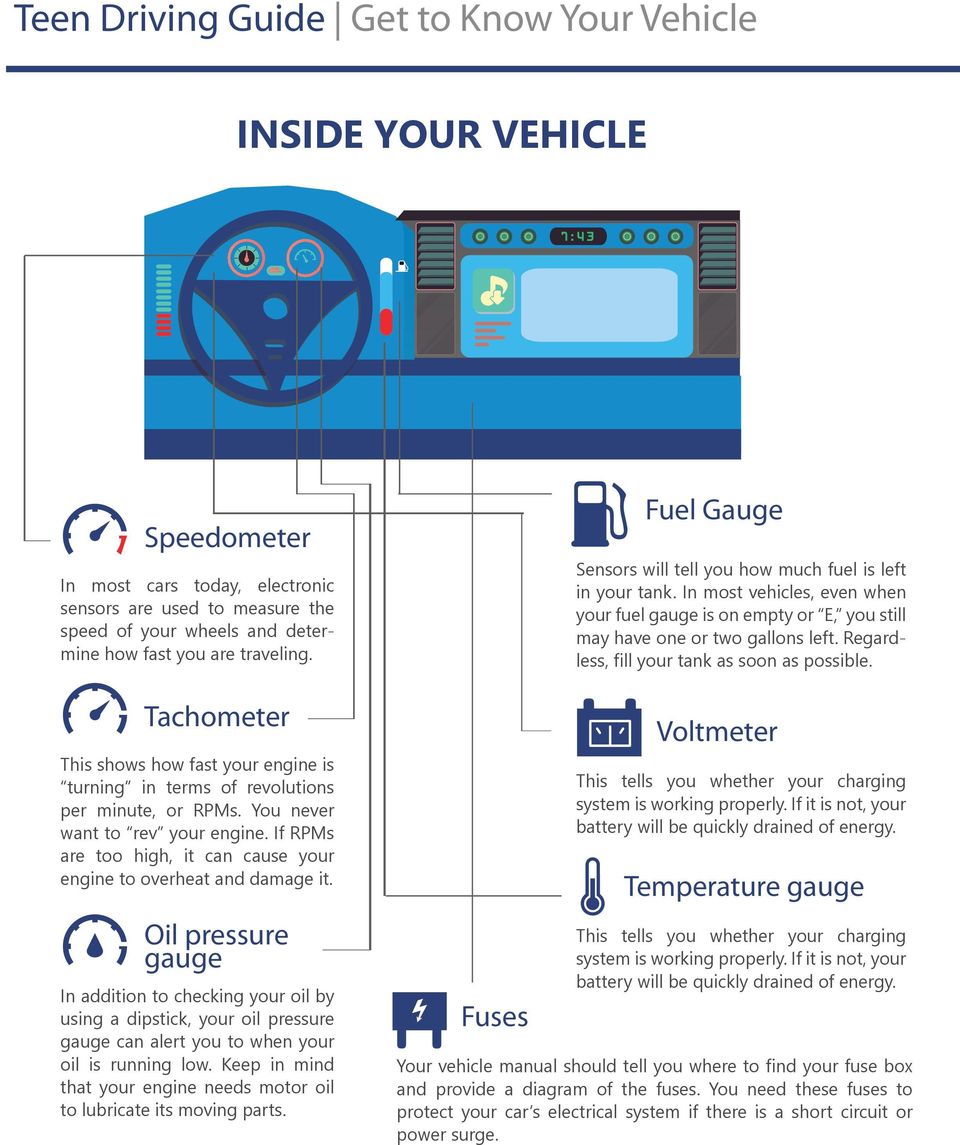
6 Teen Driving Guide Get to Know Your Vehicle INSIDE YOUR VEHICLE Fuel Gauge Speedometer Sensors will tell you how much fuel is left in your tank. In most vehicles, even when your fuel gauge is on empty or E, you still may have one or two gallons left. Regardless, fill your tank as soon as possible. In most cars today, electronic sensors are used to measure the speed of your wheels and determine how fast you are traveling. Tachometer Voltmeter This shows how fast your engine is turning in terms of revolutions per minute, or RPMs. You never want to rev your engine. If RPMs are too high, it can cause your engine to overheat and damage it. This tells you whether your charging system is working properly. If it is not, your battery will be quickly drained of energy. Temperature gauge Oil pressure gauge In addition to checking your oil by using a dipstick, your oil pressure gauge can alert you to when your oil is running low. Keep in mind that your engine needs motor oil to lubricate its moving parts. This tells you whether your charging system is working properly. If it is not, your battery will be quickly drained of energy. Fuses Your vehicle manual should tell you where to find your fuse box and provide a diagram of the fuses. You need these fuses to protect your car s electrical system if there is a short circuit or power surge.
7 Teen Driving Guide Be Prepared for an Emergency? What happens if you go to start your car and find your battery is dead? What if a tire goes flat in the middle of a trip or your engine starts to overheat? What tools and other items should you have in your car to help you get through the emergency? The reality is that many drivers not just teens do not know the answers to these questions. Read on to be prepared for a roadside emergency. PREVENTION IS IMPORTANT Of course, if you take a few simple steps, you can avoid emergencies altogether. On a regular basis, you should perform the following checks (or ask a mechanic to do it for you): Oil If you drive with low oil, it could cause your engine to overheat. Pay attention to your oil pressure gauge on your dashboard. You can also use the oil dipstick to check your oil levels. If the mark on the dipstick is beneath minimum, or min, you should add a quart of oil. Coolant As with oil, you run the risk of your engine overheating if there is a low amount of coolant. Check the plastic reservoir next to your radiator. If the fluid is not up to full, you should add a coolant/water mix. However, never add coolant when your engine is running. Tire pressure Tires list the ideal tire pressure on the outside, expressed in terms of pounds per square inch, or PSI. You can invest in a tire pressure gauge. However, most air pumps have a PSI reading. You can simply inflate your tires until they reach the PSI listed on the tire. Tire tread If your tire tread is worn, it prevents your wheels from getting a grip on the road and can lead to accidents. Check your tread by placing a penny into the grooves. If you can see the top of Abe Lincoln s head across several grooves, it means you need to get new tires. Additionally, worn tire tread can indicate that your tire is overinflated, you need new shocks or your car needs realignment. Battery You want to make sure your car battery is in good condition. Check the water level indicator to see if you need a new battery. Also, make sure there are no cracks in the case, corrosion at the terminals or frayed cables.
8 Teen Driving Guide Be Prepared for an Emergency Wiper fluid and blades If you can t see through your windshield, you are in trouble. In addition to checking your fluid level, check the blades to make sure they are not bent, broken or cracked. Lights Start your engine and test your lights by having a friend or family member walk around the vehicle. It s crucial to have your headlights working so you can see at night (and others can see you). If your brake lights are out, drivers behind you won t know when you are slowing down or stopping a major cause of rear-end collisions. PACK WISELY Despite all of our best efforts to prevent emergency situations, they can still happen to any of us. Being well-prepared for these emergencies can be a matter of assembling a series of kits: Get help kit Never leave anywhere in your car without a charged cell phone, flashlight with batteries and flares. If you ever break down, these are the basic items that will allow you to get help and allow your car to be parked safely off the road. Tool kit You can find small emergency car tool kits at most auto parts stores. If you want to make your own kit, make sure to include a wrench set, socket set, one Phillips head and one standard head screwdriver, pliers, duct tape, WD-40, cable ties, spare fuses and a tire pressure gauge. You may also want to include a rag or paper towels to use when checking fluid levels or cleaning up. Tire-changing kit You should be prepared for a flat tire by bringing along a spare tire, tire jack and lug wrench (or monkey wrench). Of course, most cars today include these parts in a compartment in the trunk. Changing a tire requires loosening the lug nuts, raising the car with the jack, slipping off the flat tire and putting on the spare, lowering the car and tightening the wheel. Battery-charging kit Bring booster (or jumper cables). When you jump-start a dead battery, make sure that you attach the positive cables (indicated by a + sign or red color) to the positive terminal and the negative cables (a - sign or black color) to the negative terminal. Attach the cables to the car with the charged battery before starting the other car. Let the engine run for about five minutes before attempting to start your car.

9 Teen Driving Guide Be Prepared for an Emergency First-aid kit Several stores sell small emergency first-aid kits that you can throw in the trunk or a center console. If you prepare your own, make sure to include an adequate supply of bandages, compress dressings, antiseptic wipes, aspirin, plastic gloves, hydrocortisone ointment and sterile gauze pads as well as a thermometer, scissors and a tweezer. Food and warmth kit It is always a good idea to include a blanket or sweatshirt, hat and gloves in the car in the event you get stuck in cold weather. You should also bring along water and dry snacks (in case you are waiting a long time for help to arrive). Teen Driving Guide What To Do If You Are in an Accident Unfortunately, car accidents are common among teenagers. They can range from a simple fender-bender to a crash which results in serious injuries. If you find yourself getting into an accident, you need to take certain steps to protect your rights. How you react to an accident may determine whether you and/or your parents will obtain fair compensation for losses caused by your crash. After a car accident, a driver of any age who is not too seriously injured should: Stay calm. Take a deep breath and take a moment to realize what has happened. A car crash is incredibly stressful. If you keep your wits and proceed in a business-like manner, you will help yourself and everyone around you. As you deal with the aftermath of the crash, do not make accusations or get into an argument with the other driver or anyone else. Check for injuries. People are the first priority in a car accident. Determine whether you have been hurt and ask whether your passengers are OK. If you are able, approach the other vehicle(s) to see if there are injuries. Call 911 right away if anyone needs emergency medical assistance.

10 Teen Driving Guide What To Do If You Are in an Accident Cooperate with authorities. Report the accident to police. When law enforcement personnel arrive, answer their questions honestly. Do not offer opinions or volunteer information that is not requested. Do not blame yourself or anyone else for the crash. Ask the police how to get a copy of their report, and be sure to get that copy as soon as you can. If EMTs say you need emergency medical care, cooperate with them. Gather your driver information. The police or the other driver will request your name, contact information, insurance information and driver s license number. Get these documents together. You also want to get this information from the other driver. If you are uncomfortable dealing with the other driver, suggest that the police obtain this information from each of you and share it. If there are additional witnesses, get their names and contact information, too. Document the accident. Photograph or get video of the accident scene that tells the story of the wreck. Capture the cars and their damage, crash debris on the road, your injuries, passengers injuries, the other driver and road conditions that may have contributed to the accident. Save any clothing that was torn, bloodied or otherwise damaged in the wreck. If you are uncomfortable dealing with the other driver, suggest that the police obtain this information from each of you and share it. If there are additional witnesses, get their names and contact information, too. Contact the insurance company. You will have to notify your insurance company of the wreck in order to file claim. Most insurers require notification within 24 hours. So, do not delay. Answer questions honestly but do not admit fault or accept blame. Do not downplay the extent of your injuries or damage to the car. If asked for any kind of opinion or judgment, you can simply say, I don t know.

11 Teen Driving Guide What To Do If You Are in an Accident Tell your parents. If you are calm and business-like, you will help yourself and your parents. Assure them that you are all right or calmly explain your injuries and the damage to the car. Even when speaking to your parents via phone or text, do not admit fault for the accident. Fault is a matter that can only be determined after investigation. See a doctor. Even if you do not believe you need emergency care, you should see a doctor as soon as you can after a car accident. There are several serious injuries that do not cause symptoms right away and may not be identified without a medical exam. Contact a car accident attorney. Lawyers who handle car accident cases work to obtain compensation for accident victim, including medical expenses, lost wages, pain and suffering and car repair / replacement expenses. They negotiate with insurance companies and, if necessary, take cases to court. A law firm will have the resources to investigate the crash, determine who should be held responsible and what compensation is merited. Most lawyers offer accident victims a free initial consultation with no further obligations. Teen Driving Guide Costs of Driving As a teen, you dream about the day you get your driver s license and can hit the road. But your parents may be dreading it. The reason: A driving teen can be very expensive. In fact, based on the results of a recent Nationwide Insurance survey, a teen driver can cost about $3,100 per year a major increase for most families.

12 Teen Driving Guide Costs of Driving Of course, there are many ways to tackle these costs. Parents may choose to pay it alone, or teens may pay themselves with income from a part-time job. Some parents and teens may agree to split the costs. As you decide what arrangement will work best for your family, consider the following factors. Getting Licensed The initial cost of driving is getting a learner s permit. In Virginia, a teen may obtain this permit when they reach the age of 15 years and six months. The standard fee is $35. Once a teen has a learner s permit, the teen will go through a driver s education course, or driver s ed. Students in Virginia public schools (and many private schools) can take this course through their school. The courses consist of 36 classroom periods and 14 in-car instruction periods (seven driving periods and seven observation periods). Most schools provide a package that includes classroom teaching and road training. Prices typically range from $200 to $800. After a teen has reached 16 years and three months of age, the teen is eligible to apply for a driver s license. The standard license fee will be $35. (See our section on Know Virginia Laws to learn more about the licensing process.) Getting Insurance Teen drivers should know that the most pressing cost concern their parents will face is paying for insurance. Premiums can be high even for teens who have demonstrated the highest level of responsibility and greatest care and skill in learning to drive. In Virginia, you are not required to carry liability insurance, which is insurance that will pay for the property damage and personal injury you may cause another to suffer in an auto accident. However, you must still show that you can pay for losses resulting from accidents involving motor vehicles you own or operate.

13 Teen Driving Guide Costs of Driving If a driver carries liability insurance, the insurance policy must have minimum limits that will pay: $25,000 for injury or death of one person; $50,000 for injury or death of two or more people $20,000 for property damage. It is also possible to buy coverage with higher liability limits, as well as additional coverage, such as uninsured motorist coverage (UM), underinsured motorist coverage (UIM), collision, comprehensive and medical expense coverage. Generally speaking, one can expect to pay $2,000 a year ($166 per month) to add a teen driver to a family s auto insurance coverage. The alternative to carrying liability insurance is paying the Uninsured Motorist Vehicle (UMV) fee. This fee is $500 per year. However, as the Virginia Bureau of Insurance cautions, paying the UMV Fee satisfies the requirements of the law. It is not the same as insurance. In other words, if you lack liability insurance and get into accident, your family s home, wages and other assets could be seized to pay any valid claims against you. In some cases, insurers will discount the new policy bought by an existing customer (for bundling coverage). Having everyone in the family on the same insurance policy means everyone is covered for driving any car in the driveway. On the other hand, you may be able to obtain a family policy that assigns each driver to a specific car. This will be helpful if your teen will only drive an older, less expensive vehicle than the vehicle driven by the parents. In some cases, it may make sense to obtain separate insurance coverage for a teen driver and/or for the teen to handle the cost of insurance. After all, a teen can learn a lot about the responsibilities of driving by paying such costs. As your family mulls insurance issues, keep in mind that insurance companies charge rates based on many factors, such as: Age The younger the driver, the higher the rate Gender It typically costs more to insure males than females Location Rates are typically higher for urban drivers. Driving record A teen s rates will skyrocket if he or she picks up a ticket for speeding or, even worse, for drunk driving Age and type of vehicles Vehicles that are worth more cost more to insure.

14 Teen Driving Guide Costs of Driving However, most insurance companies offer a good student discount, lowering rates if a teen can maintain a certain grade point average (usually a 3.0) or a specific scholastic class-ranking (such as top 20 percent). Also, if a teen driver goes away to a school at least 100 miles from home and does not have regular access to the car, a distant student discount may be available. Another means of reducing insurance premiums is to opt for a higher deductible. The deductible is the amount of money the policyholder must pay out of pocket before the insurer pays anything. A higher deductible, such as $1,000 as opposed to $500, means an accident will cost the insurance company less. In turn, the insurer will reduce its premiums. Getting a Car A teen may beg for a car, insisting it is absolutely necessary. Many parents may agree. After all, teens are involved in a variety of school, recreation and work activities. They need reliable transportation. However, finding the right vehicle can be a challenge. A new car will certainly be more reliable than a used car. However, if a new car is financed, the lien holder typically will require collision and comprehensive insurance coverage, which raises a family s costs. In this sense, buying a less expensive used car and carrying only liability insurance may be the better option. When you buy or give a car to a teen and put the title in the teen s name, it will typically require a separate insurance policy. This means you would forego any bundling discounts. For this reason, many parents choose to buy a vehicle for a teen in a parent s name. Most parents would agree that a car for a teen driver should be safe, sturdy and economic in terms of gas and maintenance costs. We cannot endorse a specific make and model. However, we suggest that you review the Insurance Institute for Highway Safety s list of safest used vehicles for teens. The IIHS provides recommendations on how parents can buy the most safety for their money, whatever their budget.

15 Teen Driving Guide Costs of Driving Handling Ongoing Expenses Once a teen is licensed, insured and provided with a set of wheels, focus must turn to ongoing expenses, starting with paying for gas to keep those wheels turning. The good news: As of early 2015, gasoline prices have fallen to lows that have not been seen in years. However, parents can certainly attest to the fact that gas prices that go down can quickly go right back up. Today s $25 tank of gas could easily be $45 by next year. Other expenses to keep in mind include: Parking It can cost $5 to $20 on a downtown city street or lot, or $35 to $50 for a school parking permit. Car wash It can cost around $10 for a do-it-yourself pressure wash or machine wash to around $20 to $50 for hand wash. Oil change (every 3,000 to 5,000 miles) This cost is about $25 to $50. You should expect double that price when an oil change technician recommends routine maintenance such as tire rotation, replacing the air filter, changing the wiper blades, flushing the radiator or changing other fluids such as transmission. Safety inspection (every year) Virginia law requires this inspection. The cost is about $16. Tune-up (every year) The cost is $40 to $150 or more for a minimal tune-up, which includes replacing the spark plugs and inspecting the spark plug wires. The cost may be anywhere from $200 to $800 for replacing the spark plugs, wires, distributor cap, rotor, fuel filter, PVC valve and air filter. Tires (every 50,000 to 75,000 miles) Tires can cost $80 to $150 each for a small car to $100 to $250 each for the tires on an SUV. THE TEEN DRIVER S GRAND TOTAL AAA has published an annual Your Driving Costs survey since In its 2014 survey, AAA said the average cost to drive a car was 59.2 cents per mile, or $8,876 per year, based upon 15,000 miles of annual driving.

16 Teen Driving Guide Costs of Driving This cost takes into account: Fuel Tires Insurance Depreciation (loss of resale value) Maintenance (the cost to maintain a vehicle and perform needed repairs for five years and 75,000 miles, including labor expenses, replacement part prices and the purchase of an extended warranty policy). However, as the saying goes, your driving experience may vary. The reality is that, for most teen drivers, the cost to own and operate a motor vehicle is far more than they first expect. Whether they pay part, all or none of the expenses, teens lucky enough to have a car to drive are often taking a first big step on the road to personal and financial responsibility when they take a seat behind the wheel of a car. Sources / More Information Driver Services: Driver s License, Virginia Department of Motor Vehicles Teen Drivers, Virginia Bureau of Insurance (VBI) Teenage Drivers Self-Guided Presentation, VBI Teenagers Guide to Auto Insurance, VBI Auto Insurance Consumers Guide, VBI Uninsured Motor Vehicle Fee, VBI Uneven Recovery, Inflation Fears Delaying "Rite of Passage" for Some American Teenagers Getting a Driver's License, Nationwide Insurance Adding Drivers to Your Auto Insurance Policy, Ameriprise KBB Names Top Teen Car Safety Choices, Autotrader Used Vehicles for Teens, Insurance Institute for Highway Safety Cars, Cost Helper Owning and Operating Your Vehicle Just Got a Little Cheaper According to AAA s 2014 Your Driving Costs Study, AAA

17 Teen Driving Guide Know Virginia Laws Once you have gone through driver s education and have your driver s license safely in hand, will you forget everything you learned about Virginia driving laws? Hopefully not. However, the following is a summary of several state laws that are particularly relevant to teen drivers. Look at it as a refresher about certain rules that should remain at the forefront of every teen driver s mind. Driver s License Laws If you have not yet earned your driver s license, here is summary of the requirements you will have to meet in Virginia: Learner s permit Available at age 15 years and 6 months. Must pass a vision screening and a two-part knowledge exam. Age You must be at least 16 years and 3 months of age to obtain a driver s license. Driver s education You must complete 36 classroom sessions and 14 in-car sessions (seven driving and seven observing) Driving practice You must complete at least 45 hours, 15 of which occur after sunset. Parents must certify that their child has obtained this level of driving experience. Test You must successfully complete a road skills test. License and learner s permit fees You must pay $35 when applying for a learner s permit ($3 for the permit, $32 for the license). While under the age of 18, a licensed driver in Virginia must adhere to a curfew and passenger restrictions. If the curfew is violated, it can result in the suspension of driving privileges. A teen driver under age 18 may not: Drive between midnight and 4 a.m. unless traveling: To or from a place of employment To or from an activity sponsored by a school or by a civic, religious or public organization that is supervised by an adult With a licensed parent or other adult acting in place of a parent In an emergency, including in response to emergency calls as a volunteer firefighter or rescue squad member.

18 Teen Driving Guide Know Virginia Laws Have more than one passenger under age 21 unless a licensed parent or other adult acting in place of a parent is in the front passenger seat. After being licensed for one year, a teenage driver may carry up to three passengers younger than 21 in the following situations: Traveling to and from a school-sponsored activity With a licensed driver 21 or older in the front passenger seat In case of an emergency. Demerit Points Teenage drivers who violate the law can easily lose their driving privileges if they collect demerit points: First conviction If you are under age 18 and convicted of a demerit point traffic violation (or safety belt/child restraint violation), the Department of Motor Vehicles (DMV) will require you to complete a driver improvement clinic within 90 days. The DMV will suspend your driving privileges until you complete the clinic and pay a reinstatement fee. Second conviction After a second conviction for a demerit point traffic violation (or safety belt/child restraint violation) committed under age 18, DMV will suspend your driving privileges for 90 days. Third conviction Your third conviction will result in a revocation of your driving privileges for one year or until you reach age 18, whichever is longer. At age 18, DMV will require you to complete a driver improvement clinic if you accumulate 12 demerit points within 12 months or 18 points within 24 months. If you do not complete the clinic within 90 days, DMV will suspend your driving privileges. Among the common traffic laws teen drivers need to know and obey, now and beyond their teen years, are: Speeding Violation: Exceeding posted speed limit or driving too fast for conditions. Consequences: First offense is fine of $50, two demerit points on license.

19 Teen Driving Guide Know Virginia Laws Running a Red Light Violation: Failing to obey traffic controls (stop light or stop sign). Consequences: Fine up to $50 plus a $62 processing fee for evading a traffic control device. A fine of $100 plus a $62 processing fee for failure to obey a traffic light. Four demerit points on license. Aggressive Driving #$$%^&*( Violation: Being a hazard to another person or committing one of the following offenses with the intent to harass, intimidate, injure or obstruct another person: Driving on left side of highway Failing to observe lanes marked for traffic Following too closely (tailgating) Failing to stop or yield right-of-way Evading traffic control devices Illegal passing when overtaking a vehicle Improperly stopping on a highway. Consequences: Up to six months in jail, fine of up to $1,000 or both. If committed with intent to injure another person, up to 12 months in jail, fine of up to $2,500 or both. Suspension or revocation of driving privileges. Racing Violation: Engaging in a race between two or more motor vehicles on a highway, driveway or premises of any church, school, recreational facility or business property open to the public. Consequences: Suspension of driving privileges for six months to two years plus fines.

20 Teen Driving Guide Know Virginia Laws Impaired Driving Violation: Driving or operating under the influence (DUI) if your blood-alcohol content (BAC) is 0.08 percent or higher. However, if a driver is under age 21, a BAC between 0.02 and 0.08 constitutes impaired driving. This is known as Virginia s Zero Tolerance law. Driving under the influence of any drug warrants the same penalties as driving under the influence of alcohol. Consequences: A first offense is a mandatory, minimum $250 fine and driver s license revocation for one year. A second offense is a mandatory, minimum $500 fine, driver s license revocation for three years and possible jail term up to one year. Distracted Driving Violation: Using a hand-held electronic communication device while operating a moving motor vehicle to manually enter multiple letters or text to communicate with another person or reading any or text message transmitted to the device or stored within the device. Consequences: $125 fine for a first offense, $250 fine for a second or subsequent offense. DRIVER S LICENSE SUSPENSIONS Your license can be suspended or revoked if you are convicted of any of the following offenses: Injuring another person as a result of operating a motor vehicle while under the influence of alcohol or drugs Operating a motor vehicle while your license is suspended or revoked for a DUI Pperating a motor vehicle that is not equipped with the ignition interlock device when it is required by the court or DMV Making a false statement to DMV Failing to stop and identify yourself at the scene of a crash if someone has been injured or killed Committing a drug offense, regardless of whether a motor vehicle is involved

21 Teen Driving Guide Know Virginia Laws Committing a felony involving the use of a motor vehicle Taking a driver s license exam for another person or appearing for another person to renew a license Eluding police. The court may suspend or revoke your driving privilege if you are convicted of the following offenses: Operating a motor vehicle without a valid driver s license Driving while your license is revoked or suspended for a non-dui related conviction Refusing to take a blood/breath test when charged with driving while under the influence of alcohol/drugs Failing to pay for gas. KNOWING VIRGINIA LAW IS SAFER, BETTER For teen drivers to safely use our state s highways, it is necessary that they and their parents understand Virginia s laws for training, practicing and acting as law-abiding, safety-minded drivers. Sources / More Information Driver License Eligibility Requirements, Virginia Department of Motor Vehicles (DMV) Virginia DMV Virginia Driver s Manual Virginia DMV Virginia is Tough On Drunk and Drugged Drivers (pamphlet)
22 Teen Driving Guide Good Driving Habits It is crucial as a teen to always be vigilant about practicing good driving habits. Ultimately, this is necessary for health and safety reasons but also for financial reasons. You need to avoid costly accidents, tickets and increased insurance rates. Driving safely becomes second nature for those who work to form good habits. These are among the best habits a teen driver can adopt: Always wear seat belts. You may have heard buckle up all of your life. Now that you are in control of a vehicle, it is important to understand that seat belts save lives and lessen the impact of injuries that occur in car accidents. Avoid distractions. Distracted driving includes interacting with your passengers, talking on the phone, texting, eating or adjusting music. It is a leading cause of accidents. Whatever it is that might distract you, it can wait. Focus on the road ahead when you are behind the wheel and let your passengers and others know that you don t want to be bothered while you are driving. Never drive impaired. As a teen, you cannot drink legally and certainly should never drive after drinking. Keep in mind that fatigued driving can be as deadly as drunk driving. When you are tired, your reflexes are slower, and your mind is foggy. Alcohol and fatigue are deadlier for teens because the adverse effects they have on driving ability are compounded by a lack of driving experience. Slow down. Excessive speed is dangerous, but speeding also puts you in danger because of other drivers mistakes. You never know when another driver is going to make a sudden turn without signaling, drift from their lane or suddenly weave in and out of traffic. If you are going too fast, it is not a matter of what you can handle. There may simply be not enough room to slow down in time to avoid a wreck.
23 Teen Driving Guide Good Driving Habits Stay back. Following too closely is the main reason why rear-end accidents are the most common type of collision. Try to consistently allow 3 or 4 seconds between your car and the vehicle ahead of you. Add another second for each adverse driving condition such as darkness, rain and fog. Add another second for following motorcycles, which stop faster than cars. If you are behind a large truck, stay back far enough so that you can see its rearview mirrors and ensure the truck driver sees you. Make room for others. Watch ahead for traffic trying to merge onto a highway from entrance ramps or at intersections. Move out of the lane next to the merging area or intersection if it is safe to do so, moving over one lane at a time when crossing multiple lanes. Be aware of others.! Always pay attention to what is going on around you. Make a habit of checking your mirrors and blind spots frequently and scanning conditions 20 to 30 seconds ahead of you. Learn to anticipate what other drivers are likely to do. If another driver is being reckless, slow down a little and let him get ahead and away from you. If necessary, turn off the road to let an aggressive or otherwise dangerous driver get past you. REMEMBER: FORMING DRIVING HABITS IS A LEARNING PROCESS. You and your parents should continue to drive together so your parents can ensure you are practicing safe driving habits. Parents should also model good driving behavior for their teens and any younger children they have. Habits are built over time. Start now. Sources / More Information 45-Hour Parent/Teen Driving Guide, Virginia Department of Education The Keys to Defensive Driving, Teens Health 10 Tips for Teen Drivers and Their Parents, Consumer Reports
24 Teen Driving Guide Distracted Driving You have probably heard it a million times: Using a cell phone to talk or text while driving is dangerous. There is a reason why teachers, parents, law enforcement agencies and traffic safety organizations have repeated this message again and again to teen drivers. Just consider the following: Glancing at a text message for five seconds while going 55 mph is the same as driving 100 yards while blindfolded. (Virginia Tech Transportation Institute). Drivers who use a hand-held or hands-free cell phone may actually show greater impairment than legally intoxicated drivers. (University of Utah). Texting or using your phone to access an app or the Web while driving makes you 23 more times likely to get into a crash. (DriverSmart Virginia). But using a cell phone behind the wheel is not the only type of conduct that increases your risk of getting into a crash. The National Highway Traffic Safety Administration (NHTSA) defines distracted driving as any activity that takes your attention away from the primary task of driving. In other words, you put yourself and others in danger when you engage in any number of activities while driving, including: Eating and drinking Using a navigation system Talking to passengers Watching a video Grooming Adjusting your radio, CD player, or MP3 player. Reading a map Still, because texting requires visual, manual, and cognitive attention from the driver, it is by far the most alarming distraction, the NHTSA reports. TEXTING WHILE DRIVING IS ILLEGAL IN VIRGINIA Drive Smart Virginia, a non-profit dedicated to educating drivers and raising traffic safety awareness, reports that 8 out of 10 traffic crashes in Virginia are related to distracted driving, with texting or talking on a cell phone while driving being the most common form of distraction in these accidents.
25 Teen Driving Guide Distracted Driving According to the NHTSA, distracted driving crashes account for 10 percent of all fatal accidents involving teen drivers. Partly because teens often have friends and siblings in the car with them, more than half (57 percent) of the people killed during teens distracted driving crashes are between ages 15 and 19. Teenage drivers are believed to be at risk for distracted driving-related crashes because they are avid users of cell phones and other technologies, are inexperienced drivers, and are still undergoing development in areas of the brain responsible for decision-making and risk management, the AAA Foundation for Traffic Safety reports. A study by AAA of teenage driving habits found that teen drivers were distracted almost 25 percent of the time they were behind the wheel. Electronic devices, such as those used for texting, s and downloading music, were among the biggest distractions, accounting for 7 percent of the driver distractions identified. Like many other states, Virginia has responded to the issue of distracted driving by prohibiting texting while driving and similar behavior behind the wheel. Since July 2013, it has been illegal for any person operating a moving motor vehicle on the state s highways to use any hand-held personal communications device to manually enter multiple letters or text into the device as a means of communicating with another person. It is also unlawful to read any or text while driving. (There are exceptions for emergency vehicles.) Texting while driving is a primary traffic offense in Virginia. This means you can be pulled over and ticketed for this specific traffic violation. A first conviction results in a $125 fine. For a second or subsequent offense, the fine is $250. Additionally, a driver who gets into an accident caused by texting behind the wheel can be found guilty of reckless driving, which is a felony offense. In addition to criminal penalties, teens should consider the civil law consequences of texting while driving as well. If a teen causes a crash due to texting or talking on a cell phone while driving, the victims have a right to bring a personal injury claim against the teen (and his or her family) to recover all of their losses.
26 Teen Driving Guide Distracted Driving TALKING ABOUT DISTRACTED DRIVING Parents can talk with teenage drivers and help them to understand the importance of not engaging in distracted driving. They can back up the conversation by practicing what they preach and never using a cell phone while behind the wheel. We suggest that parents and teens alike print and sign the following pledge. Put a copy on your refrigerator or in an area where you will pass every day before getting into the car. It should serve as a constant reminder. DISTRACTED DRIVING PLEDGE I,, pledge to never text, talk on a cell phone or engage in any other activities that take my focus away from the No. 1 task of driving safely. If I must send or read a text message, make a phone call, eat or drink, put on makeup, look at a map or GPS device or do anything else that will keep me from giving my full attention to driving, I will pull into a safe area first and stop my car. I will always strive to lead by example and encourage my family and friends to never engage in distracted driving. Sources / More Information Faces of Distracted Driving, Distraction.gov State Coordinators, Students Against Destructive Decisions (SADD) Distracted Driving, AAA Foundation for Traffic Safety Facts & Statistics, DistractedDriving.gov Traffic Safety Facts: Distracted Driving 2012, National Highway Traffic Safety Administration (NHTSA) Teen Distracted Driver Data, NHTSA Distracted Driving, Drive Smart Virginia Texting While Driving, Drive Smart Virginia
27 Teen Driving Guide Drunk Driving It is important to realize that alcohol is a depressant. This means that it slows a user s breathing and heart rates, impairs brain functions and hinders many capabilities required for safe driving such as: Alertness Judgment Coordination Vision (particularly depth perception) Reaction time Motor control. Concentration As a teen, you should be aware that the combination of these effects of alcohol consumption, when combined with a relative lack of experience behind the wheel, can lead to tragic consequences. THE PROBLEM OF TEEN DRINKING AND DRIVING In a survey of American high school seniors conducted by the U.S. National Library of Medicine, most respondents admitted they had consumed an alcoholic drink within the past month (even though the legal drinking age is 21 years old). This becomes a problem when teens drive after drinking alcohol. The National Highway Traffic Safety Administration (NHTSA) reports, in one recent year, 28 percent of drivers between ages 15 to 20 who were killed in crashes had a blood alcohol concentration (BAC) of.01 percent or higher, while 24 percent had BACs of.08 percent or higher. A BAC of.08 percent is the legal limit for drunk driving in Virginia and every U.S. state. Therefore, any fatality occurring in a crash involving a driver with a BAC of.08 or higher is considered to be an alcohol-impaired-driving (drunk driving) fatality. The NHTSA reports that 239 children ages 14 and younger were killed in alcohol-impaired traffic accidents in a recent year. This figure represented 20 percent of all children killed in motor vehicle accidents during the year. Among the fatalities, 124 (52 percent) were occupants of a vehicle with a driver who had a BAC level of.08 or higher.
28 Teen Driving Guide Drunk Driving CONSEQUENCES OF DRINKING AND DRIVING Under Virginia s Zero Tolerance law, it is illegal for a driver under the age of 21 to operate a motor vehicle with a BAC of A first DUI conviction in Virginia is punished with a fine of at least $250 and a one-year suspension of driving privileges. A second conviction results in a $500 fine, loss of driver s license for three years and up to a year in jail, with a mandatory 10-day sentence if the second offense is within 10 years of the prior DUI conviction. Any criminal penalties imposed would be on top of defense attorney s fees and increased auto insurance premiums. If the DUI was associated with a wreck, there would also be the costs of damage to the teen s (or parent s) vehicle, and any medical expenses or other losses the teen suffered if he or she was injured. In addition to criminal penalties, civil law in Virginia allows people injured by a drunk driver to seek compensation for their losses such as medical expenses, property damage, loss of income, pain and suffering, and more. A drunk driving accident lawsuit could move forward and be successful even if the teen was not convicted of DUI. Remember, with a legal drinking age of 21, any alcohol consumption by a teenage driver is illegal and reckless behavior. PARENTS, TEEN DRIVERS AND ALCOHOL USE As a teen, you have certainly been warned at school and in public awareness campaigns about the potential dangers of drinking while driving. However, studies show parents can have a more powerful influence on the decision to never drink and drive (and to drink responsibly later in life). The Virginia Department of Alcoholic Beverage Control reports that children are less likely to drink when their parents are involved in their lives and when they and their parents report feeling close to each other. Family conflict and lack of bonding are associated with increased risk of underage drinking. Parents should make it clear to their children that they do not want them to drink alcohol until they are 21 years old and only then in moderation. Parents should also model proper driving behavior for their children. This means they should never drink excessively and never drive after drinking.
29 Teen Driving Guide Drunk Driving In addition to setting expectations and a proper example, parents should monitor their children s activities and make it easier for children to do what s safe. We suggest printing out the following contract and, most importantly, sticking to the deal. DISTRACTED DRIVING PLEDGE Teen I,, pledge that I will respect all Virginia laws about drugs and alcohol. I will only drive when I am alcohol and drug free. I will never allow any alcohol or drugs into my car. I will be a passenger only with drivers who are alcohol and drug free. If I ever find myself in a situation where I do not have a safe ride home, I will call my parents and ask for them to get me. Parent I,, pledge that I will serve as an example to my child by respecting all Virginia laws about drugs and alcohol. I will only drive when I am alcohol and drug free. I will never allow any alcohol or drugs into my car. I will be a passenger only with drivers who are alcohol and drug free. If I ever find myself in a situation where I do not have a safe ride home, I will call for a taxi, use public transportation or contact a family member or friend to take me home. Additionally, if my child ever is in a situation where he or she does not have a safe ride home, my child may call me, no matter what time of day or night, and I will provide a safe ride home. I will not ask any questions until a more appropriate time. My concern, above and beyond all, is my child s safety. Sources / More Information Teenagers, Insurance Institute for Highway Safety Alcohol Use and Safe Drinking, U.S. Library of Medicine: A.D.A.M. Medical Encyclopedia Traffic Safety Facts: Young Drivers, National Highway Traffic safety Administration (NHTSA) Traffic Safety Facts: Alcohol-Impaired Driving, NHTSA Parent Guide to Preventing Underage Drinking, Virginia Department of Alcoholic Beverage Control
30 Teen Driving Guide Fast Facts We hope our Teen Driving Guide has been helpful in developing an understanding of the responsibilities that come with driving and the ways to use our roads in Virginia safely. As we wrap up our discussion, we leave you with the following facts and figures to ponder: Out of the million licensed drivers in the U.S., an estimated 6 percent (12.6 million) are between the ages of 15 and 20. Unfortunately, motor vehicle crashes are the leading cause of death for those between the ages of 15 and 20 in the U.S. In 2012, there were 184,000 drivers in this age group who were injured in accidents and 1,875 drivers who died, accounting for nine percent of all U.S. traffic crash fatalities. In Virginia, 49 young drivers and 23 passengers in young drivers vehicles died in crashes. Drivers between the ages of 15 and 24 contribute to 30 percent ($19 billion) of the annual total cost of traffic accident injuries among males and 28 percent ($7 billion) of the total cost among females. Critical errors contribute to 75 percent of teen crashes, with three specific errors causing almost half of these accidents: Failing to detect and respond to hazards through proper scanning Driving too fast for the road or conditions Getting distracted by something inside or outside of the vehicle. Teens are 10 times more likely to get into a crash within one year after becoming licensed than they are in subsequent years, with the risk at its highest during the first six months. In 2012, there were 1,521 crash fatalities among drivers ages 15 to 20 in which seat belt use was documented. Out of that number, 843 (55 percent) were not wearing a seat belt. Between 2000 and 2011, speeding-related crashes resulted in the deaths of 19,447 teen drivers. During that same time period, the percentage of speeding-related teen crashes in the U.S. rose slightly from 30 percent in 2000 to 33 percent in When compared with having no passengers in a car, a teen driver s risk of being killed in a crash is 44 percent higher with one passenger younger than age 21. The risk doubles with two passengers younger than age 21 and quadruples with three or more passengers younger than age 21.
31 Teen Driving Guide Fast Facts Among drivers between ages 15 and 20 who were killed in vehicle accidents in 2012, 28 percent had a blood alcohol concentration (BAC) of 0.01 or higher, while 24 percent had a BAC of 0.08 or higher. Twenty-five percent of male teens and 15 percent of female teens who died in crashes were drinking at the time. An estimated 10 percent of drivers under age 20 who die in motor vehicle accidents are reported to have been distracted at the time of the crash. Parents play a crucial role. In a survey, 56 percent of teens said they rely on their parents to teach them how to drive. Graduated licensing laws, which include a driver s education component, also play an important role in making teen driving safer. Research indicates that these programs across the country, including Virginia, have caused fatal teen crashes to drop by 8 to 14 percent. Sources / More Information Basic Facts About Teen Crashes, The Children s Hospital of Philadelphia Young Drivers, National Highway Traffic Safety Administration Teen Drivers: Get the Facts, Centers for Disease Control and Prevention Speeding-Related Fatal Crashes Among Teen Drivers and Opportunities for Reducing the Risks, Governors Highway Safety Association Teen Driver Risk in Relation to Age and Number of Passengers, AAA Foundation for Traffic Safety Graduated Drivers Licensing Programs Reduce Fatal Teen Crashes, National Institutes of Health
Driver Certification
 Driver Certification Environmental Health & Safety/Risk Management Department of Campus Operations 300 College Park Dayton, Ohio 45469-2904 937-229-4503 Agenda: Part I: Review of UD Driver Certification
GET IT IN WRITING. PARENTS ARE THE KEY TO SAFE TEEN DRIVING. LEARN HOW.
 GET IT IN WRITING. Don t just talk about safe driving; set your family s own driving rules and get your teen to agree to them in writing through a Parent-Teen Driving Agreement. Put a copy of your agreement
SAMPLE VEHICLE FLEET SAFETY & USAGE POLICY
 SAMPLE VEHICLE FLEET SAFETY & USAGE POLICY Policy The purpose of this policy is to ensure the safety of those individuals who drive company vehicles and to provide guidance on the proper use of company
Model Fleet Safety Program Short
 TM Model Fleet Safety Program Short CORPORATE HEADQUARTERS 518 EAST BROAD STREET COLUMBUS, OHIO 43215 614.464.5000 STATEAUTO.COM TM Disclaimer: The information contained in this publication was obtained
DRIVING CONTRACT FOR NEW DRIVERS AND THEIR PARENTS A Message to Teenagers and Their Parents Concerning Safe Driving in Maine
 DRIVING CONTRACT FOR NEW DRIVERS AND THEIR PARENTS A Message to Teenagers and Their Parents Concerning Safe Driving in Maine While obtaining a driver's license is the dream of most teenagers, it can lead
Steer Clear. Driver s. Program. Safety Awareness Program by State Farm
 Steer Clear Driver s Program Safety Awareness Program by State Farm Parent/Driver Agreement As a parent/guardian, I will: Try to remember that I was a new driver once too. Be fair and reasonable in my
WHAT SHOULD I DO IF I HAVE AN AUTO ACCIDENT? 1. If I have an auto accident, do I have to stop? 2. What should I do if someone is injured?
 WHAT SHOULD I DO IF I HAVE AN AUTO ACCIDENT? 1. If I have an auto accident, do I have to stop? 2. What should I do if someone is injured? 3. How can I get help? 4. What information should I gather at the
NAME OF COMPANY. Pool Vehicle Policies and Procedures Manual. Effective:
 NAME OF COMPANY Pool Vehicle Policies and Procedures Manual Effective: THIS IS ONLY A SAMPLE. YOUR COMPANY SHOULD USE THIS SAMPLE AS A GUIDELINE ONLY - IT SHOULD BE ADAPTED FOR YOUR OPERATIONS. The following
Sample Written Program For. Vehicles/Fleet
 Sample Written Program For Vehicles/Fleet 1 Vehicle Safety Program Table of Contents I. Purpose II. Policy III. Responsibilities IV. Training V. Vehicle Inspection VI. Driving Safely VII. Reviewing Drivers
A GUIDE TO SUSPENSION & REVOCATION OF DRIVING PRIVILEGES IN NEW YORK STATE
 DEFINITIONS sus.pen.sion n 1: Your license, permit, or privilege to drive is taken away for a period of time before it is returned. You may be required to pay a suspension termination fee. re.vo.ca.tion
GEICO produced DVD REAL TEEN DRIVING. 4 real teens in real driving situations in-car cameras no scripts it s all very, very real
 GEICO is: proud to be the nation s fastest growing auto insurer proud to serve more than 10 million policyholders proud to help spread the message on safe driving to new drivers and their families GEICO
Back to School Car Safety. Direct Buy Warranty Staff September 19, 2014
 Back to School Car Safety Direct Buy Warranty Staff September 19, 2014 It s back to school season, and that means kids are picking out new clothes, putting on their backpacks, and hitting the road to get
WHAT SHOULD I DO IF I HAVE AN AUTO ACCIDENT? GET THE L E G A L F A C T S
 T H E S TAT E B A R O F C A L I F O R N I A WHAT SHOULD I DO IF I HAVE AN AUTO ACCIDENT? GET THE L E G A L F A C T S O F L I F E What should I do if I have an 1 a u t o a c c i d e n t? If I have an auto
DEFENSIVE DRIVING. It s an Attitude
 DEFENSIVE DRIVING It s an Attitude RLI Design Professionals Design Professionals Learning Event DPLE 155 July 15, 2015 RLI Design Professionals RLI Design Professionals is a Registered Provider with The
JUVENILES BEHIND THE WHEEL LAWS FOR YOUNG DRIVERS
 JUVENILES BEHIND THE WHEEL LAWS FOR YOUNG DRIVERS Mara Dudley Llano Municipal Court Where Are We Going? Identify relevant statutes applicable to young drivers Discuss the need for restrictive laws on young
Tips for Safer Driving
 Fleet Management Fleet Management Introduction Improvements in technology will continue to help bring auto accident numbers down, but the bottom line remains that most car accidents are the result of human
20 Tips for Safe Driving
 20 Tips for Safe Driving www.libertymutualinsurance.com Liberty Mutual 20 Tips What s Your Driving Skill Level? As you can see, this national survey 1 found that drivers rated themselves highly. The tendency
310 Seymour Lansing, MI 48933 Telephone: (517) 487-6550 Fax: (517) 487-6977. Lansing Housing Commission. Policy No. 2010-2 Resolution 1098
 310 Seymour Lansing, MI 48933 Telephone: (517) 487-6550 Fax: (517) 487-6977 Lansing Housing Commission Vehicle Standard Operating Procedure Vehicle Standard Operating Procedure The purpose of this Standard
20 Tips for Safe Driving
 Helping People Live Safer, More Secure Lives Since 1912 Thank you for considering Liberty Mutual for your insurance needs. As one of the leading providers of auto, home and life insurance in the United
What is a definition of insurance?
 What is a definition of insurance? A system of protection against loss in which a number of individuals agree to pay certain sums for a guarantee that they will be compensated for a specific loss. Every
Auto Insurance for New Mexico s Young Drivers
 Auto Insurance for New Mexico s Young Drivers Prepared for New Mexico s Young Drivers and Their Parents by: One of the major events in many people s lives is earning the privilege of driving a motor vehicle.
Michigan Driving Record Alcohol, Drugs and Consequences
 7 Your Michigan Driving Record Alcohol, Drugs and Consequences Michigan maintains a driving record for every driver. The driving record contains information the Secretary of State is required to maintain,
CHAPTER 4: DRIVING RECORD INFORMATION
 CHAPTER 4: DRIVING RECORD INFORMATION This chapter provides important information about your driving record. PennDOT maintains a driving record for every licensed driver in Pennsylvania. The Bureau of
BEING IN SHAPE TO RIDE
 Riding a motorcycle is a demanding and complex task. Skilled riders pay attention to the riding environment and to operating the motorcycle, identifying potential hazards, making good judgments and executing
Atlanta, Georgia Road Test
 1. When driving your car Into traffic from a parked position, you should: A. Sound your horn and pull Into the other lane. B. Signal and proceed when safe. C. Signal other traffic and pull directly into
THE LAW AND YOU. What can I do when the School Board and I disagree on discipline? Do I have a choice when Family Court decides who I ll live with?
 THE LAW AND YOU 15-1 Each state has particular laws that deal with acts usually committed by young people. Just because someone is under the age of 17 (considered a juvenile) does not mean that laws do
MIsc. RUles of the RoaD
 MIsc. RUles of the RoaD The following are motor vehicle traffic laws that have not been covered in a specific section. It is illegal to: Drive on a bet or wager Engage in drag racing Throw garbage or glass
Talking Points. About Roadway Users
 General facts regarding the driver: Talking Points About Roadway Users Motor vehicle crashes are the leading cause of death in the U.S. for people ages 6-33. They annually account for more than 1 million
HOW TO PREPARE FOR YOUR MARYLAND NONCOMMERCIAL CLASS C DRIVER S TEST
 ` HOW TO PREPARE FOR YOUR MARYLAND NONCOMMERCIAL CLASS C DRIVER S TEST A portion of your noncommercial driving test will be conducted on a closed course to test your basic control of the vehicle, and a
FMCSA Webinar Nov.18th to Examine Large Truck Crash Fatalities Involving Pedestrians & Bicyclists. New Technology for Better Fleet Management
 In This Issue: FMCSA Webinar Nov.18th to Examine Large Truck Crash Fatalities Involving Pedestrians & Bicyclists Help Prevent Roadway Accidents involving Pedestrians How to Steer Clear of Accidents with
CHAPTER 7 - YOUR DRIVING PRIVILEGES
 CHAPTER 7 - YOUR DRIVING PRIVILEGES Driving in Minnesota is a privilege. You can lose your driving privileges if you break certain laws or fail to meet certain requirements. The Minnesota Department of
Who Should Read This? Your Driving Record. The cost of DUI. Bottom line: It s not worth the risk.
 Who Should Read This? Your Driving Record Anyone who thinks a DUI is no big deal All Montana drivers Parents of young drivers Employers Educators Health professionals On average, each year on Montana s
University Fleet Services
 University Fleet Services Policies and Procedures May 2008 Contents Assignment and use of vehicles................. 2 Definition of personal use...................... 2 Driver requirements...........................
Drinking, Drugs & Health
 Chapter 6 Drinking, Drugs & Health Drinking, Drugs & Health 103 104 104 106 106 107 107 108 Effects of Alcohol How Much is Too Much? Drinking and Driving Good Hosts and the Drinking Driver Designated Drivers
AHIS Road safety project Student Council THINK!
 AHIS Road safety project Student Council 2013 THINK! Today, we drive safer cars on safer roads; decades of advertisements and public information campaigns have made most of us safer drivers. Improvements
You and the Drinking Driving Laws
 Page 1 of 7 You and the Drinking Driving Laws WHY ARE PENALTIES FOR DRINKING AND DRIVING SO STRICT? Drinking and driving is a hazardous combination. CONSIDER THESE FACTS: One third of the fatalities in
Code of Conduct for Commercial Drivers
 Code of Conduct for Commercial Drivers RoadDriver 2011 Safe Use of Vehicles Watch your Speed Drive within the speed limit at all times. You should drive at speeds that are safe for the conditions, recognising
Fashion Institute of Technology OPERATIONAL SERVICES
 Fashion Institute of Technology OPERATIONAL SERVICES Motor Vehicle Use Manual 2010 Table of Contents 1. Introduction............................................. 1 1.1 Purpose and Application of Manual..........................
Focus on the Road. Dangers of distracted driving Tips for avoiding common distractions Costs and consequences
 Focus on the Road Dangers of distracted driving Tips for avoiding common distractions Costs and consequences Focus on the road The most important thing to think about while driving is driving. Distracted
Lowcountry Injury Law
 Lowcountry Injury Law 1917 Lovejoy Street Post Office Drawer 850 Beaufort, South Carolina 29901 Personal Injury Phone (843) 524-9445 Auto Accidents Fax (843) 524-6981 Workers Comp [email protected]
All About Auto Insurance
 All About Auto Insurance The legal responsibility involved when you are in a car accident is extraordinary. Basically, if you hurt someone else while driving, there s no limit to the amount he or she can
COMPANY VEHICLE POLICY
 COMPANY VEHICLE POLICY Overview As an authorized driver of a company vehicle, you have been given certain privileges. You assume the duty of obeying all motor vehicle laws, maintaining the vehicle properly
What Every Driver Must Know Review Assignment
 What Every Driver Must Know Review Assignment 1. Who is the Michigan Secretary of State? What services does the Secretary of State office offer? What days and hours is your local Secretary of State branch
When Your Teen. Driver s Seat. A Guide for Parents. What else should you know?
 When Your Teen IS IN THE Driver s Seat What else should you know? Visit www.coteendriver.com up-to-date inmation on teen driving laws and links to other resources, such as insurance inmation, driving schools
The City University of New York. Revised April 2010. Table of Contents
 The City University of New York FLEET MANAGEMENT POLICY Revised April 2010 Table of Contents PAGE I. INTRODUCTION AND STATEMENT OF POLICY 2 II. VEHICLE SAFETY PROGRAM 2 A. Minimum Requirements for Operating
DRIVING RELATED ISSUES. Student Legal Service University of Illinois at Urbana-Champaign
 DRIVING RELATED ISSUES Student Legal Service University of Illinois at Urbana-Champaign License Issues You are not required to obtain an Illinois Driver s license while you are enrolled as a student in
Safety-conscious Drivers Prevent Crashes. Defensive Driving: Managing Visibility, Time and Space. Improve Your Defensive Driving Skills
 Defensive Driving: Managing Visibility, Time and Space Motor vehicle travel is the primary means of travel in the United States. With all the benefits that come along with mobility, there are thousands
J & Z Automotive Repair www.jandzauto.com 1451 Teaneck road, Teaneck, NJ 07666
 J & Z Automotive Repair www.jandzauto.com 1451 Teaneck road, Teaneck, NJ 07666 Office: 201-833-8398 E-mail: [email protected] Monthly Maintenance Checklist Taking your vehicle to your Gemini Automotive
1. What s the difference between Limited Tort and Full Tort Auto Insurance Policies?
 Auto 1. What s the difference between Limited Tort and Full Tort Auto Insurance Policies? Limited Tort and Full Tort refer to different types of coverage under a auto insurance policy and what compensation
2009 QUICK REFERENCE GUIDE GET INFORMED. ROLL.
 xb 2009 QUICK REFERENCE GUIDE GET INFORMED. ROLL. 2009 Scion xb This Quick Reference Guide is a summary of basic vehicle operations. It contains brief descriptions of fundamental operations so you can
HOW MUCH DOES THAT TRAFFIC TICKET REALLY COST
 OII LESSON PLAN HOW MUCH DOES THAT TRAFFIC TICKET REALLY COST Overview Many students do not fully understand the total cost of not obeying traffic laws. After going to court for a traffic offense and paying
ON THE ROAD. License. Automobile Insurance
 ON THE ROAD License The minimum age, to obtain a driver s license in New Hampshire, is 18 years old. Individuals between the ages of 16 and 18 may obtain a drivers license, with permission from their parent
ALCOHOL A DEADLY MIX AND FACTS ABOUT BOATING. STATE OF CALIFORNIA - THE RESOURCES AGENCY Department of Boating and Waterways. Gray Davis Governor
 S ABOUT BOATING AND ALCOHOL A DEADLY MIX STATEOFCALIFORNIA AYS WDEPARTMENT OF BOATING AND WATER STATE OF CALIFORNIA - THE RESOURCES AGENCY Department of Boating and Waterways Gray Davis Governor Mary D.
1. LICENSING OF DRIVERS
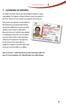 1. LICENSING OF DRIVERS Possession of a driver s licence and the privilege of driving is a major responsibility. The Registrar of Motor Vehicles, under the authority of the Motor Vehicle Act issues, renews
 Think Before You Drive is a global road safety initiative of the FIA Foundation, Bridgestone Corporation and motoring clubs worldwide. FIA Foundation for the Automobile and Society www.fiafoundation.com
CONGRATULATIONS! YOU HAVE YOUR G1
 CONGRATULATIONS! YOU HAVE YOUR G1 Exciting times for you. Nervous times for your parents but it doesn t have to be. Driving a car is one of the biggest responsibilities you will ever undertake. One mistake
Teen Drivers and Passengers: The Role of Parents A Guide For Parents
 Teen Drivers and Passengers: The Role of Parents A Guide For Parents Table of Contents Introduction Why Parents Matter Assess Your Role The Facts Why Your Teen is a Risk The Role of Parents: Quick Tips
DEADLY DRIVING DISTRACTIONS: Texting, Cell Phones, and Other Killers
 Instructor s Guide : Texting, Cell Phones, and Other Killers According to insurance statistics, distracted drivers are responsible for almost 80 percent of all car crashes and 65 percent of near-collisions
Automobile Fleet Safety Manual. William Gallagher Associates Automobile Fleet Manual 1
 Automobile Fleet Safety Manual William Gallagher Associates Automobile Fleet Manual 1 Table Of Contents Mission Statement 3 Company Rules and Regulations 4-5 Driver Qualifications 6 Drivers Licenses 6
Overview. Family & Passenger: Wear Bright Cloth Brighter is better! That's right, the brighter your clothing the better your chances are of being seen
 Overview Family & Passenger: Wear Bright Cloth Brighter is better! That's right, the brighter your clothing the better your chances are of being seen Personal Matters: Cell Phone use While Driving Yes,
Automobile Insurance Guide
 Automobile Insurance Guide Page 1 Simply stated, automobile insurance is a contract between you and your insurance company that protects you against financial loss if you are in an accident. Auto policies
NEW YORK STATE BAR ASSOCIATION. LEGALEase. If You Have An Auto Accident SAMPLE
 NEW YORK STATE BAR ASSOCIATION LEGALEase If You Have An Auto Accident If You Have An Auto Accident What should you do if you re involved in an automobile accident in New York? STOP! By law, you are required
What to Do In Case Of An. Automobile Accident COLOR
 This pamphlet is published by The Florida Bar Information and Bar Services Department as a public service. Single copies of this pamphlet and others are free upon request by sending a self-addressed, legal
For Employers Driving at Work Policy
 For Employers Driving at Work Policy Road Safety You may already have a driving for work policy within your health and safety policy or as a separate document. If you do, it may be useful to check that
DUI (Driving Under the Influence)
 DUI (Driving Under the Influence) Driving Under the Influence (DUI) In Illinois, a person is considered to be driving under the influence when: The driver has an alcohol concentration on the breath of.08
Associate Vice President of Public Safety & Administrative Services
 Policy Title: Vehicle Use Policy Policy No.: 5810 Effective Date: June 1 2013 Responsible Office: Responsible Official: Department of Public Safety Associate Vice President of Public Safety & Administrative
15-Passenger Van Safety Awareness Program. Environmental Health & Safety Department 570-662-4906
 15-Passenger Van Safety Awareness Program Environmental Health & Safety Department 570-662-4906 Course Objective The objective of this presentation is to increase the safety awareness of passenger van
Vehicle Accident Prevention and Safety Policy
 Vehicle Accident Prevention and Safety Policy Policy Type: Administrative Responsible Office: Insurance and Risk Management Initial Policy Approved: 12/06/12 Current Revision Approved: 12/06/12 Policy
Teaching Your Teen to Drive
 MetLife Auto & Home Teaching Your Teen to Drive Without driving each other crazy! Dear Parent/Guardian, One of the best ways for you to influence your teen s driving habits is to sit in the copilot seat
Checklist and Tips for Safe Winter Driving
 Know Your Car Every vehicle handles differently; this is particularly true when driving on wet, icy, or snowy roads. Take time now to learn how to best handle your vehicle under winter weather driving
Points, Suspension and Insurance Requirements
 CHAPTER THREE Points, Suspension and Insurance Requirements The Point Study Committee assesses a point value for traffic violations. The point value relates to the severity and history of the violation
Vehicle Fleet Safety Policy Amendment. The attached policy reflects a couple of important. The additions are underlined in red and the
 City of Pe not AGENDA ITEM # 10. 5 Lakes. REPORT TO CITY COUNCIL Report Prepared by: Sandy Peine, City Clerk Date: March 3, 2015 Subject: Vehicle Fleet Safety Policy Amendment Report: The attached policy
Motor Vehicle Safety Programs
 FACTSHEET 1 Motor Vehicle Safety Programs Every employer whose workers drive on the job should have a comprehensive motor vehicle safety program. The program should provide clear policies, promote safe
FLEET SAFETY INSAFE Safety Consultants Mark McDaniel - Bob Starkey
 INSAFE Safety Consultants Mark McDaniel - Bob Starkey What is Fleet Safety? Driving Techniques Operator Knowledge Vehicle Maintenance Trip Planning Indiana Dept. of Labor : McDaniel / Starkey 1 Real Estate
Level 2 Award in Safe Driving at Work
 Level 2 Award in Safe Driving at Work Student notes (sample) www.britsafe.org Membership Training Qualifications Audit and Consultancy Audit and Policy Consultancy and Opinion Policy Awards and Opinion
New York Car Accident Lawyers
 New York Car Accident Lawyers What you need to know when you are hurt in a car accident An ebook by Stuart DiMartini, Esq. 1325 Sixth Avenue, 27 th Floor New York, NY 10019 212-5181532 dimartinilaw.com
Collision Avoidance Training (CAT) Program
 Collision Avoidance Training (CAT) Program What is CAT For Teens? The Collision Avoidance Training program is an advanced driver training and defensive driver program for licensed teen drivers. The course
SMART RIDE SAFE RIDE. What you need to know to operate an ATV in Ontario
 SMART RIDE SAFE RIDE What you need to know to operate an ATV in Ontario B The All Terrain Vehicle, or ATV as it s commonly called, is a very popular year-round utility and recreational vehicle, that offers
Chapter 10: TRANSPORTATION SAFETY
 Chapter 10: TRANSPORTATION SAFETY Purpose Of These Requirements Transporting children in child care is a high risk activity. Child care operators, staff, and parents need to be aware that transporting
Cycle Safety. Some tips on safer cycling. Údarás Um Shábháilteacht Ar Bhóithre Road Safety Authority
 Cycle Safety Some tips on safer cycling Údarás Um Shábháilteacht Ar Bhóithre Road Safety Authority Be safe For further information on safe cycling, please look at the Rules of the Road website at www.rulesoftheroad.ie
what to do in case of an auto accident
 what to do in case of an auto accident Keep this pamphlet with a pencil and paper and your insurance card in your car. What These Words Mean Scene The place where the accident happened. Witness A person
ve been rolling Here, s to you, Oregon riders! You, , s no wonder for longer than you, ve been walking, so it
 THE BICYCLIST S 1 the bicyclist s survival guide ride safely. the way to go. 2 Here, s to you, Oregon riders! You, ve been rolling for longer than you, ve been walking, so it, s no wonder you feel right
FLEET SAFETY PROGRAM - SAMPLE
 FLEET SAFETY PROGRAM - SAMPLE Fleet Safety Program - Sample Your organization seeks to provide a safe and secure environment for all drivers and passengers of our vehicles. While financial costs arising
You And The Drinking Driving Laws
 You nd The Drinking Driving Laws WHY RE PENLTIES FOR DRINKING ND DRIVING SO STRICT? Drinking and driving is a hazardous combination. One third of the fatalities in New York State involve impaired or intoxicated
Strategic Highway Safety Plan
 SAFETY CULTURE CONNECTION INSIDE Motorcycles Crashes Aren t Accidents What s Trending Buckle Up Nevada! Your Decision, but Who Pays? 1 2 3 4 5 Always Buckle Up Don t Drive Impaired Focus on the Road Stop
The Price You ll Pay...
 The Price You ll Pay... DUI in North Dakota December 2012 DL1212 Ten Tips to Save Your Life Always plan ahead. If you wait until you start drinking to figure out how you ll get home, it s too late. Designate
RULES OF THE ROAD BY LWTL Staff Writer
 RULES OF THE ROAD BY LWTL Staff Writer Publisher s Note This is the First of a Three Part Series on Pedestrian and Bicycle Safety. This First Part is made available to all readers. The final two parts
Drive Defensively. Trainer Outline. Goals: This safety session should teach employees to: Applicable Regulations: General Duty Clause Sec.
 Drive Defensively Trainer Outline 2020 Goals: This safety session should teach employees to: Understand the importance and practices of defensive driving. Applicable Regulations: General Duty Clause Sec.
Bicycle riding is a great way to get into shape
 Bicycle riding is a great way to get into shape and have fun. To remain safe on Illinois roads, it is important to follow the same traffic safety laws that govern vehicle drivers. No amount of bicycle
The Growing Epidemic of Cell Phone Use While Driving. Participant Guide
 The Growing Epidemic of Cell Phone Use While Driving Participant Guide Disclaimer Although the information and recommendations contained in this publication have been compiled from sources believed to
Jenny from Minnesota tells her story:
 Jenny from Minnesota tells her story: Jenny from Minnesota tells her story: In the spring of 1998, I was in a car accident where I was going too fast on a gravel road and ended up wrapping my car around