
Short-pulse Laser Treatment: Redefining Retinal Therapy
|
|
|
- Nancy Bradford
- 10 years ago
- Views:
Transcription
1 Short-pulse Laser Treatment: Redefining Retinal Therapy Minimizing side effects without compromising care. YANNIS M. PAULUS, MD DANIEL PALANKER, PhD MARK S. BLUMENKRANZ, MD Retinal laser photocoagulation was first described 45 years ago and remains the standard of care for many retinal diseases. 1 The Diabetic Retinopathy Study established panretinal photocoagulation as an effective treatment for proliferative diabetic retinopathy. 2 Conventional retinal laser photocoagulation for diabetic retinopathy, retinal vascular applications, and the treatment of retinal breaks is typically performed with a continuous wave laser at 514 or 532 nm with exposure durations from 100 to 200 ms, spot sizes from 100 to 500 µm, and powers from 100 to 750 mw. 3 Thermal ablation of tumors and extrafoveal choroidal neovascular membranes often involve longer pulse durations from 200 to 500 ms and yellow-red wavelengths. 4 CONVENTIONAL LASER: THE GOLD STANDARD Although PRP with visible lesions is a highly effective approach to halt angiogenesis, it has numerous side effects, including significant discomfort for many patients, 5 permanent retinal scarring and decreased peripheral, color and night vision. 6,7 Retinal photocoagulation is also effective for treating macular edema, but it causes visible laser scars that can enlarge postoperatively 8-10 and complications that include choroidal neovascularization, 11,12 subretinal fibrosis and visual field loss Permanent retinal scarring has multiple detrimental effects: (1) It distorts the normal retinal architecture by replacing it with gliotic/fibrotic matrix; Yannis M. Paulus, MD, will begin his residency in ophthalmology at Stanford University in Daniel Palanker, PhD, is associate professor and director of research in the ophthalmology department at Stanford. Mark S. Blumenkranz, MD, is professor and chairman of the Stanford University department of ophthalmology. Drs. Palanker and Blumenkranz report significant financial interest in OptiMedica Corp., and Dr. Blumenkranz reports additional financial disclosures with regard to Macusight, Allergan and Genentech. Dr. Paulus reports no financial interest in any product mentioned in this article. Dr. Paulus can be reached at [email protected]. (2) it disrupts normal retinal connectivity; (3) it is associated with an infiltrative/inflammatory process involving cell loss; (4) lack of photoreceptors and/or other retinal cells in the scarring areas directly reduces the visual field sensitivity; and (5) loss of one class of retinal cells may, by trans-synaptic degeneration and by incitement of inflammation, result in loss of other retinal neurons. 21,22 Ocular neovascular disease results from angiogenic factors produced in response to retinal ischemia. While the exact mechanism is unknown, one theory as to the mechanism of laser treatment is that it reduces neovascular disease by killing retinal cells in the poorly perfused portions of the retina, reducing ischemia and decreasing the production of angiogenic factors Since photoreceptors are the most metabolically active and numerous cells in the retina, PRP for PDR involves the purposeful destruction of a fraction of the photoreceptors. 27 Systematic clinicopathological analysis of laser-induced retinal lesions over time has demonstrated that exposures of 100 ms and longer typically produce retinal lesions that affect not only the retinal pigment epithelium and photoreceptors, but also the inner nuclear layer, ganglion cell layer and nerve fiber layer. 28 MINIMALLY TRAUMATIC MILLISECOND LASERS Recent innovations that have refined these traditional laser parameters to minimize side effects while retaining the therapeutic effect include modulations in pulse duration, lesion intensity and lesion localization, and use of photo - sensitizing agents. Each innovation is discussed below. Pulse Duration The semiautomated pattern-scanning retinal photocoagulation system PASCAL (PAttern SCAn Laser; OptiMedica Corp., Santa Clara, CA) has been recently introduced, which allows for patterns of four to 56 burns to be applied in less than one second, using a scanning laser with shorter CONTINUED ON PAGE 56 54

2 pulse durations. 29 This delivery system allows for the creation of wellaligned arrays of retinal lesions in a shorter time (Figure 1). Investigations of retinal photocoagulation have found that 10- to 20-ms exposures can produce retinal lesions of all clinical grades, if power is increased accordingly. In addition, shorter pulse durations result in improved lesion localization, as compared to conventional 100 ms exposures. 30 Several small pilot clinical studies have been undertaken, comparing photocoagulation performed with 10- to 20-ms pulses to conventional 100-ms exposures. All studies have found that 10- to 20-ms pulse duration lesions to result in similar clinical endpoints. A study by Sanghvi et al. performed 10- to 20-ms pulse duration photocoagulation in 75 eyes in 60 patients and found it to be safe and effective. 31 In a study by Al-Hussainy et al, 20 patients were treated with a conventional laser (100 ms, 180 mw) and short-pulse duration (20 ms, 500 mw), each lesion type in half of every treated retina. Patients were asked at the end to rate the pain of each of the two treatments from 0 (no pain) to 10 (the worst pain ever experienced). Conventional PRP resulted in a pain score of 5.11, whereas short-pulse duration had a much lower pain score of Additional studies have also confirmed that shorterduration laser burns cause less perceived pain in patients than conventional laser lesions. 33 A study by Muqit et al. evaluated the evolution of the lesions produced by 10- and 20-ms pulse duration using ophthalmoscopy, Fourier domain optical coherence tomography and fundus autofluorescence in 17 eyes of 11 patients. Short-pulse duration lesions localized to the outer retina and RPE and showed more predictable lesion characteristics at 18 months posttreatment. 34 One limitation to these studies, however, is their small sample sizes. All of these trials occurred in small cohorts of patients with fewer than 100 treated eyes. While the preliminary results with 10- to 20-ms pulse duration lesions look encouraging in terms of their rapidity of application, re duced perceived patient pain and improved lesion localization, larger multicenter, randomized, controlled trials and longer patient follow-up are needed for definitive comparison of the clinical efficacy of shorter-pulse duration treatment with conventional therapy. Lesion Intensity In conventional retinal photocoagulation, the typical endpoint of laser treatment is an ophthalmoscopically visible grayish-white lesion that develops due to thermal denaturation Figure 1. Comparison of conventional laser application (at left and below) and PASCAL (on the right) in a rabbit eye. and coagulation of the retina. The heat is predominantly deposited in the RPE and pigmented choroid but spreads by diffusion and causes irreversible damage to the photoreceptor outer and inner segments. 35,36 However, recent evidence has suggested that retinal lesions might not be permanent in smaller, less intense burns and that the outer retina can fill the damaged areas in animal models, including rats, rabbits and snakes (Figure 2) It is important to keep in mind that less intense lesions with the same spot size are often smaller, and thus a larger number of lighter lesions is required to maintain the same clinical efficacy. Several reports regarding light PRP, also referred to as minimum intensity photocoagulation (MIP), 40,41 and subvisible treatment using micro pulse photocoagulation 42,43 have indicated that these approaches may have an equivalent efficacy to conventional PRP in causing regression of high-risk PDR. In addition, small studies find that MIP is associated with fewer complications and fewer treatment sessions. At 12 months, light PRP was reported to be equiv alent to classic PRP in reduction/elimination of dia - betic macular edema, visual improvement, change in contrast sensitivity and de creased foveal retinal thickness on OCT. 44 Both of these ap proaches offer the therapeutic benefit of conventional therapy without many of its detrimental side effects. Lesion Localization The Early Treatment Diabetic Retinopathy Study (ETDRS) established grid photocoagulation as an effective therapy for clinically significant DME. 45 Comparison of the modified ETDRS with a mild macular grid (MMG) found the modified ETDRS grid photocoagulation to be superior to MMG. 46 Focal laser coagulation also has additional applications in treating CNV associated with myopic degeneration. Response to laser therapy has also been shown to depend on subclassification of the condition. OCT can be used to subclassify diabetic macular edema into four categories: diffuse retinal thickening (DRT), cystoid macular edema (CME), serous retinal detachment, and vitreomacular interface abnormalities (VMIA). In a study of 70 eyes from 45 patients who underwent focal laser photocoagulation with different subcategories of DME, patients with DRT were found to achieve a greater reduction in retinal thickness and greater improvement in visual acuity than patients with CME or VMIA. 47 Laser application can also be modulated through the intravenous administration of photosensitizers such as verteporfin (Visudyne, Novartis/QLT) with concomitant 56

3 administration of low-intensity laser. The photosensitizer activation results in the formation of reactive oxygen, primarily singlet oxygen ( 1 O2), 48 and direct cellular injury, such as vascular endo thelial cell injury and vessel thrombosis, while preserving the surrounding retina, RPE and choroid. Multicenter, randomized clinical trials (the TAP and VIP studies) have established PDT with verteporfin as an effective ther apy to reduce visual acuity loss in patients with CNV in age-related macular degeneration. 49,50 Side effects of PDT with verteporfin include photosensitivity reactions, dye extravasation, transient visual disturbances and infusion-related back pain. However, PDT has decreased in popularity in recent years due to the efficacy of anti-vegf agents in halting and reversing vision loss with CNV. Selectivity has also been demonstrated using laseractivated gold nanoparticles to selectively target retinal vascular endothelial cells for treatment of CNV. 51 The selective treatment of drusen in patients with AMD using conventional photocoagulation caused reduction in the number of drusen. However, this did not result in visual acuity improvement, and it increased the incidence of CNV. Thus, it is not advised. 52,53 MICROSECOND PULSE DURATION: SELECTIVE RETINAL THERAPY While conventional photocoagulation has applications in many retinal diseases, it has limited use in macular treatment due to scarring, which results in significant central visual scotomas. Many diseases involving the macula, such as AMD, DME, geographic atrophy and CSR, are thought to be caused by dysfunction of RPE cells. This hypothesis suggests a need for RPE-specific treatments that would allow for macular therapy in these conditions. The RPE plays an important role in photocoagulation by housing the pigment melanin, which absorbs much of the laser energy. 54 Mathematical models and empiric data have demonstrated that microsecond pulse durations can selectively destroy RPE cells without damaging the retina. 55,56 This has led to the development of selective retina therapy (SRT): microsecond laser exposures that target RPE cells without affecting the photoreceptors, neural retina or choroid. The first RPEselective retinal laser treatment was achieved using 5-µs argon laser pulses at 514 nm and a repetition rate of 500 Hz in rabbit eyes. 57 It has been shown that the application of microsecond pulses at the thermal relaxation time of melanosomes in the RPE (1 µs) leads to the formation of microbubbles and selective RPE cell death, while the surrounding retinal temperature remains sublethal. 58 This allows for selective RPE treatment while avoiding photoreceptor damage. Currently, several microsecond-pulsed laser systems have been developed. 59,60 Recently, an alternative approach to SRT has been developed: application of a rapidly scanning continuous wave laser such that the RPE cells are exposed to laser light during several microseconds. 61 In 2000, the first clinical study reported the efficacy of SRT in 12 patients with diabetic maculopathy, 10 patients with soft drusen and four with CSR. 62 SRT was performed with an Nd:YLF laser (wavelength of 527 nm) using a pulse duration of 1.7 µs, and patients were examined by ophthalmoscopy, fluorescein angiography, indocyanine green angiography and infrared imaging. The number of hard exu dates, drusen and serous detachment improved after treatment in patients with diabetes, soft drusen and CSR, respectively. No visual loss (photoreceptors) after treatment was confirmed by microperimetry. Similarly, microsecond pulse-duration laser therapy has been shown to be both safe and effective in small trials in Figure 2. Histology of short (7 ms), less intense pulse duration over four months showing retinal filling in of the damaged area. Demonstrates toluidine blue histology of barely visible laser lesions produced with a pulse duration of 7 ms, a retinal beam size of 330 μm, and a laser power of 175 mw in rabbits. The yellow bar indicates the extent of damage at the RPE-photoreceptor junction. Lesions exhibit localization of the damage to photoreceptors. Gliotic replacement of the damaged photoreceptors continues to contract over time, reaching almost continuous appearance of the outer retina with normal morphology at four months. IMAGE FROM PAULUS YM, JAIN A, GARIANO RF, ET AL., HEALING OF RETINAL PHOTOCOAGULATION LESIONS. INVEST OPHTHALMOL VIS SCI. VOLUME 49, NUMBER 12, PP , COPYRIGHT 2008 BY ARVO. JANUARY FEBRUARY 2010 RETINAL PHYSICIAN 57

4 applications such as CSR 63 and subfoveal fluid after rhegmatogenous retinal detachment. 64 SRT is currently being investigated for its utility in treating drusen, CSR, CNV and branch retinal vein occlusion. Preliminary results from an international multicenter trial have been reported to be quite promising among 60 patients with diabetic maculopathy and 10 patients with CSR. 65 Near-infrared laser (810 nm) operating with bursts of submillisecond pulses has been applied for more gentle co - agulation (OcuLight SL; Iridex Corporation, Mountain View, CA). This wavelength is selected due to its reduced absorption by photoreceptors and hemoglobin and thus its more selective absorption by melanin in RPE and pigmented choroid. Typically, a sequence of micropulses of 100 μs in duration separated by μs is applied during 200 to 500 ms. This micropulse system has been shown to be clinically effective in small trials for the treatment of macular edema from venous occlusion and diabetic retinopathy. 66 THE FUTURE OF LASERS IN RETINAL TREATMENT While pharmacologic therapies such as VEGF inhibitors and corticosteroids have proved to be effective in the treatment of macular diseases such as AMD, recent advances in laser technology have created new modalities that result in minimal tissue damage while retaining the therapeutic effects of laser therapy. Thermal diffusion in conventional 100-ms laser systems limited their utility in treating the macula due to scarring, resulting in central visual scotomas. The recently developed improvements minimize or eliminate this side effect and thus allow for safe macular laser therapy. In addition to continuing to be the gold standard of therapy in several retinal conditions, laser can also be used concurrently with pharmaceutical treatments such as corticosteroids or VEGF inhibitors. Improved understanding of the mechanism of laser therapy, an area of active investigations, may lead to further enhancements of laser treatments. One of the mechanisms by which retinal photocoagulation is thought to produce therapeutic benefit in vascular retinal disease is destruction of retinal cells in the poorly perfused portions of the retina, thus limiting the ischemia and decreasing the production of angiogenic factors Since photoreceptors are metabolically the most active and numerous cells in the retina, PRP involves the purposeful destruction of a fraction of the photoreceptors to reduce the retinal oxygen demand. 67 Recent experiments looking at rat models of hypoxia have found that photoreceptors act as a repository of growth factors in hypoxic conditions that cause the angiogenesis and increased vascular permeability characteristic of these conditions. 68 These findings suggest that selective destruction of photoreceptors, while sparing the inner retina, should not only increase availability of oxygen, but also reduce the angiogenic and permeability factors. Further improvements in laser systems have been recently demonstrated at the Association for Research in Vision and Ophthalmology 2009 conference that might become available clinically in the coming years. These include optoacoustic monitoring of retinal temperature in real time to achieve real-time automatic dosimetry for more reproducible homogenous photocoagulation lesions. 69 In addition, retinalnavigated laser photocoagulation using eye tracking and registered diagnostic imaging with scanning slit ophthalmoscope allows one to register FA and other imaging data to better guide photocoagulation delivery. 70 This technology will allow for better targeting of the areas with pathology, identified by OCT, FA and other imaging modalities. CONCLUSION Continuous innovations in laser technology and progress in the understanding of retinal pathology make us believe that improvements in the treatment of retinal diseases using laser therapy will continue in the years to come. RP REFERENCES 1. Kapany NS, Peppers NA, Zweng HC, Flocks M. Retinal Photocoagulation by Lasers. Nature. 1963;199: Little HL, Zweng HC, Peabody RR. Argon laser slit-lamp retinal photocoagulation. Trans Am Acad Ophthalmol Otolaryngol. 1970;74: Treatment techniques and clinical guidelines for photocoagulation of diabetic macular edema. Early Treatment Diabetic Retinopathy Study Report Number 2. Early Treatment Diabetic Retinopathy Study Research Group. Ophthalmology. 1987;94: The influence of treatment extent on the visual acuity of eyes treated with Krypton laser for juxtafoveal choroidal neovascularization. Macular Photocoag - ulation Study Group. Arch Ophthalmol. 1995;113: Fong DS, Girach A, Boney A. Visual side effects of successful scatter laser photocoagulation surgery for proliferative diabetic retinopathy: a literature review. Retina. 2007;27: Higgins KE, Meyers SM, Jaffe MJ, et al. Temporary loss of foveal contrast sensitivity associated with panretinal photocoagulation. Arch Ophthalmol. 1986;104: Shimura M, Yasuda K, Nakazawa T, Tamai M. Visual dysfunction after panretinal photocoagulation in patients with severe diabetic retinopathy and good vision. Am J Ophthalmol. 2005;140: Schatz H, Madeira D, McDonald HR, Johnson RN. Progressive enlargement of laser scars following grid laser photocoagulation for diffuse diabetic macular edema. Arch Ophthalmol. 1991;109: Morgan CM, Schatz H. Atrophic creep of the retinal pigment epithelium after focal macular photocoagulation. Ophthalmology. 1989;96: Focal photocoagulation treatment of diabetic macular edema. Relationship of treatment effect to fluorescein angiographic and other retinal characteristics at baseline: ETDRS report no. 19. Early Treatment Diabetic Retinopathy Study Research Group. Arch Ophthalmol. 1995;113: Lewen RM. Subretinal neovascularization complicating laser photocoagulation of diabetic maculopathy. Ophthalmic Surg. 1988;19: Lewis H, Schachat AP, Haimann MH, et al. Choroidal neovascularization after laser photocoagulation for diabetic macular edema. Ophthalmology. 1990; 97: Lovestam-Adrian M, Agardh E. Photocoagulation of diabetic macular oedema complications and visual outcome. Acta Ophthalmol Scand. 2000; 78: Guyer DR, D Amico DJ, Smith CW. Subretinal fibrosis after laser photocoagulation for diabetic macular edema. Am J Ophthalmol. 1992;113: Rutledge BK, Wallow IH, Poulsen GL. Sub-pigment epithelial membranes after photocoagulation for diabetic macular edema. Arch Ophthalmol. 1993; 111: Striph GG, Hart WM, Jr., Olk RJ. Modified grid laser photocoagulation for diabetic macular edema. The effect on the central visual field. Ophthalmology. 1988;95: Hudson C, Flanagan JG, Turner GS, et al. Influence of laser photocoagulation for clinically significant diabetic macular oedema (DMO) on short-wavelength and conventional automated perimetry. Diabetologia. 1998;41:

5 18. Ishiko S, Ogasawara H, Yoshida A, Hanada K. The use of scanning laser ophthalmoscope microperimetry to detect visual impairment caused by macular photocoagulation. Ophthalmic Surg Lasers. 1998;29: Sinclair SH, Alaniz R, Presti P. Laser treatment of diabetic macular edema: comparison of ETDRS-level treatment with threshold-level treatment by using high-contrast discriminant central visual field testing. Semin Ophthalmol. 1999;14: Mainster MA. Decreasing retinal photocoagulation damage: principles and techniques. Semin Ophthalmol. 1999;14: Stone JL, Barlow WE, Humayun MS, et al. Morphometric analysis of macular ph otoreceptors and ganglion cells in retinas with retinitis pigmentosa. Arch Ophthalmol. 1992;110: Birnbach CD, Jarvelainen M, Possin DE, Milam AH. Histopathology and immunocytochemistry of the neurosensory retina in fundus flavimaculatus. Ophthalmology. 1994;101: Matsumoto M, Yoshimura N, Honda Y. Increased production of transforming growth factor-beta 2 from cultured human retinal pigment epithelial cells by photocoagulation. Invest Ophthalmol Vis Sci. 1994;35: Spranger J, Hammes HP, Preissner KT, et al. Release of the angiogenesis inhibitor angiostatin in patients with proliferative diabetic retinopathy: association with retinal photocoagulation. Diabetologia. 2000;43: Sanchez MC, Luna JD, Barcelona PF, et al. Effect of retinal laser photocoagulation on the activity of metalloproteinases and the alpha(2)-macroglobulin proteolytic state in the vitreous of eyes with proliferative diabetic retinopathy. Exp Eye Res. 2007;85: Jennings PE, MacEwen CJ, Fallon TJ, et al. Oxidative effects of laser photocoagulation. Free Radic Biol Med. 1991;11: Little HL, Zweng HC, Peabody RR. Argon laser slit-lamp retinal photocoagulation. Trans Am Acad Ophthalmol Otolaryngol. 1970;74: Jain A, Blumenkranz MS, Paulus Y, et al. Effect of pulse duration on size and character of the lesion in retinal photocoagulation. Arch Ophthalmol. 2008; 126: Blumenkranz MS, Yellachich D, Andersen DE, et al. Semiautomated patterned scanning laser for retinal photocoagulation. Retina. 2006;26: Jain A, Blumenkranz MS, Paulus Y, et al. Effect of pulse duration on size and character of the lesion in retinal photocoagulation. Arch Ophthalmol. 2008; 126: Sanghvi C, McLauchlan R, Delgado C, et al. Initial experience with the Pascal photocoagulator: a pilot study of 75 procedures. Br J Ophthalmol. 2008; 92: Al-Hussainy S, Dodson PM, Gibson JM. Pain response and follow-up of pa - tients undergoing panretinal laser photocoagulation with reduced exposure times. Eye. 2008; 22: Rufer F, Flohr CM, Poerksen E, Roider J. Retinal laser coagulation with the pattern scanning laser report of first clinical experience. Klin Monatsbl Augenheilkd. 2008;225: Muqit MMK, Gray JCB, Marcellino GR, et al. Fundus autofluorescence and Fourier-domain optical coherence tomography imaging of 10 and 20 millisecond Pascal retinal photocoagulation treatment. Br J Ophthalmol. 2009;93: Birngruber R, Hillenkamp F, Gabel VP. Theoretical investigations of laser thermal retinal injury. Health Phys. 1985;48: Marshall J, Mellerio J. Pathological development of retinal laser photocoagulations. Exp Eye Res. 1967;6: Paulus YM, Jain A, Gariano RF, et al. Healing of retinal photocoagulation lesions. Invest Ophthalmol Vis Sci. 2008;49: Busch EM, Gorgels TG, Van Norren D. Filling-in after focal loss of photoreceptors in rat retina. Exp Eye Res. 1999;68: Zwick H, Edsall P, Stuck BE, et al. Laser induced photoreceptor damage and recovery in the high numerical aperture eye of the garter snake. Vision Res. 2008;48: Bandello F, Polito A, Del Borrello M, et al. Light versus classic laser treatment for clinically significant diabetic macular oedema. Br J Ophthalmol. 2005;89: Bandello F, Brancato R, Menchini U, et al. Light panretinal photocoagulation (LPRP) versus classic panretinal photocoagulation (CPRP) in proliferative diabetic retinopathy. Semin Ophthalmol. 2001;16: Luttrull JK, Musch DC, Spink CA. Subthreshold diode micropulse panretinal photocoagulation for proliferative diabetic retinopathy. Eye (London). 2008; 22: Luttrull JK, Spink CJ. Serial optical coherence tomography of subthreshold diode laser micropulse photocoagulation for diabetic macular edema. Ophthalmic Surg Lasers Imaging. 2006;37: Dorin G. Evolution of retinal laser therapy: minimum intensity photocoagulation (MIP). Can the laser heal the retina without harming it? Semin Ophthalmol. 2004;19: ETDRS research group. Photocoagulation for diabetic macular edema. Early Treatment Diabetic Retinopathy Study report number 1. Arch Ophthalmol. 1985;103: Diabetic Retinopathy Clinical Research Network. Comparison of modified- ETDRS and mild macular grid laser photocoagulation strategies for diabetic macular edema. Arch Ophthalmol. 2007;125: Kim NR, Kim YJ, Chin HS, Moon YS. Optical coherence tomography patterns in diabetic macular oedema: prediction of visual outcome after focal laser photocoagulation. Br J Ophthalmol. 2009;93: Gibson SL, Havens JJ, Nguyen ML, Hilf R. d-aminolevulinic acid-induced photodynamic therapy inhibits protoporphyrin IX biosynthesis and reduces subsequent treatment efficacy in vitro. Br J Cancer. 1999;80: TAP Study Group. Photodynamic therapy of subfoveal choroidal neovascularization in age-related macular degeneration with verteporfin. One-year results of 2 randomised clinical trials TAP report 1. Arch Ophthalmol. 1999;117: Verteporfin in Photodynamic Therapy Study Group. Photodynamic therapy of subfoveal choroidal neovascularization in pathologic myopia with verteporfin.1- year results of a randomized clinical trial VIP report no. 1. Ophthalmology. 2001;108: Eter N, Hahn I, Levold F, et al. Selective treatment of choroidal neovascular - ization by laser-activated gold nanoparticles: first in vitro results. Paper presented at: Annual Meeting of the Association for Research in Vision and Ophthalmology; May 3-9, 2009; Fort Lauderdale, FL. 52. Friberg TR, Musch DC, Lim JI, Morse L, Freeman W, Sinclair S; PTAMD Study Group. Prophylactic treatment of age-related macular degeneration report number 1: 810-nanometer laser to eyes with drusen. Unilaterally eligible patients.. Ophthalmology. 2006;113: Owens SL, Bunce C, Brannon AJ, et al.; Prophylactic laser treatment hastens choroidal neovascularization in unilateral age-related maculopathy: final results of the drusen laser study. Am J Ophthal. 2006;141: Sramek C, Paulus Y, Nomoto H, et al. Dynamics of retinal photocoagulation and rupture. J Biomed Optics. 2009;14: Roider J. Laser treatment of retinal diseases by subthreshold laser effects. Semin Ophthalmol. 1999;14: Brinkmann R, Roider J, Birngruber R. Selective retina therapy (SRT): a review on methods, techniques, preclinical and first clinical results. Bull Soc Belge Ophtalmol. 2006;302: Roider J, Michaud NA, Flotte TJ, Birngruber R. Response of the retinal pigment epithelium to selective photocoagulation. Arch Ophthalmol. 1992; 110: Roider J, Hillenkamp F, Flotte T, Birngruber R. Microphotocoagulation: selective effects of repetitive short laser pulses. Proc Natl Acad Sci U S A. 1993;90: Framme C, Schuele G, Roider J, et al. Threshold determinations for selective retinal pigment epithelium damage with repetitive pulsed microsecond laser systems in rabbits. Ophthalmic Surg Lasers. 2002;33: Roider J, Brinkmann R, Wirbelauer C, et al. Retinal sparing by selective retinal pigment epithelial photocoagulation. Arch Ophthalmol. 1999;117: Framme C, Alt C, Schnell S, et al. Selective targeting of the retinal pigment epithelium in rabbit eyes with a scanning laser beam. Invest Ophthalmol Vis Sci. 2007;48: Roider J, Brinkmann R, Wirbelauer C, et al. Subthreshold (retinal pigment epithelium) photocoagulation in macular diseases: a pilot study. Br J Ophthalmol. 2000;84: Elsner H, Porksen E, Klatt C, et al. Selective retina therapy in patients with central serous chrioretinopathy. Graefes Arch Clin Exp Ophthal. 2006; 244: Koinzer S, Elsner H, Klatt C, et al. Selective retina therapy (SRT) of chronic subfoveal fluid after surgery of rhegmatogenous retinal detachment: three case reports. Graefes Arch Clin Exp Ophthalmol. 2008;246: Brinkmann R, Roider J, Birngruber R. Selective Retina Therapy (SRT): A Review on Methods, Techniques, Preclinical and First Clinical Results. Bull Soc belge Ophtalmol. 2006;302: Friberg TR, Karatza EC. The treatment of macular disease using a micropulsed and continuous wave 810-nm diode laser. Ophthalmology. 1997;104: Stefansson E, Hatchell DL, Fisher BL, Sutherland FS, Machemer R. Panretinal hotocoagulation and retinal oxygenation in normal and diabetic cats. Am J Ophthalmol. 1986;101: Foulds WS, Kaur C, Luu CD, Kek WK. A role for photoreceptors in retinal oedema and angiogenesis: an additional explanation for laser treatment? Eye (London) Sep 11. [Epub ahead of print] 69. Brinkmann R, Schlott K, Langejürgen J, et al. Automatic dosimetry control for gentle retinal photocoagulation. Paper presented at: Annual Meeting of the Association for Research in Vision and Ophthalmology; May 3-9, 2009; Fort Lauderdale, FL. 70. Freeman WR, Neubauer AS, Weber U, Liesfeld B. Retinal navigated laser photocoagulation using eye tracking and registered diagnostic imaging with a scanning slit ophthalmoscope (NAVILAS). Paper presented at: Annual Meeting of the Association for Research in Vision and Ophthalmology; May 3-9, 2009; Fort Lauderdale, FL. JANUARY FEBRUARY 2010 RETINAL PHYSICIAN 59

Non-damaging Laser Therapy of the Macula: Titration Algorithm and Tissue Response
 Non-damaging Laser Therapy of the Macula: Titration Algorithm and Tissue Response Daniel Palanker 1,2, Daniel Lavinsky 1,3, Roopa Dalal 2, Philip Huie 1,2 1 Department of Ophthalmology and 2 Hansen Experimental
This newest generation laser offers specific technological features and treatment options designed to substantially improve the retina laser therapy:
 1 The latest generation of Quantel Medical Multispot Laser (Supra Scan 577) offers new technological features and treatment methods for improving retina laser therapy. Q uantel Medical Lasers give excellent
Spectral domain OCT used to view and quantify choroidal vascular congestion in new subretinal fluid following scleral buckling.
 Spectral domain OCT used to view and quantify choroidal vascular congestion in new subretinal fluid following scleral buckling. Robert Gizicki MD, Mohamed Haji, Flavio Rezende Retina Service, Hôpital Maisonneuve-Rosemont,
DIABETIC RETINOPATHY. Diabetes mellitus is an abnormality of the blood glucose metabolism due to altered
 DIABETIC RETINOPATHY Diabetes mellitus Diabetes mellitus is an abnormality of the blood glucose metabolism due to altered insulin production or activity. There are two types diabetes mellitus- Insulin
Visual Disorders in Middle-Age and Elderly Patients with Diabetic Retinopathy
 Medical Care for the Elderly Visual Disorders in Middle-Age and Elderly Patients with Diabetic Retinopathy JMAJ 46(1): 27 32, 2003 Shigehiko KITANO Professor, Department of Ophthalmology, Diabetes Center,
Trends in Ophthalmology a Market Perspective. Matthias Karl, Michael Kempe
 Trends in Ophthalmology a Market Perspective Matthias Karl, Michael Kempe 30.04.2013 Agenda 1 2 3 4 Role of Optical Technologies in Ophthalmology Demands of the Market - Trends in the Application Implications
ICG IMAGING FOR EXUDATIVE ARMD
 ICG IMAGING FOR EXUDATIVE ARMD MARK H. NELSON, MD MBA WINSTON-SALEM, NC ASRS INSTRUCTION COURSE AUGUST 24, 2011 FINANCIAL DISCLOSURE Novartis Pharmaceutics, Incorporated Consultant, Grant Recipient Heidelberg
FDA approves Lucentis (ranibizumab injection) for treatment of diabetic macular edema
 Media Release Basel, 13 August 2012 FDA approves Lucentis (ranibizumab injection) for treatment of diabetic macular edema First major treatment advance in more than 25 years for sight-threatening condition
An Informational Guide to CENTRAL RETINAL VEIN OCCLUSION
 Science of CRVO www.scienceofcrvo.org An Informational Guide to CENTRAL RETINAL VEIN OCCLUSION This brochure will guide you in understanding CRVO and the treatment options available to prevent vision loss.
Introduction Houston Retina Associates
 1 2 Introduction This book was written by Houston Retina Associates to provide our patients with basic knowledge about retinal anatomy, an introduction to some of the diagnostic tests and treatments used
82 Gilbert Street, Adelaide, SA, 5000 82 Gilbert Street, Adelaide, SA, 5000 W +61 8 8104 5293 M +61 417 818 658 W +61 8 8104 5200 M +61 414 661 994
 ASX RELEASE Ellex Medical Lasers Limited (ASX:ELX) Adelaide, Australia Date: 14 September 2015 Release: Immediate Topic: Ellex releases first case study results for 2RT at major tradeshow Adelaide, Australia,
INTERNATIONAL CLINICAL DIABETIC RETINOPATHY DISEASE SEVERITY SCALE DETAILED TABLE
 Proposed Disease Severity Level No apparent Mild Non- Proliferative Moderate Nonproliferative Severe Non- Proliferative Proliferative INTERNATIONAL CLINICAL DIABETIC RETINOPATHY DISEASE SEVERITY SCALE
Preparing for laser treatment for diabetic retinopathy and maculopathy
 Preparing for laser treatment for diabetic retinopathy and maculopathy This leaflet sets out to answer the questions people with diabetic retinopathy commonly ask about laser treatment. You might want
NAVILAS Laser System Focal Laser Treatment for Diabetic Macular Edema - One Year Results of a Case Series
 Send Orders for Reprints to [email protected] 48 The Open Ophthalmology Journal, 2013, 7, 48-53 Open Access NAVILAS Laser System Focal Laser Treatment for Diabetic Macular Edema - One Year Results
Vitreo-Retinal and Macular Degeneration Frequently Asked Questions
 Vitreo-Retinal and Macular Degeneration Frequently Asked Questions What is a Vitreo-Retinal specialist? Retinal specialists are eye physicians and surgeons who focus on diseases in the back of the eye
Avastin (Bevacizumab) Intravitreal Injection
 Avastin (Bevacizumab) Intravitreal Injection This handout describes how Avastin may be used to treat wet age related macular degeneration (AMD) or macular edema due to retinal vascular disease such as
Retinal Imaging Biomarkers for Early Diagnosis of Alzheimer s Disease
 Retinal Imaging Biomarkers for Early Diagnosis of Alzheimer s Disease Eleonora (Nora) Lad, MD, PhD Assistant Professor of Ophthalmology, Vitreoretinal diseases Duke Center for Macular Diseases Duke University
NC DIVISION OF SERVICES FOR THE BLIND POLICIES AND PROCEDURES VOCATIONAL REHABILITATION
 NC DIVISION OF SERVICES FOR THE BLIND POLICIES AND PROCEDURES VOCATIONAL REHABILITATION Section: E Revision History Revised 01/97; 05/03; 02/08; 04/08; 03/09; 05/09; 12/09; 01/11; 12/14 An individual is
Age- Related Macular Degeneration
 Age- Related Macular Degeneration Age-Related Macular Degeneration (AMD) is the leading cause of blindness in the United States. It is caused by damage to a localized area of the central retina called
Completed Clinical Research Trials Prema Abraham, M.D.
 Completed Clinical Research Trials Prema Abraham, M.D. AMD Studies 2010 Present Principal Investigator: A Phase 2, randomized, double-masked, controlled trial to establish the safety and efficacy of intravitreous
APRIL 8th 2016 Therapy
 APRIL 8th 2016 Therapy 09.00-10.00 SESSION 1: Age-related Macular Degeneration Moderators: S. Sadda, D. Sarraf, K. Bailey Freund, E. Souied 09.00-09.15 Prospective SD OCT Analysis of PED Associated with
Diabetic Eye Screening Revised Grading Definitions
 Diabetic Eye Screening Revised Grading Definitions Version 1.3, 1 November 2012 To provide guidance on revised grading definitions for the NHS Diabetic Eye Screening Programme Project/Category Document
Geographic Atrophy: The Advanced Form of Dry AMD
 Age-related macular degeneration (AMD) is a disease associated with aging that gradually destroys sharp, central vision. Central vision is needed for seeing objects clearly and for common daily tasks such
Angiogenesis, Exudation, and Degeneration 2016. February 6, 2016 Mandarin Oriental, Miami, FL
 Angiogenesis, Exudation, and Degeneration 2016 February 6, 2016 Mandarin Oriental, Miami, FL Program Directors: Philip J. Rosenfeld, MD, PhD and Harry W. Flynn, Jr., MD Course Associate Director: Carmen
Interdisziplinäre Vorlesung: Lasermedizin Ophthalmologische Laseranwendungen
 Interdisziplinäre Vorlesung: Lasermedizin Ophthalmologische Laseranwendungen Reginald Birngruber SS 2012 Laser in der Ophthalmologie Ziliarkörper- Koagulation Netzhaut- Koagulation Refraktive Laser- Chirurgie
iocutouchtm for ipad Contents of Videos and Still Images Anatomy 906. Normal Eye and Orbit - no labels 907. Normal Eye and Orbit - with labels
 iocutouchtm for ipad Contents of Videos and Still Images Anatomy 906. Normal Eye and Orbit - no labels 907. Normal Eye and Orbit - with labels Normal Eye 474. Normal Eye overview 476. Cornea - overview
Therapeutic Window of Retinal Photocoagulation With Green (532-nm) and Yellow (577-nm) Lasers
 EXPERIMENTAL SCIENCE Therapeutic Window of Retinal Photocoagulation With Green (532-nm) and Yellow (577-nm) Lasers Christopher K. Sramek, PhD; Loh-Shan B. Leung, MD; Yannis M. Paulus, MD; Daniel V. Palanker,
EFFECT OF MYOPIC LASIK ON RETINAL NERVE FIBER LAYER THICKNESS- IS IT SAFE OR UNSAFE?
 24. Glaucoma: Imaging EFFECT OF MYOPIC LASIK ON RETINAL NERVE FIBER LAYER THICKNESS- IS IT SAFE OR UNSAFE? Chief Author: Dr. Amit porwal 1 Co-Authors: Dr. Kavita Porwal 2, Dr. Puja Rai 1 1. Choithram Netralaya,
We are on WHAT ARE THE RISK FACTORS FOR MACULAR DEGENERATION?
 We are on WHAT ARE THE RISK FACTORS FOR MACULAR DEGENERATION? Age Being 60 years of age and older Race Whites are much more likely to lose vision from AMD than Blacks Gender Women tend to be at greater
Effect of retinal laser photocoagulation on contrast sensitivity and visual acuity in patients of diabetic retinopathy
 International Journal of Scientific and Research Publications, Volume 4, Issue 10, October 2014 1 Effect of retinal laser photocoagulation on contrast sensitivity and visual acuity in patients of diabetic
PRODYNOV. Targeted Photodynamic Therapy of Ovarian Peritoneal Carcinomatosis ONCO-THAI. Image Assisted Laser Therapy for Oncology
 PRODYNOV Targeted Photodynamic Therapy of Ovarian Peritoneal Carcinomatosis ONCO-THAI Image Assisted Laser Therapy for Oncology Inserm ONCO-THAI «Image Assisted Laser Therapy for Oncology» Inserm ONCO-THAI
Age-Related Macular Degeneration. K. Bailey Freund, M.D. James M. Klancnik, Jr., M.D. Lawrence A. Yannuzzi, M.D. Bruce Rosenthal, O.D.
 Age-Related Macular Degeneration K. Bailey Freund, M.D. James M. Klancnik, Jr., M.D. Lawrence A. Yannuzzi, M.D. Bruce Rosenthal, O.D. Contents Introduction 5 Anatomy of the Eye 6 The Eye 7 The Retina 9
Diabetes & blindness. due to DME BLINDNESS IN EUROPE
 Diabetes & blindness due to DME BLINDNESS IN EUROPE Blindness is a life-changing disability which puts a heavy strain on the daily lives of sufferers, their families, and society at large. Today, 284 million
Title:Clinical and Optic Coherence Tomography Findings of Focal Choroidal Excavation in Chinese Patients
 Author's response to reviews Title:Clinical and Optic Coherence Tomography Findings of Focal Choroidal Excavation in Chinese Patients Authors: Jie Guo ([email protected]) Lu Zhong ([email protected]) Chunhui
1981-1982 Ophthalmic Consultants Northwest, Seattle, Washington Retinal and vitreous consultation and surgery
 EDUCATION Richard S. Munsen Jr., MD University of Washington Eye Institute HMC Box 359608, 325 Ninth Ave, Seattle WA 98104-2499 (206) 744-2020 for patient appointments, Fax (206) 897-4320 Academic phone
New Methods for Guidance of Light-Based Treatments Using Objective Melanin Measurements
 New Methods for Guidance of Light-Based Treatments Using Objective Melanin Measurements Sean Doherty, MD, 1 Richard Cohen, PhD, 2 Felicia Whitney, RN, 2 Oksana Bradley, MD, 2 (Ukraine) Brooke Seckel, MD
Charles C Wykoff, David M Brown, Maria E Maldonado, Daniel E Croft. Clinical science
 Aflibercept treatment for patients with exudative age-related macular degeneration who were incomplete responders to multiple ranibizumab injections (TURF trial) Charles C Wykoff, David M Brown, Maria
Vitreomacular Traction: What s the Role of the Vitreoretinal Interface in this Disease?
 Vitreomacular Traction: What s the Role of the Vitreoretinal Interface in this Disease? Robert A. Stoltz, M.D., Ph.D. Georgia Retina, P.C. Retinal Pearls 2013 Anatomy of the Vitreous Gel Physical Properties
Facts about diabetic macular oedema
 Patient information medical retina services Facts about diabetic macular oedema What is diabetic macular oedema? Diabetic eye disease is a leading cause of blindness registration among working age adults
Angiogenesis, Exudation, and Degeneration 2014. February 8, 2014 Mandarin Oriental, Miami, Florida
 Angiogenesis, Exudation, and Degeneration 2014 February 8, 2014 Mandarin Oriental, Miami, Florida Program Directors: Philip J. Rosenfeld, MD, PhD and Harry W. Flynn, Jr., MD Course Associate Director:
Diabetic macular edema (DME) is the primary cause of
 Retina Fully Software for Retinal Thickness in Eyes With Diabetic Macular Edema From Images Acquired by Cirrus and Spectralis Systems Joo Yong Lee, 1,2 Stephanie J. Chiu, 3 Pratul P. Srinivasan, 3 Joseph
Ohr Pharmaceutical Reports Fiscal Year 2015 Financial and Business Results
 December 10, 2015 Ohr Pharmaceutical Reports Fiscal Year 2015 Financial and Business Results OHR-102 Phase 3 Program in Wet-AMD to be Initiated Upon Completion of SPA; Enroll Patients in Q1 2016 Conference
SOCT Copernicus HR Specification
 Specification Light Source: SLED Central Wavelength: 850 nm Axial Resolution: 3 µm Transversal Resolution: 12-18 µm Scanning Speed: 52000 A-Scan per second A-Scan Resolution: 1024 points B-Scan Resolution:
Current Management of Retinal Vein Occlusion Robert A. Mittra, MD VRS Course 2015
 Central Retinal Vein Occlusion Hemi-Central Vein Occlusion Current Management of Retinal Vein Occlusion Robert A. Mittra, MD VRS Course 2015 Branch Retinal Vein Occlusion Ischemic vs. non-ischemic BRVO
Retinal Detachments Mark E. Hammer, M.D. Ivan J. Suñer, M.D. Marc C. Peden, M.D.
 Retinal Detachments Mark E. Hammer, M.D. Ivan J. Suñer, M.D. Marc C. Peden, M.D. What is a retinal detatchment? The retina is the light sensitive layer covering the inside of the back of the eye. It is
Graduate Diploma in Optometry. Related modules Pre-requisites Satisfying requirements of second year BSc (Hons) Optometry examination board
 Posterior Eye & General Ophthalmology School and subject group Module code Module title Module type Module replaces (where appropriate) Life and Health Sciences / Optometry OP3PEG Posterior Eye & General
Alexandria Fairfax Sterling Leesburg 703-931-9100 703-573-8080 703-430-4400 703-858-3170
 DIABETIC RETINOPATHY www.theeyecenter.com This pamphlet has been written to help people with diabetic retinopathy and their families and friends better understand the disease. It describes the cause, symptoms,
Temperature Increase in the. Human Eye When Subjected to a. Laser Source
 Validation of a Model to Predict Temperature Increase in the Human Eye When Subjected to a Laser Source Corinna Sue Thompson, Antonio Campo, PhD., University of Vermont, Undergraduate Research Endeavors
Eye Diseases. 1995-2014, The Patient Education Institute, Inc. www.x-plain.com otf30101 Last reviewed: 05/21/2014 1
 Eye Diseases Introduction Some eye problems are minor and fleeting. But some lead to a permanent loss of vision. There are many diseases that can affect the eyes. The symptoms of eye diseases vary widely,
Optic Disc Drusen. Normal Enlarged view of Optic Disc. Lumpy Appearance of Optic Disc. Optic Disc Drusen With Drusen
 Optic Disc Drusen Your doctor has diagnosed you with optic disc drusen. Optic disc drusen are abnormal deposits of protein-like material in the optic disc the front part of the optic nerve. We do not know
Case Report Laser Vision Correction on Patients with Sick Optic Nerve: A Case Report
 Case Reports in Ophthalmological Medicine Volume 2011, Article ID 796463, 4 pages doi:10.1155/2011/796463 Case Report Laser Vision Correction on Patients with Sick Optic Nerve: A Case Report Ming Chen
Physical and Mental Conditions Guidelines VISION CONDITIONS AND ACTIONS Page 5.4
 Physical and Mental Conditions Guidelines VISION CONDITIONS AND ACTIONS Page 5.4 AMBLYOPIA (Lazy Eye) A reduction in the acuteness of vision without apparent eye disease. This condition cannot be entirely
The Long-term Effects of Laser Photocoagulation Treatment in Patients with Diabetic Retinopathy
 The Long-term Effects of Laser Photocoagulation Treatment in Patients with Diabetic Retinopathy The Early Treatment Diabetic Retinopathy Follow-up Study Emily Y. Chew, MD, 1 Frederick L. Ferris III, MD,
BRANCH RETINAL VEIN OCCLUSION (BRVO) AND LASER TREATMENT
 INTRODUCTION: BRANCH RETINAL VEIN OCCLUSION (BRVO) AND LASER TREATMENT Branch Retinal Vein Occlusion (BRVO) involves the obstruction of a major venous blood vessel which prevents adequate drainage of blood
Hyperspectral image analysis for ophthalmic applications
 Hyperspectral image analysis for ophthalmic applications Gilberto Zamora*, Paul W. Truitt, Sheila C. Nemeth, Balaji Raman, Peter Soliz Kestrel Corporation, 3815 Osuna N.E., Albuquerque, NM, USA 87109-4430
A Re-classification of CNV. Hydroxychloroquine Retinal Toxicity: A Case Study. The Clinical Applications of Multispectral Imaging
 SUPPLEMENT TO NOVEMBER 2011 www.revoptom.com A Re-classification of CNV By Sherrol A. Reynolds O.D., F.A.A.O., Diana L. Shechtman O.D., F.A.A.O., and Joseph J. Pizzimenti O.D., F.A.A.O. Hydroxychloroquine
IR Conference Call on EYLEA (aflibercept) Injection in Diabetic Macular Edema. September 28, 2013
 IR Conference Call on EYLEA (aflibercept) Injection in Diabetic Macular Edema September 28, 2013 Safe Harbor Statement This presentation includes forward-looking statements that involve risks and uncertainties
Laser Treatment for Proliferative Diabetic Retinopathy (PDR) Pan Retinal Photocoagulation (PRP)
 Laser Treatment for Proliferative Diabetic Retinopathy (PDR) Pan Retinal Photocoagulation (PRP) Ophthalmology Department Page 12 Patient Information Further Information We endeavour to provide an excellent
Principles of Diagnosis MEDICAL DECISION-MAKING IN OPTOMETRIC PRACTICE. Medical Decision-Making. Medical Decision-Making.
 MEDICAL DECISION-MAKING IN OPTOMETRIC PRACTICE Craig Thomas, O.D. 3900 West Wheatland Road Dallas, Texas 75237 972-780-7199 [email protected] Principles of Diagnosis The study of the art and science of
Guide to Eye Surgery and Eye-related Claims
 If you or a loved one have suffered because of a negligent error during eye treatment or surgery, you may be worried about how you will manage in the future, particularly if your eyesight has been made
ACTVE INTERVENTIONAL CLINICAL TRIALS - 03/01/2015. Principal Investigator Study Title and Sponsor Study Description
 Cornea and External Disease Service Li, Jennifer A Prospective, Multicenter Post-Approval Study (PAS) of VisionCare s Implantable Miniature Telescope (by Dr. Isaac Lipshitz) in Patients with Bilateral
DIABETIC RETINOPATHY
 DIABETIC RETINOPATHY Dr. Ajay I. Dudani M.S. (Bom.) D.N.B. (Ophth) F.C.P.S., D.O.M.S. (Bom.) angiography, microaneurysms f requently leak dye, implying a focal breakdown in the blood-retinal barrier. Capillary
Peptide and Sustained Release Technology to Treat Ocular Diseases and Cancer
 Peptide and Sustained Release Technology to Treat Ocular Diseases and Cancer Jordan Green, PhD, Co-Founder and CEO Wendy Perrow, MBA, Senior Business Advisor February 11, 2015 www.asclepix.com Advantages
Descemet s Stripping Endothelial Keratoplasty (DSEK)
 Descemet s Stripping Endothelial Keratoplasty (DSEK) Your doctor has decided that you will benefit from a corneal transplant operation. This handout will explain your options to you. It explains the differences
Clinical Applications of Optical Coherence Tomography in Ophthalmology
 11 Clinical Applications of Optical Coherence Tomography in Ophthalmology Upender K. Wali and Nadia Al Kharousi College of Medicine and Health Sciences, Sultan Qaboos University Oman In Ophthalmology,
Innovative Low Fluence-High Repetition Rate Technology for Hair Removal
 Innovative Low Fluence-High Repetition Rate Technology for Hair Removal Dr. Joseph Lepselter Alma Lasers Ltd. Caesarea, Israel Houten, Holland April 14, 2012 Terms LHR = laser hair removal SHR = super
Which eye conditions can avastin injections be used for?
 What is avastin? Avastin is a drug that is licensed for the treatment of a certain type of colorectal cancer but can also be used to treat certain eye conditions by being injected into the eye. Although
CLINICAL SCIENCES. Enhanced Depth Imaging Optical Coherence Tomography of Small Choroidal Melanoma
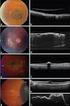 CLINICAL SCIENCES Enhanced Depth Imaging Optical Coherence Tomography of Small Choroidal Melanoma Comparison With Choroidal Nevus Carol L. Shields, MD; Swathi Kaliki, MD; Duangnate Rojanaporn, MD; Sandor
When a Macular Hole Is Not A Macular Hole. Contents. OCT Anatomy. Vitreomacular Traction 3/1/2012
 When a Macular Hole Is Not A Macular Hole Salil Shukla, MD Omni Eye Specialists Spring Symposium March 3, 2012 Contents Vitreomacular Traction Epiretinal Membrane Lamellar Hole Macular Hole (Myopic macular
Type 1 neovascularization with polypoidal lesions complicating dome shaped macula
 DOI 10.1186/s40942-015-0008-5 CASE REPORT Open Access Type 1 neovascularization with polypoidal lesions complicating dome shaped macula Jonathan Naysan 1,2,3,4, Kunal K Dansingani 1,2,5, Chandrakumar Balaratnasingam
Optic Nerve Imaging. Management of Glaucoma
 Optic Nerve Imaging in the Diagnosis and Management of Glaucoma Scott D. Smith, MD, MPH Associate Professor of Clinical Ophthalmology Director, Glaucoma Service Columbia University, New York, NY Glaucoma
Vision Glossary of Terms
 Vision Glossary of Terms EYE EXAMINATION PROCEDURES Eyeglass Examinations: The standard examination procedure for a patient who wants to wear eyeglasses includes at least the following: Case history; reason
Peter E. Liggett, M.D. 2200 Whitney Avenue-Suite 300 Hamden, CT 06518 Tel: (203) 288-2020 Fax: (203) 288-2470
 Liggett Newsletter 11.10.05 FINAL 11/10/05 1:02 PM Page 1 N E R A New England Retina Associates N E R A New England Retina Associates 2200 Whitney Avenue-Suite 300 Hamden, CT 06518 Tel: (203) 288-2020
Patient Information and Consent for Medical/Laser/Intense Pulsed Light Treatment. VASClinic PROCEDURES
 This consent form includes general descriptions of various dermatological treatments, including possible benefits and risks that may occur as a result of these treatments. Your doctor or nurse will describe
PowerLight LED Light Therapy. The FUTURE of corrective skin
 PowerLight LED Light Therapy The FUTURE of corrective skin care TODAY LED facial treatments Effective when used with correct protocols Non thermal stimulation of collagen Increases circulation and lymphatic
Keeping Your Eyes Healthy after Treatment for Childhood Cancer
 Keeping Your Eyes Healthy after Treatment for Childhood Cancer High doses of radiation to the brain, eye, or eye socket (orbit) during treatment for childhood cancer can have a long-lasting affect on the
Angiogenesis, Exudation, and Degeneration 2015. February 7, 2015 Mandarin Oriental, Miami, Florida
 Angiogenesis, Exudation, and Degeneration 2015 February 7, 2015 Mandarin Oriental, Miami, Florida Program Directors: Philip J. Rosenfeld, MD, PhD and Harry W. Flynn, Jr., MD Course Associate Director:
1994-1995 Intern in medicine, Beijing University Health Science Center The Third School of Clinical Medicine (the Third Hospital), Beijing, China
 Jinghua Chen, MD, PhD Updated on 10/05/2011 Neuro-Ophthalmology Department Massachusetts Eye and Ear Infirmary 243 Charles Street Boston, MA 02114 Tel: 617-573-6476 Email: [email protected]
Laser Treatment in Patients with Bilateral Large Drusen
 Laser Treatment in Patients with Bilateral Large Drusen The Complications of Age-Related Macular Degeneration Prevention Trial Complications of Age-Related Macular Degeneration Prevention Trial Research
Advances in retinal implant technology
 Advances in retinal implant technology Andrew Kuznetsov Freiburg i.br. 3 May 2012 Rhine-Waal University of Applied Sciences, Emmerich Strategies electronic implants (top-down) subretinal implants epiretinal
Kensington Eye Center 4701 Randolph Road, #G-2 Rockville, MD 20852 (301) 881-5701 www.keceyes.com
 Kensington Eye Center 4701 Randolph Road, #G-2 Rockville, MD 20852 (301) 881-5701 www.keceyes.com Natasha L. Herz, MD INFORMED CONSENT FOR DESCEMET S STRIPPING and AUTOMATED ENDOTHELIAL KERATOPLASTY (DSAEK)
Top Medicare Audit problems. Retinal Imaging Technology. Optometric Medical Coding. Unilateral codes. Modifiers
 Top Medicare Audit problems Evaluation, Diagnosis, Coding and Reimbursement Associated with Medical Vitreo-Retinal Conditions Kim Castleberry, OD Plano Eye Associates Patient/staff initiated billing complaints!
MOST FREQUENTLY ASKED CLIENT QUESTIONS
 6/2 Victor Crescent Narre Warren VIC 3805 Ph: (03) 8794 8255 Fax: (03) 8794 8256 www.ortho-k.com.au Sleep your way to great vision MOST FREQUENTLY ASKED CLIENT QUESTIONS What is ortho-k? Ortho-k (Orthokeratology)
Tucson Eye Care, PC. Informed Consent for Cataract Surgery And/Or Implantation of an Intraocular Lens
 Tucson Eye Care, PC Informed Consent for Cataract Surgery And/Or Implantation of an Intraocular Lens INTRODUCTION This information is provided so that you may make an informed decision about having eye
CRYOTHERAPY FOR RETINAL BREAK, LATTICE DEGENERATION, OR LIMITED RETINAL DETACHMENT ERIC S. MANN M.D., Ph.D.
 CRYOTHERAPY FOR RETINAL BREAK, LATTICE DEGENERATION, OR LIMITED RETINAL DETACHMENT ERIC S. MANN M.D., Ph.D. A. INTRODUCTION: Retinal break is an opening on the retina, usually located at the periphery.