
Topical anesthetics decrease pain during cutaneous
|
|
|
- Samuel Mosley
- 10 years ago
- Views:
Transcription
1 REVIEW ARTICLE Topical Anesthetics for Dermatologic Procedures: A Review JOSEPH F. SOBANKO, MD,* CHRISTOPHER J. MILLER, MD,* AND TINA S. ALSTER, MD BACKGROUND Practitioners are increasingly using topical anesthetics to decrease the pain associated with superficial dermatologic, aesthetic, and laser procedures. Numerous lidocaine-containing products are available, but comprehensive reviews are lacking regarding their relative safety profiles and appropriate dermatologic uses. MATERIALS AND METHODS A literature review of currently available topical anesthetics, their safety profiles, and dermatologic uses was conducted. RESULTS Factors that should be considered to reduce the risk of side effects associated with the use of topical anesthetics include the amount of product used, body location, size of the surface area, and duration of product application. Many case reports document adverse outcomes associated with the use of compounded products that the Food and Drug Administration has not approved that have inappropriately high anesthetic concentrations and from the use of topical anesthetics on excessively large skin surface areas during laser treatments. CONCLUSIONS Lidocaine-containing products play an integral role in cutaneous anesthesia by providing patient comfort with minimal side effects. Careful attention must be paid to the particular anatomic location, the total surface area covered, and the duration of anesthetic skin contact. The authors have indicated no significant interest with commercial supporters. Topical anesthetics decrease pain during cutaneous procedures in the outpatient setting and permit a variety of dermatologic procedures to be performed without anatomic distortion from local anesthetic injection. As the number of in-office dermatologic procedures continues to grow, practitioners will benefit from awareness of the indications, pharmacologic mechanisms, appropriate methods of application, and safety profiles of the currently available prescription and over-the-counter (OTC) topical anesthetics. Historical Background of Topical Anesthetics Coca was a term used by the Incas for the substance derived from the plant Erythroxylum coca. The Incas initially reserved the use of coca for their monarch during religious ceremonies. After discovering its anesthetic and stimulatory properties, Peruvians subsequently began to cultivate the plant for commercial distribution. Over time, the plant became a staple of Peruvian culture. Peruvians carried the plant in sidebags called chuspas to have it available for chewing. 1 In 1860, Niemann isolated the plant s active ingredient, cocaine, 2 but it was not until 1884 that ophthalmic surgeon Karl Koller demonstrated that general anesthesia could be avoided for ophthalmic procedures by application of cocaine to the conjunctiva. 3 Additional ester anesthetics, such as procaine and tetracaine, were created in the early 20th century, but these were noted to result in high rates of allergic contact dermatitis. In 1943, Loefgren synthesized the first amide anesthetic, lidocaine. Subsequently, a large number of topical formulations of esters, amides, and adrenalines have been developed and * Department of Dermatology, Hospital of the University of Pennsylvania, Philadelphia, Pennsylvania; Washington Institute of Dermatologic Laser Surgery, Washington, District of Columbia 2012 by the American Society for Dermatologic Surgery, Inc. Published by Wiley Periodicals, Inc. ISSN: Dermatol Surg 2012;1 13 DOI: /j x 1

2 T OPICAL ANESTHETICS used for dermatologic procedures. 4 Although the topical formulations are generally safe, allergic reactions, systemic absorption, and death can occur when care is not observed with use of these products Classification and Mechanism of Topical Anesthetics Aroma c Ring (Lipophilic) Intermediate Chain Amine Group (Hydrophilic) Local anesthetics structurally consist of three parts: an aromatic ring, an intermediate chain, and an amine group (Figure 1). The aromatic ring is lipophilic and enables diffusion of the anesthetic through the highly lipophilic nerve membrane. 11 The lipophilicity of an anesthetic is directly proportional to its potency. 12 The intermediate chain, which connects the aromatic and amine portions, determines the classification of local anesthetics as an ester or amide. Ester and amide anesthetics differ in their chemical stability and metabolism. Esters are hydrolyzed by plasma cholinesterases and form para-aminobenzoic acid, a common allergen. Amides tend to be more stable and less allergenic and are metabolized in the liver by microsomal enzymes. 13,14 The protein-binding characteristics influence the duration of the anesthetic. Larger chemical groups added to the aromatic and amine portions increase the duration of activity. 15 Because amides are metabolized in the liver, use of amide anesthetics should be considered a relative contraindication in those with liver disease. 14 Regardless, amide anesthetics are often prescribed in patients with known and unknown liver disease without guidelines specifying appropriate dose modifications. To be effective, topical anesthetics must traverse the superficial layers of skin and affect the nerve endings within the dermis. The thickness of the stratum corneum and the acid dissociation constant (pk a ) of an anesthetic determine how well the topical medicine can penetrate the stratum corneum. 13 When the pk a closely matches the ph of normal skin (~5.5), 16 and when the stratum corneum is thin, such as on the eyelid, the compound can pass through the outer layer of skin more readily. 14 Topical anesthetics are also able to penetrate mucosal surfaces, such as the mouth, genitals, and conjunctiva more easily than through a keratinized surface because of the absence of a stratum corneum. Several techniques can improve dermal absorption of topical anesthetics. Removing the stratum corneum with preoperative procedures such as tape stripping, degreasing with acetone, or laser ablation enhances dermal absorption. 17,18 Occlusion and heat can also facilitate anesthetic penetration into the skin. 19 Iontophoresis enhances absorption of topical anesthesia by using an electric current to facilitate the passage of ionized local anesthetic into and across the skin barrier. 11 Adding epinephrine to local anesthetic induces vasoconstriction, which slows the anesthetic s removal and increases the duration of its local tissue effect. 20,21 ESTER C O R1 N O H AMIDE N C R1 N O Figure 1. Basic structure of anesthetics. R2 R3 R2 R3 Once inside the dermis, ester and amide anesthetics possess the same mechanism of action (Figure 2). The anesthetic binds the voltage-gated sodium channel of the free nerve endings and blocks sodium influx. The blockade of sodium influx inhibits nerve cell depolarization and prevents propagation of nerve cell impulses along the nerve. 22 Nerve fibers are categorized into three major anatomic classes: myelinated somatic nerve fibers (A fibers), myelinated preganglionic autonomic fibers (B fibers), and 2 DERMATOLOGIC SURGERY

3 SOBANKO ET AL Extracellular Side DEPOLARIZED Na Na Closed Open TA Closed Cytoplasmic Side + + Na Membrane Depolariza on Inhibited Na + = Sodium Ion TA = Topical Anesthe c Figure 2. Nerve cell membrane depolarization and inhibition of depolarization by binding of topical anesthetic. nonmyelinated axons (C fibers). 23 Topical anesthetics first impede conduction of myelinated autonomic B fibers, which regulate vascular smooth muscle tone, followed by blockade of nonmyelinated C fibers and, finally, myelinated A fibers, which regulate pain and temperature. 24 Topical anesthetics have proven efficacy, as demonstrated by multiple studies testing for anesthesia effect with various painful stimuli, including venipuncture, 25 pin-prick testing, 26 and split-thickness skin graft donation. 27 Many feel that laser-induced pain sensation is the optimal method of testing anesthetic efficacy because the stimuli are well controlled and easily reproducible and selectively activate polymodal nociceptors without disrupting mechanosensitive receptors. 28,29 Application and Clinical Use Fear of needles and pain can cause anxiety in patients awaiting procedures in the outpatient setting. 30,31 Application of topical anesthetic before or in place of injection of local anesthetic can help to relieve anxiety. Patients can apply the topical anesthetic before arriving at the office, assuming they have proper instructions on its safe application. Safe application entails gently washing the area to be treated with a mild cleanser and water to eliminate contaminants (e.g., makeup, dirt) that could hinder the absorption or efficacy of the anesthetic. Patients should avoid skin cleansing with benzoyl peroxide, which may decrease the topical anesthetic s absorption. 32 Patients may use a tongue depressor or gloved finger to apply a uniform layer of cream approximately 1/8 thick. If the product is applied with a bare finger, the anesthetic should be immediately washed off the digit once adequate application to the desired area occurs. Depending upon the anesthetic used, the product is left in place for 30 to 60 minutes. Occlusion with plastic wrap or massaging the cream into the skin may achieve quicker onset of action, if necessary. Immediately preceding the procedure, the material is removed with dry gauze, and the skin is wiped clean with water-dampened gauze. Complete removal of residual cream before laser procedures is particularly important with alcohol-containing topical anesthetics because of their incendiary potential. 11 It must be emphasized to the patient that improper product use can result in dire adverse events. The U.S. Food and Drug Administration (FDA) issued a public health advisory in 2007 reporting at least two instances of death when young women applied topical anesthesia under occlusion to their legs before laser hair removal. 33 The advisory recommended that patients use only FDA-approved topical anesthetics with the lowest concentration of anesthetic for the shortest amount of time necessary

4 T OPICAL ANESTHETICS Because the risk of adverse events with improper application is real and could lead to subsequent medicolegal action, physicians must exercise caution and good judgment when educating patients on home use of topical anesthetics. If a large area of skin is involved, treatments should be divided into smaller anatomic portions so that appropriately sized segments of skin are anesthetized and treated during each session. Most manufacturers make recommendations on safe product application based upon estimates of body surface area. the U.S. Office of Health and Environmental Assessment has summarized specific direct techniques to measure total body surface area precisely in detail. 34 These measurements include coating the body part with a substance of known area, triangulation of linear dimensions, and surface integration using a planimeter. 35 Unfortunately, for practitioners advising patients on safe topical anesthetic use, these modalities are cumbersome and impractical. Other methods of body surface area estimation include use of formulae that take into account body dimensions such as height and weight, but these calculations can also be burdensome. A simpler method of estimating body surface area may be use of reference tables developed by the U.S. Environmental Protection Agency that were created via regression equations and the National Health and Nutrition Examination Survey II height and weight data. Tables 1 and 2 are adaptations of these figures and allow the reader to gain an appreciation for the size (cm 2 ) of anatomic parts. Specific FDA-Approved Topical Anesthetics Topical anesthetics exist in many different preparations and vehicles for delivery. Eutectic mixtures allow individual anesthetic compounds, which are normally in the solid state at room temperature, to be combined as liquids. Eutectic mixtures permit higher concentrations of anesthetic to be used safely and facilitate application to the skin. 21 Liposomal encapsulation is another TABLE 1. Surface Area of Adult Men (cm 2 ) Percentile 10th Body Part cm 2 25th 50th 75th 95th Total 17,200 18,200 19,400 20,700 22,800 Head 1,210 1,240 1,300 1,350 1,430 Trunk 6,220 6,740 7,390 8,070 9,350 (includes neck) Arms 2,520 2,700 2,910 3,140 3,540 Forearms 1,110 1,210 1,310 1,440 1,660 Hands ,050 1,170 Thighs 3,310 3,540 3,820 4,110 4,630 Lower 2,260 2,400 2,560 2,720 2,990 legs Feet 1,180 1,,240 1,310 1,380 1,490 TABLE 2. Surface Area of Adult Women (cm 2 ) Percentile 10th Body Part cm 2 25th 50th 75th 95th Total 14,900 15,800 16,900 18,200 20,900 Head 1,070 1,090 1,110 1,140 1,170 Trunk 5,070 5,380 5,790 6,360 7,520 (includes neck) Arm 2,140 2,210 2,300 2,380 2,530 Hands Thighs 2,810 3,000 3,260 3,570 4,210 Lower 1,920 2,040 2,180 2,330 2,610 legs Feet 1,030 1,080 1,140 1,210 1,340 vehicle that facilitates percutaneous drug delivery. Liposomes are microscopic, spherical, phospholipid-based carriers that deliver a greater concentration of local anesthetic to sensory nerves than other conventional formulations with lower lipophilicity. 33,34,36,37 Improper application of topical anesthetic preparations such as benzocaine, lidocaine, and tetracaine may cause serious complications, including death. Prolonged application, use of inappropriately high concentrations, and application to large surface areas before outpatient procedures increase the risk of cardiotoxicity and central nervous system 4 DERMATOLOGIC SURGERY

5 SOBANKO ET AL toxicity. 5 10,38 In general, the central nervous system is more susceptible to the pharmacologic actions of local anesthetics than is the cardiovascular system. 39 The initial symptoms of anestheticinduced toxicity include lightheadedness, circumoral numbness, diplopia, and tinnitus. (See Table 3 for additional signs and symptoms of lidocaine toxicity.) Many adverse reactions also appear to be related to the inclusion of epinephrine within the anesthetic mixture. 5 In 2006, the FDA warned five pharmacies to discontinue compounding standardized versions of TABLE 3. Signs and Symptoms of Lidocaine Toxicity Blood Lidocaine Levels, lg/ml Signs and Symptoms 1 5 Tinnitus, lightheadedness, circumoral numbness, diplopia, metallic taste in the mouth 5 8 Nystagmus, slurred speech, localized muscle twitching, fine tremors 8 12 Focal seizure activity, which may progress to tonic-clonic seizures Respiratory depression which can lead to coma topical anesthetic creams that were already available for general distribution. 40 Concern grew because of the presence of higher concentrations of the compounded anesthetic mixtures than in the FDA-approved products. In addition, the compounded products often lacked appropriate warnings or directions for use. Many of the compounded anesthetics that received a warning from the FDA included products with unknown strengths of active anesthetic and also contained sympathomimetic agents such as phenylephrine, which limits the compounded product s shelf life because of light sensitivity and increases adverse events related to hypertension and vasoconstriction. 41,42 Standardization of compounded products proves difficult because individual pharmacies use different protocols to mix various ingredients in their topical anesthetics. 11 Despite this FDA warning, a large number of pharmaceutically compounded topical anesthetics remain in use for outpatient procedures such as laser hair removal or soft tissue augmentation (Table 4). Their mechanism of action is similar to that of FDA-approved products, but higher concentrations and various active anesthetics are mixed TABLE 4. Pharmaceutically Compounded Topical Anesthetics Non-FDA Approved Product Active Ingredients BLT 20% benzocaine, 6% lidocaine, 4% tetracaine TAC 0.5% tetracaine, 1:2000 epinephrine, 11.8% cocaine LET 4% lidocaine, 1:2000 epinephrine, 0.5% tetracaine Topex, Topicale, HurriCaine, Comfortcaine, Gingicaine Benzocaine 20% Lasergel * 10% lidocaine, 10% tetracaine Lasergel plus 10/10 * 10% lidocaine, 10% tetracaine, 0.5% phenylephrine Photocaine gel * 6%lidocaine, 6% tetracaine Anesthetic skin lotion * 10% lidocaine, 2% prilocaine Anesthetic skin gel 3+ * Lidocaine, prilocaine, tetracaine Tetracaine 6% in DMSO in gel * 6% tetracaine in DMSO Triple kwick anesthetic gel * Benzocaine, lidocaine, tetracaine Kwick anesthetic gel * Benzocaine, lidocaine, tetracaine, DMSO N-E-W topical anesthetic * 30% lidocaine, 2% prilocaine, 4% tetracaine Lidocaine and tetracaine demi gel * Lidocaine, tetracaine ExtraStrength triple anesthetic cream * 20% benzocaine, 6% lidocaine, 4% tetracaine Betacaine LA ointment * 15% lidocaine, 5% prilocaine, phenylephrine Betacaine Plus ointment * 15% lidocaine, 5% prilocaine * Received a warning from the U.S. Food and Drug Administration in

6 T OPICAL ANESTHETICS together. Significant variability in product quality and accurate dosing of these compounded products becomes difficult because they are packaged in widely different containers. Kravitz 41 noted that these compounded products have a low therapeutic index and are often improperly labeled. All of these factors increase the risk of adverse events, including overdose, seizures, arrhythmias, and death and should prompt practitioners to limit the use of topical anesthetics to those approved by the FDA. The remaining portions of this chapter will focus on topical anesthetics approved by the FDA for use during outpatient dermatologic procedures. Eutectic Mixture of Local Anesthetics The prescription topical lidocaine product most widely used is or eutectic mixture of local anesthetics (EMLA; Astra Pharmaceuticals, Westborough, MA). EMLA is an oil-in-water emulsion of 2.5% lidocaine and 2.5% prilocaine. As mentioned above, the eutectic mixture possesses a melting point lower than room temperature, allowing both anesthetics to exist as liquids rather than as crystals. 43 The polyoxyethylene fatty acid emulsifiers present within EMLA allow for enhanced absorption of the product. 44 As such, although the true concentration of anesthetic is 5%, leading to lower risk of systemic toxicity, the cream has greater potency because of the emulsified oil droplets. 14,45 The duration of application, the size of the treated area, and the specific anatomic location treated determine the amount of lidocaine and prilocaine systemically absorbed from EMLA cream. Occlusion and longer duration of application increase its penetration and efficacy Body locations with thin or absent stratum corneum, such as the eyelid and mucosa, absorb anesthesia more readily than skin on the back or hands. Analgesia is achieved to a depth of 3 mm after 60 minutes of application, and a maximum dermal depth of 5 mm is reached after 120 minutes. 49,50 Dermal analgesia continues even after removal of the topical anesthesia, presumably because accumulation of the product in the stratum corneum. 28,51 After application on the skin, EMLA produces a biphasic response with initial vasoconstriction and blanching that peaks after 90 minutes of application. After 2 to 3 hours of application, a rebound vasodilation occurs that results in skin erythema, 51 which should not be confused with other rare adverse cutaneous reactions such as contact urticaria or allergic contact dermatitis. 52,53 It appears that prilocaine is the agent that plays a role in allergenicity. 54 Despite the low risk of system toxicity when 60 g EMLA cream is applied to 400 cm 2 of intact skin under occlusion for 24 hours (peak lidocaine levels <1/20 the systemic toxicity level, prilocaine <1/36 toxicity; AstraZeneca insert), practitioners must beware of potential side effects. Use on damaged or inflamed skin or on a large surface area (2,000 cm 2 ) may increase the risk of systemic side effects. The prilocaine portion of EMLA can induce methemoglobinemia because of its ability to oxidize iron in red blood cells from the ferrous to the ferric state, impairing hemoglobin transport of oxygen. When levels of methemoglobin are between 15% and 30%, patients present with initial signs of cyanosis. 15 Methemoglobin levels of 30% to 50% result in dyspnea, tachycardia, and headache. Methemoglobin levels greater than 50% are associated with lethargy and coma. 7 EMLA should not be used in patients with congenital or idiopathic methemoglobinemia or in infants younger than 12 months who are being treated with methemoglobinemia-inducing medications such as sulfonamides, phenazopyridine, dapsone, acetaminophen, nitrates, nitrites, and phenobarbital (Astra- Zeneca insert). EMLA is a pregnancy category B agent, but caution should be exercised when being administered to a nursing mother, because lidocaine is excreted through breast milk (AstraZeneca insert). EMLA cream is safe to administer on intact skin of fullterm neonates, but care must be taken to limit the dose and area of application (e.g., maximum dose of 1 g applied for 1 hour). 55 No differences in 6 DERMATOLOGIC SURGERY

7 SOBANKO ET AL EMLA safety have been noted for the geriatric population (Table 2). Because EMLA contains sodium hydroxide, its use must be avoided around the eyes to prevent alkaline chemical injury. 56,57 Lidocaine Lidocaine, alone or in combination with another anesthetic, is the most widely used topical anesthetic. It belongs to the amide class of anesthetics, which has less risk of inducing an allergic reaction than ester anesthetics. Brand names for OTC topical lidocaine include Topicaine (ESBA Laboratories, Jupiter, FL), Lidoderm (Endo Pharmaceuticals, Chadds Ford, PA), and LMX (Ferndale Laboratories, Ferndale, MI). Topicaine is a 4% or 5% lidocaine gel, and Lidoderm is a 5% lidocaine adhesive patch. LMX is a 4% or 5% lidocaine liposomal delivery cream that has several lipid bilayers, which facilitate dermal penetration of anesthetic and protect the drug from being rapidly metabolized, allowing LMX to achieve the same analgesia as EMLA in a shorter period of time without requiring occlusion. 58 Lidocaine is classified as pregnancy category B because animal studies have not shown risk to the fetus, but controlled human studies have not been conducted. As mentioned with EMLA, caution should be exercised when administering topical lidocaine to a nursing mother, because the milk: plasma ratio of lidocaine is 1:4 (LMX insert). Care must be exercised with use of topical lidocaine around the eye because accidental eye exposure will result in severe corneal irritation. S-Caine Peel and S-Caine Patch An S-Caine peel, marketed as Pliaglis (Galderma Laboratories, Fort Worth, TX), was discontinued in September This product was a novel eutectic mixture of 7% lidocaine and 7% tetracaine in a cream base. After application to the skin, the cream dried and formed a flexible film that fixed the anesthetic into position until the film was peeled off the skin. It was believed that the flexible film served as an occlusive dressing that facilitated drug absorption or deposition into the skin. 59,60 Distribution of the S-Caine peel was eventually terminated because of an inability to obtain consistent product viscosity. Plans for its re-release are unclear. The S-Caine Patch (Zars, Inc, Salt Lake City, UT) contains a small amount of topical anesthetic under a patented heating element that raises the temperature to 40 C for longer than 14 hours and enhances delivery of the anesthetic. This product is marketed as Synera and contains a eutectic mixture of 70 mg of lidocaine and 70 mg of tetracaine. The heating system portion of the patch is activated through an exothermic reaction when oxygen interacts with the internal components of iron powder, activated carbon, wood flour, sodium chloride, and water. When the patch is applied to the skin, it increases the skin temperature approximately 5 C, but the maximum skin temperature produced by the patch at the site of application does not exceed 40 C. 61 The mean depth of analgesia has been measured to at least 6.8 mm. 62 The product manufacturer states that the patch should be placed on intact skin 30 minutes before superficial dermatologic procedures such as a shave biopsy. Erythema, blanching, and edema are the most commonly observed local reactions (product insert). Clinical Applications of Topical Anesthetics Topical anesthetics are a versatile supplement to the practice of outpatient dermatologic procedures. Application of topical anesthetics has proven to decrease pain associated with common procedures such as shave biopsies, punch biopsies, curettage, and electrosurgery Laser and aesthetic medicine have been strong drivers of the growth of outpatient dermatologic procedures in recent history. Listed below are popular uses of topical anesthetics for aesthetic procedures. Laser and Light-Based Procedures The most common laser procedure for which topical anesthetics are used is laser-assisted hair removal, particularly in such sensitive areas as the upper lip and inguinal region. One study demonstrated that

8 T OPICAL ANESTHETICS both of the most commonly used lidocaine preparations (EMLA and LMX-5) reduced discomfort associated with neodymium-doped yttrium aluminum garnet (YAG) laser hair removal, but there was no statistically significant difference in pain reduction between the two products after a 30-minute unoccluded application time. 67 Topical lidocaine has also been shown to reduce the intense hot needlelike sensations during Q-switched laser tattoo removal. 68 Discomfort associated with laser treatment of vascular (e.g., port-wine stain, telangiectasia, hemangioma) and pigmented (e.g., lentigo, café-au-lait macule) lesions can be minimized with topical lidocaine-containing anesthetics Although the vasoconstrictive effect of the prilocaine contained in EMLA generally results in a blanching effect, 60- minute EMLA application has been demonstrated to be safe and effective in the pulsed dye laser treatment of ectatic blood vessels in port-wine stains. 69 Ablative Skin Resurfacing Treatments Before the advent of such effective topical anesthetics (alone or in combination), ablative skin resurfacing procedures using carbon dioxide (CO 2 ) and erbium-doped YAG lasers often required the use of intravenous sedation. With the recent introduction of more-superficial ablative procedures and devices (including single-pass CO 2 and fractional laser and plasma skin resurfacing), the ability to obtain adequate intraoperative anesthesia with topical application of anesthetics has been achieved Because of the deeper dermal depths to which ablative lasers exert their action, topical lidocaine application times are generally lengthened to at least 60 minutes to enhance uniform anesthetic effect in the mid-to-deep dermis. Just before laser treatment, the anesthetic cream is completely removed and the skin dried so that laser-tissue interaction is unimpeded. Histologic assessment of CO 2 laser-treated skin demonstrated nonconfluent superficial damage after preoperative application of EMLA. 77 It was postulated that this translated into a better safety profile because EMLA s protective hydrating effect on the skin resulted in shallower CO 2 laser penetration depth. 77 Patient comfort during laser skin resurfacing can also be amplified by the additional use of a cooling device applied to the skin. 78 Despite these measures, oral sedation with a benzodiazepine, regional nerve blockade with infiltrative anesthesia, or intravenous anesthesia is often necessary during ablative laser procedures to achieve substantial pain relief. Cosmetic Injectables Although application of topical anesthetics is common before injection of dermal fillers, it is generally not necessary for botulinum toxin injection. The perioral region and palms and soles (for hyperhidrosis) are exceptions for which injection of botulinum toxin can cause considerable discomfort. Pretreatment with topical anesthetics before perioral botulinum toxin injection improves patient comfort, but the use of topical anesthesia before botulinum toxin injections on the palms and soles provides marginal anesthesia because of its impaired absorption through the thick stratum corneum. 79,80 Patient discomfort during injection of a variety of filling agents is greatly minimized with the use of topical lidocaine-containing anesthetics. Many hyaluronic acid-containing products are now premixed with lidocaine, whereas other fillers are often reconstituted or mixed with lidocaine before injection. Although the need for concomitant topical anesthesia has been reduced, its application optimizes patient comfort during needle injections. Chemical Peel Application of topical anesthetics before chemical peeling has been shown to reduce discomfort without decreasing clinical efficacy of the peel. In a study assessing the use of topical anesthesia for peels, lidocaine was applied without occlusion for 30 minutes after a superficial unbuffered 70% glycolic acid peel and before a medium-depth 35% 8 DERMATOLOGIC SURGERY

9 SOBANKO ET AL trichloroacetic acid (TCA) peel. Although application of the topical anesthetic after the glycolic peel provided for its enhanced absorption for the more painful (TCA) portion of the procedure, the application of topical lidocaine did not affect the clinical and histopathologic outcome of the mediumdepth TCA peel. 81 Caution is advised with this technique, because an inadvertently deep superficial chemical peel may disrupt the epidermal barrier and result in excessive anesthetic absorption. Safety No standard guidelines exist for optimal use and safety of all topical anesthetics. Practitioners should read the package inserts of individual products and be completely familiar with their unique characteristics. Suggestions on safe application relate to the size of the anatomic area to be applied, the age and weight of the patient, and the amount (in grams) of anesthetic to be applied. Unfortunately, guidelines do not explicitly stratify the recommended dosage based on the anatomic area to be treated. Absorption of anesthetic will occur more effectively over thin genital mucosal skin than on much thicker acral skin. Product inserts typically recommend the avoidance of application to oral mucosa and to the eyes to prevent severe ocular irritation. 56,57,82 Many practitioners routinely exceed the recommended guidelines for safe application of different products. Improper or excessive use of topical anesthetics can have severe consequences, including death. Practitioners should take caution and be prepared to manage signs and symptoms of toxicity when using products in excess of published guidelines. Tables 1 and 2 provide helpful estimates to properly estimate the surface area of various anatomic locations in men and women. Topical anesthetic safety is predicated upon judicious use by practitioner and patient, and the percentile estimates created by the U.S. Environmental Protection Agency should reinforce the notion that covering whole limbs or even half of an entire torso during a single procedural session is potentially unsafe. For example, application of topical anesthetic to the entire thigh of an average female is approximately 1,600 cm 2 and would far surpass the recommended area of application proposed by product manufacturers. Table 5 may be used as a guide to facilitate safer use of topical anesthetics and increase patient comfort during office procedures. The manufacturer of EMLA cites broad parameters to be monitored to avoid systemic toxicity when the cream is applied to patients with intact skin who have normal renal and hepatic function. As TABLE 5. Tips for Optimal Topical Anesthetic Use and Increasing Patient Comfort Apply topical anesthetic only on intact skin (avoid inflamed, denuded, eroded, or eczematous areas) Avoid contact of anesthesia to the eye mucosa to prevent ocular injury Avoid use of amide topical anesthetics in patients with hepatic failure Limit eutectic mixture of local anesthetics use in newborns, particularly those taking methemoglobinemiainducing agents Be mindful of product amount applied, total surface area covered, thickness of stratum corneum, and duration of application For large treatment areas, limit product application to select areas ( hot spots ) that are most sensitive and forgo application of topical anesthetic to less sensitive areas Supplement topical anesthesia with oral anxiolytics, pain relievers, nerve blocks, direct local anesthesia, and intravenous sedation as appropriate Facilitate procedure ease with pretreatment over-the-counter or prescription analgesics Apply ice, refrigerated ultrasound gels, and air cooling devices (e.g., Zimmer) during treatments to increase patient comfort and decrease or eliminate the use of topical anesthetic Use patient distraction strategies such as talking to the patient ( talkesthesia ), deep breathing exercises, and stress-squeezing balls to facilitate comfort during procedures

10 T OPICAL ANESTHETICS an example, patients older than 7 years who weigh more than 20 kg should have no more than 20 g of EMLA applied to their skin and covering no more than 200 cm 2 of surface area for less than 4 hour. On the other hand, newborns younger than 3 months of age weighing less than 5 kg should have no more than 1 g of EMLA applied to an area no larger than 10 cm 2 and for less than 1 hour. There appears to be a significant therapeutic safety window for EMLA because peak blood levels of anesthetic after a 60-g application to 400 cm 2 for 3 hours are 0.05 to 0.16 lg/ml for lidocaine and 0.02 to 0.10 lg/ml for prilocaine. Toxic levels of lidocaine and prilocaine are greater than 5 and 6 lg/ml, respectively. For a moreextensive summary of these guidelines, see Table 6 (EMLA product insert). The manufacturer of LMX notes that 1 g of cream equates to 5 cm of cream squeezed from the tube. They recommend that, in adults (including elderly adults and children aged 1 month and older), 1 to 2.5 g of cream be applied to cover a 6.25-cm 2 area of skin when used for venous cannulation. No more than 1 g of cream should be applied to infants younger than 1 year. LMX-4 should not be applied to an area larger than 100 cm 2 for patients weighing less than 10 kg and an area greater than 600 cm 2 for patients weighing 10 to 20 kg. 83 Some have recommended that the total dose of a topical anesthetic should be less than the dose for an infiltrative anesthetic at any site. 84 Use of the lidocaine tetracaine patch does not result in appreciable plasma levels of anesthetic. Application of one patch to intact adult skin for 30 minutes produced a peak plasma lidocaine concentration of 1.7 ng/ml, and tetracaine levels were undetectable. Simultaneous and sequential application of multiple patches in children for less than 30 minutes and adults for less than 60 minutes produced plasma levels well below that associated with serious toxicity (Synera product insert). Caution is still advised for anesthetic patch use on broken or inflamed skin because higher plasma levels of lidocaine and tetracaine can result. Management of Toxicity Rapid recognition of anesthetic toxicity is the most important step in managing an overdose. Once it is suspected that a patient is experiencing any of the aforementioned signs or symptoms, the topical anesthetic must be immediately washed off. The patient should be placed in a supine position and vital signs taken. If the patient has lost consciousness, maintenance of a patent airway and ventilation are paramount. Benzodiazepines may be administered, and serum lidocaine levels should be checked. Anticonvulsants should be provided as prophylaxis or to treat seizures induced from anesthesia toxicity. Conclusion Practitioners are increasingly using topical anesthetics to decrease the pain associated with superficial dermatologic, aesthetic, and laser procedures. Lidocaine-containing products play an integral role by providing patient comfort with minimal side effects. Careful attention must be paid to the particular anatomic location, the total TABLE 6. Recommended Maximum Dose and Application Area of Eutectic Mixture of Local Anesthetics (EMLA; product insert) Age and Body Weight Requirement Maximum Total Dose of EMLA Cream, g Maximum Application Area, cm months or <5 kg months and >5 kg years old and >10 kg years old and >20 kg Maximum Application Time, Hours 10 DERMATOLOGIC SURGERY

11 SOBANKO ET AL surface area covered, and the duration of anesthetic skin contact. Many case reports document adverse outcomes associated with the use of compounded non-fda-approved products that have inappropriately high anesthetic concentrations and from the use of topical anesthetics on excessively large skin surface areas during laser treatments. Careful selection and application of topical anesthetics can decrease or eliminate pain during many cutaneous procedures, reduce anatomic distortion by minimizing volume of intradermal local anesthesia, and decrease anxiety in patients who fear pain from procedures. References 1. Procter W. On the leaves of the coca of Peru (Erythroxylon coca). Am J Pharmacy 1855;III: Biscoping J, Bachmann-Mennenga MB. [Local anesthetics from ester to isomer]. Anasthesiol Intensivmed Notfallmed Schmerzther 2000;35: Jackson T, McLure HA. Pharmacology of local anesthetics. Ophthalmol Clin N Am 2006;19: Amin SP, Goldberg DJ. Topical anesthetics for cosmetic and laser dermatology. J Drugs Dermatol 2005;4: Mehra P, Caiazzo A, Maloney P. Lidocaine toxicity. Anesth Prog 1998;45: Goodwin DP, McMeekin TO. A case of lidocaine absorption from topical administration of 40% lidocaine cream. J Am Acad Dermatol 1999;41: Rincon E, Baker RL, Iglesias AJ, Duarte AM. CNS toxicity after topical application of EMLA cream on a toddler with molluscum contagiosum. Pediatr Emerg Care 2000;16: Brosh-Nissimov T, Ingbir M, Ingbir M, Weintal I, Fried M, Porat R. Central nervous system toxicity following topical skin application of lidocaine. Eur J Clin Pharmacol 2004;60: Hahn IH, Hoffman RS, Nelson LS. EMLA-induced methemoglobinemia and systemic topical anesthetic toxicity. J Emerg Med 2004;26: Marra DE, Yip D, Fincher EF, Mov RL. Systemic toxicity from topically applied lidocaine in conjunction with fractional photothermolysis. Arch Dermatol 2006;142: Railan D, Alster TS. Use of topical lidocaine for cosmetic dermatologic procedures. J Drugs Dermatol 2007;6: Covino BG. Pharmacology of local anaesthetic agents. Br J Anaesth 1986;58: Adriani J, Dalili H. Penetration of local anesthetics through epithelial barriers. Anesth Analg 1971;50: Huang W, Vidimos A. Topical anesthetics in dermatology. J Am Acad Dermatol 2000;43: Friedman PM, Mafong EA, Friedman ES, Geronemus RG. Topical anesthetics update: EMLA and beyond. Dermatol Surg 2001;27: Braun-Falco O, Korting HC. [Normal ph value of human skin]. Hautarzt 1986;37: Singer A J, Shallat J, Valentine SM, Doyle L, Sayage V, Thode HC Jr. Cutaneous tape stripping to accelerate the anesthetic effects of EMLA cream: a randomized, controlled trial. Acad Emerg Med 1998;5: Yun PL, Tachihara R, Anderson RR. Efficacy of erbium: yttrium-aluminum-garnet laser-assisted delivery of topical anesthetic. J Am Acad Dermatol 2002;47: Liu DR, Kirchner HL, Petrack EM. Does using heat with eutectic mixture of local anesthetic cream shorten analgesic onset time? A randomized, placebo-controlled trial. Ann Emerg Med 2003;42: Irsfeld S, Klement W, Lipfert P. Dermal anaesthesia: comparison of EMLA cream with iontophoretic local anaesthesia. Br J Anaesth 1993;71: Kundu S, Achar S. Principles of office anesthesia: part II. Topical anesthesia. Am Fam Physician 2002;66: Meechan JG. Intraoral topical anesthesia. Periodontol ;46: Cousins MJ. Neural Blockade in clinical anesthesia and management of pain (3rd ed). Philadelphia, PA: Lippincott, Williams & Wilkins, 1998; pp Kaweski S. Topical anesthetic creams. Plast Reconstr Surg 2008;121: Maunuksela EL, Korpela R. Double-blind evaluation of a lignocaine-prilocaine cream (EMLA) in children. Effect on the pain associated with venous cannulation. Br J Anaesth 1986;58: Bucalo BD, Mirikitani EJ, Mov RL. Comparison of skin anesthetic effect of liposomal lidocaine, nonliposomal lidocaine, and EMLA using 30-minute application time. Dermatol Surg 1998;24: Goodacre TE, Sanders R, Watts DA, Stoker M. Split skin grafting using topical local anaesthesia (EMLA): a comparison with infiltrated anaesthesia. Br J Plast Surg 1988;41: Arendt-Nielsen L, Bjerring P. Laser-induced pain for evaluation of local analgesia: a comparison of topical application (EMLA) and local injection (lidocaine). Anesth Analg 1988;67: Hernandez E, Gonzalez S, González E. Evaluation of topical anesthetics by laser-induced sensation: comparison of EMLA 5% cream and 40% lidocaine in an acid mantle ointment. Lasers Surg Med 1998;23: Ashburn MA. Burn pain: the management of procedure-related pain. J Burn Care Rehabil 1995;16: Sokolowski CJ, Giovannitti JA Jr., Boynes SG. Needle phobia: etiology, adverse consequences, and patient management. Dent Clin North Am 2010;54: Burkhart CG, Burkhart CN. Decreased efficacy of topical anesthetic creams in presence of benzoyl peroxide. Dermatol Surg 2005;31:

12 T OPICAL ANESTHETICS 33. Available from: PostmarketDrugSafetyInformationfor PatientsandProviders/ DrugSafetyInformationfor HealthcareProfessionals/ PublicHealthAdvisories/ucm htm. Accessed May 21, U.S. EPA. Development of statistical distributions or ranges of standard factors used in exposure assessments. Office of Research and Development, Office of Health and Environmental Assessment: Washington, DC, EPA 600/ , NTIS: Springfield, VA, U.S. EPA. Exposure factors handbook July 2009 EPA 600/R-09/ 052a. Available from: recordisplay.cfm?deid=209866#download. Accessed August 14, Foldvari M, Gesztes A, Mezel M. Dermal drug delivery by liposome encapsulation: clinical and electron microscopic studies. J Microencapsul 1990;7: Gillet A, Compere P, Lecomte F, Hubert P, Ducat E, Evrard B, Piel G. Liposome surface charge influence on skin penetration behaviour. Int J Pharm 2011;411: Kapes B. Media microscope analyzes misuse of topicals. Dermatol Times 2005;26: Wagman IH, De Jong RH, Prince DA. Effects of lidocaine on the central nervous system. Anesthesiology 1967;28: FDA. Warns five firms to stop compounding topical anesthetic creams. Food and Drug Administration: Washington, DC, 2006; pp.??????. 41. Kravitz ND. The use of compound topical anesthetics: a review. J Am Dent Assoc 2007;138: Graham JW. Profound needle-free anesthesia in orthodontics. J Clin Orthod 2006;40: Steward DJ. Eutectic mixture of local anesthetics (EMLA): what is it? What does it do? J Pediatrics 1993;122:S Tadicherla S, Berman B. Percutaneous dermal drug delivery for local pain control. Ther Clin Risk Manag 2006;2: Watson K. Astra markets cream to remove pain of injections. Pharm J 1986;236: Wahlgren CF, Quiding H. Depth of cutaneous analgesia after application of a eutectic mixture of the local anesthetics lidocaine and prilocaine (EMLA cream). J Am Acad Dermatol 2000;42: Chen BK, Eichenfield LF. Pediatric anesthesia in dermatologic surgery: when hand-holding is not enough. Dermatol Surg 2001;27: Tahir A, Webb JB, Allen G, Nancarrow JD. The effect of local anaesthetic cream (EMLA) applied with an occlusive dressing on skin thickness. Does it matter? J Plast Reconstr Aesthet Surg 2006;59: Bjerring P, Arendt-Nielsen L. Depth and duration of skin analgesia to needle insertion after topical application of EMLA cream. Br J Anaesth 1990;64: Evers H, von Dardel O, Juhlin L, Ohlsén L, Vinnars E. Dermal effects of compositions based on the eutectic mixture of lignocaine and prilocaine (EMLA). Studies in volunteers. Br J Anaesth 1985;57: Bjerring P, Andersen PH, Arendt-Nielsen L. Vascular response of human skin after analgesia with EMLA cream. Br J Anaesth 1989;63: Waton J, Boulanger A, Trechot PH, Schmutz JL, Barbaud A. Contact urticaria from EMLA cream. Contact Dermatitis 2004;51: Ismail F, Goldsmith PC. EMLA cream-induced allergic contact dermatitis in a child with thalassaemia major. Contact Dermatitis 2005;52: van den Hove J, Decroix J, Tennstedt D, Lachapelle JM. Allergic contact dermatitis from prilocaine, one of the local anaesthetics in EMLA cream. Contact Dermatitis 1994;30: Brisman M, Ljung BM, Otterbom I, Larsson LE, Andréasson SE. Methaemoglobin formation after the use of EMLA cream in term neonates. Acta Paediatr 1998;87: Eaglstein NF. Chemical injury to the eye from EMLA cream during erbium laser resurfacing. Dermatol Surg 1999;25: McKinlay JR, Hofmeister E, Ross EV, MacAllister W. EMLA cream-induced eye injury. Arch Dermatol 1999;135: Eichenfield L F, Funk A, Fallon-Friedlander S, Cunningham BB. A clinical study to evaluate the efficacy of ELA-Max (4% liposomal lidocaine) as compared with eutectic mixture of local anesthetics cream for pain reduction of venipuncture in children. Pediatrics 2002;109: Bryan HA, Alster TS. The S-Caine peel: a novel topical anesthetic for cutaneous laser surgery. Dermatol Surg 2002;28: ; discussion Alster TS. The lidocaine/tetracaine peel: a novel topical anesthetic for dermatologic procedures in adult patients. Dermatol Surg 2007;33: Cada DJ, Levien T, Baker DE. Lidocaine/tetracaine patch. Hosp Pharm 2006;41: Shomaker TS, Zhang J, Love G, Basta S, Ashburn MA. Evaluating skin anesthesia after administration of a local anesthetic system consisting of an S-Caine patch and a controlled heat-aided drug delivery (CHADD) patch in volunteers. Clin J Pain 2000;16: Shelley WB. The razor blade in dermatologic practice. Cutis 1975;16: Juhlin L, Evers H, Broberg F. A lidocaine-prilocaine cream for superficial skin surgery and painful lesions. Acta Derm Venereol 1980;60: Rosdahl I, Edmar B, Gisslén H, Nordin P, Lillieborg S. Curettage of molluscum contagiosum in children: analgesia by topical application of a lidocaine/prilocaine cream (EMLA). Acta Derm Venereol 1988;68: Gupta AK, Sibbald RG. Eutectic lidocaine/prilocaine 5% cream and patch may provide satisfactory analgesia for excisional biopsy or curettage with electrosurgery of cutaneous lesions. A randomized, controlled, parallel group study. J Am Acad Dermatol 1996;35: Guardiano RA, Norwood CW. Direct comparison of EMLA versus lidocaine for pain control in Nd:YAG 1,064 nm laser hair removal. Dermatol Surg 2005;31: DERMATOLOGIC SURGERY

13 SOBANKO ET AL 68. Kuperman-Beade M, Levine VJ, Ashinoff R. Laser removal of tattoos. Am J Clin Dermatol 2001;2: Ashinoff R, Geronemus RG. Effect of the topical anesthetic EMLA on the efficacy of pulsed dye laser treatment of portwine stains. J Dermatol Surg Oncol 1990;16: Sherwood KA. The use of topical anesthesia in removal of portwine stains in children. J Pediatr 1993;122:S McCafferty DF, Woolfson AD, Handley J, Allen G. Effect of percutaneous local anaesthetics on pain reduction during pulse dye laser treatment of portwine stains. Br J Anaesth 1997;78: Alster TS, Lupton JR. Evaluation of a novel topical anesthetic agent for cutaneous laser resurfacing: a randomized comparison study. Dermatol Surg 2002;28:1004 6; discussion Alster TS, Tanzi EL, Lazarus M. The use of fractional laser photothermolysis for the treatment of atrophic scars. Dermatol Surg 2007;33: Bogle MA, Arndt KA, Dover JS. Evaluation of plasma skin regeneration technology in low-energy full-facial rejuvenation. Arch Dermatol 2007;143: Wanner M, Tanzi EL, Alster TS. Fractional photothermolysis: treatment of facial and nonfacial cutaneous photodamage with a 1,550-nm erbium-doped fiber laser. Dermatol Surg 2007;33: Goel A, Krupashankar DS, Aurangabadkar S, Nischal KC, et al. Fractional lasers in dermatology current status and recommendations. Indian J Dermatol Venereol Leprol 2011;77: Murison MS, Tucker SC. Providing pain relief for laser resurfacing: effectiveness of the CoolAnalgesia device. J Plast Reconstr Aesthet Surg 2007;60: Naumann M, Bergmann I, Hofmann U, Hamm H, Reiners K. Botulinum toxin for focal hyperhidrosis: technical considerations and improvements in application. Br J Dermatol 1998;139: Benohanian A. What stands in the way of treating palmar hyperhidrosis as effectively as axillary hyperhidrosis with botulinum toxin type A. Dermatol Online J 2009;15: Koppel RA, Coleman KM, Coleman WP. The efficacy of EMLA versus ELA-Max for pain relief in medium-depth chemical peeling: a clinical and histopathologic evaluation. Dermatol Surg 2000;26: Brahma AK, Inkster C. Alkaline chemical ocular injury from EMLA cream. Eye 1995;9: Murhammer J, Ross M, Bebout K. Lidocaine-maximum dosing recommendations [on-line]. Available from: healthcare.uiowa.edu/pharmacy/rxupdate/2004/12rxu.html. Accessed May 17, Keyes PD, Tallon JM, Rizos J. Topical anesthesia. Can Fam Physician 1998;44: Address correspondence and reprint requests to: Tina Alster, MD, Director, Washington Institute of Dermatologic Laser Surgery, 1430 K Street, NW Suite 200, Washington, DC 20005, or [email protected] 77. Kilmer SL, Chotzen V, Zelickson BD, McClaren M, et al. Fullface laser resurfacing using a supplemented topical anesthesia protocol. Arch Dermatol 2003;139:

Influence of ph Most local anesthetics are weak bases.
 Local anesthetics The agent must depress nerve conduction. The agent must have both lipophilic and hydrophilic properties to be effective by parenteral injection. Structure-activity relationships The typical
Anesthesia for dermatologic procedures and their complications
 Review Article Anesthesia for dermatologic procedures and their complications Neerja Puri*, Ashutosh Talwar** Consultant Dermatologist* and Surgeon**, Punjab Health Systems Corporation, Punjab, India Abstract
Bier Block (Intravenous Regional Anesthesia)
 Bier Block (Intravenous Regional Anesthesia) History August Bier introduced this block in 1908. Early methods included the use of two separate tourniquets and procaine was the local anesthetic of choice.
Long-Pulsed 1064-nm Nd:YAG Laser-Assisted Hair Removal in All Skin Types
 Long-Pulsed 1064-nm Nd:YAG Laser-Assisted Hair Removal in All Skin Types ELIZABETH L. TANZI, MDAND TINA S. ALSTER, MD Washington Institute of Dermatologic Laser Surgery, Washington, DC BACKGROUND. Although
ACNE IS A COMMON DISORder,
 ORIGINAL ARTICLE Evaluation of Acne Scar Treatment With a 1450-nm Midinfrared Laser and 30% Trichloroacetic Acid Peels Paul J. Carniol, MD; Jyothi Vynatheya; Eric Carniol Objective: To evaluate the efficacy
Local Anaesthetics. Local anesthetics (LA) Part 1: Basic facts Part 2: Clinical aspects. 1. Reversible. blockade of conduction in peripheral nerves
 Local Anaesthetics Part 1: Basic facts Part 2: Clinical aspects Local anesthetics (LA) 1. Reversible. blockade of conduction in peripheral nerves pain 2. Lowers myocardial excitability Treatment of arythmia
Infiltration and Topical and Anesthesia
 Infiltration and Topical and Anesthesia On occasion, anesthesia providers will place field blocks either as supplementation for a marginal regional anesthetic block or as the sole form of anesthesia. In
The Ideal Local Anesthetic. Pain and Anxiety. Percent Solution. Contents cont: Contents of a dental cartridge
 The Ideal Local Anesthetic Pain and Anxiety University of Minnesota Division of Oral and Maxillofacial Surgery Ma Ann C. Sabino, DDS PhD Water soluble/stable in solution Non-irritating to nerve Low systemic
Sign up to receive ATOTW weekly - email [email protected]
 PHARMACOLOGY FOR REGIONAL ANAESTHESIA ANAESTHESIA TUTORIAL OF THE WEEK 49 26 TH MARCH 2007 Dr J. Hyndman Questions 1) List the factors that determine the duration of a local anaesthetic nerve block. 2)
Nursing 113. Pharmacology Principles
 Nursing 113 Pharmacology Principles 1. The study of how drugs enter the body, reach the site of action, and are removed from the body is called a. pharmacotherapeutics b. pharmacology c. pharmacodynamics
GUIDELINES FOR DRUG PRESCRIBING AND MONITORING
 GUIDELINES FOR DRUG PRESCRIBING AND MONITORING B. THERAPEUTIC GUIDELINES 1. LOCAL ANAESTHETIC (LA) AGENTS - STRUCTURAL CLASS & ALLERGY: Local anaesthetics are grouped into two categories depending on their
Top-up for Cesarean section. Dr. Moira Baeriswyl, Prof. Christian Kern
 Top-up for Cesarean section Dr. Moira Baeriswyl, Prof. Christian Kern In which situations? 2 What exactly is a Top-up? 3 C-section, NOW!! Emergency C-section requires a rapid onset of sustained analgesia
Physiology and Pharmacology
 Pharmacokinetics Physiology and Pharmacology Pharmacokinetics of Local Anesthetics Uptake Oral Route Topical Route Injection Distribution Metabolism (Biotransformation) Excretion Uptake So what? Vasoactivity
WARNING LETTER DEPARTMENT OF HEALTH & HUMAN SERVICES TRANSMITTED BY FACSIMILE
 DEPARTMENT OF HEALTH & HUMAN SERVICES Public Health Service Food and Drug Administration Rockville, MD 20857 TRANSMITTED BY FACSIMILE Peter A. Lankau President and CEO 100 Endo Boulevard Chadds Ford, PA
MICROLASERPEEL TM. Meeting. Atlanta, GA April, 2002 (1) TM Sciton Corp, Palo Alto, CA
 MICROLASERPEEL TM Jason N. Pozner, M.D. 4800 North Federal Highway Suite C101 Boca Raton, Florida 33431 [email protected] (561) 367-9101 Fax (561) 367-9102 University of Miami School of Medicine and
PHARMACOLOGY OF REGIONAL ANAESTHESIA Author John Hyndman
 PHARMACOLOGY OF REGIONAL ANAESTHESIA Author John Hyndman Web Editor Jo Loader - [email protected] Questions 1) List the factors that determine the duration of a local anaesthetic nerve block. 2) How
FUNCTIONS OF THE SKIN
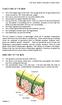 FUNCTIONS OF THE SKIN Skin is the largest organ of the body. The average adult has 18 square feet of skin which account for 16% of the total body weight. Skin acts as a physical barrier for you to the
OPTIONAL LESSON Anaphylaxis and Epinephrine Auto-Injector
 OPTIONAL LESSON Anaphylaxis and Epinephrine Auto-Injector Lesson Length: 54 minutes GUIDANCE FOR THE INSTRUCTOR To complete this lesson and meet the lesson objectives, you must: Discuss all points in the
Management of Burns. The burns patient has the same priorities as all other trauma patients.
 Management of Burns The burns patient has the same priorities as all other trauma patients. Assess: - Airway - Breathing: beware of inhalation and rapid airway compromise - Circulation: fluid replacement
What are spider veins? What is the best treatment for spider veins?
 Laser Spider/Leg Vein Q & A What are spider veins? Millions of women and men are bothered by unsightly spider veins on their faces and legs. Spider veins or telangiectasias are those small red, blue and
Section II When you are finished with this section, you will be able to: Define medication (p 2) Describe how medications work (p 3)
 Section II When you are finished with this section, you will be able to: Define medication (p 2) Describe how medications work (p 3) List the different medication effects (p5) List the ways that medications
8502-00-0821 Revision L Candela Proprietary Sheet 1 of 5 February 2005
 Vbeam Treatment Guidelines These guidelines were developed from clinical experience and do not take the place of the Operator s Manual and clinical judgment. These guidelines are subject to change as users
developed in the 1930 s Amides had a faster onset and a longer half life so they lasted longer Amides quickly ikl replaced esters In dentistry today,
 Local Anesthetics History The first local anesthetics were cocaine and procaine (Novacain) developed in lt late 1800 s They were called esters because of their chemical composition Esters had a slow onset
Obstetrical Emergencies
 Date: July 18, 2014 Page 1 of 5 Obstetrical Emergencies Purpose: To provide the process for the assessment and management of the patient with an obstetrical related emergency. Pre-Medical Control 1. Follow
PHENYLEPHRINE HYDROCHLORIDE INJECTION USP
 PRESCRIBING INFORMATION PHENYLEPHRINE HYDROCHLORIDE INJECTION USP 10 mg/ml Sandoz Canada Inc. Date of Preparation: September 1992 145 Jules-Léger Date of Revision : January 13, 2011 Boucherville, QC, Canada
Fractional Resurfacing for the Treatment of Hypopigmented Scars: A Pilot Study
 Fractional Resurfacing for the Treatment of Hypopigmented Scars: A Pilot Study ADRIENNE S. GLAICH, MD, ZAKIA RAHMAN, MD, y LEONARD H. GOLDBERG, MD, FRCP, z AND PAUL M. FRIEDMAN, MD y BACKGROUND profiles.
Blepharoplasty - Eyelid Surgery
 Blepharoplasty - Eyelid Surgery Introduction Eyelid surgery repairs sagging or drooping eyelids. The surgery is also known as blepharoplasty, or an eyelid lift. Sagging or drooping eyelids happen naturally
MOHS MICROGRAPHIC SURGERY
 Mary E. Maloney, MD Director Professor of Medicine David E. Geist, MD Assistant Professor of Medicine Dori Goldberg, MD Assistant Professor of Medicine Mark J. Scharf, MD Professor of Medicine Jason D.
TRICHLOROACETIC ACID SOLUTION Department of Pharmacy Duke University Medical Center Box 3089 Durham, NC 27710 919-684-5125
 Page 1 of 5 1. IDENTIFICATION OF SUBSTANCE Name: Manufacturer: TRICHLOROACETIC ACID SOLUTION Department of Pharmacy Duke University Medical Center Box 3089 Durham, NC 27710 919-684-5125 Information Department:
A single device, a plethora of treatments.
 A single device, a plethora of treatments. A single device, a plethora of treatments. ETHEREA was developed to bring in the market the best, most efficient and top-rated technologies device for laser and
1. What Xylocaine with adrenaline is and what it is used for
 Package leaflet: Information for the user Xylocaine 1% and 2% with adrenaline (epinephrine) 1:200,000 Solution for Injection lidocaine, adrenaline (epinephrine) Read all of this leaflet carefully before
Cosmetic Laser Procedures and Facial Contouring with Injectables. 2009, American Society for Aesthetic Plastic Surgery
 Cosmetic Laser Procedures and Facial Contouring with Injectables Stuart B. Kincaid, MD, F.A.C.S. San Diego/La Jolla Office 8929 University Center Lane, Ste. 201 San Diego, California 92122 Phone: 858-450-4199
ADVANCED SUTURING WORKSHOP ANN BECKER, APRN-CNP; TONI PRATT-REID, APRN-CNP
 ADVANCED SUTURING WORKSHOP ANN BECKER, APRN-CNP; TONI PRATT-REID, APRN-CNP SUTURING WORKSHOP! The technique of suturing, as a method for closing cutaneous wounds has been a part of medicine for hundreds
Non-Fractional Broadband Infrared Light for: Acne Scarring - Preliminary Results
 Non-Fractional Broadband Infrared Light for: Acne Scarring - Preliminary Results Ilaria Ghersetich Jean Luc Levy M.D. M.D., Daisy Kopera and Mario A Trelles M.D. M.D.,, Presented at (ESLAS), the European
Presence and extent of fatty liver or other metabolic liver diseases
 UC San Diego Health System Patient Information Sheet: Liver Biopsy What is a Liver Biopsy? A liver biopsy is a procedure where a qualified doctor (typically a hepatologist, radiologist or gastroenterologist)
PowerLight LED Light Therapy. The FUTURE of corrective skin
 PowerLight LED Light Therapy The FUTURE of corrective skin care TODAY LED facial treatments Effective when used with correct protocols Non thermal stimulation of collagen Increases circulation and lymphatic
Corporate Medical Policy Laser Treatment of Port Wine Stains
 Corporate Medical Policy Laser Treatment of Port Wine Stains File Name: Origination: Last CAP Review: Next CAP Review: Last Review: laser_treatment_of_port_wine_stains 9/2010 9/2015 9/2016 9/2015 Description
Laser and Cosmetic Center
 Laser and Cosmetic Center A Patient s Guide to Cosmetic Dermatology WELCOME Experts You Can Trust The Massachusetts General Hospital Dermatology Laser and Cosmetic Center s depth of experience is unmatched.
Local Anesthetics Used for Spinal Anesthesia
 Local Anesthetics Used for Spinal Anesthesia Several local anesthetics are used for spinal anesthesia. These include procaine, lidocaine, tetracaine, levobupivacaine, and bupivacaine. Local anesthetics
NEW ZEALAND DATA SHEET NAPHCON-A Naphazoline hydrochloride and pheniramine maleate.
 NEW ZEALAND DATA SHEET NAPHCON-A Naphazoline hydrochloride and pheniramine maleate. PRESENTATION Eye Drops: NAPHCON-A Eye Drops are a combination of an antihistamine (pheniramine maleate) and a decongestant
Fractional photothermolysis is a new technique
 Novel Use of Erbium:YAG (2,940-nm) Laser for Fractional Ablative Photothermolysis in the Treatment of Photodamaged Facial Skin: A Pilot Study MOSHE LAPIDOTH, MD, MPH, y MARINA EMIKO YAGIMA ODO, MD, z AND
There are different types of lasers that according the wavelength of their beams have different indications; the most common ones used on skin are:
 What is Laser Surgery? Laser (Light Amplification by Stimulated Emission of Radiation) surgery uses a very hot, focused beam of light to remove or cauterise a skin lesion and control bleeding without affecting
RAPID CLINICAL REPORT
 RAPID CLINICAL REPORT ADVERSE EFFECTS ASSOCIATED WITH THE ABSENCE OF HYALURONIDASE IN ANESTHESIA FOR CATARACT SURGERY Background: Issued February 13, 2001 Hyaluronidase (Wydase ) is a medical preparation
Innovative Low Fluence-High Repetition Rate Technology for Hair Removal
 Innovative Low Fluence-High Repetition Rate Technology for Hair Removal Dr. Joseph Lepselter Alma Lasers Ltd. Caesarea, Israel Houten, Holland April 14, 2012 Terms LHR = laser hair removal SHR = super
Epinephrine Administration Training for Unlicensed School Personnel
 Epinephrine Administration Training for Unlicensed School Personnel Management of Life-Threatening Allergies in the School Setting Dover and Sherborn Schools EpiPen Administration This program is designed
Pain Management for Labour & Delivery
 Pain Management for Labour & Delivery Departments of Anesthesia, Obstetrics, and Obstetrical Nursing December 2008 This pamphlet has been prepared to provide you, members of your family, and others who
5.07.09. Aubagio. Aubagio (teriflunomide) Description
 Federal Employee Program 1310 G Street, N.W. Washington, D.C. 20005 202.942.1000 Fax 202.942.1125 5.07.09 Subject: Aubagio Page: 1 of 6 Last Review Date: December 5, 2014 Aubagio Description Aubagio (teriflunomide)
Comparison of Heart Rate and Blood Pressure administration of anesthesia agent with and without
 ISSN: 2347-3215 Volume 2 Number 9 (September-2014) pp. 153-158 www.ijcrar.com Comparison of Heart Rate and Blood Pressure administration of anesthesia agent with and without Mohammad Ali Ghavimi 1*, Javad
CLINICAL PROTOCOL FOR THE USE OF INJECTED LOCAL ANAESTHETICS IN COMMUNITY TRUST SERVICES
 CLINICAL PROTOCOL FOR THE USE OF INJECTED LOCAL ANAESTHETICS IN COMMUNITY TRUST SERVICES RATIONALE This clinical protocol outlines the injected local anaesthetics used by Trust services and the circumstances
St. Louis Eye Care Specialists, LLC Andrew N. Blatt, MD
 St. Louis Eye Care Specialists, LLC Andrew N. Blatt, MD 675 Old Ballas Rd. Suite 220 St. Louis, MO 63141 Phone: 314-997-3937 Fax: 314997-3911 Toll Free: 866-869-3937 PEDIACTRIC CATARACT SURGERY A cataract
VISTARIL (hydroxyzine pamoate) Capsules and Oral Suspension
 VISTARIL (hydroxyzine pamoate) Capsules and Oral Suspension DESCRIPTION Hydroxyzine pamoate is designated chemically as 1-(p-chlorobenzhydryl) 4- [2-(2-hydroxyethoxy) ethyl] diethylenediamine salt of 1,1
California Correctional Health Care Services
 RN Protocol: I. POLICY A. Function: To facilitate and guide the Registered Nurse (RN) in the assessment and treatment of patients presenting with burns. B. Circumstances under which the RN may perform
LOCAL ANESTHETIC CONSIDERATIONS IN PODIATRIC SURGERY
 C H A P T E R 4 3 LOCAL ANESTHETIC CONSIDERATIONS IN PODIATRIC SURGERY Carl A. Kihm, DPM INTRODUCTION Local anesthetic (LA) infiltration, first introduced by Karl Schleich in 1892, has allowed surgeons
Femoral Nerve Block/3-in-1 Nerve Block
 Femoral Nerve Block/3-in-1 Nerve Block Femoral and/or 3-in-1 nerve blocks are used for surgical procedures on the front portion of the thigh down to the knee and postoperative analgesia. Both blocks are
How To Understand The Effects Of Drugs On The Brain
 DRUGS AND THE BRAIN Most of the psychological and behavioural effects of psychoactive drugs is due the interaction they have with the nerve cells in the CNS (which includes the brain and peripheral nervous
Pesticide Harmful Effects And Emergency Response
 Pesticide Harmful Effects And Emergency Response Most pesticides are designed to harm or kill pests. Because some pests have systems similar to the human system, some pesticides also can harm or kill humans.
Patient Information and Consent for Medical/Laser/Intense Pulsed Light Treatment. VASClinic PROCEDURES
 This consent form includes general descriptions of various dermatological treatments, including possible benefits and risks that may occur as a result of these treatments. Your doctor or nurse will describe
SLT Long Pulse Nd: YAG Laser for the Treatment of Leg Veins and Benign Vascular Lesions
 SLT Long Pulse Nd: YAG Laser for the Treatment of Leg Veins and Benign Vascular Lesions Constantin Confino, M.D., Dermatologist, Israel Betty Czajkowsky, M.D., Sharplight Medical Advisor, Israel Introduction
PACKAGE LEAFLET: INFORMATION FOR THE USER. ADRENALINE (TARTRATE) STEROP 1 mg/1 ml Solution for injection. Adrenaline (Levorenine, Epinephrine)
 PACKAGE LEAFLET: INFORMATION FOR THE USER ADRENALINE (TARTRATE) STEROP 1 mg/1 ml Solution for injection Adrenaline (Levorenine, Epinephrine) Read all of this leaflet carefully before you start using this
PATIENT HANDBOOK AND JOURNAL DAY OF SURGERY
 PATIENT HANDBOOK AND JOURNAL DAY OF SURGERY PREPARING YOUR SKIN BEFORE SURGERY PRE-OP HIBICLENS BATHING INSTRUCTIONS: General Information: Because the skin is not sterile, it is important to make sure
What Medical Emergencies Should a Dental Office be Prepared to Handle?
 What Medical Emergencies Should a Dental Office be Prepared to Handle? Gary Cuttrell, DDS, JD, University of NM Division of Dental Services Santiago Macias, MD, First Choice Community Healthcare Dentists
Evaluation of Fractional CO 2 Laser Efficacy in Acne Scar
 Original Article Evaluation of Fractional CO 2 Laser Efficacy in Acne Scar Simin Saryazdi, Azadeh Mohebbi Department of Dermatology, Afzalipour Hospital, Kerman, Iran Abstract: Introduction: Acne scar
Assistance. Teaching Plan. With Self-Administered Medication
 Assistance With Self-Administered Medication Teaching Plan Note to leader: Complete Page 4 of the learning guide and insert it in the learning guide before making copies of the lesson for each learner.
3% Sodium Chloride Injection, USP 5% Sodium Chloride Injection, USP
 PRESCRIBING INFORMATION 3% Sodium Chloride Injection, USP 5% Sodium Chloride Injection, USP IV Fluid and Electrolyte Replenisher Baxter Corporation Mississauga, Ontario L5N 0C2 Canada Date of Revision:
The degree of liver inflammation or damage (grade) Presence and extent of fatty liver or other metabolic liver diseases
 ilearning about your health Liver Biopsy www.cpmc.org/learning What is a Liver Biopsy? A liver biopsy is a procedure where a specially trained doctor (typically a hepatologist, radiologist, or gastroenterologist)
Corporate Medical Policy
 File Name: anesthesia_services Origination: 8/2007 Last CAP Review: 1/2016 Next CAP Review: 1/2017 Last Review: 1/2016 Corporate Medical Policy Description of Procedure or Service There are three main
BASIC FACIALS AND TREATMENTS Date:
 14 BASIC FACIALS AND TREATMENTS Date: TOPIC 1: FACIAL TREATMENT BENEFITS Rating: Text pages: 286 321 1 What are the general benefits of skin treatments? (maintain the health of the skin) (correct certain
Nursing Process Focus: Patients Receiving LINDANE (Kwell)
 Nursing Process Focus: Patients Receiving LINDANE (Kwell) ASSESSMENT Prior to administration: Obtain complete health history including allergies, drug history, and possible drug interactions. Assess vital
Medical personnel are growing more aware of the extent of an esthetician s
 Chapter 1 Defining Roles Medical personnel are growing more aware of the extent of an esthetician s training and realizing the potential value in bringing an esthetician into the medical environment. Working
Questions on The Nervous System and Gas Exchange
 Name: Questions on The Nervous System and Gas Exchange Directions: The following questions are taken from previous IB Final Papers on Topics 6.4 (Gas Exchange) and 6.5 (Nerves, hormones and homeostasis).
Absorption of Drugs. Transport of a drug from the GI tract
 Absorption of Drugs Absorption is the transfer of a drug from its site of administration to the bloodstream. The rate and efficiency of absorption depend on the route of administration. For IV delivery,
BSTA Anaphylaxis /Stock Epinephrine Policy
 BSTA Anaphylaxis /Stock Epinephrine Policy (Severe Allergic Reaction) It is the policy of Beehive Science and Technology Academy to provide at least two (2) doses of auto- injectable epinephrine (hereinafter
Frequently Asked Questions: REDEFINE ACUTE CARE Skincare for Expression Lines
 Frequently Asked Questions: REDEFINE ACUTE CARE Skincare for Expression Lines 1. How does REDEFINE ACUTE CARE work? REDEFINE ACUTE CARE quickly and comfortably smoothes targeted lines and wrinkles using
Two main classes: Epithelial Connective (synovial) Epithelial. Cutaneous Mucous Serous
 Two main classes: Epithelial Connective (synovial) Epithelial Cutaneous Mucous Serous Epithelial Membranes = sheet of epithelia + connective tissue base 1. Cutaneous membrane: outer skin layer (stratified
CHAPTER 21 QUIZ. Handout 21-1. Write the letter of the best answer in the space provided.
 Handout 21-1 QUIZ Write the letter of the best answer in the space provided. 1. A severe form of allergic reaction is called A. an allergen. C. epinephrine. B. anaphylaxis. D. an immune reaction. 2. Harmless
MATERIAL SAFETY DATA SHEET
 MATERIAL SAFETY DATA SHEET 1. PRODUCT AND COMPANY IDENTIFICATION Name: XYLOCAINE SOLUTIONS WITH EPINEPHRINE Address/Phone No.: DENTSPLY Pharmaceutical 3427 Concord Road York, PA 17402 Phone: 717-757-0200
STANDARD OPERATING PROCEDURE #201 RODENT SURGERY
 STANDARD OPERATING PROCEDURE #201 RODENT SURGERY 1. PURPOSE The intent of this Standard Operating Procedure (SOP) is to describe procedures for survival rodent surgery. 2. RESPONSIBILITY Principal investigators
MEDICATION GUIDE. PROCRIT (PRO KRIT) (epoetin alfa)
 MEDICATION GUIDE PROCRIT (PROKRIT) (epoetin alfa) Read this Medication Guide: before you start PROCRIT. if you are told by your healthcare provider that there is new information about PROCRIT. if you are
Love the Skin You re In. Emily Lambert, MD Sara Drew, ANP
 Love the Skin You re In Emily Lambert, MD Sara Drew, ANP Conditions Treated Unwanted Hair Sun Spots Wrinkles Redness Blood Vessels Spider Veins Scarring Aging Skin Melasma pregnancy mask Sun-damage Pre-cancers
Chetek-Weyerhaeuser High School
 Chetek-Weyerhaeuser High School Anatomy and Physiology Units and Anatomy and Physiology A Unit 1 Introduction to Human Anatomy and Physiology (6 days) Essential Question: How do the systems of the human
Acne (Acne Vulgaris) A common type of bacteria that lives on the skin, known as Propionibacterium acnes, sometimes
 Acne (Acne Vulgaris) Acne, clinically known as acne vulgaris, is the most common skin disease. It affects 85% of teenagers, some as young as 12, and often continues into adulthood. It is also called pimples,
Cold as an adjunctive therapy for headache
 Cold as an adjunctive therapy for headache Seymour Diamond, MD Frederick G. Freltag, DO Preview Patients with acute headache are often so vexed by pain that they seek out numerous physicians and headache
NEW YORK STATE DEPARTMENT OF HEALTH BUREAU OF EMERGENCY MEDICAL SERVICES
 NEW YORK STATE DEPARTMENT OF HEALTH BUREAU OF EMERGENCY MEDICAL SERVICES TRAINING PROGRAM OUTLINE FOR UNLICENSED OR UNCERTIFIED PERSONNEL TO ADMINISTER EPINEPHRINE BY AUTO-INJECTOR IN LIFE-THREATENING
Chapter 11. Everting skin edges
 Chapter 11 PRIMARY WOUND CLOSURE KEY FIGURE: Everting skin edges In primary wound closure, the skin edges of the wound are sutured together to close the defect. Whenever possible and practical, primary
Clinical Performance Director of Nursing Allison Bussey
 PGD 0314 Patient Group Direction Administration of Adrenaline (Epinephrine) 1:1000 (1mg/ml) Injection By Registered Nurses employed by South Staffordshire & Shropshire Healthcare Foundation NHS Trust This
NIH Clinical Center Patient Education Materials Giving a subcutaneous injection
 NIH Clinical Center Patient Education Materials What is a subcutaenous injection? A subcutaneous injection is given in the fatty layer of tissue just under the skin. A subcutaneous injection into the fatty
Teriflunomide is the active metabolite of Leflunomide, a drug employed since 1994 for the treatment of rheumatoid arthritis (Baselt, 2011).
 Page 1 of 10 ANALYTE NAME AND STRUCTURE TERIFLUNOMIDE Teriflunomide TRADE NAME Aubagio CATEGORY Antimetabolite TEST CODE PURPOSE Therapeutic Drug Monitoring GENERAL RELEVANCY BACKGROUND sclerosis. The
Intraosseous Vascular Access and Lidocaine
 Intraosseous Vascular Access and Lidocaine Intraosseous (IO) needles provide access to the medullary cavity of a bone. It is a technique primarily used in emergency situations to administer fluid and medication
BROCKTON AREA MULTI-SERVICES, INC. MEDICAL PROCEDURE GUIDE. Date(s) Reviewed/Revised:
 Page 1 of 5 PROCEDURE FOR: MAP-certified staff and RN/LPN MAP-certified staff are to be trained in the use of epinephrine administration via pre-filled autoinjector devices(s) annually. Certified staff
Definition of Investigational Medicinal Products (IMPs) Definition of Non Investigational Medicinal Products (NIMPs)
 EUROPEAN COMMISSION ENTERPRISE AND INDUSTRY DIRECTORATE-GENERAL Consumer goods Pharmaceuticals Definition of Investigational Medicinal Products (IMPs) Definition of Non Investigational Medicinal Products
How To Treat Anesthetic With Local Anesthesia
 3. LOCAL ANESTHETICS INTRODUCTION Compared to general anesthesia with opioidbased perioperative pain management, regional anesthesia can provide benefits of superior pain control, improved patient satisfaction,
Ankle Block. Indications The ankle block is suitable for the following: Orthopedic and podiatry surgical procedures of the distal foot.
 Ankle Block The ankle block is a common peripheral nerve block. It is useful for procedures of the foot and toes, as long as a tourniquet is not required above the ankle. It is a safe and effective technique.
ZOVIRAX Cold Sore Cream
 Data Sheet ZOVIRAX Cold Sore Cream Aciclovir 5% w/w Presentation Topical cream Indications ZOVIRAX Cold Sore Cream is indicated for the treatment of Herpes simplex virus infections of the lips and face
Skin biopsy. Delivering the best in care. UHB is a no smoking Trust
 Skin biopsy Delivering the best in care UHB is a no smoking Trust To see all of our current patient information leaflets please visit www.uhb.nhs.uk/patient-information-leaflets.htm A skin biopsy is a
Elements for a public summary. VI.2.1 Overview of disease epidemiology. VI.2.2 Summary of treatment benefits
 VI.2 Elements for a public summary VI.2.1 Overview of disease epidemiology Pain is one of the most common reasons for a patient to seek medical attention. Moderate or severe intensity pain can be acute
Laser Tattoo Removal
 Laser Tattoo Removal Laser Tattoo Removal Focus Medical NaturaLase QS Focus Medical, Bethel, CT, USA American Made NaturaLase QS4 2J 2J of energy, 4 wavelengths 1064, 532, 585, 650 NaturaLase QS4 1J 1J
New Methods for Guidance of Light-Based Treatments Using Objective Melanin Measurements
 New Methods for Guidance of Light-Based Treatments Using Objective Melanin Measurements Sean Doherty, MD, 1 Richard Cohen, PhD, 2 Felicia Whitney, RN, 2 Oksana Bradley, MD, 2 (Ukraine) Brooke Seckel, MD
1g cream or ointment contains 1 mg methylprednisolone aceponate.
 CONSUMER MEDICINE INFORMATION ADVANTAN 1g cream or ointment contains 1 mg methylprednisolone aceponate. What is in this leaflet Please read this leaflet carefully before you start using ADVANTAN. It will